Google has announced that its Home Panel, a feature that allows users to quickly control their smart home devices from their lock screen or Quick Settings, will soon be available to all Android devices running Android 14.
The Home Panel was previously exclusive to Pixel smartphones and the Pixel Tablet. However, Google has now confirmed that it will be expanding the feature to all Android devices that are running the latest version of its operating system.
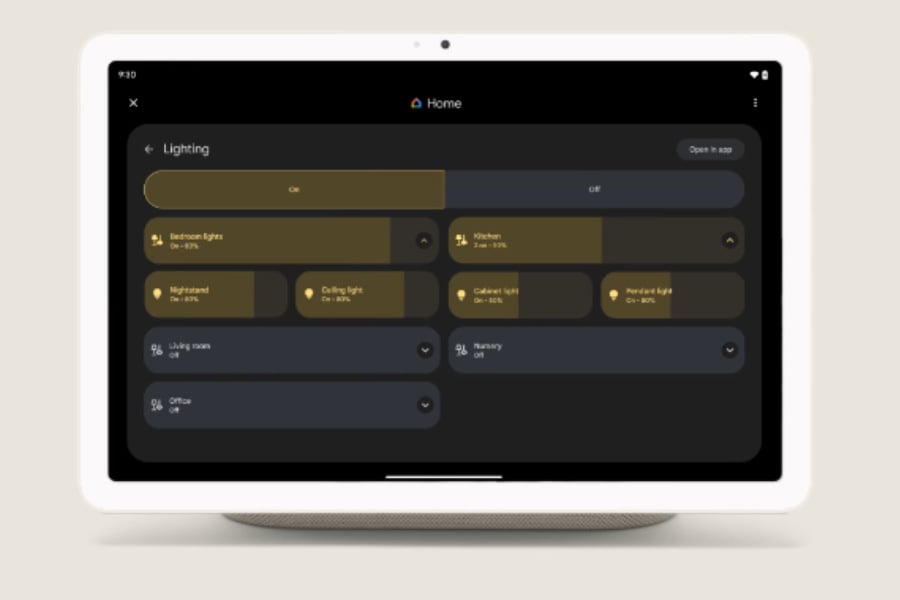
With the Home Panel, users can quickly access their Spaces and Favorites, which are groups of smart home devices that they have configured to control together. This makes it easy to, for example, turn off all the lights in a room or start a scene that plays music and changes the lighting.
Google Home Panel in Pixel Tablet
The Home Panel is a convenient way to control smart home devices without having to open the Google Home app. It is especially useful for devices that are frequently used, such as lights and thermostats.
The Home Panel will roll out to all Android devices if and when they get the latest Android 14 update.
Xiaomi and iQOO have just launched their Snapdragon 8 Gen 3-powered flagship phones. Brands like OnePlus, Redmi, Realme, and Meizu are also expected to launch their SD8G3 phones this year. Some of these brands are also expected to launch Snapdragon 8 Gen 2-powered flagship phones this year. Here’s what tipster Digital Chat Station leaked about the upcoming SD8G2 phones.
Redmi K70, OnePlus Ace 3 key details leaked
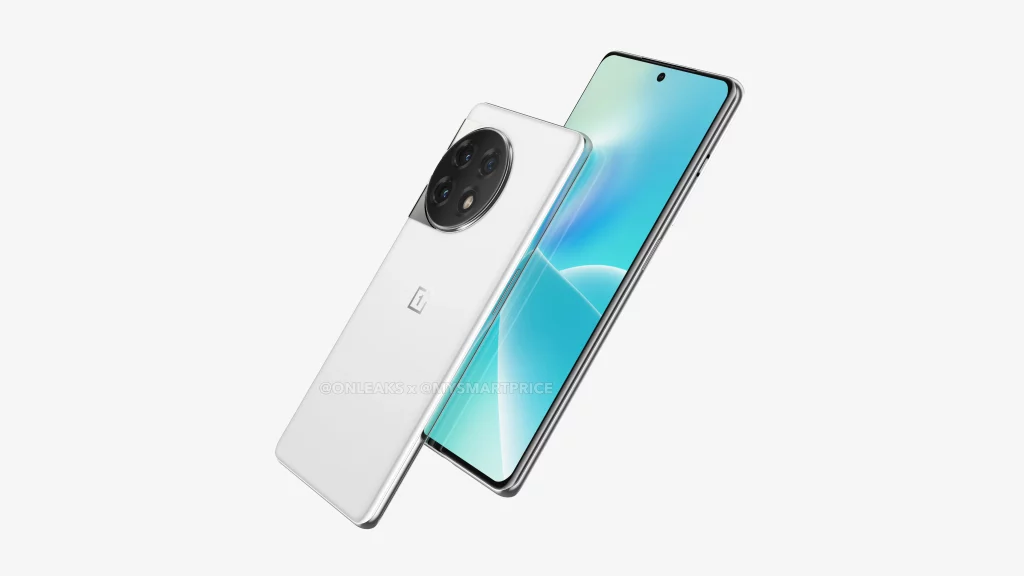
OnePlus 12R CAD render
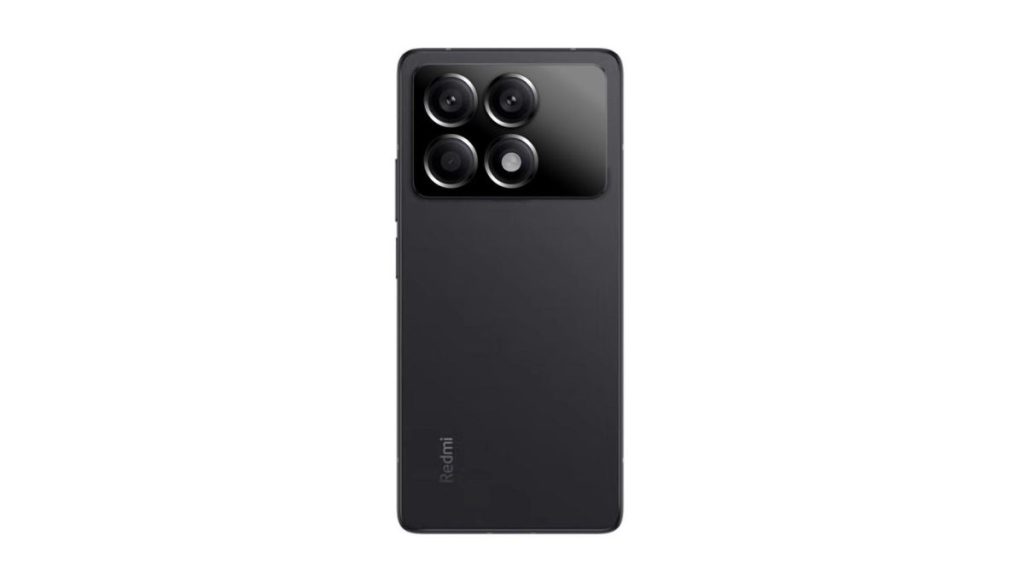
As per DCS’ Weibo post, the Redmi K70 and OnePlus Ace 3 will come equipped with the Snapdragon 8 Gen 2 chipset. The K70 is said to be equipped with a 2K resolution display with a flat design and narrow bezels. On the other hand, the Ace 3 will have a BOE-supplied Oriental Screen, an OLED panel with curved edges that offers a 1.5K resolution. Both devices are also said to be equipped with a metallic frame.
Redmi K70 mock render
The leaker claims that the Ace 3 will have a 5,500mAh battery that supports 100W charging. As per previous reports, the K70 will pack a 5,120mAh battery that offers 120W fast charging.
For those who don’t know, both phones are expected to be released in the global market in Q1 2024. These devices are likely to be called the Poco F6 and OnePlus 12R when they are released globally.
Other Snapdragon 8 Gen 2 phones expected this year
The K70 and Ace 3 are not the only Snapdragon 8 Gen 2 phones that are expected to launch this year. The Honor 100, 100 Pro, and iQOO Neo 9 Pro are also expected to feature the said chipset. Considering that the Xiaomi and iQOO flagships with Snapdragon 8 Gen 3 have a starting price of 3,999 Yuan (~$550), is likely that the upcoming Snapdragon 8 Gen 2 phones may cost around 3,000 Yuan (~$410).
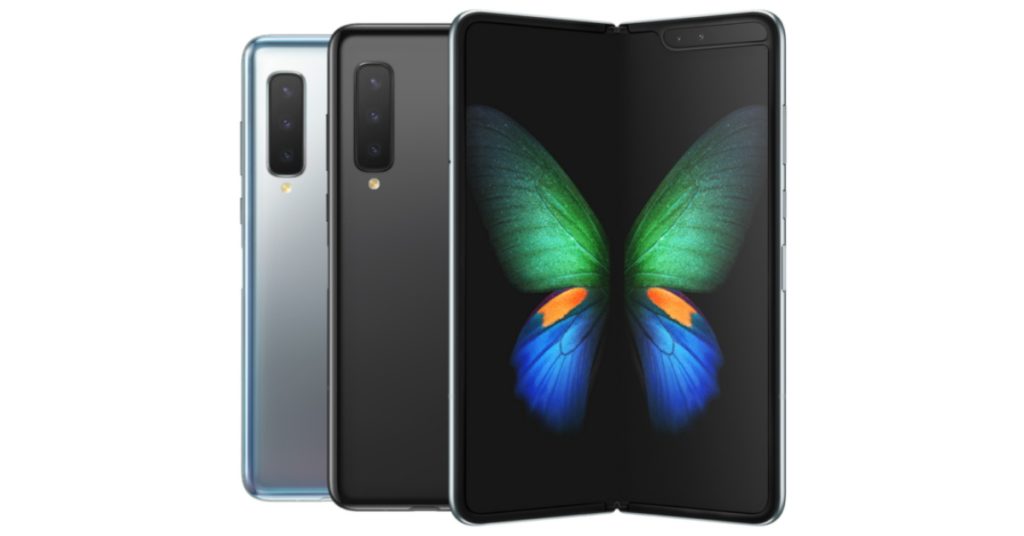
After four years of updates, Samsung has officially discontinued software support for its first foldable phone, the Galaxy Fold. The company’s decision comes as no surprise, given that the Fold is now four years old and has been superseded by several newer models.
Despite its age, the Galaxy Fold still remains a functional device, and many users may still choose to keep using it. However, with the end of software support, users will no longer receive any security updates or new features for the phone. This could potentially leave the phone vulnerable to security exploits and make it incompatible with newer apps and services.
The Galaxy Fold’s initial launch in 2019 was plagued by design issues that forced Samsung to delay its release. Despite these setbacks, the device eventually made it to market, but its high price tag and limited availability hindered its widespread adoption.
Samsung provided software updates for the Galaxy Fold until recently. However, with the release of the November 2023 security patch, the Galaxy Fold has been removed from Samsung’s list of supported devices.
For those who still have a Galaxy Fold, it’s time to start thinking about upgrading to a newer model. The Galaxy Z Fold 4 and Galaxy Z Fold 5 are both excellent options, and they offer a significantly better user experience than the original Fold.
Samsung, a leading South Korean tech company, has introduced its first generative AI model called Samsung Gauss. The model is named after Carl Friedrich Gauss, a renowned mathematician who developed the Normal Distribution Theory (Gaussian), which is widely regarded as the foundation of AI and ML technologies.
The name “reflects Samsung’s ultimate vision for the models, which is to draw from all the phenomena and knowledge in the world in order to harness the power of AI to improve the lives of consumers everywhere,” the company said during the Samsung AI Forum.
Samsung Gauss is the company’s first self-developed Generative AI model
Currently being used to enhance employee productivity within the company, Samsung Gauss will soon be expanded to various product applications. The model consists of three main components: Samsung Gauss Language, Samsung Gauss Code, and Samsung Gauss Image.
Samsung Gauss Language is a generative language model designed to boost work efficiency by assisting with tasks like email writing, document summarization, and translation. It can also enhance consumer experience by enabling smarter device control when applied to products.
Samsung Gauss Code is a coding assistant that facilitates in-house software development. It streamlines the coding process and provides interactive features like code description and test case generation.
Samsung Gauss Image is capable of generating and editing images, allowing for style changes, additions, and low-to-high-resolution image conversions.
To safeguard consumer privacy, these models can be applied on-device. Additionally, Samsung’s AI Red Team thoroughly examines security and privacy concerns that may arise during data collection, AI model development, service deployment, and generated results.
Samsung’s foray into generative AI marks a significant step towards its vision of leveraging AI to enhance consumer experiences and improve their lives.
IDC (International Data Corporation) has recently released its survey for the third quarter of 2023 for the Indian market. It reveals that the Indian smartphone market showed a modest 0.4 percent year-over-year increase in its overall shipments in Q3 2023.
Top 3 smartphone brands in Q3 2023 in India
As per the report, Samsung retained its position as the leading vendor with a 16.2 percent market share, followed by Realme with 15.1 precent. Vivo and Xiaomi hold the third and fourth spots, with market shares of 13.9 percent and 11.7 percent, respectively.
Notably, Oppo, OnePlus, and Poco experienced substantial year-over-year growth, securing market shares of 9.9 percent, 6.2 percent, and 5.7 percent, respectively. Meanwhile, Apple, Infinix, and Tecno demonstrated moderate growth, claiming market shares of 5.5 percent, 3.1 percent, and 2.9 percent, respectively. The “others” category accounted for 9.8 percent of the market.
Key takeaways from IDC Q3 2023 report
Key takeaways from this data reveal that while Samsung remains the top player in the Indian smartphone market, it has observed a slight dip in market share compared to 18.5 percent that it had in Q3 2022. Realme stands out as the fastest-growing vendor, with an impressive year-over-year increase of 6.5 percent in market share.
On the other hand, Xiaomi and Oppo, while still significant players have witnessed a decrease in their market shares in Q3 2023. In contrast, OnePlus and Poco are all experiencing robust growth with a 50.1 percent and 50.8 percent YoY increase as compared to last year in the same quarter. Additionally, Apple, Infinix, and Tecno continue to demonstrate steady growth and maintain their importance in the market.
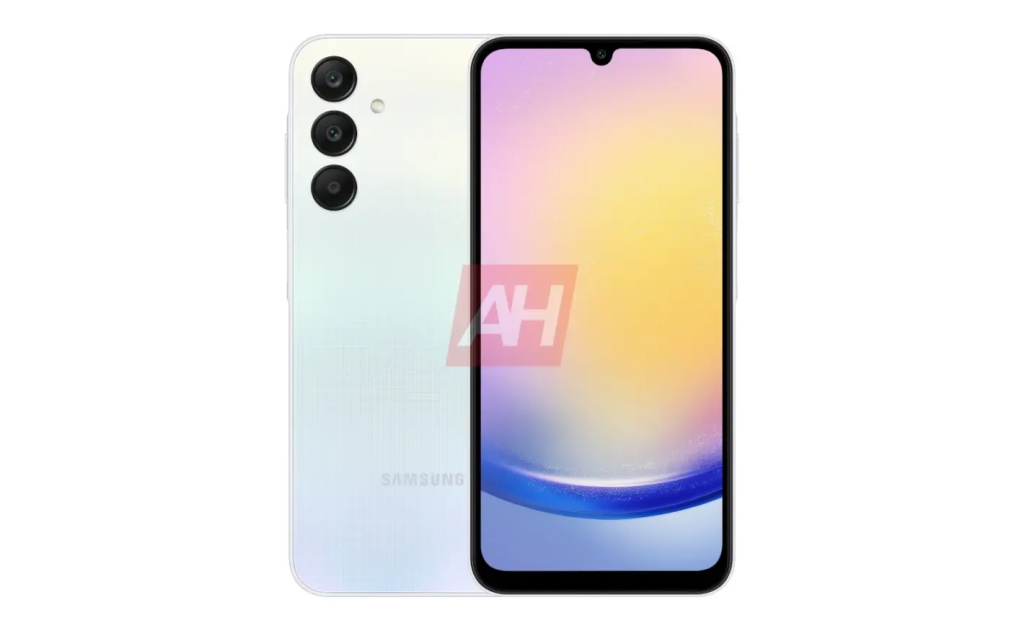
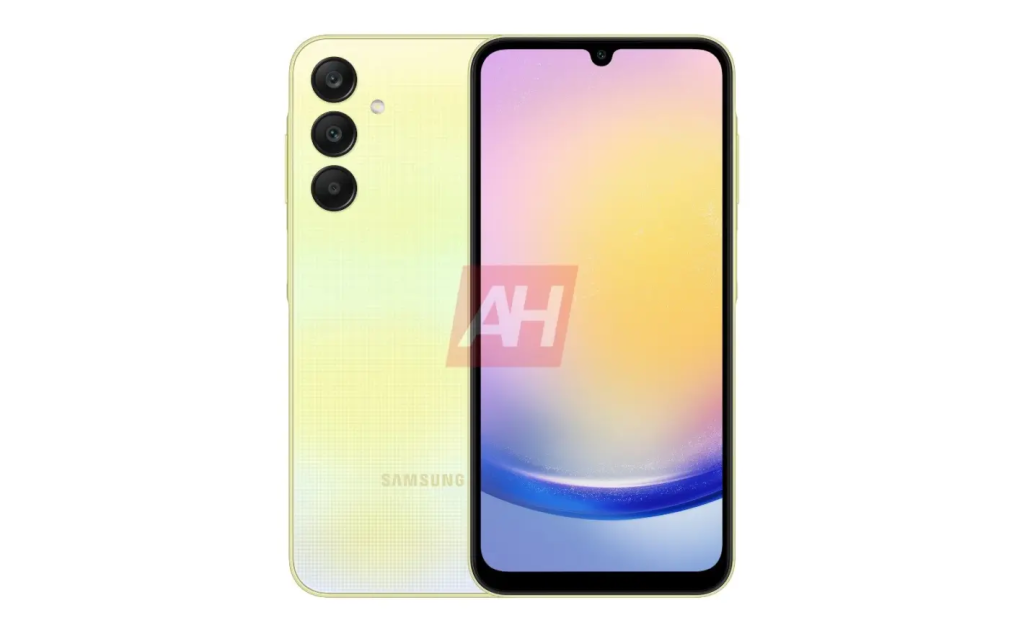
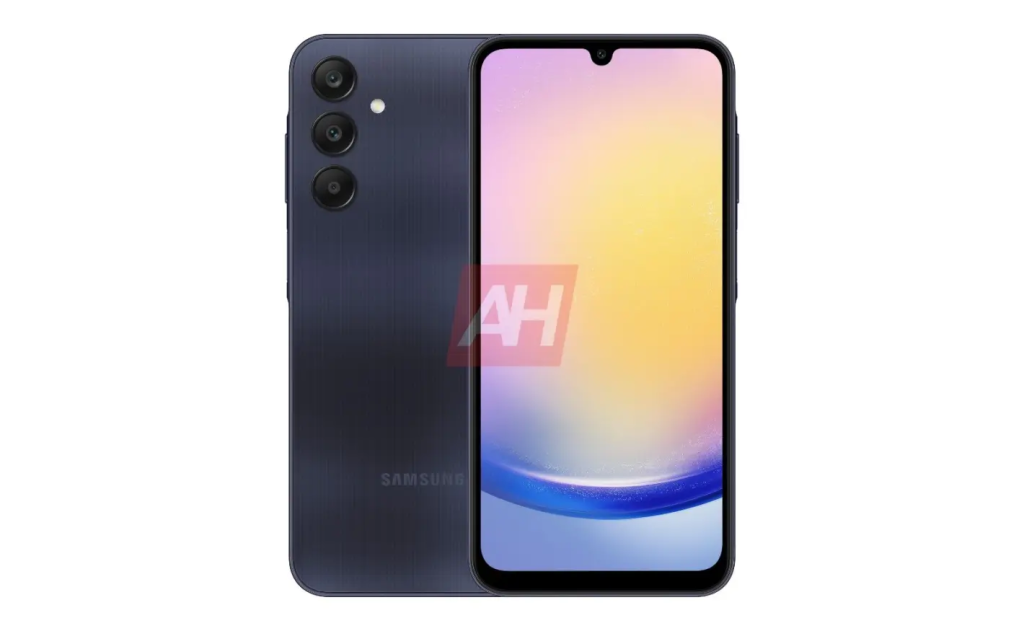
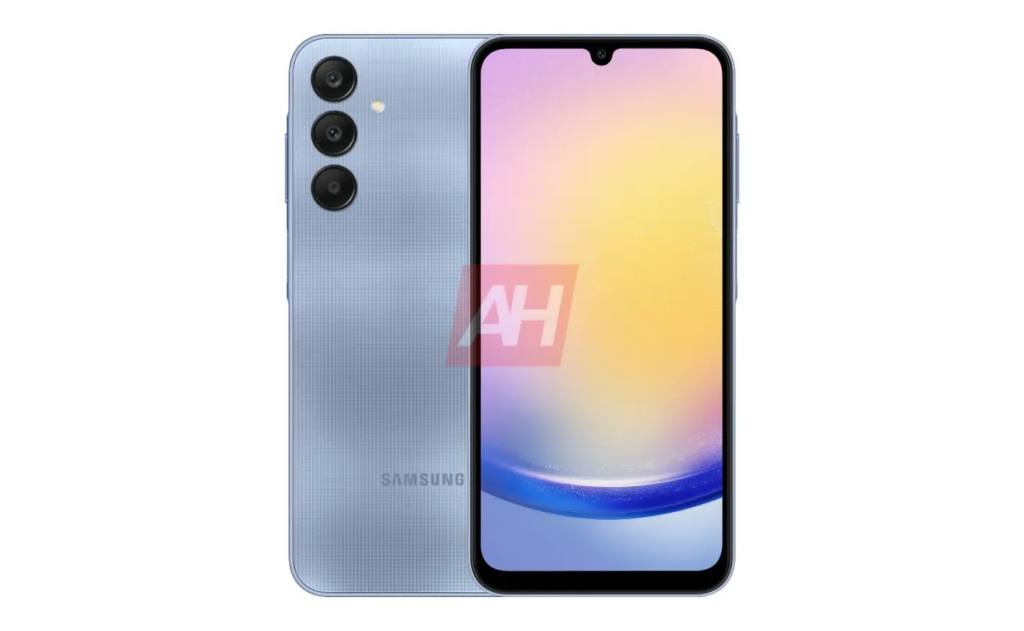
In June, leaked CAD renders of the Samsung Galaxy A25 provided an initial glimpse of its design, and subsequent reports have shared substantial details regarding its specifications. Now, a new report from Android Headlines has revealed the color options of the device by showcasing its leaked official renders.
Samsung Galaxy A25 5G color options
Samsung Galaxy A25 5G leaked render by Android Headlines
The leaked renders of the Galaxy A25 5G revealed that it will arrive in shades, such as black, blue-grey, lime green, and light blue. As far as the design of the phone is concerned, it appears quite unenticing as it features a waterdrop notch display with a thick bottom bezel and a plain back featuring three cameras and an LED flash.
Samsung Galaxy A25 5G leaked render by Android Headlines
The right side of the phone features a volume rocker and a power button, which is integrated with a fingerprint sensor. While the weight of the device is not known yet, it is said to measure 162 x 77.5 x 8.3mm. Here is a look at its rumored specifications.
Samsung Galaxy A25 5G specifications
Samsung Galaxy A25 5G leaked render by Android Headlines
The Samsung Galaxy A25 5G will arrive with a 6.44-inch AMOLED display that offers a Full HD+ resolution and possibly a 90Hz refresh rate. Under the hood, the A25 will feature the Exynos 1280 chipset and 8 GB of RAM. It is likely to pack 128 GB of internal storage and a 5,000mAh battery that supports 25W fast charging.
Samsung Galaxy A25 5G leaked render by Android Headlines
The Galaxy A25 is said to run on the latest One UI 6-based Android 14. On the front, it may feature a 13-megapixel selfie camera, and its back panel could be equipped with a 50-megapixel primary camera. At present, there is no information about the price of the device. As far as the launch is concerned, the South Korean company may unveil it before the end of this year.
With the advancement of technology, the development of TWS earphones has also accelerated the process. Some of them have become lighter, more convenient and stable connections, some have improved noise reduction algorithms, and some have achieved ultra-CD-level lossless sound quality. HUAWEI, one of the biggest Chinese digital products enterprises finally launched the new model of their flagship TWS series, HUAWEI FreeBuds Pro 3, in September. So, whether it is continuing the magic power brought by its first and second gens, let’s find out the truth.
Unboxing& Design
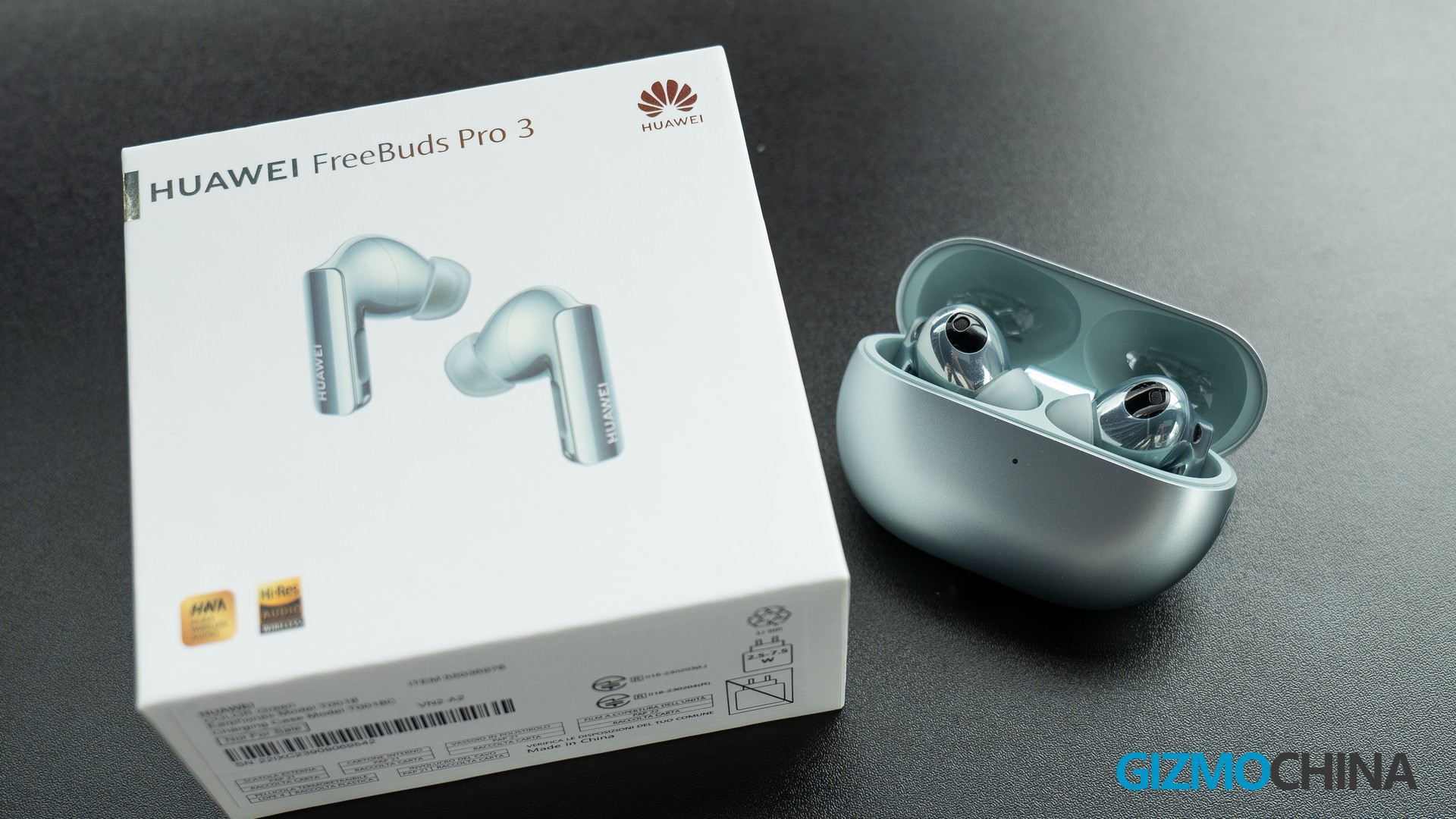
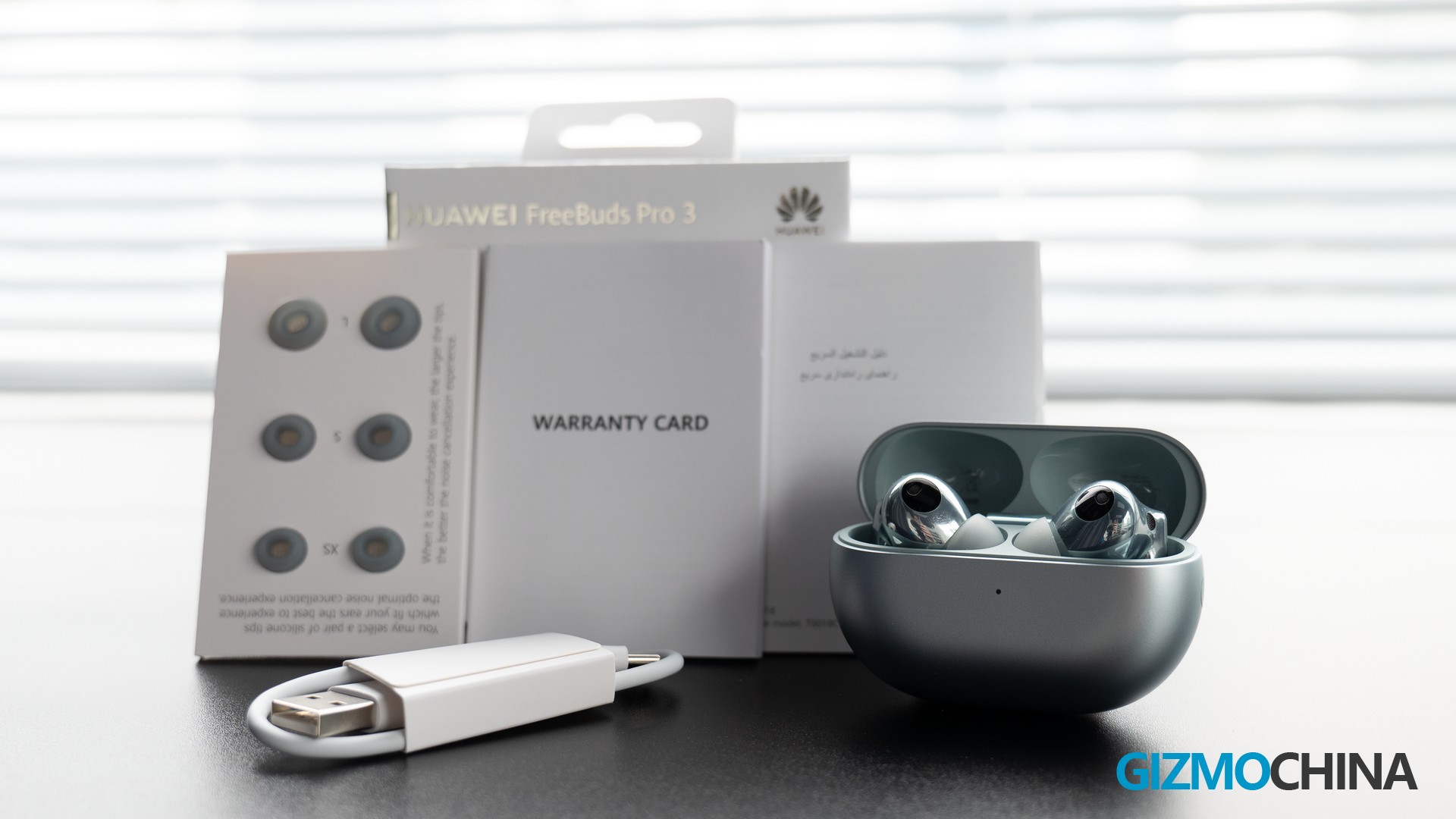
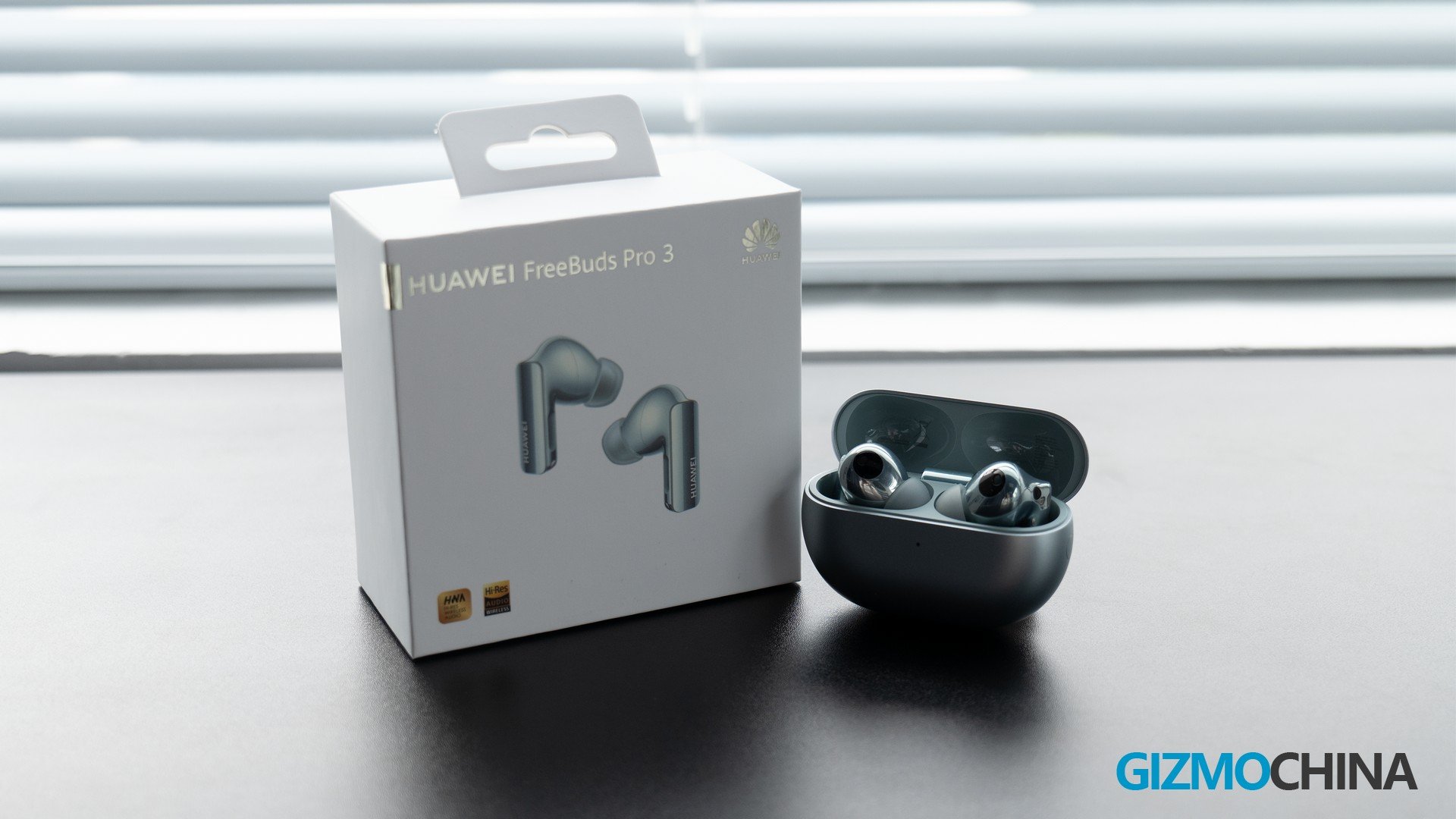
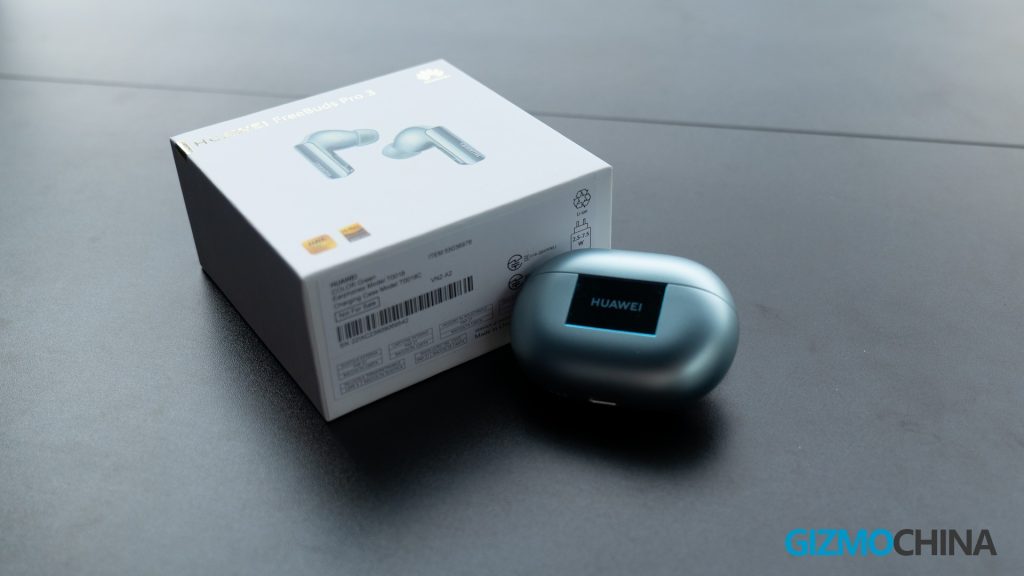
The HUAWEI FreeBuds Pro3 packaging box still adopts a square design on the front. The whole is compact, which as usual, contains a charging compartment, a pair of earphones, a Type-C charging cable, three pairs of earplugs that can match the size of most people’s ears, a warranty card and a manual.
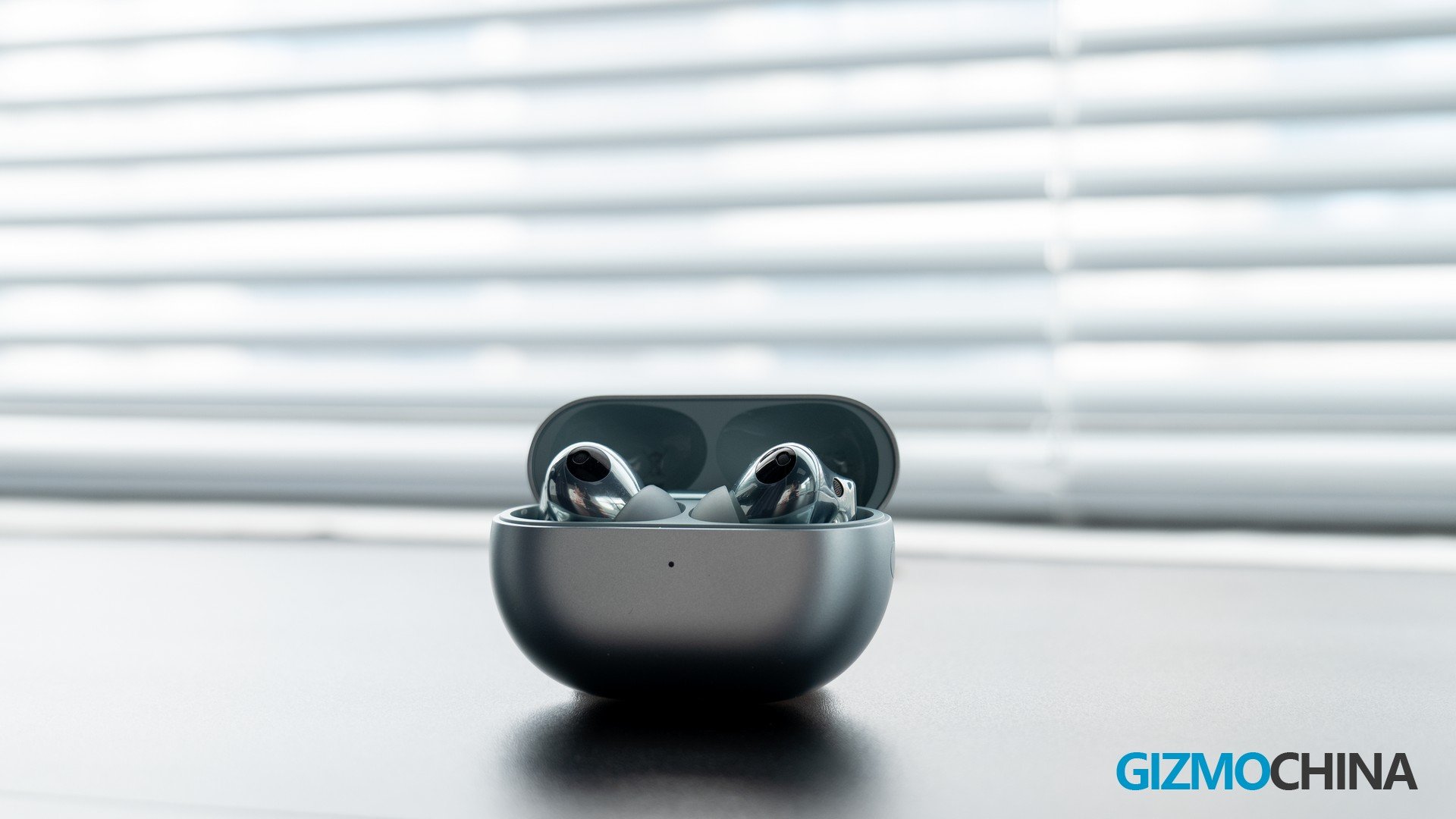
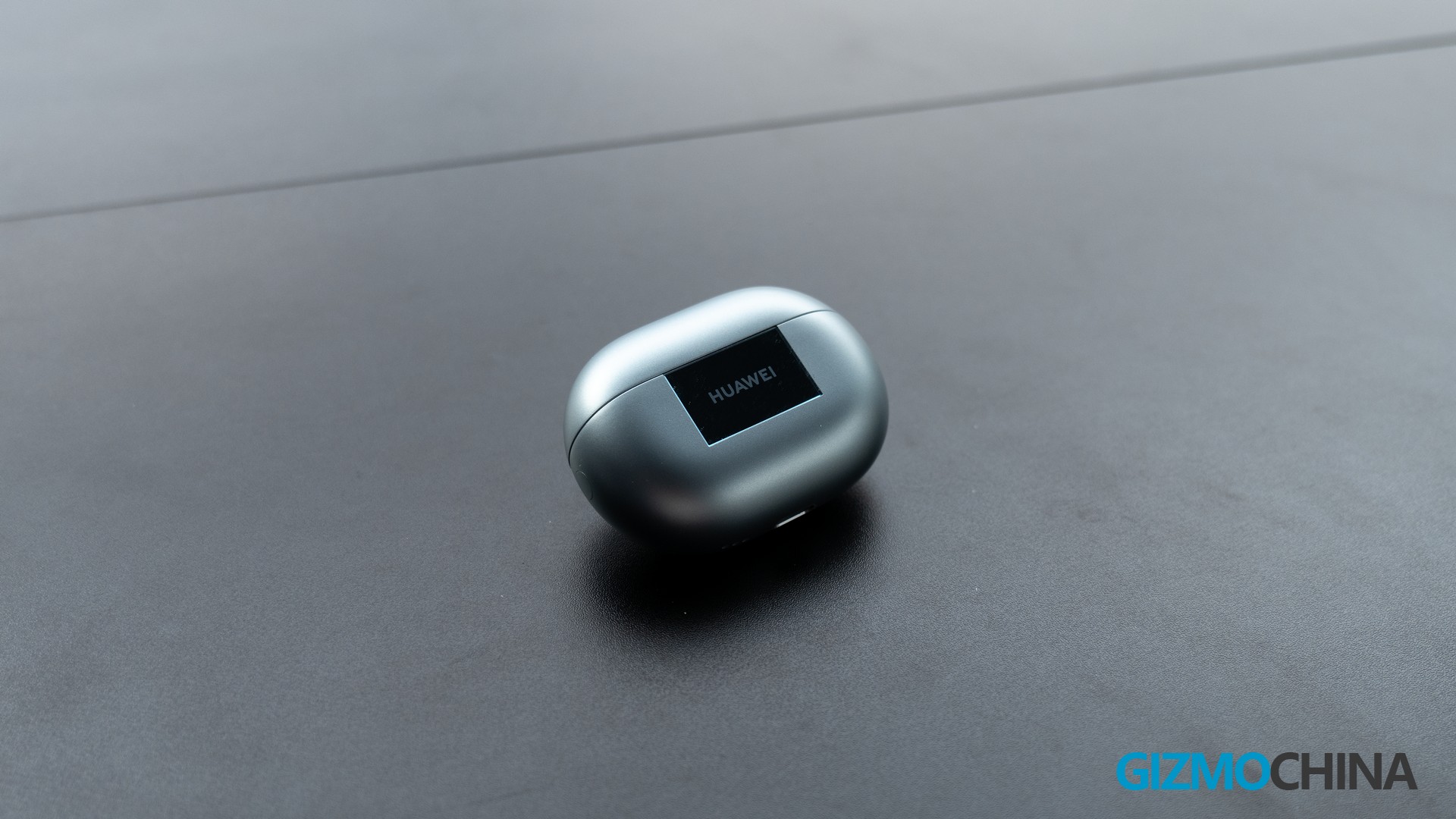
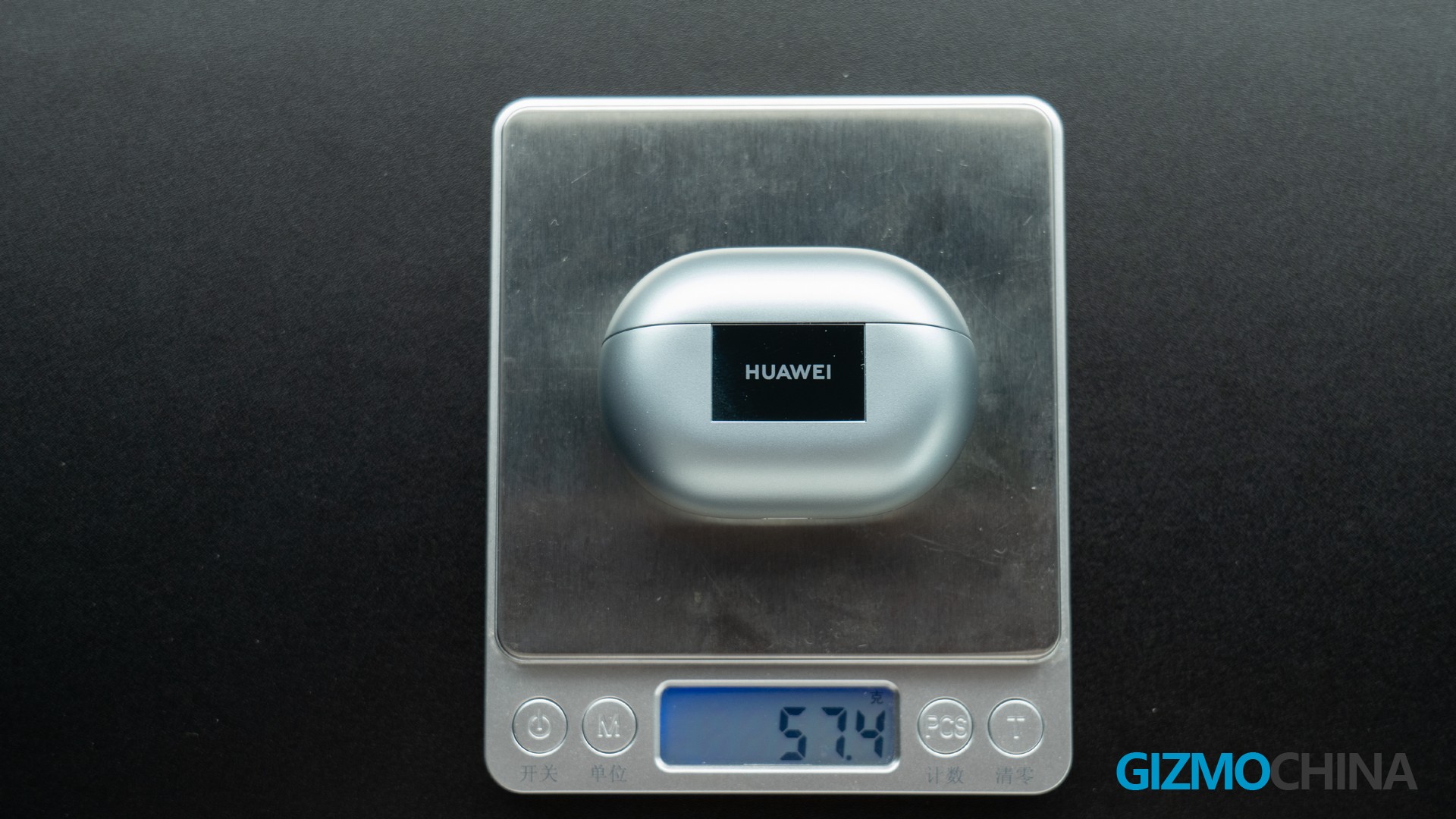
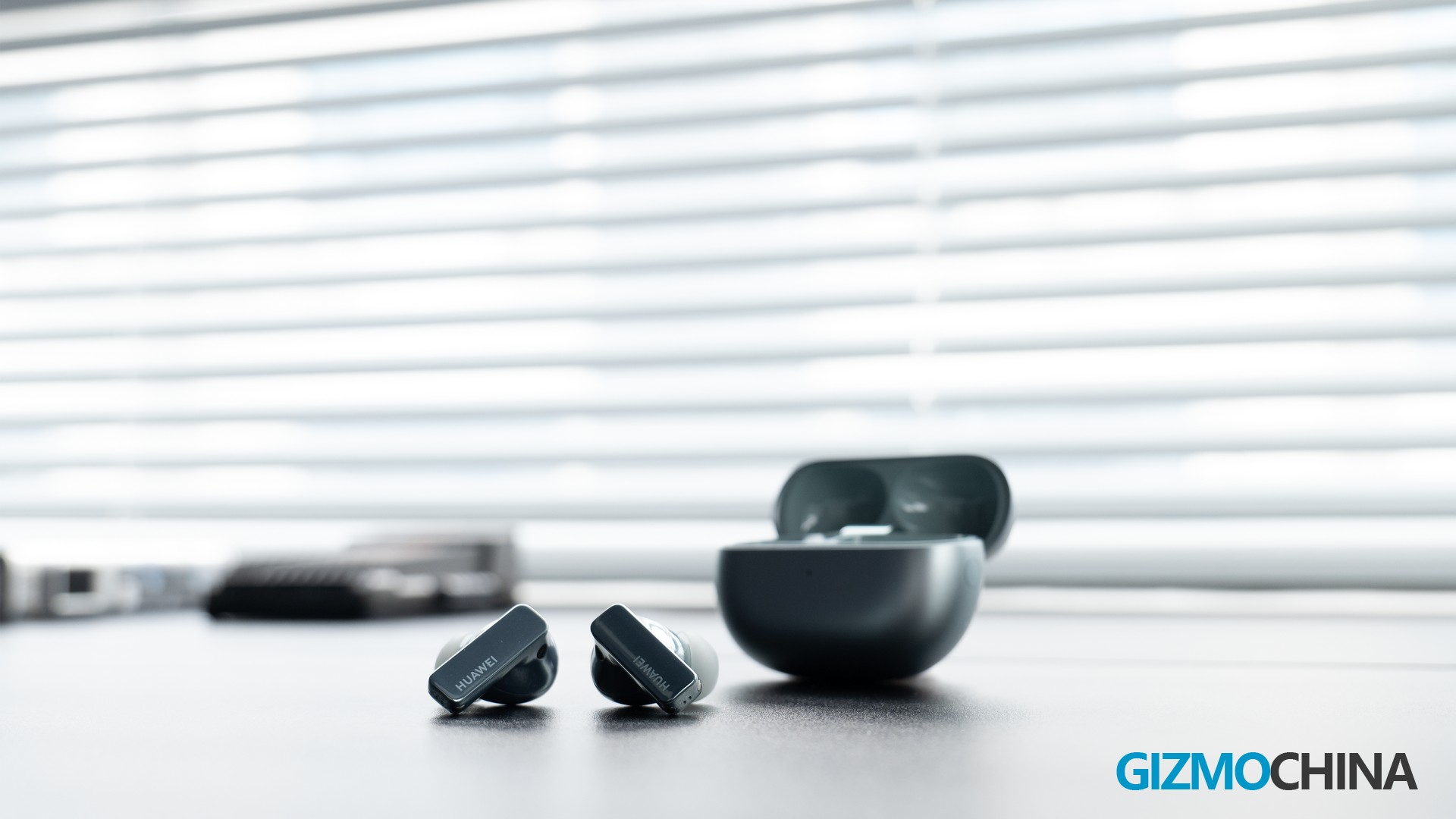
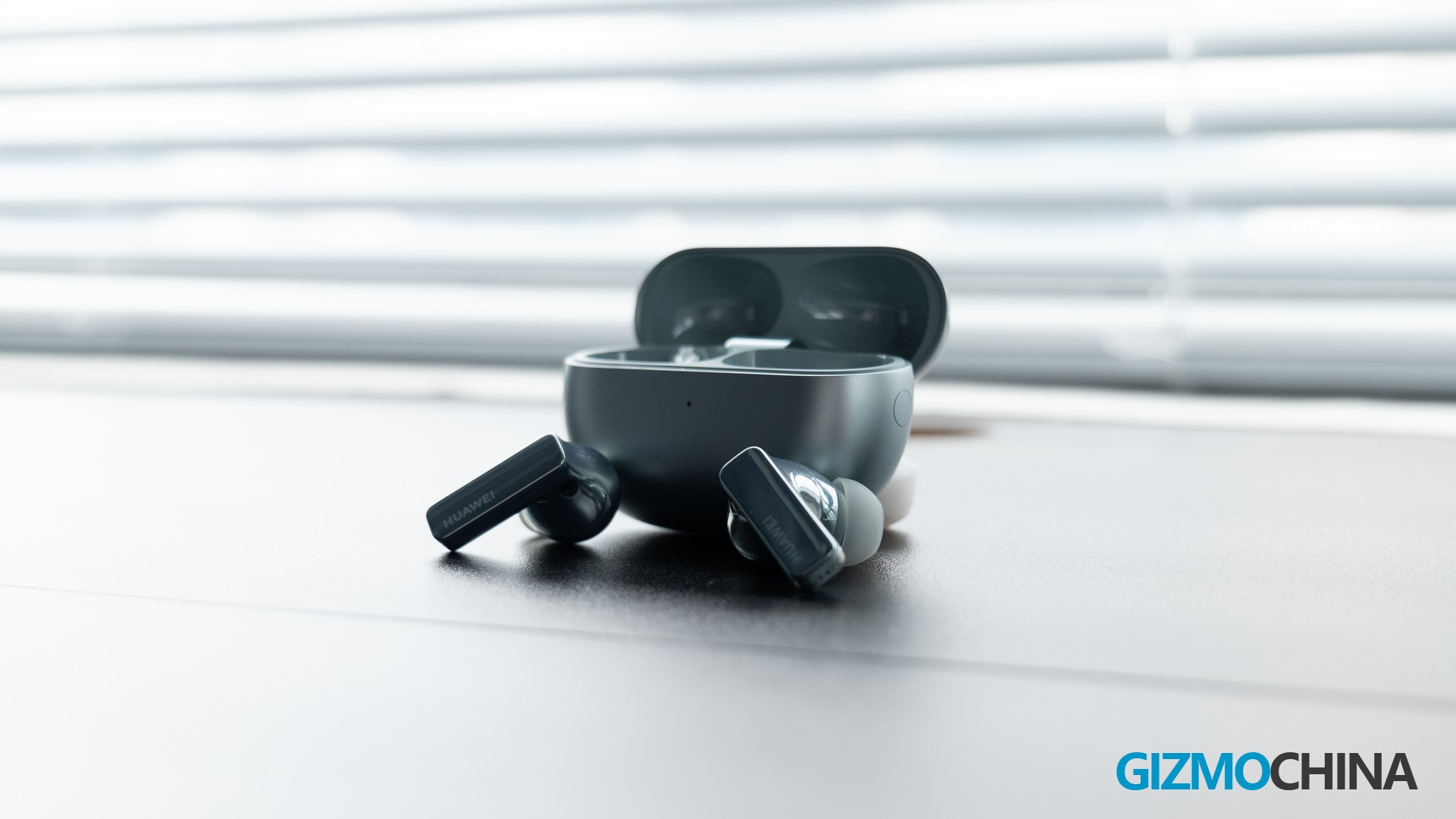
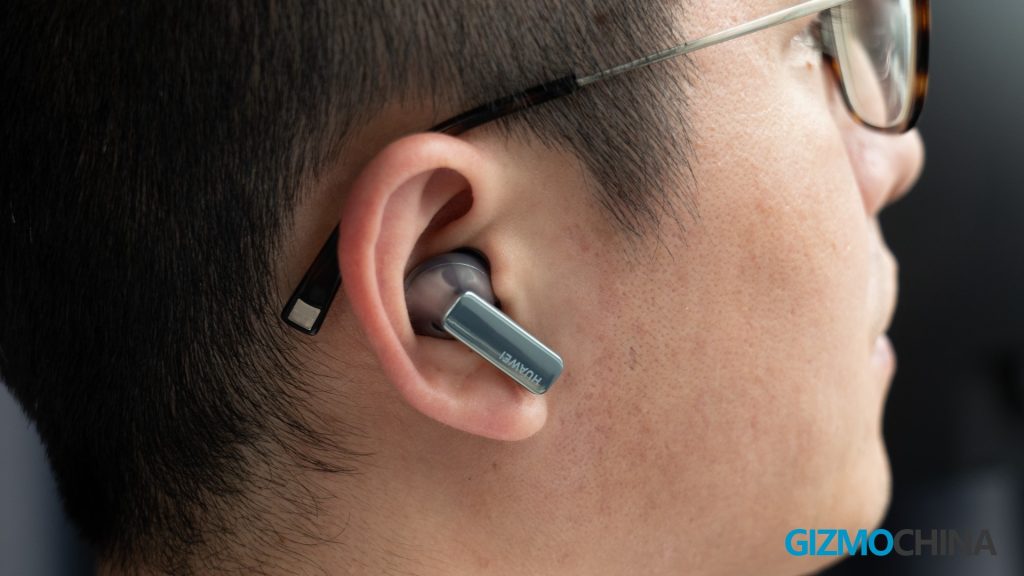
The charging case of the Freebuds Pro3 has a classic pebble shape, with a matte fog-face design on the shell. The touch here is still great. And a mirror glass on the back with a HUAWEI logo. The button is placed on the left, and the charging port and hidden speaker opening for earphone searching are at the bottom. The earbuds’ body is a use of glossy design, which is not much different from its predecessor, the HUAWEI FreeBuds Pro 2.
The shaft design of the charging case uses a hidden type, the feeling of opening and closing is very smooth. The opening is made into a diagonal cut so that it offers a larger opening Angle for the lips of the charging box, more convenient for users to take out the headset. In operation, it and the current mainstream flagship wireless Bluetooth headset is also roughly similar, press the control key to play or pause music and answer or hang up the phone; long press to switch normal mode, transparent mode, and noise reduction mode; sliding up/down the control area to adjust the volume.
Tone Quality
HUAWEI FreeBuds Pro3 adopts the Kirin A2 core independently developed by Huawei, which greatly improves the computing, but also brings more efficient signal processing capability, more accurate noise reduction, and a purest call environment. This is indeed validated in actual experience. Even though its predecessor was good enough, we still perceive the improvement in areas such as noise reduction. We’ll talk more about that later.
Huawei’s unique L2HC 3.0 audio codec protocol supports a transmission rate of 1.5Mbps, and thanks to this, its sound quality has also been greatly improved. The speed of a lossless CD music is 1.41Mbps, and the FreeBuds Pro3 L2HC 3.0 can restore 100% CD lossless music, letting users enjoy music more immersive. But at the same time, to achieve stable and best sound quality, you need to pay attention to the environmental interference on the signal. Otherwise, in most environments with crowded devices, I recommend you to turn on the ‘Prioritise connection quality’ option on the earbud management page of the HUAWEI AI Life app.
Through the test, FreeBuds Pro3 has excellent low-frequency diving and good resolution of mid and highs. According to official data, the limits of low frequency and high frequency are 14Hz and 48kHz respectively. The human voice is more transparent and crystal with fine detail, and the instruments are well arranged with the human voice, creating a wonderful balance in a stunning sound stage. I’m pretty sure that the new FreeBuds Pro is still the first-tier TWS earbuds in terms of sound quality. However, it should be noted that the L2HC 3.0 protocol currently only supports the Mate60 and X5 series. Even though, you can still enjoy excellent sound on other devices, especially other HUAWEI phones.
NearLink
Not only that, this headset is Huawei’s first wireless Bluetooth headset equipped with NearLink technology. Compared with the traditional Bluetooth headset, it not only supports faster connection but leads to better stability with stronger anti-interference. NearLink, as a new generation of short-range wireless connection technology led and developed by HUAWEI, even comes with lower power consumption, lower delay, wider coverage and easier networking as claimed. The NearLink technology can achieve 20ms of super-low latency, which can be auto-activated when games are launched with FreeBuds Pro 3 if the ‘Dynamic latency’ option is on in the app.
Noise Reduction
As a flagship TWS headset, noise reduction is one of the important criteria to test its quality. HUAWEI has been always the one applying the most aggressive solution for its maximum ANC performance. If its predecessor had already achieved the level of industry excellence, the new Freebuds Pro 3 seems to be almost unrivaled in this regard at this point.
It is equipped with intelligent dynamic noise reduction 3.0, with the powerful computing power of Kirin A2, with the upgraded AI adaptive noise reduction algorithm and three-microphone hybrid noise reduction system, it can accurately identify and calculate the noise inside and outside the ear in real time, and customize the noise reduction effect according to different scenes. Of course, there will still be some background noise in very loud environments, but this problem can be largely avoided once the music is turned on.
The most I’ll complain about is that it’s so quiet that I get addicted to it and miss some of the ambient alerts. So it will be much safer to adapt to the dynamic mode and give your ears time to get used to them.
Furthermore, its in-ear form also provides some passive physical noise reduction, if you choose the right earplugs for your ears.
And thanks to the powerful hardware of HUAWEI FreeBuds Pro3, its noise reduction during calls is also very good. The headset incorporates DNN call noise cancellation algorithms, allowing you to make comfortable HD calls in extremely high-noise environments. Not only that, with the VPU and three microphone system, intelligent processing and distinguishing between high and low-frequency noise, its wind noise resistance is also very good, even when the wind is very strong, users can still clearly talk with the other side.
Battery
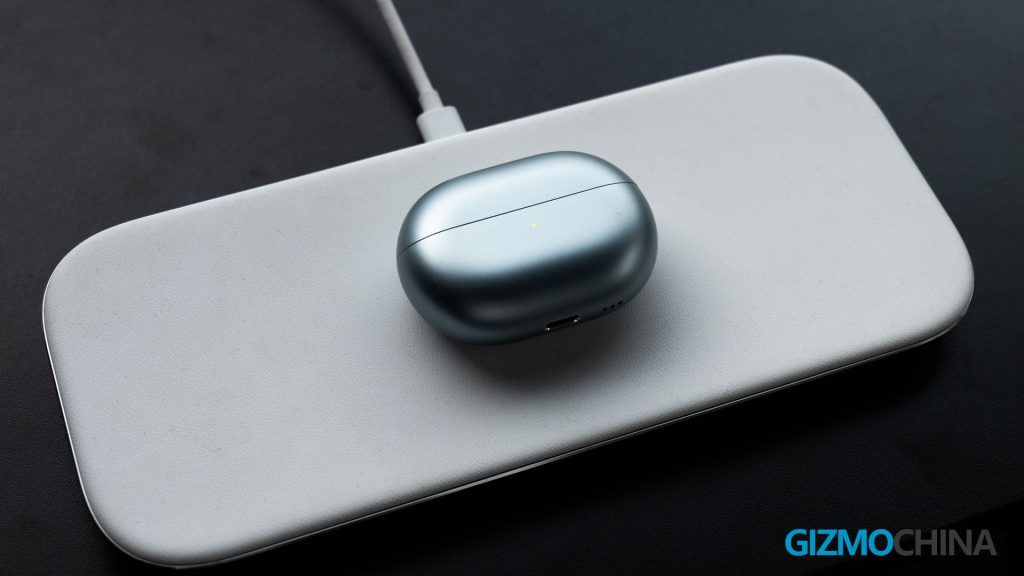
In addition, the charging case of HUAWEI FreeBuds Pro 3 is still compact, but with a decent capacity of 510mAh. Official data show that in the connection stable priority mode, you can continuously play music for about 33 hours, even in the sound quality priority mode, its battery life can still last 30 hours. At the same time, its charging speed is good. With the empty case, the wired charge only takes 60 minutes to full, and wireless charging takes about 150 minutes.
Other Functions
Of course, FreeBuds Pro3 is also equipped with some features that mainstream flagship wireless Bluetooth headphones have, such as spatial audio, pop-up display when the headset is opened, personalized pop-up theme, intelligent broadcasting and so on. Not only that, this time it also supports offline search headphones, allowing users to add some means of recovery in the case of lost headphones. However, I love this headset very much and will put it away very carefully after use, so I haven’t had a chance to experience this function.
Conclusion
In conclusion, HUAWEI FreeBuds Pro3 can be regarded as one of the best flagship ANC earbuds with its supreme sound quality and noise reduction, and in the case of connecting with Huawei phones, the cross-device experience is relatively perfect. The powerful features of these earbuds are definitely worth the money, but if you don’t have a Huawei phone, you need to decide whether to buy it according to how much you like it and how much you are familiar with Huawei’s software/hardware supports. Personally, the new earbuds have become one of the best companions for commuting, work, and travel.
Make sure you check the earbuds out here if you are interested in having anything I mentioned above.
iQOO hosted a launch event in China yesterday to unveil the iQOO 12 series of smartphones. This new lineup, which has a starting price of 3,999 Yuan (~$549), is currently open for pre-orders through various platforms, including Vivo China’s online store, JD.com, Tmall, and Pinduoduo. Shortly after making the pre-orders available, iQOO confirmed the highly positive market reception it has received.
iQOO 12 starts with impressive pre-order response
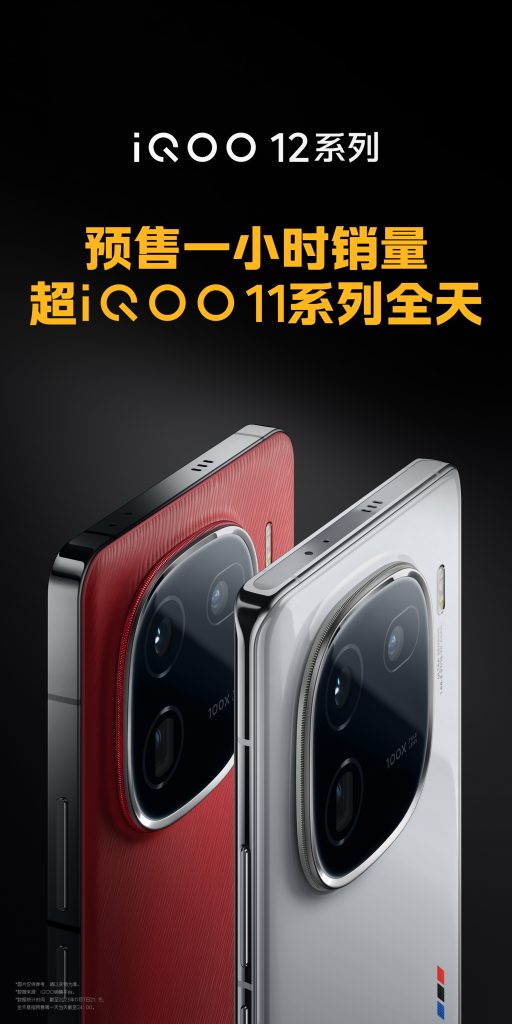
According to iQOO, in just one hour of the Snapdragon 8 Gen 3-powered iQOO 12 series pre-sale, the number of units sold exceeded the cumulative sales of the iQOO 11 series over a full day. The brand expressed its gratitude to its loyal customers for their enthusiasm and support.
The iQOO 12 series offers various configurations to meet different needs. The iQOO 12’s base model has 12 GB of RAM and 256 GB of storage, priced at 3,999 Yuan (~$549). Customers looking for more storage options can choose the 16 GB RAM variant, available in two options: 512 GB storage for 4,299 Yuan (~$591) and 1 TB storage for 4,699 Yuan (~$646).
On the other hand, the 256 GB, 512 GB, and 1 TB storage variants of the iQOO 12 Pro are priced at 4,999 Yuan (~$687), 5,499 Yuan (~$756), and 5,999 Yuan (~$829), respectively. These variants are equipped with 16 GB of RAM.
Both phones come in three colors, such as black, white, and red. The shipments of the iQOO 12 series will begin on Nov. 14 in China.
iQOO has already confirmed that it will announce iQOO 12 on Dec. 12 in India. As far as the Pro model is concerned, it is likely to remain exclusive to the Chinese market.
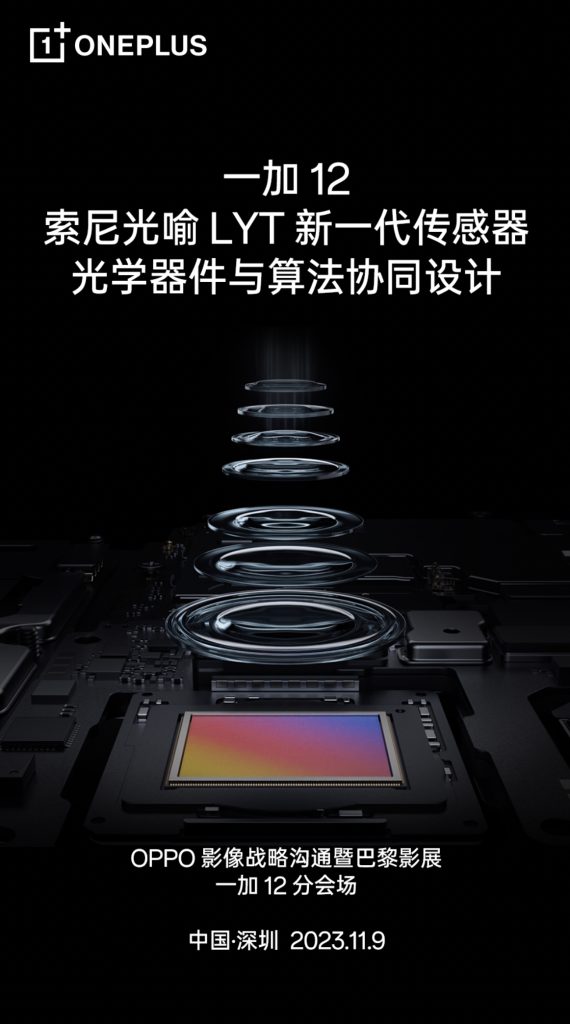
One of the major strengths of the upcoming OnePlus 12 is its photography prowess. Today, OnePlus President Li Jie released a Weibo post to talk about the primary camera of the OP12.
OnePlus 12’s expected to feature LYT-T808 main camera
Oneplus 12 features a Lytia primary camera
According to Li Jie, the OnePlus 12 stands out as the world’s first flagship smartphone equipped with a new Lytia camera sensor in collaboration with Sony. This unique sensor, combined with advanced algorithms, can result in an unparalleled photography experience. Jie said that the OnePlus 12’s primary camera outperforms all others in its category.
The company is still silent about the primary camera of the OnePlus 12, but reports have claimed that it will be equipped with the LYT-T808 primary camera. It is said to be coupled with a 48-megapixel Sony IMX581 ultra-wide lens and a 64-megapixel OmniVision OV64B periscope telephoto camera, which may offer up to 5x optical zoom.
The OnePlus 12 will feature the Snapdragon 8 Gen 3 chipset and up to 16 GB of LPDDR5x RAM. The topmost variant of the device may offer 1 TB of UFS 4.0 storage. It will run on ColorOS 14-based Android 14.
The OnePlus 12’s 3C certification has revealed that it may support 100W wired charging. It is said to pack a 5,400mAh battery and carry support for 50W wireless charging. It will feature the latest BOE X1 Oriental Screen, which will have a centrally aligned punch-hole and curved edges. It will offer a 2K resolution, a 120Hz refresh rate, and an in-screen fingerprint scanner.
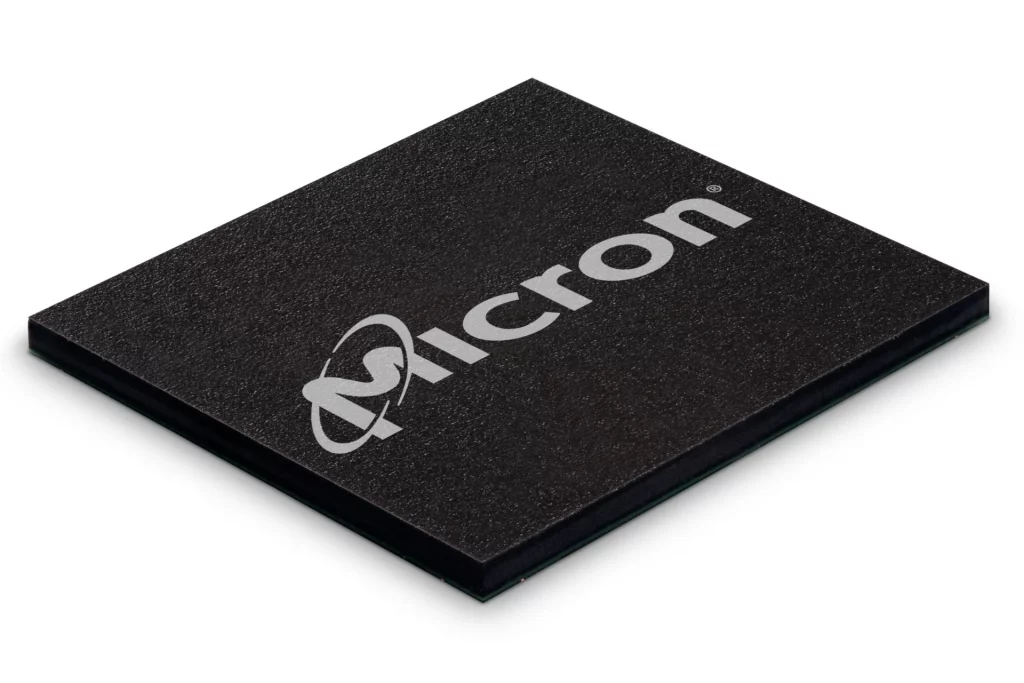
The landscape of the global semiconductor industry is seeing a mix of competition and cooperation, as illustrated by the recent China International Import Expo (CIIE) in Shanghai. Amid a backdrop of heightened chip rivalry and trade tensions, particularly between the U.S. and China, this expo has become a hotspot for demonstrating commitment and technological prowess.
China’s government is pushing hard for chip self-sufficiency
At the CIIE, heavyweights like Micron, ASML, and Samsung have marked their territory, showcasing their latest advancements and securing their foothold in the Chinese market. These displays come at a time when the Chinese government is pushing hard for chip self-sufficiency, a move prompted by international trade challenges.
Interestingly, while some like Micron and Samsung are making bold appearances despite facing sales bans and restrictions, others like Nvidia have opted out, maintaining a conspicuous absence. This reflects a strategic dance where companies must balance their global market aspirations with the regulatory tightrope of international trade policies.
Micron’s presence, in particular, signals a possible thawing of tensions with Beijing, as the company deployed a significant team to the expo despite past security review setbacks. This points to the intricate relationship businesses have with politics, where economic interests often lead to softened stances and renewed dialogue.
ASML and Samsung also used the expo to assert their influence and technological edge. Samsung’s introduction of its advanced 3-nanometre chip technology contrasts with its China-based plants’ focus on more mature-node chips, highlighting the complex interplay between innovation and production strategies.
AMD‘s focus on AI solutions and its declaration of AI as a strategic priority showcases the industry’s pivot towards future technologies. However, the absence of companies like Nvidia underlines the reality that the tech industry’s future is not just about innovation but also about navigating the geopolitical chessboard.
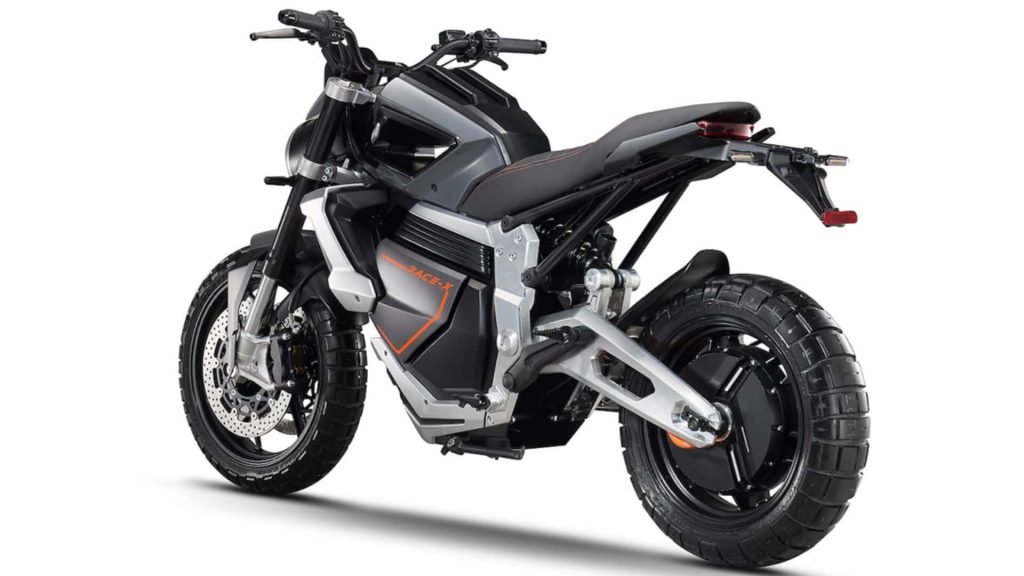
The motorcycle segment, especially with the onset of electric vehicles is buzzing with innovation. Among the latest to charge up the scene is the Velocifero Race-X Scrambler. This bike is a fresh take on electric mobility, combining the thrill of riding with the practicality needed for everyday use. It’s a machine that doesn’t just get you from point A to B; it promises an experience that caters to both the heart and the mind.
The battery charges from zero to hundred in 2.5 hours
Presented at EICMA 2023, the Velocifero Race-X is a middle-ground marvel. It doesn’t just focus on raw performance or bare-minimum commuting capabilities; instead, it delivers a balanced package. With a modest 5 kilowatt (6.7 horsepower) electric motor, it might seem underpowered on paper, but in reality, it punches above its weight thanks to its torquey nature and instantaneous power delivery.
Its 6.48 kilowatt-hour battery can be fully charged in just 2.5 hours and offers an impressive range of over 100 miles on a single charge. This makes the Race-X a viable option for both daily commutes and spirited weekend rides. The inclusion of multiple riding modes such as P, Eco, Sport, and Sport+ ensures that riders can tailor their experience to the road conditions or their mood.
The design, while modern, is simple, featuring an inverted front fork and a single rear shock absorber. The wheels are a unique pairing of 17-inch at the front and 15-inch at the rear, shod with a 160/60 tire, contributing to its distinctive stance. This smaller scale and accessible power make it an ideal choice for riders as young as 16, promoting inclusivity in the electric bike community.
While the bike’s production in China may raise eyebrows for some, it speaks to a broader narrative of globalization and the pursuit of balancing cost with innovation. As the electric motorcycle industry evolves, it’s bikes like the Velocifero Race-X that are setting the pace for a future where fun and function can coexist on two wheels.
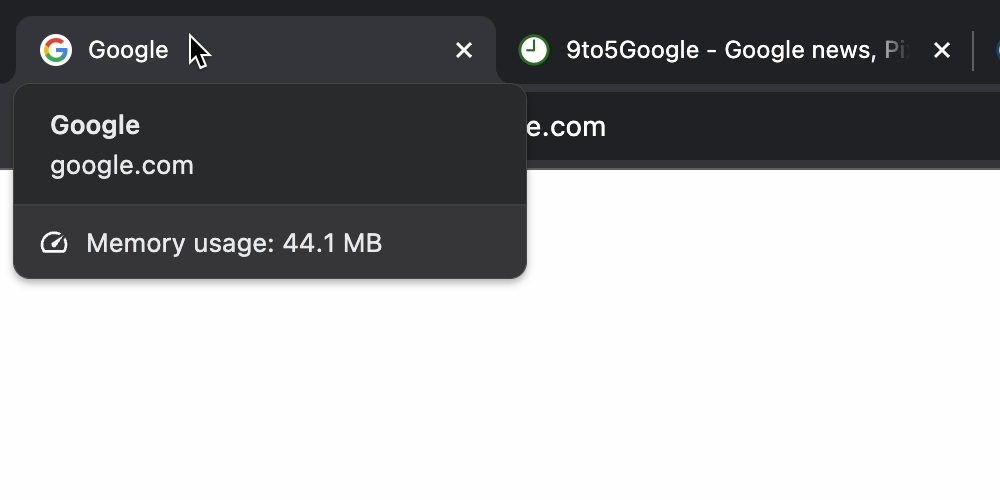
Where multitasking on browsers has become a norm, managing system resources effectively is crucial. Google Chrome, a web browser used by millions, has introduced a nifty feature that lets users keep tabs on the memory usage of individual tabs, quite literally. This new update, as reported by 9to5Google, is a step towards providing users with transparent information about how much system memory their open pages are consuming.
You will just have to hover above the tab to see the consumption of resources
Previously, Chrome had launched a Memory Saver mode, which conserves system memory by limiting the resources used by inactive tabs. But this latest feature goes a step further by providing real-time memory usage data with a simple hover over a tab. This means you can now see which of your open websites are hogging system resources without the need to navigate through multiple settings.
This convenience is particularly useful for users who work with numerous tabs open and need to keep their computers running smoothly. It’s a feature that speaks to the everyday user’s needs—no need for technical know-how to monitor your computer’s performance. Simple, on-the-fly, and informative, it can help you decide which tabs to close when your machine starts to lag.
To access the Memory and Energy Saver modes, users can go into the browser’s settings under the ‘Performance’ section. There’s also an option to keep certain important sites always active, ensuring that critical pages are not reloaded every time you click on them.
The update is already available on the stable Chrome 119 channel and is expected to be accessible to all users soon. For those who can’t wait, there’s a way to enable it manually via Chrome’s experimental settings.
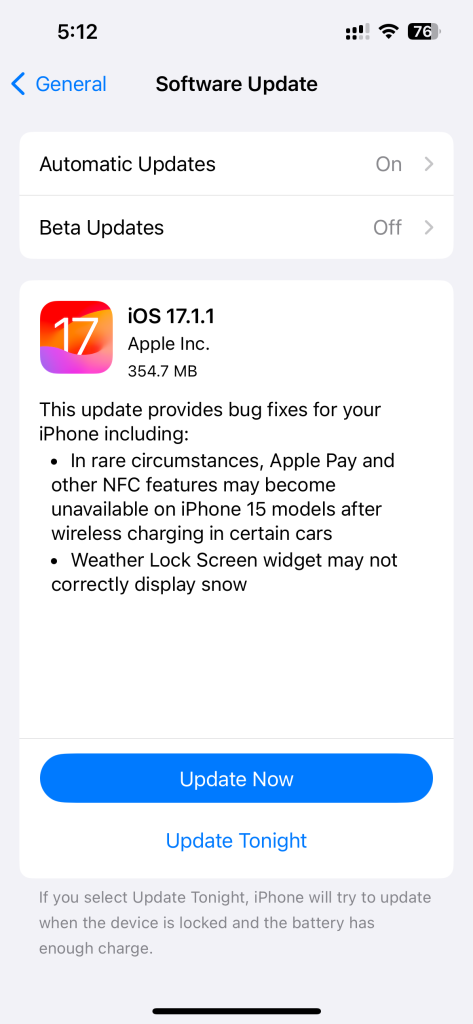
Apple has released iOS 17.1.1 as a quick update to address some urgent glitches that were originally planned to be fixed in iOS 17.2. This update focuses on patching these issues and comes shortly after the release of iOS 17.1.
What’s fixed in this new update?
iOS 17.1.1 primarily addresses wireless charging issues related to specific car models, such as BMW and Toyota Supra. These problems were causing disruptions to NFC functions, particularly impacting Apple Pay for iPhone 15 series users. Apple has acknowledged and fixed this flaw in the update.
Additionally, the update addresses a visual glitch in the weather lock screen widget, which previously failed to accurately display snowy conditions. While iOS 17.1.1 tackles these specific issues, it’s unclear whether it also addresses other reported concerns, such as Wi-Fi connectivity stability and unexpected device shutdowns.
To access the fixes in iOS 17.1.1, users can follow the standard update procedure. Simply go to ‘Settings,’ then ‘General,’ and select ‘Software Update.’ From there, you can choose the ‘Install Now’ option to update your device.
iOS 17.2, expected to be released in December, will bring several significant features. These include the addition of a new Journal app, the ability to customize the Action button with options like Translate functionality, new widgets for the Weather and Clock apps, and enhancements to Apple Music.
Additionally, the update will enhance security with iMessage Contact Key Verification and offer convenient sticker reactions within iMessage. Users will also find expanded Memoji customization options, including the ability to customize body features.
AOC is a reputable brand in consumer electronics, known for affordable and dependable monitors catering to various user needs, including gamers, creatives, and everyday users. AOC’s products are recognized for their quality and affordability, making them accessible to a broad audience.
Earlier today, AOC launched its new gaming monitor, the U27G3XM, at a price of 3499 yuan ($480). Let’s delve into the key features of this monitor.
AOC U27G3XM Monitor Key Features:
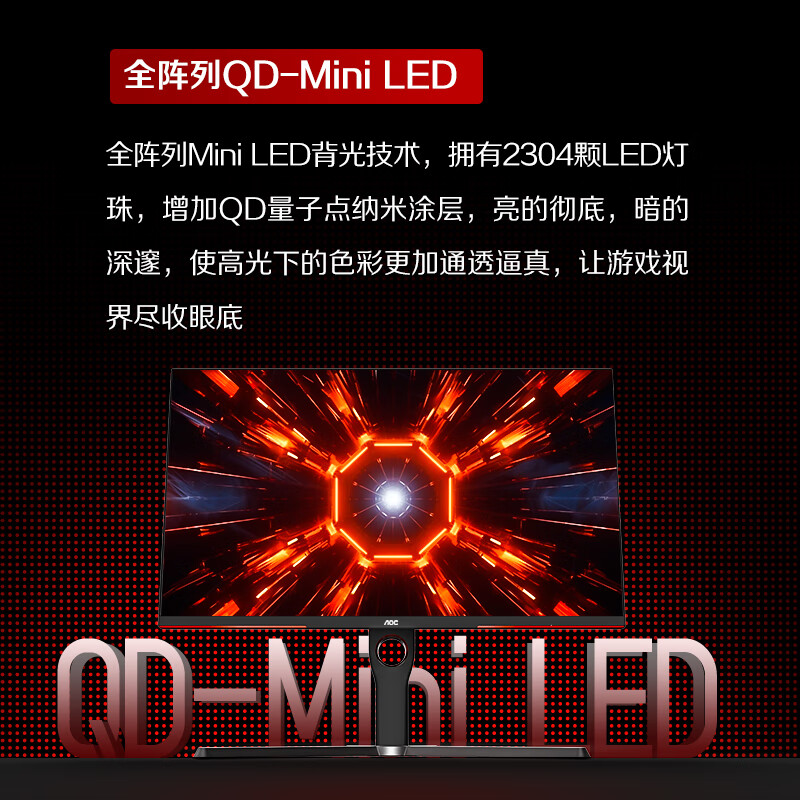
AOC U27G3XM comes with a 27-inch display that offers a 4K (3840×2160) resolution and an impressive 160Hz refresh rate. The monitor sports a peak brightness of 1200 nits and utilizes a QD-MiniLED screen with 2304 precision LED light sources. It has received HDR1000 certification for exceptional high dynamic range performance.
In terms of color accuracy, the U27G3XM supports 1.07 billion colors and a 98% DCI-P3 color gamut, ensuring vivid and true-to-life visuals with ΔE<2. It’s designed to reduce eye strain through four preset low blue light modes suitable for various activities such as multimedia consumption, web browsing, office work, and reading.
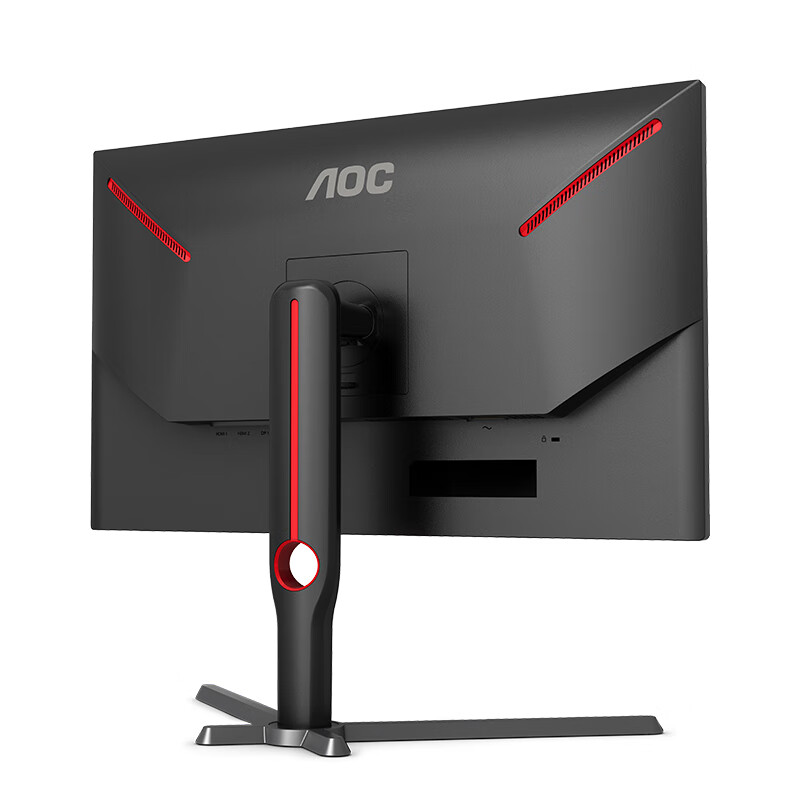
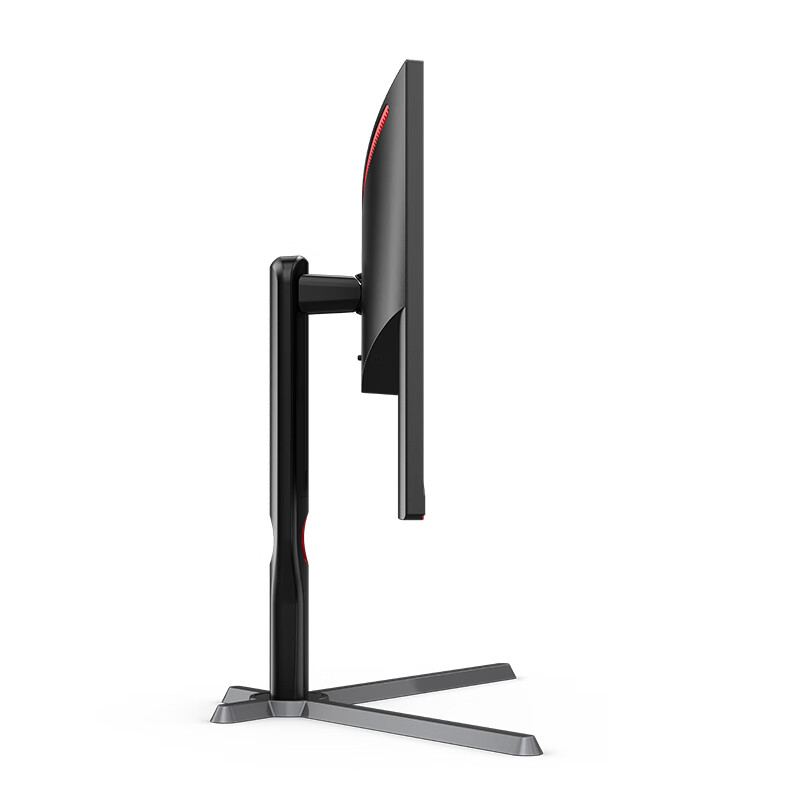
The monitor offers various connectivity options, including an audio output, two HDMI 2.1 ports, one DisplayPort 1.4, one USB upstream, and two USB 3.2 Gen 1 ports. It’s designed for consoles like the PS5 and Xbox Series X, supporting 4K at 120Hz output. The monitor’s stand is versatile, allowing for height adjustment of 130mm, and 90° rotation into portrait mode, and features a distinctive fiery red accent for a gaming-inspired aesthetic.
For gaming enthusiasts, the monitor is equipped with Adaptive Sync technology to minimize frame drops, screen tearing, and stuttering, and boasts a 1ms GTG response time for rapid reactions. Moreover, it integrates low input delay technology and IC chip secondary development to ensure responsive performance.
The monitor also features an ergonomic design, PIP/PBP split-screen options, and AOC’s G-MENU adjustment software for customized control settings, enhancing user convenience and gaming immersion. It also includes practical features like a circular cable management hole and a stylish space gray triangular stand.
Apple introduced the AirTag in 2021 to help people easily locate their lost or stolen belongings. This product has exceeded both the company’s and users’ expectations in this regard. Numerous theft cases have been solved thanks to this technology. For example, we recently discussed how AirTags were used to thwart a restaurant thief. However, the recent attention on this tracking device is somewhat comical. Washington D.C. is providing its residents with free AirTags to assist in tracking stolen cars. Here are the details…
Washington D.C. Uses Technology to Combat Car Theft with Free AirTags
The city of Washington D.C. announced a new initiative to distribute free Apple AirTags to drivers in selected police service areas in an effort to combat the rise in car thefts. The program is currently available to residents who live in Police Service Areas 106, 501, 502, 603, 605, and 606.
Washington D.C. has seen a significant increase in car thefts in recent years. In 2022, there were over 8,000 car thefts reported in the city, up from 6,000 in 2021. The city’s police department has been struggling to keep up with the rise in car thefts, and the new AirTag program is seen as a way to help them recover stolen vehicles more quickly and efficiently.
Washington D.C. police are hoping that the AirTags will help them to recover stolen vehicles more quickly and efficiently. If a car is stolen and has an AirTag in it, the police can use the Find My app to track the car’s location. This information can then be used to dispatch officers to the car’s location and recover it.
The program is still in its early stages, but it has already been met with positive feedback from residents. Many people are grateful to the city for taking steps to address the problem of car theft.
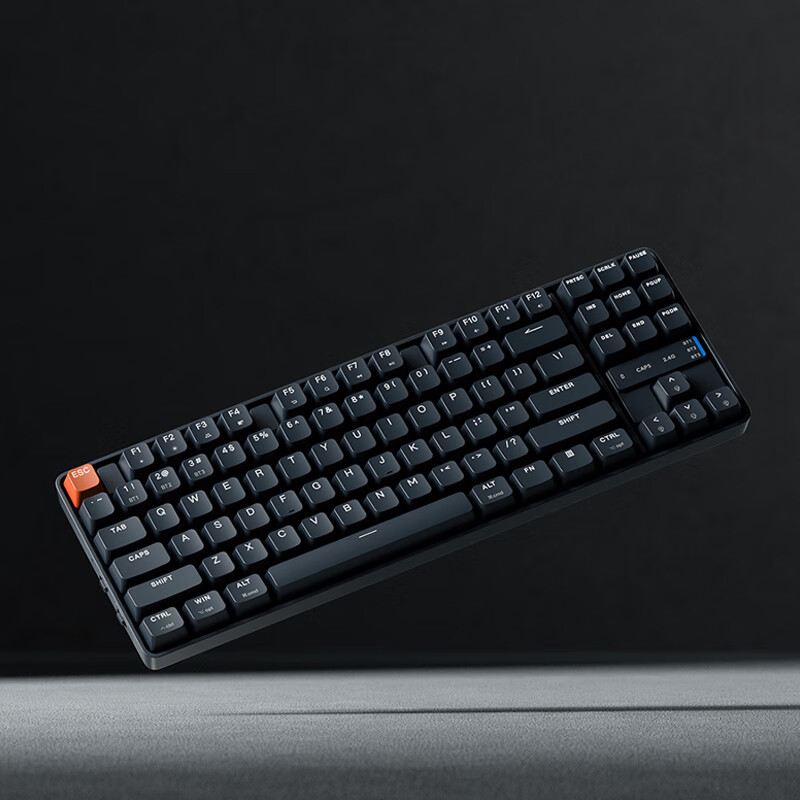
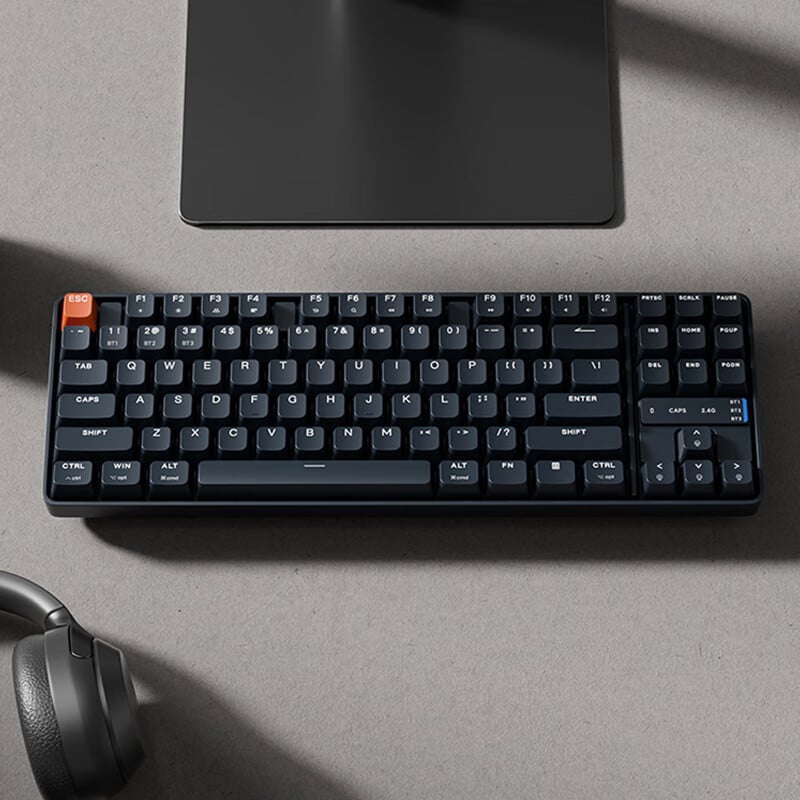
Xiaomi officially launched the TKL mechanical keyboard last month. The keyboard is now available for purchase in China at a price of 199 yuan ($27). Let’s delve into the key specs of this keyboard.
Xiaomi TKL keyboard Key Features:
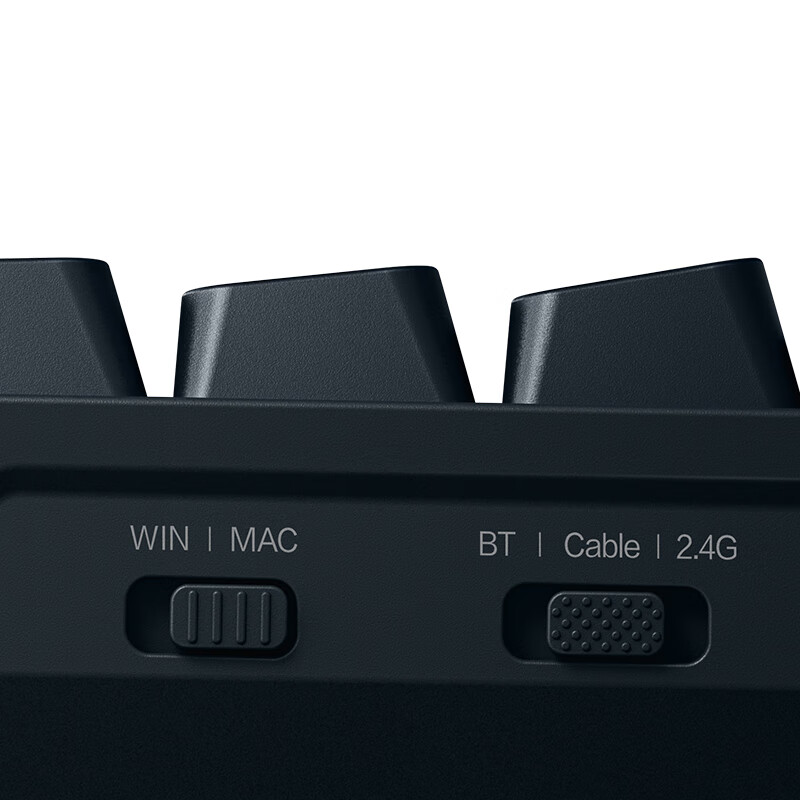
Xiaomi TKL mechanical keyboard offers triple connectivity options, including Bluetooth, wired, and 2.4G wireless. The keyboard has a sleek black design and features an 87-key layout without a numeric keypad for a compact form factor. It includes dedicated buttons for switching between connection modes and is compatible with both Windows and Mac systems. This keyboard aims to provide versatility and save desk space.
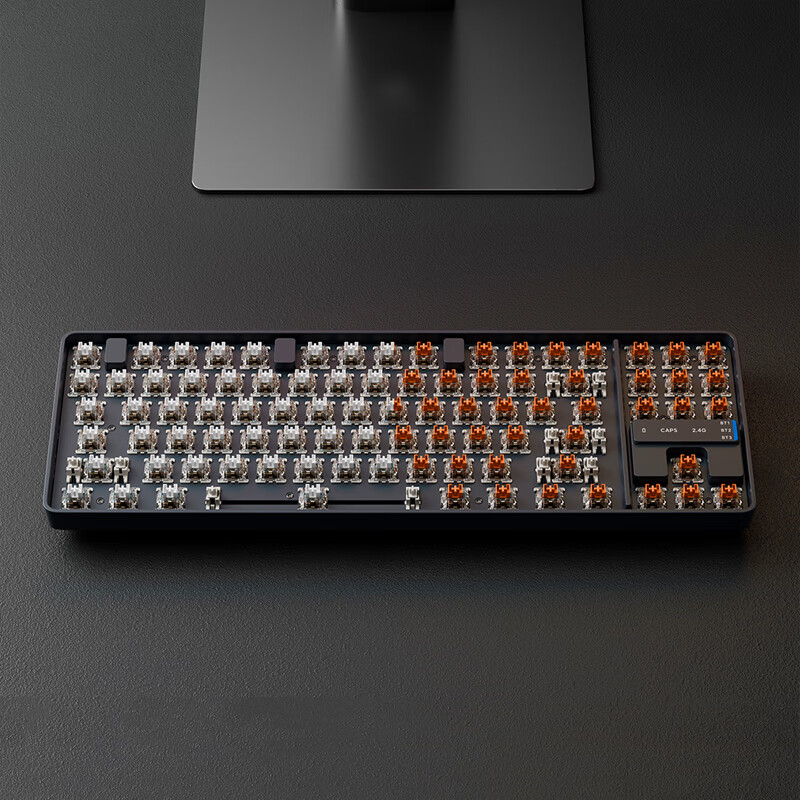
Xiaomi offers this keyboard with two types of mechanical switches: the linear VC-Pro and the tactile VB-Pro, both employing satellite axis technology to enable a reliable typing experience with full-key anti-ghosting capabilities. The keycaps are constructed using a dual-color injection molding process that ensures character transparency, which, combined with the built-in white backlighting, makes the keys visible even in low-light conditions. This backlighting can be set to one of six different lighting effects, adding a dynamic visual element to the user’s setup.
The keyboard offers a stable typing experience with features like a larger curvature and specially tuned switches. It is compatible with both Windows and macOS layouts, supporting three connectivity modes, including Bluetooth with the ability to remember up to three devices for quick switching. The keyboard also provides customizable switches with a lifespan of up to 50 million keypresses, allowing for a personalized typing experience.
The keyboard also offers ergonomic flexibility with three tilt angles to reduce wrist pressure for comfortable extended use. Its thoughtful design includes a scientific key layout and precision-tuned satellite axis for large keys, ensuring consistent and stable key presses. These details aim to deliver a satisfying and fatigue-free typing experience.
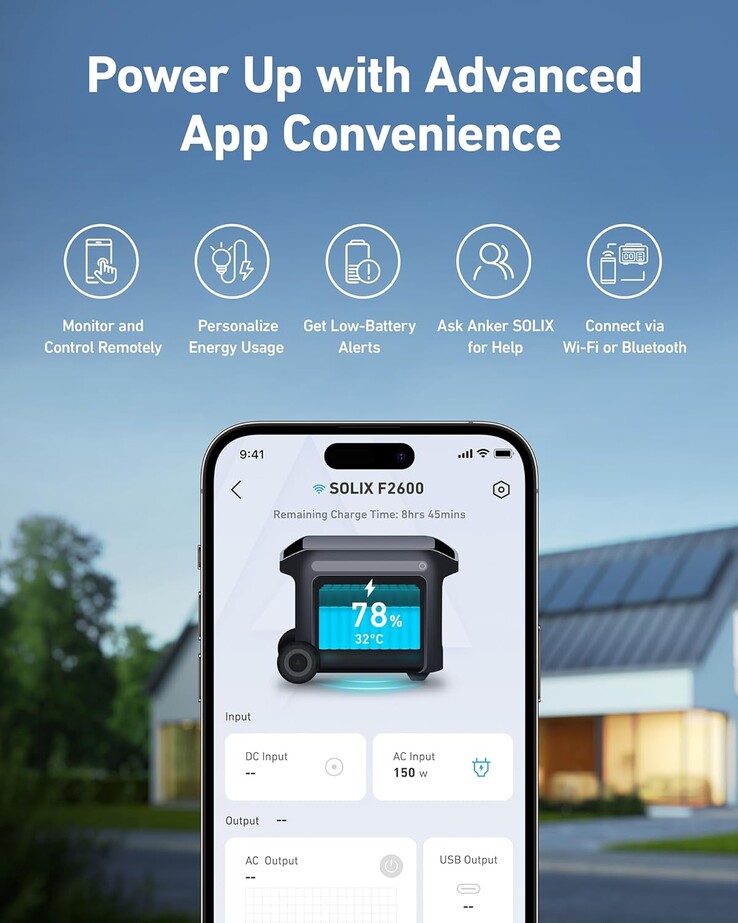
The Anker Solix F2600 portable power station has arrived in the US market. The new Anker portable power station has a 2,560Wh capacity and is a successor to the Anker Solix F2000. A discount of $300 is available for customers who purchase the power station.
The Anker Solix F2600 comes with more powerful AC outlets and an increased battery capacity. It has a LiFePO4 battery with a capacity of 2,560Wh. The model can power a variety of devices from a microwave oven to a smartphone. Anker says the Solix F2600 power station can fully charge a smartphone up to 162 times or power a microwave for 3.3 hours. The gadget can be recharged up to 80% via AC in 1.4 hours or 2 hours via solar panels.
The Solix F2600 has a car outlet, USB-A, and USB-C ports, and a 2400W AC outlet. Unlike the F2000, the Solix F2600 has a maximum power output of 3,600W. It has a built-in light and integrated handle and wheels for easy movement of the power station. The Anker Solix F2600 power station can be controlled via its companion app.
Pricing & Availability
Anker is offering the Solix F2600 with a variety of optional accessories like solar panels and extension cables via Amazon. The gadget weighs 67.24 lbs and is available for free shipping from 14 to 17 November. The power station is available for shipping to some global destinations. Anker is also offering a three-year protection plan for the Solix F2600 worth $169.99.
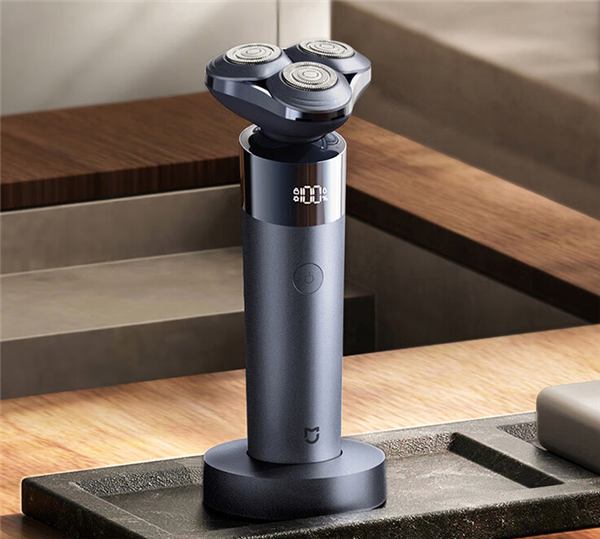
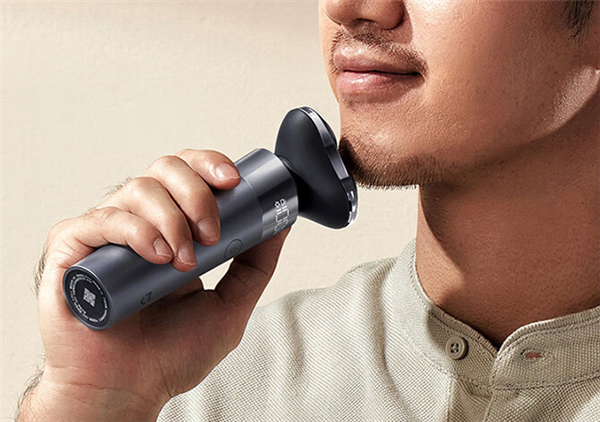
Xiaomi‘s MIJIA Electric Shaver S302 has been officially released in China. The launch is coming more than a year after the last model in the series – the MIJIA Electric Shaver S600 was launched. The new MIJIA electric shaver comes with full-body waterproof protection, thanks to its IPX7 rating. It also features a double-ring arc blade and a fully rotating floating blade head. It can automatically adapt to facial features or contours and supports rocker-type, circular, or up-and-down floating movement.
Features
The MIJIA electric shaver S302 has a knife mesh holder that is coated with a smooth coating which enhances the fluidity of operation of the shaver. The shaver is designed as a no-disassembly gadget and can be easily cleaned after usage. Its magnetic head can be quickly removed for deep cleaning. The quick-wash design of the MIJIA electric shaver S302 means that you can wash off up to 85% of shaving residue in 15 seconds.
Two gears are available in the MIJIA electric shaver S302 namely smart transmission and full acceleration gears. You can switch between gears by pressing the switch button for 1 second. An indicator light is present to indicate the gear is operational in the shaver. The MIJIA electric shaver S302 has an 800mAh battery that can last for 90 minutes on a single charge. It takes about 1 hour to fully recharge the shaver via USB-C.
Pricing & Availability
The MIJIA electric shaver S302 is priced at 219 yuan (~$30) and is available from retail platforms like JD.com. Xiaomi has not provided any global availability information for the new shaver at this time.
The GasGas MC-E 2 electric dirtbike is part of a collection of new electric mini-crossers that are focused on kids. The Pierer Mobility Group is made up of KTM, Husqvarna, and GasGas and the trio has released 50cc and 65cc two-wheelers that are kids-focused. The GasGas MC-E 2 is a small off-road electric two-wheeler for smaller kids.
Features
The MC-E 2 electric dirtbike can be used by kids that are between 90cm and 130cm in height. There are also multiple adjustment points on the bike’s frame to accommodate different heights. It is designed to be a go-between bike for kids yet to master balance while riding. The model is less powerful than the GasGas MC 50 and MC 65 models. It is also economical and affordable to run. The MC-E 2 has three power modes that can be modulated by the child’s minder. The top power mode delivers a maximum speed of 33km/h. The bike’s electric motor is housed within the rear hub which gives it a rear-focused center of gravity.
The GasGas MC-E 2 off-road bike for kids omits a chain which translates to reduced maintenance costs. Its lightweight aluminum frame, coupled with a reinforced fiberglass subframe provides precise handling for the bike. The circumference of the front and rear wheels of the bike are 90mm and 70mm respectively. The MC-E 2 has 140mm hydraulic disc brakes and the bike also features a wrist lanyard that automatically shuts the motor off when detached. Also included is a rollover sensor that switches off the motor when the bike tips over.
Pricing
GasGas has already listed the MC-E 2 dirtbike for kids on its official website. The product is also expected to be available in GasGas dealerships but the pricing optics are lacking at this time.
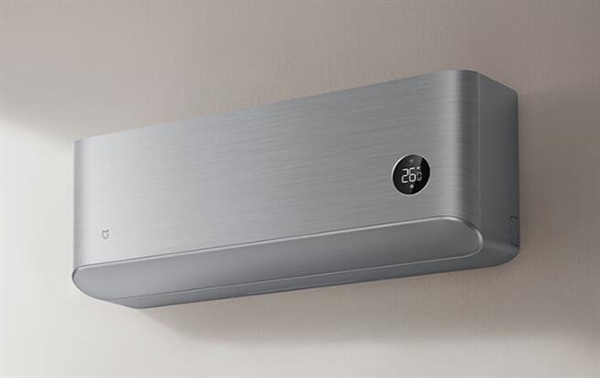
Last week Xiaomi announced the launch of a new version of the MIJIA Natural Wind 1.5hp air conditioner. The gadget has now officially gone on sale in China. The new Xiaomi air conditioner delivers quick cooling in 30 seconds and is equipped with a three-dimensional wide-angle air deflector.
The Xiaomi MIJIA Natural Wind 1.5hp air conditioner is adjustable to provide surround wind, canopy wind, and carpet wind, among other options. The adjustable lower and upper air supply can be angled between 0 and 180º. The gadget delivers rapid heating within 60 seconds and rapid cooling in half a minute. It is a high-efficiency, low-noise model thanks to its air duct system design. It is also matched with a self-developed electronic control solution. The air conditioner has a self-cleaning mechanism for keeping the gadget in optimal shape both internally and externally.
The Xiaomi MIJIA 1.5hp air conditioner can provide cooling or heating at different levels of ambient temperature. It has an intelligent defrosting mechanism and dual temperature and humidity control tech. The air conditioner can be integrated into the Xiaomi smart home ecosystem and it supports Xiao AI voice control, as well as MIJIA app compatibility. The MIJIA app also provides intelligent notifications and reminders about dirty filters and also supports a mosquito repellant module.
Pricing & Availability
The Xiaomi MIJIA Natural Wind 1.5hp air conditioner is available from retail platforms like JD.com. It is priced at 2,399 yuan (~$330) but Xiaomi has not released any global availability information for the model yet.
We use cookies on our website to give you the most relevant experience by remembering your preferences and repeat visits. By clicking “Accept”, you consent to the use of ALL the cookies.
This website uses cookies to improve your experience while you navigate through the website. Out of these, the cookies that are categorized as necessary are stored on your browser as they are essential for the working of basic functionalities of the website. We also use third-party cookies that help us analyze and understand how you use this website. These cookies will be stored in your browser only with your consent. You also have the option to opt-out of these cookies. But opting out of some of these cookies may affect your browsing experience.
Necessary cookies are absolutely essential for the website to function properly. This category only includes cookies that ensures basic functionalities and security features of the website. These cookies do not store any personal information.
Any cookies that may not be particularly necessary for the website to function and is used specifically to collect user personal data via analytics, ads, other embedded contents are termed as non-necessary cookies. It is mandatory to procure user consent prior to running these cookies on your website.