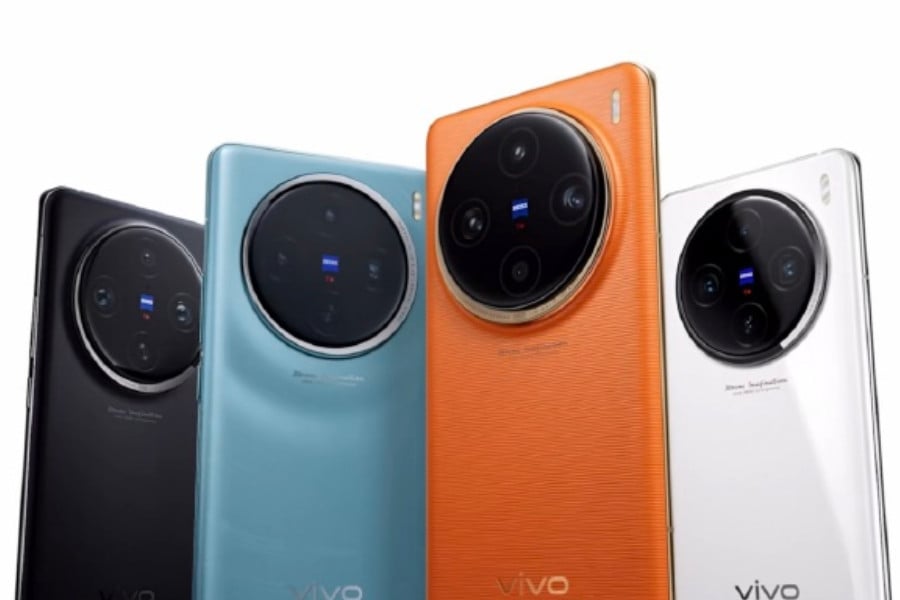
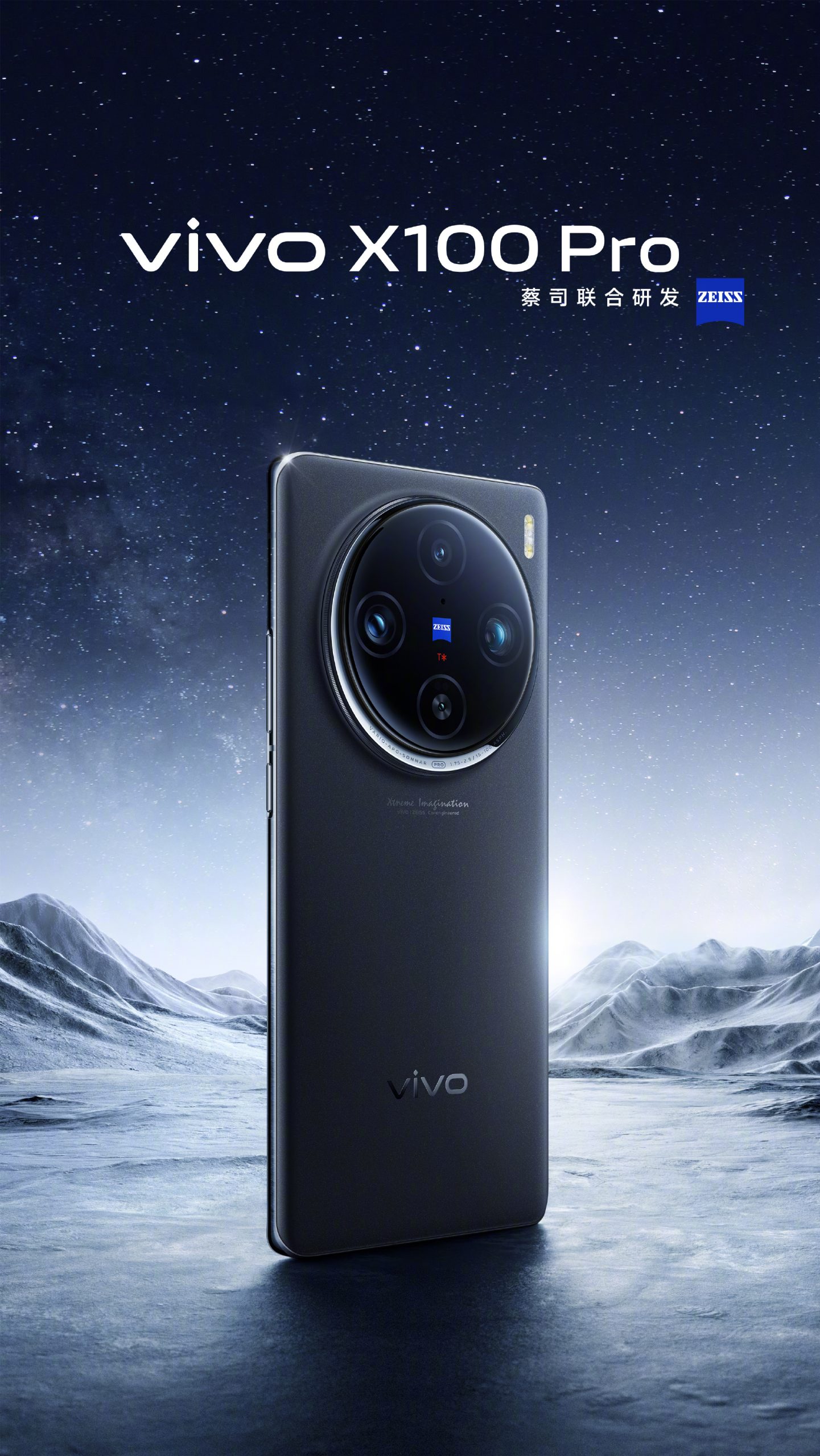
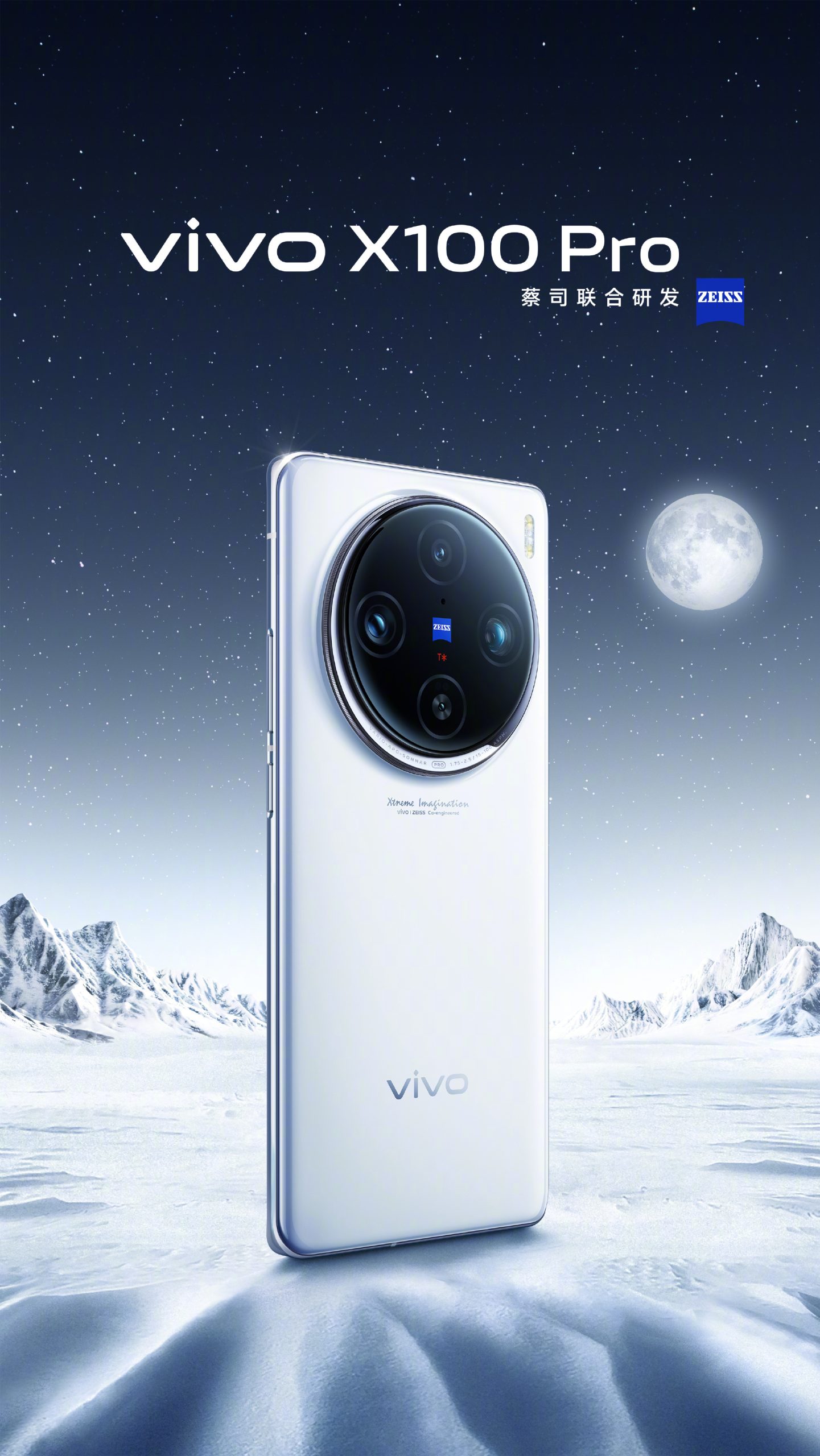
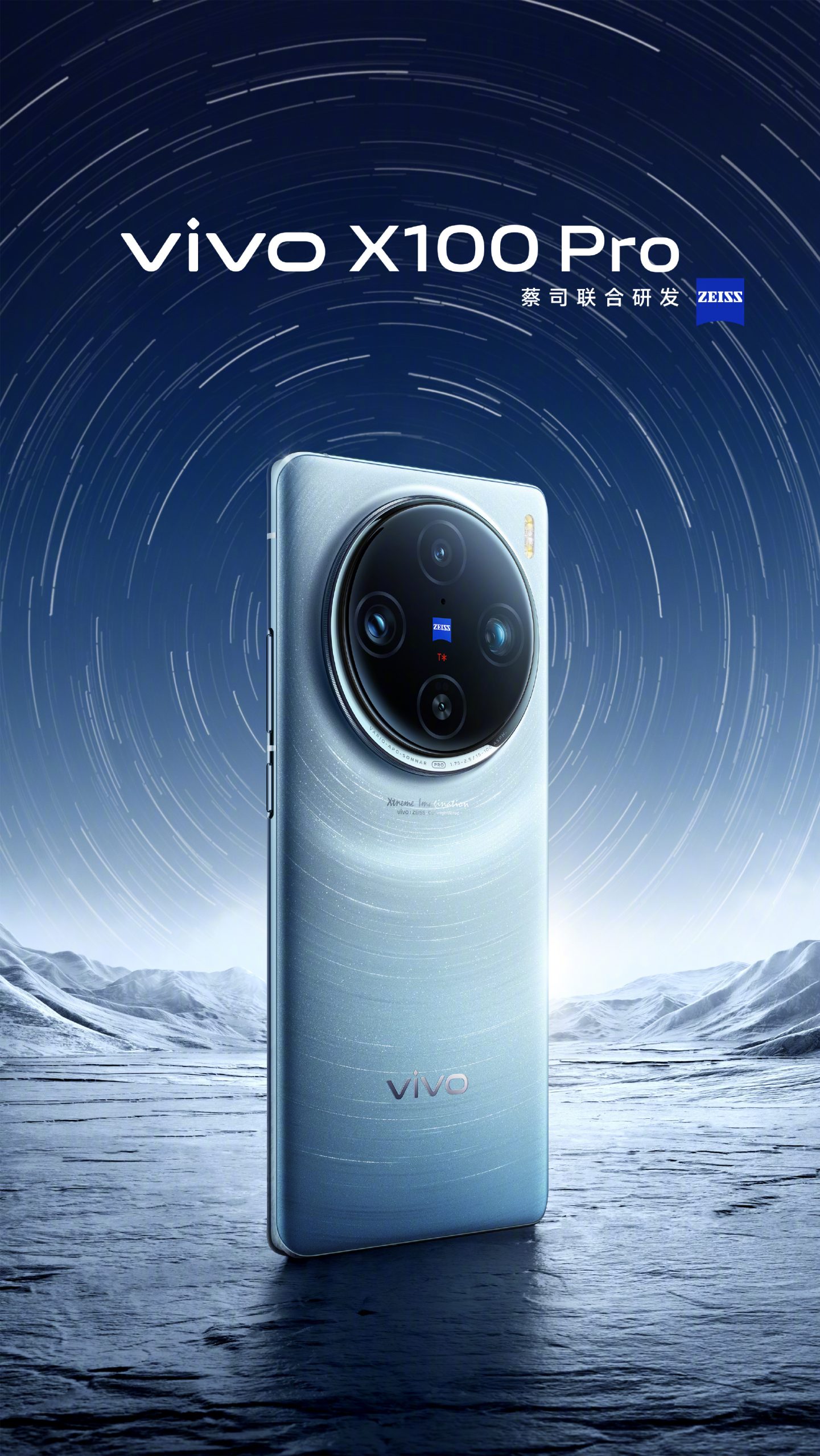
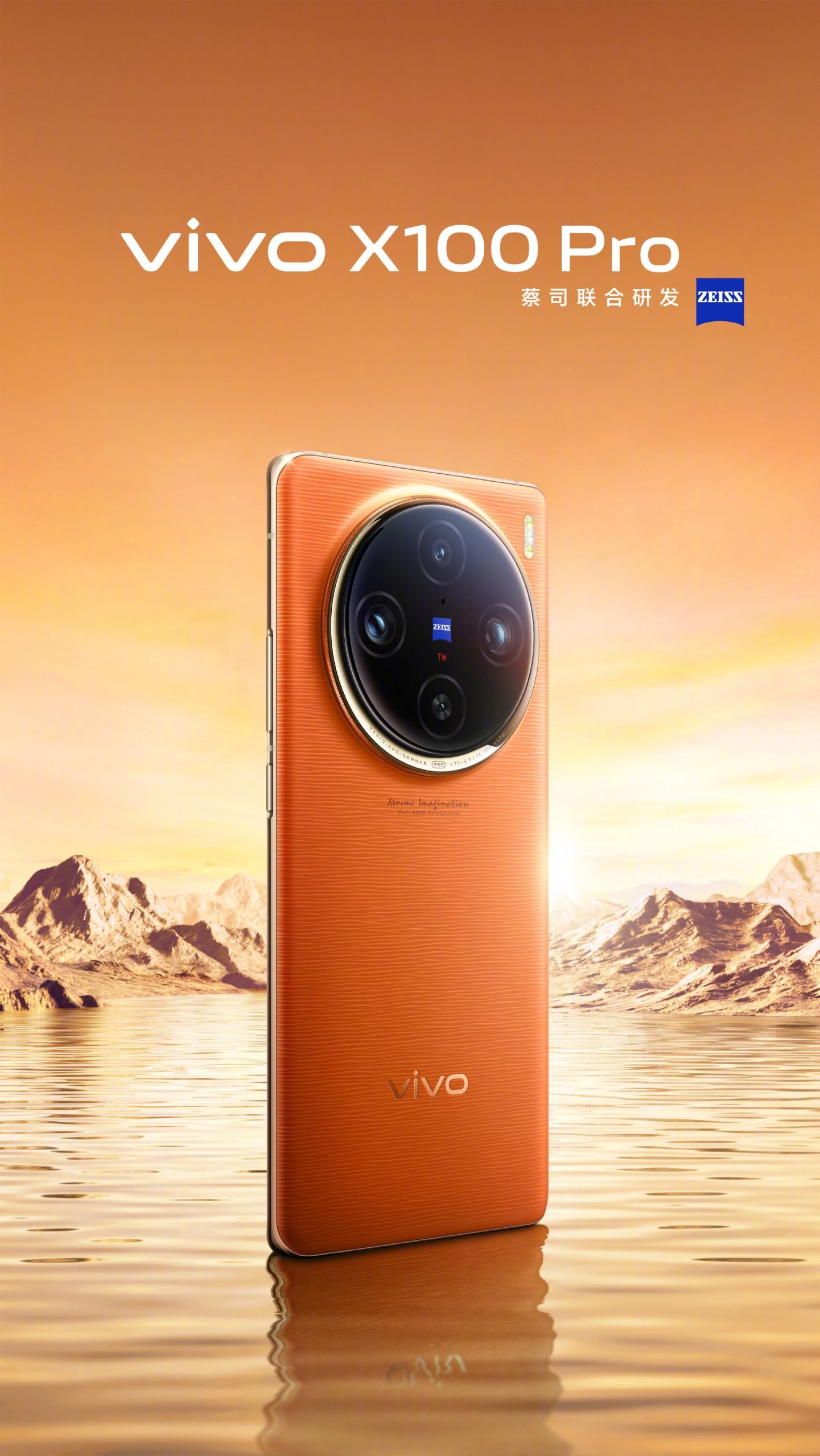
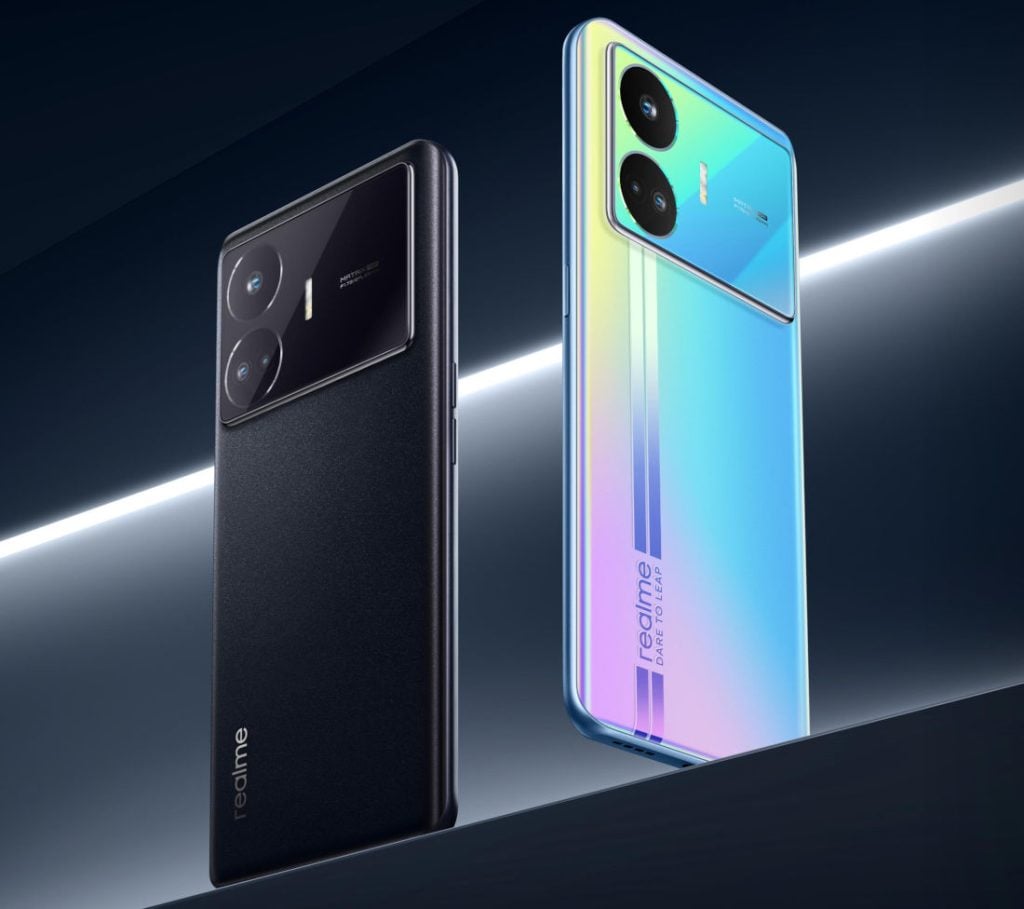
Vivo is set to launch its X100 series of smartphones in China on November 13. The company has been teasing the launch for a while now and has now shared a commercial teaser on Weibo that gives a glimpse of the design and key features of the upcoming devices.
The promotional video highlights the X100 Pro’s key specs, including the MediaTek Dimensity 9300 chipset. This makes it the first smartphone in the world to feature this chip. Another first for the device is the Zeiss APO super-telephoto lens, which promises to deliver superior image quality, especially in low-light conditions.
Additionally, the X100 Pro will also feature Vivo’s self-developed V3 image chip, which is designed to improve camera performance. The company has shared a few camera samples from the Vivo X100 series, which show promising results.
The Vivo X100 series will be available in four colors: black, white, blue, and orange. The base variant of the Vivo X100, with 12GB of RAM and 256GB of storage, will be priced at 3,999 Yuan (~$549). This is the same starting price as the Xiaomi 14 series, which was launched in China last month.
In related news, the Vivo X100 Pro+ is expected to launch in Q1 2024 and will be powered by the Snapdragon 8 Gen 3 chipset. The company will also launch the Vivo Watch 3 on November 13th, along with the X100 and X100 Pro.
iQOO is gearing up to launch its latest flagship series of smartphones in its home market of China soon. Tomorrow (7th November 2023), the iQOO 12 and iQOO 12 Pro models will be unveiled in China. But just ahead of the launch, the color variants of the lineup have been officially confirmed.
iQOO 12 Series Colors
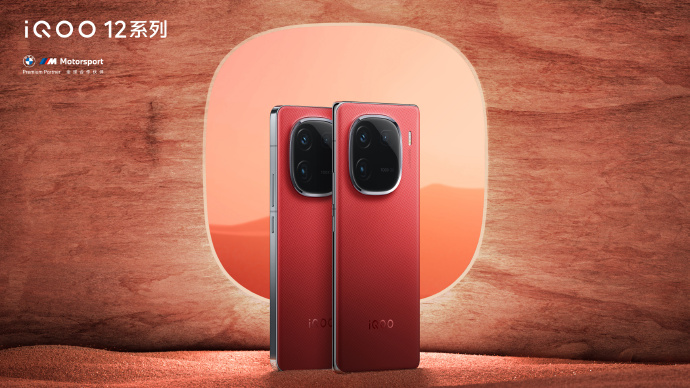
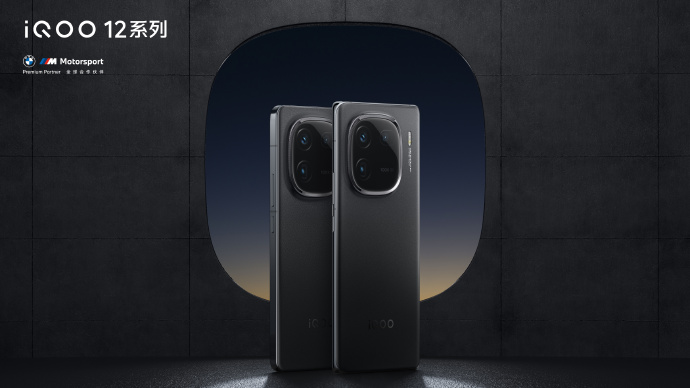
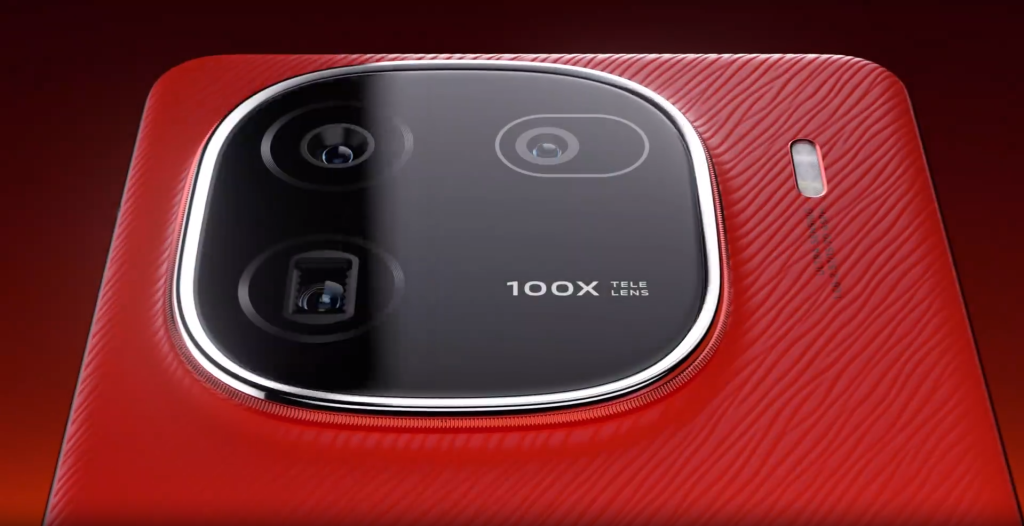
The brand shared fresh image posters on its official Weibo account (a Chinese microblogging website). These teasers officially confirmed the color options of the upcoming iQOO 12 series. Looking at these images, we can see that the iQOO 12 and iQOO 12 Pro will launch in a Black and White color option that has a glass rear panel. On the other hand, the two high end devices will also arrive in a plain leather back for the Red variant.
The new premium grade devices will be equipped with the Qualcomm Snapdragon 8 Gen 3 SoC under the hood. The base iQOO 12 is set to be announced in India on 12th December 2023, which makes this device India’s first Snapdragon 8 Gen 3 powered handset.
Unfortunately, the global availability for the Pro variant is still unclear. So we have no information on this model launching in India or other markets. With the China launch of the series being right around the corner, you can click here to check out our detailed rumor roundup of the iQOO 12 and iQOO 12 Pro.
Meizu is one of the brands that is gearing up to launch Snapdragon 8 Gen 3-powered flagship phones in China. It is speculated that the brand may unveil the Meizu 21 and Meizu 21 Pro featuring the new chip very soon in the home market. Today, a Meizu device, probably belonging to the Meizu 21 series, bagged radio certification in China. The certification is a good hint that the Meizu 21 series’ launch may not be far away.
Meizu 21 series likely to launch soon
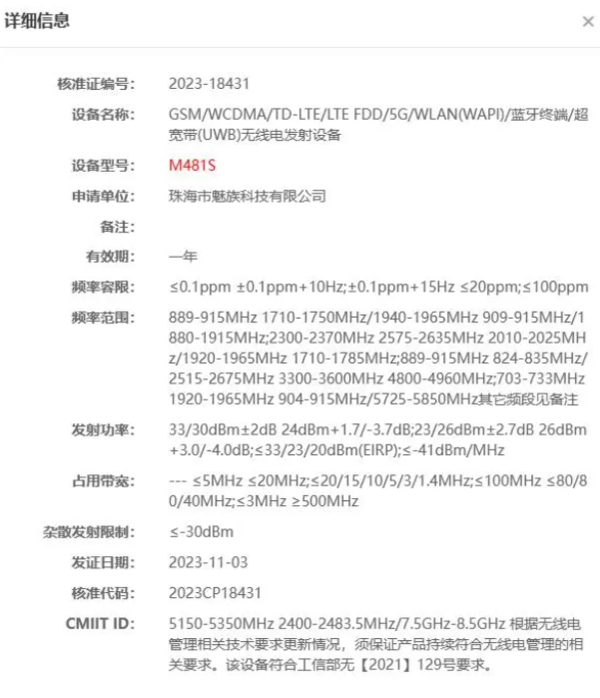
Meizu 21 Pro radio certification
As per reports, the standard version of Meizu 21 carries the model number M461Q. It is speculated that model numbers M461H and M461S are also associated with the Meizu 21. Reports have revealed that the M481Q and M481S belong to the Meizu 21 Pro.
As can be seen in the above screenshot, the alleged Meizu 21 Pro bearing the model number M481S received radio certification in China. The listing only confirms that it will arrive with support for UWB ultra-wideband technology. To recall, the Meizu 21 (M461Q) was spotted on the same certification website last month.
Likely, the Meizu 21 series will soon receive 3C and TENAA certification in China in the coming days. Hence, it appears that it may break by the end of this year or early January in China. Here is a look at what to expect from the Meizu 21 series:
As per recent leaks, the Meizu 21 will feature a flexible BOE Q9 display that offers a 1.5K screen resolution, a 144Hz refresh rate, 2160Hz PWM dimming, and Gorilla Glass Victus screen protection. In terms of battery life, the Meizu 21 series is equipped with a 4,800mAh battery with 80W charging. The Snapdragon 8 Gen 3-powered phone may come with up to 16 GB of LPDDR5x RAM and up to 1 TB of UFS 4.0 storage.
As for the camera setup, the Meizu 21 is likely to feature a 32-megapixel Samsung GD2 front camera and a rear setup featuring an OIS-enabled 50-megapixel Sony IMX966 primary camera, a 16-megapixel Samsung S5K3P9 ultra-wide lens, and a 12-megapixel IMX663 portrait telephoto lens with 2x optical zoom.
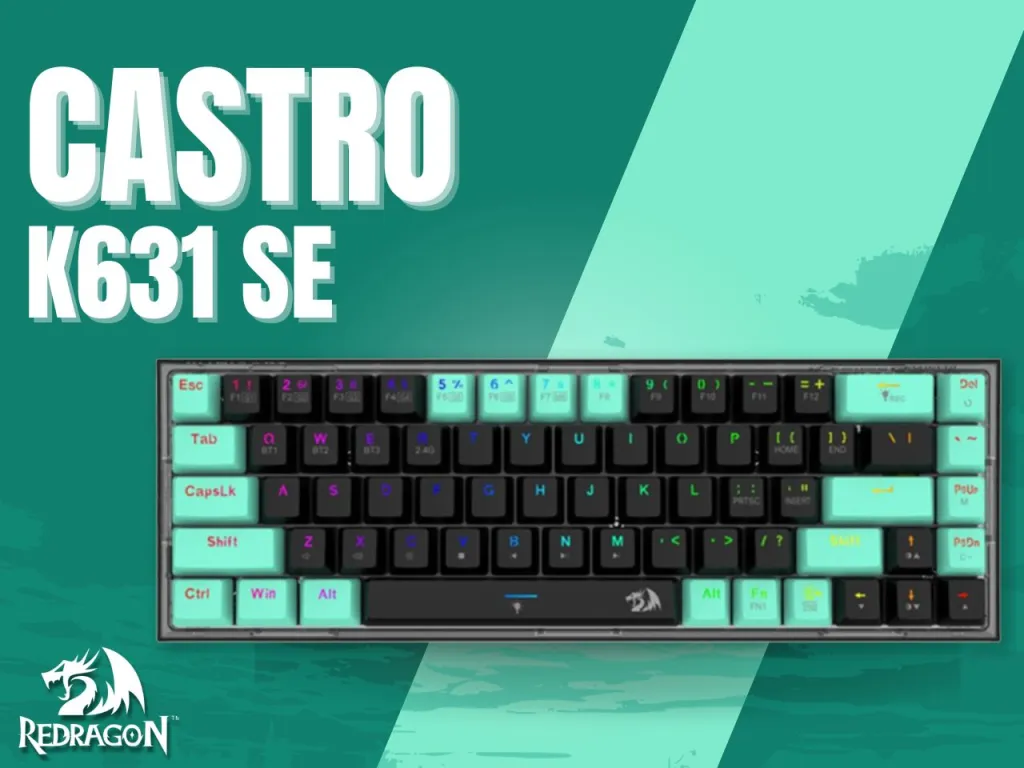
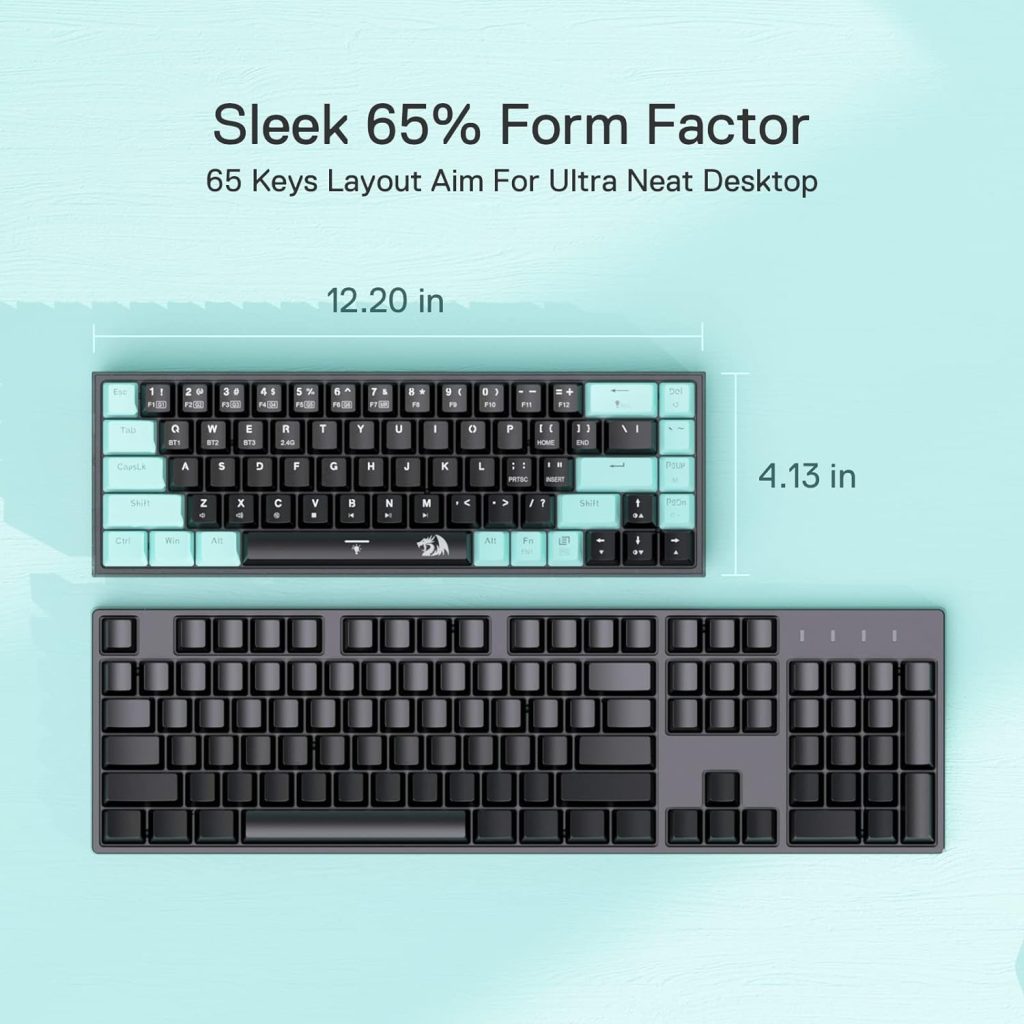
About four months after the launch of the Redragon K631 PRO, the PC peripherals brand has now launched a new keyboard in the lineup called the Redragon K631 SE. The keyboard measures just 30.99 x 10.41 x 2.54 cm and weighs 739g. Its 65% 68 keys layout ensures that it will fit into the most scuffed gaming setups.
Under the hood, it features Redragon’s Custom Mechanical Switches, which are not only hot-swappable but also boast a remarkable lifespan of up to 50 million clicks. The keyboard comes with a translucent board and mixed-color keycaps, adding a touch of style to your setup. In terms of connectivity, it offers three options: USB-C wired, BT 3.0/5.0, and 2.4GHz wireless, providing you with flexibility for various gaming scenarios.
You can set the mood with up to 20 presets for RGB backlighting modes, allowing for a personalized gaming atmosphere. The Pro Software support enables further customization, tailoring your gaming experience to your preferences. To top it off, the plate-mounted PCB enhances the keyboard’s durability.
Pricing & availability
The Redragon Castro K631 Pro SE is now available at a special launch price of just Rs. 4,590 on Amazon.in, down from its regular price of Rs. 5,990. You can also find it on Redragon’s official website and Flipkart.
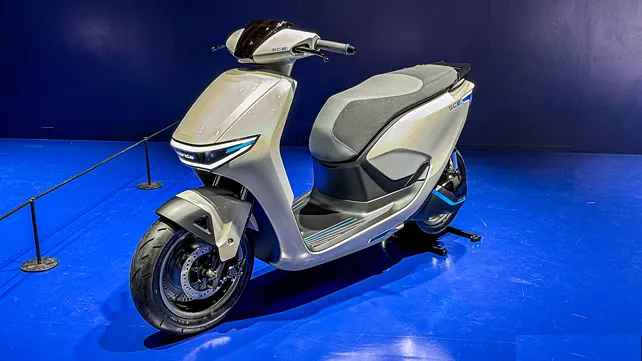
Honda has pulled the wraps around its Honda SC e electric scooter. The Honda SC e was on display during this year’s Japan Mobility Show. The performance metrics of the SC e were also released by the Japanese automaker.
The Honda SC e Concept is one concept e-scooter that may meet with us soon
The Honda SC e concept is part of the fast-expanding portfolio of electric mobility offerings by Honda. Honda plans to expand its collection of battery-powered vehicles and the SC e is signposted by its dual battery pack setup. The scooter has a modern design with a full-width LED light bar at the front. The LED light bar also features an illuminated Honda logo while foldable pillion-foot pegs are also featured. The electric scooter has a single but spacious seat with a pillion-grab handle. The floorboard of the Honda SC e has blue accents that are also present on the handlebar, motor, tail section, and front lighting panel.
The Honda SC e bears some resemblance to the Honda EM 1e but is noticeably bigger. Its two removable battery packs occupy a significant proportion of the storage space. The 1.3kWh battery packs are positioned behind the scooter’s seat. The Honda SC e has a range of 100km with its two battery packs. It has front disc and rear drum brakes, as well as, rear mono shocks and telescopic front forks.
The Honda SC e rolls on 12-inch tires and the scooter is expected to come with Bluetooth connectivity. It has a digital instrument cluster but this was not showcased on the concept model on display during the Japan Mobility Show. Honda is yet to provide availability and pricing details for the SC e but it could be released in 2024.
Redmi is expected to unveil the Redmi 13C mid-range smartphone in the next few days. Ahead of the expected launch, the device is now listed on Amazon, where its price, renders, and specifications have been revealed. Here is a look at all the details of the 13C that have emerged through the retailer listing.
Redmi 13C price (rumored)
Redmi 13C (Midnight Black)Redmi 13C (Navy Blue)
As per the Amazon listing, the Redmi 13C will arrive in two variants, such as 4 GB RAM + 128 GB storage and 8 GB RAM + 256 GB storage. These variants will be priced at 130 euros and 150 euros, respectively. The device is listed in Midnight Black and Navy Blue color editions on Amazon. One of the recent leaks revealed that the device would be available in as many as four colors, such as black, blue, light green, and light blue.
Redmi 13C specifications (rumored)
The Redmi 13C has a 6.74-inch LCD panel that offers an HD+ resolution of 720 x 1600 pixels and a 90Hz refresh rate. The device will be powered by the Helio G85 chipset, up to 8 GB of RAM, and a 5,000mAh battery that supports 18W charging. For security, it will feature a side-facing fingerprint scanner. It will run on Android 13 and MIUI 14.
The rear camera setup of the device will have a 50-megapixel main camera and a pair of 2-megapixel cameras for depth and macro shots. For selfies, it will have an 8-megapixel front-facing camera. The device will offer other features, such as up to 256 GB of storage, up to 4 GB of virtual RAM, a microSD card slot, dual SIM support, 4G VoLTE, Wi-Fi, Bluetooth 5.1, GPS, a USB-C port, and a 3.5mm audio jack. The device will measure 168 x 78 x 8.09mm and weigh 192 grams.
To sum up, the Redmi 13C is nothing but a rebranded version of the Poco C65, which has just gone official in the global market.
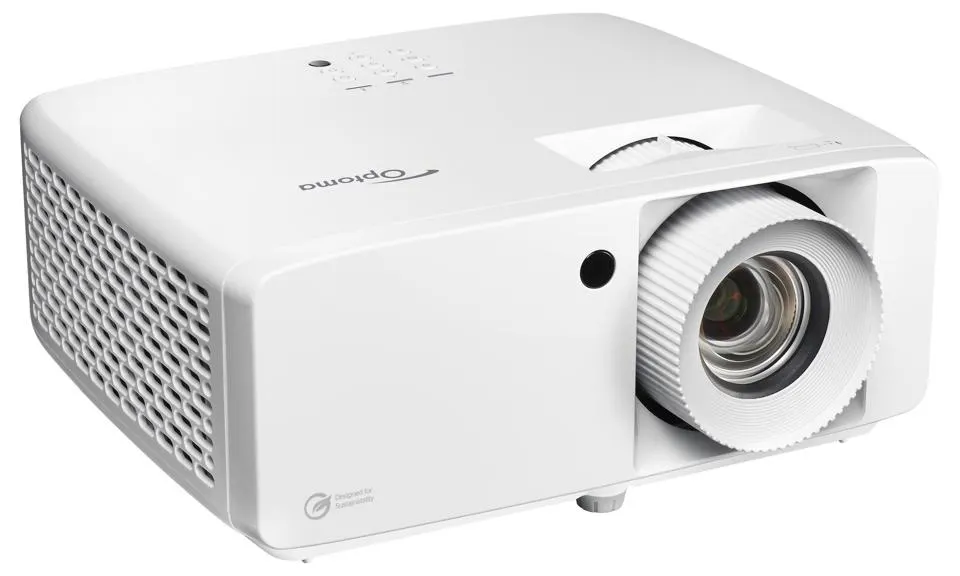
The latest Optoma projector is the UHZ66 and it comes with an ultra-bright display and 4K capability. The Optoma UHZ66 is a laser projector that can be deployed for home entertainment or even used as a gaming projector. One interesting aspect of the new Optoma laser projector is its affordability. The projector has a throw ratio of 1.4:1 and can project images up to 300 inches within the room.
Features
The Optoma UHZ66 projector has a maximum brightness of 4,000 lumens and a light source that can last for up to 30,000 hours. This means that you can comfortably use the UHZ66 regularly for up to 10 years without any issue with the laser. The projector can display more than 1 billion colors. The new Optoma projector is offering users a feel of the laser advantage in their living rooms. It can also be used for gaming applications and offers 4K resolution based on the DLP re-flashing mechanism deployed on the gadget. The impressive DLP technology has already gotten plaudits in the US from the Consumer Technology Association Foundation.
The UHZ66 has a 500,000:1 contrast ratio and the projector supports dynamic range images. There are two HDMI ports on the UHZ66, one of which supports eARC for connection to a soundbar or AVR. Any projector that can be used for gaming must have a pretty lag-less performance and the Optoma UHZ66 is not lacking in this direction. It has a response time of 4.4ms with 1080p/ 240Hz input and 17ms with 4K/ 60Hz input.
Optoma says that the UHZ66 is produced with eco-friendly materials. About 50% of the projector’s chassis is made from post-consumer recycled materials. About 97% of the packaging materials of the UHZ66 are made from recyclable materials. The projector is compact and about 34% smaller than its predecessor and its chassis is completely mercury-free. Optoma also states that the projector consumes 45% less energy than regular lamp-based projectors.
Pricing & Availability
The Optoma UHZ66 is available in the US and the UK and is priced at $2,999 and £1,799 respectively. The gadget is available from several retailers in the US and UK. There are no global availability and pricing details for the Optoma UHZ66 laser projector at this time.
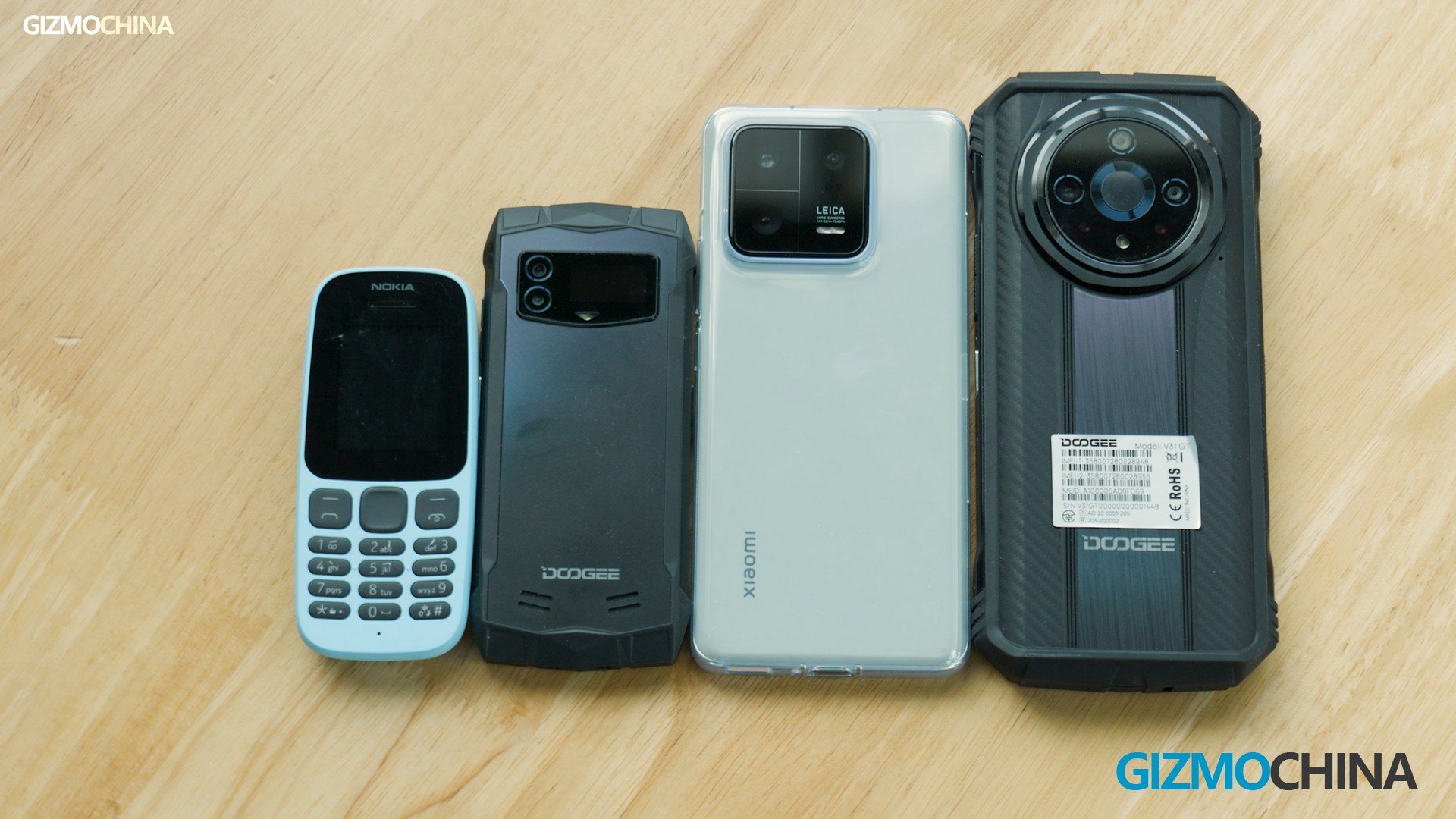
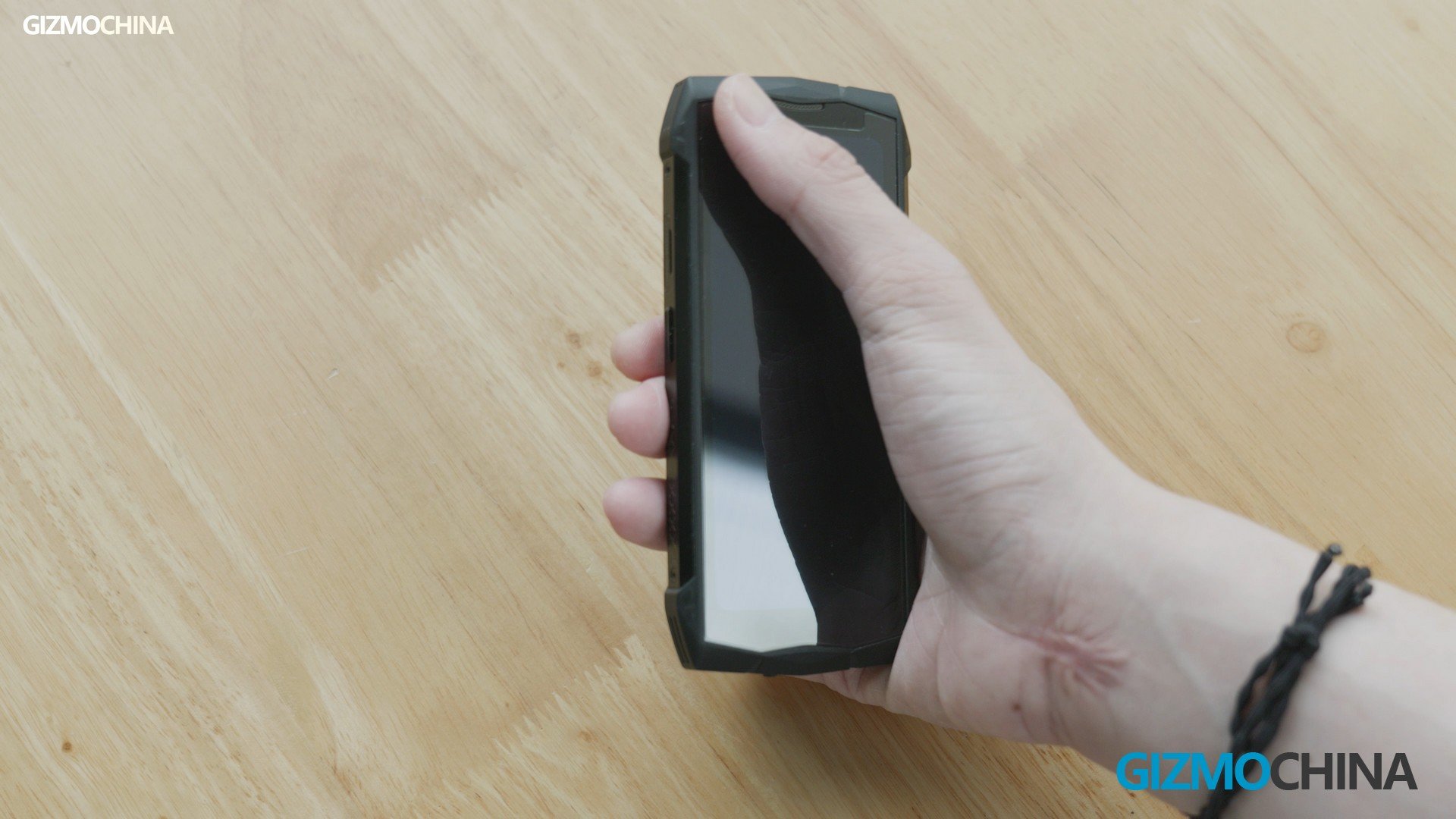
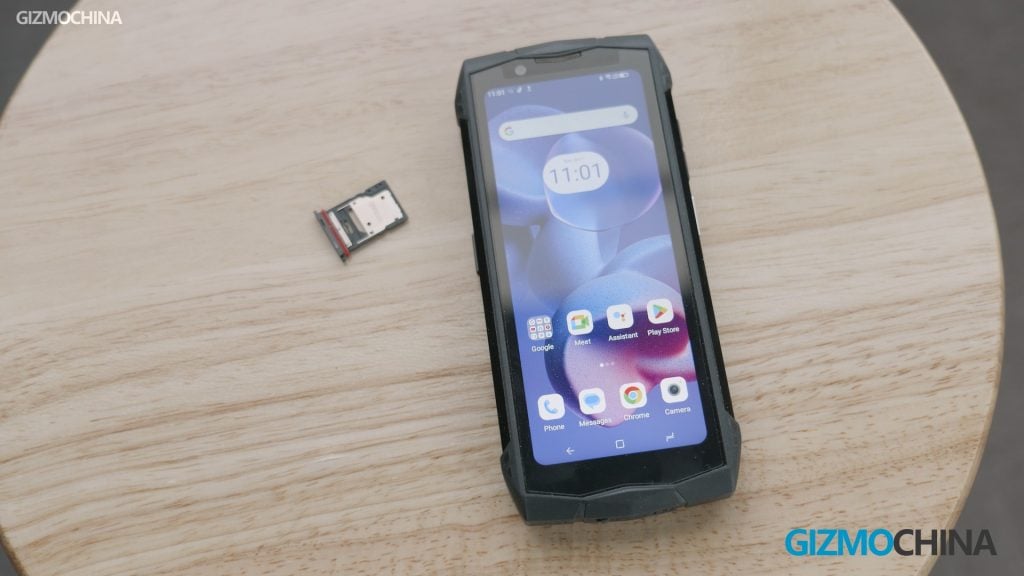
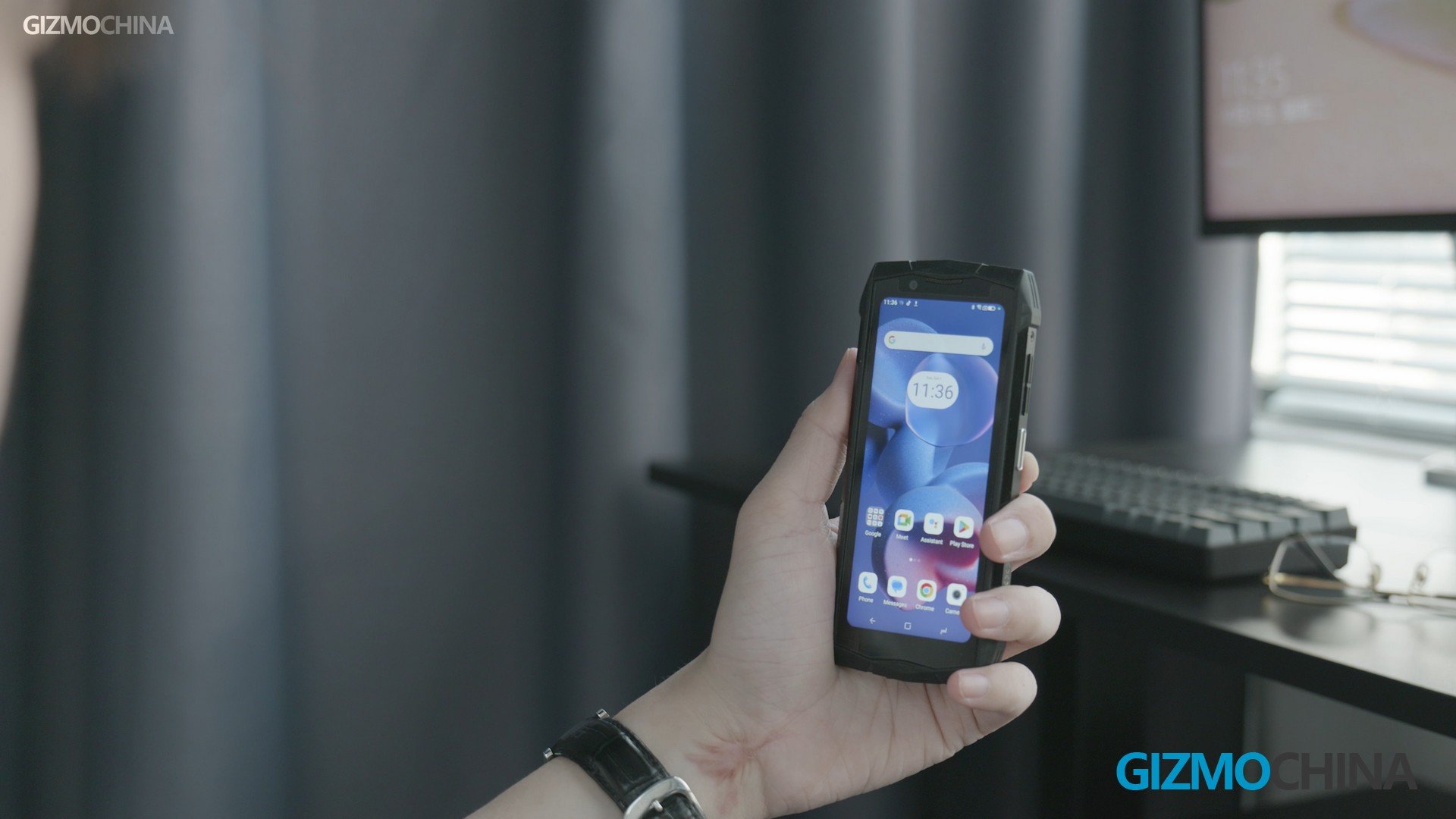
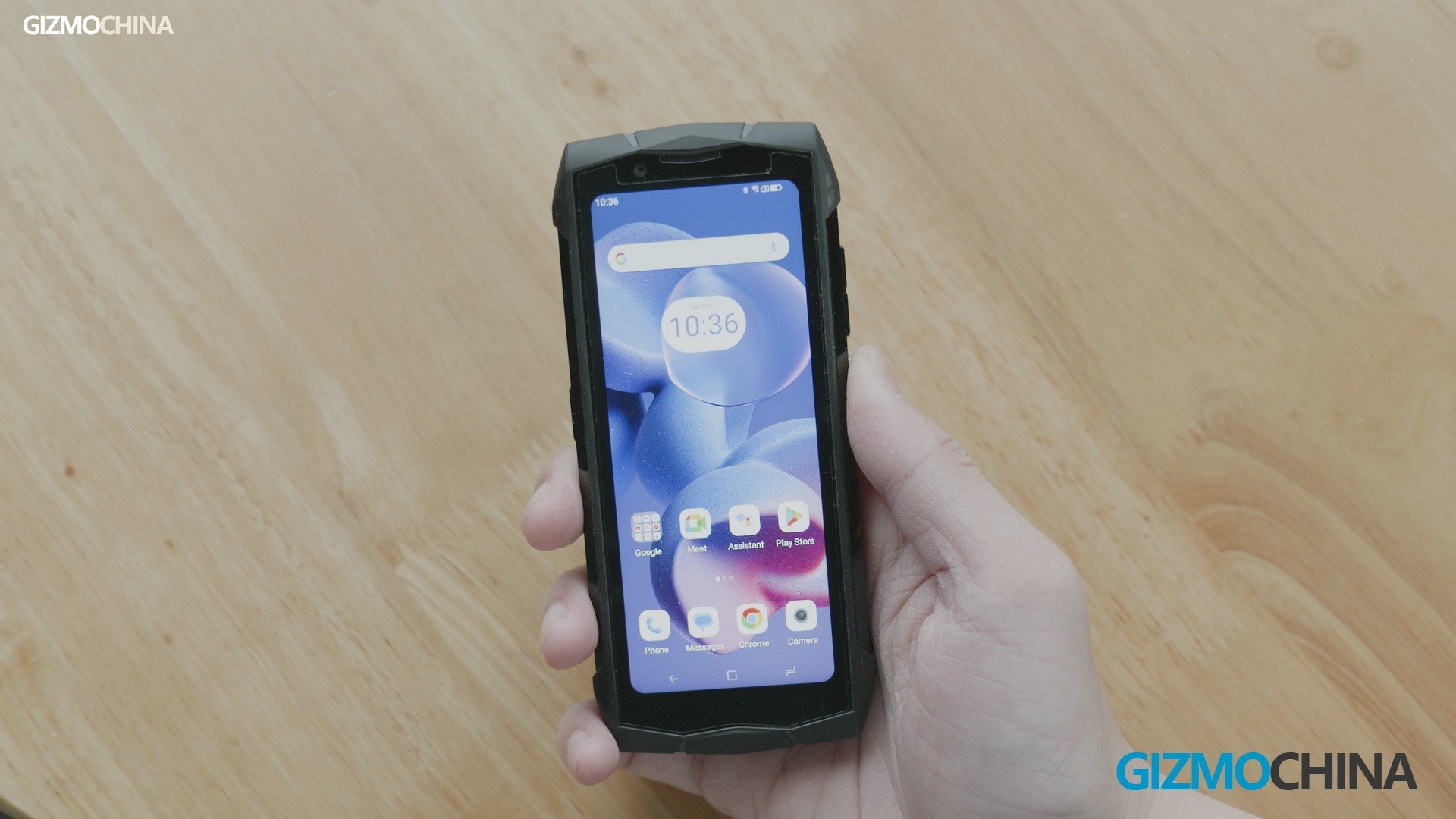
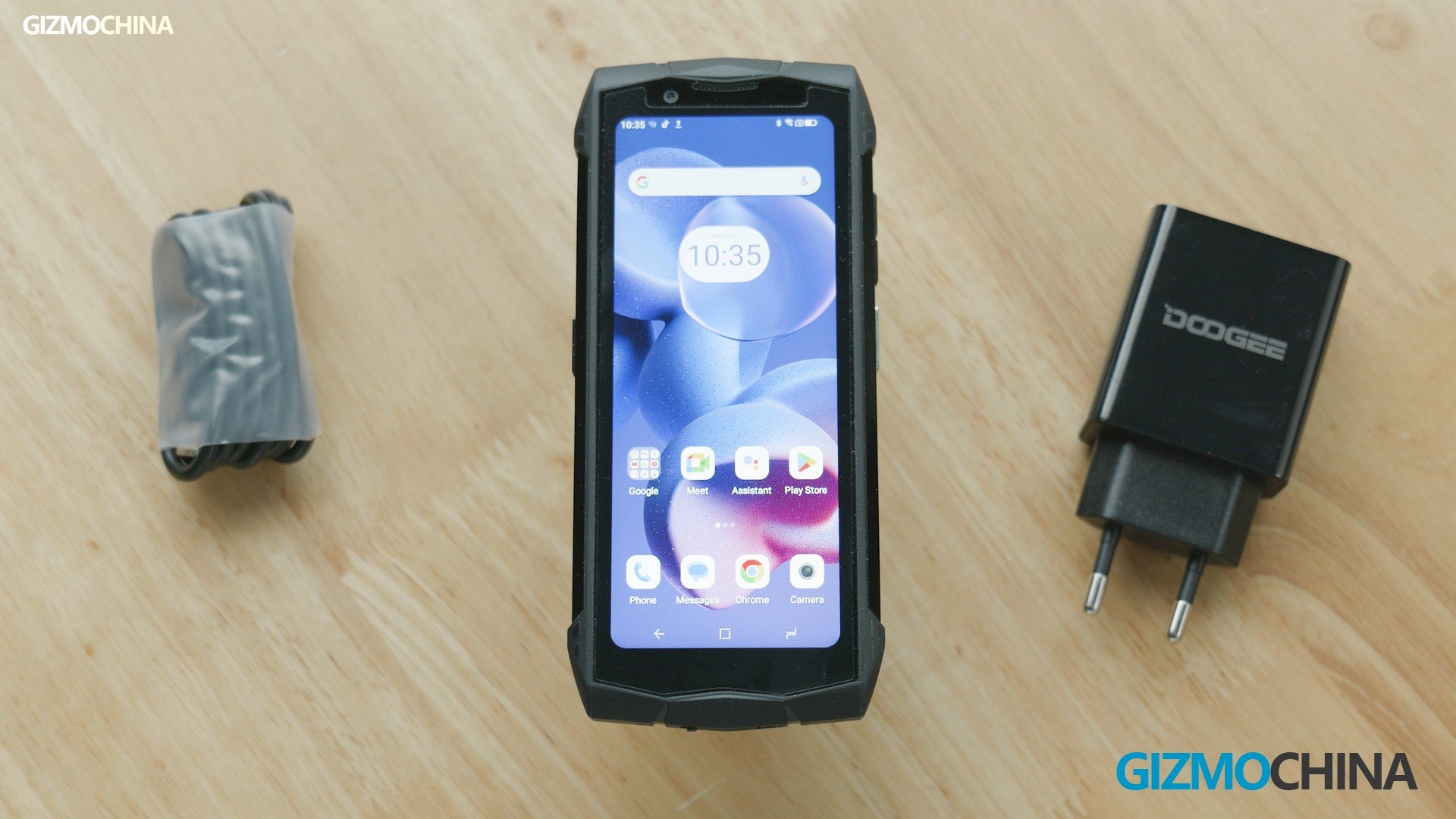
Rugged phone is crazy right now, can you believe this phone in my hand is one of them? So tiny! It’s the latest S mini from Doogee. If I hadn’t told you about it, you might believe I am holding an old Nokia phone!
Comparison
In fact, let me start off by comparing this phone to the normal rugged phone, an old and glorious Nokia 105, along with some flagship smartphones. As you can see, S mini is a lot smaller and thinner than the Doogee V31 GT and those flagships, but at the same size as the Nokia 105. Regarding weight, S mini is nearly 60% lighter than the V31 GT, and almost the same as Nokia 105. This has taken me back to the days when I could only use texts and phone calls to contact people, via a pocketable mobile device, that was…..2004 maybe?
Size
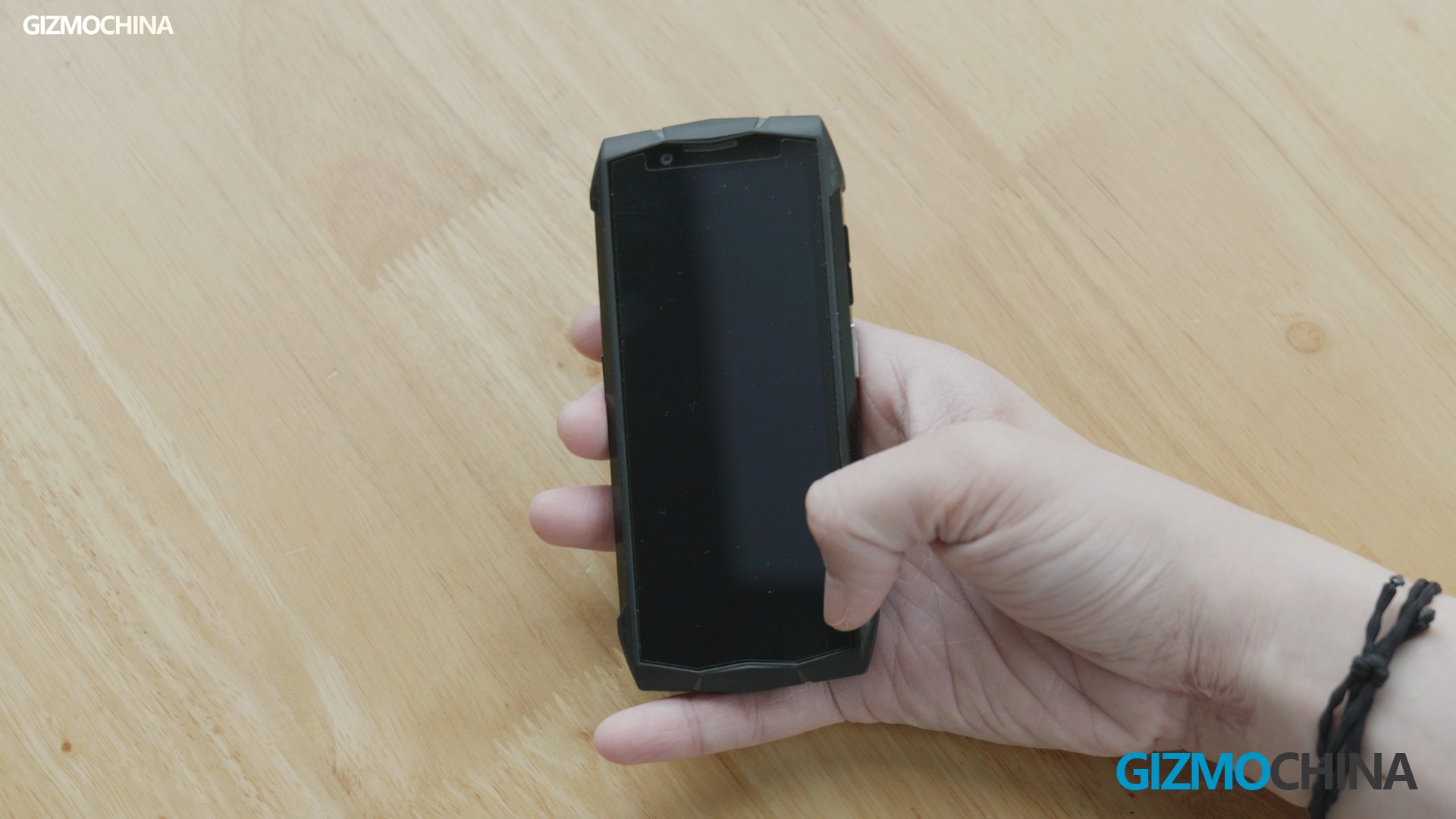
It’s clearly a phone that can be held in your hand very securely, and also being operated absolutely one-handed. My thumb can easily get to the four corners without any effort, or conveniently toss it between both hands, this is the experience I have missed for so so long time.
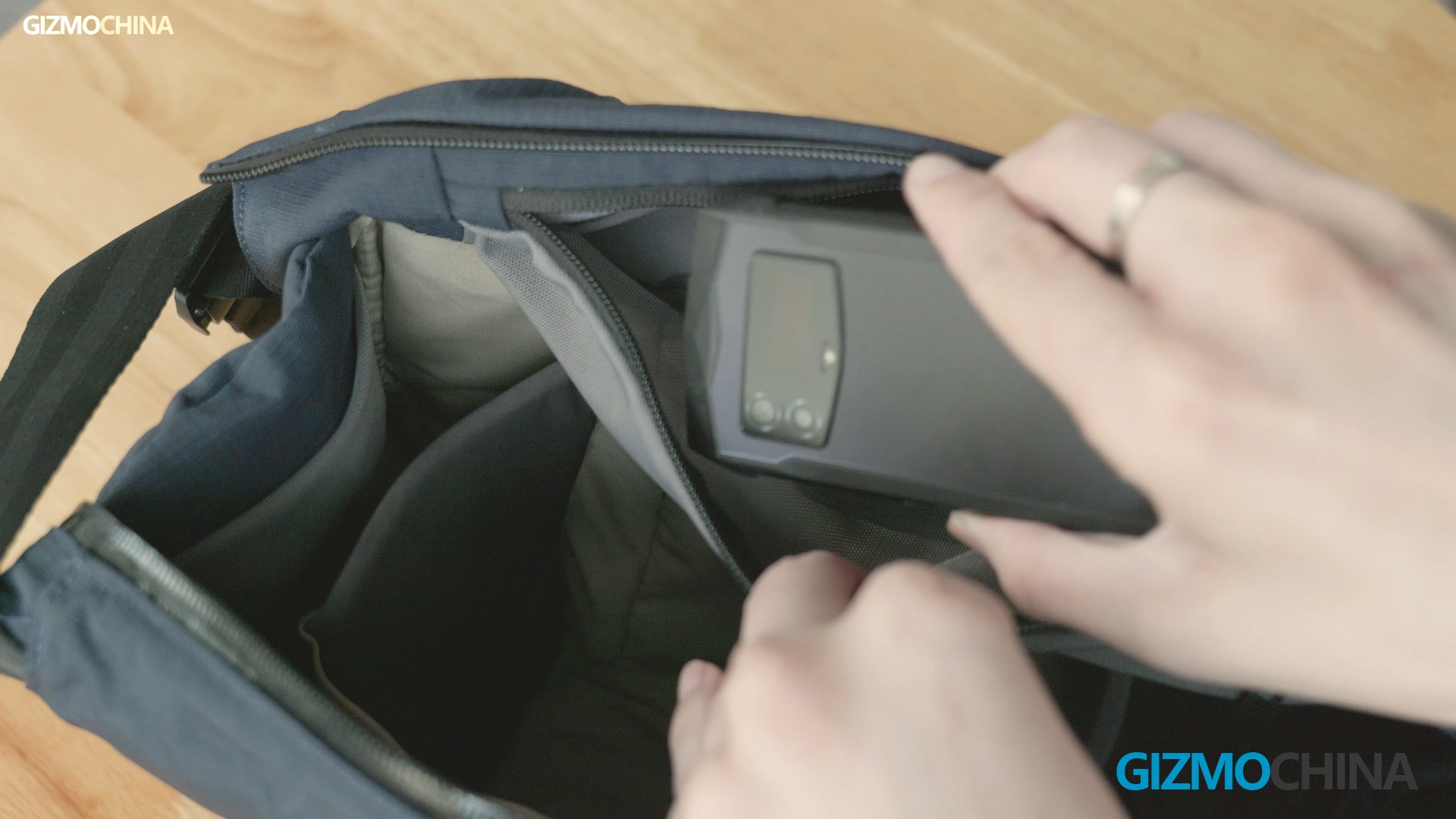
As a mini smartphone, it takes so much of the burden off, and unlocks a lot of possibilities you will be using this phone. Imagine you are on a hike to the mountain or just a walk around the city, this phone won’t add extra weight at all, whether to your backpack, or your pants. And of course, if you are a true minimalist, you can also take this phone as the alternative to those bulky smartphones. Trust me, you will fall in love with it if you get your hands on this S mini.
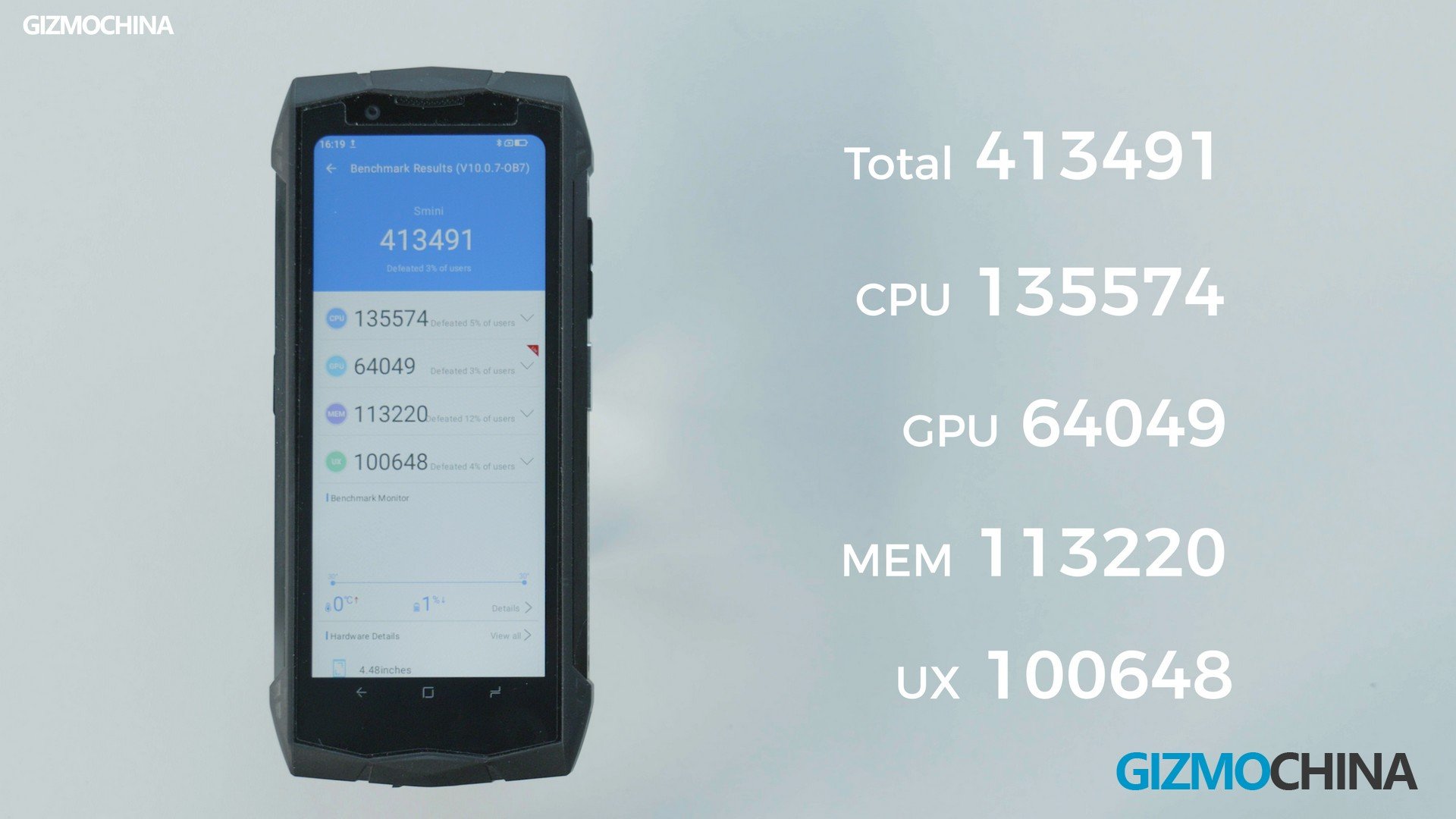
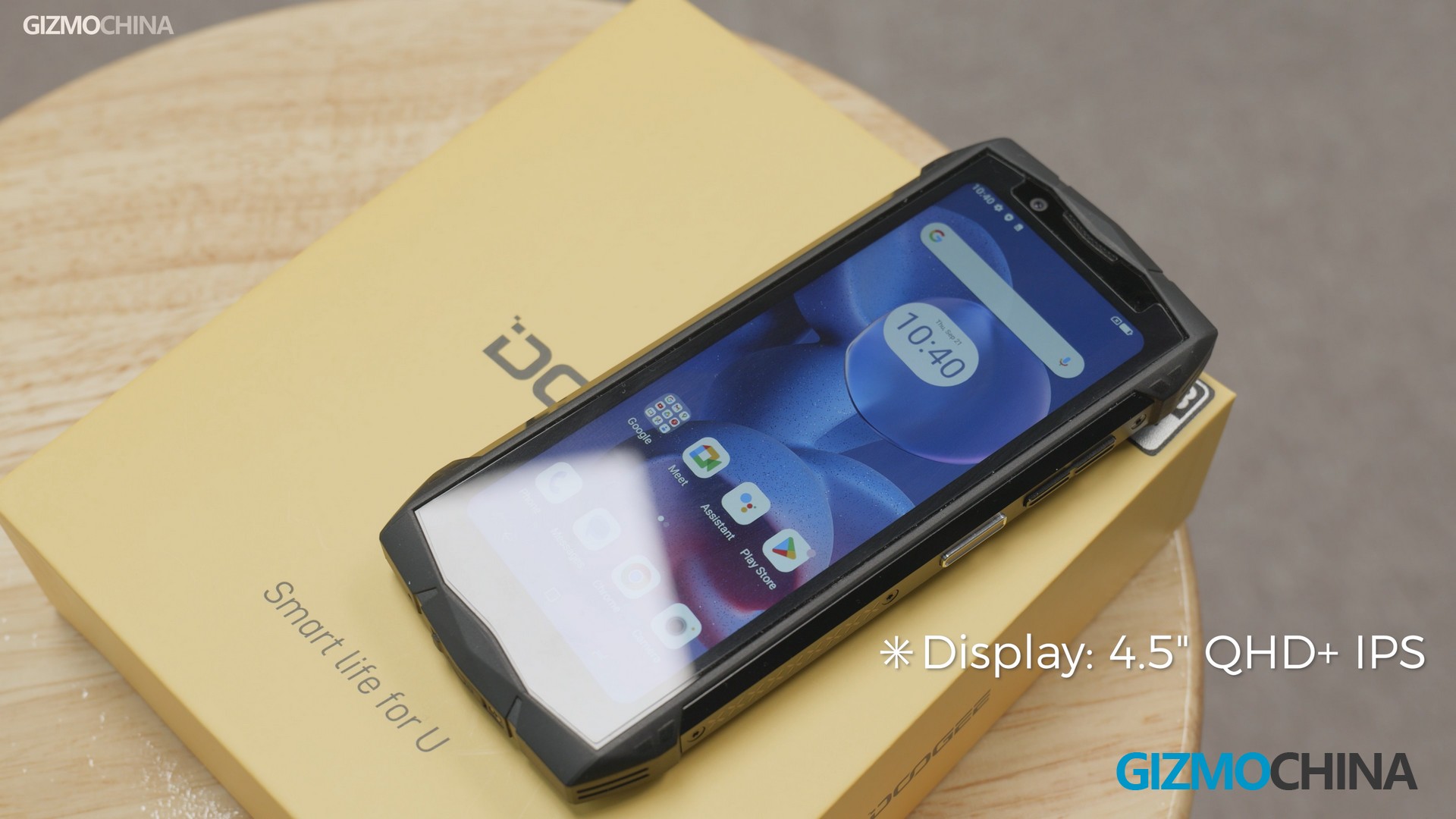
Specification side, this phone is equipped with Helio G99 Octa Core Processor, amazing 15GB Ram+256GB storage, you might be wondering how well it actually performs. By looking at the benchmarks, it got 413491, but what is surprising is that its MEM score is 113220, which means that its memory read and write ability can even reach a third of some flagship phones, single core performance is expected as the typical Helio G99 level, I would give it a good score actually. This phone has a 4.5” QHD+IPS display, it has decent clarity and response rate, but of course it’s too small for gaming, so we wouldn’t recommend playing games on it.
Camera
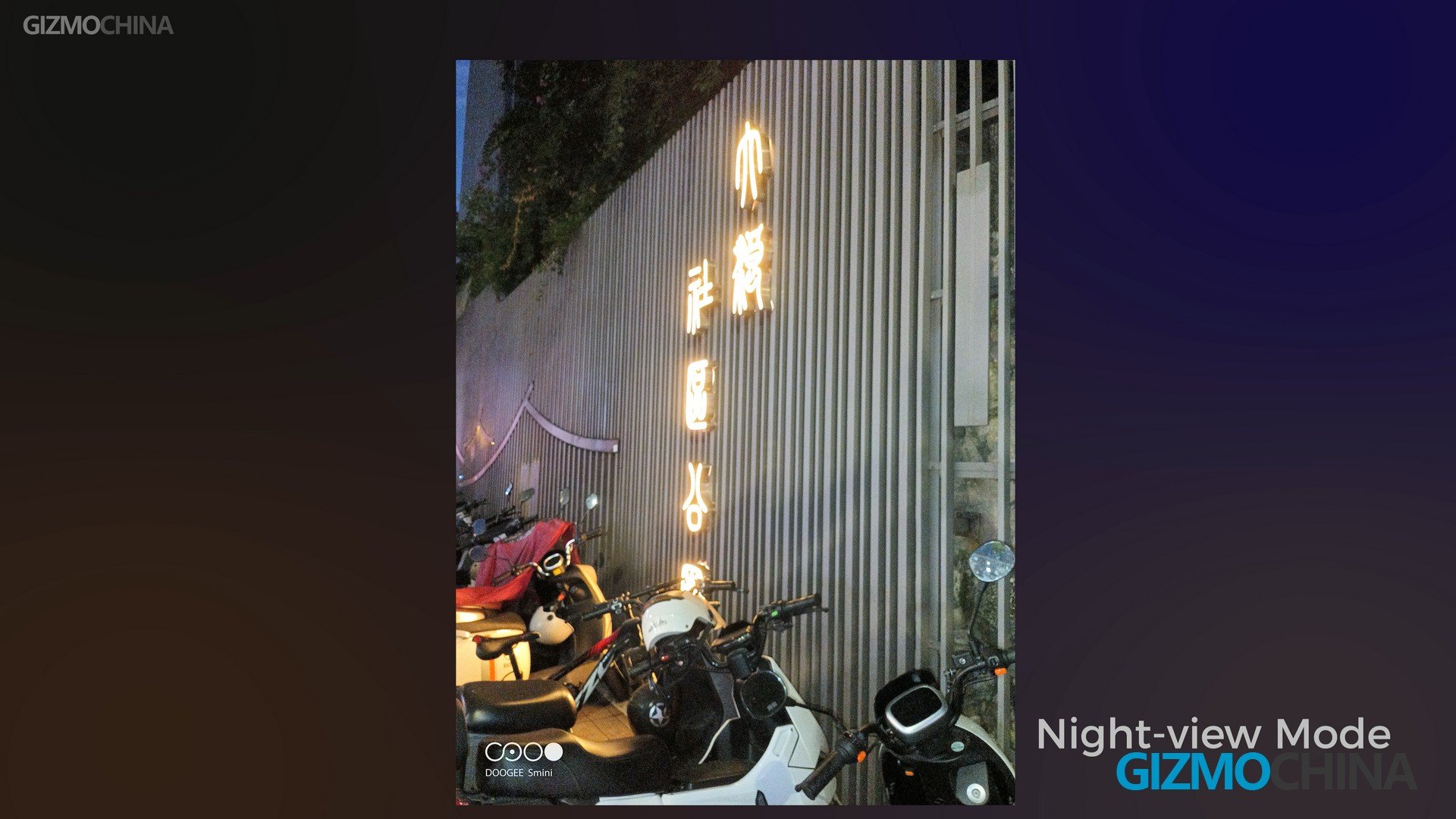
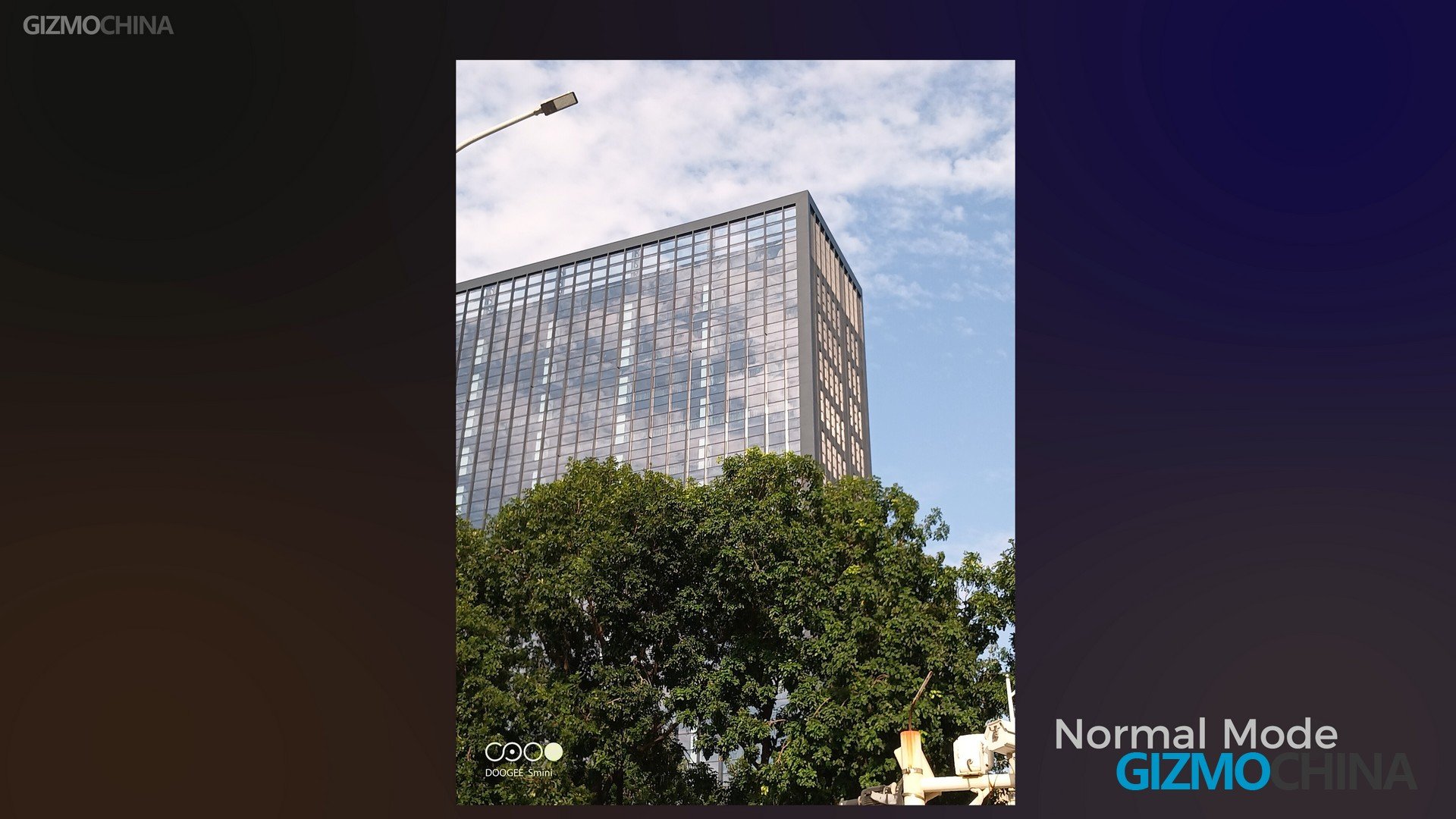
2This phone has AI Double Cameras that are 50MP+2MP combo. When we tried to take some photos with it. Through the blessing of two AI cameras, in the case of sufficient light during the day, its performance is still good, and you can even see the railing in the office window when you enlarger the picture. A compact rugged smart phone that’s not a camera-oriented device, the S MINI also works relatively well in night-view mode.
Feature
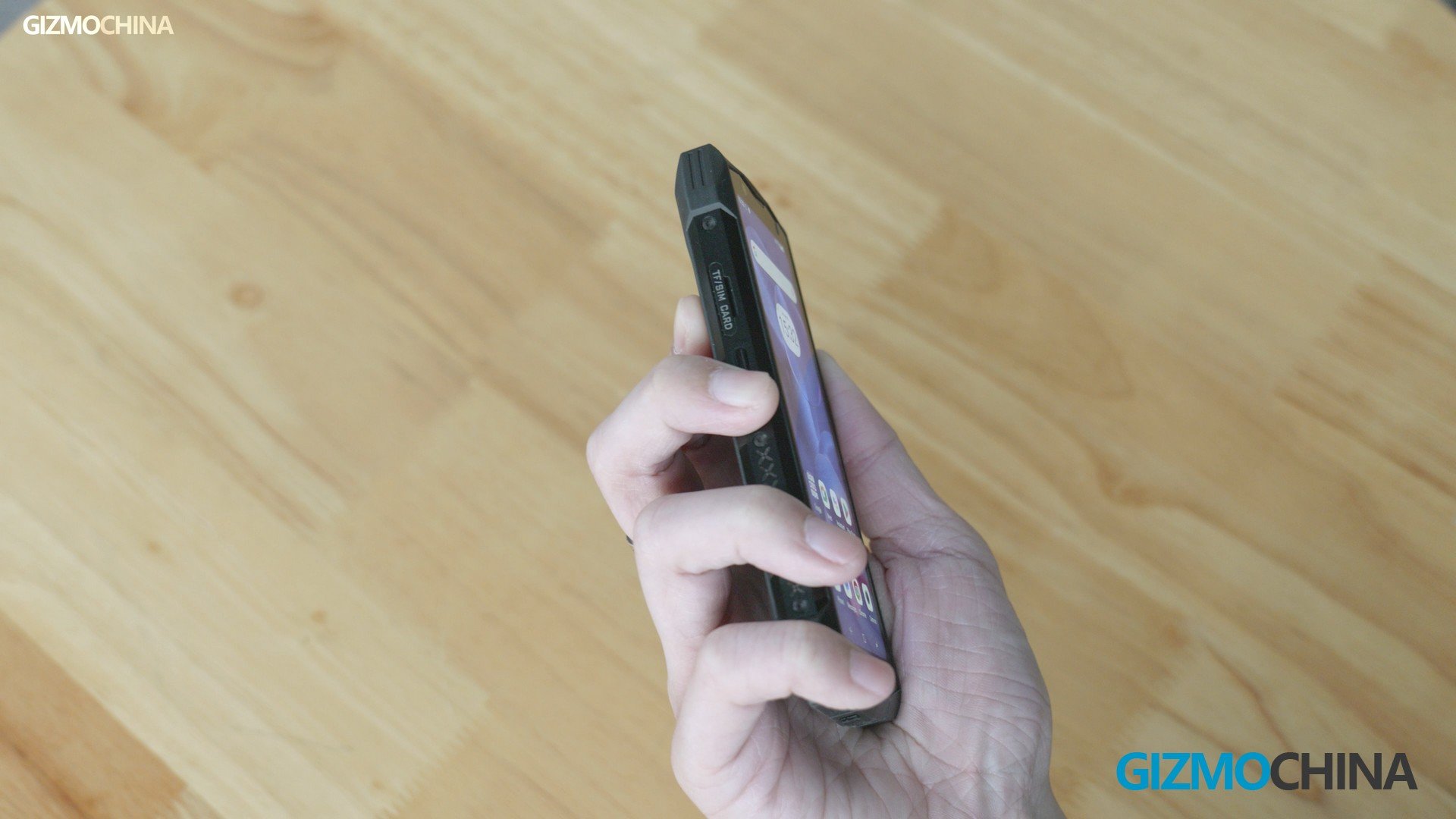
In terms of software, it has Android 13 original inside, such a clean and versatile system is always appreciated. In the few days with this phone, it’s 100% snappy and intuitive. There are also dual sim cards supported, or you can have one sim + one TF card here. So you know it can be your primary phone also if you are a fan of compact phones.
To my surprise, it has both fingerprint recognition and face unlock, they work really well and fast on this phone. And since it’s one tiny phone and I would usually hold it left-handed, I only entered the mid-finger in the phone, which is just right on the place of the reader, really convenient for me actually. But if you are a phone-on-the-right-hand person, then the thumb is the best finger to be in that place. Now the face unlock is also snappy, whenever you lift the phone up, the face unlock would do its job right after, such astonishing performance is the best level among all rugged phones I would say.
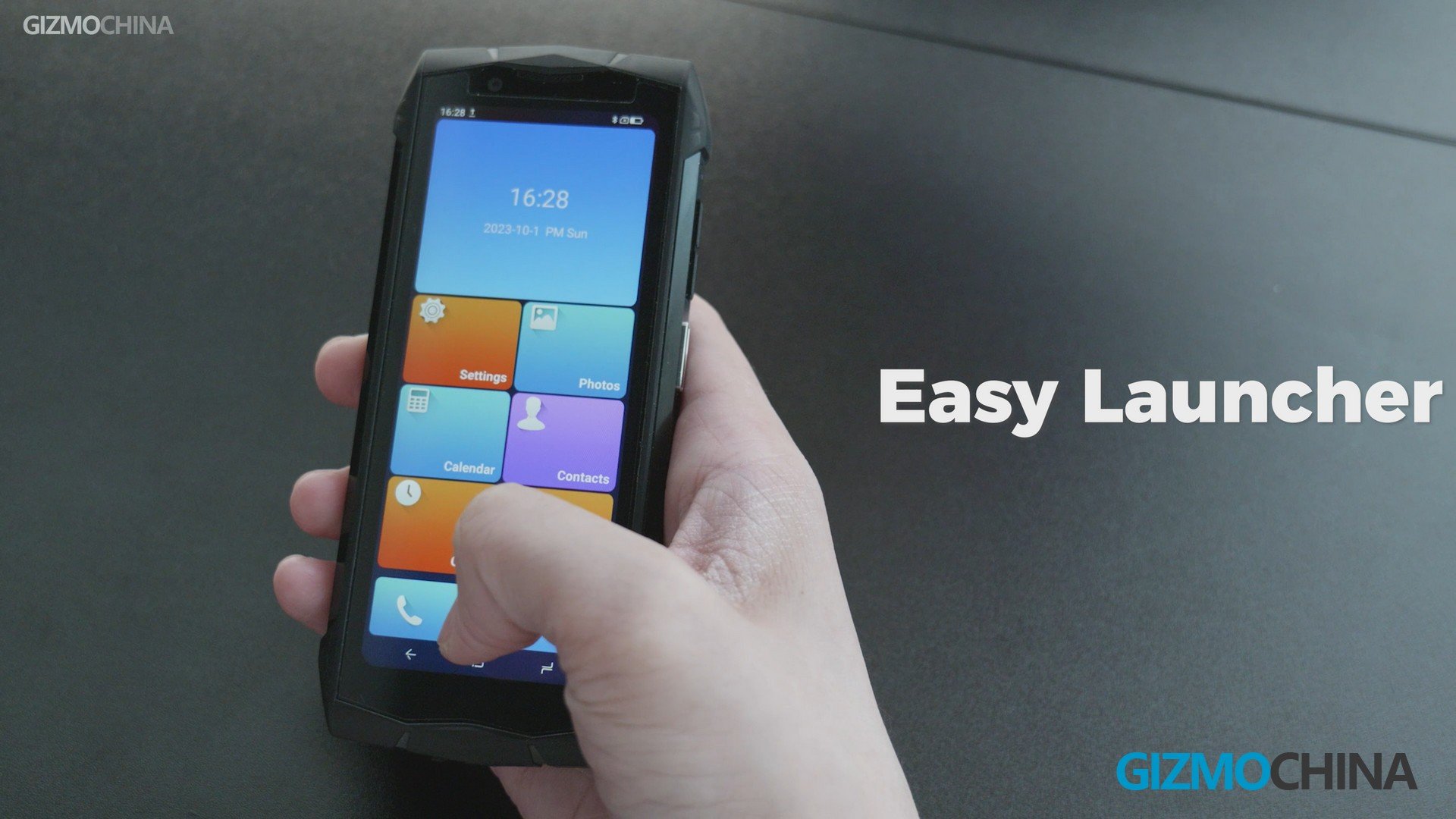
Another feature that has been passed down is the smart key here. This button is customizable, one click, double click, or long press, then get to a certain function or app you want. Furthermore, if this phone is going to be in the hands of an elder person, the easy launcher is a kind feature to have for them, as the cards are colorful enough to be recognized, and also very straightforward.
Battery
Now this phone has a 3000mAh battery embedded, you might argue that it is smaller than most phones nowadays, but since it is a much smaller phone and with the original Android system, the battery life is better by a mile. Since it runs on a small-sized display, in actual use, we wouldn’t be able to drain the battery in a day, this is actually a very good performance.
Digital Screen
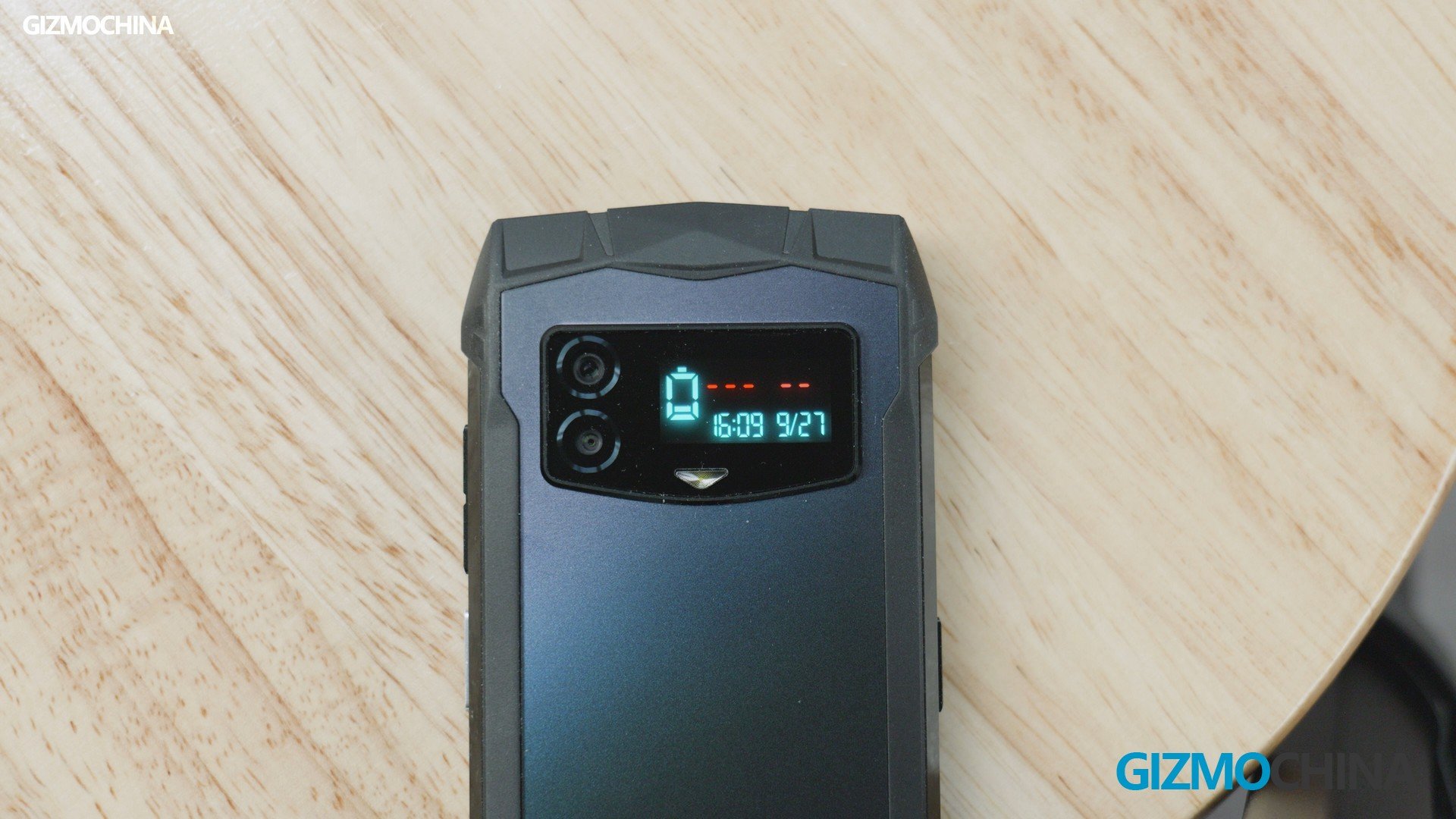
Almost forgot, there is a little LED display at the back here, this screen is capable of showing the battery level, date and time, along with the temperature and humidity level. Once you put the phone facing down, this screen becomes an essential tool for you to get more info. This turns out to be the biggest surprise, I really like it.
Conclusion
So that’s all about the features we think you might be interested in this phone, to mention a few of them again, the truly palm size design, the impressive back info display, and the innovative rear display, all packed in this reinvented rugged shell. When holding this phone in hand, it feels natural, it feels right! It is mini but has mighty power inside, it can be your primary phone even in such a world filled with large and modern devices.
For more information about the Doogee S Mini Rugged phone, you can check out the Doogee Amazon store here.
Apart from the flagship phones, Huawei, OPPO, Vivo, and iQOO are gearing up to launch their sub-flagship phones, such as the Nova 12 lineup, Reno 11 series, Vivo S18 lineup, and the iQOO Neo 9 series. Honor too, is said to be working on the Honor 100 lineup. A new claim is that the Honor 100 series may launch this month (November) in China.
Honor 100 series launch timeframe tipped
Honor 90
Honor has recently launched the Play 8T entry-level smartphone in China, and it will announce the Honor X50i+ mid-ranger later this week. According to reports, the brand is also working on the Honor 100 series and the Honor X50 GT for this year.
As per the new leak, the Honor 100 series, featuring dual front cameras with a smart island design and a circular rear camera module, will be announced later this month. The series will be equipped with the Snapdragon 8 Gen 2 mobile platform, and its screen will support a 1.5K resolution and high-frequency dimming for eye protection.
Reports have revealed that the Honor 100 lineup will comprise three new models, namely Honor 100, Honor 100 Pro, and Honor 100 GT. It was revealed by tipster Digital Chat Station that Honor will be internally testing the Honor 100 series in October, and it will break cover in November. While it is expected to launch this month, the rumor mill is yet to leak concrete details on the specifications of the aforementioned three models of the Honor 100 lineup.
In addition to the Honor 100 series, Honor is also said to be working on the Magic 6 lineup, which may comprise three models, such as the Magic 6, Magic 6 Pro, and Magic 6 Ultimate. The entire series is expected to feature the Snapdragon 8 Gen 3 chipset. As far as the launch is concerned, it is likely to break cover in early February in China.
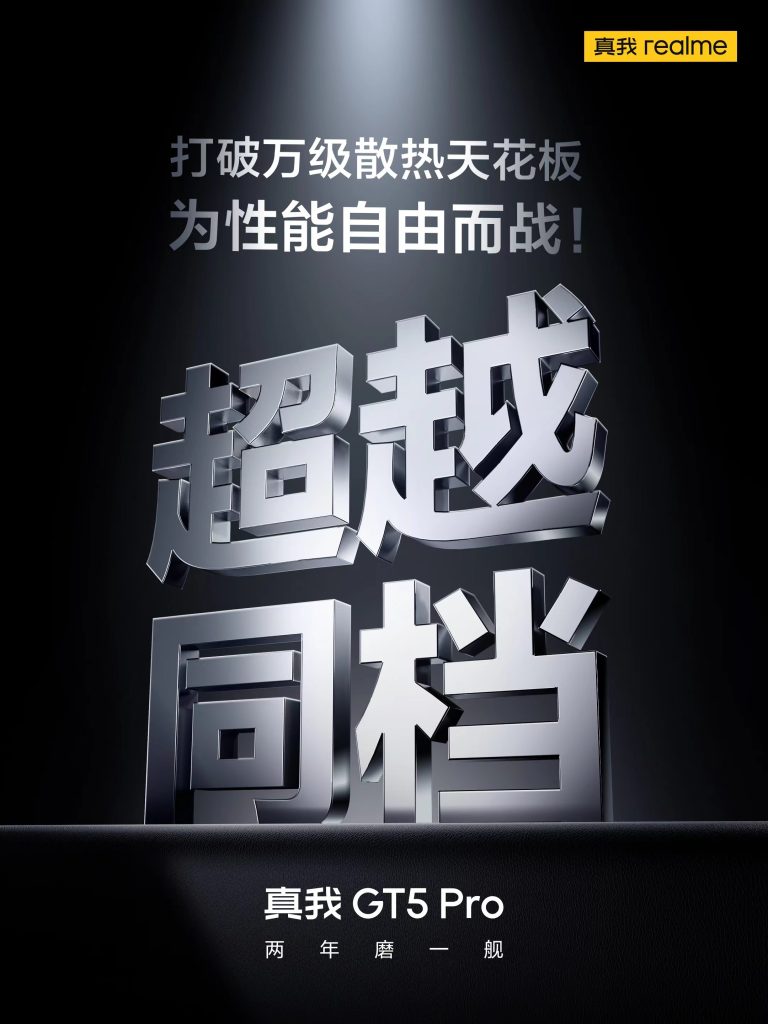
In August, Realme unveiled the Realme GT 5 featuring the Snapdragon 8 Gen 2 chipset in China. Now, the brand is all set to unveil the GT 5 Pro in the Chinese market. Today, the brand released an official poster to reveal that it will be equipped with one of the largest heat dissipation units seen on a smartphone.
Realme GT 5 Pro’s to be strongest performing Snapdragon 8 Gen 3 phone
Realme GT 5 Pro heat dissipation
According to the brand, a high-quality chipset forms the foundation of excellent performance, while effective heat dissipation sets the boundary for maximum performance utilization. In the case of the Realme GT 5 Pro, it not only outperforms its peers but also shatters the industry’s heat dissipation capabilities, pushing the boundaries to unleash the full potential of the Snapdragon 8 Gen 3 processor. Hence, the GT 5 Pro will be one of the strongest-performing SD8G3 phones on the market. In terms of size, Realme confirmed that the GT 5 Pro will be equipped with a 10-000 level heat dissipation unit, which means it will have a surface area of around 10,000mm2.
Realme GT 5 Pro specifications, launch timeframe (rumored)
The Realme GT 5 Pro is expected to come equipped with a 6.78-inch OLED curved-edge screen, featuring a 1.5K resolution and a 144Hz refresh. Moving on to its camera setup, it will include a 32-megapixel front camera and a rear configuration featuring a new Sony LYT-T808 primary camera with OIS support, an 8-megapixel OmniVision OV08D10 ultra-wide lens, and a 50-megapixel IMX890 periscope telephoto camera.
Powering the GT 5 Pro will be the Snapdragon 8 Gen 3 chipset, complemented by a 5,400mAh battery supporting 100W wired and 50W wireless charging. The device will be available in various configurations, with the top model offering 24GB of LPDDR5x RAM and 1TB of UFS 4.0 storage. The device was recently spotted with an impressive score of 2,229,696 on AnTuTu benchmarks.
The GT 5 Pro will run on Realme UI 5-based Android 14 as its operating system. For security, it will have an in-screen fingerprint sensor. As per a recent report, the GT 5 Pro will debut at some point in December in China.
On Nov. 13, Vivo will unveil the Vivo X100, X100 Pro, and Vivo Watch 3 devices in China. So far, the brand has released several posters to reveal the design of the Vivo X100. Today, it rolled out the official renders of the X100 Pro to reveal its design and color options. In addition, a Chinese leaker has leaked the full specifications of the X100.
Vivo X100 Pro color options
As can be seen, the Vivo X100 Pro will be arriving in four shades, such as Star Trail Blue, Sunset Orange, White Moonlight, and Cheyne Black. The orange edition of the device seems to be equipped with a leather back. The overall design of the X100 Pro appears to be identical to the X100.
Vivo X100 Pro specifications (rumored)
As per reports, the Vivo X100 Pro will arrive with a 6.78-inch AMOLED display that offers a 1.5K resolution, a 120Hz refresh rate, and an in-screen fingerprint sensor. Under the hood, the X100 Pro will feature the Dimensity 9300 chipset, 16 GB of LPDDR5T RAM, and 1 TB of UFS 4.0 storage.
The Vivo X100 Pro is expected to feature a 5,400mAh battery with 120W wired charging. It is said to support 50W wireless charging. The device will come preloaded with Origin OS 4-based Android 14.
The X100 Pro’s rear camera setup will feature a 50-megapixel Sony IMX989 primary camera with OIS support, a 50-megapixel ultra-wide lens, a 64-megapixel OmniVision OV64B periscope telephoto camera, and the Vivo V3 ISP. For selfies, it will feature a 32-megapixel front-facing camera.
The Vivo X100’s base variant, which is expected to offer 12 GB of RAM and 256 GB of storage, will be priced at 3,999 Yuan (~$550). Hence, it appears that the X100 Pro’s base model is likely to have a starting price of 4,999 Yuan (~$685).
Elon Musk recently announced the launch of its AI named Grok. It seems like he will be mixing his new AI project with his social media network. The AI is smart and can chat with users on the platform, aiming to make conversations more fun and helpful, hopefully.
Grok just hit the market, so only time will tell if it’s a capable AI
Grok was first given to some users last Friday and stands out because it can pull up information quickly from Musk’s social media service. Musk thinks this AI can outdo others by giving better answers, faster.
He’s been open about his issues with how big companies handle AI, calling his own AI “maximum truth-seeking.” This means he wants his AI to dig deep and be more open than what’s out there now, like Google‘s or Microsoft‘s versions. Musk has big ideas about AI. He told the UK’s Prime Minister that AI is going to change everything, even jobs. He thinks soon AI could do so much that the jobs we know today might not be needed. There’s a strong controversy surrounding AI, and even Elon Musk must be aware of its impact on the job scenario.
This step is just the latest in Musk’s long history with AI. Even though he helped start OpenAI, which made the well-known ChatGPT, he left that board in 2018. Now, he’s focused on making his social media smarter with Grok.
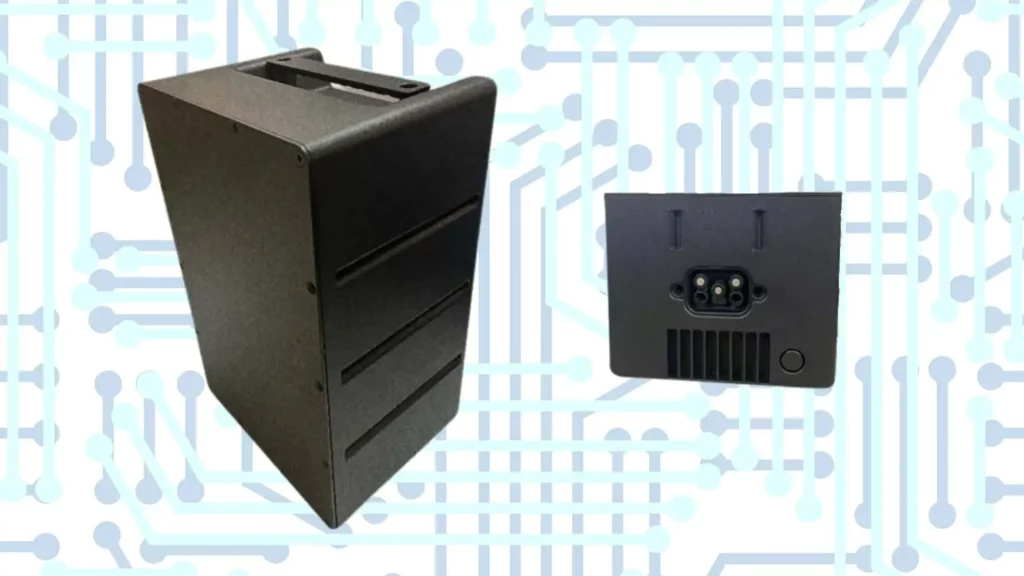
The Swappable Batteries Motorcycle Consortium (SBMC) has been working on a big project since 2021, and they’ve just reached a new milestone. They’ve made a prototype, which is like a model, for batteries that you can swap out of electric motorcycles. This is a big deal because it could make using electric bikes a lot easier.
2024 will bring forth better, well-researched versions of e-bike batteries
The SBMC is made up of some well-known motorcycle makers like Honda and Yamaha, and some newer tech companies. They all came together to figure out how to make it possible to switch out a bike’s battery quickly instead of waiting around for it to charge. This could make electric bikes more appealing because you won’t have to wait hours to charge up.
In the past year, they’ve been busy making the first version of these swap-able batteries. They tested them out to make sure they work well. They’re planning to make even better versions in 2024 and then test these out in real-life situations.
The SBMC is also talking to groups in Europe and around the world to make sure these new batteries are safe and that nobody’s personal information gets stolen when they’re used.
Now, the SBMC has 32 different companies in it, showing that a lot of people in the business think this battery-swapping idea is good. They’re going to a big motorcycle show called EICMA in 2023 to talk about what they’ve done and what they plan to do next.
So, if the SBMC keeps going like this, pretty soon you could be riding an electric bike and just switch out the battery quickly when it runs out. This could make electric bikes a much better choice for more people.
BYD, the titan of EV manufacturing, is reportedly gearing up to establish its first European car factory in Hungary. This news, emerging from unofficial sources cited by a German newspaper, is yet to be confirmed by the company but aligns with BYD’s strategic expansion plans.
The company has its sights on even more international markets
The choice of Hungary is a logical step for BYD, given its existing presence in the country with an electric bus production line. Moreover, Hungary’s membership in the European Union offers BYD the significant advantage of seamless access to the broader EU market. This step could prove to be particularly savvy in light of the EU’s scrutiny of Chinese EV imports, which might lead to future tariffs aimed at protecting local industries.
The implications of such a development are far-reaching. BYD’s move aligns with a larger trend of Chinese investment in Hungary, highlighted by the construction of a significant battery plant by CATL, another Chinese heavyweight in the EV battery market.
BYD’s aggressive expansion isn’t just limited to Europe. With sales figures shadowing those of Tesla, and exports on a steady rise, the company has its eyes set on international markets, including the United States. Interestingly, BYD has already made a foray into the US with an electric bus factory in California, a strategic decision that may anticipate further expansion into North American EV production, potentially leveraging benefits from the Inflation Reduction Act.
As BYD’s global footprint grows, its international investments, such as the anticipated Hungarian factory, are not just business moves; they are strategic chess plays in the dynamic game of global EV dominance. With its rapid sales growth and aggressive market strategy, BYD is not just riding the electric wave — it’s aiming to steer it.
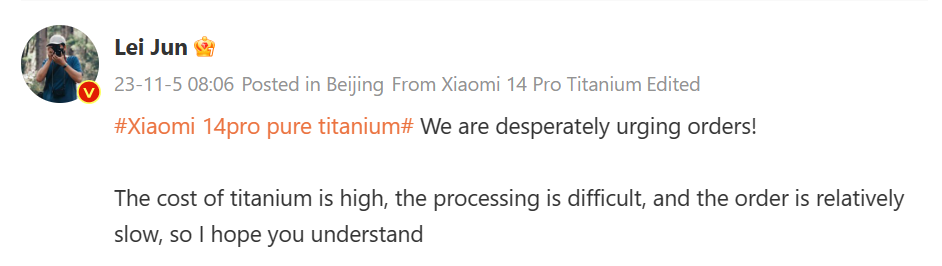
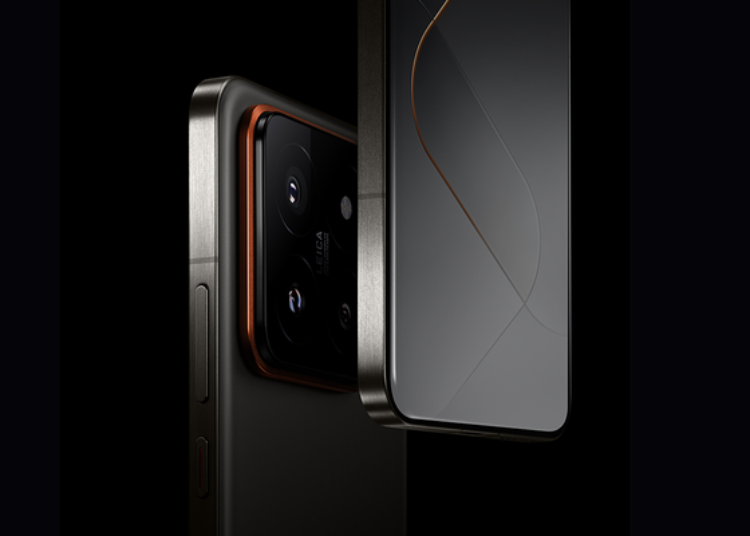
The Xiaomi 14 Pro Titanium Special Edition, a high-end addition to the Xiaomi 14 series, has been launched with a retail price of 6,499 yuan ($907). This new model has garnered significant consumer interest, leading to its scarcity in the market and subsequent price inflation by scalpers in secondary markets. Xiaomi’s CEO, Lei Jun, has acknowledged the high demand and has assured that efforts are underway to ramp up production.
Xiaomi Ramps Up Efforts to Meet Surging Demand for the Premium 14 Pro Titanium Special Edition
Lei Jun has highlighted the challenges of working with titanium due to its high cost and complexity in processing, which contributes to the slower production rates. The difficulty in manufacturing is compounded by the high standards set for the titanium used in the Xiaomi 14 Pro Titanium Special Edition, which boasts a 99% purity level. This meticulous attention to material quality is part of what makes the phone particularly resistant to fingerprint marks, a feature that positions it favorably against competitors like the iPhone 15 Pro series.
Xiaomi’s User Operations Manager has also noted the initial low yield rate and limited supply of this model, but he assures that production will scale up moving forward. Importantly, this phone is not a limited edition, suggesting that consumers should avoid overpaying in the secondary market as availability will improve.
Xiaomi’s overall sales have been strong, with the Xiaomi 14 series performing exceptionally well, recording a sixfold increase in sales within the first five minutes compared to the previous generation’s initial sales.
The company has also been transparent about out-of-warranty repair costs for the Xiaomi 14 series, including the Pro and Titanium Editions. These costs vary by component, with the Titanium Edition commanding higher prices for parts like the screen and battery cover due to its premium materials such as the titanium frame and Dragon Crystal Glass.
Consumers are reminded that these repair costs are applicable only when the warranty does not cover the repairs, and under warranty, repairs may be free or at a reduced price.
In August, AnTuTu showcased the top flagship smartphones, with the OnePlus Ace 2 Pro taking the lead. Now, we dive into the realm of mid-range devices for October 2023. AnTuTu has revealed the top 10 best-performing mid-range smartphones, and the results are impressive.
1. realme GT Neo 5 SE: Topping the list is the realme GT Neo5 SE with an impressive score of 1,154,600 points on AnTuTu. This device is powered by the Snapdragon 7+ Gen 2 chipset, offering blazing-fast performance.
2. Redmi Note 12 Turbo: Following closely behind is the Redmi Note 12 Turbo, which achieved a score of 1,152,325 points. Like the realme GT Neo5 SE, it is equipped with the Snapdragon 7+ Gen 2 chipset, providing exceptional mid-range performance.
3. iQOO Z8: In the third position is the iQOO Z8, boasting a score of 962,629 points on AnTuTu. This smartphone features the Dimensity 8200 chipset, delivering excellent mid-range performance.
4. vivo S17 Pro: Securing the fourth place is the vivo S17 Pro, with a commendable score of 951,223 points. Equipped with the Dimensity 8200 chipset, this device provides strong mid-range performance.
5. iQOO Neo7 SE: Following closely in the fifth position is the iQOO Neo7 SE, with a score of 950,981 points. Like the vivo S17 Pro, it features the Dimensity 8200 chipset, ensuring robust mid-range performance.
6. Civi 3: The Civi 3 takes the sixth spot with a score of 892,704 points. Powered by the Dimensity 8200-Ultra chipset, this smartphone strikes a balance between performance and affordability.
7. Redmi K60E: In the seventh position is the Redmi K60E, scoring 891,175 points. Also equipped with the Dimensity 8200 chipset, it delivers competitive mid-range performance.
8. OnePlus Ace Racing Edition: The OnePlus Ace Racing Edition secures the eighth position with a score of 889,916 points. It is powered by the 8100-Max chipset, offering high-performance capabilities.
9. Redmi Note12T Pro: The Redmi Note12T Pro takes the ninth position with a score of 888,496 points. Like the Civi 3, it is powered by the Dimensity 8200-Ultra chipset, delivering robust mid-range performance.
10. OPPO Reno9 Pro 5G: Rounding out the list is the OPPO Reno9 Pro 5G with a score of 886,356 points. It features the 8100-Max chipset, ensuring excellent mid-range performance.
iQOO is gearing up to introduce its latest flagship smartphones in China on November 7, namely the iQOO 12 and iQOO 12 Pro, both powered by Qualcomm’s state-of-the-art Snapdragon 8 Gen 3 processor. Ahead of the launch, the brand has revealed a bunch of details about the devices. So here’s everything we know about these devices so far.
Design & display
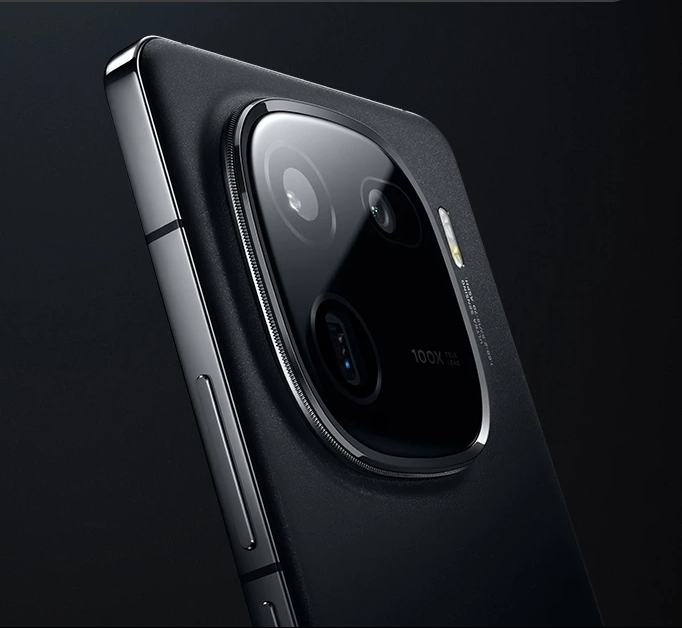
iQOO is implementing significant design alterations for its upcoming flagship models. Teaser images of the devices indicate a shared rear design, characterized by a square-shaped camera module featuring rounded corners. Within this module, you’ll find three cameras along with VCS+ branding, while a vertically oriented pill-shaped LED flash is positioned on the right side. The iQOO 12 and iQOO 12 Pro will be offered in three color choices: black and white, each featuring a glass back, and a red variant with a leather back. The standard iQOO 12 model is rated with IP64, while the iQOO 12 Pro boasts a higher IP68 rating.
iQOO 12 live shot
Both of these smartphones feature a large 6.78-inch display with an impressive 144Hz refresh rate. The iQOO 12 is equipped with a flat-screen provided by BOE, offering a sharp 1.5K resolution. It will offer 3000nits peak brightness and 2160Hz PWM dimming. On the other hand, the iQOO 12 Pro comes with a curved-edge E7 AMOLED Samsung screen, delivering 2K resolution. It will offer a peak brightness of 2700 nits and 1440Hz PWM dimming. When it comes to fingerprint scanning technology, the iQOO 12 relies on an optical in-screen fingerprint scanner for secure access, while the iQOO 12 Pro comes with a faster and more accurate ultrasonic in-display fingerprint sensor.
Performance & specifications
As mentioned before, both of these smartphones will feature a Snapdragon 8 Gen 3 chipset. This recently launched chipset has significantly improved compared to its predecessor. A recent report has mentioned that the iQOO 12 Pro has scored 2,169,893 points on AnTuTu compared to 1,323,820 points of its predecessor. On Geekbench 6, the 12 Pro has scored 2222 points in the single-core test and 6878 points on the multi-core test.
To enhance the gaming experience, both the iQOO 12 and iQOO 12 Pro will incorporate the Q1 e-sports chip, a proprietary development from the company. This chip is designed to optimize gaming performance with features like super-resolution and super-frame concurrency. These devices will also provide ample memory and storage options, offering up to 16GB of LPDDR5x RAM and a spacious 1TB of UFS 4.0 storage.
In terms of battery capacity, the standard iQOO 12 model will be equipped with a substantial 5,000mAh battery, complemented by 120W fast charging support for rapid recharging. Meanwhile, the Pro model takes it a step further with a larger 5,100mAh battery and offers both 120W wired charging and 50W wireless charging options.
The brand has provided a glimpse into the iQOO 12 series’ thermal management system. It will feature a four-zone heat dissipation design along with an exceptionally large VC vapor chamber. This chamber is notably 40 percent larger compared to the previous series, emphasizing the brand’s commitment to efficient heat dispersion.
The iQOO 12 series will come with the biggest vibration motor ever in iQOO’s lineup. Alongside this, it will have symmetrical three-dimensional dual stereo speakers, making the overall experience better and offering great gaming sound. Additionally, these phones will support Hi-Res Audio and Hi-Res Audio Wireless.
Camera
Reports have revealed that the iQOO 12 will feature a 50-megapixel OmniVision OV50H primary sensor, which comes with optical image stabilization (OIS) for sharper photos. Alongside this, you’ll find a 50-megapixel Samsung JN1 ultrawide camera. Additionally, there’s a 64-megapixel OV64B telephoto lens equipped with 3x optical zoom and the ability to achieve up to 100x digital zoom.
iQOO 12 series red variant
Similarly, the iQOO 12 Pro has the same camera setup as the vanilla model featuring a 50-megapixel OIS primary sensor, paired with a 50-megapixel ultra-wide sensor and a 64-megapixel telephoto camera with 3x optical and 100x digital zoom. Both of these models will offer 16-megapixel front cameras for capturing selfies and video calls.
Global availability
iQOO has already announced that the device will be launching in India soon after its China launch. So far, the brand has confirmed the December 12, 2023 launch date for the iQOO 12 5G model. It is currently unknown when the brand plans to launch the device in other regions.
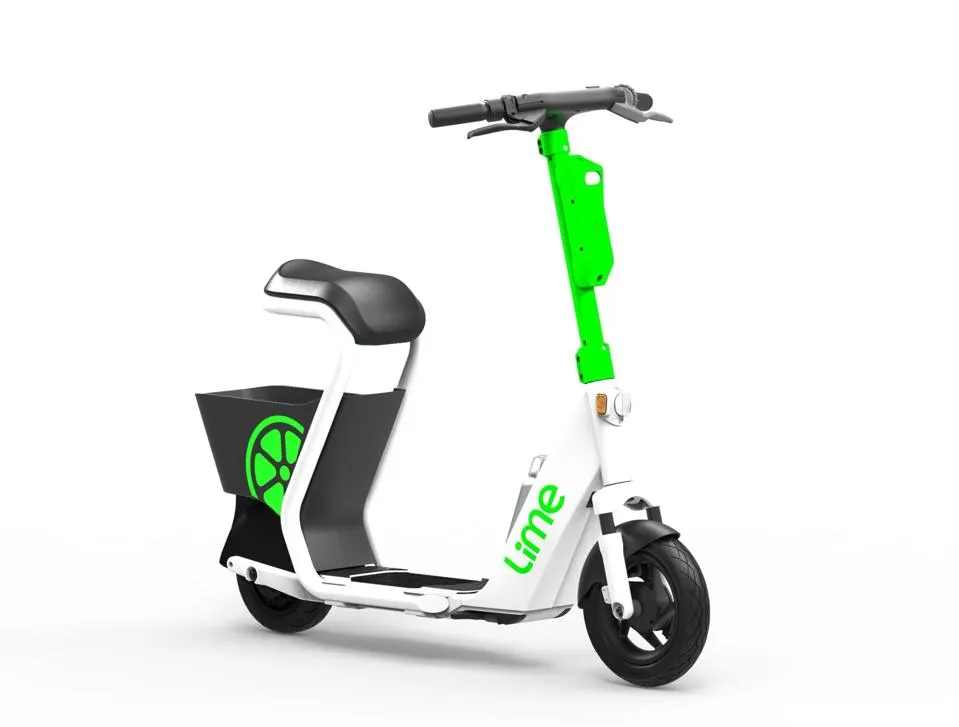
Lime has rolled out the Gen4 Seated e-scooter in its operations in San Francisco and Chicago. The Gen4 Seated was piloted earlier this year and targets older users with reduced physical mobility. The Gen4 Seated will further launch in other cities in the US, as well as in Australia and New Zealand.
Lime Gen4 Seated e-scooter is the brand’s first electric kickscooter with a seat
The release of the Gen4 Seated is coming on the heels of a strong financial performance by Lime. The company recently released its half-year performance statistics which indicated a revenue of $250 million on gross bookings of its vehicles. Its H1, 2023 results were 45% better than the H1, 2022 results. Lime is also planning for a public listing of the company.
According to Lime, its new mobility solution, the Gen4 Seated will make micromobility more approachable and allow for added comfort. When the e-scooter is paired with Lime’s new storage compartment, it offers greater versatility. Lime says that internal storage is a key issue in choosing a micromobility rental vehicle. The Gen4 Seated is accessed via the app, as with the brand’s existing fleet.
Lime Gen4 Seated e-scooter
Lime says its market research has shown that the Gen4 Seated is more appealing to the segment of older users left out with the existing Lime offerings. It has larger wheels and a lower baseboard that enhances the scooter’s center of gravity. This, in turn, makes the Gen4 Seated to be safer while being used. The scooter comes with a swappable battery setup although the full performance feature of the scooter was not specified.
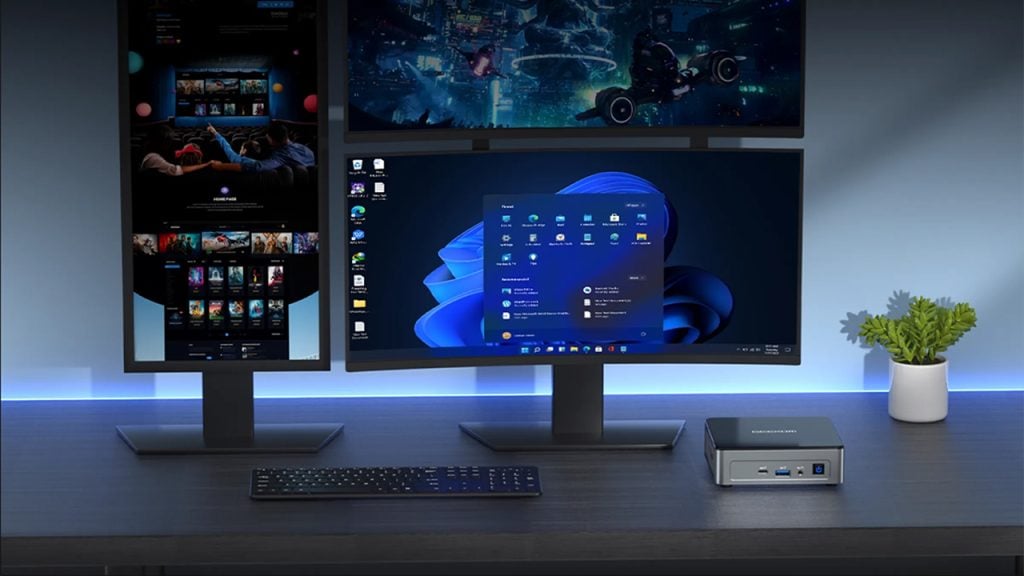
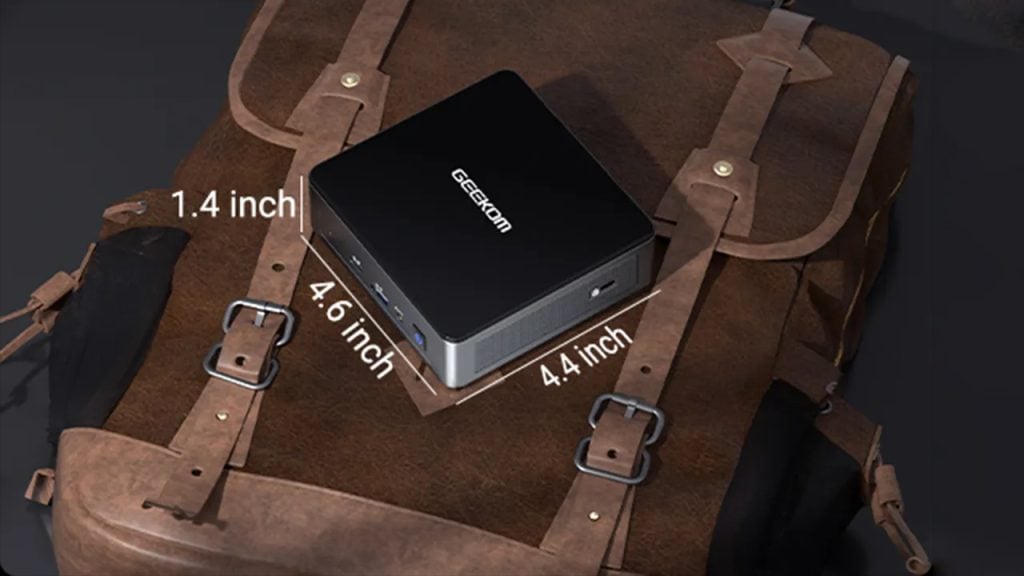
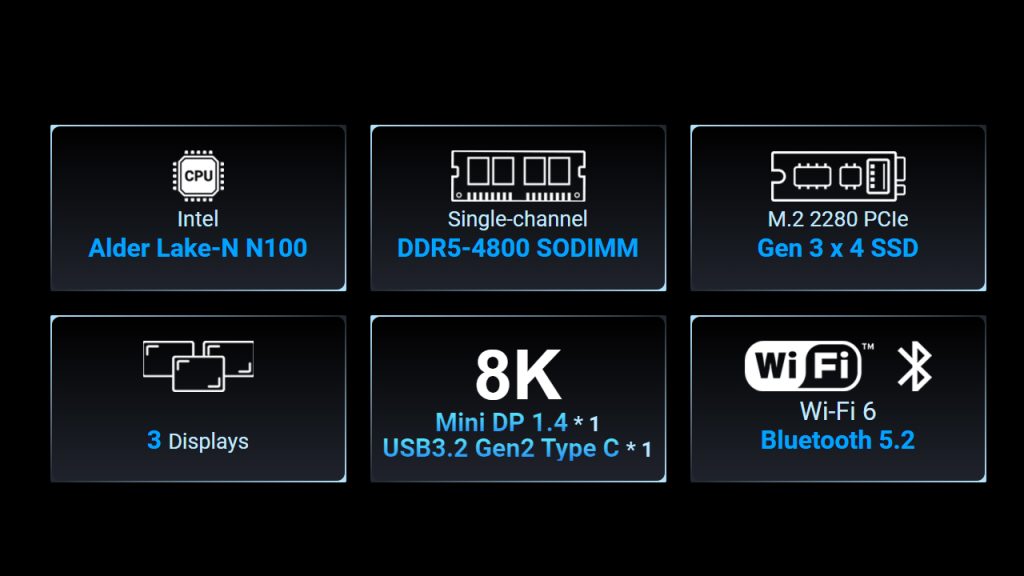
GEEKOM has introduced the Mini Air12 mini PC and it comes in a sleek design. The GEEKOM Mini Air12 is powered by the Alder Lake Intel N100 processor and offers 16GB of RAM resources. The mini PC is suitable for handling media and productivity applications, offering great performance and an affordable price.
Features
The Mini Air12 has a 512GB Gen 3×4 SDD which is upgradable to 2TB. Its Intel N100 CPU has four cores and four threads. The mini PC is also equipped with the Intel UHD 24EU graphics @ 750MHz.There are a variety of ports for connectivity to the gadget including five USB, one RJ45, Mini DP 1.4, USB 3.2 Gen 2, and HDMI 2.0 ports. It also has a 3.5mm headphone jack and an SD card reader. The Mini Air12 is capable of hosting three displays with up to 8K video output resolution.
The GEEKOM Mini Air12 is being propped as a great offering with an excellent price-to-performance ratio. It offers Wi-Fi 6 and Bluetooth 5.2 connectivity, as well as delivers a low-noise cooling system.
Pricing & Availability
The Mini Air12 is currently priced at $249 on the company’s website. The Taiwanese manufacturer hopes that the fairly decent pricing of the model, coupled with its impressive capabilities, could stimulate demand for the Mini Air12. Global availability and pricing information for the GEEKOM Mini Air12 portable mini PC is not available at this time.
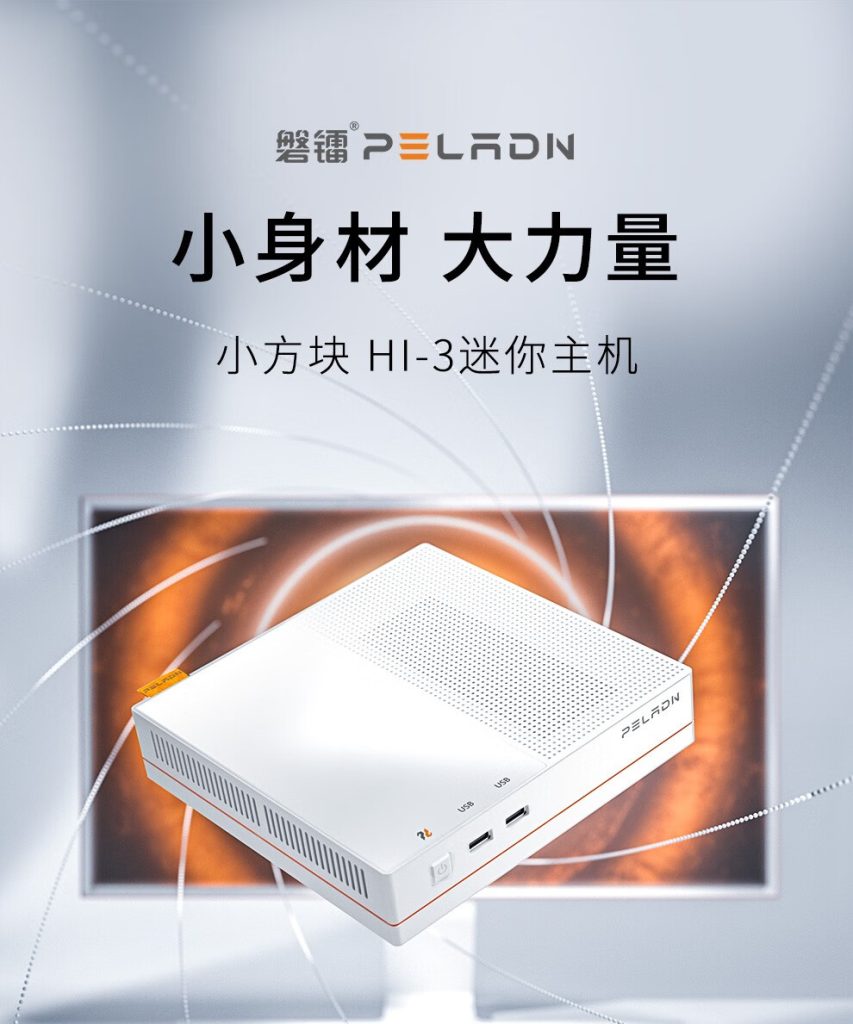
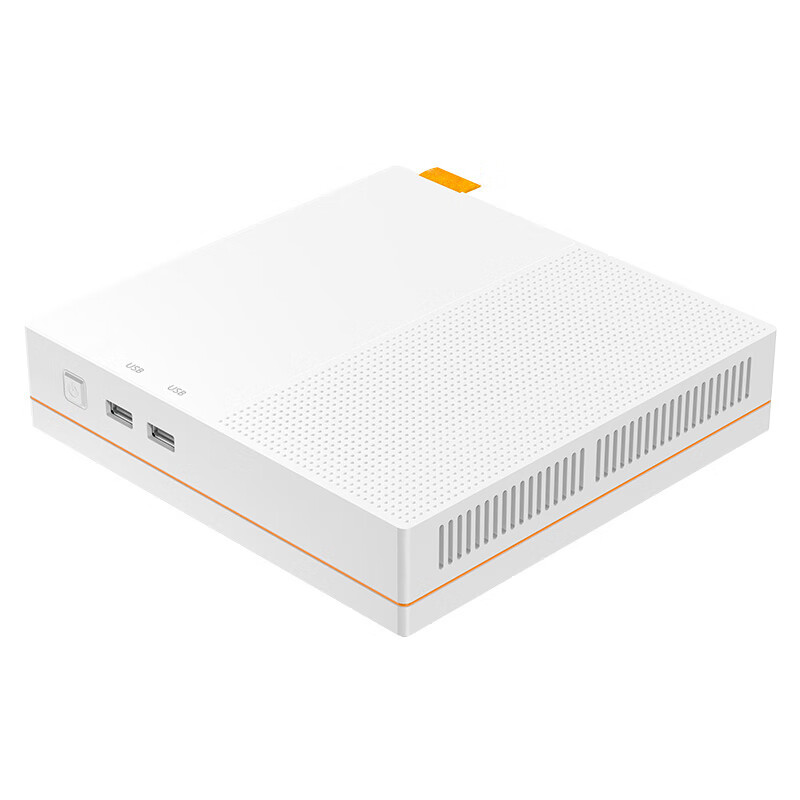
PELADN has officially launched its HI-3 mini PC, a compact yet powerful computing device that packs a punch in its small 1-liter form factor. Let’s delve into the key specs of this mini PC.
PELADN HI-3 Mini PC Key Features:
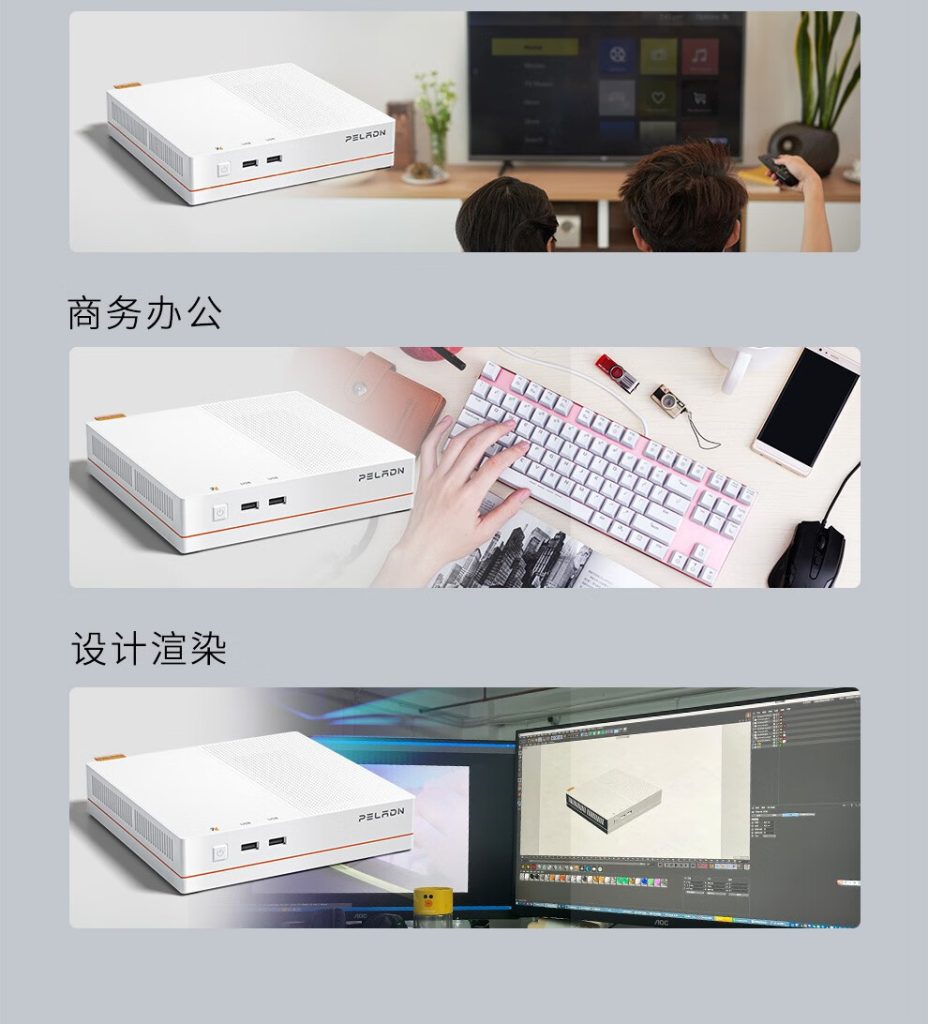
The HI-3 mini PC is driven by an Intel Core i5-11300H processor, boasting 4 cores, 8 threads, and a turbo boost clock speed of up to 4.4GHz. For graphics, it utilizes an NVIDIA MX450 GPU with 2GB of GDDR6 memory, making it suitable for a range of tasks, from work to entertainment, including light gaming and living room use.
With 16GB of DDR4 RAM and a spacious 512GB M.2 2280 SSD, the HI-3 is a well-equipped mini PC that doesn’t compromise on performance. It also supports high-frequency DDR4 memory and features an upgrade-friendly design, making it easy for even inexperienced users to add more memory or SSD drives to enhance its capabilities.
The mini PC comes with an extensive selection of ports, including six USB 2.0 ports, two USB 3.0 ports, a versatile USB-C port that can be converted to a DisplayPort output, HDMI ports, an audio interface, and a Gigabit Ethernet port. Wireless connectivity is robust, featuring WiFi 6.0 and Bluetooth 5.2, ensuring a fast and stable connection.
PELADN’s HI-3 mini PC isn’t just about power; it also boasts a sleek white design that’s both well-equipped and stylish, making it a seamless fit in various environments. Its small size allows it to be mounted discreetly behind a monitor or TV, saving valuable desk space. The magnetic quick-release panel emphasizes its user-friendly design.
One of its standout features is its ability to handle mainstream games like League of Legends, PUBG, and Genshin Impact smoothly. Priced at 2599 yuan ($356), the PELADN HI-3 mini PC will be available for purchase starting November 8th, targeting users who want to transition from traditional bulky desktops without sacrificing computing power.
We use cookies on our website to give you the most relevant experience by remembering your preferences and repeat visits. By clicking “Accept”, you consent to the use of ALL the cookies.
This website uses cookies to improve your experience while you navigate through the website. Out of these, the cookies that are categorized as necessary are stored on your browser as they are essential for the working of basic functionalities of the website. We also use third-party cookies that help us analyze and understand how you use this website. These cookies will be stored in your browser only with your consent. You also have the option to opt-out of these cookies. But opting out of some of these cookies may affect your browsing experience.
Necessary cookies are absolutely essential for the website to function properly. This category only includes cookies that ensures basic functionalities and security features of the website. These cookies do not store any personal information.
Any cookies that may not be particularly necessary for the website to function and is used specifically to collect user personal data via analytics, ads, other embedded contents are termed as non-necessary cookies. It is mandatory to procure user consent prior to running these cookies on your website.