Advertisement

BMW CEO Says European Automakers Can’t Win Price War With Chinese Rivals

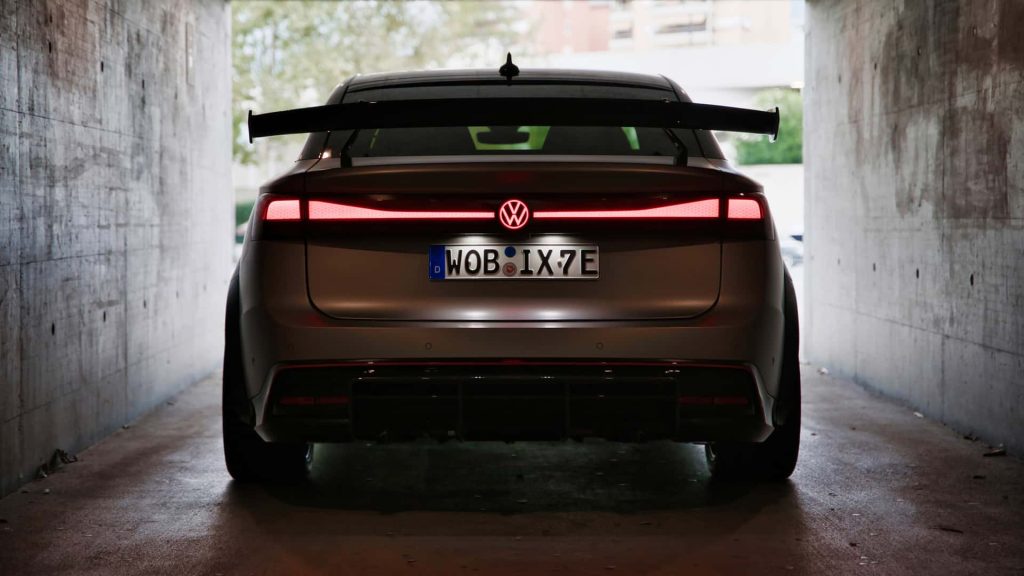
The automotive industry is undergoing a major transformation. While established manufacturers like Volkswagen and BMW still produce gasoline and diesel cars, electric vehicles are becoming increasingly widespread and popular. In addition, Tesla and many Chinese companies are only producing in the EV category, accelerating this transformation. This is leading to a cold war, especially between the old and the new. BMW CEO Oliver Zipse recently revealed that in this struggle, the loser would be them. Here are the details…

Chinese Manufacturers Gaining Ground in Electric Vehicle Market

As you know, Europe has long been the heart of the automotive industry. Many manufacturers that are over 100 years old have become market leaders because they excel in engineering and have successful R&D departments. However, the rise of electric vehicles has changed this. Tesla and other new players have entered the market, ushering in a transformative era for the industry. This has been further complicated by competition from Chinese manufacturers, as well as Europe’s upcoming ban on gasoline and diesel engines.

BMW vs BYD

Most recently, BMW CEO Oliver Zipse made a striking statement on this issue. Zipse said that the EU’s ban on new gasoline and diesel cars is pushing European automakers into a price war with Chinese rivals, which he said are “fundamentally impossible” to win. Zipse also said that the basic car segment will face two possible outcomes: either it will disappear, or it will no longer be dominated by European automakers.

He noted that Chinese automakers, such as BYD, are aggressively expanding into the electric vehicle market and are becoming increasingly ambitious. Zipse said that BMW is still not affected by the price war, but that it has already led to declining profits for many Chinese automakers. He pointed to Volkswagen, which has been dethroned as China’s best-selling automaker by BYD.

Zipse said that BMW has a number of advantages over Chinese automakers in the premium segment, where its brands are more popular. However, he acknowledged that European automakers will need to find new ways to compete in the basic car segment. It seems European automakers will need to find new ways to compete in the Chinese market.

RELATED:

(source)

Infinix Zero 30 5G with Dimensity 8020 & 50MP front camera goes on sale in India

In India, Infinix has just introduced the Infinix Zero 30 5G smartphone. This mid-range device boasts a back panel made from vegan leather, houses a 50MP camera system and offers a high refresh rate display. As of today, it is available for purchase in the Indian market.

Infinix Zero 30 5G

Infinix Zero 30 5G pricing & availability

The Infinix Zero 30 5G 8GB RAM + 128GB storage option is priced at Rs 23,999 in India. The 12GB RAM + 256GB storage costs Rs 24,999. The phone is exclusively available on Flipkart. During the first sale, if you use an Axis Bank credit or debit card, you’ll get a discount of Rs 2000 instantly. This discount applies whether you pay the full amount or choose to pay in monthly installments (EMI).

Infinix Zero 30 5G specs

The Infinix Zero 30 5G comes with a big 6.78-inch AMOLED display that’s really sharp thanks to its FHD+ resolution. It’s super smooth with a 144Hz refresh rate and can get really bright, reaching 950 nits. Under the hood, it runs on a MediaTek Dimensity 8020 processor, and you can have up to 12GB of RAM, which can extend to 9GB with virtual RAM. It also offers a generous 256GB of built-in storage. And it runs on the latest Android 13 with the XOS 13 interface.

For battery life, you’ve got a 5,000mAh battery that charges up quickly with 68W fast charging. When it comes to cameras, the main one on the back is a powerful 108MP camera with optical image stabilization (OIS), and there’s also a 13MP ultra-wide-angle camera and an AI lens. On the front, you’ve got a 50MP camera that can even record 4K videos.

RELATED:

Huawei Mate 60 Pro’s 5G Kirin 9000S chip was built on 7nm SMIC process

Huawei launched its flagship Mate 60 series of smartphones in August. Now a new report has revealed some interesting details regarding the Mate 60 Pro‘s 5G SoC, Kirin 9000S. So let’s take a look.

Huawei Mate 60 Pro features one of China’s most advanced chips

According to a new report from TechInsights, the Chinese tech giant’s Mate 60 Pro features a chip designed by SMIC. For those unaware, SMIC is a major semiconductor manufacturer in China, which marks a major shift away from Huawei’s previous supplier, TSMC. Huawei was cut off from its primary chip supplier and lost access to advanced chip production for its proprietary HiSilicon Kirin series of mobile processors.

Huawei_Mate_60_Pro

But now, Huawei smartphones supports 5G connectivity again and will feature China’s most advanced mobile processor. TechInsights adds that the Huawei Mate 60 Pro in their lab features the latest generation process called N+2 7nm, which marks a major upgrade in Chinese semiconductor manufacturing. The Kirin 9000S has a slightly larger die size (107 mm²) compared to the older Kirin 9000 (105 mm²).

The Huawei Mate 60 Pro features the advanced 7nm-based chipset that is more advanced than SMIC’s 14nm process node. Furthermore, it features a larger critical dimension than the ones on the 5nm process. SMIC’s N+2 7nm process will also offer improved scalability and yield, which were major challenges the last time.

RELATED:

Paytm launches “Card Soundbox” to make card payments easier for merchants

Paytm has introduced a new Soundbox that allows users to pay for their purchases at shops using either UPI or tap-and-pay cards. It accepts payments from both UPI and all the major debit and credit cards, including Visa, Mastercard, American Express, and RuPay. This will make it more convenient for users to make payments, and it will also help merchants to accept a wider range of payment methods.

Paytm Card Soundbox Launched

The Card Soundbox is a small, portable that can be easily set up by merchants. It combines the functionality of a POS unit, a UPI QR code reader, and a soundbox. It lets merchants accept card payments and receive instant audio alerts for all transactions, so both parties can confirm that their transactions have been successful. 

The device has a 4W speaker for clear payment alerts and a long battery life of 5 days. It offers alerts in 11 languages that can be changed by merchants through the Paytm for Business app. Alongside audio alerts, the Soundbox also shows visual payment confirmations through an LCD display.

The Card Soundbox uses NFC technology to accept contactless debit and credit card payments. NFC-enabled smartphone users can also pay through their phones using the tap feature. 

Paytm says the device is a Made in India device that allows merchants to accept card payments of up to Rs 5,000. It is powered by a 4G network connection and ensures instant payment alerts after the transaction is initiated. These alerts can be customized by the merchant using the Paytm for Business app. 

Paytm was the first company to launch audio-based confirmations with Paytm Soundbox, which revolutionized in-store payments in India. The company is the market leader in in-store payments, with over 82 lakh devices deployed. In addition to Paytm Card Soundbox, the company also offers other soundbox devices, such as Paytm Pocket Soundbox and Paytm Music Soundbox.

Related:

HarmonyOS 4.0 reaches 10 million devices in just a month

HarmonyOS is Huawei’s native operating system that differentiates itself from Google’s Android. Although based on Android open source, the software has its own identity and unique features. The company recently announced the fourth iteration of its custom OS, HarmonyOS 4.0, and it has already been installed on over 10 million devices. Here are the details.

Huawei previously announced that just two weeks after its release, HarmonyOS 4 had been installed on 5 million devices. An impressive 1 million users upgraded to this new operating system on its very first day. The company has now shared another milestone, claiming that over 10 million devices have already adopted HarmonyOS 4.0.

harmonyos-10-million-installs

Huawei is rolling out the latest software to eligible devices at a rapid pace. The company first added over 30 smartphones to the HarmonyOS 4.0 beta program and later it included 37 more devices to the roster.

HarmonyOS 4.0 comes with several notable changes, including rich theme templates and stylized layout design. You’ll be able to select the colors of your app icons and set emoji wallpapers and home screens by selecting your favorite emoji.

It will also let you better manage your notifications, by clustering them together and sorting them by importance. The notifications of the same application are now stacked into dynamic cards so that you can see more information about each notification without having to open it. HarmonyOS 4.0 also allows you to identify text and images by double-clicking, and then long-pressing to select them.

Notably, Huawei might also be planning to extend the HarmonyOS to PCs as well. We might be seeing Huawei laptops running the company’s native OS instead of Windows starting next year.

RELATED:

(Via)

Lenovo Tab P12 with large 3K display, quad JBL speakers on sale in India

Lenovo recently debuted the Tab P12 tablet in India featuring a large 3K display with powerful JBL speakers onboard. It is clear that the device is aimed at customers looking for the ultimate multi-media machine in the mid-range. Starting today, the device is available to buy in India.

Lenovo Tab P12

Pricing & availability

You can now get your hands on the Lenovo Tab P12 through the official Lenovo website and Flipkart, complete with exclusive limited-time offers. It comes with a price tag of 34,999 INR and is offered exclusively in the Storm Gray color option. Lenovo also offers a stylus pen as an optional accessory, available for separate purchase.

Lenovo Tab P12 specs

The Lenovo Tab P12 comes with a large 12.7-inch LTPS LCD screen that’s bright with 400 nits of peak brightness. It offers a sharp 3K resolution (2944x1840px) and vibrant colors (96 percent DCI-P3 color gamut) while being protected by Corning Gorilla Glass 3. On the front, there’s a 13-megapixel selfie camera, and on the back, you’ll find an 8-megapixel camera with an LED flash. The tablet itself has a sleek design with a metal back, weighing around 615 grams and measuring just 6.9mm thin.

Under the hood, the Tab P12 packs a MediaTek Dimensity 7050 chip, 8GB of RAM, and 256GB of storage. If you need more space, you can expand it by up to 1TB using a MicroSD card. The tablet offers excellent sound with its quad-speaker setup from JBL and supports Dolby Atmos. It’s powered by a large 10,200mAh battery, providing long-lasting use. Lenovo claims you can enjoy up to 10 hours of video playback on a full charge. Plus, it comes with Wi-Fi 6, Bluetooth 5.1, runs on Android 13, and has a fingerprint sensor built into the power button for added security.

RELATED:

ZTE Axon 50 Lite launched with iPhone-like 50MP triple camera module

ZTE has launched the ZTE Axon 50 Lite smartphone in Mexico. It is the second Axon 50-branded product after the Axon 50 Ultra, which was announced in China earlier this year. The Axon 50 Lite is a mid-range offering equipped with key features such as an FHD+ display, 50-megapixel triple cameras, a 5,000mAh battery, and a slim design.

ZTE Axon 50 Lite specifications and features

ZTE Axon 50 Lite
ZTE Axon 50 Lite

The ZTE Axon 50 Lite features a 6.6-inch IPS LCD panel with a teardrop notch. It offers a Full HD+ resolution of 2408 x 1080 pixels and a 20:9 aspect ratio. The phone runs on Android 13, which is overlaid with ZTE’s own MyOS UI, and measures 169.96 x 76.1 x 8.4mm.

On the front, the Axon 50 Lite features an 8-megapixel selfie camera. Its rear shell has a 50-megapixel main camera with an f/1.8 aperture and a pair of 2-megapixel cameras for macro and depth shots. As can be seen in the images, the triple camera module of the Axon 50 Lite looks quite similar to the camera array available on iPhones.

Under the hood, the Axon 50 Lite features an unknown octa-core processor, which operates at 1.6GHz. The phone ships with 4 GB of RAM, 10 GB of virtual RAM, and 256 GB of internal storage. Packed inside the device is a 5,000mAh battery that supports 22.5W fast charging. The Axon 50 Lite comes with other features, such as dual SIM, 5G, dual-band Wi-Fi, Bluetooth 5.2, GPS, a USB-C port, a side-mounted fingerprint scanner, and a 3.5mm audio jack.

ZTE Axon 50 Lite price, availability

The ZTE Axon 50 Lite is set to release in Mexico with a price tag of MXN 4299 (~$250). It will be sold in shades such as green, black, and purple.

RELATED:

Lenovo ThinkPad E14 and E16 now available with 13th Gen Core H-series processors, backlit keyboard

Lenovo launched the ThinkPad E14 and E16 2023 notebooks earlier this year, equipped with 13th-generation Core P series processors, with initial prices starting at 5,199 yuan (US$ 771) and 5,399 yuan (US$ 801) respectively. Lenovo has now announced it will be adding new versions of its ThinkPad E14 and E16 2023 notebooks. The new models will be available for pre-order starting today in China.

According to a teaser, Lenovo will release a version of the ThinkPad E14 laptop with Intel 13th Gen Core H-series processors. These processors are said to improve performance by 11%, strengthen complex computational processing and read and write speeds, and make data analysis smoother and twice as efficient.

ThinkPad E16

The ThinkPad E16 laptop, on the other hand, will be equipped with a new backlit keyboard with a comfortable 1.5mm key travel and X-shaped ergonomic structure. The keycaps will also have a “smile” design. No further configuration information or pricing for these two new laptops has been released yet.

To give you an idea, The 2023 Lenovo ThinkPad E14 notebook features a 14-inch 2.2K display with a 16:10 aspect ratio and 100% sRGB color gamut. It is powered by a 13th-generation Core P-series processor and supports up to 48GB of DDR4-3200 memory and a 1TB SSD. It also has dual memory SSD slots. The laptop has a thin and light design, measuring just 17.99mm thick and weighing 1.53kg.

The 2023 Lenovo ThinkPad E16 notebook features a 16-inch 2.5K display with a 16:10 aspect ratio and 100% sRGB color gamut. It is powered by the same Core P-series processor and supports up to 40GB of DDR4-3200 memory and a 1TB SSD. The machine also has dual memory SSD slots.

Both laptops bring a variety of ports, including USB-A, RJ45 network port, HDMI, USB-C, and Thunderbolt 4.


RELATED
:

(Via)

[Update] Xiaomi 13T series Europe launch date leaks out, Here’s everything we know so far

[UPDATE] Xiaomi has officially announced that the Xiaomi 13T launch event will happen on 26 September in Berlin. The original story continues….

We recently reported on the leaked spec sheet of the Xiaomi 13T Pro. The phone will apparently be similar to the Redmi K60 Ultra that recently launched in China, however, it will have a slightly altered camera setup. Now, tipster Abhishek Yadav has leaked the launch date of the Xiaomi 13T series in Europe.

In a tweet, Abhishek Shared a banner of the Xiaomi launch event in Berlin. The poster mentions the event will happen on September 26 at 2 PM local time. Abhishek claims that both the Xiaomi 13T and 13T Pro smartphones will be launched at this event.

Xiaomi 13T specs (rumored)

The Xiaomi 13T is rumored to feature a 6.67-inch AMOLED display with a 1.5K resolution and an impressive 144Hz refresh rate. Under the hood, it’s expected to be powered by the MediaTek Dimensity 8200-Ultra processor, coupled with 8GB of RAM and a capacious 256GB of storage. The device is rumored to pack a robust 5000mAh battery with 120W fast charging support.

Xiaomi 13T
Xiaomi 13T

On the camera front, it could sport a Leica 50MP wide-angle camera with optical image stabilization (OIS), a 50MP Leica 2x telephoto camera, a 12MP ultra-wide-angle camera, and a 20MP front camera for selfies. Operating on Android 13, the Xiaomi 13T may also offer IP68 water and dust resistance, dual SIM support, USB-C connectivity, Wi-Fi 7, Bluetooth 5.4, NFC, a fingerprint reader, and Google Assistant integration. It’s expected to be available in two color options: Black and Alpine Blue.

Xiaomi 13T Pro specs (rumored)

The Xiaomi 13T Pro is said to feature a Dimensity 9200 processor and offers users a choice of 12GB or 16GB of RAM and storage options of 256GB, 512GB, or 1TB. The phone will have a 1.5K OLED display with a 144Hz refresh rate, reaching a peak brightness of 2600 nits and offering smooth 2880Hz PWM dimming. It also supports HDR 10+.

In terms of photography, it is said to include a 50MP Sony IMX707 primary camera (f/1.9) with optical image stabilization (OIS), a 13MP Omnivision OV138 ultra-wide lens (f/2.2), and a 50MP Omnivision OVSOD telephoto sensor. For selfies, there’s a 20MP Sony IMX596 front camera.

The Xiaomi 13T Pro is IP68 certified, ensuring durability and protection against water and dust. It will house a robust 5,000 mAh battery and supports 120-watt fast charging. We have also covered the leaked pricing of both the 13T and 13T Pro for the EU and UK in our previous report.

RELATED:

(Source)

Infinix Hot 40 in works, spotted in Bluetooth SIG database

Infinix unveiled the Infinix Hot 30 5G in July 2023, and it appears that the company could already be planning to launch its successor. This is due to the fact that the Bluetooth SIG authority has approved the Infinix Hot 40, indicating that it might launch in the upcoming months.

Infinix Hot 40 Bluetooth certified

Infinix Hot 40 Bluetooth SIG
Infinix Hot 40 Bluetooth SIG listing

The Infinix Hot 40 has appeared with model number X6836 in the database of Bluetooth SIG. The listing reveals that the device will support Bluetooth 5.0 connectivity. However, it does not have any information about the other specifications of the device.

The Infinix Hot 40, like its predecessors, such as Hot 30 5G and Hot 20 5G, is expected to be an affordable 5G offering with a massive display and huge battery. Infinix has been updating its Hot series at a rate of around six months in India. The Hot 20 5G was announced in December 2022 and was succeeded by the Hot 30 5G in July 2023. Therefore, there is a possibility that the newly spotted Infinix Hot 40 may go official before the end of this year.

The absence of “5G” in the name of the Infinix Hot 40 in Bluetooth makes it unclear whether it is a 4G or a 5G-enabled device. Hopefully, upcoming reports will reveal more details about the device. In our review of the Hot 30 5G, we noticed that it took more than 2 hours to charge it using the in-box 18W charger. Hopefully, the Hot 40 arrives with support for a faster charging solution. In all likelihood, the Hot 40 will be priced at around Rs 12,000 (~$150) in India.

In related news, Infinix recently unveiled the Dimensity 8020-powered Infinix Zero 30 5G in India with a starting price of Rs 23,999 (~$300). It is now available for pre-orders via Flipkart.

RELATED:

(via)
Huawei Mate 60 Pro 5G exceeds expectations, shipments to surpass 12 million

Due to US sanctions, Huawei has not been launching 5G-enabled smartphones in the Chinese market, while its competitors had been offering 5G phones across different price points. However, Huawei surprised the tech world by announcing the 5G-enabled Mate 60 and Mate 60 Pro in the Chinese market last week. According to well-known market analyst Ming-Chi Kuo, the demand for these devices has been nothing short of phenomenal.

Huawei Mate 60 Pro 5G demands soar

Huawei_Mate_60_Pro
Huawei Mate 60 Pro

In fact, the demand for the Mate 60 Pro has been so strong that Huawei’s shipment plan for the second half of 2023 has seen a whopping 20 percent increase, reaching an impressive 5.5-6 million units. A recent report revealed that the brand sold nearly 1 million units of the Mate 60 Pro through pre-orders in just 5 days in China.

To put things into perspective, let’s look at how the Mate 60 Pro stacks up against its predecessors. The Mate 50 Pro 4G, which debuted in September 2022, saw cumulative shipments of about 2.5 million units after 12 months. The Mate 40 Pro 5G, which launched in October 2020, reached approximately 6 million units in the same timeframe. Based on this remarkable trend, Kuo is of the view that the cumulative shipments of the Mate 60 Pro 5G will surpass 12 million units within the first year after its launch.

But that’s not all. Huawei’s smartphone shipments are projected to increase by a remarkable 65 percent year-on-year, reaching a total of 38 million units in 2023. This growth can be attributed to the strong demand and market influence of the Mate 60 series.

According to Kuo, Huawei’s smartphone shipments are expected to reach a staggering 60 million units in 2024. Hence, it is expected to be the smartphone brand with the strongest growth in shipments worldwide.

The success of the Mate 60 Pro has also put Huawei’s supply chain companies in the spotlight of stock markets, claims Kuo. Its supply chain includes Chinese self-reliant semiconductor companies, other firms that supply semiconductors to Huawei but are not listed on the Shanghai Stock Exchange (SSE) or Shenzhen Stock Exchange (SZSE), HWA Create, which provides satellite communication chips to Huawei, and companies in the optics sector like Largan Optical, Sunny Optical, Will Semi, Smartsens, and Billu.

While the Mate 60 5G and Mate 60 Pro 5G have undoubtedly made a significant impact, it’s important to note that these impressive devices are currently limited to the Chinese market. Looking ahead to 2024, Huawei is poised to continue its resurgence in the smartphone industry. In 2024, the company is expected to launch more 5G phones in the Chinese market and expand to other markets around the world.

RELATED:

(source)

Oukitel BP2000 Modular Power Station packing a 2,084Wh capacity launched

Chinese tech company Oukitel has once again pushed the boundaries of innovation with its latest release, the BP2000 portable power station. Oukitel, a company known for its dedication to power solutions, has taken a bold step forward by introducing a modular design concept that promises to redefine the way we think about portable power.

Oukitel BP2000 Modular Power Station

At the heart of the BP2000’s appeal is its modular architecture. This forward-thinking design allows users to connect up to 7 B2000 expansion modules alongside the core station, resulting in a colossal 16,384Wh backup solution. Whether you’re preparing for a storm-related blackout or venturing off-grid, the scalability of the BP2000 ensures you’ll never be left in the dark.

Safety and longevity are paramount in a power station, and Oukitel has addressed this with LiFePO4 battery technology, which is renowned for its robustness and safety. Each individual B2000 module boasts a 2,084Wh capacity, capable of keeping essential appliances running for up to 6 hours during an outage.

The BP2000 offers a diverse range of ports, including multiple 200-240V AC outlets and dual 100W USB Type-C ports. With a maximum output of 2,200W, it can power everything from smartphones to refrigerators.

Oukitel BP2000 Modular Power Station

Furthermore, the BP2000 is environmentally conscious, and compatible with various solar panels and micro-inverters, allowing users to harness renewable energy sources with ease.

The Oukitel BP2000 is available now in Europe through Geekbuying. It is offered at up to a 45% discount from its recommended €2,199 price for the standalone power station. There are also limited-time price options for bundles that include B2000 batteries or PV400 solar panels.

Related:

(via)
Anbernic RG405V Gaming Handheld device with a UNISOC T618 chipset, 4GB RAM launched

Anbernic has consistently been at the forefront of gaming handheld manufacture. The company has just launched the Anbernic RG405V – a gaming handheld that promises to revolutionize the way we play. The launch is coming about six months after the company launched the RG405M gaming handheld device.

Anbernic RG405V Gaming Handheld device

At its core, the RG405V boasts a 4-inch IPS display with a resolution of 640 x 480 pixels. The device is powered by the Unisoc Tiger T618 chipset paired with 4 GB of LPDDR4x RAM, delivering unparalleled gaming performance and multitasking prowess.

Storage woes are a thing of the past with the RG405V, as it offers a spacious 128 GB of eMMC flash storage to house a vast library of games and media. There is also the option of storage expansion up to 256GB more.

Perhaps, the most outstanding addition to this new gaming handheld is the 5,500 mAh battery which is a 1,000 mAh improvement over its predecessor. The battery can deliver a whopping 9 hours of continuous gaming.

Anbernic RG405V Gaming Handheld device

The handheld gaming device comes with hall joysticks and a six-axis gyroscope for better controls. There is also a small fan that maintains optimal temperatures during intense gaming sessions.

The Anbernic RG405M gaming handheld comes in three color options; Wood Grain, Transparent, and Grey. As for the price, the device starts at $129.99 for the base model. Bundles with 128 GB and 256 GB MicroSD cards are available, priced at $144.99 and $159.99, respectively.

RELATED:

Exclusive Promotion Alert: Get $30 Off on Breo N5 Mini Massager

Chronic neck tension, migraines, or constant discomfort in the back and lower back can often disrupt our day-to-day lives and force us to seek relief. For many, the solution lies in regular massage. However, making an appointment with a professional can be expensive and time-consuming. That’s where the Breo N5 Mini comes in, providing a cost-effective way to repeat those cozy kneading and pressing actions in the comfort of your own home. While relieving neck and shoulder pain, it can greatly improve your sleep and improve your health.

Currently, the massager is discounted by $30, thanks to the special discount coupon BRGIZN5MINI on Amazon.

What sets the Breo N5 Mini apart from other massagers is its ability to simulate the kneading technique of human hands. This isn’t just a regular press massage. It’s akin to having a professional chiropractor available at your fingertips.

Furthermore, the Breo N5 Mini breaks the mold with its innovative backpack-type design, equipped with a built-in lithium battery. Unlike other cape-type designs that demand your attention, this ingenious design ensures the device sits comfortably, allowing you to multitask. Whether you’re engrossed in house chores, handling work responsibilities, caring for your child, or merely immersed in your favorite TV show, this massager ensures uninterrupted relaxation.

The Breo N5 Mini is not just crafted for your neck and shoulders. It has been designed to provide soothing massages across multiple body areas, including your back, waist, and legs. Most massagers on the market are limited to catering to just one body part, but the Breo N5 Mini broadens the spectrum.

Additionally, it introduces the feature of hot compress, a crucial element often overlooked by many massagers. Within a mere 15 seconds of activation, the device heats up to a consistent 43°C, which not only offers warmth but actively promotes blood circulation, aiding in the relaxation of tensed muscles.

Weighing just 1250g, it is easy to transport and store. Hygiene enthusiasts will appreciate the washable lining, which ensures a clean experience every time. The device operates at a quiet 45 decibels, ensuring a disturbance-free environment, and its wireless design guarantees usage for 7–10 times on a single charge. The device comes with an auto power-off feature when it overheats.

Considering its array of features, the Breo N5 Mini has something for just about everyone. Whether you are a sedentary person, a manual worker, or a frequent traveler, this massager can meet your needs. This is the perfect neck massager for women for anyone who is looking for a thoughtful gift.

To make things even more enticing, a special promotion running from September 4th to September 8th slashes its regular price of $139.99 down to an attractive $109.99. All you need to do is use the code BRGIZN5MINI at checkout, either on the Amazon link provided or on their official website. Embrace relaxation like never before with the Breo N5 Mini.

Breo introduction:

Breo is a brand founded in 2000, specializing in portable massagers for 23 years with more than 200 direct-sale stores in over 50 countries globally. Breo and its subsidiaries have a total of 769 domestic and foreign patents throughout the company development over the past 23 years. Breo launches new models and innovative concepts frequently with international design awards like Red Dot, Good Design Award, and IF Design Award, etc. Breo was listed in the SSE-STAR market in July of 2021, as the first smart portable massager company. Breo N5 mini has been sold over 0.8 million pieces all over the world over the past 8 months.

Samsung Galaxy Tab A9 tablet reportedly powered by MediaTek Helio G99 SoC

Samsung recently launched the Galaxy Tab S9 series of tablets as the flagship offering from the brand, but now the South Korean giant is gearing up to launch a new budget tablet under the Galaxy A-series, dubbed Samsung Galaxy Tab A9.

Ahead of the official launch of the Galaxy Tab A9, the device has been spotted on the BIS certification website, indicating that it will soon launch in the Indian market. Now, the chipset powering the tablet has also been leaked online.

Samsung Galaxy Tab A9 Plus

According to the new report, the upcoming Samsung Galaxy Tab A9 will come powered by the MediaTek Helio G99 processor. It appears to be much better in terms of performance when compared to the MediaTek MT8768 powering the Galaxy A7 tablet.

The MediaTek Helio G99 SoC is built using a 6nm process by TSMC and the company claims that it enables great gaming all day, plus big cameras, fast displays, smooth streaming, and reliable global connectivity. It packs two Cortex-A76 cores at 2.2GHz and six Cortex-A55 cores at 2.0GHz, coupled with Mali-G57 MC2 GPU.

Based on the BIS Certification listing, the Galaxy Tab A9 carries the SM-X115 model number and will offer 5G, Wi-Fi, Bluetooth, GPS, and FM support. Under the hood, the device is powered by a 5,100mAh battery and has support for 15W fast charging.

RELATED:

Via

Quick Take: Samsung Galaxy Z Flip5 vs Motorola Razr 40 Ultra – Which Is Better Value?

Motorola released the Razr 40 Ultra in June, followed closely by Samsung‘s Z Flip 5 in July, creating a short one-month gap between the launches. These two phones are currently the hottest clamshell phones.

Reports indicate that the majority of people choosing foldable phones favor clamshell phones, particularly among females. So I guess this is the right opportunity to give you an informed decision about which phone you should go with. Let’s delve into the details.

Samsung Galaxy Z Flip 5 vs Motorola Razr 40 Ultra

Display and Design

Both the Samsung Galaxy Z Flip 5 and Motorola Razr 40 Ultra look similar as they are clamshell phones, but they also have noticeable differences. The Razr 40 Ultra features larger AMOLED screens, boasting a 6.9-inch main screen with a 165 Hz refresh rate compared to the Z Flip 5’s 6.7-inch screen with 120 Hz. Both support HDR10+ and have the same resolution.

galaxy-z-flip-5

Externally, the Razr 40 Ultra’s 3.6-inch display is larger and offers smoother animations, although it’s partially obstructed by camera lenses. The Z Flip 5 uses a folder-shaped 3.4-inch display to avoid camera interference, but the Razr’s design seems more integrated.

Motorola leads in screen size, resolution, and refresh rate, but the Flip has superior peak brightness, making it better for outdoor usage. While the Razr can run apps on its external display directly, the Flip requires adjustments to do so.

Motorola Razr 40 Ultra build

Both phones aim for a compact and premium feel. The Razr 40 Ultra measures 170.8 x 74 x 7 mm and weighs 185g, while the Z Flip 5 is slightly heavier at 187g but slimmer at 165.1 x 71.9 x 6.9 mm.

A YouTuber’s test revealed that the Z Flip 5’s hinge endured more than 2,67,000 folds, surpassing the Razr 40 Ultra’s hinge durability of 1,26,367 folds.

The Z Flip 5 also has an IPX8 water resistance rating, while the Razr has an IP52 rating for dust resistance.

Although the Razr 40 Ultra has certain advantages, the Samsung Galaxy Z Flip 5 excels in overall usage and checks all the boxes. Therefore, my recommendation would be to choose the Flip 5.

Performance & Software

Coming to performance, both devices pack a punch. The Razr 40 Ultra is equipped with the Snapdragon 8+ Gen 1, ensuring a smooth user experience. However, the Z Flip5, with its Snapdragon 8 Gen 2, offers a slight edge in speed.

Storage-wise, the Z Flip 5 offers 8GB RAM and up to 512GB of the fast UFS 4.0 storage. The Razr 40 Ultra matches the 8GB RAM but provides only 256GB of the slightly slower UFS 3.1 storage.

On the software front, both phones use Android 13. However, Samsung’s Z Flip 5 has their custom OneUI which is tuned for foldable phones and offers up to four major Android updates. The Razr 40 Ultra keeps things simple with a near-stock Android look and commits to three major Android updates. This segment is very subjective but personally, I would lean towards One UI here.

Camera

Both the Motorola Razr 40 Ultra and the Samsung Galaxy Z Flip 5 are equipped with dual-camera systems. The Razr 40 Ultra features a 12MP wide sensor and a 13MP ultra-wide lens, while also boasting a 32MP front camera. On the other hand, the Galaxy Z Flip 5 comes with dual 12MP rear sensors (wide and ultra-wide) and a 10MP front camera. On paper, the Razr seems superior, especially in the selfie department.

Moto Razr 40 Ultra camera

However, real-world performance tells a different story. The Razr’s camera often produces unsatisfactory photos with issues like blown-out colors and blurry images sometimes. Long-range shooting is subpar, and zooming beyond 3x leads to unsatisfactory color quality in images. According to our YT Editor, the Razr 40 Ultra’s camera performs slightly better than typical $300 phones.

galaxy-z-flip-5-camera

In contrast, the Flip 5, building on Samsung’s camera expertise, delivers clearer and more consistent shots, outdoing the Razr with ease.

A notable feature of both devices is the ability to use the main camera for selfies, thanks to their design. Here, the Flip 5 takes the lead again, making it the better choice for photography enthusiasts.

Battery & Charging

The Galaxy Z Flip 5 packs a 3700mAh battery, slightly smaller than the Razr 40 Ultra’s 3800mAh. Both phones offer roughly a day’s battery life, with the Flip 5 showing slight improvements over its predecessor. When it comes to charging, the Razr 40 Ultra supports 30W wired and 5W wireless charging.

In contrast, the Flip 5 offers 25W wired charging and a better 15W wireless charging. Neither phone excels in charging speeds, but they serve the basic needs adequately. Overall, while the Razr has a marginally bigger battery, the Flip 5 offers slightly faster wireless charging.

Pricing

The Galaxy Z Flip 5 starts at $999.99 with 256GB storage. A higher storage variant, 512GB, is available for $1119.99. On the other side, the Razr 40 Ultra, also known as Razr+ in the US, is priced at $999.99 and offers 256GB storage with no other storage options.

Verdict

While Motorola’s Razr 40 Ultra impressed with its stylish design and better screen, Samsung’s Z Flip 5 has taken the lead with superior performance, memory, and longer software support.

If you want a trendy look, go for the Razr. For top-notch performance and updates, choose the Z Flip 5. Both have their merits, but the Z Flip 5 seems like a wiser choice in the long run.

RELATED:

*Please Note: When you buy something using the links in our articles, we may earn a small commission at no cost to you.

Anycubic Kobra 2 series high-speed and affordable 3D printers launched

Anycubic has unveiled the Kobra 2 series 3D printers and they come with affordable price tags. The Kobra 2 series of Fused Deposition Modeling (FDM) 3D printers are fast and can achieve printing speeds of up to 500mm/s. They offer a build volume of up to 88L and there are four models in the new series. The launch of the 3D printers coincides with Anycubic’s 8th anniversary.

Anycubic Kobra 2 series high-speed 3D printers

The Anycubic Kobra 2 affordable 3D printers are well-recommended for beginners in the field. The models in the new lineup offer different printing speeds and accelerations, as well as build volume. The Kobra series of FDM printers have been well-received in the market, and the new models are expected to follow a similar trajectory.

The main thrust of the new Kobra 2 series is high-speed printing and a choice of larger build volumes. The FDM approach is an easy step for starters to get on with 3D printing. It has a low-cost profile and also comes with less complexity.

The entry-level model in the lineup is the Kobra 2 Neo which delivers small prints at a decent speed. On the other end of the speed printing spectrum is the Kobra 2 Pro, with a speed of 500mm/s and acceleration of 20,000mm/s2. The Kobra 2 Plus comes with the same speed as the Pro but has a larger build of 40L+. The biggest model in the lineup is the Kobra 2 Max with a volume build of 88L to accommodate larger printing.

Anycubic Kobra 2 series high-speed 3D printers

The printers feature Anycubic’s upgraded LeviQ 2.0 auto bed-leveling system and quick modular setup. Apart from the Neo, the other models come with a 4.3-inch LCD touchscreen, filament runout detector, and vibration compensation. Further control of the 3D printers can be done via the Anycubic app (to be released later this year).

The Anycubic Kobra 2 was originally priced starting at $199 but is currently on sale in the US at a discounted starting price of $159. Interested customers can get the new 3D printers directly from the Anycubic website.

RELATED:

Cannondale announces the Wonderwagen Neo and Cargowagen Neo electric cargo bikes

Cannondale has announced a pair of cargo bikes with some impressive performance specs. The Wonderwagen Neo and Cargowagen Neo electric cargo bikes are Cannondale’s first full-sized e-cargo bikes. The American company released the Compact Neo e-cargo bike back in 2022.

Cannondale Wonderwagen Neo

The two new Cannondale e-cargo bikes offer customers either a front-loading or rear-loading cargo bike. The Wonderwagen Neo is propped as the ultimate child-carrying cargo e-bike. It has a traditional bucket-style receptacle at the front for carrying cargo of different hues. Two seats are available within the cabin area to accommodate two kids up to 30kg each. The compartment also has five-point harnesses and headrests. An optional roof for the cargo receptacle completes the design of the platform.

The rear rack of the Wonderwagen can carry a 27kg payload (or an extra child). The total cargo-carrying capability of the Wonderwagen Neo is 250kg, which is impressive.

The Wonderwagen Neo is powered by a Bosch Cargo Line mid-drive motor with either a 545Wh or 725Wh battery. It is also possible to double up the battery pack for an extended range and versatility. The bike has a cable steering system for enhanced handling, an 80mm front suspension, and a dropper post for maintaining balance when the bike is stopped.

Cannondale Wonderwagen Neo

There are several accessories available in the bike including a rear-facing radar for enhanced safety from collisions. Two models – Wonderwagen Neo 1 and Wonderwagen Neo 2 are on offer based on differences in battery capacity and gear setup.

The Cannondale Cargowagen Neo has a large rear rack for cargo. It uses a similar drivetrain as the Wonderwagen Neo and the same battery options. The Cargowagen has a payload capacity (including the rider) of 200kg. It is possible to attach compatible kids’ seats at the rear of the e-cargo bike.

Cannondale Wonderwagen Neo

A front rack accessory is available for the Cargowagen, among other decent options. It features a front suspension and dropper post for stability when stopped. The batteries of the Cargowagen can also be doubled for added range. As with the Wonderwagen, two models are available for the Cargowagen Neo.

The Cannondale Wonderwagen Neo and Cargowagen Neo electric cargo bikes are available directly from the Cannondale website. The Wonderwagen Neo 1 and Wonderwagen Neo 2 are priced at £7,000 ($8,842) and £6,000 ($7,579) respectively.

RELATED:

Mini 2025 Cooper E and SE EV with improved range and interior space unveiled

Mini has unveiled the 2025 Cooper E and Cooper SE compact electric hatchback models. The release of the two new Mini Cooper models comes on the heels of much speculation and leaks surrounding the duo. The Cooper E and Cooper SE come with improvements in their range and substantial design changes. The three-door Cooper retains its classic Mini styling both on its interior and exterior.

Mini

The engineering changes in the Mini 2025 Cooper lineup over greater driving performance, range, and interior space. The Mini Cooper revamp comes in two front-wheel-drive versions although an AWD version could be thrown into the mix later. The Cooper E will come with a single 184HP electric motor with a maximum torque of 290Nm and a 40.7kWh battery. It has a WLTP range of 305km, compared to the Cooper SE’s 402km range.

The Cooper SE has a 218HP motor with a maximum torque of 330Nm and a 54.2kWh battery. The Cooper E and Cooper SE can accommodate 75kW and 95kW charging respectively. This achieves up to 80% charge in about 30 minutes.

Both the Cooper E and SE models are available in either 16- or 18-inch rims. The Cooper E goes from 0-100km/h in 7.3 seconds while the SE achieves the same speed in 6.7 seconds. Both models retain the typical Mini Cooper driving experience with their low center of gravity, revised suspension, and increased track width.

The new models come with a cleaner, sci-fi, and minimalist design. There are also a few aerodynamic tweaks on the body for enhanced efficiency. Pricing and exact release details for the Mini Cooper E/ SE compact hatchbacks are sketchy at this time.

RELATED:

Shure AONIC 50 Gen 2 ANC headphones with spatial audio and low-latency lossless Snapdragon Sound launched

The Shure AONIC 50 Gen 2 ANC headphones have been launched. The new Shure AONIC Gen 2 comes with updated features like spatial audio, lossless codecs, and low latency. It is the second iteration of the AONIC 50 wireless ANC headphones.

Shure AONIC 50 Gen 2 ANC headphones

The AONIC 50 Gen 2 delivers improved noise cancellation and supports low-latency lossless Snapdragon Sound. It has a battery life of 45 hours and the headphones squares up with established brands like Bose, Sennheiser, and Sony. Shure has already established a niche for itself in the microphone segment of the audio market. It is however making steady inroads into the wireless headphones segment with the release of the second iteration of the AONIC 50.

Shure AONIC 50 Gen 2 ANC headphones

The AONIC 50 was Shure’s first offering in the wireless noise-cancelling headphones category. The new model comes with sufficient improvements that put the device several notches higher than its predecessor. The introduction of spatial audio in the AONIC 50 Gen 2 is a major highlight in the model. Shure uses a proprietary algorithm for spatial audio with three modes – Music, Cinema, and Podcast. The headphones also have Qualcomm’s Snapdragon Sound and aptX Adaptive technology for lossless audio. It also supports seamless Bluetooth connectivity, avoiding dropouts or glitches.

The AONIC 50 Gen 2 has 50mm drivers and has an aluminum frame. It has synthetic leather padding and a zippered hard-shell case. As per charging speed, 15 minutes of charge of the headphones delivers up to 5 hours of use.

The new Shure AONIC 50 Gen 2 headphones feature hybrid noise cancellation that is several notches above the sub-par performance of its predecessor. The headphones have six in-built microphones which help to improve call quality. The AONIC 50 Gen 2 comes in an all-black design and is made with high-quality materials. The headphones can be folded flat in their compact case. The Shure AONIC 50 Gen 2 headphones are priced at $349 and are available from Amazon.

RELATED:

*Please Note: When you buy something using the links in our articles, we may earn a small commission at no cost to you.