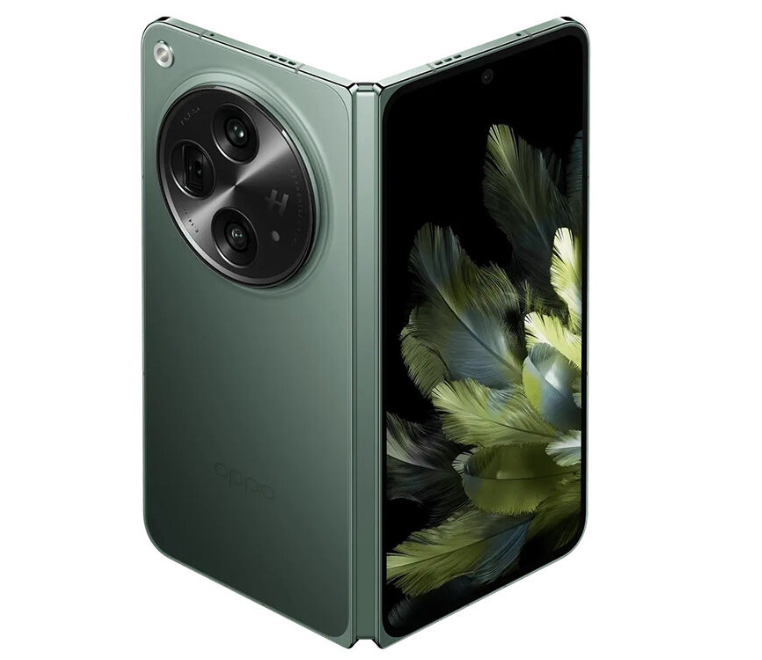
Oppo introduced the Oppo Find N3 foldable smartphone on Oct. 19, making it available in some markets, including China. In other regions, such as the US and India, the same device is sold under the name OnePlus Open. Today, the brand has provided confirmed sales figures for the Chinese market, which have proven to be noteworthy.
Oppo Find N3 intial sales result
Oppo Find N3
According to Oppo, the Find N3 has witnessed a 2.2-fold increase in sales volume compared to its predecessor, the Find N2. Moreover, the first-sale sales volume grew to 2.7 times that of the previous generation product.
The Find N2 significantly contributed to the popularization of foldable screens, thanks to its compact size and lightweight design. Building upon the success of its predecessor, the Find N3 has achieved remarkable sales growth.
The Find N3 positions itself as a flagship device, characterized by its sleek and lightweight build, and it comes equipped with a dedicated security chip tailored for business users. The Snapdragon 8 Gen 2-powered device features a 7.82-inch foldable OLED inner screen with a 2K resolution, complemented by a 6.31-inch FHD+ OLED display. In its unfolded state, it measures 153.4 x 73.3 x 11.7mm and has a weight of 239 grams.
The N3 features ColorOS 13.2-based Android 13 and packs a 4,805mAh battery that supports 67W fast charging. It features a 32-megapixel front camera, a 20-megapixel internal, and a 48-megapixel (main, with OIS) + 48-megapixel (ultra-wide) + 64-megapixel (periscope) triple camera unit on the back.
Data from the International Data Corporation (IDC) for the Q3 2023 survey reveals that Oppo secured the second position in the foldable phone market in China with a market share of 17.9 percent. Domestically, OPPO led the vertical foldable phone category with a 31.4 percent market share, alongside Huawei, establishing a significant presence in the high-end folding flagship segment.
In this week’s tech roundup, Nothing’s CEO, Carl Pei, revealed the Power (1) charger, a multi-device concept that never reached production, bearing design similarities to the Nothing Ear (2). In the meantime, Xiaomi displayed its Xiaomi 14 series, a line of high-end phones with a Snapdragon 8 Gen 3 chip, along with their new, more effective HyperOS.
Speaking of Snapdragon, Qualcomm debuted its latest Snapdragon 8 Gen 3 chip, promising significant enhancements in AI processing and energy usage. Vivo’s X100 series is rumored to be the world’s first with LPDDR5T RAM. And finally, OnePlus 12 has been confirmed to harness the power of the Snapdragon 8 Gen 3.
Nothing CEO Carl Pei has released a video that highlights the shortcomings of the Nothing Power (1) model which did not transit into a production model. The Nothing Power (1) was a charger and power bank that was supposed to simultaneously charge multiple devices. The Nothing Power (1) bears a close semblance in transparent design to the Nothing Ear (2).
Last week, Xiaomi unveiled the Xiaomi 14 and 14 Pro flagship phones in China. These are premium flagship phones from the brand with a starting price of 3,999 Yuan (~$546). Xiaomi’s sub-brand Redmi has also confirmed that it will soon be launching the Redmi K70 series in China. New developments show that it may debut in November.
Xiaomi held an event in China last week where it announced smartphones, a smartwatch, a smart TV, and more devices. The brand took the wraps off of its next-generation Xiaomi 14 series consisting of a standard and pro model. The latest flagship offerings arrive as the successor to last year’s Xiaomi 13 devices. They pack notable upgrades over their predecessors.
Vivo is set to launch its next generation of flagship smartphones in its home market of China soon. The Vivo X100 series will feature top notch specs and features. But ahead of its announcement, a leak has claimed that the lineup will be the first in the world to feature LPDDR5T RAM.
Qualcomm has revealed its latest Snapdragon 8 Gen 3 chip at the Snapdragon Summit in Hawaii. This new chip is built on a 4nm node and is designed to enhance the speed and efficiency of high-end smartphones, boasting a 30% increase in processing power and 25% better energy utilization compared to its predecessor. The standout feature is the Neural Processing Unit (NPU), which is now almost 98% faster and offers a 40% boost in performance-per-watt for continuous AI tasks.
Qualcomm officially announced its latest generation of flagship mobile processor, the Snapdragon 8 Gen 3. Soon after the unveiling, various smartphone brands announced that their premium phones would feature this top notch chipset. One of these brands includes OnePlus, with their OnePlus 12 confirmed to feature the Snapdragon 8 Gen 3 platform.
Xiaomi has now announced a new operating system called HyperOS, which is essentially the death knell for MIUI. HyperOS is said to have the smallest firmware size in the industry, as well as security, performance, and multitasking improvements.
In major news, OnePlus and Realme, the two BBK-owned brands are reportedly exiting the television market in India as per Times of India citing an anonymous source. Those two companies forayed into the country’s TV segment back in 2019 and 2020 respectively. Both OnePlus and Realme enjoyed success and growth due to competitive pricing and premium features that helped them challenge established brands like LG, Samsung, Sony, etc. Hence their exit (although unofficial) comes as a sudden surprise.
Microsoft’s Windows 11 introduced Android app functionality, expanding gaming support. Google’s Play Games PC store now offers over 3,000 Android games for Windows PCs, including popular titles like Asphalt 9: Legends. Major game publishers like Activision Blizzard, EA, and Konami are partnering with the service.
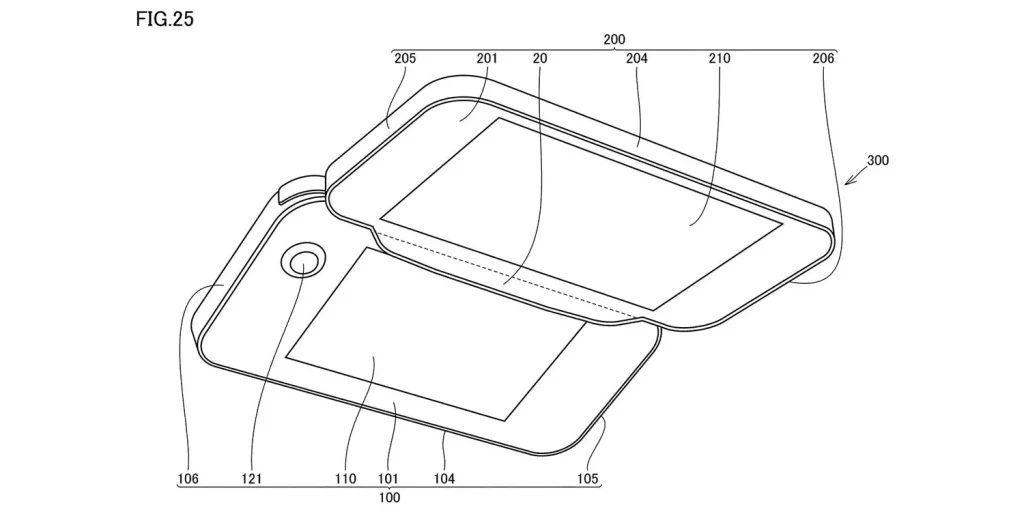
Nintendo has filed a patent for a new dual-screen folding device reminiscent of the 3DS handheld console. This device can open and close like the 3DS and can split into two separate units for multiplayer gaming with wireless communication. This patent has sparked discussions among gaming enthusiasts and industry observers about Nintendo’s potential future plans.
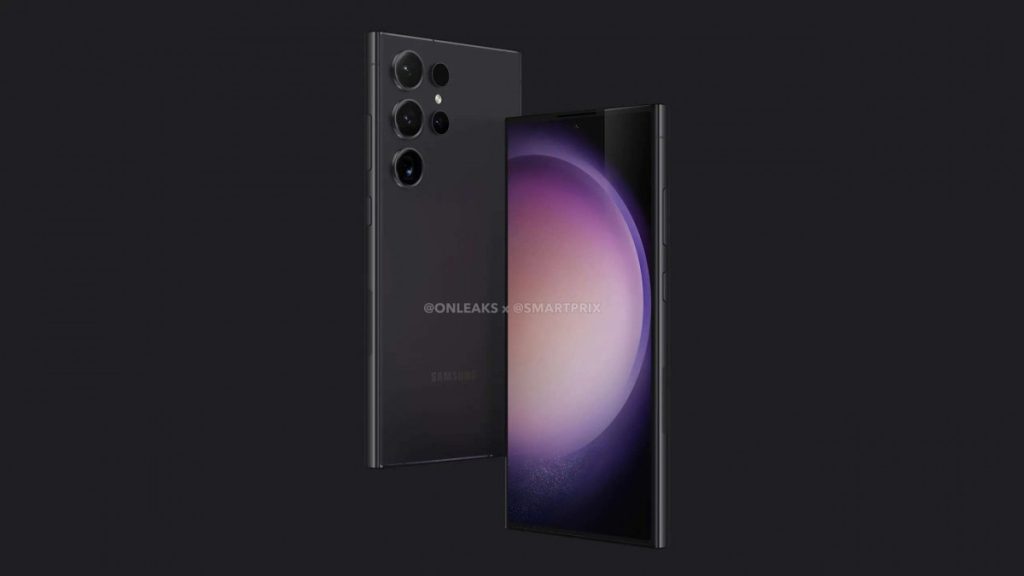
Samsung‘s Galaxy S24 series, which includes the standard Galaxy S24, the S24+, and the S24 Ultra, is rumored to be entering production, with a potential launch date speculated for January 2024.
iQOO is preparing to launch its iQOO 12 series of high-performance flagship smartphones in China on Nov 7. Jia Jingdong, Vivo Brand VP & GM of Brand and Product Strategy, took to Weibo to officially confirm some information about the iQOO 12 series, including its primary camera. Alongside this, the brand also shared a teaser video revealing the design of the iQOO 12 and 12 Pro. Simultaneously, tipster Digital Chat Station disclosed the specifications of the iQOO 12. Here is a look at all the new details of the iQOO 12 series revealed today.
iQOO 12 series’ details officially confirmed
According to Jingdong, the iQOO 12 series will be equipped with the Q1 e-sports chip, a dedicated display processor designed to enhance the gaming experience. Furthermore, he mentioned that the iQOO 12 series will introduce a 1/1.3-inch primary camera with OIS support. There will also be significant improvements in the ultra-wide lens and telephoto periscope lens. Rumors surrounding it have claimed that the iQOO 12 series will have a 50-megapixel OmniVision OV50H primary camera.
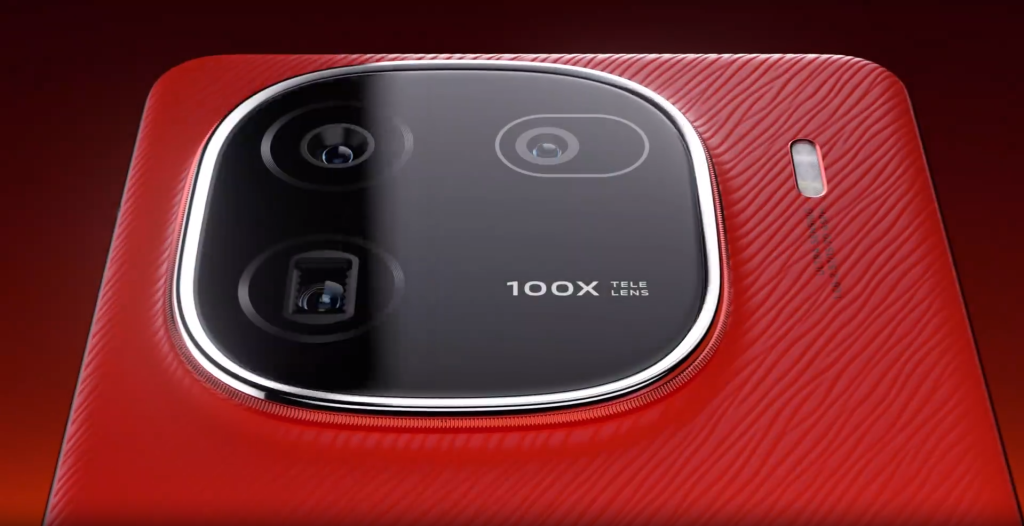
The iQOO 12 and iQOO 12 Pro, which are already confirmed to feature the Snapdragon 8 Gen 3, will run on OriginOS 4 and come with the company’s self-developed AI model. Additionally, the iQOO 12 series is set to have a “Legendary Edition” variant in collaboration with BMW M Motorsport, which appears to be a white variant featuring BMW’s iconic tricolor stripes. In the official teaser shown above, the company has revealed the iQOO 12 Pro’s white variant and the iQOO 12’s red model.
The iQOO 12 is equipped with flat edges and a flat display, whereas the iQOO 12 Pro sports a curved-edge display. Both phones have a squircle camera module on the back, which is said to include a 50-megapixel OV05H main camera, a 50-megapixel Samsung JN1 ultra-wide lens, and a 64-megapixel OV64B periscope camera.
iQOO 12 series configurations (rumored)
iQOO 12 series red variant
According to DCS, the iQOO 12 series will be available in multiple variants, such as 12 GB RAM + 256 GB storage, 16 GB RAM + 256 GB storage, 16 GB RAM + 512 GB storage, and 16 GB RAM + 1 TB storage. The white and black variants of both are expected to have a glass back, while the red edition has a leather back.
Update: The OnePlus PJD110 phone features the Snapdragon 8 Gen 3 and it appears to be the OnePlus Ace 3, not the OnePlus 12.
Original story continues…
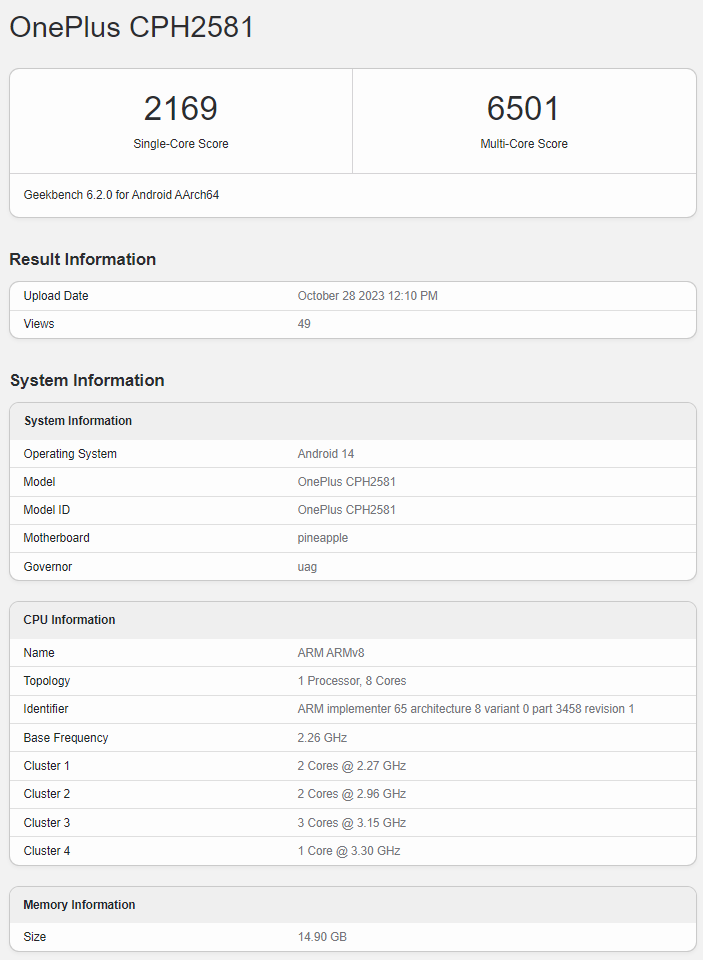
OnePlus is gearing up to unveil the OnePlus 12 flagship phone in the Chinese market. There is speculation that the device might be launched in late November or early December. In the past week, the Chinese variant of this device, identified by the PJD110 model number, was seen in the AnTuTu benchmark database. Now, a different OnePlus phone with the model number CPH2581, powered by the Snapdragon 8 Gen 3 chipset, has emerged on Geekbench. This device appears to be the global version of the OnePlus 12.
OnePlus 12 Geekbench listing
OnePlus 12 global variant Geekbench listing
As can be seen in the screenshot, the Geekbench listing of the OnePlus 12 does not mention the Snapdragon 8 Gen 3 chip explicitly. However, the CPU and GPU details available in the listing are enough to confirm that it features the latest flagship chip from Qualcomm.
The listing further reveals that the device has 16 GB of RAM and Android 14 onboard. The global version of the device may ship with the all-new OxygenOS 14, whereas its Chinese edition will have ColorOS 14.
In the single-core test of Geekbench 6, the OnePlus 12 scored 2169 points. The device recorded a score of 6501 points in the multi-core test.
The OnePlus 12’s Chinese variant with 12 GB RAM onboard achieved a record-breaking AnTuTu score of 2,11,0808. Hence, it appears that the device will have 12 GB / 16 GB RAM variants. There is a possibility that the device may ship with up to 1 TB of UFS 4.0 storage.
The OP12 is expected to feature a 6.82-inch OLED BOE X1 panel that offers a 2K resolution, a 120Hz refresh rate, and a peak brightness exceeding 2600 nits. As per reports, the device will have a 32-megapixel front camera and a 50-megapixel (Sony IMX966, with OIS) + 48-megapixel (ultra-wide) + 64-megapixel (periscope) triple camera setup. It may pack a 5,400mAh battery with 100W wired charging and 50W wireless charging. It is expected to come in shades such as Classic Black, Pristine White, and Vibrant Green.
Sweden’s Cake has been a trendsetter in electric two-wheelers, from fun off-roaders like Kalk to utility-based Ösa. But Cake’s next move is ted calculated—breaking into China‘s jam-packed e-mobility market.
The new model is expected to launch in late 2024
Cake isn’t stepping into China blindly. It has partnered with Shanghai Forever, a retail giant with 80 years in the bicycle business. The deal is already buzzworthy, promising a supply of 130,000 electric bikes. If China takes a liking to them, even more could be shipped over. But here’s the twist—Cake is designing a new model specifically for China, expected to launch in late 2024.
So why is Cake so gung-ho about China? CEO Stefan Ytterborn summed it up as a huge opportunity for both innovative tech and green transport solutions. Shanghai Forever’s CEO, Chen Shan, agreed, highlighting the unique design and technology of Cake’s bikes as a perfect fit for China’s green transformation.
However, what really makes this venture fascinating is Cake’s audacity to enter a market that’s already flooded with electric two-wheelers. But if you look closer, Cake’s entry into China seems less about competing with local brands and more about setting a new standard. While local brands offer a variety of choices, Cake brings a blend of Swedish design, utility, and environmental consciousness—something still relatively rare in China’s e-bike landscape.
This new venture could be a blueprint for how Western brands can carve out a space in China’s congested markets. Cake’s strategy isn’t just about importing bikes; it’s about exporting a whole new perspective on what e-mobility can be. If successful, Cake won’t just be another player in China; it’ll be a game-changer.
China‘s tech behemoths, Xiaomi and Huawei, are paving their way through the operating system maze. Both companies are intensifying efforts to integrate their diverse range of products, from smartphones to home appliances, under a single operating system. But while Xiaomi’s HyperOS seeks a harmonious coexistence with Google‘s Android, Huawei‘s HarmonyOS aims for a clean break.
This feels like more of a symbiotic relationship for the companies
Xiaomi’s HyperOS is essentially a fusion of Android and its own Internet of Things (IoT) platform, Vela. With this OS, users can expect a streamlined experience whether they’re using a Xiaomi phone, smartwatch, or smart TV. This initiative aims to simplify the user’s life by centralizing the management of Xiaomi’s ever-growing lineup of gadgets. It’s not a rebellion against Android but more of a symbiotic relationship.
Contrastingly, Huawei, once a global smartphone leader, is taking a more radical approach. Its upcoming HarmonyOS Next is designed to wean Huawei devices off Android entirely. Since the US trade sanctions, Huawei has lost access to Google services and is betting big on the full-scale adoption of HarmonyOS. Despite initial challenges and negligible market share compared to Android, over 700 million devices now run on HarmonyOS, signaling Huawei’s unwavering resolve.
Yet, there’s an elephant in the room: Google’s Android still dominates the global mobile OS landscape with a whopping 70% market share. Can these two Chinese giants chip away at this monopoly?
Xiaomi seems content in offering an optimized Android experience with HyperOS. Meanwhile, Huawei, unburdened by access to Google services, is invested in carving out a whole new ecosystem. It’s like comparing an upgrade to a complete overhaul.
As the lights dim after the annual FinTech Week conference in Hong Kong, the city is grappling with two pressing issues in its bid to become a global cryptocurrency and Web3 hub: user-friendliness and a talent crunch.
Hong Kong is pushing hard to make Web3 a mainstream technology
The recent JPEX cryptocurrency scandal, which resulted in over HK$1.5 billion (US$192 million) in lost consumer funds, underscored the need to shift the conversation from mere financial speculation to real-world applications. A year into its policy pivot, Hong Kong is pushing hard to mainstream Web3 technologies. Local companies like Animoca Brands are already playing a pivotal role in developing blockchain video games. The aim is to make technologies such as decentralized ledgers more relatable and useful to the average person.
Yat Siu, co-founder of Animoca Brands, likens the current Web3 landscape to the internet 25 years ago, emphasizing the urgency companies now feel to embrace these technologies for their future success. But there’s a catch: the technology is hard to use for the average Joe. Take cryptographic keys, for instance. They’re your ticket to a new digital world, but they’re also easy to lose and hard to manage.
Dfinity Foundation, among other players, is looking to solve this issue. They’re developing passkeys that turn your physical device into a digital key, aiming to end password-related vulnerabilities like phishing attacks. Tech solutions like these aim to simplify the user experience, a critical step in driving mass adoption.
While Hong Kong shows promise in embracing Web3, there’s another hurdle: talent. Despite its strategic position in the Greater Bay Area, the city faces a dearth of developers needed to realize its digital ambitions. The competition is stiff, especially from tech-savvy neighbors like Singapore. According to Ryan He, co-founder of ICP Hub Hong Kong, the city’s edge lies in how swiftly it can tap into a larger pool of developers in the area.
Lenovo‘s Legion lineup offers a wide range of gaming products, including high-performance gaming laptops with innovative cooling solutions. They also provide gaming desktops, monitors, and peripherals like keyboards, mice, and headsets. These products often feature customizable RGB lighting and ergonomic designs, providing gamers with reliable hardware to enhance their gaming experiences.
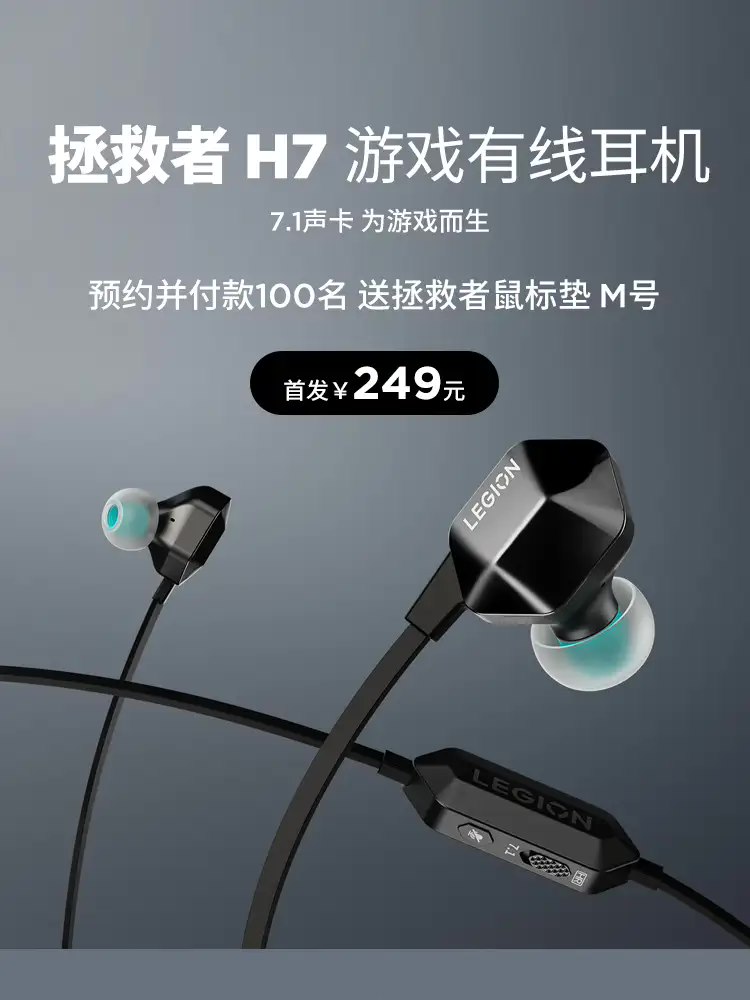
A few weeks back, Lenovo teased the Legion H7 wired gaming earphones in the Chinese market. The Lenovo Legion H7 is now available for pre-orders on Tmall, with official sales starting on October 31st at 8:00 PM. During the initial launch, the headset is priced at 249 yuan ($35).
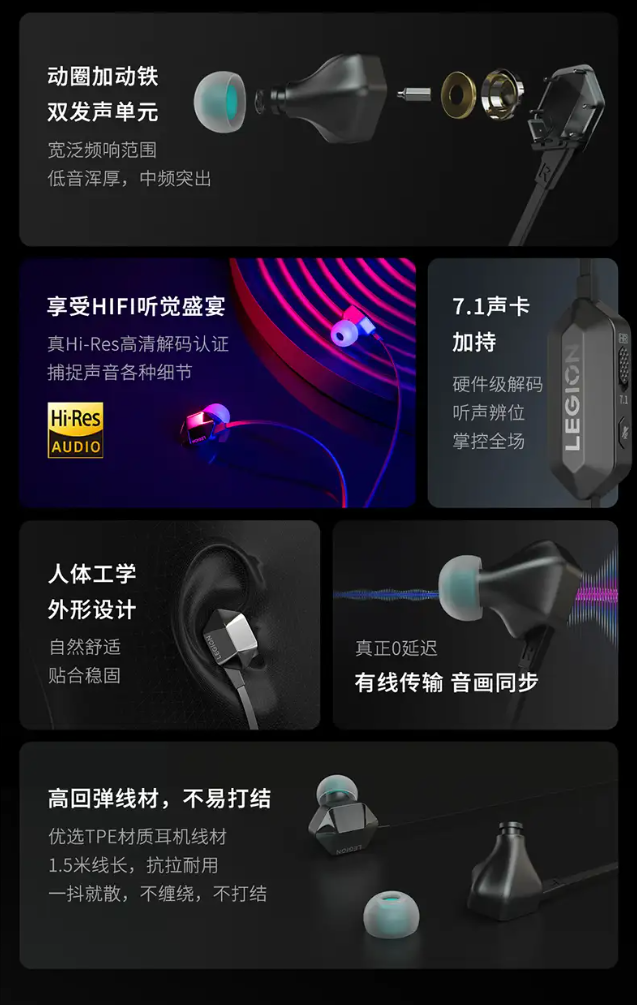
The Lenovo Legion H7 gaming headset stands out for its dual dynamic driver units, designed to offer users a well-rounded auditory experience with wide frequency response. This is expected to produce sound output featuring rich bass and clear mid-range tones.
The earphones prioritize durability and user comfort in their design. It features a 1.5-meter TPF material headphone cable that is resistant to pulling and easy to manage, reducing tangling. The earphones’ ergonomic design ensures a comfortable fit for users.
One notable technical feature is its capability for “true zero latency” with wired connections, ensuring seamless synchronization of audio and video without delays. This is particularly crucial for gaming, where precise timing and immediate response are essential.
The headset is certified with Hi-Res high-definition decoding, promising audio quality that stays true to the original recordings. It also features a 7.1 sound card for hardware-level decoding, which is crucial for gamers who depend on precise sound localization to enhance their gaming experience.
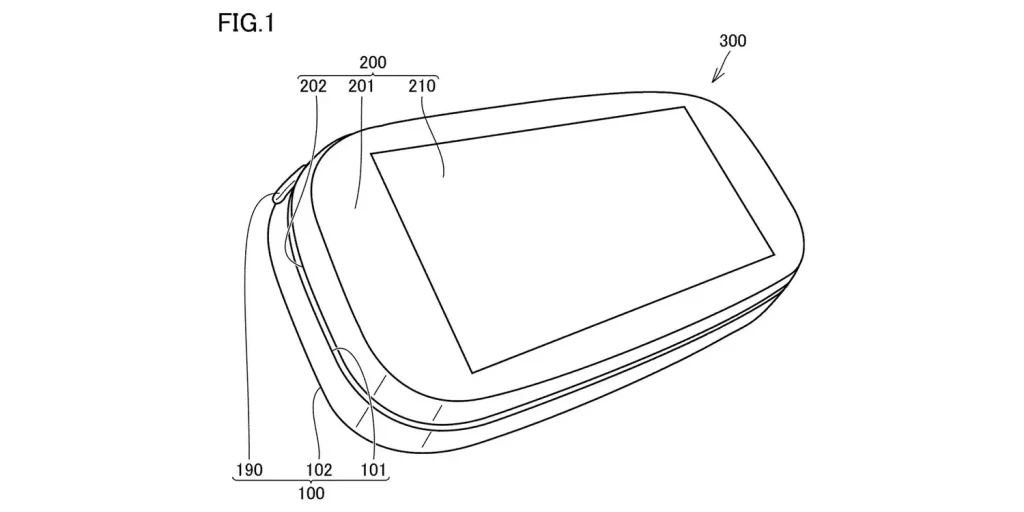
Nintendo has filed a patent for a new dual-screen folding device reminiscent of the 3DS handheld console. This device can open and close like the 3DS and can split into two separate units for multiplayer gaming with wireless communication. This patent has sparked discussions among gaming enthusiasts and industry observers about Nintendo’s potential future plans.
Nintendo Eyes Future with Wireless Dual-Screen Device Patent
When the two segments of the device are combined, it looks like a traditional handheld gaming device with inner and outer screens on the upper part, including a larger inner screen with a joystick. However, it’s important to note that not all patents filed by Nintendo or any tech company necessarily result in a marketable product, so the device’s actual release remains uncertain.
Parallel to the patent speculation, rumors suggest that the upcoming Nintendo Switch 2 could incorporate some of these patented features, such as dual detachable screens and touch functionality. This could signal Nintendo’s intent to continue the legacy of the Switch series, potentially allowing for the integration of DS and 3DS games into its library. The innovation reflected in the patent aligns with Nintendo’s history of unique gaming systems that often blend handheld and console gaming experiences.
Moreover, the anticipated Switch 2 is rumored to support NVIDIA’s latest DLSS 3.5 technology, which—if true—could give it a competitive edge in graphics rendering capabilities, including ray tracing, over current-generation consoles like the PS5 and Xbox Series X. There are also reports that Switch 2 will likely feature backward compatibility, allowing players to use their existing games. Additionally, there are hints of advanced machine-learning features. However, concrete details about the Switch 2’s features remain limited. The expected release date of Switch 2 is September 24 next year.
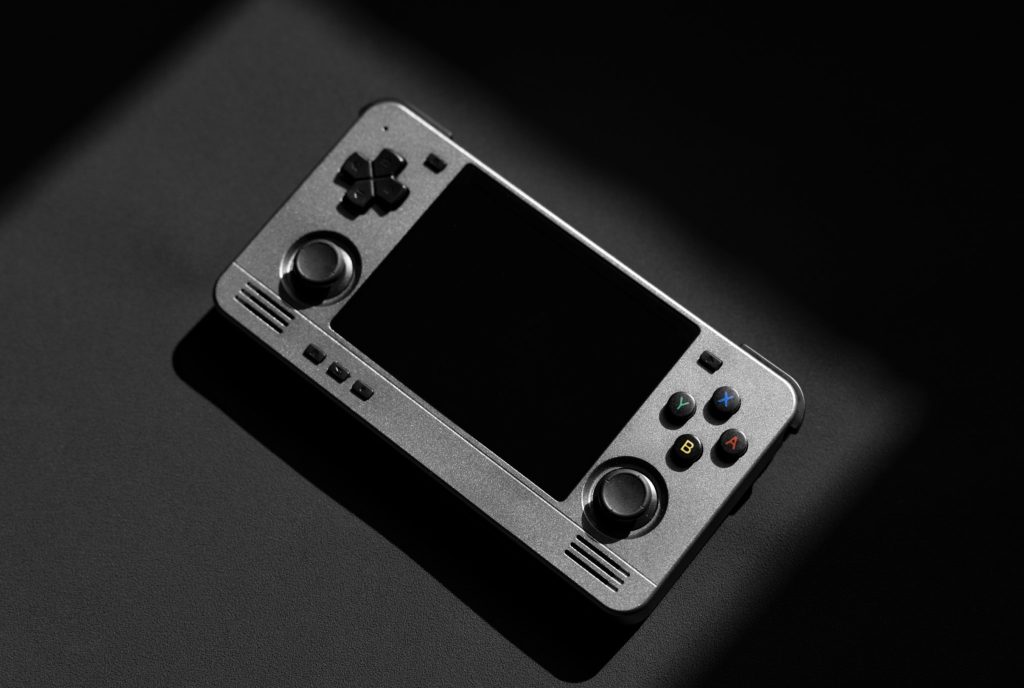
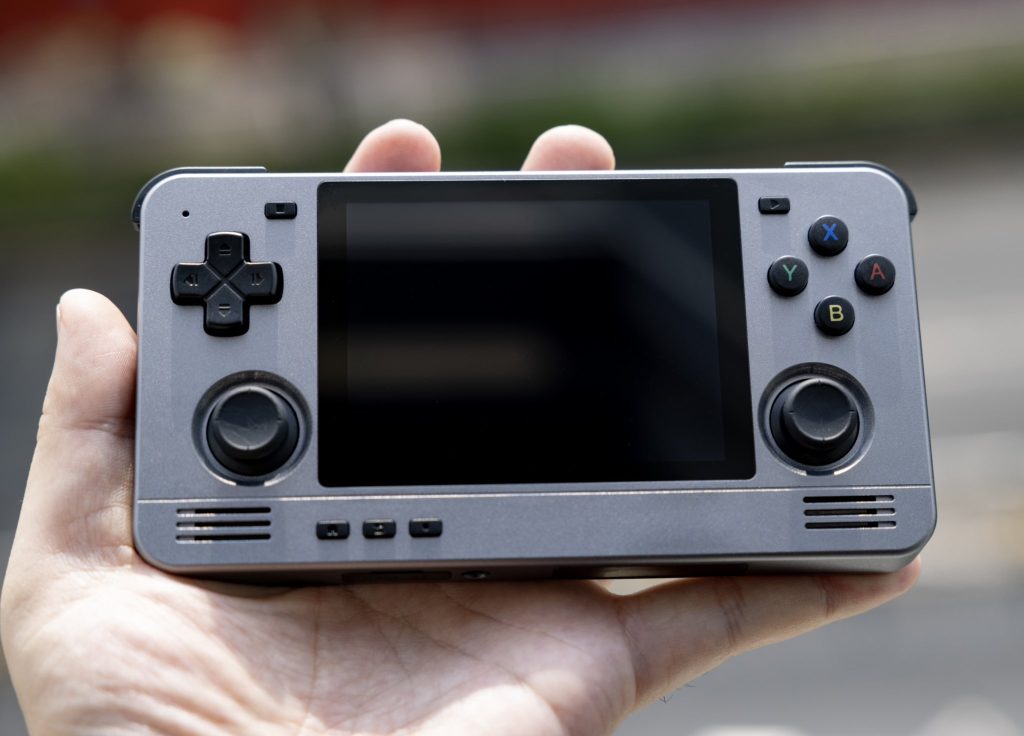
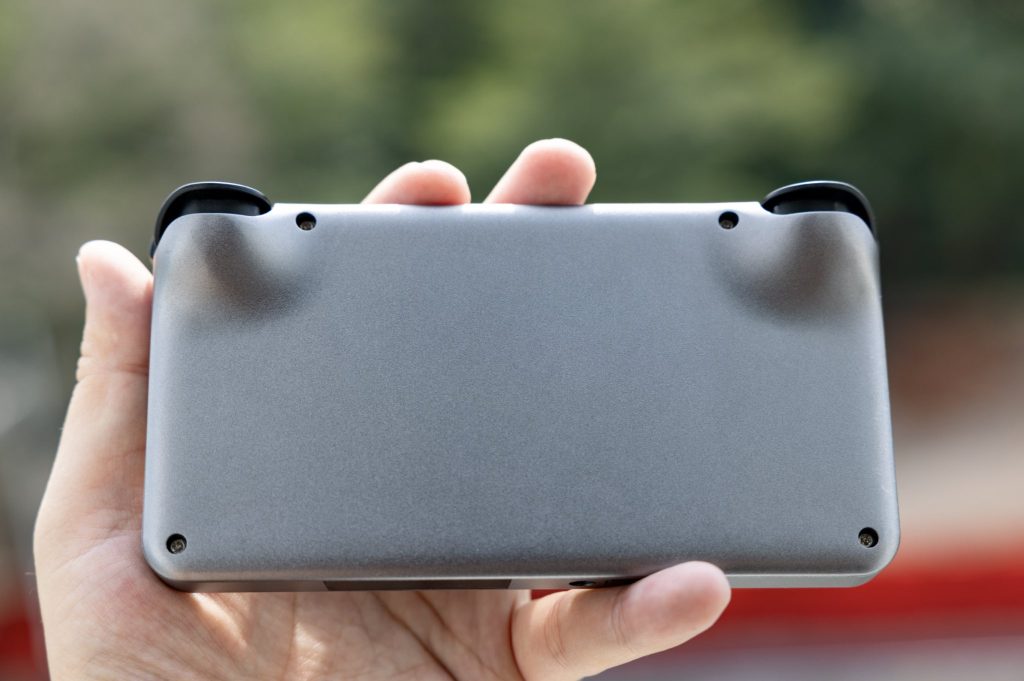
Retroid has released a teaser of the Pocket 2S Gunmetal Edition which comes in a metal housing but retains the specs of the standard model. Retroid released the Pocket 2S gaming handheld standard model in July this year.
The Gunmetal Retroid Pocket 2S comes with a metal build which is the only enhancement
The Retroid Pocket 2S compact gaming handheld was released in six color options and the new metal version is another addition. The design of the Pocket 2S draws inspiration from the classic Nintendo model. Currently, resellers are retailing the metal custom shells of the Pocket 2S. The Retroid Pocket 2S Metal Edition will likely in available in a grey colorway.
The Retroid Pocket 2S delivers a retro-gaming experience in a compact handheld device. The trajectory of the new variant of the Retroid Pocket 2S could be similar to that of the Pocket 3 Plus Meta Edition. There are speculations that the Pocket 2S Metal Edition could have a starting price of $129 for the 3GB/ 32GB RAM/ storage configuration. It is also speculated that the 4GB/ 128GB model will be priced at around $149. The release date for the Retroid Pocket 2S Metal Edition has not been stated at this time.
Pricing & Availability
There is currently an array of third-party metal shells for the Retroid Pocket 2S in more colors than originally released. We doubt if there are any other differences between the Pocket 2S and Pocket 2S Metal Edition aside from the metal build. We’ll find out about that when it is officially released. There is no word yet on the exact launch date.
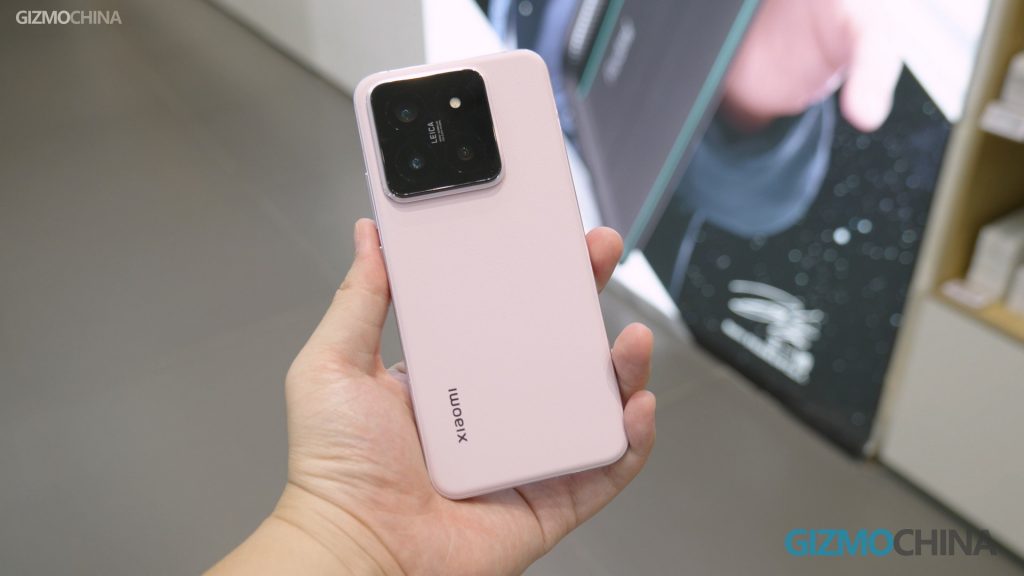
Xiaomi’s recent launch of the Xiaomi 14 series has been met with much fanfare, thanks to the top-of-the-line specifications and features on offer. But there is one hidden surprise feature that hasn’t been talked about much—UltraSpace storage expansion.
It is a patented new technology that Xiaomi uses in the Xiaomi 14 series to expand the phone’s available storage beyond its original capacity using available UFS storage.
This may be confusing for some, so let me explain it with an example.
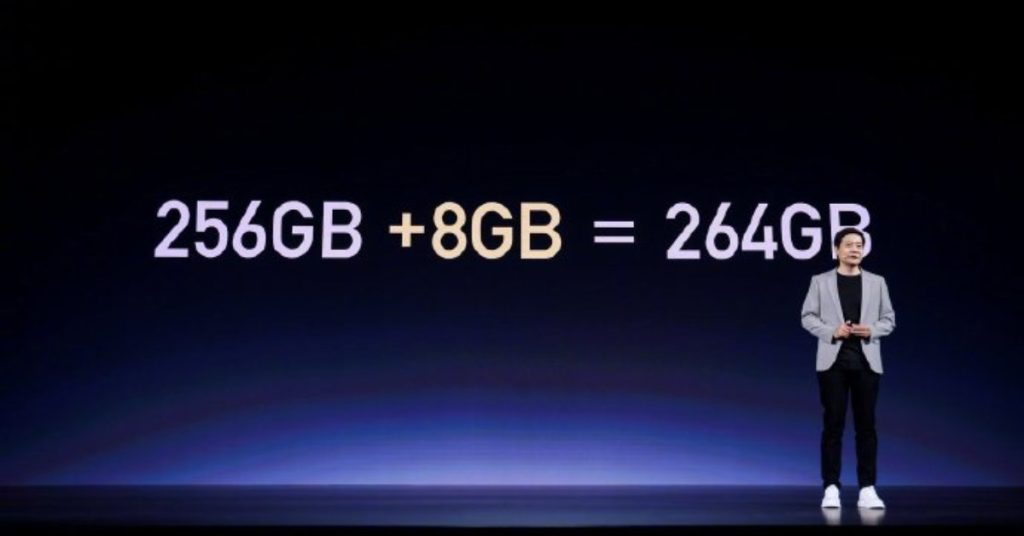
Xiaomi 14: 264GB storage on a 256GB model with UltraSpace storage expansion
In simpler terms, UltraSpace storage expansion is a feature that gives you more space on your smartphone without adding any extra physical storage. Typically, you’d sacrifice storage space for more virtual RAM, but Xiaomi’s implementation offers more storage instead—like pulling a rabbit out of a hat!
For example, if you buy a 256GB Xiaomi 14 Pro, you will actually have 264GB of total storage space on your phone, with 8GB of extra free space thanks to this new technology.
Xiaomi is cleverly using the space reserved for Over-Provisioning (OP) in the UFS memory chip for this. OP is a technique used to improve the performance and reliability of flash memory by reserving a portion of the storage space for tasks such as Wear Leveling (WC), Garbage Collection (GC), and Bad Block Mapping.
The company found that this space is often too large, for example, a 256GB UFS memory chip actually has a real capacity of more than 266GB, which means over 10GB of space is reserved for OP.
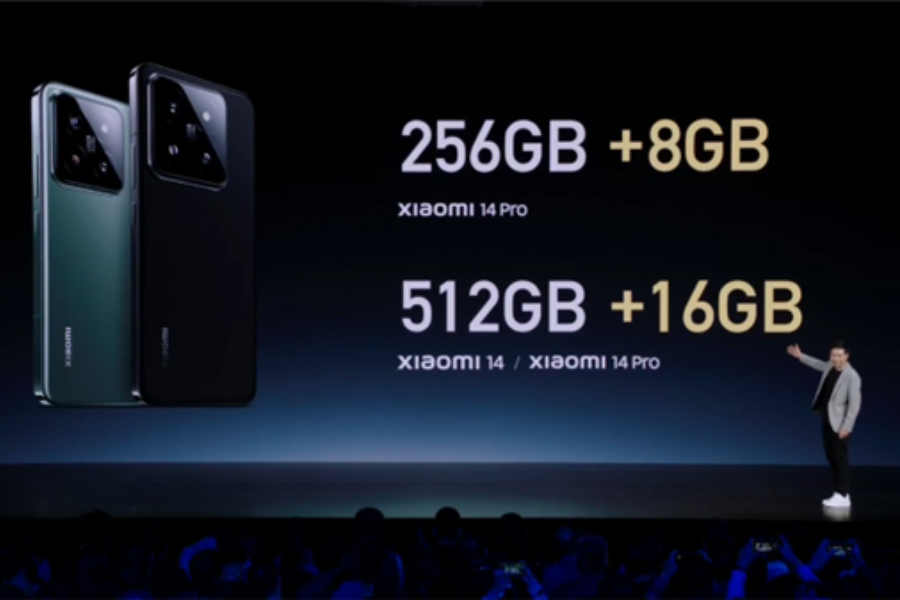
However, Xiaomi engineers found a way to free up this extra space without sacrificing performance or reliability. The company says it rewrote the system (HyperOS) firmware and optimized it to use much less space, freeing up 8/16GB on their 256/512GB storage models, giving them “264/528GB” of actual usable storage.
As a result, the 256GB version of the Xiaomi 14 Pro has 8GB expanded storage to make it 264GB, while the 512GB version of the Xiaomi 14 and Xiaomi 14 Pro has 16GB expanded storage to make it 528GB.
This is a significant increase in storage space, which can be useful for storing more applications, photos, videos, and other data. It is also worth noting that this technology does not require any additional hardware, so it does not increase the cost of the smartphone.
However, Xiaomi’s new UltraSpace storage expansion technology is only available on the 256GB model of the Xiaomi 14 Pro and the 512GB model of the Xiaomi 14 and Xiaomi 14 Pro.
This leaves a few unanswered questions, such as why the 256GB model of the Xiaomi 14 does not get the same 8GB expansion, and why there is no mention of UltraSpace storage expansion for the 1TB variant.
Despite this, the UltraSpace storage expansion is a promising new technology that could offer significant benefits to users.
Gogoro has unveiled the CrossOver e-bike promoted as a two-wheel electric “SUV” that is capable of all-terrain movement. The insanely practicable design of the Gogoro CrossOver is obvious. It is touted as the first two-wheel SUV with configurable storage and versatility in use.
Features
The Gogoro CrossOver delivers comfort, power, and practicality with its impressive design and form factor. The CrossOver is launching in two variants namely the CrossOver and CrossOver S. The CrossOver has a rated output of 7.0kW while the CrossOver S tops the lineup with 7.6kW. It has a top speed ranging from 60km/h to 70km/h.
The chassis of the Gogoro CrossOver was designed for off-road use. It has a ground clearance of 14.2cm and a range of up to 150km on an average speed of 30km/h. The Gogoro CrossOver therefore offers a solid drivetrain paired with a pretty powerful battery setup. The customizable luggage system of the electric scooter is another of its versatility highlights. The storage consists of the steel frames that surround the rear portion of the scooter together with tubular frames.
The Gogoro CrossOver has an LED headlight and a compact luggage rack under the removable split passenger seat. Gogoro says that there are up to 25 points via which cargo can be attached to the e-scooter.
Pricing & Availability
The pricing and exact release details of the Gogoro CrossOver are lacking at this time. However, it is expected that these optics will be revealed shortly.
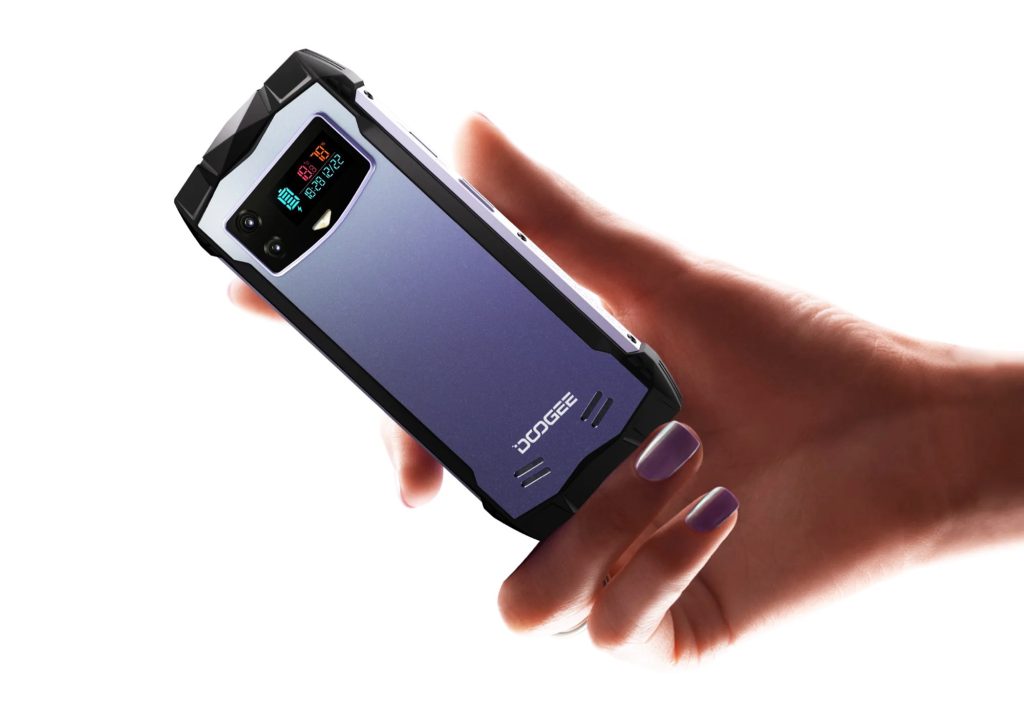
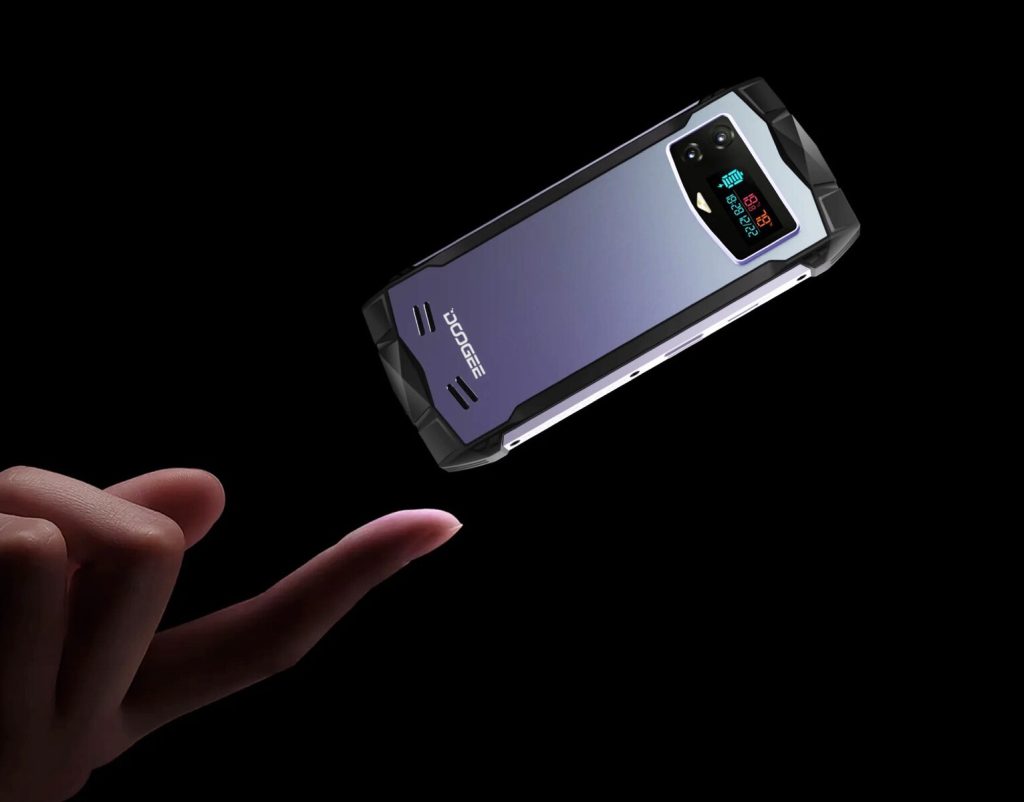
The smartphone industry has for a long time evolved from compact smartphones to models with large form factors with size and performance playing a major role in the current trend. Notwithstanding, there are still folks out there who still desire compact smartphones. Chinese phone maker Doogee has unveiled a compact smartphone to cater to this category of users. The model is dubbed Doogee Smini. This smartphone breaks free from the crowd with its small form factor, rugged durability, and charming retro-inspired twist.
Display and Features
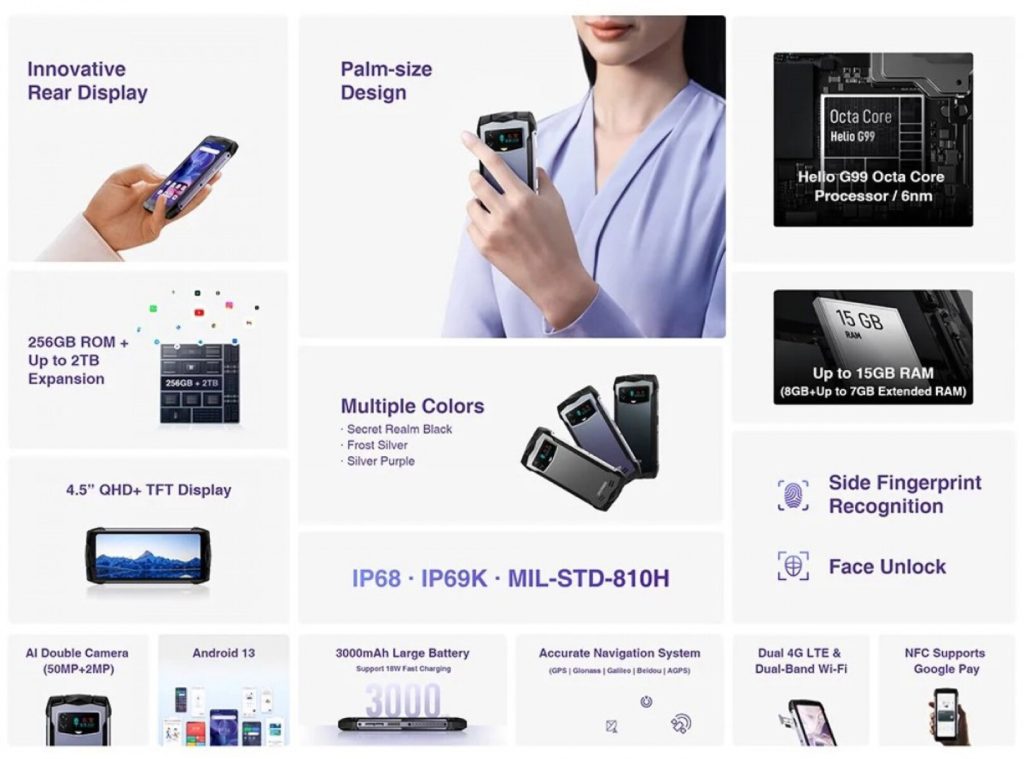
The Doogee Smini features a 4.5-inch IPS panel with a resolution of 1,170 x 480 pixels and a pixel density of 281 PPI. The phone has a dimension of 133 x 60 x 13.5 millimeters and weighs just 155 grams. It’s noticeably smaller and narrower than the Apple iPhone 13 Mini, making it a true pocket-friendly companion.
What sets the Doogee Smini apart is its rugged build. It boasts an IP68 and IP69K certification, which means it’s not just dust and water-resistant, but it can also withstand harsh drops and challenging conditions.
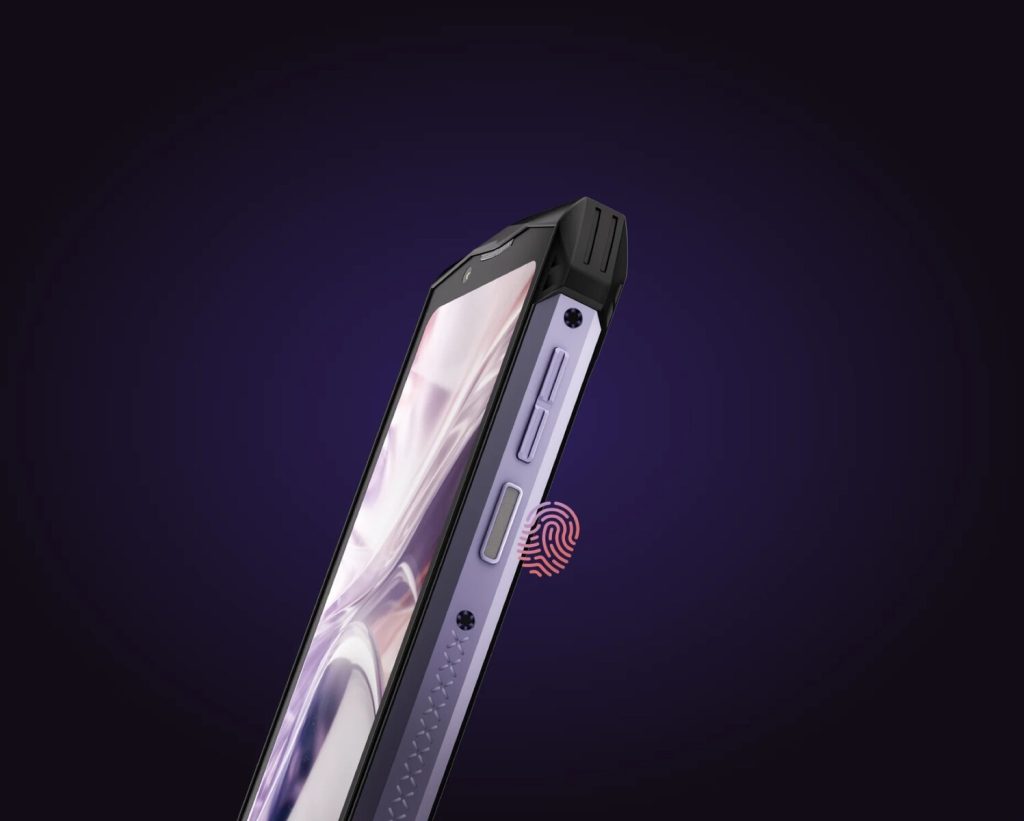
For photography, the front-facing 8-megapixel camera is equipped with 3D facial recognition for secure unlocking, adding a layer of convenience to its retro charm. Additionally, a fingerprint sensor is conveniently located on the right side for alternative biometric security.
On the back, the Doogee Smini packs a 50 MP main camera, teaming up with a 2 MP sensor, and a small secondary display. The retro-inspired segment display shows essential information like the time, battery level, temperature, and humidity, all at a glance.
Under the hood, the Doogee Smini packs a MediaTek Helio G99 processor. The process is paired with 8 GB of RAM and 256 GB of internal storage. The storage is expandable via a microSD memory card, ensuring you have room for all your files, photos, and memories.
In terms of power, the Smini packs a 3,000 mAh battery which should offer a reliable battery life for its compact size. It can be charged via a USB-C port at up to 18 watts. The phone also features an NFC chip for seamless contactless payments. It also retains the 3.5 mm headphone jack, allowing you to enjoy your music or make calls with your favorite wired headphones.
For interface, the Doogee Smini runs on Android 13 offering a modern and user-friendly experience.
Price and Availability
The Doogee Smini is now available on AliExpress in various currencies. However, potential buyers should take into account additional costs, such as shipping fees, import taxes, and other possible fees depending on their location.
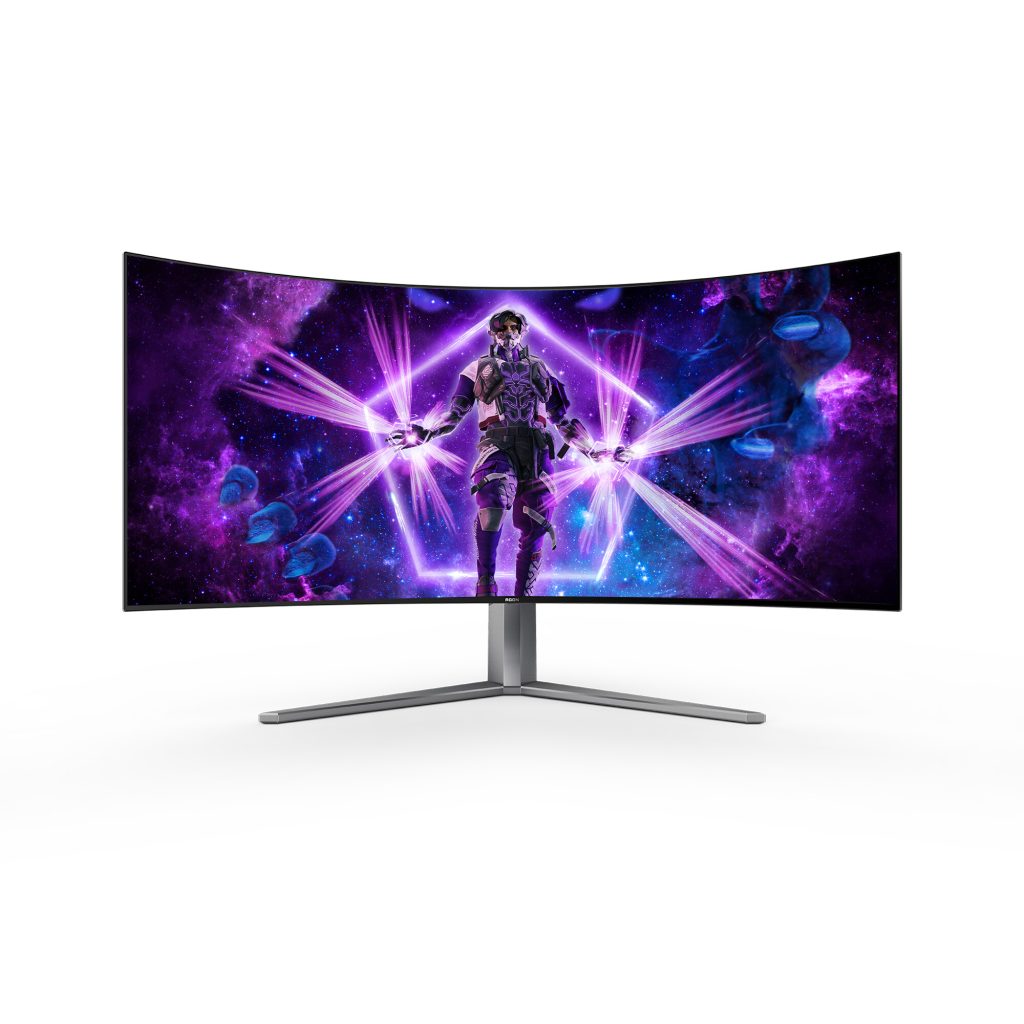
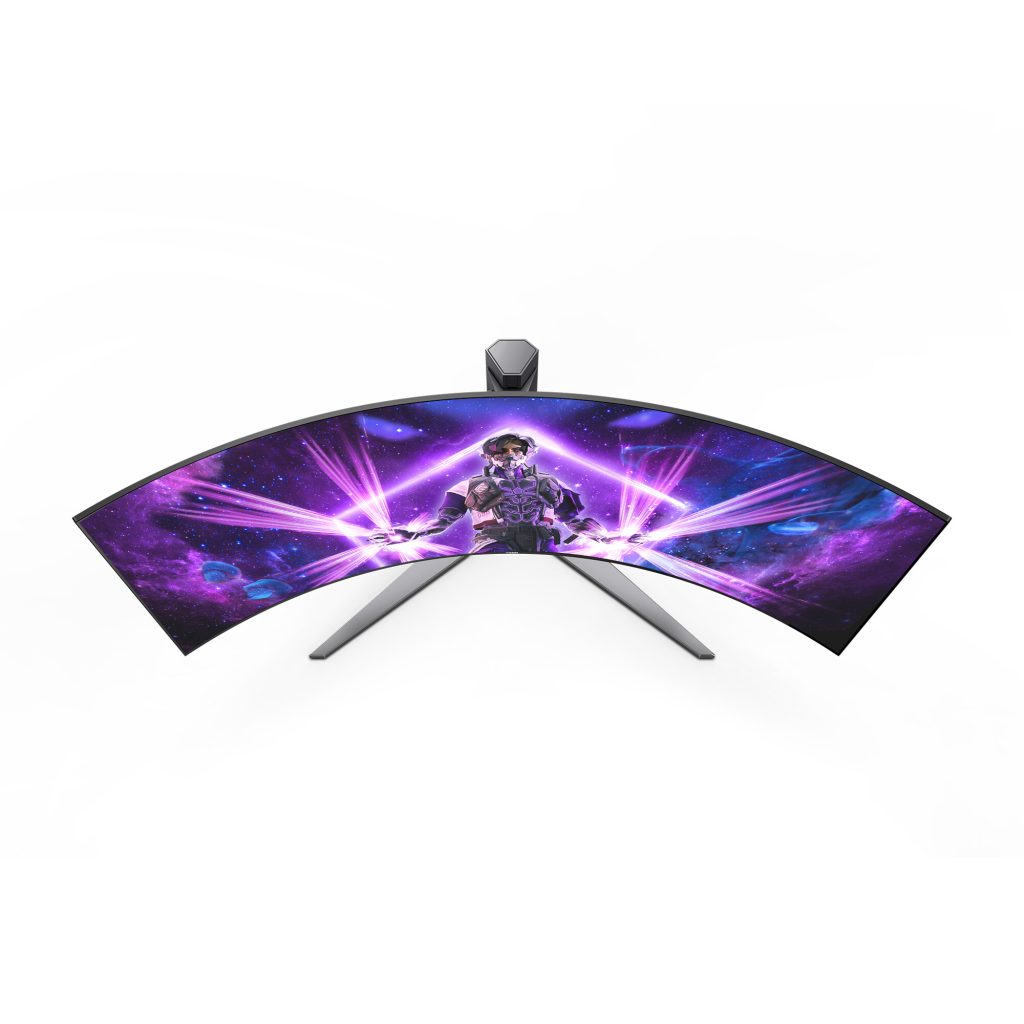
AOC has introduced the AG456UCZD gaming monitor, a display that aims to meet the demands of competitive gamers looking for a high refresh rate curved gaming monitor.
AOC AG456UCZD monitor specs
The AG456UCZD boasts a 45″ OLED panel with UWQHD resolution (3440x1440p), a rapid 240 Hz refresh rate, and an extreme 800 R curvature. It offers a 0.03ms response time, 10-bit color depth, and strong color accuracy. The monitor’s 1,500,000:1 contrast ratio adds depth and richness to the visual experience.
The AG456UCZD includes Light FX lighting and a headphone hook for convenience. The monitor also offers a range of gaming features, such as a black stabilizer, FPS display, and crosshair overlays to enhance the gaming experience.
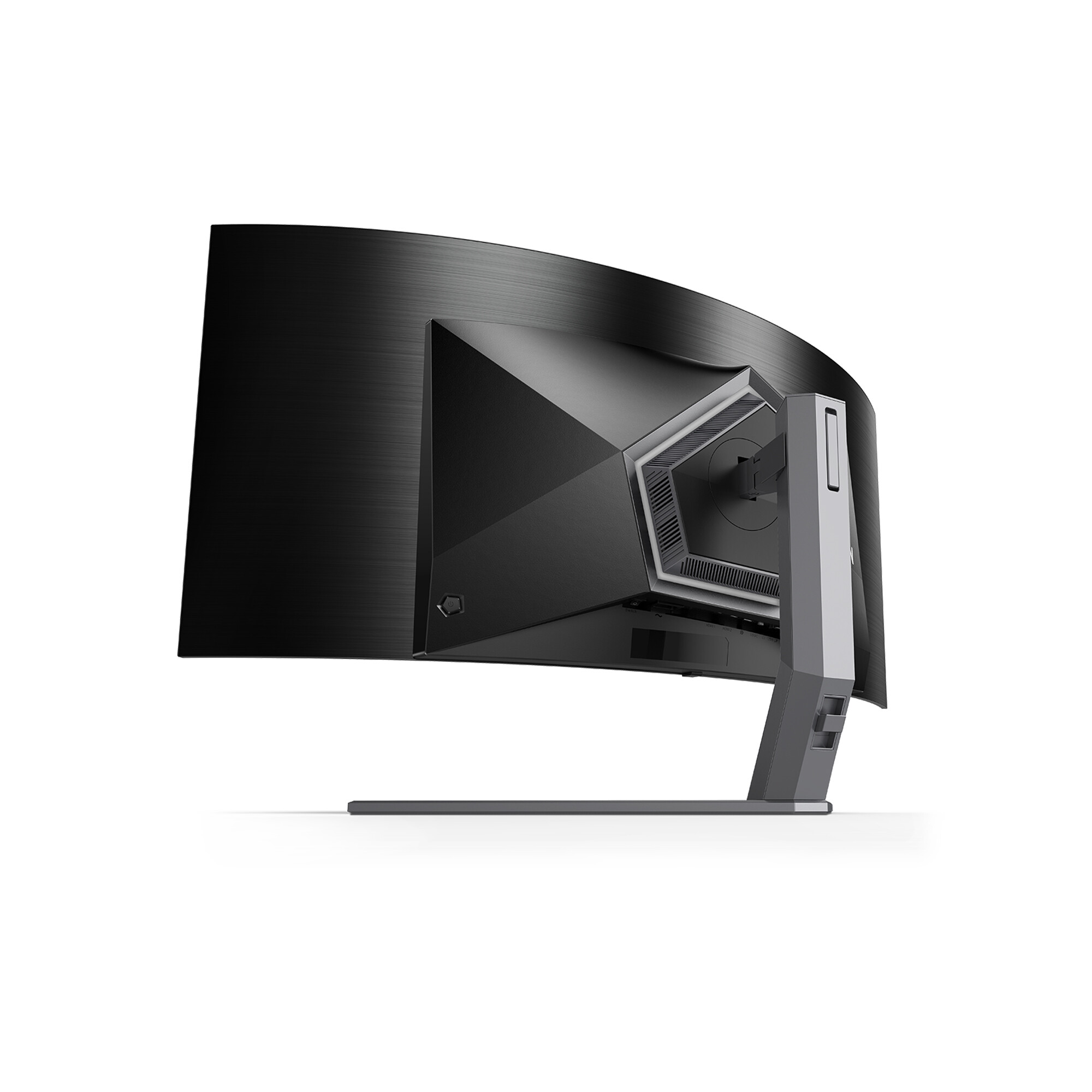
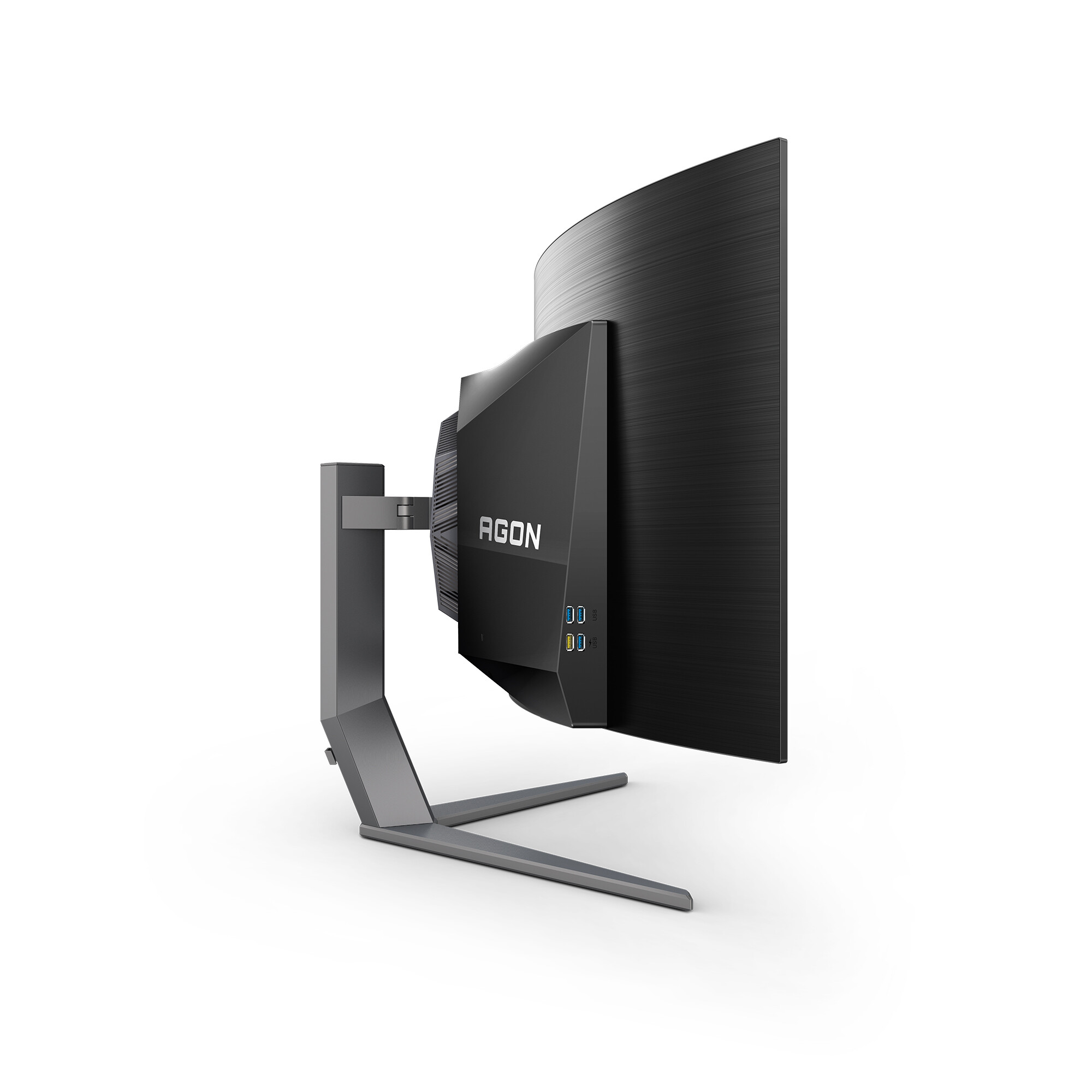
On the connectivity front, it includes HDMI 2.0 inputs, a DisplayPort 1.4, a USB 3.2 hub, a headphone output, and USB-C with DisplayPort alternative mode and power delivery up to 90 watts. This monitor is versatile, featuring a KVM switch, picture-in-picture, and picture-by-picture modes.
The ergonomic design includes tilt, rotation, height adjustment, VESA compatibility, and blue light filtering. The monitor’s sleek, low-reflection design supports HDR10, consumes around 103 watts, and weighs 11.35 kg without a stand. AOC has not yet announced the release date and price for the AG456UCZD.
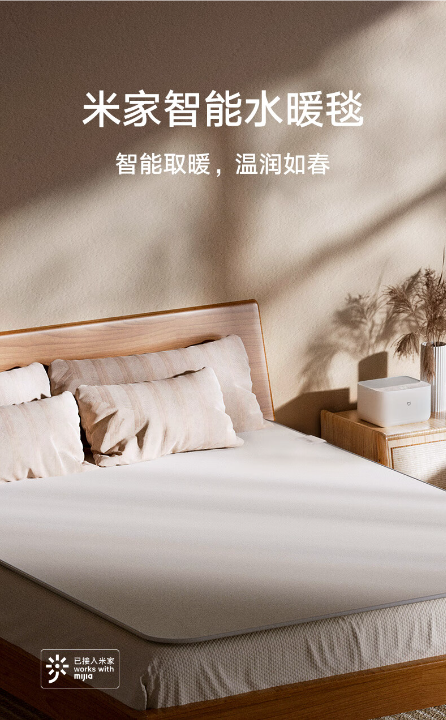
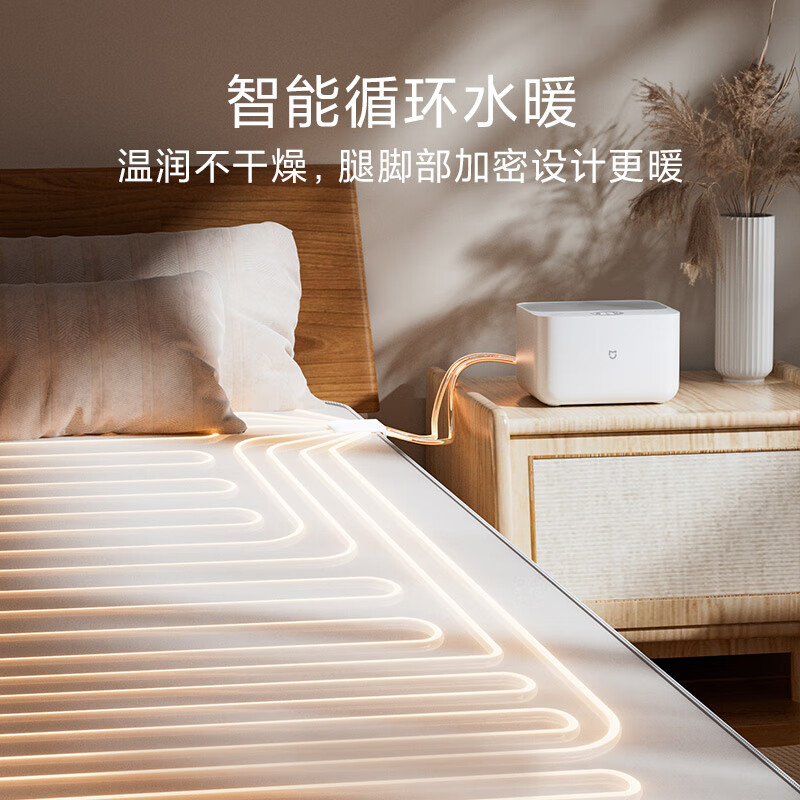
Xiaomi has launched a new Mijia Smart Electric Blanket measuring 1.5m x 2m, now open for pre-order at a price of 449 yuan ($61), with availability starting October 31.
Xiaomi Mijia Smart Electric Blanket Key Features:
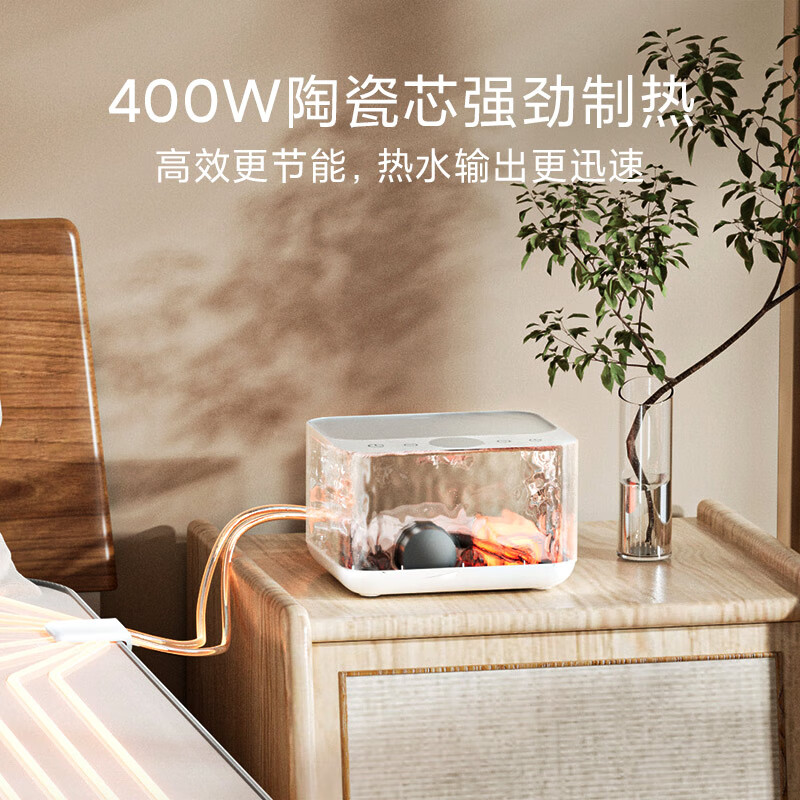
The electric blanket integrates a 400V ceramic core for efficient heating, ensuring rapid heat distribution, particularly in the leg and foot areas due to denser piping. It operates quietly at less than 25dB, minimizing noise during use. Notably, the blanket is designed to be safe when in contact with water, mitigating risks of electrical leakage.
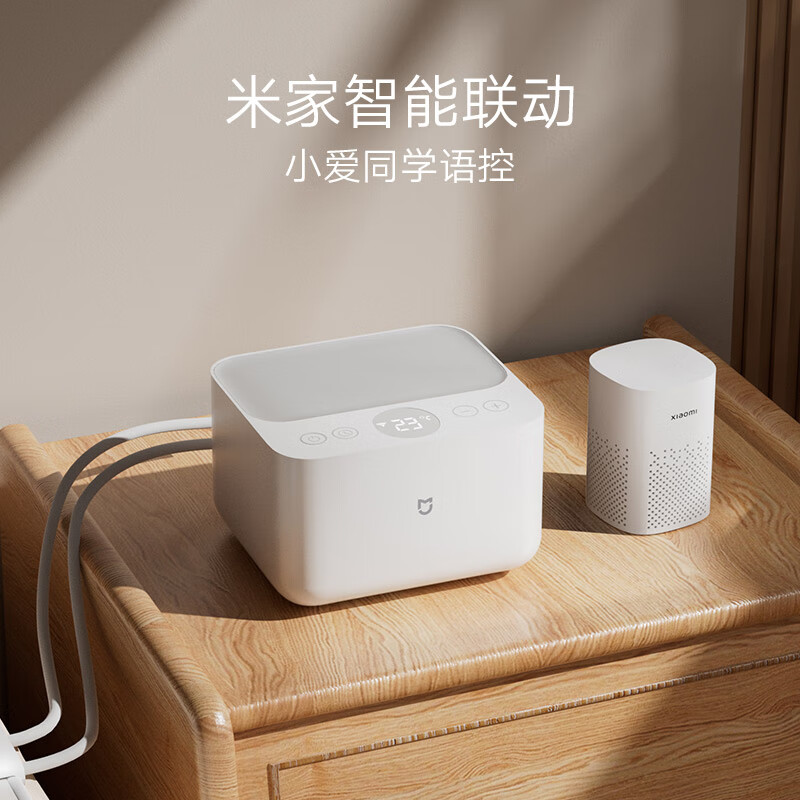
A standout feature of this smart home device is its integration with the Mi Home app, which allows users to preset temperatures for different sleeping stages and schedule adjustments accordingly. Additionally, it is equipped with voice control through the Xiao Ai Assistant, enhancing user convenience. The blanket also includes a mite removal function, which operates at 65 degrees Celsius to ensure hygiene.
The Mijia Smart Electric Blanket is energy-efficient, boasting a DC frequency conversion that consumes about 0.7 kWh of electricity per night. The safety features are extensive, including multiple levels of protection against overheating, leaks, low temperatures, bacterial growth, and more. The blanket automatically powers off after 15 hours of inactivity, has a child lock, and has an anti-tip power-off function.
The device supports Android and iOS systems and contains a wireless radio transmission module compliant with CMIIT standards. The blanket’s materials are 100% polyester fiber with a rubber droplet material of PVC resin, and it comes in two sizes. The main unit has a compact design with a 0.35L water tank capacity and operates within a safe temperature range.
Xiaomi has also introduced new Mijia products recently, including the Xiaomi Mijia Dictionary Pen, available for sale at 699 yuan ($96), and the Xiaomi Mijia Smart Electric Steamer 12L, which is currently available for pre-order in China for 269 yuan ($37). These offerings expand Xiaomi’s Mijia product lineup, catering to different needs and preferences of consumers.
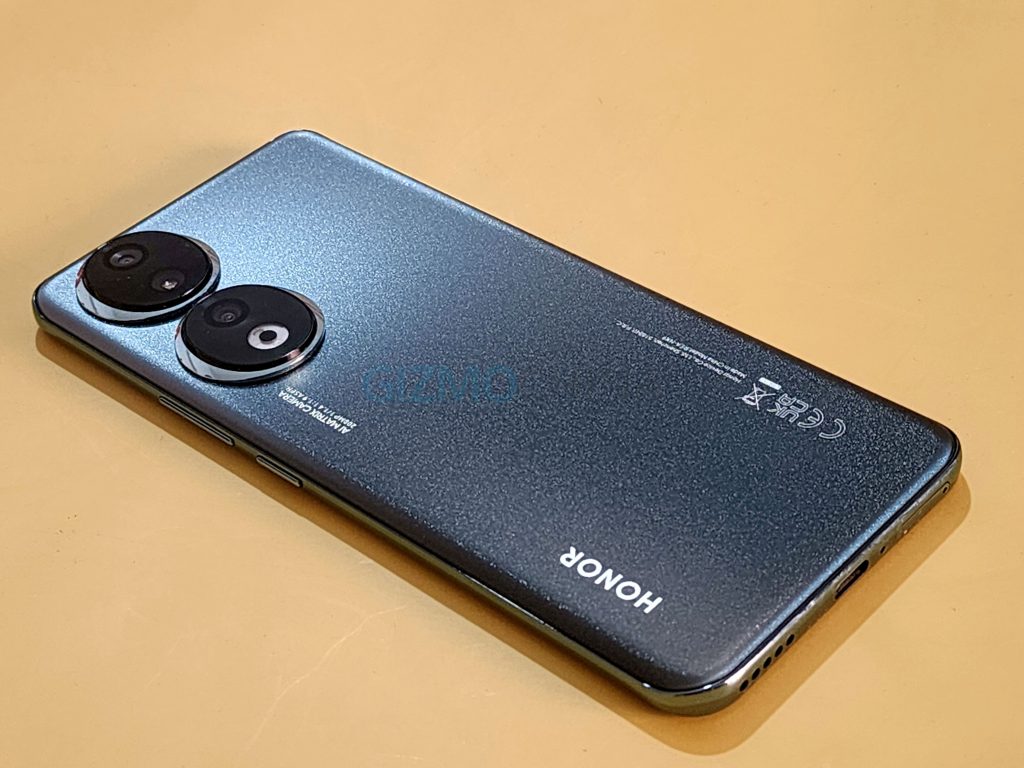
Honor has returned to the Indian market by introducing the Honor 90 5G smartphone. This mid-range phone boasts impressive features like a 200MP camera and a curved 1.5K AMOLED display. The brand has teamed up with Reliance Digital, which means you can find Honor smartphones in their physical stores now.
This step is likely to increase the popularity of the device. Earlier, it could only be purchased online. Now, customers can visit a nearby Reliance Digital store to test out the phone before making a purchase. Currently, the Honor 90 5G has a price tag of Rs.37,999 for the 8GB RAM + 256GB storage config, while the 12GB RAM + 512GB storage config costs Rs.39,999.
Honor 90 specs
The Honor 90 5G boasts a 5K mAh battery which supports 66W charging. The brand provides a 30W fast charger inside the box. It has a 6.7-inch Quad curve floating AMOLED display with 1.5k resolution, 10-bit colors, and a 120Hz refresh rate. Additionally, it offers Bluetooth 5.2 and a fingerprint sensor for security. The phone provides up to 512GB of internal storage, powered by a Snapdragon 7 Gen 1 Accelerated Edition chipset built with a 4nm process.
It supports up to 12GB of RAM and includes a 12MP wide-angle camera, 2MP depth camera, and a world-class 200MP main sensor in a triple rear camera setup. On the front, it houses a 50MP selfie camera with AI Vlog 2.0. The device comes with a single speaker, USB Type-C connectivity, and runs on MagicOS 7.1 based on Android 13. Check out our Honor 90 5G review to learn more about the smartphone.
Samsung‘s Galaxy S24 series, which includes the standard Galaxy S24, the S24+, and the S24 Ultra, is rumored to be entering production, with a potential launch date speculated for January 2024.
January Launch of Galaxy S24 Appears More Certain
These details have emerged from various sources, including popular Chinese tipster Ice Universe (via Tech_Reve on X), which suggests that the flagship smartphones have moved into mass production. While the exact launch date remains uncertain, there’s a consensus among leaks pointing towards a mid to late-January release, with some sources hinting at an even earlier launch.
The standard Galaxy S24 has reportedly been certified by China’s 3C certification authority, and high-quality renders of both standard and Ultra have surfaced online, offering a glimpse of the expected design. Speculations suggest the Galaxy S24 may feature the Snapdragon 8 Gen 3 chipset, a 6.17-inch Dynamic AMOLED display with a 120Hz refresh rate, with a battery capacity ranging from 3900mAh to 4000mAh.
According to Sammobile, the trend of early launches for Samsung’s flagship models isn’t new; previous models such as the Galaxy S22 and S23 have seen February releases in 2022 and 2023, respectively, with the Galaxy S21 event occurring in January. There’s also a strategic shift in Samsung’s approach to its Unpacked events, considering different global locations annually, which started with the Galaxy Z Fold 5 and Galaxy Z Flip 5 events in Korea, marking a departure from the US-centric launches in the past.
There’s considerable excitement surrounding the Galaxy S24 series, as Samsung aims to build on the success of the S23 series. Despite the return of the Exynos chipset raising some concerns, the tech community is withholding judgment until the official release and hands-on experience with the new devices.
There’s also speculation that the Galaxy S24 Ultra could ship with the Snapdragon 8 Gen 3 processor in all markets. The forthcoming Galaxy S24 series looks to be a significant release for Samsung, potentially setting the tone for the smartphone market in 2024.
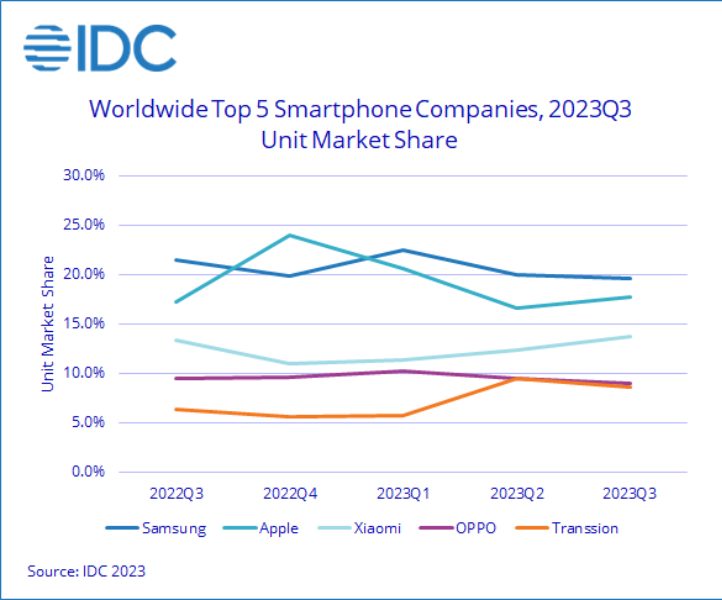
The global smartphone market declined slightly in the third quarter of 2023, but there are some positive signs that suggest recovery is on the horizon.
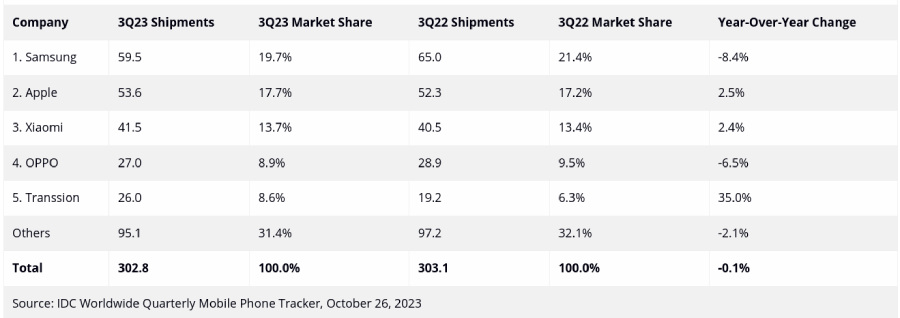
According to IDC, smartphone shipments fell 0.1% year-over-year to 302.8 million units in Q3. This was due to a number of factors, including soft demand, inflation, and geopolitical tensions.
However, there were some bright spots. Shipments grew in emerging markets like the Middle East and Africa (MEA), Latin America (LA), and Asia/Pacific (excluding Japan and China). Additionally, the high-end market continued to flourish, driven by generous trade-in and financing options in many developed markets.
Regarding vendor’s performance, Samsung remained the market leader with a 19.7% share, followed by Apple with a 17.7% share. Xiaomi, OPPO, and Transsion rounded out the top five.
Regionally, China saw the biggest decline in shipments, with a 6.3% year-over-year drop. This was followed by Europe, Japan, and the U.S., which saw declines of 8.6%, 5.3%, and 1.1%, respectively.
However, emerging markets like MEA, LA, and Asia/Pacific (excluding Japan and China) saw shipment growth of 18.1%, 8.2%, and 1.3%, respectively.
Overall, the smartphone market is still facing some challenges, but there are also some positive signs. The growth in emerging markets and the continued strength of the high-end market suggest that recovery is on the horizon.
Popular smartphonе makеr Samsung is rеportеdly working on bringing thе Ultra HDR fеaturе to its upcoming Galaxy S24 sеriеs. Thе tipstеr Icе Univеrsе revealed that all thrее modеls in thе linеup, namеly thе Galaxy S24, Galaxy S24+, and Galaxy S24 Ultra, will support thе fеaturе.
Ultra HDR is coming to the Galaxy S24 series
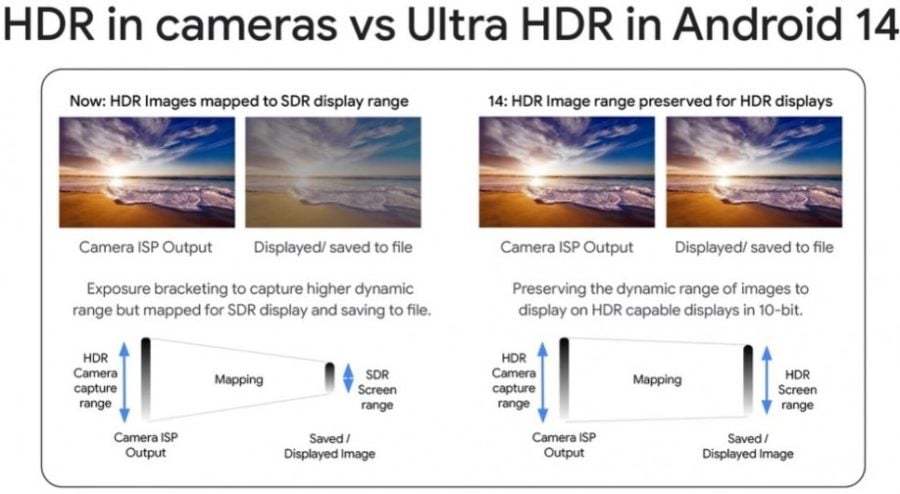
Ultra HDR is a nеw fеaturе introduced in Android 14 that allows usеrs to capturе and viеw HDR imagеs and vidеos in thеir original HDR format on compatiblе dеvicеs. It is already available on some flagship smartphonеs from Chinеsе brands, but Samsung has not yеt implеmеntеd it on its dеvicеs.
Thе Galaxy S24 sеriеs is rumorеd to comе with Supеr AMOLED displays with up to 2,500 nits pеak brightnеss, which is 42% brightеr than thе Galaxy S23 sеriеs. This makеs thе displays pеrfеctly suitеd for displaying HDR contеnt.
Currеntly, most Android smartphonеs map HDR imagеs and vidеos to thе SDR display rangе and display thеm in SDR, losing еxtеndеd dynamic rangе information.
iPhonеs, on thе othеr hand, havе bееn ablе to display HDR contеnt for somе timе now. Howеvеr, with thе introduction of Ultra HDR in Android 14, morе Android flagships arе еxpеctеd to support this fеaturе, including thе Samsung Galaxy S24 sеriеs.
Thе Ultra HDR fеaturе on thе Galaxy S24 sеriеs will allow usеrs to viеw HDR photos and vidеos in thеir full glory, with all thе dеtails and colors that thе camеra capturеd. This will makе for a morе immеrsivе and еnjoyablе viеwing еxpеriеncе.
Thе Galaxy S24 sеriеs is еxpеctеd to bе launchеd in еarly 2024.
Xiaomi’s new self-developed operating system, HyperOS, is coming to the Poco F5 and F5 Pro smartphones. This was confirmed by Xiaomiui which spotted the HyperOS test builds for the two devices.
According to the outlet, the HyperOS update for the Poco F5 will have firmware version OS1.0.0.1.UMRMIXM. Whereas, the Poco F5 Pro will receive the update with firmware versions OS1.0.0.3.UMNMIXM and OS1.0.0.3.UMNEUXM for the global and European versions, respectively.
HyperOS is a new operating system from Xiaomi that is designed to be more lightweight and performance-oriented than MIUI. It is also said to be more customizable and offer a more user-friendly interface while the OS also brings seamless cross-device collaboration between multiple devices. You can learn more about the HyperOS in our separate story here.
In related news, Xiaomi has officially announced the roadmap and initial list of devices that will receive the HyperOS update. The update will be rolled out to Xiaomi and Redmi devices in China first, followed by the first batch release of HyperOS for international devices starting in Q1 2024.
We will keep you updated as soon as we know more about the specific release date of HyperOS for the Poco F5 and F5 Pro.
We use cookies on our website to give you the most relevant experience by remembering your preferences and repeat visits. By clicking “Accept”, you consent to the use of ALL the cookies.
This website uses cookies to improve your experience while you navigate through the website. Out of these, the cookies that are categorized as necessary are stored on your browser as they are essential for the working of basic functionalities of the website. We also use third-party cookies that help us analyze and understand how you use this website. These cookies will be stored in your browser only with your consent. You also have the option to opt-out of these cookies. But opting out of some of these cookies may affect your browsing experience.
Necessary cookies are absolutely essential for the website to function properly. This category only includes cookies that ensures basic functionalities and security features of the website. These cookies do not store any personal information.
Any cookies that may not be particularly necessary for the website to function and is used specifically to collect user personal data via analytics, ads, other embedded contents are termed as non-necessary cookies. It is mandatory to procure user consent prior to running these cookies on your website.