Advertisement

Realme 11 Pro+ 5G goes on sale in India today for Rs 25,999, read price, offers, specifications

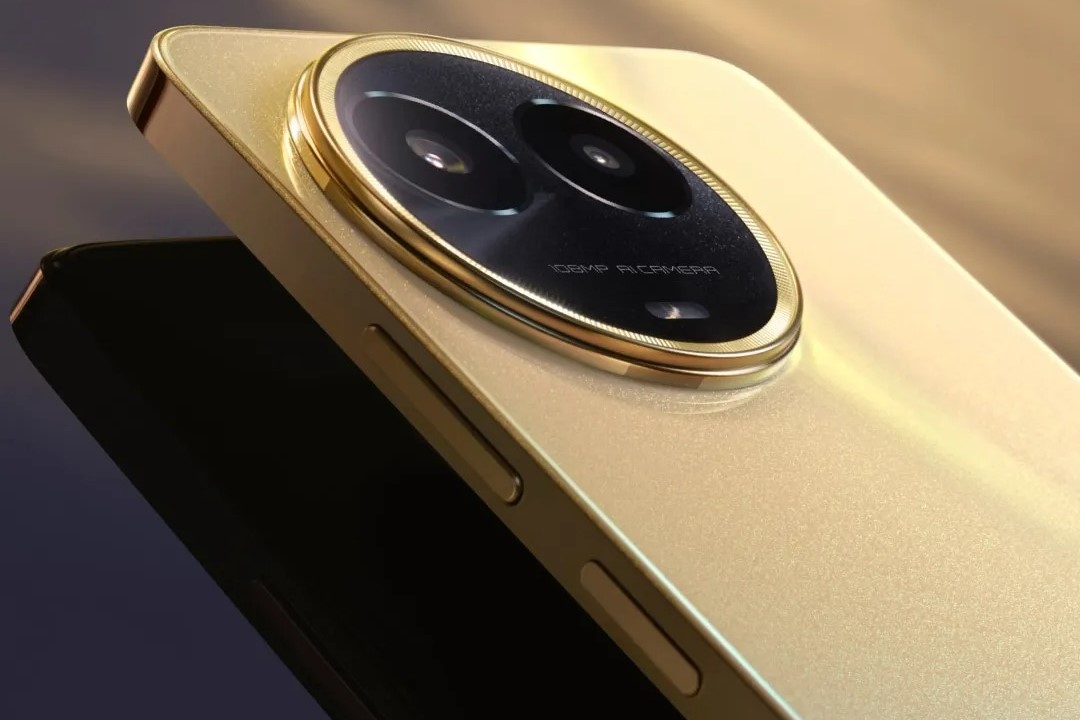
Realme’s first 200-megapixel phone, the Realme 11 Pro+ 5G, will go on sale today through Realme India’s website, Flipkart, and offline channels. After being open for pre-booking starting from June 8, the phone will be up for sale for the first time at 12 pm today (June 15).

Realme 11 Pro+ 5G price in India, offers

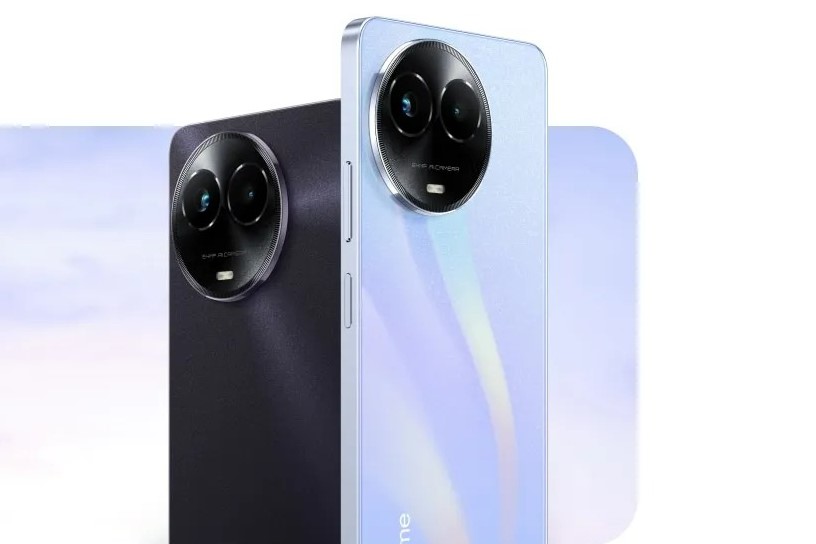
The Realme 11 Pro+ 5G offers two storage options: 8GB of RAM with 256GB of storage, priced at Rs 27,999 (~$340) and 12 GB RAM + 25 GB storage, available for Rs 29,999 (~$365). It comes in three color variants: Astral Black, Sunrise Beige, and Oasis Green.

Realme 11 Pro Plus 5G
Realme 11 Pro Plus 5G in Oasis Green

During the initial sale, customers can enjoy a flat discount of Rs 2,000 on the 8GB+256GB model by using ICICI, HDFC, and SBI bank cards. Alternatively, they can avail of a discount of Rs 2,000 (~$24) by exchanging their old devices. Additionally, buyers have the option of opting for a no-cost EMI for up to six months.

For the 12GB+256GB variant, customers can take advantage of a no-cost EMI for up to 12 months. Although there are no bank discounts available for this variant, users can still enjoy a Rs 500 (~$6) discount when exchanging their old phones.

Realme 11 Pro+ 5G specifications

The Realme 11 Pro+ 5G is fitted with a 6.7-inch Full HD+ AMOLED display with curved edges. It offers a Full HD+ resolution, a 120Hz refresh rate, and a peak brightness of 950 nits. It comes preinstalled with Android 13-based Realme UI 4.0.

Powering the Realme 11 Pro+ 5G is the Dimensity 7050 SoC. The chip is coupled with either 8 GB or 12 GB of RAM. Both variants offer 256 GB of native storage. There is no microSD card slot on the device.

The device is equipped with a 5000mAh battery that supports 100W fast charging. On the camera front, the smartphone features a 200-megapixel Samsung ISOCELL HM3 main camera, an 8-megapixel ultra-wide camera, and a 2-megapixel macro sensor. For selfies and video calls, the device features a 32-megapixel front camera. It comes with other features, such as dual stereo speakers and an under-display fingerprint scanner.

RELATED:

Huawei’s “Nova” branded foldable phone with affordable price could be in works

Huawei is reportedly planning to introduce a new foldable phone. Interestingly, this upcoming device will deviate from the usual Mate or Pocket branding that Huawei has used for its horizontally and vertically foldable phones. Instead, it is expected to arrive as a Nova series offering.

It is speculated that the Huawei Nova series foldable phone will be priced between 4,000 Yuan (~$558) and 5,000 Yuan (~$697). It is reportedly being developed with the aim of making foldable phones available to a wider consumer base.

The Huawei Nova foldable phone is expected to arrive as a vertically foldable phone like the Huawei Pocket S or P50 Pocket. It may arrive as a 4G device powered by the Snapdragon 778G chipset.

Being one of the pioneers in the industry, Huawei introduced its first foldable phone in 2018 and has since released several models in the category. The prices of the foldable phones have remained relatively high due to production costs and complex manufacturing processes.

Launched with a starting price of 4,988 Yuan(~$696), the Pocket S is Huawei’s most affordable foldable phone. It features a 6.9-inch foldable OLED panel with FHD+ resolution and a 120Hz refresh rate. It is powered by the Snapdragon 778G chipset, 8 GB of RAM, up to 512 GB of storage, and a 4,000mAh battery with 40W charging support. It has a 10.7-megapixel front camera and a 40-megapixel (main) + 13-megapixel (ultra-wide) dual-camera system. The rumored Nova-branded clamshell phone could be positioned lower than the Pocket S.

In related news, Huawei is said to be working on the Huawei Mate 60 series for the Chinese market. There are speculations that the Mate 60 series might mark the debut of Huawei’s first 5G flagship phone following the US sanctions. If all goes smoothly, Huawei might resume its tradition of launching the P-series and Mate-series flagship phones in the first and second halves of the year, starting from the next year onwards.

RELATED:

(via 1, 2)

Honor Magic 5 global launch soon as its receives approval from IMDA authority

Honor announced the Magic 5, Magic 5 Pro, and Magic 5 Ultimate flagship phones during the MWC 2023 tech trade show earlier this year. At that time, the company confirmed that the Magic 5 series would arrive on the global market in the second quarter of this year. In April, the Magic 5 and 5 Pro were released in Malaysia. The Pro model is also available in the UK. It appears that the Magic 5 will arrive in more markets as it has been approved in Singapore.

Honro Magic 5 IMDA certified
Honor Magic 5 IMDA certified

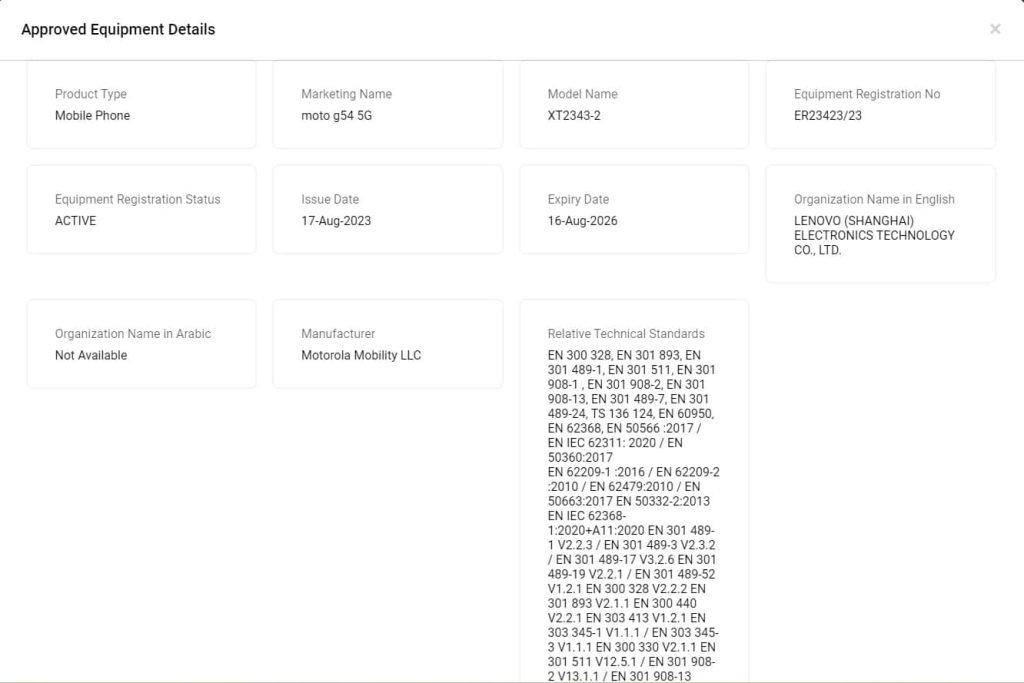
As can be seen, the IMDA authority of Singapore has approved the Honor Magic 5, which has the PGT-N09 model number. The certification hints that the device may be released in Singapore in the coming weeks.

Honor Magic 5 specifications

Honor Magic 5
Honor Magic 5

The Honor Magic 5 has a 6.73-inch OLED punch-hole display with curved edges. It supports a Full HD+ resolution of 1224 x 2688 pixels, a 120Hz refresh rate, a peak brightness of 1600 nits, and an under-display fingerprint sensor. The device comes preloaded with the Android 13 OS with MagicOS 7.1 on top.

On the front, the Magic 5 has a 12-megapixel selfie camera with a 100-degree FOV. On the back, it features a 54-megapixel main camera, a 50-megapixel ultra-wide lens, and a 32-megapixel telephoto camera with support for 2x optical zoom and OIS.
Under the hood, the Honor Magic 5 features the Snapdragon 8 Gen 2 chipset. In China, it is available with up to 16 GB of LPDDR5x RAM and up to 512 GB of UFS 4.0 storage. The device has a 5,100mAh battery that supports 66W fast charging. In China, the Magic 5 comes in three options: 8 GB RAM + 256 GB storage for 3,999 Yuan (~$558), 12 GB RAM + 256 GB storage for 4,499 Yuan (~$628), and 16 GB RAM + 512 GB storage for 4,999 Yuan (~$697).

RELATED:

(via)

Upcoming Vivo X90S to offer these upgrades over the Vivo X90

In May, a Vivo phone with the model number V2241HA was discovered in the databases of the Google Play Console and China’s TENAA certification platform. It was later revealed that this device would be named the Vivo X90S upon its release in the Chinese market. The aforementioned listings revealed that the Vivo X90S would feature an upgraded chipset for improved processing speed while maintaining identical specifications to the Vivo X90. Recently, tipster Bald Panda shared details on the differentiating factors between the Vivo X90S and the X90.

As per the information shared by the tipster, the Vivo X90S is expected to offer incremental upgrades compared to the X90. While the X90 is equipped with the 3.05GHz Dimensity 9200 SoC and Wi-Fi 6 connectivity, the upcoming Vivo X90S will feature an enhanced 3.35GHz Dimensity 9200 Plus chipset and the latest Wi-Fi 7 connectivity. Additionally, while the X90 is available in black, white, blue, and red color options, the leaked information suggests that the X90S will introduce a new green variant to its color palette.

Vivo X90S specifications

Vivo X90
Vivo X90

The Vivo X90S’ TENAA listing revealed that it will come with a 6.78-inch curved AMOLED 120Hz screen that offers a Full HD+ resolution of 1260 x 2800 pixels and an under-screen fingerprint scanner. It will run on Android 13 OS and OriginOS 3.0.

Its rear camera system will feature a 50-megapixel main camera with OIS and laser autofocus, a 12-megapixel ultra-wide camera, and a 12-megapixel telephoto snapper. For selfies, it will have a 32-megapixel front-facing camera.

The Dimensity 9200 Plus-powered device may come equipped with up to 12 GB of LPDDR5x RAM and up to 512 GB of UFS 4.0 storage. It will pack a 4,810mAh battery with 120W charging support.

RELATED:

(source)

Realme GT Neo 5 Pro may come in 100W and 150W charging variants

Earlier this year, Realme launched the Realme GT Neo 5 with the Snapdragon 8 Plus Gen 1 chipset. It was followed by the Realme GT Neo 5 SE, which debuted as the world’s first Snapdragon 7 Plus Gen 2 phone. Recent reports have claimed that the company is planning to launch a flagship phone that will be more powerful than the Realme GT Neo 5. This device is said to arrive in China with the Realme GT Neo 5 Pro moniker. The rumor mill has already leaked key specifications for the device. Now, tipster Digital Chat Station has seemingly revealed the battery size of the device. In addition, the leak also reveals that the device may come in two charging variants.

Realme GT Neo 5 Pro may arrive in two charging options

Realme GT Neo 5
Realme GT Neo 5

Well-known Chinese tipster Digital Chat Station has been leaking the key specifications of the Realme GT Neo 5 Pro for the past few weeks. In the latest leak, the tipster revealed that the smartphone will pack a pair of 2,540mAh cells, offering a combined size of 5,000mAh (typical value). He added that the device will support 150W charging.

In the previous leaks, the tipster said that the GT Neo 5 Pro supports 100W charging. Hence, it appears that the phone may arrive with 100W and 150W charging options, like the GT Neo 5, which is available with 240W and 150W charging options in China. DCS’ previous leaks have also revealed that the GT Neo 5 Pro will come with a 6.74-inch OLED 1.5K 144Hz display with 2160Hz PWM dimming, a Snapdragon 8 Gen 2 chip, 16GB of LPDDR5x RAM, 512 GB / 1 TB of UFS 4.0 storage, and a 50-megapixel Sony IMX890 main camera with OIS support. A certain portion of the phone’s back may have a transparent design.

It is believed that the Realme phones with model numbers RMX3820 and RMX3823 that were recently spotted in the database of China’s MIIT certification platform could be the two charging variants of the GT Neo 5 Pro. Rumors are rife that the GT Neo 5 Pro is expected to launch in July or August of this year. It is expected to rival upcoming flagship phones such as the iQOO 11s, the Redmi K60 Ultra, and the OnePlus Ace 2 Pro.

RELATED:

(source)

Anker Solix Battery System Powers Your Home Even When the Grid Goes Down

Powerbanks are undoubtedly one of the simplest yet most effective technologies of recent years. Thanks to these products, we can charge many of our portable technological devices whenever and wherever we want. But what if we had the opportunity to do this for an entire house? Anker’s new Solix home solar battery system offers consumers just that. Here are the details…

Anker Introduces New Solix Home Solar Battery System

Most of us know Anker for its outstanding adapters and accessories. The company has recently caught everyone’s attention with its 3-in-1 Cube charger. Now, the manufacturer is entering the home solar business with its new Solix battery system. The Solix system is a modular battery that can be scaled to meet the needs of any household, from small apartments to large single-family homes.

The Solix battery system is made up of individual modules that can be stacked together to create a battery of any size. The smallest module has a capacity of 5kWh, while the largest module has a capacity of 180kWh. This means that the Solix battery system can be used to power homes of all sizes, from small apartments to large single-family homes.

Anker’s Solix battery systems are versatile and can be used in a variety of ways. They are available in different sizes to meet the needs of homes of all sizes. The Solix battery systems can also be used with existing or new solar panels, and they are compatible with a variety of other home energy products, such as heat pumps and electric vehicles. The systems are designed to be easy to install and maintain, and they come with a 10-year warranty.

Anker has not yet announced pricing for the Solix battery system. However, the company has said that it will be competitive with other home solar battery systems on the market. The Solix battery system is expected to be available for purchase in early 2024.

RELATED:

(via)

Google Employees Demand Remote Work Option, Threatening Walkout

The COVID-19 pandemic has changed the way we work. Many people (myself included) now prefer to work from home, where they can enjoy peace and quiet and avoid the daily commute. Google employees are no exception. However, Google seems to be uncomfortable with this situation. The company is working on a set of measures to discourage working from home, much to the employees’ frustration. Here are the details…

Google Employees: “We’re Not Your Children, Let Us Work From Home”

Working at Google is a dream job for many people. The company offers high salaries, a great work environment, and the opportunity to work on cutting-edge technology. However, Google employees have been unhappy lately with a new policy that requires them to be in the office at least three days a week. The policy, which was announced in March, has been met with widespread disapproval from employees, who say it is unnecessary and disruptive.

Google CEO Sundar Pinchai

One of the main concerns that employees have is that the policy will make it difficult for them to balance their work and personal lives. Many employees have relocated to different cities or states since the start of the pandemic, and they say that it would be difficult or impossible for them to commute to the office three days a week.That’s pretty reasonable considering the rental rates in Silicon Valley.

Another concern is that the policy will damage the company’s culture. Google is known for its collaborative and innovative culture, and employees say that the new policy will make it harder for them to work together and share ideas. In response to the backlash, Google has said that it is willing to make some exceptions to the policy.

or example, employees who have a medical condition or who live far from the office may be able to work remotely full-time. However, the company has said that it is still committed to having a majority of its employees in the office. It remains to be seen whether Google’s new policy will be successful or not.

RELATED:

(via)

BYD to Build First Sodium-Ion Battery Factory: A Move That Make EVs More Affordable

The popularity of electric vehicles is increasing rapidly, and this is causing competition in the market to heat up. Some of this competition is evident in the prices and models that are being introduced, but the real race is happening in terms of technology. Manufacturers are trying to outdo each other in areas such as autonomous driving and battery technology. Recently, BYD made an important move in the battery sector. The company is moving forward with plans to build the first factory for mass production of sodium-ion batteries. Here are the details…

BYD to Build First Sodium-Ion Battery Factory Despite Lithium Price Drop

If you have read this far, the question on many of your minds is probably “What is a sodium-ion battery?” Sodium-ion batteries are a new type of rechargeable battery that uses sodium ions as its charge carriers. Sodium is much more abundant than lithium, which makes sodium-ion batteries more sustainable and less expensive to produce. Sodium-ion batteries are also safer than lithium-ion batteries. They are less likely to catch fire or explode, and they do not contain any of the toxic materials that are found in lithium-ion batteries.

Sodium-ion batteries are still in their early stages of development, but they have the potential to revolutionize the battery industry. They could be used to power a wide range of devices, including laptops, smartphones, and electric vehicles. This is exactly what BYD wants to do. The company is moving forward with plans to build the first factory for mass production of sodium-ion batteries.

Lithium-ion batteries are currently the most common type of battery used in electric vehicles, but the price of lithium has been volatile in recent years. Sodium-ion batteries are a potential alternative to lithium-ion batteries. BYD’s new factory will be located in Xuzhou, China, and it is expected to have an annual production capacity of 10 gigawatt-hours. The factory is scheduled to begin production in 2024.

BYD is not the only company that is developing sodium-ion batteries. Other automakers, such as Volkswagen and Geely, are also working on sodium-ion battery technology. However, BYD is the first automaker to announce plans to build a factory for mass production of sodium-ion batteries.

RELATED:

(via)

ViewSonic ViewBoard IFP105S with a 105-inch, 21:9 ultra-wide display and 5K resolution Unveiled

ViewSonic has announced the addition of the ViewBoard IFP105S to its award-winning line of interactive displays. The display is engineered specifically for corporate environments and thus, offers an immersive and feature-rich sharing solution, multiple connectivity options, wireless content sharing, and seamless functionality.

ViewSonic ViewBoard IFP105S

The ViewSonic ViewBoard IFP105S boasts a remarkable 105-inch, 21:9 ultra-wide screen with native 5K resolution, setting new standards for visual excellence. This display is built to deliver seamless functionality in corporate spaces, providing an immersive sharing solution that elevates collaboration to new heights.

Sean Liu, Senior Business Line Manager for ViewSonic Americas, expressed the company’s commitment to providing innovative visual solutions that enhance productivity and collaboration in modern workplaces. He highlighted the IFP105S as an optimal screen size and aspect ratio for Microsoft Teams Front Row, promising users a more immersive experience during virtual collaboration sessions.

The ViewBoard IFP105S excels in wireless content sharing with support for Airplay, Chromecast, and Miracast. This ensures instant and seamless presentation functionality, eliminating the hassle of cables and wires. Collaboration becomes even more intuitive with the split-screen feature and 2-way touch interactivity, empowered by the ViewBoard Cast application. The display’s ultrawide screen, advanced annotation tools, and collaboration features are meticulously optimized for hybrid meetings, creating an engaging and productive environment.

Connectivity options include USB-C with 65W charging, HDMI, DisplayPort, and RS232. To enrich the audio experience, the display is equipped with built-in 2.1 speakers and an 8-element microphone. Furthermore, the IFP105S seamlessly integrates with most video conference programs that support a 21:9 aspect ratio, making it a versatile solution for modern workplaces.

The ViewSonic ViewBoard IFP105S is set to launch in July, with an expected retail price of $14,999.

RELATED:

(source)

Phone (1) will get the Nothing OS 2.0 update this August

The Nothing Phone (1) debuted running Nothing OS, a slightly modified version of stock Android 12. The software has been praised for being stripped-down and bloatware-free, relying mostly on Google’s apps. The startup has further improved the phone with a number of new features and upgrades. Now, the company led by Carl Pei has also announced the rollout of Nothing OS 2.0 for Phone (1) users.

Nothing OS 2.0 to bring new features and improvements

According to Nothing and Carl Pei, the Nothing Phone (1) will start picking up the Nothing OS 2.0 by the end of August. There’s no exact timeline yet. The new software should come with various new features but it may still be based on Android 13. Although Nothing has already initiated the Android 14 beta program for users, it appears unlikely that the company will release a stable build by the end of August. This possibility becomes even more apparent when considering that Phone (1) only received Android 13 in February 2023.

Nothing-OS-2

Nothing OS 2.0 is expected to bring a visual overhaul to the UI. Mladen M. Hoyss, Software Creative Director at Nothing, said in an Interview with XDA that the core concept of the new version is “functional aesthetics.” It apparently transforms large amounts of data into visually digestible representations. Hoyss says Nothing OS 2.0 combines the best aspects of Android to enhance accessibility and efficiency for users.

It is expected that the Nothing Phone (2), scheduled to launch in July, will run the Nothing OS 2.0 out of the box. Nothing recently hired several former OnePlus employees, apparently to ensure the new phone’s success. You might notice that the new version of Nothing’s custom skin takes some inspiration from OxygenOS, as 70% of the software team is allegedly from Carl Pei’s former venture.

RELATED:

(Source)

Mac Pro with M2 Ultra Chip Is Twice as Fast as Previous Generation Mac Pro

Apple continues to impress with its M series processors. At the recent WWDC 2023 event, the company introduced the Mac Pro model powered by the M2 Ultra, officially severing its last ties with Intel. Benchmarks for the new Mac Pro have now been released, and they are impressive. Here are the details…

How Powerful is the 2023 Mac Pro with M2 Ultra Chip?

The 2023 Mac Pro is a powerful computer designed for professional users who need a high-performance machine for tasks like video editing, 3D rendering, and scientific computing. It comes with the M2 Ultra chip, which is Apple’s most powerful chip to date. The M2 Ultra has 24 CPU cores, up to 76 GPU cores, and a 32-core Neural Engine. This makes the Mac Pro one of the most powerful computers on the market. But how powerful is it, really? The recently released benchmark results provide the precise answer to this question.

Benchmark Scores of Apple Mac Pro 2023 with M2 Ultra chip

According to recent benchmark posted on Geekbench shows that the new Mac Pro with M2 Ultra chip scored 2,794 on the single-core test and 21,453 on the multi-core test. This is significantly faster than the previous generation of Mac Pro, which scored 1,378 on the single-core test and 10,390 on the multi-core test. This is a 20% increase in single-core performance and a 25% increase in multi-core performance over the M1 Ultra.

As you know M2 Ultra combines two M2 Max chips using its UltraFusion architecture. Bu da neden bu kadar yüksek performans sunduğunu açıklıyor. Ancak bu performans, oldukça yüksek bir fiyatla geliyor. The new Mac Pro starts at $6,999 and is available to order today. However, if you don’t need all of the power of the M2 Ultra chip, you may want to consider the Mac Studio, which starts at $3,999 and is also powered by the M2 Ultra chip.

RELATED:

(via)

Crossbeats Ignite Stellr with 2.01-inch 90Hz AMOLED display, Bluetooth calling launched

Crossbeats has introduced the Ignite Stellr, a new smartwatch that combines Bluetooth calling with an array of impressive features. The smartwatch offers a square dial design and is available with both silicon and metallic straps.

Crossbeats Ignite Stellr

Crossbeats Ignite Stellr specifications:

The highlight of the Ignite Stellr is its large AMOLED screen, claimed to be the biggest ever seen on a smartwatch. Boasting a 2.01-inch always-on display, the watch offers a remarkable 90Hz refresh rate and a brightness of 1000 nits. With over 500 customizable watch faces to choose from, users can personalize their smartwatch to suit their style. The addition of a rotating crown on the side enhances the ease of navigation.

Crossbeats Ignite Stellr

Equipped with Bluetooth 5.3, the Ignite Stellr supports Bluetooth calling functionality. This means users can conveniently make and receive calls directly from their smartwatch. The built-in microphone and speaker ensure clear communication.

The smartwatch focuses on health monitoring and offers various tracking features, including heart rate monitoring, SpO2 measurement, sleep analysis, and blood pressure monitoring. Users can stay informed about their health and make informed decisions based on the data provided.

In terms of battery life, the Ignite Stellr delivers impressive performance. Without Bluetooth calling, it can last up to 7 days on a single charge, ensuring uninterrupted usage throughout the week. With Bluetooth calling enabled, the battery life is reduced to 2 days. In standby mode, the smartwatch can last up to 10 days before requiring a recharge.

The Crossbeats Ignite Stellr smartwatch is available in two variants: a silicone strap version offered in Grey, Black, and Blue colors, and a metallic strap version available in Black and Silver. It will be exclusively available for purchase on Amazon.in, starting from June 18th, at an introductory price of Rs. 3,499.

RELATED:

(Via)

boAt Ultima Call with Bluetooth Calling launched for Rs. 1,699

boAt has unveiled its latest offering, the Ultima Call smartwatch, which comes with Bluetooth calling capabilities. This follows the recent launch of the Wanderer Smart Kids watch. The Ultima Call sports a sleek square dial design and offers users a choice between silicon and metallic straps.

boAt Ultima Call

boAt Ultima Call specifications:

Ultima Call features a 1.83-inch HD 2.5D curved display with 240 x 284-pixel resolution and 700 nits brightness. With over 100 customizable watch faces, users can personalize their smartwatch to suit their style and preference.

Bluetooth calling support is a standout feature of this smartwatch, equipped with a high-quality in-built microphone. It also includes a convenient Dial Pad and enables users to save up to 10 contacts on the watch, ensuring easy and efficient communication.

boAt Ultima Call specs

The Ultima Call focuses on comprehensive health monitoring, featuring heart rate and SpO2 tracking. With support for over 700 sports modes, fitness enthusiasts can select from a wide range of activities to monitor and improve their performance.

Designed to withstand daily wear and tear, the Ultima Call is both water and dust resistant with an IP68 rating. This makes it suitable for various environments and weather conditions, providing durability and reliability.

Battery life is a crucial aspect of any smartwatch, and the Ultima Call doesn’t disappoint. It offers up to 7 days of usage on a single charge, with the battery lasting up to 2 days with Bluetooth calling enabled.

In addition to its core functionalities, the Ultima Call offers a range of useful features such as camera control, live cricket scores, music control, weather updates, alarm, countdown, stopwatch, Do Not Disturb mode, and Find My Phone functionality.

The boAt Ultima Call smartwatch comes in four attractive colors: Black, Pink, Blue, and Silver (with a metallic strap). Starting on June 19th at 12 PM, it will be available exclusively on Amazon.in at an introductory price of Rs. 1,699.

RELATED:

(Via)

Google Pixel Watch 2 will launch in two variants, Google app code hints

The upcoming Pixel Watch 2 will come in two model variants according to the latest version of the Google app. The Google Pixel Watch 2 is expected to be released this autumn alongside the Pixel 8 series. The claims about two variants of the Pixel Watch 2 were revealed by 9to5Google.

Pixel Watch 2

The Pixel Watch 2 is the 2nd generation version of the Pixel Watch. It has been the subject of rumors lately. A tipster had earlier hinted that the next Google smartwatch was scheduled for unveiling this autumn. There are indications that the Pixel Watch 2 will also have a child-friendly variant sold under Fitbit. This model surfaced with images back in April.

The upcoming Pixel Watch 2 will reportedly be equipped with the Snapdragon W5 Gen 1 platform chipset. The latest Google app update (version 14.24) reportedly contains codenames for the two Pixel Watch 2 models. The codenames are Aurora and Eos, connected to Roman and Greek mythology respectively. There are no clear distinguishing features yet about the two models. It is however believed that one of the models will be equipped with an LTE modem. Both models will have a 41mm case which is compatible with Google’s watch straps.

Pixel Watch 2

The Pixel Watch 2 may not be far off its predecessor in terms of its design. However, these hints from tipsters do not guarantee that the Pixel Watch 2 will meet all the predictions. Google still holds the aces and could modify aspects of the Pixel Watch 2 before its release.

RELATED:

Truecaller introduces AI-powered call recording feature for Android and iPhone

Truecaller, the popular caller identification application, has rolled out a new call recording function for its premium subscribers on iOS, adding to a similar feature already available for Android users.

truecaller

To work around system limitations that typically prevent apps from recording calls, Truecaller has developed a unique workaround. In the case of Android, users can initiate the call recording function directly from within the Truecaller app. If users choose to use another dialer, Truecaller presents a floating recording button for accessibility.

For iOS users, the process involves dialing a specific recording line via the Truecaller application, which then merges both incoming and outgoing calls. To ensure privacy, a beep sound will notify the other party that the call is being recorded.

Truecaller call recording feature

Truecaller Unveils AI-Enhanced Call Recording Feature

Call recording first made its debut on Truecaller’s Android platform in 2018 for premium users, and by 2021, it was accessible to all Android users. However, following Google’s decision in 2022 to limit access to its Accessibility API, a tool Truecaller and other apps used for call recording, Truecaller was compelled to withdraw this function.

Leveraging Large Language Model (LLM) technology, Truecaller has announced that it will soon introduce a feature that provides users with transcripts of their recorded calls. The company has plans to launch this AI-enhanced calling feature in the coming weeks. Users will be able to search the transcripts for specific information, providing a convenient reference for recorded conversations. Notably, all recordings are stored locally on users’ devices, ensuring privacy and data control.

Truecaller tested the call recording function with a select group of iOS users in the US before officially making it available to all premium subscribers. The company offers three subscription plans in the US: a basic ad-free plan at $1 per month, a premium plan which includes call recording at $3.99 per month, and a top-tier plan at $4.49 per month that offers a call screening assistant.

Truecaller co-founder Nami Zarringhalam has stated that the call recording feature will soon be expanded to other countries, including India, Truecaller’s largest market. The app currently has over 500,000 users in the US, with 10% subscribing to a paid plan, and a total of 350 million users globally. In India alone, Truecaller boasts a user base of 100 million.

Raphael Mimoun, Truecaller’s Cloud Telephony Product Director, expressed the inspiration behind this call recording feature, citing advancements in Language Learning Models (LLMs) that seek to redefine the call recording experience. The company expects this new functionality to significantly transform how users manage, retrieve, and utilize their conversations.

RELATED:

Honda announces plan to launch 11-seater small business Jet by 2028

The aircraft development arm of Honda Motor Co. has announced plans to launch a new compact business jet by 2028. The jet is being developed by Honda Aircraft Co., the US-based aircraft manufacturing unit of the automaker.

Honda

Honda Aircraft announced yesterday (June 13) that it is making progress in the development of the business jet. The company says it plans to obtain US Aviation authorities certification for flight operations. The new jet will be a commercial product and is categorized as a light jet. The new Honda jet will be bigger than the HondaJet. The HondaJet is in the very light jet category and can seat up to 8 persons.

The new Honda business jet will come with significant improvements over its predecessor. It will have 20% better fuel efficiency than a typical light jet. Honda Aircraft Co. says the new jet can fly across North America without refueling. The new jet, when it enters the market, will be Honda’s first in the light jet category. It is based on the HondaJet 2600 Concept unveiled by the budding aircraft manufacturer in 2021.

There are still several key aspects of the new Honda business jet still lacking at this time. Honda will release more details about the jet including pricing and timing to accept orders later. The new HondaJet is still up to five years away from launch. It will however have to compete with newer models from the heavy hitters in leaders in the aircraft manufacturing market.

RELATED:

(source)

Carl Pei responds to Nothing Phone 2 memes, drops hints of a redesign

If you follow tech Twitter, you’ve probably seen the memes mocking the iPhone 14 and Galaxy S23 Ultra for looking almost identical to their previous generation models. One meme shows a guy holding a shirt in his hand while wearing the exact same one. Well, Nothing’s Phone 2 has now also become a target of these memes, but the company’s CEO doesn’t seem to agree. He hinted that the smartphone will look different from its predecessor.

“Just wait and see,” says the OnePlus co-founder

After Twitter users mocked the upcoming Nothing Phone 2 for looking the same as the Phone 1, CEO Carl Pei responded with a tweet that hinted at a design departure. He said, “to everyone sending me this: just you wait and see!” This contradicts recently leaked renders, which show no major design changes from the Phone 1.

At this time, it remains unclear what new changes Nothing could implement in the upcoming smartphone. Given that the company has already teased a similar design for the Phone 2, with only some alterations in the alignment of the glyph interface on the back, you shouldn’t expect anything too drastic. We will have to wait and see what Nothing has in store when the Phone 2 is officially announced in July.

Nothing delivered on its promises with the Phone 1, so expectations are high for the second iteration. After all, the Carl Pei-led startup aims to revolutionize the “boring” smartphone market. To give you an idea, the Phone 2 will be powered by the Snapdragon 8 Plus Gen 1 processor backed by a 4,700mAh battery unit. There may be improvements in the display and camera departments as well.


RELATED:

(Source)

Indian Government Implements New Regulations for Chinese Smartphone Manufacturers

The Central Government of India has formulated a strategic proposal aimed at regulating the operations of Chinese mobile operators within the country. According to a report by The Economic Times, the government has made a formal request to prominent Chinese mobile brands including Xiaomi, OPPO, Realme, and VIVO, urging them to establish partnerships with Indian entities for their local operations. This move is seen as an effort to ensure greater accountability and involvement of Indian stakeholders in the functioning of these mobile companies within the country.

Xiaomi

At recent meetings organized by the Ministry of Electronics and Information Technology, both Chinese handset firms and the India Cellular and Electronics Association (ICEA) were apprised of the concerns raised by the Central Government. The discussions centered around issues related to Chinese mobile operators conducting business in India.

Furthermore, as part of its efforts to regulate and promote the inclusion of Indian stakeholders, the Central Government has urged Chinese mobile handset firms to appoint Indian executives in crucial leadership roles such as CEO (chief executive officer), CFO (chief financial officer), CTO (chief technical officer), and others.

The Chinese mobile handset firms have also been directed to engage Indian contract manufacturers and significantly ramp up local manufacturing, extending it to the component level through collaborations with Indian enterprises. The Central Government has emphasized the need for joint ventures with Indian businesses to facilitate this expansion. Additionally, the companies have been urged to increase their exports from India and establish local distribution networks. These measures aim to boost domestic manufacturing, create employment opportunities, and enhance India’s position as a manufacturing hub for the mobile industry. 

Why is Government introducing New Rules for Chinese Handset Firms?

In light of ongoing investigations into tax evasion and allegations of fraudulent remittances amounting to significant sums, new regulations have been introduced for Chinese smartphone manufacturers operating in India. These rules come at a time when several Chinese smartphone brands are under scrutiny for their financial practices. To ensure fair competition and address concerns raised by offline retailers regarding aggressive online discounting, the government is collaborating with them to establish a level playing field.

The objective is to encourage the involvement of Indian equity partners not only in manufacturing but also in the sales and marketing activities of these companies. The government aims to foster a more balanced and transparent business environment by promoting the participation of Indian stakeholders. Currently, Chinese smartphone brands have established extensive operations in India, but these new regulations seek to introduce greater accountability and promote a more equitable landscape for the industry.

Related:

(via)

Wooden Wonder: Japan plans to launch a wooden satellite in 2024

The wheel of technology continues to spin in seemingly outrageous directions. Japan has mooted the idea of wooden satellites that will go into orbit as early as 2024. The team of researchers developing the first-ever wooden satellite is from Kyoto University in Japan. The project team has already obtained results from the International Space Station (ISS) which favors possible wooden satellites.

Japan

The findings of the research team indicated that wood can be sufficiently resilient in outer space. According to a press statement released by the team, outer space has an extreme environment with high-temperature changes and intense cosmic rays.

There are also dangerous solar particles that rapidly impact materials in such environments. Wood was exposed to such conditions for up to 10 months and tests confirmed no decomposition or deformations of the wood. The wood was free of cracking, warping, peeling, and surface damage.

The research is based on a preliminary investigation of the international partnership LignoSat. The Kyoto University-led partnership has designed a wooden satellite that will be jointly launched by NASA and the Japanese Space Agency. The LignoSat Space Wood Project kicked off in 2020. It was the culmination of the collaboration between Kyoto University and Sumitomo Forestry. It has been established that wood has the ability to withstand simulated low earth orbit (LEO) conditions.

A small panel containing thee different wood samples was launched into the ISS outside the Experimental Kibo module owned by Japan. The panel was exposed in space for 10 months after which it was retrieved by the Japanese Space Agency. The retrieval was carried out by Koichi Wakata and the sample was returned via SpaceX’s CRS-26 cargo Dragon spacecraft. The most durable wood among the sample was the wood from the Magnolia tree. It has a relatively high workability, dimensional stability, and overall strength. It is a credible alternative to alloy metal currently used for satellites.

Wood offers an environmentally-friendlier option and it is cheaper and cleaner to produce. Furthermore, wood can easily be disposed of than metal. The research holds much promise and we await the eventual commissioning of a wooden satellite into orbit next year.

Related:

(source)

New US Sanctions Target 31 Chinese Entities, Draws Supercomputing into the Tech War

In a recent development, the United States government took decisive action on Monday by including 43 new entities on its “Entity List,” a measure designed to regulate exports. These entities have been accused of engaging in activities that jeopardize national security, specifically by providing training to Chinese military pilots.

Out of the 43 entities, 31 originate from China, with the remaining entities located in countries such as the United Arab Emirates, South Africa, and the United Kingdom. The US government has stated that this move was made to safeguard its national security interests.

Out of the 31 banned Chinese entities, the spotlight is now on Shanghai Supercomputing Technology Co, an enterprise backed by the Shanghai Supercomputer Centre (SSC) and Chinese supercomputer manufacturer Dawning Information Industry. 

The US administration accused the company of engaging in activities aimed at acquiring US-origin items to support China’s military modernization efforts. This move underscores the administration’s concerns regarding technology transfers that could potentially contribute to China’s military capabilities.

The Bureau of Industry and Security, a division of the US Department of Commerce, stated that the targeted entity has provided assistance to supercomputers within the People’s Republic of China, particularly by offering cloud-based supercomputing capabilities for hypersonics research. The agency emphasized that these activities run counter to the national security and foreign policy interests of the United States.

China’s Reaction to the New Sanctions:

The Chinese Foreign Ministry strongly criticized the decision made by the United States. Wang Wenbin, a spokesperson for the ministry, expressed China’s firm opposition to the move and demanded an immediate correction from the US. Wang further accused the US of becoming an extreme and unethical state by baselessly targeting Chinese companies, driven by its desire to maintain military and technological dominance. He emphasized that China will persist in taking necessary measures to firmly protect the legitimate rights and interests of Chinese enterprises.

The comments from the Chinese Foreign Ministry reflect escalating tensions between China and the US, particularly in the realm of technology and national security. This latest rebuke comes as the US has been implementing various restrictions and sanctions on Chinese entities, raising concerns about the potential impact on bilateral trade relations and global technology competition. 

The ongoing conflict highlights the growing struggle for dominance in the military and technological arenas and the implications it holds for both countries and their respective interests. He Weiwen, a senior fellow at the Center for China and Globalization, criticized the recent actions as being rooted in a Cold War mindset and lacking support from market logic and economic principles.

A  mainland-based analyst further said that Shanghai Supercomputer Centre (SSC) holds a crucial position in China’s computing power strategy, serving important roles in national defense, scientific advancement, technological innovation, and economic growth. While the recent US sanctions are anticipated to have some impact on computing power supply in Shanghai and neighboring areas, as well as the sanctioned entity’s collaborations with American companies, the analyst suggested that significant and industry-wide damages akin to those witnessed in China’s semiconductor sector are unlikely. This is due to China’s already established independent innovation capabilities and market competition within its computing center industry.

The country’s ability to sustain independent innovation and foster competitive market dynamics within its computing centers instills confidence in mitigating potential adverse effects caused by the sanctions. The situation underscores the ongoing competition between the US and China in the technological realm and highlights China’s efforts to bolster its self-reliance and maintain stability in critical sectors.

Related:

(via)