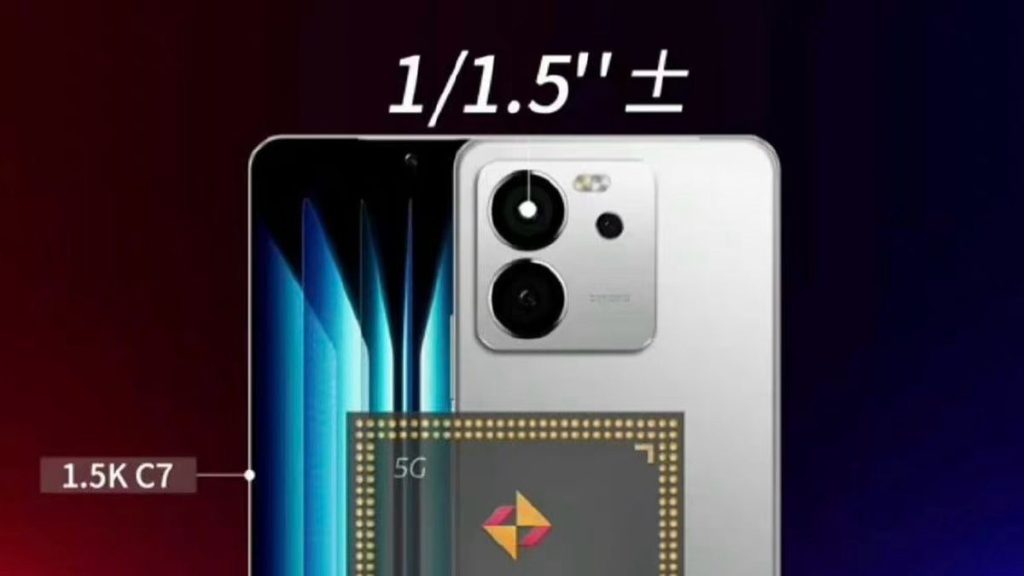
The Redmi K60 series is no longer listed on Xiaomi China’s website. A search for ‘K60’ on JD.com reveals that the K60 Pro is no longer available for purchase. It appears that the brand may have discontinued the K60 Pro, or perhaps even the entire K60 lineup in China. These developments suggest that the company might be gearing up to launch the Redmi K60 Ultra in the Chinese market.
Multiple reports have revealed that Xiaomi will hold a major launch event in China next month. The event is expected to see the arrival of multiple devices, such as the Xiaomi MIX Fold 3, the Pad 6 Max tablet, the Redmi Pad 2 tablet, and the Redmi K60 Ultra.
Redmi K60 Ultra design-
Redmi K60 Ultra specifications (rumored)
The Redmi K60 Ultra is expected to arrive as a successor to the Redmi K50 Ultra, which was announced in the same month last year. Rumors suggest that the Redmi K60 Ultra will feature a 6.7-inch OLED display that offers a 1.5K resolution and a 144Hz refresh rate. Under the hood, it is expected to be powered by the Dimensity 9200 Plus chipset. The device might come with two RAM options: either 12 GB or 16 GB of LPDDR5x RAM. When it comes to storage, users could be provided with UFS 4.0 storage choices of 512 GB or 1 TB.
The K60 Ultra will run on the Android 13 OS and Xiaomi’s MIUI 14. To keep up with power demands, the device is likely to house either a 5,000mAh or 5,500mAh battery, with support for 120W fast charging. Lastly, for enhanced security and convenience, the device might come equipped with a side-facing fingerprint sensor. As per another report, the K60 Ultra will come in two options, such as 12 GB RAM + 512 GB storage and 16 GB RAM + 1 TB storage. It will be available in shades like black and cyan.
On July 30, Vivo hosted a special event called the Vivo Video Festival in China. During this event, the company announced the Vivo V3, its latest self-developed imaging chip, the V3, along with a new Zeiss T* coating technology.
Vivo V3 officially unveiled
Vivo V3
The V3 is Vivo’s first imaging chip developed using the advanced 6nm process technology, resulting in a 30 percent increase in energy efficiency compared to its predecessor. This improvement is achieved through a newly designed multi-concurrent AI perception-ISP architecture and the second-generation FIT interconnection system, which reduce power consumption and enhance the algorithm’s performance.
Furthermore, the Vivo V3 allows for seamless integration with the phone’s SoC and significantly reduces image processing time by 20 percent. The V3 imaging chip supports 4K movie portrait video shooting and editing, enabling movie-level bokeh blur, skin quality optimization, and advanced color processing. Additionally, users can perform post-shooting editing, and adjust blur and focus positions to achieve a cinematic effect in portrait videos.
Another notable development is the collaboration between Vivo and Zeiss, which led to the introduction of the new Zeiss T* coating technology. This technology, combined with Multi-ALD (Atomic Layer Deposition), reduces reflectivity by 50 percent on the main camera of the upcoming X-series flagship model, significantly improving image quality. Furthermore, a new “Vario-Apo-Sonnar” standard telephoto lens has been launched to enhance zoom performance.
Vivo is not only focusing on hardware advancements but also on optimizing algorithms to enhance portrait and night scene photography, ensuring a better user experience. It is also exploring future imaging technologies, such as 3D portrait reconstruction and the AIGC future portrait laboratory, to push the boundaries of mobile photography.
Vivo has not yet revealed which mobile phone will debut with the V3 imaging chip, it appears that it will be available on the next-generation X series flagship models. In all likelihood, it could be available on the Vivo X100 Pro and X100 Pro+.
Google is reportedly working on its next-generation wearable device, which is likely to be called Google Pixel Watch 2. Ahead of the official launch, the watch faces for the device have leaked.
There are four different categories of watch faces – Accessible, Arc, Bold Digital, and Analog Bold. The four watch faces that fall into the Accessible category are named Just Time, Circular, Linear, and Stacked Time.
On the other hand, the Arc category watch faces are a bit complex and highly customizable. There are six variants overall, but each has two sub-variant with a choice of either two or four complication slots.
The Bold Digital category is in line with screen clocks for Pixel phones running Android 14. This category uses bold, overlapping font and colorful palettes. Lastly, Analog Bold looks like a combo between the Arc and Bold Digital watch faces.
Apart from the customizable watch faces, the upcoming Google Pixel Watch 2 is expected to have some additional features in the Wear OS 4, like dynamic theming to adopt a custom color scheme for the watch’s user interface.
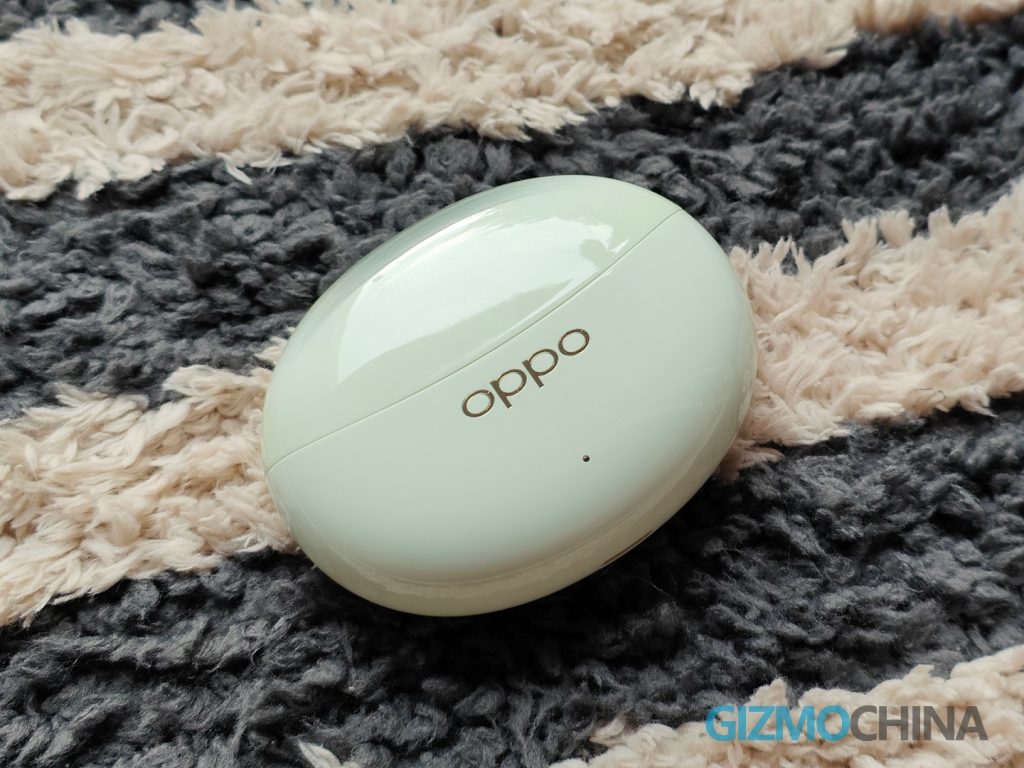
Alongside the Oppo Reno 10 series, the brand announced the Oppo Enco Air 3 Pro true wireless earbuds in India. As the name suggests, this product is the successor to last year’s Oppo Enco Air 2 Pro.
This TWS is originally called the Oppo Enco Free 3 in China. It was initially unveiled at the Oppo Find X6 series launch event in March.
These earbuds retail at ₹4,999 (~$60) in India. At this price, you get many premium features, like 49dB Active Noise Cancellation, spatial audio, LDAC support, and more. Most importantly, these are the world’s first wireless earbuds featuring diaphragms made of bamboo fiber.
Oppo India sent me a unit of Enco Air 3 Pro along with Oppo Reno 10 Pro Plus. After using the TWS for the last few days, here are my thoughts on it.
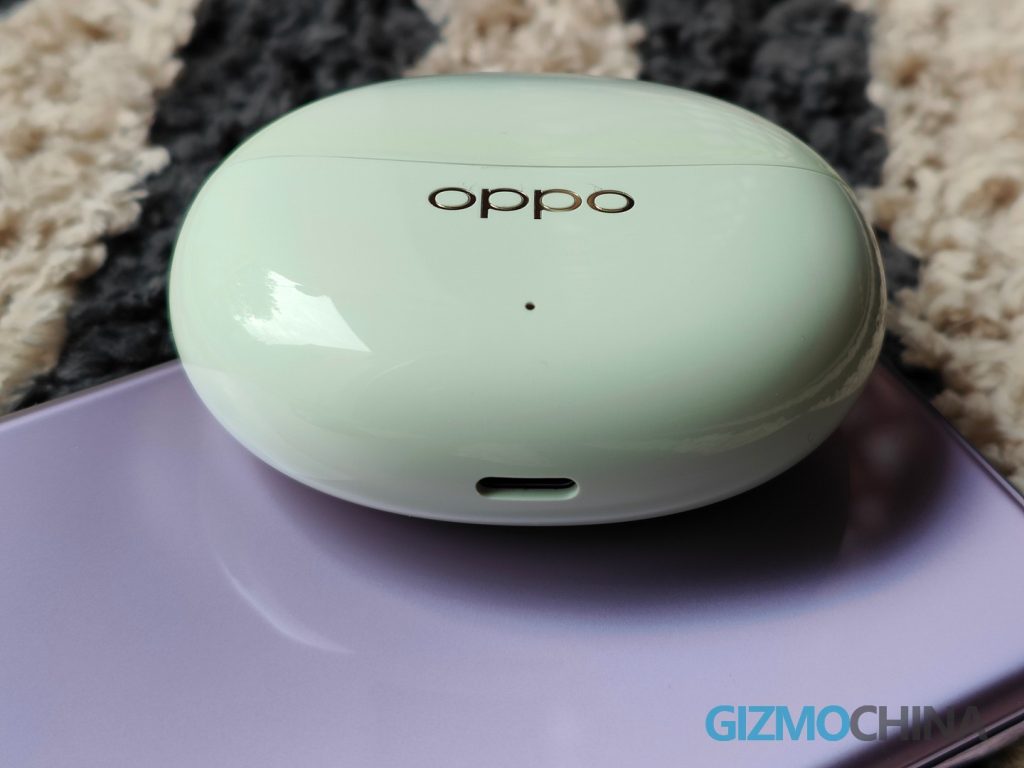
The Oppo Enco Air 3 Pro looks slightly different from the Oppo Enco Air 2 Pro. But it is easy to identify one from the other with their colors.
Both arrive in a white color option, in addition to their special colors. The newer Air 3 Pro can be availed in an eye-catchy green color version, while the Air 2 Pro comes in a dull gray hue.
The translucent lid design returns on the latest model and so are the left/right indicators on the IP55-rated buds. The dimensions and weight are more or less the same.
The charging case can be placed in the smallest of pockets. But the glossy finish of the case and the earbuds make them prone to scratches, just like their predecessor.
However, I enjoyed using the buds due to the features they provide apart from their sound quality. You can switch between three different-sized ear tips (S, M, and L) for a snug fit.
The sound stage offered by the Oppo Enco Air 3 Pro is well-balanced. You can clearly listen to wider frequency levels. None of the frequencies overshadow others.
Their frequency response range is rated at 20~40KHz, which is uncommon among TWS in this price segment. The on-paper specs surely match the real-life performance.
I found them to be suitable to listen to music of all genres. These earbuds have got something for everyone and they don’t even cost that premium.
I didn’t face any connection drop on all the devices I tried them with. You can connect to two devices at the same time and switch between them.
The ANC on the Enco Air 3 Pro is commendable for the asking price. You can lose yourself in music and focus on your task without any external distractions. They are also good for calls.
The buds support in-ear detection and touch gesture controls. These features work as intended without any issues. You can control almost all functions of the earbuds with gestures.
When you need to access more functions, you have to open the Hey Melody app on your smartphone. If you use an Oplus group (Oppo, OnePlus, and Realme) smartphone/tablet, you don’t need the said app as the features are baked into the system software.
From the app, you can enable the LDAC function. Unfortunately, I couldn’t test it as I don’t have a subscription to any high-res music streaming service.
The companion app also has interesting features like Golden Sound, which gives you personalized sound based on your ear canal structure. You can also test the fit of the earbuds and try Oppo’s take on spatial audio called Oppo Alive Audio.
Then, you have the usual options for customizing gestures, finding earbuds, managing dual connection, camera shutter control, and firmware update.
The only thing the app misses is a manual equalizer. Instead, you get three factory presets, namely Original Sound (which I recommend), Bass Boost, and Natural Inspiration.
Finally, the battery life is average if you use ANC. You may get around 20 hours of endurance along with the charging case.
At ₹4,999, the Oppo Enco Air 3 Pro is a solid pair of true wireless earbuds. It is ₹1,500 costlier than the Oppo Enco Air 2 Pro and offers a lot more that it can go head to head with premium TWS offerings.
If you are looking for wireless earbuds in the ₹5,000 range, look no further than the Oppo Enco Air 3 Pro.
The Viribus Electric Trike has been unveiled in the US market. The new Viribus e-trike is designed as an affordable vehicle for cargo movements within the city. The Viribus Electric Trike is coming at a time of growing demand for electric bicycles in several markets.
Electric bicycles have continued to reshape the urban landscape in Europe and Asia, but the fad is also catching up in the US. The liberal regulatory environment for electric bicycles in the US has led to the development of several unique designs. Electric three-wheelers (e-trike) are pretty easy to ride and do not require any balancing skills. Viribus is making its entry into the e-trike space with the release of the Viribus e-trike.
The Viribus e-trike is equipped with a 250W hub motor in the front wheel. The peak output of the hub motor is 500W, allowing the e-trike to easily navigate inclines. The e-trike has a 35V 10Ah battery pack that delivers a range of 30 miles. The Viribus e-trike is suitable for urban commutes and its cargo-carrying capacity is an added advantage. The e-trike has a thumb throttle for easier movement even with tired legs. The top speed of the Viribus e-trike is 15mph and it weighs 32kg. It has a rear basket for extra luggage and features full LED lights.
The Viribus e-trike is available in several color options including black, fuschia, peach, green, and white. Customers can choose between 24-inch and 26-inch wheels for users of different heights. The Viribus Electric Trike is priced at $899 in the US – and its price is significantly cheaper than most of its competition. There are no global availability details yet for the Viribus Electric Trike.
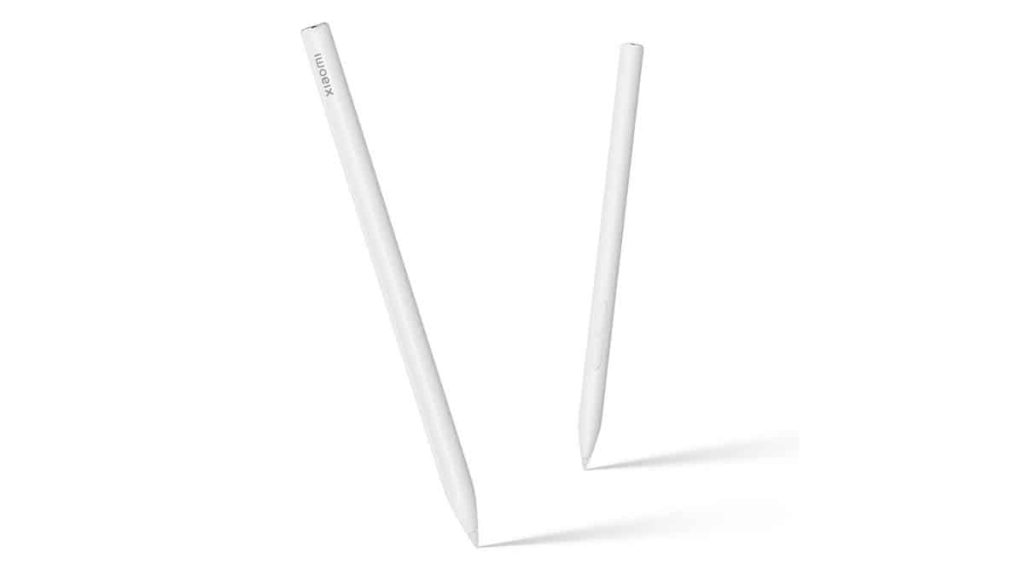
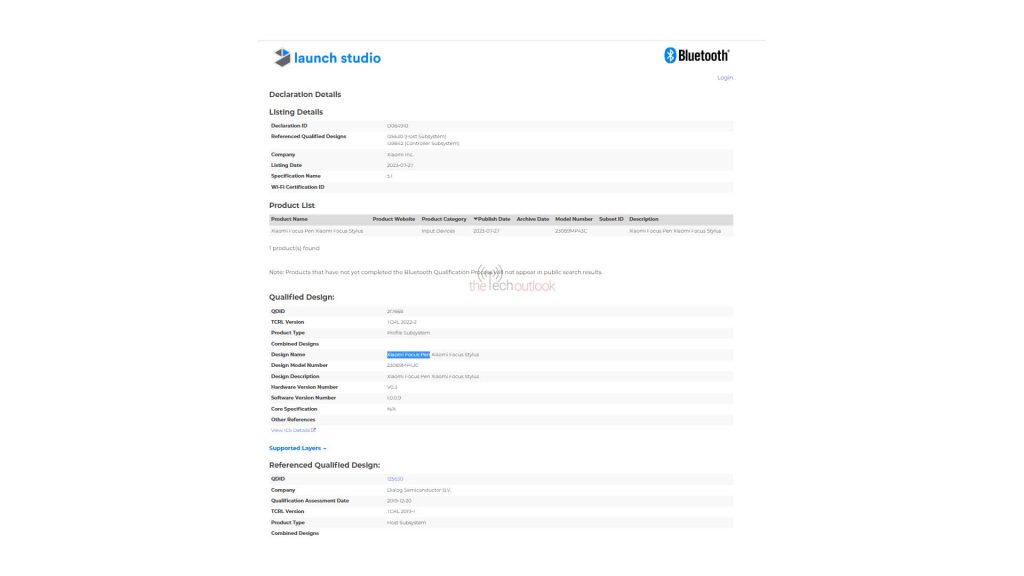
The Xiaomi Focus Pen has been spotted on the Bluetooth SIG certification website. This indicates that Xiaomi could be close to introducing another smart stylus after the Smart Pen (2nd Gen). The listing of a product on the Bluetooth SIG certification website usually precedes the launch of such products.
The Xiaomi Focus Pen was certified by the Bluetooth SIG authority and it has a declaration ID of D064910 and model number 23089MP43C. As per the details of the upcoming stylus, it supports Bluetooth 5.1 connectivity, but not much else is known yet. It is expected that the upcoming Xiaomi Focus Pen could square up against the Xiaomi Smart Pen (2nd Gen) at the least. The 2nd generation Xiaomi Smart Pen weighs about 13g and has a dimension of 160mm x 8.8mm. It has two buttons and features a three-axis accelerometer.
The device supports both Bluetooth connectivity and palm rejection. The device has a 40mAh lithium-ion battery that delivers up to 150 hours of usage. The smart pen can be charged wirelessly and is compatible with several tablets.
There are no official release details yet for the Xiaomi Focus Pen. Xiaomi has lined up a raft of product releases including the Redmi 12 4G and 5G smartphones, the Redmi Watch 3, and the Xiaomi Smart TV X Series. The August 1 scheduled Xiaomi launch event is not expected to include the Focus Pen. The August 1 product launch will be followed thereafter with the unveiling of the Xiaomi Mix Fold 3 foldable device.
Lenovo launched half a dozen new products over this weekend. These include the new Xiaoxin Pad Pro 12.7 and the Legion R9000X 2023. The company also launched its popular Xiaoxin Pro 2023 laptops with Ryzen 7 7840HS processors. The notebooks are offered in 14” and 16” screen sizes with many notable specifications. Here are the details.
Lenovo Xiaoxin Pro 2023 Ryzen Edition
The Lenovo Xiaoxin Pro 2023 is already available with up to Core-i7 processor and RTX 4050 GPU. Lenovo has now announced the AMD Ryzen 7840HS powered variant of the laptop with Radeon 780M GPU. For the unaware, the R7 7840HS is an 8-core, 16-thread processor with a top speed of 5.1 GHz and 12CU integrated graphics with a top speed of 2.7 GHz.
The Lenovo Xiaoxin Pro 14 2023 Ryzen Edition laptop comes with an R7 7840HS processor with a performance release of 60W. It features 32GB of RAM and a 1TB SSD. The laptop has a 14-inch 2.8K display with a 16:10 aspect ratio and 120Hz refresh rate. The machine is backed by a 75Wh battery and brings USB4 and USB-C, among other ports. It weighs 1.46kg and is 15.99mm thick.
The 16” version of the laptop features the same processor but delivers 65W performance. It gets the same 32GB of RAM as well as a 1TB SSD but with a reserved M.2 slot. Its 16-inch 16:10 2.5K 120Hz display offers a stunning visual experience, accompanied by a 75Wh battery and both USB4 and full-function USB-C ports. The laptop is relatively lightweight at 1.93kg and measures 17.5mm in thickness.
Lenovo Xiaoxin Pro 2023 Ryzen Edition comes priced at:
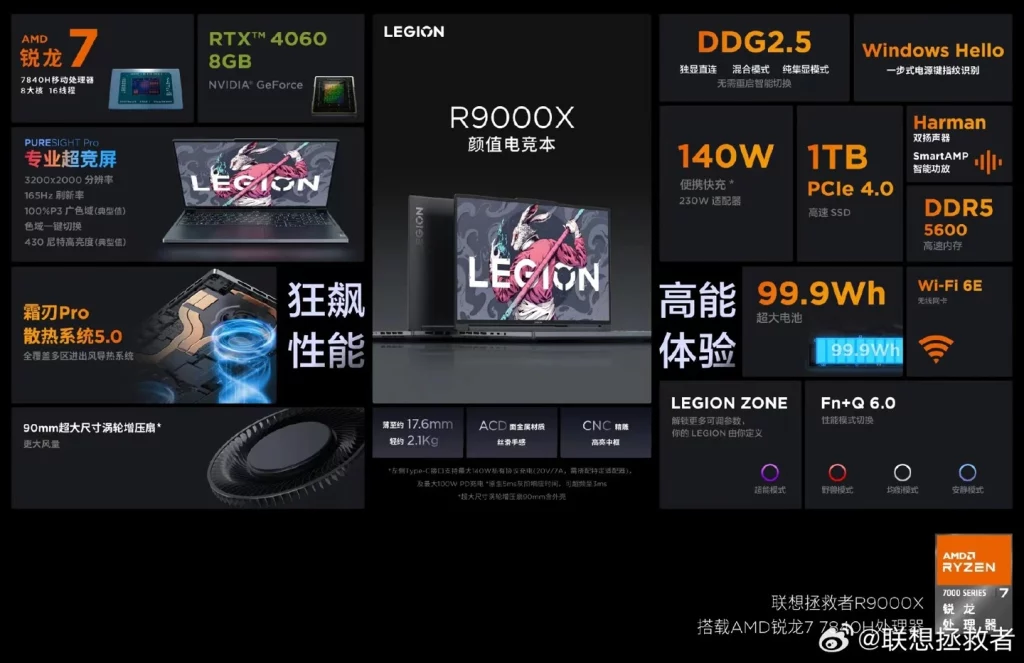
Lenovo has been teasing the Legion R9000X 2023 for a couple of weeks and now the company has finally launched the notebook in China. The powerful laptop comes with a sleek design and the AMD Ryzen 7 7840H processor under the hood. It also boasts an impressive 165Hz refresh rate display and a particularly extreme 140W charging support. Let’s look closely at the specifications and pricing of the new laptop.
Lenovo Legion R9000X 2023 Specifications
Lenovo Legion R9000X 2023 is the latest gaming laptop from the company. It debuts just a week after the Legion Y9000X 2023 was launched with Intel i9-13900H and RTX 4070 GPU. The new machine can be seen in black with what looks like a matt finish. The company says it is built using ACD and CNC technologies. The laptop weighs 2.1 kg and measures 17.66mm thin.
The new R9000X comes powered by the AMD Ryzen 7 7840H processor with NVIDIA RTX 4060 GPU. There should be RTX 4070 option as well but it isn’t available as of writing this. The laptop gets 16GB DDR5-5600 RAM and a standard 1TB SSD.
Similar to the Legion Y9000X 2023, the R9000X 2023 gets a 3.2K display with a 165Hz refresh rate, 100% P3 color gamut, and 430 nits of brightness. Lenovo has incorporated a 90mm fan on the laptop for efficient heat dissipation during intense gaming sessions. The laptop also comes with a Harman-branded speaker system enhanced with SmartAMP technology.
The notebook comes equipped with a 99.99Wh battery and supports 140W charging. It also brings Wi-Fi 6E support.
Price and Availability
Lenovo Legion R9000X 2023 is available for purchase in China at a starting price of 10,999 Yuan ($1,538) for the R7 7840H + RTX 4060 configuration. The company is yet to announce any other configuration.
Would you buy this laptop if Lenovo makes it available in your region? Tell us in the comments.
Earlier this month, the Red Magic 8S Pro debuted in the global market, which was quite a surprise as the device was launched in China on July 5. Now, the smartphone is up for pre-order in Europe.
Red Magic 8S Pro pre-booking details
You can reserve the device by paying only €1, and when it ships, you’ll get a €30 discount. There are three color options: Matte for €619, Platinum for €749, and Aurora for €769.
Red Magic 8S Pro specs
The Red Magic 8S Pro comes with a 6.8-inch AMOLED screen, offering a resolution of 2,480 x 1,116 pixels, 10-bit color depth, a brightness of 1,300 nits, and a smooth 120Hz refresh rate.
Underneath, the Red Magic 8S Pro houses a powerful Qualcomm Snapdragon 8 Gen 2 Leading Version chipset, with a higher clock speed of 3.36GHz. It comes with up to 16GB LPDDR5x RAM and up to 512GB UFS 4.0 storage. The device is equipped with an efficient ICE 12.0 cooling system and a large 2068mm³ vapor chamber (VC) for effective heat dissipation. Powering the phone is a substantial 6,000mAh battery with support for 65W fast charging.
The screen features a fourth-generation 16MP under-display camera technology. On the rear, the phone boasts a triple camera setup with a 50MP main sensor, an 8MP ultra-wide-angle lens, and a 2MP macro unit.
The phone also includes dual speakers, 3 microphones, and an X-Axis Linear Motor. Additionally, it features an integrated fingerprint scanner that doubles up as a heart-rate monitor. Connectivity options encompass Bluetooth 5.3, Wi-Fi 7, a USB-C port, and a 3.5mm headphone jack.
Huawei is gearing up to launch its highly anticipated flagship smartphone series, the Mate 60, later this year. The rumors have already started to surface on a daily basis. According to a reliable tipster Digital Chat Station, the successor to the Mate 50 will feature a 6.7-inch display 1.5K OLED display. Moreover, the device is expected to sport a flat panel with narrow bezels and a center punch hole.
If we look back, the standard Huawei Mate 50 features a 6.7-inch OLED panel with a 90 Hz refresh rate, PWN dimming, 300Hz touch sampling rate, and 2700×1224 pixel resolution.
Huawei Mate 60 might feature Dynamic Island-like cutout on the front
The Mate 60 is rumored to sport a refreshed front design, featuring a smart island cutout on the head. This is expected to be a pill-shaped punch hole at the center for the selfie camera and 3D depth sensor. Huawei is also planning to introduce its version of the Dynamic Island software feature to optimize the cutout area for notifications and app design, aiming to improve the overall user experience.
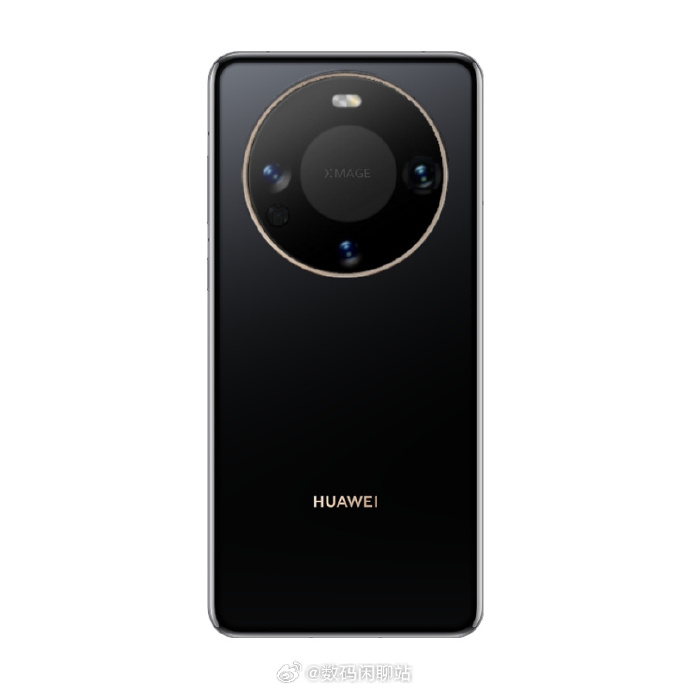
DCS also leaked a render recently that shows the rear panel. On the rear, the Mate 60 will showcase a circular camera island, reminiscent of the Mate 40 series. Though specific camera details are yet to be released, Huawei promises new sensors and an optimized periscope lens, catering to low-light photography. The device will reportedly feature image processing powered by Huawei’s in-house technology, as indicated by the XMAGE label on the device.
While Huawei has not officially announced the release date, speculations based on reports indicate that the Mate 60 series is likely to launch sometime in September or October of 2023.
Lenovo has been very busy this month and by busy we mean the company had launched a number of interesting products. One of the notable launches is the Lenovo Xiaoxin Pad Pro 12.7. This new tablet comes packed with powerful specifications, including a large 144Hz refresh rate display. It is powered by the older Snapdragon 870 SoC and offers an impressive audio system for a good multimedia experience. Here are the details of the latest tablet.
Lenovo Xiaoxin Pad Pro 12.7 Specifications
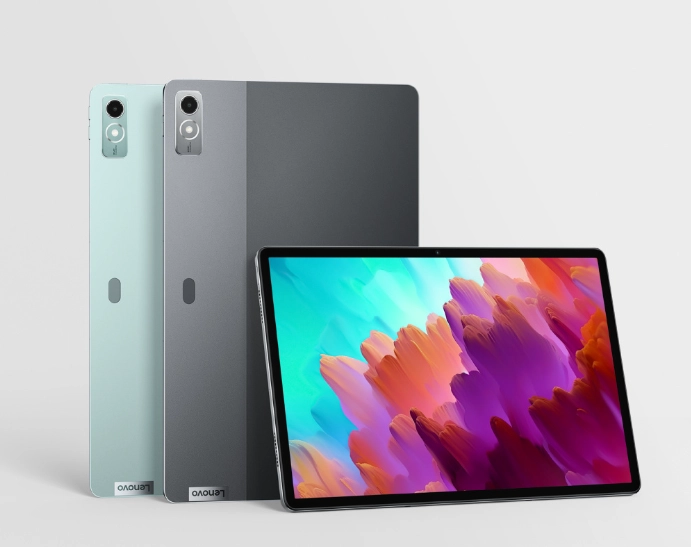
The new slate comes just a week after Lenovo unveiled the Legion Y700 gaming tablet in China. The Xiaoxin Pad Pro 12.7 gets a metal-integrated design and is offered in Pigeon Gray and Xizi Green. It has flat edges and back, featuring a rectangular camera setup with a sole camera sensor and an LED flash.
The Xiaoxin Pad Pro 12.7, as the name suggests, comes equipped with a 12.7-inch display with a resolution of 2944×1840, a refresh rate of 144Hz, and a peak brightness of 400nits. The panel supports HDR10 and Dolby Vision. Powering the tablet is the Snapdragon 870 processor, paired with 8GB of RAM and either 128GB or 256GB of onboard storage (expandable up to 1TB with MicroSD).
It comes fueled by a 10200mAh battery that supports 20W wired fast charging. For clicking pictures, you get a 13MP ultra-wide-angle shooter on the front and an 8MP sensor on the back. The tablet supports unlocking through face and fingerprint (sensor built on the rear).
Lenovo wants to give you an immersive multimedia experience with the tablet. The company packs the device with a Quad JBL-tuned speaker system, with support for Dolby Atmos. It also brings dual-mic noise reduction. The Xiaoxin Pad Pro 12.7 tablet is equipped with a USB-C port and supports Wi-Fi 6 and 5G.
Price and Availability
Lenovo Xiaoxin Pad Pro 12.7 starts in China at 1,599 Yuan ($223) for the 8GB+ 128GB version. The higher-end 256GB trim is priced at 1,799 Yuan ($251).
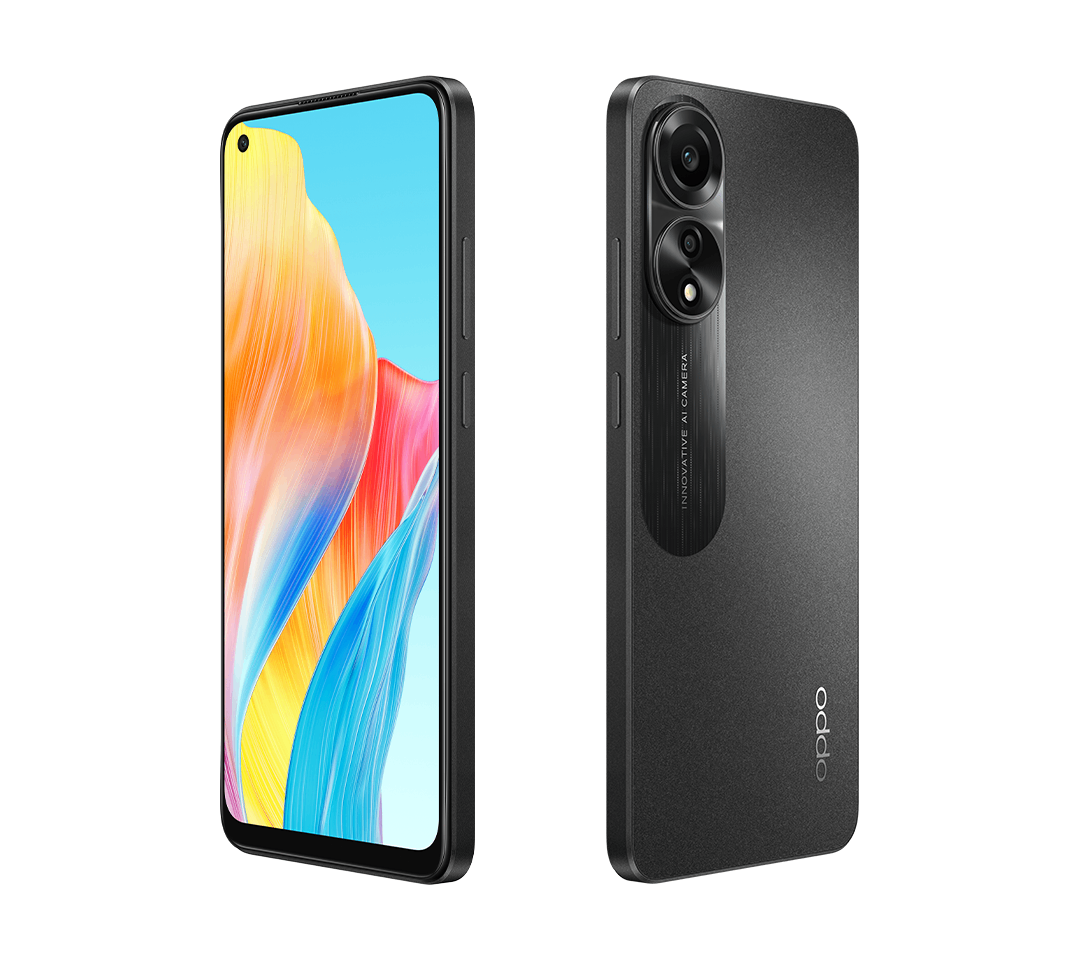
After launching in Indonesia earlier this month, the Oppo A78 4G is now heading to India. The brand has officially teased the upcoming launch of the device via a post on Twitter.
Earlier, the smartphone was anticipated to hit Indian stores around July 27. However, the latest information suggests that the launch will likely take place in early April. The device is expected to be priced between Rs 18,000 ($219) and Rs 20,000 ($244) in the offline market in India. Let’s check out the spec sheet of the Oppo A78 4G.
Oppo A78 4G specs
The Oppo A78 4G features a 6.43-inch AMOLED display offering a Full HD+ (1080 x 2400 pixels) resolution. It also has a 90Hz refresh rate for smooth scrolling. The device features a 50MP primary camera and a 2MP bokeh lens on the rear, along with an 8MP front camera for photography needs.
Under the hood, the Oppo A78 4G is powered by a Qualcomm Snapdragon 680 SoC and is available in a single configuration with 8GB of RAM and 256GB of storage, expandable up to 1TB with a microSD card. It also supports 8GB of virtual RAM. The phone is equipped with a 5000mAh battery, offering 67W SuperVOOC fast charging. Running on Android 13 and Oppo’s ColorOS 13.1, the Oppo A78 4G features an in-display fingerprint scanner, dual speakers, ultra-volume mode, and NFC support, adding convenience and functionality to the device.
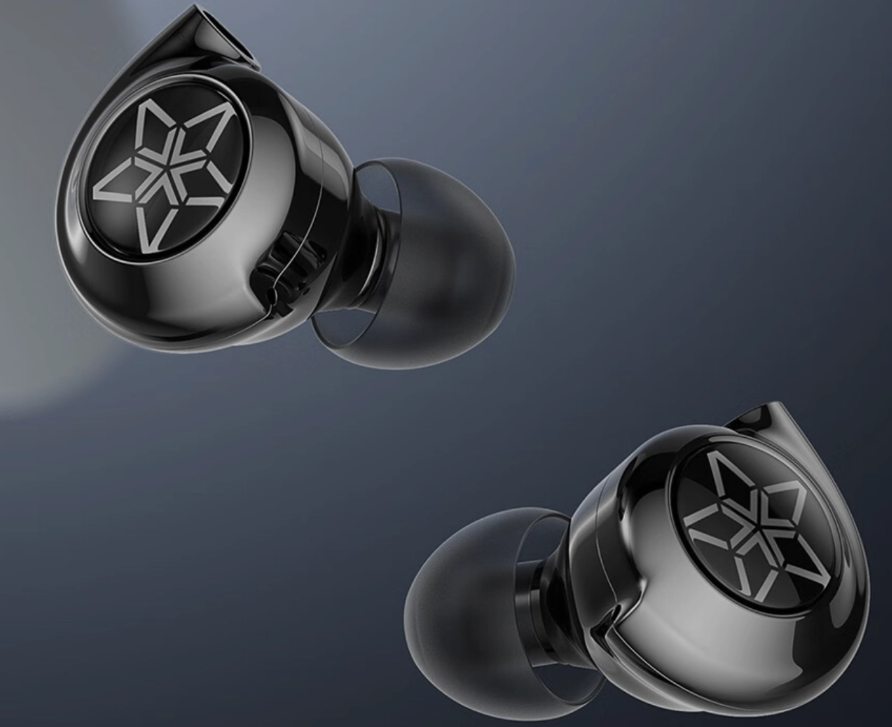
FiiO manufactures high-quality audio products, ranging from earphones, headphones to amplifiers and portable music players. The Chinese company has recently announced new wired earphones, dubbed FiiO FH11. They bring a good-looking design with Hi-Res audio and 10mm carbon-based diaphragms. You can even change the wires and slap in a new one. Here are the details.
FiiO FH11 Price and Features
FiiO FH11 debuted as a new member of the “Little Snail” series of earphones. The series is known for its pure sound quality and solid acoustic quality. The new FH11 is apparently tailored to a custom high-frequency dynamic driver, with excellent resolution and extension, complementing the acoustic qualities of the carbon-based dome diaphragm.
The FH11 earphones feature a hybrid two-unit design with a dynamic coil and a moving iron driver, and they support a detachable cable. The earphones get a 10mm carbon-based diaphragm dynamic coil unit and a high-frequency moving iron unit combined to provide a wide soundstage and a strong sense of separation. The company says the sound is clean, transparent, and detailed.
The hearables come with a three-cavity cavity body design that effectively reduces resonance, and their C-shaped sound resistance flute improves sound quality. The earphone body is made of liquid-molded zinc alloy, which is lightweight and durable.
Overall, the earphones look like a solid package with a hint of customizability. FiiO FH11 earphones are listed for purchase in China at 299 Yuan ($41). The company will start shipping them tomorrow. However, these earphones do not seem to be available outside China. We’ll keep you posted regarding their future availability.
While you’re here, tell us in the comments if you still prefer wired earphones over wireless ones.
The highly anticipated iPhone 15 series is set to take smartphone photography to new heights with its cutting-edge camera technology. According to recent rumors, all models in the lineup, including the standard iPhone 15 and iPhone 15 Plus, will feature an impressive 48-megapixel camera, promising superior image quality for everyday users.
Non-Pro iPhone 15 models will have a slightly smaller sensor
The standard models are expected to sport an advanced 1/1.5-inch stacked CMOS image sensor (CIS), designed to capture more light and deliver enhanced color representation in low-light conditions. This improvement will undoubtedly lead to better photography results even in challenging lighting scenarios.
An exciting addition to the non-Pro models is the 2X mode, which aims to enhance portrait photography by simulating the perspective of the human eye. This feature is expected to produce more lifelike and less distorted images, providing users with a more enjoyable photography experience.
Though the standard iPhone 15 and iPhone 15 Plus models may have a slightly smaller sensor compared to the Pro versions, their 1/1.5-inch CIS still marks a significant 27% increase in sensor size from the previous iPhone 14 models. While professionals might notice a difference in specific photography scenarios, the average user can expect remarkable improvements in image quality.
A recent leak by RGcloudS on Twitter suggests that the iPhone 15 models will feature a new hybrid lens design for their main camera, comprising a single glass element and six plastic elements. This design, with its f/1.7 aperture, promises to improve low-light photography by absorbing up to 20% more light than the iPhone 14 Pro models. Despite concerns about a potential aperture downgrade in non-Pro models, the hybrid lens, and the A16 Bionic chip are expected to compensate for any performance differences.
Apple’s choice to implement these camera upgrades on the standard models is reportedly based on learnings from the iPhone 14’s sales performance. While the non-Pro iPhone 15 models won’t feature a telephoto lens for optical zoom or a LiDAR scanner, the overall improvements in camera technology are likely to appeal to a broader audience, offering an impressive photography experience for everyday users.
Samsung is reportedly working on an advanced wearable health-tracking device known as the Galaxy Ring. As per Korean media outlet The Elec, this intelligent smart ring is being developed in collaboration with domestic and international component manufacturers to ensure its success before potential mass production, which could be decided as early as August.
Galaxy Ring is expected to launch in 2024
The key feature of the “Galaxy Ring” is its ability to gather detailed body and health data through built-in sensors, which can then be conveniently presented on a connected smartphone. Unlike Samsung’s existing Galaxy Watch, this innovative smart ring is expected to provide even more precise body measurements. To enhance accuracy, the ring’s fit can be adjusted according to the user’s finger size, minimizing potential data inaccuracies caused by loose fittings.
However, there are some challenges that Samsung needs to address during development. The accuracy of data may be affected by weak blood flow or overly tight fitting. Additionally, the certification process for medical device status is expected to take around 10 to 12 months, potentially delaying the availability of the product even if mass production is approved.
Samsung is considering integrating the “Galaxy Ring” with XR (mixed reality) devices, leveraging its XR technology to track users’ head and hand movements using cameras and sensors, as demonstrated in patent applications. The launch of Samsung’s XR headset is reportedly delayed by six months due to competition with Apple Vision Pro. The “Galaxy Ring” is expected to be released in 2024, possibly coinciding with the announcement of the Galaxy S24 series. Interestingly Noise and boAt recently launched their health-focused smart rings in India.
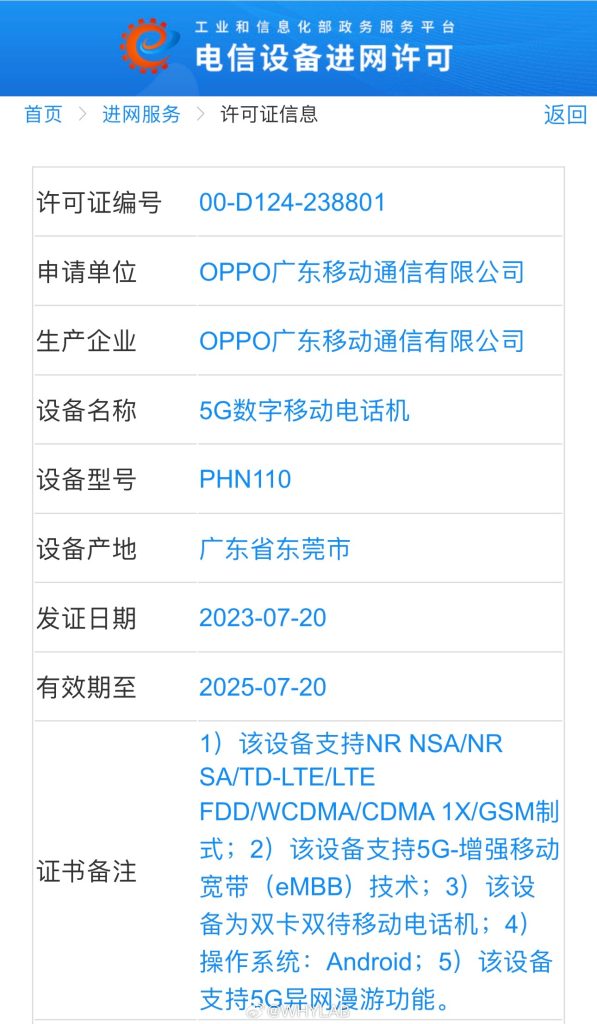
Oppo is expected to hold a major launch event in China in August. At the event, the company may unveil the Oppo Find N3, Pad Air 2, and Watch 5 series. However, no official announcement has been made regarding the arrival of these devices. Despite this, it seems that the Find N3 has already appeared in the database of China’s MIIT certification.
The Find N3 has appeared with model number PHN110 in the database of CMIIT. Furthermore, it is expected that the foldable phone will also obtain approval from other Chinese certification platforms such as TENAA and 3C in the coming days, leading up to its official launch sometime in August.
OPPO FInd N3 MIIT certified
The Find N3’s CMIIT certification has not revealed any information on its specifications. Here is a look at the details of the N3 that have emerged through recent reports.
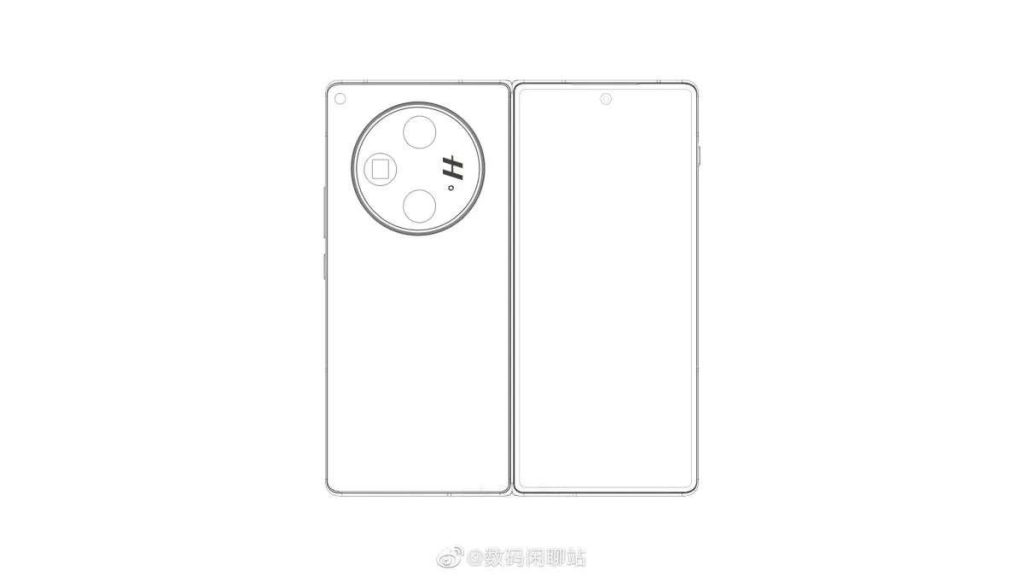
Oppo Find N3 specifications (rumored)
OPPO Find N3 schematic
The Find N3 will arrive with a 6.3-inch AMOLED FHD+ display and a 7.8-inch AMOLED 2K 120Hz foldable screen. It will have a 32-megapixel front camera, a 20-megapixel internal camera, and a 50-megapixel (Sony IMX890, with OIS) + 48-megapixel (ultra-wide 64-megapixel (periscope) triple camera unit on the back. It will run on ColorOS 13.1 based Android 13 and feature a side-facing fingerprint scanner.
The N3 will be powered by a 3.36GHz Snapdragon 8 Gen 2 chip, 16 GB of LPDDR5x RAM, and 1 TB of UFS 4.0 storage. The device will have a 4,805mAh battery that supports 80W wired and 50W wireless charging.
Apart from China, the Find N3 is expected to release in other markets like Thailand and Indonesia. A rebranded version of the phone with the OnePlus Open moniker is expected to debut in other markets on Aug. 29.
Elon Musk, the world’s richest person and CEO of X, formerly known as Twitter, announced on Friday that the monthly user count on the social media platform has reached a “new high,” surpassing 540 million. This comes amidst a period of organizational changes and efforts to boost advertising revenue, which had experienced a decline in recent months. The surge in user figures is an encouraging sign for X, especially as Meta Platforms, the parent company of rival social media platform Threads, launched a direct competitor on July 5.
Following Musk’s $44 billion acquisition of Twitter in October, he merged the platform with his company X Corp, established in March, as a wholly owned subsidiary of X Holdings Corp. His vision for X has been likened to China’s popular messaging service WeChat, aiming to create an “everything app.” And to emphasize the shift, the microblogging platform Twitter is officially rebranded as X, with its iconic blue bird symbol replaced by the X symbol.
The latest announcement from Musk adds to a series of positive statements made by X’s executives regarding the platform’s increasing usage, despite the competition posed by Threads. To further demonstrate the transformation, a massive X sign has been installed atop the building that formerly housed Twitter headquarters in San Francisco.
As X continues to evolve under Musk’s leadership and capitalize on its growing user base, the company appears determined to cement its position as a dominant force in the social media landscape. With the rebranding and organizational changes underway, all eyes are on X to see how it will navigate the competitive landscape and leverage its popularity to drive advertising revenue and innovative features for its vast user community.
Musk and his fascination with ‘X’ :
Elon Musk’s infatuation with the letter X is evident as he continues to make headlines with his ventures. From naming one of his children “X,” adorned with symbols and alphabets, to owning SpaceX, his fascination knows no bounds. Musk co-founded x.com back in 1999, an online bank that later transformed into the renowned PayPal. In a nostalgic move, he bought the domain back from PayPal in 2017.
The influence of the letter X is now pervasive in Musk’s endeavors. Tesla’s famous electric car, the Model X, bears the mark, and Twitter has been rebranded as simply “X.” Even the domain x.com now redirects to Twitter, showcasing Musk’s love for the enigmatic letter. With these changes, the billionaire entrepreneur appears determined to leave his X-shaped mark on the world.
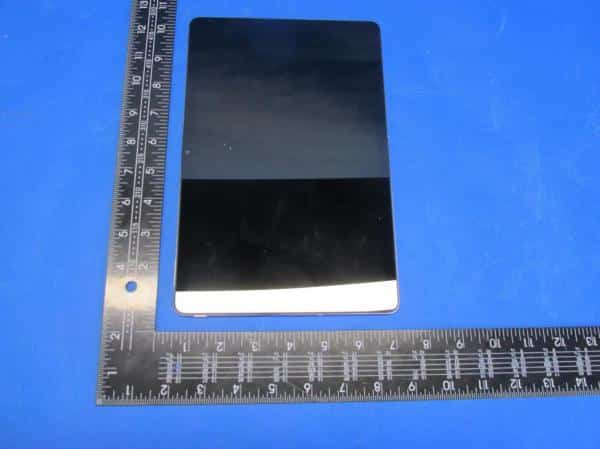
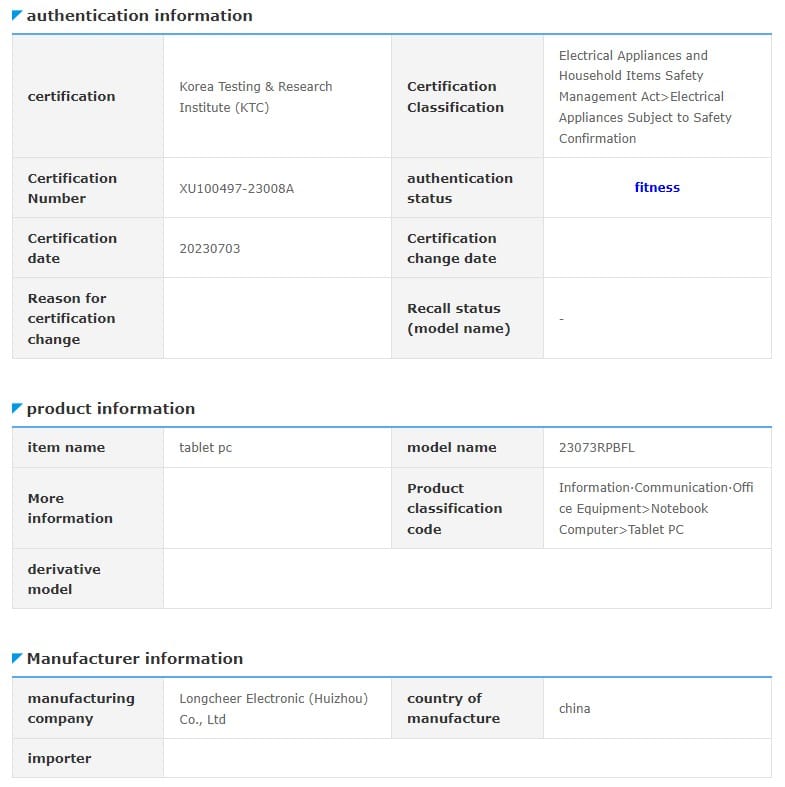
Redmi is reportedly working on its second-generation tablet, dubbed the Redmi Pad 2. Earlier this month, the tablet was spotted at 3C certification, and now, according to a report by TheTechOutlook, i has been approved by Safety Korea. The new certification has revealed a live shot of the device.
The tablet has appeared with model number 23073RPBFL in the database of Safety Korea. The live shot of the tablet suggests that when the device is held horizontally, its front camera is located on the top bezel, and its power button is situated on the left edge.
It appears that the Redmi Pad 2’s front design could be almost identical to its predecessor, the Redmi Pad. There is a possibility that the rear panel of the device may sport a different design. The image also reveals that the tablet measures around 10.5 x 7 inches. The publication revealed that the tablet has received TUV certification, but it has not disclosed anything significant about the device.
Redmi Pad 2 specifications (rumored)
Last month, the Redmi Pad 2 was approved by FCC certification platform, which revealed that it will come in variants, such as 4 GB RAM + 64 GB storage, 4 GB RAM + 128 GB storage, and 6 GB RAM + 128 GB storage. It also revealed that the tablet will run on MIUI 14, which is likely to be placed on top of Android 13.
As per other reports, the Redmi Pad may house a 10.x-inch IPS LCD display that offers a 2K resolution and a 90Hz refresh rate. Under the hood, it will have the Snapdragon 680 chipset and LPDDR4x RAM. An 8,000mAh battery that may support 22.5W fast charging will power it. It will have an 8-megapixel front camera and an 8-megapixel rear camera.
The Redmi Pad 2 is expected to launch in multiple markets. A recent report claimed that it may launch alongside the Xiaomi Pad 6 Max tablet, the Xiaomi MIX Fold 3 foldable phone, and the Redmi K60 Ultra flagship phone in August in China.
Shenzhen-based Chinese telecom company Transsion, known for its three brands TECNO, itel, and Infinix, has made a remarkable comeback in the second quarter of the year, reporting robust revenue and profit growth after five consecutive quarters of decline. Despite facing challenges in the global smartphone market, Transsion’s strategic focus on Africa and expansion into South and Southeast Asia have paid off.
According to the company’s preannouncement on Wednesday, Transsion’s Q2 revenue surged by an impressive 30.7 percent year over year, reaching 15.8 billion yuan (US$2.2 billion). Profits witnessed a remarkable turnaround, doubling from the previous quarter to 1.6 billion yuan, an astounding 83 percent increase compared to the same period last year.
The growth momentum was not limited to just the second quarter. During the first half of the year, Transsion reported a healthy 8 percent increase in total revenue, amounting to 25 billion yuan, while profits experienced a substantial 27 percent rise, reaching 2.1 billion yuan.
Transsion attributes its impressive revenue growth to two key factors: market expansion and continuous product upgrades. The company has invested in research and development to improve its product offerings continually. Moreover, it has benefited from the increasing adoption of smartphones in Africa. As more people in the region switch from feature phones to smartphones, Transsion’s profitability has improved significantly.
The African market remains pivotal for Transsion as the continent’s population is predominantly young and rapidly urbanizing. The trend of skipping the personal computer stage and embracing mobile internet directly is a boon for companies like Transsion, which are not Western giants. Africa currently constitutes 40 percent of Transsion’s market share, a substantial portion despite a decline from its peak of 57 percent.
To ensure sustained growth, Transsion has been diversifying its product portfolio beyond phones since 2019. The company now offers electronic gadgets, and home appliances, and even operates a repair business called Carlcare, along with developing some operating systems. However, phones continue to generate 90 percent of its total revenue.
While Africa remains a promising market for Transsion, the company is wary of expanding into regions where smartphones have already reached ubiquity. As more than 80 percent of Transsion’s phones are already smartphones, the company will need to explore new avenues to maintain its profitability. One strategy involves manufacturing midrange and high-end products, both in the smartphone and IoT (Internet of Things) home gadget categories.
Despite challenges in the broader global smartphone market, Transsion’s strong African performance and expansion into South and Southeast Asia have reinvigorated its growth prospects. The company’s focus on innovative products and strategic market positioning is expected to keep profits growing for the foreseeable future. As the world witnesses continuous technological advancements, Transsion is committed to remaining at the forefront of the industry and meeting the evolving demands of consumers worldwide.
On Aug. 4, Huawei will hold its 2023 Huawei Developers Conference HDC). The event will see the arrival of Harmony OS 4.0. Speculations are rife that the company may also unveil new Mate-branded phones at the same event. In a new leak, a Chinese tipster revealed the names of these upcoming devices.
Huawei Mate X3 Pro to support 5G connectivity
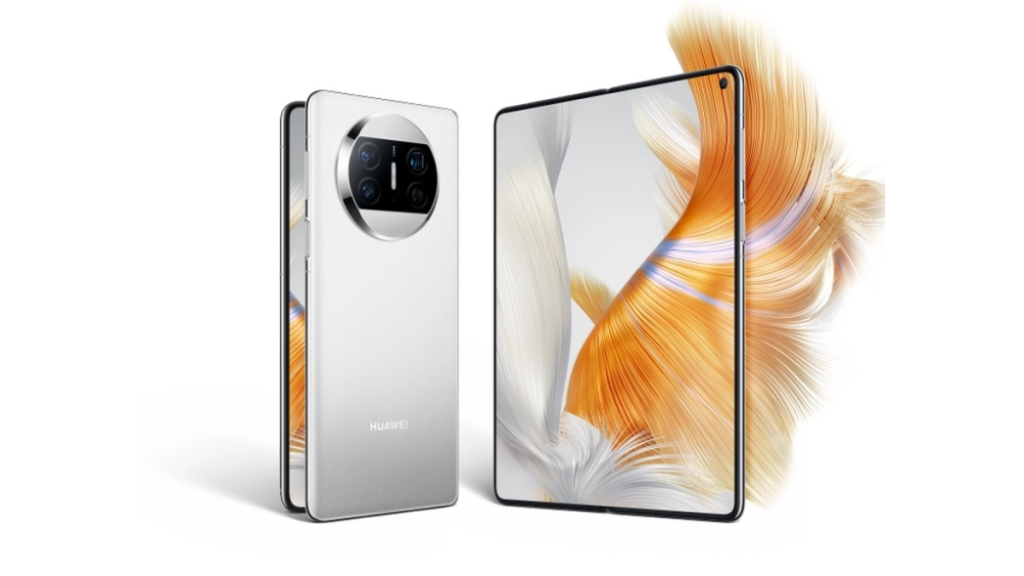
Huawei Mate X3
Based on the leak, it appears that Huawei may release three new devices, such as the Huawei Mate 60 4G, the Mate 60 5G, and the Mate X3 Pro 5G. While the rumor mill has leaked some details about the Mate 60 models, it is yet to reveal any information about the Mate X3 Pro.
The only thing known about the Huawei Mate X3 Pro 5G is that it will come with support for 5G connectivity. To recall, the Mate foldable phone, which was announced in the first half of this year, is a 4G device powered by the Snapdragon 8+ Gen 1. Whether the Mate X3 Pro features the newer Snapdragon 8 Gen 2 chipset remains to be seen.
The Mate X3 Pro moniker suggests that it will be an updated version of the Mate X3. To recall, the Mate X3 is a lightweight foldable phone, that weighs only 239 grams, making it thinner and lighter than the Apple iPhone 14 Pro Max. Hence, the Mate X3 Pro is a foldable phone that is worth looking forward to.
The Mate X3 Pro is expected to compete with recently announced foldable phones, such as the Samsung Galaxy Z Fold 5, the Honor Magic V2, and the Vivo X Fold 2. It will also compete with upcoming foldables, such as the Oppo Find N3 and the Xiaomi MIX Fold 3, which are expected to launch in August this year.
We use cookies on our website to give you the most relevant experience by remembering your preferences and repeat visits. By clicking “Accept”, you consent to the use of ALL the cookies.
This website uses cookies to improve your experience while you navigate through the website. Out of these, the cookies that are categorized as necessary are stored on your browser as they are essential for the working of basic functionalities of the website. We also use third-party cookies that help us analyze and understand how you use this website. These cookies will be stored in your browser only with your consent. You also have the option to opt-out of these cookies. But opting out of some of these cookies may affect your browsing experience.
Necessary cookies are absolutely essential for the website to function properly. This category only includes cookies that ensures basic functionalities and security features of the website. These cookies do not store any personal information.
Any cookies that may not be particularly necessary for the website to function and is used specifically to collect user personal data via analytics, ads, other embedded contents are termed as non-necessary cookies. It is mandatory to procure user consent prior to running these cookies on your website.