Advertisement

Xiaomi Pad 8 Pro vs iPad 2025: The Real Winner Will Surprise You

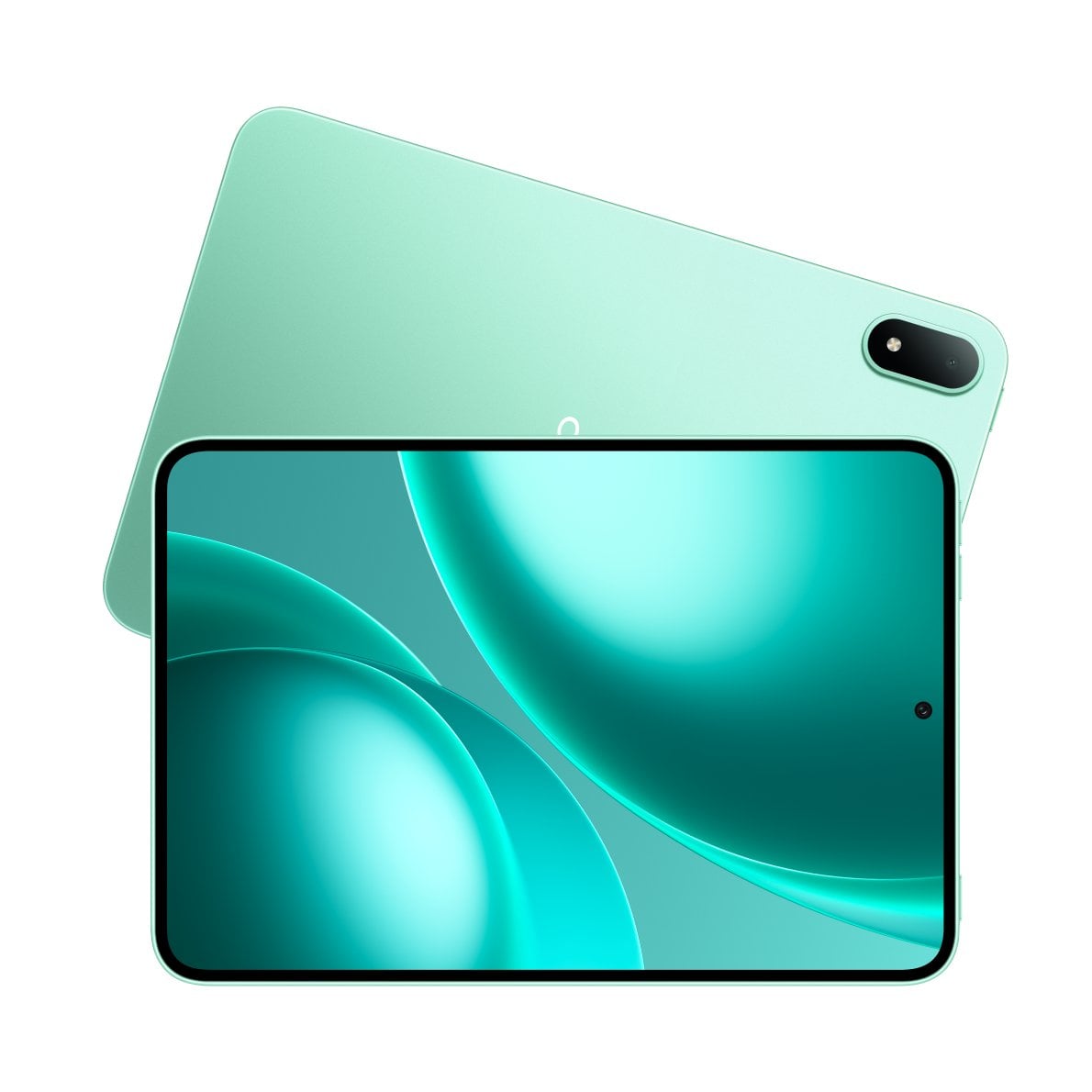
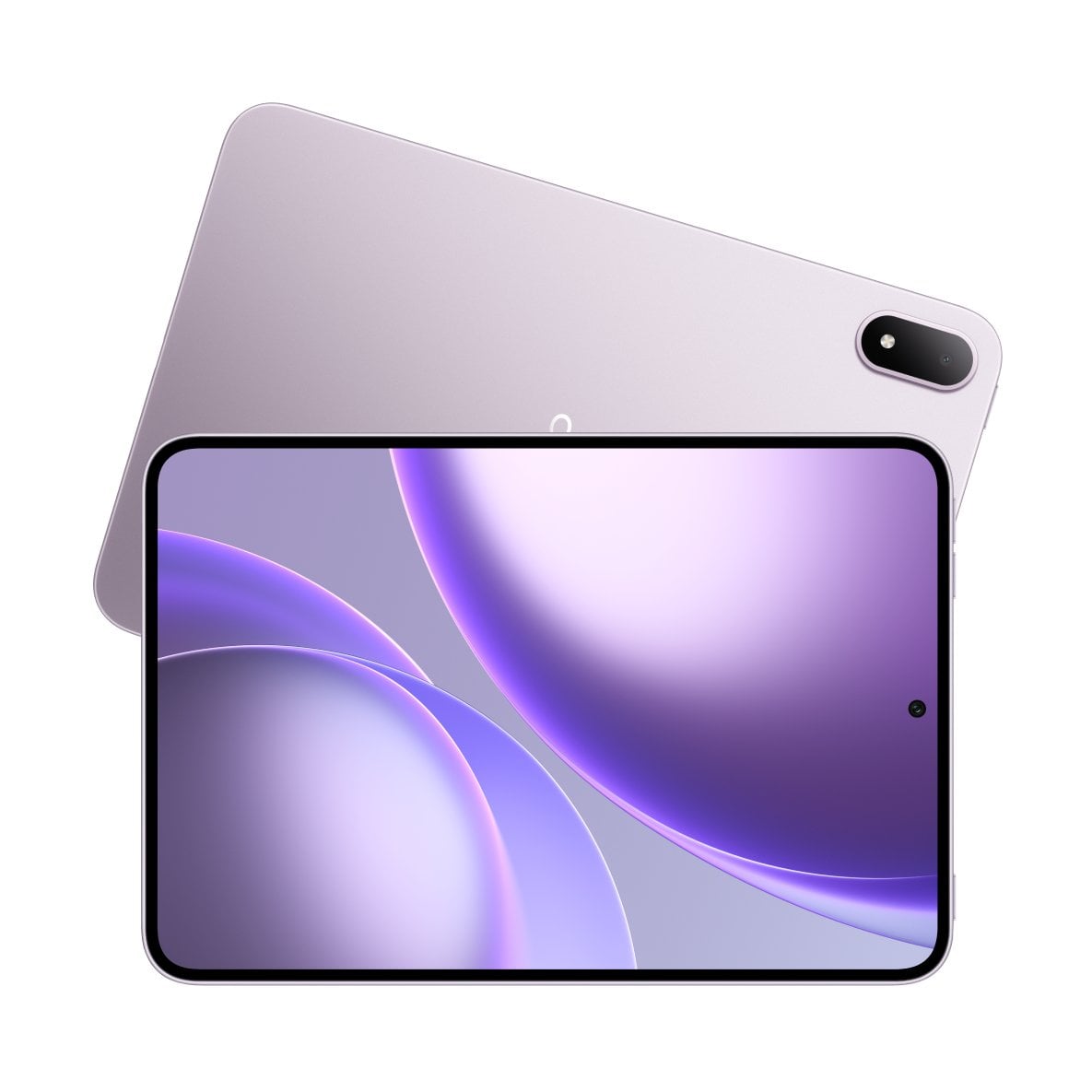
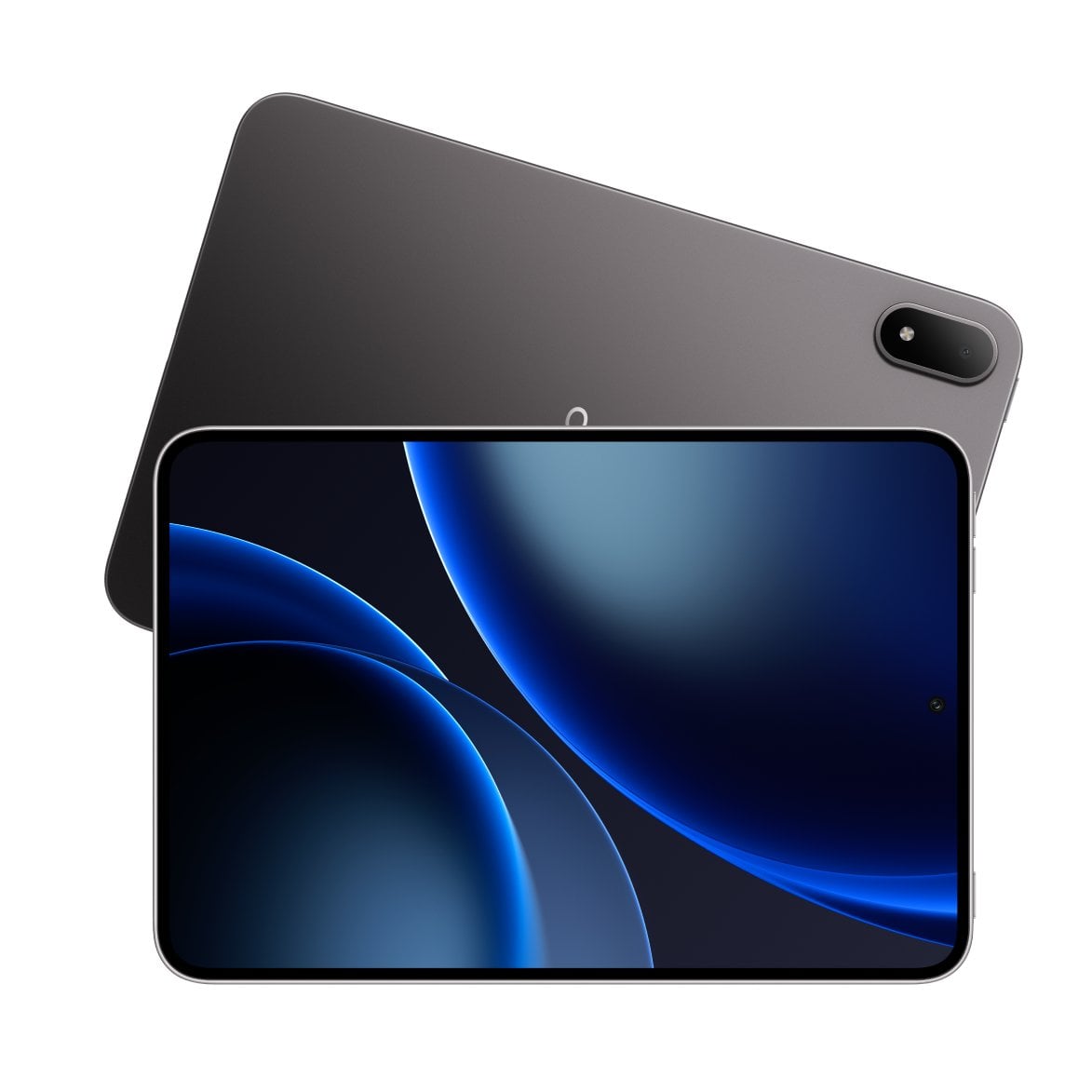
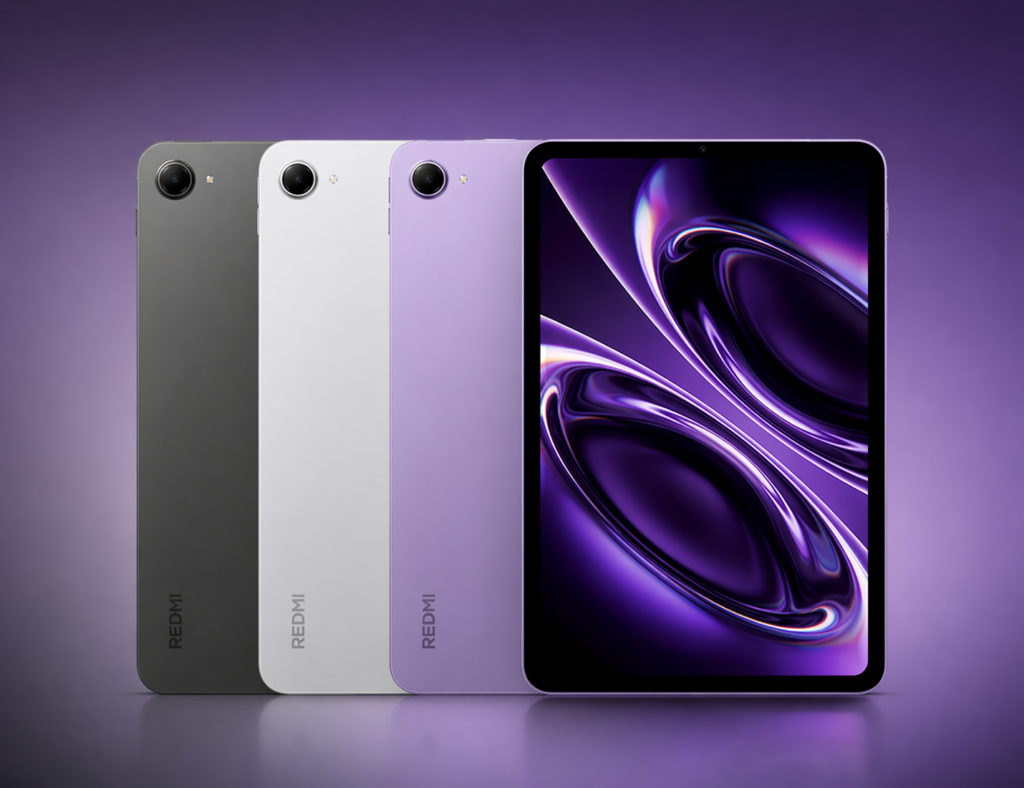
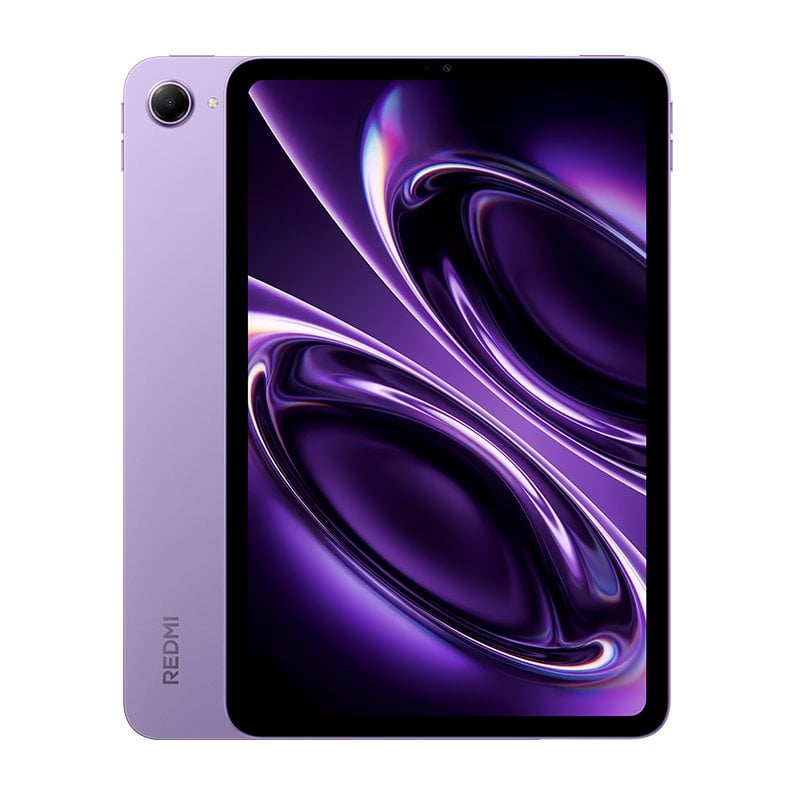
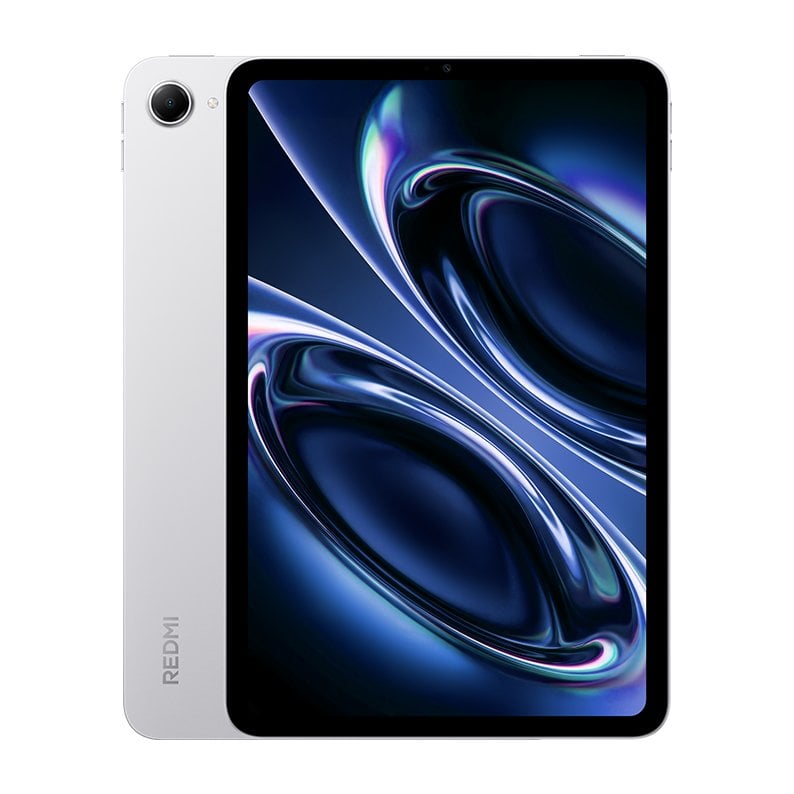
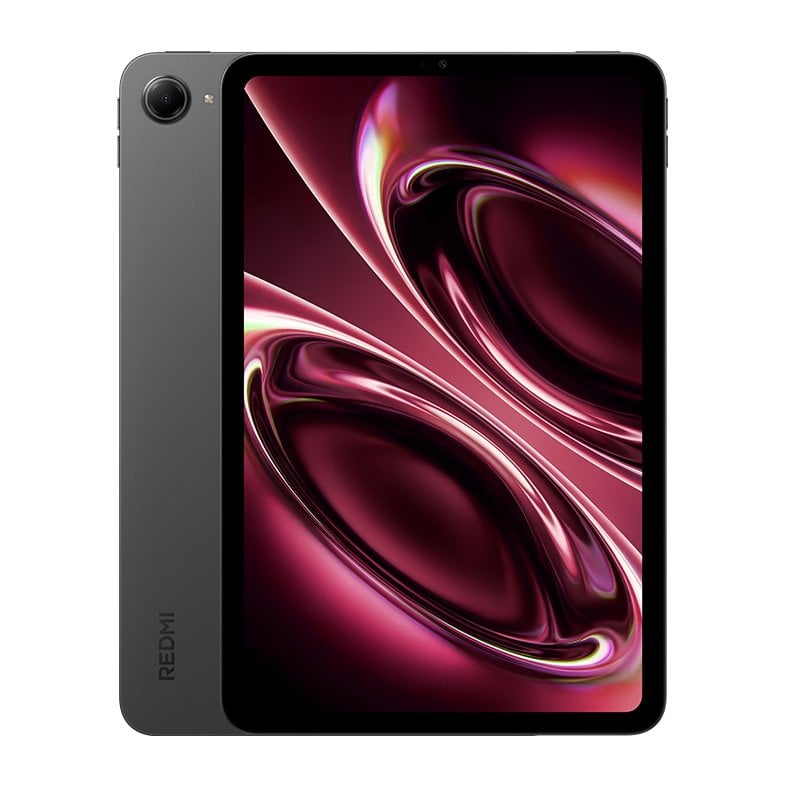
Xiaomi Pad 8 Pro and Apple iPad 2025 target two very different kinds of tablet buyers, one looking for raw performance and premium multimedia power, and the other prioritizing reliability, simplicity, and ecosystem comfort. This comparison brings together a feature-packed Android powerhouse and a refined, budget-friendly iPad to see which one truly offers better value in real-world use, especially for students, creators, and productivity-focused users deciding between power and practicality.

Major Features:

FeatureXiaomi Pad 8 ProApple iPad 2025Winner
Display11.2″, 144Hz, HDR10, Dolby Vision11″, 60Hz Liquid RetinaXiaomi — smoother & more immersive
PerformanceSnapdragon 8 Elite, up to 16GB RAMApple A16 Bionic, 6GB RAMXiaomi — higher performance headroom
Software & EcosystemAndroid 16 + HyperOSiPadOS with strong app ecosystemiPad — better ecosystem reliability
MultitaskingLarger RAM options, faster storage, high-refresh UIStable split-screen toolsXiaomi — better heavy multitasking
Battery9200 mAh, 67W fast charge + reverse wired28.93 Wh, 45WXiaomi — stronger battery & charging
Stylus & AccessoriesGood productivity compatibilitySuperior accessory integrationiPad — accessory polish & ecosystem fit
Camera50MP rear, 32MP front12MP rear + 12MP ultra-wide frontXiaomi — more capable camera setup
Speakers & MediaDolby Atmos, 4-speaker immersive soundStereo speakersXiaomi — better multimedia
ConnectivityWi-Fi 7, BT 5.4, IR BlasterWi-Fi 6, BT 5.3, Cellular optionTie
Price~$400~$300iPad — more affordable

1. Design and Display

Build Quality

Xiaomi Pad 8 Pro carries a performance-focused aluminum build with a modern, utility-driven feel. The side fingerprint reader and sturdy frame make it suitable for professional and creator-centric workflows. Apple iPad 2025 keeps a cleaner, minimalist aluminum design that suits students and everyday users who prefer a lighter, friendlier aesthetic. Both support magnetic stylus accessories, but the Pad 8 Pro gives a more “power-user” impression, while the iPad emphasizes comfort and familiarity.

Display & Multimedia

The Pad 8 Pro delivers a sharper and more immersive experience with its 144Hz HDR display, Dolby Vision support, and higher peak brightness, making it excellent for gaming, reading, and media. The iPad 2025 uses a standard 60Hz Liquid Retina panel that focuses on accuracy and consistency, working well for streaming, browsing, and educational use. The difference feels more like enthusiast performance versus dependable everyday viewing.

Verdict

Design and display lean toward the Xiaomi Pad 8 Pro for premium visuals and immersion, while the iPad 2025 remains the better fit for simple, reliable day-to-day use.

2. Performance and Software

Processor & UI Smoothness

The Snapdragon 8 Elite gives the Xiaomi Pad 8 Pro a clear edge in raw performance, handling gaming, editing, and intensive multitasking with ease. HyperOS 3 feels fluid, especially with higher RAM options. The iPad 2025’s A16 Bionic remains fast and efficient for study tasks, productivity apps, and creative tools within Apple’s ecosystem, prioritizing stability over extreme compute power.

Productivity & Multitasking

The Pad 8 Pro benefits from faster storage, bigger memory options, and its high-refresh interface, making multi-window workflows feel more flexible. It suits creators and heavy users who work across multiple apps. The iPad focuses on polished app behavior, reliable split-screen tools, and ecosystem continuity, ideal for structured productivity and academic workflows.

Verdict

Performance favors the Xiaomi Pad 8 Pro for power and workload headroom, while the iPad 2025 excels in optimized, stable, and ecosystem-driven productivity.

3. Battery and Accessories

Battery Life

The Xiaomi Pad 8 Pro’s 9200 mAh battery and 67W fast charging make it well-suited for long usage sessions, media consumption, and study or work days, with reverse wired charging as a useful bonus. The iPad 2025 offers steady endurance with efficient power use and 45W charging, built more around consistent daily reliability than extended heavy use.

Stylus, Keyboard & Ecosystem

The Pad 8 Pro works well as a creative workstation when paired with stylus and keyboard accessories, appealing to productivity-focused and creator-centric users. The iPad benefits from better ecosystem maturity, strong accessory compatibility, and seamless sync for users already invested in Apple devices. The difference feels like versatility versus ecosystem polish.

Verdict

Battery strength and flexibility tilt toward the Xiaomi Pad 8 Pro, while the iPad 2025 stands out for accessory integration and ecosystem reliability.

4. Camera & Media

Rear and Front Camera

Xiaomi Pad 8 Pro’s 50MP rear camera and 32MP ultra-wide selfie setup suit users who occasionally rely on a tablet for photos, content capture, and video calls. The iPad 2025’s 12MP rear and 12MP ultra-wide front cameras focus more on practicality, ideal for classes, scanning, and meetings.

Video & Audio Quality

Both support 4K recording, but the Pad 8 Pro’s Dolby Atmos speakers and multimedia tuning make it better suited for entertainment, gaming, and immersive viewing. The iPad delivers balanced video stability and clear stereo sound, fitting learning environments, productivity calls, and casual streaming.

Verdict

Camera and media lean toward the Xiaomi Pad 8 Pro for creative and entertainment use, while the iPad 2025 fits communication and academic scenarios more effectively.

5. Pricing

At around ~$400, the Xiaomi Pad 8 Pro offers flagship-class performance, fast charging, and a high-end multimedia experience, making it a strong value for power users and creators. The Apple iPad 2025, at roughly ~$300, provides a more affordable entry point into a polished and reliable ecosystem, appealing to students and everyday buyers. 

The iPad wins on price accessibility, while the Pad 8 Pro delivers stronger performance value per dollar.

Disclaimer:
Prices are approximate and may vary based on country, region, and applicable taxes.

6. Conclusion

The Xiaomi Pad 8 Pro stands out with its flagship processor, high-refresh HDR display, and creator-oriented hardware positioning. The Apple iPad 2025 shines through ecosystem depth, app optimization, and dependable everyday usability suited to study, work, and lifestyle workflows.

Verdict

If only one tablet were to be chosen overall, the Xiaomi Pad 8 Pro makes more sense for most users, especially if performance, display quality, battery life, and multimedia experiences matter. It offers significantly stronger hardware, a high-refresh HDR display, faster charging, and better multitasking headroom, making it a more future-proof choice for productivity, creativity, and entertainment.

Apple iPad 2025 is a solid and more affordable option with a polished ecosystem, but in a direct choice where power and versatility weigh heavier, the Xiaomi Pad 8 Pro stands out as the better all-around pick.

Read More:

Poco X8 Pro bags yet another certification, launch imminent

The upcoming Poco X8 Pro has been gradually bagging certifications across multiple regions. The device, which has already received approvals from Europe’s EEC, India’s BIS, and SGS, has now cleared Indonesia’s SDPPI certification. As usual, the listing does not reveal any specifications. However, it is believed that the phone could be a rebranded version of the Redmi Turbo 5, which is expected to launch later this month in China.

Poco X8 Pro SDPPI listing

Poco X8 Pro SDPPI listing

As seen in the listing, an upcoming Poco smartphone with the model number 2511FPC34G has received approval from Indonesia’s SDPPI authority. Neither the SDPPI listing nor the previously spotted certifications have revealed the device’s final marketing name. That said, it is widely speculated to be a rebranded version of China’s Redmi Turbo 5, which is said to carry the model number 2511FRT34C.

Since the Poco X7 Pro was essentially a rebadged version of the Redmi Turbo 4 for the Chinese market, it is likely that the Poco X8 Pro could follow a similar strategy and arrive as a renamed version of the Redmi Turbo 5.

Poco X8 Pro specifications (rumored)

According to rumours, the Poco X8 Pro may feature a 1.5K LTPS OLED display and could be powered by the MediaTek Dimensity 8500 chipset. The device is also expected to pack a 6,500mAh battery, along with support for up to 100W fast charging. On the software front, it is tipped to run Android 16 with HyperOS 3 layered on top.

Poco X8 lineup rumours

Reports further suggest that Poco may skip launching a standard Poco X8 this year. Instead, the lineup could include a Poco X8 Pro Max, which is expected to be a rebranded version of the Dimensity 9500e-powered Redmi Turbo 5 Pro. The Turbo 5 Pro itself is rumoured to debut in China in the near future.Top of Form

For more daily updates, please visit our News Section.

Stay ahead in tech! Join our Telegram community and sign up for our daily newsletter of top stories.

iPhone 17 vs Pro vs Pro Max vs Air :The Ultimate Buying Guide

Choosing a flagship iPhone in 2026 isn’t just about picking the most powerful model; it’s about finding the one that truly fits your lifestyle, priorities, and budget. Apple’s latest lineup gives buyers four distinct paths: a balanced everyday flagship, two performance-driven Pro models built for creators and power users, and a sleek new Air variant that blends style with premium capability. This guide breaks down how each iPhone feels to use in the real world, helping you decide which one actually makes the most sense for you.

Major Features Compared:

FeatureiPhone 17iPhone 17 ProiPhone 17 Pro MaxiPhone AirWinner
ChipsetA19A19 ProA19 ProA19 Pro17 Pro / Pro Max — Most powerful A19 Pro chipset
RAM8GB12GB12GB12GB17 Pro / Pro Max / Air — Higher multitasking headroom
Storage Options256GB, 512GB256GB, 512GB, 1TB256GB–2TB256GB–1TBPro Max — Largest storage ceiling
Display6.3″ LTPO OLED, 120Hz6.3″ LTPO OLED, 120Hz6.9″ LTPO OLED, 120Hz6.5″ LTPO OLED, 120HzPro Max — Largest and most immersive screen
Rear Camera Setup48MP wide + 48MP ultrawideTriple 48MP (wide + periscope + ultrawide) + LiDARTriple 48MP (wide + periscope + ultrawide) + LiDAR48MP single widePro / Pro Max — Best zoom + Pro video tools
Telephoto / ZoomNo telephoto100mm periscope, 4x optical100mm periscope, 4x opticalNonePro / Pro Max — True telephoto + stabilization
Video FeaturesDolby Vision HDRDolby Vision, ProRes, ProRes RAW, Apple Log 2Dolby Vision, ProRes, ProRes RAW, Apple Log 2Dolby Vision HDRPro / Pro Max — Creator-grade video
Battery (type / range)3692 mAh3998–4252 mAh4823–5088 mAh3149 mAhPro Max — Longest endurance potential
ChargingPD3.2 + MagSafe/Qi2PD3.2 + MagSafe/Qi2PD3.2 + MagSafe/Qi2PD2.0 + MagSafe/Qi217 / Pro / Pro Max — Faster wired standard
USB PortUSB-C 2.0USB-C 3.2 Gen 2USB-C 3.2 Gen 2USB-C 2.0Pro / Pro Max — Faster data + workflows
Build MaterialGlass + aluminumAluminum alloyAluminum alloyTitanium (Grade 5)iPhone Air — Premium titanium, sleek feel
Camera Count PhilosophyBalanced everydayPro-grade versatilityMax creator flexibilityMinimalist + clean outputDepends on user needs
Approx Price~$800~$1100~$1200~$1000

1. Design and Display

Build and Feel

The iPhone 17 takes a familiar glass-and-aluminum approach that feels premium yet approachable, making it ideal for everyday users upgrading from older models. The 17 Pro and 17 Pro Max step things up with aluminum-alloy builds that feel more robust and purposeful, appealing to power buyers who value durability and a richer in-hand character. The iPhone Air goes for a sleek titanium frame and a noticeably slimmer profile, giving it a modern, minimal look that feels stylish and slightly more lifestyle-focused than performance-focused.

Display Quality

All four phones feature LTPO Super Retina XDR OLED panels with 120Hz refresh and Dolby Vision, ensuring consistency in sharpness and color richness. The Pro and Pro Max deliver the most immersive viewing experience, especially for gaming and high-brightness outdoor use. The iPhone Air offers a larger, everyday-friendly screen experience that feels balanced for reading, streaming, and work tasks, while the iPhone 17 keeps things straightforward with a refined, bright display that feels more practical than premium-leaning.

Verdict

Choose the Pro/Pro Max for the richest visual experience, the Air for sleek style with a large display, and the iPhone 17 for a refined but mainstream flagship feel.

2. Specifications 

Performance

iPhone 17 runs on the A19 chip with 8GB RAM, delivering strong flagship performance suitable for social apps, gaming, and long-term software support. The iPhone 17 Pro and Pro Max upgrade to the A19 Pro with 12GB RAM, which feels better tuned for heavy workflows, video editing, and demanding graphics. The iPhone Air also uses the A19 Pro, but with a slightly lighter performance character that feels optimized for smooth everyday use rather than intense professional workloads. Storage options are more extensive on the Pro and Pro Max, making them better choices for content creators.

Battery and Charging

The iPhone 17 provides reliable daily endurance with fast wired charging and MagSafe/Qi2 wireless support. The 17 Pro and Pro Max offer larger-capacity batteries and feel more confident for long travel days, especially for users who shoot video or stream frequently. The Air focuses on slim design, so its battery feels more balanced than endurance-heavy, suiting users who prefer style and portability with efficient charging rather than extended power cycles.

Verdict

Power users and creators should lean toward the 17 Pro or Pro Max, while the iPhone 17 suits mainstream users and the Air suits stylish performance-seekers who value a thinner design.

3. Camera 

Main and Secondary Lenses

iPhone 17 features a dual-camera setup with a 48MP main and ultrawide lens, delivering balanced everyday photography that feels natural for casual users and travelers. The iPhone 17 Pro and Pro Max introduce a triple-camera system with periscope telephoto and LiDAR, offering more creative flexibility, stronger zoom, and advanced video tools such as ProRes and Apple Log 2. These models feel purpose-built for filmmakers and enthusiasts who want cinematic control.

The iPhone Air keeps a single 48MP main camera, prioritizing simplicity and clean image output over multi-lens versatility.

Selfie Camera

All four models share an 18MP selfie system with Dolby Vision and spatial audio recording, offering consistent video quality for social content and video calls. The Pro models add deeper control features that feel more suited for creators who publish regularly.

Verdict

Casual photographers will be happy with the iPhone 17. The 17 Pro and Pro Max are the clear winners for zoom, pro-grade video, and versatility, while the iPhone Air suits users who want flagship-level imaging without complex camera configurations.

4. Pricing 

iPhone 17 is priced at around $800, making it the most sensible entry into the 2026 flagship lineup for buyers who want premium features without crossing into Pro-tier pricing. The iPhone Air sits near $1000, positioning itself as a lifestyle-focused flagship for users who value a slim, stylish build with Pro-class performance but fewer camera modules.

The iPhone 17 Pro comes in at about $1100, feeling like the sweet spot for enthusiasts who want stronger cameras, higher RAM, and more advanced connectivity without committing to the largest form factor. The iPhone 17 Pro Max, at around $1200, is the top-end pick for users who want maximum storage options, the biggest display experience, and the most creator-focused camera hardware.

The spread makes the lineup feel intentionally layered, one model for every type of premium buyer rather than a single all-rounder.

Verdict: Budget-conscious flagship buyers should choose the iPhone 17, design-focused premium users should consider the iPhone Air, while power users and creators will get the best long-term value from the 17 Pro or Pro Max.

5. Conclusion 

The iPhone 17 stands out as the balanced everyday flagship, offering strong performance, great display quality, and dependable cameras without pushing users into a higher pricing tier. The iPhone 17 Pro and Pro Max feel purpose-driven for professionals and enthusiasts, delivering advanced camera control, Pro-grade video features, and higher RAM that makes them better suited for editing, content production, and long-term heavy use. The Pro Max further appeals to users who prefer a larger cinematic viewing and productivity experience.

The iPhone Air brings a distinctive identity to the lineup, combining a slim titanium design with powerful internals, making it ideal for buyers who want a premium, stylish flagship without the bulk of Pro-tier hardware.

Verdict

Choose the iPhone 17 if you want a premium upgrade at the best value. Pick the iPhone Air if style, slim design, and balanced performance feel more appealing. Go for the iPhone 17 Pro if productivity, photography, and performance matter most. The iPhone 17 Pro Max suits buyers who want the biggest display experience and the most complete flagship package.

6. iPhone 17 Series: Buyer Recommendation

UserBest PickWhy This Works
Casual Everyday UseriPhone 17Great balance of performance, cameras, and battery at the most affordable price (~$800); smooth everyday use without overkill features.
Style & Design FocusediPhone AirSleek titanium frame, thin profile, and solid flagship performance, ideal for users who value premium aesthetics with capable hardware.
Mobile Gaming & High PerformanceiPhone 17 ProA19 Pro + 12GB RAM feels more responsive under heavy loads; excellent for gaming, productivity, and long-term performance headroom.
Photography & Zoom LoversiPhone 17 Pro MaxTriple-lens system with periscope telephoto and LiDAR delivers the best zoom, creative control, and low-light results.
Video Creators / Pro ContentiPhone 17 Pro / Pro MaxProRes, ProRes RAW, Apple Log 2, 10-bit HDR and 3D video tools enable professional-grade filming and editing workflows.
Power Users / MultitaskersiPhone 17 Pro / Pro MaxHigher RAM, faster storage, and larger storage tiers, especially up to 2TB on Pro Max, suit heavy apps and creator workloads.
Frequent TravelersiPhone 17 Pro MaxBigger battery feel and immersive display are better for long trips, navigation, media, and travel photography.
Value-Focused UpgradeiPhone 17Best value flagship in the lineup: premium performance and reliable cameras at the lowest entry price.

Vivo X200T moniker confirmed via Bluetooth SIG certification, launching soon

A recent leak suggested that the Vivo X200T will be unveiled by late January in India. It appears that the phone is still on track for an imminent release, as it has received approval from the Bluetooth SIG authority. While the listing does not reveal any information about its specifications, it suggests that the device could be a rebranded version of an existing phone that debuted last year.

Vivo X200T Bluetooth SIG authority

Vivo X200T Bluetooth SIG listing

The above screenshot shows that an upcoming Vivo smartphone bearing the model number V2561 has received approval from the Bluetooth SIG authority. The listing confirms that the device will be marketed as the Vivo X200T when it launches.

Vivo X200T specifications, price (rumored)

Leaks surrounding the Vivo X200T suggest that it could be a rebranded version of the Vivo X200s, which was announced in April 2025. The X200s features a 6.31-inch flat OLED display offering a 1.5K resolution, a 120Hz refresh rate, and an ultrasonic in-screen fingerprint sensor. It is powered by the Dimensity 9400 Plus chipset.

In China, the X200s was offered with up to 16GB of LPDDR5x RAM, up to 1TB of UFS 4.1 storage, and is backed by a 6,200mAh battery. The phone supports 90W wired and 40W wireless charging.

The X200s is said to feature a triple 50-megapixel rear camera setup comprising a main, ultra-wide, and periscope telephoto sensor. For selfies, it has a 32-megapixel front-facing camera. Other features include dual speakers, a metal frame, and an IP68/69-rated dust and water-resistant body.

A recent report claimed that the Vivo X200T could be priced at around Rs 55,000 (~$610) in India. It is likely to be available as online-only device.

For more daily updates, please visit our News Section.

Stay ahead in tech! Join our Telegram community and sign up for our daily newsletter of top stories.

(via)

Vivo X300s key specifications leak reveals Dimensity 9500 Plus, 7,000mAh battery, and more

Vivo is expected to host a launch event in March to announce the Vivo X300 Ultra. Rumours suggest that the brand may also unveil the Vivo X300s as an incremental upgrade over the Vivo X300, which was announced in October 2025 in China. A new leak, courtesy of tipster Digital Chat Station, has revealed the key specifications of the X300s.

Vivo X300s specifications (rumored)

Vivo X300 key specs leaked

According to the tipster, the Vivo X300s will have a flat display surrounded by equally sized slim bezels on all four sides. On the back, it will feature a circular camera module.

On the front, it will sport a 6.78-inch 1.5K OLED screen, while the rear panel will house a 200-megapixel main camera accompanied by a mid-tier periscope telephoto camera. Under the hood, it will feature the upcoming Dimensity 9500 Plus chipset, which is said to be an overclocked version of the existing Dimensity 9500.

The X300s will pack a large battery of around 7,000mAh capacity. In comparison, the X300 features a smaller 6,040mAh battery. It will also include other features such as an ultrasonic in-screen fingerprint sensor and a waterproof chassis.

Vivo X300

While there are speculations about the Vivo X300 Ultra’s global release, the X300s may remain confined to the Chinese market for about a year. The reason behind this is that the Vivo X200s, which debuted in China in April 2025, is expected to be rebranded as the Vivo X200T globally later this month or in early February. Similarly, the Vivo X300s may be rebadged as the Vivo X300T for the global market in 2027.

In related news, Vivo’s March launch event in China will not only see the arrival of the X300 Ultra and X300s but also the brand’s first-ever action camera. However, the rumor mill is yet to leak concrete details about the action camera’s specifications and features.

For more daily updates, please visit our News Section.

Stay ahead in tech! Join our Telegram community and sign up for our daily newsletter of top stories.

Honor Magic 8 Pro Air officially teased, key specifications and launch timeframe emerge

Honor will unveil the Honor Power 2, equipped with the Dimensity 8500 Elite and a massive 10,080mAh battery, on Jan. 8. While its launch is only a few days away, the company has now teased a new Magic 8 series phone, which is also expected to launch this month. The teaser suggests that the brand may unveil the Magic 8 Pro Air either by the end of this month or in early February in China.

Honor Magic 8 Pro Air teased

Honor Magic 8 Pro Air teased

The words “Pro” and “Air” above a Weibo post by Honor President Fangfei suggest that an upcoming Honor phone will carry these brandings. While the official moniker has not been confirmed, the device could be called the Magic 8 Pro Air or simply the Magic 8 Air.

Honor Magic 8 Pro Air specifications, launch timeframe (rumored)

Honor Magic 8 Pro Air key specs tipped

According to tipster Experience More, the Honor Magic 8 Pro Air will be a compact phone with an ultra-thin design. It will feature a 6.31-inch screen, and previous leaks have suggested that it will be an LTPO OLED 1.5K display equipped with an ultrasonic fingerprint sensor.

Under the hood, the Honor Magic 8 Pro Air will feature the Dimensity 9500 chipset. It is said to pack a 5,500mAh battery with 80W fast charging support. The camera specifications of this device are currently under wraps, but being a Magic 8 series phone, it may not disappoint in the photography department. It is expected to run on MagicOS 10 and feature a metal frame for durability.

Honor Magic 8 Pro Air launch timeframe tipped

The leak also reveals that the Magic 8 Pro Air will debut in about ten days in China. If this holds true, teasers revealing its design may begin after the Power 2’s launch. As per a recent report, the device will come in color options such as Feather White, Shadow Black, Light Orange, and Fairy Purple.

For more daily updates, please visit our News Section.

Stay ahead in tech! Join our Telegram community and sign up for our daily newsletter of top stories.

iQOO 15 Ultra official teaser arrives, launch timeline revealed

iQOO has finally started teasing the arrival of the iQOO 15 Ultra. For those who don’t remember, the company had confirmed its existence when it unveiled the iQOO 15 back in October in China. Today, the brand rolled out its first poster and revealed its launch timeframe.

iQOO 15 Ultra teasers begin

iQOO 15 Ultra poster
iQOO 15 Ultra teaser

The above poster confirms the iQOO 15 Ultra moniker, and the Chinese text on it reveals that it will be announced before the Chinese New Year, which falls on Feb. 17. Therefore, it is likely that the device may debut by the end of this month or in the first half of February.

Recently, a new Vivo phone bearing the model number V2545A was approved by China’s SRRC authority, hinting that its launch could be drawing near. While it did not reveal the final marketing name, it appears that it could be the upcoming iQOO 15 Ultra.

Reports have revealed that the iQOO 15 Ultra will be designed for a specific group of users, likely gaming creators, streamers, and competitive players. It is tipped to feature gaming shoulder triggers and an active cooling fan.

iQOO 15
iQOO 15

It is also being said that the device may inherit most of its specs from the iQOO 15. Therefore, it is likely to feature a massive 6.85-inch flat LTPO AMOLED screen that offers a 2K resolution, a 144Hz refresh rate, and an ultrasonic in-screen fingerprint sensor. It could be powered by the Snapdragon 8 Elite Gen 5 chip and a battery of around 7,000mAh capacity with 100W wired and 50W wireless charging.

On the back, it may feature triple 50-megapixel cameras and run on OriginOS 6-based Android 16. Likely, the device may arrive with an IP68/69-rated dust and water-resistant body.

 For more daily updates, please visit our News Section.

Stay ahead in tech! Join our Telegram community and sign up for our daily newsletter of top stories.

Motorola Signature full specifications leaked, reveals 7 years of OS upgrades

Motorola is gearing up to unveil the Motorola Signature flagship phone in multiple markets, including India. Days before the official announcement, a new leak, courtesy of veteran leaker Evan Blass, has revealed the full specifications of the Signature. Here’s a look at what to expect from the company’s next flagship phone.

Motorola Signature full specifications (rumored)

Motorola Signature leak by Evan Blass
Motorola Signature leaked poster by Evan Blass

As per the leak, the Motorola Signature has a 6.8-inch Extreme AMOLED screen offering a 1.5K resolution (2780 x 1264p), 446ppi pixel density, up to a 165Hz refresh rate, a peak brightness of 6,200 nits, and support for Dolby Vision and HDR10+. The screen is integrated with a fingerprint sensor and will also have Gorilla Glass Victus 2 protection.

Under the hood, the Motorola Signature will feature the Snapdragon 8 Gen 5 chipset, paired with 12GB / 16GB of LPDDR5x RAM and 256GB / 512GB / 1TB of UFS 4.1 storage. It will draw power from a 5,200mAh battery, which will support 90W TurboPower wired charging, 50W TurboPower wireless charging, and 10W / 5W reverse wireless / wired charging. Thankfully, the charger will be included in the retail box.

Moving on to optics, the Motorola Signature will have a 50-megapixel Sony LYT-500 selfie camera and a 50-megapixel Sony LYT-828 primary camera on the back. The main sensor will be joined by a 50-megapixel ultra-wide lens with autofocus support and a 50-megapixel Sony LYT-600 periscope telephoto camera with 3x optical zoom and 100x digital zoom. It will support 8K Dolby Vision (30fps) and 4K Dolby Vision (60fps / 30fps) video recording.

One of the major highlights of the Motorola Signature is that it will be the company’s first phone to be promised to be treated with up to seven years of OS upgrades and security patches. It will come preloaded with Android 16, which will likely have Hello UX on top.

The Motorola Signature will come with other features such as dual speakers, eSIM, Wi-Fi 802.11ax, Bluetooth 6.0, and USB-C. In terms of durability, the Signature will arrive with an MIL-STD-810 grade body equipped with an aluminium frame and an IP68/69 rating for dust and water resistance. Finally, the device will measure 162.1 x 76.4 x 6.99mm and weigh around 186 grams.

For more daily updates, please visit our News Section.

Stay ahead in tech! Join our Telegram community and sign up for our daily newsletter of top stories.

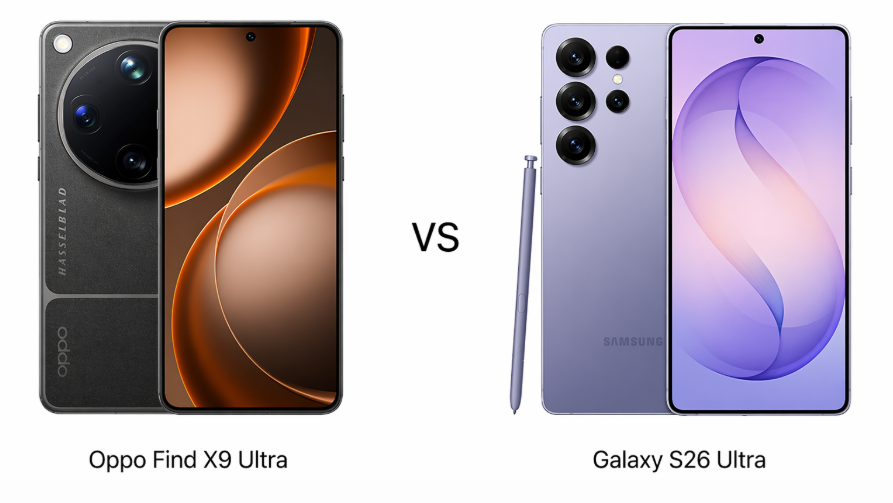
Oppo Find X9 Ultra’s detailed camera specs leak reveals a new 200MP OmniVision periscope sensor

A recent leak revealed that the Oppo Find X9 Ultra will debut as the world’s first smartphone equipped with dual 200-megapixel cameras. So far, it is expected that one of them will be the recently unveiled Sony LYT-901 sensor powering the primary camera. However, the details of the other 200-megapixel sensor were not known. Now, a new leak reveals that it will be powered by a new OmniVision camera sensor.

Oppo Find X9 Ultra camera specifications (rumored)

Oppo Find X9 Ultra camera specifications leaked

According to a Chinese tech blogger, the Oppo Find X9 Ultra’s primary camera uses a 23mm lens paired with a 200-megapixel Sony LYT-901 sensor with a large 1/1.12-inch size. It is accompanied by a 15mm ultra-wide lens with a 50-megapixel Samsung JN5 sensor sized at 1/2.76-inch.

The key highlight of this leak is the inclusion of a 70mm mid-range telephoto camera on the Find X9 Ultra, featuring the new 200-megapixel OmniVision OV52A sensor with a 1/1.28-inch size.

The camera system also includes a 230mm periscope telephoto lens for long-range zoom, which uses a 50-megapixel Samsung JN5 sensor measuring 1/2.76-inch. In addition, the setup is supported by a third-generation Danxia multispectral lens, designed to improve colour accuracy and maintain consistent colour reproduction across different focal lengths.

While it is not mentioned in the leak, the device is likely to feature a 50-megapixel Samsung JN5 front-facing camera with autofocus support.

Oppo Find X9
Oppo Find X9

Other reports have revealed that the Find X9 Ultra will have a 6.82-inch AMOLED 2K 120Hz screen and a large battery of around 7,000mAh capacity. It is expected to support 80W wired and 50W wireless charging. Under the hood, it will have the Snapdragon 8 Elite Gen 5 chipset. Reports also suggest that it could be Oppo’s first Ultra-branded phone to be released in the global market. While it is expected to hit the Chinese market in March, its global launch could take place in the second quarter of this year.

For more daily updates, please visit our News Section.

Stay ahead in tech! Join our Telegram community and sign up for our daily newsletter of top stories.

Realme Neo 8 with Snapdragon 8 Gen 5 launch timeframe officially revealed

Realme has officially confirmed that the Realme Neo 8 will arrive later this month in China. Apart from confirming the moniker, the brand has also revealed the chipset’s name that will drive this phone. Here’s a look at what to expect from it.

Realme Neo 8 confirmed with Snapdragon 8 Gen 5 chipset

The Realme Neo 8 will be powered by the Qualcomm Snapdragon 8 Gen 5 platform. This chip also powers the upcoming iQOO Z11 Turbo and the OnePlus Ace 6T, which is already available in China.

The performance figures shared by the brand show that the Realme Neo 8 has crossed the 3.58 million mark on AnTuTu, positioning it among the highest-scoring Android phones in its segment. Realme executives have indicated that the device is positioned as a new-generation gaming-focused flagship, with emphasis on consistent frame rates and thermal control rather than short bursts of peak performance.

Realme Neo 8 specifications (rumored)

Realme Neo 8 live shot

Leaks and official teasers have revealed that the Realme Neo 8 will arrive with a 6.78-inch flat Samsung AMOLED display with a 1.5K resolution and an adaptive refresh rate ranging from 1Hz to 165Hz. The screen is said to support high-frequency PWM dimming, which improves viewing comfort during extended use. The phone is also expected to feature a 50-megapixel primary camera, paired with a large sensor.

A leaked image of the device that has surfaced on the web has revealed that the Realme Neo 8 adopts a metal frame and a square camera module placed at the top-left. The image also shows that it has a distinctive “Awakening Halo” lighting element, which sits beside the camera, lighting up dynamically for calls and notifications.

Powering the device is an 8,000mAh battery with 80W wired charging and bypass charging support, aimed at keeping temperatures in check during long gaming sessions. The phone is also tipped to include an ultrasonic fingerprint authentication and an IP68/69 dust and water-resistant chassis.

For more daily updates, please visit our News Section.

Stay ahead in tech! Join our Telegram community and sign up for our daily newsletter of top stories.

Honor MagicPad 3 Pro Tops Global Android Tablet Performance Rankings in December 2025

AnTuTu’s December 2025 Android tablet performance rankings clearly show a segment shaped by limited chipset refreshes and selective manufacturer participation. The data, collected globally outside mainland China using AnTuTu Benchmark V11, reflects average benchmark scores rather than peak figures, ensuring consistency and reliability.

Honor MagicPad 3 Pro

The Honor MagicPad 3 Pro 13.3 takes the top position with a commanding average score of 4,051,634, powered by the Snapdragon 8 Elite Gen 5. Honor is currently the only brand to introduce this new-generation flagship chipset to the tablet market, giving the MagicPad a substantial performance lead over all competitors. The gap is large enough to place it in a separate performance tier.

Honor MagicPad 3 Pro 13.3

Second place is claimed by the OnePlus Pad 2 Pro, running the Snapdragon 8 Elite, with an average score of 3,399,451. While still highly capable, it falls well behind Honor’s latest offering due to the older chipset. The Legion Pad Y700 Gen 4 follows in third place, also using the Snapdragon 8 Elite, achieving an average score of 3,168,903.

Other entries in the top ten include gaming-focused tablets from Red Magic and Lenovo, as well as productivity-oriented models from Samsung and Xiaomi, many of which rely on MediaTek’s Dimensity 9400+ or older Snapdragon platforms. These devices deliver strong performance but lack the raw computing power of the Snapdragon 8 Elite Gen 5.

AnTuTu reiterates that tablet scores are influenced by thermal conditions, system versions, and sustained workload behavior. Devices with insufficient benchmark samples are excluded, and cross-version score comparisons are not supported.

For more daily updates, please visit our News Section.

Don’t miss a thing! Join our Telegram community for instant updates and grab our free daily newsletter for the best tech stories!

(Source)

Asus Zenfone 13 Ultra may not launch this year, doubts surround ROG Phone 10 series

Last year, Asus refreshed its flagship lineup with the launch of the Zenfone 12 Ultra in February. However, a new industry report now suggests that the company may not follow up with a Zenfone 13 Ultra this year. The update hints at a pause in new smartphone launches, setting the stage for a deeper look at Asus’s mobile strategy.

Asus plans to pause new smartphone launches in 2026

Asus Zenfone 12 Ultra

According to a recent DigiTimes report, smartphone distributors in Taiwan have indicated that they are no longer able to source Asus smartphones through local agents. This led to speculation that the company’s smartphone unit might cease activity after Dec. 31, 2025.

Responding to these claims, Asus clarified that its smartphone operations are continuing, but it currently has no plans to introduce new smartphone models in 2026. The company emphasized that its existing business structure remains unchanged.

While there has been no news about the Zenfone 13 Ultra, a report dating back to November 2025 revealed that the ROG Phone 10 series is in the works. However, there haven’t been any subsequent leaks.

Asus confirmed that maintenance services, software updates, and warranty support for all current smartphone users will continue as usual. This assurance is aimed at existing customers using devices such as the Zenfone 12 Ultra and the gaming-focused ROG Phone, ensuring their ownership experience is not affected by the absence of new launches.

Asus entered the mobile phone space in the early 2000s and initially found success in parts of Southeast Asia with competitively priced Zenfone models. Over time, growing competition from Chinese smartphone brands reduced its market share. In 2018, Asus restructured its smartphone business and absorbed a major financial hit linked to handset operations, prompting a sharper focus on premium and gaming devices instead of mass-market models.

The situation also reflects a broader trend among PC-centric brands struggling to sustain smartphone businesses. Acer, another Taiwanese brand, exited the smartphone segment in 2016 and only re-entered the space in 2024 through a licensing deal limited to India.

Asus’s reported pause highlights how challenging it has become for traditional PC makers to maintain momentum in a crowded global smartphone market.

For more daily updates, please visit our News Section.

Stay ahead in tech! Join our Telegram community and sign up for our daily newsletter of top stories.

This special Android phone puts privacy first, pairs it with removable battery and IP68 rating

This smartphone is for users who want more control over their data without switching to a feature phone or giving up basic conveniences.

The MC03, from Swiss phone maker Punkt, runs AphyOS, the company’s custom software built on the Android Open Source Project. It removes Google services and background tracking, focusing instead on giving users tighter control over permissions and network access.

Punkt also bundles privacy-focused tools like a VPN and optional Proton services for email and cloud storage. These extras are included for the first year, after which a paid subscription is required. Without it, the phone still functions, but updates and some features are limited.

Specs-wise, this is clearly a mid-range device. The MC03 comes with a 6.67-inch AMOLED display with a 120Hz refresh rate, paired with MediaTek’s Dimensity 7300 chip and 8GB of RAM. It should be more than enough for everyday use, though it’s not trying to compete with flagship phones. The camera setup includes a 64MP main camera, an ultra-wide lens, and a 32MP selfie camera, which again points to practicality rather than headline-grabbing hardware.

One feature that immediately stands out is the removable battery, something that has almost disappeared from modern smartphones. The battery is said to be around 5,200mAh and supports both wired and wireless charging. The phone is also built to handle rougher conditions, with IP68 water and dust resistance and a relatively hefty 240g weight.

Pricing and availability:

Punkt is pricing the MC03 at €699, with European deliveries expected later this month and North American availability planned for spring. It’s not a phone for everyone, but for users tired of data-heavy ecosystems and sealed designs, the MC03 offers a rare alternative in today’s smartphone market.

Don’t miss a thing! Join our Telegram community for instant updates and grab our free daily newsletter for the best tech stories!

For more daily updates, please visit our News Section.

(Source)

OnePlus Turbo 6V specifications emerge via TENAA certification

On Thursday, OnePlus will unveil the OnePlus Turbo 6 series of smartphones. Recent reports have revealed the key specifications of the Turbo 6, but there has been limited information about the more affordable Turbo 6V. That changes now, as the Turbo 6V’s specifications have surfaced via the TENAA certification in China.

OnePlus Turbo 6V specifications (rumored)

OnePlus Turbo 6V TENAA listing

As per the TENAA listing, the OnePlus Turbo 6V will arrive with a 6.78-inch AMOLED screen offering a 1.5K resolution of 2772 x 1272 pixels. The device is powered by an 8,760mAh rated battery, which has already been officially confirmed to offer a 9,000mAh typical value. According to reports, the screen supports a 144Hz refresh rate and offers 80W fast charging.

The OnePlus Turbo 6V will be powered by a 2.7GHz octa-core processor, which appears to be the rumoured Snapdragon 7s Gen 4. The device will be available in RAM variants such as 8GB, 12GB, and 16GB. It will come in storage options like 128GB, 256GB, and 512GB. The brand has already confirmed that it will be available in multiple configurations, such as 8GB+256GB, 12GB+256GB, and 12GB+512GB.

OnePlus Turbo 6V
OnePlus Turbo 6V

The OnePlus Turbo 6V will feature a 16-megapixel front-facing camera. On the back, it will have a 50-megapixel + 2-megapixel dual-camera setup. The listing also reveals other specifications, such as an in-screen fingerprint sensor and an IR blaster. It will measure 162.46 x 77.45 x 8.65mm and weigh 215 grams. It will arrive in color options, such as Lone Black, Nova White, and Fearless Blue.

For more daily updates, please visit our News Section.

Stay ahead in tech! Join our Telegram community and sign up for our daily newsletter of top stories.

Samsung hints at brighter Freestyle+ portable projector ahead of CES 2026

Samsung is teasing a new version of its Freestyle portable projector, and the early message is pretty clear: it’s brighter. The upcoming Freestyle+, expected to be shown at CES 2026, looks like an attempt to address one of the original model’s biggest drawbacks.

From what Samsung has shared so far, the design stays largely the same. The projector keeps its cylindrical shape and rotating stand, letting users aim it at a wall, ceiling, or floor without much effort. That flexibility has always been the Freestyle’s main draw, and it doesn’t look like Samsung wants to mess with it.

The bigger change is brightness. Samsung is quoting 430 ISO lumens, which is a noticeable jump over the original Freestyle’s 230 lumens. Portable projectors are often hard to use unless the room is very dark, so this increase could make a real difference in everyday use — at least on paper.

There are also some new software tricks. Samsung is introducing something it calls AI OptiScreen, which handles autofocus, keystone correction, and screen alignment automatically. There’s also a wall calibration feature that adjusts colors depending on the surface, which could help when projecting onto painted or textured walls.

Like earlier Freestyle models, the Freestyle+ runs Tizen OS, so it doesn’t need a separate streaming device. Apps, Samsung Gaming Hub, and a built-in 360-degree speaker are all part of the package, with optional soundbar pairing through Q-Symphony.

Samsung is expected to share full specs and pricing during CES 2026. Whether the Freestyle+ ends up being a meaningful upgrade will likely come down to how much that brightness boost holds up outside controlled demo rooms.

Don’t miss a thing! Join our Telegram community for instant updates and grab our free daily newsletter for the best tech stories!

For more daily updates, please visit our News Section.

Vivo X300 Ultra rumored to bring continuous optical zoom to the main camera

A new rumor suggests Vivo could be planning something ambitious for its next flagship camera phone. The upcoming Vivo X300 Ultra is said to borrow an idea from Xiaomi’s recent zoom tech — but apply it in a way that could make it more useful in everyday shooting.

Vivo X200 Ultra
Vivo X200 Ultra

The claim comes from a Weibo tipster and has since made its way to Reddit and X. According to the post, vivo’s next Ultra model — expected around March and tipped as the company’s first Ultra phone to see a wider global release — could feature a triple rear camera setup led by a 200MP main sensor with a 35mm equivalent focal length. The sensor is rumored to be a large 1/1.12-inch Sony LYT-901, paired with a 200MP periscope telephoto and a 50MP ultra-wide camera using a 1/1.28-inch sensor.

What’s drawing the most attention, though, is talk of continuous optical zoom on the upcoming Vivo flagship. Xiaomi introduced a similar idea on the 17 Ultra, where its periscope camera can optically shift between roughly 75mm and 100mm. Vivo, however, is rumored to be experimenting with this concept on the main camera instead, allowing optical zoom from around 35mm up to 85mm. If accurate, this could make the X300 Ultra feel closer to a dedicated camera than most of its competitors, including the Xiaomi 17 Ultra.

That said, there are reasons to be cautious. Continuous zoom systems are heavily limited by physical space inside the camera module. Using a larger main sensor could actually make it harder to achieve a wide zoom range. On top of that, the leaker behind this claim doesn’t reportedly have a strong track record, and well-known sources like Digital Chat Station haven’t backed it up yet.

If vivo does manage to pull off true continuous optical zoom on its primary camera, it could offer more flexibility than Xiaomi’s telephoto-focused approach. For now, though, this remains firmly in rumor territory. Either way, the X300 Ultra is shaping up to be another serious entry in the ongoing camera phone arms race.

Don’t miss a thing! Join our Telegram community for instant updates and grab our free daily newsletter for the best tech stories!

For more daily updates, please visit our News Section.

(Source)

AnTuTu December 2025 Global Rankings: Poco X7 Pro Leads Mid-Range Androids in Performance

The Poco X7 Pro topped AnTuTu’s December 2025 sub-flagship Android rankings with an average score of 1,881,295 on AnTuTu Benchmark V11. The phone uses MediaTek’s Dimensity 8400-Ultra processor and stays ahead through good thermal control and steady performance.

Poco X7 Pro design
Poco X7 Pro

The OnePlus Nord 4 came in second with 1,643,432 points. It runs Qualcomm’s Snapdragon 7+ Gen 3 and is the best Snapdragon option in this category, though it scores about 238,000 points below the leader.

Third place went to the Poco X6 Pro 5G, which scored 1,541,644 using the older Dimensity 8300-Ultra. Even with last-generation hardware, it still puts up solid numbers.

The rankings barely changed throughout December. MediaTek controls this segment with two of the top three spots. Its Dimensity 8-series chips beat Qualcomm Snapdragon 7+ Gen 3 processors in real-world use. The Snapdragon 7+ Gen 3 is Qualcomm’s most powerful mid-range processor till date. It was released in March 2024, and we have not received a true successor of this chip yet.

The sub-flagship market has hit a plateau. Things probably won’t change much until new hardware arrives. Luckily, MediaTek is about to release its Dimensity 8500 soon, which was recently revealed to have achieved an AnTuTu score of over 2.4 million points. Additionally. OPPO’s Reno 16 Pro Max also made its global debut recently, featuring the Dimensity 8450 chip. It is expected to land somewhere in the middle of this month’s rankings.

AnTuTu collects data from phones actually being used worldwide, not lab tests. This gives a better picture of how devices perform in normal conditions. They only include phones with enough benchmark results and report scores from the best configurations that enough people tested.

For more daily updates, please visit our News Section.

Stay ahead in tech! Join our Telegram community and sign up for our daily newsletter of top stories.

(Source)

Red Magic 11 Pro Beats All Flagships in AnTuTu December 2025 Global Benchmarks

As 2025 wraps up, AnTuTu‘s December performance rankings show which Android flagships are leading the pack right now. Qualcomm and MediaTek‘s latest flagship chips are everywhere, but only a handful of phones are truly pushing maximum performance. These rankings use average benchmark scores from December 1 to December 31, 2025, collected from global markets outside mainland China, all tested on AnTuTu Benchmark V10.

The Red Magic 11 Pro takes first place with the Snapdragon 8 Elite Gen 5, scoring an average of 4,002,199. It also leads the AnTuTu flagship performance charts in mainland China, with a slightly better score of 4,118,828 points. Its gaming-focused design, active cooling, and aggressive tuning put it ahead of everything else. Second is the iQOO 15, also using the Snapdragon 8 Elite Gen 5, with an average score of 3,763,468. The Poco F8 Ultra comes in third at 3,755,870, keeping up Poco’s tradition of delivering flagship performance without the flagship price.

All three top devices run the Snapdragon 8 Elite Gen 5, showing just how much Qualcomm controls the flagship performance space this generation. Phones like the Vivo X300 Pro and OPPO Find X9 Pro rank lower despite solid scores because they focus more on camera hardware and photo quality instead of maxing out benchmarks.

AnTuTu bases these rankings on average scores, not peak numbers, so they better reflect real-world sustained performance. Any device with fewer than 1,000 valid benchmark runs gets excluded. Scores can shift based on software version, temperature, and how the phone is being used.

December’s flagship rankings show a quiet month globally with few new releases. Performance leadership comes down to tuning and thermal management more than anything else.

For more daily updates, please visit our News Section.

Stay ahead in tech! Join our Telegram community and sign up for our daily newsletter of top stories.

(Source)

Xiaomi Auto delivers over 50000 vehicles in December, sets new monthly record

Xiaomi Auto reached a major milestone in December 2025 by delivering over 50,000 vehicles in a single month. This marks the highest monthly delivery total for the brand since it entered the electric vehicle market. The company had already crossed the 40,000 monthly delivery mark for three consecutive months prior to this record.

Xiaomi Auto December Report

By the end of November 2025, Xiaomi Auto had delivered 361,625 vehicles for the year. With December’s strong performance, total deliveries for 2025 exceeded 410,000 units, surpassing the company’s original full-year target of 350,000.

As per China Passenger Car Association data, the cumulative vehicle deliveries had surpassed 500,000 units by November 2025. The company achieved this figure in less than 20 months, setting a new global record among EV brands for the fastest time to reach half a million deliveries.

Xiaomi Auto also appears to be preparing an aggressive product expansion in 2026. Reports from Chinese media indicate that the company plans to launch four new models next year. These include a refreshed SU7, an SU7 Executive Edition, a five-seat range extended SUV, and a seven-seat range extended SUV.

The updated SU7 and the larger SUV are expected to launch in the first half of the year. The Executive Edition and the five-seat SUV are scheduled to arrive in the second half. Interest is high around the upcoming SUVs, especially the larger model, which has already been seen in road testing under the internal name Kunlun.

Based on earlier industry reports, Xiaomi’s upcoming large SUV could launch as the YU9. The model is expected to compete with vehicles such as the AITO M9 and Li Auto L9, with a similar price segment.

In related news, Xiaomi has recently revealed the official repair pricing for the Xiaomi 17 Ultra, and fixing the camera-focused flagship is expected to be expensive.

For more daily updates, please visit our News Section.

Stay ahead in tech! Join our Telegram community and sign up for our daily newsletter of top stories! 💡

(Via)

Casio refreshes popular G-Shock models with brighter LED backlights

Casio has rolled out a new wave of G-Shock digital watch upgrades, replacing the classic EL backlights with more power-efficient LED lighting. The changes apply to several long-running models, including the GW-6900, GW-2310, DW-5900, and GX-56 series. These models maintain their signature designs and features but now offer improved brightness and longevity through the LED system.

The GW-6900U-1JF leads the refresh. It retains the original’s 200-meter water resistance, shockproof design, Tough Solar charging, and Multi-Band 6 time syncing, but upgrades to Casio’s 3547 module. The new LED backlight replaces the EL system found on the 2009 model and increases its no-charge operation time to up to 10 months.

Casio has also updated the GW-2310 lineup. The GW-2310U-1JF and GW-2310UFB-1JF keep their stainless steel bezels and core features, including world time, stopwatch, and automatic calendar. Both use the 3537 module with a high-brightness LED backlight. The UFB variant features an inverted LCD display for a stealthier appearance.

The DW-5900U-1JF and DW-5900UBB-1JF also receive the LED treatment. These watches preserve the original Triple Graph display from the 1992 DW-5900 and now use the new 3536 module. Battery life has doubled to 10 years compared to earlier models. The design remains unchanged, maintaining the classic layout with animated counters and status icons.

Casio has also refreshed the GX-56 line with the GX-56UBB-1JF. The oversized, rugged model now features an LED backlight via the updated 3545 module. It continues to support Tough Solar charging and 200-meter water resistance.

Pricing and Availability

The DW-5900U-1JF and DW-5900UBB-1JF are priced at 14,300 yen (approximately $100). The GW-2310U-1JF and GW-2310UFB-1JF cost 22,000 yen (approximately $154).

The GX-56UBB-1JF is listed at 23,100 yen (around $161), while the GW-6900U-1JF is priced at 24,200 yen (around $169).

All models are set to go on sale in Japan this month and are expected to roll out globally in the coming weeks. Casio will continue selling the EL-backlit versions for now.

In related news, Casio has unveiled new Hokusai-themed G-Shock smartwatches in Japan.

For more daily updates, please visit our News Section.

Stay ahead in tech! Join our Telegram community and sign up for our daily newsletter of top stories! 💡
(Source 1,2,3,4,5,6, Via)