Xiaomi has unveiled the Redmi Buds 4 Active earbuds to the global market. The release of the latest Xiaomi earbuds from the Redmi brand is not exclusive to China this time. The Redmi Buds 4 Active comes with several improvements from its predecessor, the Redmi Buds 4.
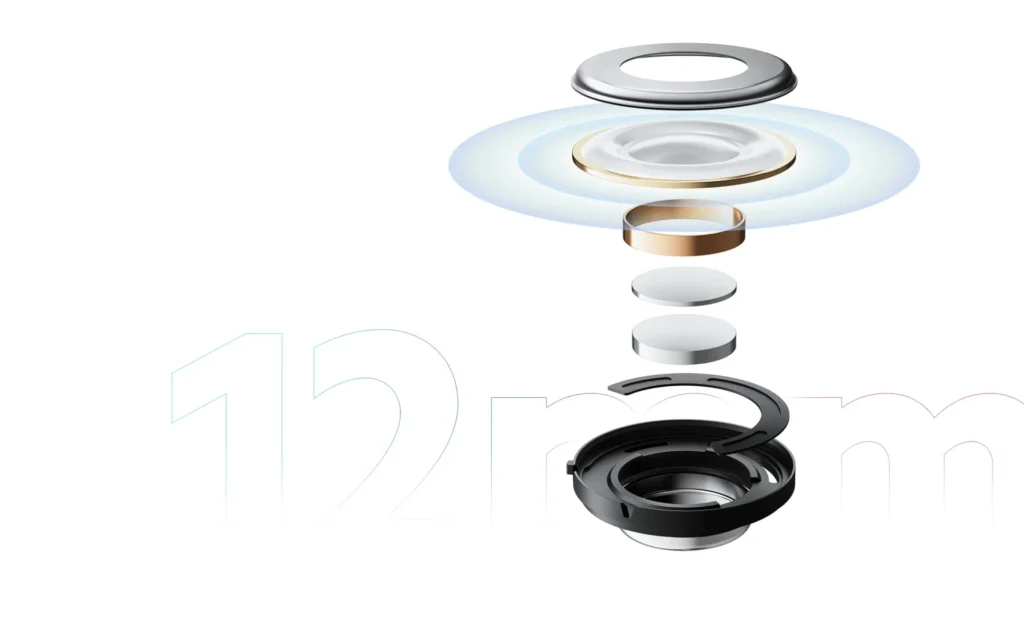
The Buds 4 Active is equipped with 12mm drivers which is an improvement from the 10mm drivers in the preceding model. While the 12mm drivers are a significant improvement over the vanilla mode, the Buds 4 Active comes short in active noise cancellation options. The standard Buds 4 Active features active noise cancellation, normal, and transparent modes for ambient sound but the Buds 4 Active only has active noise cancellation and normal modes. The Redmi Buds 4 Active has IPX4 water resistance certification unlike the Buds 4 with IPX5 dust and water resistance rating.
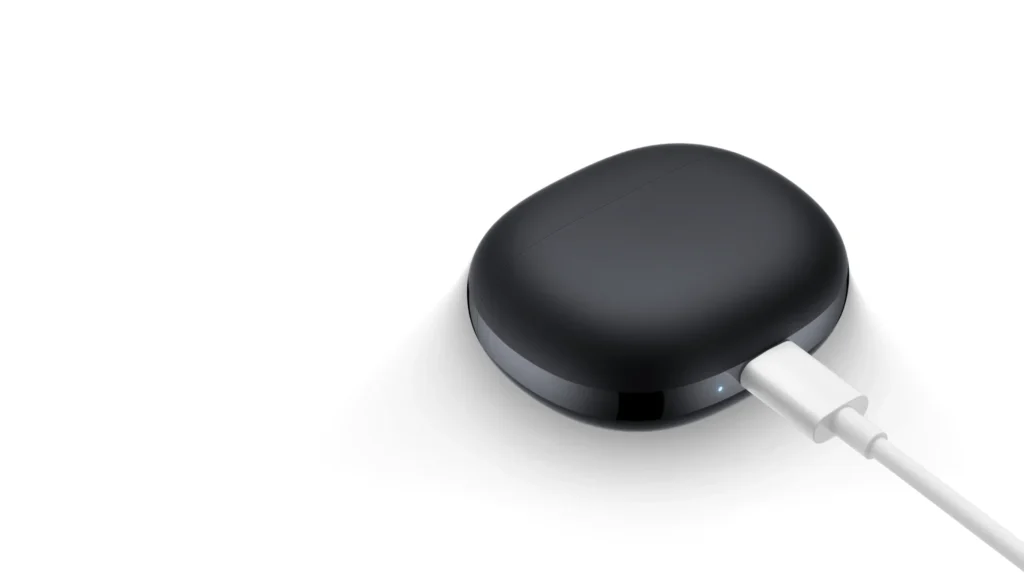
The Redmi Buds 4 Active comes with a different design from its predecessor. It has larger earbuds and a more rounded charging case than the vanilla model. It offers up to 28 hours of operation with its charging case. The earbuds themselves offer up to 5 hours of playback on a single charge.
The Redmi Buds 4 active can also be charged rapidly with 10 minutes of charging yielding up to 2 hours of listening time. The earbuds support Bluetooth 5.3 connectivity and Google Fast Pair. There are several touch controls for the earbuds including double tap, triple tap, and press and hold. These touch functions are for music playback, answering or rejecting a call, and enabling low latency mode, among others.
The Redmi Buds 4 Active weighs 42g together with its charging case and the case has a 440mAh battery capacity. The earbuds only support only the SBC codec and are only available in a black colorway on the Xiaomi website. The Redmi Buds 4 pricing and shipping information are yet to be provided by Xiaomi. Such details could be released anytime soon.
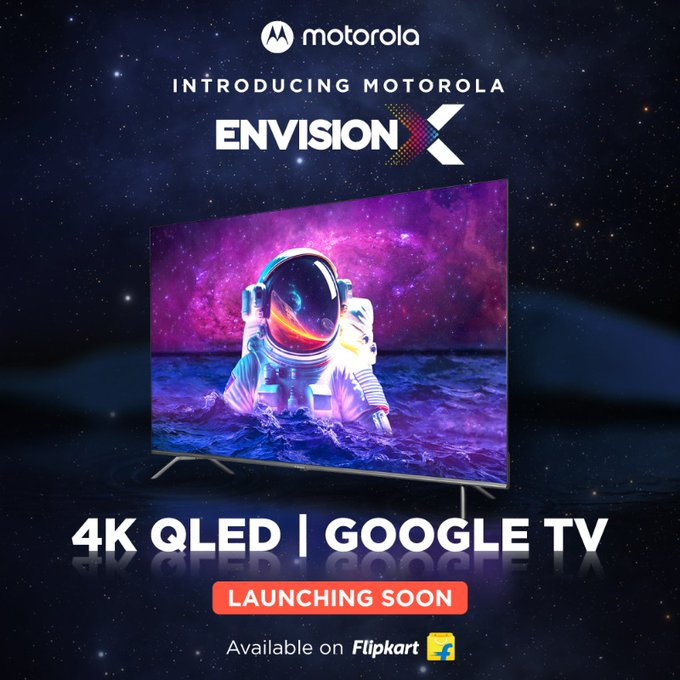
Motorola has expanded its TV lineup in India with the introduction of the Motorola Envision X smart televisions. Following the successful launch of the Motorola Envision series TVs last month, the brand has now revealed the specifications and features of the new TVs on a dedicated microsite hosted on Flipkart. Let’s delve into the details of these latest offerings.
Motorola Envision X smart TV specs & features
Available in two screen sizes of 55″ and 65″, the Envision X boasts a QLED display panel that delivers captivating visuals. It incorporates Quantum-Glow technology, enabling enhanced picture quality with support for Dolby Vision and a wide color gamut of 1.07 billion colors. The TV provides users with the flexibility to choose from six picture modes, allowing them to optimize the display settings according to their preferences.
In terms of audio capabilities, the Envision X supports 3D surround sound through Dolby Atmos technology, delivering an immersive and cinematic audio experience. Users can enjoy a rich bass output and select from four sound modes for customized audio settings.
The smart TV runs on Google TV, powered by the Android operating system, enabling users to access a wide range of content and applications. With AI-enabled personalized content recommendations, users can discover new entertainment options tailored to their interests. Google’s Voice Assistant feature allows for hands-free operation of the TV, and users can control the device using their smartphones. Additionally, a unified search feature simplifies content discovery across multiple streaming platforms.
Under the hood, the Envision X is equipped with a MediaTek quad-core processor, ensuring smooth performance and responsiveness. It includes an inbuilt GPU and 2GB of RAM to handle various tasks efficiently, providing a seamless gaming experience.
Motorola emphasizes customer satisfaction by offering extensive service coverage across more than 19,000 pin codes. A 7-day active call center is available to address customer queries and concerns promptly. Furthermore, users of the Envision X smart TV can benefit from free brand-authorized repair services, with the convenience of repairs conducted at their doorstep.
Pricing & availability
The brand is yet to reveal the launch date of these new TVs in India, however, it is quite likely that they are made available on June 7 at 8 PM in a flash sale on Flipkart. As for the pricing, a screenshot grabbed by TheTechOutlook reveals that the 55″ variant will be priced at Rs. 59,990.
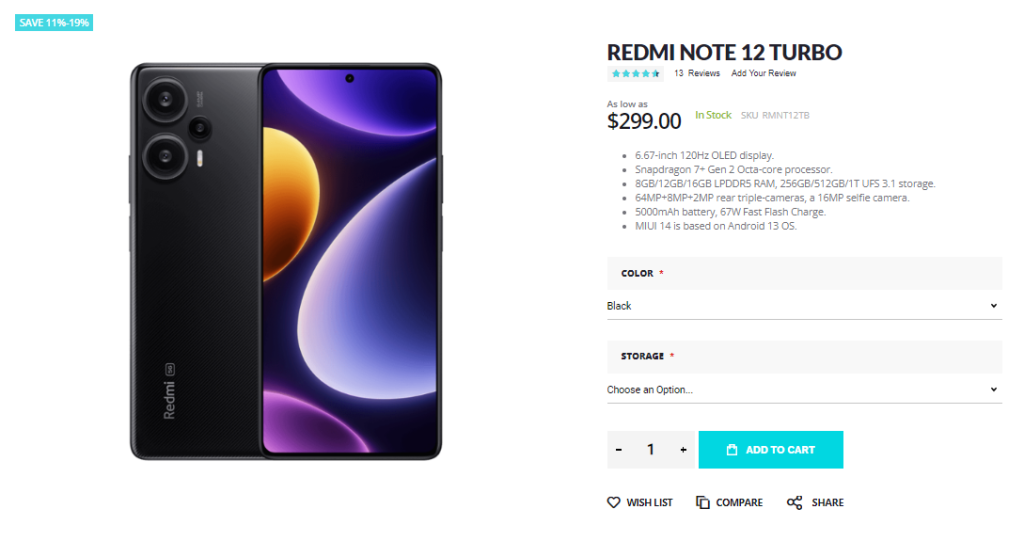
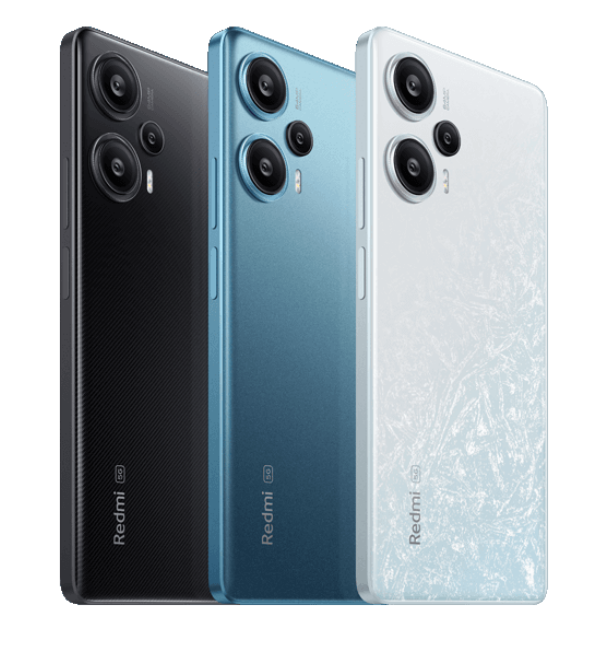
Giztop is giving a huge discount on Redmi Note 12 Turbo smartphone. The phone which generally retails for $349 is now available at a discounted price of $299 only.
Redmi Note 12 Turbo features a 6.67-inch FHD+ OLED display that supports 2400 x 1080p resolution, 120Hz refresh rate, and 240Hz touch sampling rate. The phone is powered by the latest Snapdragon 7+ Gen 2 Octa-core processor and comes with 8GB/12GB/16GB LPDDR5 X RAM and 256GB/512GB/1T UFS 3.1 storage.
The phone features a triple rear camera setup with a 64MP primary camera and an 8MP ultra-wide angle lens and a 2MP macro shooter. For your selfies, you have a 16MP sensor in the front.
Redmi Note 12 Turbo is fueled by a 5000mAh battery and supports a 67W fast flash charge. Other interesting features include the NFC function, Infrared sensors, 3.5mm jack, Bluetooth 5.2, under-display fingerprint sensor, JBL stereo dual speakers, etc.
You can now buy the Redmi Note 12 Turbo for a starting price of $299 only on Giztop. Please note that the phone is available in Black, Blue, and White color variants. This price is applicable to the base variant only.
For more information on such exciting deals and offers, check out our deals hub.
Fujitsu is one of the oldest technology companies in the world. Even though the company is not as prominent as it once was, but it’s still active in many different areas, including consumer electronics like laptops. Recently, the tech giant introduced two new laptop models, the UH-X and UH-X convertible. Now, Fujitsu has unveiled two new business laptops in its popular LifeBook U9 series. The new models, the U94/A and U9313X, are powered by 13th generation Intel processors and feature a range of versatile features. Here are the details…
FujitsuUpgrades LifeBook U9 Series Business Laptops with 13th Gen Intel Core, Lightweight Design, and Convertible Features
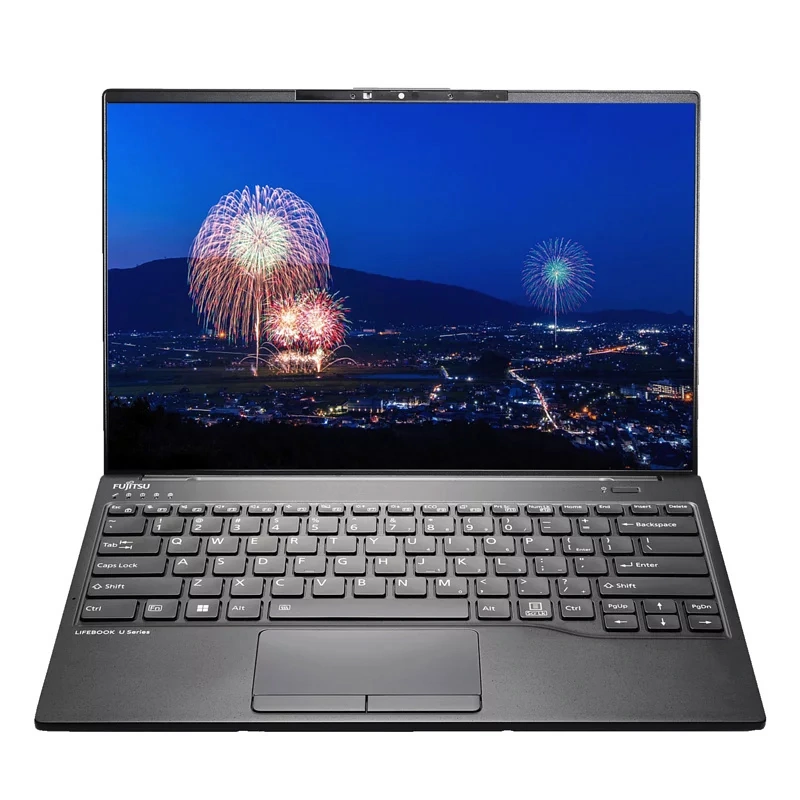
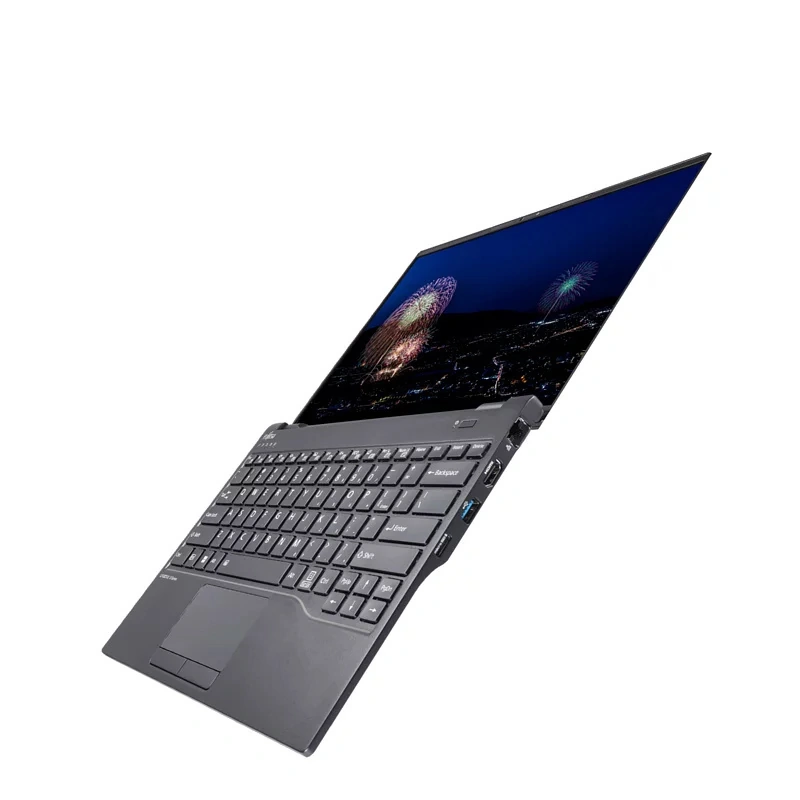
The LifeBook U94/A is a lightweight 14-inch laptop that weighs just 898 grams. It has a sleek narrow bezel design and a 16:10 aspect ratio display with a resolution of 1920×1200. The laptop is equipped with a full-size ethernet port, two USB A ports, a Thunderbolt 4 port, and HDMI 2.0, providing ample connectivity options. It also supports 5G 2 and Wi-Fi 6E for high-speed internet access. The laptop’s redesigned wide-angle front camera includes Windows Hello verification. Additionally, the laptop incorporates a physical switch for a privacy shutter.
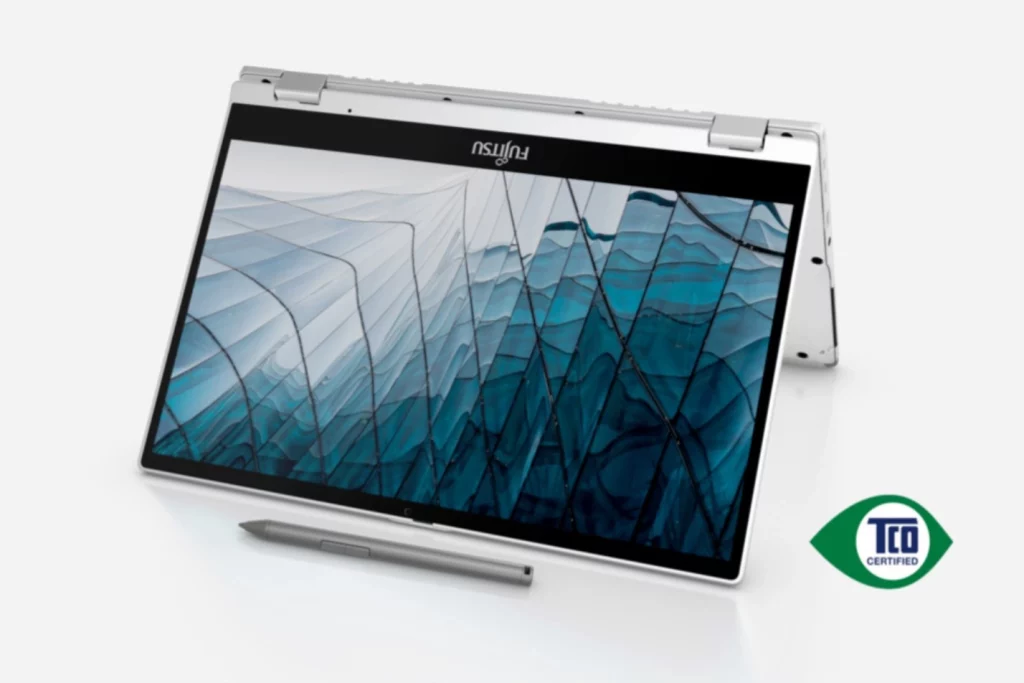
The LifeBook U9313X is a convertible laptop featuring a 13.3-inch screen with a 16:9 aspect ratio and a resolution of 1920×1080. Its design supports 360-degree rotation, offering flexibility between “notebook mode” and “tablet mode.” Like the U94/A, it too offers PalmSecure and Windows Hello. The U9313X comes with two USB A ports, two Thunderbolt 4 ports, and a full-size ethernet port. Also includes a stylus.
Make it us dollar: Both models are available now through Fujitsu’s official website and authorized retailers. The LifeBook U94/A starts at 2.290$, while the starting price for the LifeBook U9313X is 2.300$.
Microsoft has officially announced the discontinuation of its virtual assistant, Cortana, on the Windows platform. In a recent support document, the company stated that the standalone Cortana app, which often goes unnoticed by users, will no longer receive support starting later this year.
This decision follows the introduction of Windows Copilot, which was unveiled at Microsoft’s Build 2023 conference just a week ago. Despite speculation that Copilot would replace Cortana, Microsoft’s Aaron Woodman clarified that the two services have distinct purposes and are not interchangeable.
Microsoft’s Focus Shift: Embracing AI with Copilot and Bing Chat
While Cortana will no longer be available, Microsoft assures users that AI experiences will still be accessible on Windows 11. Notable replacements mentioned in the support document include Windows Copilot, the new Bing, Microsoft 365 Copilot, and voice access in Windows, which enables voice control of PCs.
Cortana’s fate has been apparent for some time. Initially launched as a virtual assistant for Windows Phone 8.1 in 2014, it later made its way to desktops with Windows 10. Microsoft expanded Cortana’s presence by integrating it into various applications, resembling the current approach with Copilot. However, third-party Cortana devices such as the Harman Kardon Invoke smart speaker and the Johnson Controls Glas thermostat have also lost support.
Recognizing the limited potential for Cortana to compete with Amazon’s Alexa, Microsoft gradually scaled back its efforts. Cortana was separated from Windows, becoming a standalone app rather than a taskbar feature. Over the past couple of years, it has largely remained an app on Windows 11 without significant updates or new features.
Now, Microsoft is emphasizing Bing Chat and Copilot. The company’s focus on AI is evident, with plans to move forward with GPT-4, a more advanced voice assistant, instead of relying on Cortana’s basic functionality.
Microsoft clarified that Cortana will still be available in Outlook mobile, Teams mobile, Teams display, and Teams rooms. However, considering the discontinuation of Cortana on Windows and the lack of recent updates, it may not be the ideal time to build workflows around the virtual assistant.
Launched in August 2022, the HyperX DuoCast is HyperX’s USB microphone with RGB lighting. Priced at $99.99 for the global market, it is positioned between the SoloCast and QuadCast microphones from HyperX. Crafted to cater to the needs of streamers, gamers, and content creators alike, the HyperX DuoCast is a user-friendly, plug-and-play solution that delivers top-notch recording quality. Here is our review of the DuoCast.
HyperX DuoCast review: What’s in the box?
HyperX DuoCast
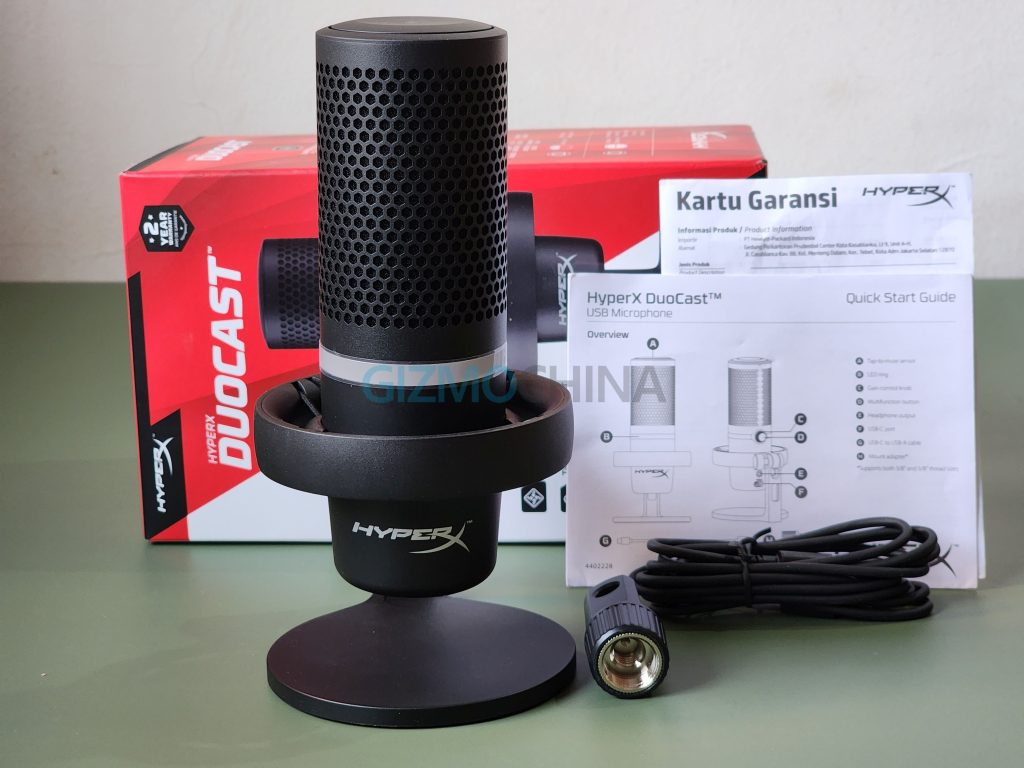
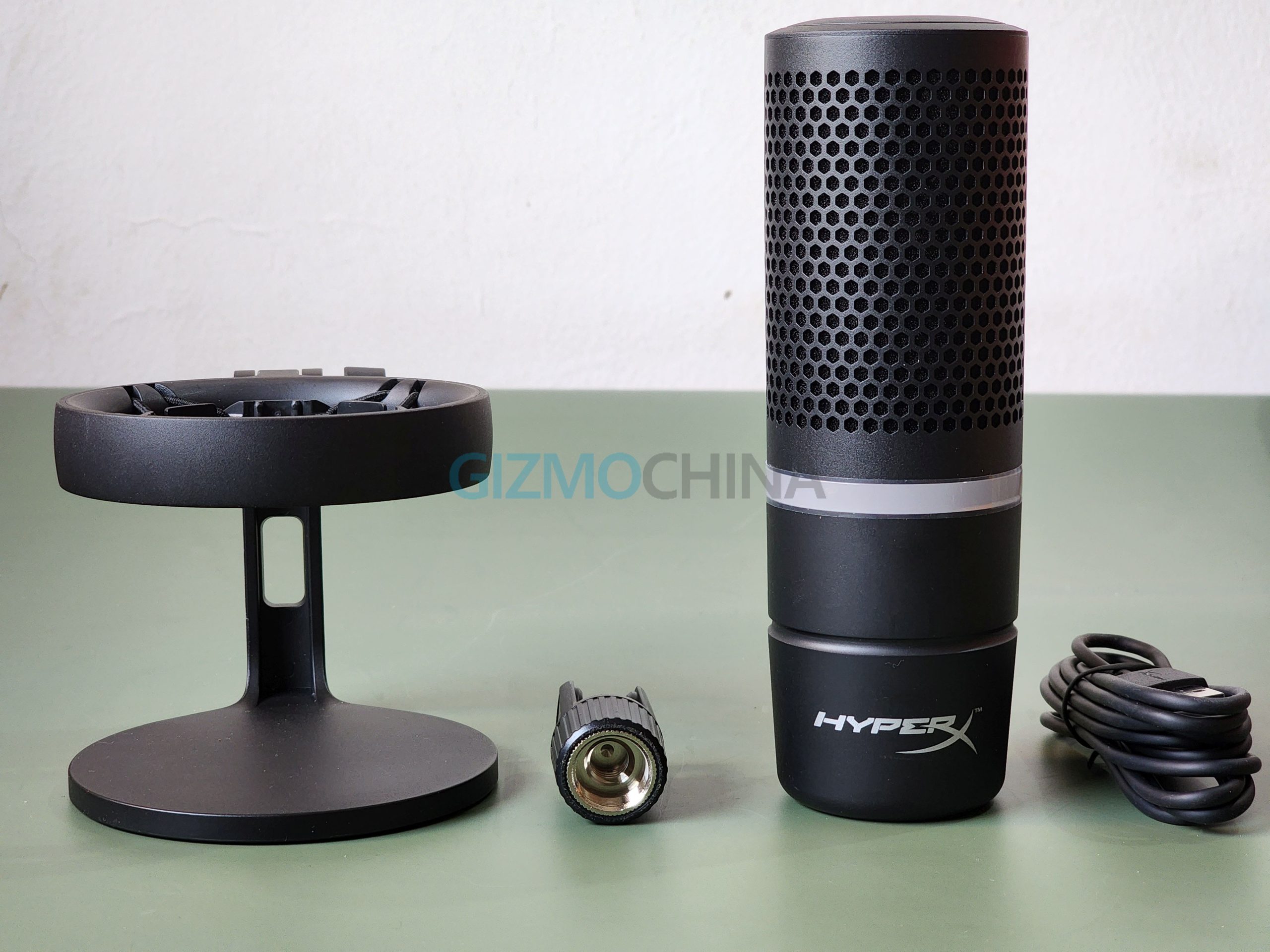
The retail package of the HyperX DuoCast includes the following items:
HyperX DuoCast microphone
Shock mount
USB-C to USB-A cable (length)
Boom arm adapter
Quick Start Guide
HyperX DuoCast: Design and Build
HyperX DuoCastHyperX DuoCastHyperX DuoCast
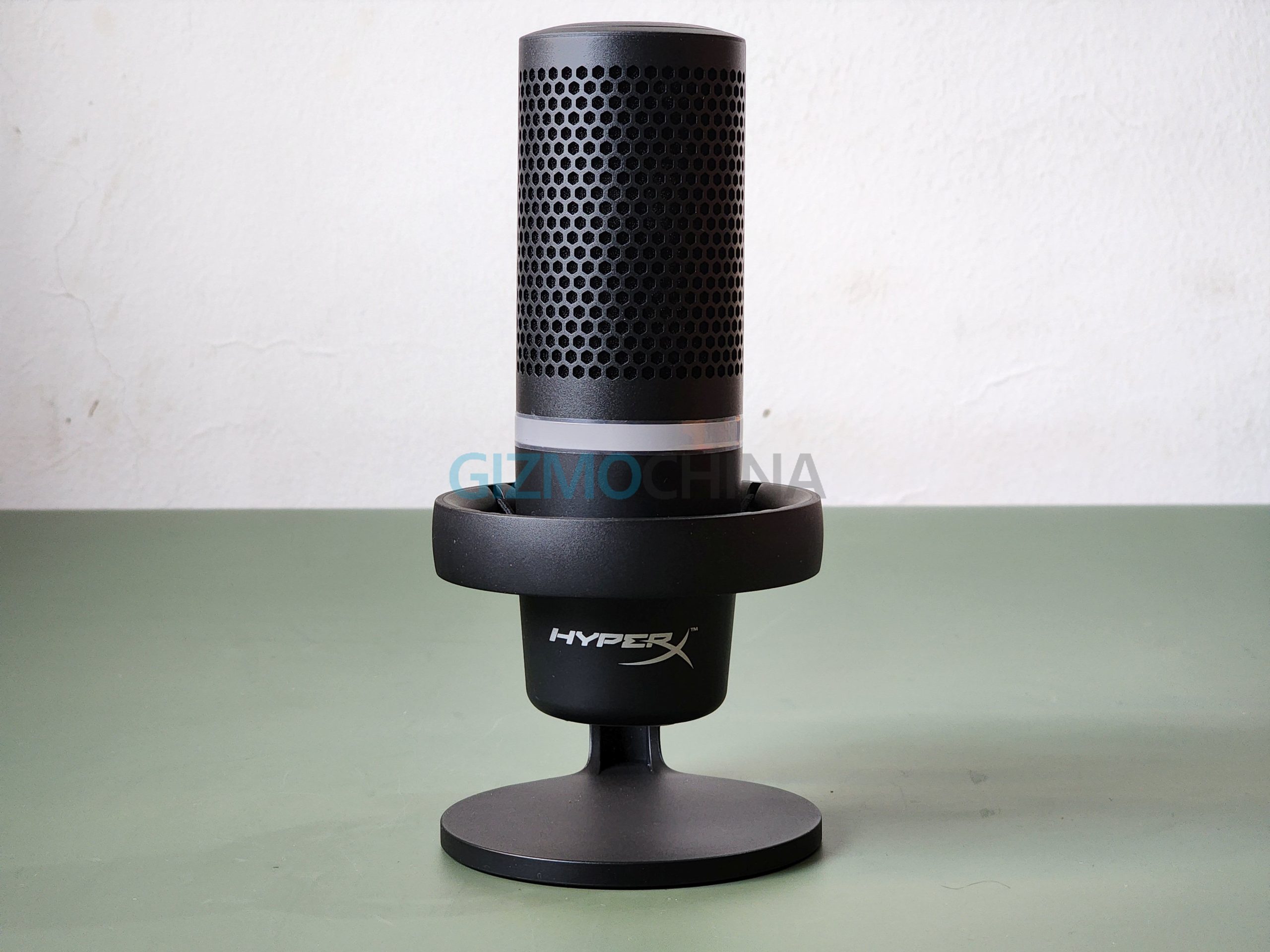
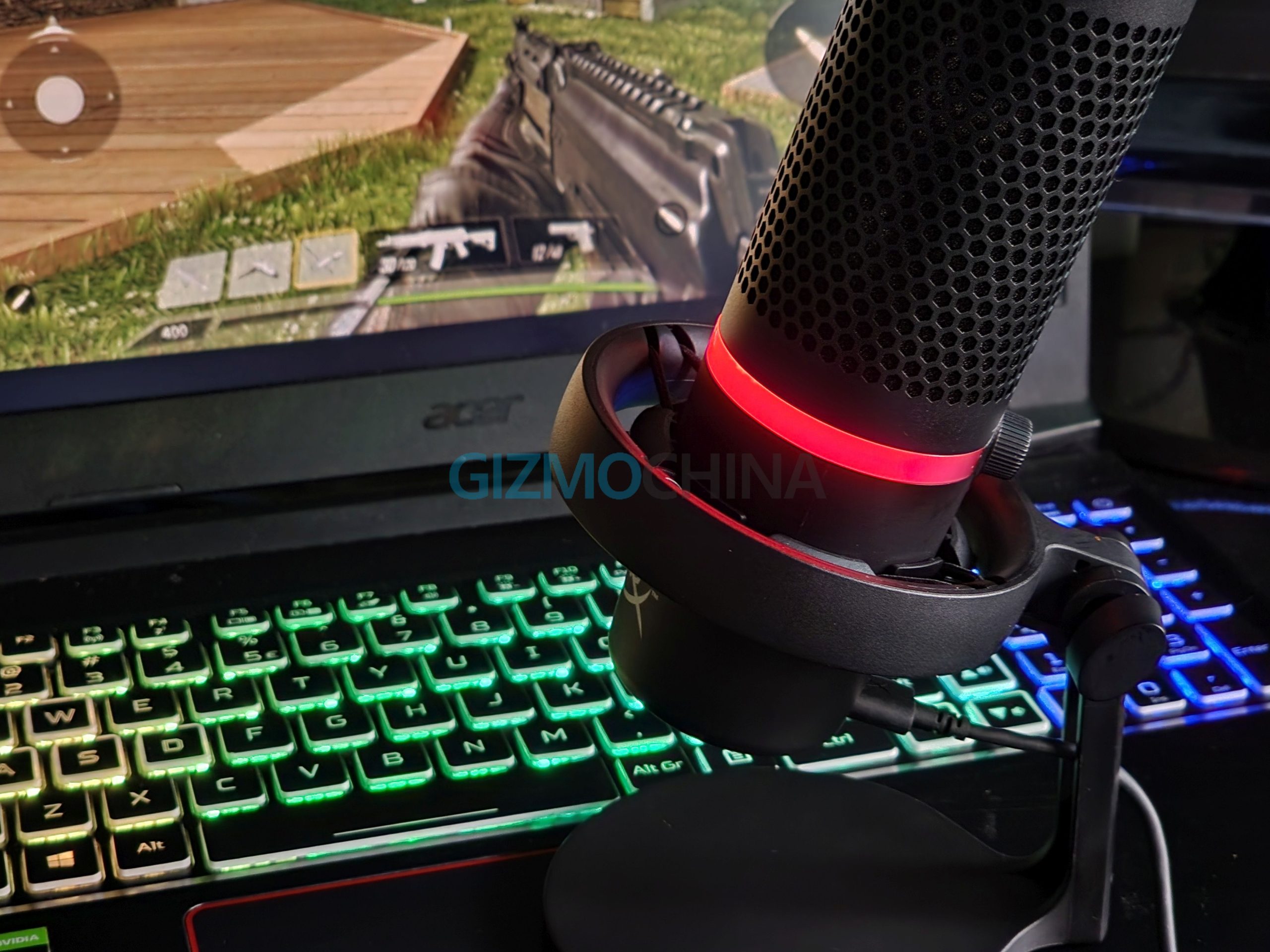
Featuring minimalist aesthetics, the HyperX DuoCast USB microphone boasts a compact design with built-in RGB lighting. Standing at a height of 8 inches (203mm), it is slightly taller than the SoloCast (7.1 inches) but shorter than the QuadCast (9.5 inches).
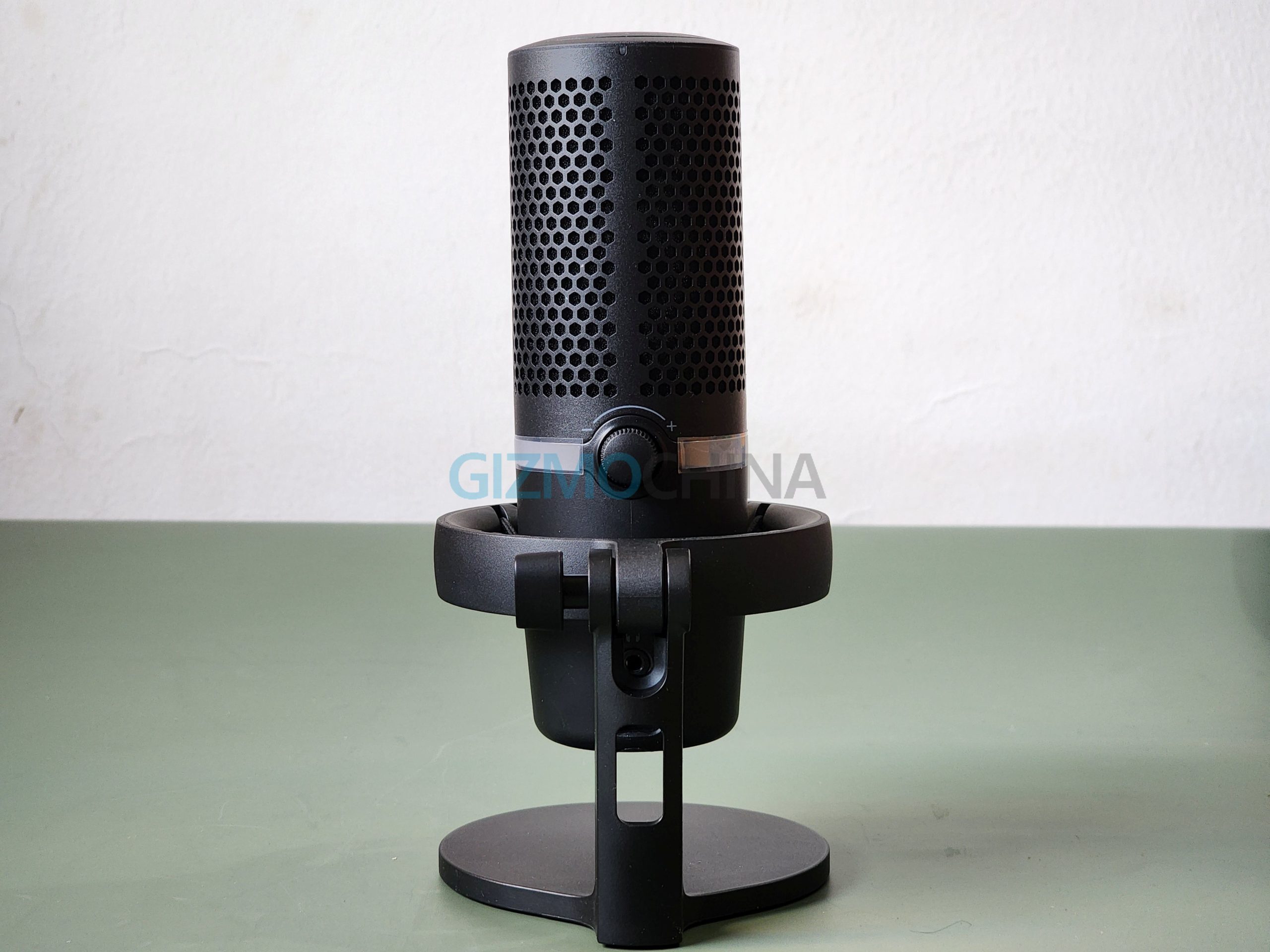
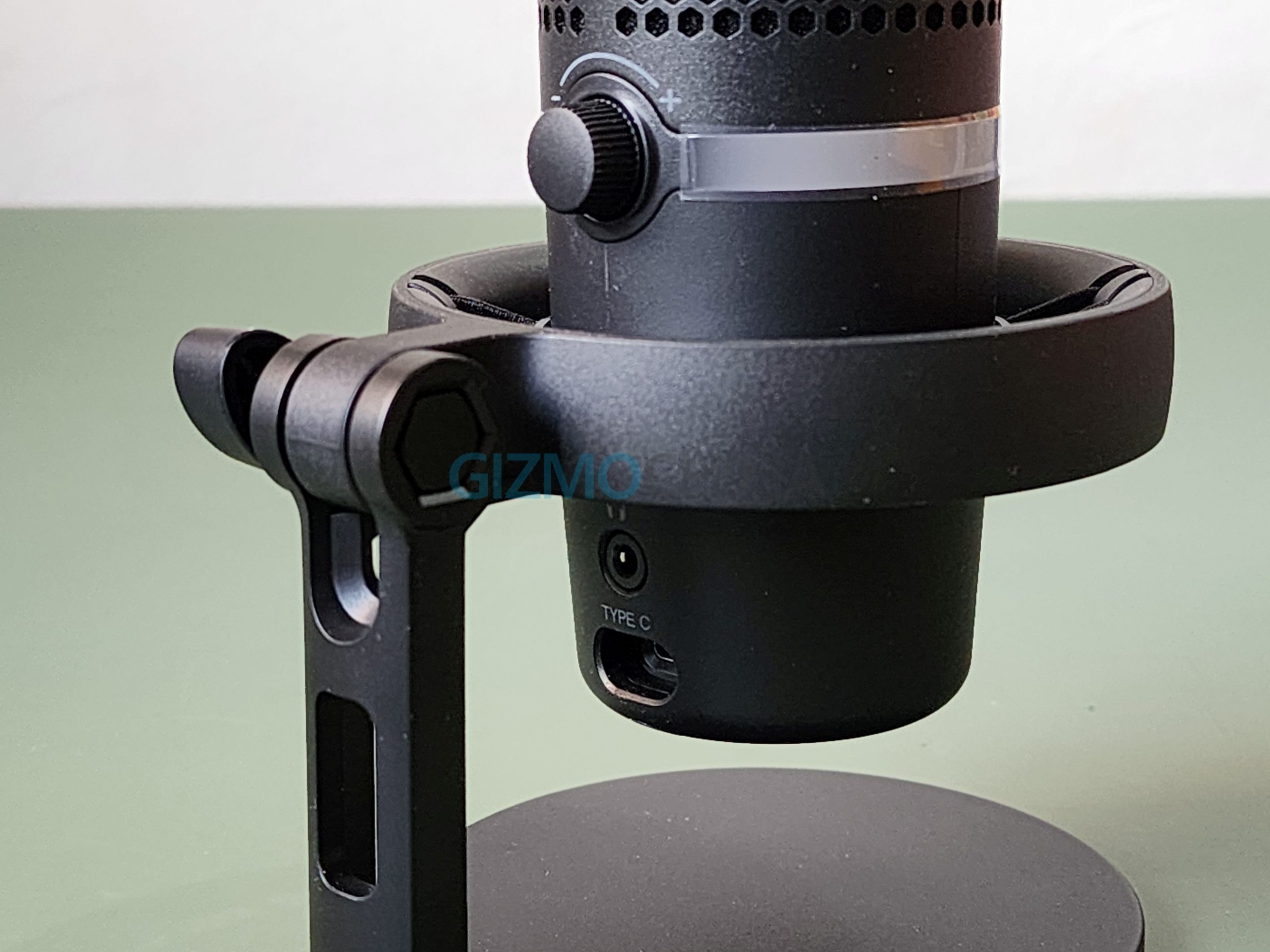
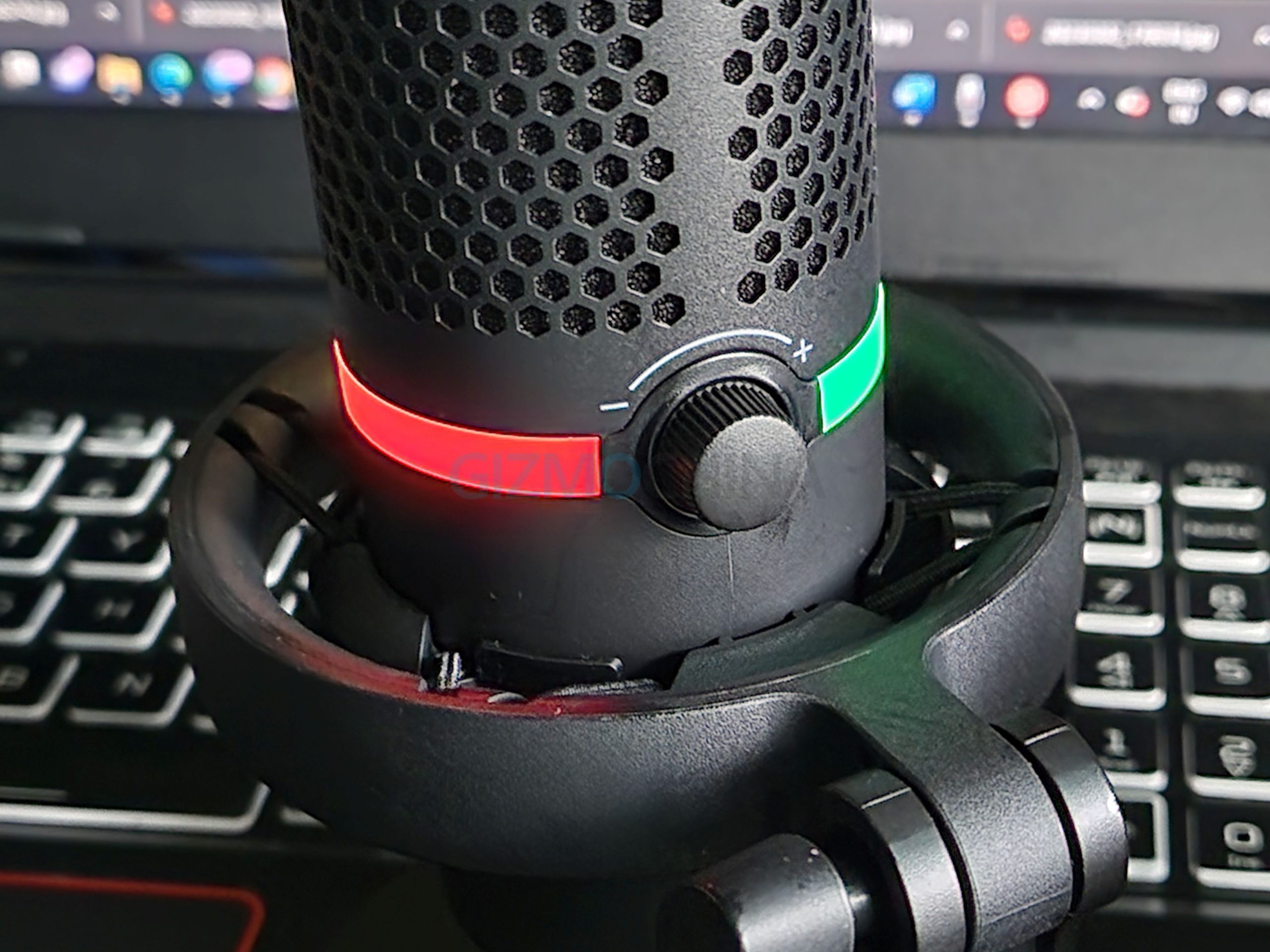
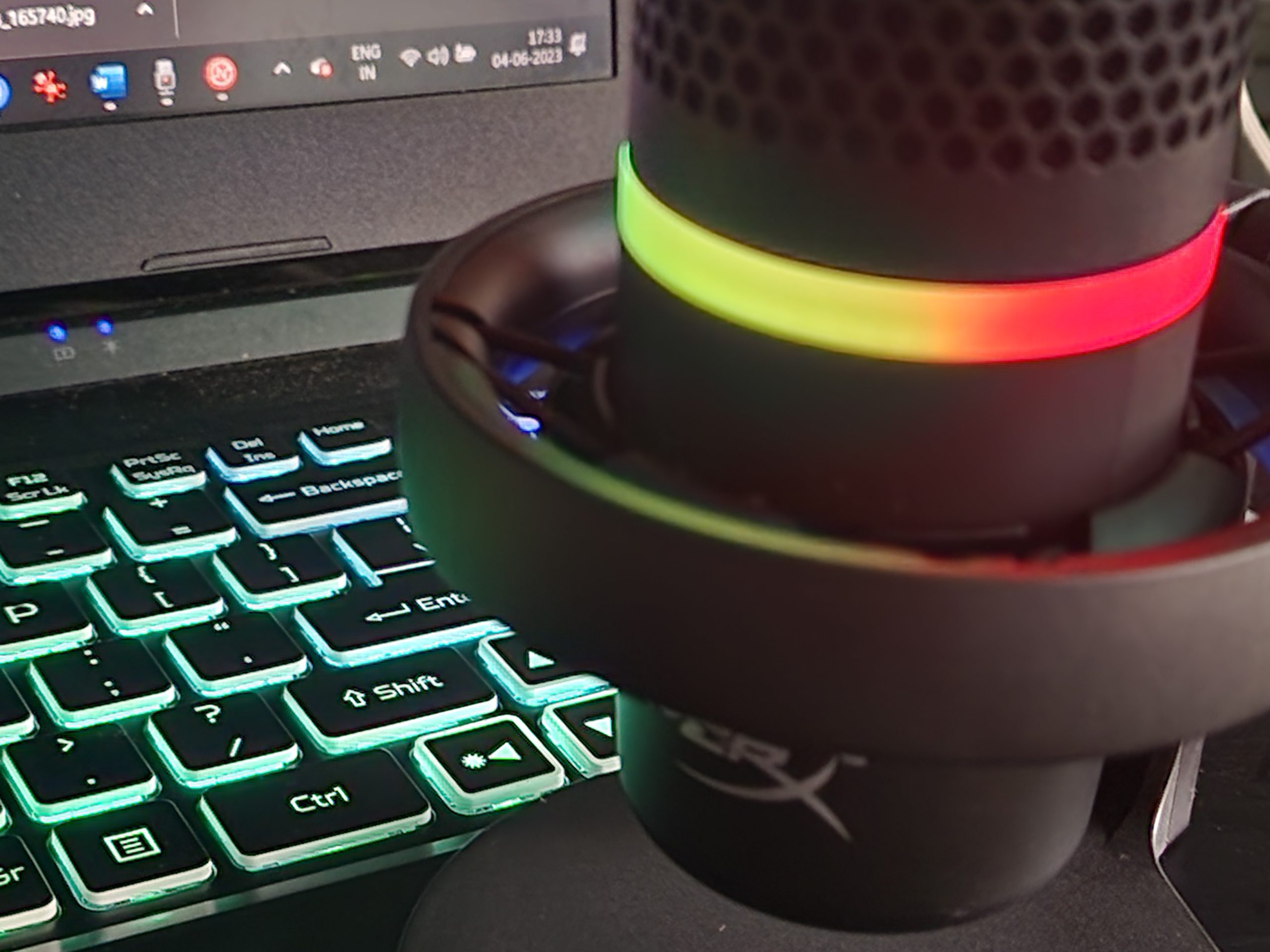
As can be seen in the images, the DuoCast has a capsule-like body with the upper part that has the microphone placed inside a honeycomb-like perforated housing, which is followed by an RGB LED ring and the HyperX logo. The top base of the device has the tap-to-mute feature. Its entire body is made from sturdy polycarbonate and does not feel cheap at all. The QuadCast, being a costlier product, has an aluminium build. On the back, there is a gain control knob, a USB-C port, and a 3.5mm headphone jack.
HyperX DuoCast: how to use it?
Buttons: The mute / unmute touch-sensitive button located on the top of the HyperX DuoCast is impressively responsive, allowing for seamless and effortless muting of the microphone with a simple touch or even with your palm on the whole area. Once the microphone is put on mute, the accompanying RGB LED strip also automatically turns off, providing a visual indicator that the microphone is in a muted state.
The gain control knob, available on the back, can be rotated as well as pressed. When it is rotated, users can control the gain, and when pressed, it lets users switch between cardioid and omnidirectional. The USB port can be used to power it up and by connecting to a device like a Windows PC. Once the connection is established, it is ready to use. The 3.5mm headphone jack can be used to monitor the microphone output.
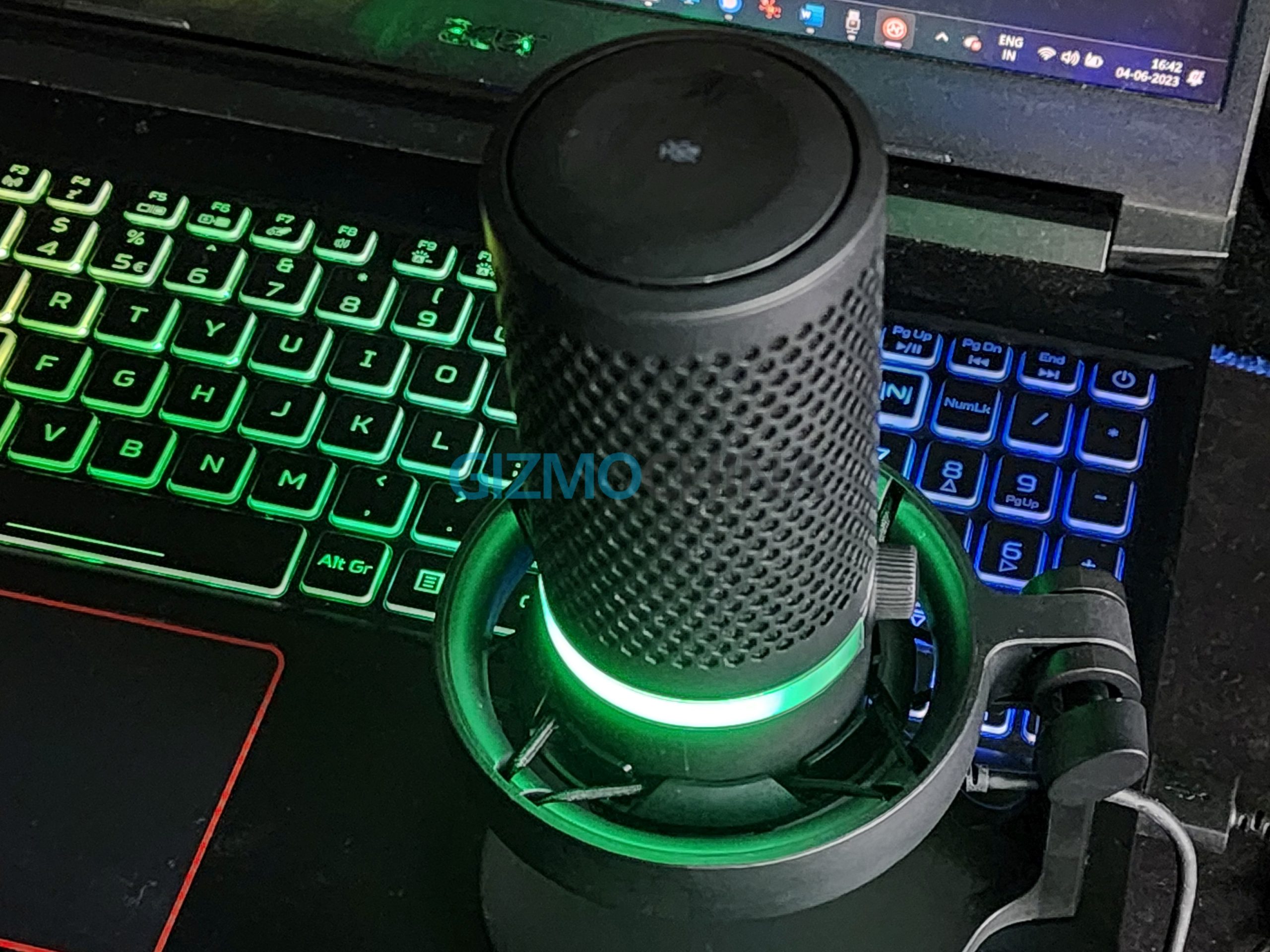
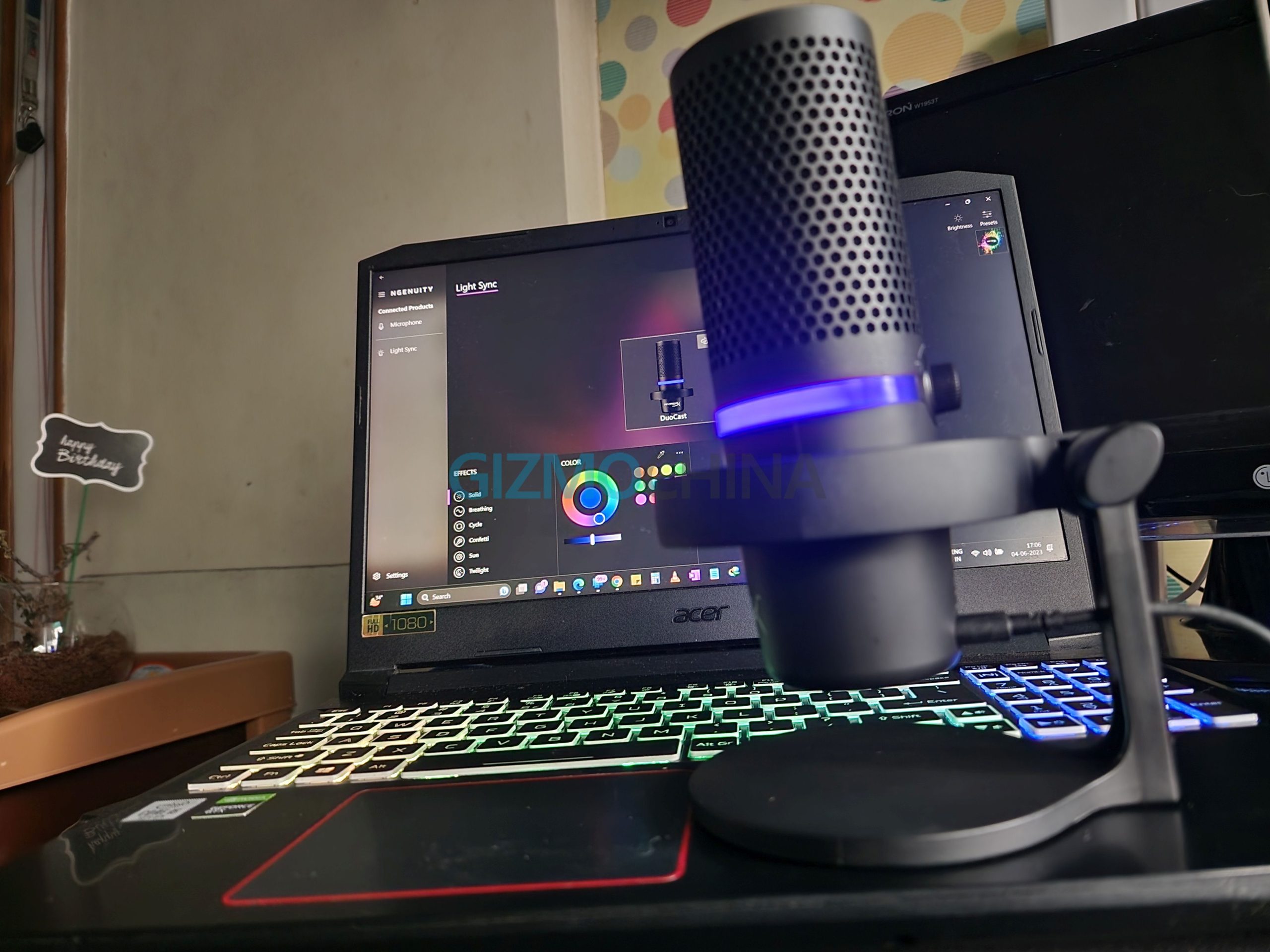
RGB LED ring: The RGB LED ring light on the device functions as a visual indicator for adjusting feature settings. When users modify the microphone gain, the light briefly changes color to reflect the level of gain adjustment. Similarly, when the polar patterns are switched, the light momentarily displays a different color to signify the pattern change.
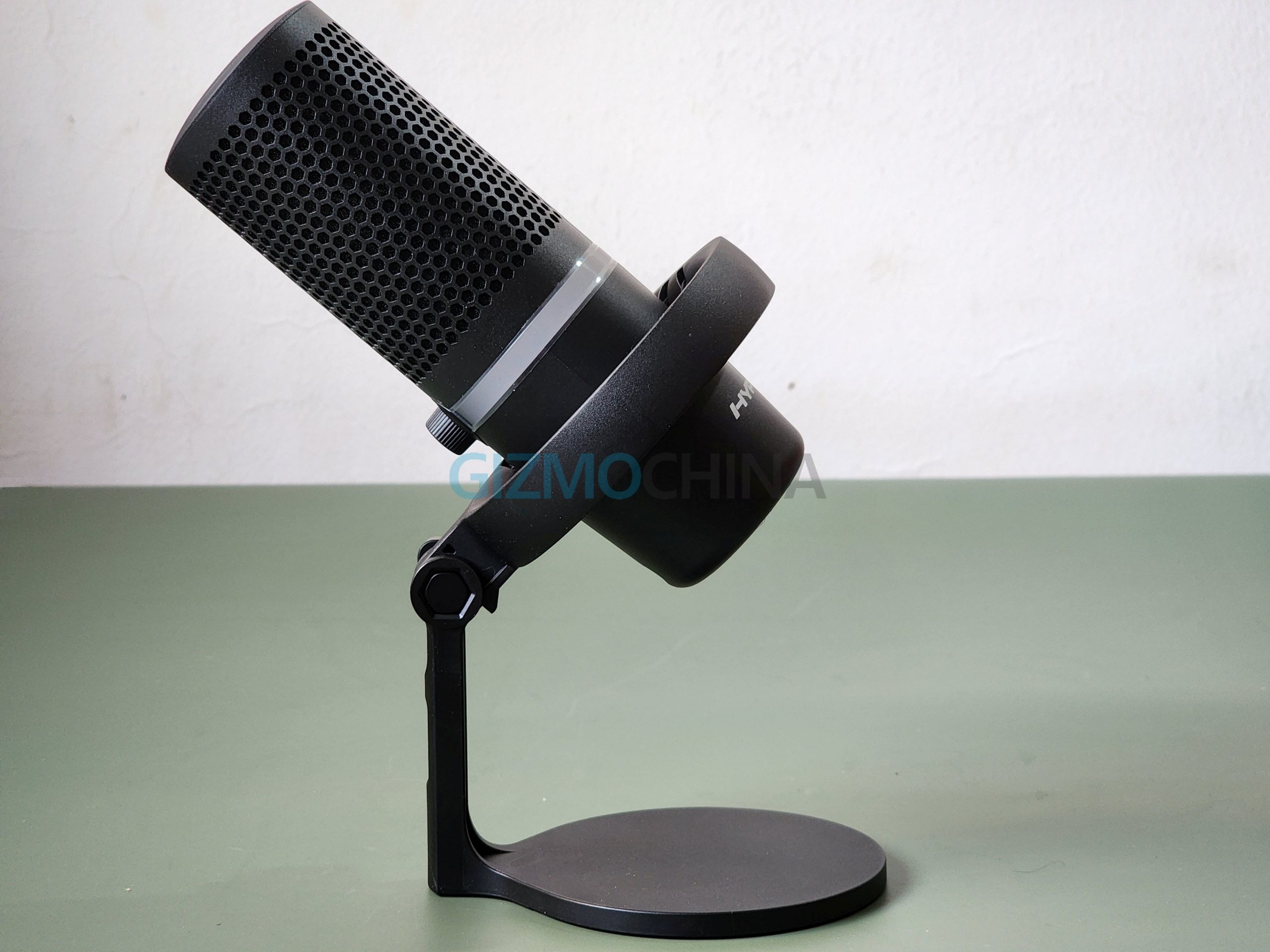
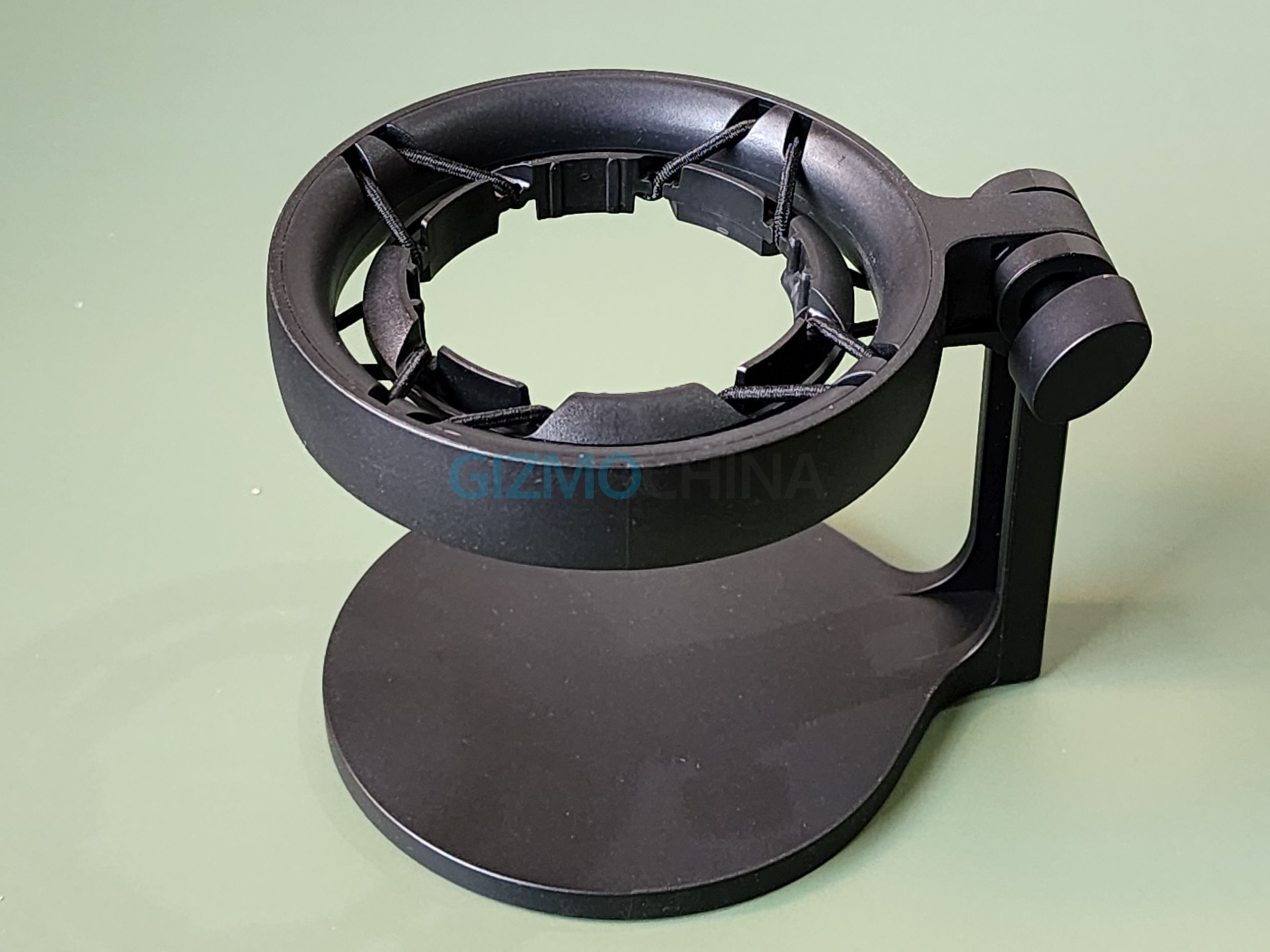
Shock mount: The shock mount, which is nothing but a plastic stand, comes with a hinge to adjust the angle of the microphone. The stand has a hole through which users can pass the USB cable, allowing you to achieve a neater and more organized appearance on your desk. Users can simply detach it from the stand and latch it onto a boom arm with the attachment provided in the retail package.
HyperX DuoCastHyperX DuoCastHyperX DuoCast
Live streamers who intend to use it while gaming will find it worthwhile to invest in a budget-friendly boom arm, which is highly recommended. It will play a crucial role in optimizing microphone placement for capturing vocals effectively, while also minimizing unwanted desk impact noises.
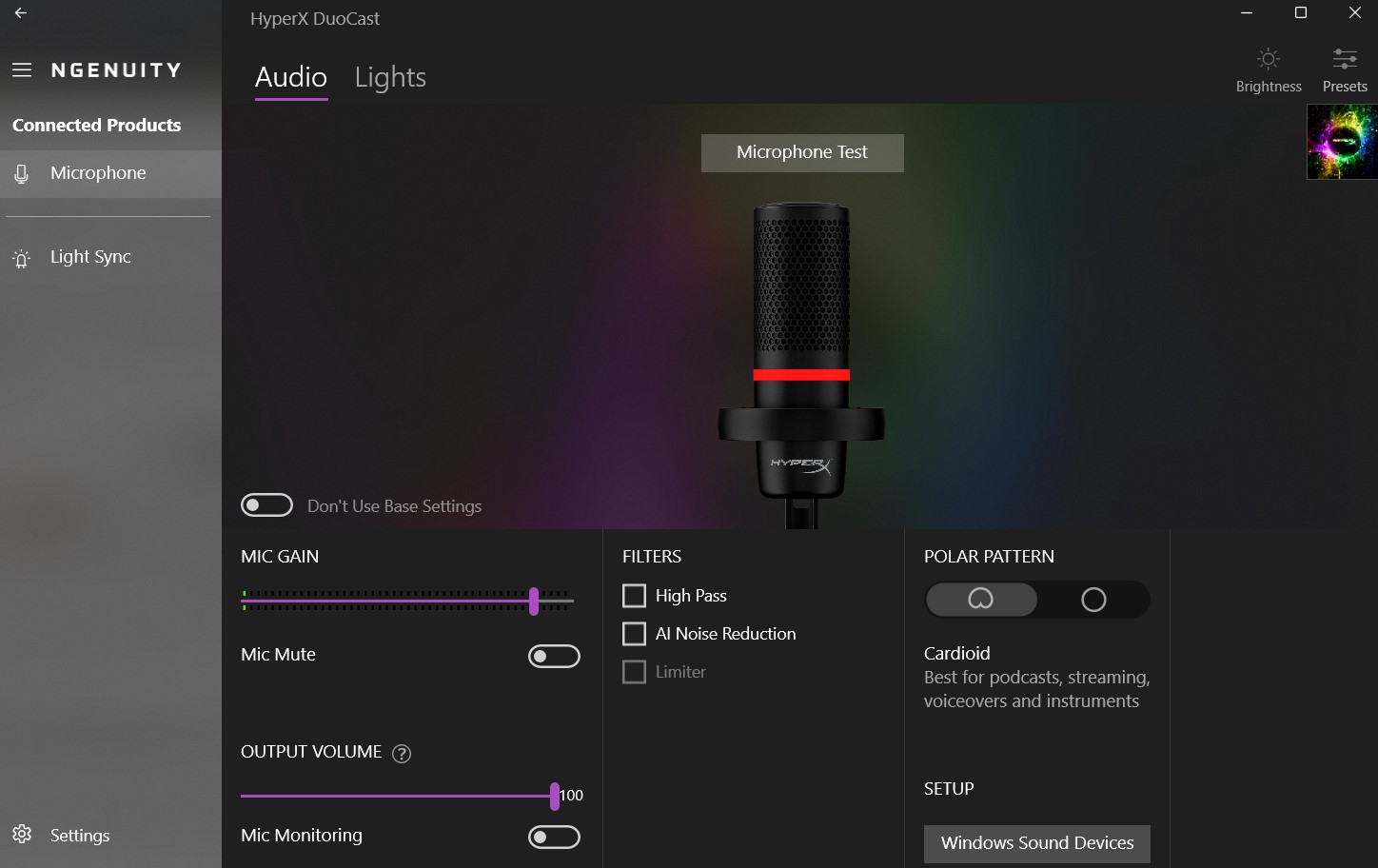
To access more features of the DuoCast, one can use the NGenuity app from HyperX. Regarding the software aspect, let’s explore it further below.
The HyperX DuoCast is an electret-based condenser microphone with two gain options, a built-in pop filter, a dynamic range of 24 bits and a sampling rate of 96 kHz. The DuoCast works best when the environment is silent and is good enough for conference calls at work or with friends.
When pressed, it allows users to switch between cardioid and omnidirectional polar patterns. For those who don’t know, Cardioid is suitable for podcasts, streaming, voiceover, and instruments. This is suitable for talking directly into the microphone, as it blocks out sound from other directions.
The omnidirectional feature, which is suitable for recording sound coming from multiple (360-degree) directions into the microphone, is suitable for multi-person podcasts and conference calls. Show above are the recorded samples using both polar patterns.
HyperX DuoCastHyperX DuoCastHyperX DuoCast
Here is a look at the polar patterns of SoloCast, DuoCast, and QuadCast:
SoloCast: Cardioid
DuoCast: Cardioid and Omnidirectional
QuadCast: Cardioid, Omnidirectional, Stereo, and Bidirectional
The recordings done using the DuoCast have a natural tone, and the built-in pop filter helps in axing out the unneeded noise and adding clarity. There is no echoing or buzzing in the recordings, and the bundled shock mount does a good job of eliminating desk impacts. Despite the presence of some inevitable background noise in the omnidirectional recordings, the overall results achieved by the DuoCast were outstanding.
When it comes to compatibility, the HyperX DuoCast is compatible with Windows PCs, Macs, PlayStation 5, and PlayStation 4. The company claims that it is a Discord and TeamSpeak-certified product.
Ngenuity appNgenuity app
HyperX’s NGenuity app, which is only for Windows at present, can be downloaded here. It has a simple interface with just two tabs, namely Microphone and Light Sync. The Audio tab allows users to adjust microphone gain, mute the microphone, adjust output volume, enable High Pass filter, and switch polar patterns. It also has a Microphone Test feature to do a test recording of sample audio.
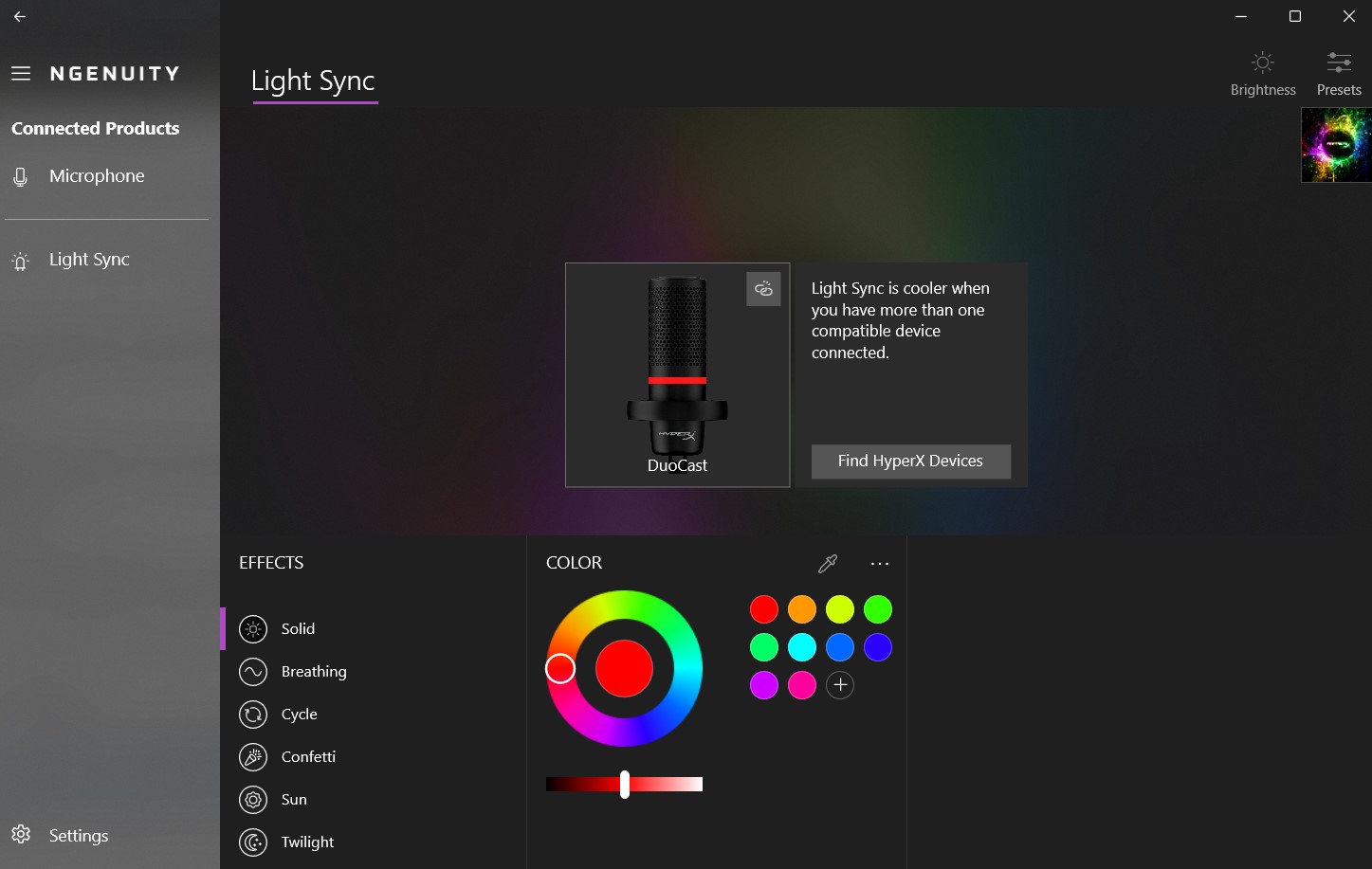
The Light tabs can be used to control the RGB light. It provides six kinds of lighting effects, such as Solid, Breathing, Cycle, Confetti, Sun, and Twilight. In addition, users can choose from different colors and speed options (slow to fast).
HyperX DuoCast review: Conclusion
HyperX DuoCastHyperX DuoCastHyperX DuoCast
The DuoCast is an easy-to-setup, affordable, and versatile desktop microphone suitable for various scenarios such as voiceover, group discussions in conference calls, or podcast recordings. In addition, it is a lightweight microphone with some nice additions like a shock mount and decent software. Ideally, having a silent environment will help DuoCast produce the best results. However, it may not be the optimal choice for capturing the powerful and booming sounds typically associated with music recordings. It would also be a product to consider for gamers on a budget.
HyperX DuoCast: Where to buy?
The HyperX DuoCast is available for purchase through HyperX’s online store and Amazon. Our review unit was provided by Vlogsfan.com., which specializes in selling vlog, podcast, and livestream products. The DuoCast is now listed for $99.99 on Vlogsfan. It is also selling the HyperX SoloCast Mini for $65.
Vlogsfan offers buyer protection features, like full refund if the order does not reach the customer, tax and duty paid by the retailer for buyers in most countries and avail a percent discount with GETOFF5 coupon. Before making the purchase, we advise you to go through Vlogsfan’s policy pages on shipping, refunds, and warranty.
Disclaimer: All of the opinions in this HyperX DuoCast review are mine and based on my own experiences. There has been no editorial input from Vlogsfan or HyperX.
Google Chat, the successor to Google Hangouts, is receiving an update that aims to improve conversation organization. In a recent announcement on the Workspace blog, Google revealed that inactive chats and Spaces will be hidden from view on the left-hand side of the screen. This change will only apply to direct messages and Spaces that have been inactive for a week. However, users will still be able to access these threads by tapping the More button.
Improved Organization: Google Chat’s Update Hides Inactive Chats and Spaces
This update is triggered when there are more than 10 conversations or Spaces present. If a user has fewer than 10 chats or Spaces, they may not even notice the feature rollout. Pinned conversations will not be affected by this change, ensuring easy access to important chats. The goal is to provide users with a streamlined and uncluttered conversations view, allowing them to focus on the chats that matter most.
The improved conversations view will be gradually rolled out over the next few weeks for all Workspace and personal Google account holders. According to Google, there are no toggles to enable or disable this feature, implying that it will be available to all users once the rollout is complete, expected by mid-June.
Google Chat has been making strides to establish its own identity, moving away from its initial similarities to Slack. In October, Google introduced the ability to create custom emoji, a popular feature from Slack. Earlier this year, the Google Chat team also simplified the process of initiating new group chats.
Overall, this update to Google Chat focuses on enhancing conversation organization by hiding inactive chats and Spaces, providing users with a cleaner and more focused interface.
In a recent development, Li Xiaolong, the CTO of Huawei’s Consumer BG, shared a video that challenges the perceived benefits of PWM (Pulse Width Modulation) dimming at frequencies higher than 1440Hz for eye protection. The video highlights a testing process indicating that the actual harm caused by high-frequency PWM dimming on OLED screens may not be directly linked to the advertised “maximum dimming frequency.” Li Xiaolong suggests that the benefits of PWM dimming at a frequency of 1440Hz for eye protection are minimal.
Li Xiaolong Questions Benefits Beyond 1440Hz
Responding to these claims, Honor, a subsidiary of Huawei, has presented its viewpoint on the matter. Honor believes that the impact of PWM dimming frequency on eye protection is influenced not only by the frequency itself but also by factors such as fluctuation depth and duty cycle. They argue that even with high frequencies, if the fluctuation depth is significant, flickering can still affect the eyes.
Honor recently launched the Honor 90 series with a 3840Hz zero-risk dimming eye protection screen. They claim that when the PWM dimming frequency is high enough, it allows users to disregard the influence of fluctuation depth and eliminates the risk of screen flickering. Honor conducted extensive tests to support their position. They found discrepancies between their own test results and online test results, suggesting that testing equipment and accuracy significantly affect the outcome. Honor also mentioned that existing methods, such as the Stroboscopic Effect Visibility Measure (SVM), may not accurately quantify flickering on mobile phones.
The discussion surrounding the 3840Hz ultra-high-frequency PWM dimming technology of the Honor 90 series highlights the growing emphasis users place on the eye protection experience provided by electronic products. Honor reiterates its commitment to continuous exploration and breakthroughs in eye protection technology, emphasizing their investment in research and their dedication to achieving healthy displays.
While both Huawei and Honor present their perspectives on the impact of PWM dimming frequencies beyond 1440Hz on eye protection, it is challenging to determine who holds the more reasonable stance. Independent research and evaluations could provide further insights into this matter.
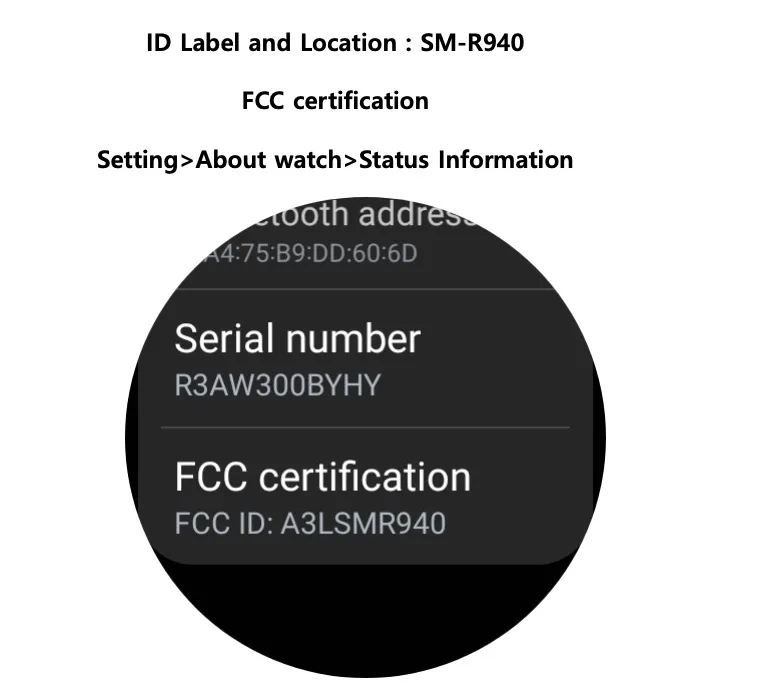
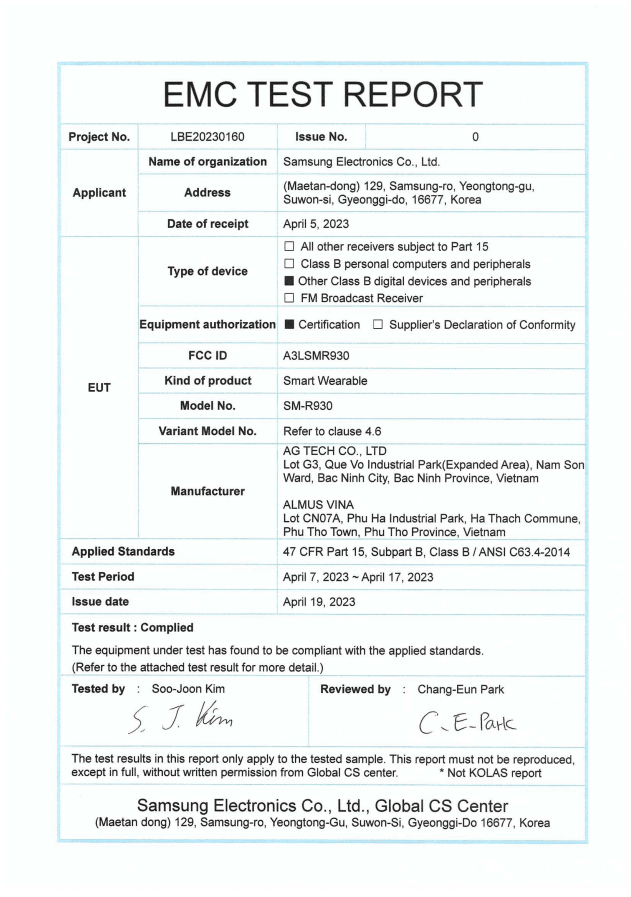
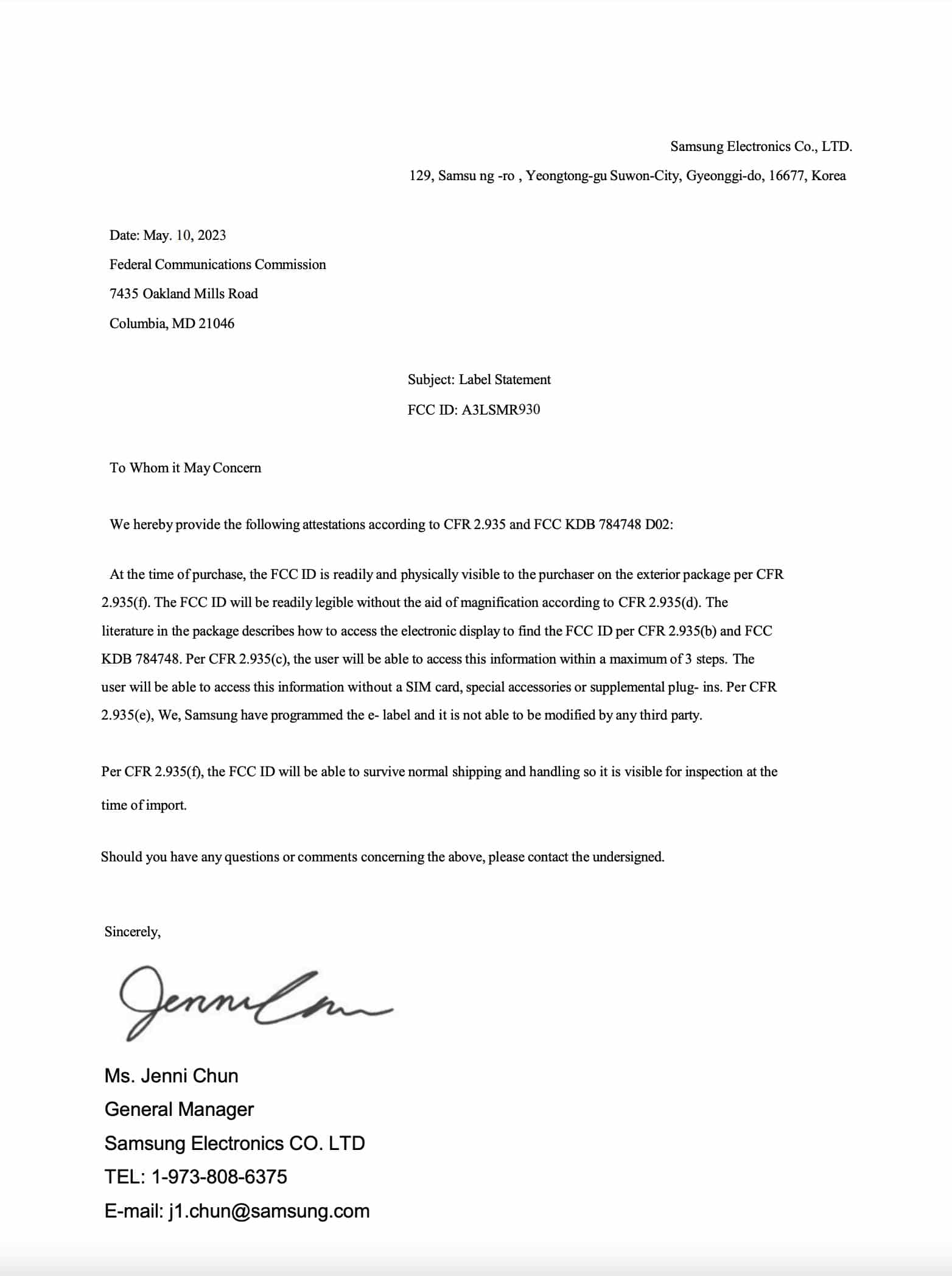
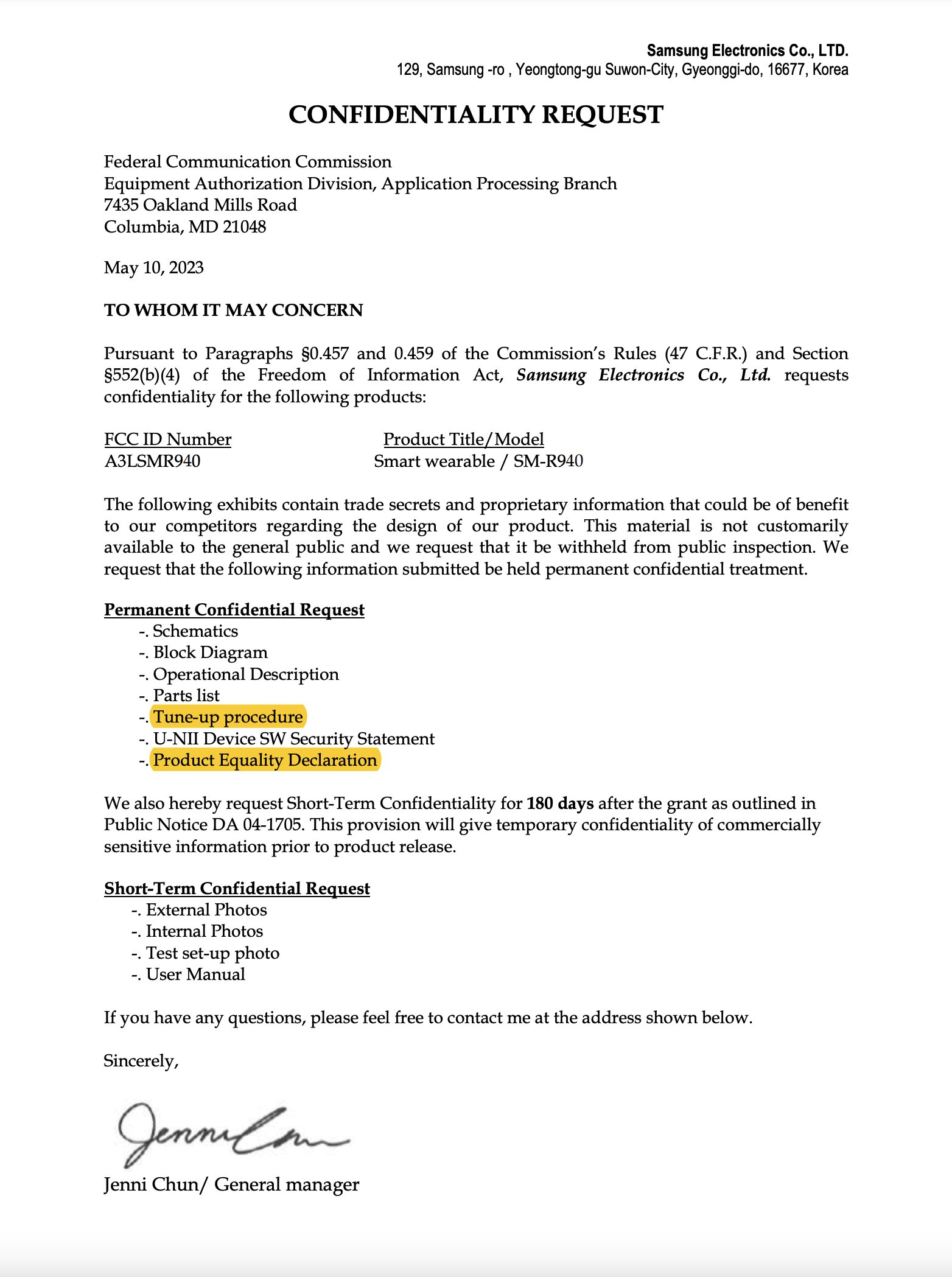
Samsung is gearing up for the highly anticipated release of its latest smartwatch series, the Samsung Galaxy Watch 6. The upcoming lineup has successfully passed the Federal Communications Commission (FCC) certification. The Samsung Galaxy Watch 6 series will consist of two models: the Samsung Watch 6 and the Samsung Watch 6 Classic. These watches are expected to launch alongside the Samsung Galaxy Z Fold 5 and Galaxy Z Flip 5, possibly in July or August.
Two Models: Samsung Watch 6 and Samsung Watch 6 Classic
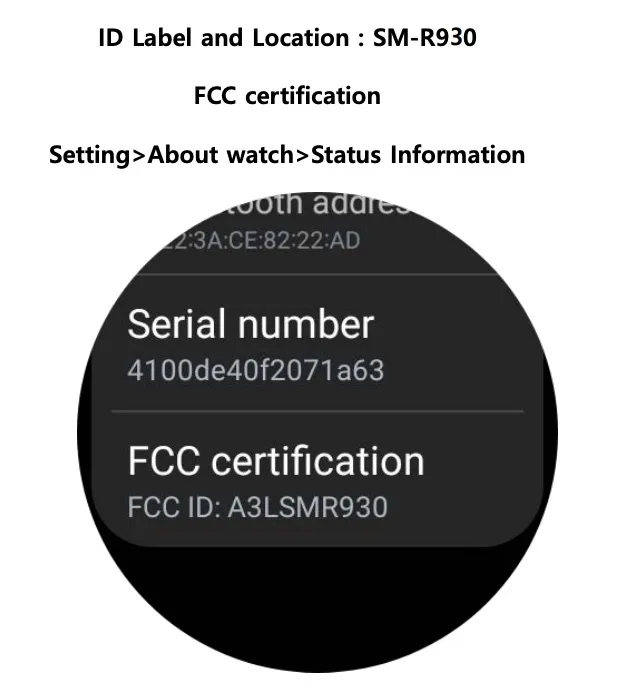
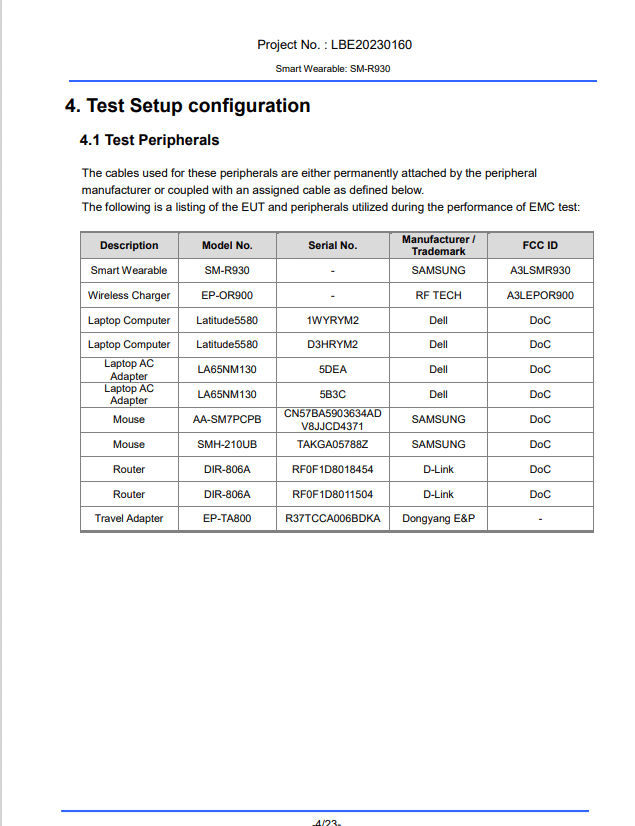
The FCC listing confirms that the Samsung Galaxy Watch 6 will be available in two sizes: 40mm and 44mm. The 40mm variant carries the model number SM-R930, while the 44mm version is identified as SM-R940.
Connectivity options on the Samsung Galaxy Watch 6 include Bluetooth, Wi-Fi 802.11 b/g/n/a, NFC, and GNSS. Similar to its predecessor, the Samsung Galaxy Watch 5 series, the Watch 6 will also feature wireless charging capabilities. The wireless charger for the Watch 6, model number ER-OR900, is expected to be identical to the one used for the Watch 5 series.
While the FCC listing doesn’t provide detailed specifications, further information about the Samsung Galaxy Watch 6 series is expected to emerge from other certification platforms in the coming weeks. Stay tuned for more updates as we approach the official launch of these highly anticipated smartwatches.
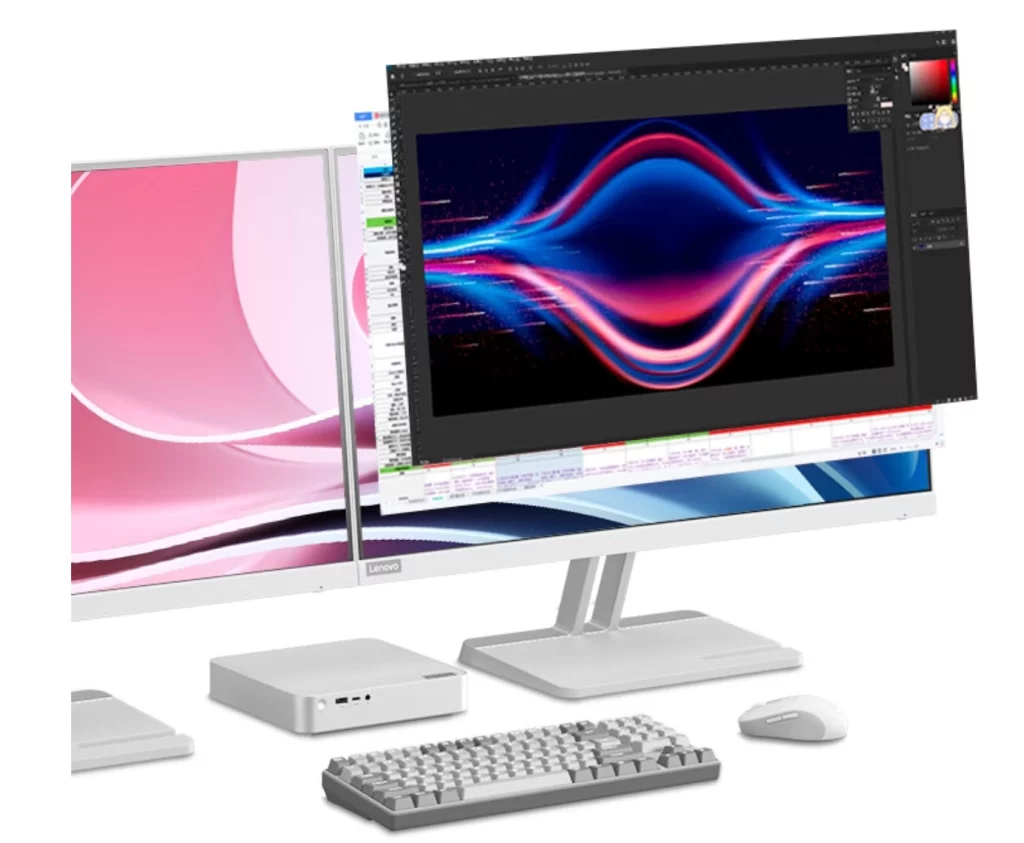
Lenovo has unveiled the Xiaoxin 24 FHD monitor with a fairly high refresh rate of 100Hz in China. The display is covered by a 2mm frame and it is 6.9mm thick. The monitor provides a vivid display and its high refresh rate lends support for even gaming applications.
The Lenovo Xiaoxin 24 FHD monitor sports a 23.8-inch IPS panel with a display resolution of 1920 x 1080 pixels and a maximum brightness of 250 nits. The display has a 99% sRGB color gamut coverage and supports DC dimming. In addition, the monitor has a quick-release bracket that can be easily assembled. The bracket also comes with a cable manager while the base has a groove for placing a phone. There are OSB buttons at the back of the monitor to seamlessly adjust the parameters
The Xiaoxin 24 FHD monitor has two HDMI ports and a 3.5mm audio jack at the base of the monitor. You can use the HDMI ports to connect to input devices and you can switch between signals using the signal input source at the side of the monitor.
The Lenovo Xiaoxin 24 FHD monitor is available in China at an introductory price of 599 yuan (~$85). It can be purchased from online retail platforms such as JD.com where it is presently on presale. Global availability and pricing information for the Xiaoxin 24 FHD is lacking at this time.
The highly anticipated Realme 11 Pro series smartphones are set to make their debut on June 8 in India and worldwide. Our previous report covered the pricing and storage options for the Realme 11 Pro in the EU region. Now, leaked information reveals the offline pre-order date of the device as well as details about the accompanying pre-order freebies.
Tipster Sudhanshu Ambhore has revealed a poster of the Realme 11 Pro series ahead of the official Indian launch. According to the poster, the Realme 11 Pro Series can be pre-booked offline from June 8th. Customers who pre-order the device will get a Realme Watch 2 Pro worth Rs 4499 for free.
Realme 11 Pro series specs
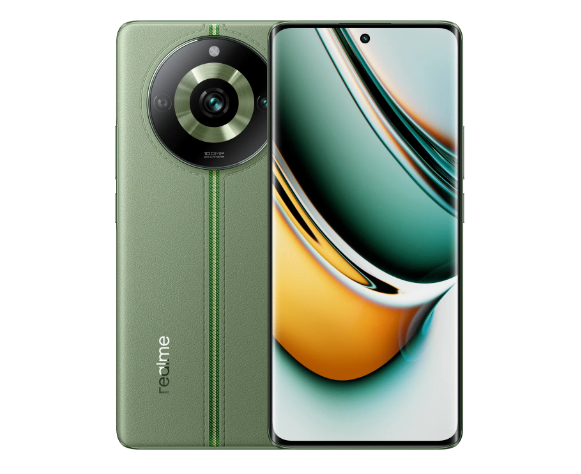
The Realme 11 Pro and Realme 11 Pro+ have already been launched in China, revealing their specifications. Both smartphones boast a 6.7-inch AMOLED display with FHD+ resolution and a 120Hz refresh rate. Powering these devices is the Dimensity 7050 chipset.
In the Indian market, the Realme 11 Pro is expected to come in options like 8GB RAM + 128GB storage, 8GB RAM + 256GB storage, and 12GB RAM + 256GB storage. The Realme 11 Pro+, on the other hand, is speculated to be available in variants such as 8GB RAM + 256GB storage and 12GB RAM + 256GB storage. Both phones will run on Android 13 OS with Realme UI 4.0.
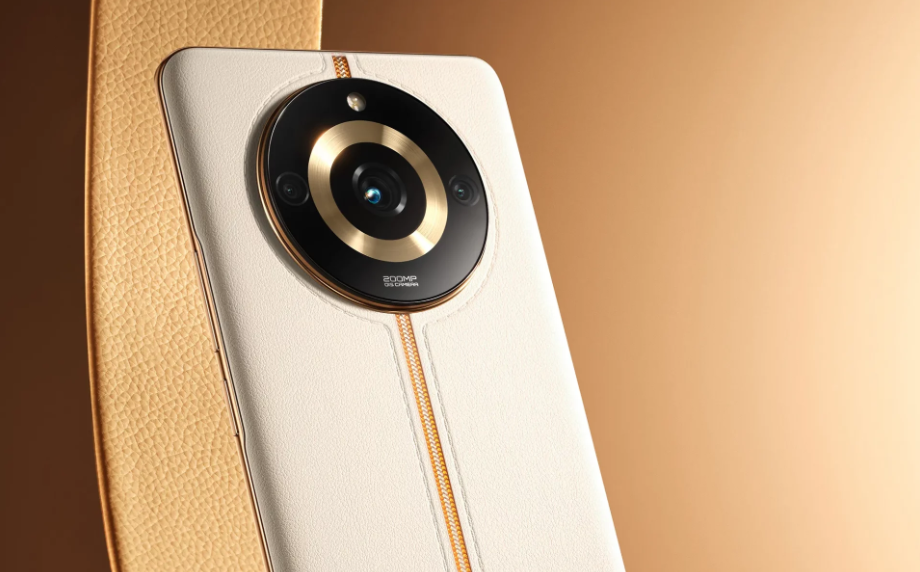
The Realme 11 Pro sports a 100-megapixel primary camera and a 2-megapixel macro lens. It features a 16-megapixel front camera. In contrast, the Realme 11 Pro+ is equipped with a 200-megapixel main camera with OIS, an 8-megapixel ultra-wide lens, and a 2-megapixel macro camera. It boasts a 32-megapixel front-facing camera.
Both smartphones house a 5,000mAh battery. The Pro model supports 67W fast charging, while the Pro+ offers 100W charging. Additionally, both devices feature an in-display fingerprint sensor for enhanced security.
The Lenovo Yoga Book 9i is the latest addition to the brand’s Yoga laptop lineup. Showcased at CES 2023, the device features a double-sided 13-inch OLED design and is powered by an Intel Core i7 processor. Following its release, Lenovo is now preparing to introduce a more affordable laptop called the Yoga Air 14s 2023. Although no specific launch date has been announced yet, the brand made the notebook official, revealing it will come with a 3K OLED display, a Ryzen 7 series processor, and other notable features. Here are the details.
The Yoga Air 14s is a premium thin & light laptop
The new Lenovo Yoga Air 14s 2023 will debut with a sleek design, featuring a thin sharp display with minimum bezels. The screen on the laptop measures 14.5 inches and offers 3K resolution, 90Hz refresh rate, and 100% P3 color gamut. The OLED panel can go as bright as 600 nits and supports touch. This notebook is touted to use Lenovo’s latest 6-speaker combination. It adopts CNC technology on the body and weighs 1.3 kg.
The Yoga series laptop is powered by a custom-made AMD R7 7840S processor, which is an FP8 packaged version of the R7 7840U processor. The laptop also has 32GB of memory, a 1TB SSD, a 70Wh battery, and a 65W power adapter. The R7 7840S processor is a high-performance processor that is designed for thin and light laptops.
From what is known, the Yoga Air 14s 2023 looks like a premium notebook with some powerful specifications. Currently, Lenovo has not announced the launch date or the pricing of the laptop. We expect the device to launch in China in the coming days. We’ll keep you posted.
After months of leaks and rumors, the Moto Razr 40 Ultra was launched in China earlier this week alongside the Razr 40. The devices have also been announced in the global market but with different names. However, the Indian market was left out. It seems that is about to change very soon as Motorola has now teased the launch of the Razr 40 Ultra in the country. Here are the details.
The Razr 40 Ultra boasts the largest cover screen on a flip phone
In a recent tweet, Motorola hinted at the launch of the Razr 40 Ultra in India, stating “A FLIPin’ awesome gift awaits.” The company shared a video showcasing the silhouette of a flip smartphone with a large cover screen. This smartphone is likely the Ultra model, as the vanilla version features a small bar-like cover screen. However, the Lenovo-owned company did not disclose the launch date or any other details about the device in the tweet.
To remind you, the Moto Razr 40 Ultra comes with a particularly large 3.6-inch external display, which is the largest on a clamshell foldable to date. The cover screen features a 10-bit AMOLED panel with a 1066 x 1056 px resolution, a 144Hz refresh rate, and Gorilla Glass Victus protection. The best part is you can use the external display for almost everything, just like the internal one.
The main LTPO AMOLED display on the device measures 6.69 inches and offers FHD+ resolution with a 165hz refresh rate, HDR10+ support, and 1,400 nits peak brightness. The smartphone comes with the Ultra-Thin Glass (UTG) panel that boasts five-layer protection and no gap when closed. The handset is powered by the Snapdragon 8+ Gen 1 Soc under the hood and gets 12MP main sensor along with a 13MP ultrawide that also doubles as a macro cam.
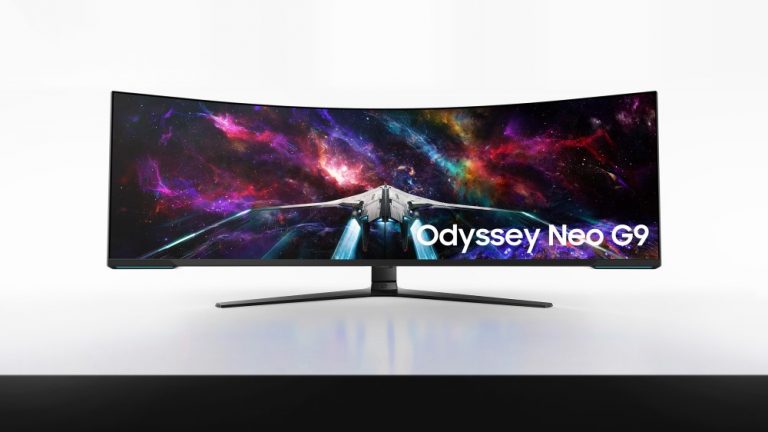
Back at CES 2023, Samsung unveiled its enormous 49″ curved gaming monitor called the Odyssey OLED G9. Initially, the brand revealed that this Quantum-Dot-OLED monitor features a 5,120 x 1,440-pixel resolution with a 240 Hz refresh rate.
Other details were also unveiled back in January like the fact that the monitor is VESA DisplayHDR True Black 400 certified, which corresponds to 250 nits full area brightness and 400 nits peak brightness. Moreover, the gaming monitor was said to deliver a 0.1 ms response time and would come with Samsung’s Gaming Hub software pre-installed.
Samsung Odyssey OLED G9 monitor specs
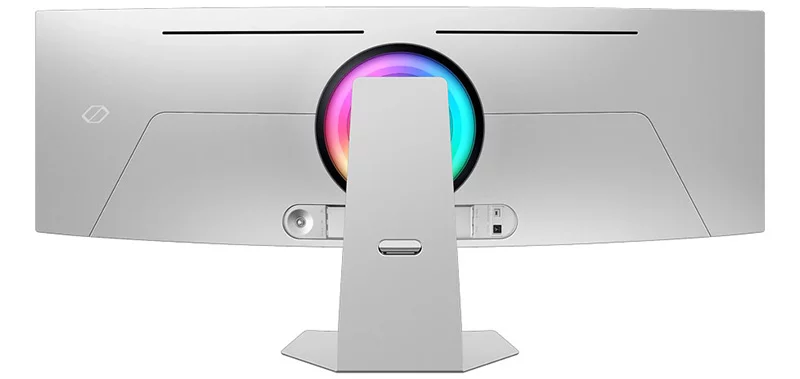
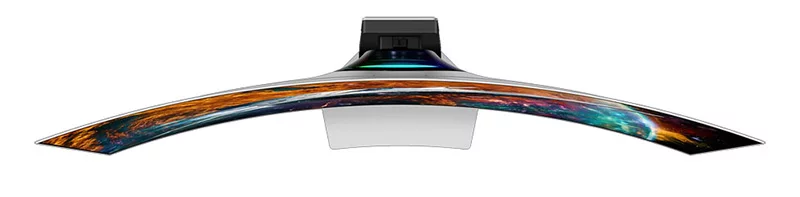
The brand is yet to launch the monitor in any market, however, it is keeping the hype alive by revealing more of the previously veiled details. In a recent teaser, the brand revealed that the Samsung Odyssey OLED G9 monitor is designed with a curvature of 1800R and boasts an impressive response time of 0.03 ms (GtG).
The display provides Adaptive Sync support and has received AMD FreeSync Premium Pro certification, guaranteeing reduced image tearing when used with AMD graphics cards. Samsung asserts that the panel can achieve an impressive contrast ratio of 1,000,000:1, with assistance from the “Advanced Neo Quantum AI” processor, which analyzes and enhances image quality.
In terms of connectivity, the Odyssey OLED G9 features DisplayPort 1.4, micro-HDMI 2.1, and HDMI 2.1 video inputs. It also includes two USB 3.0 Type-A downstream ports and a USB Type-B upstream port for additional connectivity options. The monitor comes equipped with 5W stereo speakers, offering built-in audio capabilities. Additionally, the monitor’s stand is adjustable, allowing for height adjustments of up to 120mm and a tilt range of -2 to +15 degrees.
Samsung has not disclosed the release date or pricing for the Odyssey OLED G9 gaming monitor yet. However, since most of its specifications have been unveiled, we can anticipate its arrival on store shelves in the near future.
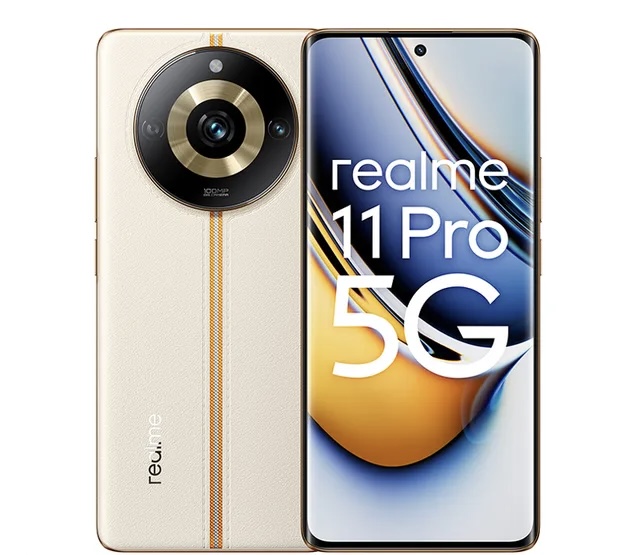
Earlier this week, Realme announced that the Realme 11 Pro series will be launching on July 8 in India and other regions around the globe. The Pro series includes two devices: Realme 11 Pro and Realme 11 Pro+. Ahead of the launch, a new report has surfaced revealing the pricing and storage configurations of the Realme 11 Pro device in the EU.
The report comes from NewzOnly, citing tipster Paras Guglani. It reveals that the 11 Pro 5G smartphone is set to launch with two storage options available: 8GB RAM + 128GB storage and 8GB RAM + 256GB storage.
According to Guglani, the price for the 8GB + 128GB variant of the 11 Pro 5G is expected to be EUR 310. However, specific pricing details for the 256GB variant have not been disclosed yet. Guglani also revealed that the global variant of the 11 Pro 5G will be offered in two color options: Astral Black and Sunrise Beige. The device is scheduled to go on sale globally starting from June 17. Since the Realme 11 Pro is already selling in China, we already all about its specs and features.
Realme 11 Pro specs
The Realme 11 Pro boasts a 6.7-inch curved AMOLED display with a Full HD+ resolution, offering a visually immersive experience. With support for a 120Hz refresh rate, the screen ensures smooth and fluid interactions. The device claims to provide a peak brightness of 950 nits and is HDR10+ certified, enhancing the quality of colors and contrast.
Under the hood, the Realme 11 Pro is powered by the MediaTek Dimensity 7050 processor, accompanied by the Mali G68 GPU for efficient graphics processing. It comes with a generous 8GB of RAM and offers two storage options: 128GB and 256GB, providing ample space for storing files, apps, and media.
To keep you powered throughout the day, the device is equipped with a 4870mAh battery and supports 67W fast charging, allowing for quick and convenient recharging. This ensures minimal downtime and maximum usage.
In terms of photography, the Realme 11 Pro features a rear camera setup with a 100MP main camera, complete with optical image stabilization for sharper, clearer shots. Additionally, there is a 2MP portrait lens for capturing artistic bokeh effects. On the front, there is a 16MP camera for capturing detailed selfies.
Running on Realme UI 4.0, based on the Android 13 operating system, the device offers a user-friendly interface with a range of customization options. Additional features include an in-display fingerprint scanner for secure unlocking, a USB Type-C port for charging and data transfer, and support for Wi-Fi 6, Bluetooth 5.2, NFC, and GPS. The device also supports dual SIM functionality for added convenience.
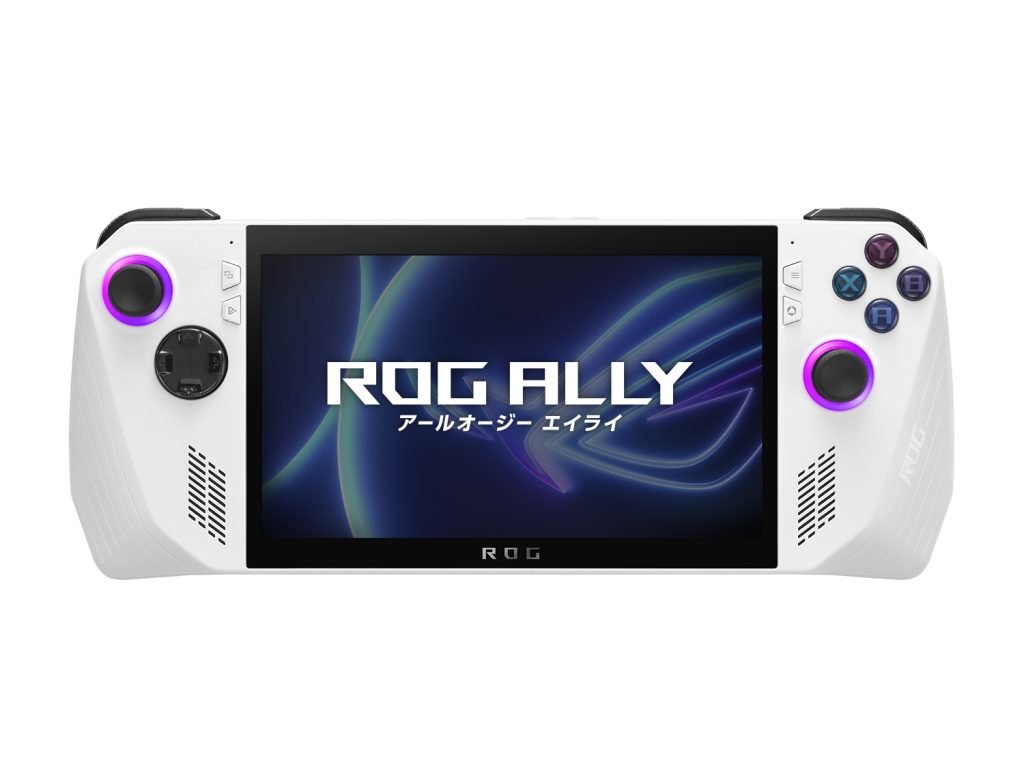
Asus recently introduced the ROG Ally Handheld gaming console, positioning it as a direct rival to the widely popular Valve Steam Deck. While the console has been officially revealed and review units have been distributed to tech influencers, general consumers are eagerly awaiting its release on store shelves. Excitingly, the wait may soon be over for customers in Japan, as the device is now open for pre-orders in the region.
In a recent tweet, Asus’ ROG brand made an announcement stating that pre-orders for the ROG Ally in Japan have begun. The tweet included a link to the store page where customers can place their pre-orders. The console will officially go on sale starting June 14th, with shipping for pre-ordered units commencing from June 12th onwards. The price of the device on the Asus Store website is listed at 109,800 yen.
Initial reviews of the Asus ROG Ally handheld gaming console were mixed, as some users felt that the device was not fully utilizing its hardware potential. However, Asus recently addressed this concern by releasing a driver update that significantly improved performance. According to reports, the update led to a notable gain of 15-20% in overall performance. For more detailed information, you can refer to this article.
Asus ROG Ally handheld console specs
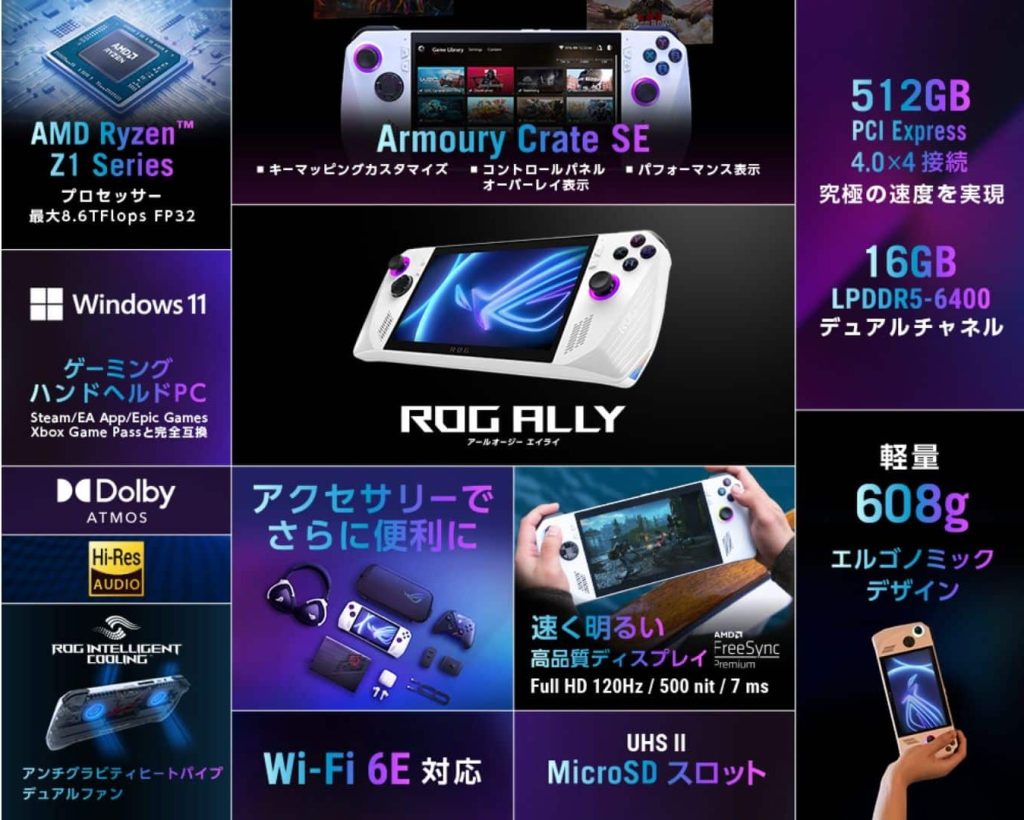
The Asus ROG Ally handheld gaming console boasts impressive specifications to deliver an immersive gaming experience. Its 7-inch IPS display features a Full HD resolution of 1920 x 1080 pixels and a 16:9 aspect ratio. With a 120Hz refresh rate, 500 nits peak brightness, and Corning Gorilla Glass Victus protection, the screen offers smooth visuals and durability.
Powering the device is the AMD Ryzen Z1 Extreme processor, based on the Zen 4 architecture. For those opting for the base version, a slightly toned-down Ryzen Z1 processor is available. Paired with AMD Radeon Navi3 Graphics, 16GB of LPDDR5 RAM, and a spacious 512GB PCIe 4.0 NVMe M.2 SSD, the ROG Ally delivers strong performance for gaming and multitasking.
Running on Windows 11 out of the box, the console provides access to a wide range of games from platforms like Steam, EA apps, Epic Games, and Xbox Game Pass. It even comes with a three-month subscription to Xbox Game Pass Ultimate. To enhance the gaming experience, the ROG Ally features a dual speaker setup with Asus’ Smart Amplifier Technology.
In terms of connectivity, the console offers a 3.5mm headphone jack, a USB 3.2 Gen2 Type C port combo for the ROG XG Mobile Interface, and support for a UHS-II microSD card reader. However, it’s worth noting that the ROG Ally’s 40WHr battery with 65W charging support may not match up to the battery life of its competitors, such as the Steam Deck.
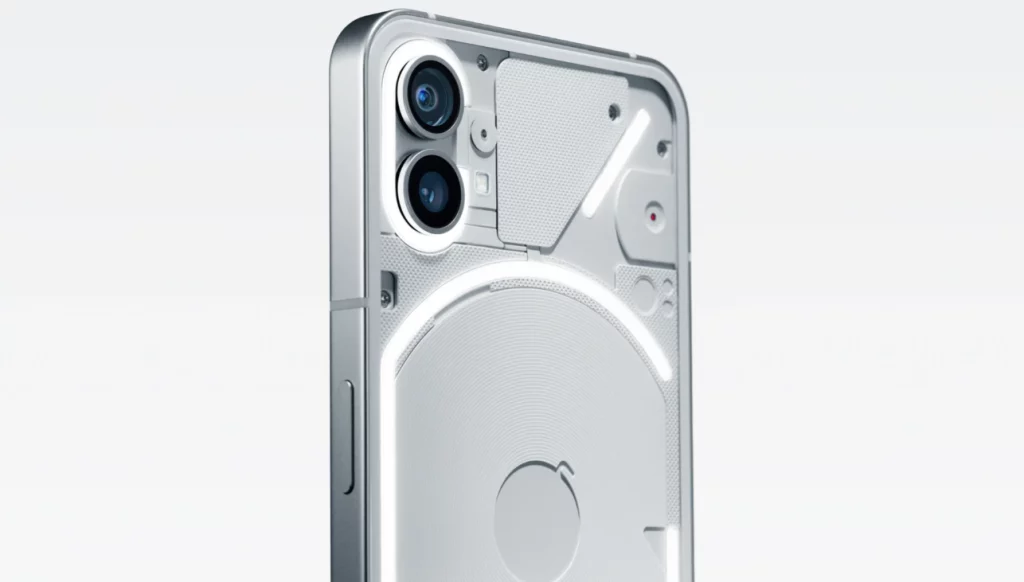
Nothing is gearing up for the launch of their upcoming device Nothing Phone (2), the highly anticipated successor to the successful Nothing Phone (1). The smartphone has received radio wave certification in Korea from the NRRA (National Radio Research Agency).
Nothing Phone (1)
Founder of Nothing, Carl Pei, previously stated in an interview that the United States market would be a priority for the Nothing Phone (2), followed by subsequent releases in other countries. These indications were reinforced when the smartphone appeared on the BIS Certification website and later on Flipkart, solidifying its imminent launch in India.
Nothing Phone (2) specifications
The granting of radio wave certification in Korea for the Nothing Phone (2) further strengthens the belief that its launch in the Korean market is also imminent. As for its specifications, the Nothing Phone (2) has been officially confirmed to be powered by the Snapdragon 8+ Gen 1 processor. Its Geekbench listing revealed that it will come pre-installed with Android 13 and boast 12 GB of RAM. Notably, the smartphone will house a 4700 mAh battery, ensuring prolonged usage.
The display is rumored to be a 6.67-inch screen with a resolution of 1080×2400 pixels and a smooth 120Hz refresh rate. Camera enthusiasts can look forward to a dual camera setup, headlined by a 50 MP main camera. During an interview with Forbes, Carl Pei himself confirmed that the Nothing Phone (2) will be launched globally in July 2023.
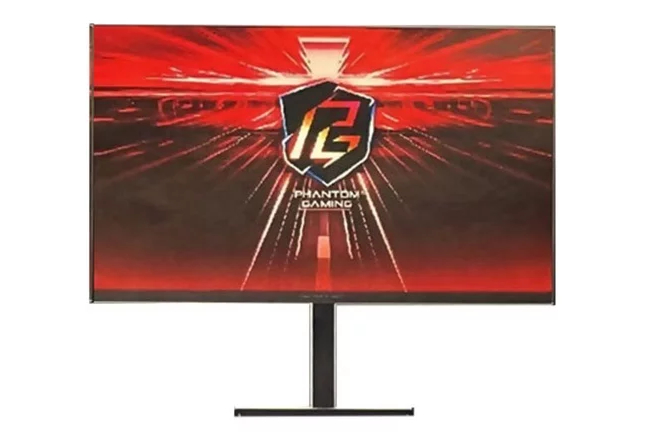
ASRock, a well-known Taiwanese manufacturer of PC components such as motherboards, graphics cards, and mini PCs, has unveiled a new gaming monitor at Computex. This impressive 55-inch display features 8K resolution and HDR 1000 certification, guaranteeing vibrant colors and deep blacks. However, it falls short in terms of refresh rate due to its 8K resolution.
ASRock PG32UMF 4K gaming monitor specs
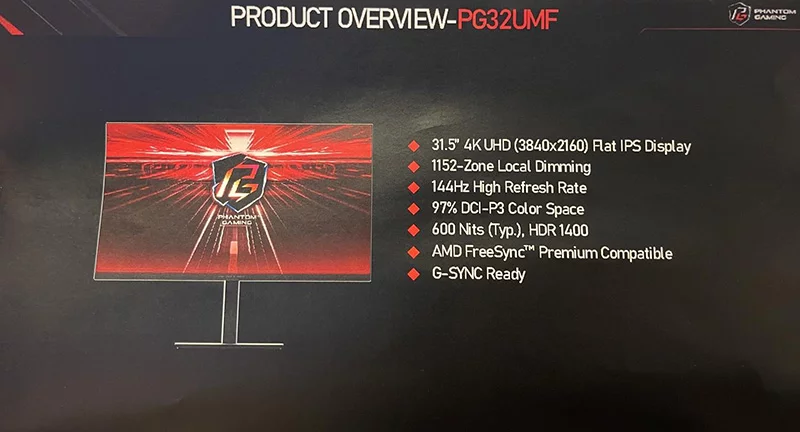
ASRock has also introduced the ASRock PG32UMF 4K gaming monitor, catering to customers seeking a larger display with a higher refresh rate. This 31.5-inch IPS panel offers a resolution of 3,840 x 2,160, providing detailed visuals. With a peak brightness of 600 nits and VESA DisplayHDR 1400 certification, the monitor is capable of reaching an impressive 1,400 nits in certain scenarios, ensuring vibrant and dynamic HDR content.
What sets this monitor apart is its 144Hz refresh rate, which is uncommon to find in 4K resolution displays. This feature makes it ideal for competitive gamers, as they can enjoy smooth framerates while playing MMO and FPS games at up to 4K resolution.
ASRock has incorporated Mini-LED backlights into its latest gaming monitor, enabling it to achieve impressive levels of brightness. With 1,152 local dimming zones, this technology ensures exceptional contrast and precise control over backlighting. The monitor’s Mini-LED backlighting system, combined with VESA DisplayHDR 1400 certification, delivers stunning visuals with high brightness and deep blacks. ASRock’s product overview highlights the monitor’s excellent color accuracy, covering 97% of the DCI-P3 color space.
The monitor supports both AMD FreeSync Premium and NVIDIA G-SYNC technologies, reducing screen tearing and ensuring seamless gameplay. Additionally, ASRock claims a rapid 1 ms MPRT response time.
In terms of connectivity, the PG32UMF features DisplayPort 1.4, HDMI 2.1, USB Type-C, and USB Type-A ports. It includes four USB Type-A ports for convenient peripheral connectivity. ASRock has confirmed that the USB Type-C port supports DisplayPort Alt Mode and offers 90 W Power Delivery. However, there is no information available about whether the HDMI 2.1 port is TMDS or FRL capable.
ASRock has yet to disclose pricing and availability details for the PG32UMF gaming monitor.
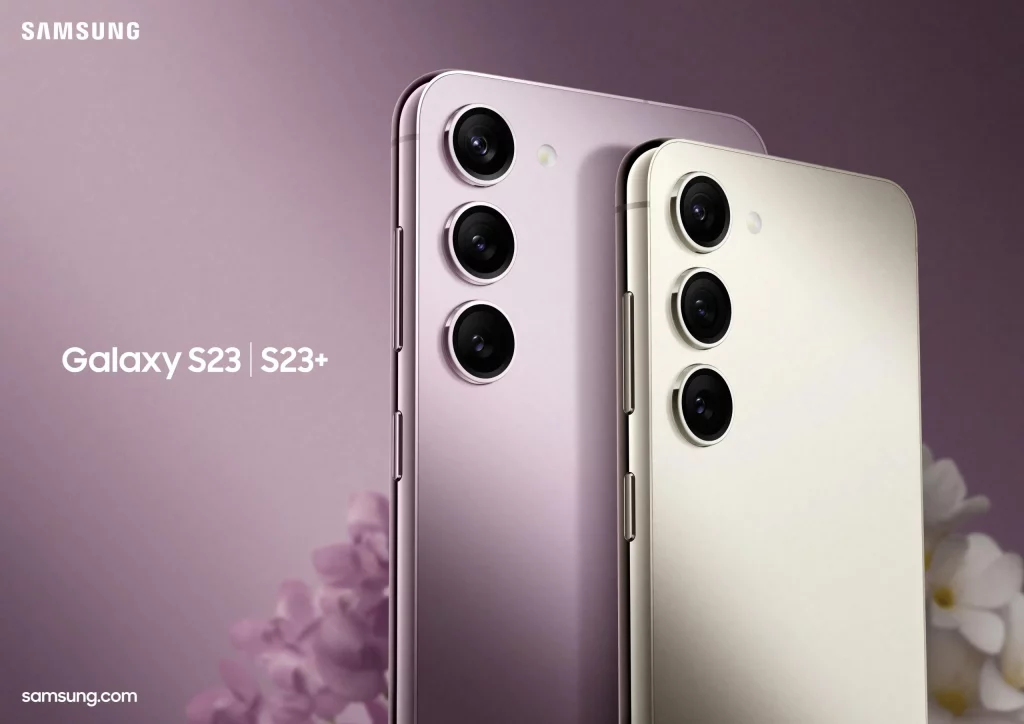
Samsung has recently confirmed that it will be addressing the camera blur issue experienced by some users of the Galaxy S23 and Galaxy S23+. Since the phones were launched earlier this year, users have reported a problem with blurring in certain areas of the images taken with the primary camera, often referred to as the “banana blur” issue.
Understanding the Camera Blurring Problem on Galaxy S23 and S23+
According to Samsung, the cause of the problem is the wider aperture of the primary camera. The company explained that the bright aperture, which is beneficial for low-light photography, can result in noticeable selective focus and make the background appear blurry in close-up shots. However, Samsung’s engineers are actively working on a solution, and an upcoming software update is expected to alleviate the issue.
In the meantime, Samsung has provided some suggestions to minimize the occurrence of the problem. Users are advised to take a step back from the subject if it is approximately 30cm away from the camera lens. Additionally, holding the phone vertically, rather than horizontally or obliquely, is recommended.
It is worth noting that it took Samsung some time to acknowledge the issue, and it remains uncertain whether it can be completely resolved due to the nature of the problem. However, some users have suggested that the inclusion of a dual-aperture lens, as seen in previous models like the Galaxy S9 and Galaxy S10, could have potentially provided a solution. Unfortunately, this feature was removed starting with the Galaxy S20.
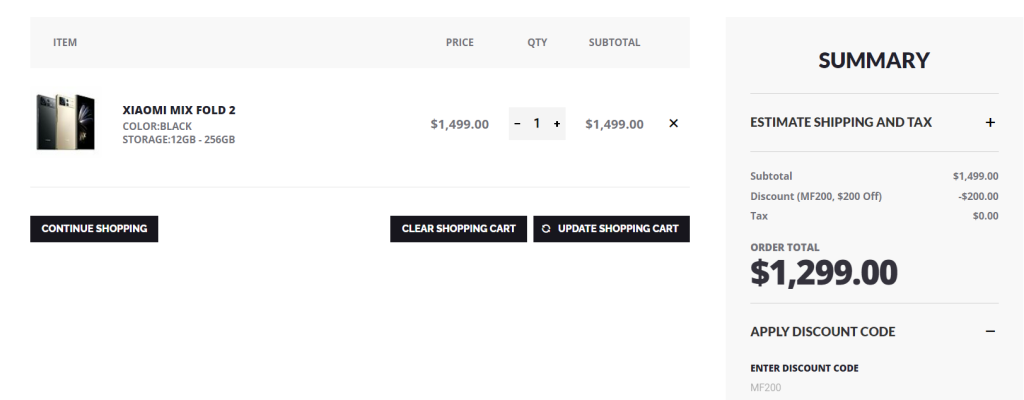
Giztop is giving a whopping $200 discount coupon for Xiaomi Mix Fold 2. You can now buy the Xiaomi Mix Fold 2 smartphone for as low as $1299 by using the coupon code: MF200. Please note that this is the lowest price ever offered on this phone by Giztop. This coupon expires on June 9.
Xiaomi Mix Fold 2 features an 8-inch WQHD+ AMOLED Inner display with LTPO technology and a 6.5-inch AMOLED E5 external screen. It is powered by the Qualcomm Snapdragon 8+ Gen1 5G processor and comes with Adreno 730 GPU. The smartphone comes in multiple memory variants viz. 12GB LPDDR5 RAM and 256GB / 512GB/ 1TB ROM.
Xiaomi Mix Fold 2 has a triple rear camera setup with a 50MP Sony IMX766 primary sensor, 13MP OmniVision OV13B ultra-wide snapper, and an 8MP telephoto camera with 2x optical zoom. On the cover display, you can find a 20MP selfie camera. This powerful foldable smartphone is fueled by a 5020mAh battery and supports 67W fast wired charging. It also supports QC 4+ and PD3.0.
Available in Black, Silver, Gold, and Black Night color variants, you can now buy Xiaomi Mix Fold 2 at a heavily discounted price of $1299 only at Giztop. Please note that this price is applicable to the base variant.
For more information on such exciting deals and offers, check out our deals hub.
We use cookies on our website to give you the most relevant experience by remembering your preferences and repeat visits. By clicking “Accept”, you consent to the use of ALL the cookies.
This website uses cookies to improve your experience while you navigate through the website. Out of these, the cookies that are categorized as necessary are stored on your browser as they are essential for the working of basic functionalities of the website. We also use third-party cookies that help us analyze and understand how you use this website. These cookies will be stored in your browser only with your consent. You also have the option to opt-out of these cookies. But opting out of some of these cookies may affect your browsing experience.
Necessary cookies are absolutely essential for the website to function properly. This category only includes cookies that ensures basic functionalities and security features of the website. These cookies do not store any personal information.
Any cookies that may not be particularly necessary for the website to function and is used specifically to collect user personal data via analytics, ads, other embedded contents are termed as non-necessary cookies. It is mandatory to procure user consent prior to running these cookies on your website.