Advertisement

Google opens public access to Bard AI Chatbot: the much-awaited rival of ChatGPT

Google has released the Bard AI Chatbot to the public with limited access. The Chatbot will be available across US and UK. There will be a waiting list for English-language access to Bard as it was previously open to approved testers only. 

Google has described Bard as a generative Artificial Intelligence Collaboration that relies on past data to create content. It is different from the Google search engine which only identifies and classifies content for its users as Bard will create original content. 

Unlike its rival ChatGPT which just provides a single answer to your questions, Bard will give several versions or drafts of its answer for you to choose from. Once you go through the drafts, you can then ask follow-up questions and if you are still not satisfied with the given options you can again ask the same question to get a different answer from Bard. Bard also comes with an additional cool feature the “Google it” button that will turn your prompt into a search engine-optimized question and direct it to Google Search.

Google has said that Bard can be used to boost your productivity, accelerate your ideas, and fuel your curiosity. The company will roll out the access to Bard in phases and soon plans to launch the Chatbot in other territories with different languages.

What is Google BARD?

Bard which literally means a storyteller, is an experimental AI-powered chatbot made by Google, that can respond to various queries and requests in a conversational manner. The Chatbot is designed to compete with OpenAIs ChatGPT. 

Bard uses LaMDA (Language Model for Dialogue Applications) which is Google’s language model built on Transformer, a neural network architecture, which is the basis of several generative AI applications seen today.  LaMDA can predict the following words in a series based on the previous ones and can stimulate dialogue in a looser fashion than is typically allowed by task-based responses.

As of now, Google states that Bard is still in its experimental phase and as soon as you log in, you will get the warning message ‘Bard will not always get it right’. Though designed to compete with ChatGPT, the initial version is limited to text with no response to images or audio. Bard cannot be used for advanced tasks like coding but Google is working on these features and will roll out the same in due course.  

Related:

(via)

New leak reveals different dimensions of the yet-to-be-released Sony Xperia 1 V

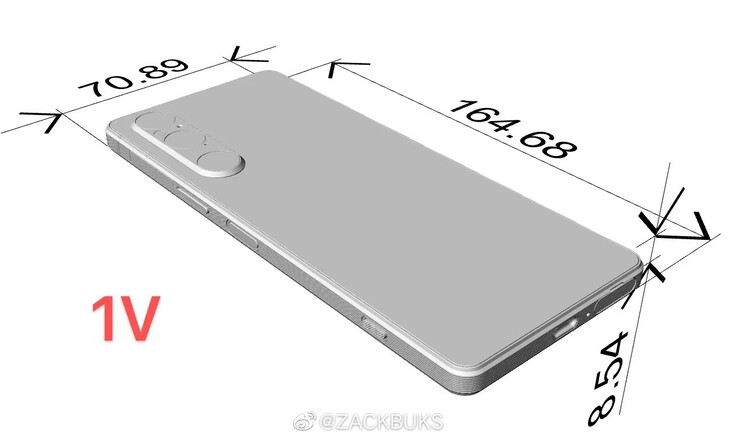
A new report has indicated that the Sony Xperia 1 V will not come in a more compact setup than its predecessor. The Xperia 1 V had previously been rumored to be smaller than the Xperia 1 IV but the new reports contradict this. The leaked details of the yet-to-be-released Sony flagship included a schematic of the smartphone.

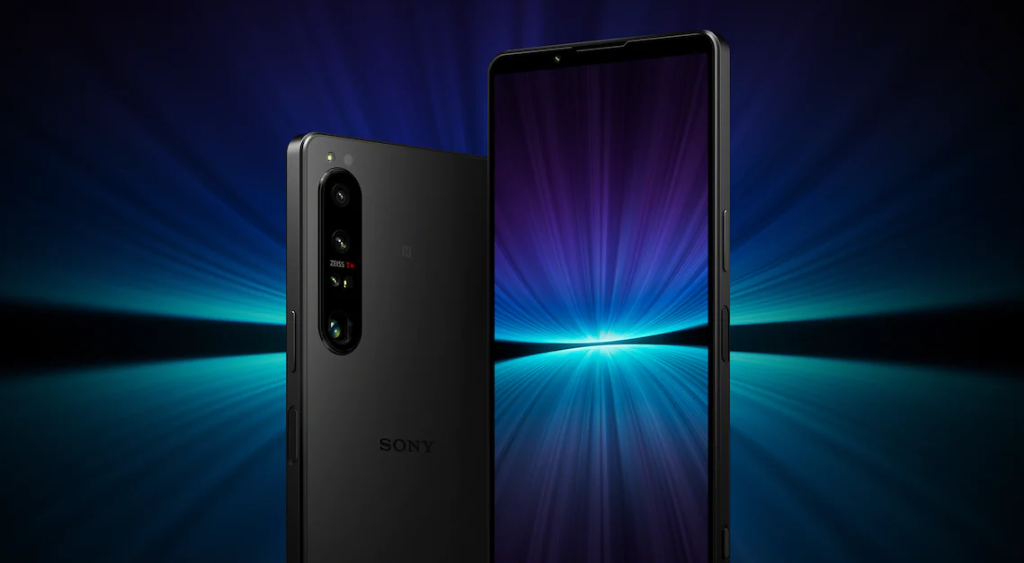
Sony Xperia 1 IV

The Sony Xperia 1 V is expected to be released later this year and Weibo leaker, Zackbuks has hinted that it will not be smaller. The tipster has had a run of bold hits in recent times and he provided a schematic diagram of the flagship. The leaked dimensions of the smartphone are 164.68 x 70.89 x 8.54 which is different from an earlier leak back in February by @onleaks. The original Xperia 1 model measures 167 x 72 x 8.2 mm, with subsequent models slightly smaller. The weights have also varied across the generations of the Xperia 1 with a deviation of around 5g.

Sony Xperia 1 V

The February leak was premised on the information that Sony had overhauled the design of the smartphone with a narrower and thicker chassis. The Xperia 1 V will be slightly thicker than its predecessor but retains a similar height and width.

Sony will likely release the Xperia 1 V in May 2023 and a sequential distribution to other markets could be deployed. There are no official details yet from Sony but we expect the full specs of the Xperia 1 V flagship to surface soon.

RELATED:

(source)

Redmi Note 12 4G officially Teased in a New Sparkling colorway

Redmi Note 12 series was launched in India earlier this year in January. The lineup included three smartphones, all supported 5G connectivity. However, Redmi is set to introduce another phone in the lineup, named the Redmi Note 12, which will only support 4G connectivity. The launch is scheduled for March 30. Ahead of the release, the brand has teased the smartphone in a dazzling new color variant. Let’s take a closer look.

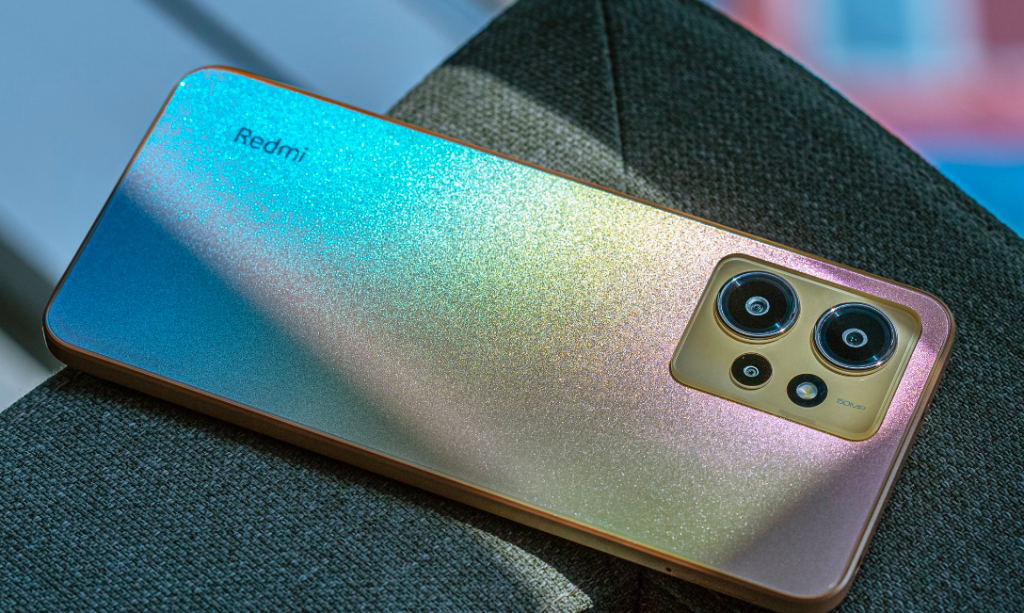
An image shared by a Xiaomi executive shows the upcoming Redmi Note 12 4G in a sparkling new color. The new color blends various shades such as Blue, Pink, and Gold to create a distinctive and original hue. This innovative colorway sets it apart from the usual range of standard colors and makes the device truly eye-catching.

Redmi Note 12 4G new color

The smartphone has a standard rectangular camera module that contains three camera sensors and an LED flash. The text on the module indicates that the primary camera features a powerful 50MP sensor. The SIM tray is located on the left edge of the device. However, the teaser image does not reveal the front panel of the phone.

Realme Note 12 4G is expected to come with a 120Hz Super AMOLED display. The screen could offer FHD+ resolution and measure 6.67 inches in size. Under the hood, the device will be powered by a Qualcomm Snapdragon 685 SoC. For photography, it could get a 50MP primary camera, an 8MP ultra-wide, and 2MP macro shooter.  The front of the device may boast a 13MP selfie camera. It could be backed by a 5,000mAh battery with support for 33W wired charging.

RELATED:

(source)

Apple’s Billion-Dollar Strategy to Conquer the Big Screen

Apple is planning to invest $1 billion annually in producing movies for theatrical release, marking a significant step in its efforts to elevate its Hollywood profile and attract subscribers to its streaming service, Apple TV+. According to anonymous insiders, the tech giant has already approached movie studios to discuss potential partnerships for releasing select titles in theaters this year, as well as additional films in the future.

Apple to Spend $1 Billion a Year on Films to Break Into Cinemas

Among the potential releases are a Martin Scorsese film starring Leonardo DiCaprio, a spy thriller directed by Matthew Vaughn, and a Ridley Scott drama about the French conqueror. Apple aims to showcase these movies in thousands of theaters for at least a month, although final plans have yet to be solidified. The company is also still determining how to distribute the films in theaters, as it currently lacks the internal expertise to simultaneously release movies in cinemas worldwide.

Apple TV+

Apple’s expansion into theaters is a strategic move to raise awareness for its TV+ streaming service. With an estimated 20 to 40 million subscribers, Apple TV+ lags behind competitors like Netflix and Disney+. By turning high-profile projects, such as a Scorsese movie, into cultural events, Apple hopes to grow its subscriber base and outpace rivals.

This billion-dollar investment represents a significant increase from Apple’s previous forays into the movie industry. Most of its earlier original movies were either exclusive to its streaming service or received limited theatrical releases. For instance, the Academy Award-winning film was acquired at the Sundance Film Festival for a record $25 million and distributed simultaneously in theaters and on TV+.

Apple’s plans could provide a much-needed boost to theater chains still struggling to recover from the pandemic. Ticket sales remain about a third below 2019 levels, and major cinema operators like AMC Entertainment and Cineworld Group are facing financial difficulties. These chains have attributed their struggles to a lack of available films from studios, rather than moviegoers’ reluctance to return to theaters.

RELATED:

(via)

Aqara Smart Video Doorbell G4 with on-device AI facial recognition Launched

Smart home accessory maker and Xiaomi ecological chain company Aqara has launched its first video doorbell, the Aqara Smart Video Doorbell G4, which is compatible with HomeKit Secure Video and features facial recognition. The device has a 1080p camera and can support local streaming to Amazon Alexa and Google Home smart devices.

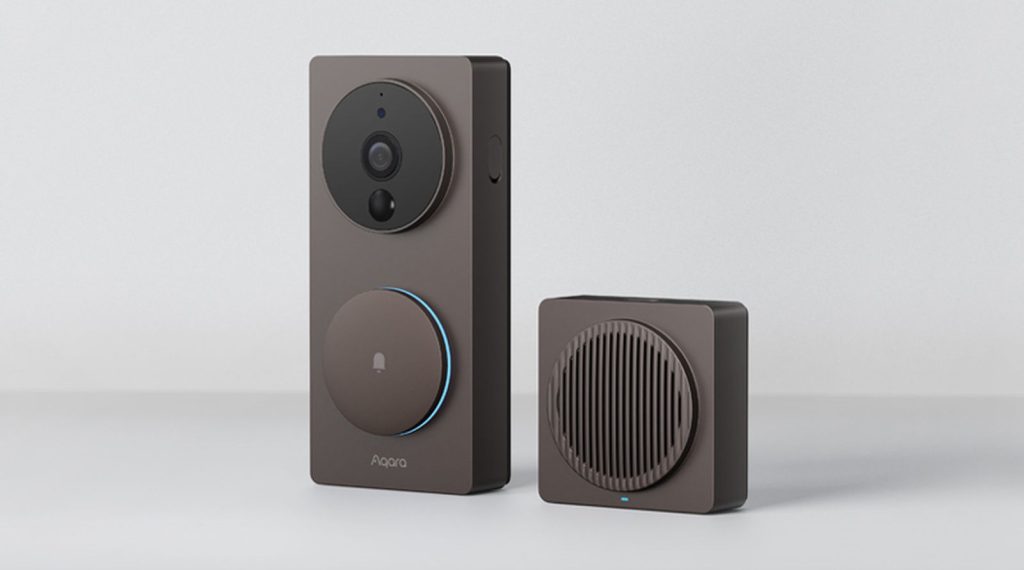
Aqara Smart Video Doorbell G4

The Aqara Smart Video Doorbell G4 comes with on-device AI facial recognition, which can activate customized automations for different people. For instance, the doorbell can trigger a “welcome home” scene when it recognizes a family member, and it can play a pre-recorded message when it detects a postman.

The video doorbell can be wirelessly or wired installed and comes with a battery pack that lasts about four months. Alternatively, users can wire the device to an AC/DC transformer for 24/7 recording and use the battery pack as a backup power source. The doorbell also offers adjustable sensitivity, configurable motion detection, and a power-saving mode for users living in high-traffic areas.

The Aqara Smart Video Doorbell G4’s chime repeater has a 95 dB speaker and includes a USB-C port that enables users to place the repeater indoors. Video footage can be stored locally or remotely via iCloud or the Aqara platform. The latter offers subscription-free cloud storage of up to seven days of critical event clips, such as motion detection, facial recognition, doorbell ring, and tamper alerts.

The smart doorbell comes in Shadow Gray and Black colors and is priced at $119.99. The device also offers optional local storage via a microSD card slot. Support for the new Matter standard is expected to be included via a future over-the-air update, according to Aqara. The device is available on Amazon in North America and Europe, as well as selective Aqara retailers worldwide.

RELATED:

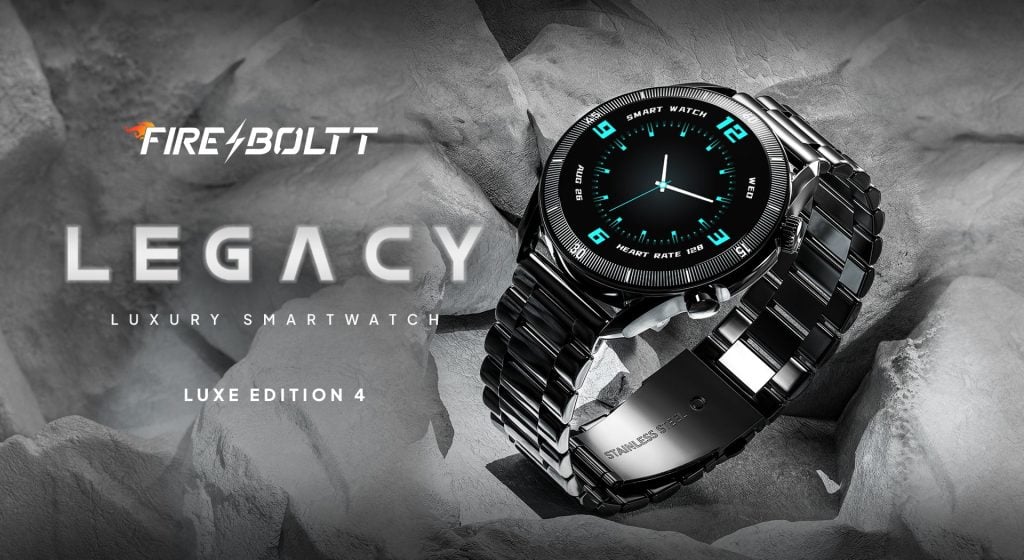
Fire-Boltt Legacy smartwatch with 1.43” AMOLED screen and Bluetooth calling launched in India for Rs. 3,999 ($49)

Fire-Boltt has released a new lineup of smartwatches in the Indian market. The Fire-Boltt Legacy is the latest addition to the LUXE collection and comes well-kitted. It has an impressive stainless-steel design with textured straps and a rotating crown. It also features two button pushers for a great experience.

Fire-Boltt Legacy smartwatch

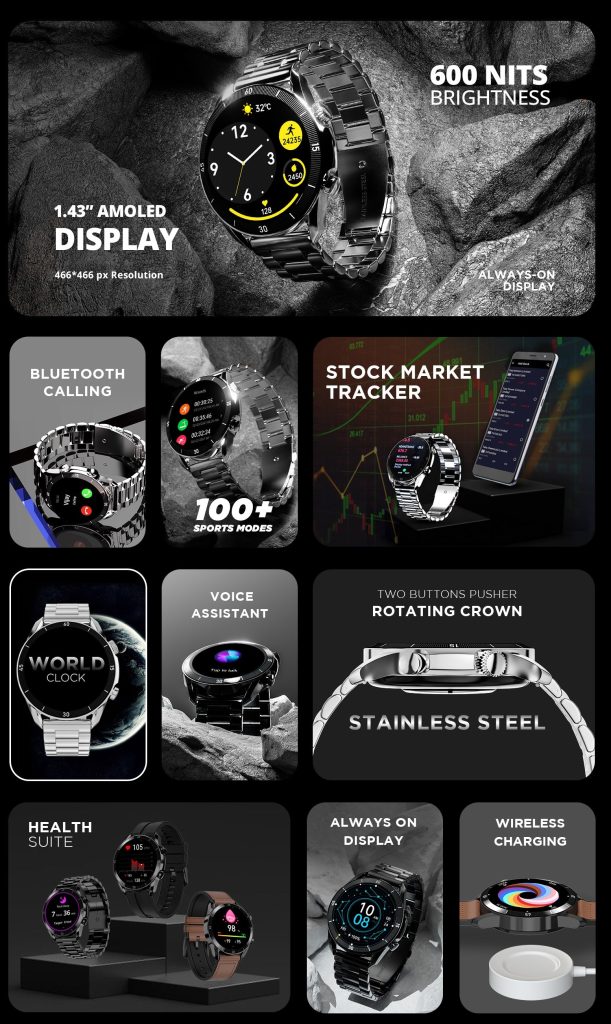
The Fire-Boltt Legacy is coming on the heels of the earlier release of the Fire-Boltt Legend. The Fire-Boltt Legned was launched earlier this week and the new model also comes with two button pushers. The 1.43” AMOLED display of the Legacy has a resolution of 466 x 466 pixels. It has a maximum brightness of 600 nits and a 60Hz refresh rate. The smartwatch also comes with advanced anti-corrosion properties in a sleek design. It features Bluetooth calling more than 100 sports modes, voice assistance, and IP68 water resistance.

Fire-Boltt Legacy smartwatch

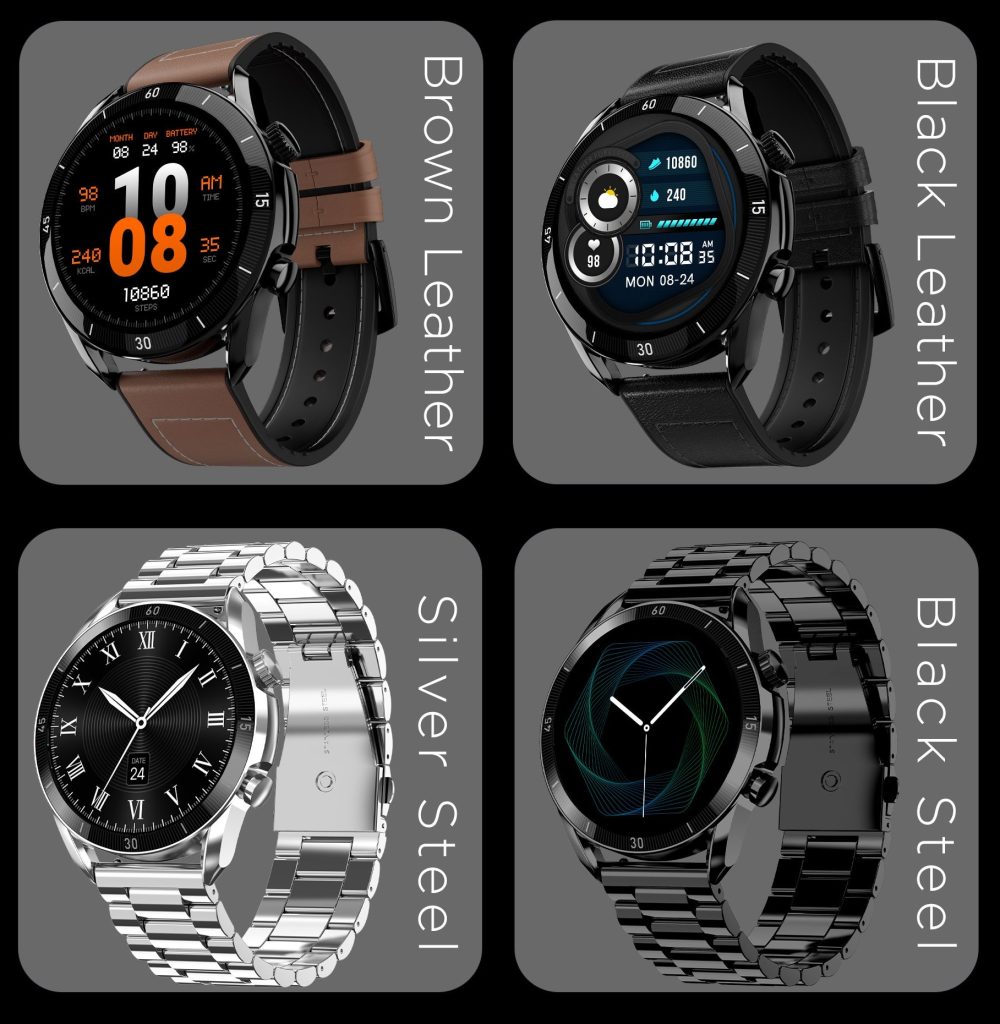
You can charge the smartwatch wirelessly with its 330mAh battery offering up to 7 days on a single charge. The smartwatch also provides information on the stock market in real time. You can add your favorite stocks to the companion app to automatically provide updates. The Legacy smartwatch has leather straps and supports Bluetooth 5.1.

Fire-Boltt Legacy smartwatch

The Fire-Boltt Health Suite provides sleep monitoring, sleep, SpO2, and heart rate measurement. It also features a health wellness reminder, calculator and Find My Phone, among others. The gadget will be sold from March 25 in India and will retail at Rs. 3,999 (~$49). There is no information on the availability of the Fire-Boltt Legacy outside the subcontinent.

Related:

(source)

Madhav Sheth Reportedly Departs as Realme India Chief

Update: A Realme representative has denied the rumors of Michael Guo taking over as Realme India’s head. As of now, there is no information available regarding who will be appointed as the new country head for Realme in India.

Original story continues…

Realme has established itself as a highly popular smartphone brand in India, owing in large part to the efforts of its India head Madhav Sheth, who played an important role in building a solid foundation for the company in the country. However, it is being reported that Realme is set to replace Sheth with a top executive from its China-based headquarters.

As per a report by ETTelecom, Madhav Sheth, who served as Realme India head, has reportedly tendered his resignation and has been succeeded by Michael Guo. While the Chinese company has not issued an official statement on this development, neither has Sheth made any public comment. It is speculated that Sheth may leave the company after the official announcement is made in the near future.

Madhav Sheth resigns

Insiders in the industry have reportedly told Business Standard that the leadership change at Realme may not bode well for the company. Madhav Sheth, who served as the India business lead, had become the face of Realme in a short period of time, and was instrumental in solidifying the brand’s position in the highly competitive smartphone market in India. Sheth, along with Realme’s CEO Sky Li, had established the foundation for the company’s success in India.

With more than 17 years of experience as a business leader, he has won several awards for his contributions to the global business arena. As a key member of the company, he is responsible for spearheading strategy development, product engineering, business development, market operations, and brand-building initiatives, among others. He reports directly to the chief executive of the smartphone giant headquartered in Shenzhen, China.

RELATED:

(Source 1,2)

Power Off, Immunity On: How Less Time with Smartphone Benefits Your Health

As smartphone have become a significant part of our daily lives, they have also caused various health issues. However, recent research suggests that using a smartphone for less than 15 minutes a day can actually improve immunity and promote mental health. Here are the details…

Put Your Phone Down! Brushing Less for 15 Minutes a Day Can Improve Immunity

A team of researchers at Swansea University in the United Kingdom conducted a randomized controlled study, which found that reducing social media use by 15 minutes per day improved a person’s overall health and immune function, and reduced loneliness and depression. The study included 50 participants aged 20-25 who completed a series of questionnaires on health, immune function, sleep, and anxiety. The researchers assigned these participants into three groups: No change group, Reduction group, and Reduction + Activity Group.

The results of the study showed that participants in the reduction group experienced significant improvements in immune function, sleep, and depression. Their immune function improved by an average of 15 percent, sleep quality improved by 50 percent, and depressive symptoms decreased by 30 percent. Professor Phil Reid from Swansea University’s School of Psychology emphasized that the data indicated that spending less time on social media can lead to improvements in both physical health and mental health.

Numerous studies have demonstrated that excessive screen time can lead to a range of negative effects on our physical and mental health, increasing the risk of various diseases. Some of these effects include decreased vision, accelerated eye bag production, stiff hand joints, deterioration of gastrointestinal function, increased pressure in the cervical spine, higher likelihood of depression, disturbances of biorhythms, and increased risk of cancer.

Despite the growing evidence of the negative impact of smartphone usage, many people find it challenging to reduce their screen time. To mitigate the harmful effects of smartphones, experts recommend adopting correct postures, maintaining a safe distance from the screen, controlling usage time, avoiding use in dark environments, creating “disabled areas” for smartphone usage, turning off message reminders when resting, and staying away from phones before bedtime.

RELATED:

(via)

Huawei debuts New 88W fast charger and an all-in-one Car Charger

Huawei hosted an extensive three-hour event in China today, during which it introduced several new products, such as the P60 series, the Mate X3 foldable, and the MatePad 11 (2023) tablet. The brand also unveiled some noteworthy accessories that could easily go unnoticed. Among these are two new chargers, one boasting an 88W output and combined USB C/A ports, and the other functioning as an all-in-one car charger. Here are the details.

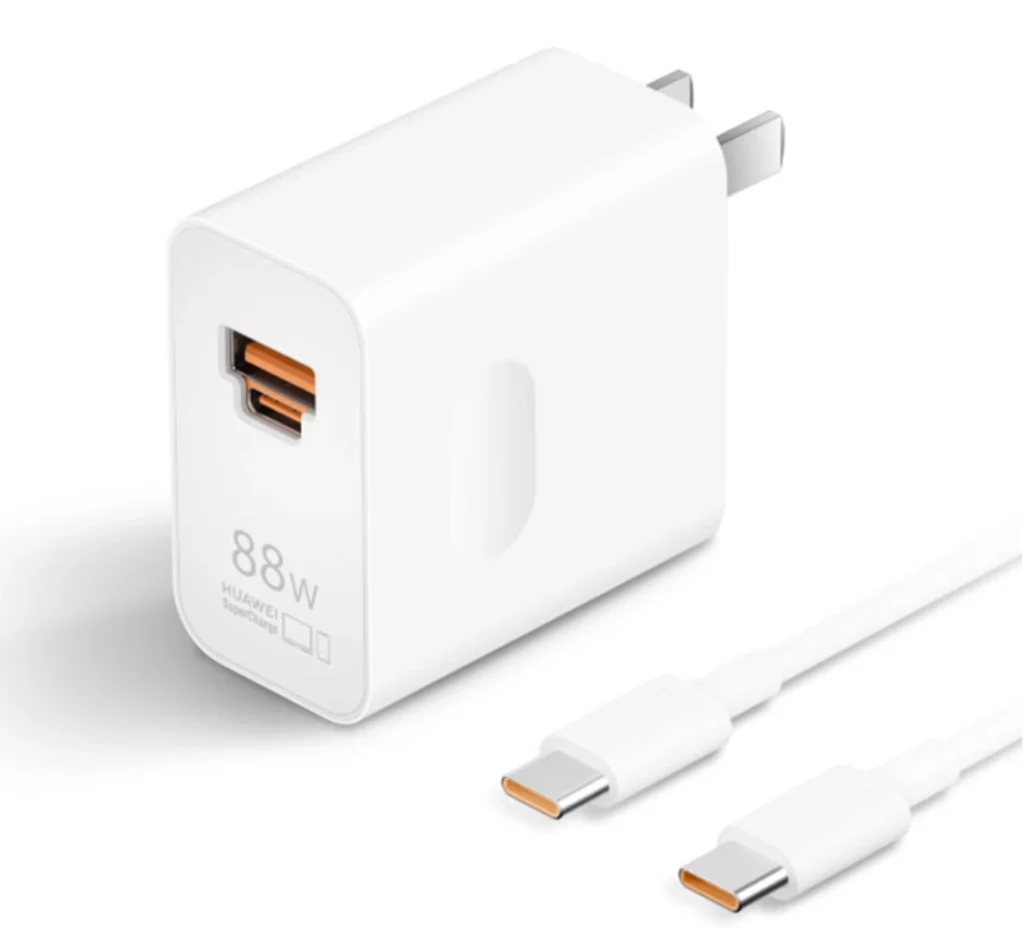
The Huawei 88W charger, as the name suggests, supports 88W fast charging. It is equipped with Huawei SuperCharge and UFCS protocols, and is compatible with various other charging protocols such as PD, PPS, and QC. Moreover, it can be used with devices running different operating systems such as iOS, HarmonyOS, and Android.

Huawei 88W charger

The charger features both USB-A and USB-C cable interfaces, but only one port can be used for charging at a time. Despite the ports being fused together, dual-port simultaneous use is not supported. The mobile charger features a built-in intelligent control chip, which can adjust the charging power according to the device and reduce the risk of high temperature and overcharging.

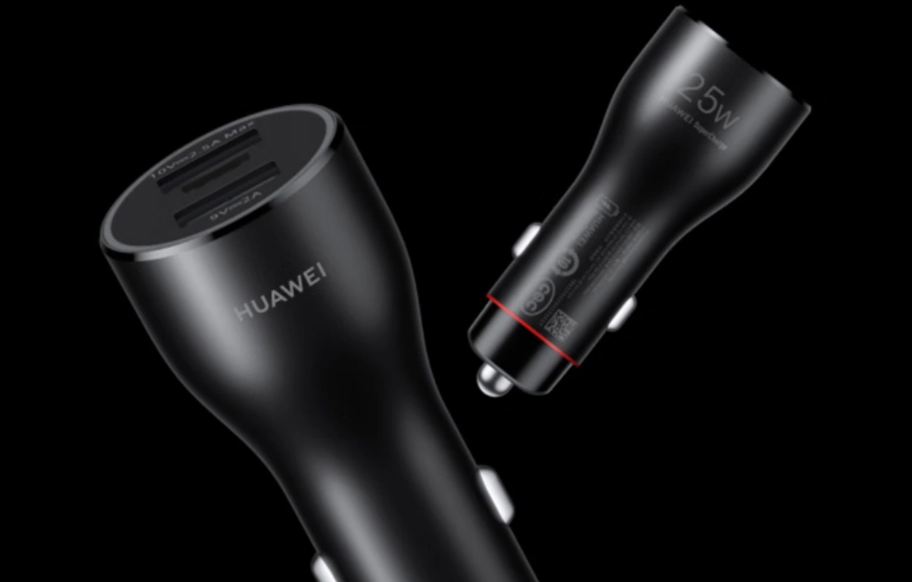
Huawei car charger

Huawei’s all-in-one car charger comes in two versions, max 25W and max 88W output. It supports all the protocols as the above-mentioned device and can charge various devices, such as mobile phones, earphones, and tablets. It has upgraded fusion port, which will allow users to switch between USB-A and USB-C cables as needed. The accessory is claimed to be compatible with the cigarette lighter sockets of various vehicles, such as sedans, business SUVs and buses.

Huawei 88W charger can be purchased in China for 249 yuan ($50). Whereas the all-in-one car charger is priced at 119 yuan ($17) and 249 yuan ($36) for the 25W and 88W version, respectively. These chargers are only available for purchase in China, as of now.

Related:

Apple Autonomous Vehicle Program Grows to Over 200 Drivers with One Minor Collision

Apple continues to expand its autonomous vehicle testing program in California, with the latest data revealing that the company has added more drivers to its test fleet. Apple now has over 200 authorized individuals supporting the operation of its 67-vehicle fleet, and the company experienced a minor collision last month. Here are the details…

Apple Autonomous Vehicle Program Grows to Over 200 Drivers with One Minor Collision Since January

According to a recent reports, the first Apple Car, expected to hit the market in 2026, will not be fully autonomous. However, the company may still incorporate advanced driver assistance features that would allow drivers and passengers to engage in activities such as watching a movie or playing a game while on the move.

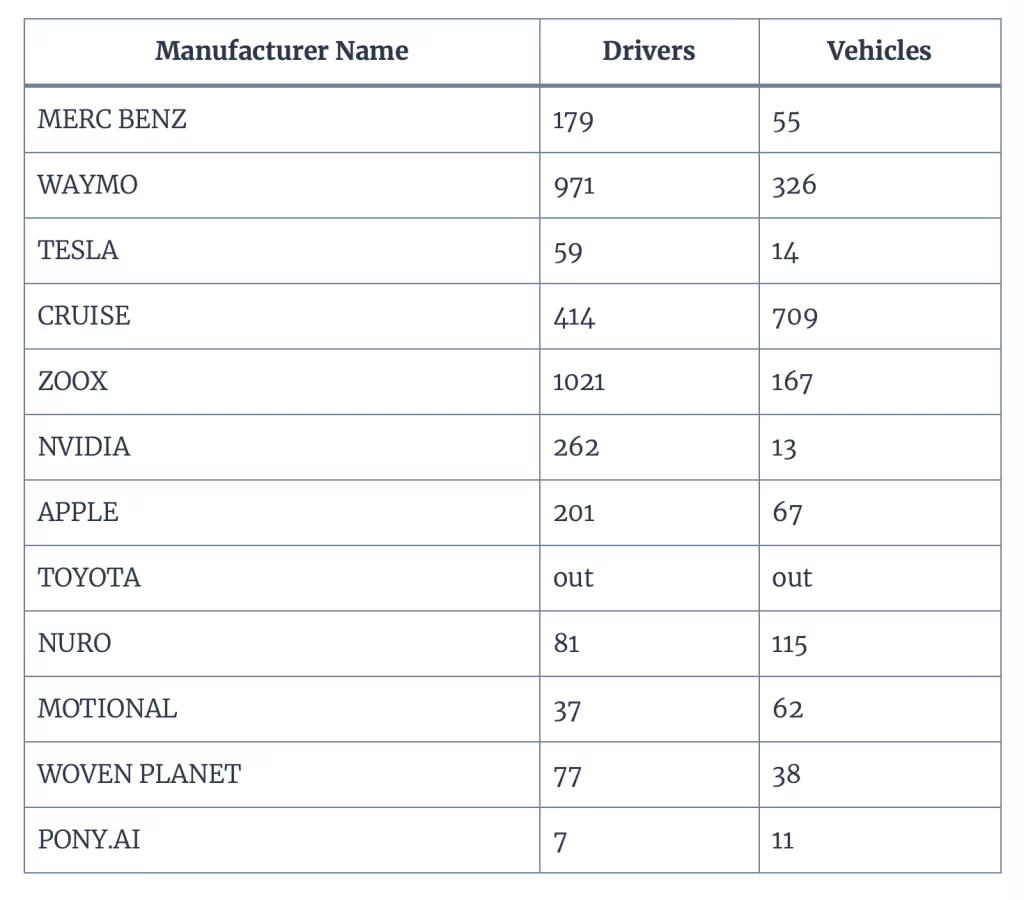
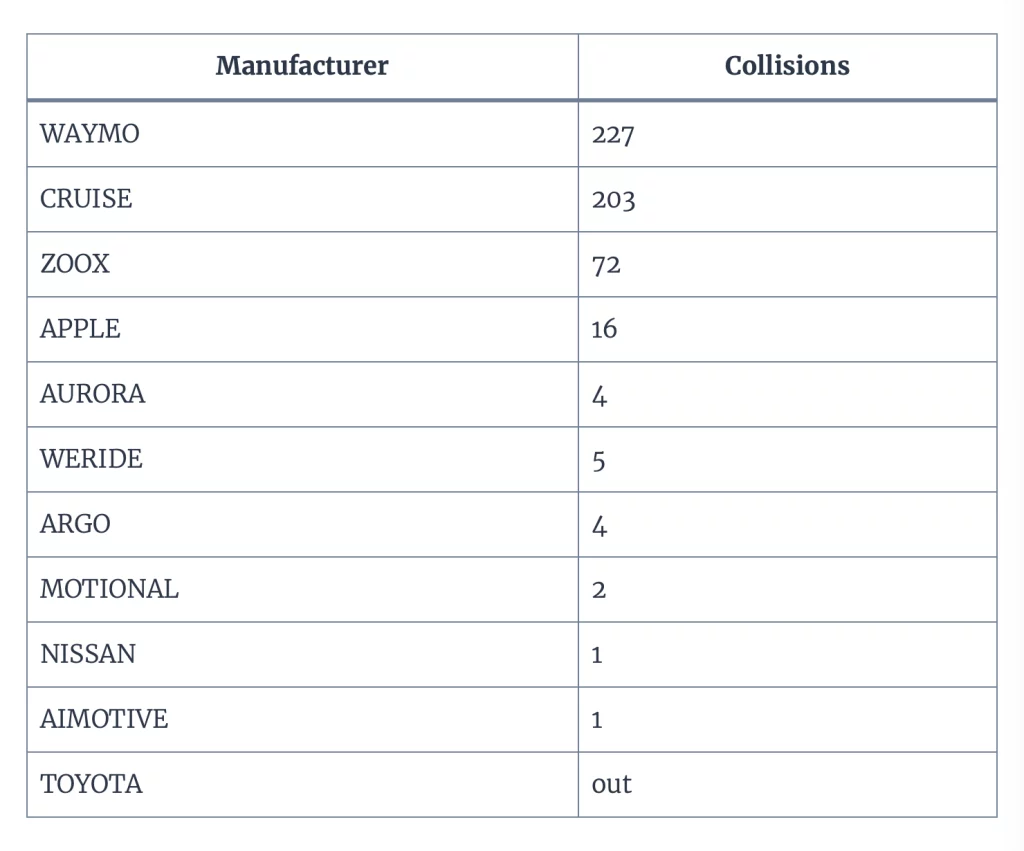
Recently, some leakster provided the latest figures on Apple’s autonomous vehicle fleet, highlighting an increase in the number of drivers from 196 to 201, the highest in recent times. The vehicle fleet, however, has remained steady at 67. To give some context on how Apple’s fleet and drivers compare to its competitors, let’s take a look at the data on collisions involving autonomous vehicles from each company.

Since January 13, 2023, Apple’s test fleet has experienced one more collision, bringing the total count to 16. However, it’s important to note that even the most minor accidents must be reported, and this recent incident falls into that category. No one was injured in the collision, which was described as a case of “curb rash” while the vehicle was in manual mode.

The incident report reads, “On February 21st, a test vehicle operating in manual driving mode was making a U-turn from Westbound to Eastbound Homestead Road at the intersection with Kennewick Drive in Sunnyvale when the right front tire and rim made contact with the curb. No injuries were reported, and law enforcement was not called to the scene. The test vehicle sustained damage to the right front rim.”

As Apple continues to develop and test its autonomous vehicles, it’s evident that the company is dedicated to fine-tuning its technology before unveiling the first Apple Car. With over 200 drivers now supporting the operation of its test fleet, Apple seems to be making significant strides in the world of autonomous vehicle development.

RELATED:

(via)

Budget-friendly Huawei Enjoy 60 smartphone debuts with a large 6,000mAh Battery

Huawei held a big launch event in China today. And by big, we mean pretty big as the brand launched 4 smartphones (including one foldable), a tablet, and a bunch of other products. One of the many handsets launched today is the Huawei Enjoy 60. The latest addition to the company’s mid-range series comes with a particularly large 6,000mAh battery and a stylish look. There’s also a capable Kirin processor under the hood. Let’s take a closer look at the details.

Huawei Enjoy 60

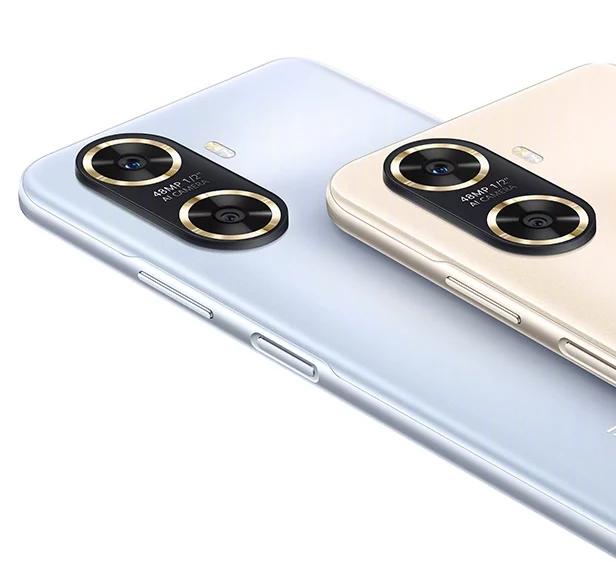
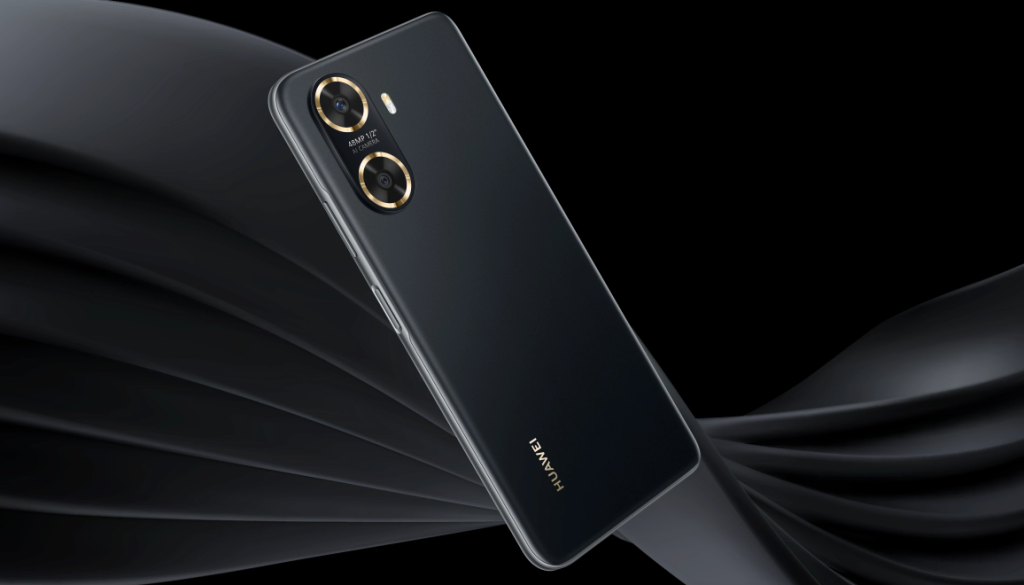
Huawei Enjoy 60 is a decent looking mid-range smartphone with equally decent specifications. You get a pill-shaped camera island on the rear, which features two camera rings outlined in gold. The back is curved and is likely made of glass. On the right edge, there are the volume and power buttons. The latter also integrates the fingerprint sensor. The front of the Enjoy 60 boasts thin bezels on the sides and a waterdrop notch on the top center.

Before we move ahead, you should be aware that Enjoy 60 is a 4G smartphone that lacks support for Google services. With that out of the way, let’s look at the hardware specs of the device. Starting with the display, the Huawei smartphone features a 6.75-inch LCD display that offers a 1600×720 resolution and a 60Hz refresh rate.

Powering the smartphone is a Kirin 710A mobile platform that is paired with 8GB of RAM and 128GB/256GB storage. For clicking pictures, you get a 48MP main camera accompanied by a 2MP depth-of-field lens on the rear and an 8MP sensor on the front. Huawei Enjoy 60 is fueled by a massive 6,000mAh battery and supports 22.5W charging. It runs HarmonyOS 3 out of the box.

Huawei Enjoy 60 debuts in China with a price tag of 1299 Yuan ($190) for the 8GB + 128GB version. The higher-end 256GB storage variant of the handset costs 1499 yuan ($219). It will be offered in Magic Night Black, Morning Sun Gold, and Ice Crystal Blue colors.

Huawei also launched the anticipated P60 series as well as an improved Mate X3 Foldable today. We have added other prominent product launches from the brand in the related section below.

Related:

Vu Premium TV 2023 Edition With 4K Display Launched In India

Vu has launched two new TVs in India. It is the Vu Premium TV 2023 Edition. It comes in two variants with both packing the same specifications and the only difference being in the display size. The Vu Premium TV 2023 Edition is also priced affordably. Read on to know what it offers out of the box. 

The Vu Premium TV 2023 Edition is offered in 43 and 55-inch LED screen sizes. Both televisions feature a 4K resolution with a 94 percent color gamut and 400 nits peak brightness. The TVs pack auto low latency mode (ALLM), digital noise reduction, dynamic contrast, and game mode. 

On the audio front, the Vu Premium TV 2023 Edition is equipped with two large box speakers and two tweeters producing 50W sound output. There is support for Dolby Audio. 

Under the hood, the Vu Premium TV 2023 Edition is equipped with a 64-bit quad-core processor. The television packs 2GB RAM and 16GB storage onboard. Software-wise, the TV runs on Google TV and ship with pre-installed OTT apps like Netflix, Prime Video, Spotify, Apple TV, and more. The Vu Premium TV 2023 ships with a bundled remote with a built-in microphone and IR Blaster. There are dedicated hotkeys for Prime Video, Netflix, YouTube, and Disney+ Hotstar. 

The Vu Premium TV 2023 Edition is priced at Rs 23,999 and Rs 32,999 for the 43 and 55-inch variants respectively. The TV is available for purchase from Amazon, Flipkart, the brand’s official website, and retail stores. 

Related:

OnePlus Nord CE 3 Lite 5G and Nord Buds 2 to Launch in India on April 4

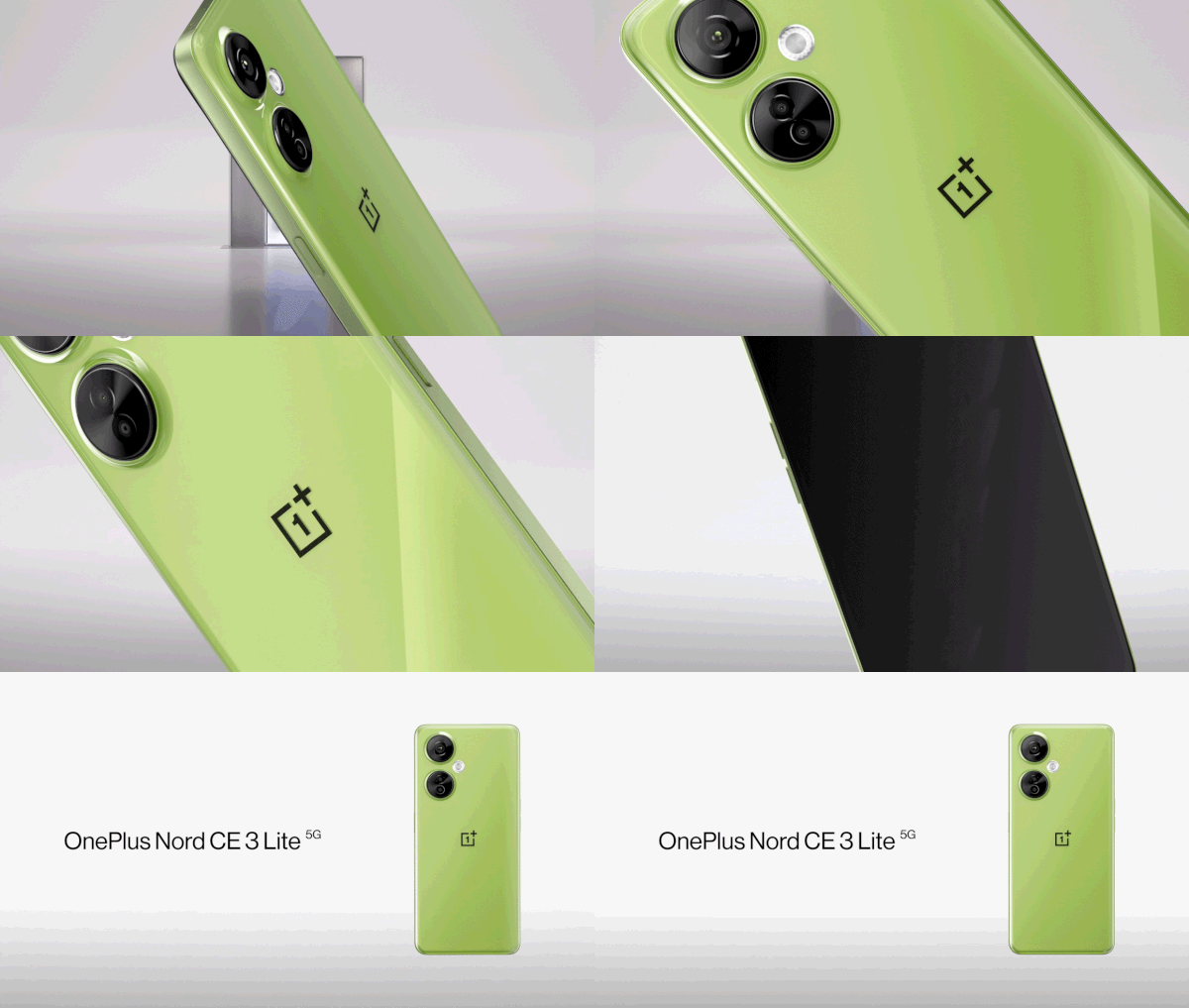
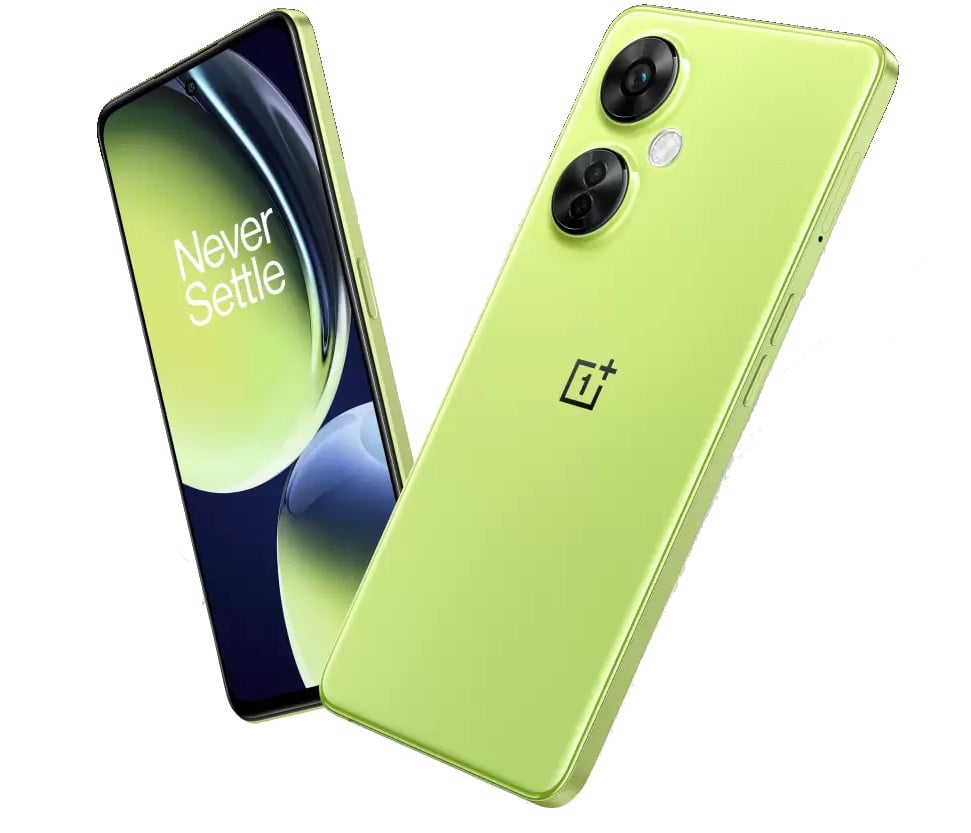
OnePlus has confirmed the launch of its latest smartphone, the OnePlus Nord CE 3 Lite 5G, along with the OnePlus Nord Buds 2 on April 4th, in India. The new smartphone is the successor to the Nord CE 2 Lite and will offer the company’s signature ‘Fast and Smooth Experience’ with a unique design, including a fresh new Pastel Lime color and a simple, yet charming two-circle camera layout.

OnePlus Nord CE 3 Lite 5G

The OnePlus Nord CE 3 Lite 5G is rumored to offer a 6.7-inch Full HD+ LCD display with a 120Hz refresh rate, along with an Octa-core Snapdragon 695 8nm Mobile Platform with Adreno 619L GPU. It will come with 6GB/8GB LPDDR4X RAM and 128GB/256GB UFS 2.2 storage, which can be expanded up to 1TB using a microSD card.

The phone is also expected to run on Android 13 with OxygenOS 13 and support Dual-SIM. It will feature a 108MP rear camera, along with a 2MP depth and 2MP macro camera with an f/2.4 aperture and an LED flash. The front-facing camera is rumored to be a 16MP shooter. The device is also expected to feature a side-mounted fingerprint sensor, 3.5mm audio jack, super linear speaker, and a 5000mAh battery with 67W SUPERVOOC fast charging.

OnePlus Nord CE 3 Lite 5G

In addition, the OnePlus Nord CE 3 Lite 5G will come with 5G SA/NSA, Dual 4G VoLTE, Wi-Fi 6 802.11 ax, Bluetooth 5.2, GPS/GLONASS/Beidou/NavIC, NFC, and USB Type-C connectivity options.

OnePlus Nord Buds 2

The OnePlus Nord Buds 2 will also be launched alongside the Nord CE 3 Lite 5G, featuring a familiar outer design but a slightly different inner design. It will be available in a Speckled Black color.

The launch event, ‘Larger than life – A OnePlus Nord Launch Event,’ will be held online on April 4th at 7:00 PM IST. The OnePlus Nord CE 3 Lite 5G will be sold on Amazon.in, OnePlus.com, and offline stores, similar to other OnePlus devices. OnePlus will also offer buyers 2 months of free YouTube Premium and instant Exchange discounts.

RELATED:

Imalent launches SR32: World’s brightest flashlight with 120,000 lumens and 32000mAh battery

A flashlight or more commonly known as the torch is a highly portable electric lamp that is used as a common light source while traveling and in emergencies. Camping, trekking, picnics, and outdoor travel all of these require you to carry a torch for safety reasons. A flashlight is not just a portable light source but also a life-saving device that can be used both in search and rescue operations and as a form of signal for help when lost or stranded. 

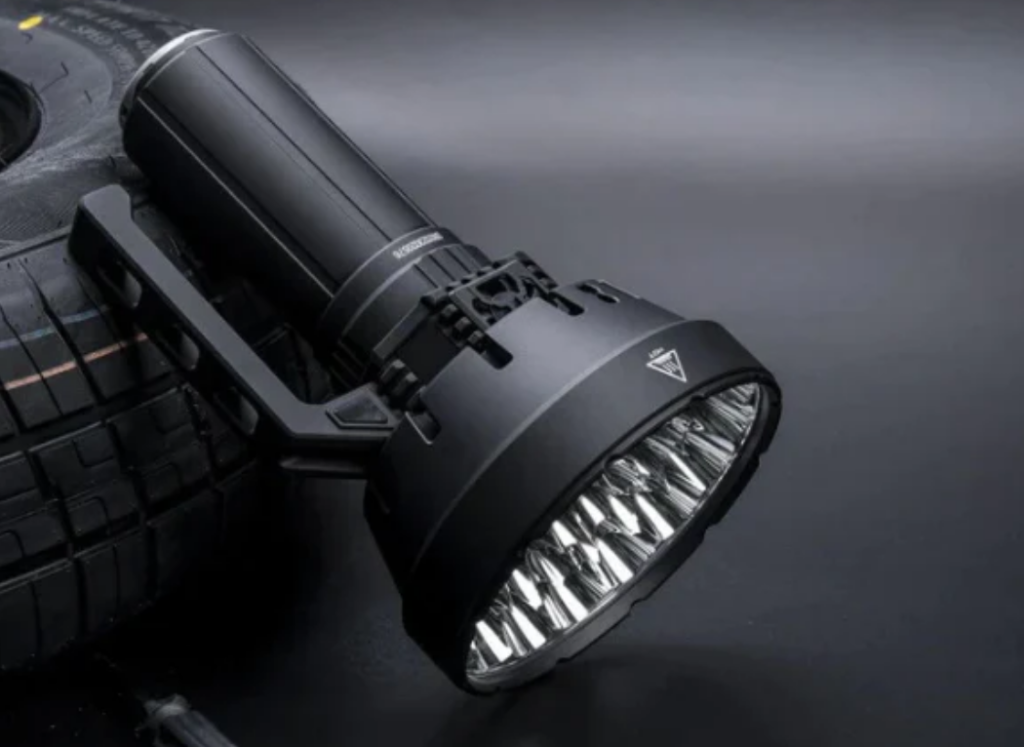
There are two different types of flashlights viz. Conventional tech lights and LEDs. The power of your flashlight and battery life are two important factors that determine the usefulness of your light. Imalent has launched the world’s brightest flashlight the Imalent SR32, with 120,000 lumens and a powerful 32000mAh battery. This high-end flashlight is suitable for law enforcement, and search and rescue operations, and is perfect for adventure lovers and flashlight enthusiasts.

Lighting and Brightness:

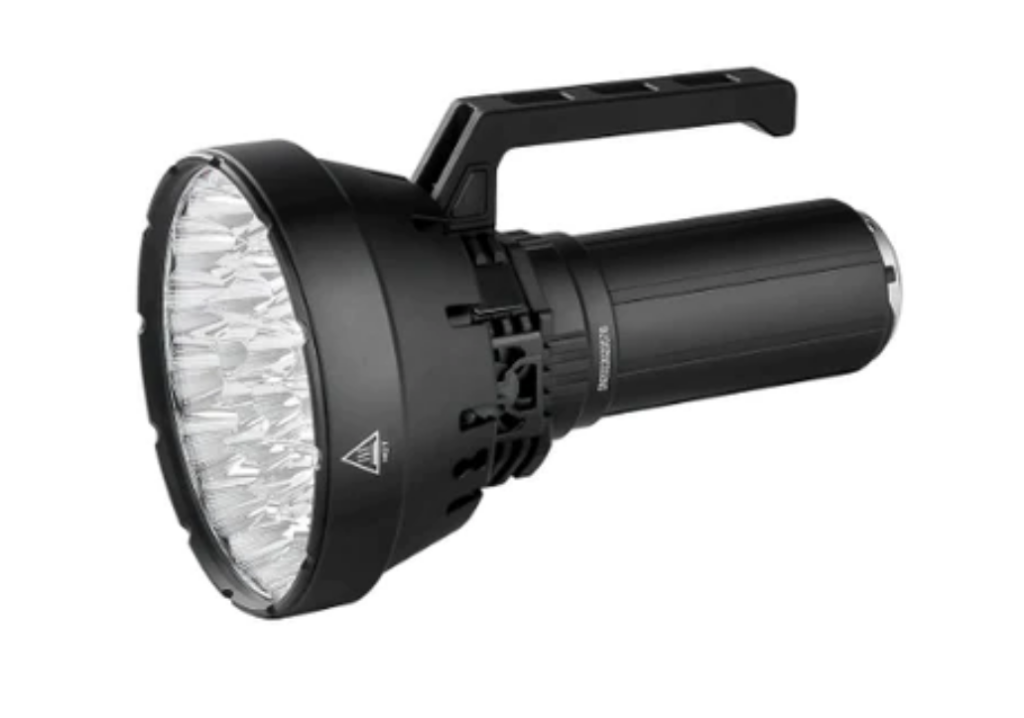
With the Imalent SR32 flashlight, the brand has set a new yardstick for measuring flashlight performance. This advanced torch comes with 32 LEDs that can reach a staggering 120,000 lumens, with a stunning range of 2080 meters. This makes it one of the brightest flashlights available in the world. With SR32 you can be assured of your safety as the torch will light up your way for almost a mile and also work as a rescue and help signal in the remotest areas. 

The device comes with a super smooth precision machined reflector, combined with the 32 CREE XHP50.3 Hi LEDs, that can reach its unsurpassed output of 120,000 lumens and over 2000 meters. A specially designed beam pattern not only provides long range but also a useful spread at various power levels. A tough clear mineral glass cover protects the LEDs and also has anti-reflective properties.

Six Light Modes:

The flashlight features six power levels starting from the moonlight mode of just 2 lumens to a medium power level of 4500 lumens followed by a high power level of 50,000 lumens and the ultimate turbo mode with 120,000 lumens which is the brightest mode. It also features a tactical strobe mode which is perfect for emergency signaling. 

Battery and Safety:

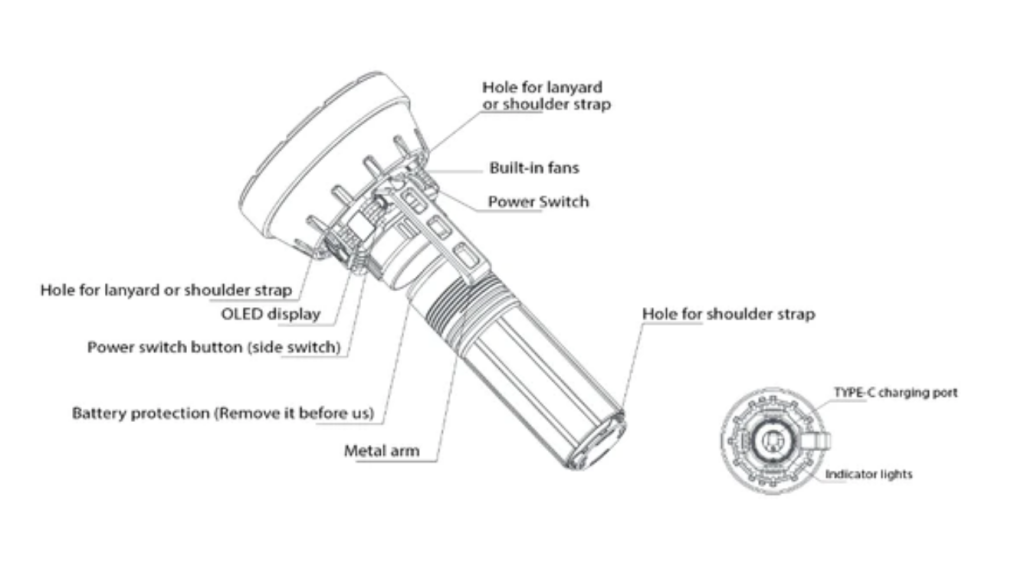
Imalent SR32 is powered by a 32,000mAh battery pack (8 x 21700 cells). The device supports fast charging and comes with a PD100 W charger, that charges the battery pack from 0 to full in about 90 minutes. It supports USB-C charging interface and comes with thermal intelligent temperature control and an active cooling system via fans which ensure a safe charging operation and output and quick and safe heat dissipation. 

Design, Body, and Size:

SR32 is a beautifully designed flashlight that is made of a high-grade heat-treated aluminum body that is IP56 water and dust resistant. It is also safe from an impact of up to  0.5m. This means you can carry the flashlight in extreme weather conditions without worrying about its durability. Imalent SR32 is 220mm long and measures 138mm in head diameter, and 56mm in body diameter. It weighs just 2166g with the battery pack included. A removable metal handle with a built-in side switch and a shoulder strap make it highly portable and easy to carry and store. A multi-function OLED display is also featured on this model showing the battery status and power levels, including heat warning. 

Key Features:

  • World’s most powerful flashlight at up to 120,000 lumens output (1,090,000cd)
  • 6 Power levels and a tactical strobe mode with a range of up to 2080 meters
  • OLED display shows battery status and power output
  • 32 CREE XHP50.3 Hi LEDs
  • Active cooling system with high-speed fans (10,500rpm) to ensure long operation
  • Removable aluminum carry handle (with side switch) and shoulder strap
  • Size: length 220mm, with a head diameter of 138mm, and a body diameter of 56mm.
  • Weight is 2166g including the battery pack
  • Smooth aluminum deep reflector with mineral glass lens cover and anti-reflective coatings
  • Powered via a 32,000mAh power pack with a Type C charging port
  • PD100W Charger (included) for fast charging in just 90 minutes
  • High-quality type III heat-treated aluminum body
  • IP56 weather resistance, drop tested to 0.5 meter

Price and Availability :

You can now pre-order Imalent SR32 Flashlight for $679.99 only at flashlightgo.com. Please note that this is a pre-order deal.

For more information on such exciting deals and offers check out our deals hub.

Huawei FreeBuds 5 With Hybrid Noise Cancellation, Audio Video Spatial Audio Launched

Alongside launching a host of new products at the Spring Flagship event, Huawei also announced the FreeBuds 5 TWS earphones. They arrive as the successor to the FreeBuds 4 that debuted way back in 2021. Read on to know what the FreeBuds 5 offer out of the box. 

The Huawei FreeBuds 5 feature a semi-in-ear design with smart curves and a glossy finish. Users can perform various functions by tapping on the stem of the earbuds. They are IP54-certified dustproof and water-resistant. 

In terms of audio, the Huawei FreeBuds 5 are equipped with an 11mm driver unit. It has three microphones with hybrid noise cancellation along with an ear canal adaptive algorithm that is capable of offering better noise reduction according to the shape of the user’s ear. There is also AI call noise reduction for clear quality on calls. The TWS earphones feature three spatial audio modes and dual HD audio certification. The audio device also comes with an ultra-wideband hearing optimization algorithm.

The Huawei FreeBuds 5 are powered by a 505mAh battery unit with each earbud backed by a 42mAh cell that is claimed to offer 5 hours and 3.5 hours with noise cancellation enabled and disabled respectively. The audio device supports fast charging via USB-C as well as wireless charging. 

The Huawei FreeBuds 5 offers support for multi-device connection, audio sharing, and low latency mode. There is a wisdom broadcast feature that shares various important information on the smartphone.

The Huawei FreeBuds 5 cost RMB 899 (~$132). The TWS earphones are offered in Frost Silver, Ceramic White, and Coral Orange colors. 

Related:

Microsoft’s GitHub Integrates OpenAI Chat Functions into Copilot X Coding Tool

Microsoft GitHub has announced an upgrade to its widely-used coding assistance tool, Copilot. The new version, dubbed Copilot X, will incorporate OpenAI’s advanced language-generation tools, allowing developers to use chat and voice features for coding assistance. Here are the details…

Microsoft’s GitHub to add OpenAI chat functions to coding tool

Copilot was first previewed in 2021 and saw a wide release last year. The initial product featured a code completion tool that suggested snippets of programming code as developers typed. By November, hundreds of thousands of developers had adopted Copilot, making it a cornerstone of Microsoft’s strategy to deploy assistive technologies across its product range.

Microsoft copilot

The recent success of OpenAI’s ChatGPT chatbot has inspired other companies to integrate OpenAI’s tools into their products and business strategies, while rivals like Alphabet’s Google are releasing competing chatbot technologies. The new Copilot X aims to enhance the developer experience by offering chat and voice functionality.

GitHub CEO Thomas Dohmke demonstrated the tool by asking it how to program a snake game in Python. The chat window can provide explanations of code segments, suggest ways to test the code, and propose fixes for bugs. Developers can also interact with Copilot X using their voice.

In addition to integrating chat and voice features, GitHub will start using OpenAI’s latest language model, GPT-4, in Copilot X. Different AI models will be employed for various tasks; for instance, code completion features will continue to use older technology that prioritizes speed over perfect accuracy, while the chat features will utilize the more accurate GPT-4.

Developers can join a wait-list to preview the new service, and Dohmke is optimistic that Copilot X could be a valuable tool for education. He is set to join a professor at Duke University who is already using Copilot in the classroom. Dohmke believes that Copilot can “revolutionize how we learn” by helping students overcome initial frustrations and quickly reach the same knowledge level as their peers.

RELATED:

(via)

Xiaomi Mi 10T, Mi 10T Pro receive MIUI 14 update in Europe

Xiaomi Mi 10T and Mi 10T Pro smartphones, introduced in 2020, has received a new update. The MIUI 14 update has been released for these devices in the EEA region, bringing several new features and improvements. Last week, Mi 10T Pro received the update in China.

The MIUI 14 update is based on Android 12 and offers a range of enhancements. Although these devices won’t receive Android 13, the latest MIUI 14 update promises to make up for it.

Xiaomi Mi 10T and Mi 10T Pro MIUI 14 Update

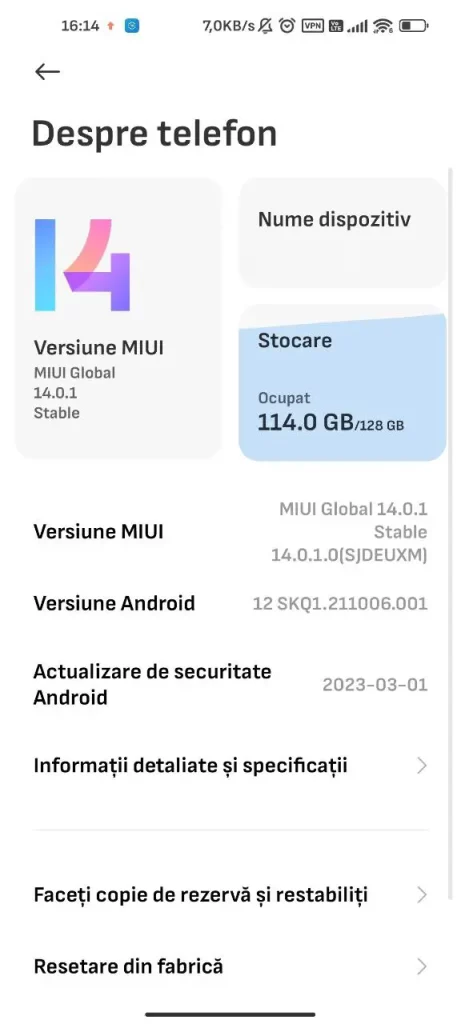
The build number for the MIUI 14 update released in the EEA region is MIUI-V14.0.1.0.SJDEUXM and the update bring new features like super icons, redesigned system apps, and animal widgets. Home screen folders have been redesigned, highlighting the apps users need most, making them just one tap away.

MIUI 14 uses less memory while still keeping the system responsive, even during extended periods of use. Personalization has been taken to a new level, with attention to detail that sets it apart. The super icons offer a fresh look for the home screen, and the search in settings has been advanced, making it easier to find what you need. The MIUI 14 update also comes with the latest Android Security Patch for March 2023, which increases system security.

Xiaomi Mi 10T / Pro MIUI 14 Update EEA Changelog

[Highlights]

  • MIUI uses less memory now and keeps being swift and responsive over much more extended periods.
  • Attention to detail redefines personalization and brings it to a new level.

[Basic experience]

  • MIUI uses less memory now and keeps being swift and responsive over much more extended periods.

[Personalization]

  • Attention to detail redefines personalization and brings it to a new level.
  • Super icons will give your Home screen a new look. (Update the Home screen and Themes to the latest version to be able to use Super icons.)
  • Home screen folders will highlight the apps you need most making them just one tap away from you.

[More features and improvements]

  • Search in Settings is now more advanced. With search history and categories in results, everything looks much crisper now.

[System]

  • Updated Android Security Patch to March 2023. Increased system security.

The update is currently available in the EEA region and will roll out to other regions soon. If you’re a Mi 10T or Mi 10T Pro owner, make sure to update your device to MIUI 14 to enjoy its new features and enhancements.

RELATED:

Asus ROG Phone 7 global launch confirmed for April 13

Asus has officially revealed the launch date for its highly anticipated ROG gaming smartphone, the Asus ROG Phone 7. According to the company’s social media channels, the smartphone will make its grand debut on April 13th in India, as well as in Taipei, Berlin, and New York on the same day. Gaming enthusiasts worldwide are eagerly awaiting this latest addition to the ROG series.

Geekbench, the popular benchmark database, has already featured the upcoming smartphone. The listing reveals that the Asus ROG Phone 7 will be equipped with the powerful Qualcomm Snapdragon 8 Gen 2 processor. This exciting development has left gaming enthusiasts on the edge of their seats, eagerly anticipating the phone’s official release. Stay tuned for more updates on the Asus ROG Phone 7.

Asus ROG Phone 7: what we know so far

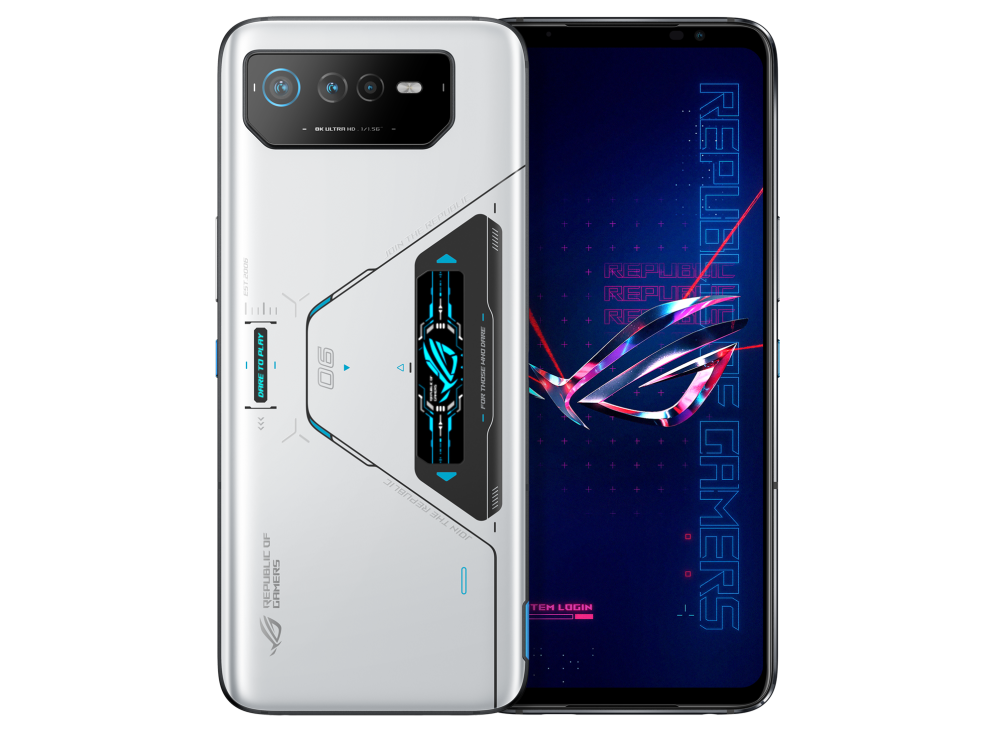
According to the Geekbench listing, the Asus ROG Phone 7 will be powered by Qualcomm’s top-of-the-line Snapdragon 8 Gen 2 processor, which is manufactured using TSMC’s 4nm process and features an Adreno 740 GPU. It is anticipated that the phone will use LPDDR5X RAM and UFS 4.0 storage, with a possible memory capacity of 16GB, and come with Android 13 pre-installed.

The TENAA certification website revealed that the Asus ROG Phone 7 will have a 5850mAh battery, which could be marketed as a 6000mAh battery. This indicates that the battery size will be similar to that of its predecessor, the Asus ROG Phone 6, which has a 6000mAh battery.

The Asus ROG Phone 7 has already received 3C certification, which confirms that it will support 65W fast charging, just like its predecessor. The phone is expected to have a 6.8-inch AMOLED display with a Full HD+ resolution and a 165Hz refresh rate, which is comparable to the ROG Phone 6’s 165Hz AMOLED display with a Full HD+ resolution.

RELATED:

boAt Nirvana Ion With In-Ear Detection, 120H Battery Life Launched In India

boAt has launched a new TWS earphone in India. It is dubbed the boAt Nirvana Ion. The latest offering packs a host of features including long-lasting battery life. The audio device is priced under Rs 2,000 and competes against other TWS offered by brands like Noise, DIZO, Realme, OnePlus, and more in the market. Read on to know what it offers out of the box. 

The boAt Nirvana Ion features an in-ear design with a stem and slightly angled silicon ear tips. They are IPX4-rated water-resistant. The TWS earphones offer in-ear detection and single-button controls. 

On the audio front, the boAt Nirvana Ion is equipped with a 10mm driver. It features advanced sound technology powered by HiFiDSP and Crystal Bionic Sound for an immersive audio experience. There is ENx technology with quad mics for eliminating background noise and offering a clear calling experience. There is a dual EQ mode and 60ms low latency. 

The boAt Nirvana Ion is powered by a 600mAh battery with each earbud backed by a 70mAh cell that is claimed to offer 24 hours of usage and 120 hours with the charging case. The device also supports fast charging via a USB-C port. The TWS earphones support Bluetooth 5.2 connectivity. 

The boAt Nirvana Ion costs Rs 1,999 and is offered in Ivory White and Charcoal Black colors. It is available for purchase from leading online and offline stores across the country. 

Related:

Nvidia unveils new AI Supercomputing Cloud Service

Earlier this week, Nvidia announced that it is working on bring a new AI Supercomputing based cloud service in the market. Jensen Huang, founder and CEO of the company unveiled this new artificial intelligence based service at GTC event.

To put things simply, the known graphics card maker is releasing a new service that will basically let you rent the capabilities of powerful supercomputers. These powerhouse systems were used to build artificial intelligence technologies like ChatGPT. Furthermore, Nvidia announced that it will roll out the DGX Super AI Computing System, which is equipped with 8 flagship A100 or H100 chips.

Nvidia

For those unaware, the Ampere and Hopper chips that will be available in China are basically the A800 and H800, which is also what most Chinese developers when developing language models. The tech giant will be offering this service to enterprises by leasing access that could have a monthly cost of around 37,000 US Dollars. Thanks to this service, we can expect the AI development process to accelerate.

Jensen Huang further stated that “We will cooperate with cloud service providers in Europe and America to provide NVIDIA’s DGX system AI supercomputer capability. In China, we have specially customized Ampere and Hopper chips. These will provide Baidu Inc. capabilities through Chinese cloud providers, such as Alibaba Group Holding Limited, Tencent and implementation. I fully believe that they have the ability to provide top-level system services, and Chinese start-ups will definitely have the opportunity to develop their own big language models.”

RELATED:

(Via)