Nothing Phone (1) debuted last year as one of the most hyped smartphones we’ve seen so far. Although the handset partially lived up to its hype, many enthusiasts were disappointed by its chipset and wanted a more powerful SoC to be included in the phone’s specs. It seems the next-gen Nothing Phone (2) won’t let folks down as it has more or less been confirmed to pack the capable Snapdragon 8+ Gen 1 SoC. Here are the details.
During the MWC 2023, Nothing confirmed that the upcoming Nothing Phone (2) will pack a Snapdragon 8 series processor but didn’t specify which SoC. That changes now as Qualcomm’s SVP and GM of Mobile, Compute, and XR business unit, Alex Katouzian has accidentally confirmed through a LinkedIn post that the Phone (2) will feature the Snapdragon 8+ Gen 1 processor.
The post has been edited, but a screenshot shared by 91Mobiles indicates that Katouzian has prematurely disclosed the phone’s chipset. To recall, Snapdragon 8+ Gen 1 was introduced in mid-2022 as a high-end SoC from Qualcomm. Based on the 4nm process node, the chipset has an octa-core architecture. Its Prime Core is based on an ARM Cortex-X2 architecture clocked at up to 3.2 GHz.
While the chipset is not the latest from the brand, it still is quite capable. It can easily support long-term gaming and multitasking. The original Phone(1) debuted with the Snapdragon 778G+, which is a mid-range SoC that offers decent performance.
The Nothing Phone (2) is expected to debut later this year with 12 GB of RAM, virtual RAM, and 256 GB of storage. It could pack a 5,000mAh battery and will continue to feature a 120Hz AMOLED display. Unlike the Phone (1), the upcoming handset will also make it to the US market.
Startup brand Nothing launched its first product— Nothing Ear (1)— early in 2021 and there was unimaginable hype surrounding it. We admit the earbuds look unique but they sound only decent. Now, the company has confirmed it will be launching its second-generation TWS earbuds, Nothing Ear (2), later this month. Here are the details.
Nothing revealed through an official teaser that its upcoming Ear (2) TWS earphones are set to debut on March 22 at 4 PM CET. The company did not reveal the official look of the new buds or any of their features, however, the poster shows a tiny portion of the buds’ case being pushed by a beetle. Nothing says the Ear (2) will offer better sound and better clarity compared to the Ear (1).
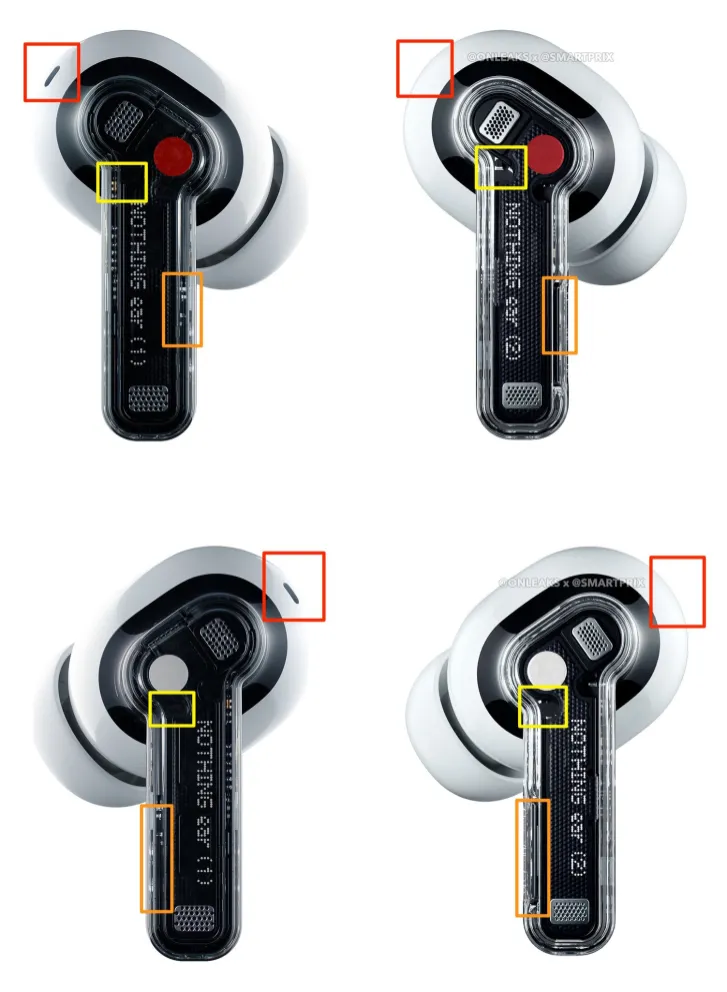
While Nothing is yet to reveal any details about the upcoming earbuds, OnLeaks recently shared their design renders. The images suggest Nothing plans to follow the same formula with a few changes here and there. Similar to Ear (1), the new Ear(2) earbuds as well as their charging case feature a transparent design.
Nothing Ear (1) v Ear (2)
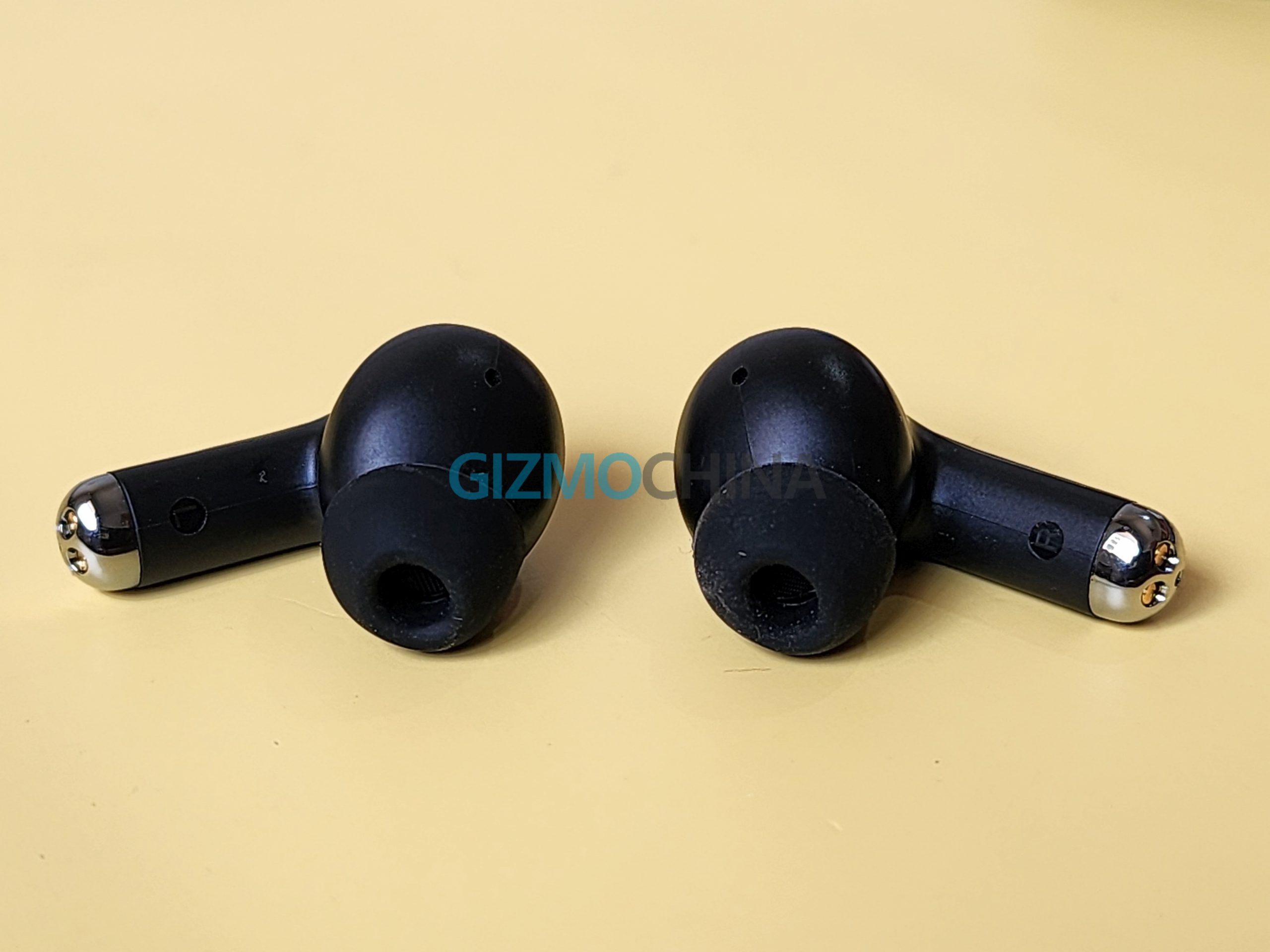
However, there seems to be a slight change in the placement of the noise-canceling microphone. It was previously on the top of the buds but now has been moved to the stem. The design may remain the same but Nothing Ear (2) could bring some new features. The earbuds are reported to come with a new personalized ANC mode to allow users to customize the level of noise cancellation according to their comfort.
The original earbuds already have Light and Maximum modes. Ear (2) may also bring a transparency mode to let you hear the background noise. Further, they could offer dual connectivity, allowing you to connect the earbuds to two devices at the same time and seamlessly switch between them.
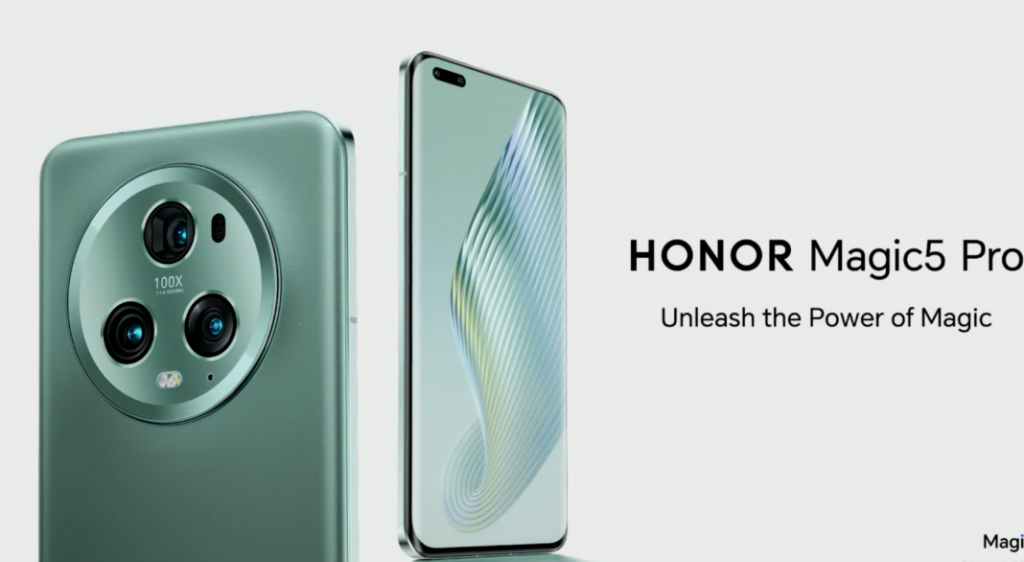
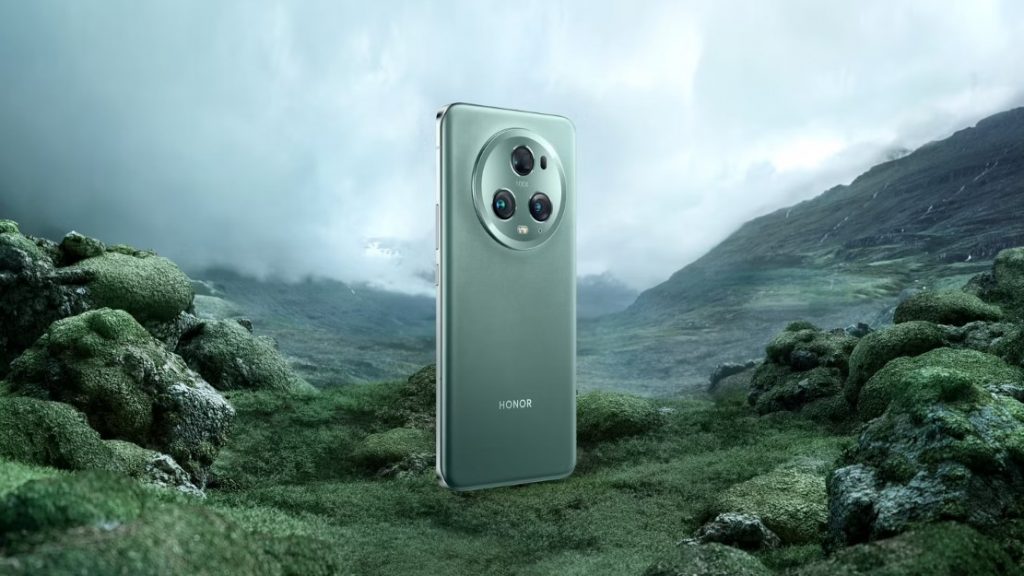
At MWC 2023, Honor introduced its flagship Magic 5 series in the global market. The new lineup, which includes the Magic 5 Pro and Magic 5, comes with some promising features out of the box and carry an interesting yet familiar design. Today, Honor has introduced its latest premium series in its home country China. While the vanilla model features exactly the same specifications as its global counterpoint, the pro model comes with one notable change.
Honor Magic 5 Pro is the brand’s latest flagship smartphone and it packs interesting hardware. The Chinese version comes with essentially the same specifications as the one launched internationally. But as mentioned, there’s one important change— the battery. The handset arrives in China with a new Silicon-Carbon battery, which has a higher energy density than the usual Lithium-ion batteries (Via GSMArena).
During MWC 2023, Honor detailed that Silicon-carbon batteries have 12.8% higher energy density compared to traditional lithium batteries that use graphite on the anode. As a result, the Honor Magic 5 Pro in China has a larger battery capacity of 5,450mAh while the global units only have a 5100mAh battery. However, the new tech seems to be limited to the Pro and Ultimate models.
The pricing of the two phones in China is also quite different. The Honor Magic 5 Pro debuted internationally with a price tag of EUR 1,199 (roughly USD 1,267). However, in China, it is priced at 5,199 Yuan (around $750) for the base 8+256GB version. The 12+256GB and 16+512GB variants are priced at 5,699 Yuan ($822) and 6199 Yuan ($894), respectively.
Honor Magic 5
On the other hand, Vanilla Magic 5 was priced at EUR 899 ($960) globally but in the Chinese market, it will retail at a starting price of 3999 Yuan ($577) for the base 8+256GB version. It will also be available in 12+256GB and 16+512GB versions, priced at 4499 Yuan ($649) and 4999 Yuan ($721).
Both handsets come powered by the latest Snapdragon 8 Gen 2 SoC. You may check our previous coverage of Honor Magic 5 and Magic Pro global launch to learn more about their specifications. Also, Honor has launched a new Magic 5 Ultimate smartphone in China with a new design and some other interesting specs. More details here.
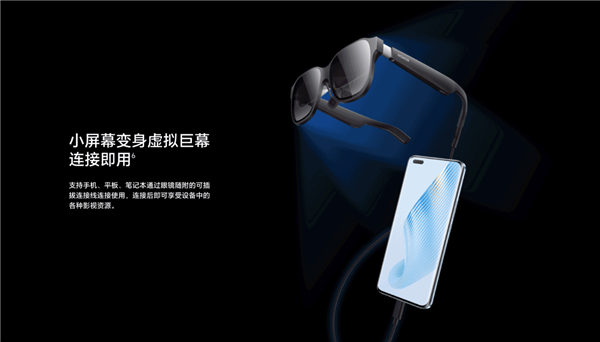
The Honor Movie Glasses are part of the products unveiled during Honor’s product launch event on March 6. The glasses are light, weighing just 80g and offer up to 500 nits of eye-catching brightness. The glasses offer a rich virtual viewing experience for an array of video content.
The light texture of the Honor Movie Glasses makes them very comfortable to wear and their inside uses a Micro OLED panel delivering 500 nits of brightness. It has a resolution of 1920 x 1080 pixels, a 60 Hz refresh rate, and a PPD of up to 49. The viewing glasses can project images up to 201 inches virtually for a fully immersive viewing experience. The glasses have a 46º viewing angle and it has the Rheinland low blue light eye protection certification.
The Honor Movie Glasses has two near-ear speakers with a 360º immersive sound field. This combines with a dual microphone for seamless and convenient communication. The device needs however to be connected to a mobile phone/ tablet/ computer for its operation. It has a type-C USB interface for connectivity.
The Honor Movie Glasses will retail in China starting at 2,499 yuan ($360). There are no indications at this time on the possible availability of the product in other markets. Honor continues to blossom after its excision from Huawei. The new product launch event is another indication of the progress of the company.
Xiaomi has opened a crowdfunding campaign for the MIJIA smart piano lamp on Xiaomi Youpin Mall. The MIJIA Smart Piano Lamp has a radar sensor that automatically switches the lamp. The lamp is dedicated to piano practice, as its name implies.
The MIJIA Smart Piano Light has built-in high-quality LED lamp beads and a color rendering index of Ra95. It is equipped with an anti-blue light hazard level RG0 exemption level. The lamp also avoids video flicker and covers 88 keys with a wide angle in both horizontal and vertical directions. The vertical asymmetrical TIR lens controls light fatigue.
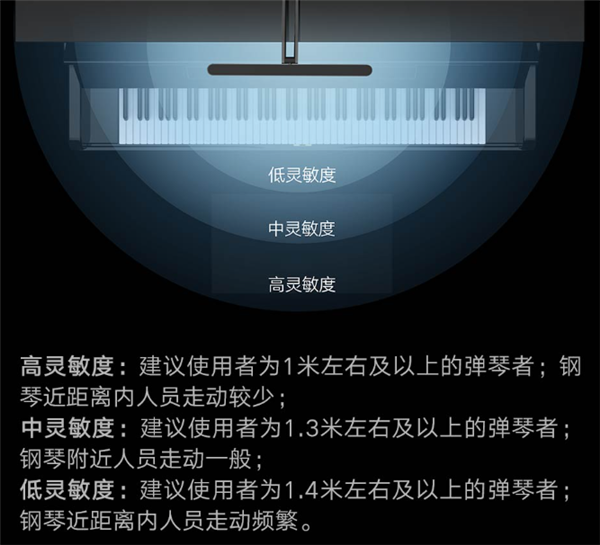
The Smart Piano lamp has a three-dimensional anti-glare light-cutting design. It can thus prevent direct light from shining on your eyes so that playing the piano will not be dazzling. The light supports high-precision radar sensing with three sensitivity options available. It can be high, medium, or low. The lamp is illuminated automatically when the pianist is seated and turns off when he leaves the seat. The radar is also capable of monitoring the duration of playing the piano for improved performance.
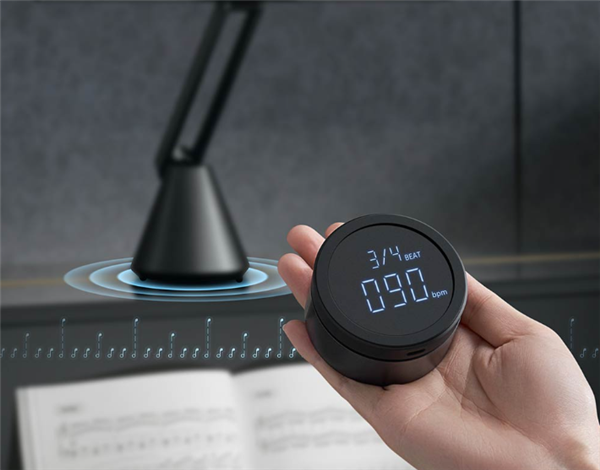
You can control the MIJIA Smart Piano Lamp using the MIJIA app so that the piano playing of the kids can be remotely monitored. The light also has a built-in metronome that is adjustable with six beats. It also has step-less steel gears with independent remote control.
The MIJIA smart piano lamp will go on sale on March 8 and its crowdfunding price is 699 yuan (~$101). The smart piano lamp can be adjusted to focus and offers eye-friendly modes of 5000K cool white light and 4000K neutral light. There are no indications yet whether the smart lamp will be available in other markets.
Former Huawei brand Honor has released the Honor MagicBook X Pro series notebooks in China. The MagicBook X Pro notebooks are among a raft of products unveiled by Honor during its launch event on March 6. The notebook models come in two variants – 14-inch and 16-inch sizes.
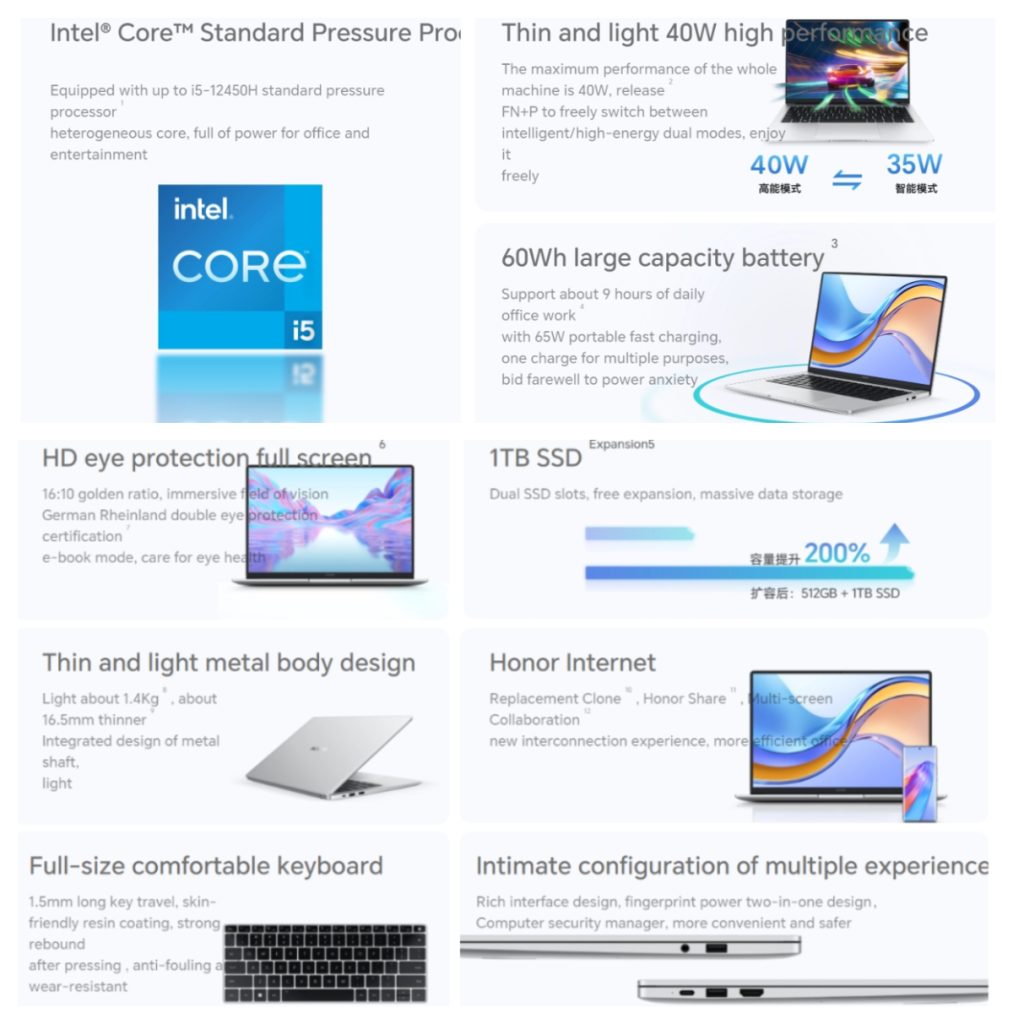
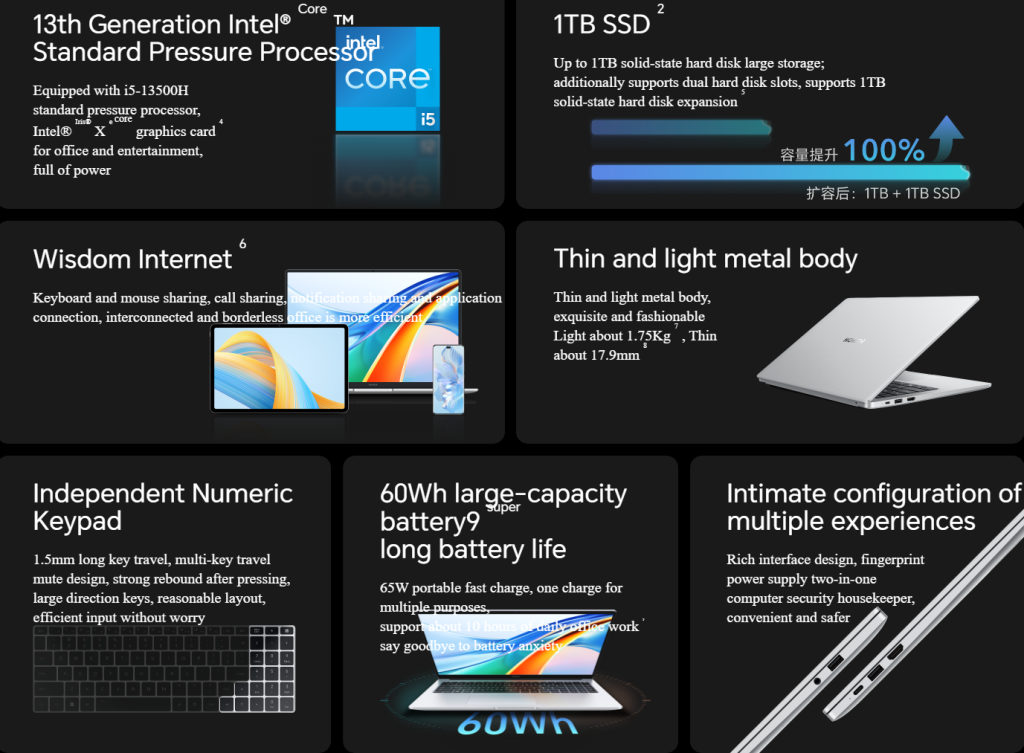
The Honor MagicBook X 14 Pro is 15.9mm thick and weighs about 1.34kg. It has an integrated metal hinge that connects to the 14-inch 2.2K display. It has passed the Rheinland Double Eye Protection certification and has an e-book mode for reading e-books. The Honor MagicBook X Pro series are the first laptops to be equipped with the 13th-gen Intel Core i5 standard pressure processors. The Intel Core i5-13500H has 12 cores and 16 threads and overall improved performance over previous iterations of the processor. The highest turbo frequency of the Core i5-13500H is 4.7GHz and the maximum performance can reach 45W.
The Honor MagicBook X Pro series supports the MagicOS smart interconnection and the gadget is equipped with a solid-state hard drive of up to 1TB. The storage of the notebook is also expandable to 2TB.
The 2022 Honor MagicBook X series can be upgraded to the new MagicOS smart interconnection via OTA. The MagicBook X Pro series will retail in China at a starting price of 4,499 yuan (~$649). The MagicBook X 16 Pro starts at 4,299 yuan (~$620) and is however available for the starting level and the product will launch on March 16. You can pre-order the Honor MagicBook X Pro series laptop from Jingdong.
Update: Huawei has officially denied the recent media reports of selling its consumer electronics business group. This would primary includes its rumors of selling its smartphone business. Rather, the company added that it will be raising its investment in its smartphone business and even build up its high end brands. Huawei is schedulaed to release its latest flagship handset models later this month.
Original story continues…
Huawei has apparently been planning on spinning off its consumer electronics business unit. Rumors have been going around about the company making this major move, so here are all the details.
Based on new reports, the Chinese tech giant is supposedly considering splitting the consumer business group and even transferring some research and development of its mobile phone operations to its former subsidiary Honor. For those unaware, Huawei had to sell off its budget sub-brand since it was hit with various sanctions by the US government that hampered its smartphone operations. So now, it is rumored that it is planning on shifting more of its operations to Honor.
However, the company’s consumer business is an integral part of its efforts sin the enterprise market. Thus, the rumor regarding the brand making a large scale spin off regarding its consumer business appears to be highly unlikely. At the moment, the revenue scale of Huawei’s consumer business has dropped significantly. But despite, the company has still maintained its lineup of notebooks, desktops, tablets, and more.
Although, some market experts believe that if Huawei does spin off its consumer business, it will affect its layout in fields such as health, display, and Metaverse as well as the development of its HarmonyOS and Euler platforms. Keep in mind that this is still just unconfirmed rumors, so take this news with a pinch of salt for now and stick around for more updates regarding this matter.
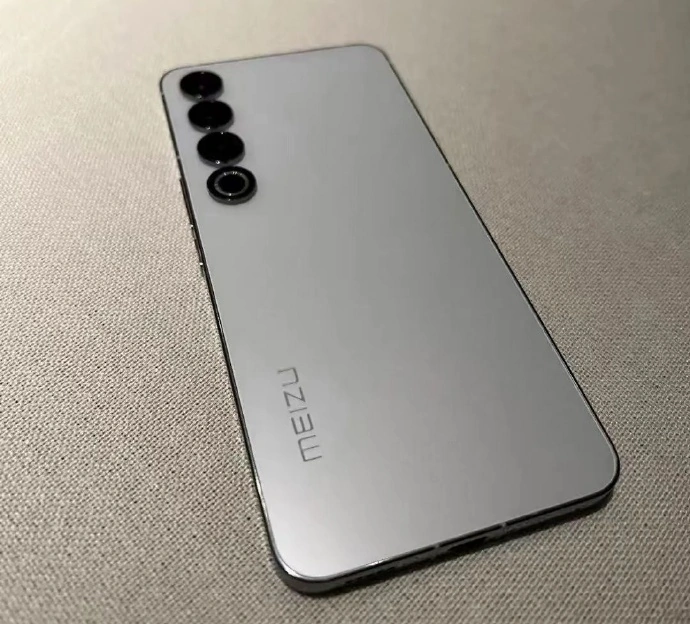
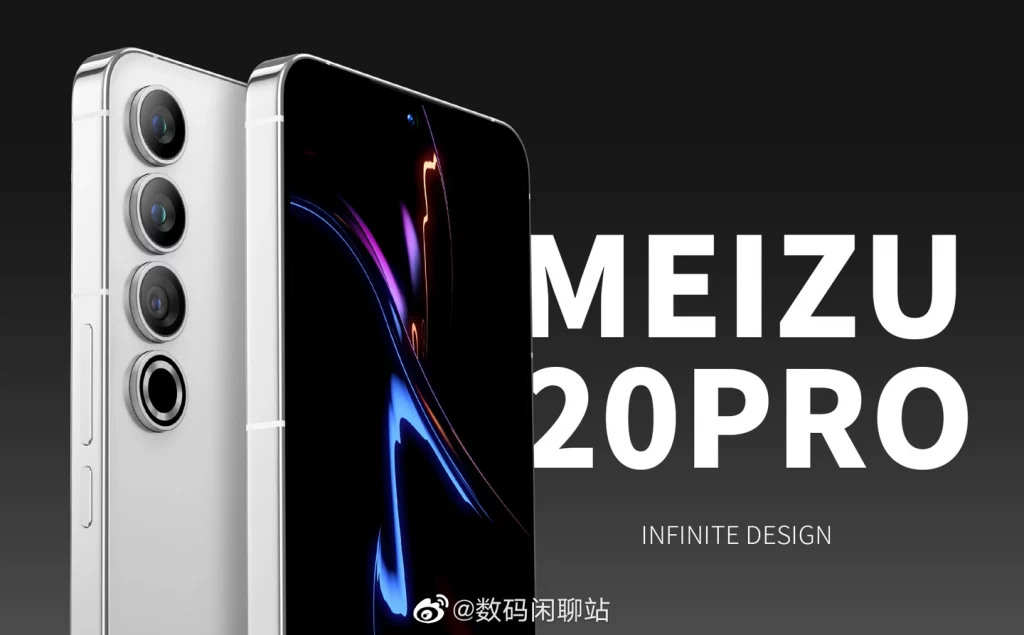
The Meizu 20 series of smartphones is set to be launched soon by Meizu, which will include two models, namely the Meizu 20 and the Meizu 20 Pro. Ahead of the launch, the brand has confirmed the camera specs of the Meizu 20. Additionally, Shen Ziyu, Chairman of Meizu Technology has posted a live image of the Meizu 20 Pro.
The Meizu 20 Pro’s live image shows a quad camera setup on the back arranged vertically, with one of the cameras featuring a ring flash. The MEIZU logo is located on the back of the device. Up front, it will feature a flat display with slim and even bezels, with a punch-hole camera in the top center.
Other than that, the Meizu 20 is confirmed to feature a 50-megapixel primary camera with a 1/1.56-inch sensor and SMA optical image stabilization. In addition to that the device will also feature DarkVision 2.0 extreme night scene enhancement and a full-pixel focusing technology that has a 33% increased focus speed compared to the Meizu 18s.
So far, the Meizu 20 and 20 Pro are also rumored to feature the powerful Snapdragon 8 Gen 2 processor paired with LPDDR5X RAM and UFS 4.0 storage. It will be cooled using a heat dissipation system that covers an area of 36242mm², which is 56% higher than the previous generation. Both devices are also said to be equipped with 144Hz displays. As per the 3C listing of both devices, it appears that they might feature 80W fast charging.
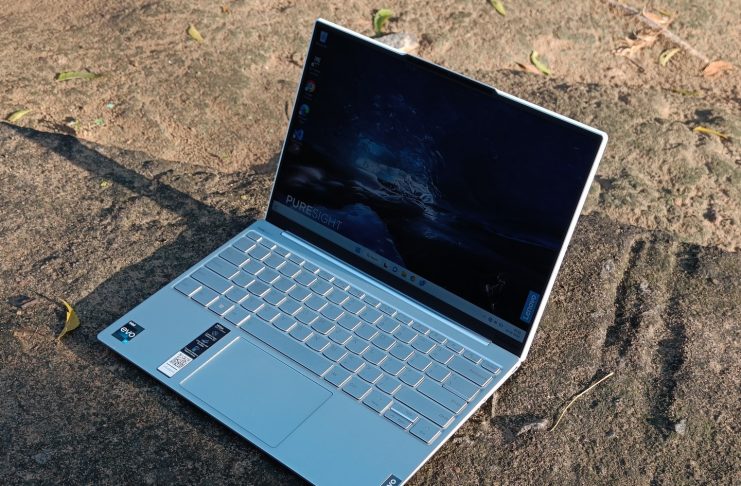
Lenovo is the world’s largest PC maker and offers a diverse range of laptops that cater to the different needs and preferences of consumers. In particular, the Yoga series of Ultrabooks from Lenovo is widely recognized as one of the best in the market.
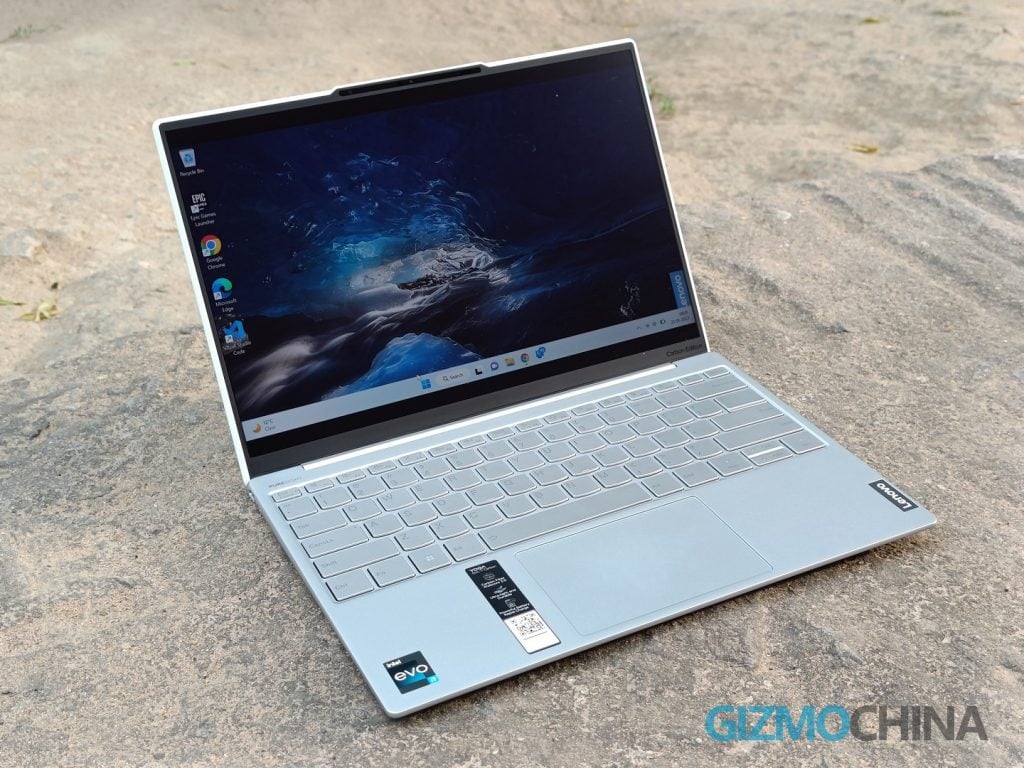
Recently, the firm released a new product under the Yoga series, namely the Lenovo Yoga Slim 7i Carbon. While it has a lengthy name, this laptop boasts an impressively compact design. It features a 13-inch screen and a slim, lightweight carbon-magnesium body and is one of the thinnest laptops in the world. Despite its super thin form factor, it still houses a 2.5K display, an Intel Core i7 processor, 16GB RAM, and more.
Lenovo India loaned me a unit to try out. I got to use the product on and off for about a month. Here are my thoughts on it.
Design & Build
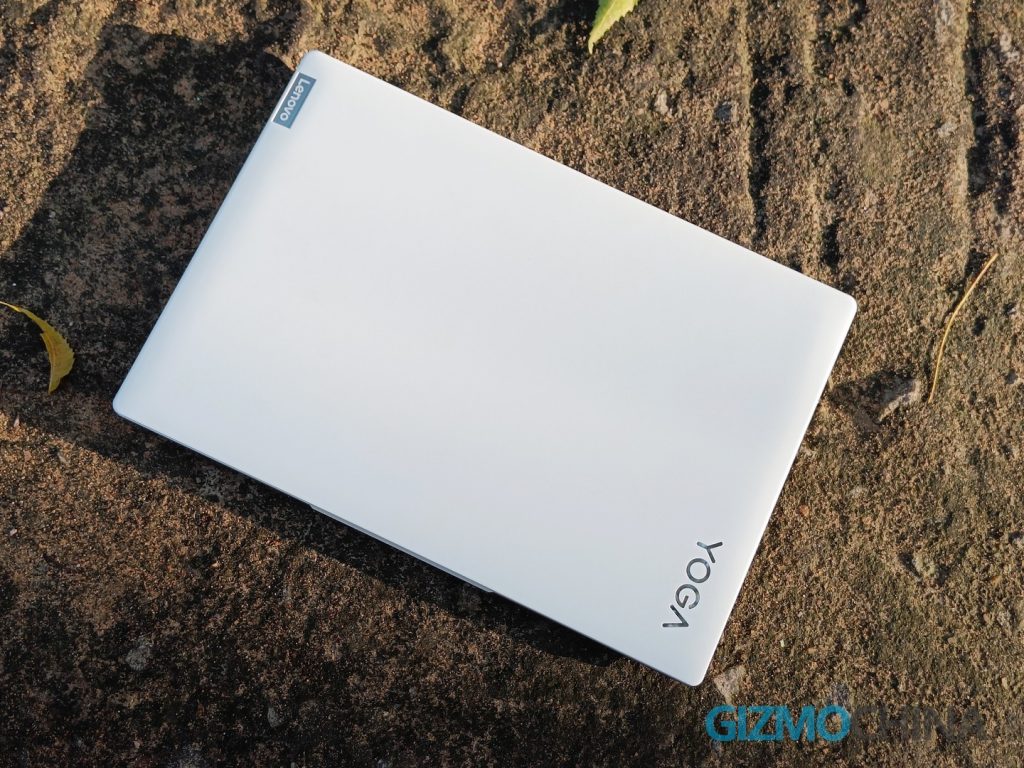
The Lenovo Yoga Slim 7i Carbon’s chassis is made of carbon and magnesium alloy. Thus, it only weighs about 970 grams, much like holding a thin book. The device is razor-thin, with a thickness that rivals that of an iPad Pro when unfolded. In fact, it feels even thinner due to its curved sides.
The entire body is military-grade-certified for durability. The product is also well-built, however, the unit I received makes a creaking noise when I place my wrist to the right side of the trackpad. I believe this is a one-of-a-kind case.
[envira-gallery id=’520098′]
All in all, the laptop is well-designed for portability. It doesn’t take up much space in a backpack.
Unfortunately, due to its thin design, there are only two USB Type-C ports, a side-facing power key, and a camera shutter key. One of these Type-C ports is Thunderbolt 4, while the other one is USB 3.2 Gen 2. Both support DisplayPort 1.4 and Power Delivery.
Thankfully, Lenovo bundles an adapter in the box. This accessory includes ports like USB Type-A, HDMI, VGA, and a 3.5mm headphone jack.
Display & Speakers
The display on the notebook is a 13-inch IPS LCD panel sporting a resolution of 2560 x 1600 pixels (2.5K) and up to a 90Hz refresh rate. The 16:10 screen offers 400 nits peak brightness level and can cover 100% of the sRGB color gamut.
The panel comes hardware-calibrated with a delta error of ΔE < 1. Therefore, in addition to being sharp, it can output real-to-life colors. There’s no need to tweak any display settings, as the default profile is great.
[envira-gallery id=’520097′]
The auto-brightness works flawlessly and the display gets bright enough outdoors to get some work done or consume content. The 90Hz refresh rate keeps every animation on the screen smooth.
Since there’s also support for Dolby Vision, the panel is ideal to stream content on Netflix. The 4W speakers with Dolby Atmos support further elevate the multimedia experience. These bottom-firing speakers can get loud enough to enjoy movies and TV series. However, you have to place the computer on a hard surface (such as a table) and sit close to the product to experience surround sound effects.
Performance & Software
The notebook is powered by a 12th Gen Intel Core i7-1260P mobile processor. The silicon is paired with 16GB LPDDR5 RAM and 1TB PCIe Gen 4 SSD. For graphics, it uses Intel Iris Xe GPU.
This configuration is more than enough for the target audience of the product. I did not face any lag whatsoever during my entire usage. Microsoft Windows 11 Home operating system did not cause any problems either.
Though the laptop’s chassis is small, it still has a cooling fan. The fan only runs at maximum speed when the thermals go high while performing heavy tasks and installing certain system updates.
The device remains almost silent most of the time as thermals are well-controlled for day-to-day operations, like running a browser (Google Chrome), Microsoft Office, and some coding on Microsoft Visual Studio Code.
I did not play any games on the notebook, as it is not intended for gamers. However, it should be able to run most of the titles without major problems, thanks to its hardware.
Finally, you get Lenovo’s first-party software suite that offers features like background blur/noise cancellation, voice-to-text, translator, customizable hotkeys, and more.
Battery & Charging
The notebook is backed by a 50Wh battery. Lenovo claims that it can last up to 10 hours. However, the company’s test conditions only include 10 hours of 1080p local video playback at default volume level with the display set to 150 nits brightness, maximum resolution, and 60Hz refresh rate.
Ideally, you should get around 5–7 hours of battery life from this product. For me, it averaged around 5 to 5.5 hours with Wi-Fi, Bluetooth, and GPS turned on along with Microsoft Phone Link running in the background. My workflow includes applications like Google Chrome and Microsoft Office.
I even tried switching the refresh rate to 60Hz from 90Hz. I gained only about 30 minutes, so I decided to use the high refresh rate option with the maximum 2.5K resolution.
As far as charging is concerned, the bundled 65W adapter can charge the laptop fully in about 1.5 hours. But the average endurance let me down. The x86 chip and a smaller battery are the culprits here.
Miscellaneous
Unlike most laptops, this one does not feature a fingerprint sensor. Hence, you have to rely on Windows Hello face recognition, which uses an IR camera.
The system detects when a person is nearby and tries to authenticate the face. On successful authentication, the notebook dismisses the lock screen to open the desktop by default, but you can turn it off.
The face authentication system works with dim to no lighting too. But if you are like me who wears glasses, it may not work all the time due to reflections. So I had to take my glasses off to sign in most of the time.
Lenovo should have included a fingerprint sensor, which is more reliable than any biometric authentication system out there.
[envira-gallery id=’520099′]
The laptop’s hinge is pretty smooth, as the lid can be opened easily with a single finger. But the notebook should be on a table to perform this action. It is not possible on the lap, at least, for me.
The auto-backlit keyboard takes up almost the entire bottom part as it features an edge-to-edge design. Though it has a mere 1mm key travel due to the chassis’ thinness, the typing experience is good.
What’s not good about the laptop is the subpar 720p webcam. Also, it comes with a comparatively big 65W power adapter, which does not match the thin and light form factor of the device. It would have been nice if the company had included a smaller, multipurpose GaN charger with USB PD compatibility.
Lastly, the availability of the product is limited across markets. For instance, though it is offered in three colors (Moon White, Storm Grey, and Cloud Grey), you can only get it in one (White) color option in India.
In fact, Lenovo is only selling a single SKU of this device (same as the review unit) in the country priced at ₹1,31,990.
Conclusion
The Lenovo Yoga Slim 7i Carbon is targeted at customers who are on the move. It fulfills almost all the needs of this audience.
If only it had better battery life, it would have been the perfect thin and light laptop on the market. Even with the drawbacks discussed above, it is a highly recommendable Windows laptop for portability.
Hopefully, one day, in the future, Windows OEMs will finally launch thin and lightweight laptops based on ARM architecture, with improved battery life and performance that can rival the Apple M series chips found in MacBooks.
Until then, the MacBook Air with an M series chip is the best laptop out there for people who are always on the move. But if your workflow requires Windows, then Lenovo Yoga Slim 7i Carbon along with LG Gram 14 and Dell XPS 13 are probably the only ones you should look for.
We recently tried the Truke BTG X1 TWS earbuds, which is tailored for mobile gamers. And now here is our hands-on experience with Truke’s latest TWS earbuds, the Buds A1. One of the major attractions of the Buds A1 is that it comes with support for Active Noise Cancellation (ANC) at an affordable price tag of Rs 1,499 (~$18). It offers other features like better clarity for voice calls, EQ modes, and long battery life.
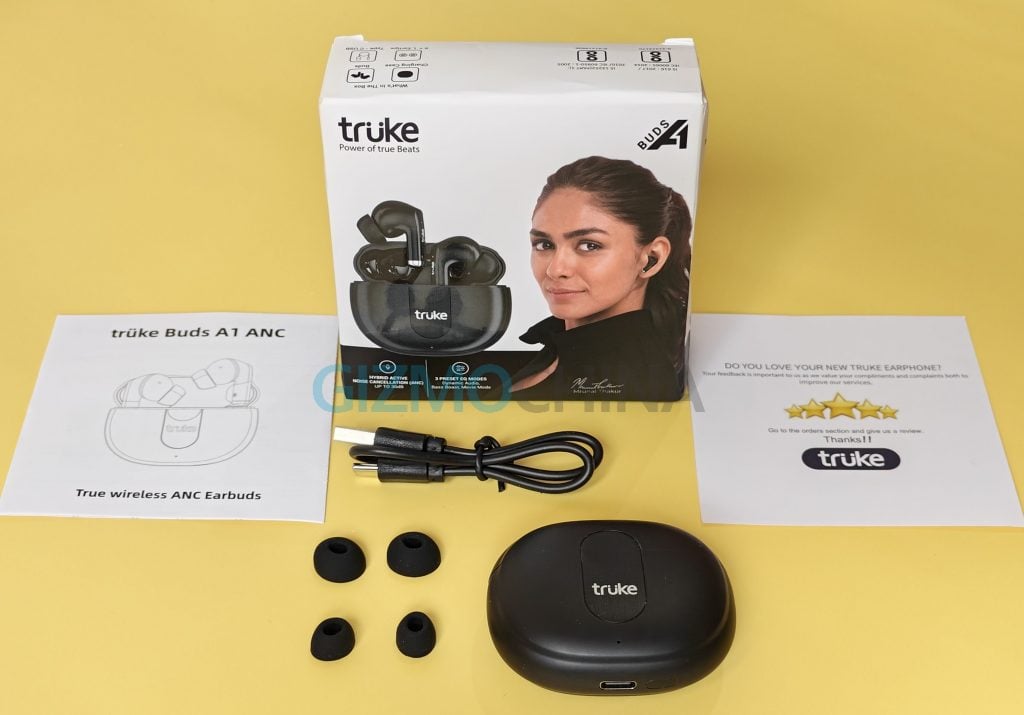
Truke Buds A1: What’s in the box?
Truke Buds A1
The retail package of the Truke Bud A1 TWS earbuds comprises the following items:
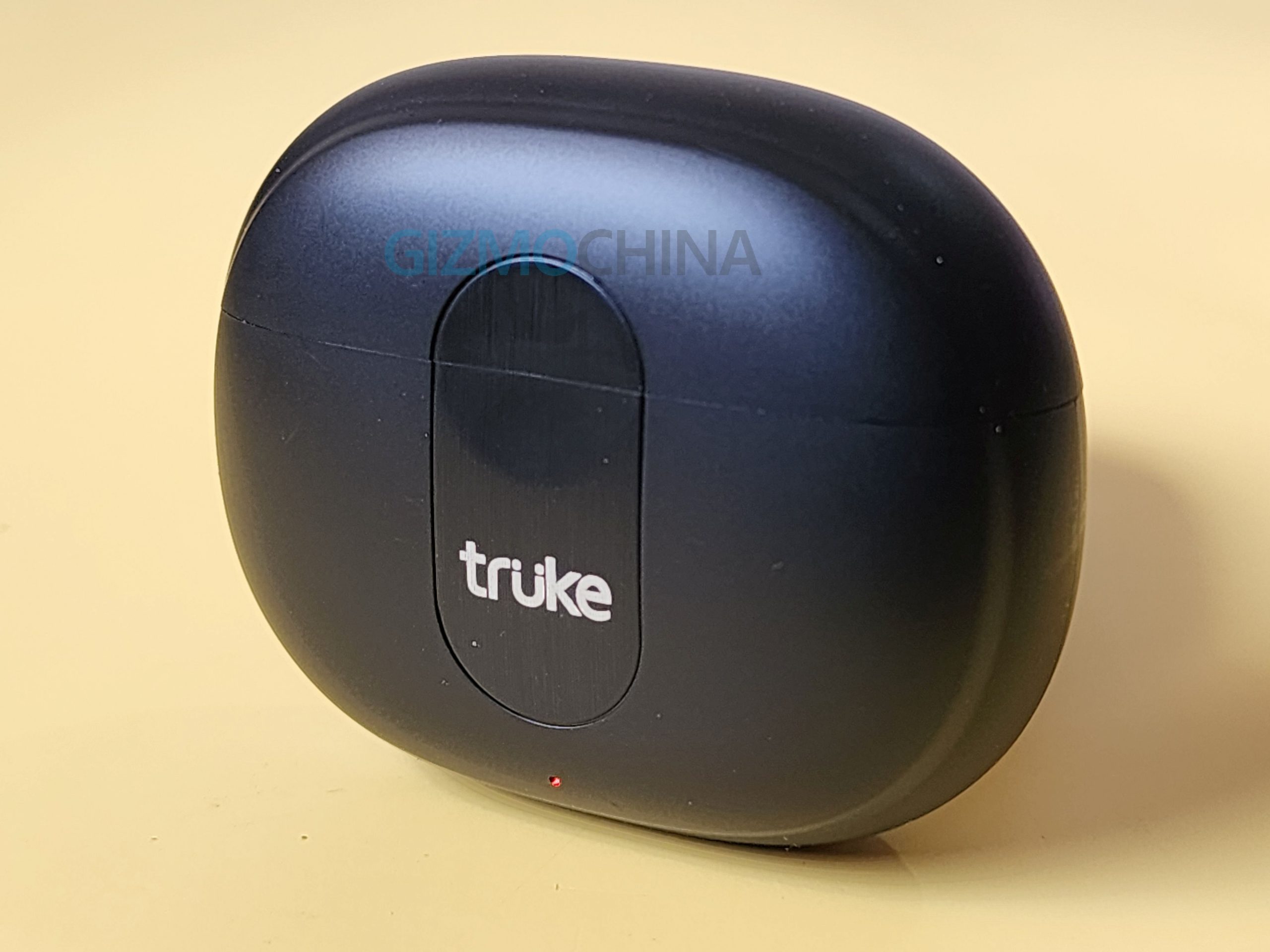
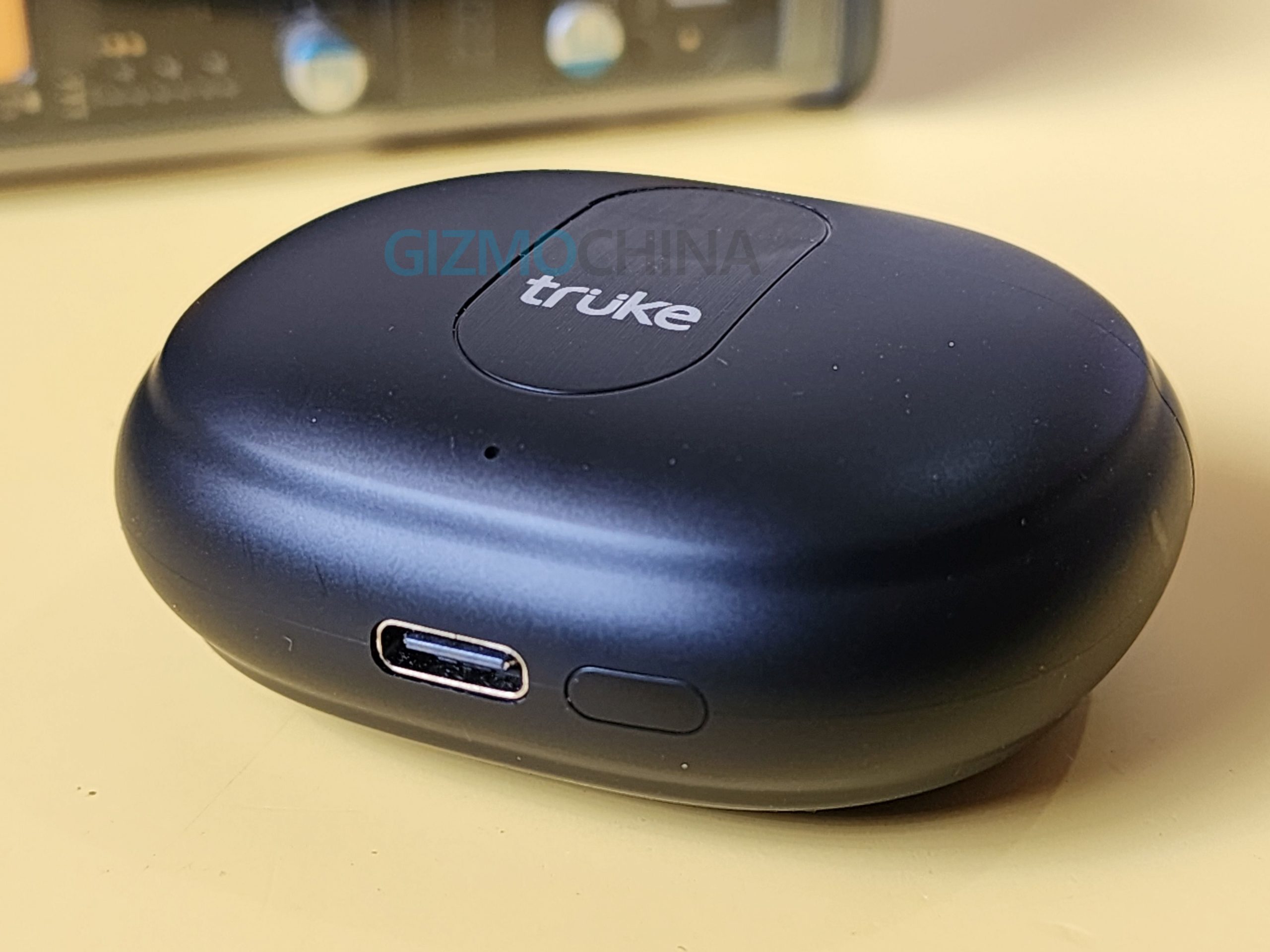
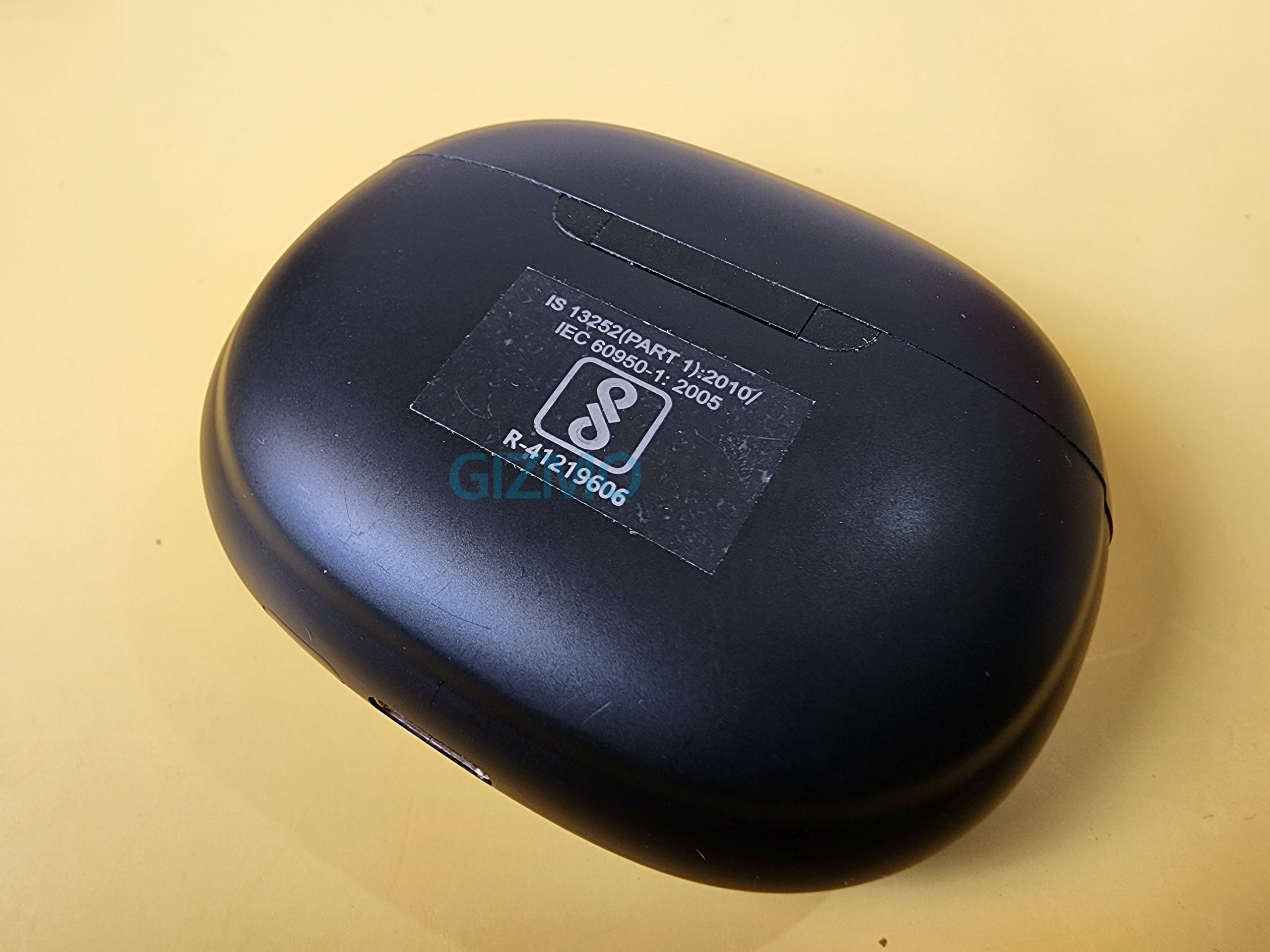
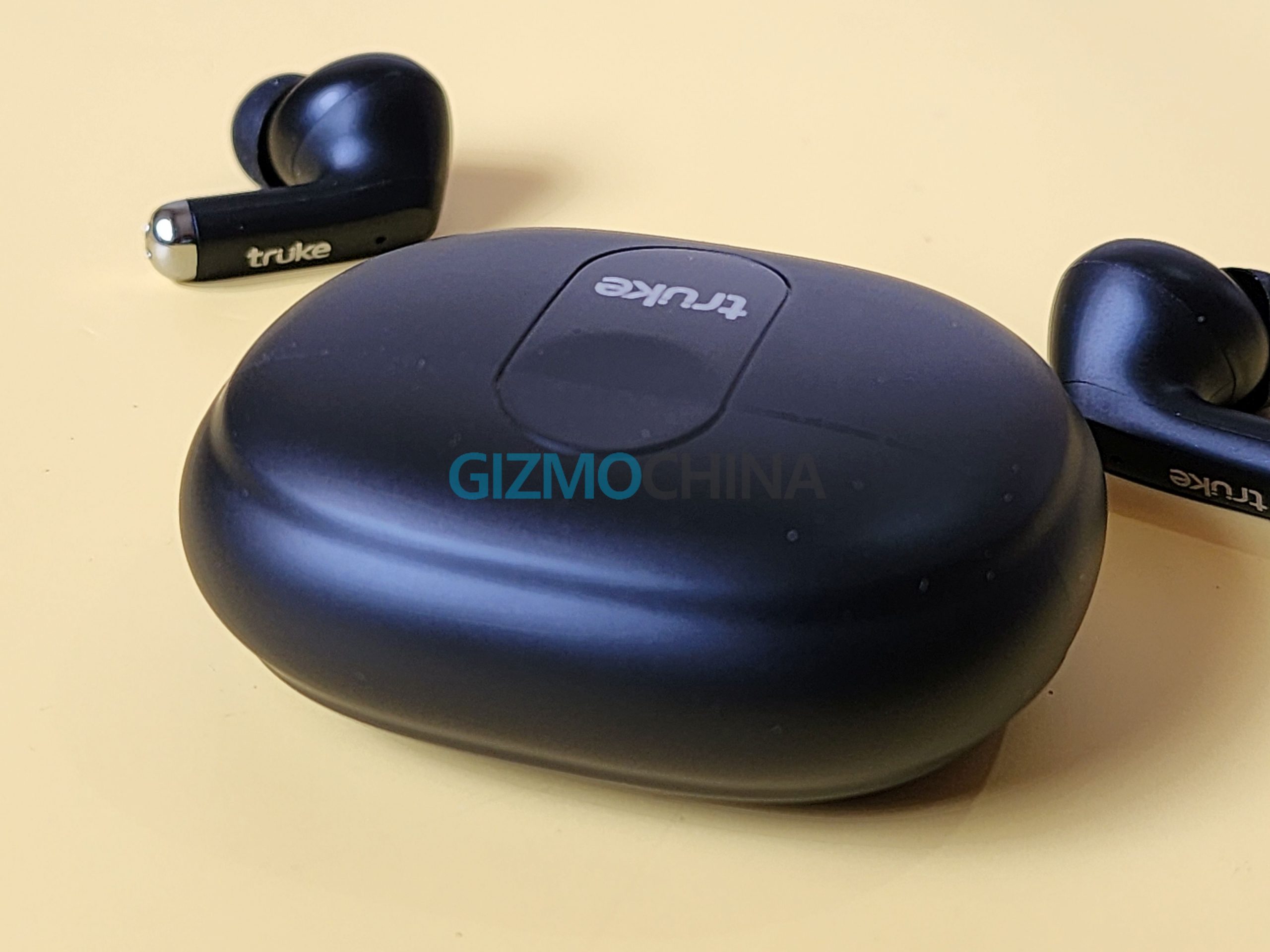
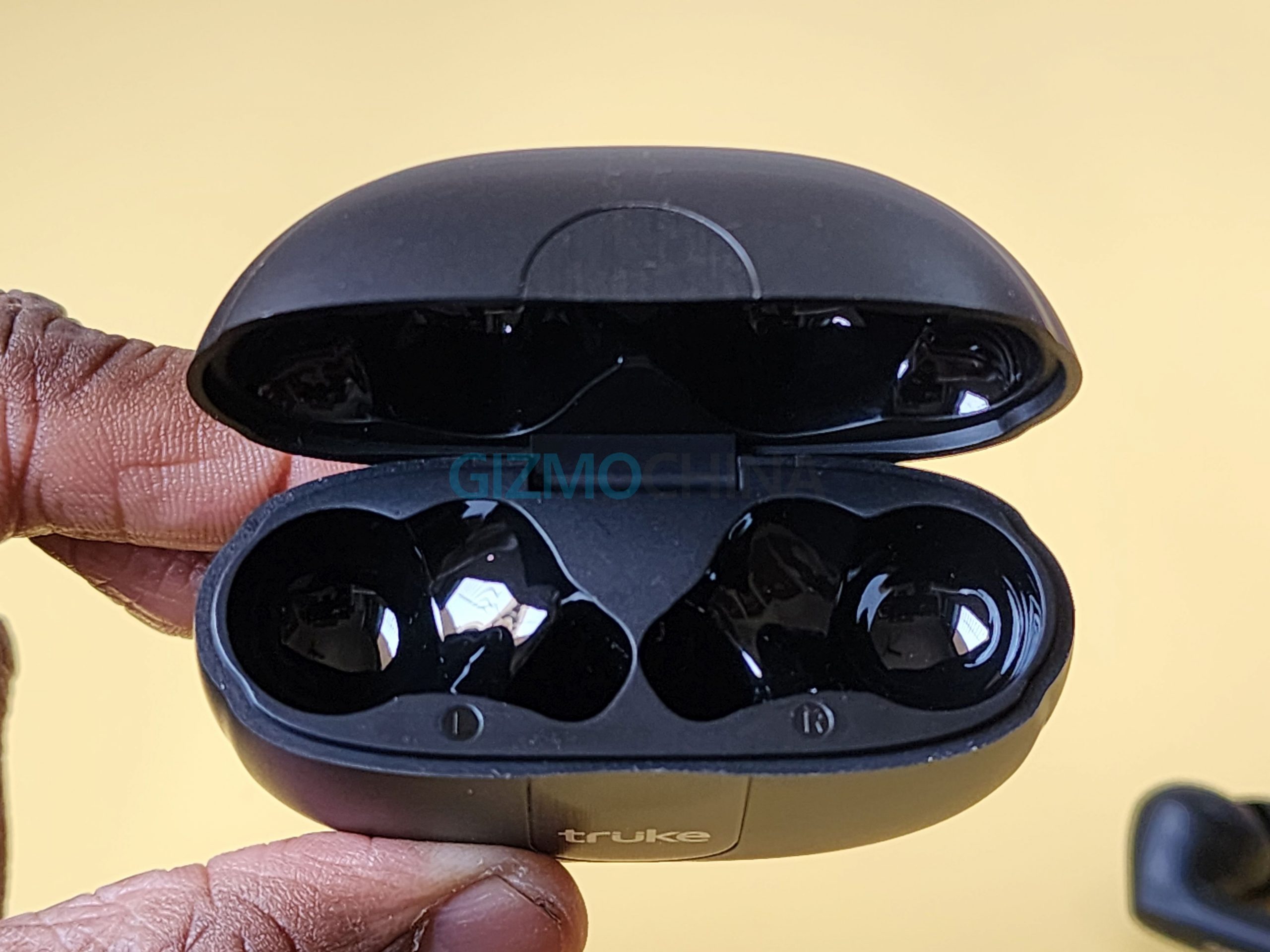
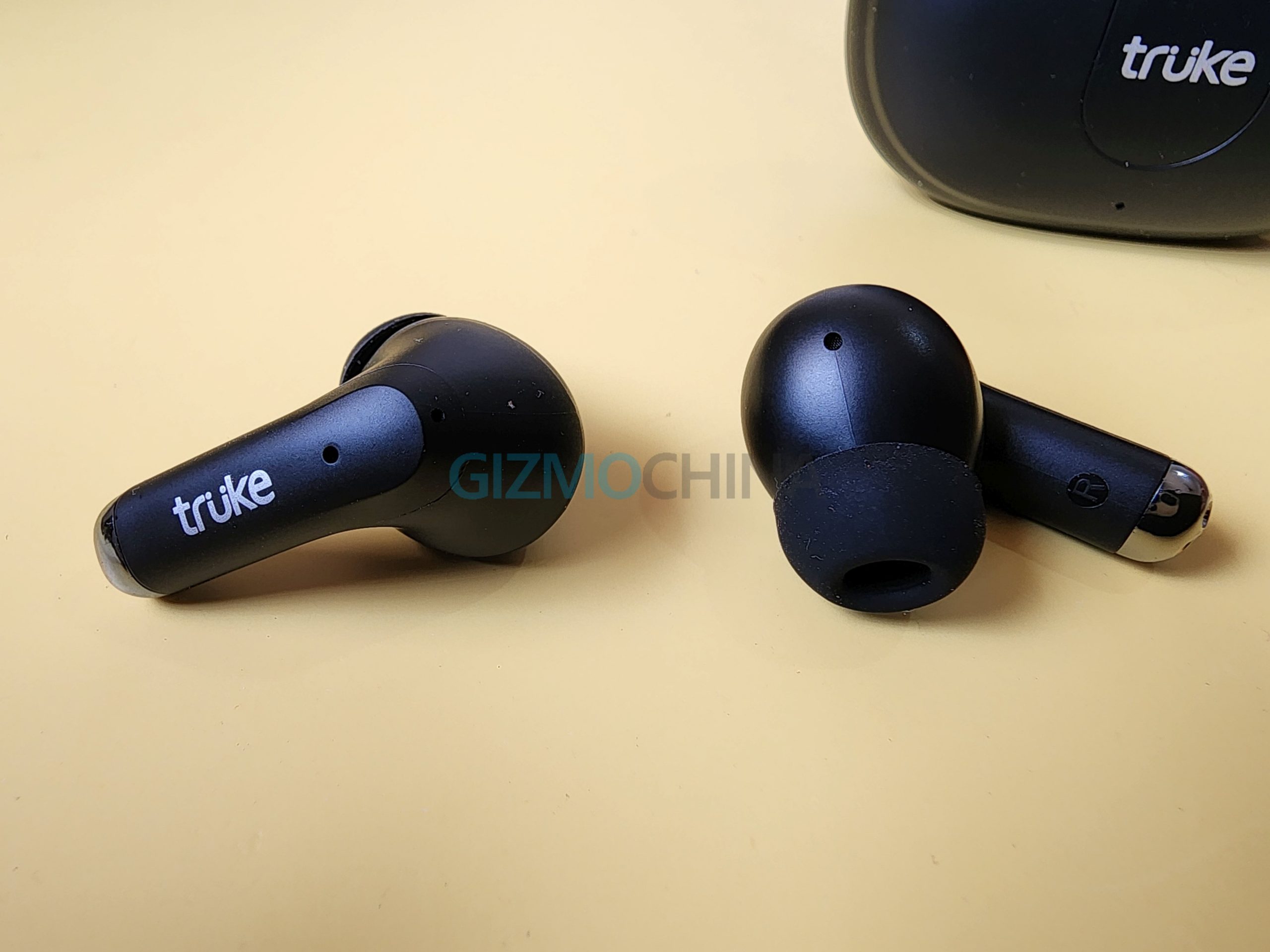
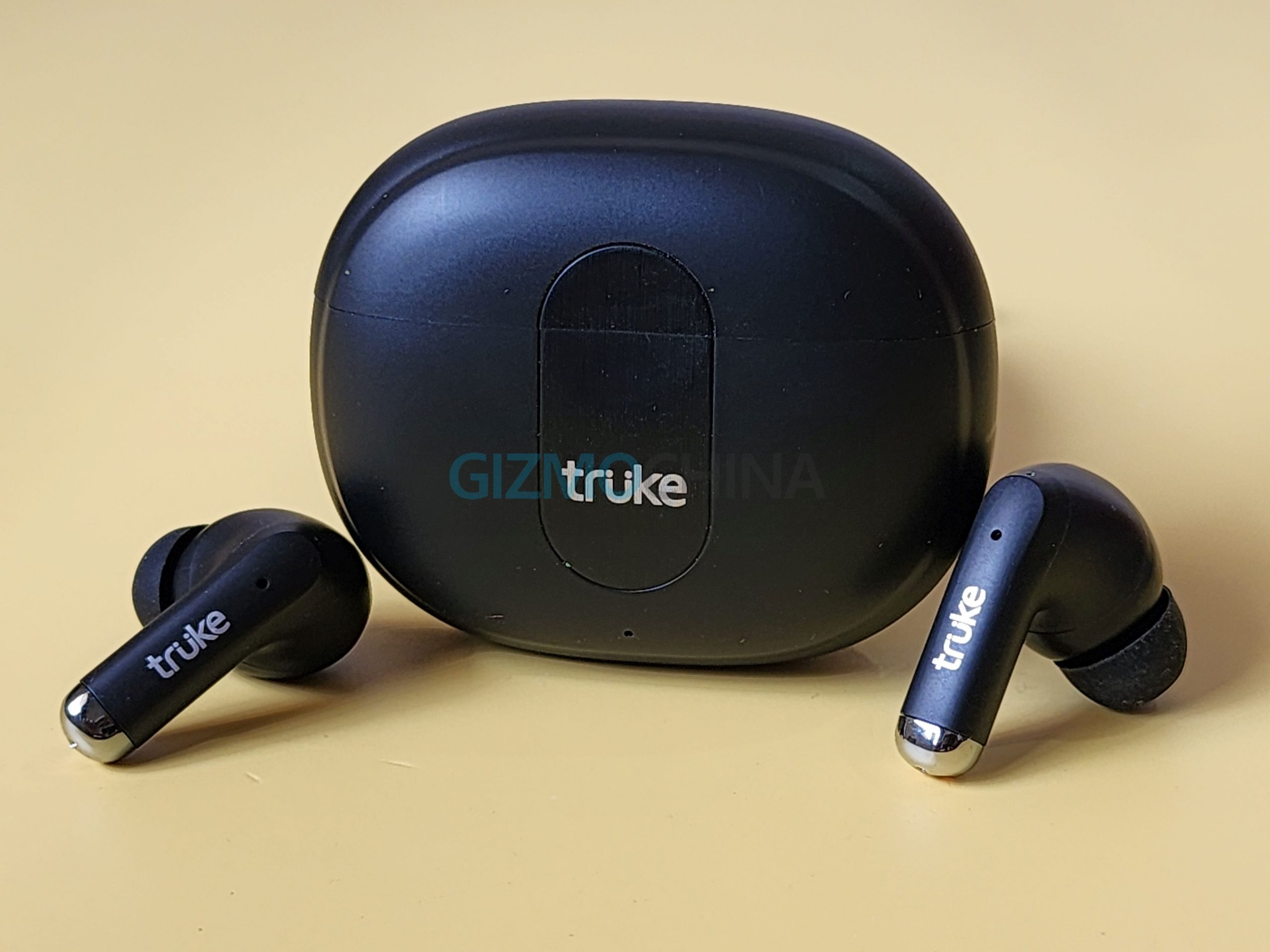
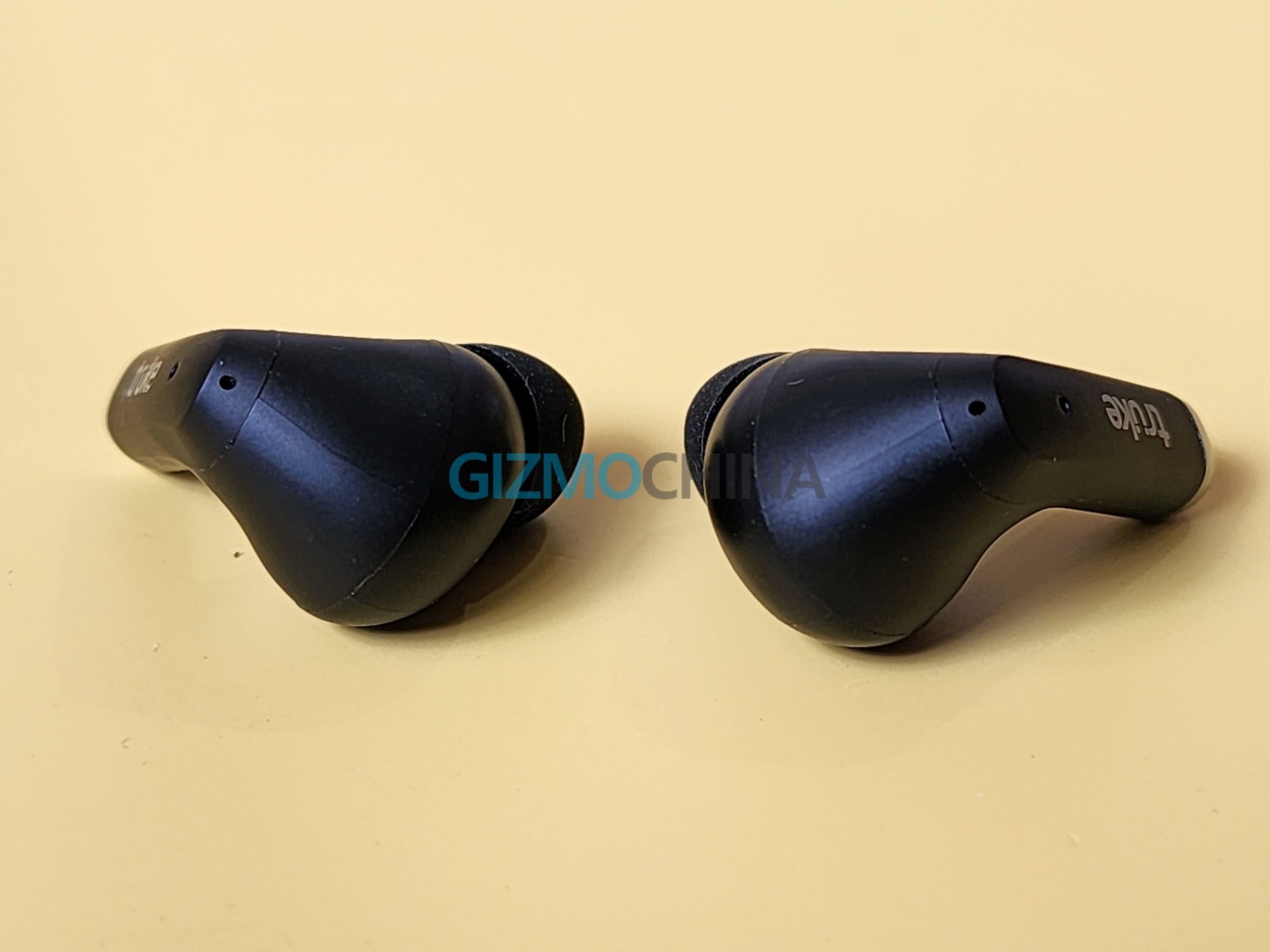
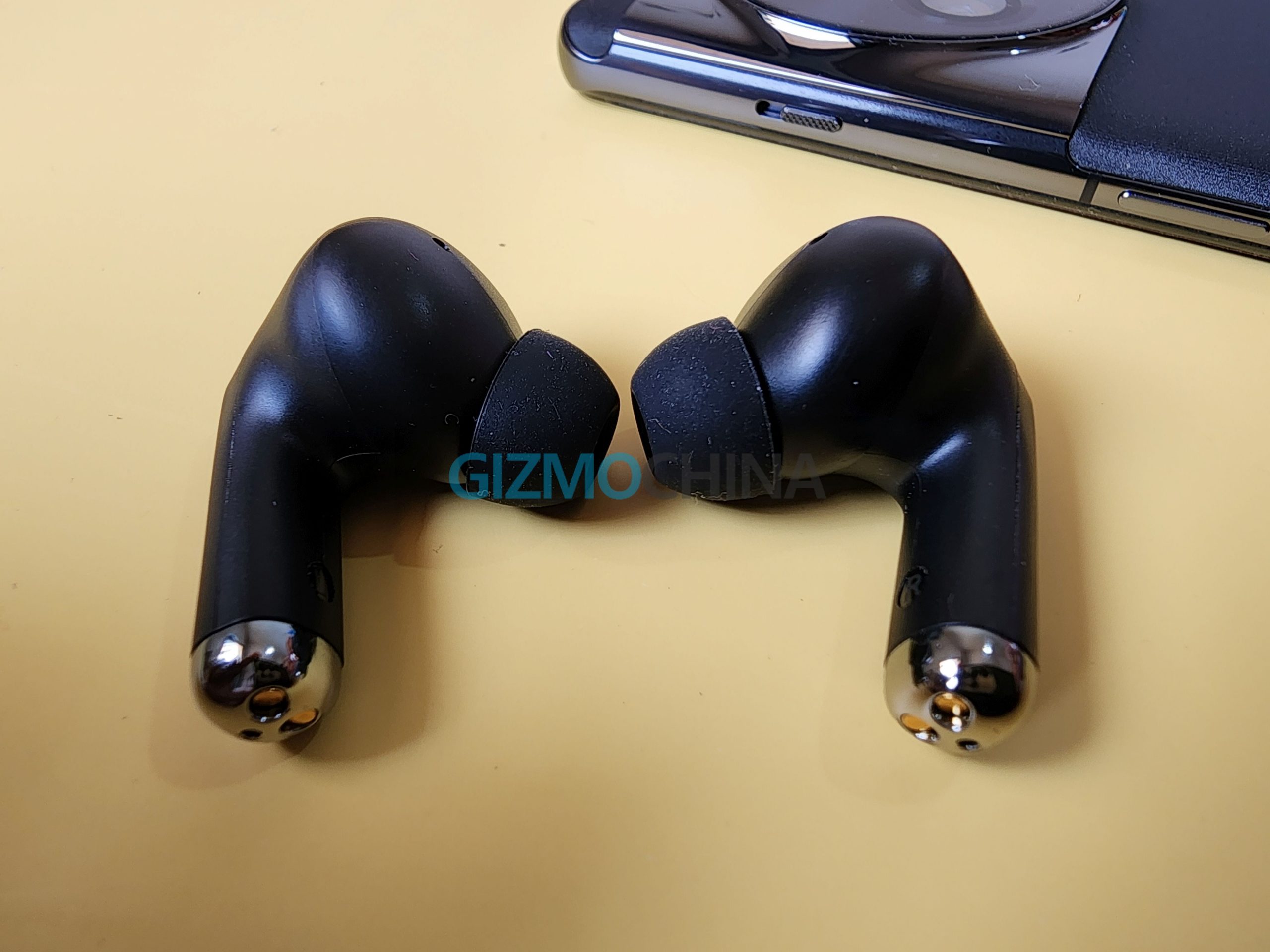
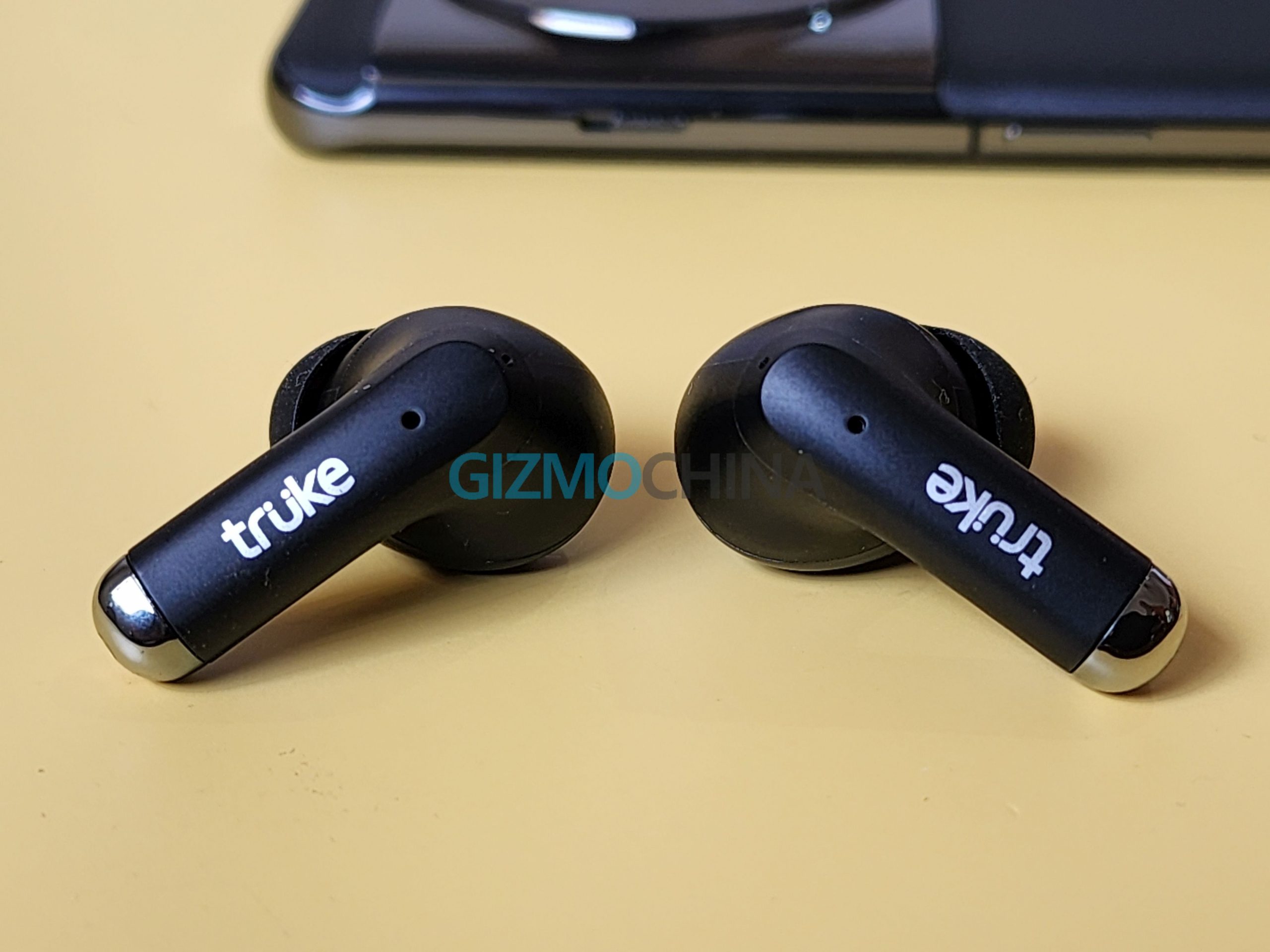
Truke has used a minimalistic approach for the Buds A1’s design. It has a pebble-like look with a small textured pattern on the front, which has the company’s logo. A charging LED is available below the logo. The bottom edge of the device has a USB-C port and a physical button for Bluetooth pairing. Both earbuds have a medium-sized stem with the company’s branding and an LED.
I generally do not like to wear earbuds for longer hours. However, I tested the Truke Buds A1 for nearly a week, and I wore it for around an hour whenever I used it. I found that the earbuds fit well inside the ear canals and did not create any discomfort.
Each earbud weighs 4gm on my weighing scale, and its charging case weighs 39 grams (with earbuds inside). The flat design of the case makes it convenient to carry in a pant pocket. According to Turke, the Buds A1 offers IPX4-rated water resistance.
The Truke Buds A1 comes equipped with Bluetooth 5.3 connectivity and supports AAC and SBC audio codecs. It can be paired with one device at a time. However, it is compatible with Android and iOS devices. To establish connectivity, one needs to look for “truke Buds A1” in the list of available devices in Bluetooth settings and then pair it. The Buds A1 can instantly connect to the last paired device as soon as the case is opened.
Since there is no app support for the earbuds, users can rely on touch controls to access its different features. According to the brand, both earbuds are equipped with a high-quality touch panel, which ensures that it does not register accidental or incorrect touches. I found the touch-sensitive zones working fine on both earbuds. Here is a look at the list of touch gestures that are supported by the Buds A1.
Controls
Functions
Single tap on right / left earbud
Play / Pause | Answer / End call
Double tap on right earbud
Next song
Double tap on left earbud
Previous song
Triple tap on right earbud
Gaming Mode
Triple tap on left earbud
Access Google Assistant / Siri
Long press on right earbud
Switch between ANC on / Transparency Mode / Normal Mode
Long press on left earbud
Switch EQ modes: Dynamic Audio, Bass Boost, and Movie
When there is an incoming call, a single tap on any of the earbuds will receive the call. Double tap will disconnect the call. When there is an incoming call, one can long press either earbud for a second to reject it. In addition, long pressing either bud until there is a “power off” announcement will turn off both earbuds. If required, one can turn on either left or right by doing this same step.
To control volume, one needs to use the volume buttons on the paired device. The battery status can be checked through the Bluetooth settings on the paired device. For lag-free audio while gaming, the Buds A1 offers a low latency of up to 50ms.
The Truke Buds A1 feature 10mm titanium audio drivers. Each of the EQ modes, such as Dynamic Mode, Bass Boost, and Movie Mode offers a different listening experience. The Bass Boost mode pumps up the bass, while the Dynamic adds a bit of treble and slightly reduces the bass. The Movie Mode seems to enhance the vocals.
The Buds A1 offers up to 30dB ANC, claims the company. In my usage, I found the ANC mode working fine in considerably cutting down the background noise. For clear voice calls, the earbuds offer Environmental Noise Cancellation (ENC) by means of the two microphones available on each earbud.
The Buds A1 packs a 300mAh battery inside its case. Each earbud houses a 40mAh battery. It takes around two hours to achieve a full charge. I charged the earbuds only once soon after I received it for review. It has easily lasted me for over a week since I do not listen to music for longer hours. According to Truke, charging the case for 10 minutes will offer 10 hours of playback time.
While I am not sure whether the Buds A1 can offer a total playback time of 48 hours (with the case), I can certainly say that its battery life is good and does not require to be charged frequently.
Price and Availability
The Truke Buds A1 is listed on Amazon India and Truke’s official website for Rs 1,499 (~$18). Apart from the black, it also comes in a blue variant. At the time of writing t0his post, I noticed that there is a HOLI10 coupon code available on Truke’s website, which can be used to avail a discount of Rs 100 (~$1. As far as after-sales support is concerned, the company offers a 1-year warranty across its 250+ service centres across the country.
For those who don’t know, Truke has been consistently launching budget-friendly earbuds in the Indian market. Some of the previously released earbuds include the BTG X1, BTG Beta, S2 Lite, Buds Pro, BTG Alpha, Buds F1, Buds S2, Air Buds, Air Buds+, BTG 3, Air Buds Lite, BTG 2, BTG 1., Fit 1+, Buds Q1, and Buds S1.
Nubia is set to launch the Z50 Ultra in a few hours from now. The brand has been teasing the features of its latest flagship smartphone for the last few days.
Just a day ahead of the product’s debut, the company talked about the software on the device earlier today. It revealed some interesting details. Let’s go through them.
The Nubia Z50 Ultra has been confirmed to ship with MyOS 13. Though the company does not mention it, the software is most likely based on Android 13.
Nubia claims that the software on its premium phone will lack unnecessary things. Users will have granular controls over permissions. Thus, users will be able to avoid pop-up advertisements.
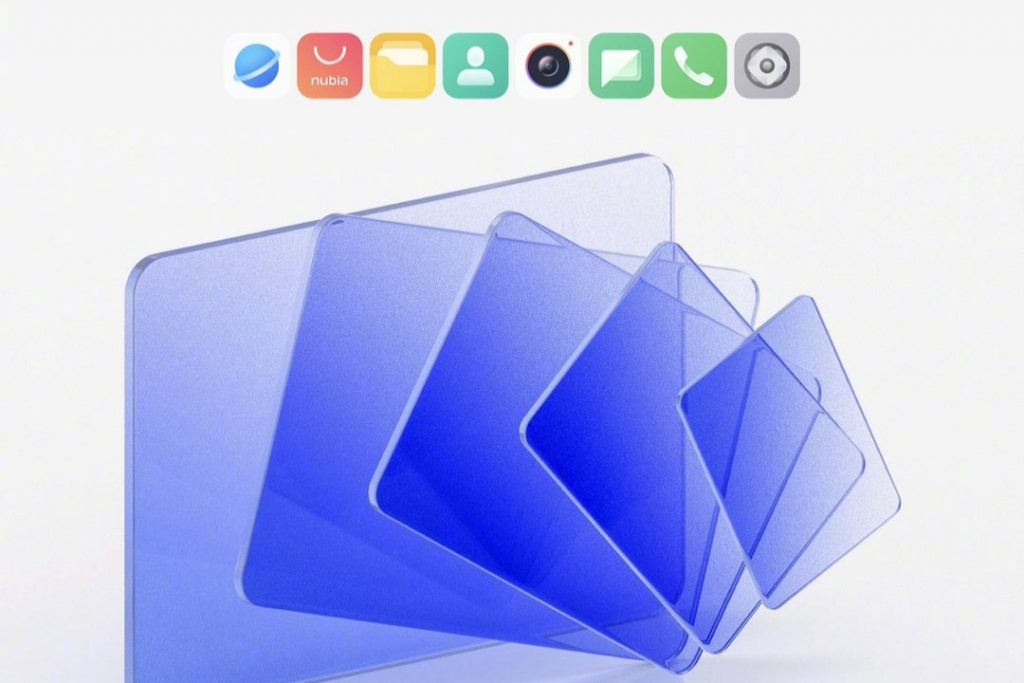
Fascinatingly, users will be able to uninstall more system apps than ever before. In fact, the number of uninstallable system apps is just 8, which is the same as on MIUI 14 (China ROM).
Apart from Settings, Phone, Contacts, Messages, Camera, File Manager, Browser, and App Store, users of Nubia Z50 Ultra can remove all other applications on their handset.
Therefore, Nubia touts its MyOS 13 Android skin as a pure system. Apart from light software, the Z50 Ultra also packs high-end hardware.
The smartphone offers a Qualcomm Snapdragon 8 Gen 2 Chipset, a 4th gen under-display camera, LPDDR5x RAM, UFS 4.0 storage, a 6.8-inch 2K OLED display, a triple camera system including a periscope lens, and a 5,000mAh battery.
Nubia is gearing up to launch its latest flagship smartphone model, which is the Z50 Ultra. We have already reported on rumors and reports regarding this device. So here is how you can watch the launch event live.
Talking about the device itself first, the upcoming handset is the Chinese smartphone maker’s newest premium grade model that will feature top notch specs and features. This includes Qualcomm’s latest and greatest Snapdragon 8 Gen 2 SoC. Furthermore, the device will run on Android 13 OS and will likely be equipped with 12GB of RAM for at least one storage configuration. On the front, the Z50 Ultra will sport a tall 6.8 inch AMOLED display with a 1,440Hz PWM frequency.
The front will also house an under display 16 megapixel selfie camera with a f/2.0 aperture. Thanks to its capable specs, the smartphone will feature a bionic cooling system with 41442mm square area of cooling area. The company’s new phone will also come with a new NeoVision computational photography technology. On the rear, the Z50 Ultra has a 64 megapixel triple camera setup with the primary shooter being the Sony IMX786 sensor.
The Nubia Z50 Ultra will be officially announced in China tomorrow (7th March 2023). This launch event will be live streamed on the company’s official Weibo account (a Chinese microblogging website). The stream will kick off at 2:00 pm local time (11:30am IST). So stick around for more, as we will be covering the launch event.
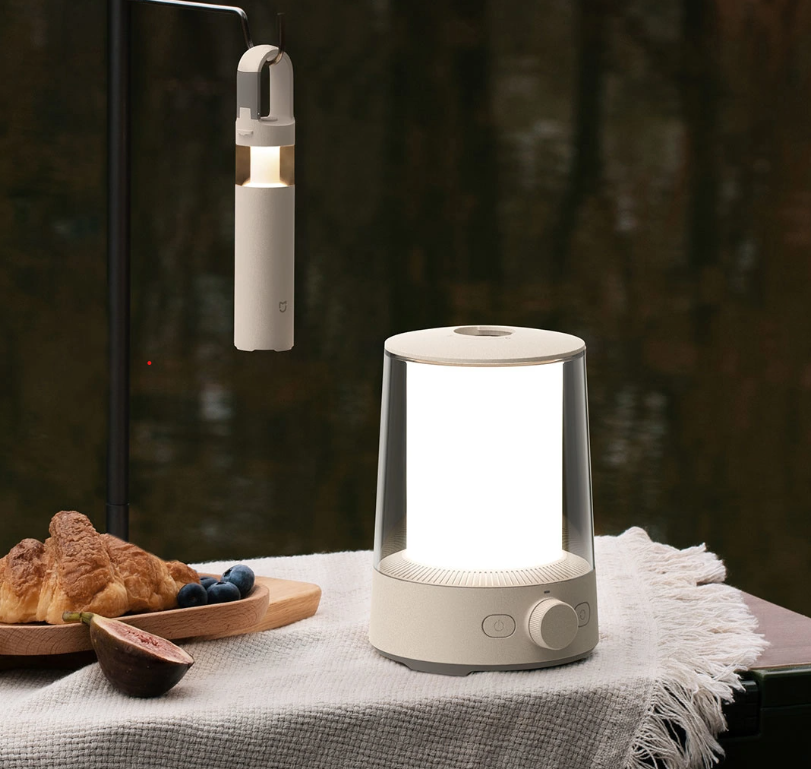
Xiaomi has launched a new camping lamp called the Mijia Split Camping Lamp. Priced at just 199 yuan, this versatile product is ideal for camping, outdoor activities, or even indoor use. The Mijia Split Camping Lamp is equipped with a split-type double-light design that can function as a flashlight, camping light, or ambient light.
The camping lamp comes with a host of features that make it a must-have for tech-savvy adventurers. The Mijia Split Camping Lamp supports step-less dimming, Bluetooth smart control, and has an IP54 dustproof and waterproof rating, making it ideal for use in rugged outdoor environments.
One of the standout features of the Mijia Split Camping Lamp is its connectivity. The lamp uses BLE Mesh technology, which allows it to be linked with other smart hardware devices, such as smartphones and other Xiaomi products. Users can create personalized scenes and preset them to their liking, and the lamp can be controlled directly through the Mijia app without the need for a Mesh gateway.
The Mijia Split Camping Lamp is powered by a 4800mAh lithium battery and has a Type-C charging interface. When fully charged, the main light can provide up to 100 hours of illumination, making it ideal for extended camping trips.
Overall, the Mijia Split Camping Lamp is an impressive piece of tech that is perfect for outdoor enthusiasts. With its affordable price tag, versatile features, and long battery life, it is sure to be a hit with consumers. The crowdfunding campaign for the Mijia Split Camping Lamp is set to start on March 8th, and the product is expected to start shipping on March 16th.
OPPO Find X6 series is set to launch this month in China. The lineup will include a regular and pro variant. Both devices will arrive as the successor to the Find X5 series. The upcoming Find X6 duo have bagged multiple certifications and also been spotted in leaks and rumours. Now, reliable Chinese tipster Digital Chat Station has shared details on the Find X6 Pro’s display.
As per DCS, the OPPO Find X6 Pro will sport a 6.8-inch E6 AMOLED display bearing a 2K resolution of 3,168 x 1,440 pixels. It will feature a 120Hz refresh rate and 10-bit colours. The device will come with the brand’s self-developed technology which will allow the screen to offer eight times better brightness. The upcoming offering is tipped to reach a peak brightness of 2,500 nits. Apart from this, the tipster does not reveal any additional information.
Past reports suggest that the OPPO Find X6 Pro will be powered by a Snapdragon 8 Gen 2 processor paired with up to 16GB LPDDR5 RAM and 512GB UFS 4.0 storage. It is expected to be backed by a 5,000mAh battery unit with support for 100W wired and 50W wireless charging. The upcoming offering will reportedly feature triple rear cameras and a 32MP front-facing selfie snapper with MariSilicon X2 ISP.
The OPPO Find X6 Pro is also expected to arrive in Dimensity Edition with Dimensity 9200 SoC. Recent reports claim that the variant could replace the Find X6.
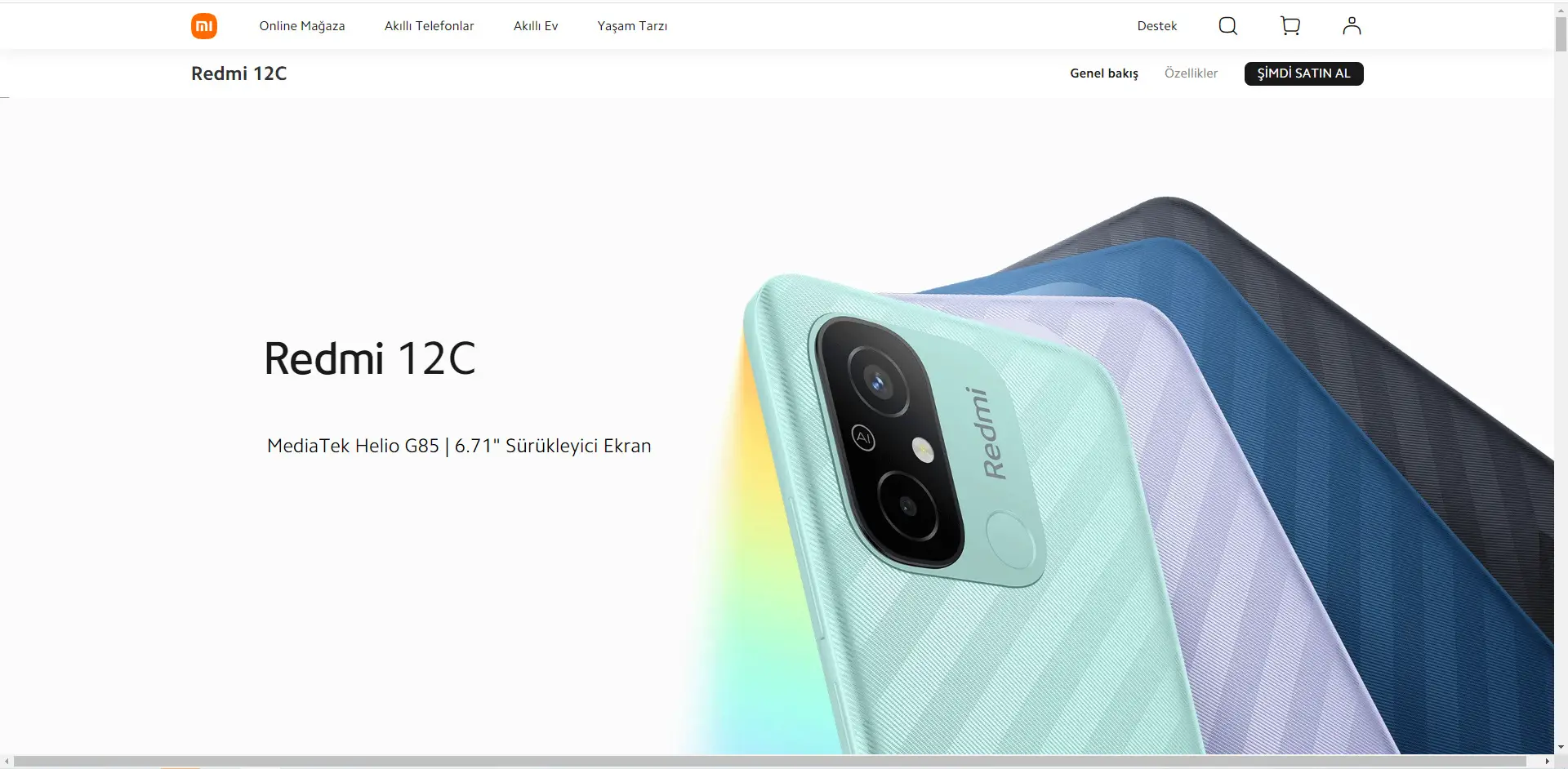
Redmi has two new smartphones in the pipeline for the global market. These are the Redmi 12C and the Redmi Note 12 4G. The Redmi 12C has already made appearances on BIS & TRDA certification websites hinting at its imminent launch. On the other hand, the Redmi Note 12 4G has been spotted on NBTC, TDRA, IMDA, and FCC databases.
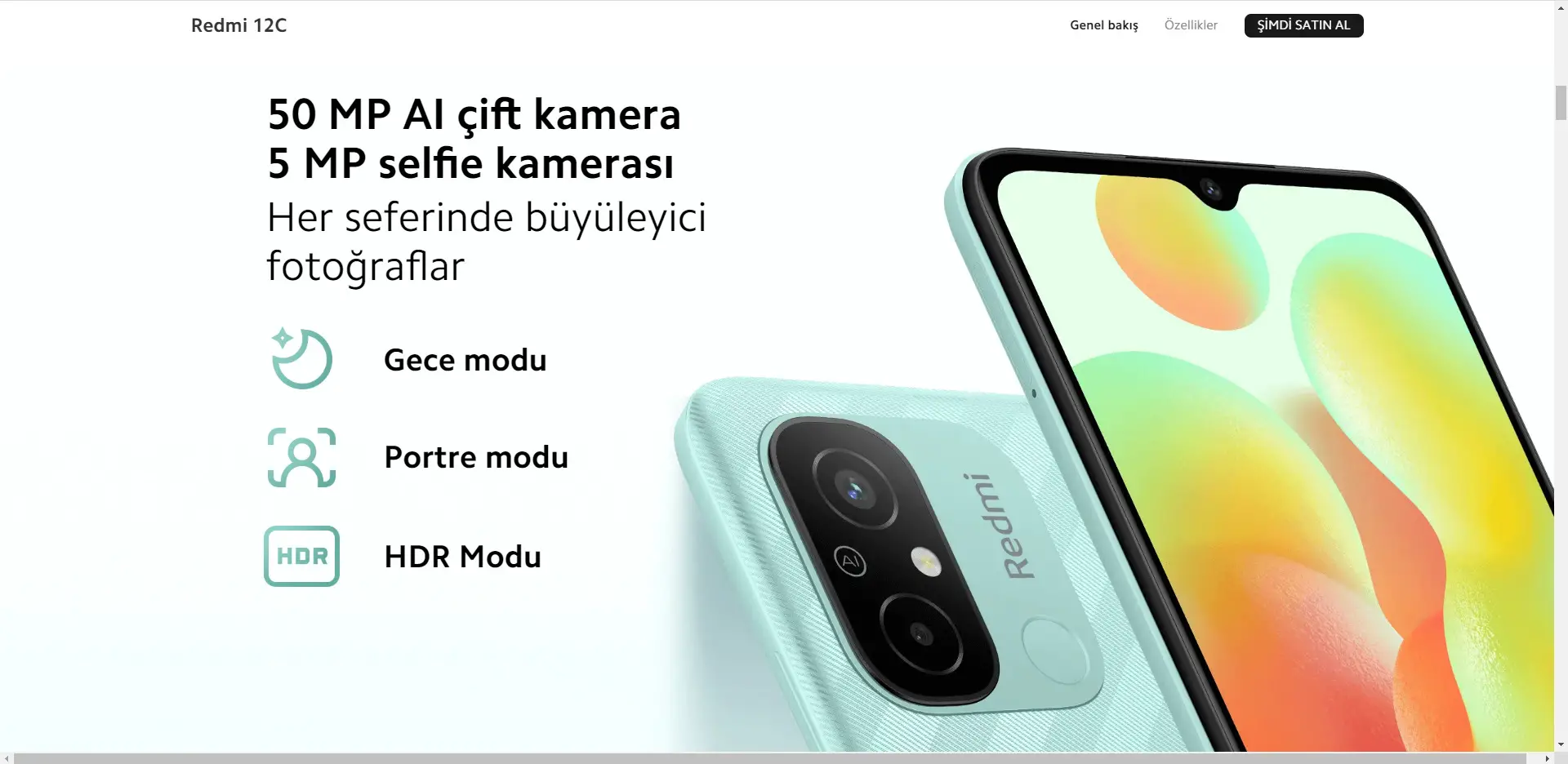
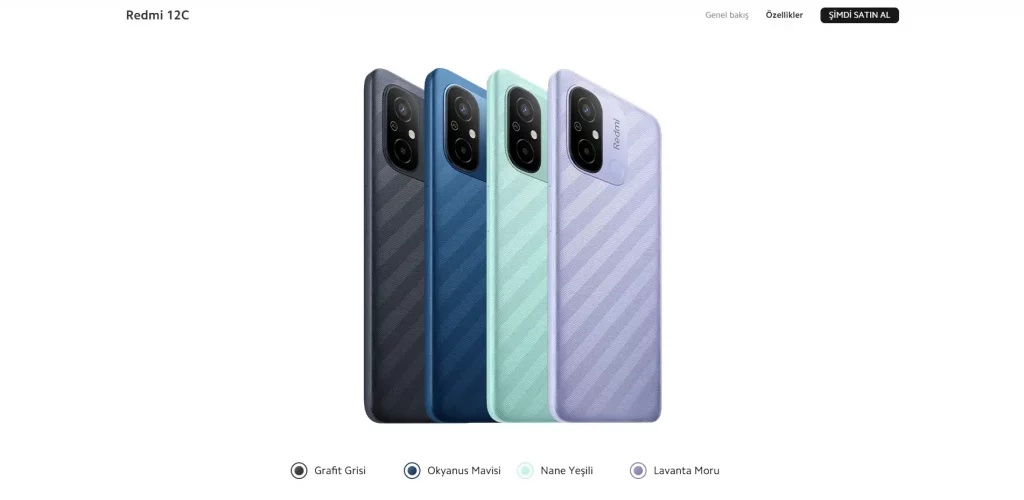
Now, tipster Mukul Sharma has hinted that both of these devices are coming soon to India as well as the global market. In addition to that, the Redmi 12C has appeared on Xiaomi Turkey’s website. The appearance was quite brief as the brand quickly pulled down the listing. However, Xiaomiui was able to capture multiple screenshots of the listing, revealing most of the key specifications of the device.
According to the listing, the Redmi 12C will feature a 6.71-inch HD+ notched display with the Helio G85 chipset under the hood. It will be powered by a 5000mAh battery that has 10W charging support. The device will also feature a 50MP AI camera along with a 5MP front camera. The camera will offer night mode, Portrait, and HDR photography.
The device will launch with up to 6GB RAM, and will also support the extended RAM feature offering an additional 5GB of RAM. As for security, it will have a fingerprint scanner on the back. The listing did not reveal any other details. Although from previous reports, we know that the device could have a starting price of EUR 149, while the top configuration may cost up to EUR 199.
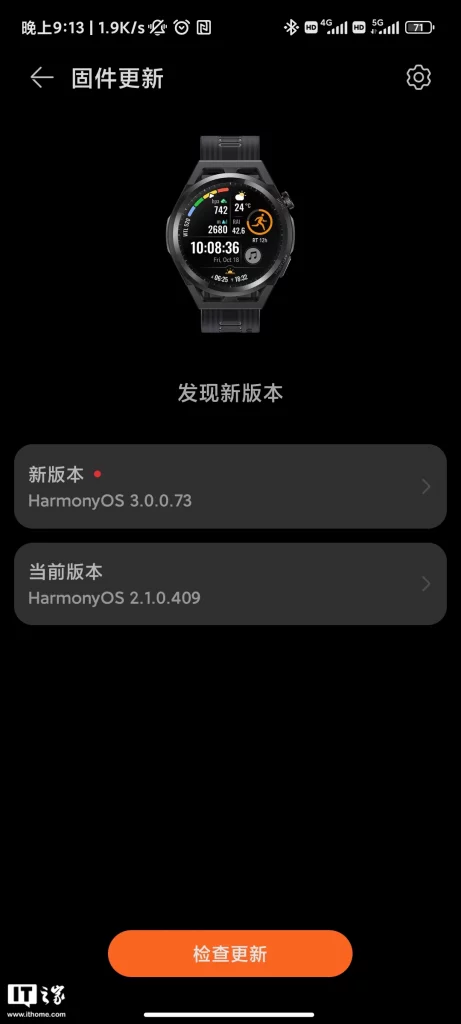
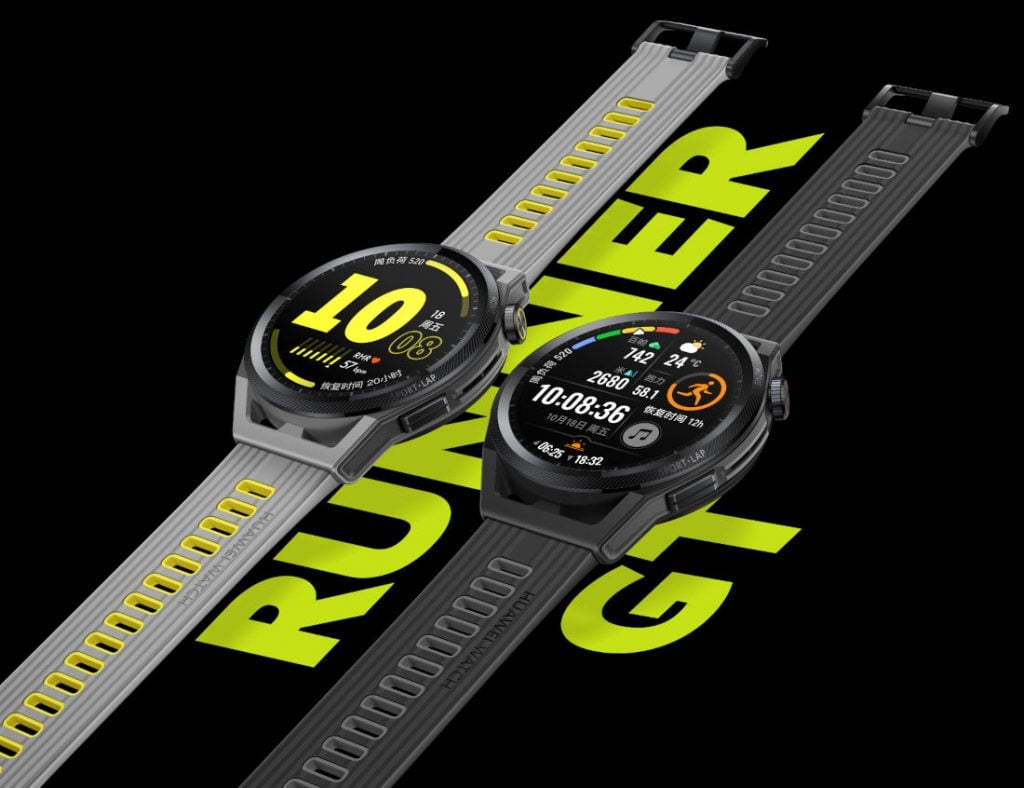
Huawei Watch GT Runner smartwatch is getting an upgrade to HarmonyOS 3, providing a better user experience. The rollout was initially planned for last year, but it had to be rescheduled to this month, with a stable version instead of a beta activity.
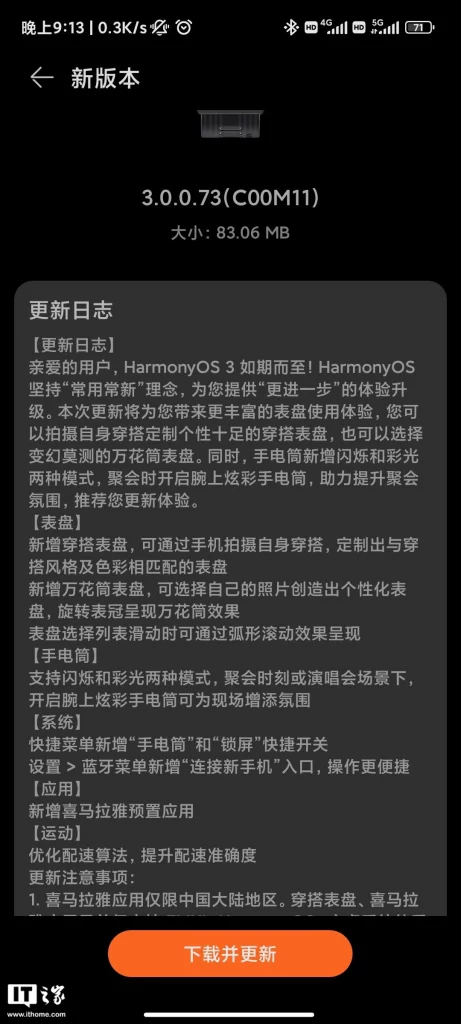
The update started rolling out in the Chinese market and will gradually be available to global consumers. The major upgrade comes with the HarmonyOS build version 3.0.0.73 and a package size of 83.06MB.
The update brings several new features and optimizations, including a new outfit dial that allows users to set a picture of themselves as the watch face. A new kaleidoscope watch face creates a brand new representation of the user’s image inside the dial. The update also adds new menu operation gestures, making the smartwatch more intuitive and user-friendly.
The HarmonyOS 3 upgrade also includes a new app that detects respiratory health issues, although it is currently only available to Chinese users. It can actively screen for the risk of lung infection by combining physiological indicators such as body temperature and respiratory rate and intelligent recognition and judgment of abnormal cough sounds. Additionally, the update adds a new flashlight and colored light options, enhancing the party atmosphere by turning on the flashlight on the wrist during parties or concert scenes.
It is important to note that the update may take some time to transfer from the smartphone to the smartwatch, and the watch will restart after the upgrade process is complete. Users must ensure that their smartwatch and smartphone remain close to maintain the Bluetooth connection, and if the download fails due to any reason, they should try again and restart the download procedure.
Huawei Watch GT Runner Specifications:
Huawei Watch GT Runner comes with a 1.43-inch AMOLED display and is powered by an ARM Cortex-M processor with 32MB RAM and 4GB internal storage.
The watch is compatible with HarmonyOS 2 or later, Android 6.0 or later, and iOS 9.0 or later. It features a power button and function button, and the upper button supports the rotatable crown, making it easy to navigate through menus and options.
The watch is equipped with multiple sensors, including an accelerometer, gyroscope, geomagnetic, optical heart rate, and air pressure sensor. It also has a microphone and speaker for making calls via Bluetooth.
The Huawei Watch GT Runner is water and dust-resistant (5ATM) and offers 100+ workout modes with automatic exercise detection for the six most common types of workouts. It also tracks sleep, heart rate, and SpO2 levels.
The watch measures 46.4 x 46.4 x 11mm and weighs 38.5g (without the strap). It has Wi-Fi, Bluetooth 5.2, GPS (L1 + L5), Beidou, GLONASS, Galileo, and QZSS connectivity options.
The Huawei Watch GT Runner boasts a battery life of 14 days of typical use, 7 days with heavy use, 20 hours of battery life in GPS mode, and 40 hours of battery life in ultra-long endurance mode of trail running.
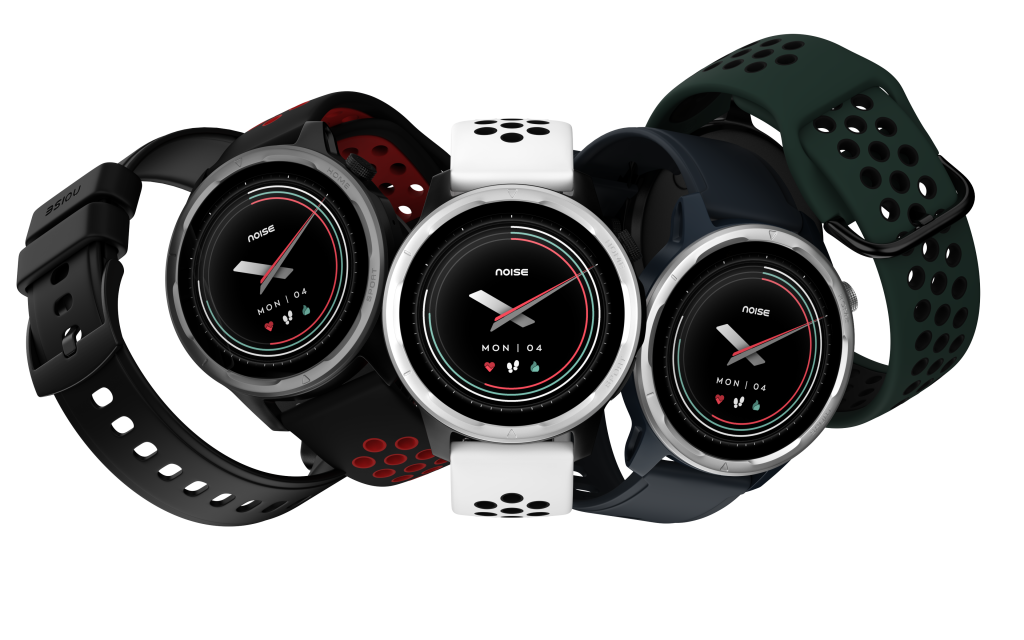
Noise has launched a new smartwatch in India. The homegrown brand has collaborated with fashion and accessories company HRX for its latest offering. The new device is dubbed the Noise HRX Bounce. Read on to know what it offers out of the box.
The Noise HRX Bounce features a circular dial with a 1.39-inch HD display and raise to wake feature. There are more than 150 customisable watch faces. The device has a sporty look with a metallic design, a rotating crown, and a physical button. It is IP67-certified water-resistant.
On the fitness front, the Noise HRX Bounce is equipped with a heart-rate monitor, SpO2 sensor, menstrual cycle tracker, and sleep monitor. The device is also capable of measuring stress levels and offering breathing sessions. The smartwatch packs support for 100 sports modes.
The Noise HRX Bounce comes with a built-in speaker and a microphone for Bluetooth calling functionality. It offers access to recent logs and can save eight contacts on the device. The smartwatch packs convenient features like weather details, remote camera control, and more. The Noise HRX Bounce is powered by a 230mAh battery unit that is claimed to last up to seven days on a single charge.
The Noise HRX Bounce costs Rs 2,499 and is offered in Midnight Blue, Active Green, Active White, Active Black, and Jet Black colours. It can be purchased from Myntra, Flipkart, and the brand’s official website.
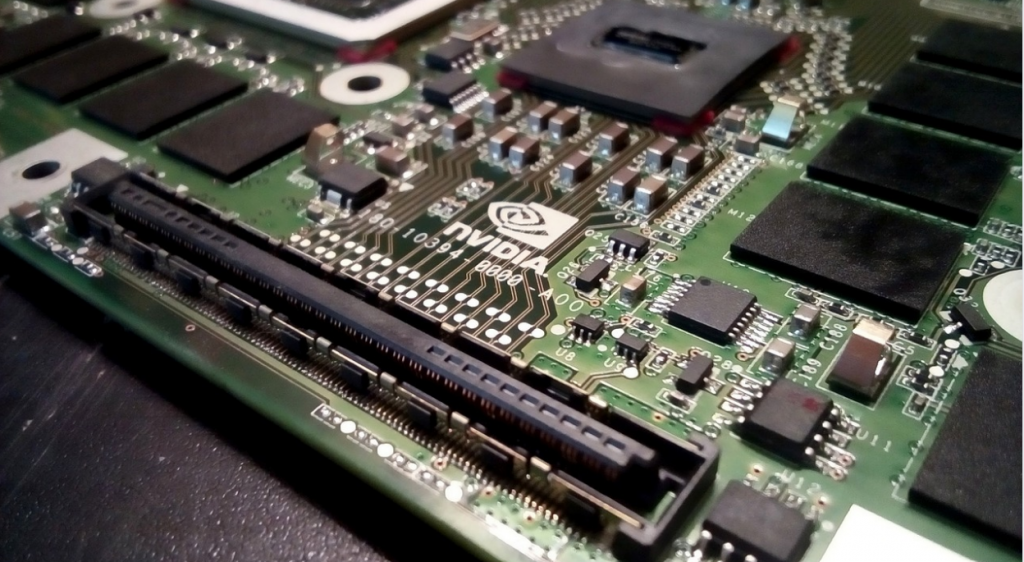
American technology company Nvidia may face new challenges as the US plans to add more sanctions on trade with the Chinese tech giant Huawei. China is Nvidia’s second-largest trade partner with an annual revenue of $7111 million in 2022 alone and the Chinese company Huawei is an important customer of Nvidia.
source: Statista
According to Reuters, a draft report by the US government proposes to add more restrictions and sanctions on trade with Huawei. As per the draft report, the proposed 2023 amendment of (the Commerce Department’s) licensing will likely have a high economic impact on Nvidia.
Nvidia declined to comment on the matter and said that the company is in no position to comment on pending licenses. However, the company said that China was a very important market for the US semiconductor industry and the company would work globally with customers and partners to comply with all applicable export controls and meet market demand.
The US Department of Commerce did not provide an official comment on the report. A senior officer from the State Department said that the document was a preliminary draft prepared by an outside contractor and the government had still not reviewed or approved the contents of the report. He further added that the government had written and contracted multiple reports on this subject, based on different contingencies, which arrive at very different conclusions.
Though the draft is not approved by the government, it sheds light on the US government’s plan to impose additional sanctions on the Chinese technology conglomerate Huawei. Apart from Nvidia, it also mentioned the tech giant Qualcomm and its business with Huawei. However, the draft concluded that in the case of Qualcomm and Huawei, Huawei stood a chance to lose more than Qualcomm as it heavily relied on Qualcomm’s chips to power its smartphones.
In 2019, the Trump administration added Huawei to the infamous entity list. The current Biden administration has continued with the restrictions and is increasing the curbs on Huawei and other Chinese tech companies. Under the US sanctions, exports, re-exports, and transfers to Huawei and its listed affiliates of any items subject to the EAR (including EAR99 items) without a license are restricted.
Trump administration imposed the trade ban on Huawei, citing national security concerns, which barred the company from using Android OS for its new smartphones, among other critical U.S.-origin technologies. The sanctions caused its smartphone sales to plummet. However, Huawei continues to generate revenue via its networking equipment and cloud divisions and is now exploring the lucrative electric vehicle (EV) sector.
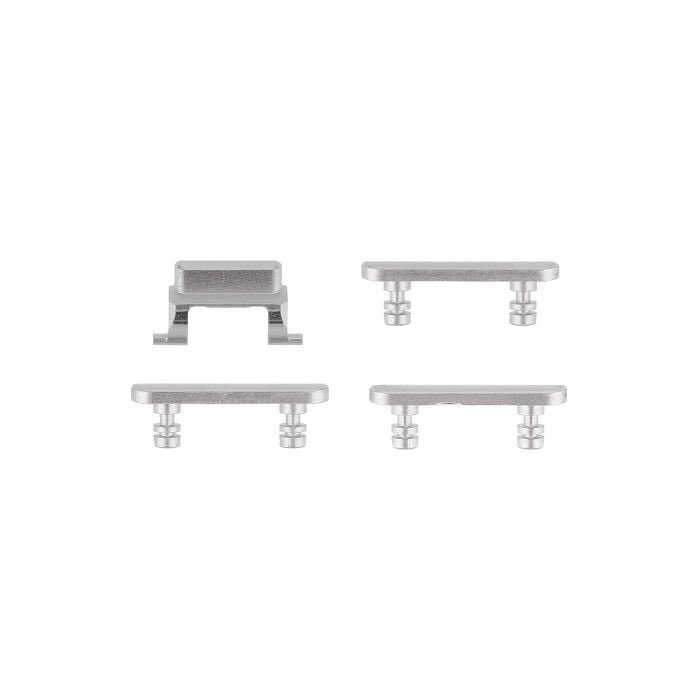
The Apple iPhone 15 series is set to launch later this year and is expected to bring some notable changes in its design. One of these major changes is rumored to be the new solid state buttons, and a recent report has revealed additional details. So here are all the details.
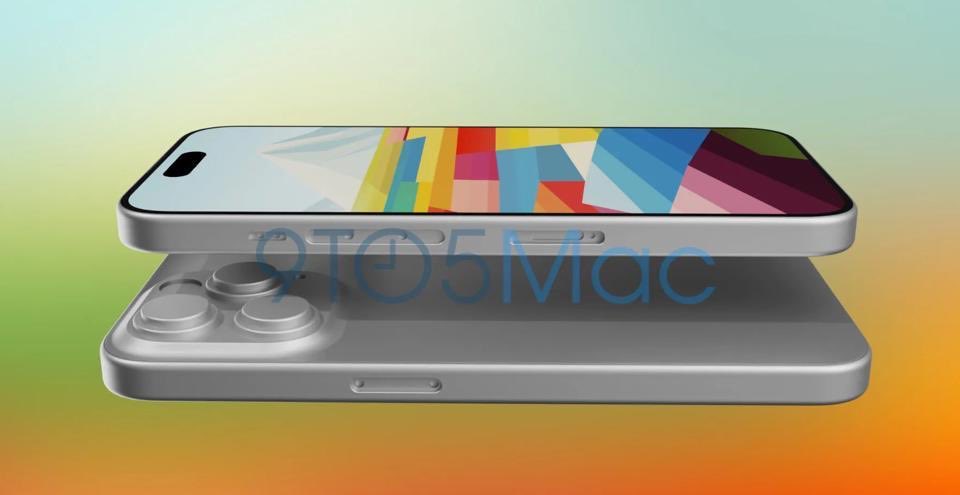
Over the last couple of weeks, we have already reported on the Cupertino based giant planning on launching the iPhone 15 Pro and iPhone 15 Pro Max featuring solid state buttons. However, now a new report has revealed that the design of the volume rockers itself is also being revamped with a single new unified volume buttons. In other words, the device will have a single long volume rocker rather than two separate buttons like in the previous generation models.
The latest renders leak reveals that the iPhone 15 Pro CAD model shows two pins in a single indentation rather than having two pins for two of the indentations. On the other hand, YouTuber ZoneOfTech further added that the “mute switch will also switch to a singular press button, rather than the up and down switch that we have now.” This is one of the major changes since the switch to put the iPhone on mute has been a feature for a while now.
For those unaware, the new solid state buttons would offer haptic feedback for the power and volume controls on its upcoming iPhone 15 Pro models. This will reportedly be powered by two additional Taptic Engines to the iPhone 15 Pro models. On the other hand, the based iPhone 15 and possibly the iPhone 15 Plus will likely retain the mechanical buttons.
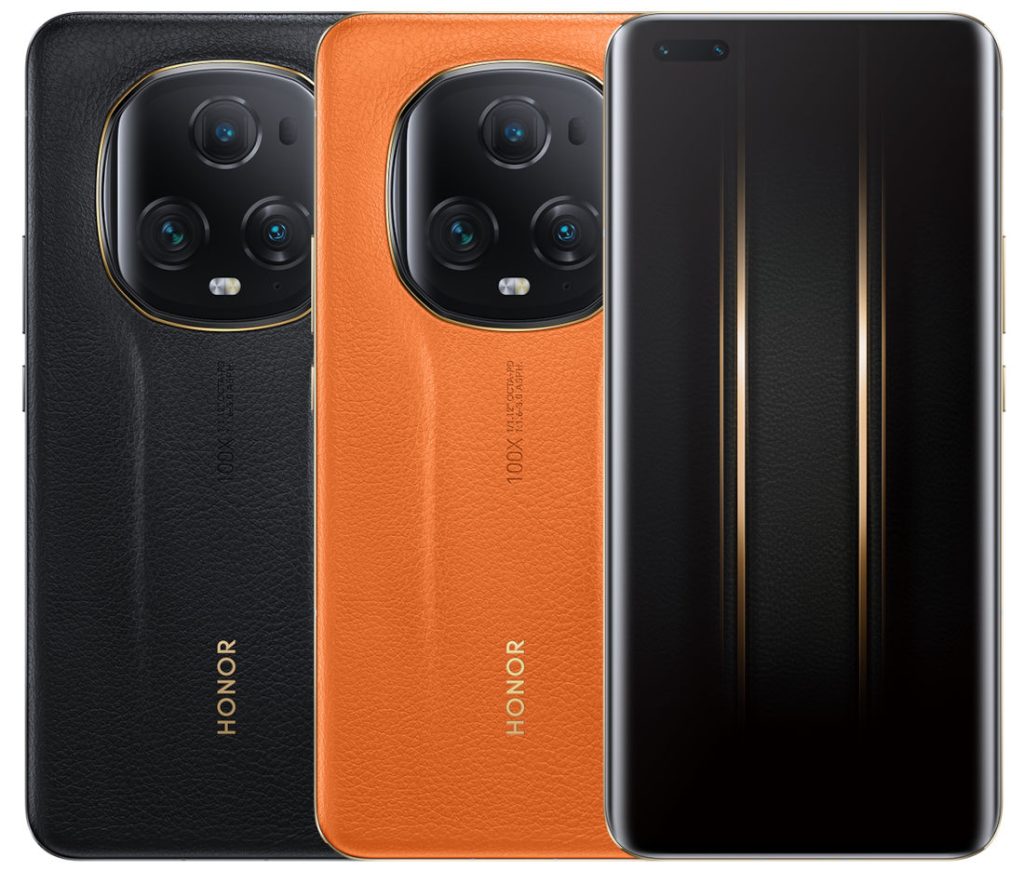
Honor launched the Magic 5, Magic 5 Pro, and Magic 5 Lite at Mobile World Congress last week. The smartphones have now debuted in China along with an additional model. It is the Honor Magic 5 Ultimate Edition which is exclusive to the home market. The device arrives as the successor to the last year’s Magic 4 Ultimate Edition. Read on to know what the Magic 5 Ultimate Edition offers out of the box.
w
The Honor Magic 5 Ultimate Edition packs top-of-the-line specifications. It boasts a 6.81-inch quad-curved OLED display bearing an FHD+ resolution and a 120Hz adaptive refresh rate. The device is IMAX Enhanced certified with support for HDR10+. The device has a pill-shaped cutout at the top left corner and the back panel has a protruding camera module in the centre. The panel also protrudes vertically below the camera island like the OPPO’s Find X5. The smartphone is also IP68 dust and water-resistant.
In the photography department, the Honor Magic 5 Ultimate Edition sports triple rear cameras. The setup comprises a 50MP main sensor, 50MP ultra-wide-angle lens, and a 50MP periscope telephoto unit with a 100x digital zoom. On the front, there is a 12MP snapper and a 3D depth camera. Both the front and rear cameras support 4K video recording.
Under the hood, the Honor Magic 5 Ultimate Edition houses the Snapdragon 8 Gen 2 processor. It packs 16GB LPDDR5 RAM and 512GB storage onboard. The smartphone is also equipped with the brand’s RF enhancement chip, security chip, and display chip. The device draws its power from a 5,450mAh battery unit with support for 66W wired and 50W wireless charging. Honor says that the Magic 5 Ultimate Edition uses ‘Qinghai Lake’ battery cell which is a silicon carbon anode battery offering a 12.8% higher energy density compared to lithium batteries.
Software-wise, the Honor Magic 5 Ultimate Edition runs on Magic UI 7.1 based on Android 13. Connectivity options on the device include 5G, WiFi-6, Bluetooth 5.2, USB-C, and NFC port.
The Honor Magic 5 Ultimate Edition carries a price tag of RMB 6,699 (~$966). It is offered in Elegant Black and Burning Orange colours. It is up for pre-orders today with sales commencing from March 10th in China.
We use cookies on our website to give you the most relevant experience by remembering your preferences and repeat visits. By clicking “Accept”, you consent to the use of ALL the cookies.
This website uses cookies to improve your experience while you navigate through the website. Out of these, the cookies that are categorized as necessary are stored on your browser as they are essential for the working of basic functionalities of the website. We also use third-party cookies that help us analyze and understand how you use this website. These cookies will be stored in your browser only with your consent. You also have the option to opt-out of these cookies. But opting out of some of these cookies may affect your browsing experience.
Necessary cookies are absolutely essential for the website to function properly. This category only includes cookies that ensures basic functionalities and security features of the website. These cookies do not store any personal information.
Any cookies that may not be particularly necessary for the website to function and is used specifically to collect user personal data via analytics, ads, other embedded contents are termed as non-necessary cookies. It is mandatory to procure user consent prior to running these cookies on your website.