The Huawei P60 series of flagship smartphones is expected to launch soon. However, prior to its release, there have been a number of rumors and reports surfacing regarding these high end devices. Now, the latest info arrives from an executive, who has apparently shared some camera samples.
For those unaware, the P series from the Chinese tech giant typically focuses on offering a great photography experience along with top notch hardware. Thus, its camera is undoubtedly its highlighting aspect. According to known tipster Digital Chat Station, the top end P60 Pro model will feature the RYYB color matrix on its periscope lens. For those unaware, a periscope lens is folded up in a smartphone’s body to allow for improved optical zoom without losing image quality.
A regular camera sensor usually comes with an RGB color matrix (consisting of one red, two green, and one blue) while the RYYB color matrix replaces the two green pixels for yellow pixels. This was first employed by Huawei on its P30 Pro model for an improved method of taking in light. However, the RYYB matrix sensor was skipped in the P50 Pro, but Digital Chat Station claims that the sensor will return on this year’s model, which will reportedly feature a 64 megapixel OmniVision OMB 64B periscope sensor.
At the same time, He Gang, Head of Huawei Smart Devices, has shared new camera samples from an unannounced Huawei smartphone. These are believed to be taken from the P60 Pro model and are also images taken from the periscope lens. In the social media post, the executive just states that the “New Phone Takes Great Photos.”
Xiaomi has just announced the launch date for a new product from its Redmi sub brand in India. The company will be releasing the new Fire TV later this month, and the device is the company’s first TV with Fire OS. So here are all the details.
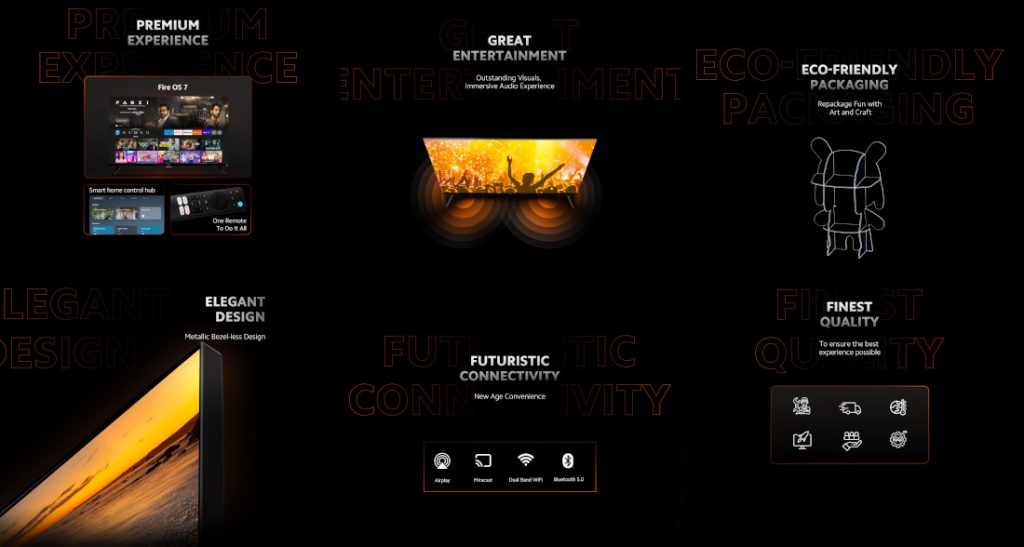
Based on official notes, the new Fire TV will sport a 32 inch inch display. Furthermore, it is the first smart TV to run on Fire OS as most of its other models run on Android TV OS. Running on Fire OS 7, the company promises to offer a premium experience and it even functions as a smart hub control. The new remote also has a shortcut for Alexa along with dedicated quick launch buttons for Prime Video, Netflix, and Amazon Music.
The new TV is built with metallic bezels and the Chinese tech giant claims that the display will offer great visuals alongside an immersive audio experience. For connectivity, the TV will come with a range of features like Dual band WiFi, Bluetooth 5.0, Airplay, and Miracast. Furthermore, the Fire TV will also arrive in an eco friendly packaging that can even be cut open to make a Mi Bunny storage unit.
The new Redmi Fire TV will be available for purchase on the company’s official website and Amazon India website. The TV will launch on March 14 and we can expect its pricing detail to be revealed soon. So stick around for more, as we will be covering its launch or any other updates that surface in the coming weeks.
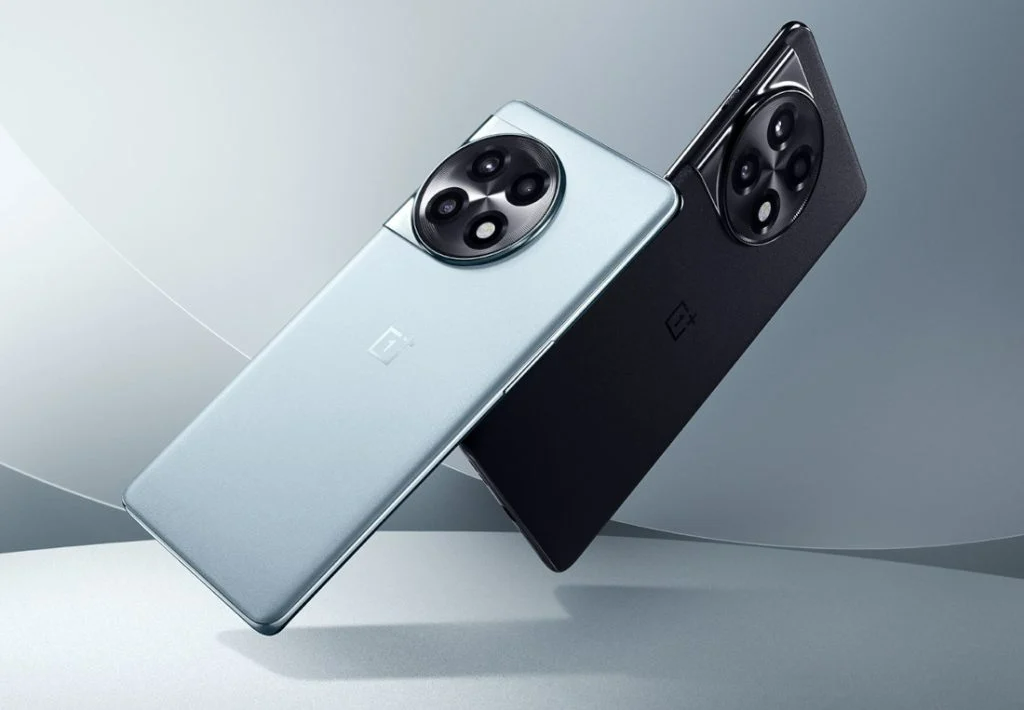
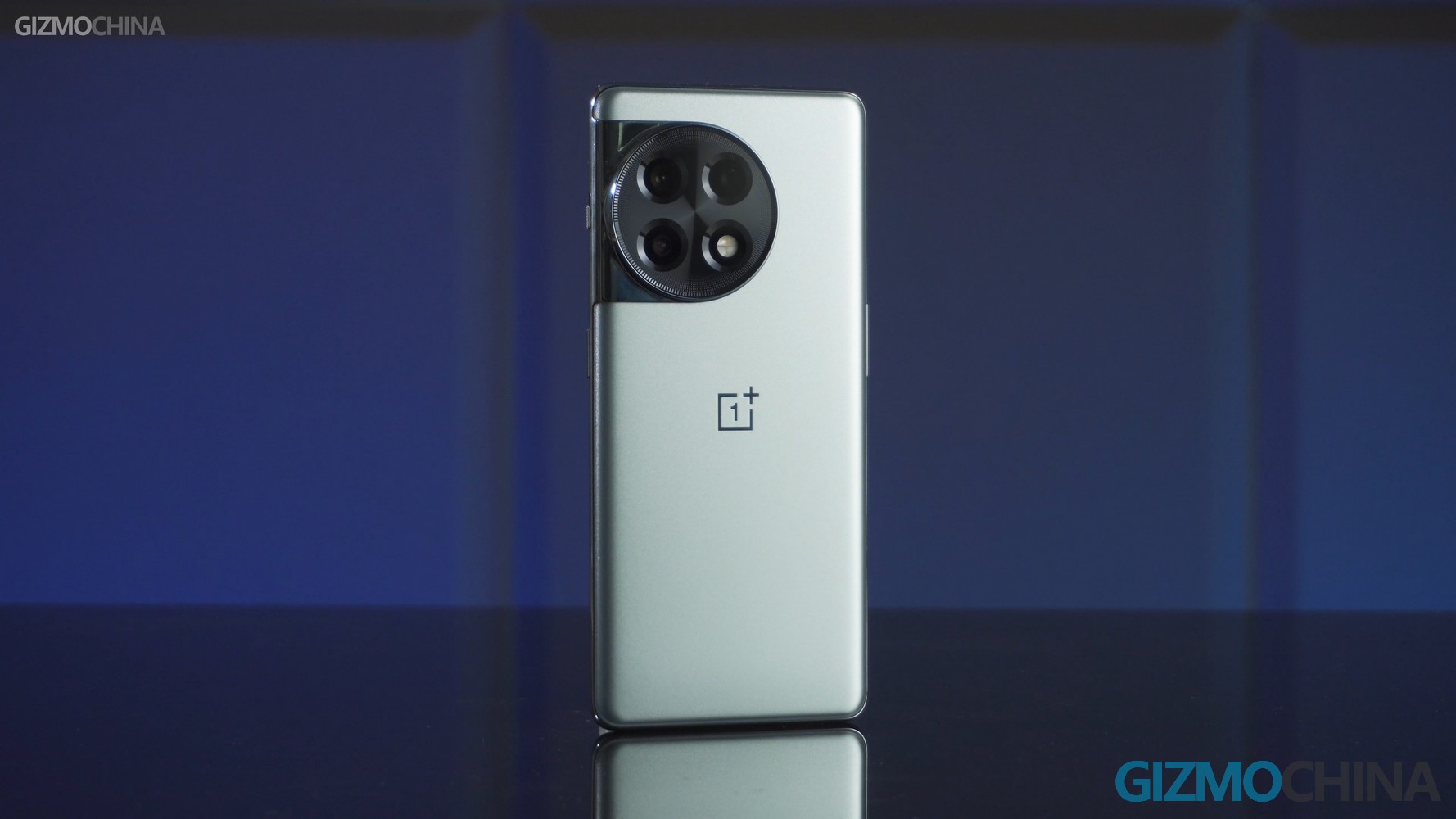
OnePlus 11R recently started shipping in many regions including India. The flagship killer from the Chinese manufacturers is a breath of fresh air for fans and enthusiasts alike that were quite disappointed by the brand due to its “Oppo-fication”.
This device comes loaded with high-end specs, like the Snapdragon 8+ Gen 1 processor, a 1.5K AMOLED display with curved edges and a primary camera that it has in common with the flagship OnePlus 11.
Now, the brand has started rolling out the first software update for the device that smooths out the edges in departments like camera, connectivity, and performance.
The update bears firmware version CPH2487_11.A.08 and weighs about 155MBs in size. The update was formally announced by the brand on the OnePlus community forum. Check out the changelog below to know what improvements are coming to your new OnePlus 11R.
OnePlus 11R OxygenOS 13 A.08 update changelog
System • Improves system stability. • Improves system performance.
Communication • Improves the stability of communications. • Improves the stability of Bluetooth connections. • Improves the stability of the Wi-Fi connection.
Camera • Improves photos taken in Night mode. • Improves the retouching effects of the front camera. • Improves camera performance for more vivid colors, greater exposure effect, and higher clarity.
According to OnePlus, the update for OnePlus 11 is being released incrementally, meaning that only a select group of users can access it at this time. It is likely that the company will gradually make the update available to more users in the near future. Check out the OnePlus 11R review to know more about the device.
Xiaomi’s next major phone for the Chinese market will be Xiaomi 13 Ultra. Rumors are rife that it will debut in April 2022. It is also expected to release in the global market. A new leak courtesy of tipster Digital Chat Station reveals that Xiaomi’s next foldable phone will launch in the second half of 2023.
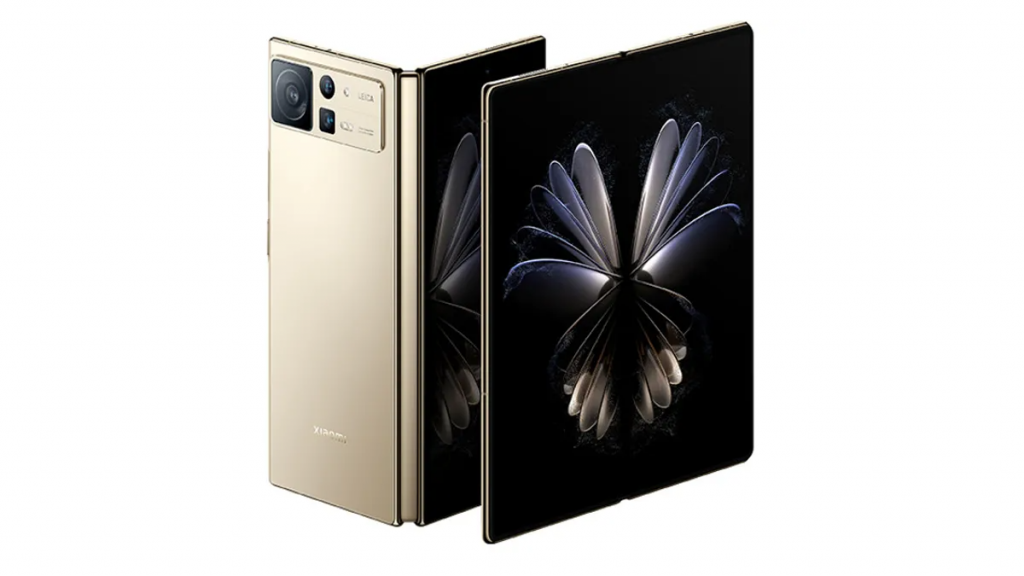
To recall, Xiaomi announced the Xiaomi Mix Fold 2 in August 2023. According to DCS, the release schedule of the Mix Fold 3 will be similar to its predecessor, which indicates it may launch in August this year. So far, the rumor mill has revealed only a few details about the MIX Fold 3.
Xiaomi MIX Fold 2
In February, the tipster claimed Xiaomi’s four upcoming devices will have a USB 3.2 port. There is a possibility that Mix Fold 3 one of these devices to feature it. As per a previous report, the Mix Fold 3 will arrive with 16 GB of LPDDR5x RAM and offer 512 GB / 1 TB of UFS 4.0 storage. If the device is going to release in August this year, the rumor mill is likely to spill more information on it in the coming weeks.
To recall, the Xiaomi Mix Fold 2 features a foldable 8.02-inch AMOLED display with a resolution of 1914 x 2160 pixels and a 120Hz refresh rate. On the outside, it features a 6.56-inch AMOLED display that offers a resolution of 1080 x 2520 pixels and a 120Hz refresh rate. The device is powered by a Snapdragon 8+ Gen 1 processor, 12 GB of RAM and up to 1 TB of storage.
The Xiaomi Mix Fold 2 also features a 4,500mAh battery with 67W fast charging support. It has a triple-camera setup on the back that includes a 50-megapixel primary sensor with OIS, a 13-megapixel ultra-wide lens, and an 8-megapixel telephoto lens. The device also has a 20-megapixel front-facing camera.
Huawei, a leading manufacturer of servers and communication equipment, is facing significant challenges when it comes to procuring the chips necessary for its products. While it may be difficult to obtain these components, the company is not without options. Huawei is facing a significant amount of difficulty stepping around US Sanctions, but the company is still making do. However, it does not wish to disclose the sources of its chip supply. In an attempt to maintain the confidentiality of its suppliers, Huawei has taken measures to conceal the identity of the chips it uses in its products.
At the Mobile World Congress 2023 in Barcelona, Huawei unveiled its latest server motherboards, which featured all chips covered with disguising tape and coolers. This move is a clear indication of the company’s reluctance to reveal the sources of its chips. The reason for this is that virtually all chips available in the market today are designed using electronic design automation tools that are developed in the U.S. and produced on equipment containing technologies created in America. As a result, suppliers of these chips need to obtain appropriate licenses from the U.S. Department of Commerce to sell them to Huawei or its subsidiaries. However, obtaining these licenses can be a challenging process for the company.
To overcome this obstacle, Huawei may resort to purchasing chips on the gray market or using other means to obtain hardware from its developers. By keeping its chip suppliers under wraps, Huawei hopes to safeguard its trade secrets and maintain a competitive edge. This is evident from the images published on Twitter by Jay Goldberg, which depict Huawei concealing the markings on some of its chips.
Despite the limitations imposed by the ongoing trade war between the U.S. and China, Huawei remains a major player in the server and communication equipment markets. The company continues to sell its products in China and other countries, but it needs chips to build these devices. While the loss of access to advanced semiconductor production outside of China has hampered its chip development, Huawei is reportedly collaborating with China-based SMIC to build a fab capable of producing the chips and system-in-packages it needs to manufacture its products. By taking such measures, Huawei is demonstrating its commitment to overcoming the challenges it faces and maintaining its position as a leading player in the tech industry.
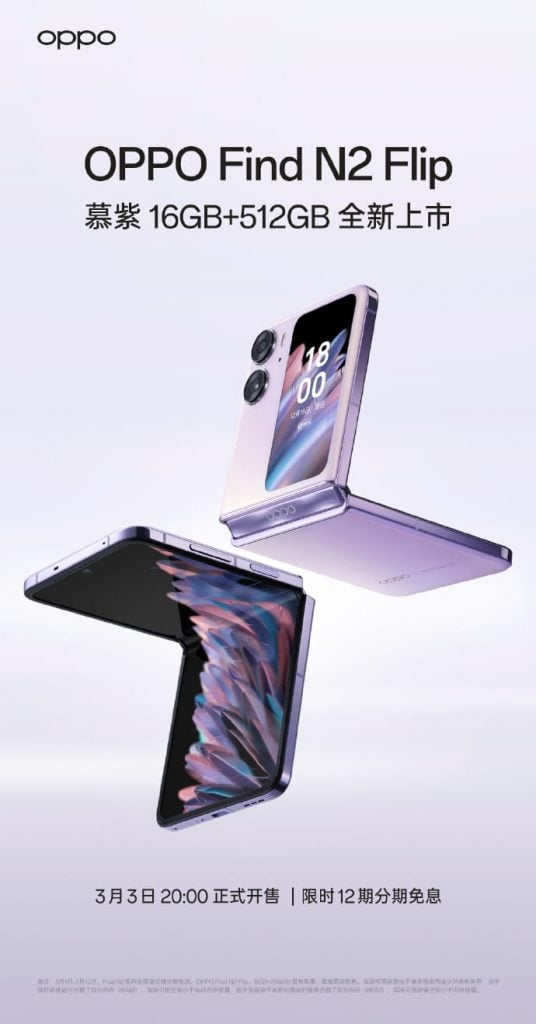
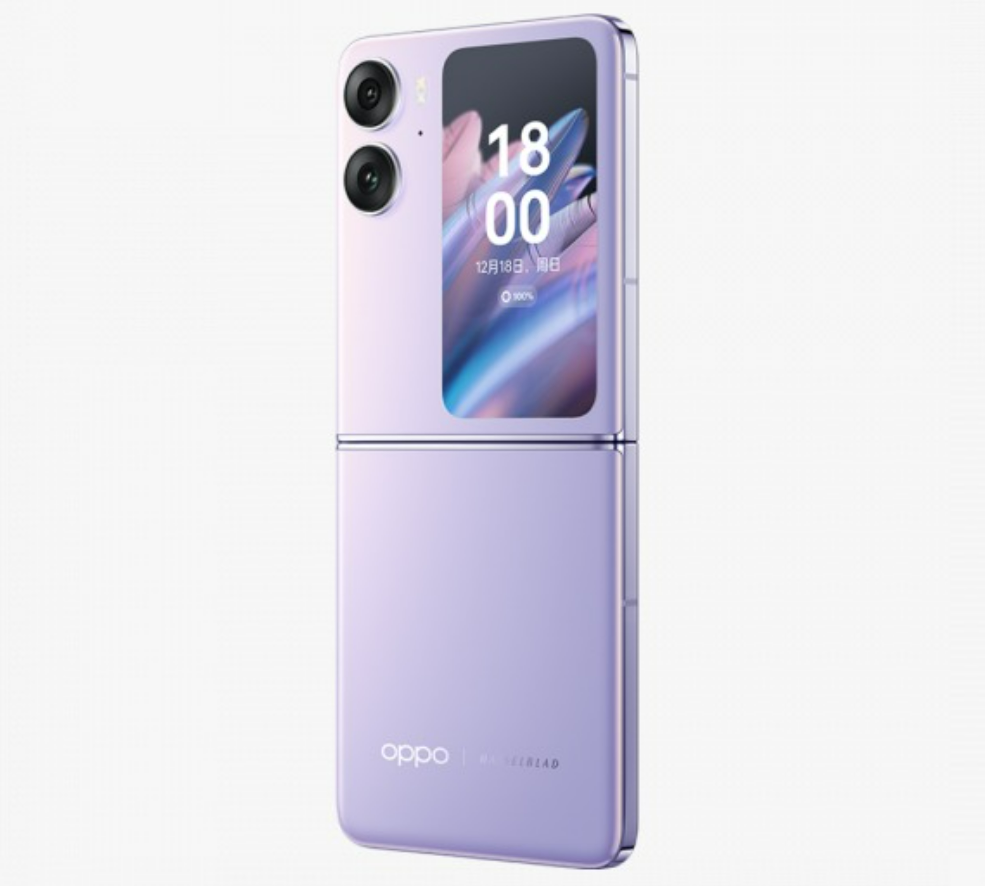
OPPO has announced a new variant of its flip display smartphone, the OPPO Find N2 Flip, for the Chinese market. The new variant comes with a massive 16GB of RAM and 512GB of internal storage.
The OPPO Find N2 Flip, which was first unveiled in December 2022, has been available in China in two configurations, 8GB RAM + 256GB storage, and 12GB RAM + 256GB storage. With the new 16GB RAM variant, OPPO aims to cater to customers who require even more processing power and storage space.
The new variant of the OPPO Find N2 Flip is priced at CNY 6,999 ($1,015), which is slightly more expensive than the existing 8GB+256GB and 12GB+256GB variants, which are priced at CNY 5,999 ($870) and CNY 6,399 ($925), respectively.
The OPPO Find N2 Flip features a 6.8-inch FHD+ E6 AMOLED main display with a 1-120Hz adaptive refresh rate and a 240Hz touch sampling rate. It also has a 3.26-inch AMOLED outer display with a 30/60Hz refresh rate. The phone is powered by a MediaTek Dimensity 9000+ processor with Mali-G710 MC10 GPU and runs on Android 13 with ColorOS 13.
The device sports a 50MP primary wide-angle rear camera with a Sony IMX890 sensor and an 8MP ultra-wide camera with Hasselblad camera support. On the front, there is a 32MP selfie camera with an RGBW IMX709 sensor.
The phone has a side-mounted fingerprint scanner and supports 5G SA/NSA, 4G, Wi-Fi 802.11 ax, Bluetooth 5.3, USB Type-C, NFC, GPS, and other connectivity options. The OPPO Find N2 Flip is equipped with a 4300mAh battery with 44W SUPERVOOC Flash Charge support.
Tecno’s new smartphone, model number CK8n, has been certified by the Federal Communications Commission (FCC) and Bluetooth. These certifications have revealed the key specifications of the device. In addition, one of the FCC documents revealed the design of the phone’s rear.
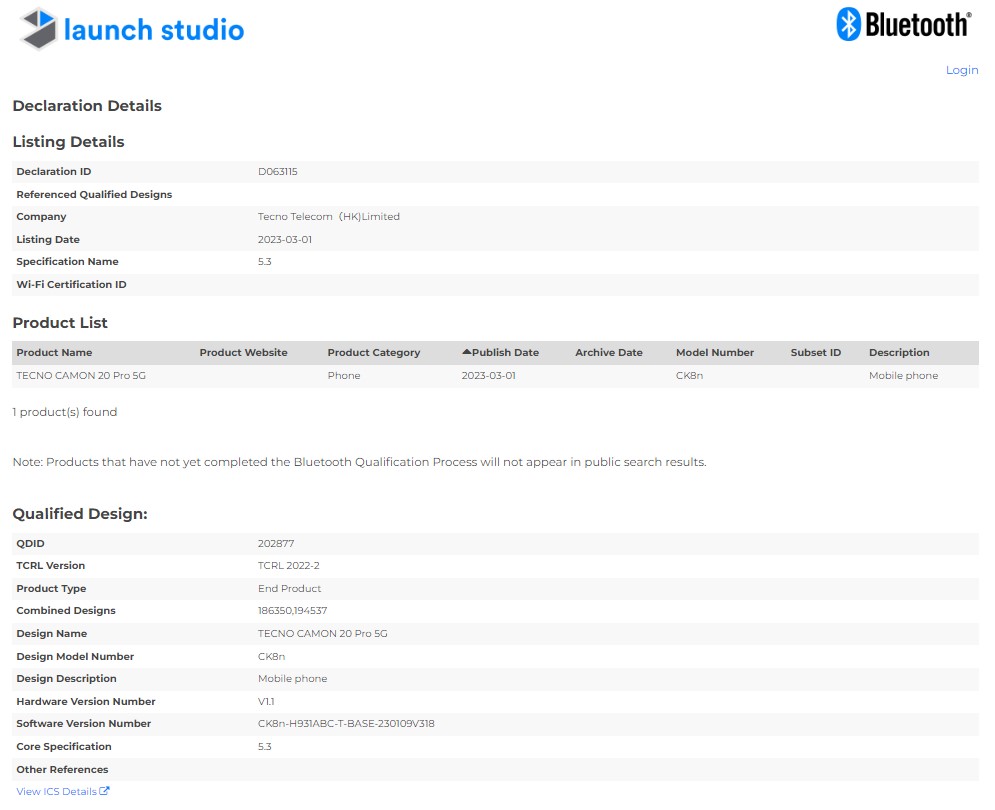
To begin with, a Tecno phone with model number CK8n has appeared in the database of the Bluetooth SIG. The listing confirms that the device will be called the Tecno Camon 20 Pro 5G when it arrives on the market. The listing also reveals support for Bluetooth 5.3.
Tecno Camon 20 Pro 5G Bluetooth SIG listing
The FCC has approved the exact same device. The listing reveals that the device measures 163 x 76 x 8mm, which indicates that it may house a smaller display than the Camon 19 Pro 5G. The reason behind it is that the Camon 19 Pro 5G measures 166.7 x 74.3 x 8.6mm and houses a 6.8-inch display.
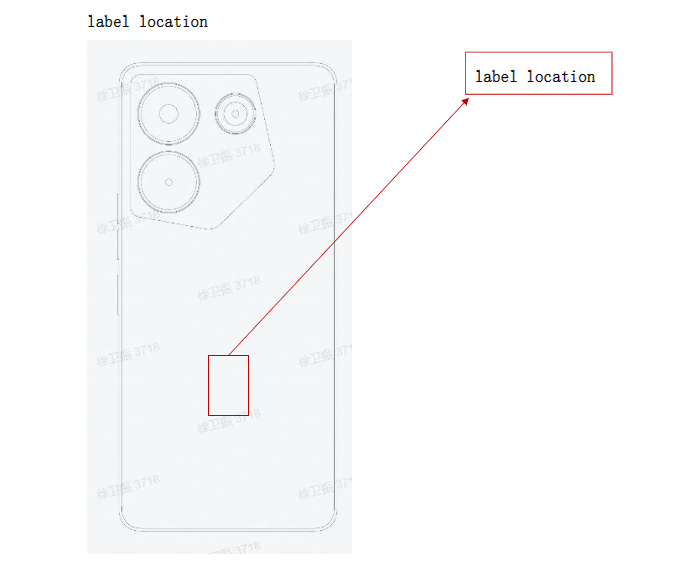
Tecno Camon 20 Pro 5G schematic at FCC
The FCC documents further reveal that the Camon 20 Pro 5G will have 8 GB of RAM and 256 GB of built-in storage. It further reveals that the device will house a 5,000mAh battery (4,900mAh typical value) and offer 33W fast charging. These specifications are also available on the predecessor model. There is a possibility that the device may come equipped with a MediaTek chipset.
The Camon 20 Pro 5G’s schematic, available in the FCC documents, shows that it could be equipped with a triple camera unit. The right edge of the device has volume buttons and a power key.
In related news, the Eurasian Economic Commission (EEC) certified the Camon 20 Premier 5G in January. Hence, it appears that the lineup may include at least three models, such as Camon 20, 20 Premier 5G, and Camon 20 Pro 5G.
Last year, Xiaomi launched the Mi Band 7 in its domestic market which debuted as the Xiaomi Smart Band 7 earlier this year in the global market. Now, it appears that the brand is gearing up to launch its successor called the Xiaomi Band 8 in the coming months.
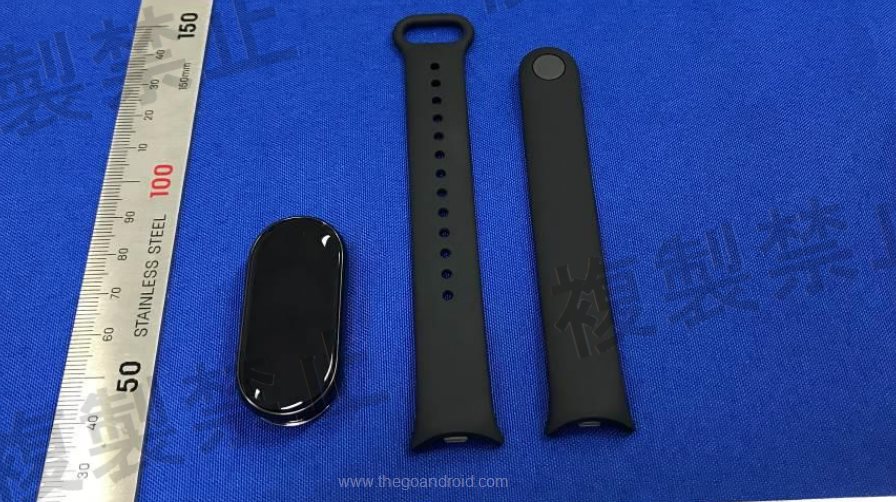
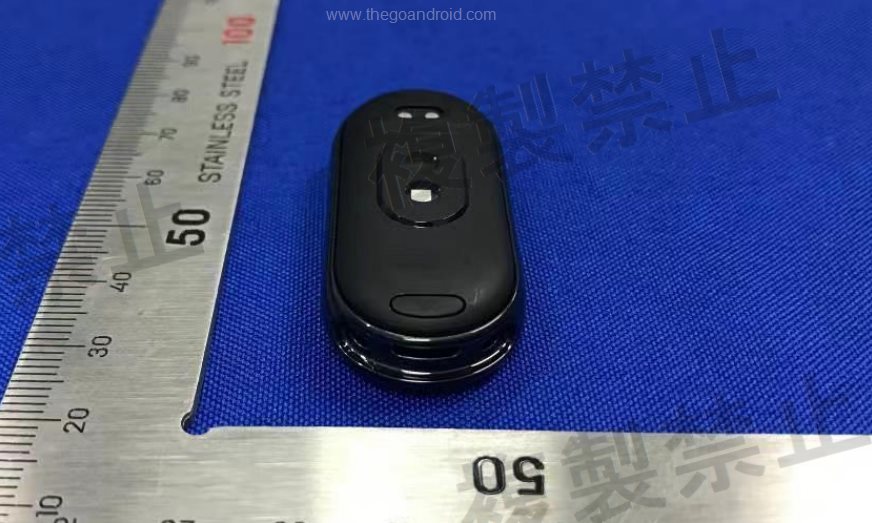
Twitter user Simranpal Singh has spotted the Xiaomi Band 8 on South Korea’s NRRA certification website. The listing reveals some key features along with the images that reveal its design.
The live images of the Xiaomi Band 8 showcase its overall design. Much like its predecessor, the Xiaomi Band 8 will have a capsule-shaped appearance. However, there is a noticeable difference in the strap design. The forthcoming Xiaomi Band 8 will introduce a two-piece detachable strap, similar to those found on the Xiaomi Band 7 Pro.
The device bears the model number M2239B1. It is revealed that the Xiaomi Band 8 will feature Bluetooth 5.1 for connectivity. Previously, the same wearable was spotted on the TRDA database. Currently, the finer details about the Xiaomi Band 8 are still a mystery. We can however look at the Xiaomi Band 7 to get an idea of what to expect.
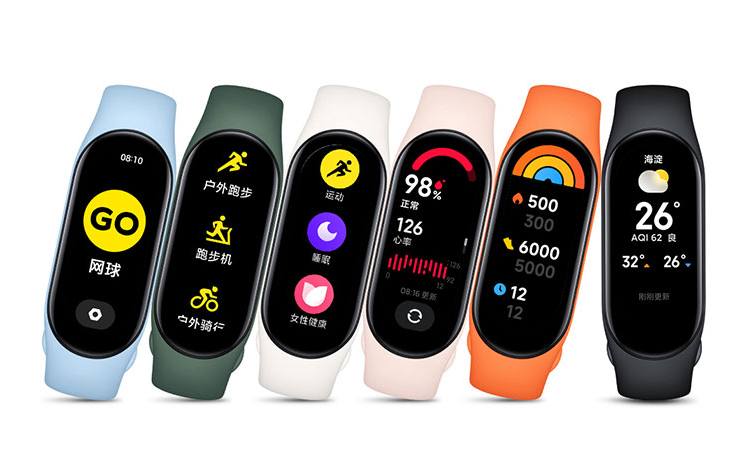
Xiaomi Band 7 specs & features
The Xiaomi Band 7 boasts a 1.62-inch AMOLED touchscreen display with a high resolution of 192 × 490 pixels, 326ppi pixel density, and a brightness of up to 500nits. It comes with over 100 watch faces and can display information constantly.
This fitness tracker has an optical heart rate and blood oxygen sensor that provides continuous monitoring of heart rate, blood oxygen saturation, sleep, and female health. It can track steps, and calories, and has 120 workout modes including outdoor and indoor running, cycling, and more.
With a 180mAh battery, the Xiaomi Band 7 can last up to 15 days on a single charge and takes around 2 hours to charge with its magnetic charger. It is lightweight at 13.5 grams and has dimensions of 46.5 × 20.7 × 12.25mm. Other features include music control, camera shutter control, notifications, and more.
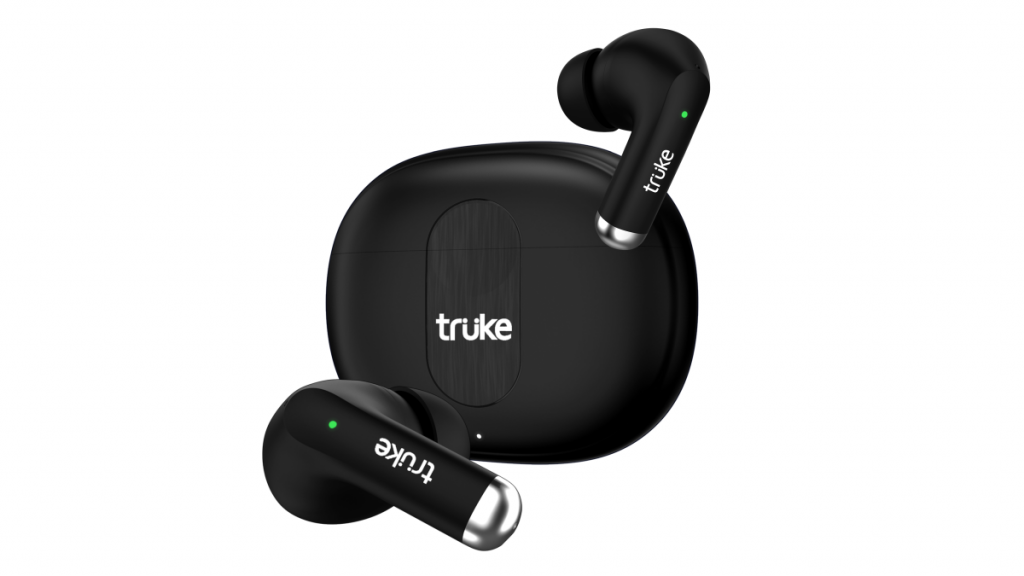
On Feb. 24, Truke announced the Truke Buds A1 earbuds in India. The TWS earbuds have been available for pre-order until today (March), with a price tag of Rs 1,299 (~$18). Starting today, it can be purchased through Amazon India for Rs 1,499 (~$16).
The Truke Buds A1 offer a pebble-shaped charging case, which packs a 300mAh battery. The case has a USB-C port for charging. According to the company, it offers up to 48 hours of total battery life. On a single full charge, the earbuds can last up to 10 hours with ANC off.
One of the major highlights of the Buds A1 is that it offers hybrid Active Noise Cancellation (ANC) with up to 30db noise cancellation at an affordable price. There is a quad-mic ENC feature onboard for a clearer experience on voice calls.
Truke Buds A1 TWS earbuds
The Buds A1 has 10mm titanium audio drivers. It provides users with three EQ modes, such as Dynamic Audio, Bass Boost Mode, and Movie Mode. The touch buttons on the earbuds can be used to access these EQ preset options.
It comes with Bluetooth 5.3 connectivity and supports SBC and AAC codecs. These earbuds can be used for gaming as well, thanks to their dedicated low-latency gaming mode that reduces latency to just 50ms. It offers IPX4-rated water resistance for the case.
Priced at Rs 1,499 (~$18), the Truke Buds A1 can be bought in two colours, such as black and blue. According to Truke, the earbuds come with a 1-year warranty, which can be availed through a strong network of 250+ active service centres across India.
Stay tuned to GizmoChina as we will soon let you guys know our hands-on experience with the Buds A1 TWS earbuds.
Apple is reportedly set to produce its own 5G modem chips for its iPhones by 2024, according to comments made by the CEO of Qualcomm, Cristiano Amon, at the Mobile World Congress 2023 in Barcelona. Earlier in February 2022, first speculations surfaced that Apple will use its own self-developed 5G modem chips for the upcoming iPhone 15 lineup. While Apple currently uses Qualcomm modems in its iPhone 14 models, the company has been exploring the possibility of in-house parts for some time. Apple acquired Intel’s modem business in 2019, leading to the news that it would begin using its own modems this year.
Amon stated that Qualcomm is making no plans to provide Apple with a modem in 2024, but emphasized that it is ultimately up to Apple to make the decision. He also clarified that royalty was “independent from providing a chip” and did not confirm whether Apple would pay Qualcomm QTL licenses if it moves to its own modems.
Qualcomm has been diversifying its business into automotive semiconductors and low-power applications. Amon also addressed the legal battle between Qualcomm and British semiconductor firm Arm IP, stating that the company had broad rights to the Arm IP, and that a solution was in the works.
Regarding the Wall Street Journal’s report that the US government is considering revoking export licenses for US suppliers to Huawei, Amon stated that Qualcomm had licenses to sell 4G chips to Huawei and was being compliant. While revocation of its license would impact Qualcomm financially, the company is diversified and provides modems to other companies, including Samsung and Honor, and is growing in the automotive sector amongst other avenues.
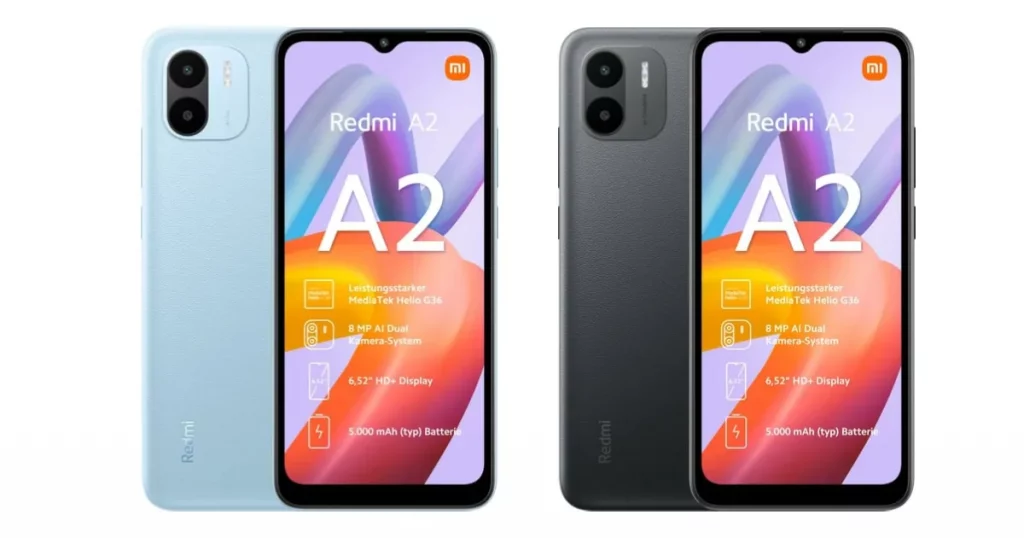
The successor to the affordable Redmi A1 is on its way to the global market. The device is called the Redmi A2 and it was recently spotted on the Bureau of Indian Standards website. A recent report also surfaced revealing the design, specs, and European pricing of this entry-level smartphone.
Now, it has also made an appearance on the NBTC database. According to the NBTC certification, the device’s model number is 23028RN4DG and it is known as the Redmi A2. However, no other details about the device are disclosed. Previous leaks suggest that the Redmi A2 smartphone will boast a 6.52-inch IPS LCD display with a resolution of HD+ 1600 x 720 pixels. The device is expected to have a water-drop-shaped notch that will serve as a home for the front-facing camera.
Redmi A2 specs (rumored)
Inside the upcoming Redmi A2 lies the MediaTek Helio G36 SoC with an octa-core CPU that runs on a 12nm process. This SoC boasts a maximum clock speed of 2.2GHz and is accompanied by 2GB of RAM and 32GB of internal storage. However, users can expand the storage up to 512GB by using a microSD card.
Featuring a 6.52-inch IPS LCD screen, the Redmi A2 will likely deliver an HD+ resolution of 1600 x 720 pixels. Notably, the absence of a rear fingerprint scanner may suggest that it will be exclusive to the A2+ model. Instead, the phone will be fitted with an 8MP primary camera and a 2MP depth sensor on the back, while a 5MP front camera will handle selfies & video calls.
Furthermore, the Redmi A2 will pack a powerful 5000mAh battery that supports 10W charging in Europe. The phone will come with a single speaker and a 3.5mm headphone jack and will ship with the latest Android 13 (Go Edition) update pre-installed. Other connectivity options include a dual-SIM slot, Bluetooth 5.0, and 2.4GHz WiFi.
Redmi is soon going to launch multiple smartphones, such as the Redmi A2, Redmi 12C, and Redmi Note 12 series \ in the global market. It appears that the Note 12 family also include a new model named the Redmi Note 12S. Tipster Kacper Skrzypek has leaked some initial details about the device. While the above-mentioned devices are expected to launch this month or in April in the European markets, the Note 12S is likely to debut in the second quarter of 2023.
The tipster claims that the Redmi Note 12S is probably codenamed as the “Sea” and “Ocean.” One of the codenames is for the NFC variant, while the other one lacks support for NFC.
Redmi Note 11S
He said that the Note 12S will be powered by the MediaTek chipset, but he is unsure about the exact name of the SoC. Hence, it is unclear whether the device supports 4G or 5G connectivity. The tipster has learned from one of the Xiaomi distributors in Europe that the Note 12S will be available for purchase by mid-May.
The Redmi Note 12S will arrive as a successor to the Redmi Note 11S, which debuted in January 2022. The Note 11S is a mid-range smartphone from Xiaomi that was released in 2022. It features a 6.43-inch AMOLED display with a resolution of 2400 x 1080 pixels and a 90Hz refresh rate. The device is powered by a Helio G96 chipset paired with up to 8GB of RAM and up to 128 GB of internal storage. The phone runs on MIUI 13 based on Android 12.
The Note 11S is backed by a 5,000mAh battery with 33W fast charging support. Its rear-facing quad-camera setup includes a 108-megapixel primary sensor, an 8-megapixel ultra-wide lens, a 2-megapixel macro lens, and a 2-megapixel depth sensor. There is also a 16-megapixel front-facing camera for selfies and video calls.
Foldable smartphones are the latest trend in the world of technology. Smartphone manufacturers are using innovative methods to integrate pre-existing applications into their foldable devices since most of them have a secondary, smaller display with additional customization options. Oppo is also participating, with its highly anticipated Find N2 Flip on the way. The Find N2 Flip boasts a larger cover screen than other foldable devices, which is a significant improvement over its predecessors. However, the phone’s limited selection of widgets on the cover screen has been a concern for some users.
To address this issue, Oppo has confirmed that it will introduce a new Spotify widget to the Find N2 Flip’s cover screen in April. This widget will allow users to control the playback of their music without having to open the phone, further adding to the convenience of users. The layout of the widget is a mystery as of now, but we can hope that the Spotify widget will feature the album cover art, alongside the standard play/pause, skip forward, and previous track buttons. The widget may even have the repeat and shuffle toggles, but since Oppo hasn’t made any further comments regarding the same, users will just have to wait for the update.
Although the Find N2 Flip has yet to be formally launched, pre-orders are open in the UK and other countries. Oppo has announced that the widget rollout will begin on April 15, giving early buyers a one-month wait until they can access the new Spotify widget.
It’s exciting to see Oppo’s commitment to improving its foldable smartphone technology. With the addition of new widgets and features, the Find N2 Flip promises to be a game-changer in the world of smartphones, especially when it’s available for a fraction of the price of more expensive foldable smartphones such as the Samsung Galaxy Z Flip 4.
ChatGPT is a language model developed by OpenAI that is designed to understand natural language and provide intelligent responses to various queries. As one of the largest and most advanced language models in the world, ChatGPT is influencing technology globally by providing solutions to complex problems and facilitating the development of new applications in a wide range of fields. ChatGPT has been used in natural language processing, machine translation, and automated content creation, among other applications, and its impact on the technology industry is expected to continue to grow as its capabilities continue to improve.
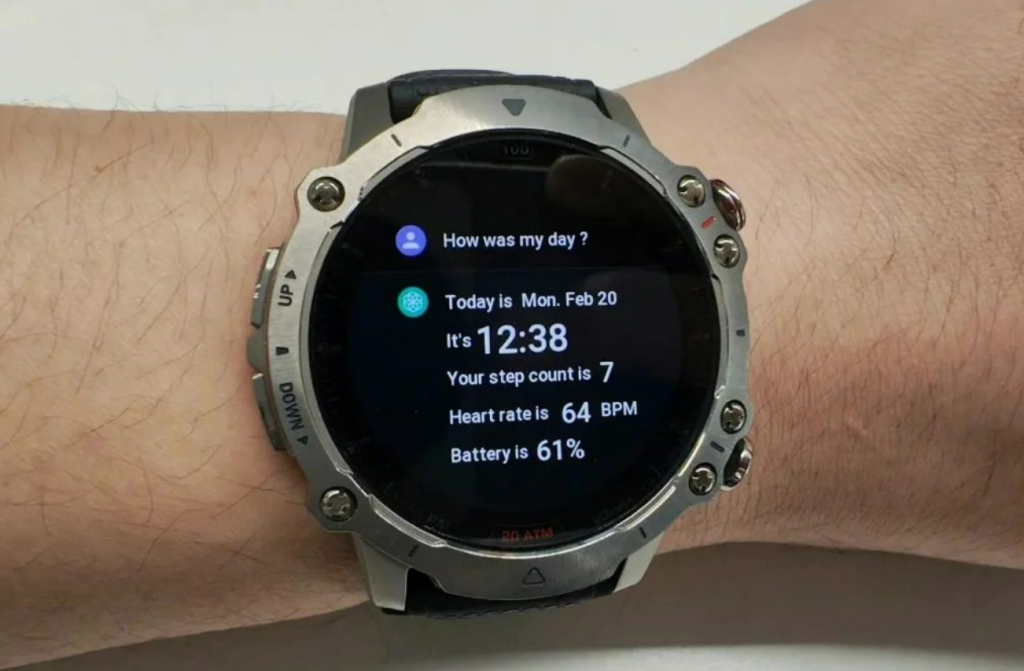
Amazfit, a renowned global brand for smart wearables owned by Zepp Health has just announced the world’s first smartwatch face coded by the ChatGPT AI tool. This new development showcases the capabilities of ChatGPT in developing watch faces that not only show health and fitness data but also illustrate the interaction between humans and AI.
Amazfit’s integration of ChatGPT into its smartwatches’ operating system, Zepp OS, is a major milestone in the tech industry. The watch face generated with the help of ChatGPT will provide users with a unique experience, offering an interface that combines the latest AI technology with the convenience of smartwatches.
Since its launch in 2015, Amazfit has become one of the most popular smart wearables brands globally, with millions of users across more than 90 countries. The brand’s focus on providing cutting-edge technology to enhance its users’ fitness and health experiences has made it a household name in the smartwatch industry.
With the world’s first watch face coded by ChatGPT AI, Amazfit has raised the bar slightly higher for smartwatches and is poised to lead the industry with its innovative products. As technology evolves, we can expect more exciting developments from Amazfit and other leading brands in the smart wearables space.
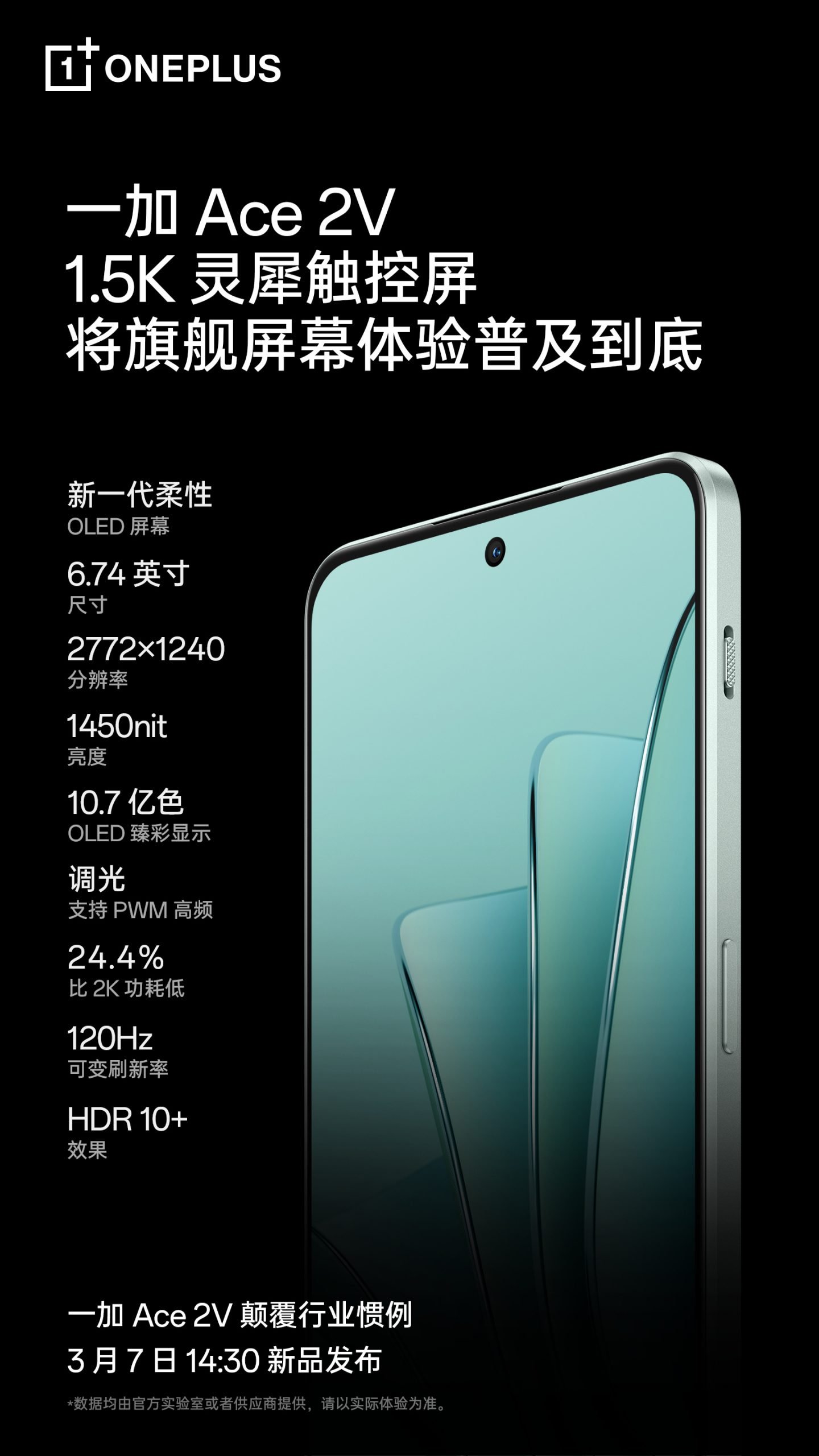
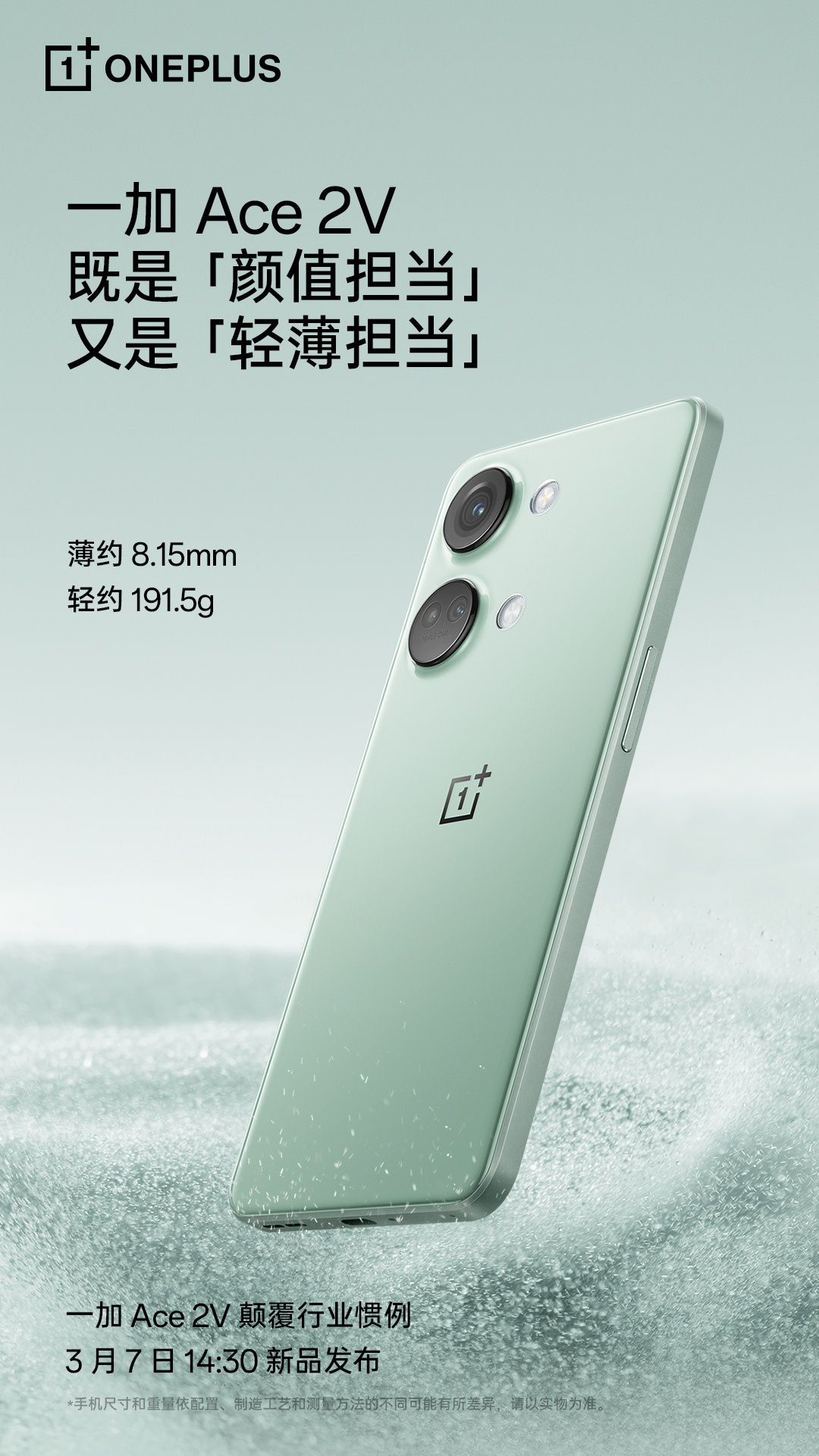
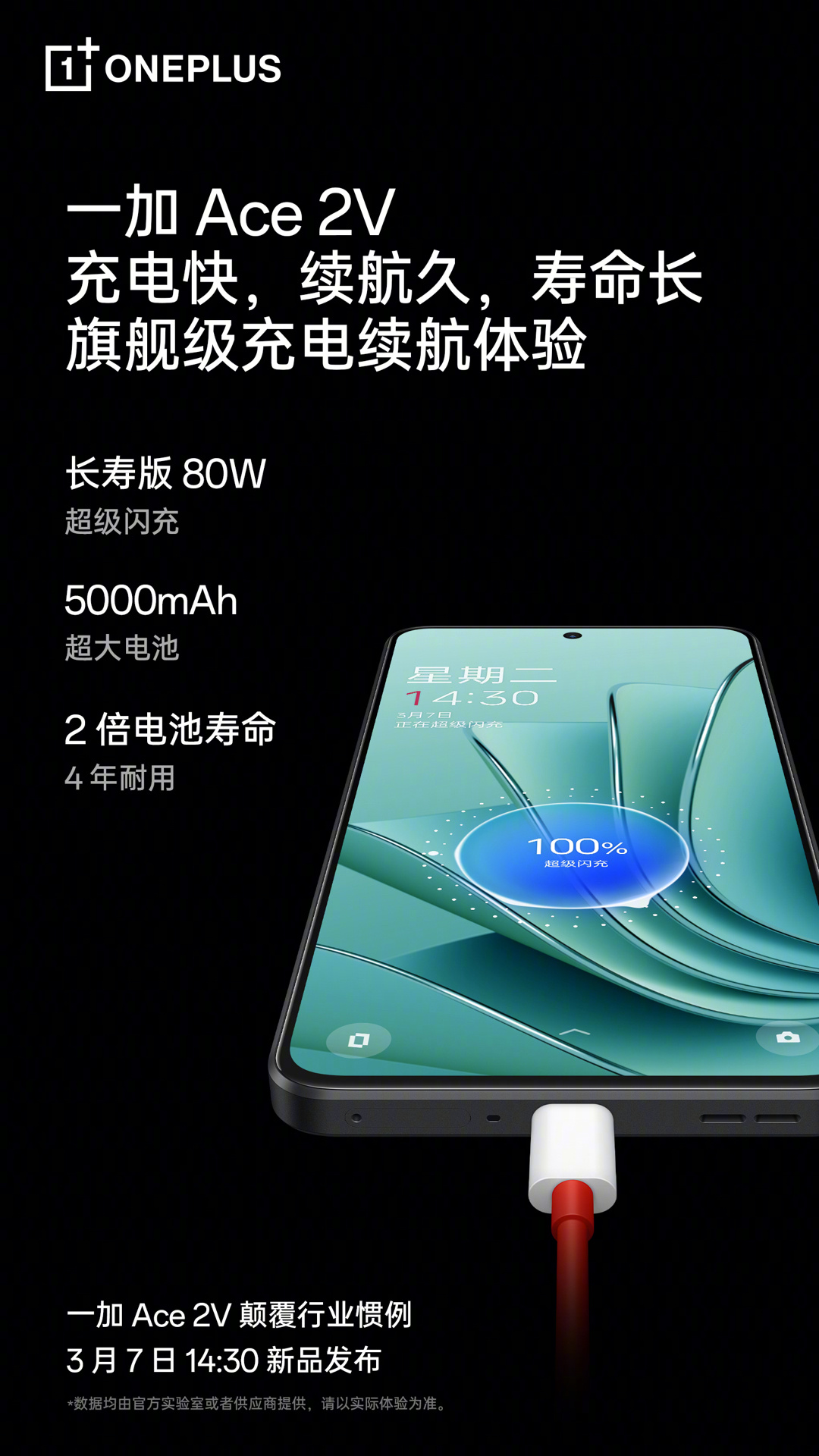
The OnePlus Ace 2V is the next Ace-branded phone for the Chinese market. It is scheduled to debut on March 7 in China. The Chinese manufacturer has released some new posters to reveal new details about the display, battery, and charging capabilities of the device.
The Ace 2V measures 8.15mm in thickness and weighs 191.5 grams. Despite sporting a slim profile, the device will pack a 5,000mAh battery with 80W charging support. As far as we know, the Ace 2V, which has a Dimensity 9000 chipset, will be priced lower than the OnePlus Ace 2, which came out in China in February and had a Snapdragon 8+ Gen 1 chipset.
OnePlus has also confirmed that the Ace 2V will have a 6.74-inch OLED display that supports a 1.5K resolution of 2772 x 1240 pixels, a 120Hz refresh rate, 10-bit colors, high-frequency PWM dimming, 1450 nits of brightness, and HDR 10+. Its power consumption is 24.4 percent lower than that of a 2K screen.
Other teasers released by the brand have revealed that the Ace 2V will come with Dimensity 9000 chipset, LPDDR5x RAM and UFS 3.1 storage. It is available in two configurations: 12 GB RAM + 256 GB storage or 16 GB RAM + 256 GB storage. The device will support 120fps in “League of Legends” and 90fps in “Game for Peace.” It will be equipped with game cloud computing technology for an enhanced gaming experience. Reports have revealed that it has a 16-megapixel front camera and 64-megapixel triple rear cameras.
Recent reports have claimed that the OnePlus Ace 2V will be rebranded as the OnePlus Nord 3 in the global market. The Nord 3 is expected to break cover in July of this year.
Motorola has some interesting smartphones in the pipeline. The company recently confirmed it is working on the new and improved Razr foldable. It won’t be launching before June, but we may soon get a flagship Moto Edge 40 Pro and a more affordable Moto Edge+. The two handsets have been making rounds on various certification sites recently. In the latest development, both edge series smartphones have bagged HDR10+ certification.
Motorola Edge+ 2023 and Edge 40 Pro have been spotted on the HDR10+ website by tipster Mukul Sharma. The listing suggests the two handsets will carry support for the video technology. For the unaware, HDR10+ is a video technology that adds dynamic metadata to HDR10 source files, allowing each frame to be optimized based on the display’s capabilities and the content creator’s intentions. This results in a more immersive and accurate visual experience for viewers.
As per previous reports, the Moto Edge+ 2023 will be a rebranded Moto X40, which was released in China late in 2022. The X40 brings a 6.7-inch 10-bit OLED display with a 165Hz refresh rate. It gets a Snapdragon 8 Gen 2 SoC under the hood and a triple camera unit on the back. There’s a 50MP primary sensor with OIS, a 50MP ultrawide, and a 12MP telephoto sensor.
Notably, Moto Edge 40 is said to be a rebadged Moto X40 Pro. The latter comes with a 6.6-inch curved OLED display bearing an FHD+ resolution and a 165Hz refresh rate. It is backed by a 4,600mAh battery unit with support for 125W fast charging and 15W wireless charging. There’s a 50MP OIS-enabled primary camera paired with a 50MP ultra-wide-angle unit and a 12MP telephoto lens.
Elon Musk unveiled the famous Tesla Master Plan 3 at the Investor Day event on March 1. The event conducted at Gigafactory Austin primarily focused on sustainable growth and development of the planet and gave very few details of the actual products and financials of the company. As the event progressed, Tesla’s share price dropped by almost 5%.
source: Tesla
Under Master Plan 3, CEO Elon Musk emphasized that Tesla will focus on creating sustainable and renewable energy not only for the company but for the whole planet. Over 80% of global energy comes from fossil fuels but only 1/3 of this energy is used for important work or to generate life-saving heat. Tesla will help to put an end to the consumption of fossil fuels and lead the world in sustainable energy. The company said that it would build a sustainable energy economy, as it not only helps the environment but also requires just 60% of the cost of fossil fuel investments.
source: Tesla
Tesla Plans to achieve its sustainable energy goals by adding renewable power sources, replacing gasoline vehicles with Electric variants, finding sustainable heating solutions for buildings, installing high heat delivery systems and hydrogen for industries, and building the current long-distance travel options like aircraft and ships with sustainable materials.
Basically, Tesla will involve in almost all fields of infrastructure that use fossil fuels to replace them with renewable and sustainable sources of energy, so that it can create a ‘Sustainable Energy Civilization’. Musk said that there’s no need to live without electricity or proper heating just to attain sustainability as there is a clear path to sustainable living that does not require the destruction of the natural habitat or any sacrifices on our part.
How will Tesla achieve its Ambitious Global Sustainable Energy Goals?
Tesla has projected a massive investment of $10 trillion to achieve its global sustainable energy goals. CEO Elon Musk said that though the number looks massive, it is nothing when compared to the global economy.
source: Tesla
The company plans to achieve its sustainability goals by increasing the world’s energy storage capacity by up to 240TWh. It plans to achieve this ambitious goal without plundering the major ores of the planet as unlike fossil fuels, sustainable energy requires less mineral extraction. The two major elements required for developing sustainable energy sources are Nickle and Iron. Musk said that Iron is one of the most abundant metals available on our planet and it will take less than 30% of available Nickel, to power the entire planet with sustainable energy. This means we can create sustainable and renewable energy without destroying the precious resources of the planet.
Musk further added that even though the infrastructure will take time and investment, it will take less than 0.2% of the area of our planet to install solar, wind, and other renewable energy sources that can power the entire world. In the end, he said that he wanted the day to be not just about Tesla investors who own stock, but really anyone who is an investor in Earth.
As a first step to fulfill its sustainable energy goals, Tesla has decided to not use any rare earth metals for making its next-gen vehicles.
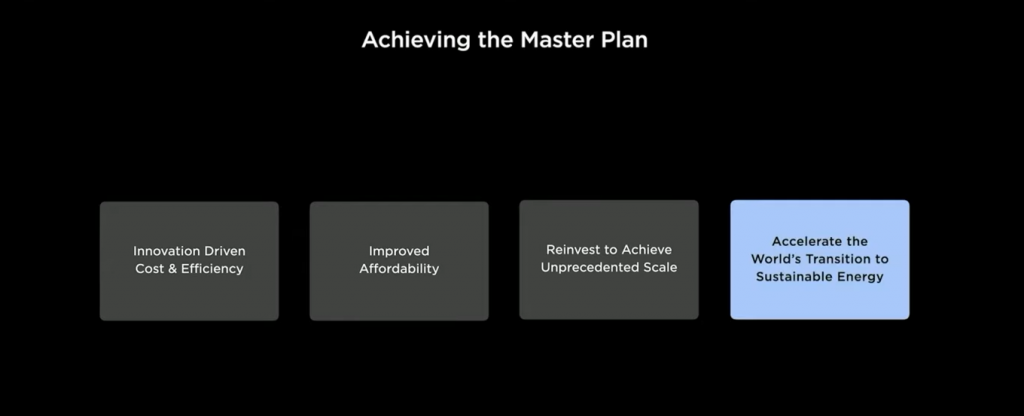
Tesla’s Master Plan 3 – Company-level Goals:
source: Tesla
Tesla will focus on cost-cutting, growth, and expansion in the coming years said Musk. The company will focus on efficient manufacturing processes, reducing costs, and expanding its presence in emerging markets. Tesla has already slashed up to 20% of its price for Model 3 and Model S. The price cuts have stimulated the dwindling demand and put the company back on track. To expand its manufacturing capacity, Tesla is building its sixth Gigafactory in Nuevo Leon, Mexico.
Tesla also demonstrated the novel ‘Unboxed Process’ during the Investor Day event. With this unique method, the company can build its vehicles all at once in the assembly line itself using parallel and serial assembly, with only the paint job requiring a separate process. This method will be used to make Tesla’s next-gen vehicles.
Investors were disappointed with Master Plan 3, as it did not include any details of new launches or products. Though the company has two mystery vehicles in the pipeline, it did not provide any details for the same.
Tesla Master Plan 2 – Unfulfilled Promises:
Tesla’s Master Plan 2, is considered a flop as the company could not realize most of its targets presented in that plan. Master Plan 2 which was unveiled in 2016, outlined the company’s major goals which included the creation of multiple new vehicles across major categories, achieving fully autonomous driving capability, launching Robotaxis that could help Tesla owners make money, and creating a robust solar energy business.
However, since 2016, Tesla has introduced only two new vehicle models, the Tesla Semi and Cyber Truck. After several delays, the company started delivering the Semi trucks just last year and the Cyber Truck is still under wraps with no definite timeline in place for its launch.
As for autonomous driving, Tesla has launched its Full Self Driving Hardware for an additional cost of $15000 but has still not achieved complete autonomy. And until the company makes fully autonomous, self-driving vehicles, it cannot even think of rolling out the Robotaxi project.
After the disappointment with Master Plan 2, investors were looking forward to some solid ideas and plans from the company in Master Plan 3. However, the company did not introduce any major products or plans during the event. When asked about Tesla’s upcoming products, Musk said that “We will have a proper sort of product event as we’d be jumping the gun if we were to answer that question.”
On Wednesday as the Investor Day event progressed, Tesla saw a 5% drop in its share price. Experts state that the price drop reflects the disappointment of investors who were looking forward to details of new products and services from the company.
The Chinese smartphone manufacturer OnePlus is preparing to launch the OnePlus Nord CE 3, the successor to OnePlus Nord CE 2 5G. The launch is expected to take place in July, as per the latest leak by OnLeaks. It’s worth noting that the current leak’s specifications differ from those leaked in November for the Nord CE 3. As per OnLeaks, OnePlus’ plans have evolved since November, and the earlier leaks actually pertained to the OnePlus Nord CE 3 Lite.
As per the latest report revealed by MySmartPrice, the OnePlus Nord CE 3 will feature a 6.72-inch Full HD+ AMOLED display with a 120Hz refresh rate and an in-display fingerprint sensor for security. The smartphone will be powered by an octa-core Snapdragon 782G processor.
The device will be available in two variants – 128GB/256GB of internal storage and 8GB/12GB of RAM. It will sport a triple-camera setup consisting of a 2MP macro lens, an 8MP ultra-wide camera, and a 50MP primary sensor. The front camera will have a 16MP pixel. The smartphone will be powered by a 5,000mAh battery that supports 80W rapid charging.
This is the current information available on the much-awaited OnePlus Nord CE 3 that is slated to be available this summer.
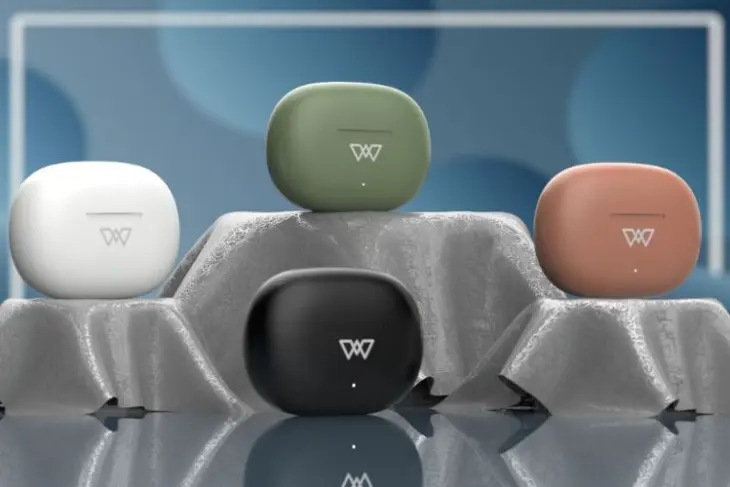
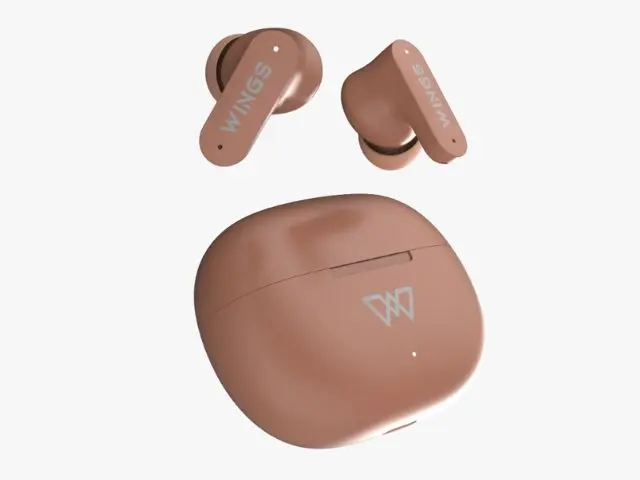
Wings, a popular audio and accessory brand for gaming, has introduced its new Phantom 315 TWS earbuds in India as part of its Phantom series. The earbuds are designed to compete with other affordable TWS options such as those from Noise, boAt, and Fire-Boltt, with an effective price below Rs. 1000.
Wings Phantom 315 specs
The Phantom 315 TWS features 13mm high-fidelity composite drivers that ensure an improved audio experience, perfect for both gaming and music streaming.
The TWS boasts an in-ear design and comes with a compact oval-shaped charging case. The earbuds are equipped with quad microphones enabled by Environmental Noise Cancellation (ENC) that reduce unwanted background noise and provide clear calls. Additionally, the Phantom 315 TWS features a Game mode with 40ms ultra-low latency for seamless and lag-free gaming sessions.
The earbuds offer a maximum playback time of 40 hours (10 hours for the earbuds and up to 30 hours for the charging case). Touch controls enable users to move forward or backward, activate the game mode, adjust the volume, and play or pause songs.
Moreover, the earbuds support USB Type-C charging and both SBC and AAC codecs. They are also rated IPX5, making them sweat and water-resistant.
Price & availability
The Wings Phantom 315 is available in Green, Orange, White, and Black colors, priced at Rs. 899. Customers can purchase the earbuds on Wingslifestyle.in, Flipkart, and Amazon.
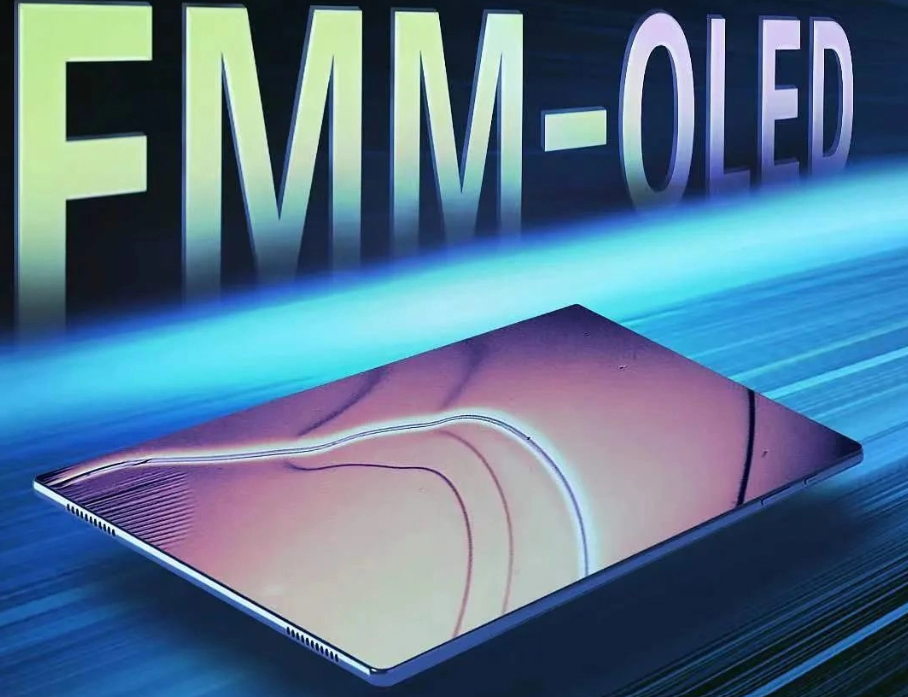
TCL CSOT today announced it has developed an ultra-thin and light tablet display, which has been optimized and upgraded on OLED display technology and offers high image quality. The panel is also claimed to offer a high refresh rate and screen-to-body ratio. It is built using precision touch technology and could be a new breakthrough.
Reports indicate that TCL CSOT has conducted significant optimization efforts in the realm of panel picture quality and color, surpassing the capabilities of traditional technologies. With a maximum resolution of 4K, the display technology of the company enables media content to appear more refined and vividly clear.
Additionally, the color gamut coverage is on par with that of professional cinema screens, providing a full spectrum of colors at 100% DCI-P3 coverage. This technology can still support the screen refresh rate of 60/120Hz at 4K resolution. It can quickly detect the dynamic switching of low frequencies, ensuring a smooth experience while reducing power consumption.
In addition, TCL CSOT has used an extremely narrow bezel technology on the display, which can achieve a screen-to-body ratio of up to 96%, bringing a wider field of vision. TCL CSOT has transformed touch control by replacing traditional plug-in technology with a built-in solution called DOT (Direct on-cell Touch).
This innovative technology seamlessly integrates touch and display elements directly into the panel, resulting in a thinner screen and increased internal space. Additionally, it supports active pens and boasts an impressive touch sampling rate of 240Hz.
We use cookies on our website to give you the most relevant experience by remembering your preferences and repeat visits. By clicking “Accept”, you consent to the use of ALL the cookies.
This website uses cookies to improve your experience while you navigate through the website. Out of these, the cookies that are categorized as necessary are stored on your browser as they are essential for the working of basic functionalities of the website. We also use third-party cookies that help us analyze and understand how you use this website. These cookies will be stored in your browser only with your consent. You also have the option to opt-out of these cookies. But opting out of some of these cookies may affect your browsing experience.
Necessary cookies are absolutely essential for the website to function properly. This category only includes cookies that ensures basic functionalities and security features of the website. These cookies do not store any personal information.
Any cookies that may not be particularly necessary for the website to function and is used specifically to collect user personal data via analytics, ads, other embedded contents are termed as non-necessary cookies. It is mandatory to procure user consent prior to running these cookies on your website.