Google has announced its new conversations artificial intelligence (AI) technology called Bard, which the company says will start rolling out in the coming weeks, without specifying a date.
Bard, which will directly compete with ChatGPT created by OpenAI, is powered by Google’s large language model called Language Model for Dialogue Applications (LaMDA).
Google has revealed that it will open up this new technology to “trusted testers” before making it available for a wider range of audience or before the public release.
Making the announcement, Sundar Pichai, CEO of Google, said: “Soon, you’ll see AI-powered features in Search that distill complex information and multiple perspectives into easy-to-digest formats, so you can quickly understand the big picture and learn more from the web: whether that’s seeking out additional perspectives, like blogs from people who play both piano and guitar, or going deeper on a related topic, like steps to get started as a beginner.”
The development comes after an all-hands meeting was organized at Google where employees raised concerns about the company’s competitive edge in the Artificial Intelligence technology space because of the sudden rise in popularity of ChatGPT. As per the reports, Google’s AI chief, Jeff Dean, responded by saying that the company can suffer reputation risk in providing wrong information, and that’s why it is taking slow and cautious steps before rolling out more AI-based features.
As of now, Google has not revealed more details about Bard and what the technology will actually be capable of, apart from giving a couple of examples. However, we expect to get more information in the upcoming “Google Presents” event, which is scheduled to take place on 8th February in Paris.
Apple has been rumored to be working on new iPad and MacBook models featuring an OLED display, but it hasn’t materialized so far. But now, it seems that the Cupertino-based tech giant is finally inching closer to launching devices having OLED panels.
According to the latest report coming from ETNews, Samsung and LG, which supply display panels to Apple, have started preparing their factories for the mass production of the first iPads with OLED displays.
Apple iPad
The report further adds that the screen will be a hybrid one as it uses a combination of flexible and rigid OLED technologies. Earlier, it was reported that iPad Pro models would have “two-stack” OLED displays with two red, green, and blue emission layers for increased brightness.
The screen is also expected to come with support for ProMotion for up to a 120Hz refresh rate. OLED panels have self-emitting pixels and do not require backlighting, allowing for a higher contrast ratio, greater color accuracy, and lower power consumption.
Currently, Apple is using OLED displays for the Apple Watch and the iPhone models, but the company is yet to adopt them for larger screen devices like tablets and laptops.
Some time back, Ross Young revealed that Apple is planning to launch 13-inch MacBook Air, 11.1-inch iPad Pro, and 13-inch iPad Pro with OLED panels in 2024. Meanwhile, there are rumors of the Apple iPhone Ultra featuring a microLED display when it goes official next year.
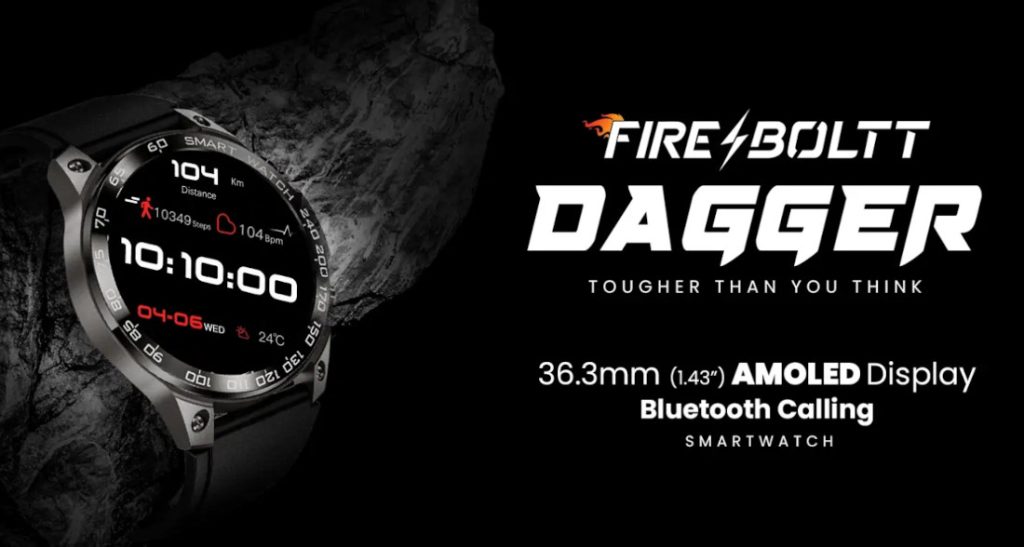
Indian smartwatch manufacturer Fire-Boltt has been on a release spree in recent times. Not long after the release of the Cobra and Talk Ultra smartwatches, the company has now launched not one but two new smartwatches at the same time. The smartwatches are keeps up with the interesting naming style Fire-Boltt adopts as they are dubbed Fire-Boltt Stardust and Dagger.
The Fire-Boltt Dagger adopts a circular dial design with a 1.43-inch AMOLED display. The display provides crisp, clear, and vivid image quality, thanks to the 466 x 466 pixels resolution. The watch frame is made from metal, giving it a premium and stylish look.
On the other hand, the Fire-Boltt Stardust utilizes the square dial design made popular by Apple Watch models. The Stardust packs a larger 1.95-inch AMOLED display with a resolution of 320 x 385 pixels. The display size doesn’t affect the wieght of the watch as it is said to retain a compact and lightweight form factor that makes it easy to wear all day long with any form of fatigue.
The two new Fire-boltt smartwatches come with an in-built microphone and speaker, enabling users to make and receive calls without having to take out their phone. Perhaps, one of the most outstanding features onboard both models is the support for Bluetooth calling. This feature allows users to make calls directly from their wrists once it is paired with a smartphone. The watches also come with a quick dial pad, and call history, and can sync contacts from a connected smartphone.
The Fire-Boltt Dagger and Stardust smartwatches also have several fitness and health monitoring features. They are equipped with over 100 workout modes, including regulars such as running, cycling, swimming, walking, and many others. You also get health monitoring features such as sleep tracking, SpO2, and heart rate monitoring, and more.
The two new smartwatches also feature support for smart notifications. They come with an IP68 waterproof rating making them ideal for outdoor activities and water sports. The watches also come with in-built games.
As for the prices, the Fire-Boltt Dagger comes with a price tag of Rs. 3,499 ($42). The watch is available in three color options: Grey, Black, and Green. The square-shaped Fire-boltt Stardust smartwatch is priced at 2,499 ($30) and is available in Grey, Black, and Pink colors. While the Dagger is available for purchase on Amazon India and the Fire-Boltt website, the Stardust is presently available only on Flipkart.
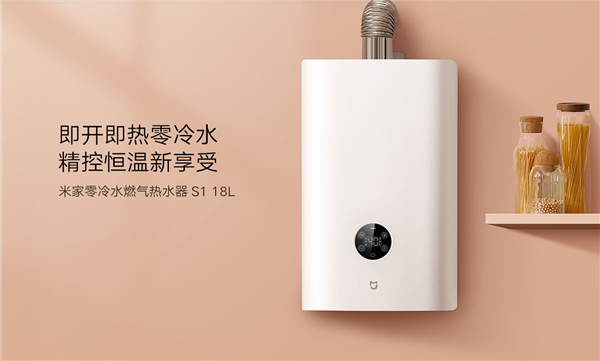
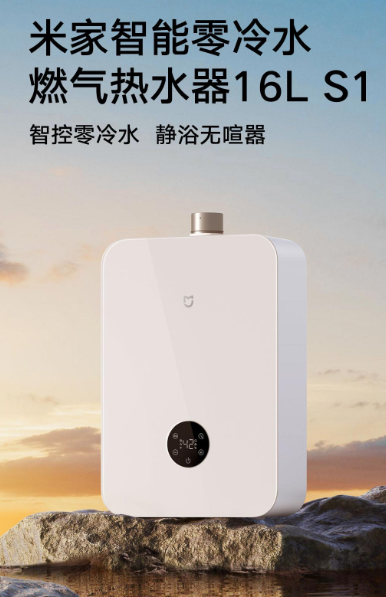
Xiaomi has unveiled the MIJIA Smart Zero Cold Water Gas Water Heater 16L S1 in China. The new Xiaomi gadget is a smaller version of the MIJIA Water Heater S1 18L launched in 2021. This model will be available via crowdfunding on Xiaomi Mall and Xiaomi Youpin.
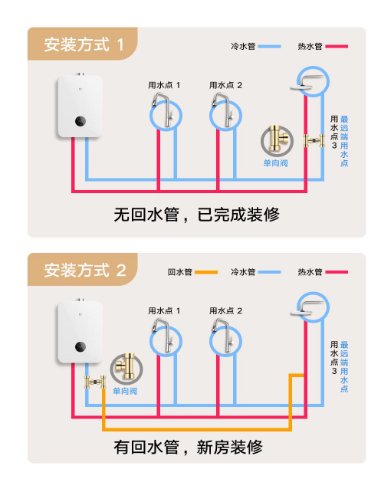
The new MIJIA Smart Zero Cold Water heater 16L S1 can be easily installed at home. The installation does not require changing the internal piping architecture. It can also be installed with or without a return pipe. The return pipe installation method provides some aesthetics for the house. The gadget adopts the MIJIA 6-layer three-dimensional noise reduction technology and is equipped with an air inlet muffler. In addition, the water heater features sound-absorbing cotton, 16 rows of broadband combustion components, and fan turbine optimization.
The MIJIA Smart Zero Cold Water Gas water heater has the CCLC and CQC level 1technical certifications and has broadband constant temperature technology. The water heater has a wind resistance greater than 350Pa and can sufficiently withstand wind speeds up to level 9. The heater’s high-performance supercharged engine has a lift of 9 meters and a waterway of 100 meters. It can easily be deployed in high-rise buildings and old houses.
The water heater supports four operational modes – scheduled preheating, water-controlled preheating, one-key preheating, and linkage preheating. It supports incorporation into the MIJIA smart home ecosystem via the MIJIA app. The remote activities include water temperature adjustment, remote switching, and status monitoring. The water heater has a quadruple antibacterial purification system, with up to 99% protection.
Xiaomi is offering a three-year warranty on the MIJIA Smart Zero Cold Water Gas water heater 16L S1. The crowdfunding price for the MIJIA Smart Zero water heater is 1,799 yuan (~$265). The product will revert to its original price of 2,299 yuan (~$339) after the crowdfunding campaign.
There are indications that DJI will launch its first product of 2023 this week. A leak points to the unveiling of the DJI Mini SE drone on February 9. If confirmed, the launch is coming much earlier than previously projected. The Mini 2 SE is a product tailored to meet the demands at the lower end of the price spectrum.
shows some part of the rumored Mini SE being slipped into a coat pocket. The text in the original ad was in Chinese but with a clear indication of the date of release. As per the teaser, the Mini 2 SE will be released on 2023.02.09| at 11:30. Not many surprises are expected from the Mini 2 SE, as per its specs. The product will mainly fill the gap in pricing with more expansive and powerful DJI drones. It will probably feature some tech and component downgrades to suit its price tag.
The trajectory of rumors relating to the DJI Mini 2 SE shows an increasing connection to inside information. Last week, photos of the Mini 2 SE surfaced with specs and high-resolution images of the drone. It weighs below 249g, delivers 2.7K video, and has a flight time of 31 minutes. The drone also has a 10km video transmission capability which is slightly lower than the Mini 2 drone. It may feature an improved camera or come with more powerful connectivity between the drone and its ground controller.
Drone tipsters and industry experts are tipping the DJI Mini 2 SE as the next entrance-level drone from the world’s leading drone maker. Much about the DJI Mini 2 SE still falls under the realm of speculation. Official details will however surface on the eve of its release.
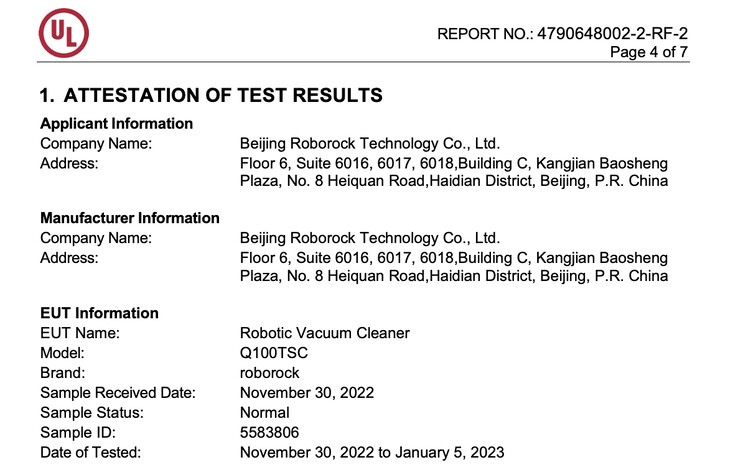
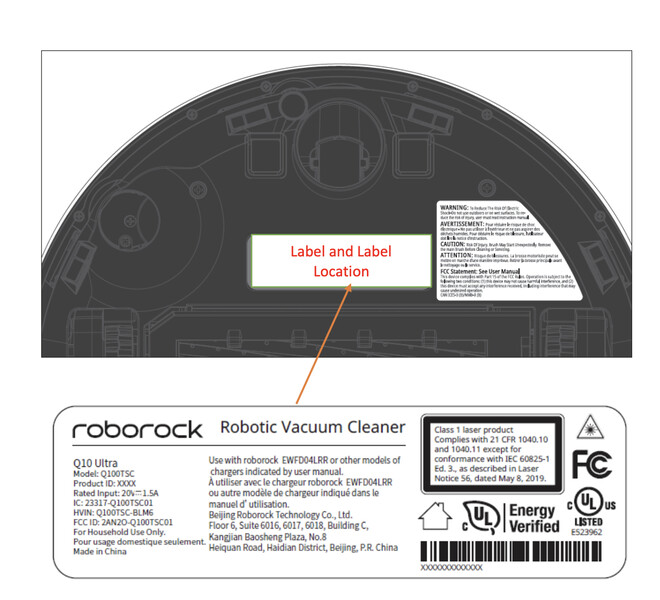
New certifications from the United States Federal Communications Commission (FCC) have thrown light on the Roborock Q10 Ultra. The new robot vacuum cleaner will be available in at least two variants. The FCC entry suggests that Roborock is planning to release a new robot vacuum lineup. Two Q10 Ultra listings were specified in the FCC documentation, pointing to two models in the lineup.
The Roborock Q10 Ultra will be the successor to the Roborock Q7 series. The company has also released a new iteration of the S series. In January, Roborock unveiled the S8, S8 Plus, and S8 Pro Ultra during CES 2023. Some recent additions to the Q series are the Roborock Q5 and the Q7 Max+. Roborock has continued to carve a niche for itself with its top-notch robot vacuum cleaning solutions.
The Roborock Q10 Ultra is set to enter the US market. The FCC listing of the models is indicative of their imminent launch. The FCC certification for the Q10 Ultra was twice. The FCC has published the documentation for the Q100TSC01 and the Q100TSC02. The two models could be differentiated by their empty docks. There are no differentiating details in the FCC listing except for their different model numbers. No release date is known yet but we can expect that to be soon.
The likely markets where the Q10 Ultra will berth include the US, Europe, and the UK. Roborock has, however, not made any official statement about its yet-to-be-released robot vacuum cleaner.
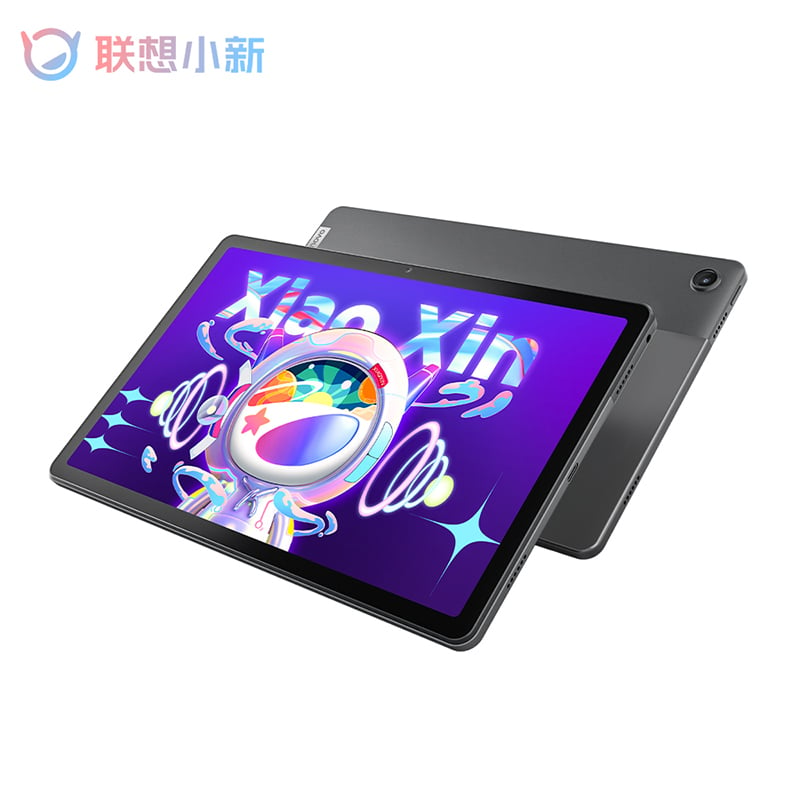
Lenovo Xiaoxin series tablets are quite popular in China and these devices also launch in the global market but with a different name. The latest tablet in the series is the Lenovo Xiaoxin Pad 2022. Launched in May last year, the tablet packs a large 10.6-inch display and a Snapdragon 680 processor under the hood. Today, the company has introduced a new 4GB + 128GB storage variant of the slate in China. Here are the details.
The 4GB RAM and 128GB storage version of the Lenovo Xiaoxin Pad comes with a price tag of 1099 yuan ($162). However, it will be available for purchase at a discounted price of 999 yuan ($147). The specifications of the tablet remain the same as the original model.
Lenovo Xiaoxin Pad 2022 specifications
The Lenovo Xiaoxin Pad 2022 flaunts a 10.6-inch LCD panel with a resolution of 2000 x 1200 pixels. There’s an 8MP camera on the front while the rear houses an 8MP snapper without an LED flash.
Under the hood, the Lenovo tablet is powered by the Snapdragon 680 chipset with 4 GB / 6 GB of RAM and 64 GB / 128 GB of onboard storage. There’s also a microSD card slot to allow users to expand the storage further. On the software front, the tablet comes preinstalled with Android 12 OS.
The Xiaoxin Pad 2022 is fueled by a 7,700mAh battery that supports 20W charging. The device measures 251.2 x 158 x 7.45mm and weighs 465 grams. Other notable features of the tablet include quad speakers with Dolby Atmos support, Wi-Fi 802.11ac, Bluetooth 5.1, and a USB-C port.
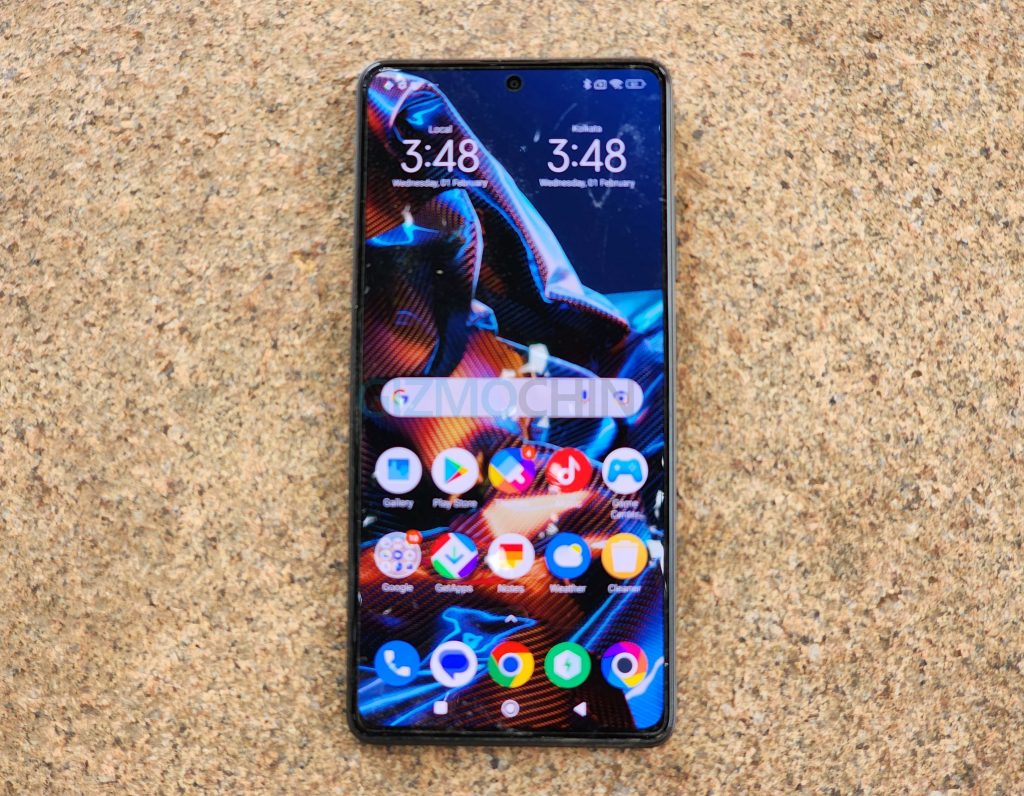
The Poco X5 Pro 5G has finally gone official in India and global markets after weeks of leaks. It is the successor to the well-received POCO X4 Pro 5G, which debuted last year. Priced at Rs 22,999, the X5 Pro rivals the likes of the Redmi Note 12 Pro 5G, Realme 10 Pro Plus 5G, Redmi K50i 5G, Motorola Edge 30, and Samsung Galaxy A23 5G, to name a few. Our Poco X5 Pro 5G will arrive around its first sale, which will be in the coming week for India. Here is what I think about the device after using it for a couple of days.
Poco X5 Pro 5G Design, Specifications
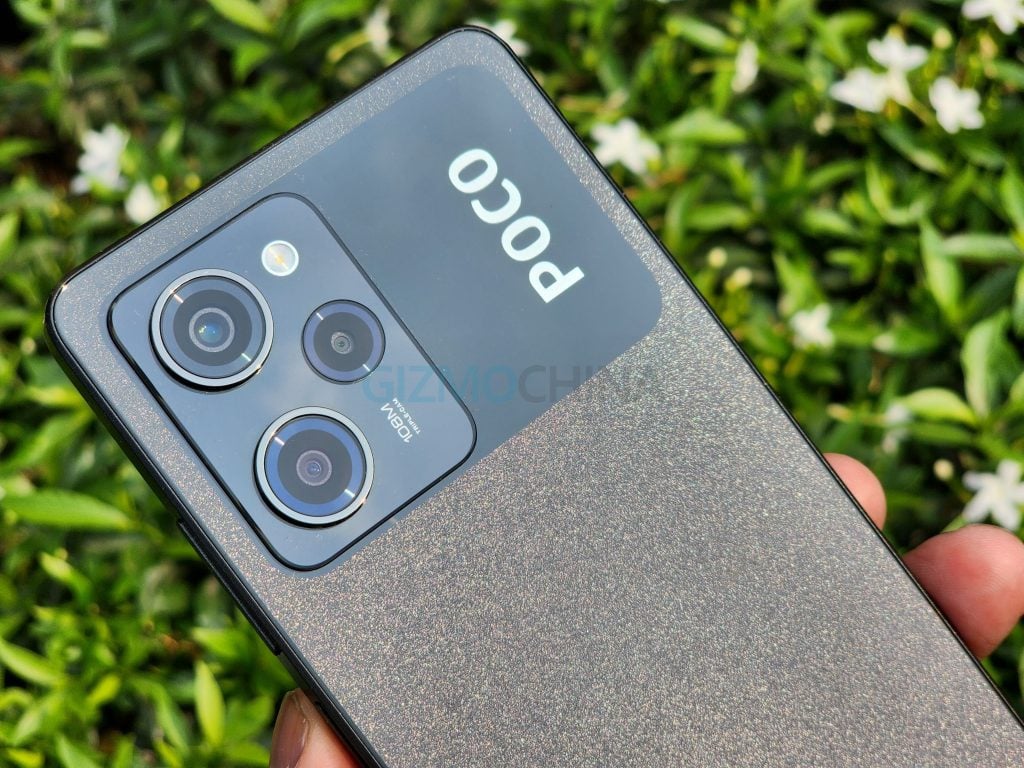
The Poco X5 Pro 5G continues to sport a similar design language as its predecessor. On the front, it has an AMOLED display with a centred punch hole. There is Gorilla Glass 5 protection for the display and IP53 water resistance. The back of the phone is made of polycarbonate and has a matte finish. There is a glossy rectangle-shaped block on the back that holds the three cameras, an LED flash, and the Poco logo. The glossy portion can easily attract fingerprint marks, but it is not a major issue. The camera bump on the back has been reduced as compared to its predecessor.
POCO X5 Pro 5G
For review, I received the Astral Black edition of the X5 Pro from Poco. People who prefer a lightweight device will be happy to know that the device weighs 181 grams and has a thickness of 7.9mm. The predecessor model had a similar thickness but weighed 205 grams. The X5 Pro has flat edges housing an IR blaster, dual speakers, a USB-C port, a SIM slot, a side-facing fingerprint scanner, and a 3.5mm audio jack. While the predecessor featured a microSD card slot, the X5 Pro lacks it.
The 6.67-inch AMOLED display available on the Poco X5 Pro 5G supports a Full HD+ resolution, an adaptive refresh rate of 120Hz, 10-bit colors, and 1920Hz PWM dimming. With Dolby Atmos tuned dual speakers and support for Dolby Vision and HDR10, the X5 Pro is a good companion for enjoying streaming content on OTT platforms.
The Snapdragon 778G mobile platform, LPDDR4x RAM, and a 5,000mAh battery are present under the hood of the Poco X5 Pro 5G. While fans may have expected the device to come loaded with Android 13, the device comes preinstalled with the Android 12 OS. What’s good about the OS experience is that it is the first MIUI 14 phone to release outside of China. One thing I noticed about the Indian variant is that it ships with an MIUI dialer instead of a Google dialer. I am not sure whether it is the same about the global edition. The X5 Pro owners will get two years of Android OS upgrades as well as four years of security updates.
POCO X5 Pro 5G
The Poco X5 Pro packs a 5,000mAh battery with 67W fast charging. For heat dissipation, there is a 12-layer graphite cooling heat dissipation unit. The device offers up to 5 GB of virtual RAM, which is taken out of the UFS 2.2 storage.
The Poco X5 Pro has a 16-megapixel camera on the front. Its rear camera setup has a 108-megapixel Samsung HM2 primary camera, which supports up to 4K video recording at 30fps. By default, it shoots 12-megapixel images by merging nine sensor pixels into one 2.1µm pixel. The main camera is accompanied by 8-megapixel ultra-wide and 2-megapixel macro cameras.
The performance-driven phone has all the ingredients for those who are looking for a midrange phone for gaming or content consumption. To sum up, the X5 Pro looks desirable for everything that it offers at a reasonable price.
Poco X5 Pro 5G Price
The Poco X5 Pro 5G has arrived in two options: 6 GB RAM + 128 GB storage and 8 GB RAM + 256 GB storage. Apart from Astral Black, it is available in POCO Yellow and Horizon Blue.
In the global market, it goes on sale on Feb. 7. Both variants are priced at $299 and $349, respectively, in the global market. The early bird prices for both modes are $249 and $299, respectively.
In India, the Poco X5 Pro’s two variants are priced at Rs 22,999 and Rs 24,999, respectively. Flipkart will conduct its first sale at 12 pm on Feb. 13. The launch offers include no-cost EM starting at Rs 3,645 per month, Rs 2,000 instant cashback on an ICICI Bank credit card, credit/debit EMI transactions or Rs 2,000 exchange bonus. With the offers, buyers in India can get the Poco X5 Pro 5G for as low as Rs 20,999.
If you would like to know something about the Poco X5 Pro 5G, you can make use of the comments section below.
Realme GT Neo 5 will be launched in China on February 9 with loads of impressive features, including 240W fast charging technology, IR blaster, multi-colour LED strip, and much more. However, it seems the smartphone will not debut in the global market, at least not with the same name. The GT Neo 5 could in fact arrive internationally in the form of Realme GT 3. Here are the details.
OnLeaks recently shared the retail box image of the Realme GT 3, which reveals the smartphone will support 240W fast charging. This might suggest that the GT 3 will be rebranded Realme GT Neo 5 for the global market. However, this is just an assumption and the company is yet to reveal any details on this matter.
The Realme GT 3 will succeed last year’s GT 2. If the device is indeed a rebadged GT Neo 5, we can expect it to have a large 6.7-inch AMOLED display with a high resolution of 2772×1240 pixels and support for up to 144Hz refresh rate.
The device could have 12GB LPDDR5x RAM and up to 256GB UFS 4.0 RAM. Under the hood, it may be powered by a Qualcomm Snapdragon 8 Gen 1+ chip. For photography, the device may get a triple camera system on the back with a 50MP primary camera, an 8MP ultra-wide camera, and a 2MP macro camera. The front may house a 16MP sensor for selfies.
The design of the GT 3 may also be the same as that of the GT Neo 5. We may see a large camera module with two circular rings housing the cameras. Additionally, an IR blaster and RGB lights may also be included in the device.
There is a rumor on Chinese social media that the homegrown C919 Passenger Jetliner has failed its verification test. The aircraft scheduled to fly from Shanghai to Hefei via Beijing on February 1, faced a mid-flight technical issue and returned back to Shanghai.
As per the reports, there was some complication with the left-handed thrust lever, due to which the pilot was forced to turn back the flight mid-air. This flight was part of the 100-hour verification process required for the aircraft to be certified to fly passengers.
The incident has put a dent in China’s aviation dreams as the C919 was supposed to put China on the global aviation map.
C919 Jetliner is China’s first indigenous passenger aircraft, scheduled to fly commercially this spring. Manufactured by COMAC (Commercial Aircraft Corp of China), the Jetliner holds a very important position in China’s geopolitical and economic policies.
China is the largest aviation market in the world with the number of domestic air passengers increasing every year. It ranks second in air passenger traffic right behind the US and is expected to outgrow America by 2040. To leverage the economic advantage of this huge market, Beijing is trying to create an independent aircraft that can take on industry giants like Boeing and Airbus.
China established the COMAC in 2008 in Shanghai to fulfill its civil aviation goals. COMAC is a state-owned design and manufacturing company that makes large and mid-sized passenger aircraft for the country.
The C919 jetliner is the first independent passenger aircraft designed and developed by COMAC that fits the international standards of airworthiness. The airworthiness standards are special technical and safety standards established to ensure civil aircraft’s airworthiness.
C919 is a twin-engine, single-aisle short to medium-range passenger aircraft that features a standard range of 4075 km and a maximum range of 5555 km. The aircraft comes with a price tag of $99 million, which is cheaper than the $122 million Airbus A320 and $111 million Boeing 737 Max. The C919 had its first successful maiden flight in 2017 and is now conducting the final certification procedures.
Despite the failed flight on February 1, the aircraft took another successful flight to Urumqi International airport on February 4. This was the jetliner’s first long-range demonstration flight, taken to evaluate cabin comfort. The aircraft is officially sold to China Eastern Airlines and will make its maiden passenger flight sometime in the spring of this year
Lenovo has today launched a new desktop CPU in the Chinese market. The Lenovo Legion Blade 7000k 2023 has been officially launched by the brand. The gadget comes with many interesting features and specifications such as RTX 4070 Ti graphic card and Intel Core i7 chipset. It’s an already-built CPU which is ready to use and can be used in any device by simply connecting in one go. It further comes with many additional features like RGB light support and much more.
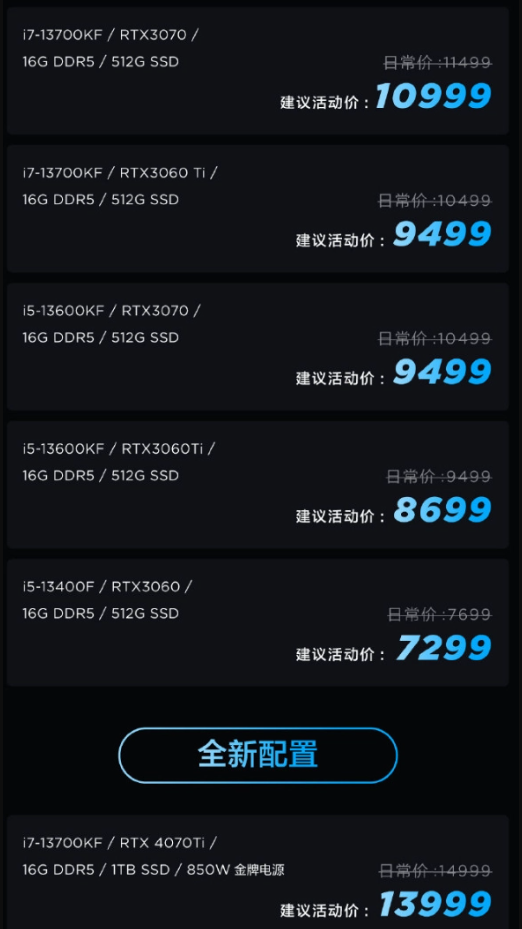
With regard to the Legion Blade 7000k 2023’s technical specifications, it is powered by an Intel Core i7-13700KF CPU with 16 cores, 24 threads, and a 5.4GHz turbo frequency. The machine has a 12GB Nvidia RTX 4070 Ti graphics card, 16GB of DDR5 memory, and a 1TB SSD. The new Blade 7000K adopts a colourful logo, has a windscreen at the air intake, employs RGB fans, is equipped with a matrix cooling 5.0 Pro system and has a 181W CPU tower radiator. The brand has further added support for SSD cooling vests in both of the motherboard slots. This ensures that the device works at a cooler temperature while providing you with the best possible performance.
The system also has an 8-phase power supply and can release 253W of immediate CPU power. The device includes four SATA extension slots, two M.2 SSD slots, four memory slots, and two M.2 SSD slots. In terms of networking, it supports Wi-Fi 6 wireless and 2.5G wired network cards. An 850W full-module power supply powers the network card.
Additionally, Windows 11 is pre-installed on the device. Regarding cost and availability, the device is offered in a variety of configurations, with the most expensive model costing CNY 14999 (~$2200). Complete pricing and variant information may be seen in the images above. Users who are interested can book them because the mechanism is already set up for pre-booking across the nation. So that wraps up our report on the introduction of the new Lenovo Legion Blade. Many thanks for reading this post all the way through.
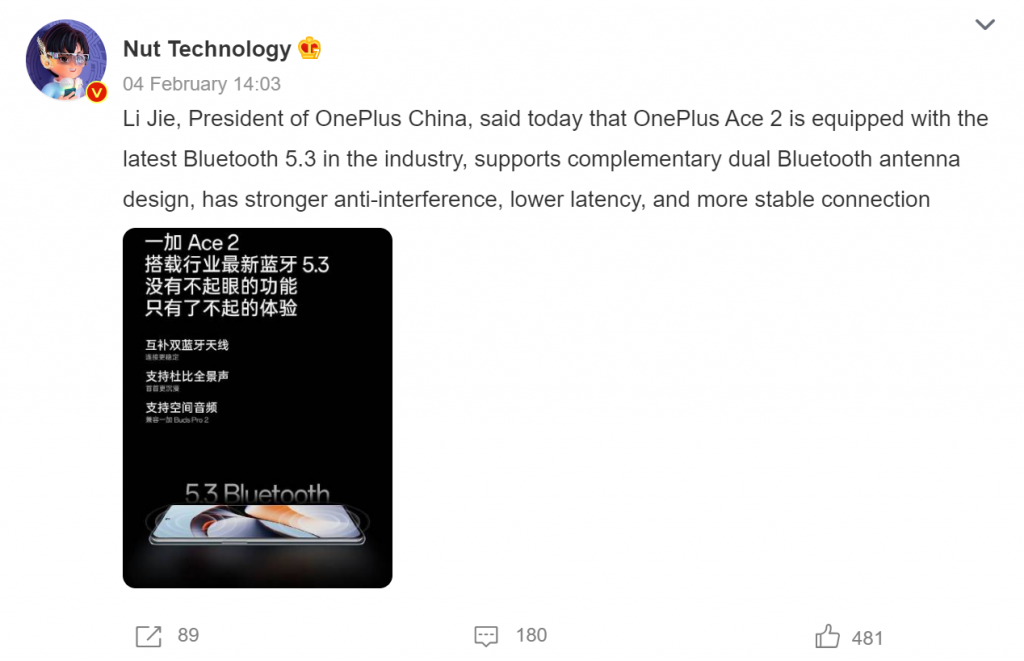
OnePlus is expected to officially announce the OnePlus Ace 2 smartphone alongside other products on Tuesday. Ahead of the unveiling, the company has shared several teasers that have given us an idea of what to expect. The latest teasers shared by OnePlus CEO Li Jie confirm that the device will ship with the latest Bluetooth 5.3 technology.
The Bluetooth 5.3 technology will bring features such as stronger anti-interference, lower latency, and a more stable connection compared to previous versions. The device has a dual Bluetooth antenna design, providing a seamless experience.
The teaser also confirms that the Ace 2 will come with Dolby Atmos technology. The technology will obviously deliver an immersive audio experience to users. Users will also be getting support for spatial audio on the Ace 2. Thus, the smartphone will be compatible with the upcoming OnePlus Buds Pro 2 flagship headset. The spatial audio technology will provide users with an even more immersive experience, whether they are watching movies, playing games, or listening to music.
Earlier teasers and leaks show that the OnePlus Ace 2 will be powered by the Snapdragon 8 Plus Gen 1 flagship chipset and up to 16 GB of LPDDR5 RAM. The device will come with up to 512 GB of UFS 3.1 storage. The 5,000mAh battery onboard will be charged faster as the device is said to come with 100W SuperVOOC charging with the SuperVOOC S power management chip. The chip is said to enhance the phone’s battery life. charging. OnePlus also promised that the fast charging will only require 10 minutes to go from 0 to 50 percent.
In terms of imaging, the Ace 2 is expected to come with a Sony IMX890 flagship sensor. This has also been confirmed. The IMX890 is the same primary sensor onboard the OnePlus 11 and the company claims it is tuned by the same team that worked on the OnePlus 11. Also, the camera will have support for optical image stabilization (OIS) and uses the same RAW domain lossless computing technology onboard the flagship OP 11.
We’ll bring you more details about the OnePlus Ace 2 when it is officially announced tomorrow.
iQOO Neo 7 will be making its India debut on February 16. While most details about the smartphone have already been revealed, a new report is here with its benchmarking scores on different platforms. The Neo 7 will arrive as the country’s first smartphone powered by MediaTek’s Dimensity 8200 SoC and these scores help us understand how the chipset holds up in the real world.
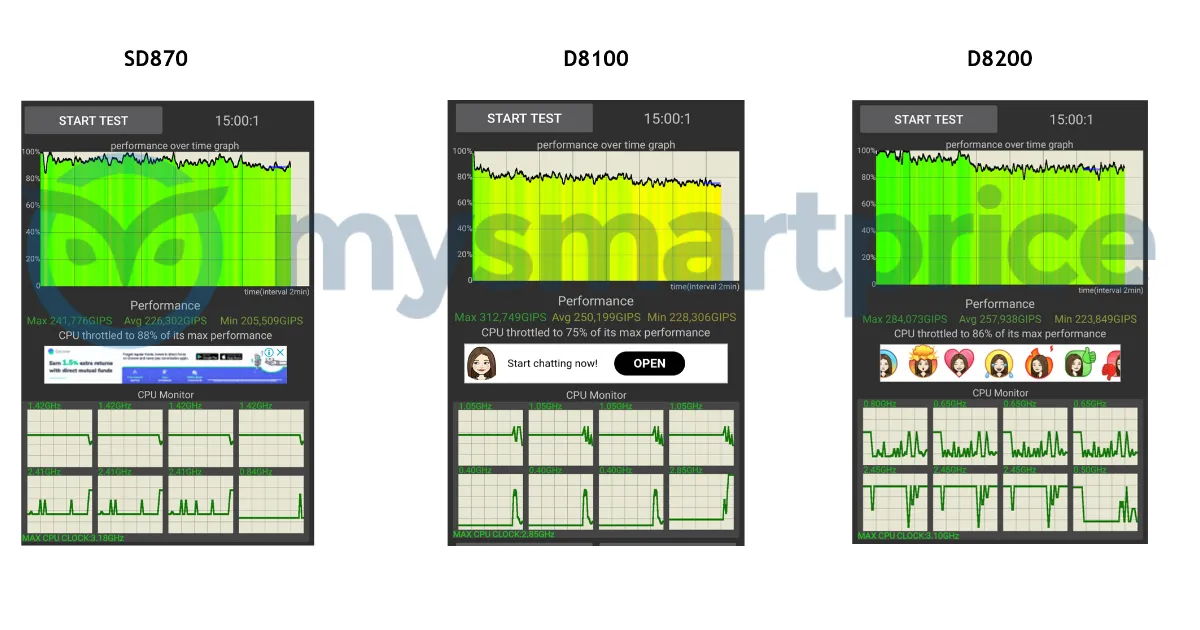
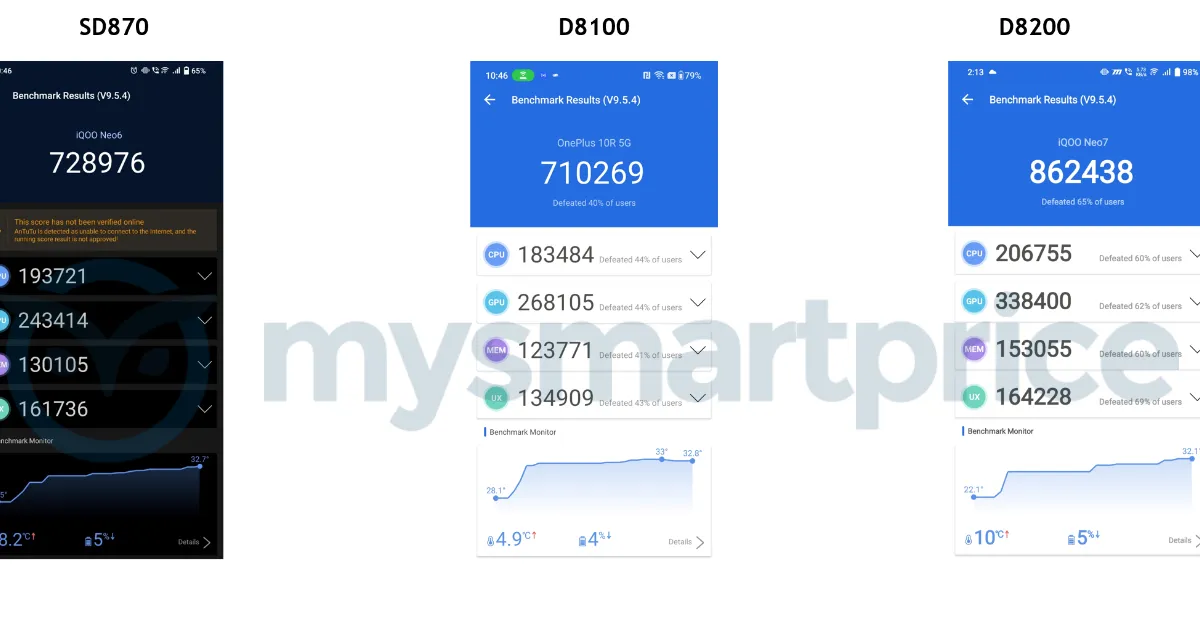
MySmartPrice has shared iQOO Neo 7’s AnTuTu, CPU Throttling as well as Wildlife Stress test results. The numbers show Dimensity 8200 chip offers a significant improvement over its predecessor— The Dimensity 8100.
Dimensity 8200-powered iQOO Neo 7 has reportedly scored 8,62,438 points on AnTuTu. For reference, the Dimensity 8100 scored 7,10,269 points and the Snapdragon 870 SoC managed to get 7,28,976 points. In addition, the alleged CPU Throttling results of the smartphone reveal it throttled to 86 percent while maintaining a higher average GIPS (Refers to billion instructions per second. It is basically a measure of a device’s processor speed) compared to the Snapdragon 870 SoC. To recall, the Dimensity 8100 SoC’s CPU throttled to 75 percent of its max performance.
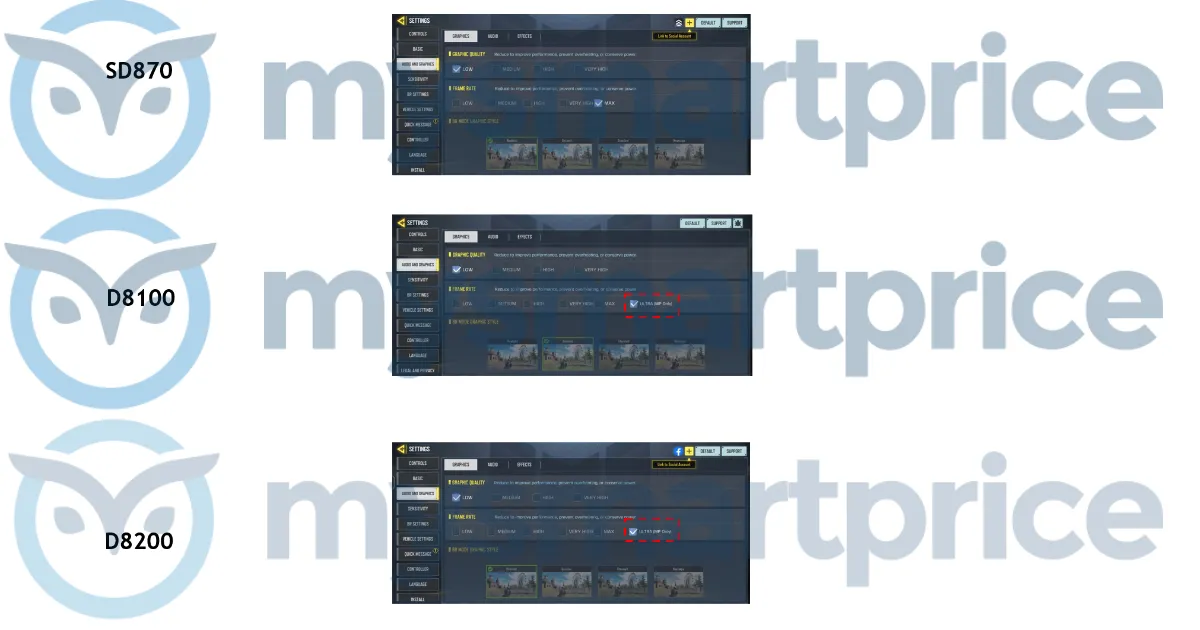
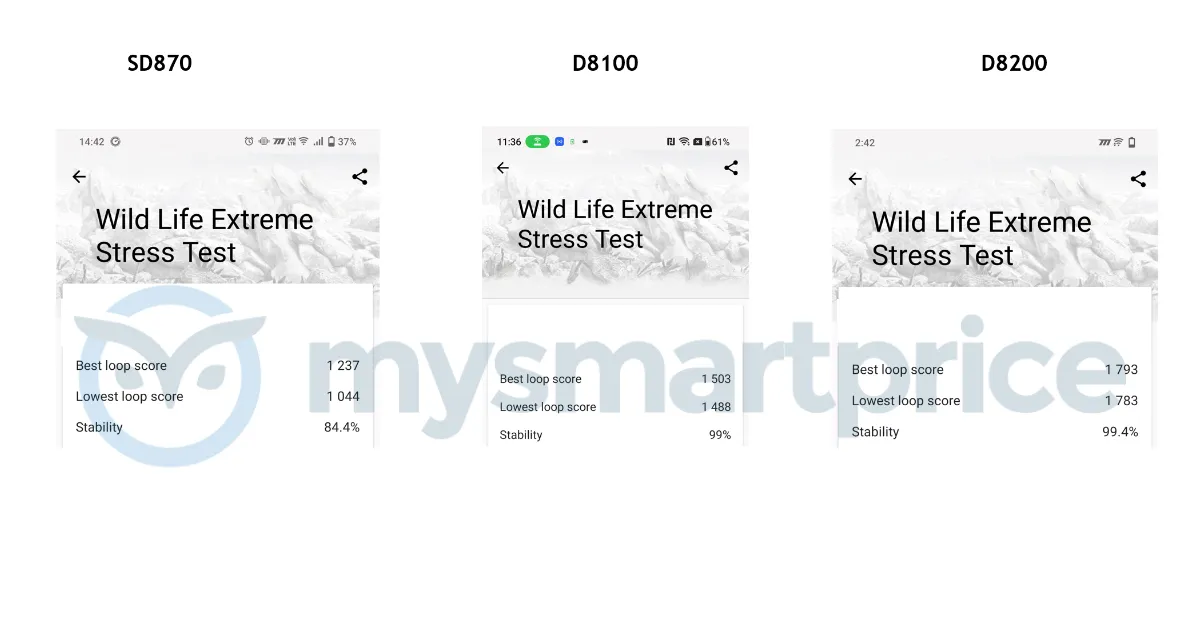
Further, the 3D Mark Wild Life Extreme Stress Test reveals the chipset managed to get a stability score of 99.4 percent, which is comparatively better than its predecessor’s score of 99 percent. Notably, MySmartPrice claims that iQOO Neo 7 will be able to support the “Ultra” frame rate setting in Call of Duty: Mobile.
Previous reports have revealed that iQOO Neo 7 will arrive in India as rebranded Neo 7 SE. The smartphone could feature a 6.78-inch AMOLED display with support for a 120Hz refresh rate. It will be fueled by a 5,000mAh battery with support for 120W fast charging.
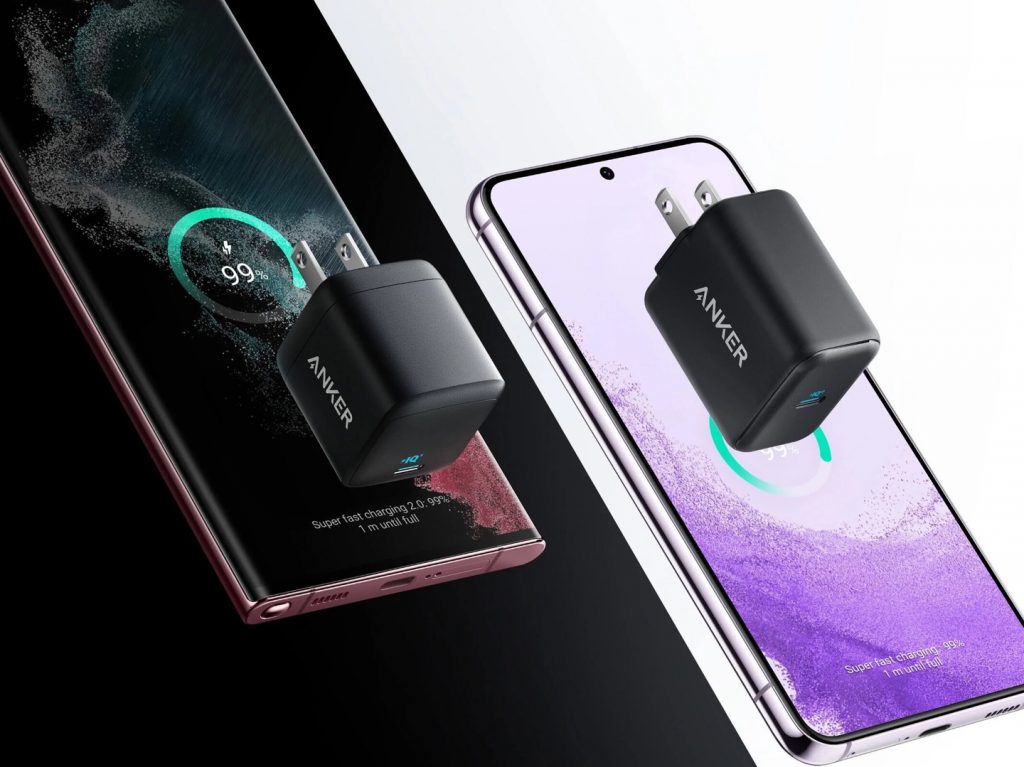
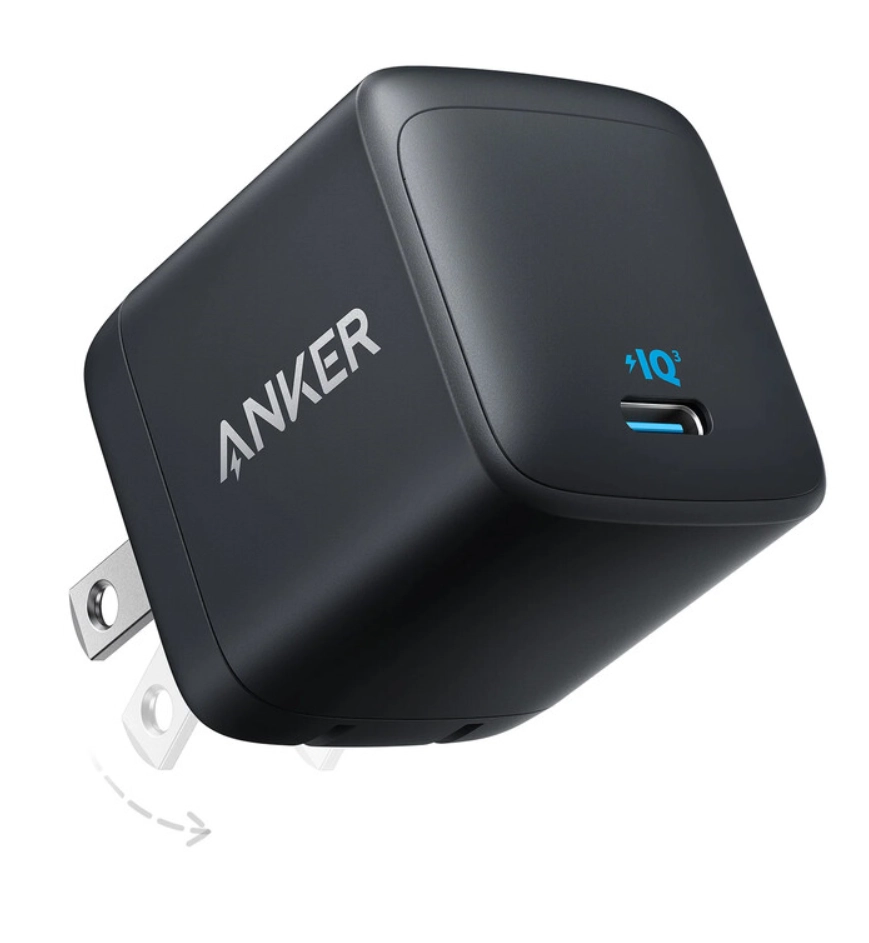
Leading tech brand Anker has launched its newest Gallium Nitride (GaN) charger designed specifically for the Galaxy S23 series. The charger is named Anker 313 Ace 45W GaN charger and can charge all three models in the Galaxy S23 series, including the Samsung Galaxy S23 Ultra, Galaxy S23+, and the vanilla Galaxy S23. The topmost Galaxy S23 Ultra which has the highest charging rating is said to be fully charged in just an hour as the charger supports Samsung Super Fast Charging 2.0.
As stated, the charger uses GaN (gallium nitride) technology and as a result, the charging adapter is compact in size. It has a dimension of 37.8 x 35.1 x 40.9 mm and weighs only 68 grams. Thus, it is 30% smaller than Samsung’s original charger and is an ideal choice for those who are always on the go. It also comes with foldable prongs making it even more convenient to carry around.
In addition, the Anker 313 Ace 45W GaN Charger comes with enhanced safety features. It comes with protection against short circuits, overvoltage, and high temperatures. Thus, users won’t have to worry about damaging their devices while charging. Despite its small size, the 313 Ace is a powerful charger with a charging speed of 45W.
In terms of price, the Anker 313 Ace 45W GaN charger carries an affordable price tag of $29.99, which is a reasonable cost for such a high-quality charging solution.
Apart from the 313 Ace 45W GaN charger, Anker also launched a 25W charger, which is designed for the previous-gen Samsung Galaxy S22. The 25W charger can fully charge the Galaxy S22 in just 90 minutes and is priced at $14.99.
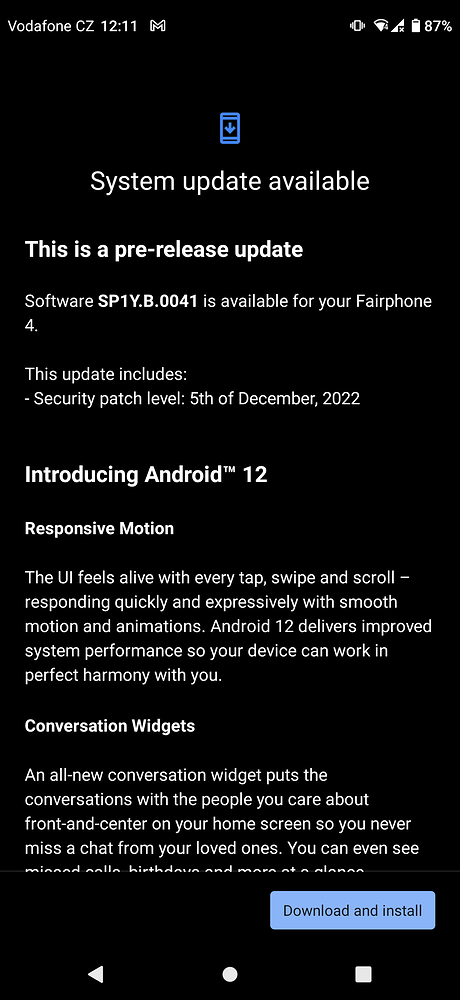
Fairphone has rolled out a new Android 12 update for the Fairphone 4. The new update is a generation higher than the Android 11 OS that the phone ships with. The OS upgrade will be available for Fairphone 4 owners in most regions.
The company also states that the current performance of the update in France and Switzerland falls short of the company’s expectations. The company is thus silent on when the update will be available in both France and Switzerland. For most other markets, the upgrade rolled in on February 1, but notifications may not be immediate. Fairphone sources say that delays are also possible for some mobile carriers, and it could be up to several weeks.
Fairp21hone has announced its first major OS update for the Fairphone 4. The Fairphone 4 was released in 2021 and users are now getting the Android 12 upgrade. Fairphone has also stated its plans for a timely Android 13 upgrade for the smartphone later. The new Android 12 update will offer greater stability, performance, and security for the smartphone.
Fairphone hopes to leverage the incremental architecture of Android 13 to deliver its upgrade within a shorter period. The company is expected to provide a timeline for the Android 13 rollout. The current OS update will come with the December 2022 Android security patches. More details about the upgrade can be viewed from Fair phone’s community forums and postings on its website.
This year, Samsung favored Qualcomm’s chipsets over its own Exynos processors and launched the Galaxy S23 series with Snapdragon 8 Gen 2 SoC regardless of region. However, reports suggest the Exynos chipsets will make a comeback next year with the Galaxy S24 series. The forthcoming lineup is said to be powered by Exynos 2400 SoC in some regions. And today a known tipster has revealed some details about the upcoming mobile processor.
Tipster Ice Universe claimed on Weibo that the Exynos 2400 is indeed under development. Unlike other mobile SoCs that feature an octa-core architecture, the upcoming Exynos platform will have 10 cores. The chipset may have the following cores: 1x Cortex-X4, 2x high-frequency Cortex-A720, 3x low-frequency Cortex-A720, and 4x Cortex-520.
Judging from the leaked information, the Exynos 2400 looks promising. However, there’s only so much we can learn from dry specs. Since Samsung is shifting to deca-core architecture, it’s possible other manufacturers (Qualcomm, MediaTek) may also implement this in their upcoming flagship chips.
The current best Android CPU— Snapdragon 8 Gen 2 — integrates 8 cores, with a prime core based on the ARM Cortex-X3 architecture and clocked at up to 3.2 GHz for 64-bit applications. Apple’s latest A16 bionic chip, on the other hand, is a 6-core chipset with 2 cores at 3460 MHz and 4 cores at 2020 MHz.
As mentioned, the upcoming Exynos 2400 chipset is reported to power the upcoming Galaxy S24 series. It’s possible that only limited regions will get the Exynos platform. We don’t expect Samsung to use the chipset on the upcoming foldables because they have always been powered by Qualcomm SoCs.
Samsung is known for releasing new wireless earbuds at its Galaxy Unpacked launch events. But the company did not debut any such product at the latest Galaxy S23 series conference.
Instead, the South Korean electronics giant is rolling out a new firmware update for the Galaxy Buds 2. Let’s check out what this latest update is all about.
According to SamMobile, Samsung has released a new software update for the Galaxy Buds 2. The OTA update arrives with the firmware version R177XXU0AWA3. It is currently available in South Korea.
As per the official changelog, the update improves the charging stability of wireless earbuds. It only weighs about 3.06MB. It should be available in more regions in the coming days.
Users of the product can head over to Earbud settings > Earbuds software update in the Galaxy Wearable app to check whether their unit has received the update.
The Samsung Galaxy Buds 2 is the successor of the Galaxy Buds Plus. It is almost identical to the Galaxy Buds Pro with some exceptions. The accessory was announced alongside the third-gen Galaxy Z series foldables in August 2021.
It offers features, such as dual drivers, Bluetooth 5.2, Active Noise Cancellation (ANC), Qi wireless charging, up to 28-hour battery life, and IPX7 rating (only buds).
Reports say that Huawei is getting ready to launch the P60 series smartphones soon. It could launch sometime in March, however, a clear date is not available yet. Rumors say that the Huawei P60 series will come with new software onboard.
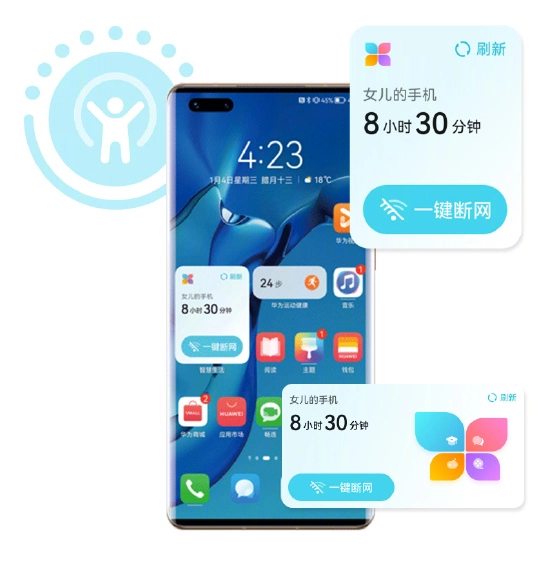
As you may know, Huawei was banned from using Google software and apps by the U.S. Commerce Department due to security reasons. After being kicked off the Google platform, Huawei developed its own operating system cammed HarmonyOS, which made its first appearance on the Mate 40 series and the Mate X2 foldable smartphones. Ever since then, the software has steadily been growing and getting polished.
Now, a new report from Gizchina has surfaced citing an unnamed tech blogger that reveals some interesting details about the upcoming version of HarmonyOS. According to the report Huawei is internally testing HarmonyOS 3.1. This will be a minor update to devices running HarmonyOS 3.0 like the Mate 50. As mentioned above, this build does not bring any major changes, and rather fixes some bugs and improves system stability. We can expect it to be pre-loaded in the P60 lineup.
The report also mentions that the next iteration of Huawei’s in-house OS called HarmonyOS 4.0 will come with major changes in the design of the system. The design change likely refers to a new UI interface. Currently, it is unclear when HarmonyOS 4.0 will make its debut. However, expectations are high with the third largest smartphone platform in the world which now has 2% of the global market share under control.
If you follow up with Electric vehicles, you must have heard of Rivian. The American EV manufacturer is known for its powerful electric trucks (you might have seen videos of them pulling semis and everything). Now, it seems the company is planning to foray into a different vehicle category. According to a report, Rivian is developing an electric bike.
As per a Bloomberg report, Rivian’s CEO RJ Scaringe told employees of the project during a company-wide meeting that the automaker has a “small group” of engineers working on a bike. While it’s unclear if Scaringe was talking about an e-bike or an electric motorcycle, he has teased an entry into the e-bike segment in the past. The company even has patents for e-bike designs and components.
The CEO has previously hinted at the possibility of an e-bike at a conference in October, stating that the automaker is ambitious to move into micromobility. Due to lower regulatory hurdles, Rivian’s electric bicycles could be launched into the market sooner in addition to its larger electric vehicles. The company will join automobile brands like Porsche in expanding into the electric bicycle market with the launch of its first e-bike.
The news that Rivian may have an e-bike in the works comes the same week that the company laid off six percent of its workforce for the second time in less than a year. The layoffs represent major restructuring, with the company now planning to refocus itself on scaling production of its R1T and R1S EVs.
Recently a lot of car makers have started to try their hands on e-bikes. We have seen big names like Porsche, Mercedes, Jeep, GM, and Hummer entering the category but they are yet to find any notable success.
Google Play Services for AR enables augmented reality experiences on Android devices. Almost all modern smartphones and tablets are certified for these services.
But for some reason, Google didn’t update the official compatibility list for a longer period of time. The list got updated only recently since July 2022.
The updated list includes 15 new Samsung devices but it misses the recently unveiled important ones.
According to SamMobile, the official Google Play Services for AR does not include the latest Galaxy S23 series. However, it contains the following Samsung smartphones and tablets.
Galaxy S21 FE 5G
Galaxy A13 5G
Galaxy A22
Galaxy A52s 5G
Galaxy A73 5G
Galaxy M22
Galaxy M52 5G
Galaxy M53 5G
Galaxy F42 5G / Galaxy Wide 5
Galaxy Quantum 3
Galaxy XCover 6 Pro
Galaxy Z Flip 3 5G
Galaxy Z Fold 3 5G
Galaxy Tab S7 FE
Galaxy Tab S7 FE 5G
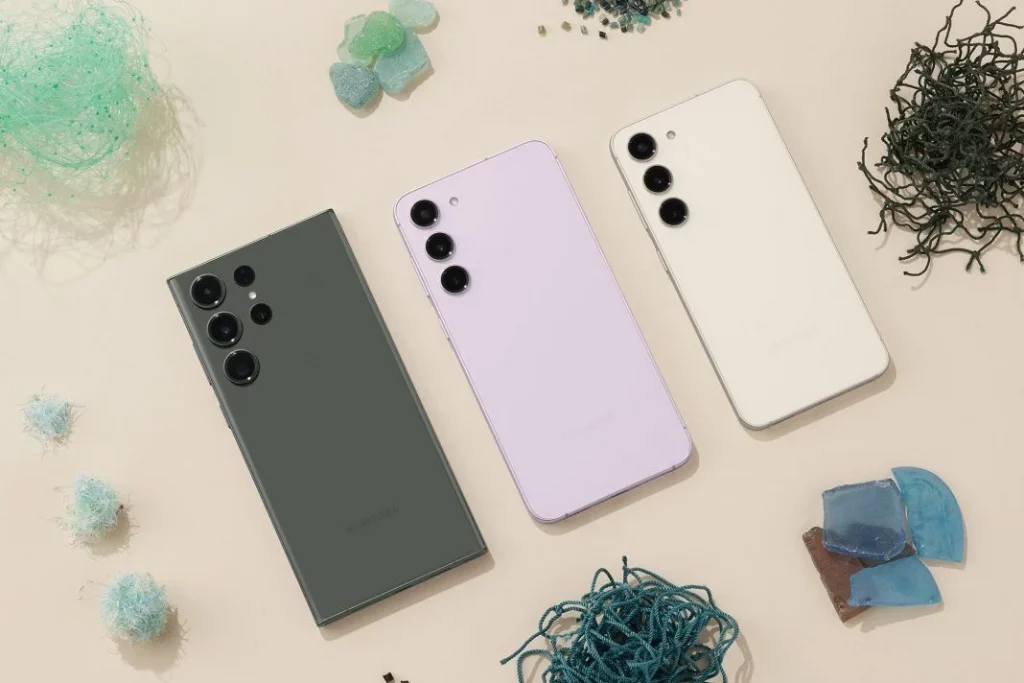
Galaxy S23, Galaxy S23 Plus, and Galaxy S23 Ultra have more than enough hardware for AR services. They may get added to the compatibility list once they hit the shelves after their pre-order duration.
In related news, just like its predecessors, the Galaxy S23 series also lacks support for seamless updates. Thankfully, the next-gen Galaxy S24 family may arrive with this feature as hinted by Samsung officially late last year.
We use cookies on our website to give you the most relevant experience by remembering your preferences and repeat visits. By clicking “Accept”, you consent to the use of ALL the cookies.
This website uses cookies to improve your experience while you navigate through the website. Out of these, the cookies that are categorized as necessary are stored on your browser as they are essential for the working of basic functionalities of the website. We also use third-party cookies that help us analyze and understand how you use this website. These cookies will be stored in your browser only with your consent. You also have the option to opt-out of these cookies. But opting out of some of these cookies may affect your browsing experience.
Necessary cookies are absolutely essential for the website to function properly. This category only includes cookies that ensures basic functionalities and security features of the website. These cookies do not store any personal information.
Any cookies that may not be particularly necessary for the website to function and is used specifically to collect user personal data via analytics, ads, other embedded contents are termed as non-necessary cookies. It is mandatory to procure user consent prior to running these cookies on your website.