Advertisement

Lenovo Legion Y700 Could Launch Soon in Multiple Global Markets: Report

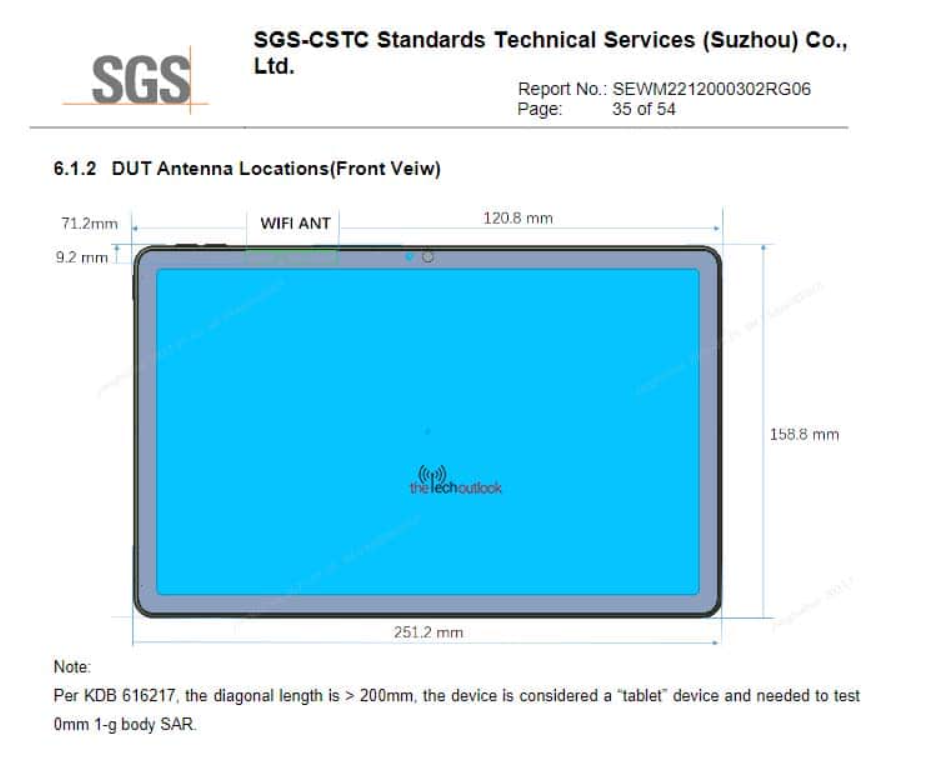
In February 2022, Lenovo debuted the Legion Y700 tablet in the Chinese market. The device is yet to make its way out of the Chinese market; however, it was recently spotted on the brand’s Indian website.

Lenovo Legion Y700 Gaming Tablet

Now, the support page for the Lenovo Legion Y700 laptop has popped up on multiple Lenovo country sites, hinting at an imminent global launch. The device has so far appeared on regional sites including (but not limited to) ArgentinaBangladeshBrazilColombiaGermanyHong KongKoreaPeruSlovakiaSingapore, and Spain. Just like the Indian site before, all of these websites are showing an incomplete product page.

Interestingly, these incomplete support pages have not appeared on Lenovo’s US, UK, and Australian sites. It is hard to say when the Legion Y700 tablets will debut globally. However, CES 2023, which will commence on January 5th might provide us with more answers. For now, let’s take a look at what makes this 8-inch tablet special.

Lenovo Legion Y700 specs

The Legion Y700 is an 8.8-inch tablet with an LCD screen that has a resolution of 2560 x 1600 pixels, a refresh rate of 120 Hz, and a sampling rate of touch of 240 Hz. Additionally, 100% of the DCI P3 color gamut is supported. The tablet has superb build quality and a minimalistic appearance.

A Qualcomm Snapdragon 870 CPU is housed inside, along with up to 12GB of RAM and up to 256GB of internal storage. A large 6,550mAh battery pack that enables 45W fast charging powers the device. Onboard, there is a specialized cooling system with an 8500mm2 vapor chamber. The Legion Y700 has a front-facing 8-megapixel selfie camera and a back-facing 13-megapixel camera with an LED light.

The tablet also has a separate switch for the resource monitoring window when in gaming mode, a 3.5mm headphone jack, a volume rocker, and a power button.

RELATED:

(Via)

Samsung Galaxy F04 Launch Date, Key Features Officially Confirmed

It was reported last month that Samsung would announce the Galaxy F04 in January 2023.  The landing page for the entry-level phone has gone live on Flipkart. It not only confirms the launch date but also key features of the Galaxy F04.

Samsung Galaxy F04 launch date

As can be seen, the Galaxy F04’s microsite on Flipkart reveals that it will debut at 12 pm (local time) on Jan. 4 in India. The device will have a Rs 7xxx starting price, indicating that it will be priced well under Rs 8,000 (~$97).

Samsung Galaxy F04 launch date
Galaxy F04

Samsung Galaxy F04 key specifications

One of the major attractions of the Galaxy F04 is that it will come with 8 GB of RAM, which is a combination of physical RAM and virtual RAM. The handset has a waterdrop notch display of 6.5 inches on the front, which carries support for an HD+ resolution.

The Galaxy F04 will come preloaded with Android 12 OS. The landing page confirms that the F04 will receive two OS upgrades. The entry-level phone will feature the MediaTek Helio P35  chipset and pack a 5,000mAh battery.

The F04 has a glossy rear shell, which features a dual-camera setup and an LED flash. There is no official word on the F04’s camera specifications. The device will be available in Jade Purple and Opal Green shades.

Last month, Samsung launched the Galaxy M04 entry-level phone in India. The M04 is available for purchase exclusively through Amazon. The Galaxy F04, which seems to be a rebranded version of the M04, will be available for purchase only through Flipkart.

In related news, Samsung is expected to launch the Galaxy S23 series in the first week of February. If this piece of information is true, the South Korean tech giant may soon confirm the date of the Galaxy Unpacked event in the next few days.

RELATED:

(source)

Redmi Note 12 Pro 5G Smartphone’s Camera Specs Teased With Photo Samples Ahead Of India Launch

Xiaomi-backed Redmi is all set to launch its latest Redmi Note 12 series smartphones in the Indian market on 5th January, which includes three devices — Redmi Note 12 5G, Redmi Note 12 Pro 5G, and Redmi Note 12 Pro+ 5G.

Ahead of the official launch in the coming days, the company has started teasing some of the key features and specifications of the device, and this time, the company has revealed its camera details.

Redmi Note 12 Pro 5G

The teaser confirms that the Redmi Note 12 Pro 5G smartphone will come with a 50-megapixel Sony IMX766 primary camera sensor along with support for Optical Image Stabilization (OIS) in the triple-camera setup.

The company’s executives claim that the primary camera sensor of the smartphone will help “capture dynamic and appealing images through a perfect combination of software and hardware tools.” Xiaomi also claims that it will be one of the best in the segment when it comes to color reproduction.

Redmi Note 12 Pro 5G Camera Sample

Prior to this, the company already confirmed that the phone would come with an AMOLED display with support for a 120Hz refresh rate which can be reduced to as low as 30Hz, and it also comes with support for Dolby Atmos and Dolby Vision.

As the phone has already launched in the Chinese market, we know that the device packs. It features a 6.67-inch centered punch-hole OLED display with a Full HD+ screen resolution, a 120Hz refresh rate, a touch sampling rate of 240Hz, a peak brightness level of 900 nits, HDR10+, HDR10, and Dolby Vision support.

Under the hood, the device is powered by MediaTek Dimensity 1080 SoC with LPDDR4x RAM and UFS 2.2 storage, along with a cooling system made of graphene that is 2,000mm². It also has an x-axis linear vibration motor, dual stereo speakers, and a 3.5mm headphone connector, and a side-mounted fingerprint sensor.

The camera department has a 50MP Sony IMX766 primary sensor, an 8MP ultra-wide lens, and a 2MP macro lens. On the front side, there’s a 16MP snapper for taking selfies and video calling. It is powered by a 5,000mAh battery and has support for 67W fast charging.

RELATED:

Better Night Time Photos from Samsung Galaxy S23 Ultra

Samsung is all set to launch the Samsung Galaxy S23 lineup of smartphones. The lineup will include three smartphones; Samsung Galaxy S23, Galaxy S23+ and Galaxy S23 Ultra. There are strong rumours on the internet that Samsung will launch these products along with the OneUI 5.1 and the next generation of Samsung Galaxy Book on February 1st, 2023. However, there is no official confirmation of the launch date yet.

Ice Universe, a reputable tipper, tweeted the following: “I need to emphasize again that the S23 Ultra’s night camera is really “night vision.” This most likely indicates that he had early access to the smartphone and, while testing out the cameras, was impressed with its Night Vision or its ability to capture photographs in low light. Samsung’s smartphone night mode wasn’t always the best, but this tweet suggests that they may have improved their night image post-processing, so naturally, the results will be better.

This increases our enthusiasm for testing the device’s functionality and camera capabilities. Comparing the camera of the Samsung Galaxy S23 Ultra to other market leaders like the Xiaomi 12S Ultra, iPhone 14 Pro Max, and Vivo X80 Pro+ would be an interesting insight. Will it be able to compete head-to-head with these flagships or will it fall short? We are still unsure of the precise answer. We will have to wait until the devices are officially released before we test them out and give a quick review.

It is important to note that the Galaxy S23 Ultra’s promotional photos have already been leaked. The item may be seen in all its splendour in the leaked photograph. The promotional photos that were leaked also revealed the Galaxy S23. Images show that Samsung hasn’t made any significant changes to the look or form factor of its top-tier flagship phone. However, the Galaxy S23’s camera module saw some noticeable tweaks. According to reports, the camera module in the Galaxy S23 and S23+ will be revised.

RELATED

Fire Boltt Rocket With Bluetooth Calling, 100+ Sports Modes Launched In India

Recently, Fire Boltt launched an Apple Watch Ultra-like smartwatch called Gladiator. Now the homegrown brand has expanded its range of smartwatches with the launch of a new device in India. It is dubbed the Fire Boltt Rocket. The device is a budget offering and priced under the Rs 3,000 segment. It competes against other smartwatches offered by brands like Noise, boAt, Amazfit, Realme, and others in the market. 

The Fire Boltt Rocket smartwatch features a round dial with an HD display measuring 1.3 inches. There is a physical button on the right side and the device is IP67-certified water-resistant. The device packs various watch faces. 

In terms of health, the Fire Boltt Rocket is equipped with a heart rate monitor, SpO2 sensor, sleep tracker and female cycle monitor. It is also capable of tracking more than 100 different sports modes. The wearable device can measure steps, distance, calories burned etc. 

The Fire Boltt Rocket is equipped with a built-in speaker and a microphone. Users can make and receive phone calls via Bluetooth connectivity. The smartwatch also features Google Assistant and Siri. The Fire Boltt Rocket offers convenient features like smart notifications, 

The Fire Boltt Rocket carries a price tag of Rs 2,499. It is offered in Black, Silver Grey, Champagne Gold, and Gold Pink colour options. The smartwatch can be purchased from the brand’s official website. 

Related:

OnePlus Will Soon Launch 100W Dual Port Fast Charger

OnePlus has gradually started launching other products apart from the smartphones. The OnePlus had recently launched its monitor in India, and they brand have already launched many distinct products such as a TWS earbuds and TVs. Now, the OnePlus is gearing up to launch a 100W Dual Port fast charger under their branding. The product has been confirmed officially for Chinese market and we may or may not get to see the launch of product in the global markets.

OnePlus will introduce a 100W dual-port super flash charger for the first time. This charger offers PD fast charging at up to 65W. There are rumours that the new charger uses a dual USB-A + Type-C interface design. Because of this layout, the charger may simultaneously use both ports. The gadget also supports 100W super flash charging’s longevity version. Additionally, it has a 65W PD rapid charging mechanism. 

OnePlus 100W Dual Port Charger

You can use the charger to charge almost all of your compatible devices such as laptops, TWS and smartphones. Moreover, there are also reports which claims that this charger is launched keeping the forthcoming OnePlus 11 smartphones in mind. As the OnePlus 11 is said to pack a 5000mAh battery with the support for longevity version of 100W rapid charging. According to official claims, the charger and fuel up the device to 100% in just 25 minutes and up to 50% in just 10 minutes.

Additionally, the OnePlus 11 will be the first handset in the market to support long-term charging protection and ageing battery charging acceleration. Through 13 sensors and a specifically designed battery management chip, it also provides real-time battery state detection. Mobile phone charging has gotten faster than before, according to Li Jie, president of OnePlus China. The charging process ought to be secure and robust.

RELATED

Xiaomi 13 vs Motorola Moto X40: Specs Comparison

Motorola did not wait for 2023 to launch its new generation flagship: the Moto X40. The new phone brings the latest Qualcomm chipset, blazing charging speeds, and even a good camera department at an affordable price in the Chinese market. A few days earlier, Xiaomi launched the new Xiaomi 13 series in the Chinese market, including the vanilla Xiaomi 13 with compact dimensions but flagship-class hardware. We believe these two phones are perfect rivals of each other. That is the reason why we decided to publish a comparison between the specifications of the Motorola Moto X40 and the Xiaomi 13. Here you will learn which one is the best for your actual needs.

Xiaomi 13 vs Motorola Moto X40

Xiaomi 13 Motorola Moto X40
DIMENSIONS AND WEIGHT 152.8 x 71.5 x 8 mm,
185 g
161.2 x 74 x 8.6 mm,
199 g
DISPLAY 6.36 inches, 1080 x 2400 pixels (Full HD+), OLED 6.7 inches, 1080 x 2400 pixels (Full HD+), OLED
PROCESSOR Qualcomm Snapdragon 8 Gen 2, octa-core 3.2 GHz Qualcomm Snapdragon 8 Gen 2, octa-core 3.2 GHz
MEMORY 8 GB RAM, 128 GB – 8 GB RAM, 256 GB – 12 GB RAM, 256 GB – 12 GB RAM, 512 GB 8 GB RAM, 128 GB – 12 GB RAM, 256 GB – 12 GB RAM, 512 GB
SOFTWARE Android 13, MIUI Android 13, MyUI
CONNECTIVITY Wi-Fi 802.11 a/b/g/n/ac/6e, Bluetooth 5.3, GPS Wi-Fi 802.11 a/b/g/n/ac/6e, Bluetooth 5.3, GPS
CAMERA Triple 50 + 10 + 12 MP, f/1.8 + f/2.0 + f/2.2
32 MP f/2.0 front camera
Triple 50 + 50 + 12 MP, f/1.9 + f/2.2 + f/1.6
60 MP f/2.2 front camera
BATTERY 4500 mAh, fast charging 67W and fast wireless charging 50W 4600 mAh, fast charging 125W and fast wireless charging 15W
ADDITIONAL FEATURES 5G, dual SIM, IP68 certification, reverse wireless charging 10W 5G, dual SIM, IP68 certification

Design

The design of the Motorola Moto X40 looks very good. First of all, it is built with premium materials: glass for the back and aluminum for the frame. It is also waterproof and dustproof with the IP68 certification, and it has a curved screen with a very high screen to body ratio. On the other hand, the Xiaomi 13 has a very original design and premium materials as well, with a glass back and an aluminum frame. This phone is waterproof as well with the IP68 certification, and it has a flat display instead of a curved one. I personally prefer the Xiaomi 13 because it is more compact, but the curved display of the Motorola Moto X40 makes it more elegant.

Display

The most interesting display is definitely the one found on the Motorola Moto X40. First of all, it has a wider panel, with a diagonal of 6.7 inches. Further, it is an OLED display showing up to one billion colors with a Full HD+ resolution of 1080 x 2400 pixels, an awesome 165 Hz refresh rate, and HDR10+ certification. An in-display fingerprint reader and stereo speakers are not missing. The Xiaomi 13 is equipped with an OLED display showing images with a 6.36-inch diagonal, a Full HD+ resolution of 1080 x 2400 pixels, Dolby Vision support, HDR10+ certification, a 120 Hz refresh rate, and an in-display fingerprint reader. It has stereo speakers just like its rival and it adds an infrared sensor allowing you to use it as a remote control for your TV.

Specs & Software

The Xiaomi 13 and the Motorola Moto X40 provide you with the same flagship-class hardware department. They are fueled by the octa-core Snapdragon 8 Gen 2 processor built with a 4 nm production process and sporting an octa-core architecture. The chipset is composed of a Cortex X3 performance core running at a max frequency of 3.2 GHz, two Cortex A715 cores running at 2.8 GHz, two Cortex A710 cores running at 2.8 GHz, three Cortex A510 cores running at 2 GHz, and an Adreno 740 GPU. Alongside the chipset, there are up to 12 GB of RAM and up to 512 GB of UFS 4.0 native storage. The operating system installed on these devices is Android 13, with highly customized user interfaces on top.

Camera

If you are looking for the best cameras, then you should choose the Motorola Moto X40. Both come with a 50 MP main sensor with OIS, but the Motorola Moto X40 has a better 50 MP ultrawide camera and a better 60 MP selfie shooter. On the other hand, with the Xiaomi 13, you can get better zoom capabilities thanks to a telephoto lens with 3.2x optical zoom.

Battery

Despite its bigger dimensions, the battery of the Motorola Moto X40 is not much bigger than the battery of the Xiaomi 13. It has a capacity of 4600 mAh and, given that the Xiaomi 13 sports a bigger display, it should not be superior in terms of battery life. But it charges quicker thanks to 125W fast charging, while the Xiaomi flagship has a faster wireless charging tech with a power of 50W instead of just 15W.

Price

Motorola Moto X40 starts from $483/€450, while the Xiaomi 13 begins at $590/€550. The prices are referred to the Chinese market as these phones are still not launched globally. Which one would you pick?

Xiaomi 13 vs Motorola Moto X40: PRO and CONS

Motorola Moto X40

PRO

  • Bigger display
  • Faster wired charging
  • Better rear camera
  • Better selfie camera

CONS

  • Dimensions

Xiaomi 13

PRO

  • More compact
  • Faster wireless charging
  • Better telephoto sensor
  • Infrared sensor

CONS

  • Smaller display

RELATED

Check the latest videos from our YouTube channel and subscribe:

Redmi Note 12 Series India Roundup: Specs, Design, and Expected Price

The Redmi Note series is the bread and butter of Xiaomi’s smartphone business. The brand recently announced it has sold over 300 million Redmi Notes globally. The sales figure is likely to see a major bump this year as the latest Note 12 Series, which was recently launched in China, is getting hugely popular among consumers.

Lucky for us, the Redmi Note 12 Series is finally making it out of China. The new lineup, which should include the Redmi Note 12 5G, Redmi Note 12 Pro, and Redmi Note 12 Pro Plus, will be launching in India next week. And here in this post, we have gathered everything you need to know about it. Let’s dive in.

Redmi Note 12 Series India Launch Date

Redmi India recently confirmed the launch date of the Redmi Note 12 series through its official Twitter handle.  The new smartphones will debut in the Indian market next Thursday, January 5.

The lineup will likely be unveiled at an in-person event, which will also be livestreamed through various online channels, including YouTube.

Redmi Note 12 Series Design

Redmi Note 12 Series headed to India is expected to be the same as its Chinese counterpart, both in terms of specifications and design. All three models in the lineup could have an identical design. However, the pro phones will likely be offered in unique colors. For example, the Redmi Note 12 Pro could debut in purple color with light spots on the back, giving it a sparkling appearance.

Redmi-Note-12-Pro

The series will have a flat back with a camera module almost identical to the Redmi Note 11T. There could be three cameras on each model along with an LED flash. The lineup will likely be fitted with a side-mounted fingerprint sensor. On the front, it could have a flat display with a punch-hole cutout for the selfie camera.

Redmi Note 12 5G Specifications

The Redmi Note 12 5G could launch in India with a 6.67-inch Samsung AMOLED display with a resolution of 2400 x 1080 pixels (FHD+), a 120Hz refresh rate, and a 240Hz touch sampling rate. The device will be powered by a Qualcomm Snapdragon 4 Gen 1 chipset, paired with LPDDR4x RAM and UFS 2.2 storage. It will likely run MIUI 13 based on Android 12.

Redmi-Note-12-5G

In the camera department, the vanilla model could feature a dual camera unit on the rear comprising a 48MP primary snapper and a 2MP depth sensor. For selfies, there’s expected to be an 8MP shooter. The device could be backed by a 5,000mAh battery with support for 33W fast charging.

Redmi Note 12 Pro and Pro Plus Specifications

Both Redmi Note 12 Pro and Redmi Note 12 Pro Plus are expected to arrive with a 6.67-inch centered punch-hole OLED display offering a resolution of 2,400 x 1,080 pixels. The panel could support a 120Hz refresh rate, a 240Hz touch sampling rate, a 1920Hz PWM dimming, and a 16,000-level dimming.

Redmi-Note-12-Pro-5G-Featured

The two phones will most likely be powered by a MediaTek Dimensity 1080 SoC, coupled with LPDDR4x RAM and UFS 2.2 storage. The smartphones could pack a 5,000mAh battery. The Pro phone may support 67W charging while the Pro Plus could get faster 120W charging support.

Redmi Note 12 Pro could have a 50MP Sony IMX766 primary camera. Whereas the Note 12 Pro Plus may flaunt a 200MP Samsung ISOCELL HPX main camera measuring 1/1.4-inch in size. Both of the devices will have an 8MP ultra-wide camera and a 2MP macro camera. They will also have the same 16MP selfie camera.

Redmi Note 12 Series Expected Price

Redmi Note 12 Series smartphones will likely be offered in multiple storage variants in India. The brand launched the three phones in China with 6GB/ 8GB/ 12GB RAM and 128GB/ 256GB storage. The vanilla model also has a 4GB + 128GB storage variant.

The pricing of the smartphones will likely be similar, if not lower than in China. We can expect the vanilla Redmi Note 12 5G to be available in India at a starting price of around Rs. 13,000. The Pro model could start at around Rs. 19,000. Whereas the higher-end Redmi Note 12 Pro Plus could carry a starting price tag of Rs. 27,000.

RELATED

OnePlus 11R Specs Leak, Under-Clocked SD 8+ Gen 1 SoC Tipped

It’s that time of the year when we get to witness new flagship launches. Samsung, Oppo, among other brands are rumored to introduce their new premium devices sometime in the first quarter of 2023. But before that, we are in for the latest OnePlus 11 launch, which is scheduled to take place on January 4 in China. The brand is also expected to unveil the OnePlus 11R soon after. And today a new report has shared the full specifications of the upcoming smartphone. Here are the details.

Pricebaba, in association with tipster Yogesh Brar, has shared screenshots of the OnePlus 11R’s Device Info HW app, revealing the smartphone’s detailed specifications. The screengrabs are apparently from a prototype device with the model number CPH2487.

oneplus 11R leaked screenshots

As per the report, the OnePlus 11R will be powered by an underclocked version of the Snapdragon 8 Plus Gen 1. The same SoC has also been used on other devices such as the OPPO Reno 9 Pro Plus, Honor 80 Pro, Honor 80 GT, and iQOO Neo 7 Racing Edition. The underclocked version has the prime Cortex-X2 core running at 3.0 GHz instead of 3.2 GHz. Also, the three Cortex-A710 Gold cores are capped at 2.5GHz compared to 2.75Ghz on the regular version.

The screenshots reveal the OnePlus 11R will have a 6.67-inch display with a 2772×1240 pixels resolution. The prototype device can be seen to be using Sony IMX890 and Sony IMX766 sensors as the primary camera. This means either one of the two camera sensors will be used in the final product.

OnePlus 11R leaked screenshots

Further, the publication reveals the smartphone will get an OIS-enabled 50MP primary camera, a 12MP ultra-wide lens, and a 2MP camera. On the front, it could have a 16MP selfie camera. The device will debut with OxygenOS 13.1 based on Android 13 OS.

The OnePlus 11R is claimed to come with 8GB / 12GB / 16GB of LPDDR5 RAM and 128GB / 256GB / 512GB of UFS 3.1 storage. It could be fueled by a 5,000mAh battery with 100W charging support. 

Related:

(Source)

OnePlus Buds Pro 2 Official Marketing Renders Reveal Colour Options Ahead Of Launch

OnePlus is gearing up to launch the OnePlus 11 and Buds Pro 2 in China next week. The latter will be arriving as the successor to the original Buds Pro that debuted last year. The TWS earphones are confirmed to retain the same design as its predecessor. Additionally, they are also confirmed to come with support for Dolby Audio and Spatial Audio for an immersive sound experience. 

Now ahead of the launch, reliable tipster Evan Blass has shared some official marketing renders of the Buds Pro 2. They reveal the audio device in full glory along with the box contents and colour options. 

As mentioned earlier, the OnePlus Buds Pro 2 will feature the same design as the original Buds Pro. This means that the TWS earphones will have a semi-in-ear design with a stem and slightly angled earbuds with ear tips for a better fit. The stem has a dual-tone design with a matte finish on the top half and a glossy bottom portion. The audio device will be offered in Arbor Green, Obsidian Black, and White colours. The OnePlus Buds Pro 2 will come in a rectangular storage and charging case with an LED indicator for battery charging status, Dynaudio’s text engraved on the case, and a Type-C port. 

Blass also reveals that the OnePlus Buds Pro 2 box contents will include earbuds, two pairs of silicone ear tips of different sizes, a USB-A to USB-C cable, and some documentation. 

As per past leaks and rumours, the OnePlus Buds Pro 2 are expected to come with 11mm and 6mm dual drivers with support for ANC up to 45dB. 

Related:

Redmi K60 and K60 Pro Go on Sale in China, Checkout Price, Specifications

The Redmi K60 series launched recently in China with a premium design and serious specifications. The lineup includes the vanilla Redmi K60, a higher-end Redmi K60 Pro, and an affordable Redmi K60E. Starting today, the standard and pro models can be purchased in China. Here are their pricing and specifications.

Redmi K60 and K60 Pro Price

The Redmi K60 comes with 5 storage options. The 8GB + 128GB storage version can be purchased for 2499 Yuan ($358), 8GB + 256GB for 2699 Yuan ($387), 12GB + 256GB for 2999 Yuan ($430), and 12GB + 512GB for 3299 Yuan ($473). There’s also a top-of-the-line 16GB + 512GB version of the handset which costs 3599 Yuan ($516).

The Redmi K60 Pro is also offered in 5 storage configurations. The base 8GB + 128GB version can be purchased for 3299 yuan ($473). Readers can grab the 8GB + 256GB, 12GB + 256GB, and 12GB + 512GB versions for 3599 yuan ($516), 3899 yuan ($559), and 4299 yuan ($616), respectively. The highest-end 16GB + 512GB variant is available for 4599 yuan ($660).

Although both smartphones are only available for purchase in China, interested shoppers may get them delivered internationally through Giztop. Head over here to learn more.

Redmi-K60-pro

Redmi K60 and K60 Pro Specifications

Redmi K60 and K60 Pro pack a 6.67-inch OLED panel with a peak brightness of 1400nit, 68.7 billion colors, a P3 color gamut, and 1920Hz PWM high-frequency Dimming. The Pro phone is powered by the latest Snapdragon 8 Gen 2 processor whereas the vanilla model has the older Snapdragon 8+ Gen 1 Soc. Both devices have LPDDR5 RAM and UFS 4.0 storage.

The two smartphones arrive with a triple camera unit on the back with K60 Pro featuring a 50MP Sony IMX800 primary sensor and the K60 packing a 60MP primary camera. They get an 8MP ultra-wide unit and a 2MP depth sensor. On the front, there’s a 16MP selfie shooter.

The Pro model packs a 5000mAh battery with 120W fast charging and 30W wireless charging while the standard one gets a 5500mAh battery with 67W wired fast charging and 30W wireless charging. They both run MIUI 14 out of the box.

RELATED

Xiaomi Water Purifier Sales Exceed 5 Million Units Sales Mark

Apart from smartphones, Xiaomi has a diverse range of products available under their branding globally. They have launched multiple products under their brandings such as robot vacuum cleaners, water purifiers, air purifiers and even writing pads and ink pens. In mainland China, Xiaomi has also launched products like chimneys, air conditioners and washing machines. And they are successful in selling other products too and that is not very surprising for us, as the product strategy of Xiaomi works out really well.

Now, a report hovering online claims that Xiaomi has managed to cross the total of 5 million sold units benchmark for the Xiaomi Water Purifier. Xiaomi China has officially announced that their water purifiers have surpassed 5 million sales in the timeframe of 7 years. Currently, the cheapest water purifying item offered by Xiaomi costs just CNY 129. The water purifier is a Xiaomi bowl model.

xiaomi water purifier

The most expensive purifier is the Xiaomi 1600G, which costs CNY 3999. Others include items like the Xiaomi thermosoliners Q600, the Xiaomi dual-core water purifiers 1000G/1200G, and the Xiaomi water purifiers 600G, which are nearly able to meet the needs of customers with a variety of criteria. It’s absolutely fantastic news that the brand, which isn’t really centred on that product, has sold more than 5 million units.

In the market, Xiaomi has been doing really well, and every day they are setting new records. The brand’s most recent record was broken when it exceeded the 5 million sales threshold for the Xiaomi Water Purifier.  In the near future, they will release more products, and it will be interesting to see how they perform. The brand has so far performed remarkably well with practically every product.

RELATED

Price of the iPhone 12 Mini Has Dropped to an All-time Low in India

If you are from India and were looking out to buy an iPhone on a strict budget then this might be a worthy deal for you. The pretty famous iPhone 12 Mini is available at an all-time low price tag in the country. The brand is currently offering as much as a 35% price discount on the product compared to its launch price. The device was launched back in the year 2020 and the starting price of the device was INR 69,900 for the 64GB variant. The device has got offers and discounts several times. Back in the month of May, it was available for INR 64,999.

After the release of the iPhone 14 lineup, the brand discontinued several iPhone models including the iPhone 11 and 12 Mini. However, this doesn’t mean you will not get software updates or after-sale services. You will surely get all of them, marking them as discontinued product basically implies that the brand will no more manufacture the newer units. Anyway, going back to the main headline, the iPhone 12 Mini is currently listed on Flipkart with a price tag of INR 36,999.

Apple iPhone 12 Mini

The current price tag of the device is literally around 38% less compared to the original launch price. Further, the e-commerce site is offering an additional 5% bank cashback when purchased using Axis band cards. So if you were looking to buy an iPhone for around 40,000 INR, then this could easily be a recommendable choice. The device has got a pretty decent set of specifications as its price.

With a 5.4-inch screen, an edge-to-edge OLED Super Retina XDR display, 460ppi pixel density, HDR 10, and compatibility with HLG HDR, the iPhone 12 mini offers all the features you’d expect. It has a camera module that is square-shaped, with a pair of 12MP sensors and an LED flash on the back and a 12MP selfie camera perched on top of the front’s wide notch. The 5nm A14 Bionic chipset is said to give 40% better CPU performance than A12 Bionic. The iOS 14 will come pre-installed with the device.

RELATED

OnePlus 11 Specs Roundup – Here’s Everything We Know About the Upcoming OnePlus Flagship

OnePlus is a brand that started off strong with the enthusiast crowd in mind. However, in the past few years, the brand has become quite mediocre pumping out generic smartphones that lack any x-factor.

However, the launch of the OnePlus 11 is upon us, and the brand has promised that it will be returning to its past glory with this device. So let’s explore all that’s known so far about the OnePlus 10 Pro successor before its January 4 launch in China.

OnePlus 11 design

OnePlus

Design-wise not much has changed from the last generation. The OnePlus 11 has a curved back panel featuring the same triple camera + LED flash setup on the camera island that is fused to the edge of the device. However, the brand has opted to go with a round camera island this time around rather than a square one.

The front panel is flat on the OnePlus 11 as opposed to the curved display that has been the staple of a OnePlus flagship for multiple generations now. The bezels on the device are super slim, and the alert slider is present on the right edge along with the power button. The top left of the display features a small punch-hole for the front camera.

OnePlus 11 specs

Coming down to the specifications, the display is said to be a 6.7-inch E4 AMOLED screen with a 2K (3216 x 1440 pixel) resolution and a 120Hz refresh rate. The choice of an E4 AMOLED rather than more cutting-edge options could be an indication that the brand is trying lower the cost of the device.

OnePlus

Under the hood, there is a Qualcomm Snapdragon 8 Gen 2 chip powering the device. The chipset will include the Adreno 740 GPU, which has demonstrated significant improvements over the Snapdragon 8 Gen 1 chips that powered the OnePlus 10 Pro. To further bump up the gaming performance, OnePlus has confirmed that it will be integrating the device with its self-developed Super Graphics Engine, which allows for high frame rates and native image quality.

This is made possible with the aid of a specialized rendering processor, software algorithms, game development engines, and other software and hardware synergies. According to the company, the phone would give up to 120fps with the optimization, regardless of the frame rate that the original game supports. The OnePlus 11 is said to retain an average frame rate of 119.8 FPS and a maximum temperature of no more than 43° C after an hour of League of Legends Mobile play.

OnePlus

The OnePlus flagship will include LPDDR5X RAM and UFS 4.0 storage. There will be three different models available: 12GB + 256GB, 16GB + 256GB, and 16GB + 512GB. The smartphone will have a 5000mAh battery with 100W fast charging capacity. It will come with a charging brick and a protective case included in the box.

Hasselblad has made modifications to the OnePlus 11’s triple rear camera setup. The main camera on the OnePlus flagship will be a 50MP shooter with a Sony IMX890 sensor. A 48MP ultra-wide-angle lens and a 32MP telephoto camera will be attached to it. Selfies and video calls may be taken with the device’s 16MP front camera.

The OnePlus 11 comes in two color options: green and black. It will weigh 205 grams and come with ColorOS 13.0, an Android 13-based operating system, pre-installed. The OnePlus 11 will boast Corning Gorilla Glass protection and IP54 certification. Last but not the least, it will utilize the AAC Technology-developed bionic vibration sensor motor. OnePlus claims that this will be the most powerful and largest vibration motor in an Android phone, with a volume greater than 600mm³.

RELATED:

The Affordable Redmi 12C debuts with Helio G85 under the hood

Xiaomi has launched an incredibly affordable smartphone under its sub-brand Redmi. The device in question is called the Redmi 12C and it doesn’t stray far from the brand’s effective budget formula, which is all about offering good specs at a low price. The handset arrives with a large 6.71-inch display, a massive 5000mAh battery, and a capable MediaTek Helio G85 SoC under the hood. Continue reading to learn more about its specs, pricing, and availability.

Redmi 12C

The Redmi 12C looks somewhat similar to the Redmi A1 series smartphones that were launched earlier this year. It has a squircle camera island that features two cameras, an LED flash, and a fingerprint sensor. The device has a curved back with a textured design. On the front, there’s a flat display with thin bezels and a V-shaped notch.

Moving to the specifications, the smartphone packs a 6.71-inch display that offers high resolution. The screen is likely an LCD. Redmi 12C is equipped with a MediaTek Helio G85 processor, supplemented by LPDDR4X RAM and eMMC 5.1 flash memory. The smartphone weighs around 192g and has a thickness of around 8.77mm.

For photography, the handset has a duar-rear camera unit on the back with a 50MP main sensor. There’s a 5MP snapper on the front for selfies and video calls. The 4G smartphone is fueled by a 5000mAh battery and supports 10W charging. It has the usual connectivity options like Bluetooth, WiFi, and even a 3.5mm headphone jack.

Talking about the price, the Redmi 12C starts at 699 Yuan ($101) with 4GB RAM+ 64GB storage. It is also offered in 4GB + 128GB and 6GB + 128GB storage variants, which are priced at 799 Yuan ($115) and 899 Yuan ($130), respectively. The handset is only available for purchase in Mainland China as of now.

RELATED

(Source)

Realme GT 2 Explorer vs Honor 80 GT: Specs Comparison

Honor closed 2022 with a brand new flagship killer perfect for gamers and power users: the Honor 80 GT. It is a device with an amazing level of performance offered at an affordable price. Just like the Realme GT 2 Explorer Master Edition released earlier this year with flagship-class hardware. Here is a comparison between the main specifications of the Realme GT 2 Explorer Master Edition and the Honor 80 GT. We decided to compare the new Honor flagship killer with the old Realme one for an important reason: despite Honor releasing the flagship at the end of this year, it still ships with Android 12 out of the box instead of Android 13. That is the reason why it is a perfect rival of the GT 2 Explorer Master Edition.

Realme GT 2 Explorer Master Edition vs Honor 80 GT

Realme GT 2 Explorer Master Edition Honor 80 GT
DIMENSIONS AND WEIGHT 161.3 x 74.3 x 8.2 mm,
195 g
162.5 x 75.3 x 7.9 mm,
187 g
DISPLAY 6.7 inches, 1080 x 2400 pixels (Full HD+), OLED 6.67 inches, 1080 x 2400 pixels (Full HD+), AMOLED
PROCESSOR Qualcomm Snapdragon 8+ Gen 1, octa-core 3.19 GHz Qualcomm Snapdragon 8+ Gen 1, octa-core 3 GHz
MEMORY 12 GB RAM, 256 GB – 8 GB RAM, 256 GB 12 GB RAM, 256 GB – 16 GB RAM, 256 GB
SOFTWARE Android 12, Realme UI Android 12, Magic UI
CONNECTIVITY Wi-Fi 802.11 a/b/g/n/ac/6, Bluetooth 5.2, GPS Wi-Fi 802.11 a/b/g/n/ac/6, Bluetooth 5.2, GPS
CAMERA Triple 50 + 50 + 3 MP, f/1.9 + f/2.2 + f/3.3
16 MP f/2.5 front camera
Triple 54 + 8 + 2 MP, f/1.9 + f/2.2 + f/2.4
16 MP f/2.4 front camera
BATTERY 5000 mAh, fast charging 100W 4800 mAh, Fast Charging 66W
ADDITIONAL FEATURES 5G, dual SIM 5G, dual SIM, reverse charging 5W

Design

The Realme GT 2 Explorer Master Edition has a very original design and it wins the design comparison. Its aesthetics are reminiscent of a travel trunk and the phone is built with premium materials: you can choose between a ceramic back or an eco leather back, alongside an aluminum frame. It is one of the most original phones released this year and also one of the phones with the highest screen to body ratio. The Honor 80 GT still comes with an original design, but there is no way for it to compete if we talk about aesthetics in general, so you should definitely go for the Realme GT 2 Explorer Master Edition if you are looking for the most beautiful phone.

Display

The displays of these two phones are very similar to each other, but it looks like the Realme GT 2 Explorer Master Edition has a slightly better panel. It is an OLED display able to show images with up to one billion colors, a diagonal of 6.7 inches, a Full HD+ resolution of 1080 x 2400 pixels, a 120 Hz refresh rate, and HDR10+ certification, as well as an in-display fingerprint reader. Honor GT has an AMOLED display with one billion colors, a diagonal of 6.67 inches, a Full HD+ resolution of 1080 x 2400 pixels, a 120 Hz refresh rate, HDR10 certification, and an in-display fingerprint scanner. Note that the Realme GT 2 Explorer Master Edition is also the only phone of the duo with stereo speakers.

Specs & Software

The Honor 80 GT is the phone featuring the best hardware here. Both phones are powered by the best chipset: the Snapdragon 8+ Gen 1 by Qualcomm. But on the Realme GT 2 Explorer Master Edition, the SoC has a higher clock frequency: 3.2 GHz, because the Snapdragon 8+ Gen 1 is underclocked at just 3 GHz on the Honor 80 GT. On the other hand, with the Honor 80 GT, you can actually get a higher amount of RAM: up to 16 GB, as well as 256 GB of native storage. Talking about the software, the Realme GT Master Explorer Edition ships with Android 12 and Realme UI 3.0, while the Honor 80 GT runs Android 12 with Magic UI 7 on top. We consider the Realme UI 3.0 as a more advanced user interface, for now.

Camera

The Realme GT 2 Explorer Master Edition offers better camera hardware. It has a triple rear camera including a 50 MP Sony IMX766 main sensor with OIS, a 50 MP ultrawide shooter, and a 3 MP microlens with 40x magnification. With the Honor 80 GT, you actually get a 54 MP main sensor without optical stabilization, an 8 MP ultrawide lens, and a 2 MP macro camera.

Battery

Last but not least, is the battery. On the Realme GT Explorer Master Edition, the battery is bigger, with a capacity of 5000 mAh instead of just 4800 mAh. This means that the battery life will be longer on a single charge. It is also able to charge quicker with 100W fast charging.

Price

The starting price of the Realme GT 2 Master Explorer Edition in China is roughly $509/€476, while the Honor 80 GT starts from about $482/€450 in the Chinese market. None of these phones went global.

Realme GT 2 Explorer Master Edition vs Honor 80 GT: PRO and CONS

Realme GT 2 Explorer Master Edition

PRO

  • Higher CPU frequency
  • Better camera
  • Faster charging
  • Very original design
  • Bigger battery

CONS

  • Thicker and heavier

Honor 80 GT

PRO

  • Thinner
  • Very interesting price
  • More compact
  • Infrared port

CONS

  • Inferior camera

RELATED

Check the latest videos from our YouTube channel and subscribe:

Following the EU, India Makes USB-C Charging Port Mandatory for Mobile Devices

Following the EU’s lead, the Indian government has now passed a regulation that will mandate the use of USB-C chargers for all mobile devices. Technology companies in the country will have to adopt USB Type-C as the standard charging port for all electronic products by March 2025.

Indian government-run Bureau of Indian Standards (BIS) made the announcement on Tuesday after consulting with industry stakeholders about standards, global supply chain constraints, and product availability. “BIS has notified standards for type C chargers and the government will come up with two common types of charging ports for mobiles and wearable electronic devices,” Rohit Kumar Singh, secretary of the Indian ministry of consumer affairs, said in an interview with Business Standard.

“There is a broad consensus among the industry and government that the use of USB type C charging ports can be made mandatory after six months of the European Union’s rolling out of standards for USB charging ports in 2024 as electronic manufacturers have a global integrated supply chain,” Singh added.

All smartphone manufacturers and technology companies in the country will have to adopt USB Type-C as the standard charging port for electronic products by March 2025, not six months but three months after the deadline in the EU. However, some devices that have no practical use for a USB-type C will be excluded from the mandate.

The objective behind the new law is to reduce the number of chargers per household, thereby minimizing the amount of e-waste generated, said the Consumer Affairs ministry. In addition, this is said to be a step toward Prime Minister Modi’s LiFE (Lifestyle for Environment) initiative, which aims to motivate people all over the world to do “mindful and deliberate usage” instead of “mindful and wasteful consumption.”

RELATED: 

(via)

Stable One UI 5 Update Rolling Out to the Affordable Galaxy A04s

Samsung has updated nearly all the devices in its portfolio to the latest version of Android at an impressive pace. Only a handful of smartphones haven’t received the update and it’s only a matter of time before they get the software treat in the form of One UI 5. The latest and probably one of the last Samsung devices to get the Android 13-based update is the budget Galaxy A04s.

Galaxy A04s is one of the cheapest Samsung-made smartphones and it was launched only a few months ago with Android 12. Now, the device has started receiving the latest Android 13 update with a firmware version labeled A047MUBU1BVK5. The update is currently being seeded in Panama, however, it should extend to other regions in the coming days.

Samsung-Galaxy-A04s

As the A04s is a budget model, it gets the One UI Core 5.0 instead of the normal version. It’s basically the same as the regular One UI 5 with a few omissions. Basically, some of the new Android 13 features are not supported on the device because it lacks the required hardware.

The update also brings November 2022 security patch with itself. The handset is listed on Samsung’s quarterly update schedule, which means it will get the next security patch in Q1 2023.

As usual, Samsung is rolling out the latest update in a staged fashion, so it will take some time to reach every unit. If you have a Galaxy A04s and live in Panama, you can update your device to Android 13 by going to Settings, tapping on the Software update menu, and selecting Download and install.

RELATED:

(Source)

Leaked Renders Show Galaxy A54 With a Galaxy S23-Like Premium Design

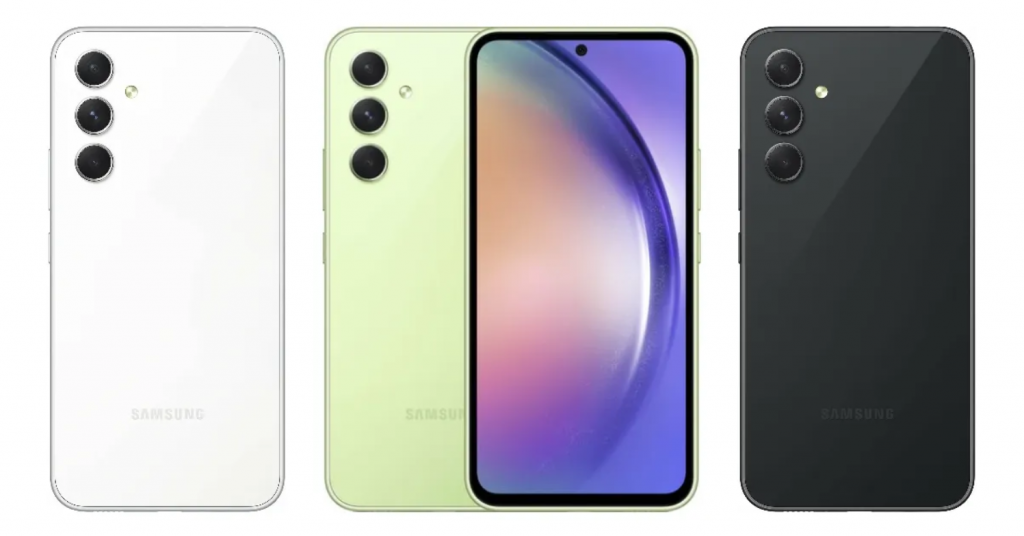
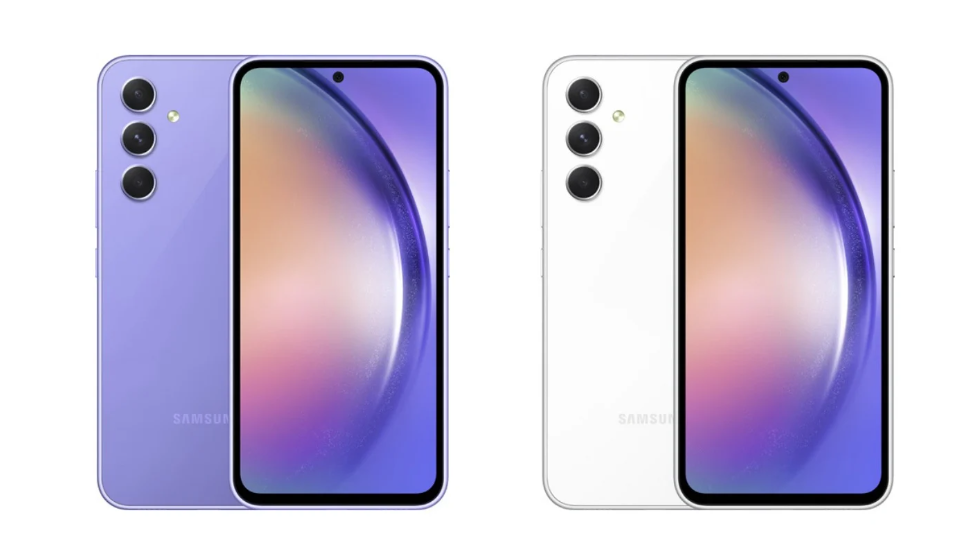
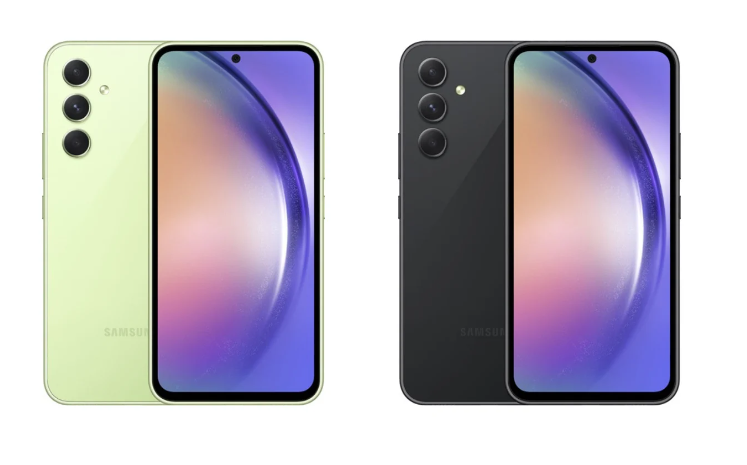
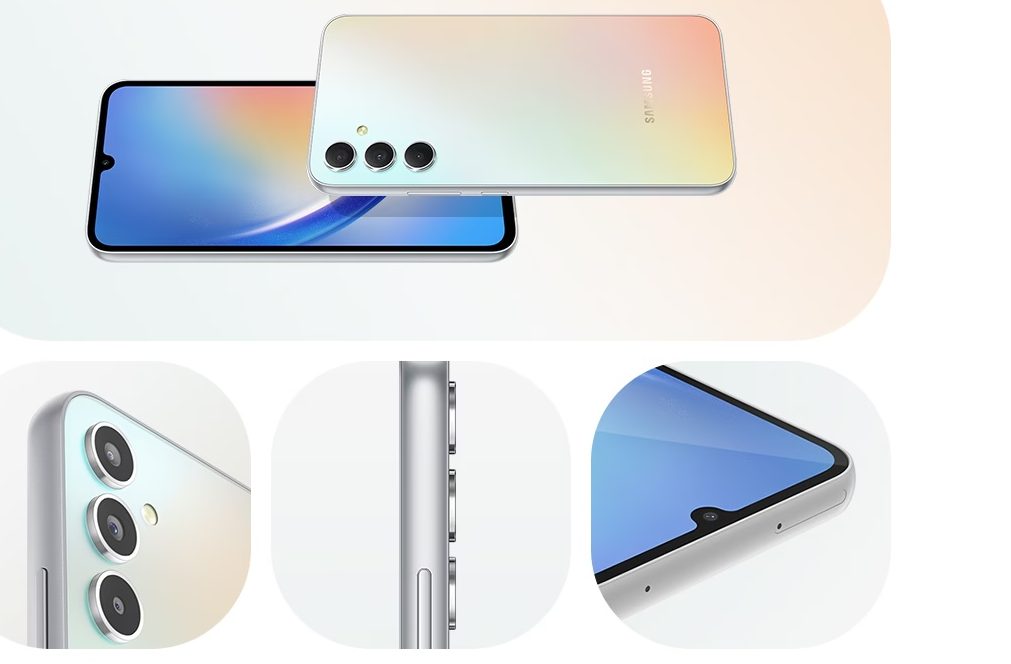
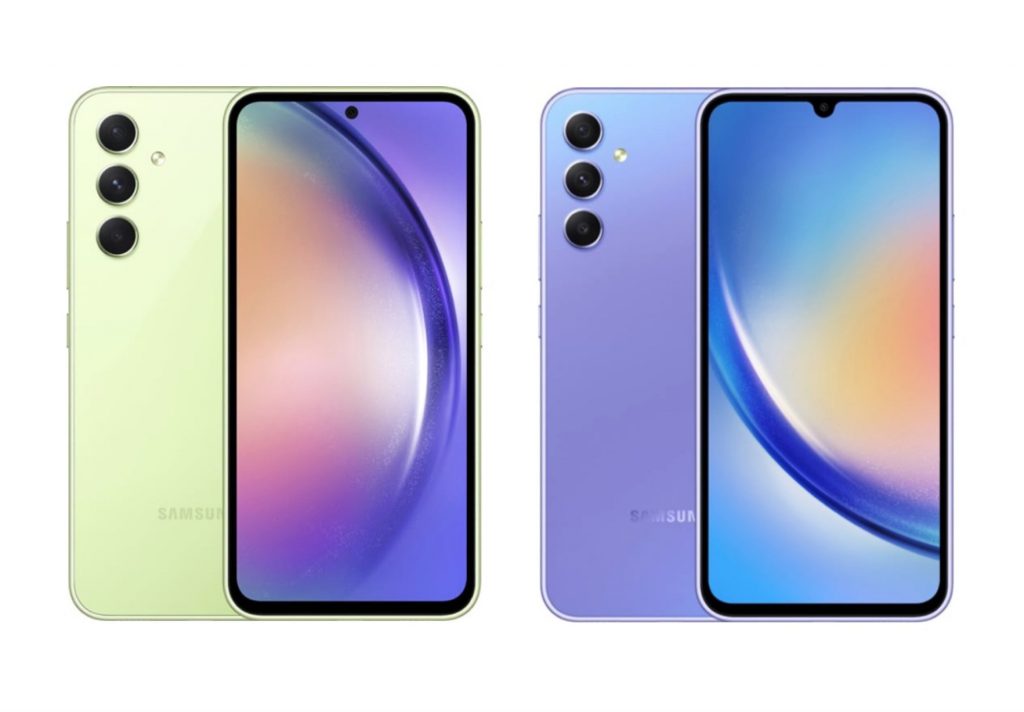
Samsung will be refreshing its mid-range Galaxy A series in 2023. The Korean giant may soon launch the new Galaxy A34, Galaxy A54, and other affordable smartphones. Earlier today, a report released press renders and color options of the A34. And now, AndroidHeadlines has leaked detailed images of the Galaxy A54, showcasing the design of the smartphone in four colors.

Galaxy A54 white

Samsung Galaxy A54 is expected to arrive in the first quarter of 2023 with a bunch of other A series smartphones, including Galaxy A14, Galaxy A24, and Galaxy A34. Reports suggest there won’t be a Galaxy A74 this year, so the Galaxy A54 might debut as the most premium model in the series.

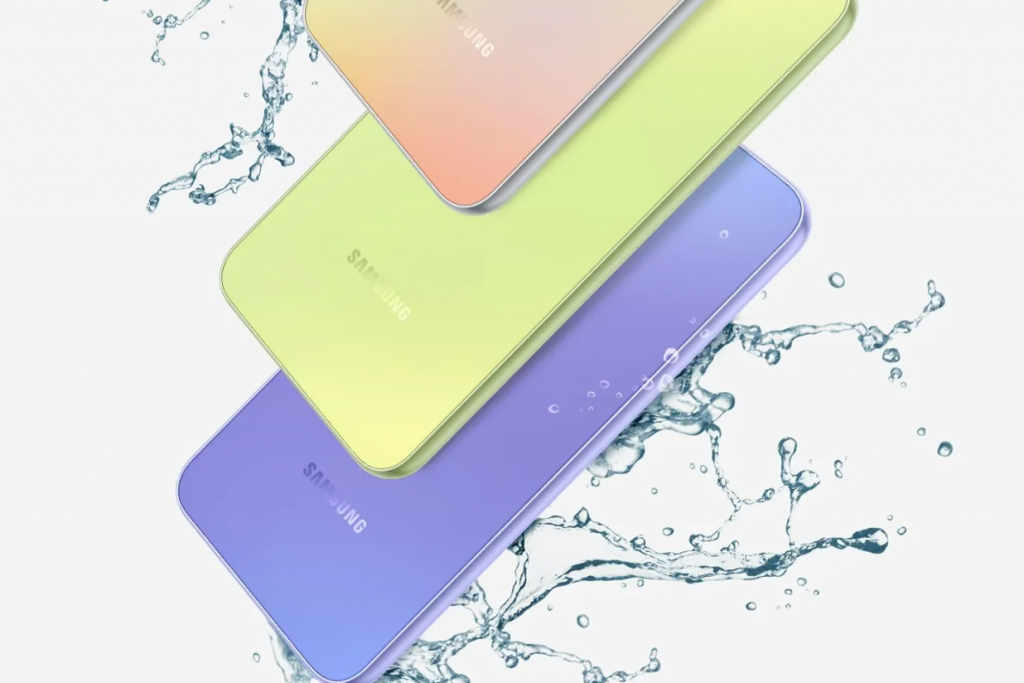
The handset has been pictured with a flagship-like design that resembles the leaked renders of the Galaxy S23. The most visible change in the appearance of the smartphone is its camera module. Just like the S23 series, the Galaxy A54 may not feature the plate and each lens could appear as an individual bump.

Galaxy A54 black
Galaxy A54 Bora purple

As can be seen in the images, the smartphone has a flat display with curved corners. The bezels around the display look thin and the selfie camera is embedded in a punch-hole cutout in the center. Renders reveal the Galaxy A54 will be offered in at least four colors: Black, Lime, Purple, and White.

Reports suggest the upcoming handset will have a 6.5-inch Full HD+ Super AMOLED display with a 120Hz refresh rate. It will be powered by the Exynos 1380 chipset and pack a 5,100mAh battery. The phone could feature a 32MP selfie camera on the front. There might be a 50MP primary camera with OIS, a 12MP ultrawide camera, and a 5MP macro camera on the rear.

RELATED:

(Source)

Redmi K60 Official Cooling Case Can Cool The Device By 4-Degree

Xiaomi has today announced a new smartphone accessory for the Redmi K60 smartphone – an official thermal cooling case. Well, you maybe have heard about this for the very first time and so are we. We have come across many cooling accessories for the smartphone but the cooling case seems something new and Redmi launched it today. The new cooling case for the Redmi K60 claims to lower the temperature of the device by as much as 4 degrees Celsius.

According to rumours, Redmi used the same-segment heat technology of the flagship phone for the first time to enhance the phone’s outer cover. The temperature of the new phase composite material is changed from solid to liquid dual state, and actual long-acting heat is diffused while the heat is conveyed quickly.

Redmi

According to the theory, as soon as the mobile phone’s temperature increases, the composite material quickly absorbs the heat and melts, bringing down the phone’s peak temperature. In order to help mobile phones cool down rapidly, maintain high energy output, and be more comfortable with high-loading scenes like games and videos, officials highlighted that efficient solid-liquid distributes heat in dissipation. This is similar to summoning a “bonus patch” for mobile phones.

The back of the Redmi mobile phone’s fuselage cools by 4°C after an hour of testing thanks to its ice-sensing heat protection cover, and it actually cooled down quickly. The price of the ice-sensing heat protection case in Xiaomi Mall is CNY 79, or around $11.

RELATED