Advertisement

OPPO Find N2 Flip Spotted On Geekbench Ahead Of Launch

OPPO Find N2 Flip is set to launch alongside the Find N2 on December 15th at the brand’s Inno Day in China. The former is the first clamshell foldable phone from the company whereas the latter will arrive as the successor to the last year’s Find N. Now, ahead of the launch, the OPPO Find N2 Flip has appeared on Geekbench revealing key specifications. 

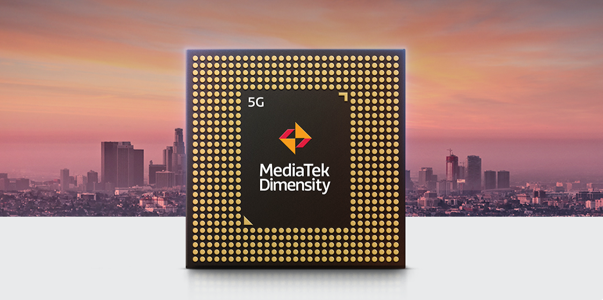
The OPPO Find N2 Flip is listed with model number PGT110 on the Geekbench database. As per the benchmarking platform, the upcoming device is listed with eight cores comprising of four cores clocked at 1.80GHz, three cores at 2.85GHz, and one primary core ticking at 3.20GHz. This suggests that the foldable phone will be powered by MediaTek’s Dimensity 9000+ processor. The internal code reveals Mali-G710 GPU onboard. The listing also mentions that the OPPO Find N2 Flip will pack 12GB RAM and run on Android 13 OS out of the box. 

In Geekbench’s single-core tests, the OPPO Find N2 Flip scored 1,306 points whereas in multi-core tests, it scored 4,293 points. The hardware specifications listed on Geekbench are in line with the previous leaks and rumours. 

The OPPO Find N2 Flip’s teaser video revealed very slim bezels around the display and a side-mounted fingerprint scanner. It has a SIM slot, microphone, USB-C port, and a speaker grille at the bottom edge. The foldable phone is also confirmed to feature OPPO’s MariSilicon X Gen 2 imaging chipset. The OPPO Find N2 Flip is also teased to come with a large secondary display. 

Related:

Via

OnePlus Monitor X27 and E24 Launched in India With Upto 2K HDR Screen

For a very long time, OnePlus teased the debut of the OnePlus Monitor in India. Today, the devices were finally officially introduced. The OnePlus Monitor X27 and Monitor E24 are two different monitors that OnePlus has released. These are the first products of their kind that OnePlus has ever released in the country. The features of the monitors are quite impressive, including the Type-C connection and HDR capability for the display.

OnePlus Monitor

Beginning with the OnePlus Monitor X27, which, as its name suggests, has a 27-inch QuadHD+ IPS LCD screen with 2560*1440 pixel resolution, 165Hz high refresh rate support, 1ms low response rate, up to 350-nits of peak brightness, and 95% DCI-P3 Color Gamut. Additionally, it adds 178-degree viewing angle support, VESA DisplayHDR 400 compatibility, and TUV Rheinland certification for low-blue light and flicker-free images. Additionally, the product also supports AMD FreeSync Premium.

It carries support for five different picture modes; Standard, Movie, Picture, Web, and Game. The users can also use the split screen feature on the monitor. Talking about the ports, it comes with a 1X Type-C charging port which supports up to 65W of input, 1X HDMI 2.1 port, 1X DP port, 1X USB 3.0 port and 1X 3.5mm headphone jack. The device has been priced at INR 27,999. It will go up on sale starting December 15th, 2022.

OnePlus Monitor

Coming down to the OnePlus Monitor E24, it has a slightly smaller 24-inch panel. It’s a FullHD+ panel with 1920*1080 pixel resolution, 75Hz fast refresh rate, 5ms response rate, up to 250-nits of peak brightness and 178-degree viewing angle. The brand has further included support for Adaptive Sync and TÜV Rheinland certification for low blue light and flicker-free visuals. As for the ports, it has a 1X USB Type-C port with up to 18W delivery, 1X HDMI port, 1X 3.5mm headphone jack and 1X VGA port.

As of right now, we don’t know how much the OnePlus Monitor E24 will cost. The company has indicated that they will shortly reveal the price of the item. Anyhow, the company is providing up to INR 1,000 in instant discounts when using ICICI Bank cards as part of the introductory offer. Although we’re not sure if the promotion applies to both models or not, the X27 is unquestionably qualified for this.

Related

Lava X3 To Launch In India Soon; Key Specs, Pricing Leaked

Lava has been steadily launching smartphones in India. The brand launched the Blaze 5G (review) and Blaze Nxt last month. Now the company is gearing up to launch the Lava X3 in the country. The upcoming offering’s microsite is live on Amazon confirming its availability on the e-commerce platform. It also gives us a look at the smartphone’s front. The Lava X3’s launch date remains a mystery, but its key specifications and pricing have surfaced online. 

As per tipster Mukul Sharma (aka stufflistings), the Lava X3 will feature a 6.5-inch IPS display bearing an HD+ resolution. There is a waterdrop notch on the top and a thick chin at the bottom bezel of the display. The smartphone has a pill-shaped camera module and a conventional fingerprint scanner on the back panel. It will be offered in Luster Green, Arctic Blue, and Charcoal Black colours. 

The Lava X3 will reportedly be powered by a MediaTek Helio processor clocked at 2GHz. It will pack 3GB RAM and 32GB onboard storage. The device is tipped to be backed by a 4,000mAh battery unit. It will ship with Android 12 OS out of the box. The upcoming offering will come with 8MP AI dual rear cameras and a 5MP selfie snapper. The smartphone will have a USB-C port and a 3.5mm headphone jack.

Another tipster named Anvin (@zionsanvin) has revealed that the Lava X3 will be an affordable phone and cost around Rs 7,000. We expect to learn more details about the smartphone in the coming days. 

Related:

Apple May Surpass Samsung and Become Leader in Global Smartphone Market

The global smartphone market is highly competitive, with many major players trying to gain market share. Right now, Samsung is the leader in the market, but a new report predicts that Apple will surpass Samsung in the global smartphone market in Q4 2022, due to increased demand for the iPhone 14 series.

Apple could topple Samsung in global smartphone market in Q4 2022

According to a new report from market research firm TrendForce, Apple is expected to dethrone Samsung and become the leader in the global smartphone market in the fourth quarter of 2022. The global smartphone market has been struggling in recent months due to sluggish demand and economic downturns in many countries. In the third quarter of 2022, the market saw a decrease of 0.9% from the previous quarter, with 289 million units shipped.

İmage Source:9to5mac

Apple is expected to see significant growth in the fourth quarter, with its market share rising from 17.6% in Q3 to 24.6%. This growth is largely attributed to the increased demand for the iPhone 14 series. On the other hand, Samsung’s shipments increased by only 3.9% from the previous quarter, and the company is expected to face further decreases due to continued inventory pressure, low demand, and a semiconductor shortage. This will impact Samsung’s position in the global smartphone market and allow Apple to overtake it.

Chinese OEMs Xiaomi, OPPO, and Vivo, which are currently ranked 3rd to 5th in the global smartphone market, are also expected to lose market share in Q4 2022. TrendForce predicts that Chinese smartphone makers will face significant difficulties in the future due to the shrinking demand for smartphones in China’s local market and slow economic growth in India.

Overall, the global smartphone market is facing challenges due to economic downturns and increased inflation in many countries. However, Apple is expected to see strong growth in the fourth quarter, allowing it to surpass Samsung and become the leader in the global smartphone market.

CompanyRanking (Q3-22)Market Share (Q3-22)Ranking (Q4-22) ExpectedMarket Share (Q4-22) Expected
Samsung122.2%220.2%
Apple217.6%124.6%
Xiaomi313.1%312.0%
Oppo411.6%410.4%
Vivo58.5%57.6%
Source: Trendforce

RELATED:

(via)

Ambrane Wise Glaze With AMOLED Display, 7-day Battery Life Launched In India

Ambrane has expanded its range of smartwatches in India. The homegrown brand has launched the Ambrane Wise Glaze. It packs impressive features at an affordable price tag. The device falls under the Rs 3,000 price segment and competes against the likes of the Realme Watch 3, Noise ColorFit Pro 4, Amazfit Pop, and more in the market. Read on to know what the Ambrane Wise Glaze offers out of the box. 

The Ambrane Wise Glaze features a 1.78-inch AMOLED display in a square dial. It bears a screen resolution of 368 x 448 pixels and 1,000 nits peak brightness. There is always-on display mode. The device has a physical button on the right side and it is IP68 water-resistant. 

On the fitness front, the Ambrane Wise Glaze is equipped with a heart rate and SpO2 sensor, sleep and stress tracker, and menstrual cycle monitor. It offers breath training, water reminder, and sedentary alerts. It packs support for 100 sports modes including running, walking, cycling, and extreme activities like gymnastics, yoga, hiking, cross-fit, dancing, karate, taekwondo, horse riding etc. 

The Ambrane Wise Glaze is equipped with a single chipset, a built-in mic, and a speaker for Bluetooth calling. The smartwatch is powered by a 280mAh battery unit that is claimed to last 7 days on a single charge. It packs convenient features like notifications, voice assistant, weather updates, find phone, and two built-in games. 

The Ambrane Wise Glaze carries a price tag of Rs 2,999 and is offered in Black, Grey, Green, and Blue colours. The device is available for purchase from Flipkart and the company’s website. 

Related:

WhatsApp Developing “View-Once” Feature for Text Privacy

WhatsApp is apparently developing a new feature that will allow users to send messages that are automatically deleted after they are viewed by the recipient. This feature is known as a “view-once” option and it is currently being tested on the platform’s beta version.

WhatsApp is developing a view-once option for text messages

WhatsApp is reportedly testing a new feature called “view-once” that will prevent recipients from copying or forwarding messages that they have viewed. In addition, recipients will not be able to take a screenshot of these messages. The feature was spotted on WhatsApp beta 2.22.25.20 for Android.

WhatsApp view-once

WhatsApp already offers a similar feature for photos and videos, but it has not yet been available for text messages. This has made the platform appear behind its competitors, as other popular messaging apps like Snapchat have offered this functionality for a long time. It makes sense for WhatsApp to offer its users the same level of security and privacy by providing the option to send messages that are automatically deleted after they are viewed by the recipient.

The view-once option is not the only ephemeral messaging feature that WhatsApp offers. The platform already allows users to send messages that automatically disappear after a certain amount of time. This feature is available for both individual and group chats, and allows messages to disappear after 24 hours to 90 days, depending on the user’s preferences.

With the upcoming view-once feature, messages will disappear immediately after they are viewed by the recipient. This will give users peace of mind that sensitive messages will not be seen by unintended people. However, it is not foolproof, as others may still be able to photograph the message using other means.

In conclusion, WhatsApp is reportedly developing a view-once option for text messages that will allow users to automatically delete messages after they are viewed by the recipient. This feature will provide users with an additional layer of security and privacy, and will help prevent messages from being copied or forwarded. It is currently being tested on the platform’s beta version, and it is expected to be rolled out to all users in the near future.

Related

(via)

Motorola Moto X40 Roundup: Design, Specs, & More

Motorola is gearing up to launch the new Moto X40 in the Chinese market soon. The device is the company’s next generation of flagship smartphone. There have already been a number of leaks and reports regarding this handset ahead of its December 15 launch, so here’s a roundup of all specs, features, and design of the X40.

Design & Display

The Moto X40’s design had recently been revealed via leaked renders. On the front, the device has a curved display with a punch hole camera on the top center. Meanwhile, the rear features a triple camera module on the top left corner. As per the leak, the device is said to measure 161.3 x 73.9 x 8.5 and weighs around 196 grams. The premium grade handset also features a metallic frame. This device is expected to sport a 10 bit 6.67 inch curved OLED display that has a Full HD+ resolution and supports 144Hz or even 165Hz refresh rate as well.

Motorola

Specifications

Under the hood, the Motorola X40 is expected to be equipped with Qualcomm’s latest and greatest Snapdragon 8 Gen 2 SoC. This high end processor will likely be paired with 8GB, 12GB, or possibly even 18GB of LPDDR5X RAM. For storage, we can expect the base model to start from 128GB and go up to either 256GB or even 512GB of UFS 3.1 storage. The device will run on Android 13 OS based MyUI 5.0 custom skin. Other features include, USB Type C, stereo speakers, Bluetooth 5.3, dual band 5G, NFC, and even IP68 water and dust resistance rating.

Interestingly, the Moto X40 was spotted on 3C and TENAA with a 4,600mAh and a 5,000mAh battery pack. However, the former has an impressive 125W fast charging while the latter supports a slower 68W fast charging rate. This means that there is a possibility that the Moto X40 Pro might also be announced during the launch event, or could even be released sometime after the X40. It is also possible that one variant could just be a special edition or the global version for the X40 that might be dubbed as the Moto Edge 40 Pro.

Motorola

Camera

Lastly, the Motorola X40 is set to launch with a triple camera setup on the rear. It features a 50 megapixel primary sensor that will be paired with a 50 megapixel ultra wide angle lens and a 12 megapixel telephoto shooter that offers 2x optical zoom as well.

This is all the information we have regarding this device at the moment, so stick around for more as we will be covering any additional reports or rumors that surface in the days before the Moto X40 release.

RELATED:

MIUI 14 Pad Coming to These Xiaomi, Redmi Tablets

MIUI 14 went official yesterday at the Xiaomi 13 series launch event. During the announcement, Xiaomi disclosed all the new features of its latest software. It also revealed the smartphones that will be getting the update to the new software first.

However, the company did not disclose the availability of MIUI 14 for tablets. This was later revealed via Xiaomi Community after the event. Let’s check out the details.

Xiaomi Pad 5 Pro 12.4
Xiaomi Pad 5 Pro 12.4 (Review)

Last year, when Xiaomi unveiled MIUI 13, the company’s presentation included a showcase of features for different branches of software, such as MIUI 13 Pad and MIUI 13 Fold. But during the MIUI 14 announcement, there was no such thing.

Because Xiaomi is still working on the tablet and foldable versions of MIUI 14. The company has revealed this information on its official forum.

Therefore, MIUI 14 weekly beta builds for tablets and foldables will be released later. Whereas, the first batch of eligible smartphones has started receiving them.

Interestingly, despite starting the public beta program, Xiaomi has already put forth a timeline for MIUI 14 stable release. The following tablets will get access to the update starting in early April 2023.

MIUI 14 Pad Stable Update Release Schedule

From Early April 2023

  • Xiaomi Pad 5 Pro 12.5
  • Xiaomi Pad 5 Pro 5G
  • Xiaomi Pad 5 Pro
  • Xiaomi Pad 5
  • Redmi Pad

At the moment, Xiaomi 13 and Xiaomi 13 Pro are the only devices running MIUI 14 stable. Older phones were revealed to get the update starting in February 2023 during the event. However, the Xiaomi Community announcement post says that the rollout will begin around January 2023.

RELATED:

Xiaomi crowdfunds MIJIA Dictionary Pen with Laser Scanning support

Xiaomi has just launched a new MIJIA product. The company has unveiled a new unique device that is currently being crowdfunded and is dubbed the MIJIA Dictionary Pen. It has some interesting features and functionalities, so let’s have a look.

Xiaomi

Based on official notes, the MIJIA Dictionary Pen features a laser assisted scanner. Through this technology, the new product that is being crowdfunded can scan and take recordings of multiple lines or a whole page. These lines can further be used for photo translation to convert texts. The product also supports the transfer of the recorded contents to other apps for edition, sharing, and even printing.

Apart from the laser scanning, the device also has a camera that can take pictures of dedicated paragraphs that the user wishes to record. This sensor is housed on one side of the MIJIA Dictionary Pen, while the other side houses a tall but thin screen to display the content being captured. As per official claims from Xiaomi, the device is capable of a high 99 percent success rate for Chinese and English OCR text recognition. Furthermore, this online/offline translation accurate rate is even comparable to English majors.

Xiaomi

The MIJIA Dictionary Pen is also equipped with a dual microphone far field pickup that is also paired with AI noise reduction algorithms. This helps in translating speech in team time or even offer speech to text recordings. The device basically offers a number of ways to record and translate between multiple languages, which includes the likes of Chinese, English, Japanese, Korean, Russian, German, and more. The device has a retail price tag of 799 Yuan (roughly 115 US Dollars) and is being crowdfunded for 699 Yuan (roughly 100 US Dollars).

RELATED:

Huawei Admits How Difficult It Was to Produce a Flagship Phone

Making a flagship smartphone is a challenging and complex process that requires a wide range of components and technologies, including high-resolution displays, advanced cameras, powerful processors, and cutting-edge software. These components must be sourced from various suppliers and carefully integrated into the final product. Additionally, the manufacturing process itself is complex and requires precise control to ensure that each device meets the company’s high-quality standards. Huawei recently revealed the difficulties it faced in producing the Mate 50 series, highlighting the challenges that all manufacturers face in creating a flagship smartphone.

Huawei admits how difficult it was to manufacture the Huawei Mate 50 series

Huawei Consumer Business Group CEO Yu Chengdong recently sat down with Chinese media to discuss the challenges the company faced in producing the Huawei Mate 50 series. Yu revealed that the manufacturing process was difficult due to major faults in the supply chain and limited chip supplies. Despite these hurdles, the team managed to bring the flagship into production.

Huawei Consumer Business Group CEO Yu Chengdong
Huawei Consumer Business Group CEO Yu Chengdong (Source: Huawei Central)

Yu also spoke about the internal obstacles the company faced, with someone within the company telling him that it was impossible for the Mate 50 to succeed due to the high cost and restrictions on gathering the required technologies. However, Yu was determined to make the product a success.

Since last year’s U.S. restrictions, the company has been limited to launching only 4G phones and the Mate 50 series is no exception. However, Yu stated that Huawei has improved 4G performance and WiFi 6 technology helps fill the gap left by the lack of 5G.

Overall, Yu expressed confidence in the Mate 50 series, stating that if it did not do well, he would be “very sad,” but he is pleased with its performance so far. Despite not having 5G capabilities, the Mate 50 series is packed with high-end features including XMAGE imaging technologies and high-resolution pictures.

Related

(via)

Xiaomi 13 Series Flagship Smartphone’s Global Launch Teased By CEO Lei Jun

After delaying the launch, Xiaomi recently announced its flagship smartphone for the next year — Xiaomi 13 series, which includes two models — Xiaomi 13 and 13 Pro.

While smartphones have been launched in the Chinese market, the company is gearing up to launch these new phones globally, and CEO Lei Jun has also teased the global launch of the Xiaomi 13 series.

Xiaomi 13 Flagship Smartphone

In a tweet, Xiaomi’s co-founder and CEO Lei Jun revealed the company is now gearing up to launch the Xiaomi 13 series smartphones in four international markets. However, the name of the regions, as well as the launch timeline, has not been revealed yet.

The Xiaomi 13 and 13 Pro features an AMOLED display, an integrated fingerprint scanner, and a center-aligned punch-hole cutout. The devices offer a 120Hz refresh rate, 1,900 nits peak brightness, HDR10+, Dolby Vision, and HLG support. The Xiaomi 13 features a 6.36-inch flat screen with FHD+ resolution, whereas the 13 Pro model has a 6.73-inch QHD+ display with curved edges. 

Under the hood, both devices are powered by the Qualcomm Snapdragon 8 Gen 2 processor, packed with up to 12GB of LPDDR5x RAM and 256GB of UFS 4.0 internal storage. The phones have a liquid cooling heat dissipation system as well as a Surge G1 charging protection chip.

In the camera department, the standard model has a 50MP OIS-enabled Sony IMX800 sensor, a 12MP ultra-wide-angle lens, and a 10MP telephoto unit. On the other hand, the Pro model features a 1-inch Sony IMX989 50MP primary lens paired with 50MP ultra-wide lens and 50MP telephoto sensor. Both smartphones feature a 16MP front-facing snapper for taking selfies and video calling.

The phones, which are IP68-rated for water and dust resistance and have Dolby Atomos support for the stereo speakers, run the Android 13 operating system out-of-the-box with an MIUI custom interface on top. The Xiaomi 13 and 13 Pro are backed by 4,500mAh and 4,820mAh battery cells with support for 67W and 120W wired charging, respectively.

RELATED:

(Source)

KT-R1 handheld console with Helio G99 chipset, 1080p display & 5,000mAh battery launched

Many OEMs have been launching new handheld gaming consoles in the market. These include Windows devices like OneXPlayer Mini Pro along with Android-based machines such as the Retroid Pocket 3+ and the Anbernic RG505. The KT Pocket’s KT R1 is a new device that fits in the latter classification as it comes with an Android-based operating system.

KT Pocket

The brand has finally made the console available for purchase. The KT-R1 is orderable from KT Pocket’s website with a starting price of US$169 for the 4GB of RAM and 64GB configuration. This version has a plastic shell. The more expensive 8GB RAM and 256GB storage version has a US$279 price tag and comes with a metal shell. It is worth noting that both models offer support for expandable storage.

KT Pocket

The KT-R1 console is powered by a MediaTek Helio G99, which is a 6 nm chipset with two ARM Cortex-A76 CPU cores, six Cortex-A55 CPU cores, and a Mali-G57 MP2 GPU. The SoC should be powerful enough to emulate PlayStation 2 games in theory, though the KT-3:2 R1’s display is better suited for Game Boy Advance titles.

The KT-R1 also has a 5,000 mAh battery that, according to KT Pocket, should last 6-10 hours between charges, depending on the games played on its 4.5-inch, 1,620 x 1,080-pixel display. Furthermore, the KT-R1 comes with Android 12, Bluetooth 5.2, and WiFi 5 connectivity. You can visit KT Pocket’s website to find more details about the KT-R1 handheld console.

RELATED:

(Source, Via)

Xiaomi Mini PC Barebone released without RAM, SSD, & OS for a cheaper price

Just yesterday (11th December 2022), Xiaomi held its highly anticipated launch event in which it launched its Xiaomi 13 series of flagship smartphones and a number of other products. This included the new Xiaomi Mini PC. Now, the company has also released a Barebone variant of this model, so let’s have a look.

As the name suggests, the Mini PC (Barebone) model arrives without a number of key specifications. For those unaware, the full fledged model features an Intel Core i5-1240P processor with Intel Iris Xe Graphic support. This processor is paired with 16GB of DDR4 RAM and 512GB of PCIe 4.0 NVMe SSD. It also runs on Windows 11 Home Chinese Edition operating system out of the box. However, the barebone version is lacking a couple of these features. Some of these features include the lack of memory modules (RAM), no SSD storage, or even an operating system pre installed.

Although the barebone model also comes with a more affordable price tag as well. The original version was launched in China with a 3,699 Yuan price tag (roughly 531 US Dollars). But this variant is available for a cheaper 2,799 Yuan (roughly 401 US Dollars). In other words, the Chinese tech giant is offering its Xiaomi Mini PC (Barebone) model for a whole 900 Yuan cheaper. While these parts can be removed when ordering this pocket computer (not to be taken literally), prospective buyers can pick and choose which parts they would require out of these three, which offers users more options.

RELATED:

(Source)

Nubia Z50 Smartphone Set To Officially Launch In China On December 19

ZTE-backed Nubia has been launching smartphones under the Z-series, and now the company is gearing up to launch a new smartphone dubbed Nubia Z50 in China.

The company has announced that the upcoming Nubia Z50 smartphone will be launched in the Chinese market on 19th December. The event will start at 02:00 PM local time in China.

Nubia Z50 China Launch Date

The teaser poster shared by the company reveals that the company is focusing on the camera department for the smartphone to make it stand out from the crowd of premium phones.

Nubia says that the upcoming Z50 smartphone uses a brand-new 35mm custom optical system where the light input exceeds 1-inch primary camera sensor. Further, the company revealed that the device would also support Starry Sky Photography and will also offer several different types of photography modes.

Nubia Z50 Starry Night Photography Mode

As for the other specifications, we expect the device to come powered by the Qualcomm Snapdragon 8 Gen 2 processor, which was announced last month. A few smartphones have already launched powered by this new chipset, and we expect most of the upcoming flagship phones to be powered by Snapdragon 8 Gen 2 SoC.

There’s not much known about the Nubia Z50 smartphone’s features and specifications, but we expect the company to reveal more details in the coming days through teasers.

The predecessor of Z50, called Nubia Z40S, features a 6.67-inch OLED display with a Full HD+ resolution, a 144Hz refresh rate, a 480Hz touch sampling rate, and a maximum brightness of 1,000 nits. It is powered by the Qualcomm Snapdragon 8+ Gen 1 chipset, paired with LPDDR5 RAM and UFS 3.1 internal storage.

The handset comes with a custom-made 35mm, 64-megapixel Sony IMX787 primary camera with an f/1.6 aperture and OIS support, coupled with a 50-megapixel ultra-wide lens and an 8-megapixel periscope telephoto camera. There’s also a 16-megapixel snapper on the front side for taking selfies.

On the software front, the device runs the Android 12 operating system with the company’s own MyOS 12 custom interface and the phone is powered by a 5,000mAh battery with support for 80W or 120W fast charging.

RELATED:

MIUI 14 Brings Xiao AI 6.0 With Pixel Call Assistant-like Features and More

Yesterday, Xiaomi unveiled MIUI 14 at the Xiaomi 13 series launch event in China. The latest version of the company’s mobile software arrives with a number of features. One of these is Xiao AI 6.0.

For the unaware, Xiao AI is Xiaomi’s virtual assistant. With the latest MIUI upgrade, the firm’s virtual assistant brings some useful features and improvements. Let’s take a look at them.

Xiao AI 6.0

Since Google does not have a presence in China, smartphone brands in the country rely on their self-developed AI assistants.

Xiaomi introduced Xiao AI in 2018. Since then, the company has regularly updated it with features inspired by globally popular virtual assistants like Google Assistant, Apple Siri, and Amazon Alexa.

The newly introduced MIUI 14 brings Xiao AI 6.0. The latest version of the AI software now works locally on smartphones and tablets.

Xiao AI 6.0 offers the following six core functions.

  • Xiao AI Suggestions
  • Xiao AI Voice
  • Xiao AI Vision
  • Xiao AI Translator
  • Xiao AI Call

Xiao AI Suggestions are similar to Siri Suggestions and Google Assistant Suggestions. The function suggests users throughout the day based on their usage scenarios.

Xiao AI can suggest a number of things, including reminders, home automation controls, travel-related actions, menstrual cycle status, and more.

As the name indicates, Xiao AI Voice is the standard voice control function. Whereas, Xiao AI Vision and Xiao AI Translator are substitutes for Google Lens and Google Translate, respectively.

Finally, Xiao AI Call is Xiaomi’s take on Google’s Pixel Call Assistant. It was first introduced in 2019, a year after Google debuted the original in 2018.

Xiao AI Call supports call screening, real-time translation, multiple Chinese dialects, and more.

Unfortunately, Xiao AI 6.0 will not be available in global markets with MIUI 14 update. Outside mainland China, smartphones and tablets sold by Xiaomi use Google Assistant. Some devices even come with Amazon Alexa.

Anyway, it is worth noting that almost all the features of Xiao AI can be experienced outside China via Google services. The only thing that’s missing is Xiao AI Call, a feature set that is only available on Google Pixel phones.

RELATED:

Noise ColorFit Pro 4 Alpha to launch in India soon, with AMOLED display

Noise is apparently gearing up to launch another new smartwatch model in the Indian market soon. The company is planning on releasing this new smart wearable under its existing ColorFit Pro 4 lineup and will be dubbed the ColorFit Pro 4 Alpha.

According to a new report, the known hearables maker is working on a new ColorFit Pro 4 model. A leak has revealed the name of the upcoming smartwatch, its sales channels, features, and more. The ColorFit Pro 4 Alpha model will reportedly sport a 1.78 inch AMOLED display that will support Always on Display and have a 2.5D curved glass. This screen has a 60Hz refresh rate and 368 x 448 pixel resolution.

Noise

Looking at the images of this device, we can see that the smartwatch has a design that somewhat resembles the Apple Watch. This means that it has a square shaped dial with a physical button the right side. The company is apparently also planning on marketing the new physical button as a Digital Crown, which will help users scroll through the UI and menu options. Other notable features include, Tru Sync technology for Bluetooth calling via Bluetooth 5.3.

The company will also support fast charging technology that will be able to go from 0 percent to 50 percent in just 30 minutes. Noise ColorFit Pro 4 Alpha would also have a total battery life of seven days. This model is a mid range budget wearable and will go on sale from Amazon India website soon.

RELATED:

(Via)

OnePlus 11’s 3C certification confirms 100W fast charging

OnePlus is expecting to launch the OnePlus 11 smartphone. It is rumored to be the next flagship offered by the brand, and will likely be the successor to the OnePlus 10 Pro. The OnePlus 11’s specifications and renders have previously been revealed through leaks. The newest Qualcomm Snapdragon 8 Gen 2 chip is anticipated to power the device.

Now, the device has received 3C certification, revealing some key details about the device. The listing has the device marked with the model number PHB110. According to the certification listing, the OnePlus 11 power adapter will handle 5V/2A and 5-11V/9.1A power output and has the model number VCBAJACH. The upcoming OnePlus flagship will support 100W rapid charging based on these. The listing does not reveal any other details.

As for other specifications, the leaks so far reveal that the device will be powered by the recently revealed Snapdragon 8 Gen 2 chipset. It may contain up to 16GB of RAM and 256GB of inbuilt memory. A 5,000mAh battery with 100W charging capabilities is claimed to be the device’s power source.

The upcoming flagship is expected to include a 6.7-inch AMOLED display with a 2K resolution, a refresh rate of 120Hz, and an in-screen fingerprint scanner. The triple-rear camera system on the OnePlus 11 may consist of a 50MP Sony IMX890 sensor, a 48MP ultra-wide-angle lens, and a 32MP telephoto lens.

RELATED:

(Via)

Redmi Note 12 Pro series to launch on January 5 with 200MP camera

Xiaomi has just announced the launch date for the Redmi Note 12 Pro series. The company has officially revealed the smartphones announcement and even hinted at one of its key specifications. So let’s have a look.

The Chinese tech giant shared a tweet earlier today (12th December 2022), which shared the launch date and the teaser. Looking at the online post, the company will be releasing the upcoming Note 12 Pro series 5th January 2022. Furthermore, it also officially confirmed that the Note 12 Pro+ smartphone model will feature a large 200 megapixel primary camera on the rear. The brand also shared a link to its official website that would offer to notify prospective buyers.

Redmi

Xiaomi will be hosting the SuperNote event on January 5, which is also in line with one of our previous reports. Talking about the smartphones itself, the Note 12 Pro features a 50 megapixel primary camera, with both the Pro and Pro+ variant having an additional 8 megapixel ultra wide angle lens and a 2 megapixel macro sensor on the rear. The base Note 12 is expected to be equipped with the Snapdragon 4 Gen 1 SoC, while the Pro and Pro+ model houses the Dimensity 1080 SoC.

Lastly, the base Note 12 also launched in two variants, with a vanilla and Explorer Edition. The latter launched with a 120Hz AMOLED display, 200 megapixel camera, and a whopping 210W fast charging support. So stick around for more as we will be covering the launch event that is set in the next year.

RELATED:

Get Shanling M0 Pro Digital Music Player at Giztop for $139

Shanling M0 Pro the new generation music player is now available for $139 at Giztop. 

Equipped with the new MTouch OS operating system this hi-res digital music player is a must for audiophiles who want to enjoy high-quality music on the go. The device uses dual ESS ES9219C DAC/AMPs, up to 236mW@32Ω output power, which gives an overall improved sound quality.

It features a 1.54-inch LCD touchscreen and supports a single-ended/balanced 3.5mm port. Equipped with bi-directional Bluetooth 5.0 you can control the device using your smartphone and enjoy high-quality audio on your Bluetooth headphones. 

Shanling M0 Pro comes with 14.5 hours of battery life and supports a two-way USB, PCM384 / DSD128, and a 2TB TF card. 

You can now buy Shanling M0 Pro digital audio player for $139 only on Giztop. The device is available in Black, Red, and Green color variants. 

For more information on such exciting deals and offers check out our deals hub.

Jio Phone 5G certified by Bureau of Indian Standards, could launch soon

Last year, Reliance Jio announced that its first 5G smartphone, called the Jio Phone 5G, will launch in India around July 2022. Missing that timeframe, the talks about this 5G smartphone got cold. However, a recent Geekbench listing reignited the hope that the device might finally be on its way.

Jio

Now, it has been stopped by the Bureau of Indian Standards, signaling that it is on its way to launch soon. The device was spotted with model number LS1654QB5 on the certification website. Although the listing does not reveal any information regarding the smartphone, We already have a pretty good idea of what to expect thanks to several leaks. Let’s take a look at the information available so far.

Jio Phone 5G specs (rumored)

So far, rumors floating online state that the Jio Phone 5G will come with a 6.5-inch HD+ LCD screen that offers a refresh rate of 90Hz. The device will have an Android 12-based operating system, which could feature a forked version of Android called the PragatiOS.

Under the hood, there will likely be a Snapdragon 480+ chipset from Qualcomm. This chipset will be paired with 4GB of RAM and 65GB of onboard storage. A 5,000mAh battery with 18W fast charging is said to power the device.

The rear camera setup is expected to include a 13MP primary lens and a 2MP secondary lens. The device is said to have an 8MP camera on the front. Wi-Fi 802.11 a/b/g/n, Bluetooth 5.1, and an always-on Syntiant NDP115 AI processor are also expected.

RELATED:

(Via)