Infinix is set to launch a new laptop in India soon. The upcoming offering is called the Infinix INBook Y1 Plus. It is confirmed to be available on Flipkart. The e-commerce platform has also put up a microsite of the laptop only on its mobile app. The listing reveals some key specifications of the device. However, the launch date of the INBook Y1 Plus remains unknown at the moment.
The Infinix INBook Y1 Plus will come in Silver, Blue, and Grey colour options. As per the Flipkart microsite, it will feature a 15.6-inch display bearing an FHD+ resolution. It will offer ultra-narrow bezels, 250 nits brightness, and an 86 percent sRGB colour gamut. On the audio front, the laptop will be equipped with dual stereo speakers producing 2W sound output. The machine is confirmed to be powered by a 50Whr battery unit that is claimed to offer 10 hours of video playback. The upcoming offering will support 45W charging via a Type-C port that is said to refuel 75 percent in an hour.
The rest of the hardware specifications of the Infinix INBook Y1 Plus remain a mystery. The Flipkart microsite revealed that it will be powered by an Intel Core processor and will launch later this month under Rs 30,000 segment.
Additionally, apart from the INBook Y1 Plus laptop, Infinix is also set to launch the Smart 7 smartphone soon. It is confirmed to come with 500 nits brightness, 4GB RAM along with 3GB virtual RAM and 64GB storage, and a 6,000mAh battery with support for a USB-C port. The smartphone is teased to be priced under Rs 7,500.
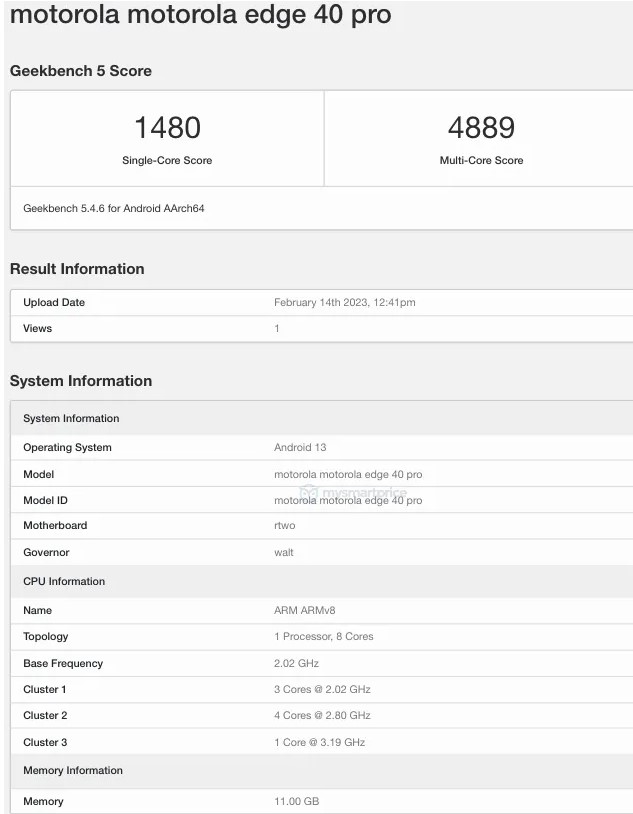
The Moto Edge 40 Pro appeared in leaked renders last month. The pricing and specifications were also tipped. The device seems to be rebranded version of the Moto X40 that debuted in the Chinese market last December. Now, the Moto Edge 40 Pro has appeared on Geekbench with key specifications.
As per the benchmark database, the Moto Edge 40 Pro is listed with an ARMv8 processor that comprises three cores clocked at 2.02GHz, four cores at 2.80GHz, and one core at 3.19GHz. It corresponds to the Snapdragon 8 Gen 2 SoC. The listing mentions 12GB RAM onboard, but we can expect more options at launch. The smartphone will run on Android 13 OS out of the box. In the Geekbench’s single-core and multi-core tests, the Moto Edge 40 Pro scores 1,480 points and 4,889 points respectively.
The leaked renders of the Moto Edge 40 Pro confirm that it is a rebadged Moto X40. If this indeed turns out to be true, then we can expect the device to feature a 6.6-inch curved OLED display bearing an FHD+ resolution and a 165Hz refresh rate. It will be backed by a 4,600mAh battery unit with support for 125W fast charging and 15W wireless charging. The smartphone has a 50MP OIS-enabled primary camera paired with a 50MP ultra-wide-angle unit and a 12MP telephoto lens. There is a 60MP selfie snapper.
The Moto Edge 40 Pro will reportedly cost EUR 850. We will know more details about the smartphone’s global launch in the coming weeks.
There has been an odd bug that has affected a number users on Twitter. While one typically can see tweets from the accounts they follow, it appears that tweets from Elon Musk have universally been reaching everyone even if they don’t follow him.
Now, the CEO of Tesla and the microblogging website has stated that the company is working on fixing this issue. Typically, one would see tweets that are listed in chronological order. However, those that follow Elon have been seeing his tweets more often in their “For You” segment, while people that don’t even follow the billionaire are also being spammed by his tweets. In response to this, Musk stated that “please stay tuned while we make adjustments to the uh… ‘algorithm.'”
In other words, this basically confirmed that the issue was real and Twitter is at least planning on fixing this weird bug. Although, Elon Musk might just be the one behind this change since this issue surfaced after he had previously mentioned that his engagement was dropping on the platform. He was also rumored to have fired an engineer over this issue.
Please stay tuned while we make adjustments to the uh .… “algorithm”
Musk has also tweeted that a fix is currently in the worlds after a “long day at Twitter HQ with eng team.” Based on what he said before, around 95 percent of his tweets weren’t getting delivered to the Following feed due to an issue called “Fanout.” He further added that the Recommendation algorithm wasn’t working properly and was causing “causing accounts with many followers to be dumped.”
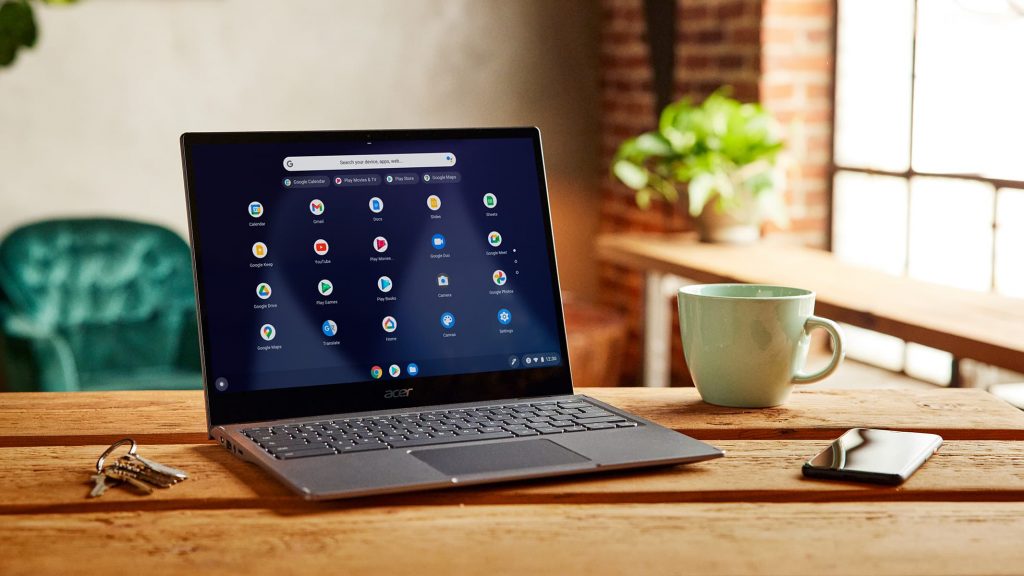
Google is apparently working on bringing a new feature that will allow users to create custom keyboard shortcuts on Chromebooks. This function will be offered via the ChromeOS itself, so here are all the details.
The feature was spotted by About Chromebook‘s Kevin Tofel. He spotted that the ChromeOS 111 beta has a keyboard shortcut editor, although, the feature doesn’t currently work. Furthermore, one can also get access to this feature by enabling flags with names like “enable-shortcut-customization-app” and “improved-keyboard-shortcuts.” The settings app will then show you a list of shortcuts that are available in different parts of the OS and applications. One can even find default keybindings for the users.
This is still just in an experimental build but allows users to add alternative shortcuts. The report further added that you can even set shortcuts, however, these keys are not working yet. These settings even lets you reset the shortcuts to default settings. It is still unclear when the Search engine giant will offer this feature on a stable build of the ChromeOS. But, it is currently believed to arrive sometime in the coming months.
In other words, we can also expect to see the feature arrive in the beta versions soon. WE can expect it to roll out to beta users in the next couple of weeks, since the feature appears to be mostly ready. So stick around for more, as we will be providing updates when additional information is available regarding this matter.
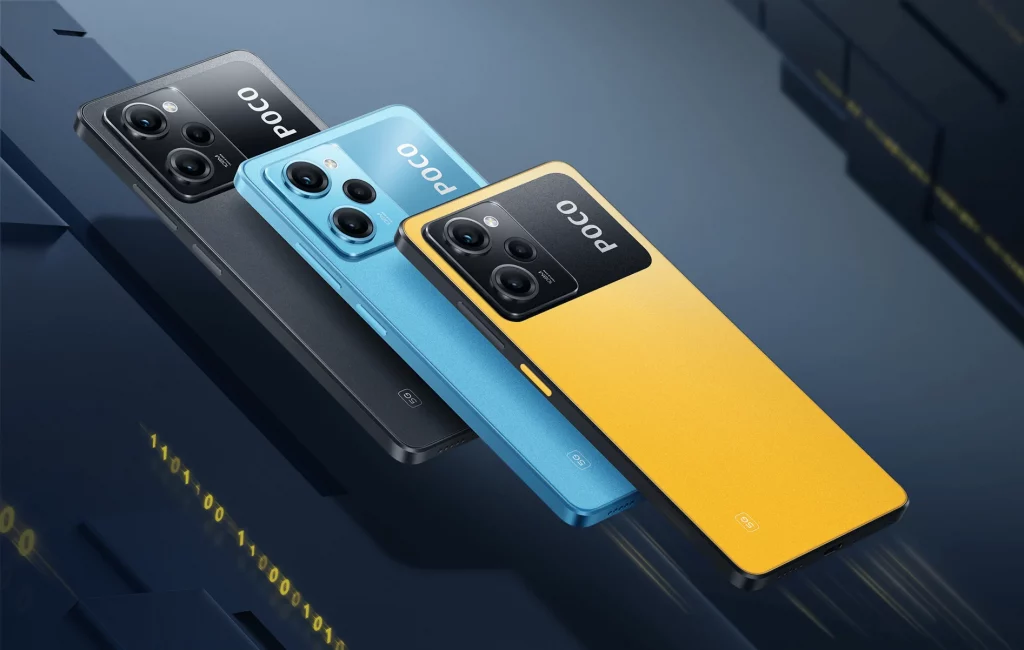
Poco has recently launched the Poco X5 and Poco X5 Pro smartphones in India and other global markets. The brand also has a few more devices planned for the near future. One of these is the Poco X5 GT which was recently spotted on the BIS certification website.
POCO X5 Pro
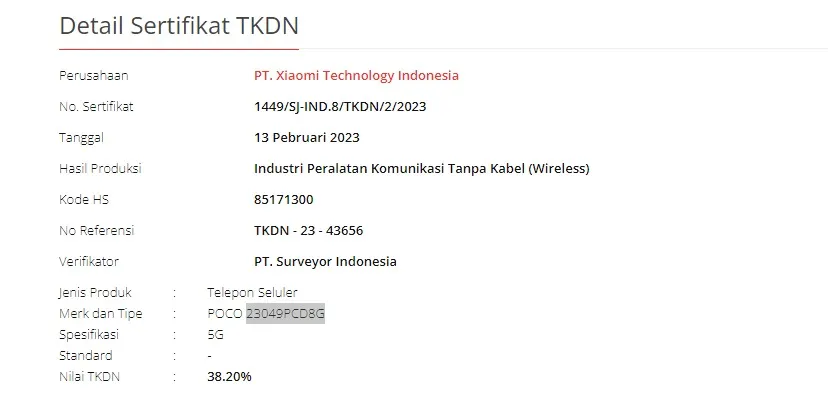
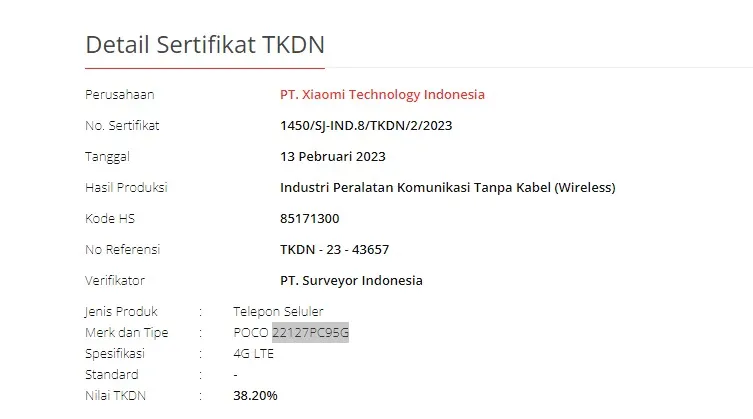
Now, the phone has appeared on Indonseia’s TKDN database alongside the Poco C55. According to TKDN certification, the upcoming Poco C55 smartphone will have the model number 22127PC95G and support 4G connectivity. It is believed to be a rebranded version of the Redmi 12C launched in China.
The POCO X5 GT, on the other hand, is expected to come with 5G connectivity and has been listed with the model number 23049PCD8G. The same model number has also been listed in the Indian BIS certification, suggesting that it could be a rebranded version of the Redmi Note 12 Turbo for international markets.
Poco C55 Specifications
Redmi 12C
The Poco C55 smartphone is expected to feature a 6.71-inch HD+ IPS display with a resolution of 1650×720 pixels and will be powered by a MediaTek Helio G85 processor with up to 6GB of RAM and up to 128GB of storage.
The phone will likely come with a rear-camera setup consisting of a 50MP primary sensor and a 0.8MP depth camera, and a 5MP front-facing camera housed in a dewdrop notch. It will be equipped with a 5000mAh battery that supports 10W charging. The global variant will have NFC connectivity, while the Indian variant will not.
Poco X5 GT Specifications
The POCO X5 GT is rumored to come with a 6.67-inch OLED display that supports Full HD+ resolution and a 120Hz refresh rate. It could be powered by the upcoming Qualcomm Snapdragon 7 Gen 2 processor, paired with up to 12GB of RAM and 512GB of storage.
In terms of camera, the phone is expected to have a similar setup to the Redmi Note 12 Pro, featuring a 50MP primary sensor, an 8MP ultra-wide-angle lens, and a 2MP macro lens. The front-facing camera would be housed in a punch hole and have a 16MP sensor. The phone would be backed by a large 5500mAh battery with 67W fast charging support.
Xiaomi has launched a new GaN (Gallium Nitride) charger in China. The accessory is officially called Xiaomi GaN Charger 67W (2C1A) and bears model number A07ZM. The last part of the name denotes that it features 2 x USB Type-C ports and a USB Type-A port.
The charger carries an official price tag of ¥149. But it is available at a discounted price of ¥129 as part of the launch offer.
Unlike most chargers, the new Xiaomi one uses Gallium Nitride (GaN) instead of silicon. Hence, it is smaller in size comparatively. It measures 53 x 28 x 53.9 in dimensions.
Further, the charger has a foldable pin. It ships with a 1.5m USB Type-C to Type-C cable. Just like the adapter, the cable also comes in white color.
The charger supports Xiaomi’s proprietary charging standard (up to 67W) and USB PD (up to 65). The two USB Type-C ports can output up to 67W, whereas the USB Type-A port is limited to 22.5W.
All three ports can be used simultaneously. In that case, the output speeds are divided between them.
Last but not least, the product offers 8 layers of protection. They are overvoltage protection, input overcurrent protection, output overcurrent protection, low waves, short circuit protection, over temperature protection, low electromagnetic interference, and resilience.
Smartphone cameras are improving every day. We now carry portable cameras in our pockets that can compete with professional devices, particularly those of flagship models. This situation not only affects end users, but also professional photographers. For instance, Apple recently released a short film shot with the iPhone 14 Pro. Now, similar news has come from Honor. The Honor Magic 5 Pro was used by Guinness to capture the record-breaking moment. Here are the details…
Upcoming Honor Magic 5 Pro Flagship to Be Ambitious in Camera Technology
Smartphone cameras are the quickest and simplest way to preserve special moments. Recognizing this, Guinness collaborated with Honor for a new record. Piotr Grabowski from Poland set the record at a facility in London on January 2023, and Honor was there with its upcoming Honor Magic 5 Pro flagship to capture it. Honor states that the Magic 5 Pro utilized an AI feature on its camera.
The Magic 5 Pro, which has yet to be introduced, successfully captured the photo. Honor will announce the smartphone on February 27th at the Mobile World Congress. Unfortunately, we will have to wait until then to learn about all of the device’s features. However, based on what we have seen, it is possible to say that it will be an ambitious model in terms of camera technology.
However, it is possible to access some features based on the photograph. Honor used it to substantiate that it was the Magic 5 Pro that took the picture. It has five shooting ranges – 0.5x for the ultrawide, 1x for the main camera, and 3.5x and 5x, both likely from the same periscope zoom camera. This could very well be the 64MP 90mm telephoto from the Magic4 Pro.
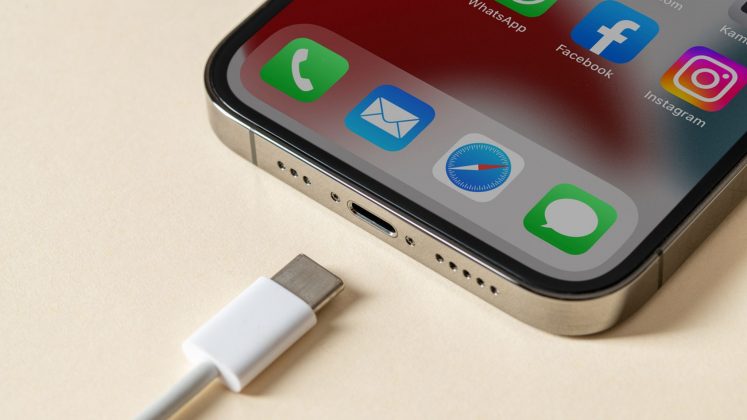
We already know that Apple is finally shifting its iPhone lineup to USB Type C ports over from its proprietary Lightning Port design. However, this change might not actually bring many of the benefits that the former actually offers. So here are all the details.
Following the EU ruling, the Cupertino based giant was required to shift its iPhone to USB-C standards by 2024. However, various rumors have hinted that the iPhone 15 series that will launch later this year will bring this highly anticipated change. But a new rumor has suggested that it might be too soon to celebrate. Reportedly, there is a chance that the iPhone maker will bring the USB-C port with various limitations to its functionality. Meaning, it could just be another redesign version of the Lightning Port.
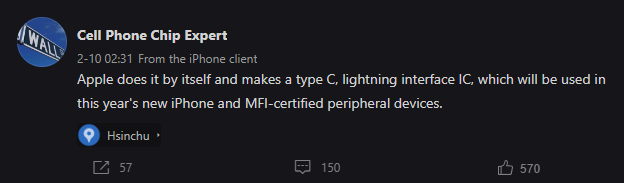
The rumor is based on a post on Weibo (Chinese microblogging website) that hints that the iPhone 15 models will house an authenticator chip. This chip was also foudn on the Lightning ports on the existing iPhones. In other words, you can’t just plug in just any cable with USB-C to charge or transfer data. Apart from support faster data transfer speeds and faster charging rates, the USB-C also enabled one to charge your device from any other manufacturer’s cable or allow data transfers.
However, the Weibo post suggests that Apple has design a custom IC (Integrated Circuit) that could be used on the new iPhone’s USB-C ports. Known analyst Ming-Chi Kuo had also suggested that the base iPhone 15 models could also see a limit in data transfer speeds, while the 15 Pro and Pro Max models could feature Thunderbolt transfer speeds. Keep in mind that this is still unconfirmed news at the moment, so take it with a pinch of salt for now.
Elyarchi is launching its first product, the Amabox 3D printer, on the market. Unlike traditional 3D printers that use a 3-bar support design, the Amabox printer comes in a practical box design fitted with 4 polished rods and screws that give you better stability and output.
Elyarchi was founded with the vision of creating practical and user-friendly 3D printers that can be operated and used by a layman. And with the Amabox 3D printer, the company has turned this vision into reality. The Elyarchi Amabox 3D printer is the company’s first FMD 3D printer that is designed for both geeks and noobs. Whether you are an expert designer and architect or a novice dabbling for the first time in 3D printing, you can use the Amabox Printer to bring your designs to reality.
Amabox is essentially a desktop printer that is faster, more efficient, and easier to use than traditional printers available on the market. It has a build volume of 300*300*300mm and comes fully assembled. It features 4 core technologies of 3D printing that give you a well-crafted, well-executed, and exquisitely printed model. Amabox 3D printer uses a closed-loop stepper motor that runs smoothly with low resonance and provides better location feedback and control. This helps to avoid positional errors and ensures an accurate and stable printing process. To enable a faster rate of printing output, the device uses Klipper, which gives you a high-step rate with software configuration. Moreover, it comes with dual motor linkage and Cill-Z that ensures that Amabox does not compromise on printing quality and avoids the violent vibrations caused by the change of the nozzle direction during high-speed printing.
Elyarchi’s Amabox 3D printer features a 750W high-power hotbed that can heat up to 130 degrees. The high temperature prevents the bottom edge of your model from warping and curling, which can ruin your printed model. Using a 60W heating block, it heats up quickly and applies to all 6 filaments and composites.
Elyarchi is also well aware of the environmental impact of technology. Thus, to reduce pollution and make the device eco-friendly, the company has designed an interior air circulation and purification system with built-in activated carbon filters. The special technology absorbs various gases released during the printing process, which could be harmful to your health and the environment.
Essentially, with the Elyarchi Amabox 3D Printer, you get a DIY desktop printer. This is because you can turn your designs into models even if you are unaware of 3D printing technology and machine usage.
Elyarchi, from “Elysium architecture”, means everyone can be the architect of their ideal world. Founded in 2022, Elyarchi is a young and dynamic 3D printing company that deals in R&D, production, and sales of 3D printers and filaments. The brand envisions a world where individuals can become creators by turning their inspiration and imagination into real-world models. With Elyarchi products, the brand wants to bring creativity to people, families, friends, communities, and professional designers and architects.
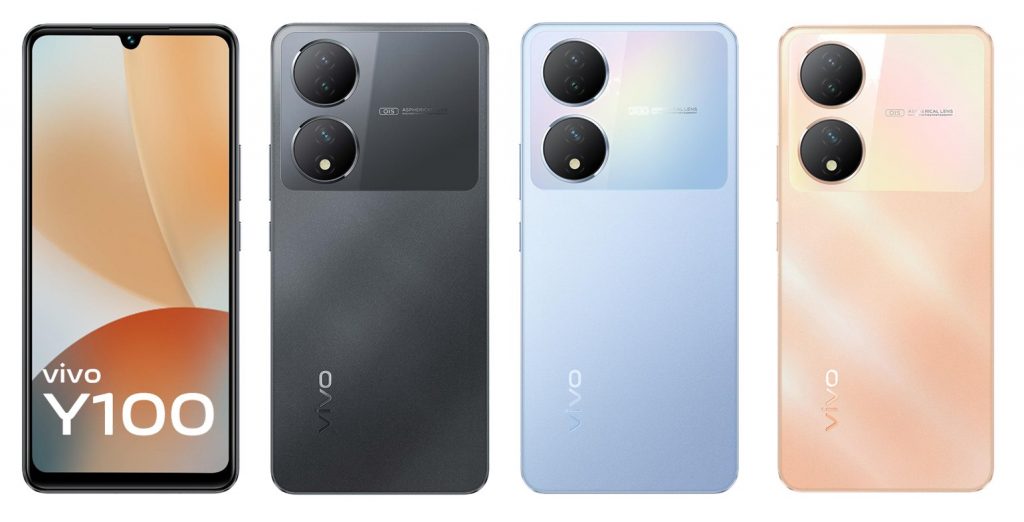
Over the last couple of weeks, we have reported on a number of rumors regarding the Vivo Y100 model. Now, just ahead of its Feb 16 launch in India, a new leak has revealed the pricing of the device, its renders, and even its renders. So let’s have a look.
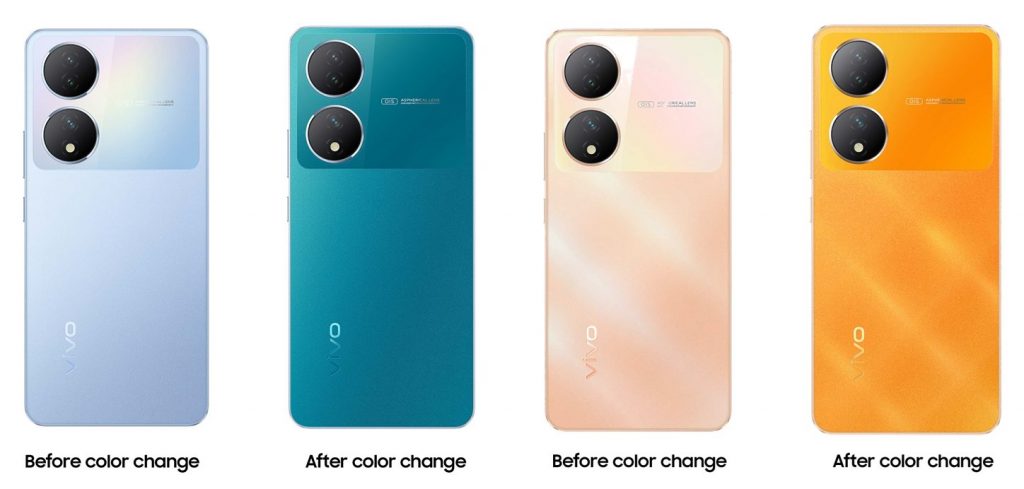
The upcoming device is a part of the Chinese smartphone maker’s Y series of smartphones. Looking at the leaked renders, we can see that the device will feature a waterdrop notch on the front with a noticeable chin. Meanwhile, the rear features a large rectangular camera island along with two circular modules. The leaked renders also offer us a look from the sides as well. The Vivo Y100 will come in three color options Gold, Blue, and Black. The rear panel will also be capable of changing colors as well.
The leak also revealed the key specifications of this device. It sports a 6.38 inch AMOLED display that has a 90Hz refresh rate, Full HD resolution, and a 360Hz touch sampling rate. Under the hood, the Vivo Y100 is equipped with a MediaTek Dimensity 900 SoC that is paired with 8GB of RAM. It might also offer 128GB of internal storage and run on Android 13 OS based FunTouch OS 13 out of the box. The rear will feature a triple camera setup that consists of a 64 megapixel primary sensor that supports OIS. The other two sensors include a 2 megapixel depth sensor and a 2 megapixel macro camera while the front houses a 16 megapixel selfie shooter.
Vivo Y100 is believed to be powered by a 4,500mAh battery pack that supports up to 44W FlashCharge from its USB Type C port. It could also come with a hybrid microSD card slot for memory expansion. Other leaked specs include, IP54 Dust and Water resistance, 181 grams weight, and in display fingerprint scanner. The tipster claims that the device’s 8GB+128GB variant will be sold in India for a 24,999 INR price tag (roughly 302 US Dollars).
At CES 2023, Gigabyte unveiled the AORUS 17X and 15X premium gaming laptops with the latest and greatest specifications. These monster laptops boast QHD 240Hz screens with up to a 13th-generation Intel Core i9 HX and 16GB GDDR5 RTX4090 GPU under the hood.
Now, the brand has introduced the AORUS 15 and 17 as the latest addition to the premium lineup. Both AORUS 17 and AORUS 15 are equipped with up to Intel 13th-gen Core i7-13700H processors and NVIDIA GeForce RTX 4070 laptop GPUs with full access to max 140W TGP with Dynamic Boost technology.
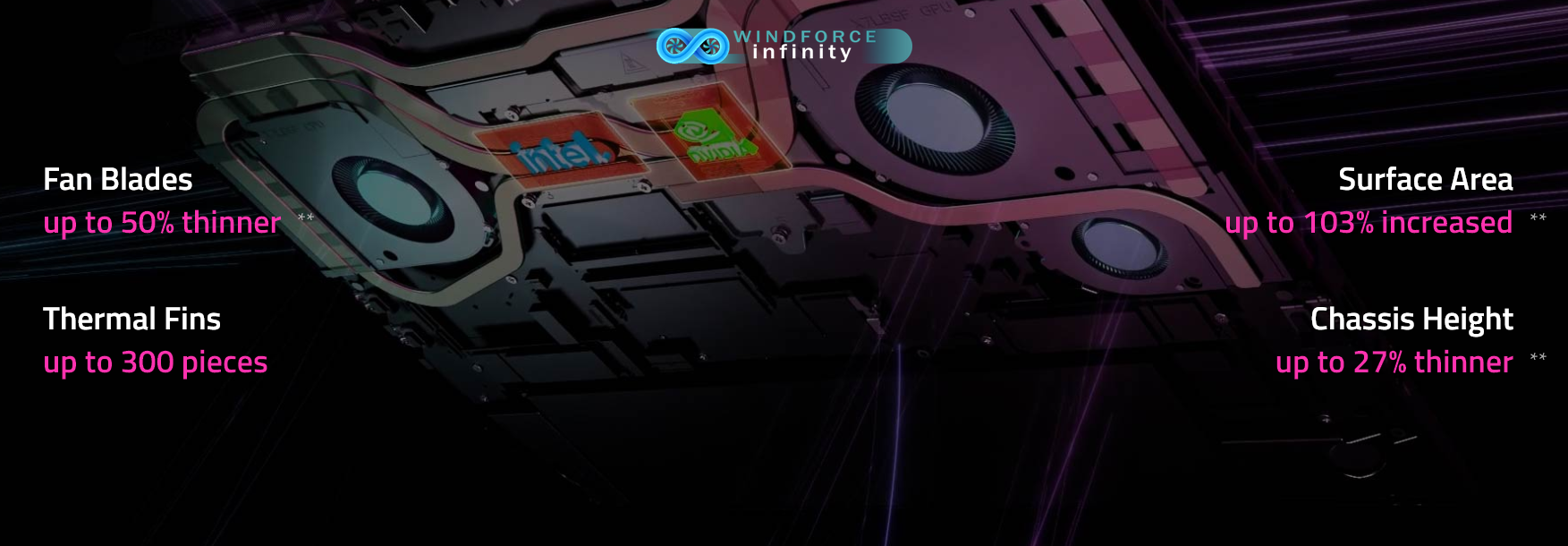
They feature the improved WINDFORCE Infinity cooling system that can handle up to 160W TDP, and offer 240Hz refresh rates at 1440p resolution. There is also a 360Hz display option, however, it is only available for the 15-inch model.
The design includes a mysterious spatial design and RGB Light Bar for a sophisticated gaming aesthetic. As mentioned above, the laptops feature an improved WINDFORCE Infinity cooling system that allows the laptops to have more I/O ports on the back. These ports include a single Thunderbolt 4 source of 100W, one HDMI 2.1 port, and one mini DisplayPort 1.4.
Both of these laptops are offered with up to 65GB RAM, which is more than enough to handle any modern gaming title and also creative tasks like video editing. The pricing of these gaming machines has not been announced yet, however, we expect them to start around $3,699.
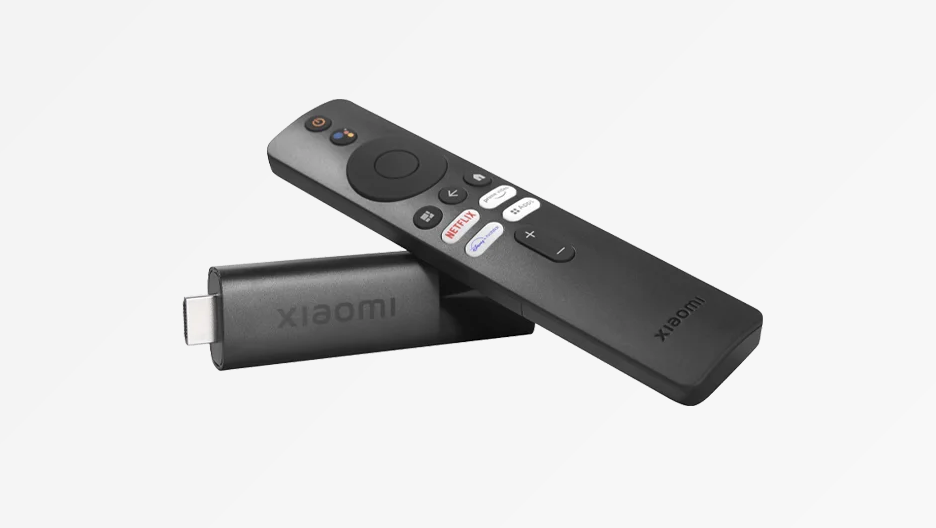
Just a couple of days ago, the Xiaomi TV Stick 4K was teased to launch in the Indian market soon. Now, the company has officially announced the device and also revealed the pricing for the region. So let’s have a look.
As the name suggests, the new device is a TV Stick that basically turns a regular television into a Smart TV once it is plugged in. But one of its most notable features is undoubtedly the support for 4K resolution. Apart from this, it also comes with support for Dolby Atmos, Dolby Vision, and even has a built in Chromecast as well. The TV Stick 4K was originally announced back in 2021 and is only now making its way to the Indian market.
The new TV Stick 4K model is paired with a Mi Voice Remote that features a dedicated Netflix and Amazon Prime Video button as well as a Disney Hotstar and Assistant button for voice controls. Under the hood, the device is equipped with a quad core Cortex A35 processor and supports dual band Wi-Fi 802.11 ac. The Indian variant of the TV Stick skips the Android TV 11 OS and comes with the Patchwall software.
The new TV Stick will let users enjoy their favorite movies and videos in Ultra High Definition thanks to its support for 4K resolution. The Xiaomi TV Stick 4K will be available for purchase with a price tag of 4,999 INR (roughly 60 US Dollars). It is also exclusive to the company’s official website, the Mi.com, and the sale will start on 20th February 2023.
Samsung Electronics Co., Ltd. has partnered with Natural Cycles to bring advanced temperature-based menstrual cycle tracking capabilities to the Galaxy Watch5 series. The partnership marks the first time Natural Cycles’ fertility algorithm has been adapted for a smartwatch. The combination of Samsung’s superior sensor technology and Natural Cycles’ innovative fertility technology offers users a more detailed insight into their menstrual cycle.
Through the Cycle Tracking feature, Galaxy Watch5 users will have access to advanced cycle tracking. The feature has been recently approved by the Ministry of Food and Drug Safety (MFDS) of the Republic of Korea and has been registered with the Food and Drug Administration (FDA). It complies with CE Marking requirements.
Co-founder and co-CEO of Natural Cycles, Dr. Raoul Scherwitzl, highlighted the company’s commitment towards delivering an experience that caters to women’s health.He further stated this partnership will allow Samsung to leverage their fertility technology to offer temperature-based cycle tracking through a smartwatch for the first time.”
Natural Cycles’ innovative fertility technology uses body temperature and other key fertility indicators to determine a user’s unique fertility status. Utilizing its technology and algorithm to power the Cycle Tracking feature Health app, the Galaxy Watch5 series will prove to be greatly useful for charting menstrual cycles. This will enable the Galaxy Watch 5 series to go up against the Apple Watch series, which is undoubtedly the most popular smartwatch in the market right now.
Samsung’s advanced sensor technology includes the ground-breaking BioActive Sensor, ushering the next era of digital health monitoring. The new infrared temperature sensor tracks skin temperature changes as well as the menstrual cycle, offering a more detailed overview. The temperature sensor uses infrared technology for more accurate readings, even if there is a temperature change in the user’s surroundings or they move while sleeping.
The skin temperature-based cycle tracking capabilities will be available through the Samsung Health app on the Galaxy Watch5 and Watch5 Pro within the second quarter in 32 markets. This is another demonstration of Samsung’s open collaboration philosophy with other industry leaders to create better health experiences, states Hon Pak, Vice President and Head of Digital Health Team, MX Business at Samsung Electronics.
OnePlus has recently debuted the OnePlus 11 in India. The smartphone is a breath of fresh air for the brand and is being received quite well by reviewers and enthusiasts alike. Starting today, the smartphone, along with the OnePlus Buds Pro 2 goes on sale in India. Check out the pricing, offers, and specs below.
OnePlus 11 and Buds Pro 2 pricing, offers & availability
The OnePlus 11 is priced at Rs 56,999 for the 8GB + 128GB variant, while the 16GB + 256GB version costs Rs 61,999 in India. To mark its launch, OnePlus is offering a flat Rs 1000 discount for ICICI Bank Credit Card (EMI and Non-EMI) and Debit Card (EMI) transactions. It is exclusively available on Amazon and OnePlus Store from 12:00 PM today (February 14).
The OnePlus Buds Pro 2 is priced at Rs 11,999 and offers a flat Rs 500 discount through ICICI Bank Credit Card (EMI and Non-EMI) and Debit Card (EMI) transactions. It is available from 12:00 PM today (February 14) on OnePlus Store, Amazon, and Flipkart.
OnePlus 11 specs
Equipped with a 6.7-inch Super Fluid AMOLED display, the new OnePlus 11 offers a Quad HD+ (3216 × 1440) pixel resolution, 525ppi pixel density, and 120Hz refresh rate. The LPTO AMOLED display has Corning Gorilla Glass Victus protection and can support up to 1000Hz touch sampling rate. Additionally, the 10-bit display panel offers HDR10+ and Dolby Vision support.
Powered by an octa-core Qualcomm Snapdragon 8 Gen 2 processor with an integrated Adreno 740 GPU, the latest OnePlus flagship model boasts up to 16GB LPDDR5X RAM and up to 256GB UFS 4.0 storage. For the 128GB storage option, UFS 3.1 storage is utilized. The device runs on OxygenOS 13, based on Android 13.
Featuring a Hasselblad-tuned triple-rear camera setup, the OnePlus 11 comprises a primary 50MP Sony IMX890 sensor with OIS support, f/1.8 aperture, and a 1/1.56-inch sensor size. The setup also includes a 48MP Sony IMX581 sensor with f/2.2 aperture and 115° field of view and a 32MP telephoto lens with Sony IMX709 sensor and 2X optical zoom. The device houses a 16MP front shooter for selfies and video calls.
It has a 5000mAh battery paired with 100W fast charging. Additionally, it comes equipped with an in-display fingerprint scanner and a stereo speaker setup with Dolby Atmos audio support. While the phone features the alert slider, it does not have a 3.5mm audio jack, similar to other OnePlus flagships. As for connectivity options, it offers Dual-SIM slots, 5G, WiFi 7 802.11 a/b/g/n/ac/ax, Bluetooth 5.3, NFC, GPS, GLONASS, Galileo, and Beidou.
OnePlus Buds Pro 2 specs
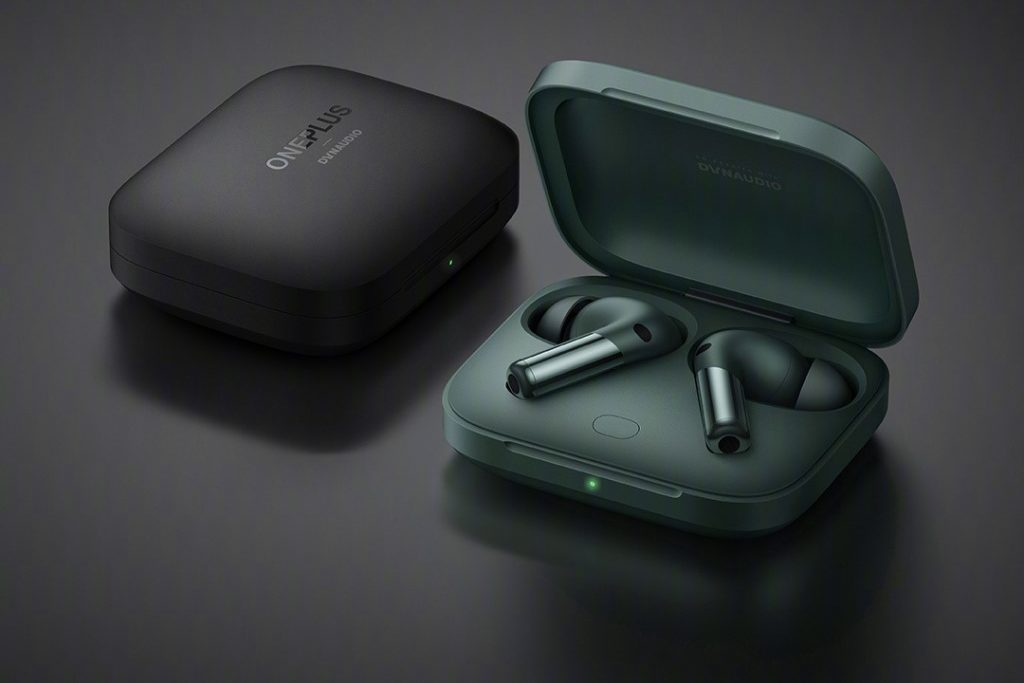
The new premium TWS earbuds from OnePlus carry over the design of its predecessor. It has a stem and silicone ear tips. The OnePlus Bud Pro 2 earbuds feature dual drivers measuring 11mm and 6mm and provide active noise cancellation (ANC) of up to 48dB for noise isolation. The earbuds also include a transparency mode that allows the user to hear their surroundings without removing the earbuds. The audio device supports LHDC 5.0 audio codec and offers low latency of 54ms, ideal for gaming.
The OnePlus Buds Pro 2 earbuds support 360-degree Spatial Audio for surround sound and feature a Master EQ (Equalizer) called “Soundscape,” which is tuned by Hans Zimmer. Soundscape reportedly has fewer low frequencies than the default setting, with a brighter and wider sound field. OnePlus claims that the Master EQ will allow users to enjoy the full orchestral sound of classical music and the multidimensional score of an action film.
The earbuds feature Bluetooth 5.2 and can be connected to two devices simultaneously. They offer a total battery life of 39 hours with both the earbuds and the charging case, with 9 hours of usage with ANC disabled and 6 hours with ANC enabled. The earbuds support wired and wireless charging and come with IP55 water and dust resistance.
Google has been trying to catch up to Amazon Web Services for the cloud services business, and if the new report is to be believed, then the search engine giant has made significant progress.
As per the report from The Information, Google has made progress in the development of data center chips which means that the company could start using its own chips in the year 2025.
It is said that Google’s team of server chip design is currently working on the development of two ARM-based 5nm server chips. One of them, named Maple, is based on the existing design from Marvell Technology and is under trial production from TSMC. The other chip, named Cypress, is designed in-house by a team based in Israel.
Now, it is being reported that the company could start mass production of these chips in the second half of 2024, and the deployment of these new chips in the data centers could start in 2025. Do note that these are speculated timeline and has not been confirmed by the company.
Google has been chasing a bigger rival in the server rental business, Amazon Web Services (AWS), which launched its own custom server chips four years ago. The custom-made chips are optimized to consume less power and deliver higher speeds than the traditional server processors, which also results in significant savings.
A lot of spyware exploits have been brought to light over the past couple of months. As of late, Apple unveiled a new operating system update for the iPhone and iPad to tackle a vulnerability that was being actively exploited by hackers. In a statement, Apple acknowledged that it had received a report on this matter, and took swift action to ensure that its devices remain secure. This kind of issue is taken very seriously by the company, and it is gratifying to see them moving quickly to address it.
The vulnerability in question was discovered by a researcher who has chosen to remain anonymous, and Citizen Lab played a critical role in helping Apple identify and respond to the issue. This digital rights research group, which operates out of the University of Toronto’s Munk School, has long been known for its efforts to expose the use of government hacking tools by organizations like the NSO Group.
It is worth noting that this vulnerability was in WebKit, which is Apple’s browser engine and has been a popular target for hackers due to the wide access it can provide to device data. However, it is reassuring to see that Apple has been working hard to tackle these kinds of vulnerabilities, with a recent count suggesting that there have been only a few bugs that may have been actively exploited since the start of the year.
While the average iPhone user is unlikely to be targeted by this kind of zero-day exploit, it is always wise to keep your device up to date and protected against potential threats. As always, Apple is committed to ensuring the security of its users and taking swift action in response to any security issues that arise.
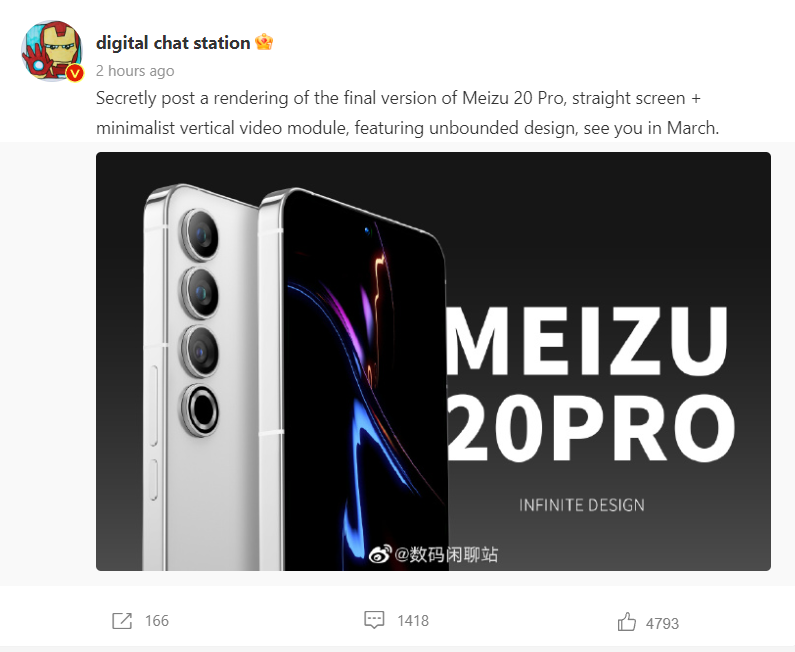
Meizu is gearing up the launch the upcoming Meizu 20 Pro smartphone. The Chinese smartphone manufacturer has been in the news recently for the alleged leaks of their upcoming flagship smartphone, the Meizu 20 Pro. The leaked renders have sparked a lot of excitement among tech enthusiasts. The renders reveal the final design of the product and it does look quite elegant and minimal.
The Meizu 20 Pro will include an all-screen display, a hole-punch camera at the top centre of the screen, and a trendy design, according to the leaked renders. A flat-screen is available on the smartphone, and it is pretty attractive. The device’s flat frames are also seen in the leaked renders. The renderings show the device in its grey colour.
It has a matte finish and four camera lenses on the back. Each of the four distinct circular camera cutouts on the back panel has a single camera sensor. The freshly released Galaxy S23 series shares a lot of similarities with the camera bump and alignment. So that was all we had to cover up for the renders of the Meizu 20 Pro smartphone.
As for the specifications, we do not have many details regarding the device. However, the brand had previously confirmed that the smartphone will be powered by the Qualcomm Snapdragon 8 Gen2 mobile platform. This makes it one of the most powerful smartphones to be present on the market. As for the software, the Meizu 20 Pro is expected to run on Android 13 with Meizu’s Flyme UI on top. The device is also rumoured to come with a host of new features, including an updated Always-on Display, improved app management, and enhanced security features.
That was all we had to cover up for the Meizu 20 Pro. What do you think about the device? Do let us know by dropping a comment in your words down below. Thanks a lot for reading the post all the way to the end.
Apple has been rumored to be working on a larger-screen MacBook Air for some time, and now it appears that the company is gearing up to launch the new device soon.
As per the new report from DSCC analyst Ross Young, the company has started panel production of the 15.5-inch MacBook Air this month, suggesting that the device may launch in early April.
Earlier, Ross Young, as well as Bloomberg, reported about the possibility of a 15-inch MacBook Air getting launched in Spring this year but the exact launch date remains unknown.
Although the device is expected to launch in “early April” as the panel production is now underway, there’s also a possibility that an announcement and pre-orders could happen sooner.
When launched, the 15-inch MacBook Air would be the largest ever screen size for the MacBook Air and would be presumably offered alongside the existing 13-inch model.
The most recent MacBook Air was launched in July last year, powered by the Apple M2 chipset and a starting price of $1,199. As of now, there’s no information available about the specifications of the upcoming laptop.
Apple has also started working on the next-generation chipset, Apple M3, which TSMC is manufacturing using a 3nm process. It is not yet known if the upcoming larger-screen MacBook Air will be powered by the M2 or the unannounced M3 chipset.
AUO, a leading provider of display technologies, has made significant strides in the development of next-generation displays. During a recent announcement, AUO Chairman Peng Shuanglang revealed that the company will begin mass production of MicroLED displays this year, with plans to integrate them into wearable devices. Mini LED backlights, which are already standard in high-end TVs and widely used in gaming and car panels, have also seen a surge in popularity.
According to Shuanglang, AUO’s LED display has already surpassed 100 million yuan in sales, with an expected growth rate of several times that figure in the years to come. In addition to AUO’s own research and development efforts, the company has formed strategic partnerships with ecosystem partners to expand its capabilities. For example, during this year’s CES, AUO showcased the Mini LED backlight technology in a smart cockpit display, which received an overwhelmingly positive response.
One of the key challenges in the production of MicroLED displays is ensuring consistent output across millions of individual LEDs. Even at high yields, some defective LEDs may be present. To combat this, chip makers will need to identify defective LEDs and adapt the transfer process. Shuanglang noted that AUO has its own ecological chain for the key mass transfer technology of MicroLED, making it possible to produce commercially viable products.
In addition to wearables, AUO plans to integrate MicroLED technology into TVs and cars in the future. Shuanglang emphasized that the demand for smart windshields in cars is particularly strong, especially given the trend towards automation and intelligence. Chen Jianbin, Senior Vice President of AUO’s Display Strategic Business Group, noted that more than half of the automotive displays that AUO is currently working on are barebone (partially assembled) orders, which is expected to significantly boost future operations.
Looking ahead, Jianbin estimates that AUO’s two technology platforms, AmLED and FIDM, are expected to contribute more than 50% of the growth space for automotive revenue in the next 2-3 years. As the company prepares for MicroLED mass production, AUO will continue to focus on high-end production capacity and make strategic capital expenditures to meet short medium, and long-term development needs.
AUO has also showcased MicroLED transparent displays, which can be applied to car windshields or side windows. The displays have high brightness and high penetration, making them an attractive option for self-driving car windows in the future. With its innovative display technologies and strategic partnerships, AUO is poised to remain a leader in the industry for years to come.
The long-awaited Valentine’s Day is finally here, and many people have been looking forward to it. Anyway, tech giant Samsung has now sent its more than 100 million smartphone users around the world a Valentine’s Day gift. This year, an early Valentine’s present will be given to more than 100 million Galaxy smartphone owners worldwide, according to Samsung. The gift is a software upgrade that gives the devices a range of new features and enhancements. Yes, you heard it right.
Samsung started rolling out the latest OneUI 5.1 update for a bunch of its smartphones including the Galaxy S20 series, S21 series and a few others. The update features a number of camera improvements, including a new portrait mode that makes use of artificial intelligence to produce bokeh effects that look more realistic. New capabilities for the camera app include the ability to take films in Pro mode and a new shutter speed adjustment option. Here’s the list of the device which has grabbed the OneUI 5.1 update recently:
Samsung Galaxy S20, S20+, S20 Ultra and S20 FE
Samsung Galaxy S21, S21+, S21 Ultra and S21 FE
Samsung Galaxy S22, S22+and S22 Ultra
Samsung Galaxy Z Fold3 and Z Flip3
Samsung Galaxy Z Fold4 and Z Flip4
Improved privacy and security are other key components of the upgrade. Samsung has added new privacy controls that let users better manage their app permissions and limit the data that apps may access. This contains a new function that notifies users when an app is using their camera or microphone as well as the capacity to revoke rights from apps that are no longer in use.
The update also includes a number of other enhancements and additions, including new customizations for the always-on display, enhanced quick settings, and a new choice to restrict incoming calls and messages while playing video games. So that was all we had to cover up regarding the rollout of the latest OneUI 5.1 update to hosts of Samsung devices. What do you think about this? Do let us know by dropping a comment in your words down below.
We use cookies on our website to give you the most relevant experience by remembering your preferences and repeat visits. By clicking “Accept”, you consent to the use of ALL the cookies.
This website uses cookies to improve your experience while you navigate through the website. Out of these, the cookies that are categorized as necessary are stored on your browser as they are essential for the working of basic functionalities of the website. We also use third-party cookies that help us analyze and understand how you use this website. These cookies will be stored in your browser only with your consent. You also have the option to opt-out of these cookies. But opting out of some of these cookies may affect your browsing experience.
Necessary cookies are absolutely essential for the website to function properly. This category only includes cookies that ensures basic functionalities and security features of the website. These cookies do not store any personal information.
Any cookies that may not be particularly necessary for the website to function and is used specifically to collect user personal data via analytics, ads, other embedded contents are termed as non-necessary cookies. It is mandatory to procure user consent prior to running these cookies on your website.