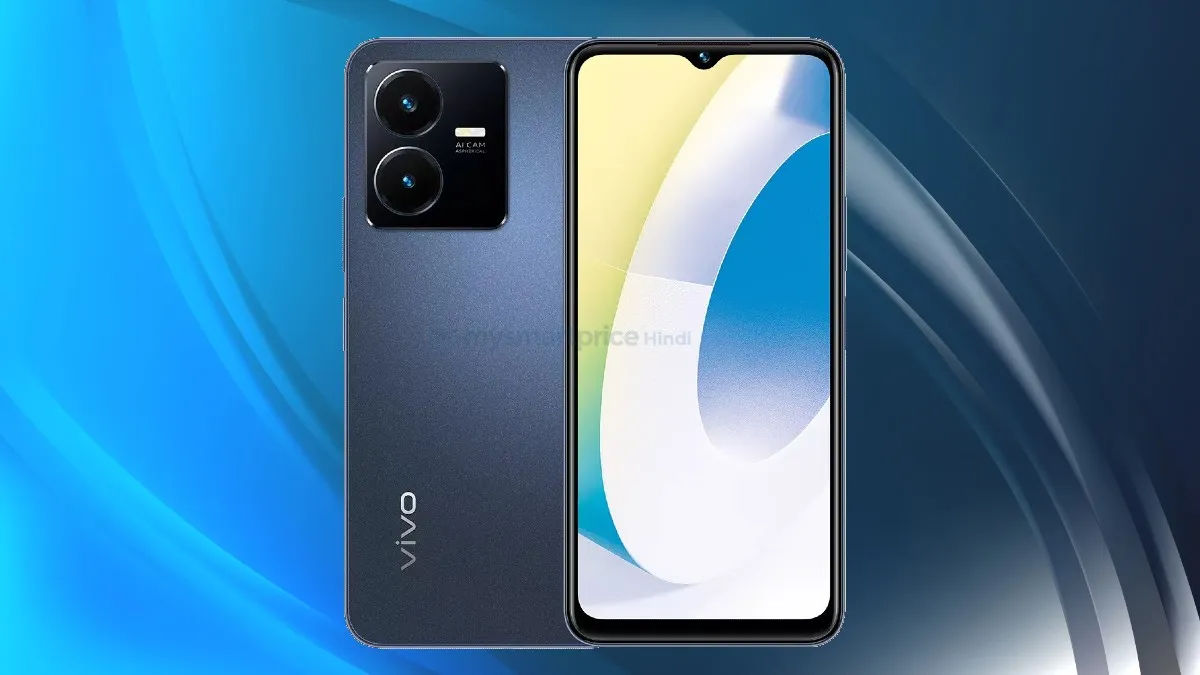
Vivo has recently unveiled the Vivo Y22s smartphone in Vietnam. Leaked information that surfaced in the previous month revealed that the company also plans to launch the standard Vivo Y22. It has also been spotted on the Geekbench benchmarking site. A new report by My Smart Price has revealed the specifications of the device.
Vivo Y22 specifications (rumored)
The publication, which cites tipster Paras Guglani as its source, claims that the Vivo Y22 will be equipped with a 6.5-inch display that offers a Full HD+ resolution. In all likelihood, it will be equipped with an LCD panel.
Vivo Y22 leaked shot by My Smart Price
As it was in its Geekbench listing, the Vivo Y22 will feature the Helio G85 chipset and 4 GB of RAM. It will offer users 64 GB of internal storage and a microSD card slot for more storage. The Geekbench appearance also revealed that the device runs on the Android 12 OS. For smoother performance, while launching apps, the Y22 will offer the virtual RAM feature.
For photography, the device will offer a 50-megapixel main camera and a 2-megapixel auxiliary camera on the back. For selfies, it will be equipped with an 8-megapixel snapper. It will be backed by a 5,000mAh battery. The leak has no information on the fast-charging capabilities of the device.
Vivo Y22 price, launch timeframe (rumored)
The above-mentioned specifications suggest that the Vivo Y22 will be priced at around Rs 12,000 (~$150) in India. It is speculated that the device will go official by next week in the country. It will be made available in Starlight Blue and Green colors.
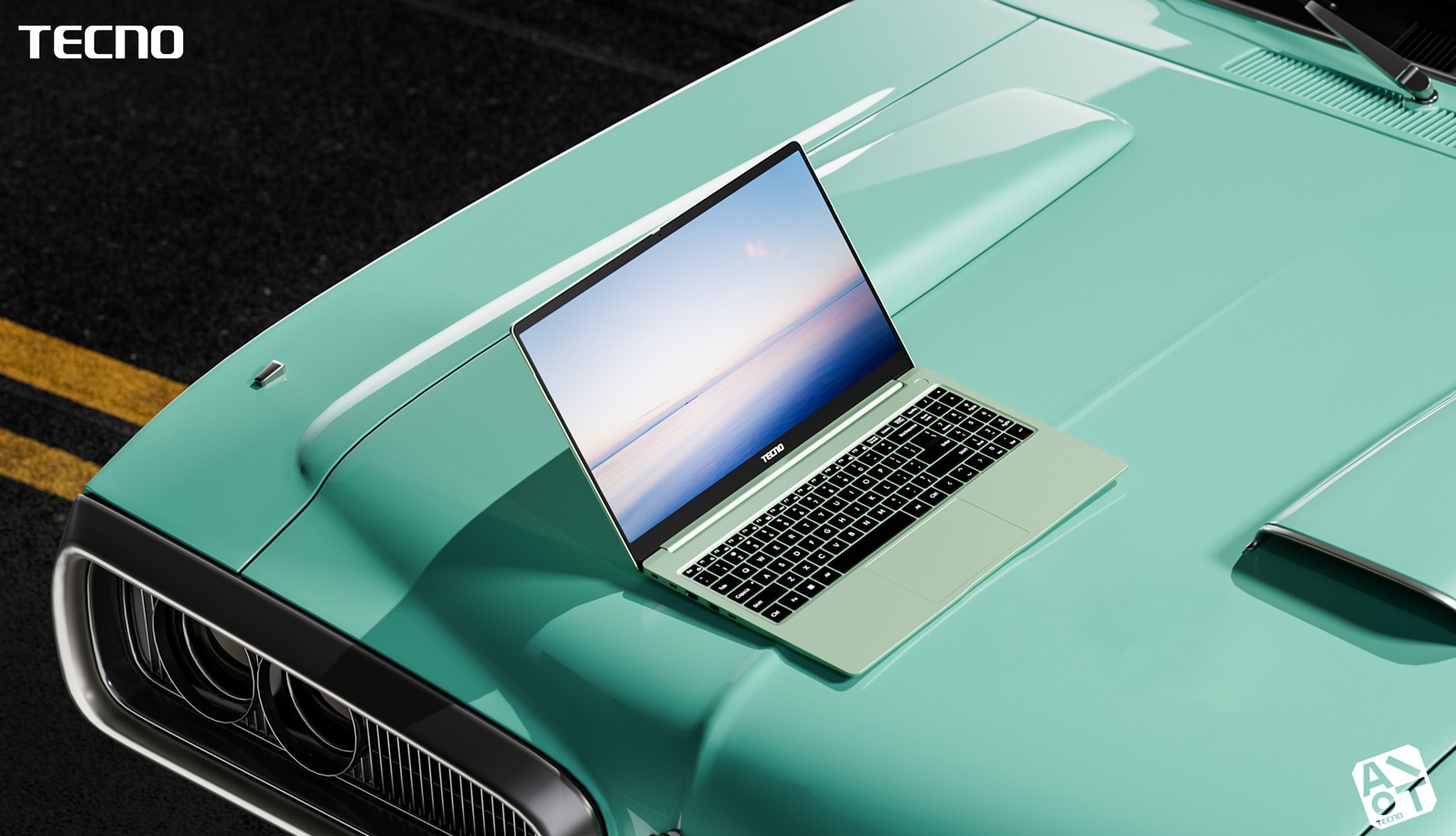
TECNO Launches its first ever Laptop the Megabook T1. After its success in the smartphone industry, the Global consumer brand TECNO is now getting into the laptop segment. Today at the IFA 2022, Berlin, the company unveiled its first-ever laptop the Megabook T1. This newest addition to TECNO’s AIoT ecosystem is designed to cater to the needs of the ever-evolving Generation Z. And as such the laptop comes with a lightweight and robust form factor and stylish design backed by a plethora of colors to choose from.
Megabook T1 features a dual-tone finish with multiple shiny strips running across, which the company calls the Startrail Phantom. The body is made with aluminum metal, giving it a premium look and glossy finish. The ultrathin and lightweight laptop measures just 14.8mm and weighs 1.4kgs which is lighter than most of the 15-inch laptops available.
Megabook T1 is powered by the Intel Core i5 -1157G processor. However, you also have the option of choosing an upgraded Intel Core i7 processor. The laptop comes with two memory options viz. 8GB RAM + 512GB SSD storage and 16GB RAM + 1TB SSD storage. Fueled with a massive 70Wh battery the laptop gives you up to 17 hours of non-stop battery life and comes with a 65W GaN charger that is 400 times faster and 100 times lighter than contemporary laptop chargers. This means you can easily carry your Megabook T1 for work, study, and travel without worrying about its battery life and bulkiness.
Megabook T1 features a 15.6 inch IPS Full HD display that uses 100% sRGB and comes with TUV eye comfort certification, 350nits brightness, and DC adaptive dimming. This means you get a fluid display that gives you a great visual experience, accurate color, and image projection and protects your eye from harmful blue light and retinal damage.
To enhance your audio experience, Megabook T1 uses the indigenously developed TECNO VOC sound system that combines AI tech with Tecno audio lab and DTS immersive sound. By using the self-made VOC technology, users can enjoy superior audio quality while watching movies and listening to music. Furthermore fitted with AI and ENC-enabled dual mics, the laptop can easily access the priority sounds and reduce the background noise within 5 meters.
Megabook T1 runs the latest Windows 11 OS and comes with 9 connectivity hubs for external device transmission. Other interesting features include a 2MP HP camera with privacy shade, a power button with fingerprint unlock sensor, Bluetooth v5.0, TECNO Link for wireless transmission to techno phones, a backlit keyboard, and more.
Megabook T1 is all set to retail in the third quarter of 2022. For more information, you can check out their official website.
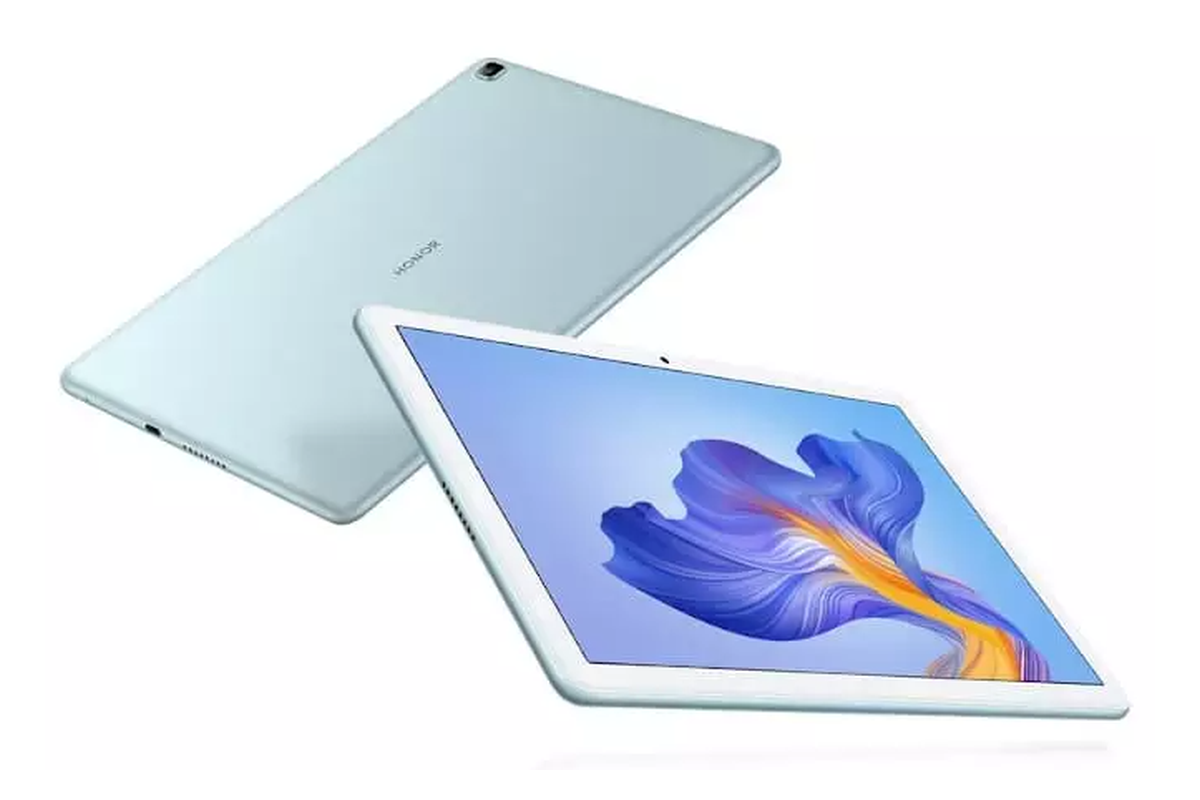
At the IFA 2022 event, Honor launched a slew of new devices, such as the Honor 70 5G, Honor X8 5G, Honor Choice Earbuds X, and Honor Pad 8 tablet. The Chinese manufacturer has also unveiled another tablet named the Honor Pad X8 Lite. Here is all the information on the specifications, features, and price of the device.
Honor Pad X8 Lite specifications and features
The Honor Pad X8 Lite measures 7.55mm in thickness and weighs 460 grams. It is fitted with a 9.7-inch LCD panel that produces a resolution of 1280 x 800 pixels. It boots to the Android 12 OS with Magic UI 6.1 on top, which allows users to run up to four windows on one screen through the multi-window speaker.
Honor Pad X8 Lite
On the front, it has a 2-megapixel camera for selfies and video calls. Its back panel has a 5-megapixel snapper without a flash. The device carries support for Histen Audio and comes equipped with dual speakers.
The tablet is powered by the Helio G80 chipset and has 3 GB / 4 GB of RAM. It offers 32 GB of native storage and a microSD card slot. It houses a 5,100mAH battery, which seemingly supports 10W charging.
On the connectivity front, the Honor Pad X8 Lite comes with support dual-band Wi-Fi, Bluetooth 5.1, and a USB-C port. It lacks a SIM card slot and a 3.5mm audio jack.
Honor Pad X8 Lite price and availability
The Honor Pad X8 Lite will be available for purchase in global markets very soon. However, the company is yet to confirm the price of the tablet.
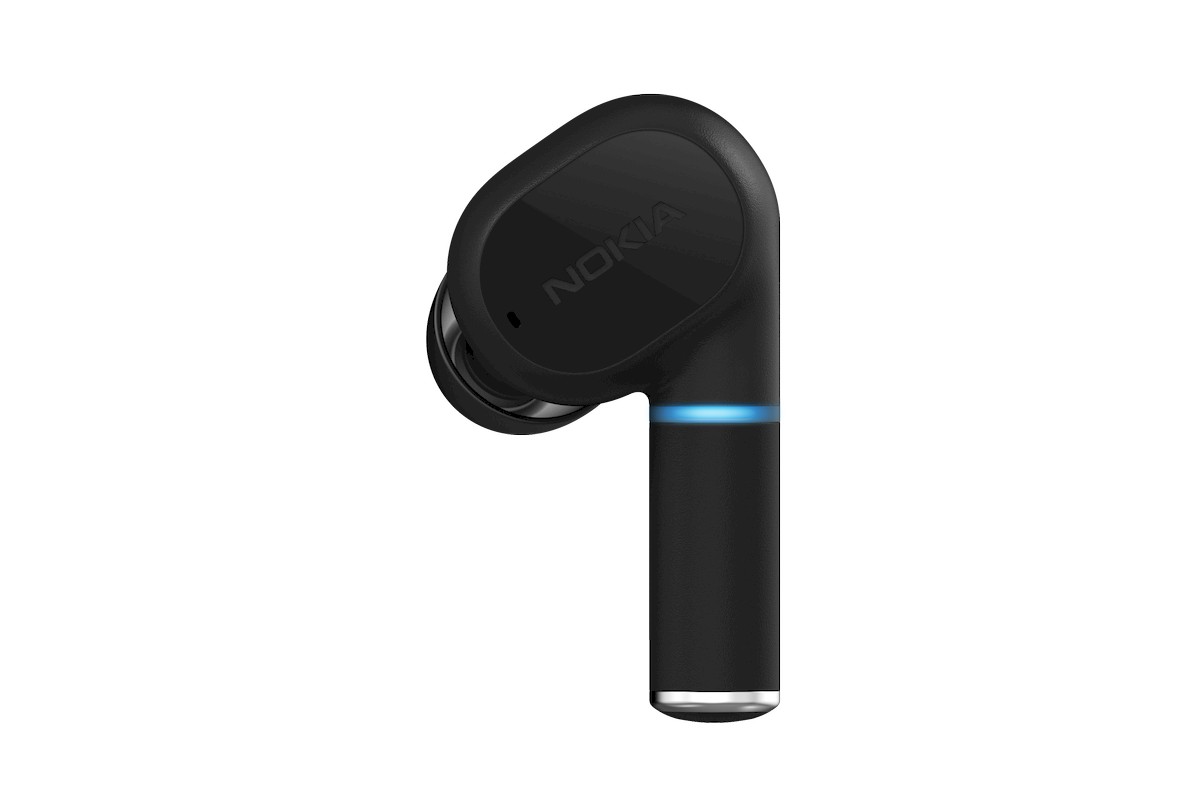
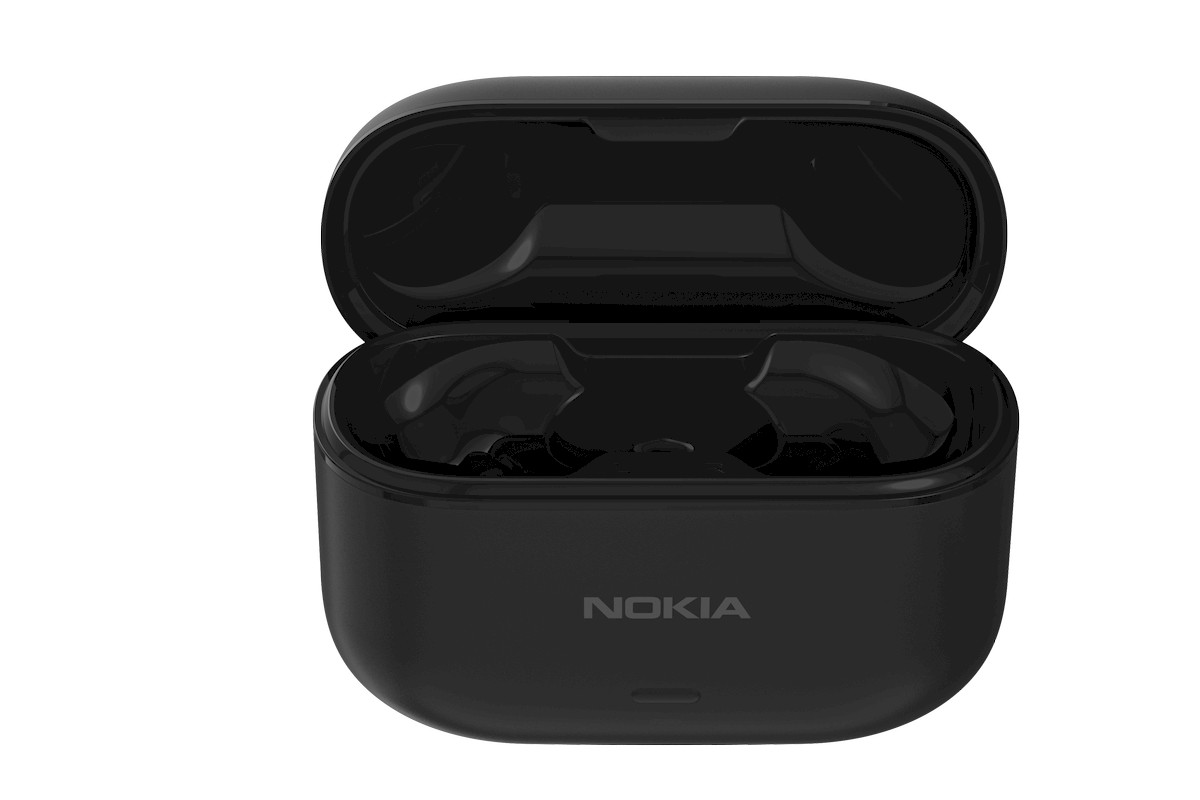
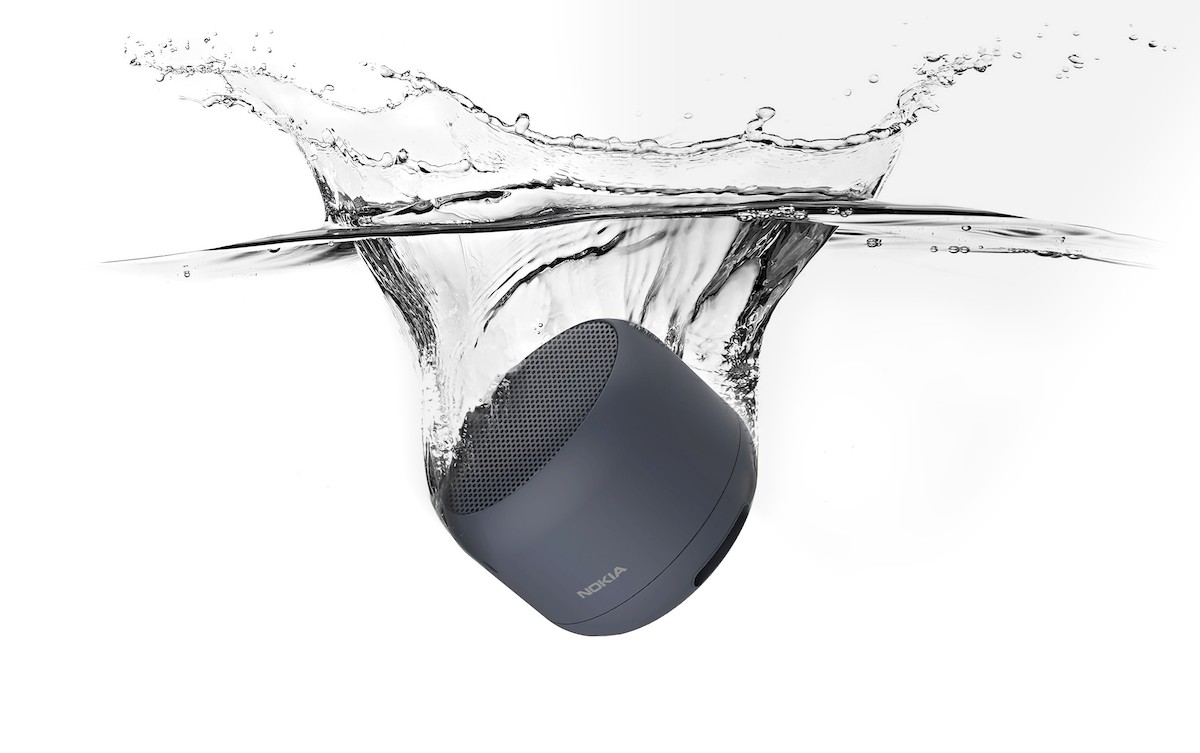
Nokia unveiled a slew of products yesterday including the Nokia X30 5G, G60 5G, C31 smartphones, and T21 tablet. Both the Nokia C31 and T21 slate come with 3.5mm audio jacks but the good old audio jack was missing on the Nokia X30 and C60. To make up for that, the company equally announced two new wireless audio devices.
The Nokia Clarity Earbuds 2 Pro is a TWS headset featuring hybrid Active Noise Cancellation (ANC), Bluetooth 5.2 connectivity, and Fast Pair. The buds are equipped with 13mm neodymium drivers. The case is made of 100% post-consumer recycled materials, and the packaging is made of recycled materials as well.
The pair can each last up to 7 hours of playtime while ANC is turned on. The playtime can be extended to 9 hours when ANC is turned off. But with the charging case, the overall playback time is 28 hours with ANC turned on and 36 hours when ANC is turned off. The charging case crams a 500mAh battery that takes about 2 hours to fully recharge the buds’ 60mAh battery via a USB-C port.
On its part, the Nokia Portable Wireless Speaker 2 supports Bluetooth 5.1 and may be connected to two devices at once for stereo playback. It’s a tough little speaker with an IPX7 rating, and it’s also eco-friendly: the enclosure is made entirely of post-consumer waste, and the mesh is made entirely of recycled aluminum.
The speaker contains a single 5W (45mm) driver and a 1,200mAh battery, which allows for 22 hours of continuous listening. USB-C is used for charging. The speaker is 90 x 90 x 74mm in size and weighs 225g.
Later this month, Nokia Clarity Earbuds 2 Pro and Portable Wireless Speaker 2 will be available in select markets. The buds will cost €100 ($100/8,000), while the speaker will cost €55 ($55/4,400).
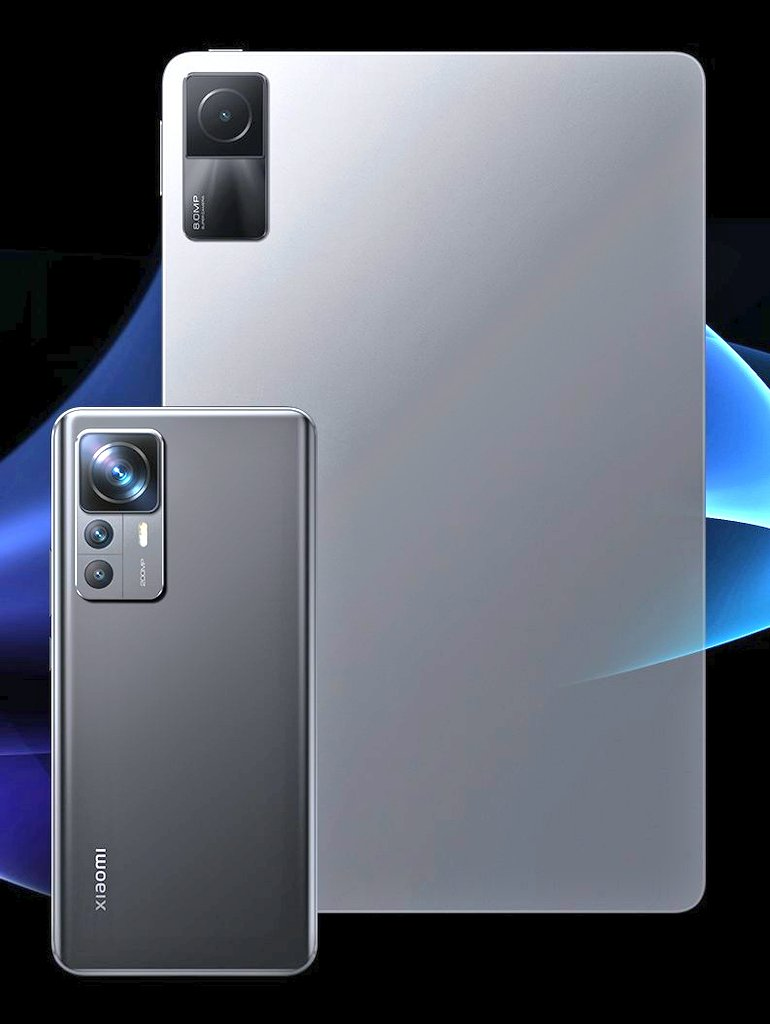
Last year in September, Xiaomi unveiled the Xiaomi 11T series of smartphones. Hence, it appears that the 12T lineup may debut later this month in the global market. Ahead of the expected launch, tipster Abhishek Yadav has shared a leaked image of the Xiaomi 12T Pro. The same image also gives a good look at the alleged Redmi Pad, which will be Redmi’s first-ever tablet.
Xiaomi 12T Pro
In the leaked image, the Xiaomi 12T Pro can be seen sporting a 200-megapixel triple camera unit. Rumors are rife that the main snapper will be coupled with an 8-megapixel ultra-wide camera and a 2-megapixel macro camera. The back panel of the phone has curved edges. A volume controller and a power button can be seen on the right side of the 12T Pro.
Xiaomi 12T Pro, Redmi Pad leaked image
Reports have revealed that the Xiaomi 12T Pro will be a modified version of the Redmi K50 Ultra, which was announced in China last month. Hence, the 12T Pro is likely to feature a 6.67-inch OLED display on the front with a centrally positioned punch-hole. It should be able to handle a resolution of 1.5K (1220 x 2712 pixels) and a refresh rate of 120Hz.
The Snapdragon 8+ Gen 1 will power the Xiaomi 12T Pro. It may ship with 12 GB of LPDDDR5 RAM and 256 GB of UFS 3.1 storage. The device may lack features like a microSD card slot and a 3.5mm audio jack. It will run on Android 12 OS with MIUI 13 on top. The 12T Pro may pack a 5,000mAh battery with 120W fast charging.
Redmi Pad
The Redmi Pad is said to be a mid-range offering from the brand. The device has a flat back with an 8-megapixel camera without a flash. A power button is placed on the top of the device, whereas its left side has a volume rocker. Rumors are rife that it has an 11-inch 2K display, Android 12 OS, a new MediaTek MT8781 chip, and a 7,800mAh battery with 22.5W fast charging.
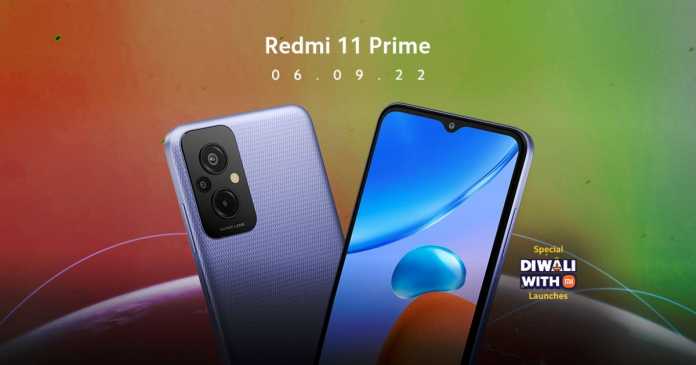
Redmi is gearing up to launch the Redmi 11 Prime 5G on September 6th in the Indian market. Now, the company has revealed that another device called the Redmi 11 Prime 4G will also be launching on September 6th.
The device has appeared on Amazon via a microsite revealing its design and some key specifications, so let’s check them out.
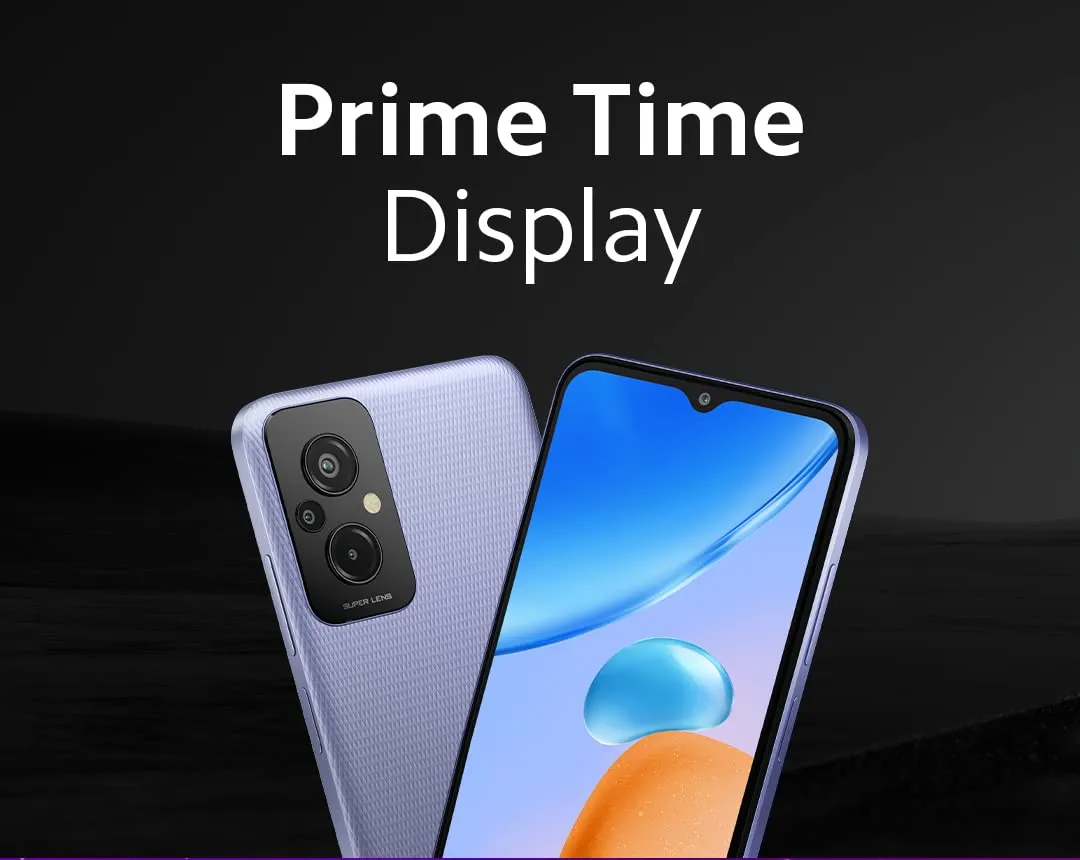
The device is called the Redmi 11 Prime 4G and features a textured curved back design with a rectangular camera module. The device will have flat edges, with the volume rocker and power button+fingerprint sensor on the right side. Up front, the device features thick bezels and a water-drop notch.
The Redmi 11 Prime 4G will feature the MediaTek Helio G99 chipset based on TSMC’s 6nm node. It will have an octa-core processor with two cores clocked at 2.2GHz and six Cortex-A55 cores with a maximum frequency of 2GHz. Other than that, it is revealed that the device has a 50MP primary camera on the rear and a 5000mAh battery unit. The Redmi 11 Prime is expected to offer a 90Hz display panel.
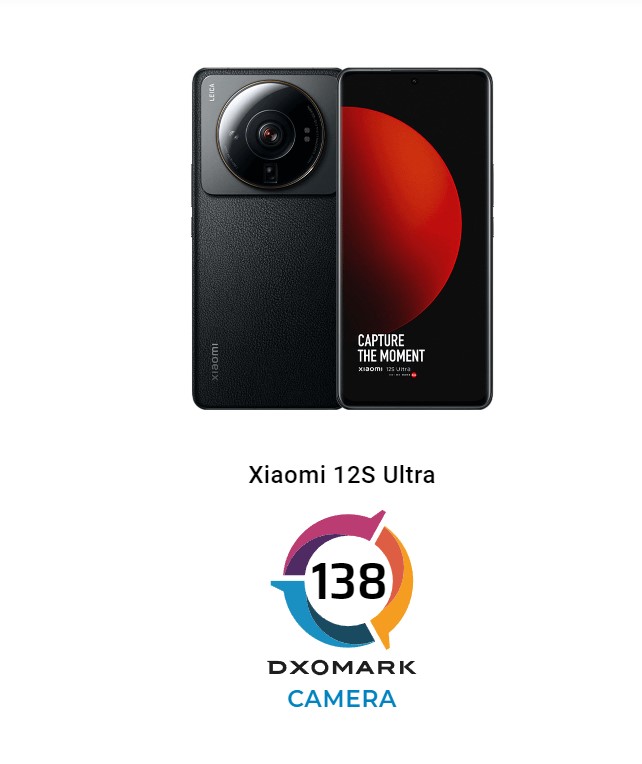
In July, Xiaomi launched its latest flagship device, the Xiaomi 12S Ultra exclusively in the Chinese market. The device was highly praised by reviewers for its camera performance. Now, a couple of months after the launch, the device has finally gone through the DxOMark camera testing. So, let’s check out the results.
The Xiaomi 12S Ultra has managed to take fifth place on DxOMark’s global rankings for smartphone cameras. It has scored 138 points in the test, knocking iPhone 13 Pro and iPhone 13 Pro Max out of the top 5, both of which have 137 points.
The device is praised for its excellent overall image quality in most use cases, and its versatility, offering two different image signatures for users to choose from. Low light imaging is also a strong point, with the camera offering a wide dynamic range in night mode. The ultra-wide and zoom cameras provide excellent images at all distances, particularly long-range. The camera also has an excellent performance in video mode, offering extended dynamic range, natural texture rendering, and good exposure.
All that said, the camera sometimes lacks consistency, resulting in disparities among images, even sometimes between consecutive shots. Also, the preview does not always match the final captured image. Other than that, the camera struggles with very challenging light situations like highly contrasted scenes.
In the first half of 2022, Vivo announced the Vivo X Fold as its first foldable phone. Several reports have claimed that the Chinese manufacturer is working on a new foldable phone, which could be called the Vivo X Fold S. Today, well-known tipster Digital Chat Station tipped the camera configurations of the device. The tipster added, in the same Weibo post, that the device could be renamed the Plus model. Hence, it appears that Vivo’s next foldable could be called the Vivo X Fold Plus.
Vivo X Fold Plus specifications (rumoured)
According to the source, the Vivo X Fold Plus’s rear camera setup will include a 50-megapixel camera. The main snapper will be accompanied by a 48-megapixel ultra-wide camera, a 12-megapixel portrait camera with 2x optical zoom, and an 8-megapixel periscope lens with 5x optical zoom. For selfies, the device will be equipped with a 16-megapixel front camera.
Vivo X Fold
The leaked camera specs of the Vivo X Fold S show that it will have the same set of cameras that were made available on the Vivo X Fold. The device will draw power from a 4,700mAh dual-cell battery and the Snapdragon 8+ Gen 1 chipset.
The X Fold Plus, according to the tip, will have a longer battery life than the X Fold, which has a Snapdragon 8 Gen 1 chip and a 4,600 mAh battery. The Plus model should support 80W wired charging and 50W wireless charging when it comes out.
The device is likely to feature an 8.03-inch inner foldable AMOLED LTPO display, which may support a 2K resolution and up to a 120Hz refresh rate. On the outside, it may house a 6.53-inch 120Hz AMOLED cover display. Both displays are said to be equipped with an ultrasonic in-display fingerprint scanner. Lastly, the device is tipped to arrive in a red paintjob, which will have a leather finish. In all likelihood, the X Fold Plus will debut this month in China.
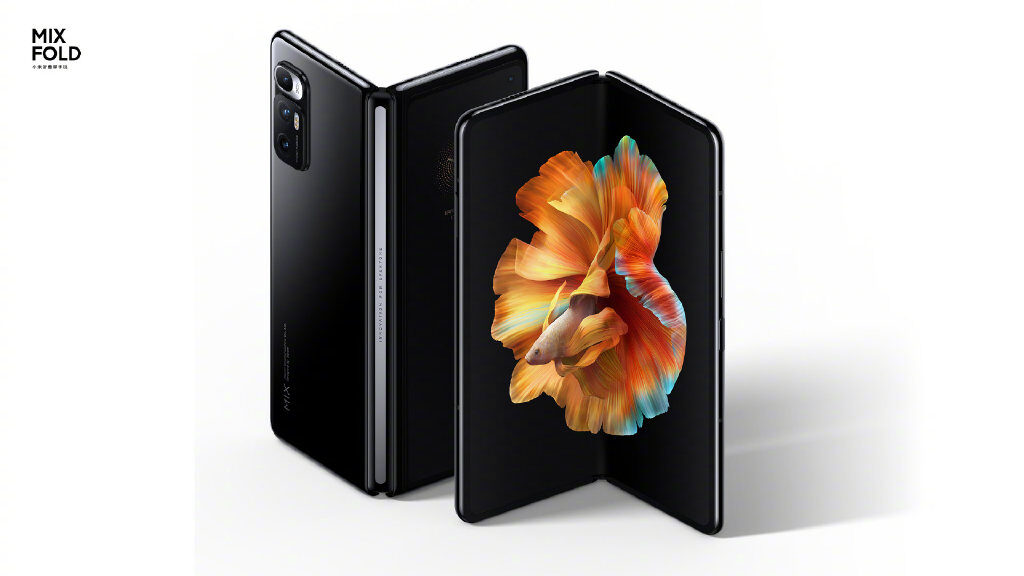
The Mi Mix Fold is Xiaomi’s first foldable smartphone. It was announced at the end of March 2021 and was made available for purchase in mid-April. Just like the current-gen Xiaomi Mix Fold 2, its predecessor is not sold outside mainland China.
The handset debuted with Android 11. Now, almost a year and a half after its release, the device is finally receiving the Android 12 update.
Xiaomi Mi Mix Fold
The latest software update for the Mi Mix Fold 2 arrives with build number V13.1.1.0.SJTCNXM. According to the official changelog, the update bumps up the Android version to 12 and the security patch level to August 2022.
The device is currently on MIUI 13, which is the latest version of Xiaomi’s Android skin at the moment. MIUI 13 was released for the phone in late April.
Since the beginning, the Mi Mix Fold has been receiving software updates slower than Xiaomi’s other handsets. But it did get an update in October with the longest changelog in MIUI history. This particular software update provided improvements and features based on the feedback from the actual users of the phone.
In December, a report suggested that the Mi Mix Fold might not receive new MIUI updates. Fortunately, that turned out to be false. However, it’s not known whether the smartphone will be upgraded to Android 13 or at least Android 12L in the future.
Xiaomi announced its first commercial foldable in the market back in 2021, the Xiaomi Mix Fold. The phone was the company’s first attempt at this emerging form factor and did a pretty decent job of delivering a foldable experience. However, the phone was not perfect, with a visible crease on the internal display as well as an unusual resolution on both the foldable and cover displays. Not to mention the phone was really thick at 17.2mm in its foldable state.
More than a year later, the brand is out with a new generation of foldable, the Xiaomi Mix Fold 2. The phone improves on basically every aspect of its predecessor, now coming in a compact form factor with the same sized displays, better resolution matching industry standards, and the latest Qualcomm processor.
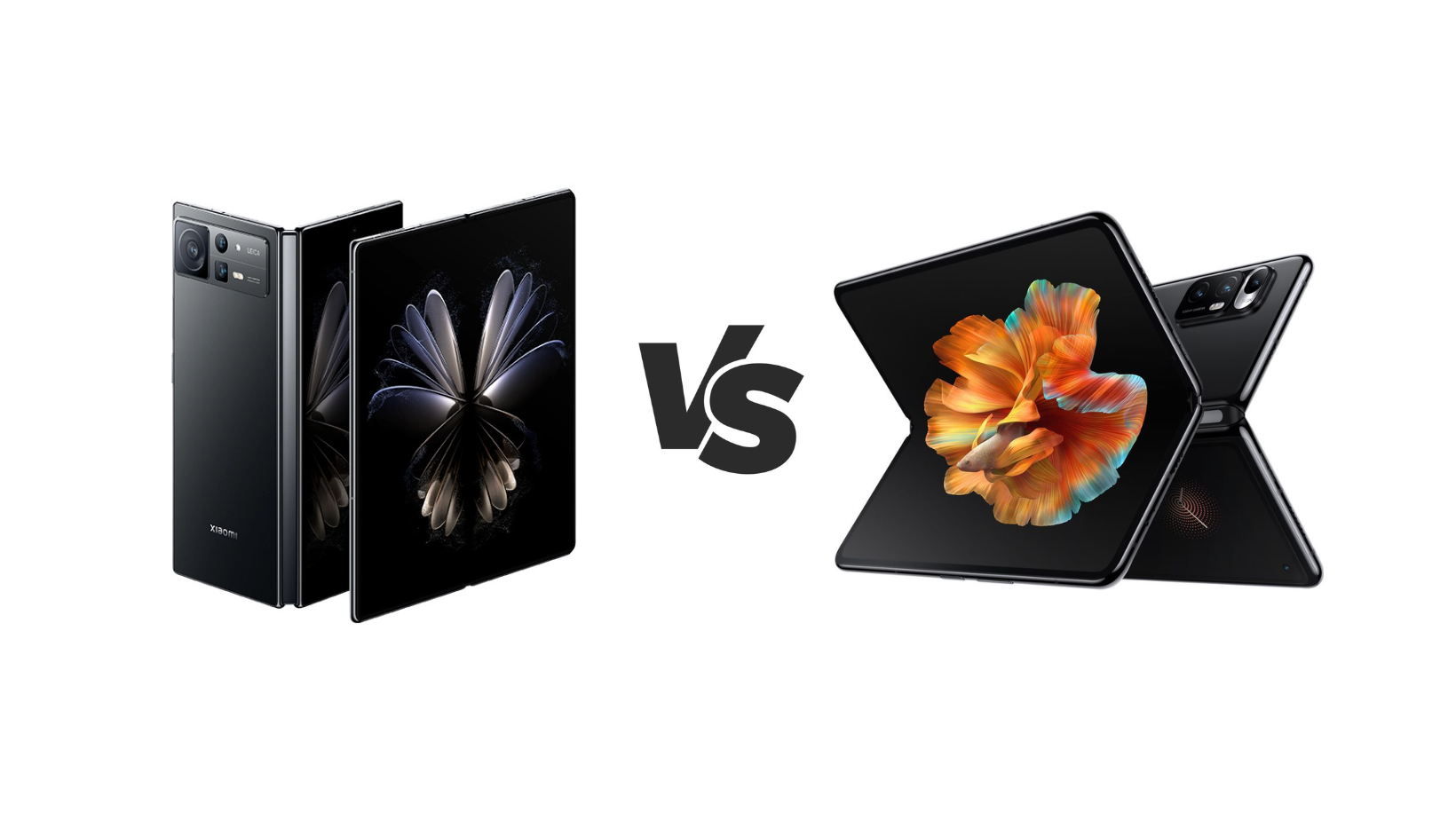
So let’s take a look at the Xiaomi Mix Fold 2 vs Xiaomi Mix Fold comparison and see how much of an upgrade the new device brings to the table.
Xiaomi Mi Mix Fold 2 vs Xiaomi Mix Fold
Xiaomi Mix Fold 2 vs Mix Fold
SPECS TABLE
Design
The Mix Fold 2 and the Mix Fold come with similar-sized displays on the outside as well as the inside. However, what’s commendable is that the dimensions on the new model have slimmed down considerably.
The Mix Fold 2 measures 161.1 x 144.7 x 5.4mm in its unfolded, open state which is way more compact than the Fold’s dimensions of 173.3 x 133.4 x 7.6 mm. Even in its folded state, the previous generation model is wider and slimmer (161.1 x 73.9 x 11.2mm vs 173.3 x 69.8 x 17.2mm). Finally, the weight has also reduced drastically from the Mix Fold’s 332 grams to a Galaxy Fold4-like 262g weight on the Mix Fold 2.
You don’t have a ceramic option like the original Mix Fold model but given the considerable drop in weight, it might be for the better. The wider profile of the cover display definitely makes it feel like a regular smartphone, unlike the narrow display on the original Fold.
Overall, when it comes to the form factor, the Xiaomi Mix Fold 2 is miles ahead of the Mix Fold, with lighter, slimmer, and industry-standard sizing.
Display
Despite its reduced form factor, the Xiaomi Mix Fold 2 boasts almost the exact same screen size as its predecessor. On the outside, the phone features a 120Hz HDR10+ 8-inch 1914 x 2160 pixel resolution display (LTPO2) with school UTG glass. The cover screen comes with a 6.56-inch 120Hz panel with a 21:9 aspect ratio and HDR10+. As you can see, these resolutions are very close to standard smartphone resolutions, making it very easy to adjust to its unique form factor.
In comparison, the original Mix Fold comes with the same screen sizes on the front and the back with both featuring HDR10+ and Dolby Vision screens. However, its foldable display features a resolution of 1860 x 2480 pixels while the cover display features an even weirder resolution of 840 x 2520 pixels which translates to a 27:9 ratio. Note that the cover display is limited to 90Hz resolutions as compared to 120Hz on the Mix Fold 2.
Both foldables feature a side-mounted fingerprint sensor.
Specs & Software
The Xiaomi Mix Fold 2 gets the biggest update in the processor department, featuring the Snapdragon 8+ Gen1 chip, which is faster and more efficient than the one found inside the original Mi Mix Fold. To recall, the original Fold comes with the Snapdragon 888 chip, which was the flagship SoC of 2021.
Xiaomi went all out in terms of memory configuration for its original foldable. The phone came with up to 512GB ROM and 16GB of RAM. On the other hand, the new Mix Fold 2 maxes out at 12GB RAM but with up to 1TB of storage.
In terms of software, the Mix Fold 2 runs on the newer Android 12-based MIUI Fold 13 OS. The original Mix Fold started off with Android 10-based MIUI 12. But it is expected to receive MIUI 13 in the coming months. Both phones have features tweaked to take full advantage of their foldable form factor. While the original Mix Fold started off with limited foldable UI tweaks, subsequent updates have added a bunch of foldable-specific features to the device.
Camera
Both foldables have good camera setups. However, the new Mix Fold 2 brings Leica-based optimizations to its camera module. The Mix Fold 2 starts off with a 50MP f/1.8 primary camera featuring OIS, another 8MP telephoto lens with 2x optical zoom, and a 13MP Ultra Wide shooter.
The original Mix had an even larger resolution primary camera, a 108MP shooter paired with a telephoto camera with 3x optical zoom, and the same 13MP Ultra Wide shooter as the Mix Fold 2.
On the front, both generations feature the same 20MP selfie camera.
While the Mix Fold 2 features a solid camera setup, powered by a new chip that should enable better image processing, the original Mix Fold’s camera setup is actually pretty good too. Only a real-life comparison would help us identify the better cameras among these two phones.
Battery
Surprisingly, the original Mix Fold had a larger battery than the new generation model. It featured a 5000mAh battery with 67W fast charging, which is the same charging speed as found on the new Mix Fold 2. However, the new generation model reduces the battery capacity to 4500mAh, likely due to its slimmer and lighter profile.
Unfortunately, both phones lack wireless charging support, unlike the Galaxy Z Fold series.
Price
Xiaomi Mi Mix Fold 2 starts around 8,999 yuan (~$1,335) for the base 256GB storage., while Xiaomi Mix Fold can be bought as low as $1000 right now. Given that the Xiaomi foldable is a brand new device, it’s pretty expensive to buy globally and retails for around $1700 via Giztop.
There’s no doubt that the Mix Fold 2 is a way superior foldable, even one of the best options for a foldable in the 2022 market. However, it does come at a cost internationally, and if you can get the original Mix Fold for less than $1000, it might actually be a tempting offer.
Xiaomi Mix Fold 2 vs Xiaomi Mix Fold: PRO and CONS
Google Chrome is currently the most popular web browser in the world by a mile. The Google browser’s support for different extensions that help increase productivity and user experience is one of the reasons for its popularity.
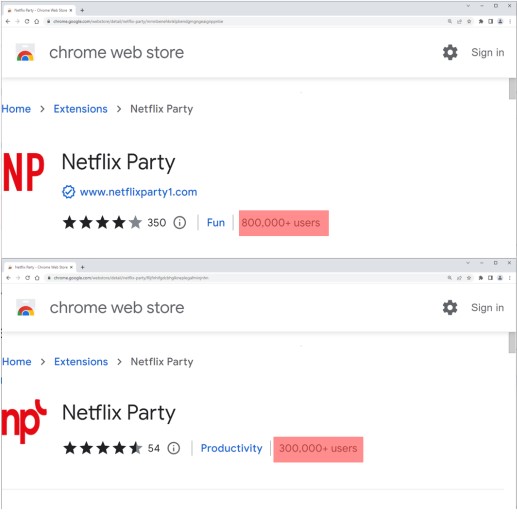
Now, a new report from McAfee states that four Google Chrome extensions were stealing users’ browsing data. Over 1.4 million people have downloaded these five extensions. These extensions include Netflix Party, Netflix Party 2, Full Page Screenshot Capture – Screenshotting, and AutoBuy Flash Sales.
Among these, Netflix Party and Netflix Party 2 were the most downloaded of the five extensions. These extensions enable users to watch shows or movies on Netflix together even when they are in different locations by syncing the videos. Netflix Party has over 800,000 downloads, whereas Netflix Party 2 Chrome Extension has over 300,000 downloads.
According to the report, these extensions loaded a multipurpose script that transfers browsing data to an attacker-controlled domain. Every time a user visits a new URL, their browsing data is transferred to this domain. The data includes the user ID, device location, nationality, zip code, and an encoded referral URL. They use this in order to insert code into eCommerce websites that are being visited. This operation alters the site’s cookies so that the extension creators receive affiliate payment for any products purchased.
The Chrome Web Store has removed Netflix Play, Netflix Play 2, and AutoBuy Flash Sales extensions. The other extensions, on the other hand, are still available for download.
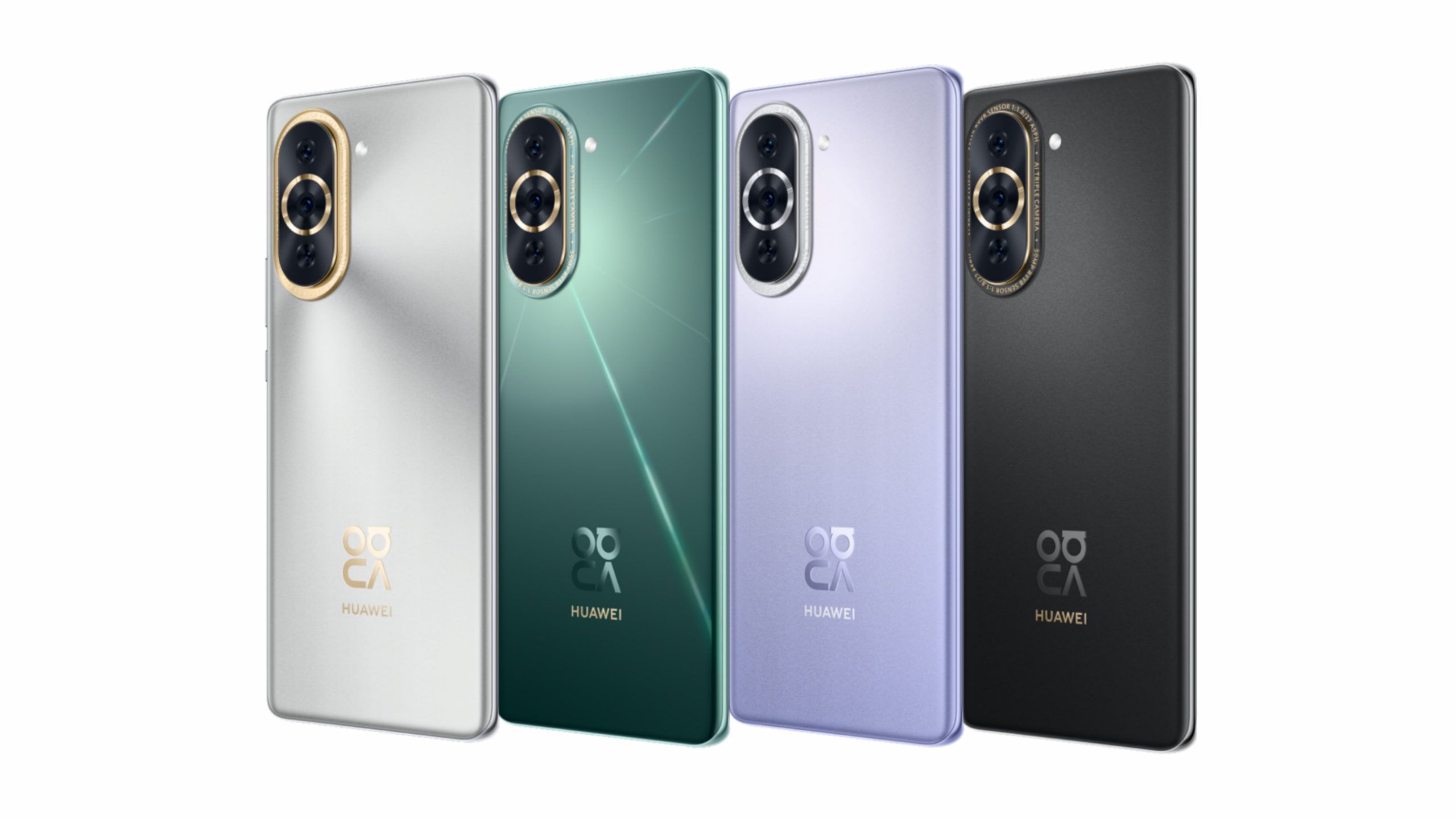
A couple of months ago, Huawei launched its new Nova-series smartphones in the form of Huawei Nova 10 and Nova 10 Pro in the Chinese market as a successor to the company’s Nova 9 series smartphones.
Now, the company is bringing the Huawei Nova 10 and Huawei Nova 10 Pro to the international markets as the phones are set to launch soon in select European countries.
Coming to the specifications, the Nova 10 features a 6.7-inch Full HD+ OLED display. On the other hand, the Pro model features a 6.78-inch Full HD+ OLED display with 2652 × 1200 pixels resolution, and both phones offer a 120Hz refresh rate and 20:9 aspect ratio.
Both smartphones come with an in-display fingerprint sensor for added security. The devices are powered by the Qualcomm Snapdragon 778 4G processor and pack 8GB of RAM and 256GB of internal storage.
In the camera department, there’s a 50-megapixel primary camera sensor coupled with an 8-megapixel ultra-wide lens and a 2-megapixel macro sensor. On the front side, there’s a 60-megapixel snapper for taking selfies and video calling.
The smartphones run the company’s own HarmonyOS 2.0 operating system. As for the battery, the Nova 10 is powered by a 4,000mAh battery with 66W fast charging, and the Pro model is powered by a 4,500mAh battery with 100W fast charging.
As for the pricing, the company has not yet revealed pricing details, and it will be different based on the country the phones get launched in, but the standard model should cost around €390 while the Pro model should be priced at around €530.
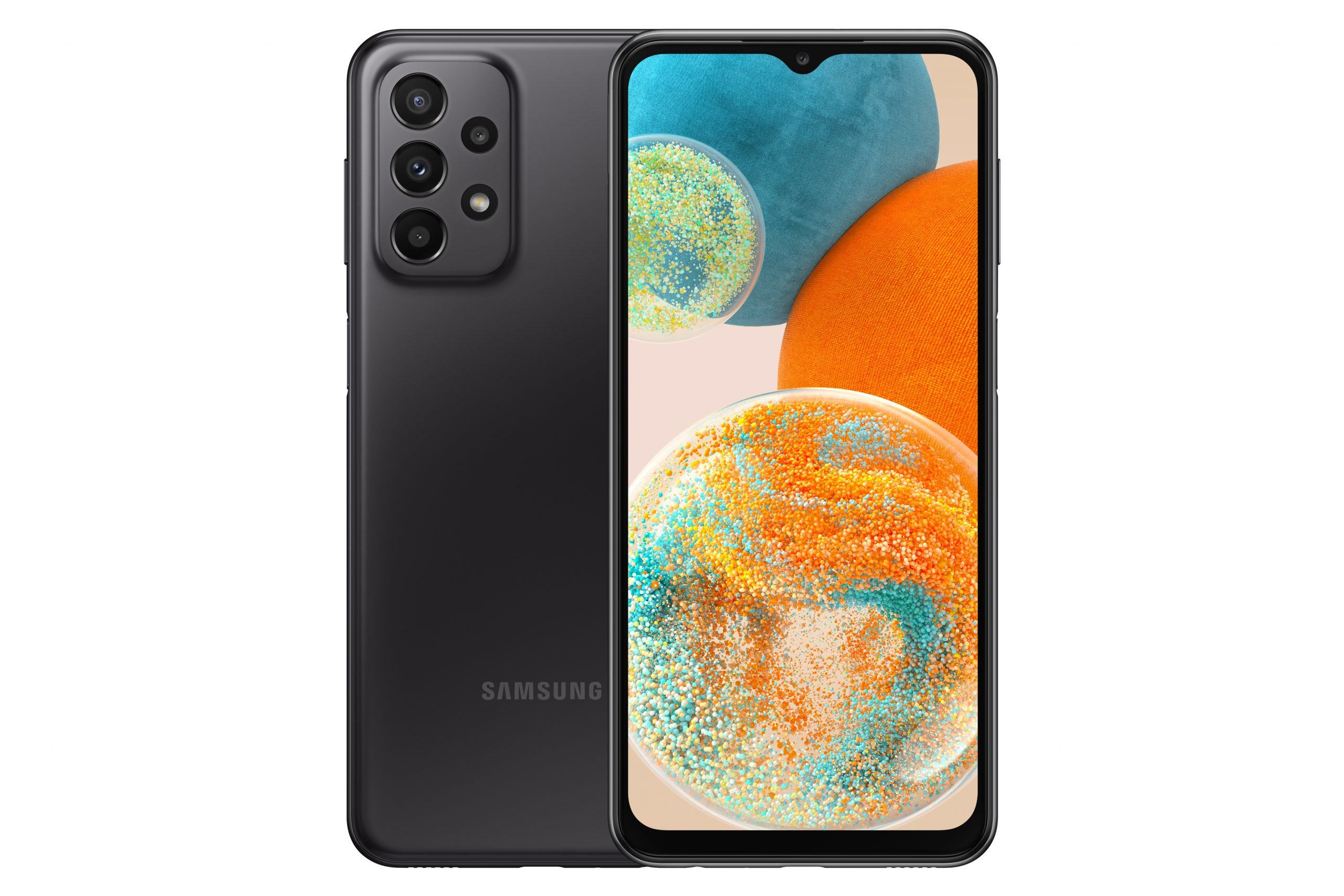
Last month, Samsung had unveiled the Samsung Galaxy A53 5G smartphone as a successor to the Galaxy A22 5G. It is also a 5G variant of a 4G phone that was launched earlier this year.
Now, the budget smartphone Samsung Galaxy A23 5G is available for purchase in the United States, and the company has set the recommended price at $299.99.
Coming to the specifications, the Galaxy A23 5G features a 6.6-inch Full HD+ display with an Infinity-V notch, 2400 x 1080 pixels screen resolution, and a 120Hz refresh rate.
Under the hood, the device is powered by the Qualcomm Snapdragon 695 processor, coupled with up to 8GB of RAM and 128GB of internal storage. It also has a side-mounted fingerprint sensor for added security.
In the camera department, there’s a quad-camera setup on the back that includes a 50MP primary camera sensor with OIS support, a 5MP ultra-wide-angle lens, a 2MP depth sensor, and a 2MP macro lens. On the front side, the phone comes with an 8MP snapper for taking selfies and video calling.
The smartphone runs the Android 12 operating system out-of-the-box with the company’s own One UI 4.1 custom interface on top. The device is powered by a 5,000mAh battery and supports 25W fast charging.
The Samsung Galaxy A23 5G is now available for purchase through AT&T and T-Mobile for the price of $299.99 and $312, respectively.
With the launch of Android 13 by Google last month, it is no surprise that other competing Android smartphone manufacturers have to update their smartphones to Android 13 to obtain the latest customization and privacy feature updates from Google as well.
After Oppo launched its latest ColorOS 13 based on Android 13 in China, its sister brand Realme has also announced today that Realme will be launching its Realme UI 4.0 operating system based on the latest Android 13 update next week.
Source: Realme China
According to Realme China Chief Software Engineer, Rain Chen on Weibo, the company is planning to launch Realme UI 4.0 next week in mid-September. The launch will be revealing what Realme devices will be eligible for the Realme UI 4.0 major OS update, as well as the brand’s Realme UI 4.0 update roadmap for 2022 and 2023 for its current existing devices running on Realme UI 3.0 based on Android 12.
Besides sporting speedy software, the Realme GT 2 Master Explorer also features Qualcomm’s latest Snapdragon 8+ Gen 1 SoC. The new SoC is built on TSMC’s industry-leading 4nm process that promises 30% better power efficiency and battery endurance over its previous generation whilst promising 30% better GPU performance as well.
The device is also equipped with an enormous 5,000 mAh battery equipped with 100W fast wired charging support that can fill the battery of the phone to 100 percent from scratch in just 25 minutes. And the best part is that Realme has managed to keep the smartphone in a slim and lightweight profile at only 8.2mm in thickness and 195 grams.
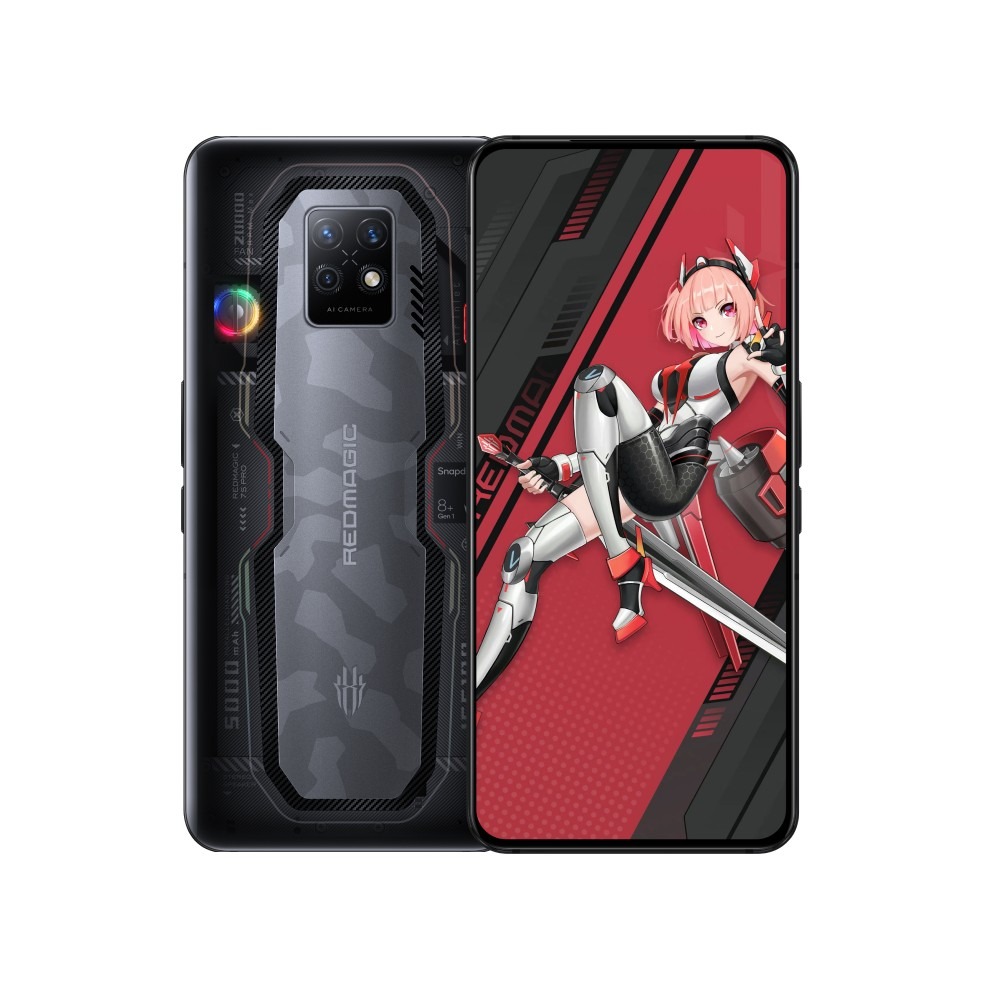
Last month, Nubia launched the Red Magic 7S Pro Bumblebee Special Edition smartphone in China. Now, the company has launched another special edition of the gaming phone, this time for the global market.
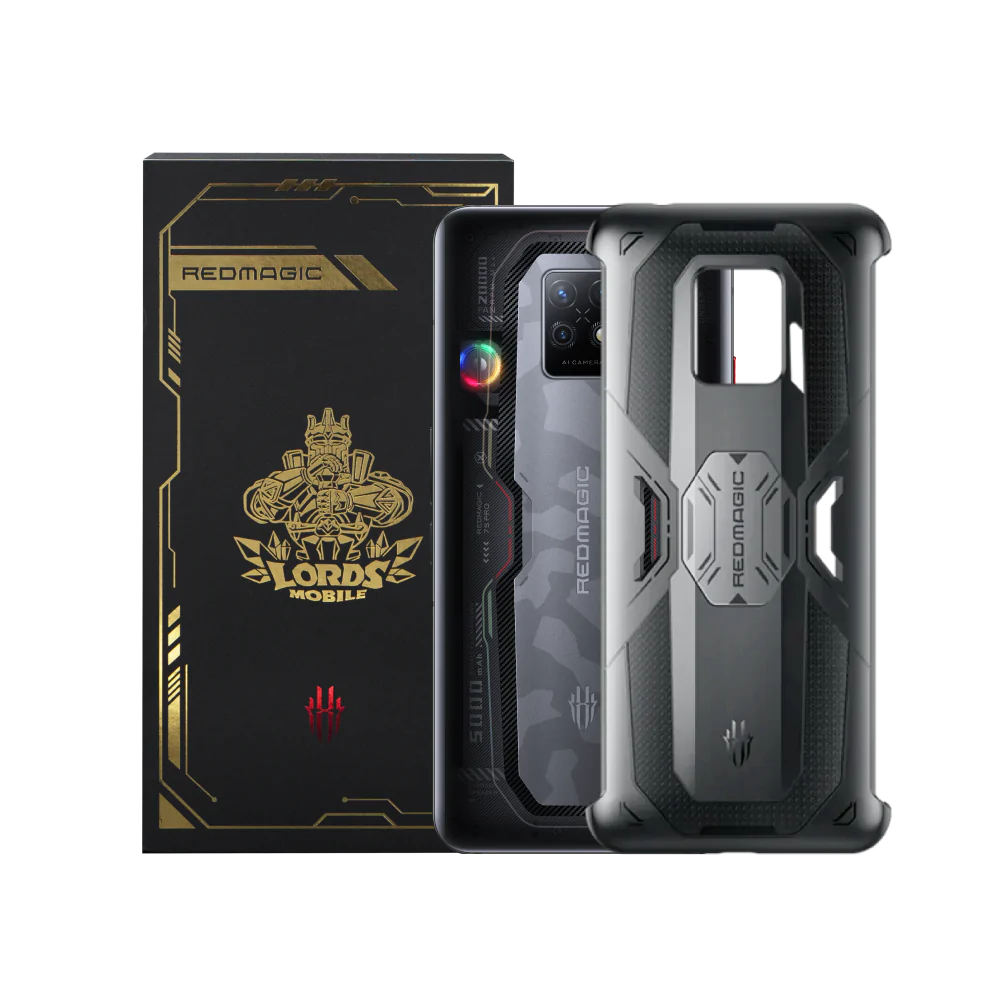
The brand has partnered with the China-based IGG to introduce the Red Magic 7S Pro Supernova Lords Mobile Edition. As the name suggests, the device features a design inspired by the highly popular Lords Mobile game. The brand has manufactured only 200 of these special edition devices, and considering the fact that Lords Mobile has crossed 200 million players, buying one of these devices will quite literally make you a one-in-a-million fan. Let’s have a closer look at what you will get with this edition.
The Lords Mobile Red Magic 7S Pro will be packaged in a custom Lords Mobile case that includes the standard equipment (65W USB-PD 3.0 charger, USB cable, and a silicone protective cover), as well as a Lords Mobile Gift Card that can be redeemed for between $50 and $500 in-game credits. You can also obtain another $50 gift card from the Red Magic XP Store.
The first 50 buyers will also get a more advanced protective case by Red Magic. This case is not styled in the Lords Mobile theme, however, it has an aluminum plate on the back that works with the Red Magic Turbo Cooler.
Spec-wise, the gaming smartphone is equipped with a Snapdragon 8+ Gen 1 SoC, 18GB of RAM, and 512GB of internal storage. The device boasts a 6.8-inch AMOLED display with FHD+ resolution and a refresh rate of 120Hz. It has a 64-megapixel triple camera system on the back. The device is powered by a massive 5,000mAh battery pack that also enables 135W fast charging.
The Red Magic 7S Pro Supernova Lords Mobile Edition is only available in 18/512GB option. You can get one for €950/$900 from the official Red Magic store. It is available in Europe, the United States, and Canada, and it also ships worldwide to various regions of Asia Pacific the Middle East, and Latin America.
Twitter, the popular social media platform has made a major announcement for its users. After much rallying and requests from its users, the American tech giant announced on September 1st that an “edit tweet” feature will soon be introduced to its social media platform for users this year.
Illustration purposes only
From the company’s official blog post, “Edit Tweet” is a feature that lets users make changes to their Tweet after it’s been published. The feature can be useful for situations like fixing typos and adding missed hashtags without having to delete the entire Tweet or Twitter thread.
Currently, the “Edit Tweet” is in an internal testing phase on the Twitter platform, whereby only a selected group of Twitter users will enjoy the feature. Twitter states that internal testing helps the development team to incorporate feedback while identifying and resolving potential issues. This includes how people might misuse the “Edit Tweet” feature.
However, Twitter did announce that the company has plans to bring “Edit Tweet” to all of its paying Twitter Blue subscribers by the end of this month. As part of their subscription, they receive early access to features and help Twitter to test them before the features arrive on the social media platform.
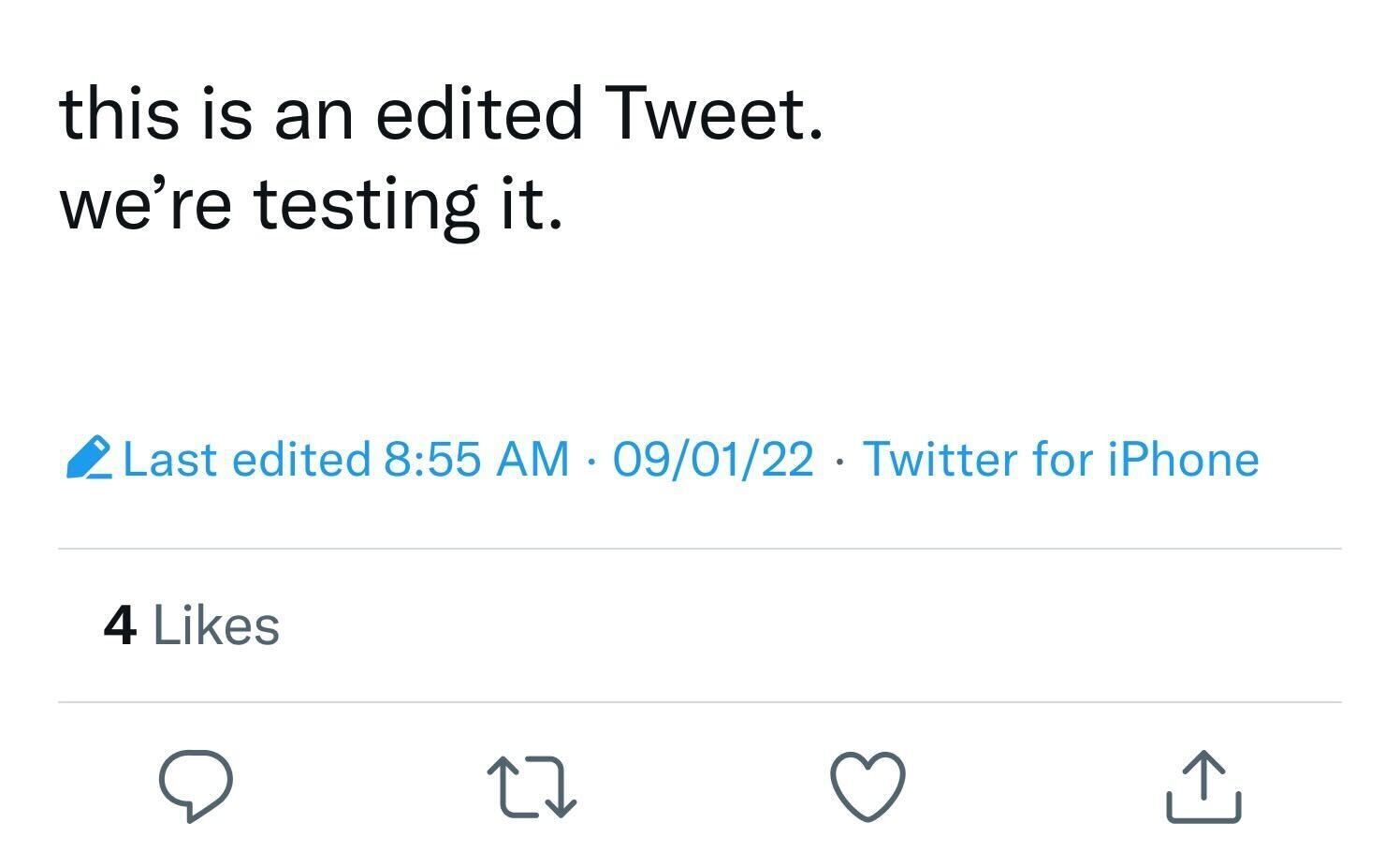
Example of an edited Tweet. Source: Twitter Official Blog
As for how Edit Tweet will work, Twitter states the feature mechanics as follows:
“Tweets will be able to be edited a few times in the 30 minutes following their publication. Edited Tweets will appear with an icon, timestamp, and label so it’s clear to readers that the original Tweet has been modified. Tapping the label will take viewers to the Tweet’s Edit History, which includes past versions of the Tweet.”
Twitter is hoping that, with the availability of Edit Tweet, Tweeting will feel more approachable and less stressful for its users. The company also states that they will also be paying close attention to how the feature impacts the way people read, write, and engage with Tweets.
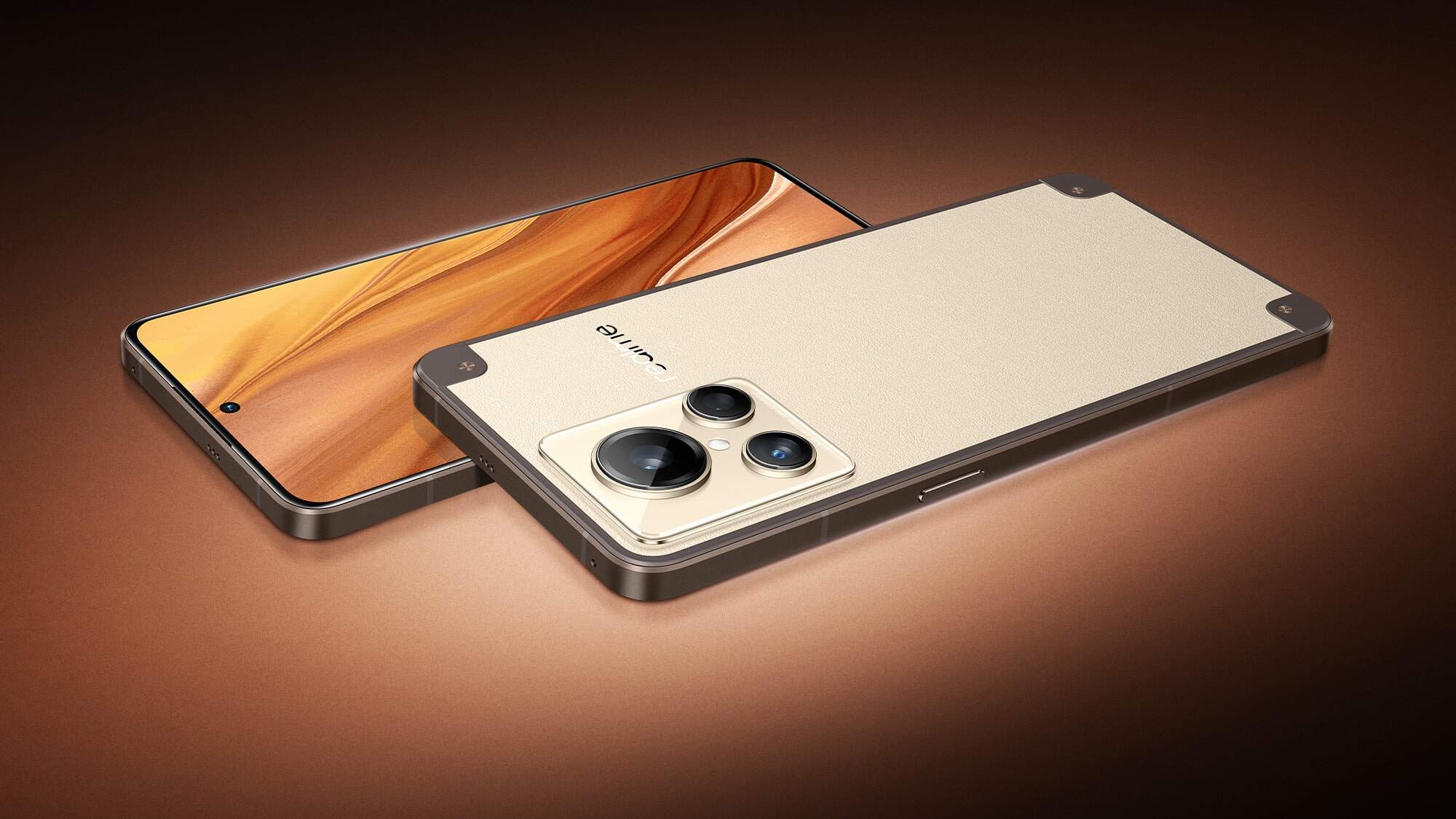
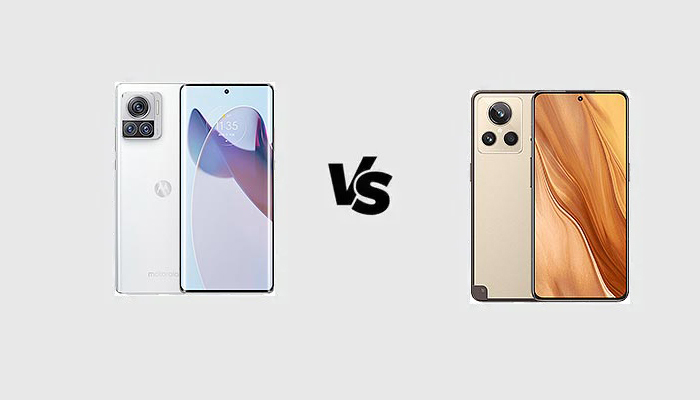
Alongside the new foldable Razr 2022, Motorola came up with a new amazing flagship: the Motorola X30 Pro. Despite being a top-tier flagship, this device does not come with an excessive price tag. Yet it sports specifications that you can usually find only on the most premium phones such as the best Samsung, OPPO, and Xiaomi devices. Another awesome handset released in this period with stunning specifications and a good price tag is the Realme GT 2 Master Explorer Edition. It has the best Qualcomm chipset and even one of the fastest charging technologies out there, but its price tag is very affordable compared to other phones with similar specifications. This is a comparison between the specifications of the Motorola X30 Pro and the Realme GT 2 Master Explorer Edition which will highlight the main differences between these two flagship killers.
Motorola X30 Pro vs Realme GT 2 Master Explorer Edition
Triple 200 + 50 + 12 MP, f/2.0 + f/2.2 + f/1.6
60 MP f/2.2 front camera
Triple 50 + 50 + 3 MP, f/1.9 + f/2.2 + f/3.3
16 MP f/2.5 front camera
BATTERY
4610 mAh, fast charging 125W
5000 mAh, Fast Charging 100W
ADDITIONAL FEATURES
5G, dual SIM, splash and dust resistant
5G, dual SIM
Design
The Realme GT 2 Master Explorer Edition is stunning not only because of its specifications but even thanks of its design. It comes in a very original color option with a design inspired by a travel trunk, including a leather back and an aluminum frame. There is also a variant of this phone with a rear side made of ceramic. Further, this phone has one of the highest screen to body ratios in the whole market as the display takes up more than 90 percent of the front panel. On the other hand, the Motorola X30 Pro is a very attractive phone thanks to its curved display at the edges sporting an incredibly high screen to body ratio of 91 percent. It has a classic glass back protected by Gorilla Glass 5 instead of a leather or ceramic back, but it is dust and splash resistant, even though it does not have an IP certification.
Display
The Realme GT 2 Master Explorer Edition and the Motorola X30 Pro are very close when it comes to display quality, but the Motorola X30 Pro is the winner, even though the margin is strict. It has an OLED panel able to show up to one billion colors with a diagonal of 6.7 inches, a Full HD+ resolution of 1080 x 2400 pixels, a 144 Hz refresh rate, the HDR10+ certification, and a peak brightness of up to 1,250 nits, as well as an in-display fingerprint scanner. The Realme GT 2 Master Explorer Edition has a 6.7-inch panel showing up to one billion colors with a Full HD+ resolution, a 120 Hz refresh rate, and the HDR10+ certification, and it sports an in-display fingerprint reader as well: it has a lower refresh rate and a lower brightness. Both phones are equipped with stereo speakers, but they lack a 3.5 mm audio jack.
Specs & Software
The differences between these two phones are just marginal if we talk about the hardware departments. They are powered by the same processor: the Snapdragon 8+ Gen 1 mobile platform by Qualcomm. It is a chipset built with a 4 nm production process sporting an octa-core architecture composed of a Cortex X2 CPU running at a max frequency of 3.19 GHz, three Cortex A710 CPUs running at a frequency of 2.75 GHz, four Cortex A510 CPUs running at 1.8 GHz, and an Adreno 730 GPU. The chipset is paired with up to 12 GB of LPDDR5 RAM, but the internal storage of these two phones is different if we only consider the most expensive variant. The Realme GT 2 Master Explorer Edition goes up to 256 GB, while the Motorola X30 Pro reaches 512 GB of UFS 3.1 storage. Both the phones run Android 12 out of the box, but with different user interfaces on top.
Camera
You should have no doubts if you need the best camera phone between these two: the Motorola X30 Pro is the most advanced one. It is the world’s first phone with a 200 MP camera: the main sensor supports OIS and is paired with a 50 MP ultrawide lens and a 12 MP telephoto camera with 2x optical zoom. On the front side, you can find an amazing 60 MP selfie shooter. The Realme GT 2 Master Explorer Edition is inferior, but it is not a bad camera phone: it has a triple rear camera including a 50 MP Sony IMX766 main sensor with OIS, a 50 MP ultrawide lens, and a 3 MP microscope camera with 40x magnification. The selfie snapper is a 32 MP sensor.
The Realme GT 2 Master Explorer Edition is able to provide longer battery life for a simple reason: it has a bigger battery with a capacity of 5000 mAh. On the other hand, the Motorola X30 Pro charges quicker thanks to 125W fast charging and it is the only one to support wireless charging.
Price
You need at least $448/€448 to purchase the Realme GT 2 Master Explorer Edition, while the Motorola X30 Pro starts from €550/$550. Which one would you pick?
Motorola X30 Pro vs Realme GT 2 Master Explorer Edition: PRO and CONS
Nowadays, chargers are a rare sight inside smartphone boxes. Apple started this trend and other manufacturers quickly followed the lead. OPPO was keeping the tradition alive by including a charger with all of its smartphones. However, now it seems the company will also join its fellow manufacturers in the “No charger club”.
During the European launch event for the Oppo Reno8 series Billy Zhang, Oppo’s VP of overseas sales and services, said that OPPO will “take the charger out of the box in the next year for several products”. However, he didn’t delineate which devices will lose the charger.
“It’s not that easy for consumers to get access to [SuperVOOC chargers], so we have to keep it in the box. However, as we are expanding our business operations, we are looking to taking chargers out of the box and put them in the store so that our users are able to buy the chargers and continue using them even when they upgrade their devices,” Zhang added.
As the executive mentioned, the chargers will be removed from only some of the devices and the majority of the OPPO products may still retain a charger. In addition, the company will make the chargers available in stores, so that the customers can purchase them easily.
This move shouldn’t come as a surprise since major OEMs like Apple and Samsung have been shipping their phones without chargers for years. By dropping chargers, companies aim to reduce their carbon footprint and save the environment through the reduction of plastic waste.
More details about this are expected to emerge soon. We’ll keep you posted!
The GameSir X2 Pro mobile gaming controller for Android smartphones has been announced. It is an Xbox-licensed mobile gaming controller that can be used for cloud gaming on Android smartphones.
GameSir has gradually grown in the gaming peripheral market since it was formed in 2010. It has an array of products already released and the X2 Pro seems to be a strong statement by the brand. It is fully compatible with Android smartphones with version 8.0 Oreo and higher. It requires smartphones with a USB-C port and measuring between 110mm and 179mm in length. The X2 Pro has LB/RB buttons with Kailh micro switches with a life cycle beyond 3 million clicks.
The GameSir X2 Pro has LT/RT Hall Effect analog triggers which come with improved precision, and are accurate up to 0.1mm. It supports multiple gaming platforms including Xbox Cloud Gaming, Xbox Game Pass Ultimate, NVIDIA GeForce NOW, Amazon Stadia, and Google Stadia. It also comes with a pair of customizable buttons at its back, as well as detachable magnetic ABXY buttons. In addition, the X2 Pro package includes two sets of joystick caps (convex and concave), as well as black and white color options.
The GameSir X2 Pro retails at $79.99 and is available directly from the GameSir website or Amazon. GameSir has a wide array of products including gamepads, keyboards, keypads, and mice. The X2 Pro mobile gaming controller transforms a smartphone into a gaming handheld device. However, the overall gaming experience will be impacted by the capabilities of the Android smartphone itself.
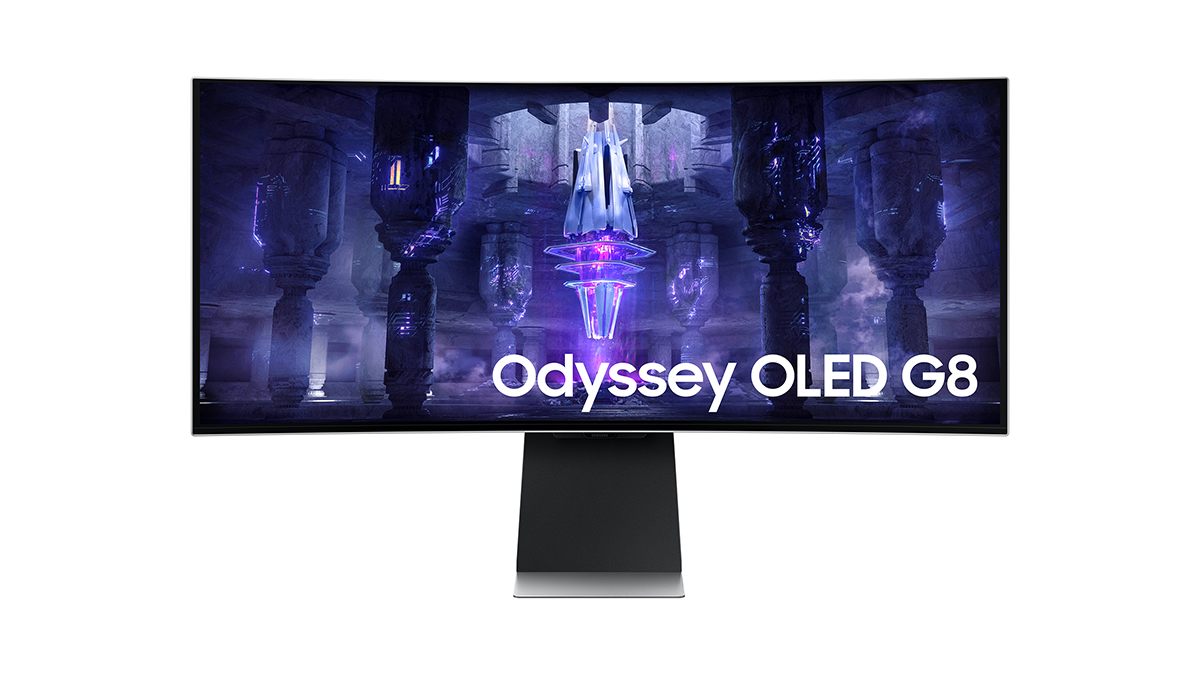
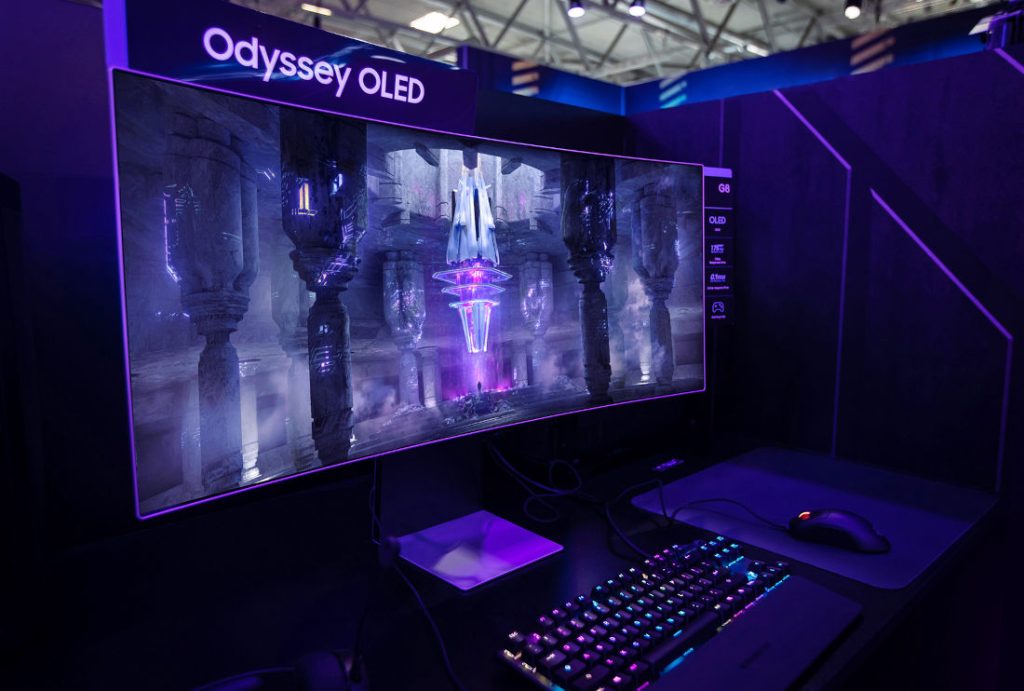
Samsung has announced the Odyssey OLED G84SB premium QHD curved monitor with a 175Hz refresh rate. The new Samsung monitor has a screen size of 34 inches and is Samsung’s first OLED gaming monitor. The announcement was made during the IFA 2022 in Berlin, Germany.
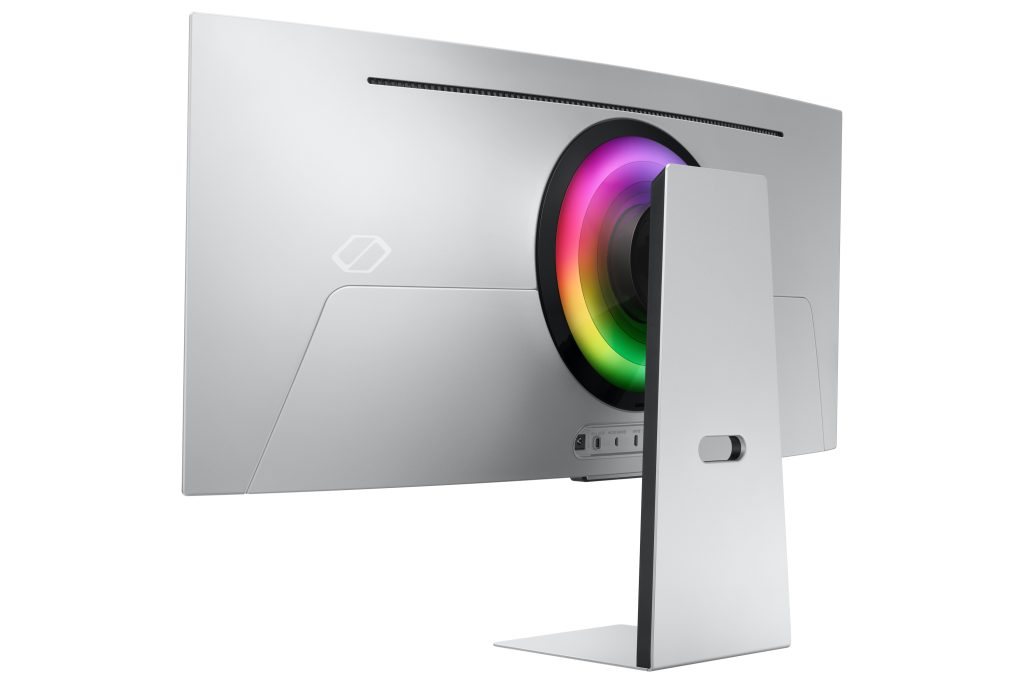
The Samsung Odyssey OLED G8 is a slim model which features Quantum Dot Technology for excellent brightness. Its high refresh rate of 175Hz and a response time of 0.1ms means that the monitor is well primed for gaming. The monitor has an aluminum frame and features VESA DisplayHDR 400 True Black. It also comes with AMD FreeSync Premium for seamless performance. The lighting is controlled by pixels and a solid contrast ratio.
Odyssey OLED G8 has an ultra-wide QHD with a resolution of 3,440 x 1,440 pixels, 100% colour volume, and a 21:9 aspect ratio. The gaming monitor has RGB and true black optimal colour accuracy support and a 99.3% DCI colour gamut. The gaming monitor is powered by Samsung’s Smart Hub featuring entertainment and lifestyle options. The Samsung Gaming Hub is also part of the features that guarantee variety and an immersive gaming experience. There are several gaming options including Xbox, NVIDIA GeForce NOW, and Google Stadia. Amazon Lula support is available also exclusively in the US market.
The Samsung Odyssey OLED G8 gaming monitor is versatile and can be used in different orientations. It has a Height Adjustable Stand (HAS) and tilt for utmost ergonomic comfort for any gamer. The Odyssey OLED G8 could arrive on the global market by Q4 2022 but Samsung has not released its pricing details yet.
We use cookies on our website to give you the most relevant experience by remembering your preferences and repeat visits. By clicking “Accept”, you consent to the use of ALL the cookies.
This website uses cookies to improve your experience while you navigate through the website. Out of these, the cookies that are categorized as necessary are stored on your browser as they are essential for the working of basic functionalities of the website. We also use third-party cookies that help us analyze and understand how you use this website. These cookies will be stored in your browser only with your consent. You also have the option to opt-out of these cookies. But opting out of some of these cookies may affect your browsing experience.
Necessary cookies are absolutely essential for the website to function properly. This category only includes cookies that ensures basic functionalities and security features of the website. These cookies do not store any personal information.
Any cookies that may not be particularly necessary for the website to function and is used specifically to collect user personal data via analytics, ads, other embedded contents are termed as non-necessary cookies. It is mandatory to procure user consent prior to running these cookies on your website.