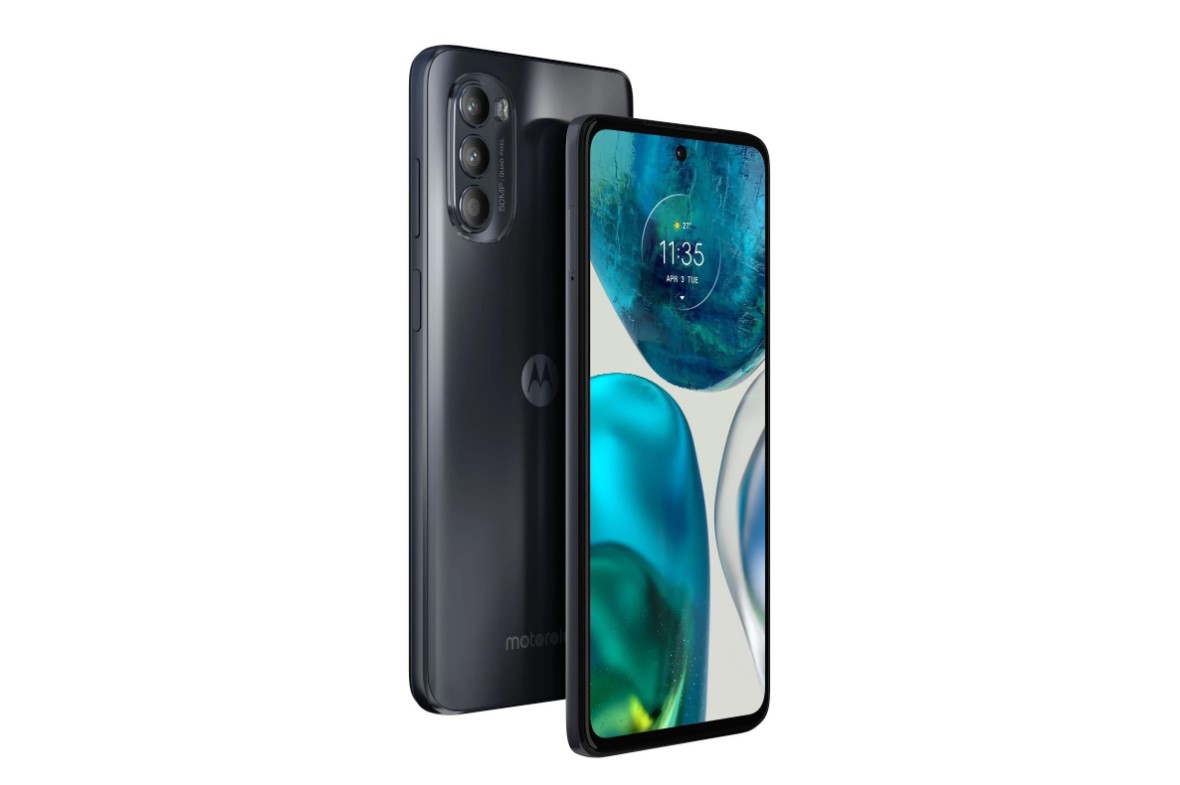
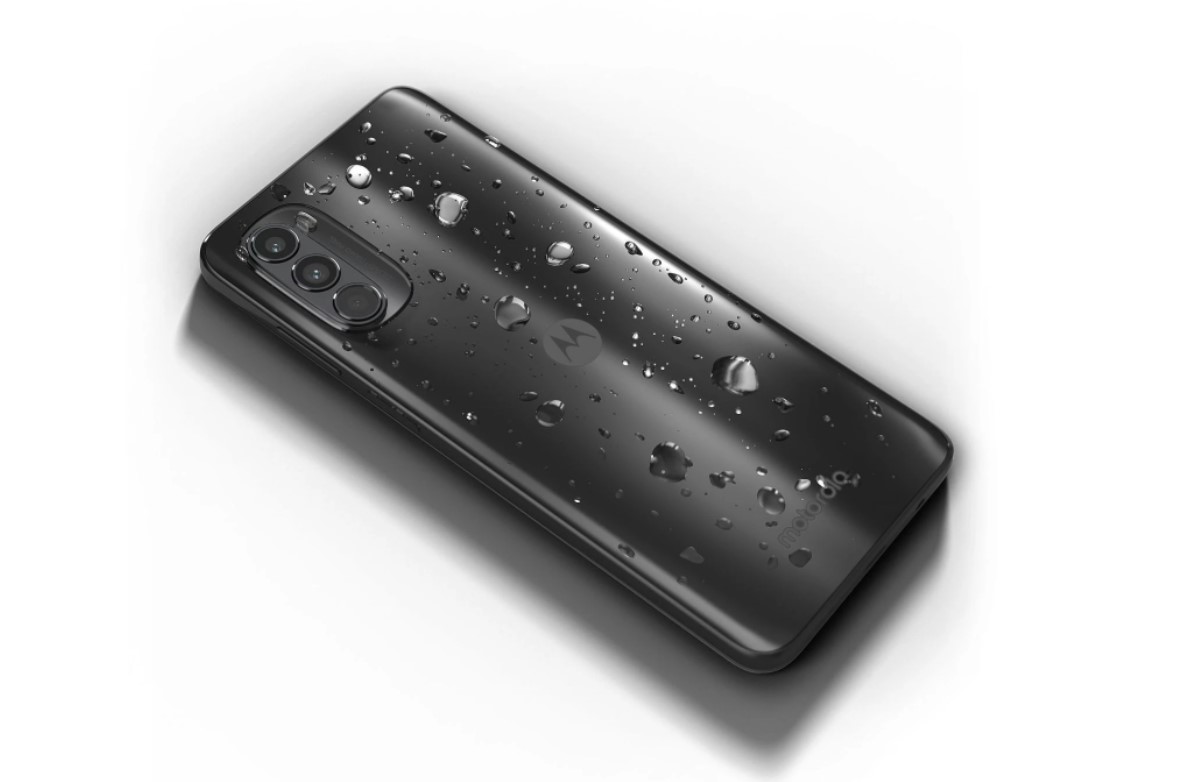
Earlier today (19th April 2022), Motorola had officially confirmed the launch date of an upcoming mid-range smartphone. It is the Moto G52, which is set to be unveiled on April 25. However, prior to its launch, a new leak revealed its pricing for the region.
For those unaware, the smartphone maker launched the Moto G52 in Europe last week. Now, the brand is gearing up to release the device in the Indian market as well. But, as per a 91Mobiles report, known tipster Yogesh Brar has revealed the official pricing for the handset. Previously, we had reported on the rumored pricing of the device. The initial reports did not reveal the exact pricing but estimated that the Moto G52 will cost under the 20,000 INR segment (roughly 262 US Dollars).
According to the tipster, the Moto G52 has a box price of 19,999 INR for the 6GB RAM + 128GB internal storage variant. However, its actual selling price will be 17,999 INR (roughly 235 US Dollars). In other words, the new leak is also in line with our previous reports. But keep in mind that this has still not been confirmed by the company. So take this news with a pinch of salt for now.
Talking about the smartphone itself, the Moto G52 is a mid range handset that arrives with a 6.6 inch FHD+ pOLED display that offers a 90Hz refresh rate. It houses a Qualcomm Snapdragon 680 and runs on Android 12 OS out of the box. The rear feature a 50 megapixel triple camera setup while the front features a 16 megapixel selfie shooter. Under the hood, a large 5,000mAh battery pack powers the device, which also supports 33W fast charging. The smartphone drops in India just a couple of days later, so stick around as we will be covering the launch event.
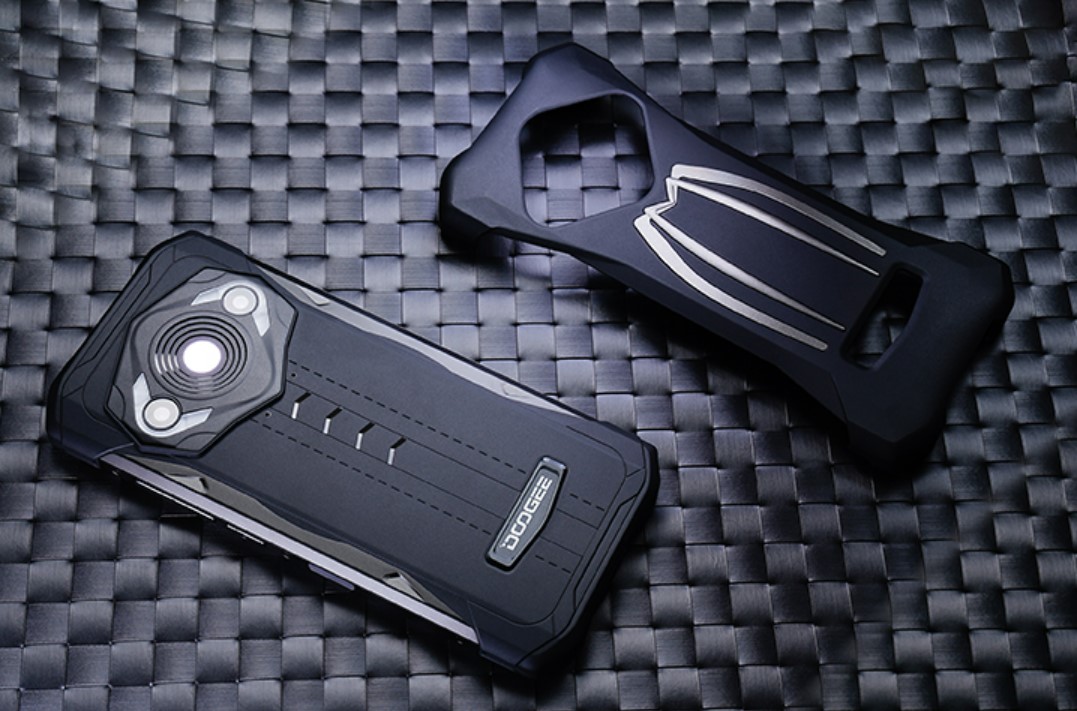
After its success with the S98 smartphone, DOOGEE is now ready to launch the next version, the DOOGEE S98 Pro. This phone is going to be different from all its predecessors as it comes with an alien-inspired design and a specially crafted case that will give your smartphone a celestial look.
The highlight feature of the DOOGEE S98 Pro rugged smartphone is its specially designed rear camera island which is inspired by an Aliens head. To complement this theme the brand has also come up with an exotic alien-inspired protective case.
As for the camera setup, you have a Sony IMX582 48MP primary sensor, a 20MP night vision camera, and a thermal imaging camera all positioned perfectly into the rear bump. For your selfies, you will have a 16MP Sony IMX582 sensor nestled into the waterdrop notch in the front.
The smartphone will feature a 6.3” Full HD+ LCD display with Corning Gorilla Glass protection and will be powered by the MediaTek Helio G96 chipset. As for the memory variants you have a single 8GB RAM and 256GB storage option expandable up to 512GB using a microSD card.
DOOGEE S98 Pro is a rugged smartphone and hence comes with IP68/69 K and MIL-STD-810G certifications making it dustproof, waterproof, and perfect for the harsh outdoors. Other interesting features include a side-mounted fingerprint reader, customizable key, a virtual tool kit, and Android 12 out of the box.
The smartphone will be fueled by a massive 6000mAh battery and will support 33W fast charging and 15W wireless charging. As for the color options and price, DOOGEE is still keeping all the details under wraps. So we will have to wait until late May when the DOOGEE S98 Pro is scheduled to launch to know more about its price and buying options.
Samsung is reportedly working on the Galaxy Z Fold4 foldable phone. Like last year, the company may unveil it in August this year. Rumors are rife that this year’s foldable phone from Samsung will accompany an S Pen stylus. A new leak has revealed that the S Pen for the Galaxy Z Fold4 has entered mass production.
It is speculated that the Galaxy Z Fold4 will be the first foldable smartphone to arrive with a dedicated slot for storing the stylus. Even if the device does not feature a storage slot, it is heavily rumored to carry support for S Pen. According to tipster Mukul Sharma, the serial production of the S Pen for the Galaxy Z Fold4 has begun in several European and Asian markets.
Galaxy Z Fold4 concept render by Apple Lab 2
Last year, the rumor mill speculated that the Galaxy Z Fold3 would be the first Samsung foldable to support the S Pen stylus. While the S Pen Pro and the S Pen Fold Edition are compatible with the Galaxy Z Fold3, the regular S Pen does not work on the device. It is unclear whether the Galaxy Z Fold4 will carry support for the regular S Pen.
It was reported last month that Samsung could be working on a “Super UTG” for the Galaxy Z Fold4. It is expected to offer a stronger surface for using the S Pen. Hence, there is a possibility that the regular S Pen may work on the Z Fold4. It is advisable to wait for further reports to know whether the device will have a dedicated S Pen holster.
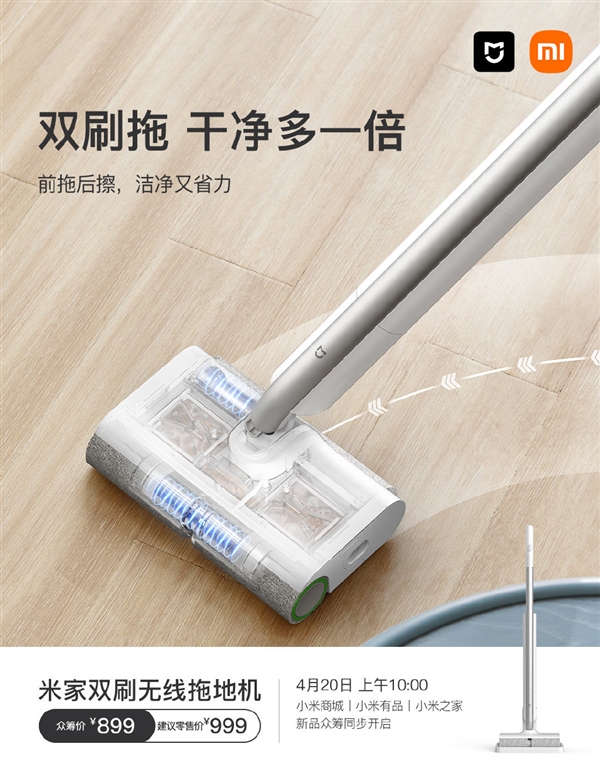
Robot vacuum cleaners that perform the dual functions of sweeping and mopping are quite common these days but if you have used one, you’ll agree that they don’t provide the same dexterity that a handheld mop will give you. Xiaomi seems to have provided a solution to that by launching a dedicated mechanical mop. The device is dubbed MIJIA dual-brush wireless mopping machine.
As the name implies, the MIJIA dual-brush wireless mopping machine adopts an innovative dual-brush design and supports real-time spray cleaning. The front brush washes the dirt in the front while the brush at the back wipes the stains in the back thus improving the cleaning efficiency of the user. The self-driving traction force of the motor enables smooth pushing and pulling for free cleaning.
At the same time, this product also adopts a frameless design. The front roller brush can deform to take the shape of wall edges in other to effectively clean the edges where the floor meets the wall.
In addition, the MIJIA mopping machine can spray clean the roller brush with clean water in real-time to keep it clean after use. Furthermore, after the cleaning is over, all the user needs to do is to put the brush back on the base and turn on the auxiliary cleaning with one button to simulate manual hand washing, reducing the frequency of cleaning the roller brush and making it more convenient to take care of.
In addition, when cleaning low places such as the bottom of the sofa and underneath the bed, the MIJIA double-brush wireless mopping machine can be adjusted to assume a lay-flat state, with a lay-flat thickness of 13cm. It also supports 90° up and down rotation in this state. The machine can also be left upright anytime, anywhere. It also automatically stops when the water is empty or the degree of dirt is high and emits a buzzer sound to remind you to clean up in time.
In terms of the core configuration, the battery of the MIJIA Dual-brush wireless mopping machine can last for up to 35 minutes. It also packs a built-in 420mL water purification tank and a 200mL sewage tank.
The MIJIA mopping machine carries a crowdfunding price of 899 yuan (~$141) and will be up for backing at 10:00 am on April 20. The mop will retail for 999 yuan (~$156).
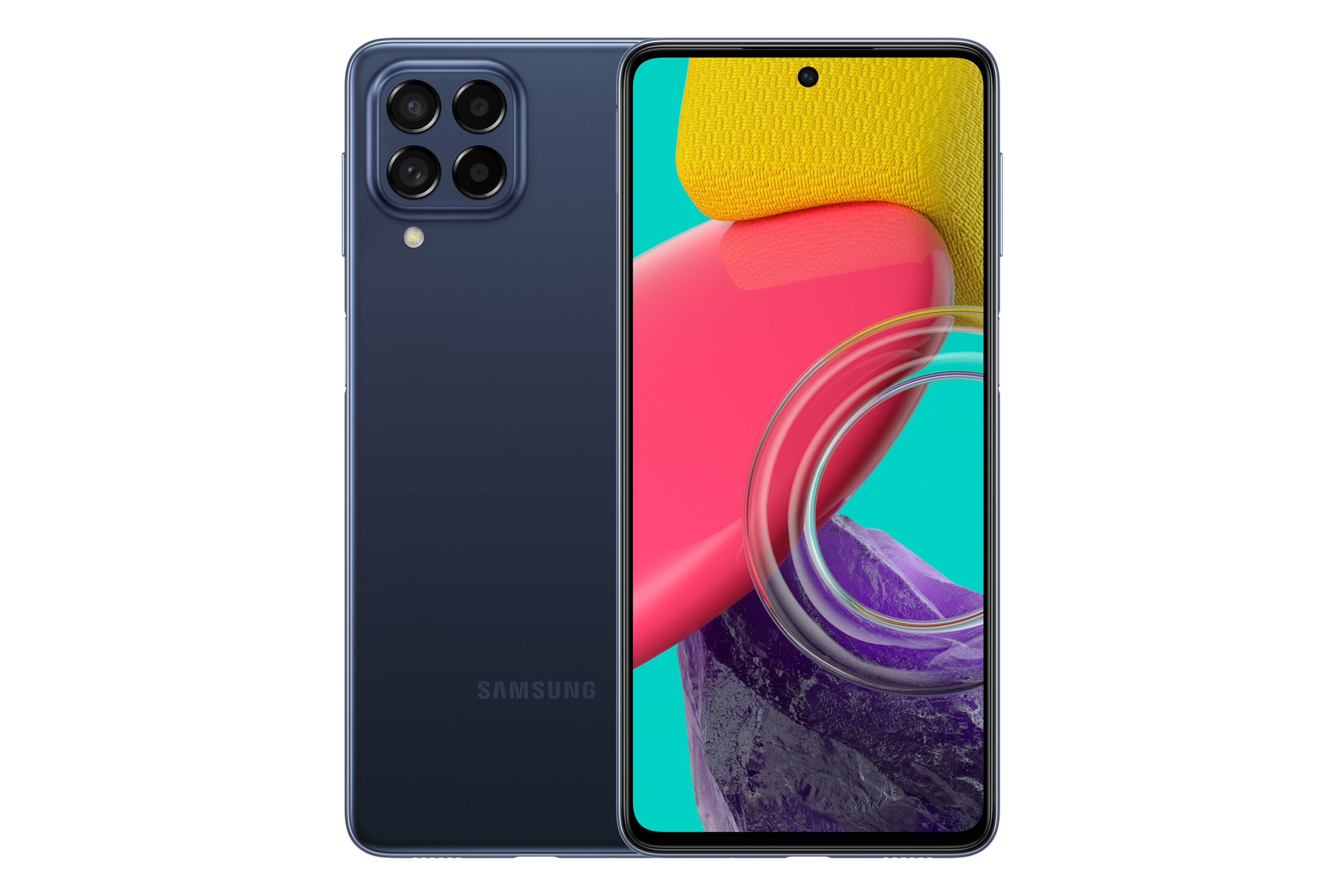
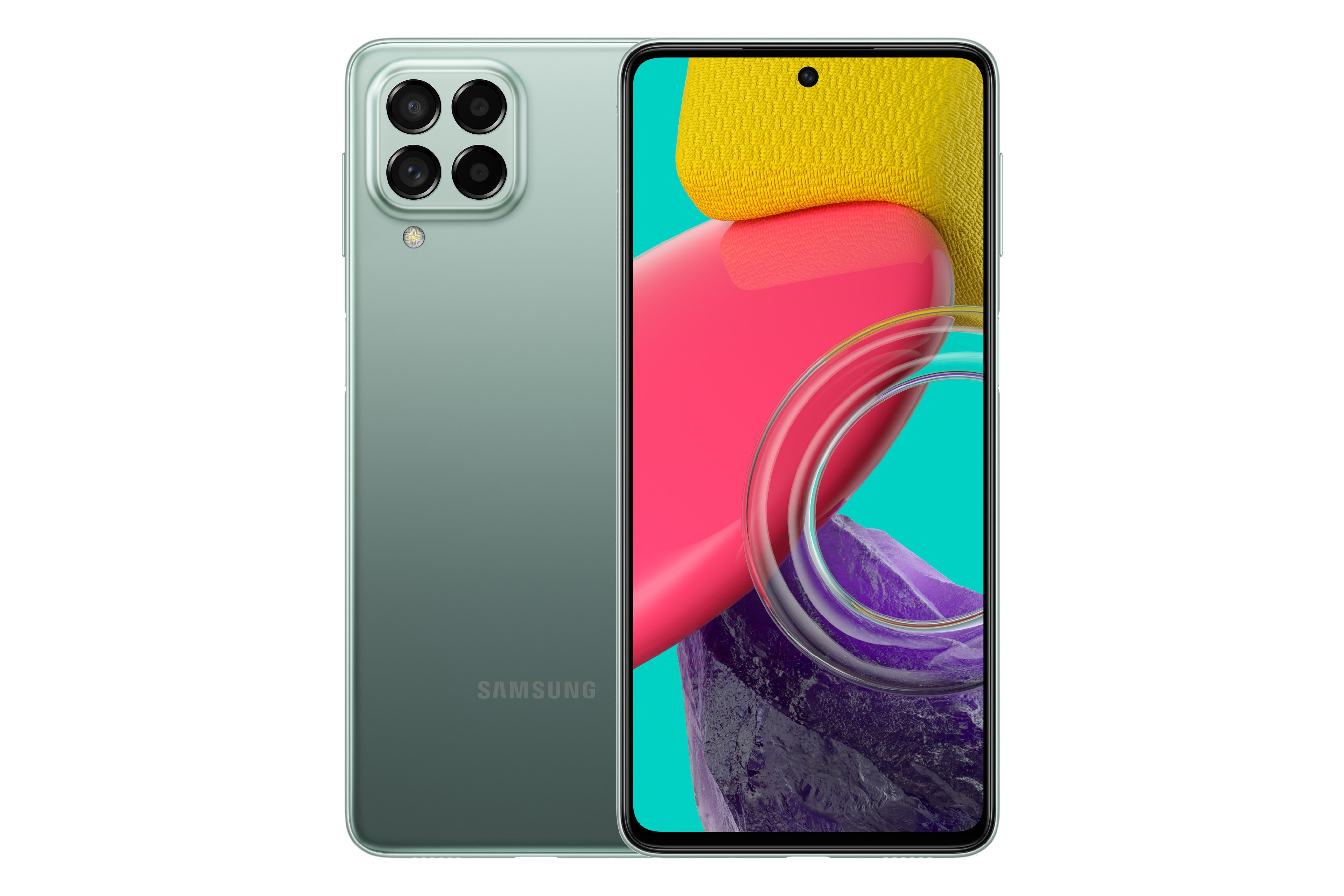
Samsung is scheduled to unveil the Galaxy M53 mid-range phone in India on April 22. The specifications of the device are no secret since it has already gone official in other markets. Ahead of the launch in India, tipster Sudhanshu Ambhore has revealed the Galaxy M53 5G’s variants and color options for the Indian market.
According to the tipster, the Galaxy M53 5G will come in two configurations, such as 6 GB RAM + 128 GB storage and 8 GB RAM + 128 GB storage. It will be available in green and blue colors. So, the brown variant of the M53 5G, which is available in some other markets, will not be available in India.
Samsung Galaxy M53 5G
Samsung Galaxy M53 5G specifications
The Galaxy M53 5G has a 6.7-inch AMOLED display that produces a Full HD+ resolution and a 120Hz refresh rate. The Dimensity 900 chipset is present under the hood of the Galaxy M53 5G. It will come with 6 GB / 8 GB of RAM. It has 128 GB of built-in storage and a microSD card slot for additional storage.
On the front, the Galaxy M53 5G has a 32-megapixel selfie camera. The rear camera setup of the device has a 108-megapixel main camera, an 8-megapixel ultrawide camera, a 2-megapixel depth sensor, and a 2-megapixel macro camera.
Samsung Galaxy M53 5G
The Galaxy M53 5G has a 5,000mAh battery that supports 25W fast charging. It runs on the Android 12 OS, which is overlaid with One UI 4.1.
At present, there is no information on the pricing of the Galaxy M53 5G. To recall, the Galaxy M52 5G was priced at Rs 29,999 (~$393) at launch in India. Hence, it is likely that the successor model may arrive with a similar price tag in the country.
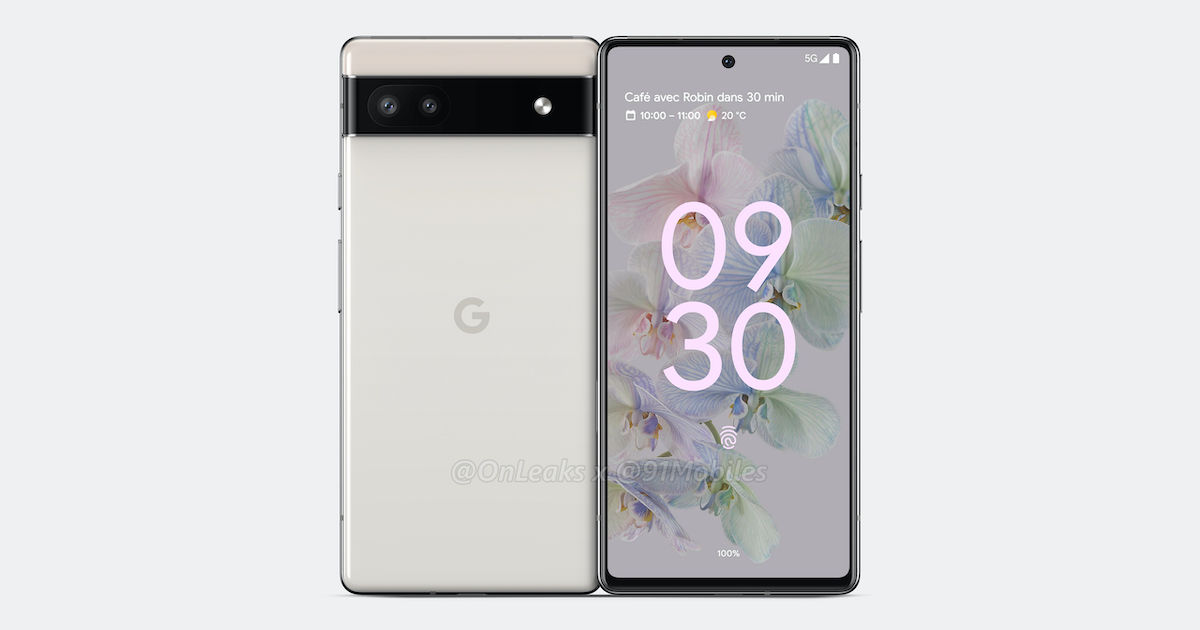
Google is gearing up to launch a new budget smartphone — Google Pixel 6a. As the name indicates, the device will be a watered-down model of the Pixel 6 and the successor to the Pixel 5a smartphone.
Ahead of the official announcement of the Google Pixel 6a smartphone, there have been a few leaks, revealing some key details about the upcoming device. Now, a new report has shed more light on the camera features.
Google Pixel 6a CAD renders by 91mobiles/Steve Hemmerstoffer
The latest report claims that the upcoming Pixel 6a will lack the Motion Mode for the camera department. The feature adds blurs to the moving part and action pan, which applies a blur effect to the background.
A report coming from XDA-Developers indicates that the code for displaying Pixel Tips about Motion Mode has excluded a device codenamed “bluejay,” which is said to be the identifier for the Pixel 6a.
The reason behind excluding this feature from the device could be because of the lack of a 50-megapixel camera sensor on the Pixel 6a as it needs a higher-resolution sensor to work. The phone is expected to have a 12.2-megapixel primary sensor which it has been using for the past few years on its Pixel A-series smartphones.
Based on the information leaked so far, it appears that the Google Pixel 6a will continue to have the same design as its predecessor, featuring a 6.2-inch display. Internally, the device will come powered by the Google Tensor SoC, which is powering the Pixel 6 series phones.
Samsung is one of the handful of smartphone manufacturers globally that makes its own chipsets. However, unlike Apple, the South Korean giant also uses chips from Qualcomm and MediaTek for its smartphones.
But it appears that the company is going to make a change in its strategy for the usage of processors in its smartphones as it aims to increase the usage of its own Exynos chips.
As per the new report, Samsung Electronics is now shifting its focus toward the Galaxy A-series and Galaxy M-series smartphones. With that, the company hints at shifting its focus from developed countries to emerging markets.
The report adds that as a part of that strategy, the South Korean giant is also set to increase the usage of its own chipsets in mid-range and low-end smartphones.
In line with that, the company has used the Samsung Exynos 850 processor in the newly launched Galaxy A13 4G smartphone in the North American market. The Samsung Galaxy A13 5G has already been launched, powered by the MediaTek Dimensity 700 processor.
As the name clearly indicates, the Galaxy A13 is the successor of the Galaxy A12, which shipped 51.8 million units in the year 2021. With that, it became the world’s best-selling smartphone model and the first smartphone ever to sell more than 50 million units.
The Samsung Galaxy A13 was powered by the MediaTek Helio P35 processor and thus it played a major role in the rise of MediaTek’s market share. With Galaxy A13 4G powered by Samsung Exynos 850 chip and 5G model of the smartphone powered by MediaTek chip, the company is eyeing to increase the market share of Exynos chips.
In the previous week, Motorola announced the Moto G52 in Europe. The Lenovo-owned brand is now all set to make it available in India. It has been confirmed that the handset will go official on April 25 in the country. The landing page for the phone revealing its key features is now live on Flipkart.
The Flipkart page for the Motorola Moto G52 shows that it will be available in black and white colors. It features a durable pOLED panel with a punch-hole design, which carries support for a 90Hz refresh rate. The company claims that the phone offers the thinnest bezels in its price segment. The Flipkart page also states that the device weighs 169 grams and has a thickness of only 7.99mm.
Moto G52 specifications
The Moto G52 has a 6.6-inch pOLED display that offers a Full HD+ resolution and a 90Hz refresh rate. It runs on the Android 12 OS and My UX. The front side of the device features a 16-megapixel selfie camera, and its back panel has a 50-megapixel + 8-megapixel + 2-megapixel triple camera unit.
The Snapdragon 680 chip powers the phone with 4 GB / 6 GB of RAM. The device has up to 256 GB of built-in storage. The 5,000mAh battery of the G52 carries support for 30W fast charging. Other features of the device include dual stereo speakers, Dolby Atmos support, an IP52 rated chassis, and a microSD card slot.
Moto G52 price in India (rumored)
According to a recent leak, the Moto G52 will cost around Rs 20,000 (~$262) in India. The phone is likely to be available for purchase either by the end of this month or early May in the country.
Realme’s C-series this year saw a much-needed design revamp. The recent entrants in the C-lineup of the phones from the brand are Realme C31 and Realme C35. Both phones, despite following the same higher-end models’ rear design cues, offer better looks than their predecessors. Realme’s Madhav Sheth has now revealed that there’s another addition in the C-series due for launch, that will bring a similar or better design and become a differentiator in the segment.
Realme C30 Series is in the works!
Sheth spoke to folks at BGR.in in their latest interview that sheds light on the yet-to-release Realme C30. And as per him, this is a series, meaning that we might see the Realme C30 and its variants getting released soon in India. As to what we should expect? Sheth hinted at a better-looking design, probably a continuation of the strings pulled by the Realme C31/C35’s tweaked back design.
Realme C35
In addition to the design, the C30 will also bring performance improvements and be a differentiator in the entry-level market. Since Realme C30, as the moniker suggests, will be positioned somewhere near the C31, we expect the pricing to be aggressive.
“What we have understood from our past experience is that design has been the core fundamental pillar along with performance. With Realme, performance and design are the core fundamental pillars. If you see our new C35 series, the design has been liked by people a lot. So, we are trying to differentiate a lot of things by design and in terms of performance in the entry-level segment”, said Sheth.
There are no explicit details as to its specs or price range, but we expect entry-level hardware like the C35’s UNISOC SoC to power the device. Nothing is confirmed by Sheth regarding the phone’s specs, but we should see some leaks as we move closer to the release.
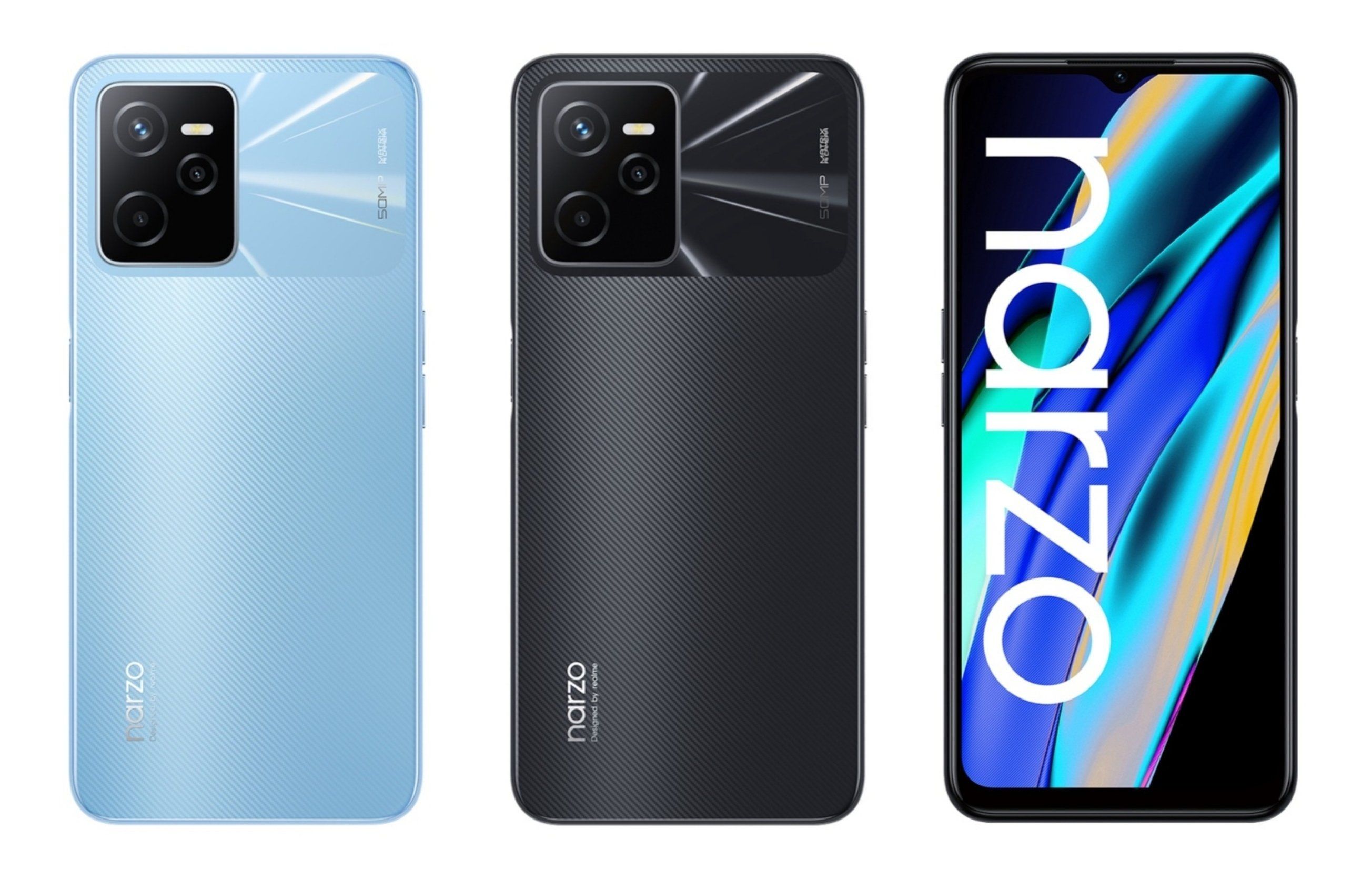
After the Indonesian debut of the Realme Narzo 50A Prime, it is now all set for a release in the Indian region. Last time, we learned that the phone could launch as early as the end of this month. However, nothing was official from the brand. Now, Amazon India has listed the device’s promotional poster taking us closer to the release.
Realme Narzo 50A Prime’s promotional poster, despite not having an exact launch date, confirms that the release is right around the corner. There’s also a cryptic text that says “Massive Power. Mighty Performance.”, hinting at the phone’s battery and performance.
While “Massive Power” does seem to hold up to the claim, as the device packs and fuels a 5,000mAh battery in Indonesia. Speaking of the “Mighty Performance“, we aren’t quite sure if it actually holds that, as the device draws power from the big 12nm UNISOC T612 chipset. Though it appears to be an entry-level chipset, it does perform similarly to the budget Snapdragon 665 SoC and stands a little below the Snapdragon 680 SoC.
Realme Narzo 50A PrimeOther specifications of the phone include a 6.6-inch IPS LCD display that has FHD+ resolution, 600 nits of brightness, and a 20:9 aspect ratio. The phone has a triple camera system at the rear and a single selfie snapper on the front. The rear setup goes by a 50MP main lens, a 2MP portrait B&W sensor, and lastly, a 2MP macro unit. The phone has a side-mounted fingerprint scanner and boots on Realme UI (Android 11 OS) out of the box.
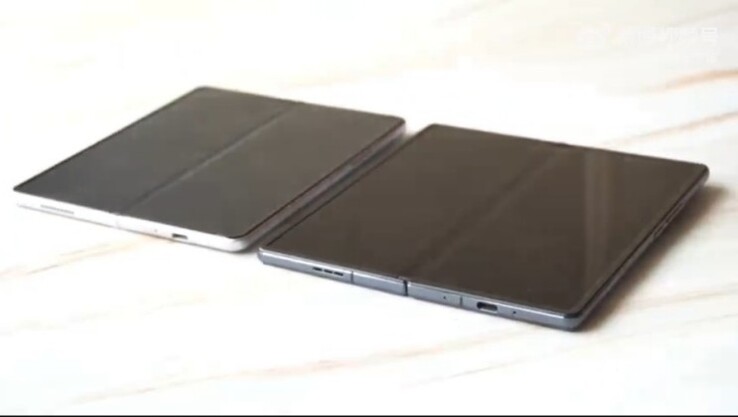
Vivo‘s latest foldable phone – the Vivo X Fold looks like a model that could square up with the Galaxy Z Fold 3 in many respects. Vivo’s first foldable display smartphone was released barely a week back and a side-by-side image shows the seeming creaseless design of the Vivo flagship.
The Vivo X Fold made a glorious entry into the stage and comes kitted with several impressive features and components. Although its OEM claims that it is fully creaseless, the images show a crease but this was less prominent than that of the Galaxy Z Fold 3. There are still many of the finer details of the X Fold that are yet to be available, but the less prominent crease is a plus.
vivo X Fold
The crease in the Vivo X Fold could be overlooked except for eagle-eyed scrutiny. It is less noticeable but the images indicate that the crease is shallower than that of the Galaxy Z Fold 3. The other prominent foldable model is the Oppo Find N, which is said to have the least visible crease among the three models.
Galaxy Z Fold 3 on the left, Vivo X Fold on the right
Crease is less noticeable on the X Fold, but definitely not "creaseless" like Vivo says. pic.twitter.com/ZNkxYQPcpJ
There are no global launch details of the Vivo X Fold at this time but it is being retailed in China for $1,415. The price is slightly less than that of the Galaxy Z Fold 3 at $1,499. It is noted that the Z Fold 3 has had an impressive run and we expect this to continue, at least outside China. However, the global version of the Vivo X Fold could provide decent competition for the Z Fold 3.
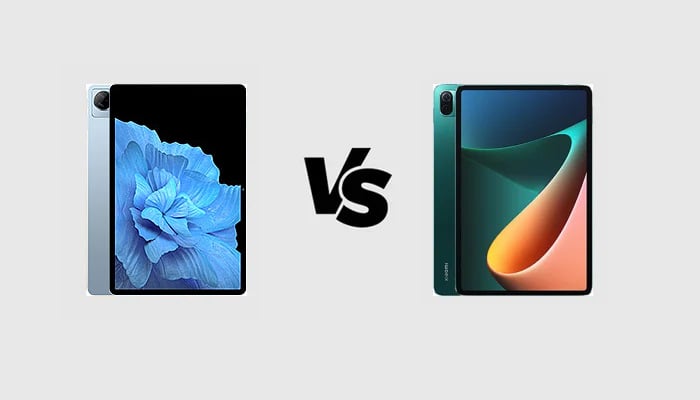
Vivo officially entered the tablets market with its first device: the Vivo Pad. Despite being its first tablet, it comes with high-end specifications, including the 5G connectivity, but it is not the most powerful tablet out there in order to provide a great quality price ratio as well. Just like the Xiaomi Pad 5: another high-end tablet available at great prices. This comparison between the specifications of the Vivo Pad and the Xiaomi Pad 5 will hopefully help you to make the best choice and let you understand which of these tablets offers the highest value for money. After reading the comparisons, you can let us know your opinion by using the comment box below.
Realme Pad vs Xiaomi Mi Pad 5
Vivo Pad
Xiaomi Mi Pad 5
DIMENSIONS AND WEIGHT
253.2 x 164.7 x 6.6 mm, 489 grams
254.7 x 166.3 x 6.9 mm, 511 g
DISPLAY
11 inches, 1600 x 2560p (Quad HD+), IPS LCD
11 inches, 1600 x 2560p (Quad HD+), IPS LCD
PROCESSOR
Qualcomm Snapdragon 870, octa-core 3.2 GHz
Qualcomm Snapdragon 860, octa-core 2.96 GHz
MEMORY
8 GB RAM, 128 GB – 8 GB RAM, 256 GB
6 GB RAM, 128 GB – 6 GB RAM, 256 GB
SOFTWARE
Android 12, OriginOS HD
Android 11, MIUI
CONNECTIVITY
Wi-Fi 802.11 a/b/g/n/ac/ax, Bluetooth 5.2, GPS
Wi-Fi 802.11 a/b/g/n/ac, Bluetooth 5.0, GPS
CAMERA
Dual 13 + 8 MP f/2.2 + f/2.2
8 MP f/2.0 front camera
The Vivo Pad and Xiaomi Pad 5 come with a great design. They both have very narrow bezels around the display, as well as a very thin and lightweight body. The Vivo Pad wins the comparison because it comes with better materials: it has an aluminum unibody design, while the Xiaomi Pad 5 has just an aluminum frame, while the rear side is made of polycarbonate. Further, the Xiaomi tablet is thicker and heavier than the Vivo rival. Both the devices support a keyboard and a stylus for handwriting and drawing. They have no audio jack and no fingerprint readers.
Display
It looks like the Xiaomi Pad 5 has a better display. It is an IPS LCD panel, but it provides great image quality thanks to advanced specifications. This panel comes with a diagonal of 11 inches, a Quad HD+ resolution of 1600 x 2560 pixels, one billion colors, a 120 Hz refresh rate, the HDR10 certification, and Dolby Vision. The display is paired with four stereo speakers. The Vivo Pad has an 11-inch display as well, with a 120 Hz refresh rate, the same Quad HD Plus resolution, and the HDR10 certification (further, you get four stereo speakers here as well). But this panel does not show up to one billion colors and it lacks Dolby Vision support.
Specs & Software
The most advanced hardware department belongs to the Vivo Pad. It is fueled by the Snapdragon 870 mobile platform built at 7 nm, with a max frequency of 3.2 GHz and 5G connectivity. The chipset is paired with 8 GB of RAM and up to 256 GB of internal storage. The Xiaomi Pad 5 is powered by a weaker Snapdragon 860 chipset and it lacks 5G connectivity. So you not only get lower CPU and GPU performance, but you also have to renounce cellular connectivity. Vivo Pad runs Android 12 out of the box customized by OriginOS HD, a special version of the OriginOS customization developed to take advantage of the tablet’s form factor. The Xiaomi Pad 5 is still based on Android 11, customized by MIUI 12.5.
Camera
If you are looking for a superior camera department, then choose the Vivo Pad. Both come with a pretty nice (for a tablet) 13 MP camera, but the Vivo tablet adds an 8 MP ultrawide sensor making the camera setup more versatile. These tablets are able to record 4K videos with the rear camera and 10880p videos with their 8 MP front cameras.
The Xiaomi Pad 5 is equipped with a bigger 8720 mAh battery and its battery life is longer. On the other hand, the Vivo Pad charges quicker not only because of its smaller battery but also because it supports 44W fast charging. You can even use it as a power bank thanks to reverse charging.
Price
The starting price of the Vivo Pad for the Chinese market roughly translates into €360/$388 at the actual change, for the base variant with 8 GB of RAM and 128 GB of internal storage. The Xiaomi Pad 5 sells for €350/$377 in its base variant with 6 GB of RAM and 128 GB of native storage, but it is available at better street prices. The Vivo Pad wins the comparison because it has a better chipset, 5G connectivity, an ultrawide camera, and faster charging. But the Xiaomi Pad 5 actually comes with a better display (even though it remains an IPS panel) and a bigger battery. Further, it is available at better prices, so it can let you save money if you do not need an ultrawide camera and 5G.
The social networking space has been subject to fluid developments of recent. WhatsApp may be implementing another modification on its platform that will restrict access to a user’s Last Seen status. WhatsApp has kicked off some modifications, as indicated in its latest developer version of the app on iOS.
The latest beta release of WhatsApp is on iOS, and it contains an option that will allow the user to limit specific contacts from seeing their Last Seen status. The Last Seen status provides information to determine whether a message sent from another contact has been viewed by the recipient. You can use it to find out whether a contact may have possibly read your message. It is currently possible to disable the feature completely, otherwise, it limits access to only persons on your contact list. The new measure will enable users to pick out specific contacts and prevent them from seeing their Last Seen status.
The new option present in WhatsApp iOS beta version 22.9.0.70 is tagged My Contacts Except, under the Last Seen button on the Privacy settings. The flipside of this new option is that you can also not see the Last Seen information of the individuals in your exception list. There are a few other privacy and general modification that will be implemented in the latest update of the app. This includes more granular privacy controls relating to profile photos and the about section.
Beta testing for the new update of WhatsApp is believed to have commenced both on Android and iOS. This could indicate that the working version of the app could be available in the shortest time. WhatsApp has not made any new details available on these features at this time.
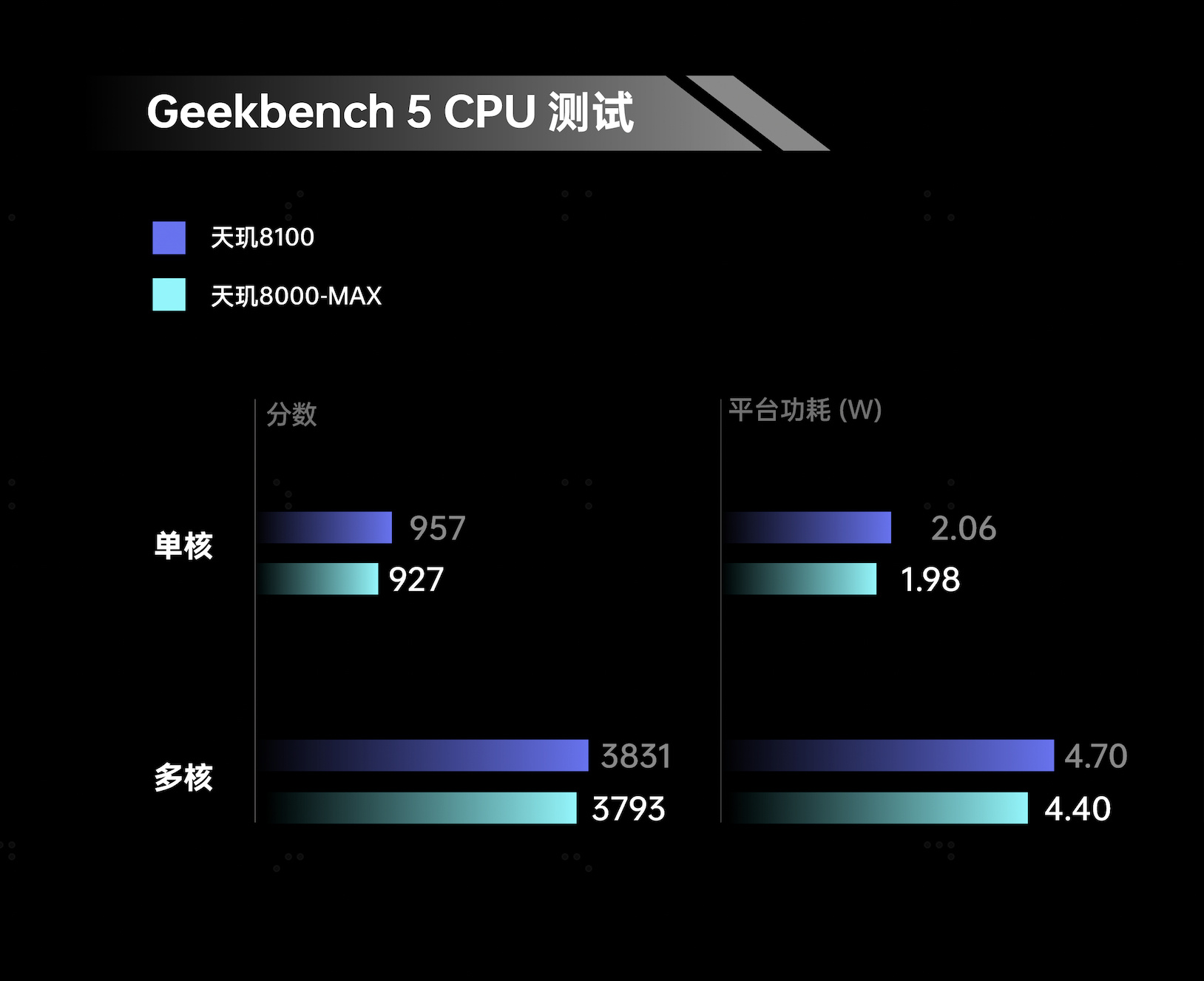
A few weeks back, MediaTek announced the Dimensity 8000 and 8100 chipsets in the market for mid-range phones. However, new teasers incorporate a mention of the Dimensity 8100 Max chipset, an unannounced version of the 8100. Phones that will be arriving with this chipset will be the upcoming OnePlus 10R and OnePlus Ace. While we’ve heard about the 8100 Max variant of the chipset, a new benchmark shows off the results of its sister processor, the Dimensity 8000 Max. And interestingly, as per the scores on the benchmarking platform, the chip beats the last year’s market-favorite Snapdragon 870 to some extent.
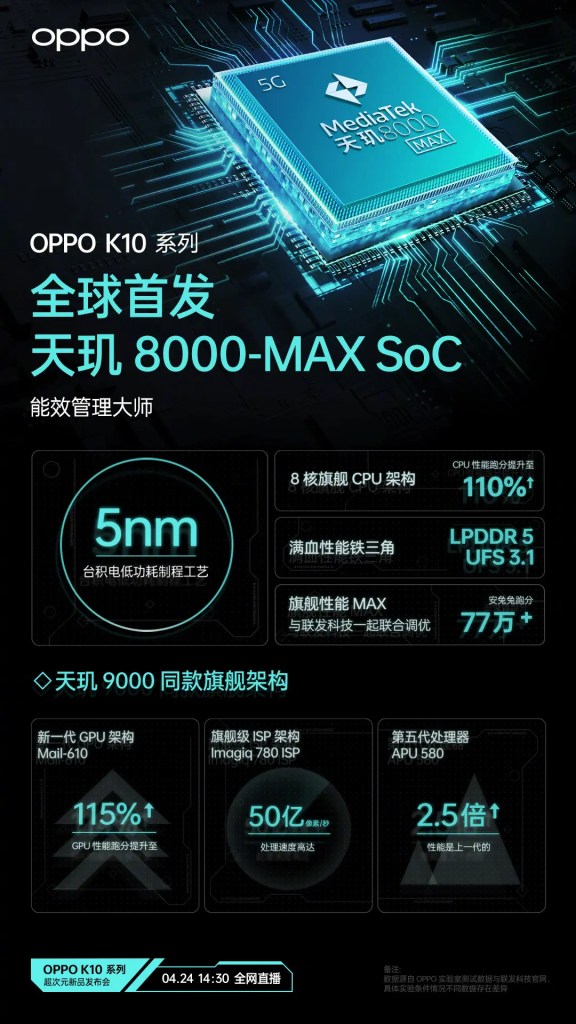
Oppo has shared the official benchmark scores of the Dimensity 8000 Max chipset (via Digital Chat Station). The test was performed on the upcoming Oppo K10. The 5nm chipset has shown impressive results. It has only a 0.1GHz lower frequency than the Dimensity 8100 and has marched ahead of the Snapdragon 870.
The chipset has 927 points in the single-core department and 3793 points in the multi-core department on the Geekbench version 5. This is somewhat lower than the 1028 single-core points and higher than the 3391 multi-core points of the Snapdragon 870 (tested on Redmi K40S/POCO F4). In comparison to the Dimensity 8100, it falls a little short. The 8100 has 957 single-core points and 3831 multi-core points.
Apart from the performance, the 8000 Max also offers healthy power consumption. The Dimensity 8000-Max’s specs are now known. The chipset is based on TSMC’s 5nm process. It is an octa-core chipset with four Cortex A78 high-performance cores and four Cortex A55 economy cores. It has a frequency of 2.75GHz, a Mali-610 GPU, and a MediaTek 580 APU.
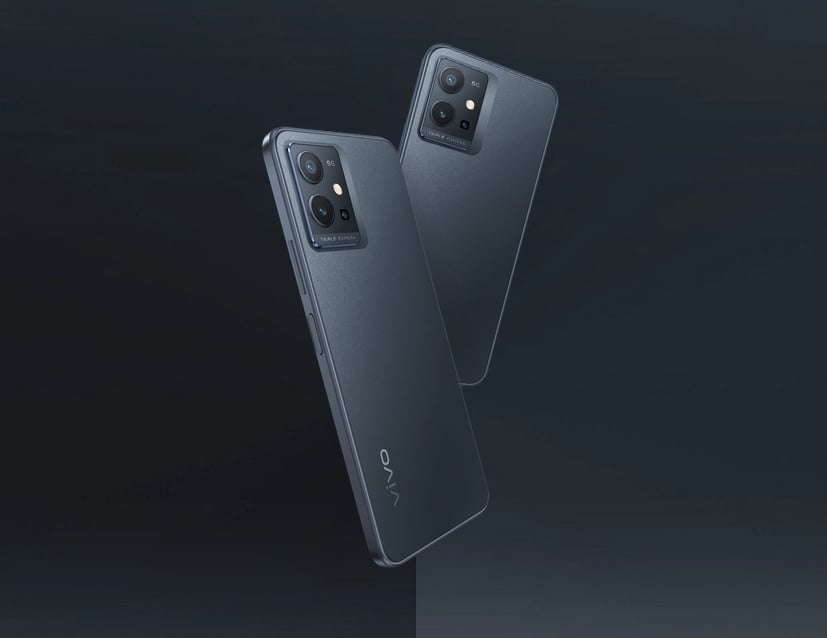
Vivo kicked off its T-series in India with the release of the Vivo T1 5G. The brand is now expected to release another device – the Pro version of T1 – and if leaks are something to be believed, its launch is expected to be right around the corner. Now, however, 91Mobiles reveals that there will be two Vivo phones coming to the Indian market under the T-series.
Vivo is tipped to release two new smartphones under the T-lineup in India. The monikers of the phones are unknown, but one of the phones could be the Vivo T1 Pro if we are to be guessing. The publication, however, leaves no naming as such in their story. As for the pricing, two of these phones are said to arrive under Rs. 25,000(~$328) price range in India.
Vivo T1 Pro 5G is an upcoming Vivo T-series phone
It is worth noting that the Vivo T1 Pro is in the pipeline for Vivo. The smartphone is expected to come with Snapdragon 778G SoC, making it a 5G compatible device. The device’s Geekbench scores showed 790 points in the single-core department and 2865 points in the multi-core department.
The device has 8GB of RAM, and we expect it to arrive with either 128GB or 256GB of storage. There will be FunTouchOS running on the phone, with Android 12 OS beneath it.
Although the brand is keeping things on the down-low at the moment, we expect the company to drop teasers in the coming weeks, followed by a release later this year.
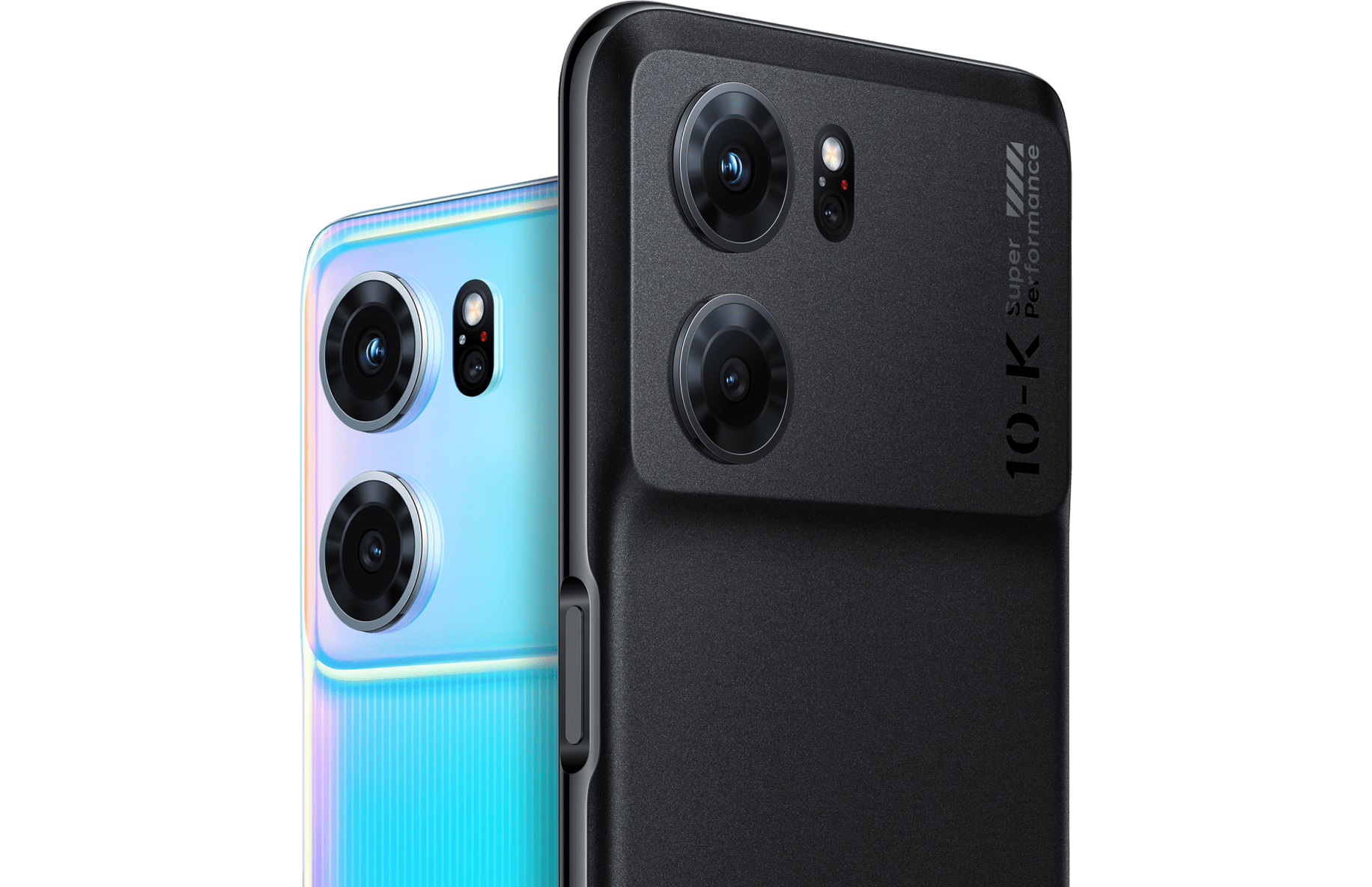
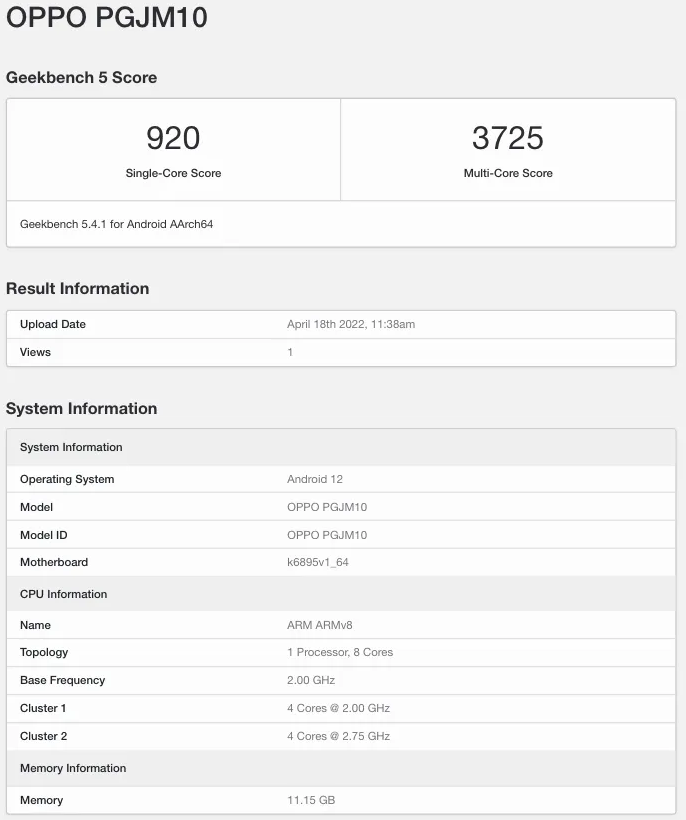
Earlier today, OPPO announced that their upcoming K10 series smartphones will debut in China on April 24. The K10 series will consist of two models, namely the OPPO K10 5G and the K10 Pro 5G. Ahead of its launch, the OPPO K10 5G has been spotted on Geekbench revealing some of its key features.
According to the Geekbench database (via MySmartPrice), the OPPO K10 5G with model number PGJM10 has an octa-core processor arranged in two clusters of four cores each. The high-performance cores are clocked at 2.75GHz, while the other four cores have a max clock speed of 2.00GHz. Further, the listing reveals that the SoC has the Mali G610 MC6 GPU onboard.
Going by this information, it is clear that the device houses the Dimensity 8000 SoC. Other than that, the listing reveals that the OPPO K10 5G has 12GB RAM onboard and runs Android 12 out of the box. Coming to its benchmark scores, the device scored 920 points in the single-core test and 3725 points in the multi-core test of Geekbench 5.
OPPO K10Specifications
An earlier report from today has revealed that the OPPO K10 5G is confirmed to launch in China with the Dimensity 8000 Max SoC. The device will come equipped with a diamond VC liquid cooling system for heat dissipation. It will also come with an X-axis linear motor.
Other than that, previous certification listings and leaks have revealed that the device will come with a 6.59-inch FHD+ display panel with a 120Hz refresh rate. The top left corner of the screen will come with a punch-hole cutout for the 16MP selfie camera.
For optics, the device is said to feature a triple camera setup with a 64MP main sensor, an 8MP ultrawide sensor and a 2MP macro lens. Powering the device will be a 5000mAh battery with support for 67W fast charging. The device will weigh 205 grams and measure 164.3×75.8×8.7mm.
It will come in two color options – Blue and Black.
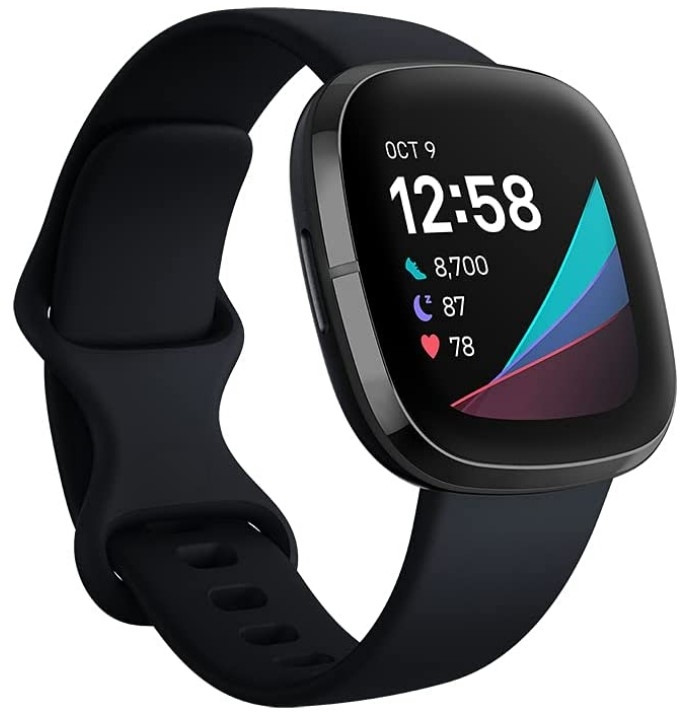
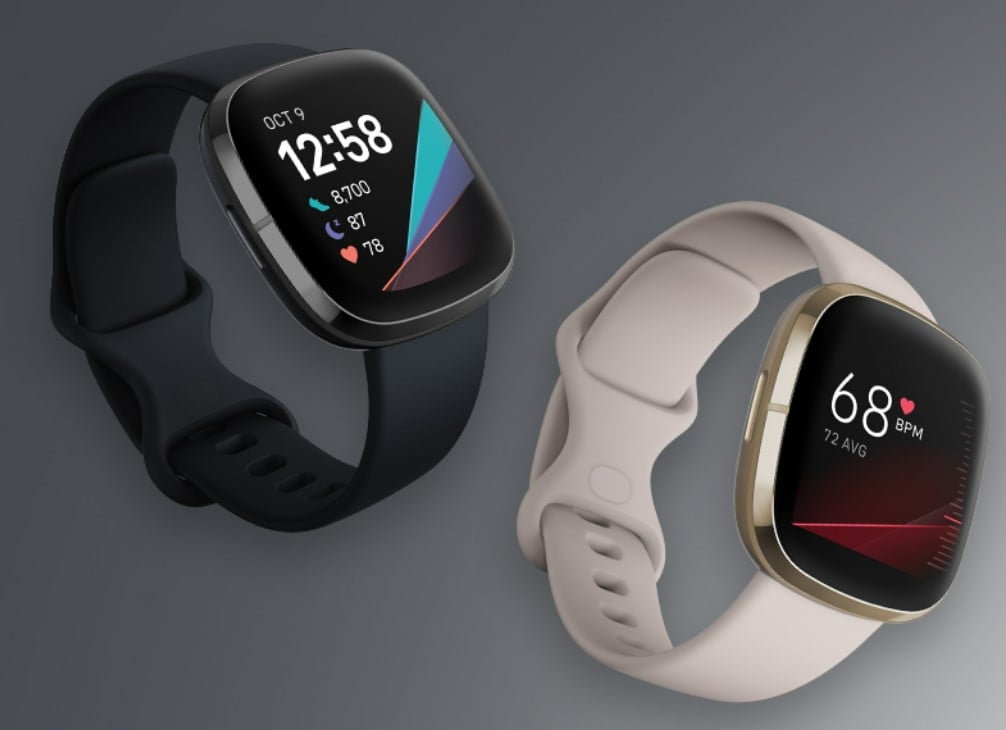
Fitbit Sense Smartwatch which generally retails for $250 is now available at a discounted price of $168.25 only on Amazon US. Please note that this is the lowest price yet, given by the Fitbit Store on Amazon US. The price includes the 20% page clip-on coupon. This is a limited-time offer.
Control your smart home devices using voice commands
Colors: Black, Silver, and White Gold
Generally retailing for $250 you can now buy the Fitbit Sense Smartwatch for a discounted price of $168.25 only at Amazon US. Please note that this price is applicable to the Black color variant only. However other color variants are also available at a discounted price.
For more information on such exciting deals and offers check out ourdeals hub.
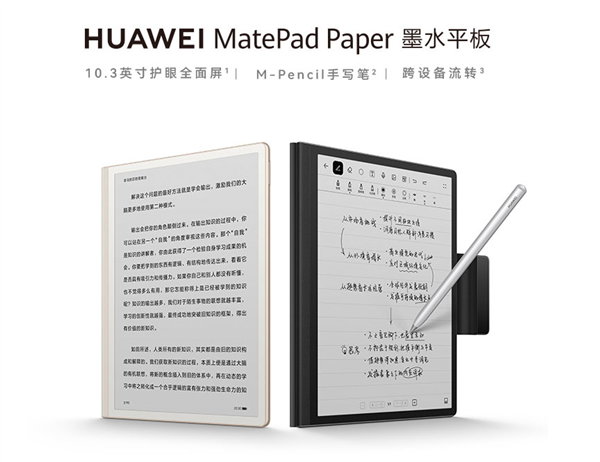
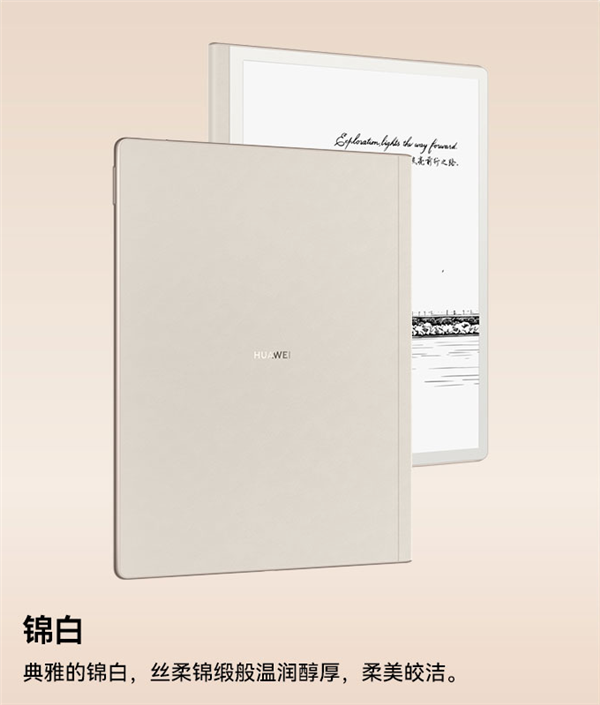
Huawei first announced the MatePad Paper at the Mobile World Congress 2022. The e-ink tablet was later launched in China and has since gone on sale. The MatePad Paper was only available in a black-coloured variant. That has now changed as the Chinese tech giant has launched a white-coloured version of the MatePad Paper.
Compared with the black model, the white model provides a silky velvet-like warmth and mellow feeling, which is softer and brighter. The new model is now on pre-sale on Jingdong (JD.com) with a discounted price of 2899 yuan (~$455).
As a reminder, the Huawei MatePad Paper is equipped with a 10.3-inch grayscale screen with a resolution of 1872 x 1404 pixels and an aspect ratio of 227 PPI. The tablet comes with low blue light, no flicker, wide viewing angle, and sunlight-readable paper-like characteristics, which can provide a more comfortable reading experience. It is also the world’s first TÜV Rheinland paper-like paper. Shows certified ink flats.
The product provides functions such as split-screen notes, handwriting-to-text, and voice-to-text, and effectively improves the complex and slow input of text on ink screens, and the difficulty of page switching.
At the same time, Huawei MatePad Paper is equipped with the second-generation M-Pencil stylus which supports 4096 pressure sensitivity, and smooth follow-up. The optimal delay is only 26ms, and the writing is very smooth.
As an e-book reader, the device packs trimmed down bezels on the top, bottom, and right edges while the left edge is slightly wider to give the outlook of a book that is opened. As a result of the reduced bezels, the device features a screen-to-body ratio of 86.3%.
In terms of the processor, the MatePad Paper is powered by a Hexa-core processor paired with 4GB of RAM and 64GB of internal storage. The slate comes with WiFi 6+ and Bluetooth 5.2 support.
Keeping the lights on is a 3625mAh battery that is touted to deliver up to 28 days of battery life on standby. It also comes with 22.5W fast charging which Huawei claims can deliver up to 6 days of reading with just a 1.5-hour charge. It supports reverse charging. The device also features fingerprint recognition as the power button doubles as the sensor.
In Europe, the tablet is available for €499 while in China, it starts at 2999 yuan ($472) for the 4GB+64GB WiFi-only variant.
OPPO is still a rookie in the smart TV market, having launched its first smart TVs – the OPPO TV S1 and R1 smart TVs in October 2020. Since then, a couple of models have been released enjoying rave reviews from users. The company has now launched the OPPO K9x Smart TV in China with an RRP of 2499 yuan (~$349). The smart TV is presently on pre-sale for just 2199 yuan (~$345).
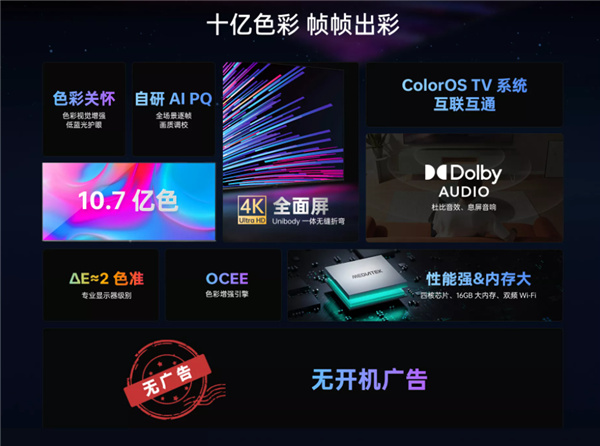
In terms of display, the OPPO K9x smart TV uses a 65-inch LCD 4K screen with a resolution of 3840×2160 pixels. The TV comes with support for a 60Hz refresh rate, 1 billion colors, 70% NTSC color gamut, 280nit brightness, and delta E≈2.
The smart TV is powered by a Quad-core MediaTek chipset paired with 2GB of RAM while there is 16GB of internal storage. The chipset brings support for dual-band Wi-Fi. The TV is also equipped with built-in 2-unit speakers having a 20W power rating. It also features support for Dolby sound and can be used as a screen sound.
At the same time, OPPO K9x has a self-developed AI PQ algorithm, supports frame-by-frame optimization of image quality in all scenes, and has a display-level color accuracy in the same range as flagship smart TVs.
The K9x smart TV runs on the latest-gen ColorOS TV and one of the major highlights of the TV is that there is no boot advertisement. Thus, it boots fast without undue waiting time. The operating system also brings support for mobile phone and Pad screen projection and supports up to four mobile phones for simultaneous screen projection. Mobile phone call notifications will not be displayed on the TV to protect user privacy and security.
In addition, the TV has a built-in children’s mode, which supports TV online classes, children’s exclusive content, children’s mode settings, and built-in AI fitness personal education.
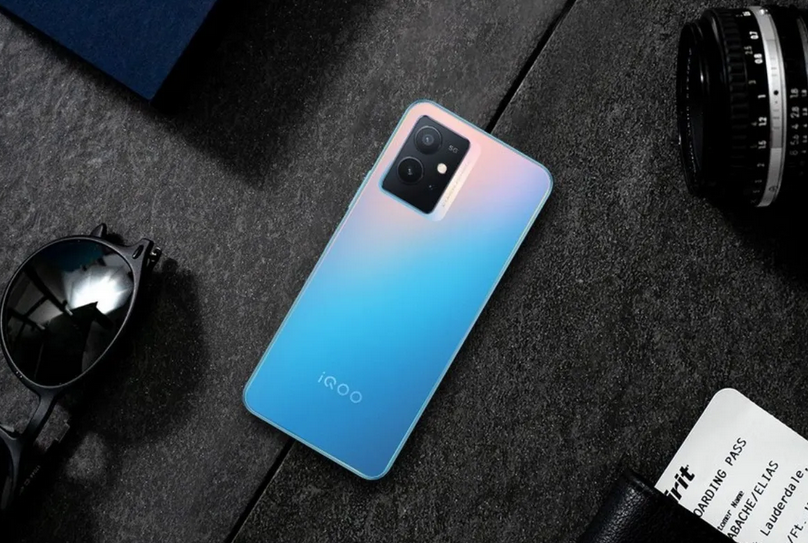
Xiaomi, Realme, and POCO, for some time, have been offering a mix of 4G and 5G variants of a single phone model. Xiaomi started this with the Redmi K30, which was available in 4G as well in 5G variants, Realme followed the suit with Realme 7’s 4G/5G versions, and POCO continued it with the POCO M4 Pro 4G and 5G. Now the latest to hop on the bandwagon is iQOO with its iQOO Z6. A tipster has now hinted that after the iQOO Z6 5G, the iQOO Z6 4G could be the next to enter the budget market.
The tipster Paras Guglani has revealed the moniker – iQOO Z6 4G and has shared the charging speed of the phone. It appears that the device won’t disappoint as it is said to have 44W fast charging support. This is way higher than the iQOO Z6 5G’s modest 18W charging speed.
iQOO Z6 5G
Such betterment of the specs is likely to be seen on the 4G variants of a phone as opposed to the 5G models, mainly because companies save a lot by employing a 4G chipset instead of using 5G counterparts. This time around, iQOO seems to do the same by using some 4G chipset, however, it is unclear at the moment which 4G chipset will the brand use in the upcoming iQOO Z6 4G.
Apart from this, there are no specifications to look at, nor there is any release date as of yet. It is to be noted that this is just a tip and not an official confirmation from the brand. That being said, we recommend our readers take the above information with a grain of salt.
We use cookies on our website to give you the most relevant experience by remembering your preferences and repeat visits. By clicking “Accept”, you consent to the use of ALL the cookies.
This website uses cookies to improve your experience while you navigate through the website. Out of these, the cookies that are categorized as necessary are stored on your browser as they are essential for the working of basic functionalities of the website. We also use third-party cookies that help us analyze and understand how you use this website. These cookies will be stored in your browser only with your consent. You also have the option to opt-out of these cookies. But opting out of some of these cookies may affect your browsing experience.
Necessary cookies are absolutely essential for the website to function properly. This category only includes cookies that ensures basic functionalities and security features of the website. These cookies do not store any personal information.
Any cookies that may not be particularly necessary for the website to function and is used specifically to collect user personal data via analytics, ads, other embedded contents are termed as non-necessary cookies. It is mandatory to procure user consent prior to running these cookies on your website.