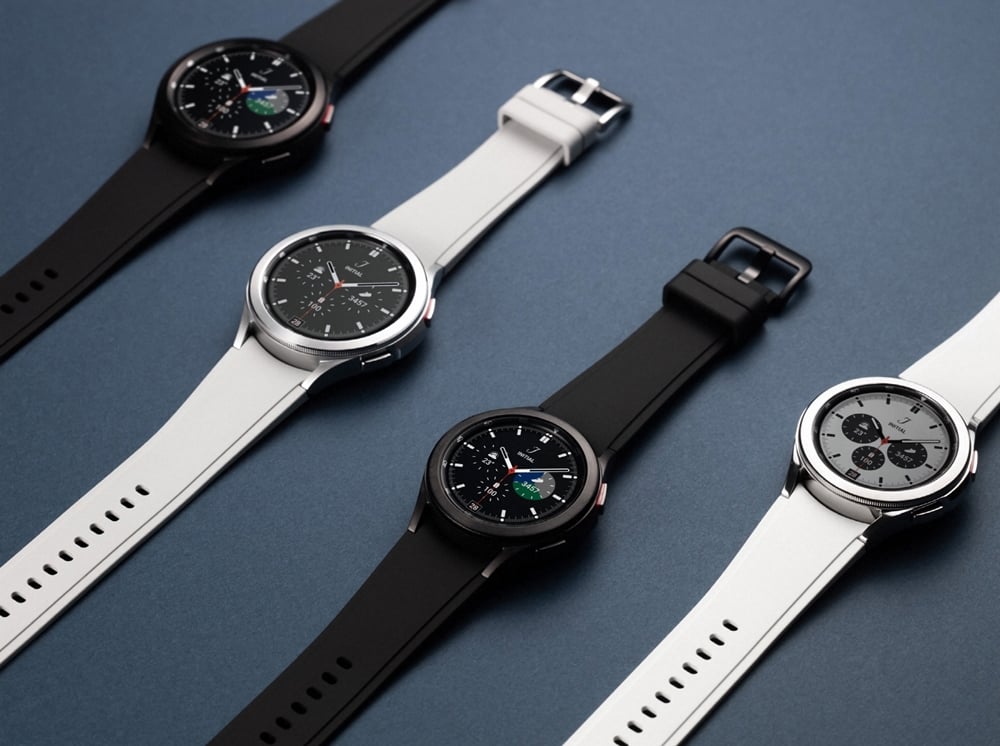
Rumors for the Samsung Galaxy Watch 5 series have been increasing lately. As per leaks, we expect this year’s Watch 5 lineup to have three models – Watch 5, Watch 5 Classic, and Watch 5 Pro. However, a new report from SamMobile reveals that the company will scrap the Classic model.
Last year, the Samsung Galaxy Watch 4 and Watch 4 Classic were great smartwatches targeted at two different sets of audiences. The Watch 4 was more appealing to the younger crowd of the group, while the Watch 4 Classic was for the users on the other side of the spectrum. Now, unfortunately, the Classic is moving out from Samsung’s portfolio to give space to the Pro model.
So this year, we’ll only see the Samsung Galaxy Watch 5 and Watch 5 Pro. We know that the Pro will come in only one size, which will be bigger than the vanilla Watch 5. The vanilla Watch 5 is expected to have two dial sizes – 40mm and 44mm. There’s no confirmation if there will be a rotatable bezel on the forthcoming watches.
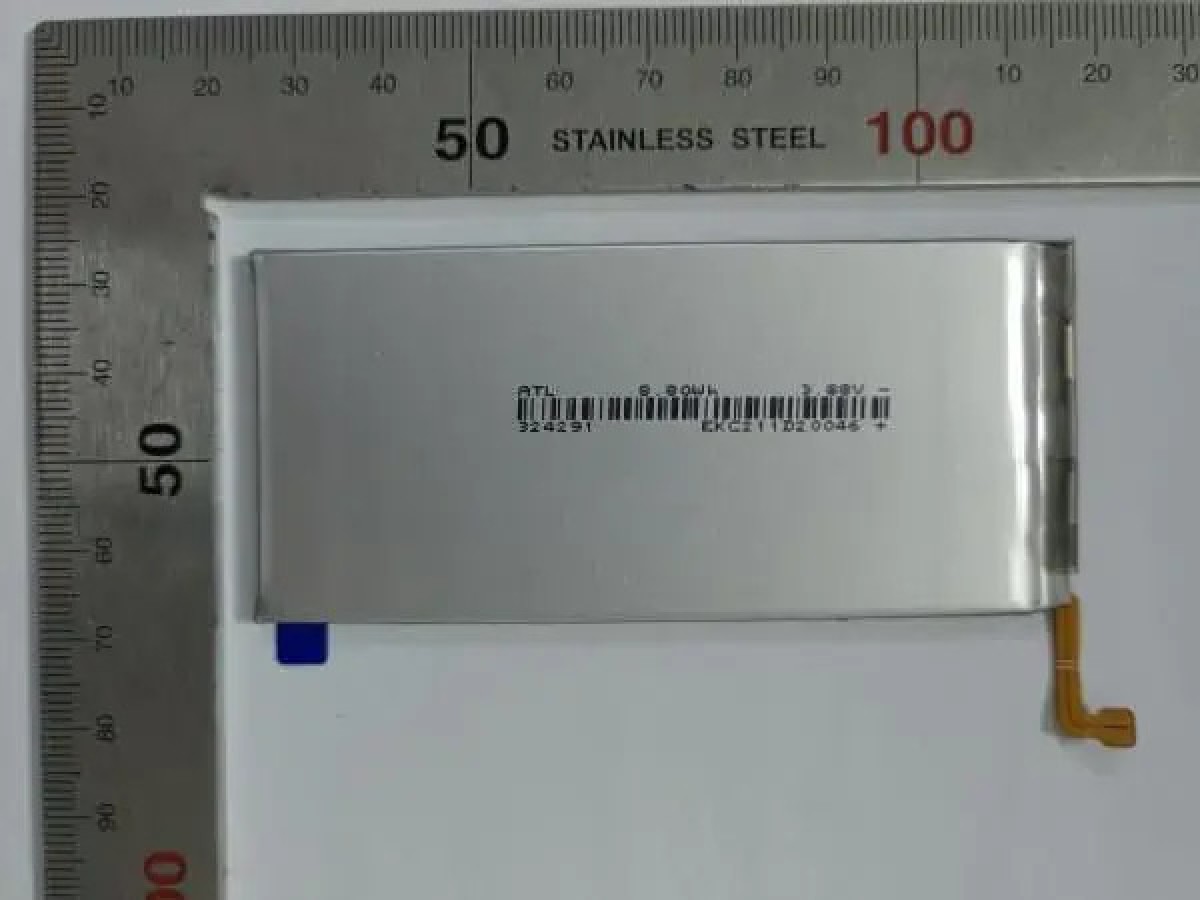
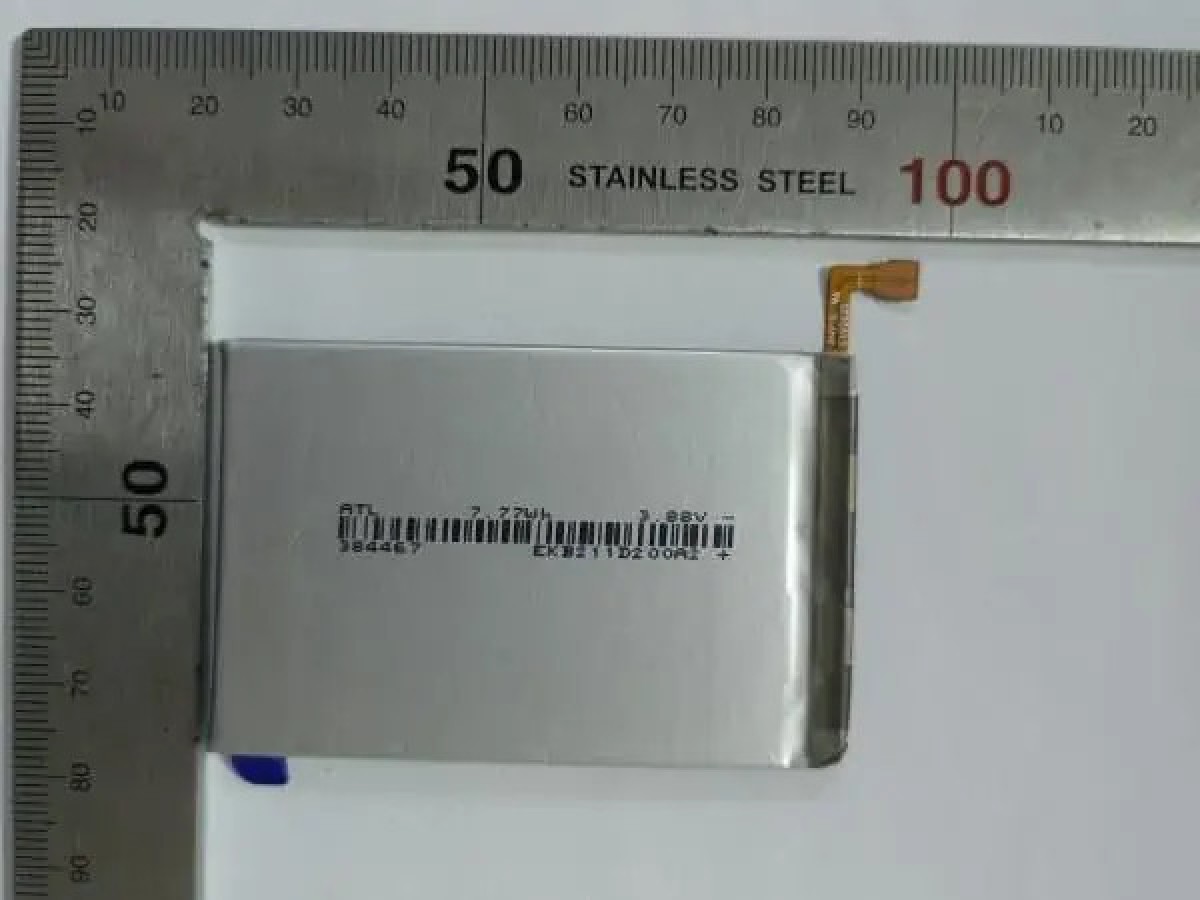
The Galaxy Watch 5 Pro will carry the model number SM-R925 and have a big 572mAh battery as opposed to the 361mh cell present inside the Galaxy Watch 4. The vanilla Watch 5 with a 40mm dial is expected to pack a smaller 276mAh cell, whereas, the 44mm version will get a 361mAh cell.
Apart from the battery, a recent report revealed that the Watch 5 series will have a circular OLED display and will come with features like GPS and a heart rate monitor. The Watch is also expected to come with a body composition sensor, the same as the Galaxy Watch 4. Both the Watch 5 models will boot on One UI Watch on top of Wear OS 3.
Next week is going to be huge in terms of smartphone launches. The first event is scheduled for this Sunday and the last one will be on Friday. There will be at least one conference every day.
There will be a total of 9 events. They will be hosted by 8 different brands, such as Oppo, Motorola, Vivo, Poco, Xiaomi, iQOO, Oneplus, and Realme.
Two of them will happen in China, six in India, and the remaining one in Europe. Though the number of conferences seems more, most of them are for devices that are already official and making their way to key markets.
With that out of the way, let’s take a look at all the phones that are set to launch in the next few days
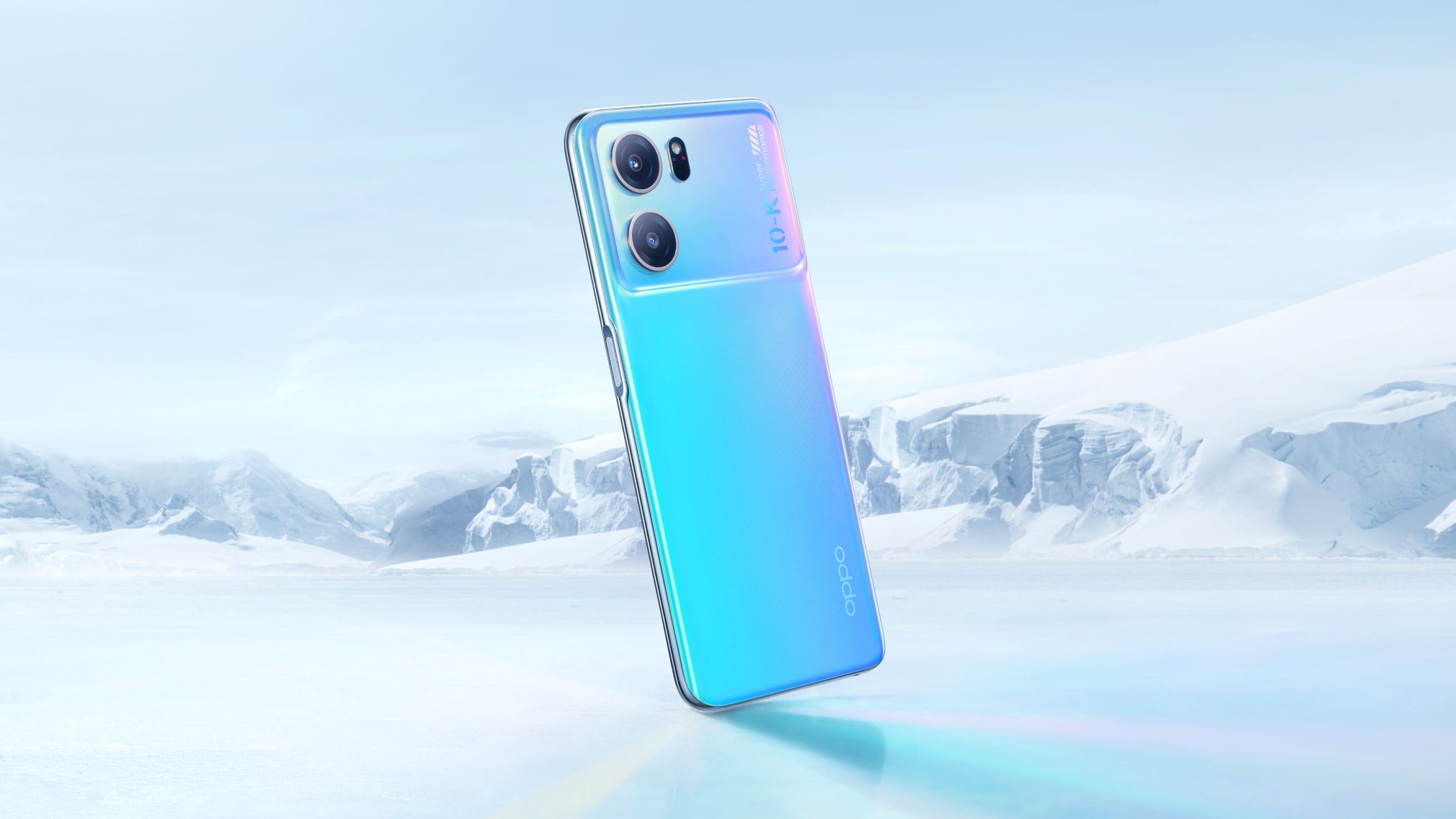
The Oppo K10 series launch event will take place on April 24 (Sunday). The conference will begin at 2:30 PM CST. It will be live-streamed on Weibo and other popular Chinese video streaming platforms.
The company is expected to announce two models in the lineup, namely Oppo K10 5G and Oppo K10 Pro 5G. You can check out our roundup article to learn everything about them.
According to teasers and leaks, the vanilla K10 5G will come with a 120Hz LCD screen, a MediaTek Dimensity 800 SoC, and 67W fast charging support. Whereas, the K10 Pro 5G is said to feature a Qualcomm Snapdragon 888 chipset, 120Hz AMOLED display, 50MP Sony IMX766 primary camera, and 80W fast charging support.
2. Motorola Moto G52
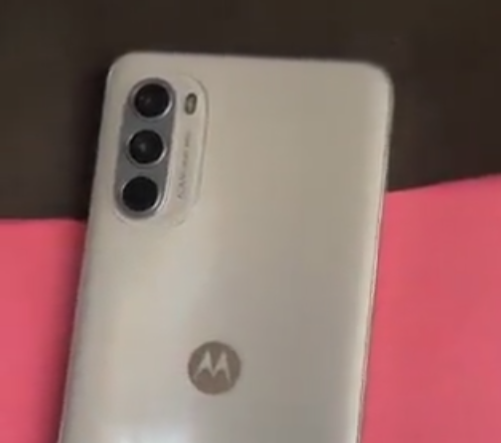
The Motorola Moto G52 went official in Europe earlier this month. It is now scheduled to debut in India on April 25 (Monday). The phone will be made official at 12 PM IST via a social media announcement and press release. It is rumored to cost around ₹20,000 in the county.
The main highlights of the Moto G52 include a 6.6-inch FHD+ 90Hz pOLED display, Qualcomm snapdragon 680 chip, and near-stock Android 12. It also comes with features like Dolby Atmos-supported dual stereo speakers, a 50MP triple camera system, a 5,00mAh battery with support for 30W fast charging, and more.
3. Realme Narzo 50A Prime
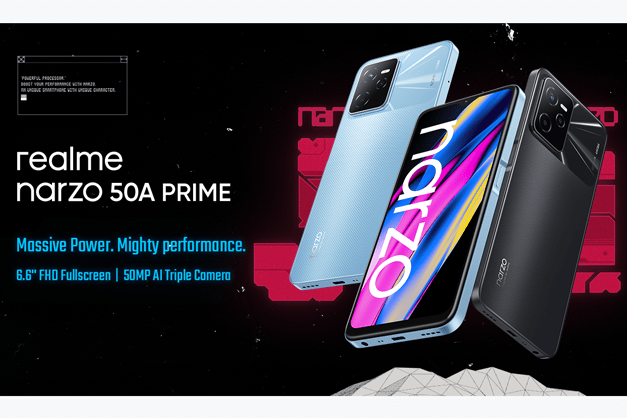
The first Realme event of next week is for the Indian launch of Realme Narzo 50A Prime. It is planned for April 25 (Monday) and will be live-streamed from 12:30 PM IST on the firm’s official Youtube channel.
The Realme Narzo 50A Prime is already official in multiple Southeast Asian markets. It is the first budget smartphone from the company to ship without a charger.
It arrives with an FHD+ display (LCD), UNISOC T612 chip, 50MP main camera, 5,000mAh battery, 18W fast charging support, and more.
4. Vivo X80 Series and Vivo S15e
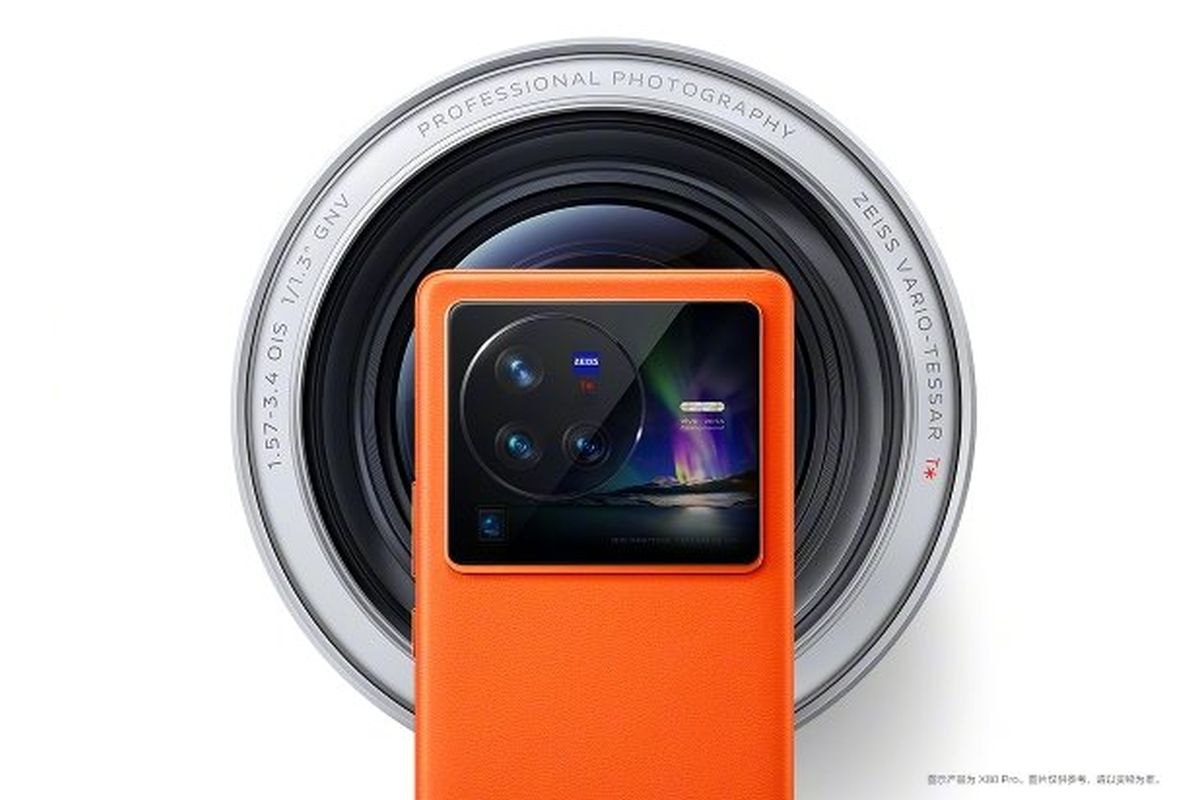
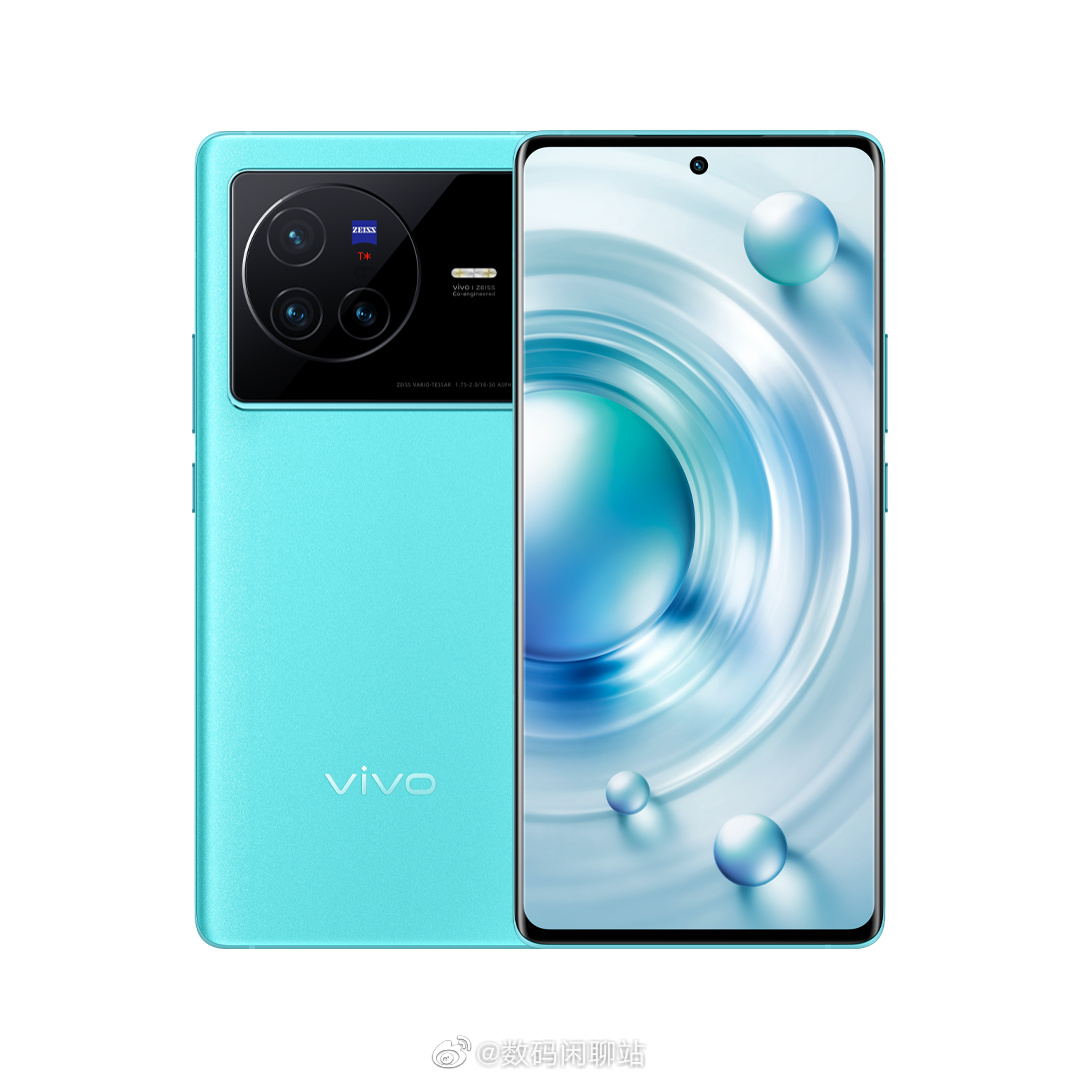
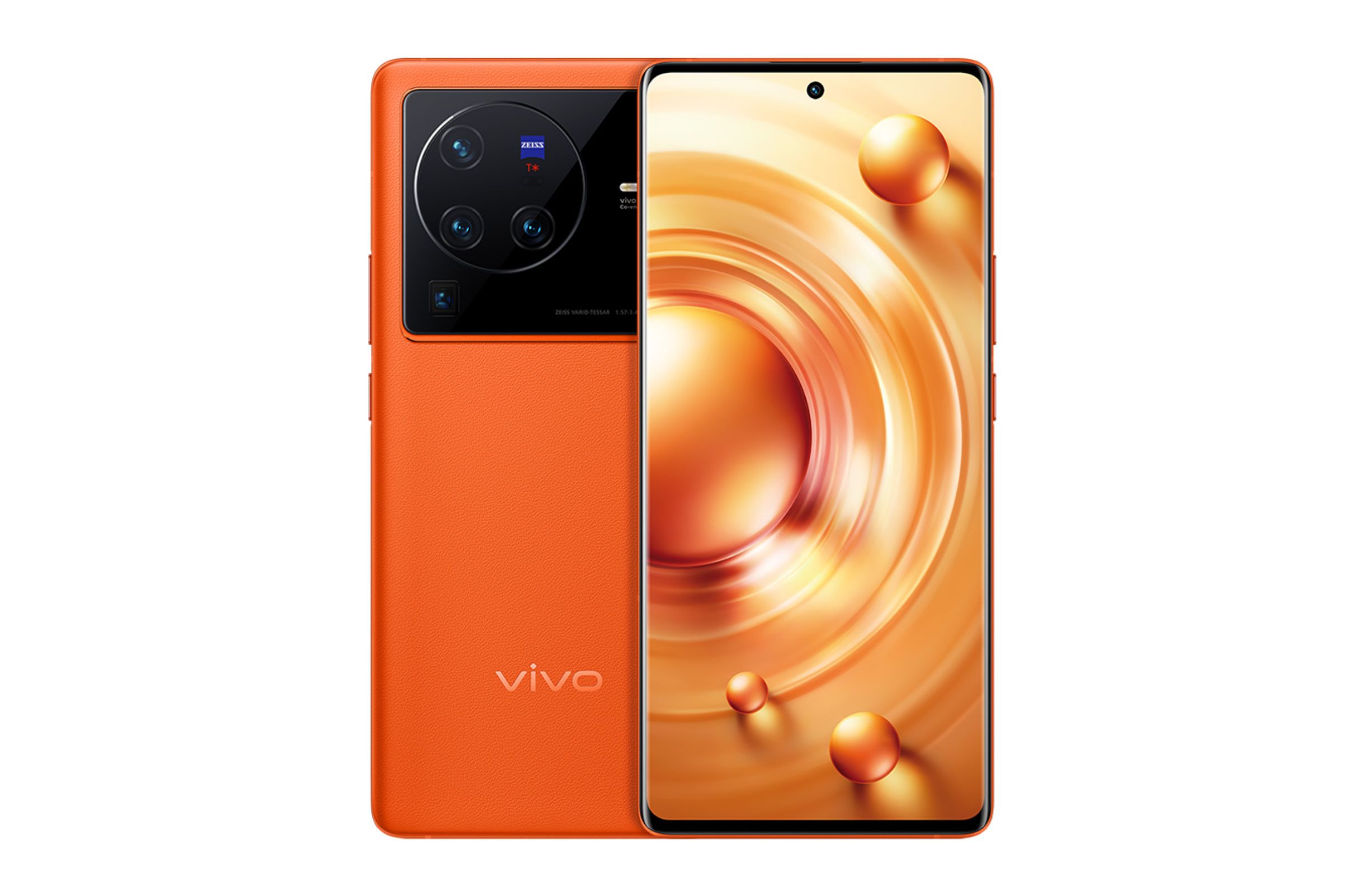
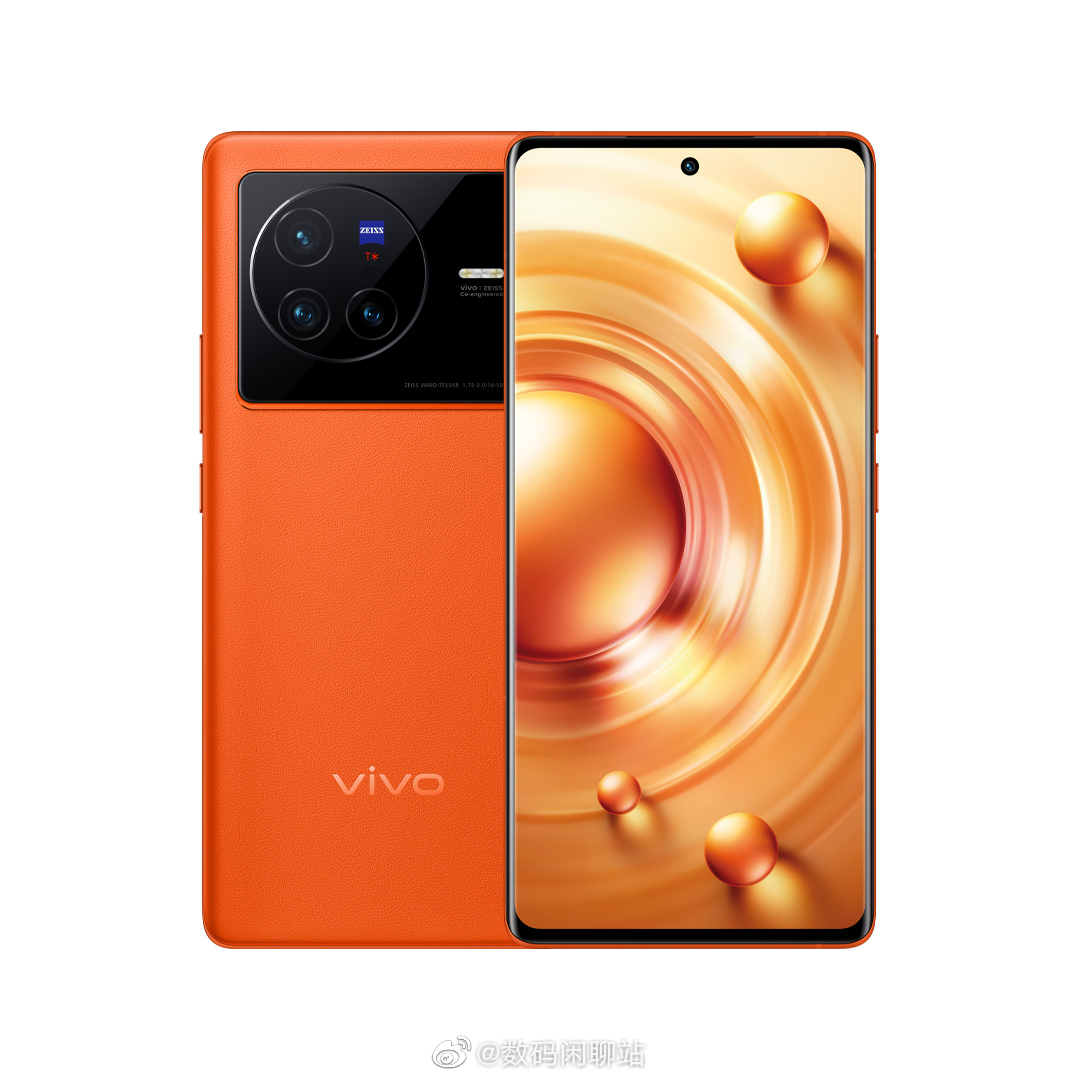
Just a few days back, Vivo hosted an event in China to announce its first foldable, tablet, and phablet. The company has now scheduled yet another conference for April 25 (Monday) to debut the Vivo X80 series. The event will begin at 7 PM CST and will be live-streamed on Weibo and other well-known Chinese video streaming platforms.
Going by the leaks and teaser, the lineup will consist of three models, namely Vivo X80, Vivo X80 Pro, and Vivo X80 Pro+. These handsets will be also accompanied by another device called Vivo S15e.
As the Vivo X80 family will be the successor of the Vivo X70 lineup, it will offer high-end features like Qualcomm Snapdragon 8 Gen 1 SoC, MediaTek Dimensity 9000 chipset, Vivo V1+ ISP chip, LTPO AMOLED display, ultrasonic fingerprint sensor, Zeiss-powered camera system, customizes camera sensors, and more. You can learn everything about these phones in our roundup post.
On the other hand, the Vivo S15e will be a mid-range smartphone with features, such as an FHD+ 90Hz AMOLED display, Exynos 1080 chipset, 50MP triple camera setup, 66W fast charging, and more.
5. Poco F4 GT
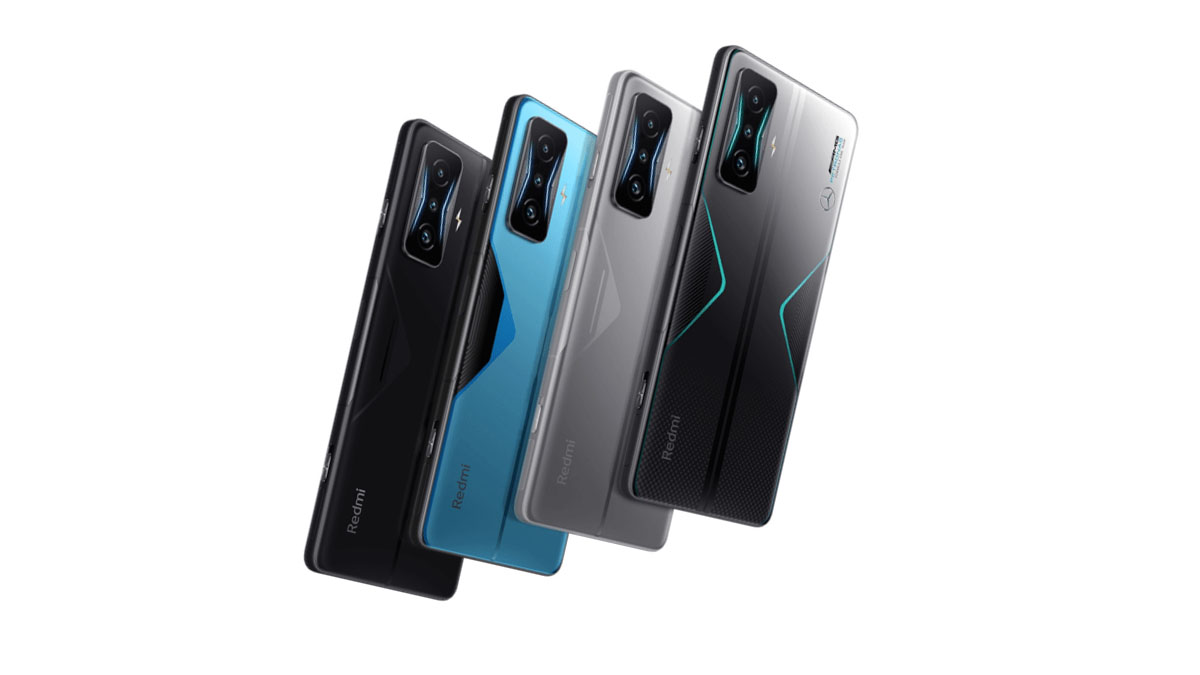
Poco will be heading a conference to announce the Poco F4 GT on April 26 (Tuesday). The event will begin at 8 PM GMT+8 and will be live-streamed on the company’s official Youtube channel.
The upcoming Poco F4 GT is nothing but the Redmi K50G (aka Redmi K50 Gaming Edition) sold in China. Hence, it will arrive with features like a Qualcomm Snapdragon 8 Gen 1, magnetic shoulder buttons, 120Hz OLED display, quad speakers, 120W fast charging, and more.
The gaming smartphone will be accompanied by Poco Watch, Poco Buds Pro, and Poco Buds Pro Genshin Impact Edition. The brand’s first smartwatch and truly wireless earphones are merely rebranded Redmi Watch 2 and Redmi AirDots 3 Pro.
6. Xiaomi 12 Pro
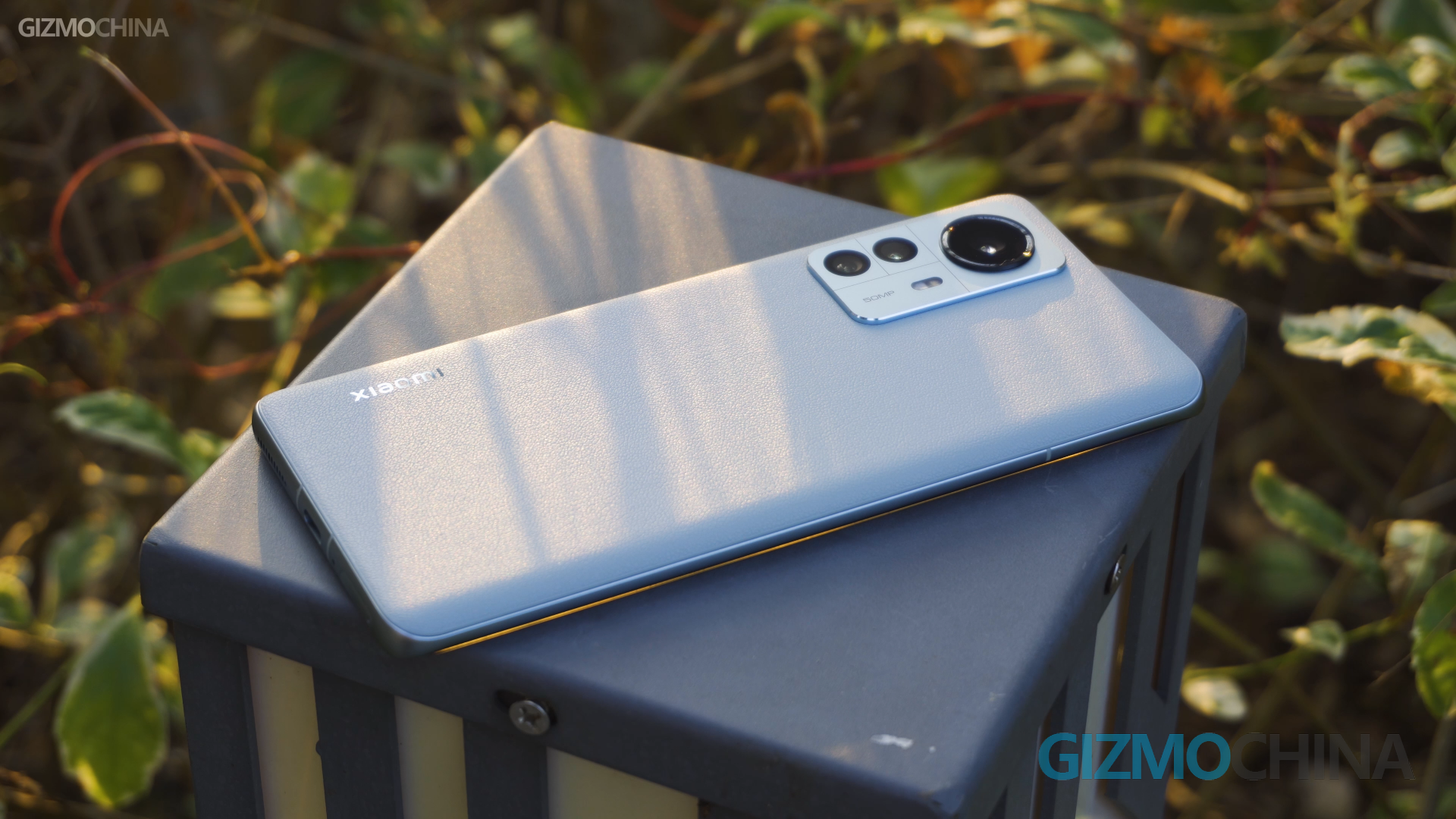
Xiaomi has scheduled a conference in India called the ‘Xiaomi Spring Summer Flagship Event’ for April 27 (Wednesday). The event will be live-streamed on the company’s official Youtube channel from 12 PM IST.
The main star of the show will be the Xiaomi 12 Pro, which made its initial debut in China at the end of December. The flagship smartphone will be also accompanied by Xiaomi Pad 5 and Xiaomi Smart TV 5A.
The Xiaomi 12 Pro will be India’s first Xiaomi (Mi) Pro series smartphone. At the same time, the Xiaomi Pad 5 will be the first tablet from the firm for the country in several years. Finally, the Xiaomi Smart TV 5A will be the successor of the hugely popular Mi TV 4A.
Apart from the television, the reaming two products are months old and are on sale in multiple regions for a long time.
7. iQOO Z6 Pro 5G and iQOO Z6 4G
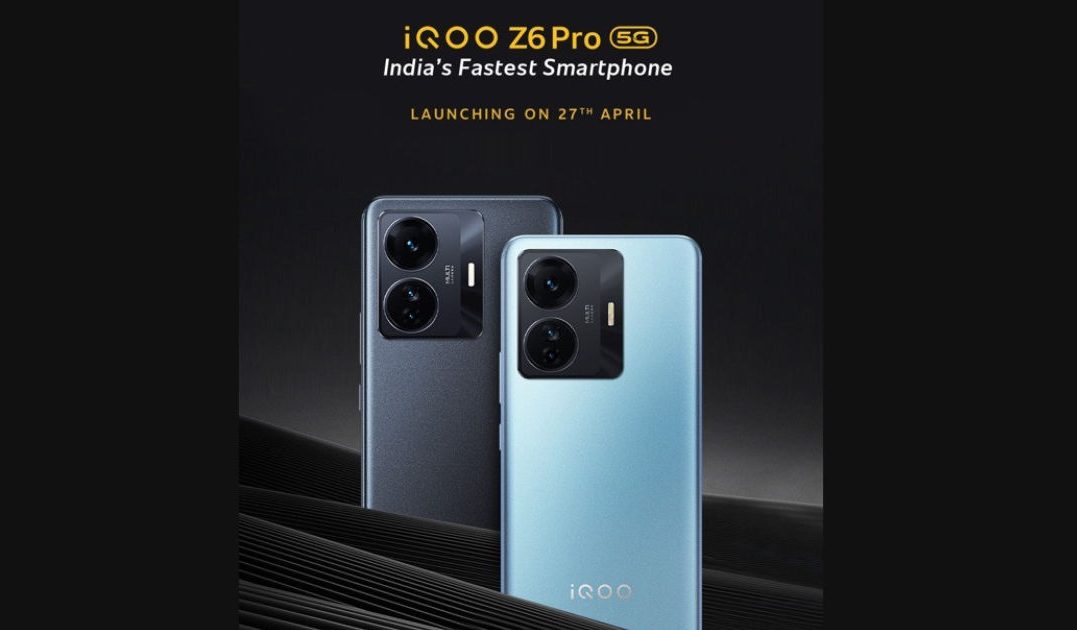
iQOO will be holding a launch conference in India on April 27 (Wednesday). The brand has confirmed to unveil a device called iQOO Z6 Pro 5G. According to leaks, it will be joined by iQOO Z6 4G.
The iQOO Z6 Pro 5G will be a mid-range smartphone with features, such as an FHD+ 90Hz AMOLED display, Qualcomm Snapdragon 778G chip, dual stereo speakers, 64MP triple camera setup, 66W fast charging, and more.
Whereas, the iQOO Z6 4G will be a budget smartphone offering specs like a Qualcomm Snapdragon 680 chipset, FHD+ AMOLED display, 50MP primary camera, and more.
8. Oneplus 10R and Oneplus Nord CE 2 Lite
Oneplus has a launch event planned for April 28 in India. It will be live-streamed on the brand’s official Youtube Channel starting from 7:30 PM.
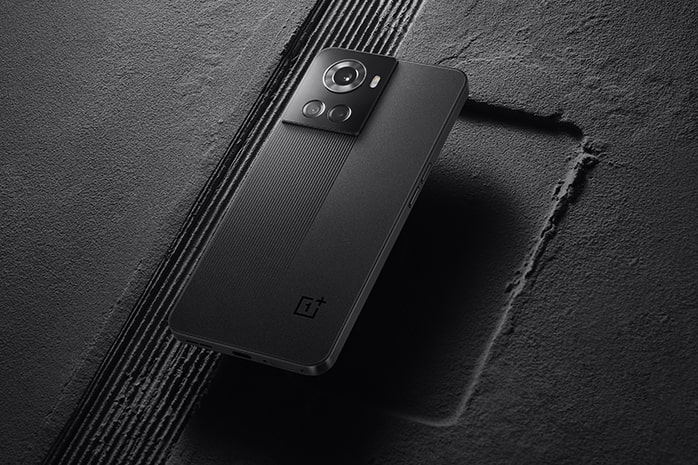
The company has confirmed to announce two phones and a new pair of truly wireless earbuds at this event. One of these handsets will be the Oneplus 10R, the global version of Oneplus Ace that went official in China recently. The highlights of this product are 150W fast charging support and Mediatek Dimensity 8100 chip.
The second phone will be Oneplus Nord CE 2 Lite. It will come with an FHD+ 120Hz display (LCD), Qualcomm Snapdragon 695 SoC, 5,000mAh battery, 33W fast charging, and more. Finally, the earbuds will be called Oneplus Nord Buds and they are nothing but rebadged Oneplus Buds N.
9. Realme GT Neo 3
Realme GT Neo3
Realme’s second launch event of the week will take place on April 29 in India. It will be live-streamed by the brand on its official Youtube channel starting from 12:30 PM IST.
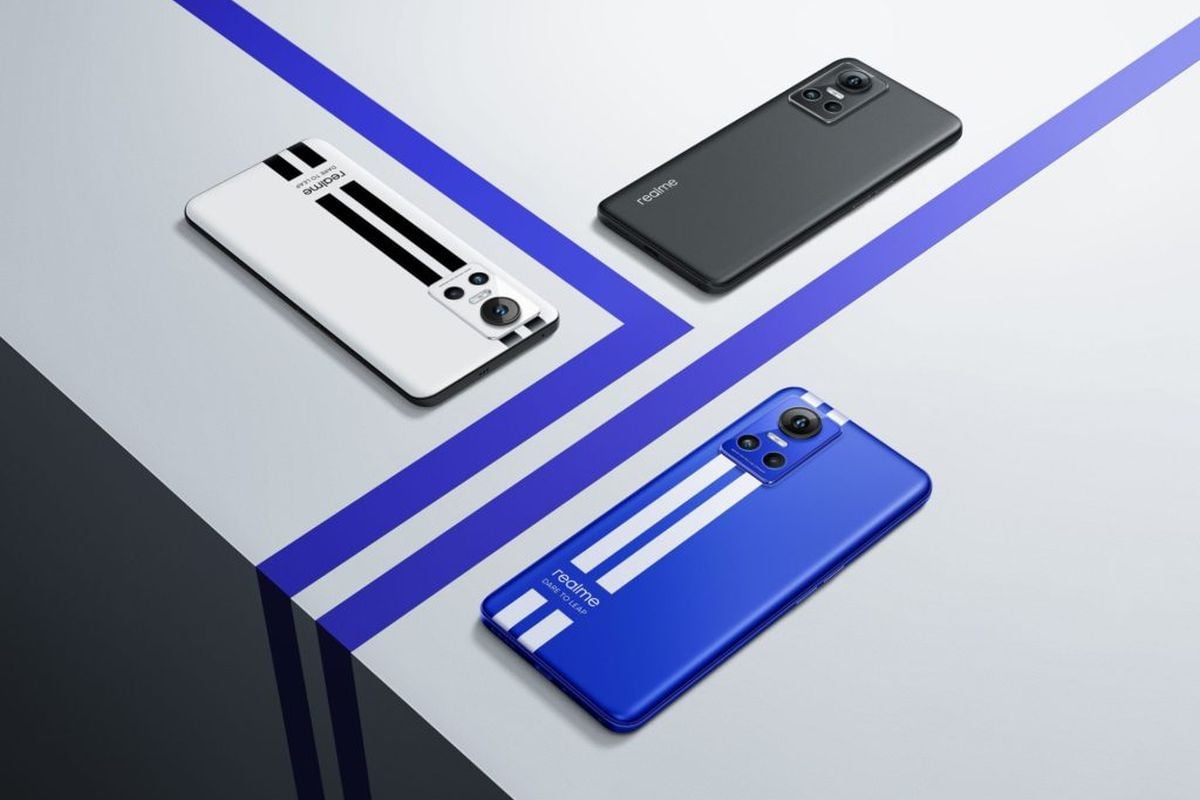
The brand will be announcing the Realme GT Neo 3, which went official in China last month. It is the world’s first smartphone with 150W fast charging. The Oneplus Ace (Oneplus 10R) is a tweaked version of it. Hence, these three handsets have a similar set of features.
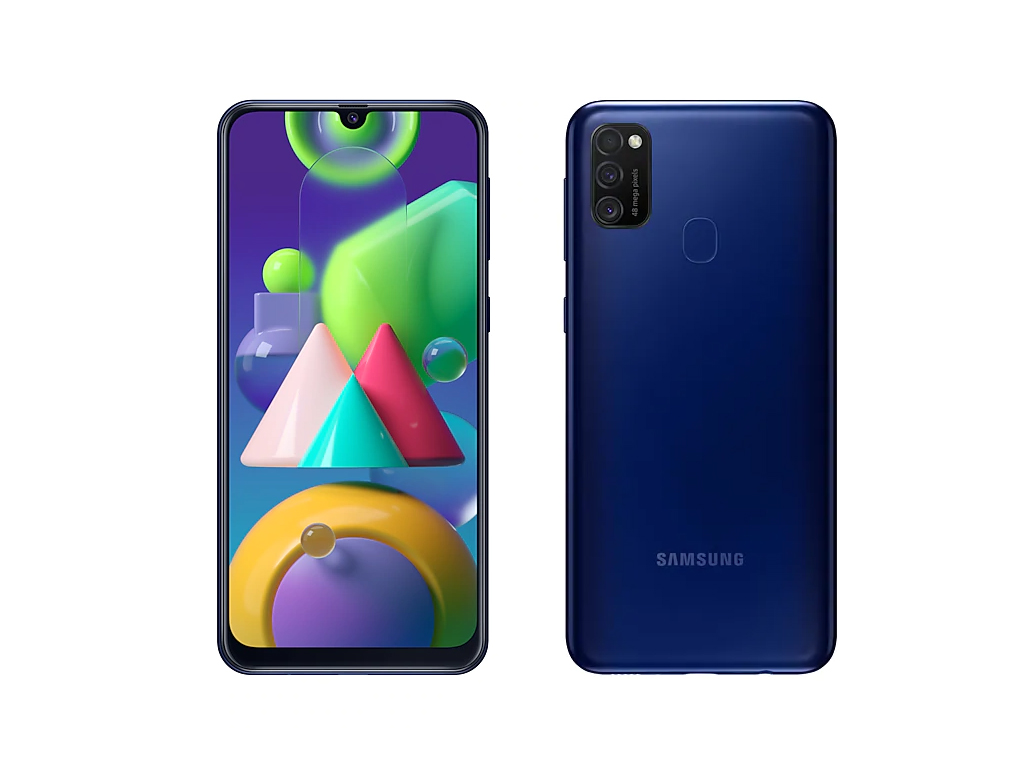
Samsung launched the Galaxy M21 in 2020 with Android 10 out of the box. The device later got updated to the Android 11 OS, and now, it is followed by the Android 12 OS. Samsung is pushing the One UI 4.1 update based on Android 12 OS for M21 models in India.
The update comes months after its siblings Galaxy A52 and A42 got the Android 12 update. The latest update for the Samsung Galaxy M21 has the build number M21FXXU2CVCC. It is currently released in India and it brings the newest April 2022 security patch.
Samsung Galaxy M21
The new update for the Galaxy M21 brings all the Android 12 features and also has the One UI 4.1 features. Users get revamped UI design with the new color palette feature. It has thicker slider bars and improved widgets, as noted by SamMobile. Other features include picture-in-picture mode, redesigned Device Care section, and more.
The update has also added the improved versions of all stock applications. This includes Bixby, Bixby Routines, Messages, Phone, Gallery, and others. One of the most notable features, which will compete head-to-head with iOS, also comes on board with the new update on the Galaxy M21. We are talking about the camera and mic indicators, where if an app is using your microphone or camera you will see an indication.
Samsung Galaxy M21 users should have received the OTA update notification. If not, you can update your device manually by going over to Settings > Software update.
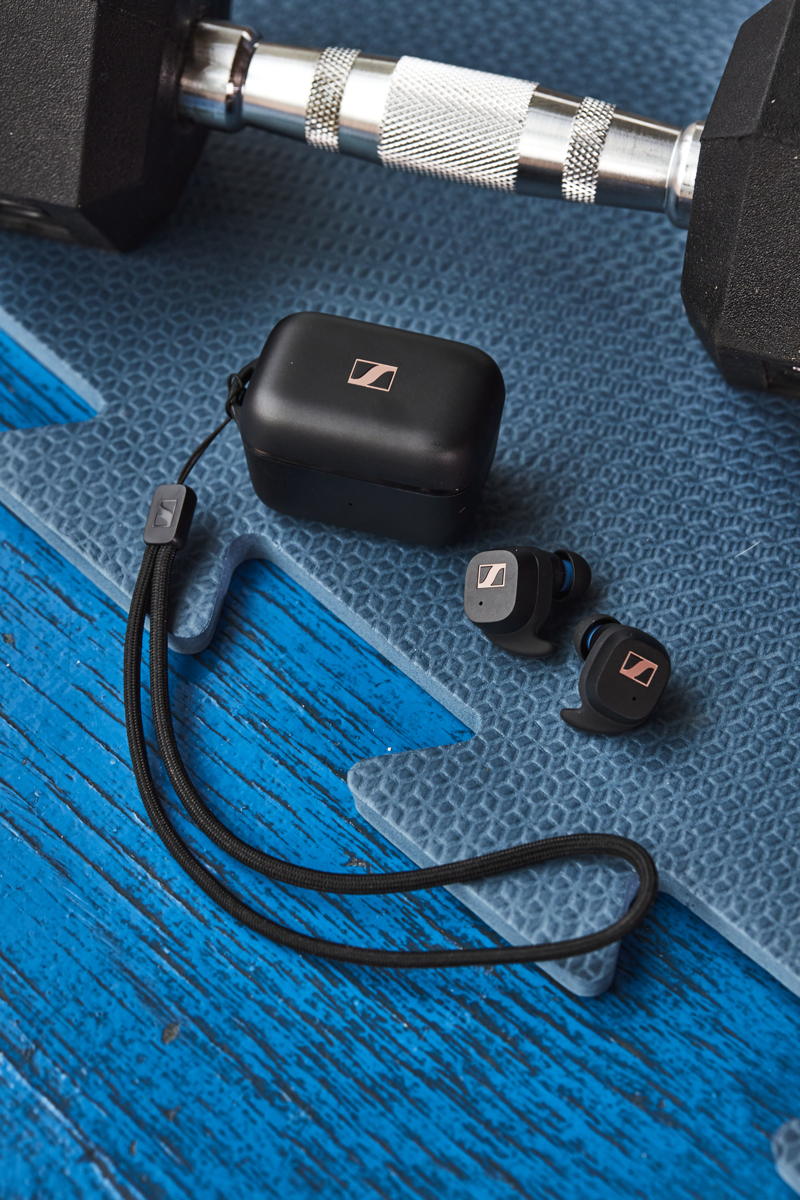
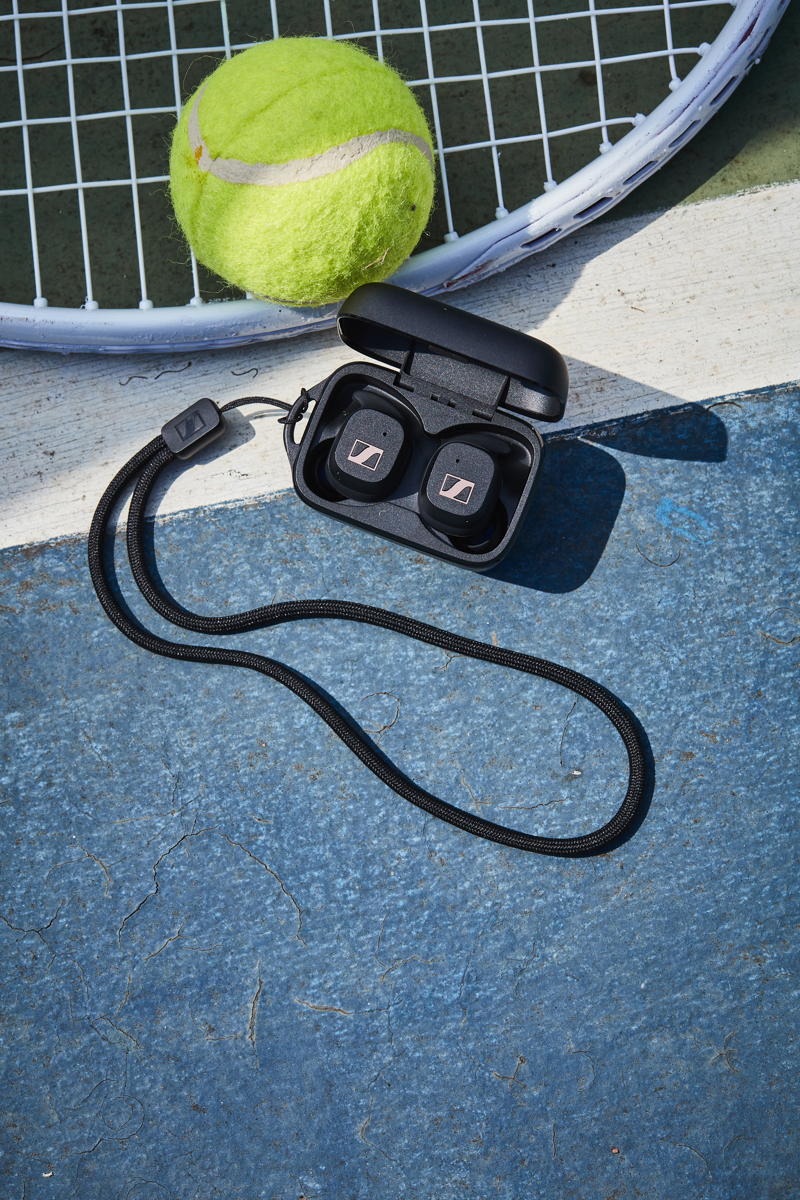
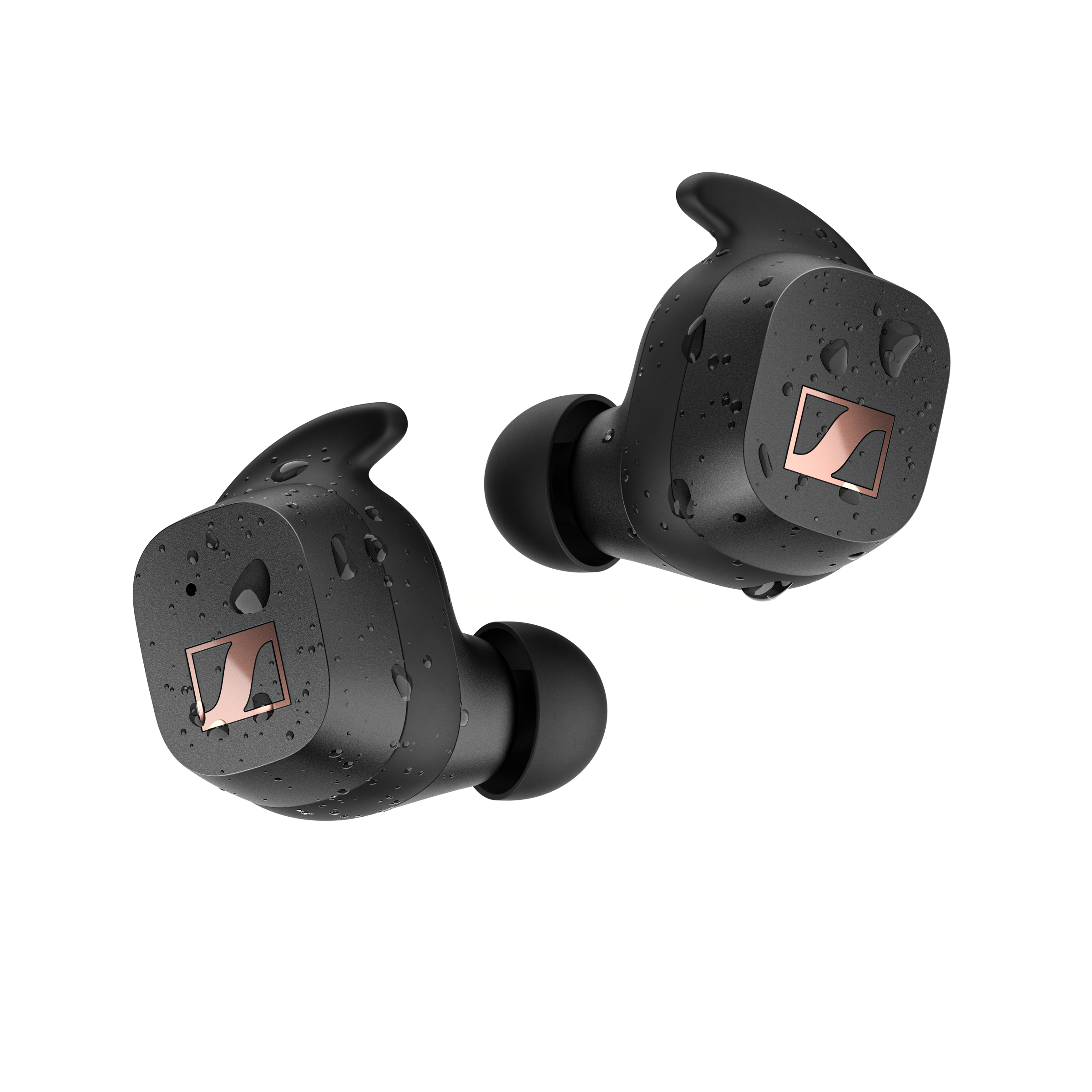
Sennheiser has unveiled its latest true wireless earbuds with several improvements from its predecessor. The Sennheiser Sport True Wireless earbuds are powered by Qualcomm’s aptX and offer up to 27 hours of battery life. The Sennheiser Sport True Wireless earbuds are priced at $130 outside Europe and €130 in the Eurozone.
The Sennheiser Sport True Wireless earbuds are a sports-focused device that delivers high-octane audio performance. The earbuds have three sizes of ear tips and four sizes of fins for maximum comfort. The earbuds come with water, sweat, and dust resistance via its IP54 rating.
The Sennheiser Sport has 7 mm drivers and a Qualcomm chipset that is compatible with AAC, aptX, SBC, and Bluetooth 5.2. Without the charging case, the earbuds can last up to 9 hours on a single charge.
Users of the Sennheiser Sport can customize their listening experience via the Focus EQ setting. The in-built Adaptable Acoustic system allows the earbuds to sound like closed or open back earbuds. The Sennheiser Smart Control app enables users to control their devices via a smartphone.
The Sennheiser Sport True Wireless will be available for shipping from May 3. It will be available in several markets across Europe and the US.
Samsung Galaxy Z Fold4 is the brand’s next foldable smartphone. A recent piece of news revealed the camera highlights of the smartphone shedding light on its ultra-wide-angle camera. Now, GalaxyClub has shared the alleged battery details of the Z Fold4.
The Samsung Galaxy Z Fold4 is said to come with dual-cell batteries. One of the battery cells will be rated at 2,002mAh while the other one will be a 2,268mAh cell. The total rated battery inside the Z Fold4 will be 4,270mAh.
Unfortunately and fortunately, this is the same rated battery as the predecessor Z Fold3. So expect the Z Fold4’s marketed battery to be the same as the Z Fold3. Why we say fortunately is because the news has it that the Z Fold4 will have a thinner design and improved camera hardware. To fit in the hardware, there needs to be some space, however, with the thin design, we expected even smaller batteries, but looks like that’s not the case. Despite the thinner design, the Z Fold4 has the same rated battery as the Z Fold3.
Apart from the batteries, the Samsung Galaxy Z Fold4 is said to come with a 108MP primary camera. This sensor will be the same as the Galaxy S22 Ultra’s 1/1.33-inch unit. Furthermore, the secondary lens on the phone will, as you’d expect, be a 12MP ultra-wide lens. The third lens on the phone is said to be a 10MP telephoto lens with 3x optical zoom. Again, this sensor is touted to be the same as the S22 Ultra. As for the front optics, it will feature a 10MP selfie snapper.
Other rumors of the phone suggest the inclusion of the flagship – Qualcomm Snapdragon 8 Gen 1+ SoC. It is also said to come with a stronger surface for using the S Pen.
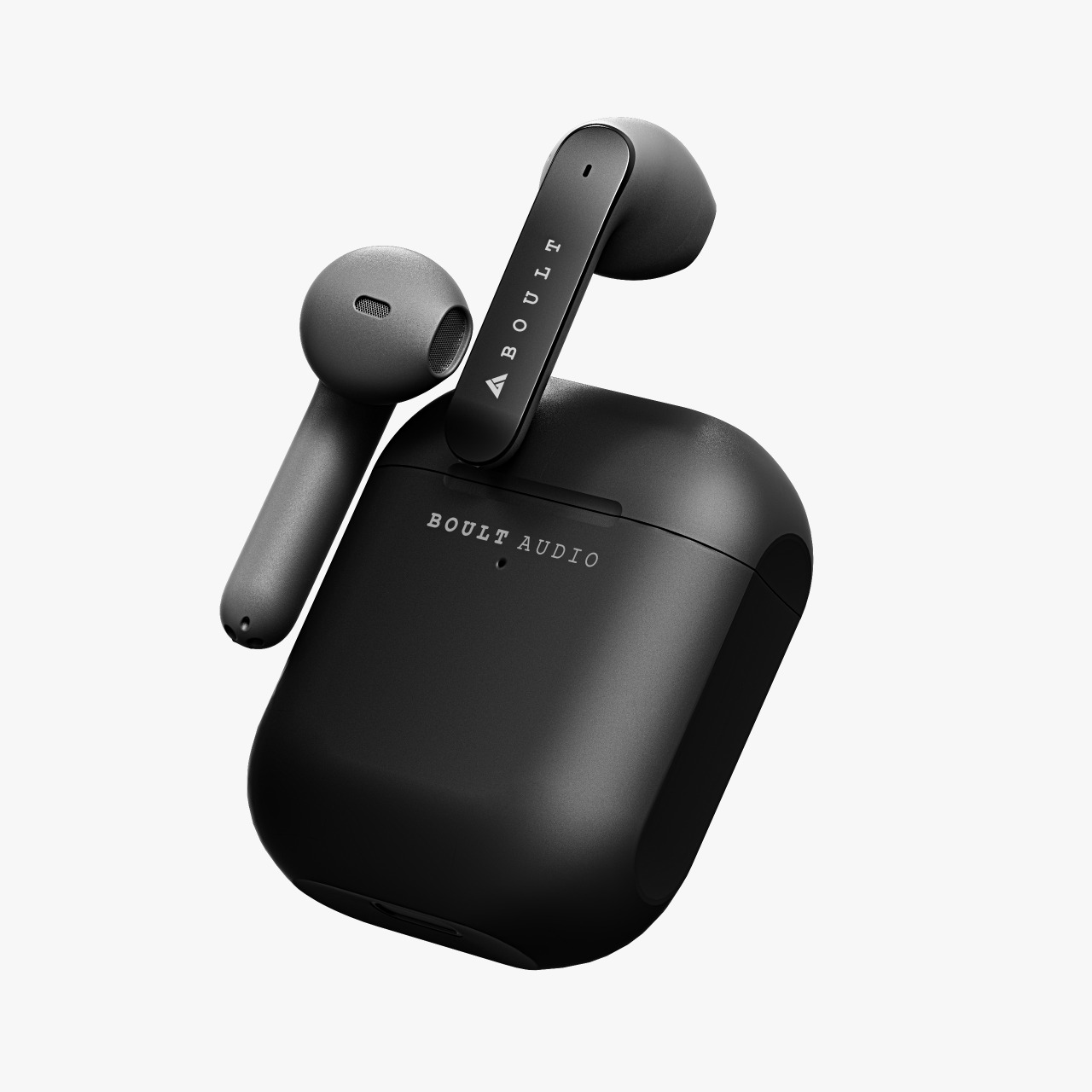
Boult has officially launched the all-new AirBass ProBuds in the Indian market. The ProBuds is a pair of TWS earbuds that comes with a set of new features like Environmental Noise Cancellation, up to 24 hours of total playback, and touch controls.
Boult Audio AirBass ProBuds Price and Colors
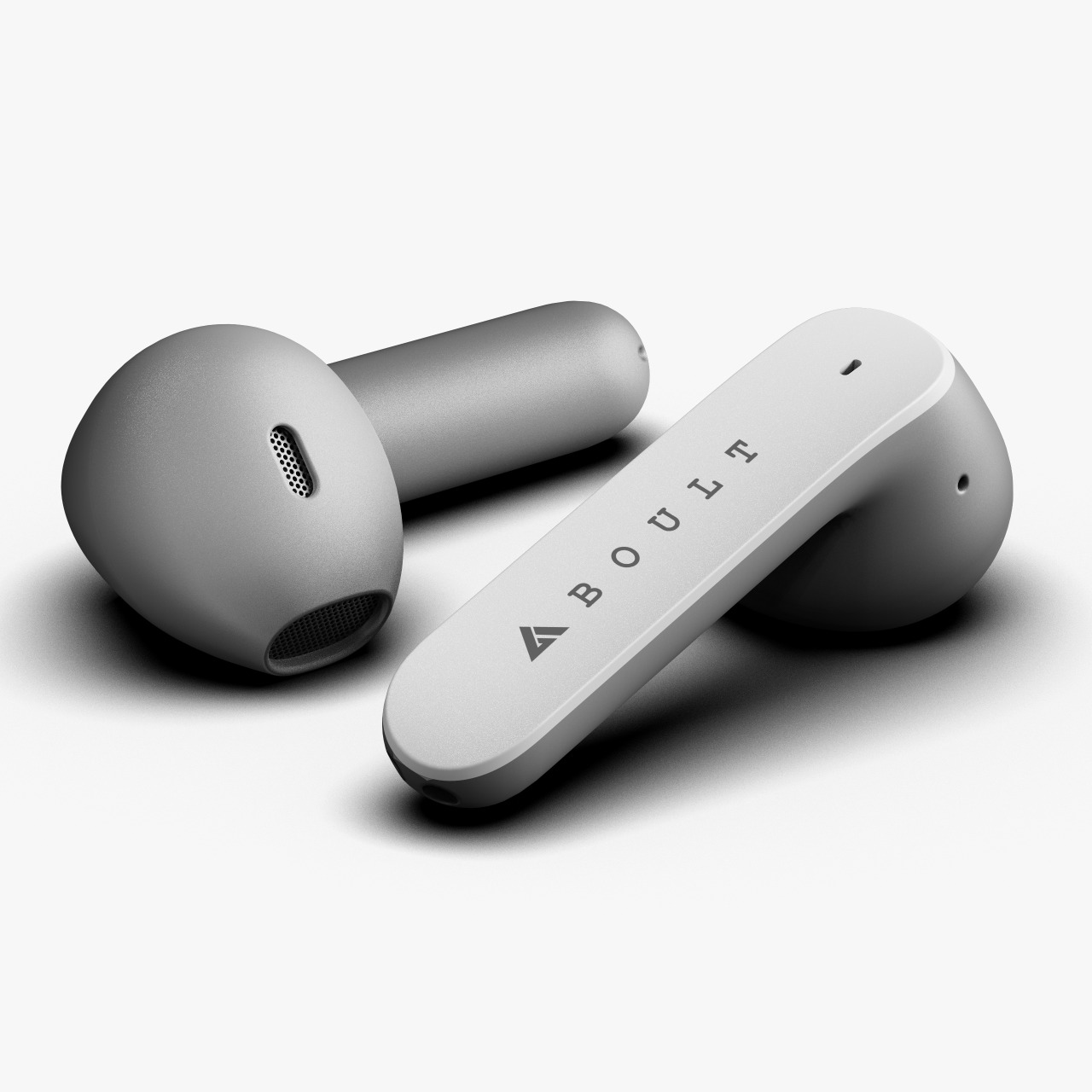
The Boult Audio AirBass ProBuds is priced at Rs. 1,499 and comes in Black and White color options. The earbuds can be purchased from Amazon India and Boult Audio’s official website.
Boult Audio AirBass ProBuds Features
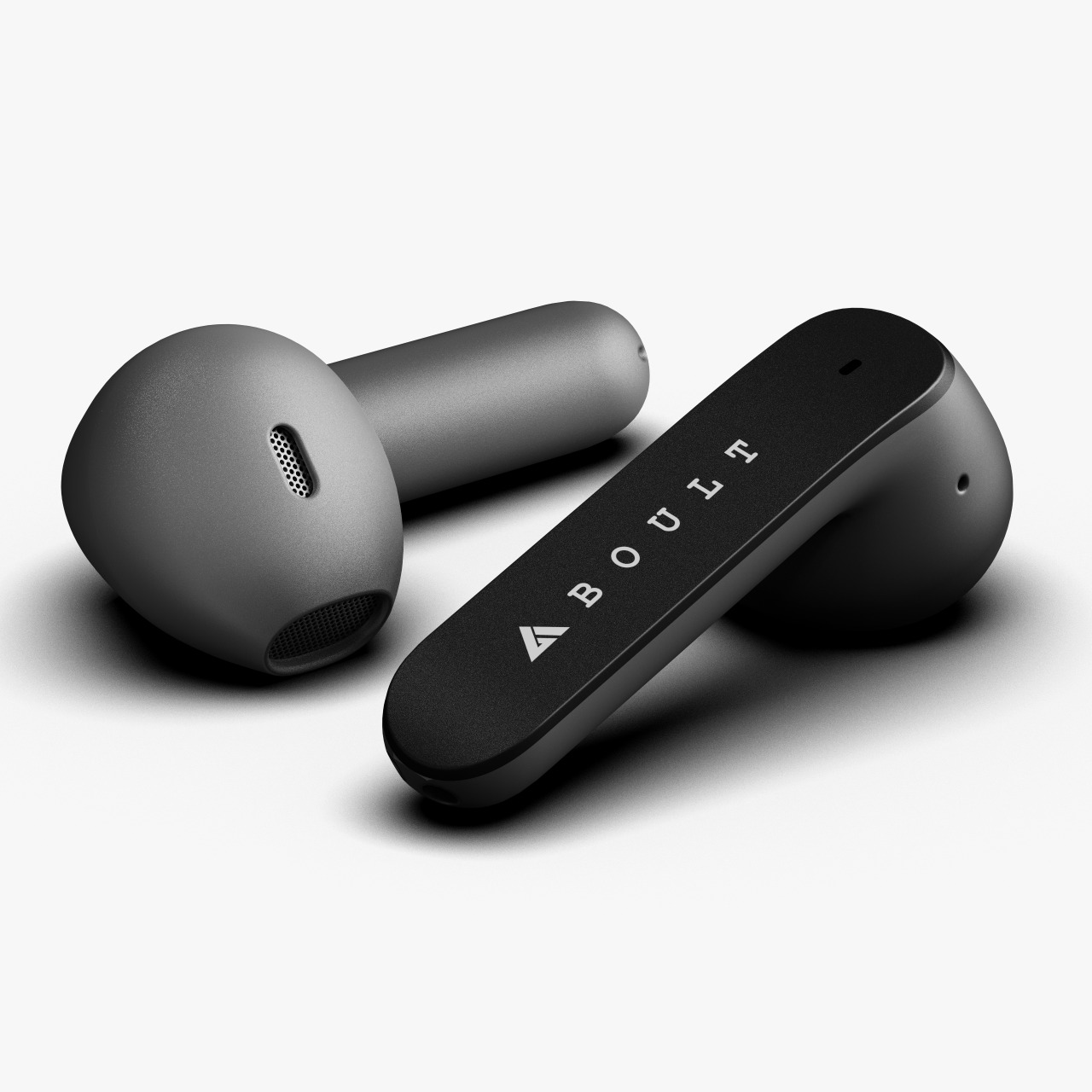
The Boult AirBass ProBuds feature a truly wireless design. The earbuds aren’t in-ear type, rather they are on-ear type earbuds. The design is identical to Apple’s AirPods Gen 2. The earbuds are made out of high-quality ABS plastic and have a shell that protects the earbuds from water and sweat. The earbuds’ stem has a Black color and has the Boult branding.
1 of 3
The earbuds come with a quad microphone setup that offers Environmental Noise Cancellation. The earbuds have touch controls with which you can Play/Pause the music and also skip to the next or previous track. The touch controls also help in answering calls and you can also trigger Googe’s voice assistant.
The earbuds come with up to 24 hours of total playback and have fast charging support. As per Boult, the earbuds can be used for 100 minutes with just 10 minutes of charging. There’s a USB Type-C port for charging and Bluetooth v5.1 is present for connectivity. The earbuds also have an IPX5 rating offering water resistance.
Last week, Oppo officially took the wraps off the Oppo F21 Pro series in India. The lineup consists of two models, namely Oppo F21 Pro and Oppo F21 Pro. We have already published our review of the former device.
Now, let us compare it to the latter model in this article and find out whether the 5G-enabled variant is worth its asking price. For the unaware, the Oppo F21 Pro and Oppo F21 Pro 5G are priced at ₹22,999 and ₹26,999 respectively.
Before I begin, I would like to put a disclaimer that his comparison between the Oppo F21 Pro and the Oppo F21 Pro 5G is based on my personal experience with the review samples loaned to me by Oppo India. The opinions mentioned here are mine alone, and the company had no editorial input or early look.
Oppo F21 Pro vs Oppo F21 Pro 5G: Which one should you buy?
Box Contents
Both the Oppo F21 Pro and Oppo F21 Pro 5G arrive in an identical box with the same list of contents. Buyers will find the following items in the retail box.
Smartphone
Transparent Case
33W SuperVOOC Charger
USB Type-A to Type-C cable
SIM Ejector Tool
Documentation
Design and Build
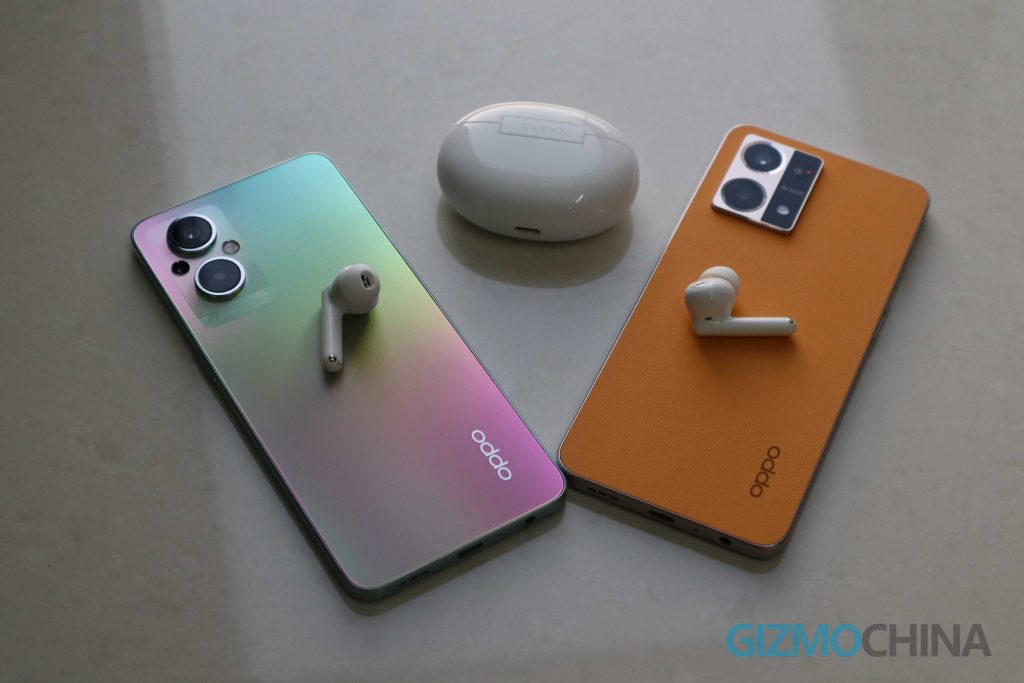
In my review of the Oppo F21 Pro, I praised its design. It is one of the best-looking smartphones under ₹25,000. The same can also be said for the Oppo F21 Pro 5G, which is positioned in the under ₹30,000 category. However, I prefer the 4G model over 5G.
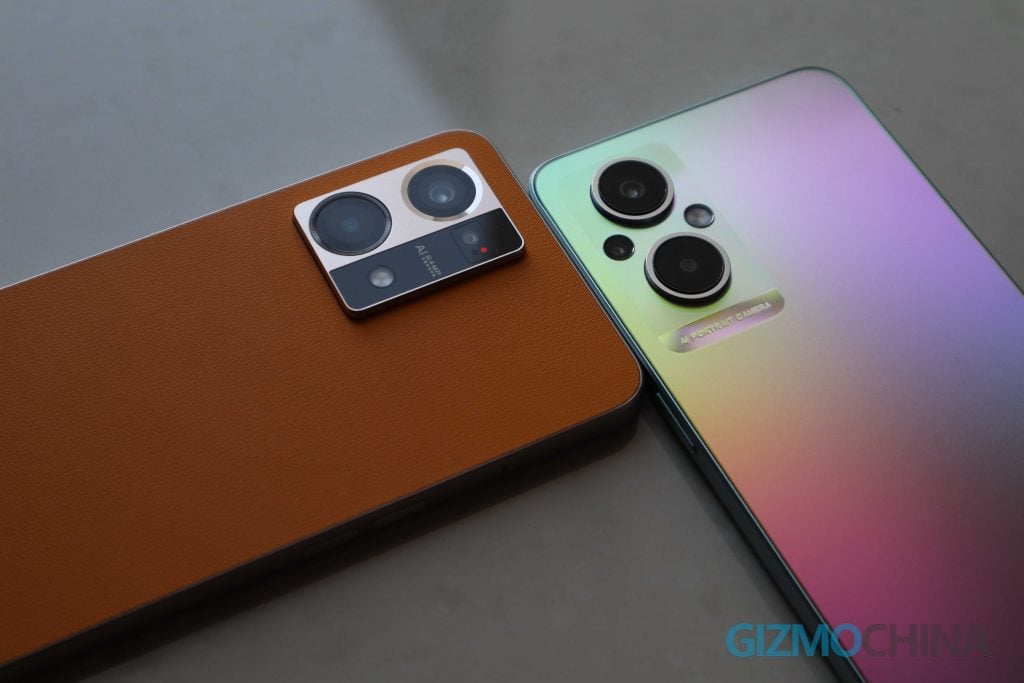
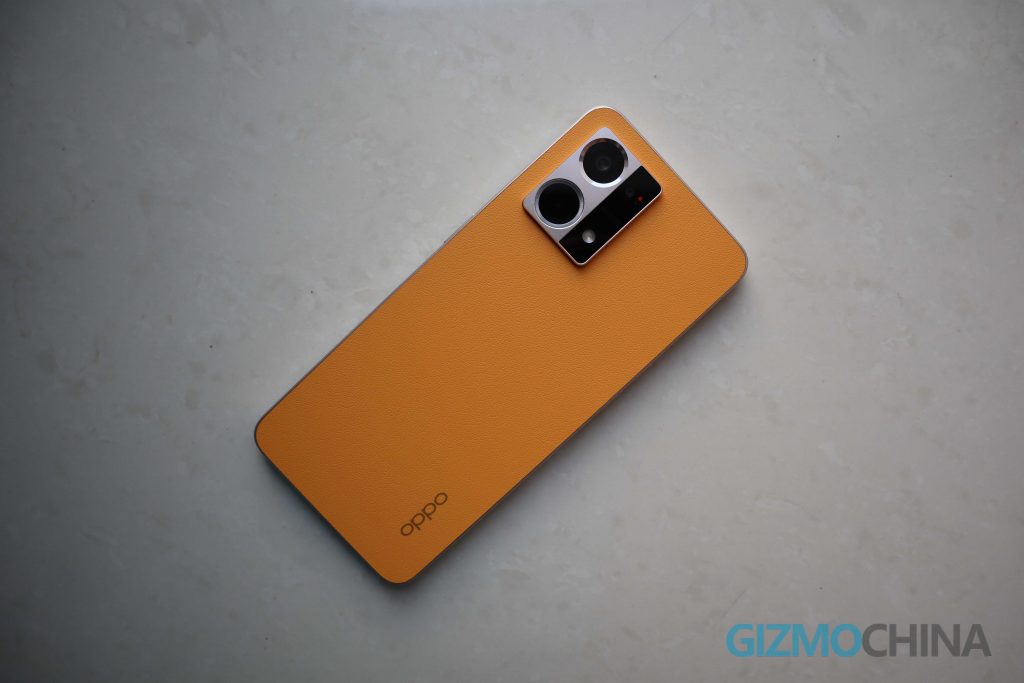
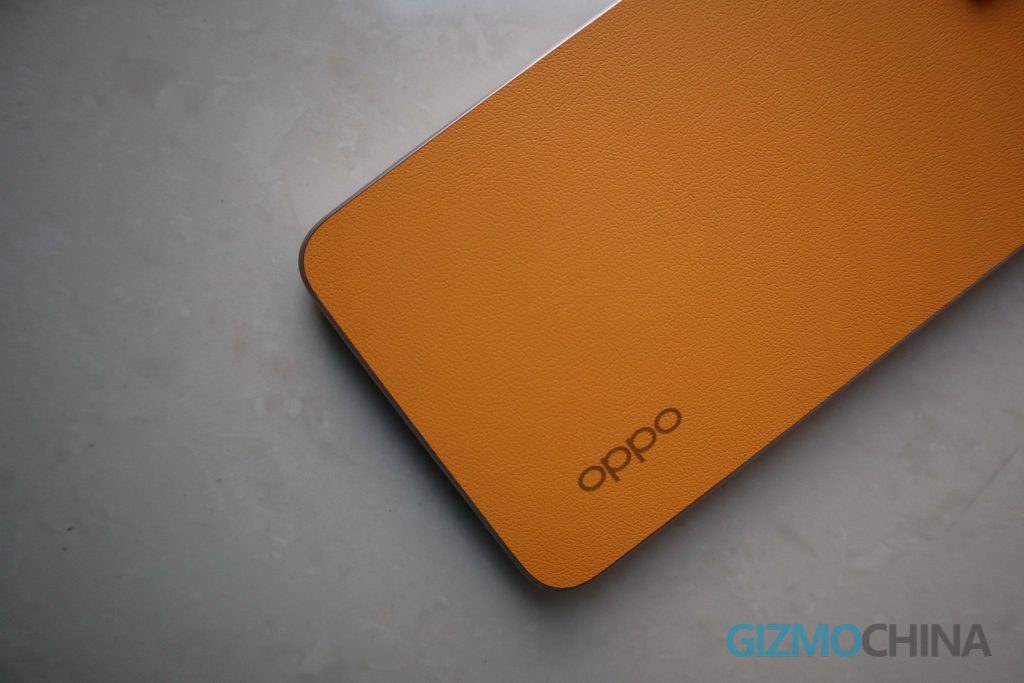
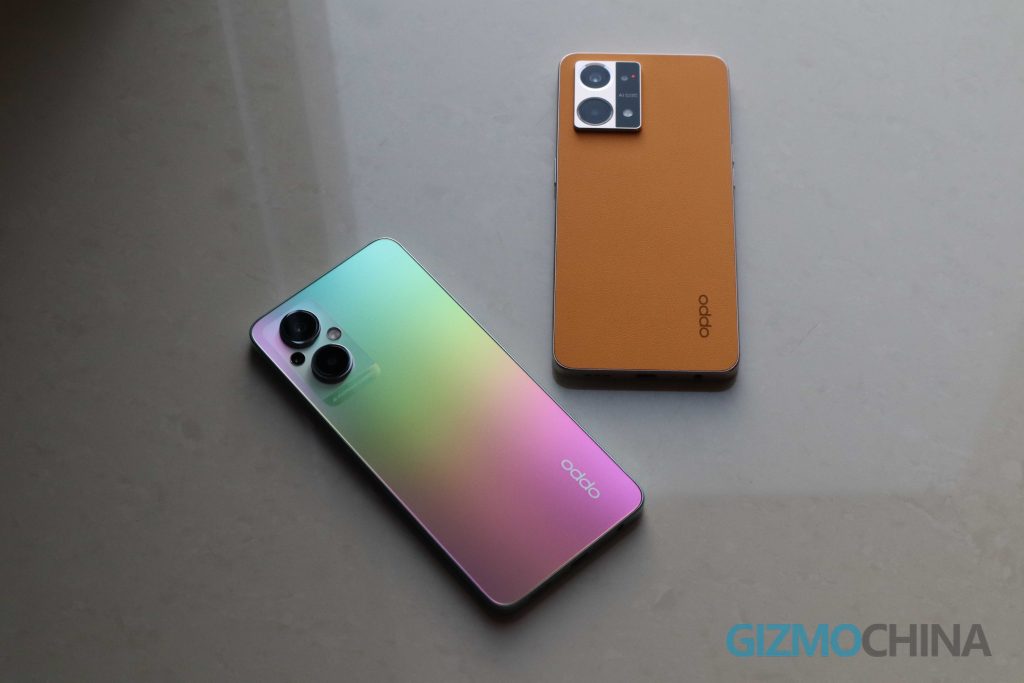
The 4G variant has a unique fiberglass leather finish on its back. But it is worth noting that this finish is only available on the Sunset Orange color option, since the Cosmic Black version has a matte glass finish.
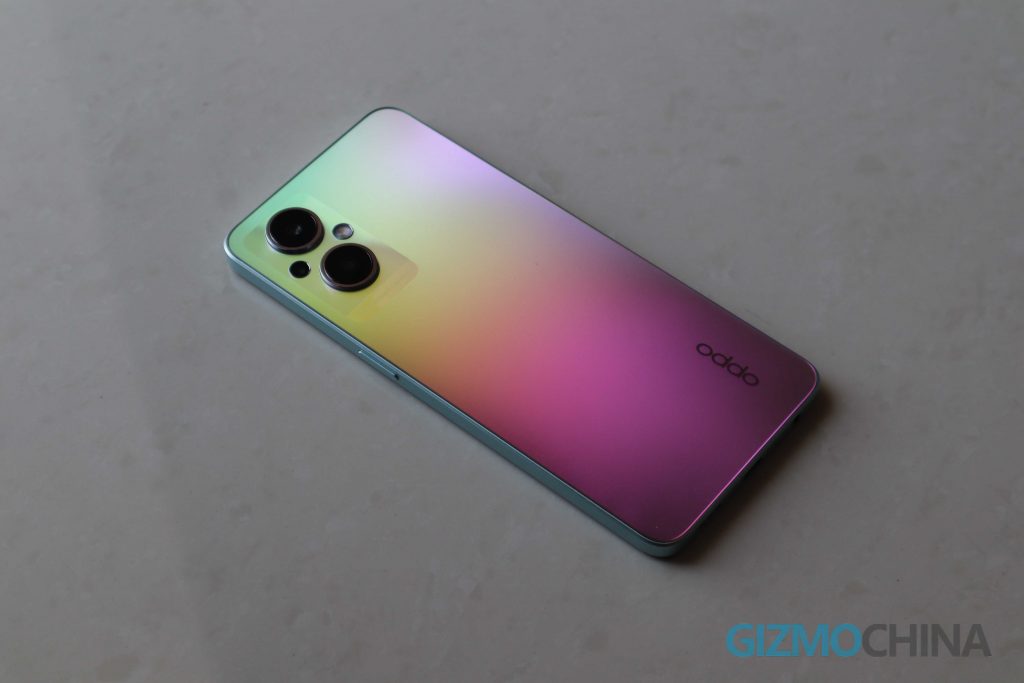
On the other hand, the Oppo F21 Pro 5G only comes in a glass finish for both Rainbow Spectrum and Cosmic Black versions. I have the former, and it looks like cotton candy when viewed from certain angles. At the same time, the colors look flat when viewed straight.
The orange-colored Oppo F21 Pro also feels better in the hand. It does not slip and looks unlike any other phone on the market. It surely is a head-turner. You don’t need a case unless you are one of those who drop their handsets often.
Whereas, the Oppo F21 Pro 5G is like a regular smartphone with a glass back. This means it is slippery in the hands, but features a matte finish to keep it free of smudges.
Talking about the rear camera placement, the sensors on the 4G model are placed on a rectangular island, which resembles an old-school camcorder. There’s a white LED ring around one of the cameras.
While the cameras on the 5G model are placed on the rear panel itself. Two of them even have blue-colored LED rings. Oppo calls them ‘Orbit Lights’. They look better than the single LED ring on the 4G device.
Display and Sound
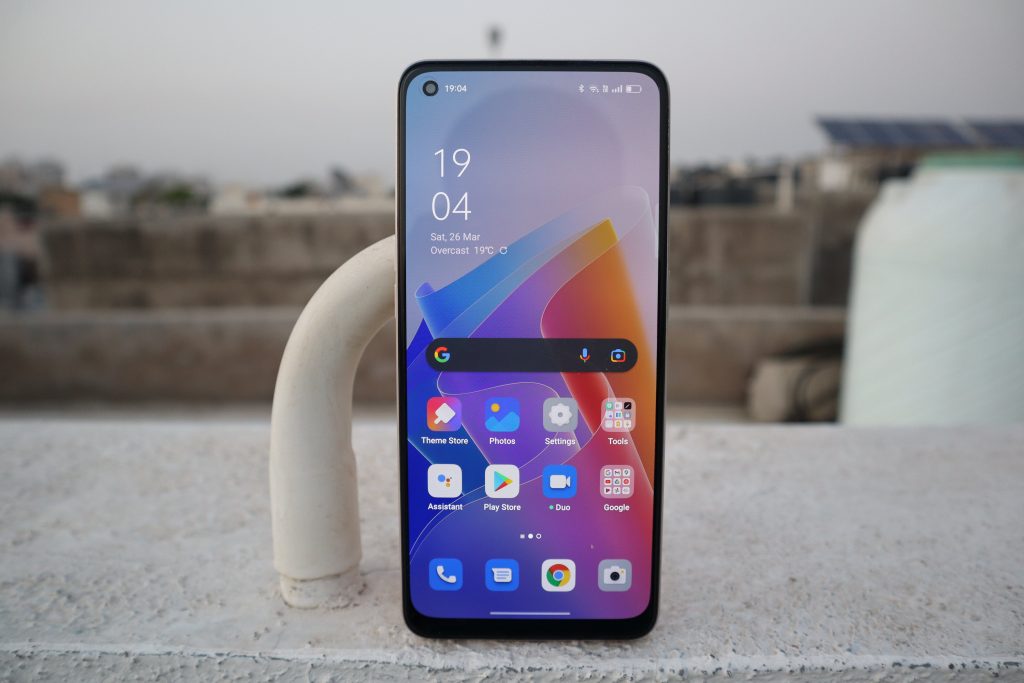
The Oppo F21 Pro and the Oppo F21 Pro 5G sport an identical 6.43-inch AMOLED display with a resolution of 2400 x 1080 pixels (FHD+) and a 20:9 aspect ratio. The screen has a 180Hz touch sampling rate, a punch-hole at the top left corner, and can reach a peak brightness level of 600 nits.
The only difference between the two is the presence of a 90Hz refresh rate on the 4G model as opposed to the standard 60Hz refresh rate on the 5G model. This one change in the specs makes a day and night difference, at least to me. Once you are used to a high refresh rate screen on smartphones, there’s never going back.
As far as the performance of the screens is concerned, they are almost identical with one minor difference. The color tone is cooler on the 5G model and warmer on the 4G variant. They are good for consuming content and can get bright enough under direct sunlight. These displays are fine but nothing out of the ordinary.
Further, though they have support for HDR10 and HLG standards, they cannot play HDR videos on YouTube or any other streaming platform. However, both have Widevine L1 certification (which was not present on the 4G model when its review was published) and are able to play FHD (1080p) content on Netflix and Prime Video.
Talking about sound, both the phones house a single bottom-firing speaker. But their audio output is slightly different from one another. I prefer the one on the 4G handset as it is not only louder but also sounds fuller with less distortion at higher volume levels.
As far as wireless sound performance is concerned, it is near identical on both of them. I paired the Oppo Enco Air 2 Pro with these phones, and they sounded the same when connected to either of them.
However, only the 4G model has support for ColorOS quick pairing. On the 5G model, users need to enter pairing mode as they need to for devices from other brands. It is possible for Oppo to add this feature via a software update, but we are not sure if and when it will arrive.
Hardware and Software
The major difference between the Oppo F21 Pro and the Oppo F21 Pro 5G is their chipsets. The former houses a 4G-only Qualcomm Snapdragon 680 SoC, while the latter is powered by a 5G-enabled Qualcomm Snapdragon 695 SoC.
The two of them sport 8GB LPDDR4x RAM and 128GB UFS 2.2 storage. But only the 4G smartphone has a MicroSD card slot (dedicated).
Oppo F21 Pro Benchmark
Geekbench
AnTuTu Benchmark
Undoubtedly, the 5G model is faster as it has a better chip. But since it lacks a high refresh rate display, I felt the 4G model to be smoother to my eyes, though it is slower.
As you can see from the screenshots, the F21 Pro 5G scores way more on AnTutu Benchmark. Even on Geekbench, it has a better score than the F21 Pro. Only if it had a 90Hz display, the experience would have been even better.
Oppo F21 Pro 5G Benchmark
Geekbench
AnTuTu Benchmark
On the software front, despite being cheaper with a less-powerful chip, the 4G handset boots ColorOS 12 based on Android 12. Whereas, the 5G variant comes with Android 11-based ColorOS 12.
The software on the two phones is almost identical, and they even come with the same bloatware, most of which is uninstallable. But the 5G version lacks new Android 12-exclusive features like granular location permission, camera/microphone indicator, and more.
Camera
The two phones have different camera systems. But one thing is common between them. Though they have triple cameras on the rear, only one of these sensors is useful, in addition to the front-facing camera.
The Oppo F21 Pro arrives with a 64MP primary camera, a 2MP snapper with a 15x microlens, a 2MP depth sensor, and a 32MP shooter for selfies. On the other hand, the Oppo F21 Pro 5G comes equipped with a 64MP primary camera, a 2MP macro shooter, a 2MP monochrome sensor, and a 16MP selfie camera.
Oppo F21 Pro Camera Samples
Daylight
Daylight
Daylight
Evening
Night
Night
Selfie
Despite featuring the same 64MP OmniVision OV64B sensor as their main camera, the output is different from these handsets. This is likely due to the presence of different ISPs and software processing.
The pictures from the 5G version have warmer color tones as opposed to cooler color tones in the images from the 4G variant. Further, the pictures from the latter phone are more vibrant due to higher saturation. None of them can produce accurate colors, but the images from the 4G handset are more pleasing to the eyes.
Oppo F21 Pro 5G Camera Samples
Daylight
Daylight
Daylight
Evening
Night
Night
Seflie
As mentioned in my review of the Oppo F21 Pro, human skin tones are almost accurate in the images from this smartphone. But the same cannot be said for the Oppo F21 Pro 5G since it’s totally opposite. Though I don’t like the selfies from either of these handsets, the output from the 4G model is better.
In low-light conditions, both of them cannot output good-quality pictures. Night Mode does not help either. As far as video recording is concerned, the devices are limited to 1080p resolution and the quality is acceptable in good lighting without much stabilization and is not recommended for low-light situations.
Connectivity
The connectivity options on the Oppo F21 Pro and the Oppo F21 Pro 5G are identical, except for the 5G support on the latter. They feature dual SIM card slots, dual-band WiFi 5, Bluetooth 5.1, and GNSS.
I did not face call drops on either of them. The WiFi connection works well as it should, and so do Bluetooth and GNSS.
I could not test 5G on the Oppo F21 Pro 5G as the networks are yet to go live in India. When they do go live, users should be able to experience the latest cellular technology, but the same cannot be said for the Oppo F21 Pro users.
Battery and Charging
Both the Oppo F21 Pro and the Oppo F21 Pro 5G are fueled by the same 4,500mAh battery. They also have support for the very same 33W Oppo SuperVOOC fast charging protocol.
But during my usage, I found out that the 5G device actually charges a bit faster. It is roughly around 8 minutes faster as it takes about 1 hour and 14 minutes to reach 100% from 10% as opposed to around 1 hour and 22 minutes required by the 4G handset.
Since the SoCs featured in these smartphones are built on a 6nm process, they are energy-efficient. The devices can easily last a day on a full charge on normal usage.
Verdict
Even though the Oppo F21 Pro 5G has a faster chipset, it is not enough for me to recommend it over the Oppo F21 Pro. The 4G variant does most of the things better. It even looks unique in the orange color and feels better in the hands.
The cherry on top is that the 4G version is ₹4,000 cheaper than the 5G model. The price further paints a clear picture that the Oppo F21 Pro is truly the winner of the two.
With that being said, as I mentioned in my review, the Oppo F21 Pro itself is not the best option in this price segment. But if you are in the market for either of these two devices, you should probably go with the 4G model instead of the 5G one.
TCL has launched the T7E series of true high-resolution TVs. The new Smart TV series comes with a high refresh rate and high resolution. The TVs are optimized for game scenarios.
The TCL T7E series adopts a full-channel 4K 144Hz high refresh screen, with a maximum of 192 backlight hardware partitions, and a peak brightness of up to 800nit, which can have a good look and feel in various environments.
In terms of hardware, the T7E series uses the Unisoc Tiger T9652 Plus chip paired with 4GB RAM while there is 64GB of internal storage onboard. The memory configuration meets daily use needs and ensures the stability of the device when in 144Hz refresh rate.
In terms of game performance, the TCL is collaborating with Tencent to bring its START cloud games to the TV. Thus, users can play games such as “Sword 7” and “Final Fantasy 15” smoothly in this way.
In addition, the TV is equipped with an HDMI2.1 interface, which can receive video signals from next-generation consoles such as PS5 and Xbox Series X|S without loss. With a low latency of 1.2ms, it fully meets the entertainment needs of players in the living room.
In other respects, the T7E series TV has 7 independent speakers, supports Dolby Atmos 2.1 channel, and is equipped with a self-developed NFC projection screen, which improves the convenience of projection screen operation.
In terms of price, the T7E series TVs are divided into five sizes ranging from 55 inches to 98 inches. The smallest 55-inch version is only priced at 3,299 yuan (~$507), and the largest 98-inch version is only 15,999 yuan (~$2,462).
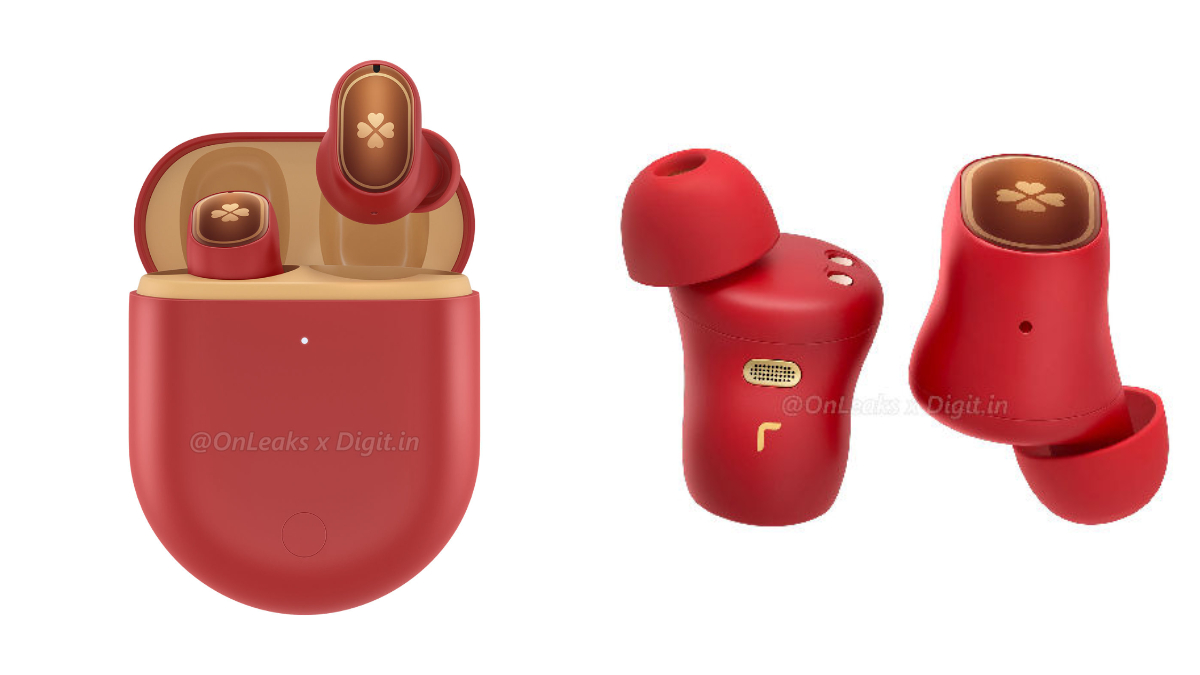
Renders of the POCO Buds Pro Genshin Impact Edition earbuds have been spotted. The renders could indicate an imminent launch of the device and they provide insights into its design. This is coming not too long after the customized earbud was certified by Bluetooth SIG.
The Buds Pro Genshin Impact Edition is a pair of TWS earbuds and the new leak provides the specs of the device. The renders emanated from OnLeaks and they are the first pictures of the device to surface.
As per the renders, the POCO Buds Pro Genshin Impact Edition was shown in red (both the case and the buds). It has an in-ear tips design and IPX4-rated protection. The upcoming Buds Pro Genshin Impact Edition will also possibly offer active noise cancellation (up to 35dB). This helps to reduce ambient noise and enhance the audio quality. The new POCO buds will likely have Bluetooth 5.2 connectivity, based on the renders. Up to 28 hours of battery life could be squeezed from the new POCO Buds. This includes power from its charging case. The photos point to the availability of both USB-C and wireless charging.
There are still several details lacking for the Genshin Impact Edition of the Poco Buds Pro. For one, we don’t know the nature of the drivers and there could be other features not highlighted by the renders. We are yet to get a definite release date and pricing information for the device at this time.
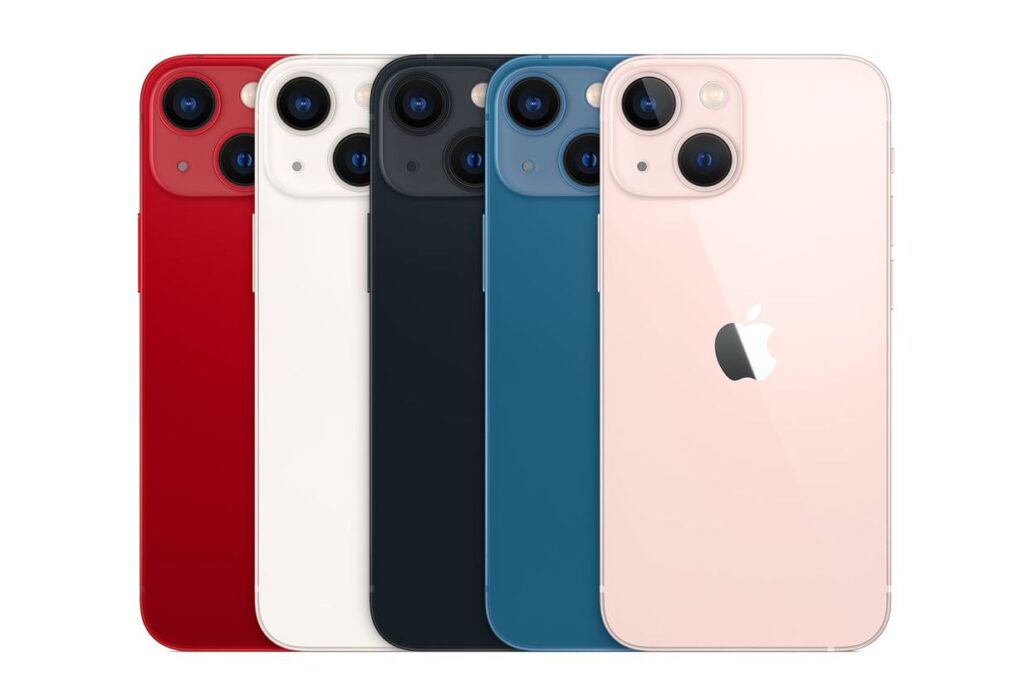
Through numerous leaks and reports, we have learned that Apple will not be making an iPhone 14 Mini and will be replacing it with a large screen variant with the iPhone 14 series.
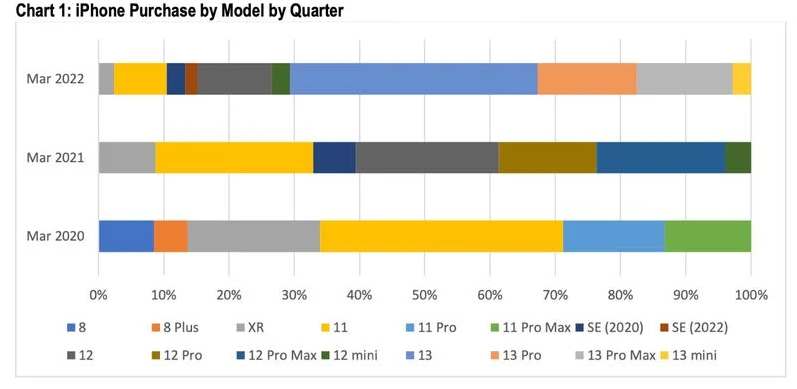
The reasoning behind this decision has most likely to do with Apple not being able to sell enough iPhone Minis to justify its existence. And now, a MacRumors report has revealed just how poorly the iPhone 13 Mini is performing in the US.
According to the report, the 5.4-inch iPhone 13 Mini sales have made up just 3% of the total iPhone sales in the US for the first quarter of 2022. Comparatively, the other iPhone 13 models were much more popular and had the largest share of U.S. sales in several years.
The iPhone 13 models made up 71 percent of iPhone sales in the US in Q1 with the standard iPhone 13 moving the most volume at 38%. The 13 Pro and the 13 Pro Max weren’t as popular this quarter but still outsold the iPhone 13 Mini quite a lot.
For its next series of iPhones, Apple is said to debut the iPhone 14 Max which will offer a big 6.7-inch display, equivalent to the iPhone 14 Pro Max. However, the smartphone will come with a cheaper price tag compared to the iPhone 14 Pro Max and even the iPhone 14 Pro. The display of the iPhone 14 Max is also said to be a 120Hz refresh rate panel with LTPO technology and the device is rumored to come with the current-gen A15 Bionic chipset.
iQOO was recently tipped to start its very own community forum for its userbase. It was said to be handled by the company officials for sending out official updates to the iQOO users. With all that we know, the exact release timeline for the iQOO community was unknown. Now, iQOO itself has announced the details of its Community forum called the iQOO Connect, and the registration dates for the community forum are also out.
iQOO’s Nipun Marya has revealed that the iQOO Connect will be the brand’s community forum for tech and gaming conversations. He revealed to 91Mobiles that the community forum will be announced on April 27, the same date as the iQOO Z6 Pro’s release date. Furthermore, on the same date, the registration for iQOO Connect forum will begin. This will be followed by a release sometime in May.
Marya said that this will be the first phase of the community forum, where iQOO users are expected to connect and chat about the phones and tech in general. The second phase is said to offer something for e-sports enthusiasts.
What else can you expect from the iQOO Connect? Users can expect to receive the latest OTA software update announcements. Also, things that will be announced on the forum will be considered official. We expect the iQOO community forum to also have moderators to fine-tune the experience, just like the community forums from other brands.
Apart from the community forum page, the brand will also launch an app for the community called the iQOO Connect app later in the future.
The popular Meta-owned messaging platform WhatsApp has made headlines several times in the last few months by introducing new and highly demanded features in its Beta builds.
The company recently confirmed that many new features like increased file sharing size, emoji reactions, and the ability to hide your last seen from specific contacts will soon be made available in the live build of the app.
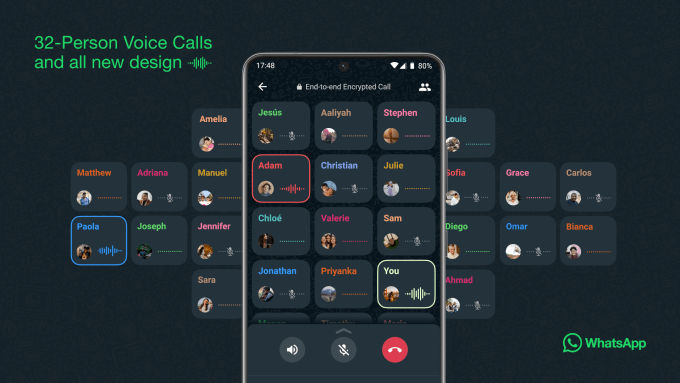
Now, reports have emerged that WhatsApp has started rolling out a new update to the iOS version which includes support for 32-person calls, an overhauled call user interface, waveforms, and other improvements. The update is coming to the live build of WhatsApp on iOS.
Till now, WhatsApp has allowed users to make group phone calls with multiple persons at the same time. A group voice conversation previously could accommodate up to eight people, but WhatsApp is now rolling out a new update that enables up to 32 participants.
Voice calls with up to 32 people would be possible in WhatsApp Groups. The platform has also modified the way participants are displayed on the screen to fit the additional members. Waveform images are used to label different WhatsApp users.
This new feature comes with the update version 22.8.80 and is sized at 109.7MB for iPhones. Android users are also expected to soon get a similar update with these new features, however, it will not be available on the desktop client.
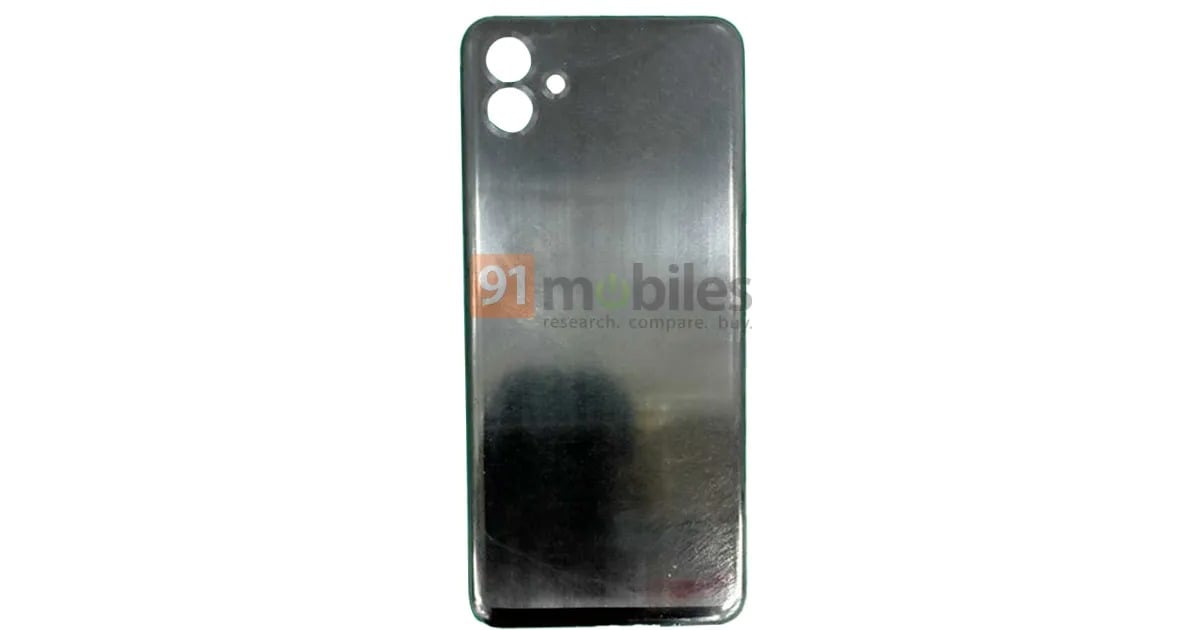
At the end of March, news emerged that Samsung has commenced production of the Galaxy M13 5G smartphones in India. Images of the back panel of the device were leaked later revealing a dual-camera setup among other details.
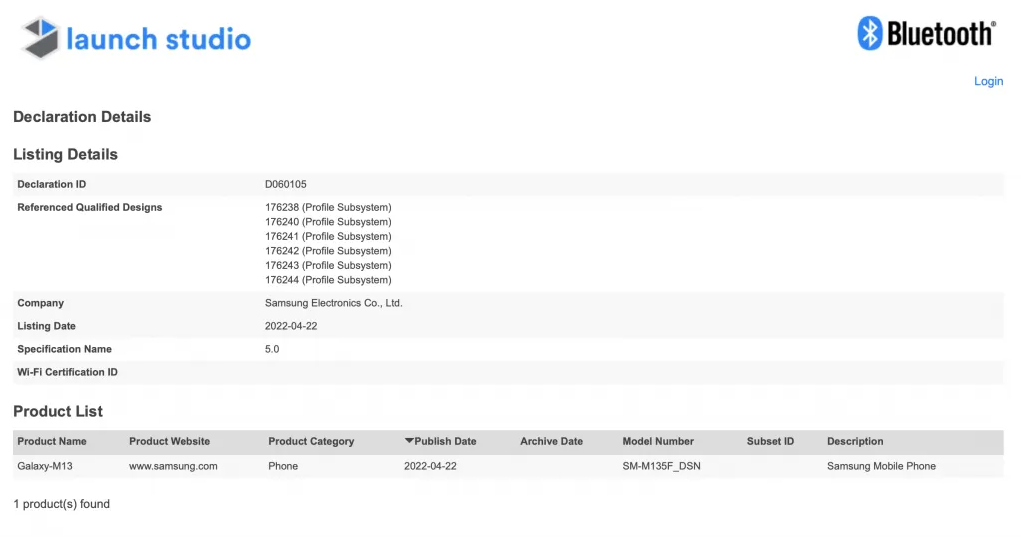
Now, the smartphone has been spotted on Bluetooth SIG confirming some of its details. According to the listing, the Galaxy M13 moniker has been confirmed. The device has the model number SM-M135F.
Previous reports say that the device will debut with an entry-level 5G SoC and will have a USB-C port, a 3.5mm headphone jack, a dual SIM slot, and a MicroSD card slot. Unfortunately, not much is known about the smartphone at the moment, but we can look at its predecessor to get an idea of what to expect.
The Galaxy M12 is the predecessor of the Galaxy M13 5G. It only comes in a 4G variant and has a modest set of features. The device has a 6.5-inch HD+ display (LCD), Exynos 850 SoC, 48MP (wide) + 5MP (ultra-wide) + 2MP(macro) + 2MP (depth) quad-camera system, 8MP front-facing camera, 6,000mAh battery, 15W fast charging support, and Android 11.
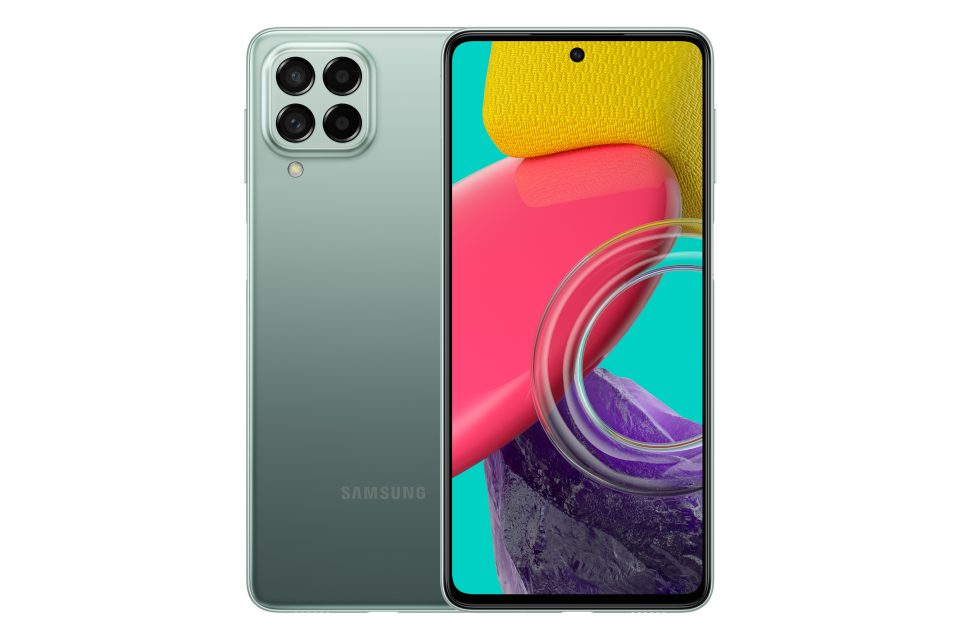
Separately, Samsung has just launched the Galaxy M53 5G smartphone in India. It comes with a 6.7-inch FHD+ SuperAMOLED Plus display with a 120Hz refresh rate and a punch-hole for the front camera.
The 5G device features a Dimensity 900 SoC under the hood with up to 8GB of RAM and 128GB of storage + a MicroSD card slot. It has a 5,000mAh battery with 25W fast charging. For photography, it has a quad-camera unit with a 108MP primary camera, 8-megapixel ultra-wide-angle lens, a 2-megapixel depth camera, and another 2-megapixel macro sensor.
The device is priced at 23,999 INR ($314) for its 6GB RAM variant, while the 8GB model costs 25,999 INR ($340).
Just yesterday, we reported that the Call recording feature on Android phones is about to get killed. Today, one of the most popular apps used for recording calls and for identifying call details – Truecaller – stated to News18 Tech that it will soon stop offering the call recording feature on its app.
Google for a long time has been keen on assuring privacy and Security on Android phones. Starting from Android 10, Google didn’t allow apps to record calls on Android phones.
To foil the restriction imposed by Google, apps started using the Accessibility API for call recordings. Using Accessibility API means users can simply get permission from users for recording calls regardless of them being on any Android versions. Now, however, with Google’s recent Play Store policy change, apps cannot request remote call audio recording.
That being said, apps like Truecaller, which uses Accessibility API for recording calls will not work. And thus, the company has now confirmed the same in an official statement.
“At Truecaller, we had introduced call recording for all Android smartphones based on overwhelming consumer requests. Call Recording on Truecaller was free for everyone, permission based, and required uses to enable the feature using the Google Accessibility API. However, as per the updated Google Developer Program policies, we are unable to offer call recording any longer,” said a Truecaller spokesperson.
Truecaller also stated that devices that have an in-built call recording feature can still record calls. Currently, Xiaomi, Google, Samsung, OnePlus, and Oppo offer built-in call recording features on their dialers, so users owning phones of any of these brands are spared.
A presenter of a webinar held by Google recently said the same. “If the app is the default dialer on the phone and also pre-loaded, accessibility capability is not required to get access to the incoming audio stream, and hence, will not be in violation.”
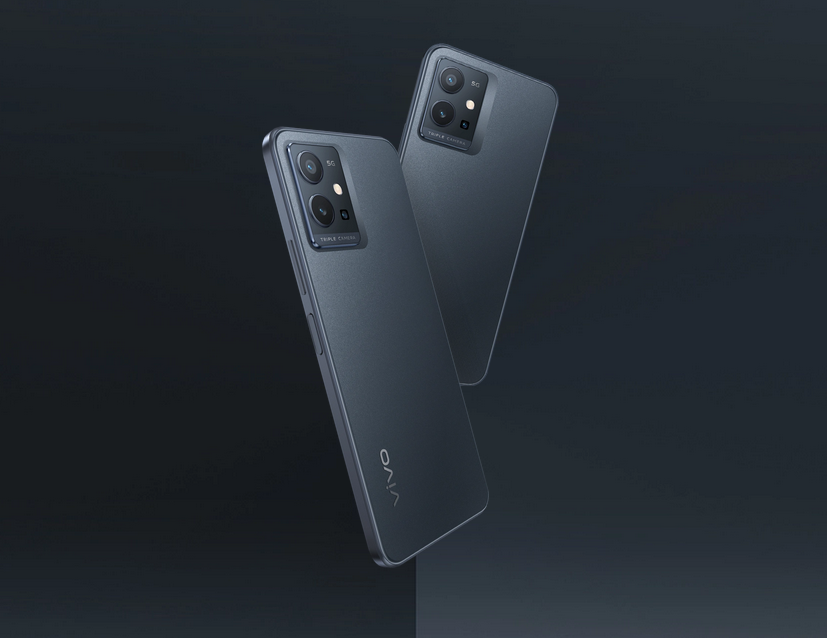
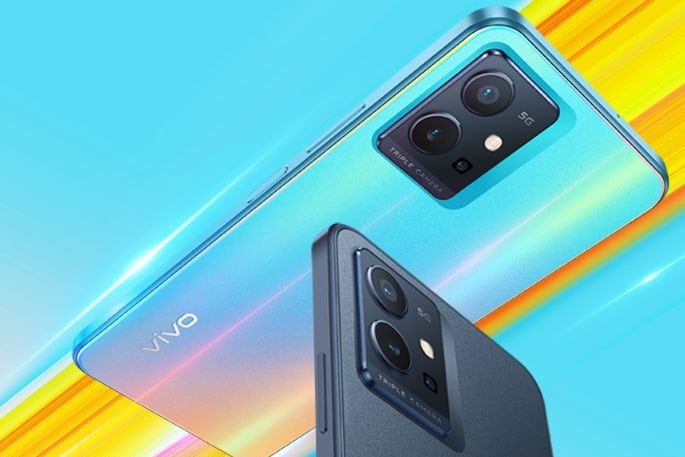
Back in February 2022, Vivo debuted the Vivo T1 5G smartphone in India featuring a Snapdragon 695 SoC and a 50MP triple camera setup. Recent leaks and rumors have suggested that Vivo will soon launch the T1 Pro 5G smartphone in India.
Now, a new report (via India Today) has surfaced online stating that Vivo will launch another device alongside the Vivo T1 Pro dubbed the Vivo T1 44W.
The Vivo T1 44W will be positioned below the Vivo T1 5G and will have a price tag near Rs 15,000 in India. The smartphone will have an AMOLED screen and will come powered by the 4G enabled Snapdragon 680 SoC. The phone will get 18W fast charging support just like the T1 5G and is expected to come with a 5000mAh battery.
The report also states that the Vivo T1 Pro will be powered by the Snapdragon 778G SoC. It will feature a 64-megapixel super night camera, so we can expect good quality low light imaging from the device. Other than that, the Vivo T1 Pro will feature 66W fast charging, an 8-layer liquid cooling system, and an AMOLED display with 1300 nits of peak brightness.
Vivo T1 5G
Both Vivo T1 Pro and Vivo T1 44W will come with Funtouch OS based on Android 12. Sources have stated that the phones will be sold through Flipkart and other online channels. A previous Geekbench listing of the Vivo T1 Pro 5G has revealed that the device will come with 8GB of RAM, which we expect will be the higher-end variant paired with 128GB or 256GB of storage. The phone could also come with a 6GB of RAM and 128GB variant as its base configuration.
Multiple sources have hinted that the upcoming Vivo T1 devices will be launched in India in May, so we expect more details about the smartphones before the official launch.
Vivo is all set to unveil the Vivo X80 series of smartphones. While Vivo fans are expecting the company to launch three devices: the Vivo X80, X80 Pro, and X80 Pro+, the company may only unveil the vanilla and Pro models. Today, well-known Chinese tipster Digital Chat Station shared the key specifications of the Vivo X80 and X80 Pro.
The tipster claimed that both models can be regarded as Pro and Pro+, meaning both devices may arrive as successors to the Vivo X70 Pro and Vivo X70 Pro+. It is unclear whether the company has plans to launch the Vivo X80 Pro+.
Vivo X80, X80 Pro specifications (rumored)
The Vivo X80 will feature an AMOLED E5 display that offers a Full HD+ resolution and a 120Hz refresh rate. On the other hand, the X80 Pro has an AMOLED E5 screen with LTPO technology. It supports a Quad HD+ resolution and a 120Hz refresh rate. The leak has no information on the display size of both phones. Both smartphones probably have a 6.78-inch display with a punch-hole and a curved edge design.
The Vivo X80 will feature the Dimensity 9000 chipset, whereas the Pro model will be arriving with the Snapdragon 8 Gen 1 mobile platform or Dimensity 9000 chip. Both phones have LPPDR5 RAM and UFS 3.1 storage. The vanilla model has a 4,500mAh battery with 80W fast charging support. On the other hand, the X80 Pro has a 4,700mAh battery with 80W fast charging and 50W wireless charging support.
Vivo X80 Pro
The new leak only mentions information about the primary camera of both devices. The vanilla model has a 50-megapixel Sony IMX866 RGBW main camera, whereas the Vivo X80 Pro model is equipped with a 50-megapixel Samsung GNV primary camera with a 6P lens. Both phones will come equipped with the Vivo V1+ ISP.
The Vivo X80 will arrive with a 4285mm2 super-large VC liquid cooling unit, an in-screen fingerprint scanner, whereas the X80 Pro will come with a 27-layer VC liquid cooling system, and an ultrasonic in-screen fingerprint scanner, and an independent HiFi audio chip. Both phones will offer other features such as X-axis linear motor, dual stereo speakers, and NFC.
Vivo is gearing up to launch its latest X80 series of flagship smartphones in China soon. The new premium grade handsets include the X80, X80 Pro, and X80 Pro+, which will be released on April 25, so let’s have a look at their rumored specifications, features, and more.
Vivo X80
The base X80 model carried the model number V2144 and is expected to sport a 6.78 inch FHD+ AMOLED E5 display with a 120Hz refresh rate and 440 PPI pixel density. Notably, the front will even house a center aligned punch hole cutout for the selfie camera. Under the hood, the device is set to pack the MediaTek Dimensity 9000 SoC, which will be paired with either 8GB or 12GB of RAM and up to 512GB of UFS 3.1 storage.
Furthermore, a large 4,500mAh battery pack is rumored to power the device along with support for 80W fast charging. The X80 is also expected to run on Android 12 OS out of the box. Coming to photography, the smartphone is rumored to feature a triple camera setup on the rear, which consists of a 50MP Sony IMX886 main lens with OIS. The sensor will be 1/1.56 inches and will adopt an RGBW arrangement. The primary camera will be paired with a 12MP ultra wide angle lens and a 12MP portrait sensor with 2x optical zoom. Meanwhile, the handset will likely feature a 32MP selfie shooter. The smartphone is also believed to come with the new V1+ ISP chip.
Vivo X80 Pro
Arriving at the higher end models, the X80 Pro is also set to feature a similarly sized 6.78 inch AMOLED display. Although, it will have a higher 2K resolution along with a 120Hz refresh rate, 300Hz touch sampling rate, and an in display fingerprint scanner as well. This model will pack Qualcomm’s latest and greatest Snapdragon 8 Gen 1 SoC, which will be paired with 12GB of LPDDR5 RAM and either 256GB or 512GB of internal storage.
For photography, it will house a large quad camera module on the rear that includes a 50MP GNV 1G primary sensor, 48MP ultra wide angle lens, 12MP portrait telephoto shooter, and an 8MP periscope lens that offers 5x optical and 60x digital zoom as well. On the front, the camera will feature a 32 megapixel selfie shooter. Notably, the X80 Pro will also come with the V1+ ISP and Zeiss branded lens on the rear. The device might be powered by a larger 4,700mAh battery pack that supports 80W fast charging and 50W wireless charging. The Pro variant will also run on Android 12 OS based OriginOS out of the box.
Vivo X80 Pro+
The X80 Pro+ is the top end model within the entire lineup. It is rumored to rock a 6.78 inch LTPO 2.0 AMOLED panel that has a Quad HD+ resolution and 120Hz refresh rate as well. Similar to the X80 Pro, this model will also pack the Snapdragon 8 Gen 1 SoC, which will be coupled with the same 12GB of LPDDR5 RAM and up to 512 GB of UFS 3.1 storage. It will also be powered by the same 4,700mAh battery pack with 80W fast charging and 50W wireless charging support.
The X80 Pro+ models will reportedly feature a quad camera setup with the Zeiss lens along with the V1+ ISP. In other words, it will also have the 50MP Sony IMX866 main lens, a 48MP IMX598 sensor, a 50MP Samsung JN1 lens, and lastly, a 50MP JN2 unit. On the other hand, the front is rumored to include a 44 megapixel selfie shooter. This model will also run on Android 12 OS based OriginOS Ocean.
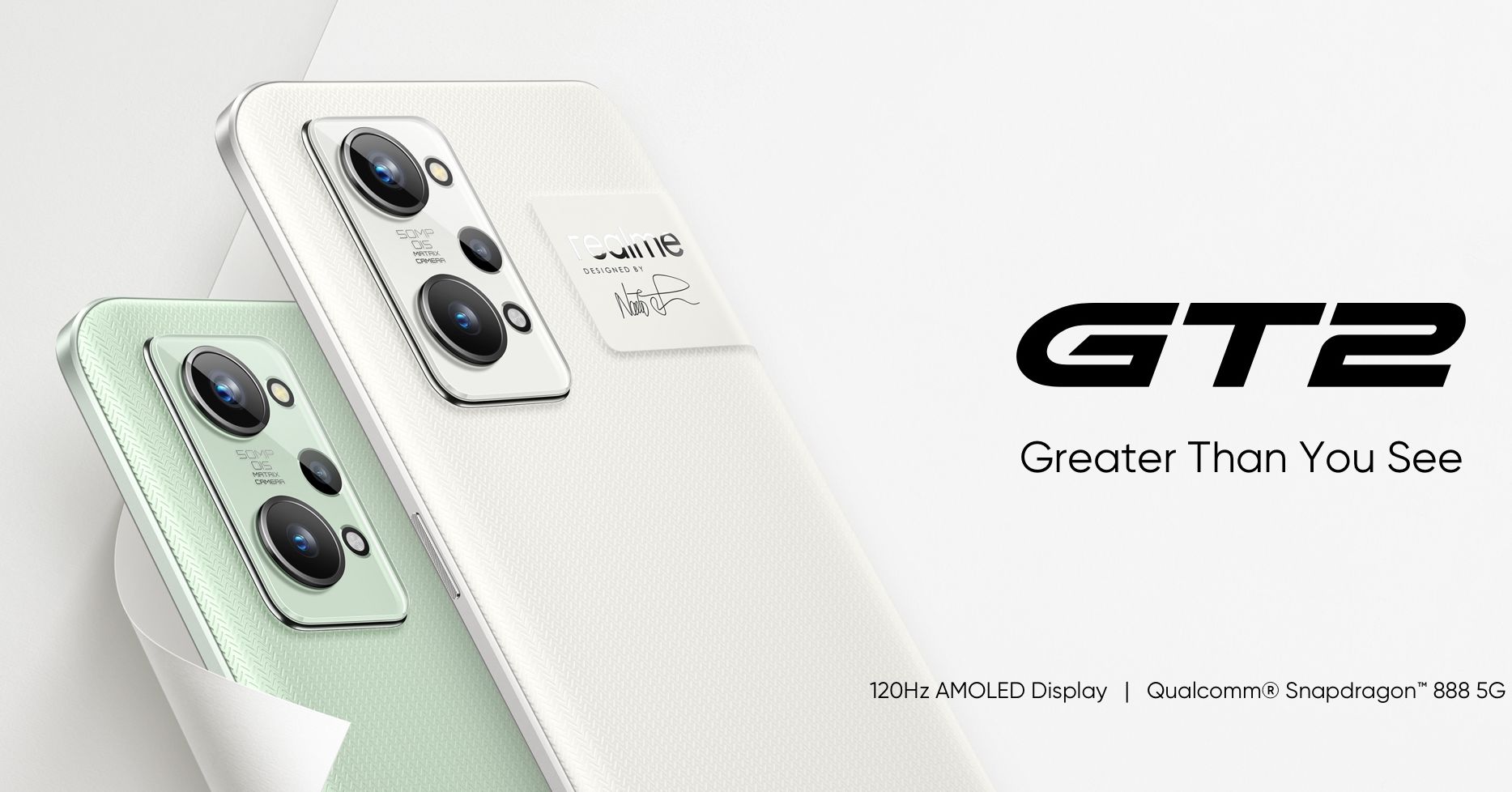
Realme launched its current flagship, the Realme GT2 Pro earlier this month in India. The brand also teased that the vanilla GT2 will debut on its 4th anniversary in the country. Earlier than expected, the brand silently launched the Realme GT2 in India, so let’s take a look at the device in detail.
Design & display
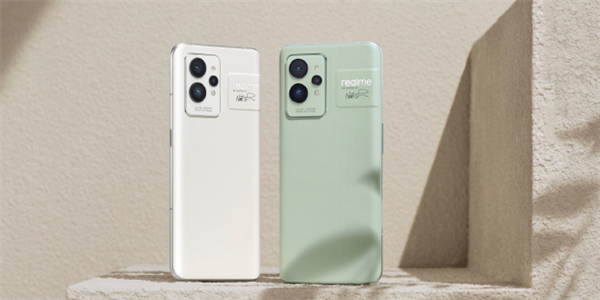
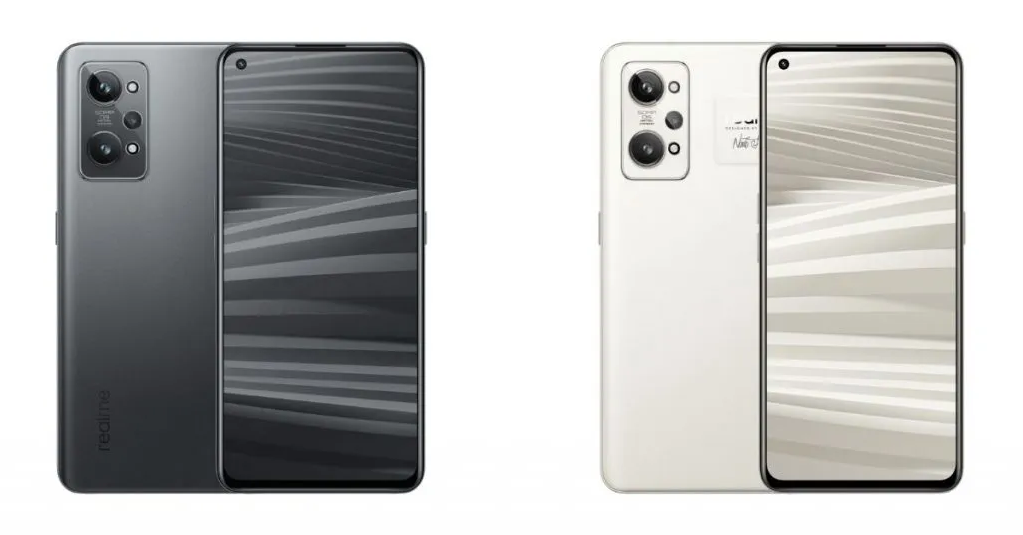
The Realme GT2 has a similar design to the Realme GT2 Pro and also features environmentally-friendly bio-based material on some models. The white and green color variants offer a textured back that is comfortable to hold and offers a good grip. The rectangular camera module holds a triple camera setup with two large lenses and a smaller lens. It has the power button located on the left side and the volume rocker on the right side.
On the front, the device has a 6.62-inch (92.6% screen to body ratio) Samsung E4 AMOLED display with support for a 120Hz refresh rate. The display also comes with 720Hz touch sampling rate/1000Hz smart instantaneous touch while the display is protected by the Corning Gorilla Glass 5. For security, a fingerprint sensor has been provided under the screen.
Specs
In terms of the core specs, the Realme GT2 is powered by the Qualcomm Snapdragon 888 chipset. The processor is paired with 8GB / 12GB RAM on different models. The device houses a 5000mAh battery and supports 65W flash charging. The smartphone is equipped with a diamond ice core cooling system to keep temperatures under control and prevent throttling through heavy use scenarios and long gaming sessions.
Other key features of the Realme GT2 include a free switching antenna, multifunctional NFC, X-axis linear motor, Dolby Atmos dual speakers/Hi-Res sound quality certification, and Android 12-based Realme UI 3.0.
Cameras
In terms of photography, the Realme GT2 packs a 50MP Sony IMX766 OIS flagship main camera teaming up with an 8MP 119° ultra-wide-angle lens and a 2MP macro sensor. At the front, there is a 16MP selfie camera.
Realme GT2 Price in India and Availability
The Realme GT 2 starts at Rs 34,999 for the 8GB + 128GB variant and the 12GB + 256GB variant is priced at Rs 38,999. The phone will be available in Paper Green, Paper White, and Steel Black color options. The device is confirmed to go on sale from April 28 at 12 noon on Flipkart as well as Realme.com.
During the initial sale, buyers can get a Rs 5,000 instant Discount on HDFC Bank Debit, Credit Cards, and EasyEMI.
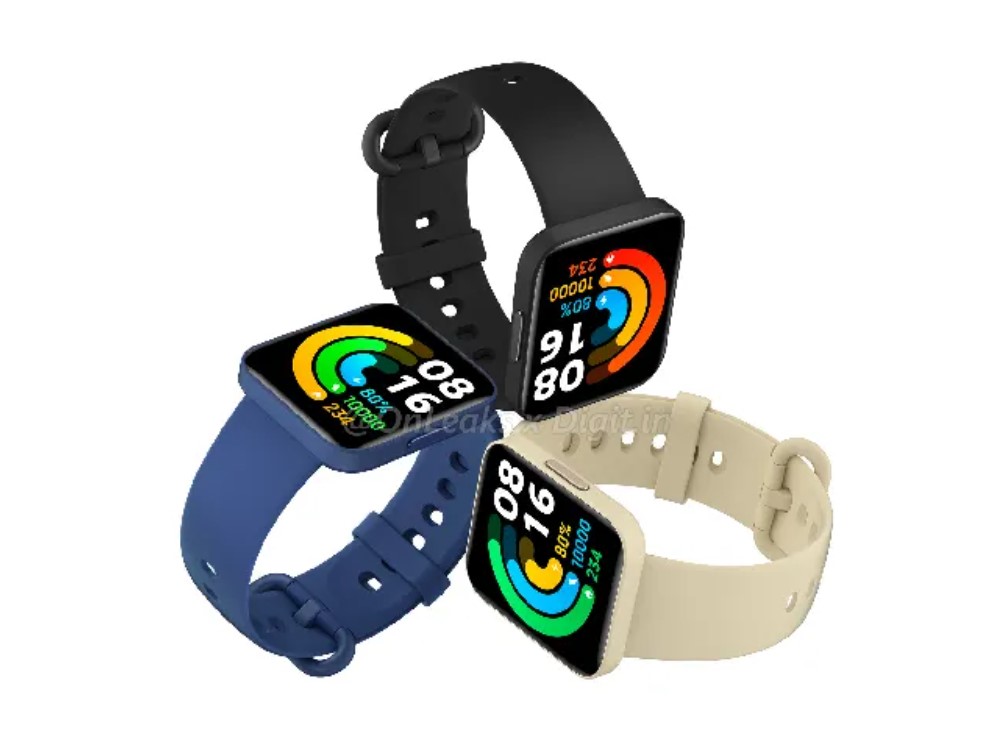
Several reports have claimed that POCO is working on its first smartwatch. Today, the company released an official confirmation that its first AIoT product, the POCO Watch, will launch at 20:00 PM GMT+8 on April 26. At the same time, Digit Indiahas teamed up with reliable tipster Steve Hemmerstoffer (aka OnLeaks) to share the leaked renders and specifications of the POCO smartwatch.
The wait is over! POCO's FIRST AIoT product is coming your way! Introducing #POCOWatch!
The teaser image released by POCO Philippines shows that its first smartwatch will be equipped with a squarish display. It appears that the company may confirm some more features of the POCO Watch before its official announcement.
POCO Watch specifications (rumored)
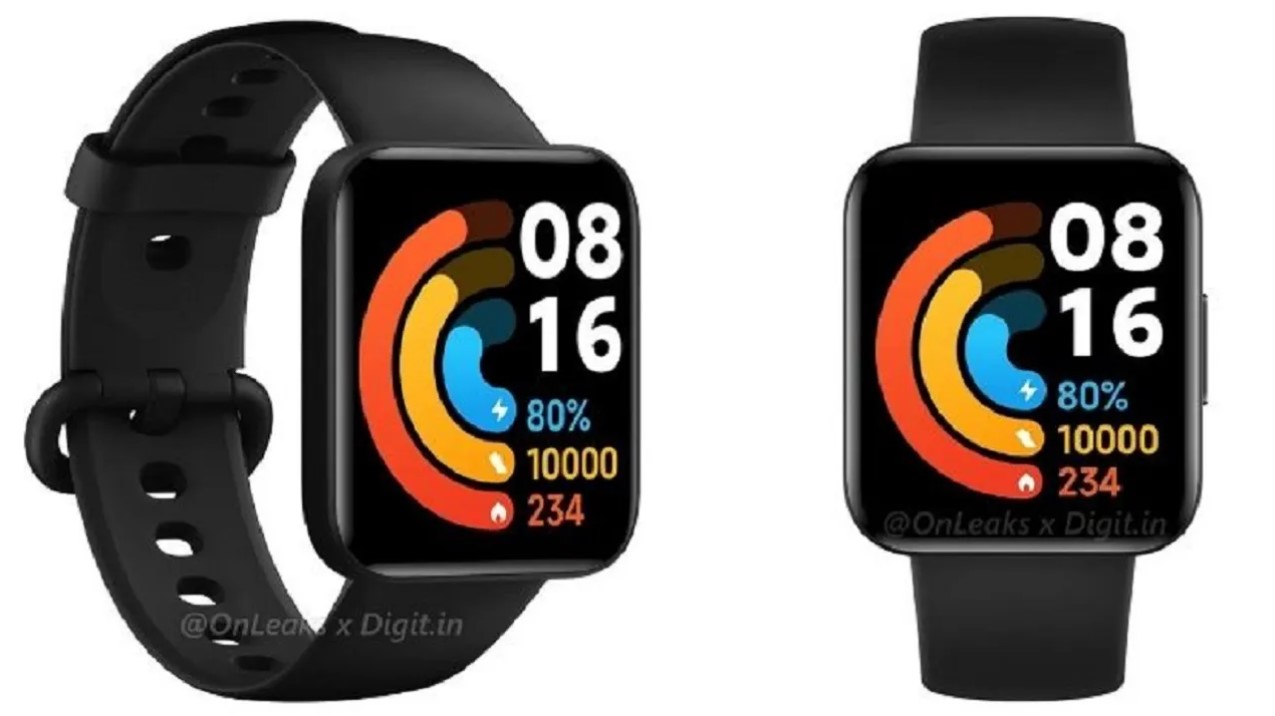
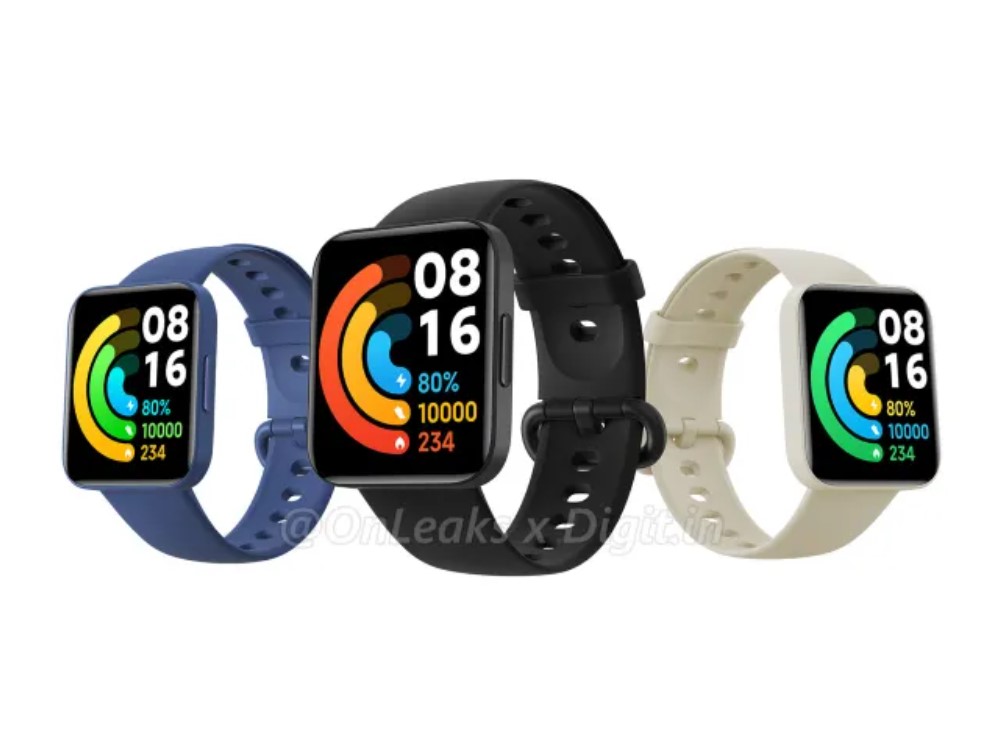
The POCO Watch has a 1.6-inch AMOLED display with curved edges. It offers a 360 x 320 pixels resolution. A navigation button can be seen on the right edge of the device.
1 of 3
POCO Watch
POCO Watch
POCO Watch
The POCO smartwatch will offer fitness features such as heart rate tracking and blood oxygen tracker (SpO2). It has a 225mAh battery and weighs around 31 grams. The smartwatch promises 5ATM water resistance. As far as dimensions are concerned, it measures 39.1 x 34.4 x 9.98mm.
The smartwatch will be available in Black, Blue, and Ivory colors. It seems to be equipped with a silicon strap. Unfortunately, there is no information on the pricing of the device. The POCO Watch appears to be a rebranded version of the Redmi Watch 2. The Redmi supports GPS connectivity. However, the POCO Watch leak doesn’t specify whether it supports GPS.
In related news, the upcoming POCO Watch launch event will also see the arrival of the POCO F4 GT, a gaming-focused flagship smartphone. It will come with key specs such as a 6.67-inch OLED FHD+ display, Snapdragon 8 Gen 1, 64-megapixel triple cameras, and a 4700mAh battery with 120W fast charging. The F4 GT will be a rebranded version of the Redmi K50 Gaming smartphone.
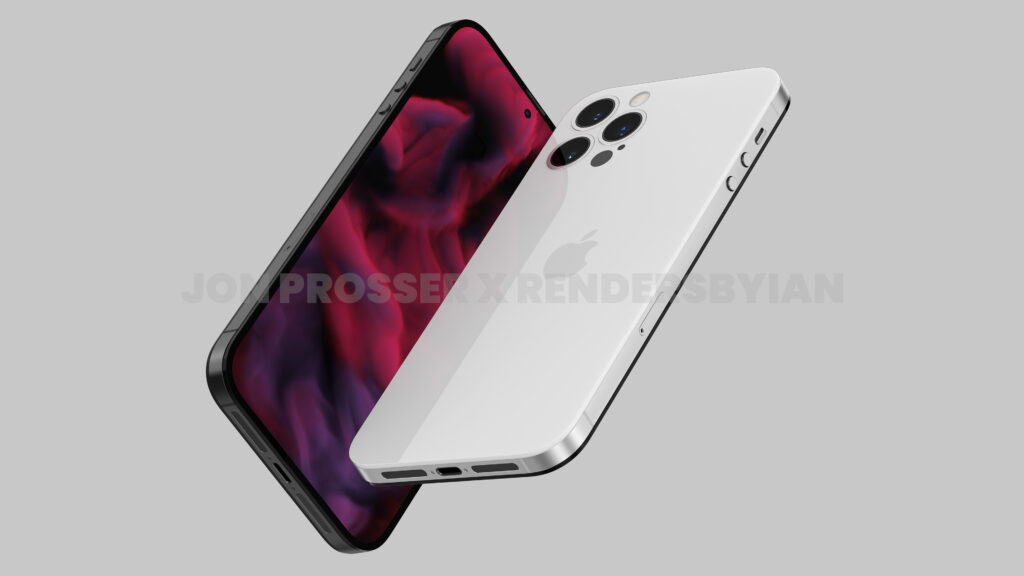
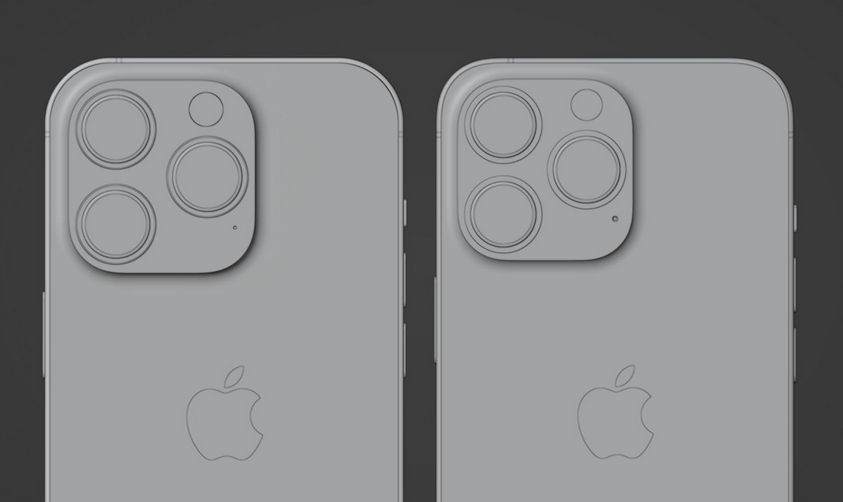
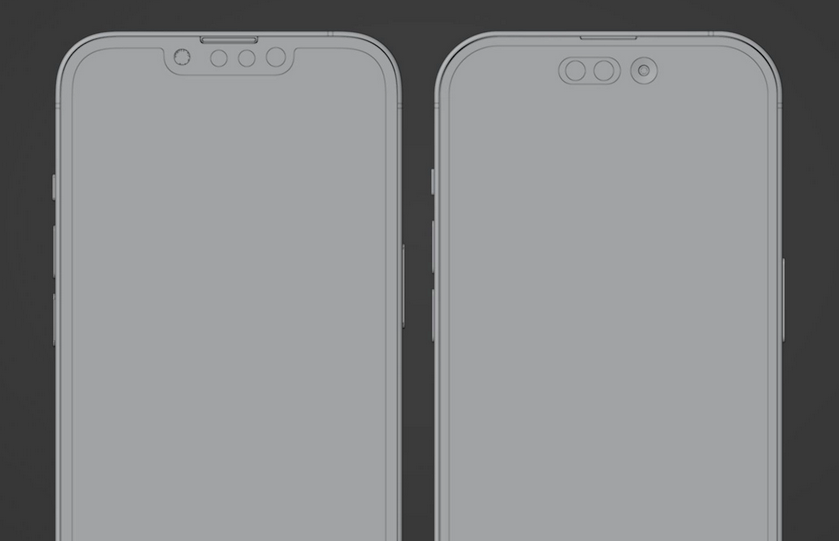
With Apple gearing up to launch its iPhone 14 series later this year, there have been various rumors and reports regarding the next gen smartphones. Now, the latest rumor hints at the iPhone 14 Pro featuring significantly more rounded corners to better suit its rear camera module, which is expected to be larger this year.
The news arrives from a known Apple graphic renderer Ian Zelbo (Via MacRumors). For those unaware, Zelbo is known for creating renders of upcoming Cupertino based giant products, with his renders being based on leaked details. He has also made renders for devices like the Mac Studio, Studio Display, its highly anticipated mixed reality headset, and other products as well.
Now, based on the latest CAD renders and dimensions, and other schematics, we can observe that the iPhone 14 Pro will likely arrive with corners that are more rounded than the last gen, iPhone 13 Pro. On the other hand, the iPhone 14 Pro Max seems to have rounded corners similar to the iPhone 13 Pro Max. Reportedly, the brand might be making this slight change in design due to the changes in the rear camera module.
For those unaware, the iPhone 14 Pro is expected to launch with a larger rear camera module. The size increase is due to the inclusion of a new 48 megapixel sensor along with a 57 percent large sensor size. Other notable changes in design with the iPhone 14 series include the rumored punch hole design on the front, which would replace the large notch. Furthermore, the upcoming models are also expected o come with 20 percent thinner bezels around the display. Zelbo’s renders are based on various reports so it should be one of the more accurate depictions of the yet to be released iPhone.
We use cookies on our website to give you the most relevant experience by remembering your preferences and repeat visits. By clicking “Accept”, you consent to the use of ALL the cookies.
This website uses cookies to improve your experience while you navigate through the website. Out of these, the cookies that are categorized as necessary are stored on your browser as they are essential for the working of basic functionalities of the website. We also use third-party cookies that help us analyze and understand how you use this website. These cookies will be stored in your browser only with your consent. You also have the option to opt-out of these cookies. But opting out of some of these cookies may affect your browsing experience.
Necessary cookies are absolutely essential for the website to function properly. This category only includes cookies that ensures basic functionalities and security features of the website. These cookies do not store any personal information.
Any cookies that may not be particularly necessary for the website to function and is used specifically to collect user personal data via analytics, ads, other embedded contents are termed as non-necessary cookies. It is mandatory to procure user consent prior to running these cookies on your website.