The latest Counterpoint Research report on the semiconductor industry in 2021 has shown that Samsung made strong gains to outshine other chipmakers to the top position, taking Intel off the perch in the process. The semiconductor industry is still reeling from the downturn that coincided with the coronavirus pandemic and had seen massive chip shortages affecting several segments of the tech manufacturing chain.
There is also a seeming proxy war between China and the United States, with both countries announcing entity lists that affected some chipmakers. There were changes observed from the previous year in terms of the overall revenue outlook. However, Samsung remained strong with excellent showings in both logic IC and memory segments as its niche offerings. Other manufacturers in the lineup include SK Hynix, Micron, Qualcomm, and NVIDIA.
The details from Counterpoint show that Samsung trumped Intel in DRAM and NAND flash market performance, with major smartphone chip manufacturers and GPU vendors also having an impressive 2021 performance. The top 15 chipmakers accounted for $421.5 billion in revenue for 2021, indicating a 7.4% improvement from 2020. Samsung’s 2021 chip revenue was $81.3 billion, up by 30.5% from its 2020 revenue.
Counterpoint is projecting that the chip crisis could extend beyond H1 2022 although there are indications that the situation is improving rapidly. In addition, there had been some infrastructural improvements that will become visible from 2023 when new foundries come on board. Samsung will hope to continue churning out strong results, going forward, and would hope to sustain its top position, as it expands its operations.
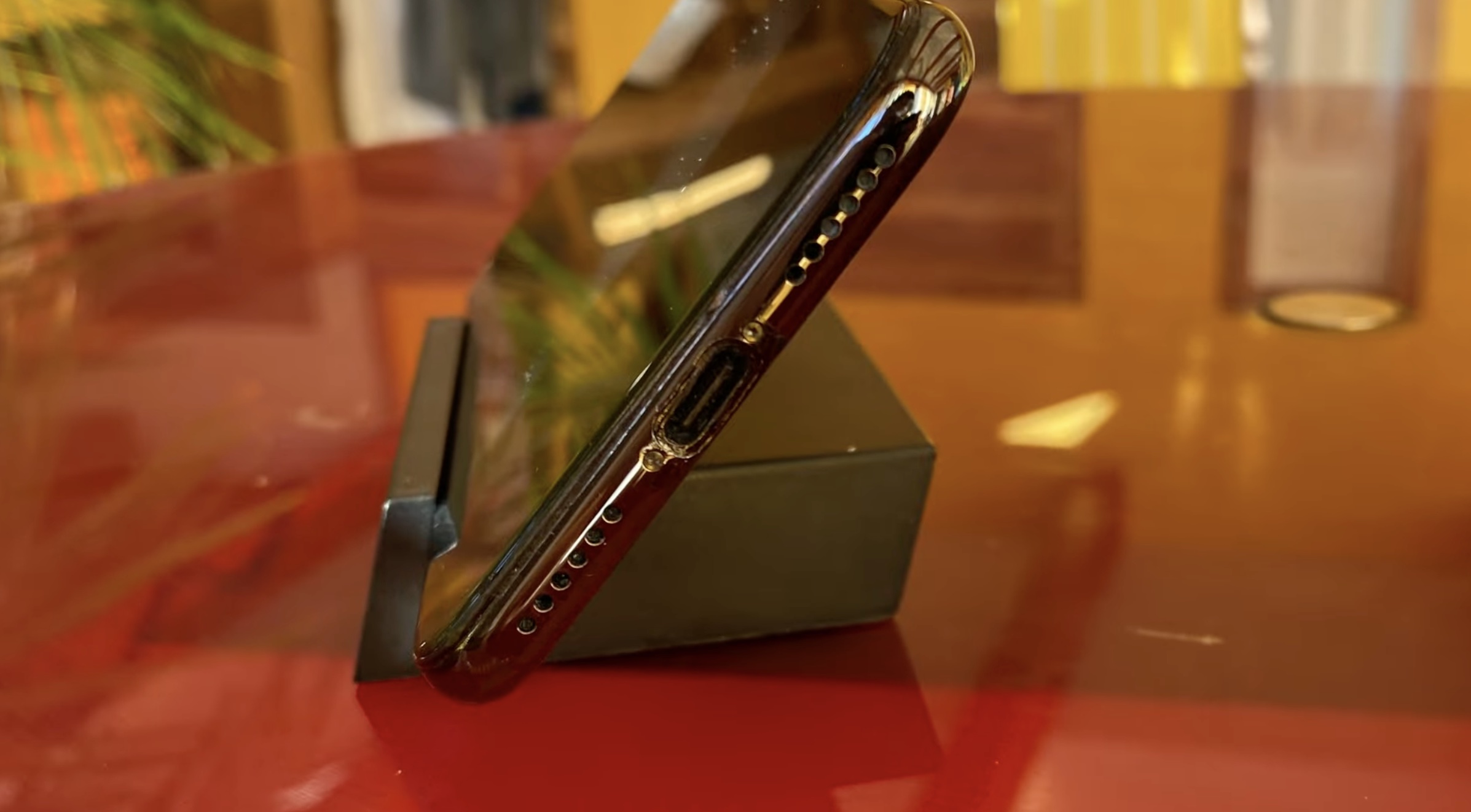
Apple’s iPhone has remained an iconic and hugely functional smartphone, with huge followership across political and economic divides. When design engineer Ken Pillonel decided to replace the lightning connector of an iPhone X with a USB-C port, he ended up selling what was called the world’s first-ever USB-C iPhone for $86,000. That was a massive buy for the new device which was seen as a collector’s item, hence its high price. Pillonel’s feat has inspired a few other persons, one of which was Gernot Jobstl, who tweaked the iPhone further to provide waterproof protection as well as USB-C charging support. Jobstl’s prototype was thus the second-ever iPhone with the USB-C port.
The reception of the new iPhone was however not as elevated as its predecessor. It was sold for $3,000, which is far below the price of its predecessor. It seemed that the device touted as the world’s first waterproof USB-C iPhone could not generate enough traction to sway collectors or users to the propriety and functionality of the device. Jobstl had showcased the operation of the modified iPhone X with USB-C charging in a YouTube video, stressing his plans that support for the device could engender further research on similar projects.
The auction of Jobstl’s USB-C iPhone X saw a lone bidder getting the smartphone at $3,000, and this was certainly below the expectation of its producer. The functionality of the USB-C waterproof iPhone could have done it in, as it has several limitations. The absence of fast charging, lack of bidirectional charging, as well as the fact that it lacked any guarantee, all contributed to its seeming rejection by the market. Officially, it is also unlikely that Apple will shift to USB-C charging support in upcoming models, as portless charging is a direction that some OEMs are currently exploring.
Apple’s recent MagSafe technology and other tech innovations point to the possibility of having iPhones that may not even need the lightning port for charging. Therefore, enthusiasm for a waterproof USB-C iPhone may not generate any traction as seen by the almost zero reception from the Jostl innovation.
Former Lenovo Mobile head and Xiaomi Group vice-president Chang Cheng has reportedly left the company. The tech guru had joined Xiaomi in January 2020 leaving his former position as Lenovo’s VP and head of the mobile division.
In an official statement to NetEase Technology, Xiaomi officially confirmed the exit of Cheng. The statement also revealed that he left for personal reasons and that the company understood and respected personal wishes.
Cheng was officially announced to have joined Xiaomi by Lei Jun on the first working day of 2020. His job schedule involved mobile phone product planning. At that time, Chang Cheng had expressed elation that joining Xiaomi is the most beautiful expectation. However, the recruitment wasn’t without any controversy.
After Cheng was unveiled by Xiaomi, Lenovo had issued a statement saying that the company and all executives have signed a non-compete clause. The company then applied for labor arbitration. It is reported that in October of that year, the Labor Dispute Arbitration Committee announced the ruling on the case where it was decided that Cheng will continue to perform the non-compete obligation and pay 5.25 million yuan liquidated damages for breaching the non-compete obligation.
In response, Chang Cheng’s attorneys issued a statement that they would file a lawsuit with the court against the ruling, which has not yet come into effect due to the appeal.
It was reported recently that Xiaomi’s founder and chairman Lei Jun had retired from the company but he was quick to issue a statement that there was just a readjustment in the board which saw him step down as the head of the electronics division.
With the trend of unremovable batteries in laptops and smartphones, power banks have become quite essential to one’s daily carry in their backpack. At first, consumers were looking for 5000 mAh battery packs, then 10000 mAh, and then 20000 mAh, as our electronics become more and more power-hungry. Well, one Chinese influencer has taken power banks to another level as he has now created a 27 million mAh power bank from scratch.
Chinese electronics handyman influencer, Handy Geng, recently published a video on his Weibo and YouTube, titled “I Made a 27,000,000 mAh Portable Power Bank”. In the video, he satirically mentions that he is fed up with his friends having bigger power banks than him, and he wanted to show that he had the biggest and longest-lasting battery of them all.
From the construction of the power bank, it seems like the man bought himself a huge flat battery pack, similar to those you would find on the bottom of an EV. He then protected the battery pack with a silver metallic casing to make the design resemble much of a power bank albeit enlarged.
27,000,000 mAh Power Bank Casing
Next was to set up the input and output charging ports, the mad lad installed 1 input charging port with 60 output charging ports that support up to 220V of electrical potential voltage.
60 Output Ports on the Powerbank
He demonstrated that with his newest “invention”, this power bank can now charge up to 20 devices ranging from smartphones, tablets, and laptops at the same time.
In addition, with the power bank’s high 220V voltage rating, it can also support charging a TV, a washing machine, and an electric induction cooker pot, all at once with no major short circuits.
The power bank powering a TV and washing machine at once
However, due to comedic and exaggerated purposes, the power bank is no longer portable due to its sheer size. But hey, at least when the power is out, this power bank can now save the day with its humungous capacity.
Earlier this week, Counterpoint Research had revealed that Huawei had dropped out from the Top 5 smartphone brands market share in China as of Q4 2021. Compared to its 23% market share in Q4 2020, the company now only holds 7% of the smartphone market in China, shrinking to three times smaller than the previous year. Despite this, Huawei’s value as a company as a whole did not decline. Instead, the company’s value has now grown into becoming the top 10 most valuable brands of 2022.
Huawei Retweeted a ranking of the world’s top 10 most valuable brands in 2022
On Twitter, Huawei recently retweeted a report from Brand Finance, one of the world’s leading brand valuation consultancies headquartered in London. In the Twitter post, Huawei mentions that despite many unforeseen challenges faced by the company, it had managed to improve its rankings in the world’s most valuable in 2022. For reference, the company was ranked the 15th most valuable brand of 2021, however in 2022, the company managed to jumped 6 spots and became the 9th most valuable brand of 2022 among 500 other international brands. Huawei was to be valued at 71.2 billion USD.
As for the report from Brand Finance, it can be accessed via brandirectory.com. From the report, it was concluded that Apple is the most valuable brand of 2022, with an estimated valuation of 355.1 billion USD. Coming in as runner ups are the 3 other US tech giants, namely Amazon valued at 350.3 billion USD, Google at 263.4 billion USD and Microsoft at 111.9 billion USD.
As for other tech companies, Samsung is ranked 6th valued at 107.3 billion USD, Facebook is ranked 7th valued at 101.2 billion USD and Verizon was ranked 10th most valuable brand of 2022 valued at 69.6 billion USD.
So how did Huawei manage to increase its brand value despite facing supply issues because of the US sanctions? Well, although Huawei’s smartphone market share fell drastically, Huawei’s other businesses are facing exponential growth. Ever since Huawei got restricted by the US sanctions, the company has been branching out into other businesses, such as Smart TVs, Smartwatches and Smart Electric Cars as well.
Huawei AITO M5 Smart EV Promo Poster
Huawei collaborated with the famous car manufacturer, Seres, to launch its premium hybrid electric smart car series, AITO, with the first model being the AITO M5. Huawei Executive, Richard Yu mentioned that by diversifying Huawei’s product catalog to include cars, its retail business could survive in China, as the profit margins per unit for cars are generally higher than its premium smartphones. Richard also boldly claims that “With the appeal of the Huawei AITO M5 smart cars and paired with its countywide sales network, Huawei will be able to sell 300,000 smart cars in 2022.”
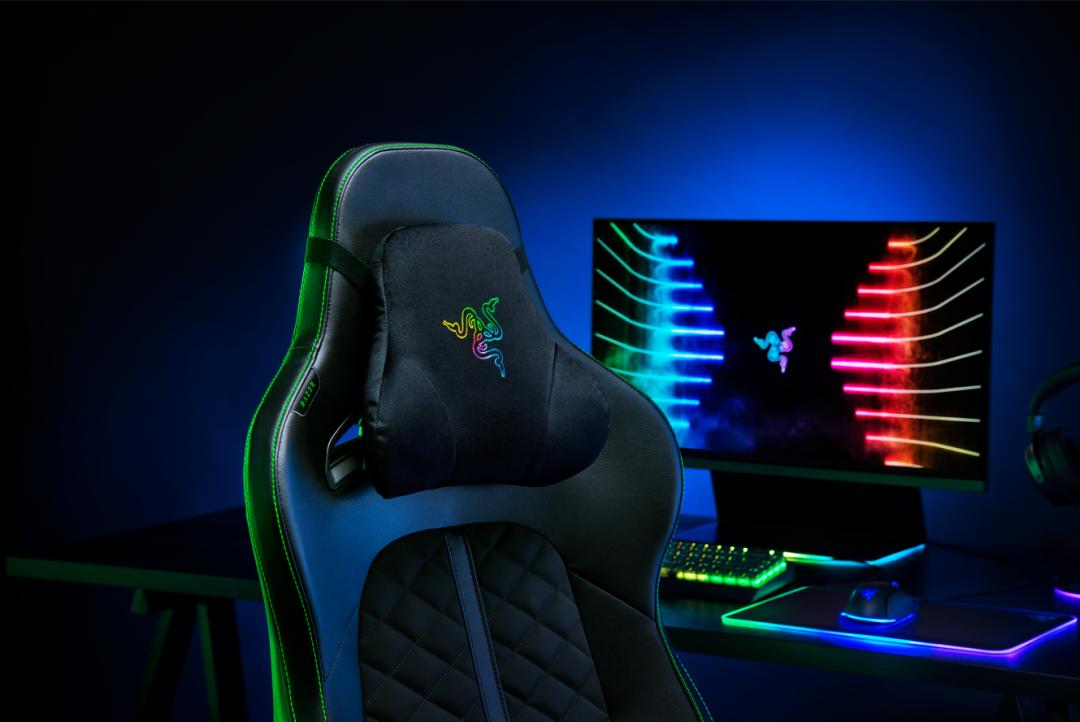
When it comes to gaming rigs and accessories, Razer is a brand that readily comes to mind. The brand not only manufactures powerful rigs that ensure users get the full juice of the device but also includes custom RGB lighting on its products taking the fun of gaming a notch higher. The brand has just launched a gaming chair headrest that bears the moniker Razer Symphony Headrest.
Apart from having an ergonomic design tailored towards delivering a comfortable sitting position while gaming, the headrest also lights up during gaming. That is because it is equipped with a powerful platform that controls approximately 16.8 million colors supporting the display of countless patterns and dynamic in-game lighting effects.
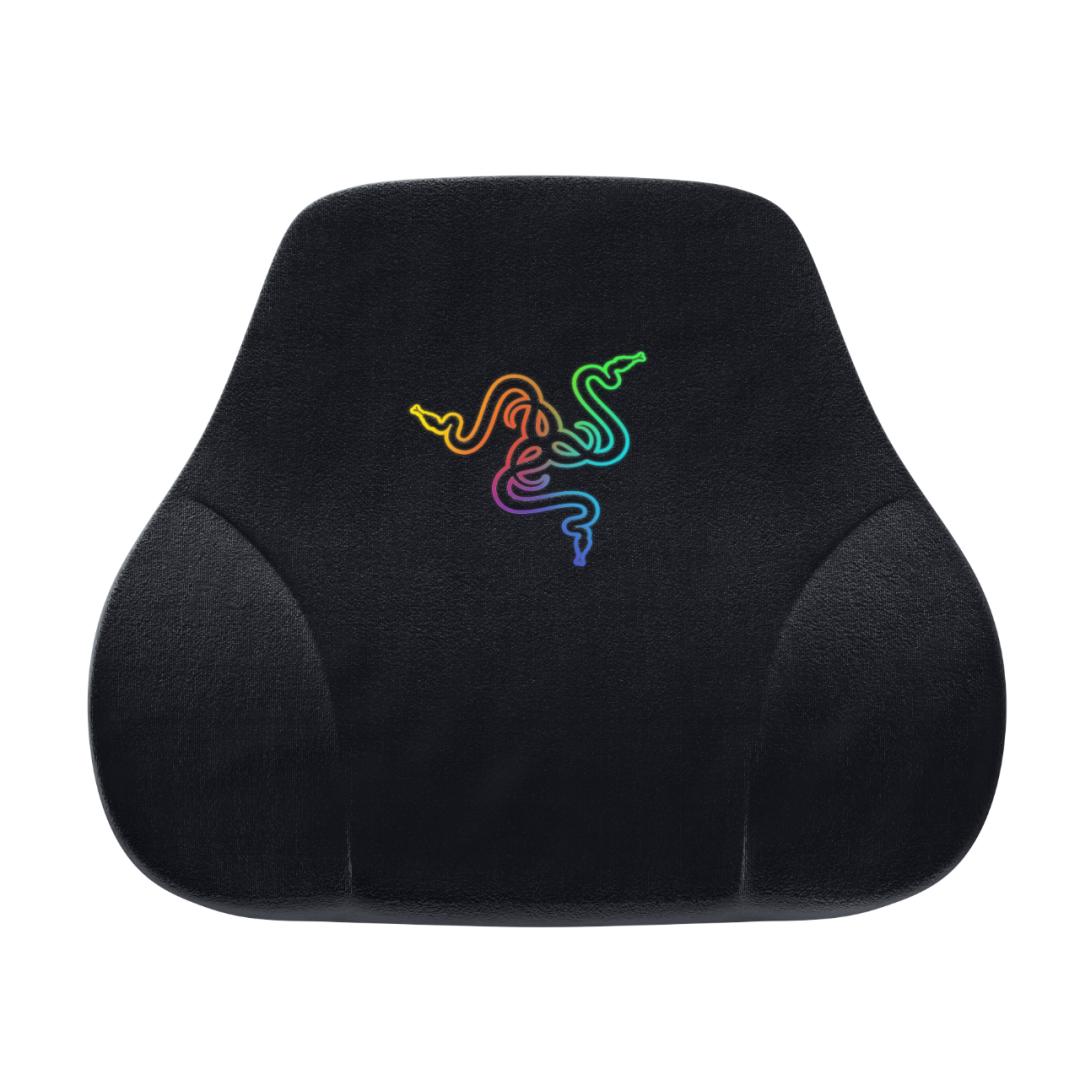
The ergonomic design includes a sculpted curvature that naturally supports a perfect posture. While the Symphony headrest isn’t designed squarely for the brand’s array of gaming chairs, the company says the headrest works best if used with its gaming chair.
Internally, the Razer Symphony Headrest is stuffed with thick memory foam to provide long-lasting support and comfort. The foam provides full support to the user as it fits the share of the head. The company touts the headrest as capable of providing good cushioning regardless of the duration of use. It also has a smooth and soft surface, with a black velvet cover.
Further, the Razer Symphony headrest comes with a mobile power storage bag on the back of the headrest. It equally features an external power supply design. The mobile power source can be stored on the back compartment while in use, thus preventing any form of cable interference.
The Razer Symphony headrest is reportedly listed on major e-commerce platforms and is priced at 999 yuan (~$157).
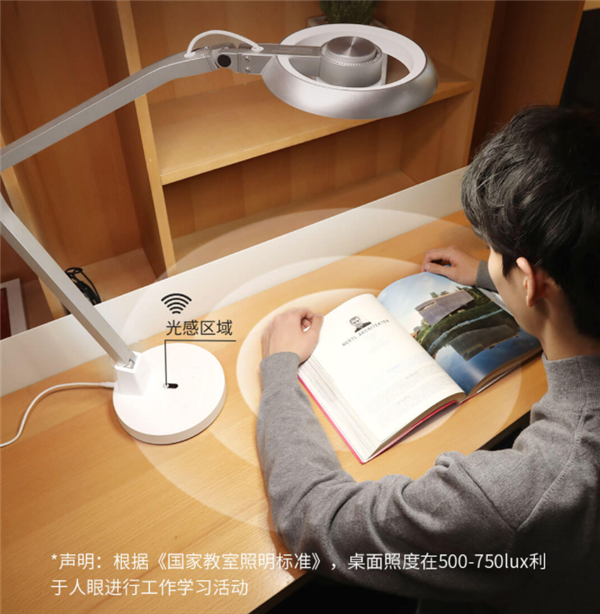
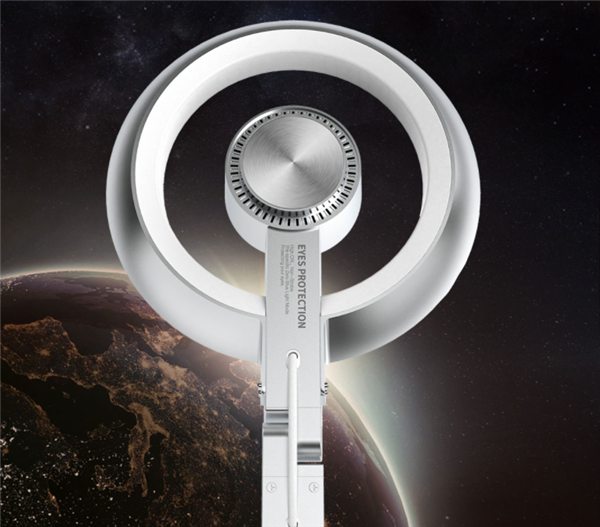
Xiaomi first crowdfunded the Midian Zero Blue Music Atmosphere Light packing a Bluetooth speaker in February 2021. The product which was developed by the Chinese Academy of Sciences of Nanchang University was a highly popular one perhaps, as a result of the desire of many to have a lamp that won’t emit harmful blue light. The team has now unveiled a similar product which is dubbed Midian light-sensing reading lamp. The Midian light-sensing reading lamp has an original golden-yellow LED light source that is based on the golden-yellow LED of silicon substrate as the core. The eye protection reading and writing lamp adopts double-ring optical design, which perfectly integrates working white light and unique zero blue light.
It also has a built-in light-sensing intelligent algorithm. After the light-sensing function is turned on, the desk lamp will continue to sense the brightness of the surrounding light environment. Through the smart algorithm, the output brightness of the lamp head is automatically adjusted, and the desktop illumination is always unified between 500-750lux.
It uses high-quality white LED chips, 4000K warm white light, high CRI, and the central illumination can reach 2000LuX. The long arm span is equipped with a ring-shaped optical design, which brings a large-scale lighting area, providing a smoother lighting experience, and making every detail visible.
The Midian Light-sensing reading lamp carries a retail price of 799 yuan (~$125) but is on offer for the duration of the crowdfunding exercise at Xiaomi Youpin for 399 yuan (~$62).
Redmi has planned to launch the Redmi K50 series in February in China. Reports have revealed that model numbers 22021211RC, 22041211AC, 22011211C, and 21121210C will be arriving in the Chinese market as Redmi K50, K50 Pro, K50 Pro+, and K50 Gaming Edition. Reports have revealed there is another Redmi phone with model number 2201116SC waiting to go official in China. The entire specifications of the device have been revealed through its TENAA certification.
Redmi 2201116SC specifications
The Redmi 2201116SC has a 6.67-inch OLED FHD+ display, which may support 90Hz / 120Hz refresh rate. It is powered by a 5G-ready 2.2GHz octa-core processor. It may ship with 6 GB / 8 GB / 12 GB / 16 GB RAM and 128 GB / 256 GB / 512 GB of storage. It seems to be running on Android 11 with MIUI 13 skin on top.
The device is equipped with a 108-megapixel triple camera unit and a 16-megapixel front camera. It is backed by a 4,900mAh rated battery and it appears that the device will carry support for 67W fast charging. Probably, it is equipped with a side-facing fingerprint scanner.
Redmi Note 11 Pro 5G global edition
The handset has 164.19 x 76.1 x 8.12mm dimensions and weighs 202 grams. It is likely to arrive in colors like red, orange, yellow, green, blue, indigo, violet, black, white, and grey.
The images of the Redmi 2201116SC are not yet showing in its TENAA listing. In terms of specs, it seems to be identical to the global Redmi Note 11 Pro 5G that debuted with Snapdragon 695. Hence, it appears that the Redmi 2201116SC will be launching soon as the rebadged edition of the global Redmi Note 11 Pro 5G in China. At present, there is no word on the pricing of the device.
Infinix has started teasing the Zero 5G in India. It will be debuting soon as the company’s first 5G-ready handset. Here is what to expect from the upcoming Zero 5G handset.
Look closely. Everything is encompassed in Zero. The beginning, the middle, the end. pic.twitter.com/sLSr2i2hFd
The Infinix Zero 5G renders that it will be sporting a punch-hole display on the front. It appears that the handset will be available in black and orange colors. The appearance of the orange variant suggests it could be equipped with a leather back. The power button available on the right edge of the device will also work as a fingerprint scanner. The rear camera setup of the phone has three cameras and two sets of LED flash units.
Last week, XDA Developers had shared the live shots of an upcoming Infinix phone with Dimensity 900 chip and a 48-megapixel main camera. The renders shared by the tipsters show that the handset teased by the publication could be the Zero 5G.
Infinix Zero 5G specifications (rumored)
Reports have revealed that the Infinix Zero 5G has a 6.67-inch OLED display that offers a Full HD+ resolution and a 120Hz refresh rate. For selfies, it may feature a front camera of 16-megapixel. Its rear camera setup may comprise a 48-megapixel main camera, an ultrawide lens, and a telephoto snapper.
The Dimensity 900 powered device may arrive with 8 Gb of RAM, 128 GB of built-in storage, and Android 11 OS. It may house a 5,000mAh battery that supports 33W fast charging. The handset will carry a sub-Rs 20,000 (~$266) pricing in India.
The Infinix Zero 5G is expected to launch in multiple markets. Now that the Indian division of the brand has its teased arrival, it appears that the Zero 5G may land in India in February.
OPPO will be launching the Reno7 series of smartphones on Feb. 4 in India. It is still clear how many Reno7 models will be unveiled on the said date. The company has been teasing the Reno7 Pro 5G, which appears to be the same device that debuted in China in December 2021. However, there have been conflicting reports about the vanilla model. It does not seem to be the same Reno7 5G from China. Now, reliable tipster Sudhanshu Ambhore has leaked the official renders of the Reno7 5G, which will be heading to India and global markets. The leak has also revealed the specifications and pricing of the device.
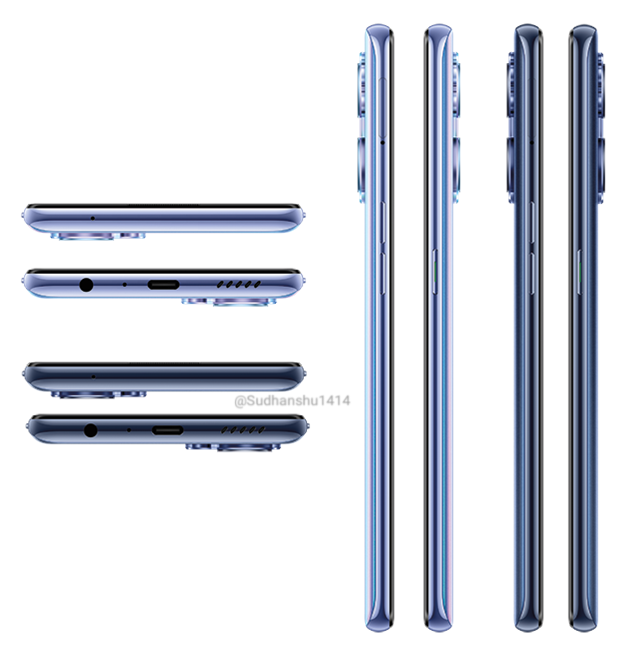
OPPO Reno7 5G design
The Reno7 5G India/global edition has a punch-hole display on the front with a noticeable chin. The rear side of the device has a triple camera unit. It can be seen in black and blue colors.
1 of 3
OPPO Reno7 5G India,global-
OPPO Reno7 5G India,global-
OPPO Reno7 5G India,global--
Like other OPPO phones, the Reno7 5G has volume buttons. A power button is available on the right edge of the device. A microphone is placed on the top edge of the Reno7 5G, whereas its bottom edge has a 3.5mm audio jack, a microphone, a USB-C port, and a speaker grille. For security, it has an under-display fingerprint scanner. The device measures 7.81mm in thickness and weighs 7.81 grams.
OPPO Reno7 5G specifications, price (rumored)
The Reno7 5G India/global version has a 32-megapixel Sony IMX615 front camera. Its back panel has a 64-megapixel OmniVision OV64B, an 8-megapixel ultrawide lens, and a 2-megapixel macro camera.
The Dimensity 900 chipset is present under the hood of the smartphone. It has a 4,500mAh battery that supports 65W SuperVOOC charging. It is equipped with 5 GB of extended RAM. Unfortunately, the leak has no information on the display details of the device. The tipster claimed that the 8 GB RAM + 256 GB edition of the device will be priced at Rs 30,000 (~$400).
These specs suggest that the Reno7 5G India/global variant is different from China’s Reno7 5G and Reno7 SE.
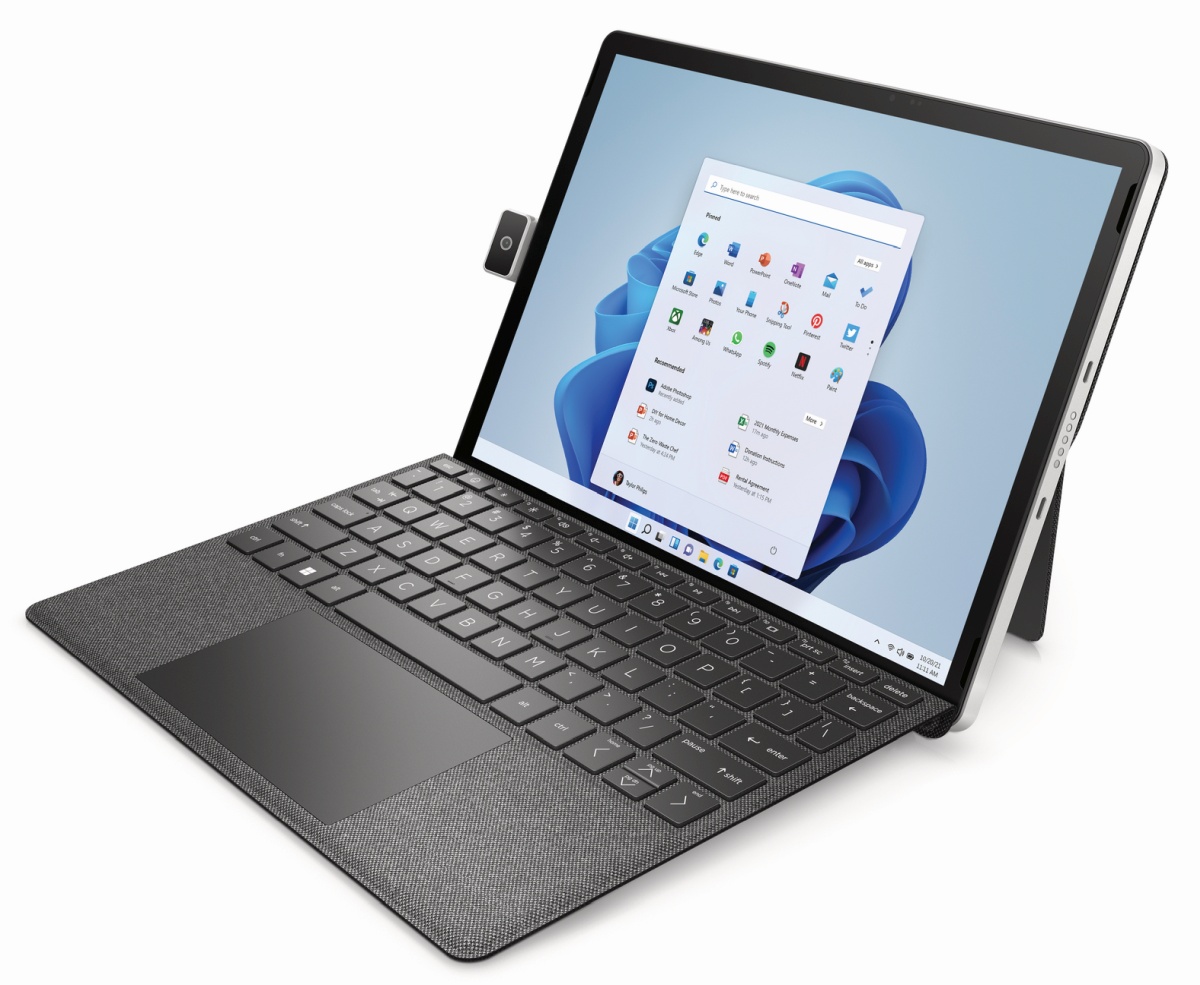
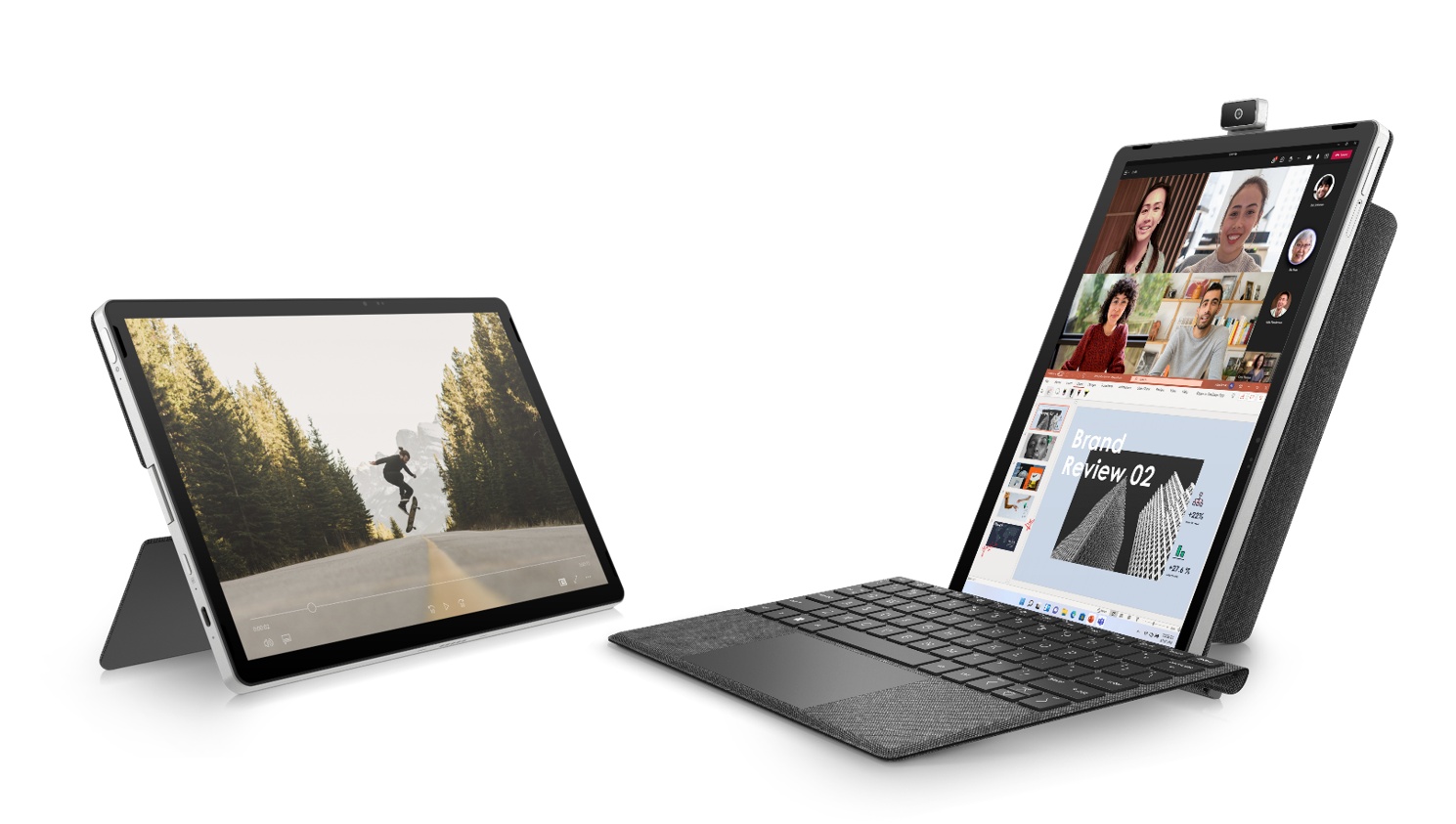
HP first announced its 11-inch tablet back in September 2021 and it has now berthed in the United States with a $499 price tag. HP’s new 11-inch tablet features a rotating camera, with an Intel Pentium Silver N6000 processor and only one memory configuration. It can be purchased with or without a physical keyboard. The tablet is being sold on Best Buy.
The HP tablet has a screen-to-body ratio of 84.6% with 100% sRGB color space coverage and active pen input support for the display. The Intel Pentium Silver N6000 is a Jasper Lake processor with 6W TDP, four cores, a 3.3 GHz CPU boost clock speed, and the Jasper Lake 32 EU Intel UHD Graphics card.
The slate features a single memory configuration of 4GB RAM together with 128GB of storage. It equally runs on Windows 11 Home in S mode. The tablet comes with a USB-C port for charging and connecting other devices. It also features a fingerprint reader embedded under the power button.
The device is available on Best Buy for $499 while the package that includes the keyboard accessory will cost $599. The keyboard does not have backlighting and HP is currently not selling the keyboard alone. It is available in a single Natural Silver color variant.
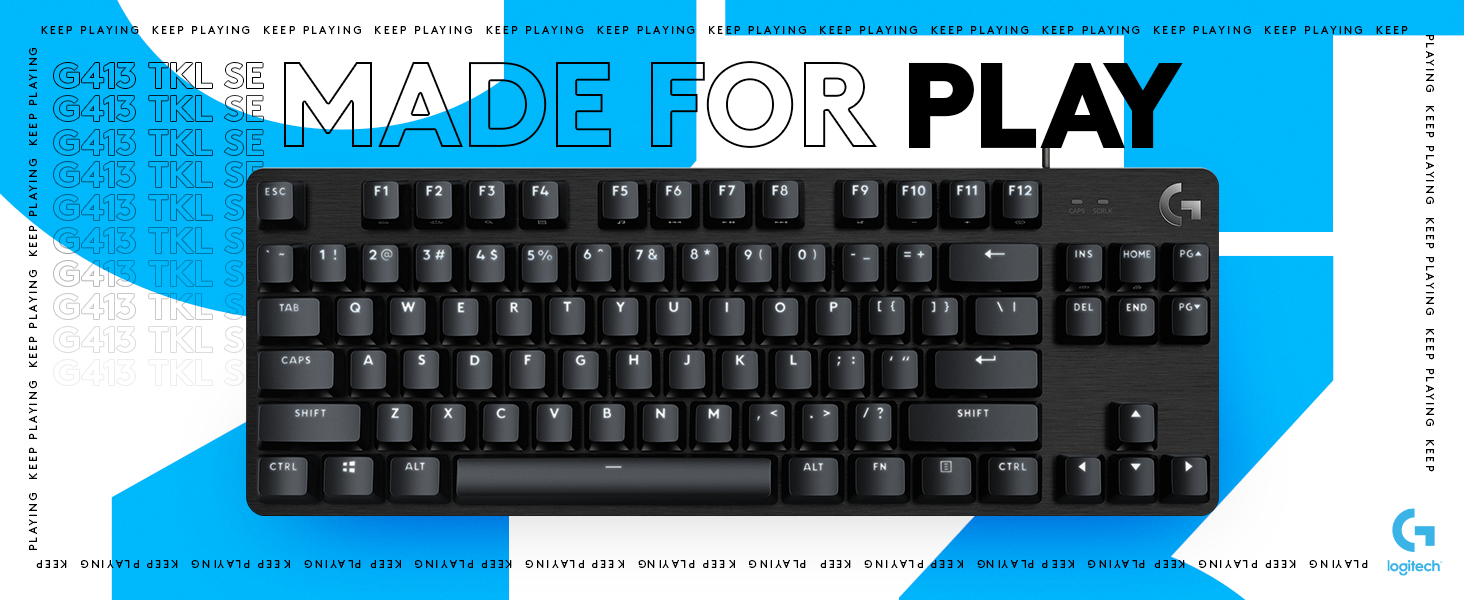
Logitech’s latest wired mechanical keyboards have been unveiled with a starting price of $69.99. The Logitech G413 SE and G413TKL mechanical keyboards offer some understated functionality and could be great for their affordable prices.
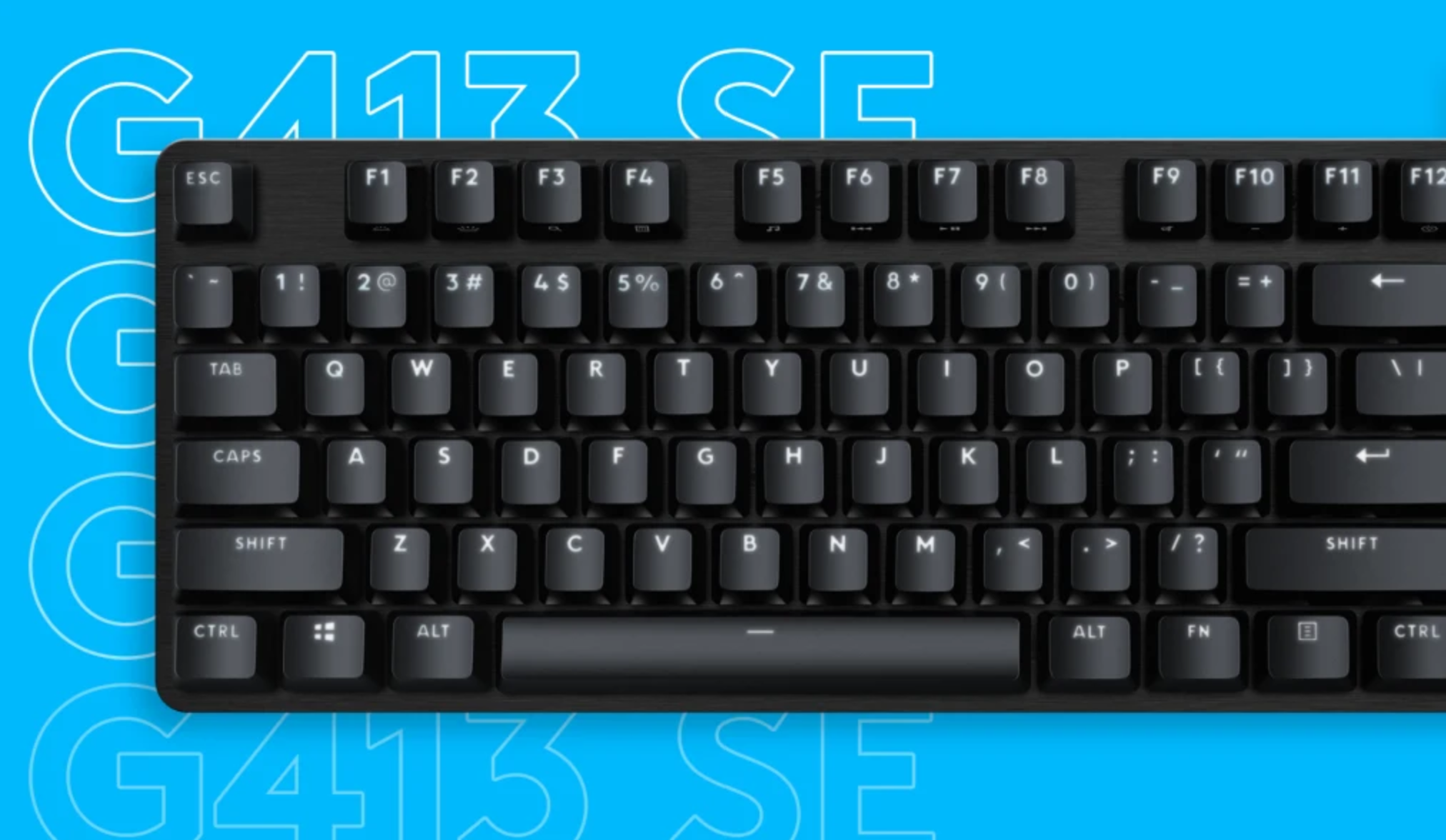
The Logitech G413 SE is a full-size keyboard while the G413 TKL is a tenkeyless model with the number keys absent, thus making it more compact and less expensive. The G413 TKL is priced at $69.99 while the G413 SE costs $79.99. Unlike their predecessor, the G413 keyboard which uses Logitech’s Romer-G switches, the G413 SE and G413 TKL both use a set of Cherry MX-style switches, although they are not manufactured by Cherry. The switches, according to a Logitech spokesperson, are manufactured by Longhua Switches. The switches are easily compatible with other replacement keycaps, so changing or tweaking the keyboard later will not be a problem.
Both keyboards sport a simple design with a black-brushed aluminum-magnesium alloy and the keycaps have a simple black design. The keycaps are made of durable PBT plastic with transparent lettering that accentuates the white backlighting present in both models.
Logitech says both the G413 SE and G413 TKL wired mechanical keyboards will go on sale in February 2022, and the company hopes the two models will get a decent reception due to their functionality and affordability. Global availability details are sketchy at this time.
BYD has introduced its unique Type A electric school bus that is capable of carrying 30 students, with a range of about 225km (140 miles) and vehicle-to-grid capability. The signposting feature of the new BYD electric bus is its vehicle-to-grid capacity which offers off-grid power to schools. Furthermore, it is zero-emission, and its significantly reduced maintenance and fueling cost will also be beneficial to schools.
In 2021, BYD was the second-largest manufacturer of BEVs, with over 320,000 units produced in China. Its operations include the development and manufacture of the blade EV batteries, and the US school system heralded its debut in June 2021 with its Type D electric buses. It continues to collaborate with other players in the integration of V2G technologies into commercial EV fleets for enhanced versatility. While the Type D buses come with a larger carrying capacity, the new BYD Type A electric buses are smaller but will also provide power to US schools, in addition to the safe and clean transportation it offers.
In a press release by BYD, we now know that the new buses will come in sizes of 22.9ft, 24.5ft, and 26.7ft and this is ideal for routes with fewer students and students with disabilities. The bus will be powered by a lithium iron phosphate (LFP) battery which can recharge either via DC or single-phase AC supply, that is, 150kW DC fast charging or 19.2kW single-phase AC charging. The company says the new buses could cut fuelling and maintenance costs by as high as 60%, while also offering clean energy to the school when it is not operational during school hours.
BYD is however yet to announce any pricing information for the new Type A buses, neither have they put out a release date for the vehicles.
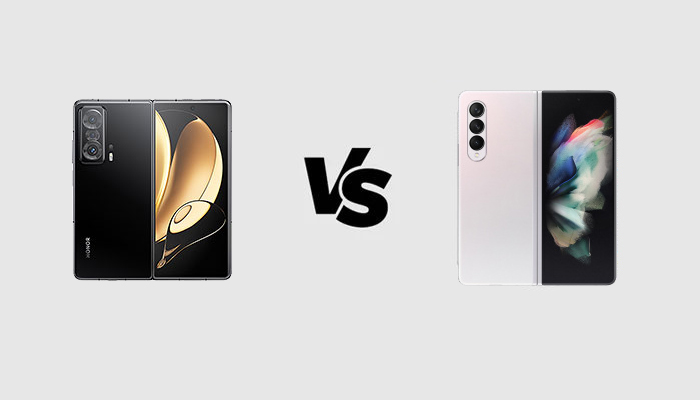
Honor recently launched the most powerful foldable ever made and it may soon hit the global market as well. We are talking about the Honor Magic V, a foldable phone coming with a very wide display and amazing specifications. But are its specifications amazing enough to compete with the other flagship foldable devices? There is no better way to understand it than comparing it to the most widespread foldable phone out there: the Samsung Galaxy Z Fold 3. Both are able to transform into tablets, but which one has the better specifications on the paper? This comparison between their specs sheets will help you to find out in the best way possible.
Honor Magic V vs Samsung Galaxy Z Fold 3
Honor Magic V
Samsung Galaxy Z Fold 3
THICKNESS
14.3 mm when folded, 6.7 mm when unfolded
14.4 mm when folded, 6.4 mm when unfolded
DISPLAY
Main display: 7.9 inches, 1984 x 2272p (Quad HD+), 381 ppi, Foldable OLED
External display: 6.45 inches HD+ (1080 x 2560p), OLED
Which foldable has the best design? It mostly depends on personal tastes. I like the Samsung Galaxy Z Fold 3 more because of its more compact and elegant design. The camera module is more minimalistic and the overall dimensions are actually better. But the Honor Magic V comes in a special color option sporting a leather back. In the remaining color options, the Honor Magic V has a glass back and an aluminum frame just like the Samsung Galaxy Z Fold 3. Both the handset feature an in-display fingerprint reader and an internal foldable display allowing them to transform into a tablet. Note that the Samsung flagship is waterproof with the IPX8 certification, while the Honor one is not.
Display
The internal foldable display of the Samsung Galaxy Z Fold 3 is an AMOLED panel with a diagonal of 7.6 inches, a 2K resolution, a 120 Hz refresh rate, the HDR10+ certification, and a peak brightness of up to 1200 nits. This display actually comes with a higher refresh rate than the one found on the Honor Magic V. But the Magic V sports a wider 7.9-inch panel with one billion colors which shows a great color reproduction. Both the phones feature an external display for those who want to use them like normal phones. The Samsung one has a 6.2-inch diagonal and an HD+ resolution, while the Honor Magic V has a better 6.45 external display with a higher Full HD+ resolution, one billion colors, and a 120 Hz refresh rate.
Specs & Software
The winner of the hardware comparison is the Honor Magic V simply because it is powered by a superior chipset. We are talking about the Snapdragon 8 Gen 1 mobile platform making it the best foldable phone in terms of performance. The SoC is paired with 12 GB of RAM and up to 512 GB of native storage. The Galaxy Z Fold 3 is inferior but it still comes with a great flagship chipset: the Snapdragon 888 paired with 12 GB of RAM and up to 512 GB of native storage. Note that the Samsung handset runs Android 11 out of the box, while the Honor Magic V ships with Android 12, and it will include Google Mobile Services in the global market.
Camera
The specs on the paper are not enough to establish which of these devices will offer the best camera performance. The Honor Magic V has three 50 MP sensors on the rear side, including an ultrawide camera. The Samsung Galaxy Z Fold 3 comes with three 12 MP cameras including OIS, 2x optical zoom, and an ultrawide sensor. The Honor flagship has a 42 MP front camera, while the Samsung one sports two front cameras, one on the external display and one on the internal one, with 4 and 10 MP resolution respectively.
The Honor Magic V has a bigger 4700 mAh battery and it is likely to last more on a single charge. Further, it features faster 66W charging. On the other hand, the Galaxy Z Fold 3 adds wireless charging, but it has a smaller battery and lowers charging speeds.
Price
Unfortunately, the Honor Magic V is still not Global, so it is impossible to make a comparison between prices. In China, it starts from €1385/$1545, while the Galaxy Z Fold 3 costs around €1500/$1672 globally. Which one would you pick?
Honor Magic V vs Samsung Galaxy Z Fold 3: PRO and CONS
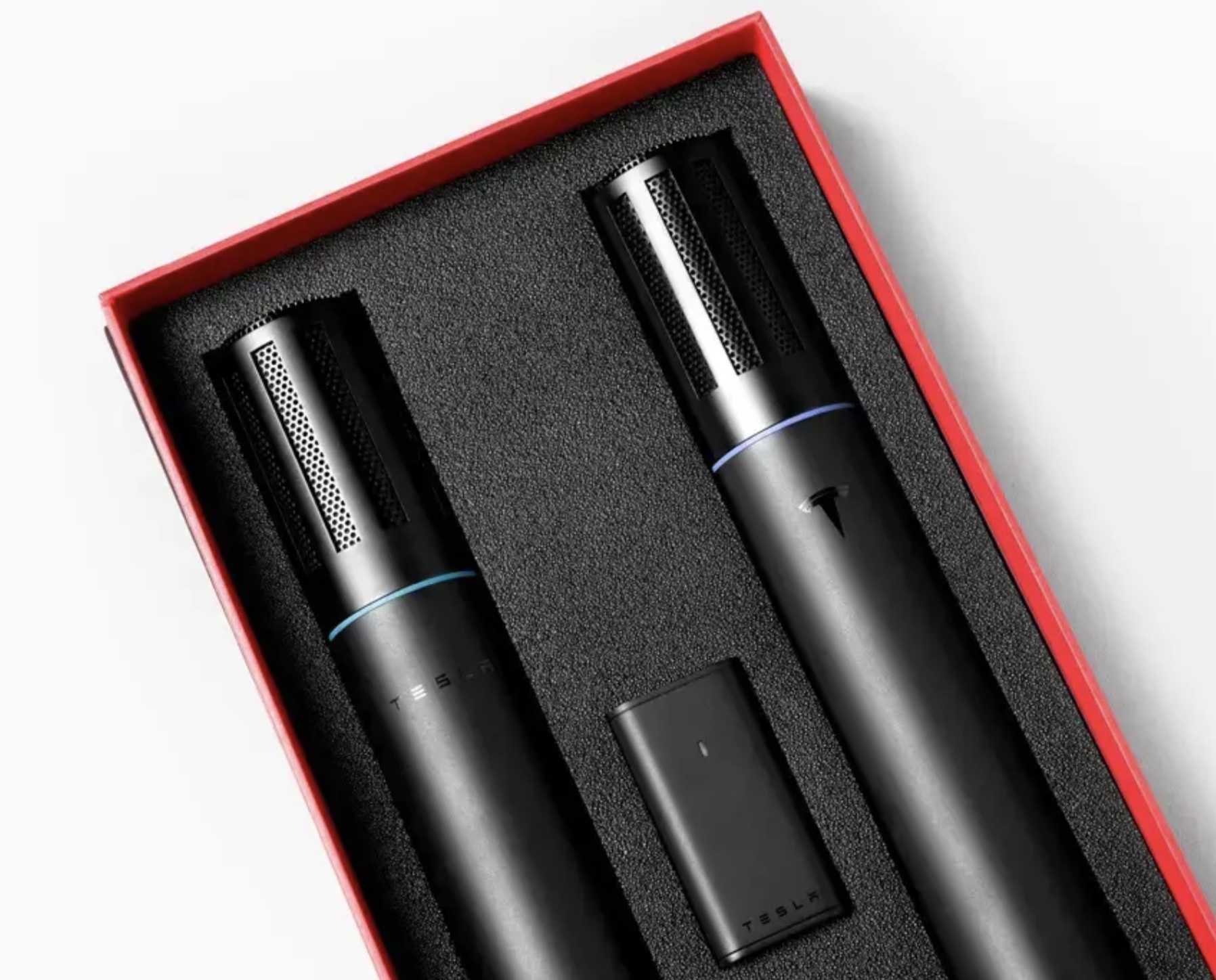
The latest software update for Tesla electric vehicles in China has incorporated an in-car karaoke system for enhanced entertainment. A new microphone, called the TeslaMic is now on sale by Tesla for its infotainment system, and it is only available in China currently. The TeslaMic is priced at $188 and can be purchased via the Tesla Store. The software update coincided with the Chinese New Year and it has added a karaoke platform, Leishi KTV to the infotainment system in electric vehicles.
The TeslaMic, in combination with the Leishi KTV karaoke system, opens a new vista in the infotainment content and features available to Tesla EV owners. It is unclear at this time how the TeslaMic could be purchased or whether it will berth in other regions outside China. The microphone automatically pairs with the in-car infotainment system and comes in a pair, with the possibility of turning the car’s infotainment system into a mobile public address unit.
The Leishi KTV adaptation by Tesla shows the company is building upon its Caraoke feature introduced in 2019 which had a more restrictive list of tracks to draw from. A YouTube video is out, possibly drawn from an earlier Weibo post, that shows the TeslaMic and Leishi KTV karaoke system is displayed in action. There is no official statement yet from Tesla on the availability of the TeslaMic in other regions, although Tesla vehicles can use the Carpool Karaoke microphone when connected to the car’s audio system with limited functionality.
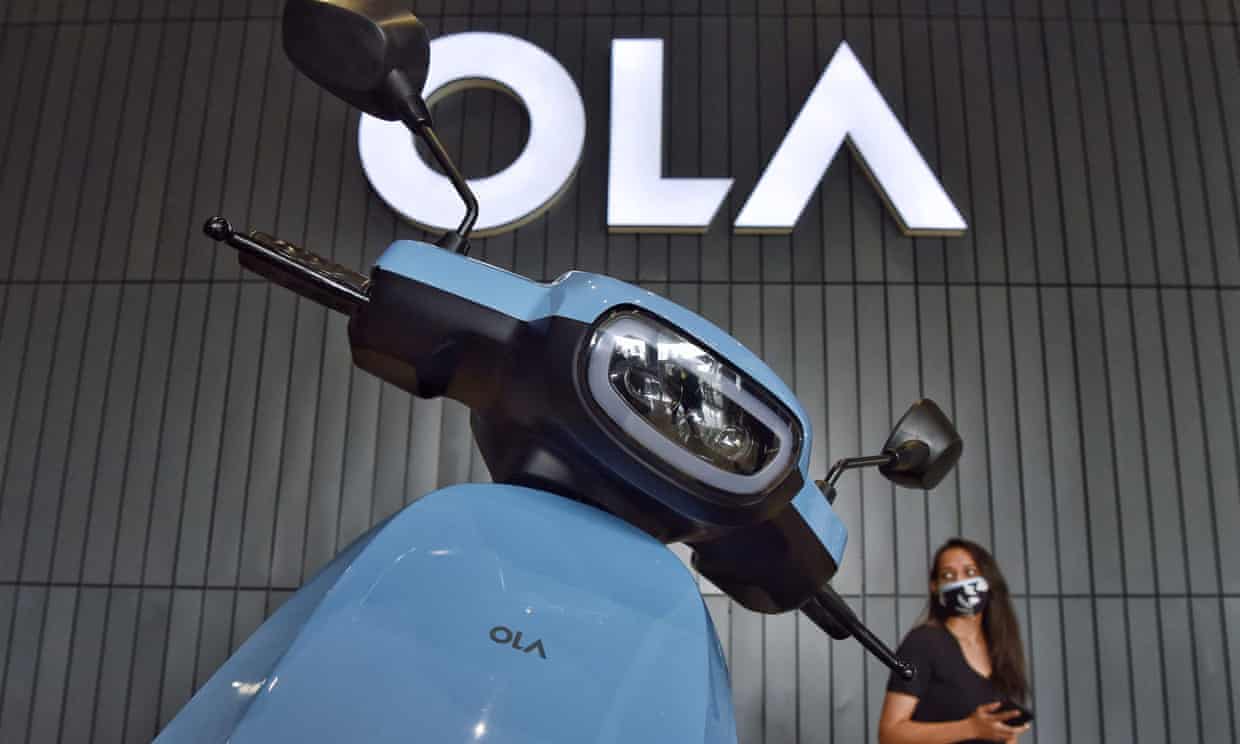
In a clear expansionist move, Indian ride-hailing startup and fast-rising EV manufacturer Ola plans to build a £100m ($134.06m) electric vehicle research and development (R&D) facility in the United Kingdom. The news comes as a boost to the UK automotive industry which has had a mixed bag of fortunes in recent times.
Ola is a rapidly-expanding tech firm with electric vehicle manufacturing interests. It already has a few e-scooters under its belt and recently unveiled its concept car design in India. Ola’s investment in the new R&D plant is to subsequently yield electric vehicles wholly designed by the firm.
Ola Electric, days back raised $200m in funding at a reported $5b valuation from Japanese tech investor, Softbank. It is also reportedly planning a stock market float to raise as much as $2bn.
Ola is a leading ride-hailing app, with the company saying it is the third-largest in the world. Ola launched its taxi app operations in the United Kingdom in 2018. It is operational in several UK cities including London, Birmingham, and Cardiff. The new facility will be sited in Coventry in the West Midlands, the center of the UK automotive industry. It will create up to 200 jobs in design and engineering, with focus also beamed on research on EV battery technology.
Ola said the new UK facility will collaborate closely with the headquarters, although little detail was provided on the manufacturing capacity of the Coventry facility.
The £100m ($134.06m) investment seems to be a vote of confidence in the UK automotive industry as it continues to rebound after years of underperformance. This has led to a recent surge in investment in the sector. London’s trade issues with the EU also saw some of the big players holding back to get clarity in the market. The UK EV market holds some promise as EVs still only accounted for about 12% of UK car sales in 2021.
According to the company, the new UK plant, Ola Futurefoundry will enable the company to tap into the automotive design and engineering talent in the UK to create the next generation of electric vehicles. The plan remains to continue to produce affordable electric vehicles in the UK. The company hopes to create a world-class design and R&D team with global sensibilities.
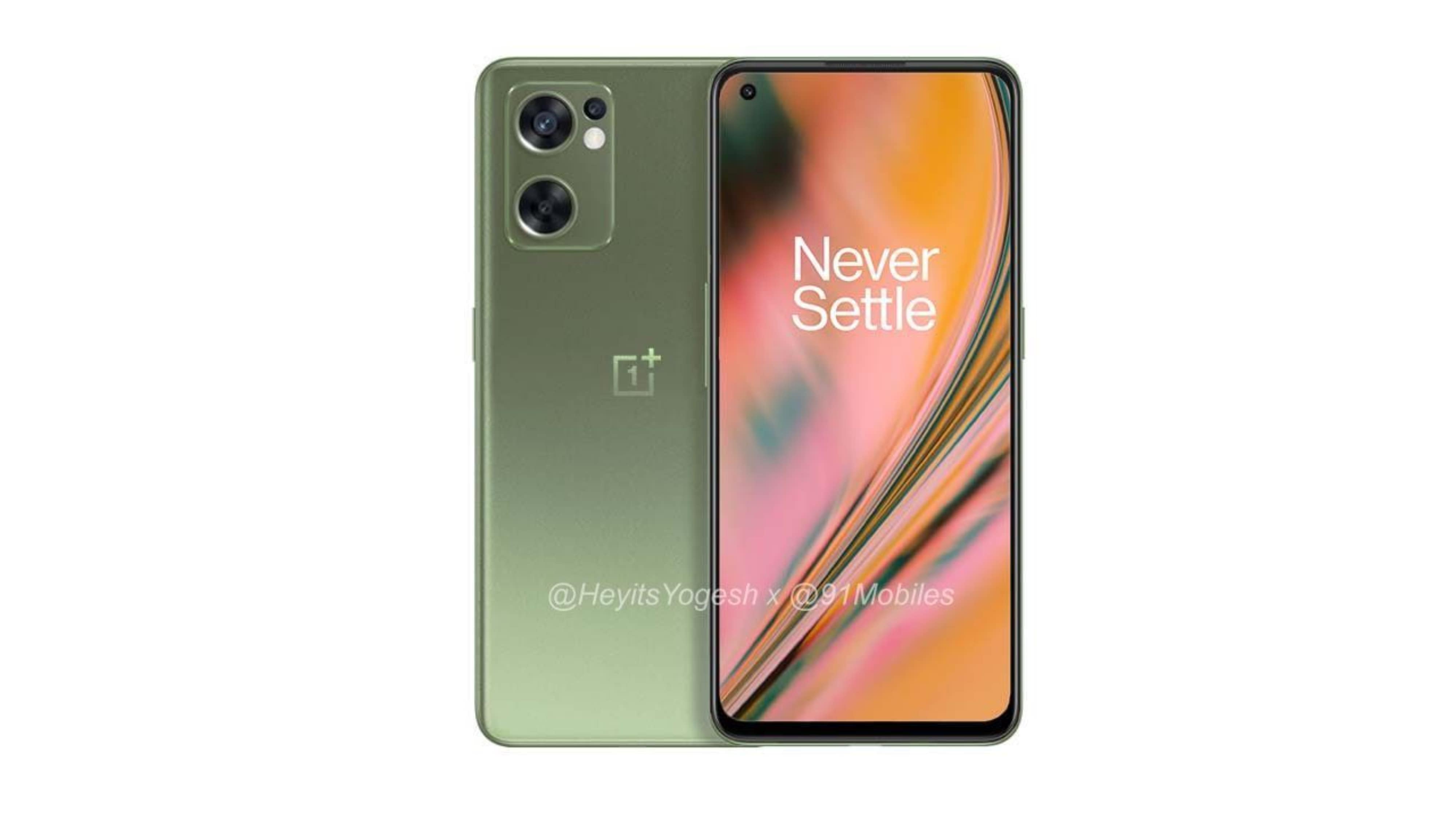
OnePlus is reportedly working on the OnePlus Nord 2 CE, which is codenamed “Ivan.” Earlier this week, the launch date of the Nord 2 CE was revealed to be February 11, and now, information regarding its pricing has surfaced.
OnePlus Nord CE 2 render by Yogesh Brar / 91mobiles
According to a 91mobiles report, tipster Yogesh Brar has stated that the OnePlus Nord 2 CE will be priced between Rs. 25,000 ($333) and Rs. 30,000 ($400). The information came with the pricing and launch timeline reveal of the OnePlus Nord 2T which is expected to launch in India between April and July.
OnePlus Nord CE 2 specifications (rumored)
So far, the OnePlus Nord CE 2 is rumored to arrive with a 6.4-inch AMOLED display. The punch-hole screen is expected to support a Full HD+ resolution, a 90Hz refresh rate, and an in-screen fingerprint scanner. The handset will run on Android 12 OS out of the box.
For photography, it is likely to feature a 64-megapixel main camera, an 8-megapixel ultrawide lens, and a 2-megapixel macro triple camera unit. As for video calls and selfies, we can expect a 16-megapixel front-facing camera.
The Dimensity 900 chipset will be powering the Nord CE 2. It may come with 6 GB / 8 GB / 12 GB of RAM and 128 GB / 256 GB of internal storage. It will draw power from a 4,500mAh battery, which is expected to carry support for 65W fast charging. It is likely to be priced between Rs 25,000 ($333) and Rs 30,000 ($400) in India. The Nord CE 2 is expected to arrive in black and green colors.
OnePlus is also said to be working on a new Nord device which is expected to launch in India this year and is tipped to be priced under Rs 20,000 ($269).
Earlier this week, the existence of the OnePlus Nord 2T was revealed through a specifications leak. The leak revealed that the upcoming Nord 2T will come with MediaTek Dimensity 1300 SoC which is still unreleased. And now, a new report has surfaced hinting at the expected launch timeline and pricing of the device.
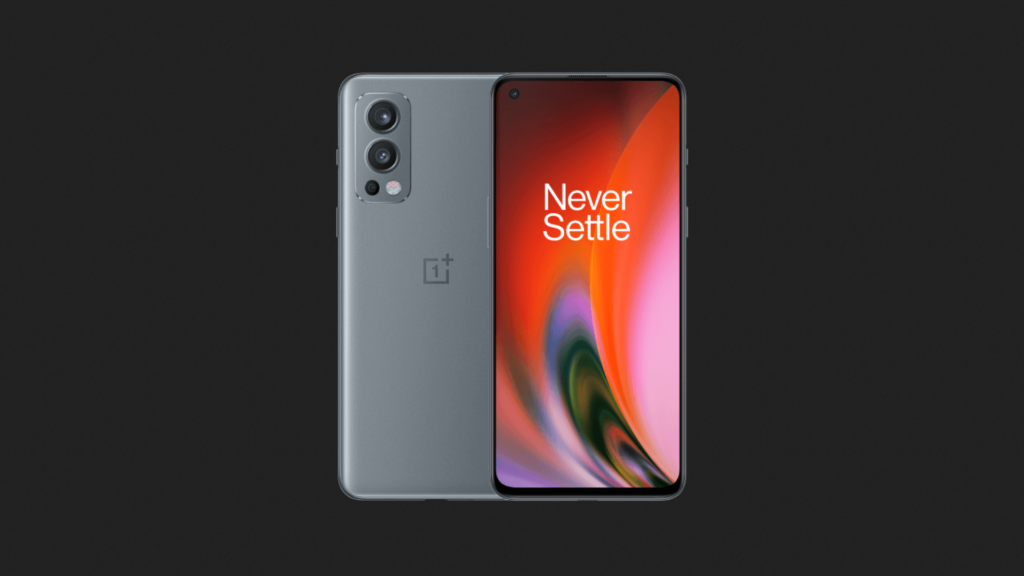
oneplus nord 2
According to a recent report by 91mobiles, noted tipster Yogesh Brar has revealed that the OnePlus Nord 2T will be replacing the existing Nord 2 when it launches. The Nord 2T is said to launch somewhere between April and May and will be priced between Rs. 30,000-40,000 ($400-$533). The base variant of the Nord 2T which is expected to offer 6GB RAM and 128GB storage can be priced just under Rs. 30,000 ($400).
OnePlus Nord 2T specs (rumored)
Previous leaks have revealed that the OnePlus Nord 2T will be powered by the Dimensity 1300. The processor is yet to go official so the Nord 2T could be one of the very first to be powered by it.
It is said to come with a 6.43-inch Full HD+ (2400×1080) AMOLED panel with a 90Hz refresh rate. Along with the above-mentioned Dimensity 1300 SoC, the phone is expected to be made available in three RAM variants – 6GB, 8GB, and 12GB. As for the storage options, the phone will likely be launched with 128GB and 256GB storage variants. It will also run Android 12 out of the box.
For photography, the camera is expected to be largely unchanged compared to the OnePlus Nord 2, but rumor has it that the Nord 2T might come with the newer version of the sensors. The OnePlus Nord 2T is expected to sport a triple camera setup at the rear, headlined by a 50MP shooter. The primary will be complemented by 8MP ultra-wide and 2MP monochrome sensors. For selfies, you get a 32MP camera that will likely be housed within a punch-hole cutout.
Charging will also receive a notable upgrade, with the 4,500mAh battery now being capable of being filled up at 80W SuperVOOC speeds via wire. This is the same as the OnePlus 10 Pro, meaning you will be getting flagship-level charging capabilities in a mid-range device.
On October 5, 2021, Microsoft released Windows 11 to the masses. Although Early adopters of the operating system faced multiple bugs and difficulties, new data has surfaced revealing that more and more people are upgrading to Windows 11.
According to XDA Developers, the January usage report published by AdDuplex shows that Windows 11 has almost doubled its userbase since November 2021. For those unaware, AdDuplex is a company that provides an advertising framework for apps on the Microsoft store.
The report shows that the user base of Windows 11 is 16.1% of total users, which was only 8.6% back in the month of November. These numbers appear to be in line with Microsoft’s recently stated that users are adopting Windows 11 much quicker than expected, which is twice as fast as they adopted Windows 10. The company even claimed that customer satisfaction with Windows 11 has been the highest among all Windows versions released as of yet.
Though it is worth keeping in mind that this data is from a sample size of 60,000 systems which is rather small when you consider that billions of systems use some form of Windows OS. The data also leaves out systems not using Windows 10 or 11 since only the recent version can have the AdDuplex SDK. Meaning the data does not include Windows 7 and 8 users.
That aside, the growing userbase is still impressive considering that a lot of systems are incompatible with Windows 11 and can not be upgraded via normal methods. And the popularity of Windows 11 is still expected to grow as the company matures the Android apps and games support on the operating system.
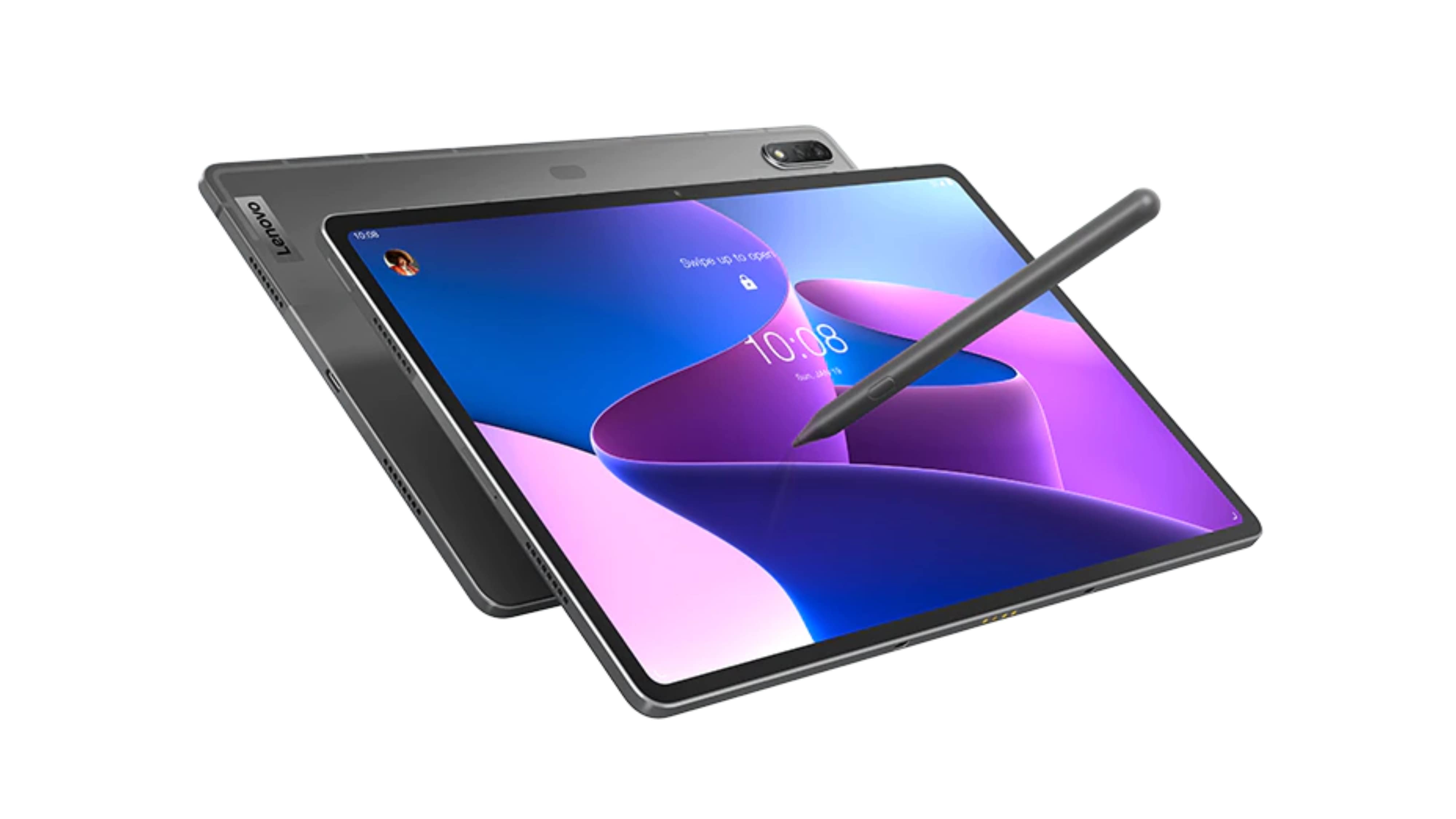
Last month, the Lenovo Tab P12 Pro received its first beta of the Android 12L developer preview. Now, Google has started rolling out beta 2 on the Tab P12 Pro. Notably, this built comes two weeks after its release for the Google Pixel phones.
The Android 12L beta 2 brings the December security patch. It also has the SW flashing packages and a 12L Beta 2 image. Unfortunately, the beta build doesn’t have any release notes to refer to. Having said that, we aren’t sure what major changes does it bring, at the moment.
After taking a look at the Lenovo page, we saw that Lenovo has also not updated the list of SW limitations. It is the same as Beta 1. It seems that either Lenovo has forgotten to update the page, or the new Beta doesn’t really bring any fixes(via GSMArena).
Nonetheless, the Beta 2 build is here and you can download it from this link. It is sized at 1.7GB and is for the Wi-Fi version of the Tab P12 Pro – TB-Q706F.
In February, the tablet is expected to get the Android 12L Beta 3 update. The final build will be released in April this year.
Lenovo Tab P12 Pro Specifications
The Lenovo Tab P12 Pro was launched back in September 2021. It has a 12.6-inch AMOLED display with an FHD+ resolution. It has a 13MP + 5MP dual rear camera and an 8MP + 8MP dual selfie setup. The tablet also supports Stylus and has the Snapdragon 870 SoC inside. It has up to 8GB of RAM and 256GB of internal storage. It has a 10,200mAh battery and supports 45W fast charging support. It was released running on Android 11 out of the box.
We use cookies on our website to give you the most relevant experience by remembering your preferences and repeat visits. By clicking “Accept”, you consent to the use of ALL the cookies.
This website uses cookies to improve your experience while you navigate through the website. Out of these, the cookies that are categorized as necessary are stored on your browser as they are essential for the working of basic functionalities of the website. We also use third-party cookies that help us analyze and understand how you use this website. These cookies will be stored in your browser only with your consent. You also have the option to opt-out of these cookies. But opting out of some of these cookies may affect your browsing experience.
Necessary cookies are absolutely essential for the website to function properly. This category only includes cookies that ensures basic functionalities and security features of the website. These cookies do not store any personal information.
Any cookies that may not be particularly necessary for the website to function and is used specifically to collect user personal data via analytics, ads, other embedded contents are termed as non-necessary cookies. It is mandatory to procure user consent prior to running these cookies on your website.