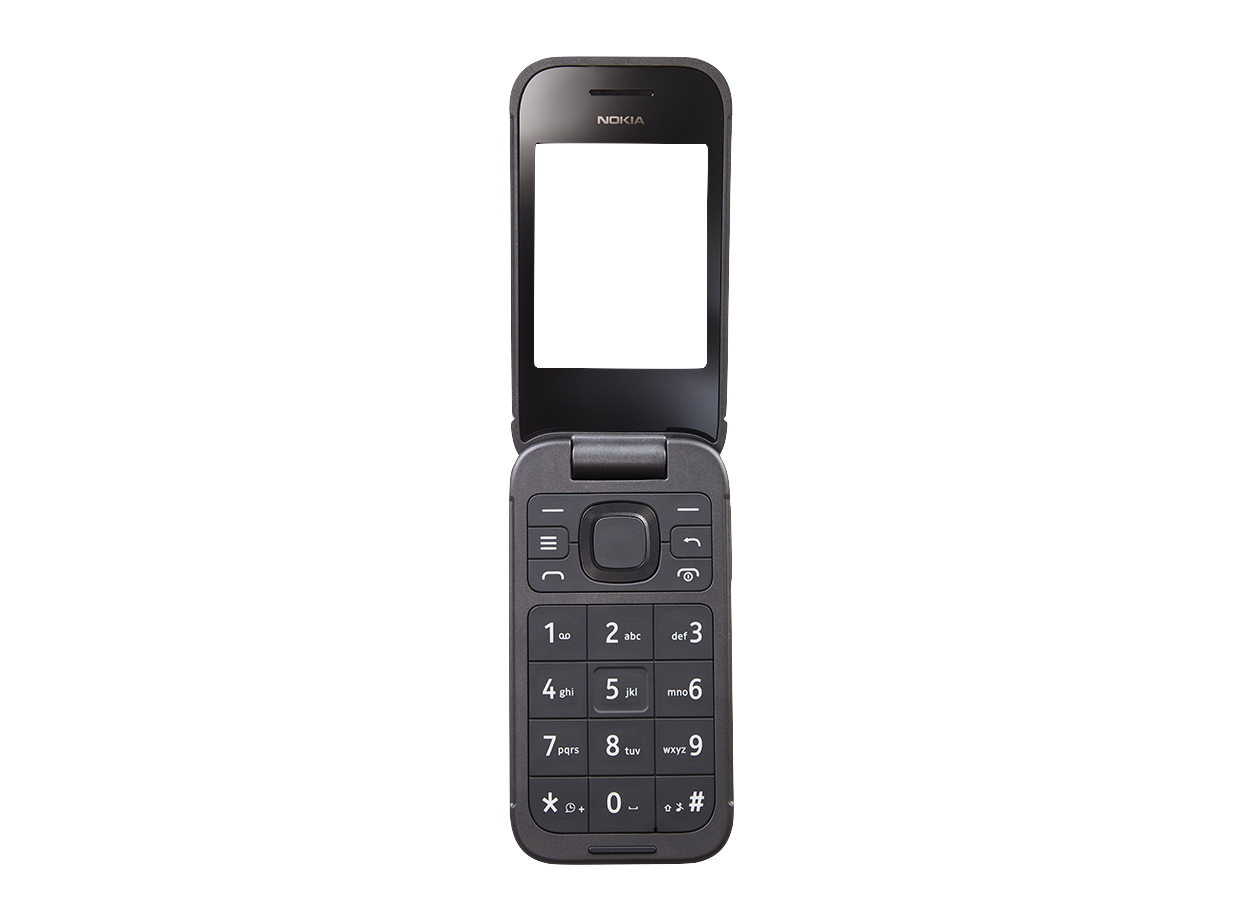
A recent report by the Nokia Power User claimed that a Nokia N139DL flip phone with model number TA-1398 at the FCC (Federal Communications Commission) platform. Now, the same publication has come across a product listing to reveal its design and specifications. It is speculated that the device may launch with the Nokia 2760 Flip 4G moniker, and it will run on KaiOS.
According to the publication, the details of the Nokia 2760 Flip 4G has appeared through the official listing at Tracfone. Here is all the information on the specs and design of the company’s next flip phone.
Nokia 2760 Flip 4G specifications
The Nokia 2760 Flip 4G measures 4.33 x 2.28 x 0.76 inches and weighs 4.8 ounces. The screen of the flip phone supports 240 x 320 pixels resolution. It has a 1,450mAh battery that offers a talk time of up to 6.8 hours and a standby time of up to 13.7 hours.
Nokia 2760 Flip 4G
The Nokia 2760 Flip 4G has a 5-megapixel rear-facing camera. There is no information on the internal storage of the device. For additional storage, it will come equipped with a microSD card slot.
The other features of the flip phone include 4G, Wi-Fi, Bluetooth, GPS, multimedia messaging, handsfree speaker, color display, mp3 player, and T4/M4 Hearing Air Compatible (HAC) rating. After Nokia 6300, Nokia 2720 Flip, Nokia 800 Tough, Nokia 8000, and Nokia 8110, the 2760 Flip will be the company’s sixth phone to come with KaiOS.
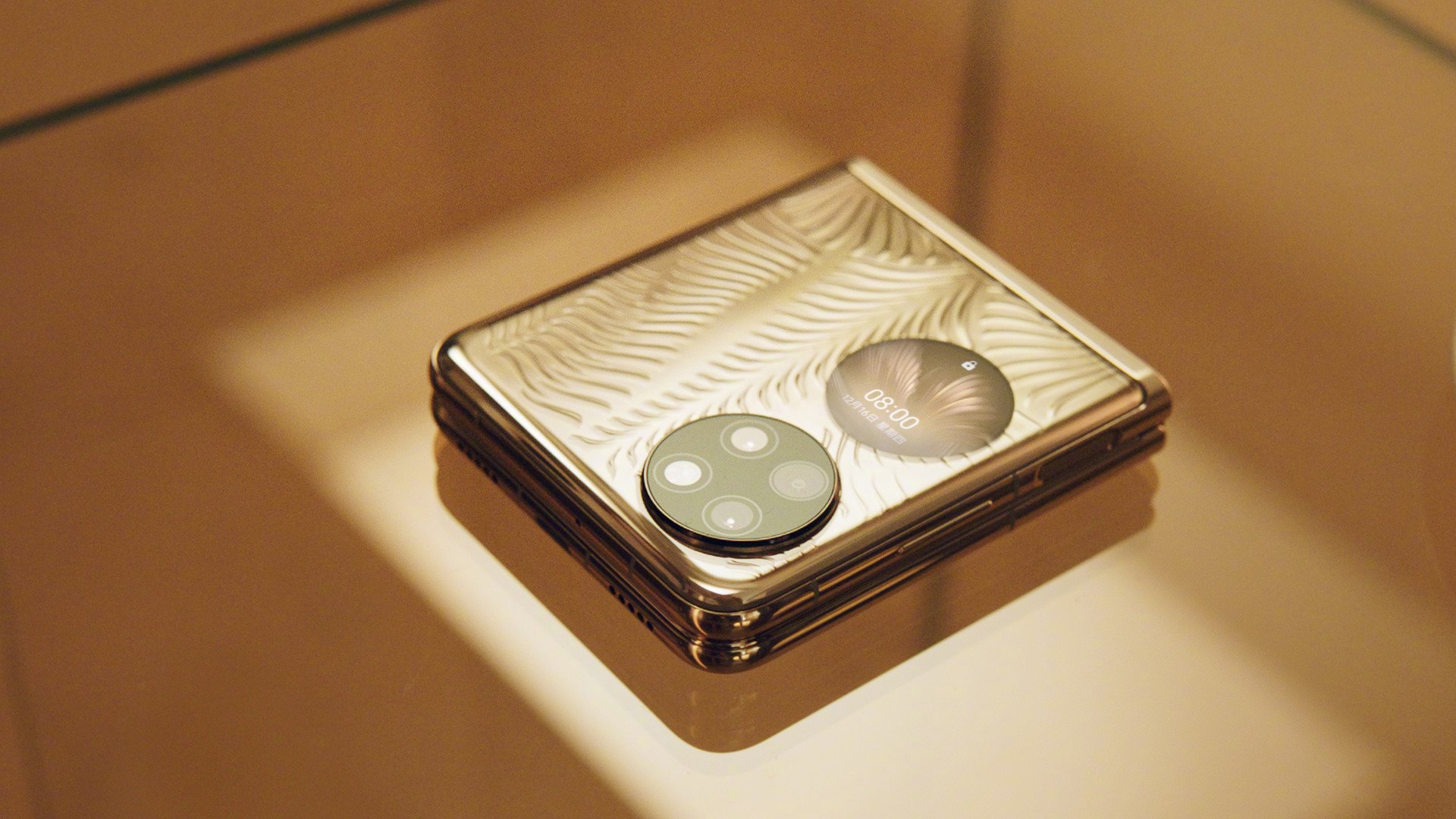
The P50 Pocket will be debuting as Huawei’s first flip phone with a foldable screen on Dec. 23. A fresh report by MyDrivers has revealed the key specifications of the P50 Pocket. The leak reveals that It will not be a 5G device.
Huawei P50 Pocket specifications (Rumored)
The report reveals that the Huawei P50 Pocket will feature a 6.8-inch inner foldable display and a 1-inch circular secondary display. There is no information available on the design of the P50 Pocket’s internal display. The clamshell device is powered by the Kirin 9000 chipset, which will lack support for 5G connectivity.
The rear camera setup of the Huawei P50 Pocket has a Sony IMX766 50-megapixel primary camera. It will be coupled with a 13-megapixel ultrawide lens and an 8-megapixel telephoto camera with 3x optical zoom. The megapixel count of its front camera is yet to be revealed.
Huawei P50 Pocket
The P50 Pocket will be backed by a 4,100mAh battery, which will seemingly offer a long battery life. The device will carry support for 66W fast charging.
As far as pricing is concerned, the Huawei P50 Pocket is likely to be priced lower than the Galaxy Z Flip 3, which debuted with a price tag of $999. Readers are advised to digest the Huawei P50 Pocket specs leak with a grain of salt. The Dec. 23 event will also see the launch of other products such as the Watch D smartwatch, smart glasses, notebooks, and more.
It has not been even one week since the announcement of Dimensity 9000 from MediaTek on their 16th December event, yet rumors are already spilling out for MediaTek’s next addition to the Dimensity family, the Dimensity 8000!
No news of specs or benchmarks of the Dimensity 8000 were leaked, however, an insider in China posted on Weibo that allegedly in 2022, Redmi will be releasing its Redmi K50 with the MediaTek Dimensity 8000 processor whereas Realme will be releasing its Realme GT Neo3 with the Dimensity 8000 under its hood too.
If the leaks are to be believed, the Redmi flagship K series will be fully transitioning from Qualcomm Snapdragon chips to MediaTek Dimensity processors next year. They are respectively, Dimensity 9000 for the Redmi K50 Pro and Dimensity 8000 for the regular Redmi K50.
This comes as a surprise as throughout the flagship Redmi K series, Redmi has never used MediaTek for its flagships prior to 2021. Redmi only used a MediaTek processor once for its flagships, which was the Redmi K40 Gaming Edition. For reference, the Redmi K40 series debuted in early 2021 with the flagship Snapdragon 888 for the Redmi K40 Pro & Redmi K40 Pro Plus, and the Snapdragon 870 for the regular Redmi K40.
2022 seems like the year where MediaTek could finally stand against its rival Qualcomm as both Oppo and Redmi had confirmed that they will be using their flagship processor, the Dimensity 9000 chipset in both their upcoming flagships. Henry Duan, Vice President at Oppo, revealed the next Find X flagship, presumably, the regular Find X4, will be its first device to be launched with the MediaTek Dimensity 9000. As for Redmi, General Manager of Redmi & Vice President of Xiaomi, Lu Weibing announced that Redmi will be using the Dimensity 9000 as well in their Redmi K50 series.
A clever way by phone manufacturers to overcome the disappearing 3.5mm headphone jack trend on smartphones was to release their own first-party TWS earbuds for consumers to buy with their smartphones. However, the prices of these first-party earbuds were normally not quite the price-to-performance that you were getting on their smartphones because of the higher pricing. The solution? 3rd party high price-to-performance TWS earbuds from tech startups! A new yet familiar name to the TWS earbuds scene is Noise with its latest addition the affordable Noise Beads TWS earbuds for only Rs. 1499 (~$20).
The disappearing 3.5mm headphone jack trend in flagships has been ongoing for many years, ever since Apple released the iPhone 7 in 2016. And lately, it has also crept into the budget and mid-range segment with Xiaomi removing it from the Poco X3 GT, the Poco F3 series, the Mi 11X series, and Realme removing it from its Realme GT Neo2 and Realme X7 Pro.
The Noise Beads TWS earbuds have silently debuted via a listing on Amazon India with an introductory price of Rs. 1499, and going on sale in India starting 12 pm noon on December 24. The listing also suggests that after the sale, the earbuds are going to retail for Rs. 3,499 after the sale.
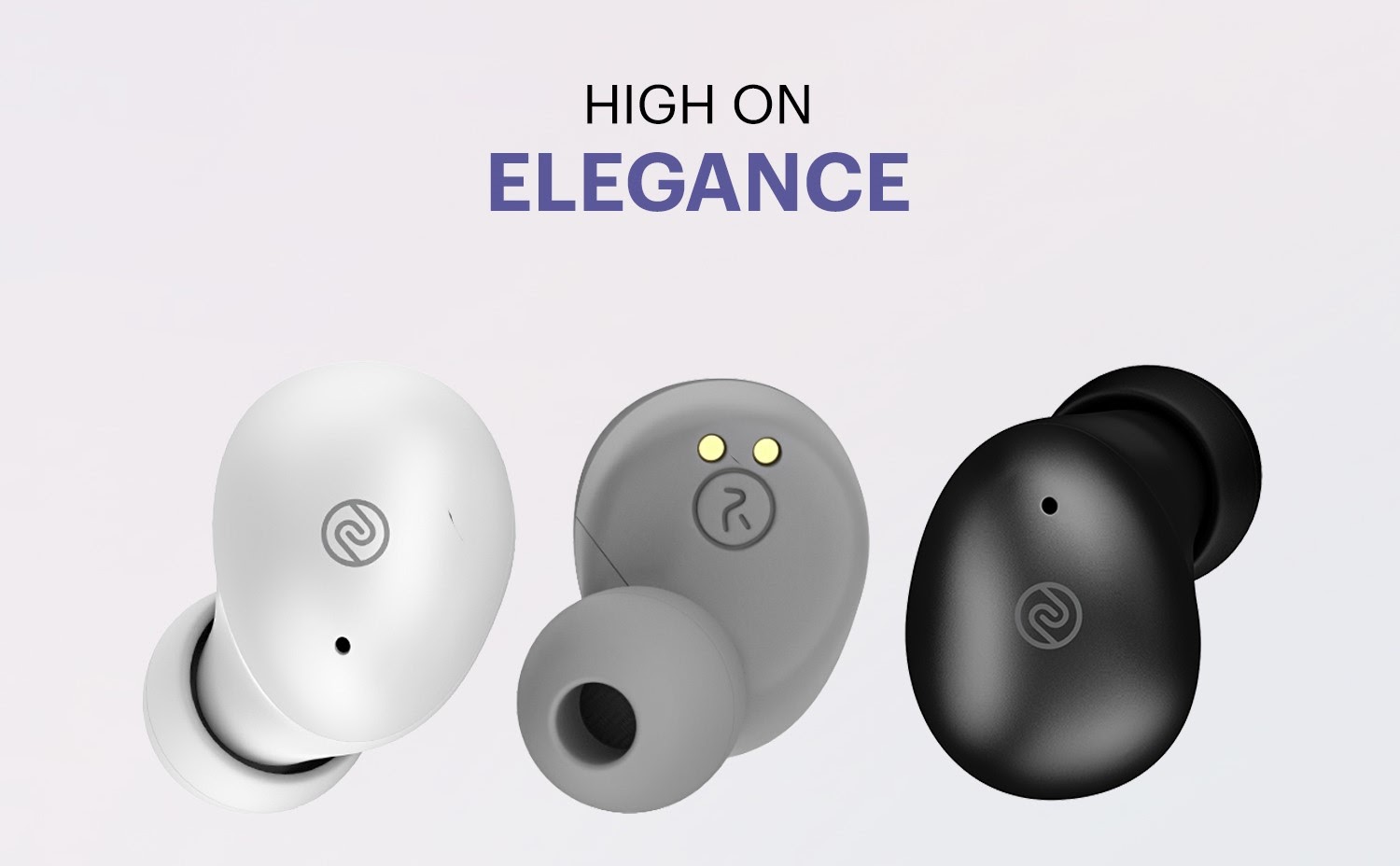
As for the build, the Noise Beads TWS earbuds come in a metallic finish as well as an ergonomic design with silicone tips for a convenient fit. The earbuds are rated for IPX5 sweat and splash resistance, convenient for joggers who always sweat on the move. The earbuds are lightweight too, as each Noise Beads earbud weighs 4.5 grams. The earbuds feature a beads-like design and come in a compact charging case. Users also have three different color options to choose from: white, gray and black.
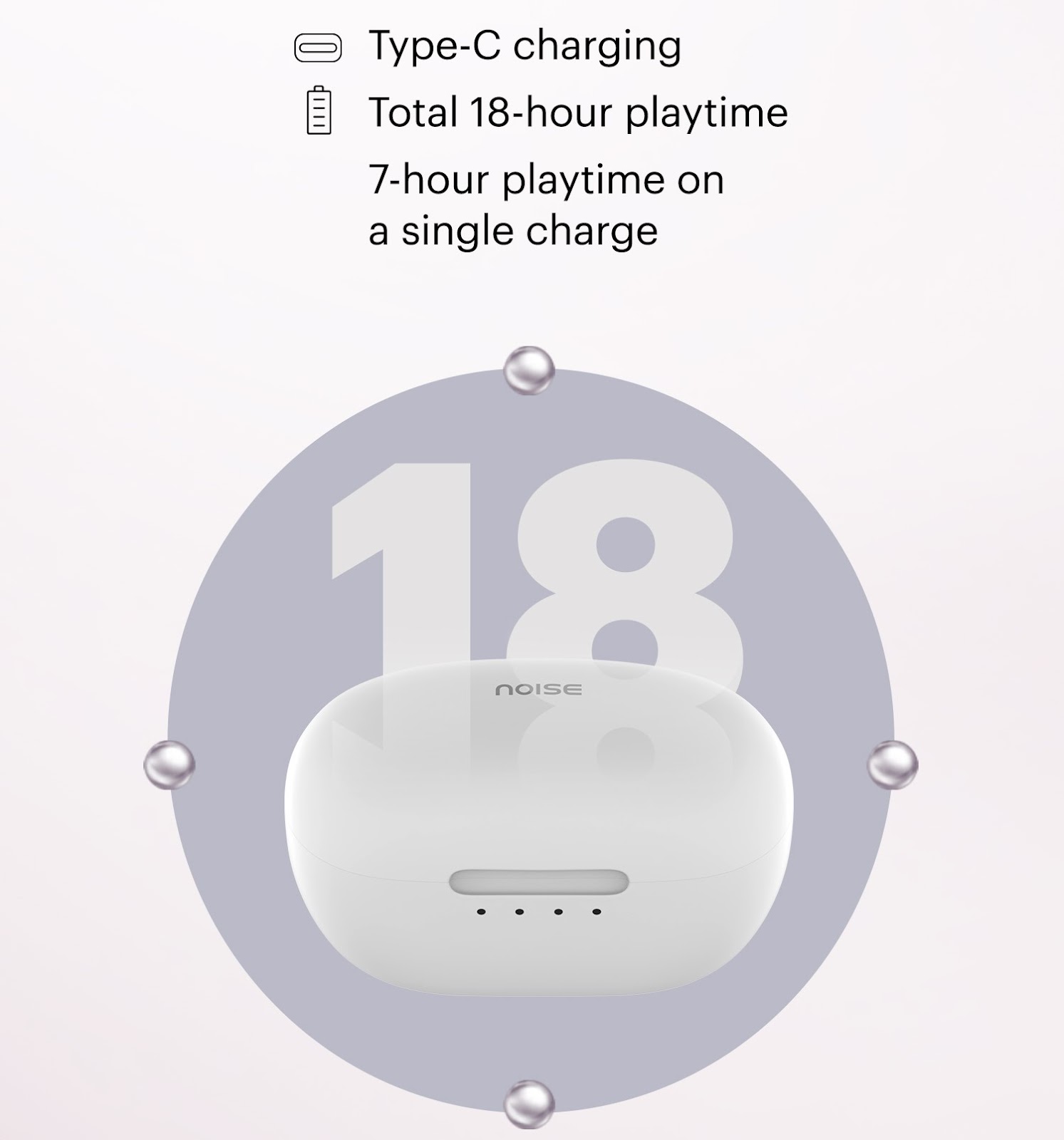
For endurance, Noise claims that the Beads can deliver up to 18 hours of listening time on a single charge. The description specifies that each earbud has a dedicated battery that is rated to offer seven hours of playtime on a single charge. For charging, the Noise Beads comes in a charging case with a USB Type-C port for convenient charging.
Other features of the Noise Beads include Bluetooth v5.1 connectivity that is paired with a proprietary Hyper Sync technology, touch controls and support for voice assistants. The Noise Beads come equipped with Siri and Google Assistant, allowing the earbuds to be easily paired and used with either an iPhone or an Android phone.
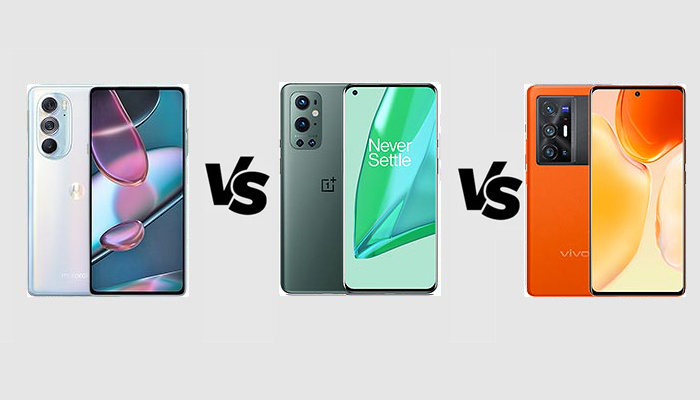
Motorola released the world’s first flagship with the Snapdragon 8 Gen 1 three days ago and it is already a huge success. During the first sales, 10.000 units have been sold in less than three minutes. But the Motorola Edge X30 is not the only amazing flagship available in its price range. Despite it coming with the Snapdragon 8 Gen 1, the Motorola Edge X30 is not a top-tier flagship. That is why a lot of people are wondering whether they should opt for the new flagship due to the Snapdragon 8 Gen 1 processor or they should consider an older top-tier flagship but with an inferior chipset. This comparison between Motorola Edge X30, OnePlus 9 Pro, and Vivo X70 Pro+ tries to answer this question.
Motorola Edge X30 vs OnePlus 9 Pro vs Vivo X70 Pro+
Motorola Edge X30
OnePlus 9 Pro
Vivo X70 Pro+
DIMENSIONS AND WEIGHT
163.6 x 75.6 x 8.5 mm,
194 g
163.2 x 73.6 x 8.7 mm,
197 g
164.5 x 75.2 x 8.9 mm,
209 g
DISPLAY
6.7 inches, 1080 x 2460 pixels (Full HD+), OLED
6.7 inches, 1440 x 3216 pixels (Quad HD+), Fluid2 AMOLED
6.78 inches, 1440 x 3200 pixels (Quad HD+), AMOLED
If we exclude the amazing leather variant of the Vivo X70 Pro Plus, I personally prefer the design of the OnePlus 9 Pro. First of all, it is the most compact phone. Further, it has a curved screen at the edges and a minimalistic camera module on the back. The rear is made of glass and the profile is made of aluminum. OnePlus 9 Pro is waterproof with the IP68 certification, just like the Vivo X70 Pro+, while the Motorola Edge X30 is just water repellent. The Motorola Edge X30 takes the last place, it does not have a curved screen and it is built with fewer premium materials.
Display
Despite the Motorola Edge X30 featuring the highest refresh rate with 144 Hz, it does not offer the best display. The OnePlus 9 Pro and the Vivo X70 Pro+ have better panels with a higher Quad HD+ resolution of 1440 x 3200 pixels and 1440 x 3216 pixels, respectively. They show up to one billion colors with the HDR10+ certification and diagonals of 6.7 and 6.78 inches, respectively. Unlike the Motorola Edge X30 coming with a side-mounted fingerprint reader, the OnePlus 9 Pro and the Vivo X70 Pro Plus have in-display fingerprint readers.
Specs & Software
The most advanced hardware department is guaranteed by the Motorola Edge X30 as it features the best Snapdragon 8 Gen 1 mobile platform. Currently, the Motorola Edge X30 is the most powerful out there and it will be soon joined by Realme GT 2 Pro and Xiaomi 12. Alongside the Snapdragon 8 Gen 1 processor, there are up to 12 GB of RAM and up to 256 GB of UFS 3.1 native storage. The silver medal goes to the Vivo X70 Pro+ fueled by a Snapdragon 888+ mobile platform, but the OnePlus 9 Pro is closer with its Snapdragon 888.
Camera
If you are looking for the best and most versatile camera setup, then you should go for the Vivo X70 Pro+ without thinking twice. It has a 50 MP main sensor with OIS and laser autofocus, an 8 MP periscope sensor with 5x optical zoom, a 48 MP ultrawide camera with gimbal OIS, and a 12 MP telephoto lens with 2x optical zoom. The Motorola Edge X30 wins the front camera comparison with a 60 MP snapper supporting 4K video recording.
The Motorola Edge X30 is the king of battery life because it features a bigger 5000 mAh battery. But unlike the Vivo X70 Pro+ and the OnePlus 9 Pro, it lacks wireless charging.
Price
Motorola Edge X30 starts from €420/$472 in China, just a half of the prices of the Vivo X70 Pro+ and the OnePlus 9 Pro. The Edge X30 is definitely inferior overall because its rivals offer better displays and cameras, but it provides higher performance and longer battery life, which is the reason why its value for money is very high.
Motorola Edge X30 vs OnePlus 9 Pro vs Vivo X70 Pro+: PRO and CONS
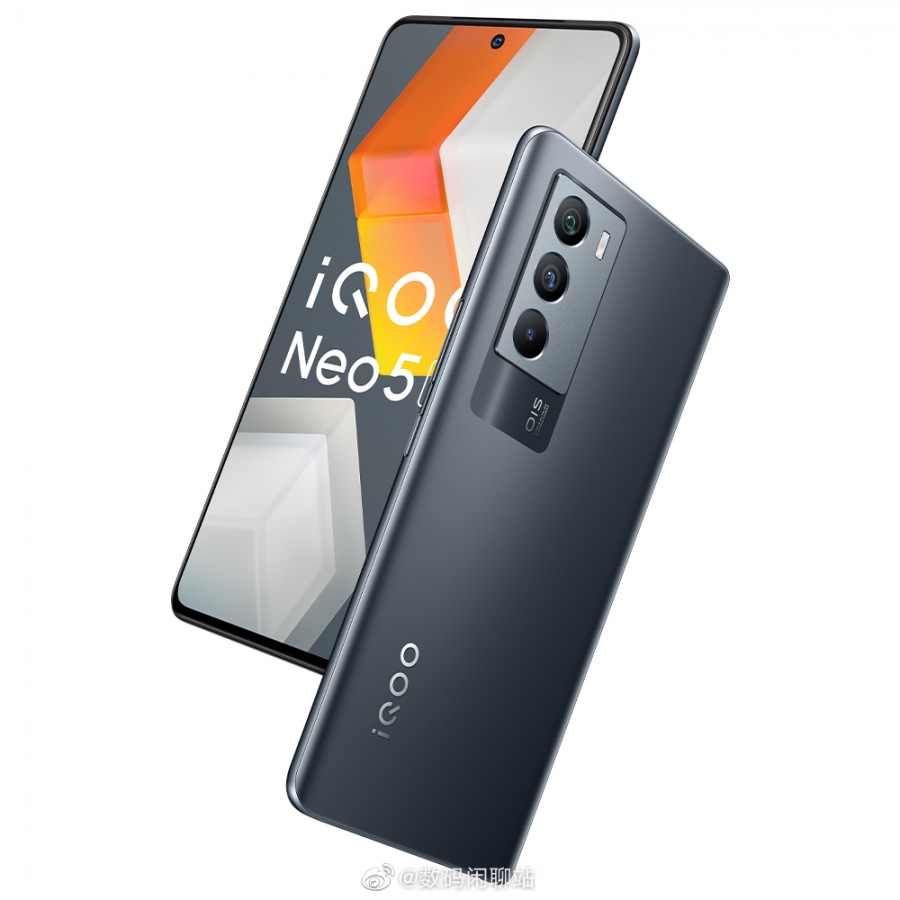
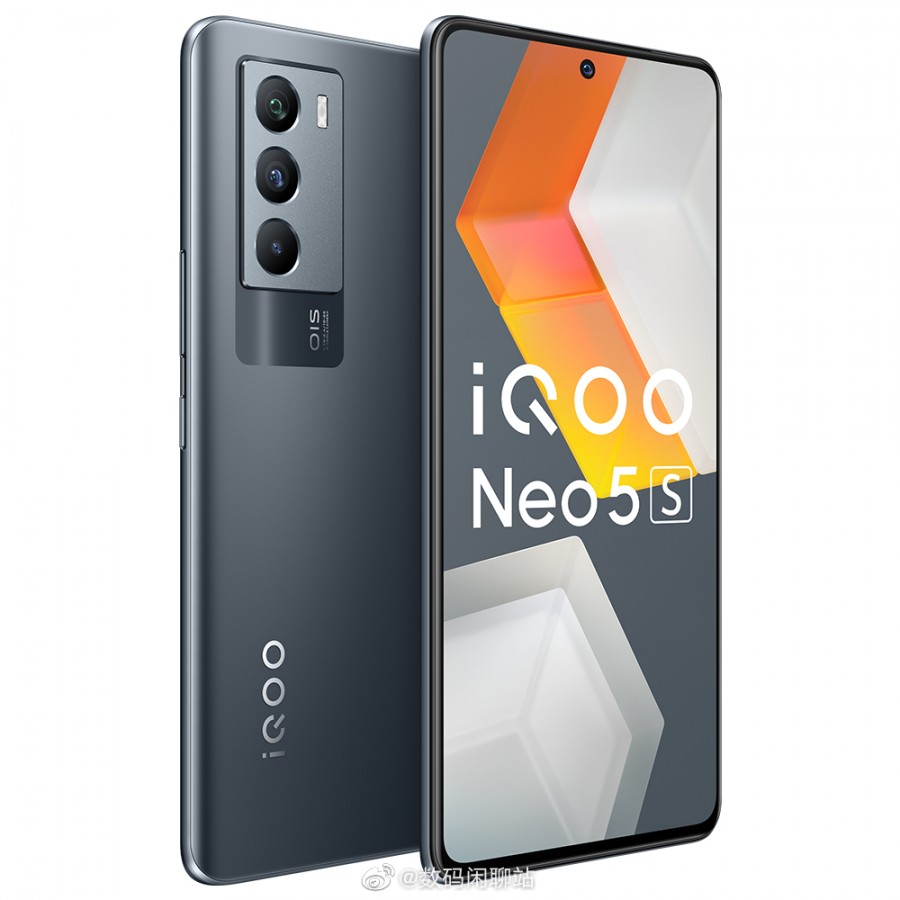
iQOO has scheduled to launch the Neo5s smartphone on December 20 in China. Ahead of its release, the key specs of the phone were revealed. Now, the phone’s high resolution renders have been surfaced giving us a closer look at its design.
According to the renders, the iQOO Neo 5s has a flat-screen display with a thin-bezel design. It is a punch-hole panel that is touted to be a 6.56-inch OLED screen. It has a 120Hz refresh rate and a Full-HD+ resolution.
1 of 2
Moving to the rear, the smartphone has a triple camera system placed vertically. It has a 48MP Sony IMX598 primary lens with OIS(Optical Image Stabilization) support. The details of the other lens are yet to be known but we expect the secondary lens to be an ultra-wide sensor. Besides the camera lenses, there’s an LED flash. The device also has an iQOO branding at the bottom left-side.
Apart from this, the other specs of the phone have been teased previously. Under the hood, the device is expected to come powered by the Qualcomm Snapdragon 888 SoC. It will also have an independent display chip that will offer improved gaming performance.
It may house a big battery and will have 66W fast charging support. The device will run on Android 12 out of the box with OriginOS on top of it. Reportedly, the iQOO Neo5s will also come with a heat dissipation system that will be equipped with rare earth elements. It will make sure that the device doesn’t get heated up while playing intense games.
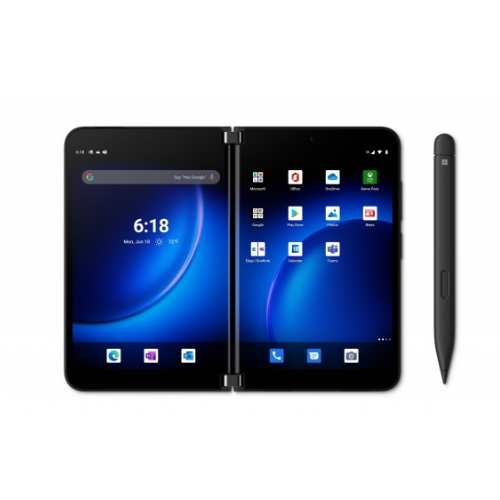
Microsoft launched the Surface Duo 2 phone back in September, with the device arriving with several improvements over the predecessor. However, the first-gen Surface Duo owners have been stranded on an Android 10 based operating system for a while. Now, reports have emerged that the Surface Duo is having some basic functionality issues on its software side. According to a report by MSPoweruser, after the December 2021 update, the Surface Duo has started to glitch when it comes to the copy and paste feature. Reddit user Chris St Aubyn took to the r/surfaceduo subreddit to post about his issue. Aubyn said the copy/paste feature is now broken on his Surface Duo device. But apparently, his device is not the only one that has developed this issue.
One Duo owner wrote that the new patch is “ruining my whole multitasking experience.” While another one complained: “I’m having a problem where text that is copied from one screen doesn’t paste on the other. Which for me destroys almost the whole point of dual screens.”
One Duo owner wrote that the new patch is “ruining my whole multitasking experience.” While another one complained: “I’m having a problem where text that is copied from one screen doesn’t paste on the other. Which for me destroys almost the whole point of dual screens.”
Around October end, Google launched its latest Pixel 6 lineup of devices with the all-new Tensor chipset and a whole host of new features. However, it has been unclear how well these new devices are doing in their domestic U.S market. Now, a new report has emerged that sheds light on this question.
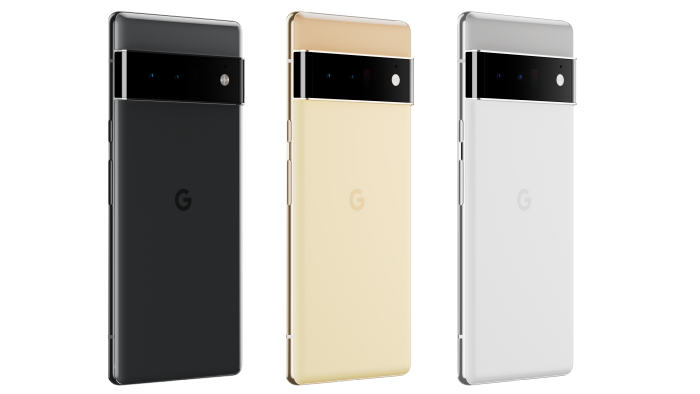
Google Pixel 6 Pro
According to a 9to5Google, Wave7 Research has published a new report that breaks down brick-and-mortar carrier sales based on a sample size of multiple stores around the United States. In Wave7’s October report, Google Pixels averaged around a mere 1-2% sales with major carriers, namely Verizon, AT&T, and T-Mobile. However, this data represented the previous generation Pixel Phone sales, namely the Pixel 5 and Pixel 5a, as the latest devices were released too late in the month to affect the sales figures.
In the November report, we observe Google’s Pixel sales have increased to anywhere between 3-5%. The flagship duo seems to be most popular at Verizon, where it managed to capture 5% of store sales in November compared to 3% back in October. Sales remained constant at AT&T, which saw 3% during both months, while T-Mobile saw a slight increase of 1%, bringing the sales share from 2% in October to 3% in November.
Samsung and Apple remain dominant in the North American market with Google now coming in at a distant 3rd.
The sales gains might not appear huge, but it is a significant increase that has not been observed throughout 2021. It signifies the increased interest of customers in the new Pixel 6 and Pixel 6 Pro, which could be credited to Google’s aggressive ad campaign, especially the heavy TV advertising.
When asked directly about the sales performance of the Pixel 6 series phones, one carrier store said that the Pixel 6 series was a cause of frustration due to a lack of inventory. Multiple Verizon employees gave similar feedback stating that inventory was “too thin” to meet the demand for the new Pixel smartphones.
However, this comes as no surprise Google has had trouble keeping the Pixel 6 series in stock since launch day due to the ongoing global chip shortage.
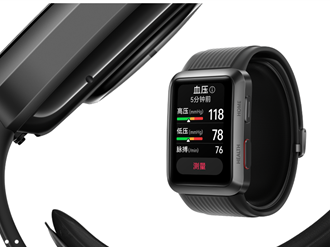
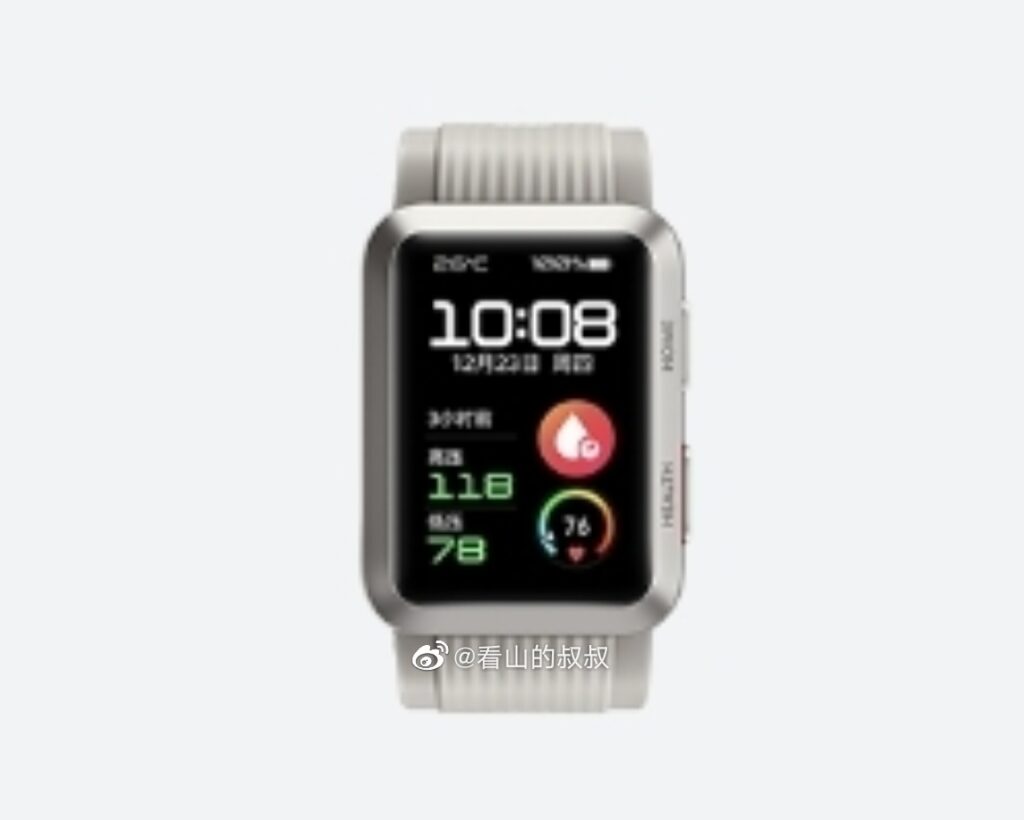
Huawei‘s upcoming Watch D has been a hot topic as of late due to its blood pressure tracking capabilities, but people have been curious as to how the device will achieve this feat. Now, new leaks have surfaced featuring a video guide on how to use Watch D’s blood pressure monitoring features.
The known tipster 看山的叔叔 took to Weibo (a Chinese microblogging site) and leaked a whole host of information about the upcoming Watch D, including accessories, memory and RAM configurations, a silver color variant as well as a video guide on how to use Watch D’s blood pressure monitoring features (via).
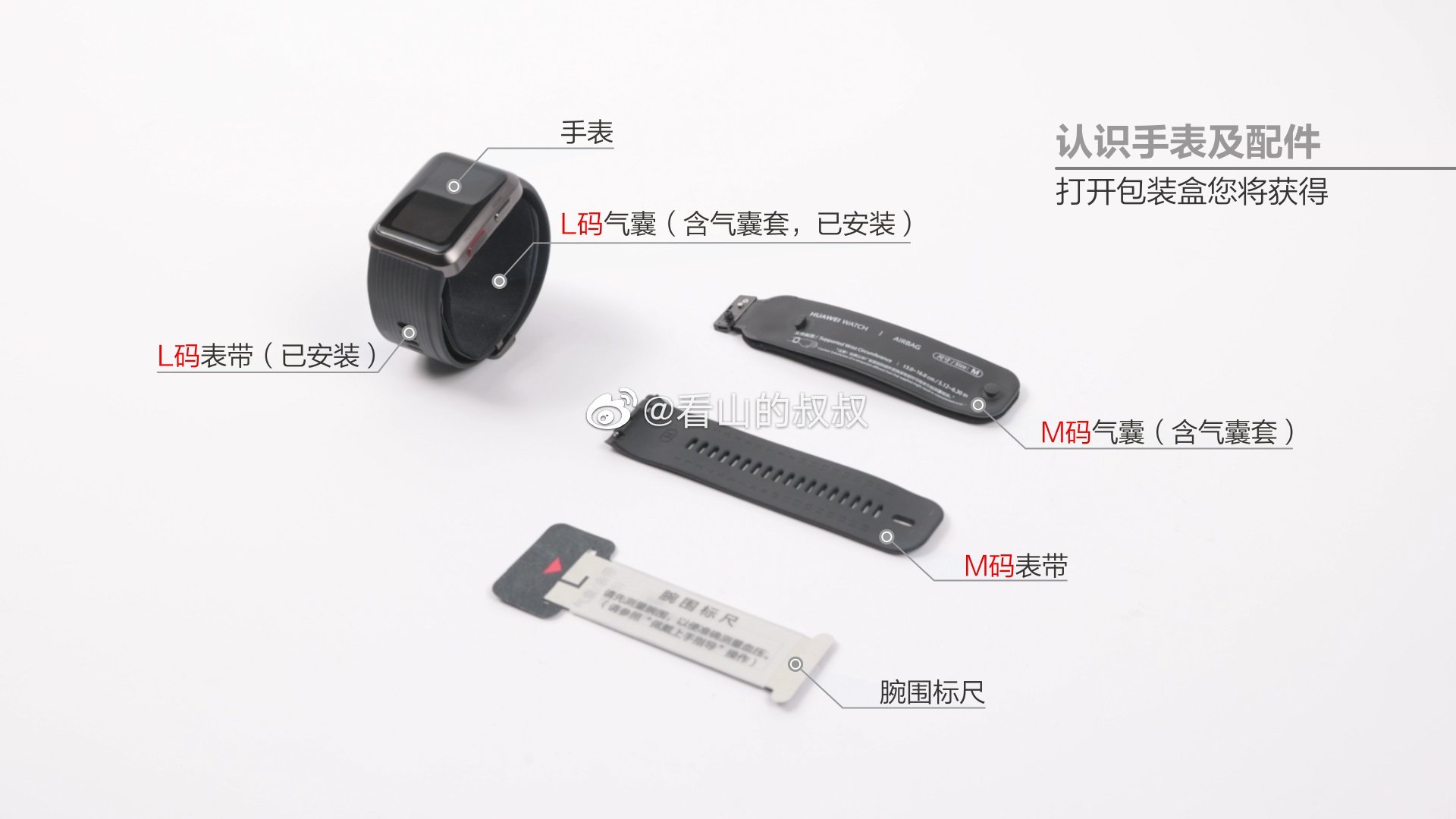
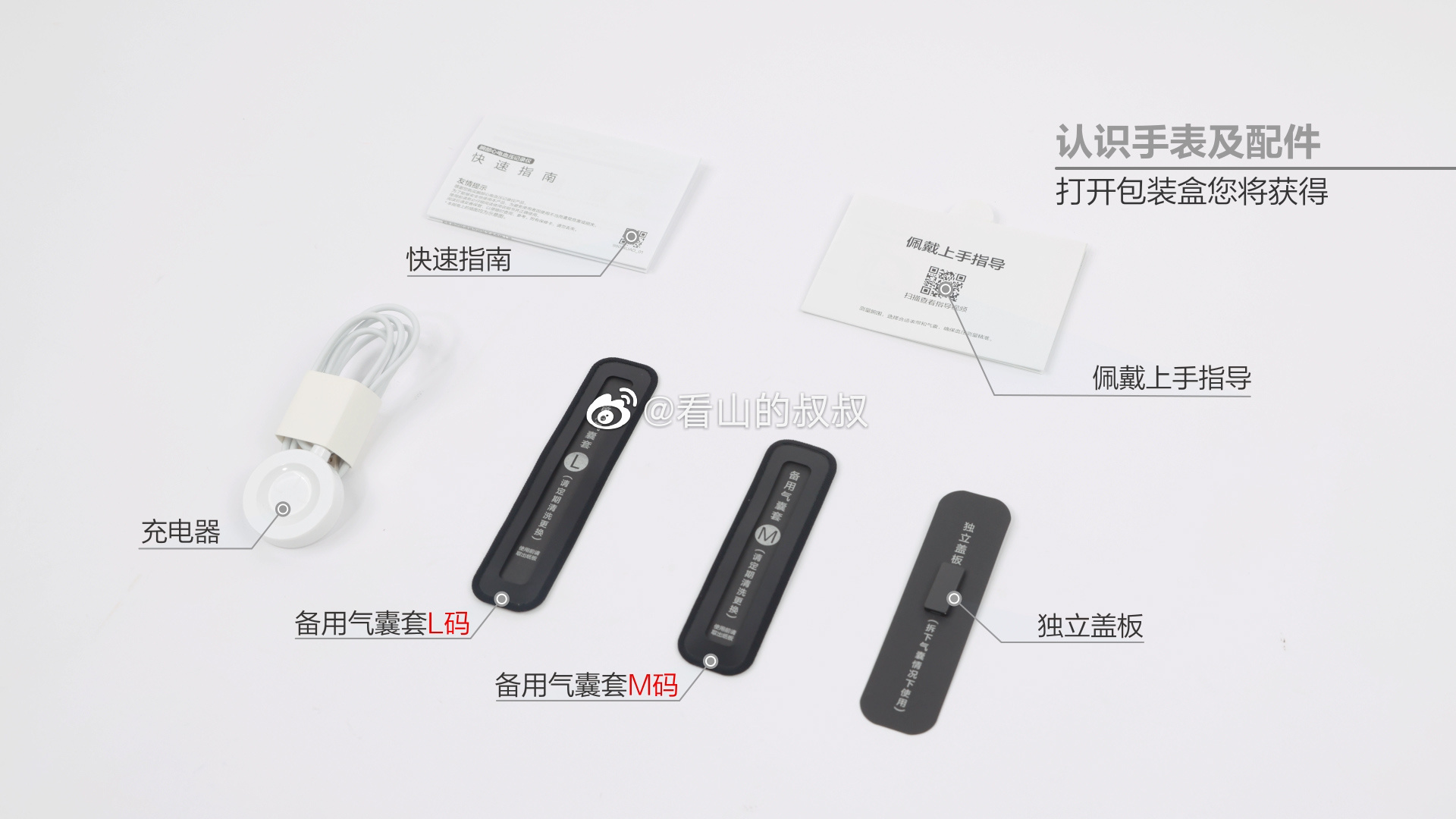
Huawei Watch D accessories
1 of 2
From the pictures, it is apparent that the Huawei WATCH D will come with multiple accessories, including the body of the watch, different sizes of straps, different sizes of airbags, as well as the ruler for measuring your wrist’s circumference, a charger, user guide, etc.
According to the Huawei Watch D user guide video, It appears that the Watch D will come equipped with an airbag to measure the user’s blood pressure. The airbag appears to be removable and has to be attached under the watch strap and connected with the watch D via a small pin to enable the blood pressure monitoring capabilities.
The WATCH D user will need to measure wrist circumference to match the size of the strap and the airbag. After the measurement, you can adjust the strap according to the scale, and you can also change different sizes of straps and airbags.
When measuring blood pressure, the user can initiate the measurement by double-clicking a physical button on the smartwatch. A timer will pop up indicating that the blood pressure check is about to start. It is necessary to stay in a relaxed position, keep the wrist (with the device on) at the heart level with your palms on the shoulder, and support the elbow with your other hand.
The tipster revealed that the Huawei Watch D will feature 32 MB of RAM and 4 GB internal storage, akin to the Huawei Watch GT 3, and can be connected to Bluetooth headphones. Additionally, a silver color variant of the Watch D was revealed via these leaks alongside its expected price of 2998 Yuan ($470).
The watch D, which is currently available for registration, is expected to launch on December 23rd at Huawei’s winter product launch conference.
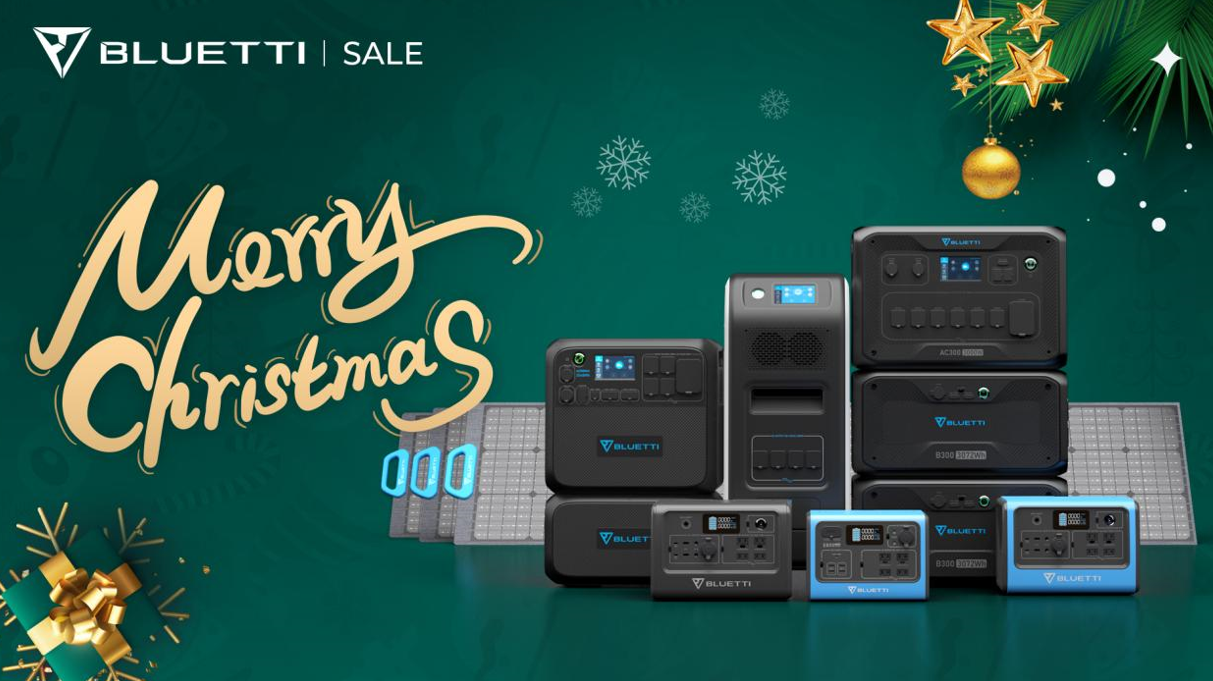
This holiday season Bluetti has brought back some of its best deals and discounts on its products. You can now get up to 30% OFF on different products and bundles only under the final Christmas and New Year Sale 2021.
So let’s check out some of the best and interesting deals on Bluetti Power Generators.
Original Price:$3699 Discounted Price: Starts at $3199
Save up to $3400 with bundles
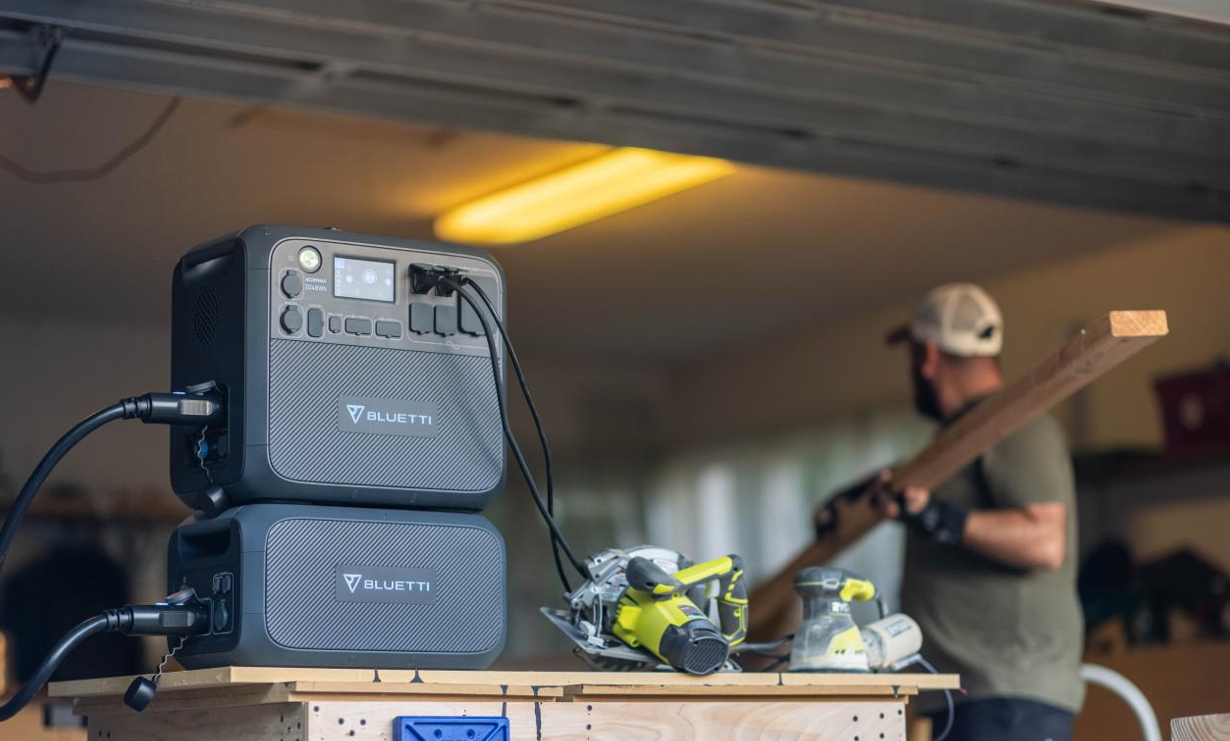
Known as the modular power beast combo, Bluetti AC300 and B300 external battery packs are well known in the solar power generator market. AC300 does not come with a built-in battery which makes it super lightweight and highly portable. However, every AC300 can accept up to 4 B300 battery packs which bring the total capacity to 12288Wh. Moreover, this whole bundle can be easily transferred by one person alone making it a great choice for solo campers and travelers. Note that AC300 is compatible with Bluetti Fusion Pro which doubles the voltage, power, and total capacity. This means you get an uninterrupted power supply for days.
Highly portable modular solar generator
One of the long-lasting solar generators in the market
AC300 can be charged with both AC and Solar simultaneously whilst being connected to dual B300 battery modules
AC300 accepts up to 4 x B300 battery modules – Thus total capacity 12288Wh
Original Price:$2099 Discounted Price: Starts at $1899
Save up to $1700 with bundles
This is an upgraded version of the famous Bluetti AC200. Powered by a 2048Wh LFP battery, AC200 MAX can also take up to two external batteries including B230 and B300. This bundle is perfect for Vanlifers, campers, RV users, etc.
All-round and upgraded version of classic AC200
Capacity: 2048Wh for AC200MAX
LFP Battery with life cycle 3500+
Can be quickly charged up to 80% with direct sunshine in around 2 hours
Expandable with up to 2 battery modules
Up to 6,144Wh with 2×B230’s, or 8,192Wh with 2×B300’s
2,200W pure sine wave AC inverter, Surge 4800W
Up to 900W solar input rate and 500W adapter input, 1400W in total
Original Price:$1048 Discounted Price: Starts at $899
*Coupon on the website
1-EB55: 700W, 537Wh Solar Generator
1-PV200: 200W Foldable Monocrystalline Solar Panel
BLUETTI Christmas Luck Wheel:
To add a little more cheer to your Christmas festivities, Bluetti has come up with this lucky wheel wherein this December, every purchase over $1000, will get you a chance to win either a free 6 ft. tall Christmas tree, a mini power station (EB55, AC50S, AC20 or AC10) or other gifts. Please note that the Bluetti Christmas Sale ends on 31 December 2021. So make sure to pop in before the sale expires to avail of some great discounts and maybe even some free gifts.
For more information on such exciting deals and offers check out our deals hub.
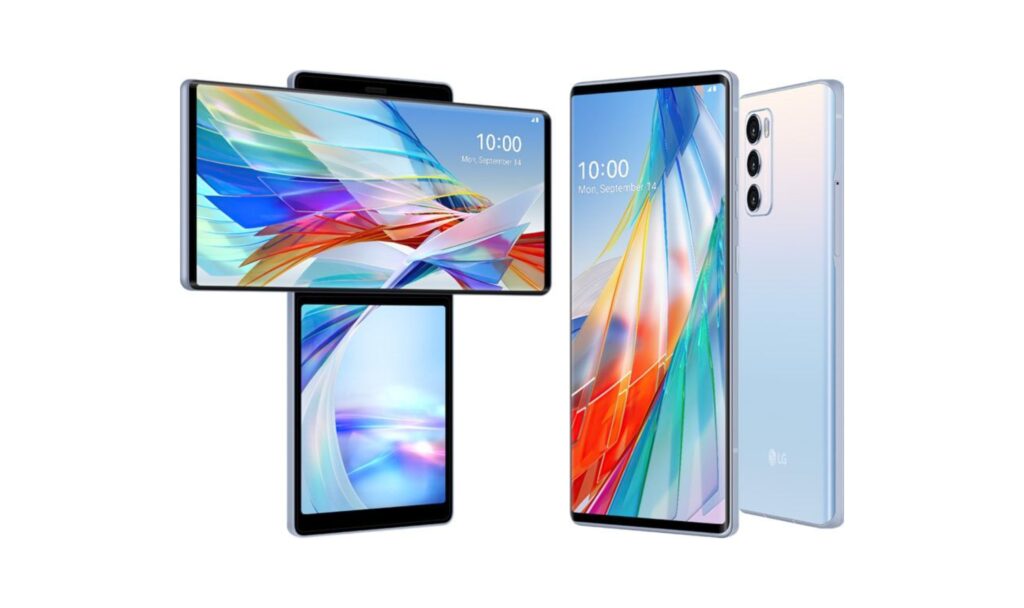
Android 11 has begun seeding out to the LG Wing and it could be the very last for the phone. First reported by 9to5Google to be rolling out to the Verizon model in the United States, it could be possible that more variants are beginning to receive it now.
To recall, the LG Wing was released as the brand’s last major offering back in September 2020 before the company’s smartphone division shut down earlier this year for good. LG was on a streak of launching some really crazy designs, whether it was the LG G8X ThinQ’s dual-screen or the LG G5’s modular design, so seeing it call it quits was actually tragic.
Still, the company’s legacy lives on through software updates for some of its existing models, although that slowly seems to be coming to an end as well.
You see, LG’s company website had earlier specified that the LG Wing was not only eligible for Android 12 but also for Android 13. The phone was launched with Android 10 so three Android upgrades is actually quite a feat.
However, given how Android 11 for the phone has rolled out only now at a time when flagship-level phones from various OEMs are already receiving stable Android 12, it could be possible that the update is the Wing’s very last. A delay of around a year is no joke and if LG keeps up such a pace, it could mean Android 12 only by 2023 and Android 13 by 2024 – something that looks highly unlikely now for a brand that’s already shut down.
Regardless, we do hope that LG will surprise us all with Android 12.
Coming to the Android 11 build itself, it brings along the November 2021 security patch, which is a slight bump over the current September 2021 patch. The changelog mentions a new conversation bubbles feature and some other miscellaneous changes but that’s about it. These changes include support for Focus Mode through the quick settings, expanded support for Emergency Alerts, and the apparent removal of some mobile hotspot controls.
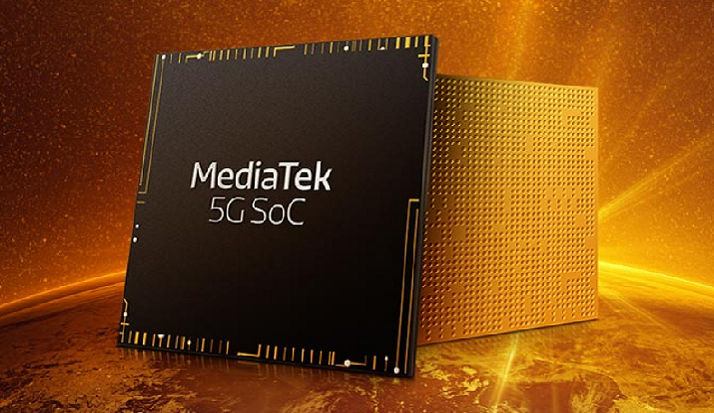
MediaTek has been making strides in developing chips for devices other than smartphones, recently announcing its Kompanio series of processors for Chromebooks and Pentonic 2000 chip for high-end 8K 120Hz TVs. While most of its revenue continues to come from SoCs for smartphones, it’s clear that the Taiwanese chipmaker is keen on undercutting competition through innovation and being first in offering cutting-edge technologies.
Company CEO Cai Lixing recently revealed that MediaTek will be launching the first 5G mmWave (millimeter-wave) mobile SoC next year. It will be paired with a Wi-Fi 7 solution, also set to be launched early next year (via Digitimes). This, he hopes, will allow the company to achieve 10-20% revenue growth, which although is lower than 2021 growth, is still quite decent.
Lixing further pointed out that MediaTek has received major capacity support in 2022 from its foundries, back-end packaging, and substrate partners, and the shipment situation will be stable next year.
“The post-epidemic era has added many variables to global economic development, and MediaTek will also face many technical challenges, including increasingly complex design architectures and more advanced 3nm and 2nm chip manufacturing nodes,” he said.
MediaTek’s financial report recently revealed consolidated revenue for 3Q21 stood at NT$131,074 million, up 4.3% from the previous quarter and 34.7% year-on-year. Sales of mobile phone chip solutions rose by over 110% year-on-year with a revenue contribution rate of 57%. Sales of non-mobile products including power management ICs and network chips also increased by more than 30%.
In addition, Cai Lixing revealed that MediaTek has become one of the leading companies in the field of wireless communication chips and is doing quite well in the field of Wi-Fi 6/6E.
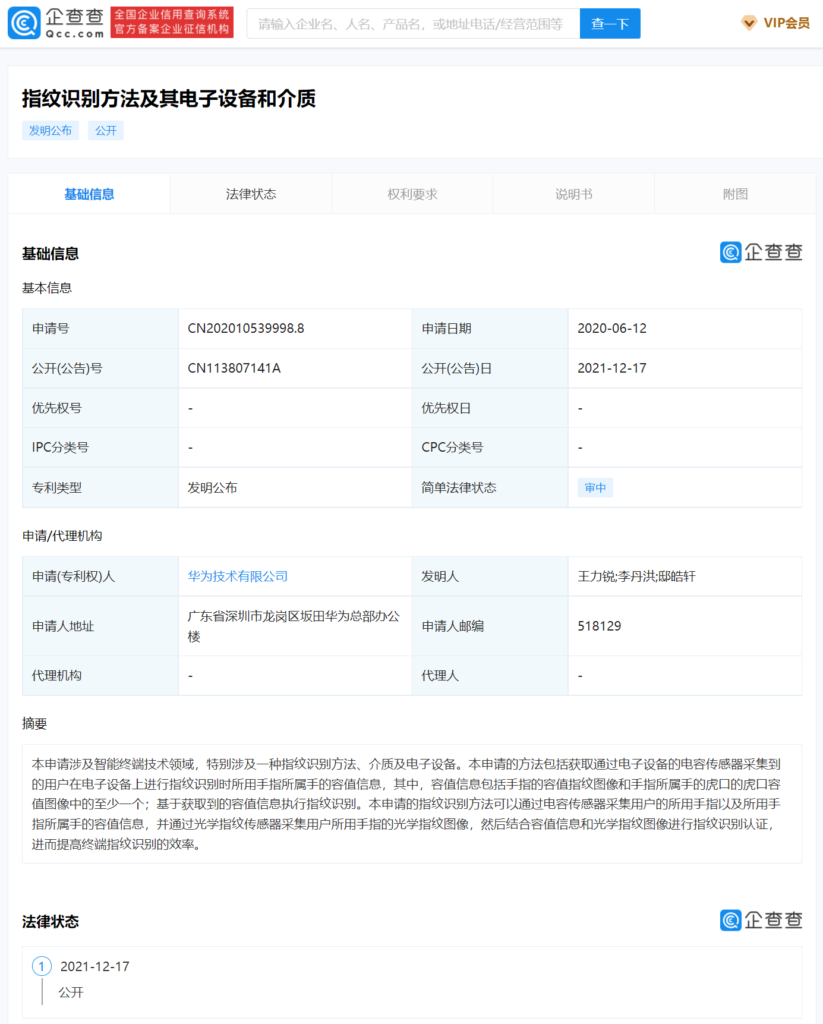
Huawei yesterday published a patent for “fingerprint identification method and its electronic equipment and media” with publication number CN113807141A detailing an innovative piece of tech that will improve fingerprint identification.
In it, an optical fingerprint sensor will be used in combination with a capacitive sensor (via IT Home). While the former will be used to acquire a virtual image of the finger, the latter will help grab data on what hand the finger belongs to. These two bits of data will then be fused together to greatly improve the efficiency of terminal fingerprint identification. It isn’t clear if the ‘improved efficiency’ bit mentioned within the patent relates to advancement in security or a speedier scanning process but our guess is it’s for both.
The Huawei patent application further mentions that the new fingerprint tech will be used for the “field of smart terminals.” What that stands for is again unclear but it’s safe to assume that smartphones may also be benefitting from the tech, particularly those with optical under-display fingerprint sensors.
The cool piece of tech currently seems to be limited to the document but it’s not unsafe to say that Huawei must already be working on developing it. Digging through the document will reveal that the patent was first filed back in June 2020 and it has already been over a year since, after all.
That said, for those unfamiliar with optical fingerprint sensors, the tech is used in under-display fingerprint sensor hardware and works by reflecting light off of your finger. While they are a cheaper alternative to superior ultrasonic fingerprint sensors, they are slower and not as accurate. Hopefully, Huawei’s patent means that these shortcomings will be eventually addressed.
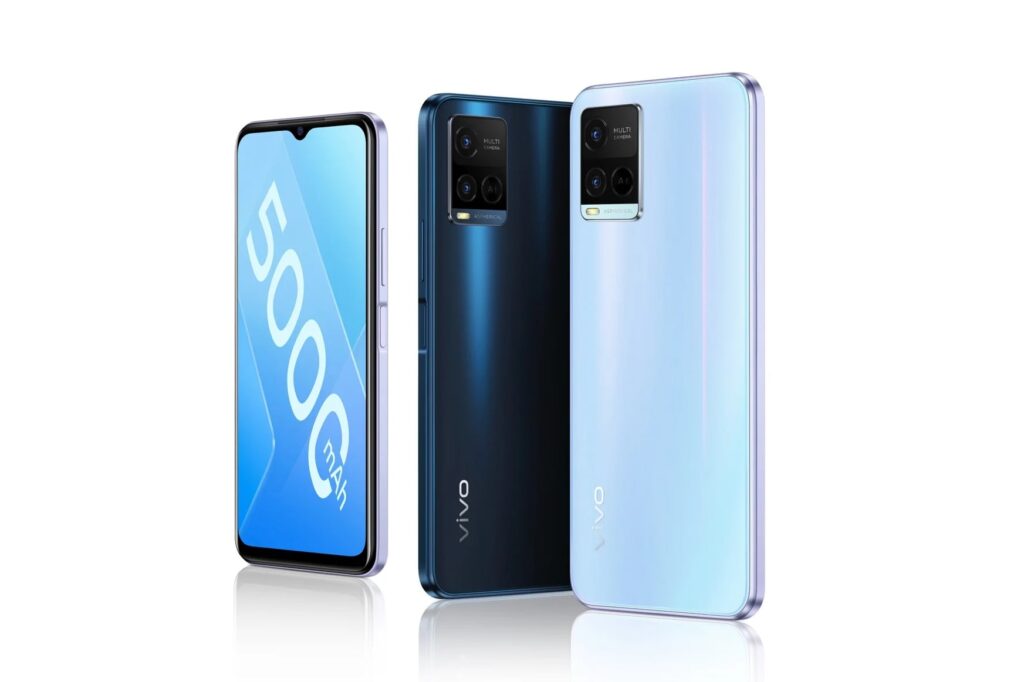
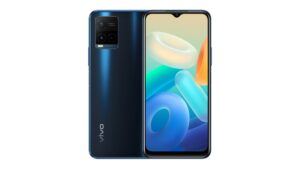
The vivo Y32 first emerged on TENAA at the end of November. The phone’s listing on TENAA was later updated with its entire specs in early December. A couple of weeks from that, the handset is now finally official in China.
vivo Y32 Specifications and Features
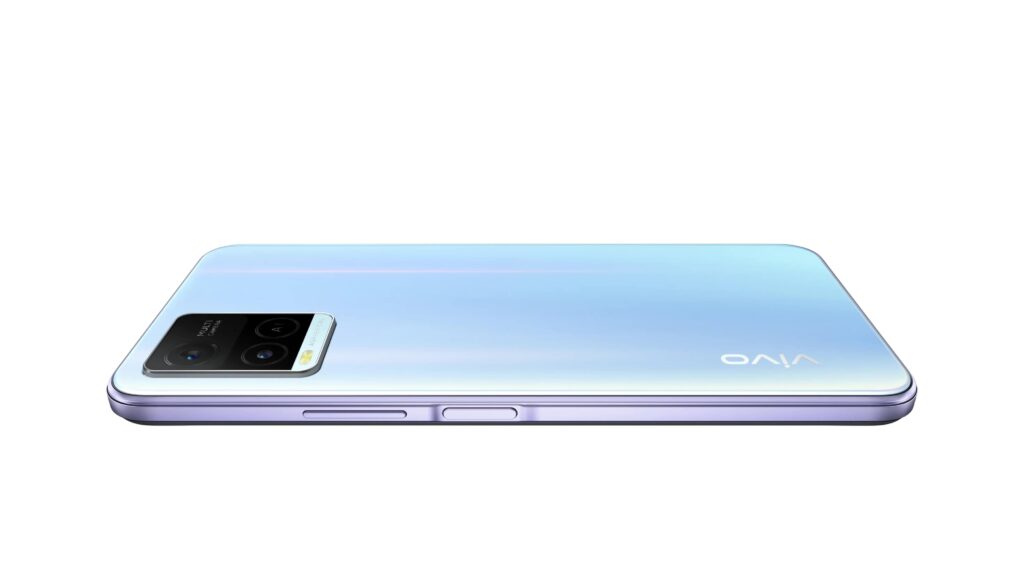
The newly launched vivo Y32 looks like a premium smartphone, however, it features a glossy plastic finish. It measures 164.26 x 76.08 x 8mm in dimensions, weighs 182g, and arrives in two color options (Harumi Blue, Foggy Night).
The main highlight of this device is the presence of a Qualcomm Snapdragon 680 SoC. In fact, it is the world’s first smartphone with the aforementioned chipset.
This silicon is paired with 8GB LPDDR4x RAM and 128GB UFS 2.1 storage. If needed, the storage can be further expanded up to 1TB via a MicroSD card slot.
Further, the phone flaunts a 6.51-inch LCD panel with a resolution of 1600 x 720 pixels (HD+), 16.9 million colors, and a 60Hz refresh rate. The display has a 1500:1 contrast ratio, an 89% screen-to-body ratio, a 20:9 aspect ratio, and a dewdrop notch.
As far are cameras are concerned, the handset houses a 13MP (wide) + 2MP (macro) dual-camera setup on the rear. Whereas, an 8MP snapper is present inside the notch on the front.
As for connectivity, the device comes with dual-SIM, 4G, dual-band WiFi, Bluetooth 5.0, GNSS (GPS, BeiDou, GLONASS, GALILEO, QZSS), a USB Type-C port, and a 3.5mm headphone jack. It has all the essential sensors like an accelerometer, ambient light sensor, compass, proximity sensor, and a side-mounted fingerprint sensor.
Last but not least, the vivo Y32 runs OriginOS based on Android 11 and draws energy from a 5,000mAh battery with support for 18W fast charging.
vivo Y32 Price and Availability
The vivo Y32 is priced at ¥1,399 ($219) in China. The company is yet to reveal its availability.
As of now, we are not sure if and when the smartphone will make its way to the international markets.
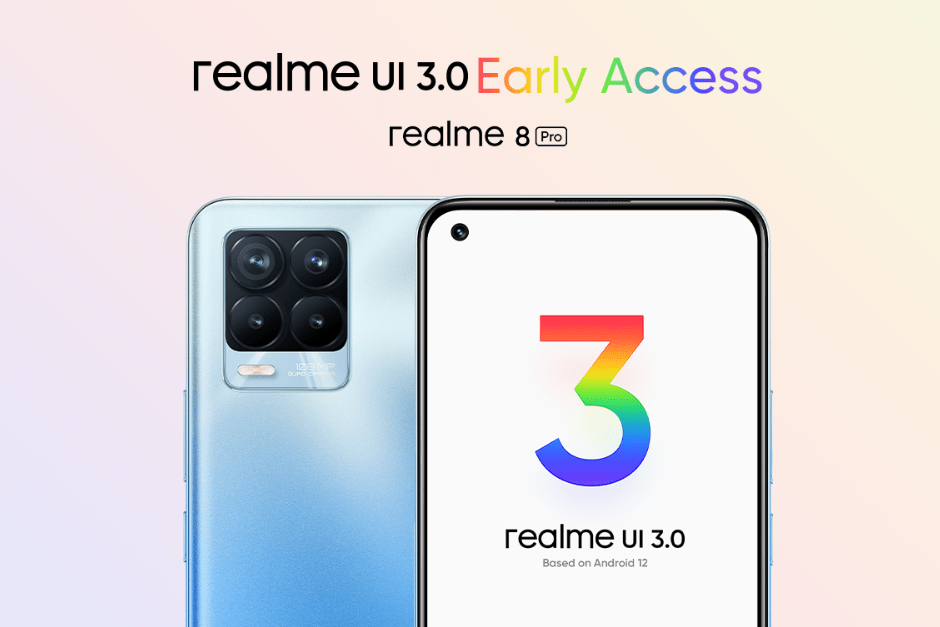
According to the Android 12-based realme UI 3.0 update timeline shared by realme, a total of four devices are supposed to receive ‘Early Access’ builds in December 2021. As three of them have got the update in the past few days, the fourth and the last one, realme 8 Pro, also gets it now.
The realme 8 Pro is the first budget smartphone from realme to join the realme UI 3.0 Early Access program. According to the official announcement post on realme Community, the registrations for the initiative kickstarted on December 17.
In order to enroll in the program, users should be on firmware version RMX3081_11.C.09. If they are, then they need to go through Settings > Software Update > Gear Icon > Trial Version > Apply Now > Submit Details.
Selected applicants will receive the realme UI 3.0 (Android 12) Early Access build via OTA. If participants don’t get selected, then they can try their luck in the next round of recruitment.
Users have an option to roll back to the realme UI 2.0 (Android 11) stable channel if they are not satisfied with the new software. However, this process will erase the phone’s internal storage.
At present, it’s not known when realme 8 Pro will get access to the realme 3.0 stable update based on Android 12.
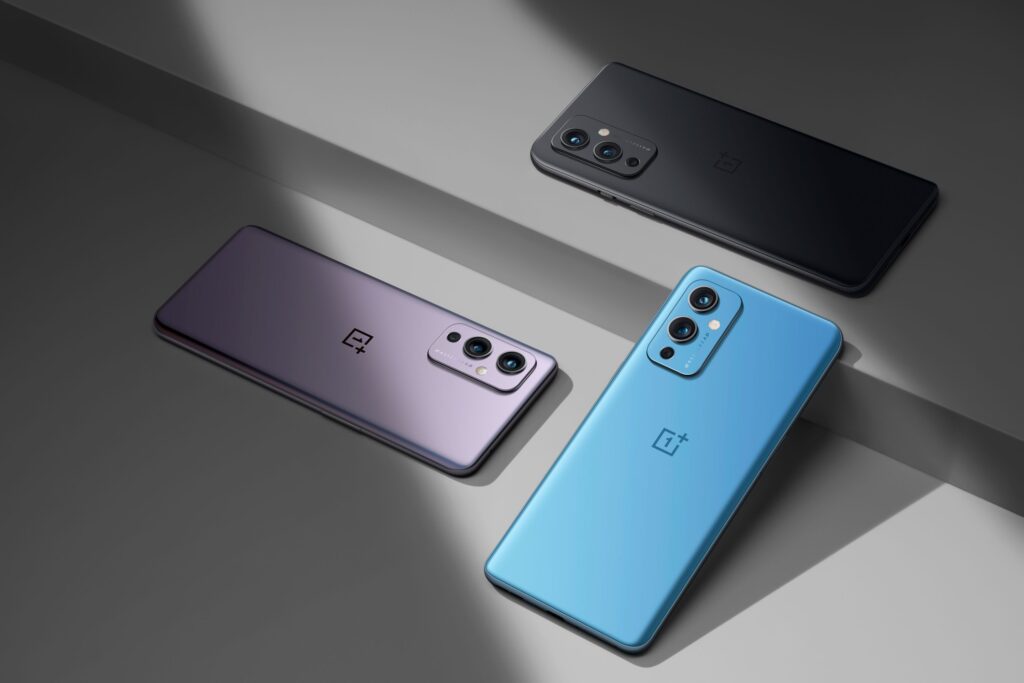
Last week, OnePlus rolled out the Android 12-based OxygenOS 12 stable update for the OnePlus 9 and the OnePlus 9 Pro. Unfortunately, despite being called stable, the software was plagued with bugs. Hence, the brand had to halt the rollout. A few days later, the Chinese smartphone maker has now re-released the update with fixes for some of the most reported issues.
OnePlus 9
According to the official announcement post on OnePlus Community, the OxygenOS 12 stable re-release for the OnePlus 9 and the OnePlus 9 Pro is currently being rolled out in India and North America with the following build numbers.
OnePlus 9
IN: LE2111_11_C.39
NA: LE2115_11_C.39
OnePlus 9 Pro
IN: LE2121_11_C.39
NA: LE2125_11_C.39
OnePlus says that the new software builds for the handsets arrive with fixes for mobile data connection failure, blank notification bar, screen tearing while switching to home screen from some games, certain display problems, freeze issues, and more.
The company assures that its aware of the auto-fill issue in Chrome and lack of access to 48MP mode and auxiliary cameras in GCam mods as well as other third-party camera apps. These and other prevailing bugs will be fixed via subsequent software updates.
Having said that, the fresh system update for the OnePlus 9 series is currently being rolled out in batches. It will soon make its way to Europe and other regions as well.
OnePlus 9, 9 Pro OxygenOS 12 Stable Re-release Official Changelog
System
Improved the smoothness of fingerprint unlocking
Optimized system power consumption to extend the battery life
Fixed the issue of screen tearing when back to the home screen in some games
Fixed the issue that the notification bar showed a blank bar
Updated Android Security Patch to 2021.12
Camera
Improved the startup speed of the application
Improved the image effect of the rear camera
Network
Fixed the issue that failed to connect to the mobile data in certain scenarios
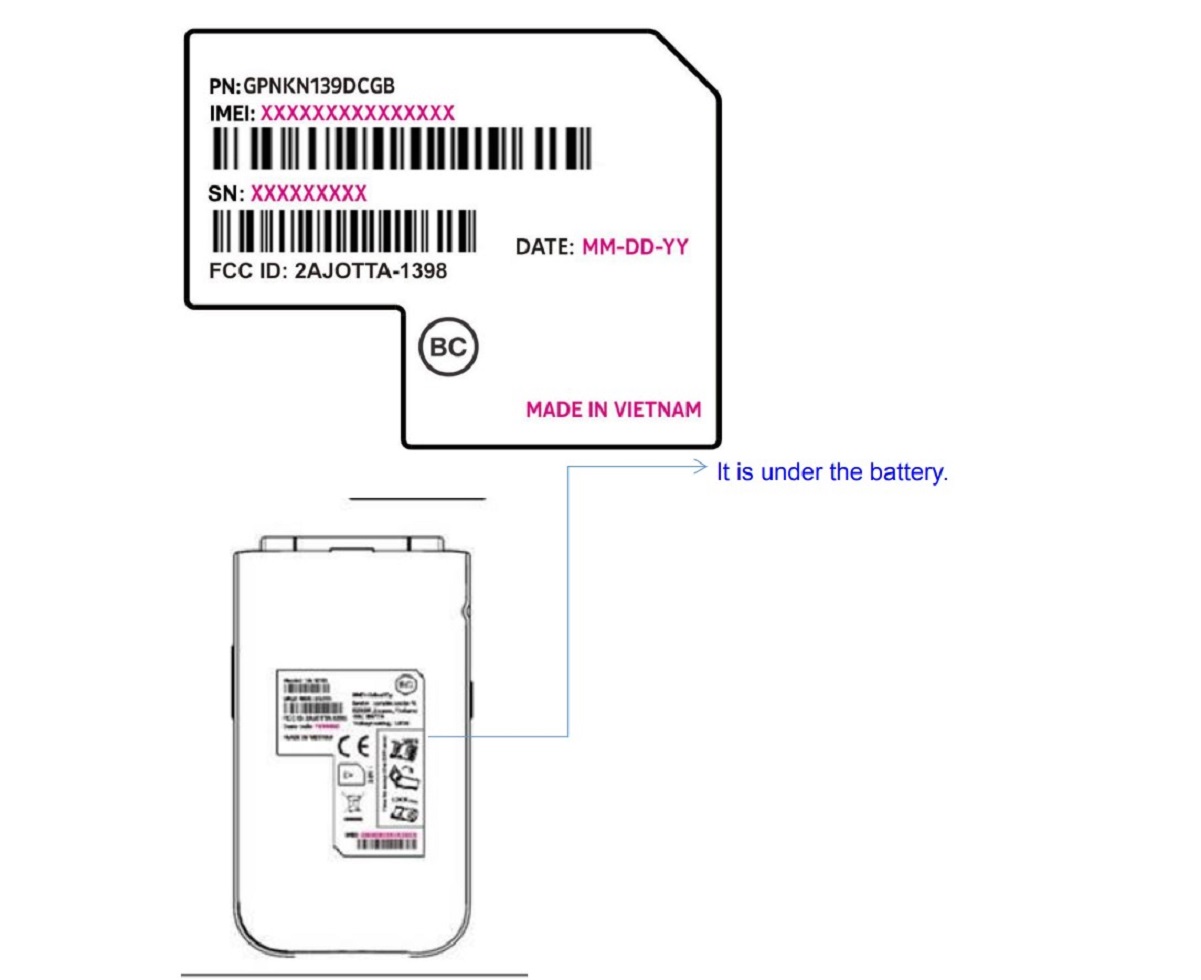
HMD Global may have just yet another entry-level Nokia “smart” feature phone in the works if the latest FCC listing is anything to go by. The most interesting aspect of this listing is that the device will come with a flip design. The Nokia N139DL is listed with the model number TA-1398 and may be launched in no distant time.
The Nokia N139DL is potentially the second flip design-packing feature phone HMD Global will be unveiling in recent times. Recall that the Nokia 2720 4G was launched in May this year as the first KaiOS-powered Flip phone.
FCC documents show that the Nokia N139DL design won’t be too different from the Nokia 2720 4G. This model will pack a 1450mAh battery that is almost similar to the 1,500mAh cell on the 2720 4G. The listing also shows the device will come with support for Wi-Fi and 4G connectivity. The device had earlier received certification from the WiFi Alliance showing it will be powered by KaiOS 3.0. We also expect it to come with support for Google Assistant for voice commands just like its predecessor.
We expect the Nokia N139DL to carry a decent price like the Nokia 2720 4G which is priced at $80. There is no indication when the device will be launched but we expect that to happen soon. We’ll keep you updated when new details emerge about the upcoming Nokia flip phone.
Apple and Google are global tech giants that have both come under scrutiny by regulators and anti-trust watchdogs in different countries. Due to their expansive influence on the smartphone market, both companies have been accused in several quarters of monopolistic practices. There is yet another report that a United Kingdom regulator has released a report which accused Apple and Google of having a “vise-like grip” on the smartphone market.
Apple and Google are the leading providers of technology and software on which smartphones run via the iOS and Android operating systems, respectively. Although the UK regulator’s report is non-binding, it could add to the growing calls for some anti-trust regulation to safeguard the market in the UK and Europe. The report also does not have any proposed legislative changes needed to tackle the issue. The regulator however says it is assessing whether to try to loosen the control of the two companies within the smartphone market, and more importantly, smartphone ecosystems.
There had been a lot of non-binding research ongoing on competition within the tech firmament across the UK and Europe. The current report is in its preliminary stage and it is a part of a push by Britain’s Competition and Markets Authority (CMA) for regulatory action in the smartphone market. The CMA report is a 445-page document that says Apple and Google, via their respective app stores, exercise a very strong dominance on the market. The power these companies exercise on their app stores makes it difficult for users to find alternatives in several instances, thus limiting their choices. This control could be inimical to innovation, according to the report.
The CMA says that the implication of the dominance of the two tech powerhouses on the UK market is leading to the loss of potentially millions of persons across the UK. Both Apple and Google, in their separate responses to the report, affirmed their commitment to continue to work with regulators to sustain best and competitive practices in the market.
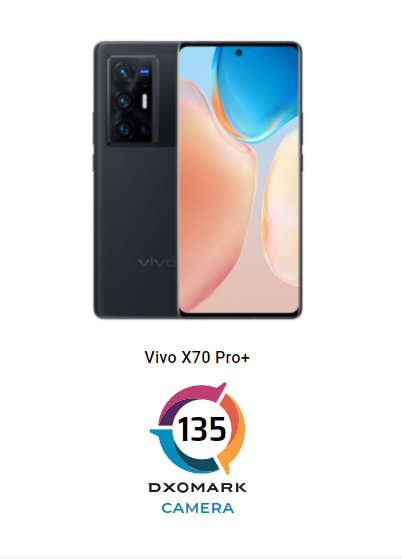
Back in September, vivo launched its latest flagship, the X70 Pro+, with all the latest and greatest specs one would expect out of a premium smartphone but with a special on cameras and imaging technology. Now, the X70 Pro+ has just passed through the DxOMark camera test and has scored 135 points, cracking the top 10 rankings for the best smartphone camera.
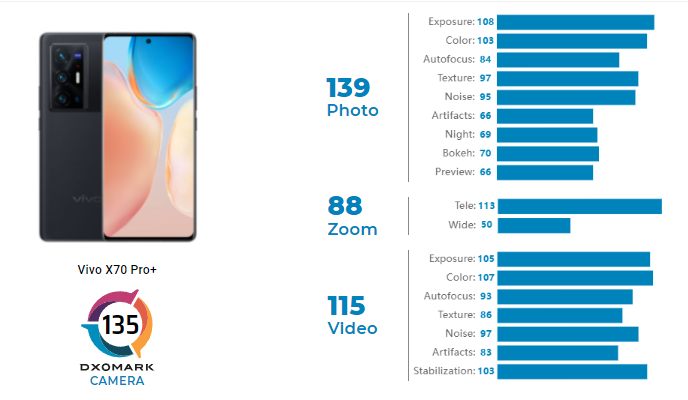
In the DxOMark camera test, the vivo flagship achieved a notable score of 135 points. Its camera scored 139 points, while its zoom and video scores reached 88 and 115 points, respectively. Through these scores, the X70 Pro+ secured the 7th position in DxOMark’s top smartphone camera list.
Looking at the tests, the device showed great performance when it came to exposure of the shots and the wide dynamic range related to the main and ultra-wide-angle sensor. The vivo x70 Pro+ has good management of digital noise in low light conditions and delivers accurate color rendering. The device provides a natural blur gradient and good subject isolation in bokeh mode.
While shooting videos, the X70 Pro+ provides good exposure, nice color, and accurate white balance in bright light and indoor and also has effective video stabilization.
However, the tests also found that the vivo X70 Pro+ suffers from autofocus issues, which is a little slow in reacting to scene changes. Fusion artifacts are quite intrusive while in low light and varying levels of noise reduction through consecutive shots. Another setback is observed while noise filming indoors or in low light.
Despite these flaws, the vivo X70 Pro+ has managed a significant score of 135 points thanks to several improvements in various areas over its predecessor. The device beat Asus’s Smartphone for Snapdragon Insiders with its score but still lost to the Huawei Mate 40 Pro. As for now, the Huawei P50 Pro still tops the chart while the Xiaomi Mi 11 Ultra arrives second.
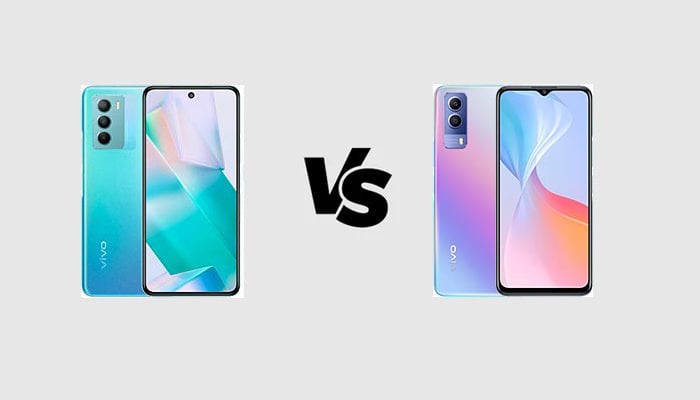
Two months ago Vivo launched a new series of phones for the midrange segment identified by the letter T. The first handsets from the series are Vivo T1 and Vivo T1x: both mid-rangers, both with a great quality price ratio. Despite they are two variants from the same lineup, there are plenty of differences between the Vivo T1 and the Vivo T1x. This is the reason why we decided to put them together in a comparison between the main specifications. If you were looking at these two devices but you were a bit confused about which one to go for, go ahead with this comparison and you will learn the main differences between Vivo T1 and Vivo T1x.
Vivo T1 vs Vivo T1x
Vivo T1
Vivo T1x
DIMENSIONS AND WEIGHT
164.7 x 76.7 x 8.5 mm,
193 g
164 x 75.3 x 8.5 mm,
189 g
DISPLAY
6.67 inches, 1080 x 2400 pixels (Full HD+), IPS LCD
6.58 inches, 1080 x 2408 pixels (Full HD+), IPS LCD
Triple 64 + 8 + 2 MP, f/1.8 + f/2.2 + f/2.4
16 MP f/2.5 front camera
Dual 64 + 2 MP, f/1.8 + f/2.4
8 MP f/2.0 front camera
BATTERY
5000 mAh, fast charging 44W
5000 mAh, fast charging 44W
ADDITIONAL FEATURES
5G, dual SIM
5G, dual SIM
Design
The aesthetics of the Vivo T1 and the Vivo T1x are very different. First of all, the former has a punch-hole display with a hole placed in the middle of the panel, while the latter has a waterdrop notch. The rear side of the Vivo T1x reminds of the Vivo Y72 5G with a smaller and vertical camera module including two sensors and a LED flash, while the VIvo T1 has a larger and more traditional camera module. Both the phones are made of polycarbonate, but, even though the vanilla version has a higher screen to body ratio, the Vivo T1x is way more compact because it sports a smaller display.
Display
The Vivo T1 and the Vivo T1x are equipped with IPS LCD displays sporting a Full HD+ resolution and a 120 Hz refresh rate. Not amazing panels in terms of color reproduction, but good enough for every kind of user. The Vivo T1 has a wider diagonal: 6.67 inches against just 6.58 inches. Further, it comes with the HDR10 certification which improves the image quality. For the rest, these displays are similar. On the audio side, the handsets are equipped with mono speakers and a 3.5 mm audio jack. The fingerprint reader is placed at the side, on the power key.
Specs & Software
If you want higher performance and a better device for multi-tasking, choose the Vivo T1. It is powered by the Snapdragon 778G mobile platform, an octa-core chipset running at a max frequency of 2.4 GHz and including an Adreno 642L GPU. The chip is paired with up to 12 GB of RAM and up to 256 GB of UFS 3.1 internal storage, a memory configuration which you can usually find on flagship phones. It is an upper-midrange handset great for gaming and productivity. The Vivo T1x still comes with a midrange chip, but it is an inferior Mediatek Dimensity 900 paired with up to 8 GB of RAM and up to 256 GB of storage. Vivo T1 and Vivo T1x run Android 11 out of the box, customized by OriginOS.
Camera
The rear camera setup of the Vivo T1 includes a 64 MP main camera, an 8 MP ultrawide sensor and a 2 MP macro camera. It is a midrange camera phone, nothing special but it guarantees a good photo quality and 4K video recording. The Vivo T1x lacks the 8 MP ultrawide sensor but the remaining ones are the same. The front camera of the vanilla version is a better 16 MP snapper, while the T1x sports a disappointing 8 MP sensor.
Despite the Vivo T1 has bigger dimensions, these two devices pack the same battery: a 5000 mAh unit that supports 44W fast charging which brings it from 0 to 70 percent in just 38 minutes. The Vivo T1x should guarantee a slightly longer battery life because it has a smaller and more efficient display, but the difference should be just marginal.
Price
The starting price of the Vivo T1 roughly translates into €300/$368, while the Vivo T1x is priced at €230/$259 in its base variant. If you can renounce to the ultrawide sensor and a Dimensity 900 is powerful enough for your needs, then choose the T1x and you will even get a more compact phone. But if you need high performance and good ultrawide shots, then go for the vanilla version.
We use cookies on our website to give you the most relevant experience by remembering your preferences and repeat visits. By clicking “Accept”, you consent to the use of ALL the cookies.
This website uses cookies to improve your experience while you navigate through the website. Out of these, the cookies that are categorized as necessary are stored on your browser as they are essential for the working of basic functionalities of the website. We also use third-party cookies that help us analyze and understand how you use this website. These cookies will be stored in your browser only with your consent. You also have the option to opt-out of these cookies. But opting out of some of these cookies may affect your browsing experience.
Necessary cookies are absolutely essential for the website to function properly. This category only includes cookies that ensures basic functionalities and security features of the website. These cookies do not store any personal information.
Any cookies that may not be particularly necessary for the website to function and is used specifically to collect user personal data via analytics, ads, other embedded contents are termed as non-necessary cookies. It is mandatory to procure user consent prior to running these cookies on your website.