Lately, WhatsApp has been adding several new features to the platform to ensure that the instant messaging application remains the top player in its category. Now, the company is working on a feature that could prove to be helpful to many users.
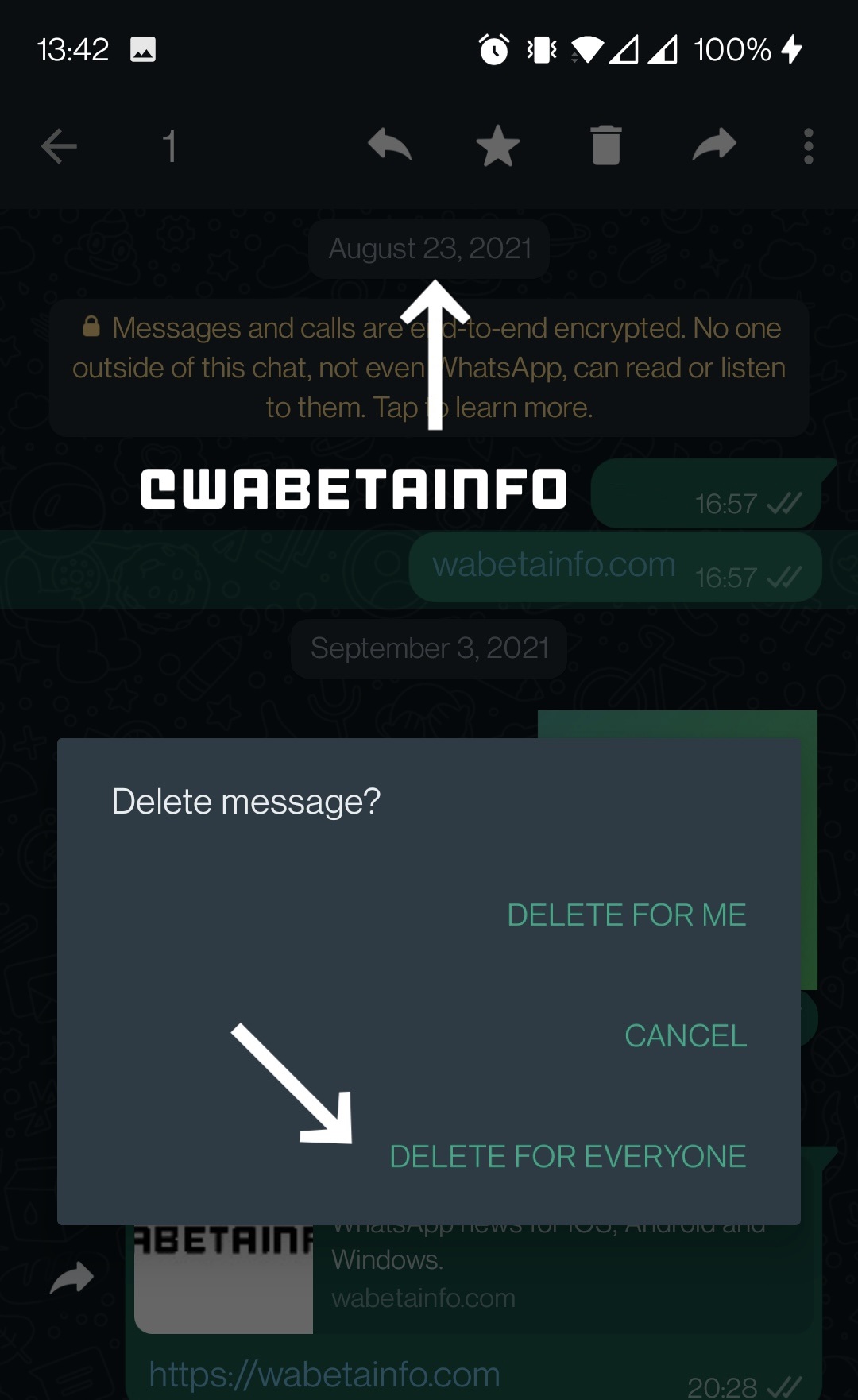
The platform already allows users to delete a message sent to another user but there’s a limited time window of around one hour where the user can basically undo sending a message. Now, it is being reported that the company is testing a feature that could extend the window for deleting the message.
As of now, it is not known how long the “delete for everyone” feature will extend the time limit going forward but a report coming from WABetaInfo shows a prompt showing up for a message sent more than two months ago.
There’s a possibility that the company may have completely removed the time limit for deleting the message but that seems unlikely. We’ll have to wait for more information to surface online to know about the time limit.
It is also not known if the extended window for deleting messages will work for messages sent before the new feature gets rolled out or be available only for the messages that are sent after the feature is released.
If the company is actually planning to roll out this extended time limit for the “delete for everyone” feature for WhatsApp, then it will first be available to beta testers and will then be released to everyone in a stable build for Android as well as iOS.
Last month, Infinix announced the Infinix Note 11 Pro for the global markets. At that time, it also confirmed some of the key features of the vanilla Note 11. The Infinix Note 11 has gone official now since it was listed on the official with all its specs and features.
Infinix Note 11 specifications and features
The Infinix Note 11 has a 6.7-inch AMOLED screen with a dewdrop notch. It offers a Full HD+ resolution of 1080 x 2400 pixels, 650 nits peak brightness, 100000:1 contrast ratio, 100 percent DCI-P3 color gamut, and a 91 percent screen-to-body ratio. The device sports a slim design as it measures 7.9mm in thickness.
While the Note 11 Pro features the Helio G96 chip, the vanilla model comes with the Helio G88 SoC. The device comes in two variant such as 4 GB RAM + 64 GB storage and 6 GB RAM + 128 GB storage. The device houses a microSD card slot for more storage.
Infinix Note 11
A 16-megapixel selfie camera is available on the Infinix Note 11. Its rear camera module has a 50-megapixel main camera with an f/1.6 aperture, a 2-megapixel bokeh lens, an AI lens, and an LED flash. The Note 11 has a 5,000mAh battery that supports 33W fast charging. The device comes with security features like face unlock and a side-mounted fingerprint scanner.
Infinix Note 11 pricing and availability
There is no word on the pricing of the Infinix Note 11. It is expected to release in Asian and African markets. The device comes in three colors such as Celestial Snow, Glacier Green, and Graphite Black. It was recently confirmed by Infinix that it will announce the Note 11 series and the INBook X1 laptop in India in December.
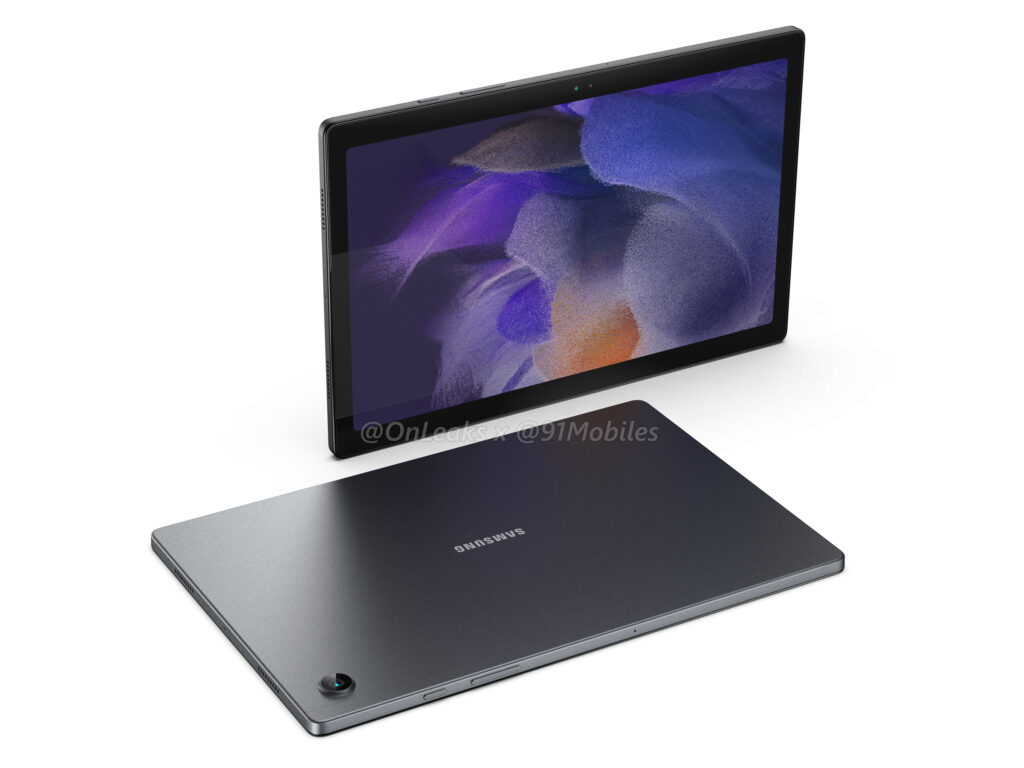
In September, reliable tipster Steve Hemmerstoffer shared the CAD renders of the upcoming Galaxy Tab A8 (2021). It appears that Samsung may launch it soon as it has received approval from the Bluetooth SIG authority today.
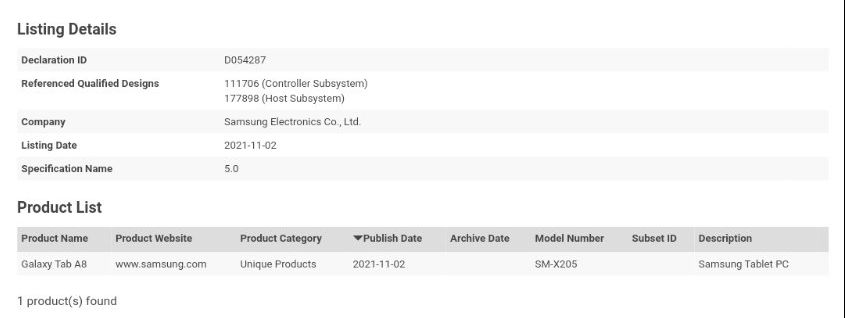
At Bluetooth SIG, the Galaxy Tab A8 has appeared with SM-X205 model number. The listing has no information on the specs of the device, but it confirms support for Bluetooth 5.0 connectivity.
Recent reports have revealed that the Galaxy Tab A8 (2021) will feature a 10.4-inch TFT display that offers a Full HD+ resolution of 1920 x 1200 pixels. The tablet is said to be powered by the Unisoc T618, which also powers the HTC A100 tablet that debuted in Russia recently.
Samsung Galaxy Tab A8 2021 renders by OnLeaks/91mobiles
The tablet is expected to release in different variants depending on the market. It may arrive in variants such as 3 GB RAM + 32 GB storage, 4 GB RAM + 64 GB storage, and 4 GB RAM + 128 GB storage. For additional storage, it will feature a microSD card slot.
The Galaxy Tab A8 (2021) has a 7,040mah battery that is likely to carry support for 15W charging. It may feature an 8-megapixel rear camera and a 5-megapixel front-facing camera.
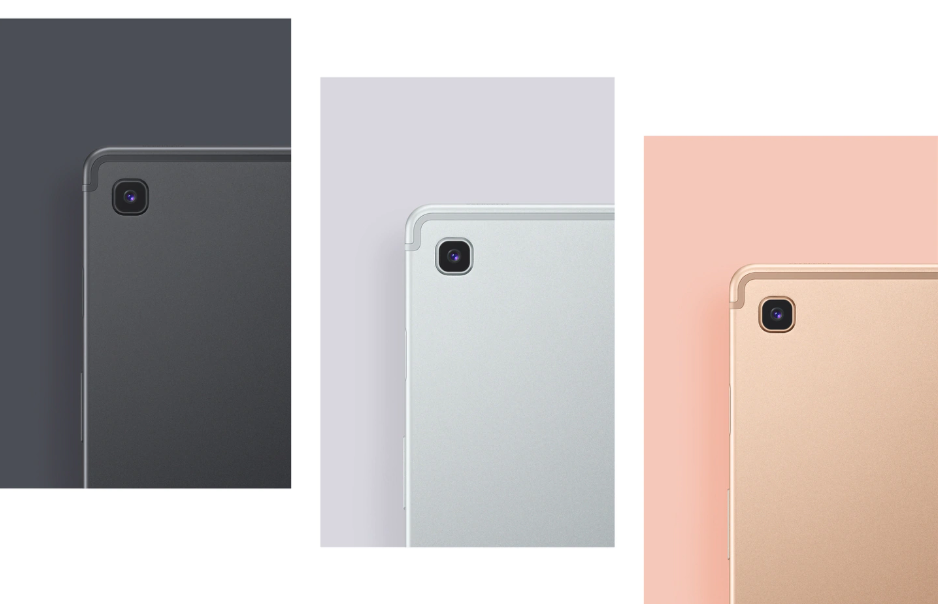
The tablet is expected arrive in Wi-Fi only and LTE variants. It is likely to be available in colors like gold, silver, and gray. There is no word on the pricing of the tablet. Now that the tablet has received Bluetooth SIG certification, it may go official later this month or early in December.
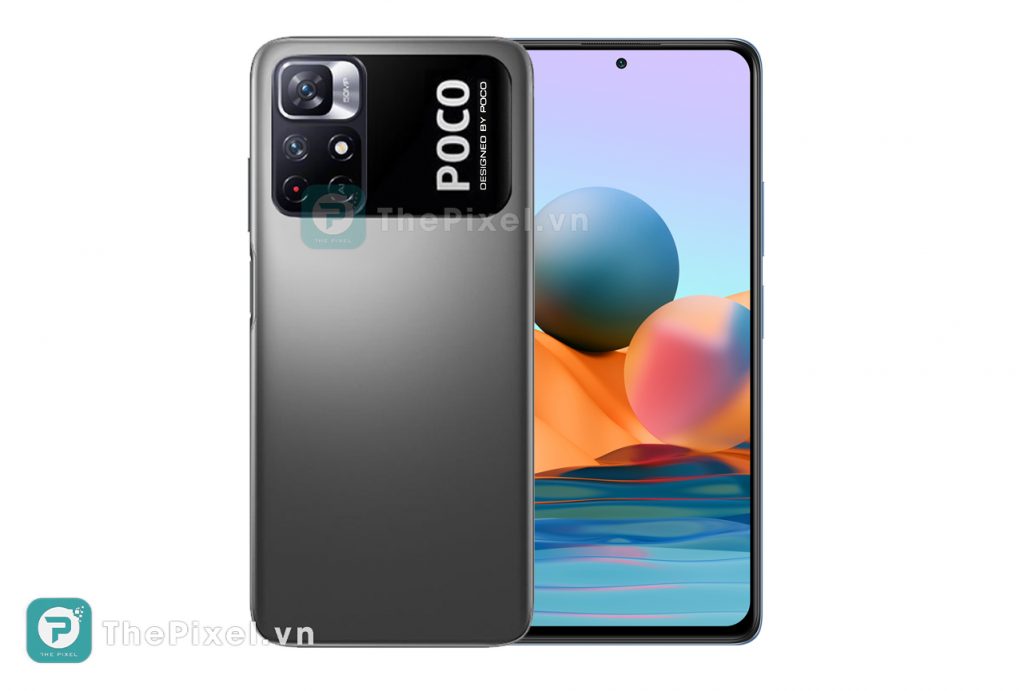
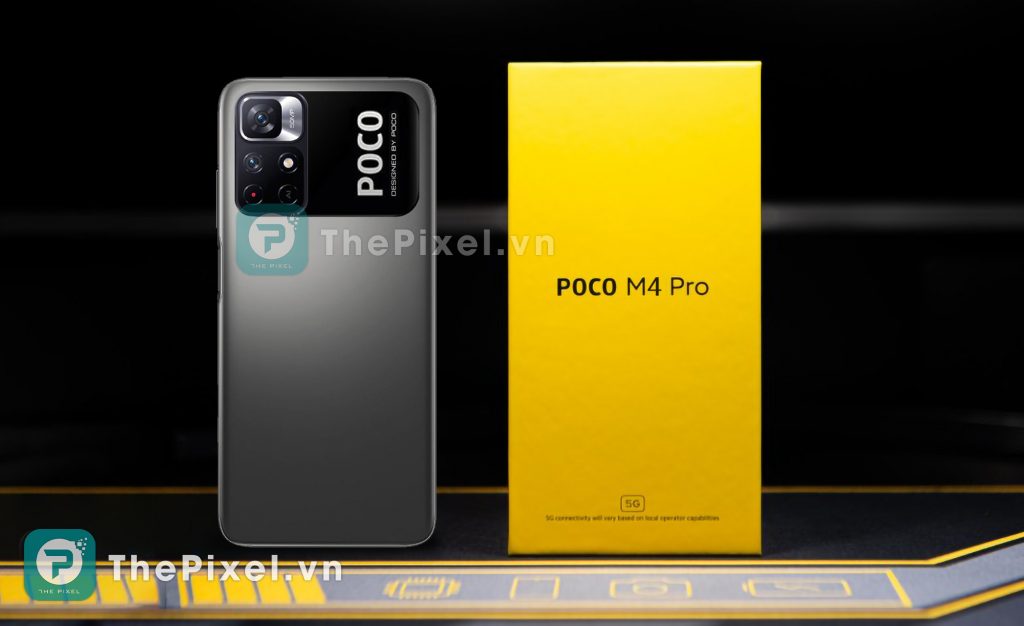
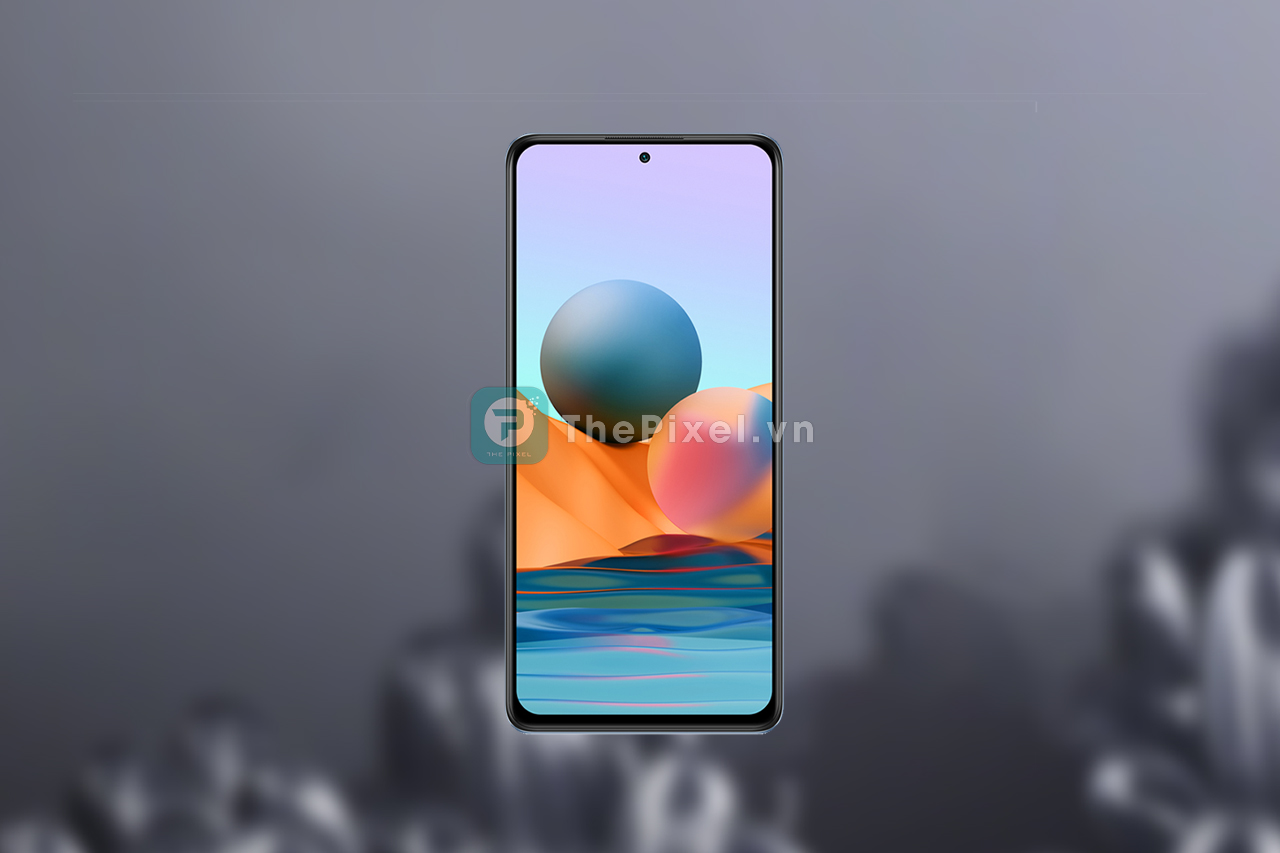
The POCO M4 Pro 5G will be announced at 20:00 PM (GMT+8) on Nov. 9 through a global launch event. Reports have revealed that it will be a rebranded version of the Redmi Note 11 5G that debuted in China. Ahead of the launch, Vietnamese publication ThePixel.vn (via) has shared some mages to give the first look at the POCO M4 Pro 5G.
POCO M4 Pro 5G design
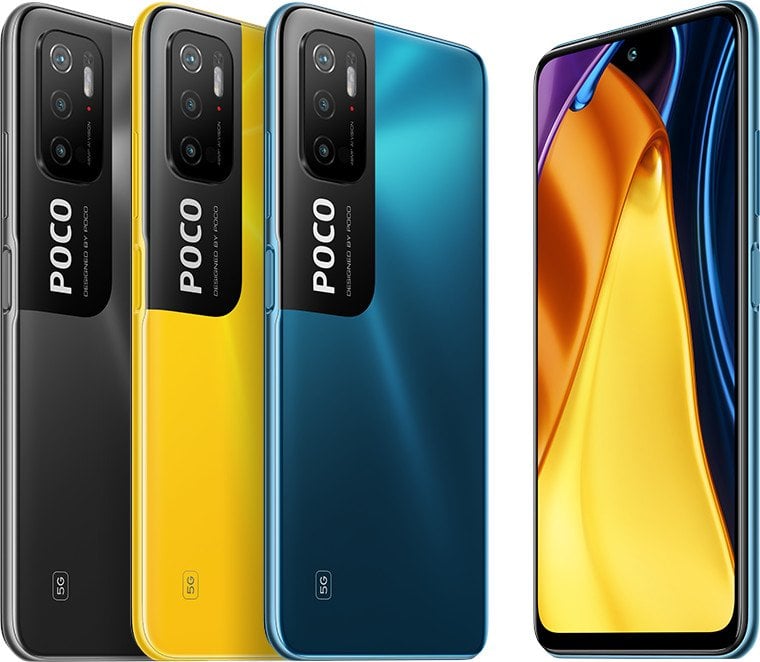
As can be seen in the concept images based on the real deivce, the POCO M4 Pro 5G’s design is similar to China’s Note 11. At the front, it sports a punch-hole display, and it has a dual-camera system on the back. Like the POCO M3 Pro 5G, the camera unit is placed in a rectangle-shaped module, which features the large-sized POCO branding on the right.
1 of 4
POCO M4 Pro 5G images
POCO M4 Pro 5G images
POCO M4 Pro 5G images
POCO M4 Pro 5G images
POCO M4 Pro 5G specifications
The POCO M4 Pro 5G has a 6.6-inch IPS LCD panel that offers a Full HD+ resolution and a 90Hz refresh rate. The Dimensity 810 chipset is present under the hood of the device. The publication further revealed that it will be available in three variant such as 4 GB RAM + 128 GB storage, 6 GB RAM + 128 GB storage, and 8 GB RAM + 128 GB storage.
It has a 16-megapixel camera on the front. Its rear camera setup has a 50-megapixel primary camera, an 8-megapixel ultrawide lens, an LED flash, and an AI logo.
The POCO M4 Pro 5G has a 5,000mAh battery that carries support for 33W fast charging. It is likely to come preinstalled with MIUI 12.5 based Android 11.
At present, there is no word on the pricing of the M4 Pro. The predecessor model was introduced with a price tag of 179 euros (~$207). Hence, it is likely that the M4 Pro may arrive with sub-200 euros (~$231) starting price.
Apple has been focused on revamping its MacBook lineup and the efforts seem to be paying off as the company shipped around 6.5 million MacBooks in the third quarter of this year, increasing its market share.
This is being attributed to the strong demand for the Apple MacBook Air which was one of the first devices to come powered by the Apple Silicon‘s first chipset — M1.
The report coming from the market research firm Strategy Analytics, the shipment of Apple MacBooks grew 10 percent year-on-year and the company has managed to capture around 10 percent of the overall market share.
With this, the Cupertino-based technology giant is now the fourth-largest laptop brand, just behind Lenovo, HP, and Dell. Apple managed to increase its market share because of the surge in demand for the heavily discounted MacBook Air in the third quarter. In Q3 2021, Mac revenue hit an all-time high of $9.1 billion, ticking up 1.6 percent year-over-year.
Overall, the notebook sector grew 8 percent year-over-year. That figure would have been higher had it not been for component shortages, rising manufacturing costs, and supply chain issues, says Strategy Analytics analyst Chirag Upadhyay.
For the fourth consecutive quarter, Lenovo topped the chart with 15.3 million notebooks shipments and a 23 percent share of the market, registering a 5 percent growth compared to the previous year. HP followed with 14.3 million units shipped and a 21 percent market share, reporting a decline of 5 percent year-over-year. Lastly, Dell managed to ship 12.2 million units, accounting for 18 percent of the market share.
It’s November and we are almost at the end of this year. Unlike October, this month there are phone launches mainly from Chinese brands like iQOO, ASUS, Poco, Oppo, and more. We’ll also see India-based Lava launching a budget-centric phone this month. With so many phones coming to the market, it will be daunting to keep a track of each device. That said, we have prepared a list of upcoming smartphones launching in November 2021 that will help you get an idea of what to expect.
1. Poco M4 Pro
Xiaomi spin-off Poco will launch a new smartphone this month. The company has scheduled a launch event for November 9 for the launch of its next iteration of budget Pocohpone, the Poco M4 Pro.
The Poco M4 Pro will bring all the bells and whistles of the recently launched Redmi Note 11 5G in a Poco branded package. It will feature a 6.6-inch IPS LCD screen with a 90Hz refresh rate. It is expected to have the MediaTek Dimensity 810 SoC paired with up to 8GB of RAM and 256GB of onboard storage. It will feature a 50MP + 8MP dual-camera system and a single 16MP selfie camera lens.
2. ASUS Zenfone 8/ASUS 8Z
Back in May, ASUS unveiled the compact Zenfone 8 in the European markets followed by the US release. This month on November 4, ASUS will launch the device in Brazil. The same device is expected to go official in India as ASUS 8Z.
The phone packs a compact 5.9-inch FHD+ display. It has a 64MP + 12MP dual-camera system. Under the hood, the device is powered by the Qualcomm Snapdragon 888 SoC paired with up to 16GB of RAM and 256GB of onboard storage.
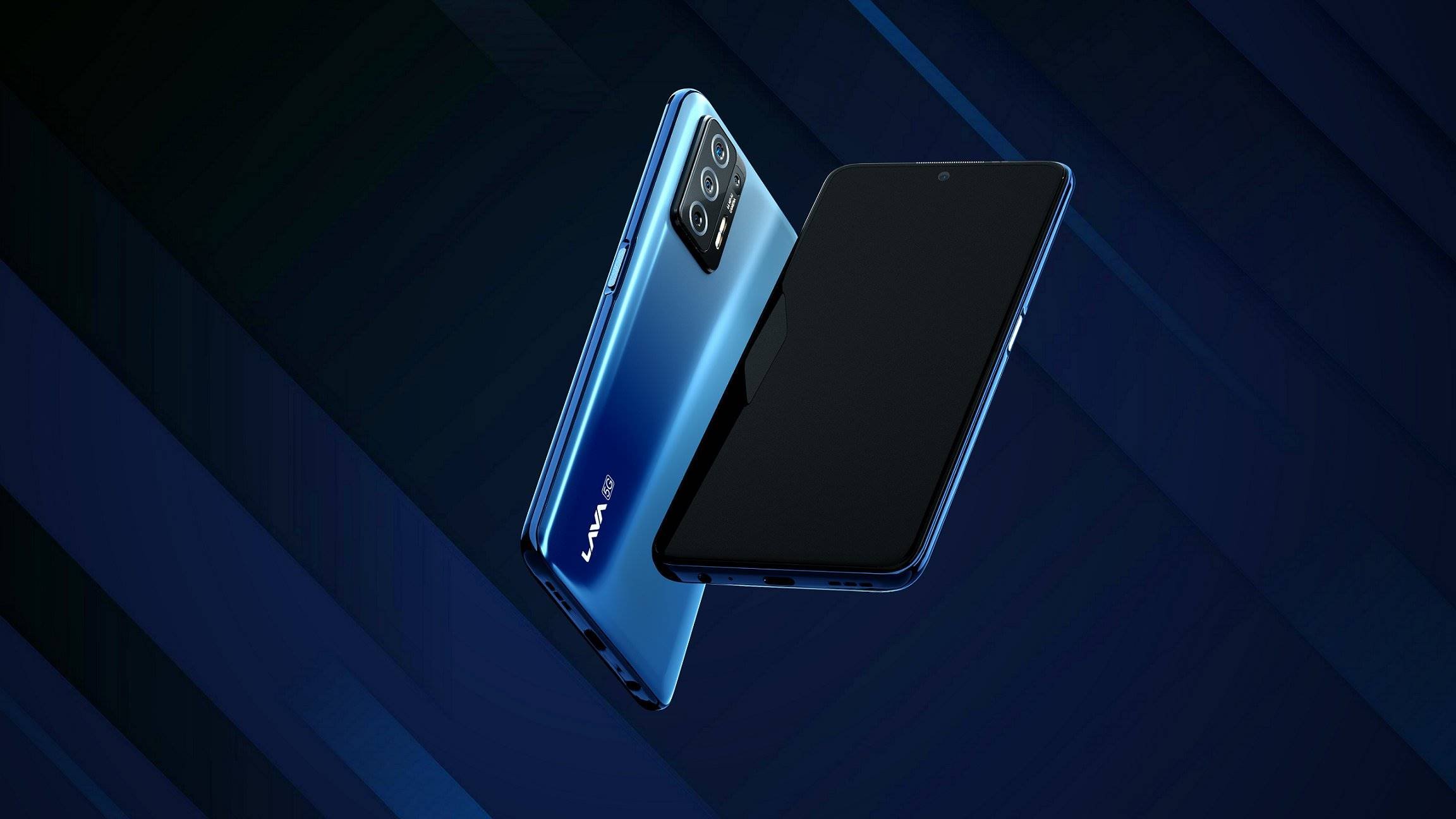
3. Lava AGNI 5G
Indian phone maker Lava is expected to bring AGNI 5G smartphone to India. Interestingly, the device was recently teased and was scheduled to launch on November 9 launch. However, the company deleted the scheduled Youtube launch which suggests that the phone’s launch may get delayed. But, we are expecting a launch by the second week of this month.
For starters, the smartphone will come with impressive features like a 90Hz punch-hole display, 64MP triple rear cameras, and a Dimensity 810 SoC. The phone will pack a 5,000mAh battery and run on Android 11 out of the box.
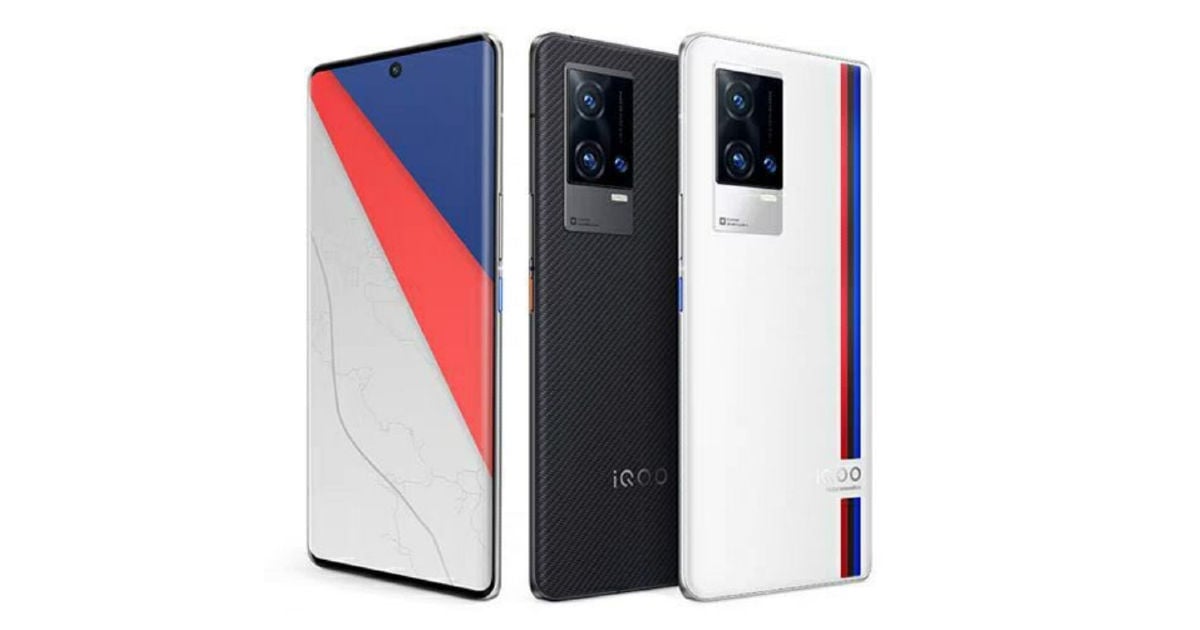
4. iQOO 8 Pro
iQOO has already unveiled the iQOO 8 Pro in the Chinese market. The phone comes at an aggressive price offering the latest hardware under the hood. Now, the device is expected to launch in India. iQOO India has not revealed the exact launch date, but we are expecting a launch in the mid of this month.
The iQOO 8 Pro comes with a 6.78-inch Samsung E5 AMOLED display with a 120Hz LTPO curved screen. It has a 50MP + 48MP + 16MP triple camera system and a single 16MP selfie camera lens. It is powered by the latest Qualcomm Snapdragon 888+ chipset paired with 12GB of LPDDR5 RAM and 512GB of UFS 3.1 internal storage. It has a 4,500mAh battery and support for a whopping 120W fast charging support.
5. Google Pixel 5a
Google took wraps off the Pixel 5a in the US and now, the phone is expected to launch outside the US market. Rumours hint at an Indian launch this month. Since the Google Pixel 4a is available in India for a long time, and the Pixel 6 isn’t launching in the region, netizens expect the Pixel 5a to succeed in the Google phone operations in India.
The Google Pixel 5a comes with a 6.34-inch OLED display with a 90Hz refresh rate. It has a 12.2MP + 16MP dual-camera setup at the rear and a single 8MP selfie camera unit. It is powered by the Snapdragon 765 SoC paired with 6GB of RAM and 128GB of onboard storage. The device has a 4,680mAh battery with 18W fast charging technology. The Pixel 5a boots on Android 11 and has three years of OS upgrades.
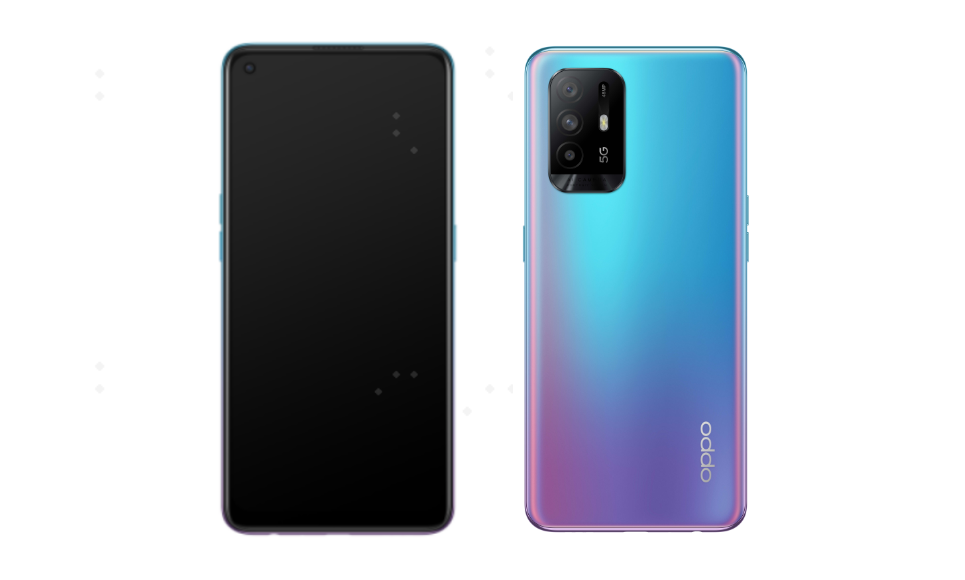
6. Oppo A95
The Oppo A95 4G has been in the news for many days. Just yesterday, the phone’s renders were surfaced on the internet hinting at an imminent launch. We expect the device to go official before the second week of this month in South East Asia.
The smartphone will come with a large punch-hole display and a 48MP triple camera system. At the helm, it is rumoured to come powered by a budget-range chipset paired with 8GB of RAM and 5GB of virtual RAM. The phone will pack a 5,000mAh battery with support for 33W fast charging support.
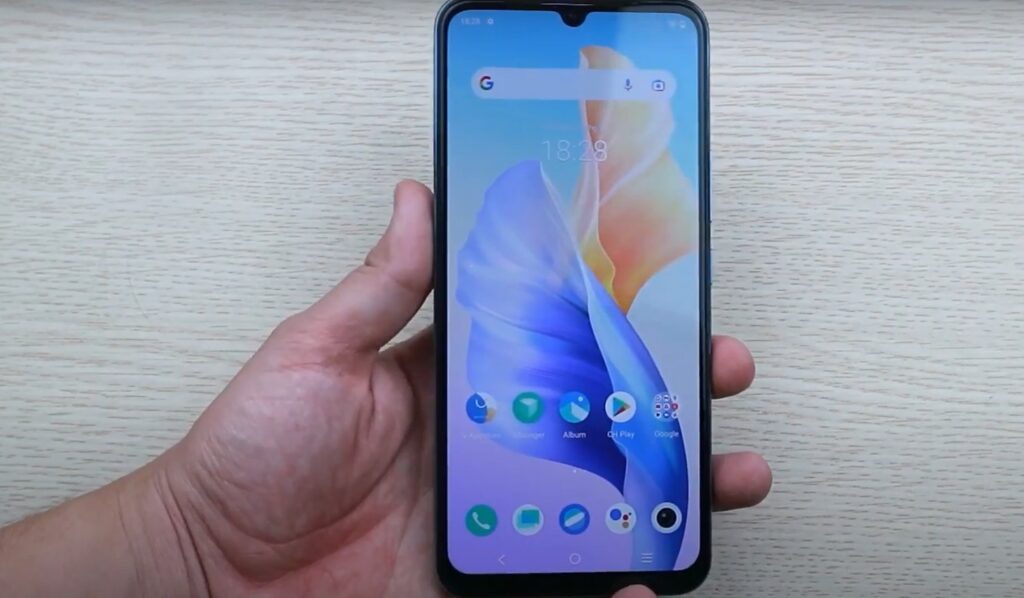
7. Vivo V23e
After Oppo, we have Vivo launching an entry-level smartphone this month. The Vivo V23e has recently bagged multiple certifications including Bluetooth SIG and Geekbench. That said, the phone is expected to arrive in a few select markets in November. However, there’s no official launch date.
The Vivo V23e will feature a dew-drop notch display. It will have a 64MP primary camera and a whopping 50MP selfie camera. The phone will be powered by the MediaTek Helio A22 with 8GB of RAM. The major highlight of the phone will be 44W fast charging for the 4,030mAh battery inside the phone.
These are some of the confirmed/expected phone launches this month. Which device are you most excited about? Do tell us in the comments.
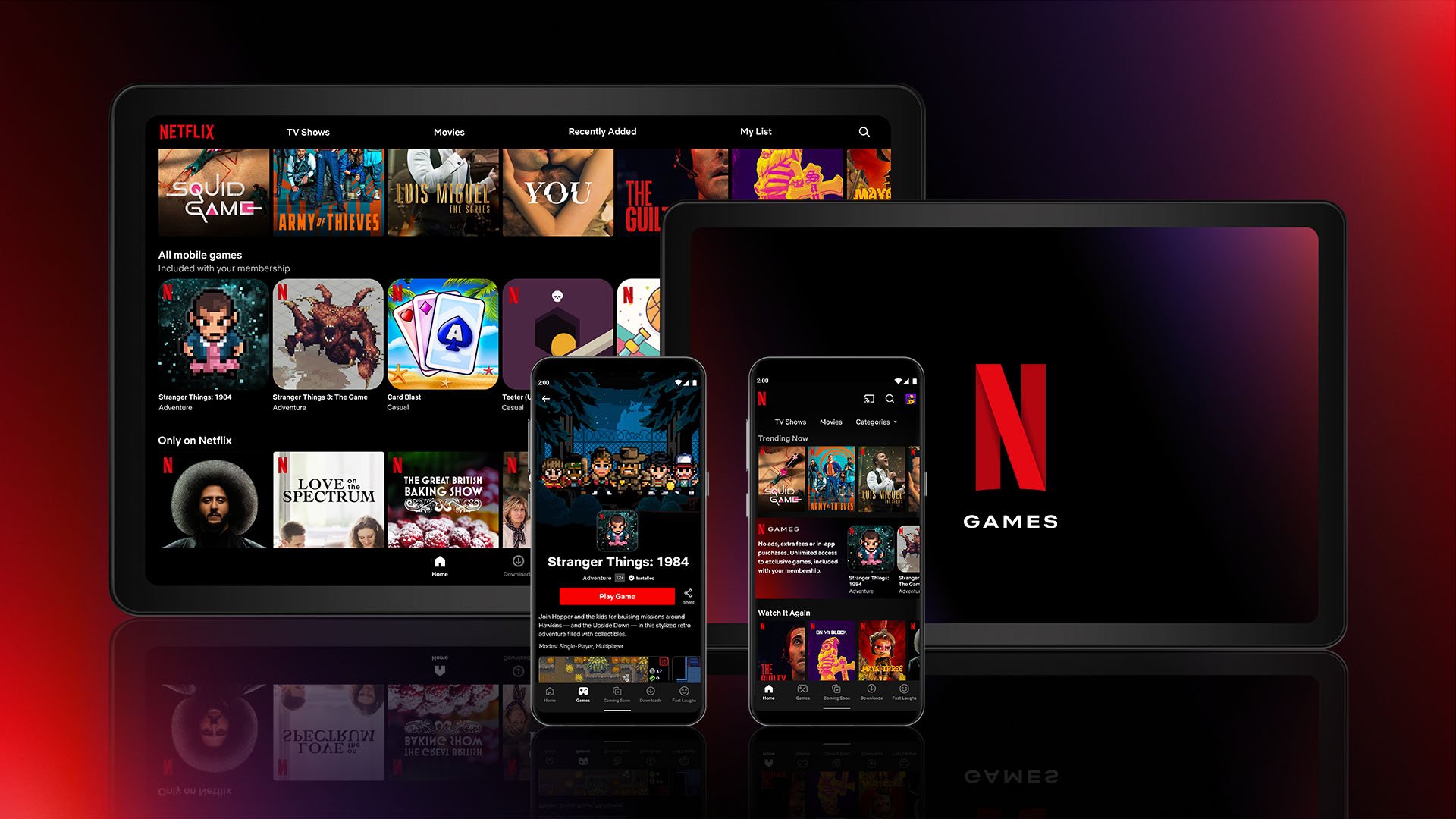
A few months ago, media streaming giant Netflix had announced its own gaming service named Netflix Mobile Gaming which made its debut in Poland with two Stranger Things mobile games. Now, the service is expanding to other regions as well. Here’s everything you need to know about it.
How Does It Work?
The Netflix application can be used to find the games as an individual download and confirm the Netflix account credentials before loading them. Some of the games need an active internet connection to keep playing but there are some games that work completely offline. However, in such a case, you will still need an internal connection to confirm your Netflix credentials at the time of loading the game.
What About Shared Accounts?
Interestingly, this new game feature for the Netflix app also supports multiple and simultaneous logins, depending on your account type as it basically works the same as the streaming service. This means that everyone can log in and play games simultaneously until an account’s maximum devices limit is reached. Once the maximum devices limit hits, you will get an alert for the same, similar to how it works for video streaming.
Which Games Are Available?
The games coming to the platform include two smartphone-friendly games based on Stranger Things services and three arcade-y tap-action games. These titles were all previously launched on smartphone storefronts. However, as a part of Netflix Games, they have been updated to work without any upfront costs or hidden microtransactions.
Stranger Things: 1984
Stranger Things 3: The Game
Shooting Hoops
Card Blast
Teeter Up
While the games are all kid-friendly, there are listed as adult content. So, accessing them with a kids’ account will require entering the PIN code.
Availability
Netflix has announced that its gaming services will now be available in more than 190 countries, including the United States. Users will still need to own either an Android-based smartphone or a tablet to play games.
Do note that you will need an active Netflix subscription to play games and the company notes that there are no ads, additional fees, or microtransactions. As noted, the service is currently limited to Android devices only but the company says that iOS support will be rolled out in the coming months.
Noted analyst, Ming-Chi Kuo has hinted that the yet-to-be-released Apple mixed reality headset will support Wi-Fi functionality. The Apple mixed reality headset could be released as early as 2022, barring any serious setback. It has been previously speculated that Apple was working on the mixed reality headset.
Bloomberg reporter Gurman had previously made projections and revelations relating to the revolutionary mixed reality headset. In his latest intervention, Gurman says the Cupertino-based company is planning to unleash the highly-priced device with a lot of advanced technologies.
For a start, according to Gurman, the mixed reality headset will have advanced chips, displays, and other components which will combine to give users a great mixed reality experience. Mixed reality implies that the headset will combine the functionalities of both augmented reality (AR) and virtual reality (VR). This hybrid model offers a wide array of possibilities for a compelling gaming experience as well as other great applications.
The mixed reality headset will be capable of handling games in high-quality virtual reality while maintaining high-end displays. In addition, Ming-Chi Kuo says the mixed reality headset will also feature Wi-Fi 6E for an enhanced video streaming experience when not directly connected to a computer. The headset could also support 5G networks, although the analyst mentions that the product may suffer some delays even with the 2022 launch date still possible.
Is the new Redmi Note 11 an upgrade or a downgrade of the older Redmi Note 10? A lot of people are asking this question and not everyone found the answer easily. Each of these two devices has its pro and cons: while the former comes with a few important improvements such as the presence of the 5G connectivity, the latter currently delivers a higher value for money due to its more affordable street prices. So which one should people buy at this moment? Let’s discover it through this comparison between the specifications of the Redmi Note 11 and the Redmi Note 10.
Xiaomi Redmi Note 11 vs Xiaomi Redmi Note 10
Xiaomi Redmi Note 11
Xiaomi Redmi Note 10
THICKNESS AND WEIGHT
8.8 mm and 195 grams
8.3 mm and 179 grams
DISPLAY
6.6 inches, 1080 x 2400p (Full HD+), IPS LCD
6.43 inches, 1080 x 2400p (Full HD+), Super AMOLED
There are no impressive changes in terms of design between the Redmi Note 11 and its predecessor. Both the phones have a rear cover and a profile made of polycarbonate. There is an important difference in the camera module: it is larger on the Redmi Note 11, despite the new phone includes a lower amount of sensor on the rear side. Further, the Redmi Note 10 is thinner and lighter, as well as a more compact phone because it houses a smaller display. Both the phones have the IP53 certification making them dust resistant and splash resistant. The display is protected by Corning’s Gorilla Glass.
Display
Despite it being an older model, the Redmi Note 10 actually comes with a better display. It has a Super AMOLED panel with a diagonal of 6.43 inches and a Full HD+ resolution of 1080 x 2400 pixels. The new Redmi Note 11 has a higher 90 Hz refresh rate and the same Full HD+ resolution, but the panel is an IPS. The Super AMOLED technology provides brighter colors and deeper black, delivering a better overall image quality. Note that Redmi Note 10 has a smaller display: 6.43 inches vs 6.6 inches. On both phones, the fingerprint reader is mounted at the side, on the power key.
Hardware/Software
While it is an inferior device when it comes to display quality, the Redmi Note 11 has a much better hardware department thanks to its superior mobile platform. We are talking about the new MediaTek Dimensity 810 chipset built at 6 nm and running at a frequency of 2.4 GHz. Unlike the Snapdragon 678 found on the Redmi Note 10, the Dimensity 810 features the 5G connectivity, and it even provides higher CPU and GPU performance. Last but not least, you can get more RAM with the Redmi Note 11: up to 8 GB, while the max amount of RAM provided by the Redmi Note 10 is 6 GB. Redmi Note 11 and Redmi Note 10 are based on Android 11 but with different versions of Xiaomi’s own Android customization: MIUI 12.5 and MIUI 12, respectively.
Camera
The Redmi Note 11 has just two cameras on the rear side: a 50 MP main sensor and an 8 MP ultrawide camera. The Redmi Note 10 has a total of four rear cameras: a 48 MP main sensor, the same ultrawide camera with an 8 MP resolution, and a pair of 2 MP sensors for macros and depth calculation. Despite the lower amount of cameras, the Redmi Note 11 captures better photos in most of the scenarios, thanks to its better main camera. Even the selfie camera is better on the Note 11: it is a 16 MP sensor that is able to capture brighter photos with a higher detail if compared to the 13 MP front camera of the Note 10.
Battery
Redmi Note 11 and Redmi Note 10 are equipped with exactly the same battery coming with a capacity of 5000 mAh and 33W fast charging. But despite that, the battery life is different because they have different components. The AMOLED display of the Note 10 has a lower consumption, while the Dimensity 810 of the Note 11 is more efficient: so which device will provide the longest battery life? It mostly depends on the usage. For example, the Note 11 will last more in standby, while the Note 10 might achieve a higher screen time.
Xiaomi Redmi Note 11 vs Xiaomi Redmi Note 10: Price
Redmi Note 11 starts from €160/$184 in China and it is still not available globally, while Redmi Note 10 used to cost more than €210/$243, but now it is available at very affordable street prices under €150/$175. The Redmi Note 11 features a better camera and hardware department, but the Redmi Note 10 has a better display. For the rest, these two phones are not so different. Which one would you pick?
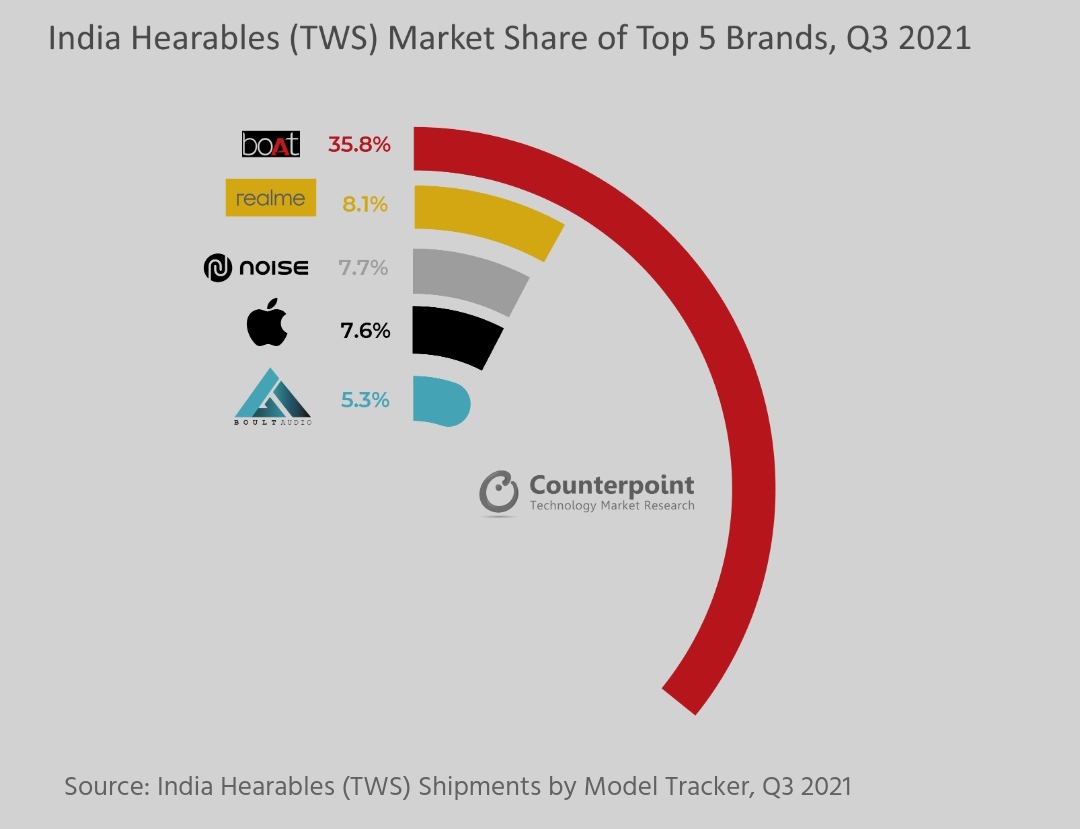
The latest numbers coming from the Counterpoint Research Service indicate that the total true wireless earbuds shipments from India reached 8 million in the by the third quarter of 2021. The numbers indicate that boAt Audio continued its dominance of the TWS earbuds export market while Apple made solid gains in the premium earbuds segment.
Audio brand boAt’s dominance is reflected in it sustaining its leadership of the market for the fifth straight quarter, bringing to the fore a 171% year-on-year performance. The export numbers also indicate an overall performance of the leading brands in the market, with the local audio accessories brands accounting for 63% of the shipments. The declining fortunes of the market is reflected however in the lower Average Selling Price for these products.
Overall, the TWS earbuds market in India recorded a 55% growth when compared with its performance in Q3 of 2020. The 8 million mark achieved in Q3 2021 is the highest ever in the country since the advent of TWS shipments. According to the Counterpoint Service, the surge in the numbers is being driven by low and mid-level products priced below Rs. 3,000 (~$40). Apart from boAt, Nothing, Realme and 1More had strong showings, while Apple continues to dominate on the premium segment of the market while Samsung, OnePlus and Nothing also had decent performances.
Even with the pretty affordable prices for these TWS earbuds, active noise cancellation (ANC) functionality was prominent in the products. Gaming functionality is also being introduced among some of the models, like Pitron and Truke. India is enjoying some increased investment in the tech space and this has also rubbed off on the TWS earbuds segment. More domestic players are entering the market and pulling their weight in producing affordable and tech—compliant products.
The Counterpoint research showed that boAt (35.8%), realme (8.1%), Noise (7.7%), Apple (7.6%), and Boult Audio (5.3%) are the top five brands in the market based on their shipment volumes. Several other budding brands are waiting in the wings to ride on the Indian market.
Last year, Samsung introduced a new software policy of at least four years of security updates for almost all smartphones and tablets. But the company did not clarify the frequency of updates. Now, we know that for some of the budget devices.
Galaxy A50s and Galaxy A30s
Samsung launched the Galaxy Ax0s series of smartphones in 2019. The lineup includes a total of five devices, namely Galaxy A10s, Galaxy A20s, Galaxy A30s, Galaxy A50s, and Galaxy 70s.
According to SamMobile, the last four models have been now demoted to biannual security updates. Whereas, the first phone was already demoted in September.
All these handsets have one thing in common. They debuted with One UI based on Android 9.0 Pie and they have received two major One UI updates in the form of One UI 2.x (Android 10) and One UI 3.x (Android 11).
On top of that, these phones are also eligible for four years of security updates. But now, as the phones have become a little older than two years, they have been pushed to biannual security updates from quarterly security updates.
This means for the next two years, they will be only receiving four security updates in total. Going by this, we can expect the similarly positioned handsets to get only biannual security updates once they receive their last major One UI update.
What are your thoughts on Samsung’s software update policy? Do let us know in the comment section below.
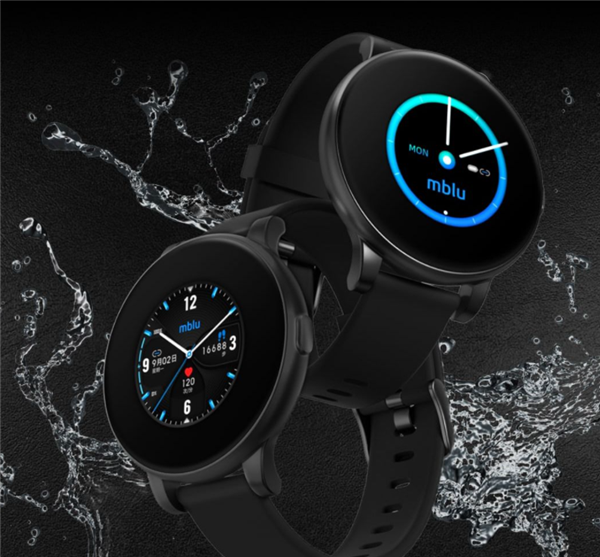
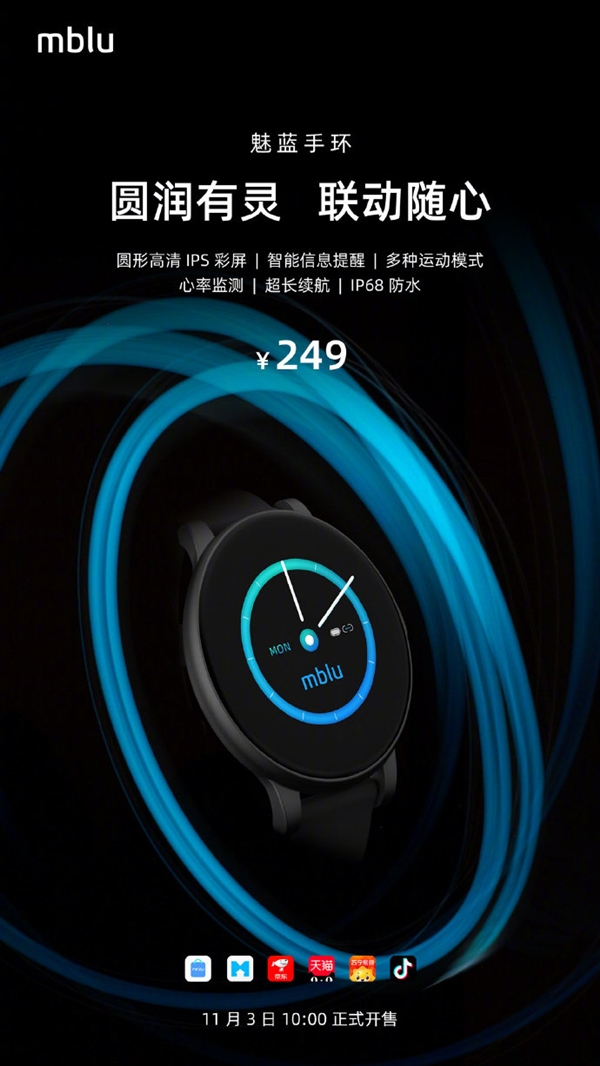
Chinese tech giant Meizu in September announced the return of its mBlu (Blue Charm) brand after several years off the shelf. Since then, we have seen a couple of new products under the brand. Meizu has now unveiled the mBlu Smart Band. The product carries a 249 yuan (~$39) price tag and will go on sale in China from November 3.
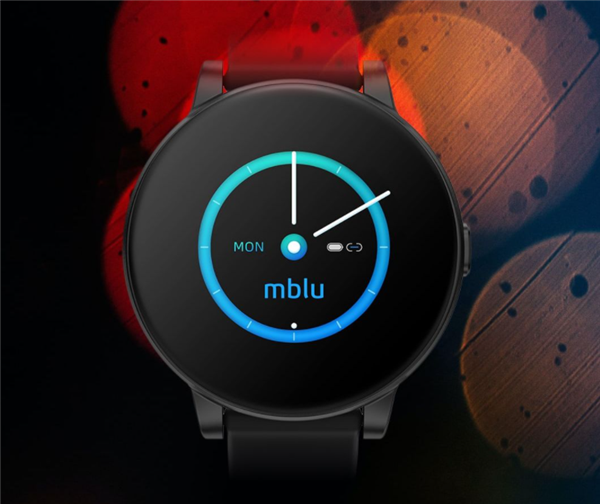
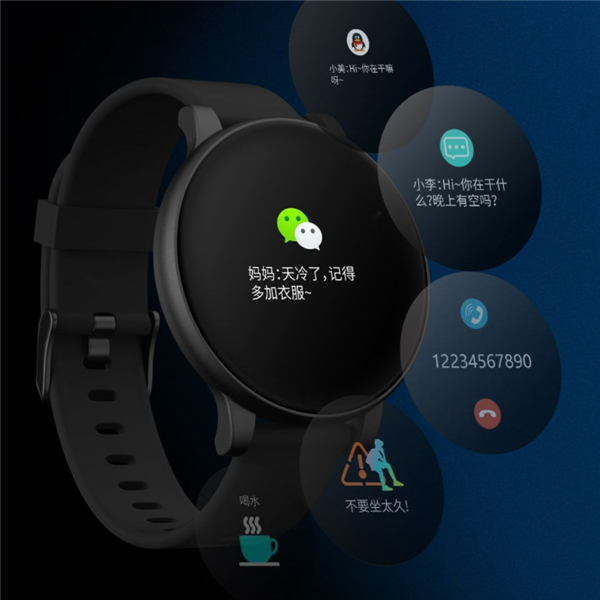
The mBlu Smart Band features a watch-like round screen that may make you confuse it for a smartwatch but it isn’t a watch. Instead, it is a fitness band with a watch-like design. The features onboard are not as elaborate as what you would find in a smartwatch.
Speaking of the features, the mBlu smart band packs a 1.1-inch HD TFT pure color screen with a resolution of 240×240 pixels and a maximum of 275ppi for a detailed visual experience. The screen surface is covered with 2.5D glass and an anti-fingerprint coating. The round screen holds a watch face that is 43.7mm in diameter while the frame is made from Zinc alloy material with a thickness of 9.95mm. The watch strap is made from TPU material, with the whole package weighing just 53g.
Thanks to the Bluetooth 5.0 on board, you can pair the smart band with a mobile phone. It supports calls, SMS, WeChat, QQ, Gmail, and other information reminders. The fitness tracker also supports sedentary, meeting, and other reminders as far as to drink water or take your medications.
Further, Meizu’s mBlu Smart band brings along support for 11 sports modes which include walking, running, Badminton, mountaineering, cycling, football, basketball, table tennis, yoga, skipping rope, and flat support. The IP68 dust-proof and waterproof rating ensure you can use it on rainy days without any fear. It also has built-in PPG sensors that monitor heart rate changes in real-time and keep an eye on heart health.
In terms of battery life, the smart band has a built-in 150mAh polymer battery offering up to 10 days of stable standby, and 7 days of long-lasting battery life. The band uses a magnetic suction charging base and the battery can be fully charged in just 2 hours.
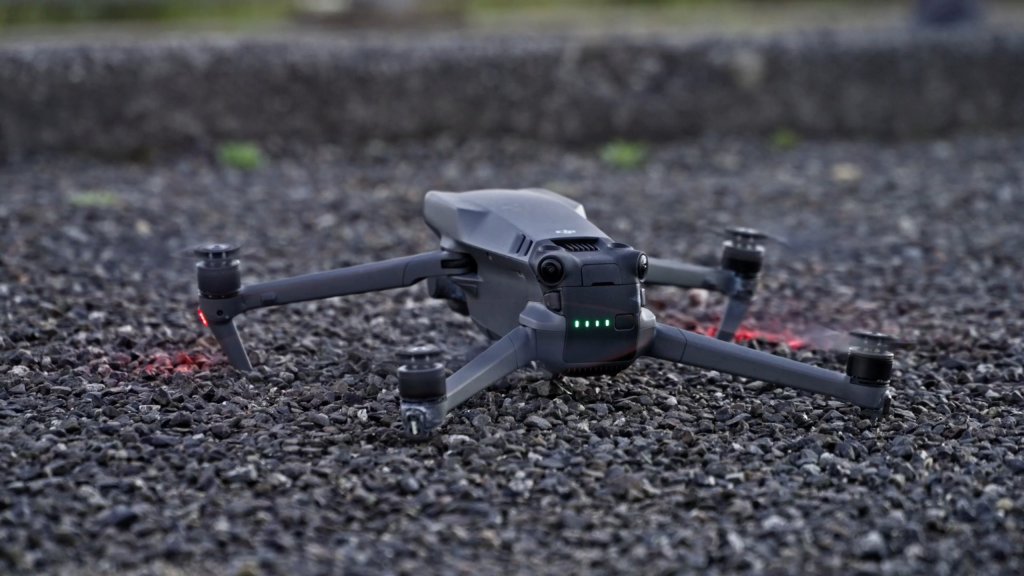
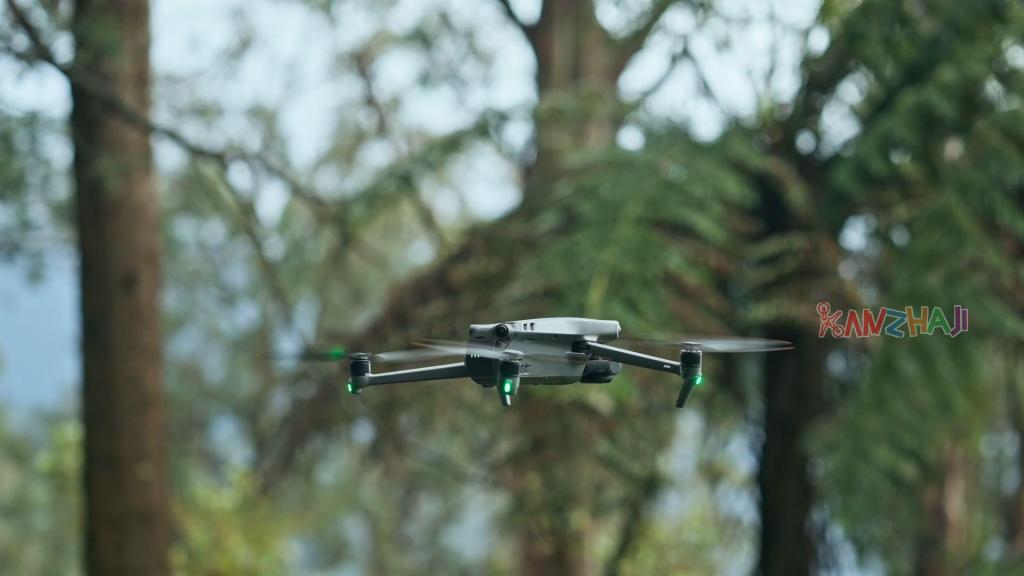
The DJI Mavic 3 consumer drone has drawn substantial attention in the buildup leading to its unveiling on November 5. It has also been the subject of several leaks, as we have been serenaded with renders and key details about the new DJI drone. Now the hype has been revved several notches higher with the first video review of the Mavic 3 on YouTube.
The Mavic 3 is DJI’s flagship offering with several impressive features including its bigger battery. The public review video of the Mavic 3 was reportedly shared by ColorBee Photography Life channel and a DJI buff had the privilege of getting the clip.
The review video further illuminated some grey and previously unknown areas of the DJI Mavic 3 drone. This includes how the drone looks on the DJI Fly app. However, the video (which was in Chinese) was later taken down. The video highlighted the Mavic 3’s exquisite design and its impressive battery. There are no significant departures from what we are expecting as per the specs we had pieced together about the Mavic 3.
DJI has four products that have been lined up for unveiling but the Mavic 3 is the pick of the pack. It is a drone that could offer significant improvements across several aspects of its performance. Other products from DJI are the smart RC controller for the Mavic 3, the Action camera, and the DJI Mic. The Cine Model of the Mavic 3 is suited for professional content creators and will be compatible with the smart RC controller. While the Mavic 3 has a $2,300 price tag, the more illustrious Mavic 3 Cine version could cost up to $5,200.
The drive to develop renewable energy solutions has seen a rise in the adoption of solar-powered homes, battery-powered cars, and more. We may soon be seeing a new form of energy generation from waste as scientists in the United Kingdom have unveiled a new clean energy fuel cell that is capable of converting human waste into electricity.
The new solution is developed by a team of researchers at Bristol BioEnergy Centre. The project is known as “pee power” and was first demonstrated by the firm at the Glastonbury festival about two years back. The firm is hoping to make advancements on the project that will make it possible for a deployment to power entire households someday.
At the Glastonbury festival in 2019, the scientists were able to prove that urine can produce a steady supply of electricity of low wattage. The energy produced can then be used to power lightbulbs, mobile phones, and robots. Bristol BioEnergy Centre’s director Dr Ioannis Ieropoulos explained that the solution was able to generate 300 watt-hours of electricity during the five-day festival which would have been able to power a single one-watt lightbulb for 300 hours, or 10 lightbulbs for 30 hours.
The new power generation solution deplys what the company calls microbial fuel cells. this includes several blocks that look like batteries but are filled with a colony of microbes. The microbes feed on organic matter which are then broken down into chemical energy and in turn generate electricity and clean wastewater.
One challenge the team faces presently is how to reduce the size of the fuel cells such that they can be put inside bricks and integrated with the walls of homes. We’ll definitely be hearing more about this simple but innovative technology going forward.
Starlink, which is a part of the SpaceX company led by Elon Musk, has registered its business in India as the company is preparing to apply for licenses from the local government for the internet service business.
Sanjay Bhargava, the country director for Starlink in India said: “SpaceX now has a 100 percent owned subsidiary in India. The name is SSCPL – Starlink Satellite Communications Private Limited and the incorporation date is Nov 1, 2021.”
He also confirmed that the company will now start applying for licenses to start its broadband services as it applies for regulatory approval. It intends to start its satellite-based broadband services next year and had taken orders from customers earlier this year.
Initially, the company will be focusing on offering its services in ten rural Lok Sabha constituencies. The company claims the service is “ideally suited” in areas where connectivity is “unreliable or completely unavailable”.
Starlink is planning to offer 200,000 active terminals in over 160,000 districts by December 2022. It remains to be seen if the company is able to achieve that because the track record paints a different picture. As of August this year, the company had shipped 100,000 user terminals in 14 countries.
Sanjay Bhargava, a former PayPal executive, was hired to lead the India division of Starlink in October this year. Apart from him, the company has hired several key executives in India in recent months, including Parnil Urdhwareshe, who was previously overseeing AMD’s policy efforts in India.
For those who are unaware, Starlink is launching small satellites to build a low-Earth orbiting network to provide low-latency broadband internet services. It is aiming to serve rural communities in India and is working with Niti Aayog, an Indian think tank, to identify 12 districts in the country for the company’s initial deployment.
Samsung launched the Galaxy Tab S5e in early 2019. This one-of-a-kind mid-range Android tablet from the South Korean tech giant is now receiving a new system update. The latest One UI software for the slate brings features from the Galaxy Z Fold3.
Ever since Samsung released the Galaxy Fold, it has been introducing new features for the tablet form factor. Almost all of these features are now also available on the flagship Galaxy Tab S series.
However, it is surprising to learn that Samsung is rolling out the latest features from Galaxy Z Fold3 to Galaxy Tab S5e. For those unaware, this mid-range tablet has almost reached the end of its software support.
Since the device has received two major system updates in the form of One UI 2.x (Android 10) and One UI 3.x (Android 11), it is now limited to biannual security updates.
But out of the blue, Samsung is now delivering new features from One UI 3.1.1 found on the new and older foldable smartphones without bumping up the version of One UI. According to GalaxyClub, the official changelog for the new OTA update mentions features like Multi-window, Edge-window, and Labs section.
These features help a lot in multi-tasking and productivity. As a result, existing users of Galaxy Tab S5e need not upgrade to a newer Galaxy S series tablet to experience the new software.
The One UI 3.1.1 features for the Galaxy Tab S5e arrive with firmware version T20XXU2DUJ1, which is being rolled out in batches around the world.
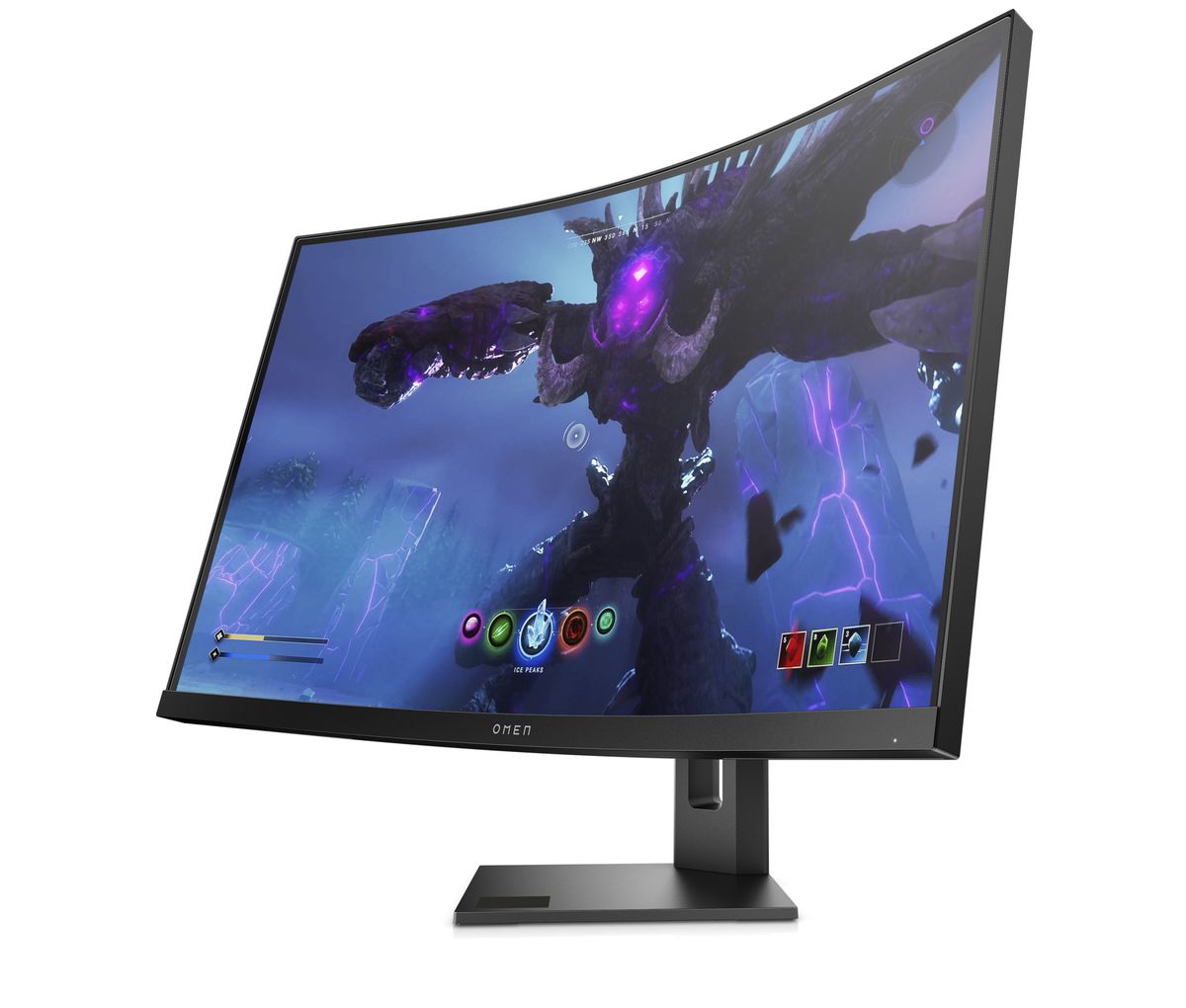
HP has just launched a new gaming monitor in the market. It is a curved gaming monitor that offers top notch specs, but, at a very reasonable price point. So let’s take a look at its features.
The new gaming monitor in question is the Omen 27c that sports a 27 inch panel that has a resolution of 2,560 x 1,440px. It has a VA panel that offers 1000R curvature and even supports 240Hz refresh rate as well. So, if you’re rocking top tier specs on your PC, you can expect to see a pretty smooth gaming experience. The 240Hz refresh rate is output through a DisplayPort, while an HDMI cable will support up to 144Hz.
The display has a contrast ratio of 3,000:1 and supports HDR400. Its panel offers 450 nits of brightness, which is just decent, although the company claims that the display offers 99 percent DCI P3 color gamut. While the 530 US Dollar price tag doesn’t exactly scream budget, it is quite reasonable for these top notch specs that it is offering. The pricing is for the US market, with the Omen 27c is already available for purchase as of right now.
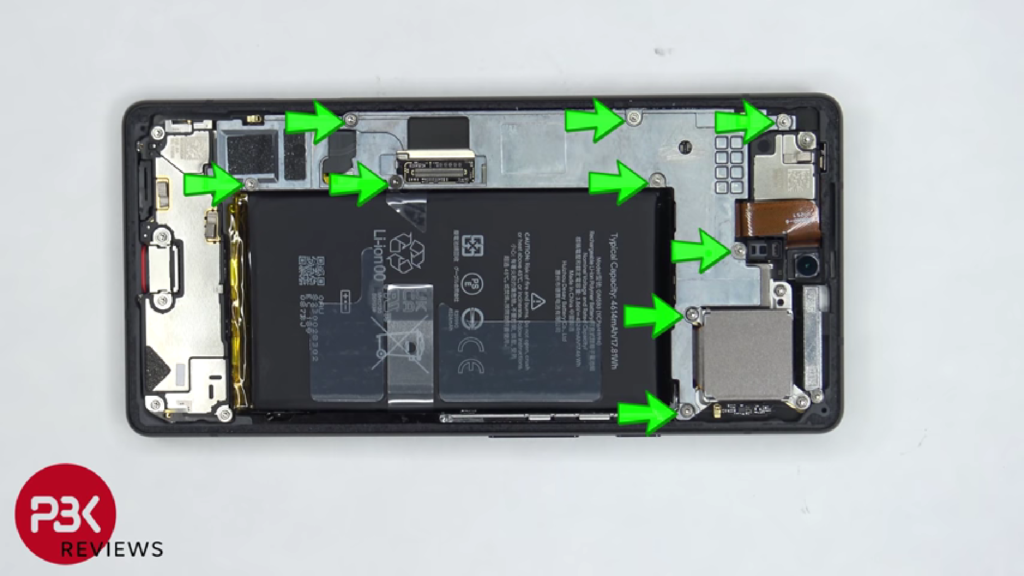
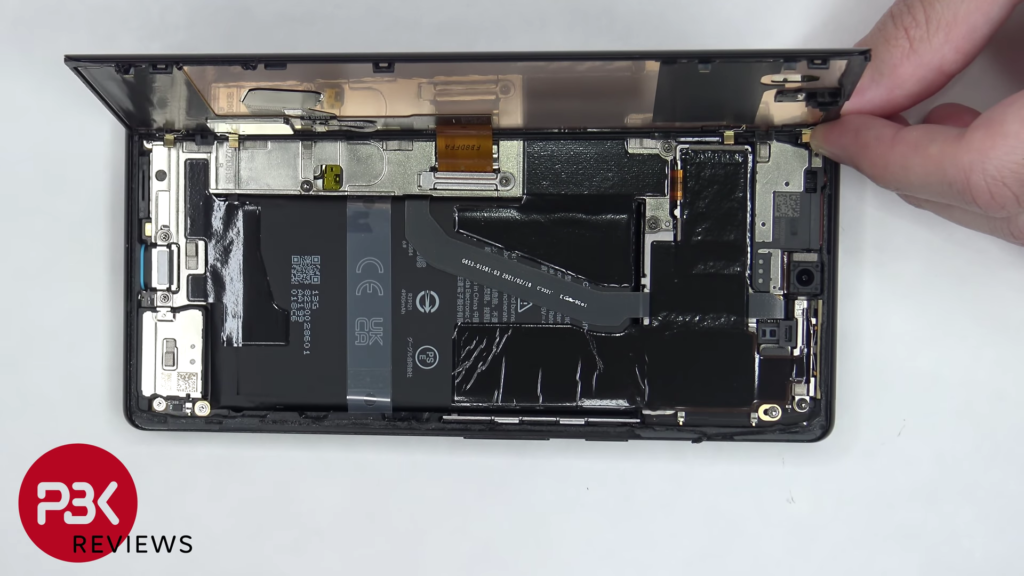
The Google Pixel 6 and Pixel 6 Pro have been disassembled to their very last bits in a couple of teardown videos revealing their innards and showcasing their repairability.
The teardowns conducted by PBK Reviews (via Gadgets360) reveal that both phones are covered in a large copper heat sink. This gets clear right upon opening up the devices. An aluminium mid-plate is present as well that’s connected to the processor via thermal tape.
The inside of the Pixel 6 (Image: PBK Reviews)
The under-display fingerprint sensor is latched onto the rear of the display and appears to be fairly slim, barely taking up any space.
While the innards of the Pixel 6 Pro and Pixel 6 are very much alike, there is one big difference – the haptic motor of the former is positioned at the bottom of the phone while the latter has it at the top.
The inside of the Pixel 6 Pro (Image: PBK Reviews)
The videos further reveal that the mmWave antenna is placed atop the Pixel 6. mmWave promises high download speeds on 5G phones but a single antenna for it is questionable. Moreover, its position isn’t the most optimal either. When the phone will be used in landscape mode while streaming or gaming, the antenna is likely to be covered by the hand. This may mess with signal reception.
Qualcomm recommends packing 5G phones with four mmWave antennas. And with the antenna on the Pixel 6 being rather lonesome, that too positioned poorly, it’s unclear how well the phone will be performing in terms of 5G connectivity.
As for repairability, the USB Type-C port serves as perhaps the greatest hindrance. It is soldered onto the motherboard, making repairs quite difficult. Other components don’t fare too well either because of the excessive use of glue. There is thus a risk of water resistance getting compromised when pulling apart components to perform repairs.
The Pixel 6 and Pixel 6 Pro teardown videos have been embedded below:
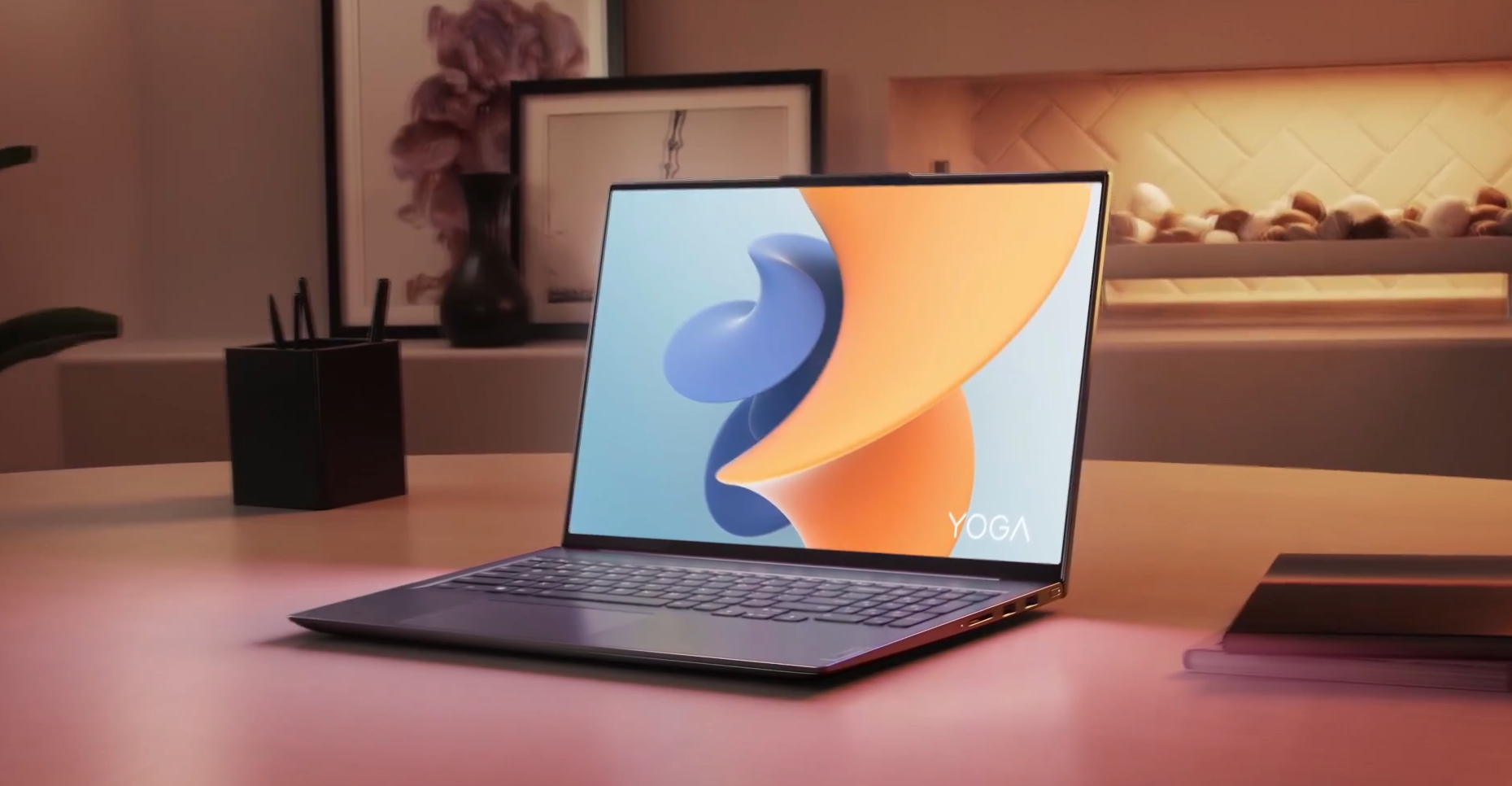
The YOGA Pro 14s Carbon is the smaller of the two laptops and sports a 14 inch display display. It has an OLED panel with a 2880 x 1800px resolution that offers 90Hz high refresh rate. The display features 100 percent DCI-P3 color gamut and 1.07 billion colors. Notably, the colors on the notebook are also calibrated in the factory (ΔE<2) and its peak brightness can reach 600 nits. The laptop is certified by Dolby Vision Atmos and even DisplayHDR True Black 500 certification as well.
It is a thin and light laptop that weighs an impressive 1.08 kilograms and arrives with Dolby Atmos certification for its audio. It is powered by a 61Whr battery pack and packs the AMD Ryzen 7 5800U processor along with 16GB of RAM and 512GB of SSD storage. For connectivity, it offers two USB Type C ports, a card reader, and a 3.5mm headphone jack. The YOGA Pro 14s 2022 will be available for purchase starting from 10th November for a price of 7,999 Yuan (roughly $1,250) but will launch for an introductory price of 7,299 Yuan (roughly $1,140)
YOGA 16s 2022
The YOGA 16s 2022 is a productivity based laptop despite that features robust specifications. The 16s features a 2560 x 1600 resolution on its 16 inch display that has 100 percent sRGB color gamut calibration and even supports HDR. It has a maximum brightness of 500 nits and can be switched between 120Hz/10-bit and 144Hz/8-bit. In the 10 bit mode, it can output 1.07 billion colors and 16.7 million colors in the 8-bit mode. The display of the laptop also offers a wide 16:10 aspect ratio as well.
Under the hood, it houses Team Red’s powerful Ryzen 7 5800H processor and a large 75Whr battery that runs the notebook. The laptop also offers an NVIDIA GeForce RTX 3050 GPU along with 16GB of RAM and 512GB of SSD storage. For connectivity, the laptop features WiFi 6 and offers 2 x USB Type A 3.2 Gen ports, an SD card slot, 3.5mm headphone jack, a USB Type C port, and even an HDMI port. The YOGA 16s 2022 will be available for purchase later this month alongside the YOGA Pro 14s and will go for 8,299 Yuan (roughly $1,300) but will have an introductory price tag of 7,499 Yuan (roughly $1,170).
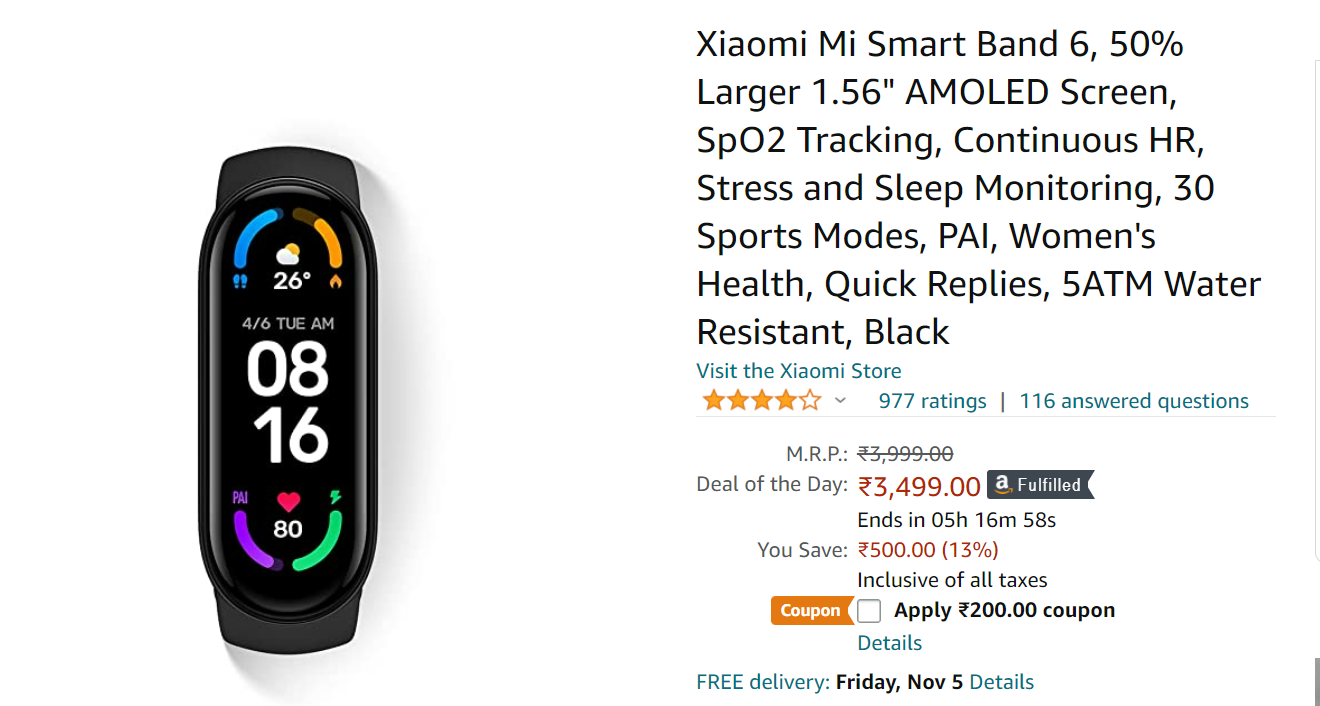
Xiaomi Mi Smart Band 6 is now available for ₹3499 only at Amazon India. Please note there is an additional ₹200 coupon available as a page clip-on with this product. This deal ends tomorrow.
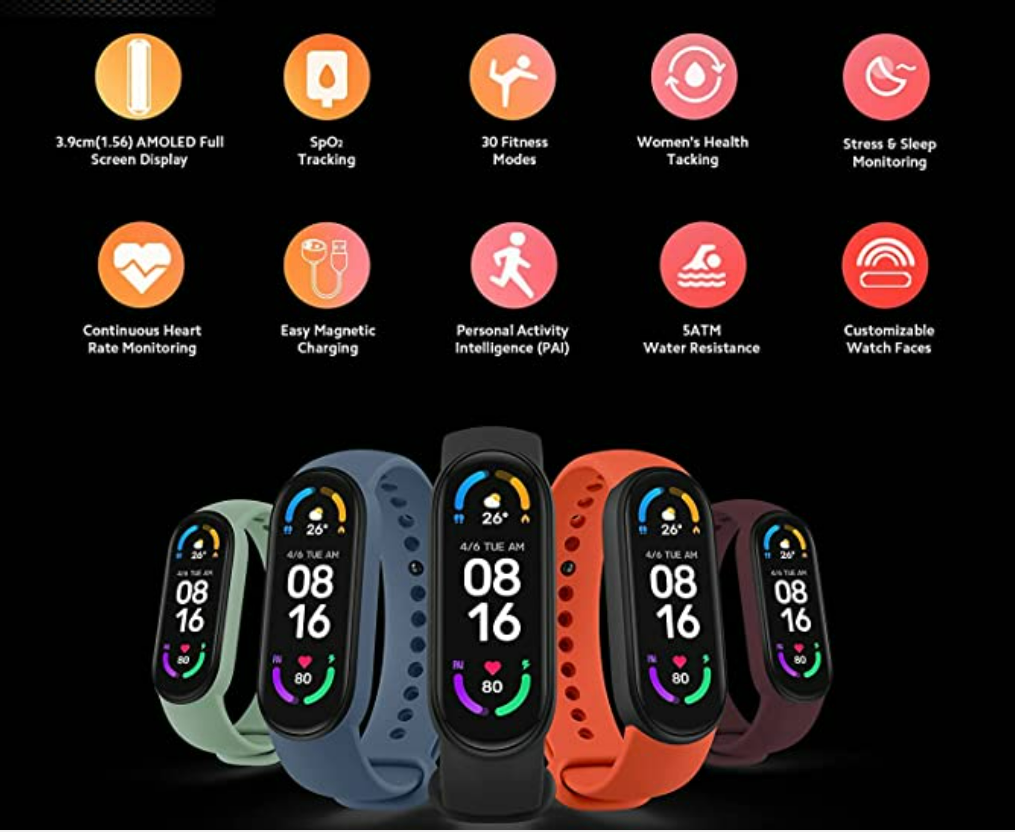
Xiaomi Mi Smart Band 6 features a 1.56” AMOLED full-screen display with 326ppi and customizable background images. To manage your health and fitness, the smart band comes with 30 fitness modes with an auto-detection function for 6 dedicated modes and other features like a heart rate monitor, SpO2 tracker, sleep tracker, stress monitor, female health tracker, etc. The 50m water-resistant band, gives you 5 days of battery life on heavy mode, 14 days on normal mode, and 19 days on power-saving mode.
You can now buy Xiaomi Mi Smart Band 6for ₹3499 only at Amazon India. Please note that this deal is applicable to the Black color variant only. This deal ends tomorrow. So place your order asap.
For more information on such exciting deals and offers check out ourdeals hub.
* Please Note: When you buy something using the links in our articles, we may earn a small commission at no cost to you.
We use cookies on our website to give you the most relevant experience by remembering your preferences and repeat visits. By clicking “Accept”, you consent to the use of ALL the cookies.
This website uses cookies to improve your experience while you navigate through the website. Out of these, the cookies that are categorized as necessary are stored on your browser as they are essential for the working of basic functionalities of the website. We also use third-party cookies that help us analyze and understand how you use this website. These cookies will be stored in your browser only with your consent. You also have the option to opt-out of these cookies. But opting out of some of these cookies may affect your browsing experience.
Necessary cookies are absolutely essential for the website to function properly. This category only includes cookies that ensures basic functionalities and security features of the website. These cookies do not store any personal information.
Any cookies that may not be particularly necessary for the website to function and is used specifically to collect user personal data via analytics, ads, other embedded contents are termed as non-necessary cookies. It is mandatory to procure user consent prior to running these cookies on your website.