Advertisement

Xiaomi Mi 11, Mi 11i & Mi 11 Ultra Android 12 Stable testing program now live

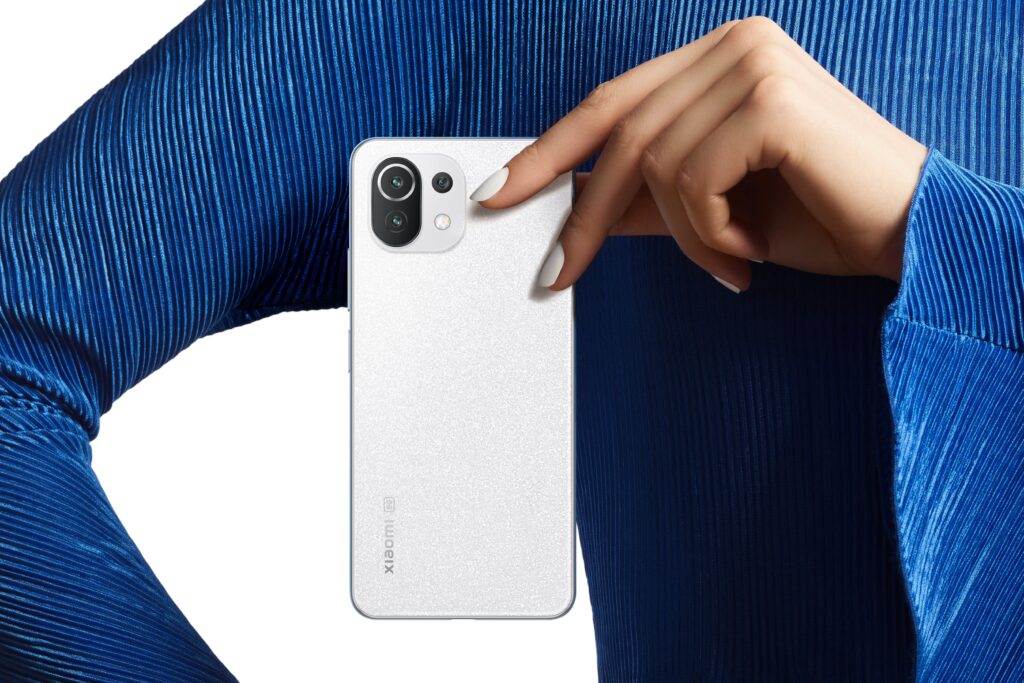
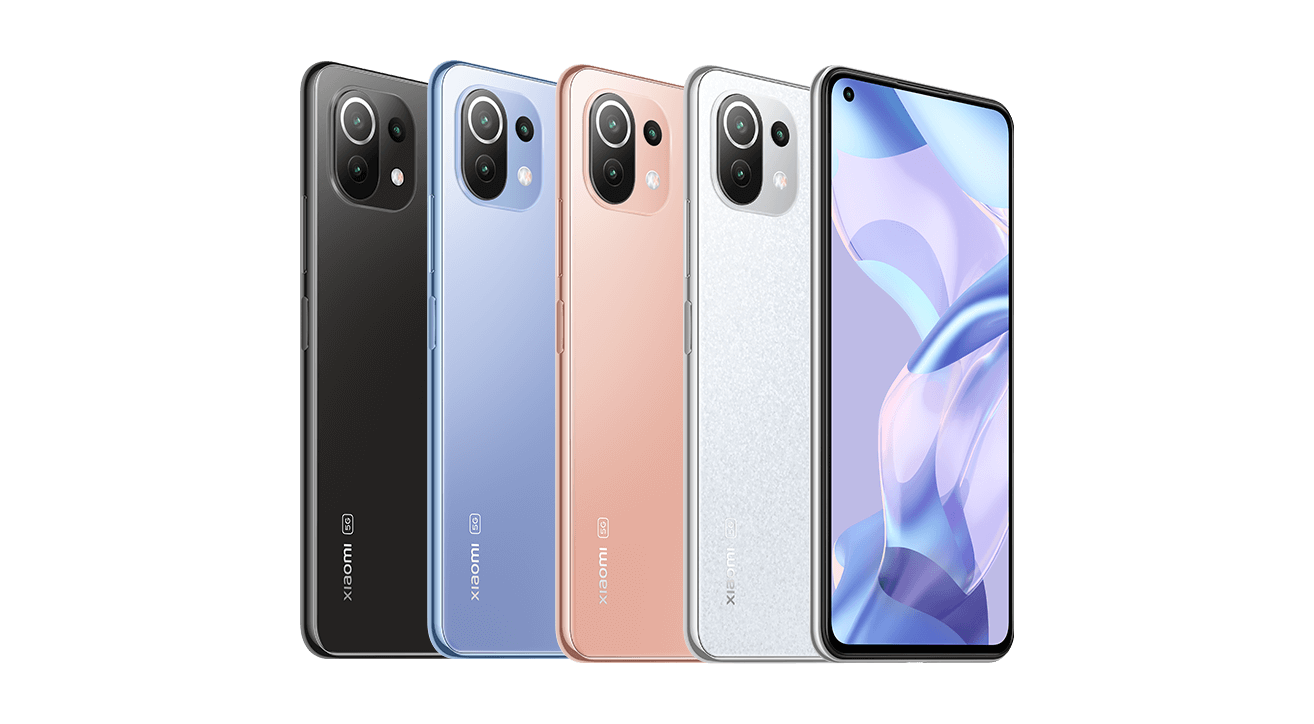
Xiaomi Mi 11, Mi 11i, and Mi 11 Ultra smartphones are primed to enjoy the latest Android 12 stable version testing which is already in motion. Xiaomi thus joins a flurry of Android smartphone manufacturers that have kickstarted the latest iteration of the stable version of the new operating system. This program precedes the full release of the Android 12 OS subsequently.Android 12

The Xiaomi Android 12 stable testing program will involve members of the Xiaomi community getting access to the latest OS and also providing useful feedback on its performance. It is meant for users who do not mind compromising system stability and performance to test the new Android 12 OS. The testing program may be subsequently extended outside the Mi 11 series, to cater to all segments of Xiaomi’s clientele. The specific announcement was relayed to the Mi Community (Global), and applications are currently being received from MIUI Global Stable ROM users, which does not include Indian users for now.

Up to 200 testers are expected to be recruited at the first instance and the application form is still open for registration. Users are also requested to install Telegram Messenger on their smartphones so they can join the conversation and report any bugs discovered. The processes indicate that we are indeed very close to the full release of the Android 12 OS together with its impressive features and functionality. The Stable testing is also expected to be a short process and will help to finetune all the challenges and bugs inherent in the Android 12.

RELATED:


(source)


Honor 50 Lite will have the same design as the Honor X20

Honor will be announcing new phones for the global market come October 27. The new devices are the Honor 50 and the Honor 50 Lite, and while the former is the same as the China version, the Honor 50 Lite is a new device in the Honor 50 series. It turns out it actually isn’t a new Honor phone per se.

According to the leaker @RODENT950, the Honor 50 Lite is a rebadged Huawei Nova 8i but the design is actually that of the Honor X20. While that may sound a bit confusing, it isn’t.

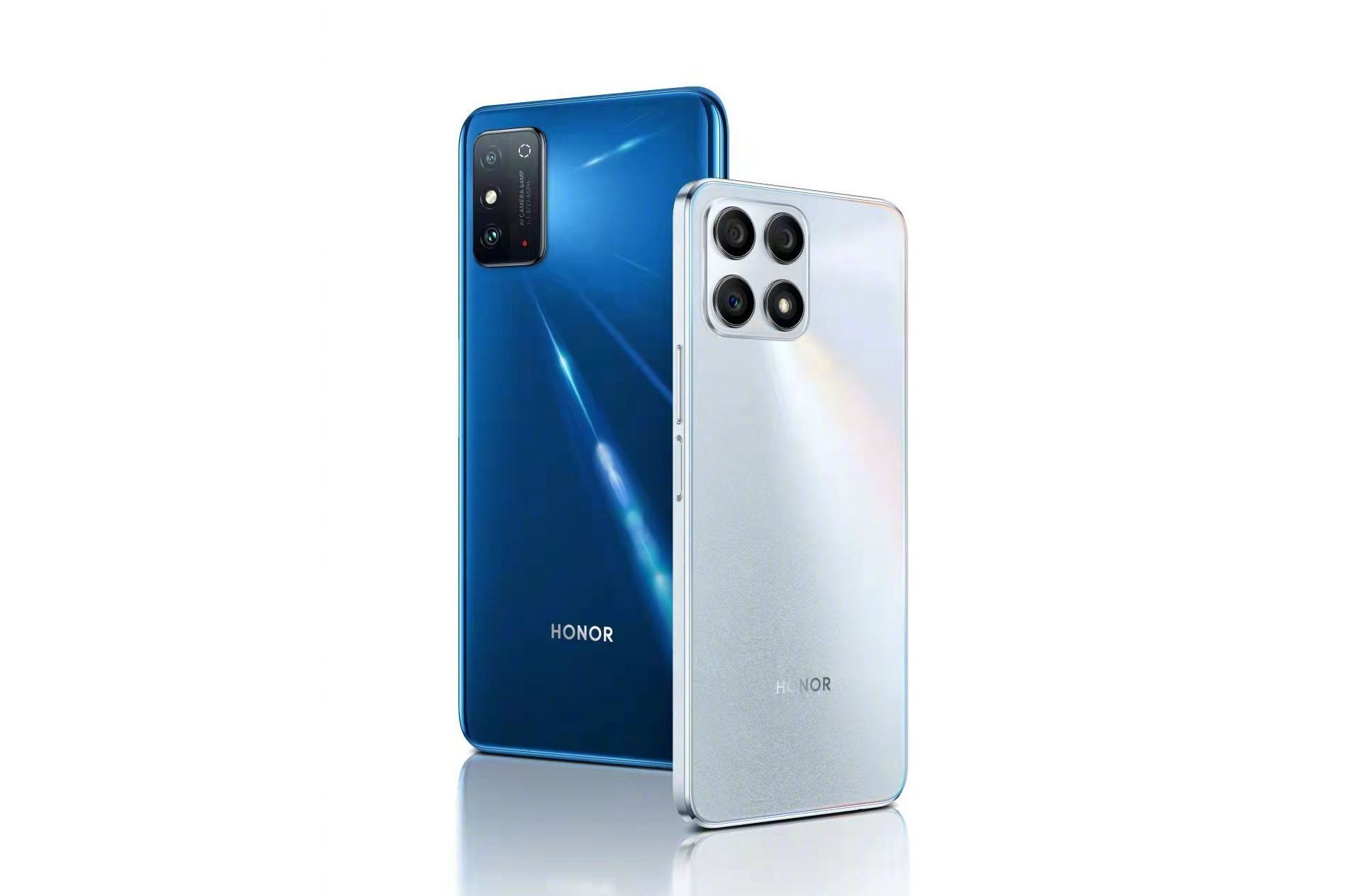
The Huawei Nova 8i and the Honor X20 are actually very similar. They have the same display size and type, front cameras, battery capacity, and fast charging technology. However, there are some differences which are actually on the back of the phones. The two phones have a similar rear design but the Nova 8i has four cameras while the Honor X20 has three. Because the latter has fewer sensors, its LED flash is housed along with the three cameras which isn’t the case on the Nova 8i whose LED flash sits outside the camera housing.

Since we know the design of the Honor 50 Lite is the same as the Honor X20, then we know it will have three rear cameras. We also know that the Honor 50 Lite will be a 4G phone which is where its similarity with the Nova 8i comes in. Unlike the Honor X20 which has a Dimensity 900 5G chipset, the Nova 8i has a Snapdragon 662 processor which we can expect will also power the Huawei 50 Lite. In fewer words, the Honor 50 Lite is a Honor X20 with a Snapdragon 662 chipset.

Based on these details, the Honor 50 Lite should launch with a 6.67-inch LCD FHD+ display with a pill-shaped cut-out for a 16MP front-facing camera. On the back will be a 64MP + 2MP + 2MP triple camera configuration and under the hood should be a 4300mAh battery with support for 66W fast charging. It should also have a side-mounted fingerprint scanner, a USB-C port, and an audio jack. Just like the Honor 50, it should run Magic UI based on Android 11 with Google Mobile Services.


RELATED:

Chinese companies banned by Amazon for soliciting paid reviews jointly sues the US retail giant

It was reported recently that Amazon had clamped down on thousands of online stores on its platform for infractions against the company’s policy on paid customer reviews. The move was seen as the largest shutdown so far, with the bulk of the brands affected coming from China. About 600 brands were affected by the clampdown, totaling up to 3,000 stores.Amazon Logo Dark

It seems some of these companies are not taking the Amazon decision lightly, as it has resulted in serious financial dislocations and a downward review of their overall outlook. Several of these companies have now filed a class action complaint against Amazon for its action in shutting them out of the Amazon marketplace. The complaint is dated September 13 and has several popular Chinese brands listed including Recoo Direct, Angelbliss, Tudi, Sopownic, and Cstech, among others. The companies are jointly seeking a recovery of their funds that are being illegally and improperly withheld by the respondent, Amazon.

They also desire a decision of the court to stop any further misappropriation and misuse of funds that are rightfully and legally due to the thousands of Amazon online sellers and merchants. The companies claim they have been unfavorably targeted by the policy against incentivized reviews and therefore want to be restored back to the platform.

The 28-page document was filed by Edward Chen, on behalf of the plaintiffs against Amazon and some of its subsidiaries. The court papers were filed at the United States District Court for the Northern District of California. It remains however to be seen what the outcome of the suit will be.

RELATED:


(source)


Samsung Galaxy S22 with 6.1-inch screen accounts for half of series production total

The standard, compact Samsung Galaxy S22 with a 6.1-inch display will account for nearly half of the Galaxy S22 series phones to be produced. Samsung apparently sees a lot of potential in the device and has set a shipment goal of up to 60% for it, out of the lineup comprised of it and the S22+ and S22 Ultra.

Samsung Galaxy S22 render

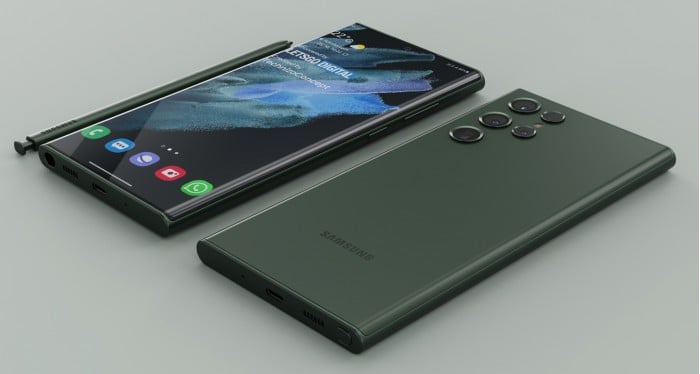
The 6.7-inch Galaxy S22+ is expected to account for 20% of shipments (via: The Elec), while the 6.8-inch Galaxy S22 Ultra’s share will range between 20-30%. The Ultra model is being touted as a successor to the Note 20 Ultra and will be able to house the S Pen stylus, sources confirmed. This makes the low expectations from the S22 Ultra odd considering the phone is meant to fill the shoes of the Note lineup.

Such figures are definitely a first-timer since Samsung has never before intentionally set a single model to account for over half of the production and shipment target. Take the S20 series, for example, where the standard version accounted for 40% of the production, while the Plus and Ultra models took up to 45% and 15% respectively.

Samsung Galaxy S22 Ultra gets leaked in the form of early renders
Samsung Galaxy S22 Ultra render

Further, Samsung is aiming to manufacture just around 20 million units for the entire S22 series, at least initially, which is very conservative when compared to the usual figure of 25-30 million units. However, the 20 million target may change when mass production commences or after the phones are unveiled.

The lowering of the sales target may be due to the chip shortage that seems to be worsening as we near the end of 2021. Another factor at play could be the diminishing sales figures Samsung’s flagship series has been seeing for the past couple of years.

RELATED:

Deal: Buy Chuwi HiPad Air Tablet for $194 (Retail Price $220)

Chuwi HiPad Air Tablet which generally retails for $220 is now available at a discounted price of $193.99 only at AliExpress. This deal ends in 18 hours. 

WHERE TO BUY

Chuwi HiPad Air Tablet

Chuwi HiPad Air Tablet

Chuwi HiPad Air Tablet

Chuwi HiPad Air features a 10.3” laminated multi-touch IPS full view display with thin bezels. The screen comes with a 16:10 field of view ratio and a vivid and high color gamut. The edge-to-edge display combined with the brilliant color gamut is perfect to enjoy videos, games, movies, etc. You can also use the multi-angle viewing tablet as a mini laptop by simply combining it with the full-sized Bluetooth wireless keyboard which can be directly attached to the tablet with a magnetic connector. 

Chuwi HiPad Air Tablet

Key Features:

  • 10.3” FHD display
  • 7mm thin and flexible body
  • 4GB LDDR4 RAM + 128GB ROM
  • UNISOC Tiger T618 chipset
  • Stereo dual speakers
  • 5MP front and rear cameras
  • Type-C port: Multiple interfaces
  • Android 11 OS
  • 2.4 and 5G dual-band network
  • 7000mAh battery – 8 hours of battery life

Chuwi HiPad Air Tablet

Generally retailing for $220 you can now buy Chuwi HiPad Air Tablet at a discounted price of $193.99 only at AliExpress. Please note that the above price is applicable only for the tablet and the keyboard needs to be purchased separately, This deal ends in 18 hours. So place your order asap. 


For more information on such exciting deals and offers check out our deals hub.

* Please Note: When you buy something using the links in our articles, we may earn a small commission at no cost to you.

Smartphone shipments in H2 2021 to fall thanks to semiconductor shortages

Counterpoint Research has dropped its smartphone shipments expectations for the second half of 2021 from its earlier prediction of 1.45bn to about 1.41bn units. This signals an annual growth of only 6%, down from the previously expected figure of 9%. The fresh figures are from the analysis firm’s latest Global Smartphone Quarterly Shipment Forecasts report.

counterpoint-research-smartphone-shipments-2021-h2

This is due to multiple smartphone OEMs having received only 80% of their requested volumes on key components during Q2 2021, with some even claiming a figure of just 70%. The impact of the semiconductor shortage will also not be going away any time soon as the situation seems to be getting worse as we move through Q3 2021. Counterpoint Research believes 90% of the industry is affected and this has impacted the second half smartphone shipments forecast for 2021.

The smartphone industry was set for a strong rebound this year following the recovery from the COVID-19 situation that had hit the market hard in 2020. Smartphone vendors placed large component orders from the end of last year, and consumer demand from delayed replacement purchases had boosted the market in the first quarter. But as already stated, the semiconductor shortage resulted in a lot of unmet expectations.

It is worth mentioning here that semiconductor shortages have been plaguing the market since Q4 2020. But advanced planning and order placing along with the hoarding of certain components had ensured temporary growth, despite shortages in components like DDIs and PMICs.

iphone-12-unsplash

Foundries have been running at max capacity for several quarters and components that were once being fully stored in warehouses are now bottoming, with new components not coming in as requested.

In the case of processors, one of the most crucial elements in smartphones, the shortages occurred due to low yield rates in newly established fab lines. This alone has caused quite a chain reaction with AP vendors like Qualcomm and Mediatek suffering because of their reliance on these foundries. They are now supplying fewer processors which is in turn affecting smartphone companies.

Tom Kang, Research Director at Counterpoint Research commented, “the semiconductor shortage seems to affect all brands in the ecosystems. Samsung, Oppo, Xiaomi have all been affected and we are lowering our forecasts. But Apple seems to be the most resilient and least affected by the AP shortage situation”.

RELATED:

Samsung faces $45 million fine from Dutch regulator for inflating its TV prices

Samsung has just been hit with a sizeable 39 million Euros (roughly 45 million US Dollars) fine from a Dutch regulator. The Netherlands Authority for Consumers and Markets (ACM) has found the company guilty of influencing the prices for its TVs.

Samsung

According to NLTimes, the South Korean tech giant influenced the prices that various stores charger for its televisions between the years 2013 and 2018. In other words, this lead to customers paying more for their Samsung branded TVs. The report added that the brand had apparently looked up every online offering of its TVs and put online stores under pressure to inflate the prices, which is illegal as per the ACM.

The ACM investigated the matter and found the unauthorized practices from the known consumer electronics maker across even retailers that sold Samsung branded televisions online. Samsung reportedly sent messages to sellers to raise the prices if the company found that the prices were lower than what it wanted. While employees claimed that it was presented as an advice, the market authority found that it was not a non committal suggestion.

Samsung Neo QLED 8K TV

Furthermore, the company even intervened when retailers complained about competitors selling its TVs for lower prices. The ACM found these practices from WhatsApp and emails that Samsung had addressed to the various retailers. ACM CEO Martijn Snoep stated “Samsung’s behavior distorted competition at the retail level and led to higher prices for consumers.” As of right now, the company is against the decision by the ACM and is prepared to take legal steps against the fine since it complied with all competition rules.

RELATED:


Huawei to launch new 4G phone with Kirin 9000 SoC while its chip stock runs dry

A new report has just surfaced that suggests that Huawei is working on a new smartphone that will feature its HiSilicon Kirin 9000 series chipset. Although, this device will only support 4G.

According to known tipster @数码闲聊站 on Weibo (a Chinese microblogging website), the company is working on a new 4G enabled smartphone. This device will house a Kirin 9000 4G chipset, which means that its similar to the Huawei P50 series that also features LTE version only. Furthermore, it seems that the Chinese tech giant will also be launching most of its smartphones with Qualcomm Snapdragon line of processors in the first half of next year.

Huawei

The reason for the shift away from its proprietary platform is due to its drying up inventory. For those unaware, prior to the brand being cut off from sourcing its Kirin chips from TSMC, it had managed to secure orders that would last it for its upcoming generation of smartphones. But this time has now passed and its appears that the company’s chip inventory is running out. Unfortunately, while the tipster did state that Huawei is working on a new device, the exact model has not been reveal at the moment. So stay tuned for more, as we will be providing updates when additional information is available regarding this matter.

RELATED:


TCL patents smartphone with a detachable dual camera module

Detachable camera modules in smartphones appears to be an emerging trends in recent patent filings from multiple companies. Now, TCL has joined the bandwagon as well, with a smartphone with a detachable dual camera module that can be used as a rear and front facing shooter.

According to a LetsGoDigital report, the Chinese electronics brand filed a design patent with the CNIPA (China National Intellectual Property Administration). The news as other brands like Xiaomi, Vivo, and Samsung also patenting detachable camera modules. Looking at the patent images from TCL, the device resembles a modern day handset with a dual camera module on the back. Although, this module can be detached from the main housing.

TCL

Notably, after detaching the camera, there is also a way to mount the module on to the side of the smartphone. Users can mount the module on the side thanks to two small connectors, which would allow one to take high resolution selfie shots as the camera module now faces the front. This would be especially useful for great shots as the dual camera system might also include a wide angle lens and the higher resolution might help with online video conferences as well.


As of right now, it is unknown if the detachable camera module can be used without being attached to the smartphone. To achieve this, it would have to have its own small power source and a communications module, which the patent does not describe. Furthermore, its still unknown if the company is actually working on such a product or covering all bases.

RELATED:


Letv S1 specs revealed as it goes on sale in China

A few days back, Letv announced its first smartphone after a long time. This handset called Letv S1 offers 5G connectivity and costs only ¥1,599 ($248). As the device is now up for sale in China, its entire specs have been revealed by the company.

LeTV S1 Lake Green Featured A

The newly released Letv S1 features a plastic build like any other budget smartphone. It flaunts a 6.53-inch LCD panel with a resolution of 720 x 1600 pixels (HD+) and a dewdrop notch.

The handset comes powered by a UNISOC Tiger T7510 SoC paired with 8GB RAM and 256GB internal storage. On the software front, it runs  FreemeOS 9.1.0 based on Android 9.0 Pie with HMS (HUAWEI Mobile Services).

LeTV S1 Featured A

Further, the back of the phone houses a vertically aligned triple camera setup. This array comprises a 48MP Samsung primary sensor, a macro shooter, a depth sensor, and an LED flash. The rear panel also sports a fingerprint sensor.

Other features of this device include a MicroSD card slot (hybrid), a USB Type-C port, and a 4,900mAh battery. Lastly, it measures 163.6 x 75.5 x 9.7mm in dimensions, weighs 206.4g, and arrives in two color options (Sapphire Blue, Lake Green).

LeTV S1 Sapphire Blue Featured A

Letv claims that most of the components of this phone are sourced locally in China. The firm even advertises the handset as the first ‘nationally produced’ mobile phone.

The Letv S1 is targeted at drivers of ride-sharing as well as delivery services and senior citizens. The smartphone will most likely not release outside mainland China.


RELATED:


iQOO 8 Pro Pilot Edition with 12GB RAM and 512GB storage goes official in China for 5,999 yuan ($928)

After launching the iQOO 8 Pro flagship smartphone last month, the Vivo sub-brand has today officially launched a new variant of the same — iQOO 8 Pro Pilot Edition. The phone packs 12GB RAM and 512GB of internal storage.

The smartphone comes in a box with Red, Black, and Blue stripes — the same strips that we see on the White-colored device’s back panel, inspired by BMW. There’s also a 55W flash charging car charger bundled in the box.

iQOO 8 Pro Pilot Edition

The iQOO 8 Pro Pilot Edition is priced at 5,999 yuan (~$928) and will be up for sale in China from 1st October but the company has started taking pre-orders.

In terms of specifications, it remains the same as the standard edition. The device features a new Samsung E5 AMOLED display, making it the first smartphone in the world to have this new panel. It measures 6.78-inch and offers 120Hz LTPO curved panel with 3200 x 1440 pixels resolution. There’s a 10-bit color temperature, HDR10+, Dolby Vision, and a contrast ratio of up to 8,000,000:1.

iQOO 8 Pro Pilot Edition

Under the hood, the device comes powered by the latest Qualcomm Snapdragon 888+ chipset, coupled with 12GB LPDDR5 RAM and 512GB UFS 3.1 storage. There’s also an ultrasonic fingerprint sensor with a wider sensing area which is claimed by the company to be able to unlock the device in just 0.2 seconds.

As for the camera department, the phone features a 50MP Sony IMX766V f/1.75 1.0µm PTZ primary camera with a 7P lens, PDAF, and 23mm focal length, along with a 48MP f/2.2 114° ultrawide angle camera with 6P lens, and a 16MP telephoto camera. The front-facing camera is a 16MP sensor for taking selfies and video calling.

It comes powered by a dual-cell 4,500mAh battery and supports 120W fast wired charging, 50W wireless fast charging, and 10W reverse wireless charging. This makes it the first iQOO smartphone with support for wireless charging.

RELATED: 

Xiaomi CC11 Pro allegedly hits TENAA, 64MP camera & 4400 mAh battery confirmed

A phone bearing the number 2109119BC was spotted on TENAA and it’s alleged that the device is none other than the soon-to-launch Xiaomi CC11 Pro. The listing reveals almost all of its specifications.

As per the listing, the Xiaomi CC11 Pro will have a 6.55-inch OLED display with a 3840 x 2160 resolution that will be capable of displaying 1B colors. The device will sport an under-display fingerprint scanner and will be powered by an octa-core processor clocked at 2.4GHz.

Further, as with almost every recent device, the CC11 Pro will be coming with 5G with support for both SA and NSA networks. The power to all of the aforementioned will be supplied via a 4400 mAh battery.

The phone’s photography will be handled through a triple camera module at the rear comprised of a 64-megapixel primary sensor and two 8-megapixel sensors. It will be booting into Android 11 out-of-the-box and will be an extremely lightweight device for its screen size weighing only 166 grams. It’s fairly slim as well measuring at just 6.98mm. This almost puts it in the same league as the Xiaomi Mi 11 Lite series.

The Xiaomi CC11 Pro will be coming with a surprisingly diverse storage portfolio comprised of 64GB, 128GB, 256GB, and 512GB options. Its RAM variants are 6GB, 8GB, 12GB, and 16GB. Its color options are oddly wide as well comprised of all the primary colors and more – red, orange, yellow, green, cyan, blue, purple, black, white, and pink.

Xiaomi CC11
TENAA images of the alleged Xiaomi CC11

Xiaomi is expected to announce the Xiaomi CC11 Pro along with its non-Pro sibling pretty soon. The Xiaomi CC11 supports expandable storage, something the Xiaomi CC11 Pro lacks. Neither seems to have a headphone jack.

RELATED:

Sony is fighting with Huawei over its Watch GT trademark

A new lawsuit has been filed against Huawei. Sony is aiming on fighting the company over one of its trademarks related to its smartwatch. The trademark in question is for the Watch GT.

Sony
Via LetsGoDigital

For those unaware, the Chinese smartphone maker launches its flagship smartwatch series under the “Watch GT” branding. According to LetsGoDigital, the company had applied trademark for the words “GT 3” and “GT 5” at the EUIPO (European Union Intellectual Property Office), which is where the dispute between Sony Interactive Entertainment and Huawei began. During a trademark application process any third party is allowed to file an objection. So back in 2016, the Japanese tech giant had filed an appeal against Huawei’s trademark.

In 2019, the company had filed another petition against Huawei’s trademarks as well, but, by the time of the second dispute, the Watch GT and GT 2 had already been launched in the global market. Now, Sony aims to continue this fight by filing a lawsuit against Huawei in the European Union back in August 2021. As of right now, the legal procedures are still underway and the results cannot be predicted this early on.

Sony

The reason for the company’s objection to the “GT” branding is related to its popular Gran Turismo IP. This is a Japanese series of racing simulation video games that is developed by Polyphony Digital for the PlayStation console, which is owned by Sony. In other words, it aims to gain exclusive rights to the “GT” trademark for its Gran Turismo.

RELATED:


Vivo X70 Pro+ Wilderness Edition with blue leather back panel launched

A special Vivo X70 Pro+ Wilderness Edition was launched today with a leather-textured, blue-colored back panel in China with a price tag of 5,999 Yuan (~$928).

The device comes with a cutting-edge 6.78-inch E5 display with a 2K resolution. Its refresh rate is dynamically adjusted between 120Hz and 1Hz, and it shines with a peak brightness of 1500nits. The display supports 10bit color and the panel has a touch sampling rate of 300Hz.

Vivo X70 Pro+ Wilderness Edition

The Vivo X70 Pro+ is powered by a large 4500mAh battery that can be filled up in a jiffy thanks to 55W flash charging and 50W wireless charging (via: IT Home). It can also be used as a power bank and supports 10W wireless reverse charging. The phone is protected from the elements through IP68 dust and water resistance rating.

A top-of-the-range Snapdragon 888+ processor handles the processing needs of the device. The chip is an upgraded version of the Snapdragon 888 and supports higher clock speeds. The X70 Pro+ sports enhanced UFS 3.1 storage, LPDDR5 RAM, and HID defragmentation technology.

The camera tech of the device is pretty advanced as well thanks to a “self-developed professional V1 video chip” that can not only optimize photos but also enhance the gaming experience due to its ability to add frames in real-time.

Vivo X70 Pro+ Wilderness Edition blue color

Last but not least, the phone comes equipped with Zeiss Optics, ultra-transparent glass lenses that let it have an edge in low-light photography and help reduce glare.

The phone comes in two storage variants, both with a standard 12 gigs of RAM:

  • 12GB+256GB: 5999 Yuan (~$928)
  • 12GB+512GB: 6999 Yuan (~$1,083)

You can watch our review of the Vivo X70 Pro+ through the video given at the bottom of this article.

In addition to the Vivo X70 Pro+ Wilderness Edition, the Vivo X70 has gone on sale in China as well. It is powered by the Mediatek Dimensity 1200 processor, has a 4500mAh battery with support for 55W flash charging + 50W wireless flash charging + 10W reverse wireless charging.

Vivo X70 all colors
Vivo X70

This model is being sold at the following prices:

  • 8GB+128GB: 3699 Yuan (~$572)
  • 8GB+256GB: 3999 Yuan (~$619)
  • 12GB+256GB: 4299 Yuan (~$665)

RELATED:

POCO C31 launched in India with a fingerprint sensor, 5,000mAh battery, and more

POCO has officially launched the POCO C31 in India after teasing it for the past few days. The new device from the brand can be considered as a tweaked version of POCO C3 from last year. The only addition the latest model brings is a fingerprint sensor.

POCO C31 Featured A

POCO C31 Specifications and Features

POCO C31 is almost identical to POCO C3. The only major difference between the two is the presence of a rear-mounted fingerprint sensor on the former. Further, the newer handset arrives in two colors (Royal Blue, Shadow Grey) instead of three.

Other than the above-mentioned factors, the POCO C31 is a POCO C3 inside out. Hence, it sports the same 6.53-inch LCD panel with a resolution of 720 x 1600 pixels (HD+), 20:9 aspect ratio, and a dewdrop notch. It is powered by a MediaTek Helio G35 SoC paired with 3GB/4GB LPDDR4x RAM and 32GB/64GB eMMC 5.1 storage.

The device houses a triple camera setup on the back consisting of a 13MP primary sensor, 2MP macro snapper, and 2MP depth sensor. On the front, it nests a 5MP selfie camera inside the notch.

As for connectivity, the phone supports dual-SIM, 4G, VoLTE, VoWiFi, single-band WiFi, and Bluetooth 5.0. On the software front, it runs MIUI 12 based on Android 10.

Other features of the handset include a dedicated MicroSD card slot, P2i nano-coating for splash resistance, a 3.5mm headphone jack, a MicroUSB port, a 5,000mAh battery, and 10W charging.

POCO C31 Price and Availability in India

The POCO C31 will retail for the following price tags in India.

  • 3GB + 32GB – ₹8,499 ($114)
  • 4GB + 64GB – ₹9,499 ($128)

The phone will go on sale during the Flipkart Big Billion Days sale. It will be available at discounted price tags of ₹7,999 ($108) and ₹8,999 ($121) from October 2 to 10. Customers can also avail a 10% discount on ICICI Bank and Axis Bank credit/debit card transactions.


RELATED:


Xiaomi CIVI first sale brings in over 200 million Yuan in just 5 minutes

Earlier today (30th September 2021), the Xiaomi CIVI went on sale for the first time in China. Within just 5 minutes of the sale going live, the new smartphone managed to bring in over 200 million Yuan (roughly 31 million US Dollars) in sales.

Talking about the device first, the CIVI was just unveiled by the Chinese tech giant earlier this week. It features a Qualcomm Snapdragon 778G chip that is paired with either 8GB or 12GB of RAM and up to 256GB of internal storage. So, the device is available in multiple variants and starts from 2,599 Yuan (roughly 400 US Dollars). Apart from notable specs in the upper mid range segment, the company offers the device with skin renewal technology that uses deep learning skin characteristics to reconstruct facial imperfections such as blemishes, acne, and more.

Now, a new image poster shared by the brand’s Product Manager (@Cici_老魏) revealed that the device’s first sale was quite successful. The CIVI was available across multiple channels and managed to bring in 200 million Yuan in sales in just under 5 minutes. In other words, the device is already popular in the company’s home country. Xiaomi stated that the device targets the youth and specifically women, offering excellent portrait shooting capabilities. This skin rejuvenation feature is offered through the handset’s 32 megapixel Samsung GD1 lens that also features autofocus and dual soft LED flash.

RELATED:


Vivo X70 series launched in India, with 120Hz display, Zeiss Lens, & more

The Vivo X70 series has just been launched in India. While the lineup originally has three models, only the two Pro variants are making it to the Indian market with top notch specs and features.

X70 Pro

Talking about the X70 Pro first, it sports a 6.56 inch FHD+ AMOLED curved display with a 120Hz refresh rate. The front features a centered punch hole for the 32 megapixel selfie camera screen with support for HDR10. Under the hood, a Samsung Exynos 1080 SoC runs the device along with 8GB or 12GB of RAM with 128GB and 256GB of internal storage.


Vivo X70 Pro cameras

On the rear, the X70 Pro offers a quad camera setup with a 50 megapixel primary camera, two 12 megapixel portrait and ultra wide angle lens, along with an 8 megapixel periscope lens.  The primary shooter also features gimbal stabilization while all the lenses feature Zeiss coating. It is powered by a large 4,540mAh battery pack that supports up to 44W Flash Charge.

X70 Pro+

Arriving at the higher end X70 Pro+, the flagship smartphone features a larger 6.78 inch 2K (3200 x 1440) display. The panel is a 10 bit Samsung E5 AMOLED screen, which has a 120Hz variable refresh rate, a maximum brightness of 1500 nits, and 300Hz touch sampling rate (1000Hz max). The display has received an A+ certification rating from DisplayMate. The Qualcomm Snapdragon 888+ runs the device along with LPDDR5 memory and UFS 3.1 storage. In India, the device will be available in a single storage variant, namely 12GB + 256GB model.

vivo X70 Pro Plus Hands on Review Featured 2

The camera module on the rear features a 50 megapixel primary sensor that uses Samsung’s GN1 sensor, which is paired with a 48 megapixel ultra wide angle lens, 12 megapixel portrait lens, and an 8 megapixel periscope lens. Under the hood, a 4,500mAh battery pack power the device that supports 55W fast charging and 50W wireless Flash Charge as well.

You can even check out our review for this handset by clicking here or even have a look at our video that is linked below.

vivo X70 Pro Plus Hands on Review FEATURED

Pricing, Colors, and Availability

The Vivo X70 Pro will be available in two colors, namely Aurora Dawn and Cosmic Black. Meanwhile, the X70 Pro+ is available in single Enigma Black color variant. The X70 Pro models set to go on sale starting from October 7 while the X70 Pro+ model will be available for purchase starting from October 12, although, pre-bookings for all models are currently live, so here are their prices:

  • X70 Pro (8GB + 128GB) – 46,990 INR (roughly 630 US Dollars)
  • X70 Pro (8GB + 256GB) – 49,990 INR (roughly 670 US Dollars)
  • X70 Pro (12GB + 256GB) – 52,990 INR (roughly 710 US Dollars)
  • X70 Pro+ (12GB + 256GB) – 79,990 INR (roughly 1,070 US Dollars)

RELATED:


OPPO confirmed to launch tablets and foldables

OPPO is long-rumored to enter the tablet category. When the company unveiled ColorOS 12 based on Android 12, it revealed that the latest version of its mobile software is compatible with different form factors, including tablets and foldables, thanks to a new responsive device. Today, one of the top executives of the firm officially confirmed the arrival of tablets and multi-form smartphone products.

OPPO ColorOS 12 Responsive Design Smartwatch Smartphone Foldable Tablet Smart TV
ColorOS 12’s ‘Responsive Design’ adapts to different form factors.

At a partner summit, Liu Bo, Vice President of OPPO and President of OPPO China, disclosed the company’s plans for high-end products, IoT products, and eCommerce strategy.

According to a report by Sina Technology, the OPPO exec confirmed that his company will launch its first tablet in the first half of 2022. In case you missed it, vivo is also set to release its first tablet around the same time.

The exec also revealed that OPPO will be also debuting ‘multi-form smartphone products’. In other words, the firm will be launching foldables and similar unique devices. But unfortunately, he did not give a specific timeline for their release.

Last year, the tech giant showcased a rollable concept smartphone called OPPO X 2021. It even announced a tri-fold concept smartphone design in partnership with a Japanese design firm called ‘nendo’. Hence, we can expect a commercial version of these products.

Talking about high-end devices (¥4,000+), Liu Bo disclosed that OPPO is currently the third-largest premium Android OEM in the overall Chinese smartphone market and the second-largest in the Chinese offline smartphone market. He also said that the awareness of the OPPO Find X3 series has increased from 46% to 60%.

Further, with OnePlus becoming a sub-brand of OPPO after the merger, the company’s eCommerce business is also growing strong with a presence on popular retailers like JD, Suning, GOME, Pinduoduo, and others, in addition to its own Huantai Mall.

Lastly, OPPO will continue to release new products across different IoT product categories like truly wireless earphones, fitness trackers, smartwatches, smart TVs, and more.


RELATED:


Russia threatens to ban YouTube, calls for “zero tolerance”

Earlier this week, Russia threatened to ban YouTube as the popular video sharing platform removed the Russian state backed broadcaster RT’s German language channels from its website. This urged the Kremlin to call for ‘zero tolerance’ towards the online platform.

Russia

According to a Reuters report, the online video streaming platform, owned by Alphabet Inc, has deleted the state backed broadcaster RT’s channels on Tuesday. YouTube stated that the channel was removed from its website as it breached its COVID-19 misinformation policy. Furthermore, the company also added that it would block all anti vaccine content from its platform as well. This marks its expansion outside of just Coronavirus, and includes content that alleges vaccines cause chronic health effects or other form of misinformation regarding the vaccines.

On the other hand, Russia stated that it was considering retaliating against German media and also accused YouTube of “unprecedented information aggression” over the deletion of the RT channels. This also marks the spark of new friction between the Russian government and a tech giant. Russian state communications regulator Roskomnadzor stated that it has written to Google and demanded that YouTube should lift the restrictions on RT channels.

Russia

If the company fails to comply, then the government could partially or fully restrict access to YouTube in the region. As of right now, Google has declined to comment on the matter. Additionally, the government could also impose other measures to ensure YouTube complies with its laws, as per Kremlin spokesman Dmitry Peskov. He further added that “There should certainly be zero tolerance for this kind of breaking of the law.”

RELATED:


Some iPhone 13 users report intermittent touch issues, older models affected too following iOS 15

Several Apple iPhone 13 series users are reporting intermittent touch screen issues on iOS 15 wherein their device doesn’t respond to touch inputs on certain parts of the display or even the entire panel. Users say that the only way to temporarily work around the problem when it strikes is by rebooting the device.

Posts on Reddit, Twitter, and Apple forums related to the issue all more or less say the same thing – the iPhone 13 touch sensitivity is screwed, requiring repeated taps for touches to register (via: MacRumors).

The problem seems to vary from user to user. While some say that it occurs with all apps and the entire screen, others have observed that certain sections of the touch – particularly the upper corners – are more affected. The entire lineup seems to be plagued by touch screen issues, or at least the iPhone 13, iPhone 13 Pro, and iPhone 13 Pro Max.

The cause is unknown at the moment, although isolated cases could be narrowed down to possible hardware malfunctions. However, a few reports following the iOS 15 update on older models point towards the possibility of something being wrong with the update itself.

After all, bugs on iOS 15 aren’t exactly a rare occurrence. MacRumors reports that the update has been tormented with problems, including bugs related to the ‌iPhone 13‌ and the Apple Watch, device storage, Apple Music, and widgets, on top of possible security vulnerabilities. Apple has promised to release an update to address some of the problems affecting iOS 15 and iPadOS 15 devices though.

The fixes may be brought along with an iOS 15.0.1 update, but there are chances that Apple may instead directly release iOS 15.1 when it clears beta testing next month.

That said, it is worth mentioning here that YouTuber and Apple beta specialist Zollotech in his latest video observed that the iPhone 13 touch issues seem to have been fixed on iOS 15.1 beta, according to his limited time with the build. Those affected can thus take a sigh of relief.

RELATED: