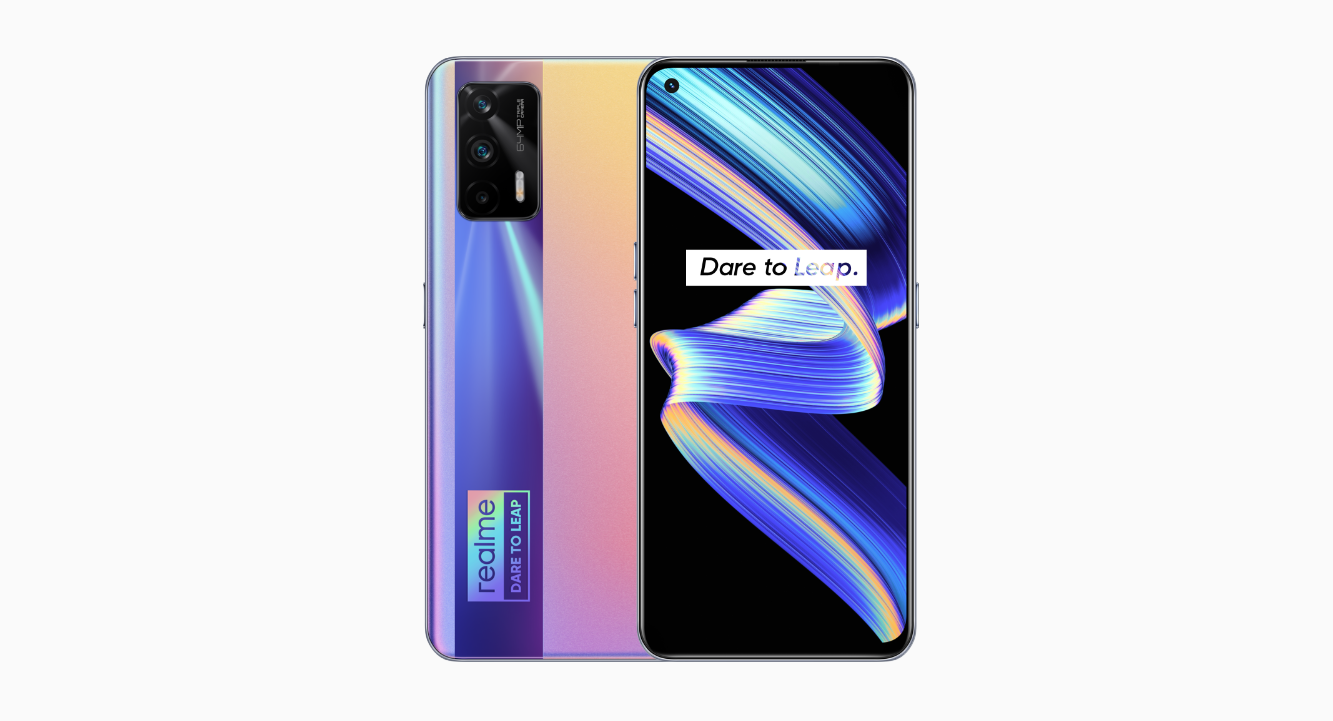
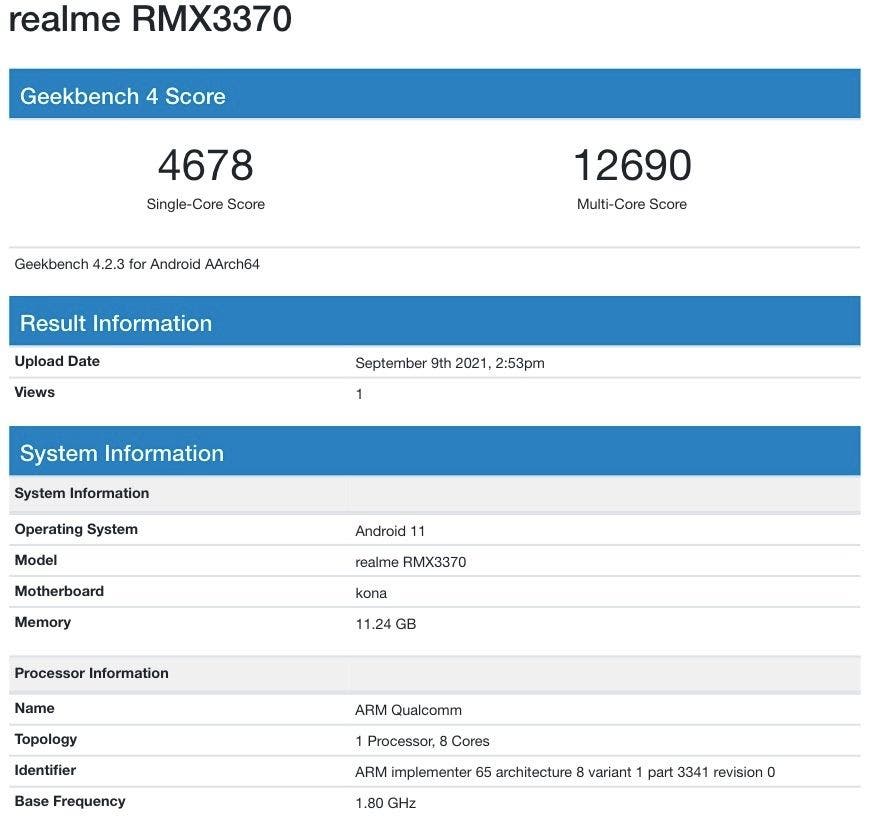
Realme is expected to refresh its GT lineup of smartphones as a new Realme phone with model number RMX3370 has emerged on the Geekbench portal. It is believed to be the upcoming Realme GT Neo2 and it has impressive scores.
The smartphone has 12GB of RAM, which we believe will be the maxed-out model of the smartphone. We can expect the phone to also come in an 8GB RAM option with 128GB or 256GB of onboard storage. It runs on Android 11 out of the box and is expected to run on Realme UI on top of it.
Other than this, the Realme GT Neo2 passed China’s 3C certification recently. As per the certification, it will support a 65W fast charging technology. In addition, it is tipped to house a 5,000mAh battery.
Rumors have it that the phone may come with a 6.62-inch FHD+ display with a 120Hz refresh rate. It is expected to flaunt a triple camera system with a 64MP main sensor, an 8MP ultra-wide lens, and a 2MP sensor either a macro or a depth-sensing unit.
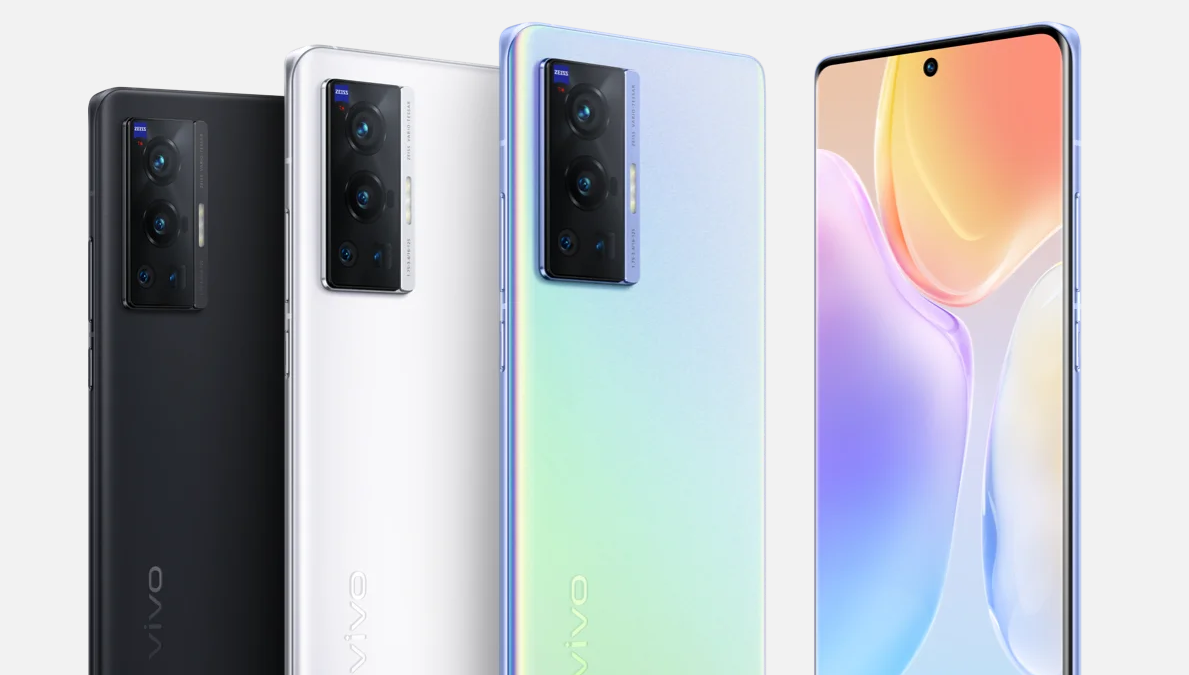
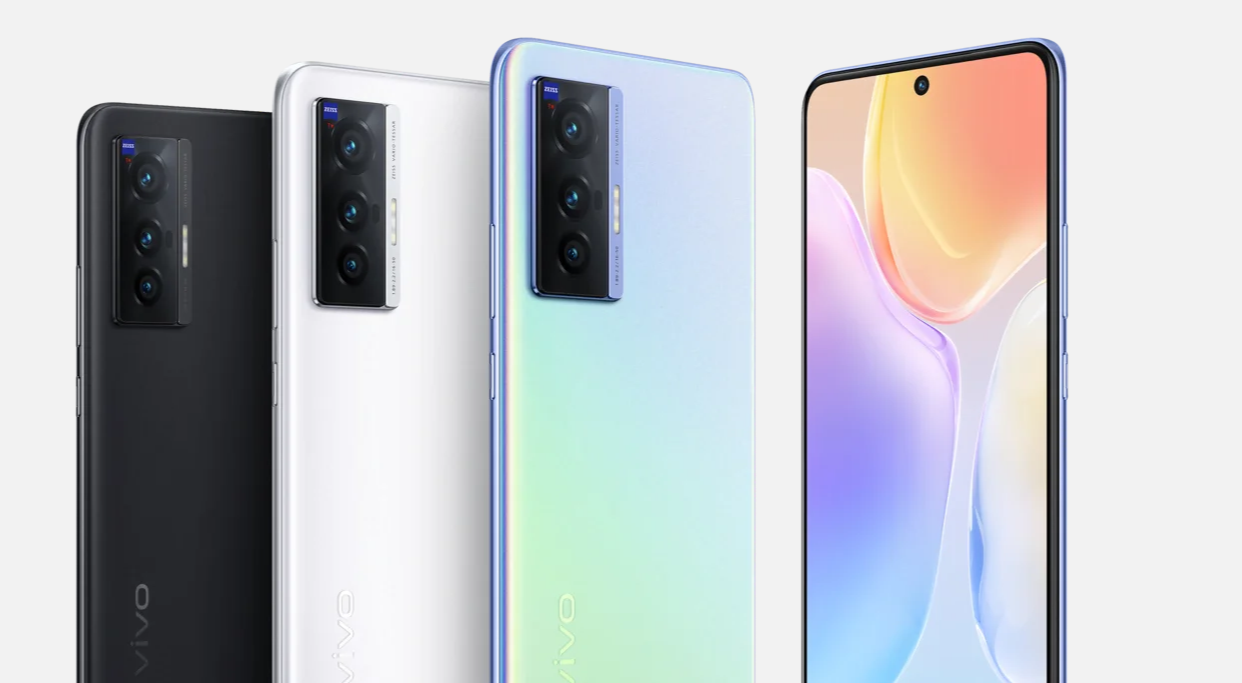
While the Vivo X70 series was the focus of today’s Vivo launch event, the manufacturer also released details about the Vivo X70t series, though a lot of folks may have missed it.
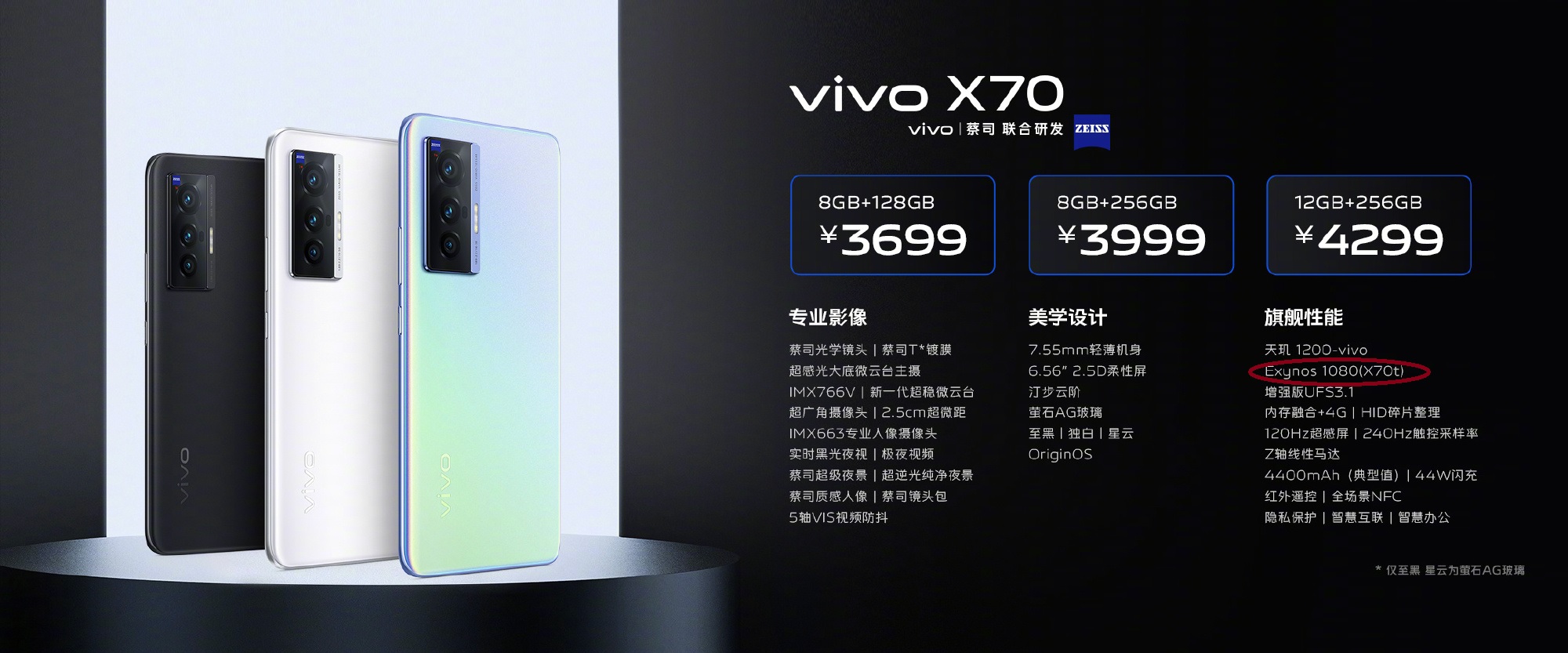
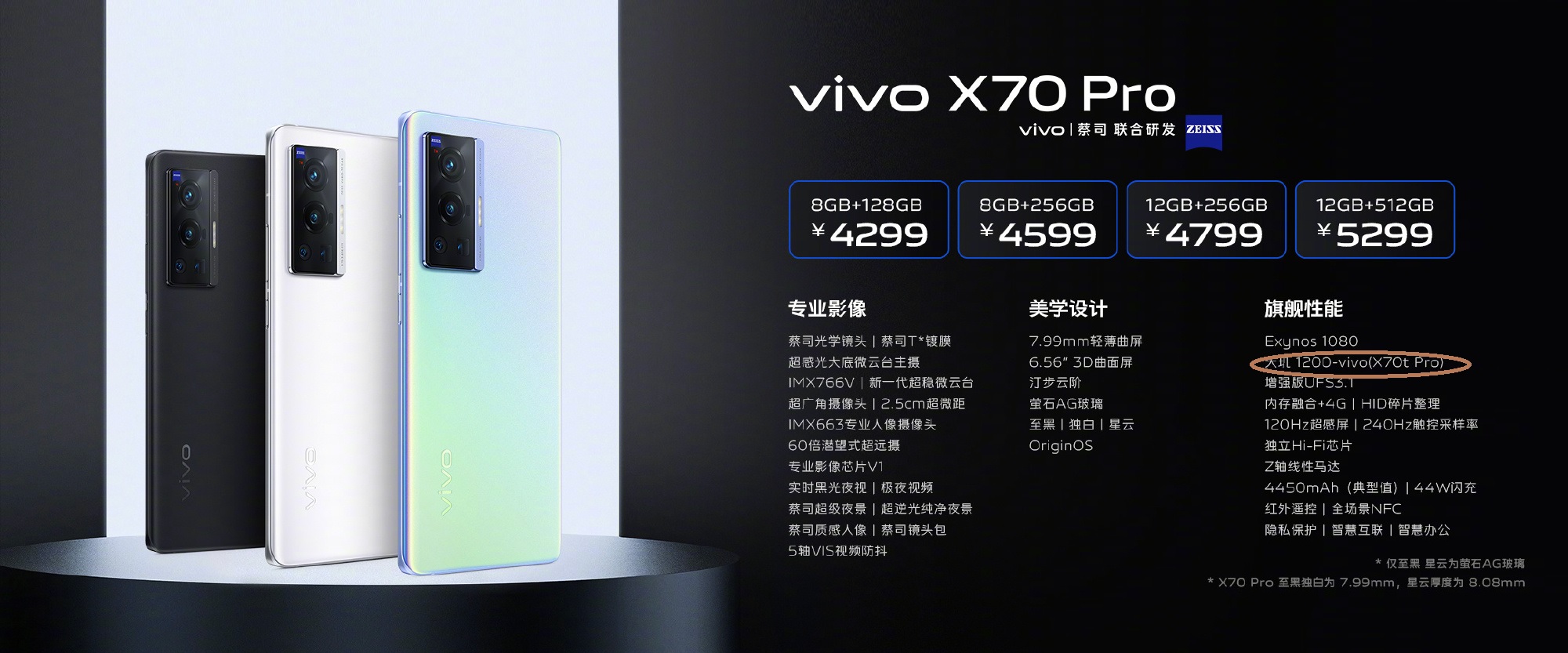
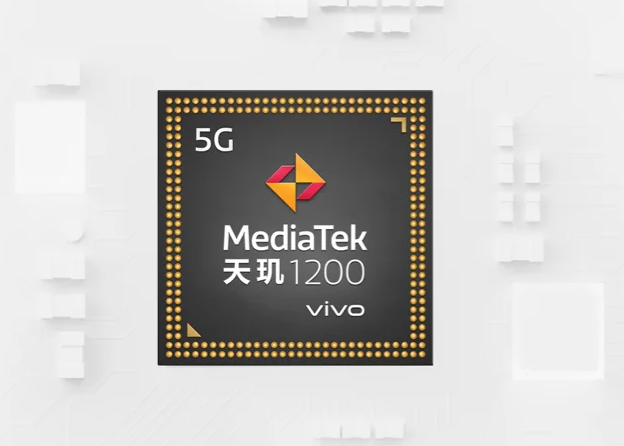
As seen in the images below, Vivo officially confirms the existence of the Vivo X70t and the Vivo X70t Pro. It also reveals that the X70t will be powered by the Exynos 1080 processor while the X70t Pro will have the Dimensity 1200-Vivo chipset. What Vivo has done is to swap the chipsets in the X70 and X70 Pro for their t-variants.
1 of 2
Vivo X70t
Vivo X70t Pro
For the rest of their specs, we do not think they will be any different from those of the non t-variants considering the chipsets is the only major difference between the Vivo X60 and Vivo X60t. If there will be any other differences, they will most likely be storage and color options.
The Vivo X70 and Vivo X70 Pro have 6.56-inch displays with a 120Hz refresh rate. However, while the X70’s screen is flat, the X70 Pro has a curved display. There are three cameras on the standard model – a custom 48MP Sony IMX766V gimbal main camera, a 12MP ultrawide angle camera, and a 12MP portrait camera.
The Pro has the same Sony IMX766V camera but ups the resolution to 50MP, its 12MP ultrawide camera is also superior, and alongside the 12MP portrait camera, it has an 8MP periscope camera with 5x optical zoom. Both phones have 32MP front-facing cameras but only the Vivo X70 Pro has Vivo’s custom V1 chip.
Other features of the Vivo X70 are a 4400mAh battery, 44W fast charging, Wi-Fi 6, Bluetooth 5.2, NFC, and dual SIM support while the Vivo X70 Pro has a 4450mAh battery that also has 44W fast charging support alongside the other mentioned features. Both phones run Android 11 with OriginOS on top.
We expect the Vivo X70t and Vivo X70t Pro will launch a few months after the X70 and X70 Pro
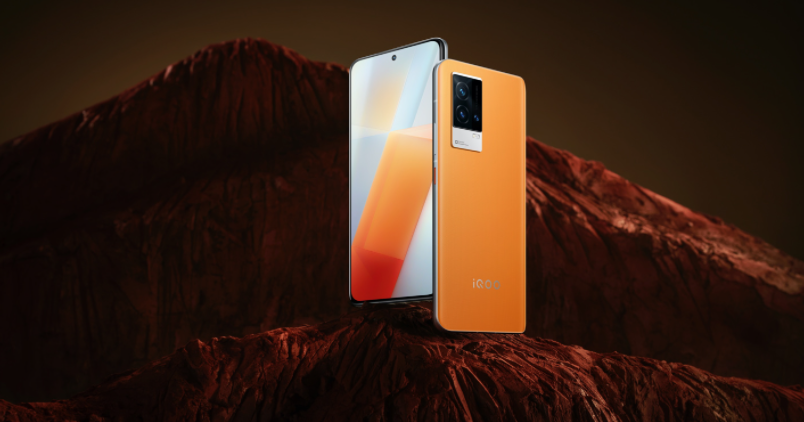
Last month, iQOO unveiled the iQOO 8 series in the Chinese market with flagship specs like Snapdragon 888+ SoC, 120Hz refresh rate, and 120W fast charging support. At the time of launch, the phone was available in limited color options like Racing, Flame, and Legend. Now, iQOO has introduced a new color variant called Photochromic Orange(a.k.a Combustion color).
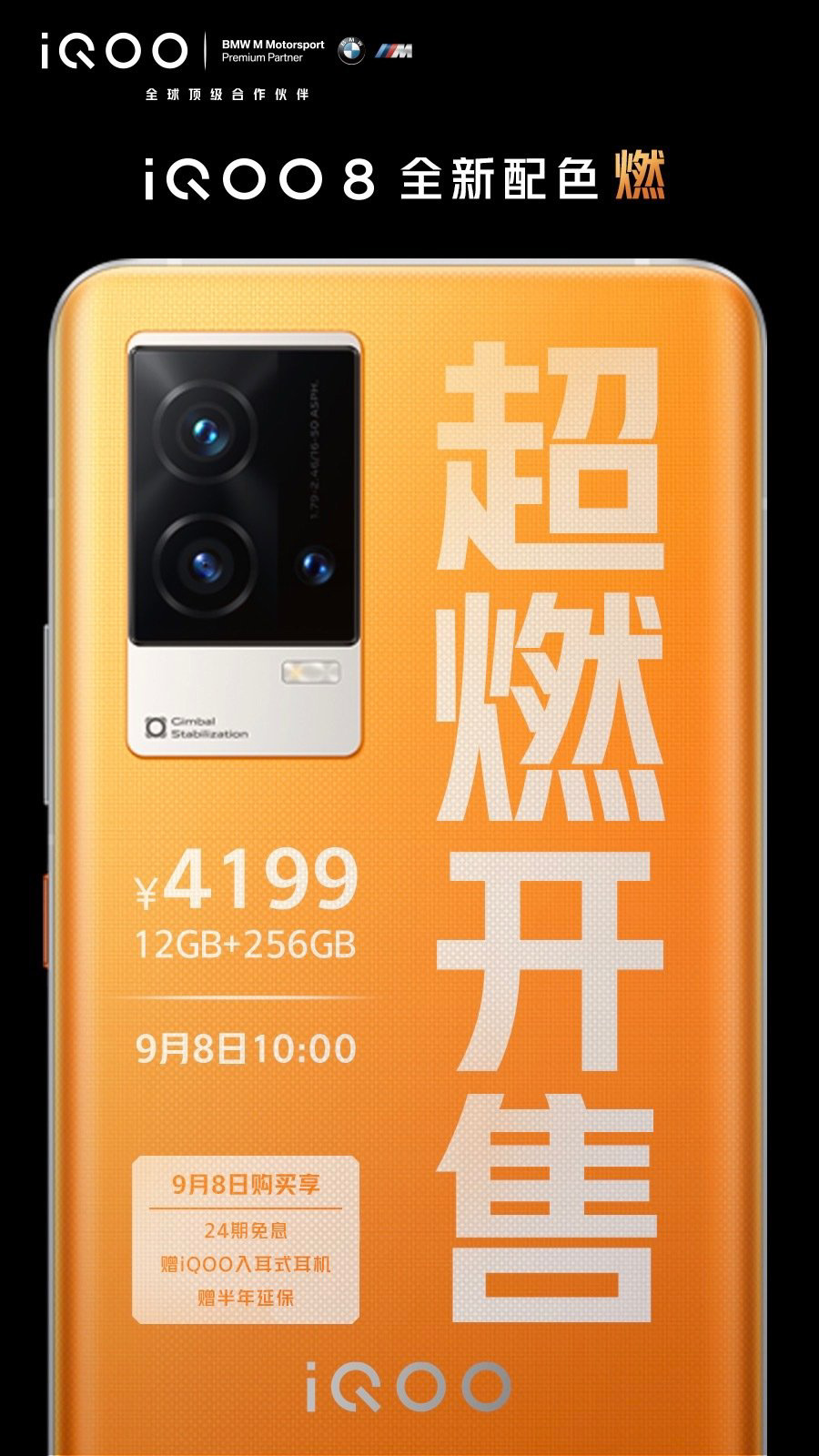
The main highlight of the new iQOO 8 Photochromic Orange is that it changes color in direct sunlight. The smartphone has a light White finish but when turned towards sunlight, the color of the back panel changes to Orange.
1 of 2
The Photochromic Orange color is priced at CNY 4,199(~$650) for the 12GB RAM and 256GB storage variant. It is already up for sale in China.
The iQOO 8 comes with a 6.56-inch display with a Full-HD+ resolution. It is a punch-hole panel with a 120Hz refresh rate and a DCI-P3 color gamut. The smartphone has a 16MP front camera for selfies and has a triple camera setup at the rear. It has a 48MP Sony IMX598 primary lens, a 13MP ultra-wide sensor, and a 13MP portrait lens.
It is powered by the Qualcomm Snapdragon 888+ SoC paired with 12GB of RAM and 256GB of internal storage. It houses a 4,350mAh battery with support for 120W fast charging technology. It boasts VC Liquid Cooling technology and has a stereo speaker setup.
The iPhone 13 series launch is just a few days away but the leaks are still pouring in. The latest one is an early listing and it contains details about the colors and storage variants the phones will be available in.
First reported by 91Mobiles, this listing by an unnamed Ukrainian website reveals the colors and storage variants of the iPhone 13 Mini, iPhone 13, iPhone 13 Pro, and iPhone 13 Pro Max.
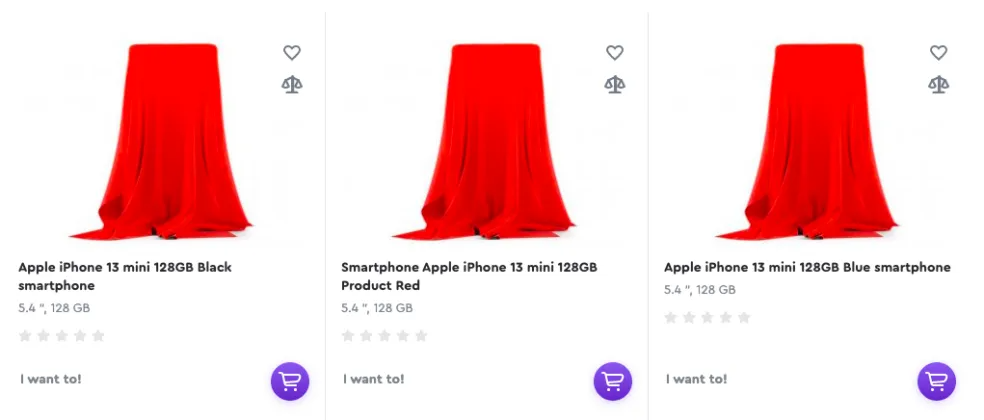
The iPhone 13 Mini will be available in two storage options – 128GB and 256GB – and Apple will launch it in six colors just like it did for the iPhone 12 Mini. Alongside Product (RED), the phone will also come in Black, Blue, Purple, Pink, and White. The iPhone 13 will be available in the same colors and storage options as the Mini model. It is interesting to see that Apple is killing the 64GB model this year.
1 of 4
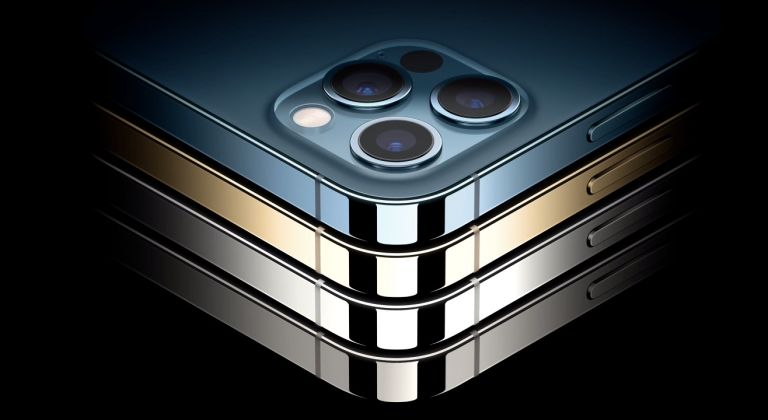
For the iPhone 13 Pro and the iPhone 13 Pro Max, the website listing states that they will be available in Black, Silver, Gold, and Bronze. The pro will be available in 128GB and 256GB storage options while the Pro Max will be available in 256GB and 512GB configurations. Surprisingly, there is no mention of the rumored 1TB version. However, since there is no confirmation that the info above is correct, we advise it should be taken with a pinch of salt.
The new iPhone 13 series will come with a more powerful processor, the A15. It has also been reported that the notches will be smaller before they are replaced with a punch hole in next year’s iPhone 14 Pro Max. The phones are also expected to come with bigger batteries and support for faster charging. However, just like the iPhone 12 series, these too won’t come with chargers included in the box.
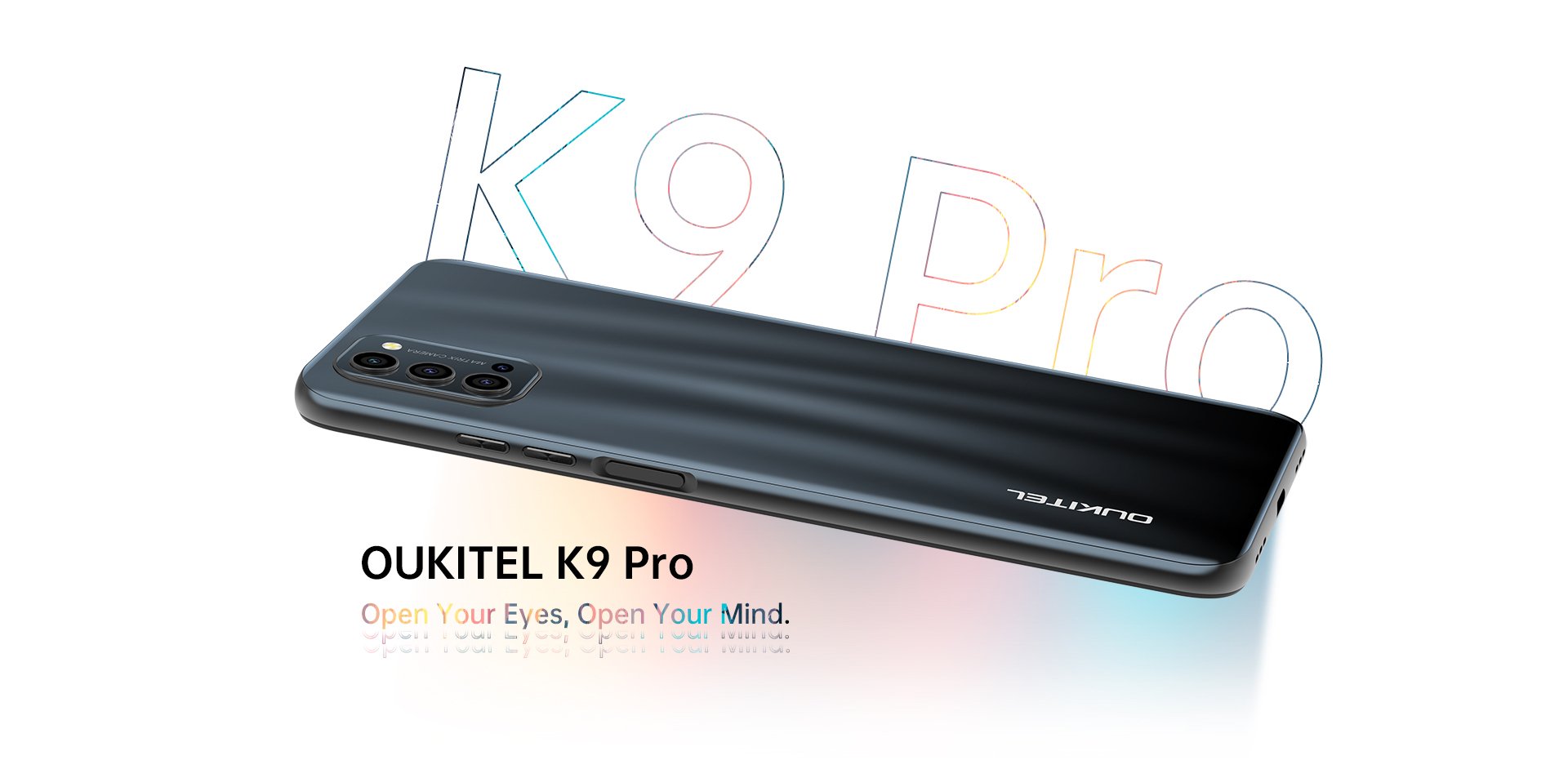
Chinese phone maker Oukitel has launched a new smartphone dubbed Oukitel K9 Pro on Aliexpress. The phone’s major highlight is a massive 6.95-inch display, quad cameras, and a 5,000mAh battery.
The Oukitel K9 Pro is currently listed on Oukitel’s global page, but unfortunately, it doesn’t reveal its pricing. It will go on sale on AliExpress in the Gradient Grey color variant.
Oukitel K9 Pro Specifications
The Oukitel K9 Pro comes with a large 6.95-inch punch-hole display with an HD+ resolution. It has an exact resolution of 720 x 1640 pixels and sports a 20.5:9 aspect ratio. Although it has the modern aspect ratio, it still possesses a thicker bottom chin.
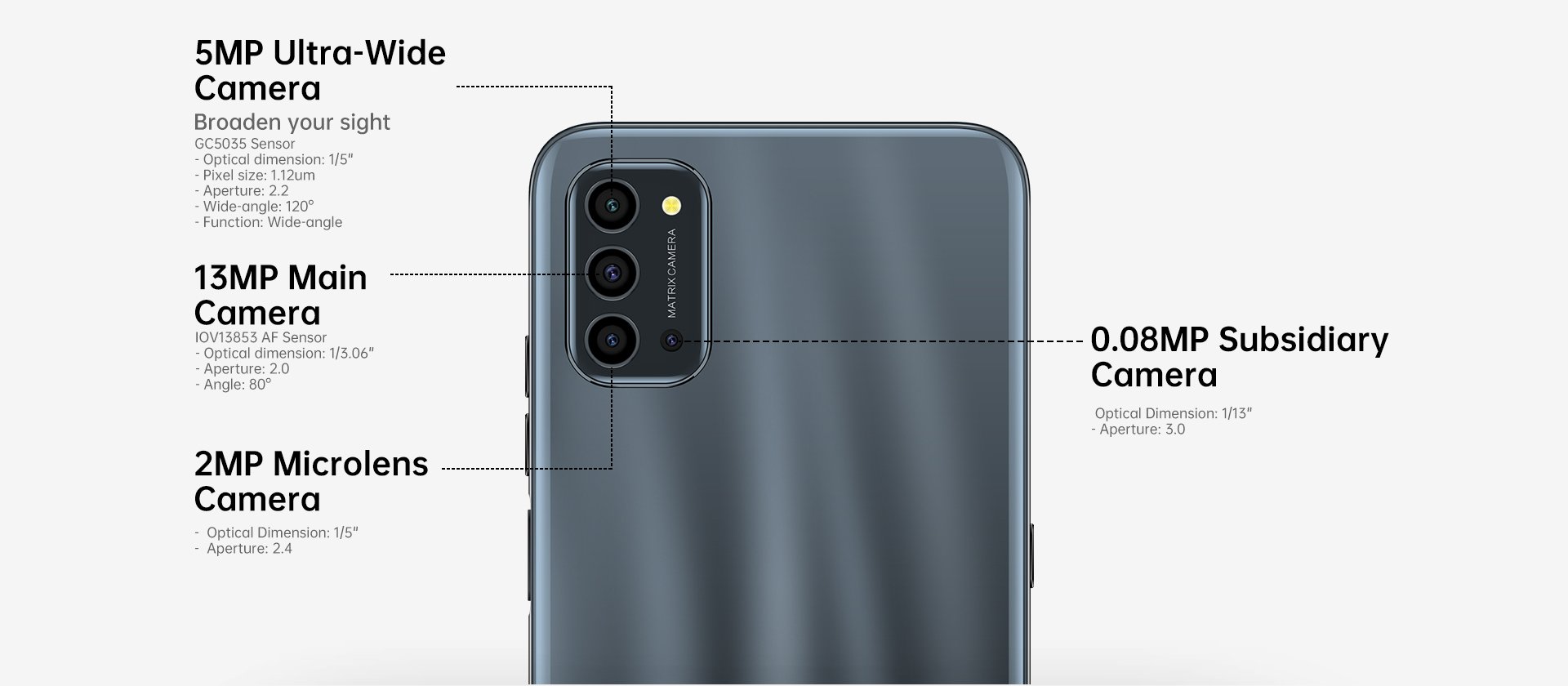
It has a triple camera system at the rear with a 13MP primary lens, a 5MP ultra-wide-angle lens, a 2MP macro sensor, and lastly an AI depth sensor. Upfront, it has an 8MP selfie camera. The rear camera is capped to record 1080p videos at up to 30fps.
1 of 2
At the helm, it is powered by the MediaTek Helio A25 chipset that comes with PowerVR GE8320 GPU. It is paired with 4GB of RAM and 64GB of onboard storage. The storage is expandable up to 256GB via the microSD card slot.
The dual-SIM phone supports 4G LTE connectivity and packs a 5,000mAh battery. It has a USB Type-C port at the bottom for charging and also supports On The Go transfer and NFC. It boots on Android 11 out of the box and has Oukitel’s custom skin on the top.
Earlier this month, we reported that Oppo will launch the Reno6 smartphones in the European markets in the coming days. Today, Oppo has launched the Oppo Reno6 series in Europe comprising of three smartphones – the Oppo Reno6 5G, Oppo Reno6 Pro 5G, and Oppo Reno6 4G.
Oppo Reno6 Series Pricing and Colors
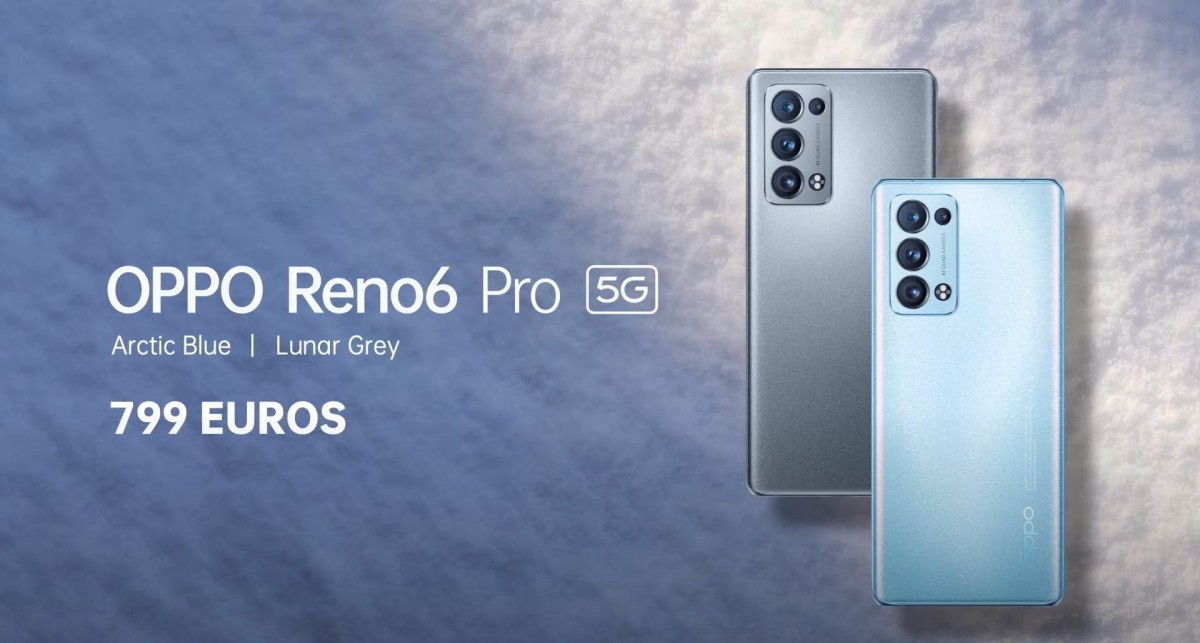
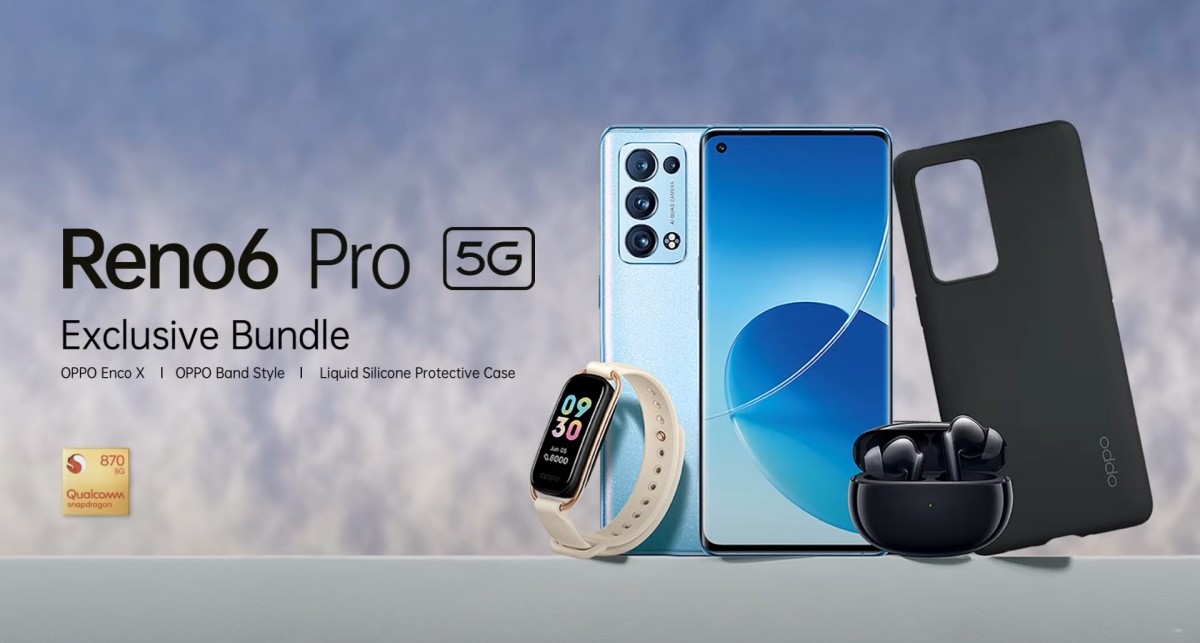
All three phones bring impressive specs with a streamlined design. The Oppo Reno6 Pro 5G is priced at EUR 799(~$947) for the 12GB RAM and 256GB storage variant. It comes with a bundle that includes the Oppo Band Style, Oppo Enco X TWS earbuds, and a protective case. It is available in Arctic Blue and Lunar Grey colors.
1 of 2
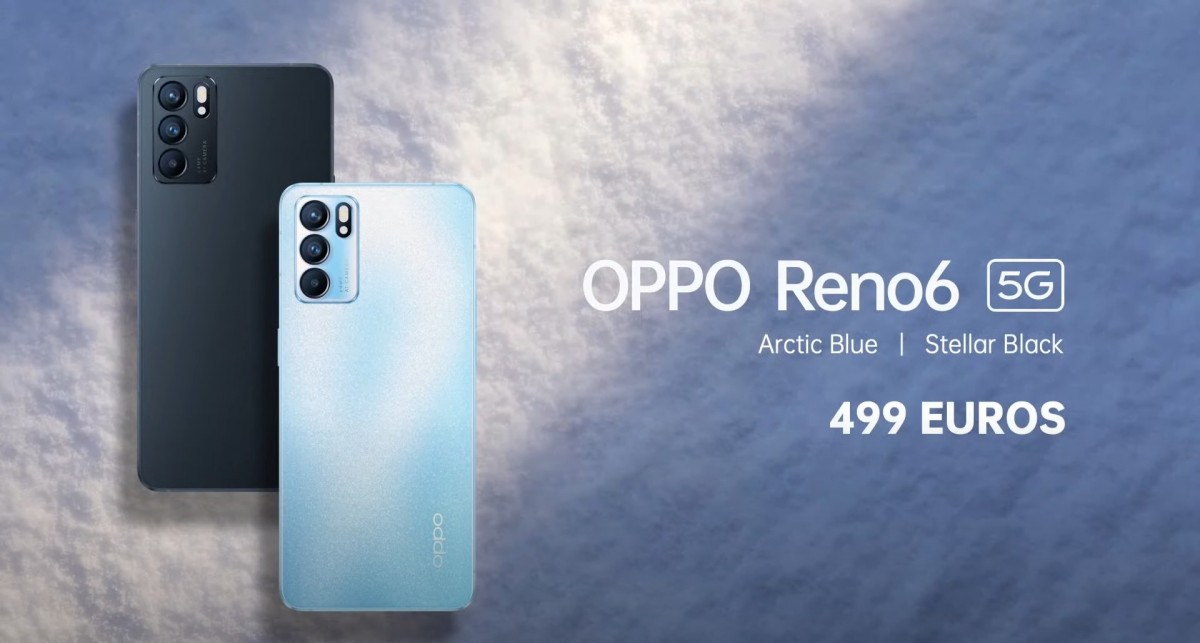
On the other hand, the Oppo Reno6 5G is priced at EUR 499(~$590) for the 8GB RAM and 128GB storage variant. It also comes with a bundle offer that includes the Oppo Enco Free 2 TWS earbuds and a Radiant Lightning case. It is available in Arctic Blue and Stellar Black colors.
1 of 2
The details for the Reno6 4G are still under wraps but it is currently in the ‘coming soon’ status meaning that we should learn more details soon.
Oppo Reno6 5G and Reno6 Pro 5G Specifications
Moving to the specs, the Oppo Reno6 Pro 5G is nothing but the Reno Pro+ 5G(Chinese edition). It comes with a 6.55-inch AMOLED display with a 90Hz refresh rate. The Reno6 5G, on the other hand, has a smaller 6.43-inch panel with the same 90Hz refresh rate. Both the phones have a punch-hole screen with thin bezels.
The Reno6 Pro 5G has a triple rear camera system with a 50MP main lens, a 13MP telephoto camera, and lastly a 16MP ultra-wide lens. The Reno6 5G has a 64MP triple camera system at the rear.
Under the hood, the Pro 5G is powered by the Qualcomm Snapdragon 870 SoC, whereas, the Reno6 5G has the Dimensity 900 SoC onboard. The Pro 5G packs a 4,500mAh battery and the vanilla model houses a smaller 4,300mAh battery. The duo supports a 65W fast charging support.
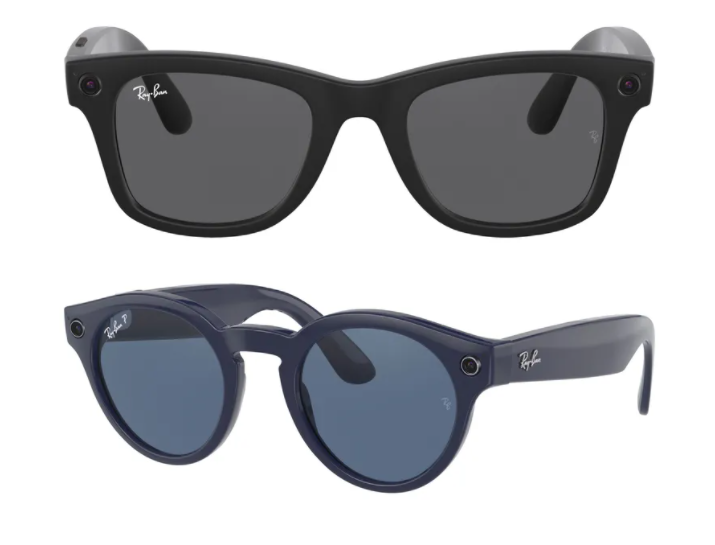
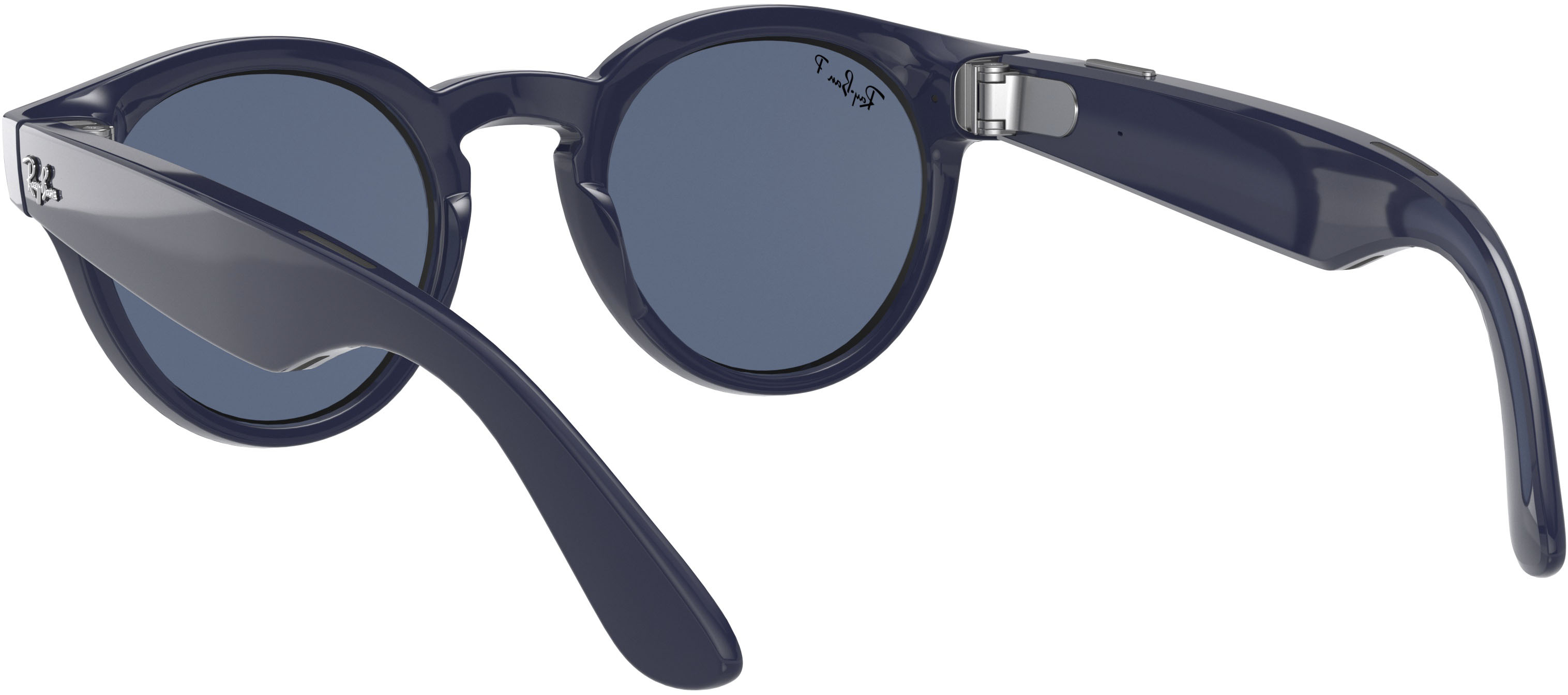
Facebook and Ray-Ban’s smart glasses are finally official and it is called Ray-Ban Stories. However, there are not so many stories to tell about the glasses as they don’t feature the much-touted Augmented Reality (AR) capability. Instead, you get stylish, prescription-compliant glasses that cram a dual-lens video camera.
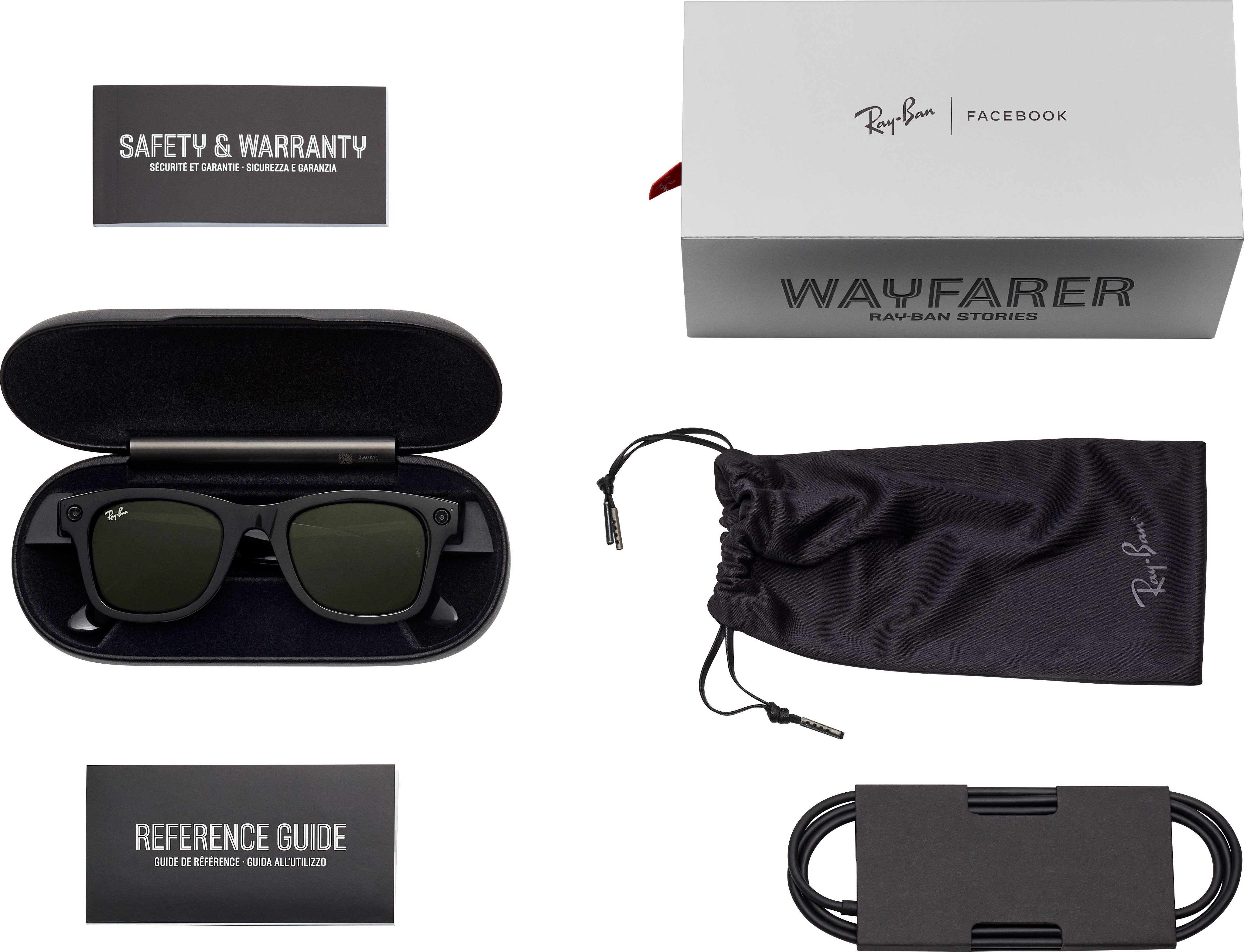
The glasses, called the Ray-Ban Stories bear little relationship to the well-known Facebook branding other than the packaging. There seem to be no other branding of Facebook on the product apart from the box.
The new products have been hyped previously as a great addition to the growing product lineup of Facebook, combining Facebook’s design philosophy with Ray-Ban’s excellent production record to produce devices with greater functionality and features. As was stated by Facebook CEO previously, the new smart glasses may be an intermediate offering as we inch towards full augmented reality in the nearest future. There will be more advanced models that are already in the pipeline with greater AR credentials and functionality.
The Ray-ban Stories will come in three options: Wayfarer, Meteor, and Round. Buyers also have the option of choosing the type of lenses they want with options ranging from sunglasses, clear lenses to prescription lenses. They are all equipped with a dual 5MP camera setup that can capture up to 500 photos and over thirty 30-second video clips. The battery charges via a USB-C port and will fully charge in an hour. A full charge can last for up to 6 hours.
The product carries a price tag of $299 and will go on sale from today via Ray-Ban stores and on Ray-Ban’s website. The glasses will also be available at Luxottica Retail locations including Sunglass Hut and Lens Crafters from September 14.
At the launch, Andrew Bosworth, vice president of Facebook Reality Labs in a statement explained that “Ray-Ban Stories is designed to help people live in the moment and stay connected to the people they are with and the people they wish they were with.”
Global availability details are also expected to be released in due course. We expect a decent reception for the long-awaited Facebook and Ray-Ban’s smart glasses.
The ZTE brand nubia has been lately releasing minions-themed accessories in China. Today, the company has announced yet another charger co-branded with minions in its home country. This new product is called nubia x minions 65W Biscuit Charger.
nubia x minions 65W Biscuit Charger Specifications and Features
As the name suggests, the new nubia charger looks like a biscuit, thanks to its shape and size due to the use of GaN (Gallium Nitride) instead of silicon. It is sort of similar to the OPPO 50W mini SuperVOOC charger, which is also sold as realme 50W mini SuperDart charger.
1 of 2
Unlike the OPPO charger which comes in a classic white color, the nubia charger not only looks like a minion but also supports a faster 65W charging rate and has two USB Type-C ports instead of one. Anyway, both of them have a foldable pin.
Further, the nubia charger not only supports USB Power Delivery (PD) but also other charging protocols like Qualcomm Quick Charge (QC), HUAWEI SuperCharge (SCP), HiSilicon Fast Charging Protocol (FCP), and Samsung Adaptive Fast Charging (AFC). Hence, this charger can be used to charge almost all devices.
1 of 3
It comes with six layers of protection, which includes overvoltage, overcurrent, temperature, short circuit, hardware, and Reset. Lastly, this charger bears model number PA0206 and ships with a nubia x minions 100W 5A USB Type-C to Type-C cable.
nubia x minions 65W Biscuit Charger Price and Availability
The nubia x minions 65W Biscuit Charger is priced at ¥299 ($46) in China. But customers can get it at as low as ¥279 ($43) by pre-ordering. The product will go on sale from September 16.
Just like other nubia x minions accessories, we don’t think this one will make its way to international markets. Therefore, if you are interested, then you will have to import it.
The Vivo X70 and Vivo X70 Pro were also launched in China today. The new phones bring significant upgrades over their predecessors including better cameras, bigger batteries, and faster charging speeds.
Vivo X70 and X70 Pro Design
Vivo is known to design beautiful and slim devices and the new X70 series are no exceptions. The X70 and X70 Pro are said to measure 7.5mm and 7.9mm in thickness respectively. They are available in three colors – Nebula, White, and Black.
Vivo X70 and Vivo X70 Pro specifications
The Vivo X70 and Vivo X70 Pro both have a 6.56-inch FHD+ AMOLED display (curved for the pro model) with a 120Hz refresh rate. There is a centered punch hole for the 32MP front-facing camera screen and both screens have HDR10.
Powering the X70 is a custom Dimensity 1200 processor specially made for Vivo while the X70 Pro has Samsung’s Exynos 1080, which has appeared only in Vivo phones since it was launched last year. Both phones come with up to 12GB of RAM but the X70 maxes out at 256GB of storage while the X70 Pro takes it up to 512GB.
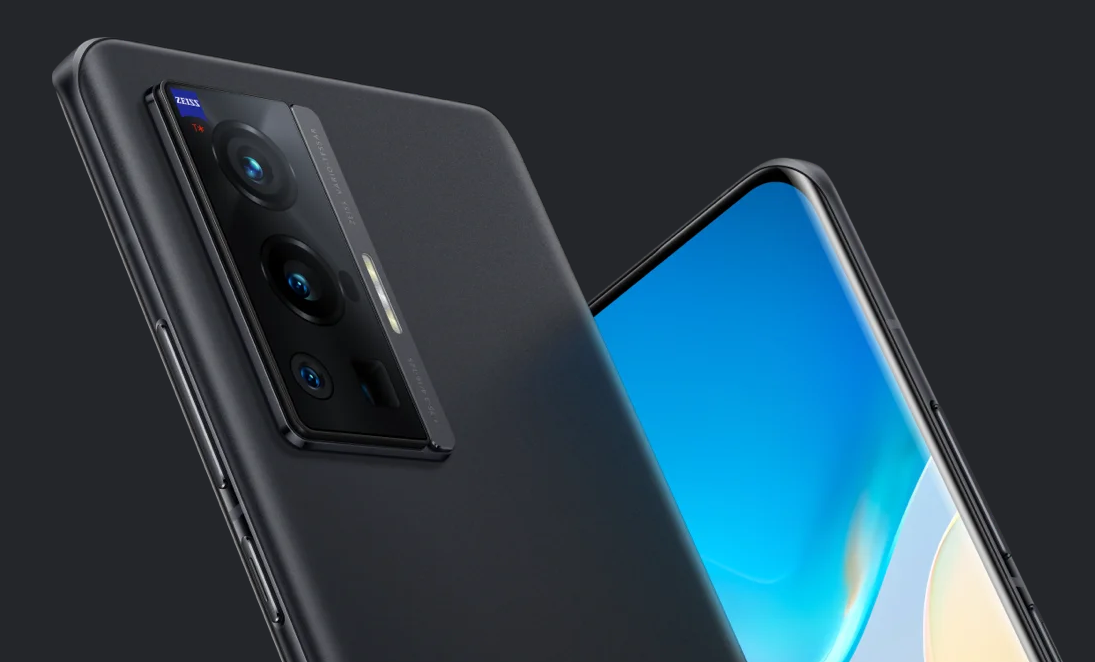
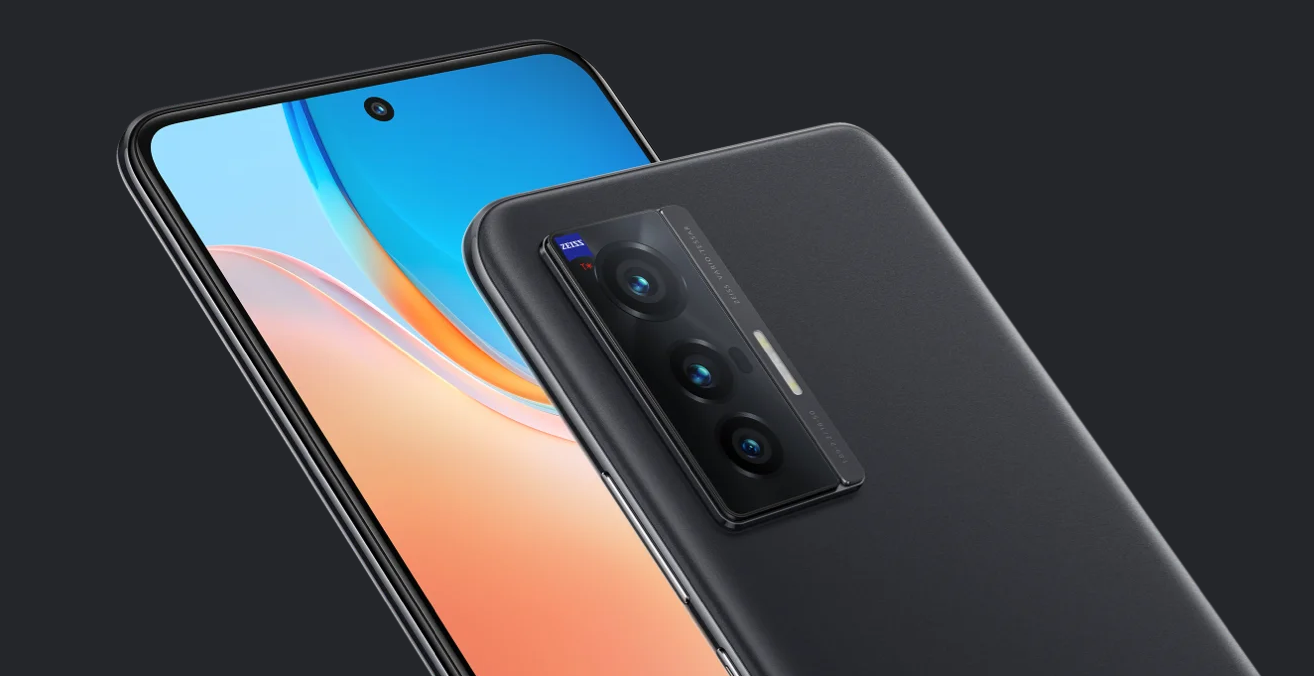
The camera department is one area that has seen upgrades in both phones. The X70 has a custom Sony IMX766V 40MP gimbal main camera, a 12MP ultrawide angle camera, and a 12MP portrait camera with 2x optical zoom and digital zoom. All three cameras have autofocus.
The X70 Pro also uses the custom Sony IMX766V sensor but it is a 50MP camera. It also has a 12MP super ultrawide angle camera with a 104.9° FOV when distortion correction is activated. The third sensor is a 12MP portrait camera that brings 2x optical zoom. The pro model also gains a fourth 8MP camera with a periscope lens that brings 5x optical zoom.
The X70 Pro also features the Vivo V1 custom ISP chip discussed below. Both phones have a color temperature sensor, a laser focus sensor, ad ZEISS T* coating. They also come with the same four classic ZEISS portrait lenses found on the X70 Pro+.
1 of 2
Vivo X70 Pro cameras
Vivo X70 cameras
For their batteries, the X70 now comes with a 4400mAh battery, an upgrade from the 4200mAh battery inside the Vivo X60. Charging speed has also been upgraded from 33W to 44W. The X70 Pro gets a 4450mAh battery and also supports 44W fast charging.
The two devices have NFC, an in-display fingerprint scanner, Wi-Fi 6, Bluetooth 5.2, dual nano-SIM support, and a USB-C port. They both run Origin OS based on Android 11 out of the box.
Vivo V1 Chip
The Vivo V1 Chip is Vivo’s first self-developed processor and it is present inside the X70 Pro and the X70 Pro+. The chipset has three functions – Smart Noise Reduction, MEMC smart frame insertion, and handles some tasks for power optimization. Vivo says that the chip is 100x more power-efficient than the CPU in both devices (X70 Pro and X70 Pro+).
Vivo X70 and Vivo X70 Pro price
Below are the prices for the Vivo X70 and X70 Pro:
Chinese tech giant Realme today held a launch event in India where the realme 8s, realme 8i, and the much-anticipated realme Pad were all unveiled. The Chinese tech start-up also launched two new smart speakers dubbed Realme Pocket and Realme Cobble Bluetooth Speakers.
The Realme Cobble was first launched in Malaysia in May this year as the brand’s first portable speaker. The speaker is shaped like cobble and comes in Metal Black and Electric Blue. The portable speaker weighs just 113g and is equipped with a 5W Dynamic Boost Driver. The speaker also comes with an IPX5 water-resistant build and packs a 1500mAh battery with support for 6 hours of playback. It charges via a USB-C port.
On its part, the Realme Pocket was also launched in May this year. It comes with Bluetooth 5.0 which gives it a transmission range of up to 10 meters. The battery life is said to last up to six hours of continuous playback on a single charge. It also charges via a USB Type-C port and packs a 3W Dynamic Bass Boost Driver. The Pocket is available in Desert White and Classic Black colors.
As for the price, the Realme Pocket will retail in India for a decent Rs. 1099 (~$15) price tag but will be discounted to Rs. 999 (~$14) for the first sale. The Realme Cobble is priced at Rs. 1,799 (~$24) but will be sold for Rs. 1,499 (~$20) during the first sale. Both products will go on sale for the first time in India on September 15th at 12 noon IST.
Today, Vivo announced new X-series phones in China. The Vivo X70 series includes three devices – the standard X70, the X70 Pro, and the X70 Pro+. This post is for the topmost model, the Vivo X70 Pro+.
Vivo X70 Pro+ Design
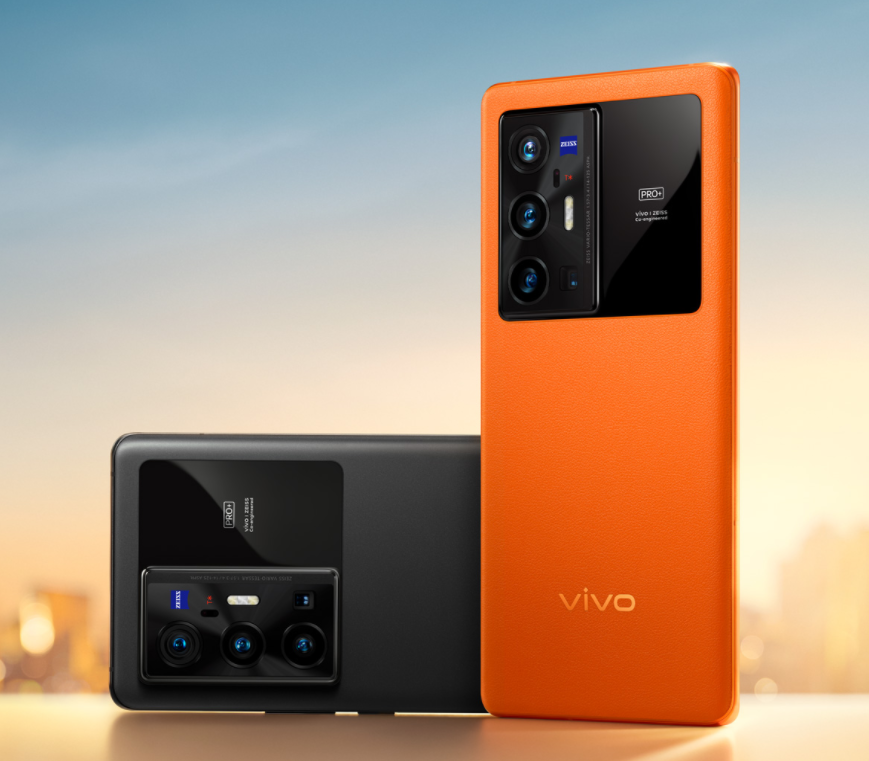
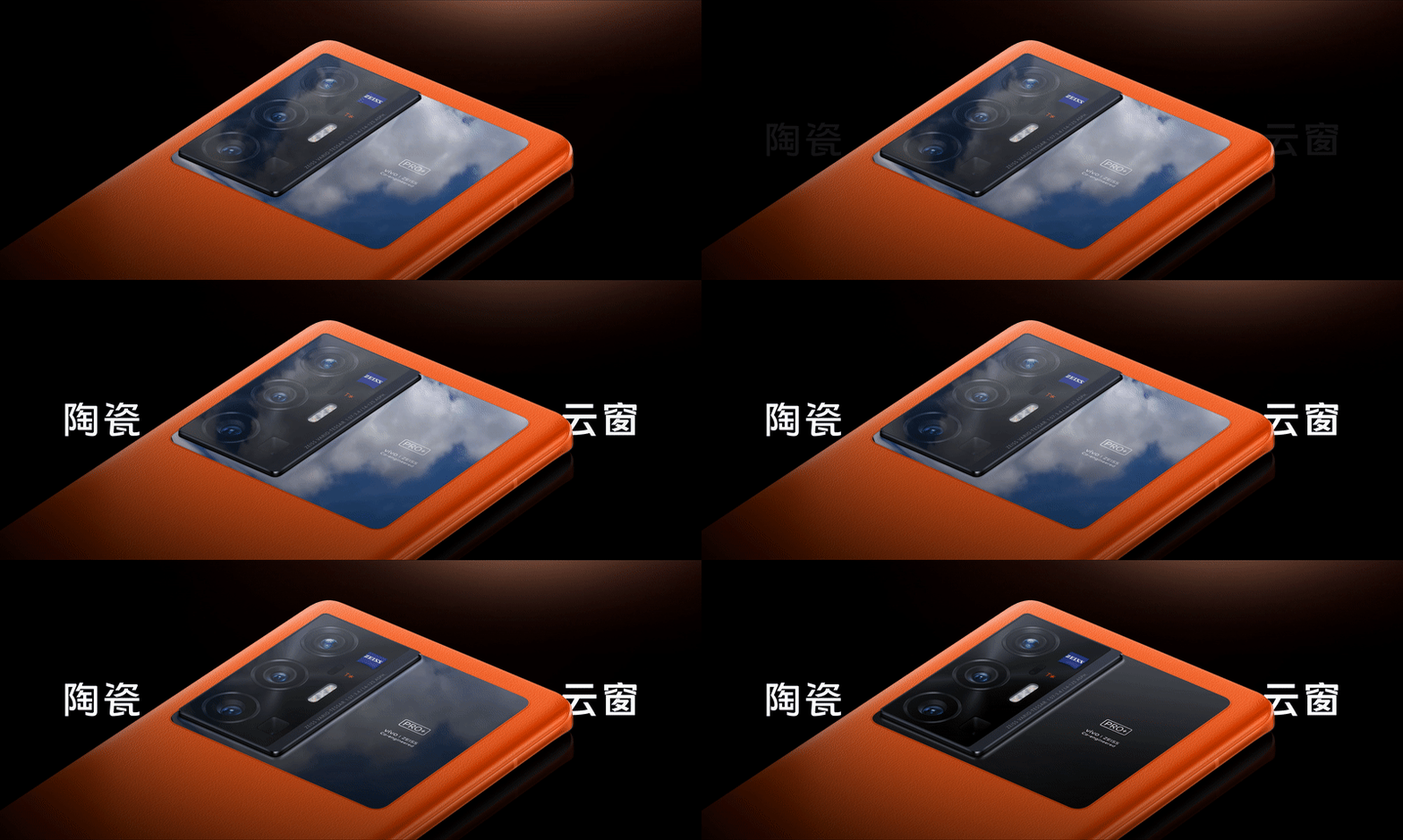
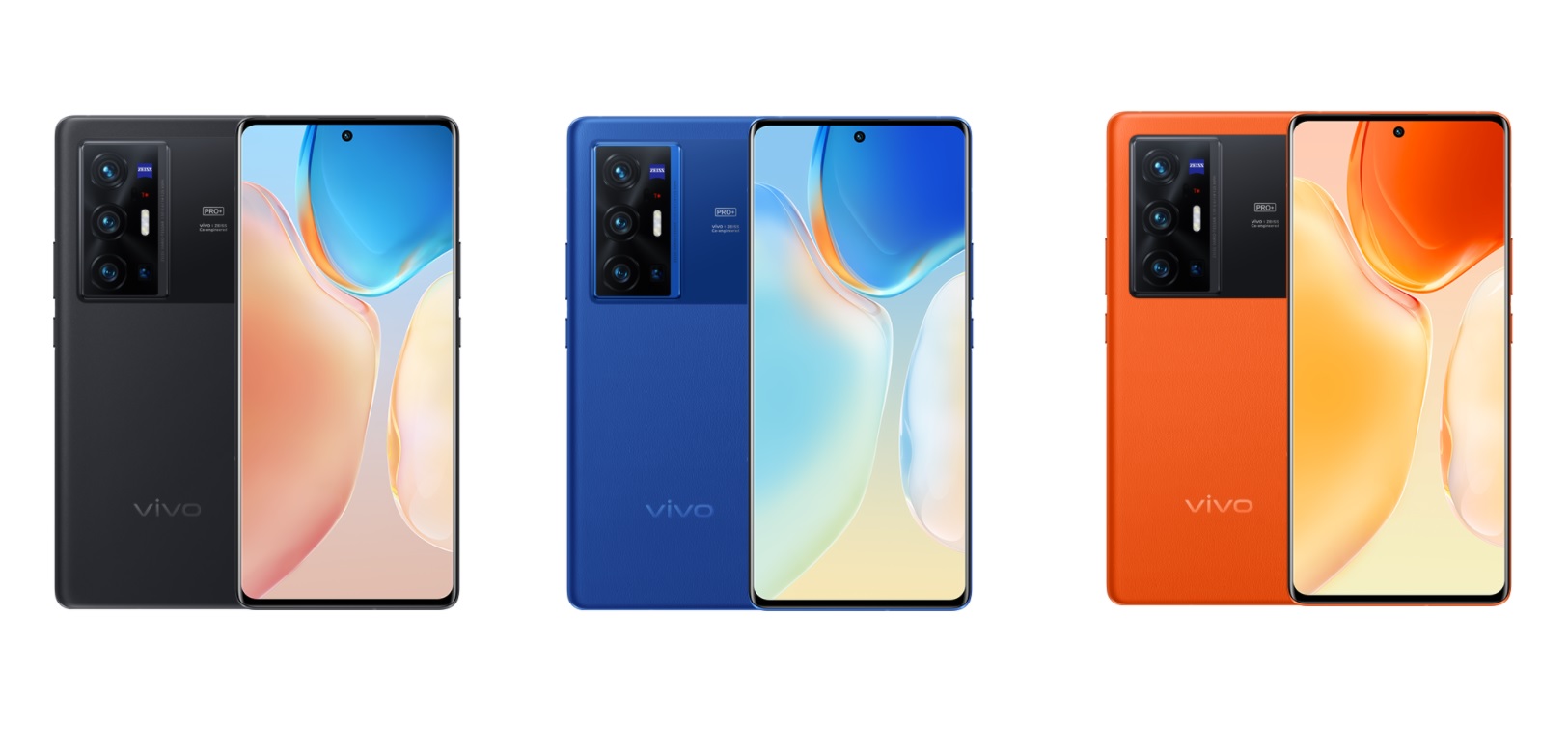
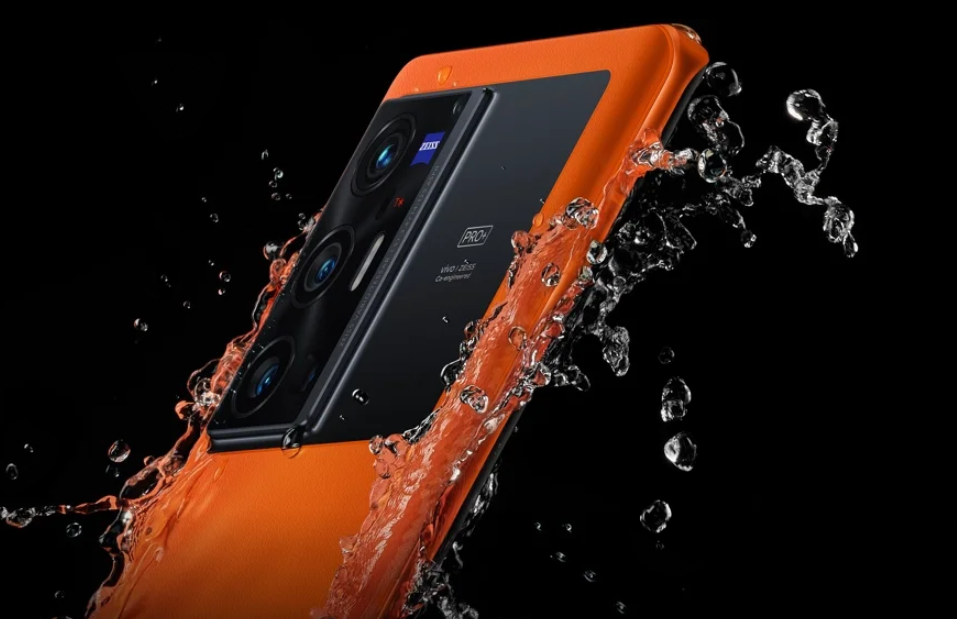
The Vivo X70 Pro+ has a similar design to its predecessor but with some slight changes. It still has a centered punch hole in the front and the camera housing is still a rectangular slab though bigger now. However, Vivo has added a sheet of ceramic called the Ceramic Cloud Window to the right of the camera housing. This sheet of ceramic has a mesmerizing effect when it reflects the sky.
The phone comes in three colors – black, blue, and orange. The black variant is covered in glass while the orange and blue variants are covered in plain leather.
Vivo X70 Pro+ Specs
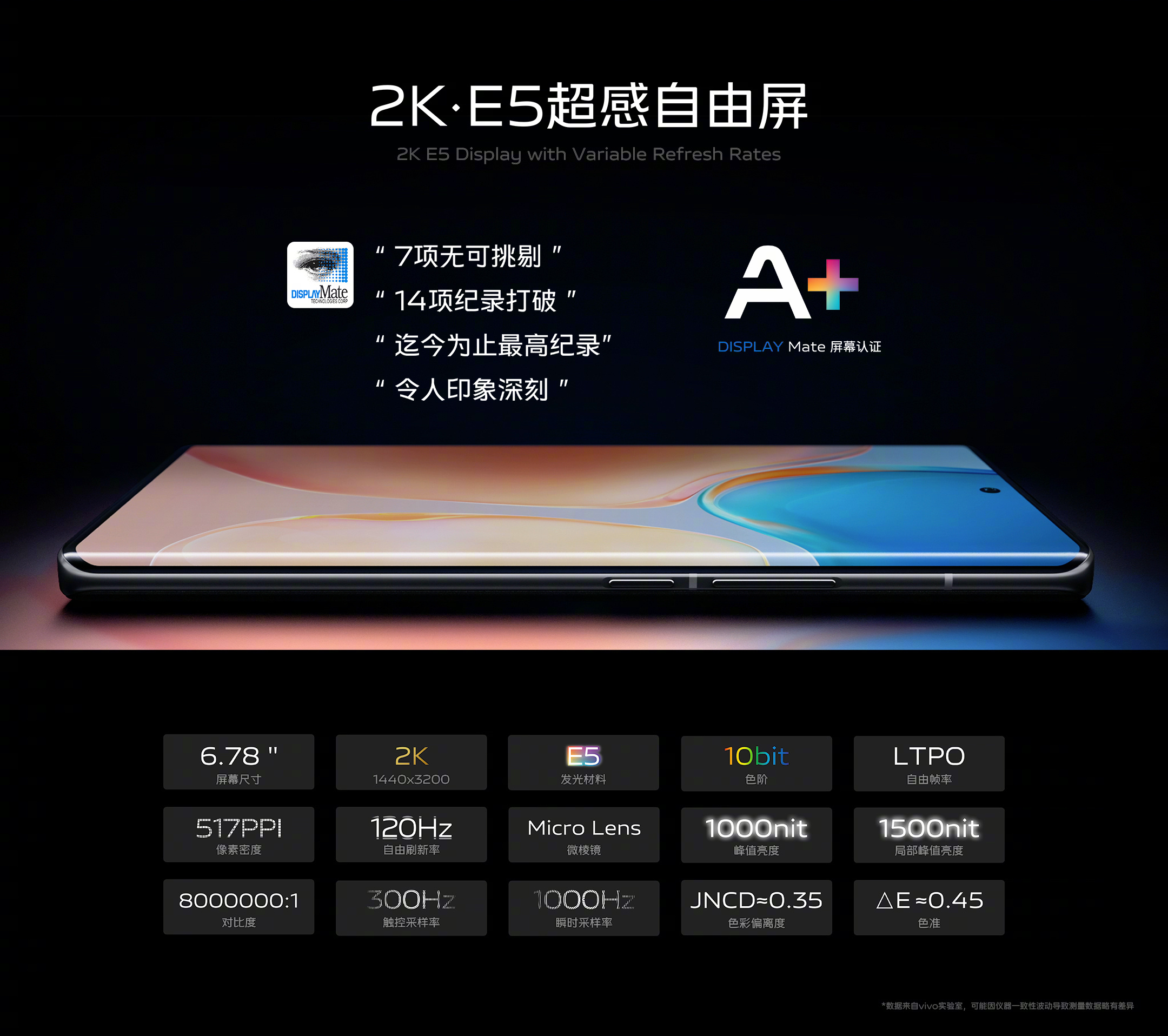
The Vivo X70 Pro+ has a 6.78-inch 2K (3200 x 1440) display. The 10-bit panel is Samsung’s E5 AMOLED and it has a 120Hz variable refresh rate, a maximum brightness of 1500 nits, 300Hz touch sampling rate (1000Hz max). The display has received an A+ certification rating from DisplayMate.
There is a Snapdragon 888+ processor under the hood and it is paired with LPDDDR5 RAM and UFS 3.1 storage. Buyers will be able to pick up the phone in three configurations with up to 12GB of RAM and 512GB of storage.
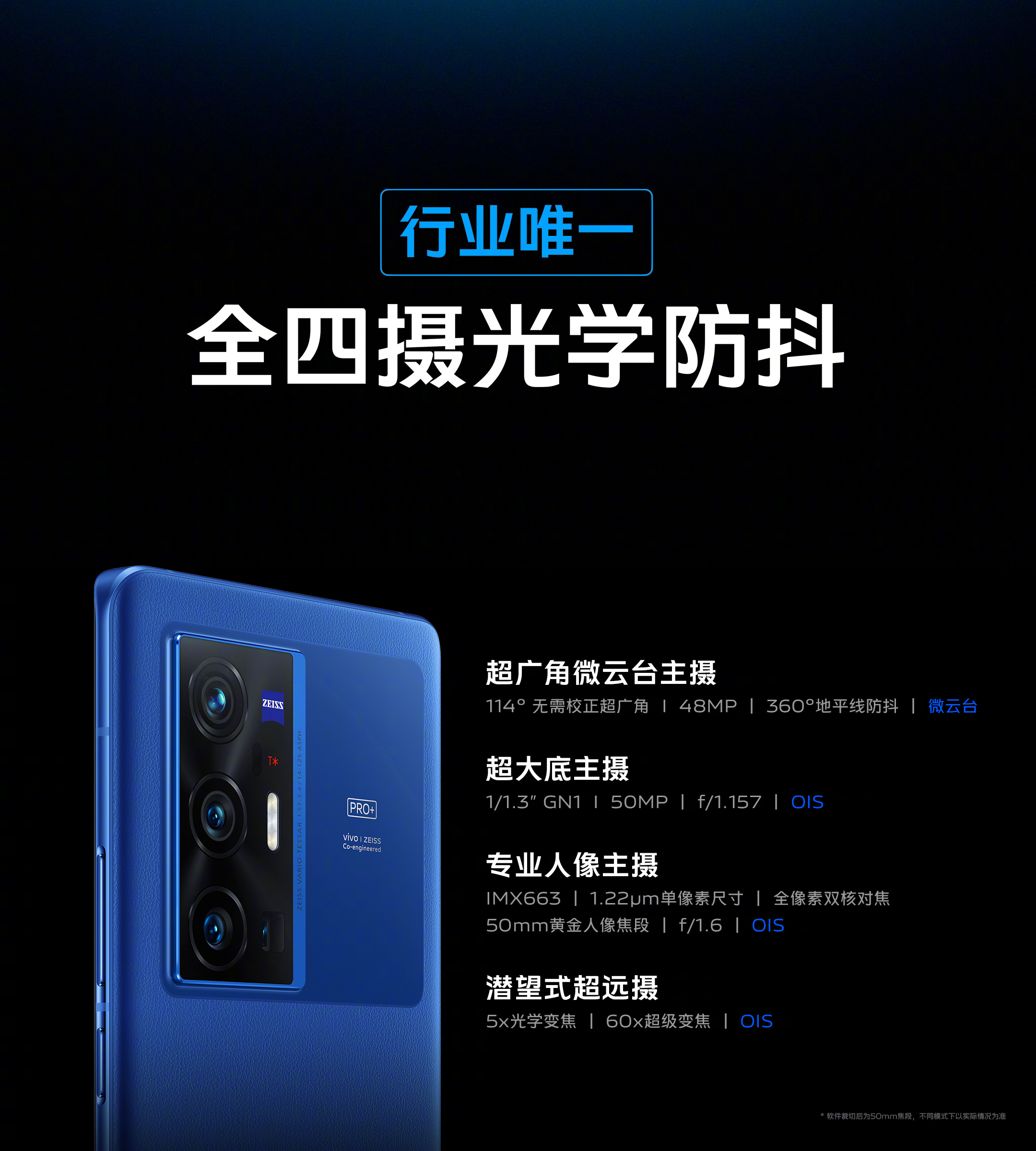
There are four cameras on the back of the phone and all of them are equipped with optical image stabilization. The sensors include a 48MP micro-pan-tilt ultrawide angle camera with 360° Horizontal Levelling Stabilization so even if you rotate the phone while recording, you still get a stable video. There is also a 50MP Samsung GN1 main camera, a 12MP Sony IMX663 portrait camera, and an 8MP telescope camera that brings 5x optical zoom and 60x super zoom.
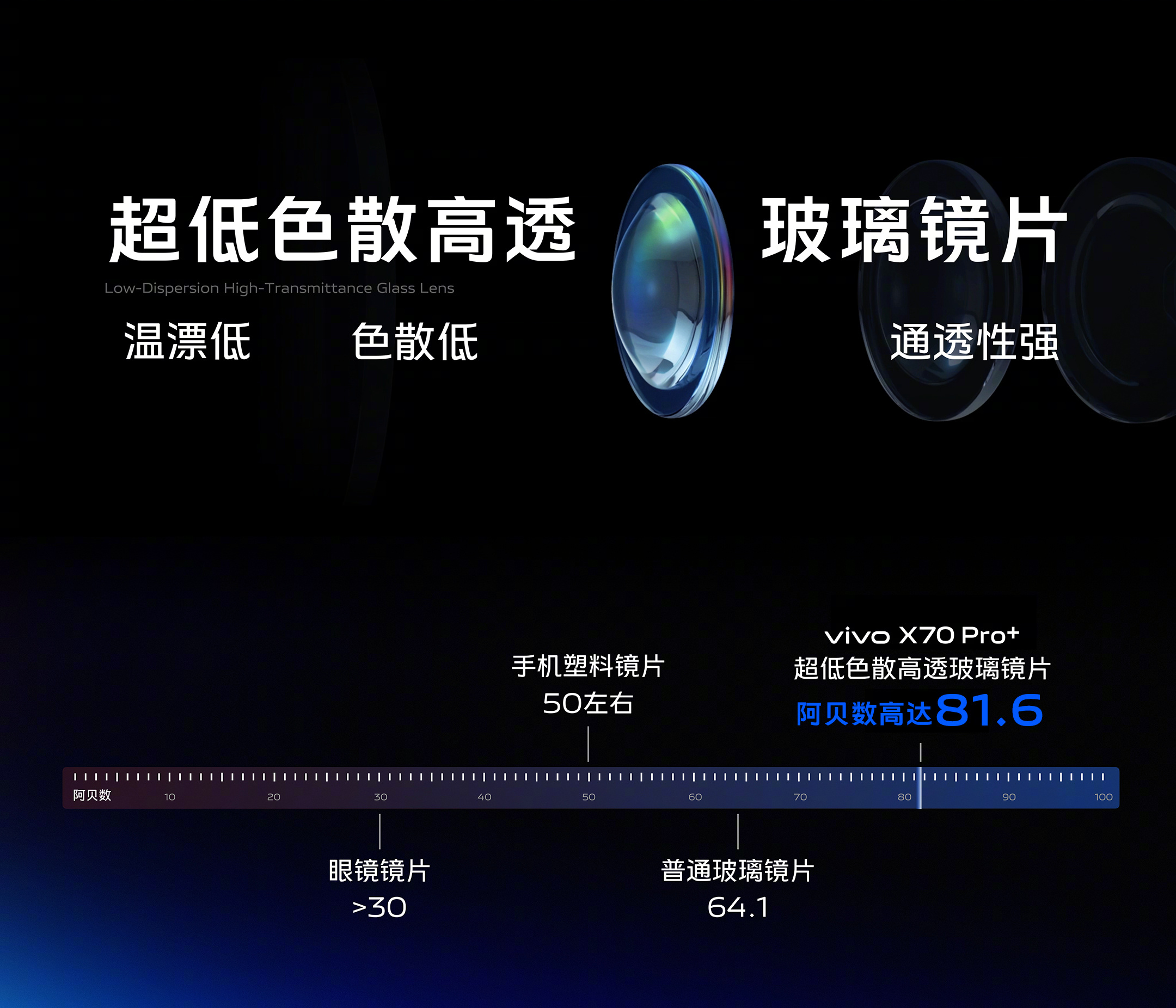
Vivo says that the X70 Pro+ uses a Low-Dispersion High-Transmittance Glass Lens for its main camera. This type of glass is found only in high-end SLR lenses. The Vivo X70 Pro+ also comes with four classic ZEISS lenses that allow users to capture portrait images in different styles. The lenses are the Contax Biotar, Contax Distagon, Hasselblad Planar, and Olympia Sonnar. All of the Vivo X70 phones come with a ZEISS T* coating to reduce ghosting. The Vivo V1 ISP chip is also present inside the phone.
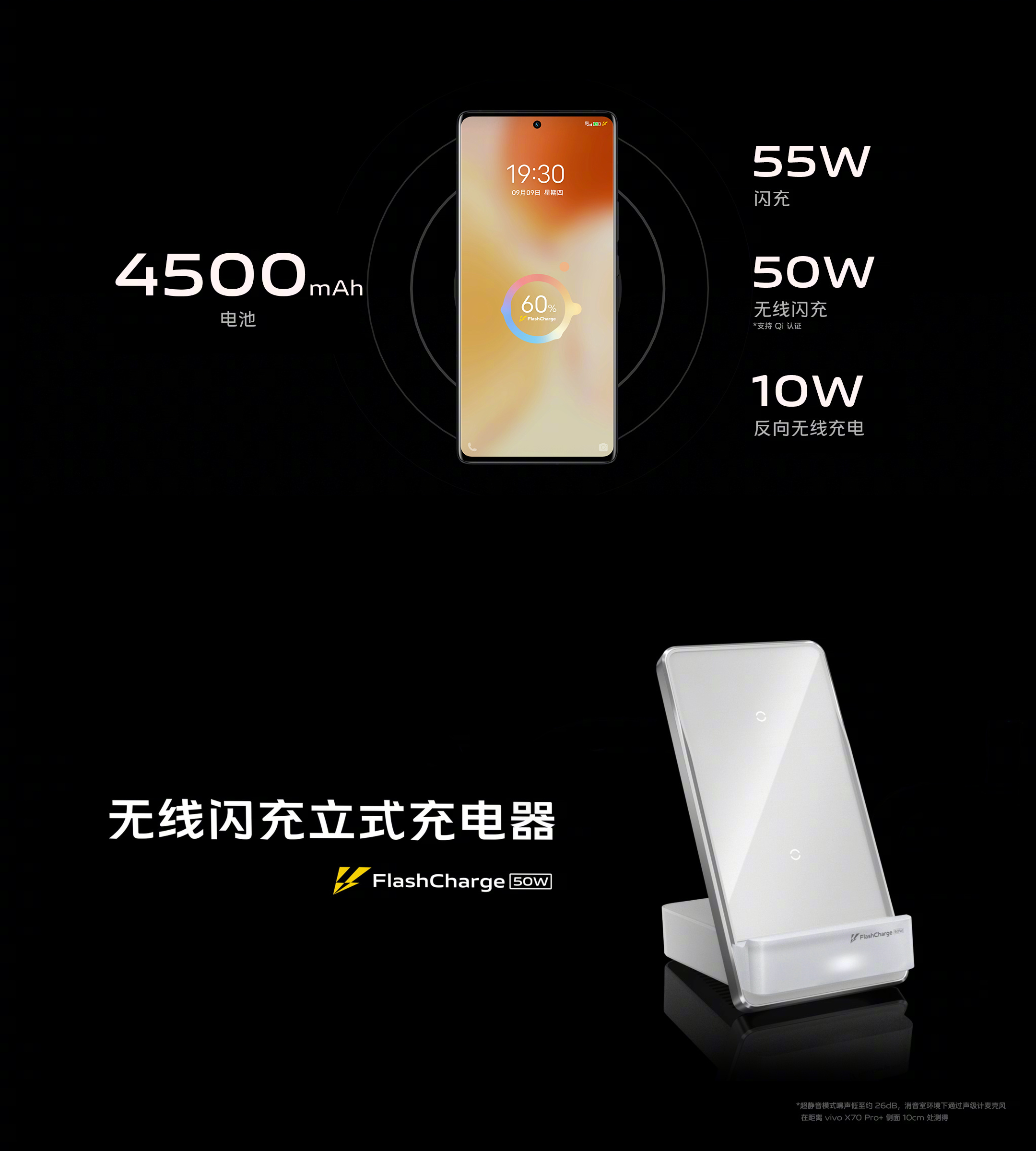
The Vivo X70 Pro+ has a 4500mAh battery capacity with support for 55W flash wired charging just like its predecessor. However, it now adds support for 50W wireless fast charging and 10W reverse wireless charging. Seeing as Vivo now has a phone with wireless charging support, it is no surprise that it has announced a wireless charger. The vertical wireless charger pictured below is inclined at a 60° angle and features multiple charging coils at the top and bottom. It also has air vents on the rear for cooling and a breathing light in front.
1 of 3
Vivo X70 Pro+ glass lens
Vivo X70 Pro+ wireless charger
Vivo’s topmost X70 model also has an IP68 rating, making it on par with flagships from Samsung and Apple. The phone runs OriginOS based on Android 11 out of the box.
Vivo X70 Pro+ price and availability
The Vivo X70 Pro+ will be priced at ¥5499 (~$852) for the 8GB RAM + 256GB version, ¥5999 (~$929) for the 12GB RAM + 256GB version, and ¥6999 (~$1084) for the 12GB RAM + 512GB version. The 512GB version is also dubbed the Vivo X70 Pro+ Premium Edition and it comes with a free pair of the Vivo TWS 2 ANC earbuds which costs ¥299 (~$46), 2 years of warranty, one-on-one customer service, and an exclusive butler service worth more than ¥1200 (~$186). Those who pre-order the premium edition also get the ¥329 (~$51) wireless charger for free.
On September 12, Vivo Silver and Gold members will be able to experience the two pro models at designated experience stores in 38 cities across China.
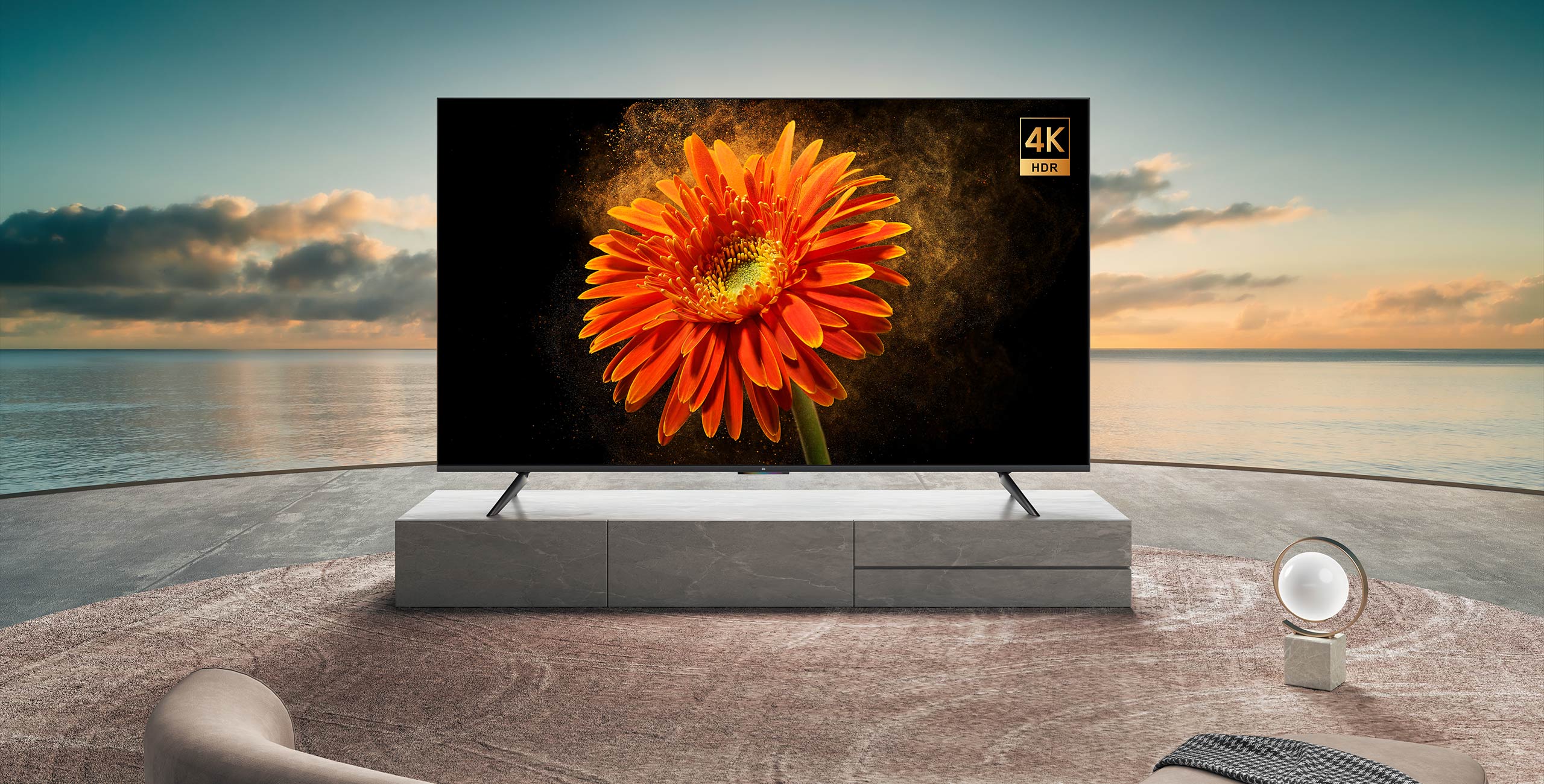
Apart from smartphones, Xiaomi is also known for its smart televisions. The company’s TVs are cheaper than the models offered by traditional TV brands with a similar set of features. However, that comes with a caveat in China in the form of advertisements in software.
Xiaomi Mi TV LUX 82-inch 4K
Mi TVs and Redmi TVs in China run MIUI for TV based on Android. Whereas, in international markets, the company uses Android TV. In India, the firm’s televisions also come with PatchWall launcher, which offers one of the best user experiences on smart TVs.
Another difference is that Xiaomi does not show advertisements in global markets. On the other hand, the MIUI for TV in China throws ads as soon as the television boots up. Previously, these ads were even unskippable.
Apart from boot advertisements, MIUI for TV also shows other types of ads like banners and pop-ups. These can be frustrating when you are navigating through the UI.
Hence, during a recent Q&A session held by the Xiaomi TV team, a user asked the company to delete ads from its televisions with discontent. To this, the firm’s execs simply replied that they are working hard to balance advertising and user experience as much as possible for better service.
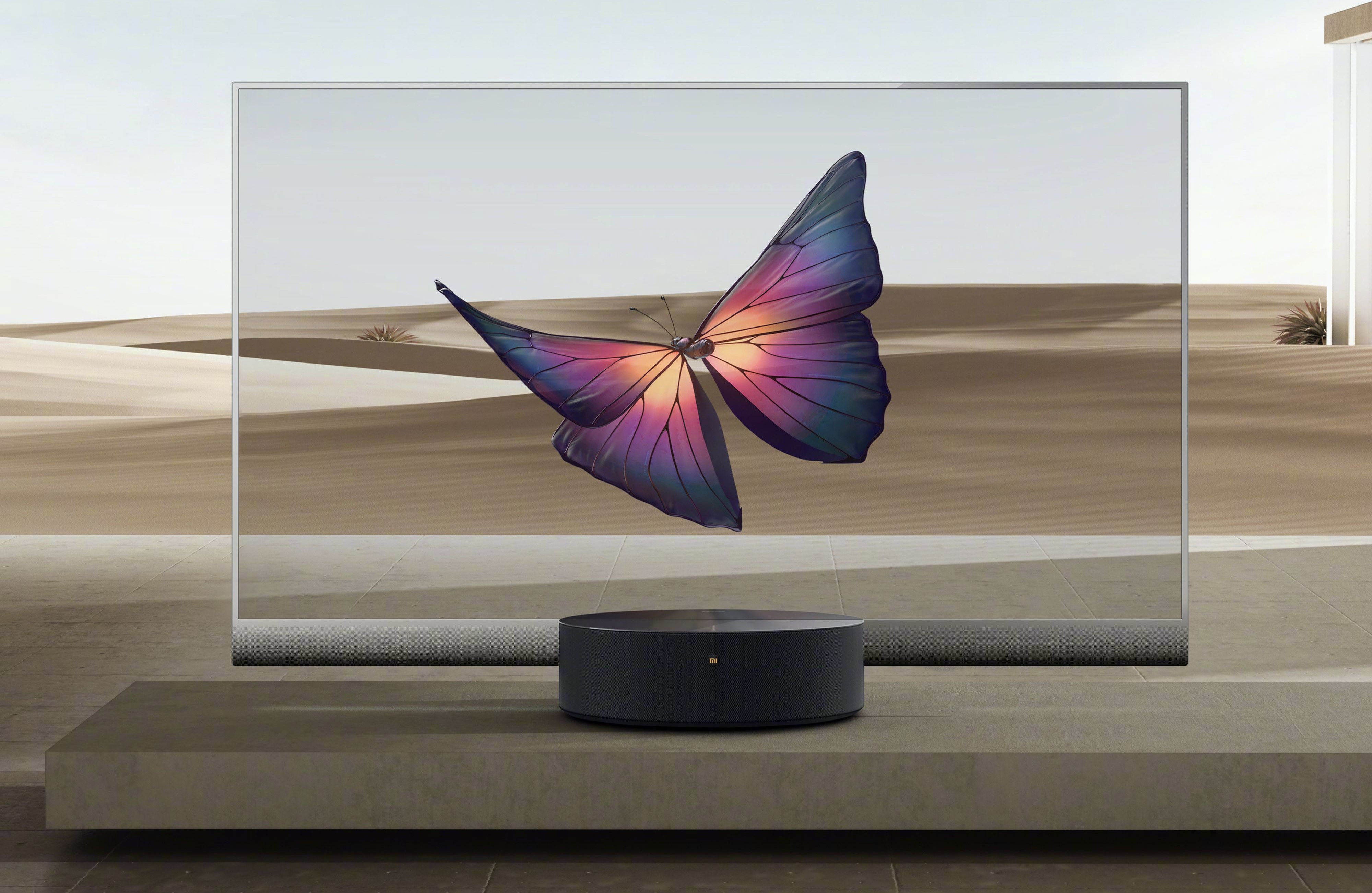
Xiaomi Mi TV LUX OLED Transparent Edition
The statement from Xiaomi clearly suggests that it does not have plans to remove ads from its televisions in China for now. Hopefully, the company does not bring these practices to global markets.
Xiaomi has been always known for its hardware, however, the same cannot be said about its software. MIUI was one of the best Android skins in the past. But in recent years, its quality has degraded due to bugs, optimizations, advertisements, and slower update delivery.
With growing international presence and competition, Xiaomi surely needs to up its game in the software department. Fortunately, the company has already started working on it by promising three OS updates and four years of security patches for the upcoming Xiaomi 11T series.
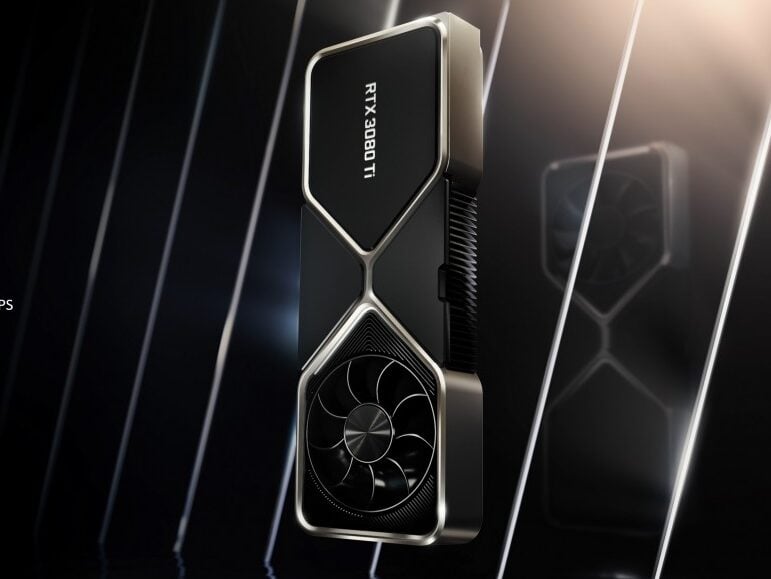
Nvidia has recently launched new versions of the its RTX 3000 series of GeForce graphics cards. This included the RTX 3070 Ti and RTX 3080 Ti. While the latter is one of the most powerful GPU currently in the market, it launched with 12GB of VRAM despite various rumors going around that stated it had 20GB of VRAM. But now, new information recently surfacing has revealed that the 20GB variant is actually real.
RTX 3080 Ti
The news arrives from a tweet from @momomo_US, which shared a new listing on TechPowerUpthat showcases a Gigabyte Aorus GeForce RTX 3080 Ti Xtreme (GV-N308TAORUS X-20GD) GPU that features 20GB of GDDR6X memory. The first reports of this 20GB version had appeared back in December 2020 in an EEC listing from Gigabyte. Comparing the model Aorus RTX 3080 Ti that is currently available in the market, the only real difference between the two cards is the VRAM and most other aspects like clock speeds for the memory remains the same.
Although, the 20GB model does feature a smaller memory interface. The packaging and the CPU-Z screenshot show a 320 bit memory bus on the 20GB RTX 3080 Ti over the 384 bit interface in the 12GB version. In other words, the higher memory version would;ve offered lower memory bandwidth. As of right now, this rare 20GB version is in the hands of a Russian cryptominer that somehow managed to get the card.
Unfortunately, it is unknown what the sizeable amount of VRAM was intended for as the RTX 3080 had distinctly lower memory compared to the 3090 as it was primarily intended for gaming. Modern titles do not require such high VRAMs although certain professional apps would benefit from this boost in memory. So, it might have been the middle ground between the expensive RTX 3090 and RTX 3080 that was good for both workloads.
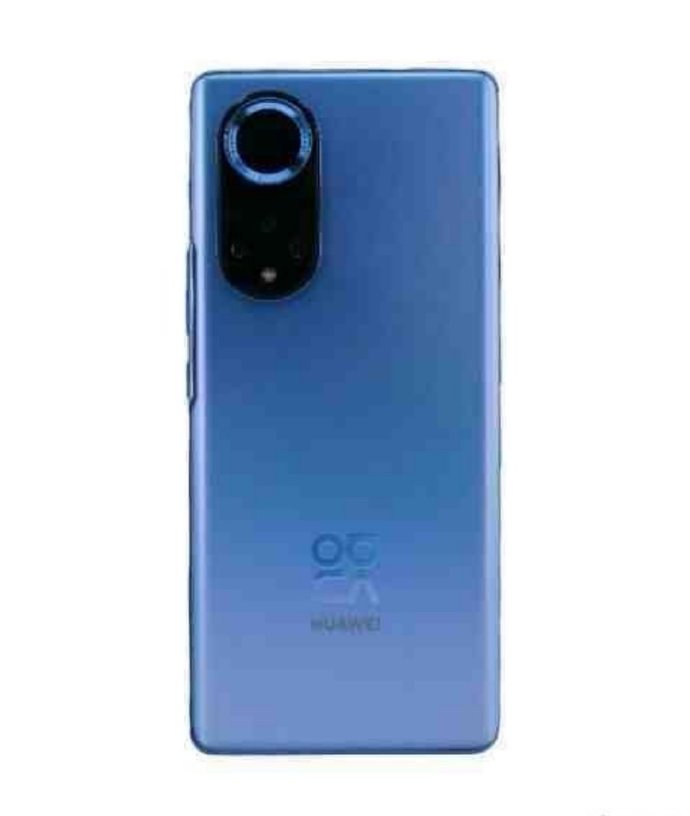
Huawei had recently revealed the September 23 launch date for its upcoming Nova 9 series of smartphones. The company has been teasing this new lineup prior to its launch and has now released a short film to showcase the camera of the new smartphones.
The brand shared the new short film on its official Weibo account, a Chinese microblogging website. In the video, we can see the Chinese celebrity Yi Yang Qianxi who highlighted the device’s camera capabilities that can be used for vlogging (video blogging) through the HarmonyOS multi camera mode as well. For those unaware, the Nova 9 will sport a quad camera setup on the rear while the front facing selfie shooter will be housed in a pill shaped punch hole cutout.
Previously, the smartphone was recently certified by 3C as well as TENAA, revealing some key specifications and features. The variant that carried the model number RTE-AL00, features an OLED display with an under display fingerprint sensor. Furthermore, the series is likely to come powered by the Qualcomm Snapdragon 778G SoC, but will reportedly arrive with support for only 4G LTE connectivity and not 5G networking.
But, there’s a possibility that the company may launch a 5G variant at a later date. The Huawei Nova 9 is said to be powered by a 4,500mAh battery while the Pro variant in the lineup will reportedly pack a 4,000mAh battery but will have support for a 66W fast charging. So stay tuned for more, as we will be covering the launch event later this month.
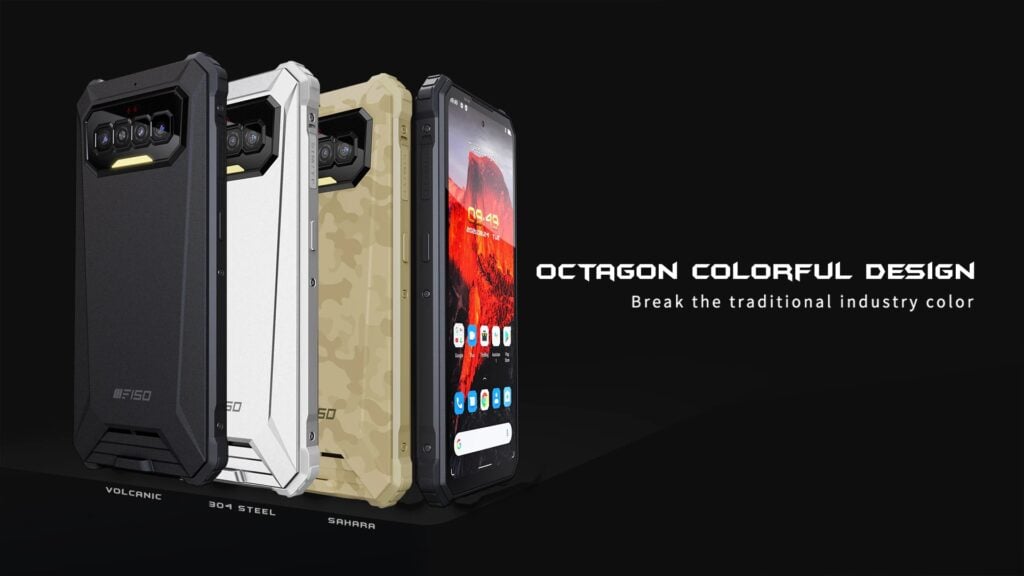
iiiF150 unveiled a flagship Neo-Rugged smartphone – R2022 which will start shipping early next month. The new rugged smartphone comes with a durable design built using an octagon structure. It is said to be the “first authentic” rugged phone which comprises a quality display and powerful processor. Moreover, the rugged phone expert company appeased the camera enthusiasts by introducing a 64MP primary-rear sensor for quality and in-depth photography. The smartphone is on early-bird promotion and is available for $199.99 from 6 September to 12 September.
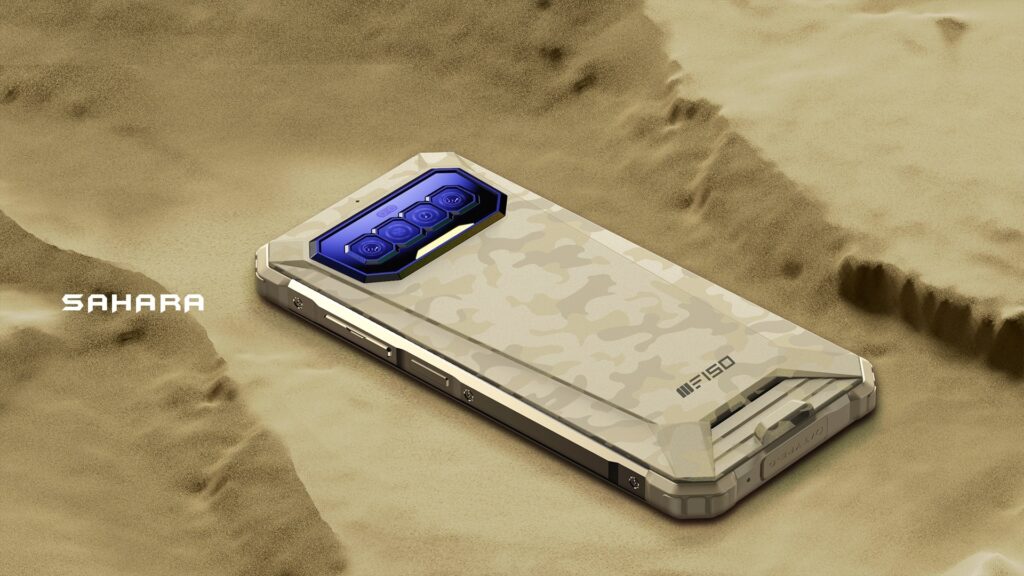
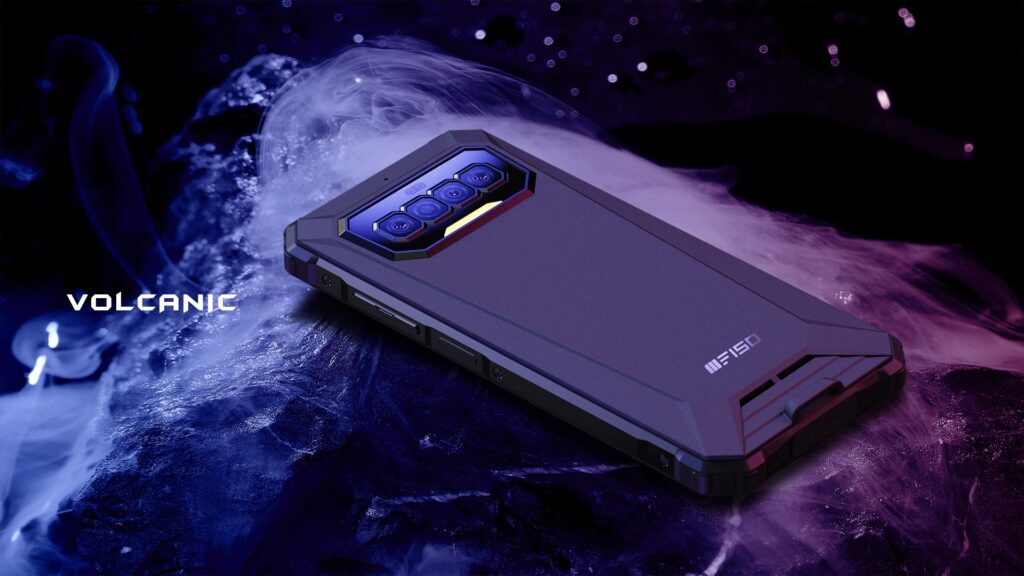
iiiF150 R2022 rugged smartphone will start shipping from October. It is available in three colour options of Volcanic Black, Sahara Yellow and 304 Steel.
iiiF150 R2022 Features and Specifications
Display
The new smartphone offers spectacular design and display so that the users can enjoy its performance to the fullest. iiiF150 R2022 comes with a 6.78-inch Full HD display having a 90Hz refresh rate and 180Hz sampling rate for a smooth gaming experience. The Corning Gorilla Glass protects the display from usual falls.
Camera
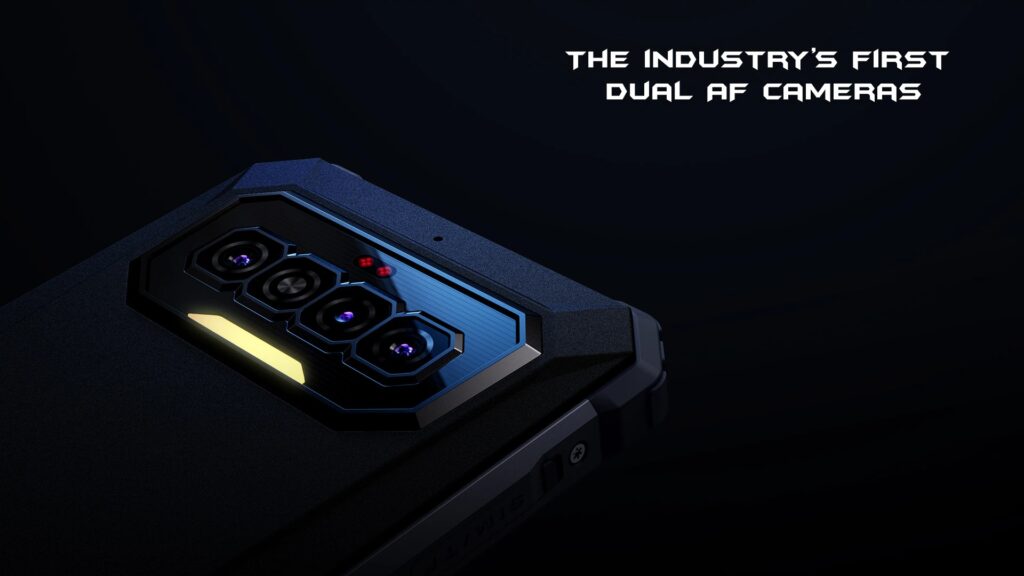
In the camera section, the smartphone offers a triple-rear camera module featuring a 64MP primary sensor to capture detailed photos, a 20MP dual AF infrared night vision feature and a 2MP macro lens to capture tiny objects more clearly. The R2022 offers super night photography mode, AI scene detection, HDR, and portrait mode to enhance the photography experience. Meanwhile, video features like slow-motion, and time-lapse are also present on the phone. There’s a 16MP camera on the front for selfies and video calling.
Rugged and Waterproof
While undergoing rigorous tests, the smartphone proved its mettle for being the waterproof, dustproof and drop-proof smartphone. It is tested for 8 hours at 1.5m water depth, for 4 hours at 3 metres depth. It can bear the impact from a 1.8J drop of steel ball. The smartphone flawlessly operates in extreme temperatures ranging from -20-degree Celsius to 70-degree celsius. iiiF150 R2022 has undergone performance and quality tests including slight drop test, squeeze test, button test, etc.
Performance
It can last for up to a couple of months upon a single full charge of its massive 8300 mAh battery with an 18W fast charging. Further, it is powered with MediaTek G95 SoC which houses an octa-core processor and 800MHz GPU for handling graphics. It is designed to offer fluent gaming performance. However, the presence of 8GB RAM and 128GB internal storage enhances multitasking. The user can expand storage up to 256GB via TF card.
In connectivity, the neo-rugged smartphone offers support for Bluetooth 5.0, WiFi, 4G LTE, NFC, FM, DuaL-SIM and a 3.5mm audio jack.
The smartphone is now on pre-sale at an early-bird price of $199.99 via AliExpress. The discounted prices will remain active from 6 September to 12 September.
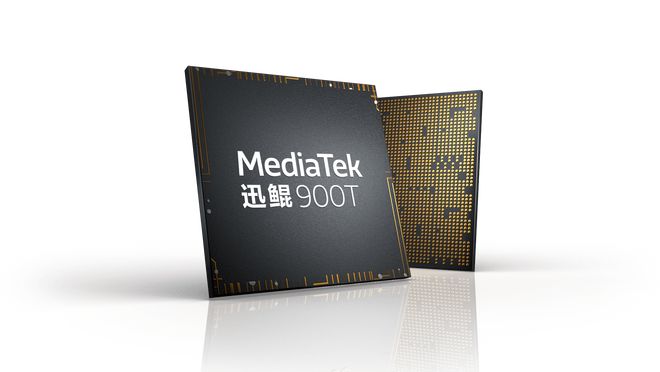
MediaTek today unveiled the Kompanio 900T, which is another new member of the Kompanio series of mobile computing platforms. Tablet/PCs equipped with this chip will be available soon. In view of the increasingly diversified needs of consumers for the functions and experience of tablet/PCs, MediaTek launched the Kompanio series of platforms for the tablet/PC market.
MediaTek had earlier launched the Kompanio 1300T, which can be used in high-end tablet computers this year, empowering tablet computers with flagship-level features. The new 900T chip that has just been unveiled will also bring users a high-performance experience.
The Kompanio 900T is manufactured based on the latest 6nm advanced technology and adopts an octa-core CPU architecture design. It contains two ARM Cortex-A78 super-performance cores and six ARM Cortex-A55 high-efficiency cores. It is also equipped with ARM Mali-G68 GPU and AI processing.
The Kompanio 900T supports flagship LPDDR5 memory and UFS 3.1 storage and can be adapted to a 2K resolution 120Hz refresh rate screen. In addition, the new platform also integrates a 5G modem, supports SA/NSA dual-module network, covers 5G Sub-6GHz full-band full Netcom, supports 5G dual-carrier aggregation and VoNR services, and other 5G key technologies. It also supports 2×2 MIMO Wi-Fi 6 and Bluetooth 5.2. SDR video content can be enhanced to a display effect close to HDR, and HDR10 can be upgraded to HDR10+.
MediaTek said that the Kompanio series of platforms have been widely adopted by many equipment manufacturers around the world, creating mobile computing devices including Chromebook notebook computers and tablet computers that are popular all over the world. Tablet PCs using MediaTek 900T will be available soon.
Nubia has released its latest flagship gaming phone for the second half of the year—the REDMAGIC 6S Pro. And as you might have guessed from the name, it’s a minor upgrade to the REDMAGIC 6 Pro from the first half of the year. While we couldn’t test the old REDMAGIC 6 Pro, let’s take a look at how REDMAGIC’s latest flagship gaming phone performs.
Welcome to Gizmochina’s REDMAGIC 6S Pro review.
REDMAGIC 6S Pro Design
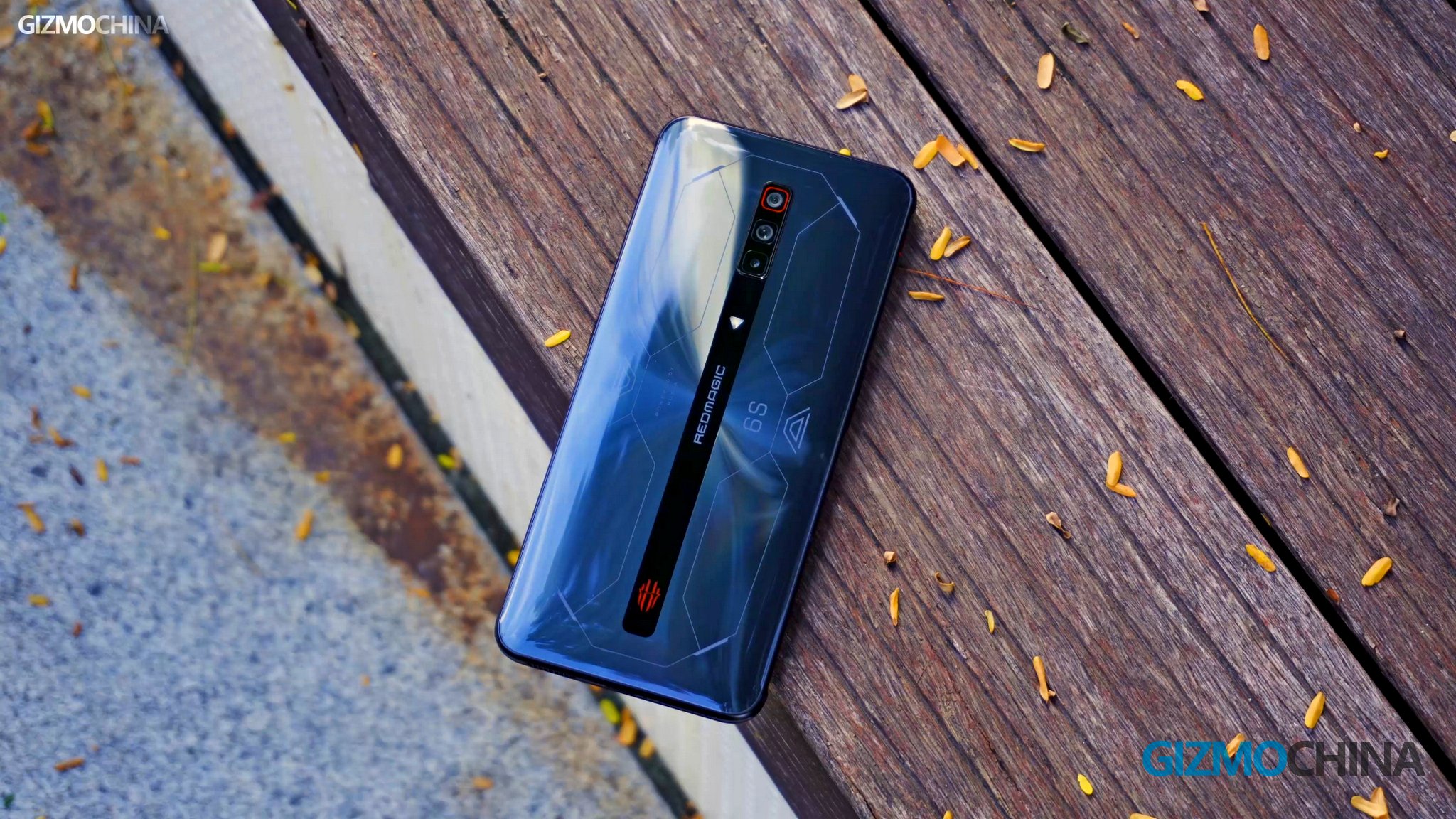
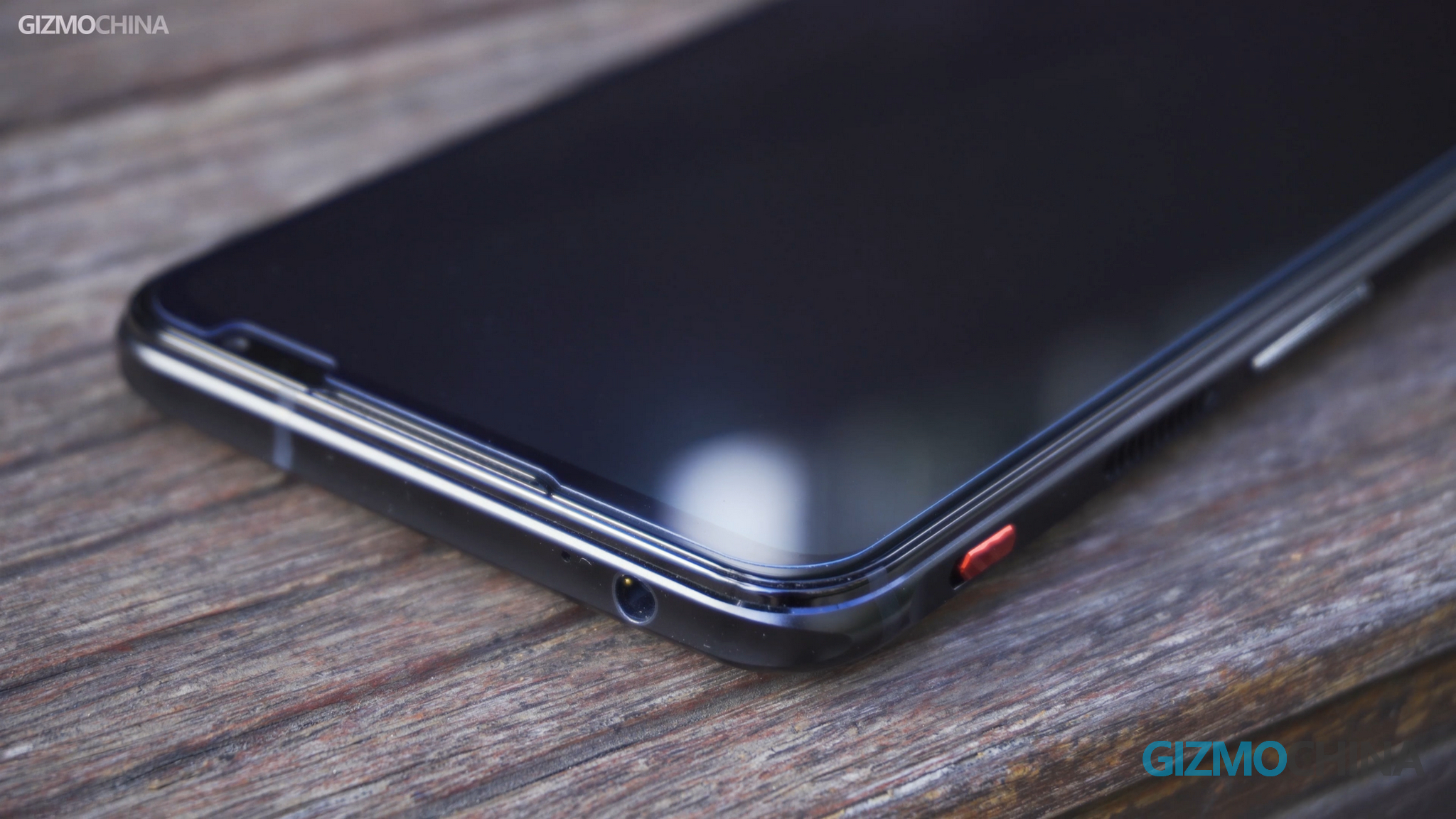
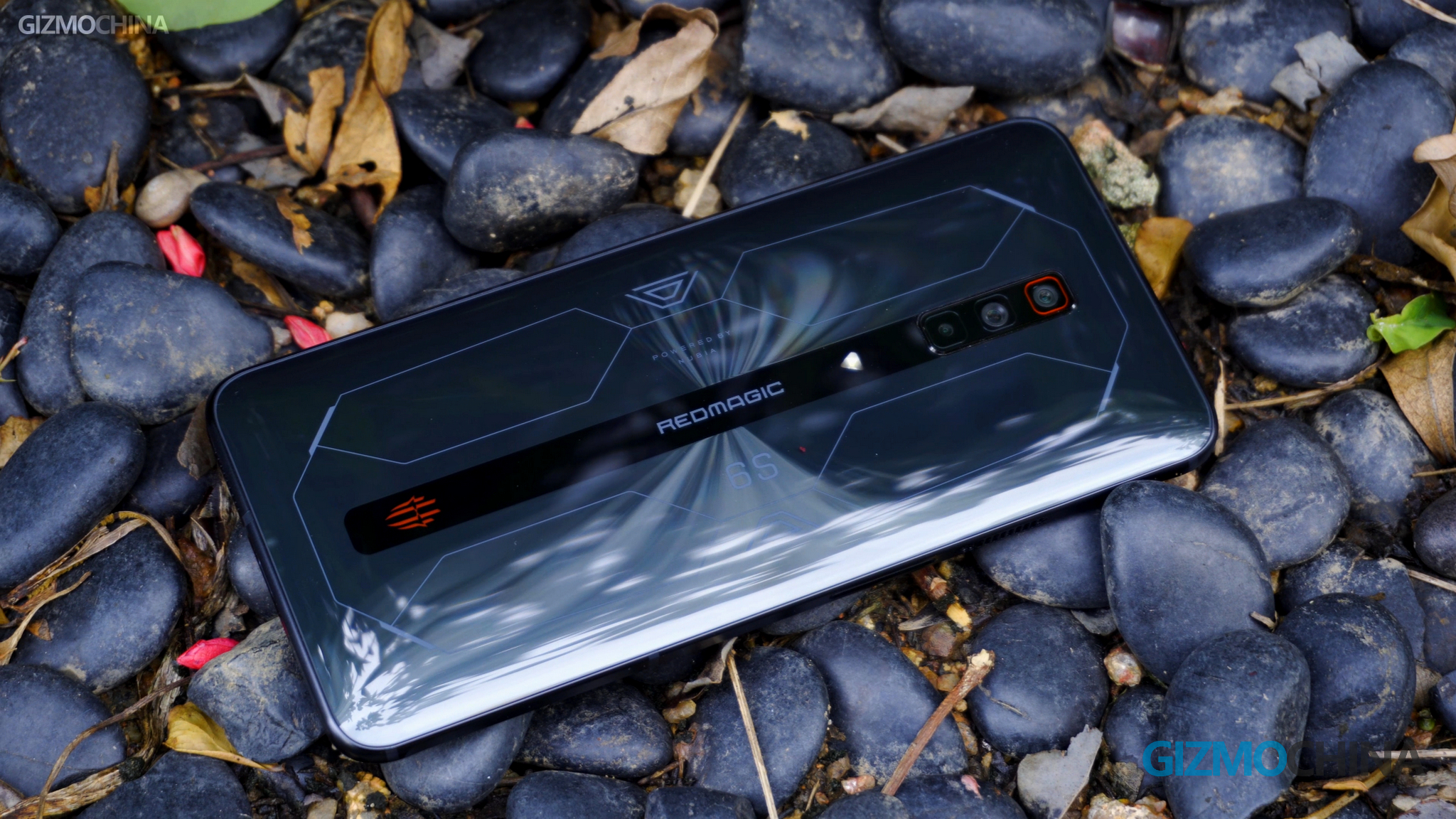
The REDMAGIC 6S Pro looks very similar to the REDMAGIC 6 Pro, and from a distance, the difference is barely noticeable. But the back has become more minimalistic, and the lack of RGB lighting makes the 6S Pro more of a normal phone than a gaming phone. The entire back is very smooth and feels very good in the hand.
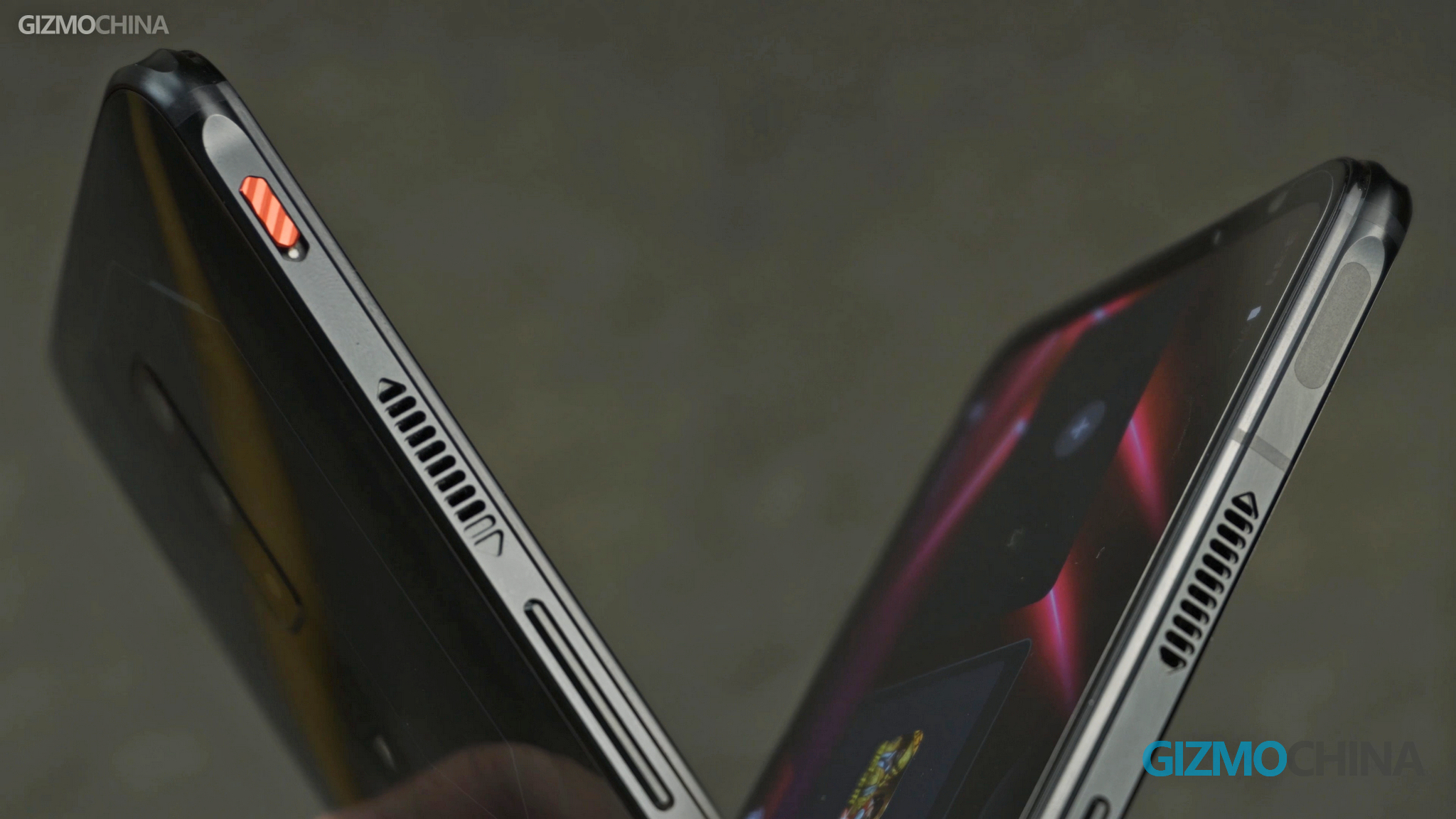
The camera also doesn’t protrude much. It features a design that is more comfortable when playing games than other angular gaming phones. Headphone jack, Shoulder Triggers and NFC are also present.
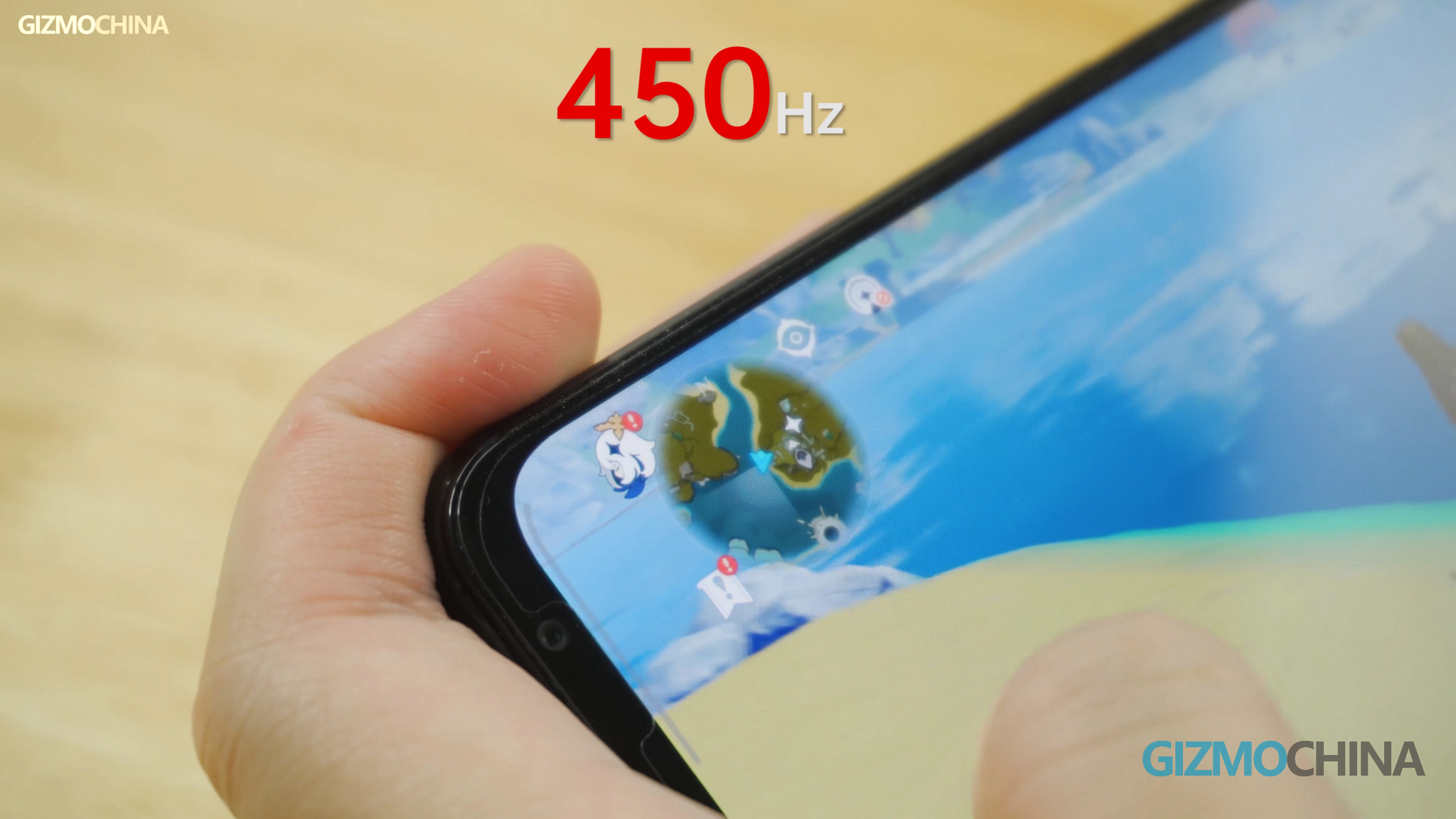
450Hz trigger buttons
As a gaming phone, the REDMAGIC 6S Pro is well-made, and it would have been perfect if the plastic protective layer around the screen was made smaller.
REDMAGIC 6S Pro Review: Design
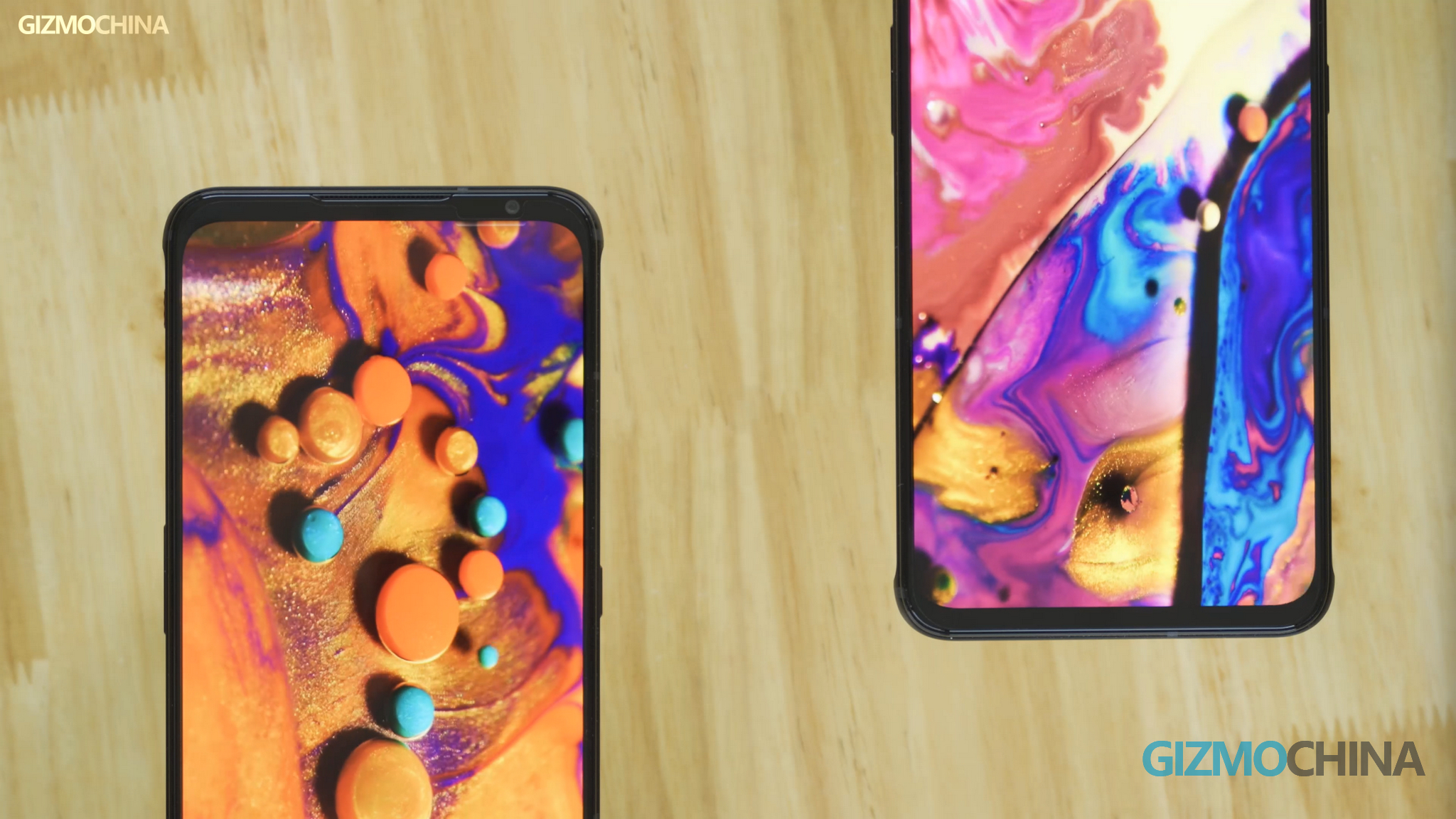
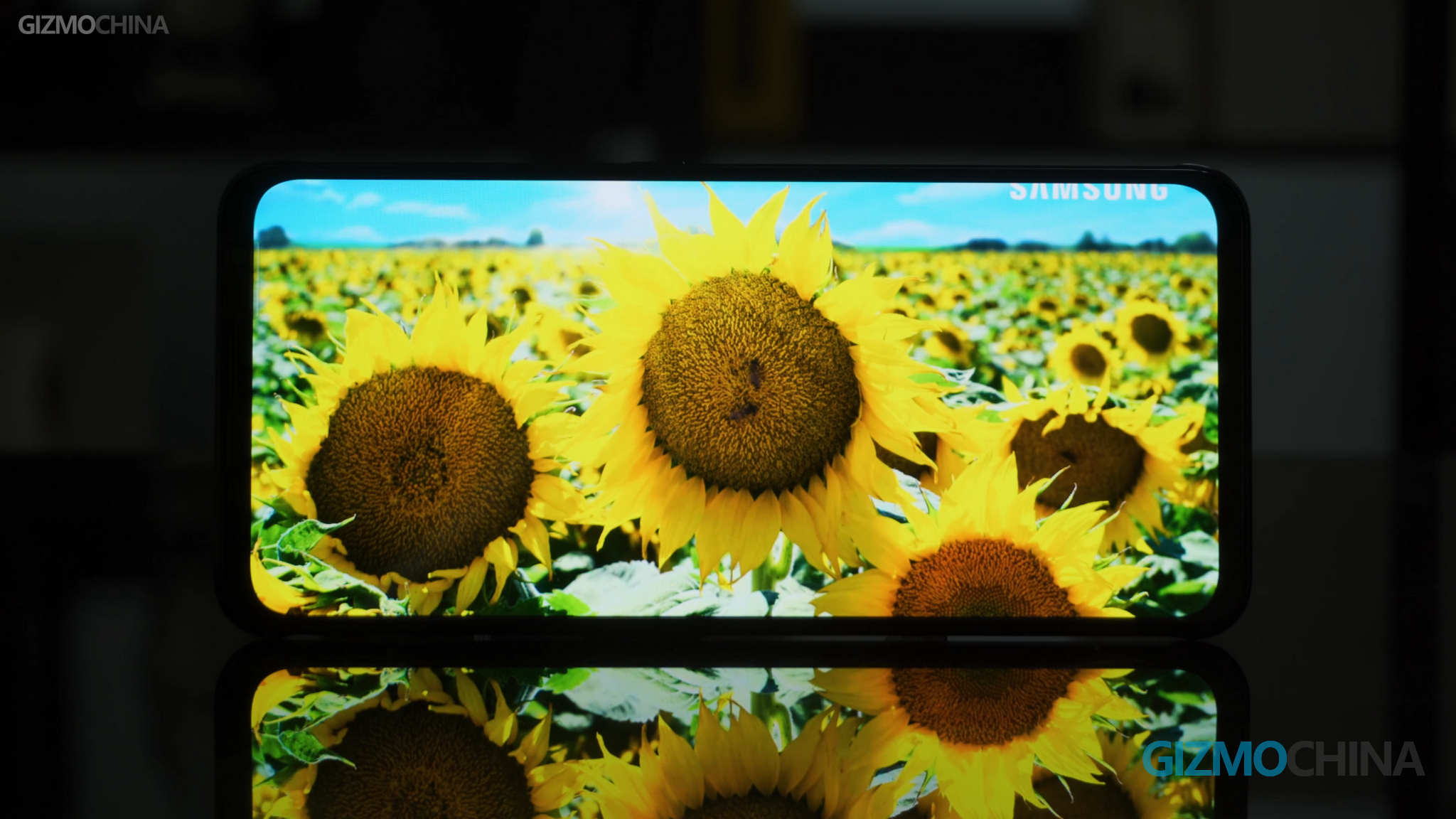
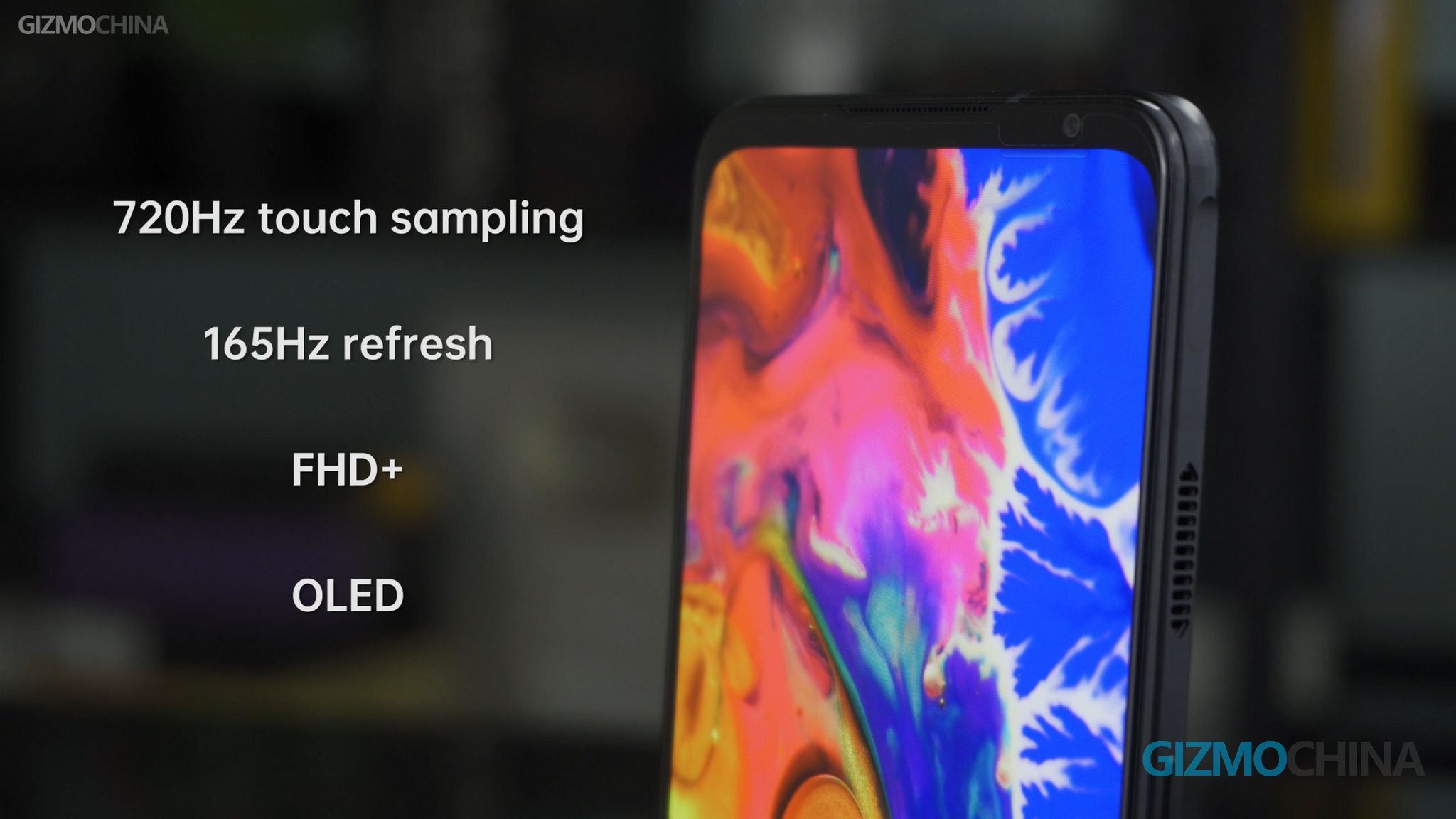
Both REDMAGIC 6S Pro and REDMAGIC 6 Pro have similar screens featuring 165Hz, FHD+, OLED display. With diamond-like pixel arrangement, there is no gap between the clarity and Samsung’s screen. There is no hole-punch or notch as it is a complete screen, and the thickened upper and lower bezels make it suitable for two-handed gaming. The only drawback that can be felt more obviously is the tendency to squint at green. The front view does not have this problem, and the colors are gorgeous. There is no doubt that it is an excellent screen.
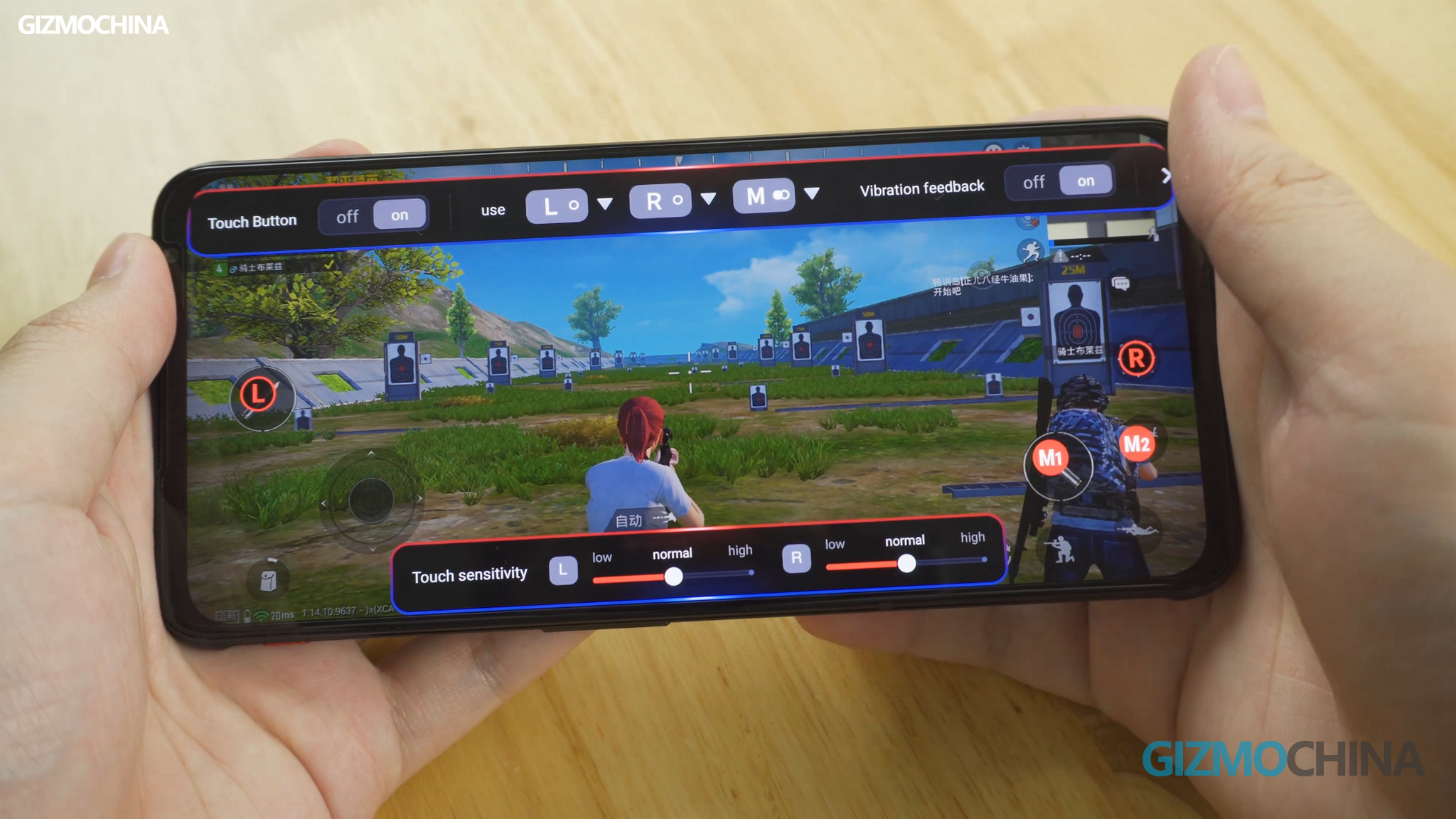
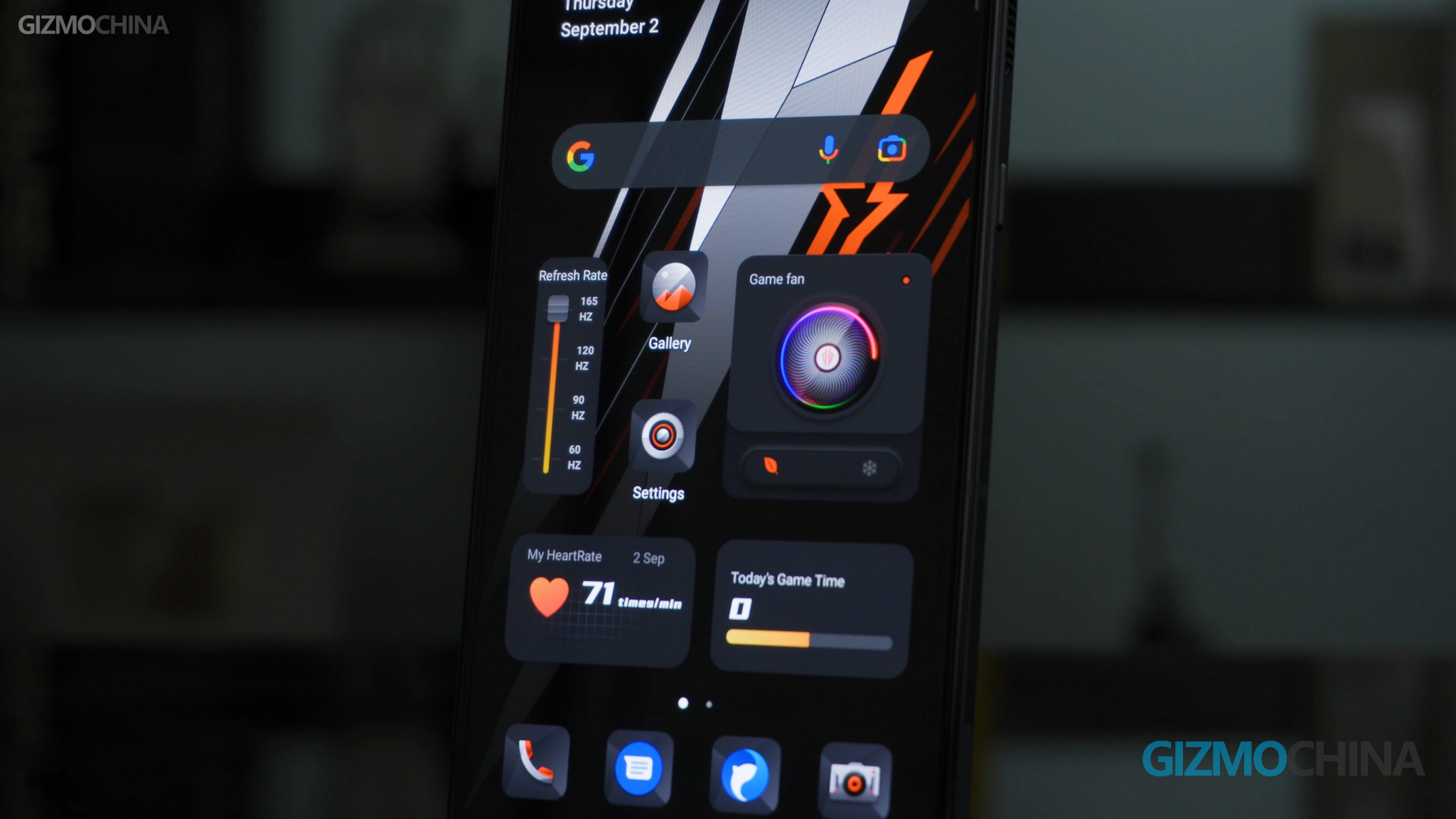
As a gaming phone, what we are concerned about is what has been done to optimize the gaming experience. Shoulder Triggers are now upgraded a bit compared to the previous generation, while the touch sampling rate is upgraded to 450Hz. And the new addition of the back touch area, plus Shoulder Triggers can quickly perform three or four operations at the same time. However, the back of the touch area does not make a distinction between different touch gestures, so you have to practice more to become proficient in operation. The game toolbar also gets a new design, both sides can be swiped to call out the toolbar. Red Magic OS also includes some redesigned widgets that allow you to visually see your heartbeat, game time, and more. A number of game-related quick switches can be easily opened when you need them.
REDMAGIC 6S Pro Review: Gaming & Performance
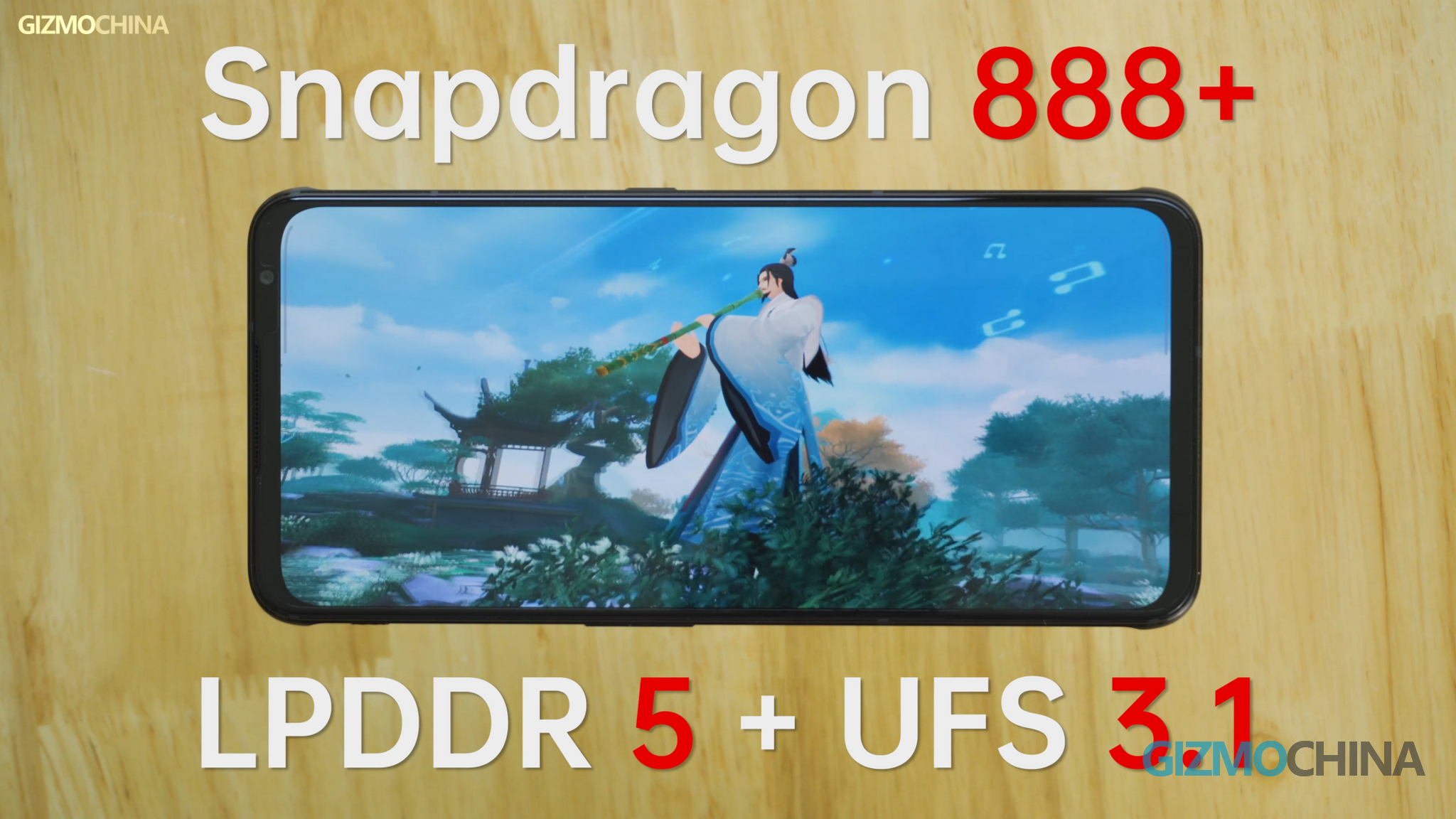
REDMAGIC 6S Pro upgrades the processor to Snapdragon 888+.
LPDDR5 and UFS 3.1 are also our old friends. Although this year’s Snapdragon flagship chips are very hot, REDMAGIC’s built-in fan design is not for show.
REDMAGIC 6S Pro Review -Antutu 3dmark
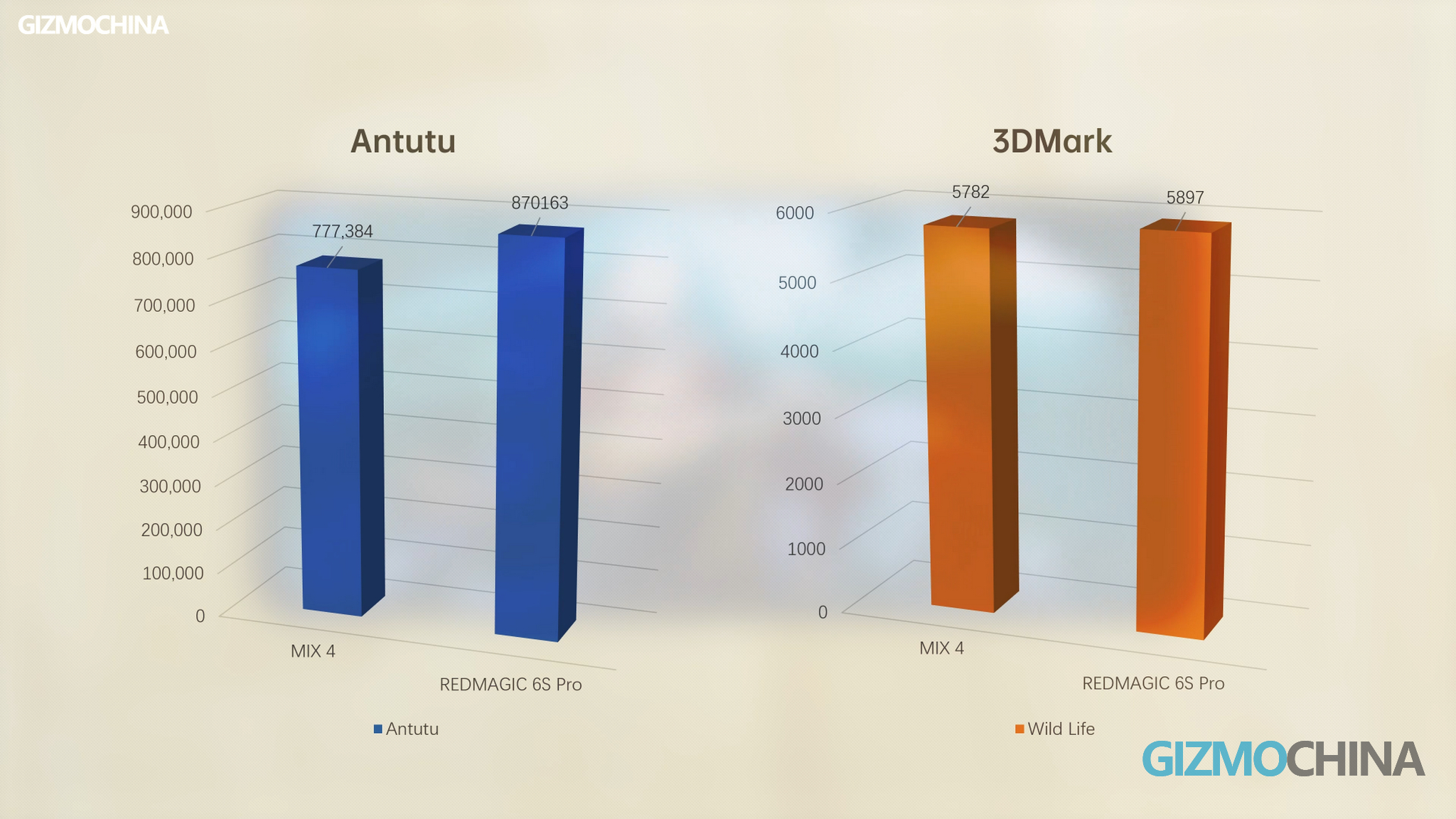
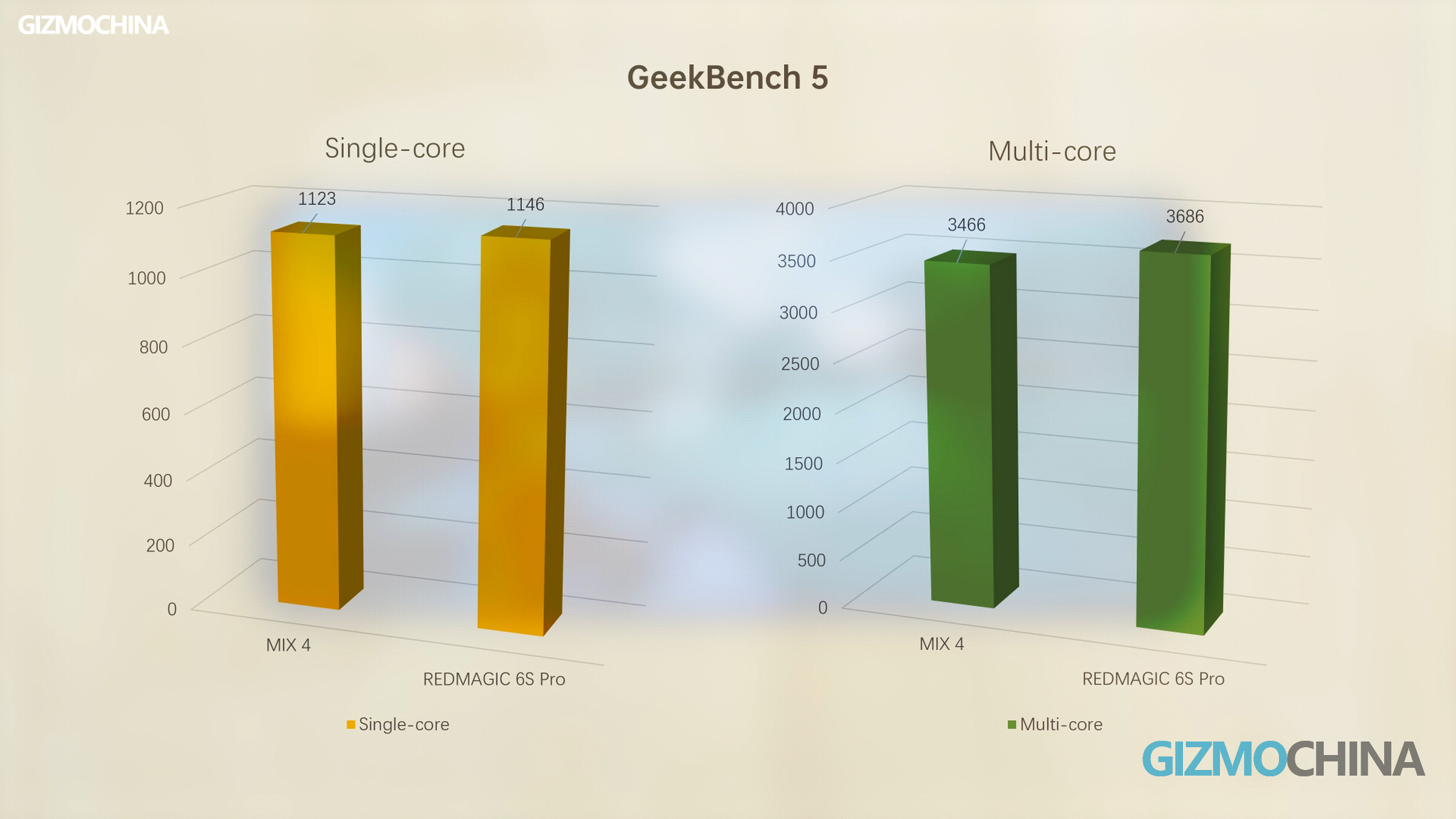
With the fan on the strongest mode, Antutu Bench ran the highest score ever — 870,163. In 3DMark it got 5897, while in Geekbench 5 the phone got a single-core score of 1146 and a multi-core score of 3686.
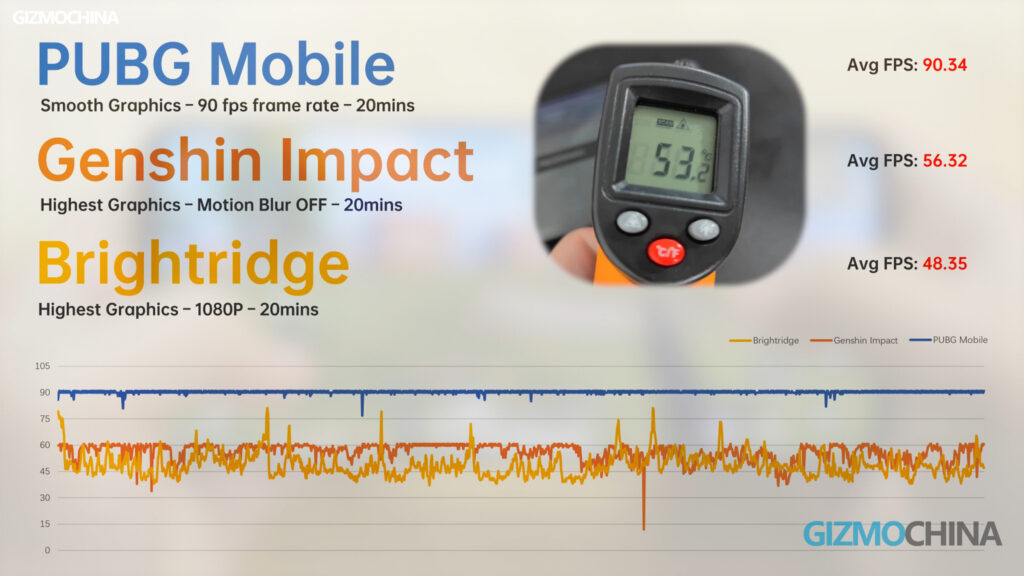
The gaming performance is as good as ever, with PUBG being able to turn on 90 FPS mode in Smooth Graphics, and the frame rate curve is very smooth. But We know PUBG is not stressful to gaming phones at all.
Genshin Impact’s frame rate curve is not as stable, but the average frame rate of 56 FPS is very impressive. The frame rate doesn’t fluctuate significantly either. Brightridge being the most processor demanding game, the average frame rate of 48FPS is also very impressive compared to other non-gaming phones.
The built-in fan can ensure your processor has a stable frame rate throughout, but it does not guarantee that the external temperature will come down. The back of the phone can reach up to 53 degrees Celsius, so if you want the external temperature to come down as well, it’s recommended to buy a cooler.
REDMAGIC 6S Pro Review: Camera
Because the REDMAGIC 6S Pro is a gaming-focused phone, we’ll only go over the camera part briefly.
Main Camera
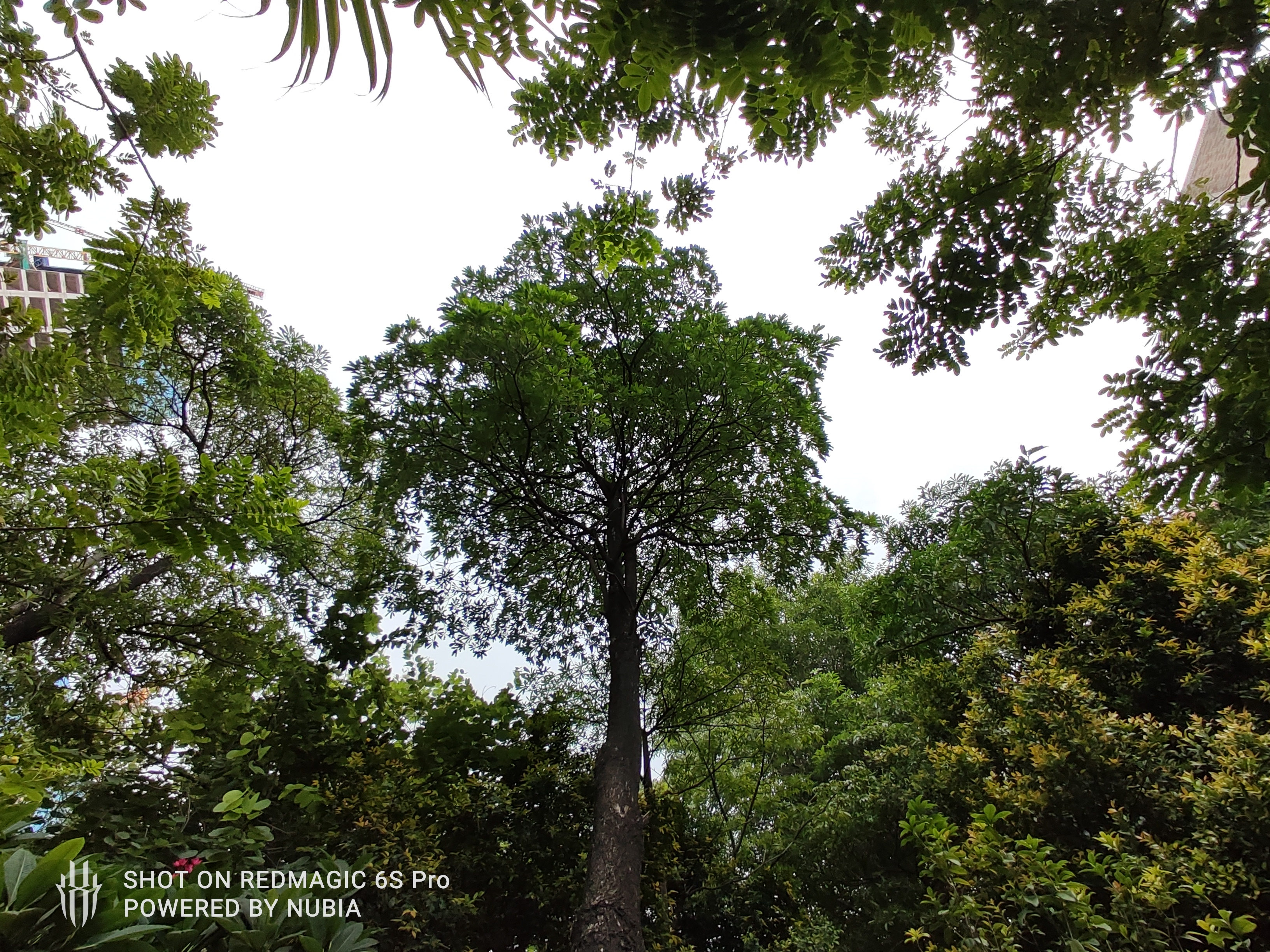
The color of the camera is not very bright, but it’s closer to the real color. The resolution is good and the HDR strength is very strong.
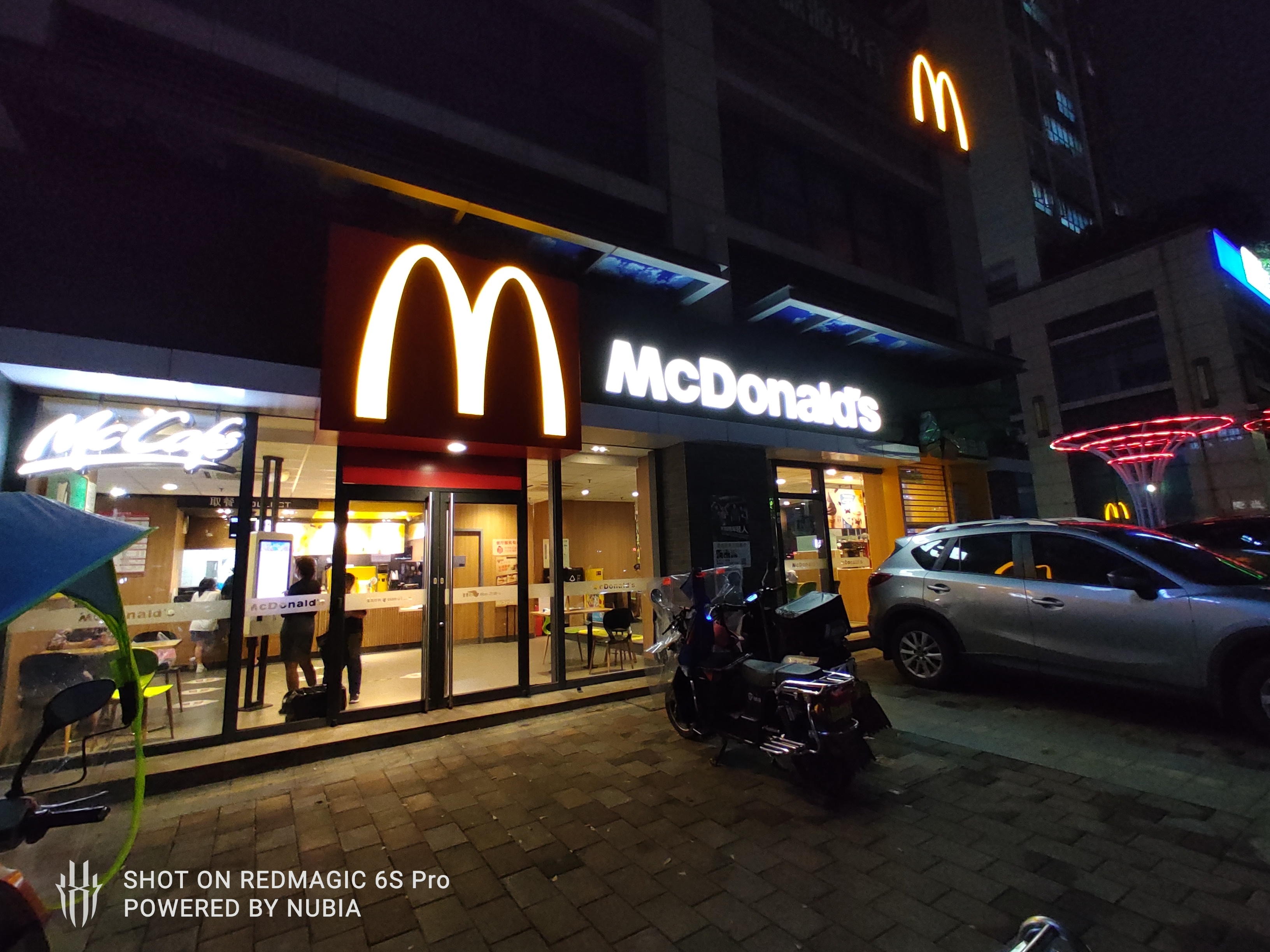
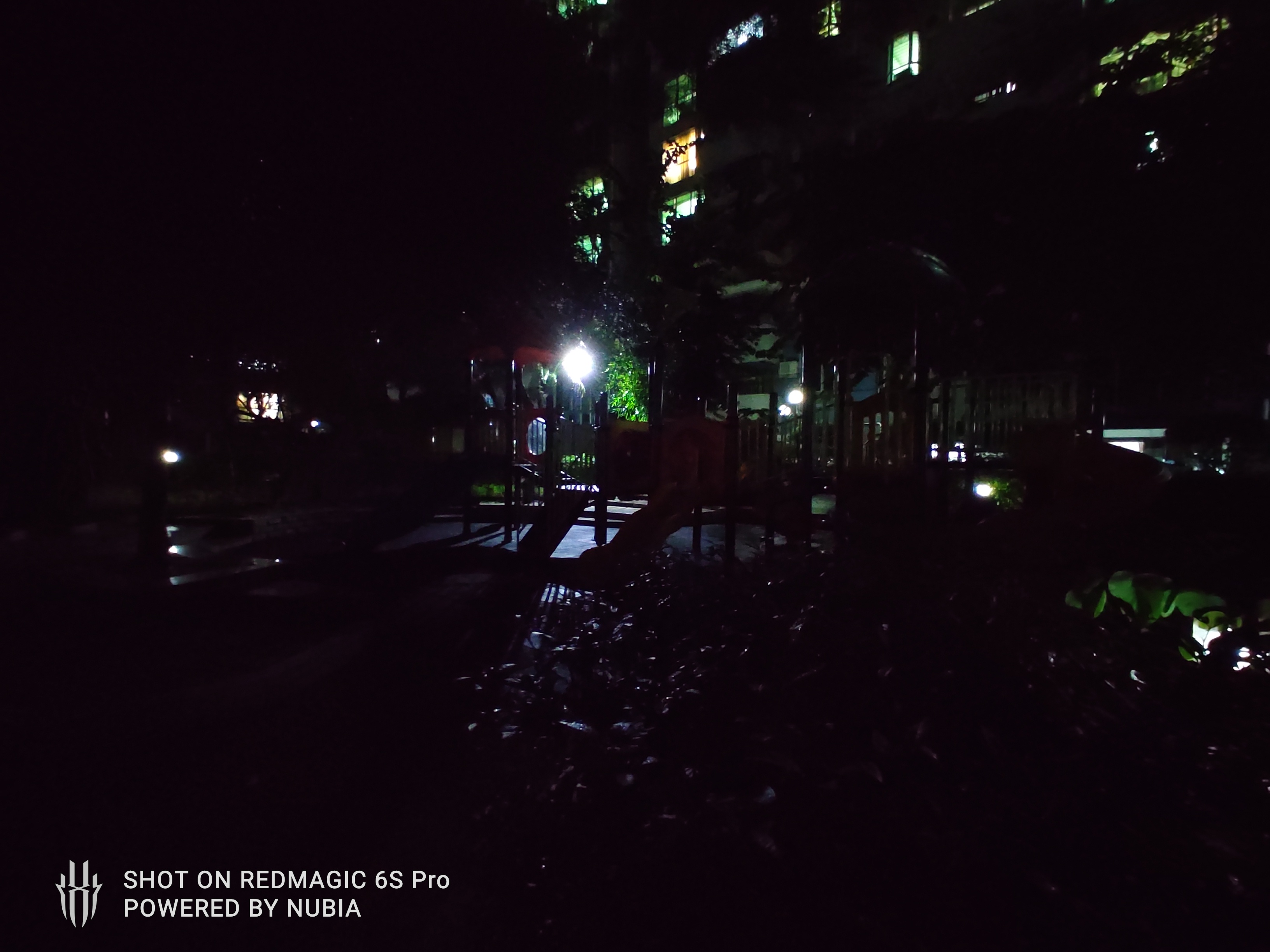
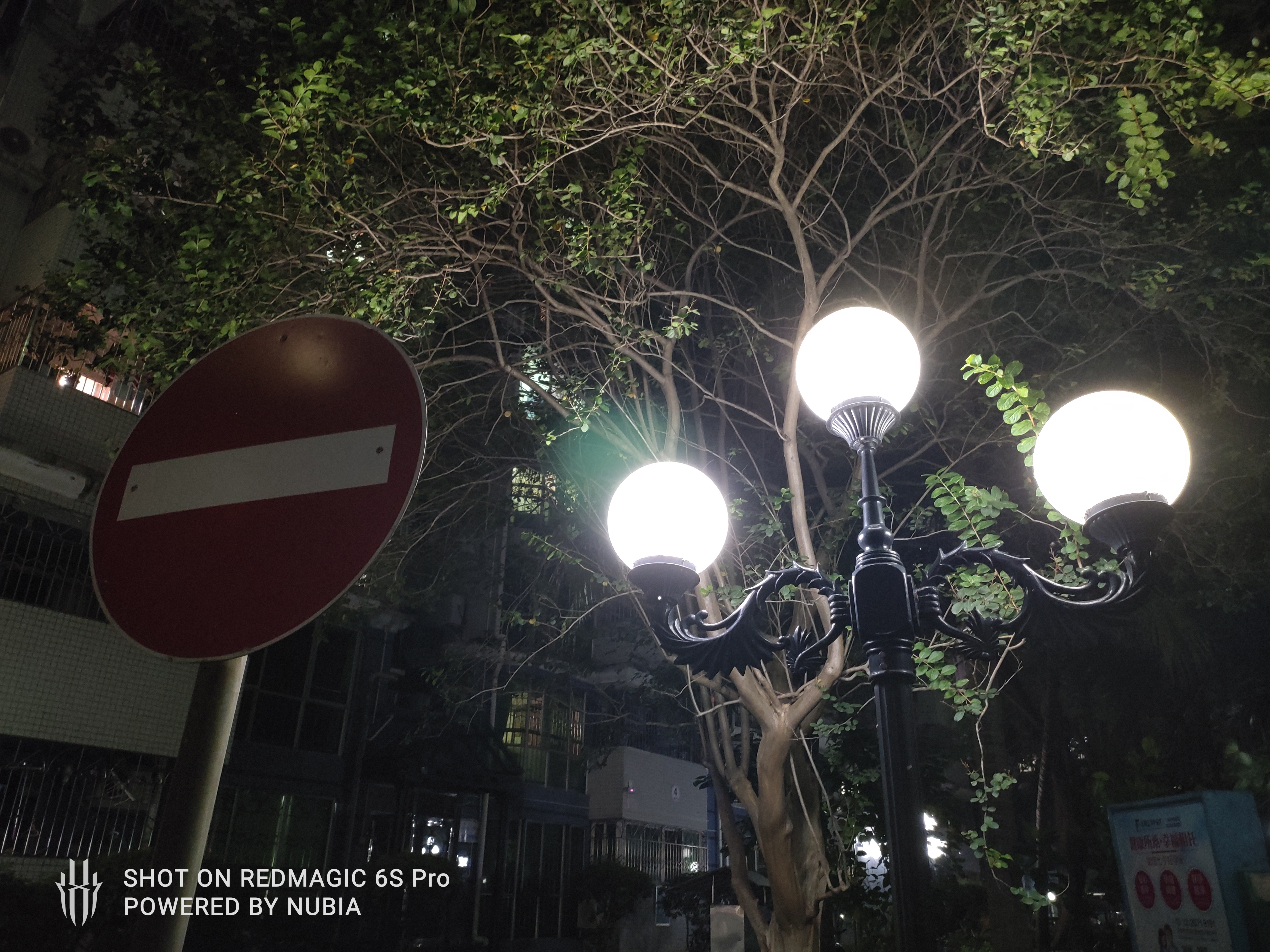
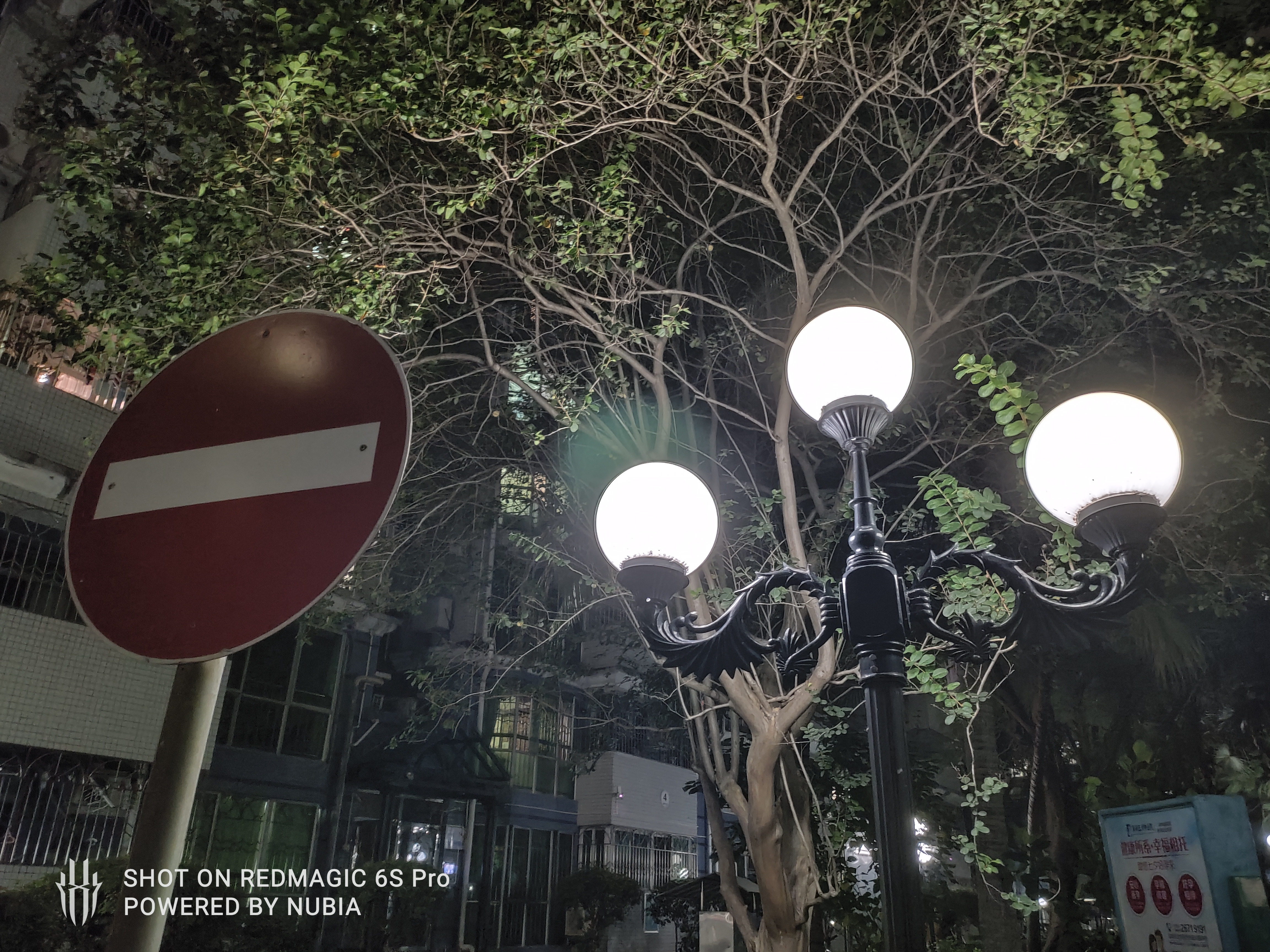
The 6S Pro is not as good as it could be at night, especially with the Ultrawide Camera which does not have a night mode, but the main camera with night mode is fine for most everyday scenes.
1 of 8
1 of 19
Night Mode
Night Mode
Ultra-Wide Camera
The Ultra Wide Angle camera is good for most occasions but the absence of a night mode for wide shots is a drawback.
1 of 8
Macro Camera
1 of 4
As for the macro lens, it can be used occasionally when there is enough light. But don’t expect it to have great image quality.
REDMAGIC 6S Pro Review: Battery Life & Charging
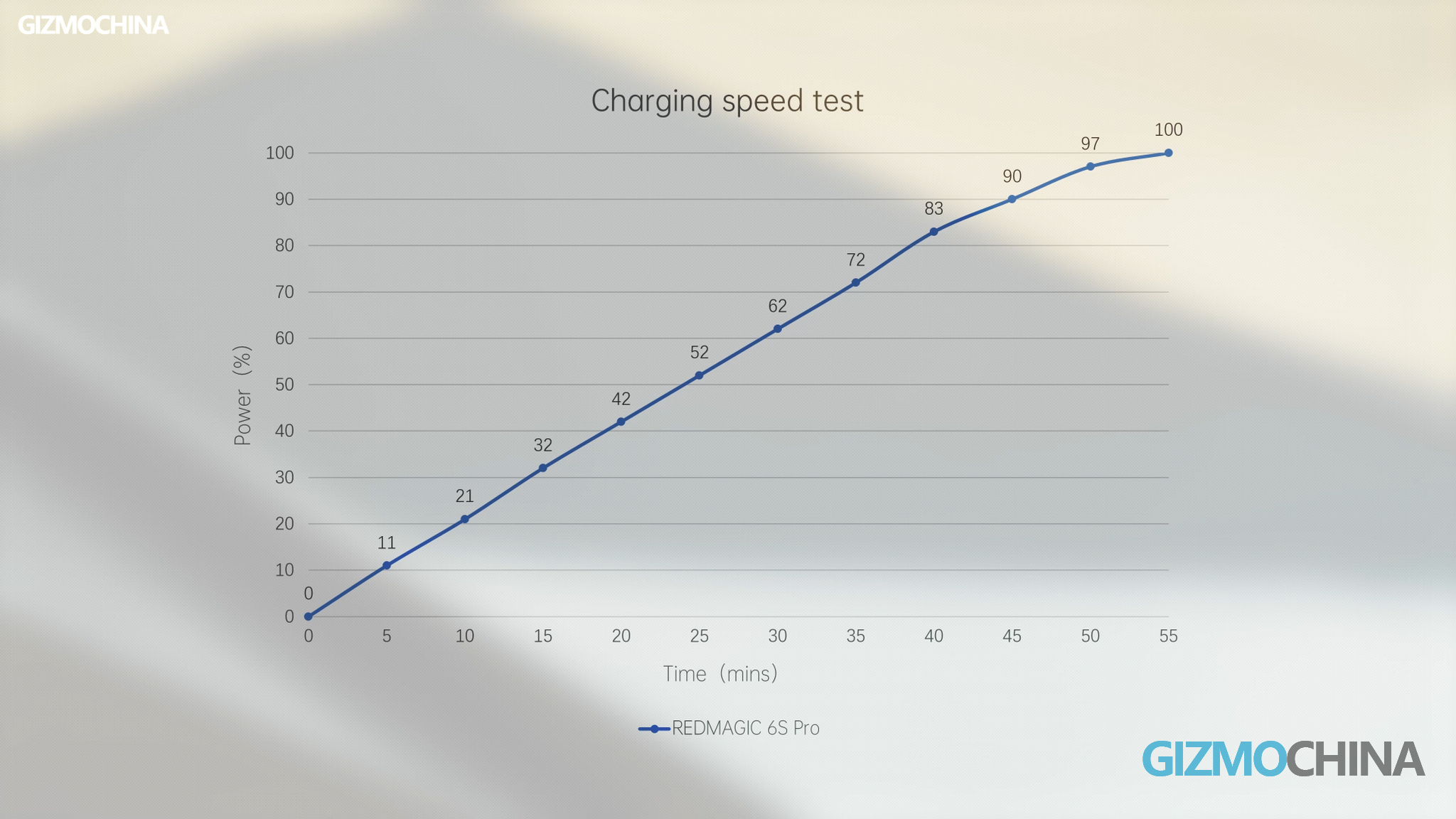
The charger and charging cable are included in the box. But like the 6 Pro, although the phone supports 66W wired charging, the charger inside the box is only 30W. But because you can use the built-in fan to reduce the temperature when charging, so you can almost always charge at full power.
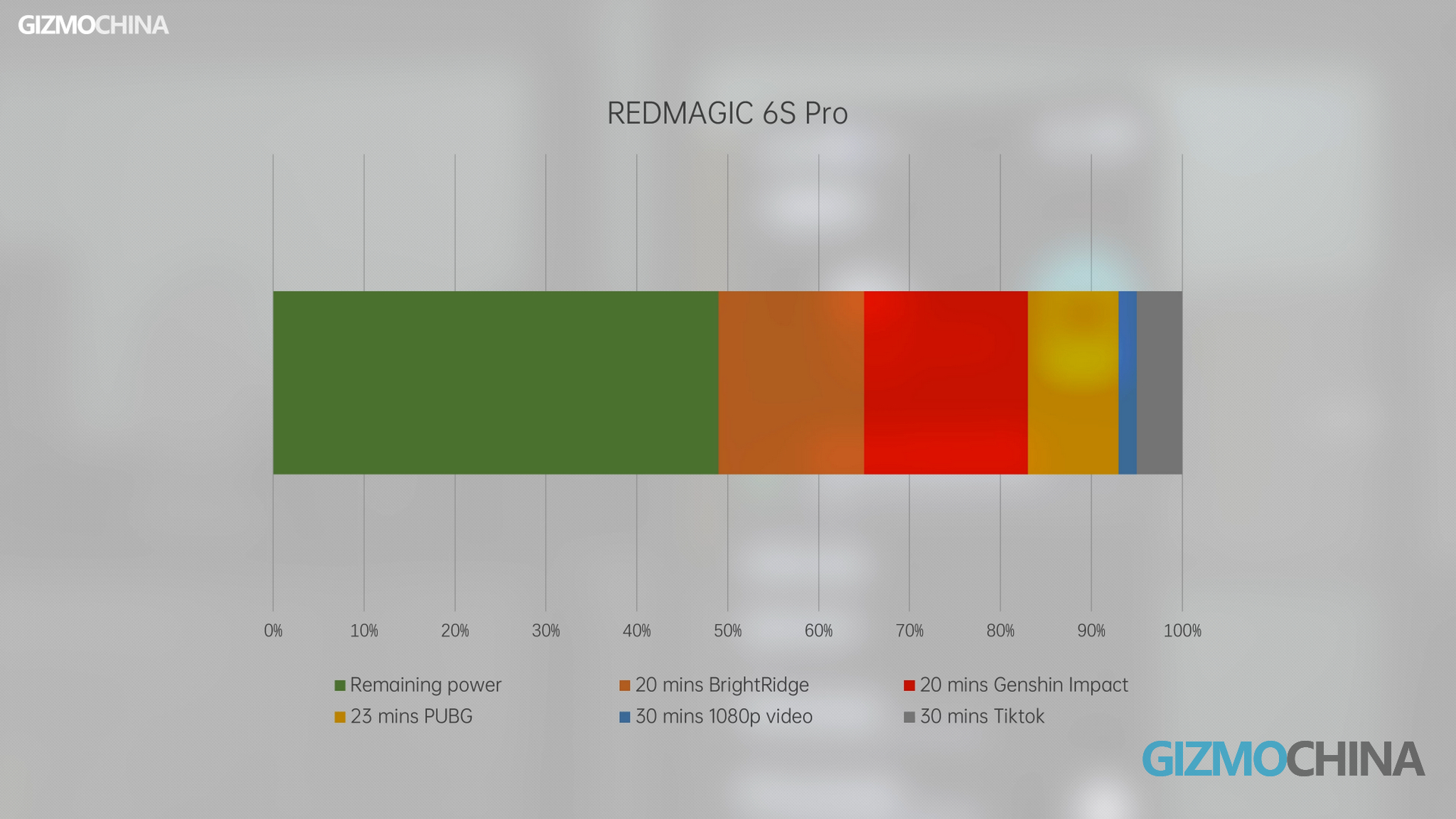
5 minutes tops up the battery to 11%, another half an hour to 62%, and 55 minutes to full charge. Although the 6S Pro has a large 5050mAh battery, it consumes more power in the gaming section because of its high performance. 20 minutes of Genshin Impact and Brightridge consume 18% and 16% respectively, 10% for PUBG. Daily applications do not consume a lot of power as 1080P online video only consumes 2% and while Tiktok around 5%.
REDMAGIC 6S Pro Review: Verdict
REDMAGIC 6S Pro is not a significant upgrade compared to the 6 Pro in the first half of the year. If you already have the REDMAGIC 6 Pro, there is no need to buy the 6S Pro. But If you want to buy a gaming phone now, you can definitely check out the REDMAGIC 6S Pro.
After all, REDMAGIC’s flagship phones should be one of the few devices that can leverage Snapdragon 888+’s full power output, not to mention that built-in fan works really very well.
We all know that Samsung has partnered with AMD to bring RDNA GPU architecture to its Exynos mobile chipsets. Thanks to the latest information, we have now learned which phones will be using what type of AMD mRDNA GPU.
According to a user on Clien (via @FrontTron), Samsung will be using three different types of AMD mRDNA GPU for its Exynos mobile SoCs. They will differ in terms of cores and clock speeds.
The flagship smartphones like the Galaxy S series will be getting a 6-core GPU at an unspecified clock rate. Whereas, the mid-range and budget handsets like the Galaxy A series are said to use 4-core and 2-core GPUs respectively.
Further, the mRDNA GPU for the Galaxy A series-like devices is being currently tested at 1GHz. Since these are less expensive phones, their Exynos chips will be using ARM Cortex-A78 CPU cores instead of the X series. The performance throttling of these silicons is reportedly around 10%.
Unfortunately, the source does not say the exact smartphone models that will be using these new Exynos SoC. However, he does reveal that the 4-core mRDNA GPU-equipped Exynos chipset will be supplied to Chinese handset makers.
Do you think Samsung will be finally able to take on Apple, Qualcomm, and MediaTek with its upcoming Exynos mobile platforms with AMD GPU? Do let us know in the comment section below.
Flipkart is offering the Realme X7 Max 5G with an exciting price cut of Rs 6,000 (~$81). In addition, its price can be lowered further with the exchange offer. To recollect, the X7 Max 5G is a rebranded version of China’s Realme GT Neo, which offers specs like a 120Hz display, Dimensity 1200 chip, 64-megapixel triple cameras, and 50W fast charging.
Realme X7 Max 5G price in India
At launch, Realme X7 Max 5G variants such as 8GB RAM + 128GB storage and 12GB RAM + 128GB storage were priced at Rs 26,999 (~$367) and Rs 29,999 (~$408), respectively. With Rs 6,000 discount on credit/debit transactions, both models can be purchased now on Flipkart for Rs 20,999 (~$285) and Rs 23,999 (~$326), respectively. The offer is valid from Sept. 9 to Sept. 13.
Realme X7 Max 5G
The retailer is also providing an exchange offer for the buyers of the Realme X7 Max 5G. Customers can benefit from an exchange value of up to Rs 21,000 (~$285), which includes the special discount of Rs 6,000 (~$81).
Realme X7 Max 5G specifications
The Realme X7 Max 5G has a 6.43-inch S-AMOLED display that offers a Full HD+ resolution, a 20:9 aspect ratio, and a 120Hz refresh rate. It has a front camera of 16-megapixel. The rear-facing camera setup of the phone has a 64-megapixel Sony IMX682 primary camera, an 8-megapixel ultrawide lens, and a 2-megapixel macro camera.
The Dimensity 1200 chipset powers the Realme X7 Max 5G. It has 8 GB / 12 GB of LPDDR4x RAM and 128 GB / 256 GB of UFS 3.1 storage. It has a 4,500mAh battery that supports 50W fast charging.
Samsung has just showcased a new display technology at the Global Tech Korea 2021 event earlier today (9th September 2021). The new panel is an OLED panel that can be stretched, which could be the next step display technology might take in the near future similar to how foldable panels became more accessible.
The South Korean tech giant’s display unit demonstrated the new stretchable OLED panel in the tech expo. While this isn’t the first time we have seen a stretchable display, but Samsung showcasing its progress in the technology also implies of it eventually making its way to the mass consumer market in the future. The world’s largest smartphone maker even shared a video that showcased the 13 inch OLED panel in the Global Tech Korea event.
Looking at this video, we can observe lava being displayed on the screen while the panel itself is stretched outwards through a mechanism. As per SamMobile, this element of the display that quite literally adds another dimension to the 2D surface of a screen. At the moment, the practicality for this technology for consumer electronic products like smartphones is currently unknown. Although, Samsung develops various types of displays that could be fit a better fit for this technology. For example, largest LED videoboards and digital waterfalls could use this new stretchable display.
We use cookies on our website to give you the most relevant experience by remembering your preferences and repeat visits. By clicking “Accept”, you consent to the use of ALL the cookies.
This website uses cookies to improve your experience while you navigate through the website. Out of these, the cookies that are categorized as necessary are stored on your browser as they are essential for the working of basic functionalities of the website. We also use third-party cookies that help us analyze and understand how you use this website. These cookies will be stored in your browser only with your consent. You also have the option to opt-out of these cookies. But opting out of some of these cookies may affect your browsing experience.
Necessary cookies are absolutely essential for the website to function properly. This category only includes cookies that ensures basic functionalities and security features of the website. These cookies do not store any personal information.
Any cookies that may not be particularly necessary for the website to function and is used specifically to collect user personal data via analytics, ads, other embedded contents are termed as non-necessary cookies. It is mandatory to procure user consent prior to running these cookies on your website.

















 But, there’s a possibility that the company may launch a 5G variant at a later date. The Huawei Nova 9 is said to be powered by a 4,500mAh battery while the Pro variant in the lineup will reportedly pack a 4,000mAh battery but will have support for a