Samsung is gearing up for the launch of its new Tab S series of tablets. The new lineup is expected to feature three models and a new report has suggested that the highest end variant, namely the Galaxy Tab S8 Ultra, will seek to compete with the 2021 Apple iPad Pro.
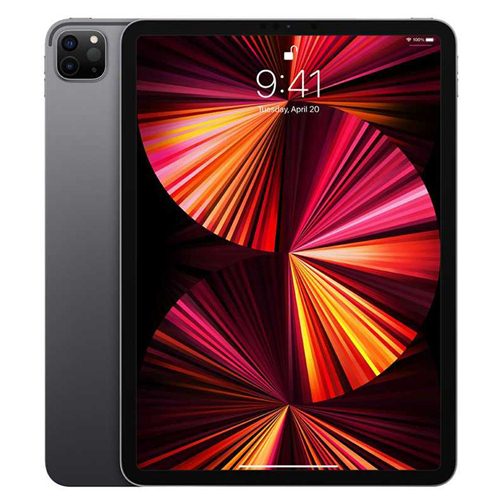
The news arrives from a tweet from FrontTron, who found a post on Clien that stated that the Galaxy S8 Ultra will be powered by the new Exynos 2200 SoC. This new chip is the South Korean tech giant’s latest mobile processor that was built with a new AMD GPU. Furthermore, benchmark results have reportedly found that the performance of this new chipset will be similar to the M1 chip from Apple, which can also be found in the new iPad Pro model as well.
As per PhoneArena, another report has also found that the new flagship tablet will sport Samsung’s best display and other top of the line specs and features. Although, this source believes that the upcoming Galaxy Tab S8 lineup will be powered by a Qualcomm Snapdragon 898 processor. So, it is still unclear which chip the company will use in the tablets. However, it is speculated that the brand will follow its traditional flagship handset approach with a Snapdragon chip for the North American and Chinese market, while the rest of the regions receive an Exynos variant.
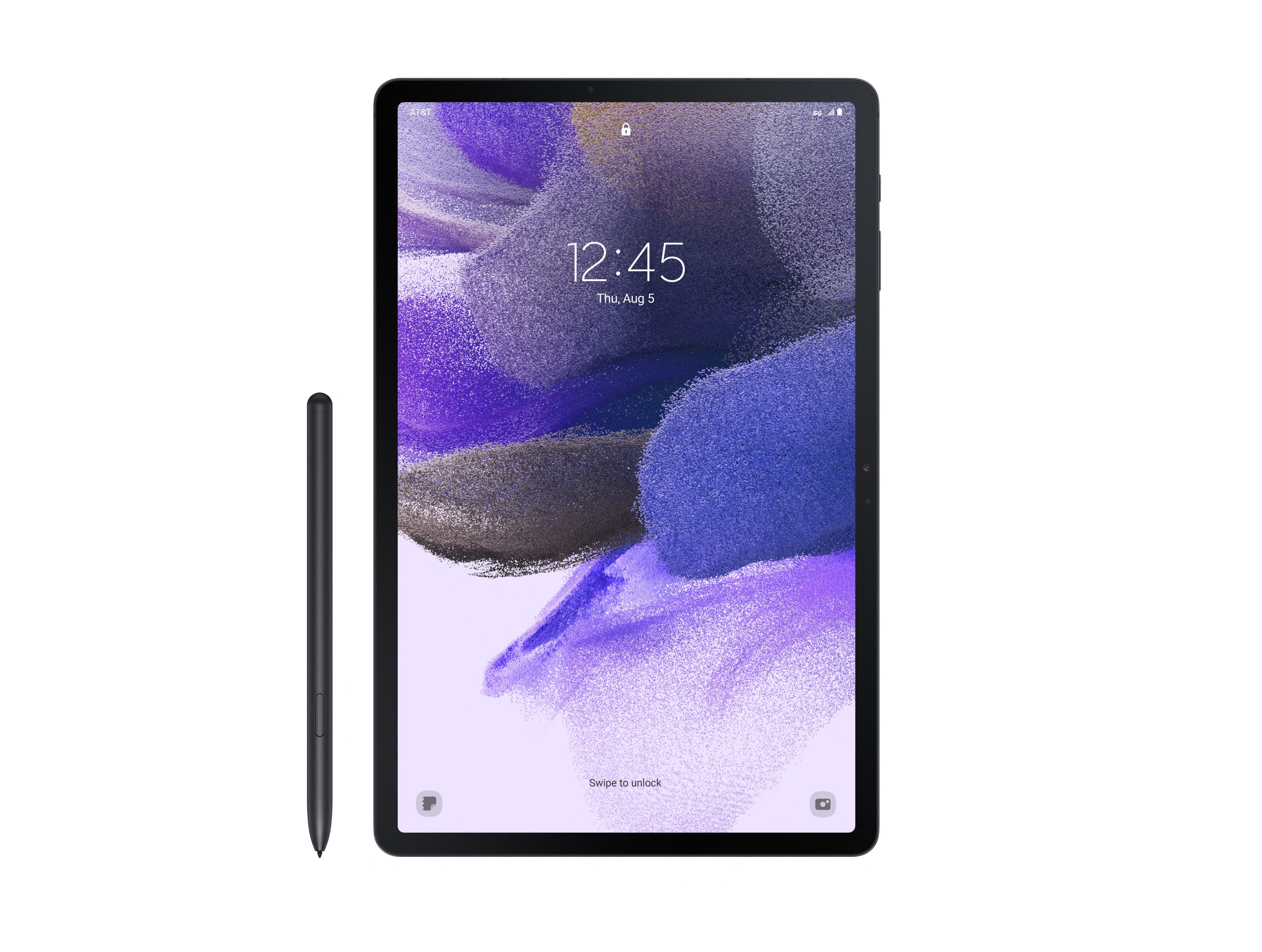
As of right now, finer details regarding the Galaxy Tab S8 Ultra is currently unknown. But, the new tablet is expected to feature up to 12GB of RAM and 512GB of internal storage. Meanwhile, the 2021 iPad Pro arrives with 12.9 inch mini LED display and up to 2TB of internal storage. While the Galaxy Tab S7 Plus arrived with a 12.4 inch display, the Galaxy Tab S8 Ultra is rumored to sport a 14.6 inch 120Hz panel and a massive 11,500mAh battery pack.
RELATED:
- Texas plans to offer Samsung large property tax breaks to build chip plant
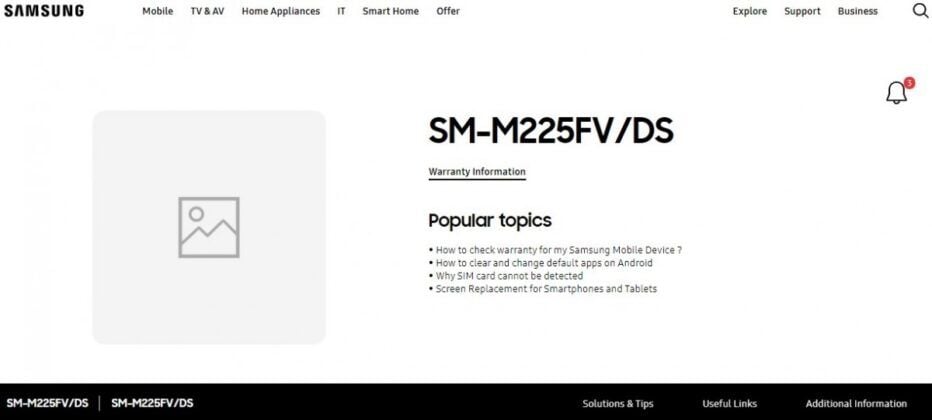
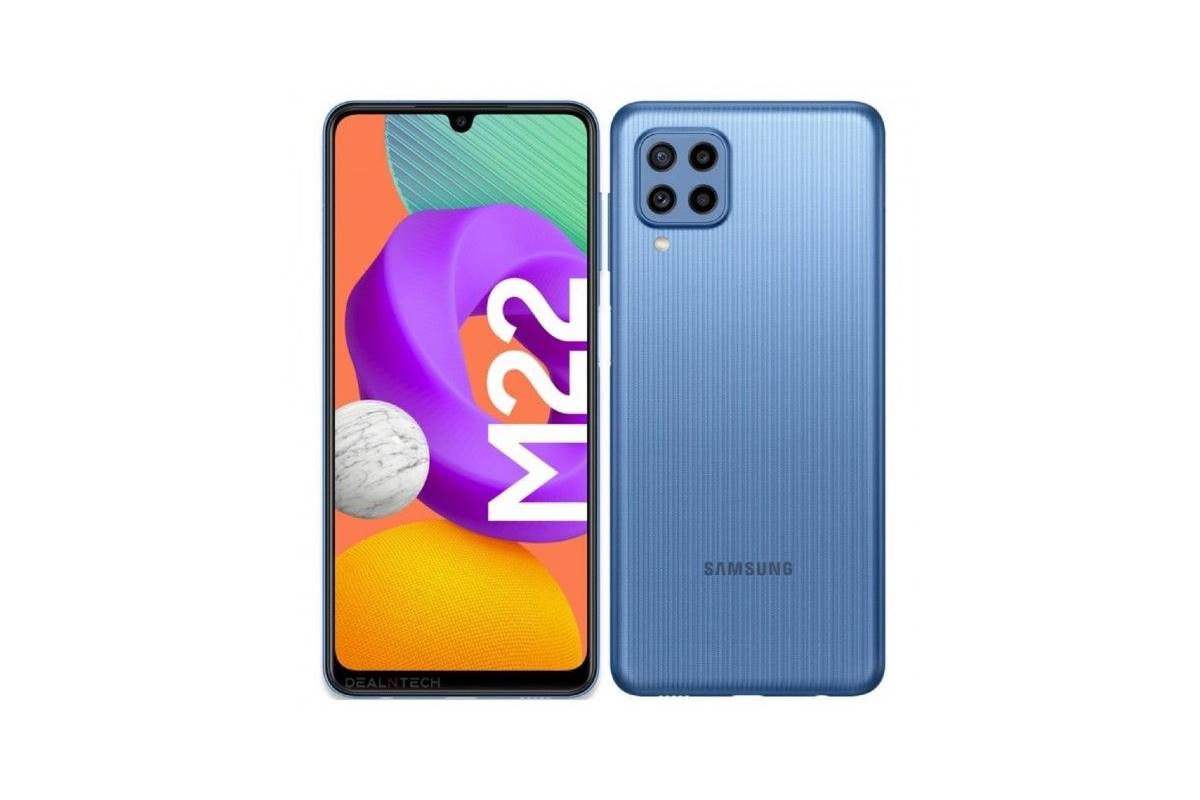
- Samsung Galaxy M22 gets listed on Samsung Singapore and Malaysian support page
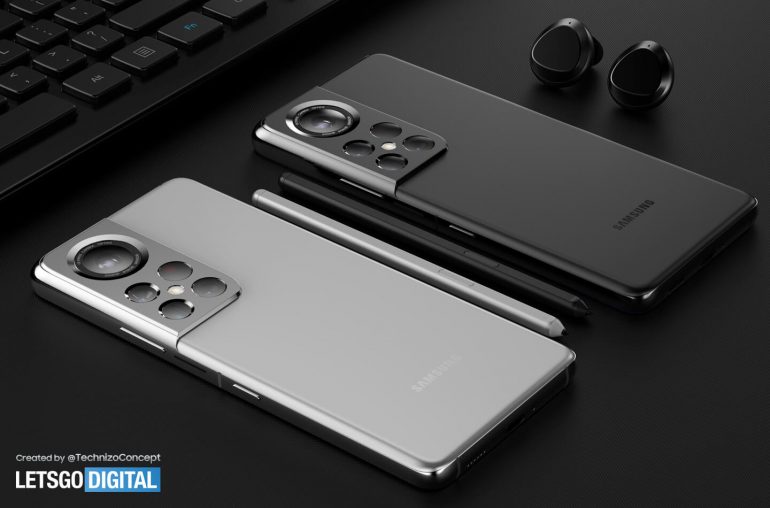
- Samsung Galaxy S22 lineup may feature Snapdragon 898 in India

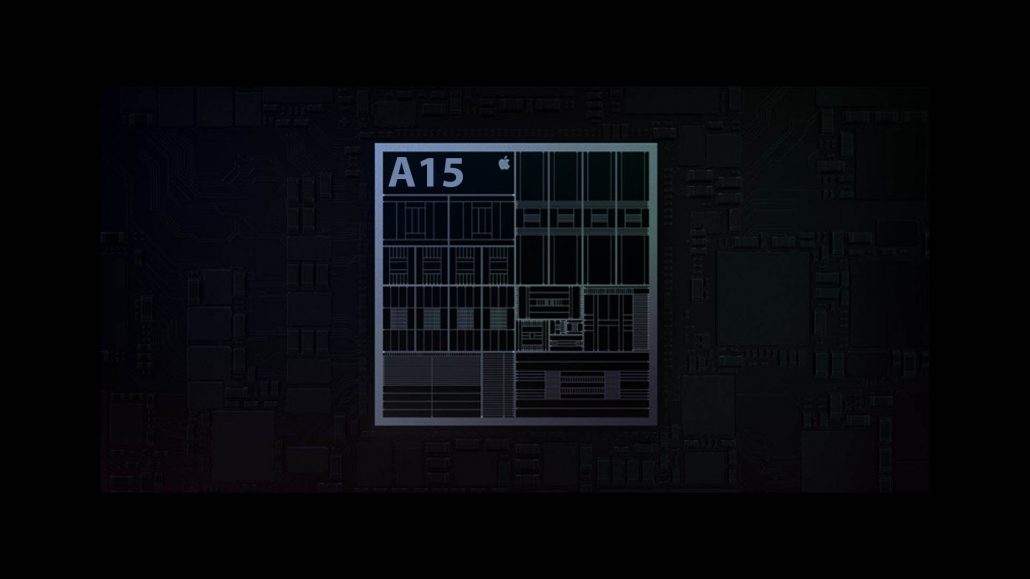 Notably, this also reveals that the iPhone 13’s A15 is around 13.7 percent faster than the A14 from last year. Furthermore, despite the drop in performance due to throttling, it is still capable of outperforming its Android counterparts by a considerable margin. As of right now, there is no way of confirming this news so take it with a pinch of salt and stay tuned, as the Cupertino based giant is expected to launch this chip with the iPhone 13 later this month.