After launching the Vivo X60 Pro+ flagship smartphone earlier this year in January, the China-based manufacturer is now gearing up to launch its next-generation flagship lineup in the form of the Vivo X70 series.
Based on the reports, it seems that the launch of the Vivo X70 series smartphones will take place next month in China. The devices are also expected to be the first to pack the company’s self-developed “Yueying” ISP chip.
Vivo X60 Pro Cameras
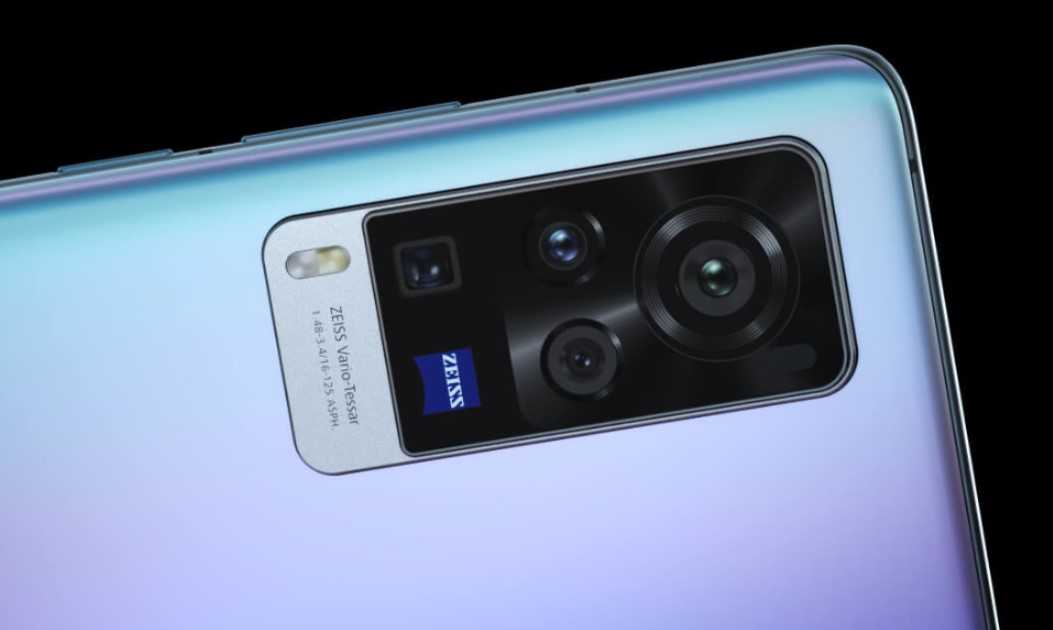
The Vivo X60 Pro+ packed impressive camera configuration and the new leak reveals that the company plans to continue the trend with the next-generation model as well. Tipster Digital Chat Stationhas now revealed the upcoming phone’s camera specifications.
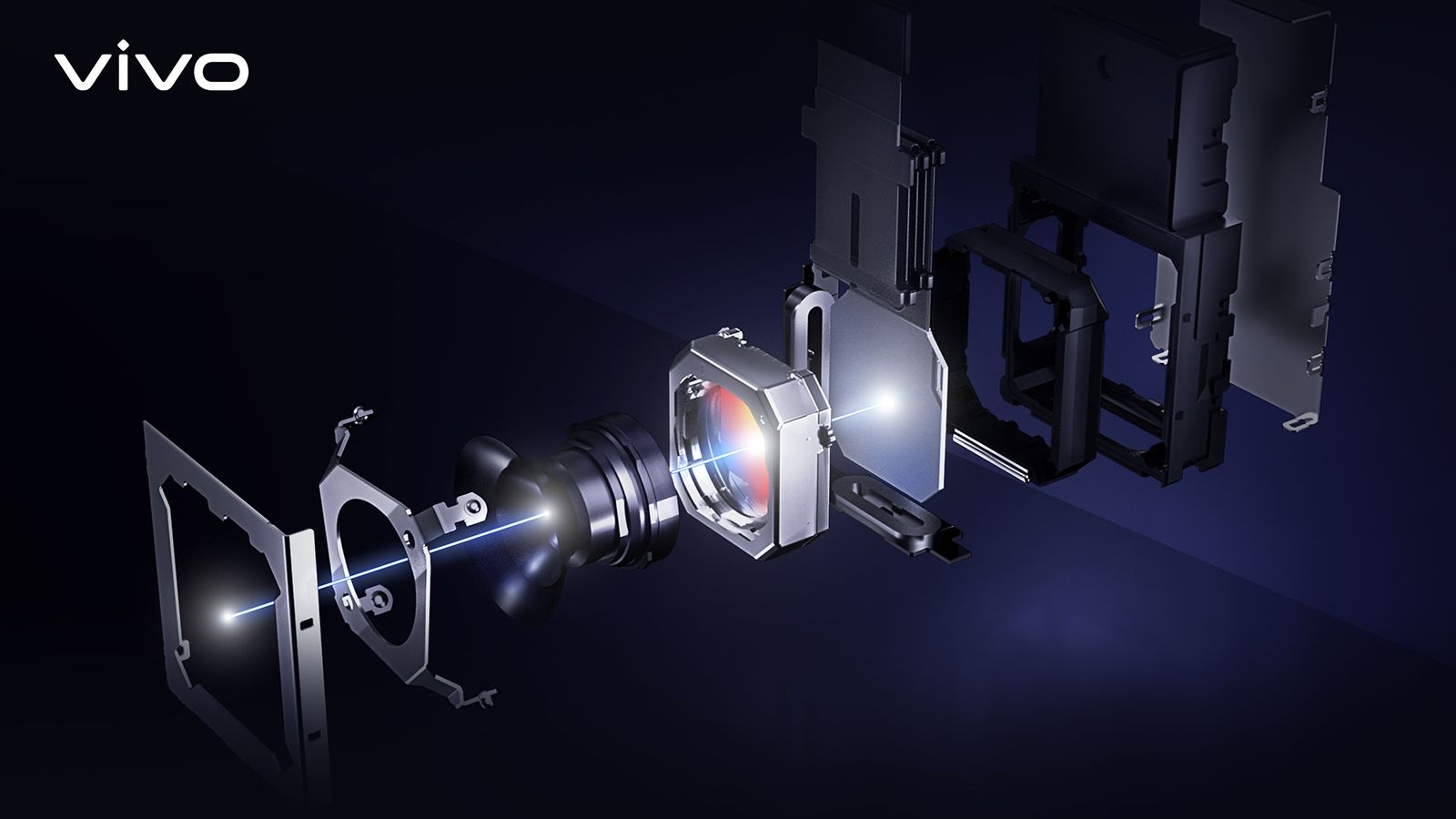
It is being reported that the upcoming smartphone will come with a 1/1.3″ 50-megapixel primary sensor which is likely to be the Samsung GN1. It will be coupled with a 1/2″ 48-megapixel Sony IMX598 ultra-wide-angle lens, a 1/2.93″ 12-megapixel telephoto lens, and a 1/4.4″ 8-megapixel periscope scope.
Although the camera specs have leaked, the model smartphone model to which it belongs is not yet known. Given that the X70 series is the upcoming lineup from the brand, it’s more likely that the specs and related to that. But there’s also a possibility that it could be for an upcoming sub-flagship device from Vivo.
The upcoming flagship smartphone lineup is expected to have three models — Vivo X70, X70 Pro, and X70 Pro+. As per the recent report, at least one of them will come powered by the MediaTek Dimensity 1200 SoC, coupled with 12GB of RAM. It will have a 4,200mAh batty with support for 33W fast charging and could be priced over ¥4,000 ($615) in China.
The two new offerings from Cubot – the affordable rugged smartphone MAX3 and a high-performance rugged smartphone KingKong 7 will finally go on sale on August 23. Without beating around the bush, the KingKong 7 is put up for $179.99, while the MAX3 is now available for $109.99 at AliExpress. But what makes it a steal deal, is the users can visit the product page on AliExpress to snatch the limited coupon get an additional discount to bring the MAX3 price down to as low as $99.99!
Both the smartphones are pretty good in their respective price segment. We’ll have a quick go-through of the specifications of each device. Startin with the Max3
Cubot Max3 Specification
Cubot MAX3, as the name implies boasts a big 6.95-inch HD display. With nearly non-existent bezels, you can experience stunning visual elements through the Max3. It features a triple rear camera led by a 48MP main sensor. A 16MP AI beauty front camera is in tow for superb selfies, video calling, and face biometric authentication.
Powering the Cubot MAX3 is an Octa-core processor. Coupled with 4GB RAM + 64GB internal storage, there is literally nothing stopping you enjoy the fullest from the device. Backed by a decent 5000 mAh battery, you need not worry about the juice being getting finished until a day. Other features of this phone will include NFC, BlueTooth, WiFi, Android 11 OS.
Cubot KingKong7 Specifications
KingKong 7 belongs to the premium rugged smartphone spectrum with a flagship 64MP camera sensor. It is the high-performance rugged smartphone of Cubot to date with a sleek design and attractive features.
The major selling point of Cubot KingKong 7 is ought to be its ultra-clear camera system. It is equipped with a triple rear camera headed by a 64MP main lens, a 16MP ultra-wide-angle lens, and a 5MP_AF macro lens. There’s a 32MP selfie camera on the front to meet your selfie needs.
Stepping to other specs. The Cubot KingKong 7 is IP68&IP69K certified to offer waterproof, dust-proof, and drop-proof. It features a 6.36-inch display that has an FHD+ screen resolution assured to exhibit sharper and more vibrant images, videos, and whatever is shown in the display will be pleasing to the eyes. Available in 8GB RAM + 128GB storage option, it’s plenty of storage to meet your needs.
The KingKong 7 is powered by an Octa-core MediaTek Helio P60 processor. Thanks to the 8GB of massive RAM, it can run multiple apps simultaneously effortlessly with less expenditure of energy. All thanks to the 5000mAh battery similar to the Max3, the device will provide you All-Day battery life. T
World Premiere Days Offer, Hurry!
As a part of the ongoing World Premiere campaign, Cubot MAX3 is up for grabs at a massive discount price of $109.99. Carefully read this as well… Cubot offers a limited coupon starting August 23rd using which you can get a MAX3 at just $99.99! You can get the coupon code now from here.
Cubot is providing the KingKong7 at a massively discounted price of $179.99 also at AliExpress starting August 23rd. We recommend you pick the one you prefer during World Premiere Day itself.
Samsung announced the Galaxy A52 and Galaxy A72 in March in India. Last week, it unveiled the Galaxy A52s 5G in the U.K. India is one of the markets that will be receiving the smartphone since its support page had gone live on Samsung India’s website earlier this month. Fresh information shared by a tipster reveals that the India launch of the Galaxy A52s 5G could be close at hand.
In the below-shown tweet, tipster Debayan Roy shared an image of the Galaxy A52s 5G’s poster and claimed that the company has started sending its posters to retail stores in India. The text that can be seen at the bottom-left of the image hints that the device will be heading to India.
🚨 Exclusive 🚨
Samsung Galaxy A52s 5G is Launching in India very soon.
Samsung has started Sending Poster to Indian stores for 🛑 Galaxy A52s 5G.
•If you look at the Marked Section (Green coloured, Square) you will see "India" – written there.
The poster shows the Galaxy A52s 5G sporting a centrally aligned punch-hole display. A quad-camera setup can be seen on the backside of the device. The image reveals that the handset will arrive in at least black and white colors in the Indian market.
Samsung Galaxy A52s 5G specifications
The Galaxy A52s 5G has a 6.5-inch S-AMOLED FHD+ display that offers a 120Hz refresh rate. It has a 32-megapixel front camera, and a 64-megapixel (main) + 12-megapixel (superwide) + 5-megapixel (macro) + 2-megapixel (depth) quad-camera unit. It runs on One UI 3.1 based on Android 11 OS.
The Snapdragon 778G chip fuels the Galaxy A52s 5G. It offers 8 GB of RAM and 128 GB / 256 GB of built-in storage. The device houses a 4,500mAh battery that supports 25W rapid charging. It offers other features like an in-screen fingerprint scanner and IP67 rated waterproof and dustproof chassis.
Last month, we reported that Chinese smartphone brands Vivo and OPPO are working on their own in-house ISP chips. Now, more details about the upcoming chip have surfaced, along with information about the first smartphone packing it.
As per the latest report, Vivo’s first self-developed ISP chip, which is codenamed “Yueying,” could be made official next month, i.e., September 2021. It is also being reported that the upcoming Vivo X70 series could become the first devices to pack this new chip.
Vivo seems to be quite focused on developing its own chips as the company is planning to have a team of around 500-600 members in this department, claimed Hu Baishan, Executive Vice President at Vivo. In September 2019, while acknowledging the company’s plan of making its own chips, he added that Vivo started thinking about it in 2018.
The company is also looking to hire several new team members of the chip division for Research & Development and is willing to pay them handsomely, at least that’s what the report from ITHome indicates.
So far, we are aware of two chip-related trademarks from the company — Vivo SoC and Vivo Chip. The product categories covered by these two trademarks include central processing units, modems, computer chips, printed circuits, and computer storage.
Vivo has also planned to invest a huge amount in the Research & Development of 5G, Artificial Intelligence, and other emerging technologies. Its sister company OPPO is also developing its own chip which is expected to release with the Find X4 smartphone early next year. OPPO‘s chip development team has about 1,000 members.
Another Chinese brand, Xiaomi has already launched its first self-developed ISP chip named Surge C1 and is packed in the company’s first foldable smartphone — Mi MIX Fold which was launched last year.
The development of making their own chips seems like a precautionary move since Chinese companies are now investing more to become self-reliant after China-based tech giant Huawei was put on the “Entity List” by the United States. It effectively banned the company from doing business or procuring components from US-based companies.
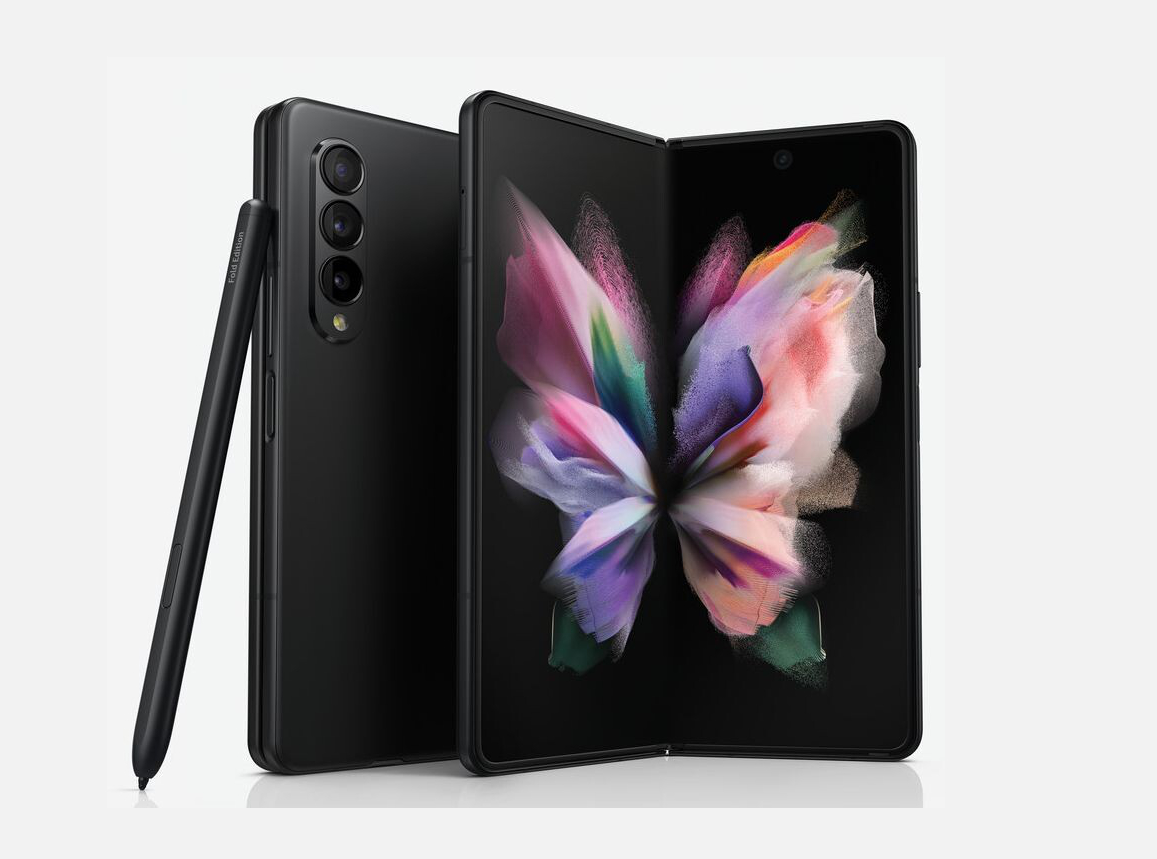
Samsung has been doubling down on foldable smartphones and in line with that, the South Korean tech giant recently announced its two new devices — Samsung Galaxy Z Fold3 and Samsung Galaxy Z Flip3.
The devices have not been on sale yet but are available for pre-orders and it seems that the company has a winner on its hand after the disappointing sales of Galaxy S-series flagship smartphones in the past couple of years.
Samsung Galaxy Z Fold3
A new report citing industry sources claims that the two newly launched foldable smartphones from Samsung have already crossed the mark of 450,000 units in pre-orders, which started on 17th August and will end today, i.e. 23rd August.
It’s being speculated that the total number of pre-orders could reach 600,000 units and if the unlocked models are also included, then the numbers may even reach 800,000 units. Just to give you perspective, the Samsung Galaxy Z Fold2 had 80,000 units in pre-sale.
The popularity of these new foldable smartphones from Samsung is high among young customers, which isn’t surprising. Based on the numbers from a mobile operator, around 49 percent of Galaxy Z Fold3 books are from customers aged in their 20s and 30s. As for the Galaxy Z Flip3, they account for about 57 percent of the pre-orders.
Samsung has been betting on its foldable smartphone lineup to defend its position as the world’s leading smartphone manufacturer, which is now under a serious threat from Chinese smartphone makers like Xiaomi.
So far, it seems that the strategy of the South Korean giant is working as intended. Samsung is the only major smartphone brand with multiple generations of foldable smartphone models already in the market while most other phone makers are yet to launch their first foldable device.
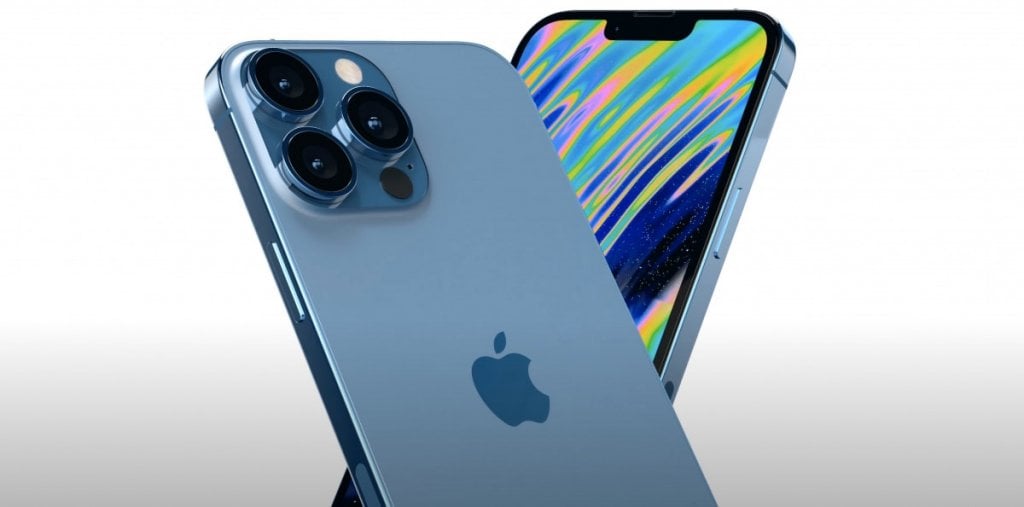
With just a few weeks left for the announcement of the next-generation Apple iPhone series, more details about the iPhone 13 lineup keep surfacing online. In the latest development, Mark Gurman from Bloomberg reveals details about iPhone with Touch ID.
In the Power On newsletter, he says that Apple won’t be launching iPhone 13 with an in-screen fingerprint sensor or Touch ID this year. He adds that the Cupertino-based tech giant has a “long-term goal” for adding Face ID under the display.
It seems to be clear that Apple is sticking with the Face ID as it has a long-term commitment for the technology but there’s a possibility of iPhones getting Touch ID, at least for the low-end models from the brand. But it isn’t happening this year.
Mark Gurman says that there are two possible scenarios — high-end iPhone models with in-display Face ID and low-end models with Face ID sensors housed inside a notch on top of the display, similar to what Apple is currently offering.
On the other hand, the company could offer an in-display Face ID for the high-end models while the low-end models could feature Touch ID houses inside the display.
The Apple iPhone 13 lineup is expected to come with a slightly smaller notch and will have a 120Hz refresh rate in the Pro variants. It is also being reiterated that the company will also be offering a 1TB internal storage model this time.
It is also claimed to have support for mmWave 5G for countries outside of the United States. The phones are said to come with the space-saving internal circuitry, which should allow the company to offer a larger battery inside the device.
A recent report claims that the new iPhones will come with support for 25W fast charging technology, a slight upgrade from the current 22W charging. It is also expected to come with a LiDAR scanner.
The upcoming flagship smartphone series from Apple will come with notable hardware upgrades. It points out to a faster and more power-efficient A15 Bionic chipset manufactured using TSMC’s 5nm+ process.
So far, Apple has not announced the launch date for this upcoming iPhone series but reports indicate that the devices could go official in the third week of September. To know for sure, we’ll have to wait for a few more days.
Nubia announced the Red Magic 6 and Red Magic 6 Prov in March in China. It was followed by the launch of the more affordable Red Magic 6R in May. Recently, a new Nubia phone model number NX699J-S was certified by the 3C authority of China. Its appearance suggested that the company could be gearing up to launch a new Red Magic branded gaming phone. Today, the Chinese firm officially confirmed that it will be unleashing the Red Magic 6S Pro at 3 PM (local time) on Sept. 6 in China.
The official poster released by the brand some of the key features of the Nubia Red Magic 6S Pro. It reveals that the phone will carry support for an impressive 165Hz refresh rate and it will be fueled by the Snapdragon 888 Plus mobile platform.
The image further reveals that it will be equipped with a triple camera unit. The 3C certification of the phone had revealed it will carry support for up to 120W fast charging. While the other details of the smartphone are under wraps, it is likely to borrow most of its other specs from the Red Magic 6 Pro. Also, it remains to be seen whether the company announces a vanilla Red Magic 6S alongside the upcoming Pro model.
Red Magic 6 Pro specifications
The Red Magic 6 Pro has a 6.8-inch FHD+ AMOLED display that offers a 165Hz refresh rate. It is powered by the Snapdragon 888 SoC, up to 18 GB of LPDDR5 RAM, and 512 GB of UFS 3.1 storage. The device runs on Red Magic UI 4.0 based Android 11 OS.
It has an 8-megapixel front camera, and its rear shell has a 64-megapixel (main) + 8-megapixel (ultrawide) + 2-megapixel (macro) triple camera unit. It has a 4,050mAh battery that supports 120W fast charging.
Last week we saw no less than six new phones get announced across various markets. However, phone launches were not the only exciting news. Here is a roundup of the top stories from the third week of August:
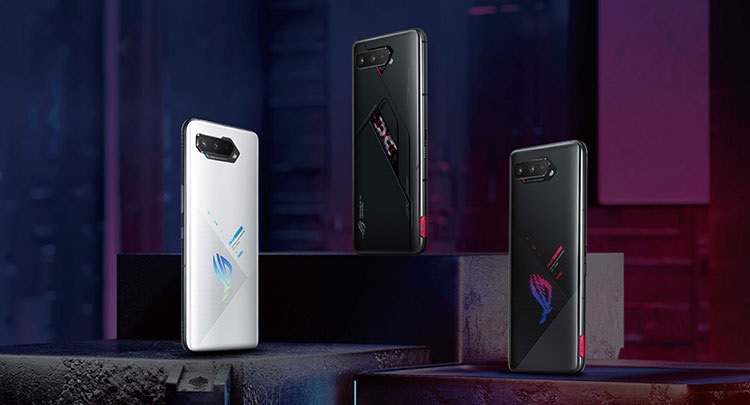
ROG Phone 5s series – New processor, same shell ASUS announced new gaming smartphones under its ROG brand. The new ROG Phone 5s and ROG Phone 5s Pro don’t change much from their predecessors announced earlier this year. The main upgrade is the Snapdragon 888+ processor. The RAM has also been bumped up to 18GB.
Galaxy A52s 5G – yet another phone with only a performance upgrade
Samsung’s Galaxy A-series added two new members last week. While the Galaxy A03s will appeal to those on a constricted budget, the Galaxy A52s 5G is for those with more money to spare but not enough for a flagship. The A52s 5G doesn’t offer much over the Galaxy A52 5G announced back in March but you do get a more powerful processor and new colors to choose from.
iQOO 8 series – a head-turning balance of power and style
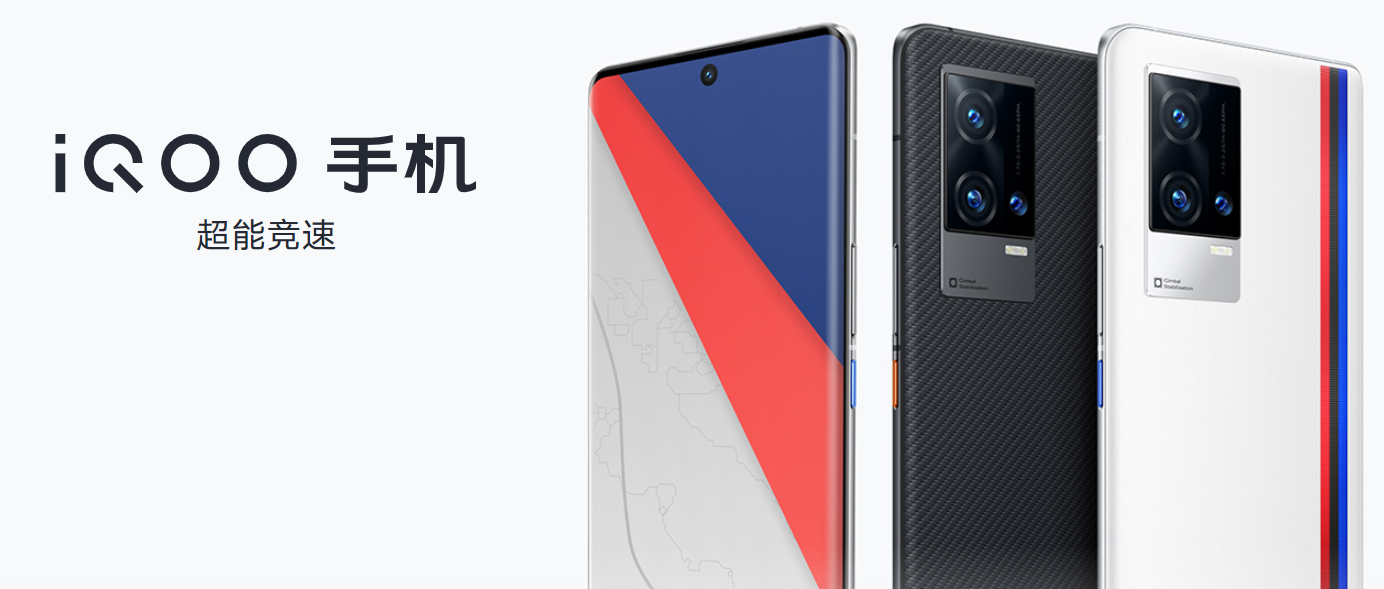
The launch of the iQOO 8 series was one of the major highlights of last week. The new smartphones from Vivo’s iQOO come with Qualcomm’s latest Snapdragon 888+ processor, fast wired and wireless charging, Samsung’s brand new E5 display, and a custom version of OriginOS developed for the sub-brand.
These new phones are not just beasts under the hood, but also feature impressive designs. Alongside custom editions that wear the BMW Motorsport colors, the standard model also has a photochromic version that can switch from silver to bright orange!
Google Pixel 5a 5G
Pixel 5A 5G – same but better in some ways
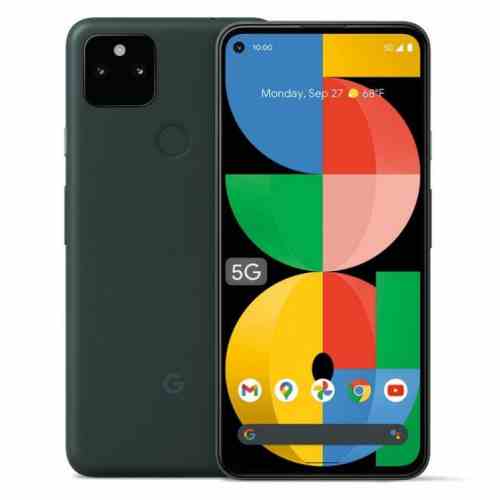
Google announced a new Pixel phone, but while it is not the one we are all looking forward to which is the Pixel 6, the new Pixel 5a 5G has been getting a lot of attention since it launched. The mid-range phone takes over from the Pixel 4a 5G as the flagbearer of the Pixel a line. While some key specs have been carried over from last year’s mode, the Pixel 5a 5G brings a significantly bigger battery, an IP67 rating, and a price tag that is $50 cheaper than that of the Pixel 4a 5G. The Pixel 5a 5G will be exclusive to Japan and the U.S.A. but Google did launch a Pixel for the Indian market in form of the Pixel Buds A.
Realme Book Slim – an impressive first attempt
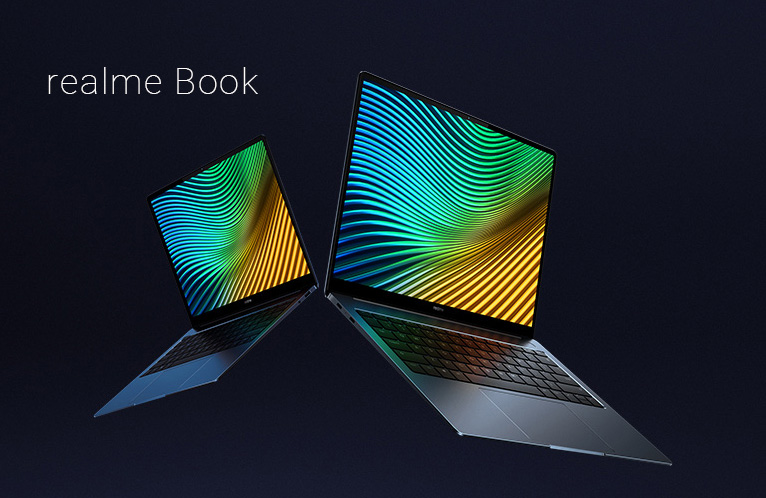
Realme made its entry into the computer market with the launch of the Realme Book Slim, a premium ultrabook with a competitive price tag. The 14-inch notebook which is powered by Intel’s 11th Gen processor also has a 2K display with a 3:2 aspect ratio, a fingerprint scanner, and a model with a Thunderbolt 4 port.
Redmi 10 – significant upgrades for a budget phone TheRedmi 10 launched last week and it comes with some of the biggest upgrades Redmi’s numbered series has seen. From an upgraded display with a higher refresh rate to a more powerful chipset to a huge upgrade in the camera department, the Redmi 10 is proof that you can get a pretty good phone even when on a tight budget.
OPPO announces new camera technology for smartphones
OnePlus 9 RT and OxygenOS 12 – coming next quarter
OnePlus won’t be launching a T-version of the OnePlus 9 and OnePlus 9 Pro according to a leaker. However, new details surfaced last week revealing that the OnePlus 9R will be the one getting the T-treatment.
Earlier this year, Realme unveiled the Narzo 30A, Narzo 30, Narzo 30 5G, and Narzo 30 Pro 5G in multiple markets. Fresh information reveals that the Narzo 30 lineup will be replaced by Narzo 50 series as a handset named Narzo 50A 4G has been certified in India and Thailand.
A Realme smartphone with RMX3430 has been approved by India’s Bureau of Indian Standards (BIS) and Thailand’s National Broadcasting and Telecommunications Commission (NBTC). While the former does not reveal anything, the latter confirms that it is a 4G LTE phone that will debut in the market as Realme Narzo 50A 4G. According to tipster Mukul Sharma, it will be available in variants like 4 GB RAM + 64 GB storage and 4 GB RAM + 128 GB storage. He added that the device will be available in colors like Oxygen Blue and Oxygen Green.
So, what happened to the Realme Narzo 40 series? Realme is known for skipping the number ‘4’ in the names of its devices. To recollect, the company did not launch handsets with names like Realme 4 or Realme X4 / X40. The reason behind it is that many of the Chinese brands consider the number ‘4’ as a bad omen in the country. Hence, it appears that the Narzo 30 series will be succeeded by the Narzo 50 lineup.
At present, it is too early to speculate on the specs of the Narzo 50 lineup, which may include Narzo 50A, Narzo 50, and Narzo 50 Pro. Probably, the latter two may arrive in 4G and 5G variants in the market.
Last year, the Narzo 20A, Narzo 20, and Narzo 20 Pro were announced in September. Probably, the company could be planning to launch the next generation Narzo phones by the same month this year.
Last year, Xiaomi announced the Xiaomi Mi 10T and Mi 10T Pro affordable flagship phones in October, and both phones were made available for purchase in October. It appears that the company could be now gearing up to launch the Mi 11T series. The reason behind it is that the Mi 11T Pro has been certified by Thailand’s National Broadcasting and Telecommunications Commission (NBTC) today.
The NBTC listing confirms that the Xiaomi phone with model number 2107113SG will be heading to Thailand with the Xiaomi Mi 11T Pro moniker. This model number belongs to the global variant of the device. The listing does not reveal any of the major specs of the phone but confirms that it carries support for 5G connectivity.
#Xiaomi Mi 11T Pro 5G receives NBTC certification.
Rumors have it that the Mi 11T Pro will be sporting an OLED panel with a punch-hole design that offers a refresh rate of 120Hz. The flagship phone will come equipped with the Snapdragon 888 mobile platform.
The Mi 11T Pro may house a 5,000mAh battery that supports 120W rapid charging. It will come preinstalled with MIUI based Android 11 OS and it will carry support for NFC connectivity.
The Mi 10T Pro sported a 108-megapixel triple camera system. Hence, it is likely that the successor model may come equipped with an enhanced 108-megapixel triple camera unit.
The Mi 11T is likely to sport the same OLED 120Hz screen and it may feature the Dimensity 1200 chip. Its rear camera setup may feature a 64-megapixel primary snapper. This phone may get rebranded as a Redmi device in China.
Earlier this month, we reported that two new Meizu phones have been certified by TENAA. The appearance of the two phones came as a surprise since Meizu’s recently-adopted strategy is to release only two flagship phones in a year. Now that may be changing this year according to a new leak.
Meizu 18
News from China courtesy of the Weibo leaker, Bald Panda, has revealed that Meizu has another flagship coming, one that will be more powerful than the Meizu 18 series which launched earlier this year. We want to believe that one of the two recently-certified devices is this new flagship.
Since the source says the new flagship will be more powerful, we can expect the phone to be powered by the Snapdragon 888 Plus processor which manufacturers are using for their second-half flagship phones.
We do not yet know what the new Meizu phone will be called however we do have a few guesses. Meizu may decide to go with Meizu 18s or Meizu 18T if this is a slight refresh to the Meizu 18 from earlier this year. It may also decide to go with a different name entirely. More details about the phone should surface in the weeks leading up to its launch.
The second of the two devices may be a more affordable version with a Snapdragon 870 or Dimensity 1200 processor.
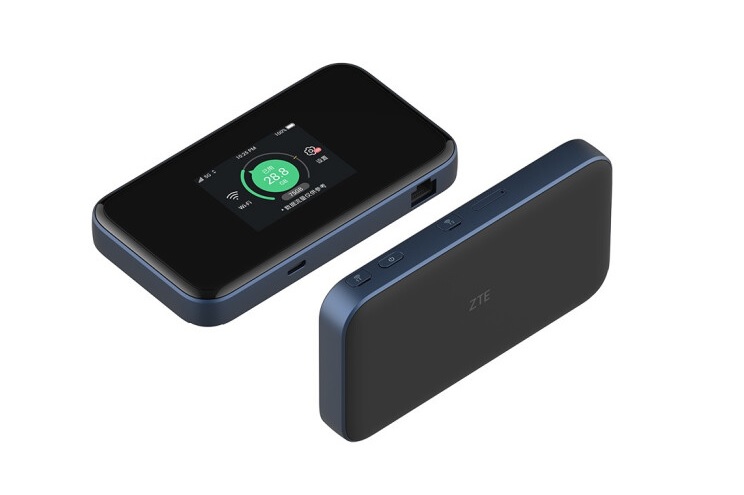
ZTE has a new portable Wi-Fi router that packs some pretty interesting features. The router which has a 5G SIM slot also has a touch display that allows the user to operate the device instead of via a WebUI interface on your phone or computer or the companion app.
Called the ZTE Portable Router MU5001, the router has a dual-color design. The top and back are black while the frame is metallic blue. It is also pretty thick, which is not surprising considering it has a gigabit Ethernet port on one side and also packs a 4500mAh battery. Despite its size, it will still easily fit into your pocket.
The SIM tray is at the top, and just like most smartphones today, you will need a SIM ejector tool to be able to access it. The top is also where the power button and two slots for external antennas are placed.
The ZTE Portable Router MU5001 is an AX1800 router with support for both NSA and SA 5G networks as well as 4G networks. It has a Snapdragon X55 modem under its hood with a peak download speed of up to 3.8Gbps.
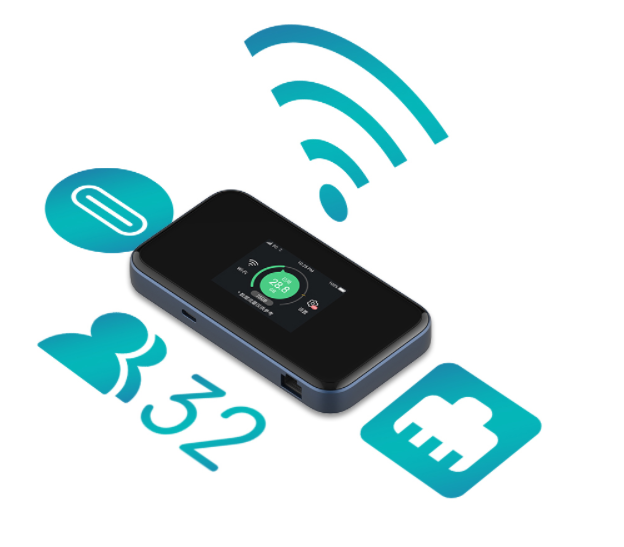
ZTE says a maximum of 32 users can be connected to the router via the three interfaces i.e. Wi-Fi, ethernet, and the USB-C port combined. Thanks to the 2.4-inch touchscreen, you don’t need to log in to the WebUI or launch the ZTElink app to check details such as network strength, connected devices, battery level, and data consumed.
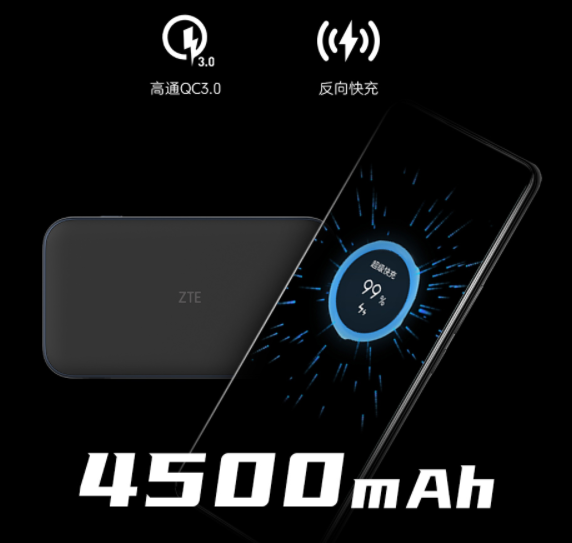
The 4500mAh battery will last up to 8 hours on a single charge. The portable router also has support for Quick Charge 3.0 fast charging – a full charge will take 150 minutes. Users can also use the ZTE Portable Router MU5001 to charge their phones as it has support for 10W reverse charging.
Interested buyers can pick up the ZTE Portable Router MU5001 on JD.com where it sells for ¥2499 (~$384).
The Mi TV 5X is one of the products that Xiaomi will announce in India on Thursday at its Smarter Living 2022 event. Ahead of its release, the official Mi TV India social media channels have been teasing features of the smart TV. The latest is about its speakers.
Apart from having great picture quality, a TV should also have great speakers, which explains Xiaomi’s latest teaser that reveals that the Mi TV 5X will pack 40W stereo speakers.
Powerful, class-leading sound with 40W stereo speakers are sure to leave you mesmerized🤗 Close your eyes 👀 and be transported. Sound has never sounded this powerfully good 😉#MiTV5X#SmarterLiving2022pic.twitter.com/V3ICrZm6Q1
Xiaomi revealed earlier that the TV will have Dolby Atmos, so the new TV should provide a premium audio experience when watching movies, documentaries, and your favorite TV show.
A Xiaomi official also tweeted that the speakers are also “the biggest ever on any Mi TV”. While that isn’t true as the Mi TV 6 Extreme Edition boasts 100W speakers, the Mi TV 5X’ speakers are sure bigger than the 30W speakers inside the Mi QLED TV 75, its most expensive TV available in India
So far, we know the Mi TV 5X will have a tri-bezel-less design, a 4K display, Dolby Atmos, and run Android TV out of the box. We do not know how much it will cost considering TVs are now a lot more expensive in India. The Mi TV 4X 55 launched for ₹34,999 (~$471) in November 2019 and now sells for ₹44,999 (~$605).
Our exclusive report from last week revealed that Xiaomi will be holding a global launch for the Xiaomi Mi 11T series on Sept. 23. The company is expected to replace last year’s Mi 10T and Mi 10T Pro smartphones with the Xiaomi Mi 11T and Mi 11T Pro, respectively. A Chinese tipster has shared the key specifications of the Mi 11T duo to reveal what to expect from it. The new information just reiterates what has appeared in the recent leaks.
According to the tipster, the Xiaomi Mi 11T will be sporting a 120Hz display and it will be powered by the Dimensity 1200 chipset. Its rear camera setup will be led by a 64-megapixel camera. The Mi 11T Pro will feature a 120Hz OLED panel and it will be driven by the Snapdragon 888 SoC. It may house a 5,000mAh battery that supports 120W rapid charging. Probably, the vanilla model will be also flaunting an OLED panel. To recollect, the Mi 10T and Mi 10T Pro phones from last year featured a 144Hz LCD screen.
Xiaomi Mi 10T Pro
Last year, Xiaomi rebranded the Mi 10T as the Redmi K30S in China. Probably, the Mi 11T may hit the Chinese market with Redmi K40S or some other name. It is unclear whether a rebadged version of the Mi 11T Pro will be made available in China.
The other details of the Mi 11T duo are under wraps. Now that it is speculated to launch in September, the rumor mill is likely to spill more information on the Mi 11T and 11T Pro in the coming weeks.
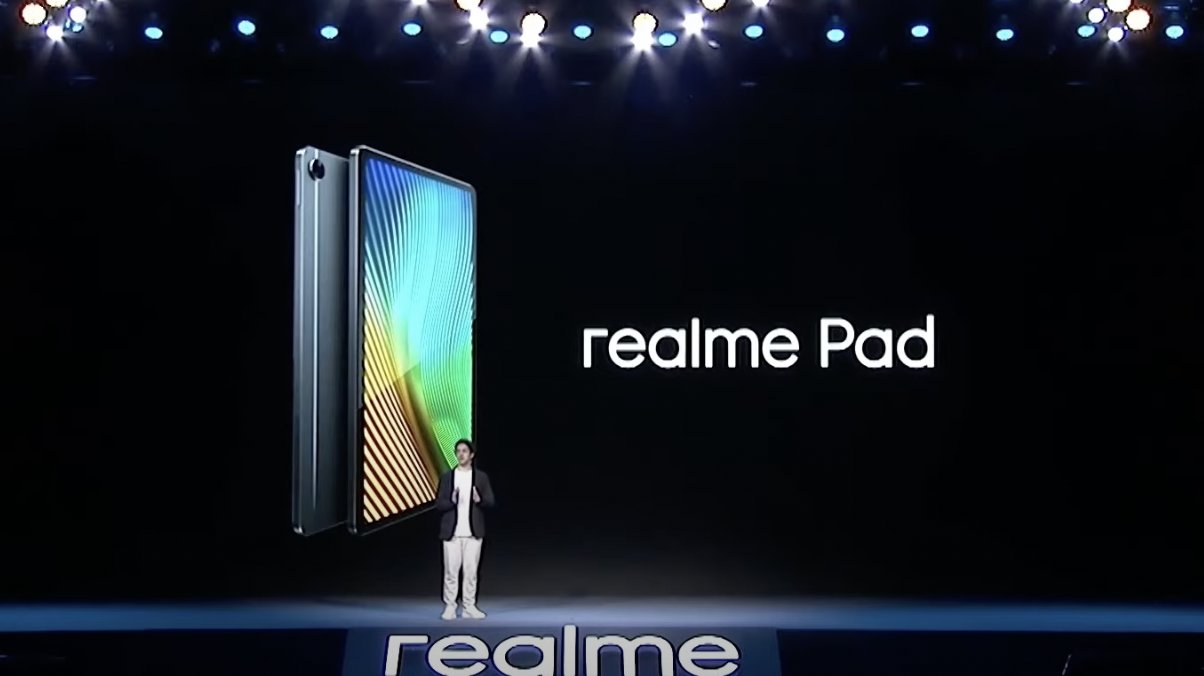
Recently, Realme gave a look at the Realme Pad while announcing the Realme GT series of smartphones and Realm Book notebooks in India. The company confirmed that the tablet will come equipped with an AMOLED panel. Previous reports have revealed some of its other details such as battery size and camera configurations. A Chinese tipster has now shared the key specifications of the Realme Pad.
According to the tipster, the Realme Pad will be sporting a 10.4-inch AMOLED panel and it will be powered by a 7,100mAh battery. It will be equipped with a single camera on the back. For audiophiles, Realme’s first tablet will come equipped with quad speakers. As previous reports have revealed, the device measures 246 x 156 x 6.8mm.
Past reports have claimed that its rear side will feature an 8-megapixel camera with autofocus, whereas its front will be fitted with a fixed focus 8-megapixel camera. The table may come with 6 GB of RAM and 64 GB of storage.
The rumor mill is yet to reveal the processor of the Realme Pad. Hence, it is unclear whether the device will carry support for 5G connectivity. It is speculated that the tablet will be available in Wi-Fi only and Wi-Fi + LTE variants. It is likely the Realme Pad may carry support for a stylus. The leaked renders of the device have revealed that it may come in at least two colors like grey and gold. Probably, the company may take off the covers from its first tablet in the coming month.
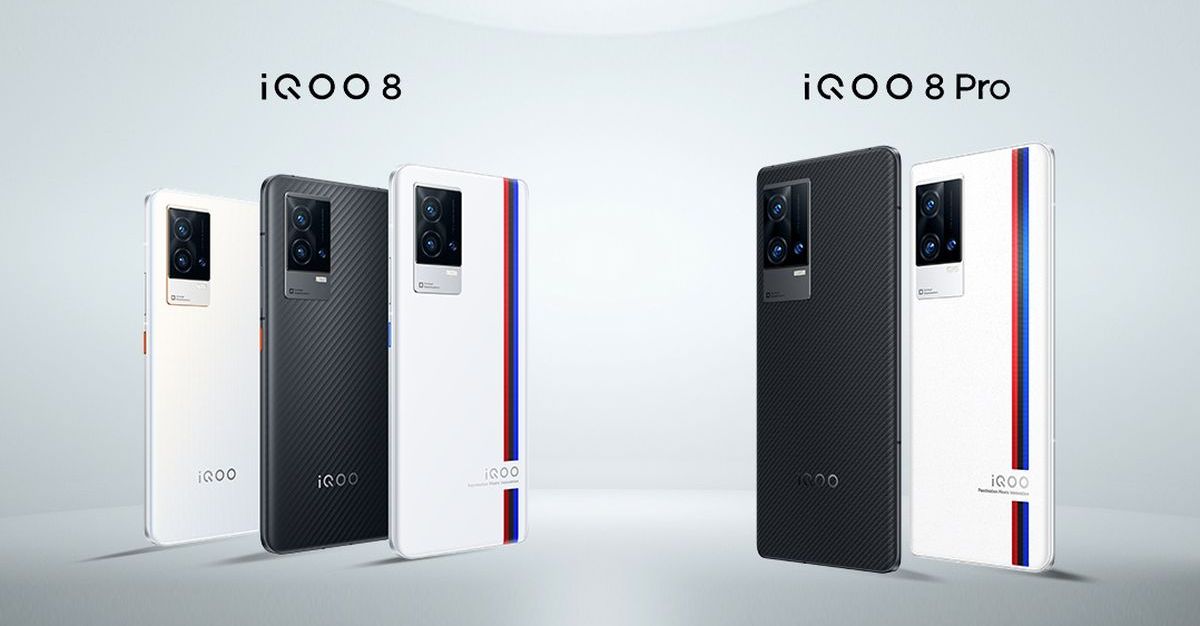
Earlier this month, iQOO unveiled the iQOO 8 and iQOO 8 Pro flagship phones in China. Before the launch event, an iQOO phone with model number I2019 was spotted at the IMEI database. At that time, it was speculated that it could be an Indian variant of the iQOO 8. Now, an Indian tipster has claimed that the company will be launching the iQOO 8 as early as next month in India.
According to the tipster, the iQOO 8 will be debuting in India in September. He expects the phone to go official by the middle of the month. The tweet does not clearly mention whether the iQOO 8 Pro will also break alongside the iQOO 8.
iQOO 8 and iQOO 8 Pro
iQOO 8 and iQOO 8 Pro specifications
The iQOO 8 has a 6.56-inch AMOLED FHD+ 120Hz flat screen, whereas the Pro model gets a 6.78-inch AMOLED QHD+ 120Hz LTPO display with curved edges. While the former is powered by the Snapdragon 888 SoC, the latter gets the more powerful Snapdragon 888 Plus mobile platform. The iQOO 8 series ship with up to 12 GB of LPDDR5 RAM and up to 512 GB of UFS 3.1 storage.
The iQOO 8 and 8 Pro features a 16-megapixel front camera. The vanilla model has a 50-megapixel (main) + 13-megapixel (telephoto) + 13-megapixel (ultrawide) triple camera unit, whereas the Pro variant has a 50-megapixel (main with gaming stabilization) + 16-megapixel (telephoto) + 48-megapixel (ultrawide) triple camera unit. The iQOO 8 has a 4,350mAh battery that supports 120W charging, whereas the iQOO 8 Pro houses a 4,500mAh battery with 120W charging, 50W wireless charging, and 10W reverse wireless charging.
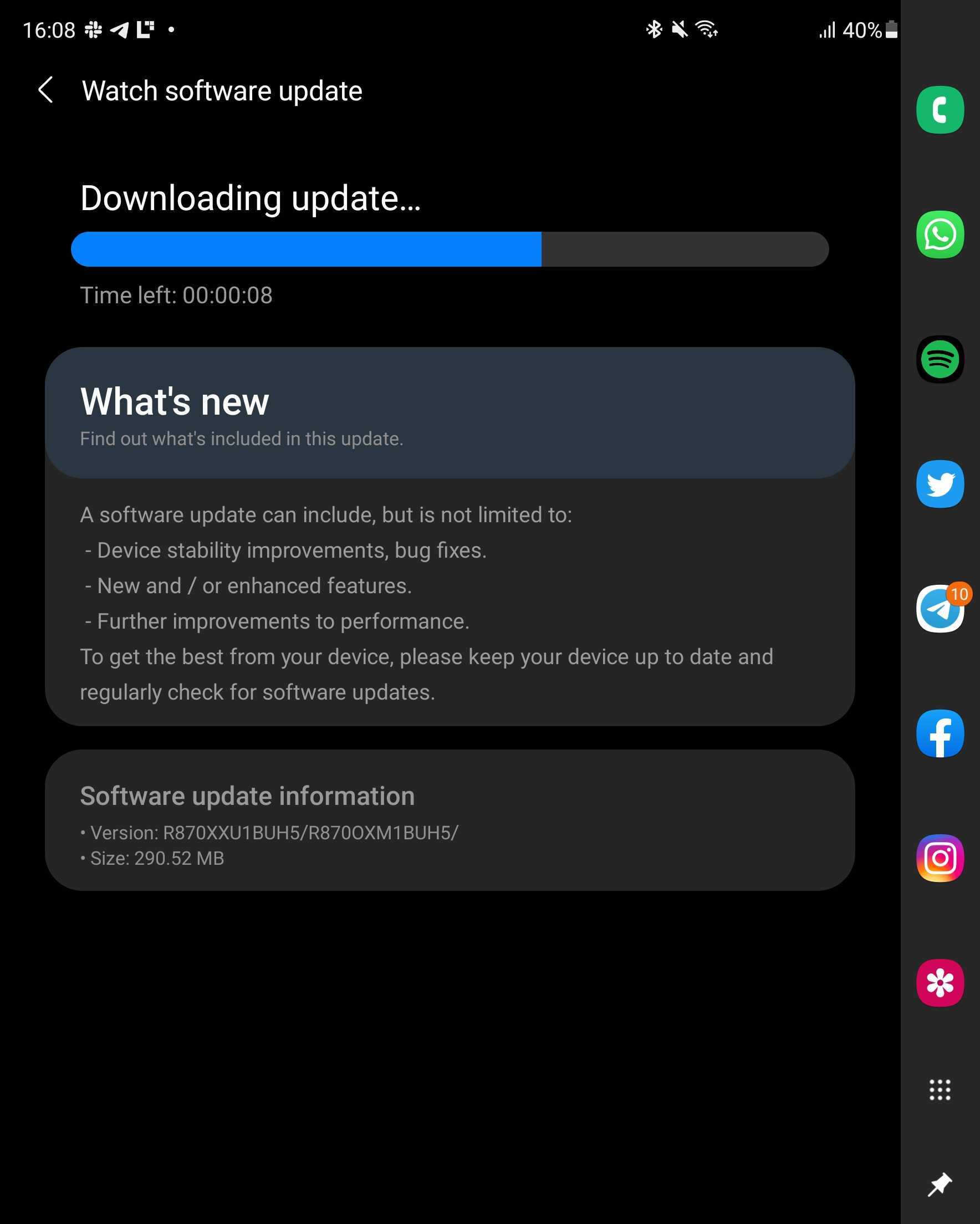
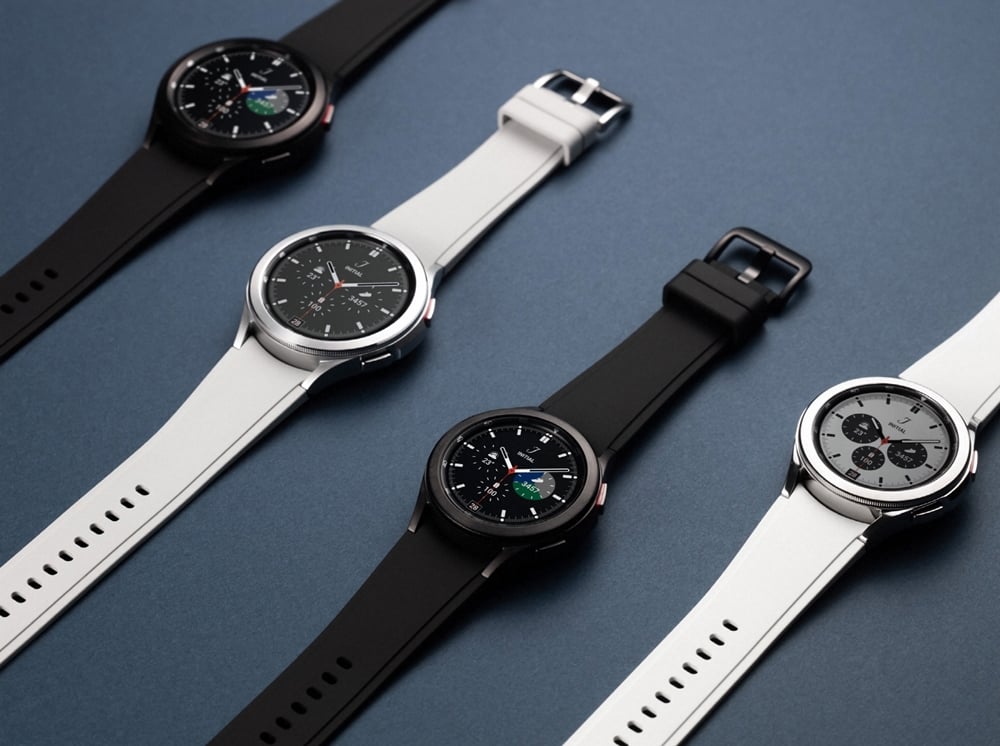
Earlier this month, Samsung launched the Galaxy Watch 4 series including the Watch 4 and Watch 4 Classic in the global markets. The new smartwatches are yet to be shipped and ahead of it, Samsung seems to have already pushed a firmware update for these watches.
According to the update log, the firmware version is R8xxXXU1BUH5 and it has a size of 290.52MB. The update will enhance the watch’s stability. It includes bug fixes, enhancements to current functions, and an overall improvement in performance.
Given that the software upgrade rolled out immediately after the launch, it appears that Samsung is committed to the support of the new smartwatches.
The Samsung Galaxy Watch 4 comes in two dials – 40mm and 44mm. On the other hand, the Galaxy Watch 4 Classic has bigger sizes – 42mm and 46mm. The Watch 4 has a 1.19-inch AMOLED display and runs on OneUI Watch 3(based on WearOS 3). It has a display resolution of 396 x 396 pixels. The Watch 4 Classic sports a 1.36-inch panel with 450 x 450 pixels and run on the same OneUI Watch 3 UI.
The series is powered by the in-house 5nm Exynos W920 SoC paired with 1.5GB of RAM and 16GB of onboard storage. The smartwatches come with a Bioactive sensor which has multiple monitoring modes like blood oxygen saturation, electrocardiogram, heart rate monitor, electric heart rate sensor, and bioelectrical impedance analysis sensor. The duo can work for up to 40 hours on a single charge.
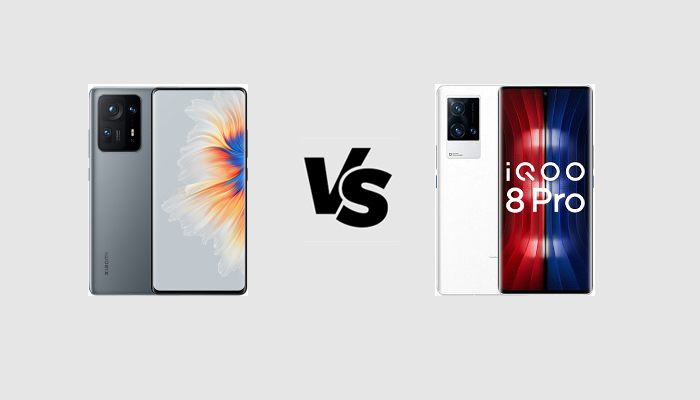
Qualcomm released the powerful Snapdragon 888+ mobile platform and the main smartphone manufacturers started releasing their phones with the new flagship SoC. The Xiaomi Mi Mix 4 is one of them, alongside the iQOO 8 Pro by Vivo’s sub-brand. These phones are both excellent flagships for gamers and even for those who search for good displays and camera performance. But which one offers the most in their respective price ranges? This is a comparison between the main specifications of the Xiaomi Mi Mix 4 and the iQOO 8 Pro.
Triple 108 + 8 + 13 MP, f/1.9 + f/4.1 + f/2.2
20 MP front camera
Triple 50 + 16 + 48 MP
16 MP f/2.4 front camera
BATTERY
4500 mAh, fast charging 120W, fast wireless charging 50W
4500 mAh, fast charging 120W and fast wireless charging 50W
ADDITIONAL FEATURES
Dual SIM slot, 5G, IP53 certification, under-display camera
Dual SIM slot, 5G, reverse wireless charging
Design
The most stunning design belongs to the Xiaomi Mi Mix 4 for two main reasons. The first is the presence of a camera placed under the display, so the screen is not interrupted by any notch or punch hole. Further, the Xiaomi Mi Mix 4 is built with an elegant and sturdy ceramic back. Even when it comes to the build quality, the Xiaomi Mi Mix 4 is one step forward. Its front glass is protected by the Gorilla Glass Victus protection by Corning and the phone is splash proof and dust resistant thanks to the IP53 certification. The Xiaomi Mi Mix 4 also supports the UWB technology which can be used to control other gadgets.
Display
Both these handsets are equipped with awesome displays, but the iQOO 8 Pro is the most impressive, despite it does not have an under-screen camera. The iQOO 8 Pro has an AMOLED panel with a high Quad HD+ resolution of 1440 x 3200 pixels, as well as the LTPO technology which enables an adaptive refresh rate from 1 to 120 Hz. The device also sports the HDR10+ certification and the Dolby Vision support, as well as a wider 6.78-inch diagonal. The Xiaomi Mi Mix 4 has an amazing display with 10-bit color depth, a 120 Hz refresh rate, HDR10+, and Dolby Vision, but its resolution is Full HD+. Both are curved displays including an in-display fingerprint reader and both the phones come with stereo speakers.
Specs & Software
With these phones, you can get exactly the same hardware configuration. It consists of a Snapdragon 888+ mobile platform which is currently the best released by Qualcomm, up to 12 GB of LPDDR5 RAM and up to 512 GB of UFS 3.1 native storage. Unfortunately, the internal storage is not expandable with a micro SD. The phones support 5G connectivity in all its spectrums and they run Android 11 out of the box customized by MIUI 12.5 Enhanced Edition and OriginOS, respectively.
Camera
The camera setup found on the iQOO 8 Pro is slightly more impressive in more photography scenarios. It has a 50 MP main sensor with gimbal stabilization, a 16 MP telephoto sensor with OIS, and a great 48 MP ultrawide camera. The Xiaomi Mi Mix 4 is better if we talk about zoom, due to its periscope sensor offering 5x optical zoom. But the ultrawide camera is inferior with its 13 MP resolution.
Xiaomi Mi Mix 4 and iQOO 8 Pro have exactly the same battery capacity: 4500 mAh. Even the fast charging technology comes with the same power: 120W. It is the same for wireless charging, with a power of 50W. The iQOO 8 Pro offers reverse wireless charging as well, with a power of 10W. Since these phones offer a similar battery life and they are not bad as battery phones, we recommend you to focus on other aspects while choosing between these devices.
Price
The starting price tag of the Xiaomi Mi Mix 4 in China is €660/$772, just like the base variant of the iQOO 8 Pro. But note that the base variant of the Xiaomi Mi Mix 4 has 128 GB of internal storage, while the iQOO 8 Pro starts from 128 GB. At the end of the day, both these phones are amazing and which one to buy depends on your personal needs. The Mi Mix 4 has a more impressive design, while the iQOO 8 Pro has more interesting cameras and a great LTPO display. Which one would you pick?
August has been filled with lots of announcements and product launches. There is no break yet as we enter into the third week of the month, which as the weeks before it, is equally packed with events. Here is what’s coming next week:
Vivo Y33s – August 23
Vivo will kick off the week with the launch of the Vivo Y33s on Monday, August 23. The mid-range 4G smartphone will be announced via Amazon India and will be powered by MediaTek’s Helio G80 processor. It will also have a 50MP primary rear camera and will pack a 5000mAh battery capacity.
UMIDIGI A11 Pro Max – August 23
UMIDIGI also has a mid-range smartphone launching on Monday, August 23. The A11 Pro Max will have the same Helio G80 chipset as the Vivi Y33s and also 8GB of RAM and 128GB of onboard storage. You also get a massive 5150mAh battery. UMIDIGI will make the phone available to buyers via AliExpress.
Realme C21Y
realme C21Y – August 23
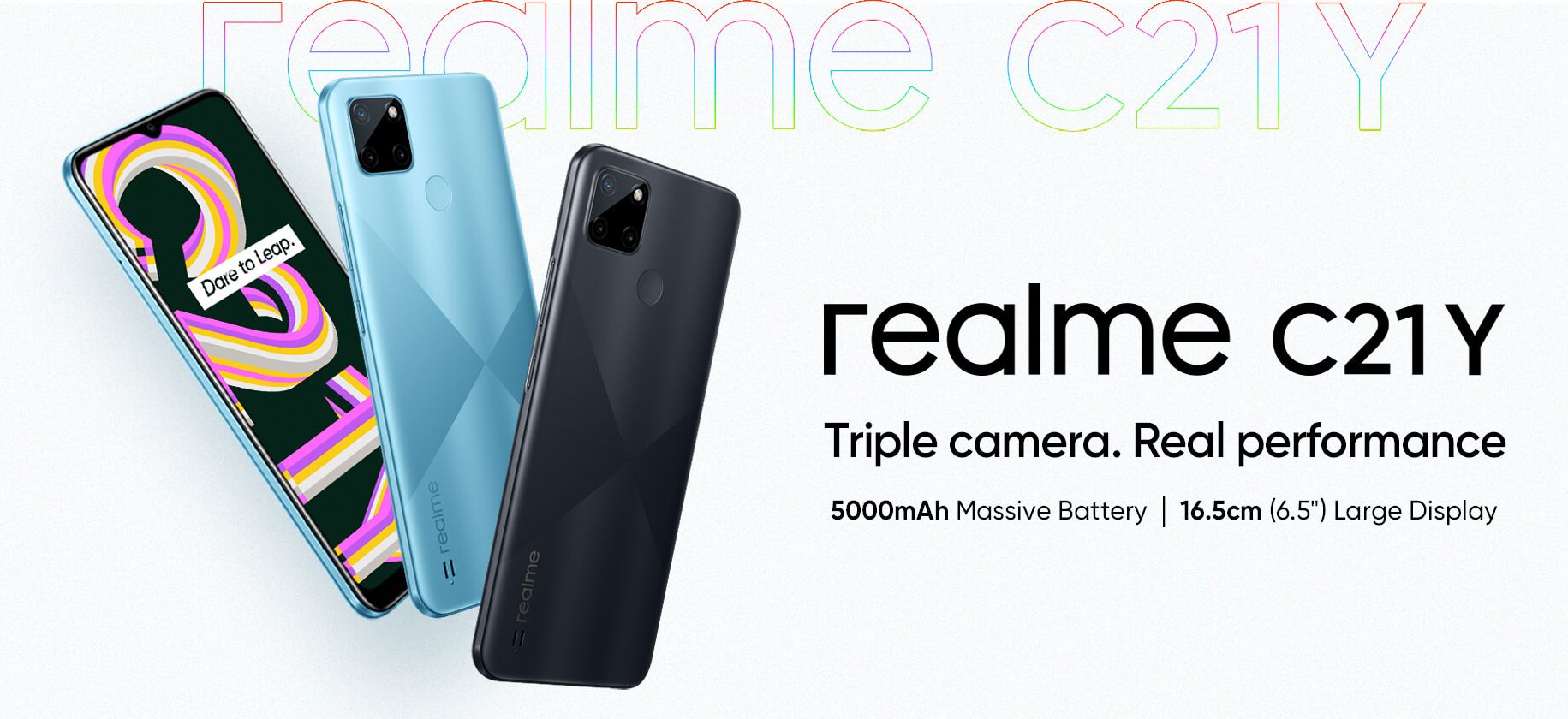
Realme has announced that its entry-level smartphone, the realme C21Y, will also launch on August 23. The phone will have a UNISOC processor and a 5000mAh battery.
boAt Airdopes 452 – August 24
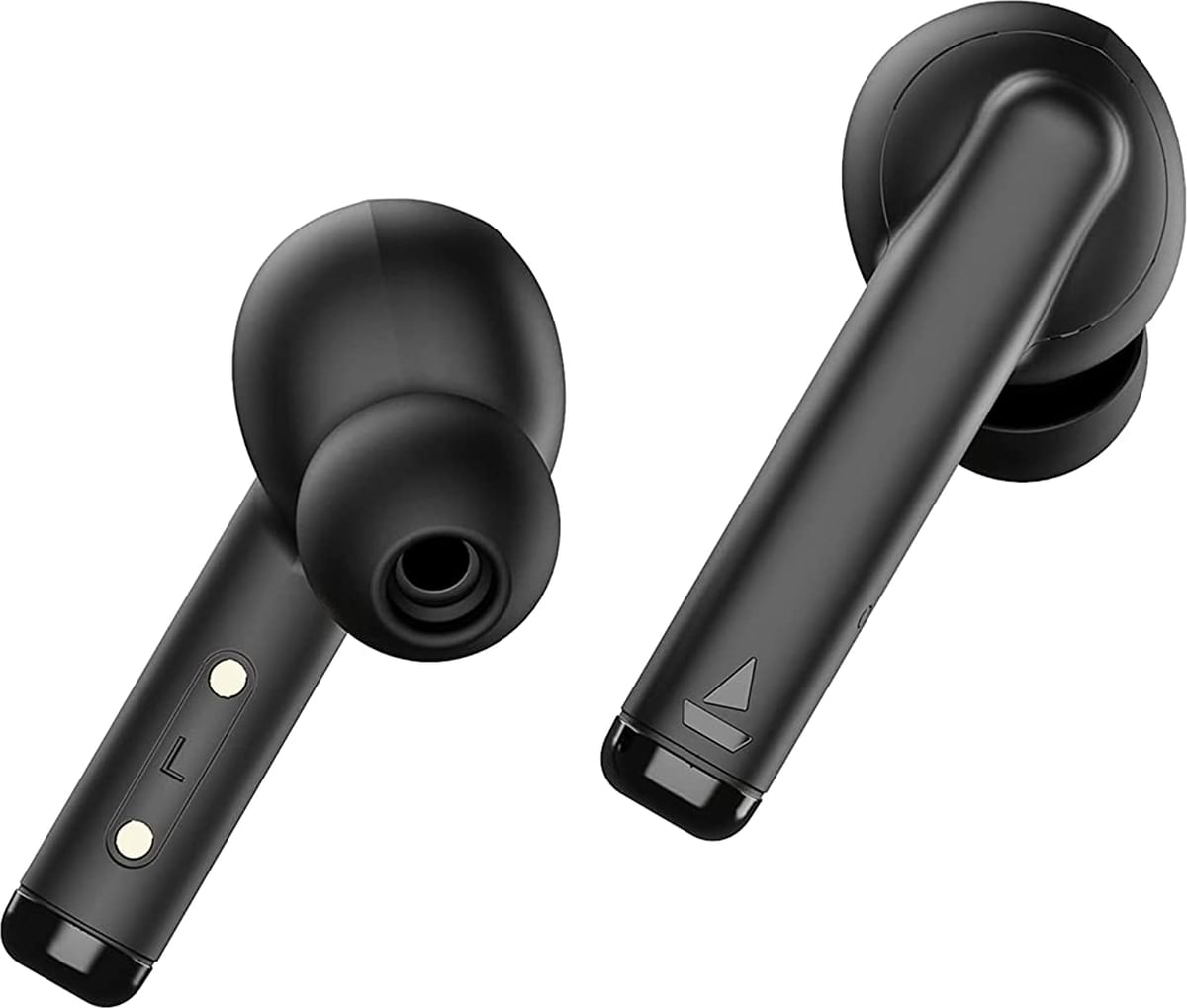
boAt, India’s leading earphones brand, will announce a new pair of earbuds on Tuesday, August 24. The Airdopes 452 as it will be called will have ultra-low latency and support for 3D spatial audio. The manufacturer has also revealed it will be selling the new earbuds for ₹1299 (~$17).
Galaxy M32 5G – August 25
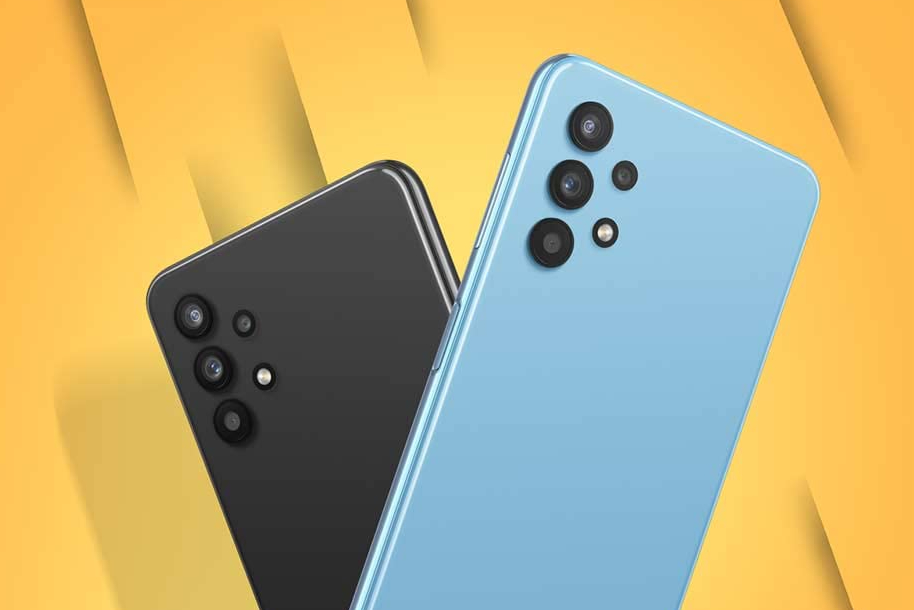
Samsung’s Galaxy M-series will be adding a new member on August 25. The Galaxy M32 5G will have a Dimenisty 720 processor under its hood, a 5000mAh battery capacity, and a 48MP quad-camera setup on its back.
Last year, Google decided to move its production line to northern Vietnam from China. But now, it seems that the company will be manufacturing its upcoming smartphone in China due to COVID-19 regulations.
According to a report from Nikkei, the governments around Asia have started tightening their border controls due to the recent COVID-19 outbreak. As a result of stricter regulations, Google will have to continue its production line in China.
The report suggests that the Pixel 5 was supposed to be manufactured in Vietnam, but the plan couldn’t succeed due to travel restrictions and “limited engineering resources” in Vietnam. So, the upcoming Pixel 6 and 6 Pro’s would be manufactured in Shenzen, China.
Well, Google is not the only company stuck in China. As per the report, Apple was also planning to move the small chunk of the production line of MacBook and iPad to Vietnam has also been affected. So, the Cupertino giant also now has to continue its production line in China.
Pixel 6 and 6 Pro Features and Specifications
Earlier this month, Google gave us a first look at the Pixel 6 and 6 Pro. The upcoming Pixel smartphones will be coming protruding camera bar and entered punch hole camera on the front. Both the smartphones will be available in three different colours with a dual-tone finish.
Google’s upcoming Tensor chipset will power the Pixel 6 and 6 Pro. The vanilla Pixel will come with two cameras at the back, while the Pro model will have three cameras, including a telephoto lens with 4x optical zoom. The upcoming Pixel lineup will be running Android 12 with MaterialYou design.
The Pixel 6 and 6 Pro are expected to release later this year in the fall.
We use cookies on our website to give you the most relevant experience by remembering your preferences and repeat visits. By clicking “Accept”, you consent to the use of ALL the cookies.
This website uses cookies to improve your experience while you navigate through the website. Out of these, the cookies that are categorized as necessary are stored on your browser as they are essential for the working of basic functionalities of the website. We also use third-party cookies that help us analyze and understand how you use this website. These cookies will be stored in your browser only with your consent. You also have the option to opt-out of these cookies. But opting out of some of these cookies may affect your browsing experience.
Necessary cookies are absolutely essential for the website to function properly. This category only includes cookies that ensures basic functionalities and security features of the website. These cookies do not store any personal information.
Any cookies that may not be particularly necessary for the website to function and is used specifically to collect user personal data via analytics, ads, other embedded contents are termed as non-necessary cookies. It is mandatory to procure user consent prior to running these cookies on your website.