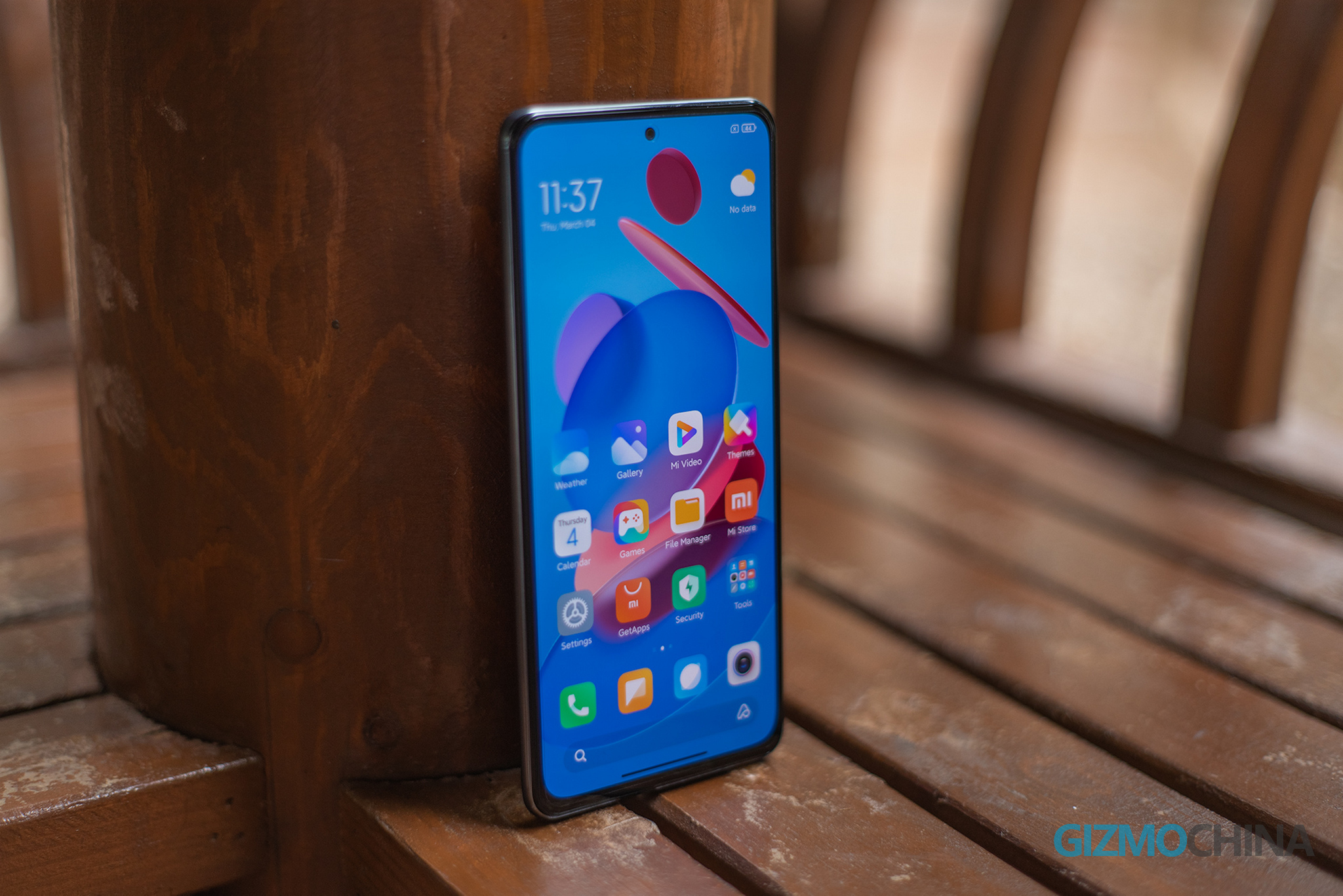
At the end of April, Kacper Skrzypek, a well-known MIUI tipster revealed that Xiaomi is working on a RAM extension feature. This feature is officially known as ‘Memory extension’. In the following weeks, the feature made its way to multiple Mi, Redmi, and POCO-branded smartphones. Let’s take a look at the list of devices that support the new MIUI ‘Memory extension’ feature.
Redmi K40 Pro
The MIUI ‘Memory extension’ feature made its debut on the Redmi Note 10 Pro 5G. It later made its way to multiple other Xiaomi group smartphones via MIUI 12.5 beta as well as builds.
According to Kacper Skrzypek, following Xiaomi group smartphones currently support the MIUI ‘Memory extension’ feature either in beta and stable channels.
MIUI Memory Extension Supported Devices
All Snapdragon 888, 870, & 865 Phones (except Mi MIX Fold as it is yet to get MIUI 12.5)
POCO X3 GT
Redmi Note 10 Pro 5G
Redmi Note 9 5G
Redmi Note 9T 5G
Redmi 9T
Redmi Note 8
Devices that may get MIUI Memory Extension in Future
Xiaomi Mi MIX 4
Xiaomi Mi 11 Lite NE
Redmi Note 10
Redmi Note 10S
Redmi Note 10 5G
Redmi Note 10 JE
Redmi 10
Redmi 9i
Redmi 9C
Redmi 9A
Redmi Note 8T
Redmi Note 8 2021
Other Unreleased Phones
More devices could get support for MIUI ‘Memory extension’ in the future. As per Kacper, devices with more than 128GB storage can extend RAM by 3GB. Whereas, the devices with 128GB and 64GB storage can extend RAM by 2GB and 1GB respectively.
OnePlus teased a Harry Potter Limited Edition of the OnePlus Watch at the end of the OnePlus 9 series launch event. An APK teardown of the OnePlus Health app also confirmed the existence of this smartwatch. Almost three months later, a reliable tipster says that this wearable will be soon launching in India.
According to Ishan Agarwal (via 91Mobiles), OnePlus will be launching the OnePlus Watch Harry Potter Limited Edition in India in the coming weeks. Unfortunately, the leaker does not reveal the exact launch date. Anyway, since OnePlus will be releasing this watch soon, we can expect the brand to start teasing it on social media.
The upcoming OnePlus Watch Harry Potter Limited Edition is expected to be identical to the regular OnePlus Watch in terms of features and specifications. It might only differ in terms of appearance and UI.
As per the APK teardown, the smartwatch will come with six exclusive watch faces themed after Hogwarts School of Witchcraft and Wizardry. Two of the watch faces will showcase Hogwarts and its seal. Whereas, the remaining four will flaunt the seals of the four houses of Hogwarts, namely Gryffindor, Slytherin, Hufflepuff, and Ravenclaw.
OnePlus switched to ColorOS for its smartphones in China with the launch of the OnePlus 9 series. The brand has also confirmed to update its older handsets to ColorOS from HydrogenOS. In fact, the company has already released early access builds for select models. That’s not all, recently, the brand even revealed when these handsets will be getting stable builds next year. A month later, the company’s CEO reaffirms the same schedule.
OnePlus 8T
As of now, OnePlus has released ColorOS 11 Early Access update for the OnePlus 8, the OnePlus 8 Pro, and the OnePlus 8T. These smartphones received the builds in May.
Two months later in July, Jia Lan Shuai (加蓝帅), the Community Manager of OnePlus Community China, revealed that the trio will get the ColorOS stable update in 2022. Interestingly, he did not mention the version of ColorOS.
This suggests that these devices will be directly updated to the upcoming ColorOS 12 next year. Additionally, this could be the reason why the brand did not release ColorOS 11 Early Access builds for OnePlus 7, OnePlus 7 Pro, OnePlus 7T, OnePlus 7T Pro. These remaining four devices will also likely receive a direct upgrade to ColorOS 12 from HydrogenOS 11 sometime later in 2022.
Users of the eligible OnePlus phones have been enquiring about the ColorOS stable update on social media since the release of early access builds.
Yesterday, Pete Lau, the CEO of OnePlus promoted the OnePlus 9 series on Weibo by sharing some camera samples. One of the netizens commented on this post asking when the OnPus 8T will receive ColorOS stable update. In a reply to this comment, the brand’s top exec re-iterated that it will be getting the update as per the previously shared schedule, which is in 2022.
Unsurprisingly, we also see multiple critical comments regarding the slower rollout of ColorOS. Even, we also consider OnePlus to be slower in this regard just like how it messed up OxygenOS update delivery lately.
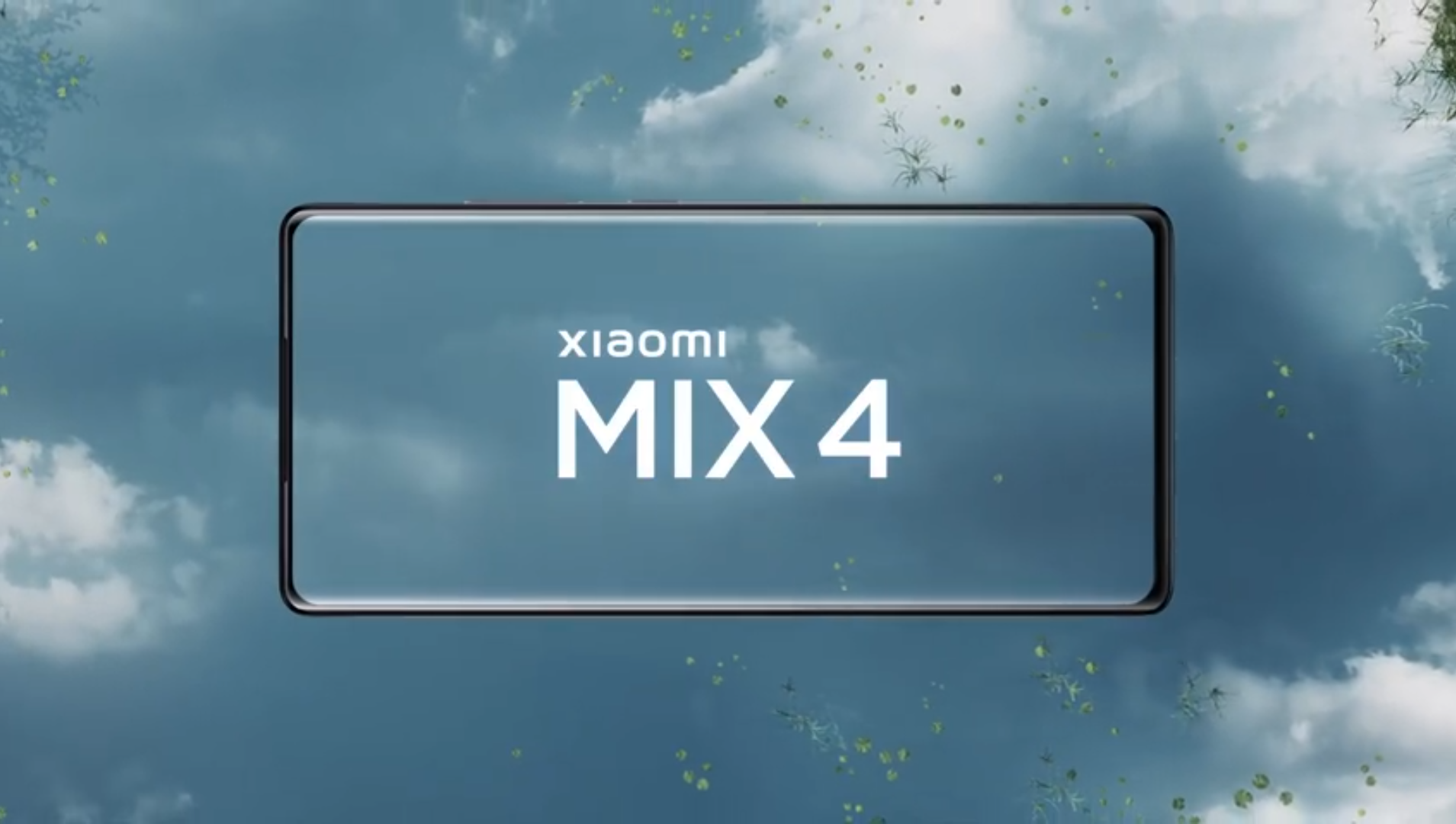
Xiaomi’s big launch event is all set to kick off later today. At the event, the company’s CEO, Lei Jun, will talk about his struggles as an entrepreneur as well as reveal new updates across multiple product categories in the Mi family. This includes its first commercial under-screen camera smartphone — the Xiaomi Mi Mix 4, a new Mi Pad 5 tablet, a bunch of OLED TVs, as well, as a high-end smart speaker. We can also expect other smart home products at the events.
So let’s take a quick look at what to expect from each of the products at the event today.
Xiaomi Mi Mix 4
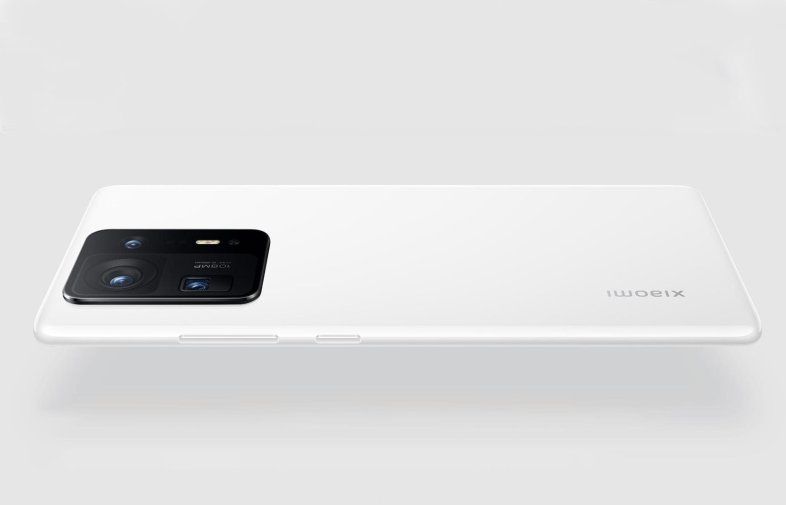
The Xiaomi Mi Mix 4 will be the star of today’s event. Not only because it’ll feature high-end hardware like the Snapdragon 888+ chipset, but also because it will be Xiaomi’s first commercial under-screen camera smartphone. While we have seen in-screen cameras on phones from ZTE, the implementation on the Mix 4 is expected to be much better and could start a new wave of in-screen camera phones in the market. Other expected features of the phone include a 6.67-inch OLED display with super-thin bezels, a 100MP camera setup at the back, and 120W ultra-fast wired charging.
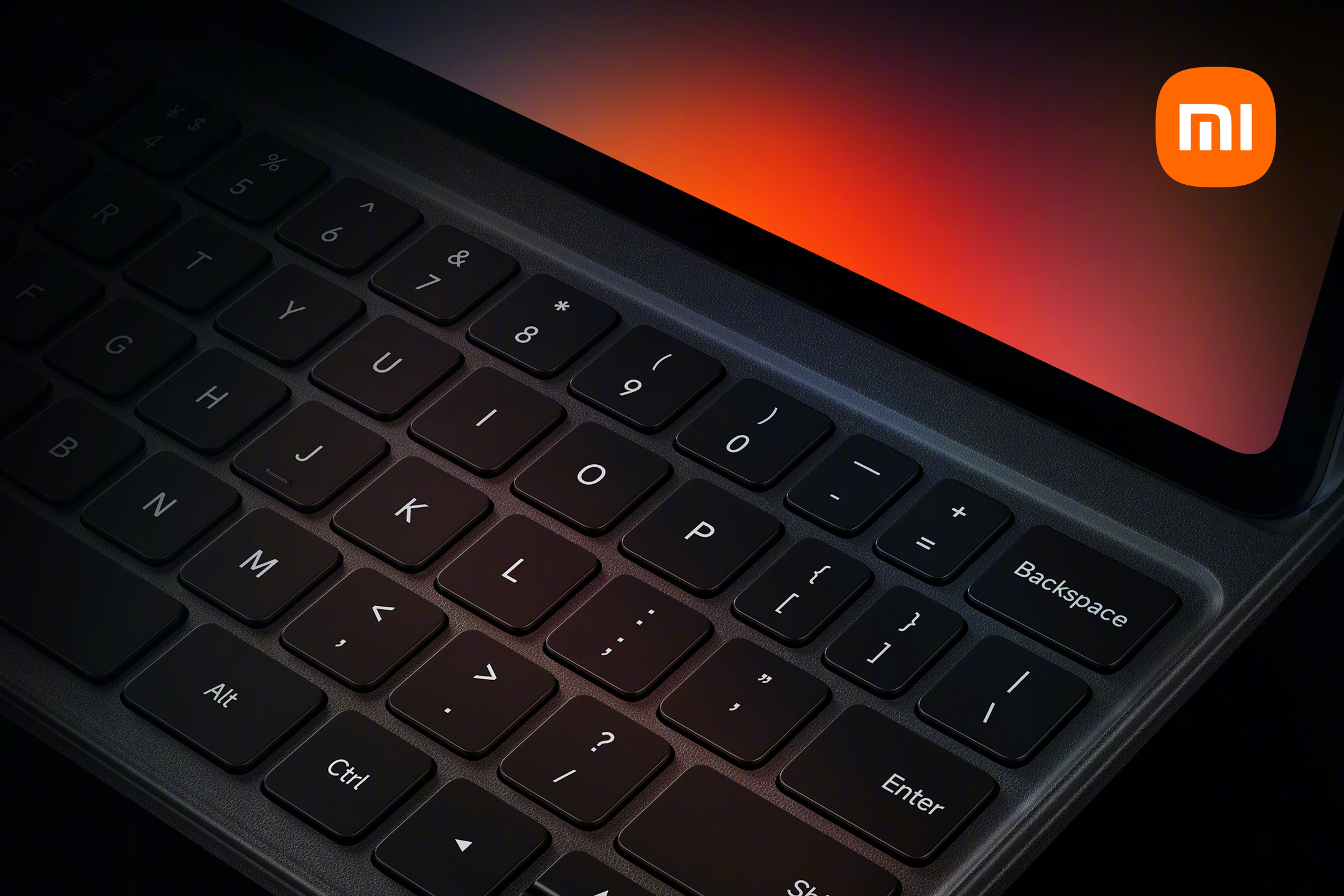
Tablets are the new craze in town, and it’s actually surprising Xiaomi has taken more than 3 years to update this product lineup. The Mi Pad 5 will be Xiaomi’s first tablet in quite some time and will focus on high-end productivity and entertainment.
The tablet is expected to feature Snapdragon 870 underneath with a dual 20MP + 13MP camera setup at the rear. A leak from last month had revealed that there will be two variants in the new Mi Pad lineup. The Mi Pad 5 and Mi Pad 5 Pro will differ with respect to processors and charging technology. The Pro model will likely have a Snapdragon 870 processor and 67W fast wired charging while the standard version should have a Snapdragon 860 processor and a slower charging speed.
The display should be of 10.95-inches with a 120Hz refresh rate. The tablet is expected to support a keyboard accessory along with a stylus. Other features should include an 8720mAh battery with 65W wired charging, Android 11 OS, Dolby Vision, Dolby Atmos, and a side fingerprint sensor.
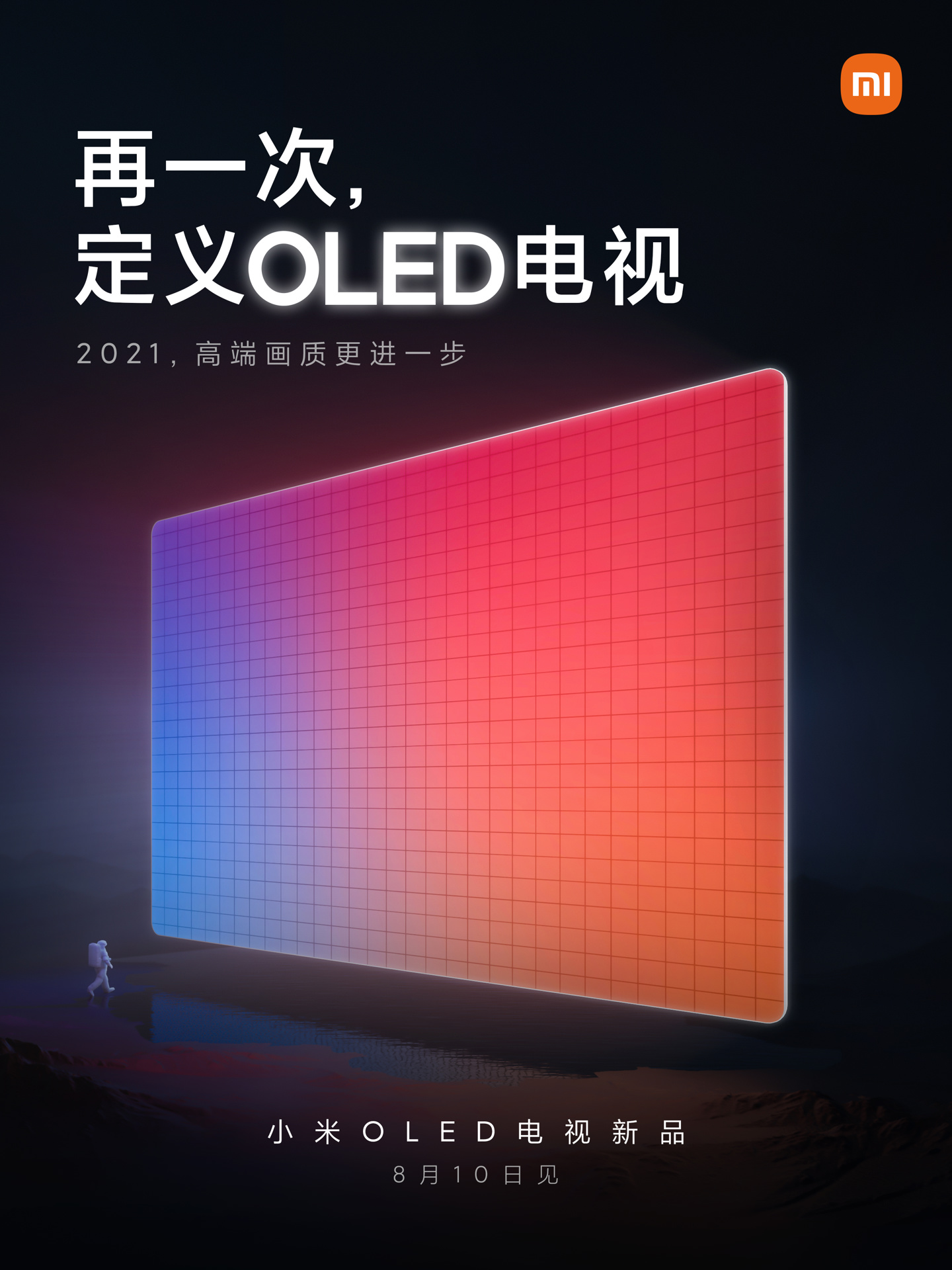
Mi OLED TV 2021
Xiaomi tried its luck with high-end OLED TVs last year and now, it’s back with the second-generation model, offering more advanced features. The company has confirmed that the OLED panels used in the 2021 models will be of better quality than last year. Further, the TVs are confirmed to support Harmon Kardon sound as well as NVIDIA’s G-SYNC certification for stutter-free and stable gaming performance.
The Mi OLED TV 2021 lineup is expected to come in three sizes: 55-inch, 65-inch, and 77-inch. We can expect a hefty price tag for these OLED models as last year’s Mi Master OLED TV was launched at 12,999 yuan (~$2,011).
High-end Mi Smart Speaker
Xiaomi has a bunch of smart speakers in the Chinese market, but the company has confirmed that it will announce its most premium speaker today.
Not much is known about this device, but the company teased that it will offer a concert hall-like sound experience at your home. Given the tall claims, we can expect a high-end speaker setup inside. Further, there are rumors about the speaker being a smart hub that can also work with the new Xiaomi Mi Mix 4 to control other smart devices via UWB.
Apart from these four products, we can also expect other smaller products at the big Xiaomi launch event today. The event starts at 7.30 PM CST and is expected to continue for nearly 3 hours.
Where to Watch the Aug 10 Xiaomi Mi Mix 4 Launch event?
Unfortunately, Xiaomi has not revealed whether the event will be live-streamed on YouTube. However, if you still wish to watch the event, you can watch the live stream on Xiaomi’s Chinese event page here. But note that this event will be streamed in Chinese.
You can also stay tuned to Gizmochina for updates, as we’ll be covering all the launches today.
Xiaomi has been on a roll this year and has been reaching new heights in terms of business and growth. The company recently became the world’s leading smartphone brand for the month of June 2021, marking the first time Xiaomi is leading charts globally.
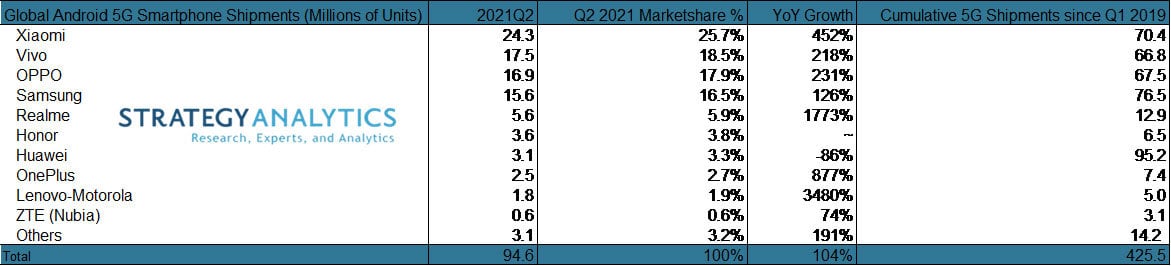
Now, a new report from Strategy Analytics claims that Xiaomi was the world’s leading 5G Android smartphone manufacturer in the second quarter of this year, i.e. Q2 2021, capturing almost 26 percent of the market share.
The report adds that a total of 95 million 5G Android smartphones were shipped globally in Q2 2021 and among those, about 24 million units were shipped by Xiaomi, making in the leader of the market in this segment for the said time duration.
Over the past nine quarters, Xiaomi cumulatively shipped 70 million 5G smartphones, placing it close behind the South Korean giant Samsung which managed to ship 77 million units in the same timeframe.
Huawei, the Chinese technology giant remains cumulative 5G Android smartphone leader with shipments of 95 million units globally over the past nine quarters. However, the company is quickly losing its grip because of the US-imposed sanctions. This is opened doors for other manufacturers, including OPPO, Vivo, Honor, Realme, and more.
Lenovo (including Motorola) is the leader when it comes to 5G smartphone growth as the company’s shipments witnessed a growth of 3480% annually in Q2 2021, with shipments of 1.8 million units for the quarter.
Realme ranked second in annual growth, up 1773% year-to-year in Q2 2021 on volumes of 5.6 million, while OnePlus was placed third in growth with shipment volumes improving 877% annually in the quarter. Honor has also posted impressive numbers of 6.5 million 5G smartphone shipments that too within just two quarters given that it began selling 5G smartphones mid-way through the first quarter of this year.
The Indian government is considering slashing the import duty on electric cars to as low as 40 percent, reports Reuters citing two government officials. The development comes just days after Tesla appealed this to the Indian government.
The report adds that for electric vehicles (EVs) with a valuation of less than $40,000, the tax rate can be slashed to 40 percent compared to 60 percent currently. For EVs valued at over $40,000, the rate could be slashed from 100 percent to 60 percent.
India’s finance and commerce ministries, as well as Niti Aayog, are discussing the proposal and all stakeholders will be consulted.
According to industry estimates, India is currently the fifth largest car market with an annual sale of about 3 million vehicles. However, the majority of cars sold in the country are priced under $20,000.
Last month, Tesla had pitched the Indian government to reduce the import duty on electric vehicles by arguing that lowering duties would make EVs more affordable and boost sales. However, the appeal from Tesla received mixed reactions from industry leaders in India and pushed the ‘Make In India’ initiative, India’s drive to boost local manufacturing.
But one of the officials said that the government is in favor of cutting import duties to see companies like Tesla providing benefits to the domestic economy by manufacturing locally later on, or give a firm timeline on when it would be able to.
A government official told Reuters: “Reducing import duties is not a problem as not many EVs are imported in the country. But we need some economic gain out of that. We also have to balance the concerns of the domestic players.”
Since the duty cut is being considered only for EVs and not other categories of imported cars, it should not be a concern for domestic automakers as they mainly manufacture affordable gasoline-powered cars.
ASUS announced the ROG Phone 3 in the first half of 2020. In the second half of the year, it unveiled the ROG Phone 3S with an enhanced chip. Earlier this year, the Taiwanese manufacturer announced the ROG Phone 5 series of gaming smartphones. Fresh information reveals that the company may soon unleash the ROG Phone 5S with updated specs.
Tipster Mukul Sharma shared an image of what appears to be a snapshot from a retailer listing. The image has revealed the key specs of the unannounced ROG Phone 5S. It states that the next ROG phone will come equipped with an OLED panel that offers a 144Hz refresh rate.
The Snapdragon 888 Plus, which is an overclocked version of the Snapdragon 888 will be present under the hood of the ROG Phone 5S. It will be backed by a 6,000mAh battery that supports 65W fast charging. It is expected to arrive in variants like 12 GB RAM + 256 GB storage and 18 GB RAM + 512 GB storage. The other details of the smartphone are yet to be confirmed.
The Taiwanese company had announced the ROG Phone 3S in July. Hence, the ROG Phone 5S is expected to launch soon in certain markets. It is speculated that the company may unveil it on Aug. 16.
The ASUS ROG Phone 5 has a 6.78-inch AMOLED display that offers a 1080 x 2448 pixels resolution and a 144Hz refresh rate. It comes with Gorilla Glass Victus protection for the screen. The Snapdragon 888 SoC powered ships with up to 16 GB of LPDDR5 RAM and up to 256 GB of UFS 3.1 storage. It has a 24-megapixel front camera and a 64-megapixel + 13-megapixel + 5-megapixel triple camera unit, and a 6,000mAh battery that offers 65W rapid charging.
An upcoming OPPO smartphone with a model number PEYM00 has been approved by China’s TENAA telecom authority. The TENAA listing of the OPPO PEYM00 has revealed its entire specifications, but its images have not appeared yet. Also, the final marketing name of the device is under wraps.
OPPO PEYM00 specifications
The OPPO PEYM00 is a 5G-ready handset that measures 158.7 x 73.5 x 8.5mm and weighs 180 grams. The device is equipped with a 6.43-inch AMOLED panel that offers a Full HD+ resolution of 1080 x 2400 pixels and a 20:9 aspect ratio. Probably, it carries support for a 90Hz or 120Hz refresh rate.
The smartphone houses a 4,400mAh battery. It supports rapid charging, but the exact charging rates are yet to be confirmed. An unspecified 3GHz octa-core processor is present under the hood of the device. Probably, it could be equipped with the Dimensity 1200 or Snapdragon 888+ SoC.
The PEYM00 smartphone will arrive in 8 GB / 12 GB RAM variants. It may come in storage choices such as 128 GB and 256 GB. There is no microSD card slot on the device. It will come preloaded with Android 11 OS and ColorOS UI.
For selfies, the OPPO PEYM00 offers a 16-megapixel selfie camera. Its rear camera system has a 64-megapixel + 8-megapixel + 2-megapixel triple camera unit. For security, the PEYM00 features an in-screen fingerprint sensor. It is expected to arrive in colors like black, silver, and blue in China.
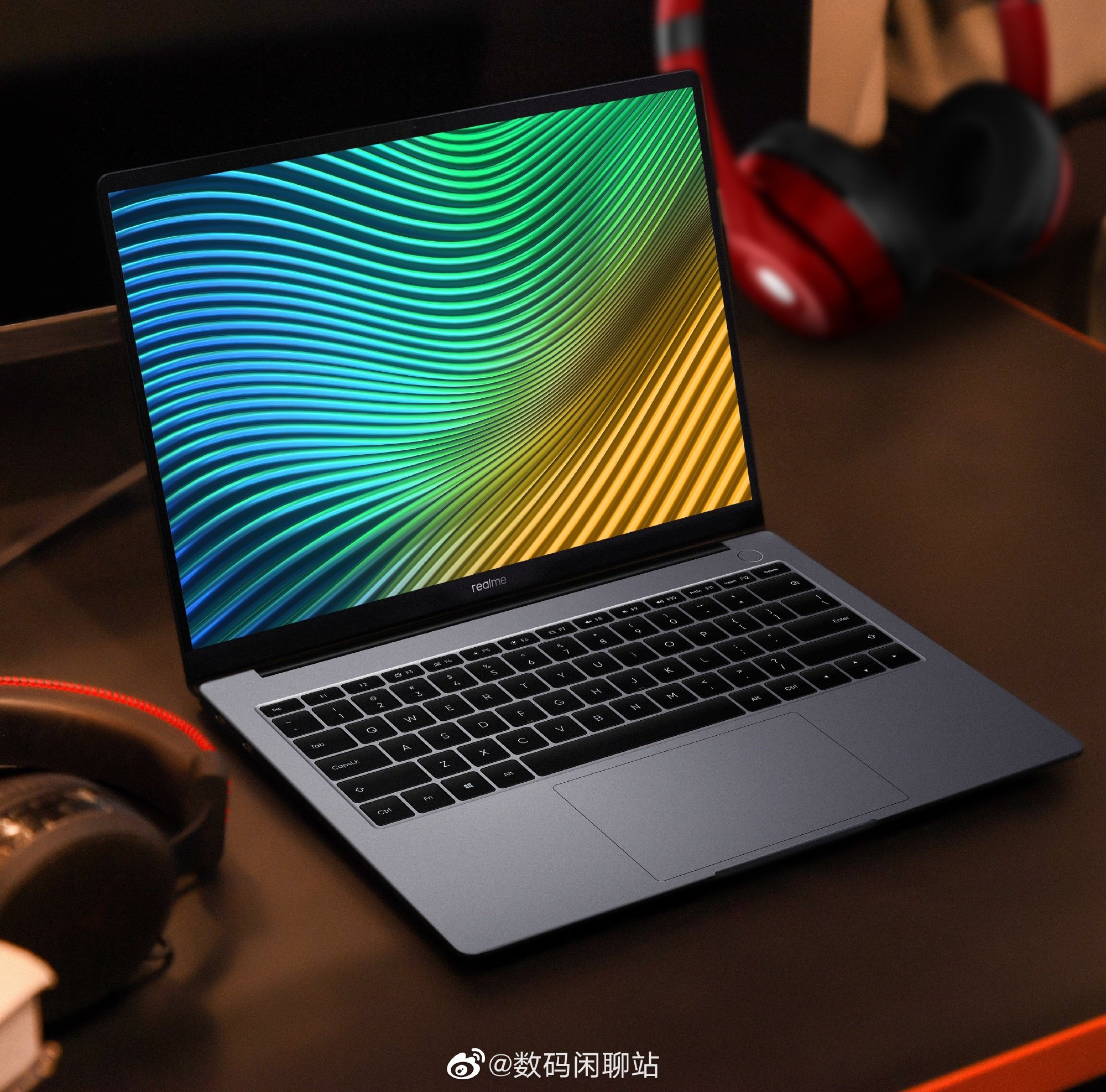
Realme has been teasing the arrival of its first laptop for the past few months. Today, the company took to Weibo handle to reveal that it will be unleashing the much-awaited Realme Book laptop at 3 PM (local time) on Aug. 18 in China.
The Realme Book will be announced during the Realme 828 fan festival in China. The company is also prepping up a tablet called the Realme Pad. However, it is unclear whether the Realme Pad will go official alongside the Realme Book on Aug. 18.
The official poster and the image shared by Digital Chat Station give a good look at the Realme Book. The laptop is equipped with a metallic chassis and slim bezels. It has a backlit keyboard and a large-sized touchpad. A dedicated fingerprint scanner is also available on the device. It is unclear how many Realme Book models will be announced in the coming week in China.
Realme Book
Madhav Sheth who is Realme’s CEO for Europe and India teased a Realme laptop model called the Realme Book Slim. At the same time, a leak revealed that the Realme Book Slim will be a lightweight model weighing only 1.3 kgs.
The Intel 11th gen. Core i5-1135G7 processor powered laptop is expected to offer users a 14-inch 2K display, 16GB of DDR4 RAM, 512GB of PCIe storage, Intel Xe graphics, and a 54Wh battery that supports 65W fast charging. The notebook is expected to offer other features like Windows 10 Home, a pair of Harman Kardon speakers, a triple microphone array, two USB-C 3.1 slots, a USB 3.2 Gen 1 port, and a 3.5mm audio jack. This model is likely to be priced at around Rs 55,000 (~$739) in India.
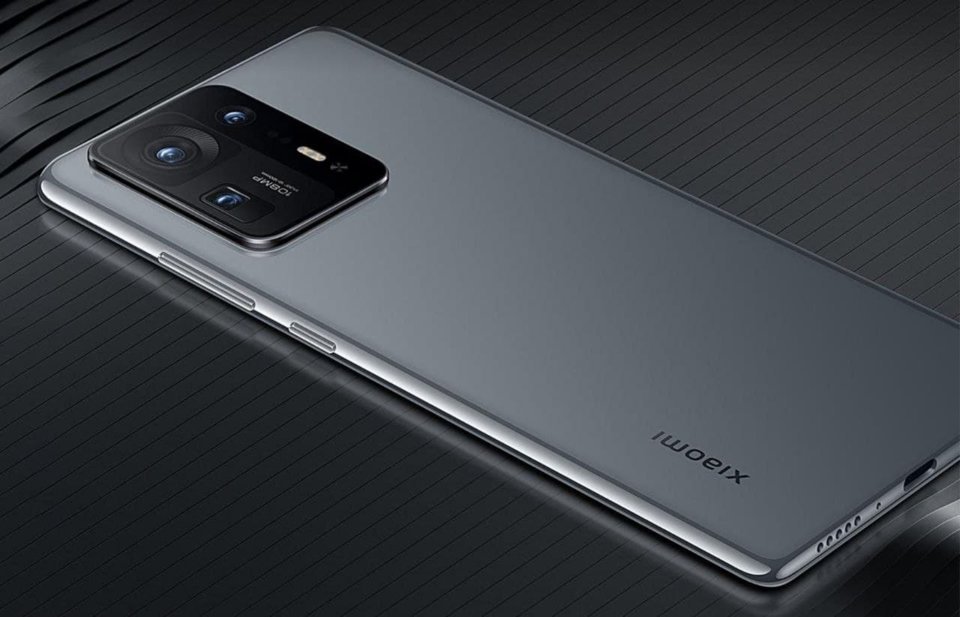
Xiaomi’s forthcoming Mi Mix 4 is presently a hot take in the smartphone market, and as more leaks have come to light, the enthusiasm for the phone has grown ever since. Xiaomi recently confirmed the launch date of the Mi Mix 4 to be August 10(7:30 PM CST) and since then there have been multiple teasers and leaks of the device. Today, we’re rounding up all the details learned so far about the Xiaomi Mi Mix 4.
Xiaomi Mi Mix 4 Rumor Roundup: What to Expect?
Design and Display
After multiple leaks and certifications, the Mi Mix 4 was finally found posing in an offline store in China. The promo poster of the smartphone was displayed in the country, leaving us with its design.
According to the poster, the smartphone has a full-screen display without any bezel or notch. The smartphone is touted to feature an in-screen camera and curved edges. Leaks suggest that it has a 6.67-inch OLED display panel with Full-HD+(1800 x 2400 pixels) resolution and 120Hz screen refresh rate.
It is expected to have a 10bit color depth and will be protected by the Corning Gorilla Glass Victus protection.
Cameras on the Mi Mix 4
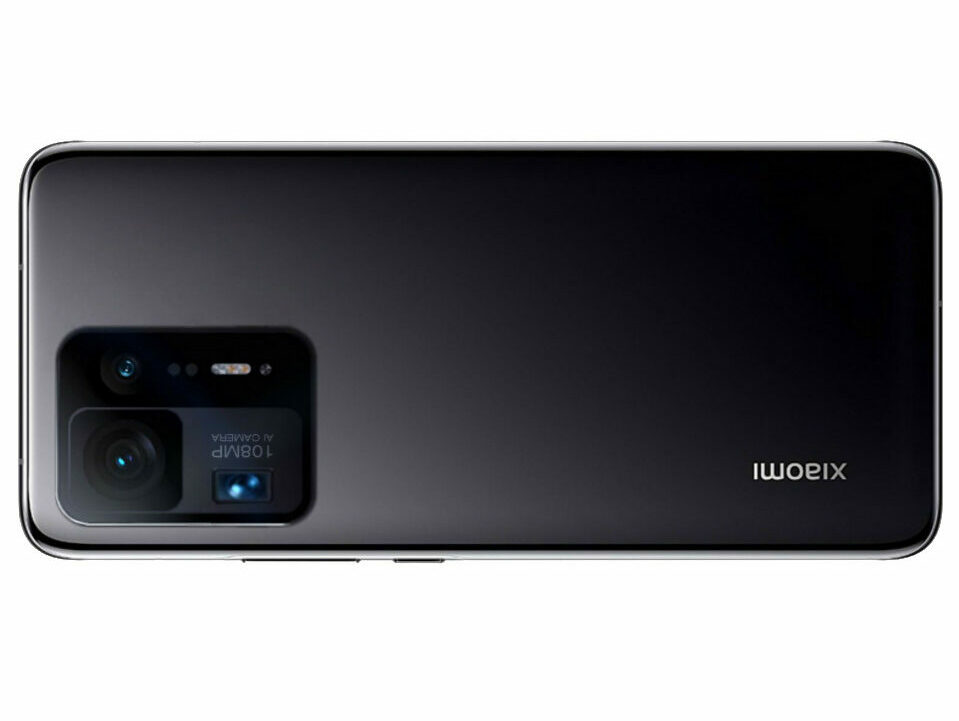
Moving to the back, the smartphone has a huge camera island with a triple rear camera setup. Past leaks had claimed that it will boast multiple cameras with a 50MP Samsung GN1, 48MP ultra-wide, and 48MP telephoto periscope camera system.
But, recent leaks deny these sensors and claim that the phone may come with a whopping 108MP triple camera system.
Hardware and Software
Recently, the smartphone appeared on Geekbench with model number 2106118C. The listing confirmed that the phone is powered by the Qualcomm Snapdragon 888 Plus chipset clocked at up to 3.00 GHz. It was spotted with 12GB of LPDDR5 RAM. It is expected to come with a base configuration of 8GB of RAM and 256GB of UFS 3.1 onboard storage. It will also come in a higher 512GB storage configuration.
According to the 3C certifications, the smartphone will pack a 4,500mAh battery with support for 120W wired fast charging. It may also come with a 50W wireless charging support.
As for the software, a tipster revealed that the Xiaomi Mi Mix 4 will boot on MIUI 12.5 based on Android 11. On top of it, Xiaomi’s PR department said that the upcoming MIUI 13 still has a long way to go as it is currently in the works. This inexplicitly reveals that the current MIUI 12.5 will run on the Mi Mix 4 smartphone.
The smartphone is expected to come with an in-display fingerprint scanner and will have a stereo speaker setup. The phone will have mmWave 5G and UWB support.
Pricing, Color variants, and Availability
Unfortunately, there weren’t any massive price leaks of the smartphone but, it is expected to come at a premium price range. The flagship Mi 11 Ultra, which was released in March this year, was priced in the ~$1,000 range in China, and we should expect the Mi Mix 4 to cost way more than that.
As per the poster leak, the phone may launch in a Green-gray color variant along with other standard colors like Ceramic Black and Ceramic White. It will launch on August 10 at 7:30 PM CST and is expected to go up for sales in the mid of this month.
Ahead of the launch of its new wearable devices at the Galaxy Unpacked event tomorrow (i.e. 11th August), Samsung has today officially launched its new chipset — Exynos W920 which is tailor-made for wearable devices.
The Samsung Exynos W920 is a successor to the Exynos 9110 that was unveiled by the South Korean giant around three years ago along with the original Galaxy Watch. This new chip will be powering the upcoming Galaxy Watch 4 and Watch 4 Classic.
The Exynos W920 is manufactured using Samsung’s latest 5nm process with extreme ultraviolet lithography technology. It features two ARM Cortex-A55 cores and a Mali-G68 GPU. The company claims that the new chipset is about 20 percent faster than the Exynos 9110 in CPU test and offers massive 10x faster graphics performance.
It comes with fan-out panel-level packaging (FO-PLP) that allows manufacturers to house large batteries and apply sleeker designs for their smartwatches. With a system-in-package embedded package on package configuration, it incorporates the power management integrated circuit, LPDDR4 and embedded multimedia car in the same package.
The chipset is said to be able to handle displays of up to 960 x 540 pixels. There’s also a dedicated low-power Cortex-M55 display processor that handles Always-on Display tasks, reducing the overall power consumption. It also comes integrated with a 4G LTE modem, GNSS (Global Navigation Satellite System), Wi-Fi b/g/n, and Bluetooth 5.0.
Apart from being powered by this new Exynos W920 processor, the Samsung Galaxy Watch 4 and Watch 4 Classic will also be the first to run the new Wear OS 3.0 platform that is co-developed by Google and Samsung. More information will be revealed tomorrow when these new products are officially launched by Samsung at the Galaxy Unpacked event.
Microsoft recently released the beta version of the Windows 11 operating system and developers are already experimenting with it. Soon after the first preview of Windows 11 was released, the OS was ported to Lumia 950 XL smartphone.
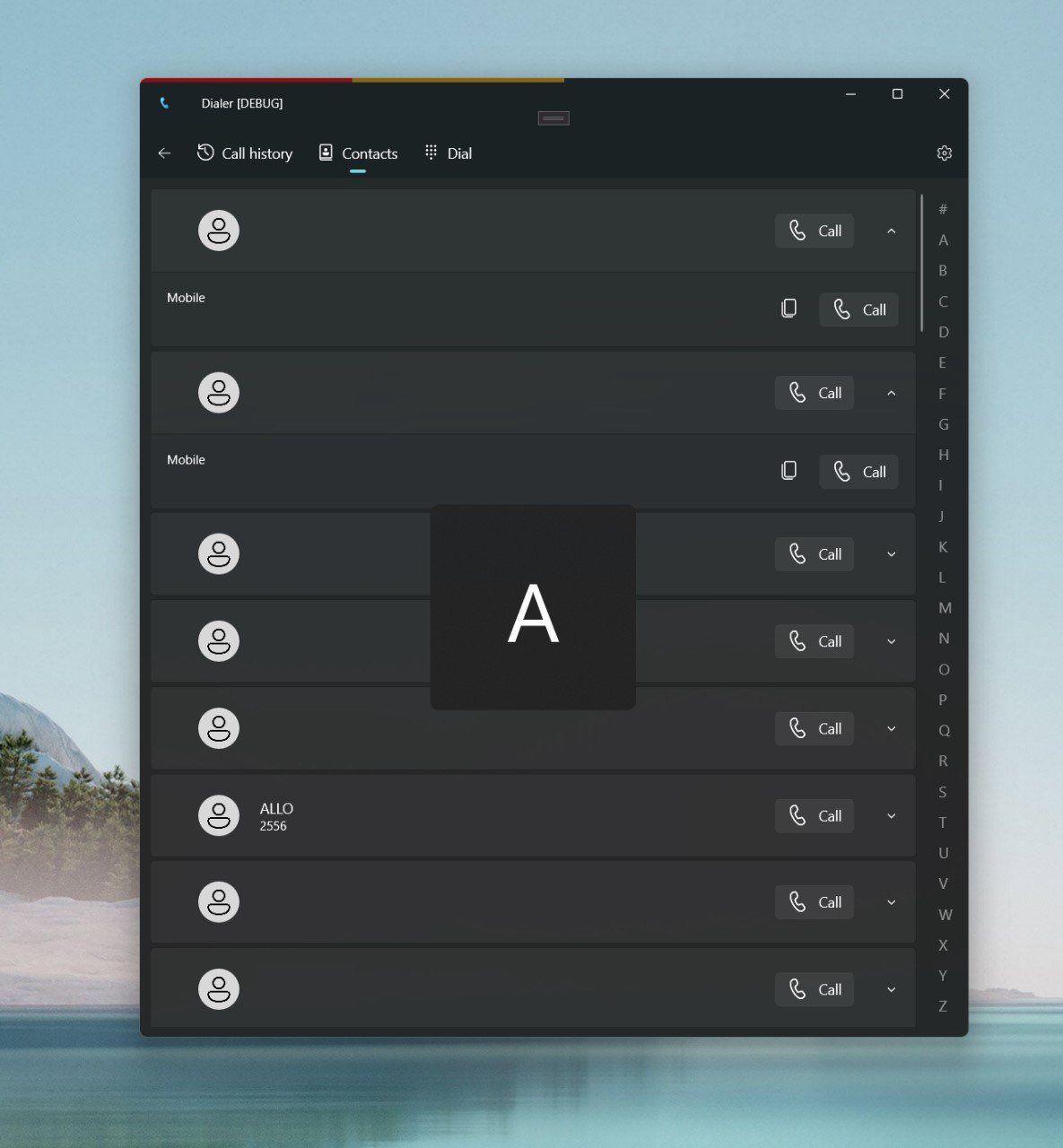
Now, in a further development related to that, a new dialer for the smartphone has been added that is designed to run on Windows instead of Windows Mobile. Simone Franco, a Computer Engineering student has created this dialer.
Along with the addition of a dialer, there’s also a new contact page with an alphanumeric bar next to the scroll bar that allows users to quickly find contacts.
Last month, Gustave Monce had successfully installed Windows 11 preview build on the Lumia 950 XL smartphone which is powered by a Qualcomm Snapdragon series chipset and has ARM-based support. In a video shared by the developer, the smartphone runs the full version of the Windows 11 operating system without major issues.
There seems to be some noteworthy performance improvement on the Lumia 950 XL running Windows 11 compared to Windows 10 which was ported earlier. This shows the increasing compatibility and could soon pave way for more ARM-based devices running the Windows operating system relatively smoothly.
Xiaomi is all set to announce its new devices at a launch event tomorrow in China. The company will be launching the Mi MIX 4, Mi Pad 5, a stylus, next-generation OLED Smart TV, a high-end smart speaker, and more.
With all these devices in the pipeline, there’s another device the Chinese company is gearing up to launch. Xiaomi is preparing to launch a new model under its current-generation Mi 11 series flagship lineup, dubbed Xiaomi Mi 11T.
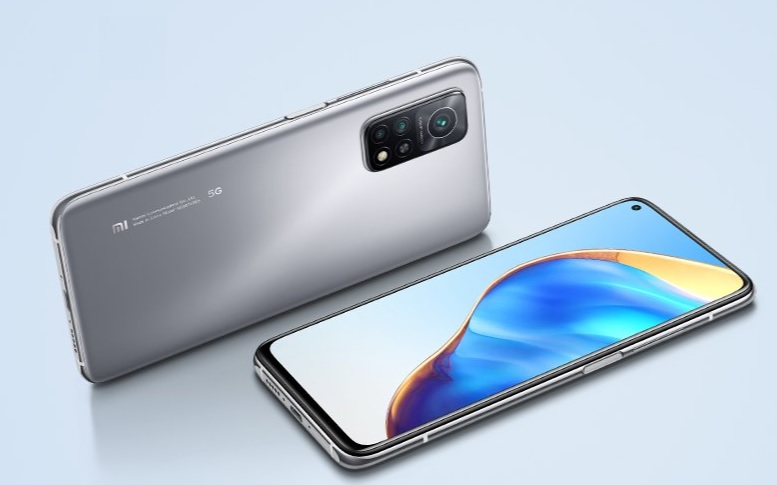
Xiaomi’s Mi 10T Pro 5G
Ahead of its official launch, the Mi 11T smartphone has been certified in Indonesia. The phone, which carries model number 21081111RG, is said to come powered by the MediaTek Dimensity processor.
However, at this time, the exact model of the chipset is not known. Given that it’s a flagship-grade smartphone, we expect the device to come powered by the MediaTek Dimensity 1200 SoC.
It’s noteworthy that this will be the first smartphone from Xiaomi in the Mi 11 lineup to come packed with a MediaTek chipset. All the devices launched so far in this series come powered by the Qualcomm Snapdragon processor.
Similar to its predecessor, this upcoming smartphone is expected to come in two different models — Mi 11T and Mi 11T Pro. Recently, the tipster Digital Chat Station claimed that the Mi 11T and Mi 11T Pro will feature a 120Hz OLED display instead of the 144Hz LCD screen found in the Mi 10T series.
As of now, there’s not much known about these new upcoming smartphones but we expect the devices to get launched in the coming weeks. The company is also working on Mi 11 Lite NE model for the Indian market.
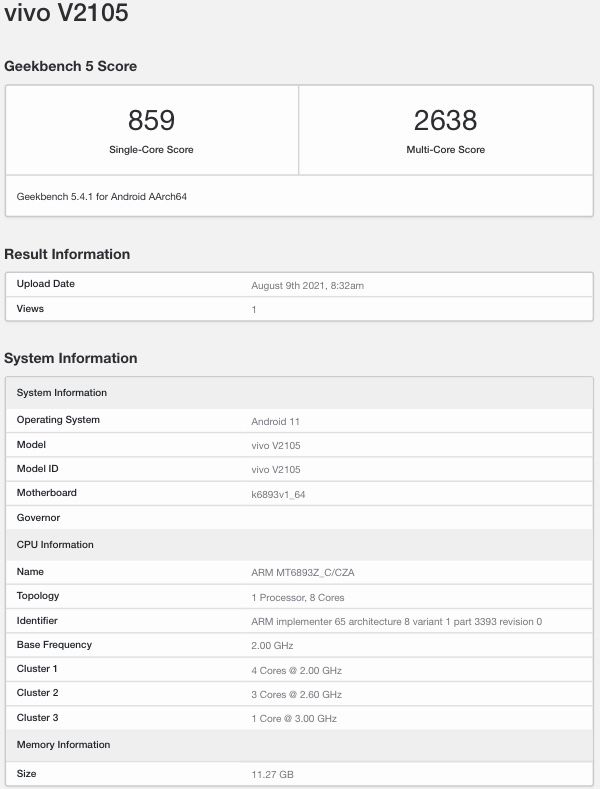
Earlier this week, a Vivo phone with model number V2105 was spotted at the Indonesia Telecom certification site. The listing confirmed that this device will be arriving in Indonesia as the Vivo X70 Pro. The same handset has paid a visit to the Geekbench benchmarking site (via) to reveal some of its key specs.
The V2105 Vivo smartphone’s Geekbench listing reveals that it is powered by the MediaTek Dimensity 1200 chip. The SoC is mentioned with its MT6893Z_C/CZA model number in the listing.
The Geekbench listing further states that it has 12 GB of RAM, and it runs on Android 11 OS. In the single-core and multi-core tests of Geekbench, the handset scored 859 and 2638 points, respectively.
Recently, a Vivo phone with a V2014 model number was also spotted at the same benchmarking site. It was also found to be equipped with the Dimensity 1200 SoC, 12 GB of RAM, and Android 11 OS.
The global editions of the Vivo X60 and X60 Pro that debuted earlier this year were found to be equipped with identical specs. The only noticeable difference between the two devices is that the Vivo X60 has OIS support, whereas the X60 Pro is equipped with micro-gimbal stabilization. Hence, it appears that the X70 and X70 Pro could be equipped with identical specs, and they may differ mainly in the camera department.
Past reports have claimed that the Vivo X70 lineup may go official by mid-September in India. The X70 may cost around Rs 45,000 (~$604), whereas the X70 Pro could be priced at around Rs 50,000 (~$671). The X70 Pro+ could be priced at around Rs 70,000 (~$939).
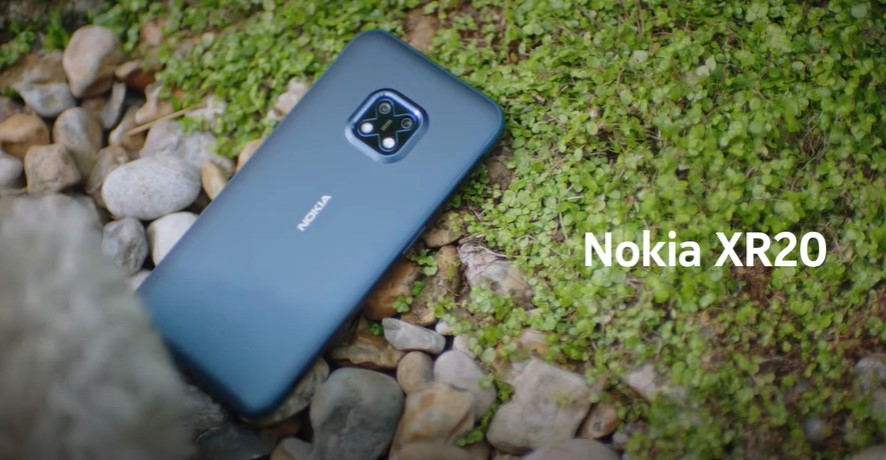
Yesterday, HMD Global announced the Nokia C20 Plus smartphone in India. The company also announced four other phones such as the Nokia XR20 5G, Nokia G10, Nokia C30, and Nokia C01 Plus.
While the Nokia C20 Plus is already up for purchase, the company is yet to confirm the pricing and availability of the Nokia XR20 5G, G10, C30, and C01 Plus. The XR20 is the first 5G-ready Nokia phone to arrive in India.
Buyers of the Nokia G10, C30, C20 Plus, and C01 Plus in India can benefit from a 10 percent discount through the Reliance Jio offer. The Nokia C30 that debuted in global markets runs on Android 11 (Go edition). The company will be launching an India-specific variant of the C30, which will come preloaded with full-fledged Android 11.
Nokia C20 Plus specifications and pricing
The Nokia C20 Plus has a 6.5-inch HD+ display that offers a 20:9 aspect ratio. The Unisoc SC9863A chip powers the device. It has a 4,950mAh battery that supports 10W charging.
The C20 Plus has a front camera of 5-megapixel, and its rear side features a 13-megapixel (main) + 2-megapixel (depth) dual-camera setup. It offers other features like dual 4G VoLTE, Wi-Fi, Bluetooth, GPS, microUSB, a microSD card slot, and a 3.5mm audio jack.
Nokia C20 Plus
The 2 GB RAM + 32 GB storage and 3 GB RAM + 32 GB storage editions of the C20 Plus are priced at Rs 8,999 (~$121) and Rs 9,999 (~$134), respectively. It comes in two colors such as Blue and Grey.
Xiaomi’s sub-brand Redmi recently launched its first laptop in India. Realme’s first notebook Realme Book is also expected to arrive this month. Fresh information reveals Vivo is carrying out a survey in India to see what customers want to see on its laptop.
According to 91mobiles that cites tipster Yogesh Brar as its source, Vivo’s survey is all about gauging consumers’ expectations on the price range, screen size, processors, and other details of its forthcoming notebook. Interestingly, ASUS has been selling VivoBook branded laptops in India. Hence, it is likely that Vivo’s laptop may arrive with a different name.
The tipster claimed that Vivo has successfully conducted a smartwatch survey in India and it appears that the company could be planning to launch Vivo Watch alongside the Vivo X70 series in India in September. As far as Vivo notebooks are concerned, the company may launch it few months after carrying out its survey.
The new leak claims that the Vivo laptops will be arriving in at least two screen sizes. The first Vivo notebooks could be powered by the 11th generation Intel Core i3 / i5.
In related news, Vivo is likely to launch the Vivo X70 series of smartphones and the Vivo Watch by mid-September. The X70 series may include models such as Vivo X70, X70 Pro, and X7 Pro+. It could be priced between Rs 45,000 (~$604) and Rs 70,000 (~$940).
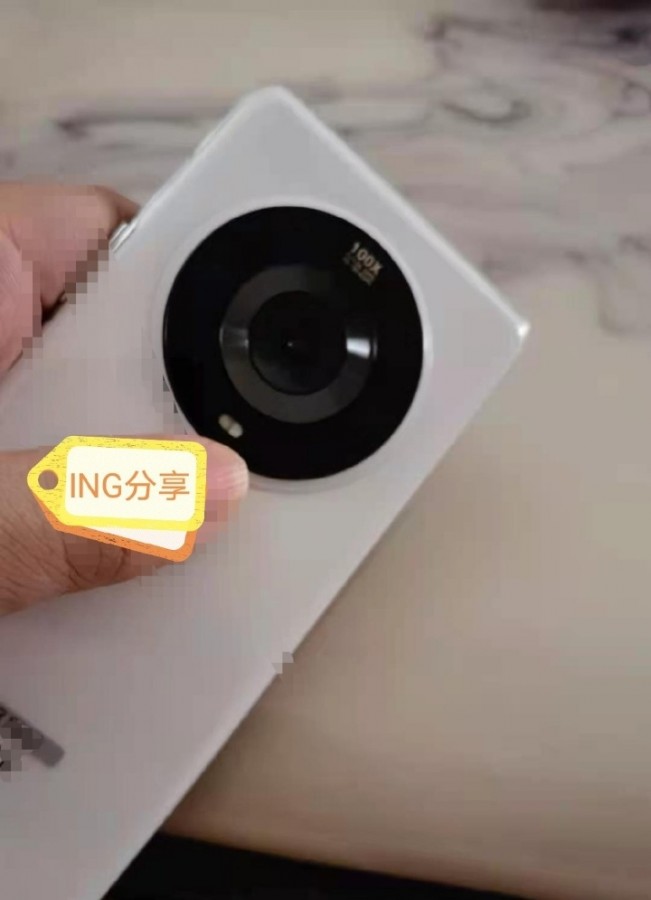
Honor will be launching the Magic 3 series smartphone on August 12. Ahead of the launch, we have seen a couple of teasers of the smartphone and more keep coming. A leaked image of the Honor Magic 3 has appeared online showing the rear camera design.
The Honor Magic 3 haas already been confirmed to feature five rear cameras. However, this image gives us a clear view of the rear camera design. The rear camera is housed inside a circular housing. There is also a 100X branding which suggests that the device will come with a periscope lens and will likely also have digital zoom output. Other details of the camera setup are still unknown.
An official durability video of the Magic 3 also appeared online giving us a glimpse of its waterproof build. The device was subjected to a series of water submersion tests which it survived unscathed. It was also dropped on various surfaces and the display was subjected to the scratch test. The video also shows the phone’s cooling system in action as it was able to dissipate heat quite effectively.
Smart wearable devices are increasingly deployed in ways never before imagined to save lives and seemingly expand the health outreach of individuals. The Apple Watch has evolved with lots of life-saving features that continue to prove very vital in saving the lives of its users.
A 25-year old man, Brandon Schneider is still alive today, thanks mainly to the fall detection feature in his Apple Watch that was activated when he had a potentially life-threatening fall inside the bathroom in a New York Hospital last month. Schneider seemingly was as fit as it can get, getting regular running exercises and living a decent lifestyle. Howbeit, he experienced severe abdominal pains for a few days and decided to visit a hospital for proper medical attention in company of his father.
Along the line, he had to use the restroom but passed out while he was at it. When Schneider fell down, his Apple Watch’s fall detector was able to send an alert to his dad, after detecting a fall and did not get any response from him within 45 seconds. Such head injuries require a timely response, and indeed help arrived promptly, as the father swiftly rallied hospital staff to the bathroom where Schneider was found unconscious.
A CT scan revealed that Schneider had life-threatening hematomas in addition to a fractured skull. He thereafter underwent a successful emergency brain surgery in the hospital. The prompt response of Schneider’s dad and the medics probably saved his life, as they were able to avoid irreversible damage to his critical brain tissues. The prognosis remains bright and a full recovery is expected of the appreciative 25-year old. He is thankful to the hospital and his Apple Watch, together with his active lifestyle. Schneider had recently set up the emergency alert feature in his Apple Watch and encourages all others to do the same.
The fall detection feature in the Apple Watch helps to send an alarm or alert a loved one when it detects a fall and the user did not respond to its prompts within 45 seconds. It is unclear whether Schneider’s watch sounded an alarm, and whether there were persons in the vicinity of the bathroom who may have heard the alarm.
The Galaxy S21 FE appeared in an image for Samsung’s back-to-school promo posted on Instagram. Samsung has now deleted the post, but thankfully the image was saved before the manufacturer yanked it off the social media platform.
Image source: 9-to-5 Google
In the image we see the Light Violet variant of the Galaxy S21 FE alongside the Galaxy Buds Pro and a Galaxy Book. We know it is the Galaxy S21 FE because of its camera housing whose color matches the rest of the body. The Phantom Violet Galaxy S21 and Galaxy S21 Plus both have a rose gold camera housing.
The Galaxy S21 FE will have a 6.4-inch FHD+ AMOLED display with a 120Hz refresh rate. It will be powered by the Snapdragon 888 processor with up to 8GB of RAM and 256GB of storage.
As seen in the image above, there are three cameras on the back of the phone. It has also been reported that it packs a 32MP front-facing camera and will have a 4370mAh battery with support for fast charging. Last week, a leak revealed that Samsung will launch the phone in Gray, Light Green, Light Violet, and Whte in the U.S.
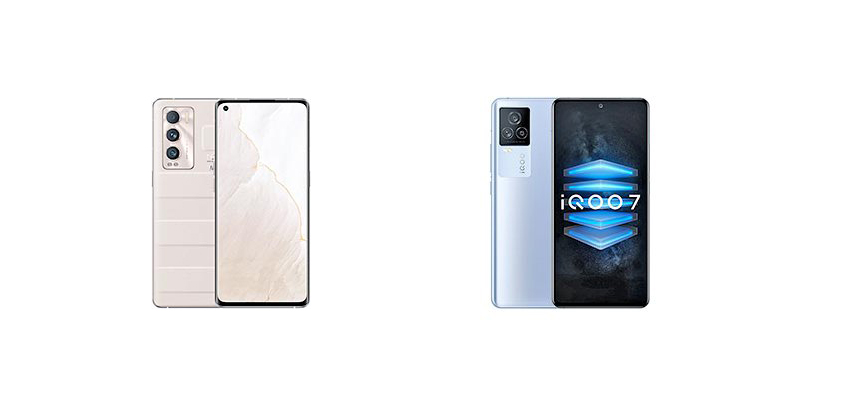
Realme GT and GT were not enough: Realme had to release yet another flagship killer under the GT series which is even more complete than its two predecessors. We are referring to the Realme GT Master Explorer Edition which will soon make its debut outside of China. Usually, flagship killers have an important compromise: the camera performance, but it is not the case with the Realme GT Master Explorer Edition. However, is it the most complete flagship available at a killer price or there is something more at the same level even when it comes to the cameras? The answer is yes: a similar device is the iQOO 7 by Vivo’s sub-brand, another handset packing amazing hardware and a great camera too. Here is a comparison between their specifications.
Realme GT Master Explorer Edition vs Vivo iQOO 7
Realme GT Master Explorer Edition
Vivo iQOO 7
DIMENSIONS AND WEIGHT
159.9 mm x 72.5 mm x 8.8 mm, 185 grams
162.2 x 75.8 x 8.7 mm, 210 grams
DISPLAY
6.55 inches, 1080 x 2400p (Full HD+), Super AMOLED
6.62 inches, 1080 x 2400p (Full HD+), AMOLED
PROCESSOR
Qualcomm Snapdragon 870, octa-core 3.2 GHz
Qualcomm Snapdragon 888, octa-core 2.84 GHz
MEMORY
8 GB RAM, 128 GB – 12 GB RAM, 256 GB
8 GB RAM, 128 GB – 12 GB RAM, 256 GB
SOFTWARE
Android 11, Realme UI
Android 11, OriginOS
CONNECTIVITY
Wi-Fi 802.11 a/b/g/n/ac/ax, Bluetooth 5.2, GPS
Wi-Fi 802.11 a/b/g/n/ac/ax, Bluetooth 5.2, GPS
CAMERA
Triple 50 + 16 + 2 MP, f/1.9 + f/2.2 + f/2.4
32 MP f/2.5 front camera
Triple 48 + 13 + 13 MP, f/1.8 + f/2.5 + f/2.2
16 MP f/2.0 front camera
BATTERY
4500 mAh, fast charging 65W
4000 mAh, fast charging 120W
ADDITIONAL FEATURES
Dual SIM slot, 5G
Dual SIM slot, 5G
Design
The design of the Realme GT Master Exploration Edition is more suggestive than iQOO 7, if we take the version made of eco leather designed by the known Japanese designer Naoto Fukasawa. However, there is a special color option of the iQOO 7 called Legend, with BMW colors, which is as stunning as the leather variant of the Realme GT Master Explorer Edition. Which one is better depends on your personal tastes. I personally prefer the Realme GT Master Explorer Edition due to its curved edge to edge display and a more compact body.
Display
The displays of Realme GT Master Explorer Edition and iQOO 7 are more or less at the same level, that is the reason why we recommend you to focus on the other specifications while reading this comparison. They are Super AMOLED panels with a Full HD+ resolution of 1080 x 2400 pixels, a 120 Hz refresh rate, the HDR10+ certification, very high peak brightness, and the Gorilla Glass 5 protection for the GT. The only important difference regards the dimensions: Realme GT Master Explorer Edition has a 6.55-inch curved display, while iQOO 7 has a flat 6.62-inch display. Both the phones feature stereo speakers and an in-display fingerprint reader.
Specs & Software
The Chinese variant of the iQOO 7 is a more powerful device than its rival because it packs a stronger chipset: the Snapdragon 888 mobile platform which is the best by Qualcomm if we exclude the Snapdragon 888 Plus. The Realme GT Master Explorer Edition has the weaker Snapdragon 870, but a lot of people prefer the 870 over the 888 because of its better management of energy consumption. In both cases, you get up to 12 GB of LPDDR5 RAM and up to 256 GB of UFS 3.1 native storage. The internal storage is not expandable. The handsets run Android 11 with a highly customized user interface on top.
Camera
Each of these devices is a pretty nice camera phone, but they have their pro and cons. The Realme GT Master Explorer Edition has a better main camera: the Sony IMX766 with a 50 MP resolution and OIS. The iQOO 7 has OIS as well, but with an inferior main camera. On the other hand, the iQOO 7 has a telephoto lens that is not present on the GT, which supports 2x optical zoom. Instead, the Realme GT Master Explorer Edition has a better 16 MP ultrawide camera and a better 32 MP front camera.
The iQOO 7 supports the fastest commercial charging technology with a power of 120W, but the battery is below average in terms of capacity: 4000 mAh. The Realme GT Master Explorer features a bigger 4500 mAh battery and a still fast charging technology with a power of 65W.
Price
The iQOO 7 starts from about €480/$563 in China, while Realme GT Master Explorer Edition is priced at €458/$538 in its base variant. Both are amazing phones with an incredibly high value for money, recommended for gamers and power users. Which one should you pick? I personally prefer the Realme GT Master Explorer Edition because it features a bigger battery, a better main camera, and a better front camera. But the iQOO 7 has a stronger chipset and amazing 120W fast charging. Which one would you opt for?
Realme GT Master Explorer Edition vs Vivo iQOO 7: PRO and CONS
We use cookies on our website to give you the most relevant experience by remembering your preferences and repeat visits. By clicking “Accept”, you consent to the use of ALL the cookies.
This website uses cookies to improve your experience while you navigate through the website. Out of these, the cookies that are categorized as necessary are stored on your browser as they are essential for the working of basic functionalities of the website. We also use third-party cookies that help us analyze and understand how you use this website. These cookies will be stored in your browser only with your consent. You also have the option to opt-out of these cookies. But opting out of some of these cookies may affect your browsing experience.
Necessary cookies are absolutely essential for the website to function properly. This category only includes cookies that ensures basic functionalities and security features of the website. These cookies do not store any personal information.
Any cookies that may not be particularly necessary for the website to function and is used specifically to collect user personal data via analytics, ads, other embedded contents are termed as non-necessary cookies. It is mandatory to procure user consent prior to running these cookies on your website.