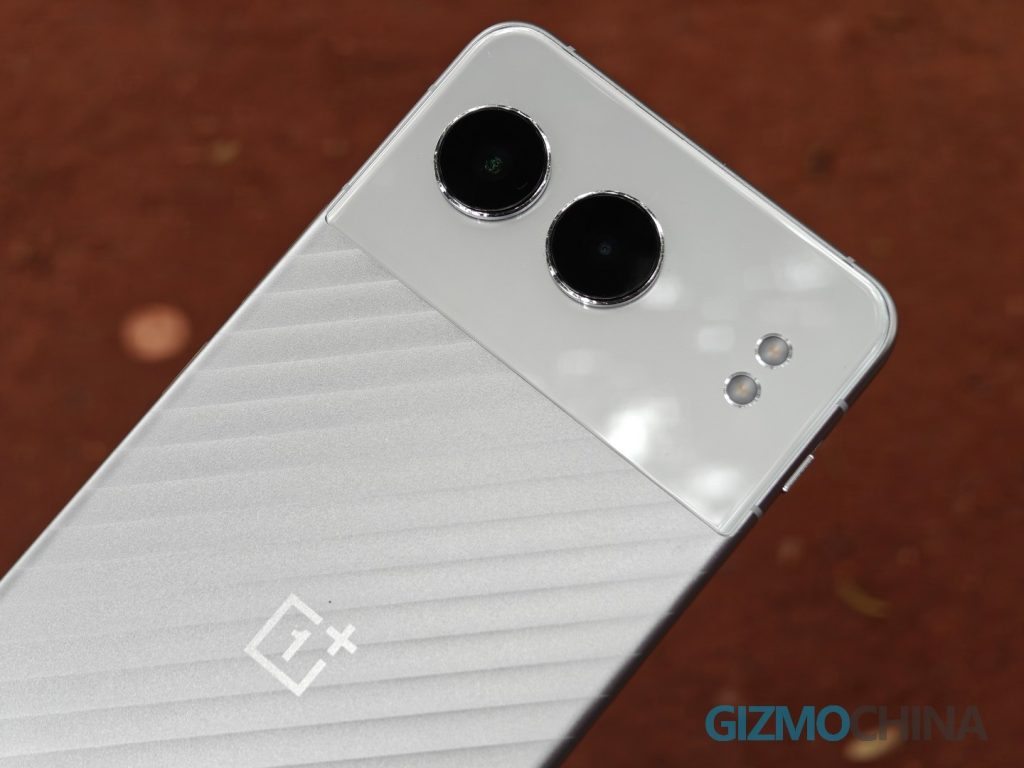
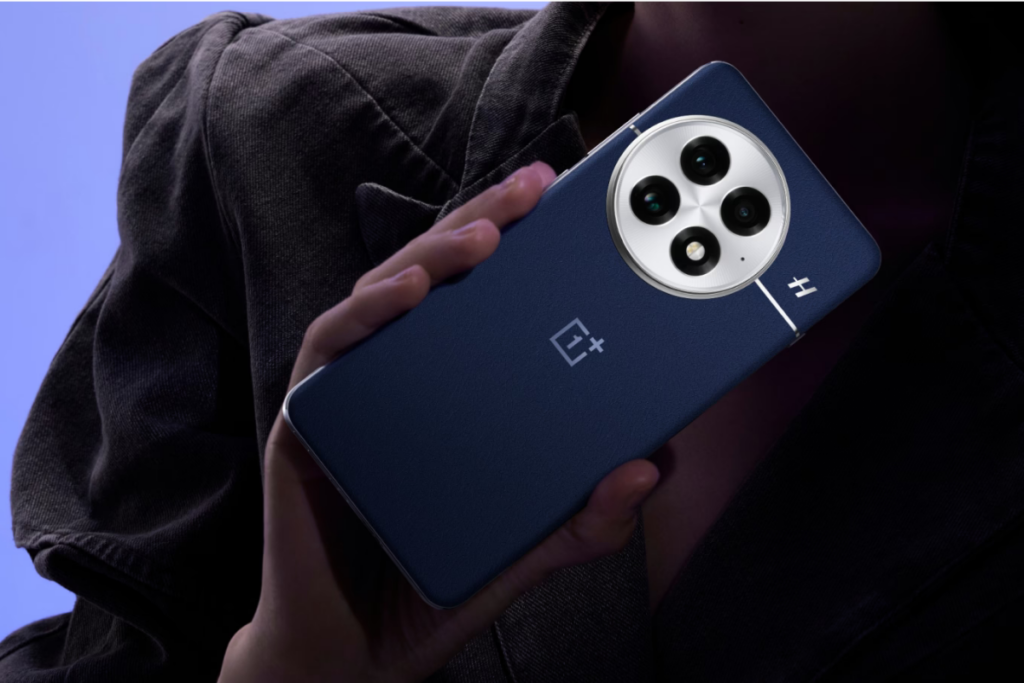
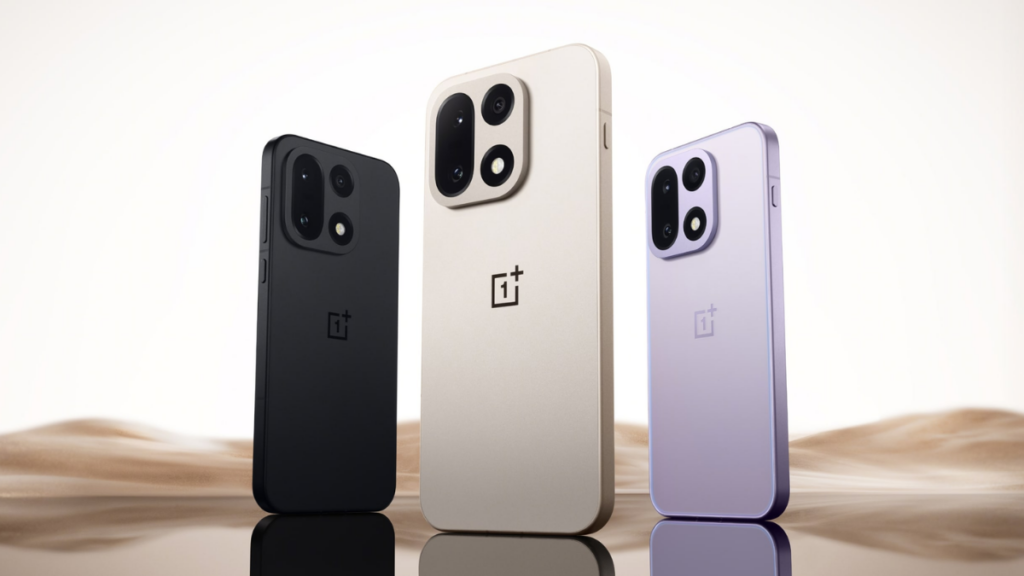
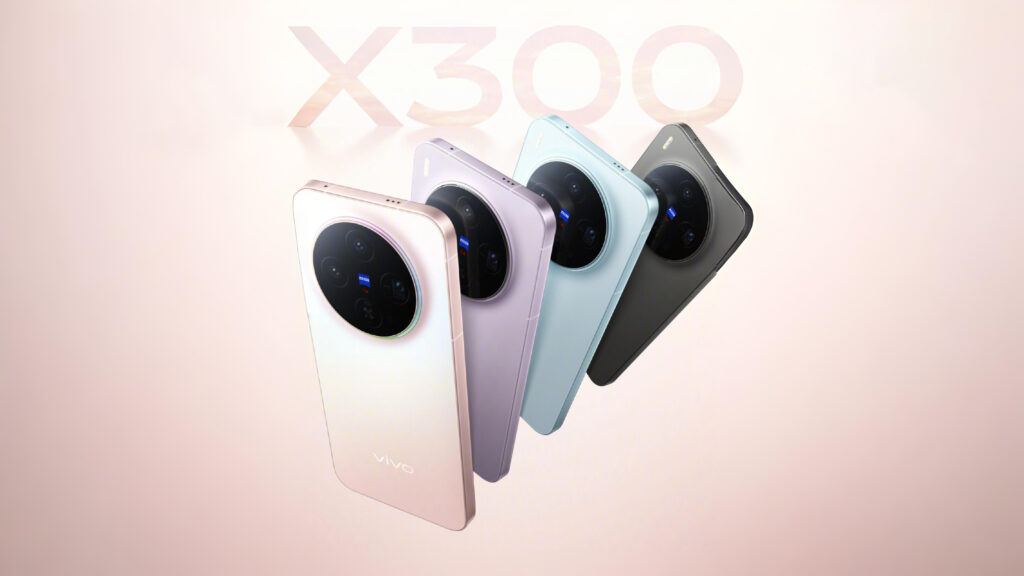
OnePlus is preparing to launch its Ace 6 smartphone alongside the OnePlus 15 in China next week. But before the official reveal, a new leak on Weibo appears to have spoiled most of the surprises, including nearly every key spec of the upcoming device.
According to the post, the OnePlus Ace 6 will feature a 6.83-inch display with a 1.5K+ resolution and Dolby Vision support. The screen is said to offer a 165Hz refresh rate, albeit it could be based on LTPS technology.
The leak also mentions “Pro XDR ultra-dynamic display” support, with HDR Vivid and HDR10+ certification. Speaking of HDR, the phone reportedly reaches up to 1,800 nits at its peak and has 2160Hz PWM dimming.
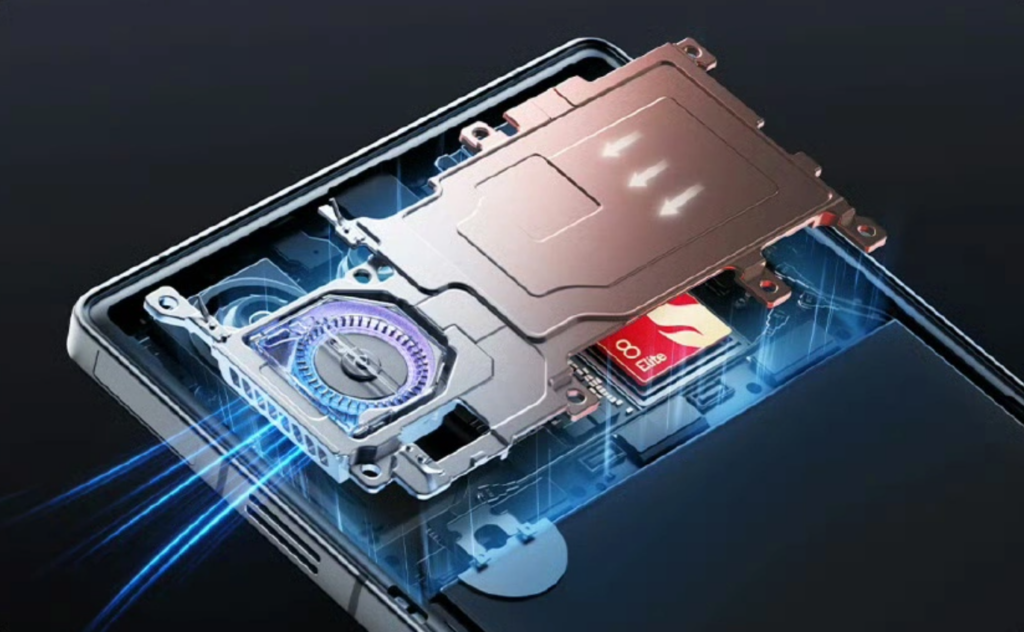
Powering all of this will be Qualcomm’s Snapdragon 8 Elite chipset paired with LPDDR5X RAM and UFS 4.1 storage. The leak also mentions support for Fengchi Gaming Core 2.0.
This is a chip-level gaming technology developed by OnePlus to improve mobile gaming performance by optimizing the Android kernel for smoother gameplay, lower frame drops, and reduced heat.
Powering all that is a 7,800mAh which can reportedly retain at least 80 percent capacity even after 2,000 charge cycles. That’s paired with 120W wired charging.
For cameras, the phone could offer a 50MP main camera and an 8MP ultra-wide on rear. Other notable features include an ultrasonic in-display fingerprint sensor, IP65 water and dust resistance, super linear dual speakers, a bionic vibration motor, infrared remote, and a new cooling system to handle all that performance.
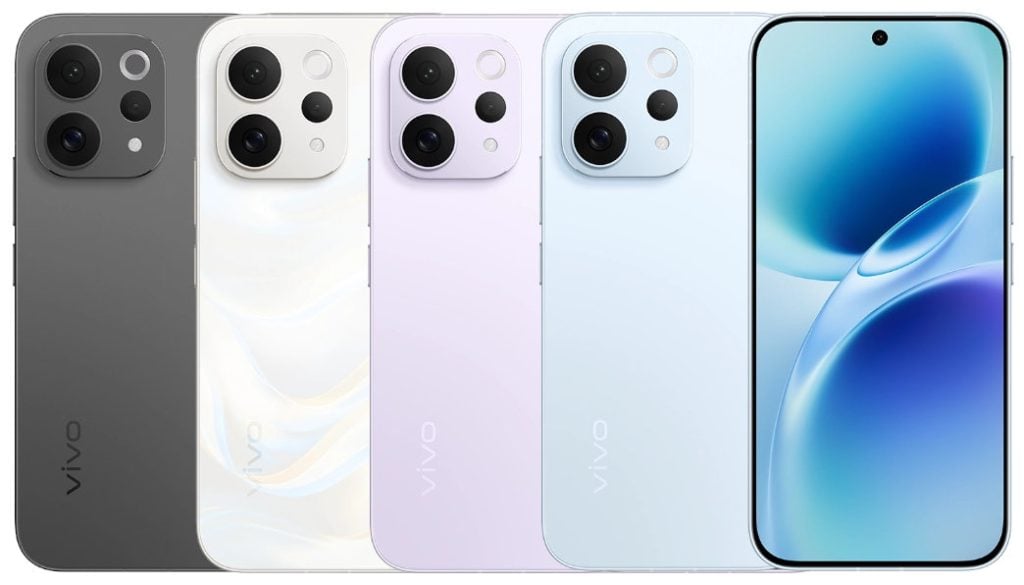
The OnePlus Ace 6 will reportedly come in silver, white, and black, with configurations up to 16GB of RAM and 1TB of storage.
For more daily updates, please visit our News Section.

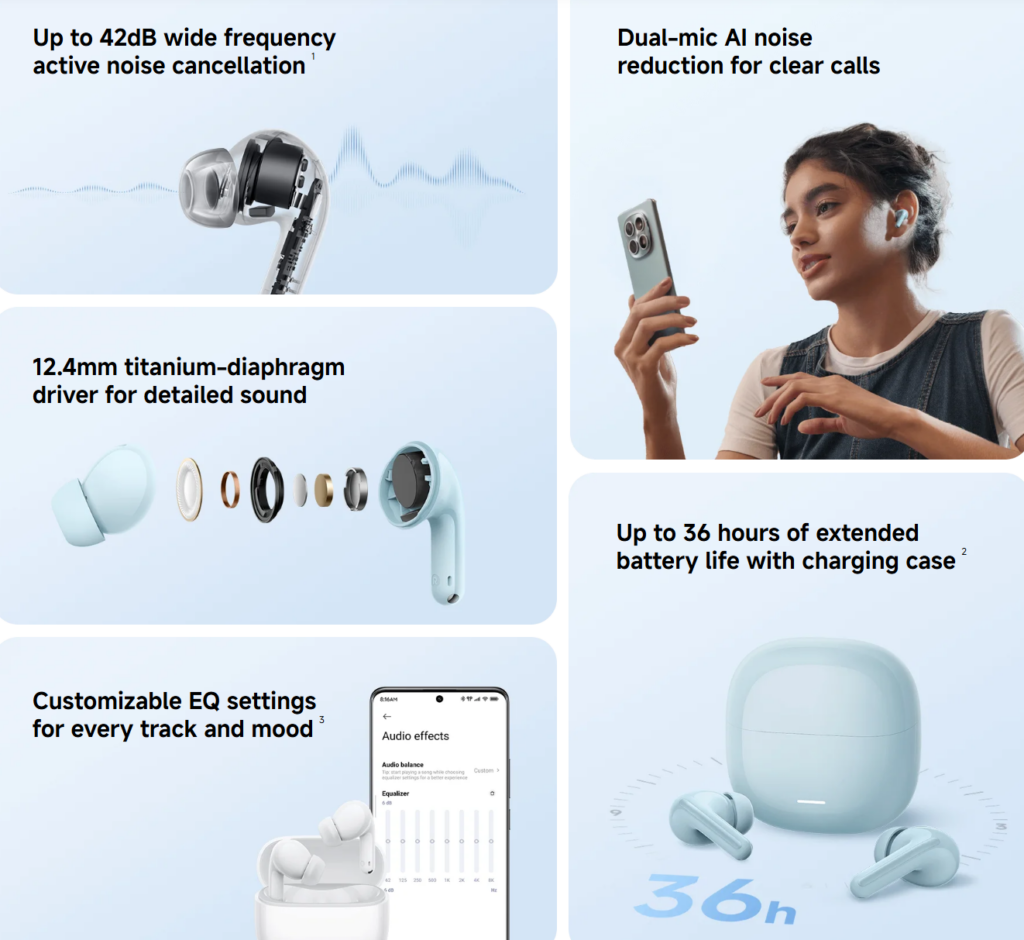
iQOO has launched the iQOO TWS 5 earbuds in China. The new wireless earbuds focus on delivering clear sound, strong noise cancellation, and long battery life at an affordable price. These earbuds have debuted alongside the iQOO 15 smartphone, the Watch GT 2 and the Pad 5e tablet.
The earbuds use 11mm dynamic drivers powered by the BES2710Y sound platform and feature second-generation ceramic tungsten diaphragms. They support LDAC, AAC, SBC, and LC3 codecs, covering an audio range of 16Hz to 48kHz. The iQOO TWS 5 provides adaptive noise cancellation up to 60dB and 5500Hz wideband noise reduction. It also includes AI call noise reduction and dual transparency mode.
For smooth performance during gaming or video use, the earbuds offer a low latency of 42ms. They also support 360-degree spatial audio through a professional sound field engine that provides four spatial sound effect modes. Each earbud weighs 4.8 grams and includes a 56mAh battery that lasts up to 12 hours with ANC off or 6 hours with ANC on. The charging case weighs 42.5 grams, holds a 513mAh battery, and extends total playback up to 48 hours with ANC off or 24 hours with ANC on.
The iQOO TWS 5 supports Bluetooth 5.4 LE and has an IP54 rating for dust and splash resistance. The case measures 60×23.8×46 mm, while each earbud measures 22.05×23.6×30.27 mm. The earbuds come in Racing Yellow and Electric White colors, priced at 399 yuan (about $56). Sales begin on October 25 in China.
For more daily updates, please visit ourNews Section.
Not long ago, a single IP rating was the norm for smartphones. It meant your phone could take a splash, survive in a dusty environment, and maybe even handle a quick dip in the pool. But lately, phone makers have started stacking multiple IP ratings on a single device.
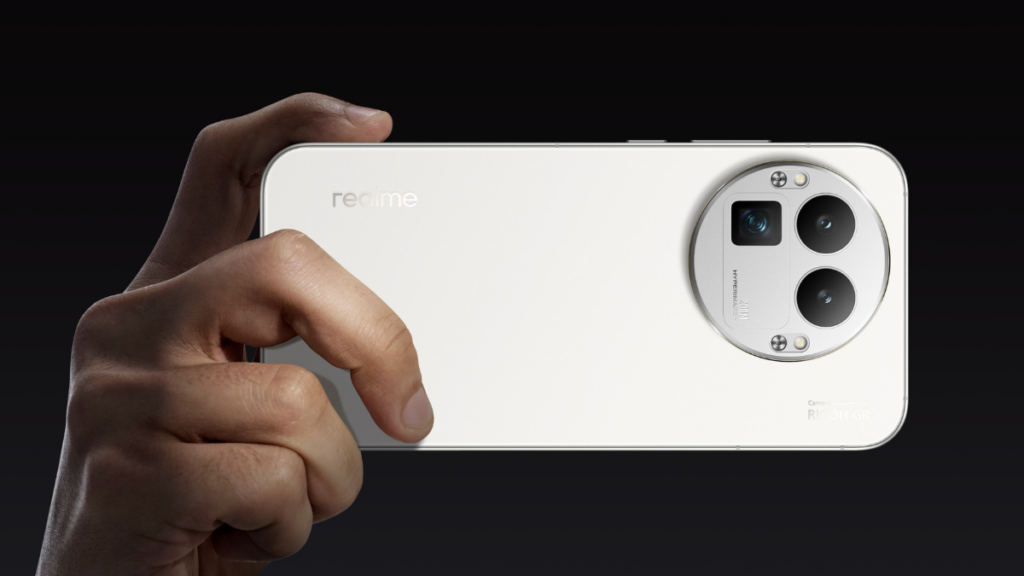
The new Realme GT 8, for instance, flaunts IP66 + IP68 + IP69 water and dust resistance. The OPPO Find X9 proudly lists all three, too. It sounds impressive to have multiple ratings, but for normal users, this is more confusing than reassuring.
Because if IP69 is the highest in the series, shouldn’t it already cover what IP66 and IP68 promise? So why bother listing all three? Let’s break down what’s actually happening here.
Let’s start with the basics. “IP” stands for Ingress Protection, an international standard that measures how well a device resists dust and water. The rating always comes in the format IPXY, where:
X is for dust protection (from 0 to 6)
Y is for water protection (from 0 to 9)
So, for example:
IP66 means dust-tight and protected against high-pressure water jets.
IP68 means dust-tight and protected against long immersion under water.
IP69 means dust-tight and protected against high-temperature, high-pressure water jets.
Each number represents a different kind of test, done in a different way.
That’s where things get interesting. The tests for IP66, IP68, and IP69 don’t overlap, they test different stress conditions. That’s why some modern phones list all three.
2. Why one rating doesn’t cover everything
Let’s say your phone has IP68 certification. That means it has survived being dunked in fresh water (not salt water), usually at 1.5 meters for 30 minutes. But IP68 doesn’t test for water jets, meaning it’s not guaranteed to withstand a shower of high-pressure water from all angles.
That’s where IP66 and IP69 come in.
IP66 tests the device’s ability to withstand powerful water jets (around 100 liters per minute).
IP69 takes it a step further, using hot water at 80°C and even higher pressure (80–100 bar).
So a phone might pass IP68 (immersion) but fail IP69 (pressure). Conversely, something could survive high-pressure jets but leak slowly when submerged. They’re different failure modes, and manufacturers want to prove protection on all fronts.
In short:
IP68 ≠ IP69. They test different things.
3. The rise of multi-IP-rated phones
A few years ago, most phones including flagships stuck to IP67 or IP68. That was enough for normal life like rain and spills. But in 2024 and 2025, we’ve seen more brands bragging about IP69 or having two or three ratings. So what changed?
Partly, it’s a mix of engineering maturity and marketing psychology.
Smartphone construction has improved a lot in recent years. Adhesives, gasket designs, and nano-coatings now make it easier to pass these extreme tests. On the marketing side, brands know that “IP69” sounds cool but not everyone knows what it means. So listing multiple ratings together creates the impression of total coverage.
4. Breaking down the tests doffer
Here’s a clearer breakdown of how these tests differ:
Rating
Dust Protection
Water Protection
Real-world meaning
IP54
Limited protection against dust (not fully dust-tight)
Protected from water splashes from any direction
Good for light rain or sweat, not immersion
IP64
Fully dust-tight
Protected from splashing water
Great for dusty areas, fine in drizzle
IP65
Fully dust-tight
Protected against low-pressure water jets
Can handle a short shower or light hose spray
IP66
Fully dust-tight
Protected against high-pressure water jets
Can resist stronger sprays — like a garden hose blast
IP67
Fully dust-tight
Can be immersed in up to 1 meter of water for 30 minutes
Survives accidental drops in sinks or puddles
IP68
Fully dust-tight
Can be immersed deeper than 1 meter, usually up to 1.5m for 30 mins
Can handle pools or bathtubs (freshwater only)
IP69
Fully dust-tight
Protected against high-pressure, high-temperature water jets
Pressure washing, industrial cleaning
You can see why no single test can cover all scenarios. A phone could technically survive immersion but fail when hit by boiling water from a pressure gun. Real-world accidents don’t come with uniform conditions, so having multiple IP certifications is a more complete safety net.
5. But do we really need all three?
For most people, no. Unless you’re planning to pressure wash your phone (please don’t), IP68 alone is more than enough. You can take photos in the rain, spill coffee, or drop it in a bathtub, and it’ll likely survive.
The higher IP69 rating is more relevant for industrial devices, rugged phones, and military-grade equipment, where they might face high-pressure cleaning or extreme dust conditions. But since smartphone makers love one-upmanship, we’re now seeing mainstream phones borrow those ratings too.
For more daily updates, please visit our News Section.

LG has launched the Magnit Active Micro LED TV, a 136-inch 4K display designed for luxury home cinema installations. The new model is now available in South Korea and will expand to key global markets including North America.
LG Magnit Active Micro LED TV Specs
The Magnit Active Micro LED TV features a 4K resolution of 3840 x 2160 pixels and a 144Hz refresh rate. LG uses Active Matrix Micro LED technology to give each pixel independent control. This approach enhances detail, contrast, and color accuracy by allowing every pixel to emit its own light rather than relying on traditional row-and-column control used in Passive Matrix systems.
The display achieves a contrast ratio of 1,000,000:1 and supports Dolby Vision. LG has applied a low-reflection surface treatment to improve black levels and minimize the effects of ambient lighting. The modular design aligns the Micro LED panels with high precision to reduce visual seams and create a unified screen.
The display runs on LG’s Alpha 9 AI Processor 6th Generation, which analyzes and adjusts scenes in real time to improve sharpness, reduce noise, and highlight facial and object details. LG has integrated a 4.2-channel speaker system that delivers 100W of output. The system supports enhanced Audio Return Channel (eARC) for lossless audio playback.
The TV supports LG’s webOS platform, which includes access to LG Channels, OTT apps, and LG Gallery+ for displaying art or themed content. The model is compatible with both AirPlay 2 and Miracast for screen sharing from iOS and Android devices.
LG received TÜV Rheinland’s Color Consistency Wide Viewing certification for the Magnit Active Micro LED, confirming consistent color performance at wide viewing angles. The product also meets residential safety and electromagnetic compatibility standards under FCC and British Standards Institution regulations.
The company plans to evolve the Magnit Active Micro LED into a scalable video wall solution for professional and commercial spaces.
In related TV news, Hisense has recently launched the 116U75QG and 100UX Mini LED TVs in the US, featuring Dolby Vision 2 support and a 165Hz refresh rate. Samsung has also opened pre-orders for its 115-inch Micro RGB Vision AI TV, with deliveries scheduled to begin in mid-December
For more daily updates, please visit our News Section.
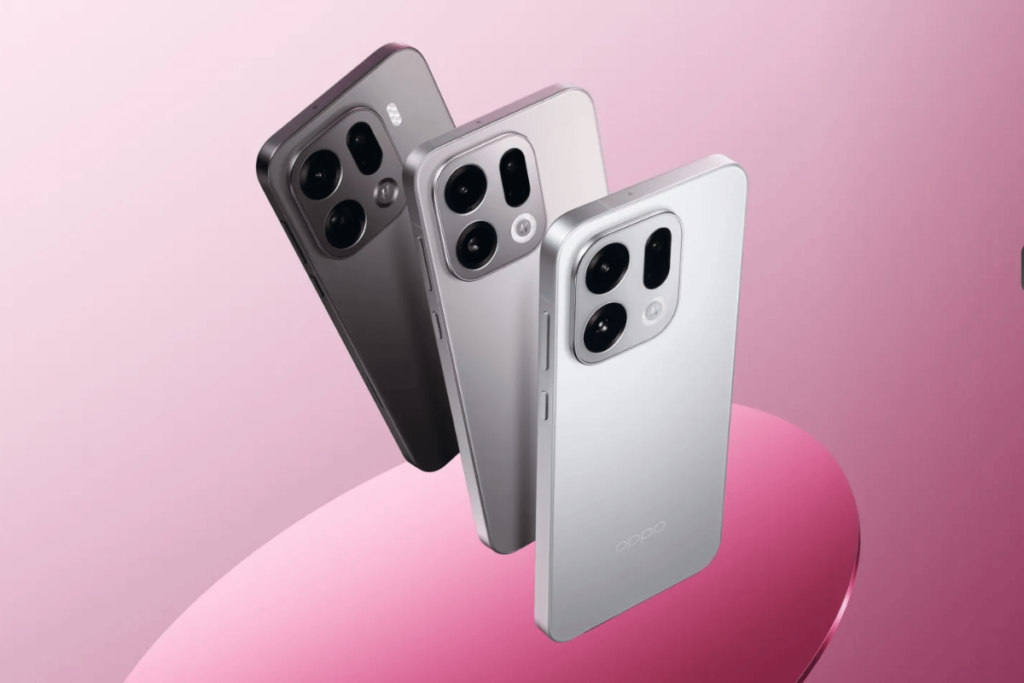
Oppo’s new Find X9 series is taking battery life to bold new heights. Fresh off its debut in China, the flagship lineup packs enormous power reserves that could make range anxiety a thing of the past. And unlike many flagships from China that launch in Europe with smaller batteries, it looks like Oppo has kept the numbers for the Find X9 series the same for its European customers. The news comes from X tipster @Sudhanshu1414.
In China, the standard Find X9 comes with a 7,025mAh battery, while the Find X9 Pro pushes it even further to 7,500mAh. Oppo says its third-generation silicon-carbon cells squeeze in more capacity without adding bulk. Despite the major bump in capacity, both phones remain close to their predecessors when it comes to thickness and weight. For context, the Find X8 series topped out at 5,630mAh on the base model and 5910mAh on the Pro. Fast charging is well covered too, with 80W wired and 50W wireless support.
The tipster also shared EU Energy Label listings for the Find X9 (model CPH2797) and Find X9 Pro (CPH2791), which align with his claim.
Elsewhere, the Find X9 series keeps things premium: IP69 water and dust resistance, 120Hz AMOLED displays (6.59 inches on the X9, 6.78 on the Pro), and Hasselblad-tuned cameras with a 200MP telephoto on the Pro model. Power comes from MediaTek’s new 3nm Dimensity 9500 chip, paired with ColorOS 16 for a smooth, AI-enhanced software experience.
The global launch is set for October 28 in Barcelona, where Oppo is expected to highlight its focus on performance, endurance, and design. If those battery claims hold up, the Find X9 series could redefine “all-day battery life” in a market where iPhones and Galaxy models usually steal the spotlight.
iQOO has expanded its wearable lineup with the launch of the iQOO Watch GT 2 in China, offering an affordable smartwatch packed with features for fitness enthusiasts and users looking to pair a smartwatch with the newly launched iQOO 15 smartphone.
The smartwatch features an aluminum alloy casing and a 2.07-inch 2.5D curved AMOLED display with a resolution of 432×514 pixels. It supports Always-On Display and a 60Hz refresh rate, with peak brightness reaching 2400 nits and an 82.4 percent screen-to-body ratio.
The watch includes several sensors such as an optical heart rate and blood oxygen sensor, acceleration sensor, gyroscope, geomagnetic sensor, Hall sensor, and ambient light sensor. It supports over 100 sports modes, all-day heart rate monitoring, blood oxygen tracking, sleep and stress monitoring, breathing exercises, menstrual cycle tracking, noise detection, and fitness courses. It also includes an e-sports heart rate monitoring feature and a floating heart rate window for mobile gaming.
The iQOO Watch GT 2 runs on Blue OS 3.0 and features the DeepSeek AI assistant. It comes with a built-in speaker and microphone for voice calls. Connectivity options include LTE via eSIM, Bluetooth 5.4, GPS, GLONASS, GALILEO, Beidou, and NFC for payments.
The Bluetooth version has a 695mAh battery that lasts up to 33 days, while the eSIM version has a 595mAh battery with up to 8 days of use. The watch weighs around 35.8 grams and measures 47.54×40.19×10.97 mm.
Pricing & availability
The iQOO Watch GT 2 is available in Blazing Black, Phantom Black, and Star White colors. The Bluetooth variant costs 499 yuan (about US$70) and the eSIM version costs 699 yuan (about US$98).
For more daily updates, please visit our News Section.
IQOO Neo 10R 5G is the best gaming phone at this budget. It is packed with the powerful processor and humangous battery make the phone stand out from the crowd. The company claims IQOO Neo 10R 5G is the segment’s most stable 90FPS for 5 hours. As the Amazon’s Diwali sale is ending today, it is the best deal available online.
IQOO Neo 10R 5G Discount Details
The iQOO Neo 10R 5G base varient (8 GB RAM and 128 GB Storage) was costed around ₹28,998 is now available at around ₹24,999. Moreover, their is additional coupon of ₹2000 which you can avail instantly which brings down the effective pricing to around ₹22,999. And the coupon are available for all the varients of this phone. If you make payment through Amazon Pay ICICI Bank credit card you can get 5% cashback for Prime members. 3% back for others card holders.
Please Note: When you buy something using the links in our articles, we may earn a small commission at no cost to you.
IQOO Neo 10R 5G Features and Specification
iQOO Neo 10R 5G is powered by a Snapdragon 8s Gen3 which is 4nm TSMC processor. It is paired with LPDRR5X RAM and UFS 4.1 storage. The smartphone is dust and water protected with IP65 rating. It is packed with 6400mAh battery which is also a slimmest battery and supports 80W fast charging
This is the slimmest gaming phone in this price segment with 6043 mm² vapor chamber. Most of the cooling area is provided around the processor to keep it cool and helps to give stable gaming of 90 FPS for contineous 5 hours. It also has In-built FPS Meter & 2000 Hz Instant Touch Sampling Rate.
Just because its a gaming phone doesnt mean that camera and display catergories are going to standback. The iQOO Neo 10R 5G has a 6.78″ has 1.5K AMOLED display with 4500nits Local Peak Brightness & 3840Hz PWM dimming. It has 0 MP Sony IMX882 OIS Portrait Camera with 8 MP Ultra Wide-Angle Camera, 4K video @60fps and 32MP front Camera with 4K video recording. It comes with AI Features- Instant Cut-out, Circle & Search, AI Note assist, AI Translation, Gemini Assist, AI Photo Enhance & AI Erase
The iQOO Neo 10R 5G works on Funtouch OS which is an Android 15 based software. iQOO will provide 3 years of Android & 4 years of security update. The phone comes in two different color varients Moonknight Titanium and Raging Blue.
iQOO has launched the iQOO Pad 5e in China, expanding its lineup alongside the new iQOO 15 series. The Pad 5e brings high-end performance and strong display features to the tablet market at a mid-range price point.
The tablet runs on the Snapdragon 8s Gen 3 processor and comes with a 12.05-inch 2.8K LCD screen that supports a 144Hz adaptive refresh rate and a 240Hz touch sampling rate. It uses DC dimming for comfortable viewing. The iQOO Pad 5e is available in several configurations with 8GB, 12GB, or 16GB of LPDDR5X RAM and 128GB, 256GB, or 512GB of UFS storage. It runs on Android 15 with OriginOS 5 for tablets.
For productivity, the Pad5e supports continuous notebook communication and PC-level WPS tools. It also includes a large 32,200mm² three-dimensional heat dissipation system to maintain performance during heavy use. For basic photography and video calls, it includes an 8MP rear camera and a 5MP front camera.
The tablet measures 266.43 x 192 x 6.62 mm and weighs 584 grams. It features four speakers with USB Type-C audio support, Wi-Fi 6, Bluetooth 5.4, and a USB Type-C port. Powering the device is a 10,000mAh battery that supports 44W fast charging.
Pricing & availability
The iQOO Pad 5e is priced at 1,999 yuan for the 8GB+128GB version, 2,299 yuan for 8GB+256GB, 2,599 yuan for 12GB+256GB, and 2,999 yuan for 16GB+512GB. It is already available in China, however, it is unclear if the brand intends to launch this tablet in the global market.
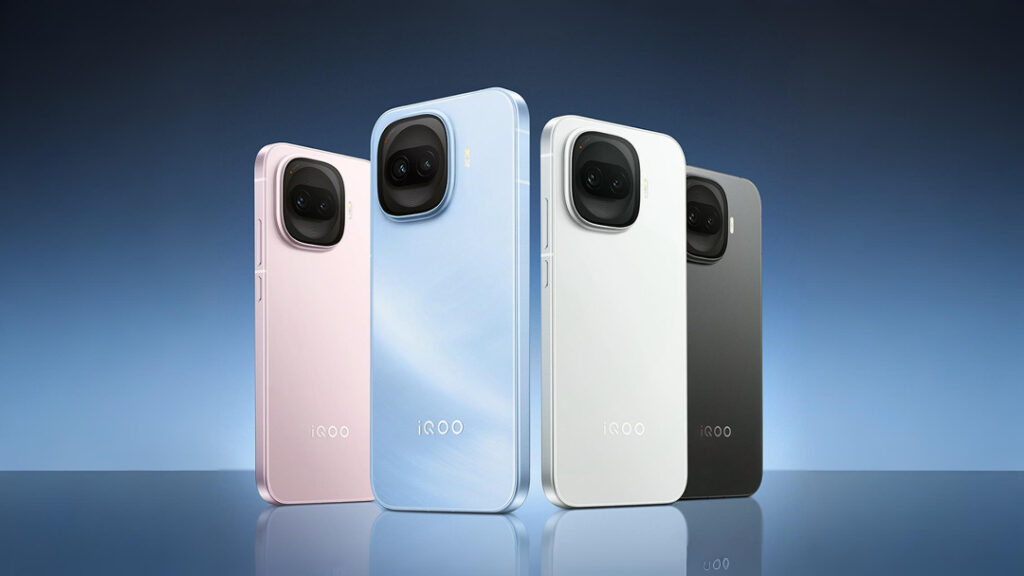
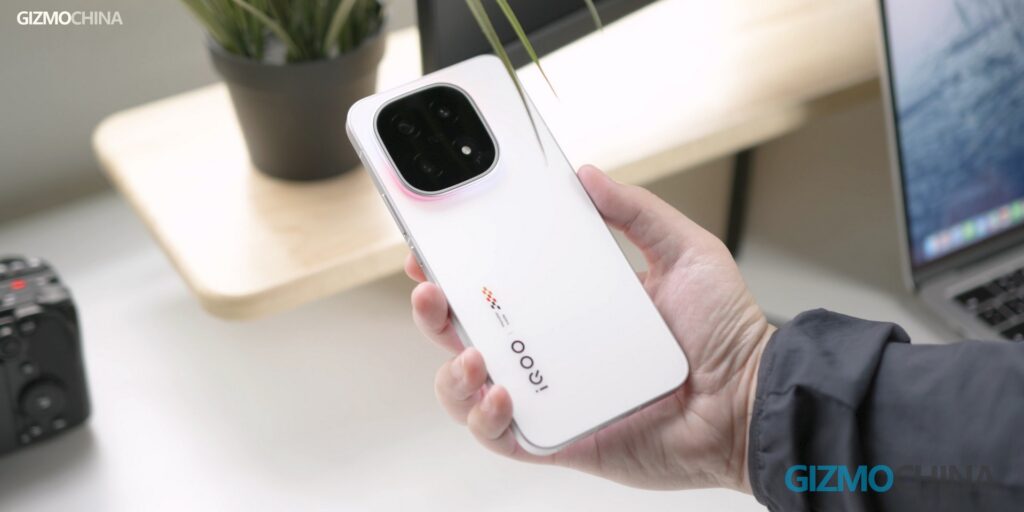
Vivo’s sub-brand iQOO is back with a bang. The new iQOO 15 has officially launched in China, and it’s shaping up to be one of the most powerful — and surprisingly affordable — gaming flagships of the year. Priced from 4,199 yuan (~$589), the phone combines a cutting-edge Snapdragon 8 Elite Gen 5 chip, a Samsung-built 2K display, and a huge battery aimed squarely at gamers and power users.
The iQOO 15 is available in four colors, each with a sleek AG micro-matte finish and anti-fingerprint coating. The middle frame is slightly curved at the edges for comfortable grip, while the updated halo light strip offers a refreshed look.
Developed over two years with Samsung, the 6.85-inch 2K Everest Display uses M14 luminous material and the world’s first 2K LEAD OLED tech. It delivers up to 6,000 nits of peak brightness, 2,600 nits full-screen, and 1,000 nits manual, making it one of the brightest displays on any phone. The display also supports 3,200Hz instant touch sampling, powered by a custom chip for ultra-smooth response.
At its core is Qualcomm’s Snapdragon 8 Elite Gen 5 built on a 3nm process, paired with LPDDR5X RAM and UFS 4.1 storage. It reportedly scores over 438,000 points on AnTuTu’s GPU test — serious power for a phone at this price. A dedicated Q3 gaming chip enables frame rate interpolation and game resolution upscaling.
The phone’s thermal management is equally aggressive: a large vapor chamber filled with 200 million nano-graphene particles, dual graphite layers, and an 8,000mm² VC heat sink help it stay cool. In the company’s testing, the phone reached just 39.3°C after an hour of Genshin Impact, which is impressive.
It runs on a 7,000mAh silicon-carbon battery, supports 100W wired and 40W wireless charging. It also supports PPS/PD protocols for universal compatibility, and bypass charging to preserve battery during long gaming sessions.
Photography is handled by a triple 50MP setup — Sony IMX921 main sensor (1/1.56″) with OIS, ultrawide, and 3x Sony IMX882 periscope telephoto (1/1.95″) with an M-shaped prism design. A 32MP selfie camera handles selfies and video calling. iQOO’s imaging algorithms add features like Live Photos and AI-enhanced effects for improved results.
In terms of software experience, users get OriginOS 6 based on Android 16, which will also power the phone globally next month. Aside from the hardware improvements, this shift to OriginOS for global users will serve as a big selling point.
Pricing and availability:
12GB + 256GB – ¥4,199 (~$589)
16GB + 256GB – ¥4,499 (~$631)
12GB + 512GB – ¥4,699 (~$659)
16GB + 512GB – ¥4,999 (~$701)
16GB + 1TB – ¥5,499 (~$771)
The iQOO 15 is already on sale in its home country and has been confirmed for launch in markets like India next month.
Honor unveiled the Honor 400 and 400 Pro powered by the Snapdragon 7 Gen 4 and Snapdragon 8 Gen 3 chipsets, respectively, in June in China. The brand is now said to be working on the Honor 500 and 500 Pro, which may debut either in November or December in China. The rumor mill has been gradually leaking details about the new series. A new Weibo post by tipster Digital Chat Station has shared some interesting insights about the 500 Pro
Honor 500 Pro key details confirmed
Honor 500 series leak by DCS
According to DCS, the upcoming Honor 500 Pro will feature a 200-megapixel primary camera paired with a 1/1.4-inch sensor. This aligns with earlier leaks suggesting that Honor is going all-in on high-resolution 200-megapixel sensors for its premium phones.
While details about the ultra-wide camera remain undisclosed, the leak confirms the presence of an OmniVision OV64B 64-megapixel periscope telephoto lens with 3x optical zoom.
The tipster also revealed that the device will be powered by Qualcomm’s Snapdragon 8 Elite chipset, making it one of the most powerful phones in Honor’s upcoming lineup. Both the Honor 500 and 500 Pro are expected to feature 6.5-inch displays with support for 1.5K resolution.
In addition to its imaging and performance upgrades, the Honor 500 Pro is expected to pack the largest battery capacity in its class. To recall, the Honor 400 Pro featured a 7,200mAh battery, and the new model could either match or exceed this capacity.
When launched, the series will likely compete against the Oppo Reno 15 and Vivo S50 lineups in China.
For more daily updates, please visit our News Section.
Coming Thursday (Oct. 23), Redmi will announce the Redmi K90 series of smartphones in China. The teasers released by the brand are shaping it to be an irresistible flagship phone, as it features the same display and primary camera available on the more premium Xiaomi 17 Pro Max. Furthermore, it is the company’s first Redmi phone to feature a periscope telephoto camera. A new update from the brand has confirmed that it packs the largest battery ever on a Redmi phone.
Redmi K90 Pro battery size, charging capabilities
Redmi K90 Pro Max battery
The above poster confirms that the Redmi K90 Pro Max houses a massive 7,560mAh battery. Before this, the Redmi Turbo 4 Pro, which debuted earlier this year, packed a 7,550mAh battery.
The Redmi K90 Pro Max will support 100W wired charging and 50W wireless charging. It will also support the 100W PPS charging protocol and 22.5W reverse wireless charging.
The Redmi K90 Pro Max is officially confirmed to feature a 6.9-inch OLED screen that offers a 2K resolution and a 120Hz refresh rate. It will come preloaded with Android 16 with a layer of HyperOS 3.0 on top.
The K90 Pro Max will draw power from the Snapdragon 8 Elite Gen 5 chip and will rely on the D2 chip for graphics performance. At present, there is no information about the K90 Pro Max’s front camera, but its rear camera setup has a 50-megapixel OmniVision Light Fusion 950 main camera with OIS support, a 50-megapixel periscope telephoto camera with 5x optical zoom and OIS, and an ultra-wide camera.
Recent teasers have also confirmed that the K90 Pro Max has three speakers, including a Bose-powered unit on the back. The handset will also offer an IP68/69-rated dust and water resistance.
Rumors are rife that the Redmi K90 Pro Max will be rebranded as the Poco F8 Ultra globally. The company is yet to confirm the details of the Redmi K90, which is expected to feature the Snapdragon 8 Elite SoC. Likely, it will be rebadged as the Poco F8 Pro in the global market.
For more daily updates, please visit our News Section.

Fujitsu has taken the idea of “ultraportable” to a new extreme with its latest laptop, the FMV UX-K3 — a 14-inch notebook that weighs just 634 grams (1.4 lbs). That makes it the world’s lightest laptop in its class.
The FMV UX-K3’s featherweight build comes from a mix of carbon and magnesium-lithium alloy, keeping the chassis both durable and thin at just 17.6mm. It ties last year’s Lifebook WU5/J3 for the lightest 14-inch notebook on record, but Fujitsu says its latest model maintains the strength needed for everyday travel and professional use.
Inside, the UX-K3 runs on Intel’s Core Ultra 7 255U processor, featuring two performance cores and ten efficiency cores that can boost up to 4.8GHz. It’s paired with 16GB of RAM and a 512GB SSD, offering smooth performance for productivity, light creative work, and multitasking. Graphics come courtesy of integrated Intel Arc, which keeps power consumption low while handling moderate workloads.
The 14-inch IPS display offers a 1920×1200 resolution with a 16:10 aspect ratio and 400 nits of brightness, striking a balance between sharp visuals and energy efficiency. Connectivity is generous for such a slim device: Wi-Fi 7, Bluetooth 5.4, USB-C with 65W charging, two USB-A ports, HDMI, Ethernet, a 3.5mm jack, and a microSD reader all make the cut. Fujitsu also includes a 1080p webcam with a privacy shutter — a nice touch for professionals.
The one trade-off for all that lightness is the 31Wh battery, which Fujitsu rates for around seven hours of video playback or up to 18 hours of idle use. It charges via USB-C using a 65W adapter that weighs just 150 grams (0.33 lbs), keeping the total travel weight impressively low. It’s not built for all-day unplugged work, but it’s clearly designed for mobility first.
The FMV UX-K3 is already available for sale through Fujitsu’s FMV Store and select Japanese retailers for about ¥280,280 (roughly $1,860). There’s no word yet on global availability, but imports are expected through third-party sellers, as with past FMV models.
For travelers, and anyone obsessed with trimming every extra gram from their gear, the Fujitsu FMV UX-K3 shows just how far laptop makers can go without cutting into usability.
China’s generative AI user base has reached 515 million as of June 2025, more than doubling in just six months. The rapid growth highlights the country’s increasing adoption of AI technologies across daily life, work, and industry. These figures were released in a report by the China Internet Network Information Center (CNNIC) on Saturday.
Record-Breaking Growth
Between December 2024 and June 2025, China added 266 million new generative AI users, bringing the adoption rate to 36.5 percent of the nation’s internet population. The growth is driven by the national “AI Plus” strategy, which aims to integrate AI into society and the economy, supported by strong government investment in AI infrastructure.
Young and Educated Users Lead the Trend
The majority of AI users in China are young and highly educated. According to the report, 74.6 percent of users are under 40 years old, and 37.5 percent hold a college degree or higher. This demographic has become the primary force driving AI adoption, using it for work, study, and everyday applications.
Preference for Domestic AI Models
More than 90 percent of Chinese users prefer domestically developed AI models. Popular platforms include DeepSeek, Alibaba Cloud’s Qwen, and ByteDance’s Doubao. Limited access to foreign models such as OpenAI and Google DeepMind has also contributed to this trend. Government policies emphasize AI self-reliance, encouraging innovation across models, applications, and underlying hardware.
Global Leadership in AI Adoption
China’s AI growth outpaces global trends. A Microsoft study in June 2025 found that China had become the world’s largest AI market, while the United States maintains an adoption rate of around 25 percent. The launch of DeepSeek’s R1 model in January 2025 played a key role in doubling China’s user base within six months.
Innovation and Future Outlook
CNNIC officials expect further growth in open-source AI, embodied intelligence such as robots and AI agents, and AI governance. China also leads in AI patent activity, with 1.576 million applications as of April 2025, accounting for 38.58 percent of the global total.
Global AI Race: China’s Scale vs. U.S. Per-Capita Adoption
China’s massive AI user base gives it a clear advantage in scale, allowing rapid testing, deployment, and development of new AI technologies. Meanwhile, the U.S. leads in adoption rate per person, showing deeper integration of AI into daily life and business. Together, these trends highlight a global AI race, with China dominating in user numbers and the U.S. excelling in per-capita engagement and innovation.
Widespread Applications
Generative AI is being actively used in intelligent search, content creation, office assistance, and smart devices. Its applications are expanding into agriculture, industrial manufacturing, and scientific research. The CNNIC report shows that AI is becoming a core driver of China’s digital economy and future innovation strategy and a global phenomenon.
AOC has launched the AGON AG277UX, a 27-inch gaming monitor that features a dual-mode display with support for 4K at 160Hz and 1080p at 320Hz. The monitor targets both high-resolution gaming and high-refresh esports performance, allowing users to switch between modes based on their needs.
AOC AGON AG277UX Specifications
The AG277UX uses a Fast IPS panel with a native 3840×2160 resolution. It supports a refresh rate of 160Hz at 4K and allows quick switching to 1920×1080 resolution at 320Hz. The screen has a 1ms GTG response time, and the MPRT mode reduces motion blur to 0.5ms. AOC includes Adaptive-Sync and Nvidia G-Sync Compatible support to minimize screen tearing and stuttering.
The display is VESA DisplayHDR 600 certified and reaches a peak brightness of 600 nits. It delivers a 1000:1 contrast ratio, an 80 million:1 dynamic contrast ratio, and covers 100% of the sRGB and 95% of the DCI-P3 color gamut. AOC factory-calibrates the panel to a Delta E < 2 for accurate color reproduction out of the box.
The monitor provides two HDMI 2.1 ports, one DisplayPort 2.1 input, three USB 3.2 Gen 1 Type-A ports, a USB upstream port, and a 3.5mm audio jack. It supports Picture-by-Picture (PBP) and Picture-in-Picture (PIP) modes, allowing users to view content from two devices simultaneously. The monitor includes gamer-focused tools such as crosshair overlays, a frame-rate counter, and dark-field control.
AOC has designed the AG277UX with a 1mm ultra-thin bezel and a polygonal base. The Light FX ambient lighting system supports over 100,000 color combinations and 14 preset effects. The ergonomic stand provides height, tilt, swivel, and pivot adjustments. It also features a retractable headphone hook that sits on the right side for added convenience.
The monitor comes with features like AGON AI Vision for real-time visual optimization and MBR Sync for enhanced motion clarity.
In related news, AOC has recently introduced the AG421UDA OLED Smart Display featuring a 41.5-inch 4K panel and Android 14. The company has also unveiled the U32G4U gaming monitor, which supports 4K 160Hz and FHD 320Hz dual-mode refresh rates.
For more daily updates, please visit our News Section.
Apple’s new 14-inch MacBook Pro is off to a strong start, thanks to the company’s latest M5 chip. A leaked Geekbench 6 result shows the chip setting new records for both speed and efficiency — and it’s already being called one of Apple’s biggest leaps in performance to date.
The M5 reportedly packs a 10-core CPU with four performance cores and six efficiency cores. In the benchmark, it hit a single-core score of 4,263, the highest ever recorded for any Mac or PC in Geekbench’s database. That’s faster than the M4 Max (3,914) and even AMD’s flagship Ryzen 9950X3D (3,399), giving Apple a clear edge in single-threaded tasks like app launches, gaming, and everyday responsiveness.
Multi-core performance is just as impressive. The M5 posted a score of 17,862, roughly 20% faster than the M4 in last year’s 14-inch MacBook Pro (14,726). It’s not quite at the level of the M4 Max (25,645), but it nearly matches the M1 Ultra (18,405), which is no small feat for a chip running in a slim laptop.
The same chip appears in the latest iPad Pro as well, where it scored a comparable 4,175 in single-core tests — proof that Apple’s silicon improvements aren’t limited to Macs.
The new 14-inch MacBook Pro with the M5 is already up for pre-order and ships soon. And if Apple’s release pattern holds, we’ll likely see M5 Pro and M5 Max versions next year. For now, though, even the base M5 looks like a powerhouse — one that’s redefining what a “standard” MacBook Pro can do.
The comparison between Vivo X300 Pro vs Vivo X200 Ultra is important because it highlights how two premium phones from the same brand serve different needs. With a $200 price gap, it shows what real upgrades the “Ultra” model brings and whether they’re worth the extra cost. It also reflects a growing trend in the market where brands create a clear divide between “Pro” and “Ultra” devices. For buyers, this helps make a smarter choice between value for money with Vivo X300 Pro and an uncompromised flagship experience with Vivo X200 Ultra.
Key Differences:
No.
Feature/Category
Vivo X300 Pro
Vivo X200 Ultra
Key Upgrade
1
Chipset & Performance
MediaTek Dimensity 9500
Qualcomm Snapdragon 8 Elite
Stronger CPU/GPU power and efficiency
2
Display
1.5K LTPO AMOLED
QHD+ LTPO AMOLED
Sharper, more immersive viewing
3
Camera System
Triple camera with OIS
Triple camera with gimbal OIS + optional zoom lens
Both phones feature a premium glass-and-aluminum construction with IP68/69 water and dust resistance, giving them a durable and flagship-worthy finish. However, the X200 Ultra feels slightly more robust, with a subtly curved frame and a more pronounced flagship heft. This makes it feel a bit more substantial in hand, while the X300 Pro has a slightly sleeker profile that makes it easier to grip.
The X200 Ultra’s more reinforced glass protection, referred to as “Armor glass,” indicates a focus on durability, ideal for users who prioritize ruggedness in daily use. On the other hand, the X300 Pro caters more to comfort and ergonomics, appealing to those who prefer a balanced in-hand feel.
Display Quality:
The X200 Ultra steps ahead with a higher resolution (QHD+) LTPO AMOLED panel compared to the X300 Pro’s slightly lower 1.5K display. Both panels support HDR Vivid, Dolby Vision, and reach an impressive 4500 nits peak brightness. The difference lies in the pixel density and sharpness, where the X200 Ultra provides a more immersive visual experience, especially noticeable in streaming and gaming.
Both displays are equally fluid with 120Hz refresh rates, but the X200 Ultra delivers a slightly more premium viewing experience due to its crisper resolution and better contrast tuning.
Verdict:
Both designs scream flagship, but their character differs: X300 Pro leans toward elegance and comfort, while X200 Ultra emphasizes sturdiness and top-tier visual sharpness. For users who consume a lot of media or value display sharpness, the X200 Ultra holds the upper hand.
2. Specifications
Performance:
Under the hood, the X200 Ultra packs the more powerful Qualcomm Snapdragon 8 Elite chipset, designed for top-end flagship performance with improved thermal control and GPU power. This gives it a noticeable edge in demanding tasks like gaming, multitasking, and advanced AI-driven operations.
The X300 Pro, powered by MediaTek Dimensity 9500, is no slouch either; it delivers flagship-level efficiency and snappy performance. But the Snapdragon 8 Elite’s optimization and raw power place the Ultra in a superior league, especially for users who push their phones hard. The X300 Pro, however, will feel equally fast for everyday tasks, making it an excellent balance between power and price.
Battery and Charging:
The X300 Pro offers a slightly larger 6510 mAh battery compared to the X200 Ultra’s 6000 mAh cell. Both support 90W wired and 40W wireless charging, along with reverse charging features. In real-world terms, the X300 Pro may give a marginally longer battery life, especially under heavy usage.
However, the Ultra compensates with more efficient power management thanks to its chipset and adaptive display tuning. For users who prioritize longevity, the Pro has a slight edge, but both phones recharge rapidly and deliver a strong all-day endurance.
Verdict:
X200 Ultra leads in raw power, while X300 Pro slightly edges it out in endurance. The Ultra is better suited for power users and gamers, whereas the Pro offers excellent efficiency without compromise.
3. Camera
Main and Secondary Lenses:
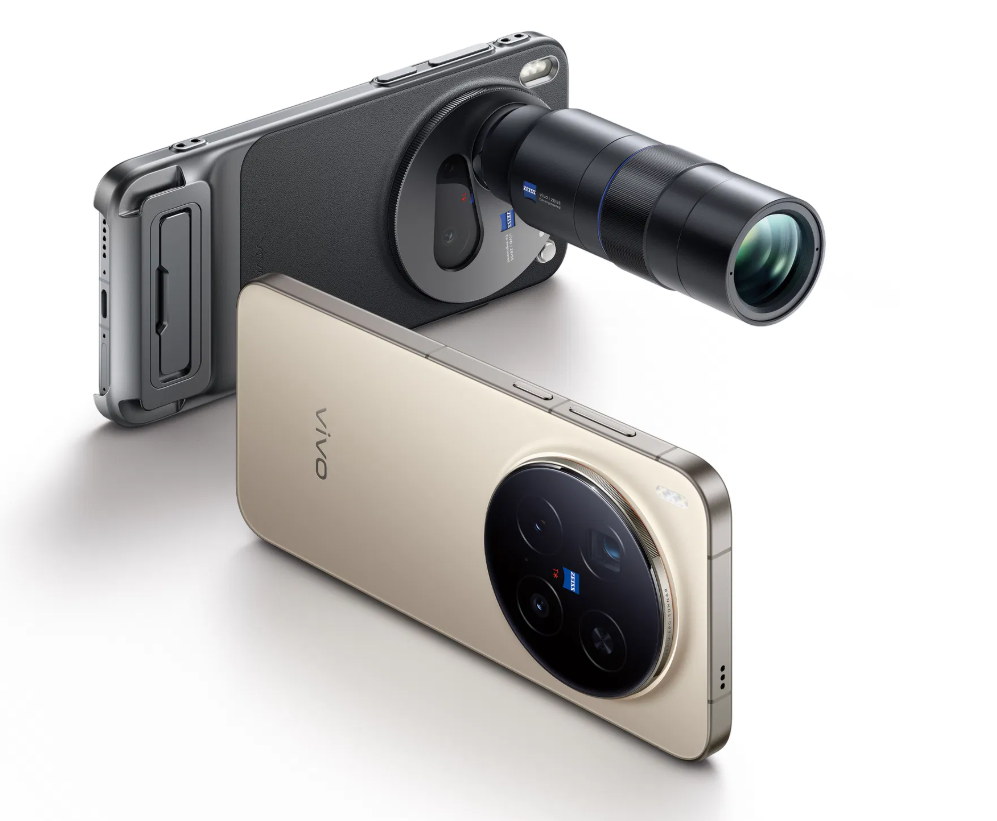
Both phones are equipped with top-tier camera hardware co-engineered with Zeiss. They share a 50MP main sensor and a 200MP periscope telephoto lens, but the X200 Ultra ups the ante with gimbal OIS on the main camera and an optional 200mm zoom lens attachment, ideal for those who demand pro-level photography.
The ultrawide sensor on the X200 Ultra is larger with dual pixel PDAF and OIS, giving it a noticeable advantage in low light and landscape shots. The X300 Pro still delivers flagship-grade imaging but lacks some of the stabilization and optical flexibility that make the Ultra’s setup stand out.
Selfie Camera:
Both feature a 50MP front camera with 4K video support. The difference comes down to image tuning: the X200 Ultra has a slightly warmer tone and better HDR handling, making it more flattering for portraits and vlogs. The Pro still delivers crisp detail but may not match the dynamic range of the Ultra.
Verdict:
The X200 Ultra clearly positions itself as a camera powerhouse, especially for enthusiasts who care about stabilization and advanced zooming. The X300 Pro remains excellent for everyday shooting and content creation, but is more suited for casual creators than professionals.
4. Pricing
The X300 Pro is priced around $800, while the X200 Ultra sits near $1000. This $200 gap reflects the upgrades in chipset, camera stabilization, display sharpness, and build reinforcement.
Please Note: When you buy something using the links in our articles, we may earn a small commission at no cost to you.
The X300 Pro delivers a near-flagship experience at a more approachable price, making it one of the strongest value-focused premium phones in its bracket. Meanwhile, the X200 Ultra targets those who want the absolute best Vivo can offer, especially in performance and camera versatility.
Verdict
For users prioritizing value and balanced performance, the X300 Pro stands out as the smarter pick.
Disclaimer: Prices are approximate and may vary based on country, region, and applicable taxes.
5. Conclusion
Both phones showcase Vivo’s ambition in the premium segment. The X300 Pro brings excellent performance, impressive display quality, and top-tier cameras at a more accessible price point. The X200 Ultra adds professional-grade enhancements: sharper display, stronger build, more powerful chip, and advanced camera stabilization, features that cater to enthusiasts, content creators, and gamers.
The X200 Ultra offers optional satellite SOS, better glass protection, and enhanced optical zoom options, making it a more future-ready device. The X300 Pro stands out for its exceptional efficiency and competitive pricing, striking a near-perfect balance.
For those seeking the best blend of performance and cost, X300 Pro is the clear choice. For users who want no compromises and premium-grade refinements, the X200 Ultra makes sense.
Anker has launched its Prime 160W charger in Europe, bringing its high-powered, compact charging tech to a wider audience. After a successful debut in the US, the charger is now on sale for €129 through Anker’s website and Amazon.
It’s part of the brand’s expanding Prime lineup, which also includes the 3-in-1 wireless magnetic charging station, the 26K 300W Power Bank, and a 14-in-1 docking station. Together, they form a full ecosystem for people who want faster, smarter charging across all their devices.
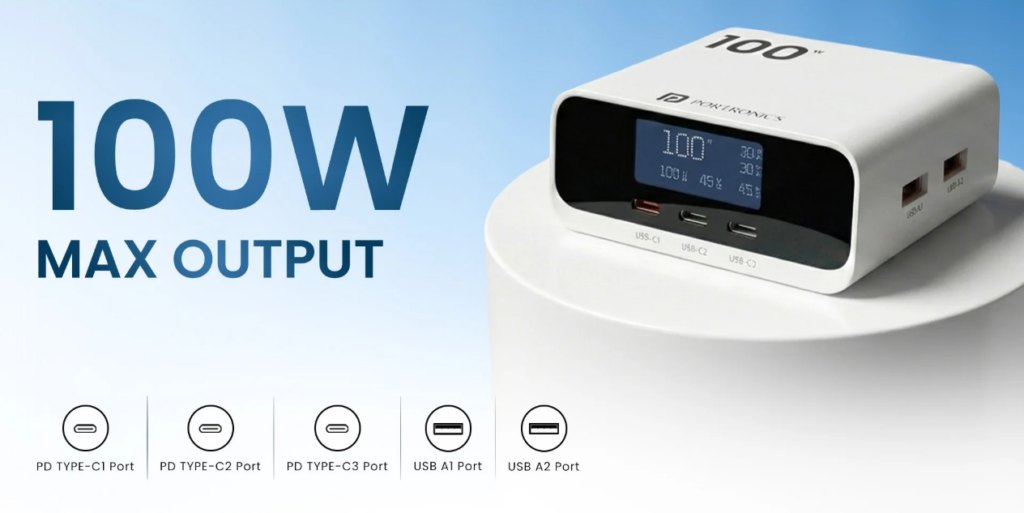
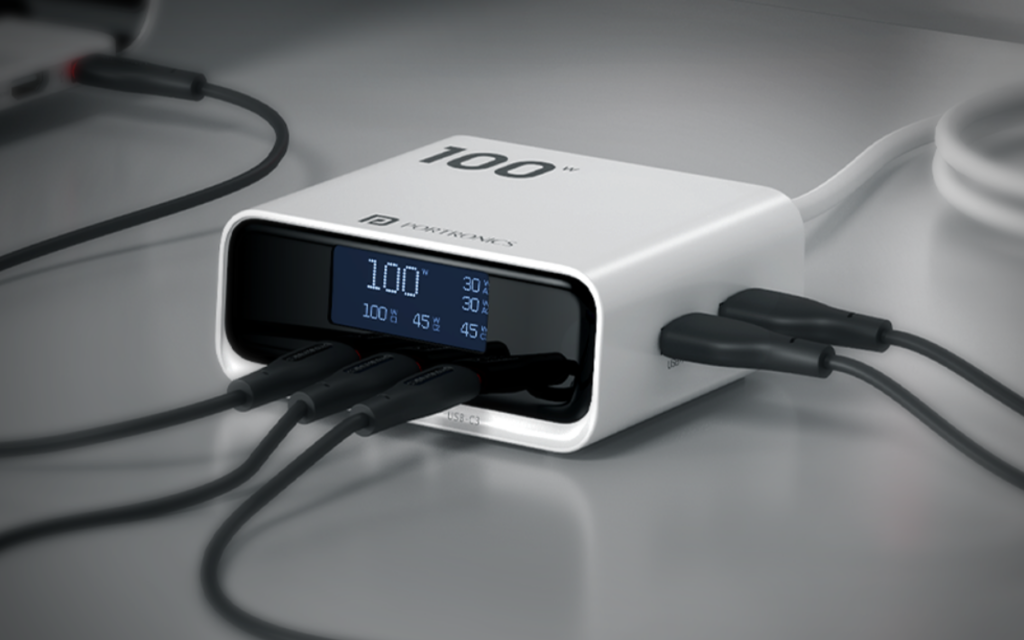
The Prime 160W Gan-based charger is as small as an AirPods case (65 x 52 x 35 mm, 220 g) but can power almost any smartphone or laptop you throw at it. With three USB-C ports, it pushes out up to 160W total, enough to juice a 16-inch MacBook Pro from 0 to 50% in around 24 minutes.
Power distribution adjusts automatically depending on what’s connected. In three-port mode, it delivers 100W + 30W + 30W, but you can switch to 70W + 70W + 20W or go all-in with 140W from a single port.
A small touch display on the front shows real-time charging data and lets you toggle between modes. Connect it to the Anker app, and you can tweak extra settings like screen brightness, timers, and language.
Anker’s ActiveShield 4.0 safety system also monitors temperature across multiple points to keep things running cool and safe.
Compact, powerful, and surprisingly smart, the Anker Prime 160W looks like an ideal travel companion for anyone who needs laptop-level power without the bulk.
Caviar has announced the AirLine Collection, a new line of ultra-premium custom iPhones that focus on lightness, luxury, and minimalism. The collection includes three limited-edition models: iPhone Air Zenith, iPhone Air Aureon, and iPhone Air Crystal. Each device uses rare and expensive materials such as solid gold, crocodile leather, aerospace titanium, and golden carbon fiber.
Design and Pricing Details
The iPhone Air Zenith is the most exclusive model in the lineup. Caviar has designed the phone with a body made of solid 18K gold and black crocodile leather. It is the lightest gold iPhone ever created by the brand. Caviar is only producing three units, and each one is priced at $38,930.
The iPhone Air Aureon features a unique combination of 24K gold plating and a marble-textured golden carbon material. This composite is commonly used in high-end automotive applications due to its lightweight nature and visual appeal. Caviar has limited this model to 19 units, each priced at $9,270.
The iPhone Air Crystal focuses on pure aesthetics. The body and frame are made from aerospace-grade titanium and finished with white crocodile leather. The design includes a titanium Caviar crown with jewelry enamel accents. Caviar will release only 19 units of this model, priced at $8,910.
Caviar has positioned the AirLine Collection as its thinnest and lightest lineup of iPhones to date. The design concept emphasizes minimalism, sharp lines, and the appearance of visual weightlessness. Each model in the collection is handcrafted using premium materials and delivered in a custom presentation box. The box includes a personalized video message for the buyer.
The smartphone chip battle between Qualcomm, MediaTek, and Apple is more intense than ever before. All three have made huge progress with their high-end chips in recent years, particularly MediaTek, which is emerging as a strong competitor to the other two. Its latest Dimensity 9500 chip goes neck-to-neck with the Snapdragon 8 Elite Gen 5 and Apple A19 Pro on benchmarks.
Here, we’ll look at the benchmark data and real-world differences to find out who has the edge over the other two chipsets.
Snapdragon 8 Elite Gen 5 vs Dimensity 9500 vs Apple A19 Pro: benchmark comparison
Note: Devices that have been used for benchmark testing are Honor Magic 8 (Snapdragon 8 Elite Gen 5), Vivo X300 Pro (Dimensity 9500), and iPhone 17 Pro (Apple A19 Pro).
Geekbench score
Apple still leads the single-core chart with 3,784 points, the most for a smartphone chipset, but the Snapdragon 8 Elite Gen 5 with 3,634 points is not very much behind. The Dimensity 9500 sits behind the two with 3,177 points.
The multi-core score is an entirely different story, as the Snapdragon 8 Elite Gen 5 leads the race with 10,813 points. This is about 11% higher than the Dimensity 9500 (9701 points) and Apple A19 Pro (9752 points).
In short, the Apple A19 Pro leads the single-core chart, but the Snapdragon 8 Elite Gen 5 makes a strong comeback in the multi-core territory. The Dimensity 9500 lags behind the two, but the gap has significantly narrowed over the years.
Geekbench 6
Snapdragon 8 Elite Gen 5
Dimensity 9500
Apple A19 Pro
Single core
3,634
3,177
3,784
Multi core
10,813
9,701
9,752
AnTuTu score
On the AnTuTu v11 platform, the Snapdragon 8 Elite Gen 5 gets about 4.16 million total score. The Dimensity 9500 is a little behind with a 4 million score, while the Apple A19 Pro is nowhere near either of them, scoring about 2.43 million points.
There are several reasons for this massive difference between the Apple A19 Pro and the other two chips from Qualcomm and MediaTek. One is that AnTuTu uses different testing methods for iOS and Android devices. Secondly, the A19 Pro has been tested on AnTuTu v10, while the Snapdragon and Dimensity chips have been tested on a newer AnTuTu v11 platform.
Snapdragon 8 Elite Gen 5
Dimensity 9500
Apple A19 Pro
AnTuTu score
4,166,339
4,011,932
2,431,628
CPU
1,213,845
1,043,247
832,220
GPU
1,468,351
1,510,982
914,932
Memory
570,553
667,254
288,352
UX
913,590
790,449
396,125
Snapdragon 8 Elite Gen 5 vs Dimensity 9500 vs Apple A19 Pro: spec sheet and key differences
Snapdragon 8 Elite Gen 5
Dimensity 9500
Apple A19 Pro
Announced
September 2025
September 2025
September 2025
Process node
TSMC’s 3nm (N3P)
TSMC’s 3nm (N3P)
TSMC’s 3nm (N3P)
CPU cores
8-core
8-core
6-core
CPU cores
2 x 4.61 GHz — Oryon (3rd gen) 6 x 3.63 GHz — Oryon (3rd gen)
1 x 4.21 GHz — C1-Ultra 3 x 3.5 GHz —C1-Premium 4 x 2.7 GHz — C1-Pro
2 x 4.26 — performance cores 4 x 2.6 — efficiency cores
GPU
Adreno 840 Ray tracing support Snapdragon Elite Gaming features
Mali-G1 Ultra MP12 Ray tacing support MediaTek HyperEngine Gaming Technology
6-core Apple GPU Ray tracing support
NPU
Qualcomm Hexagon NPU
MediaTek NPU 990
16-core Neural Engine
Memory
LPDDR5X, up to 5.3 GHz
LPDDR5X
Storage
UFS 4.1
UFS 4.1
NVMe storage
Camera
Qualcomm Spectra Triple ISP (20-bit) up to 320MP single camera up to 8K video recording supports real-time semantic segmentation
MediaTek Imagiq 1190 ISP up to 320MP single camera up to 8K video recording supports real-time semantic segmentation
up to 48MP camera up to 8K video recording supports real-time semantic segmentation
3GPP Release-17 5G modem Maximum speed: 7.4 Gbps Wi-Fi 7 (peak speed: 7.3 Gbps) Bluetooth 6.0
Snapdragon X80 5G modem Wi-Fi 7 Bluetooth 6.0
The Snapdragon 8 Elite Gen 5, Dimensity 9500, and Apple A19 Pro were announced in September, built using the same TSMC’s 3nm (N3P) process node. The Snapdragon 8 Elite Gen 5 features eight third-gen Oryon CPU cores, with two of them running at 4.61 GHz and the remaining six at 3.63 GHz.
The Dimensity 9500 uses the latest ARM cores, featuring one C1-Ultra at 4.21 GHz, three C1-Premium at 3.5 GHz, and four C1-Pro at 2.7 GHz. Unlike the two, the Apple A19 Pro features six CPU cores, with two performance cores at 4.26 GHz and six performance cores at 2.6 GHz.
As for the graphics needs, the Snapdragon chip relies on the newly announced Adreno 840 with improved ray tracing capabilities, better performance, and power efficiency. The 12-core Mali-G1 Ultra on the Dimensity 9500 and the 6-core Apple GPU on the A19 Pro also bring substantial gaming enhancements.
The flagship chips also bring better on-device AI capabilities. They use the same LPDDR5x memory, although the storage type differs: UFS 4.1 on Snapdragon 8 Elite Gen 5 and NVMe on Apple A19 Pro. The connectivity part brings notable differences, with the Snapdragon 8 Elite Gen 5 featuring the highest peak download speed of 12.5 Gbps. The Dimensity 9500 makes a comeback by offering the highest Wi-Fi speed (7.3 Gbps). The Apple A19 Pro uses a Snapdragon X80 5G modem, which was used on last year’s Snapdragon 8 Elite.
Later today at 7pm (local time), iQOO will announce the much-anticipated iQOO 15. So far, the brand has confirmed many details about its next-generation flagship and reserved the price announcement for the launch. However, a few hours ahead of the event, a Weibo user shared the offline pricing of the device.
iQOO 15 price leaked
iQOO 15 price leak
The above image confirms that the iQOO 15 will be available in four configurations: 16GB+256GB, 12GB+512GB, 16GB+512GB, and 16GB+1TB. These variants are priced at 4,699 Yuan (~$660), 4,799 Yuan (~$675), 5,099 Yuan (~$715), and 5,599 Yuan (~$785), respectively.
The image also reveals that the iQOO 15 will be available in four color options, such as Lingyun (silver-red), Legend Edition (white), Wilderness (green), and Racing Edition (black). Additionally, it highlights some of the key specs, such as Snapdragon 8 Elite Gen 5, iQOO’s self-developed Q3 chip, a 2K resolution Samsung display, and a 7,000mAh battery. Readers can visit this post to read more about its specifications.
To recall, the iQOO 13’s 16GB+256GB edition was priced at 4,299 Yuan (~$600). This means the iQOO 15 with the same configuration costs 400 Yuan (~$50) more than its predecessor.
Next month, the iQOO 15 will also launch in India. At present, there is no confirmation about the device’s pricing for the Indian market. However, based on the China pricing, it can be speculated that the starting variant may cost around Rs 60,000.
For more daily updates, please visit our News Section.

We use cookies on our website to give you the most relevant experience by remembering your preferences and repeat visits. By clicking “Accept”, you consent to the use of ALL the cookies.
This website uses cookies to improve your experience while you navigate through the website. Out of these, the cookies that are categorized as necessary are stored on your browser as they are essential for the working of basic functionalities of the website. We also use third-party cookies that help us analyze and understand how you use this website. These cookies will be stored in your browser only with your consent. You also have the option to opt-out of these cookies. But opting out of some of these cookies may affect your browsing experience.
Necessary cookies are absolutely essential for the website to function properly. This category only includes cookies that ensures basic functionalities and security features of the website. These cookies do not store any personal information.
Any cookies that may not be particularly necessary for the website to function and is used specifically to collect user personal data via analytics, ads, other embedded contents are termed as non-necessary cookies. It is mandatory to procure user consent prior to running these cookies on your website.