Advertisement

Casio G-Shock GMC-B2100Y-1A: Full-Metal Classic Coming to the UK

Casio is launching the G-Shock GMC-B2100Y-1A in the UK. The watch is a full-metal version of the 2100-series and builds on the design of the original 1983 G-Shock. It features a stainless steel case, bezel, and band. The case measures 51.3 by 46.3 by 12.4 mm and weighs 108 g. It is shock-resistant and water-resistant up to 200 metres, with fine resin parts between the bezel and case to absorb impact.

The bezel is made using a multi-stage forging, cutting, and polishing process. It has a circular brushed top surface and a mirror-polished slope. The dial includes molded indexes and inset rings with a vapor deposition finish. The band is made of soft silicone coated with a urethane film to improve abrasion resistance. A gunmetal finish under the clear outer layer gives depth to the design.

The watch includes Bluetooth connectivity and syncs with the CASIO WATCHES app. Key app features include auto time adjustment, world time for around 300 cities, easy watch settings, and phone finder. The timepiece runs on Tough Solar power and includes a white Super Illuminator LED light with afterglow.

Functionality includes dual time, a 1-second stopwatch with a maximum of 24 hours, a countdown timer from 1 minute to 24 hours, daily alarm, and a full auto-calendar valid until 2099. Battery life is about 5 months with standard use or up to 18 months in complete darkness with the power save function. It also includes a battery level indicator and runs with ±15-second accuracy per month if not synced via Bluetooth.

Pricing & availability

The GMC-B2100Y-1A is made in Japan. It is currently listed as “coming soon” on Casio’s UK website and priced at £690. The model is expected to launch in Japan in August. The UK release could also happen sometime this month.

In related news, Casio has listed two new G-Shock models, the GBM-2100A-2B with a blue dial and the GBM-2100A-4B with a burgundy dial, on its UK website. Both watches feature a stainless-steel bezel, a bio-based resin case and band, and are powered by Casio’s Tough Solar system.

(via: notebookcheck)

Amazon Deal Alert: Baseus Charging Essentials See Major Price Drop with Exclusive Code

Baseus is kicking off its biggest promotion yet, and if you’ve been eyeing high-performance charging gear for travel or daily use, now’s the time to act. For a limited period this August, two of Baseus’s most versatile products, the EnerCore 145W Power Bank and the EnerCore 70W 6-in-1 Travel Adapter, are getting deep discounts on Amazon. And as an exclusive for our readers, you can tack on an extra 5% off with a special coupon code at checkout.

Baseus EnerCore 145W Power Bank

Baseus EnerCore 145W Power Bank

The Baseus EnerCore 145W Power Bank isn’t your average battery pack. Built for power users, it delivers a combined 145W output through three USB-C ports, enough to charge a 16-inch MacBook Pro to 43% in just 30 minutes. One of the USB-C ports is actually a built-in 100W retractable cable that eliminates cable clutter and retracts with a quick tug. It’s tested for 30,000 stretches, so longevity isn’t a concern.

Despite packing a massive 20,000mAh battery (that’s enough to juice up your iPhone 16 around three times), the power bank still manages a compact footprint, roughly 5.1 x 1.9 x 2.1 inches, thanks to Baseus’s Pocket IN Stacking tech. And if you’re someone who juggles phones, tablets, drones, and game consoles, this thing has you covered. It supports up to four devices simultaneously and even throws in a vivid TFT display that shows real-time charging info.

The power bank is priced at $59.84 during the August 2-15 sale, down from $79.90. Buyers can apply the exclusive Gizmochina code [GOHTHZJQ] to get the full 32% discount.

Buy now on Amazon.

Baseus EnerCore 70W 6-in-1 Travel Adapter

Baseus EnerCore 70W 6-in-1 Travel Adapter

If you’re the kind of person who always forgets which plug fits where, the Baseus 70W Travel Adapter is practically a cheat code. It comes equipped with four interchangeable plug types (Type C, A, G, and I), covering more than 200 countries.

But it’s not just about compatibility, it’s about power. This tiny brick features a built-in 70W retractable USB-C cable, braided for durability and ready to handle laptops, tablets, and phones alike. The adapter offers 6-in-1 charging, letting you power up multiple devices at once without breaking a sweat.

Compact enough to toss into your carry-on and built with robust safety features (like dual 10A fuses and multiple circuit protections), this charger is perfect for global nomads, business travelers, or students hopping between dorms and airports.

Normally $49.90, it drops to $37.99 between August 4-17. Add the exclusive 5% off with the code [GOHTHZJQ] and you’ve got yourself a steal.

Buy Now on Amazon.

For more daily updates, please visit our News Section.

Stay ahead in tech! Join our Telegram community and sign up for our daily newsletter of top stories! 💡

Redmi might be the next brand to test 165Hz screens, because OnePlus is doing it

Redmi could soon launch a phone with a 165Hz refresh rate screen, if everything goes according to plan. According to a post by well-known tipster Digital Chat Station on Chinese social media platform Weibo, Xiaomi’s sub-brand has officially started researching whether to use a 165Hz panel in future devices.

Interestingly, the move seems to be influenced by OnePlus. The tipster claims that Redmi’s interest was sparked after OnePlus began evaluating 165Hz flat displays “in large quantities,” suggesting a trend may be forming among Chinese smartphone makers.

OnePlus is testing a phone and tablet with a 165Hz screen

OnePlus is reportedly testing both a 165Hz smartphone and a gaming tablet with similar specs. The latest OnePlus Pad 2 Pro comes close with a 13.2-inch 3.4K LCD screen at 144Hz. It runs on the Snapdragon 8 Elite, packs a 12,140mAh battery, supports 67W fast charging, and is surprisingly slim at 5.97mm

A jump to 165Hz on a phone may not be about practical performance gains. It could be more about keeping up with specs in the Android arms race, where numbers, even if meaningless to the average user, still sell.

If Redmi does go ahead with a 165Hz screen, it would be the first in the brand’s lineup to do so. And the phone featuring it would likely target the same gaming-oriented audience as OnePlus. But for now, it’s still early to say anything for sure.

Things are unfolding just for internal testing purposes. And to be honest, 165Hz sounds like overkill for a lot of people.

For more daily updates, please visit our News Section.

Stay ahead in tech! Join our Telegram community and sign up for our daily newsletter of top stories! 💡

(Source)

This 144Hz gaming monitor from AOC costs less than $75

AOC has launched a new 23.8-inch gaming monitor in the Chinese market. The model, named “24G51F,” is now available on JD.com with a retail price of 529 yuan ($73). It targets budget-conscious gamers looking for high refresh rates and solid color performance at an affordable price.

AOC 24G51F Monitor

AOC 24G51F Monitor Specifications

The AOC 24G51F features a Full HD resolution of 1920×1080 pixels and uses an IPS panel. It supports a refresh rate of 144Hz, making it suitable for fast-paced games. The panel delivers a peak brightness of 300 nits and a static contrast ratio of 1500:1. The monitor offers a GtG response time of 4ms and an MPRT response time of 0.5ms, which helps reduce motion blur during high-speed gameplay.

The display supports HDR10 for improved contrast and detail in compatible content. It also includes Adaptive-Sync technology, which reduces screen tearing and stuttering when paired with supported graphics cards. AOC has tuned the monitor to deliver 94% coverage of the DCI-P3 color space and 100% of sRGB. It achieves a color accuracy of Delta E<2, which enhances its suitability for both gaming and casual content creation.

AOC includes Motion Blur Reduction (MBR) as a dedicated feature. Users can toggle it on to enhance clarity during intense in-game action. The display uses DC dimming to ensure a flicker-free viewing experience and reduce eye strain over long sessions.

The 24G51F comes with a gaming-inspired design with red accents. The stand supports tilt adjustment, and the monitor is compatible with standard 100×100mm VESA wall mounts.

In terms of connectivity, the monitor provides HDMI and DisplayPort 1.4 inputs along with a 3.5mm headphone jack. It does not include built-in speakers.

In related news, AOC recently launched 600Hz esports monitors with a dedicated Counter-Strike 2 mode, while a new Philips monitor offers similar performance to the Apple Studio Display at a significantly lower price.

For more daily updates, please visit our News Section.

Stay ahead in tech! Join our Telegram community and sign up for our daily newsletter of top stories! 💡

(Source)

Samsung Galaxy Z Fold 7 AnTuTu, Geekbench scores

Galaxy Z Fold 7 benchmark

Samsung’s Galaxy Z Fold 7 isn’t just about flashy foldable hardware anymore — it’s a performance beast in disguise. While its sleek design and cutting-edge hinge grabbed most of the attention, the real story lies under the hood. It’s powered by the flagship Snapdragon 8 Elite chipset, which means it won’t only outperform most smartphones in multitasking but also in terms of performance. But how does it perform on benchmarks?

We put the Galaxy Z Fold 7 to the test on popular benchmarking platforms to find out its raw performance. Whether you’re a multitasking pro, a mobile gamer, or just curious about the power packed inside this foldable beast, these benchmark numbers prove to be very useful. So, let’s dive in.

Related:
1. 4 upgrades that make Galaxy Z Fold 7 a solid choice
2. Galaxy Z Fold 7 proves unbreakable in extreme durability tests
3. Who Should Actually Buy Samsung Galaxy Z Fold 7?

Galaxy Z Fold 7 AnTuTu score

Galaxy Z Fold 7Score
AnTuTu score2,025,744
CPU472,258
GPU778,749
Memory438,501
UX336,236

The Galaxy Z Fold 7 delivers a stellar performance on AnTuTu with an overall score of 2,025,744, putting it firmly in flagship territory. Digging into the breakdown, the device scores 472,258 in CPU and 778,749 in GPU, showing strong processing power for heavy multitasking and high-end graphics. The memory and UX scores are also excellent at 438,501 and 336,236, respectively.

Galaxy Z Fold 7 AnTuTu score

When stacked up against its foldable rivals, the Galaxy Z Fold 7 holds its ground quite well. Devices like the Oppo Find N5 (2,128,857) and Vivo X Fold 5 (2,072,961) slightly edge it out, but the difference is relatively minor and may not be noticeable in real-world use.

The Motorola Razr 60 Ultra, which also runs the Snapdragon 8 Elite, falls a bit behind at 1,841,572. Older-generation foldables like the OnePlus Open (1,548,782) and the Google Pixel 9 Pro Fold (1,219,241) are significantly behind, showing just how far performance has come. Overall, the Z Fold 7 is clearly among the top-performing foldables on the market right now.

DeviceAnTuTu score
Galaxy Z Fold 7 (SD 8 Elite)2,025,744
Oppo Find N5 (SD 8 Elite)2,128,857
Google Pixel 9 Pro Fold (Tensor G4)1,219,241
Motorola Razr 60 Ultra (SD 8 Elite)1,841,572
Vivo X Fold 5 (SD 8 Gen 3)2,072,961
OnePlus Open (SD 8 Gen 2)1,548,782

Galaxy Z Fold 7 Geekbench score

Galaxy Z Fold 7 Geekbench score

On Geekbench, the Galaxy Z Fold 7 scores 2,910 in single-core and 9,174 in multi-core, showcasing impressive CPU power, especially in multi-threaded tasks like video editing, gaming, and multitasking. It’s one of the best performers among foldables.

Compared to rivals, it edges out the Oppo Find N5 (2,897/8,152) and significantly beats the Motorola Razr 60 Ultra (1,749/6,792). The Vivo X Fold 5 and OnePlus Open, running older chipsets, fall behind as well. Meanwhile, the Pixel 9 Pro Fold lags far behind with just 1,983/4,791, highlighting the performance leap offered by the Snapdragon 8 Elite inside the Z Fold 7.

DeviceSingle core/Multi core
Galaxy Z Fold 7 (SD 8 Elite)2910/9174
Oppo Find N5 (SD 8 Elite)2897/8152
Google Pixel 9 Pro Fold (Tensor G4)1983/4791
Motorola Razr 60 Ultra (SD 8 Elite)1749/6792
Vivo X Fold 5 (SD 8 Gen 3)2155/6485
OnePlus Open (SD 8 Gen 2)2024/5361

Galaxy Z Fold 7 3D Mark Wild Life Extreme Stress Test

Galaxy Z Fold 7 3DMark Wild Life Extreme score

This test pushes the GPU to its limits, simulating intense gaming or heavy graphical tasks. Here, the Galaxy Z Fold 7 scored 5,952 in the best loop and 3,302 in the lowest loop, showing a clear drop due to thermal throttling under sustained load.

When compared to other foldables, the Fold 7 lands right around the Oppo Find N5 (6,012/3,312) and Motorola Razr 60 Ultra (5,910/3,787)—both using the same Snapdragon 8 Elite chip. Devices like the Vivo X Fold 5 and OnePlus Open, which rely on older chipsets, post significantly lower results. The Pixel 9 Pro Fold, with Google’s custom silicon, trails even further behind, highlighting the performance gap in GPU-heavy workloads.

DeviceBest loop/Lowest loop
Galaxy Z Fold 7 (SD 8 Elite)5952/3302
Oppo Find N5 (SD 8 Elite)6012/3312
Google Pixel 9 Pro Fold (Tensor G4)2555/2243
Motorola Razr 60 Ultra (SD 8 Elite)5910/3787
Vivo X Fold 5 (SD 8 Gen 3)4421/2131
OnePlus Open (SD 8 Gen 2)3634/2488

Samsung Galaxy Z Fold 7 spec sheet

Body158.4 x 143.2 x 4.2 mm (unfolded)
158.4 x 72.8 x 8.9 mm (folded)
215g
Main display8.0 inches Dynamic LTPO AMOLED 2X
1968 x 2184 pixels resolution
120Hz, 2600 nits (peak)
Cover display6.5 inches Dynamic LTPO AMOLED 2X
1080 x 2520 pixels resolution
120Hz refresh rate
Gorilla Glass Ceramic 2 protection
ProcessorQualcomm Snapdragon 8 Elite (3nm)
Adreno 830 GPU
SoftwareAndroid 16, One UI 8
Up to 7 major Android upgrades
Rear camera200MP (wide) + 10MP (telephoto) + 12MP (ultrawide)
Up to 8K/30fps recording
Front cameraInner screen: 10MP, up to 4K/30fps recording
Cover screen: 10MP, up to 4K/30fps recording
Battery
Charging
4,400mAh
25W (wired), 15W (wireless), 4.5W (reverse wireless)
ConnectivityWi-Fi 7
Bluetooth v5.4
NFC

Also read:
1. $1,999 Galaxy Z Fold 7 sells out in a price sensitive market
2. How many times you can unfold Z Fold 7 depends on where you live
3. Is the Galaxy Z Fold 7 Worth the Upgrade?

JBL Grip Bluetooth speaker launched with 16W driver, IP68 rating, 14h battery & dynamic lighting

JBL has launched its new Grip Bluetooth speaker in China, priced at 799 yuan ($110). The speaker is designed for portability, waterproof durability, and vibrant audio-visual experiences, targeting outdoor users and party enthusiasts alike.

JBL Grip

JBL Grip Specifications

The JBL Grip features a 16W full-range “track-style” driver measuring 32×80mm. JBL claims the unit delivers strong bass performance and a clear sound signature suitable for a wide range of music genres. The frequency response spans from 70Hz to 20kHz, which allows the speaker to cover deep lows and crisp highs despite its compact size.

The speaker is IP68-certified for dust and water resistance. It can withstand immersion in up to 1.5 meters of water for 30 minutes and survive drops from a height of 1 meter. The speaker is designed with rugged outdoor use in mind, making it suitable for hiking, camping, and poolside use.

The JBL Grip supports Bluetooth 5.4 for improved wireless stability, faster pairing, and lower latency. It also includes Auracast functionality, allowing users to connect multiple JBL Grip speakers for a wider stereo soundstage.

Battery life reaches up to 12 hours on a single charge. Enabling the Boost+ mode can extend the playback time to 14 hours. The speaker uses a 3.85V lithium-ion battery and charges via USB-C using a 5V/3A adapter, taking around three hours for a full recharge.

The speaker includes an integrated four-color lighting system with multiple dynamic effects. It supports lighting modes such as ambient, breathing, and rhythm-based visuals. The lighting and audio settings can be controlled through the JBL Portable app, which also offers customization options for color temperature and brightness.

The speaker measures 152.5 x 64 x 65.2 mm and weighs 385 grams, closely matching the dimensions of a 330ml soda can. It includes a hooking rope for easy attachment to bags or handlebars and rubberized feet for added stability on flat surfaces.

JBL has used eco-friendly materials for the outer shell, combining recyclable plastic and fabric. The packaging also uses soy-based ink and FSC-certified paper.

JBL Grip

The Grip Series is available in several colors, including Snow White, Pomegranate Red, Midnight Black, and Cloisonne Blue. Additional color variants such as Grape Blue and Grapefruit Orange are expected to be released later.

In related news, Portronics recently introduced the Apollo 20 Bluetooth speaker with 25W sound output, dual karaoke microphones, and RGB lighting. Tronsmart has also launched its new range of Bluetooth speakers, including the Bang 2, T8 Series, and Trip 2, all designed to deliver immersive 360° sound.

For more daily updates, please visit our News Section.

Stay ahead in tech! Join our Telegram community and sign up for our daily newsletter of top stories! 💡

iQOO 15 Ultra is launching next year with iQOO’s first compact flagship phone, claims new leak

iQOO recently confirmed that the iQOO 15 will be the moniker of its next flagship phone. There have been reports that the brand may also launch the iQOO 15 Ultra alongside the iQOO 15. However, a new leak reveals that the iQOO 15 Ultra is slated to debut next year.

iQOO 15 Ultra launch timeframe (rumored)

iQOO 15 series leak

While the iQOO 15 is expected to launch in October this year in China, the iQOO 15 Ultra will be unveiled in the first half of 2026, claims tipster Experience More. What’s interesting is that the leak mentions that the brand is planning to launch a compact flagship phone equipped with a flat display alongside the Ultra edition. Unfortunately, there is no information available about the final marketing name of this compact phone.

The tipster added that the success of the iQOO 13 series, which was a top performer among its sub-series, has given iQOO the confidence to release three models in the iQOO 15 lineup. While the iQOO 15 and 15 Ultra will feature the Snapdragon 8 Elite 2 (SM8850) chipset, it remains to be seen whether iQOO’s compact flagship will feature the same chipset.

According to reports, the iQOO 15 and 15 Ultra are expected to pack similar specs. However, the Ultra variant is expected to differentiate itself by offering features like an active cooling fan, gaming shoulder buttons, and wireless charging support. It is also said to pack a 7,000mAh battery with 100W charging support.

Both devices are said to feature a flat 6.85-inch Samsung 2K OLED LTPO panel. The rear camera setup of both phones is expected to feature a 50-megapixel main camera, a 50-megapixel ultra-wide lens, and a 50-megapixel periscope telephoto camera with 3x optical zoom.

For more daily updates, please visit our News Section.

Stay ahead in tech! Join our Telegram community and sign up for our daily newsletter of top stories.

Qualcomm might launch Snapdragon 8 Gen 5 alongside Elite 2, leaks suggest

Qualcomm could be delivering more than expected this fall. According to a new leak, the company might be bringing back the Snapdragon 8 Gen 5, despite having already shifted to a new naming strategy with the Snapdragon 8 Elite.

That’s not to say Qualcomm is changing its naming strategy again. Rather, the 8 Gen 5 will be its own distinct product, carrying the model code SM8845, while the 8 Elite 2 is known internally as SM8850. This suggests that both the “Gen” and “Elite” branding might coexist for the first time.

That already makes two flagship-level chips. But things might not stop there. Qualcomm is also rumored to be continuing its 8s series with the Snapdragon 8s Gen 5.

A confusing return to dual branding?

It could be a confusing return to the older naming style. Qualcomm dropped the “Gen” format (as in Snapdragon 8 Gen 3) for this year’s flagship, simply calling it the Snapdragon 8 Elite. Now, with “Gen 5” back in the picture, users and manufacturers may have to navigate overlapping labels.

Snapdragon 8 Elite 2

Still, there may be a reason for this. The SM8845 chip, previously rumored under several names, Snapdragon 8s Elite, or 8 Plus, is expected to offer near-flagship performance. That would place it just below the true top-tier SM8850 chip. 

Introducing both as distinct products might help Qualcomm segment its premium lineup more clearly, especially with growing competition from MediaTek and in-house silicon from Samsung and Google.

The full picture should become clearer at Qualcomm’s Snapdragon Summit, which is set to take place from September 23rd to 25th. That’s when the company is expected to announce its next-gen Snapdragon X laptop chips and whatever its latest mobile flagship ends up being called, Gen, Elite, or both.

For more daily updates, please visit our News Section.

Stay ahead in tech! Join our Telegram community and sign up for our daily newsletter of top stories.

Oppo Reno 15 Pro to feature 200MP Samsung HP5 main camera, 50MP periscope lens

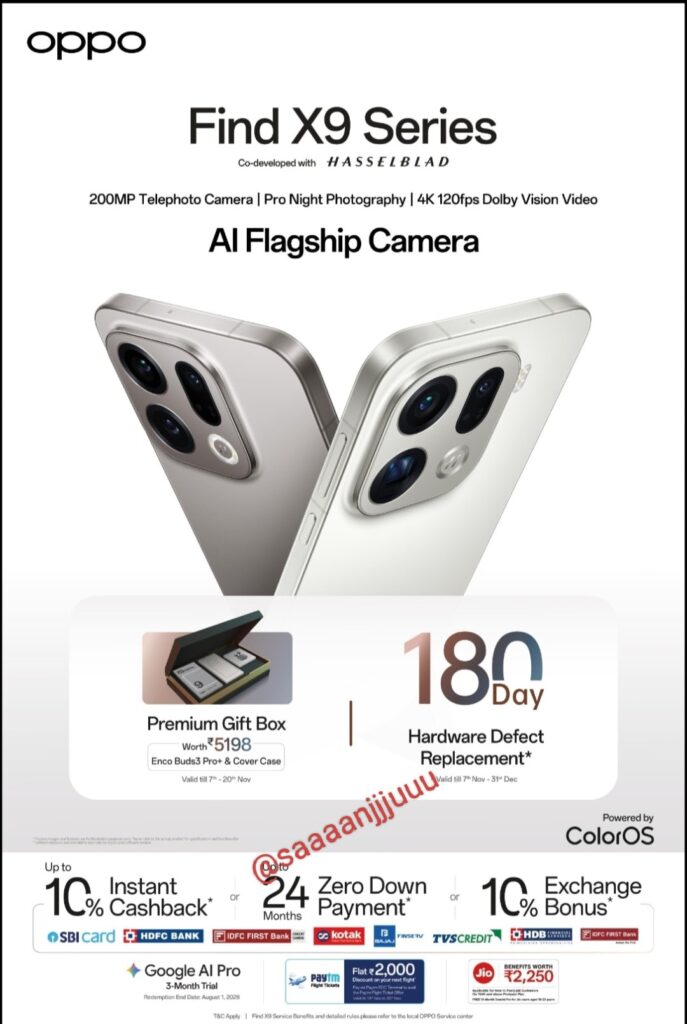
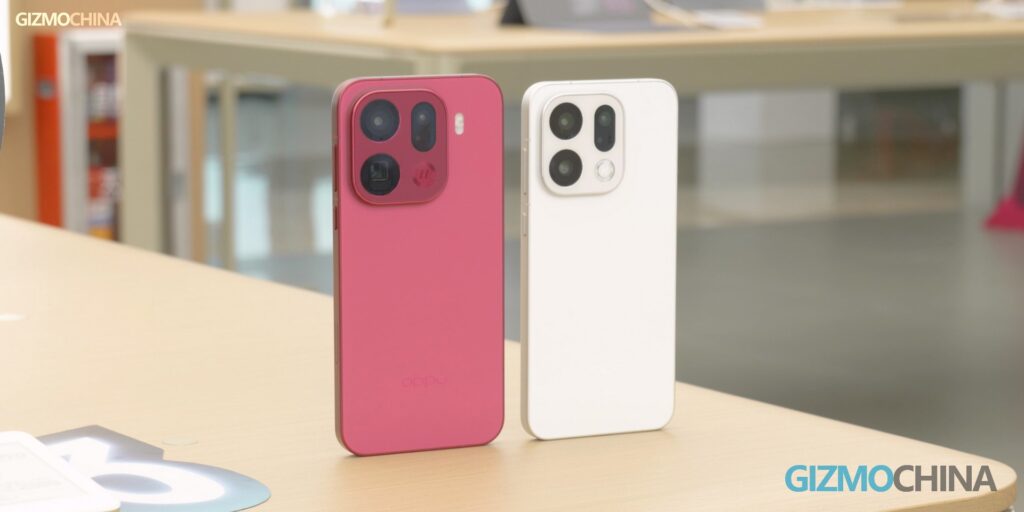
Oppo is expected to announce the Find X9 series of smartphones in October of this year. Likely, the brand will shift its focus to the Reno 15 series in November. A new leak reveals that the Reno 15 Pro will be the company’s first Reno-series phone to feature a 200-megapixel camera.

Oppo Reno 15 Pro camera specs, design leak

Oppo Reno 15 Pro leak by DCS

According to the tipster, the Oppo Reno 15 Pro’s rear camera setup will include a 200-megapixel primary camera, likely using the Samsung HP5 sensor. It will be joined by an ultra-wide lens (not mentioned in the leak) and a 50-megapixel periscope telephoto lens with a small sensor.

He further mentioned that the Reno 15 Pro will be equipped with a Dimensity 8-series chipset. Considering that the Dimensity 8500 may debut after the Reno 15 series, it is likely to retain the Dimensity 8450, which was made available on the Reno 14 Pro.

Moving on to the design of the Reno 15 series, the tipster mentioned that it will inherit Reno 14’s one-piece cold-carved glass design. While there is no clarity on whether it will have the same camera island design as the Reno 14 lineup, the inclusion of one-piece glass suggests that the phone’s back will be made from a carefully sculpted single, high-quality piece of glass.

Oppo Reno 14 Sun and Moonlight eddition

As per a recent leak, the Reno 15 Pro may feature a 6.8-inch OLED panel, whereas the Reno 15 will be a compact offering fitted with a 6.3-inch OLED screen. Additionally, Oppo may also bring some flagship imaging tech from the Find X8 series to the Reno 15, including advanced image sensors and color correction. The series will also feature a metal middle frame, wireless charging support, and run on ColorOS 16-based Android 16.

For more daily updates, please visit our News Section.

Stay ahead in tech! Join our Telegram community and sign up for our daily newsletter of top stories.

Honor Play 70 Plus image leaked, reveals a Vivo V50-series-like design

Honor unveiled the Honor Play 60 Plus smartphone in June 2024. Speculations are rife that the Honor phone with the LOG-AN00 model number, which was approved by China’s TENAA authority in June, could be the upcoming Honor Play 70 Plus. While the listing revealed its key specifications, its design remained a mystery. Now, Chinese tipster Bald Panda has shared a render of the Play 70 Plus to showcase its design and color options for the first time.

Honor Play 70 Plus design, color options

Honor Play 70 Plus
Honor Play 70 Plus

As can be seen above, the Honor Play 70 Plus will be available in four shades: blue, black, white, and pink. As far as the design is concerned, it is somewhat similar to Vivo’s V50 series.

Honor Play 70 Plus specifications (rumored)

As per the TENAA listing of the Play 70 Plus, it will measure 8.39mm in thickness and weigh 207 grams. On the front, it will feature a 6.77-inch HD+ LCD screen and a 5-megapixel selfie camera. Its rear camera setup will feature a 50-megapixel camera.

The listing further revealed that the device will be powered by 8GB / 12GB of RAM and 256GB / 512GB of internal storage. For security, it features a side-facing fingerprint sensor.

The tipster claims that the device will be equipped with the Snapdragon 6s Gen 3 chipset and a 7,000mAh battery with 45W charging. This indicates that it will arrive as a competitor to the Redmi 15 5G, which also features the same chipset. He added that the device will be equipped with other features, such as dual speakers with 400 percent volume boost support, NFC, and an IP65 rating.

Honor 400 Smart, Honor X7d GCF listing

In related news, Honor is said to be working on the Honor 400 Smart and Honor X7d phones for the global market, according to a report by XpertPick. Both phones are said to have the same LOG-NX1 model number. This indicates that the Honor Play 70 Plus, which will remain confined to the Chinese market, will be rebranded as the 400 Smart and X7d in markets outside of China.

For more daily updates, please visit our News Section.

Stay ahead in tech! Join our Telegram community and sign up for our daily newsletter of top stories.

Dimensity 8500 with improved GPU to hit 2M+ AnTuTu score, Redmi Turbo 5 / Poco X8 Pro to feature it first

MediaTek is prepping two new chipsets, the Dimensity 9500 and Dimensity 8500. The D9500 is expected to power next-generation flagship phones, such as the Vivo X300 series and the Oppo Find X9 lineup. The D8500, on the other hand, is expected to power mid-tier performance-focused smartphones. Today, tipster Digital Chat Station released a Weibo post to share some details about the D8500 chip and the name of the first phone that will feature it.

Dimensity 8500 to power Redmi Turbo 5, Honor, Realme, iQOO phones

MediaTek Dimensity 8500 details leaked

According to DCS, the MediaTek Dimensity 8500 will be a 4nm chip built by TSMC. While the core CPU architecture remains largely unchanged, the Mali-G720 GPU is said to be significantly enhanced. The chip is projected to achieve an impressive AnTuTu benchmark score of over 2 million points.

The Redmi Turbo 5 is expected to be the first phone to feature the Dimensity 8500, with a launch anticipated by the end of this year or early January 2026. This is consistent with other reports that suggest the Poco X8 Pro, which is expected to arrive in the global market in January 2026, will also feature the same chipset. This is understandable, as the X8 Pro is rumored to be a rebranded version of the Redmi Turbo 5.

He added that Honor, Ouga Group (Oppo, OnePlus, and Realme), and iQOO will also launch Dimensity 8500-powered smartphones. Earlier this year, Realme unveiled the Dimensity 8400-powered Realme Neo 7 SE, whereas iQOO announced the Z10 Turbo equipped with the same chip. Therefore, it is likely that the Dimensity 8500 may also power the Realme Neo 8 SE and iQOO Z11 Turbo, expected to launch next year. All these D8500 phones are expected to feature a metal middle frame, indicating a widespread adoption of the said feature.

For more daily updates, please visit our News Section.

Stay ahead in tech! Join our Telegram community and sign up for our daily newsletter of top stories.

Realme Note 70T launched with 6000mAh battery, MIL-STD-810H grade build

Realme has silently unveiled a new Note-series phone in Europe. It is an entry-level 4G smartphone equipped with a Unisoc chip, a large battery, and a durable build. Here’s a look at the specifications, features, and price of the device.

Realme Note 70T specifications and features

Realme Note 70T
Realme Note 70T

The Realme Note 70T features a 6.74-inch IPS LCD panel that supports 720 x 1600 pixels HD+ resolution. It also supports up to a 90Hz refresh rate and a peak brightness of 563 nits.

Under the hood, the Note 70T has the Unisoc T7250 chipset and a massive 6,000mAh battery with 15W charging. It is equipped with 4GB of RAM, up to 12GB of virtual RAM, and 64GB / 128GB / 256GB of built-in storage.

For selfies, it has a 5-megapixel front camera, and its back panel is equipped with an OmniVision OV13B10 13-megapixel camera. The device comes preloaded with Android 15 with a layer of Realme UI 5 on top.

The Realme Note 70T comes with other features, such as dual SIM, 4G VoLTE, Wi-Fi 5, Bluetooth 5.2, GPS, NFC, a USB-C port, a side-facing fingerprint sensor, and a Pulse Light notification LED. The 70T measures 167.20 x 76.60 x 7.94mm and weighs 201 grams. Apart from an IP54 rating, it comes with MIL-STD-810H certification for resistance against extreme conditions.

Realme Note 70T price and availability

Priced at 89 euros, the Realme Note 70T has arrived in shades like Obsidian Black and Beach Gold. While there is no official confirmation yet, the device is also expected to hit the Southeast Asian markets in the coming days.

For more daily updates, please visit our News Section.

Stay ahead in tech! Join our Telegram community and sign up for our daily newsletter of top stories.

Realme GT 8 Pro to disrupt the industry with top-notch specs

In October, Realme is expected to launch two flagship phones, namely the Realme GT 8 and GT 8 Pro, in China. Reliable tipster Digital Chat Station has been consistently sharing details about the upcoming flagship phones, including the Realme GT 8 series lineup. A fresh Weibo post released by the tipster highlights the key specifications of the Pro edition.

Realme GT 8 Pro key specifications (rumored)

According to the tipster, the Realme GT 8 Pro will “disrupt the industry,” suggesting that it will pack groundbreaking specs and features. He previously claimed that the GT 8 Pro will be the company’s most premium phone ever.

He revealed in today’s leak that the Snapdragon 8 Elite 2 (SM8850)-powered flagship phone will feature a flat display that supports a 2K resolution. As per a previous leak, the device is said to be equipped with a 6.85-inch 2K OLED panel by Samsung equipped with AR anti-glare coating.

A significant upgrade will be seen in the camera department, as it is said to feature a 200-megapixel periscope telephoto lens backed by a large camera sensor. The phone is also tipped to have a large battery, along with an enhanced motor and speakers. For security and durability, it will reportedly feature a 3D ultrasonic in-display fingerprint sensor and a metal frame.

With these upgrades, the Realme GT 8 Pro is also expected to arrive with an expensive price tag. To recall, the Realme GT 7 Pro was priced at 3,599 Yuan ($500) at launch. While there is no price leak about the GT 8 Pro, the upgrades in departments like screen, processing power, and camera technology suggest that it may arrive with a 3,999 Yuan ($555) starting price.

The Realme GT 8, which is expected to launch with the Pro edition, will also feature the Snapdragon 8 Elite 2 chipset. Although specific details are not available, it is expected to arrive with an impressive display and a periscope telephoto camera.

For more daily updates, please visit our News Section.

Stay ahead in tech! Join our Telegram community and sign up for our daily newsletter of top stories.

Oppo Find X9 specifications leak reveals 6.59-inch display, 50MP periscope lens, 7000+mAh battery

Early leaks claimed that the Oppo Find X9 series would include at least four models, such as the Find X9, Find X9 Plus, Find X9 Pro, and Find X9 Ultra. The X9 was said to be a new compact phone, whereas the X9 Plus was being considered as a successor to the Find X8. However, recent reports have revealed that the compact model will debut next year with the Ultra edition, whereas the Plus version will debut as the regular Find X9. To clear up the confusion, recent leaks suggest that Oppo may unveil the Find X9 and X9 Pro in October of this year. Recently, reliable tipster Digital Chat Station shared the key specifications of the Pro edition. Now, he is back with a new Weibo post that reveals previously unknown details about the standard X9.

Oppo Find X9 specifications (rumored)

Oppio Find X9 specs leak by DCS

The new leak suggests that the Dimensity 9500-powered Find X9 will feature a 6.59-inch flat OLED 1.5K resolution panel with extremely thin bezels on all four sides. The screen will come integrated with an ultrasonic in-screen fingerprint sensor.

DCS revealed that the Find X9 will pack a super large battery, which is said to be around 7,000mAh in size. The tipster did not mention the wired charging capabilities of the device but claimed that it will support 50W wireless charging.

The X9’s rear camera setup will feature a 50-megapixel periscope telephoto camera. It is also said to feature a metal middle frame. While he did not say anything about the device’s OS, it is expected to run on the upcoming ColorOS 16-based Android 16.

As can be seen above, he added that the Oppo Find X9 series will be unveiled after China’s National Day holidays. This indicates that the X9 lineup will go official in October this year.

For more daily updates, please visit our News Section.

Stay ahead in tech! Join our Telegram community and sign up for our daily newsletter of top stories.
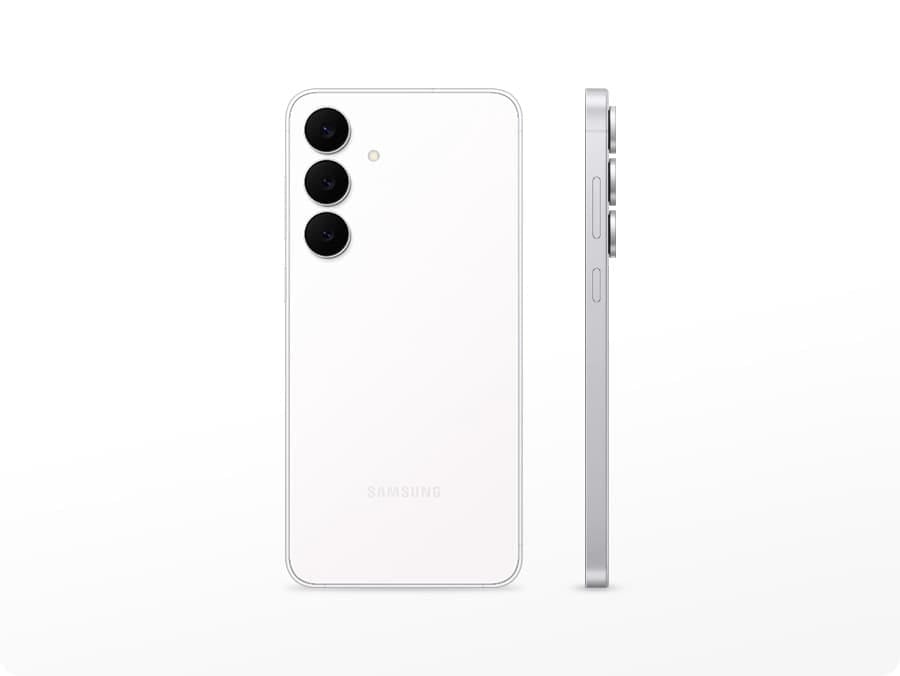
Samsung Galaxy S25 FE full specifications leaked ahead of launch

A recent report revealed that Samsung may unveil the Samsung Galaxy S25 Fan Edition later this month or by early September. The rumour mill has already leaked details about the FE model in bits and pieces. Now, a new report courtesy of AndroidHeadlines has revealed almost everything about its specifications.

Samsung Galaxy S25 FE specifications (rumored)

Samsung-Galaxy-S25-FE-CAD-Render-2
Samsung Galaxy S25 FE CAD renders by Sammy Guru and OnLeaks

As per the report, the Galaxy S25 FE will measure 161.3 x 76.6 x 7.4mm and weigh 190 grams, making it slightly slimmer than its predecessor. It will feature a 6.7-inch Dynamic AMOLED 2X screen that offers an FHD+ resolution and a 120Hz refresh rate. In terms of durability, the device will carry an IP68 rating and have Gorilla Glass Victus protection for the screen.

The Galaxy S25 FE will feature the Exynos 2400 chipset. It will be available in two configurations: 8GB+128GB and 8GB+256GB. The S24 FE packed a 4,500mAh battery, whereas its successor is said to feature a larger 4,500mAh battery. It will support 45W wired and 15W wireless charging.

Moving on to the camera department, the Galaxy S25 FE will feature a 12-megapixel camera for selfies and video calls. It will feature a 50-megapixel main camera with OIS support, a 12-megapixel ultra-wide lens, and an 8-megapixel telephoto camera with 3x optical zoom and OIS.

The Galaxy S25 FE will come with the latest Android 16, which will bring along the latest One UI 8 and Galaxy AI. According to a report from last month, the S25 FE will come in shades like Icy Blue, Jet Black, White, and Navy. The device may come with a starting price of around $600.

For more daily updates, please visit our News Section.

Stay ahead in tech! Join our Telegram community and sign up for our daily newsletter of top stories.
(source)

Infinix GT 30 could be launching next week

For the past few days, Infinix has been teasing the upcoming Infinix GT 30 in India. While its landing page is live on the company’s official website and Flipkart, it is yet to reveal its launch date. A new report by GSMArena claims that the device may debut next week in India.

Infinix GT 30 launch date

Infinix GT 30 5G
Infinix GT 30 5G

As per the report, the Infinix GT 30 will debut on Aug. 8 In India. The leaked renders of the phone, shared by the publication, revealed that it will be available in a green shade, equipped with customizable LED strips and GT shoulder buttons for gaming. The phone is expected to offer 90fps gameplay experience on BGMI.

Infinix GT 30 specifications

According to previous reports, the Infinix GT 30 will feature a 6.78-inch AMOLED display that supports a 1.5K resolution and a 144Hz refresh rate. The device is expected to run on Android 15 with a layer of XOS 15 on top.

The device is expected to come equipped with the Dimensity 7400 chipset and 8GB of RAM. Likely, the phone will offer up to 256GB of storage. It is likely to draw power from a 5,200mAh battery, which will support 45W charging. At present, there is no concrete information about the camera capabilities of the device.

Considering that the Infinix GT 30 Pro is selling for Rs 24,999 (~$285) in India, it is likely that the upcoming standard model could be priced at around Rs 20,000 (~$230).

For more daily updates, please visit our News Section.

Stay ahead in tech! Join our Telegram community and sign up for our daily newsletter of top stories.
(source)

DXRacer Martian Pro Gaming Chair Review: Future! The World’s First Electric Massage Gaming Chair

Introduction

All that nonsense about “Don’t buy gaming chairs—it’s a gimmick, and you’re an idiot if you do” pushed me to check them out for myself. I used to be very biased about gaming chairs. I always thought spending big money on a ‘flashy’ chair wasn’t as practical as getting a regular ergonomic one.

I might never have tried a gaming chair without getting this DXRACER Martian Pro. The world is advancing so fast, and the massage gaming chair has renewed my imagination of the future of furniture/officing equipment, which can also be luxurious and provide the ultimate in enjoyment. In this review, I’ll share my most genuine experience with it. I hope this review could bring some new ideas if you are holding the same opinion as I did.

Unboxing

The chair comes in a huge box, just as heavy as it looks, but less bulky than traditional massage chairs. So when the Martian Pro arrives, I’d truly recommend having extra help (one more adult would be fine). Once you open it up, the parts are neatly organized, and the instruction manual will guide you through each step. Even the ports and connectors are labeled, which makes things way easier. As someone new to furniture assembly, I put it together in about 25 minutes, and it wasn’t nearly as much of a hassle as I’d imagined.

Intelligent Temperature Control and Comfort System

Once assembled, the chair’s “smart features” immediately caught our attention—and rightfully so, since “temperature control and comfort” are the standout selling points. Let’s start with the daily experience: how it feels to sit on it and how it handles temperature control. Right away, it felt noticeably different from clunky office chairs. We asked our colleague Holly to test it out—she was wearing thick pants that day, and within 5 seconds of turning on Level 1 cooling, she said she picked up on a faint breeze around her lower back and thighs.

We ran a real-world test: in a 26°C room, after sitting there for 1 hour, a regular office chair’s seat hit 35°C, while the Martian Pro (on Level 2 cooling) stayed steady at 28°C. That 4-6°C difference was a huge surprise—no sticky, hot feeling, and even after a full day, the seat stayed dry. No more sweaty, sticky gaming marathons—guaranteed.

This all comes down to its active cooling tech. If you’re familiar with the model, you’ll know the 3-level adjustable ventilated seat is a Pro exclusive. Picture this: small fans are hidden under the seat, paired with a honeycomb airflow layer—hundreds of tiny vents spread air evenly. The fans push air through these holes, circulating evenly instead of blasting in one spot. Clever, right? It’s a total game-changer compared to standard chairs.

On the flip side, it also has 3-level heating for cold days—heats up in just 2 seconds, with three temperature settings. It warms you up fast in winter, upping the comfort factor in a way ergonomic chairs can’t compete.

Beyond that, you get no “pinched” feeling with some chairs. And comfort doesn’t stop at the seat—its built-in back massager is a standout bonus for beating fatigue. The 8-point massage targets the key tension spots on the back, with six vibration modes—all controlled by a single button. It takes the edge off, keeping your back loose even after hours.

Electric adjustment and ergonomic support

This chair checks all the boxes for me. It’s comfortable, sturdy, and looks good too. Plus, I can recline it back, crush a few gaming rounds, then take a quick nap whenever I want—a total game-changer.

It doesn’t have that “sink-into-cotton” softness. The high-density material prioritizes support over that squishy feel, so it’s a little firm initially. But you get used to it after a couple of days, and the upside is that it won’t sag or lose shape over time. Instead, it’s got an electric reclining backrest that lets you dial in that perfect comfort zone. You can adjust it anywhere from 90° to 135° with a button on the left—super easy.

At 135°, the backrest is almost flat. Pair it with the headrest; your head can rest naturally, with your knees slightly higher than your hips. This “slight bend” feels natural for relaxing. I even napped in it for 30 minutes—no weird ‘floating’ feeling in my lower back, which is enormous. Only a tiny letdown? No footrest. If you want to stretch out at 135° fully, your legs have to stay straight—it would’ve been even better with something to prop your heels on.

At 90°, the backrest forms a right angle with the seat, and two small airbags are in the lower back. Hit the button, and they puff up slowly. It feels like a soft hand cupping your lower back, with no pressure. Whether you’re leaning forward or sitting up straight, they perfectly fill the gap between your back and the chair, custom-fit. Massive upgrade from those chairs with stiff, fixed lumbar pillows.

Some might wonder: Is it truly ergonomic? Will it keep you in a healthy posture? It outshines a lot of so-called ergonomic chairs. Take the 4D armrests with their quick-swap tops, for example. They adjust up and down to match your desk height, slide forward and back so your elbows rest naturally, swivel left and right, and shift side to side to fit different shoulder widths.

Then there’s the innovative airbag lumbar support. Those two built-in airbags hug the curve of your spine. Tweak how much they inflate, and they fill exactly the gap between your lower back and the chair—total personalized support, no guesswork. It takes a ton of pressure off your lower back.

The armrests move in four directions: up/down, forward/back, left/right, and swivel. Pair that with the magnetic quick-swap tops—they snap into place perfectly every time, no fumbling—and your wrists and elbows get just the proper support.

Battery Life & Charging Design

Another strength of the Martian Pro is the 5000mAh Li-ion battery, which can support over 360 hours per charge. That’s two full weeks of use, saving the trouble of charging it every other day.

Charging’s very easy too. A built-in retractable cable (1.5-2.5m) pulls out when you need it—plug into the adapter, or get the battery out to charge separately.

Durability & Structural Safety

For Heavier people, you may ask, ‘Can this chair hold up to my weight?’ I checked, and it says it’s built with automotive-grade steel and certified by BIFMA. I think of that as the gold standard for furniture safety. The official max weight? 300 pounds, around 136 kg.

There are two materials available: EPU leather or woven fabric. EPU leather is tougher than average PU. We run a key through it, scraped hard, with nearly no scratches. Impressive. Woven fabric is breezier. I sat in 35°C heat for an hour, and my back sweat was way less than the EPU’s. No sticky mess. Plus, it comes with a 200ml leather care kit to keep it looking fresh.

Little Extras & Nice Touches

Beyond the basics, the Martian Pro has some “human-centric” details, starting with the headrest. The headrest has a magnet, so it clings to the backrest like glue—twist it, move it, and stay put. The foam is soft enough that your head sinks slightly, like a gentle support keeping your neck from straining during long screen time—no more constant readjusting.When you recline the backrest, a yellow LED strip lights up automatically. It gives your gaming corner that futuristic vibe.

Wrap-Up

The Martian Pro’s intelligent temperature control and comfort features are total game-changers—my back and legs stay way more relaxed than in regular chairs. It checks all the boxes from comfort to adjustability, battery life to durability.

Honestly, it’s more than just a ‘comfortable gaming chair’—it’s a supremely versatile seat for any purpose, inspired by luxury cabins. Support while you work, crash for a nap, get rid of sweat while gaming, or watch episodes in the living room. Whatever you want to do, it works, and works with great comfort and relaxation for you.

Who should (and shouldn’t) buy Nothing Phone (3)?

What’s the best way for a smartphone company to show it’s made it? Undoubtedly, by launching a flagship. For most brands, that’s the big milestone, a premium device that says, “We belong.”

Nothing is doing just that with the new Phone (3). At $799 / €799 / £799, this is the company’s first attempt in years at making a high-end Android phone. And with this, it wants to attract the same crowd who might otherwise buy a Pixel 9, a Galaxy S25, or even the baseline iPhone 16.

Nothing Phone (3) buyers discussion

But despite its more premium pricing and upgraded specs, the Phone (3) is still very much a Nothing device, which is to say, different for the sake of being different. So, who exactly is it for?

Let’s start with what it offers.

1. The specs look flagship enough

The Phone (3) doesn’t lack on paper. You get a 6.67-inch OLED display with 120Hz refresh rate, 1B colors, HDR10+ support, and up to 4,500 nits of peak brightness.

Powering the phone is Qualcomm’s Snapdragon 8s Gen 4, which sits slightly below the top-tier Snapdragon 8 Gen 4 Elite. This is a 4nm chip, paired with either 12GB or 16GB of LPDDR5 RAM and UFS 4.0 storage (256GB or 512GB). Unsurprisingly, the Phone (3) delivers smooth performance, with Nothing OS 3.5 (based on Android 15) taking care of software optimization.

The Phone (3)’s 5,150mAh battery easily gets you through a full day with moderate use. For charging, it supports 65W wired, 15W wireless, and Power Delivery 3.0. However, you’ll need to bring your own charger as it’s not included in the box.

The phone is also IP68 rated, made of Gorilla Glass and an aluminum frame, and supports two physical SIMs plus eSIM. And no, there’s no headphone jack.

2. Cameras are a mixed bag

There are three 50-megapixel sensors on the back: a wide, a 3x periscope telephoto, and an ultrawide. The main sensor does most of the heavy lifting and delivers good results with detail and color. 

The telephoto lens retains sharp detail at 3x zoom and performs reasonably well up to 6x, with a noticeable drop-off beyond that. The 50MP ultrawide sensor offers a 114-degree field of view, producing decent wide-angle shots.

Up front, a 50MP selfie camera handles self-portraits and supports 4K video recording at 60fps.

3. The Glyph is no longer a gimmick, or is it?

Nothing is probably the only brand in the smartphone space that consistently tries to do something different, and the original Glyph interface was a result of that mindset. It’s a fun feature to show off to friends, though the LED lights on the back have limited practical use.

As a result, the Phone (3) introduces a dot-matrix-style mini-display made up of 489 LEDs in the corner of the rear panel. This “Monochrome LED Display,” as the company calls it, can now show simple graphics and app icons.

It’s still a bit gimmicky in some ways, though. For instance, features like the Magic 8-Ball or spin-the-bottle probably won’t get much use, but other functions are more practical. You can view the time, charging status, or volume level without flipping the phone over. The back is also touch-sensitive, allowing interaction with certain widgets directly from the Glyph interface.

Overall, it’s a meaningful upgrade over the original Glyph lights. But the real question is whether this second screen will gain broader utility or remain a niche feature.

4. Clean, uncluttered software

Nothing OS 3.5, based on Android 15, leans hard into the retro-dot-matrix look, but under the hood, it’s clean, smooth, and remarkably lightweight. It’s one of the more streamlined Android experiences out there, closer to what you’d find on a Pixel than on a Galaxy.

There are also a few thoughtful extras. Essential Space, introduced earlier with the Phone (3a) Pro, is back; it lets you record voice memos while the phone is facedown, with visual feedback displayed on the Glyph screen. Essential Search is another AI-powered feature that scans your phone’s contents to answer simple queries quickly.

The company promises five years of Android version updates and seven years of security patches.

5. So, who’s this for?

The Phone (3) isn’t the best phone at $799. You can get better cameras on the Pixel 9 Pro, better performance on a Galaxy S25+, and more consistent software updates from both. But if you’re bored with the usual players and want something that looks and sometimes feels a bit different, this might be for you.

It’s for people who care about design but don’t mind asymmetry. People who like the idea of a notification light that doubles as a visual status monitor. People who like Android but find most Android phones too cluttered.

It’s not for gamers who want top thermal performance. It’s probably also not for photographers who demand perfect color accuracy from every lens.

The Phone (3) makes more sense if you’re already in the Nothing ecosystem. If you own Nothing Ear earbuds or the company’s older phones, the continuity is appealing. But for someone switching from Apple or Samsung, it’s more of a leap.

Please Note: When you buy something using the links in our articles, we may earn a small commission at no cost to you.

For more daily updates, please visit our News Section.

Stay ahead in tech! Join our Telegram community and sign up for our daily newsletter of top stories.

Lenovo Is Giving Away 2 Free PC Games: Here’s How to Claim

If you own a Lenovo device or just enjoy free stuff, you’re in luck. The company has just announced its video game giveaways for this month. These are the latest free games that will be available to the brand’s Legion Gaming Community platform, so let’s check them out.

Lenovo Legion Video Game Giveaway: Everything you need to know

Lenovo Game Giveaway
Ultra Street fighter IV

The brand just announced two titles that will be available for free on its Legion Gaming Community, which includes a fighter game and a retro game reboot. First we have the Ultra Street Fighter IV. This title from Capcom includes the entire roster available in the base Street Fighter IV along with five new characters and six more stages. It isn’t one of the latest game in the series, but it is still a modern entry in the franchise.
On the other hand, Strider is a reboot of the original 1989 game, bringing the arcade style of fighting to modern systems. This game went on to inspire a whole genre of games, including big names like Ninja Gaiden and Devil May Cry. Lenovo’s Legion Gaming Community can claim these games on 6th August 2025.

Lenovo Game Giveaway
Strider 2014 Reboot

In related news, the Chinese tech giant’s Legion Go 2 prototype was recently spotted in early gaming benchmarks. The brand is also gearing up to launch the new Xiaoxin Pro GT gaming tablet for a budget price tag soon, while its subsidiary just unveiled a powerful new mini PC that is powered by AMD’s flagship Strix Halo APUs.

For more daily updates, please visit our News Section.

Tech enthusiast? Get the latest news first! Follow our Telegram channel and subscribe to our free newsletter for your daily tech fix! ⚡

Redmi K90, K90 Pro new leak reveals Snapdragon 8 Gen 5, 8 Elite 2, up to 7500mAh battery, 100W charging

While Xiaomi may unveil the Xiaomi 16 series in September as the world’s first smartphones powered by the Snapdragon 8 Elite 2 chipset, October could see the launch of the Redmi K90 series in China. Today, tipster Digital Chat Station shared new information via a Weibo post, revealing key battery and charging specifications for the upcoming Redmi K90 and K90 Pro models.

Redmi K90 series battery, charging details (rumored)

According to the leak, the Redmi K90 will likely feature a 7,100mAh battery, while the K90 Pro may come with a slightly larger 7,500mAh unit. Both devices are expected to use single-cell silicon-carbon battery technology and support fast 100W charging.

Previous leaks indicate that the Redmi K90 Pro and K90 will be powered by the Snapdragon 8 Elite 2 and Snapdragon SM8845 chipsets, respectively. As per a new leak, the SM8845 chip will be called the Snapdragon 8 Gen 5 when it hits the market.

The series may feature a 6.59-inch flat RGB OLED LTPS screen offering a 2K resolution and a smooth 120Hz refresh rate. The Pro model is expected to arrive with features like a periscope telephoto camera, an ultrasonic under-display fingerprint sensor, dual stereo speakers, a premium metal mid-frame, and an x-axis linear motor for enhanced haptics.

Poco F8 series expected as global counterpart

Reports suggest that the Redmi K90 and K90 Pro could be rebranded as the Poco F8 Pro and Poco F8 Ultra for international markets. Additionally, the standard Poco F8 is tipped to launch in Q2 2026, potentially as a rebadged version of the Redmi Turbo 5 Pro, which is rumoured to debut with the Snapdragon 8s Gen 5 chipset.

Alongside its flagship offerings, Redmi is also working on budget-friendly models. The brand is expected to announce the Redmi 15 series and the Redmi Note 15 series later this month and in September in China.

For more daily updates, please visit our News Section.

Stay ahead in tech! Join our Telegram community and sign up for our daily newsletter of top stories.