Advertisement

Galaxy S27 Ultra, S27 Pro to finally use M16 OLED panels following iPhone 18 Pro and iQOO 16

According to an industry report from ETNews, the company plans to roll out its latest OLED tech across the entire Galaxy S27 series, with the biggest jumps reserved for the higher-end models. The phones are expected to arrive in the first quarter of 2027.
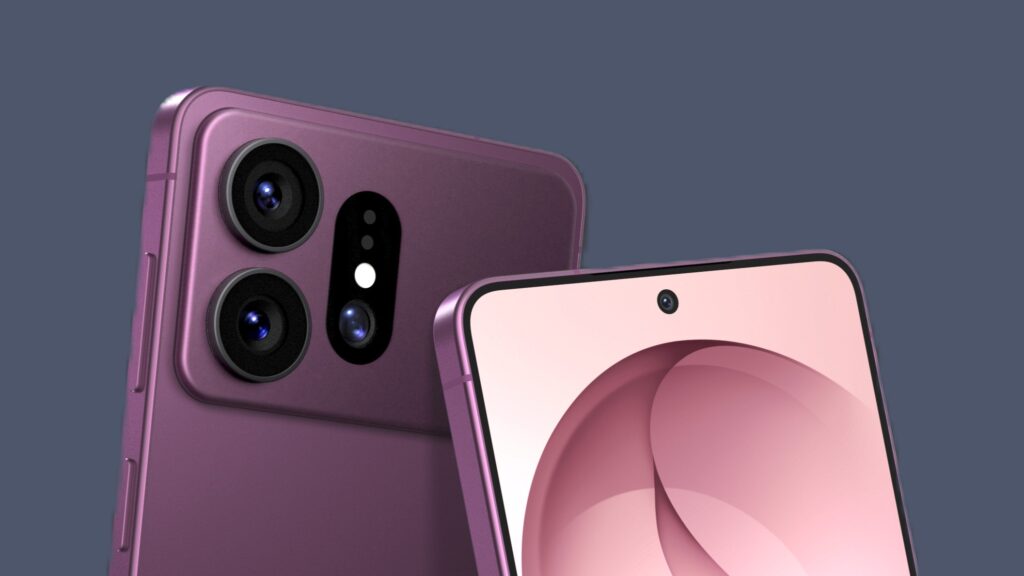
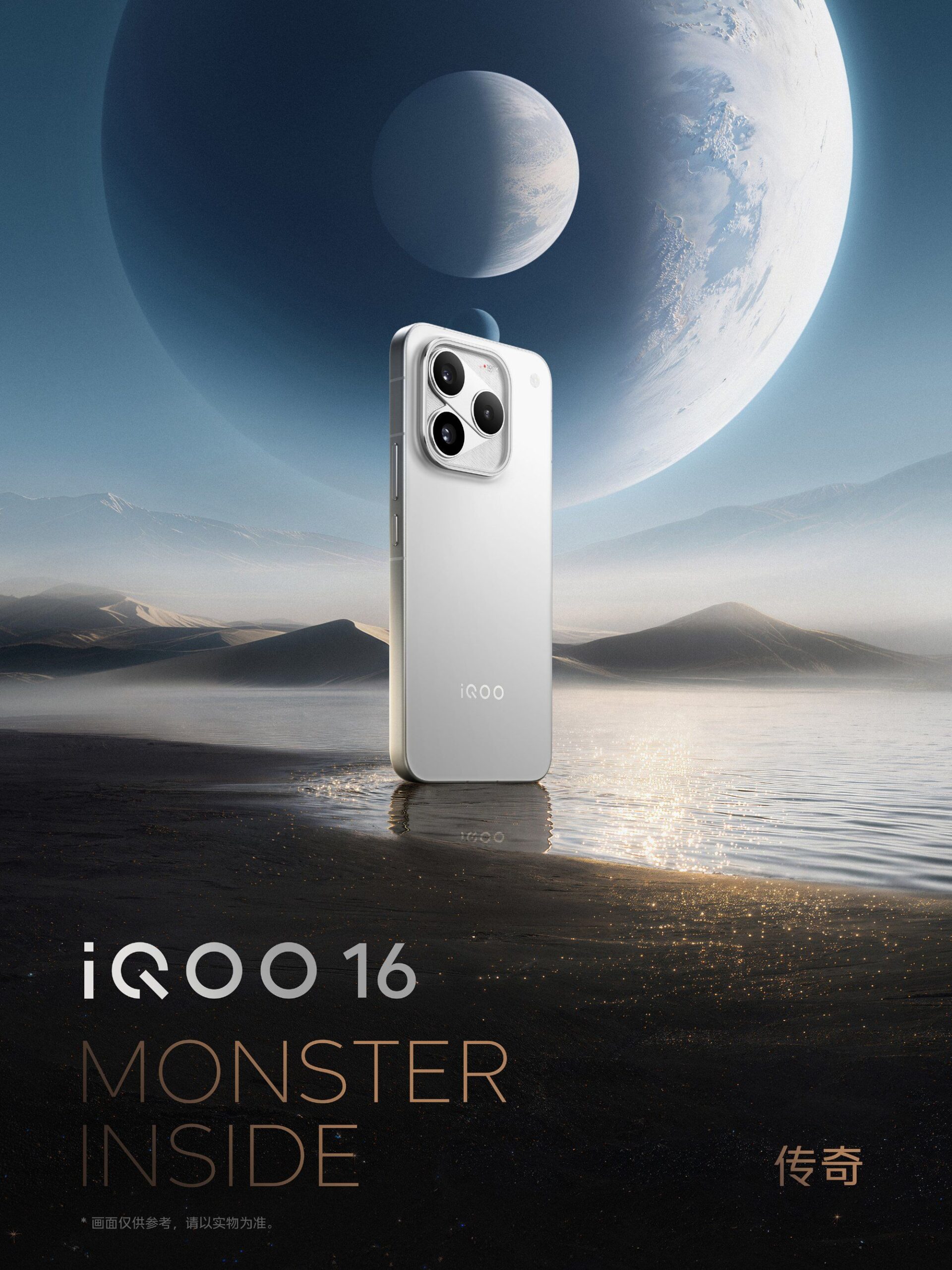
The Galaxy S27 Pro and Galaxy S27 Ultra will be the first Samsung smartphones to use the new M16 OLED material set. That same material is already showing up in Apple’s iPhone 18 Pro series and the iQOO 16, so it makes sense that Samsung is bringing it to its own top models.

M16 should deliver higher peak brightness, better power efficiency, improved colour accuracy, and a longer panel lifespan than previous generations. Samsung is also reportedly adding Color Filter on Encapsulation (COE) technology, which boosts brightness and efficiency by ditching the traditional polarizer, plus Privacy Display features on the Pro and Ultra. Those extras should help the premium models stand out more clearly from the rest of the lineup.

The regular Galaxy S27 and S27 Plus aren’t being left behind completely. Reports say they’ll move from the M13 material used in recent years to M14 panels, the first material-set change for the base models in quite a while. All four phones in the series are expected to use Samsung Display panels. Screen sizes are said to range from about 6.27 inches on the standard model up to 6.89 inches on the Ultra, with the Plus and Pro sitting in between.

If these plans stick, Samsung will refresh OLED technology across the whole flagship family instead of limiting the big leap to just the most expensive models. That could make the entire lineup more competitive while still giving the Pro and Ultra clearer advantages in display quality, efficiency, and features like privacy viewing.

Samsung Display has already shown off high-brightness M16 panels in other devices, with efficiency gains of up to 30% over older generations. Exactly how those numbers will be tuned for the Galaxy S27 phones remains to be seen.

Don’t miss a thing! Join our Telegram community for instant updates and grab our free daily newsletter for the best tech stories!

For more daily updates, please visit our News Section.

(Source: ETNews)
Snapdragon 8 Elite Extreme Gen 6 shows up again in benchmark, and the numbers still don’t add up

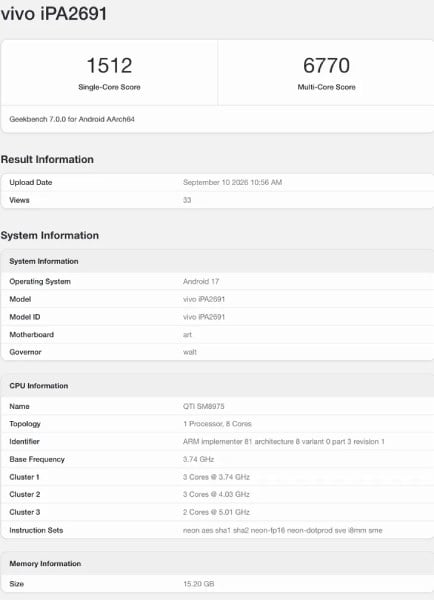
The Snapdragon 8 Elite Extreme Gen 6 has shown up again in Geekbench, this time inside the upcoming iQOO Pad Ultra. And the results are once again lower than what you might expect from Qualcomm’s next flagship chip.

A Vivo tablet with the model number iPA2691 has appeared on Geekbench 7. The same model number was previously spotted in China’s SRRC certification database, which linked it to the iQOO Pad Ultra.

iQOO Pad Ultra Geekbench

Now, Geekbench confirms that the tablet will be powered by the SM8975 processor, which is said to be the Snapdragon 8 Elite Extreme Gen 6. The chip is expected to use a 2nm process and has an eight-core CPU setup in this listing. It includes three cores clocked at 3.74GHz, three at 4.03GHz, and two high-performance cores reaching 5.01GHz. Graphics are handled by an Adreno 850 GPU.

The tested tablet has 16GB of RAM and runs Android 17.

iQOO Pad Ultra Geekbench scores don’t reflect peak performance

As for the scores, the iQOO Pad Ultra managed 1,512 points in the single-core test and 6,770 points in the multi-core test. These numbers are much lower than even last-gen processors. But there is an important detail here. 

These are pre-release devices, so unfinished software, firmware, and thermal limits could all affect the results. Retail units could perform quite differently once the software and cooling systems are finalized.

iQOO Pad Ultra teaser

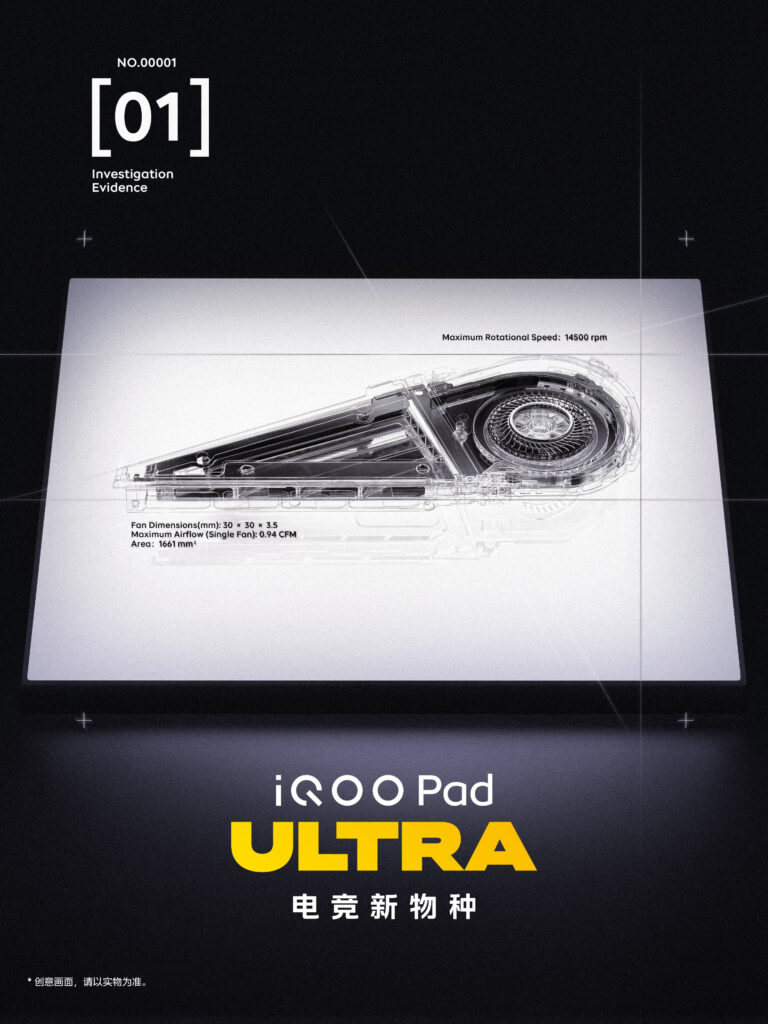
The Pad Ultra’s cooling setup could also help. iQOO has already confirmed that the tablet will have a built-in cooling fan capable of reaching up to 14,500rpm. The fan is housed in a compact 30 x 30 x 3.5mm module.

The device is set to launch in China in late September.

Don’t miss a thing! Join our Telegram community for instant updates and grab our free daily newsletter for the best tech stories!

For more daily updates, please visit our News Section.

(Source)

Huawei Mate XT2 import prices climb past €5,000, far above Apple’s iPhone Duo

Huawei’s newest tri-fold phone is out in China, and the early import prices already look eye-wateringly expensive next to Apple’s new foldable.

The Mate XT2 is a clear design change from Huawei’s earlier Z-shaped tri-folds that folded both inward and outward. This one uses a U-shaped (or G-shaped) mechanism that folds twice inward, similar to Samsung’s Galaxy Z TriFold. You get a roughly 6.5″ outer display that opens up to a 10.2″ inner screen.

In China, pricing starts at 19,999 yuan (about €2,560 / $2,980) for the 16GB/256GB model and goes up to 24,999 yuan (around €3,200 / $3,725) for a 1TB version with a privacy display. Higher configs, including a 2TB model with stylus, push close to 30,000 yuan.

An official launch outside China looks very unlikely, so anyone interested will have to import. Retailers like Trinity Electronics in Hong Kong and AverageDad (UAE/UK) are already listing units. A 12/256GB model starts around €3,626 ($4,207) at Trinity and €3,685 ($4,484, reportedly including taxes) at AverageDad. The 512GB version sits near €3,845–€3,865, while 1TB models (with and without the privacy display) range from roughly €4,065 to over €5,000 depending on the seller and config. Neither is currently listing the top 2TB version. Colours available are black, white, and purple.

Those import numbers put the Mate XT2 well above Apple’s iPhone Duo, which starts at $1,999 in the US and about €2,300 in Germany. Even Samsung’s Galaxy Z TriFold launched at $2,899 before taxes in the US, still noticeably cheaper than the Huawei grey-market prices.

There are practical hurdles on top of the high cost. There’s no eSIM, no Android Auto or Wear OS support, and language options may be limited. Like other recent Huawei phones, Google Mobile Services are missing, so you’ll need workarounds such as microG if you want Play Store access. Buyers also have to accept the usual grey-market risks around warranty and support.

Don’t miss a thing! Join our Telegram community for instant updates and grab our free daily newsletter for the best tech stories!

For more daily updates, please visit our News Section.

(Sources: 1, 2)

Vivo S2 FE and V80 India launch looks imminent as both pass BIS certification

Vivo is gearing up to launch a couple of new phones in India. Recently, the Vivo X Fold 6 foldable phone was spotted in the database of the Bureau of Indian Standards (BIS). Now, two more upcoming Vivo phones have surfaced in BIS’ database, indicating that these may hit the Indian market soon.

Vivo S2 FE and V80 BIS certified

Vivo S2 FE and Vivo V80 BIS certified

As can be seen above, two Vivo smartphones bearing the model numbers V2640 and V2648 have been approved by the BIS authority. The previously seen Bluetooth SIG certification confirmed that the V2640 will be released in the market with the Vivo S2 FE moniker.

On the other hand, the model number V2648 belongs to the Vivo V80. This has already been confirmed through recent certifications such as NBTC (Thailand), SIRIM (Malaysia), and SDPPI (Indonesia). In all likelihood, the S2 FE and V80 may be released in October.

Speculations are rife that the Vivo S2 FE could be a rebranded version of the Vivo V80 Lite 5G, which debuted with a 10,000mAh battery in Malaysia. This device is expected to pack other specifications, such as a 6.84-inch 1.5K 120Hz AMOLED screen, a Dimensity 7300e chipset, a 50-megapixel rear camera, a 32-megapixel camera, and 44W fast charging support.

The Vivo V80 could be India’s first phone to run on OriginOS 7-based Android 17. It could be a creator-focused phone with several AI-driven improvements to photography features. It is also expected to feature a 50-megapixel telephoto camera with 3x optical zoom, 10x portrait zoom support, and 4K cinematic video recording. It is rumored to house a 7,200mAh battery, making it the largest in the V-series.

For daily updates, please visit our News Section.

Stay ahead in tech! Join our Telegram community and sign up for our daily newsletter of top stories!

Xiaomi launches expensive automatic coffee maker with whole-bean brewing and automated milk frothing

Xiaomi has announced a new coffee machine in China, but this one skips capsules completely. The Mijia Smart Italian Semi-Automatic Coffee Maker Pro costs 4,999 yuan (around $745) and is designed for people who want more control over their coffee. 

Unlike Xiaomi’s more affordable capsule coffee machines, this model works with whole coffee beans and handles grinding, dosing, extraction, and milk frothing in one machine. It was developed for Xiaomi by Ningbo Kunling Technology.

Mijia Smart Italian Semi-Automatic Coffee Maker Pro Launch Specs Price

The machine has a built-in grinder that can measure coffee grounds down to 0.1 grams, so there’s no need to measure the beans separately with a kitchen scale. Xiaomi has also added a plasma-based anti-static system to the grinder, which is designed to reduce static and prevent coffee grounds from sticking together or making a mess around the hopper.

For brewing, the machine uses two separate water pumps and heating blocks. This allows it to extract coffee and steam milk without having to wait for one process to finish first. Xiaomi has also separated the hot and cold water paths, letting the machine handle hot espresso and cold extraction without one affecting the temperature of the other.

Five NTC temperature sensors monitor different parts of the brewing system, including the brew head. The data is used by a PID temperature control system to keep the water within the target temperature range during extraction.

Mijia Smart Italian Semi-Automatic Coffee Maker Pro app control

The machine uses an imported ULKA pump, which is also found in Xiaomi’s portable coffee machine. It can reach up to 19 bar of pressure, and Xiaomi says it can make more than 10 cups continuously without a noticeable drop in performance.

Automated milk frothing

Milk preparation is also automated. You can select cow’s milk or different types of plant-based milk, and the machine adjusts the frothing process to produce the desired texture. For users who want more control, there are nine adjustable settings covering things such as grind size and milk temperature.

The Xiaomi Home app also includes hundreds of preset coffee recipes, so users can follow existing recipes instead of adjusting everything manually.

Xiaomi Mijia Smart Italian Semi-Automatic Coffee Maker Pro frother

For beginners, Xiaomi has added a guided “first cup” tutorial in the app. It walks users through grinding, tamping, extraction, milk frothing, and cleaning step by step.

The Mijia Smart Italian Semi-Automatic Coffee Maker Pro is currently available in China for 4,999 yuan (around $745). Xiaomi has not announced plans to launch the machine in other markets yet.

For daily updates, please visit our News Section.

Stay ahead in tech! Join our Telegram community and sign up for our daily newsletter of top stories!

(Source)

iQOO 16 is launching on September 29, design and color variants officially confirmed

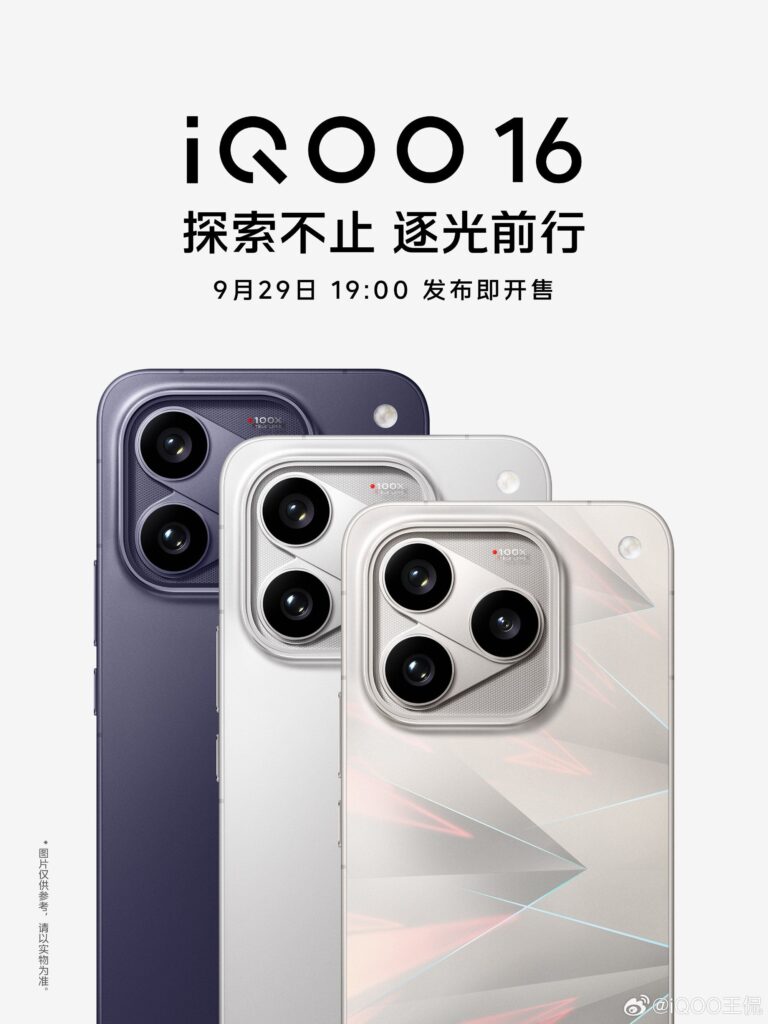
After teasing the arrival of its next flagship phone for the past few days in China, iQOO has finally revealed its launch date. The iQOO 16 will be officially unveiled on September 29 at 7pm local time in China, and the company says sales will begin immediately after the launch event.  Here’s a look at what to expect from this performance-focused offering.

iQOO 16 launch date and design

iQOO 16 launch date
iQOO 16 launch date

Despite being positioned as the standard model, iQOO says the iQOO 16 will deliver hardware and features that can rival higher-end Pro Max models.

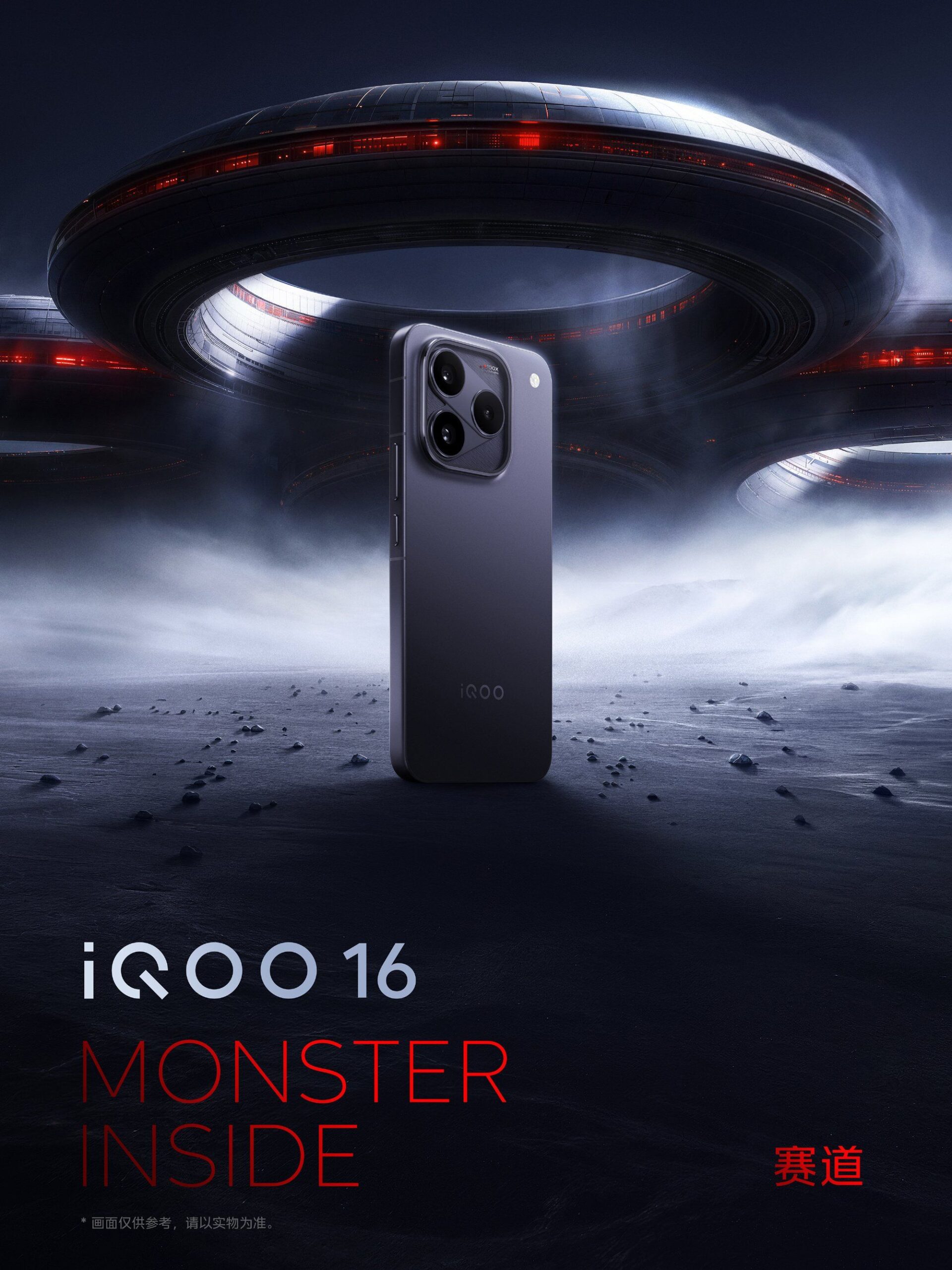
The design is expected to follow a futuristic theme, with the “Tomorrow’s Porthole” design language shaping the camera area. The three rear cameras are linked visually through a mechanical-style structure inspired by a spacecraft window.

The Light Chaser color variant of the device will flaunt a holographic rear panel. Its laser holographic imaging technology uses multiple manufacturing processes to create changing red and blue light effects as the viewing angle shifts. It will also arrive in Legend and Racing Track color variants.

The display could be one of the phone’s biggest highlights. iQOO has confirmed that the iQOO 16 will be the first smartphone to feature a 2K resolution panel with a 165Hz refresh rate, developed jointly with Samsung Display.

The panel uses Samsung Display’s latest M16 organic light-emitting material and LEAD 2.0 technology without a traditional polarizer. According to the company, this approach can reduce power consumption by around 30% while retaining the high resolution and refresh rate.

The 6.85-inch screen is also expected to support up to 2,800 nits of global peak brightness, 10,000 nits locally and up to 500Hz multi-touch sampling. Other display technologies include DC dimming, up to 3,300Hz PWM dimming and gaming glare protection.

Under the hood, the iQOO 16 is expected to use Qualcomm’s next-generation Snapdragon flagship platform alongside iQOO’s Q4 gaming chip. The phone is also tipped to receive upgraded vibration motors and speakers for a more immersive gaming experience.

The iQOO 16 is likely to draw power from an 8,400mAh battery with support 100W wired and 50W wireless charging. The rear camera setup is expected to include a 50-megapixel main camera with a 1/1.3-inch sensor, a 50-megapixel ultra-wide camera and a 50-megapixel periscope telephoto camera.

Storage options are tipped to include 12GB+256GB, 12GB+512GB, 16GB+512GB, and 16GB+1TB configurations. It will come preloaded with OriginOS 7-based Android 17 and will carry IP68 and IP69 ratings for dust and water resistance.

For daily updates, please visit our News Section.

Stay ahead in tech! Join our Telegram community and sign up for our daily newsletter of top stories!

Xiaomi confirms Xiaomi 18 Pro series launch with a new rear screen

Xiaomi today officially confirmed that the Xiaomi 18 Pro series will launch this month in China. In a teaser shared on Weibo, the company showed the rear display of the phone with the word “Generating” in the center. 

This could suggest that the rear screen will support AI-generated content directly on the phone, rather than being limited to wallpapers, widgets, or simple shortcuts. The company further says that more details are coming tomorrow. 

Xiaomi has some numbers to back up its decision to keep developing the rear screen feature. According to the company, users interacted with app cards on last year’s rear screen more than 4 million times per day, while more than 3.5 million wallpapers were added to the display every day.

The rear screen on the Xiaomi 17 Pro also gained more features after launch, including live wallpapers and interactive tools. The Xiaomi 18 Pro appears to be building on that idea rather than treating the rear display as a simple design feature.

Xiaomi 18 Pro keeps a familiar design

Nonetheless, the official teaser confirms the phone has a horizontal camera module with a Leica triple-camera setup. The rear display will cover most of the camera module, giving the Xiaomi 18 Pro a look that’s similar to its predecessor.

According to DCS, Xiaomi has made a few smaller changes to the design. The bezels around the rear display could be slightly thinner, while the front punch-hole camera may move to a different position. The phone is also said to feature a new physical button on the frame.

Earlier leaks also claimed that the rear screen could get larger and add a privacy mode, similar to the privacy display technology Samsung shipped with the Galaxy S26 Ultra.

With Xiaomi already confirming a launch this month and the rear screen now being teased, more details about the Xiaomi 18 Pro series should arrive soon.

For daily updates, please visit our News Section.

Stay ahead in tech! Join our Telegram community and sign up for our daily newsletter of top stories!

(Source)

Galaxy S26 FE launches in India with Exynos 2500, three colors, a few launch offers

Samsung’s latest Fan Edition phone is heading to India, and the company has now locked in the pricing, colors, and launch deals.

The Galaxy S26 FE will start at ₹79,999 for the only configuration confirmed so far: 8GB RAM + 256GB storage. It’ll be available in three colors: Pistachio, Blueberry, and Graphite. Sales kick off on September 18 through Samsung’s own online store, major e-commerce sites, and select retail outlets.

Earlier retailer leaks had suggested a possible ₹69,999 price for a 128GB model alongside the ₹79,999 256GB version, which sparked talk that the lower-storage option might show up during festive sales. Officially, though, only the 256GB model is confirmed at launch.

Samsung is sweetening the deal with a few launch offers, but you can only pick one. There’s an upgrade bonus of up to ₹8,000 if you trade in an eligible older phone. Alternatively, you can go for up to 30 months of no-cost EMI through select NBFC partners (which also throws in an extra ₹3,000 upgrade bonus). A third option gives you ₹7,000 cashback on major bank cards or a 12-month no-cost bank EMI. Buying from Samsung’s e-store also unlocks an 18-month bank EMI facility.

On the specs side, the S26 FE packs a 6.7″ FHD+ Dynamic AMOLED 2X display with 120Hz refresh rate and peak brightness up to 1,900 nits. It’s powered by the Exynos 2500 (built on a 3nm process) paired with 8GB of RAM. The rear cameras include a 50MP main sensor with OIS, a 12MP ultrawide, and an 8MP telephoto with 3x optical zoom and OIS. Up front there’s a 12MP selfie camera. Battery capacity is 4,900mAh, with 45W wired charging (Samsung claims it can reach about 69% in around 30 minutes with a compatible charger) and 15W wireless charging.

🔌 You’ll NeedThe S26 FE supports 45W fast charging, but Samsung doesn’t include a charger in the box — you’ll need a compatible one. Check Samsung 45W USB-C charger price on Amazon →

The phone measures 161.6 × 76.9 × 7.4 mm, weighs 193g, and carries an IP68 rating. It ships with One UI 9 based on Android 17, and Samsung is promising up to seven generations of OS upgrades plus seven years of security updates.

Don’t miss a thing! Join our Telegram community for instant updates and grab our free daily newsletter for the best tech stories!

For more daily updates, please visit our News Section.

Citizen launches gorgeous green-dial Eco-Drive watch with atomic timekeeping in the US

Citizen has expanded its US lineup with the release of the AT8260-85X, a new stainless steel chronograph that slots into the brand’s Sport Luxury category. It launched in the UK last month and is now available in the US for $675 directly through the company’s website.

Citizen AT8260-85X watch

Design Details

Visually, the AT8260-85X is built around a 43mm silver-tone stainless steel case. It is a standard, relatively large footprint for a modern chronograph that should provide substantial wrist presence.

The watch features an emerald-green dial with three subdials, a date window at 3 o’clock, and an inner ring that lists cities for the world time function. Citizen has also equipped the watch with a sapphire crystal, which offers strong scratch resistance for everyday use.

The watch is paired with a matching stainless steel bracelet featuring structured links and a fold-over clasp with push buttons. For durability, it carries a water resistance rating of 100 meters (WR100 / 10 Bar), making it suitable for swimming and showering, though it is not intended for deep diving.

Citizen AT8260-85X watch

Inside, the watch runs on Citizen’s Caliber H800 movement with the brand’s Eco-Drive technology. The system converts both natural and artificial light into energy to keep the watch running, eliminating the need for regular battery replacements.

Additionally, the H800 features atomic timekeeping. The watch has a built-in radio receiver that picks up time signals from atomic clocks. This allows it to automatically correct the time and date overnight, meaning it will always be accurate down to the second without you having to manually adjust it. It also makes jumping between time zones relatively seamless using the world time function.

In related news, Citizen brings its premium GPS-syncing Attesa CC4084-83Z watch to the US and launches a rugged new Eco-Drive field watch with a military-inspired design.

For more daily updates, please visit our News Section.

Stay ahead in tech! Join our Telegram community and sign up for our daily newsletter of top stories!

(Citizen)

Huawei Mate 90 series display, chip, and camera details leak before launch

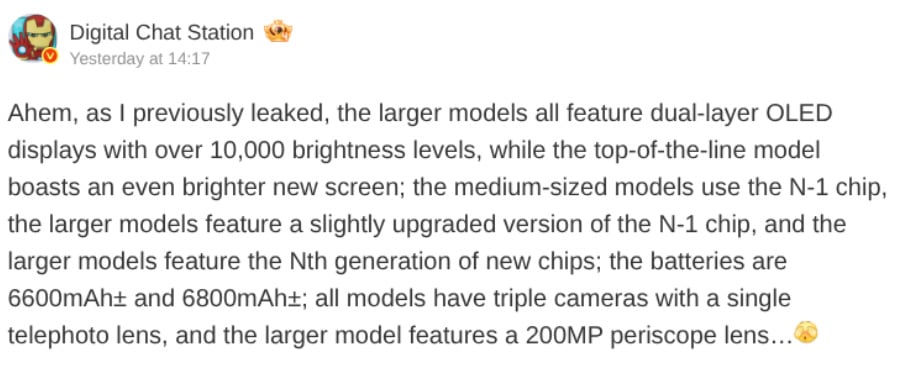
We’ve been hearing about the Mate 90 series for months, thanks to steady streams of industry leaks. A new leak by tipster Digital Chat Station now adds more to what we know about the phones. 

According to the insider, the higher-end Mate 90 models, likely the Mate 90 Pro and Pro Max, will use dual-layer OLED panels, with peak brightness reaching 10,000 nits. Meanwhile, the top RS Ultimate model could reportedly go even brighter than the other versions.

Huawei Mate 80 Pro Max Wind Edition
Huawei Mate 80 Pro

Dual-layer OLED uses two emissive layers stacked on top of each other. This allows the screen to reach higher brightness without using as much power as a single-layer panel at the same brightness level. It can also help improve the panel’s lifespan. In everyday use, the main benefit should be better visibility when using the phone outdoors in bright sunlight.

For comparison, the iPhone 18 Pro and Pro Max use standard LTPO OLED panels rather than a dual-layer design. If Huawei’s reported brightness figures are accurate, the Mate 90 series would likely be the brightest and better screen in any smartphone.

Huawei Mate 90 Pro Max to be powered by Kirin 9050 Pro

The chip lineup is also expected to be split across the different models. The mid-range version reportedly gets the N-1 chip, while the next model uses a slightly upgraded version of the same chip. Only the largest model is expected to get the newer N-generation chip, or the Kirin 9050 Pro.

Huawei Mate 90 series leak

As for battery, the capacity is reportedly set at either 6,600mAh or 6,800mAh, depending on the model. Both are considerably larger than the roughly 5,391mAh battery reportedly used in the iPhone 18 Pro Max, by comparison

Moreover, the camera setup is expected to include three sensors on every model, with one telephoto lens. The top-end model is said to add a 200MP periscope telephoto camera.

None of this is official yet, so treat the specifics as a starting point rather than a locked spec sheet. With the launch window reportedly set for September, confirmation shouldn’t be too far off.

For daily updates, please visit our News Section.

Stay ahead in tech! Join our Telegram community and sign up for our daily newsletter of top stories!

Honor Magic 9 Pro Max makes Geekbench run with the Snapdragon 8 Elite Gen 6 Pro

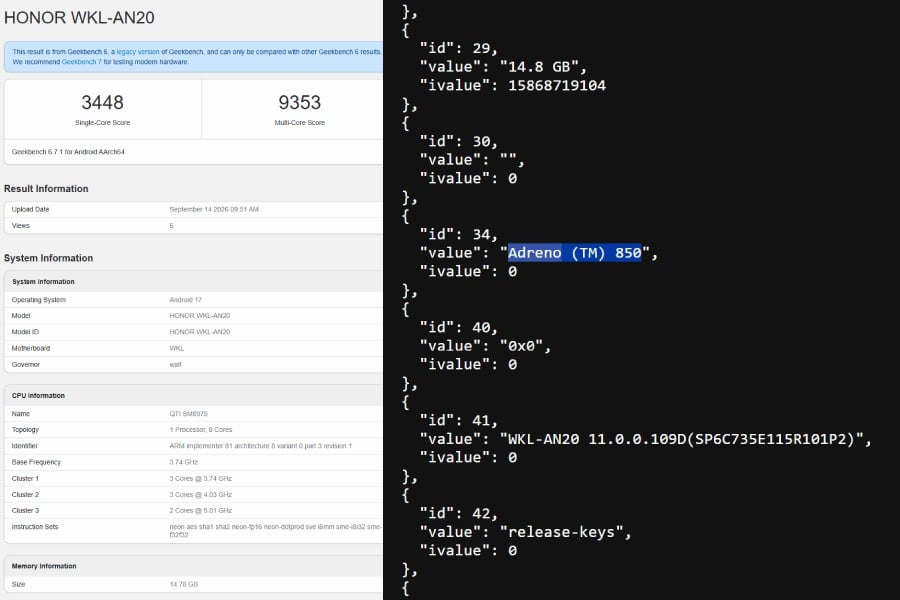
The Honor Magic 9 series is launching on September 28 in China, and the teasers are in full swing. The company recently confirmed the full lineup along with its color and memory options. A Geekbench listing now confirms the processor powering the Honor Magic 9 Pro Max, the top-tier model in the series.  

A device carrying the model number WKL-AN20 has shown up in the benchmark’s database, and the specs line up with what’s already confirmed for the Pro Max.

Honor Magic 9 Pro Max Design

The chip is listed under the name QTI SM8975, which is rumored to be the Snapdragon 8 Elite Gen 6 Pro (or 8 Elite Extreme Gen 6). You get eight cores in total, led by two prime cores running at 5.01GHz, three performance cores at 4.03GHz, and three efficiency cores at 3.74GHz. The Adreno 850 handles graphics. 

The device has 14.78GB of RAM, which rounds up to the 16GB tier Honor has already confirmed for this model, and the build information points to Android 17 running underneath MagicOS.

Honor Magic 9 Pro Max Geekbench scores

On Geekbench 6, the device pulled 3,448 points in the single-core test and 9,353 in multi-core. The single-core number is actually a step down from the Magic 8 Pro‘s global listing, which hit 3,664 with the Snapdragon 8 Elite Gen 5 last year, though multi-core jumped by close to 1,700 points. 

Honor Magic 9 Pro Max Snapdragon 8 Elite Gen 6 Pro Geekbench

However, pre-production software on a leaked listing rarely matches what you’ll get once the phone actually ships, so treat these numbers as a rough preview rather than a final word.

This isn’t the SM8975’s first appearance on Geekbench, either. The same chip already turned up on a Xiaomi 18 Pro Max listing, where it scored 3,582 in single-core and 12,247 in multi-core. That run was on Geekbench 7 rather than 6, so the figures aren’t directly comparable to Honor’s phone.

For daily updates, please visit our News Section.

Stay ahead in tech! Join our Telegram community and sign up for our daily newsletter of top stories!

(Via)

UGREEN’s first Thunderbolt 5 GPU dock arrives with 850W PSU and triple-port daisy-chaining

UGREEN launched its LinkStation eGPU dock with OCuLink and USB4 support last December. The dock was designed to let laptops and mini PCs use the power of a desktop graphics card. Now, UGREEN has introduced a new version with Thunderbolt 5, although it comes at a much higher price.

Called the UGREEN LinkStation Pro, the new dock uses Thunderbolt 5 with speeds of up to 80Gbps, with up to 64Gbps dedicated to the graphics card. It also supports USB4, Thunderbolt 4, and Thunderbolt 3, so it can still work with older devices, although they won’t get the full bandwidth available with Thunderbolt 5.

Ugreen LinkStation Pro Launch Specs Price

UGREEN says the dock supports graphics cards from NVIDIA, AMD, and Intel. It can also work with the company’s NAS devices to improve Docker container performance when the two are used together. This could be useful with UGREEN’s NASync DXP GT series, which supports Docker for running apps and virtual machines.

850W power supply and 140W charging

The dock has three Thunderbolt 5 ports, with support for daisy-chaining other Thunderbolt 5 devices. This means you can connect additional accessories through the dock instead of running separate cables to your laptop.

As for power, it has a built-in 850W power supply with an 80 Plus Gold rating and ATX 3.1 support. There’s also a 12V-2×6 connector for newer RTX 40- and 50-series graphics cards that require it. The dock can deliver up to 140W to a connected laptop through USB Power Delivery 3.1.

Ugreen Linkstation Pro Thunderbolt 5

The enclosure supports graphics cards up to 370mm long, enough for most full-size GPUs. The dock itself uses an aluminum chassis. 

The new UGREEN Thunderbolt 5 eGPU dock costs 3,489 yuan, or around $520. The OCuLink/USB4 model costs 2,299 yuan (~ $340) in comparison. 

UGREEN has not yet announced a release date or confirmed which regions will get the new dock.

For daily updates, please visit our News Section.

Stay ahead in tech! Join our Telegram community and sign up for our daily newsletter of top stories!

(Via)

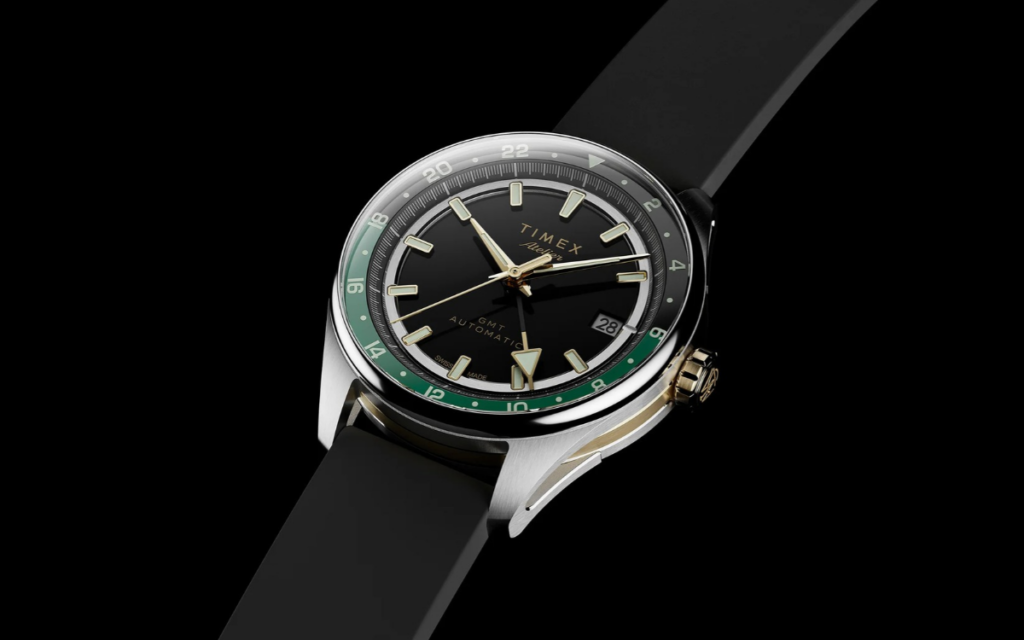
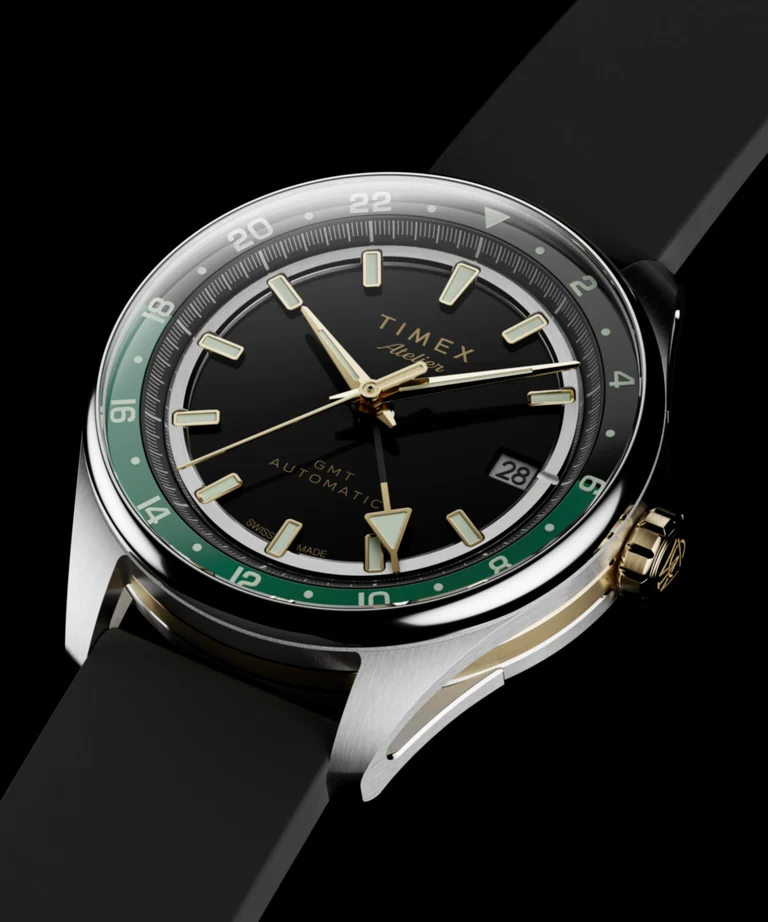
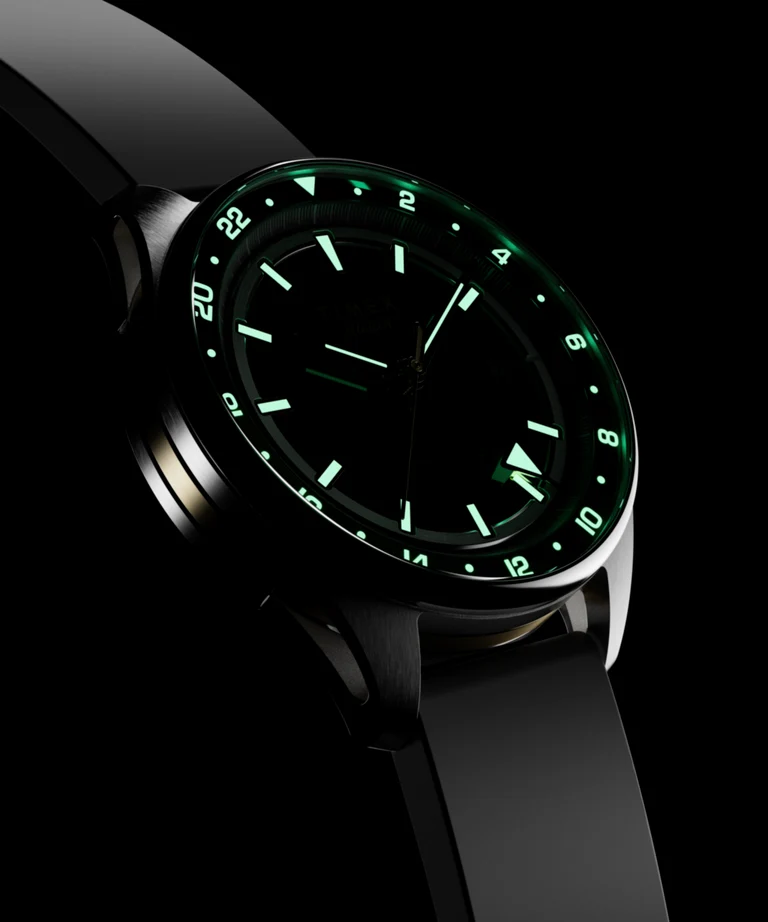
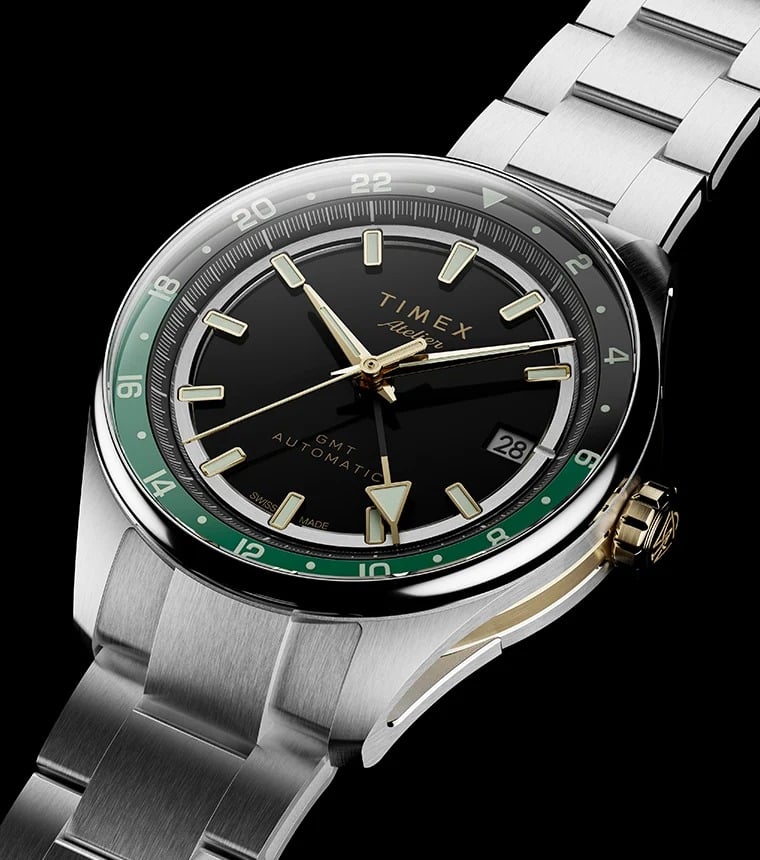
Timex launches luxurious Atelier GMT Première M1a watch with Swiss automatic movement

Timex has launched a new mechanical watch in the US market, the Atelier GMT Première M1a. Pricing starts at $1,350, making it one of the brand’s most premium releases and its most expensive new Timex watch launched in 2026 so far. The watch is available now through the Timex US website.

Timex Atelier GMT Première M1a watch

Design Details and Pricing

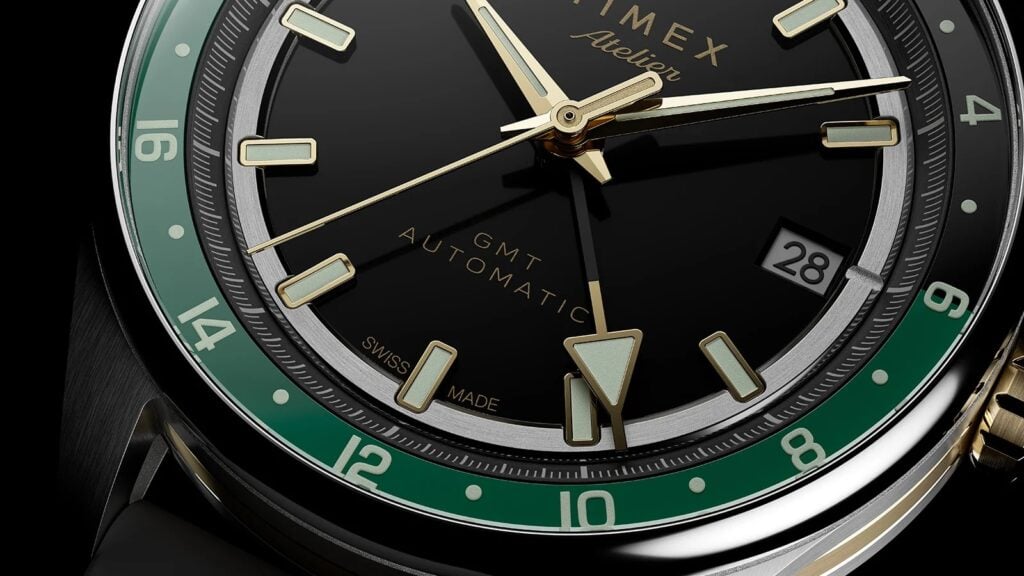
The Atelier GMT Première M1a is built around a 38mm stainless steel case with a brushed finish. The case design utilizes a skeletonized outer structure that exposes an IP gold-plated middle case and a matching gold-plated screw-down crown. Dimensionally, the watch measures 46.11mm lug-to-lug and sits 13.8mm thick on the wrist.

Timex Atelier GMT Première M1a watch

The dial is protected by a double-curved sapphire crystal treated with a triple-layer anti-reflective coating, while the rear of the watch features an exhibition caseback to display the internal mechanics. Water resistance is rated at 50 meters, which is standard for everyday wear and light water exposure, but not intended for diving.

Internally, the watch is powered by a Swiss-made Landeron 24 GMT automatic movement. The self-winding mechanism operates at 28,800 vibrations per hour (4Hz) and contains 28 jewels. It provides a 40-hour power reserve and operates with an accuracy tolerance of +10 to -15 seconds per day.

🔌 You’ll NeedWith only a 40-hour power reserve, this automatic movement stops if left unworn — a watch winder keeps it ticking. Check automatic watch winder box price on Amazon →
Timex Atelier GMT Première M1a watch

The watch features a black enamel dial with an office GMT complication that tracks a second time zone using a dedicated 24-hour hand. Timex has paired it with a black and green 24-hour inner ring, which makes it easier to distinguish between day and night. You also get a date window at 3 o’clock, while the hour markers use Swiss LumiNova for better visibility in low-light conditions.

Timex is offering the Atelier GMT Première M1a in two configurations. The base $1,350 model includes a black NBR (Nitrile Butadiene Rubber) strap secured by a deployant clasp. For $1,450, the watch comes with a stainless steel bracelet featuring a butterfly deployant clasp.

The steel bracelet includes self-adjustable links, allowing users to resize the band without specialized tools. Both options feature an 18mm lug width and utilize quick-release spring bars for tool-less strap changes.

In related news, Timex has recently launched the rugged Ironman Adrenaline watches with a clever disappearing digital display. The brand has also introduced a striking gold-tone moon phase watch featuring a calendar-packed dial.

For more daily updates, please visit our News Section.

Stay ahead in tech! Join our Telegram community and sign up for our daily newsletter of top stories!

(Timex 1,2)

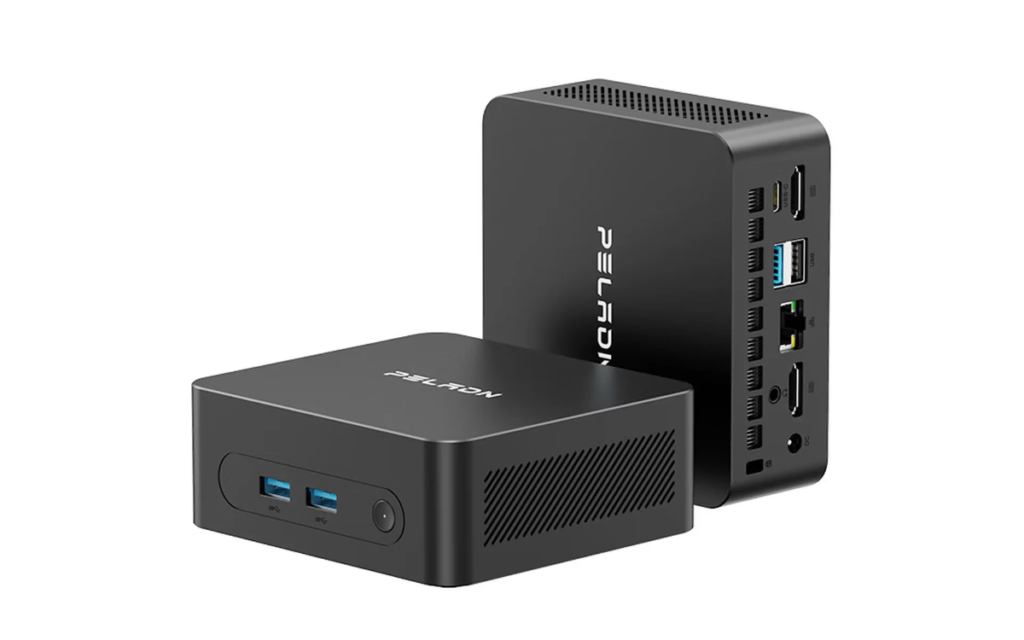
Peladn launches affordable WO5 Mini PC with Ryzen 5 3500U & triple display support

Peladn has released a new configuration of its WO5 mini PC in China, targeting the budget desktop market. It is priced at 1,549 yuan ($230) and features an AMD Ryzen 5 3500U processor.

Peladn WO5 mini PC

Peladn WO5 Specifications

The Peladn WO5 is powered by the AMD Ryzen 5 3500U processor, which is based on the Zen+ architecture. The chip features four cores and eight threads, with a base clock of 2.1GHz and a boost frequency of up to 3.7GHz. It has a 15W TDP and offers enough performance for everyday workloads, including office applications, online classes, video conferencing, web browsing, and media playback.

Despite its entry-level pricing, the Peladn WO5 offers decent upgrade options for memory and storage. It features two SO-DIMM slots with support for dual-channel DDR4-2666 memory and comes with 8GB of RAM.

Peladn WO5 mini PC

For storage, the mini PC includes a 256GB SSD and features a PCIe 3.0 x4 M.2 2280 slot that also supports SATA drives. It also comes with a secondary SATA 3 M.2 2242 slot, allowing you to add another SSD for additional storage.

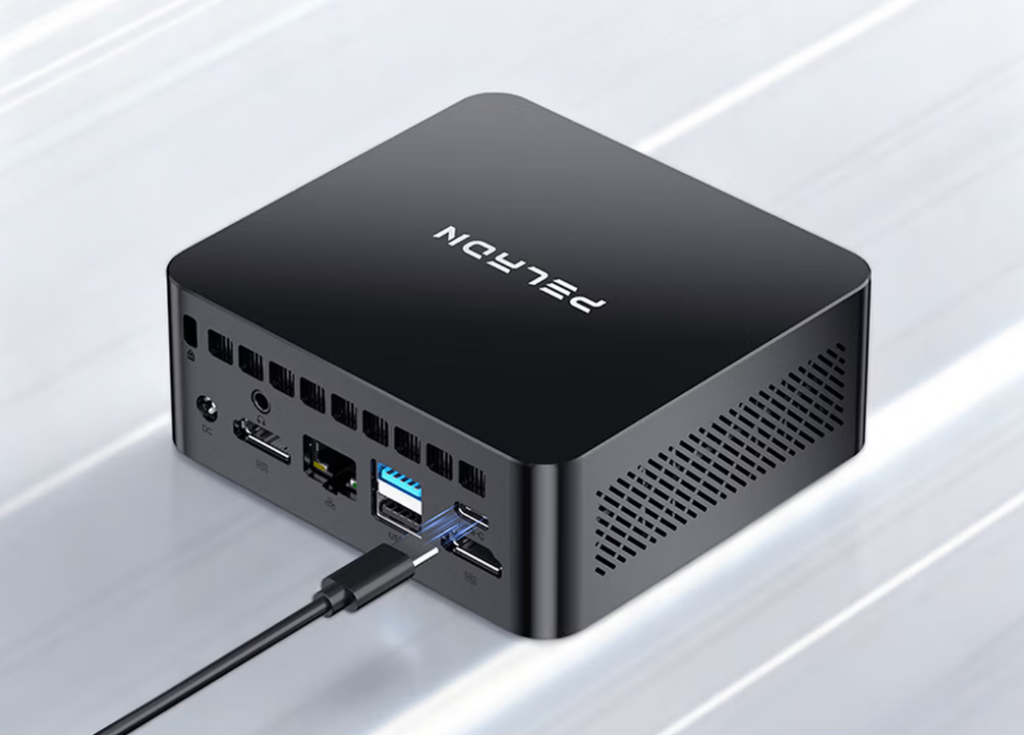
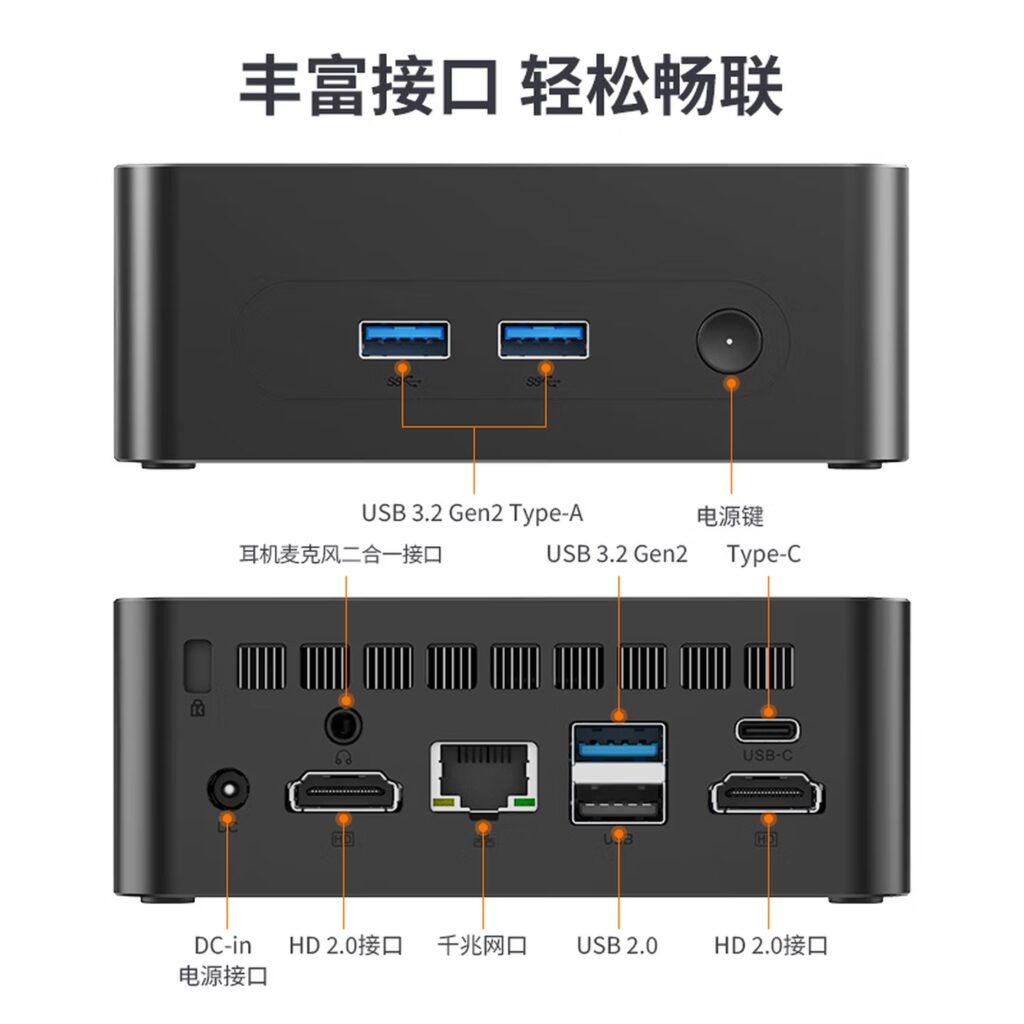
The Peladn WO5 also comes with a wide range of ports for connecting displays and other peripherals. It supports up to three displays simultaneously, making it suitable for multi-monitor office setups and multitasking.

On the front, the mini PC features two USB 3.2 Gen 2 Type-A ports, a 3.5mm headphone and microphone combo jack, and a USB 3.2 Gen 2 Type-C port. The Type-C port also supports DisplayPort 1.4 video output at up to 4K 60Hz.

Peladn WO5 mini PC

On the rear, the WO5 equips two HDMI 2.0 ports for additional display connectivity. It also comes with a Gigabit Ethernet port, two USB 2.0 ports for peripherals such as a keyboard and mouse, and a DC-in connector for power.

🔌 You’ll NeedThe WO5 ships with just 256GB, but its free PCIe 3.0 M.2 2280 slot makes adding a bigger SSD an easy upgrade. Check M.2 2280 NVMe SSD price on Amazon →

For wireless connectivity, Peladn has included Wi-Fi 6 and Bluetooth 5.0, ensuring stable network performance and compatibility with modern wireless accessories.

In related news, GMKtec has recently unveiled the EVO-X5 Pro with the Ryzen AI Max+ PRO 495 and up to 192GB of LPDDR5X unified memory. Acemagic has also introduced the F9A Mini PC featuring the same Ryzen AI Max+ PRO 495 chip, 192GB of LPDDR5X unified memory, and OCuLink connectivity.

For more daily updates, please visit our News Section.

Stay ahead in tech! Join our Telegram community and sign up for our daily newsletter of top stories!

(JD)

Oppo launches slim 10,000mAh power bank in refreshing colors

Oppo is preparing to launch a new compact power bank in China. Called the Oppo 33W Pocket Charge Super Flash Charge Power Bank 10000 (yep, that’s the official name), it’s currently available for pre-order, with the official launch set for September 22.

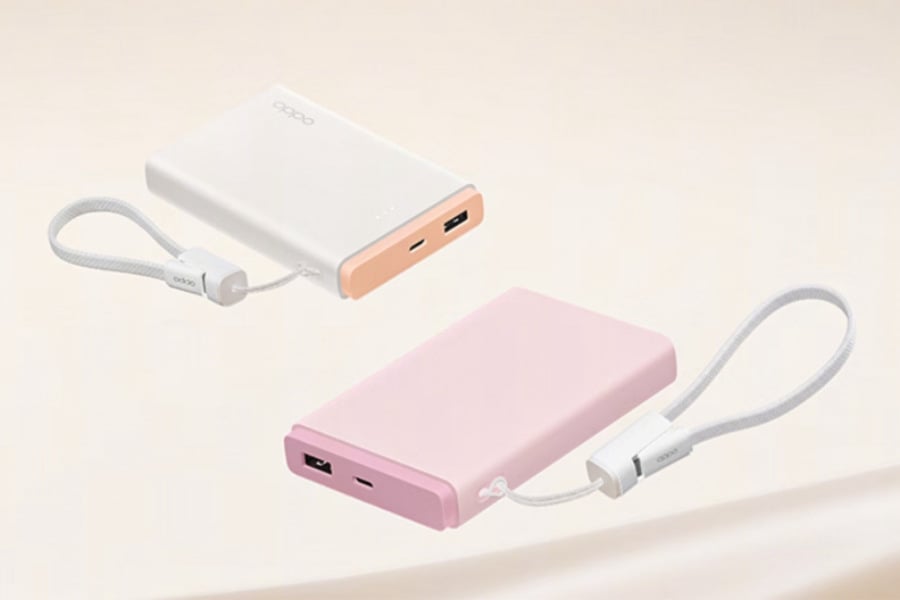
As the name suggests, it has a 10,000mAh battery and supports charging speeds of up to 33W. The power bank weighs around 204g and measures 110.6 x 70.6 x 18.1mm, small enough to carry in a bag or jacket pocket. It will be available in two really good colors: Khaki Fragrance and Light Pink.

Oppo 33W 10000mAh powerbank launch specs price

If you remember seeing the design, you’re not alone. The new power bank resembles the 120W SuperVOOC model that the company launched back in April. 

Oppo 33W power bank features

The power bank has passed China’s 2026 new national standard certification, meaning it meets the country’s updated safety requirements for power banks.

It also supports ColorOS system-level interconnection. That is, users can check the power bank’s remaining battery, battery health, and real-time temperature directly from the supported Oppo phone. 

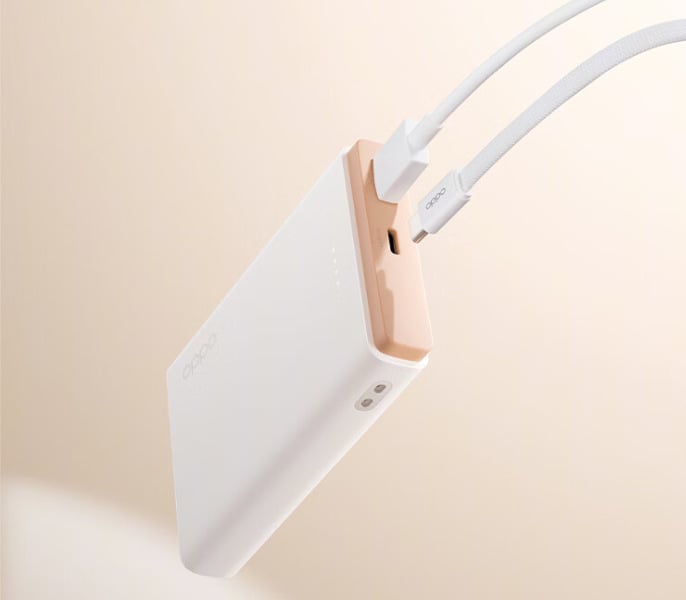
For charging, the power bank has two USB-C output ports and one USB-A port, and it supports SUPERVOOC, USB PD, PPS, QC, and UFCS standards. Each port can deliver up to 33W when used on its own. When you use two ports at the same time, the total output drops to 5V/4A.

Oppo 33W 10000mAh powerbank ports

There is also an automatic low-current mode for smaller devices such as smartwatches, earbuds, and fitness trackers. 

Oppo also includes a 0.2-meter charging cable in the box. The cable uses high-density braided material and has USB-C connectors on both ends. Its short length makes it easier to carry, while the quick-disassembly design means users can keep it attached to the power bank when heading out. The battery is rated at 37.0Wh, while its capacity is listed as 5200mAh at 5V/3A. 

🔌 You’ll NeedThe bundled cable is just 0.2m long, so a longer USB-C cable helps when charging away from the power bank. Check USB-C to USB-C fast charging cable price on Amazon →

Along with the power bank and cable, the box includes a user manual and warranty card. Oppo has not yet revealed the official price, but more details should be available when the power bank launches on September 22.

For daily updates, please visit our News Section.

Stay ahead in tech! Join our Telegram community and sign up for our daily newsletter of top stories!

(Source)

Vivo V80 is coming soon with 7,200mAh battery, OriginOS 7, Android 17, AI camera upgrades

Vivo has launched two versions of the Vivo V80 Lite 5G, but neither has made it to the Indian market. Now, the brand is gearing up to launch the Vivo V80 in India. While the exact launch timeline is not known yet, the V80 is expected to bring several upgrades over the V70 series.

Vivo V80 could bring major AI camera upgrades

Vivo V70
Vivo V70

The Vivo V80 is tipped to feature an AI Creative Camera with more than 30 AI effects, giving users a wider range of options for modifying photos and creating social media-ready content. It is also expected to introduce Live Sticker Collage, which could let users combine images and stickers into more creative compositions directly on the phone. These additions would mark a notable step up from the V70 and V70 Elite in terms of AI-based imaging tools.

The phone is also expected to bring AI Diwali Portrait 2.0, an upgraded take on Vivo’s festive photography features. The company previously introduced AI Festive Portrait with the Vivo V60, and the newer version could offer more advanced ways to capture portraits during Diwali and other celebrations.

A 7,200mAh battery is another major upgrade tipped for the Vivo V80. If accurate, it would be the largest battery ever fitted to a V-Series smartphone and could provide up to two days of usage. The larger capacity could be particularly useful for users who spend extended periods shooting photos, editing content, streaming videos or gaming without easy access to a charger or power bank.

On the software front, the V80 is expected to debut with OriginOS 7 based on Android 17. This would bring Vivo’s latest software experience to the V-Series, alongside the company’s focus on smooth performance.

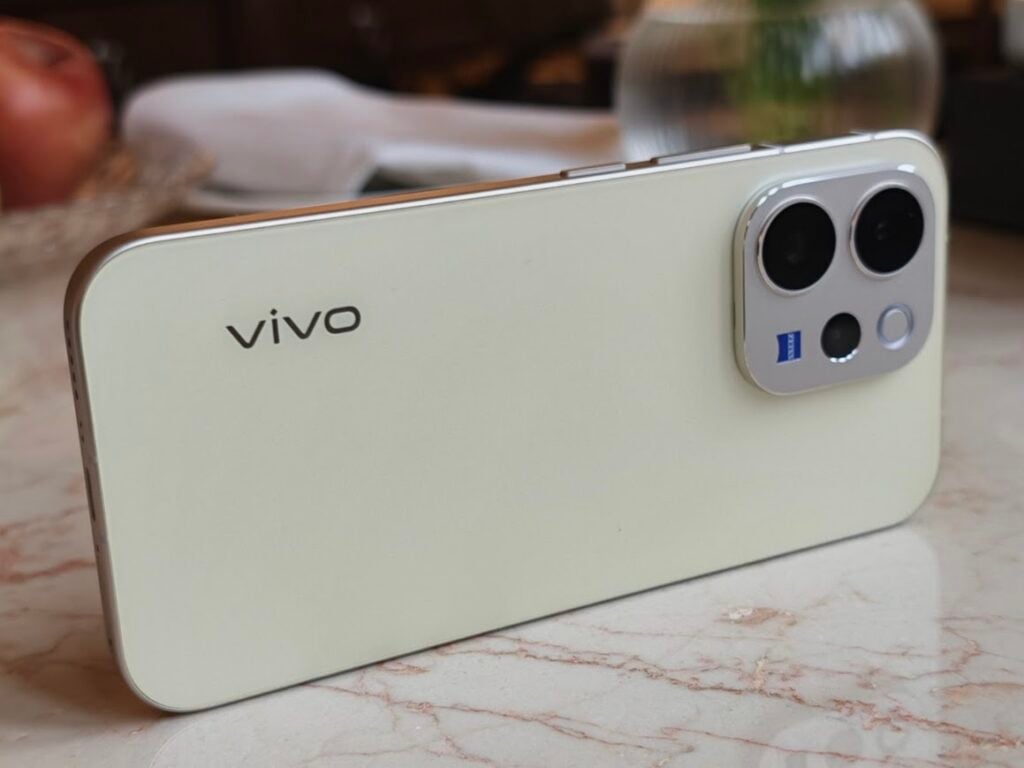
Apart from these upgrades, the V80 may bring along a 50-megapixel ZEISS telephoto camera with 3x optical zoom and 10x zoom in portrait mode. It is also expected to support 4K cinematic video recording.

For daily updates, please visit our News Section.

Stay ahead in tech! Join our Telegram community and sign up for our daily newsletter of top stories!

(source)

Ugreen launches HiTune T8 earbuds with -55dB ANC, LDAC, AI tools & 50h battery life

Ugreen has introduced a new pair of budget wireless earbuds, the HiTune T8, currently available on JD.com for 179 yuan ($26). The release focuses on providing standard modern audio features, including active noise cancellation, high-resolution audio support, and built-in transcription tools, at a lower price point.

Ugreen HiTune T8 earbuds

Ugreen HiTune T8 Specifications

The earbuds use a standard in-ear design and carry an IPX5 water resistance rating, meaning they can handle sweat or light rain. The earbuds and the charging case weigh 49.4g together, and the case measures 62 x 51.5 x 26.8mm. To help users find a proper fit, Ugreen includes five sets of silicone ear tips in the box.

Ugreen HiTune T8 earbuds

For audio, the HiTune T8 rely on 12.4mm titanium-plated dynamic drivers. They support standard SBC and AAC codecs, as well as LDAC for higher-resolution audio streaming. Because of the LDAC support, they carry a Hi-Res Wireless Audio certification. Through the companion app, users can manually adjust the EQ settings and enable a spatial audio simulation feature.

The active noise cancellation system uses a six-microphone array to monitor outside ambient noise and the sound inside the ear canal. The system can reduce noise by up to -55dB and process frequencies up to 4,000Hz. The ANC has three levels, light, moderate, and deep, and can automatically switch between them based on your surroundings. The microphones also work with a directional algorithm to isolate your voice and block background noise during phone calls.

Ugreen HiTune T8 earbuds

The earbuds connect via Bluetooth 6.0 and support multipoint connectivity, allowing you to link them to two devices at the same time and switch between them. Ugreen has also included a set of AI tools in the software. These include live recording transcription, meeting summaries, text generation, and real-time translation. The company says that these features are available out of the box and do not require a subscription.

Ugreen HiTune T8 earbuds

Battery life is listed at up to 11 hours for the earbuds and 50 hours total with the 600mAh charging case. However, these numbers are based on listening at 50% volume with the AAC codec and ANC turned off. Using ANC or LDAC will lower the battery life. The case charges via USB-C, taking about two hours for a full charge, while a 10-minute quick charge provides roughly four hours of playback.

In related news, Hammer has recently launched the Aura Air clip-on earbuds in India with 11mm drivers, ENC microphones, and up to 60 hours of battery life.

For more daily updates, please visit our News Section.

Stay ahead in tech! Join our Telegram community and sign up for our daily newsletter of top stories!

🔌 You’ll NeedThe case charges via USB-C, so a spare cable keeps the 50-hour battery topped up on the go. Check USB-C charging cable price on Amazon →

(JD)

Best iPhone models to consider in 2026

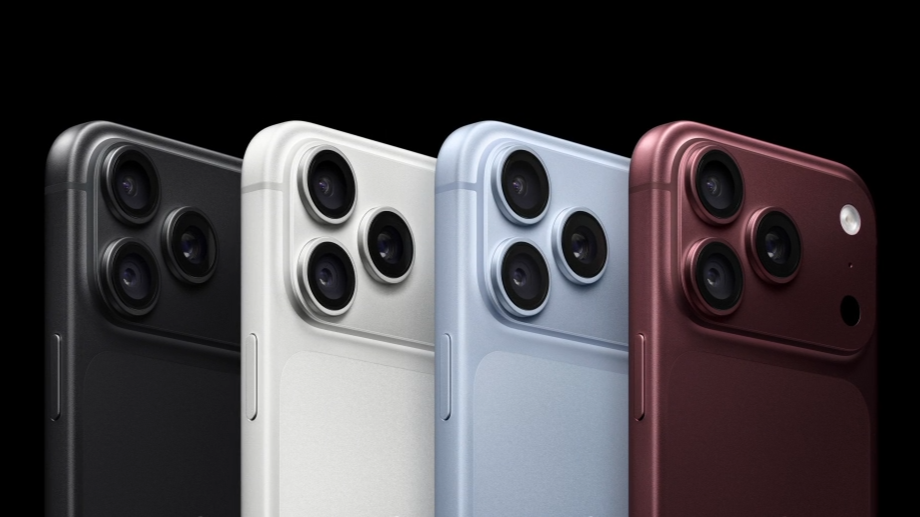
Apple just launched the iPhone 18 Pro models and its first foldable, while discontinuing the iPhone 17 Pro lineup. Some older models remain available, though their prices have gone up.

Here’s a look at the iPhones that make sense in 2026 after the latest changes, ranked from most recommended to least appealing based on common use cases.

1. iPhone 18 Pro

The iPhone 18 Pro is the clear step up if you want the latest flagship experience within a compact size. Compared with the iPhone 17 Pro, the biggest changes are the A20 Pro chip (built on a more efficient 2nm process), which delivers noticeably stronger sustained performance, and the new 48MP Fusion main camera with a variable aperture and second generation sensor-shift OIS.

That variable aperture mechanism lets the phone physically adjust between four stops (f/1.48, f/1.8, f/2.8 and f/4.0) for better low-light results and more natural depth control.

Battery life also improves (up to about 36 hours of video playback versus 33 on the 17 Pro), charging is faster, and storage now goes up to 2TB. The design stays familiar, with new color options. If you take a lot of photos and videos or simply want the most capable standard-size iPhone, this is the one to get.

2. Phone 18 Pro Max

The Pro Max follows the same upgrades as the regular 18 Pro, including the chipset, variable-aperture main camera, faster charging, and higher storage options. It also adds the larger display and the biggest battery jump in the lineup, with up to around 45 hours of video playback versus 39 on the 17 Pro Max.

It’s the better choice if you prefer the bigger screen for media, multitasking, or simply want maximum endurance. The extra size and battery make the upgrade more meaningful for heavy users than the standard Pro.

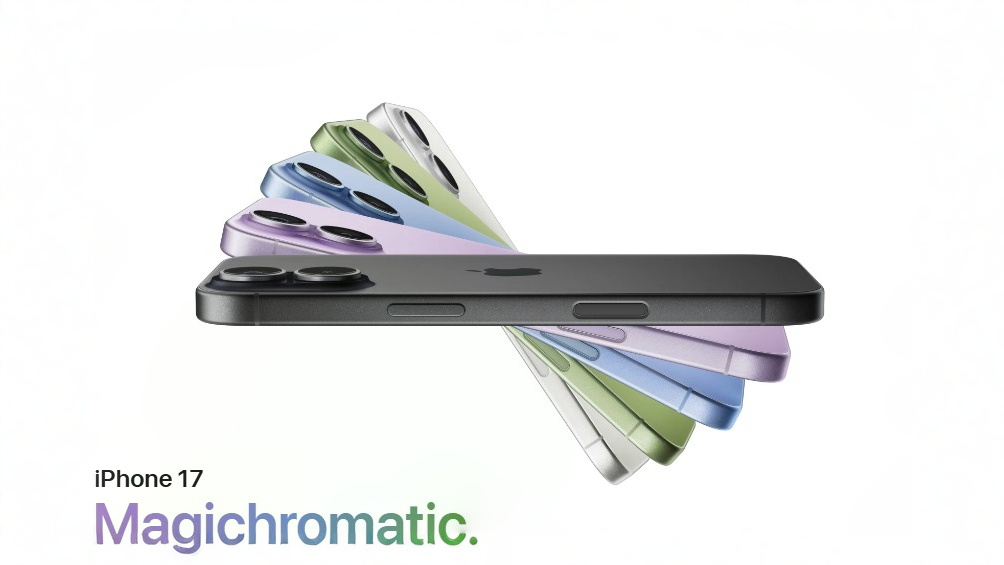
3. iPhone 17

The iPhone 17 remains one of the smartest buys for people who don’t need Pro-level cameras or the absolute latest chip. It still offers a 120Hz ProMotion display, all-day battery life, and access to upcoming basic iOS and Apple Intelligence features.

Prices have risen slightly, but it continues to deliver a modern, reliable experience at a more approachable cost than the new Pros.

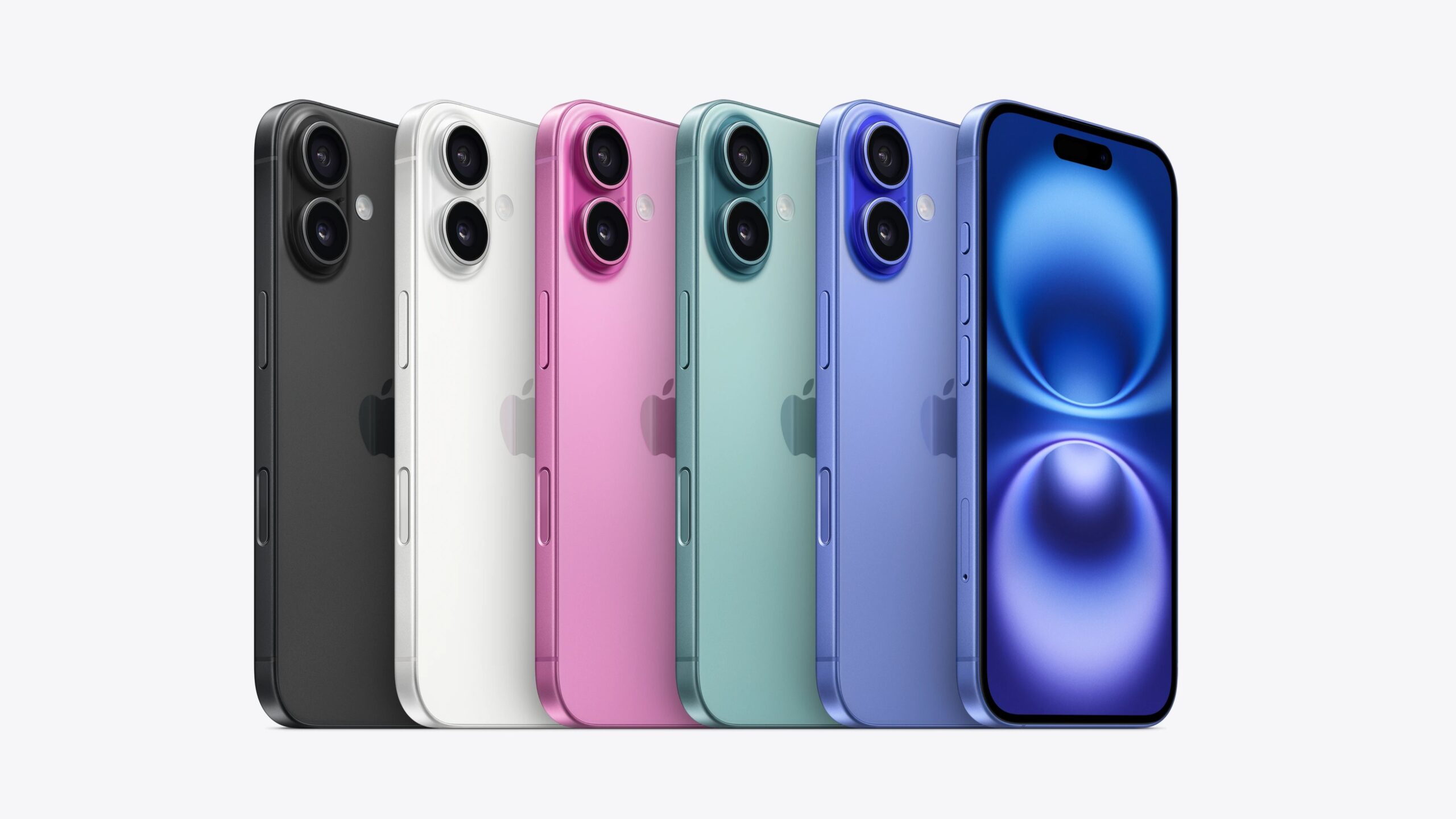
4. Phone 16

The iPhone 16 is the budget-friendly option that still covers the basics extremely well. It has a bright display, a dual-camera setup that’s more than adequate for everyday photos and video, and solid performance for normal use.

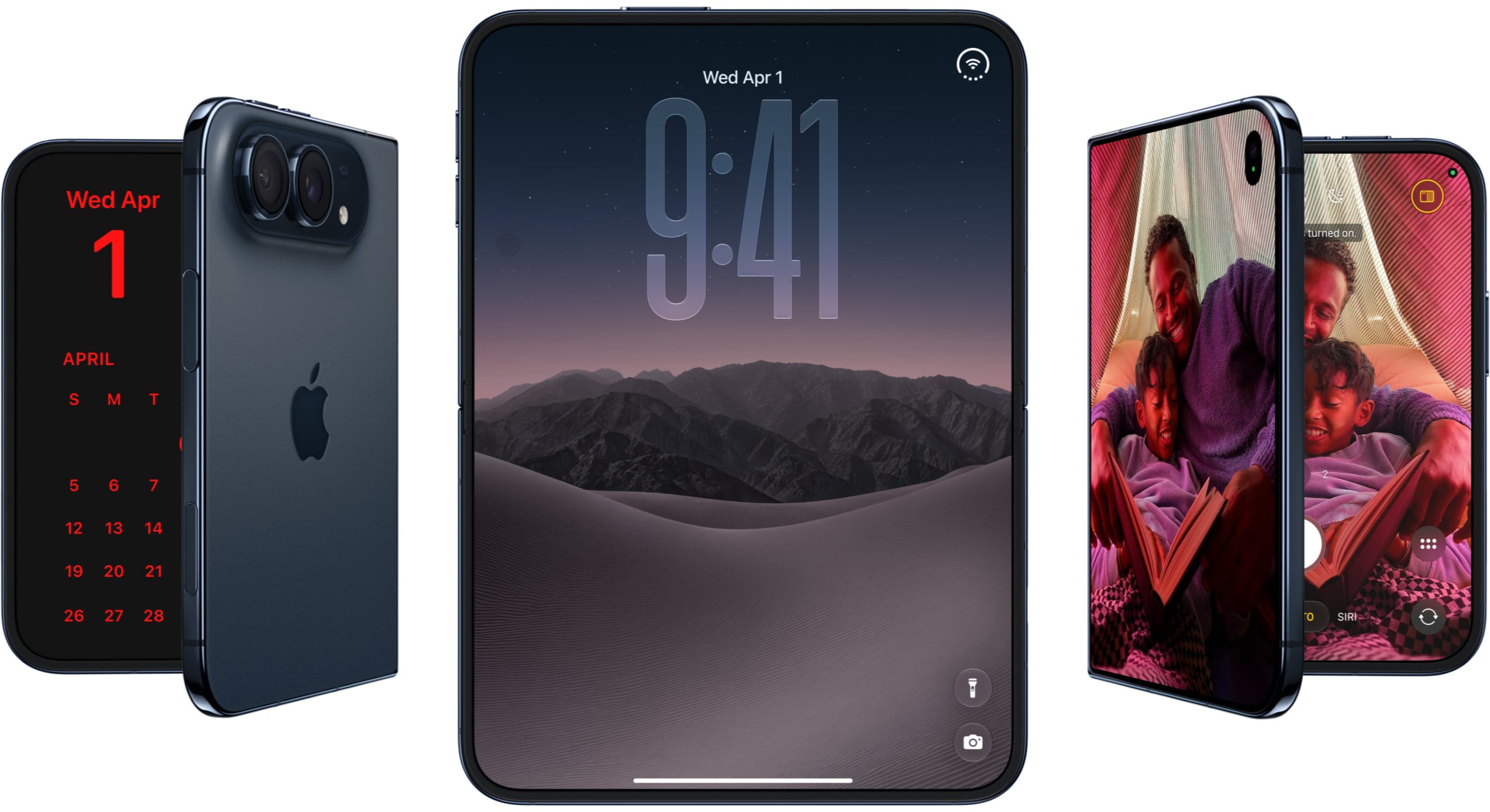
5. iPhone Duo

The iPhone Duo is not for everyone. Beyond the $1,999 starting price (up to $3199) and the lack of a dedicated telephoto camera, it is Apple’s first-generation foldable. We only have Apple’s official claims about long-term hinge durability and reliability so far. It targets a fairly niche group that wants something sitting between a regular iPhone and an iPad.

If you already own both an iPhone and an iPad, you probably don’t need a Duo. But for enthusiasts who have been waiting years for Apple’s take on a foldable and are willing to pay for the experience, it is the most distinctive, and in many ways the most interesting iPhone of 2026.

6. Skip the iPhone 17e and iPhone Air

These models also saw recent price increases (the 17e from $599 to $699, and the Air from $999 to $1,099 in the US). Both are technically inferior to the regular iPhone 17 in key ways. The 17e lacks ProMotion (no 120Hz display), while the Air trails in battery life and charging speed.

If you specifically want a very slim phone, it’s better to wait for the expected second-generation iPhone Air, currently rumored for early 2027. For most buyers right now, the standard iPhone 17 is the stronger value.

Don’t miss a thing! Join our Telegram community for instant updates and grab our free daily newsletter for the best tech stories!

For more daily updates, please visit our News Section.

Samsung quietly drops update support for two Galaxy watches

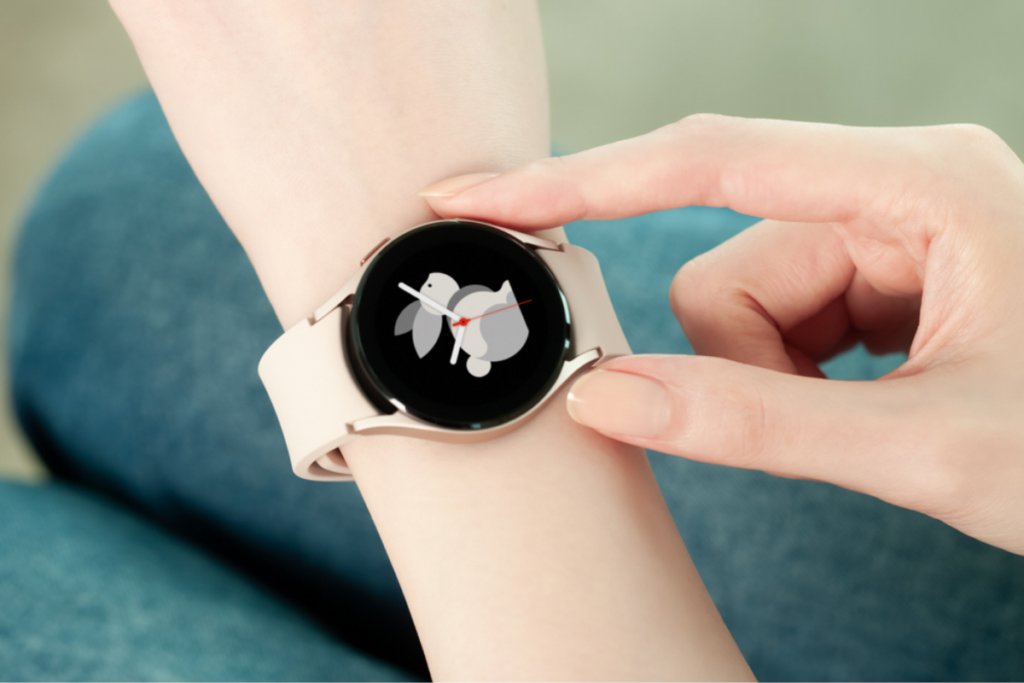
Galaxy Watch 4 series update support

Samsung has published its September 2026 security update bulletin and two Galaxy watches are not in it: the Galaxy Watch 4 and Galaxy Watch 4 Classic. That means the end of software support for these two Galaxy smartwatches.

Samsung promised the Galaxy Watch 4 series four generations of Wear OS upgrades, and they delivered. These are: Wear OS 3.5/One UI Watch 4.5, Wear OS 4/One UI 5 Watch, Wear OS 5/One UI 6 Watch, and the final Wear OS 6/One UI 8 Watch.

Now, the Galaxy Watch 4 and Galaxy Watch 4 Classic have also stopped receiving security updates. The August 2026 security patch, which rolled out last month, was the final one for both models, and that will be it for the rest of their lives.

Even though Samsung won’t push any updates to the Watch 4 lineup, the devices will continue to work just fine. It’s just that they won’t receive the latest features and patches for the recently-discovered vulnerabilities.

If you’re still rocking the Galaxy Watch 4 or Watch 4 Classic, now is a good time to consider upgrading to a newer model. The latest Galaxy Watch 9 and Galaxy Watch Ultra 2 come with a revised update policy, promising One UI Watch and security updates for 5 years.

We’ll keep you updated with the latest rollout details in our Samsung section. You can also follow our Telegram channel to receive instant alerts.

Huawei launches new smart door lock with 3D face recognition and triple-layer battery backup

Huawei has introduced a new smart home device in China, the Smart Door Lock 2 Pro Enjoy Edition. The lock is currently available for reservation on JD.com for 2,699 yuan ($402) and will begin shipping on September 23rd. The hardware focuses primarily on two areas: biometric entry methods and a redundant power system designed to prevent users from being locked out.

Huawei Smart Door Lock 2 Pro Enjoy Edition

Huawei Smart Door Lock 2 Pro Enjoy Edition Specs

For access, the lock uses a 3D Time-of-Flight (ToF) sensor for facial recognition. The camera maps over 307,000 depth points on a user’s face, allowing the mechanism to authenticate and unlock in approximately 0.8 seconds. The camera is positioned to read faces of people between 1.2 and 2.0 meters tall, which accommodates both adults and children.

Huawei Smart Door Lock 2 Pro Enjoy Edition

It also works at angles up to 30 degrees. To handle security, the system includes liveness detection to block attempts to open the door using photographs or 3D models. The software also uses a dynamic learning algorithm to adjust to gradual changes in a user’s appearance over time.

In addition to the face scanner, the front panel includes a 161-degree wide-angle camera that functions as a video doorbell. It uses AI for human detection and can record unusual activity outside the door. When someone rings the bell, the lock streams a live video feed to compatible HarmonyOS devices, such as Huawei smartphones or smart displays, and allows for two-way audio communication.

Huawei Smart Door Lock 2 Pro Enjoy Edition

The power system is split into three separate tiers to avoid dead-battery lockouts. The primary power source is a 10,000mAh rechargeable lithium battery, which runs the camera and smart features for four to six months. When that battery needs to be removed for charging, the lock automatically switches to a secondary set of four AA batteries. These provide up to seven months of basic unlocking functions.

🔌 You’ll NeedThe lock’s backup power runs on four AA batteries, so a spare pack avoids a lockout when the main cell dies. Check AA lithium batteries price on Amazon →

If both of those power sources are completely drained, the lock has a physical red emergency button. Pressing this button triggers an internal, independent backup power supply. This reserve provides just enough electricity to let a user unlock the door using a fingerprint or a PIN code. Huawei says this emergency reserve can handle up to five activations over a six-month period.

Huawei Smart Door Lock 2 Pro Enjoy Edition

On the physical side, the lock features a die-cast body, a C-grade lock cylinder, and an automatic locking mechanism that secures the door when closed. Huawei says that all biometric data, including face and fingerprint scans, is encrypted and stored locally on the device rather than being uploaded to the cloud.

In related news, Huawei Smart Screen S7 RGB 4K TVs in 55-inch, 65-inch, and 75-inch sizes are now available for pre-order in China.

For more daily updates, please visit our News Section.

Stay ahead in tech! Join our Telegram community and sign up for our daily newsletter of top stories!

(JD)