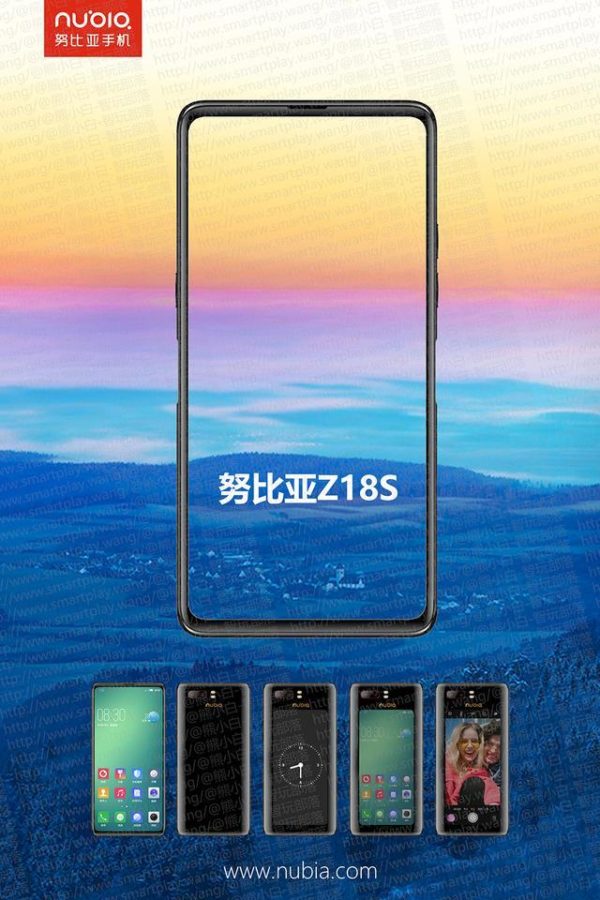
The Nubia Z18 is yet to launch but there is a chance it won’t be announced alone. A new report says the dual-screen phone we saw earlier today may launch alongside it as the Nubia Z18S. An official poster showing the device and confirming the name has also surfaced.
A Nubia Z18S isn’t surprising since Nubia did launch a Z17S last year, but that was in the fourth quarter and four months after the launch of the Z17. So it is surprising that it wants to launch both the Z18 and Z18S together.
Unlike the Z18 which has a notch similar to that of the Essential PH-1, the Z18S doesn’t have a notch at all. Its screen takes up nearly the whole front of the phone with just a little sliver of bezel at the bottom and top.
The Z18S not only has a notch-less display, it also has a second screen at the back of the device just below the dual rear cameras. This second screen isn’t an e-ink display like that of the Yotaphone series or the Hisense A2. It is actually a smaller LCD display that appears to be over 5 inches in size.
The second display will serve as a viewfinder for taking selfies instead of the larger display in front. So basically, the rear sensors are the only cameras on the device, and depending on the screen in use, you are either taking a selfie or a normal photo.
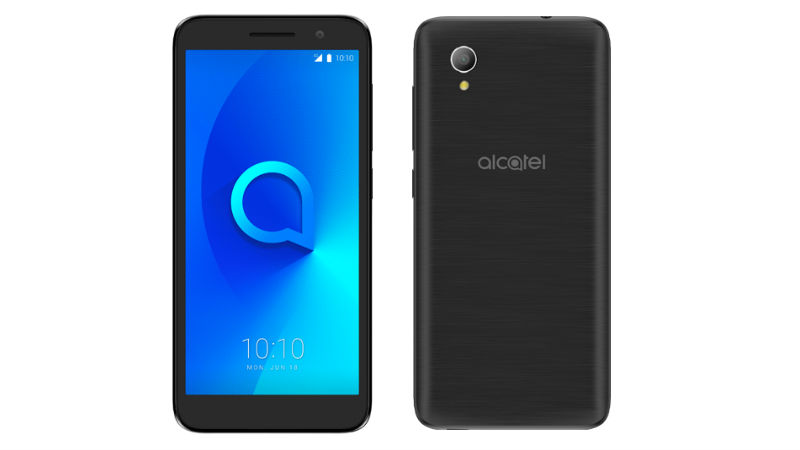
At the Mobile World Congress in February this year, Alcatel unveiled its new smartphone series lineup. Now, expanding the portfolio of devices under its budget Alcatel 1 lineup, the company has today launched a new entry-level smartphone — Alcatel 1. This is the same smartphone that was spotted online last week.
The smartphone comes with a 5-inch qHD+ display with screen resolution of 960 x 480 pixels. Interestingly, the phone features a FullView display with screen aspect ratio of 18:9. Under the hood, the device is powered by the MediaTek MT6739 quad-core processor clocked at 1.28GHz.
It packs 1GB RAM and comes with 8GB of internal storage that can be further expanded by the user up to 32GB using a microSD card. In the camera department, the device features a 5-megapixel rear camera that can be interpolated to 8-megapixel. It supports LED flash, and other features like Social Square, Instant Collage, One-Handed Mode, and Photo Booth. On the front side, there’s a 2-megapixel snapper with interpolation up to 5-megapixel.
Connectivity options include 4G LTE, Wi-Fi 802.11b/g/n with Wi-Fi Direct, Bluetooth 4.2, a Micro-USB port, and GPS/ A-GPS. In terms of dimensions, the Alcatel 1 measures 137.6×65.7×9.8mm and it weighs 134 grams.
Just like its bigger sibling Alcatel 1X, this one too is a part of Google’s Android Go program and thus, it runs Android 8.1 Oreo (Go Edition) operating system out of the box. It comes pre-loaded with Google Go, Google Maps Go, Gmail Go and Youtube Go. The smartphone is fuelled by a 2000mAh battery that the company claims can provide 8 hours of battery life under 4G usage, and a charging time of roughly 3 hours and 24 minutes.
The Alcatel 1 will be available in three color options — Metallic Blue, Metallic Gold, and Metallic Black. It has been priced at $89 and will be available for purchase in select markets starting from July.
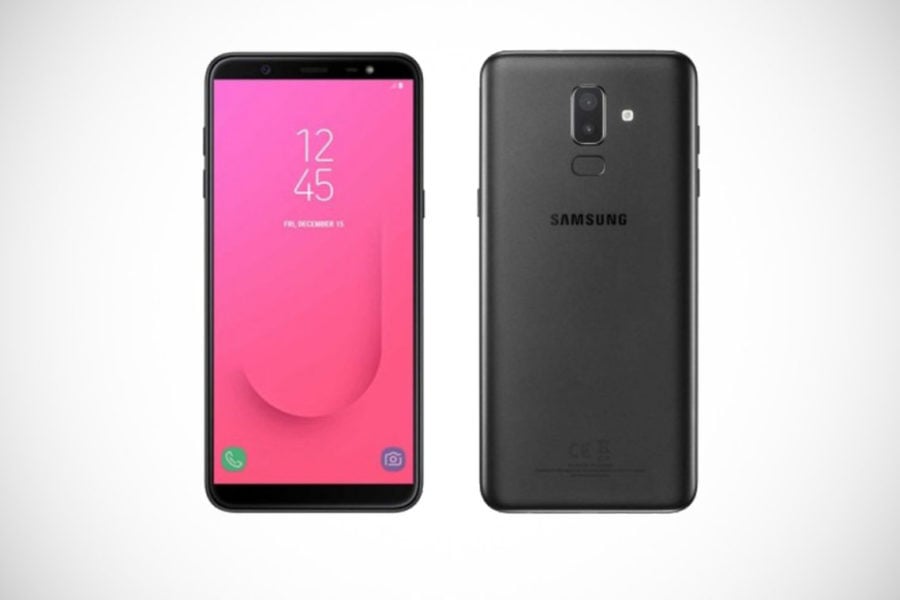
Samsung Galaxy J8 and Galaxy J6 smartphones were unveiled in India in the previous month. While the Galaxy J6 was made available for buying readily, the Galaxy J8 was expected to arrive in India in this month. Beginning from today, the Galaxy J8 is available for purchase with a price tag of Rs. 18,990.
Samsung Galaxy J8 Specifications and Features
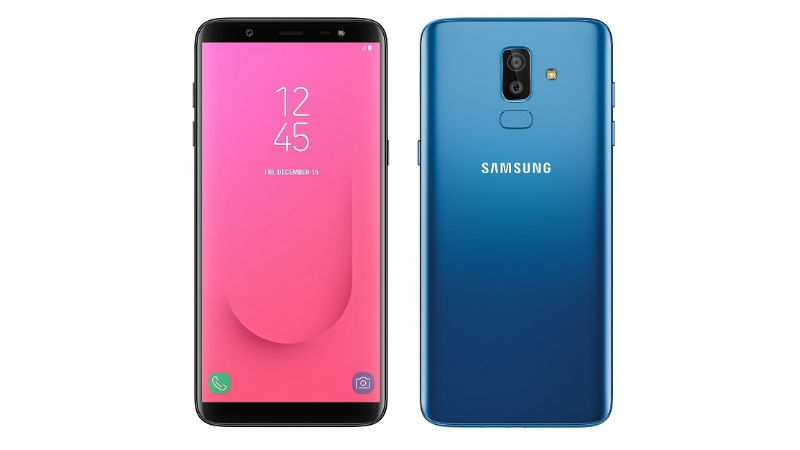
The Galaxy J8 that features a polycarbonate body houses a 6-inch S-AMOLED that produces HD+ resolution. The Infinity Display design allows the smartphone to support an aspect ratio of 18.5:9. The Snapdragon 450 comprises of a octa-core processor that includes a 1.8 GHz. The chipset is accompanied of 4 GB of RAM. Samsung has provided an internal storage of 64 GB on the handset. There is a microSD card for additional storage.
The dual camera present on the rear of the Galaxy J8 includes a primary 16-megapixel sensor with f/1.7 aperture and a depth sensor of 5-megapixel with f/1.9 aperture. The Live Focus feature that can be found on smartphones like Galaxy S9, S9+ and Note 8 is also available on the Galaxy J8. This feature can be used for capturing impressive portrait shots by focusing more on the subject and blurring its background. The South Korean company has included Background Blur Shape, Portrait Dolly and Portrait Backdrop features for adding interesting blurring effects like GIFs on the background of the captured images.
The Galaxy J8 has a frontal shooter of 16-megapixel with f/1.9 aperture. The selfie snapper also doubles up as facial recognition feature. For added security, the J8 has a rear-mounted fingerprint reader.
The Samsung Experience UI flavored Android 8.0 Oreo comes loaded on the Galaxy J8. The South Korean company has included some handy features on the phone such as Chat Over Video and Samsung Mall. To watch videos and chat with friends at the same time, the company has added the Chat Over Video feature. Samsung Mall is the Indianized version of Bixby Vision that makes it possible to capture a photo of an object and see its listings on various online shopping platforms. It has a decent a battery of 3,500mAh capacity that lacks support for rapid charging.
Samsung Galaxy J8 Pricing
The Galaxy J8 has a price tag of Rs. 18,990 and it can be brought in colors such as black, blue and gold. In order to purchase it, customers can head to offline stores as well as online platforms such as Samsung’s online store, Paytm, Flipkart and Amazon India.
Buyers of Galaxy J8 can take advantage of Rs. 2,000 cash back through ICICI debit cards, credit cards and Paytm Mall. Samsung is providing one-time free screen replacement for buyers who purchase the Galaxy J8 before July 31.
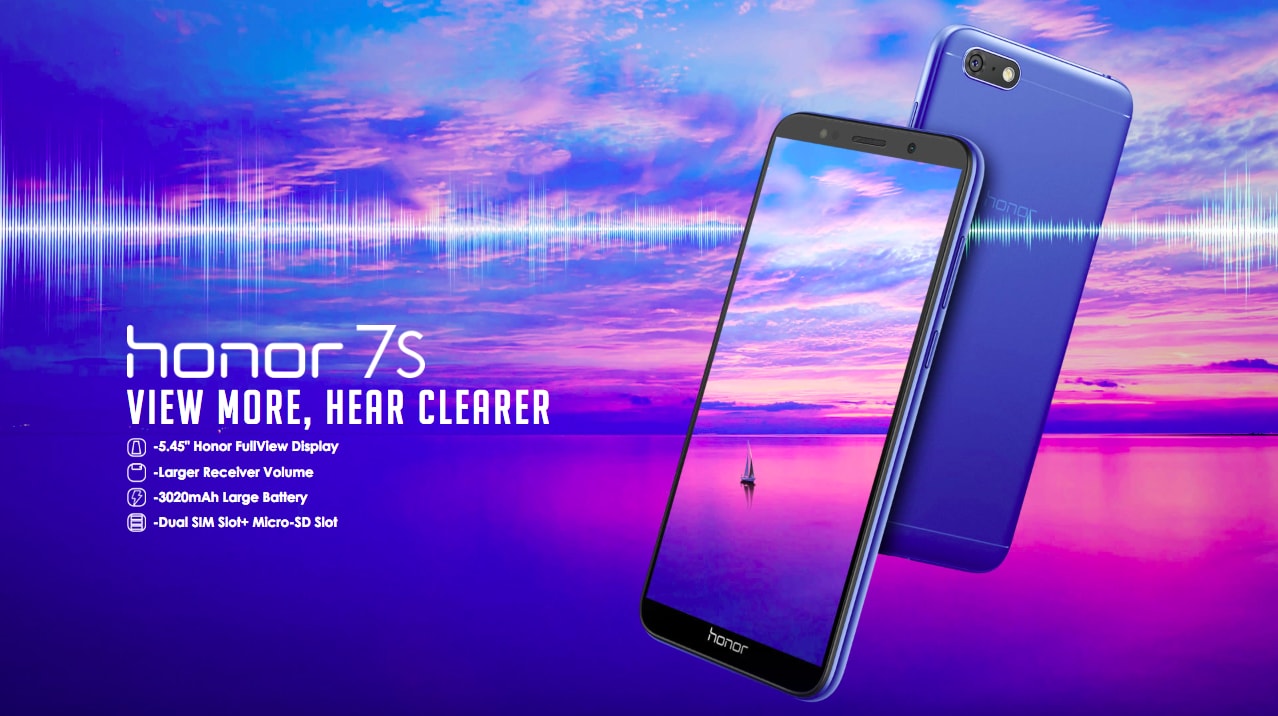
The Honor 7S is an entry-level smartphone that launched in Pakistan last month. It has now made its way to the UK along with an affordable price tag.
For just £99 (~$130), you can pick up the Honor 7S at Argos. It should also be available on the official HiHonor UK website as well as at Three Mobile but it isn’t listed on both sites yet.
The Honor 7S has a 5.45-inch 18:9 screen with a 1440 x 720 resolution. It is powered by a MediaTek MT6739 quad-core processor paired with 2GB of RAM and 16GB of storage. A 13MP sensor sits at the back and there is a 5MP camera with LED smart-light in front for selfies.
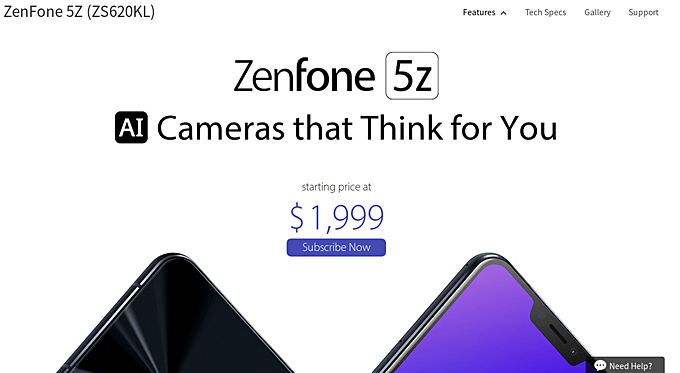
Asus Zenfone 5z is the most affordable flagship to sport the most powerful chipset by Qualcomm: the octa-core Snapdragon 845 with a max clock frequency of 2.8 GHz. But in the U.S. it seems to have become the most expensive flagship smartphone in the market. The new handset has been listed in the U.S. official site of the Taiwanese company with a price tag of $1,999. And the website also mentions that it is the starting price of the phone. The price refers to the variant identified by the codename ZS620KL. So, in case you thought that the website could be referring to a new variant of the device, you are wrong.
But given the launch price tag of this handset, we can assume that the $1,999 pricing is probably a typo and that the price will be fixed soon. Indeed, Asus Zenfone 5z represents one of the main premium offers available at a convenient price tag. In Europe, it has been launched with a price that roughly translates into just $575. In the Old Continent, it is even cheaper than the new OnePlus 6, which is the symbol of the affordable flagships.
With the Asus Zenfone 5z, the Taiwanese company has decided to follow the bandwagon and embrace the notched design. This is a totally different choice from the Zenfone 4 which has been launched with a classic 16:9 display despite most phones from the best brands having a borderless 18:9 panel. The screen has a size of 6.2 inches and a Full HD+ resolution of 2246 x 1080 pixels. Together with the powerful Snapdragon 845 processor, there are 4, 6 or 8 GB of RAM and 64, 128 or 256 GB of internal storage depending on the chosen configuration. The main camera is a dual setup with 12 and 8 MP resolution and with f/2.0 and f/1.8 apertures, the front camera is an 8 MP f/2.0 sensor and the battery comes with a capacity of 3300 mAh.
Xiaomi makes a lot of other products apart from smartphone, such as laptops. However, its laptops have never officially landed in Europe, until now. For the first time, Xiaomi Mi Notebook Air has debuted in Europe. The sleek laptop has been launched in Spain and it is possible to get it either from the official website of Xiaomi Spain or local retailers.
Further, the laptop made its way to five Mi Stores: four of them are located in Madrid and one in Barcelona. The price tag of Xiaomi Mi Notebook Air in Spain is €899.99 which roughly translates into $1045 or 6900 Yuan (in China it is sold at a price tag of about $750). It is the version of the laptop with a 13.3-inch display showing images at a Full HD resolution.
The ultrabook has a very slim and lightweight design with a thickness of just 14.8 mm and a weight of just 1.3 Kg. It even has narrow bezels around the display (5.59 mm). Under the hood, Xiaomi Mi Notebook Air offers an 8th generation Intel Core i5 CPU (8250U) and even a dedicated GPU: the Nvidia GeForce MX150. It has 8 GB of RAM and 256 GB of internal SSD storage. The laptop runs Windows 10 Home Edition.
Samsung’s Gear S3 smartwatch was released in August 2016 which means it’s nearly 2 years old already making it overdue for a successor. There is a chance the successor, which should launch as the Gear S4 may arrive alongside the Galaxy Note 9 in August.
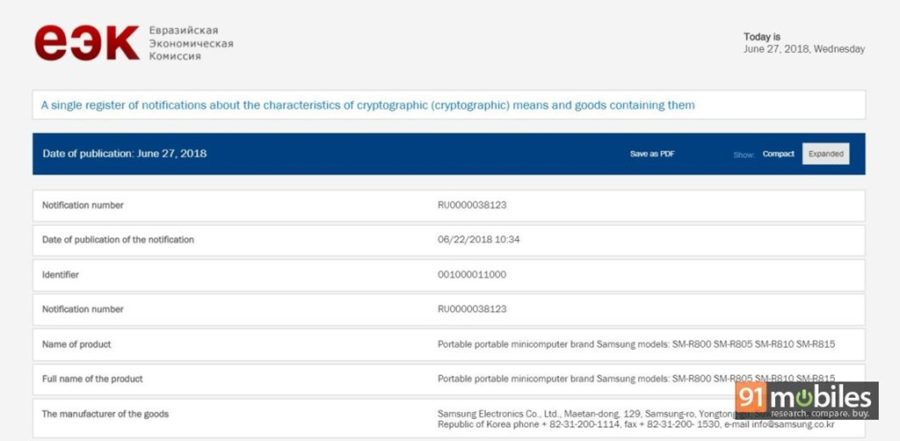
The Gear S4 has been seen at the ECC prompting speculations that it will arrive soon. And what better time to announce it than at the Galaxy Note 9 Unpacked event.
The ECC listing doesn’t reveal any specifications but lists multiple models. These models, four in total, should include a classic version, a classic LTE version, a sports model which should launch as the Gear S4 Frontier, and an LTE Frontier model.
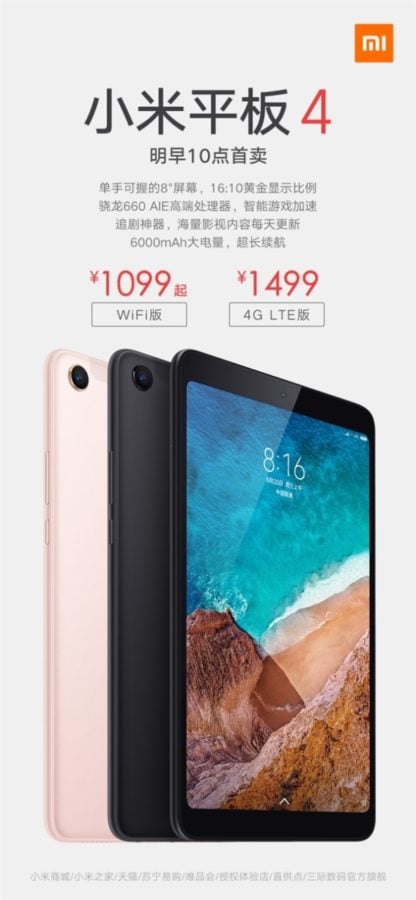
Xiaomi Mi Pad 4was officially unveiled on June 25 alongside the new Redmi 6 Pro which is the first Xiaomi phone with a notch. After just three days from the official announcement, the company has announced its launch date in the Chinese market. The new tablet will officially go on sale in China from tomorrow June 29 and it will carry a price tag of 1099 Yuan which roughly translates to $166. This is a very affordable price if we consider that the device is not a typical affordable tablet with a low-end processor or low amount of RAM to watch videos and surf the web. Xiaomi Mi Pad 4 is not a flagship tablet, but it has specs we can compare to upper-midrange phones, so it is a premium offer despite its very affordable price.
The 1099 Yuan price tag is referred to the version with 3 GB of RAM and 32 GB of internal storage with Wi-Fi only, while the version with 4 GB RAM and 64 GB ROM (Wi-Fi only) will be available for 1399 Yuan, roughly $211. At last, there will be an LTE configuration with 4 GB of RAM and 64 GB of internal storage at a price tag of 1499 Yuan that is equivalent to $226. In each case, the memory is expandable with a micro SD up to 256 GB. If you are from China, you will be able to choose between two hues of its full metal unibody design: Black and Gold.
The memory configurations are supported by an octa-core Snapdragon 660 SoC by Qualcomm running at a max frequency of 2.2 GHz. Xiaomi Mi Pad 4 measures 120.3 x 200.2 x 7.9 mm, it has a weight of 342.5 grams and a 7.9-inch display with rounded corners and a 16:10 aspect ratio. It shows images at a Full HD+ resolution of 1920 x 1200 pixels. The main camera has a resolution of 13 MP but it does not sport LED flash, while the battery has a 6000 mAh capacity and it lasts up to 12 hours in video playback.
Xiaomi‘s IPO finally opened this Monday on the Hong Kong stock exchange. The company had hoped to raise $10 billion in what was billed to be the world’s largest initial public offering but that was scaled down to $6.1 billion which is also huge. Reports from Hong Kong indicate that the response to the share offering has been rather lukewarm, not exactly as expected.
The Chinese company made available 109 million shares to retail investors but at the end of a four-day offer period, a total of 109,446 applications were received for 1.03 billion shares. This shows the retail subscription was overbought by 8.5 times according to brokers and bankers familiar with the sale. The response ordinarily wasn’t a bad one but when compared to the benchmark set by ZhongAn Online P&C Insurance HK$11 billion IPO which was oversubscribed 309 times in September last year, the response is lukewarm.
The low response is an indication that investment frenzy by Hong Kong investors is fast waning, 10 months after. ZhongAn’s successful IPO was followed by those of e-publisher China Literature, online car retailer Yixin Group, gaming hardware maker Razer and Ping An Good Doctor. All the offers attracted enormous oversubscriptions and locked in huge amounts of capital. The IPO by online healthcare platform Ping An Good Doctor was oversubscribed by more than 650 times, while Yixin’s offer was overbought 560 times. China Literature, 62 per cent owned by Pony Ma’s Tencent Holdings, received 625 times more capital than its shares on offer, locking in HK$521 billion of capital, equivalent to about a third of Hong Kong’s money supply.
According to data by Bloomberg, out of the 87 companies that raised funds in the city this year, 53 per cent of the companies traded at prices below their offering prices in their first month of trading and 20 companies fell below their offering prices on their trading debut. So, the lukewarm response has nothing to do with doubts over Xiaomi’s capabilities as a company but more to do with the timing of the public offer. Xiaomi’s offer was a large IPO for the market to digest and came at a time when the Hong Kong market had sunk into a technical bear market by a number of factors, including the escalating US-China trade tensions.
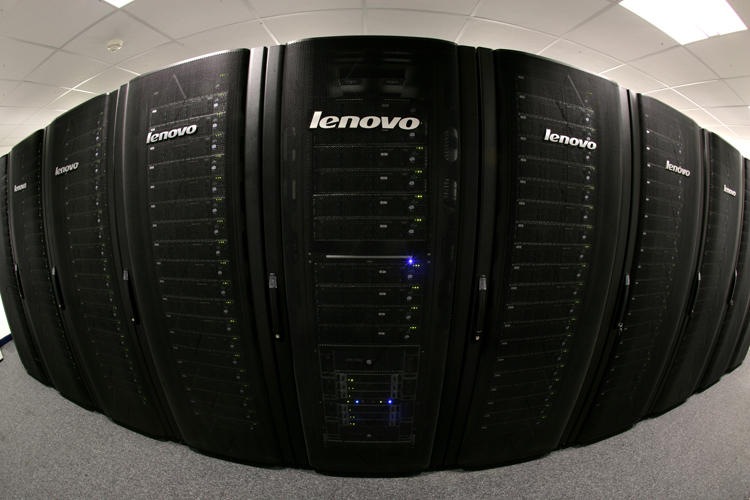
Just when we thought Lenovo‘s PC business was struggling, a new report has emerged which shows the company is actually climbing up the ranking of PC manufacturers. Actually, Lenovo has been ranked as the world’s top manufacturer of Supercomputers. A list of the top 500 fastest supercomputers was recently released with Chinese companies taking 206 of the 500 positions. This is a clear indication of how fast the Chinese are getting better at manufacturing Supercomputers.
The list, published Monday, shows the Chinese companies and government pulling away as the most prolific producer of supercomputers. This has been a market dominated by U.S companies in the past but China’s rise to the top 500 began two years ago. The latest listing shows the Chinese have extended that lead even further. Three Chinese companies are ranked among the top five makers of the 500 fastest supercomputers. Amazingly, Lenovo is ranked as number one while Inspur is third, and Sugon is fifth. The second and fifth spots are occupied by two U.S companies – Hewlett Packard Enterprise and Cray.
The manufacture of the most powerful supercomputers is seen as one measure of a nation’s technical prowess despite them being a rarefied niche of technology. In the past, Supercomputers were mostly found in national laboratories and used for government projects like simulating nuclear explosions and modelling weather patterns. But in recent times, more than half the 500 fastest computers are now working for corporations. The Supercomputer market is expected to double globally from 2017 to 2022 to more than US$9.5 billion, according to an estimate from Hyperion Research. For clarity, supercomputers are described as machines that cost more than US$500,000 each.
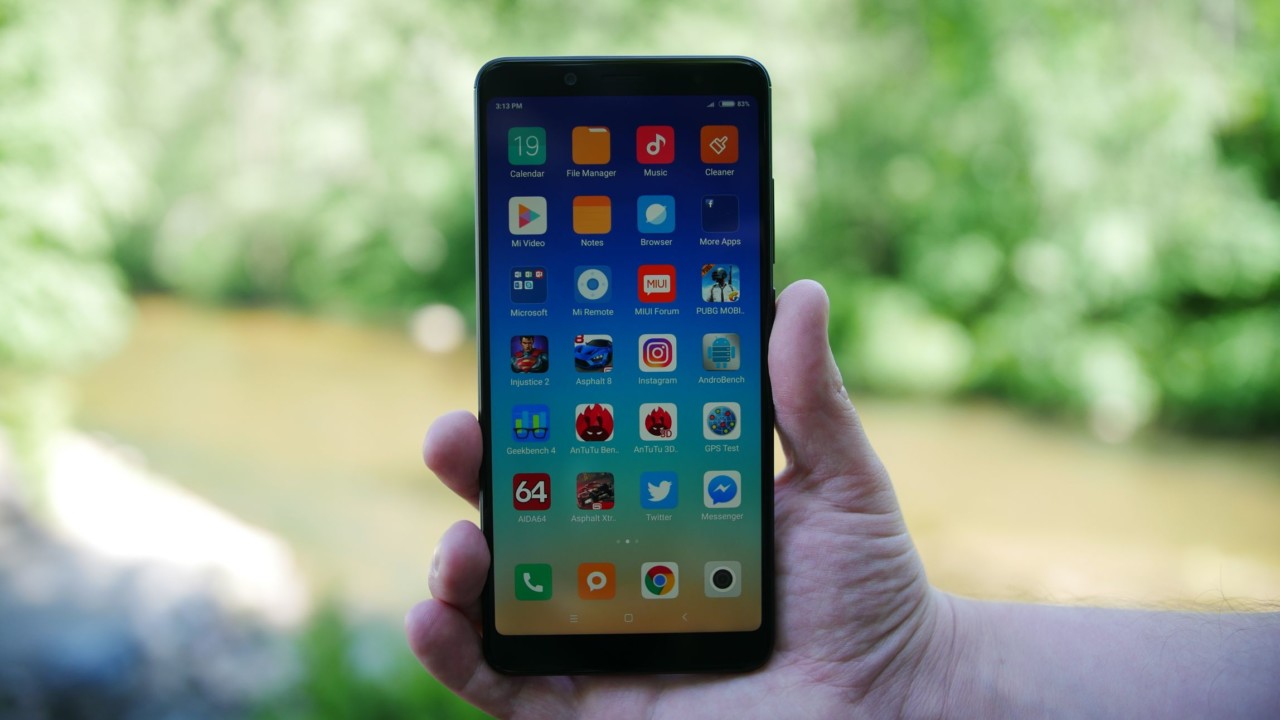
Xiaomi, which is currently dominating the Indian smartphone market with about 30 percent market share, has revealed that it has sold more than 5 million units of Redmi Note 5 series smartphones in India so far. The first smartphone in Redmi Note 5 series was launched about four months ago.
It accounts for sales from all the platforms on which the Redmi Note 5 series smartphones, including the Redmi Note 5 and the Redmi Note 5 Pro, are available for purchase. It also includes all the different variant of both the smartphones available in India.
Announcing about this, the company said in a tweet, “We’re proud to announce that we’ve sold 5 MILLION UNITS of Redmi Note 5 and Redmi Note 5 Pro in just 4 months. Thank you for such an amazing response!” To celebrate this success, the company announced that it is giving out F-Codes for the smartphone.
Last year, Redmi Note 4 was the bestselling phone in India having sold 10 million units within one year of launch and 5 million units in its first 6 months. In comparison, the Redmi Note 5 series has performed better than its predecessor as it managed to sell 5 million units within 4 months.
Several reports have indicated that apart from the online sales, Xiaomi’s continued focus on offline expansion has improved the brand’s visibility in India, helping the company in boosting sales of its budget smartphones across the nation.
The Xiaomi Redmi Note 5 has a starting price of Rs. 9,999 (approximately $145) for the 3GB RAM model while the 4GB RAM model costs Rs. 11,999 (approx. $174). The smartphone, which comes with 5.99-inch FHD+ display, is powered by a Qualcomm Snapdragon 625 processor.
It comes with a 12MP camera sensor on the back with f/2.2 aperture and a 5MP front-facing shooter with LED Selfie flash and support for Beautify 3.0 feature. The device runs on the latest MIUI 9 which is based on Android 7.1.1 Nougat operating system and is powered by a 4000 mAh battery.
On the other hand, the Xiaomi Redmi Note 5 Pro also sports a 5.99-inch Full-HD+ display. The phone is powered by Snapdragon 636 processor and packs 4GB / 6GB RAM and 64GB of internal storage with support expanding storage through microSD card.
The smartphone comes with a dual camera setup at the back which comprises of a 12-megapixel primary sensor with f/2.2 aperture and a 5-megapixel secondary sensor with f/2.0 aperture. The front side sports a 20-megapixel selfie shooter with a Sony IMX376 sensor, LED selfie light and Beautify 4.0.
Running on Android Nougat-based MIUI OS, the smartphone is fuelled by a 4000 mAh battery. The 4GB RAM model of the Redmi Note 5 Pro costs Rs. 13,999 (approximately $203) while the 6GB RAM variant is available for Rs. 16,999, roughly $247.
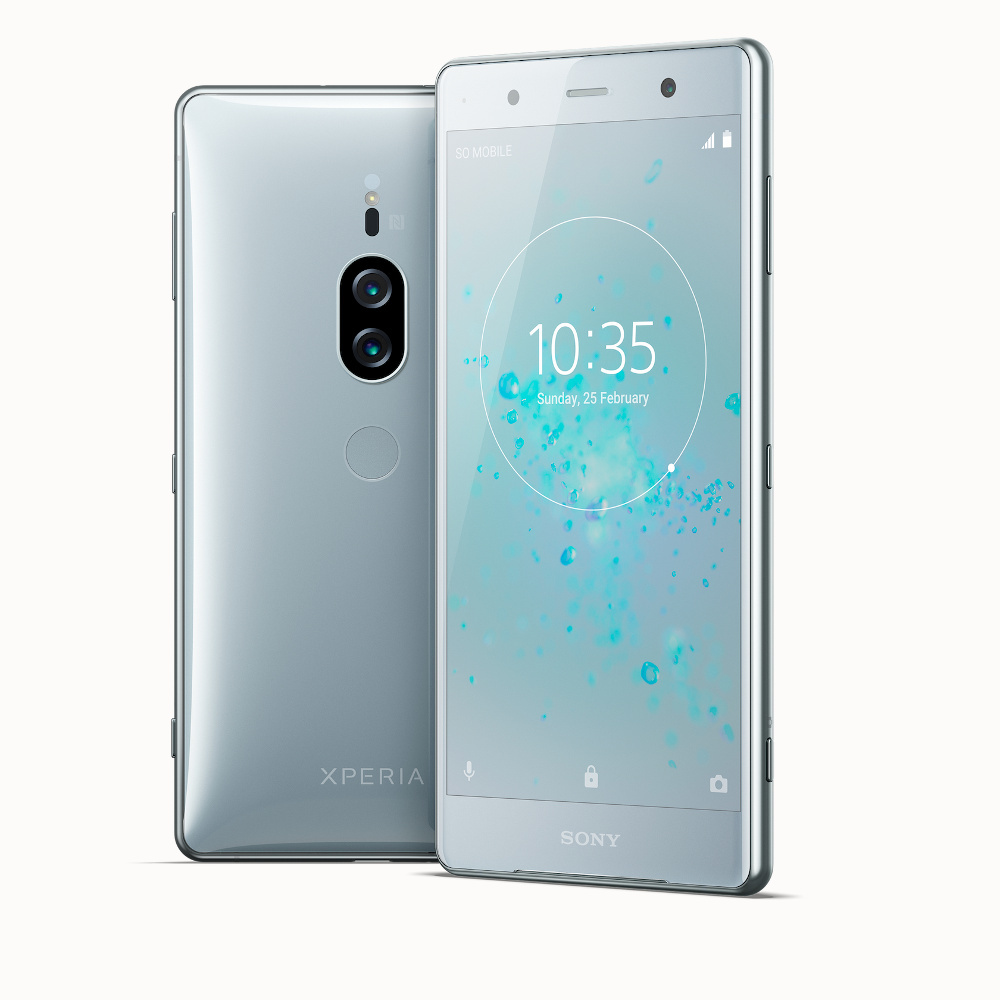
It is no news that Sony’s mobile division has been struggling in recent years. So it doesn’t come as a big surprise to hear that it is shutting down operations in a few regions.
Popular leaker Evan Blass (@evleaks) revealed in a tweet yesterday that the Japanese electronics giant will be closing its mobile business in the Middle East, Turkey, and Africa by October. That is just four months away.
Shutting down operations in these markets means business must be really bad and there are a bunch of reasons for that. Sony phones are expensive when compared to the competition and when it comes to features and innovation, Sony phones are lagging behind. Also, in markets like Africa, feature phones and entry-level to mid-range smartphones are what sells, and Sony is missing out in this category.
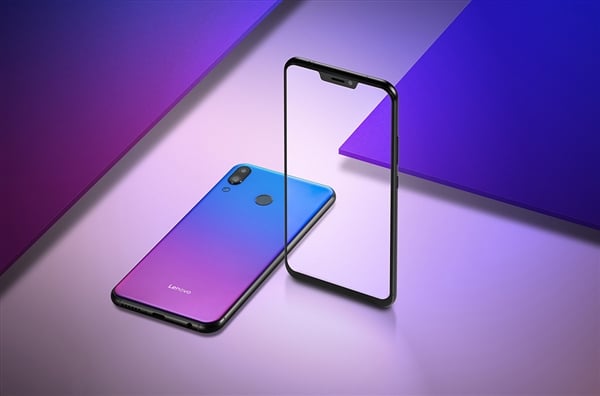
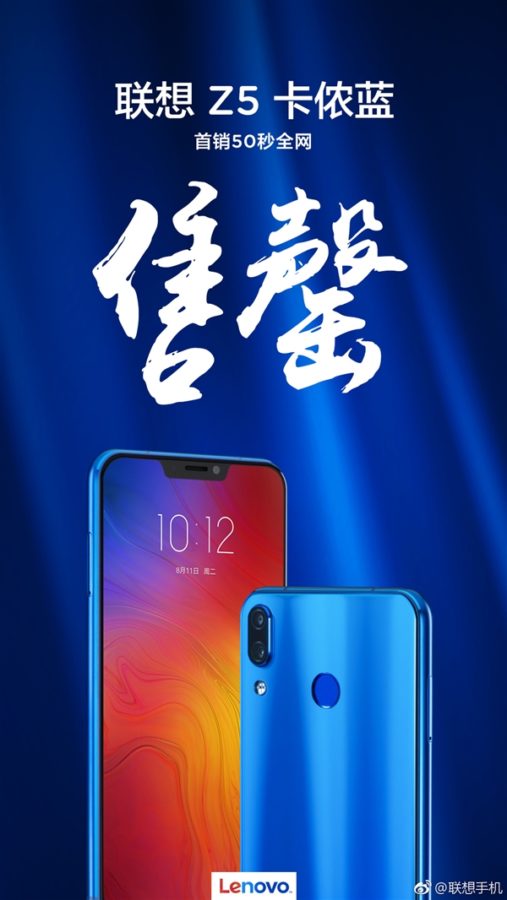
Lenovo Z5 wasn’t the ultimate flagship we were expecting but the device isn’t a bad one either. The Z5 has gone on sale in China and the model has repeatedly gotten sold out in record time. Now, Lenovo recently added an Indigo Blue Edition of the Z5 in China with the new colour variant billed to go on sale today. Interestingly, the sale of the Indigo Blue Edition only lasted for just 50 seconds before all available units were sold out.
While we don’t know the number of units made available for the maiden flash sale, there is no doubt the device still remains a popular one. The new Indigo Blue Z5 variant comes with a 1,399 Yuan (~$211) price tag which is super affordable.
The Lenovo Z5 packs a 6.2-inch full-screen display with 19:9 aspect ratio and FHD+ resolution of 2240 x 1080p. The display is covered with a 2.5D Corning Gorilla Glass and the screen has a 90% screen-to-body ratio which is pretty impressive. At the rear, we find a glass back with a vertically arranged dual camera setup on the left and a fingerprint sensor at the centre. The dual camera is a powerful 16MP+8MP setup with AI technology while there is an 8MP selfie shooter at the front. The device is powered by a Snapdragon 636 chipset paired with 6GB of RAM and 64GB of internal storage. A 3300mAh battery keeps the light on.
Huawei has announced that it is soon opening its beta testing program for the EMUI 8.1 for the users of Huawei P20 and Huawei P20 Pro smartphones. However, the beta testing program is currently limited to the users in China only.
The company has also stated that in order to be eligible for the EMUI 8.1 Beta testing on P20 and P20 Pro, the device should not be rooted. The program is allowing 2,000 participants with the P20-series smartphones.
Most of the changes for the EMUI 8.1 are minor but the update also brings Huawei’s “breakthrough technology” GPU Turbo which promises double-digit gains in performance and efficiency. The company claims that the technology provides 60 percent better graphics performance and 30 percent better SoC power consumption.
Earlier, the company had officially announced the EMUI 8.1 beta testing for the customers using the Mate-series, P-series, Honor V10, Honor 10 and Honor 9i smartphones. After the P20-series, the users of Honor 9, Honor V9, Honor Play 7X, and Honor 9 Youth Edition will get their hands on this new feature.
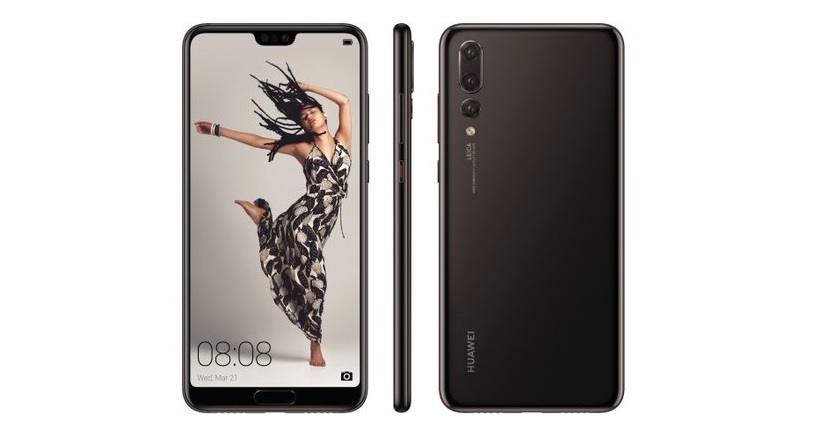
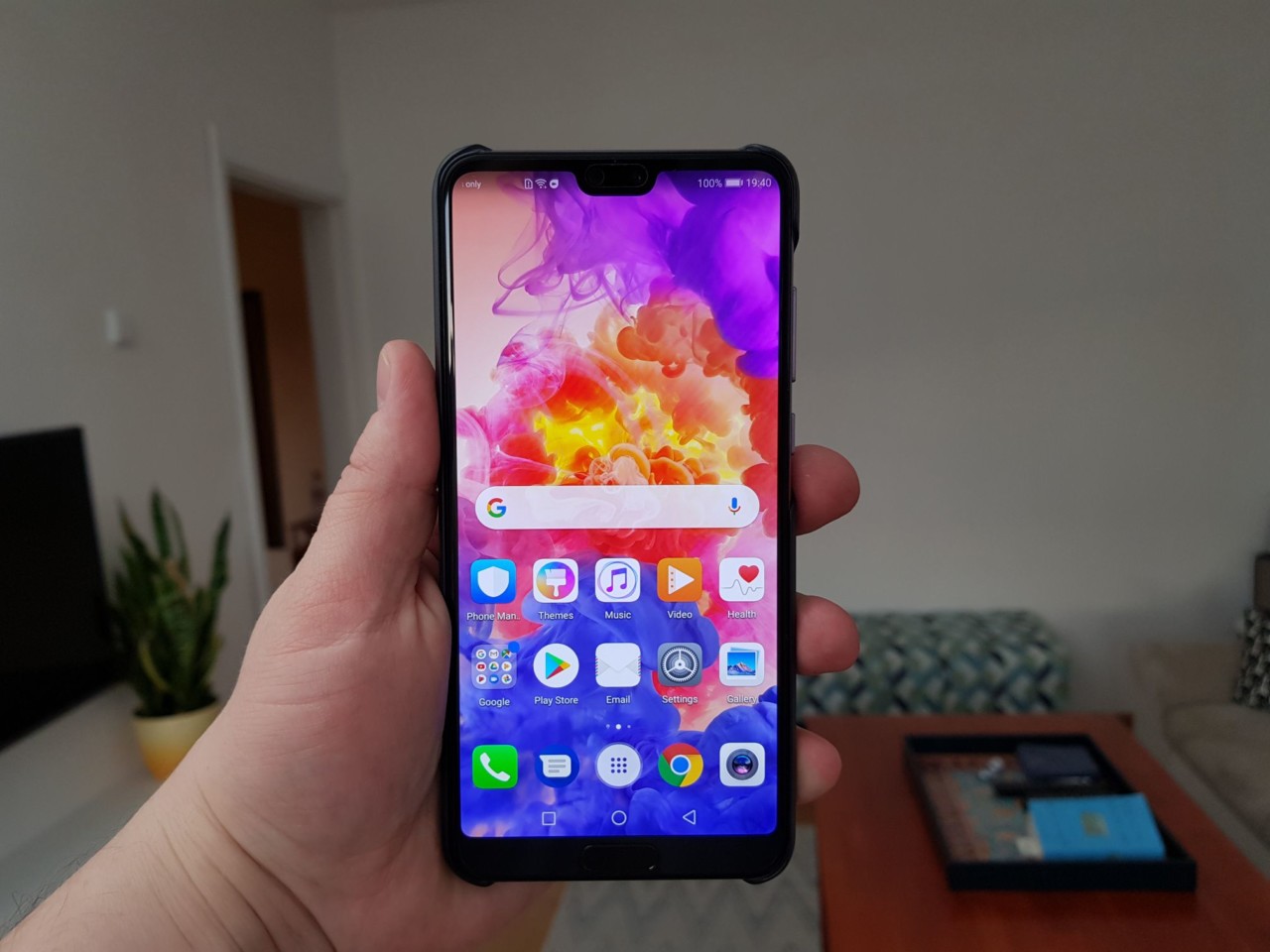
The Huawei P20 Pro comes with a 6.1-inch AMOLED display that supports 2240 x 1080 pixels resolution and an aspect ratio of 18.7:9. It is powered by Kirin 970 chipset, coupled with 6GB of RAM and 128GB internal storage.
It is the first smartphone ever to feature a triple camera setup that includes a 40-megapixel RGB sensor, an 8-megapixel telephoto sensor, and a 20-megapixel monochrome sensor. On the front side, there’s a 24-megapixel snapper for taking selfies and video calling.
On the other hand, the Huawei P20 has a 5.8-inch LTPS IPS LCD screen with the same resolution and aspect ratio like P20 Pro. It is powered by Kirin 970 SoC along with 4GB of RAM and 64GB of onboard storage.
It features a dual camera setup consisting of a 12-megapixel RGB sensor and a 20-megapixel monochrome sensor. On the front side, this one too comes with a 24-megapixel sensor for taking selfies and video calling.
Both smartphones are running Android 8.1 Oreo operating system out of the box. While the P20 is powered by a 3,400mAh battery, the P20 Pro is powered by a 4,000mAh battery with 4.5V/5A fast charging technology.
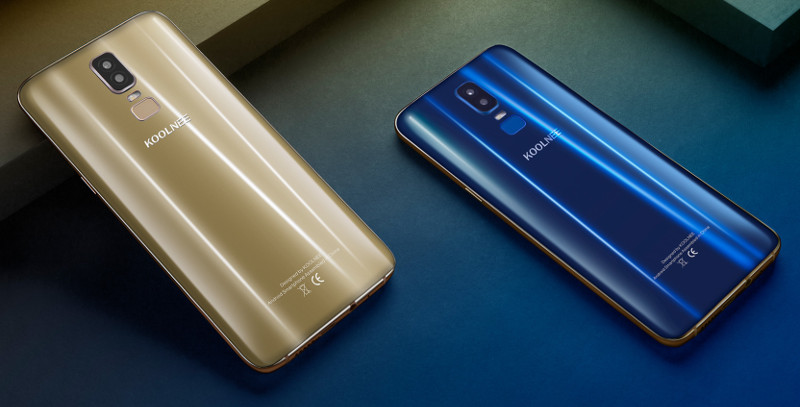
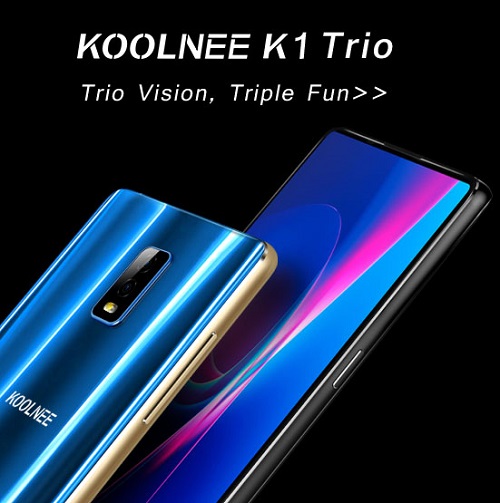
Koolnee made its long-awaited K1 Trio smartphone available to the public in December last year. The phone became an instant hit among tech buffs after hitting the store shelves thanks to an array of awe-inspiring specs and features it boasts.
Like any other high-end, feature-laden smartphone, Koolnee K1 Trio didn’t come cheap. In fact, the device would set you back a pretty penny on online stores.
The K1 Trio normally sells for $289.99 on CooliCool. But much to the delight of cost-conscious buyers who have restlessly been waiting to get their hands on the powerful smartphone, the Chinese online electronics store is currently doling out a 45% off on the phone’s steep retail price.
As a result, smartphone enthusiasts who are on a tight budget can now buy the K1 Trio smartphone at a slashed price of only $159.99. This is an exceptional reduction in the phone’s original asking price, given that it sports a big 6.01 Inch 2.5D Incell 18:9 FHD+ display with a screen resolution of 2160 X 1080 pixels.
The K1 Trio packs a powerful Helio P23 MTK6763 2.0GHz Octa Core processor along with an equally robust Mali-T860 MP2, 650MHz GPU, under the hood. The phone offers 6GB of RAM which is paired with a hearty 128GB onboard storage.
On the photography front, the Koolne K1 Trio smartphone houses a 16MP+2MP with dual LED and AF on the back. Up front, there’s an 8MP camera for selfies and face-to-face video chatting.
The K1 Trio runs Android 7.0 Nougat operating system and is backed by a 4200mAh Lithium-ion battery. Moreover, the phone is crammed with all sorts of useful sensors such as a proximity sensor, accelerometer, ambient light, gyroscope, e-compass, and a rear-mounted fingerprint sensor.
It’s worth noting that the discount will be valid for black and blue color versions of the Kolnee K1 Trio smartphone. You can follow this link if you want to buy the powerful handset at a discounted price and check out its full specification.
It’s no secret that an air purifier is important, especially when you have elderly people and kids at home. While the market is brimming with all sorts of air purifiers that claim to eliminate harmful airborne particles such as pollen, dander, and dust, these devices don’t come cheap.
If you’ve restlessly been looking for a powerful air purifier but aren’t willing to spend a fortune on it, you’ve come to the right place. We’ll show you how you can save a considerable amount of money while buying the Robolife Ozone Generator air purifier.
The Ozone Generator air purifier that dissolves contamination and boosts water oxygen level is currently available for $73 on the online store for Robolife at Amazon. But if you’re on a tight budget you can apply discount coupon ‘LONTNXG6’ to save an additional $33.01 during the check out process.
Using the aforesaid coupon code will bring your grand total down to only $39.99. The code was initiated on June 27th at 08:01 am (U.S. time) and it will expire on July 15th at 11:59 pm (U.S. time). The multipurpose Robolife Ozone Generator is a highly useful device that can effectively eradicate pesticides and agricultural chemicals that are often found in vegetables and fruits. Aside from air purification, the device features deodorization functions that come in handy for home or office.
Furthermore, it maintains freshness and refines air whether it is placed in your office or home. The Robolife Ozone Generator is also capable of killing bacteria on various surfaces and dishwares that are used for setting a table.
As if that weren’t enough, the device can also remove a slew of injurious gases such as painting, smoke, toluene and even formaldehyde. You can install it in a variety of places including hospital, restaurant, kitchen, office and of course your home.
It is imperative for you to bear in mind that the opportunity to get an extra discount will be valid only for a limited period of time since the above-mentioned coupon code is slated to expire soon. If you don’t want to miss the chance to save some more money on a remarkably useful air purifier, follow this link without wasting time.
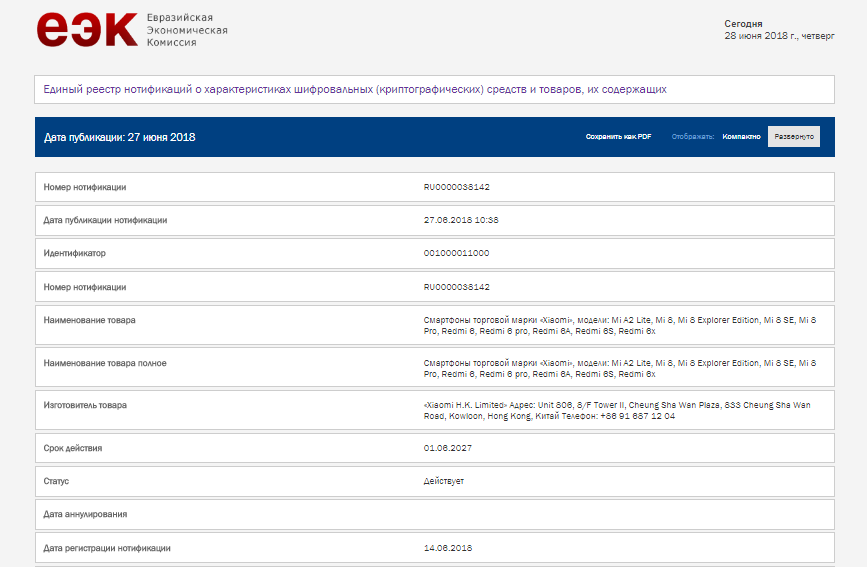
In the previous month, the Eurasian Economic Commission (EEC) had certified several existing and unannounced smartphones from Xiaomi. The smartphones approved by EEC are expected to debut in Europe in future. Few more Xiaomi handsets were also certified yesterday by the EEC.
Smartphones such as Xiaomi Mi A2 Lite, Mi 8, Mi 8 Explorer Edition, Mi 8 SE, Mi 8 Pro, Redmi 6, Redmi 6 Pro, Redmi 6A, Redmi 6S and Redmi 6X were certified by the EEC yesterday. As it can be seen, some of these smartphones have already launched in China, but Mi A2 Lite, Mi 8 Pro, Redmi 6S and 6X are yet to go official. EEC certificate was issued to these smartphones on June 14, 2018 and it is valid until January 2027.
The Mi A2 Lite with a model number of M1805D15SG was spotted at the Singapore’s Communications Authority in the previous month. Apart from this, there is no other information available on this smartphone.
Among the recently introduced Redmi 6 series, the Redmi 6 Pro features a notched 19:9 display whereas the Redmi 6 and Redmi 6A phones have notch-less 18:9 display. Since the Redmi 6 and 6X are not “Pro” models, there is a possibility that they arrive with full screen design like the Redmi 6 and 6A smartphones.
The Mi 8 Pro was not announced at the launch event of Mi 8, Mi 8 Explorer Edition and Mi 8 SE that was held at the end of May. There is a possibility that the Mi 8 Pro could be nothing but the highest storage variant of the Mi 8 that features 256 GB of storage.
Apart from the aforementioned devices, smartphones like Mi 7 Lite, Mi Mix 2s, Mi Mix 3S, Mi S1, Mi S2, Mi S3, Redmi S1, Redmi S3, Redmi A1, Redmi A2, Redmi Note 6, Redmi Note 6A, Redmi Note 6A Prime, Redmi Note 6 Prime, Redmi 6 Plus, and Redmi 6A Plus were also approved by EEC in May. Xiaomi made its foray into the Eastern Europe earlier this year including its launch in Russia and it is also working on expanding its business in Western Europe. Hence, it appears that all the Xiaomi phones that have been approved by EEC recently may soon begin launching in Europe.
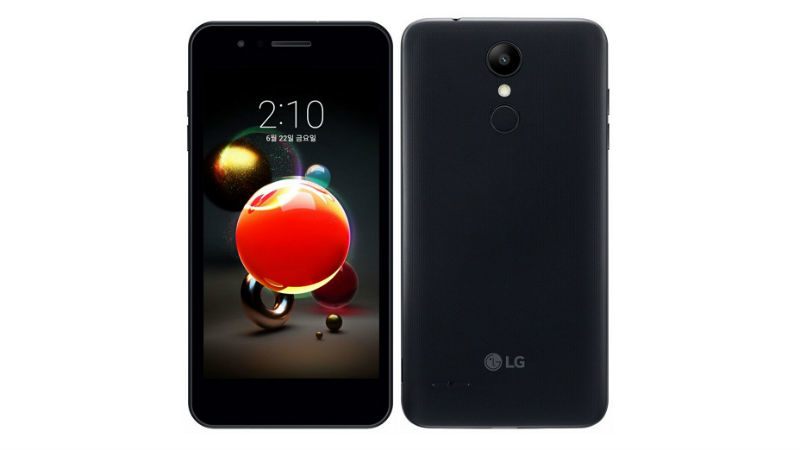
After launching the LG X5 (2015) in South Korea, LG has now launched its latest budget smartphone in South Korea — LG X2. The smartphone has been priced at KRW 198,000, which roughly converts to $176.
The device will be available for purchase in South Korea through telecom operators such as SK Telink, KTM Mobile, CJ HelloVision and U-Mobi. Apart from the telecom operators, the device can also be purchased through LG Best Shop and other e-commerce sites. The LG X2 will be available in Aurora Black color only.
The smartphone comes with a 5-inch HD display with screen resolution of 720 x 1280 pixels and is powered by Qualcomm Snapdragon quad-core processor clocked at 1.3GHz. It packs 2GB of RAM and 16GB of internal storage. There’s a microSD card slot, enabling users to further expand the phone’s storage capacity.
Coming to the cameras, the device comes with an 8-megapixel camera at the back with LED flash. On the front side, there’s a 5-megapixel snapper for taking selfies and video calling. The back camera features ‘Auto Shot’, which recognizes faces automatically when the user takes a self-portrait. It also comes with ‘Quick Share’ that allows users to share pictures instantly via SNS or messages
Connectivity options on the LG X2 include 4G LTE, Wi-Fi 802.11 b/g/n, Bluetooth 4.2, FM radio, and GPS. In terms of software, the device runs Android 7.1.2 Nougat operating system out of the box. The smartphone is fuelled by a 2,500mAh battery.
Huawei’s sub-brand Honor had announced Honor Play flagship phone and the mid-range Honor 9i in June. The glass-bodied Honor 9i was introduced in multiple colors like Magic Night Black, Charm Sea Blue, Jade Green and Purple Fantasy. Among these models, only the Blue and Black variant have been available for buying in China. Today, the Chinese manufacturer has confirmed that it will begin the sales of the Purple Fantasy edition of the Honor 9X from July 2 at 10:08 AM. It will be available with a price tag of 1,399 Yuan (~$211).
The Honor 9i that has a notched display design features a 5.84-inch IPS LCD screen that supports Full HD+ resolution of 2280 x 1080 pixels along with aspect ratio of 19:9. The mid-tier Kirin 659 SoC is present under the hood of the smartphone. The 64 GB and 128 GB storage models of the Honor 9i feature 4 GB of RAM.
The Honor 9i also features a microSD slot. The handset is loaded with Android 8.0 Oreo and EMUI 8.0 skin. It includes a 3,000mAh battery. The frontside of the Honor 9i features a 16-megapixel selfie camera. The rear panel is flanked with 13-megapixel + 2-megapixel dual camera setup. A fingerprint scanner is placed on the backside of the Honor 9i.
The other selling point of the Honor 9i is that it will be blessed with Huawei’s GPU Turbo technology after July 30. GPU Turbo technology is a hardware-software integrated graphics processing acceleration technology that can enhance the overall efficiency of graphics on a smartphone. It can bring significant improvements to the image processing performance on low-end and mid-range smartphones.
A recent report has revealed that the Honor 9i will be also be launching in India in the coming month. Since Huawei had released the Mate 10 Lite as Honor 9i in India, it is speculated that the smartphone could be rebranded as Honor 9X in the country. It is likely to arrive with a price tag of Rs. 15,000 ($217).
After launching several gaming-related products such as gaming headphones and gaming mouse, Xiaomi has today launched two new mouse pads — Mi Mouse Pad and Mi Smart Mouse Pad.
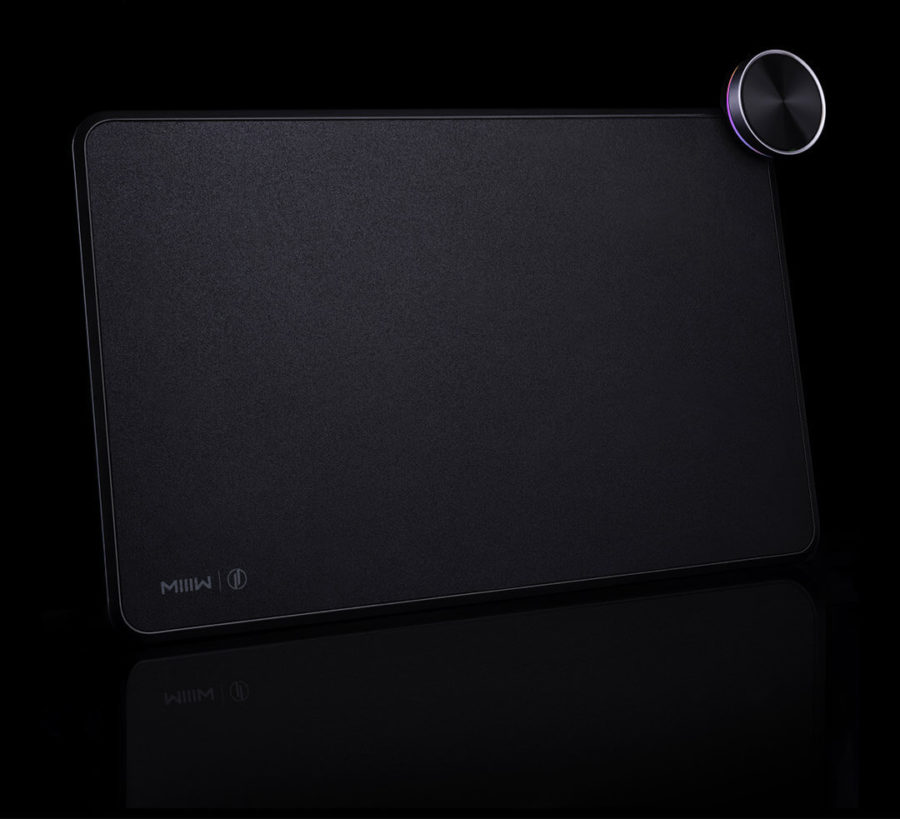
The Xiaomi Mi Smart Mouse Pad comes with support for wireless charging as well as RGB lighting effects based on the lighting effect of the Mi Gaming Mouse. The company says that the Mi Smart Mouse Pad has also won the German Red Dot Design Award in 2018.
For wireless charging, it comes equipped with Qi Wireless Charging module which is capable of charging wireless mouse as well as a mobile phone at any time with 7.5W. The company claims that it has a charging efficiency of 75 percent.
There’s a built-in intelligent management chip that can identify if the device placed on the charging area is a rechargeable device. Further, there’s also a built-in temperature control technology that automatically shuts off charging after the device is fully charged.
In the upper right corner, there’s an aluminum alloy knob to change the lighting mode. It can be rotated left or right to change the RGB light color, with support for about 16.8 million colors. Once it is connected to the computer using Bluetooth, it can also be used to control the computer’s volume.
The surface coating on the Mi Smart Gaming mouse provides smooth performance and can respond quickly and accurately, claims the company. On the bottom, it has a TPU anti-slip mat. It measures 420mm x 260mm. The Xiaomi Mi Smart Mouse Pad is priced at 259 Yuan, which roughly converts to $39.
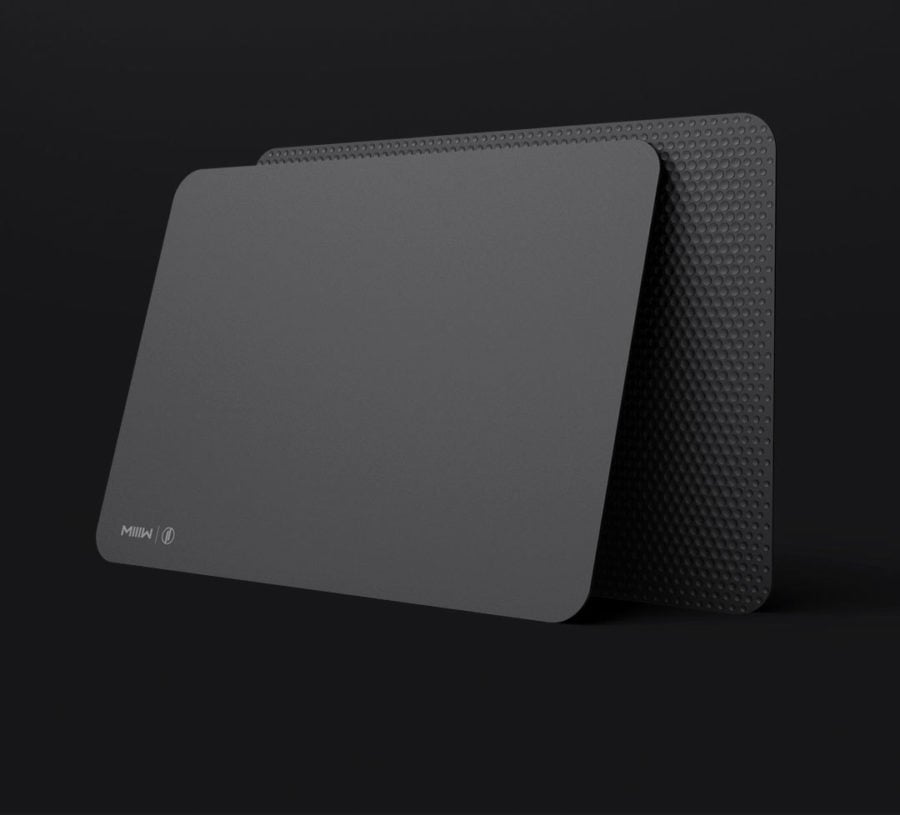
On the other hand, the Xiaomi Mi Mouse Pad, designed for gaming purpose, comes with a surface coating that enhances sensor performance as well as mouse speed tracking. It has a suction cup design at the bottom that prevents the Mi Mouse Pad from shaking during operation.
It measures 355mm x 255mm and just 2.35mm in thickness, and weights at 196 grams. The Xiaomi Mi Mouse Pad is priced at 49 Yuan, which roughly converts to $7. Both mouse pads from Xiaomi are now available for purchase through Mijia Mall.
We use cookies on our website to give you the most relevant experience by remembering your preferences and repeat visits. By clicking “Accept”, you consent to the use of ALL the cookies.
This website uses cookies to improve your experience while you navigate through the website. Out of these, the cookies that are categorized as necessary are stored on your browser as they are essential for the working of basic functionalities of the website. We also use third-party cookies that help us analyze and understand how you use this website. These cookies will be stored in your browser only with your consent. You also have the option to opt-out of these cookies. But opting out of some of these cookies may affect your browsing experience.
Necessary cookies are absolutely essential for the website to function properly. This category only includes cookies that ensures basic functionalities and security features of the website. These cookies do not store any personal information.
Any cookies that may not be particularly necessary for the website to function and is used specifically to collect user personal data via analytics, ads, other embedded contents are termed as non-necessary cookies. It is mandatory to procure user consent prior to running these cookies on your website.


 mi pad 4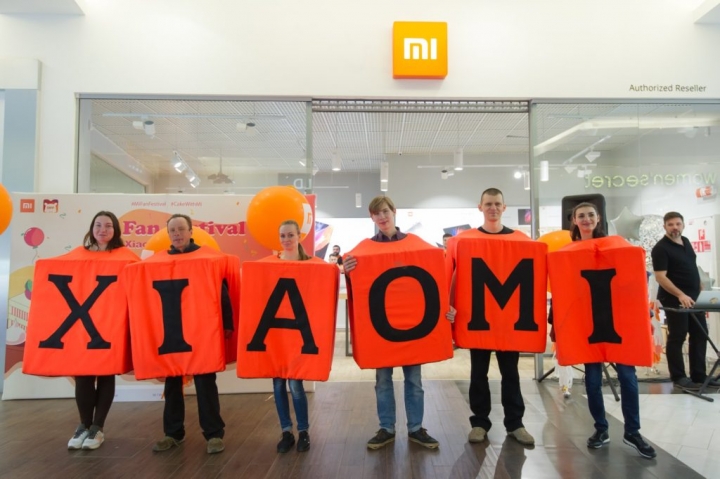

 It’s no secret that an air purifier is important, especially when you have elderly people and kids at home. While the market is brimming with all sorts of air purifiers that claim to eliminate harmful airborne particles such as pollen, dander, and dust, these devices don’t come cheap.
 The multipurpose Robolife Ozone Generator is a highly useful device that can effectively eradicate pesticides and agricultural chemicals that are often found in vegetables and fruits. Aside from air purification, the device features deodorization functions that come in handy for home or office.