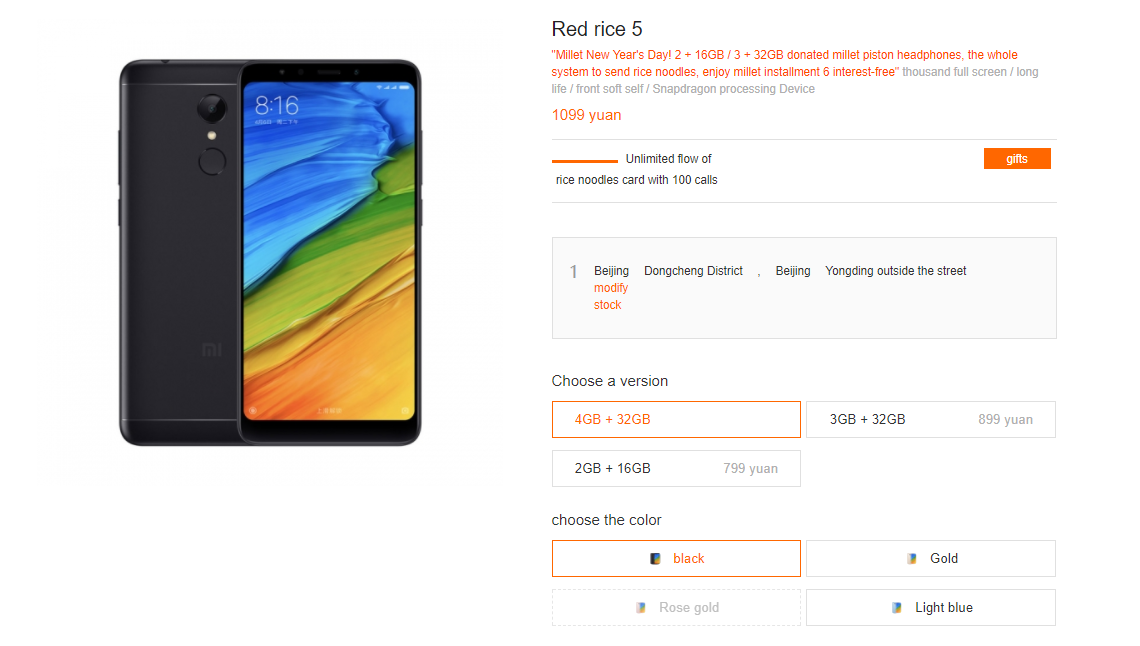
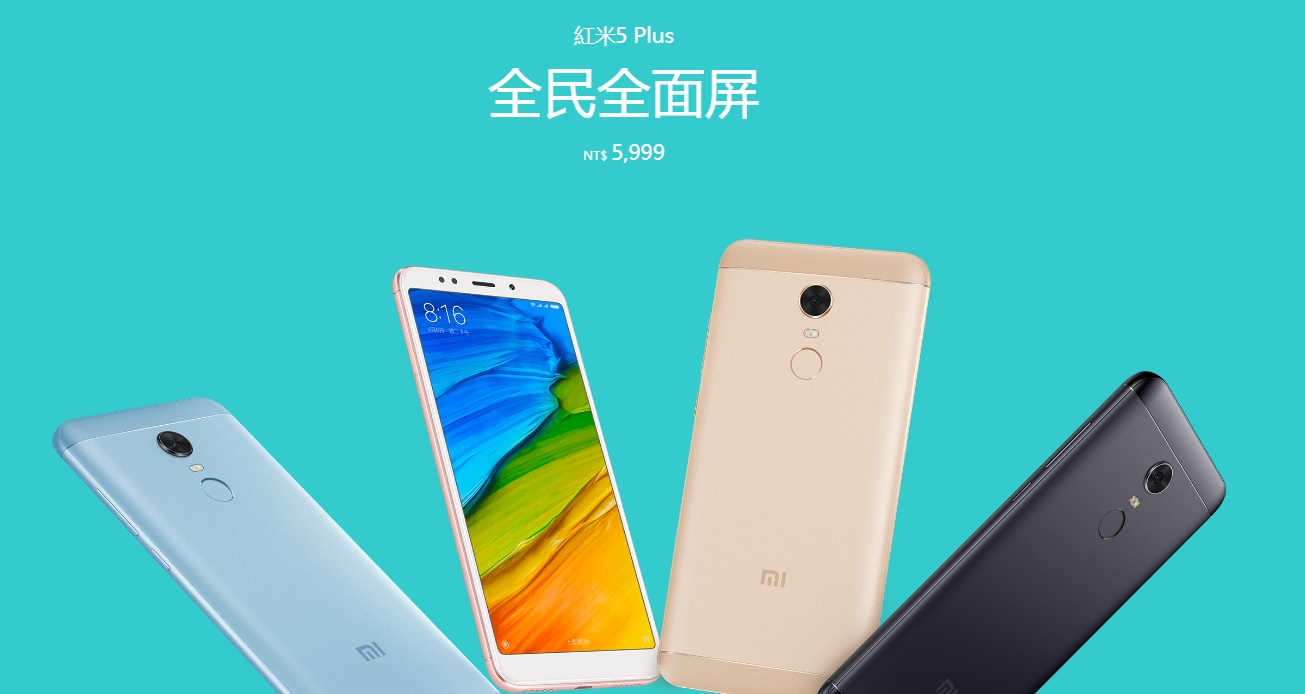
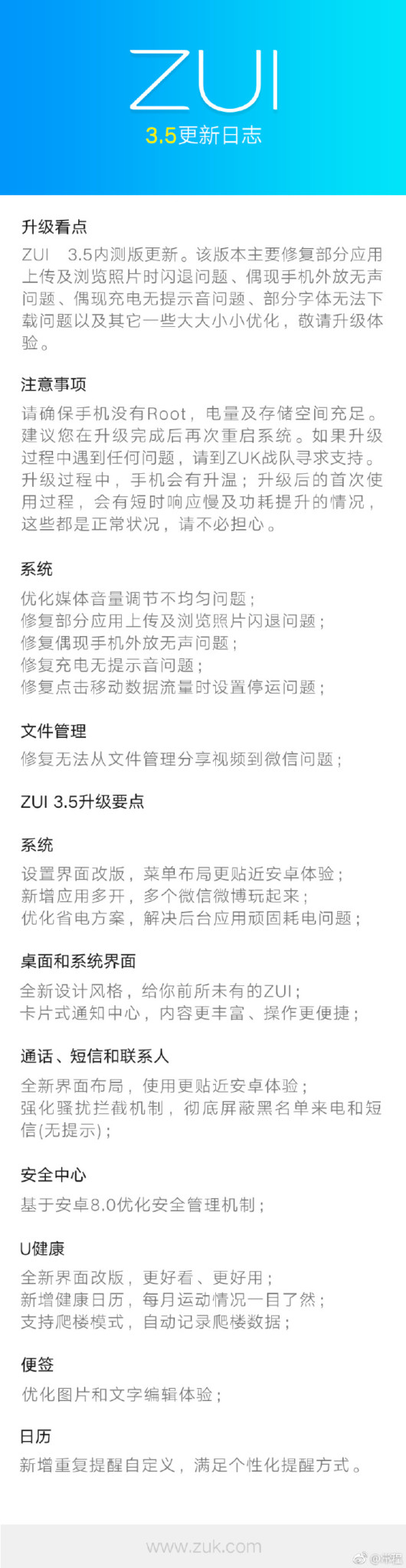
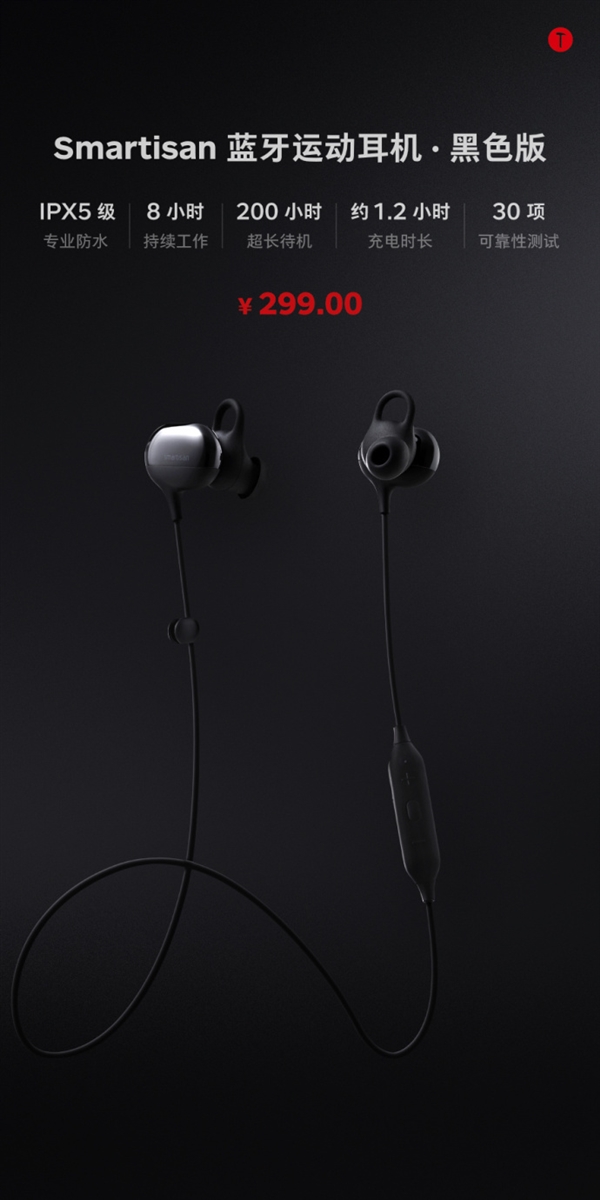
Xiaomi launched the Redmi Note 5A early this week as the first of the 5th gen Redmi line. The Note 5A comes in three different variants with different specs and prices. Giztop, our online shop now has the 3GB RAM variant in stock.
All three variants have the same 5.5-inch HD display, 13MP rear camera, 3080mAh battery and run MIUI 9. Where the 3GB RAM model (and 4GB too) differs includes having a Snapdragon 435 processor, a 16MP front facing camera with LED flash, and a rear-mounted fingerprint scanner.
The Redmi Note 5A has a dedicated microSD card slot. That means if 32GB isn’t enough storage for you, you can throw in a microSD card and not have to sacrifice any of the nano SIM slots.
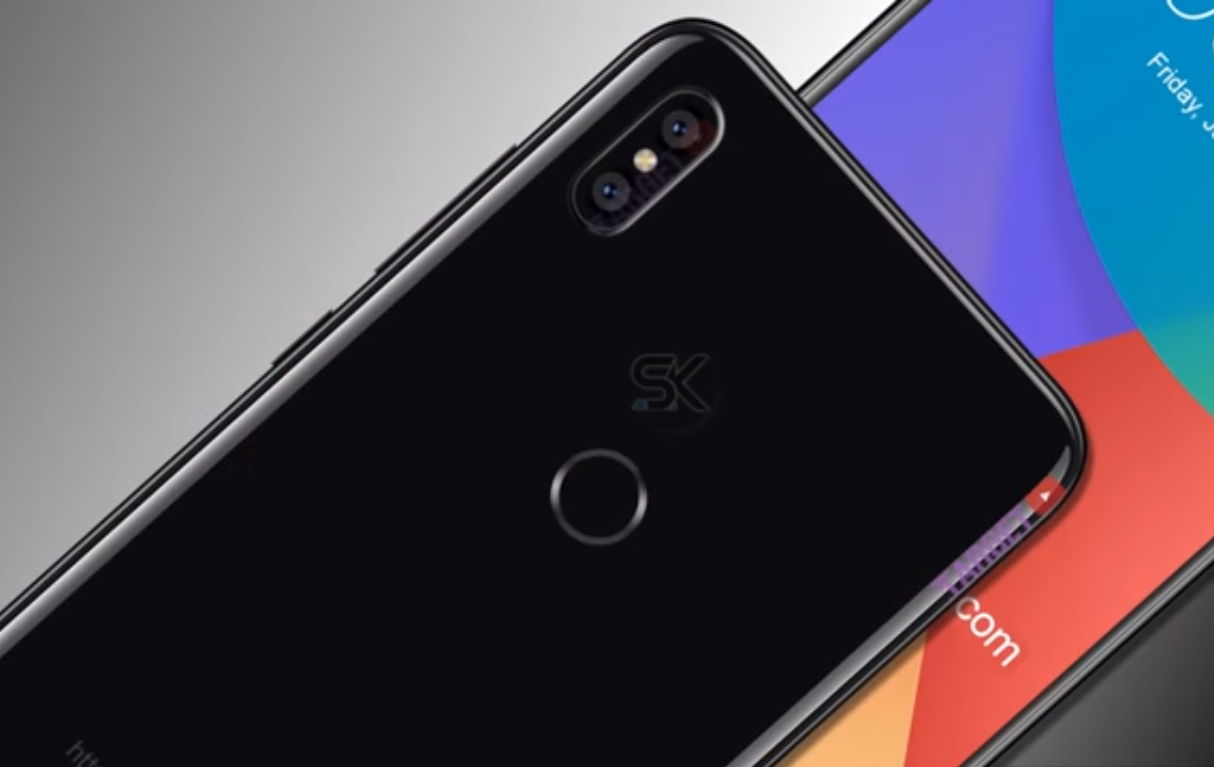
Xiaomi Mi 5X was announced back in July to cater the needs of a cheaper dual camera smartphone in the market. The idea behind the smartphone was simple, use a similar dual camera setup as the Xiaomi Mi 6 flagship and put it inside a mid-ranger, with decent specs. So, the Mi 5X (full specs here) isn’t as powerful as the Mi 6, but its camera is still quite capable, thanks to the sensors inside. The cheaper price also makes it available to a much wider crowd with a limited budget.
On first glance, the dual camera setups on both the phones seem identical. But the setup is much more different than what you may realize, as the sensors inside the Mi 5X are not from Sony or Samsung, instead they are from OmniVision (OV). The basic specs remain the same, like one 12MP sensor with 1.25µm pixel size and another one with 12MP 1.0µm pixel size. But the sensor manufacturer, as well as the apertures, are different than what’s used inside the Mi 6.
The table below should give you a good idea about the setups used by both the devices.
Xiaomi Mi 5X
Xiaomi Mi 6
TYPE
Wide Angle
Telephoto
Wide Angle
Telephoto
SENSOR
OV12A10
OV13880
IMX386
S5K3M3
RESOLUTION
12MP
12MP
12MP
12MP
SENSOR SIZE
1/2.8"
?
1/2.9"
1/2.9"
PIXEL SIZE
1.25um
1um
1.25um
1um
APERTURE
f/2.2
f/2.6
f/1.8
f/2.6
OTHER FEATURES
2X Optical Zoom
Dual LED Flash
2X Optical Zoom
Dual LED Flash
4-axis OIS
The Mi 5X’s primary OV12A10 comes with a slightly larger 1/2.8″ sensor as compared to IMX386 (1/2.9″). The aperture on the Mi 6 is bigger though, f/1.8 vs f/2.2.
When it comes to the real life performance of both the handsets, it’s quite similar. But there are a few differences seen in these samples as well. For example, on most occasions, the Xiaomi Mi 6 had much sharper images. It was even more evident when you zoom into the pictures. But interestingly, the Mi 5X managed to take brighter images.
In terms of color saturation, the Mi 5X seems to be better. However, sometimes, the pictures look over saturated, different from what it looks in real life. So, if you are someone who likes images which are closer to reality, the Mi 6 is a better option.
Portrait mode is better on the Mi 6 as the object tracking on the Mi 5X is not as good as its elder sibling. The colors on the portraits are much more natural, unlike the Mi 5X which captures somewhat whitish images (kind of what we see in beauty mode).
Low light images are much sharper with the Mi 6. The f/1.8 aperture lets in more light and therefore we get more details as well. However, once again, the Mi 5X tends to take brighter images, although they are not as sharp as the Mi 6.
To conclude, the Xiaomi Mi 6 does well in this comparison but so does the Mi 5X. Despite being almost $150 cheaper, the Mi 5X manages to keep up with Xiaomi Mi 6’s camera on most occasions. It won’t be as sharp as the flagship model, but it’s capable of capturing high-quality images, making it one of the top camera phones in its price segment.
Check out the Xiaomi Mi 5X vs Xiaomi Mi 6 camera images down below and let me know which phone do you think takes better images. I have added zoomed in images of the samples whenever possible.
Gizmochina along with Nomu Direct Store on AliExpress is conducting a Nomu S10 rugged phone as Giveaway gift to one of our lucky readers. Like always, you just have to follow the steps mentioned on the Gleam widget to get a chance to win this amazing phone.
How to entry this giveaway? Just follow these steps:
Visit Nomu Direct Store on AliExpress, follow it and add Nomu phone to your wish list;
Share this giveaway to your Facebook, Twitter, Google+ or other social sites;
Leave comments under this article, tell us which Nomu rugged phone is your favorite;
1. The giveaway is an international giveaway.
2. We are not responsible for lost shipments.
3. We are not responsible for any duties, import taxes that you may incur.
4. We reserve all rights to make any changes to this giveaway.
5. The prize will be shipped in a week when the giveaway end.
Just follow the steps mentioned in the Gleam widget to participate in the giveaway.
The Alcatel Idol 4 and Idol 4S were released over a year ago at Mobile World Congress. Their successors, the Idol 5 and Idol 5S will be launched at IFA Berlin next week. Details of both devices have showed up online.
Alcatel Idol 5S
Alcatel Idol 5S Design
The Idol 5S sports a nearly identical design to that of the Idol 4S. The main difference is the design of the front facing speakers which now have fewer but larger holes. We presume that change applies to the speakers at the back too. The forehead and chin are still thick though, so even with a 5.2-inch screen, it will be big.
The Idol 5S also features the Boom Key, below the volume rocker which can be used to fire up the camera, as a shutter button or turn on the volume boost. Power button and SIM tray are on the left.
There are no images of the rear of the phone.
Alcatel Idol 5S Specs (Mediatek and Qualcomm)
The Idol 5S (6060) will launch in two variants. One will be powered by a MT6757CH SoC (Helio P25) and the other will feature the popular Snapdragon 625. Both variants have been seen on GFXBench and differ with respect to processors, RAM, camera features, NFC, and version of Android they are running.
The Idol 5S will have a 5.2-inch full HD display, 3GB of RAM for the Snapdragon model and 2GB RAM for the Mediatek model. Both variants have 32GB of built-in storage. On the rear sits a 12MP camera with LED flash and up in front is an 8MP camera.
The Mediatek and Qualcomm chips are both octa-core SoCs using the Cortex A53 cores. The Helio P25 is clocked at 2.3GHz and has a Mali-T880 GPU while the SD625 is clocked at 2.0GHz and sports the Adreno 506
The rear camera on the Snapdragon variant can record in 4K but that info is missing from the Helio P20 variant. So while the pixel count are the same on both devices, the sensors may be different. The Mediatek variant however has the advantage of having NFC.
Both phones run Nougat but the MediaTek variant is Android 7.0 and the Snapdragon model runs Android 7.1.1
The only detail missing for the Idol 5S is the battery capacity. The price of the Mediatek variant of the Idol 5S is said to be 399 Euros (~$476).
Alcatel idol 5
Idol 5 Design
The images of the Idol 5 reveal that Alcatel is taking a different route with respect to the lower specced version of the Idol series. Unlike the Idol 4 which shares a similar design to the Idol 4S, the Idol 5 is a different device entirely. There are no dual front facing speakers neither is there a Boom Key.
The front of the Idol 5 shows the device has thick bezels. The chin is bare but at the top, you will find the earpiece flanked on the right by the front camera and on the left by the sensor.
On the rear of the phone, is the main camera sitting at the top left corner with a dual LED flash a few millimeters from it. Positioned in the middle is a fingerprint scanner and below it is the IDOL branding. Further down is Alcatel’s logo.
The Idol 5 has adopted the U-antenna design and it looks nice on both the silver and black variants. The back of the phone curves at the sides to allow for a more comfortable grip.
Samsung has just launched the flagship Galaxy Note 8 as perhaps, its first smartphone with dual cameras. The tech giant may have got another smartphone with dual cameras lined up in quick succession. The Galaxy J7+ as it is called had appeared in a leak which hinted that it will be the Galaxy J7 (2017) China Edition. That might just be wrong as the device has appeared in Thailand where it is tipped to launch soon.
The device is expected with a 5.5-inch Super AMOLED display with 1920 x 1080p resolution. The device will be fired up by an Octa-core processor which would likely be a similar Exynos 7870 chip featured on the Galaxy 7870 and it will be complimented by a 4GB RAM. There will also be 32GB of expandable storage. The dual cameras at the rear will be a 13MP f/1.7 sensor while the second sensor will be a 5MP f1.9 one. The device is also expected with a 16MP front camera for nice sefies. The dual cam is revealed as capable of Samsung’s new Live Focus portrait mode which features on the Galaxy Note8.
One spectacular feature will be the presence of Bixby voice assistant on the Galaxy J7+ which is a mid-range smartphone. The dedicated Bixby button will be located on the left. The device will also come with a front fingerprint sensor, a metal unibody, a 3,000mAh battery, and dual-SIM slots with 4G /3G capabilities. According to the leak source, the Galaxy J7+ will go official in Thailand any moment from now and would be available in Black, Gold and Pink.
The new TS Swimming glasses is designed to give a clear view underwater adn is designed with a adjustable headband with zipper tape design which fits all types of head sizes comfortably. The headband is easy to wear and easy to remove and increases the wearing comfort.
The glass has a 3D curved design and comes with a silicone gasket which fits the eyes very well, providing comfort and also prevents the entry of water into the eyes. The nose stump is also replaceable. The has a mirror and frame which seems to be molded together. The mirror finish keeps the underwater vision unchanged and provides a wide field of view. The lens also comes with a special anti-fog coating which ensures nothing impedes the wearer view underwater.
The Swimming google comes with a price tag of 69 Yuan ($10) and is presently available on the Mi Home crowdfunding platform.
Xiaomi is known for producing all sorts of gadgets. The Xiaomi M365 scooter is one of the most interesting ones as it is a convenient means of transportation that is portable and quite affordable.
The Xiaomi M365 scooter or Xiaomi Mijia Scooter it’s called is an electric scooter with a claimed range of up to 30kms. It’s got two air fill rubber 8.6″ tires, 250w front hub motor (peaks at 500watts) The battery capacity is 280Wh, takes 5 hours to fully charge.
Xiaomi Mi Mix 2 is expected to be launched in September and as this month draws to a close more and more rumours and leaks continue to emerge. Just yesterday, we saw what was said to be the rear cover of the Mix 2 which really didn’t tell us much other than that the device may still come with a ceramic body. Now, a photo which looks like the front view of the Mi Mix 2 has appeared on Weibo purportedly grabbed from a shoot session which would be used for the Mix 2’s ad campaign.
Philippe Starck had earlier given us an idea of how the Mix 2 would look like when he shared a video of the concept Mi Mix 2 last week. The device featured in this case looks similar to Starck’s concept video in that it seems to utilize a full screen bezel-less display. The device had “Mix 2” written on the waterproof coating on the display and that is just all.
The leakster did reveal that it is the Mix 2 and that it would feature a large screen and ceramic body. The device is also tipped to launch next month. In addition, another picture alleged to be that of the Mix 2 but we can’t really confirm if it is.
Sony is expected to debut the Xperia XZ1 and Xperia XZ1 Compact with flagship specs on Aug. 31. Yesterday, the leaked renders of Sony Xperia XZ1 were revealed by well-known leakster, Roland Quandt. The leakster has today revealed the official looking renders of the Sony Xperia XZ1 Compact.
The images of the Sony Xperia XZ1 Compact shows that its design similar to its bigger sibling, the Xperia XZ1. Also, the smartphone has a thicker appeal. The handset seems to be sporting a polycarbonate body with matte finish and its antenna lines are not visible.
Such a design was also seen on the Xperia XA1 Ultra. Like the XA1 Ultra, the XZ1 Compact may feature a NFC chip at the center of its back panel. Another distinctive feature of the Xperia XZ1 Compact that is similar with its bigger sibling is that it features a horizontally aligned LED flash that is placed some distance away from rear camera.
There is a possibility that the fingerprint reader would be embedded under the Power button on the right edge of the phone. The right side of the Xperia XZ1 Compact also features a volume rocker and a dedicated camera button. The topside of the smartphone features a 3.5mm audio jack and the microSD card / SIM card slot is present on the left side of the phone. The frontside features a pair of speakers placed respectively on the top and bottom bezels.
Previous reports have revealed that the Sony Xperia XZ1 Compact has a model number of G8441. Its listing on Geekbench and AnTuTu has revealed the key specs of the smartphone.
The benchmark listing of the Xperia XZ1 Compact have revealed that it would be coming with a 4.6-inch screen that may carry support for HD resolution of 720 x 1,280 pixels. Like its larger sibling, the XZ1 Compact is speculated to be powered by the Snapdragon 835 chipset and 4 GB of RAM. It may feature a 19-megapixel Motion Eye sensor on its rear side. Also, it is pegged to feature a 2,800mAh battery and come preloaded with Android 8.0 Oreo.
Quandt has revealed that it would be selling in the U.K. with a pricing of 499 GBP (~$638). A Polish retailer has revealed that the Xperia XZ1 Compact would be coming in color choices such as Black, Horizon Blue, Snow Silver and Twilight.
Xiaomi launched the Mi Note 2 at the same time as the Mi Mix last year and since the Mi Mix 2 is expected soon, it is just apt that Mi Note 3 would be launched soon as well. The Note 3 had made the rounds severally on leaks which hint at the possible specifications the device will launch with. The Mi note 3 was also rumored as launching in the third quarter of the year and recently, the rumor mill went agog with talks of the device being launched in August or September. A sure thing is the Mi Note 3 is coming and pretty soon. Ahead of that, we just have spotted the first camera sample from the device.
Xiaomi’s CEO Lei Jun recently shared a photo of a newly opened Mi Store opened in Hong Kong and the picture was noticed to have been posted on Weibo from an unnamed Xiaomi phone. That caught the attention of an eagle-eyed tech blogger who checked up the EXIF data of the picture and luckily it was still intact. It was later removed but not before the blogger had grabbed a screenshot (See below). Interestingly, the EXIF data showed that the picture was shot using the Mi Note 3. Apart from that, the photo even revealed some details of the Note 3’s camera like an f1.8 aperture, 12MP resolution, and a few others.
Clearly, this is another indication that the Mi Note 3 is coming soon. Recall that Lei Jun had shared a photo some time ago with an aspect ratio which suggested it was captured using the Mi Mix 2. Perhaps, Lei Jun has a knack for using all the Xiami models before they become official.
The Xiaomi Mi Note 3 is said to sport a 5.7-inch display and will be powered by a Snapdragon 835 processor backed by 6GB of RAM. It is also expected to feature a 12MP dual camera setup among other features. The Mi Note 3 may likely be unveiled along with the Mi Mix 2 just the same way the Note 2 was launched with the Mi Mix last year.
The Samsung Galaxy Note 8 that was announced on Aug. 23 features 6 GB of RAM for all of its storage model such as 64 GB, 128 GB and 256 GB. Soon after the debut the Galaxy Note 8, its two more editions have appeared on China’s TENAA certification body. The two new variants with model numbers SM-N9508 and SM-N9500 feature 4 GB of RAM.
When the specifications of the Galaxy Note 8 with 6 GB of RAM is compared with the specs of its 4 GB RAM variant, there is no difference in their specs and design. Like the 6 GB RAM variant of the Note 8, its 4 GB RAM model is listed on TENAA with 64 GB, 128 GB and 256 GB storage sizes.
The Galaxy Note 8 also comes in two CPU models. The Snapdragon 835 edition of the Note 8 is meant for two markets such as U.S. and China. The Exynos 8895 edition of the phablet is meant for other markets.
The TENAA listings of the SM-N9508 and SM-N9500 reveals that both the phablets are powered by 2.35 GHz octa-core processor. This suggests that these models are powered by Snapdragon 835 and could be heading to China and some other Asian markets The Galaxy Note 8 carries a pricing of $930 for its unlocked model in the U.S. It suggests that its 4 GB RAM variant could arrive with a $100 cheaper pricing.
The Note 8’s pricing for the Chinese markets have not been officially announced. However, the rumor mill has revealed that the 64 GB edition of Galaxy Note 8 is expected to be priced at 6,288 Yuan (~$942). The 4 GB RAM Galaxy Note 8 may cost around 5,664 Yuan (~$850) in China.
In China, Samsung is struggling to rival with other Chinese brands like OnePlus, Xiaomi and ZTE that are selling flagship smartphones with dual rear cameras with much lower pricing. The Galaxy Note 8 is Samsung’s first flagship phone with dual rear cameras and its pricing way higher than OnePlus 5, Xiaomi Mi 6, and ZTE Nubia Z17 that sell flagship phones with similar specs. A 4 GB RAM variant of the Note 8 may allow the South Korean company to take on the popular brands in China.
Will you prefer buying a Galaxy Note 8 with 4 GB RAM? Share us your thoughts by commenting below.
In the previous week, ASUS had introduced the ZenFone 4 series of smartphones and it seems that the Taiwanese company has one more addition to the new series. A leaked image of a smartphone named ASUS ZenFone 4 Selfie Lite has appeared with a model number of ZD553KL. The image contains the color variants as well as the pricing of the phone.
The ASUS ZenFone 4 Selfie Lite features a 5.3-inch display that offers an HD resolution of 1,280 x 720 pixels. The image has revealed that the smartphone features thick bezels and it features black bars around the display. The Home button below the display appears to enabled with a fingerprint reader.
The smartphone is powered by Snapdragon 425 chipset is coupled with 3 GB of RAM. There is no information available of the internal storage of ZenFone 4 Selfie Lite. The external storage of the smartphone can support for 32 GB of microSD card.
It is expected to come preinstalled with Android 7.0 Nougat OS along with the custom skin of Zen UI. An 16-megapixel is expected to sit on the rear side of the smartphone that will be coupled with features like phase detection and autofocus. There is no information available on the exact configuration of the selfie snapper.
Like the ZenFone 4 Selfie and ZenFone 4 Selfie Pro smartphones, the Lite edition is expected to arrive with 120-degree wide-angle dual selfie cameras. There is no information available on the size of the battery of ZenFone 4 Selfie Lite. The ASUS ZenFone 4 Selfie and ZenFone 4 Selfie Pro are respectively packed with a 3,000mAh battery. It is likely that Lite edition may come house a smaller battery as it appears to smaller chassis than the other ZenFone 4 Selfie phones.
The leaked image has revealed that it would be coming in three color options such as Sunlight Gold, Deepsea Black, and Mint Green. In China, the smartphone is expected to be available with a pricing of 1,299 Yuan (~$195).
The ZenFone 4 Selfie Lite would become the seventh smartphone in the ZenFone 4 series. It is likely that ASUS may add some more devices in the same series before the end of 2017. There is no information available on the launch date of ZenFone 4 Selfie Lite but it is likely to debut soon.
Elephone is joining the 18:9 smartphone club soon. The company seems to be working on a new phablet with an 18:9 aspect ratio, joining the likes of Samsung, LG and even small time manufacturers like Leagoo. The new model is reportedly called as the Elephone C8.
Elephone’s take on an 18:9 display is a bit different than what others are trying to do. The company is taking inspiration from LG, instead of Samsung for its new C8 smartphone. So, you don’t have a bezel-less display, but the screen to body ratio is still pretty impressive. In fact, in the picture above, you can see how the 5.7-inch Elephone C8 looks besides the iPhone 7 Plus with a 5.5-inch display. The iPhone model is noticeably taller than the C8, which means despite its large screen, the Elephone model should be quite comfortable to work with.
If Elephone gets its specs right, the phone will definitely be an interesting option for customers.
You can check out more details about the Elephone C8 and even the bezel-less S8 that’s up for sale from here:Elephone’s official website
Huawei revealed a couple of days back, via a video teaser, that it would be holding a news conference where it will unveil its latest Artificial Intelligence processor. The Huawei Mobile AI as it was tagged, will launch on September 2 in Berlin, Germany in the thick of IFA 2017, according to the teaser
Huawei CEO Richard Yu has once again shared another teaser video which points at the launch of the Mobile AI and perhaps shows how the chip will look like. The teaser contains just three words in a slide format- “Expect More Speed”, as well as the hash tag- #HuaweiMobileAI. Richard Yu dubbed the speed as being beyond imagination in his short Weibo write up. This pops up the possibility that the chip may likely speed up the performance of the smartphone. Huawei is also expected to unveil the Kirin 970 which would be used on the Mate 10 and it is likely that the chip would be integrated with the AI technology. The AI could likely also be used on other mobile gadgets apart from smartphones.
Apart from speed, we can’t tell what other features the AI will add to the chip that would be of more benefit than most of the AI around which seems to be just a Voice Assistant. Recall that Huawei had earlier teased that its AI will be more than just a Voice Assistant. We expect to see more teasers showing more capabilities of the AI in the coming days. You can check out the video teaser by following the source link below.
Even though the recent smartphones such as HTC U11, U Ultra and HTC 10 have met with good response from the audience, there has been a sharp decline in HTC’s market share. In the last five years, HTC’s market value has dropped by 75 percent and this has been mainly due to its smartphone business that has been consistently declining. At present, the market share of the Taiwanese company has gone down below 2 percent.
HTC Vive VR is one of the most popular VR devices and also the company’s most successful assets in the past ten years. HTC’s Vive business is doing very well, but the entire company is struggling to earn profits. The Taiwanese has been making some impressive phones, but its marketing strategies have failed to reach the right audience.
According a fresh report from Bloomberg, that the Taiwanese company is considering multiple options for its future from selling off the Vive business and even putting the entire company on sale. A source familiar with the situation of the company has revealed that the Taiwanese firm has appointed an advisor to overcome the current crisis and is working on getting a strategic investor. It appears that full sale of HTC is unlikely to happen as there is no single acquirer looking forward to taking over it.
HTC has come to a point that it has lost its brand popularity. As mentioned before, its poor marketing strategy has caused the average consumer to consider HTC as one of the reliable brands against major rivals as Apple and Samsung. Unless the Taiwanese firm strikes a deal with carriers stores or makes its device more visible to the customers, HTC’s smartphone market is unlikely to improve.
HTC is still making profits in its smartphone business through another way, meaning that the Google Pixel and Pixel XL smartphones that are manufactured by HTC allows it to earn direct profit from Google. However, this may not be the only way the company may want to make profits in the smartphone business. Moreover, HTC had built both the Google Pixel phones last year, but this year it is rumored to be manufacturing one of the two Pixel phones. This has also probably reduced the profits from the smartphones business.
As Foxconn is making iPhones for Apple and the latter is concentrating on optimizing the iOS experience. HTC could also consider selling its smartphone business to Google. This can be beneficial for Google too as it will have a sole manufacturing company to assist it in building the Pixel phones. And then, Google could focus on enriching the Android experience.
What do you think HTC should do to make its smartphones popular? Share us your views by adding your comments below.
The Samsung Galaxy Note 8 is the first flagship phone from the company to feature dual rear cameras. It appears that the upcoming flagship phones from the South Korean company will also feature dual rear cameras. KGI Securities analyst, Ming-Chi Kuo claims that the Samsung Galaxy S9 coming in 2018 will also feature dual rear cameras. It may not be earth shattering but since it is Kuo, the information seems all the more reliable.
In the previous month, Kim Rok-ho, an analyst with Hana Financial had claimed that the Galaxy S9 would be featuring a dual rear camera module. This piece of information was seconded by another analyst named Park Hyug-woo from Shinhan Investment. Now, Kuo who holds a very consistent record for revealing features of upcoming Apple and Samsung devices has also made the same claim.
Earlier in this month, Kuo also claimed that the Galaxy S9 and Galaxy S9+ will continue to feature a rear-mounted fingerprint reader. The Galaxy S8 and Galaxy S8+ have been criticized for the controversial placement of the fingerprint reader. So, it may so happen that the Galaxy S9 duo may have the LED flash placed between the dual camera setup and the fingerprint reader as it can be seen on the Galaxy Note 8.
an alleged image of the Galaxy S8 prototye with dual rear cameras
The analyst also claimed that the Galaxy Note 9 could become the first smartphone from Samsung to come with in-screen fingerprint reader. Kuo has also stated that Samsung is working with semiconductor firm named Himax and Egis to integrate the fingerprint reader under the screen of the Galaxy Note 9. As far as Galaxy Note 8 is concerned, the South Korean company is expected to ship 12 to 14 million units of the phablet.
Recent information has also revealed that Samsung won’t be relying more on Snapdragon 845 chipset for Galaxy S9 duo. In other words, since Qualcomm has assigned TSMC and not Samsung to build its 10nm Snapdragon 845 chipset, the South Korean company has allegedly has decided to use its Exynos 9810 chipset more number of Galaxy S9 and S9+ units.
Motorola was expected to debut the Moto X4 on Aug. 24, but it did not happen so. However, its soon arrival cannot be ruled out as the device has just got certified by Federal Communications Commission (FCC) in the U.S. The FCC certification has revealed the entire specifications of the Motorola Moto X4.
The model number of the U.S. variant of the Moto X4 is XT-1900-1 and IHDT56WK1 is its FCC ID. The handset will arrive with a 5.2-inch AMOLED screen that will produce a full HD resolution of 1,920 x 1,080 pixels. The screen will be protected by Gorilla Glass 3. The Snapdragon 630 chipset will be powering it with its octa-core chip and Adreno 508 graphics along with 4 GB of LPDDR4X RAM. The native storage of the smartphone is 64 GB. There will be an external storage slot that will support up to 256 GB of microSD card.
Through the leaked renders of the Moto X4, it has been revealed that the smartphone will be sporting a pair of cameras on its rear panel. The FCC listing has revealed that the dual rear camera setup will include a RGB 12-megapixel sensor and a monochrome 12-megapixel sensor. This suggests that the smartphone would be able to snap impressive shots in low-light conditions. The frontside of the Moto X4 will feature a 16-megapixel wide angle sensor. Renders of the smartphone have revealed that the rear cameras will be coupled with a dual-tone dual-LED flash and there will be an LED flash for the selfie snapper too.
The Moto X4 will include a non-removable 3,000mAh battery with 25W Turbo charging support. It will arrive preloaded with Android Nougat OS.
Previous reports have revealed that it would be coming with a IP68 certified dust and water-resistant body and the FCC documents reveal that it measures 148 x 73mm. The handset is expected to be available in color choices like Sterling Blue, Gold and Super Black and previous rumors have revealed that it would be available in the Europe with a price tag of 350 euros (~$413).
Lenovo has confirmed that it would be holding a pre-IFA 2017 press conference on Aug. 31. However, Motorola does not have any upcoming launch event. Hence, there is a possibility that Lenovo may surprise us all by showcasing the Moto X4 at the end of this month.
Samsung Galaxy Note 8 was unveiled on Wednesday, taking the veil off a device that almost every detail was already known. The next “big thing” which would rock the tech world is the iPhone 8 which is equally expected to pack an amazing design. Both the iPhone 8 and Galaxy Note 8 will go head to head in a race for dominance of the premium smartphone market and just in case you are wondering how they square up to each other, GSMArena recently got an iPhone 8 dummy which they compared with the Galaxy Note 8. Here are some photos of both flagships side by side.
The iPhone 8 dummy seems to have been put up from the CAD schematics that have made the round severally. We can’t really say for sure if this would be the final design the device will come with but the dummy comes with a dimension of 143.5 x 71 x 7.5 mm while the Galaxy Note 8 obviously has a larger size with a dimension of 162.5 x 74.8 x 8.6 mm. One common feature expected on both flagship models is a large aspect ratio. The Galaxy Note 8 continues with the bezel-less infinity display utilized on the Galaxy S8 but the iPhone 8 has ultra-thin bezels at the edges which would have gone round if not for the protrusion on the top edge in order to make space for the front camera and facial scanning hardware.
Taking a look at the rear aspect, the Note 8 and iPhone 8 come with dual cameras but while that of iPhone 8 sits in a vertical plane, the Note 8’s are horizontal dual cameras. The Apple model has the LED flash in between the dual cameras while the Note 8 is positioned in the same way as found on the Galaxy S8. In addition, Apple’s dual camera hump is much more pronounced than that of the Note 8.
The duo was also captured from the sides and they are not in anyway similar. The Galaxy Note 8 retained the 3.5mm headphone jack, but Apple offers stereo speakers. In addition, the Note 8 comes with an S Pen stylus but Apple only uses that for its iPad models. So, what do you think? If the iPhone 8 comes with this design will it be a hit or miss?
Xiaomi is gradually expanding to other countries. This year alone, it added Russia, Vietnam, and Mexico to the list of countries where you can officially buy its phones. Today, Southeast Asian country, Thailand, is the latest addition.
Xiaomi Enters Thailand’s Smartphone Market
Xiaomi will partner with VST ECS, a local Thai company that will handle product distribution and after- sales services. Xiaomi products will be available both online and offline. One of its online partners is Lazada, an e-commerce company owned by the Alibaba Group.
The 6GB RAM +64GB ROM black variant of the Mi 6 will go on sale tomorrow on Lazada for 13,790 Baht (~$414). The 6GB RAM + 128GB ROM version which comes in blue will be available on September 1.
The Redmi Note 4 variant available for sale is the 4GB RAM + 64GB ROM and the 3GB RAM + 32GB ROM variants. They will be available in gold, black, and dark gray on Lazada tomorrow, 25th of August for 6,790 Baht (~$204) and 5,790 Baht (~$174) respectively.
Xiaomi has announced the list of models that would feature in the third batch of MIUI 9 Closed Beta updates and this time around the models are many. The list contains almost all the Xiaomi models that are yet to get the update except the Mi 1 and Mi 2A. Xiaomi had disclosed recently in a Weibo post that it would hasten the third batch of MIUI 9 updates but we never expected it would be so soon.
The list of models for the third batch of MIUI 9 closed Beta update include; Mi 3, Mi Note 3, Mi Note 2 / 2S, Mi Pad 3, Mi Pad 2, Mi Pad 1, Redmi Pro, Redmi Note 4X-MediaTek version, Redmi Note 4 (all versions), Redmi Note 3S / 3X, Redmi Note 3 (all versions), Redmi Note 2 (all versions), Redmi Note (all versions), Redmi Note 1S, and Redmi Note 1.
We use cookies on our website to give you the most relevant experience by remembering your preferences and repeat visits. By clicking “Accept”, you consent to the use of ALL the cookies.
This website uses cookies to improve your experience while you navigate through the website. Out of these, the cookies that are categorized as necessary are stored on your browser as they are essential for the working of basic functionalities of the website. We also use third-party cookies that help us analyze and understand how you use this website. These cookies will be stored in your browser only with your consent. You also have the option to opt-out of these cookies. But opting out of some of these cookies may affect your browsing experience.
Necessary cookies are absolutely essential for the website to function properly. This category only includes cookies that ensures basic functionalities and security features of the website. These cookies do not store any personal information.
Any cookies that may not be particularly necessary for the website to function and is used specifically to collect user personal data via analytics, ads, other embedded contents are termed as non-necessary cookies. It is mandatory to procure user consent prior to running these cookies on your website.