The increase in cost of electronics from China has started and major manufacturers are already adjusting prices. First to effect the change is Meizu who have increased the price of the M5 Note and also their android TV box. Xiaomi is following suit and is starting with its smart TVs.
According to the source, LeEco was the first to increase the price of TVs before Xiaomi increased theirs. The price increase affects only two models though but there is no assurance that the rest will remain the same for long. The price changes are listed below:
Mi TV 3S 48-inches: initially priced at ¥1999 ($285), now ¥2299 ($331)
Mi TV 3S 55-inches: initially priced at ¥3499 ($503), now ¥3699 ($532).
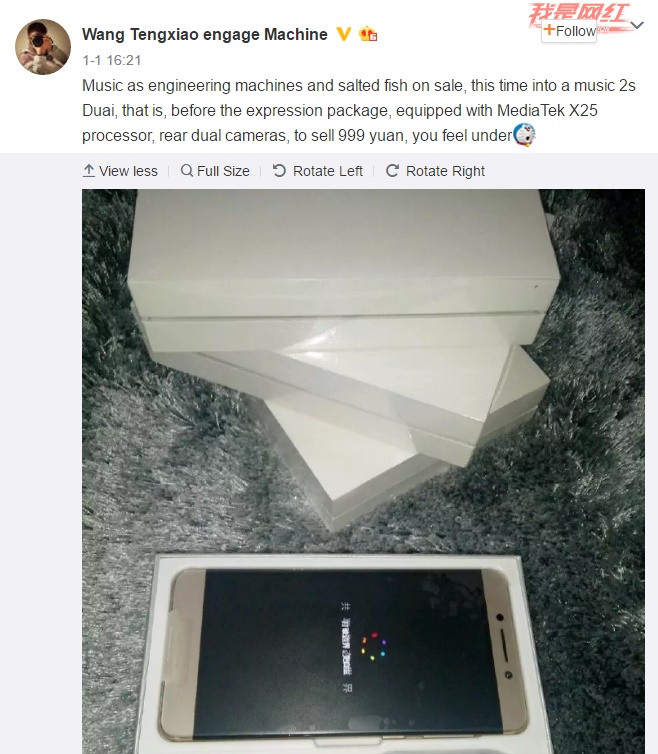
Yesterday we reported that a LeEco smartphone with dual cameras was seen online. The phone called the Le 2S Dual sports Mediatek’s Helio X25 processor and two 13MP sensors on the rear. Today, more pictures of the phone have been posted on Weibo by a user who goes the name of 搞机王腾霄 (Wang Tengxiao Engage Machine).
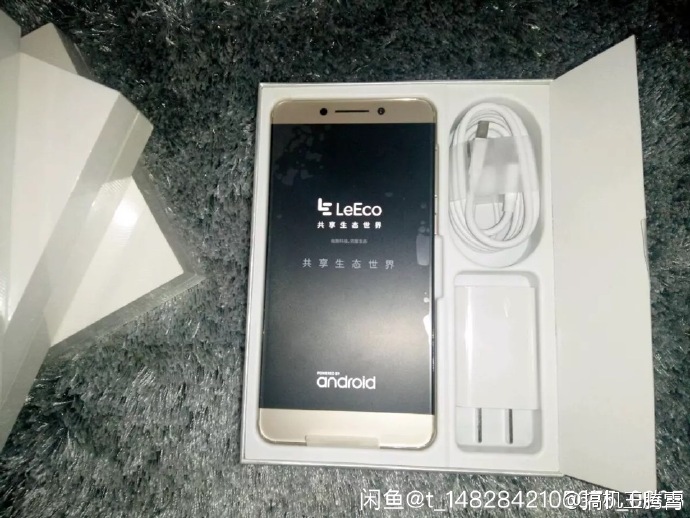
The Le 2S Dual in the pictures has a champagne gold coating with the unusual design of the dual camera setup standing out in a not so attractive way. Below the camera setup sits LeEco’s signature mirror fingerprint scanner. Up front, the first thing that hits you is the annoying black band around the screen (we hope Chinese manufacturers remove it from their phones this year). The top bezel has the sensor, speaker, and the 12MP front camera setup in the usual arrangement employed by LeEco.
While the images don’t show the top and bottom of the phone, the Le 2S Dual likely doesn’t have an audio jack. So you are left with the USB Type-C port as the only port on the phone.
A recent Samsung patent filing in South Korea has shown what the tech giant has in the offing as regards dual lens camera. The patent application was published today in Samsung’s home country and it bears the title, “Digital photographing apparatus and the operating method for the same”.
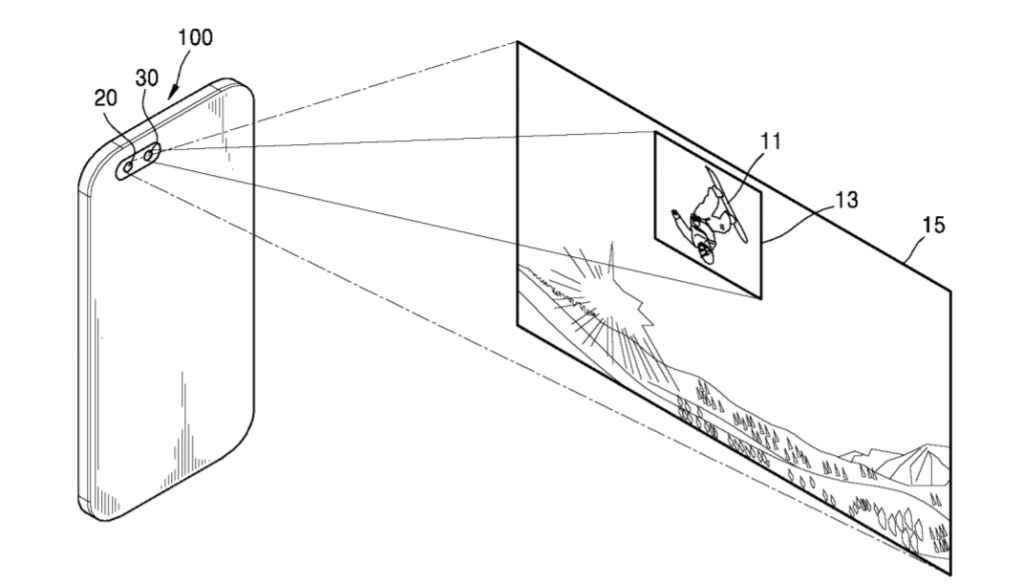
A perusal of the patent document reveals a pair of attached images and on one of the images we could see a smartphone with dual cameras at the rear. While one of the lens is a wide-angle lens, the other seems to function as a magnifier to optimize the image in focus.
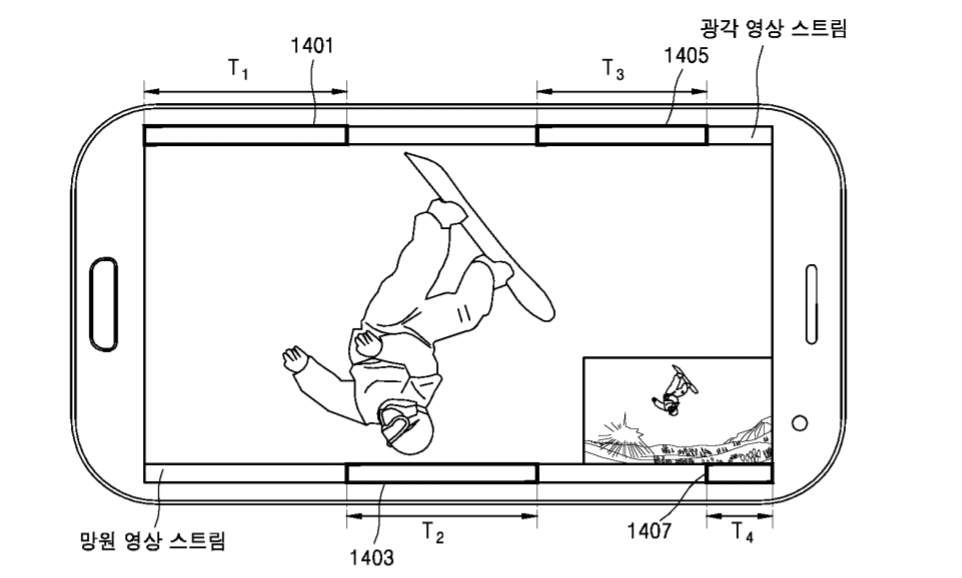
The dual camera setup seems to make it easy to take shots of a very wide angle and still capture a particular object as the focus object. Samsung demonstrated this feature using a snowboarder who is the main focus and yet the camera still captured a wide scenery of the snowy environment where the snowboarder surfs.
It is not known if the new Samsung patent filing will find its way into the Galaxy S8 expected this year. There were already rumors of the Galaxy S8 using a dual-lens camera at the rear but that isn’t certain. Perhaps if we don’t see the dual-lens technology on the Galaxy S8, it might just find its way into the Galaxy Note 8 except Samsung kills that line as is already rumored. We can’t eait to have Samsung’s first dual-lens camera packing device on our hands. If it is going to be the Galaxy S8, time will tell.
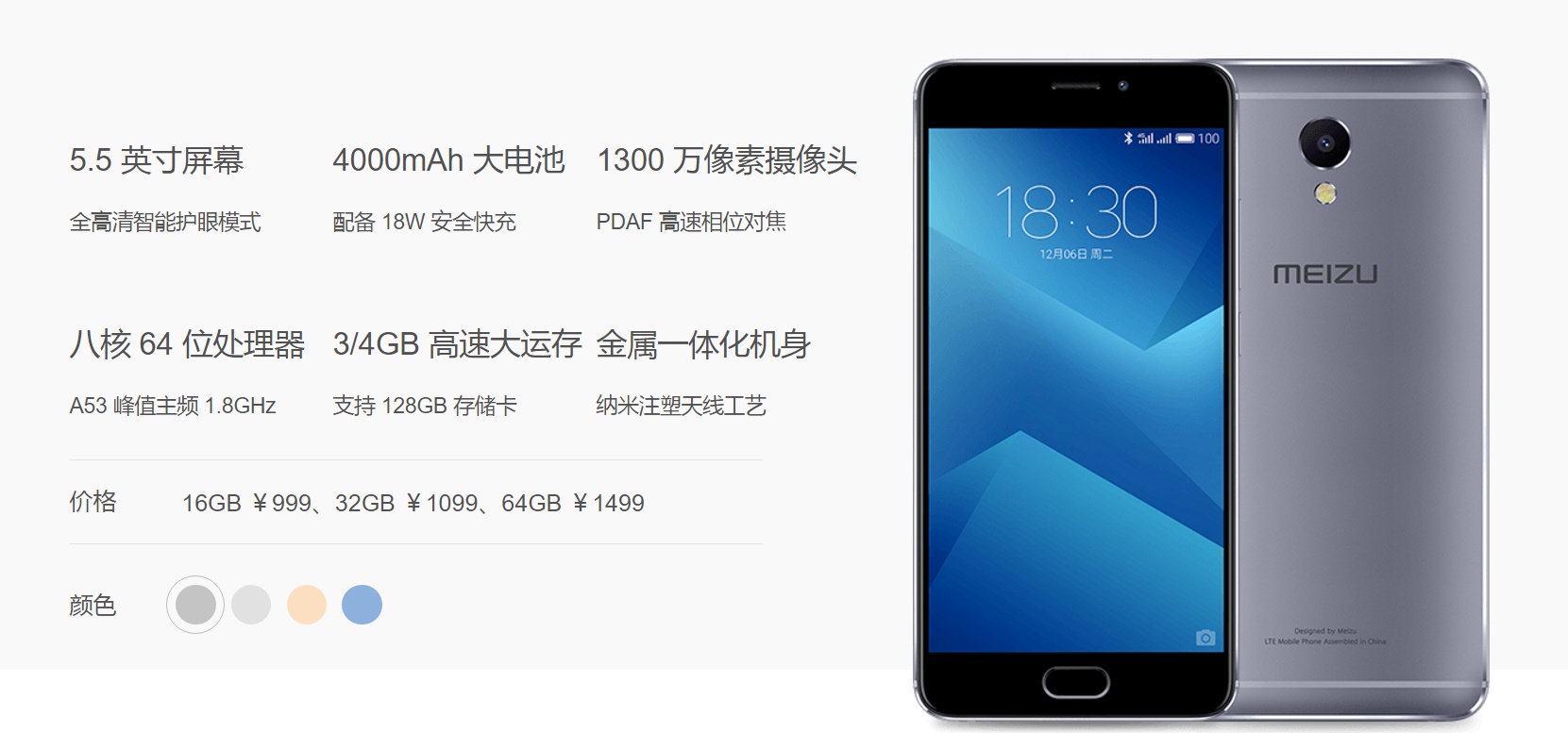
The Meizu M5 Note was released towards the end of last year. The all-metal phone with a 5.5-inch FHD display, 3GB of RAM and a Helio P10 processor is available in different storage variants with pricing starting at ¥899 ($130 ) and moving up ¥1499 ($218). Barely a month later and the prices are no longer the same.
If you head to Meizu’s official website, you will notice that there has been a price increase for all the M5 Note models. The 3GB + 16GB model priced at ¥899 ($130) now sells for ¥999 ($144) and the 3GB + 32GB version selling for ¥999 before is now ¥1099 ($158). However the 3GB + 64GB variant remains priced at ¥1499 ($248).
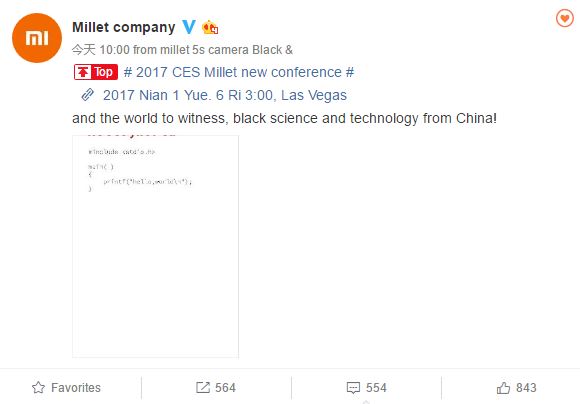
Xiaomi has once again teased the unveiling of a new innovative product during a Xiaomi news conference holding at CES 2017 in Las Vegas, Nevada, US. The recent teaser is coming on the heels of the one earlier teased by Xiaomi VP, Hugo Barra. Mr Barra’s teaser did no good in enabling us know what the product will likely be.
Going by the information contained in the teased post, the new technology from Xiaomi would be unveiled officially on January 6, 2017 at 3.00 for the world to witness. While we cannot really pinpoint what the so called new innovative technology from China is, we can only take a cue from the content of the teased image.
The poster contained some set of programming code using the C programming language which means the product has something to do with computer programming, perhaps on mobile devices. Perhaps this could be a new operating system, it could be AI, it could be something out of this world!
Xiaomi is an innovative start up, so it is always striving to improve its standing and considering the company’s interest to enter the US market, this could be a perfect spring board to achieve that. Already the company has got the Yi Erida drone an Yi 4K+ action cam under its sleeves for release in CES 2017. However, as to what the product really is, we’ll have to wait till January 6 to find out.
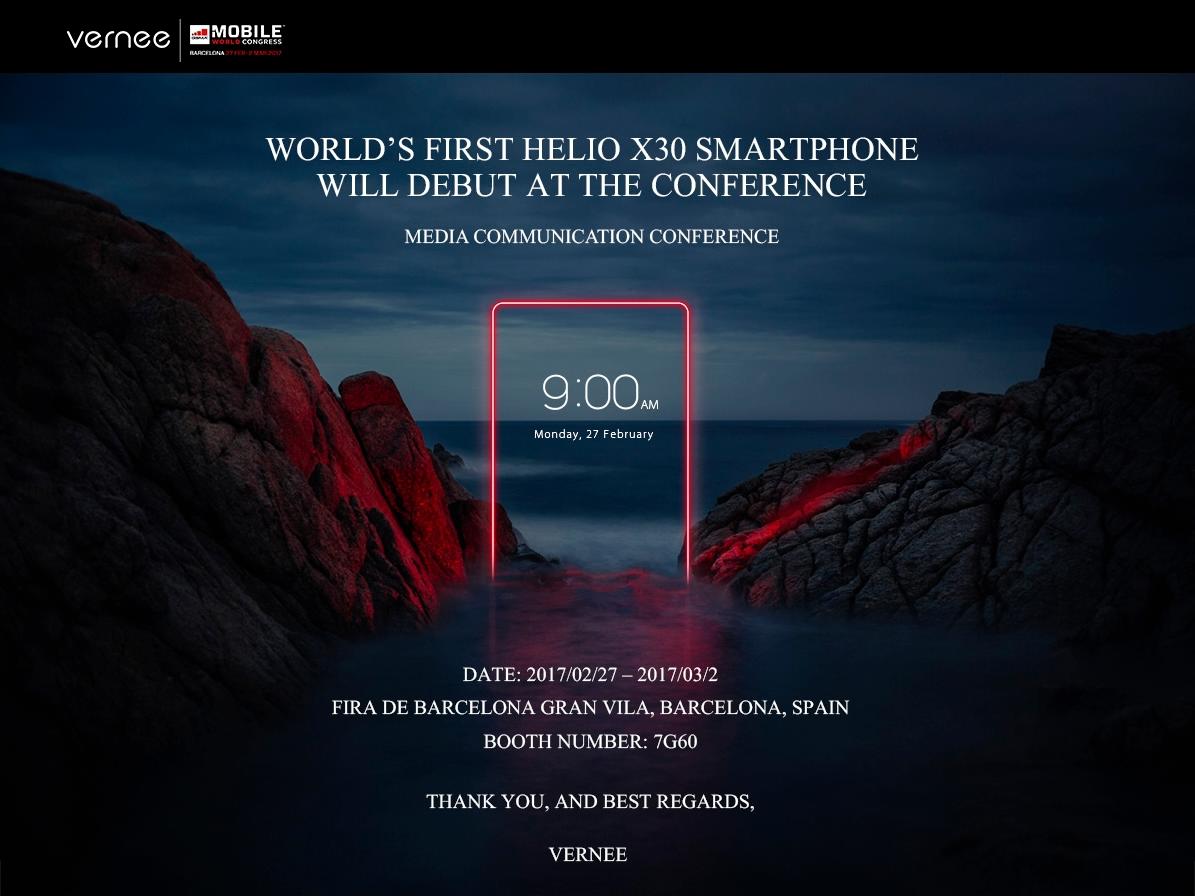
Vernee has confirmed that it will be present at the Mobile World Congress (MWC) 2017 to unveil its upcoming flagship that will be powered by MediaTek MT6799 Helio X30 chipset.
The Chinese company has confirmed that it will be unleashing its next flagship at MWC 2017 at booth number 7G60. The Helio X30 chipset is the most powerful SoC from MediaTek. Vernee could possibly unveil world’s first smartphone running on the next generation MediaTek SoC.
Rumors have it that Vernee’s next flagship will come in 6 GB /8 GB RAM variants along with 64 GB and 128 GB storage sizes. However, there is no confirmation whether the Vernee Apollo 2 will be announced at MWC 2017 as the world’s first Helio X30 powered smartphone.
In September 2016, MediaTek had announced three chipsets, Helio P20, Helio P25 and Helio X30. Among these, the Helio X30 is designed to power flagship devices while others are pegged to drive midrange smartphones.
The Helio X30 is a 10nm SoC that features a deca-core processor. It features two Cortex A73 processors working a 2.8 GHz. The four Cortex A53 processors run at 2.2 GHz and the other four Cortex A35 processor have a clocking speed of 2 GHz
It includes IMG 7XTP-Mt4 GPU working at 820 MHz. It can support 4 GB to a max of 8 GB RAM. It also carries support for eMMC 5.1 and UFS 2.1 flash storage.
It can support up to WQXA display that offers a resolution of 2560 x 1600 pixels. It supports up to 28-megapixel (Dual ISP) camera, 4K video shooting at 30 fps and Ultra HD video playback.
The Vernee Apollo 2 is under the wraps. Since it is expected to feature Helio X30, it may come with features like a quad HD display, 6 or 8 GB of RAM and Android 7.0 Nougat. Previous rumors have also stated a device dubbed as Apollo Pro 2 is under works with Snapdragon 830. However, none of the specs mentioned here for Apollo 2 have been officially confirmed by the Chinese manufacturer.
Apollo is the first flagship from Vernee that was released last year. It features a 5.5-inch quad HD display, Helio X20 SoC, 4 GB of RAM, 64 GB storage, 21-megapixel rear camera, 8-megapixel selfie snapper and 3,180 mAh battery. It is now selling for $249 through flash sale.
Qualcomm had promised to unveil details about its latest Snapdragon 835 chip during CES 2017 but recent benchmark data have revealed the enormous power of the flagship SoC. The Qualcomm chip was hitherto expected to be used by Samsung first on its Galaxy S8 flagship earlier billed for MWC in February and then on the Xiaomi Mi 6 also.
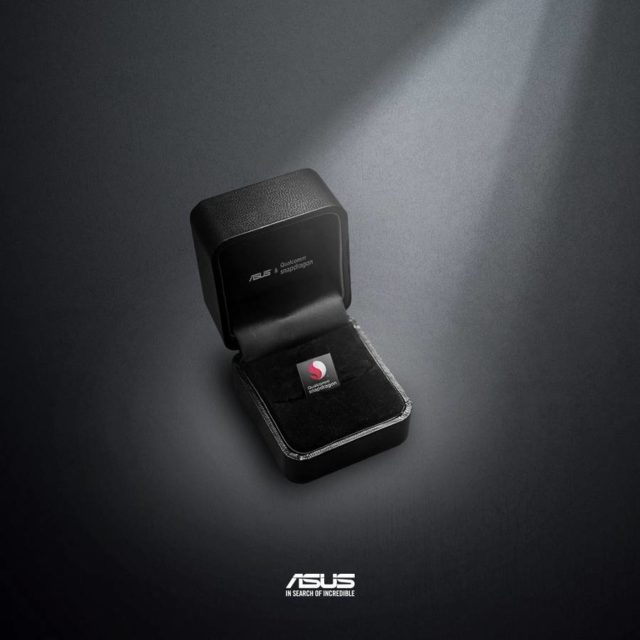
However, there are indications that Taiwanese smartphone maker ASUS may beat the duo of Samsung and Xiaomi to use the flagship Snapdragon 835 chip on its smartphone. The company recently teased via Twitter, the launch of a flagship Asus Zenfone model during CES that would be powered by the world’s best processor. The launch will take place on January 4, 2017.
We are not entirely sure if the Asus Zenfone expected would actually feature the Snapdragon 835 chip, as it is not categorically stated but don’t forget that the ASUS Zenfone 3 Deluxe was the first Snapdragon 821-powered phone.In addition, it is sure going to be a Qualcomm Snapdragon chip on board and the best so far Qualcomm has got is the Snapdragon 835. It is possible, though, that the SD 821 which is also one of the best around is being referred to.
From earlier teaser, the Asus Zenfone model would likely feature a dual camera set up on board but other details are a bit sketchy right now. We’ll keep you updated here on Gizmochina as more details emerge.
Fresh information suggests that Samsung will introduce Microsoft Continuum-like on its upcoming Galaxy S8 flagship smartphone.
Continuum feature was revealed by Microsoft on its Lumia 950 and Lumia 950 smartphones from 2015. The feature allows Windows 10 Mobile powered Lumia 950 and 950 XL to deliver full-fledged desktop experience by connecting the smartphone to a monitor by using a Display Dock.
Samsung Desktop Experience Arriving on Galaxy S8?
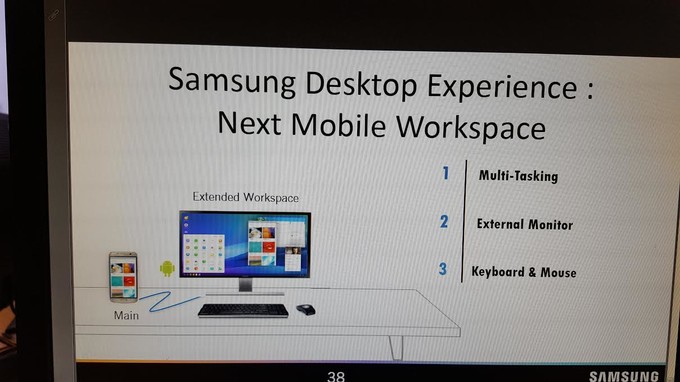
A leaked presentation slide with the title ‘Samsung Desktop Experience: Next Mobile Workspace,” the South Korean company will be introducing a feature like Continuum from Microsoft. The Samsung Desktop Experience feature will allow Galaxy S8 users to connect it to an external display and enjoy desktop experience by using wireless keyboard and mice.
The Samsung Desktop Experience will provide extended workspace along with multi-window multi-tasking. If the South Korean company is really going to bring the new feature on Galaxy S8, it must have also developed a new UI for seamless experience once the device is connected to a display.
It is not sure whether the leaked slide is real or fake. Hence, we advise you to take this rumor with a pinch of salt. If it comes true, the Galaxy S8 will become the first Android smartphone to deliver a proper PC experience.
It is likely that the Android powered Galaxy S8 would come loaded with Microsoft Office productivity software. With Samsung Desktop Experience, Galaxy S8 will be able to work seamlessly on Word, Excel, PowerPoint on so on.
Samsung Galaxy S8 is expected to come in two sizes with dual-edge curved screens. Rumors have it that the Galaxy S8 will feature 5-inch display whereas the Galaxy S8 Plus will have 6-inch display. Both the phones are expected to come with higher screen-to-body ratio along with no hardware buttons.
The Galaxy S8 models are pegged to feature USB Type-C headphone connectivity instead of the standard 3.5 mm audio jack. Other rumored specs of the Galaxy S8 and S8 Plus include Snapdragon 835 SoC, 6 GB of RAM, autofocus enabled selfie cameras, dual rear camera, USB Type-C ports, iris scanners, smart AI assistants, S-Pen stylus and more. The Galaxy S8 is speculated to get unveiled in April 2017.
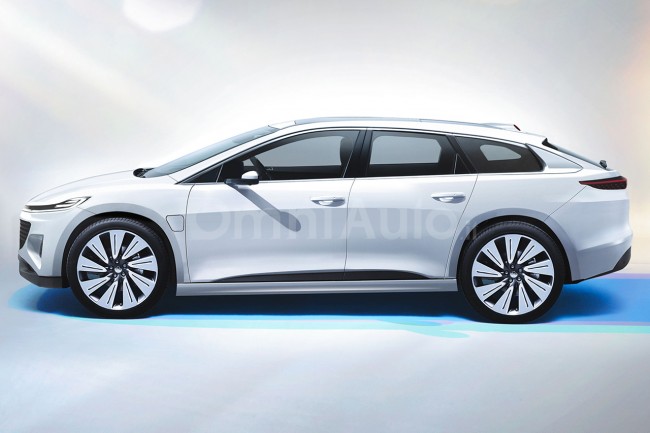
As the CES 2017 draws nearer, more details about LeEco-backed Faraday Future electric car are emerging. Before now, it had been established that the car would be unveiled in Las Vegas on January 3 during the Consumer Electronic Show (CES). It was also revealed that the car isn’t just a concept piece anymore but what we’ll be seeing during CES 2017 is a production version ready to go on sale in 2018.
Further details on the likely price tag of the Faraday Future electric car have now emerged, with suggestions in some quarters that the car is likely to carry a price tag of around $150K – $200K USD.
The LeEco-backed electric car is said to have a range of up to 300 miles (482 km), thanks to the large 92-kWh battery it packs inside. The car is even faster than the Tesla Model X.
It is likely, though, that the company is looking to get buyers to key into the concept car so as to help boost its finances. Already, LeEco is swimming in troubled waters financially and Faraday Future is also said to be battling financially. It is reported that the company is hoping to bring in new investors during the CES 2017 unveiling, if not it would go bankrupt in February. We hope the company survives, though, as there are rumors that the innovative company is also planning a midrange electric car to debut in 2020, codenamed Project 81.
Asus is expected to unleash new smartphones at the upcoming CES (Consumer Electronics Show) 2017 event. Qualcomm and a famous leakster have both revealed that the Asus ZenFone AR is slated to get announced on Jan. 4
Google Tango Augmented Reality platform has been developed by Google. The Asus ZenFone AR has been in the rumors since several weeks. Qualcomm has now spilled the beans on the key features of Asus ZenFone AR.
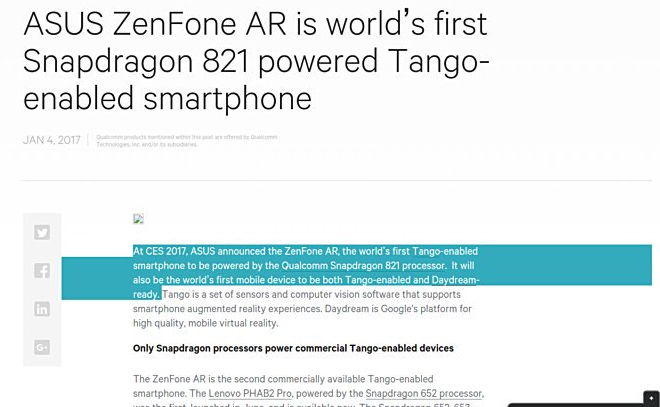
On the Qualcomm blog post that carries a publishing date of Jan. 4 reads that the Asus ZenFone AR is powered by Snapdragon 821 processor. It also revealed that it is the first mobile device ever to be enabled with Tango augmented reality as well as support Daydream mobile virtual reality.
The blog post has been taken down, but its cache image reveals the experience ZenFone AR will deliver. The post states that, “with Zenfone AR and the Daydream View headset and controller, you’ll be able to explore new worlds with apps like Google Street View and Fantastic Beasts, dive into your personal VR cinema with YouTube, Netflix, Hulu and HBO, and get your game on with Gunjack 2, LEGO BrickHeadz, Need for Speed and dozens other titles.”
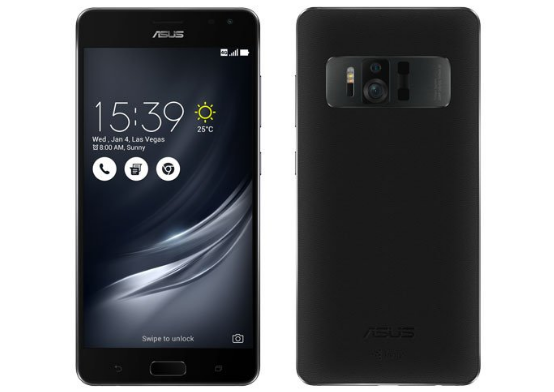
Even the well-known leakster, Evan Blass (aka @evleaks) has tweeted Asus ZenFone AR press renders before its official announcement on Wednesday. In the press renders, the display of the smartphone carries Jan. 4 date. This is also an indication that the Asus ZenFone AR is slated for a Jan. 4 announcement.
Related: ASUS X00GD Shows Up AT TENAA: Sports 4850mAh Battery and Runs Android Nougat
The CES 2017 runs from Jan. 5 to 8 in Las Vegas. However, the press events will be on Jan. 3 and 4 which indicates that several announcements will be done on these dates.
The Asus ZenFone AR specifications are not available yet. However, with Daydream VR onboard, it is expected to come preinstalled with Android 7.0 Nougat. Asus CEO, Jerry Shen has stated that ZenFone AR will deliver advanced performance with competitive pricing.
The first Google Tango smartphone is the Lenovo Phab 2 Pro that was unleashed in November 2016 with features like 6.4-inch quad HD screen, Snapdragon 652 SoC and 4 GB of RAM.
Its other specs include Android 6.0 Marshmallow, 16-megapixel camera enable with features like PDAD, depth and motion tracking sensors, 8-megapixel frontal camera, fingerprint scanner, a 4,050 mAh battery with fast charging support.
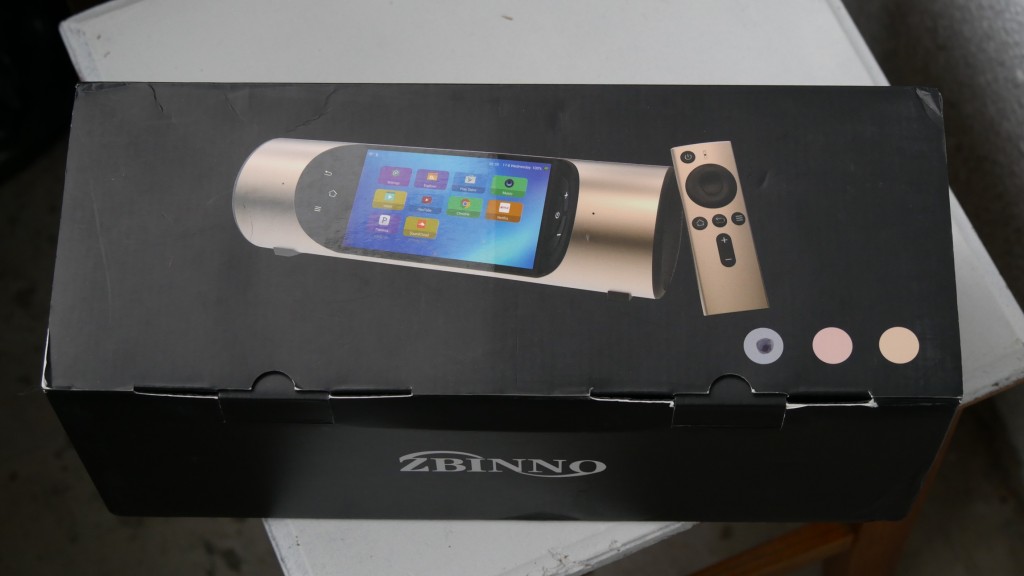
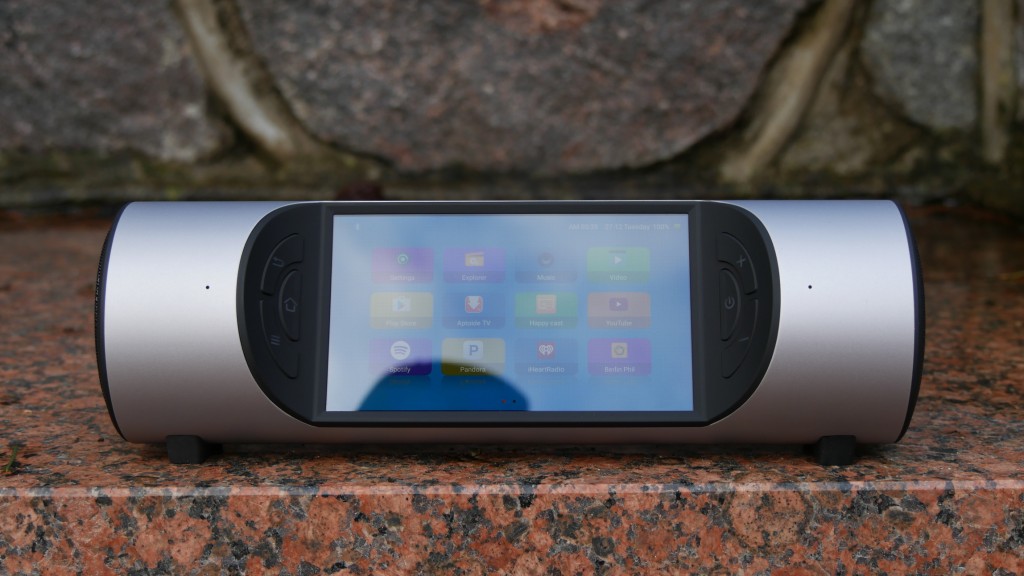
I have reviewed a lot of Bluetooth speakers and I have to say that there are so many different models that I love. However, I’ve never seen anything like this. The Miro by Zbinno smart media center is one of the most interesting gadgets you can find. Learn more in the full review.
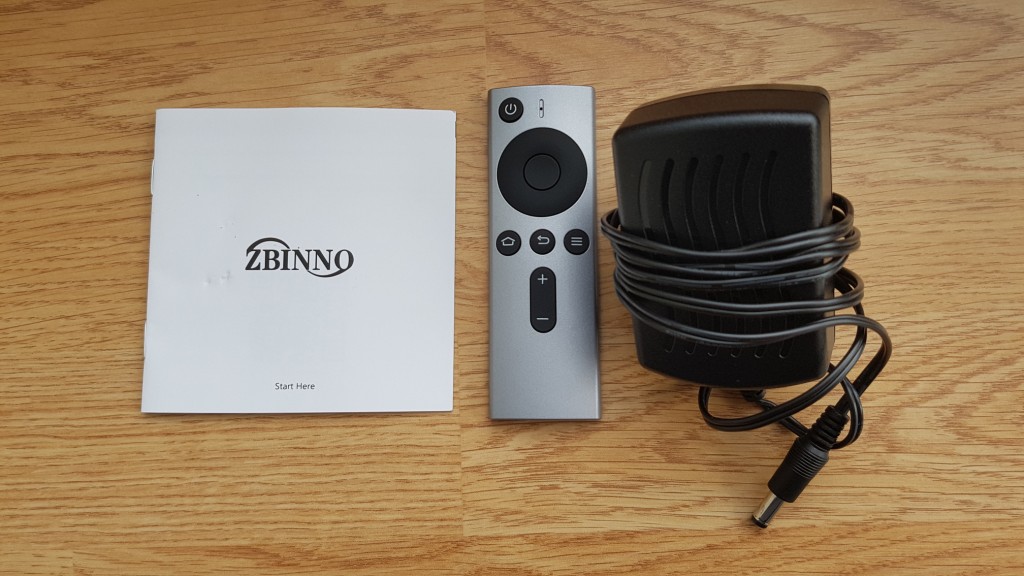
This multimedia center ships with the remote control, some paperwork and the power cable.
DESIGN and FEATURES
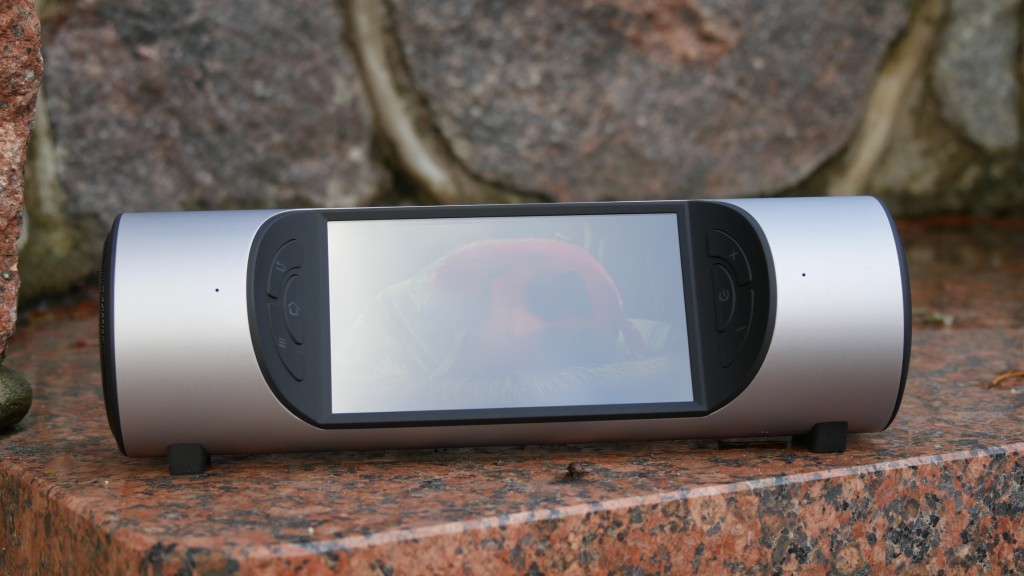
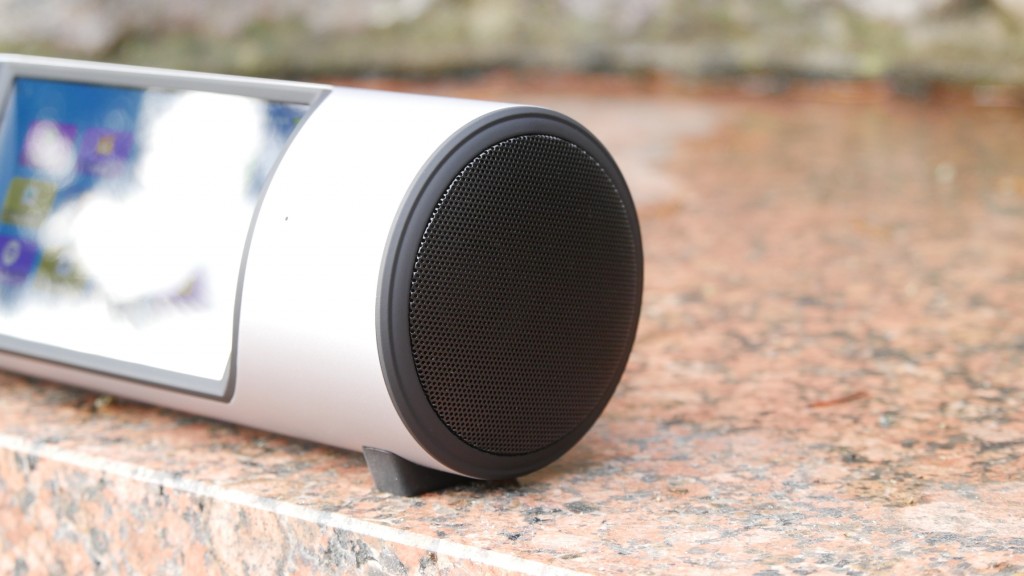
The Zbinno speaker sports an excellent build quality as it is made almost entirely of aluminum.
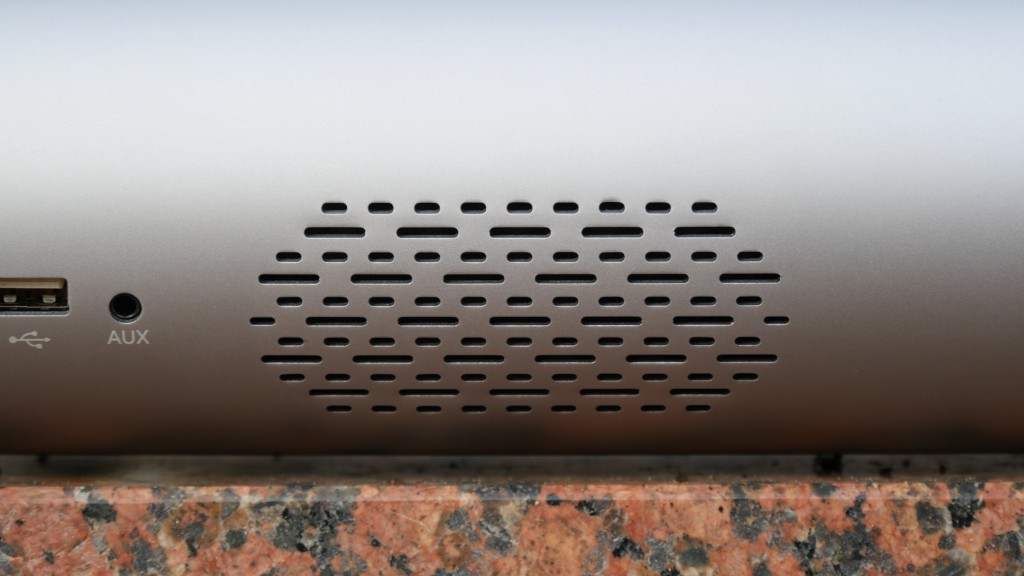
Also, the device is pretty heavy as it weighs over 900g. Still, it is a pretty reasonable weight considering the fact that there is a speaker on each side and the subwoofer on the back. The total power output is 20w, which is just insane for such a compact device. Also, there are mics for handsfree calling.
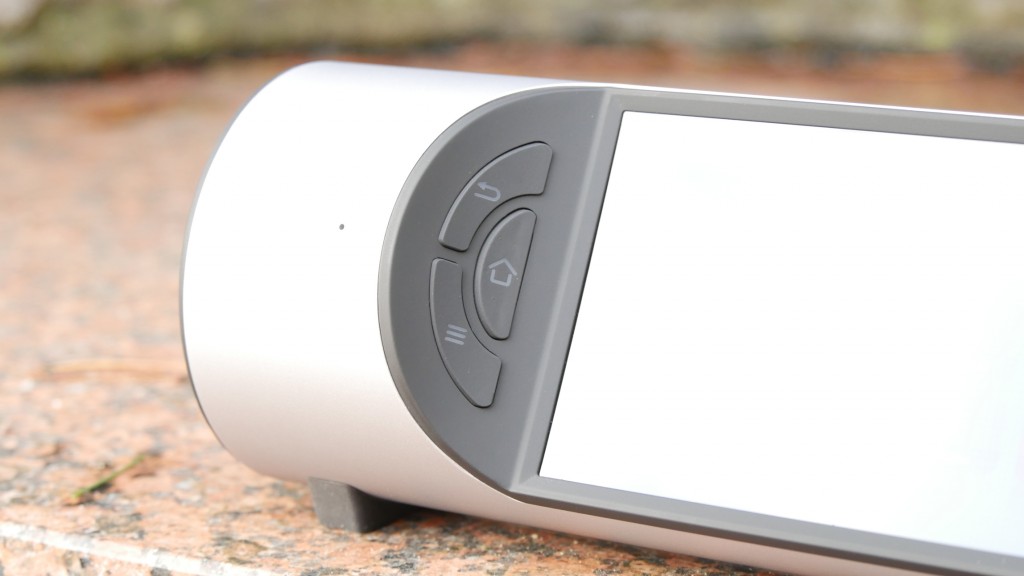
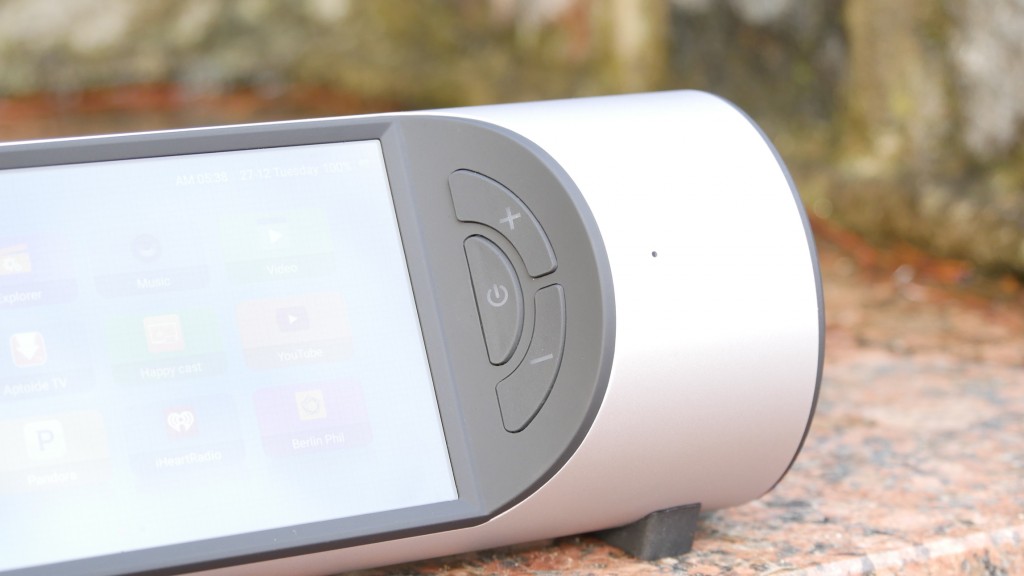
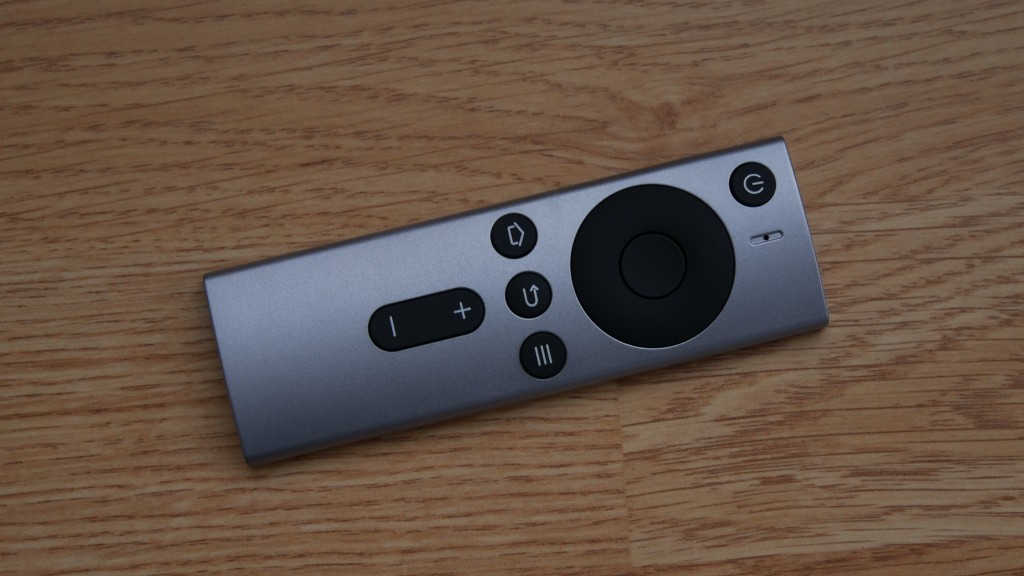
We have all the controls you need on the speaker itself but you can also control it using the remote control. It’s pretty cool that it has abuilt-in magnet, so you can attach it to the speaker.
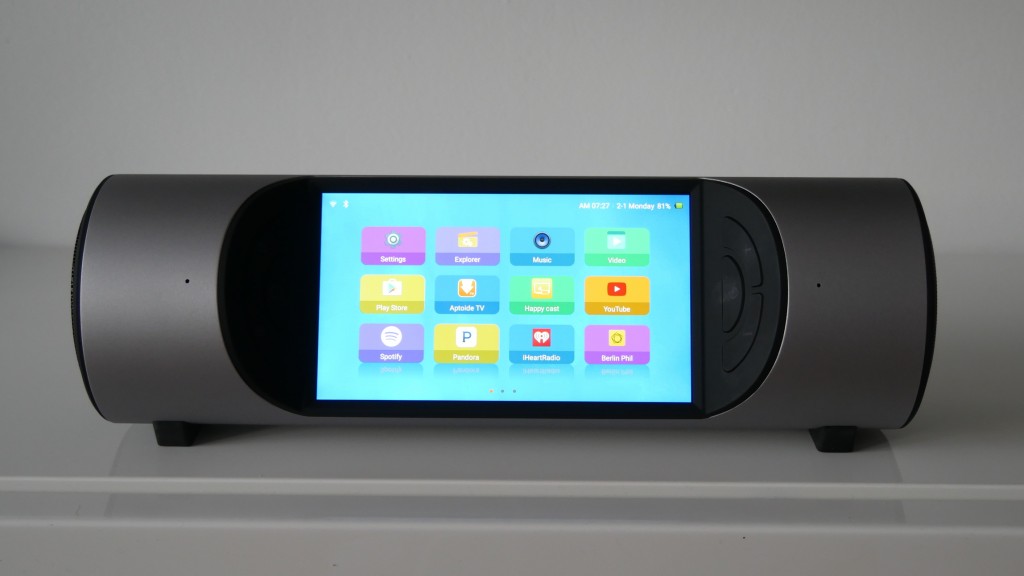
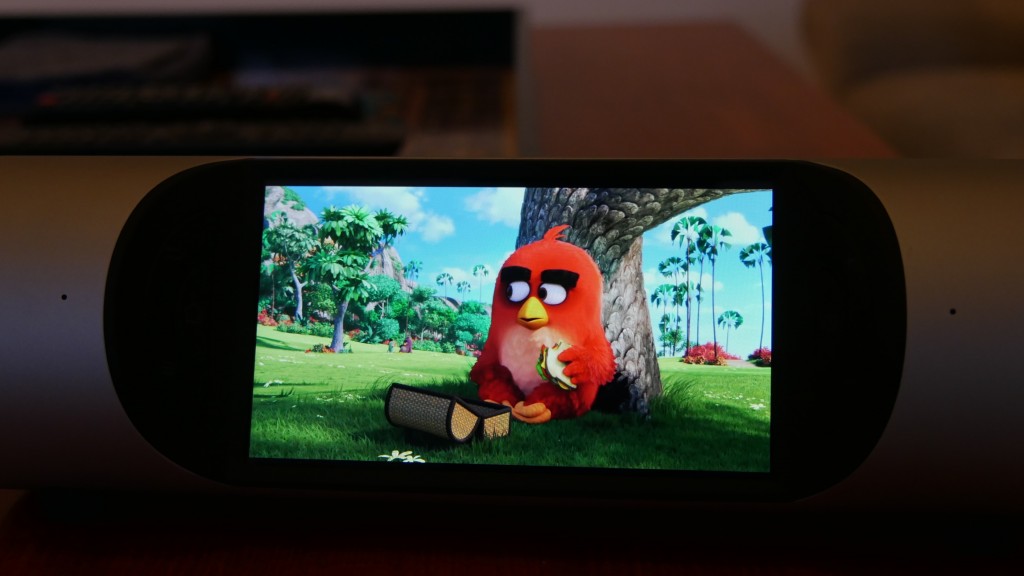
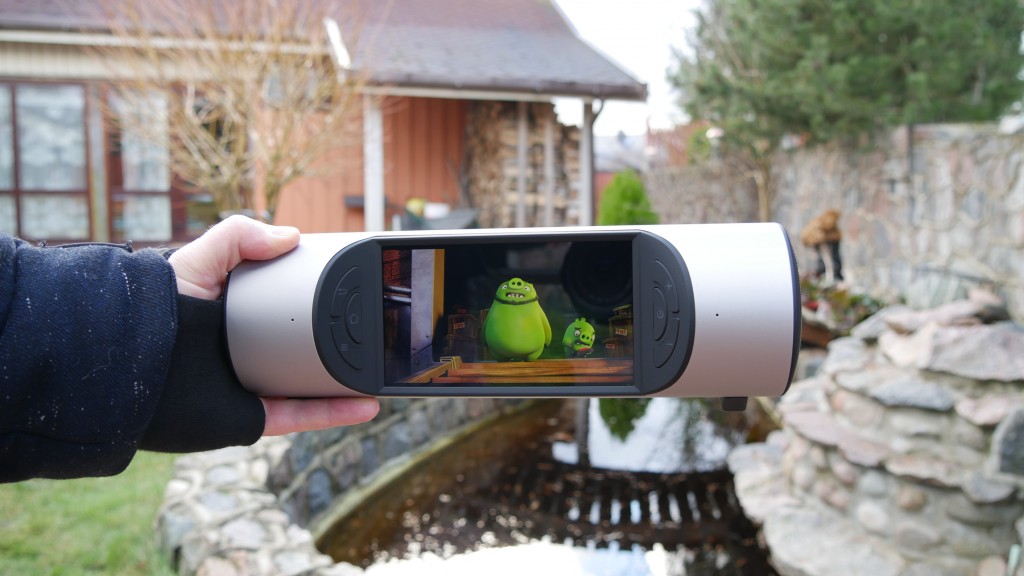
We have a 5.5” 720p display, which is bright and sharp enough for multimedia consumption. However, it would have been nice to see a 1080p panel.
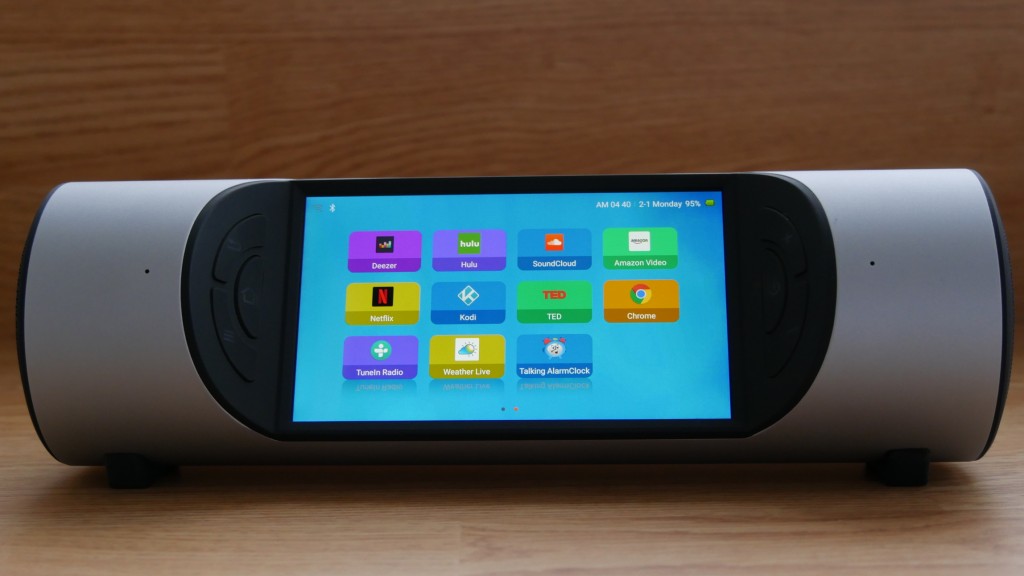
Since this speaker runs on Android Lollipop, you can download any apps you want, just like on any phone or tablet. The built-in apps are mainly designed to watch multimedia or listen to music.
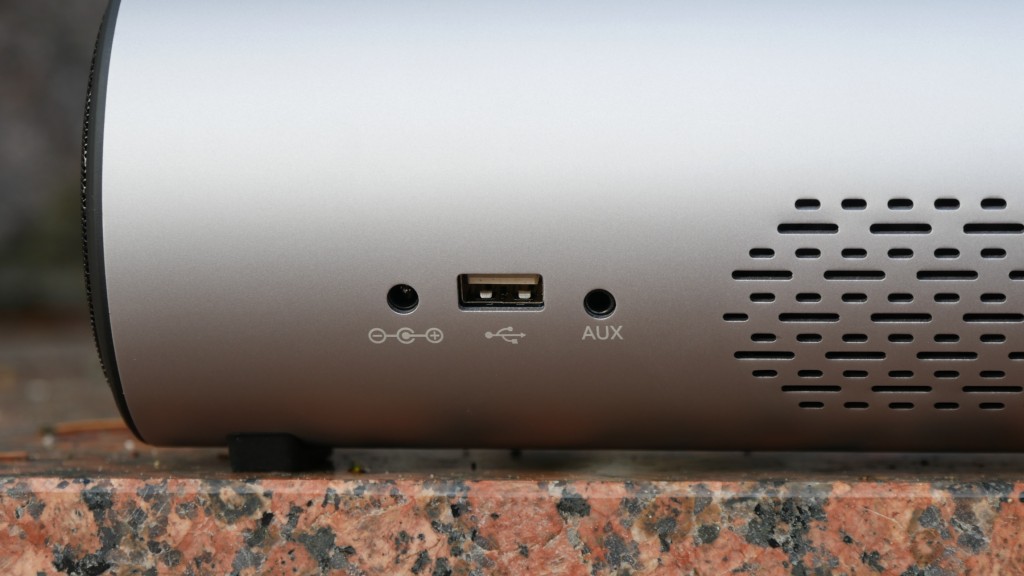
The speaker has 8GB of internal storage but you can always connect the USB flash drive and this feature works well. Also, you can use the device as a power bank to charge other gadgets.
Also, the Zbinno multimedia center has an ARM Cortex-A7 processor with Mali 400MP2 GPU to assure a great multimedia experience. I was curious how the device can handle the most demanding 3D games. The performance was quite poor and I can’t recommend this speaker for gamers but it was not designed to play games.
As far as UI performance it is good but there was a little bit of stutter here and there and hopefully this can be fixed with the future software updates as I have received 2 of them already. Anyway, we have the pre-production unit.
SOUND QUALITY
When it comes to the sound quality, it is just insanely good. You can’t really compare it with any regular Bluetooth speaker since it offers a truly immersive 3D sound. Also, the volume output of 20w makes this speaker ridiculously loud. The sound is crisp and clear, there is a ton of bass. The only complaint would be that there may be some distortions going on at the very highest volume settings.
TEST NOTES
As far as connectivity, everything works fine but the Wifi range could be slightly better on my review unit.
As for battery life, the built-in 4500mAh unit assures that the device works for about 5 hours on a single charge, which is a pretty good result.
CONCLUSIONS
The Zbinno portable multimedia center is a great yet a bit pricey gadget. For the price of about $230, you are getting a well-made device that has a large and sharp display, a fantastic sound quality with the volume output of 20w, a 3D sound and Android user interface that allows you to download any apps you want.
If you want to be the first to get this cool multimedia center, you can check out the Indiegogo campaign page and grab this device at the discounted rates.
Battery life for notebook computers have improved in recent years but that doesn’t mean there is still no room for improvement. When LG introduced the LG Gram back in 2015, their aim was to make Windows PCs lighter than the MacBook Air. But why stop at just being light? The new LG Gram line heading to CES 2017 adds battery life to its selling points and has a model called the LG All Day Gram that boasts a 24-hour battery life!!!
LG is launching a total of 8 new models but only the 13.3-inch model with an Intel Core-i3 processor and a 60Wh battery lasts for a full day on a single charge. The LG All Day Gram might be the champ but two other models also boast impressive battery life as well. The 14 and 15.6-inch models which have higher specs will last for 23 and 22 hours respectively, which is still freaking awesome.
The new LG Gram laptops are still light. Save for the 15.6-inch model, the rest weigh less than the 980g of 2015’s model. The 24-hour battery monster weighs 940g and the 14-inch version weighs 970g. Not light enough for you? Then you might want to check out the ultra-lightweight division which has a 13.3-inch model that weighs 830g and a 14-inch model that weighs 860g.
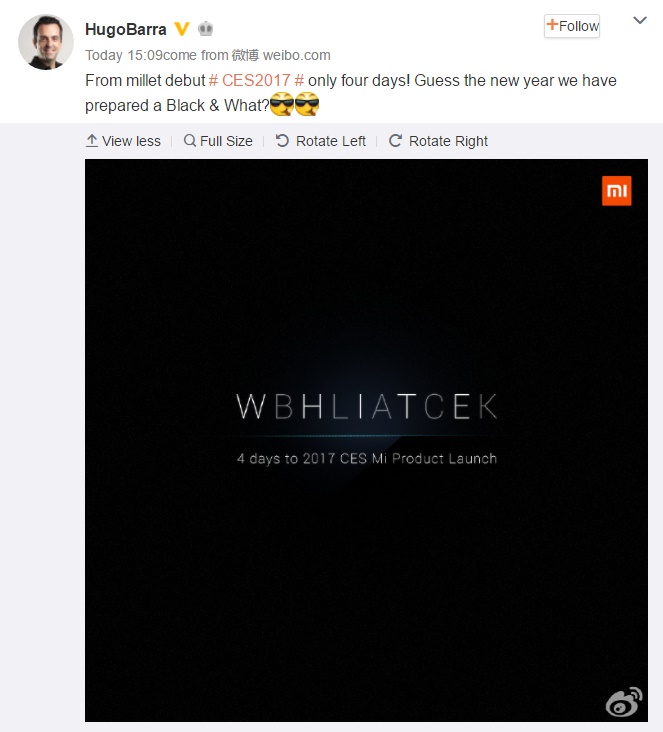
Xiaomi is heading to CES and we all are excited about it. Xiaomi’s Vice-President, Hugo Barra knows we are pretty excited about it and he has posted an image teasing us of their new product launching at the event.
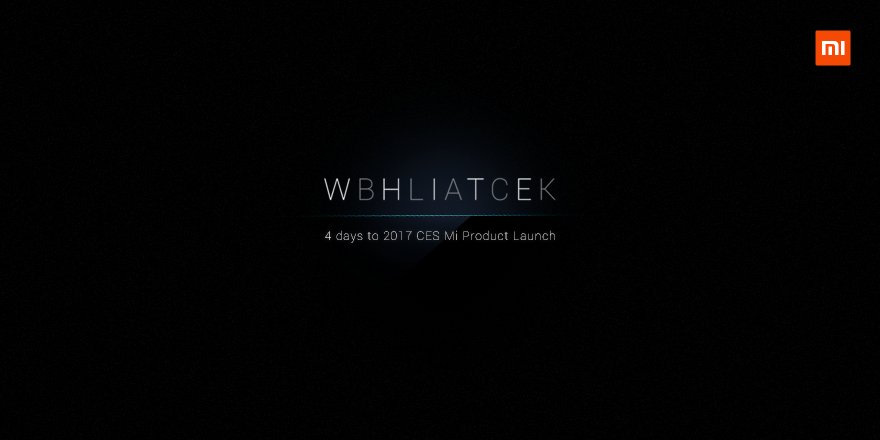
The image has the word WBHLITCEK written against a black background and also has a countdown to the product launch. if you look at the word closely, you’ll see that the alphabets are either white or black. Spelling out the white alphabets gives you WHITE and the rest gives you BLACK. Do you have any idea what the words hint at?
Some of the comments on Weibo where the image was first posted say the word(s) probably hints at the two colors of the Xiaomi Mi MIX. The Mi MIX is already available in black and we have seen photographs of a white version.
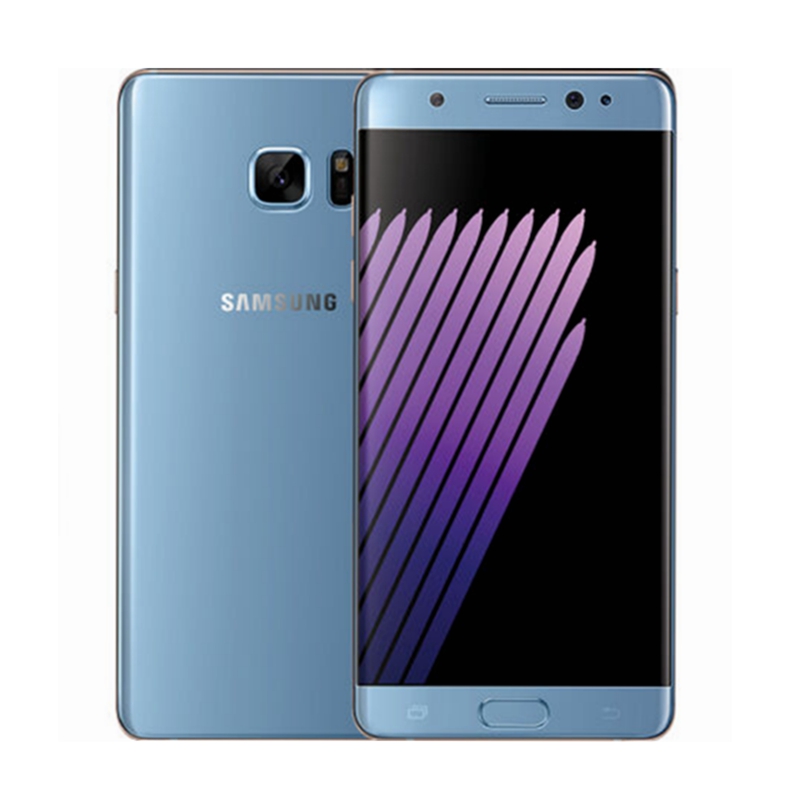
The Samsung Galaxy Note 7 catastrophe is something Samsung will want to bury as soon as possible but they will have to wait a little while before they can do so. South Korean newspaper, JoongAng Ilbo says the company will release to the public by the middle of the month, the results of its investigations about the phone.
While the most plausible cause of the explosions circulating around is the design of the battery, Samsung’s investigation covered all possible causes.
After the first set of explosions were recorded, Samsung issued a recall in affected regions except for the ones in China whose batteries were reported to have been made by a different company and didn’t have the same issue. Things got worse when replacements given back to owners started to burst up in flames. It got so serious that airlines banned the Galaxy Note 7 from being taken aboard flights.
Research by the US Consumer Product Safety Commission revealed that the Note 7’s battery was too big for the phone and was being compressed by the body resulting in the positive and negative terminals of the battery coming in contact with each other and causing it to overheat and then explode.
The second spate of explosions led Samsung to throw in the towel and issue a worldwide recall and provide a refund or replacement with a different Samsung phone. Some owners who weren’t affected refused to turn their phones in and Samsung had to take measures by releasing updates initially preventing the phone from charging beyond a certain level and then another update to make the phone unusable all in a bid to have them return it.
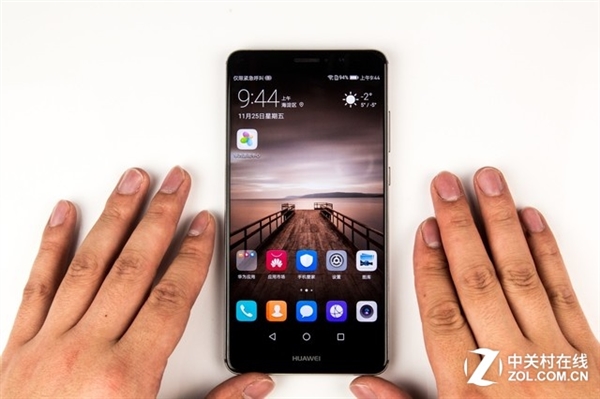
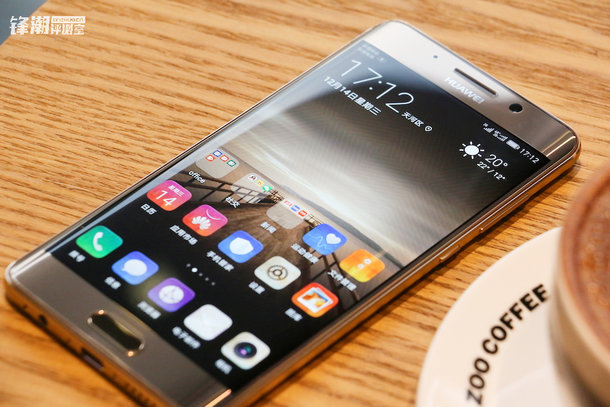
New Year is usually a time when cities are usually lit up at the hour mark to herald the birth of another promising year and what better mobile phone camera could best capture these moments than the Huawei Mate 9 . Huawei recently teased a photo containing images of seven cities, including Paris, London, New York and others, said to have been captured by the Huawei Mate 9 / Mate 9 Pro camera. As they say, a picture is worth a thousand words. The images speak volume of the Mate 9 and Mate 9 Pro’s camera if really they were shot by the Huawei flagships.
Huawei Mate 9 and Mate 9 Pro only differs in display sizes but both have the same Kirin 960 processor as well as the same 4,000mAh battery. They both have a 20MP monochrome + 12MP color sensor dual camera module at the back as well as other similar camera features like 2x zoom, Laser Focus, OIS, and dual LED flash. Up front, there’s an 8MP f/1.9 aperture shooter. Since the cameras are the same, Huawei’s claim that the photos were shot by the Mate 9 / Mate 9 Pro are not doubtful.Both the Mate 9 and Mate 9 Pro run on EMUI 5.0 interface based on Android 7.0 Nougat out of the box.
The Mate 9 sports a 5.9-inch Super AMOLED display with 1080p resolution and a rear placed fingerprint sensor. There are six color options for this standard model including mocha gold, champagne gold, silver moonlight, ceramic white, gray sky and bright black. On the other hand, the Huawei Mate 9 Pro comes with a 5.5-inch curved flexible display with the resolution bumped up to 2K and the fingerprint placed on the front. There are four color options for the Pro variant namely amber gold, rose gold, silver and gray.
A few months ago, a LeEco phone with dual cameras, a 1080p display, a 2.5GHz processor, 4GB RAM, and 32GB of storage was spotted on TENAA. Said to be the LeEco Le 2S Pro, the phone was expected to launch in September. We are already in January and the Le 2S Pro still hasn’t launched.
Then in October, another dual-camera LeEco phone with model number LEX850 was seen on the 3C website getting it’s certification. This one had a 5.7-inch 2k display, a Snapdragon 821 SoC, 4GB of RAM, 64GB of storage, and dual 13MP cameras. We thought it was going to be an upgraded version of the Le Max 2 and hoped it would launch soon, but like the Le 2S Pro above, the X850 is yet to arrive.
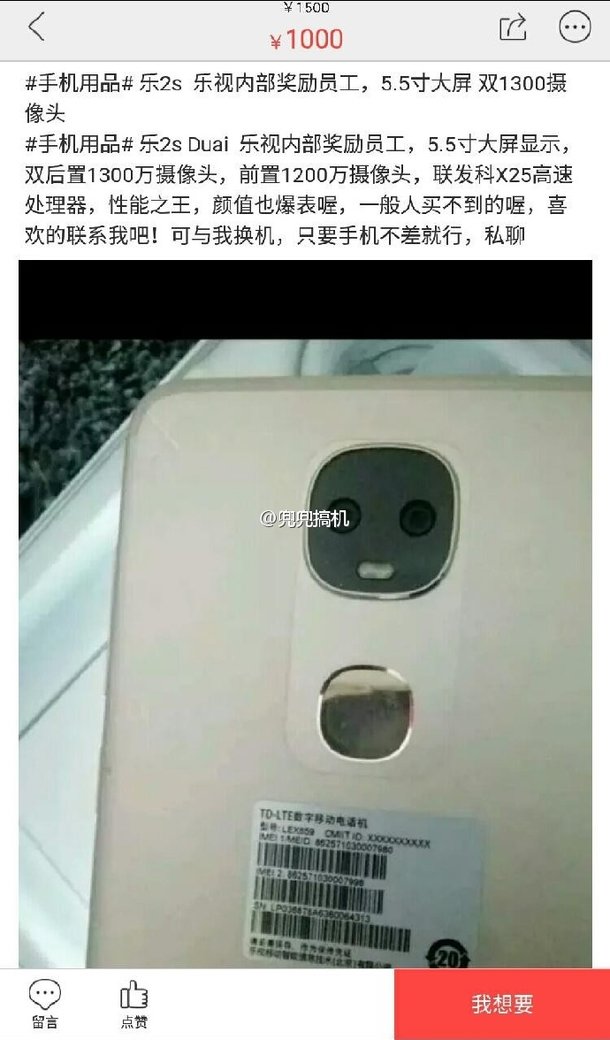
The news today is that another LeEco phone with dual cameras has been spotted an an online store. The store has the phone listed as the LeEco Le 2S Dual.
LeEco Le 2S Dual
The online store lists the Le 2S Dual as having a 5.5-inch display, a Helio X25 processor, dual 13MP cameras on the rear, and a 12MP front-facing camera. The source says the store has pictures of the phone powered on showing it is genuine and the device’s model number is listed as LEX659.
The Le 2S Dual has the same antenna design as the LEX652 but sports a different color. There is also a fingerprint scanner below the dual-camera setup. Some say both the Le 2S Dual (LEX659) and LEX652 are the same device and that the phone was not launched last year because of the company’s financial troubles.
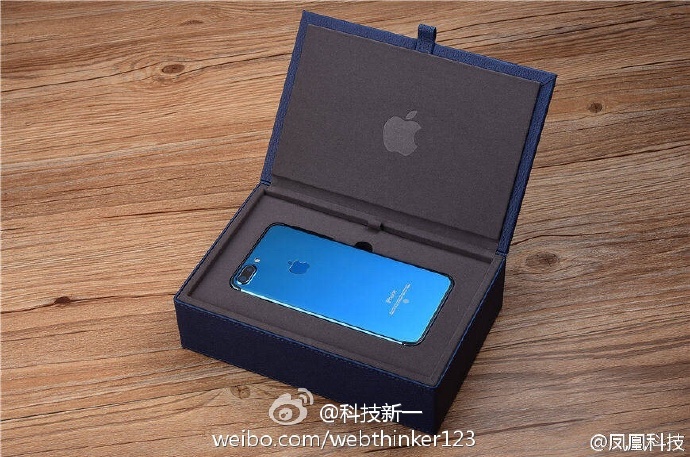
Apple launched the iPhone 7 along with the iPhone 7 Plus last Spring and they both were available in Silver, Gold, Rose Gold, Black colors as well as a new Jet Black finish. If the latest rumor is anything to go by, the iPhone 7 is likely going to get a new color variant soon and it is a blue shade.
Images of the iPhone 7 adorning a blue shade was leaked recently on Weibo and honestly, it looks cool especially with the antenna band having a black coloration. We would have been tempted to think this was another concept image but the device looks real and even could be seen inside its box casing in one of the leaked images.
Apple seems to be shifting from its traditional offerings on the iPhone in order to appeal to more potential customers in markets such as India and China. The company recently changed the base storage of its models from 16GB to 32GB and recently, there were rumors of a red color variant coming with the iPhone 8 billed for later this year.
As a reminder, the iPhone 7 sports a 4.7-inch Retina HD display with 3D touch. The flagship device comes with a new quad-core Apple A10 Fusion chipset. There is a new 12MP iSight camera with 6-element lens, f/1.8 aperture, High-speed Sensor (60% faster, 30% efficient), support for 4K video recording and quad LED dual-tone flash. It also has a new 7MP Facetime camera up front. The iPhone 7 comes with 2GB of RAM and 32GB, 128GB and 256GB built-in storage options. Other features include the latest iOS 10, IP67 rating meaning it is water and dust resistant. There is also a new home button and this houses the fingerprint sensor and the non-removable battery onboard also has some improvements.
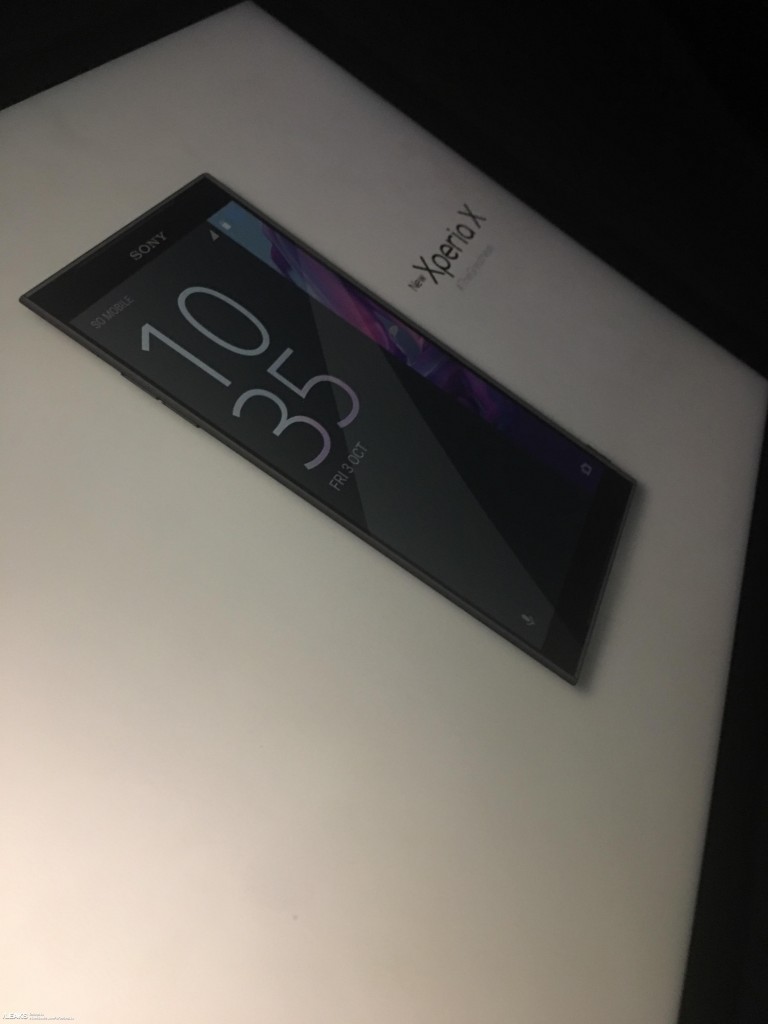
Sony has been around for a pretty long time, making phones years before a lot of the brands in the market now thought of doing so. However, for a while now the company has been recording losses but managed to record some profits in Q2 2016. Their flagship last year, the Xperia XZ is expected to get a newer model less than a year after its launch but it seems that is not the only phone hitting the shelves soon as a leaked image of an upcoming Xperia X (2017) has just surfaced online.
The image appears to look like a sort of packaging for the Xperia X and shows that Sony is doing away with some of its trademark design language such as the huge bezels usually present on its phones. The Xperia X (2017) sports thinner side bezels and smaller upper and lower bezels but I still see no need for the lower bezel being that thick, since Sony uses on-screen buttons and places its fingerprint scanner on the side.
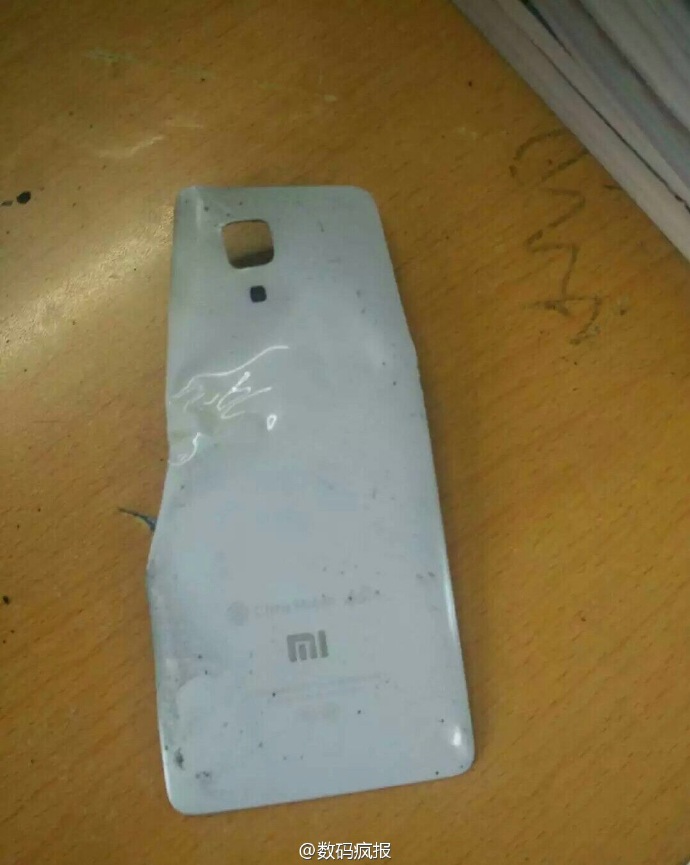
Xiaomi‘s exploding phone saga continues with the news of a Xiaomi Mi 4 exploding inside a classroom packed with students while it is being charged. Although, incidence of Xiaomi’s devices exploding are very rare, they sometimes occur all the same and this is one of such times.
According to the report, the Mi 4 was plugged into a charging source while the owner was using the phone inside a classroom in China when the explosion occurred. Although other details are sketchy, the photos of the incident points at the battery as the likely culprit. The battery was charred and in turn led to the melting of the plastic back cover of the smartphone as well as the damaging the plastic frame of the phone. Thankfully, no one was reported to have sustained any injury during the incident.
The Xiaomi Mi 4 isn’t a new smartphone in Xiaomi’s lineup. First released in 2014, the Mi 4 came with a 5-inch 1080p IPS display and is powered by a Qualcomm Snapdragon 801(MSM8974AC) quad-core processor with a clock frequency of 2.5GHz. The device has 3GB RAM and two storage versions of 16GB and 64GB respectively. The device cram a 3080mAh battery which is reputed to achieve full charge in 2.5 hours. Are we looking at a defective battery here or a case of using the wrong charger. We wouldn’t know until an investigation is carried out. We’ll keep you posted about that whenever further details pop up.
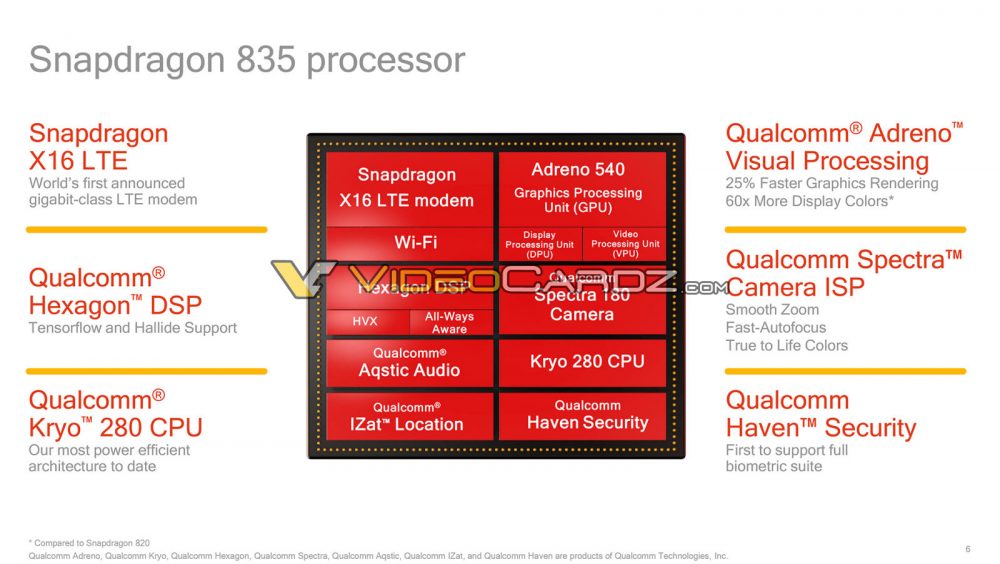
Qualcomm has officially confirmed that it will reveal the brand new Snapdragon 835 chipset in detail at the upcoming CES event in Las Vegas. But someone decided to leak the details of the chip a couple of days in advance.
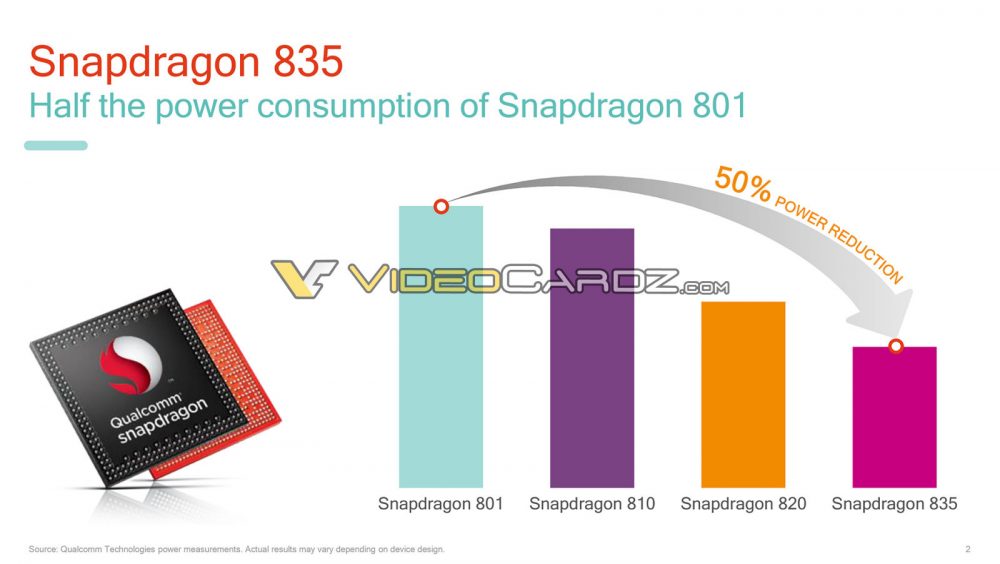
According to the new set of leaked images, the Snapdragon 835 will use a Kryo280 octa-core architecture. The company claims the 280 is its most efficient architecture till date, which really sounds exciting. Further, thanks to the improved efficiency, the Snapdragon 835 boasts of 50% power reduction as compared to the old Snapdragon 801 chip. This means in 2017, we will have not only powerful smartphones but also phones which will last longer than previous generation models.
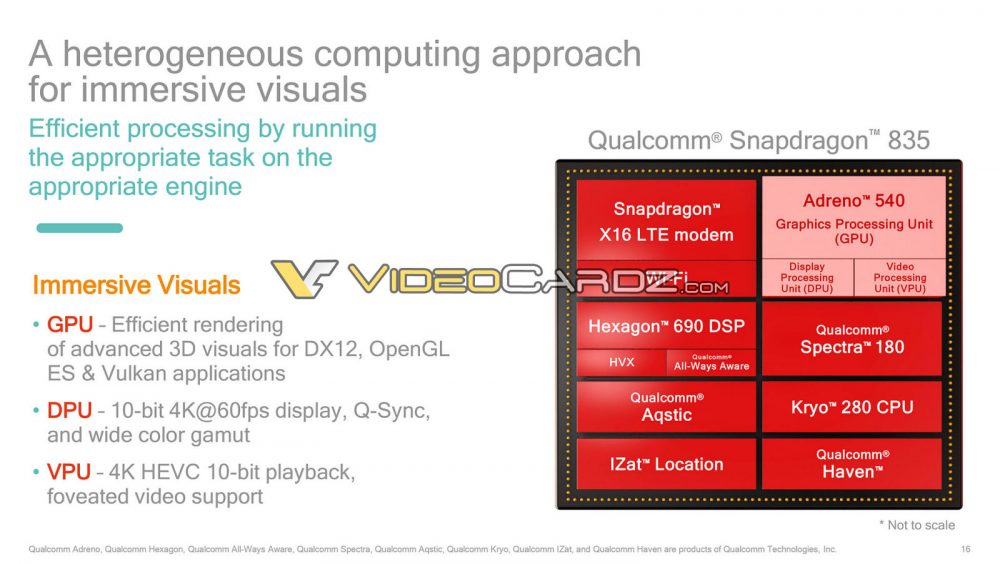
So, there will be two sets of cores in this architecture — 4 x performance cores @ 2.45GHz and 4 x efficiency cores @ 1.9GHz. The Snapdragon 835 also comes with a faster Adreno 540 GPU with support for DX12, OpenGL, ES and Vulkan applications. Other noted features of the new chip include Hexagon 690 DSP, Spectra 180 and the fast X16 LTE modem. The processor also comes with support for Qualcomm Haven Security (full biometric suite).
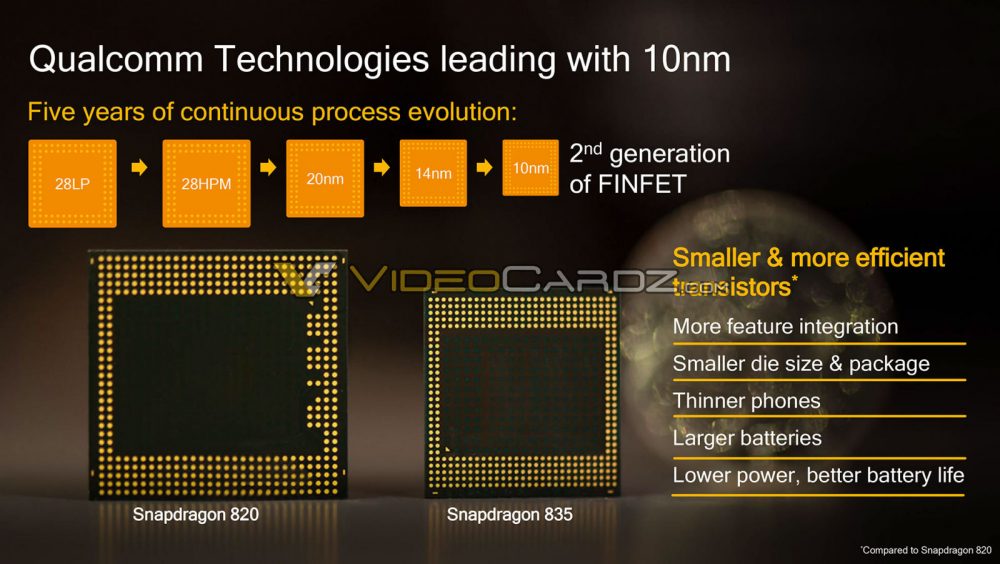
Since the SD835 is based on 10nm process, its smaller and much more compact than Snapdragon 820. This will translate into thinner and smaller smartphones, with more room for other components like battery.
Overall, the Snapdragon 835 processor seems to be a worthy update to the powerful SD821.
Note that these are just leaked images which haven’t been confirmed by the company yet. But the details are in line with what we expected from the chip.
We use cookies on our website to give you the most relevant experience by remembering your preferences and repeat visits. By clicking “Accept”, you consent to the use of ALL the cookies.
This website uses cookies to improve your experience while you navigate through the website. Out of these, the cookies that are categorized as necessary are stored on your browser as they are essential for the working of basic functionalities of the website. We also use third-party cookies that help us analyze and understand how you use this website. These cookies will be stored in your browser only with your consent. You also have the option to opt-out of these cookies. But opting out of some of these cookies may affect your browsing experience.
Necessary cookies are absolutely essential for the website to function properly. This category only includes cookies that ensures basic functionalities and security features of the website. These cookies do not store any personal information.
Any cookies that may not be particularly necessary for the website to function and is used specifically to collect user personal data via analytics, ads, other embedded contents are termed as non-necessary cookies. It is mandatory to procure user consent prior to running these cookies on your website.