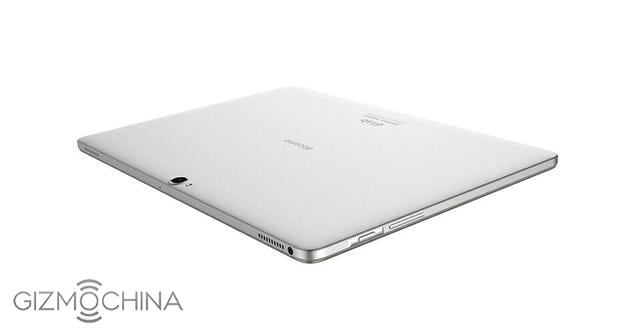
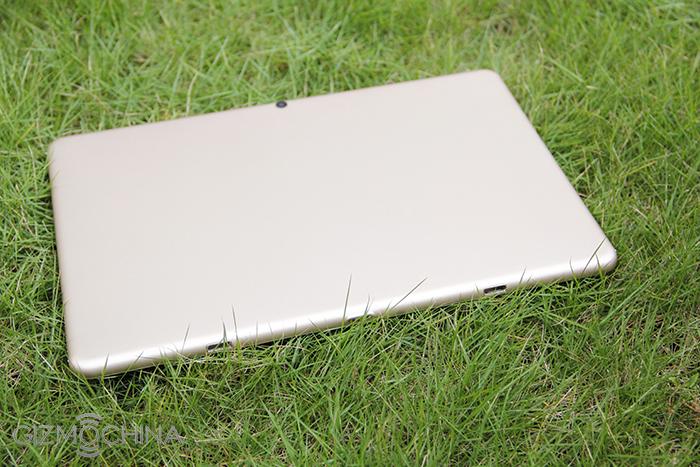
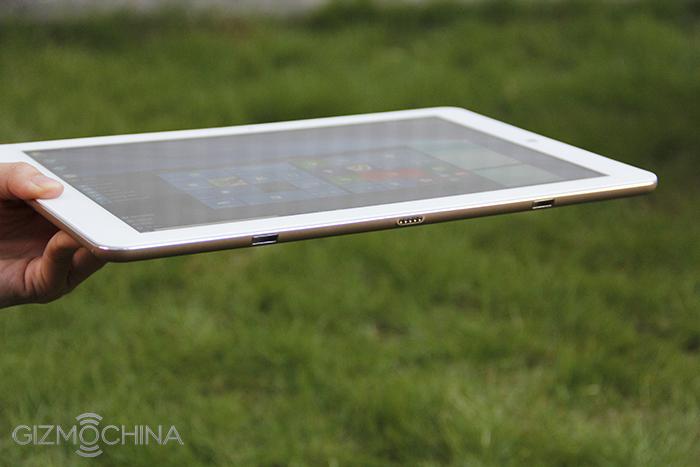
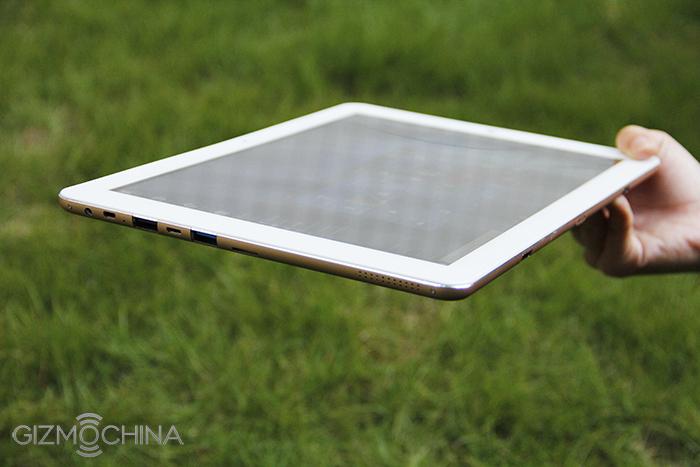
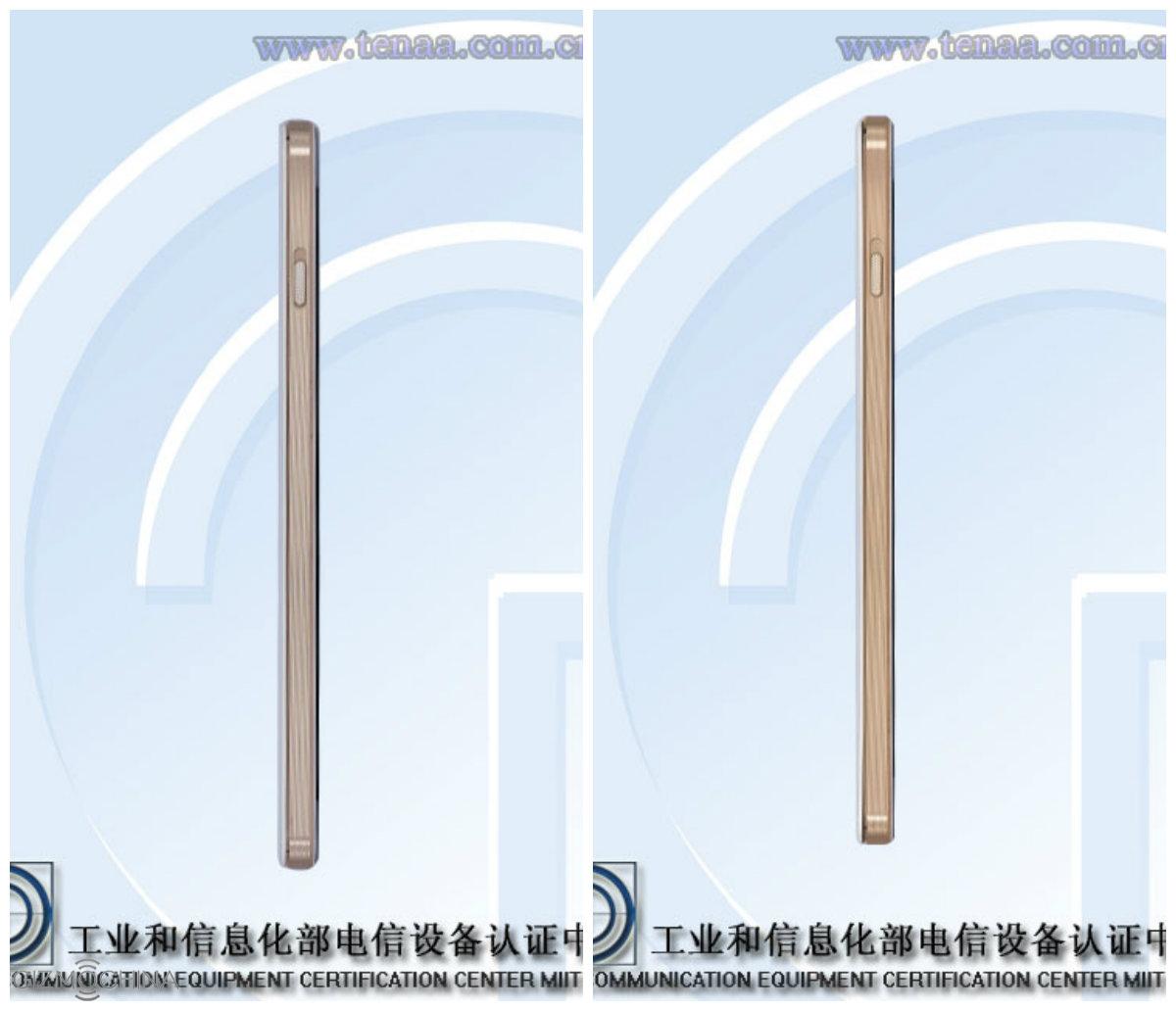
Day before yesterday, Huawei released a new teaser which showed off a device with a slim design and a speaker on the side. Judging from the design, we expected it to be a new Huawei tablet probably the Honor X3 tablet. Now, a couple of renders of the new tablet have surfaced online, further adding to the possibility that Huawei will show off this device at CES 2016.
According to the source who leaked these images, the tablet will have the model number DR-A01L and will feature a slim body with the measurements, 240 × 173 × 7.4mm. The tab will reportedly come with a large 10.1-inch display with 16:10 aspect ratio. There are rear and front cameras and virtual keys as well. It’s also said that the tablet will feature a front mounted fingerprint sensor. Further, like you saw in the teaser image, these renders also come with four speakers, two on each side.
As for the specifications, it is said that the new tablet will feature Kirin 935 octa-core chip instead of the new Kirin 950. Other than this, we don’t have any other information about the specifications of the device.
The source further states that Huawei will not launch any D series, M-series and P series devices at CES 2016. So, this new tablet could be the center of attraction for Huawei at the event.
Well, the company will announce the device later today in Las Vegas, where we will get more details.
CES 2016 is almost upon us, which means we will get to see the greatest innovations from the industry all at one place. Every year, we see interesting gadgets including smartphones showcased at the event and this year too, we expect a lot many announcements at Las Vegas.
Since we are mainly focused on the Chinese smartphone industry, we have picked the top three manufacturers to look out for at CES 2016. I agree, there aren’t many Chinese smartphone makers at the event, but still, we have some major players out there ready to unveil their big guns.
So, let’s take a look at which Chinese smartphone makers are ready to impress us at Las Vegas this year.
1. LeTV
LeTV’s journey into the smartphone market is nothing less than extraordinary. The company which released its first smartphone last year has grown to compete with the likes of comparatively established players like Huawei and Xiaomi. And it looks like the company is beating them in their own game of low cost yet premium quality smartphones.
This will be the first time LeTV is participating at CES and it’s all set to unveil one of the most powerful smartphones from the company yet. Thanks to today’s teaser, it’s almost confirmed that the company will unveil a Snapdragon 820 smartphone tomorrow. The phone is most likely the Le Max Pro, about which we have been hearing for the past few weeks.
The recent AnTuTu benchmark listing of the device revealed that it posted more than 133,000 on AnTuTu app, thanks to its high-end specs powered by Snapdragon 820. Other specs like 4GB RAM, 64GB ROM, 21MP rear camera, 4MP ultra-pixel camera will probably make it one of the favorite smartphones at CES 2016.
So, it’s no surprise that LeTV stands right on top of the list this year. At last, we will see the Snapdragon 820 chip in action!
2. Huawei
As of late, when it comes to smartphones, no list is complete without Huawei. This Chinese tech company has established itself as a premium smartphone maker releasing so many devices in 2015 (and shipping more than 100 million). The company is expected to follow the trend in 2016 as well, and what better place to kick off things than CES 2016.
Well, Huawei has confirmed a new product launch at the event, but it’s yet to reveal the model name. But taking a look at the teaser, it’s probably going to be the next generation version of the Huawei Mediapad X2 tablet, namely the Honor X3. We already have the possible specs of the device, and it includes a 2K display. Not a flagship product, but it’s still worth checking out for phablet lovers. You can read more about it from our earlier coverage.
What’s kind of unconfirmed at the moment is the upcoming Huawei P9 flagship. If Huawei releases this new model, it will be the center of attraction for Huawei fans at the event. It is said that the phone will feature dual 13MP Sony cameras at the back, with a whopping 6GB RAM module. There’s a lot of other high-end tech that’s going to come with the device and you can read more about it from here. However, given that Huawei is yet to tease/ reveal anything about it’s ‘P’ series smartphone, we may have to wait a bit longer to meet this powerful flagship.
Finally, it’s confirmed that we will see the Huawei Mate 8 flagship at the event, with Kirin 950 on board.
3. ZTE
ZTE has slowly established its presence in the US market and hence it’s no surprise that we will see some exciting products from the company at the Las Vegas event. The company recently sent out a teaser for a event on January 5, which has a background of a silhouette of an unknown smartphone with the words, “Hello World, January 5 New Release”. This could either be for the launch of the Z11 flagship or the new website which the company purchased for a whopping $2 million or both.
We hope to see the Z11 flagship at CES 2016 since recent renders and rumors have shown the device as a pretty high-end smartphone. For specs, the phone is expected to feature Snapdragon 820 with 4GB RAM, 128GB storage, and 20.7MP camera. The renders reveal a bezelless design like its predecessor. So, the Z11 is a phone that we are all excited to meet. Unfortunately, the company hasn’t revealed any concrete details about the device or the launch period.
Still, even if ZTE doesn’t showcase the Nubia Z11 at CES 2016, we can expect to see some other product announcements at the event. So, we better keep an eye on this manufacturer.
There are other Chinese manufacturers like Lenovo and OPPO present at Las Vegas this week, so we can expect some great products in the coming days.
Let me know, which product are you most excited about this CES 2016.
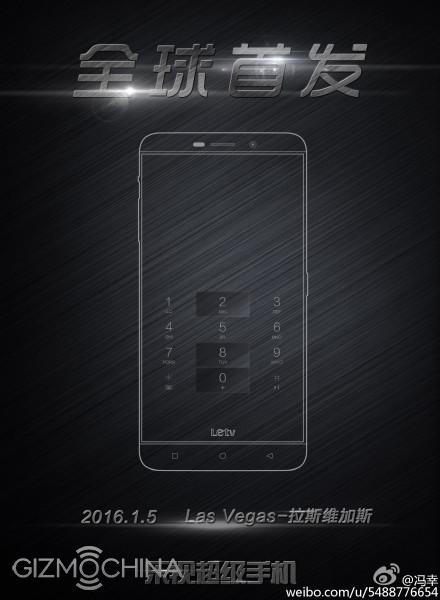
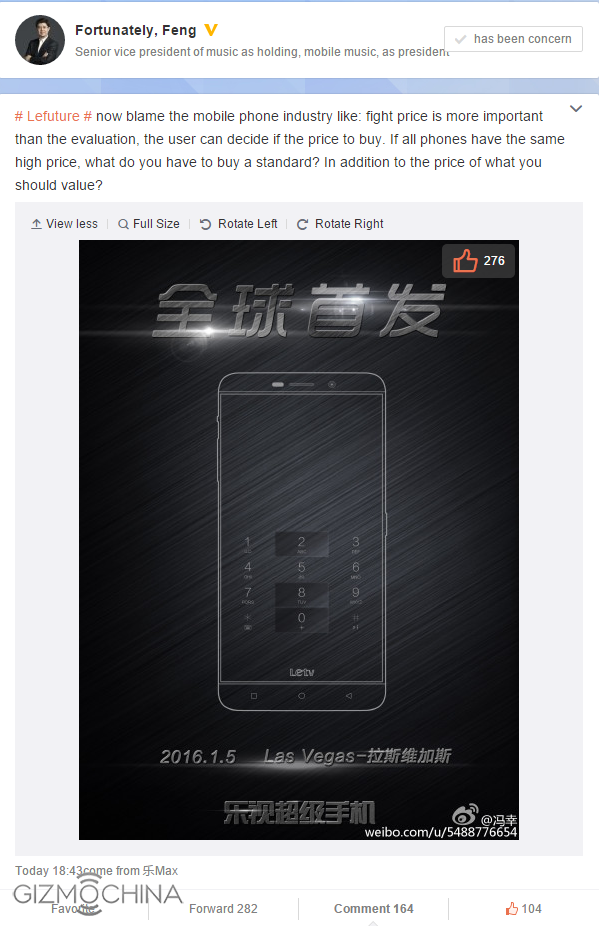
For the first time, LeTV will be present at CES, which is going to be held at Las Vegas, US. The event officially starts from January 6, but the company will be making a big announcement a day before. Now, LeTV’s Senior VP has just released a new teaser for tomorrow’s event which confirms a new smartphone launch.
The teaser, which was released late evening on Weibo reveals a new smartphone with thin bezels. We can see that on the dial pad, the numbers 820 are highlighted which clearly indicates that the new phone will come with Qualcomm’s Snapdragon 820 under the hood. The teaser also confirms the launch tomorrow, i.e. January 5 at Las Vegas.
Our best guess would be the Le Max Pro. We have been hearing a lot about this flagship for the past few weeks. The rumored specs of the device till now have been pretty high-end. Apart from the powerful quad-core Snapdragon 820, the phone is expected to come with 4GB of RAM with 64GB of internal storage. At the back, there will be a 21MP camera while up front, a 4MP Ultrapixel shooter. The display will be of decent size, 5.5-inches with 2K resolution. We have already spotted the device on AnTuTu, and it managed to an amazing score of 133K.
Apart from the usual specs, the phone is also rumored to feature Qualcomm’s Ultrasonic fingerprint sensor. Also, you can expect it to come with the new Wi-Fi 802.11 ad standard which is much faster than the previous generations.
Unfortunately, apart from the Snapdragon 820 on board, we can’t be sure of anything at the moment. Even the model name is yet to be confirmed. But since the launch is just a day away, we will soon know all the features of the device.
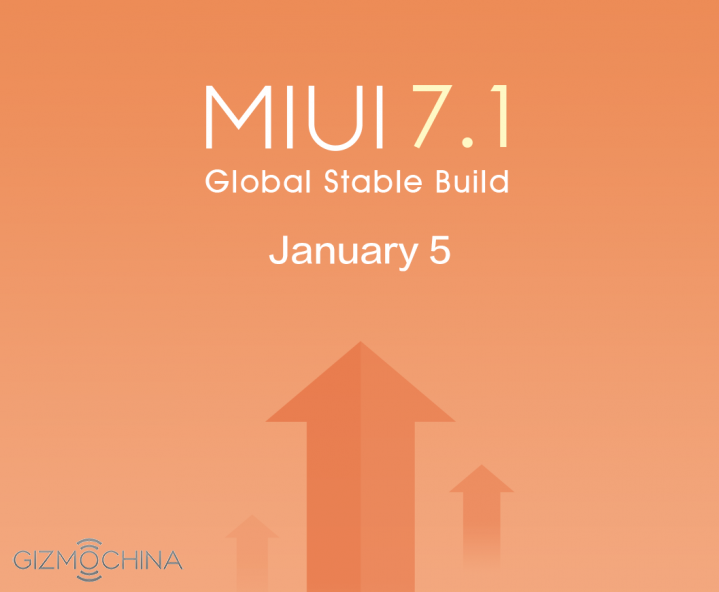
Xiaomi officially revealed the MIUI 7 version last year. In a few matter of few months, most of the Xiaomi smartphones were updated to the new MIUI 7 OS, either based on Android Lollipop or the old Android 4.4. Now, the company will start rolling out the update to the existing version, namely MIUI 7.1 from tomorrow.
The roll out of the update starts from January 5 from 11 am for both Global Stable Builds and China Stable Builds. In case, you are using the developer version, you don’t have to worry about the new features as they are already inside your build.
Here’s the list of the Xiaomi models which will get theMIUI 7.1Global Stable Build update on January 5: Mi 3, Mi 4, Mi Note, Mi 4i, Redmi Note 4G, Redmi 2 / Prime, Redmi 1S, Redmi Note Prime, Redmi Note 2, Redmi Note 3G, Mi Pad.
In case you are using the China Stable Build, here are the devices which will get the update: Mi 3, Mi 4 3G/4G, Mi Note, Mi Note Pro, Mi 4c, Mi 4i, Redmi 1S, Redmi Note 3G, Redmi Note 4G Single SIM/Dual-SIM, Mi Pad 1/2.
As you can see, some of the models like theMi 2/2S, Redmi 2, Redmi Note 2, and Redmi Note 3 are left out from the update. But it is said that these devices will get the update later, on January 11.
As for the exact changelog of the new build, we will have to wait till tomorrow for the details. The first batch of updates should be out after 11 am tomorrow.
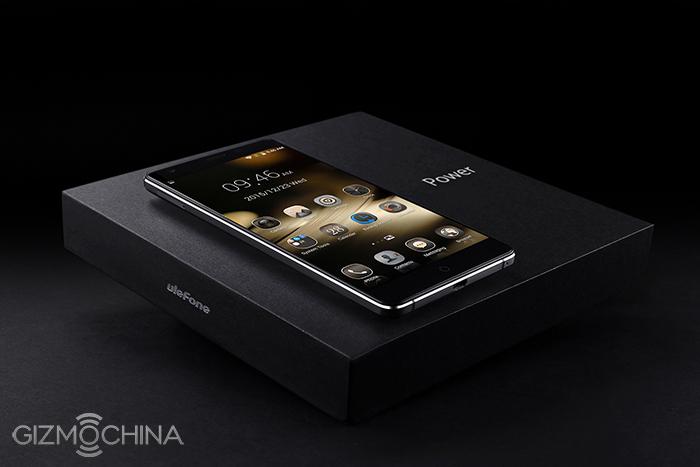
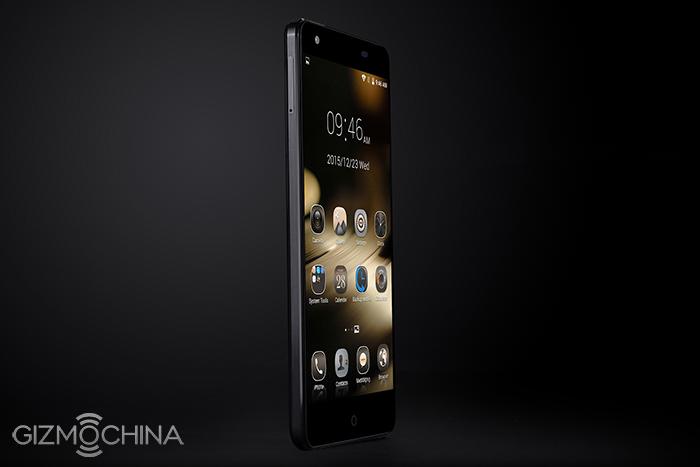
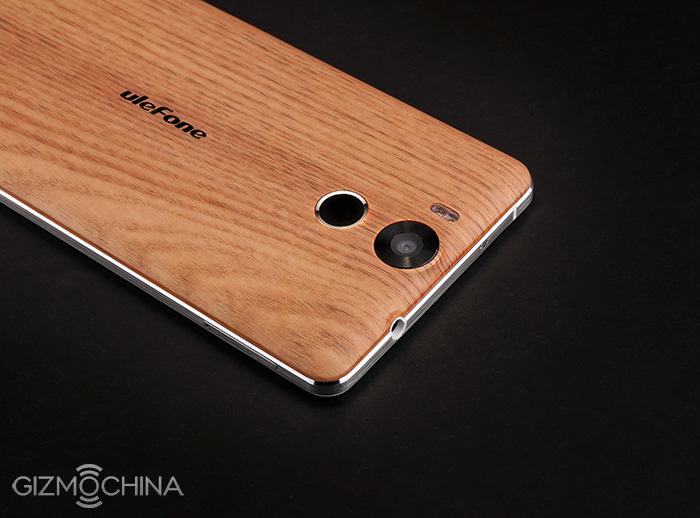
When it comes to a big battery mobile phone, appearance is always users’ prior concern. Will Ulefone let you feel easy with its new monster Power? You may partially learn the answer from the official photos released by the company today.
On Monday Ulefone launched Ulefone Power featuring 6050mAh Sony li-polymer battery, octa-core 64-bit MTK6753, 13MP Sony IMX 214 camera, AUO 1080P LTPS display and 3GB LPDDR3 RAM. Weight and thickness of the phone body were announced to be 189g and 9.5mm. Ulefone said they could have made the phone as thin as 8mm but added 1.5mm space for extra components and better cooling.
The back cover of Ulefone power is slightly curved to offer smooth touch feel and a plastic bezel has been added between the metal chassis and 2.5D glass as a buffer to avoid cutting the palm. As done on most stainless steel frames, 2 chamfers were carved on the frame of Ulefone Power to comply the tough feel delivered by the phone as a whole.
As the battery of Ulefone Power is not user-removable, the SIM and TF slot have been moved to a tray that can be inserted from the left edge of the phone. And what’s special with the Ulefone Power appearance is that you’ll see a round button near power key as camera starter and a infrared emitter on the tom edge.
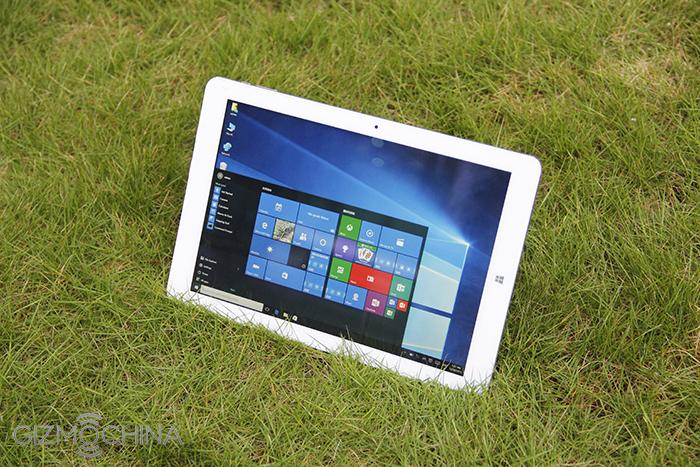
Chuwi might not be a large tablet manufacturer, but this Chinese company has released some interesting products in the past few months. The company’s Chuwi Hi series have been known for their dual OS Windows + Android support at an affordable price tag. Now, Chuwi has just revealed more details on its upcoming Chuwi Hi12 dual OS tablet.
We have seen an 8-inch and even a 10-inch Chuwi Hi series tablet. The company is now expanding the screen size to 12-inches with the brand new Chuwi Hi12 tablet. So, if you were waiting for an affordable large screen tablet, this might be your best bet.
The Chuwi Hi12 comes with the Intel X5 Cherry Trail Z8300 chipset clocked at 1.84GHz, with the 8th Gen Intel Graphics chipset. There will be 4GB of RAM inside with enough storage, thanks to 64GB capacity. This can be further expanded up to 128GB via a MicroSD card slot, taking the total memory to 192GB! The 12-inch display will feature a resolution of 2160 x 1440 pixels with an aspect ratio of 3:2.
The camera has never been the selling point of the Chuwi Hi series tablets. So, this particular model too will feature a basic 2MP front facing sensor and a 5MP rear facing shooter. Battery is pretty large, of 11,000mAh capacity, which should be enough for running the device for up to a day.
As mentioned above, the Chuwi Hi12 comes with dual OS support. So, you can dual boot between Windows 10 OS and Android 5.1 Lollipop version. There will be two colors available at the time of launch, namely Champagne Gold and Space Gray. As of now, the release date of the device isn’t fixed, but we can expect to see a launch sometime in January itself.
Pricing and availability details are not known but the Chuwi Hi10 tablet retails for around $200 after discounts, so you can expect the retail pricing of the Hi12 to be a bit above this figure.
A few minutes earlier we reported that Huawei will most likely release its new Huawei P9 flagship at CES 2016. While we are not quite sure of the phone’s release this early, we have a product that we are quite sure will end up at the event. Thanks to a teaser from the company, it looks like Huawei will show off the Honor X3 tablet at CES 2016 in Las Vegas.
Yesterday afternoon, Huawei released a teaser showing off a thin metal device, with the following words on top “Rhythm x Entertainment”. The poster shows that the speakers will be located at the side and it will feature at least a metal frame, if not an all metal body. From the size of the device and the design, it looks like Huawei will release the Honor X3 tablet at the event.
Possible Specs of Honor X3 tab
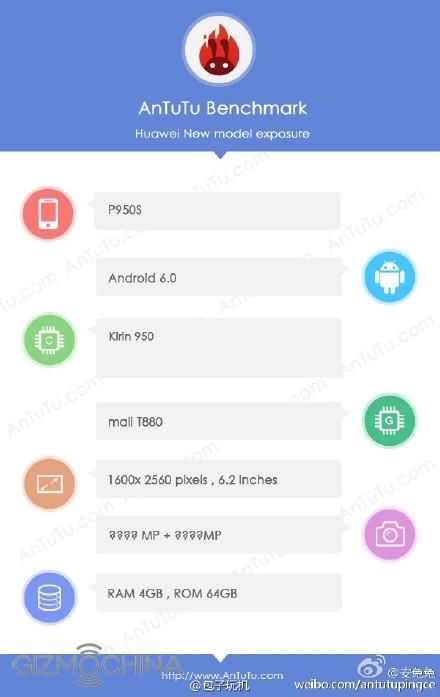
Huawei may incorporate the same Kirin 950 chipset that debuted on the Huawei Mate 8 flagship. Thanks to the previous leaks, we kind of know the specifications of the device. The Honor X3 tablet is rumored to come with a 6.2-inch display with 2K resolution screen. Huawei has often stressed 2K resolution is unnecessary on a smartphone sized device. But the company may make an exception with the Honor X3, probably because it’s a large phablet/ tablet.
Under the hood, the X3 is said to come with Kirin 950 with 4GB of RAM and 64GB of internal storage. At the back, the device will reportedly come with a 20MP camera while up front, you can expect an 8MP sensor. As for the software, the X3 tablet is said to feature the all new Android 6.0 Lollipop update.
Since the teaser confirms the launch on January 5th, we don’t have to wait too long to get more details about the Honor X3. Pricing details are still unknown, but you can expect the tablet to retail for somewhere around $400.
CES starts this week, which means we will soon get to see the best products from tech manufacturers around the world. Even Huawei will be present at the event and according to the company’s CEO, Yu Chengdong, there will be some exciting new products that will meet us at the event.
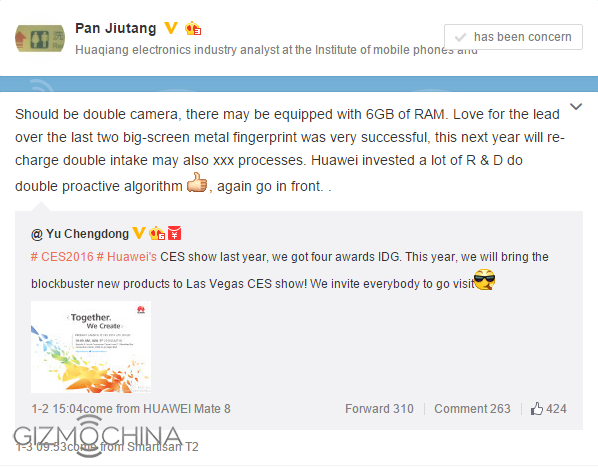
At the moment, we are not sure which devices are going to be showcased at CES 2016. However, according to the analyst, Pan Jiutang, Huawei could show off its new Huawei P9 flagship at the event. In case you have been following us, we have reported about the P9 flagship a couple of times in the past, and it was rumored that the phone will come with dual cameras.
Now, the analyst further confirms the dual camera setup, as he thinks that the phone may come with two 13MP cameras at the back. What’s more, he also adds that Huawei P9 might feature 6GB of RAM inside, which if true, will be the first time a smartphone features so much memory. However, this is not the first time we are hearing about 6GB RAM smartphones, as future LeTV generation and even OPPO Find 9 are expected to come with such large RAM modules. As for the other specs, earlier rumors have said that the P9 flagship will come with a 5.2-inch display with 1080p resolution and Kirin 950 chip under the hood.
Before you get too excited, we have to add that the analyst is not entirely sure about this information. Also, given that previous rumors have hinted that the phone will launch around March-April period, around a year after the P8 flagship’s release, it’s unlikely that the company will showcase the smartphone as early as CES 2016. But then, if Huawei is getting into the US market, this would be the ideal opportunity for them to show off their latest products in the country.
So, as of now, we can’t be entirely sure that we will meet the Huawei P9 flagship at CES 2016. But we will be keeping a close eye on the event to see what all products are released by Chinese tech giants in the next few days. So, stay tuned!
Both Xiaomi and Letv had great year of 2015 and the Redmi Note 3 and the Le 1s are definitely great offerings. We have already made the Xiaomi Redmi Note 3 review and the Letv Le 1s review, so you may want to check them out.
However, a lot of you keep asking which device has a better camera, so we decided to put them for a head-to-head comparison. Find out more in the video below:
Xiaomi Redmi Note 3 vs Letv Le 1s X500 Camera Comparison
Both phones have 13MP cameras on the back with PDAF (phase-detection auto-focus) systems. That leads to the very fast focusing and capture speeds. However, there are some differences in camera sensors. Letv Le 1s uses the Sony IMX214 sensor we have already seen on lots of Chinese phones while the Xiaomi Redmi Note 3 has a 13MP sensor that is made by Samsung.
In case you missed it, we suggest you also checking out in-depth camera reviews of each device in the videos below.
Both Letv Le 1s and Xiaomi Redmi Note 3 have great cameras and they are definitely one of the best in this price category of the devices. One phone takes better pictures in one situation while the second phone is better at some other situations. However, we suggest you waiting for a full comparison review where we are going to tell the final thoughts about each phone’s camera and which is better overall.
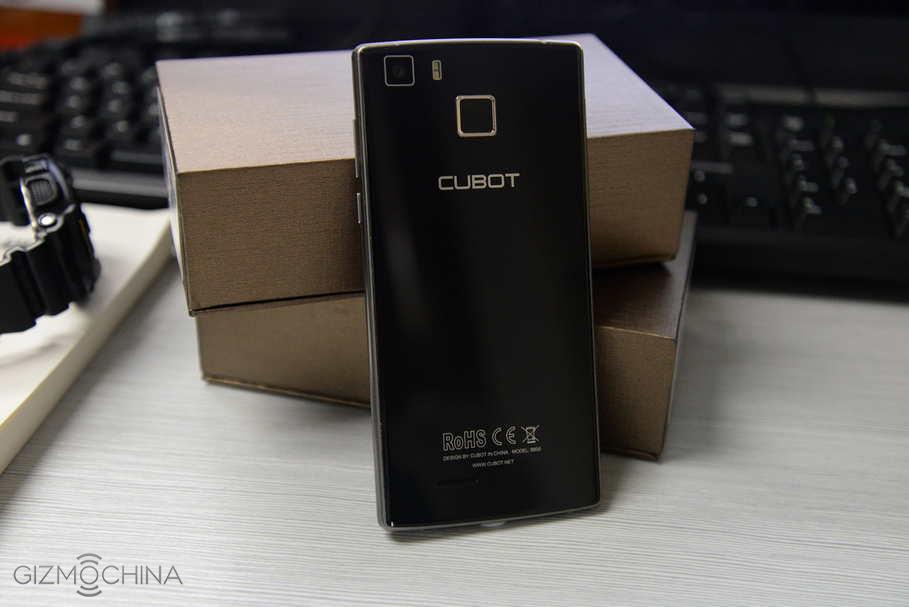
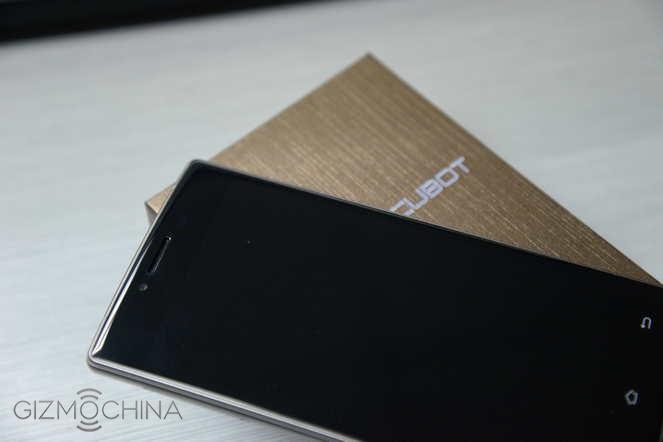
Cubot has just revealed more details about its brand Cubot S600 smartphone. We already know most of the specifications of the device before it officially starts shipping. Now, the company has released new information about the large fingerprint sensor that lies on the back of the phone.
According to the latest information, the Cubot S600 will feature the No.GSL6163MSB2 fingerprint chip from the Shanghai-based fingerprint company, Silead. This is one of the biggest smartphone fingerprint sensors available in the market with a size of 12 x 12mm. It is said that the chip can optimize the unlocking process based on the different types of fingerprints. This helps in the identifying the fingerprint efficiently.
The company further adds that the sensor can unlock the phone in just 0.3 seconds. If true, this would really be impressive. That’s comparable to the unlock speeds from flagship level smartphones like Apple iPhone 6 and OnePlus 2.
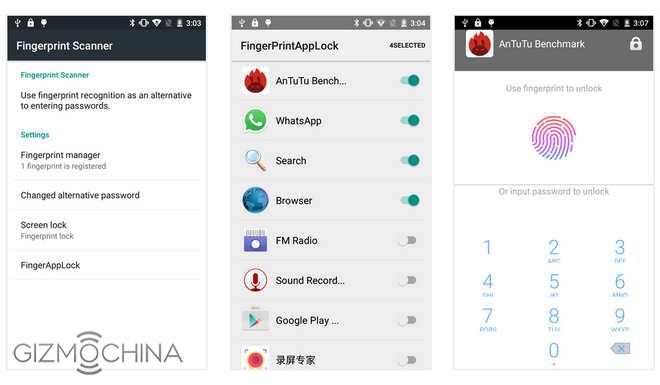
You will also get to add a few custom features to fingerprint. It is said that Cubot S600’s fingerprint could be used to encrypt apps and for other functions like selfie, online payments etc. However, at this moment, we are not quite sure which functions will be available right from the start. Some features could be added in the upcoming updates.
As for the specs, the Cubot S600 will come with 2.5D glass and 5-inch HD 720p resolution IPS display, MediaTek MT6735A 1.3GHz quad-core chip with 2GB of RAM, 16GB of internal storage, a 2700mAh battery, and dual-SIM dual standby with 4G LTE support.
The S600 is already available for pre-order at $129.99 and will start shipping from 10th January.
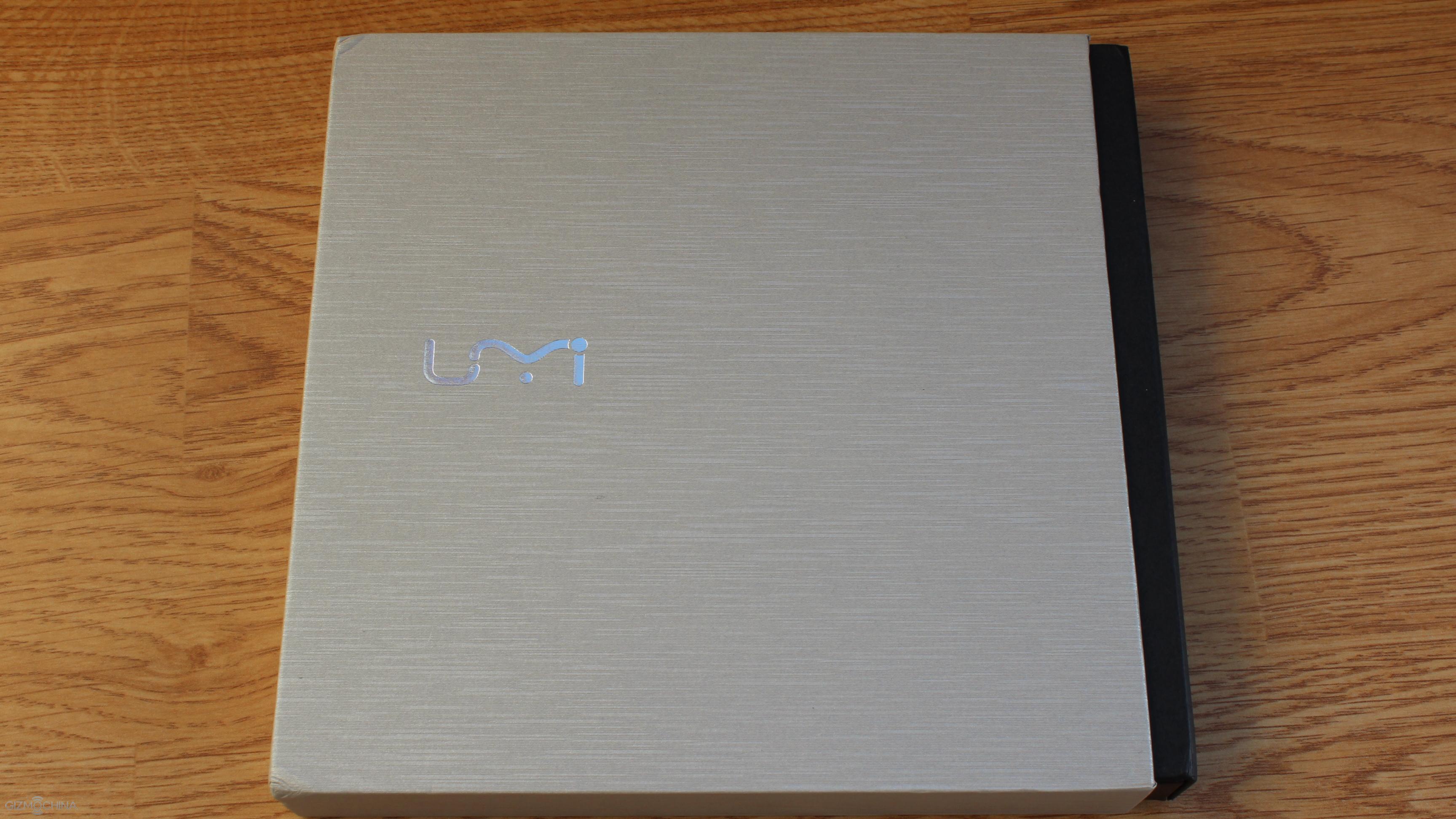
Umi has released quite a few phones in 2015 and Umi Iron Pro is probably the last we are unboxing this year. Find out more in our unboxing and first impressions article.
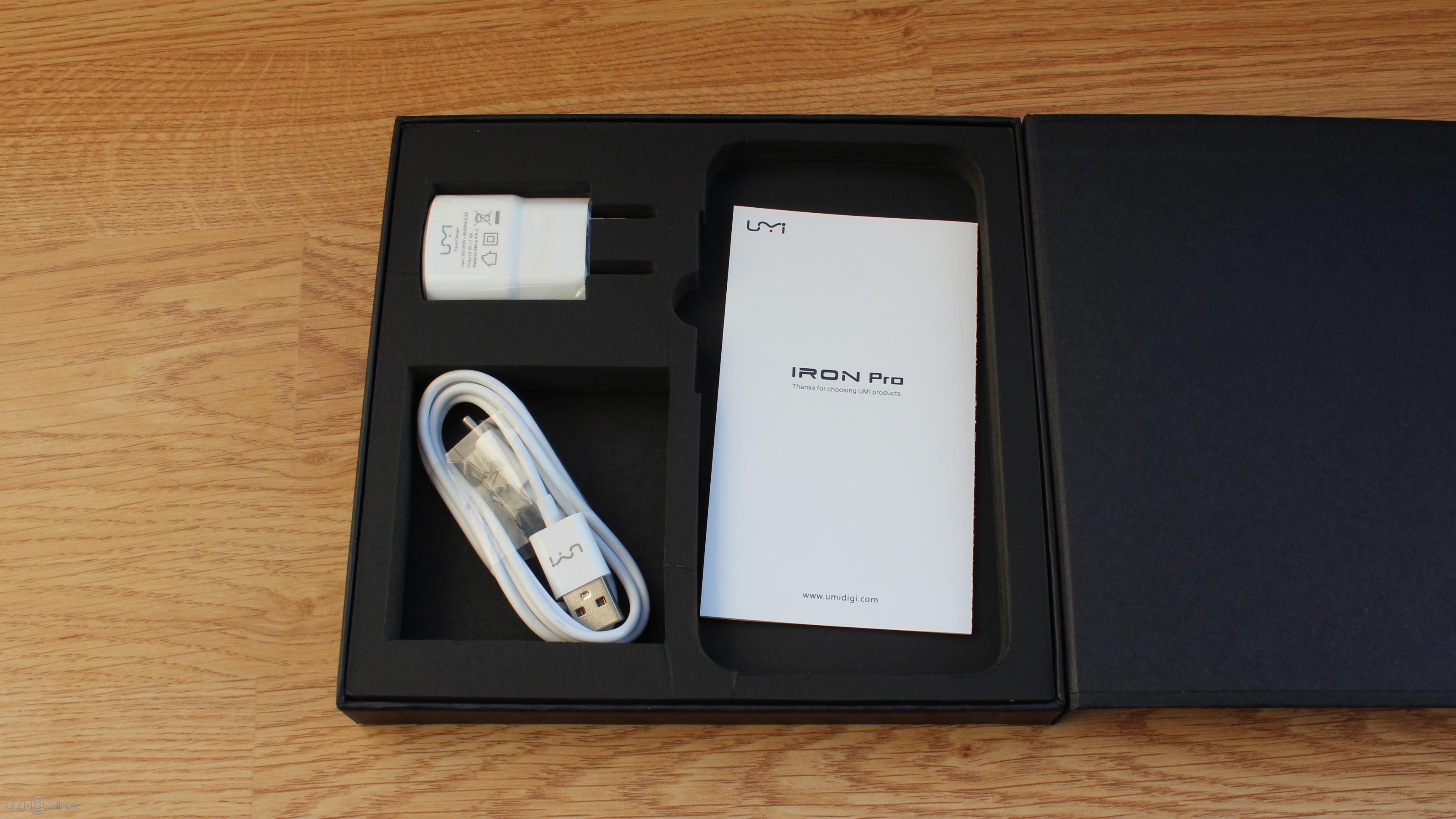
Umi Iron comes in a typical box for Umi. Everything’s packed neatly and the contents include a charging plug, USB Type-C cable and instruction manuals.
Umi Iron Pro: DESIGN
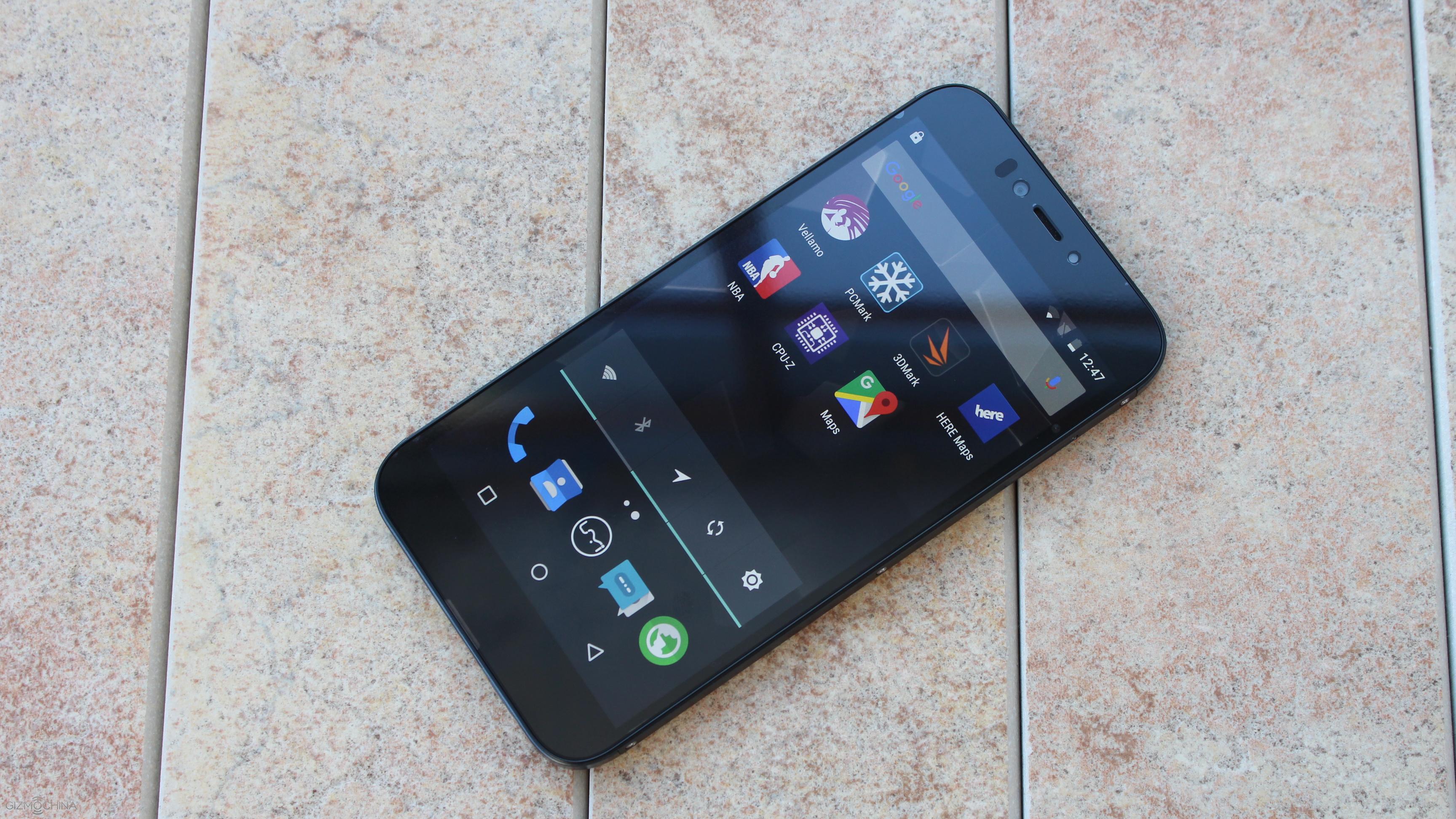
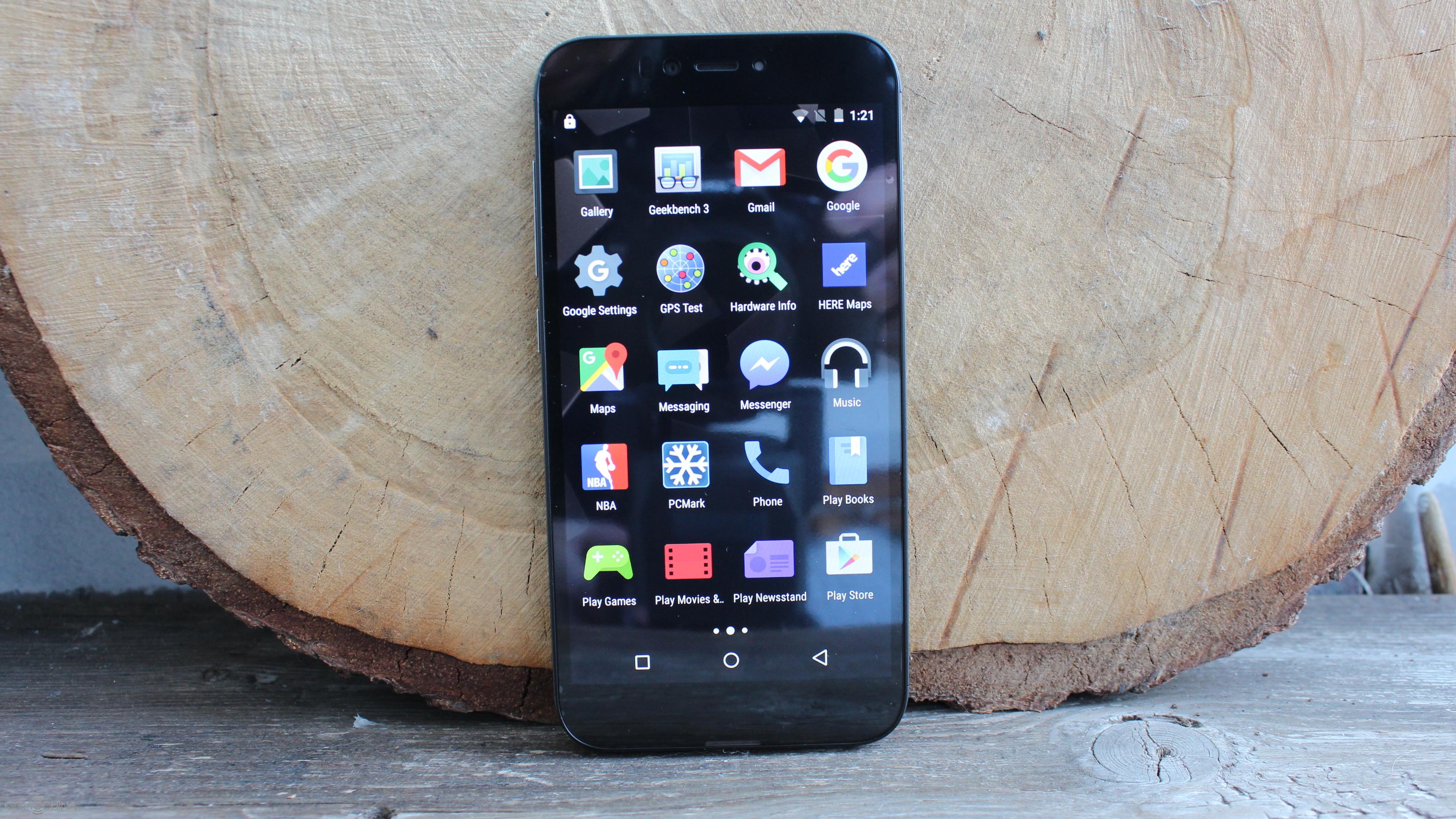
The phone has 5.5″ display and it makes the phone quite huge but it is easily manageable in one hand due to great ergonomics of the device.
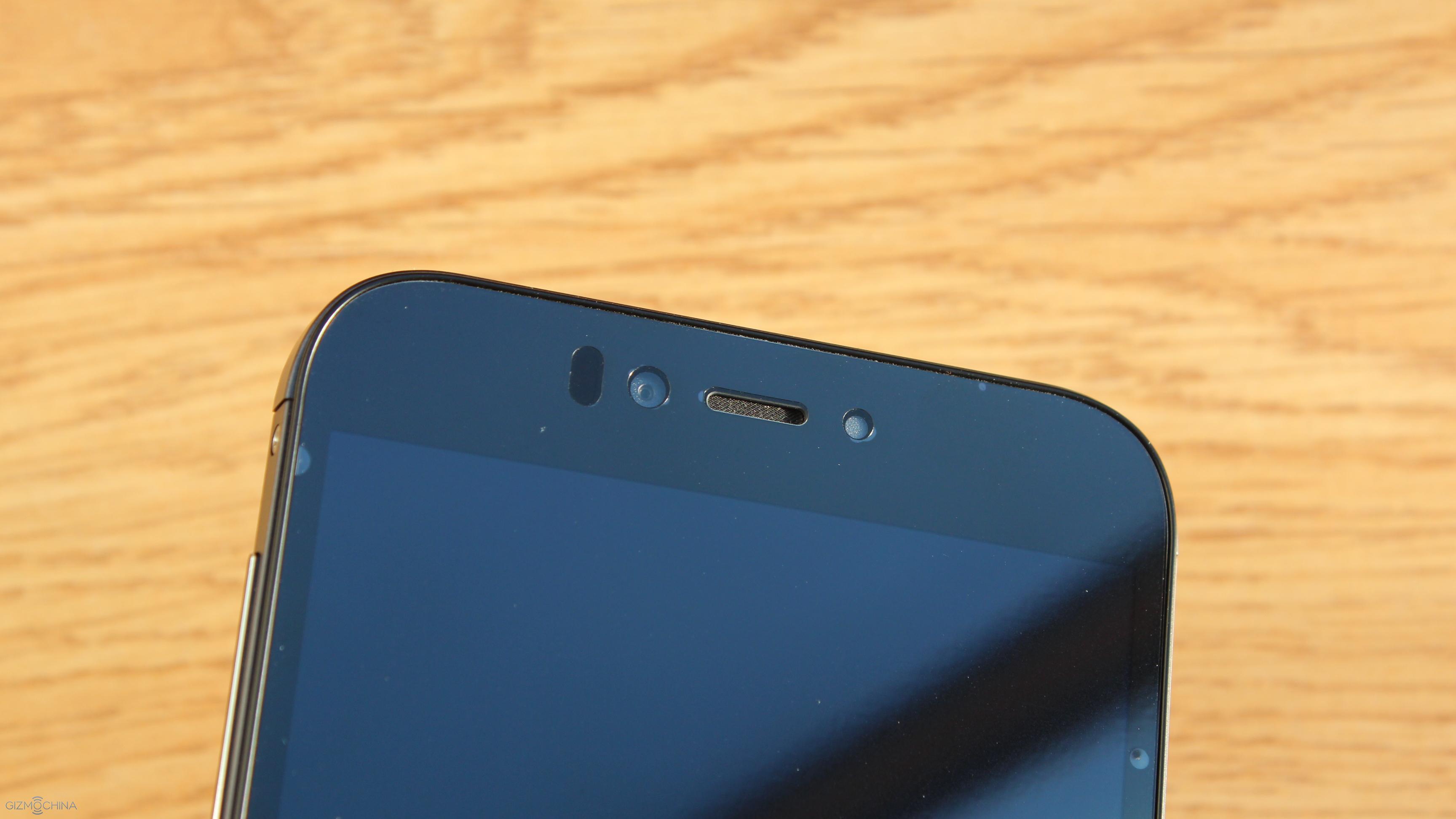
On the front we have an 8MP shooter, LED flash and other usual stuff. On the bottom we have on-screen navigation keys. Also, there is a nice looking skyline-type pulsing notification LED light.
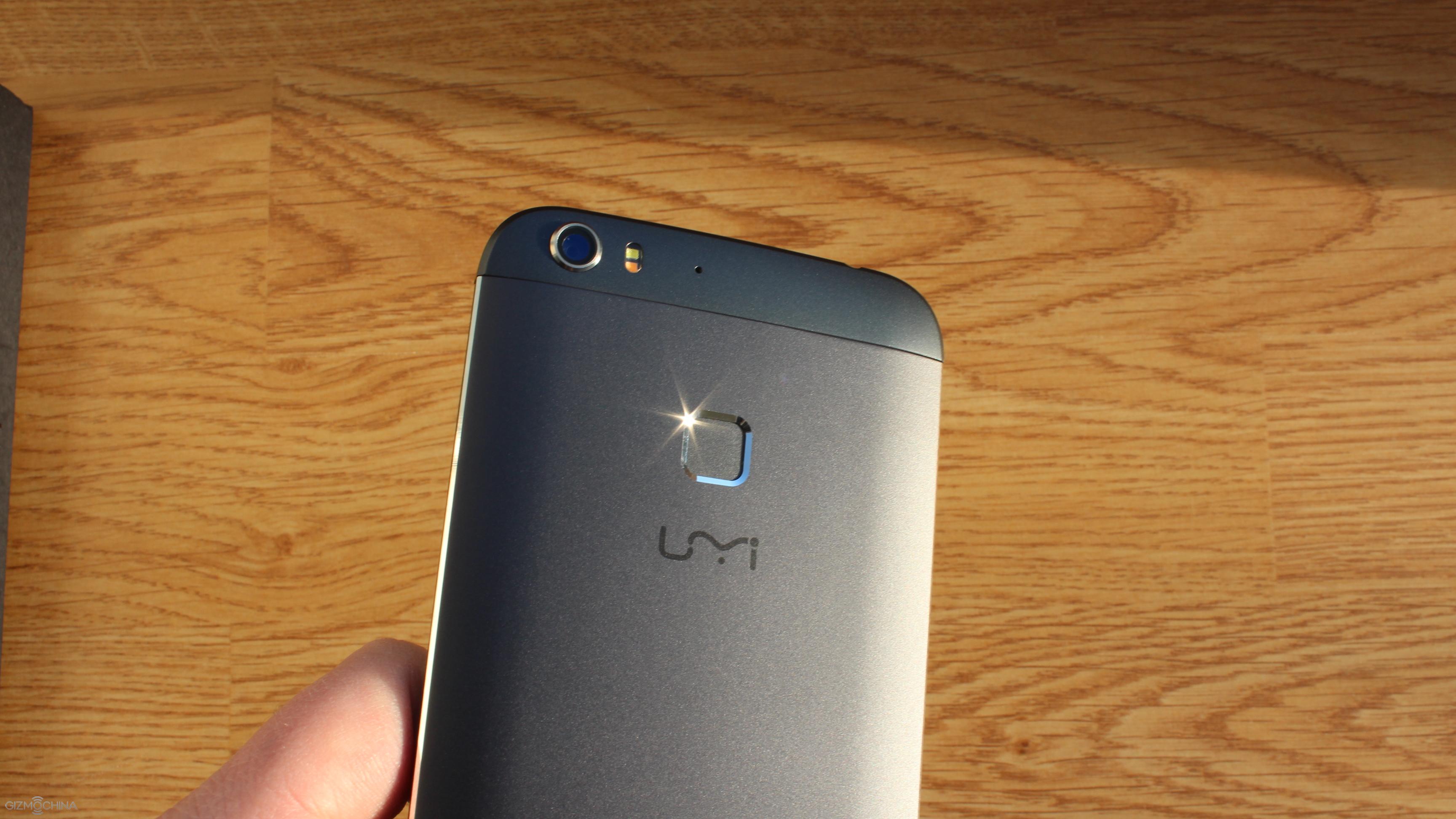
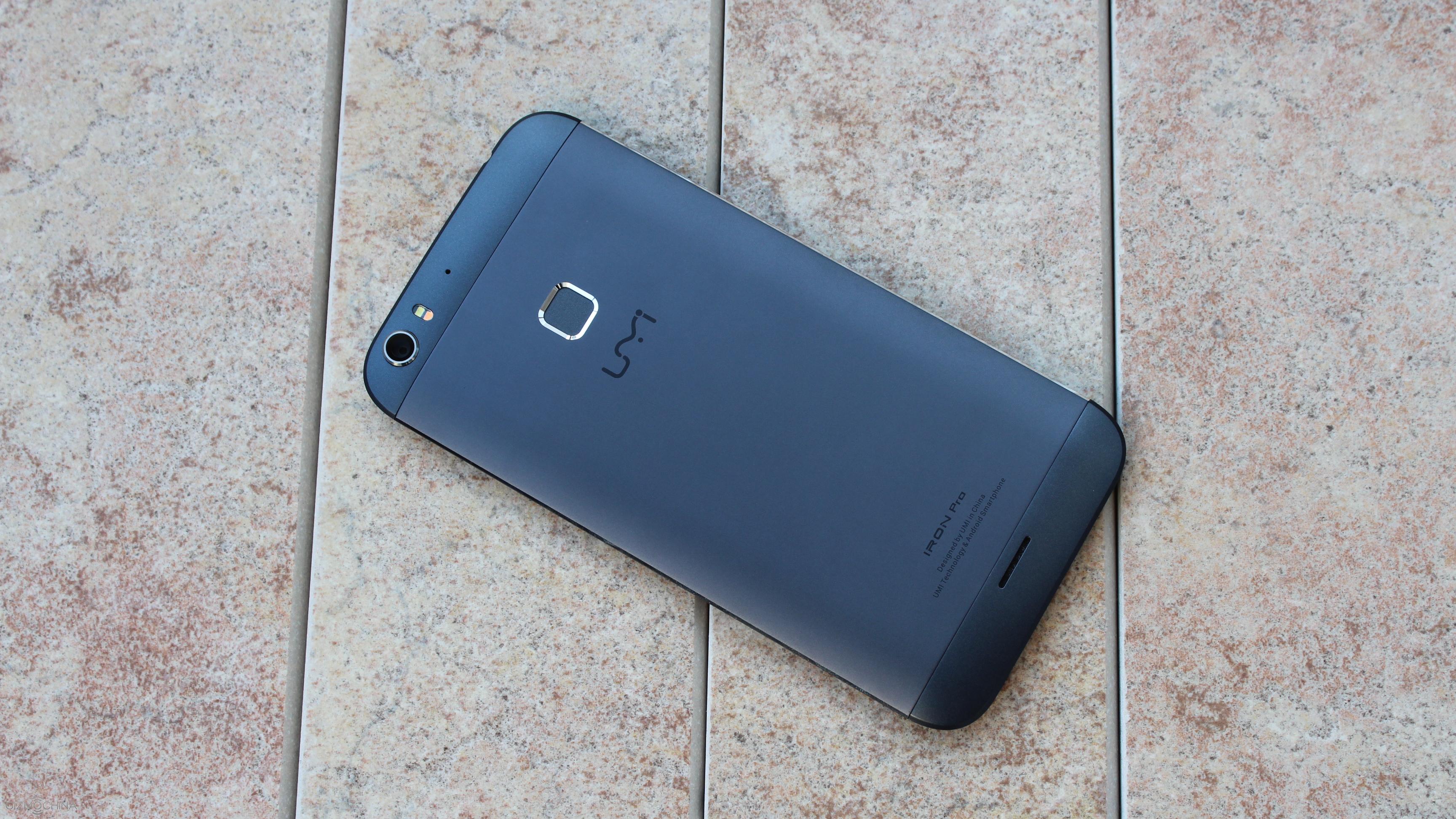
As the name implies, the phone is made almost entirely of metal (except for the top and bottom parts for antennas). I have to say that the choice of metal definitely makes the phone look and feel great in the hand.
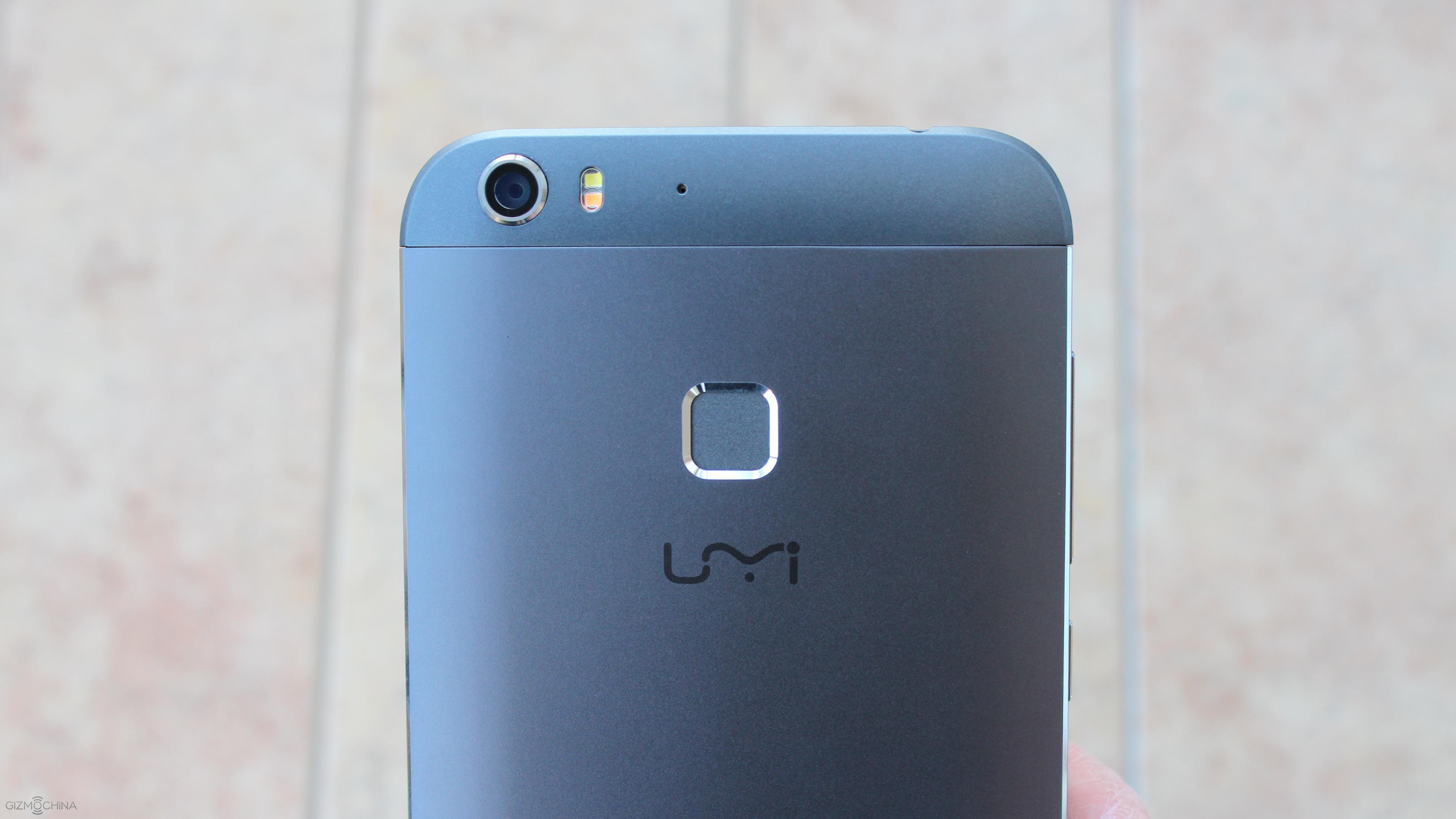
As far as optics, we have a 13MP Sony IMX214 sensor, which is accompanied by dual tone dual LED flash. Right underneath it there is a fingerprint scanner. It was a bit cumbersome to setup but it works quite well in real life.
Umi Iron Pro: FIRST IMPRESSIONS
Overall, Umi Iron is well constructed device and I see an improvement over the older Umi Iron in terms of the precision in the build quality. For example, the top and bottom parts, which are made of plastic, are perfectly aligned with the metal backplate. The same goes for the sides and other parts of the phone. All in all, Umi Iron has an impressive build quality and great choice of materials especially if we think of the price point of this phone.
I have already spent a few days with the device, installed all the usual apps, played with the camera etc. So far, the performance has been good. However, I need to spend a bit more time with the phone (as usual) to tell you my final thoughts.
As of now, Xiaomi has established a strong presence in the budget and mid-range smartphone segments, both in China as well as some international markets. However, as many of you would already know, the margin in the low-end segment is close to nothing, which means those who primarily operate in these markets are not going to make much, despite selling in millions.
As a result, it becomes necessary for companies to extend its products over a wide price range, which is something that we have not yet seen from Xiaomi. Yes, many of you would argue that the company has the Xiaomi Mi Note lineup in the high-end segment. But the series isn’t as popular as its other products, and the increased competition in the upper mid-range market from companies like Samsung, Huawei and Apple is not really helping the company.
Xiaomi had previously hinted that it will enter the high-end smartphone market with amazing products in the coming months. Now, Lei Jun, Xiaomi’s CEO has revealed in an interview that the company is working these high-end products and will release them in 2016.
So, there are two flagship smartphones that can be the face of the company’s high-end lineup. First, it could be the Mi 5 flagship which has been making the rumor rounds for around a year. Another possible candidate that could compete in the 3000 Yuan ($460) segment is the successor to the Mi Note series, namely the Mi Note 2. While details about the device is scarce at the moment, Xiaomi could update the lineup with very powerful smartphones to take on the high-end segment.
Well, at this moment, this is all we know. Lei Jun adds that these 3000 Yuan phones are going to be amazing, so we can expect some great products from Xiaomi next year.
So which smartphone are you most excited about from the company in 2016?
OPPO and OnePlus have often been linked together. Last year, it was said that OPPO had a stake in OnePlus, which both the companies denied. A few weeks back, OPPO changed its corporate name to include ‘Plus’ which speculated rumors that OnePlus had merged with OPPO. Once again, both the companies released a statement saying that this was not true.
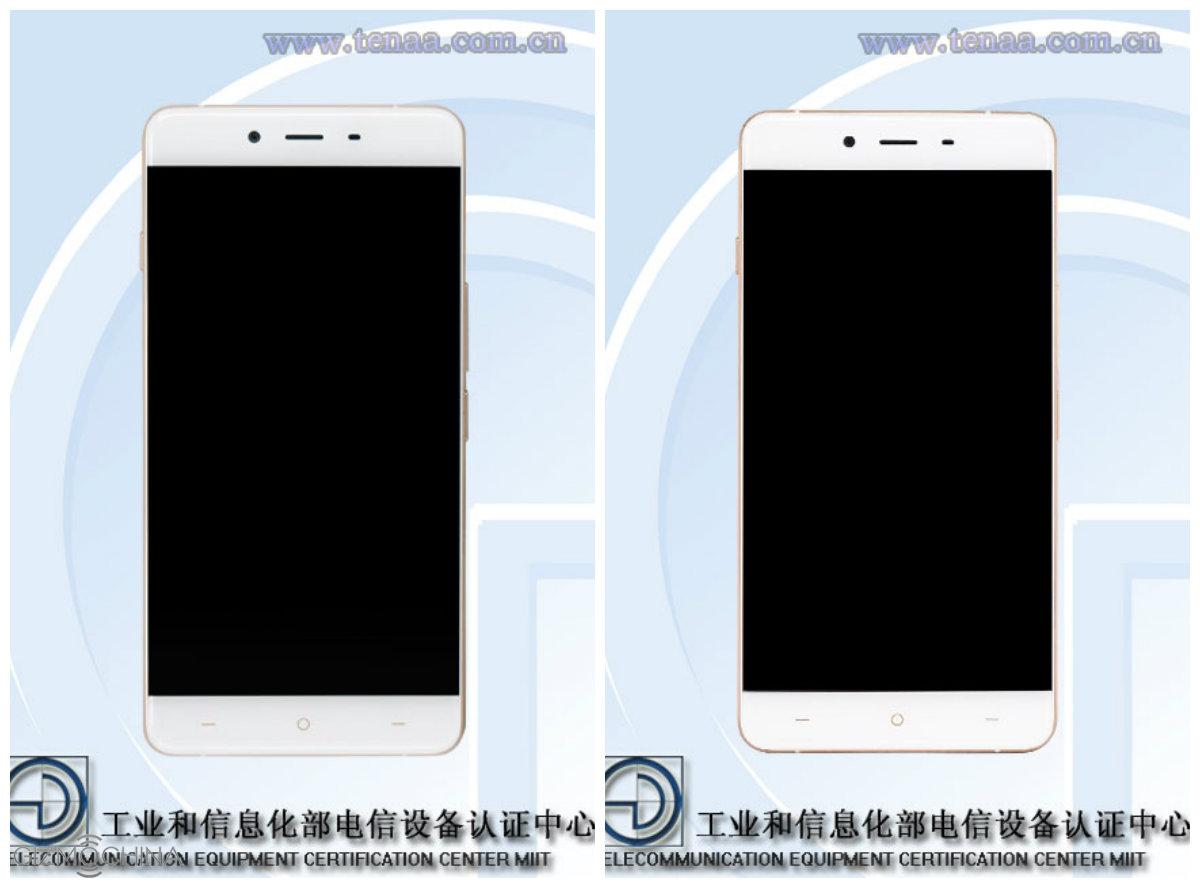
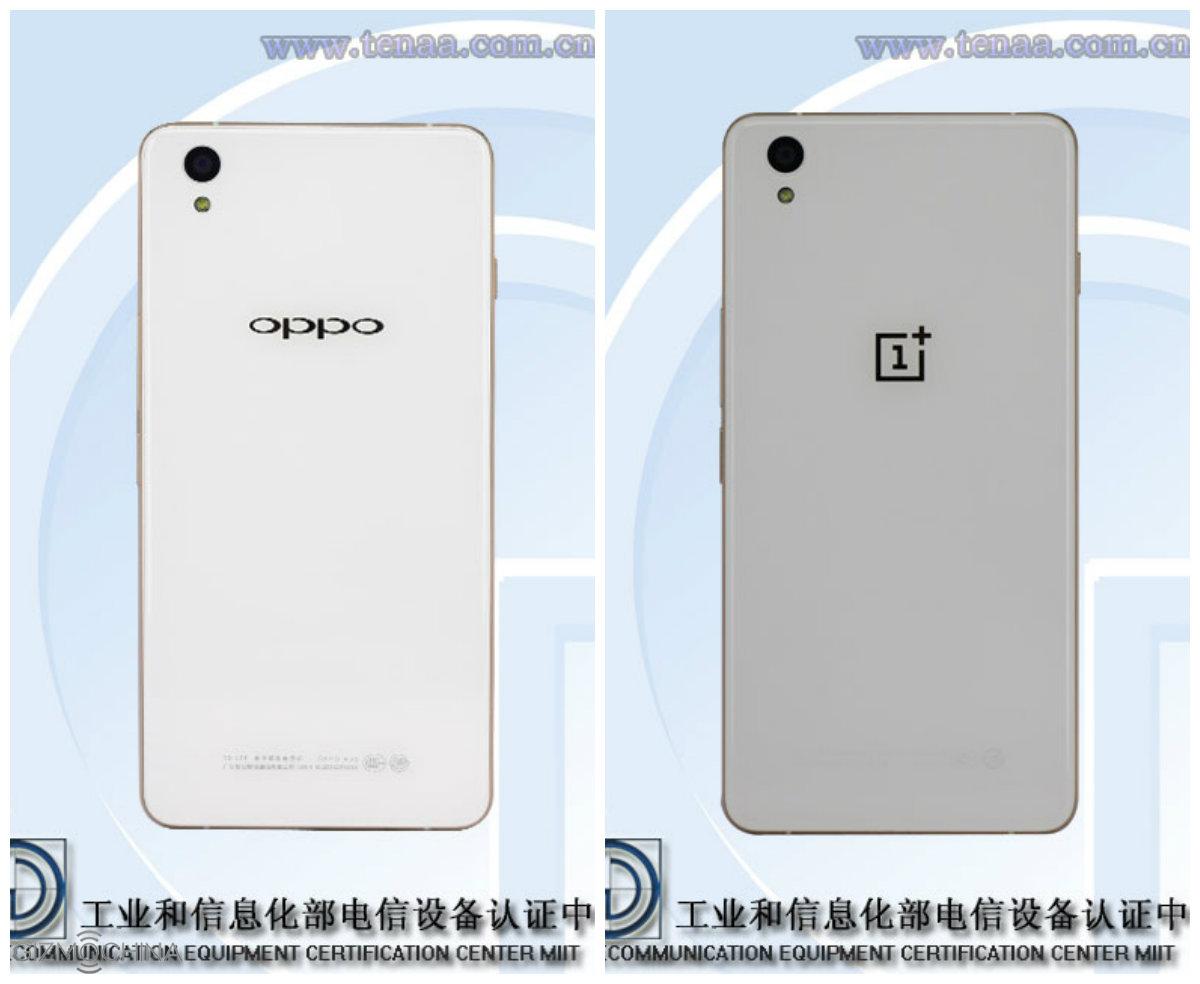
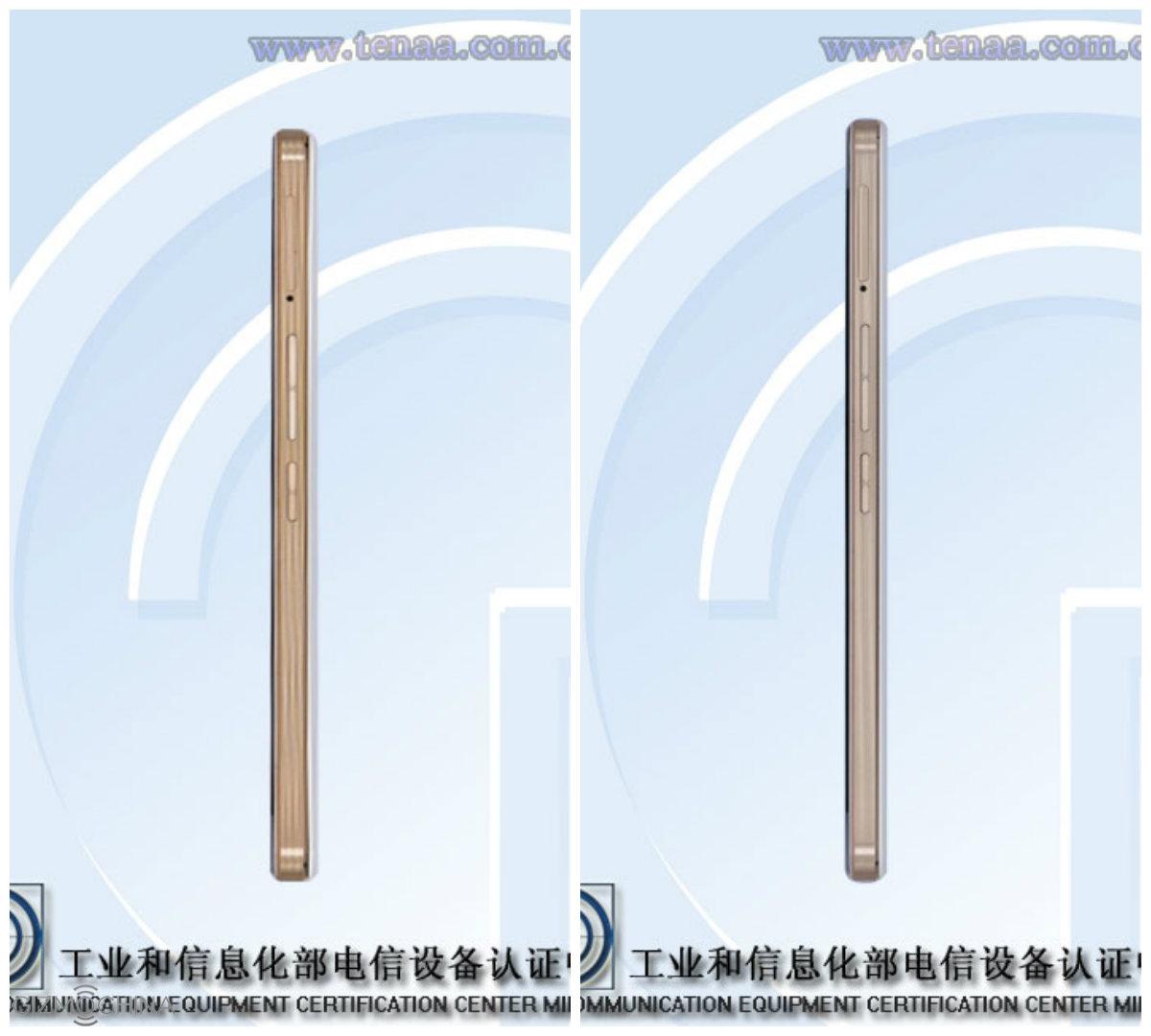
Now, to make matters even more interesting, two new smartphones have passed through the Chinese certification website TENAA, one from OnePlus, which is most likely the upcoming OnePlus Mini and the second one from OPPO, namely the OPPO A30. What makes them interesting is that both the smartphones look exactly the same! Now, is it a coincidence that apart from the company branding at the back, both the phones have the exact same design? Well, we leave it up to you to decide.
Here are a few pictures that directly compares the two smartphones. The one on the left is the OPPO A30 while on the right is the OnePlus E1000 (OnePlus Mini).
As you can see, the front looks exactly the same, except for minor color differences. The placement of the sensors on top and the capacitive buttons at the bottom are the same.
Coming to the back, once again, we see a striking resemblance in the two smartphones. Apart from the logo at the center, rest of the design is surprisingly similar!
You can check out the placement of the volume and power buttons and they are similar too. So, it’s basically the same smartphone with a different branding.
Even the specifications are the same on both the devices. So, they are powered by the Snapdragon 810 chip under the hood with 3GB RAM and 16GB of expandable storage. The screen size is the same at 4.99-inches and FHD 1920 x 1080p resolution. Both the phones have the same measurements as well 140×69×6.9(mm). At the back, you will find a 13MP camera while, up front, there’s a 5MP shooter. Both run on Android 5.1.1 Lollipop OS.
So, it can’t be such a big coincidence that two smartphones from different manufacturers end up looking exactly the same with the exact same specs.
Well, let’s hope the companies clear things out in the coming weeks about how this happened. We will keep you posted with updates in the coming days.
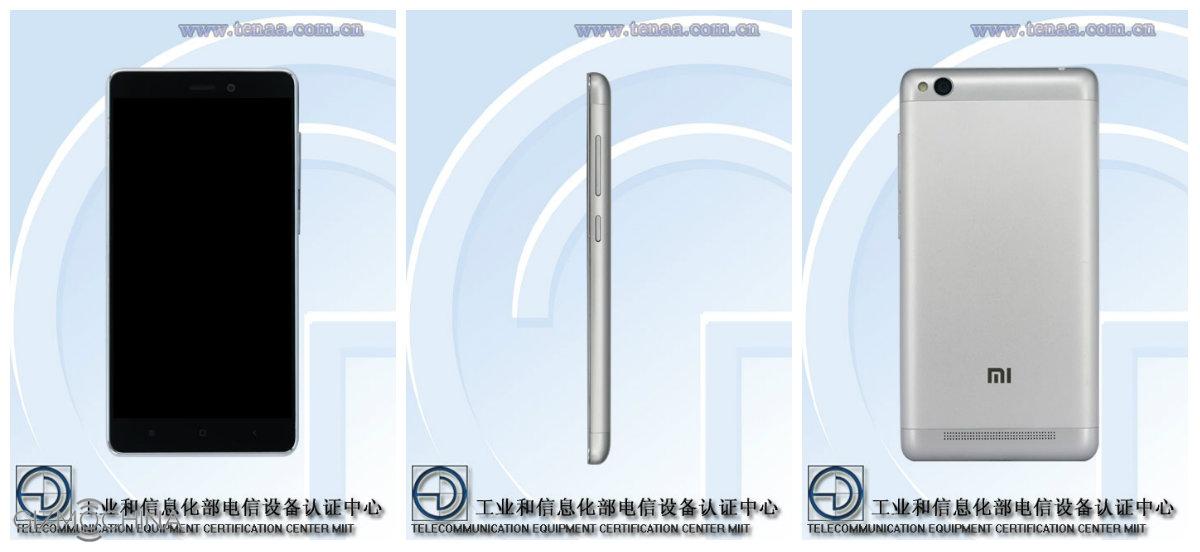
Xiaomi’s Redmi lineup is due for an update next year and looks like we have already got a glimpse of the upcoming Redmi 3 smartphone. The phone just passed through TENAA recently with the model number 2015815, revealing most of its specifications as well as the design.
The TENAA listing reveals that the Redmi 3 will feature a similar design as the Remi Note 3. The device seems to come with an all metal body, much like its elder sibling. So, it looks like Xiaomi is going to start a trend of releasing metal clad Redmi smartphones in the coming months. It’s not the thinnest of smartphones in the market, measuring 8.5mm, but it’s pretty decent for its size. Moreover, like the Redmi Note 3, we may see a large battery inside the device, which will justify its thickness.
As for the specs, the Redmi 3 handset will feature a 5-inch 720p display with an octa-core processor clocked at 1.5GHz. It could either be the Snapdragon 616 chip or the new Helio P10 MT6755 chip. There will be 2GB of RAM on board along with 16GB of storage. The phone will support dual SIM dual Standby with 4G LTE support. As for the software, the listing reveals the phone will run on Android 5.1.1, which should be based on the company’s MIUI 7 OS. Unfortunately, the listing reveals nothing about the phone’s battery capacity.
Overall, the Redmi 3 turns out to be a good handset in the budget category. According to the latest rumors, the phone should be priced at around 699 Yuan which comes to just $108. Not at all a bad deal, considering the phone’s looks and specs.
As for the release date, we can expect to meet the device sometime next year. The best guess would be a launch alongside the Xiaomi Mi 5 flagship in January. But as of now, nothing is confirmed.
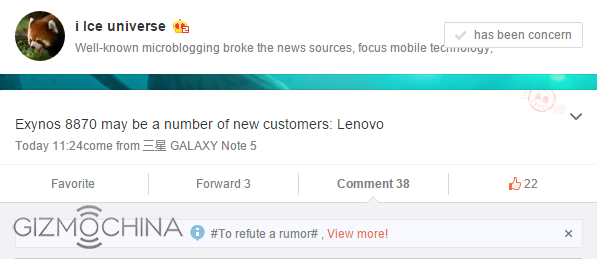
A few days back, we heard that Samsung was developing a special variant in the Exynos lineup called as the Exynos 8870. The chip will reportedly be used in a number of smartphones from other manufacturers. It was said that Meizu could be the first manufacturer to use the chip. Now, latest rumors from Weibo state that Lenovo may also use the Exynos 8870 chip inside its smartphones next year.
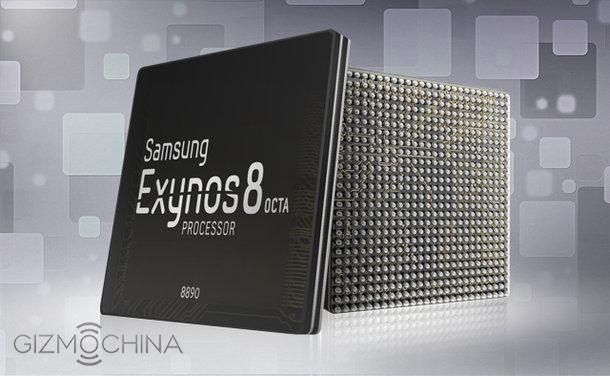
Exynos 8870 is said to use the same mongoose architecture as the 8890, but the clock speeds are going to be slower. This means it will be slightly slower than the flagship chipset, yet powerful enough to be inside a flagship device. As a result, if Lenovo does use the Exynos 8870 in one of its smartphones, it will most likely be a flagship device.
As for the release time frame, the source revealed nothing. But considering that we expect the Meizu Pro 6 flagship (probably one of the first phones to feature this chip) and the Pro 6 Mini smartphones to be unveiled around the second quarter of 2016, one can expect an 8870 powered Lenovo device to be announced only after that.
It’s won’t be surprising to see a Lenovo device powered by an Exynos chipset. Like Meizu, even Lenovo has used Samsung’s Exynos chips inside its devices in the past. Remember the Lenovo K860 smartphone that was announced in 2012? Well, you probably won’t remember this device as it was not very popular back then, but it came with the quad-core Exynos 4412 chipset inside. So, Lenovo’s association with Exynos isn’t new.
At this moment, these are just rumors as both Samsung and Lenovo have not yet confirmed the existence or even development of such a device. But since there’s still time for its release, if the phone is real, we can expect a lot more information to crop up in the coming weeks.
Lenovo, the Chinese smartphone maker has been teasing its upcoming Lenovo K4 Note as a “Killer Device”. We already know for sure that the phone will feature 3GB of RAM on board. Fingerprint ID and even NFC is confirmed on the device. Now, Lenovo has just teased that the phone will feature a ‘Killer Display’.
While the term Killer Display is a bit vague, the hype created by the company seems to hint that the phone will come with a 2K resolution display. This is what the company said in its tweet.
“When is a display more than just a sum of its pixels?Get ready to thrill your senses with the K4 Note#KillerNote2016″
The display is expected to be the same size as its predecessor, the Lenovo K3 Note, around 5.5-inches. The company also released a teaser video in a tweet earlier today, which can be seen from down below.
When is a display more than just a sum of its pixels?Get ready to thrill your senses with the K4 Note#KillerNote2016 https://t.co/OnTMpyU0jY
If the Lenovo K4 Note does really end up with a 2K display, then the phone will turn out to be a powerful device. Under the hood, we expect to see the Helio X10 Mt6795 octa-core chip, with 3GB RAM.
Lenovo K3 boasted of being a mid-range device, but with the K4 Note, the company could take things a level higher. It would be interesting to see whether the pricing goes to the next level as well. The K3 Note retails for around $200 in India. We will have to wait and see whether the Lenovo K4 Note is launched anywhere near this figure. The launch is scheduled on January 5 in New Delhi, India.
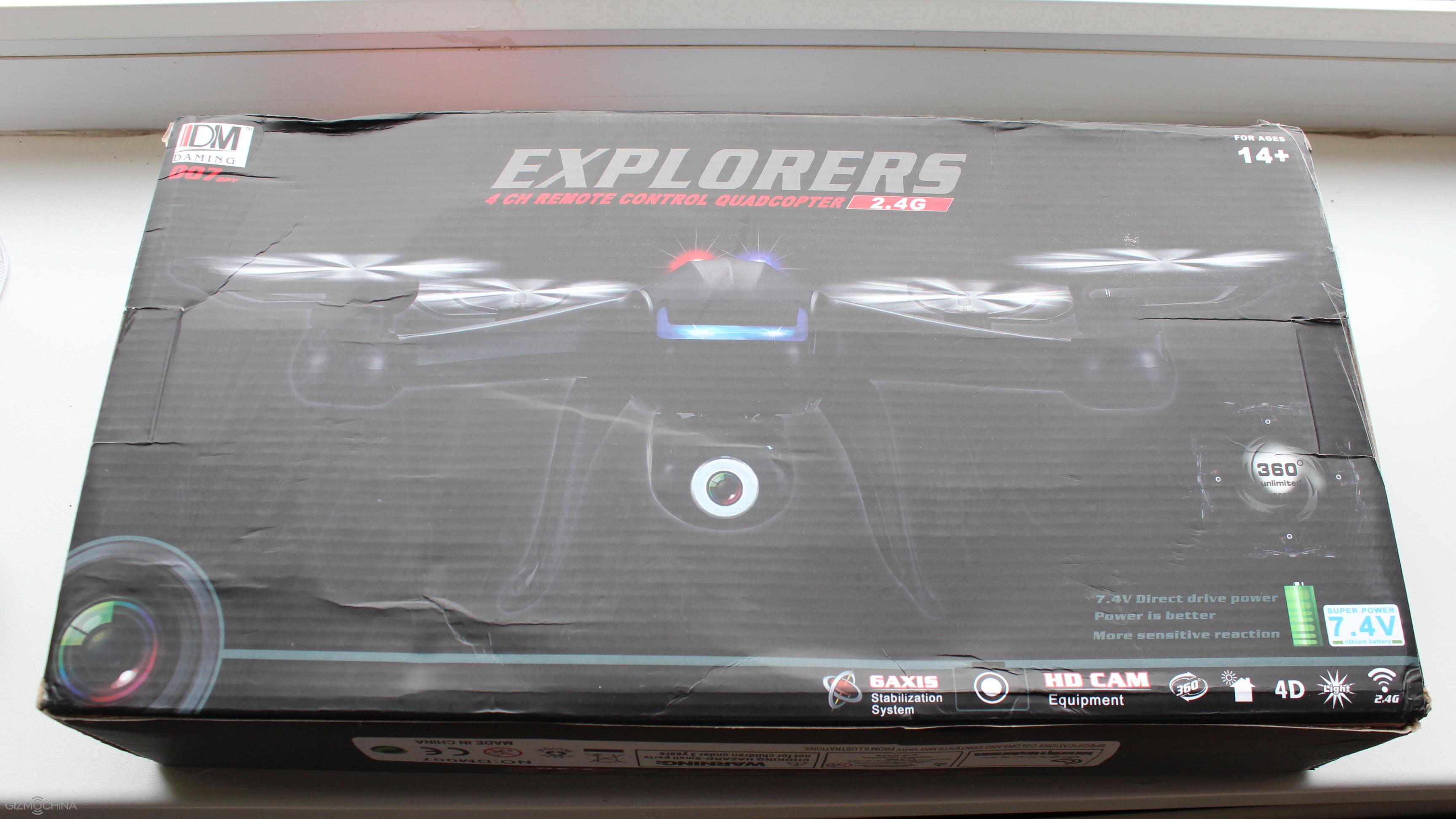
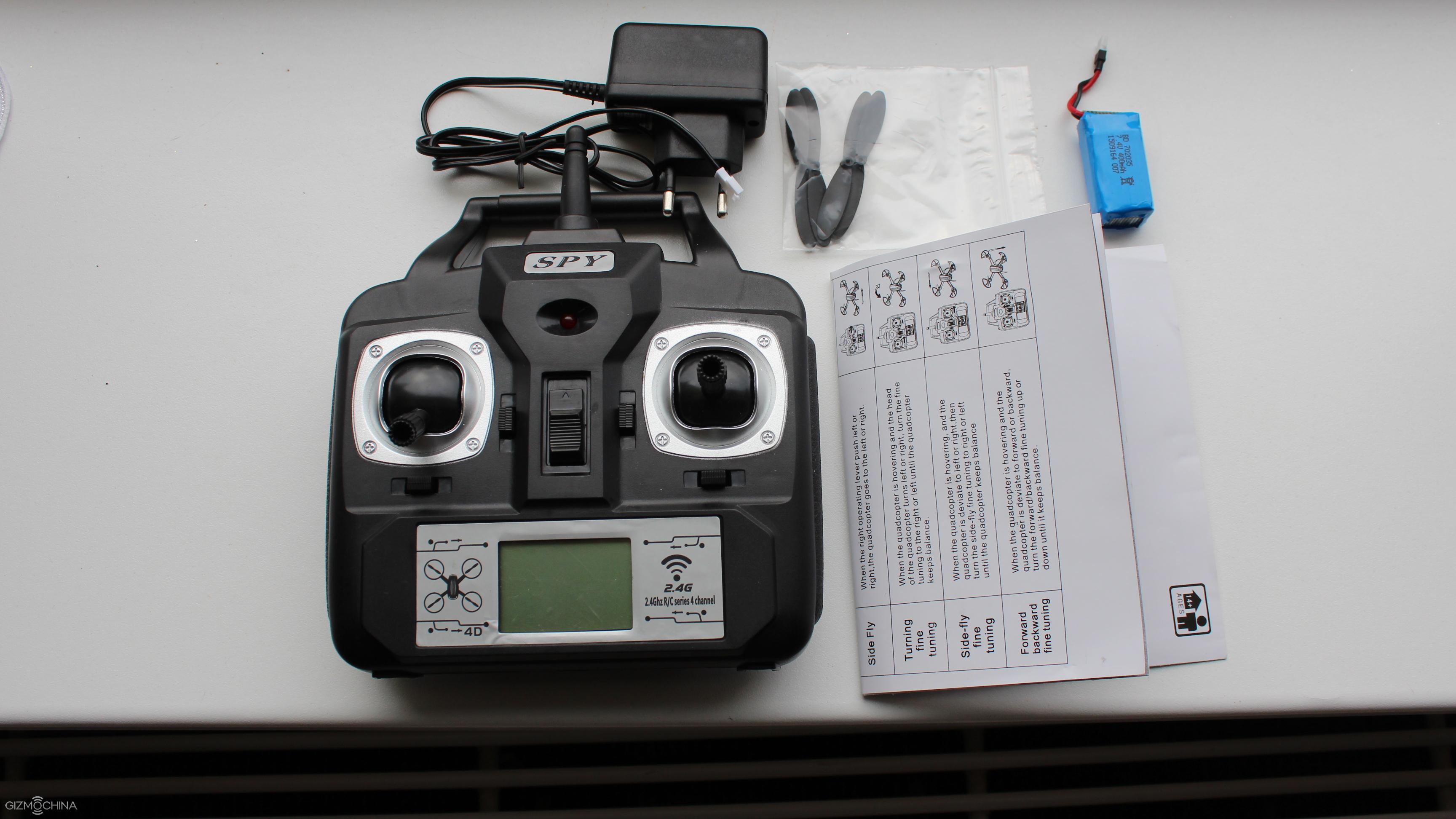
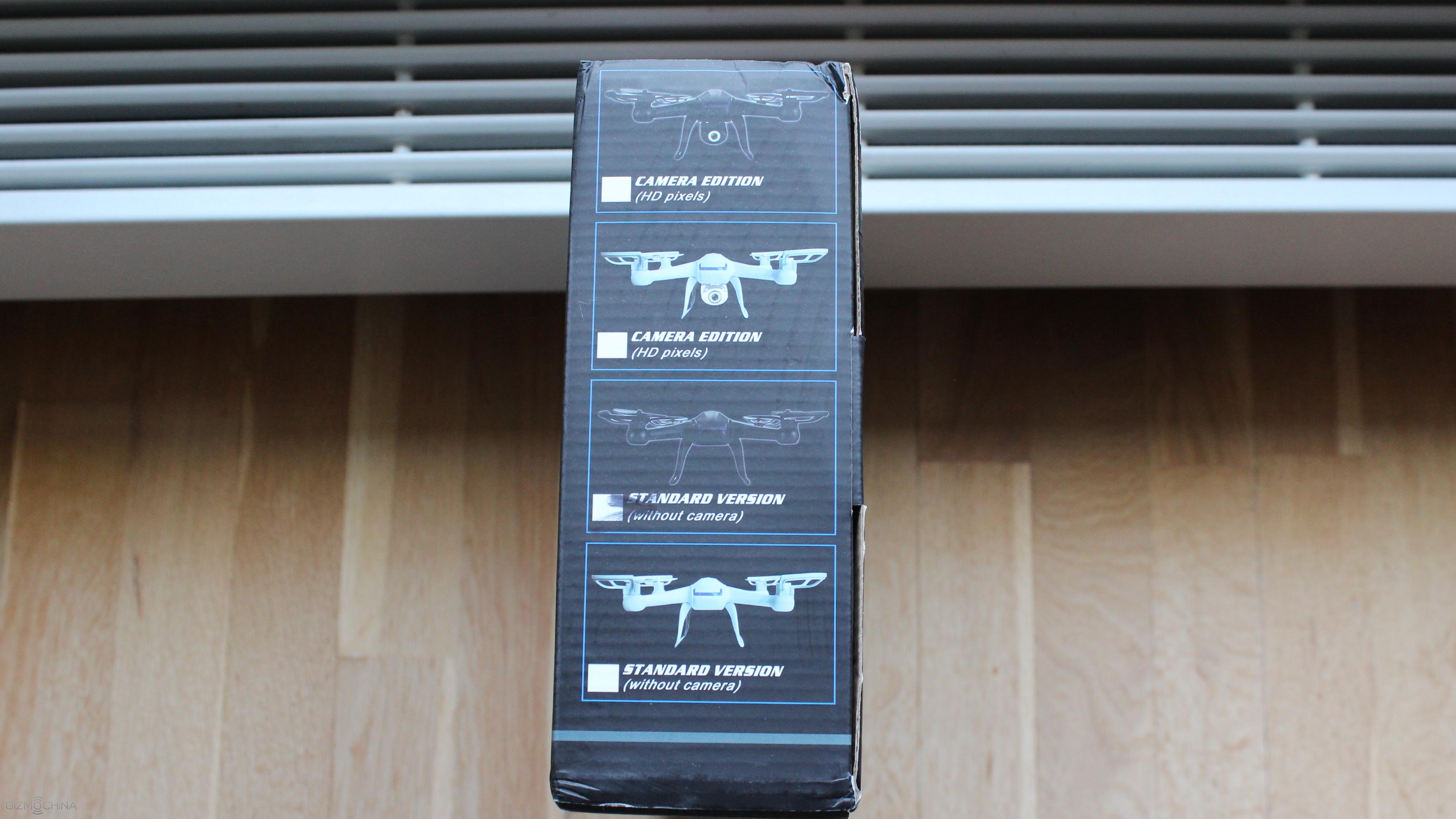
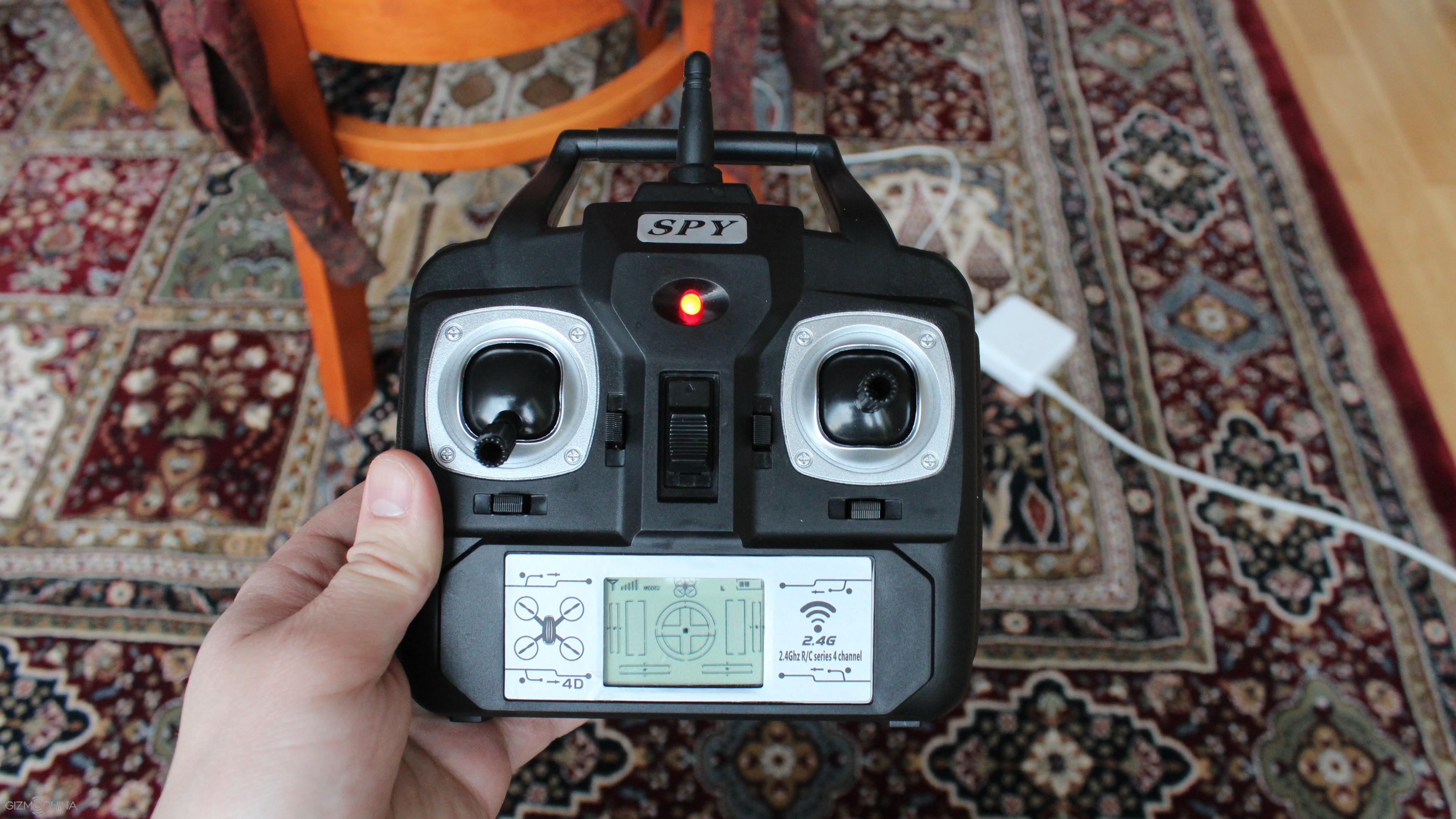
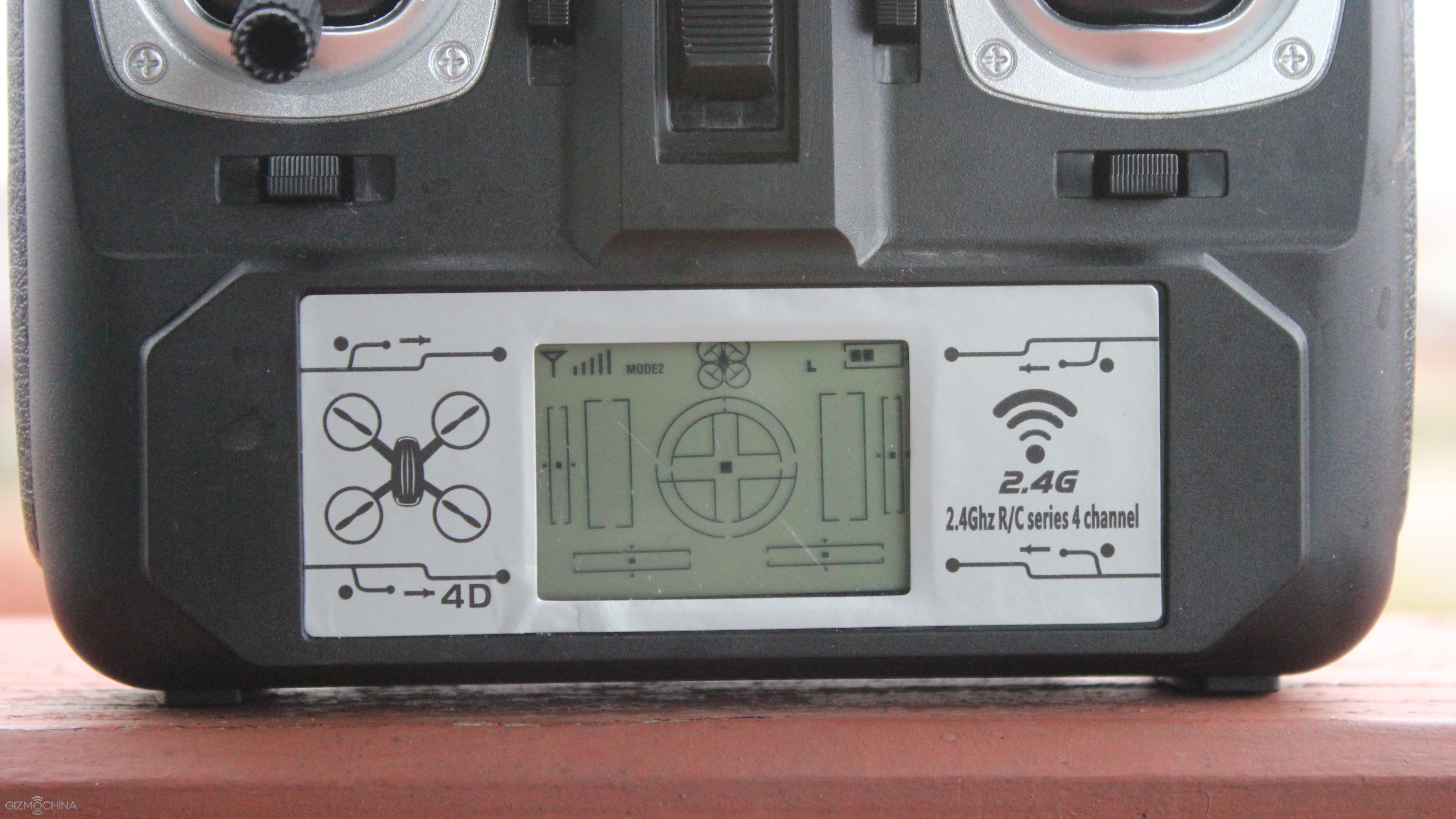
The drone comes in a rather huge box and what you are getting inside of it includes a remote control, which is very comfortable to use and very responsive, and it has the a little display, which shows a lot of useful information like speed, signal strength, the battery power and so on.
Also, there is a removable battery, which may be tricky to install for the first time as you need to manage the cable to squeeze the battery inside the drone.
Other contents include a spare set of blades, a proprietary charger and instruction manuals.
Flymemo DM007 RC Quadcopter Drone Review: DESIGN and BUILD
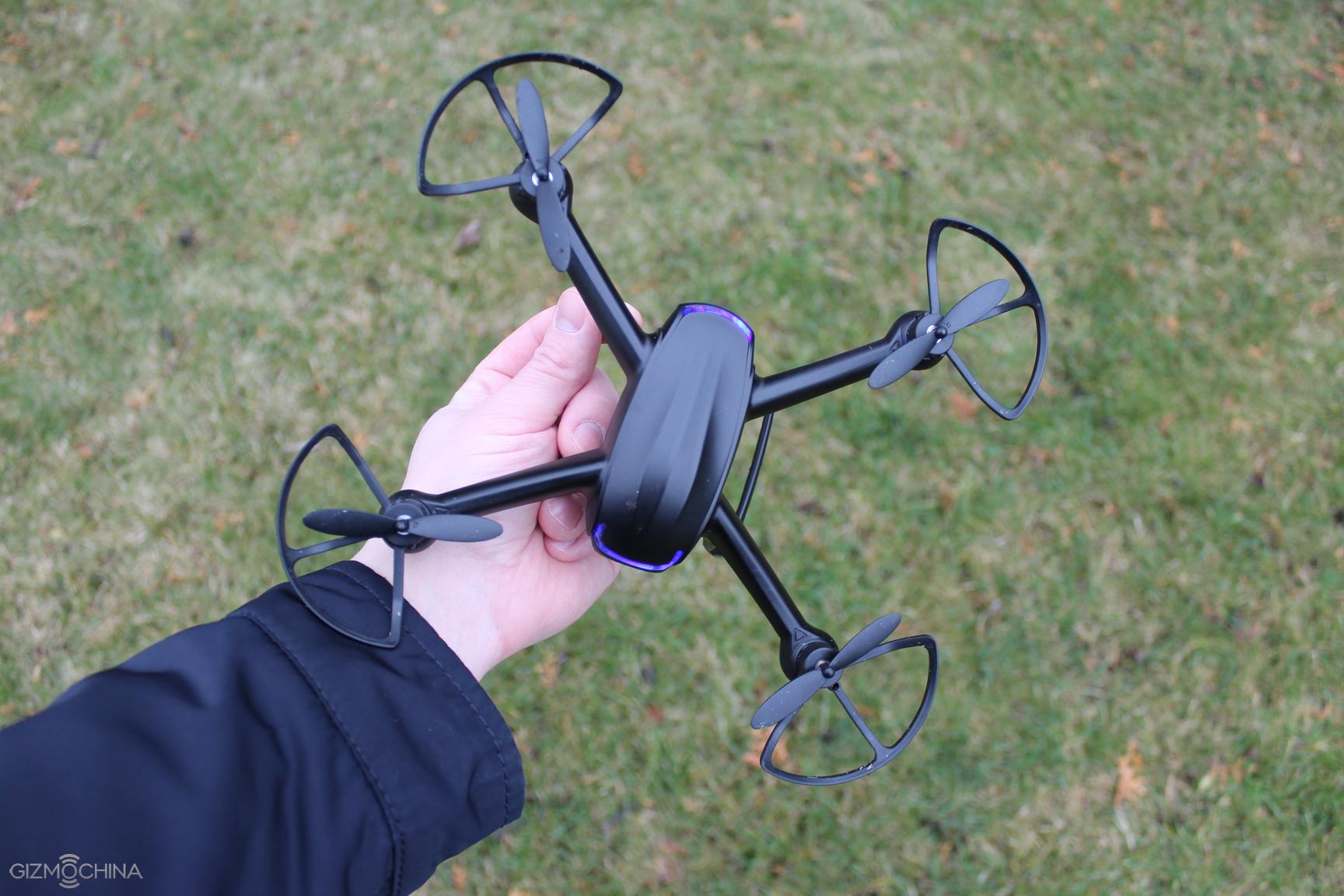
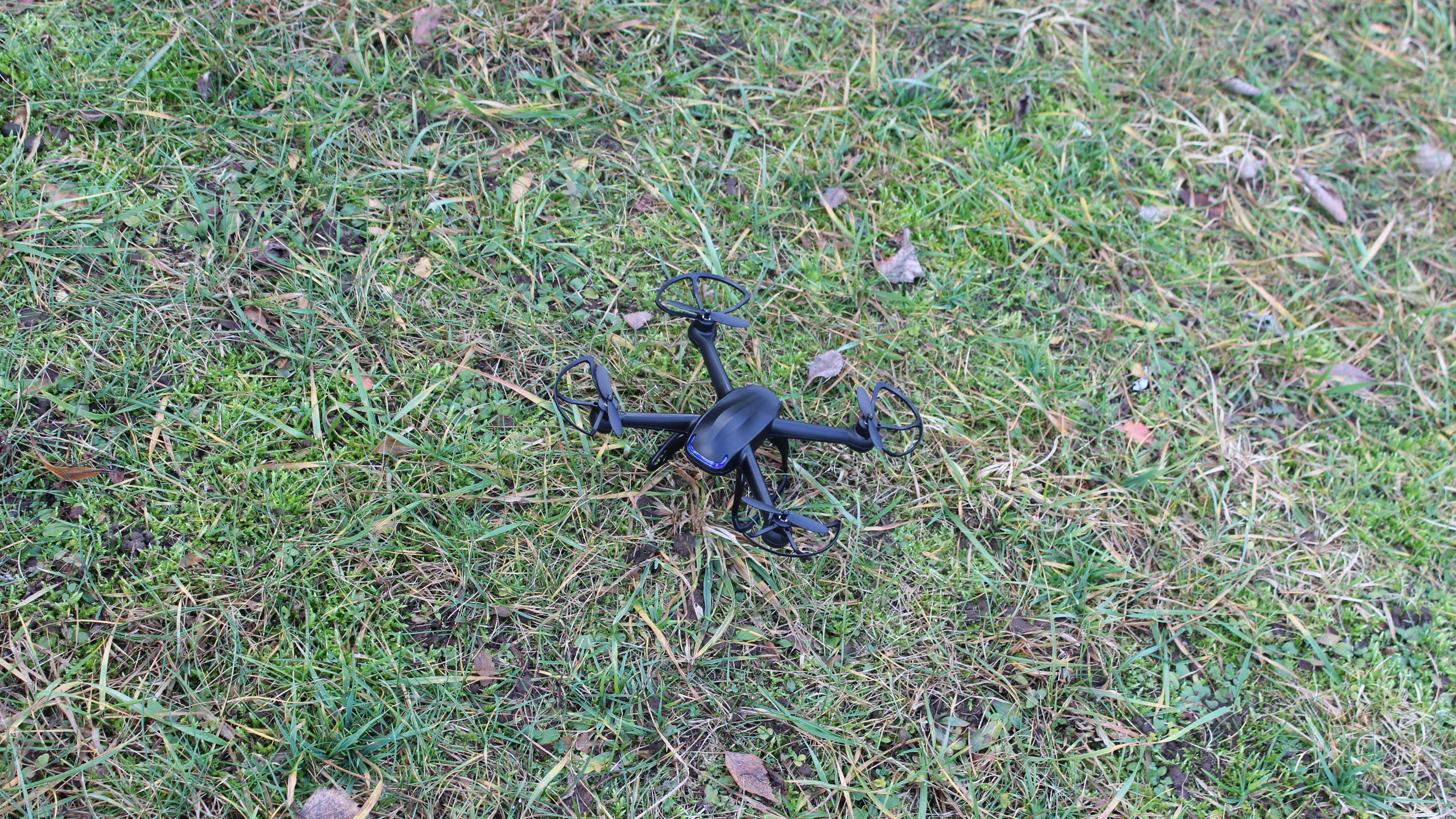
The very first impressions you are going to get are that the Flymemo drone is very light and it feels kind of plasticky.
However, I’ve dropped it a lot of times on various surfaces and given the fact that some of the crashes were pretty hard, I’m surprised that the drone still works flawlessly. Naturally, there is some cosmetic damage but it can be very easily fixed by yourself or you can buy some spare parts for a very low price.
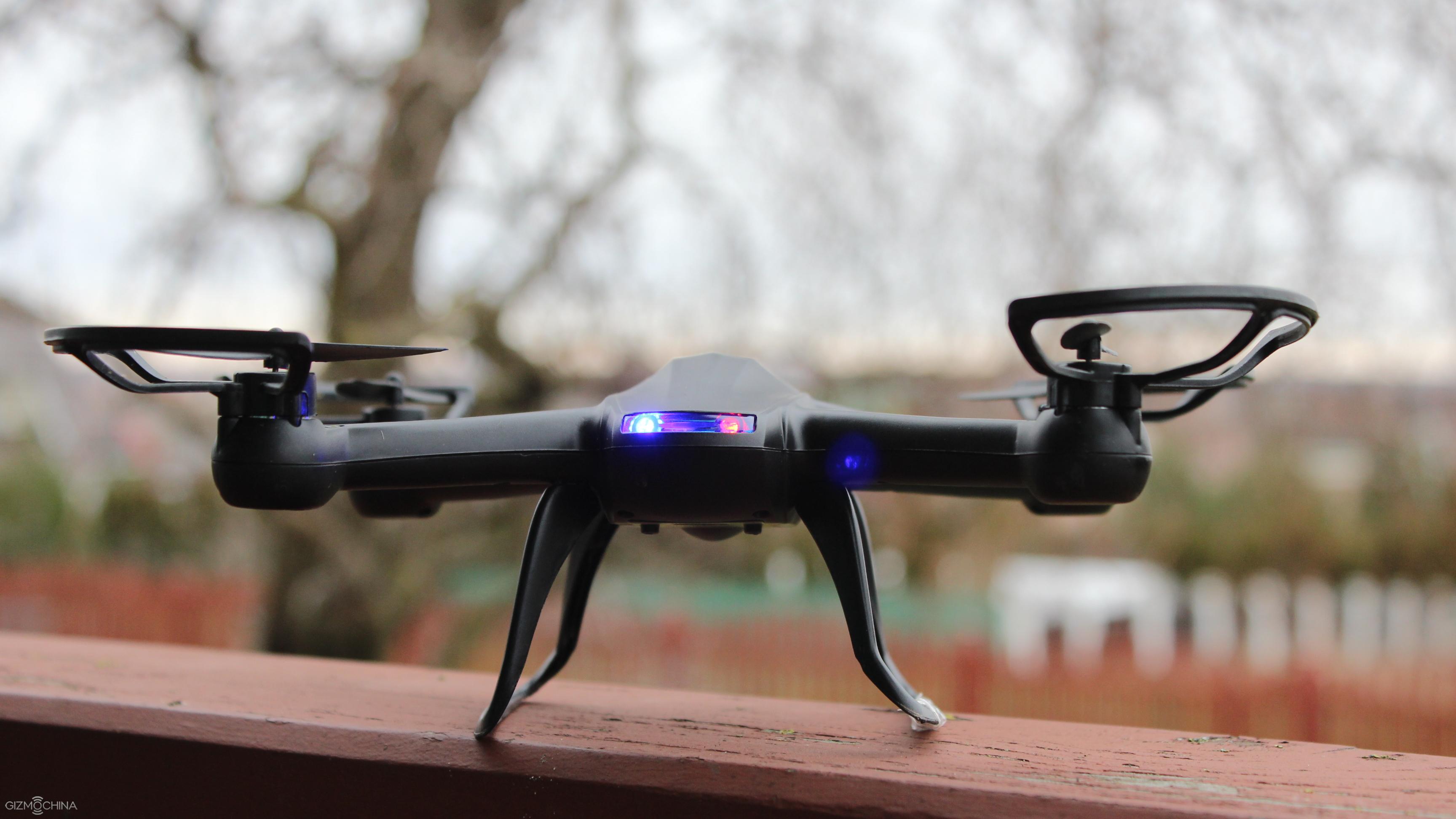
Both front and back sides of the drone have some nicely flashing LED lights which also allow you to fly the drone at night.
Keep in mind that my review unit came without the optional 2MP camera but you can order the one with the camera included or buy it separately as a spare part.
Overall, the Flymemo DM007 Quadcopter is well and thoughtfully built despite feeling very plasticky.
Flymemo DM007 RC Quadcopter Drone Review: FLYING EXPERIENCE, EASE OF CONTROL
I have to tell you that the Flymemo was my first drone ever but what I’ve learned is that it is really easy to control. Also, the remote controller is very sensitive and I had no range issues whatsoever. It takes just a little bit of practice and you will enjoy flying it.
It’s worth mentioning that the drone has the beginner and pro speed modes and I suggest you starting with the beginner. Also, I advise you going to the huge field with soft surface like grass if you are just learning how to fly the drone.
As far as the battery life, I could get around 7 minutes of flight time, which is the same as advertised.
The Flymemo DM007 is a nice and inexpensive drone, which is built in a way that it can survive numerous drops due to its protective construction. Also, it is really easy to fly it as it has a beginner mode with lower speed. I have to tell you that I really enjoyed playing with it.
In addition, the remote controller has a nice little display which shows a lot of useful information and I didn’t get any signal issues with the drone.
The embedded LED lights look very cool and they allow you to fly the drone even at night.
However, I didn’t like the way you need to install the battery as you have to squeeze the cable first and then it may take a few more seconds to fit the battery in.
All in all, the Flymemo DM007 drone is a pretty cool gadget for the price as it does all the things right, it is easy to control and it is a lot of fun flying it.
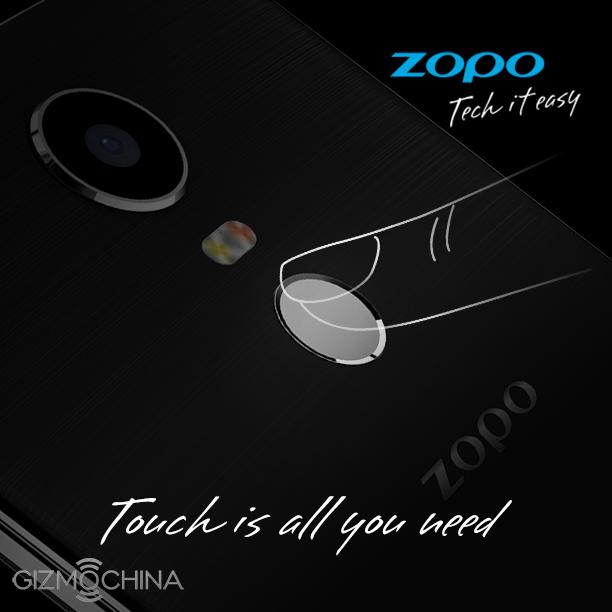
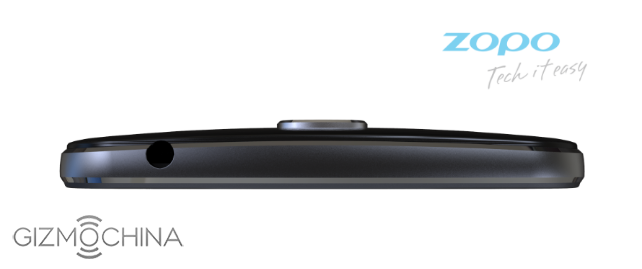
ZOPO’s Speed 8 flagship is shaping up to be a powerful smartphone. We already know that the phone will come with the 10-core Helio X20 chipset as well as 4GB of RAM on board. Now, the company has revealed that the device will feature a fingerprint sensor as well.
According to the teaser picture revealed by ZOPO, it looks like the Speed 8 flagship will come with fingerprint ID at the back. Its a round sensor, similar to the one we have seen on other devices. But at the moment, apart from the fact that the feature will be found on the device, we have no further details.
2015 was really the year of fingerprint sensors. Almost all major flagships came with fingerprint ID on board. Many of these companies released their first fingeprint sensor equipped device only this year. So, its not surprising that ZOPO Speed 8, which is supposed to be the flagship smartphone from the company comes with this feature.
The high-end Helio X20 and 4GB of RAM should ensure stellar performance. We are really excited to see the device in action since its going to be one of the first smartphones to come with a 10-core chip. The company has confirmed the release date to be on February 24 at MWC 2016. It will be personally showed off by the MotoGP Champion Jorge Lorenzo at ZOPO’s booth in the event.
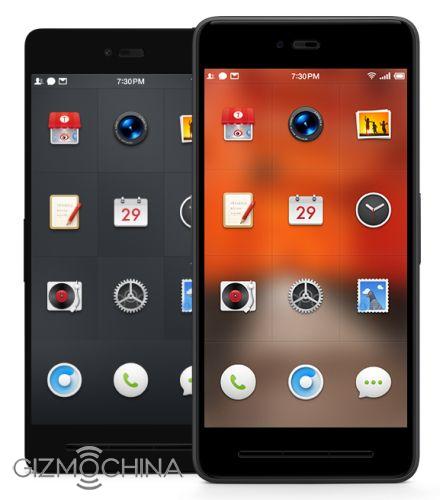
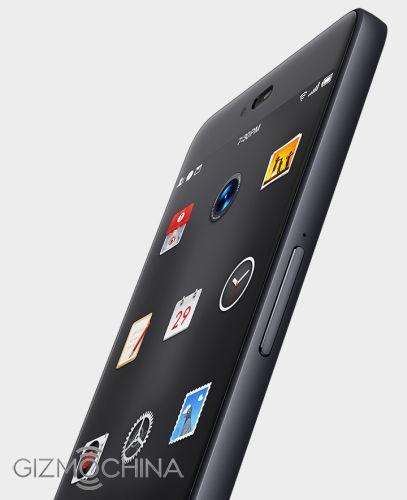
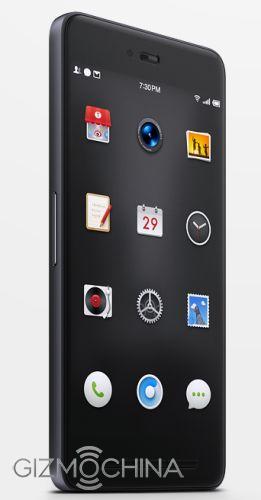
We have been hearing rumors about the Smartisan T2 flagship for the past few months. Now, the company has finally made the device official. The T2 flagship was unveiled at the famous Beijing National Convention Center in China yesterday evening.
The design of the phone is similar to the earlier generation, with 2.5D Gorilla Glass 3 glass on both the sides and a metal frame around the body. However, in the new flagship, the back cover isn’t removable, so you can’t change the battery. You will also find three physical buttons right below the display, which isn’t surprising given that we had seen the same design in yesterday’s leak. You will find a set of customizable buttons on both the sides, and you can set either one of them as volume keys. One of them even pops out where you can insert the SIM card. Celarly, an interesting design.
As for the specs, the Smartisan T2 comes with Qualcomm’s Snapdragon 808 hexa-core processor with a 5-inch FHD 1920 x 1080 pixel resolution display. There is 3GB RAM on board and 16GB/ 32GB internal storage available. At the back, you will find a 13MP rear camera while up front there’s a 5MP shooter. The phone supports 4G LTE networks as well. As for the non-removable battery, you get a 2670mAh capacity one at the back. Its not really big as compared to other flagships, but its enough for powering the smartphone for a day.
The company has also paid attention to the phone’s sound output, including a separate left and right channel OPA1612 amp chips, with features such as digital filtering for headphones. This should improve the overall sound output, close to Hi-Fi quality.
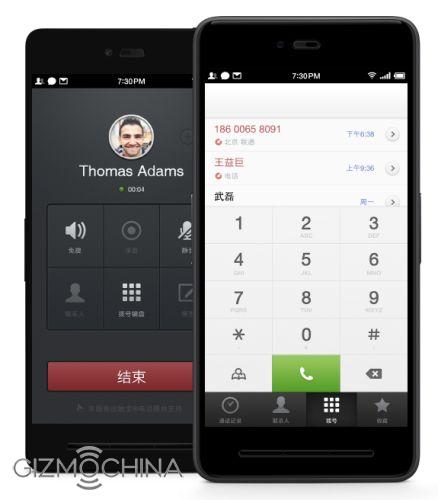
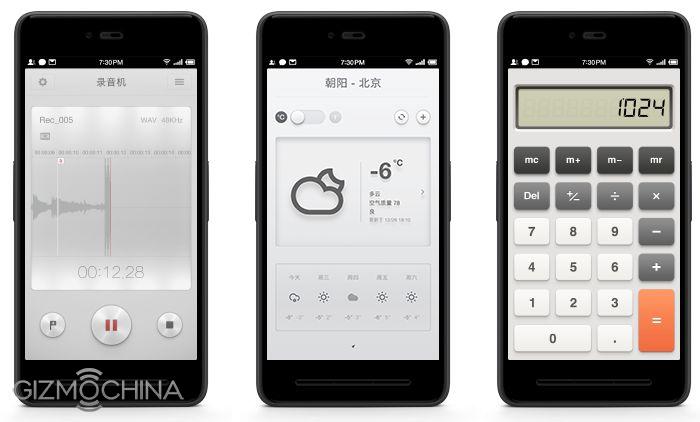
Smartisan has always been praised for their software. In the new version that runs on the T2, namely the Smartisan OS 2.5, you get a lot of new features such as system level video editing, GIF builder, screen recorder, global roaming support, remote assitance etc. There are other features such as Smartisan Read for media content, Smartisan Drive for a simple yet safe driving mode. Both these features are currently in beta stage.
Pricing wise, Smartisan T2 isn’t really cheap. I mean for a Snapdragon 808 powered smartphone, the phone costs 2499 Yuan ($385) for the 16GB version and 2599 Yuan ($400) for the 32GB version, which is a bit higher than expected. We have much cheaper options for similar specs like the Xiaomi Mi 4C or even the OnePlus 2!
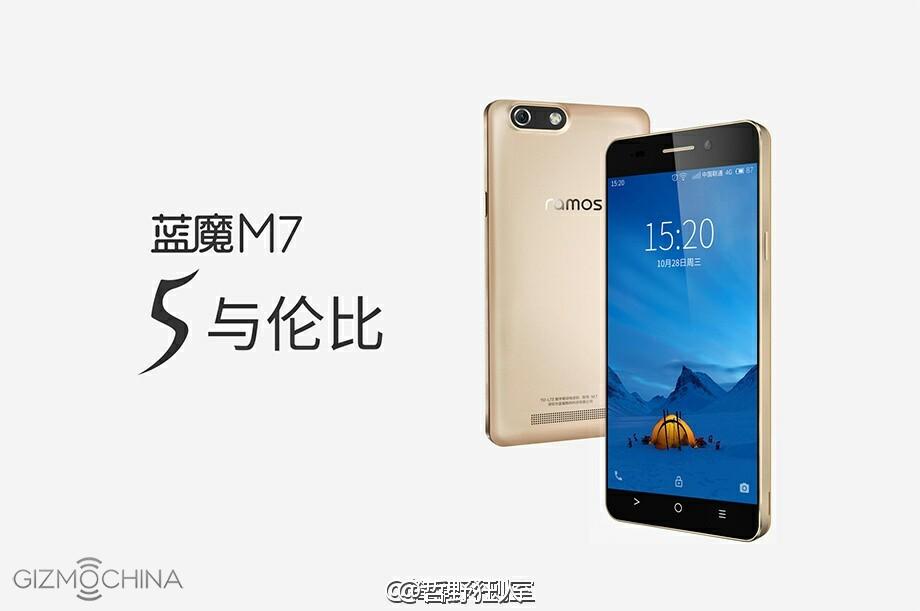
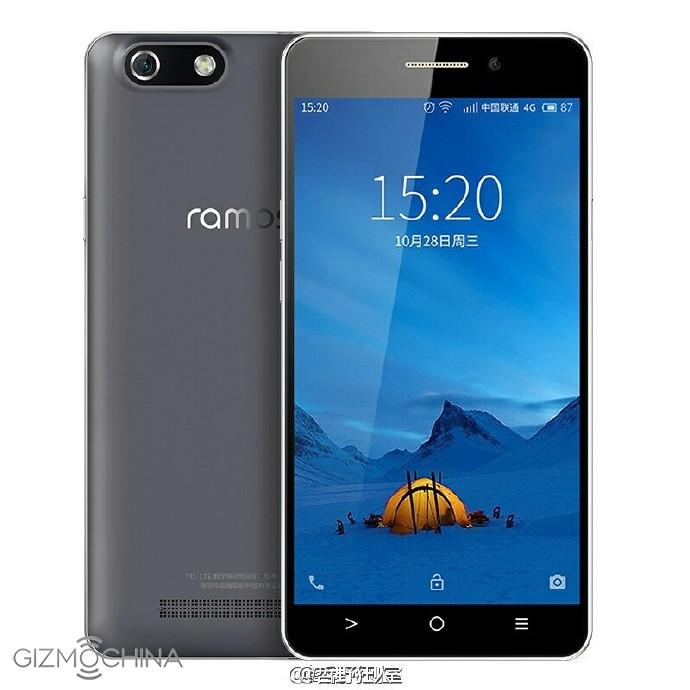
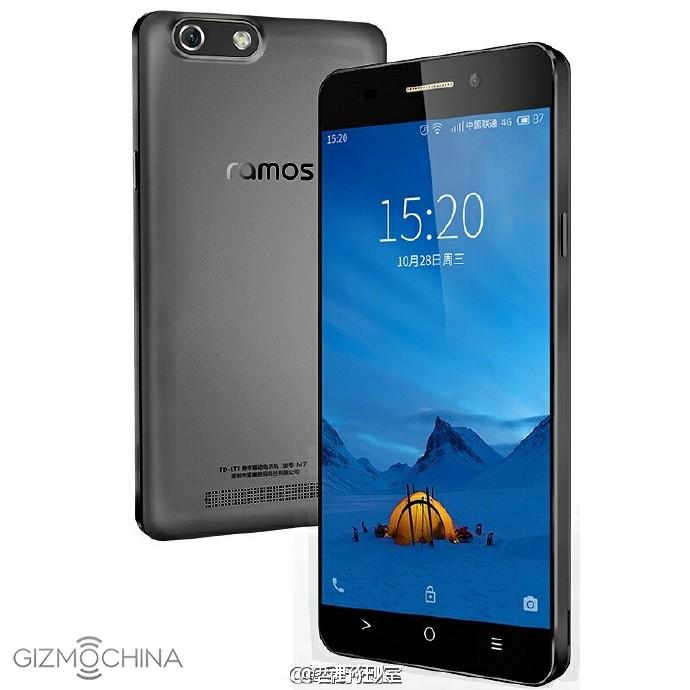
Ramos is a well-known tablet manufacturer in China. However, back in July, the company decided to try out its luck with smartphones as well. Not surprising, considering almost all tech companies have at least a smartphone under their belt. We have already seen a couple of devices from the company till now. Also, we had heard details about the Ramos M7 smartphone earlier this month. But at that point, we didn’t know the exact specifications of the device.
Now, these details are officially available. The Ramos M7 will feature the mid-range yet powerful MT6753 octa-core 64-bit processor with 2GB RAM and 16GB of inbuilt storage. The highlight of the phone is going to be its super large battery, measuring 5000mAh. The company says that this massive battery can power the device for up to 3 days. What’s more, if you have an OTG cable, you can charge your other devices using this large battery.
As for the other specs. the phone comes with a 5-inch 720p HD display. At the back, you have a 13MP rear camera while, up front, you will find a 5MP shooter. The phone supports dual SIM dual standby with 4G LTE and comes with Android 5.1 OS out of the box.
Despite having such a large battery, the phone is pretty decently sized. The measurements are as follows: 142 x 70 x 9.6mm, which is not very thick considering the battery capacity. You can choose between three different colors namely, Sky Gray, Champagne and Coffee Brown. Unfortunately, there’s no fingerprint sensor on board, which is a feature that most 1000 Yuan smartphones feature nowadays. But the large battery should give this device an edge over others.
As of now, Ramos has not announced any plans for an international release, but we would surely like to see such smartphones with decent specs and a large battery make it outside the domestic market.
We use cookies on our website to give you the most relevant experience by remembering your preferences and repeat visits. By clicking “Accept”, you consent to the use of ALL the cookies.
This website uses cookies to improve your experience while you navigate through the website. Out of these, the cookies that are categorized as necessary are stored on your browser as they are essential for the working of basic functionalities of the website. We also use third-party cookies that help us analyze and understand how you use this website. These cookies will be stored in your browser only with your consent. You also have the option to opt-out of these cookies. But opting out of some of these cookies may affect your browsing experience.
Necessary cookies are absolutely essential for the website to function properly. This category only includes cookies that ensures basic functionalities and security features of the website. These cookies do not store any personal information.
Any cookies that may not be particularly necessary for the website to function and is used specifically to collect user personal data via analytics, ads, other embedded contents are termed as non-necessary cookies. It is mandatory to procure user consent prior to running these cookies on your website.