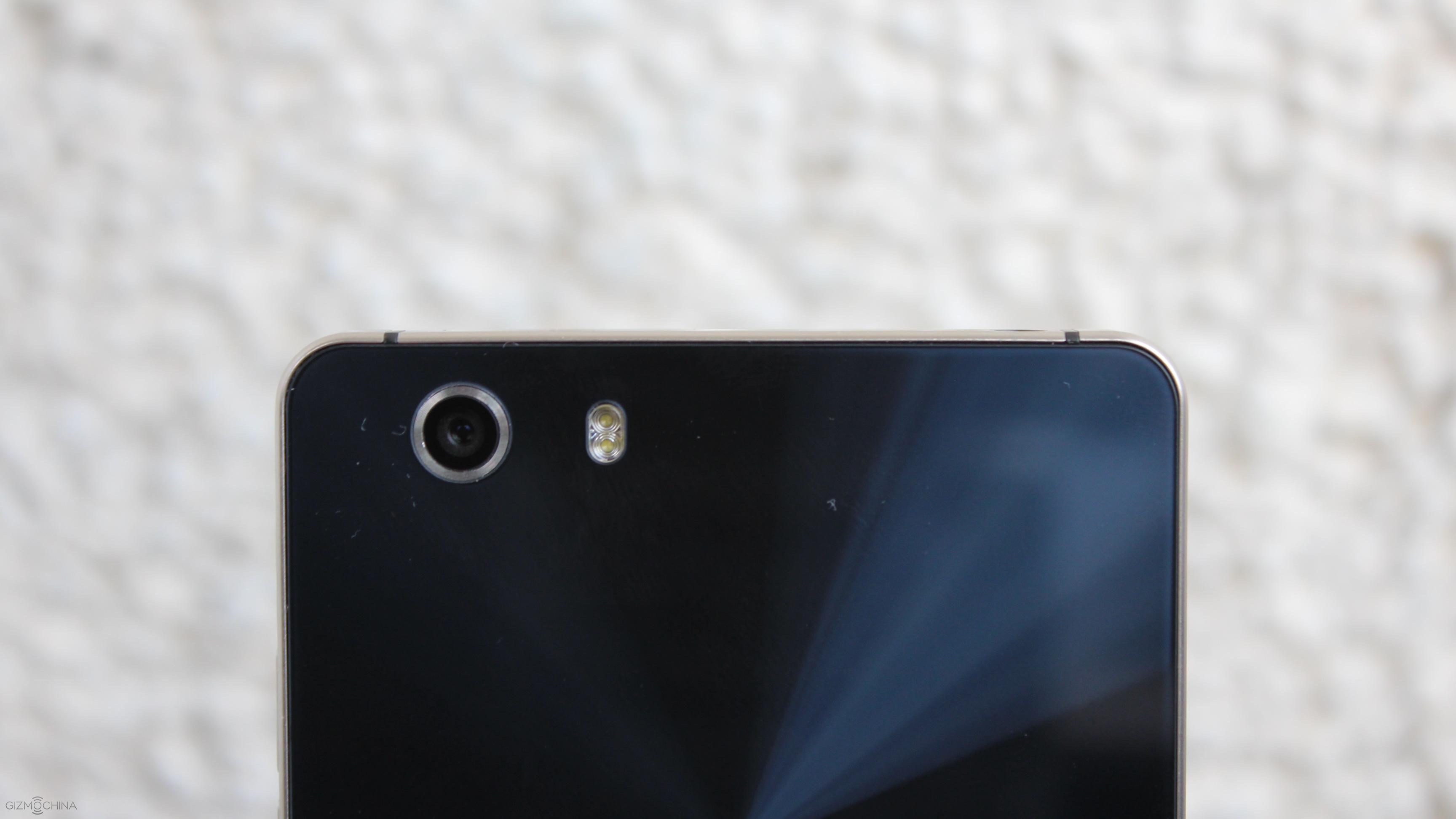
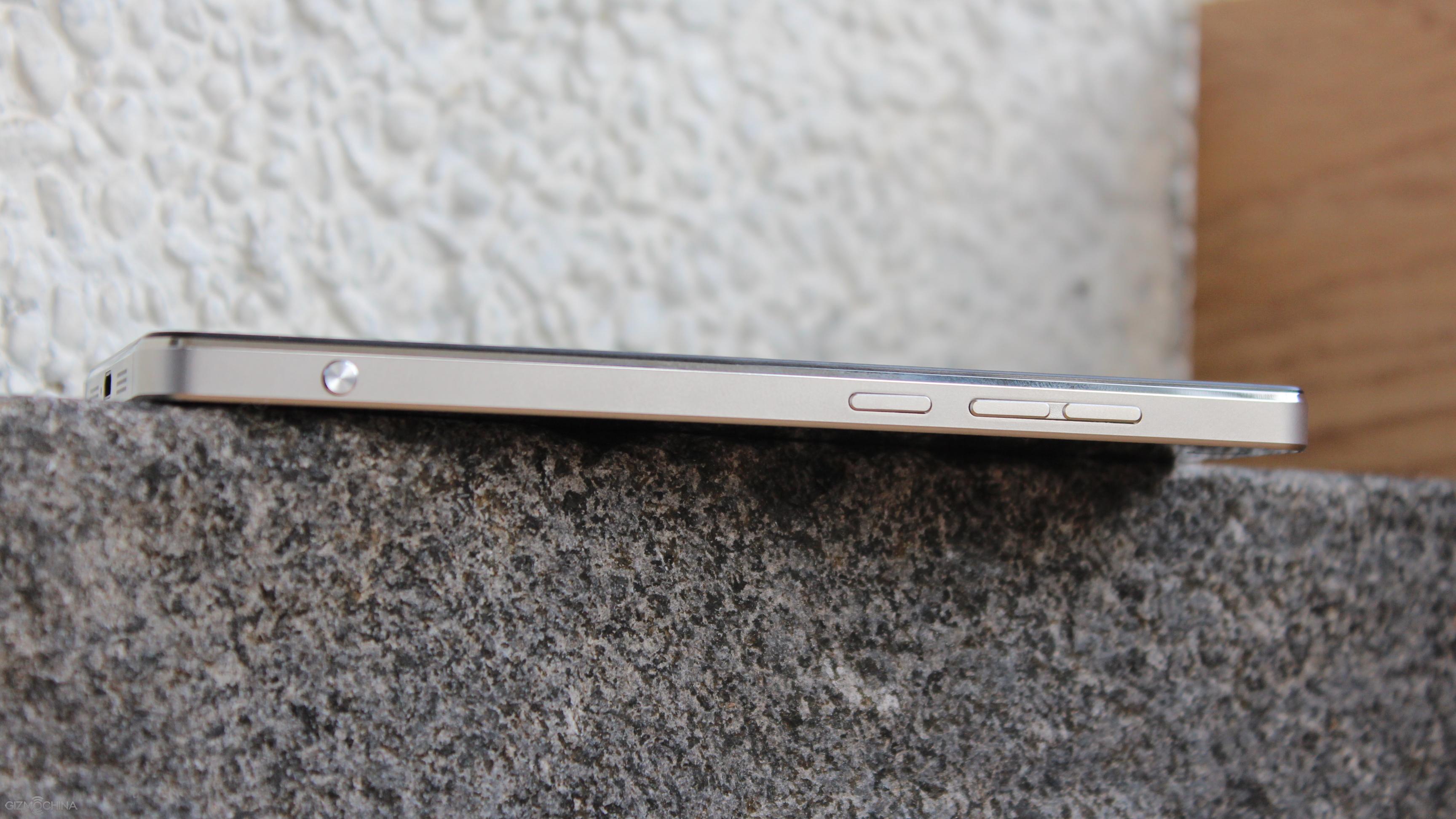
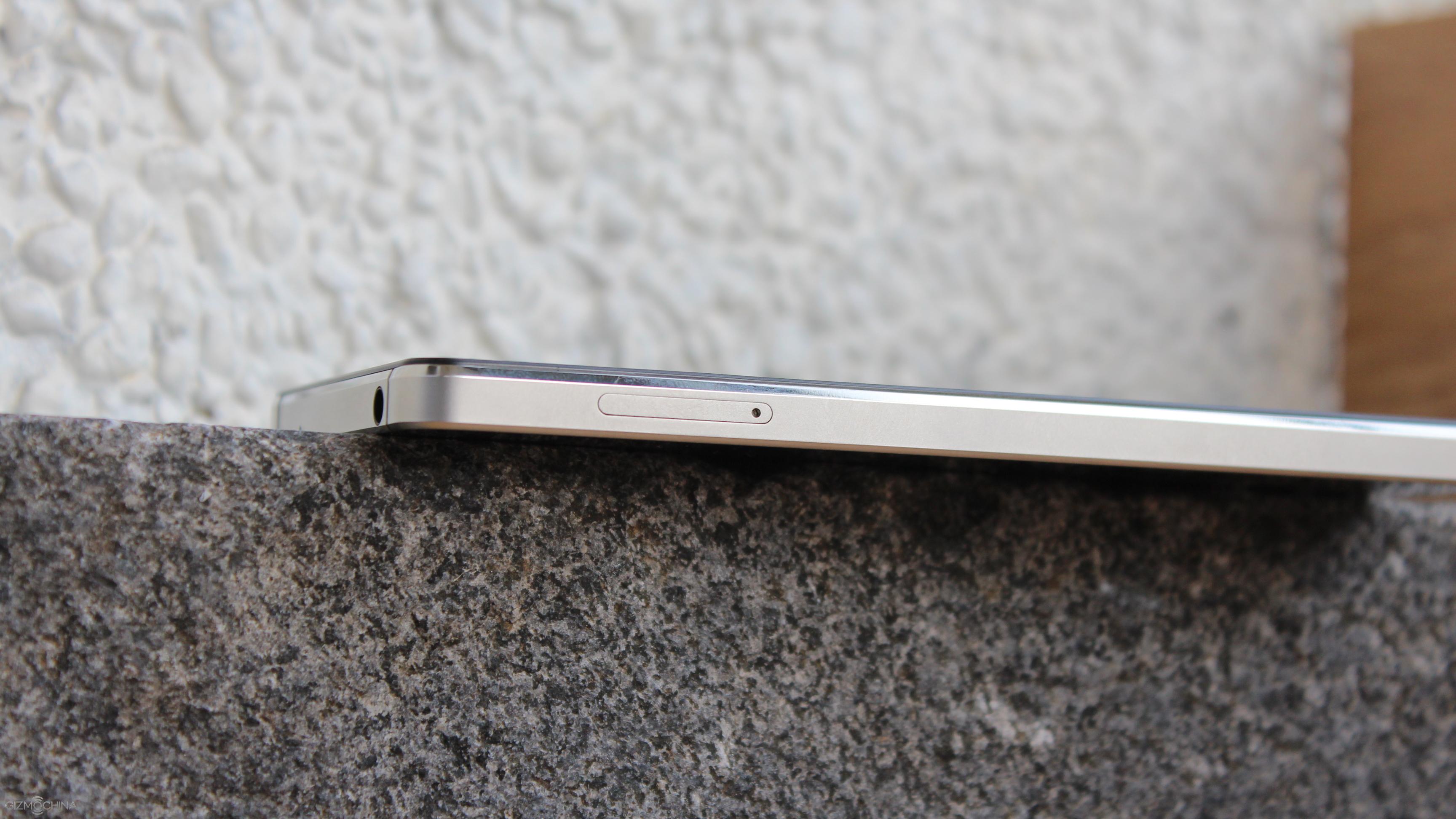
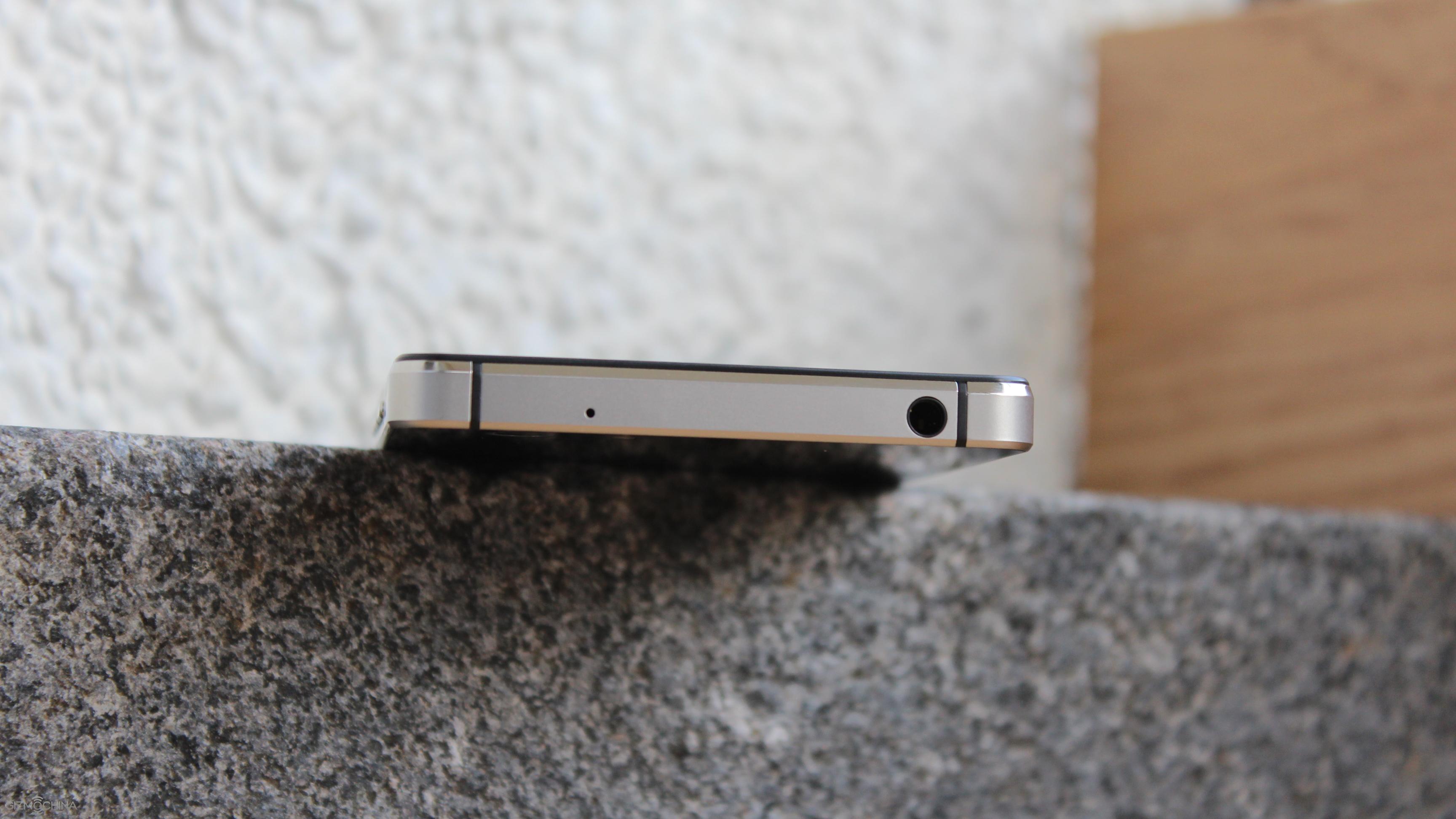
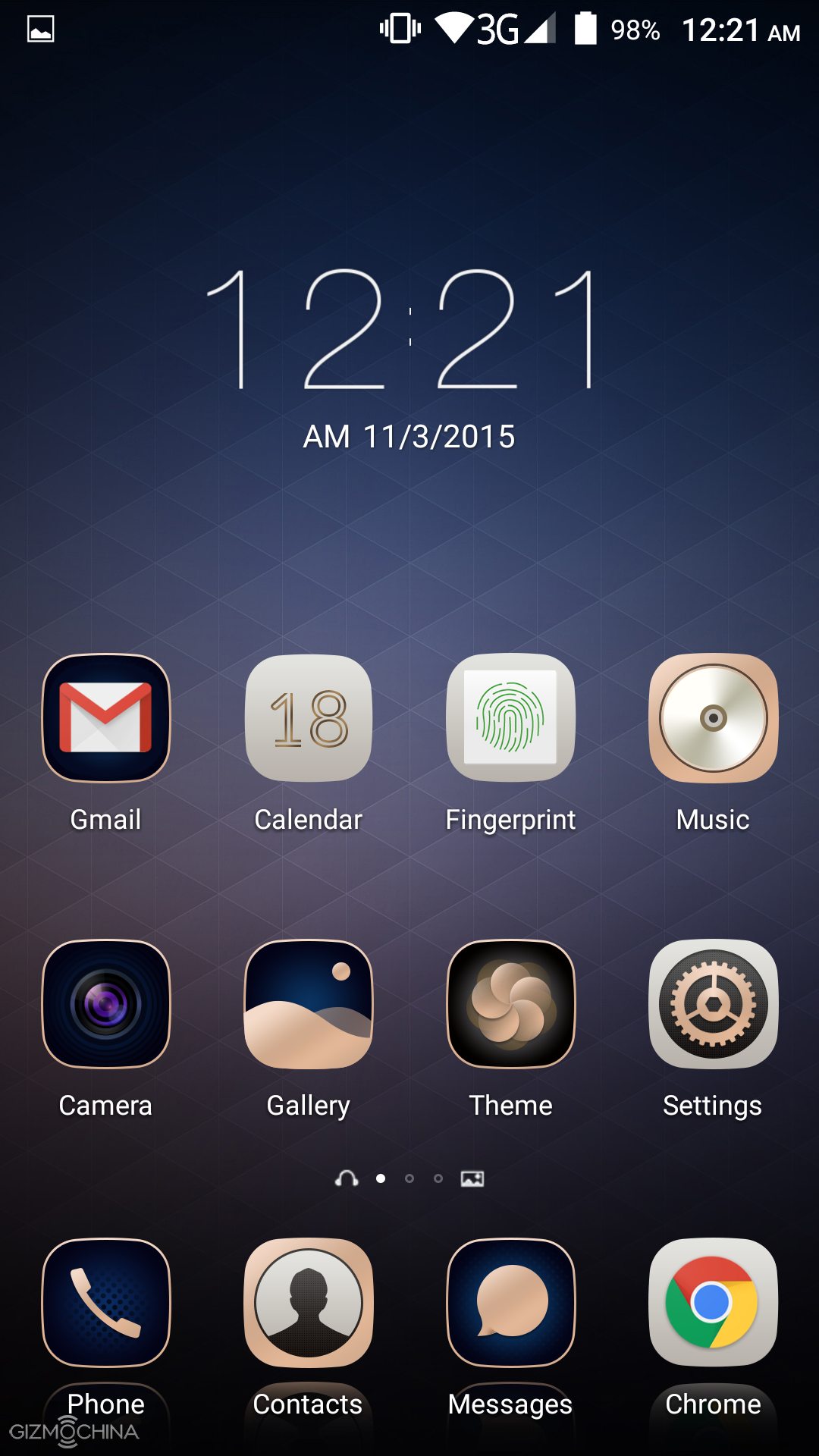
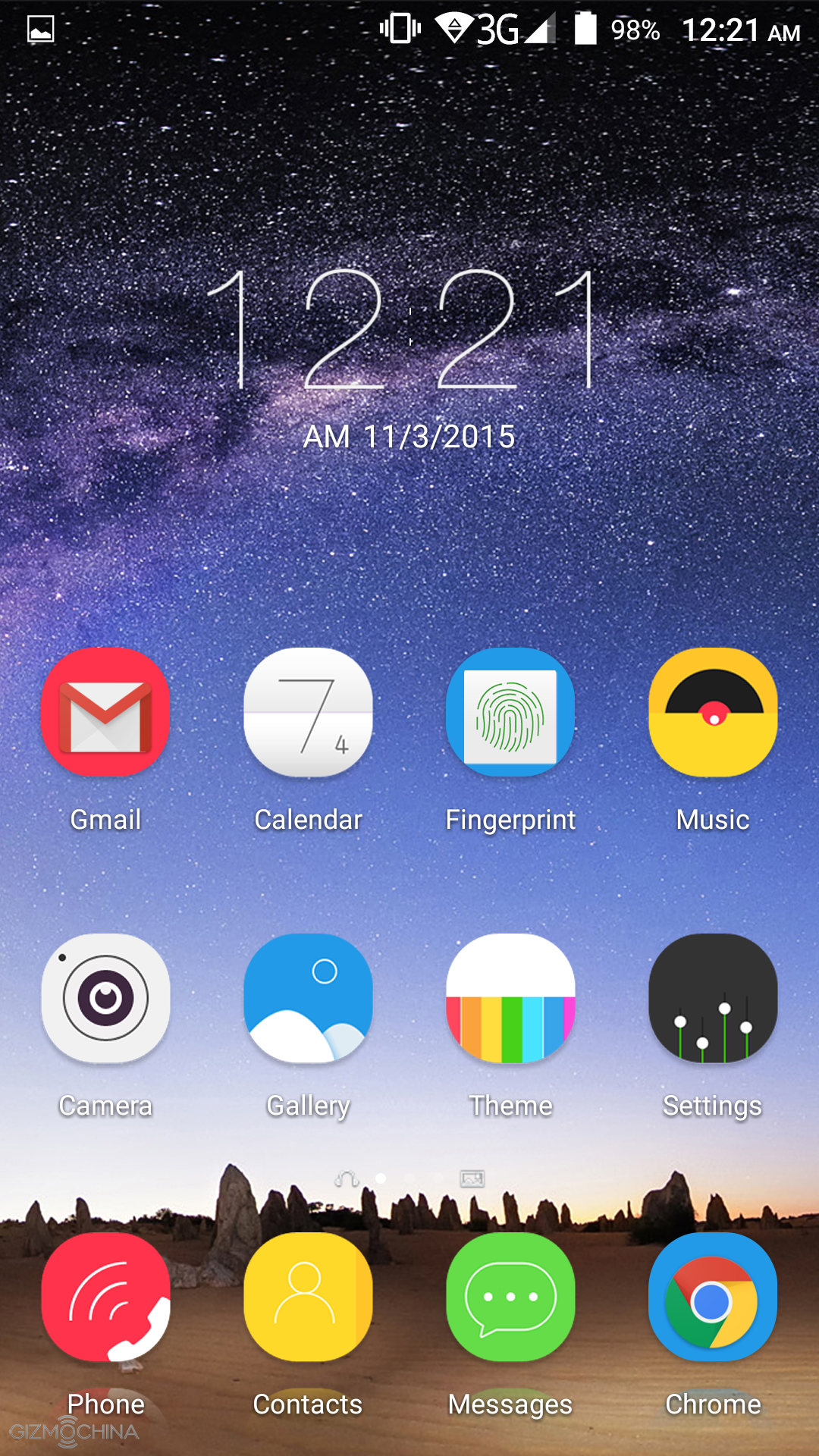
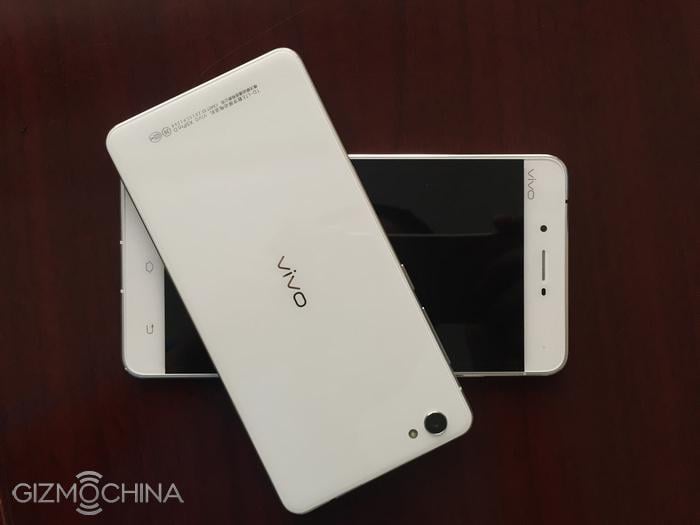
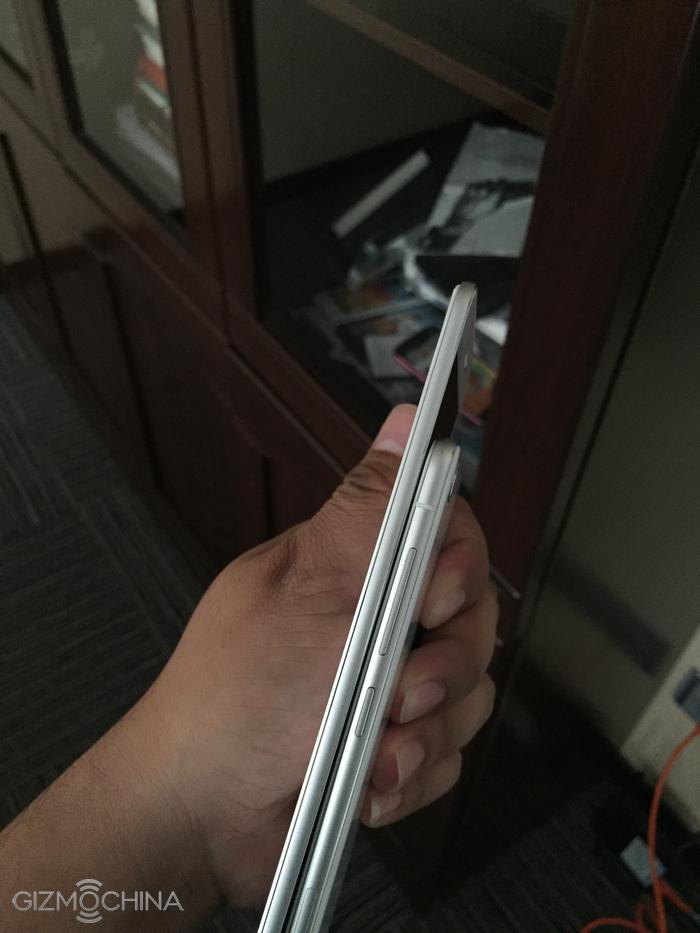
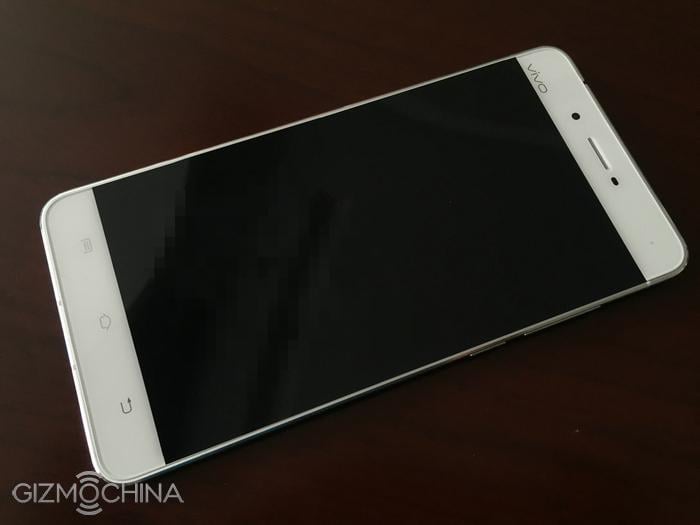
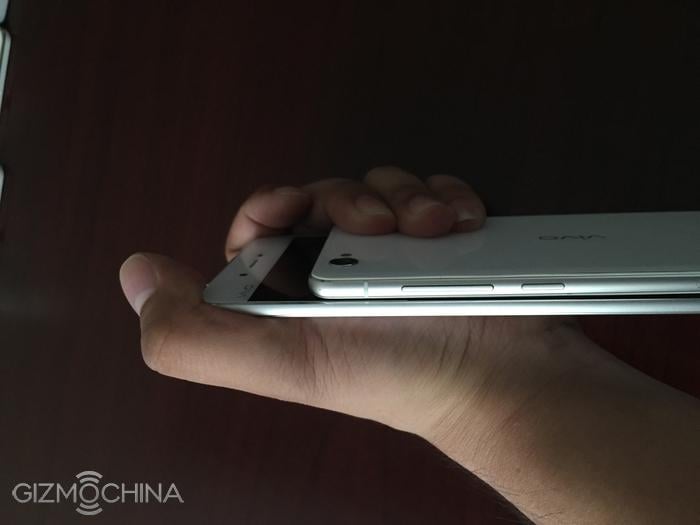
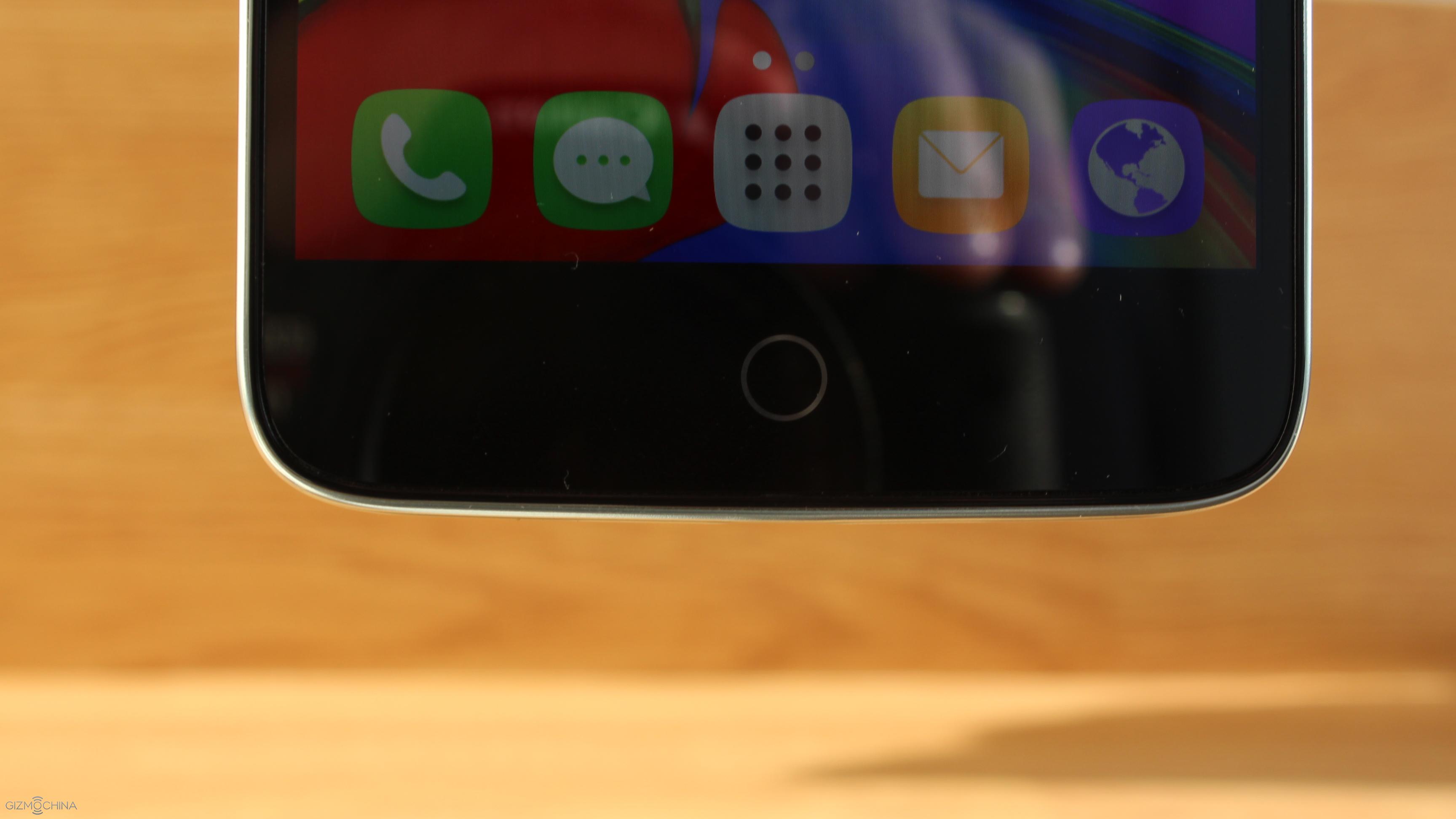
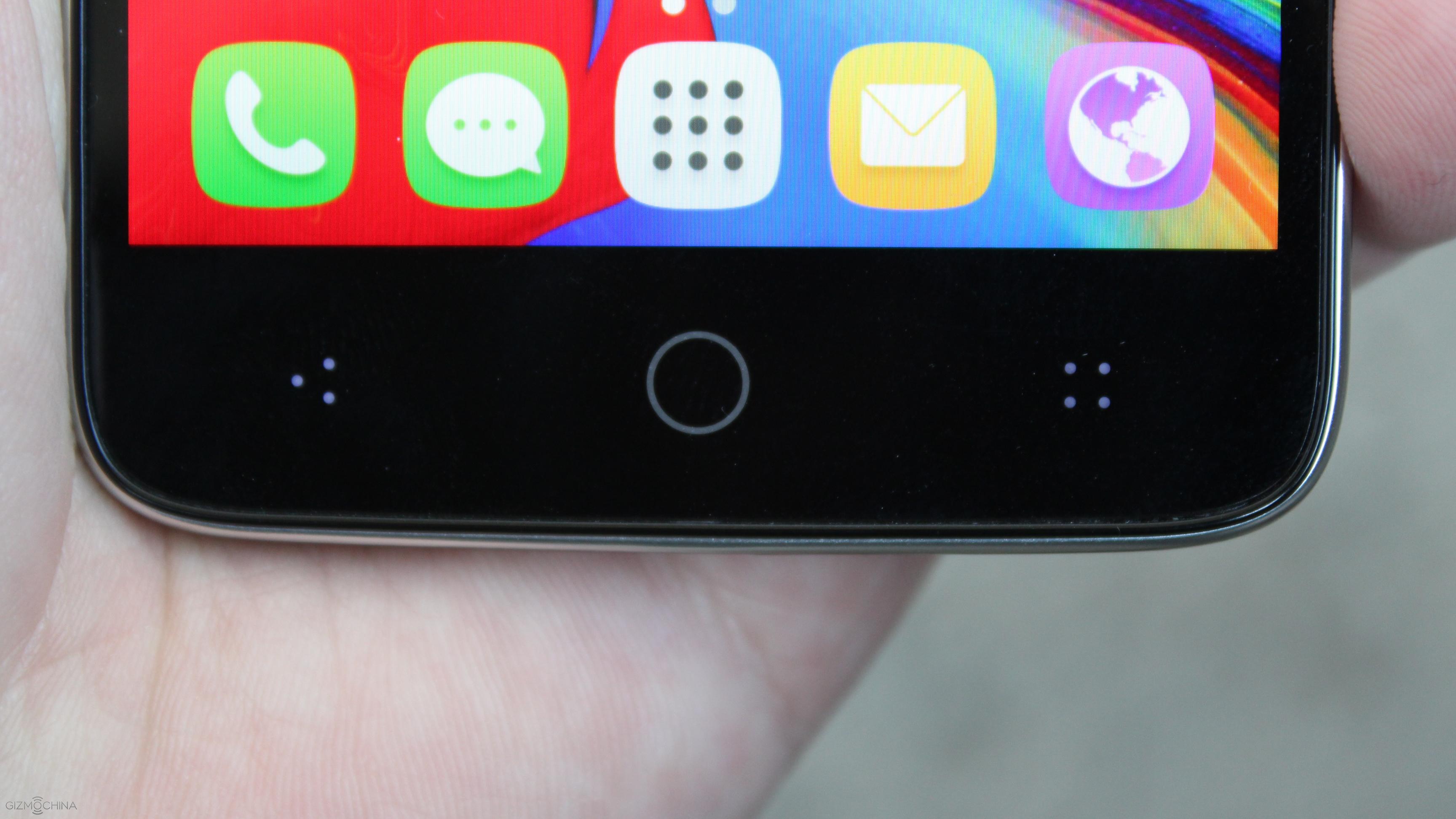
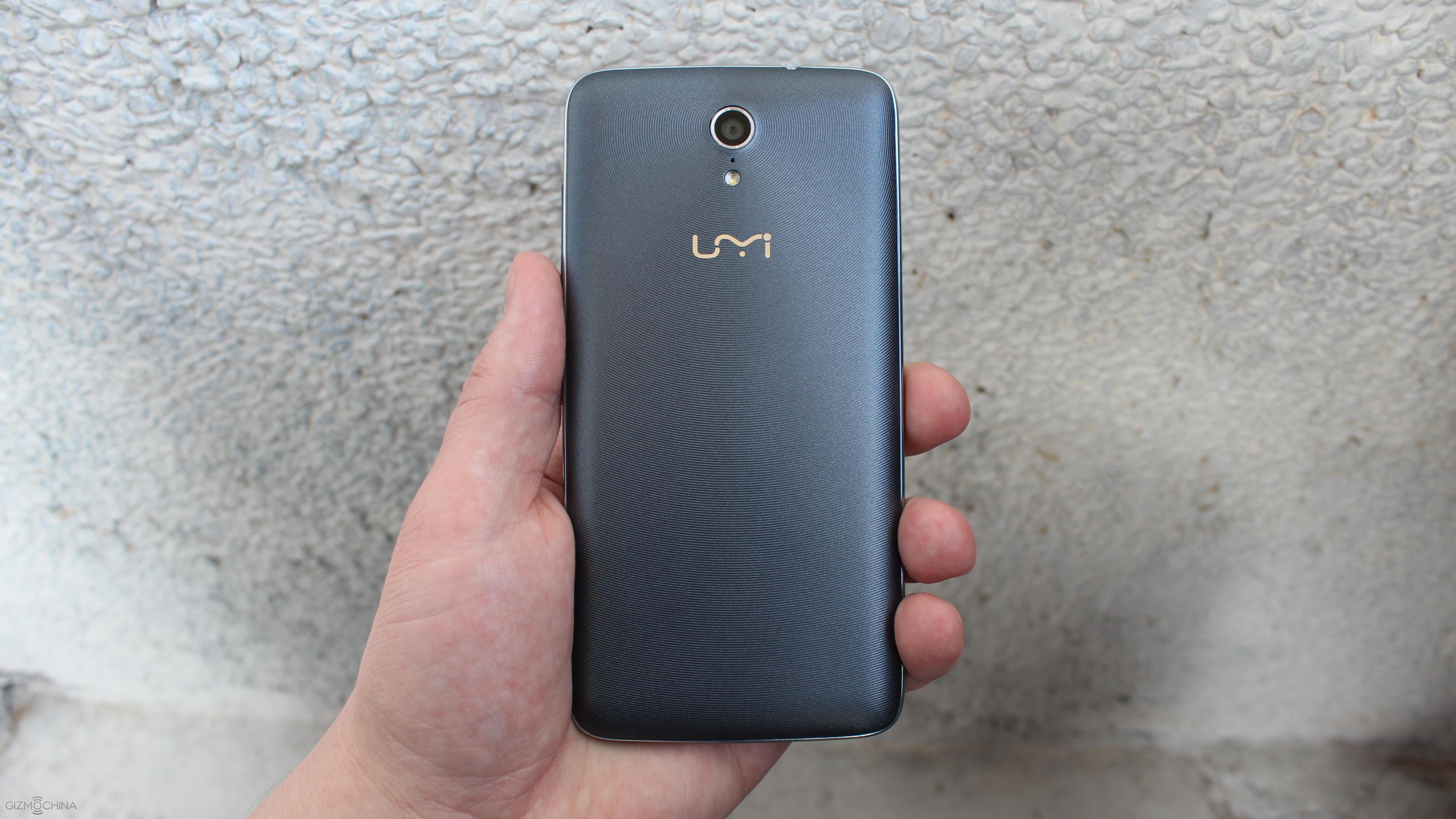
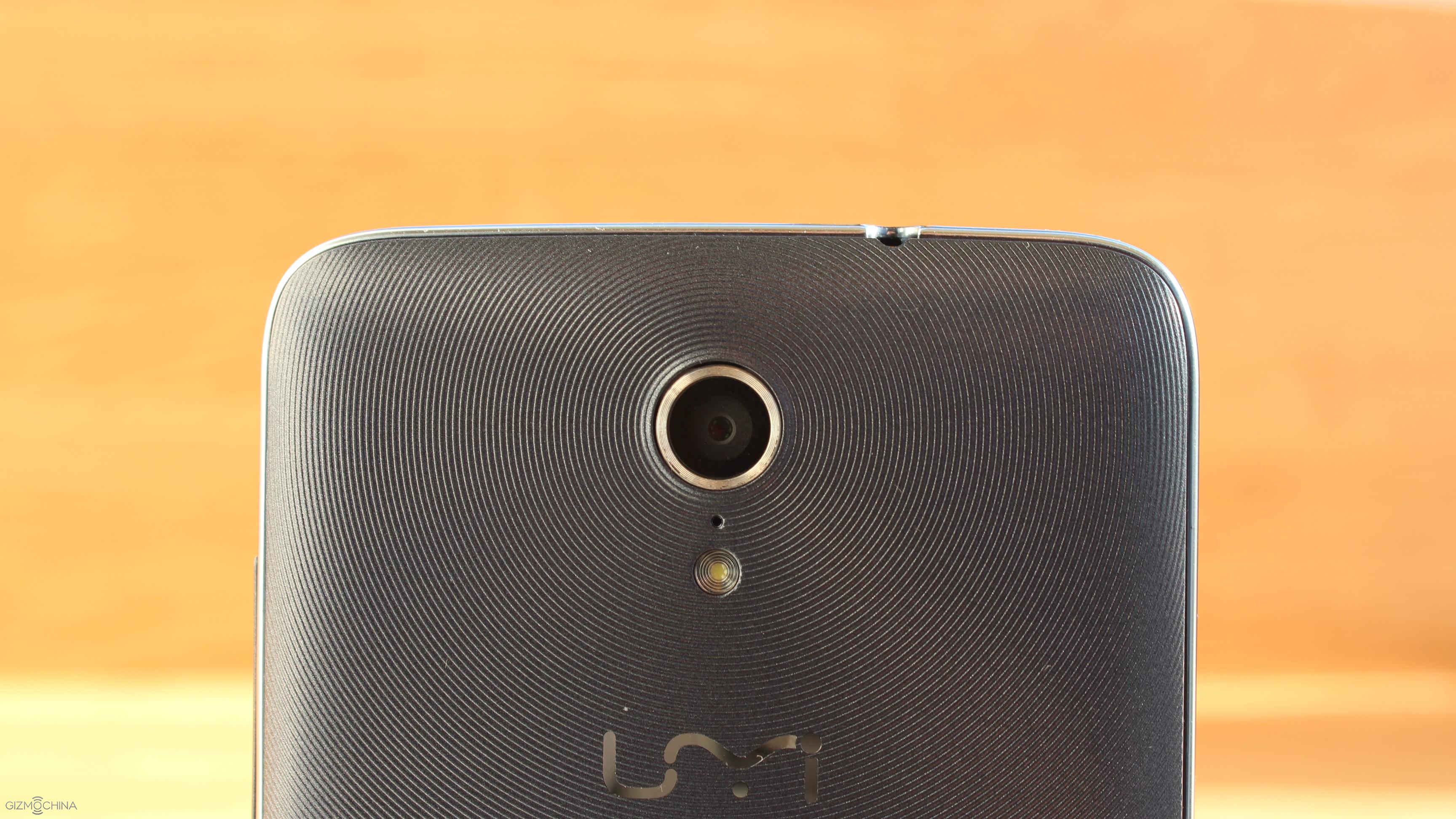
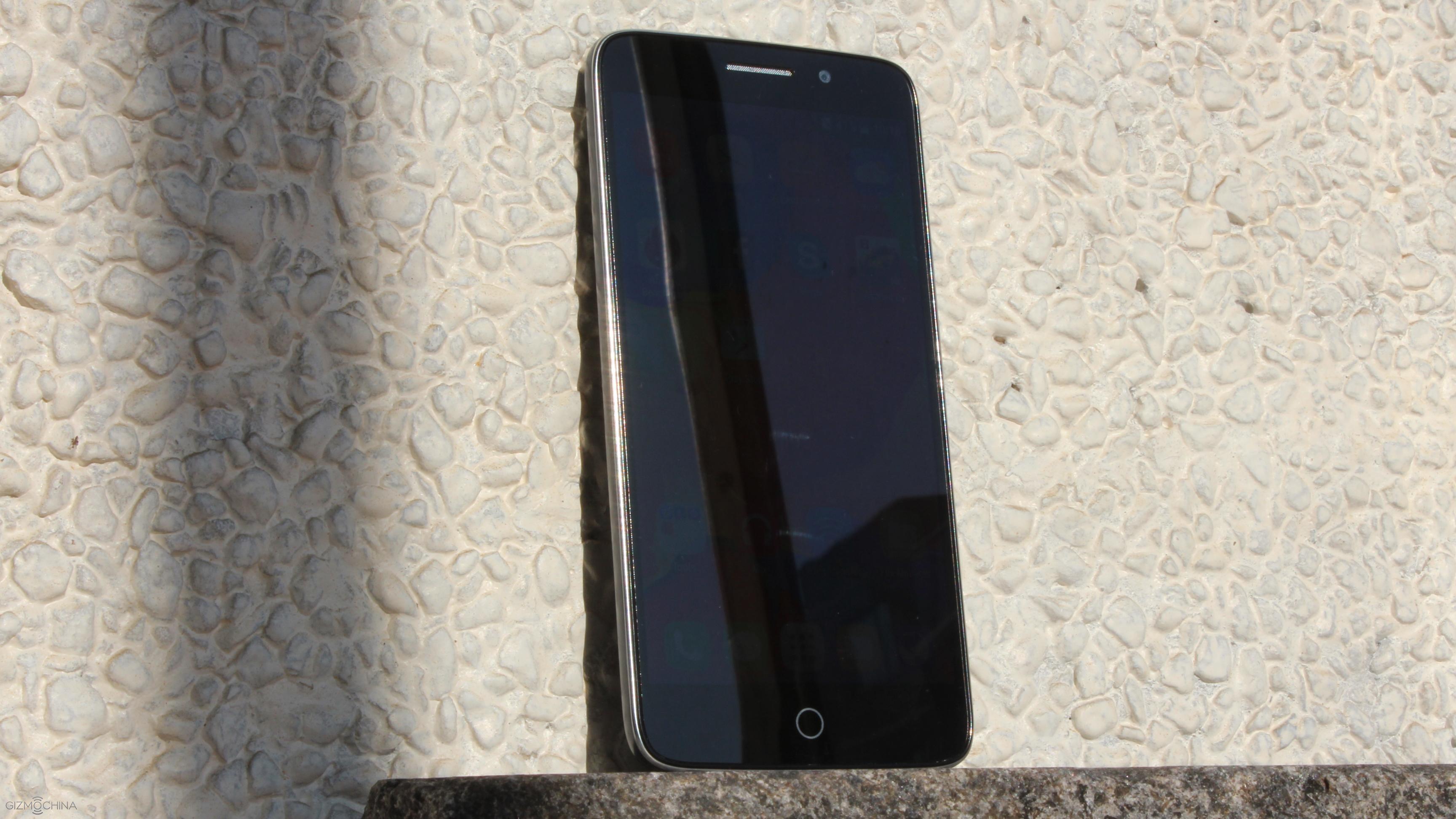
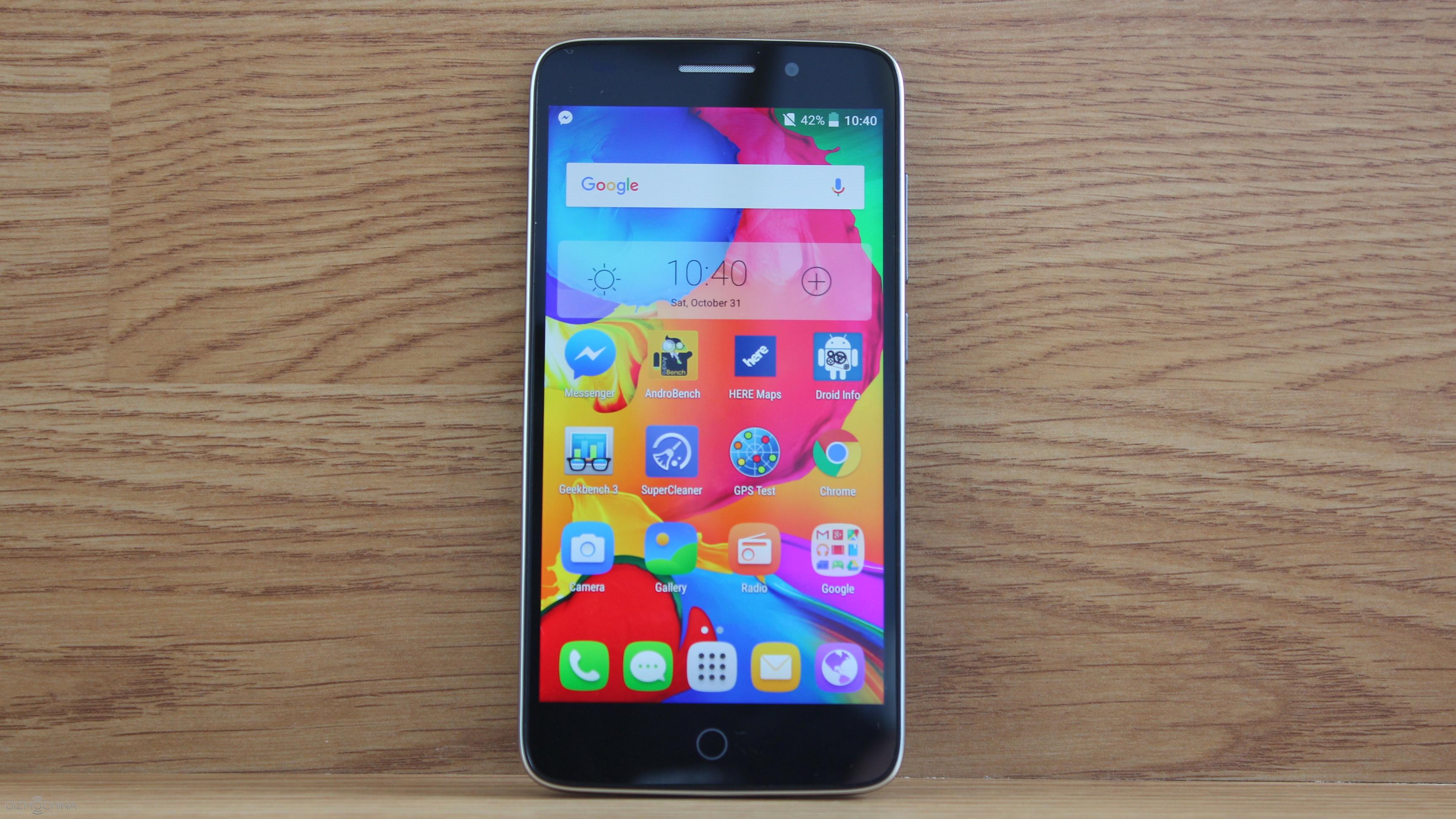
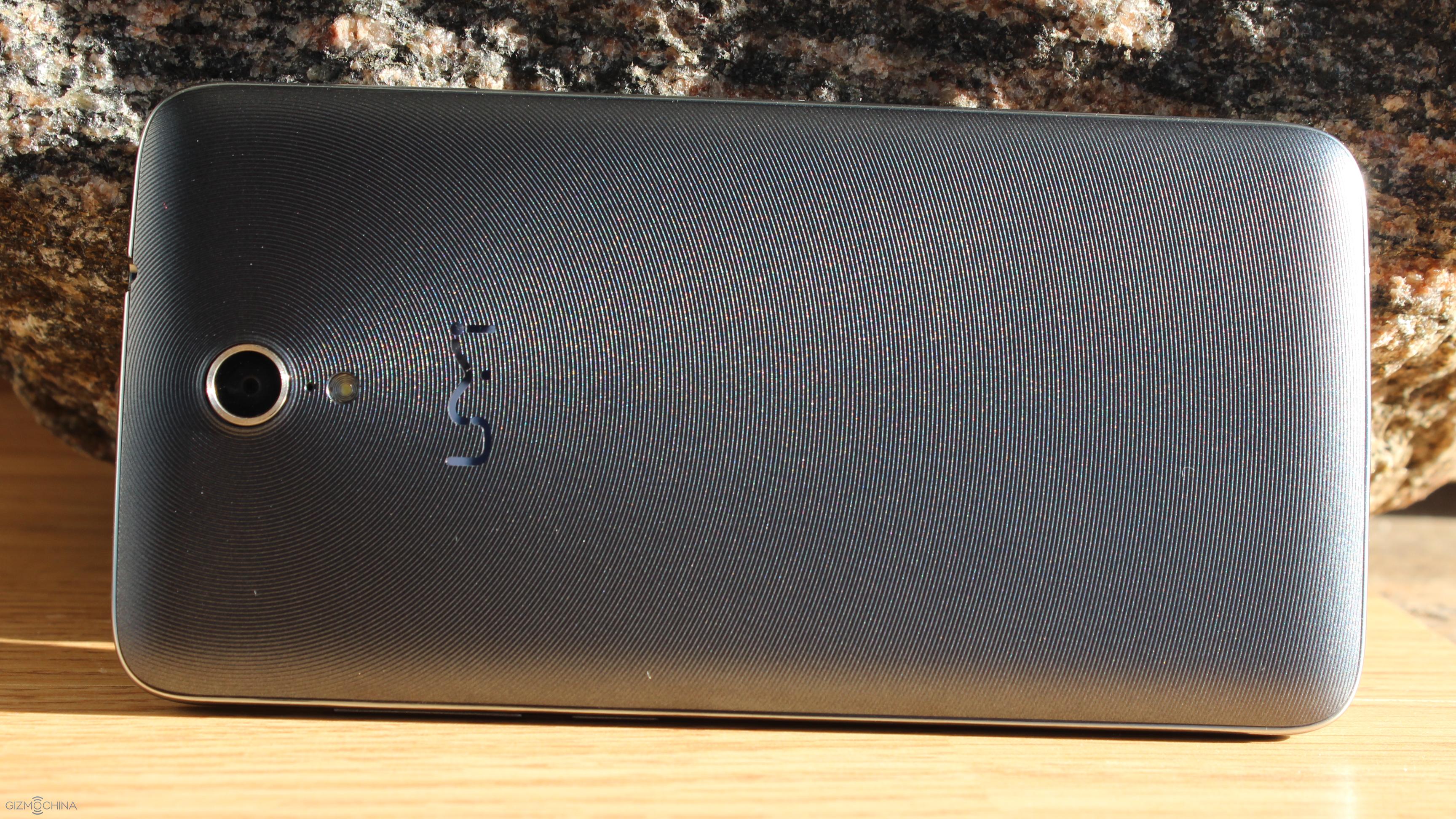
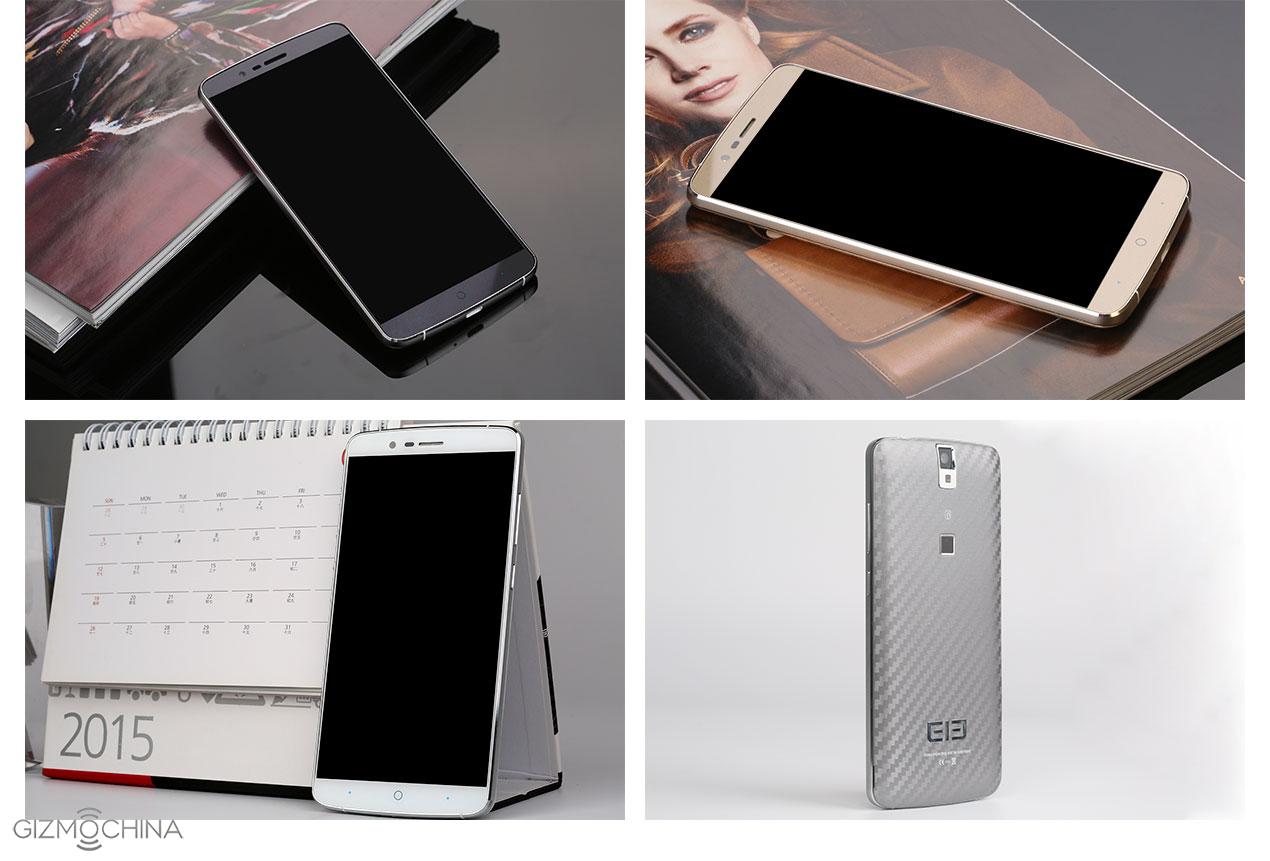
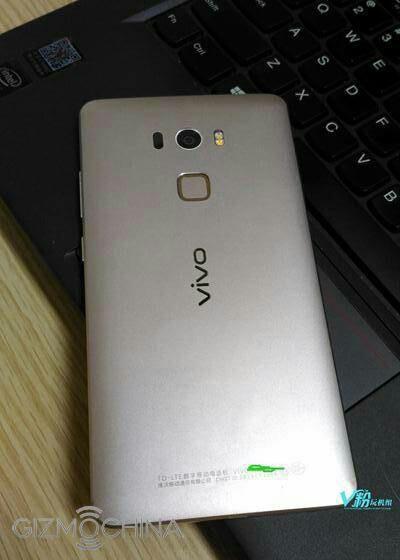
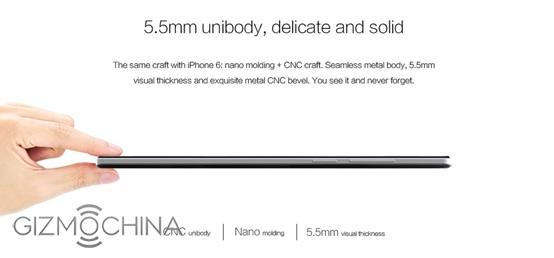
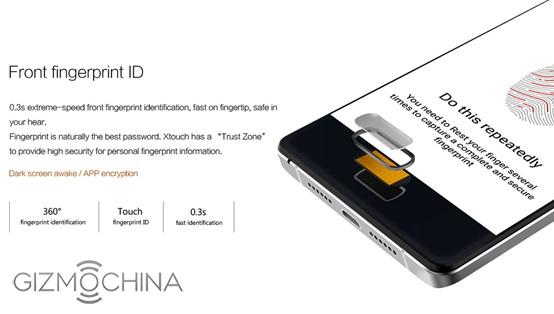
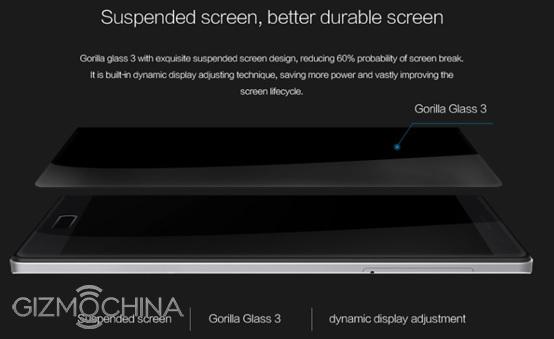
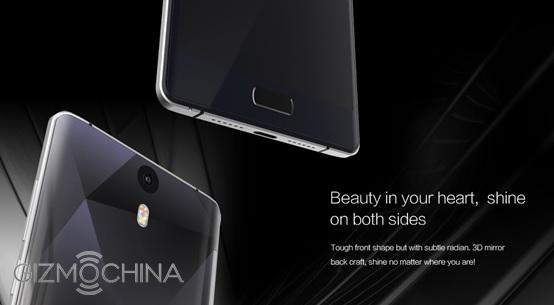
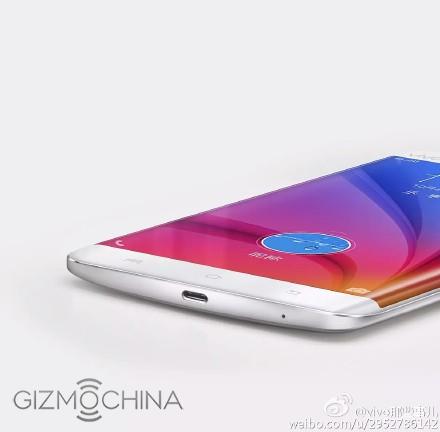
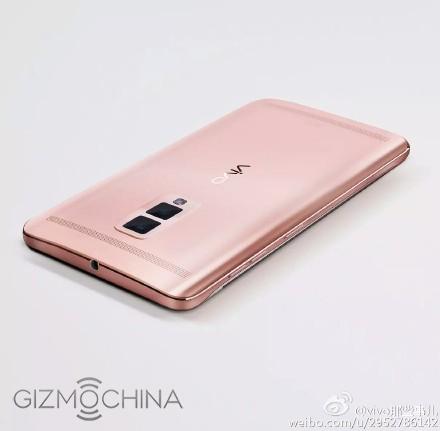
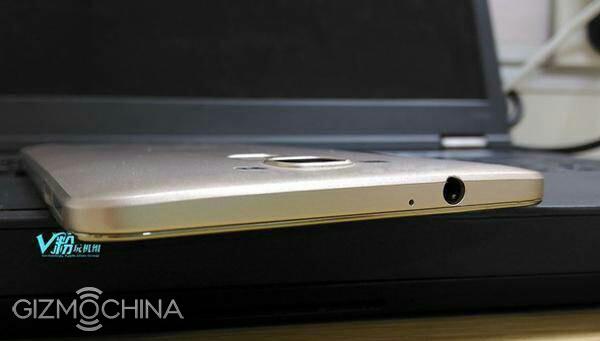
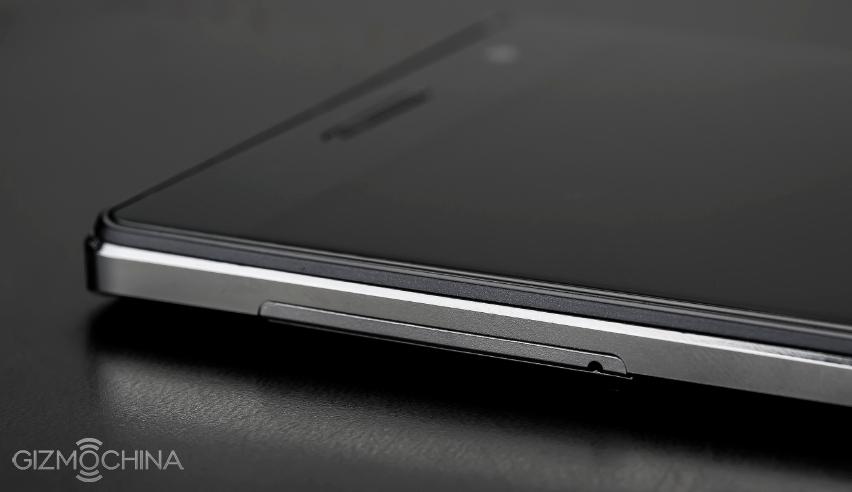
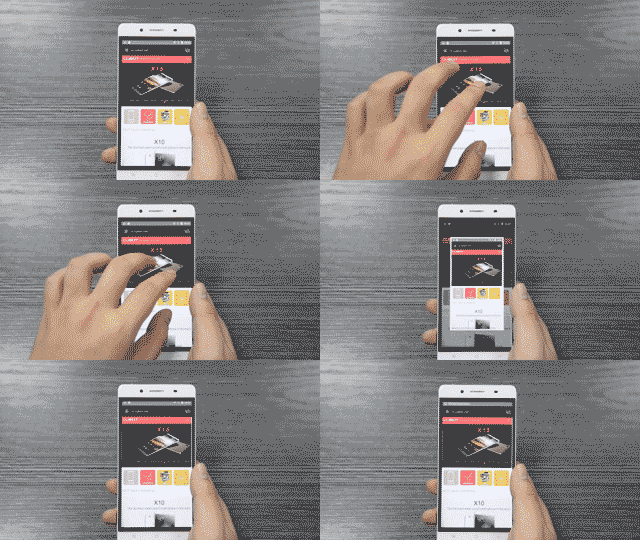
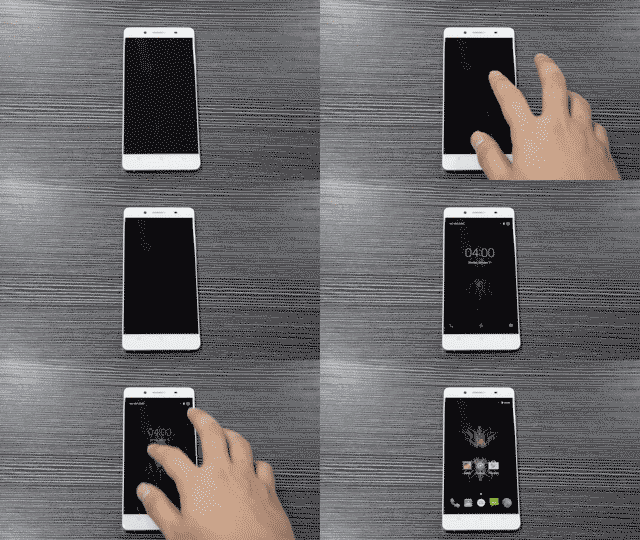
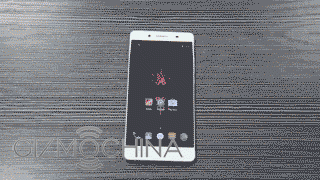
When news that the iPhone 6 would use a sapphire screen broke out, more brands followed suit. Soon, Huawei announced that they would also release a version of the P7 with a sapphire screen. Now, Vivo has joined in by confirming that they will release a limited edition of the X5L with a sapphire screen.
Many videos featuring testing of the sapphire X5L have hit the web that confirm the news. The videos show that the sapphire screen has greater hardness and abrasion resistance and does not consume more power. The biggest selling point of the Vivo X5L is its Karaoke features and its glamorous package is incredible. The sapphire screen should only leave more users in awe.
Other than the glass, all the other specifications will be the same. Its processor will still be the MTK6592 octa-core chipset. It will have 2GB RAM and 16GB ROM, sport a 5-inch 720p screen and 5mp/13mp camera, and will be powered by a 2230mAh battery. It also has a built-in Yamaha signal chip and a combination of the CS4398 and MAX97220 HiFi solution.
Given the higher production costs, expect this phone’s price to be higher than the regular X5L’s 2498 RMB price (406.58 USD).
Chinese manufacturer OnePlus is thinking of launching its power packed smartphone ‘One’ 64 GB in India for INR 25,000. The phone has enviable features like 5.5 inch 1080p display with a 2.5 GHz Qualcomm Snapdragon 801 processor and 3 GB RAM. It also has a 13 MP rear camera and a 5 MP front camera with 4G support. The phone’s 64 GB version is currently priced in the USA at $350.
The director of OnePlus global, Carl Pei has said that this decision is due to the high degree of interest shown by Indian customers even though India is not one of the launch markets. He added that Indian customers were buying the products from the official website and used several shipment services to finally receive the phone. He added that the company aims to replicate the global sales model in India and would also think of launching the 16 GB version for a cheaper price. OnePlus is also putting together an ‘Indian’ team to understand the Indian market and thus boost sales. The company also wishes to strengthen its service base in India before the launch of the phones.
The company currently has an invite-only system for purchasing the phone. In this, existing users can share invites with their friends and new users can request invites from the official website. Thus, customers can either preorder the phone and wait for the product or use their invite to get ahead in the line.
OnePlus offers ‘One’ in CyanogenMod and Color OS software flavours with the the Color OS variant being sold in China due to its support for Chinese input and customization options.
Lenovo jumped on the 64-bit smartphone bandwagon with the Vibe Z2 which will be launched in October. Other companies have also lined up 64-bit handsets like HTC’s Desire 510 which was announced last week. The Vibe Z2 and Vibe X2 were launched by Lenovo at the IFA trade show. The current phone has a large 5.5-inch screen and is 7 mm thick. The Vibe Z2 is thus Lenovo’s thinnest phone. It is powered by a quad core 64-bit Snapdragon processor and 2 GB RAM. It also has 32 GB of internal memory. These features are topped up with a 13 mega pixel rear camera and an 8 mega pixel front camera which is specialised to click selfies. The front camera is programmed to click selfies and also has smile detection and auto timer among other features.
Vibe Z2 would be priced around $429 and will be first ship to China in September and to the rest of the world in October. Whether or not they will sell this phone in the USA is still to be disclosed.
Lenovo has also announced another new smartphone, the Vibe X2. This phone has a 5 inch screen and a 32 bit processor. It is 7.27 mm thick and has a 13 mega pixel rear camera and an 8 mega pixel front camera like the Vibe Z2. This handset too is LTE compatible and comes at a price lower than that of the Vibe Z2 ($399).
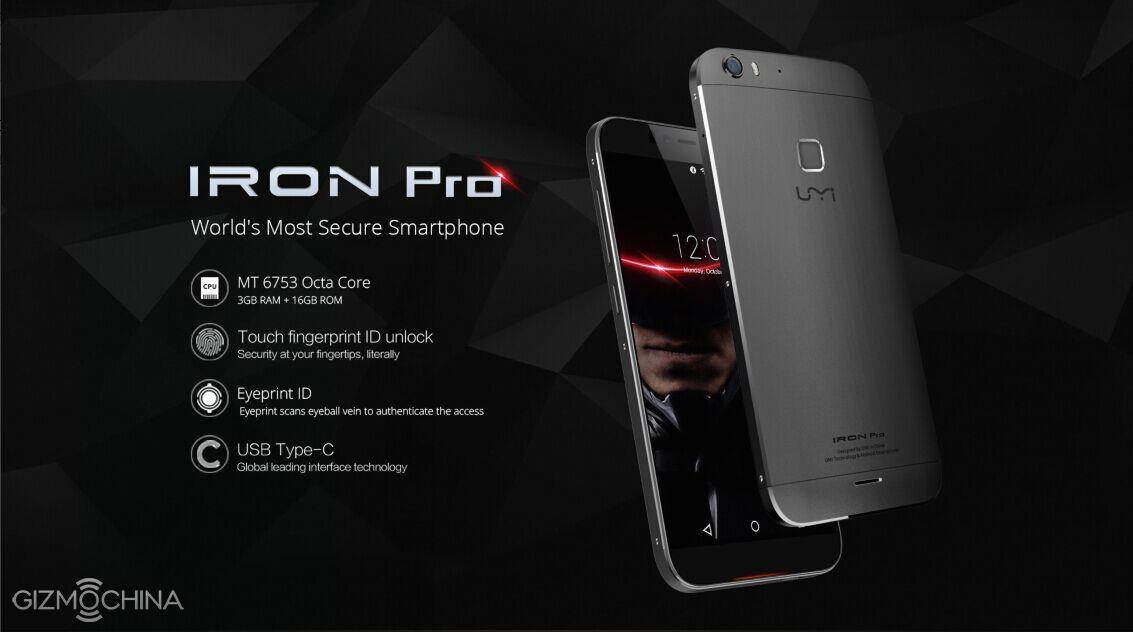
Lenovo is currently world’s fourth largest smartphone manufacturer and will soon complete its acquisition of Motorola Mobility, thus making it the world’s third largest manufacturer. Though Lenovo does not do business in the USA but has good market in other countries.
Lenovo which is the world’s fourth largest smartphone manufacturer launched the new Vibe X2 at the IFA trade show, Berlin. Lenovo also introduced a new ‘layered’ design in which the smartphone is made up of layers of different colours. These layers are not functionally useful and neither can they be changed. The Vibe X2 has a 5 inch full HD screen and has improved battery efficiency of 20%. It houses a 13 mega pixel rear camera and a 5 mega pixel front camera. The front camera is programmed with many special features for the selfie obsessed customers.
The company also had a lot to talk about its Vibe 2.0 UI which can do a lot of functions at two taps like open the most used app or even take a picture. It also has a ‘beautification bar’ which enhances selfies and makes them more beautiful and attractive. Thus, this handset could be called Lenovo’s selfie phone. This year at the IFA trade show many companies have featured phones with special features for clicking selfies.
The Vibe X2 is powered by an octa core 2 GHz processor with 2 GB RAM. It also has 32 GB internal storage. The dual sim version of this phone will be available in the Asia-Pacific while the single sim version will be available in other countries. It runs on Android Kit Kat 4.4 topped with the Vibe 2.0 UI. Other features include a 2300 mAh, supports 4G LTE, and other connectivity options like WiFi and Bluetooth. The phone is priced at $399 and will be released in China soon.
It is not at all surprising to know about the flash sales of Xiaomi devices in India. In India, Flipkart, the sales partner of this China based company has always ended the flash sales in few seconds because of the high demand of the products of Xiaomi. But this time it’s not Flipkart, it’s Lazada. In Indonesia, Xiaomi has collaborated with Lazada for the sale of its smartphones and all other smart gadgets. The company has claimed that this joint venture has proved very fruitful for both the partners. Lazada has declared that the newly launched Redmi 1S from Xiaomi vanished from the site in just 7 minutes. Xiaomi has expressed its happiness over this sale.
But are these facts are true or they are just rumours spread as the publicity stunt!! The doubt arises because the website of Lazada crashed during the sale for around 42 minutes. Some reports have mentioned that after one hour the option of sale gets transformed to “sold out”. It was the first flash sale from Xiaomi for the online sale of its smartphone Redmi 1S in Indonesia. The reports from the company has unveiled that 5,000 phones were sold out in just 7 minutes. Although the first flash sale of Indonesia is not able to beat the records set up in Indian flash sales of Xiaomi phones. In India, 40,000 Redmi 1S was out of the stock in just 4 seconds. The Lazada will do free home delivery of these smartphones. Redmi 1S was launched officially last week in Indonesia.
The China Mobile 4G edition of the Golden Warrior A8 has the model number, “A808T.” Now, another version of this phone has been revealed. Its model number is the Lenovo A808t-i.
Information about the A808t-i in the Ministry of Industry and Information Technology’s website shows that its basic specs are the same as the A808T. They both use a 1.7GHz octa-core chipset that supports TD-LTE, TD-SCDMA, and GSM internet. It should be a combination of the MT6592 and MT6290. Other similarities include its use of a 5-inch 720p screen, 2G RAM, 16GB ROM, and 5mp/13mp camera. Its OS is still the Android 4.42.
So, what is the difference between the A808t-i and the A8080T? Perhaps there are some new upgrades in the A808t-i that they have not yet announced like its use of a dual-SIM card. Let’s wait and see.
The Coolpad Dashen F2 is finally in the market. It uses an octa-core CPU and supports 4G internet. It sports a 5.5-inch screen and has 2GB RAM. This phone only costs 999 RMB (162.73 USD). Here are photos of this new phone’s package unboxed.
The Coolpad Dashen 2’s rear case is made of plastic. When users take it off, they can change the batteries. It also has a height of 8.8mm.
The Dashen F2 has a powerful rear camera with 13mp and LED light.
The Dashen F2’s front camera has 5mp and also includes a beauty enhancement feature.
Its OS is the new Cool UI 5.7.
The Coolpad Dashen F2’s Cool UI 5.7 uses a desktop interface instead of a user interface, simplifying the system.
The F2 uses an 8-core CPU and can stream 1080p HD videos.
Chinese OEM has welcomed Samsung’s and Sony’s latest offering to the market with some quite little immolate jab. The two latest flagship from giants can prove to be chart busters this year, but hold on OPO a phone old company has compared their phone with those two smartphones and has trolled them up to some extent(competition).
Not just that in its official facebook page they have arranged a giveaway saying, The Flagship Battle continues. To welcome the launch of the Sony XPERIA Z3 and Samsung Note $4 we are giving away another free 64GB Sandstone Black OnePlus One and 100 Invites! separate contests for each.
Though there are many high end features in all, Galaxy Note 4 stands tall in terms of specification and OPO deserves in budget factor.
Since IFA is on fire, let’s see still who all gets a poke from this Little Lad from China.
After the release of the C-One, CKCOM is planning to release another cellphone. This phone’s model number is K3 and though its specs are common among other phones in the same price race, they are higher than the C-One’s. Also, it only costs about 1000 RMB.
The CKCOM K3’s main selling point is its simple desight. Its round HOME button at the front and the camera’s position are similar to those in the Nubia Z5S mini’s design. Its measurements are 143 x 71 x 7.9 mm. It is available in 7 colors.
The CKCOM K3’s specs, though, are just so-so. It sports a 5-inch 720p OGS display screen, uses the 1.3GHz MT6582 processor, and has 1GB RAM and 4G ROM. It also sports a 2mp/8mp dual-camera and is powered by a 1500mAh battery. It supports WCDMA+GSM dual-SIM. Its OS is the Android 4.3 which is rare among devices that use MTK’s processors.
The CKCOM K3’s market price is 1698 RMB (276.60 USD) but costs 999 RMB (162.73 USD) in online stores like JD.
Close-up of the PCB board. All the chips are neatly placed and organized.
The power management chips. One is the Axp809 and the other is the Axp806. Both allow both CPU boards to share power more efficiently. The AC100 is the audio chip.
The WiFi processor, the AP6210, which has a strong signal.
Under the battery is the P98air’s 2K screen. Its model number is lp097qx2 and was made by LG.
Today, ZTE’s smartwatch, called the BlueWatch, received certification from the Ministry of Industry and Information Technology. The MIIT’s website posted snapshots of the upcoming smartwatch.
As the photos show, the BlueWatch has a plastic body and sports a square screen. Above the screen is ZTE’s logo and below it is a round rectangular button.
According to reports, ZTE will launch the BlueWatch smartwatch in New York on September 16. Since it has already received certification from the MIIT, it should come out in China soon.
Although the MX4 has been launched, it cannot be called a flagship phone in the truest sense since it has a Pro edition.
Insiders revealed that a new version with the Yun OS will come out next month. This phone will be the result of a cooperation between Meizu and Alibaba. They also revealed that this phone supports payment by fingerprint. If this is true, then this should be the MX4 Pro since it supports fingerprint recognition.
Take not that Huawei has already introduced the Mate 7 which is the first cellphone to support fingerprint payment. Its scanner recognizes fingerprints when pressed. Meizu must be using the same formula.
The difference though is that the MX4 with the Yun OS will still use the Kirin 925 processor like the Mate 7. Why? Because according to reports, Huawei’s chip offers the best security settings for fingerprint payments.
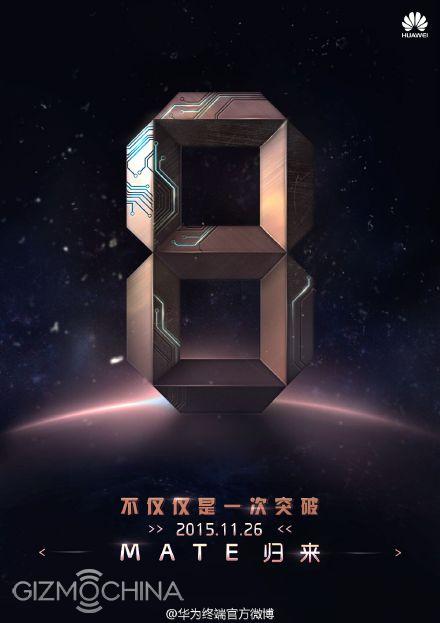
Today, Huawei will release their newest device, the Mate 7.
According to reports, four versions will be shipped to stores: MT7-CL00, MT7-TL00, MT7-TL10, and MT7-TL10. The Mate 7 sports a 6-inch 1080p display screen. The biggest highlight about this device is, of course, its fingerprint recognition function.
The Mate 7 also uses the 1.8GHz Kirin 925 octa-core processor. Users can choose between a 2GB RAM/16GB version and a 3GB RAM/32GB ROM version. It also sports a 5mp/13mp camera. Tonight at 9 PM, let us witness the arrival of the Mate 7.
Taiwan-based electronics company, HTC, plans to challenge Samsung and Sony by releasing a new cellphone. Today, in Berlin, they will launch the “world’s first 64-bit octa-core cellphone” called the Desire 820.
It was reported that the HTC Desire 820 will sport a 5.5-inch 720p display screen, an 8mp/13mp camera, and have 1.5GB RAM and 8GB ROM. It is said to be powered by a 2600mAh battery.
Expect the Desire 820 to use the Qualcomm Snapdragon 615 64-bit processor and Adreno 405 GPU.
The Mi 2/S is the most sold cellphone from Xiaomi and has sold up to 15,000,000 to date. Unfortunately, there had not been any plans to let owners of the Mi 2 upgrade their OS to the new MIUI 6…until now.
MIUI 6 upgrades are already available for the Mi 3 (China Unicom/China Mobile) and Mi 4 open edition although the China Mobile edition of the Mi 3 is still undergoing closed beta tests. The next step is to include an update for the Mi 2 and it looks like it is finally happening.
Yesterday afternoon, MIUI announced in their official Weibo account, @MIUI_ROM, “MIUI 6 for the Mi 2 will undergo closed beta tests at the end of the month.” In addition to the Mi 2, the MIUI 6 should be tested for the Mi 2S and Mi 2A.
Closed beta testing should go on for two weeks and we can expect an open edition to come out in October.
After months of rumors and speculations, Meizu MX4 is finally official. The company unveiled the device yesterday in a specialevent.
With MX4 in the picture, things get more confusing for consumers who are looking to buy an affordable flagship device. Xiaomi Mi4 is probably MX4’s biggest competitor, given the similar specifications and pricetag, so we decided to compare both these devices in several areas to see which one comes out as a winner atleast on paper.
Design
To be frank, this is an area where we cannot simply pick out a winner. Both the devices are well built, with a solid metal design and both deserve the flagship title with its premium design. But, some like the new Meizu MX4’s design over Xiaomi’s Mi4, so it depends from person to person. That’s why we leave it up to you to decide which one you like on the basis of its design.
MX4 measures 144 x 75.2 x 7.9mm while the Xiaomi Mi4 measures 139.2 x 68.5 x 8.9 mm. As you can see the dimensions are almost the same with both the devices weighing around 148 grams.
Screen
Meizu’s MX4 comes with a slightly larger 5.36 inch display as compared to the 5 inch IPS panel found on Xiaomi’s Mi4. MX4 sports a resolution of 1920 x 1152 pixels while the Mi4 comes with a 1920 x 1080 pixel resolution. The smaller display gives Mi4 an edge over MX4 as the former has a pixel density of 441 PPI as compared to 418 PPI on the Meizu’s flagship. But personally we don’t think that makes much of a difference in clarity and sharpness.
The thin bezels on both the devices are a plus given that it makes operating the device much easier.
So, it all boils down to your screen size preference.
Hardware
Both the devices are extremely snappy and packed in with powerful hardware. Meizu’s MX4 comes with MediaTek 6595 eight core processor along with 2GB RAM. On the other hand, Mi4 comes with Qualcomm Snpdragon 801 processor with 3GB RAM. The 801 Soc with an extra gig of RAM gives Mi4 a slight edge over the MX4. However, Mediatek’s eight core chipset has shown promise and we would have to get our hands on the device to check whether its as fast and responsive as the Mi4.
As for the GPU, Meizu went with PowerVR G6200 as compared to the Adreno 330 found on Xiaomi’s flagship.
For now, Xiaomi’s Mi4 looks better than the MX4 in hardware, but we expect the actual performance to be more or less the same.
To be frank, we were quite surprised to see that Meizu went with Mediatek on their flagship device rather than experimenting with a low tier model first. So, we are looking forward to play with the device to see whether this was a good decision or not.
Camera
While Mi4 looked better when it came to hardware, camera is one area where MX4 is miles ahead. Meizu has incorporated a 20.7 MP Sony rear camera on the device with f/2.2 aperture and dual tone dual LED flash. On the other hand, Mi4 only comes with a 13MP shooter. So, MX4 would naturally capture better pictures with true colors (thanks to the true tone flash) as compared to Mi4.
But when it comes to front camera, the 8MP shooter on Mi4 easily outdoes the 2MP Sony sensor on MX4.
Connectivity and Battery
Both the devices offer Bluetooth 4.0, Wi-Fi ac, GPS, A-GPS and LTE network support. MX4 comes with a slightly larger 3100 mAh battery while the Mi4 comes with a 3080 one. The larger screen should reduce the battery life on the MX4, but we don’t think that the difference would be significant.
Software
Mi4 runs Xiaomi’s MIUI 5.0 OS on Android, while MX4 comes with the latest Flyme 4.0 OS based on Android 4.4. Both are different UIs with their own set of positives and negatives, so we cant really comment on which one’s better.
Xiaomi’s MIUI is much more popular than Flyme but Meizu has incorporated a lot of new security and special features on its new OS and even offers 40TB of cloud storage with the device.
So, we leave it up to you to decide which one’s better.
Pricing
Meizu has smartly priced MX4 below Mi4, which should make the already crowded market even more competitive. The device retails for $293 for the 16 GB, $325 for the 32 GB, and $390 for the 64 GB which is around $10-$20 less than what you have to pay for different storage variants of Xiaomi’s flagship.
Conclusion
We think both the devices are equally good and given its pricetag, these devices offer much more value for money than what you get from other flagships.
Xiaomi’s Mi4 managed to slightly outdo MX4 in hardware and software categories, but the latter was much better when it came to the camera and pricing.
But end of the day, the differences are trivial and we don’t think it will be fair to pick one as the winner of this comparison as both are equally good.
So which would would you pick, Xiaomi Mi4 or the newly announced Meizu MX4?
Google has a lot of updates slated in its Android wear software which will be released by the end of 2014. Google’s Director of Android Wear, Mr David Singleton, said that the wearable android devices would support thousands of the nearly 1 million programs on Play Store. These apps could be downloaded by the users on to their Android Wear.
Google also has several updates in store for Android Wear like its ability to be paired with a Bluetooth headset. GPS feature will also be enabled in these watches so that one can track their fitness sessions by geolocation. Thus, if one is planning to go on a run then all they need to do is put a few songs in their watch which can be played through a Bluetooth headset and the run can be tracked by the GPS feature.
The market of wearables especially the smartwatch section is set to gain a lot of momentum. Already three devices in this range have been announced i.e. Moto 360 ($250), LG G Watch ($230) and Samsung’s Gear Live ($200). Some companies are expected to launch new products in the wearable range at the IFA trade show in Berlin. Even Apple might reveal a wearable device at the launch of the latest iPhone on 9th September. The market of wearables is still in its nascent stage and there is loads of scope for new products, new technologies and new platforms in this arena. Only time will tell, how many mobile phone manufacturers will find this a lucrative investment and would launch new android enabled wearable products.
As mobile phone manufacturers are trying their best to drop their prices, ZTE wants to focus on ‘value for money’. The Chinese Manufacturer has said that they want to focus on devices priced in the range of $100 – 200 which is equivalent to INR 6000-12000. They would use phones priced in the above mentioned range to drive their sales in India and form a place for them in the Indian smartphone market.
CEO of ZTE India, Mr Yuan Kang also said that India was a huge market and they were confident that their range of phones would definitely suit the Indian customer mind set. He added that they were planning to launch around 5 handsets online and 3-4 models offline.
ZTE has recently launched their new model, the V5 to be sold online on Snapdeal.com. This phone is priced at INR 10,999. The ZTE V5 has a 5 inch screen and is powered by a 1.2 Ghz quad core processor. They prime feature of this handset is the 13 mega pixel rear camera and the 5 mega pixel front camera. Other features include 4 GB internal storage (expandable upto 32 GB) and a 2,400 mAh battery.
Sale of smartphones in India has grown by almost three-fold to reach around 44 million in 2013 due to the availability of pocket friendly devices brought out by firms like Micromax and Karbonn. India’s market is led by Samsung and companies like Micromax, Karbon and LAVA also have significant shares. Google is also going to launch its budget handset in India soo which will further intensify the competition.
ZTE launched its latest smartphone, the V5 in India at a price of INR 10999. The company is expanding its smartphone base in India. The phone will be available on Snapdeal.com. However, there are no reports confirming the physical sale of the phone at retail stores. The e-commerce site, Snapdeal.com is also offering 1GB data per month for the first three months with the purchase of this handset for prepaid subscribers of Aircel.
ZTE Redbull V5 in India
ZTE V5 is the company’s first Andoid KitKat powered smartphone in India. The newly launched phone has the following key features –
5-inch, 720 x 1280 pixels HD display protected with Dragontrail Glass.
Powered be a quad – core Qualcomm Snapdragon 400 processor
1GB RAM
Android KitKat 4.4 with Nubia 2.0 UI
4GB in – built storage which is expandable upto 32 GB with micro SD card support
13 – megapixel rear camera with LED flash
5 – megapixel front camera
Rear camera has autofocus, special effects, Panorama, and face detection features.
Connectivity options like 3G, Wi-Fi, Micro-USB and GPS
3.5mm audio jack and FM radio
Fuelled by a 2400mAh battery which give up to 6 hours of talk time and 300 hours of standby time
Dual sim support
The ZTE V5 is currently available in White colour only. The ultimate selling point of this phone is its high end camera specifications. This smartphone might face competition from two phones launched recently in the same price range – Karbonn Titanium S19 and Lava Iris Pro 30+.
We use cookies on our website to give you the most relevant experience by remembering your preferences and repeat visits. By clicking “Accept”, you consent to the use of ALL the cookies.
This website uses cookies to improve your experience while you navigate through the website. Out of these, the cookies that are categorized as necessary are stored on your browser as they are essential for the working of basic functionalities of the website. We also use third-party cookies that help us analyze and understand how you use this website. These cookies will be stored in your browser only with your consent. You also have the option to opt-out of these cookies. But opting out of some of these cookies may affect your browsing experience.
Necessary cookies are absolutely essential for the website to function properly. This category only includes cookies that ensures basic functionalities and security features of the website. These cookies do not store any personal information.
Any cookies that may not be particularly necessary for the website to function and is used specifically to collect user personal data via analytics, ads, other embedded contents are termed as non-necessary cookies. It is mandatory to procure user consent prior to running these cookies on your website.