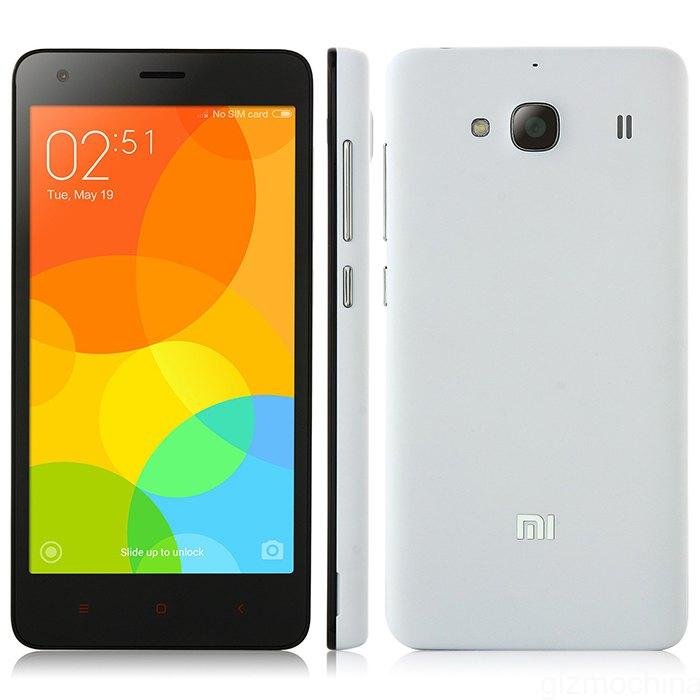
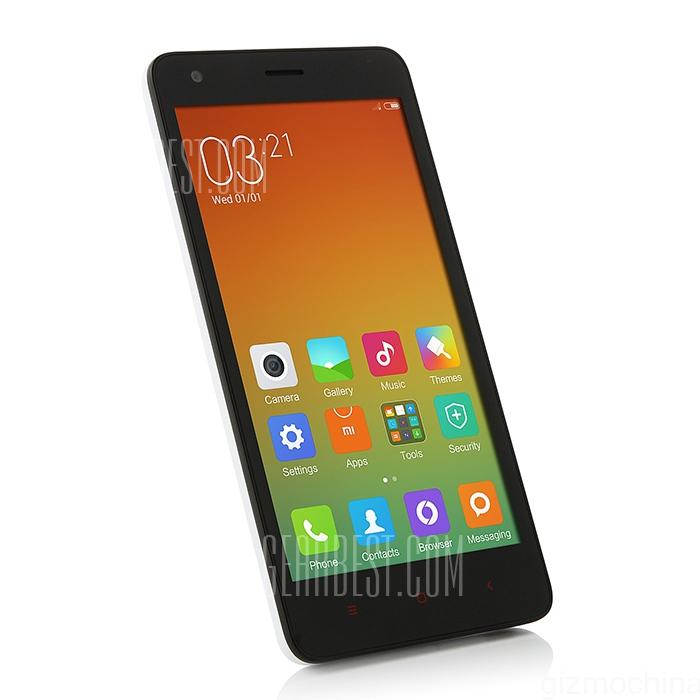
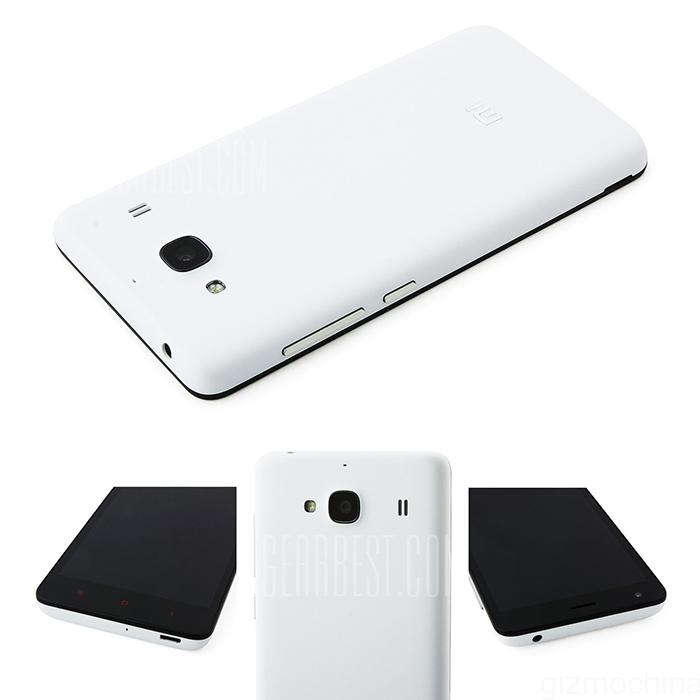
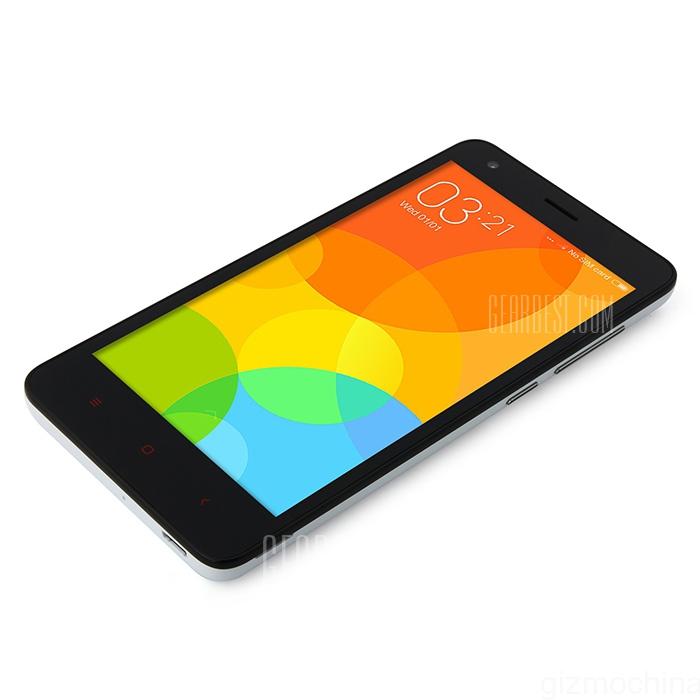
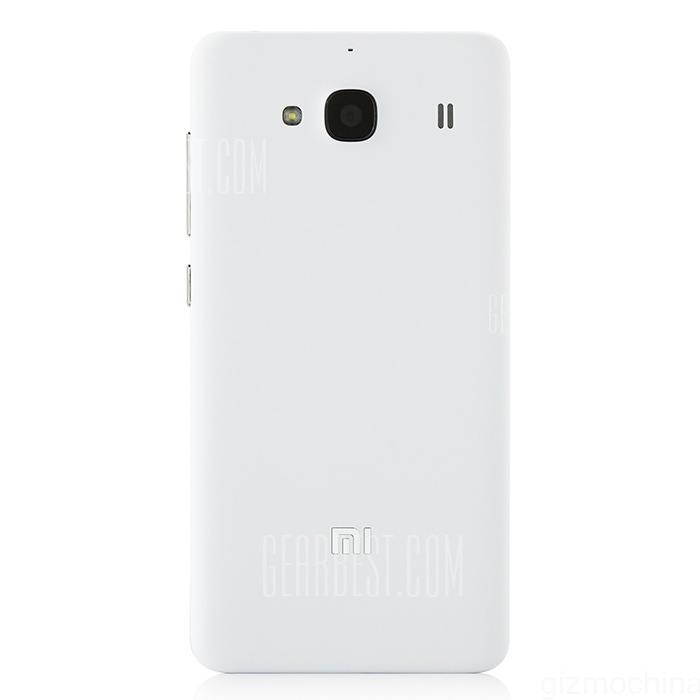
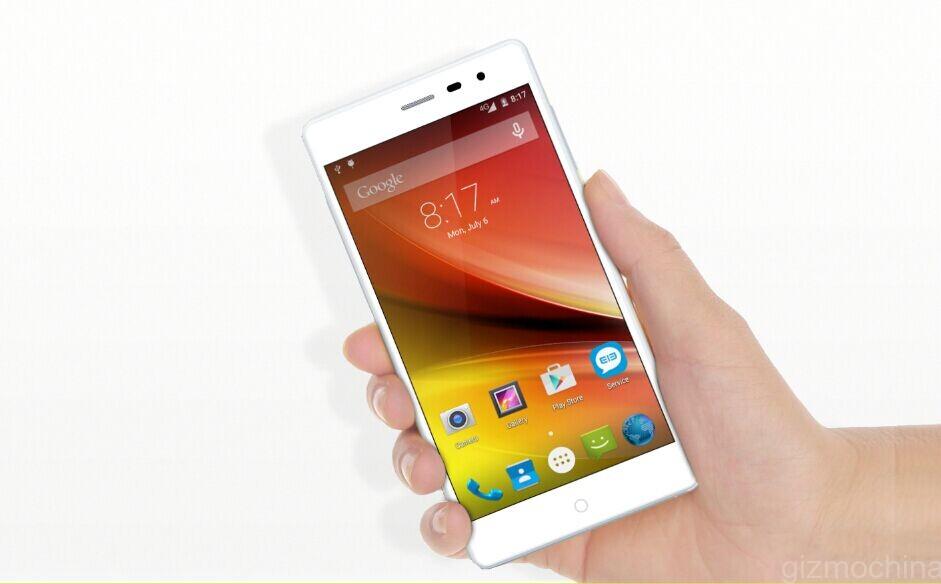
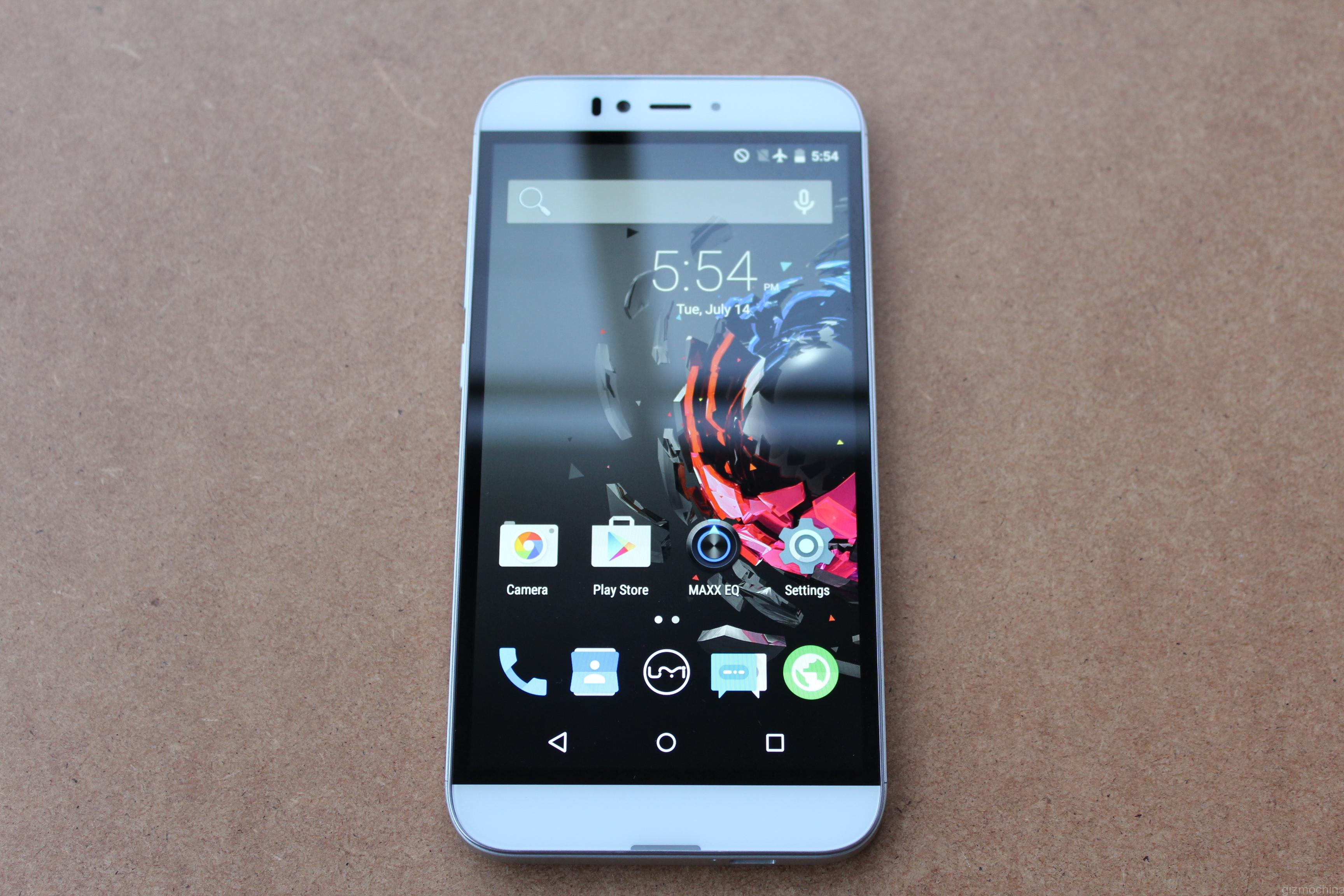
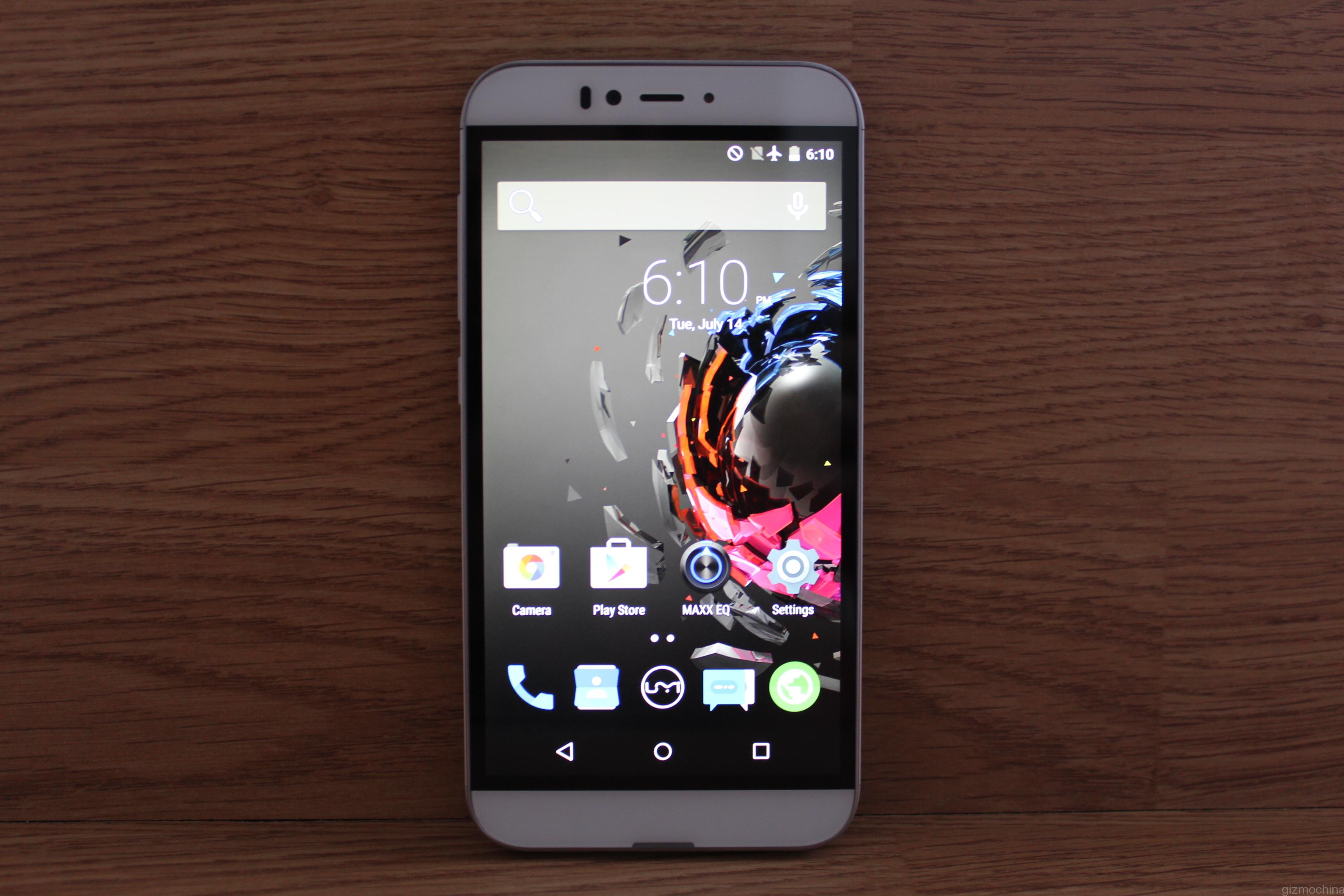
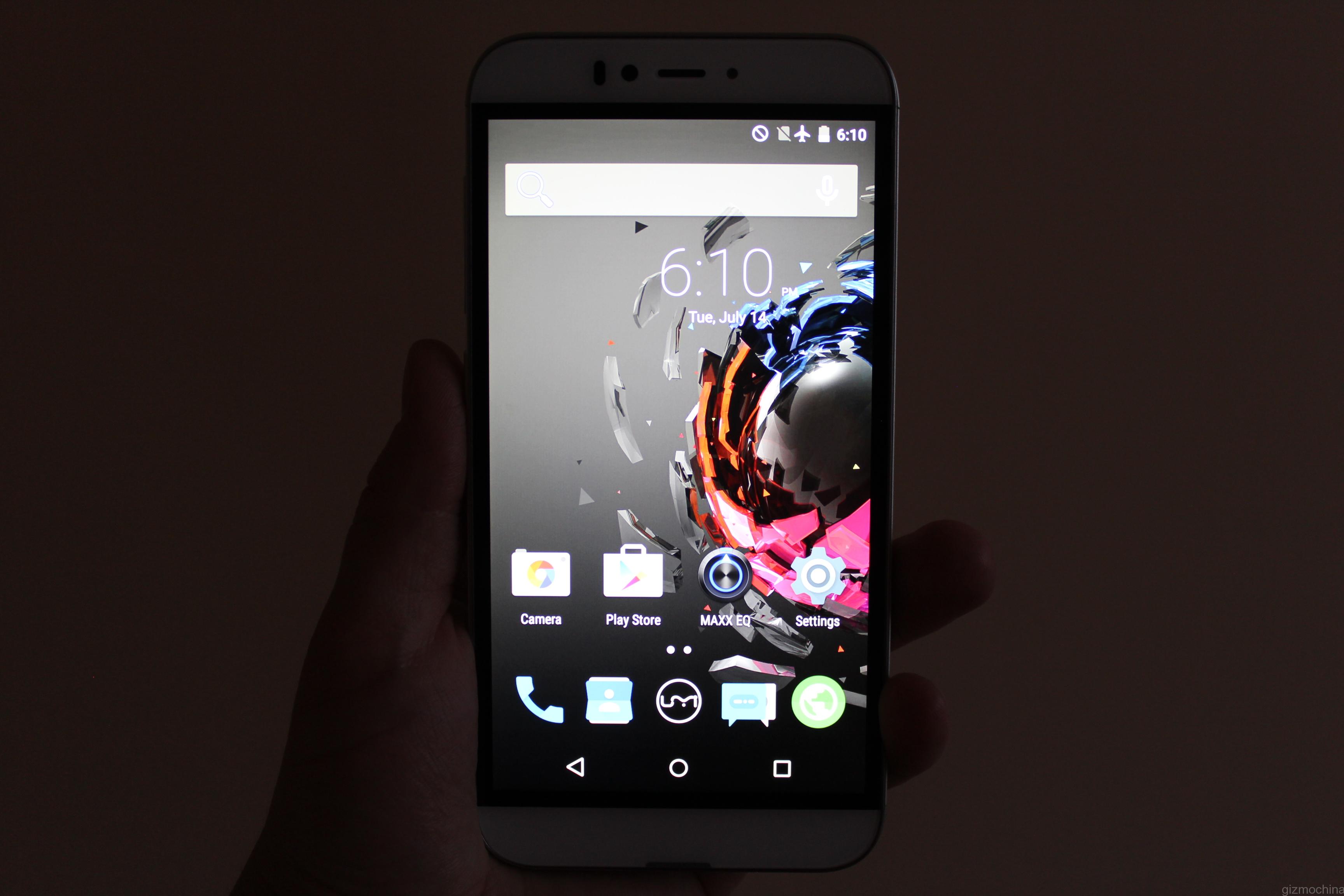
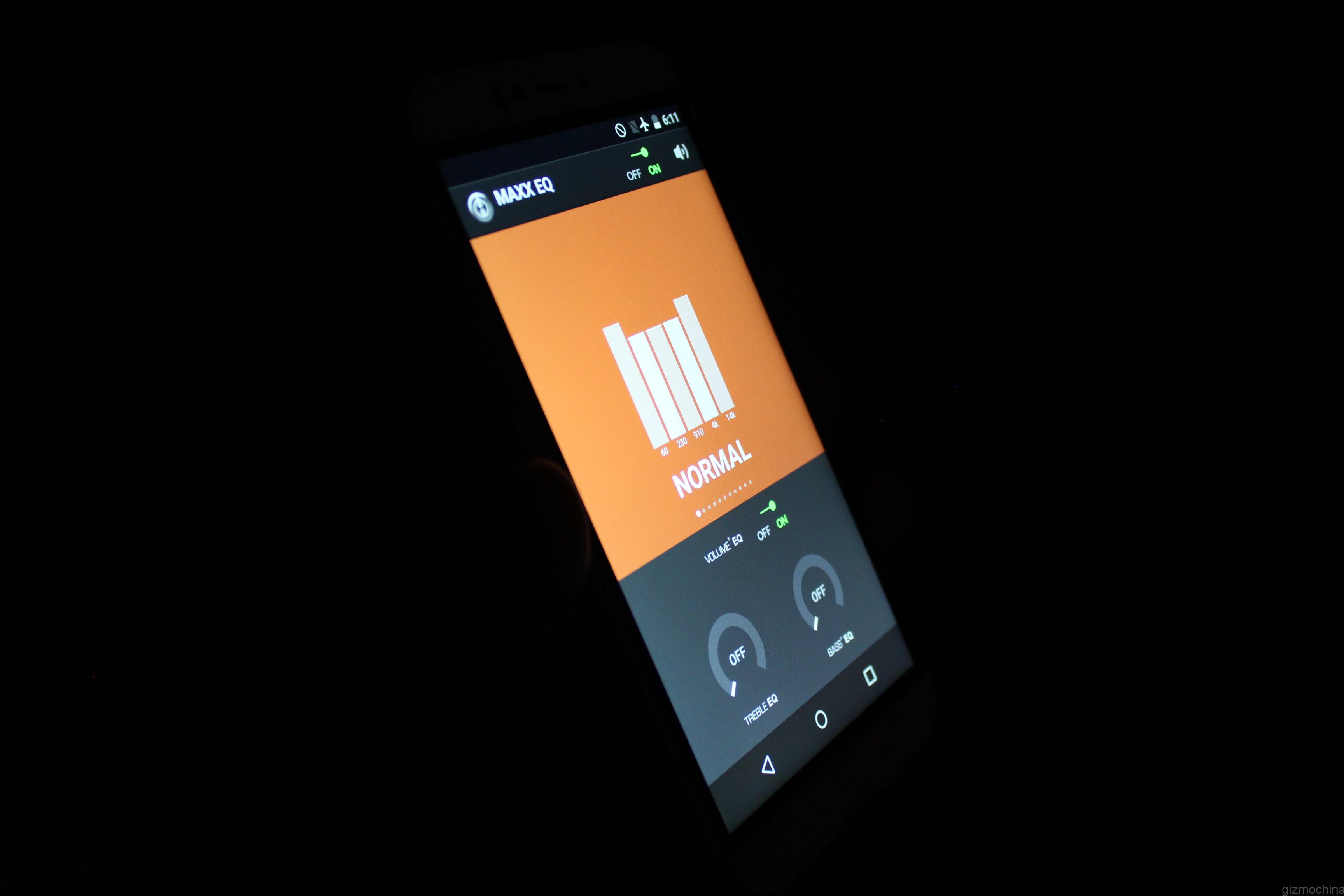
Zopo seems to be renewing its smartphones portfolio lately. They have just announced their new flagship smartphones – the Speed 7 and the Speed 7 Plus along with a smartwatch. Still, the manufacturer did not forget about its budget line of smartphones and this time around we are looking at a very affordable Zopo ZP330 Color C. Let’s see what we’ve got.
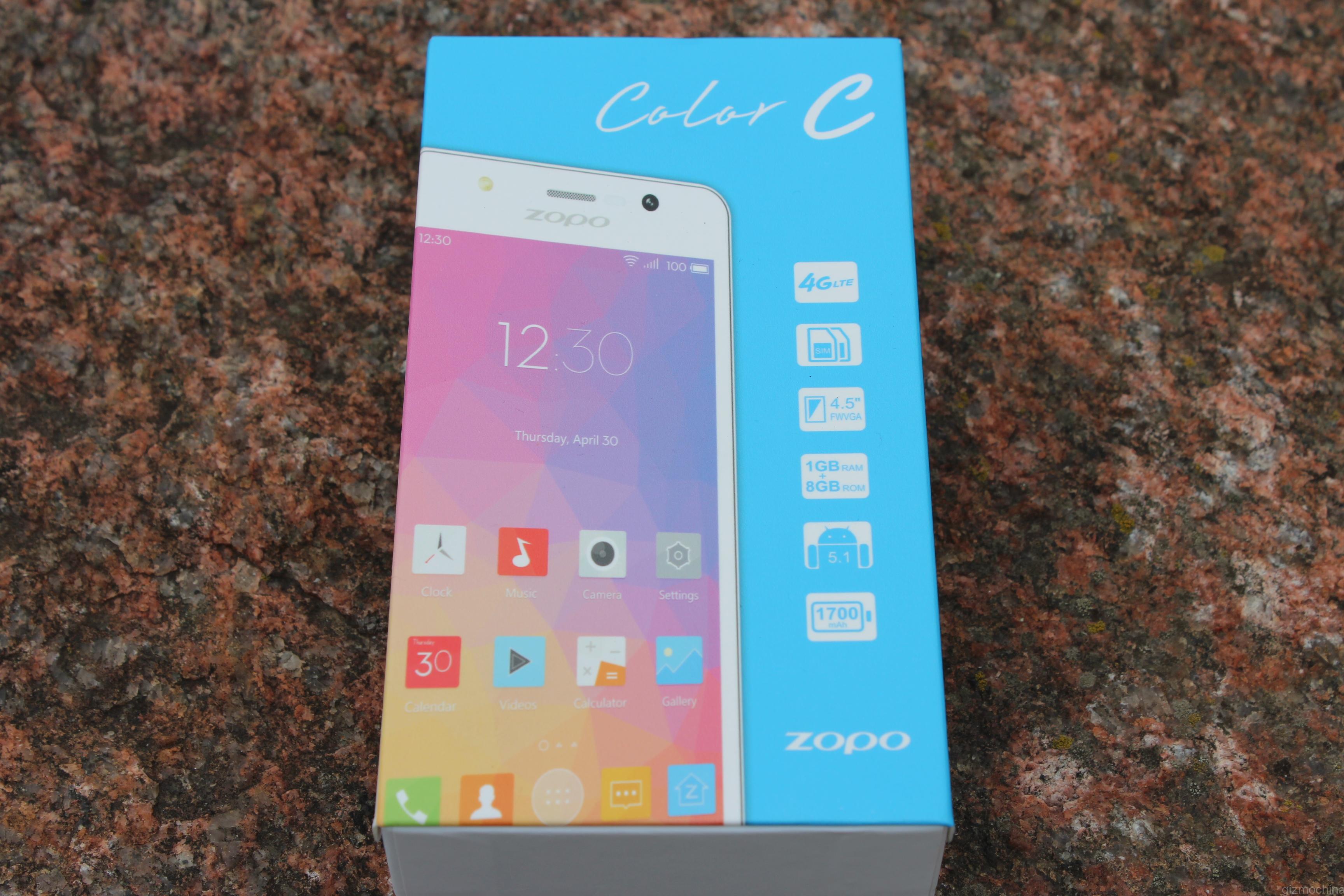
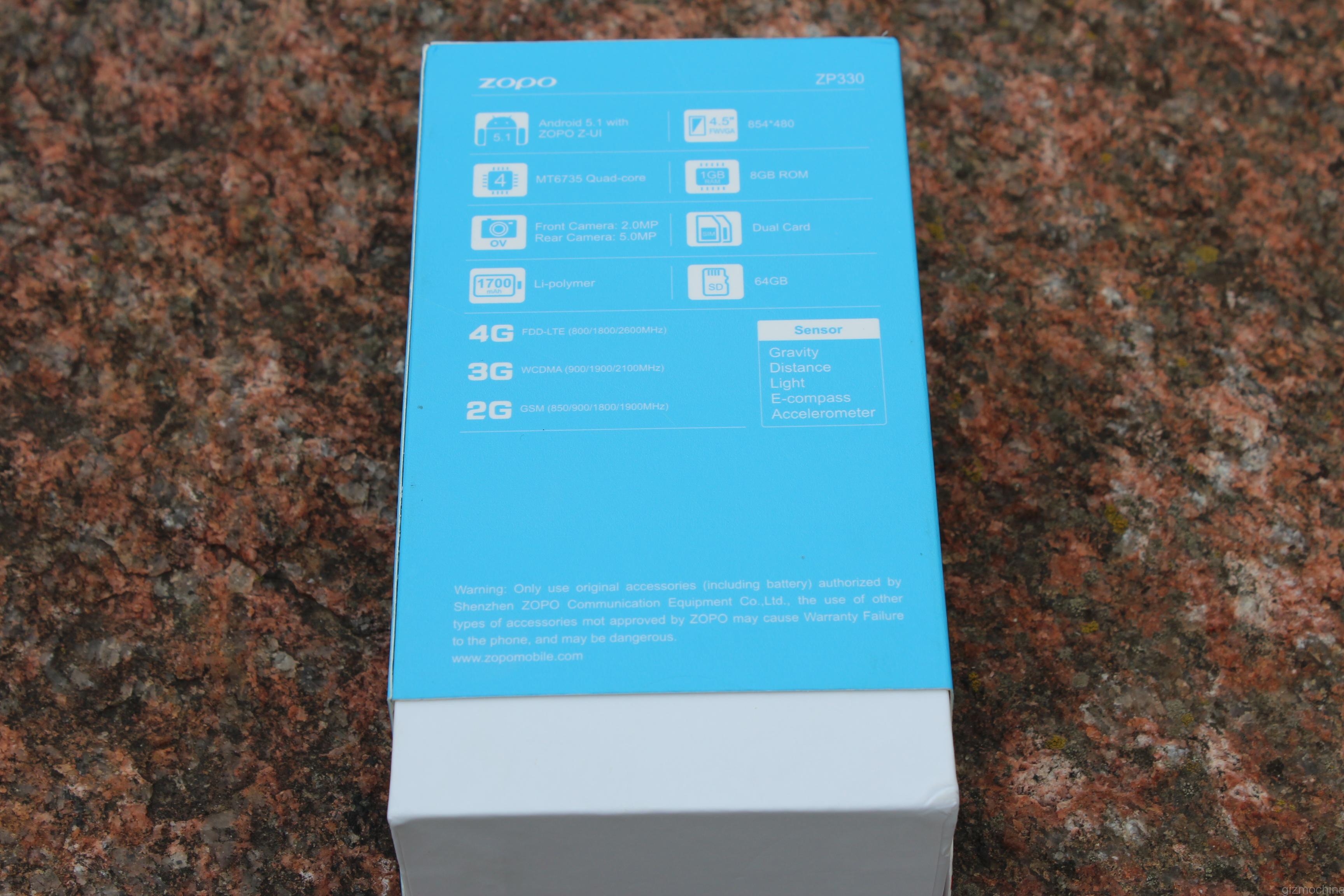
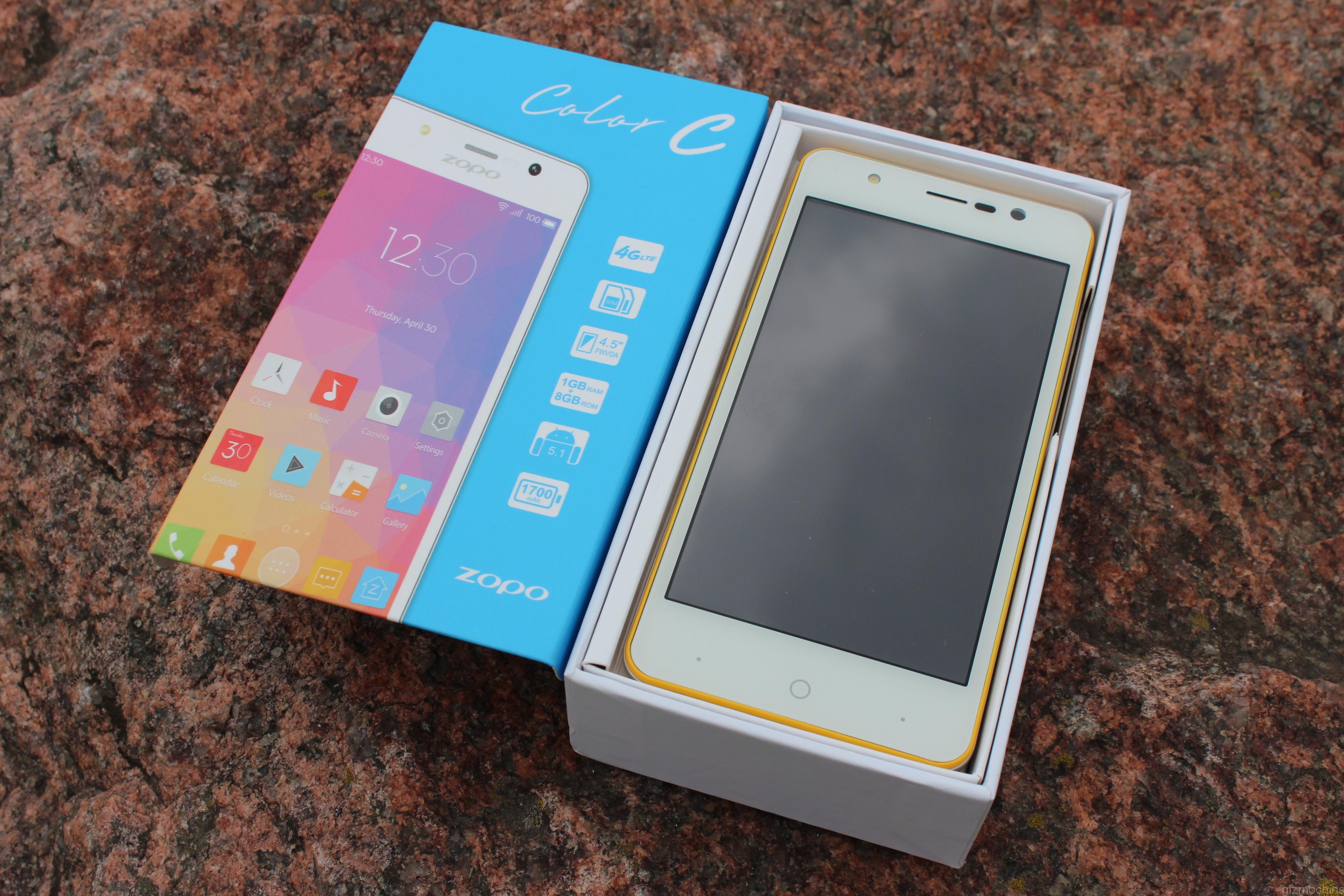
Zopo ZP330 Color C Unboxing
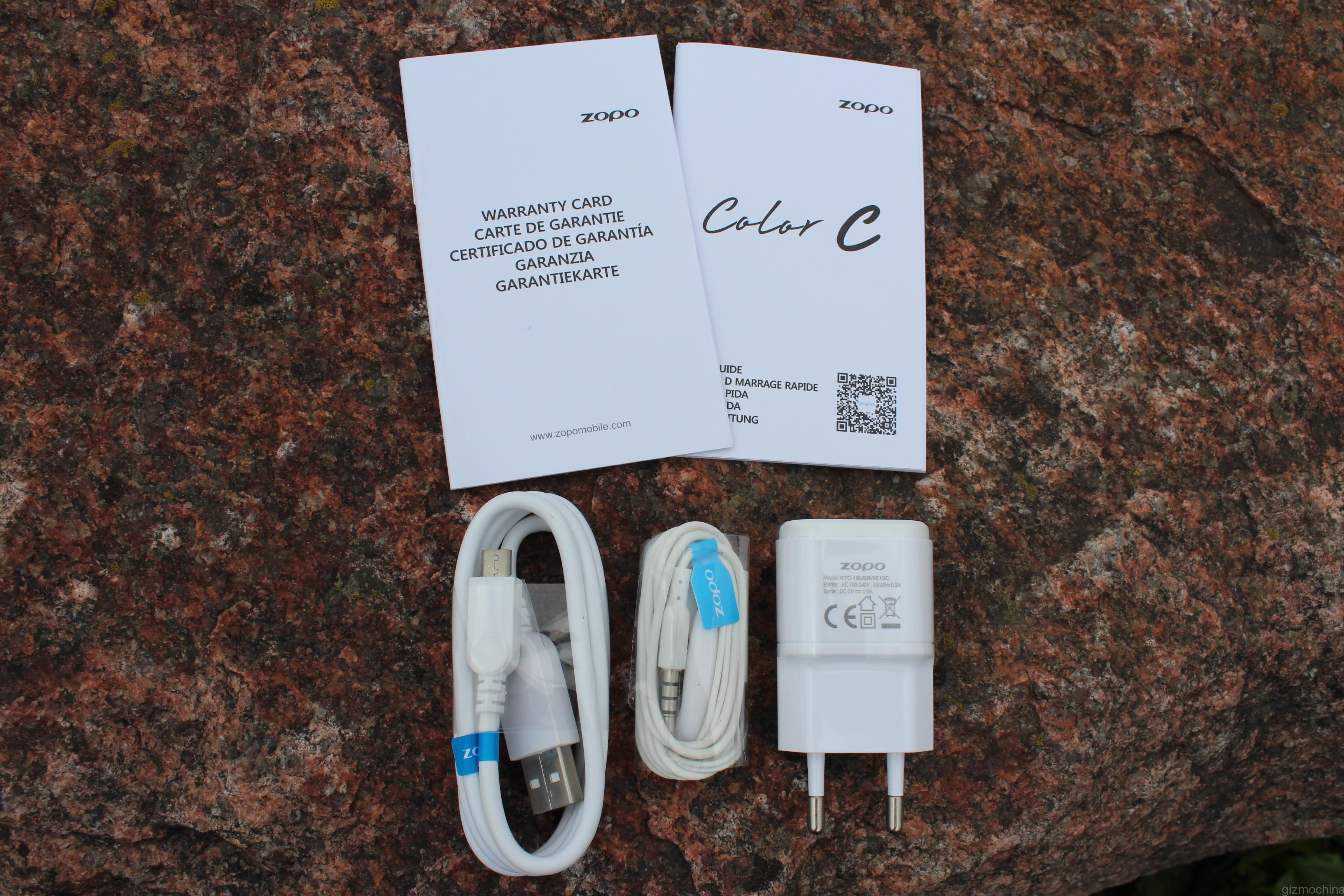
The device comes in a very compact box, where you can find all the items squeezed in tightly.
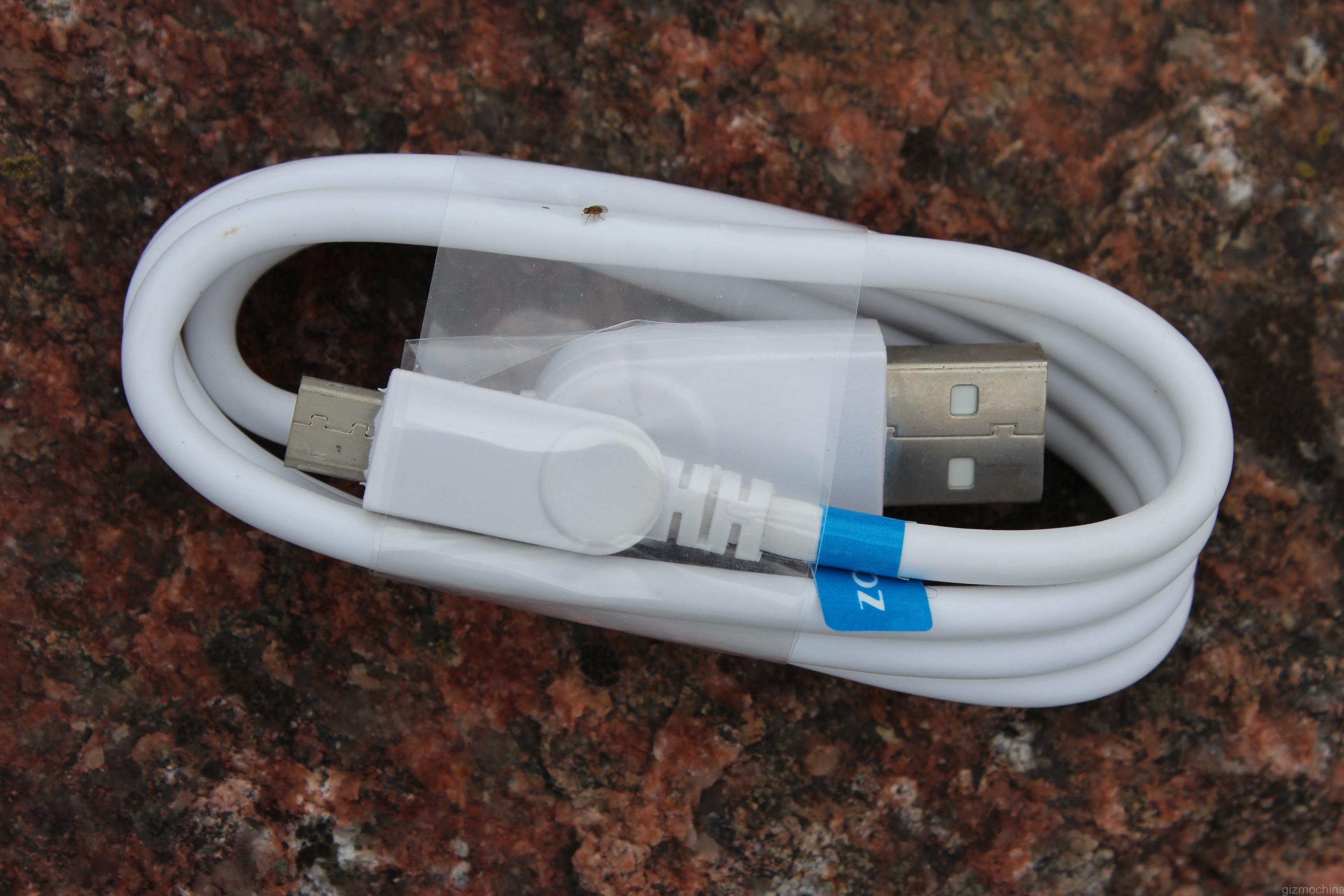
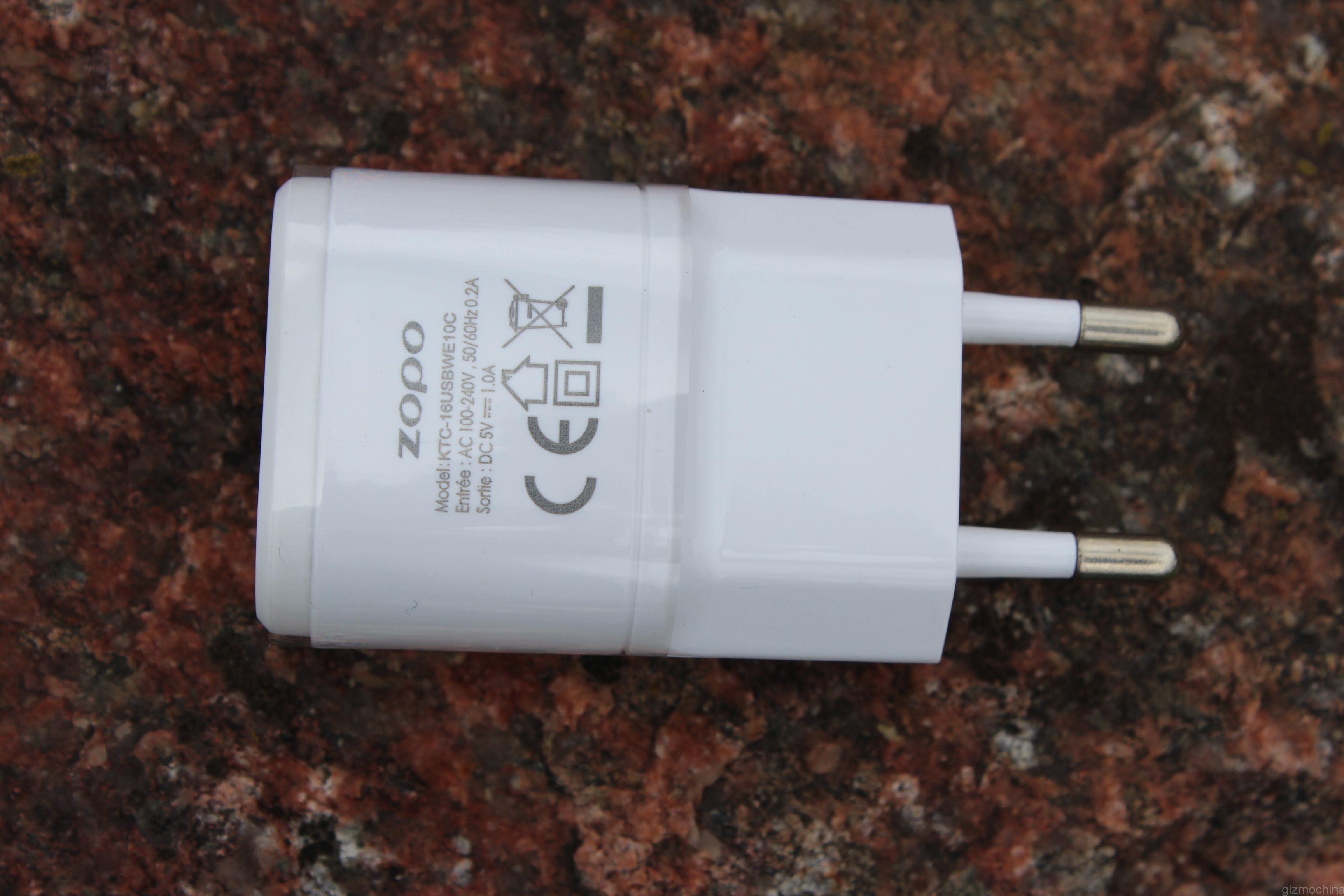
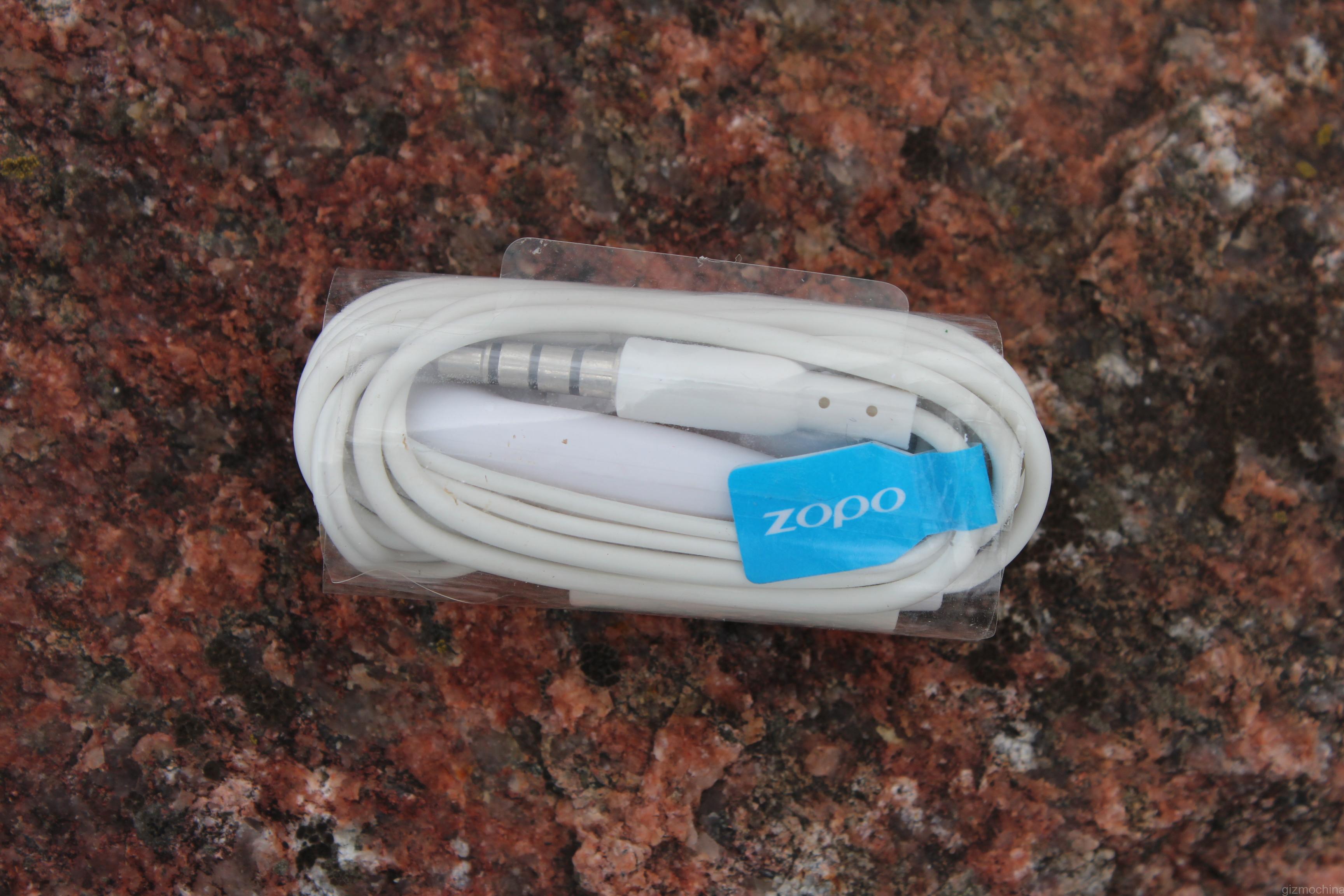
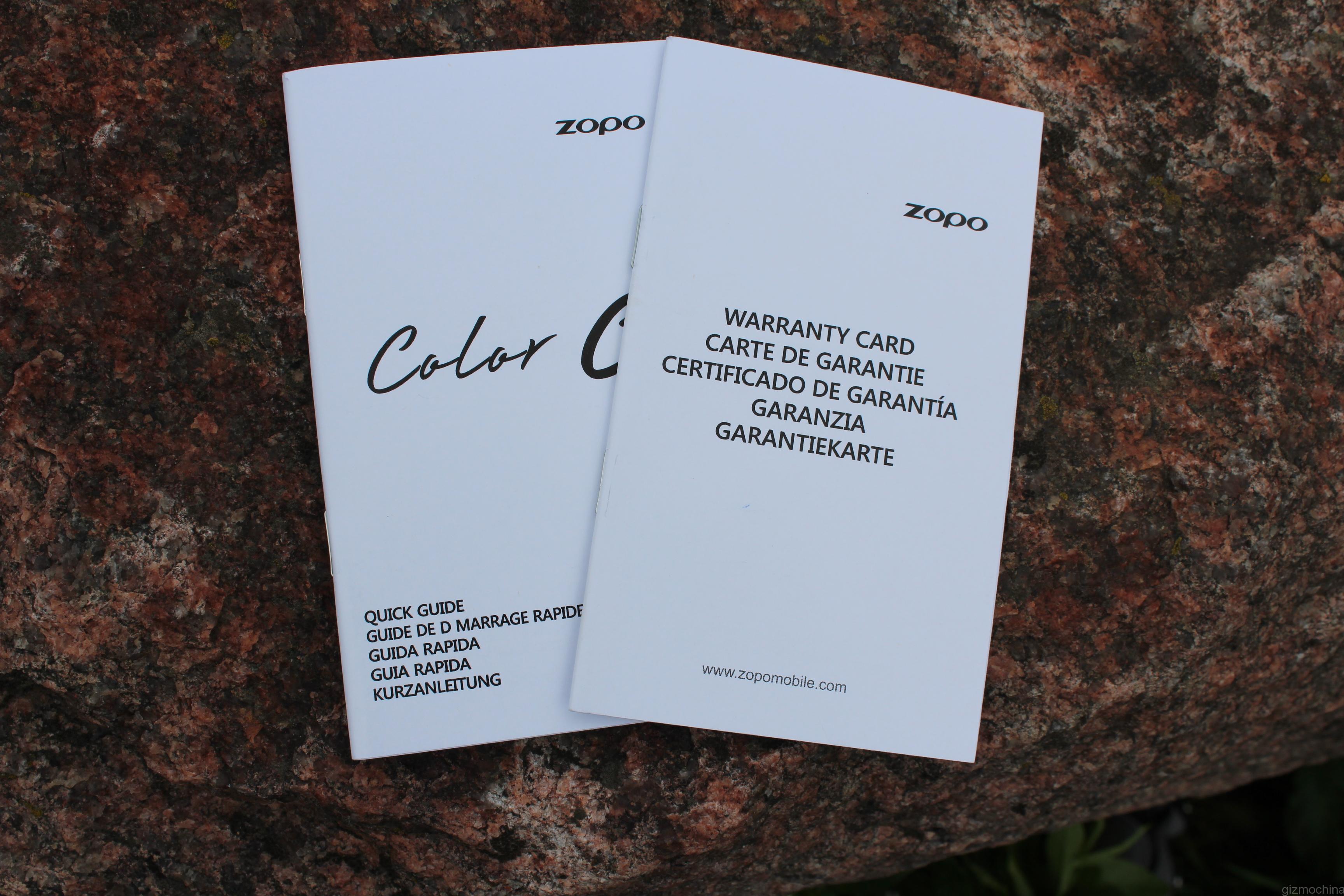
The device comes with a usual set of accessories, which include a power plug, USB cable, instruction manuals. In addition, you are getting a pair of cheap headphones.
Zopo ZP330 Color C Unboxing: DESIGN
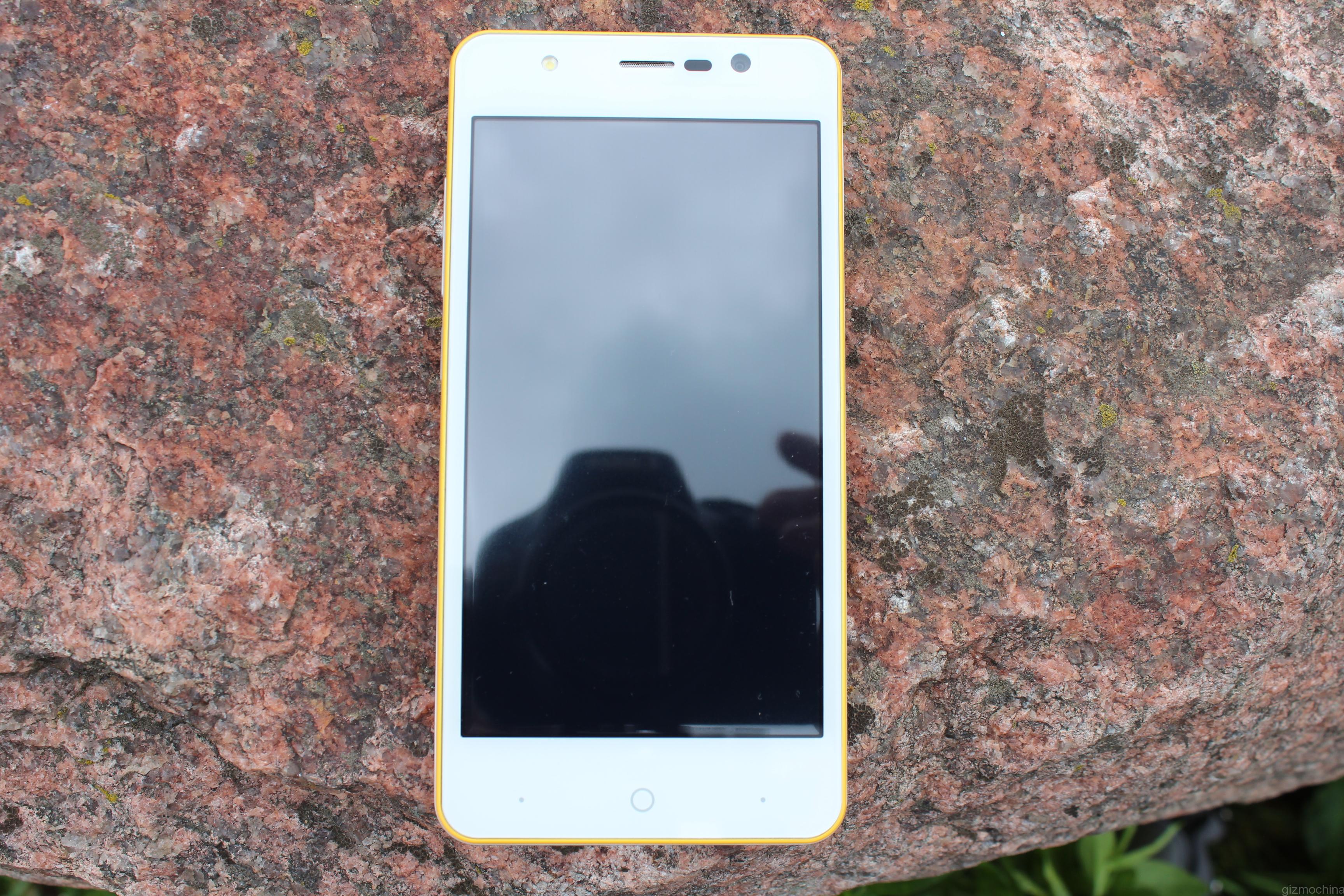
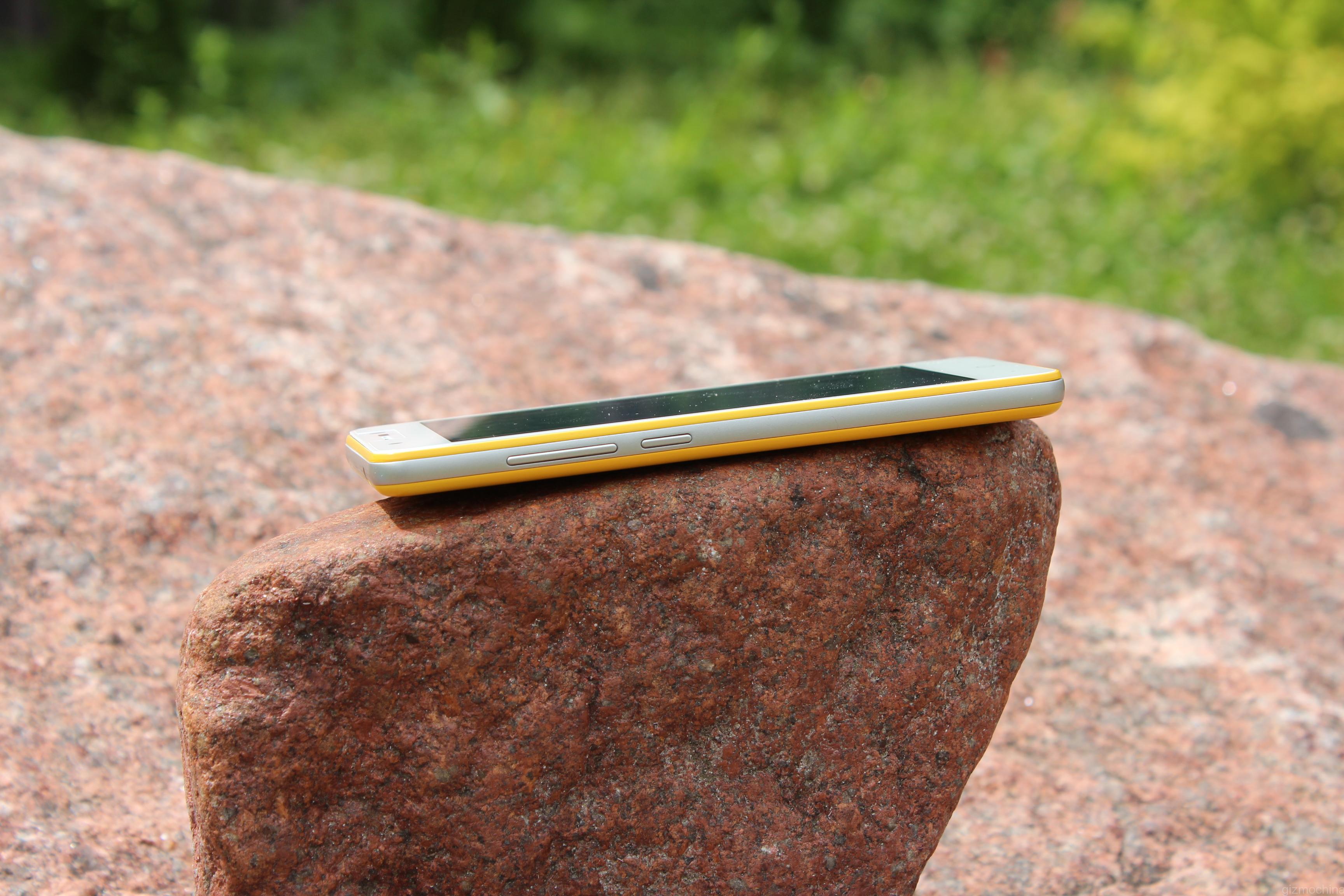
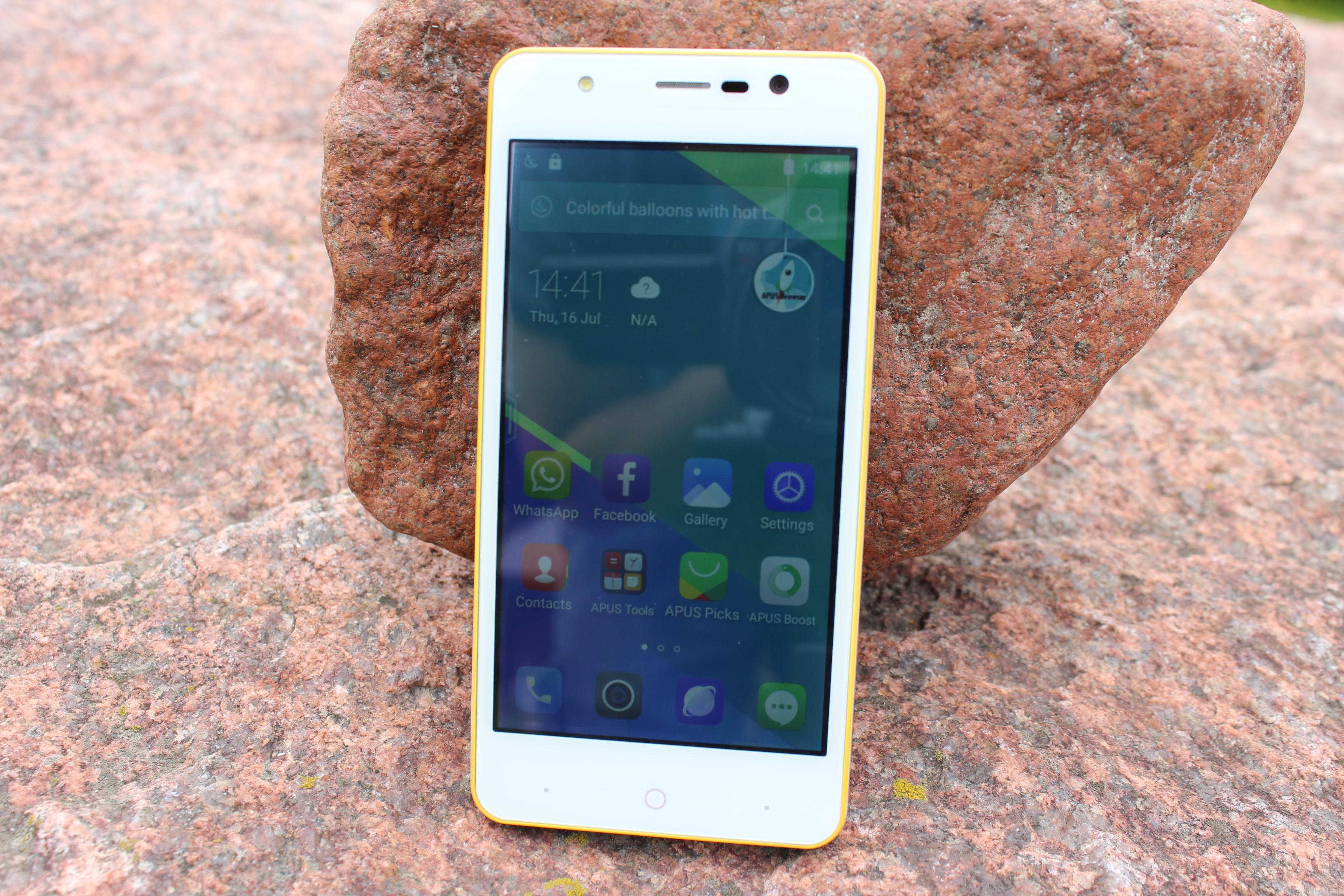
The device has a very compact 4.5 inch IPS Screen, which makes the whole device a very tiny smartphone.
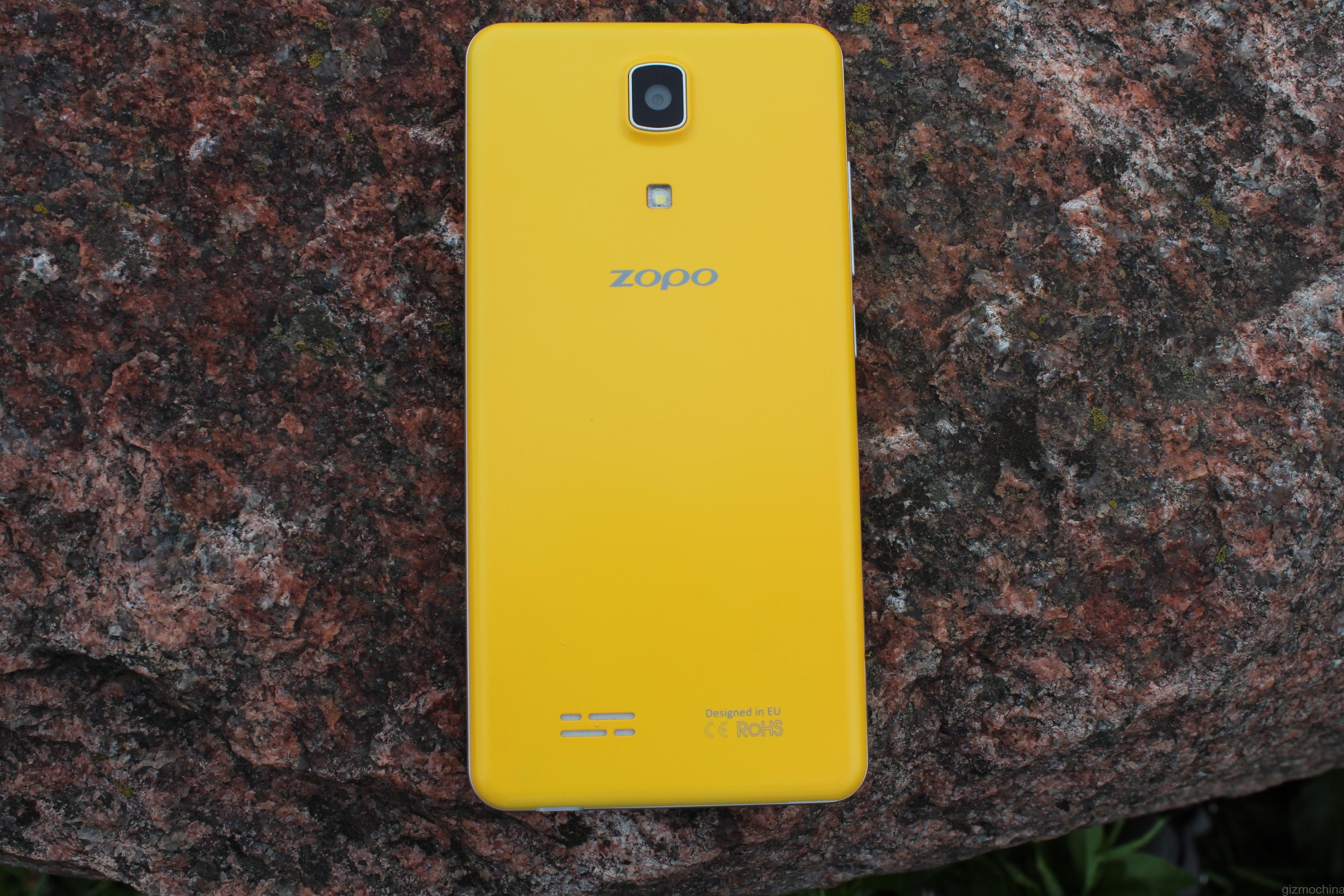
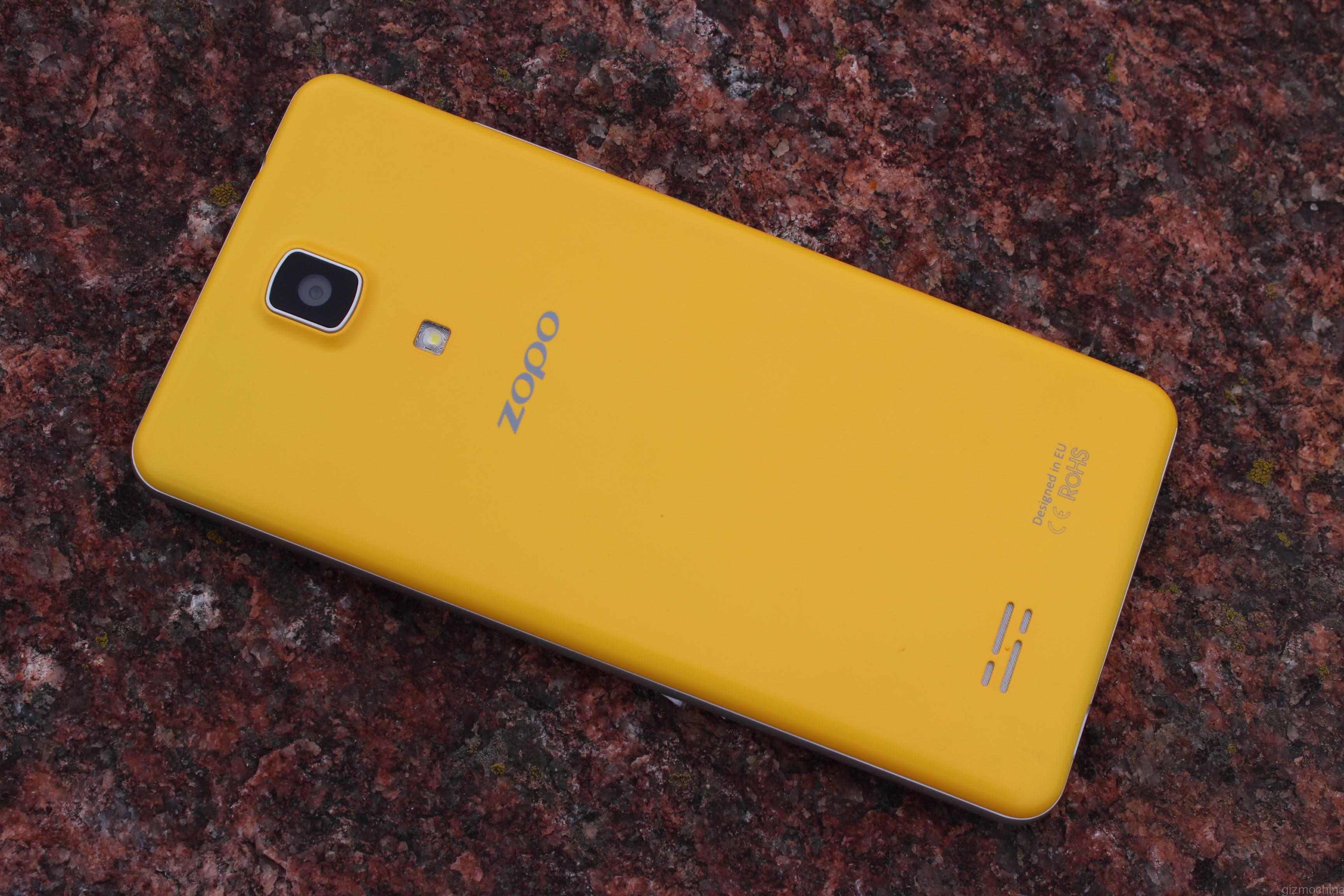
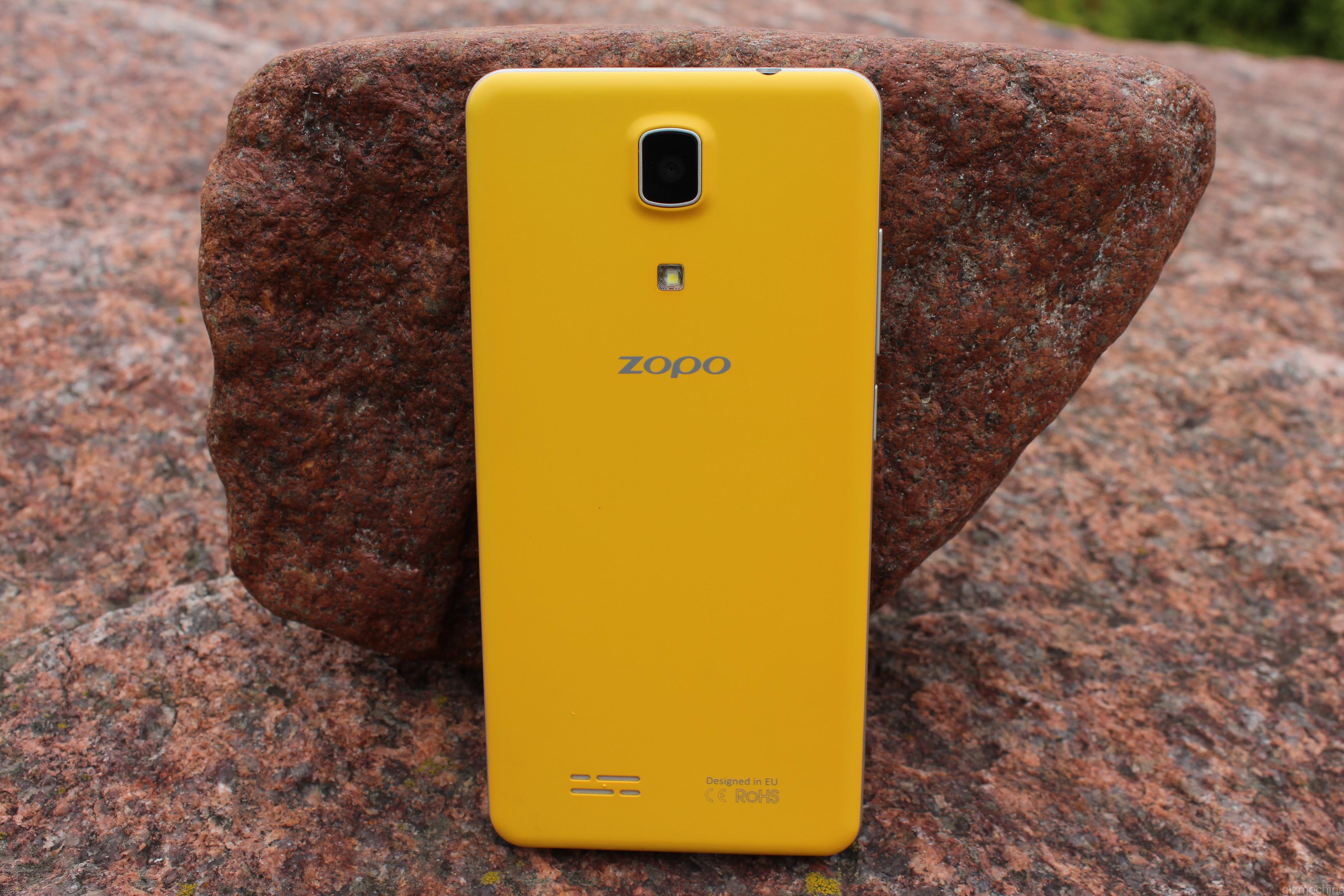
The device is made completely out of plastic but the build quality is actually good. All the parts like a back cover, a plastic frame etc. sit tight and do not make any wobbling noises.
I have this device for a fews weeks actually but I did not have time to review it. Still, I played with it for some time it seems that the overall UI performance is good (although I did not install a usual bunch of apps I usually do).
As far as overall look and feel of the device, well, it sells for more than $100, so I would love to see a metal frame instead of plastic. In addition, the power key does not have a great tactile response and it feels mushy.
On the other hand, I’m keeping a final judgment on this device for a full review treatment.
Oneplus had a fantastic debut year and now, we all are excited for its second generation OnePlus 2 flagship. However, it looks like this year the company is going to release more than one smartphone.
OnePlus CEO Pete Lau while talking to a Romanian website, Adevarul.ro revealed some details about the company’s plans. When asked whether there was any chance that there would be more smartphone launches this year, he replied by saying that yes, the company was indeed planning to release another device. However, he didn’t reveal any specific details about the said smartphone.
This is not the first time we are hearing about a second OnePlus device. There are already rumors going around about a OnePlus Mini and even the company co-founder, Carl Pei had earlier suggested that OnePlus will release a device later in the year with special focus on aesthetics.
Unfortunately, that is all that we know about the new OnePlus device for now. But now that its almost confirmed, we hope to receive more details in the coming weeks.
We know you guys love giveaways. Over the past few years, we have given out a few smartphones, accessories and even wearables, but now its time to take it big.
In the coming week, we will be announcing a big giveaway for our loyal readers from all around the world. Anyone can participate in this giveaway with a few simple steps, and the prize is going to be something that you will definitely like!
We have decided to giveaway ____. Well, we are not going to reveal what its going to be right now, so please be patient for a few more days. But I am sure that you will love the prize. Its one of the most wanted products of this year, and you have a chance to win it for free. Yes, one lucky winner will get this amazing product for free!
So, any guesses what it could be? Okay, here’s one hint: Its a mainstream flagship smartphone! It can be a recently launched one, or even an upcoming one.
Before the contest starts, we would like to see if anyone can guess the prize correctly. But one thing’s for sure, you are going to LOVE IT!
We would like to hear your guesses via the comments section below.
BTW:We Will Announce The GiveAway Contest On July 20, So Mark Your Calendar.
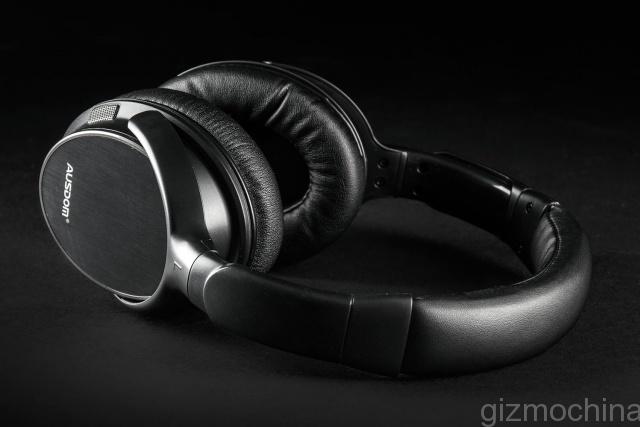
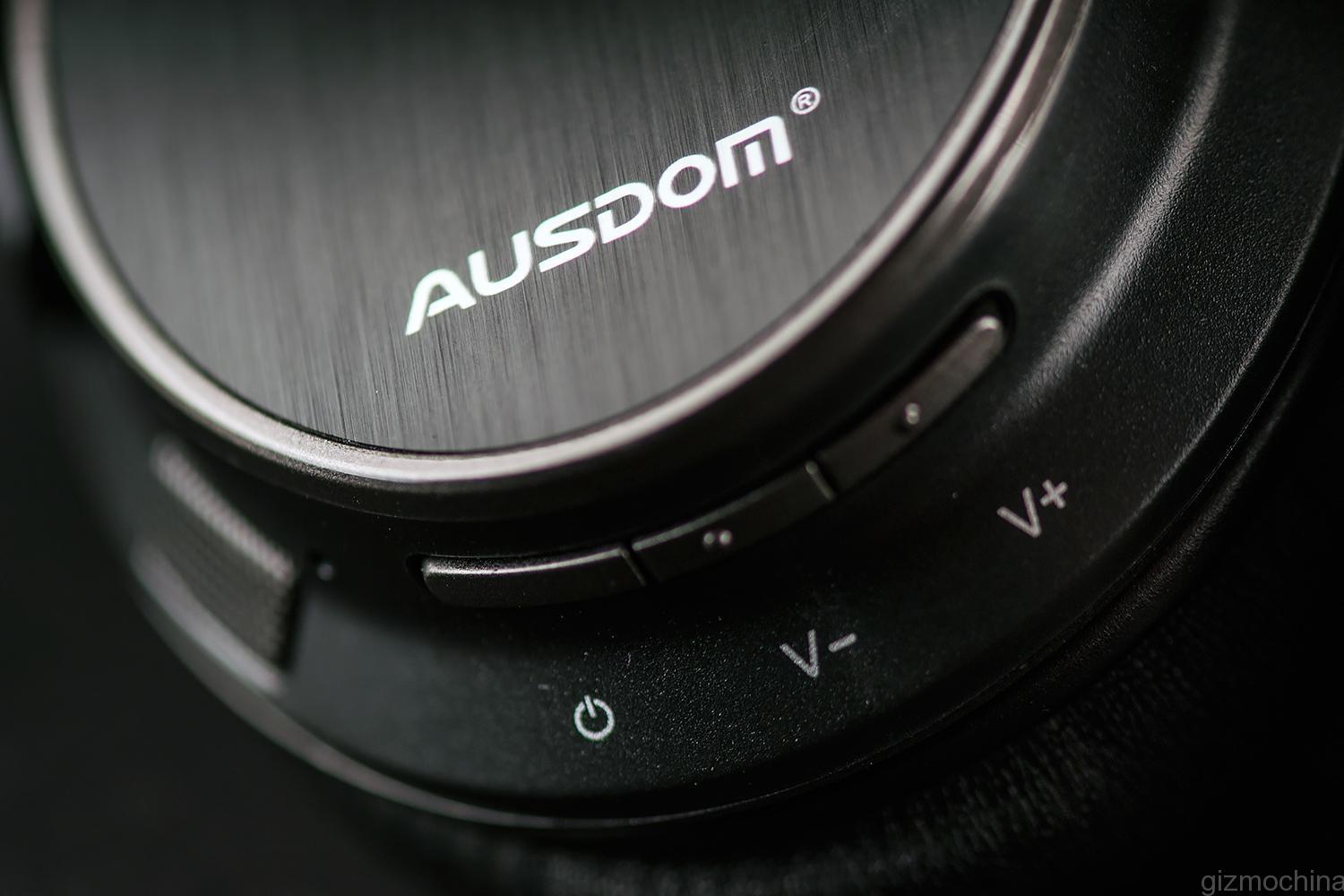
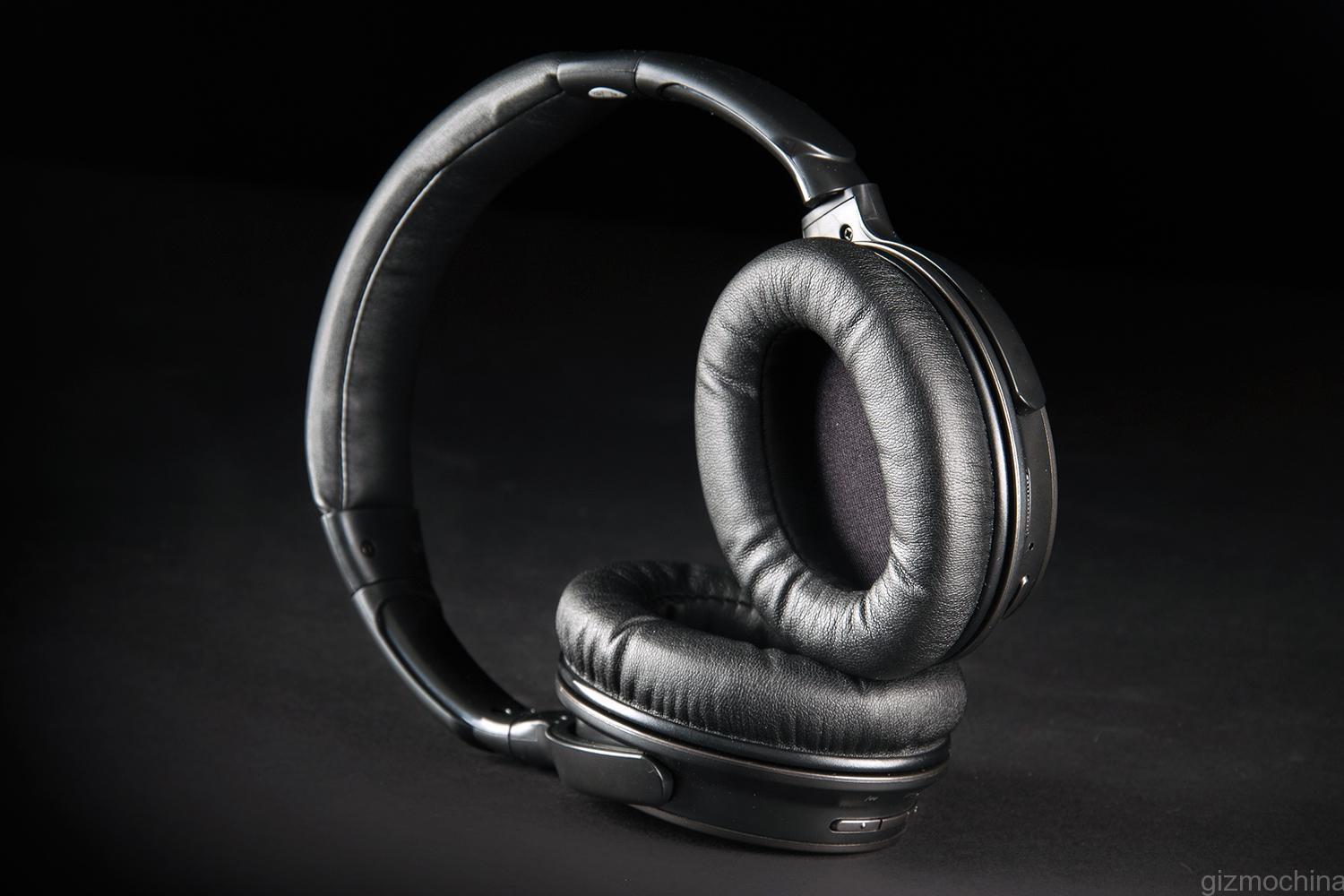
For $50, Ausdom’s M-06 Bluetooth headphones could be one of the cheapest wireless headset at it’s level.
The obvious assumption for everyone would be that a lot of money is needed to afford high quality wireless headphones given the average market price today. In fact, most of these valuable gadgets go for $150. When Audsom M06 was first mentioned, many would not have expected a lot from it, given that the brand is relatively new. No so today because recent tests on these Bluetooth headphones have revealed otherwise. Not only do they meet expectations in regard to sound quality and price balance, but also do they feel comfortable to use for long periods. Having fulfilled minimum expectations on sound quality, we give it a pass as an acceptable low-cost option for those looking for Bluetooth headphones.
Out of the Box
The device is light in weight and comes with only a fewer accessories: a 3.5mm cable for connection and a micro USB charging cable. You get relieved from having to carry a case, adapter and carry sack. The M06 is certainly worth the price given that the sound quality is acceptably reasonable and the rigid plastic frame lasts for longer.
While many companies are trying to impress on appearance and fashion, Audsom doesn’t: so the M06 will not impress those obsessed with fashionable items. Or rather, the company is not trying too hard to. However, those who understand the benefits of not having too much attention such as when commuting,will find the device worthwhile.
Comfort
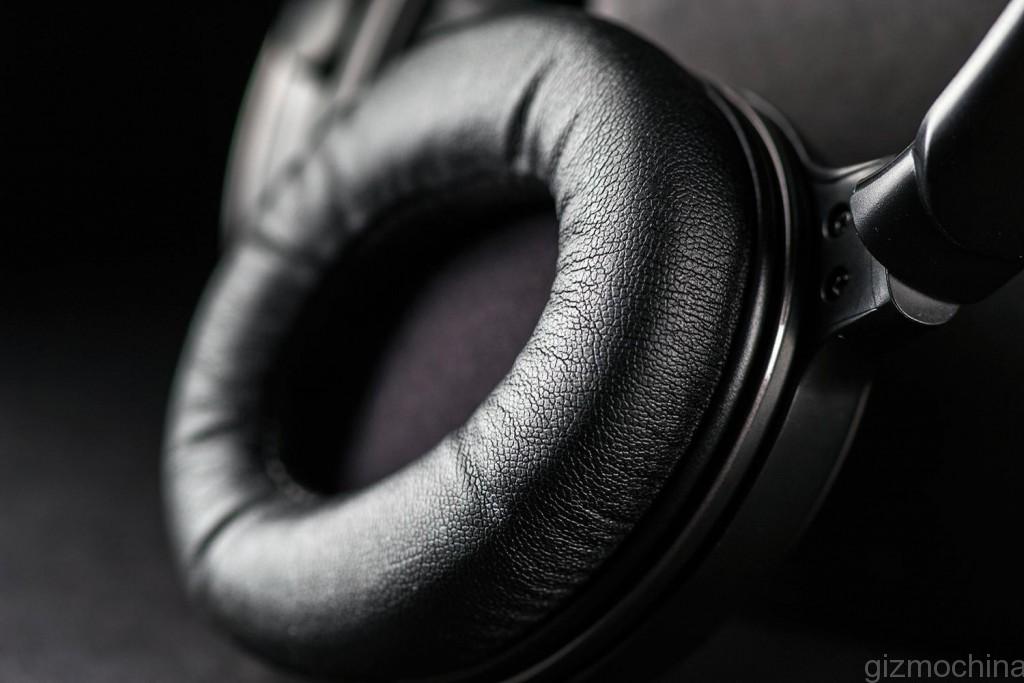
The M06 feels comfortable over the ear even when used for a long period. You will not experience any fatigue after a long period of listening music. The ear cups, which are almost equal in size to those of Bose QC25, fit on most ears. The device exerts a relatively slight clamping force on ears and you can easily forget that it is even there, thanks to the nicely crafted padding on the ear cups. However, since the slight force means that the headband must cover a wider space in order to clamp on the head; those with narrow heads might experience some soreness after using the device for some time.
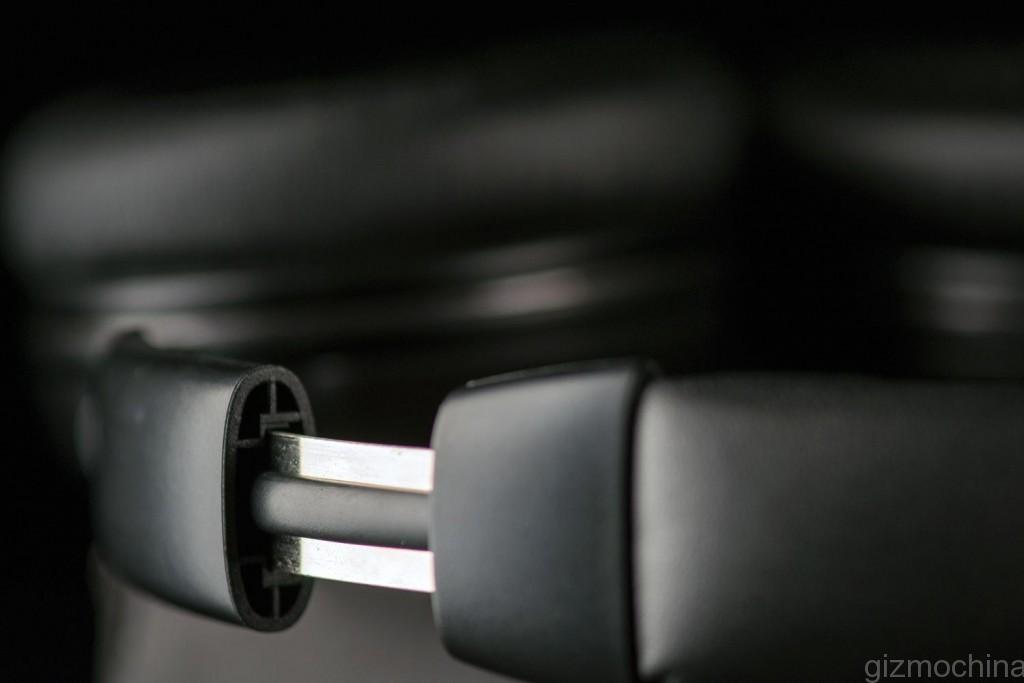
The only bad side with the M06 is its adjustability and fit. The headband is slightly hard to fit in and initially feels a bit sticky and clunky to move. You will require some additional effort to find the right fit.
Hardware/wireless
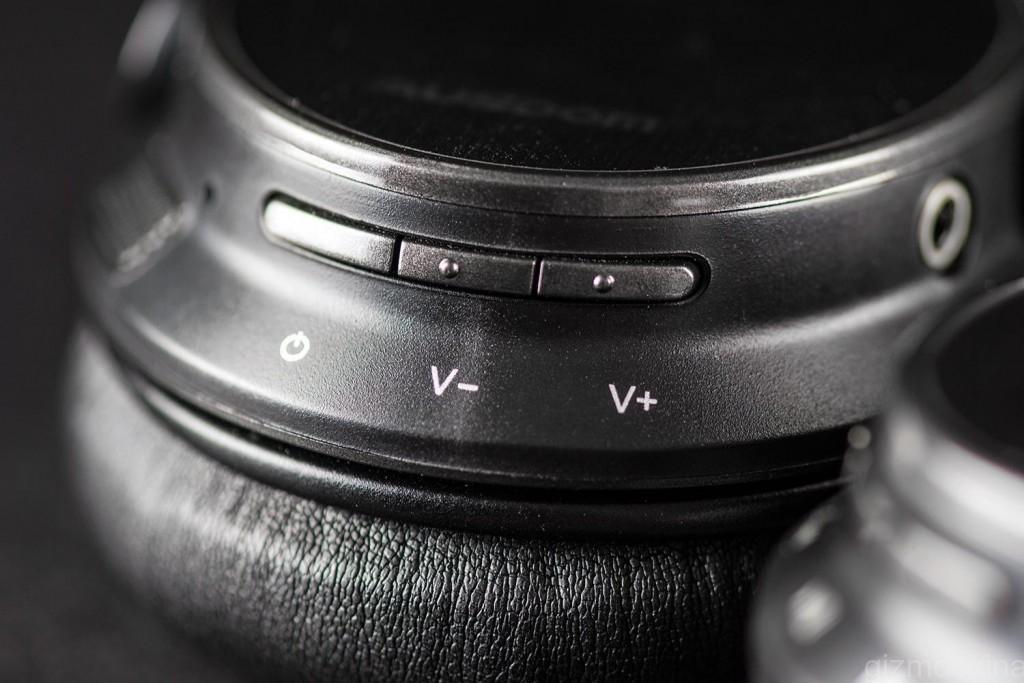
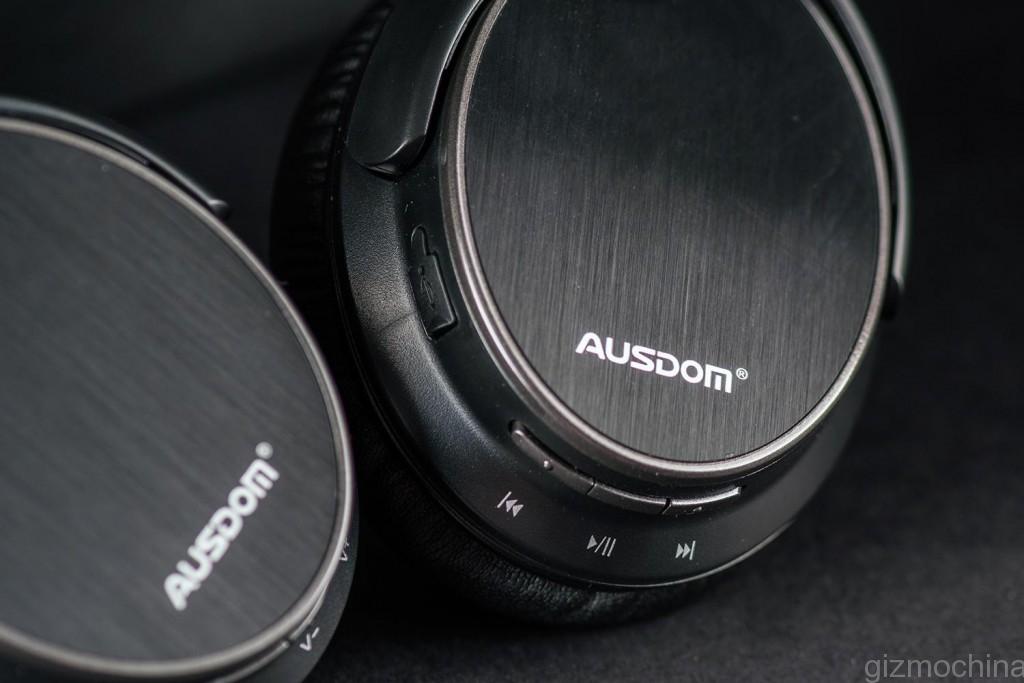
Audsom M06 incorporates all the control buttons on the bottom of the two ear cups. You can easily access the power, volume, play/pause, and skip track buttons, but the challenge is it is hard to differentiate them as they feel the same on fingers. It means you might have to remove the headphone to make sure you press the correct button, but that might unplug the music source device. However, one can memorize the location of each button with continued use. The buttons are thus hard to use, and it will be easier to control the music from the source device.
M06 comes with a 400mAh Lithium-ion battery that lasts for 20 hours according to the manufacturer. The battery lifetime, however, goes down to 16 hours when the music volume is higher. The battery status will show on an iPhone 6 thanks to the use of the latest Bluetooth chip iteration.
Sound
Although the treble sparkles slightly, it does not make the overall sound quality offensive on ears. Vocals are clear, although the midrange is a bit low. The bass is not deep but can still be heard. The sound quality is just sufficient on the dynamic range.
Some people will raise a concern with the “one-note” quality experience on the upper bass/low midrange, which makes the bass a little bit “punchy” on ears. The experience comes on almost all music genre played, although again, it does not make the overall sound quality offensive on ears. Others will find it fine given the device is only 50 bucks worth!
M06 works pretty fine on albums such as Home by Garrels, and you can hear many plucking of strings.
The device however falls short on noise isolation because the ear cups do not afford a good seal around the ears. Since some sound waves can get in and out through this seal, you can hear people’s voices when using the device in crowded places – the M06 Bluetooth headphone does not do well on sound dampening. However, they are nice to use on quiet environments – the sound is clearly audible.
Conclusion
The device exceeds expectations in regard to matching quality and sound – you get a good sound quality for as low price as 50 bucks, and getting a light weight wireless gadget at that price is even more of a bonus. Bad noise isolation and poor looks is all you have to bear with when using this device. However, it fits those looking for a low cost wireless headphone that is not offensive on ears and doesn’t attract much attention.
We all know for sure that OnePlus will announce its new flagship, the OnePlus 2 on July 27 (July 28 in China). While the phone comes with pretty good specs, enough to compete with any other smartphone in the market right now, the company is apparently marketing the phone as the 2016 Flagship Killer.
Yes, it looks like the company is too enthusiastic about its upcoming flagship, enough to be calling it the flagship killer of 2016. Given that we already know a lot about the new OnePlus 2, thanks to the teasers and confirmations from the company, the specs aren’t good enough to compete with 2016 flagships. In fact, in a few months time, even Snapdragon 810 would be replaced by a much faster and efficient (hopefully) Snapdragon 820.
So, why would the company be calling it a 2016 Flagship killer? Well, either we still don’t know a lot about the OnePlus 2 (a high-end edition?) or its all a hype to get fans excited. But then, the phone is going to cost less than $450, so what all high-end features could they have incorporated in such a limited price tag? I guess, we will have to wait for the official launch day to get these answers.
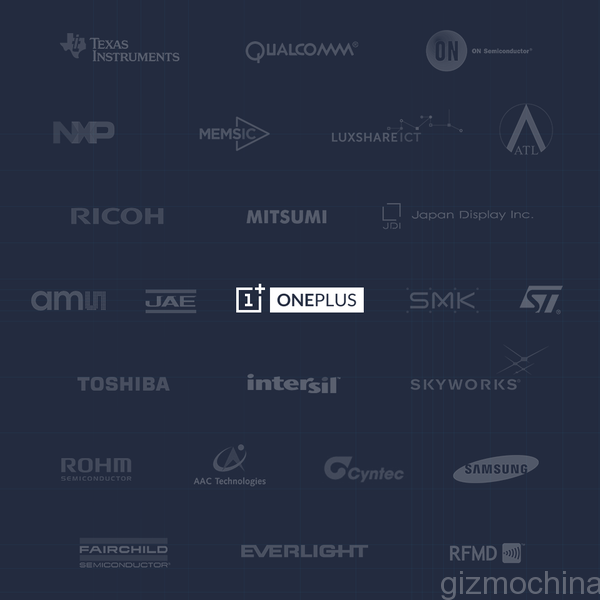
What the company did reveal is a bunch of partners who have supplied components for the new flagship. The list of brand names include Texas Instruments, Samsung, Qualcomm, JDI, Toshiba, Mitsumi etc.
Whatever the case maybe, we just have to wait for a couple of weeks more to get official details. Until then, stay tuned for more updates.
Huawei has been aggressively expanding its affordable Honor lineup this year. Its just been around two weeks since the company unveiled its brand new all metal Honor 7 flagship in China. Now, it looks like there will be yet another launch, this time, the Honor 4A on July 21.
The unveiling will take place at the Beijing Galaxy Soho in China, during the Huawei Summer Whirlwind festival. The Festival starts on 21 and goes on till July 23rd. Apparently, a couple of Chinese artists will also be present at the event. Plus, we can see a some musical instruments too on the Honor 4A teaser, which could mean that the phone may have some music-centric features.
During the Festival period, the company will be offering a number of discounts on its existing products. Huawei has not revealed exactly what offers and discounts you’ll get, but it might be a good time to buy your favorite Huawei device from China.
As for the Honor 4A, we have no idea about its specs or pricing. But, given the naming scheme, could it be a direct competitor to the Redmi 2A? If that’s the case, expect at least a 5-inch 720p display, 1GB RAM, 8GB storage and an 8MP camera on the device. Pricing should be around 599 Yuan.
Well, since the unveiling is next week, we don’t have to wait too long to get official details. We will keep you guys updated if we come across more info.
For the past few months, we have seen plenty of smart products from Xiaomi. Just a few weeks back, the company unveiled a trio of smart products like a bedside lamp, Wi-Fi Amplifier etc. Now its back expanding the smart products lineup with a brand new Mi Water Purifier.
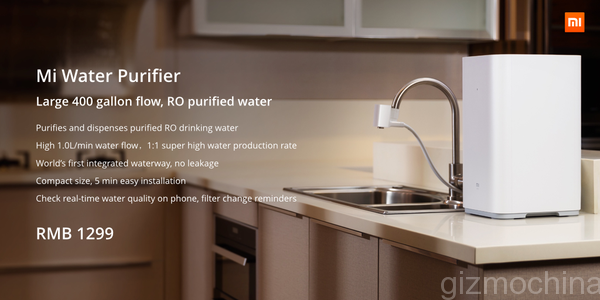
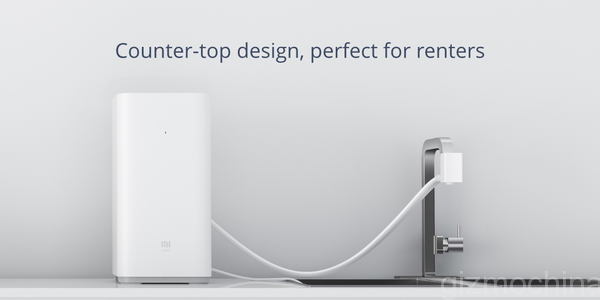
Coming to the actual Mi Water Purifier, the design language is synonymous with the recent smart home products from the company. Its simple, elegant and looks great in white. Xiaomi has paid special care to reduce its overall size, to make it more compact and user friendly. In fact, its a great device to have even for renters as you don’t have to make any permanent changes in your room for using it. Just connect the pipe to your traditional tap and you are good to go. Moreover, you can track the water quality, directly from the companion smartphone app.
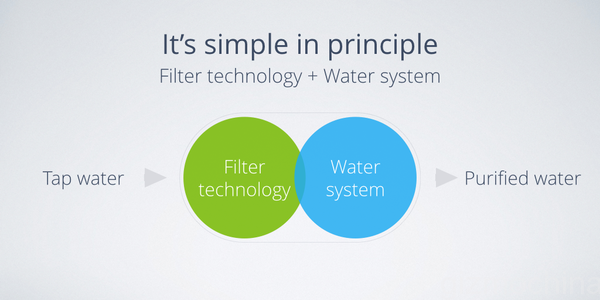
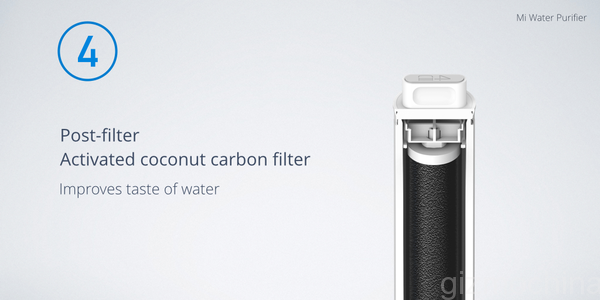
The Mi Water Purifier uses reverse osmosis to clean the tap water. It can reportedly filter sediments, rust and other particles, thanks to the four different filters inside namely PP Cotton filter, 2 x activated coconut carbon filter and a RO membrane. The RO membrane removes metal, bacteria and other organic substances from the water. Finally, in the post filter stage, the activated coconut carbon fiber reportedly improves the taste of water.
The Xiaomi Mi Water Purifier will be available in China from July 28 for 1399 Yuan ($225).
Remember the past couple of teasers where Xiaomi said it would unveil something slim? Today, the company has finally unveiled that slim product, the 9.9mm 48-inch Xiaomi Mi TV2S. The 48-inch TV comes with all the latest features to stay ahead of the competition.
The 48-inch display sports a resolution of 4K. The company further adds that the display is of superior quality and the color plus contrasts are much better than TVs from rival manufacturers like Samsung, Sony and Sharp. The company has particularly paid special attention to the TV’s body. It features a super slim 9.9mm aluminum frame and comes in a number of colors like pink, blue, green and even gold. So, it looks like the company is trying to attract the younger generation with this new TV.
Under the hood, the Xiaomi Mi TV2S comes with Mstar 6A928 quad-core chip with Cortex A17 cores clocked at 1.4GHz. There will be Mali-T760MP4 GPU and 2GB of RAM along with 8GB of internal storage. The 10-bit panel can decode 4K at 60 Hz.There will be a couple of ports available too like USB 3.0 and HDMI 2.0a. Other features include Bluetooth 4.0, Wi-Fi ac support etc. The TV runs on MIUI TV version based on Android 5.0 Lollipop.
The company has also redesigned the plug used on the TV. It is said that Xiaomi partnered up with Volex, world’s largest plug maker to completely redesign the plug on the Mi TV2S. It comes with Dolby Sound support and features YouKu, BesTV, PPTV and other services.
The standard version of the Xiaomi Mi TV2S will go on sale for 2999 Yuan ($485) while the Cinema Edition will cost 3999 Yuan ($645). The TV will on on sale from July 28 in China.
OnePlus One was a well balanced device, but it did have some drawbacks. The flagship killer came with a single SIM card slot, which could have been a deal breaker for many. Given that most smartphones come with at least or sometimes even three SIM card slots, limiting to one SIM slot wasn’t a great idea.
But it looks like the OnePlus 2 will feature dual SIM dual standby. The company CEO, Liu Zuohu confirmed on Weibo that the new flagship will support dual SIM card slots. Unfortunately, we still don’t know whether there will be a microSD card slot too. We will even be happy to see a 3 in 2 Micro SIM + Nano SIM/ MicroSD card slot. But we are not sure of that at the moment.
Almost all the other specs have been confirmed, except for the display size and resolution. The OnePlus 2 will come with Snapdragon 810 v2.1, 4GB LPDDR4 RAM, 13MP rear camera with laser autofocus, USB Type-C port, fingerprint sensor and a new designed body (probably all metal).
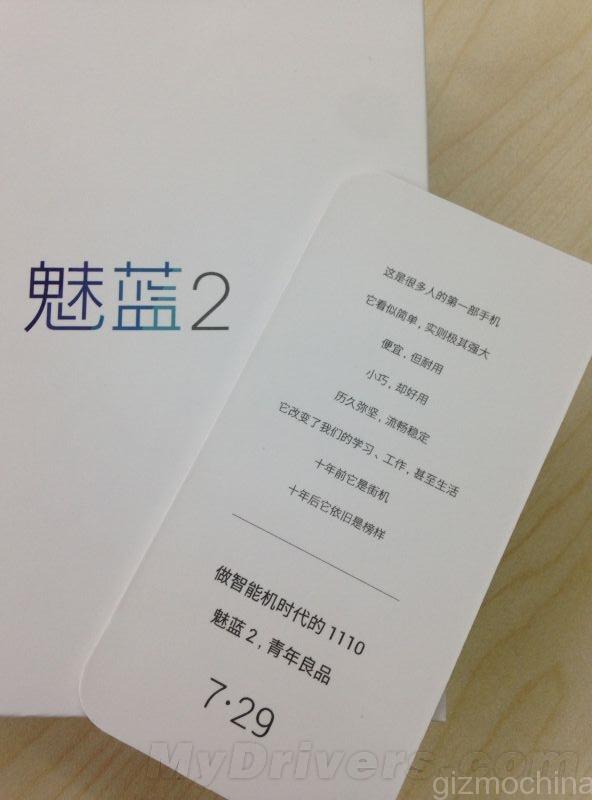
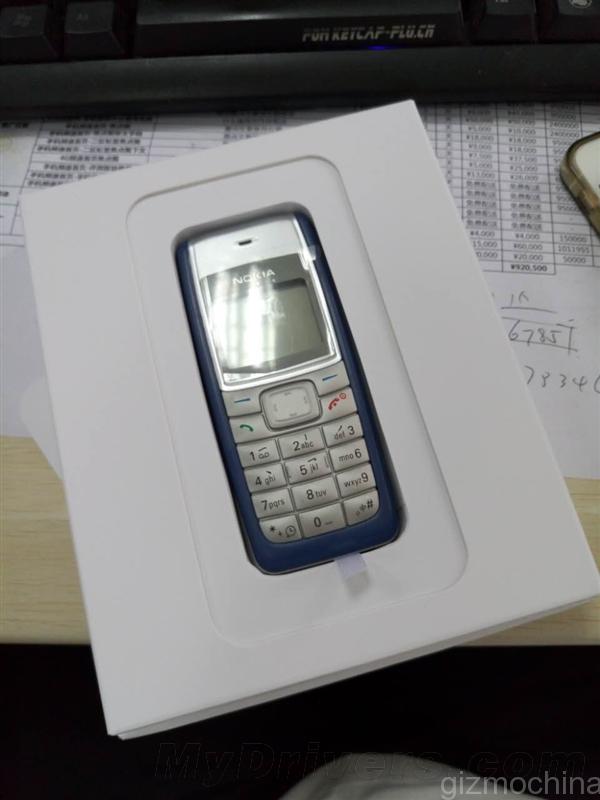
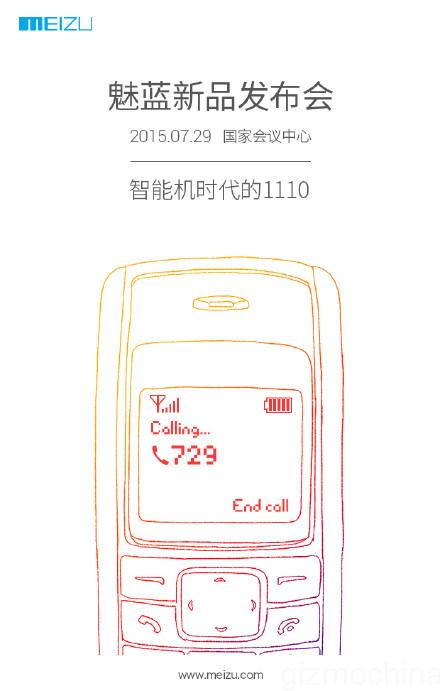
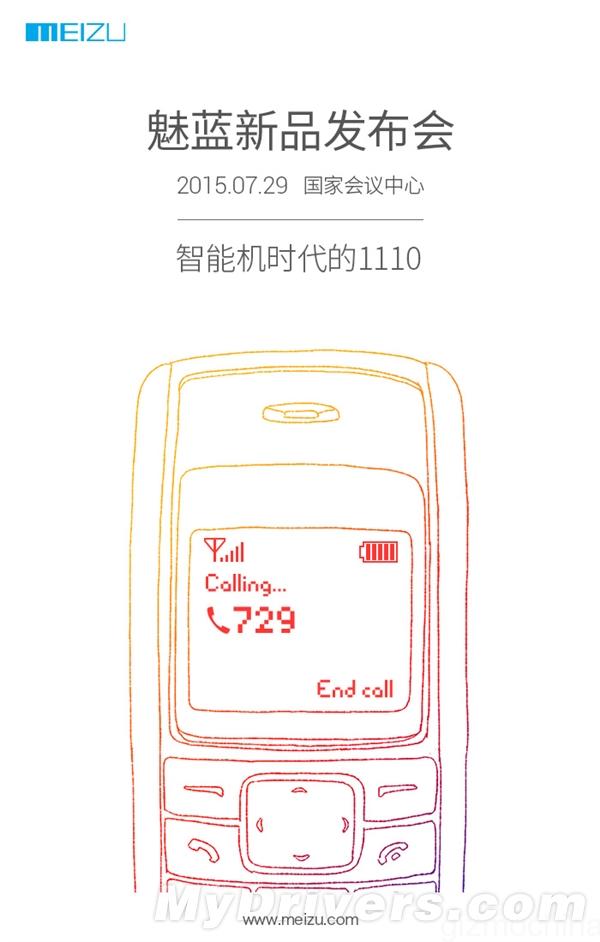
But it looks like, the company was trying to say something about its new smartphone launch, which will take place at an event on July 29. Earlier today, the company sent out invites for the event and inside each invite was the mighty Nokia 1110 phone.
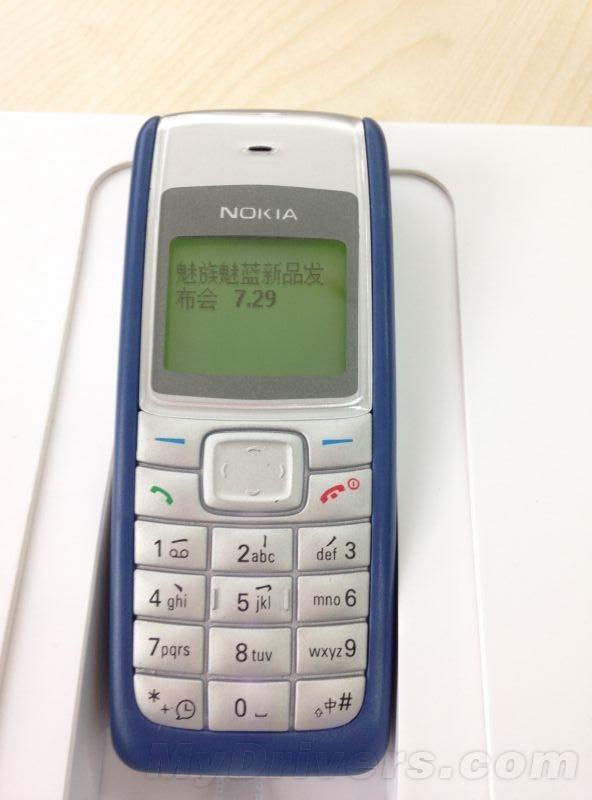
It looks like Meizu is trying to tell its fans that the new Meizu M2 will be a classic device like the 1110. This Nokia phone sold in plenty, thanks to its super cheap pricing and this is probably why it sent out Nokia 1110 inside its invites. Well, we expect the pricing to be cheap, around 599 Yuan, to directly compete with the Redmi 2A. Also, note that on starting up the Nokia 1110, you will see the date 7.29 but you won’t be able to make calls or messages with the device.
As for the specs, Meizu M2 had hit TENAA recently. It came with MT6735 quad-core chip clocked at 1.3GHz, 2GB RAM, 16GB of expandable storage, 5-inch 720p display and a 13MP camera. The phone had a 2450mAh battery on board. As compared to the first generation Meizu M1, the new model would upgrade in areas like RAM, Storage and CPU.
Well, according to the latest teaser, you can expect to see this launch on July 29. Stay tuned for more details.
Xiaomi does not need any introduction whether you live in China or outside of it. The company is one of the best selling smartphone maker in the world and their one of the latest offerings in the budget portfolio may be one of the answers why.
It has become quite usual for the Chinese companies to release a regular model and then make some slight improvements and release a PRO variant. So what kind of specs does it make this device carry the PRO moniker?
The device spots a 4.7″ 720p display. Moreover, the Xiaomi Redmi 2 Pro carries a 64-bit Qualcomm Snapdragon 410 chip, which is clocked at 1.2GHz. In addition to this, it has 2GB of RAM and 16GB of expandable storage via microSD card slot (manufacturer declares up to 32GB but usually these devices also work with 64GB cards as well).
Other specs worth mentioning are 2MP/8MP camera combo on the front and back, respectively. Also, there is a dual SIM card slot and with the 4G network support. Last but not least the device is running Android 4.4 (with the possibility of receiving Android 5.0 Lolipop update soon) and a 2200mAh battery is keeping the lights on.
As far as design goes, the Xiaomi Redmi 2 Pro would not make other people stare at your device and ask what kind of phone it is. However, it was not made with the design in mind but with a focus on specs and very low price tag.
So this is what Xiaomi believes is a PRO model in the budget devices category. Of course, it’s our choice to decide but given the fact that the company has built a great reputation of producing some high quality smartphones for a low price, this model should be no exception.
Finally, considering the specs this device has, the $129.99 price tag sounds like a bargain.
We already know a lot about the OnePlus 2 such as the CPU, RAM, Battery etc. However, there were still some questions unanswered like the storage, built quality and the camera as well. Now, it looks like MKBHD has revealed a few details about the OnePlus 2’s camera.
oneplus two concept
Yesterday, Mr. Brownlee revealed that OnePlus 2 will come a 13MP sensor at the back with Laser Autofocus. If you remember, this tech was first debuted by LG on its G3 flagship and improves focus times to a great extent.
According to the camera review, OnePlus does have a decent rear camera. The 13MP manages to capture clear and sharp pictures with almost accurate color reproduction. The focus times in particular were impressive, thanks to the laser autofocus tech. There are a number of camera options such as Clear-Shot, HDR and Beauty mode. As for the video shooting, the phone is capable of recording videos in up to 4K resolution. You can even take slo-mo videos at 720p.
Overall, it looks like OnePlus 2 will have a capable rear camera. Nothing out of the ordinary, but good enough to satisfy your camera needs.
You can check out the full review of the Oneplus 2 camera from MKBHD from the video down below.
This kind of solves the mystery of the OnePlus 2 camera, but there are still things we don’t know like the built quality and material, storage etc. Hopefully, we will get more info before the launch event on July 27.
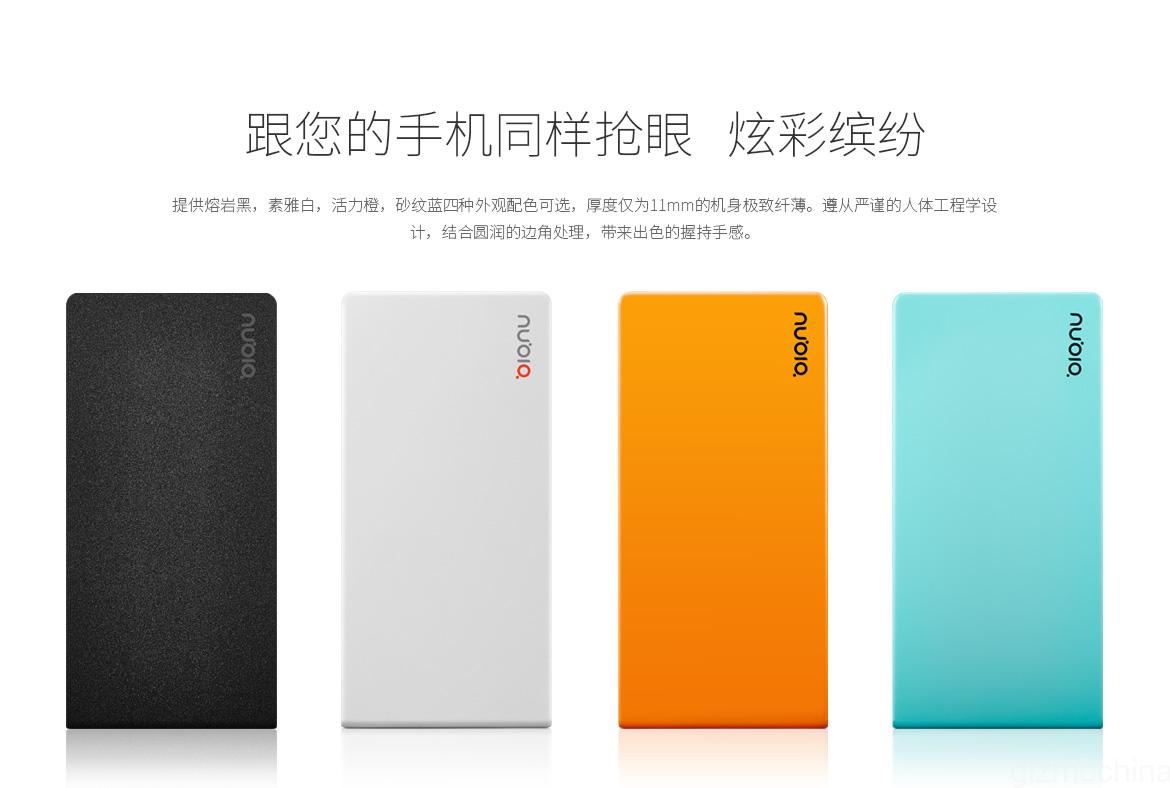
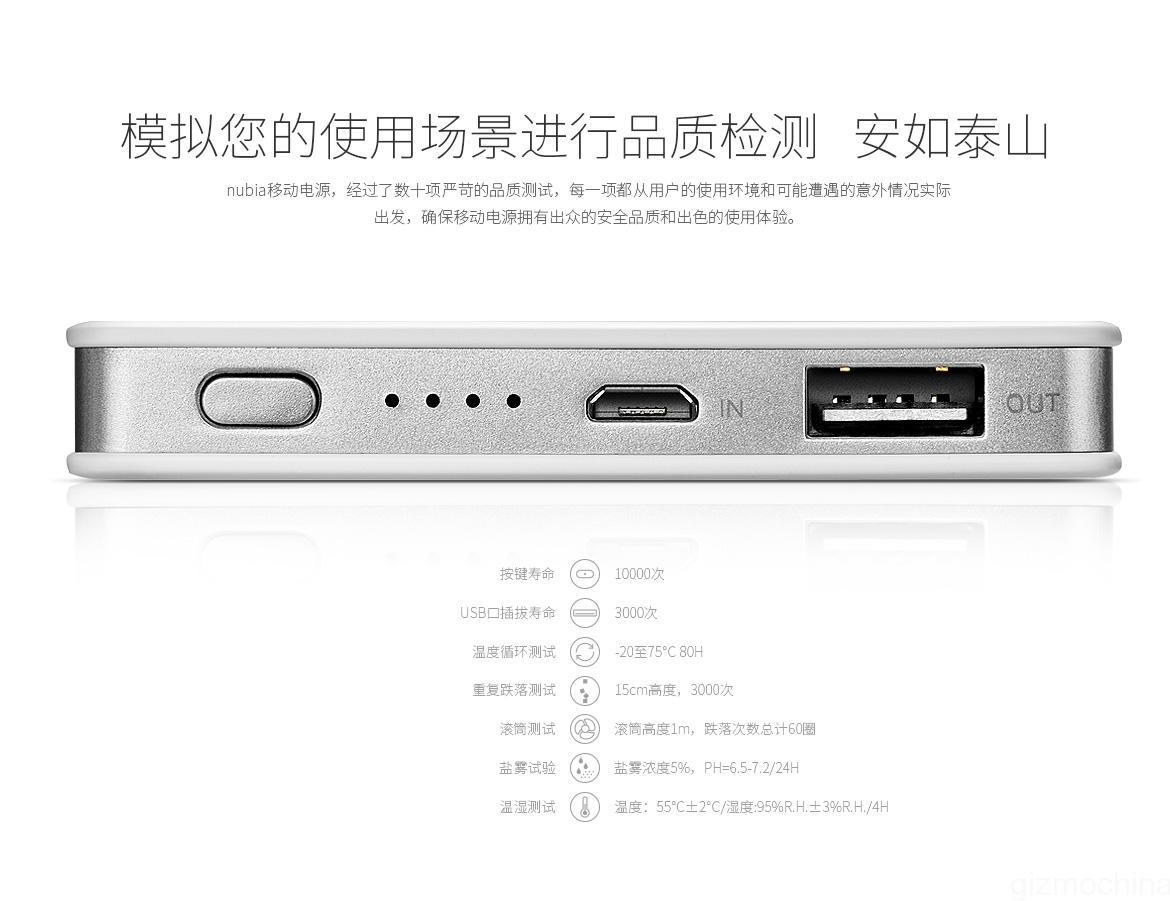
It looks like almost every smartphone manufacturer wants to provide its fans with a powerbank alongside its smartphone. Today, at the launch of the Nubia My Prague flagship in China, Nubia announced yet another product, a brand new colorful 8000mAh Mobile Power Bank.
One of the highlights of this power bank is the colors that it will be available in, namely lava black, elegant white, vibrant orange, and blue sand. It comes with inbuilt protection from nine different types of damages including output overvoltage protection, input overvoltage protection, output over-current protection, input over-current protection, battery over-current protection, static protection, abnormal temperature protection etc.
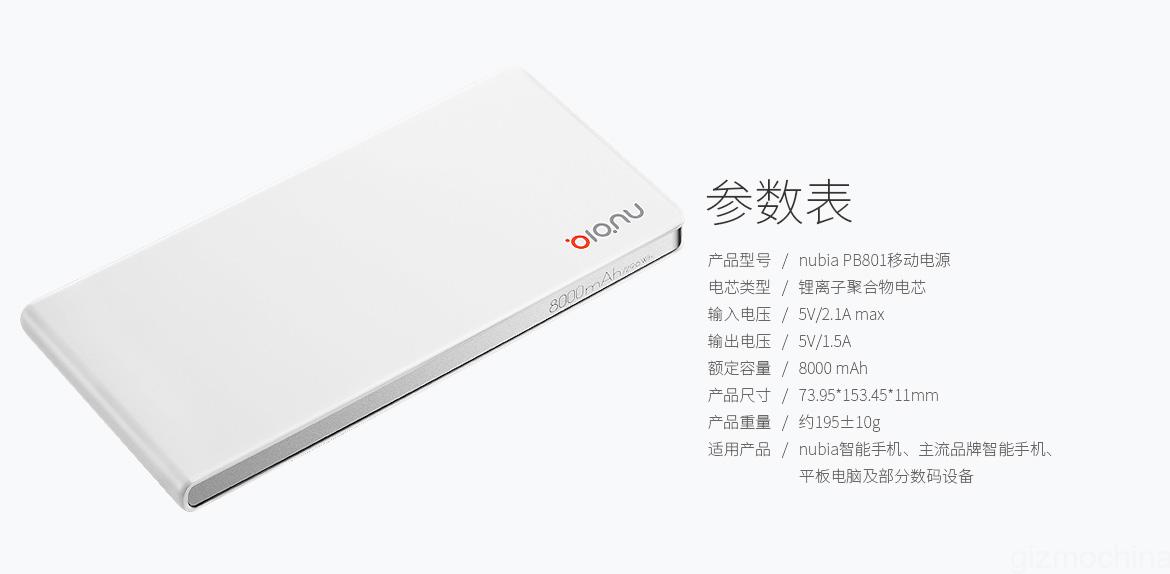
The Nubia Power Bank supports 5V, 2.1A fast charge standard for input and 5V, 1.5A for output. The device weighs less than 200 grams and the overall measurements are as follows: 73.95×153.45x11mm.
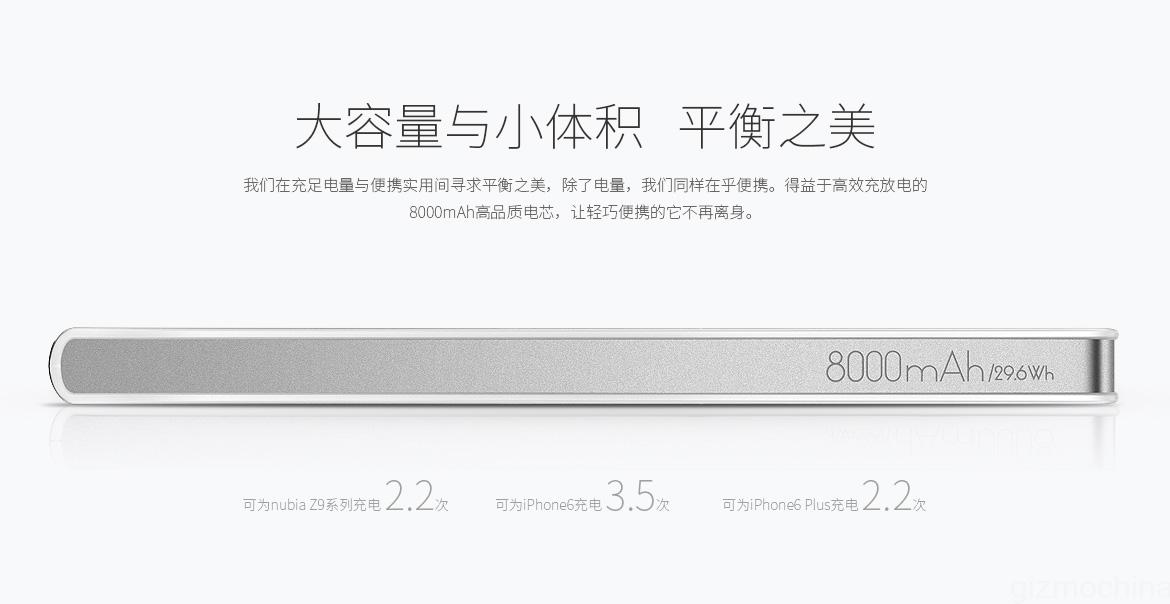
The company claims that the 8000mAh power bank is good enough to charge the Nubia Z9 series up to 2.2 times, iPhone 6 Plus also 2.2 times and the iPhone 6 up to 3.5 times. The overall specs looks standard as compared to other power banks from Xiaomi and Meizu.
Interestingly, the new 10,000mAh Xiaomi power bank is a whole lot cheaper, costing just 69 Yuan as compared to the Nubia’s 8000mAh one which costs 129 Yuan officially. But this one does look more trendy and colorful.
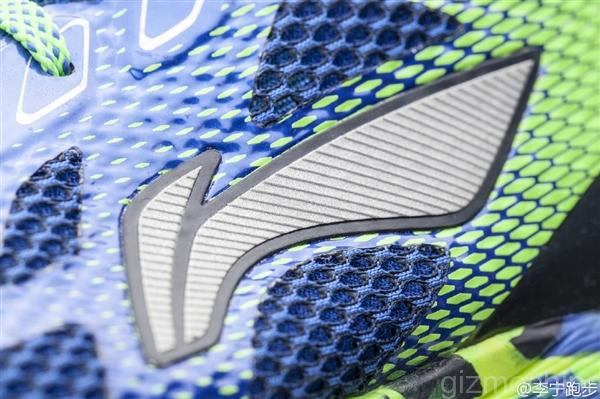
In the past few months, we have seen so many smart home products from Xiaomi. Today, in an official conference, Li-Ning in partnership with Xiaomi announced its first Smart Shoes. In case you haven’t heard of the company, Li-Ning is a very well-known maker of shoes and other sports equipment for professionals. In fact, the company endorses a number of athletes and teams.
Although the shoes were built in partnership with Xiaomi, it is called as the Li-Ning Smart shoes. There will be two different versions of the shoes, one priced at 199 Yuan while the other priced at 399 Yuan.
Both the models will come with latest Bluetooth chip to connect with the smartphone, and military grade motion sensor chips. The shoes are waterproof, sweatproof and can even withstand pressure. The company claims that the inbuilt sensor is good for more than a year. So, it will last almost as much as the life span of the shoes.
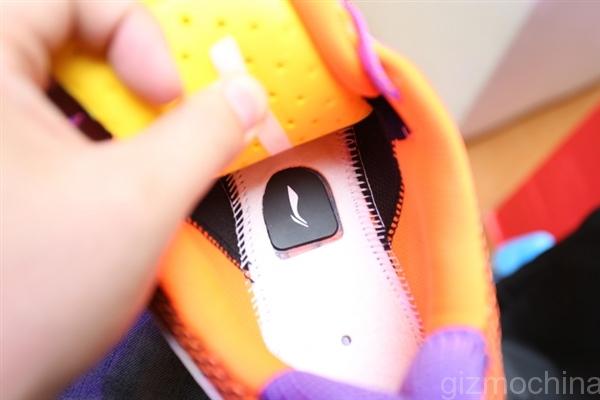
The Li-Ning smart shoes aka Xiaomi smart shoes can record the steps, calories and other fitness related functions. While looks wise, these shoes look normal, but all the magic happens inside the sole where a module with sensor records and transmits all the data.
The Xiaomi smart shoes will officially go on sale from July 20 in China.
We do not usually cover a lot of TV boxes but we believe this piece of gadget is worth your attention for a few reasons. Firstly, you can wake-up your old TV and transform it from non-smart to a smart one. In addition, you may just start enjoying high definition content on your TV screen using free services like Youtube or some paid services like Netflix rather than paying high digital TV subscription fees.
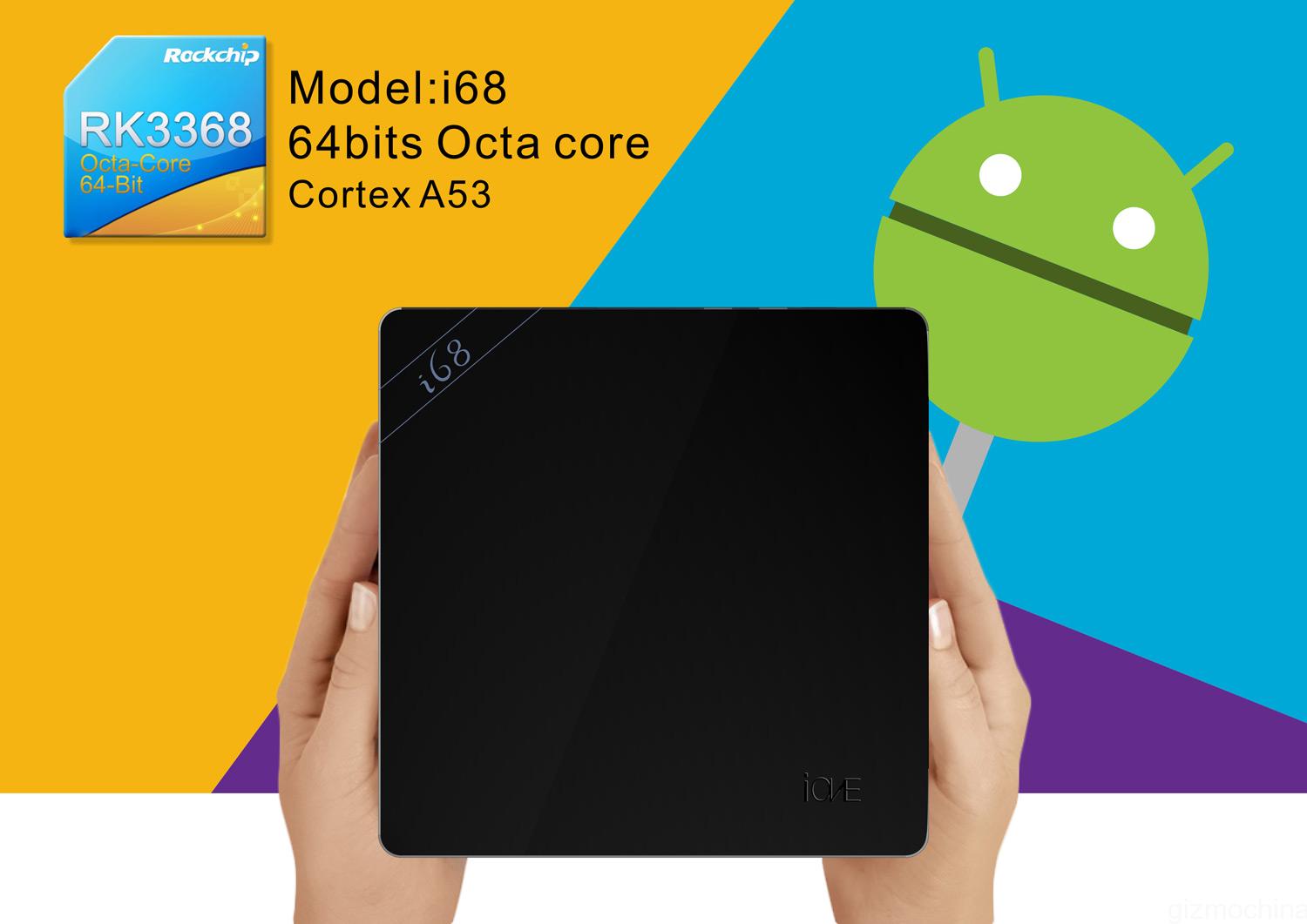
The Beelink i68 is actually a TV box that is worth your attention since it carries quite an impressive sheet of features and specs for the price of just above than $80.
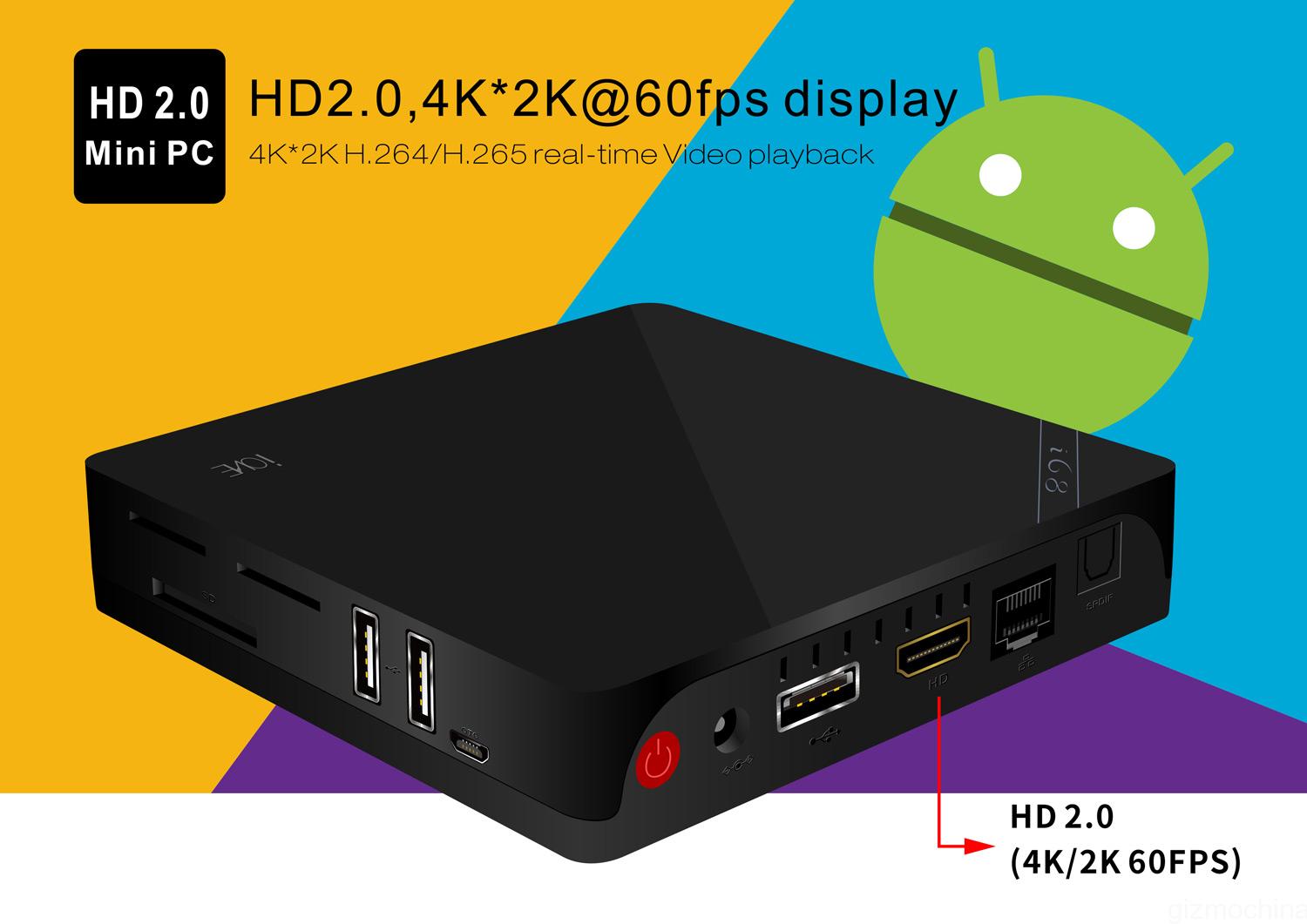
First of all, it has all kinds of ports to make it a very versatile device. All you have to do is to connect to your TV via the HDMI port and your TV gets a lot smarter. Other connectivity options include SD card slot, multiple USB slots, Ethernet port and so on.
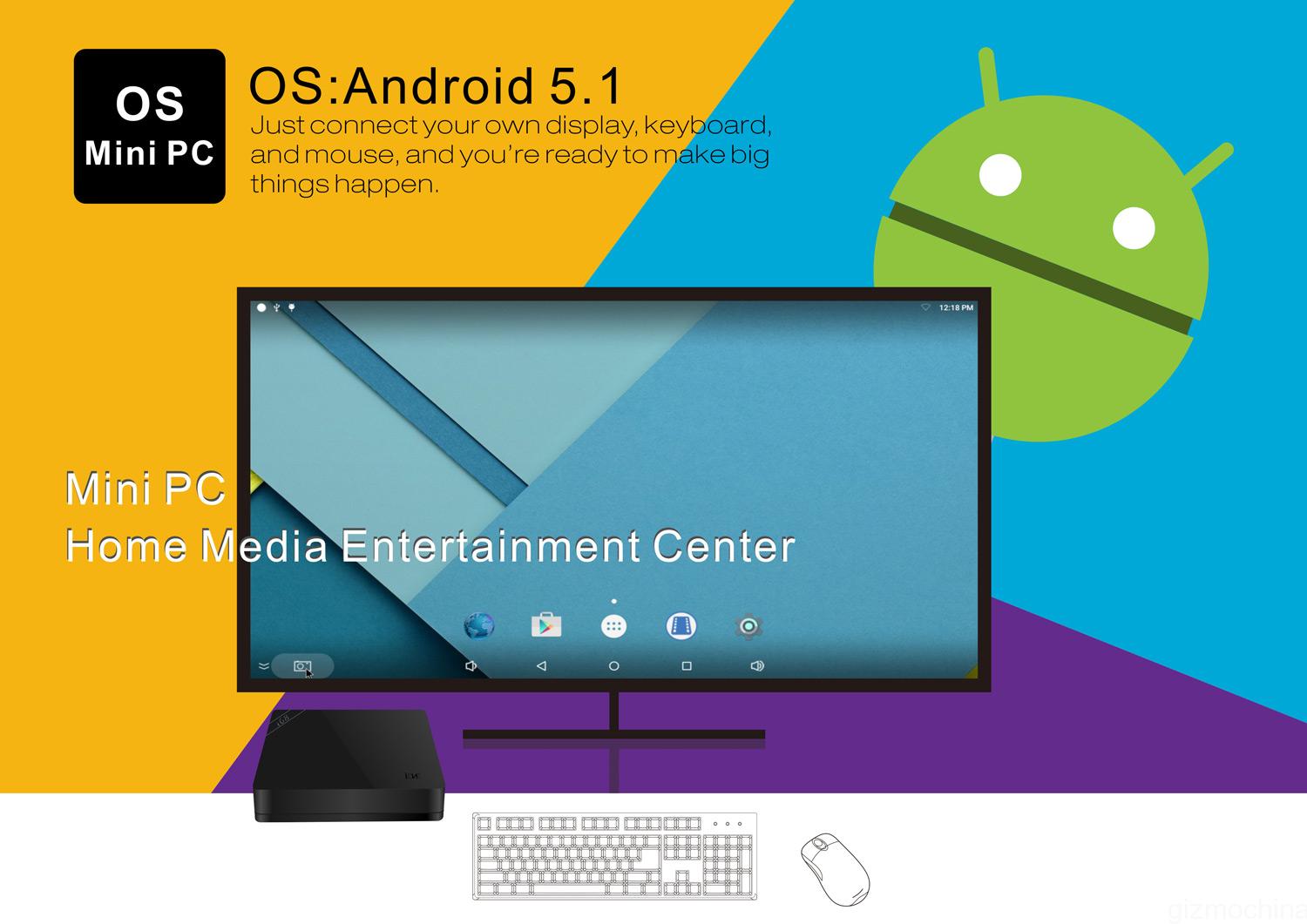
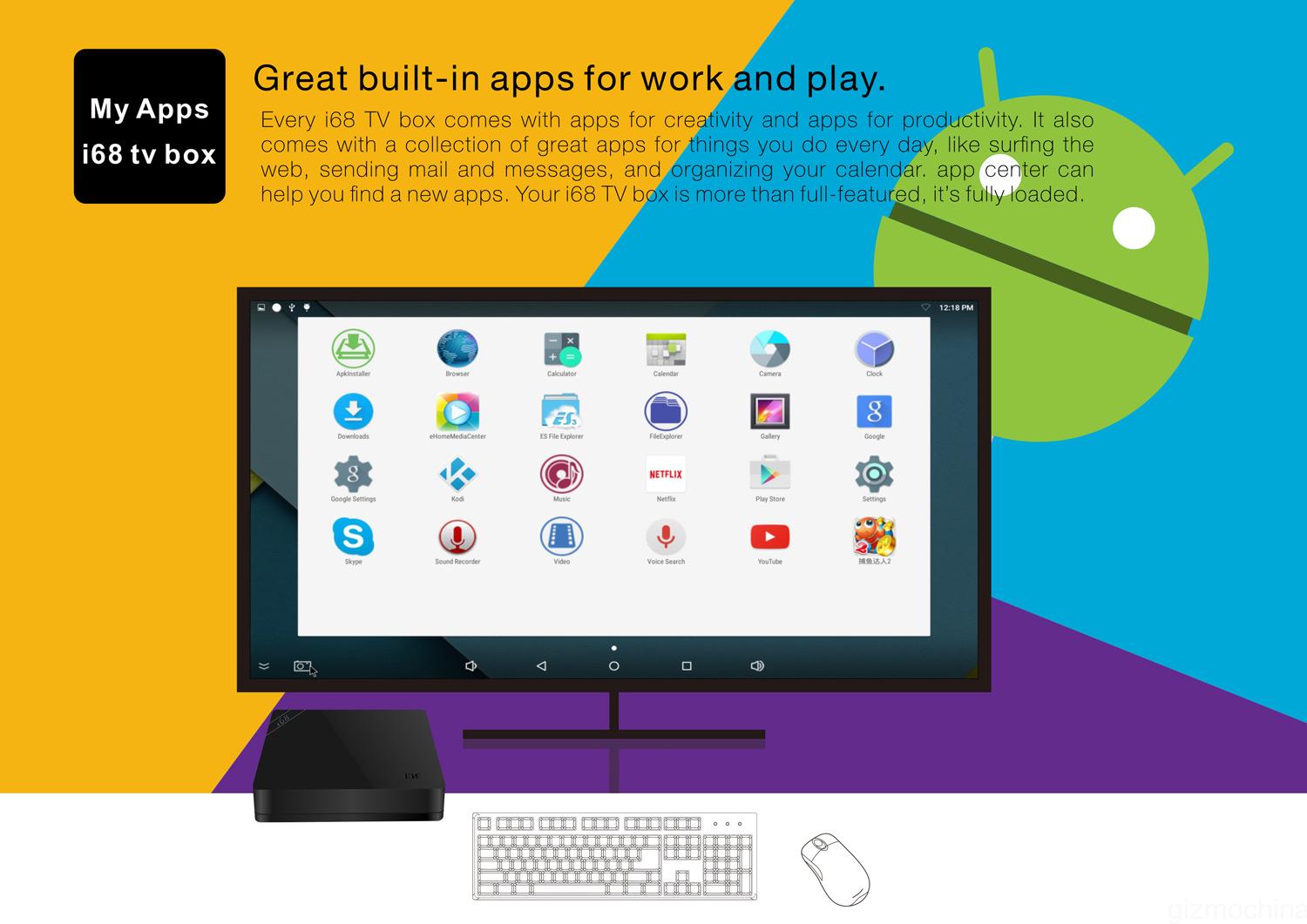
In addition, this device acts like a mini PC and you can even connect a mouse and a keyboard to start enjoying any content you wish on the Android 5.1 OS at the maximum resolution of 4k with the help of the most advanced video codecs.
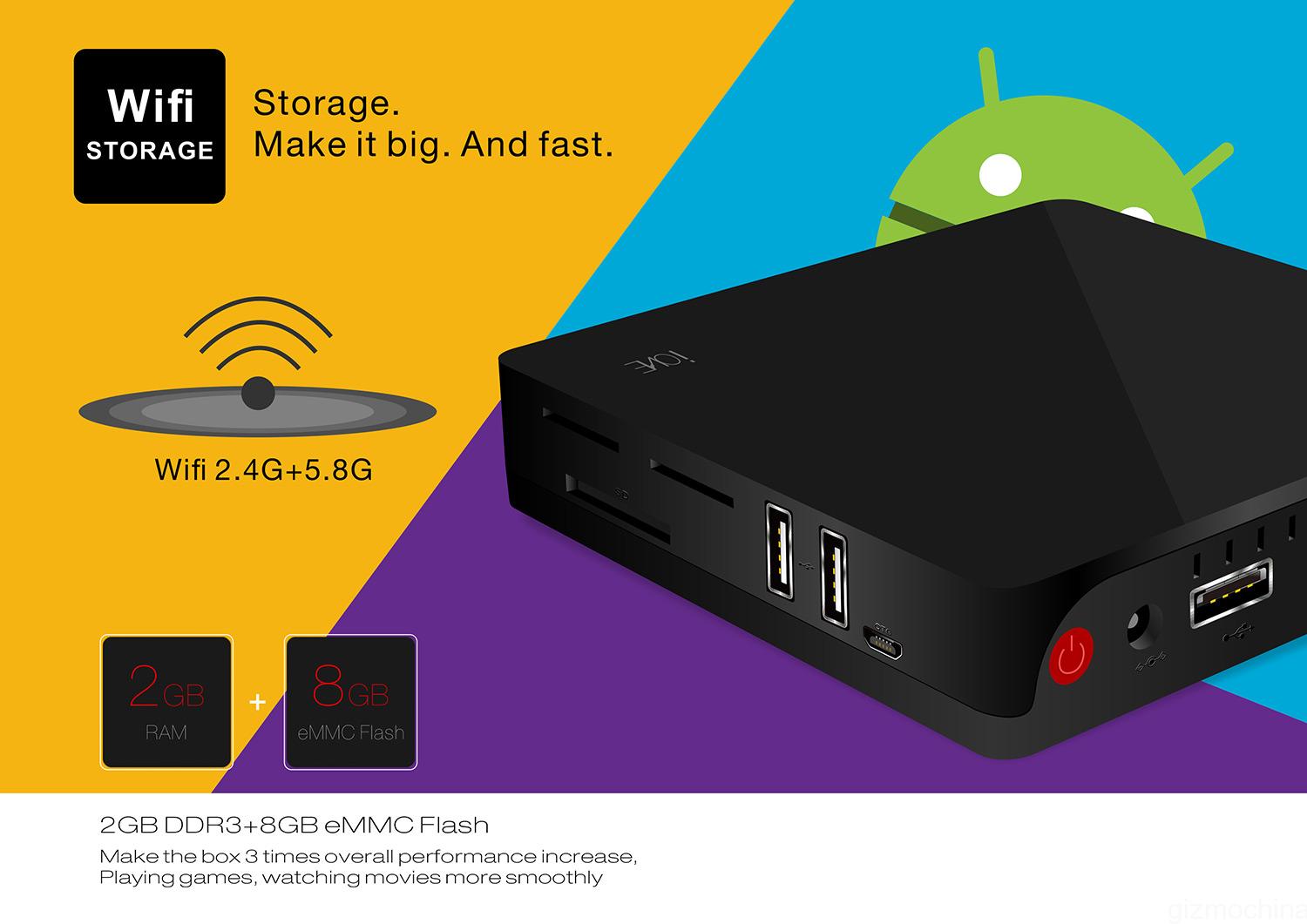
To make all this possible, the Beelink has a great sheets of specs that includes a Rockchip RK3368 processor with the Octa Core 64 bit Cortex A53 graphics engine (GPU), 2GB of RAM, 8GB of expandable storage, Bluetooth 4.0, H.265 video decoding, 2.4G 5.8G WiFi and more.
What is more, the device has tons of built-in apps both for productivity and entertainment. Anyway, the TV box runs Android OS, so you can delete them or download any new ones as you wish.
Other great feature is that this TV box can acts as a Wifi storage device meaning that the files stored on it can be shared among other devices wireless.
All of these goodies make the Beelink i68 a powerful TV box and fits everyone, who believes that it’s time to have a smart TV but does not want to spend a pretty penny on that or pay monthly subscription fees on a contract.
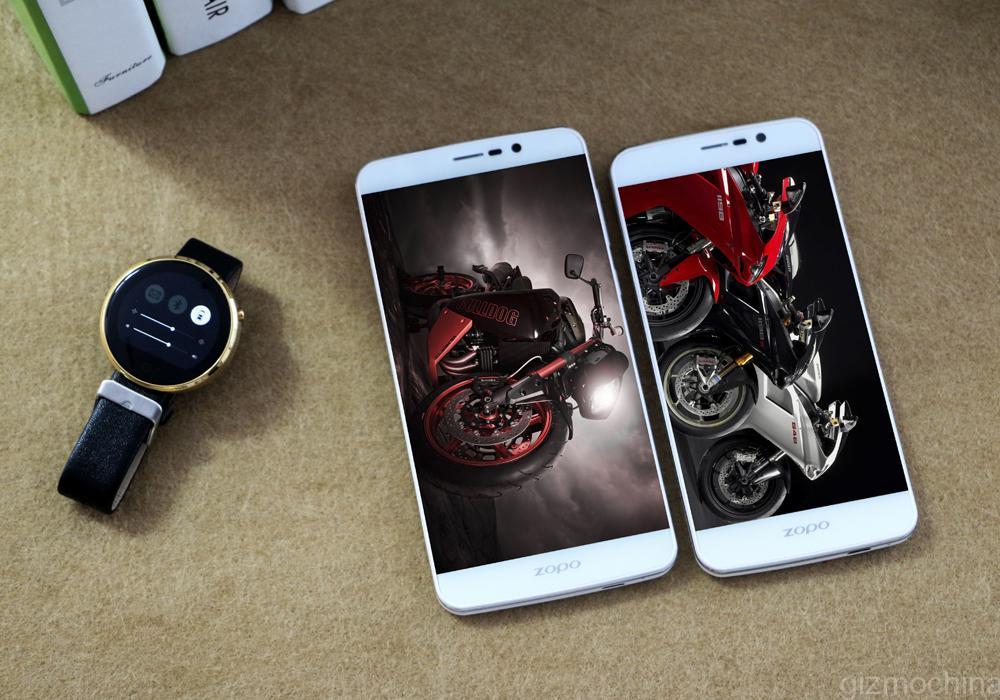
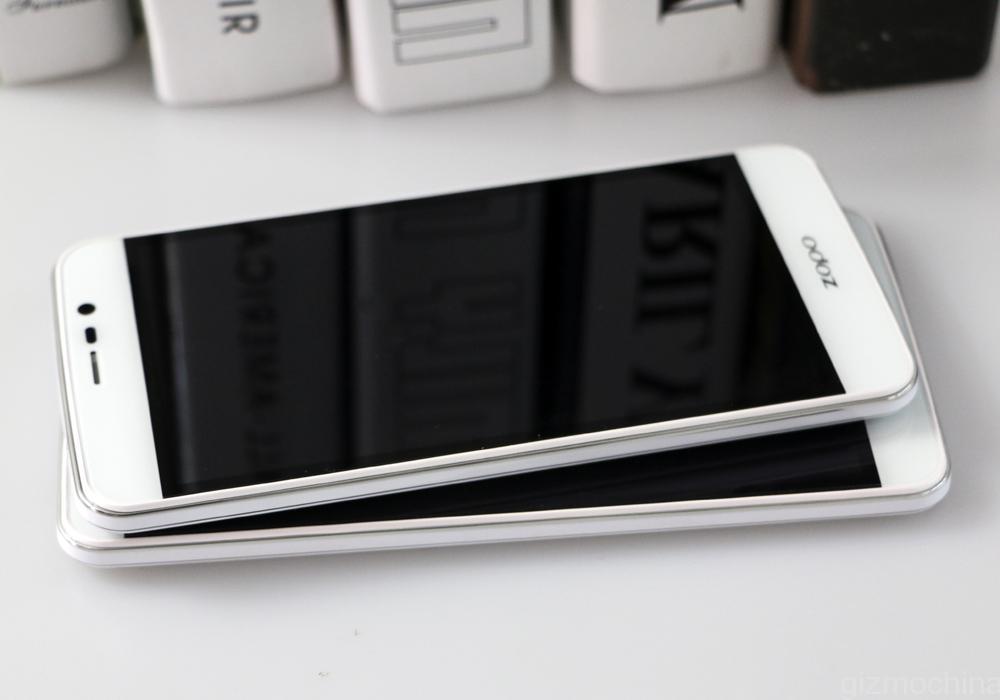
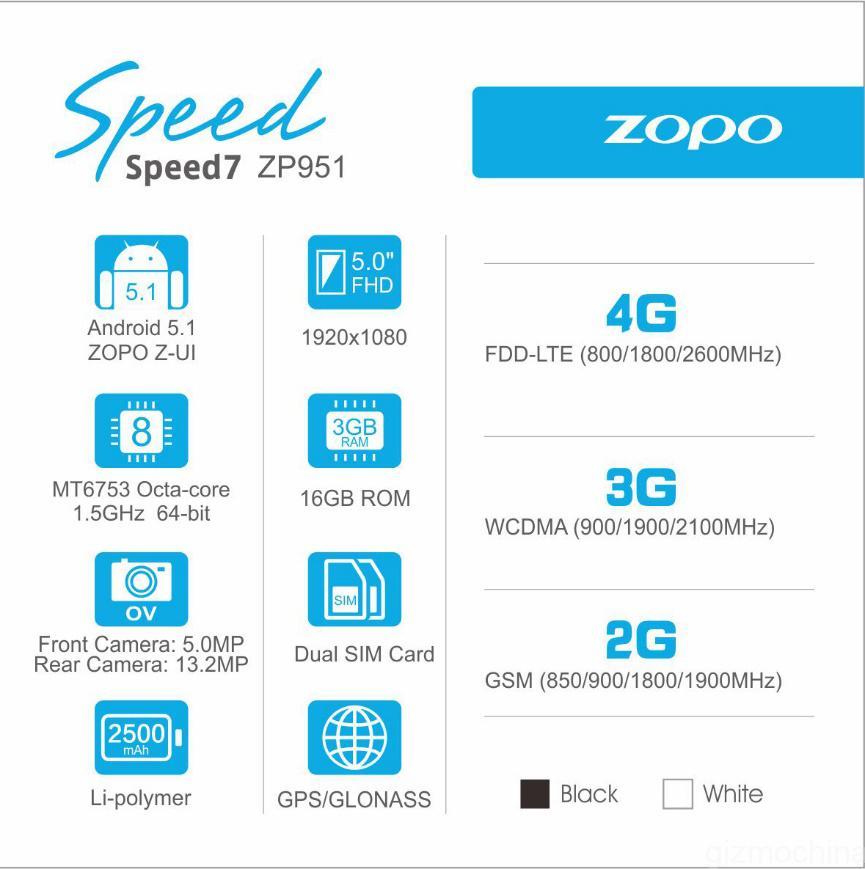
Apart from revealing its new spokesperson and strategy, the company also showed off the brand new ZOPO Speed 7 Plus and Speed 7 flagships at the event. Both look identical, expect for the size. Even the specs are more or less similar.
Both the phones come with MT6753 octa-core 64-bit chip with support for a lot of 4G bands along with 3GB RAM and 16GB of internal storage. This can be further expanded up to 64GB via MicroSD. There will be a 13.2MP rear camera at the back as well as a 5MP front facing shooter.
While these specs are similar, the major difference between the two handsets will be the screen size. The ZOPO Speed 7 Plus sports a 5.5-inch 1080p full HD display with 400 ppi pixel density, while the Speed 7 comes with a smaller 5-inch display and 1080p resolution. Also, the Speed 7 Plus has a larger 3000mAh battery as compared to Speed 7’s 2500mAh. Both come with dual SIM dual standby and support 4G LTE/ WCDMA/ GSM networks. Finally, these devices will run on Android 5.1 Lollipop OS.
The company has paid special attention the body of these two devices. The front is a rectangular body with round edges, while at the back, you have a brushed metal like finish. The back reportedly went through CNC precision grinding along with multiple spray coats.
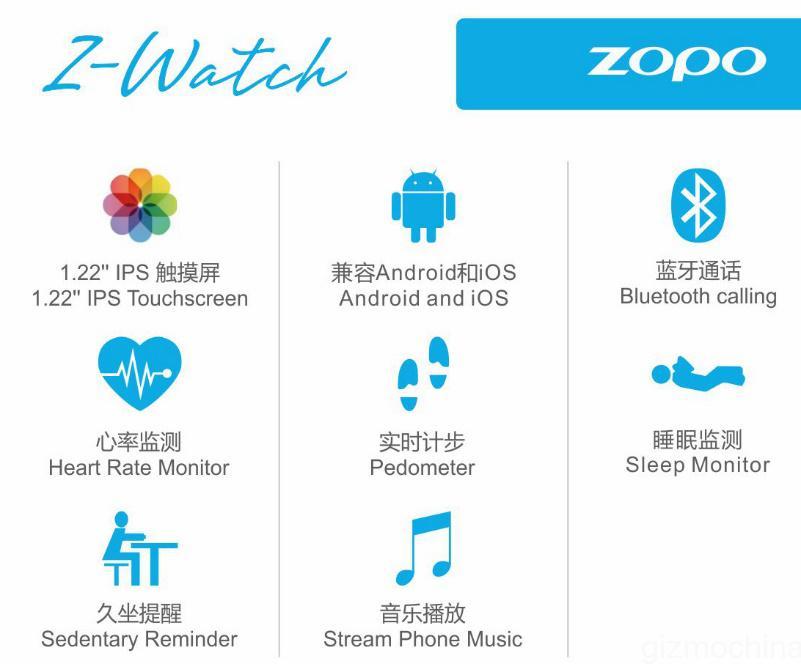
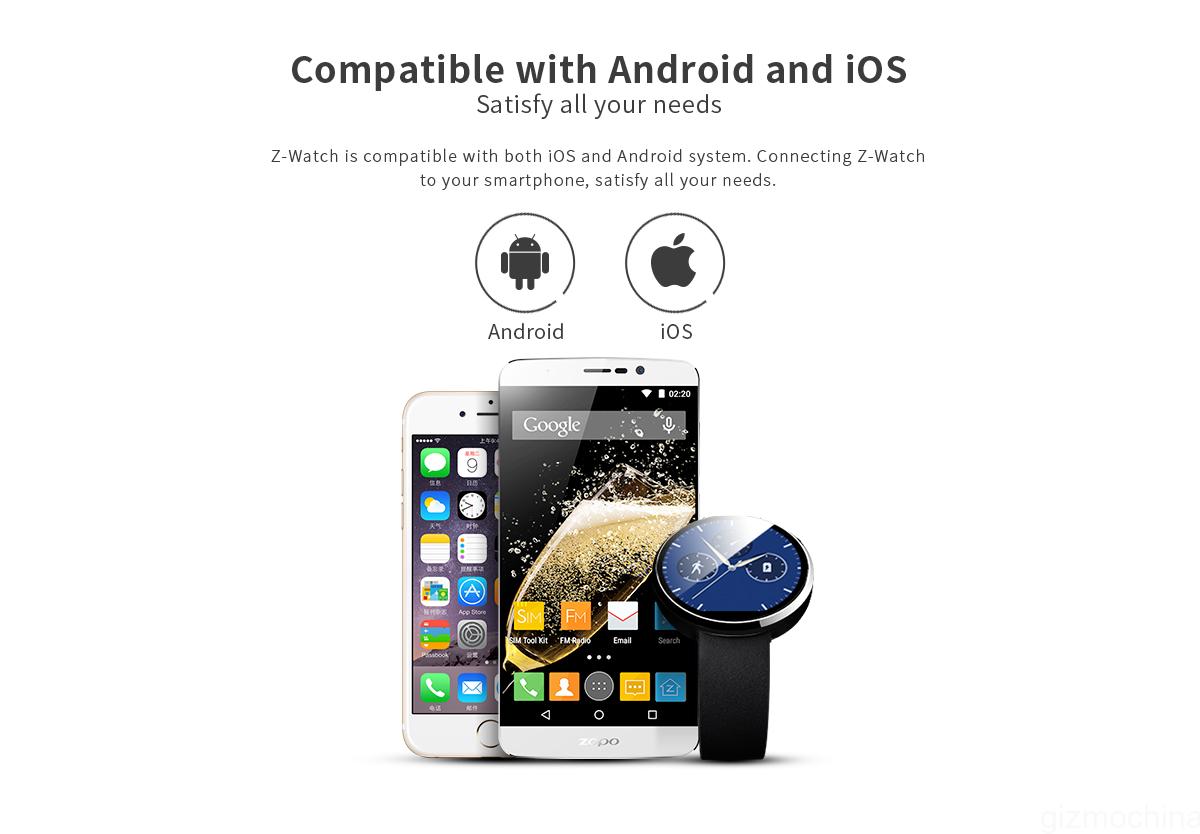
ZOPO also unveiled its first ever smartwatch, the ZOPO Z-Watch at the event. It will be a circular smartwatch with 360 degrees cambered surface 1.22″ touch screen. Some of the features of the smartwatch include, swiping to answer calls, checking text messages, remote music control, gesture wake, heart rate monitoring, sleep monitoring and even remote shooting via Bluetooth. Unfortunately, no ideas on the pricing for the Z-Watch yet.
The Speed 7 and the Speed 7 Plus will be available for pre-sale from August 3 at a price tag of $199 and $299 respectively. However, you can get a $40 OFF coupon directly from the company in the promotional period. You can generate the coupon from here. The company is also conducting a ‘Get A Free Speed 7’ activity on Facebook. You can check out its details from their official Facebook page.
Just a few hours back we reported that ZTE unveiled its ZTE Blade D6 mid-ranger at MWC Shanghai 2015. But for ZOPO, which is a relatively smaller Chinese manufacturer, this event was of much more importance. The company showcased a number of products at its booth during the event, including a brand new smartwatch called as the ZOPO Z-Watch.
Along with the new releases, at the event, ZOPO revealed that it had signed the two time Moto GP Champion Jorge Lorenzo as the Brand Spokesperson of the company. Charles Bird, the Brand Manager of ZOPO has to say the following after signing Lorenzo.
MotoGP racing is one of the most challenging sports” and “Jorge Lorenzo was the youngest racer who joined this world champions league in racing history. Winning the MotoGP championship was his dream when he was 15 and now his dream has been realized, twice. His spirit of striving hard to pursue the dream is consistent with ZOPO’s brand idea. We chose Jorge Lorenzo as our brand spokesman to deliver our brand ideals: “Zealous, Open, Persistent, Outstanding” to the whole world.”
Well, this is another Chinese company which is aiming to expand its foothold in the internal markets. In fact, according to the renewed brand strategy, the company will initially focus on Spain and European countries, followed by other international markets. The company reports that its user base is spread over 130 countries.
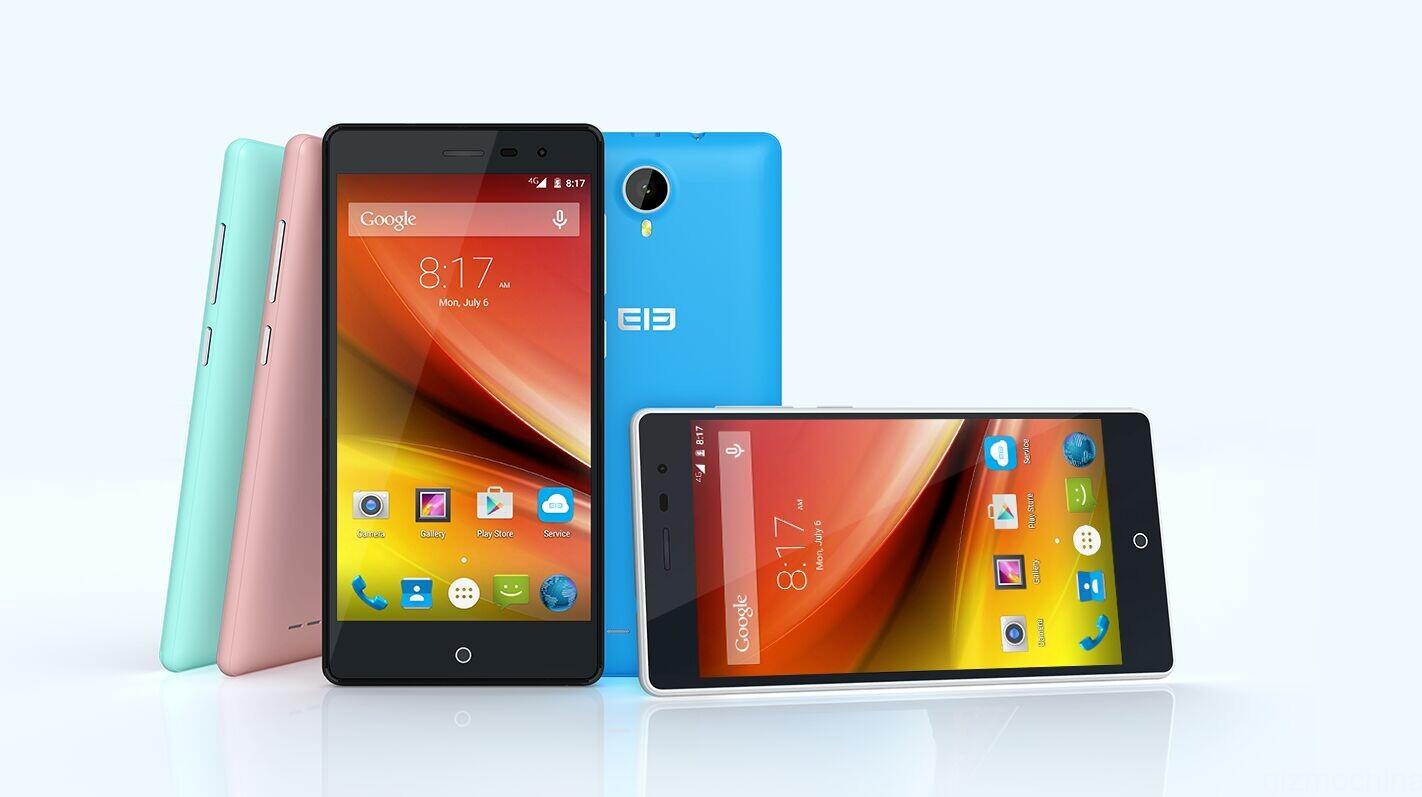
A new Sub brand has today been seen, the brand is named ‘Trunk’ and for those of you that have not figured it out yet, a closer look at the leaked pictures clearly shows the Elephone logo.
The phone in the pictures is said to come with a 5″ display (resolution not confirmed), a Snapdragon SOC (spec not confirmed), and a Samsung rear camera (resolution not confirmed), the phone will be available in a selection of colours white, black, mint green, baby blue and pink,this should make it a popular choice amongst fashion conscious teens and people that love to co-ordinate.
Out of the box the phones will run Android Lollipop 5.0, as yet we have not been told if this will be a stock version or contain a modified version to set it apart from Elephones main line of phones.
Sub brands are becoming popular amongst China phone companies, allowing the to differentiate between their premium based higher end/spec models and those aimed at the lower to mid tear or emerging markets.
Recently we have also seen this happen with Lenovo and their release of the ZUK brand, its a trend that will hopefully make for better choices for mobile users.
I would love to hear your thoughts on the phones and sub brands in general, what are your hopes? affordable phones with lower specs? higher specs but plastic bodies? smaller screened phones say 4.7″ – 5″
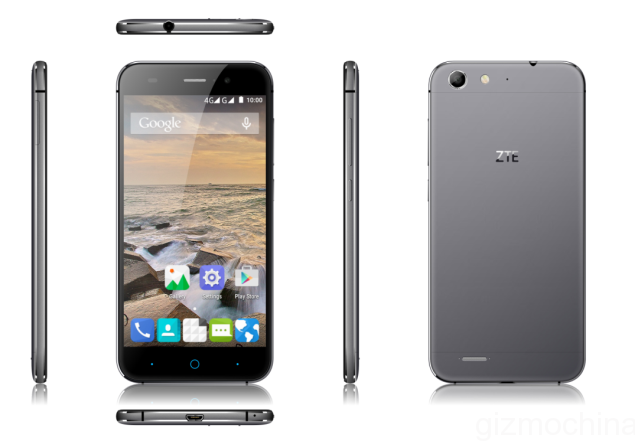
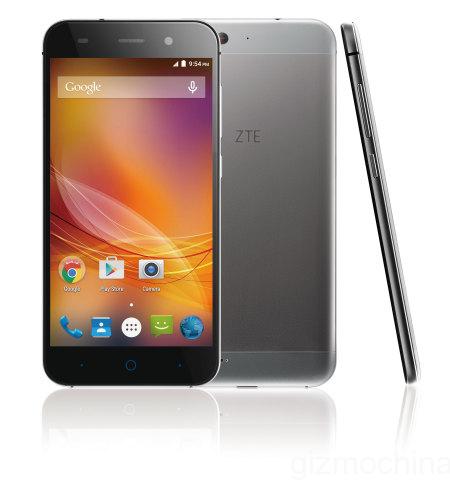
ZTE has just announced the ZTE Blade D6 smartphone as well as its first smart gateway, called as the ZTE SmartHome at the Mobile World Congress that is currently going on at Shanghai. This isn’t exactly a flagship smartphone, rather a mid-ranger with good enough specs for your every day needs.
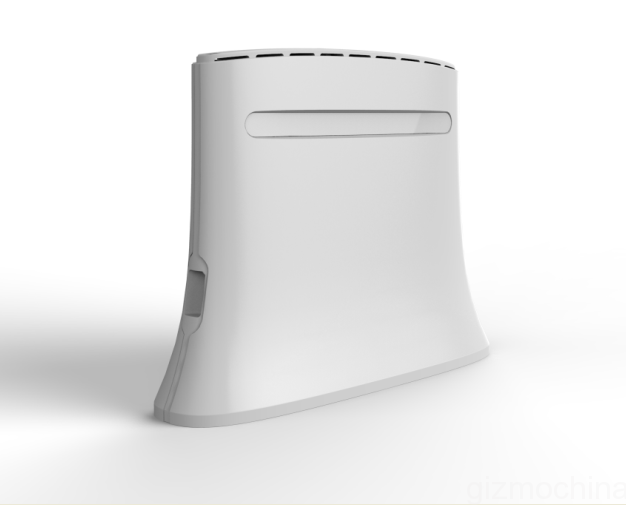
Before we move on to the specs of the new ZTE Blade S6, lets take a look at the ZTE SmartHome. This is the first such smart gateway from the company till date. With everyone so obsessed with smart home products, it looks like ZTE is also keen to join the party. The company’s new gateway enables customers to connect their everyday devices like baby monitors, light switches etc via a wireless protocol called as ZigBee which also works with 4G LTE connection. Controlling these smart home devices will be pretty easy with the help of a mobile application. So, the ZTE SmartHome gateway can be used for anything from home management, security and health.
As for the ZTE Blade D6, its a pretty compact smartphone. The device weighs just about 120 grams and measures 6.95mm in thickness. The body is made out of 6013 aluminum alloy. So, if you are looking for something slim and light, the D6 turns out to be a great option.
As for the specs, the phone comes with the quad-core MT6735 chipset clocked at 1.3GHz coupled with 2GB LPDDR3 RAM and 16GB of internal storage. This can be further expanded via MicroSD card, thanks to the given 3 in 2 Micro SIM + NANO SIM/ SD card slot.
The phone comes with a 5-inch 720p display along with a 13MP rear facing camera and true tone flash. The company has taken special care to satisfy selfie lovers with its 88 degrees wide angle 5MP camera up front. Moreover, you get a lot of camera options like beautification, smile shutter function, high definition continuous shooting and auto panorama. Inside, there’s a 2200mAh battery. As for the software, the phone comes with Android 5.0 Lollipop OS with ZTE’s own customizable MiFavor 3.0 UI on top.
The ZTE Blade D6 will be available in pink, gold, silver and grey colors in the coming months in countries like Australia, Japan and Russia.
Unfortunately, we still have no idea about the pricing of the both the products. But we will update this article, when we have more details.
You can check out the full tech specs as well as the supported bands from down below.
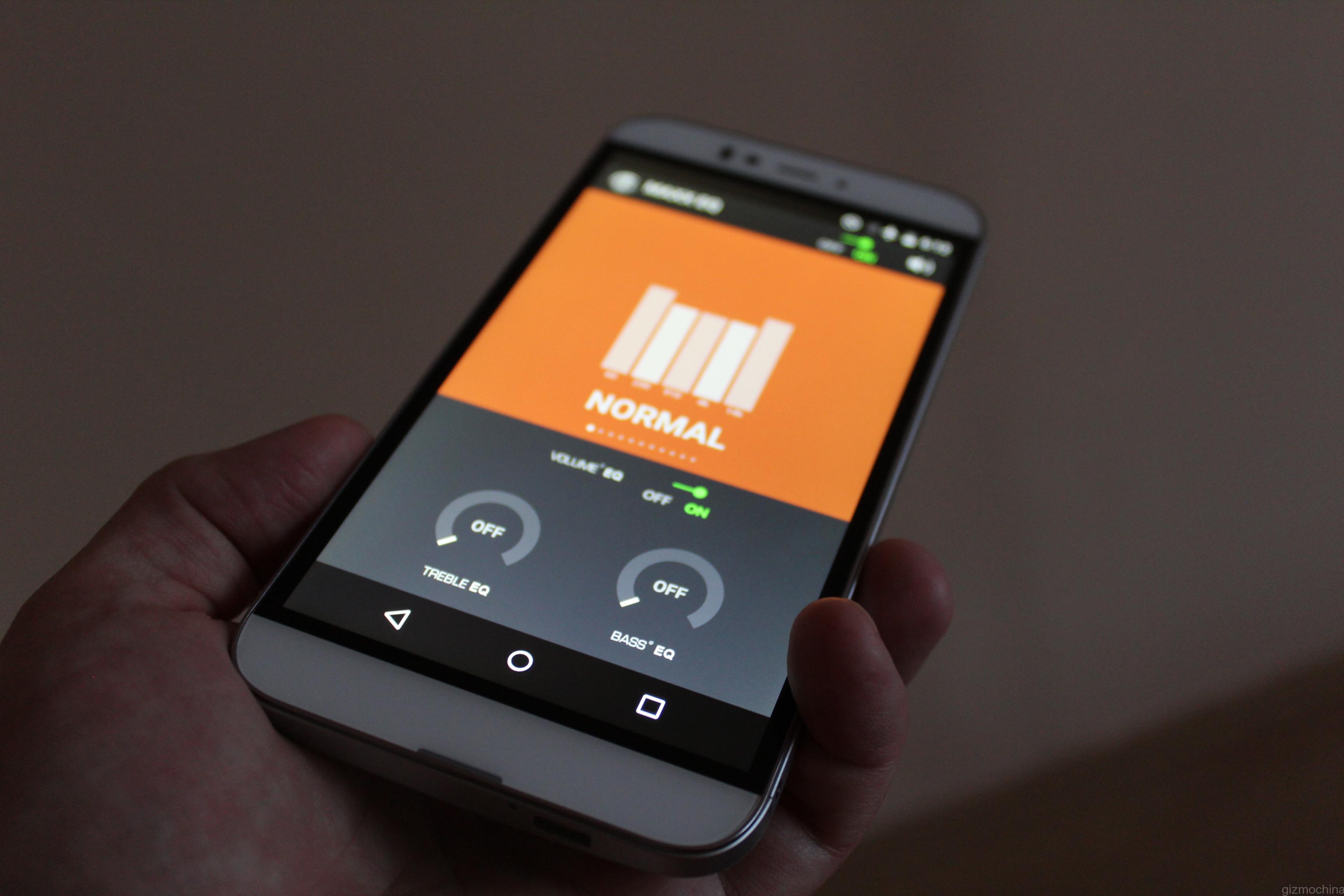
You may have heard of Umi – a small Chinese manufacturer that has not been in the industry for years but it has been known for good understanding how to design the phones. Firstly, the company attracted a lot of attention with its Zero model, which spotted some premium materials and decent specs at affordable price. Since that it has become clear that Umi will try to stay in the competition with a nicely designed handsets and thus lure some consumers. Their newest model Iron is no exception. Let’s take a look what we’ve got.
UNBOXING
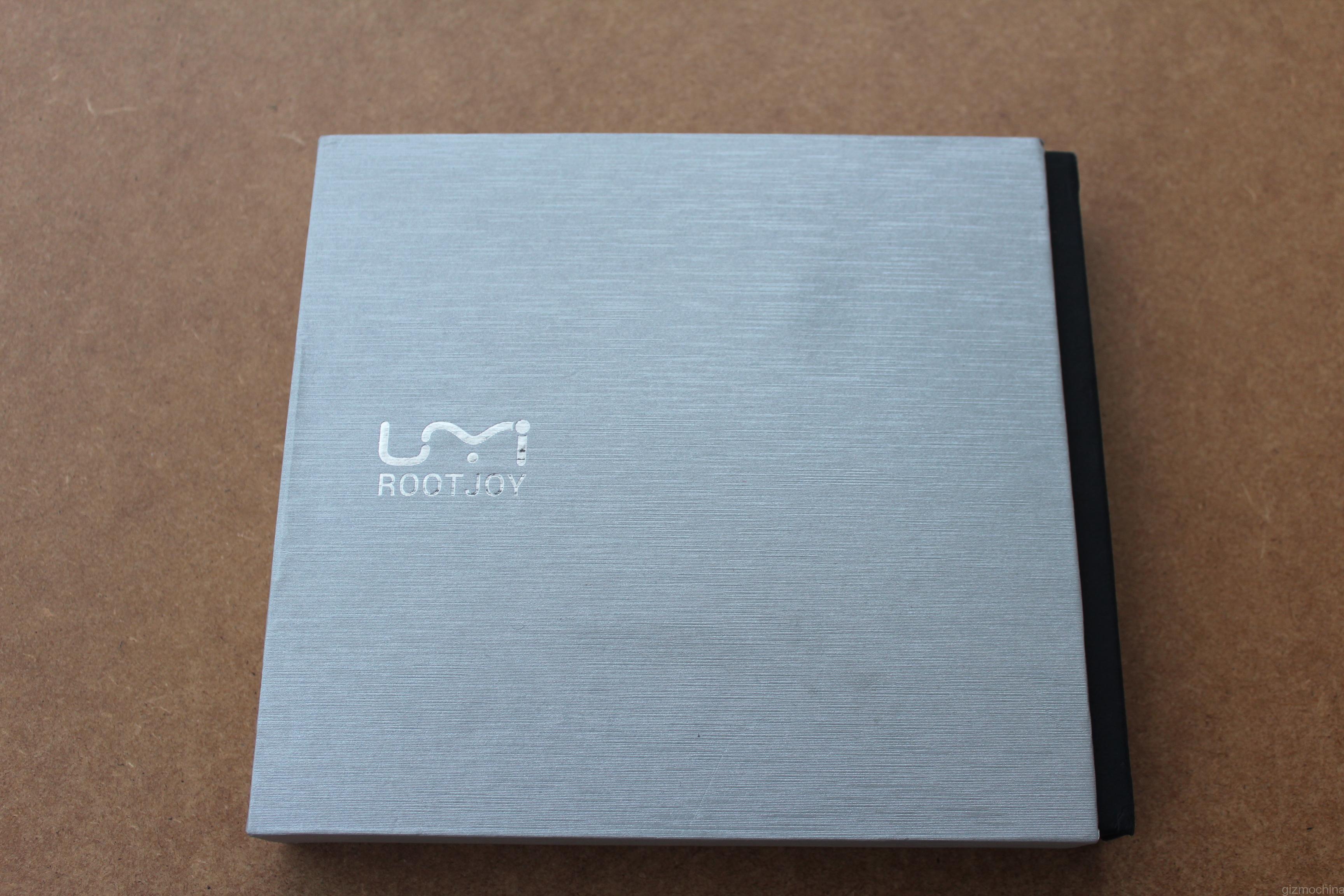
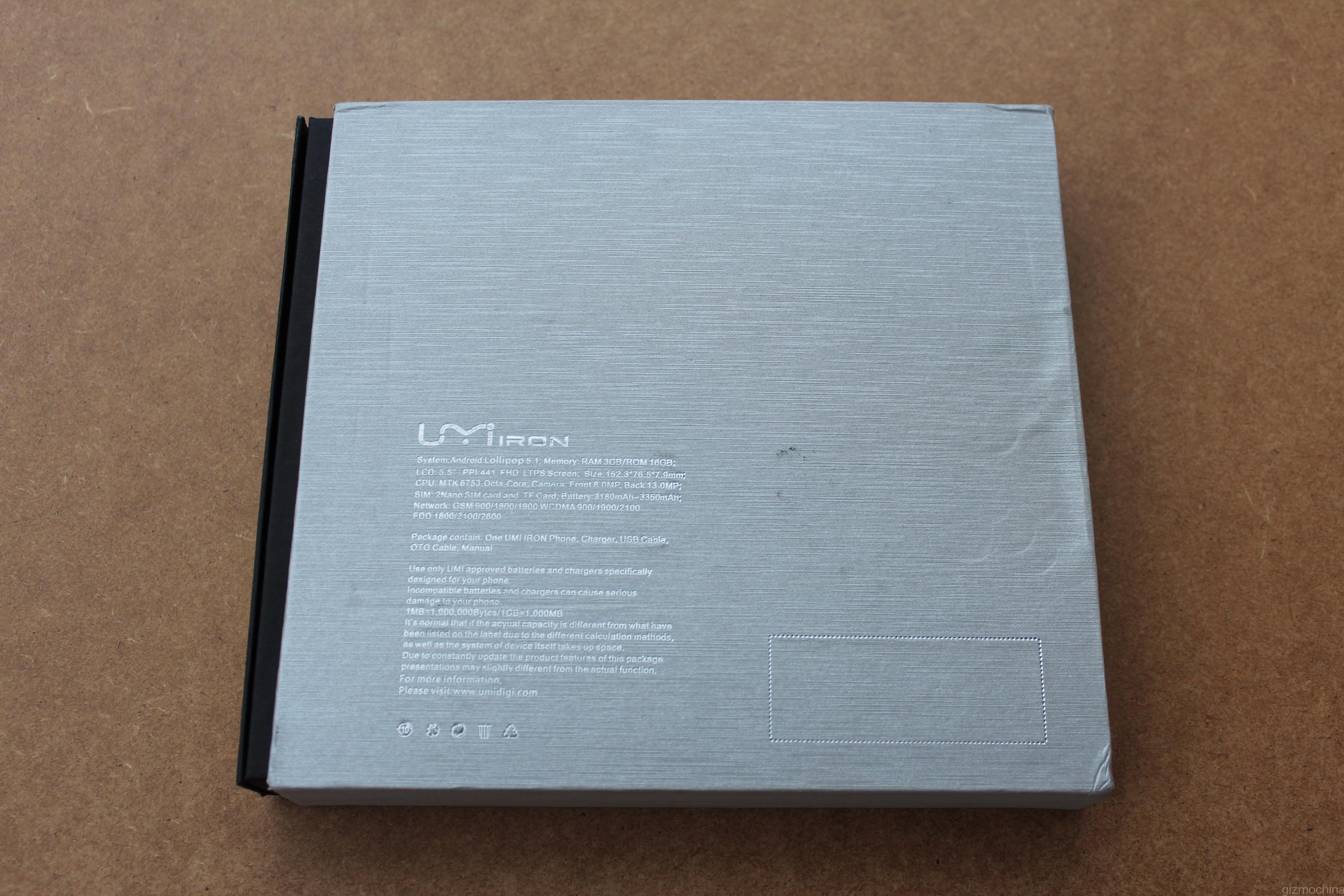
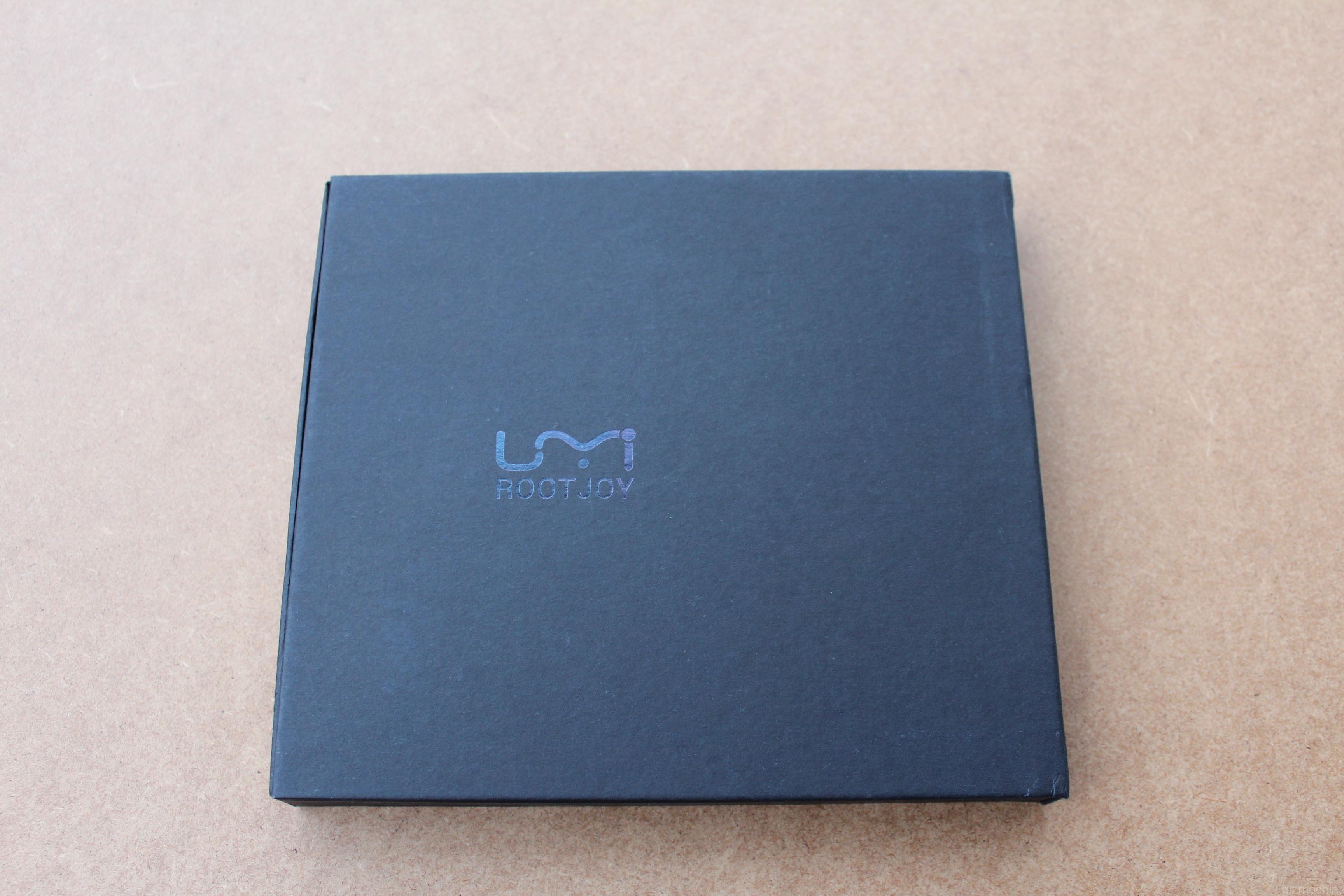
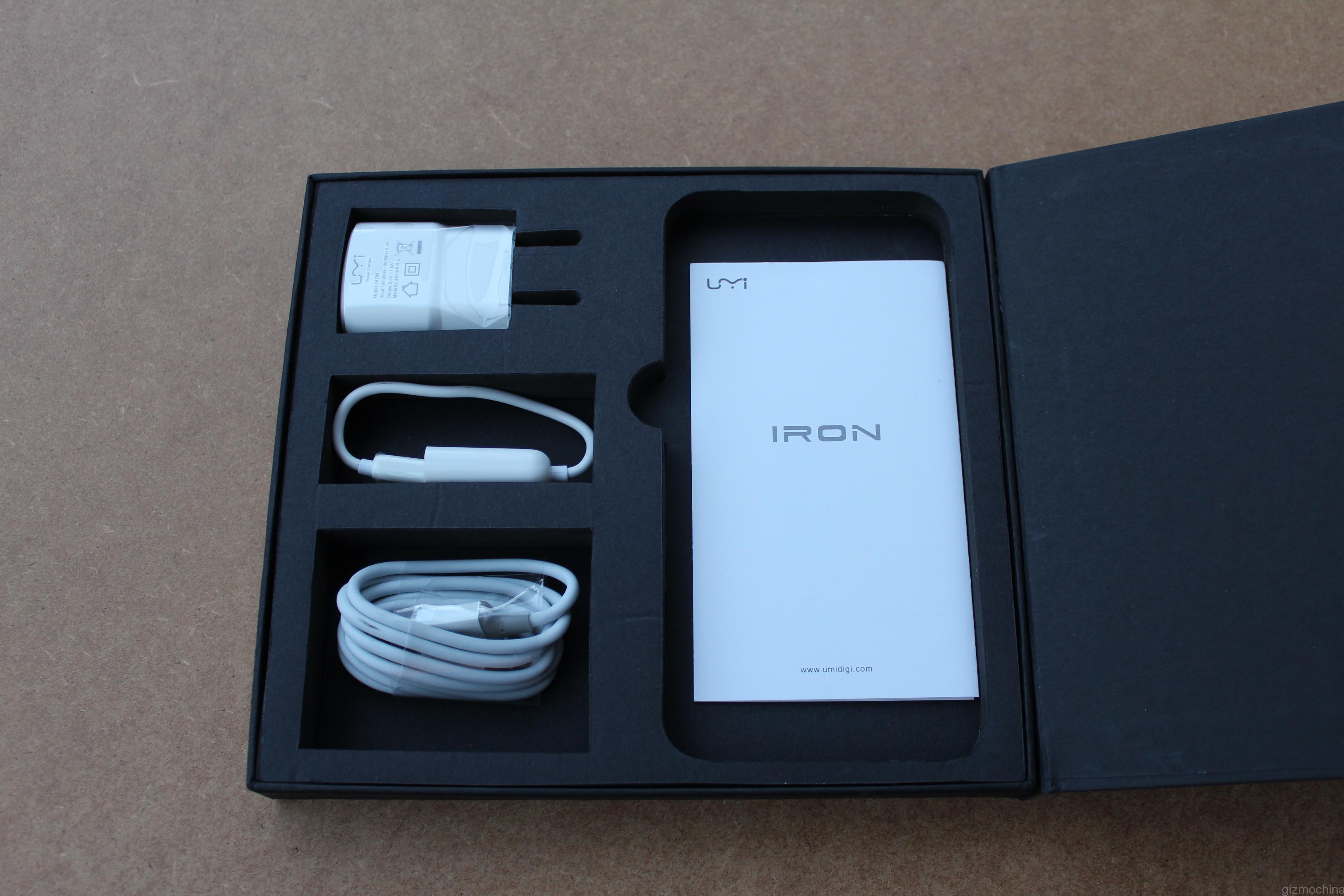
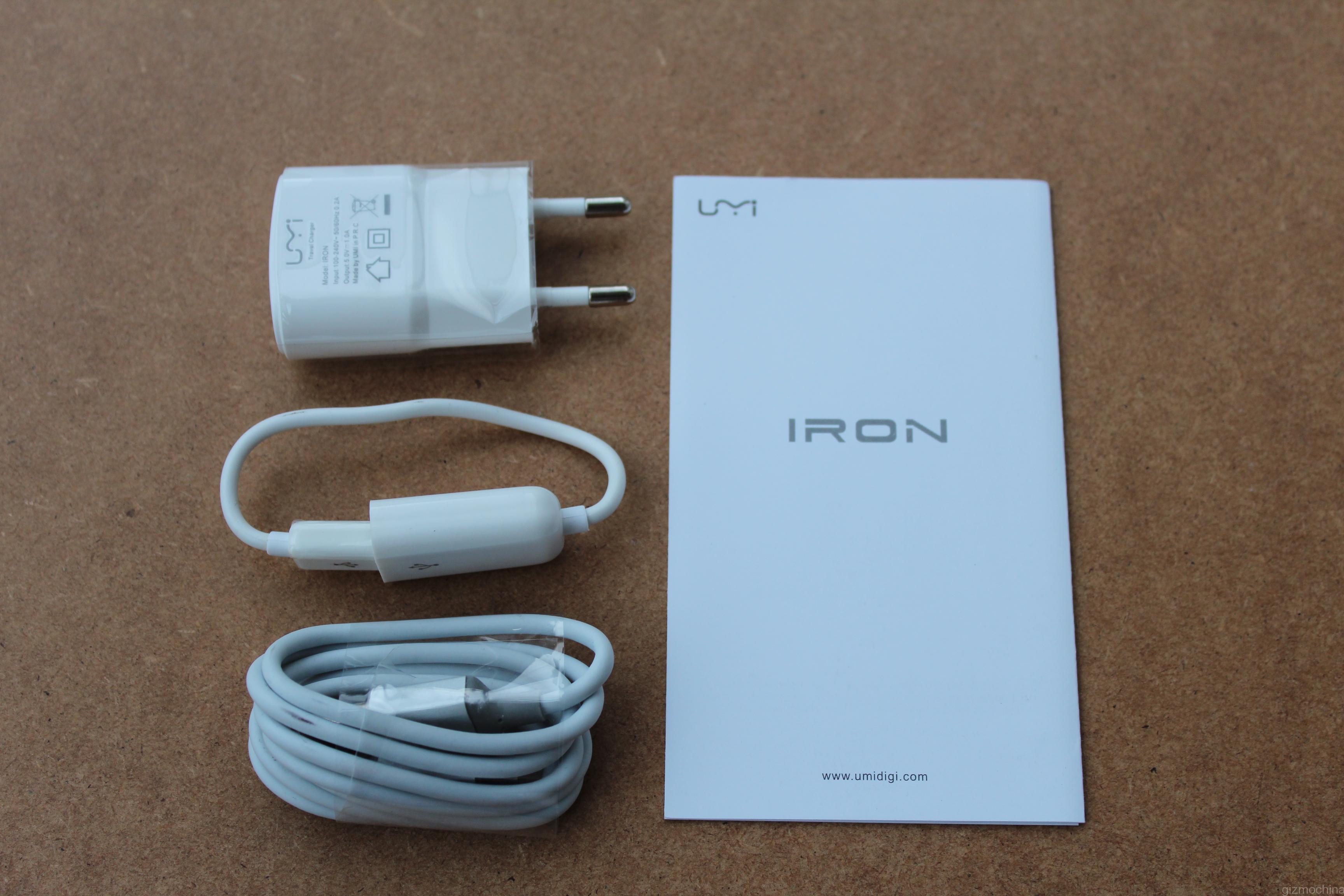
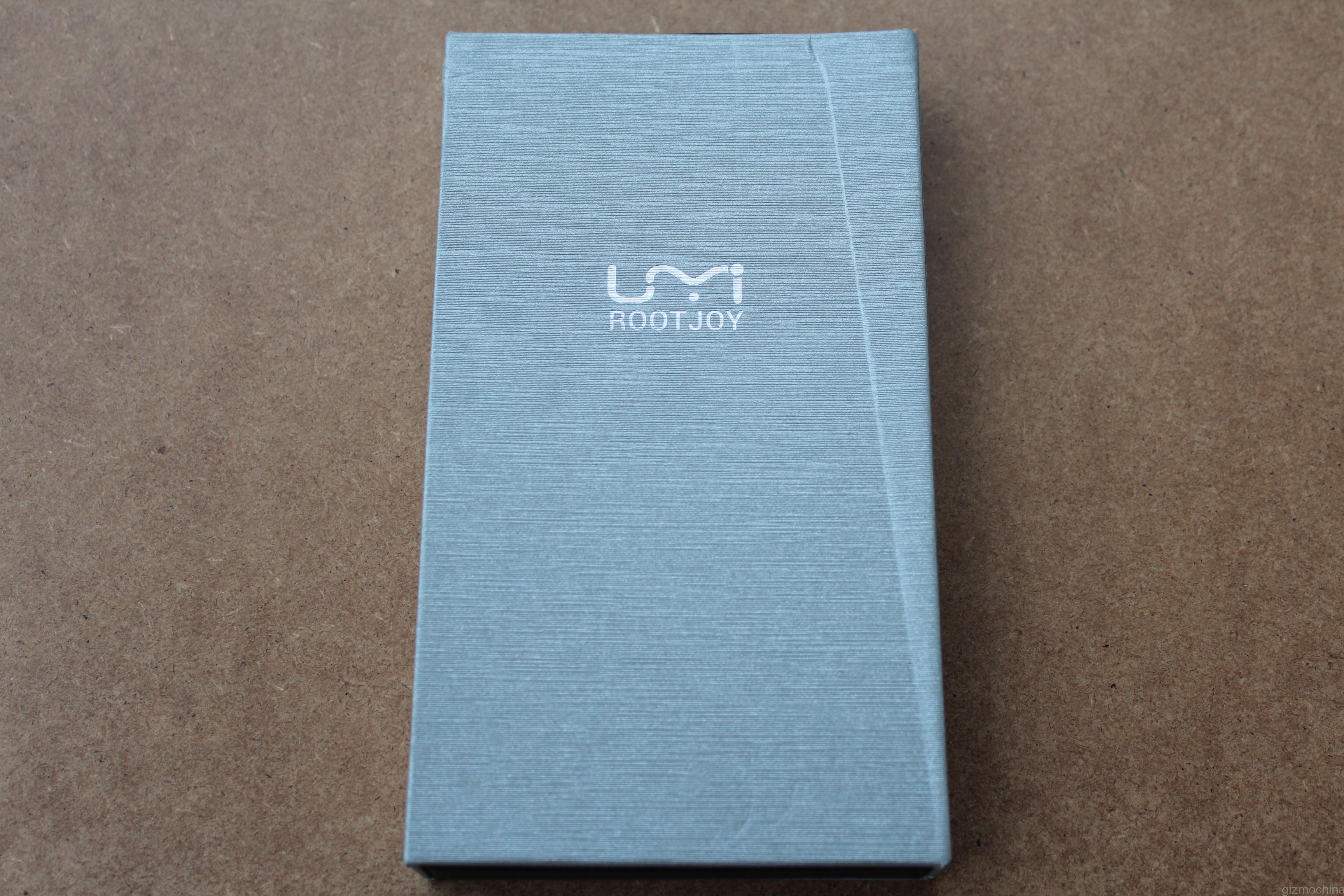
The packaging is a bit different than the majority of boxes as you have to pull one side to open it up. Then you will see all the items packed neatly.
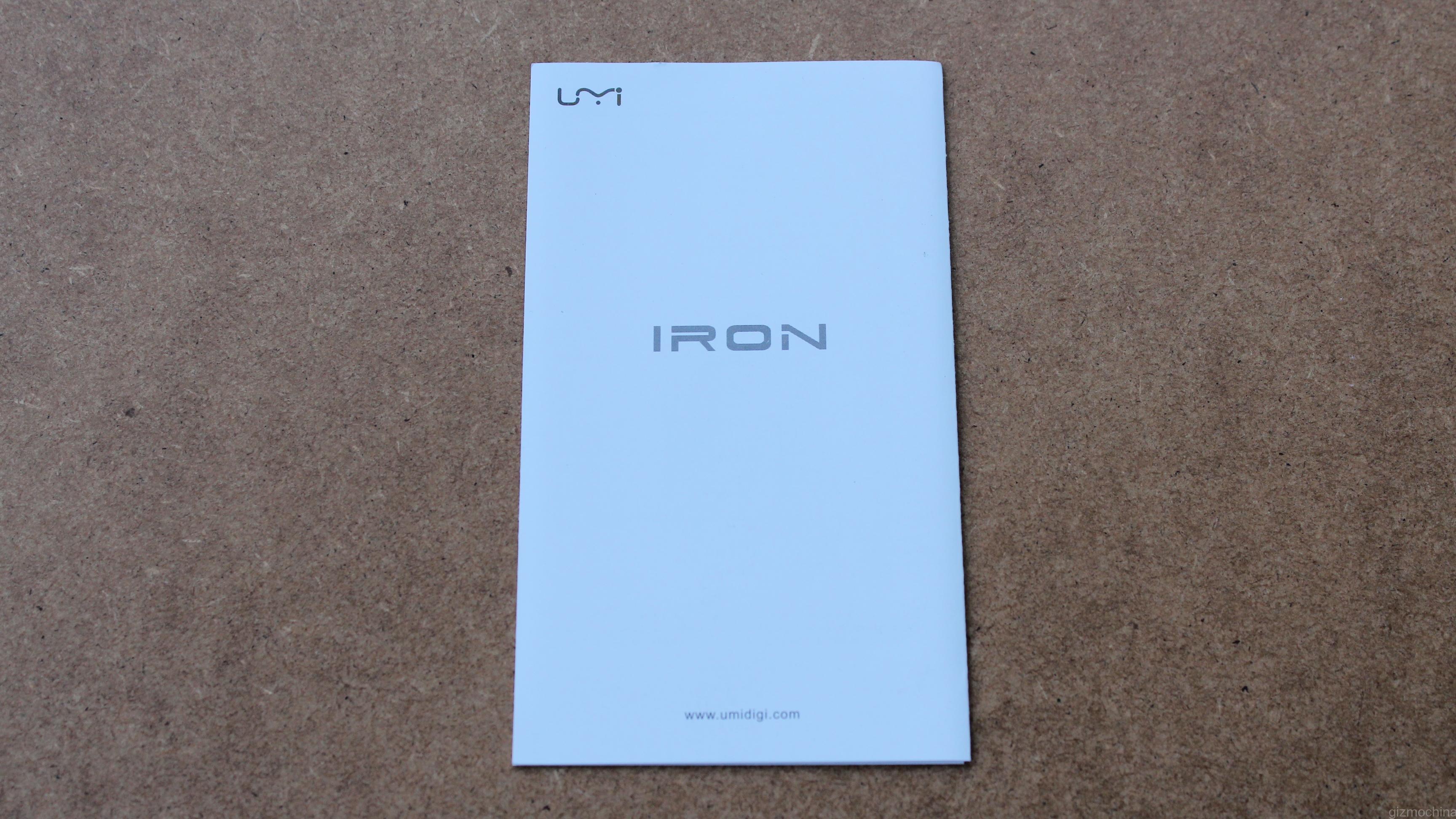
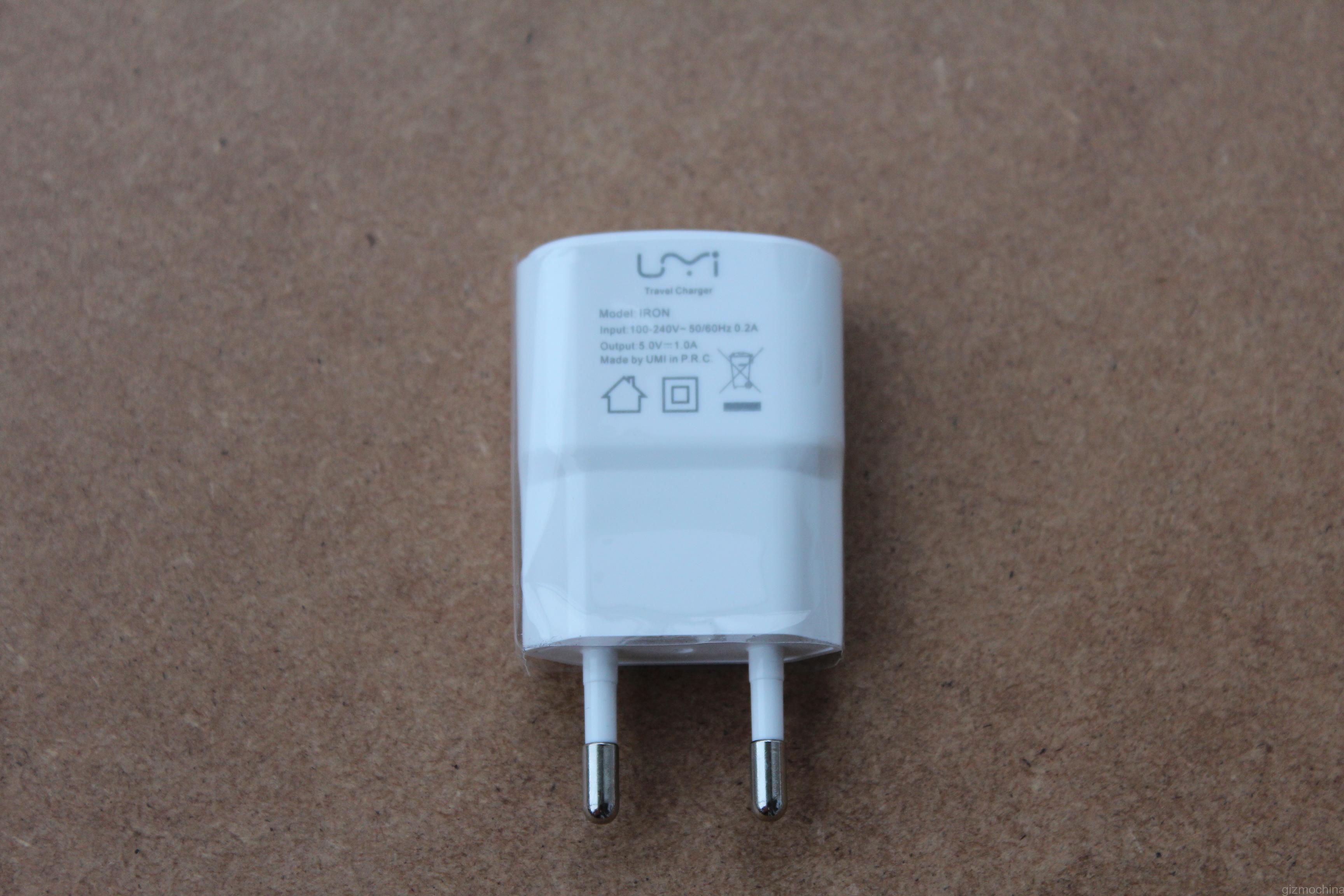
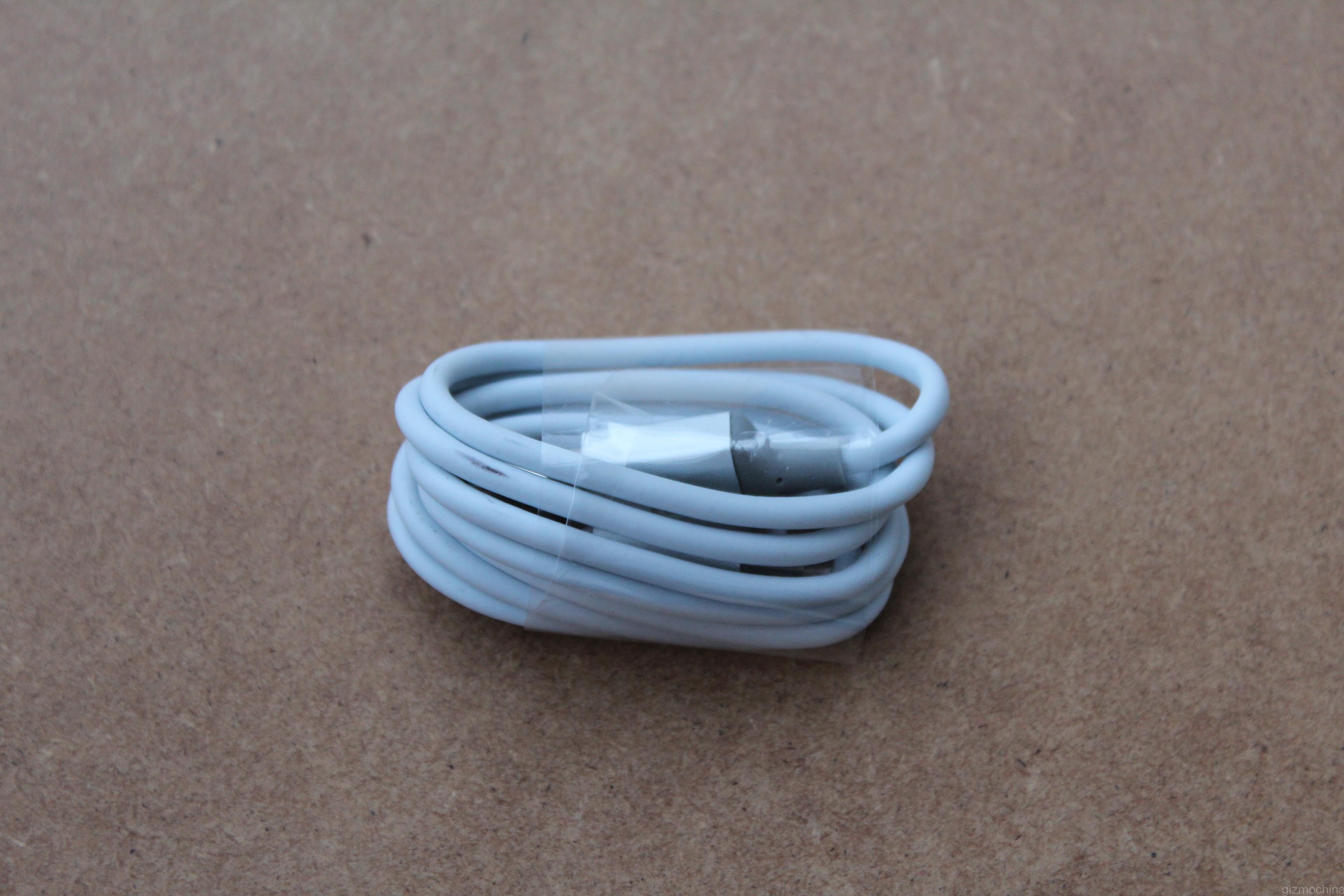
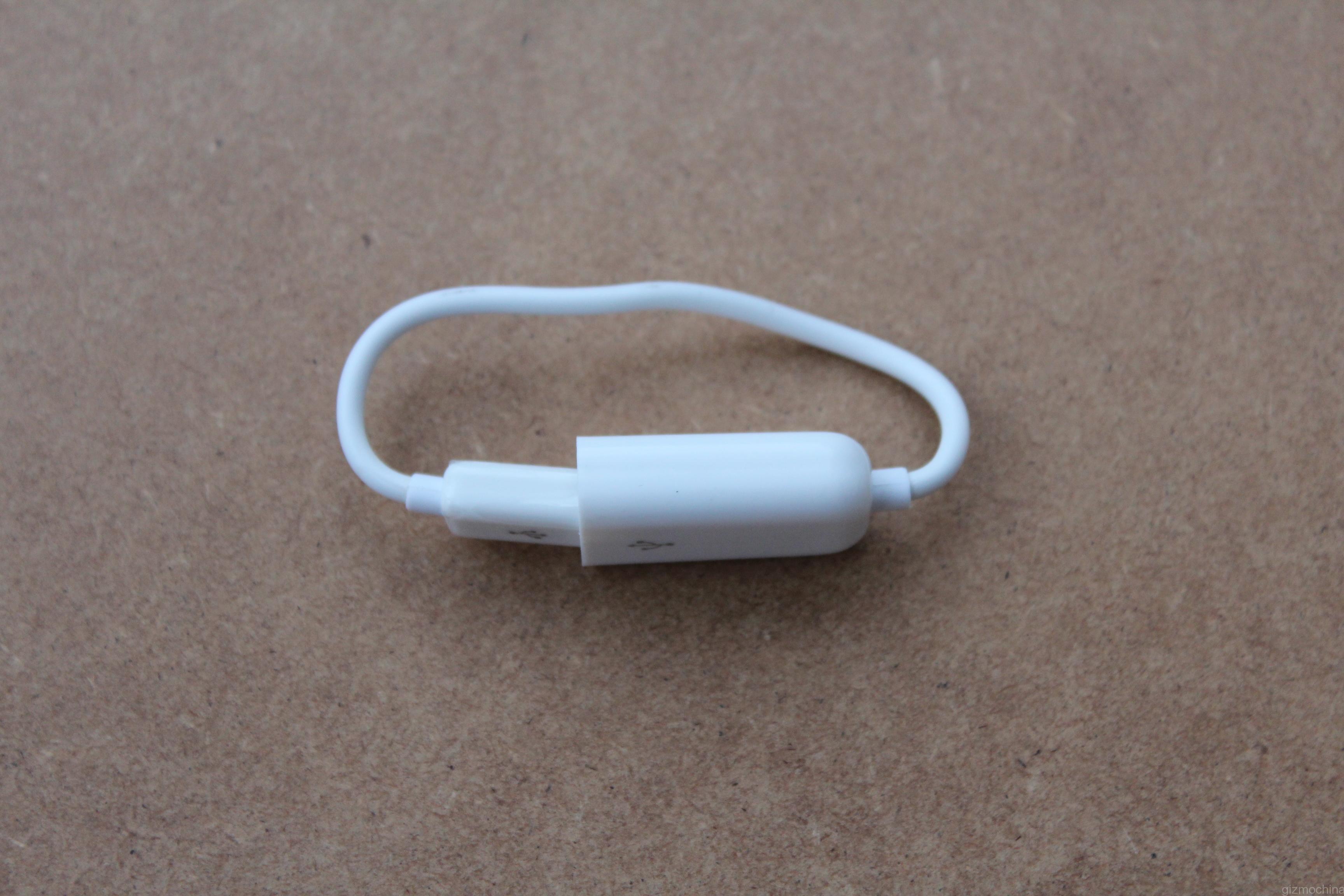
The accessories that are in the box include the instruction manuals, USB plug along with the USB cable. Last but not least the company added USB OTG cable. Well, any extra accessory is a great thing.
Overall, the contents look to be of good quality (but not the best).
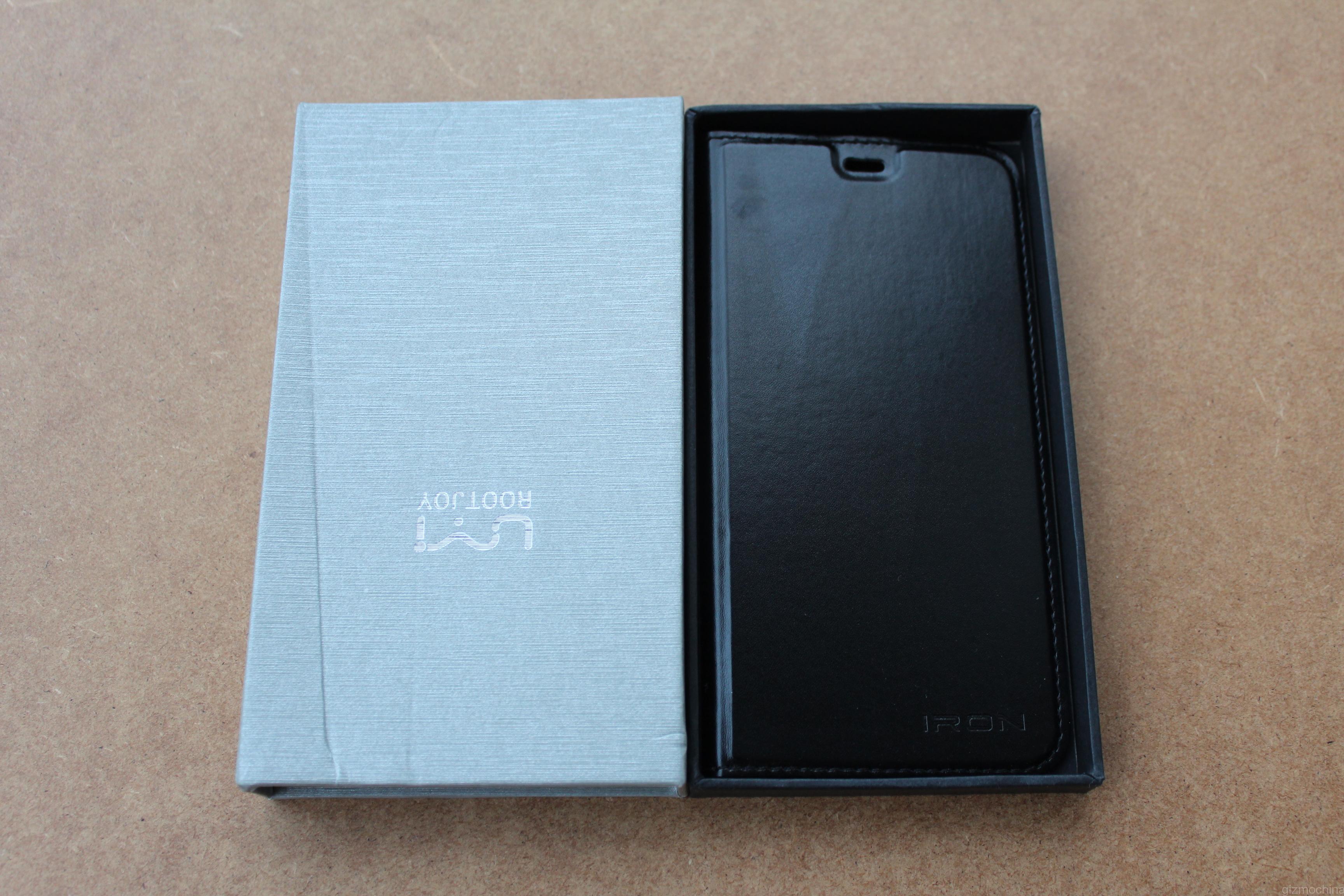
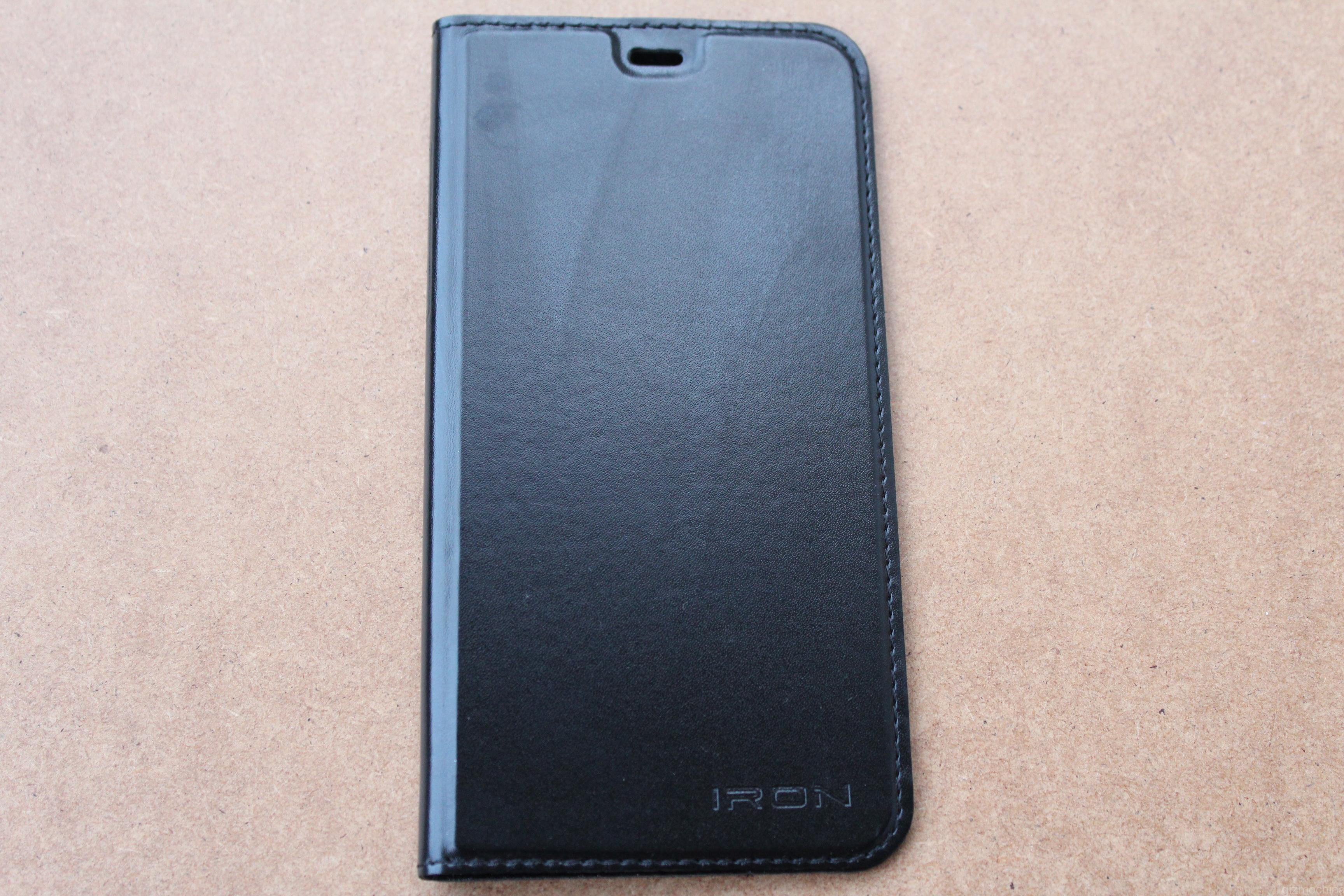
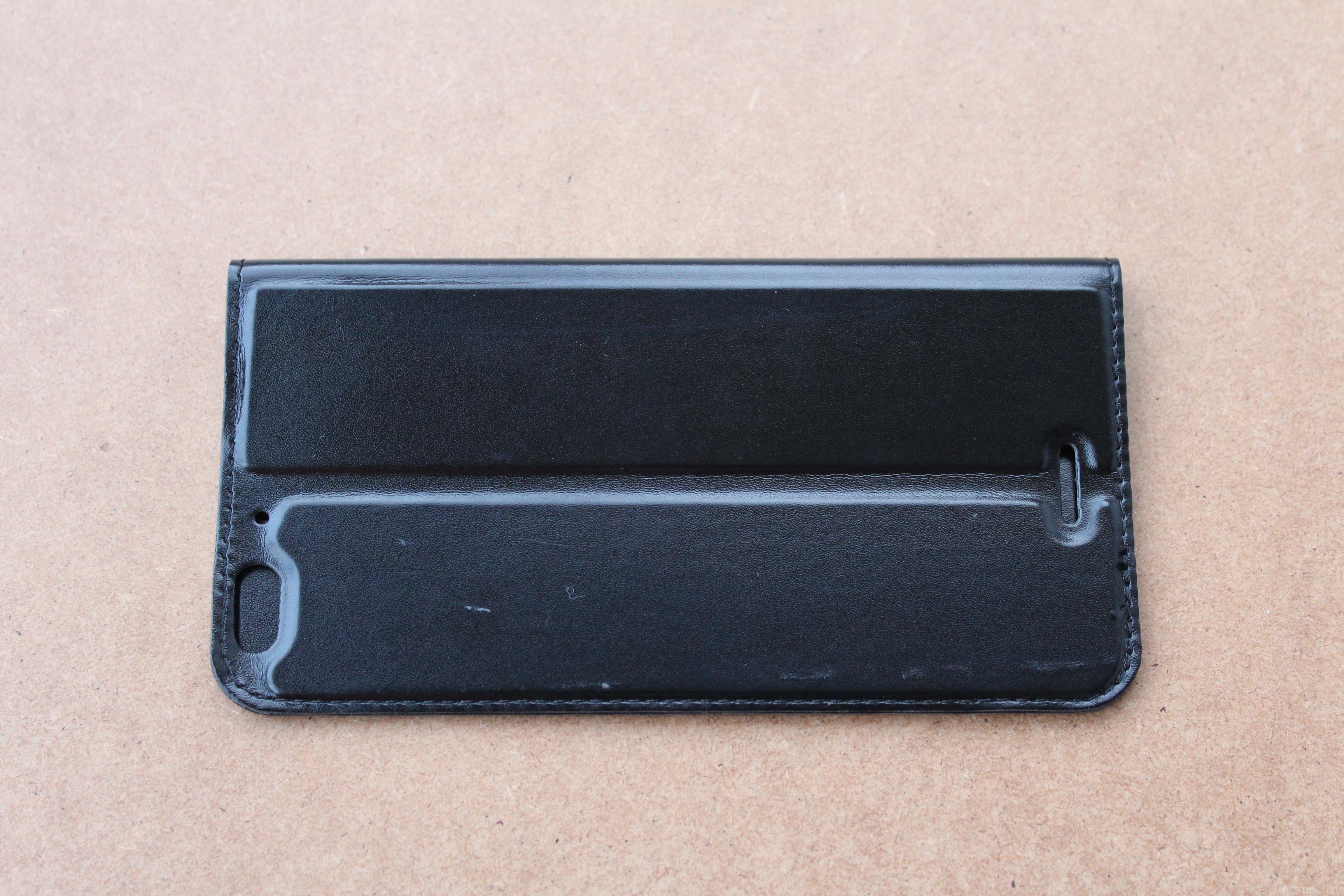
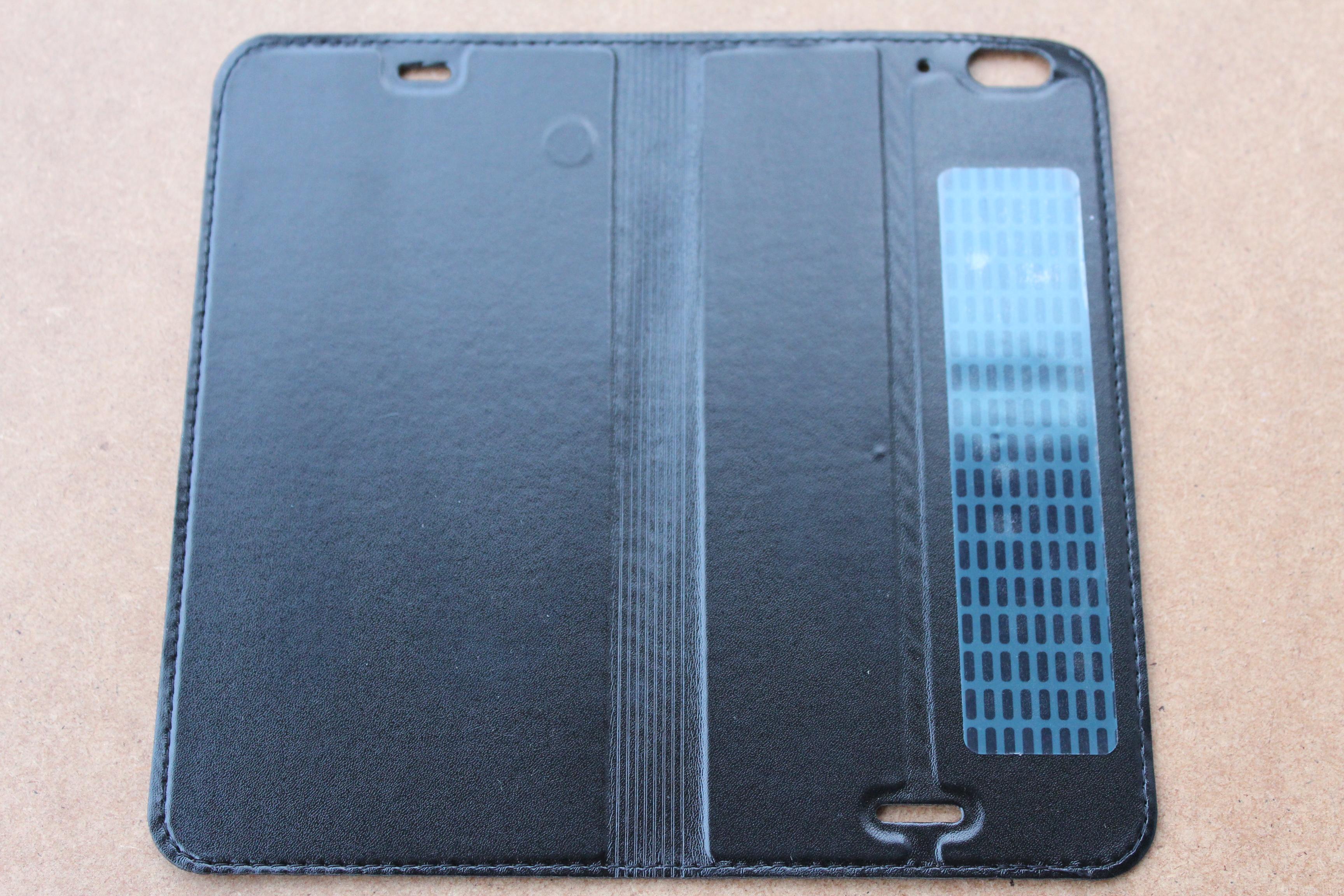
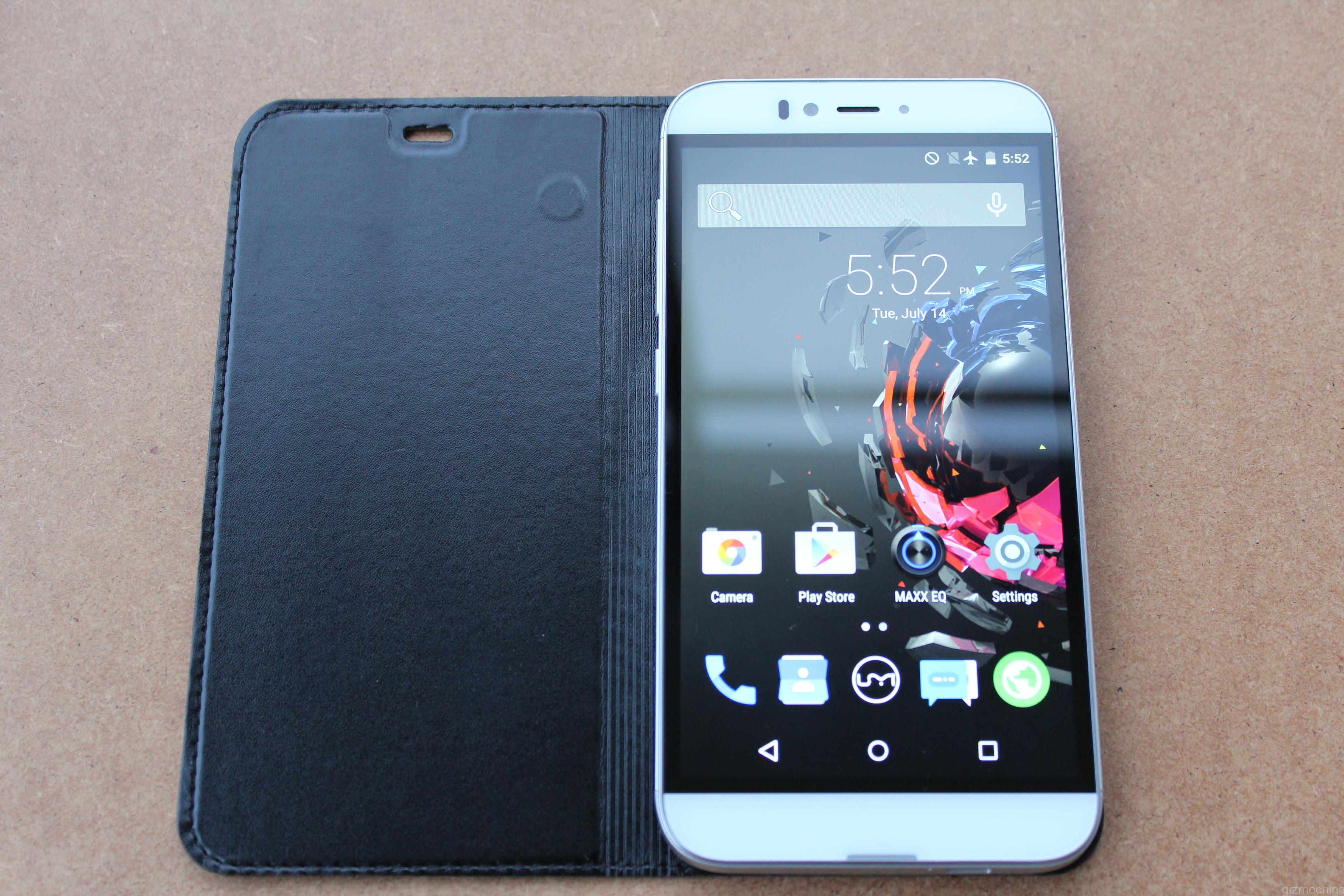
Not sure if it is included in every package but I have also received a decent quality leather flip cover case. Not sure if it is a real leather but it definitely feels like.
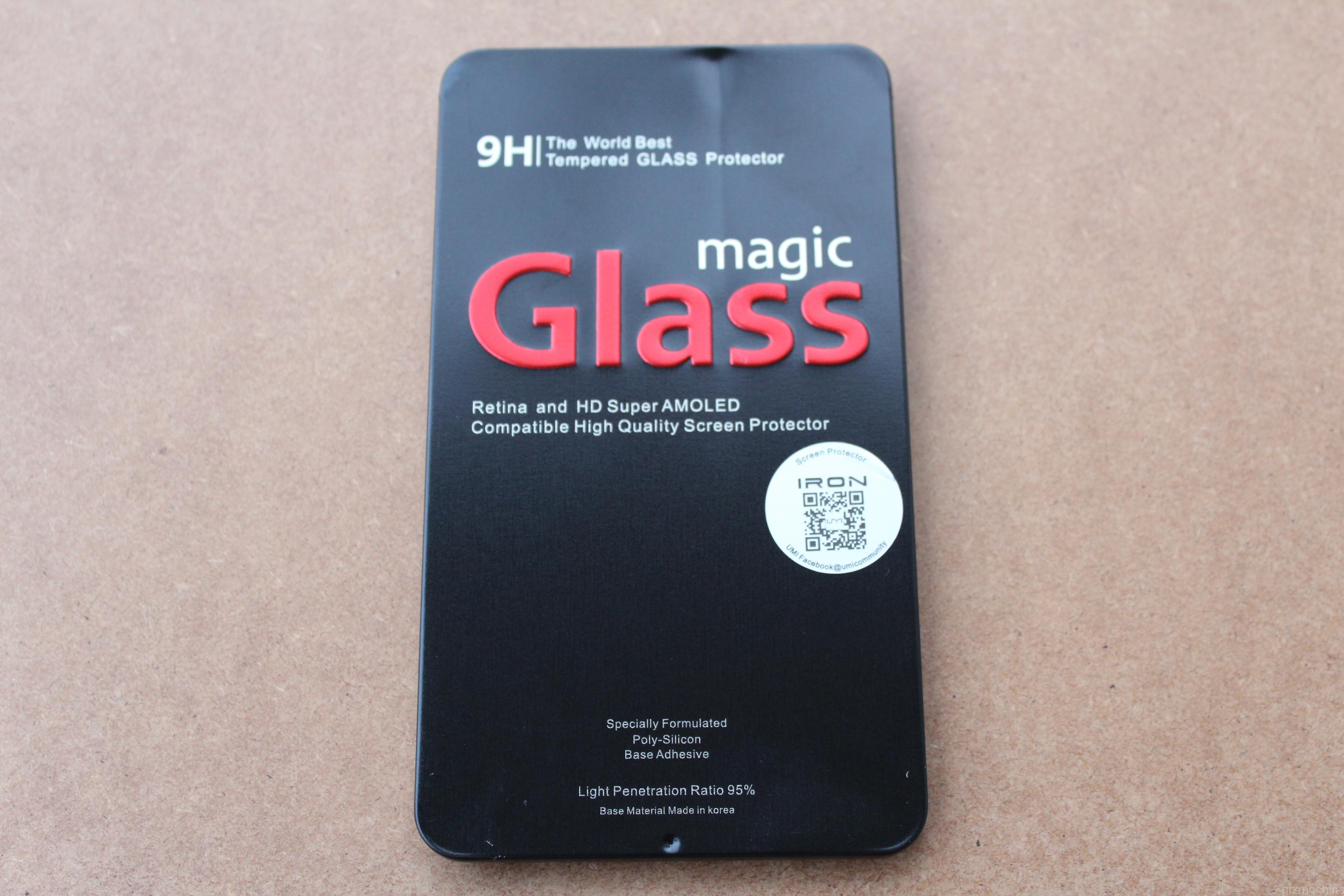
Last but not least I received a tempered glass screen protector. I will inform you if each smartphone comes with a free extra leather flip cover case and this glass protector or it was just me in the full review.
Umi Iron: DESIGN and DISPLAY
The device comes with a 5.5″ display, which is very bright, sharp and vivid. Also, it has great viewing angles and natural looking colours. Overall, it is a superb panel for a budget device and you will notice it immediately once you turn on the device.
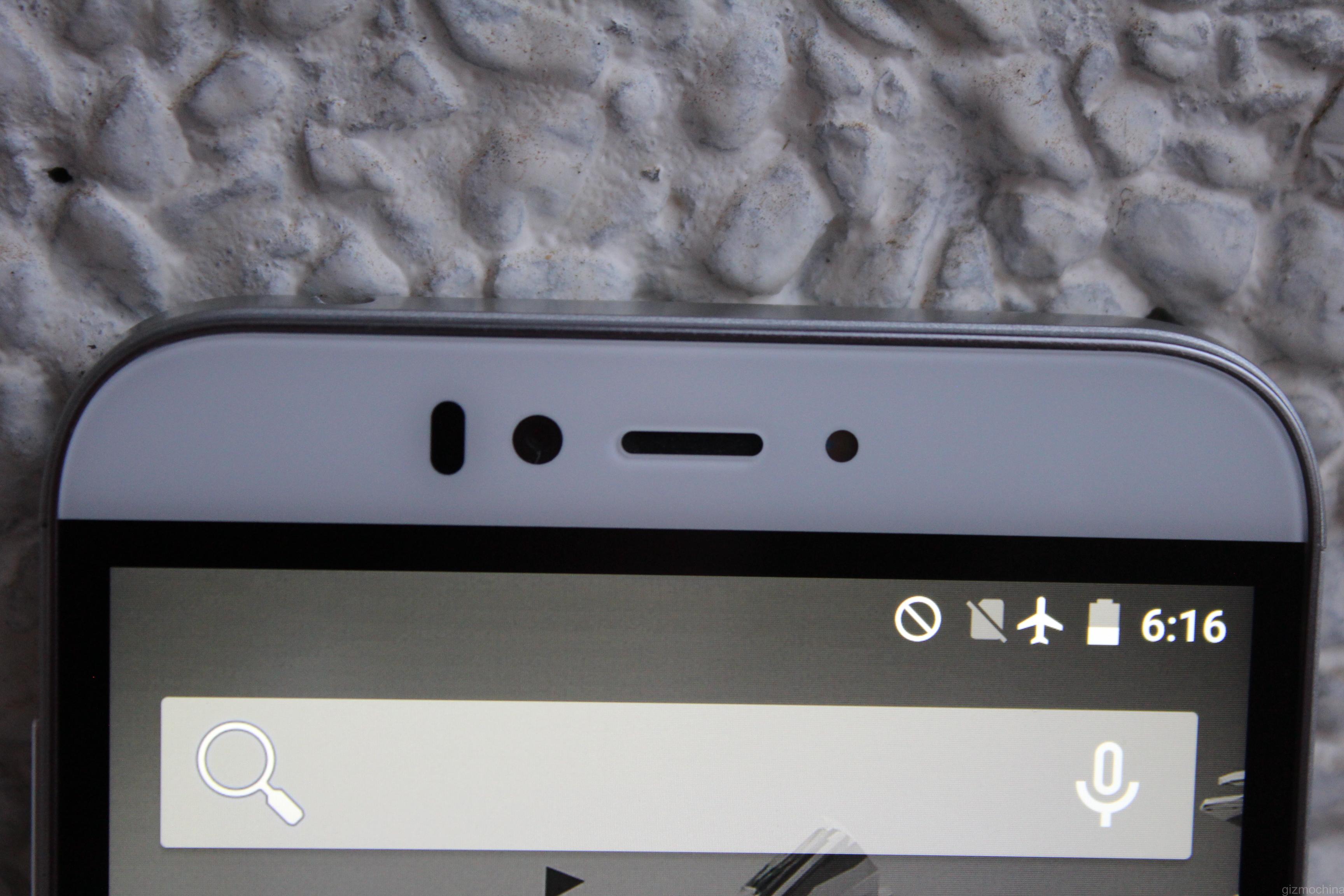
On the top side there is a proximity sensor, 8MP camera sensor, earpiece and front firing LED flash for night selfies.
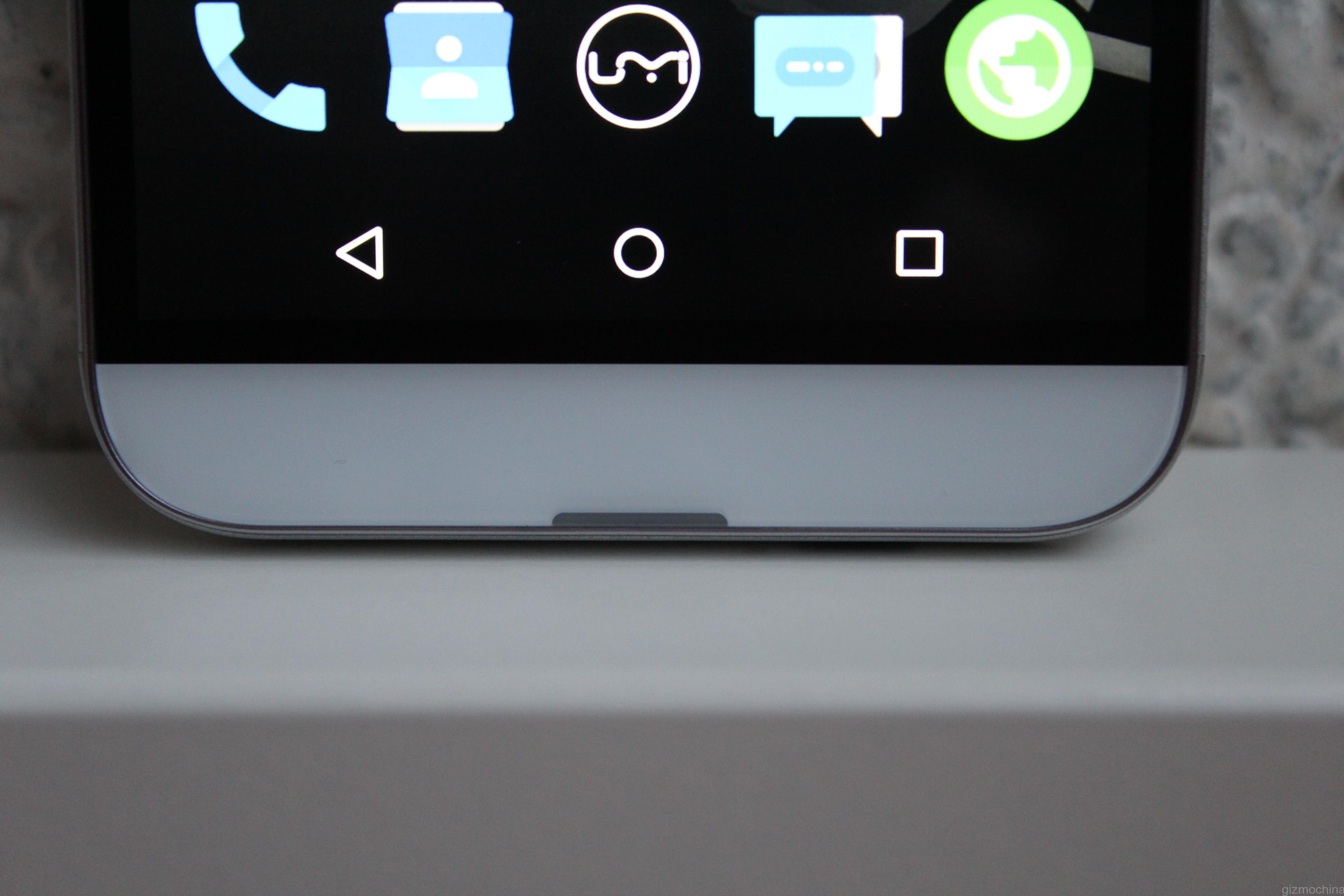
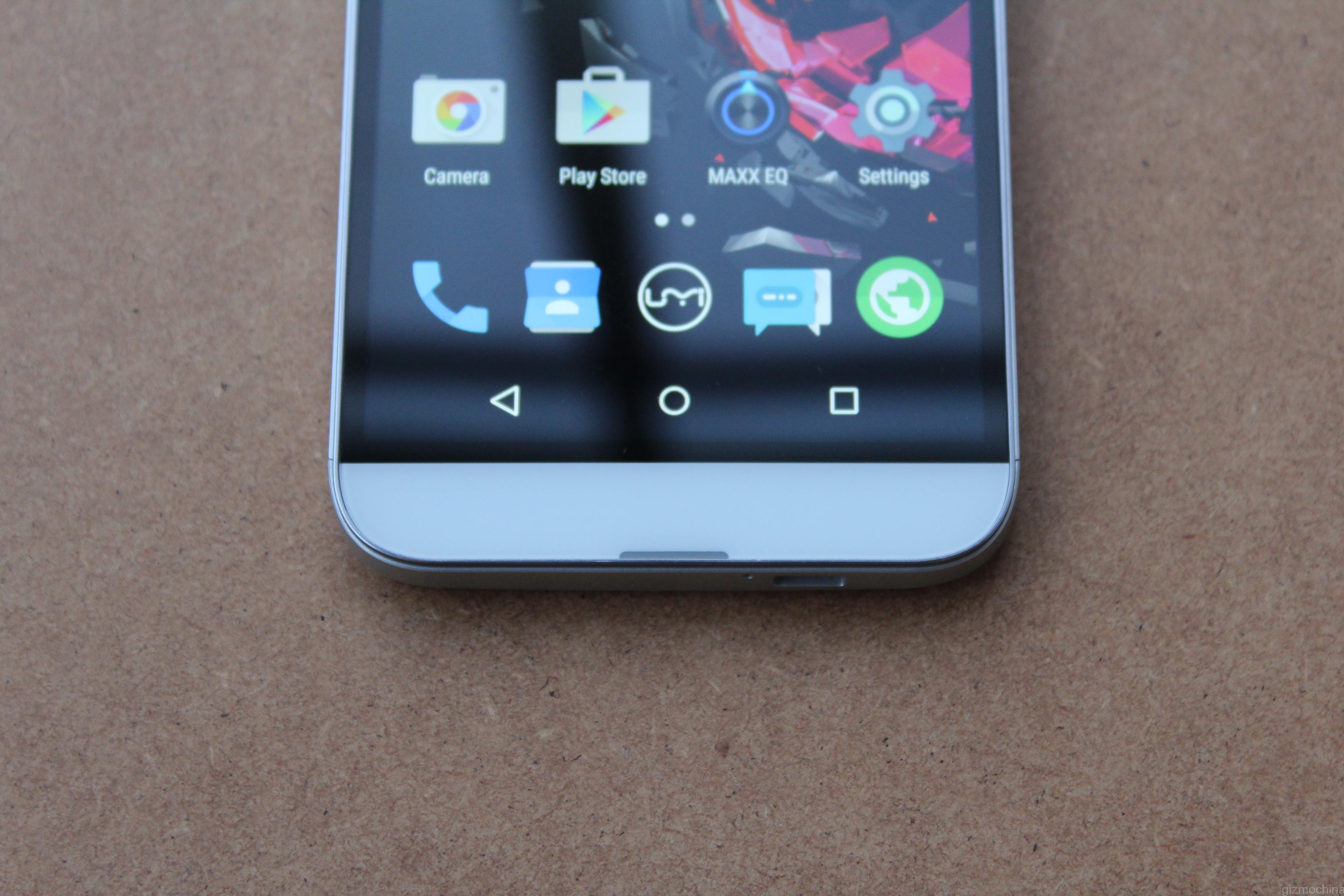
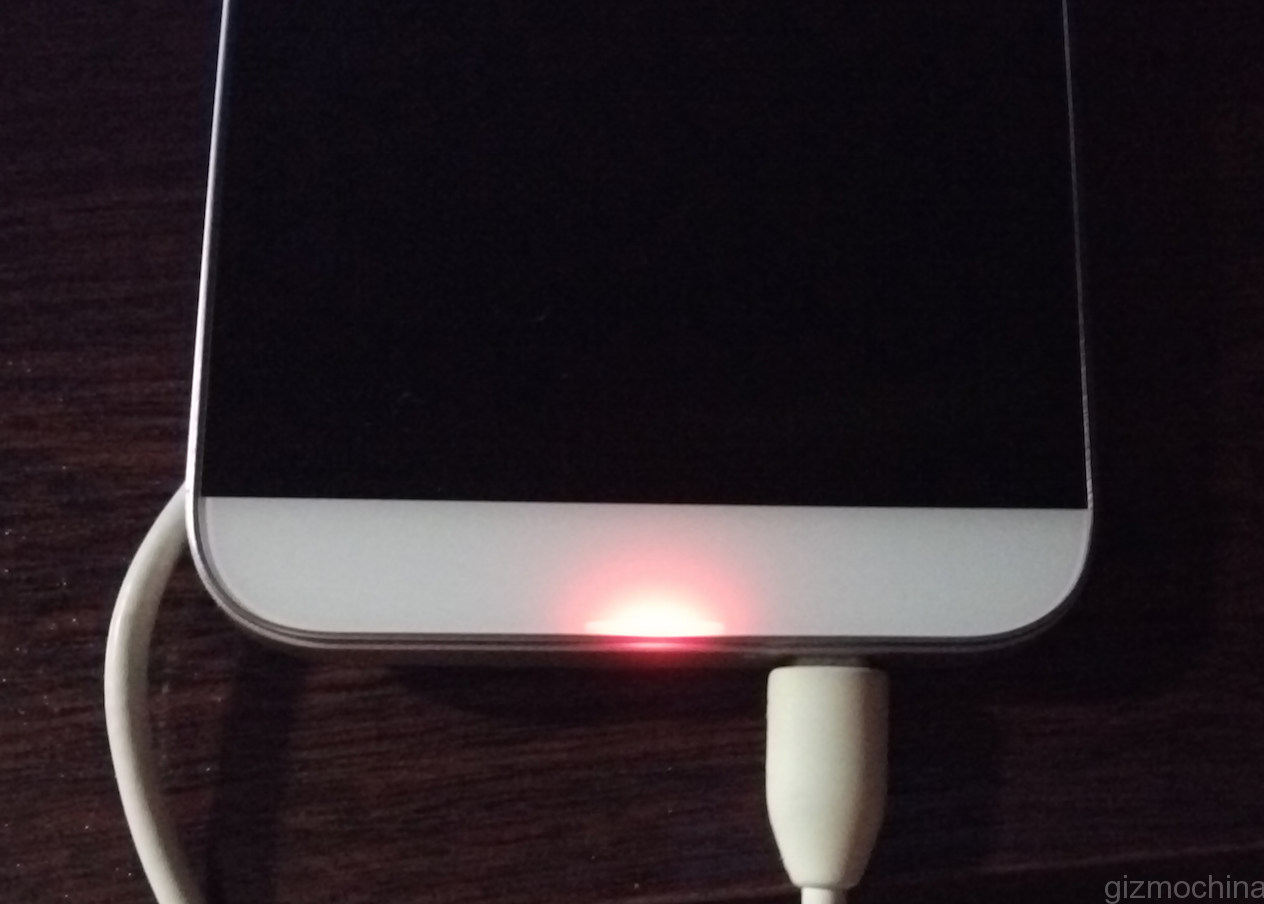
On the bottom side there is really nice looking notification LED light, which has a great looking pulsing effect. It flashes green for notifications and red for charging/low battery. However, the colours of the LED are not customisable.
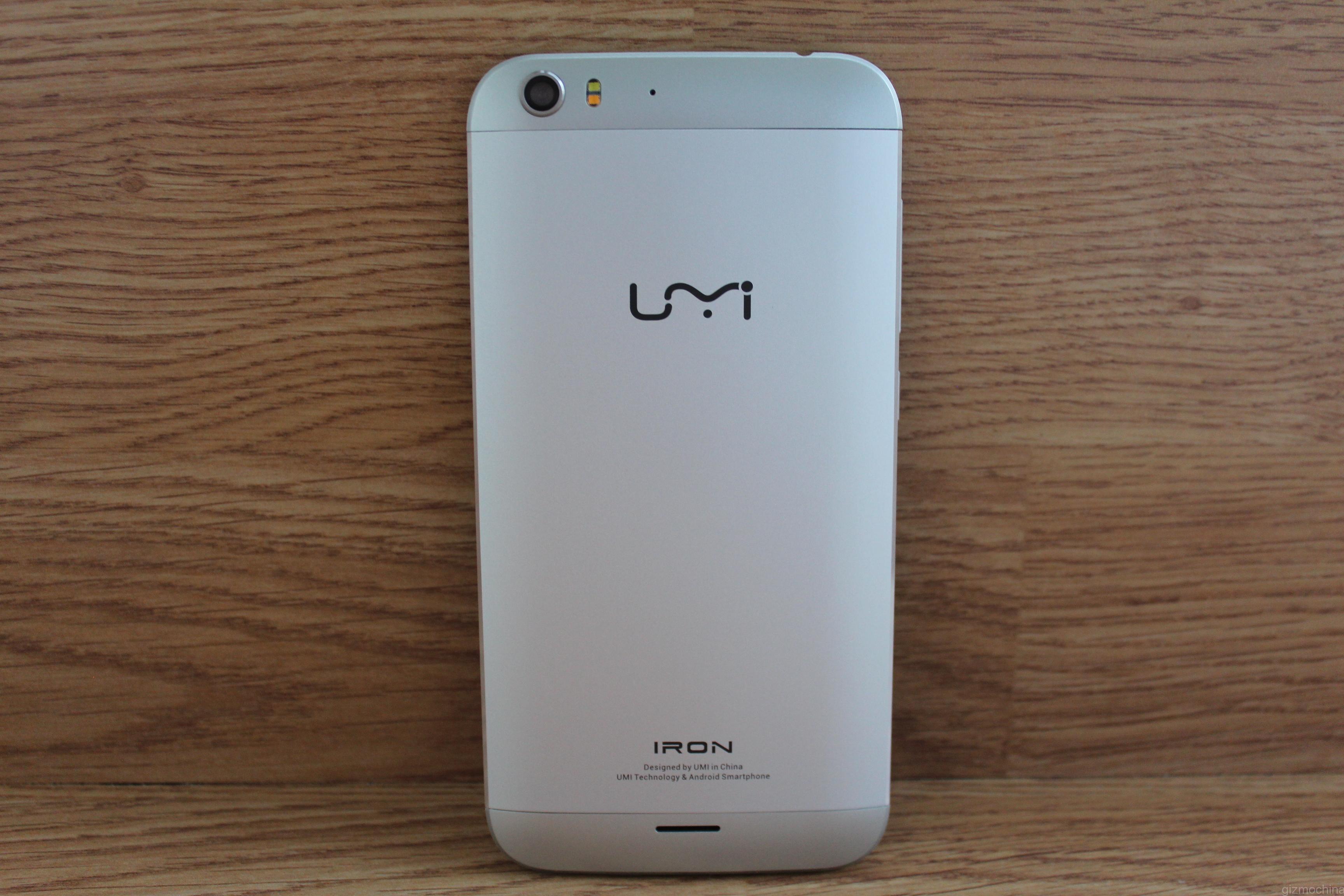
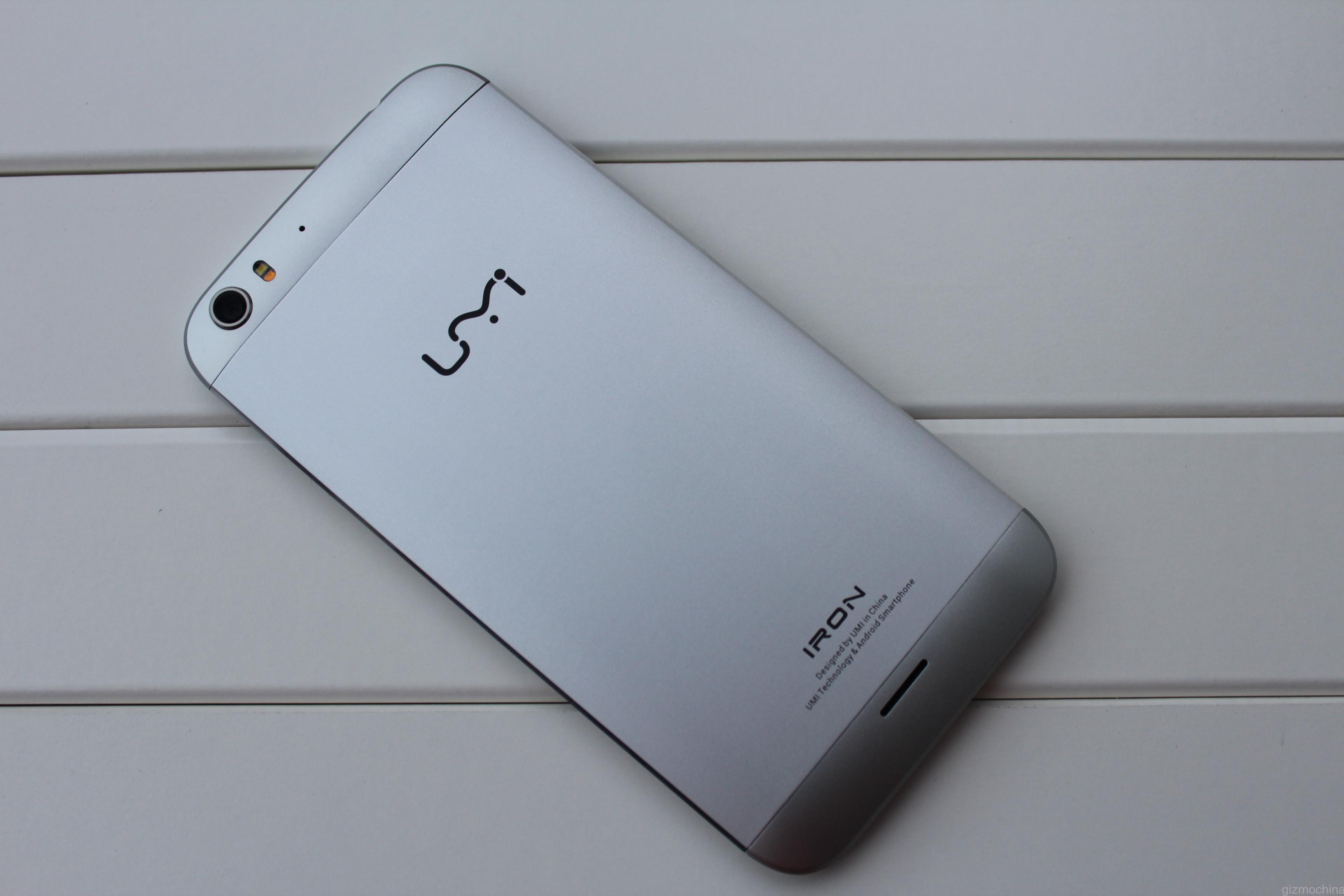
Here is why we call this model Iron as the back plate is made out of metal. It definitely feels like a high quality material and adds a bit of a premium look and feel. Also, it is very great in the hand (I may be subjective as I just love metal phones).
However, the top and bottom parts are made out of plastic as this is the solution Umi chose to implement to get a normal antenna reception.
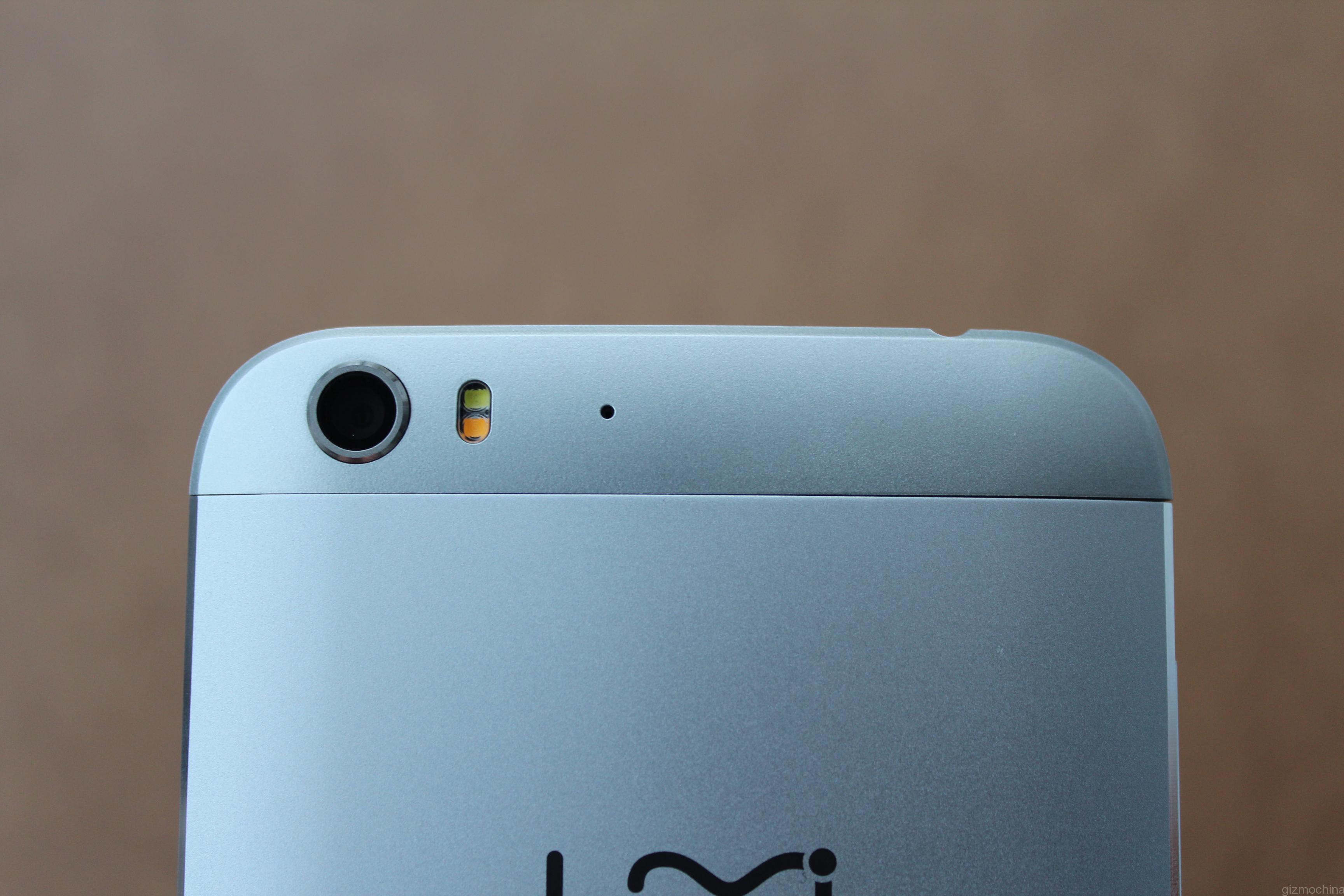
On the top side there is a 13MP Sony IMX214 shooter along with dual tone dual LED flash and a noise cancelling mic. It is worth mentioning that the camera lens are surrounded by a quality stainless steel ring.
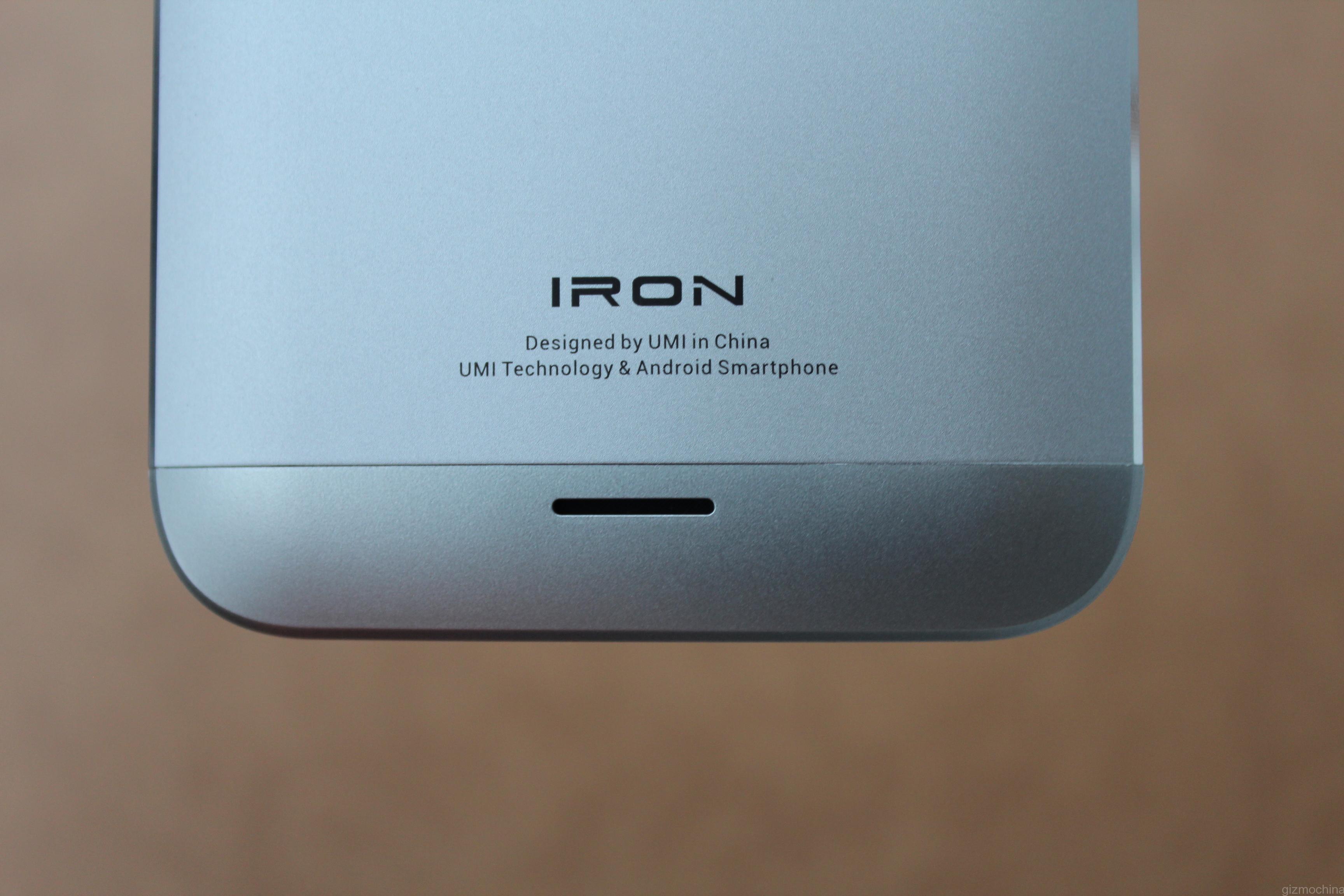
On the bottom side there is an UMI logo along with the loudspeaker.
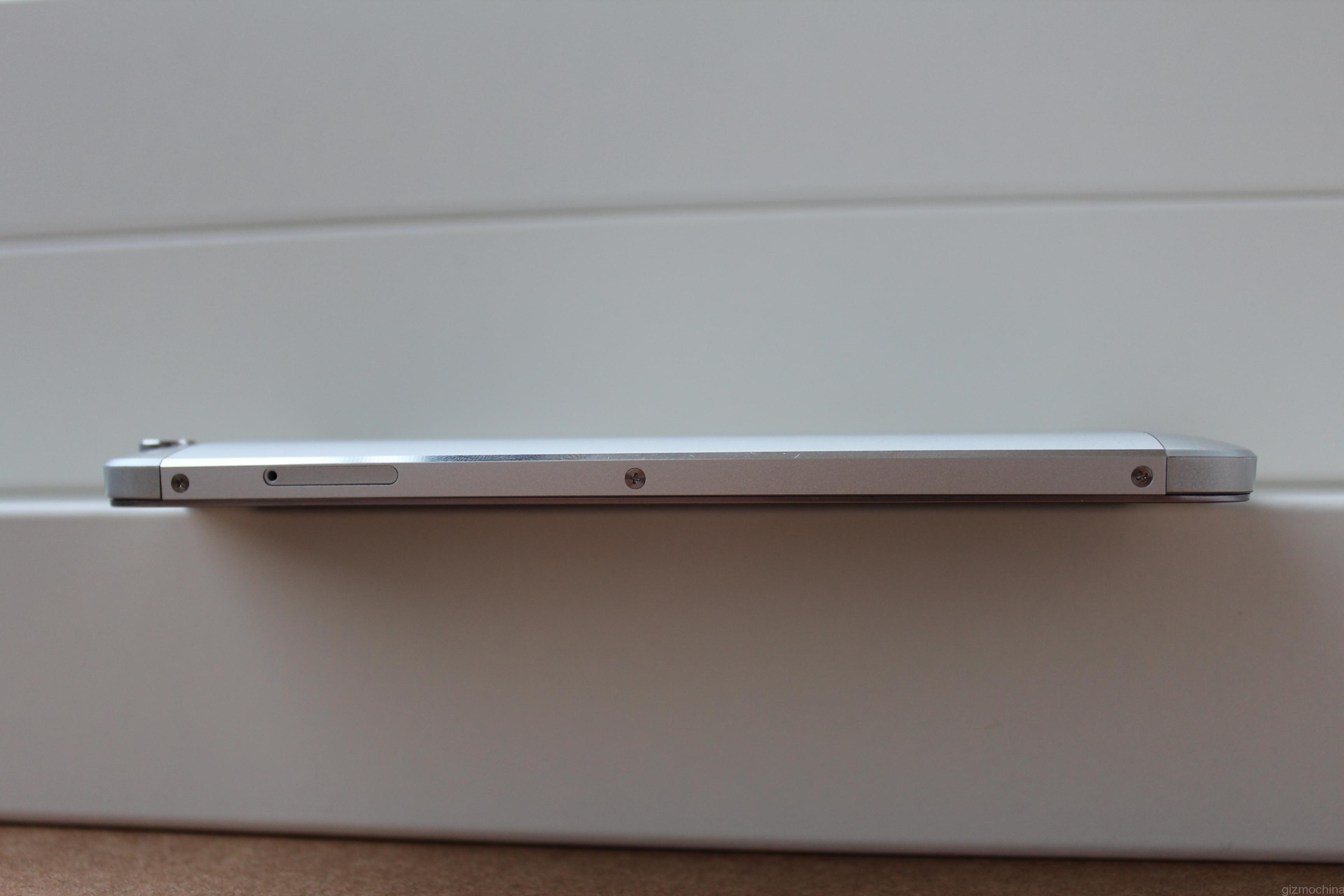
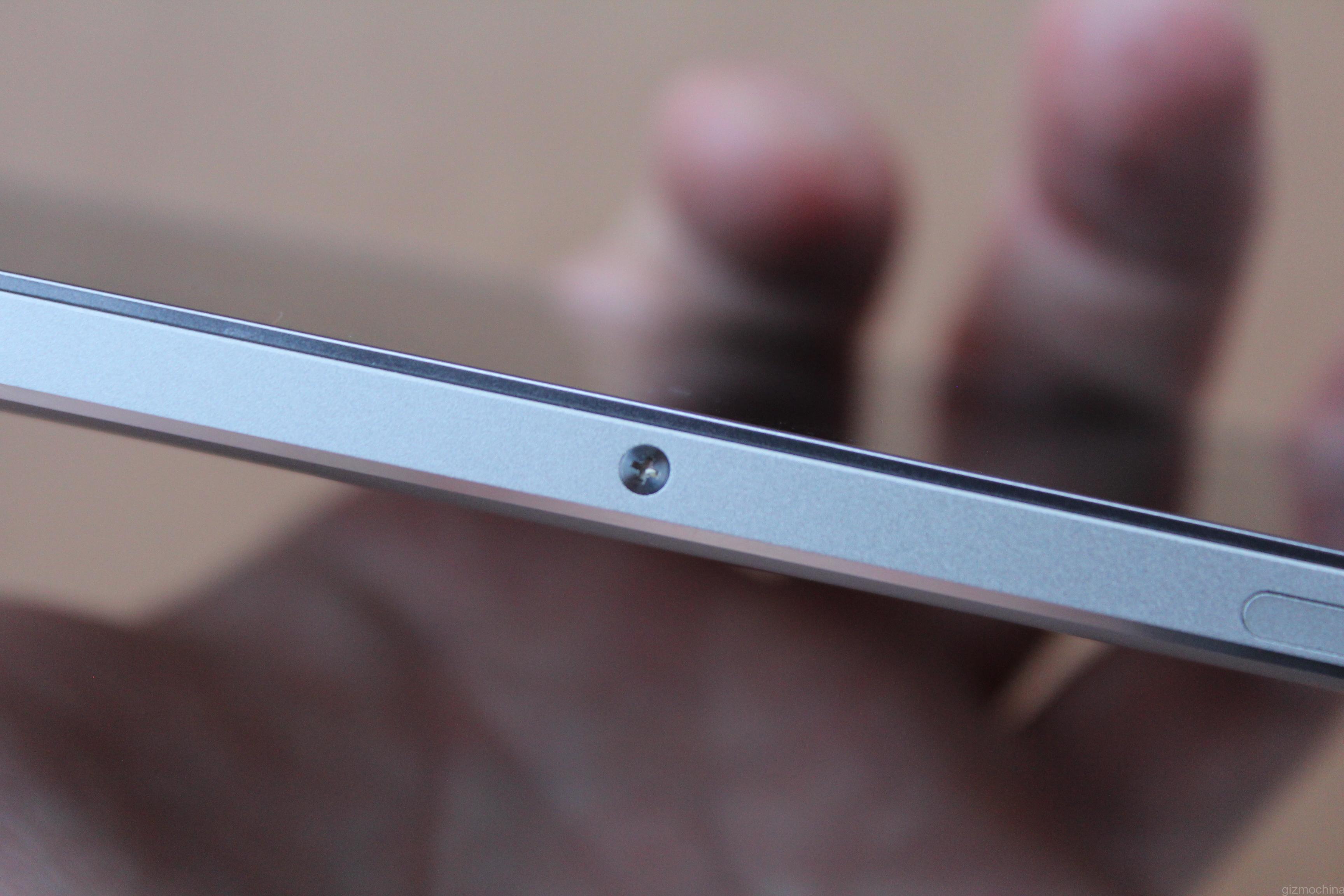
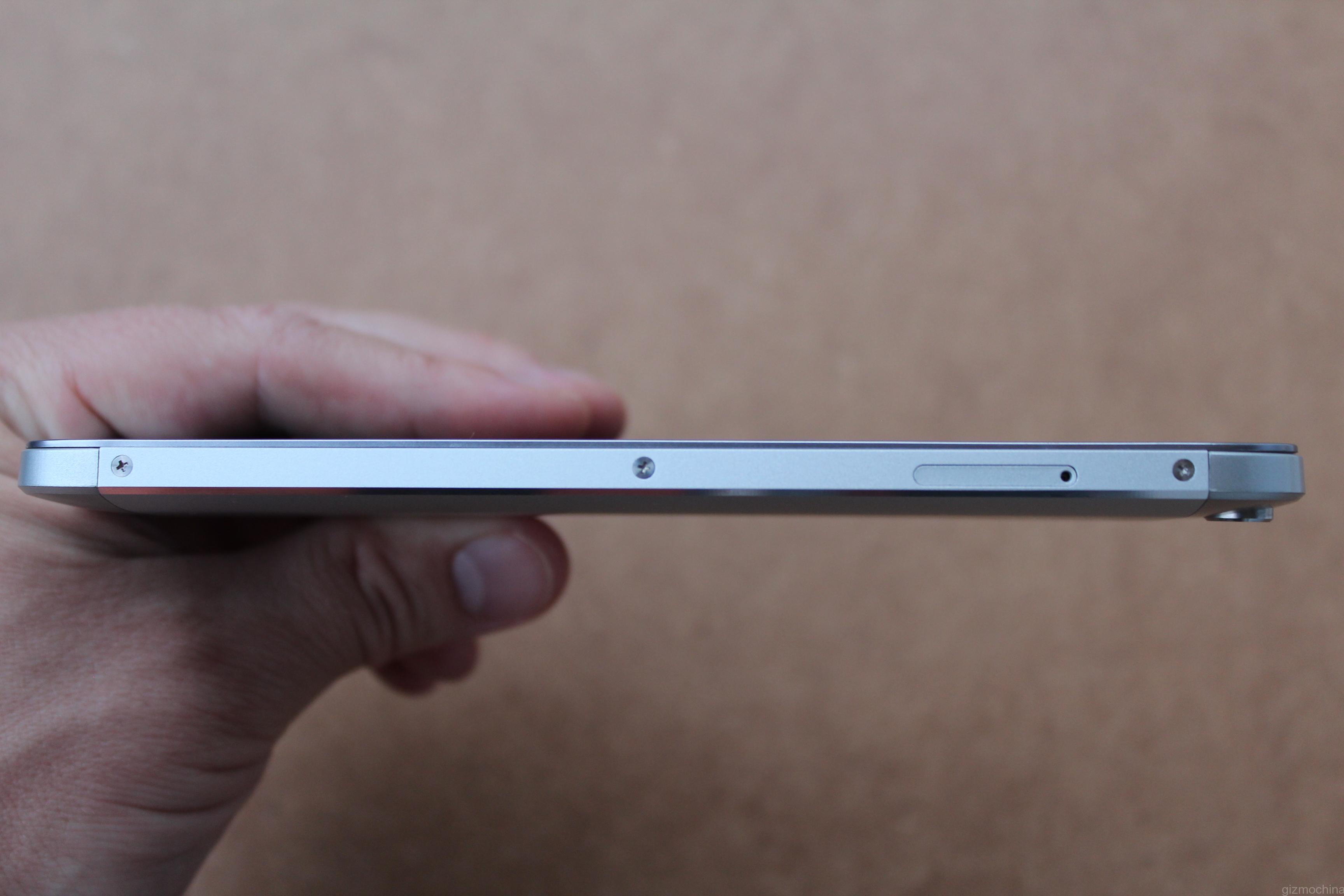
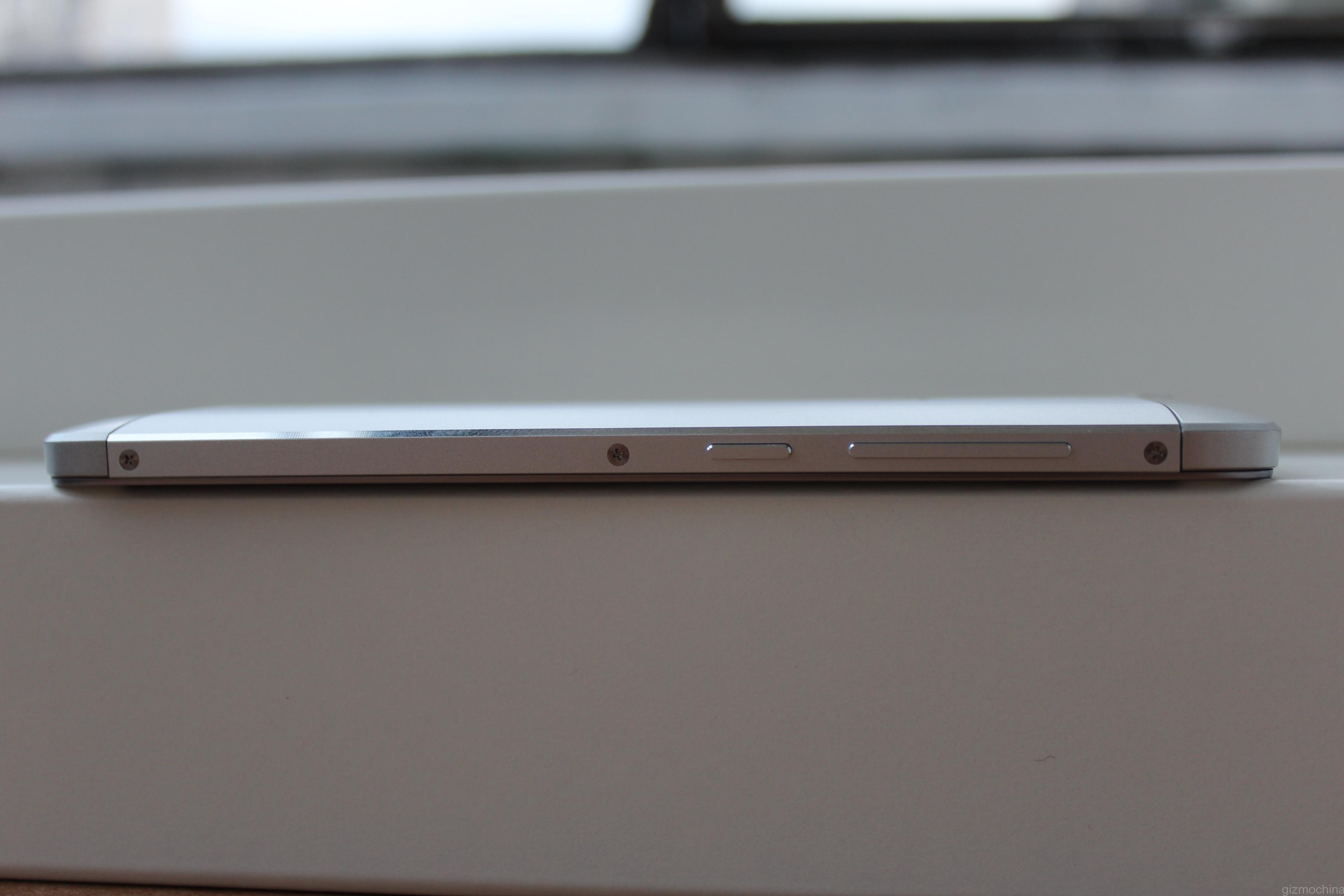
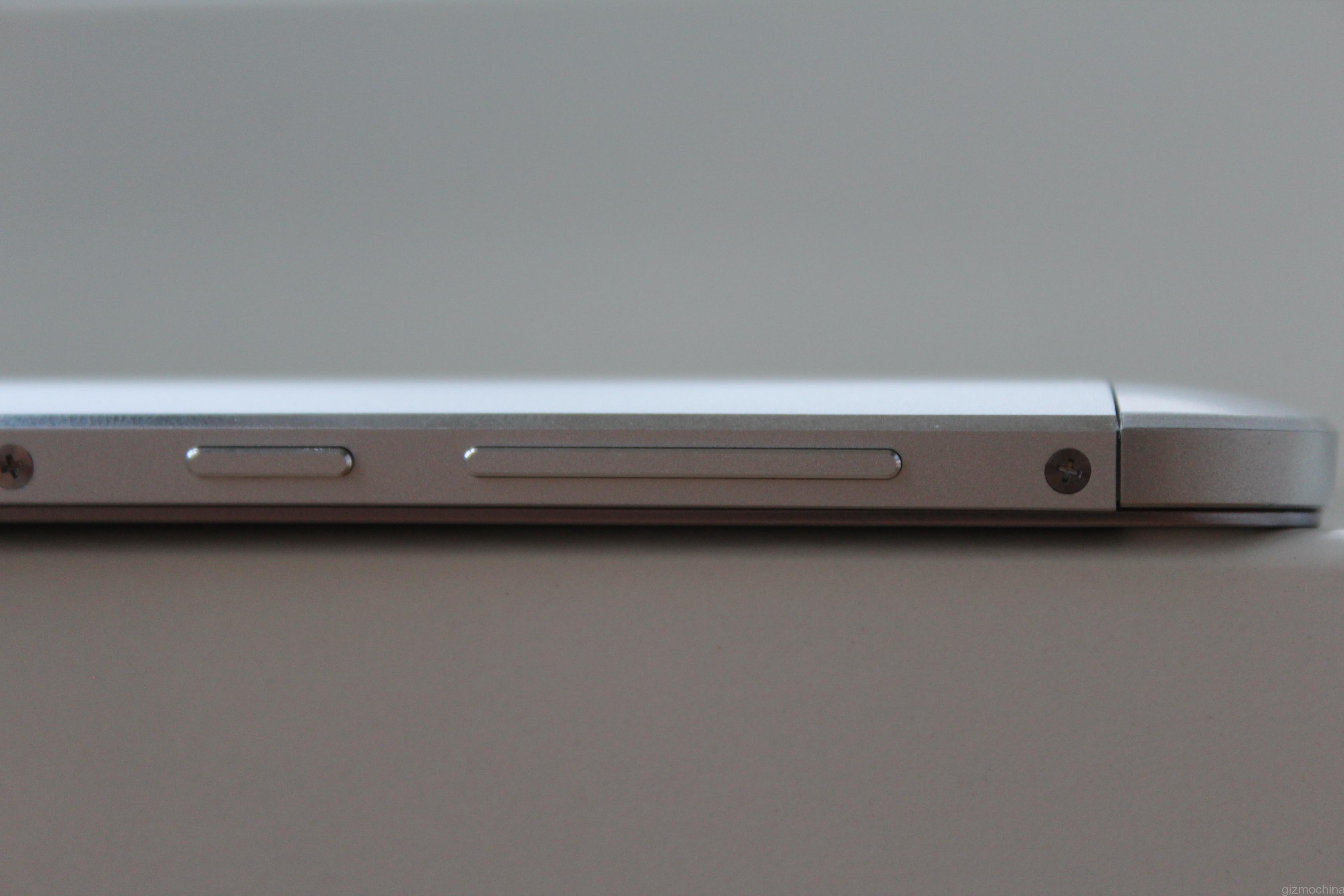
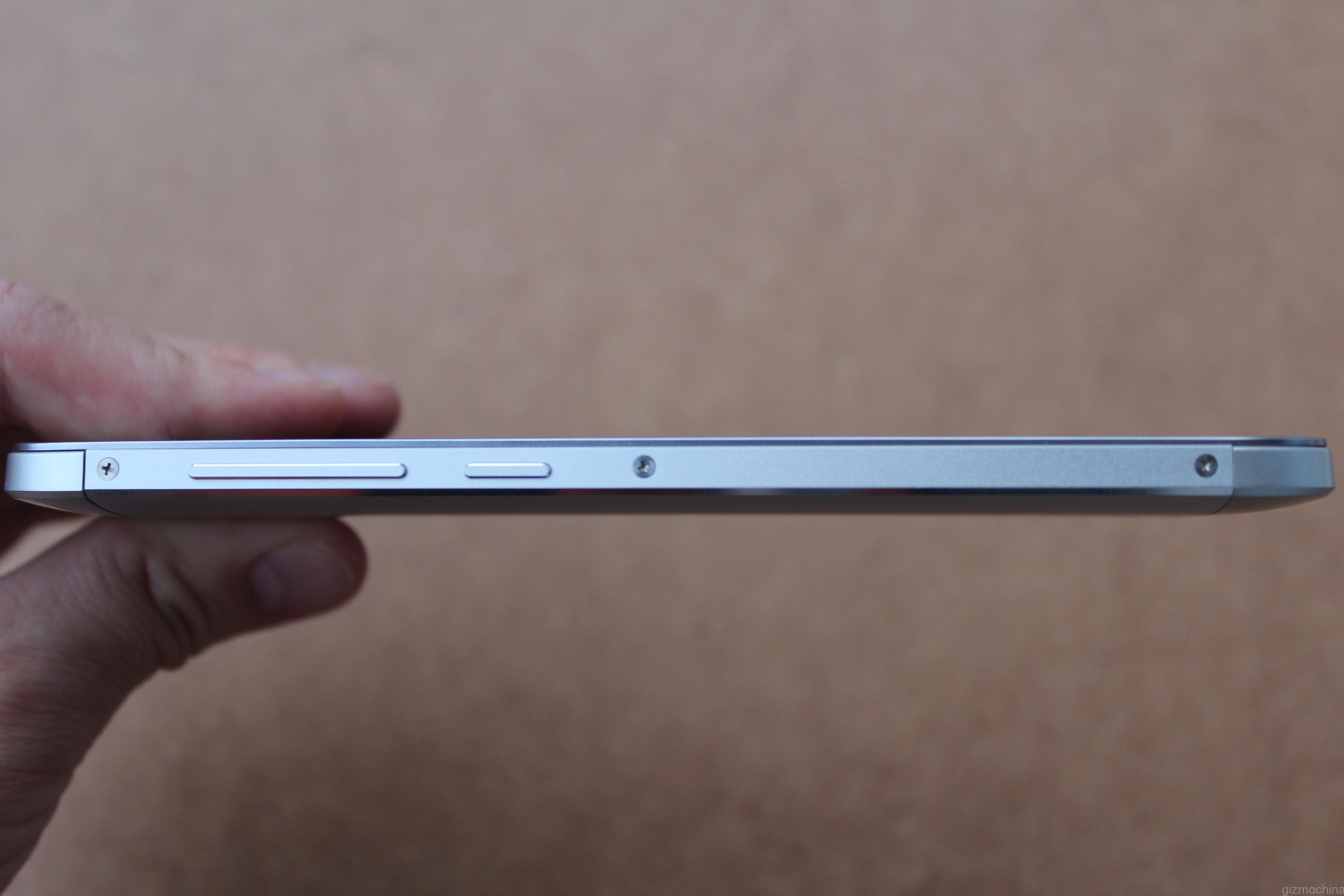
The metal shell continues to the sides of the device and it is tightened up with screws, which also provide a nice looking industrial design.
In addition, you can find a nano SIM card/microSD card (up to 64GB) slot , which you have to open up with a pin.
On the left side you can find a metal made power on/off switch along with a volume rocker.
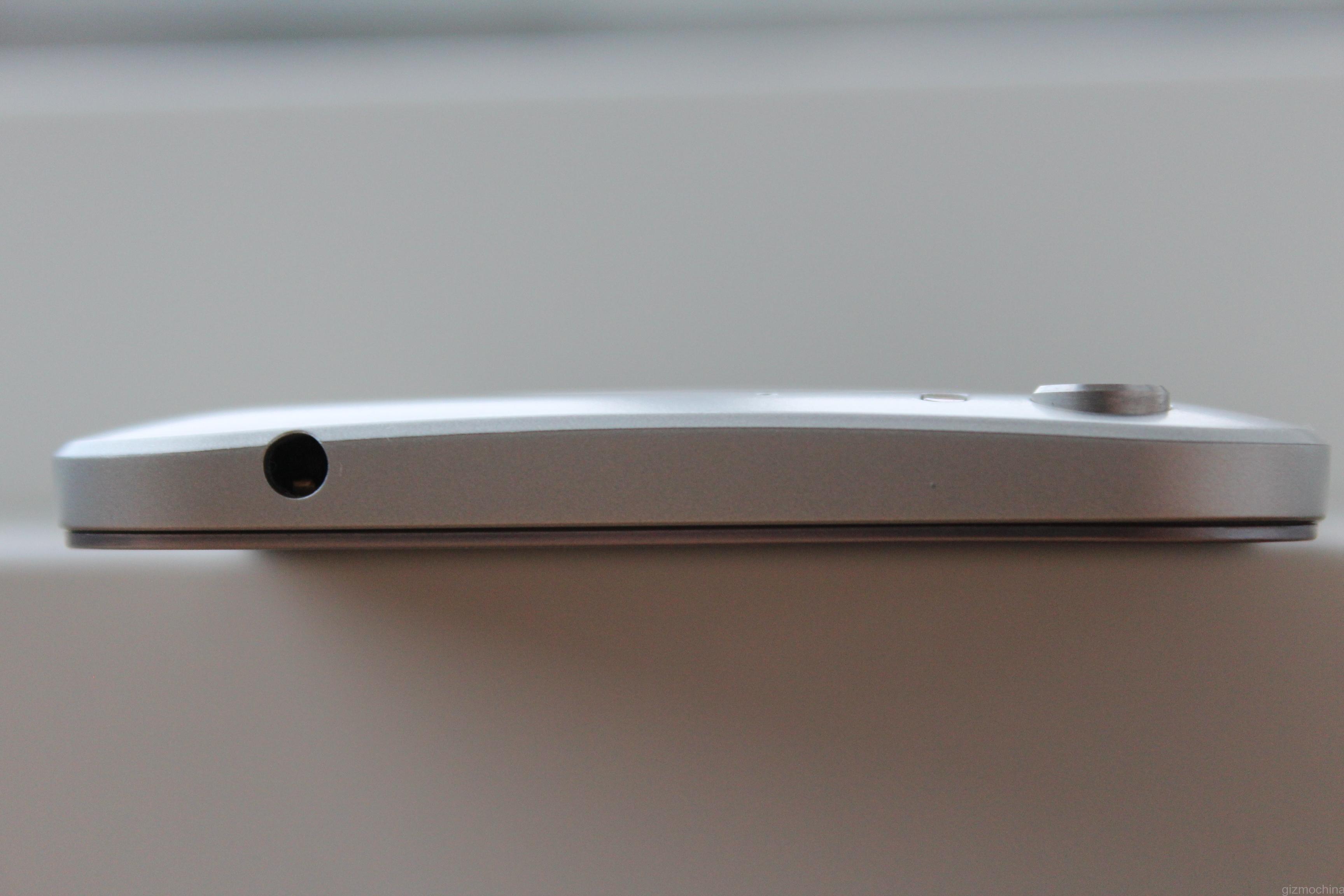
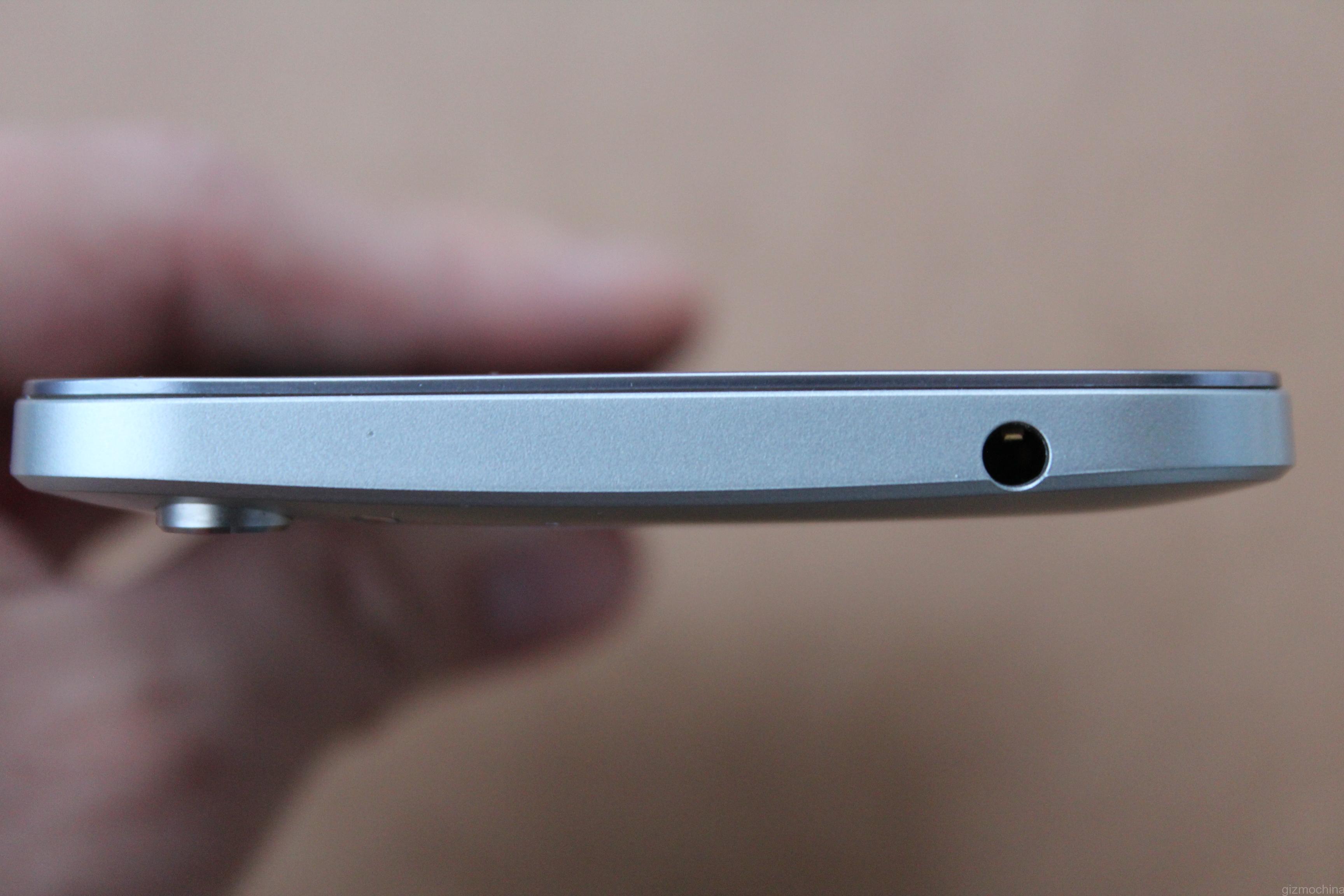
On the top side there is just a headset jack.
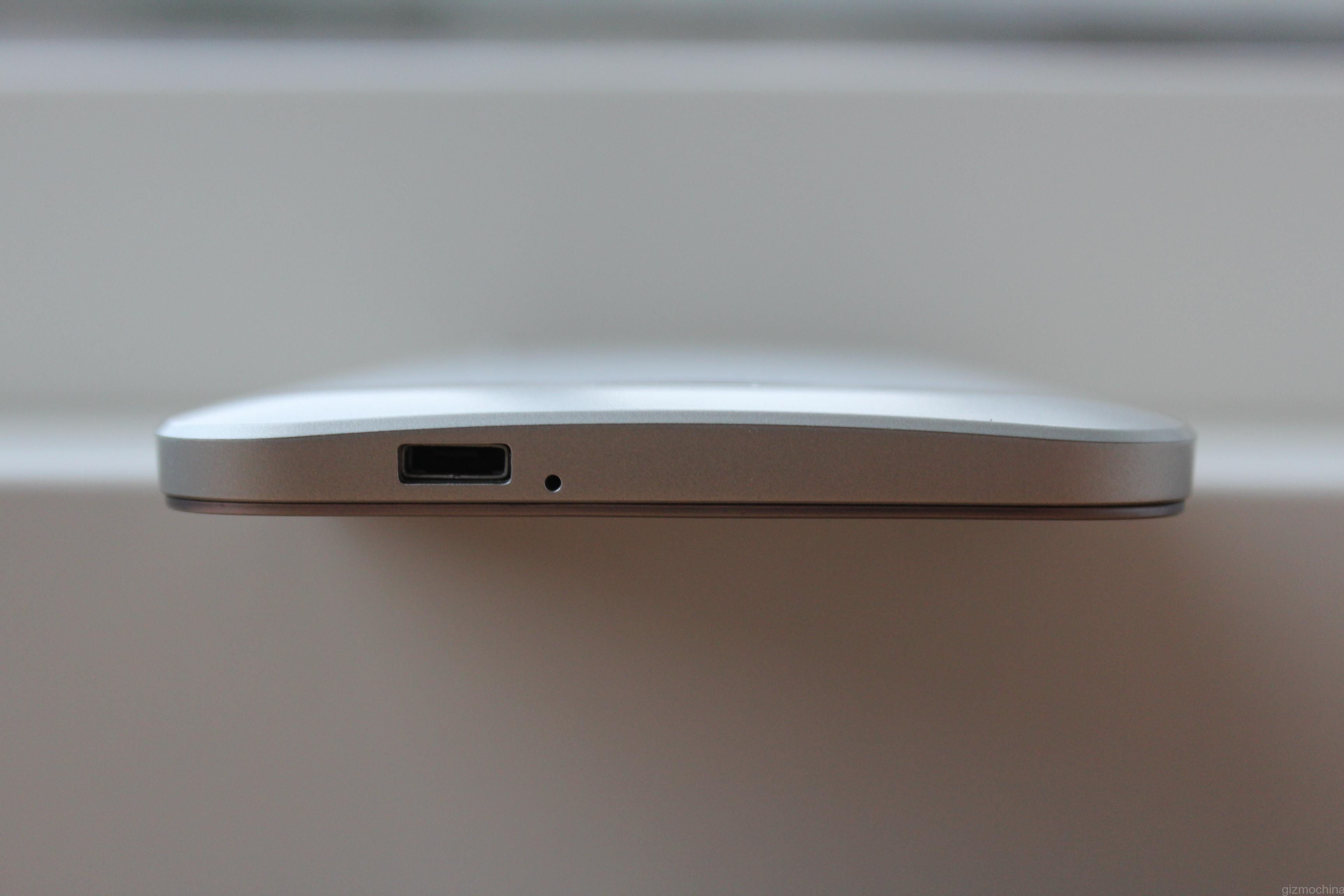
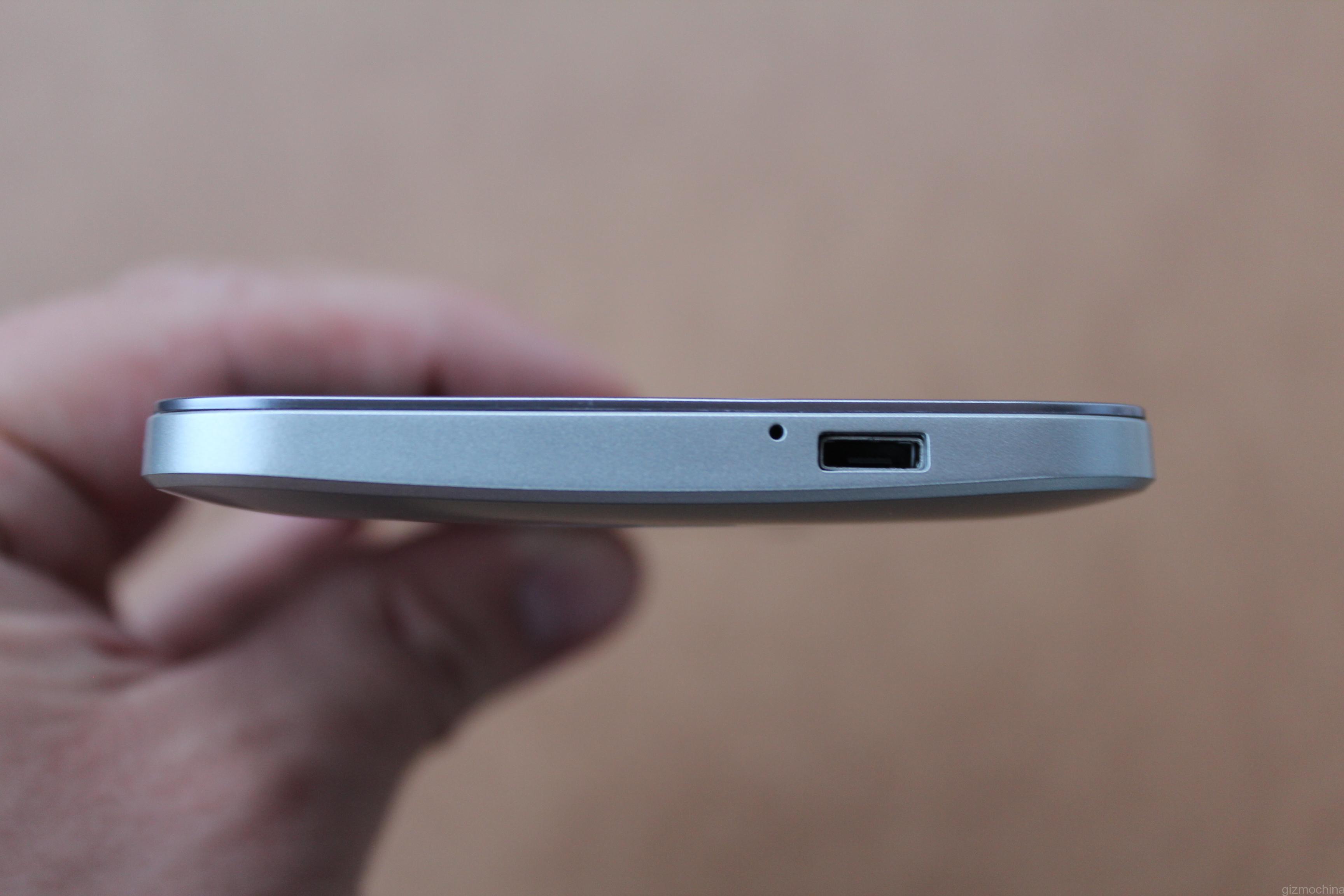
Finally, on the bottom you can find a micro USB charging port along with the main microphone.
Umi Iron: INITIAL IMPRESSIONS
Umi Iron has actually made a great first impression. The first things you are going to notice once you take the device out of the box is that it is not your usual budget smartphone as it is made almost entirely out of metal as the name Iron implies.
Although the device has a 5.5″ display, the smartphone sits very comfortably in the hand due to rounded edges and decent ergonomics.
Other impressions include that it has a great, bright and vibrant display and the UI is running very smoothly.
Stay tuned for the full written and video reviews to Gizmochina. Also, some very hot new devices are coming to the review labs!
We use cookies on our website to give you the most relevant experience by remembering your preferences and repeat visits. By clicking “Accept”, you consent to the use of ALL the cookies.
This website uses cookies to improve your experience while you navigate through the website. Out of these, the cookies that are categorized as necessary are stored on your browser as they are essential for the working of basic functionalities of the website. We also use third-party cookies that help us analyze and understand how you use this website. These cookies will be stored in your browser only with your consent. You also have the option to opt-out of these cookies. But opting out of some of these cookies may affect your browsing experience.
Necessary cookies are absolutely essential for the website to function properly. This category only includes cookies that ensures basic functionalities and security features of the website. These cookies do not store any personal information.
Any cookies that may not be particularly necessary for the website to function and is used specifically to collect user personal data via analytics, ads, other embedded contents are termed as non-necessary cookies. It is mandatory to procure user consent prior to running these cookies on your website.






.186.jpg?x96852)
.104.jpg?x96852)
.011.jpg?x96852)
.020.jpg?x96852)
.013.jpg?x96852)
.103.jpg?x96852)
.107.jpg?x96852)
.070.jpg?x96852)
.059.jpg?x96852)
.069.jpg?x96852)
.006.jpg?x96852)
.012.jpg?x96852)
.019.jpg?x96852)