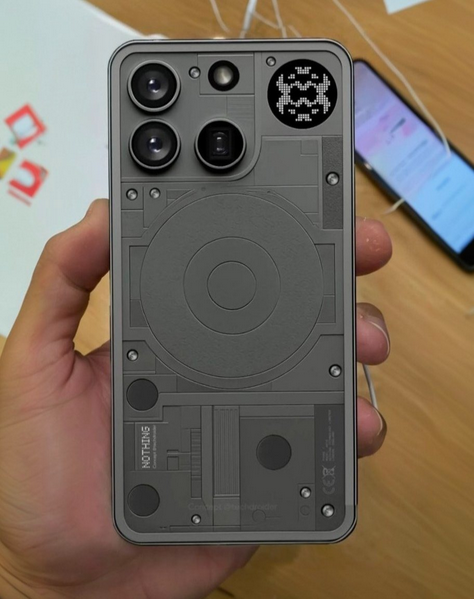
The highly anticipated Nothing Phone (3) has just passed through another major certification that has revealed some of its key hardware features and a few more specifications. From battery capacity to fast charging speeds, the Nothing Phone (3) is getting upgrades all around, so here’s what was confirmed.
Nothing Phone (3) surfaces with bigger battery and faster charging
Nothing’s first “true flagship” smartphone has just been spotted on the FCC database (Via TheTechOutlook), carrying the A024 model number. This device has been listed running on the Android 15 OS based on Nothing OS 3.3. It is also confirmed to feature 5G, triple band WiFi 6E, Bluetooth, and NFC for connectivity. But one of the more notable details that was revealed is the sizeable 5,150mAh battery capacity.
Nothing Phone (3)
This isn’t impressive considering Chinese flagships’ battery size improvements, but it is still competitive in the global market against Apple and Samsung. You’re also getting an improvement over its predecessor, which debuted with a smaller 4,700mAh cell. Fast charging is also seeing a rise from the Nothing Phone (2)’s 45W wired fast charging to 65W wired fast charging. Wireless charging likely returns on this model, but the charging speeds have yet to be officially revealed.
But a massive leak confirmed many of its major features, like the 6.7-inch LTPO OLED display with a 1.5K resolution. Under the hood, it will pack the Snapdragon 8s Gen 4 SoC. On the rear, the device may feature a 50MP main + 50MP 3x telephoto + 50MP ultra wide angle camera setup. For selfies and video calls, the front is expected to house a 50MP shooter. Nothing is set to debut the Phone (3) on July 1, so stick around for more.
For more daily updates, please visit our News Section.
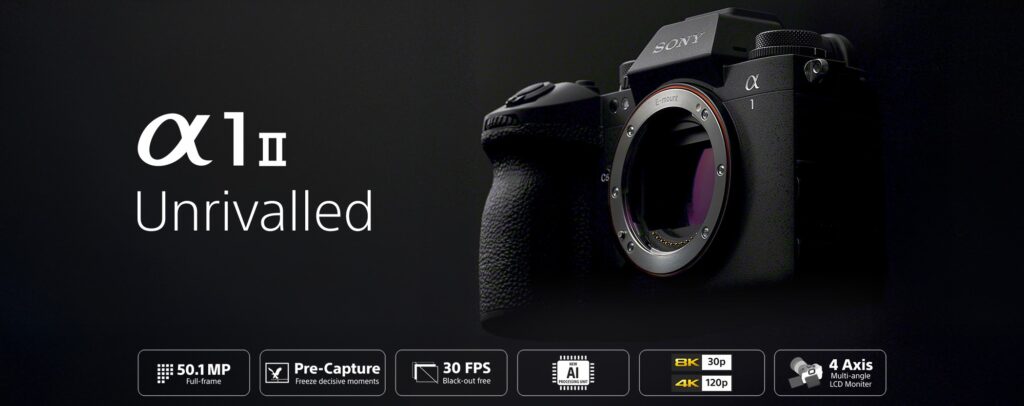
Sony has released the Alpha 1 II in India, a new full-frame mirrorless camera with a 50.1MP Exmor RS CMOS sensor and the BIONZ XR processor. It weighs 743g with battery and cards, and 658g without.
The camera supports ISO 100–32,000 for both stills and video. Stills ISO is expandable to 50–102,400. Autofocus uses a fast hybrid system with 759 phase-detection points and real-time recognition powered by AI. Subject detection includes humans (pose estimation), animals, birds, insects, cars, trains, and airplanes.
AF works in low light down to EV-4 (with F2.0 lens). It shoots continuously at 30 fps without blackout and calculates AF/AE tracking up to 120 times per second. Pre-capture mode saves shots taken up to one second before the shutter is pressed. There’s also a shooting speed boost option.
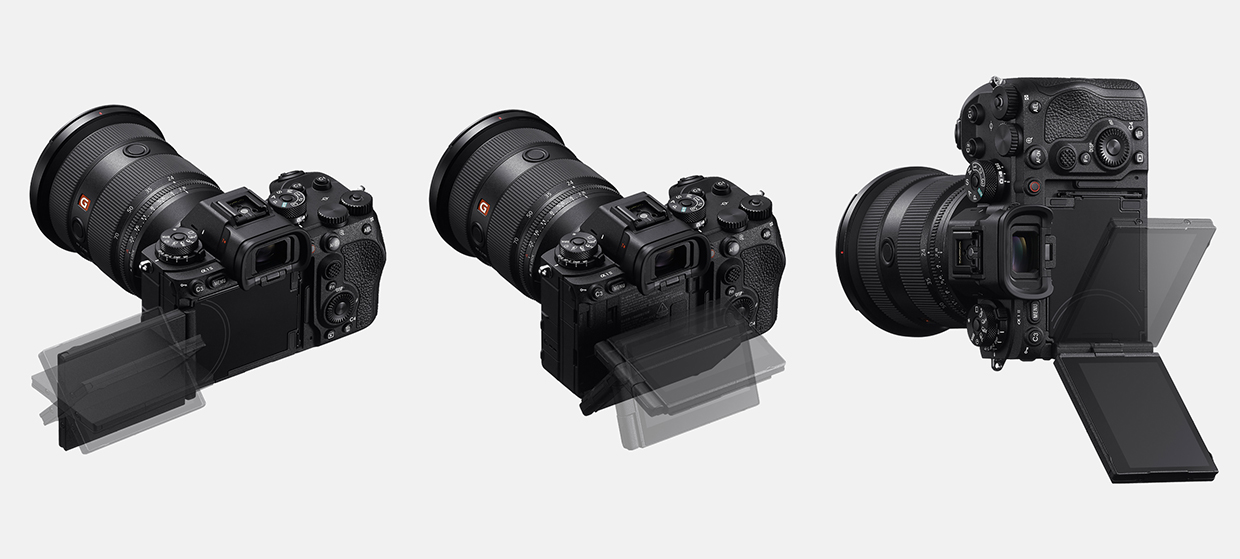
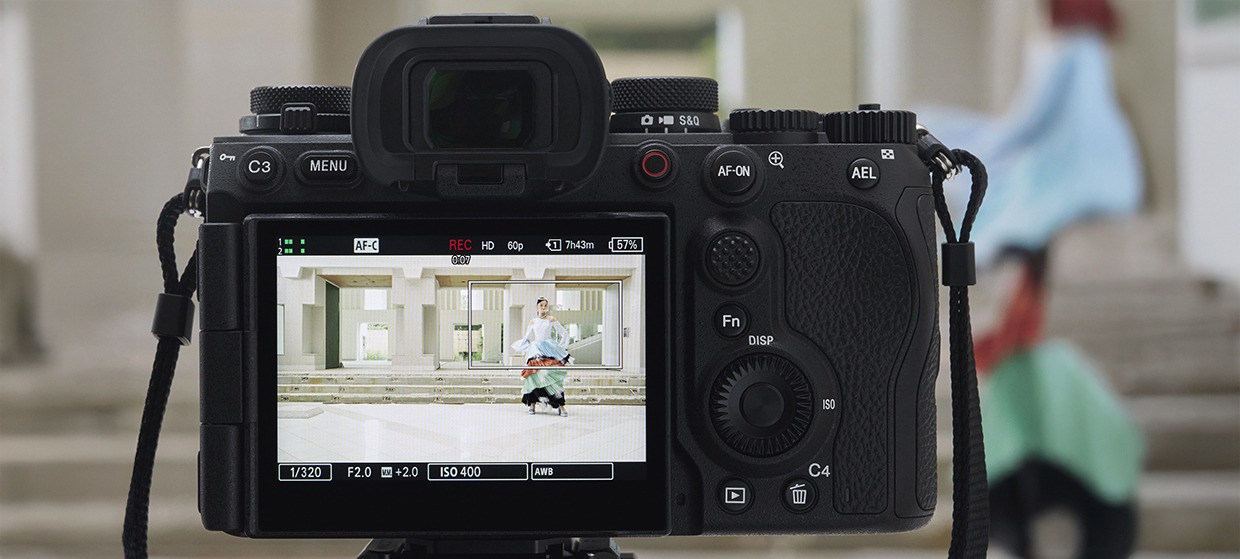
The camera supports pixel shift mode (4-shot / 16-shot), 5-axis image stabilization (8.5 stops center, 7.0 periphery), and dynamic active mode for video. It uses a 0.64″ Quad-XGA OLED viewfinder with 9.44 million dots, 0.90x magnification, and a 240Hz refresh rate. The 3.2″ LCD monitor has 4-axis tilt, 2.1 million dots, and is touch-enabled.
Video can be recorded in 8K 10-bit 4:2:2 XAVC HS (up to 520 Mbps) and 4K from oversampled 8K/5.8K. Proxy and RAW HDMI output are supported. Frame rates go up to 4K/120p and Full HD/240p depending on format. Formats include HEIF, JPEG, 14-bit RAW, and XAVC HS, S, S-I.
It has dual CFexpress Type A / SD UHS-I/II slots. Connectivity options include LAN (2.5GBASE-T), USB-C 3.2 Gen 2, HDMI Type-A, Wi-Fi (2.4/5GHz), and Bluetooth 5.0. Audio ports include 3.5mm mic-in, headphone-out, built-in stereo mic, and mono speaker. Streaming supports up to 4K30p via USB or network (RTMP/SRT).
Battery is NP-FZ100, giving up to 520 shots via LCD. Charging options include USB PD and BC-ZD1 dual charger (155 min). The body is magnesium alloy, dust/moisture resistant. Size is 136.1 × 96.9 × 82.9 mm (full depth) or 72.8 mm (with grip monitor).
Pricing & availability
The Alpha 1 II (ILCE-1M2/BQ IN5) will be available in India starting June 25, 2025, at a price of ₹5,79,990 (~$6,747). It can be purchased through Sony Centers, Alpha Flagship stores, major electronics retailers, ShopatSC.com, and other leading e-commerce platforms.
For more daily updates, please visit our News Section.
In a surprising twist, the successor to the OnePlus 13s is rumored to pack a larger battery than the upcoming OnePlus 15. While flagship models often carry the highest specs across the board, this leak suggests OnePlus may prioritize endurance in its compact flagship model. This model could be dubbed the OnePlus 15T (OnePlus 15s in the global market), so here’s what we know.
OnePlus 15T Rumor: Big Battery in Small Size
OnePlus 13T
The latest information arrives from a reliable Chinese tipster, Digital Chat Station (Via NotebookCheck), who shared the details on Weibo. In the online post, he claimed that the next-gen small phone from OnePlus is getting some serious upgrades, which might make it a proper flagship compared to the OnePlus 13s. DCS states that the OnePlus 15T will sport a 6.3-inch flat display with a 1.5K resolution. Sticking to the flagship performance, the device could pack the Snapdragon 8 Elite 2 SoC.
It will reportedly be released in the first half of next year with a metallic middle frame and a 3D ultrasonic fingerprint sensor. This is another upgrade over the OnePlus 13T/13s’ optical fingerprint scanner. But the highlight of this leak is regarding the battery size. While the exact capacity is unknown, Digital Chat Station believes that the OnePlus 15T could outclass the flagship OnePlus 15 in terms of battery life. With the OnePlus 13T already pushing a 6,000mAh+ battery, the successor might breach the 7,000mAh capacity.
Unofficial OnePlus 15T Concept Render
For a little more context, OnePlus is expected to skip the 14 series and get straight to the OnePlus 15 lineup. The tall flagship is expected to debut in China in the second half of this year, with early rumors already hinting at its 6.78-inch LTPO 2.5D flat display and Snapdragon 8 Elite 2 chipset. This is all the information we have at the moment, so stick around for more.
For more daily updates, please visit our News Section.
Announced in November 2024, the Dimensity 8350 is a high-performance mobile chipset from MediaTek, featuring an 8-core CPU with up to 3.35GHz maximum frequency and a Mali-G615 MP6 GPU for visual rendering. The chipset does a pretty good job at handling resource-intensive tasks while offering excellent battery efficiency.
The Snapdragon 8 Gen 3, on the other hand, was announced a year before the Dimensity 8350, but it’s still a popular choice among flagship devices. The chip rocks more powerful CPU cores and a capable Adreno 750 GPU that excels at graphics rendering. But which chipset outperforms the other? Let’s deep dive into the benchmarks, key strengths, and weaknesses to see how the Dimensity 8350 and Snapdragon 8 Gen 3 stack up against each other.
Dimensity 8350 vs Snapdragon 8 Gen 3: Benchmark comparison
Note: The following benchmark tests were conducted on the Oppo Reno 13 (Dimensity 8350) and Xiaomi 14 Ultra (Snapdragon 8 Gen 3).
AnTuTu score
The Snapdragon 8 Gen 3 delivers a commanding lead over the Dimensity 8350, posting a total score of 1,937,417 — roughly 43% higher than the 8350’s 1,352,732. The performance gap is evident across all components. In the CPU test, the Snapdragon chip scores 419,604 versus the Dimensity’s 289,855 — a 45% boost in processing power.
The GPU difference is even more striking: 829,698 on the Snapdragon 8 Gen 3 compared to 513,784 on the Dimensity 8350, marking a 61% jump in graphics performance, which directly benefits gaming and heavy visual workloads. The Snapdragon chip also pulls ahead in memory (382,043 vs 278,071) and UX (306,072 vs 271,022) tests.
Dimensity 8350
Snapdragon 8 Gen 3
AnTuTu score
1,352,732
1,937,417
CPU
289,855
419,604
GPU
513,784
829,698
Memory
278,071
382,043
UX
271,022
306,072
Geekbench score
The Snapdragon 8 Gen 3 again outpaces the Dimensity 8350 by a significant margin. It scores 2,185 in the single-core test, which is about 63% higher than the Dimensity 8350’s 1,342. This means much faster responsiveness in everyday tasks like app launches, web browsing, and UI interactions.
The multi-core performance tells a similar story. The Snapdragon chip delivers a score of 6,735 compared to the Dimensity 8350’s 4,028 — a massive 67% improvement, which translates to smoother performance in heavy multitasking, gaming, and demanding apps.
Dimensity 8350
Snapdragon 8 Gen 3
Single core
1,342
2,185
Multi core
4,028
6,735
Dimensity 8350 vs Snapdragon 8 Gen 3 — key differences you should know
Performance
Both chips feature eight CPU cores and utilize TSMC’s 4nm manufacturing facility, but there are significant differences beneath the surface. For instance, the Dimensity 8350 features four Cortex-A715 performance cores and four Cortex-A510 efficiency cores, while the Snapdragon chip rocks more performance-friendly and efficient cores — one Cortex-X4 large core, five Cortex-A720 performance cores, and two Cortex-A520 efficiency cores. The latter also benefits from a larger cache memory.
For graphics rendering, the Dimensity chip features a Mali-G615 MP6 GPU. It offers a higher peak frequency, but the Adreno 750 GPU on the Snapdragon chip performs better overall, thanks to its larger shading units, total shaders, and floating-point operations per second (FLOPS). That’s also reflected in benchmark scores.
Both chipsets also feature NPU for on-device AI capabilities. The Dimensity chip features a MediaTek NPU 780, which offers 8 times faster generative AI and 3.3 times faster AI performance compared to its predecessor. It’s also twice as fast in terms of integer and floating-point compute improvement.
On the other hand, the Qualcomm chip features a hexagon NPU, which offers 98% better performance and 40% higher performance per watt compared to its predecessor. It supports generative AI models with up to 10 billion on-device parameters, the same as the Dimensity 8350.
Connectivity
The Dimensity 8350 features a built-in 5G modem with a maximum download speed of up to 5.17Gbps, while the Snapdragon 8 Gen 3 (with X75 5G modem) offers a significantly higher peak download speed of 10Gbps.
The Snapdragon chip also offers higher speed on Wi-Fi connections, thanks to Wi-Fi 7 support, whereas the Dimensity 8350 supports Wi-Fi 6E. Both chipsets come with all the necessary positioning systems and the same Bluetooth 5.4 standard.
In short, both chips offer necessary connectivity features, which is sufficient for most users, but the Snapdragon chip unlocks higher connection speed.
Camera
The camera also brings several key differences that you should be aware of. The Dimensity 8350 features a 14-bit HDR ISP with support for up to 320MP resolution. It can record up to 4K/60fps HDR video. The chip also features a range of camera features, including Video HDR, Video Bokeh, Video EIS, Video NR, and AI Color for Capture.
The Snapdragon chip has an 18-bit triple ISP that supports a maximum resolution of 200MP. It allows up to 8K/30fps or 4K/120fps video recording and features a host of camera features, such as Truepic photo capture, Mega Low light photography, Engine for Visual Analytics 3.0, Video super resolution, and more. Additionally, the Snapdragon 8 Gen 3 enables real-time semantic segmentation for photos and videos (up to 12 layers) for detailed optimizations.
Display, memory, and storage
The Dimensity 8350 allows WQHD+ screen resolution at 120Hz refresh rate and FHD+ resolution at 180Hz. The Snapdragon chip, however, allows a higher 4K Ultra HD resolution at 60Hz and QHD+ at 144Hz.
Both chipsets bring UFS 4.0 storage and LPDDR5x memory, but the Snapdragon chip allows the memory to run at a higher speed (4.8GHz vs 4.2GHz), offering additional performance boost.
Dimensity 8350 vs. Snapdragon 8 Gen 3: which is better?
While both the Dimensity 8350 and Snapdragon 8 Gen 3 are powerful chips built on a 4nm process, the Snapdragon 8 Gen 3 clearly stands out as the more capable performer. It consistently outpaces the Dimensity 8350 in all benchmark tests — AnTuTu, Geekbench, and GPU performance — and offers more advanced CPU architecture, faster memory speeds, and superior connectivity features like Wi-Fi 7 and higher 5G download speeds.
That said, the Dimensity 8350 still holds strong as a solid upper mid-range chipset, delivering reliable performance, excellent power efficiency, and rich camera capabilities for most users. But if you’re after flagship-tier speed, gaming, and cutting-edge features, the Snapdragon 8 Gen 3 is the obvious choice.
Dimensity 8350
Snapdragon 8 Gen 3
Announced
November 2024
October 2023
Process node
4nm
4nm
Manufacturer
TSMC
TSMC
CPU
1 x 3.35GHz — Cortex-A715 3 x 3.2GHz — Cortex-A715 4 x 2.2GHz — Cortex-A510
1 x 3.3GHz — Cortex-X4 3 x 3.15GHz — Cortex-A720 2 x 2.96GHz — Cortex-A720 2 x 2.27GHz — Cortex-A520
GPU
Mali-G615 MP6 GPU Hardware ray tracing support MediaTek HyperEngine Adaptive Gaming Technology
Adreno 750 GPU Hardware ray tracing support Snapdragon Elite Gaming features
NPU
MediaTek NPU 780
Qualcomm Hexagon NPU
Storage Memory
UFS 4.0 LPDDR5x — 4.2GHz
UFS 4.0 LPDDR5x — 4.8GHz
Camera
MediaTek Imagiq 980 HDR ISP (14-bit) Up to 320MP camera resolution Up to 4K/60fps video recording
Qualcomm Spectra Cognitive Triple ISP (18-bit) Up to 200MP camera resolution Up to 8K/30fps video recording Real-time semantic segmentation (max 12 layers)
Connectivity
MediaTek 5G modem Download speed: 5.17Gbps (max) Wi-Fi 6E Bluetooth 5.4
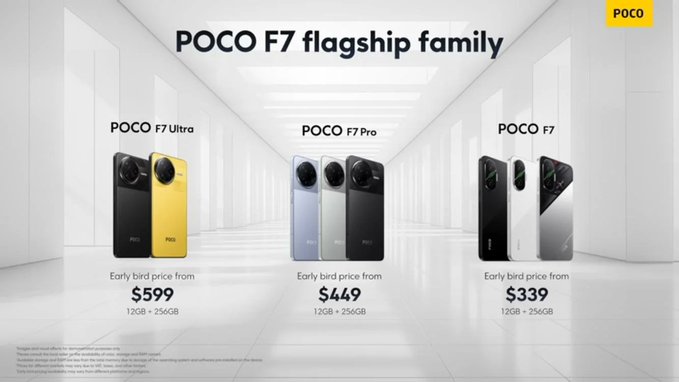
The POCO F7 announcement is just a couple of hours away, and we already know a lot about the upcoming budget flagship phone. But despite this, another massive leak has just surfaced online that reveals the device’s entire specs sheet along with the global pricing.
POCO F7 Leak: Top-tier performance on a budget
The latest leak was shared by known tipster Abhishek Yadav, who shared the details on X (formerly Twitter). In the tweet, he shared a bunch of official looking marketing material that confirms its specs and pricing. The new POCO F7 will sport a tall 6.83-inch AMOLED display with a 1.5K resolution and a 120Hz refresh rate. We can also see the massive 6,500mAh battery pack on the global version, which is smaller than the Indian variant that houses a larger 7,550mAh cell.
POCO F7 Series Price Leak
It supports 90W wired fast charging and 22.5W reverse charging. Other notable features include a futuristic cyber design, IP68 rating for water and dust resistance, flagship level glass back and a metallic frame, Sony IMX882 dual 50MP camera setup, and Snapdragon 8s Gen 4. In the past, the Indian pricing of this device was tipped to be around Rs 35,000 (~$400). But the leak confirms its $339 global price tag for the 12GB + 256GB model, while the 12GB + 512GB variant costs $399.
Abhishek also revealed the Philippine pricing as well in another tweet. The starting variant may cost P23,999, while the top-end model may sell for P25,999. Early buyers get a P3,000 discount, and there could also be a voucher for P1,500. This is all the information we have at the moment, so stick around for more as we will be covering the launch event later in the evening.
For more daily updates, please visit our News Section.
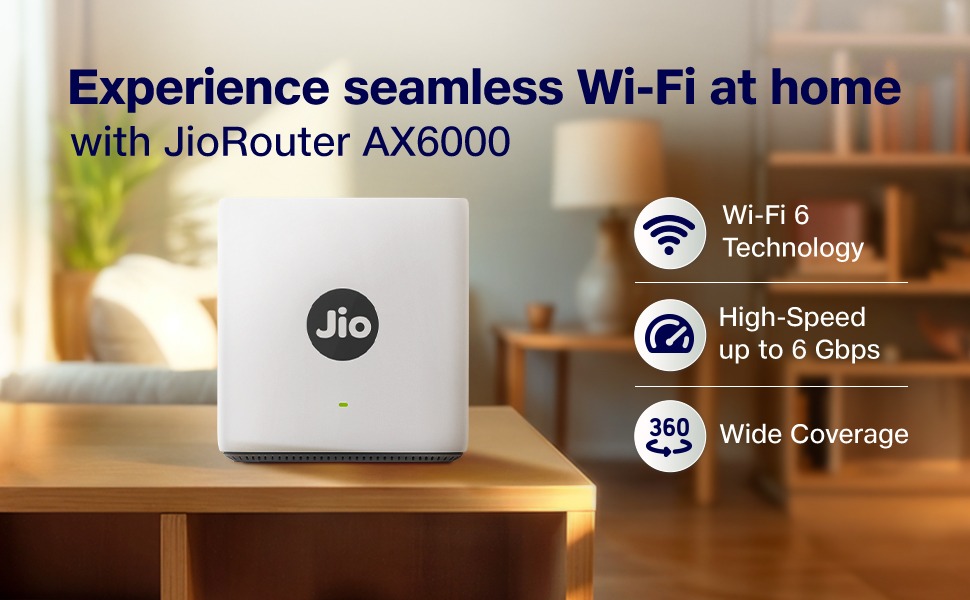
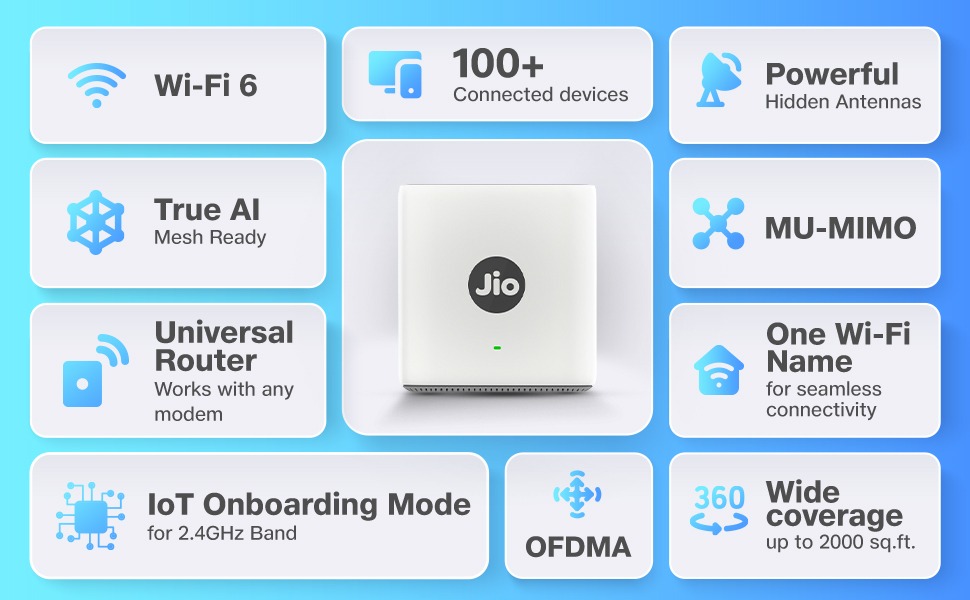
Reliance Jio has launched the AX6000 Universal Wi-Fi 6 Router for home users who need fast and stable internet. The router is powered by a quad-core chipset and supports speeds up to 6,000 Mbps. It can cover areas up to 2,000 sq. ft. and handle over 100 connected devices.
The AX6000 works on both 5 GHz and 2.4 GHz bands. It offers up to 4,800 Mbps on 5 GHz and 1,200 Mbps on 2.4 GHz. It uses 8 internal antennas and supports OFDMA and MU-MIMO, which help maintain performance when many devices are connected. The router has WPA3 encryption for better security. It also supports Smart Roaming, which automatically switches between bands to keep the connection steady.
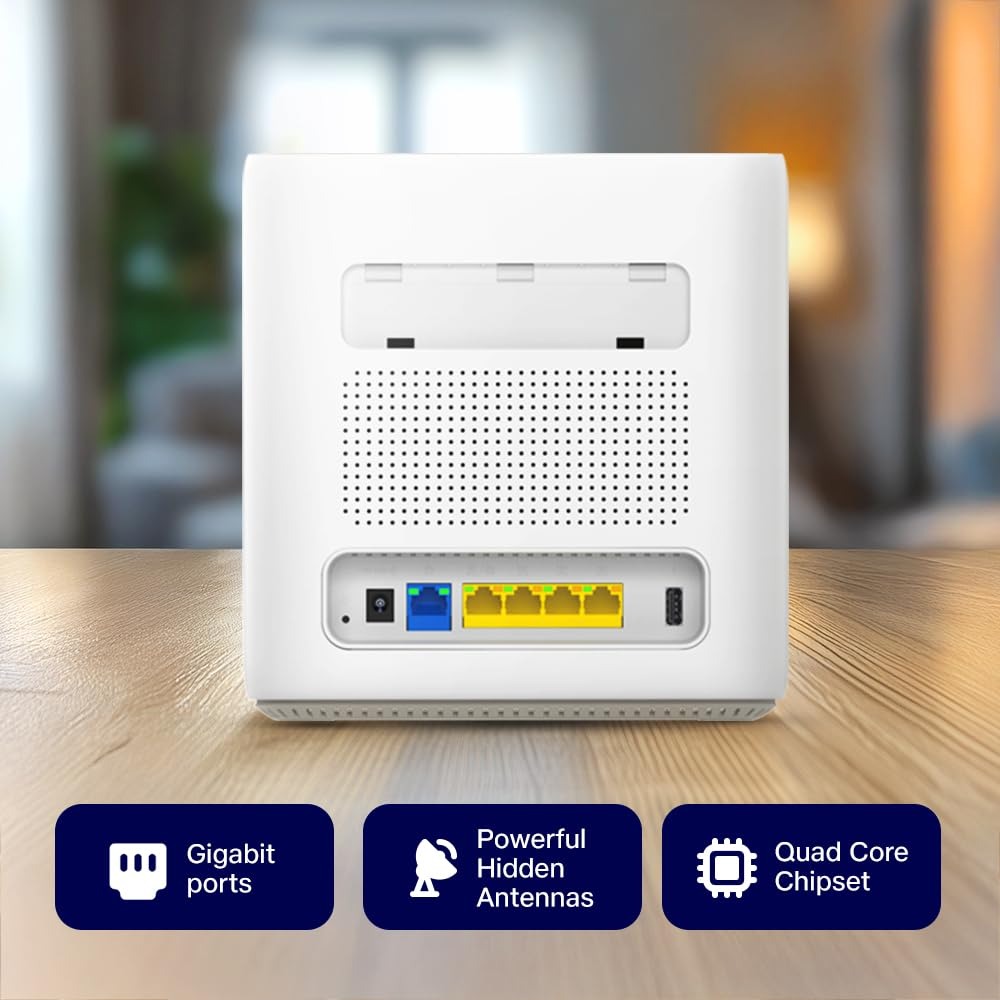
The device is AI Mesh-ready and works with Jio True AI Mesh extenders like the JE6801. This allows users to expand coverage across their homes. The JioHome app helps manage the router, set up parental controls, and onboard smart devices like lights, cameras, and voice assistants. There are 5 Gigabit Ethernet ports for wired devices. Other features include guest network support and smart in-app controls.
However, the AX6000 only supports ISPs using DHCP. It does not work with PPPoE or IPoE connections, so users with BSNL or similar providers won’t be able to use it. The router’s dimensions are 16.4 × 16.55 × 7.6 cm, and it weighs 1.8 kg. It comes with a 1-year warranty on the router and a 6-month warranty on the adapter.
Pricing & availability
The Jio AX6000 is available in white and is priced at ₹5,999. It can be purchased from Amazon, Reliance Digital, JioMart, and other retail partners.
For more daily updates, please visit ourNews Section.
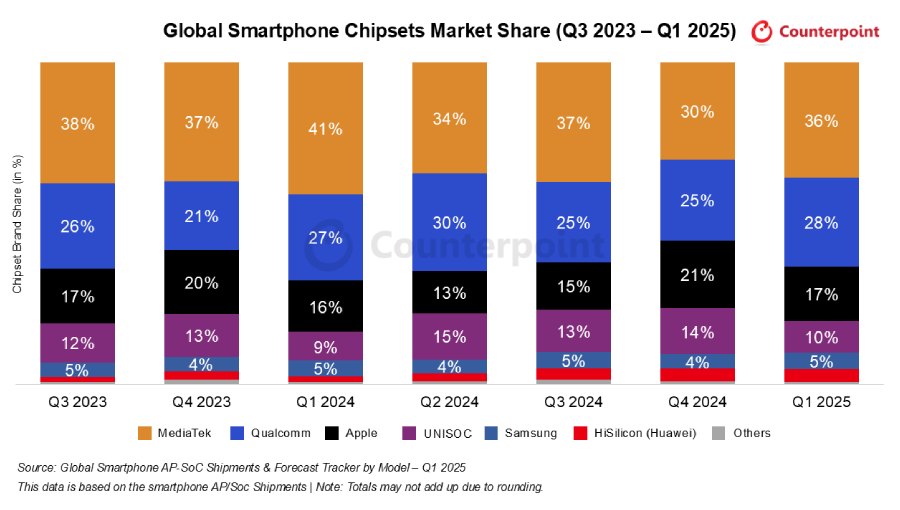
Market research firm Counterpoint recently shared statistics for the global smartphone SoC market share in the first quarter of 2025, and MediaTek came out ahead in the race.
According to the report, MediaTek captured 26% of global smartphone SoC shipments during the quarter. The company posted quarter-over-quarter growth because of strong demand for entry-level and mainstream chips.
In particular, Counterpoint notes that the Dimensity 8400 helped lift MediaTek shipments in the mid-to-high-end segment, even as the premium-tier volumes slipped.
Qualcomm follows closely with a 28% market share. Although its shipment volume remained flat compared to the previous quarter, the U.S. chipmaker maintained its position due to continued demand for its high-end processors.
The Snapdragon 8 Elite is doing most of the heavy lifting here. It’s the go-to chip for many of this year’s flagships and is also the exclusive SoC for Samsung’s Galaxy S25 series. Counterpoint also notes that the Snapdragon 8 Gen 3 continues to perform well for Qualcomm.
Huawei settles for number six
Apple ranks third in the table with a 17% market share. Its shipments rose year-over-year, thanks to the iPhone 16e powered by the Apple A18 chip. However, seasonal slowdown is said to have curbed its quarter-over-quarter growth.
UNISOC and Samsung secured the fourth and fifth spots with 10% and 5% market shares, respectively. UNISOC experienced a sequential decline in shipments, largely due to weaker LTE chipset demand. Even so, the company continued to perform well in the sub-$99 segment, thanks to its budget LTE offerings.
Samsung’s Exynos division, on the other hand, posted some growth last quarter. The Galaxy A56 with Exynos 1580 and the A16 5G with Exynos 1330 helped drive this uptick. Shipments of the Exynos 1380 also rose, supported by strong demand for the Galaxy A26 series.
Huawei’s HiSilicon ranked sixth with a 4% market share. Although its shipments declined quarter-over-quarter, the company continued to benefit from strong domestic brand loyalty. The Nova 13 series with the Kirin 8010 and the flagship Mate 70 featuring the Kirin 9020 supported HiSilicon’s performance during the quarter.
For more daily updates, please visit our News Section.
Vivo has just unveiled a brand new budget smartphone in the Indian market. For under Rs 10,000, the Vivo T4 Lite packs a capable chipset, a mammoth battery pack, and a smooth display. So here’s everything you need to know.
Vivo T4 Lite: What does it offer?
The Vivo T4 Lite sports a tall 6.74-inch LCD panel with an HD+ resolution and a 90Hz refresh rate. The front also has a water drop notch for the selfie camera. Under the hood, it is equipped with the MediaTek Dimensity 6300 SoC, which is an older mid-range processor. This chip is paired with up to 8GB of RAM and up to 256GB of internal storage. Both the memory and storage can be boosted thanks to virtual RAM expansion and a microSD card slot (up to 1TB) respectively.
Vivo T4 Lite
Vivo packs the T4 Lite with a huge 6,000mAh battery pack, which supports 15W wired fast charging. For optics, the rear has a 50MP Sony primary camera along with a 2MP depth sensor. The front houses a 5MP shooter for selfies and video calls. Out of the box, this model runs on the Android 15 OS based Funtouch OS 15 custom skin. Other notable features include an IP64 rating for water and dust resistance, Dual SIM support, Bluetooth 5.4, and a side mounted fingerprint scanner.
Pricing and Availability
The Vivo T4 Lite just debuted in India in two color options, namely Prism Blue and Titanium Gold. It has a starting price tag of Rs 9,999 for the 4GB + 128GB variant, while the 6GB + 128GB and 8GB + 256GB options cost Rs 10,999 and Rs 12,999. This model will go on sale on 2nd July 2025 via Flipkart, Vivo’s official website, and offline retailers. For those excited for the budget flagship Vivo X200 FE in India, you can click here to check out its global release.
For more daily updates, please visit our News Section.
boAt has launched the Airdopes Prime 701 ANC, its most feature-rich true wireless earbuds to date. The new earbuds are designed for daily use, gaming, and travel, with a strong focus on sound quality and convenience.
The Airdopes Prime 701 ANC features 46dB Hybrid Active Noise Cancellation, which blocks background noise 40% better than regular ANC models. It also supports Spatial Audio and 24-bit playback for clear and immersive sound across all devices.
The earbuds include Mimi-powered Adaptive EQ that adjusts audio based on your hearing profile. For calls, AI ENx Technology filters out external noise to deliver clearer voice quality. The calling tech has been trained on over 1,000 hours of data from Indian environments.
Battery life extends up to 50 hours, tested over 500+ charging cycles. A 10-minute charge gives 180 minutes of playback with ASAP™ Charge. The 10mm dynamic drivers deliver boAt’s signature sound with deep bass and clear mids and highs.
Additional features include Smart In-Ear Detection for auto play and pause, IPX5 splash resistance, and Multipoint Connectivity for switching between devices. Gamers can use BEAST Mode for 60ms low-latency audio, reducing lag during gameplay or streaming. The earbuds work with the boAt Hearables App for controlling ANC, EQ settings, and firmware updates.
Pricing & availability
The Airdopes Prime 701 ANC is available in Zinc White, Obsidian Grey, and Titanium Blue. It is priced at ₹1,999 and is now on sale through Amazon, boAt’s website, and select retail stores.
Motorola has unveiled its new mid-range smartphone, the Moto G66j 5G, in Japan. The device comes packed with a 120Hz display, a MediaTek Dimensity 7060 chipset, and a large 5,200mAh battery. Designed to endure tough conditions, the phone carries IP68/IP69 and MIL-STD-810H certifications, making it one of the most durable smartphones in its class. Let’s take a closer look at the phone’s detailed specifications and pricing.
Moto G66j 5G specifications and features
Moto G66j 5G
The Moto G66j 5G features a 6.7-inch FHD+ LCD display with a 120Hz refresh rate, an FHD+ reoslution (2400 x 1080p), and 391ppi pixel density. For security, it features a side-mounted fingerprint scanner
Under the hood, the Moto G66j 5G features the MediaTek Dimensity 7060 processor, which includes two high-performance cores clocked at 2.6GHz and six efficiency cores at 2.0GHz. It comes with 8GB of RAM, which can be expanded up to 24GB using RAM Boost, and 128GB of internal storage, expandable via microSD card up to 2TB.
On the camera front, the Moto G66j sports a 50-megapixel Sony LYT-600 main sensor, paired with an 8-megapixel ultra-wide-angle lens. For selfies, it features a 32-megapixel front camera with quad pixel technology for improved low-light performance. The phone supports full-HD video recording at 60fps (rear) and 30fps (front).
The Moto G66j is equipped with connectivity options, such as 5G, Wi-Fi 5, Bluetooth 5.3, NFC, and dual SIM (nano SIM/eSIM). Other features include stereo speakers, a 3.5mm audio jack, dual microphones, support for FM Radio, and ThinkShield for added security. With its IP68/IP69 and military-grade durability, the phone is built to resist dust, water, and harsh conditions, while the Corning Gorilla Glass 7i adds an extra layer of screen protection.
Moto G66j 5G price and availability
The Moto G66j 5G will be available in three color options—Pantone Black Oyster, Pantone Dill, and Pantone Gray Mist. Scheduled to go on sale on July 10 in Japan, the G66 is priced at JPY 34,800 (~$220).
Motorola has also released the same phone under the name Moto G66y 5G for Y! Mobile, offering the exact same specifications. A global launch under the name Moto G66 5G is also expected soon.
For more daily updates, please visit our News Section.
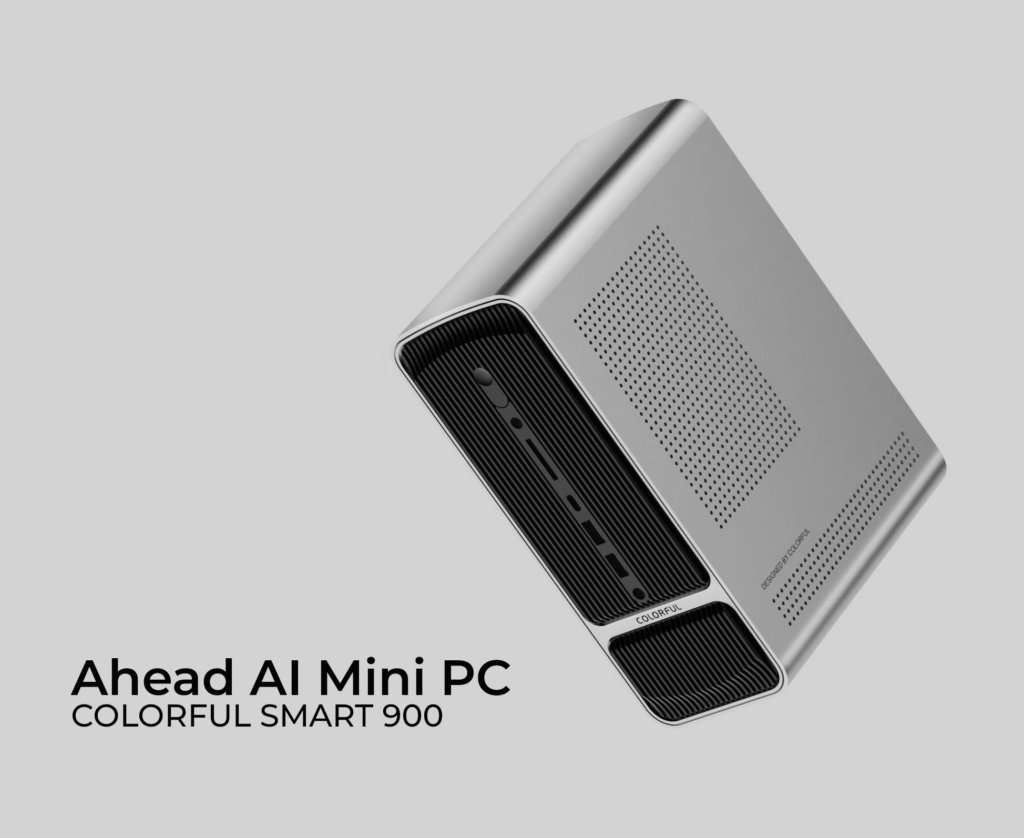
Colorful Technology has introduced a compact and performance-driven mini PC aimed at creators and professionals. The new launch, the Smart 900 AI Mini PC, blends portability with power for AI-related tasks. According to official sources, it is engineered to accelerate workflows in content creation and comes with premium design elements. Here’s a closer look at the device’s features and what buyers can expect.
Colorful Smart 900 AI Mini PC specifications and features
Colorful Smart 900 AI Mini PC
The Colorful Smart 900 is powered by the new Ryzen AI Max+ 395 processor built on the Zen 5 architecture. It features 16 cores and 32 threads, with a top speed of up to 5.1GHz and 80MB cache. For graphics, it integrates Radeon 8060S based on RDNA 3.5, offering performance similar to discrete GPUs. The dedicated NPU delivers up to 50 TOPS, handling AI tasks with ease.
Memory support includes LPDDR5 at 8000MHz, along with dual M.2 PCIe Gen4 SSD slots for fast storage. The mini PC comes with multiple connectivity options: USB 3.2 Gen2, USB 4.0 Type-C, SD 4.0 card reader, HDMI 2.1, and a 2.5G Ethernet port. Wireless connectivity includes Wi-Fi 7 and Bluetooth 5.2.
Colorful Smart 900 AI Mini PC
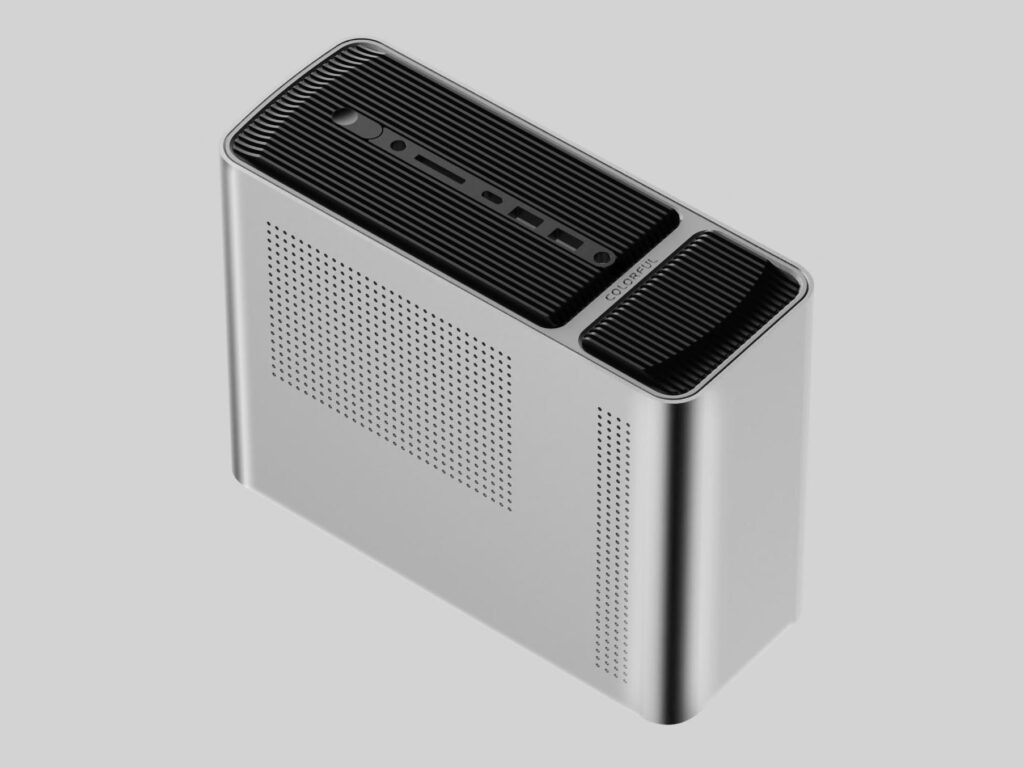
Built for portability, the Smart 900 has a 4-litre compact form factor with a CNC-machined aluminium chassis and anodised finish. It combines minimal aesthetics with a professional-grade feature set, making it ideal for mobile work setups.
Colorful Smart 900 AI Mini PC price and availability
Pricing and availability of the Colorful Smart 900 AI Mini PC will be announced based on regional markets. More details are expected in the coming weeks.
For more daily updates, please visit our News Section.
Xiaomi is preparing for a major product event on June 26 in China, and among the expected announcements is the Mix Flip 2, the company’s second-generation flip-style foldable.
This year, Xiaomi’s strategy around foldables appears more focused. The Mix Flip 2 is currently slated to be the only foldable phone from the company in 2025, with no Mix Fold 5 in sight. That alone makes it a bigger deal than it might have been otherwise.
Ahead of the launch, Xiaomi has already teased official images of the Mix Flip 2, and a few specs have surfaced through benchmark databases and certification listings. Between company teasers, benchmark tests, and leaks from Chinese tipsters, we have a fairly complete picture of the phone.
If you’ve seen the original Mix Flip, you won’t be surprised by the Mix Flip 2’s design. It retains the vertical camera layout of the original Flip, paired with minimal bezels on the cover screen. The device will be available in green, gold, and purple shades.
Physically, the Mix Flip 2 could be slightly more compact and lighter than its predecessor. It’s expected to weigh around 190 grams and measure 7.6mm thick when unfolded.
The company might also focus on improving its durability, as the Flip 2 is expected to feature a high-strength hinge and materials that have passed military-grade drop tests. The phone will be IPX8 rated, which means it’s technically water-resistant but not dustproof.
2. Bigger battery, faster charging
As for the battery, the Mix Flip 2 has been certified with a 5,100mAh battery, which would make it one of the largest in its category. For comparison, Samsung’s Galaxy Z Flip 5 packs a 3,700mAh battery while its predecessor has a 4,780mAh cell.
The Mix Flip 2 will be powered by Qualcomm’s Snapdragon 8 Elite, a chip that’s also expected to show up in other premium foldables like the Honor Magic V5.
A recent Geekbench listing for the phone, under the model number 2505APX7BC, confirms the chip and reveals scores of 2835 (single-core) and 8550 (multi-core). While benchmarks rarely tell the whole story, they do point to a noticeable performance bump over last year’s flagship foldables.
RAM appears to start at 12GB, though Xiaomi may offer higher-end configurations as well. The phone will run Android 15 out of the box, skinned with Xiaomi’s HyperOS 2.0 custom UI.
4. A taller main screen
The main display is expected to be a 6.85-inch LTPO AMOLED panel with 1.5K resolution and a 120Hz refresh rate. That size makes it one of the taller flip phones on the market, and it could improve usability in apps that require more vertical space. As for the external screen, leaks point to a 4.01-inch dual-curve display, which is a bit bigger than Mix Flip’s panel.
A larger outer screen means more utility for quick tasks — checking messages, controlling music, or using widgets — without needing to flip open the device. This kind of secondary display is becoming more central to how flip phones function, and Xiaomi is in the same line as Motorola’s Razr Plus or Samsung’s Z Flip series.
5. Cameras get the Leica treatment
Xiaomi’s ongoing partnership with Leica continues here. The Mix Flip 2 will reportedly ship with a 50MP main sensor that supports optical image stabilization, paired with a 50MP ultra-wide lens.
Of course, the impact of Leica branding on mobile camera performance is debatable — Xiaomi devices tend to handle tuning in-house — but it does give the phone a little more marketing weight in a crowded premium segment.
6. Other features and ecosystem tie-ins
The Mix Flip 2 is expected to support an in-display fingerprint scanner, NFC, and an IR blaster, continuing Xiaomi’s trend of packing in small but useful hardware features.
As for software, HyperOS 2.0 will likely bring more continuity features between Xiaomi phones, tablets, and smart home devices, especially given that the Pad 7S Pro and Redmi K Pad are also expected to launch at the same event.
While some of these additions may seem minor, they collectively make the device more competitive against foldables from Samsung and Motorola, which have sometimes cut corners in these areas.
7. No Mix Fold this year
The most interesting twist this year isn’t just the phone itself, it’s what’s not launching. According to early reports, Xiaomi has no plans to release a Mix Fold 5 in 2025. That leaves the Mix Flip 2 as the company’s sole foldable option this cycle.
Whether this is a response to sales data, supply chain issues, or a broader change in foldable strategy isn’t clear yet. But it’s a notable pivot, especially when competitors like Samsung and Honor continue to offer both fold and flip variants.
8. Global launch could happen soon after
As for availability, the Mix Flip 2 will launch in China first on June 26, alongside the Redmi K80 Ultra and two new tablets. But a global release is likely in July, based on Xiaomi’s typical launch schedule and regulatory filings. The K80 Ultra, by contrast, may remain exclusive to China or eventually launch globally as a rebranded Xiaomi 15T Pro later this year.
9. Positioning against the Galaxy Z Flip 7
Xiaomi’s launch also comes just ahead of Samsung’s expected debut of the Galaxy Z Flip 7, which will likely be its closest competitor. If the Mix Flip 2 delivers on its hardware promises, it could offer a real challenge to Samsung in markets where both are sold.
But Xiaomi’s foldables have so far been mostly limited to China, and even when they launch globally, software support and update timelines can lag behind brands like Samsung or Google. That’s still the biggest unknown with the Mix Flip 2: not what’s in the phone, but how well it will be supported over time.
For more daily updates, please visit our News Section.
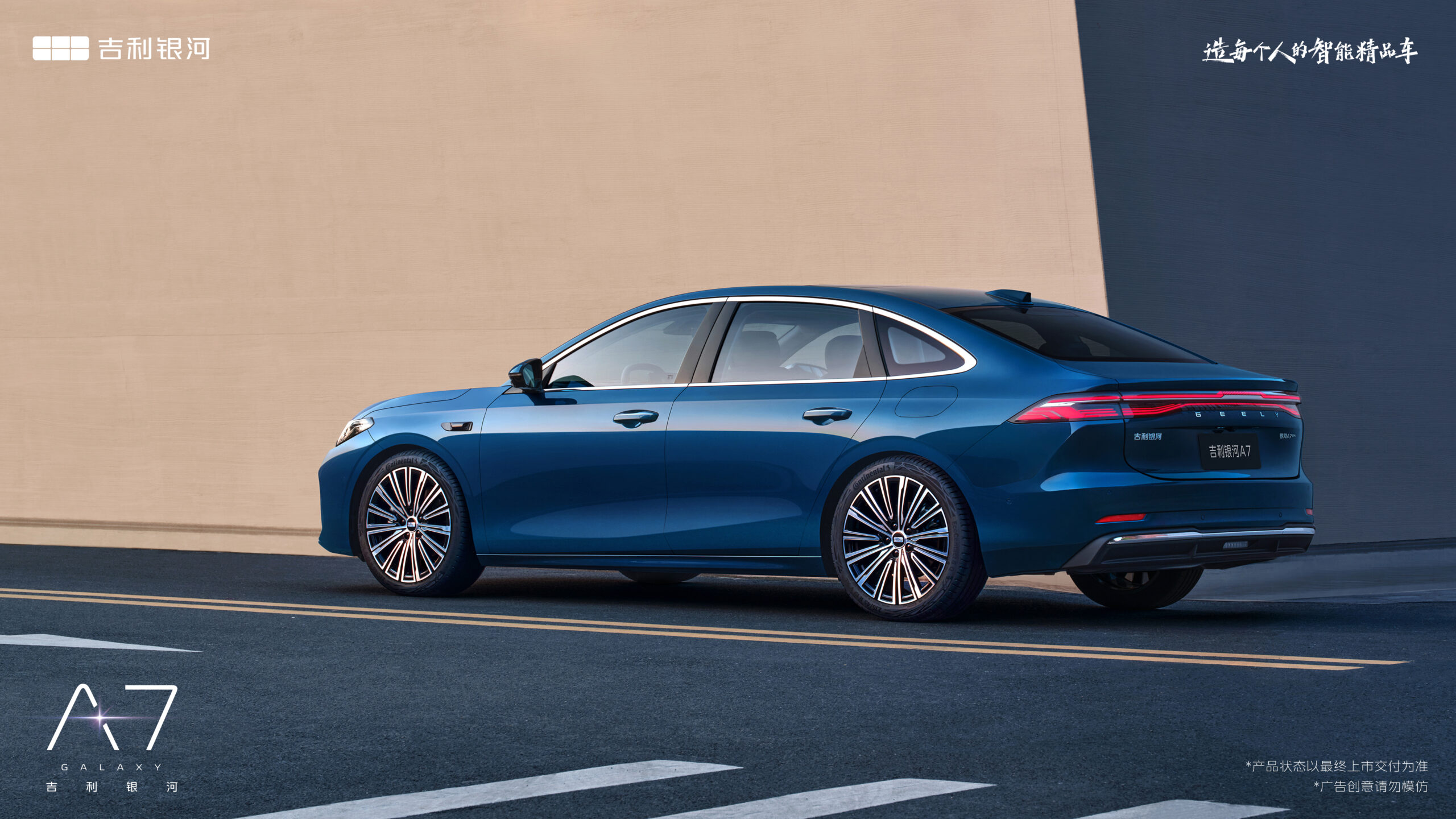
Geely Auto has launched the Galaxy A7 hybrid sedan, its latest model built on the new Global Intelligent Electric Architecture (GEA). It features the EM Super Hybrid 2.0 system and was unveiled at the Geely Science and Art Museum in Chongqing.
The Galaxy A7 delivers fuel efficiency of 2.67 liters per 100 kilometers and offers a driving range of over 2,100 kilometers. The hybrid engine has a thermal efficiency of 47.26%. It also includes the Xingrui AI Cloud Power 2.0 system and is the only model in its class with backup power from P1 and P3 motors, which keeps the car running even if the engine fails.
The A7 is the largest in its class. It has a wheelbase of 2,845 mm and a body length of 4,918 mm. The total cabin space is 4.2 square meters. Rear passengers get 950 mm of legroom and 132 mm of knee space. The seats have 10 layers and include a 14-point massage system for the waist, back, hips, and legs. There are 28 storage compartments and a 535-liter trunk.
The car keeps a classic sedan look with modern upgrades. It has 21 design elements to reduce drag, giving it a low drag coefficient of 0.229. The front has an integrated headlight bar with a 180-meter range. The rear has a “Sunrise” LED light bar. Inside, it has a layered design using leather, wood, and matte metal. Other features include 2,360 mm ambient lighting, music-enabled headrests, and large rear window panels for better light.
The A7 is the first to use the Flyme Auto system. It runs on a 23.5 EFLOPS AI platform and supports voice control, lane navigation, traffic light info, and full mobile connectivity.
The Short Blade Battery passed more than 100 extreme tests, including fire, water, and drop tests. The car body is reinforced with a high-strength frame and MacPherson suspension.
The Geely Galaxy A7 is set to launch in China in Q3 this year, with an estimated price range of 100,000 to 150,000 yuan (approximately 13,910 to 20,870 USD).
For more daily updates, please visit our News Section.
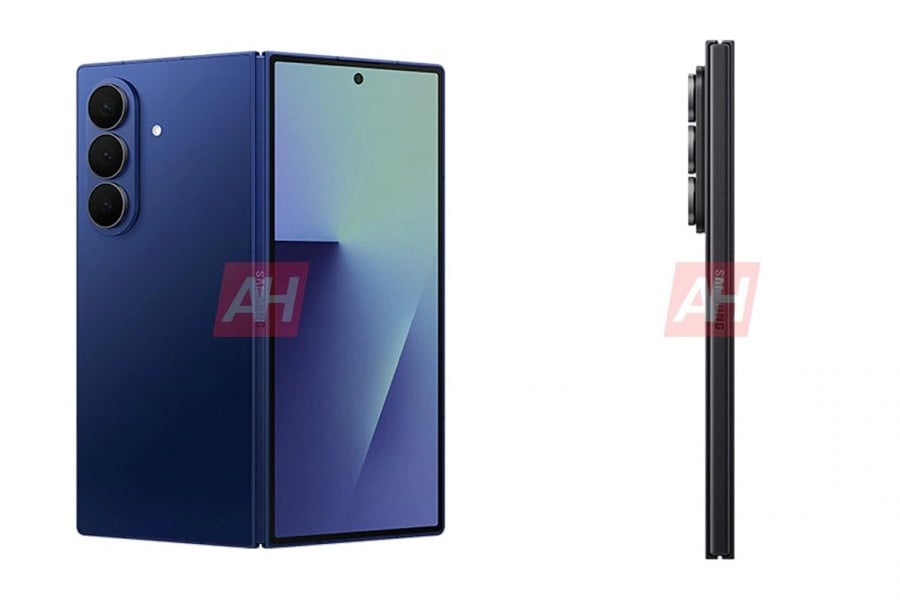
We’re still a couple of weeks away from Samsung officially unveiling the Galaxy Z Fold 7 and Galaxy Z Flip 7, but the rumor mill has already done most of the heavy lifting.
Samsung Galaxy Z Fold 7
Now, a new report might have dropped the final piece of the puzzle, the pricing, at least for the European market. The foldables were spotted on an Italian retailer’s website by the Dutch publication NieuweMobiel.
Yes, the prices are going up
According to the leak, the Galaxy Z Fold 7, listed under the codename “Q7,” will reportedly start at €2,227 for the 256GB variant, while the 512GB model could come in at €2,309. Both prices include Italy’s 22 percent VAT, and both are about €200 more expensive than last year’s Fold 6. Ouch.
The Galaxy Z Flip 7, codenamed “B7,” doesn’t escape the price hike either. Its 512GB version is reportedly priced at €1,425.51, around €100 more than its predecessor.
As always, it’s best to take pre-release pricing with a grain of salt. These listings have a tendency to shift, and official numbers will likely arrive at Samsung’s Unpacked event next month. But if these figures are accurate, Samsung’s next foldables could be the most expensive yet.
While the Fold 7 and Flip 7 might be expensive, a saving grace for Samsung could be the Galaxy Z Flip 7 FE. According to a previous report, the Flip7 FE will launch in Samsung’s home market at around KRW 1 million, which translates roughly to $740, €645, or £545.
Just don’t expect those converted prices to reflect actual global pricing. Local taxes and market positioning often push those numbers higher in the US and Europe.
Xiaomi is set to launch its first compact flagship tablet under the Redmi brand. The Redmi K Pad will debut later this month in China alongside the Redmi K80 Ultra smartphone. Ahead of the official unveiling, the company has shared key specifications, while early benchmarks and teardown videos have revealed additional details.
The Redmi K Pad features an 8.8-inch LCD panel with a 3008 x 1880 resolution and a 165Hz refresh rate. It supports Dolby Vision, DC dimming, and TÜV Rheinland certifications for low blue light and flicker-free visuals. The screen reaches a peak brightness of 610 nits and offers a pixel density of 403 PPI. Redmi claims the display surpasses the iPad mini in several key metrics, including clarity, brightness, touch sampling, and wet-hand usability.
The device uses a sandblasted metal unibody design that measures 6.46mm in thickness and weighs 336 grams. Redmi has optimized the 16:10 aspect ratio and dimensions for one-handed use and easy portability. It’s also one of the first tablet LCDs to feature a dual DDIC driver chip setup, which is normally reserved for large high-res displays, to improve clarity and refresh performance.
2. Performance and Hardware
The K Pad runs on the MediaTek Dimensity 9400+ processor, built on TSMC’s 3nm process. It includes a 1+3+4 CPU architecture with the primary core clocked at 3.73GHz. Paired with LPDDR5X RAM and UFS 4.1 storage, the tablet scored 2783 in single-core and 8915 in multi-core results on Geekbench 6.4.0.
Redmi uses a large 12,050mm² aluminum-alloy vapor chamber for thermal management. The motherboard sits at the center of the chassis to ensure even heat distribution. Foam padding inside the body adds protection in case of drops. Xiaomi has also integrated its “Turbo Engine 4.0” for thermal and power tuning, keeping things cool and stable under load. Thermal readings in game tests show the tablet running cooler than competing models under similar loads.
3. Cameras and Features
The device has a 13MP rear camera (OmniVision OV13B) and an 8MP front camera (OV08F), both mounted to support horizontal usage. The camera housing also integrates the antenna system to save space.
The software includes a floating game toolbar, advanced multi-window support, and display features like frame interpolation and color enhancement. It will also come with a dedicated game controller accessory, enhancing the gaming experience with more precise input and better control.
4. Gaming Performance
In real-world gaming tests, the Redmi K Pad performed on par with the Red Magic Gaming Tablet 3 Pro and Lenovo Legion Y700 (2025). All three tablets reached 119.9 FPS in Honor of Kings, but the K Pad consumed the least power at 5.7W and ran cooler with surface temperatures around 42.8°C. It delivered similarly strong results in Genshin Impact and Zenless Zone Zero, while maintaining efficiency and thermal control.
5. Battery and Charging
The Redmi K Pad packs a 7500mAh dual-cell battery. It supports 67W fast charging, though tests show it draws a maximum of 55W and charges fully in about 61 minutes. The device also supports Bypass Charging Plus, allowing it to draw power directly from the adapter during gameplay to reduce battery wear and heat buildup.
6. Audio and Connectivity
The tablet includes dual symmetrical speakers with a dual voice-coil design and N’Bass acoustic materials. Redmi claims a 78% increase in loudness with 15% reduced thickness. The speakers support Dolby Atmos and are positioned for optimal stereo output in landscape mode.
The K Pad features dual USB-C ports, with one dedicated to charging and the other for accessories. The main port supports USB 3.2 Gen 1 (5Gbps) and DisplayPort output. The tablet lacks a fingerprint sensor.
7. Launch Timeline
Redmi will officially launch the K Pad on the 26th of this month in China. Pricing details will be announced at the event. Based on its specifications and early tests, the K Pad appears to be a compact, gaming-focused tablet with premium features tailored for performance users.
For more daily updates, please visit ourNews Section.
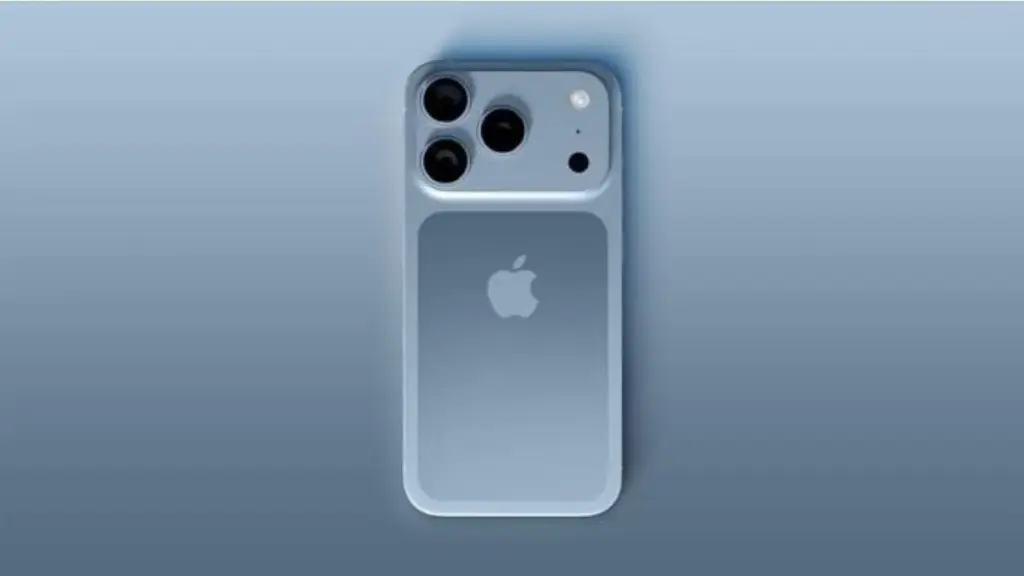
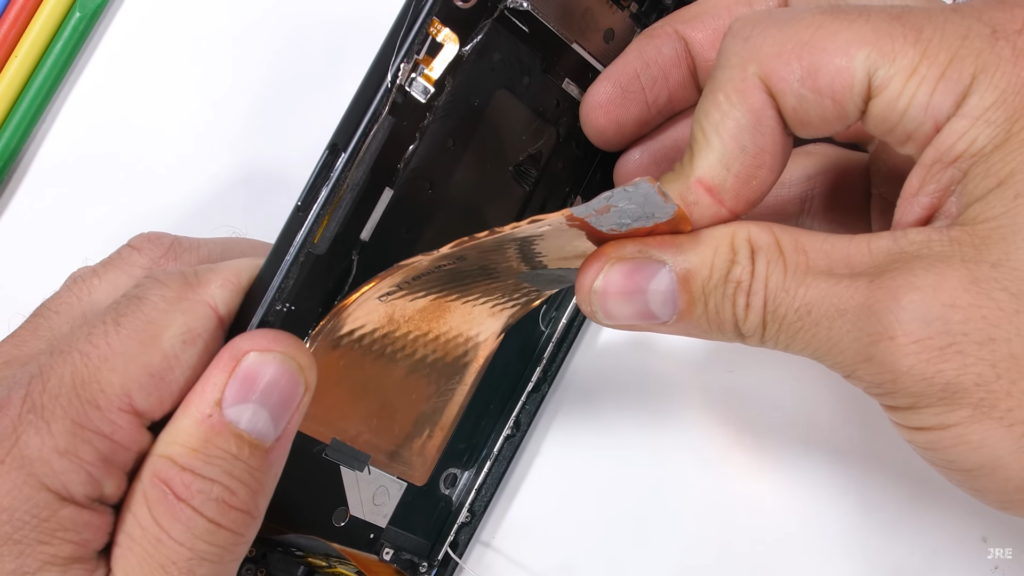
Apple’s upcoming iPhone 17 Pro might be getting a much-needed upgrade in the cooling department. According to recent leaks, Apple is planning to add a vapor chamber cooling system — a thermal solution all Android flagships and even most mid-range phones have been using for years — to help handle the growing demands of gaming, AI, and similar resource-intensive tasks.
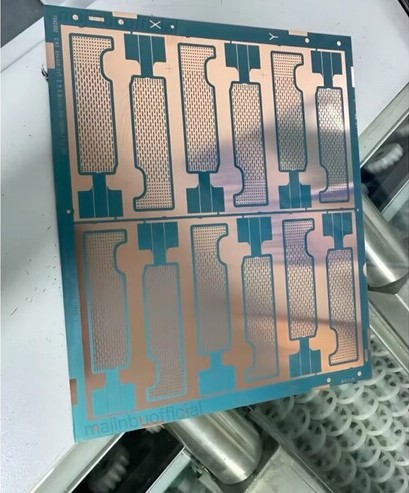
This type of thermal solution uses fluid evaporation and condensation to quickly move heat away from key components to the chassis. It’s significantly more efficient than the copper heat spreaders and graphite sheets of the current iPhones.
iPhone 17 Pro’s leaked vapor chamber
This change could make a big difference. The iPhone 16 Pro, for instance, reportedly suffered up to a 40% GPU performance drop during sustained workloads. With the iPhone 17 Pro expected to house the new A19 Pro chip, a better cooling system isn’t just welcome, it’s reportedly essential.
Razer Phone 2 from 2018Droplets of fluid inside the VC
Don’t expect VC cooling inside the non-Pro iPhone 17 models
The vapor chamber is also said to extend to the memory, modem, and even the rear camera module. That could help reduce heat-related issues during long 4K/8K video recordings or on-device AI-based tasks. With iOS 19 likely to lean heavily into on-device AI features, especially around Siri, keeping the chip cool will be key to maintaining smooth and consistent performance. Unfortunately, the non-Pro iPhone 17 models will continue to rely on the copper heat spreaders and graphite sheets.
If these leaks hold true, the iPhone 17 Pro might finally offer the much-needed thermal headroom Android devices have had for years. We’ll know more when Apple unveils the device, expected around September 2025.
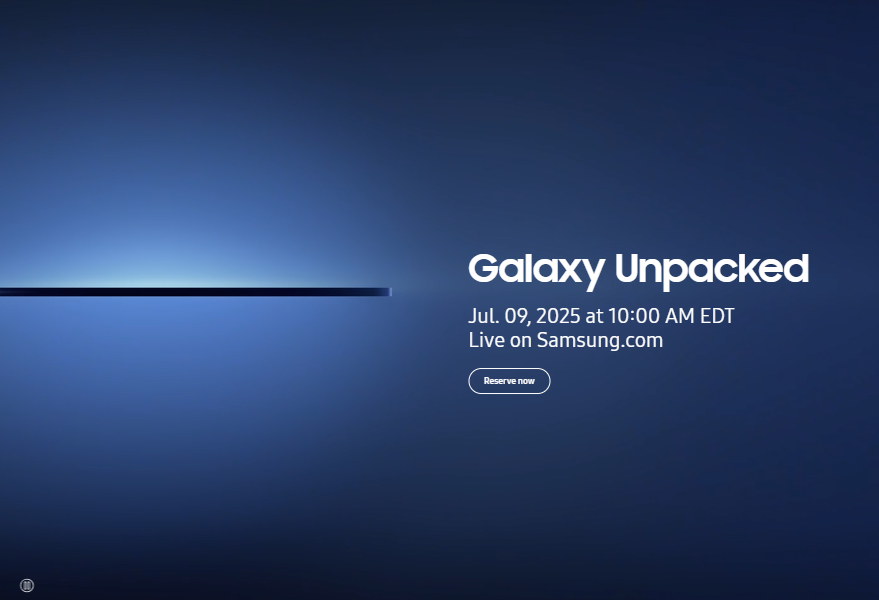
Samsung is ready to unveil its next-generation foldables, and the date is set! A Brooklyn event promises to showcase the sleek Galaxy Z Fold7 and Flip7, alongside new smartwatches and more.
Samsung has officially announced its Galaxy Unpacked event for July 9 in Brooklyn, New York, at 10 am ET, confirming rumors of an early July launch. The event will spotlight the Galaxy Z Fold7 and Z Flip7, teased in a video hinting at the Fold7’s ultra-thin 9mm folded profile (down from 12.1mm on the Z Fold6) and running One UI 8 on Android 16.
The Z Fold7 boasts a 6.5-inch cover display, an 8.2-inch inner screen with a punch-hole camera, and a 200MP main camera, powered by the Snapdragon 8 Elite. The Z Flip7 features a 4-inch cover display, rivaling Motorola’s Razr Ultra, with an Exynos 2500 chip globally (Snapdragon 8 Elite in the US).
Beyond foldables, Samsung will introduce the Galaxy Watch 8 series—comprising the Watch 8, Watch 8 Classic, and Watch Ultra—with the Classic model expected to feature a 1.5-inch MicroLED display and a 435mAh battery
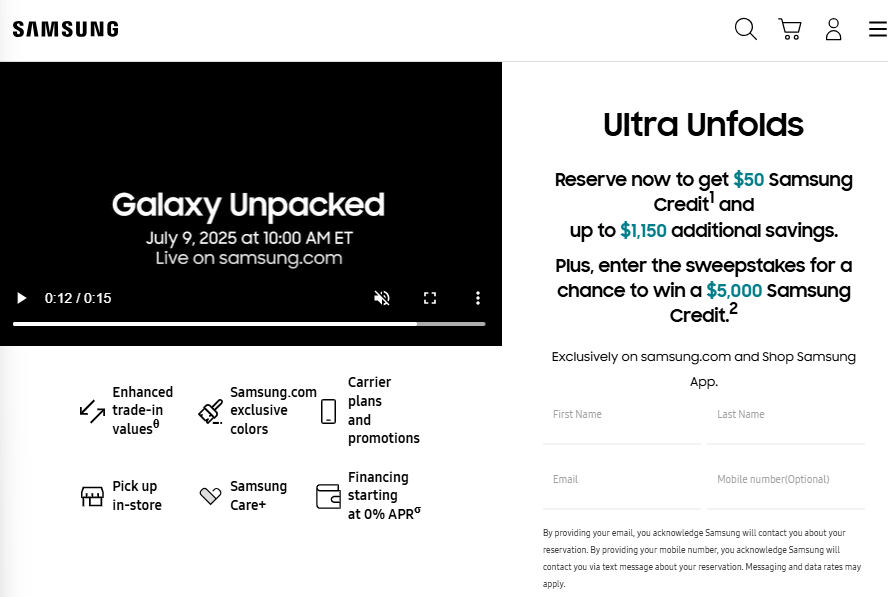
New earbuds and a teaser for Samsung’s Android XR headset are also expected. Reservations are open starting today on Samsung’s official website, offering a $50 credit toward accessories or ecosystem products, triple reward points, and a chance to win a $5,000 prize—with no purchase required. Reservations will close on July 8, aligning with the livestreamed event on Samsung’s YouTube and website.
The July 9 Unpacked event is set to redefine Galaxy foldables with the slimmer, smarter Galaxy Z Fold7 and Flip7, plus a refreshed Watch 8 series. With generous pre-order perks and a packed lineup, will Samsung steal the summer tech spotlight? We’re pumped to find out.
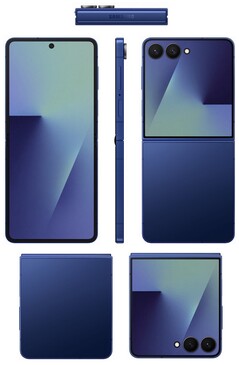
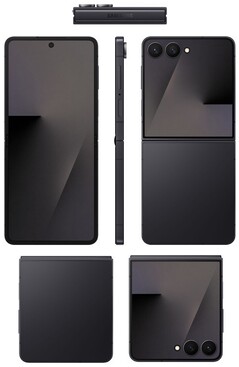
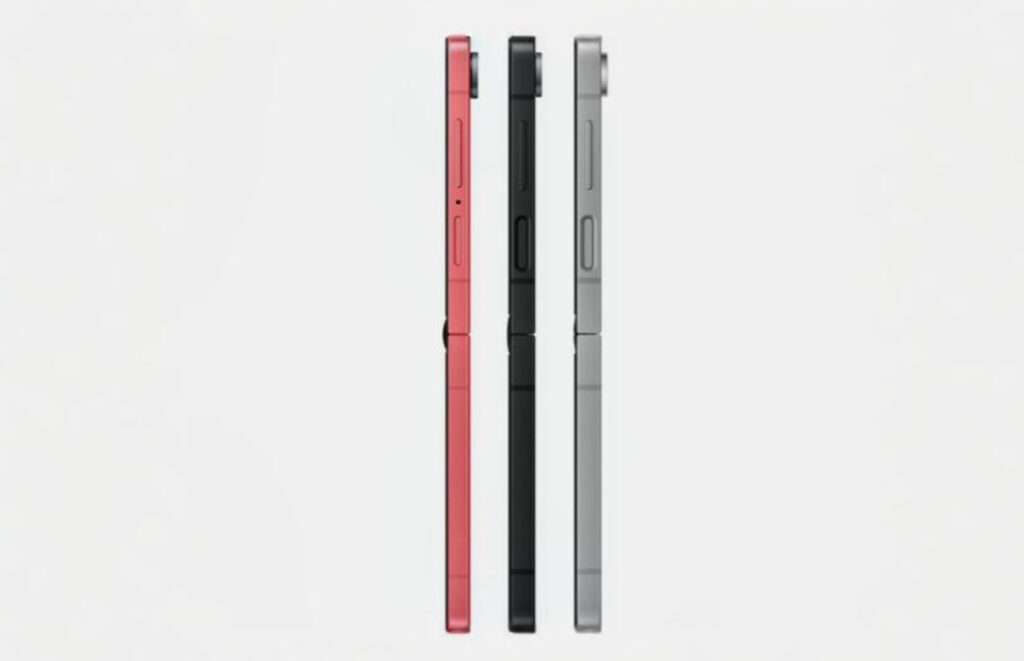
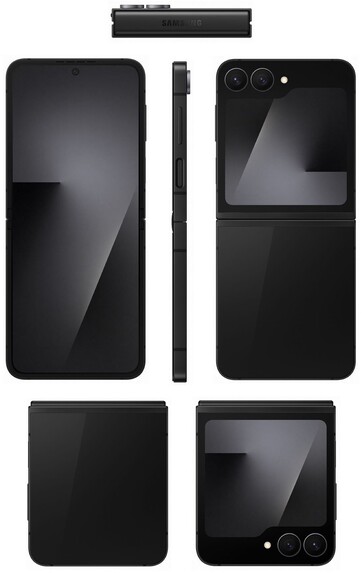
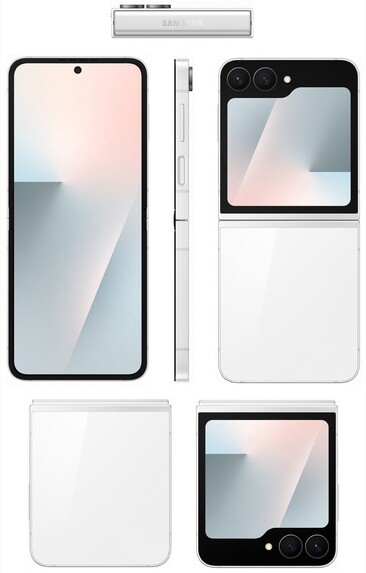
Samsung’s upcoming Galaxy Z Flip7 and its more affordable sibling, the Z Flip7 FE, have leaked in full ahead of their official debut on July 9. New images give us a clear look at the design and color options for both models, and it turns out that the design changes to the more expensive model aren’t limited to the cover display.
Galaxy Z Flip7 and Flip7 FE design and colors revealed
Leaked press renders, shared by tipster Evan Blass, show the Z Flip7 in three colors: Blue Shadow, Jet Black, and a striking Coral Red. One of the standout upgrades is the larger 4-inch cover screen, which now wraps around the dual rear cameras. This is a noticeable step up from the 3.4-inch display on last year’s Z Flip6.
The updated design could allow the Z Flip7 to run full Android apps on its cover display—though Samsung hasn’t confirmed this yet. A closer look at the renders suggests the Flip7 is slimmer than its predecessor. If the scaling is accurate, it should measure around 6.4 to 6.5mm when unfolded, as noted by Notebookcheck. For comparison, the Flip6 comes in at 6.9mm when unfolded. Under the hood, the Flip7 is expected to feature the Exynos 2500 chipset, paired with a 4,174mAh battery and 25W charging.
From left to right: Z Flip7, Z Flip7 FE, and Z Flip6
Meanwhile, the Galaxy Z Flip7 FE retains the design of the Z Flip6 and is rumored to be powered by the Exynos 2400e. While it’s still very early to comment on the real-world performance (as it relies on model-specific performance tuning), you can check out the Geekbench listings of the Flip7 and Flip7 FE to get a rough idea of what to expect.
The FE model is expected to feature a 3,700mAh battery—slightly smaller than the 4,000mAh one in the Z Flip6. Combined with a less power-efficient Exynos chip instead of a Snapdragon processor, battery life may disappoint some users. The camera setup also seems modest, with a 12MP main sensor, a 12MP ultrawide, and a 10MP front camera. Still, if the price lands around $750 as rumored, it could be a solid option for those wanting to try a foldable without breaking the bank.
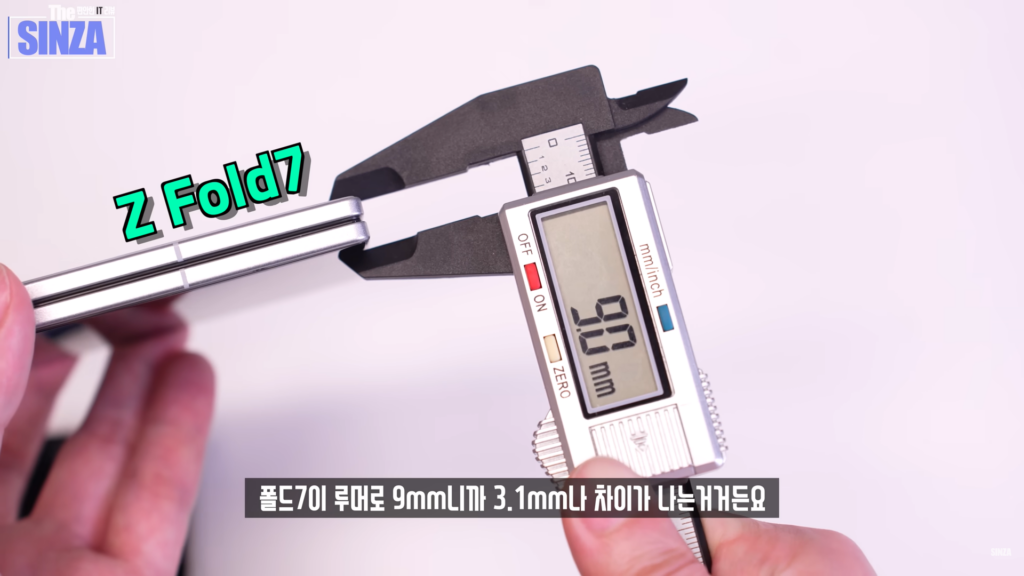
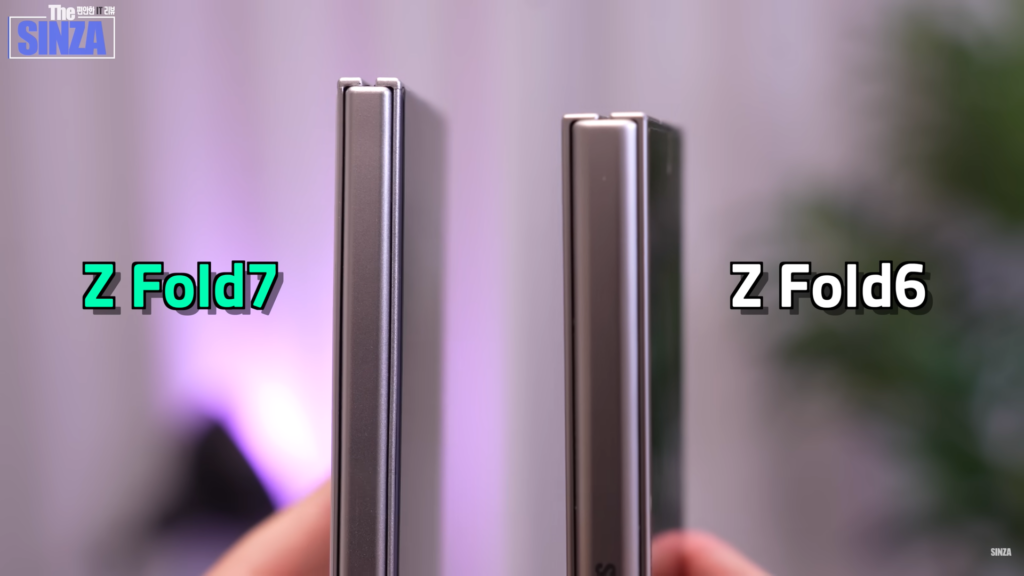
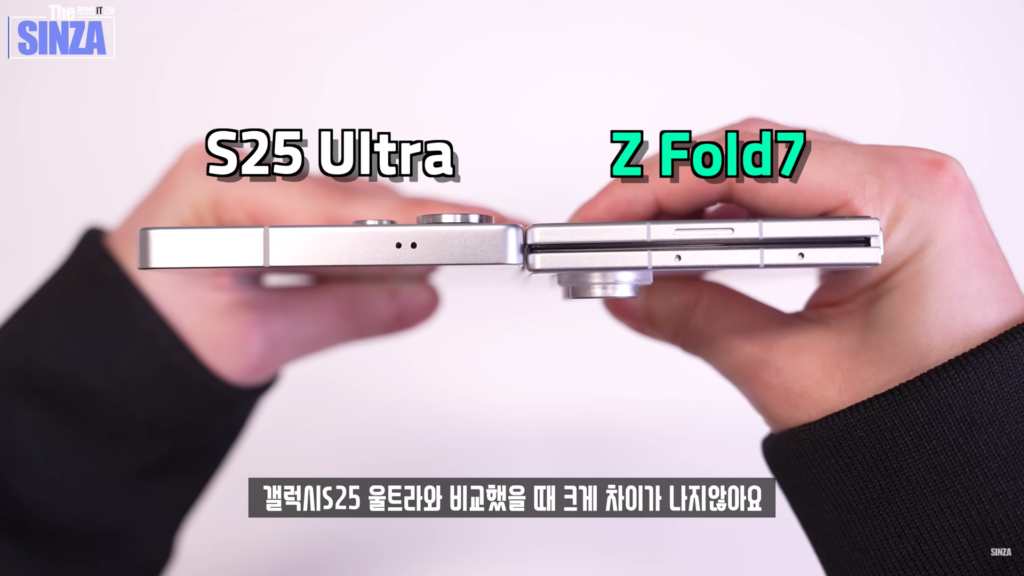
Samsung’s Galaxy Z Fold7 is still a few weeks away from launch, but that hasn’t stopped the leaks from heating up. A hands-on video with a dummy unit gives us an early look at how the next-gen foldable stacks up against its predecessor.
The video, shared by Korean YouTube channel TheSINZA, showcases what appears to be a Z Fold7 dummy model. While it’s not a working device, it offers a close approximation of the final design. Compared to the Z Fold6, the dummy reveals a noticeably slimmer profile. When folded, the alleged Z Fold7 dummy measures around 9mm thick, and just 4.5mm when unfolded—a significant trim-down from the Fold6’s 12.1mm and 5.6mm thickness. Weight has reportedly dropped as well, with the new model rumored to come in at 215g, making it significantly lighter than both the Z Fold6 (239g) and even the Galaxy S25 Ultra (218g).
The external screen also appears to be getting a size boost. The dummy shows a 6.5-inch cover display with a 21:9 aspect ratio, up from 6.3 inches, while the inner display is expected to grow to 8.2 inches. In terms of color, the Fold7 dummy was shown in Blue Shadow and Jet Black, likely among the launch color options. While details like camera specs remain unconfirmed, some rumors point to a 200MP main sensor—a significant upgrade if accurate.
Battery capacity is said to remain at 4,400mAh, which has sparked some debate, especially when compared to rivals like the Honor Magic V5 that packs a much larger 6,100mAh cell. Still, Samsung could limit the power consumption and offer an acceptable battery life.
With the official Galaxy Unpacked event set for July 9, the Fold7 is shaping up to be Samsung’s thinnest and most refined foldable yet. Whether it can outshine competition from the likes of Vivo or Honor remains to be seen, but based on early impressions, it’s certainly a strong contender.
Realme may be stepping up its display game in a big way. According to new leaks, the upcoming GT 8 Pro is expected to feature a high-end anti-glare screen similar to the one used on Samsung’s premium Galaxy S25 Ultra. That could make it one of the most visually impressive phones Realme has ever launched.
Realme GT 7 Pro
The GT 8 Pro is rumored to arrive in Q3 or Q4 2025 with a 6.85-inch 2K OLED display sourced from Samsung. What sets it apart is the AR anti-glare coating, a treatment that debuted on the Galaxy S24 Ultra. It’s designed to significantly reduce reflections, making content easier to see outdoors and in harsh lighting.
If true, this would mark a major upgrade over the GT 7 Pro (review), which launched in 2024 with a 6.78-inch 1.5K panel. Realme is also reportedly using a polarizer-free OLED, which can make the display thinner and more power-efficient.
Under the hood, the GT 8 Pro is expected to run on Qualcomm’s upcoming Snapdragon 8 Elite 2 chip. That said, all this high-end hardware might come at a cost. According to reports, the GT 8 Pro could have one of the highest bill of materials among 2025 Android flagships.
Realme GT7 Pro
Still, Realme has a track record of delivering strong value. The GT 7 Pro launched at ₹59,999 in India (around $690), a far cry from the $1,299 starting price of Samsung’s S25 Ultra. If Realme can keep the GT 8 Pro priced competitively, it could be a serious contender.
The display will likely support Dolby Vision and a 120Hz refresh rate, putting it in the same league as Samsung’s 2,600-nit HDR10+ panel, though brightness and durability specifics are still under wraps. The GT7 Pro, for context, reaches a global peak brightness of 2000 nits and local peak brightness of 6500 nits. More details should emerge as we head closer to its expected late-2025 launch.
We use cookies on our website to give you the most relevant experience by remembering your preferences and repeat visits. By clicking “Accept”, you consent to the use of ALL the cookies.
This website uses cookies to improve your experience while you navigate through the website. Out of these, the cookies that are categorized as necessary are stored on your browser as they are essential for the working of basic functionalities of the website. We also use third-party cookies that help us analyze and understand how you use this website. These cookies will be stored in your browser only with your consent. You also have the option to opt-out of these cookies. But opting out of some of these cookies may affect your browsing experience.
Necessary cookies are absolutely essential for the website to function properly. This category only includes cookies that ensures basic functionalities and security features of the website. These cookies do not store any personal information.
Any cookies that may not be particularly necessary for the website to function and is used specifically to collect user personal data via analytics, ads, other embedded contents are termed as non-necessary cookies. It is mandatory to procure user consent prior to running these cookies on your website.