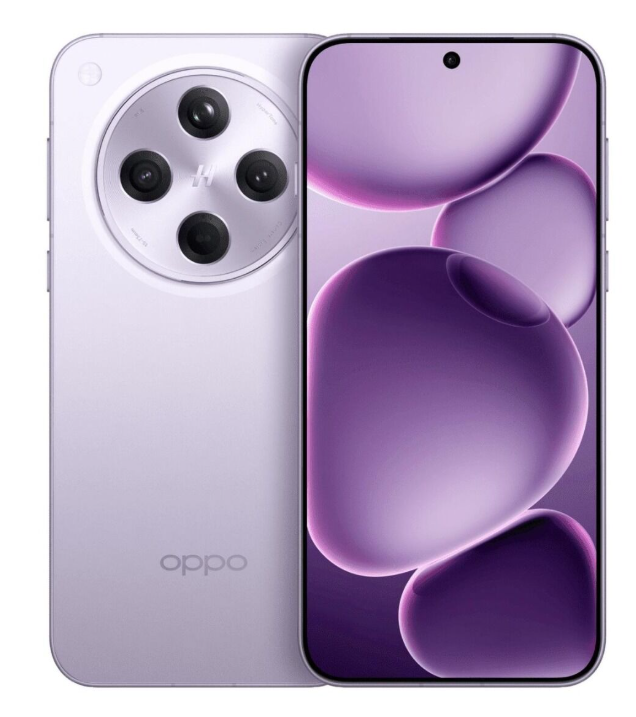
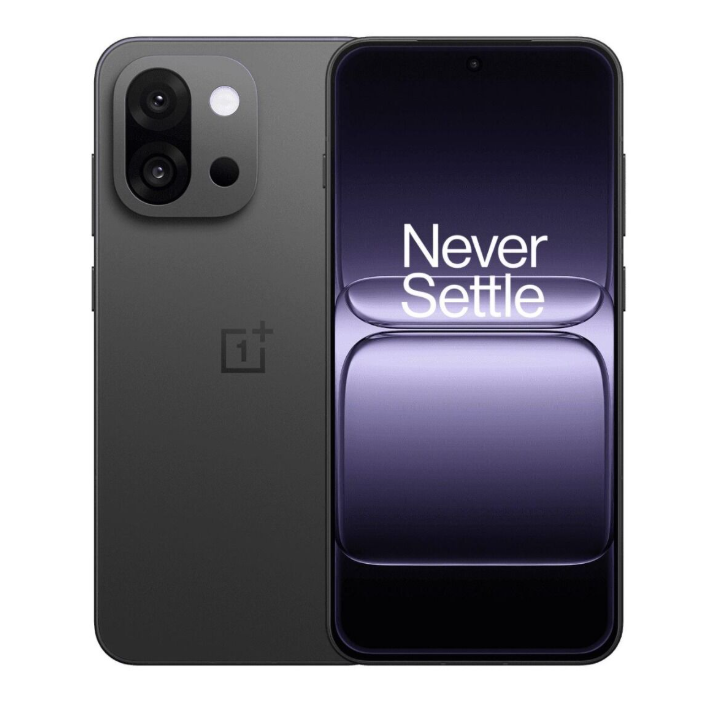
Oppo is all set to announce the Reno 14 series of smartphones on May 15 in China. The event will also see the arrival of two other products, the Oppo Pad SE tablet and the Enco Clip TWS earbuds. Ahead of the launch, the brand has started receiving pre-orders for the Reno 14 series. The official listing has not only revealed the design but also confirmed the configurations of the Reno 14 and 14 Pro.
Oppo Reno 14 series revealed
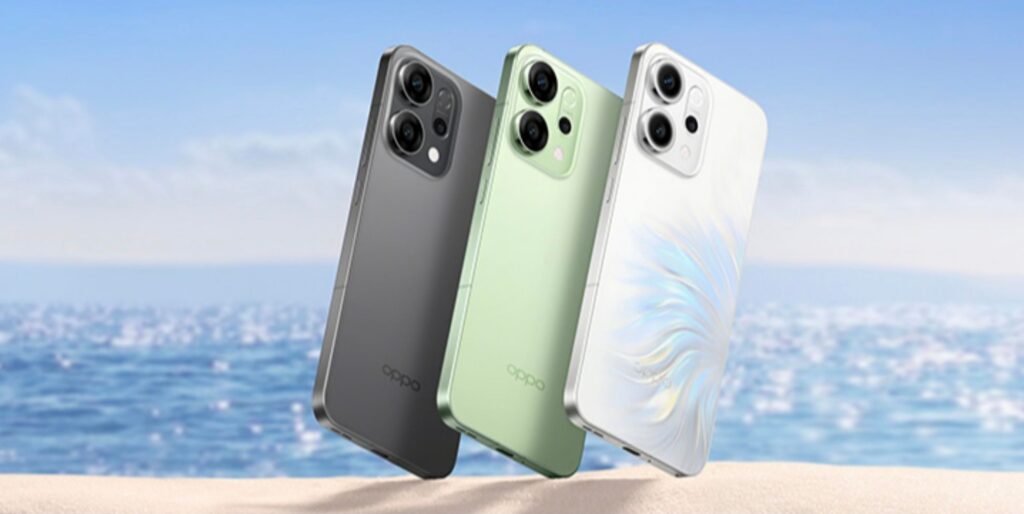
Oppo Reno 14 color options
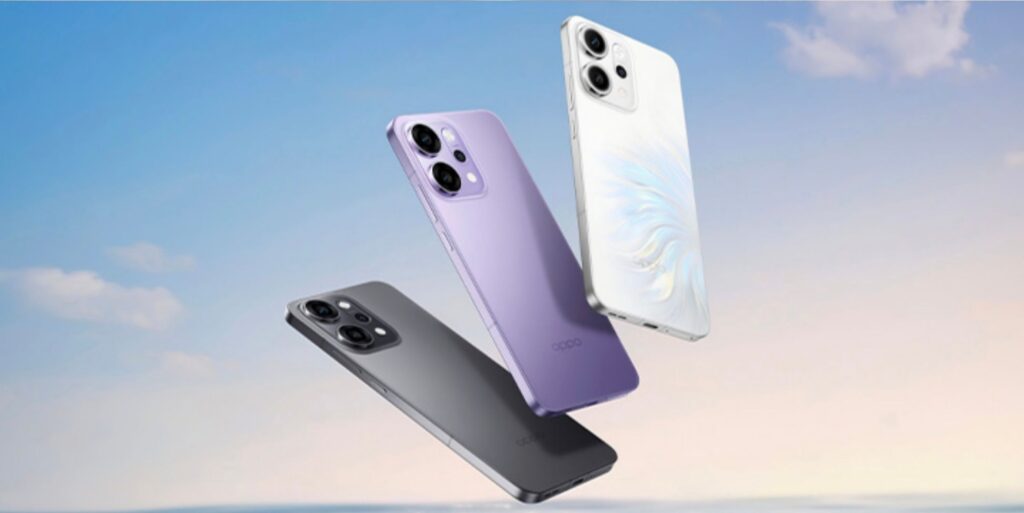
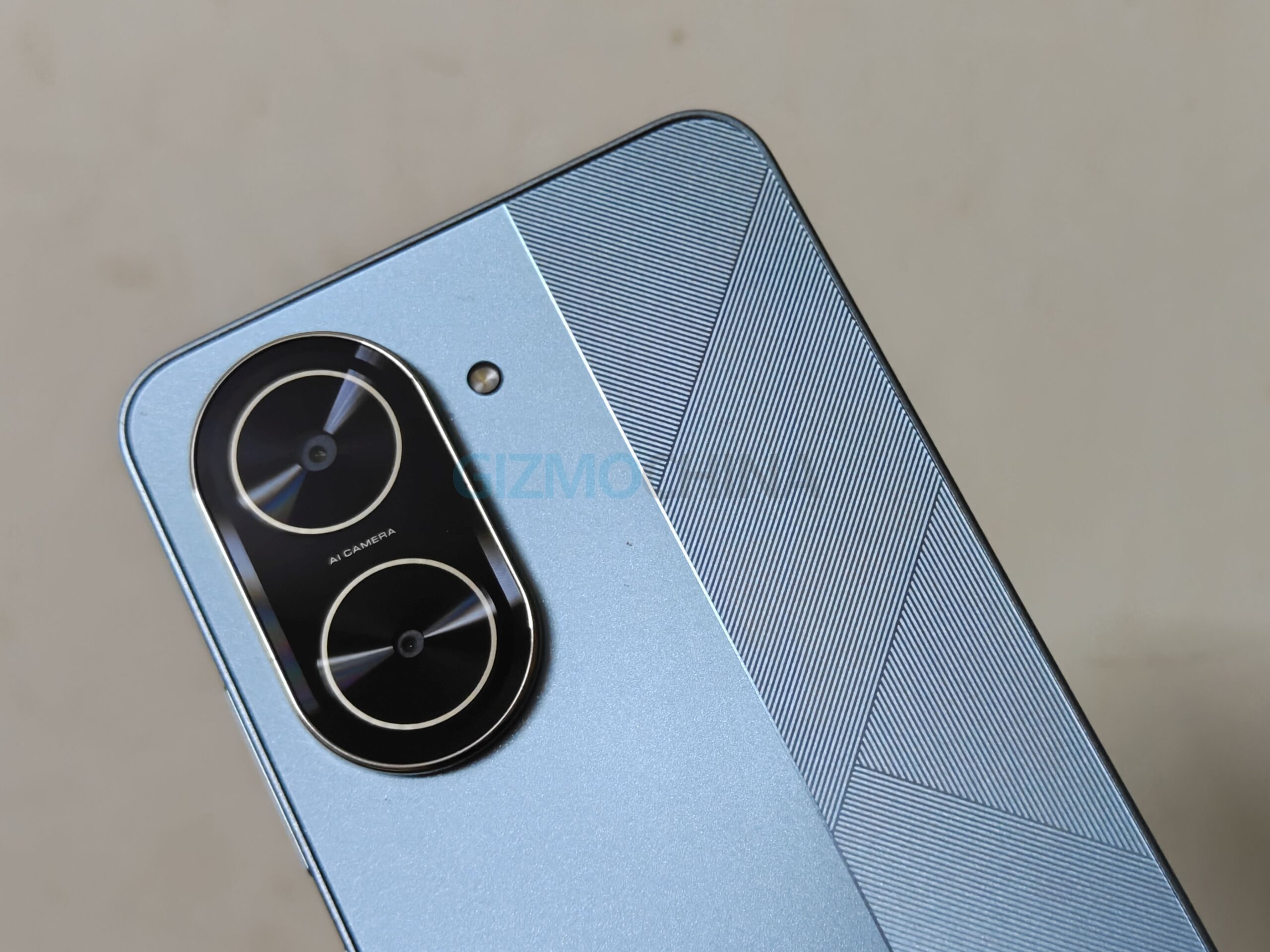
The official images show that the Reno 14 will be available in black, green, and white. On the other hand, the Reno 14 Pro will come in shades like black, purple, and white.
For the first time in the history of the Reno series, distinguishing the standard from the Pro variant has become challenging. According to reports, the Reno 14 is likely to be the more compact model equipped with a 6.59-inch display. In contrast, the Reno 14 Pro may sport a larger 6.83-inch screen. Notably, the third camera on the Pro version appears different, possibly indicating the presence of a periscope zoom lens.
The Reno 14 and Reno 14 Pro will be available in multiple configurations, such as 12GB+256GB, 12GB+512GB, 16GB+512GB, and 16GB+1TB. However, the standard model will also come in an additional 16GB+256GB version.
Oppo Reno 14 Pro color options
According to reports, the Reno 14 will feature the Dimensity 8350 chip, whereas the Pro version could feature the upcoming Dimensity 8450. Both phones may pack a battery of around 6,000mAh and support 80W charging. The series will run on ColorOS 15-based Android 15.
At present, there is no information about the Reno 14 series’ global launch. However, it might debut in June or July in markets outside of China.
For more daily updates, please visit our News Section.
Battery life has always been one of the biggest limitations in smartphones. As devices have become thinner, faster, and more capable, users have often been left juggling between performance and power. But 2025 marks a turning point.
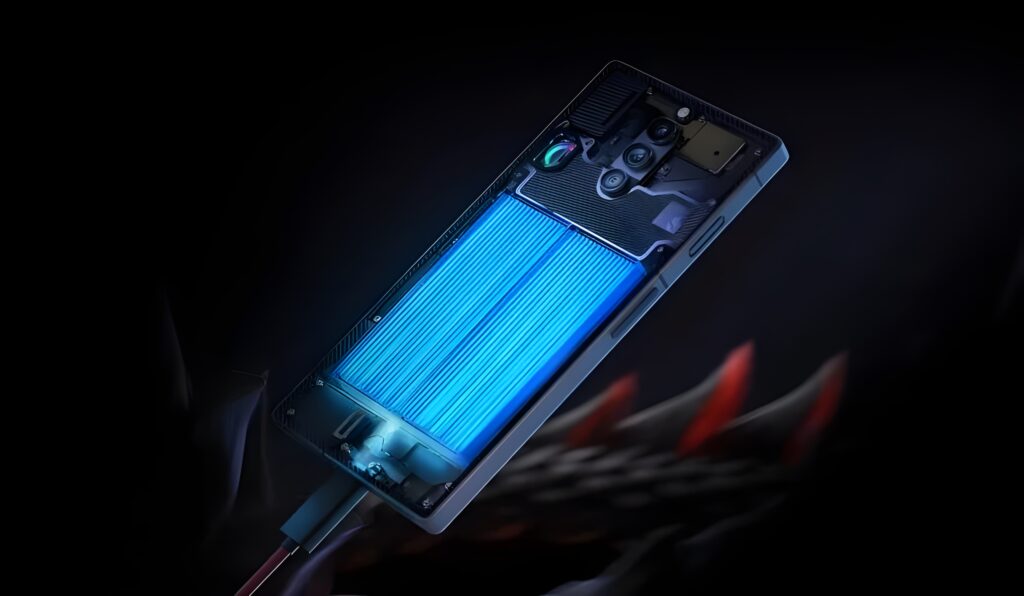
We are now seeing a wave of smartphones pushing battery capacities well beyond the 6,000mAh mark, not just in rugged or budget devices, but across mainstream and even foldable segments. This is largely thanks to advancements in silicon-carbon battery technology, which is reshaping how battery capacity is approached.
Whether you’re a gamer, a creator, or just someone who relies on their phone throughout the day, chances are you’ve experienced battery anxiety. The rise of 5G, high refresh rate displays, AI-powered apps, and heavier multitasking has pushed power demands to new heights. Even with fast charging, it’s not always convenient to plug in during a busy schedule. This is why bigger batteries are no longer a niche feature, they’re becoming a practical necessity.
2. Realme’s 10,000mAh Concept Breaks New Ground
This week, Realme unveiled a concept smartphone featuring a 10,000mAh battery in a surprisingly slim 8.5mm body that weighs just 212 grams. It achieves this feat using silicon-anode battery tech, delivering an energy density of 887Wh/L.
That’s a huge leap over the traditional lithium-ion designs still used by most phones. Combined with Realme’s “Mini Diamond Architecture,” which houses the world’s narrowest Android motherboard (just 23.4mm wide), the phone supports 100W fast charging and improved safety via a triple cold press process to prevent battery swelling.
But this isn’t just a Realme moment, it’s part of a much broader shift across the industry.
3. The Silicon-Carbon Revolution
The move to silicon-carbon anodes represents one of the most significant battery upgrades in recent memory. This material offers much higher energy density, better thermal stability, and faster charging potential. Most importantly, it allows manufacturers to pack more power into slimmer bodies, enabling high-capacity batteries in devices that previously couldn’t handle them.
This has already translated into real-world products. Xiaomi, for instance, has aggressively adopted this tech. Its recent launch, the Redmi Turbo 4 Pro, comes with a 7,550mAh battery, a number once unthinkable for a sleek, performance-oriented phone. Several of Xiaomi’s upcoming devices are expected to cross the 6,500-7,000mAh range without compromising on thickness or weight.
Other Android manufacturers, including Vivo, iQOO, Oppo, Infinix, and Realme, are also ramping up their battery capacities in both midrange and flagship lines. This technology has even begun to transform the foldable market, especially flip phones.
Until 2023, most flip-style foldables struggled with sub-4,000mAh cells due to their compact internal layout. But in 2024 and 2025, we’ve seen new flip models launch with significantly larger batteries, thanks to silicon-carbon advancements.
4. Apple and Samsung: Still Catching Up
Interestingly, Apple and Samsung have yet to embrace silicon-carbon batteries in their flagship lines. While both brands have focused on software optimization and custom silicon to extend battery life, actual battery capacities have remained relatively modest.
With other manufacturers now pushing past 6,000mAh without bulk, the pressure is mounting. The hardware ceiling has shifted, and users are starting to expect more than software tricks to get them through the day.
5. Why It All Matters
Big battery phones aren’t just a checklist item anymore. They represent a real improvement in quality of life, especially for users who rely on their devices for content creation, gaming, or AI-driven tasks. With edge AI, on-device video editing, and larger displays becoming standard, the demands on battery life will only increase.
Thanks to silicon-carbon technology and smart internal design, we’re no longer forced to choose between battery life and form factor. The battery race is heating up and in 2025, it’s clear that bigger really is better.
For more daily updates, please visit our News Section.
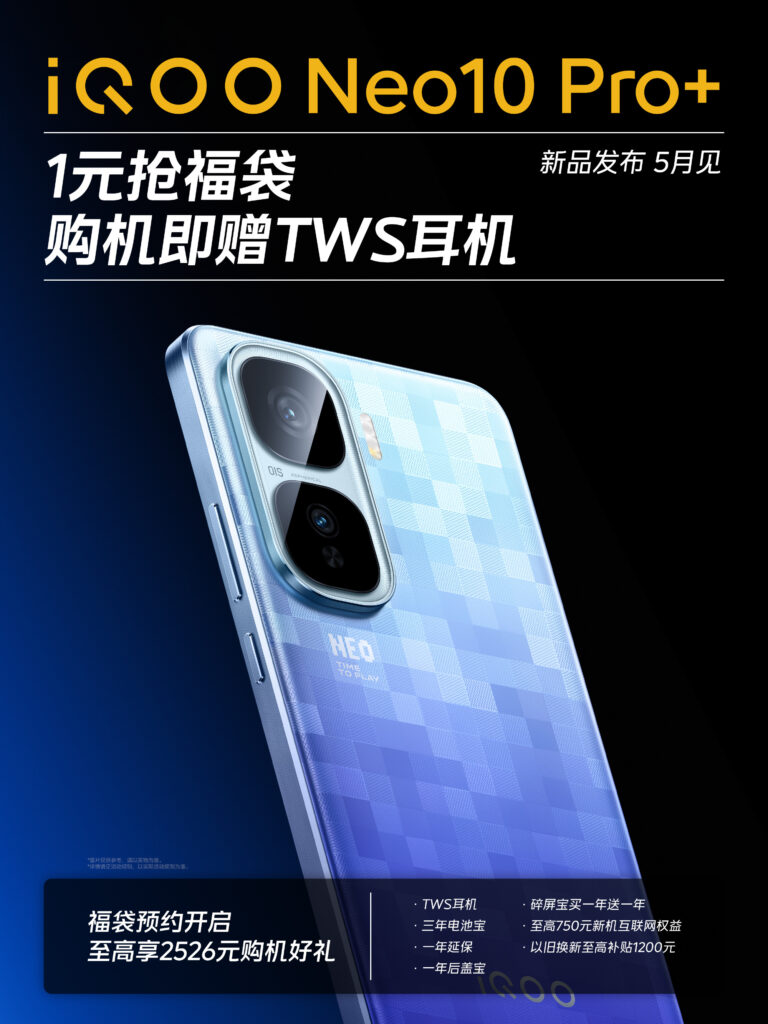
iQOO unveiled the Neo 10 and Neo 10 Pro, powered by the Snapdragon 8 Gen 3 and Dimensity 9400 chipsets, respectively, in China in December 2024. Now, the brand is gearing up to unveil the Neo 10 Pro+ in the home market. Starting today, the brand is receiving pre-orders for the device through different online retailer platforms. The official listing gives the first look at the phone’s design.
iQOO Neo 10 Pro+ coming soon
iQOO Neo 10 Pro+ first look
The overall design of the iQOO Neo10 Pro+ is consistent with the existing Neo 10 models available in China. At the back, it features a prominent dual-camera module within a rectangular frame. The inclusion of “OIS” beside one of the lenses confirms support for optical image stabilization.
The glass back showcases a bold pixelated checkerboard pattern that shifts from a deep blue at the bottom to a lighter shade towards the top, giving the phone a dynamic and tech-inspired look.
The flat side frame of the Neo 10 Pro+ has a brushed metallic finish. Branding is minimal yet prominent, with “NEO” and “Snapdragon” clearly visible near the bottom rear panel.
iQOO Neo 10 Pro+ specifications (rumored)
Reports have revealed that the iQOO Neo 10 Pro+ will have a 6.82-inch flat OLED panel that will offer a 2K resolution and an ultrasonic in-screen fingerprint sensor. The phone will run on OriginOS 5-based Android 15.
According to reports, the device will feature a 50-megapixel primary camera with OIS support. It will be joined by a 50-megapixel ultra-wide lens. For selfies, the device is equipped with a 16-megapixel camera on the front.
The iQOO Neo 10 Pro+ will be powered by the Snapdragon 8 Elite chipset, up to 16GB of LPDDR5x RAM, and up to 1TB of UFS 4.1 storage. The Neo 10 Pro+ was recently spotted on AnTuTu with an impressive 3.3 million score. It will house a 7,000mAh battery with 120W fast charging. The device is expected to be priced at around 3,000 Yuan (~$415) in China.
For more daily updates, please visit our News Section.
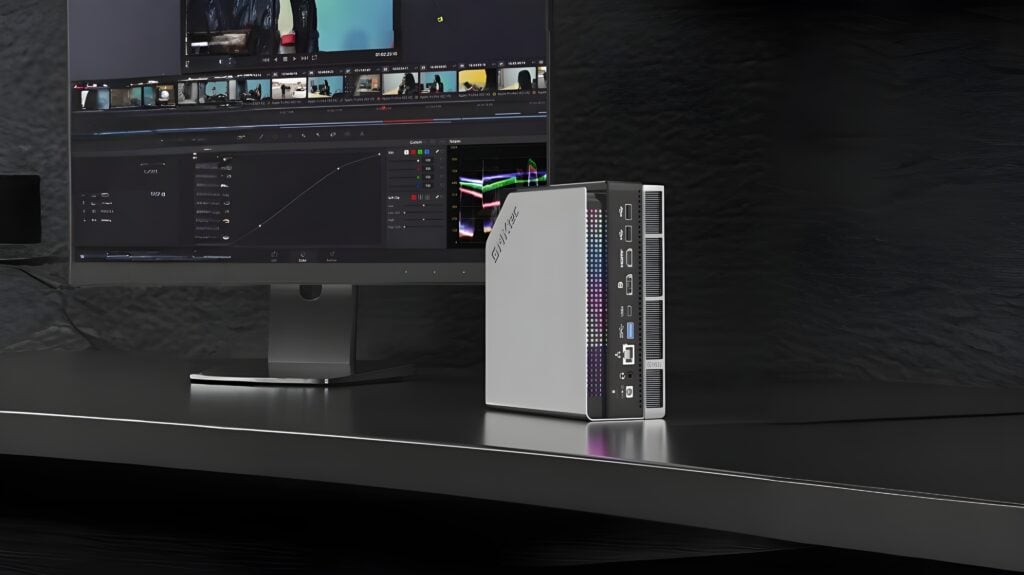
Gmktec has unveiled its most ambitious mini PC to date with the launch of the Evo-X2, a high-performance desktop aimed at AI developers, creators, and multitasking pros. Priced at 14,999 yuan (roughly $2,070), the Evo-X2 is compact in form but packed with serious hardware meant to rival even high-end workstations.
Gmktec Evo-X2 Specifications
It features AMD’s latest Ryzen AI Max+ Pro 395 processor, built on the Zen 5 architecture with 16 cores and 32 threads. It comes with a maximum boost clock of 5.1GHz, 64MB of L3 cache, and is fabricated on TSMC’s 4nm process. The chip supports a peak power draw of 140W and includes an XDNA 2-based NPU that delivers 50 TOPS on its own, contributing to a total AI performance of up to 126 TOPS. According to Gmktec, this setup offers 2.2x faster AI inferencing in LM Studio compared to Nvidia’s RTX 4090.
The Evo-X2 sports integrated Radeon 8060S graphics based on the RDNA 3.5 architecture. It equips 40 compute units, 2,560 stream processors, and supports up to four 8K 120Hz displays through HDMI 2.1, DP 2.0, and dual USB4 ports. In real-world use, it pushes up to 280fps in games like CS2 and League of Legends at 1080p, making it a capable machine for esports as well.
It comes with 128GB of LPDDR5x memory running at 8000MHz. While the RAM is soldered and not user-upgradable, it supports GPU memory virtualization with up to 96GB allocated as shared graphics memory, an advantage for running large AI models locally.
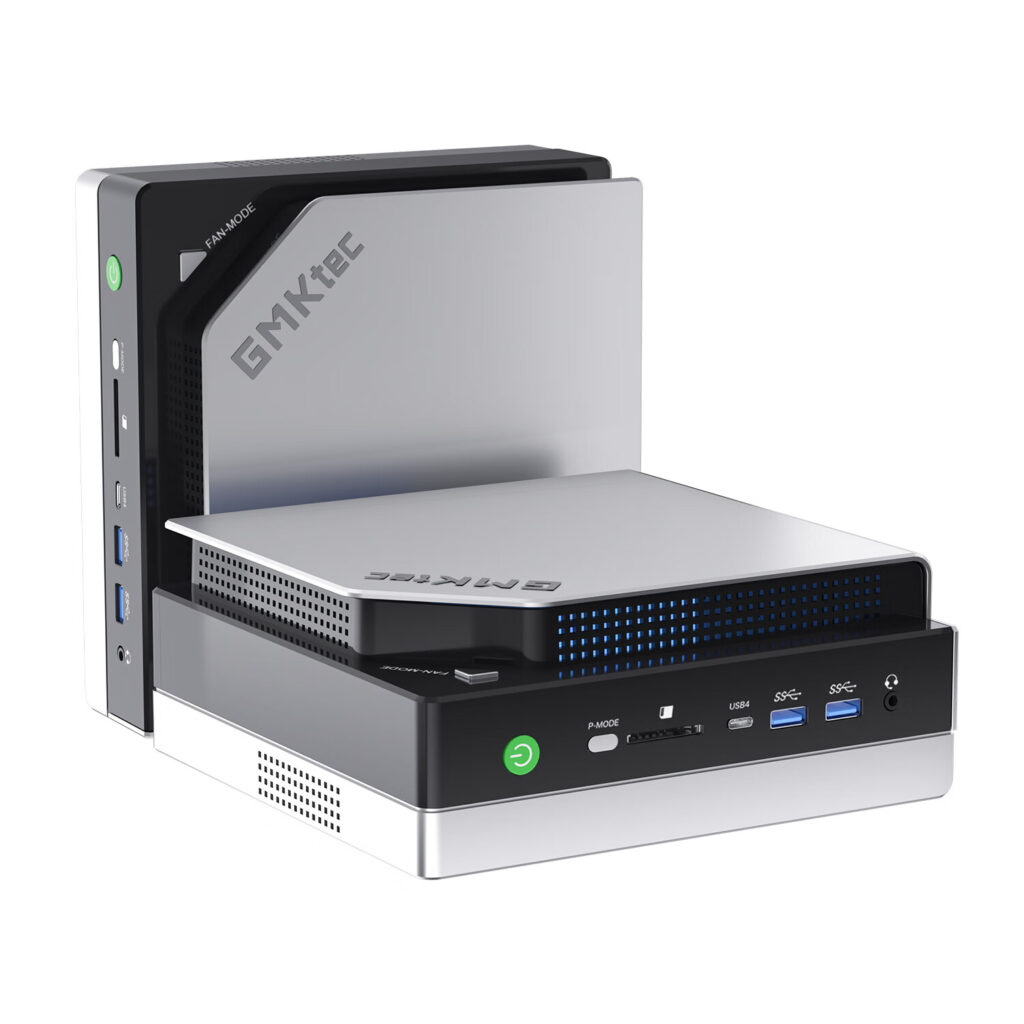
For storage, the Evo-X2 features dual M.2 PCIe 4.0 slots with support for up to 8TB capacity. It includes a dual-fan vapor chamber cooling system with a triple heat pipe layout and supports three performance modes: Silent, Balanced, and Performance. It also sports RGB lighting with 13 customizable effects.
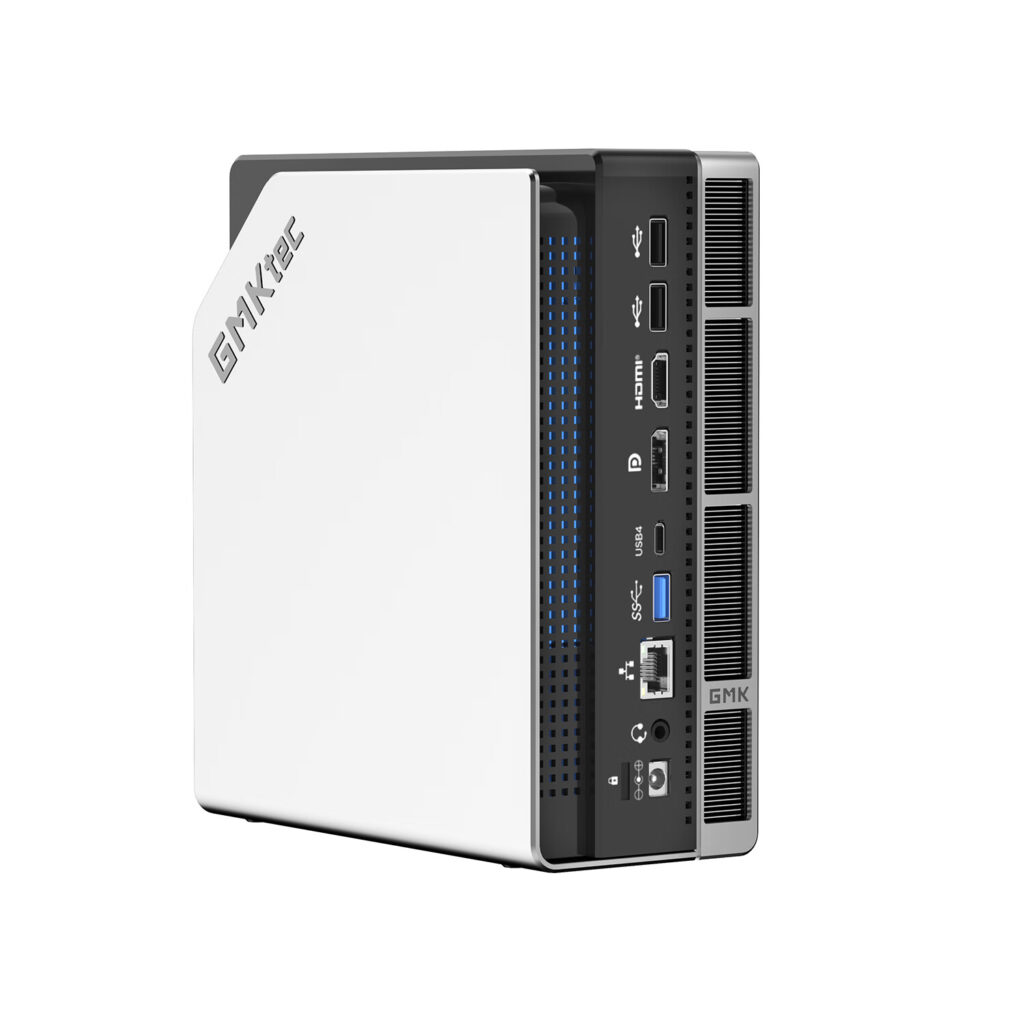
Connectivity-wise, it equips Wi-Fi 7, Bluetooth 5.4, and a 2.5GbE Ethernet port. The I/O is comprehensive: up front, it includes a 40Gbps USB-C, two USB-A ports, an SD card reader, and a 3.5mm audio jack. On the rear, it features HDMI 2.1, DP 2.0, another USB-C (40Gbps), multiple USB-A ports, a second audio jack, and power input.
The mini PC comes housed in a premium aluminum chassis designed using recycled materials and developed in collaboration with Red Dot Award-winning designers. The Evo-X2 ships with Windows 11 Pro (license not included), and Gmktec backs it with a 3-year warranty and lifetime tech support.
For more daily updates, please visit our News Section.
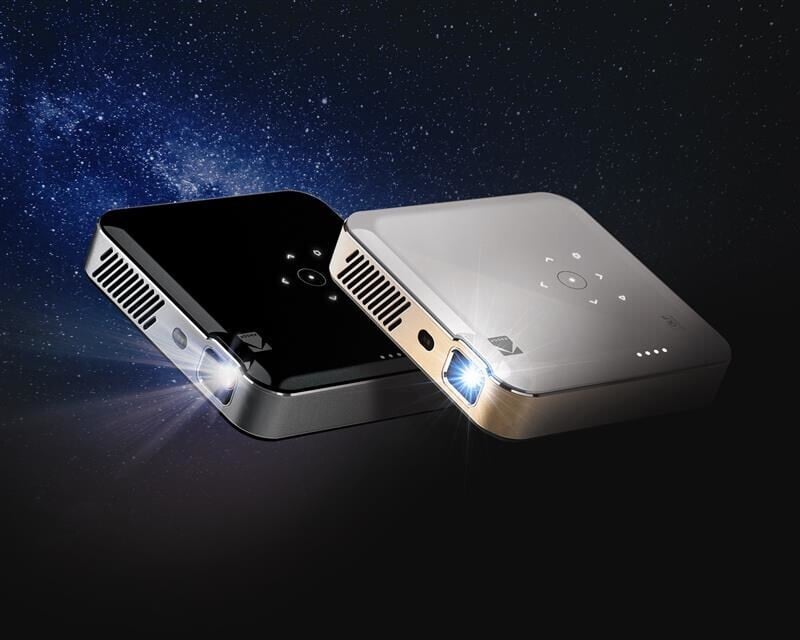
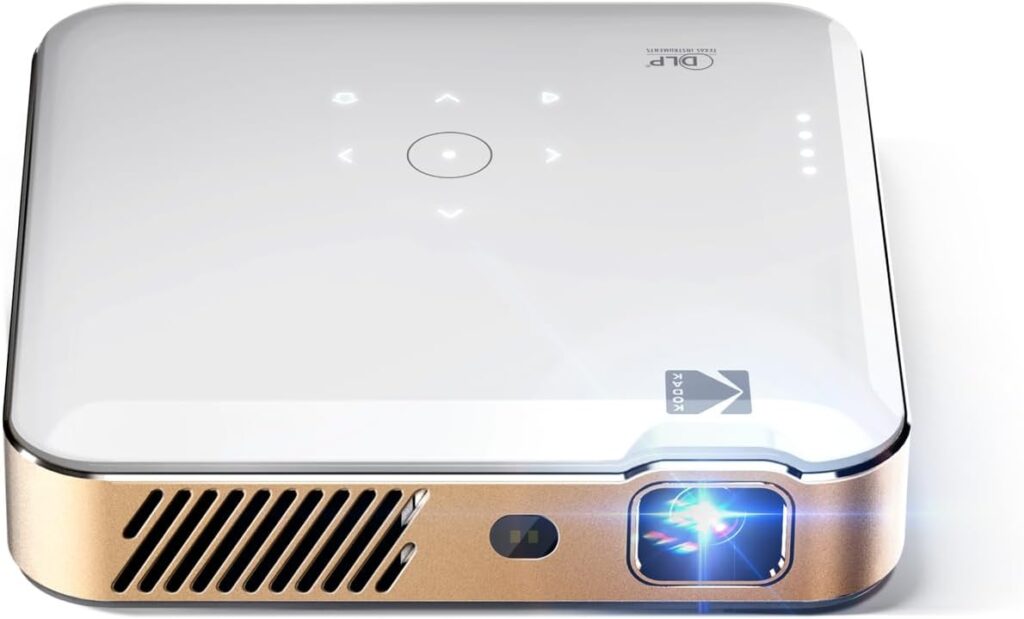
Kodak has officially introduced the Luma 500 FHD Ultra Smart Pico Projector, a compact and feature-rich portable projector designed for both indoor and outdoor use. Manufactured by C+A Global, the new model sports a sleek, palm-sized body and weighs just 544 grams, making it easy to carry around for impromptu movie nights or glamping setups.
Kodak Luma 500 Specifications
It features a native 1080p Full HD resolution with support for HDR and 4K input, delivering sharp visuals on a maximum screen size of up to 150 inches from a projection distance of approximately 3.8 meters. The projector uses DLP technology and offers a 1.2:1 throw ratio, though its low 150 ANSI lumens brightness means it performs best in dimly lit settings.
The Luma 500 comes with Google TV 11 built-in, offering access to over 400,000 movies and shows across 10,000+ apps, including Netflix, Prime Video, YouTube, and Disney+. It supports Google Assistant for hands-free voice commands and sports pre-installed streaming apps for a plug-and-play experience.
The projector equips a 10,500mAh built-in battery rated for up to 2 hours of continuous playback and offers multiple connectivity options such as Wi-Fi, Bluetooth, HDMI, and USB. It also comes with auto-focus, keystone correction, and multiple projection modes to simplify setup and optimize viewing from various angles.
The device includes a tripod for better placement flexibility and delivers a 30ms input latency at 60Hz when connected via HDMI, making it viable for casual gaming as well. The Kodak Luma 500 is available now on Amazon for $699.99 in both black and white color options.
Motorola has confirmed that the Razr 60 Ultra will launch in India on May 13. It is being promoted as the world’s most powerful flip phone and includes several first-in-segment features.
The phone runs on the Snapdragon 8 Gen Elite chipset with on-device AI. It has 16GB LPDDR5X RAM and 512GB UFS 4.1 storage. On AnTuTu, it scores over 2.7 million points.
It features a triple 50MP camera setup on the back, making it the world’s first flip phone with three 50MP cameras. The system is Pantone-validated and includes OIS. The front camera is also 50MP. The design includes a redesigned titanium hinge for better durability and fewer creases. The phone has Gorilla Glass Victus 2 protection and is IPX8-rated for water resistance.
It comes with a large external display that supports touch interaction. The Razr 60 Ultra also supports fast wireless charging and includes dual stereo speakers. Moto AI 2.0 is built in and allows users to interact with the phone with just a glance or simple voice prompts.
In terms of materials, Motorola is using Alcantara and FSC-certified wood for the back panel. It is the first smartphone to offer these finishes. Color options include Pantone-validated shades like Rio Red, Scarab Green, and Wood Brown. These are the exact features of the Razr 60 Ultra that was recently introduced globally, so we expect other specifications to remain the same as well.
Motorola Razr 60 Ultra features
The Motorola Razr 60 Ultra (Global) has a 7-inch internal FlexView pOLED LTPO display with a resolution of 1224×2992 pixels. It supports a 1–165Hz refresh rate, Dolby Vision, and reaches up to 4,000 nits brightness. The outer screen is a 4-inch QuickView pOLED LTPO panel with a 1272×1080 resolution, the same 1–165Hz refresh rate, 3,000 nits peak brightness, and is protected by Corning Gorilla Glass Ceramic.
It runs on the Snapdragon 8 Gen Elite chip built on a 3nm process, with an Adreno 830 GPU. The phone includes 16GB LPDDR5X RAM and 512GB UFS 4.1 storage. It ships with Android 15 and supports Dual SIM (eSIM + nano).
The rear camera setup includes a 50MP main sensor with f/1.8 aperture and OIS, along with a 50MP ultra-wide lens with f/2.0 aperture. The front camera is also 50MP with an f/2.0 aperture. Audio features include stereo speakers, Dolby Atmos, and USB Type-C audio.
It supports 5G SA/NSA, Dual 4G VoLTE, Wi-Fi 6E (2.4GHz/5GHz) with MIMO, Bluetooth 5.4, GPS, USB Type-C, and NFC. It has a 4700mAh battery with 68W TurboPower fast charging and 30W wireless charging.
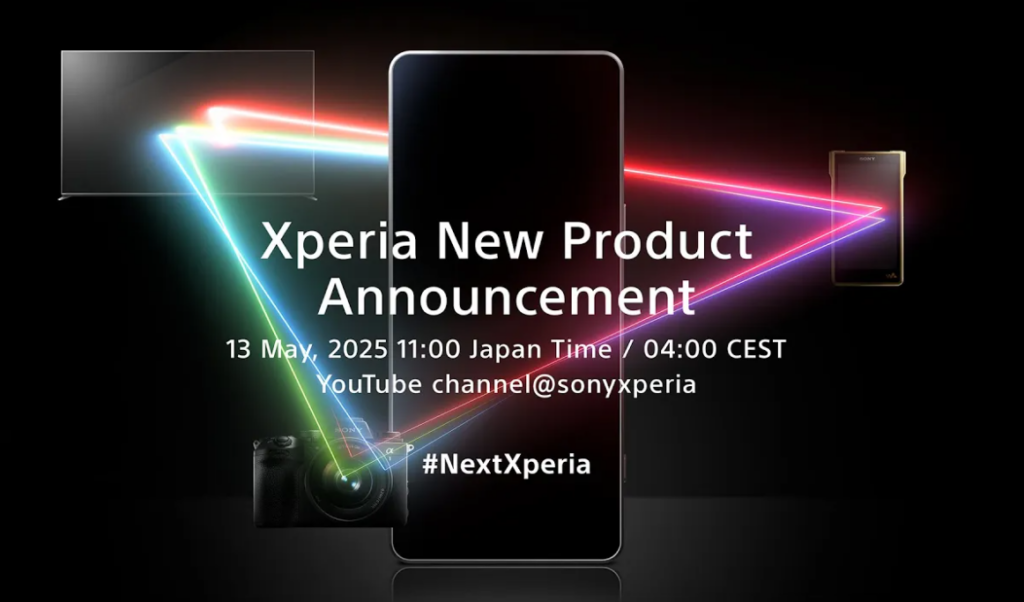
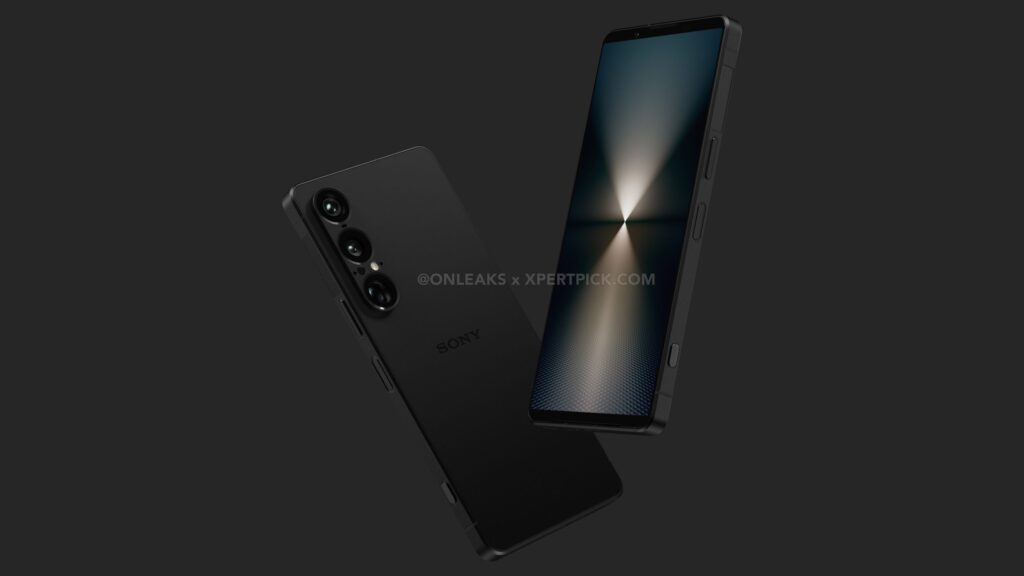
Sony has confirmed its next Xperia product launch will take place on May 13, 2025, where it is expected to unveil the Xperia 1 VII.
The phone will run on the Snapdragon 8 Gen Elite Mobile Platform, as confirmed by Sony earlier this year. A Geekbench listing (model number XQ-FS54) shows the device will come with 12GB of RAM and Android 15. The same model was recently certified by the US FCC, which listed its dimensions as 162 x 74.5 x 8.5mm. It will retain a 5000mAh battery (4850mAh minimum), matching its predecessor.
The display is expected to be a 6.5-inch 4K OLED, similar to past Xperia 1 models. Camera specs include a 48MP main sensor with OIS, a 12MP ultra-wide lens, a 12MP periscope telephoto (70–200mm variable zoom), and a 12MP front camera. The Xperia launch event will start at 11 AM JST (7:30 AM IST) and will be streamed live.
From previous leaks, the Xperia 1 VII keeps Sony’s signature tall design with a flat frame. The right side houses the power, volume, and shutter buttons, while the left side is clean. The phone retains features most flagships have dropped, including a 3.5mm headphone jack, microSD card slot, and dual front-facing speakers. It also has a USB-C port and a triple-camera array vertically stacked on the back.
Benchmark results for the Xperia 1 VII include a 2,967 single-core and 9,017 multi-core score, consistent with Snapdragon 8 Gen Elite performance. Reports suggest that the global launch may take place a few months after the initial release.
For more daily updates, please visit our News Section.
Honor has officially rolled out the Android 16 Beta 3 Developer Preview for its latest flagship, the Magic 7 Pro, making it one of the first non-Google phones globally to offer access to the upcoming OS. Starting May 7, developers can download and test Android 16 on the device, months ahead of the final release expected in June 2025.
This early access program reflects Honor’s ongoing partnership with Google, building on its previous involvement with Android 15 Beta 1 across the Magic 6 Pro and Magic V2. It also signals Honor’s renewed commitment to long-term software support, now promising up to seven years of Android OS and security updates in select markets, something that puts the brand in a competitive tier alongside Google and Samsung.
Android 16, internally codenamed “Baklava,” is approaching platform stability, with Beta 4 already available and the stable build likely to land around Google I/O 2025. Until recently, these beta builds were exclusive to Pixel phones, but Google has expanded access to include top-tier flagships from Xiaomi, OnePlus, Oppo, Realme, Vivo, and now Honor. Notably absent from the list is Samsung, which is still preoccupied with rolling out Android 15-based One UI 7.
For developers and testers with the Magic 7 Pro, flashing the beta ROM requires a bit of technical effort. The process involves downloading the appropriate package from Honor’s developer site, enabling USB debugging, and executing a Python-based script through the Honor Suite on a PC. The installation won’t wipe user data, but the system moves to a separate user partition, rendering existing data inaccessible unless backed up in advance.
This release isn’t intended for average users. Like any early beta, Android 16 Beta 3 is buggy and can lead to unexpected behavior. A known issue listed by Honor even includes a low-probability scenario where the phone might restart randomly. Still, for developers eager to test the new APIs and help shape the experience ahead of the full release, this is a significant window.
Honor’s addition to the Android 16 beta list is more than just a developer opportunity, it’s a sign that the company is leaning deeper into the Android ecosystem and global relevance, especially as it eyes a stronger presence in Europe and beyond.
For more daily updates, please visit our News Section.
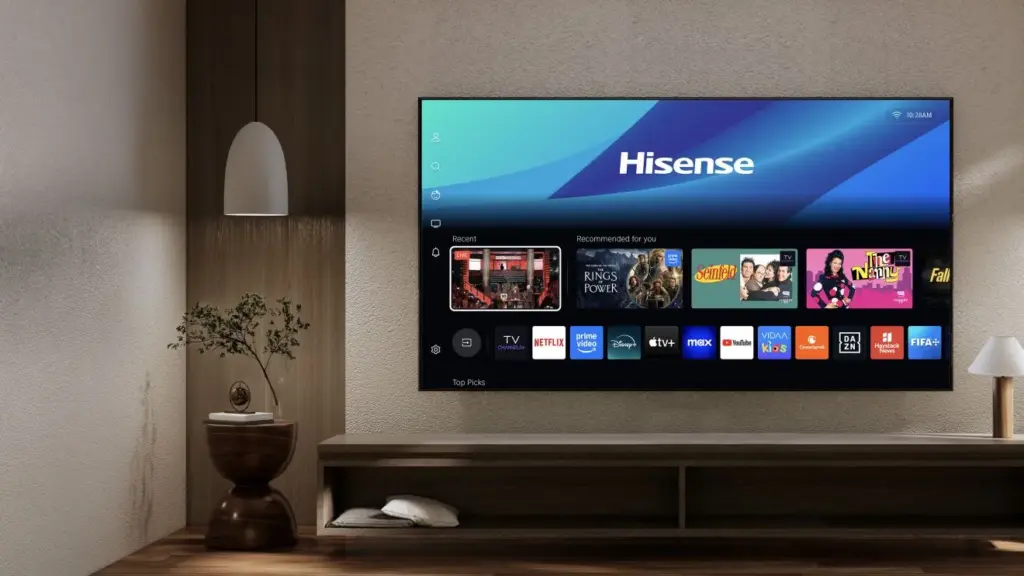
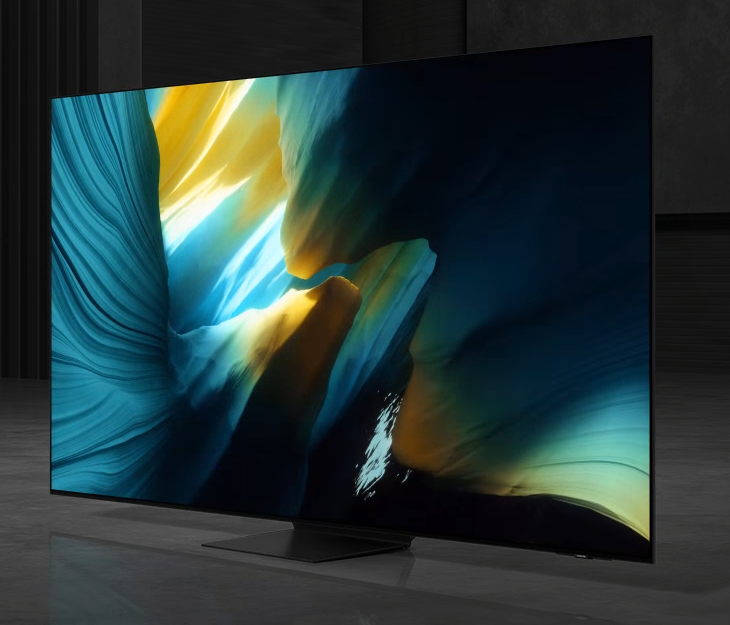
Hisense has launched its 2025 U8Q ULED Mini-LED Smart TV across Europe following its US release in April. The TV comes in four sizes: 55, 65, 75, and 85 inches, priced at €1,299, €1,699, €2,199, and €2,799, respectively. A 100-inch model is listed in other regions, but there’s no word on its European release.
The U8Q features a 4K (3840 x 2160) Mini-LED display with a refresh rate of up to 165Hz. It supports Dolby Vision IQ, HDR10+, IMAX Enhanced, and Filmmaker Mode. The contrast ratio is 2,000:1. Peak brightness reaches 4,000 nits for HDR content, though typical brightness is around 700 nits.
Audio is handled by a built-in 4.1.2 channel speaker system with 90W output and support for Dolby Atmos and DTS Virtual:X. It also supports advanced gaming features like AMD FreeSync, Game Mode Pro, and a dedicated Game Bar.
The TV runs on Vidaa OS in Europe, not Google TV. It still includes access to major streaming platforms and supports voice commands. Connectivity options include Wi-Fi 6, Bluetooth 5.3, HDMI 2.1 (x3), USB 3.0, and S/PDIF. It ships with a solar-powered remote.
The U8Q is powered by the Hi-View Engine Pro, running on a MediaTek Pentonic 800 chip, which enables real-time AI picture optimization and motion handling. MEMC, 4K upscaling, and smooth frame interpolation are supported.
For more daily updates, please visit our News Section.
The Poco C71 enters the budget smartphone space with a striking design, a large 120Hz display, and a surprisingly clean software experience. Aimed at users who value style, everyday performance, and long battery life without stretching the wallet, this phone looks to tick all the right boxes under Rs 8,000.
5Verdict
Poco C71
The Poco C71 excels in many areas for a budget phone. Its stylish design, clean software experience, long battery life, and long-term software support make it a solid choice for users who need an affordable yet dependable smartphone. While the camera performance and charging speed could be improved, these are minor drawbacks considering the overall package. For those on a tight budget, the Poco C71 offers excellent value for money.
Competitors at a glance
Phone
Chipset
Price (Rs)
Vivo Y19e
Unisoc T7225
7,999
Moto G05
Helio G81 Extreme
6,999
Lava Yuva 4
Unisoc T606
6,999
itel A80
Unisoc T603
6,999
Zeno 10
Unisoc T603
6,199
Lava Yuva Smart
Unisoc SC9863A
6,090
Poco C71 stands out from these competitors, offering Android 15 Go, a 120Hz display, and four years of security patches—features that make it a solid contender in the budget category.
For more daily updates, please visit our News Section.
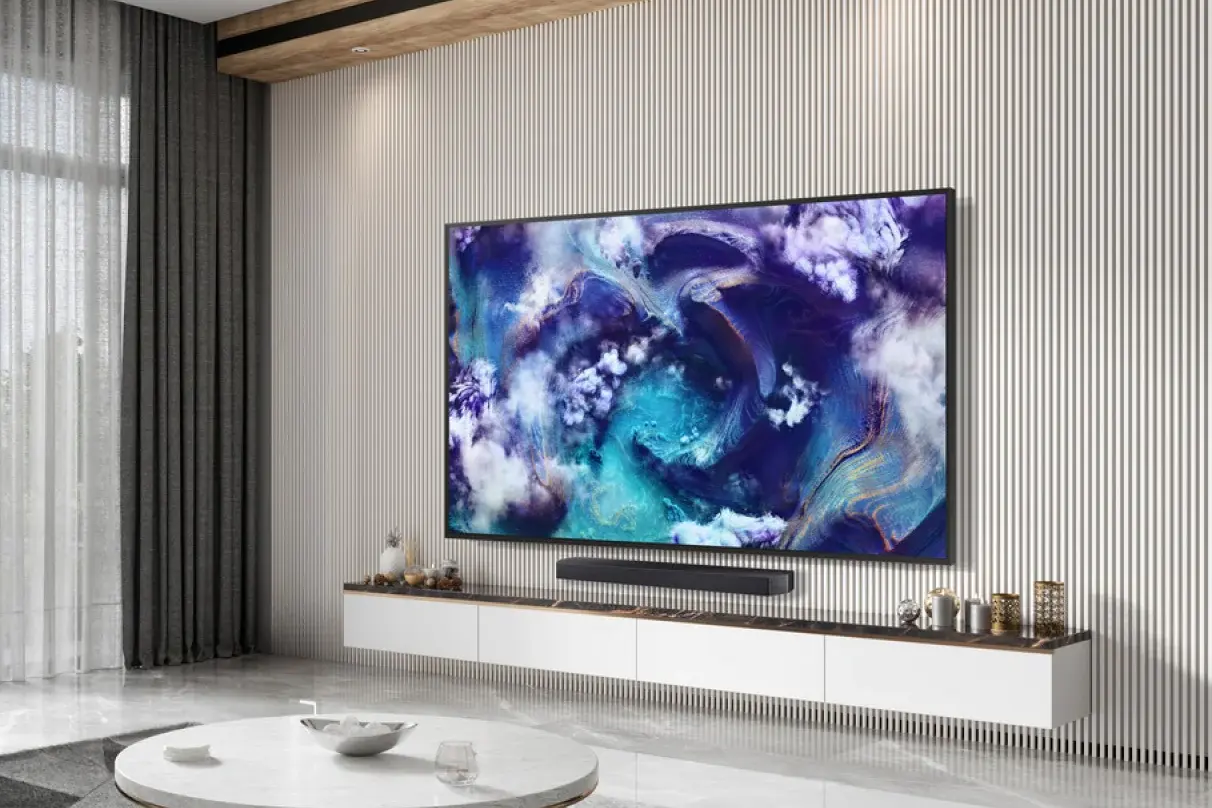
Samsung has already begun rolling out its 2025 lineup of TVs. These new smart TVs don’t just promise an immersive viewing experience but also feature AI powered features thanks to the new Vision AI technology. But the various models like the QLED, OLED, and Neo QLED series can get quite confusing. So here’s a quick explainer about the latest Samsung Smart TVs.
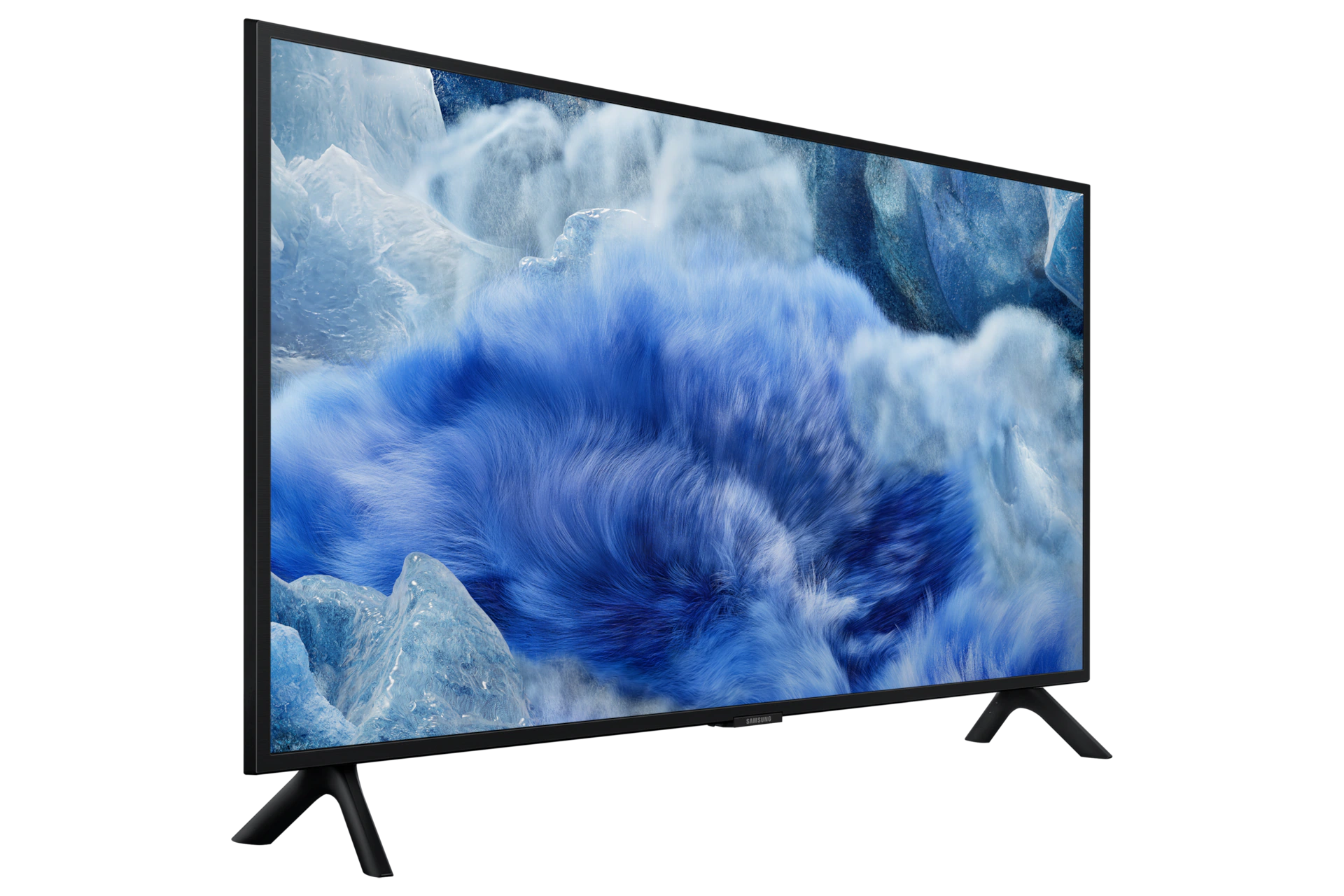
One of the latest lineups to get a 2025 release is the Samsung Class OLED Vision AI models, which are 4K smart TVs. There are three options to choose from, namely the Class OLED S85F, S90F, and S95F. All three lineups can be purchased in multiple size options and start from 1,299 US Dollars. The Class OLED Vision AI Smart TVs feature Ultra HD resolution (4K), AI powered features, and an OLED panel.
The main selling point here is the OLED screen. Unlike the typical LCD panels, Samsung’s OLED start TVs bring expertly calibrated colors and the beloved OLED contrast. This brings true blacks and an improved viewing experience. Depending on the lineup you chose, there are options for up to 165Hz high refresh rate, making these great for gaming as well.
2. Samsung Class QLED Vision AI Smart TV
Samsung Class QLED Q8F 4K Vision AI Smart TV
As of right now, Samsung only offers one Class QLED Vision AI Smart TV from its 2025 lineup. This model is also the most affordable option from the latest announcements, starting from 499 US Dollars. The Class QLED Q8F Vision AI Smart TV arrives in a wide range of sizes that include 32, 43, 50, 55, 65, 75, and even 85 inches.
Every model is powered by the brand’s Q4 AI processors, offers 4K resolution, Samsung Knox Security, and Quantum Dot technology. Apart from this, there is support for the Vision AI like the other TVs on this list and even a high 144Hz refresh rate.
3. Samsung Class Neo QLED Vision AI Smart TV
Samsung Neo QLED QN900F 8K Vision AI Smart TV
Moving to something a little more premium, we have the the Samsung Class Neo QLED Vision AI Smart TV lineup. This consists of two versions, which include 4K and 8K variants. The QN80F and QN90F are the two 4K smart TVs that bring the new NQ4 AI Gen2 processors, 4K AI upscaling, Dolby Atmos, Vision AI, and Quantum Matrix technology. QN80F can be purchased up to a massive 100 inch model but both options start from 1,299 US Dollars.
But talking about the true flagships (QN900F and QN990F), we have the 2025 Class Neo QLED 8K TVs. These models were just recently announced with Vision AI tech, a 240Hz refresh rate, and Dolby Atmos support as well. The 8K smart TVs are top if the line models with a premium metal frame design and Glare-Free Quantum Matrix Mini LED displays. So, they can easily match OLED panels in terms of deep blacks and contrast.
For more daily updates, please visit our News Section.
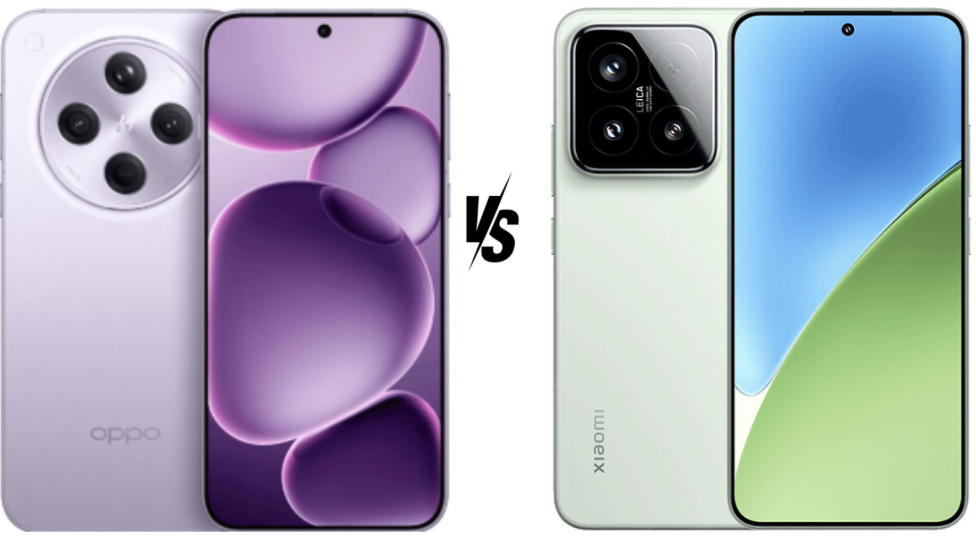
Oppo Find X8s+ and Xiaomi 15 are two of the most compelling flagship contenders in the sub-$800 range, targeting users who want premium performance without breaking into ultra-premium pricing. With both phones boasting cutting-edge hardware, refined designs, and strong camera setups, choosing between them isn’t easy. This comparison is important because it highlights the key strengths and trade-offs between two very different approaches to flagship smartphones, battery endurance and rugged design versus cutting-edge performance and display technology.
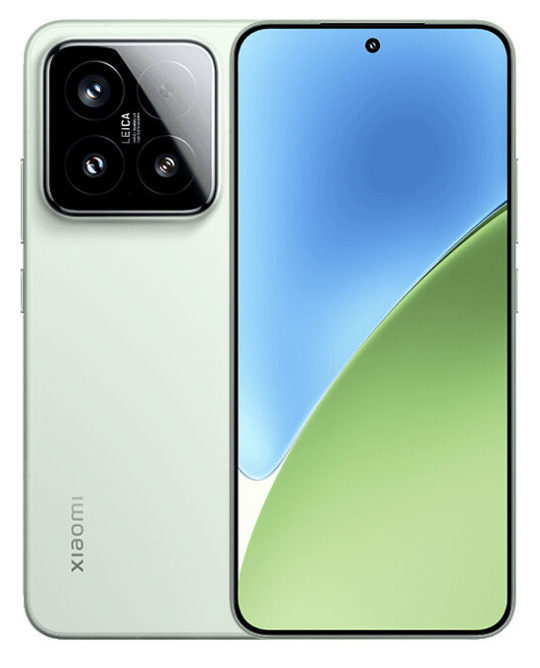
Build and Feel: Oppo Find X8s+ offers a robust aluminum frame sandwiched between glass panels, paired with IP68/IP69 certification for superior dust and water resistance, including high-pressure water jets. Xiaomi 15 also features an aluminum alloy frame with Xiaomi Shield Glass and IP68 certification. However, Oppo takes the edge with IP69, making it more resilient under harsher conditions. The Xiaomi’s slimmer form factor feels more compact, but the Oppo’s build adds a more premium and rugged touch for users prioritizing durability.
Display Quality: Oppo Find X8s+ features a 6.59-inch AMOLED panel with 1B colors, Dolby Vision, and HDR10+ at 1600 nits peak brightness. The Xiaomi 15’s 6.36-inch LTPO AMOLED may be smaller, but it impresses with 68B colors and a peak brightness of 3200 nits. Both support Dolby Vision and HDR10+, but Xiaomi’s LTPO technology offers better adaptive refresh control and higher brightness for outdoor use. The Oppo has a slightly higher resolution, but Xiaomi’s superior brightness and color depth offer a more immersive viewing experience.
Verdict: Xiaomi 15 delivers a more vivid and refined display experience due to its LTPO panel, higher brightness, and broader color range. However, Oppo counters with a sturdier and more rugged body, offering better overall protection.
2. Specifications
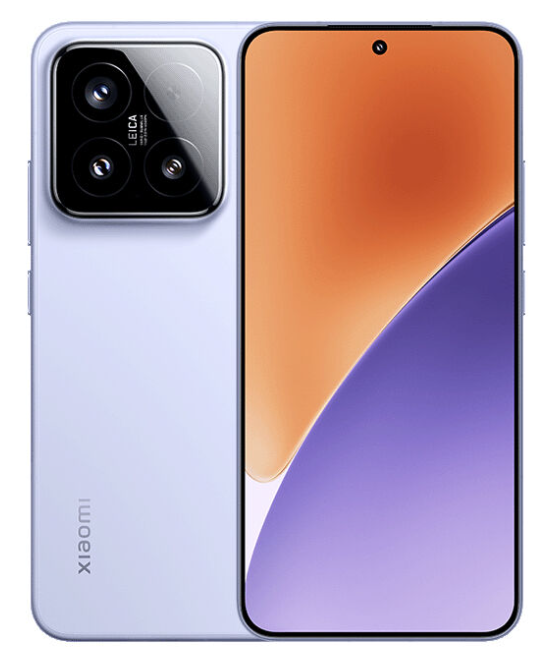
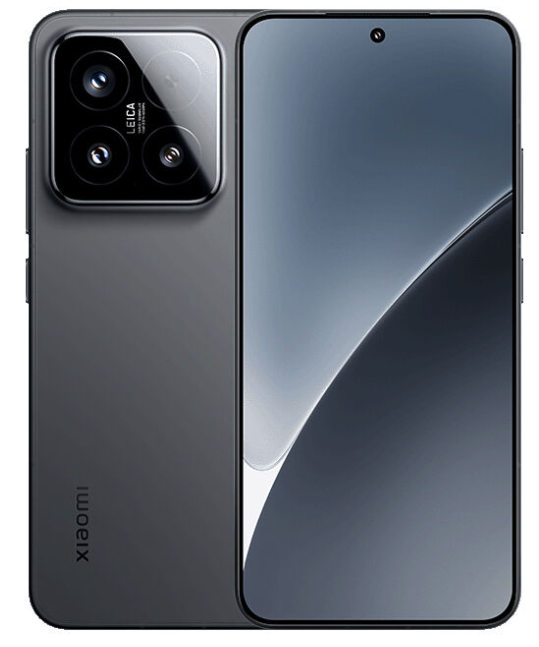
Xiaomi 15
Performance: Oppo Find X8s+ runs on the MediaTek Dimensity 9400+, featuring a powerful Cortex-X925 prime core and Immortalis-G925 GPU. Xiaomi 15 uses the Snapdragon 8 Gen 4 (Elite), equipped with custom Oryon V2 cores and Adreno 830 GPU. Both chips are built on 3nm architecture and provide top-tier performance. Xiaomi’s CPU offers higher clock speeds and better efficiency, especially in sustained tasks, while also providing broader support for gaming and AI workloads. Xiaomi also benefits from faster USB 3.2 support, enhancing data transfer and display capabilities.
Battery and Charging: Oppo Find X8s+ leads with a massive 6000 mAh battery, significantly larger than the Xiaomi 15’s 5240–5400 mAh unit. While Xiaomi has a slight edge in wired charging speed at 90W, Oppo is not far behind at 80W. Both support 50W wireless and 10W reverse wireless charging. Oppo’s battery size gives it a clear advantage in longevity, especially under heavy use or travel conditions where extended uptime is vital.
Verdict: Xiaomi wins in raw processing power and connectivity, offering superior efficiency and faster I/O features. However, Oppo’s larger battery and competitive charging setup make it more reliable for users who prioritize endurance over peak performance.
3. Camera
Xiaomi 15
Main and Secondary Lenses: Both phones feature triple 50 MP cameras, but tuning and sensor differences matter. Xiaomi includes a larger 1/1.31″ main sensor with Leica optics, offering better low-light performance and detail retention. Its telephoto lens provides 2.6x optical zoom with decent reach, while the ultrawide captures a 115° field of view. Oppo uses a smaller main sensor but compensates with Hasselblad calibration and a 3x periscope zoom, giving it an edge in optical range. Oppo’s ultrawide has a slightly wider angle at 120°, but the smaller sensor impacts dynamic range.
Selfie Camera: Both phones use a 32 MP front camera with autofocus, but Xiaomi’s lens has a larger aperture (f/2.0) and supports HDR10+ video, giving it better performance in dynamic lighting. Oppo offers slightly more versatility in a selfie video with support for 4K60fps, while Xiaomi focuses more on HDR output. Both are capable, but Xiaomi may deliver more accurate skin tones and highlights, especially under backlit conditions.
Verdict: Xiaomi 15 delivers more consistent quality across all lenses, especially with its Leica optics and larger main sensor. Oppo’s 3x telephoto offers better reach, but Xiaomi’s overall camera tuning and video capabilities make it more versatile for daily and professional use.
4. Pricing
Oppo Find X8s+
Both the Oppo Find X8s+ and Xiaomi 15 are priced around $750, offering flagship-grade features at a relatively competitive rate. For the same price, Xiaomi gives users a stronger processor, better display brightness, and Leica-enhanced cameras, while Oppo focuses on larger battery capacity and rugged build quality.
Verdict: At this price point, Xiaomi offers a slightly more balanced flagship experience with fewer compromises in day-to-day usage scenarios.
Disclaimer: Prices are approximate and may vary based on country, region, and applicable taxes.
5. Conclusion
Xiaomi 15
Xiaomi 15 distinguishes itself with Leica optics, LTPO 120Hz 68B-color display, Snapdragon 8 Gen 4 chipset, and USB 3.2 Gen2 with DisplayPort, appealing to users who want a flagship packed with premium features across the board. Oppo Find X8s+ counters with IP69 ruggedness, a 6000 mAh battery, 3x periscope zoom, and Hasselblad color tuning, making it ideal for users needing battery endurance and superior telephoto capabilities.
Verdict: Overall, Xiaomi provides a more polished and all-around experience, while Oppo shines in niche areas like battery life and ruggedness.
MSI has officially launched its latest premium gaming monitor, the MAG 272UP QD-OLED X24, in the Chinese market. The monitor is priced at 5,599 yuan (approximately $776) and is now available on JD.com. Let’s check out its key specs.
MSI MAG 272UP QD-OLED X24 Specifications
The gaming monitor features a 26.5-inch fourth-generation QD-OLED panel from Samsung, delivering a native 4K UHD resolution (3840 x 2160) and an ultra-smooth 240Hz refresh rate aimed at competitive gamers and creators alike.
The display comes with a pixel density of 166 PPI for sharp visuals and sports a peak brightness of 1000 nits (3% APL), while its typical brightness sits at 450 nits. It carries the DisplayHDR True Black 400 certification and offers a 1,500,000:1 contrast ratio, thanks to OLED’s self-emissive pixel structure. The monitor equips a 0.03ms GtG response time, supports Adaptive Sync, and is G-Sync Compatible, ensuring low latency and tear-free performance.
In terms of colors, it comes factory-calibrated with a Delta E ≤2, supports 10-bit color depth, and covers 99% DCI-P3, 98% Adobe RGB, and 138% sRGB gamuts. Each unit ships with a factory calibration report for professionals who demand color accuracy.
The monitor features MSI’s OLED Care 2.0 technology, which includes pixel shift, pixel refresh, auto-brightness control, and ambient light monitoring to reduce the risk of burn-in. It also offers gamer-centric enhancements such as dynamic crosshairs, visual enhancement for dark scenes, and digital magnification tools.
Design-wise, the MAG 272UP QD-OLED X24 sports a 4.7mm ultra-thin profile and a dragon-etched rear panel. It comes with a fully adjustable stand supporting height (up to 110mm), tilt (-5° to 20°), swivel (-30° to 30°), and pivot (up to 90°) adjustments. It also supports VESA 100×100 mounting.
For connectivity, the monitor equips two HDMI 2.1 ports (4K @240Hz), one DisplayPort 1.4a, a USB Type-C port with DP Alt Mode and 15W charging, and a headphone out. It comes TÜV Rheinland-certified for low blue light and flicker-free operation, and supports hardware-level blue light filtering and DC dimming for eye comfort.
In related news, AOC recently introduced the Q27G4K, a 27-inch QHD Fast IPS gaming monitor featuring a 400Hz refresh rate and HDR400 certification. Lenovo also launched a straightforward 120Hz IPS monitor aimed at productivity, equipped with USB-C connectivity and an ergonomic stand.
For more daily updates, please visit our News Section.
The Snapdragon 8 Elite, announced in October 2024, is Qualcomm’s most powerful smartphone chipset that promises huge upgrades over its predecessors. It boasts a powerful CPU with a peak frequency of over 4GHz and an Adreno 830 flagship GPU that does the heavy lifting when it comes to graphics-related tasks.
The Dimensity 9400, on the other hand, was also announced in October 2024. It also features powerful CPU cores with slightly lower peak frequency. However, the flagship-grade Mali-G925 Immortalis MP12 GPU runs at a higher frequency than the Adreno 830.
Both Qualcomm and MediaTek promise massive upgrades to their respective chips, but how do they stack up against each other? Let’s look at the benchmark numbers. Plus, we’ll also look at the key differences in this article for better understanding.
Snapdragon 8 Elite vs Dimensity 9400: Benchmark comparison
Note: The tests were conducted on the iQOO 13 (powered by Snapdragon 8 Elite) and Oppo Find X8 Pro (powered by Dimensity 9400).
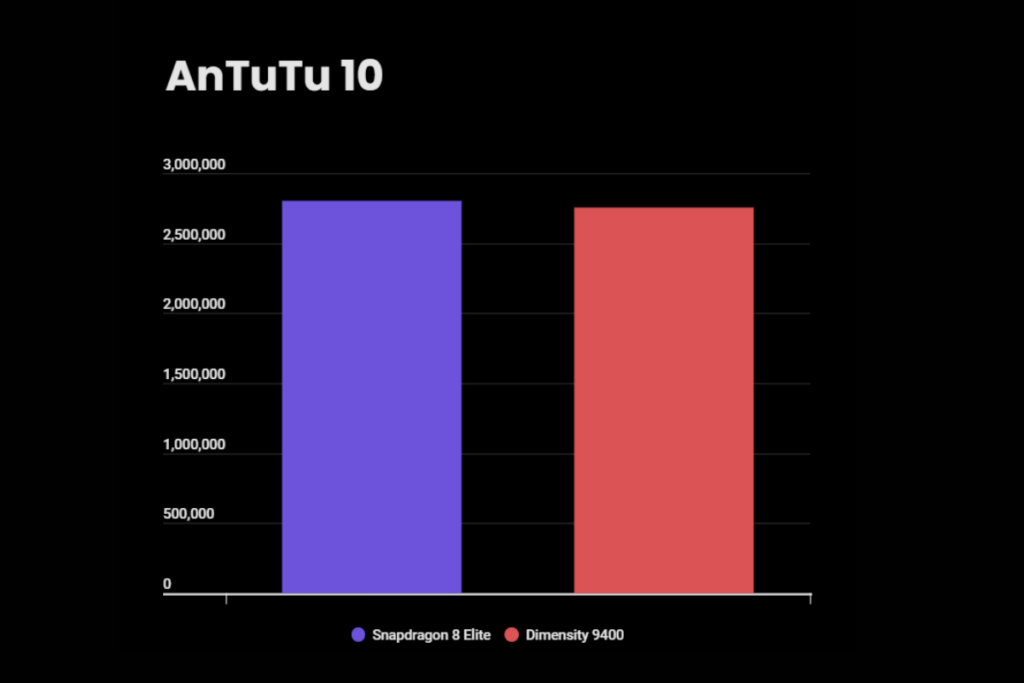
AnTuTu comparison
In AnTuTu benchmarks, the Snapdragon 8 Elite edges out the Dimensity 9400 with a slightly higher overall score. While both chipsets perform exceptionally well, the Snapdragon leads in CPU, memory, and UX performance. However, the Dimensity 9400 actually pulls ahead in GPU performance. Overall, the difference is minor, and both chips are powerhouses in the Android flagship space.
Snapdragon 8 Elite
Dimensity 9400
AnTuTu score
2,802,747
2,754,825
CPU
631,482
622,149
GPU
1,208,815
1,220,751
Memory
505,708
489,110
UX
456,742
422,815
Geekbench comparison
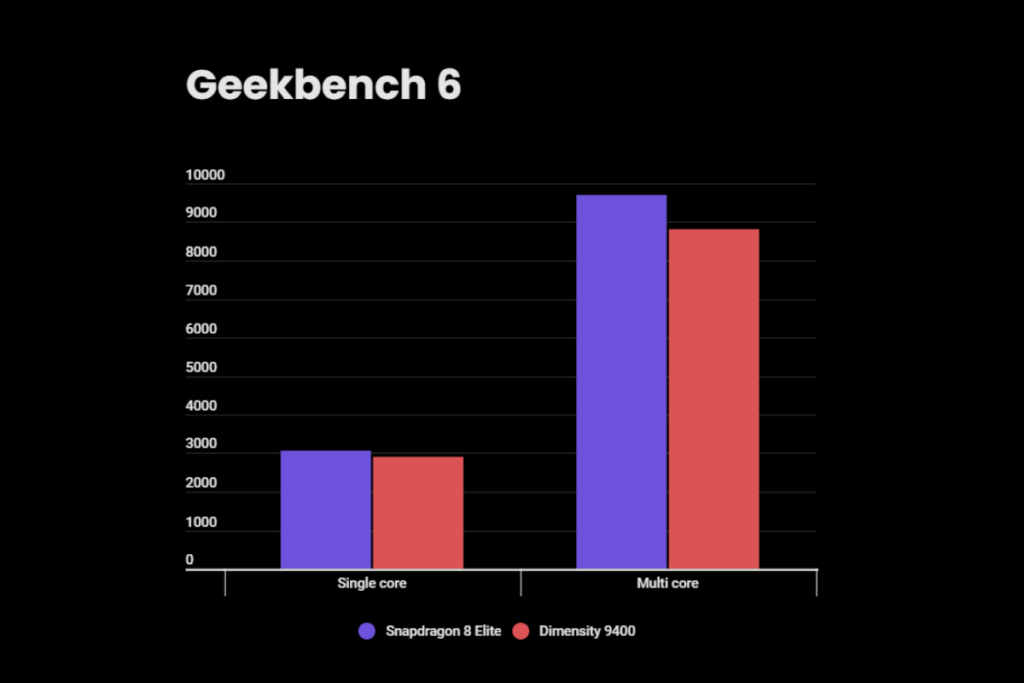
In Geekbench tests, the Snapdragon 8 Elite is ahead in both single-core and multi-core performance. Its higher scores suggest snappier responsiveness in everyday tasks and stronger multitasking capabilities than Dimensity 9400. That said, the Dimensity 9400 still delivers excellent performance and remains close behind, making it a strong competitor in the flagship segment.
Snapdragon 8 Elite
Dimensity 9400
Single core
3,056
2,904
Multi core
9,702
8,812
3DMark Wild Life Extreme Stress Test
The Snapdragon 8 Elite delivers higher peak performance, but its lower stability score suggests it throttles more under sustained load. Meanwhile, the Dimensity 9400 offers slightly lower peak performance but maintains better thermal stability as compared to the Snapdragon chip.
Snapdragon 8 Elite
Dimensity 9400
Best loop score
6,809
6,329
Lowest loop score
3,345
3,684
Stability
49.1%
58.2%
Snapdragon 8 Elite vs Dimensity 9400: key differences that matter!
CPU
Both Snapdragon 8 Elite and Dimensity 9400 are built using TSMC’s 3nm cutting-edge technology, but they greatly differ in terms of core design and architecture. The 8 Elite, for instance, has two Oryon cores running at 4.32GHz and six Oryon cores at 3.53GHz. This is also the first Qualcomm mobile chipset to feature Oryon cores.
On the other hand, the Dimensity 9400 uses a 1+3+4 core design, featuring one Cortex-X925, three Cortex-X4, and four Cortex-A720 cores. Its peak frequency is slightly lower, at 3.63GHz, versus 4.23GHz on the Snapdragon 8 Elite.
GPU
The Snapdragon 8 Elite has a capable Adreno 830 GPU that runs high-end games smoothly at consistently high frame rates. The Dimensity 9400, on the other hand, has a Mali-G925 Immortalis MP12 GPU, which is also great for smartphone gaming.
Although both GPUs offer excellent gaming performance, the Mali-G925 Immortalis MP12 GPU is slightly ahead on the benchmarks. The latter GPU benefits from higher frequency, FLOPS, and number of pipelines.
Connectivity
The Snapdragon 8 Elite has an X80 5G modem with up to 10Gbps peak download speed and up to 3.5Gbps peak upload speed. Through Wi-Fi 7, the chip allows a maximum speed of 3.5Gbps. Qualcomm has equipped the chip with many enhancements for reliable and faster connectivity, such as Qualcomm 5G Ultra-Low Latency Suite, Qualcomm Power RF Efficiency Suite, Qualcomm RF Uplink Optimization, Qualcomm Smart Transmit Gen 5 technology, and Qualcomm 5G PowerSave Gen 5.
The Dimensity 9400 comes with a 5G advanced modem that offers a peak speed of 7Gbps, slightly lower than the other chip. It also supports Wi-Fi 7 with a peak speed of 7.3gbps, higher than the Snapdragon chip.
Snapdragon 8 Elite vs Dimensity 9400: Conclusion
Both the Snapdragon 8 Elite and Dimensity 9400 are top-tier flagship chipsets, and the performance gap between them is narrower than ever. Qualcomm’s Snapdragon 8 Elite excels in CPU performance, multitasking, and overall responsiveness, making it ideal for power users and gamers who demand peak performance. On the other hand, MediaTek’s Dimensity 9400 holds its own with higher GPU benchmarks and better thermal stability during sustained workloads, which is crucial for longer gaming sessions.
If you want the absolute best, the Snapdragon 8 Elite might be the better choice. But if you’re looking for a more balanced chip with solid GPU power and better-sustained performance under stress, the Dimensity 9400 is a compelling choice. In the end, both chipsets are incredibly powerful, and your decision may come down to other factors like device pricing, cooling system, software optimization, and brand preference.
Snapdragon 8 Elite
Dimensity 9400
Announced
October 2024
October 2024
Process node
3nm
3nm
Manufacturer
TSMC
TSMC
CPU
2 x 4.32GHz — Oryon 6 x 3.53GHz — Oryon
1 x 3.63GHz — Cortex-X925 3 x 3.3GHz — Cortex-X4 4 x 2.4GHz — Cortex-A720
GPU
Adreno 830 GPU Unreal Engine 5.3 running Nanite on smartphones Ray tacing support Snapdragon Elite Gaming features
Adreno 740 GPU Ray tacing support MediaTek Adaptive Gaming Technology 3.0
NPU
Qualcomm Hexagon NPU Multimodal Gen AI support
MediaTek NPU 890
Memory
LPDDR5x, up to 5.3GHz
LPDDR5x, up to 5.3GHz
Storage
UFS 4
UFS 4
Camera
Spectra triple 18-bit AI ISPs Up to 320MP single camera Limitless real-time semantic segmentation Up to 8K/30fps or 4K/120fps video recording
Imagiq 1090 ISP Up to 200MP single camera Up to 320MP single camera Up to 8K/60fp video recording
Connectivity
Downlink: 10Gbps Wi-Fi 7 Bluetooth 6.0 Ultra Wideband (UWB) support
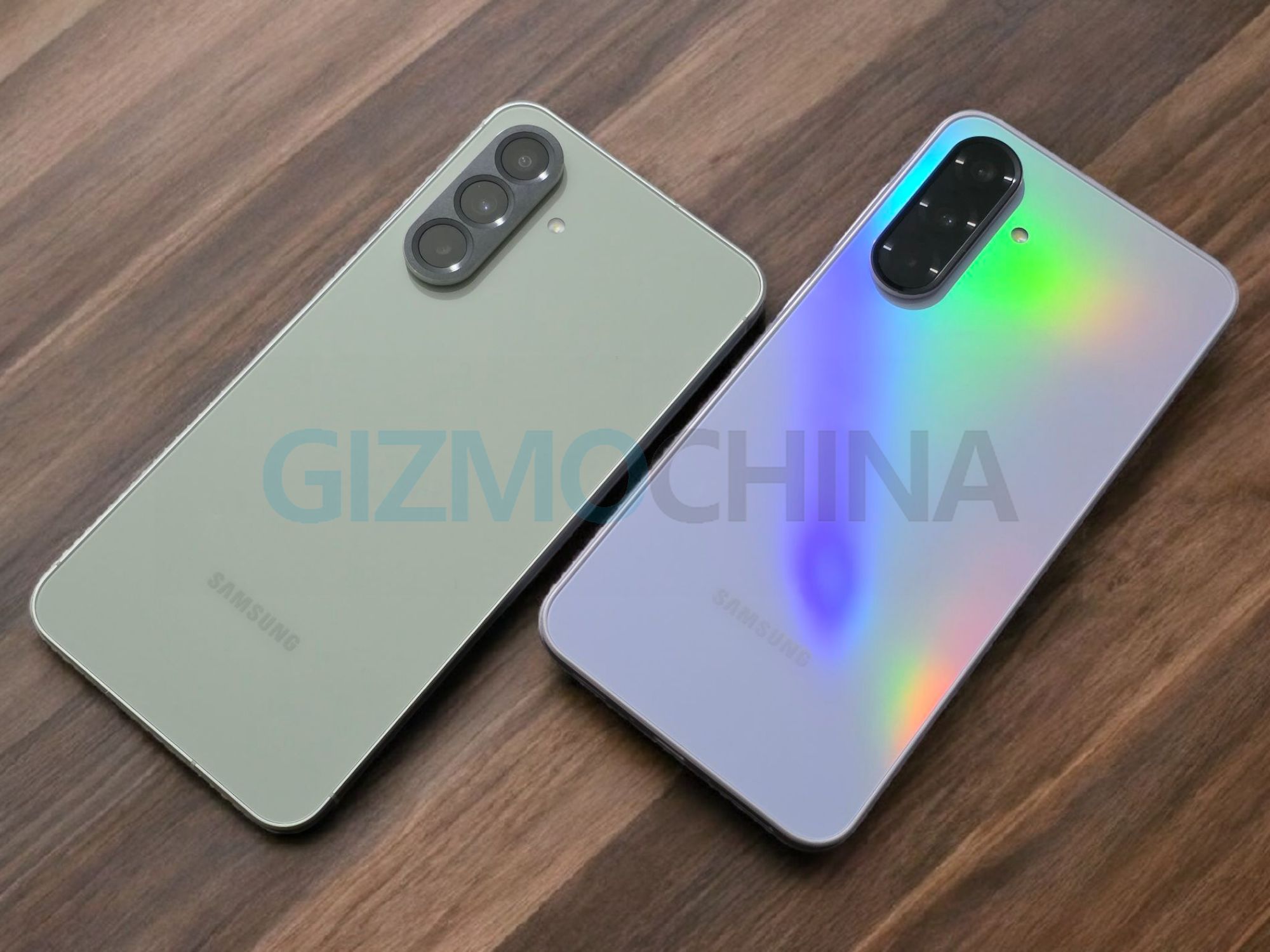
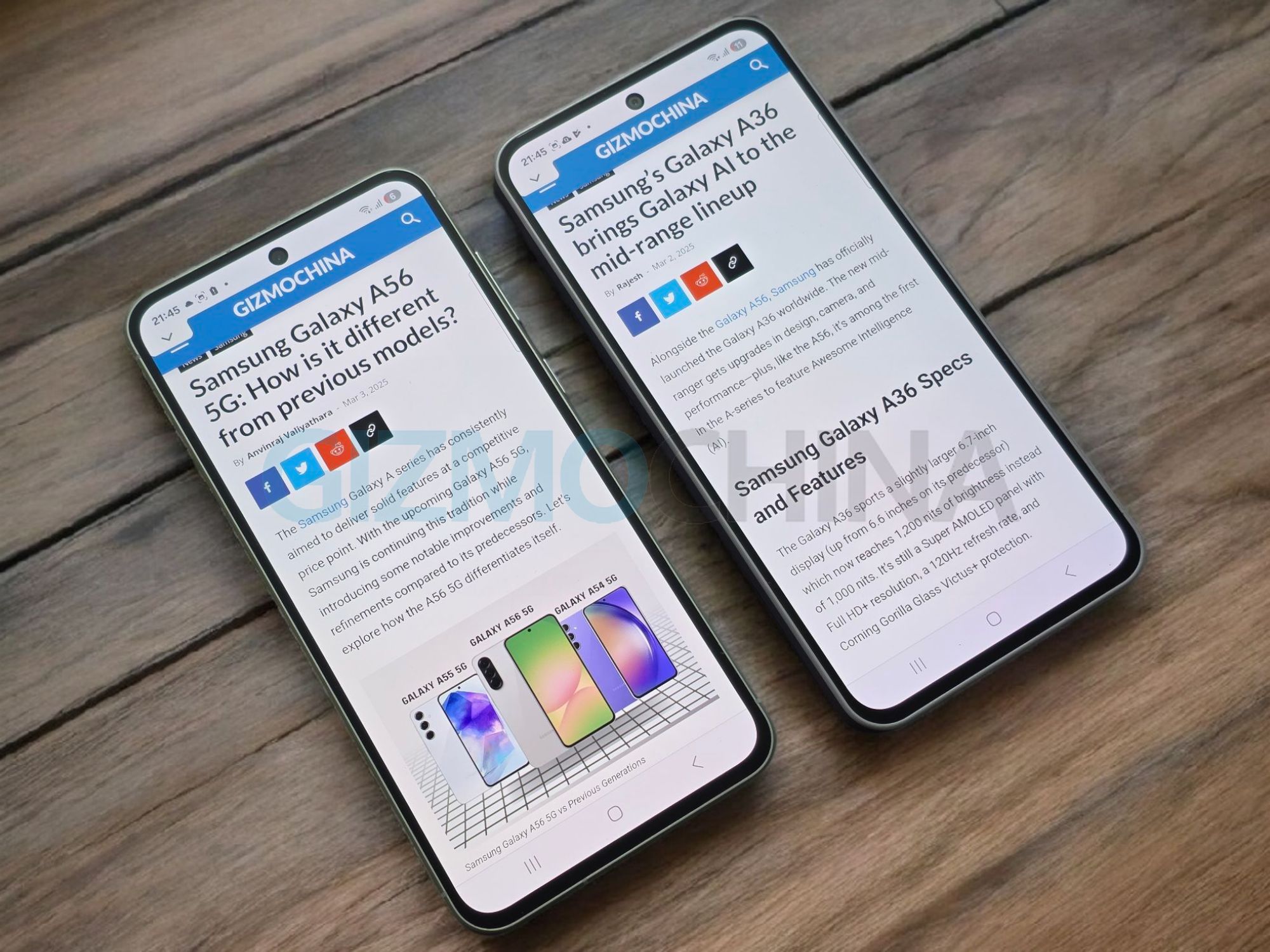
When it comes to Samsung‘s mid range lineup, the Galaxy A56 and Galaxy A36 were the latest announcements. While the A56 is obviously the more capable and high-end option, the A36 is what we believe offers the better value. The more affordable Galaxy A36 quietly delivers a lot of the same essentials for a much lower price. So here’s why the Galaxy A36 just makes more sense right now.
The South Korean tech giant’s Galaxy A36 is noticeably more affordable than the Galaxy A56, but you’re not missing out on much. One area where the Galaxy A36 matches the A56 is in the battery department. Both devices are powered by a sizeable 5,000mAh battery. So we can expect comparable battery life from both devices, with the chipsets and optimizations making the real difference.
But considering how the Galaxy A36’s Snapdragon 6 Gen 3 and A56’s Exynos 1580 are similar in terms of efficiency (at least on paper), the overall endurance shouldn’t be too different. Along with this battery, you get a 45W wired fast charging, which is the same as the Galaxy S25 Ultra.
2. Similar Cameras
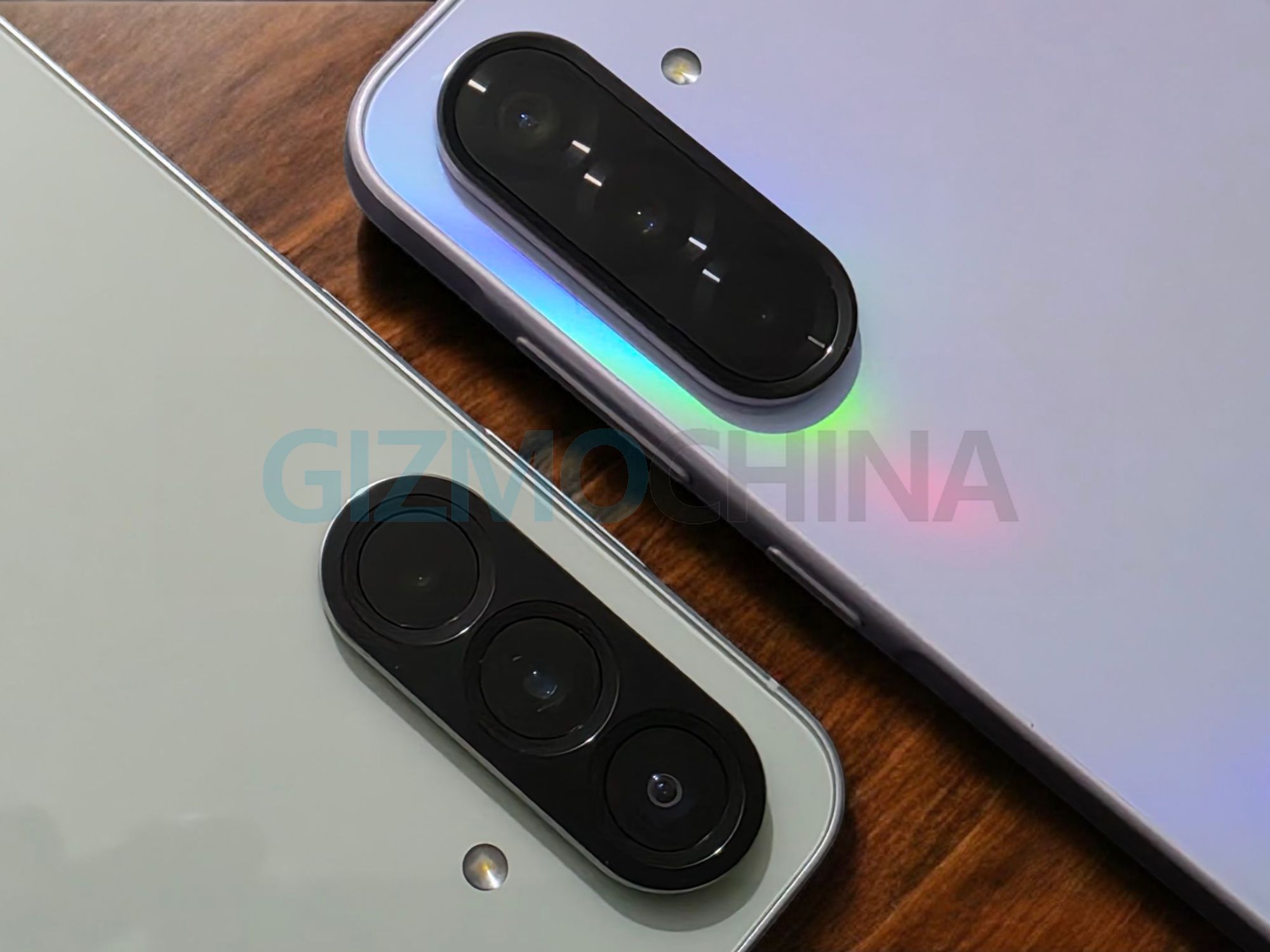
For its price, Samsung’s Galaxy A56 competes with the likes of the OnePlus 13R. But unlike the 13R, it skips the telephoto shooter with a 50MP (Main) + 12MP (Ultra Wide) + 5MP (Macro) setup on the rear. Meanwhile, the A36 has a similar 50MP (Main) + 8MP (Ultra Wide) + 5MP (Macro) shooters on the back, but there are slight changes. All three sensors are different from the A56, which has an IMX906 primary sensor.
On the other hand, the Galaxy A36 has a Sony IMX882 sensor. Practically speaking, there isn’t a lot of difference between the two. You’re not getting a dedicated camera for zoomed shots on either, so the overall photography experience is basically the same.
3. Pricing and Value
Arriving at the most important part of a mid range phone, let’s talk pricing. The Galaxy A56 starts from 41,999 INR for the 8GB + 256GB starting variant and the Galaxy A36 is currently selling for 30,999 INR for the same memory configuration. In this segment, pricing is key for a device. The Galaxy A56 might be a more rounded phone, but the A36 can offer mostly the same experience for less.
The value here easily leans towards the Galaxy A36. For around 10,000 INR more, you do get an aluminum frame, a more powerful Exynos 1580 SoC, and slightly better main camera. But for those looking for a better deal, skipping on a metallic frame, ignoring hardcore gaming, and a similar camera experience for a more affordable price is definitely the greater value.
For more daily updates, please visit our News Section.
OnePlus 13T and Oppo Find X8s+ represent two of the most compelling flagship-tier smartphones in 2025, each pushing boundaries in performance, display, and camera innovation. With both brands offering premium features at different price points, choosing between them isn’t just about specs, it’s about which device delivers better overall value and experience. This comparison highlights where each phone stands out and helps identify which one better fits specific user needs.
Build and Feel: OnePlus 13T features a glass front and aluminum alloy frame, offering a lightweight yet premium hand-feel. It includes IP65 water resistance, sufficient for daily splashes but not for full immersion. In contrast, the Oppo Find X8s+ uses glass on both sides with an aluminum frame and is rated IP68/IP69, making it significantly more rugged and fully protected against water submersion and high-pressure jets. The Oppo feels more solid in the hand, although slightly heavier. For durability and environmental resistance, the Oppo has a clear edge.
Display Quality: OnePlus 13T sports a 6.32-inch LTPO AMOLED with Dolby Vision, HDR10+, HDR Vivid, and an impressive 1600 nits peak brightness. The display is sharp, vibrant, and adaptable due to its LTPO tech. Oppo counters with a larger 6.59-inch AMOLED with the same high dynamic range features and brightness but without LTPO. Both panels reach a high pixel density and support 1B colors. The OnePlus display is slightly more advanced with LTPO for smoother refresh rate transitions and better efficiency.
Verdict: Oppo wins on build quality and water resistance, making it more durable. However, OnePlus has the edge in display tech with LTPO, giving it an advantage in battery efficiency and user experience. Overall, OnePlus offers a better display while Oppo provides stronger build durability.
2. Specifications
Oppo Find X8s+
Performance: OnePlus 13T uses the Snapdragon 8 Elite chipset with custom Oryon V2 cores and Adreno 830 GPU, delivering flagship-level performance with strong thermal management. Oppo Find X8s+ packs the Dimensity 9400+, which is competitive with excellent CPU and GPU power (Immortalis-G925 MC12). However, Snapdragon 8 Elite generally leads in sustained performance, AI processing, and game optimization. Both phones support fast UFS 4.0 storage and up to 1TB configurations, but OnePlus takes the lead with slightly faster real-world speeds.
Battery and Charging: OnePlus offers a 6260 mAh battery with 80W wired charging, 33W PPS, and limited reverse wired charging. Oppo counters with a 6000 mAh battery, also 80W wired, but includes 50W wireless charging and 10W reverse wireless—ideal for wireless users. Despite the smaller capacity, Oppo compensates with more flexible charging options. For power users who prefer wireless solutions, Oppo is more versatile.
Verdict: OnePlus 13T offers superior raw performance and efficient power management. However, Oppo’s more comprehensive charging support, especially 50W wireless, makes it more adaptable. For speed and processing, OnePlus is better, but Oppo takes the win for charging convenience.
3. Camera
Oppo Find X8s+
Main and Secondary Lenses: OnePlus 13T includes a dual 50 MP setup with wide and 2x telephoto lenses, delivering clean shots with OIS and Dolby Vision video. Oppo adds a third lens: a 50 MP ultrawide and a periscope telephoto with 3x optical zoom and Hasselblad tuning. Oppo’s versatility stands out, covering all focal lengths and offering more shooting options. The periscope lens and ultrawide make it superior for photography enthusiasts.
Selfie Camera: OnePlus comes with a 16 MP front camera capable of 1080p video. Oppo outclasses it with a 32 MP front shooter that supports autofocus and 4K video, delivering sharper, more detailed selfies. Video creators and selfie lovers will benefit more from Oppo’s front-facing setup.
Verdict: Oppo Find X8s+ clearly leads in camera hardware, offering better zoom, an ultrawide option, and superior selfie capabilities. OnePlus is good for general use but lacks the flexibility and detail that Oppo provides in its imaging system.
4. Pricing
OnePlus 13T
OnePlus 13T is priced at approximately $600, while the Oppo Find X8s+ comes in at about $750. The $150 price gap reflects Oppo’s more advanced camera system, higher IP rating, and wireless charging features. However, OnePlus still offers flagship-tier performance and a high-end display for significantly less.
Verdict: For value seekers, the OnePlus 13T offers excellent specifications for the price. For users prioritizing camera versatility and wireless features, Oppo justifies the premium.
Disclaimer: Prices are approximate and may vary based on country, region, and applicable taxes.
5. Conclusion
Oppo Find X8s+
Both phones run Android 15 and support modern connectivity standards, including Wi-Fi 7, dual SIM, and Circle to Search. Unique to the Oppo Find X8s+ is its triple-camera Hasselblad system, 50W wireless charging, and IP69 ruggedization. The OnePlus 13T counters with a more efficient LTPO display and the powerful Snapdragon 8 Elite chip.
Verdict: While Oppo excels in imaging and charging versatility, OnePlus delivers better performance and efficiency at a lower cost. For users seeking camera flexibility and durability, Oppo is the better choice. For performance-focused users prioritizing value, the OnePlus 13T stands out.
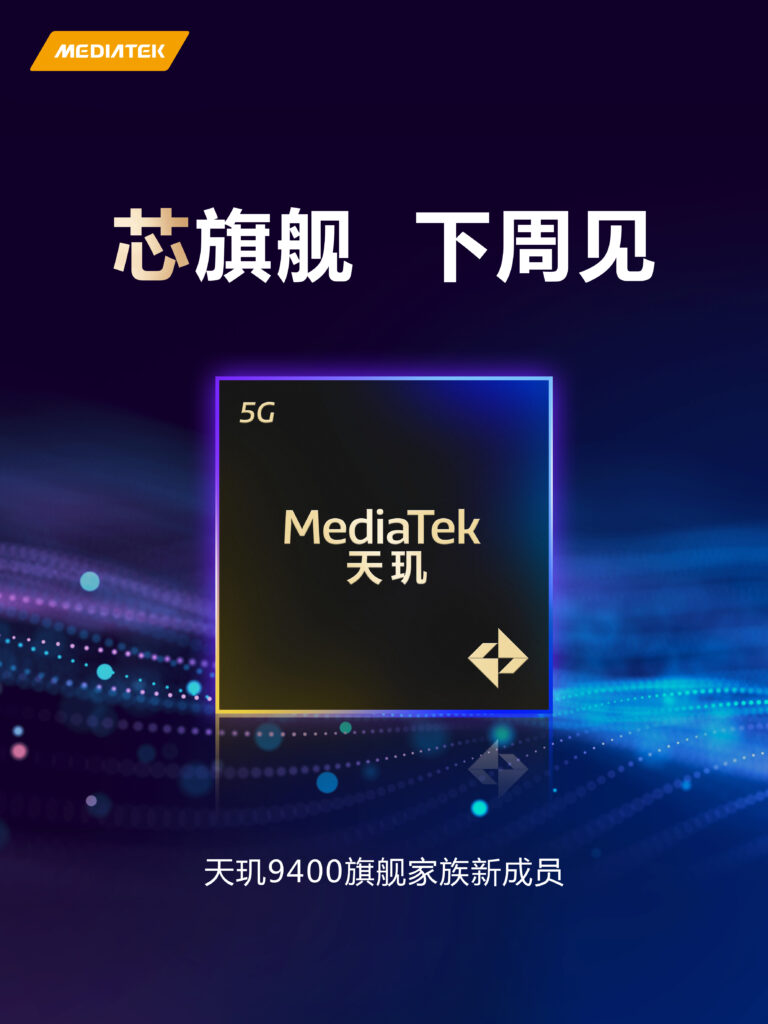
MediaTek is gearing up to unveil a new chip under its Dimensity 9400 flagship family, and all signs point to the upcoming Dimensity 9400e. While the company hasn’t officially confirmed the name, multiple leaks and the timing of the teaser strongly suggest that this new SoC will serve as a refined, performance-focused sibling to the Dimensity 9300+.
Aimed at outperforming Snapdragon 8s Gen 4
Early benchmarks are already doing the rounds, 2.1 million points on AnTuTu and 95fps in the Aztec 1440p GPU test, painting a picture of a chip that’s gunning for Qualcomm’s Snapdragon 8s Gen 4 in both CPU throughput and gaming performance.
The “e” in Dimensity 9400e likely denotes “enhanced,” and from what’s been leaked so far, the chip doesn’t disappoint. It’s expected to feature the same core architecture as the Dimensity 9300+ but with frequency tweaks, better thermal efficiency, and possibly more optimized GPU performance. That would allow MediaTek to better segment its flagship portfolio, especially for brands looking to balance top-tier power with more aggressive pricing.
It’s also telling that OnePlus is among the first expected to debut a device with the 9400e onboard. The chip seems to be a natural fit for high-performance, budget-flagship smartphones that aim to offer next-gen gaming capabilities without hitting Ultra-tier price points. Reports suggest the OnePlus Ace 5 Racing Edition and its possible global counterpart, the Nord 5, will be among the first wave of phones powered by the 9400e, placing it squarely against Snapdragon 8s Gen 4-based rivals like the iQOO Z10 Turbo Pro and Redmi Turbo 4 Pro.
While detailed specs of the SoC remain under wraps, what’s clear is that MediaTek is positioning the Dimensity 9400e to fill a strategic niche: a semi-flagship chipset that can outperform midrange silicon but doesn’t cannibalize the premium-tier Dimensity 9400. As the mid-year refresh cycle kicks into gear, the 9400e could give MediaTek a critical edge in the race for silicon dominance, especially in markets where value-for-performance drives buying decisions.
We’ll know more next week, once MediaTek officially pulls the curtain. But for now, it looks like the Dimensity 9400e is shaping up to be a smart, targeted move in an increasingly segmented SoC landscape.
For more daily updates, please visit our News Section.
Bang & Olufsen is back with another audio product, and this around, the Danish audio brand was announced the 3rd Gen Beosound A1. This is a tiny Bluetooth speaker that features a new and improved design that is both eco friendly and repairable. So here’s everything you need to know.
Bang & Olufsen Beosound A1 Debuts: Repairable & Sustainable
The 3rd generation of Beosound A1 brings a few upgrades from its predecessor, but keeps the compact and pebble shaped form factor. It has a minimalistic design with an aluminum chassis, which houses a larger woofer. It promises to offer 64 decibels of bass, which is slightly higher than the 2nd Gen model. Most of these updates aren’t huge but Bang & Olufsen is being clear regarding the actual upgrades, which is the design itself.
Bang & Olufsen Beosound A1 Bluetooth Speaker
The company has built the speaker with an IP67 rating for water and dust resistance and a modular design that let’s users replace or upgrade broken or older parts. That’s not all, Bang & Olufsen’s Beosound A1 is the world’s first speaker to get a Bronze certification from Cradle to Cradle. For those unaware, C2C is sustainability standard that asses a product from its supply chain to production, ensuring that their is minimal waste. In other words, this speaker is built with sustainability in mind.
Other notable features include Bluetooth 5.1 support, up to 24 hours of battery life, Google Fast Pair support, three microphones with support for calling, and a Natural Aluminium finish. Bang & Olufsen unveiled the Beosound A1 3rd Gen was announced in a Honey Tone and Eucalyptus Green. It is available for purchase right now for 349 US Dollars. In related news, the iconic Beats Pill speaker got two new colors, while Sony unveiled the ULT Field 3 and Field 5 speakers in China recently.
For more daily updates, please visit our News Section.
The anticipation is already building up for the next generation of Samsung foldable smartphones. While we’ve already covered various rumors and reports regarding the flagship Galaxy Z Fold 7 and Galaxy Z Flip 7 models, a new leak has revealed some disappointing details regarding the new Galaxy Z Flip 7 FE. This brand new flip phone might simply be another rebrand.
Samsung’s Galaxy Z Flip 7 FE Might Just Be the Flip 6 in Disguise
In a report from TechManiacs, the key specs and features of the upcoming Galaxy Z Flip 7 FE model were revealed. Looking at these specs, it seems like the new budget foldable phone might be just a lazy rebrand of last year’s Galaxy Z Flip 6. The report claims that the Galaxy Z Flip 7 FE will be powered by a Qualcomm Snapdragon 8 Gen 3 SoC, just like the Flip 6. This processor is rumored to be paired with 12GB of RAM.
Samsung Galaxy Z Flip 7 FE CAD renders
The main display is a flexible 6.7-inch AMOLED display, while the cover panel is a 3.4-inch Super AMOLED screen. In recent leaked renders, the Galaxy Z Flip 7 FE looks eerily similar to the Galaxy Z Flip 6, even down to the shape of the cover screen. That’s not all, the Galaxy Z Flip 7 FE is expected to launch with a 50MP (Main) + 12MP (Ultra Wide) dual camera setup on the rear and a 10MP selfie shooter.
So this might be the exact same camera system that was featured on the Galaxy Z Flip 6. Another aspect shared between the last gen and new Samsung flip phones is the battery capacity. The new FE model could offer a 4,000 mAh battery cell, which supports 25W wired fast charging and 15W wireless charging. All of these points to the Z Flip 7 FE being a Flip 6 in disguise. Keep in mind that this is still just an unconfirmed report, so take this disappointing news with a pinch of salt for now.
For more daily updates, please visit our News Section.
Rockstar Games took their sweet time to drop the second trailer of Grand Theft Auto VI. Many were waiting for another sneak peek at gaming’s most anticipated launch, and we finally got a great surprise yesterday. In true GTA fashion, the trailer has exploded online, racking up over 55 million views already.
GTA 6 Trailer 2 Drops and the Fans Love What They See
Unlike the first trailer, Rockstar’s latest reveal offers us a proper look at the GTA 6 world and even confirms Vice City as a region. The fans of the highly anticipated title were left disappointed after the announcement of the delay, but Rockstar is keeping the hype alive. To recall, the GTA 6 has been delayed to 26th May 2026 on the PS5 and Xbox Series X. However, details regarding the PC release are still at large.
Grand Theft Auto VI Trailer 2
In just 17 hours, the second trailer of Grand Theft Auto VI has hit over 55 million views. Meanwhile, the first trailer of the game managed to clock in 93 million views in the first 24 hours. We get a better view of the world of GTA 6, as well as the two protagonists, Jason and Lucia. The criminal duo can be seen taking on the fictional USA state of Leonida, which is likely inspired by Florida.
The trailer shares cutscenes from the game’s campaign, high fidelity visuals, the return of Vice City, and much more. We will be covering the trailer in more depth soon, so stick around for more.
For more daily updates, please visit our News Section.
We use cookies on our website to give you the most relevant experience by remembering your preferences and repeat visits. By clicking “Accept”, you consent to the use of ALL the cookies.
This website uses cookies to improve your experience while you navigate through the website. Out of these, the cookies that are categorized as necessary are stored on your browser as they are essential for the working of basic functionalities of the website. We also use third-party cookies that help us analyze and understand how you use this website. These cookies will be stored in your browser only with your consent. You also have the option to opt-out of these cookies. But opting out of some of these cookies may affect your browsing experience.
Necessary cookies are absolutely essential for the website to function properly. This category only includes cookies that ensures basic functionalities and security features of the website. These cookies do not store any personal information.
Any cookies that may not be particularly necessary for the website to function and is used specifically to collect user personal data via analytics, ads, other embedded contents are termed as non-necessary cookies. It is mandatory to procure user consent prior to running these cookies on your website.