Qualcomm‘s next-generation chipset, the Snapdragon 8 Elite 2, is under development as the successor to the Snapdragon 8 Elite. Recent leaks from Digital Chat Station provide insights into its expected launch timeline and manufacturing details.
Qualcomm is reportedly planning to release the Snapdragon 8 Elite 2 in early October 2025, earlier than usual. This earlier launch aligns with the company’s trend of advancing Snapdragon Summit dates and aims to give smartphone manufacturers time to integrate the new chipset into flagship devices ahead of the holiday season.
The Snapdragon 8 Elite 2 is expected to use TSMC’s N3P node, an advanced 3nm manufacturing process. This technology is set to improve performance and power efficiency, comparable to Apple’s A19 chips, which are also rumored to use this node.
The leak suggests notable GPU upgrades for the Snapdragon 8 Elite 2, along with a potential 20% improvement in CPU performance. These improvements are expected to offer a meaningful performance boost, building on the efficiency and GPU improvements already seen in the current Snapdragon 8 Elite.
However, adoption of the Snapdragon 8 Elite 2 could face hurdles as reports claim that it could be even more expensive than its already pricy predecessor. Qualcomm is reportedly working on optimizing its manufacturing process and supply chain to make the new chipset more competitively priced.
In other news, OnePlus has scheduled the global launch of the OnePlus 13 and 13R smartphones for 7th January 2024. The OnePlus 13R will be powered by the Snapdragon 8 Gen 3 chip, paired with a 6,000mAh battery, while the flagship OnePlus 13 will come with the Snapdragon 8 Elite chip, also supported by a 6,000mAh battery.
Xiaomi has taken the wraps off its upcoming Redmi Book 14/16 2025 laptops, with pre-orders now live on JD.com in China ahead of a planned January 1st launch. These mid-range machines boast the latest Intel Core processors and generous storage options, catering to users who prioritize performance and multitasking.
Pre-orders now live on JD.com ahead of January launch
Based on the pre-order listings, the Redmi Book 14/16 2025 appears to be equipped with the Intel Core 5 220H processor. This CPU belongs to the Raptor Lake-H Refresh series, unveiled in late 2024. It offers a blend of power and efficiency with 4 performance cores and 8 efficient cores, capable of reaching speeds up to 4.9 GHz. It features Hyper-Threading technology that further enhances performance by enabling 16 processing threads.
The pre-order listings reveal three storage configurations: 16GB RAM with 512GB SSD, 16GB RAM with 1TB SSD, and a top-of-the-line option featuring 32GB RAM with a spacious 1TB SSD. This caters to users with varying needs, from moderate multitasking to demanding workloads that benefit from ample RAM and storage.
While specific details about the Redmi Book 14/16 are yet to be confirmed, a glimpse of the Redmi Book 16 2025 was offered during the recent “Lu Weibing Annual Summary” event. The laptop comes in a sophisticated silver-grey finish and prominently displays Redmi’s updated letter-style logo.
Further details about the Redmi Book 16 2025 suggest it can deliver up to 47W of sustained power, likely thanks to Xiaomi’s thermal management solutions. Additionally, the laptops boast AI-powered battery optimization, promising extended usage times of up to 19.05 hours on a single charge – a claim that will be interesting to see verified in real-world testing.
The software side sees the inclusion of Xiaomi HyperOS 2. This may offer additional features and integrations specific to Xiaomi devices. The laptops are also confirmed to support Xiaomi HyperOS Connect, potentially enabling seamless connectivity between smartphones and laptops within the Xiaomi ecosystem.
The Redmi Book 14/16 2025 is expected to launch alongside the Redmi Turbo 4 on January 1st in China.
MSI has introduced the MPG 325CQRXF, a 31.5-inch curved gaming monitor designed for competitive gamers and content creators. Part of MSI’s Performance Gaming (MPG) series, it improves on its predecessor, the MAG 325CQRXF E2, with key upgrades.
The MPG 325CQRXF features a Rapid VA panel with a 1000R curvature, a 2560 x 1440 resolution, and an ultra-fast 280Hz refresh rate. Its 0.5ms (GtG) response time reduces motion blur, while VESA DisplayHDR 400 ensures enhanced image quality. The monitor covers 96% of the DCI-P3 color gamut and 127% of sRGB, making it suitable for both gaming and creative tasks.
The monitor supports Adaptive-Sync for smooth, tear-free gameplay. Connectivity options include two HDMI 2.0 ports, one DisplayPort 1.4, and a USB Type-C port with 15W Power Delivery. Additional ports include two USB 2.0 Type-A ports and a headphone jack. An internal power supply helps reduce cable clutter.
It offers tilt, height, and swivel adjustments for ergonomic use. The frameless design supports multi-monitor setups, and AI Vision automatically adjusts brightness and color saturation. MSI Gaming Intelligence provides automated smart settings, with firmware updates accessible via USB. The monitor weighs 8.1kg with the stand. Pricing and availability are yet to be announced.
In related news, AOC has launched the AG276QSG, a premium 27-inch Fast IPS gaming monitor in China, priced at 7,599 yuan ($1,041) on JD.com. Key features include a 2K resolution, 360Hz refresh rate, 1ms GTG response time, Nvidia G-Sync ULMB2, and Adaptive-Sync for smooth gaming. It offers 95% DCI-P3 coverage, HDR600 certification, and professional-grade color accuracy with Delta E<2.
AOC has launched a new high-end gaming monitor called AG276QSG in the Chinese market. The monitor is priced at 7,599 yuan ($1,041) and is now available on JD.com. Let’s check out its key specs.
AOC AG276QSG Monitor Specifications
The monitor features a stunning 27-inch Fast IPS panel with a 2K resolution (2560×1440), delivering ultra-clear visuals and exceptional color accuracy. It boasts a blazing 360Hz refresh rate and 1ms GTG response time, ensuring fluid and seamless gameplay, especially in fast-paced FPS games.
The monitor features Nvidia G-Sync ULMB2 for smooth, tear-free visuals with low latency and supports NVIDIA Reflex to minimize input lag. Additionally, it includes Adaptive-Sync for broader GPU compatibility and seamless gaming performance.
In terms of color performance, it sports a 95% DCI-P3 color gamut and true 8-bit color depth, offering vibrant and lifelike visuals. Each unit undergoes rigorous factory calibration, achieving a Delta E<2 for professional-grade color accuracy. The monitor is also VESA HDR600 certified, with a peak brightness of 600 nits, ensuring impressive contrast and detail in both dark and bright scenes.
For eye comfort, the AG276QSG includes a hardware-level low-blue light filter and a smart ambient light adjustment system, reducing strain during prolonged use. It also features a unique anti-blue light technology that does not compromise color fidelity.
The monitor is designed for versatility and ease of use, featuring a VESA-compatible mount, adjustable height, tilt, and swivel options, as well as an ergonomic stand with a built-in headphone holder and cable management system. In terms of connectivity, it comes with three HDMI 2.0 ports, a DP 1.4 port, four USB 3.2 ports, and an audio-out jack.
Enhancing the gaming experience further, the monitor offers customizable RGB lighting effects, dual 5W speakers, and multiple preset modes, such as FPS and G-Sync Esports, adjustable via the G-Menu software.
In related news, Titan Army introduced a 24″ 540Hz 1080P monitor featuring 96% DCI-P3 coverage and 500 nits peak brightness earlier this month. Meanwhile, BenQ launched a 31.5″ 4K IPS programming monitor with 98% DCI-P3 coverage and KVM support.
Choosing the right flagship smartphone in 2024 isn’t as straightforward as it used to be. Each brand has its own take on what a premium device should offer, and the market is more competitive than ever.
From premium designs with titanium build to unmatched camera systems, today’s flagships are more versatile and feature-packed than ever. Here, we’ll list our top picks for the most impressive flagship devices in 2024.
And to clarify, we did not curate the list for a specific market; rather, we compiled the list for the global market, which includes China. So let’s get started.
Huawei Mate 70 RS Ultimate
Huawei’s Mate 70 RS Ultimate is the brand’s latest and most premium smartphone you can get right now. It features an eye-catching octagonal camera module, a brocade material back, and a high-gloss titanium frame.
The device’s definite highlight is its in-house Kirin 9020 chip, which offers a 30% performance boost over the previous Kirin 9010. It’s still not on par with the latest flagships from Snapdragon or MediaTek, but it comes close to competing with chips from a couple of generations ago.
It has a 6.9-inch display that uses dual-layer OLED technology. It can be as bright as 3,500 nits, has a 120Hz refresh rate, 440Hz high-frequency PWM dimming, and a 300Hz touch sampling rate.
The rear camera setup includes a 50MP main camera with an adjustable aperture (F1.4-F4.0), OIS, and an RYYB sensor. It also has a 40MP ultra-wide-angle lens (F2.2 aperture, RYYB), a 48MP super-focus macro telephoto lens (F2.1 aperture, OIS, RYYB), and a 1.5MP multi-spectral lens. It supports 4x optical zoom and up to 100x digital zoom.
The device houses a 13MP selfie camera on the front paired with a 3D depth sensor. The setup is coupled with Huawei’s XMAGE imaging technology. Fueling the phone is a 5,200mAh battery that supports 88W wired and 50W wireless fast charging.
While these specs seem promising on paper, the phone’s Achilles’ heel remains its limited app support due to Huawei’s ongoing restrictions in accessing Google’s services. For those who can adapt to Huawei’s AppGallery ecosystem, though, the Mate 70 RS Ultimate can be a compelling choice.
Vivo X200 Pro
The Vivo X200 Pro, like its previous X-series phones, has a strong focus on imaging and design. Known for its camera-centric phones, Vivo continues its streak with ZEISS-branded optics and a premium glass and metal build that ensures a solid, ergonomic feel in the hand. The 6.78-inch AMOLED panel offers a 120Hz refresh rate, 1.5K resolution, and excellent color accuracy.
Running on MediaTek’s Dimensity 9400 chipset, the Vivo X200 Pro delivers performance comparable to Snapdragon 8 Elite devices. Vivo’s efficient thermal management ensures consistent performance even during extended gaming sessions.
Where the Vivo X200 Pro truly shines is its camera system. The 50MP 23mm wide sensor captures stunning details, while the ultrawide lens and a whopping 200MP periscope telephoto lens provide versatility for all shooting scenarios. Vivo’s V3+ imaging chip further improves portraits, and low-light photography, making it a go-to choice for photography enthusiasts.
On the software side, the device ships with FunTouch OS 15, Vivo’s take on Android 15. Keeping all things powered is a 6000mAh cell with 90W wired and 30W wireless charging.
Please Note: When you buy something using the links in our articles, we may earn a small commission at no cost to you.
Apple iPhone 16 Pro Max
Apple has mostly refined its iPhones year after year while maintaining a consistent design, and this year is no exception. The Pro Max model has grown even larger in 2024 and now features a 6.9-inch display with extremely slim bezels that make the screen look more immersive.
There’s also a new Camera Control button for photo enthusiasts. While its usefulness is debatable, it could be a great feature for those who want to quickly open the camera and snap photos without touching the screen.
Powering the smartphone is an A18 Pro chip that offers incredible raw performance. It can easily handle everything you throw at it, and can also run Apple’s suite of AI features on-device.
Additionally, the iPhone 16 Pro Max introduces two notable camera upgrades: 4K video recording at 120 frames per second for smoother slow-motion footage without losing detail, and a new Audio Mix feature that enhances specific waveforms to make voices clearer.
The device also has improved battery life. Apple claims it can deliver 33 hours of video playback, up from 29 hours on last year’s model. Plus, the iPhone 16 Pro Max now supports 25W wireless charging via a compatible MagSafe adapter.
Please Note: When you buy something using the links in our articles, we may earn a small commission at no cost to you.
Xiaomi 14 Ultra
Last but not least, we have the Xiaomi 14 Ultra (review) on the list. The device features a 6.73-inch 2K OLED C8 LTPO display with up to 3000 nits brightness and support for HDR formats like Dolby Vision. It is built of a high-strength aluminum alloy frame and Dragon Crystal Glass and has an IP68 rating for dust and water resistance.
Under the hood, the Xiaomi 14 Ultra is powered by the Snapdragon 8 Gen 3 processor. Storage options include up to 1TB, paired with 16GB of RAM.
The major highlight of Xiaomi 14 Ultra is its cameras. While it’s not a big upgrade from Xiaomi 13 Ultra, it has an improved 1-inch main sensor with a bigger aperture, and the 5x telephoto camera’s aperture is also bigger this time. Another notable improvement is that its portrait telephoto lens has no cropping, it’s a true 75mm lens.
Of course, you get all the Leica filters and modes, but those who want a little extra from their smartphone camera can opt for a dedicated camera kit. The kit allows you to install a 67mm filter and even has a built-in 1500mAh cell, making it a power bank for your phone.
For audio, the Xiaomi 14 Ultra features stereo speakers with Dolby Atmos support The device also boasts a robust 5300mAh battery with 90W wired and 50W wireless charging.
Each of these flagship smartphones offers something unique. The Huawei Mate 70 RS Ultimate excels in luxury and craftsmanship but is hindered by software limitations. The iPhone 16 Pro Max remains the go-to for seamless ecosystem integration and computational photography, albeit at a premium price. Vivo’s X200 Pro is the top choice for photography enthusiasts, while the Xiaomi 14 Ultra is the most feature-packed camera phone, especially with its dedicated camera kit.
Ultimately, the best flagship for you depends on your priorities. Whether it’s design, camera performance, or overall value, these devices show the best of what 2024’s smartphone market has to offer.
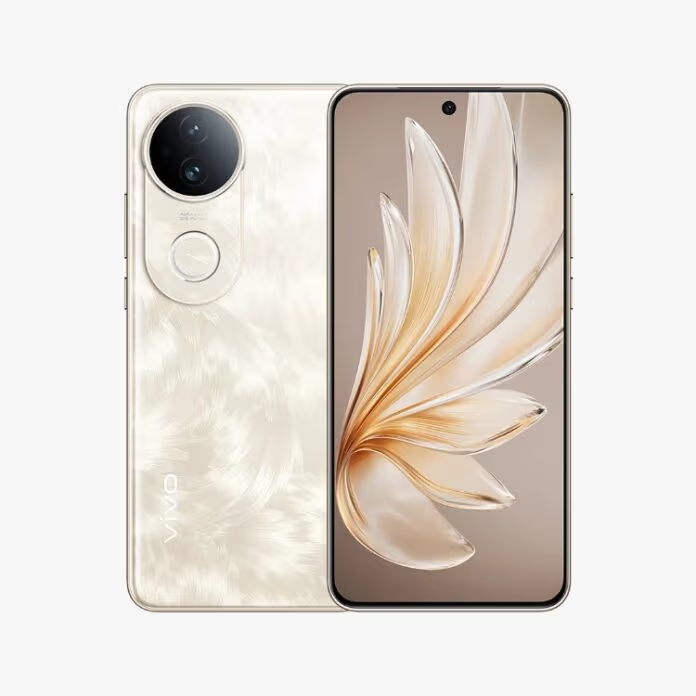
Vivo S20 and Vivo X200 are two standout smartphones catering to different user needs. While the S20 is an affordable mid-range device, the X200 aims to deliver a flagship experience. This comparison is crucial for buyers navigating the crowded smartphone market, helping them understand how these devices differ in design, performance, and features, and which one offers the best value for their preferences and budget.
Vivo X200 and S20 offer premium designs, but the X200 stands out with its superior IP68/IP69 rating, making it more resistant to water and dust than the IP64-rated S20. Both models feature AMOLED displays with 1 billion colors, 120Hz refresh rates, and 1260 x 2800 resolution, ensuring vivid and sharp visuals. However, the X200 includes HDR10+ support and peaks at 4500 nits brightness, offering better contrast and sunlight legibility. The S20’s 1300 nits brightness in HBM and scratch-resistant glass are impressive but fall slightly short.
The Vivo X200 provides a more durable build and enhanced visual experience, making it a better choice for outdoor and multimedia use.
Please Note: When you buy something using the links in our articles, we may earn a small commission at no cost to you.
2. Specifications
Vivo S20
The Vivo X200 boasts the more powerful MediaTek Dimensity 9400 (3nm) chipset, delivering faster performance and better efficiency than the Snapdragon 7 Gen 3 (4nm) in the S20. It also supports UFS 4.0 storage for quicker read/write speeds, compared to the S20’s UFS 2.2. The X200’s battery is smaller at 5800 mAh but maintains similar 90W charging speeds. The S20 offers a larger 6500 mAh battery, making it better for prolonged use.
For performance enthusiasts, the X200 is superior, but the S20’s larger battery makes it ideal for heavy users prioritizing endurance.
3. Camera
Vivo X200
The X200 shines with its triple-camera system, featuring a 50 MP periscope telephoto lens and Zeiss optics, offering 3x optical zoom and exceptional low-light performance. The S20’s dual-camera system is respectable but lacks telephoto capabilities and advanced optics. For selfies, the X200 has a 32 MP ultrawide lens, while the S20 offers a sharper 50 MP standard lens.
The X200’s camera versatility and Zeiss integration make it a clear winner for photography enthusiasts.
4. Pricing
Vivo S20
The Vivo S20 is priced around $300, while the Vivo X200 costs approximately $612. The X200’s price is justified by its advanced features, but the S20 offers excellent value for those on a budget.
If you prioritize affordability, the S20 is a better pick, but the X200 justifies its premium with cutting-edge features.
Unique to the X200 are Zeiss optics, HDR10+ support, IP69 rating, and advanced chipset performance. The S20 excels in battery size and offers a great balance of features for its price.
Vivo X200 is a flagship experience with standout features, while the Vivo S20 is an impressive mid-range option offering solid value.
If you want to know more about Vivo X200 and S20 then check out the following comparisons:
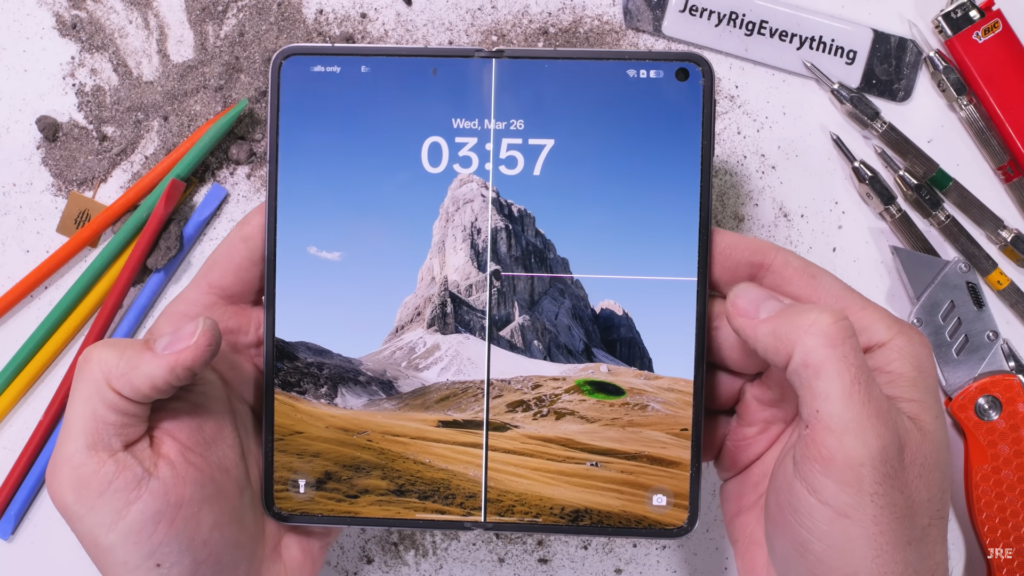
As 2024 draws to a close, Oppo is gearing up for a busy start to 2025. With the global launch of the Reno 13 series on the horizon, the Chinese market is also anticipating a flurry of device releases, including the Oppo Find N5, Find X8 Ultra, and Find X8 Mini.
Recent whispers from Oppo’s Find Product Manager, Zhou Yibao, on Weibo shed some light on the launch timeline for the Find N5. Now, a new leak on Weibo by a tipster has spilled the beans on the alleged specifications of the Oppo Find N5 foldable phone.
Oppo Find N5 Specifications
The leaked specs point towards a foldable phone with a sizeable 6.4-inch external display boasting a 120Hz refresh rate for a smooth user experience. When unfolded, the Find N5 is expected to offer a generous 8-inch main screen with a crisp 2K resolution and a 120Hz refresh rate, ideal for gaming, watching videos, or multitasking.
Oppo seems to be equipping the Find N5 with the mighty Snapdragon 8 Elite processor, the current top-of-the-line chipset from Qualcomm. Fueling the device will be a hefty 5700mAh battery, which will support 80W wired charging support.
Both the battery and charging are an upgrade from the Find N3 which features a 4805mAh cell and a 67W wired charging. And allegedly we can also expect support for 50W wireless charging, a convenient option for topping up the battery without wires. Wireless charging was missing on the Find N3.
On the storage front, the Find N5 is expected to cater to users with a variety of needs. The leak hints at a maximum configuration of 16GB of RAM for smooth multitasking and up to a whopping 1TB of storage.
When it comes to cameras, the leak suggests that Oppo might be borrowing a proven formula from the Find X8 series. The Find N5 is rumored to sport a triple-camera system on the rear, consisting of a 50MP main sensor, a 50MP ultra-wide sensor, and a 50MP telephoto sensor.
The leak also mentions a selfie camera on the right side of the internal folding screen, though its exact details remain unclear.
Oppo Find N3
It’s important to remember that these specifications are based on a leak, and Oppo has yet to officially confirm anything. While the leak seems promising and coincides with details from previous reports, it’s always wise to take such information with a grain of salt until the company itself unveils the device.
As for the launch, Oppo is expected to unveil the Find N5 after the Chinese New Year 2025. This suggests that the Find N5 may break cover in February 2025. Globally, the N5 is expected to get rebranded as the OnePlus Open 2 and will launch likely in the first half of 2025.
In a related leak, renders of the OnePlus Open 2 have also surfaced online. It reveals a design that’s almost identical to its predecessor, with the main difference being the placement of the cameras. This suggests that OnePlus, or rather Oppo, is sticking with the successful design of the OnePlus Open and Oppo Find N3, rather than introducing major changes.
What to Expect in the Coming Months
As we inch closer to 2025, it will be interesting to see how Oppo officially positions the Find N5 within its smartphone lineup. Will it be a direct successor to the Find N3, or will it cater to a different market segment?
How will Oppo price the Find N5 to compete with other foldable flagships? These are some of the questions that will likely be answered in the coming months. And we will be sure to keep you in the loop on any new updates.
The New Year is a time for celebration, reflection, and, of course, capturing memories. With advancements in mobile photography, smartphones have become powerful tools for taking stunning photos. This article explores some of the best smartphones currently available, perfect for documenting your New Year festivities.
iPhone 16 Pro and Pro Max are undoubtedly among the top contenders for capturing breathtaking New Year’s Eve photos. Apple‘s latest flagship boasts a powerful camera system, led by a 48MP main sensor with quad-pixel technology. This translates to exceptional image quality with impressive detail and dynamic range, even in challenging low-light conditions.
The addition of a 48MP ultra-wide camera with autofocus and macro capabilities opens up new creative avenues, allowing you to capture stunning close-ups of festive decorations and intricate details. The 5x telephoto lens (now available on both Pro models) brings distant fireworks and celebrations closer, while the advanced computational photography features, such as the Photonic Engine, ensure stunning results in various lighting scenarios.
Video recording has also received a significant boost with 4K120fps support, enabling smooth and cinematic footage of the New Year’s celebrations. The inclusion of Spatial Audio recording adds an immersive dimension to your videos, capturing the ambiance of the festivities accurately.
However, the iPhone 16 Pro series comes at a premium price.
Please Note: When you buy something using the links in our articles, we may earn a small commission at no cost to you.
2. Oppo Find X8 Pro
The Oppo Find X8 Pro (review) emphasizes zoom capabilities and display quality. It features a quad 50MP rear camera system, including dual periscope telephoto lenses with Sony LYT-600 and Sony IMX858 sensors, offering up to 6x optical zoom. These capabilities make it an excellent choice for capturing distant subjects, such as New Year’s Eve fireworks, with remarkable clarity.
It also comes with a 50MP ultra-wide camera using a Samsung S5KJN5 sensor and a main 50MP Sony LYT-808 sensor, delivering stunning group shots and exceptional low-light performance.
The smartphone equips a 6.8-inch 1.5K 120Hz LTPO micro-curved AMOLED display from BOE, providing vibrant colors and smooth scrolling to enhance the viewing experience of photos and videos. It sports the powerful MediaTek Dimensity 9400 SoC, paired with a 5910mAh battery and 80W fast charging, ensuring seamless performance for capturing and processing images effortlessly.
3. Vivo X100 Ultra
Vivo X100 Ultra (review) features a groundbreaking camera system, including a 1-inch Sony LYT-900 sensor on the main camera for unparalleled image clarity and a 200MP ISOCELL HP9 periscope camera for impressive zoom capabilities.
It comes with Vivo‘s proprietary BlueImage algorithm, ensuring stunning low-light and backlit shots, perfect for capturing New Year’s Eve fireworks and evening events.
The Vivo X100 Ultra also excels in video recording, with support for 4K 120fps recording and Dolby Vision. However, the phone’s availability may be limited to certain regions.
4. Xiaomi 14 Ultra
The Xiaomi 14 Ultra (review) offers a truly comprehensive camera system. The quad rear camera setup includes a 1-inch Sony LYT-900 main sensor with a variable aperture, allowing for greater control over depth of field.
This, combined with a 50MP ultrawide lens, a 50MP 3.2x telephoto lens, and a 50MP 5x periscope telephoto lens, all with Leica Summilux optics, provides exceptional versatility for various shooting scenarios.
The Snapdragon 8 Gen 3 ensures top-tier performance, and the large battery with fast charging keeps you powered throughout the day. The robust build quality and IP68 rating further enhance its appeal.
Please Note: When you buy something using the links in our articles, we may earn a small commission at no cost to you.
5. Vivo X200 Pro
Vivo X200 Pro
Vivo X200 Pro features a 50MP Sony LYT-818 main sensor with a 1/1.28-inch size and advanced image processing, making it a versatile choice for New Year photography.
It comes with a 200MP telephoto lens offering 3.7x optical zoom to capture intricate details from a distance. The smartphone equips a 6.78-inch LTPO AMOLED display with an impressive peak brightness of 4500 nits for excellent visibility.
It sports the powerful Dimensity 9400 processor paired with up to 16GB of RAM, supporting 4K backlit portrait video and Dolby Vision for enhanced video quality. With a robust 6000mAh battery and fast charging, the Vivo X200 Pro ensures uninterrupted performance for capturing unforgettable moments.
Please Note: When you buy something using the links in our articles, we may earn a small commission at no cost to you.
6. Choosing the Right Phone for You
Each of these smartphones offers unique strengths for capturing New Year photos. The iPhones offer a polished and intuitive experience with excellent all-around camera performance. The Oppo Find X8 Pro emphasizes high-resolution imaging and powerful zoom. Both Vivo X100 Ultra and X200 Pro also excel in telephoto photography. The Xiaomi 14 Ultra is a comprehensive flagship with a highly versatile camera system.
Consider your specific needs and priorities, such as zoom capabilities, video recording features, or overall image quality, to choose the best smartphone for capturing your New Year memories. No matter which device you choose, these smartphones will help you capture stunning photos and videos to cherish for years to come.
Huawei is expected to unveil the Enjoy 70X mid-range phone on Dec. 30 in China. Yesterday, tipster Digital Chat Station shared a few details about the specs of the phone. New leaks that have emerged online have revealed the design and more details about its specifications. Here’s a look at what to expect from the Enjoy 70X.
Huawei Enjoy 70x key features, design
The first image shown above highlights the key features of the Enjoy 70X. It means that the device will offer key features: a curved-edge display with eye protection support, a five-star super drop resistance, and a 50-megapixel RYYB camera. In terms of the design, the device can be seen sporting a pill-shaped cutout on the screen and a large round camera module on the back.
As per other leaks, the Huawei Enjoy 70X (model number: BRE-AL80) has a 6.78-inch OLED panel that offers a 1.5K resolution and 2160Hz high-frequency PWM dimming. It will have a 20-megapixel front-facing camera and a 50-megapixel (RYYB) + 2-megapixel dual-camera system on the back.
Under the hood, the Enjoy 70X is expected to feature the Kirin 8000A. Under the hood, the Enjoy 70X will house a 6,100mAh battery with 40W fast charging support.
The Enjoy 70X is expected to come preloaded with the latest Harmony OS 4.3. Additionally, the device is expected to support two-way communication via the Beiduo satellite.
For the past few weeks, Oppo Find Product Manager Zhou Yibao has been consistently teasing details about the Oppo Find N5. Expected to debut in February 2025, it will be the first foldable phone from a well-known brand to launch in 2025. The Find N3 was released in China and some Southeast Asian markets, while other markets like India, Europe, and the US received its rebranded version, the OnePlus Open. Therefore, it is likely that the Open 2 will be released as a rebadged edition of the Find N5. If you’re on the fence about diving into the world of foldable phones, here are seven compelling reasons why you should wait for the OnePlus Open 2:
Leaks suggest the OnePlus Open 2 will be significantly slimmer than the original OnePlus Open, measuring under 10mm in thickness in the folded state, potentially becoming one of the thinnest foldable phones available. This refined design could address a common concern about foldable phones: bulkiness. A slimmer profile means the Open 2 could be more comfortable to hold and easier to slip into your pocket.
2. Increased Display Size
Leaks suggest that the OnePlus Open 2 will feature a larger inner display compared to its predecessor, potentially measuring around 8 inches. A larger canvas also enhances productivity, making it easier to work on documents or browse the web. On the outside, it will have a 6.4-inch AMOLED screen. In comparison, the OnePlus Open has a 6.31-inch cover screen and a 7.82-inch inner screen.
3. Upgraded Cameras
While the OnePlus Open had a respectable camera system, the Open 2 is rumored to boast a triple 50MP rear camera setup, likely mirroring the impressive camera system found on the OnePlus 13. The setup will include an OIS-assisted primary camera, an ultra-wide lens, and a 3x periscope telephoto camera. Like other OnePlus flagships, the Open 2 is expected to offer Hasselblad camera optimizations. This could translate to significantly improved image quality, versatility, and low-light performance, making the Open 2 a serious contender in the camera department.
4. Boosted Performance
OnePlus is rumored to skip the Snapdragon 8 Gen 3 and equip the Open 2 with the upcoming Snapdragon 8 Elite. With the powerful chip onboard, the Open 2 is expected to arrive with a significant performance boost and improved power efficiency.
5. Larger Battery with Wireless Charging
Battery life is a crucial factor for any smartphone user. The OnePlus Open 2 is rumored to pack a larger battery than its predecessor. Leaks suggest that it may pack 5,600mAh or 5,900mAh battery. Apart from 80W wired charging, the Open 2 is expected to support 50W wireless charging, a feature that was absent in the original device.
6. Enhanced Water Resistance
The original Open lacked robust water resistance with only an IPX4 rating. Leaks indicate the Open 2 will feature an IPX8 rating, putting it on par with the Samsung Galaxy Z Fold 6 and offering greater peace of mind for users who want to use their phone in various weather conditions or near water.
7. Competitive Pricing
nePlus has a reputation for offering flagship-level features at more competitive prices than its competitors. While the Open 2’s exact pricing remains unknown, it’s likely to undercut Samsung and Google’s foldable offerings, making it a more attractive option for budget-conscious consumers who don’t want to compromise on features.
While these leaks and rumors paint an exciting picture of the OnePlus Open 2, it’s important to remember that they are not official confirmations. However, the consistency and credibility of these leaks suggest that OnePlus is poised to deliver a significant upgrade with its next foldable phone.
The flip-style foldable smartphone market continues to innovate in 2024, delivering cutting-edge features and design improvements. Among the standout releases this year are the Xiaomi Mix Flip, Motorola Razr 50 Ultra, and Honor Magic V Flip. These devices redefine compact form factors, bringing enhanced functionality, powerful performance, and premium craftsmanship. Let’s take a detailed look at these exceptional flip-style foldable smartphones.
Xiaomi‘s entry into the flip phone category, the Mix Flip (check out our full review of Xiaomi Mix Flip), is a bold statement of innovation and performance. It features a large 6.86-inch TCL C8+ AMOLED internal display with 1.5K resolution, a 1-120Hz refresh rate, and an incredible 3000 nits of peak brightness. The 4-inch outer display, also boasting 1.5K resolution and 120Hz refresh rate, is quad-curved for a seamless look and feel.
Under the hood, the Mix Flip is powered by the Snapdragon 8 Gen 3, ensuring top-tier performance. It features Xiaomi’s innovative 3D cooling system that ensures the phone remains cool during intensive tasks. The device also sports flagship-level build quality, utilizing 6M42 aluminum alloy for the frame, Xiaomi Shield Glass, and UTG flexible glass for display protection.

In terms of the camera, the device features Leica Summilux lenses paired with a 50MP Light Fusion 800 sensor and a 50MP telephoto lens with macro capabilities. It also comes with computational photography powered by Xiaomi’s AISP platform. Under the hood, it equips a 4780mAh battery and supports 67W fast charging.
The pricing starts at 5999 yuan (approximately $823), making it a strong contender for those seeking premium performance and innovative features.
Motorola‘s Razr 50 Ultra continues the legacy of the Razr lineup, combining style and substance. The phone features a 6.9-inch FHD+ FlexView pOLED internal display with a 1-165Hz refresh rate, ensuring smooth visuals. Additionally, its 4-inch outer LTPO display, one of the largest in this segment, delivers exceptional functionality and user convenience with the same 1-165Hz refresh rate.
The Razr 50 Ultra is powered by the Snapdragon 8s Gen 3 chipset, paired with 12GB of RAM and 512GB of storage. Its dual-camera setup includes a 50MP main sensor and a 50MP telephoto lens, delivering excellent photographic capabilities. On the front, it features a 32MP snapper for high-quality selfies.
For durability, the device features Gorilla Glass Victus protection and an IPX8 water resistance rating. Under the hood, the device comes with a 4000mAh battery with 45W wired and 15W wireless fast charging.
Priced at $799, the Motorola Razr 50 Ultra offers a premium foldable experience with unique AI features like Google Gemini integration for enhanced productivity.
Please Note: When you buy something using the links in our articles, we may earn a small commission at no cost to you.
3. Honor Magic V Flip
Honor’s Magic V Flip (check out our full review of Magic V Flip) stands out with its elegant design and robust specifications. The device sports a 6.8-inch FHD+ OLED LTPO internal screen with up to 120Hz refresh rate and an impressive 3840Hz PWM dimming for eye comfort. Its 4-inch external OLED LTPO display also supports a 120Hz refresh rate.
The phone is powered by the Snapdragon 8+ Gen 1 SoC and offers up to 16GB of RAM and 1TB of storage. The camera system includes a 50MP main sensor with OIS, a 12MP ultra-wide lens, and a 50MP front camera for high-quality selfies. Its 4800mAh battery supports 66W fast charging, making it one of the fastest-charging devices in the category.
Honor has added luxury to the Magic V Flip with its Jimmy Choo limited edition model, offering a high-end experience for discerning buyers. Pricing starts at 4999 yuan ($686), making it an attractive option for value-conscious users.
Redmi is expected to unveil the Redmi Turbo 4 by early January in China. Recently, a new leak on Weibo has revealed the phone’s launch date and design. The first image below indicates that the Turbo 4 will likely debut on Jan. 2, while the other image provides a first look at its design.
Redmi Turbo 4 design
Redmi Turbo 4 launch date
The below image shows the device with a vertical dual-camera setup on the back. It has flat edges and possibly a flat screen on the front. There’s a vertical line running on the back panel, suggesting a dual-tone design. The “Redmi” branding is seen towards the bottom-right of the rear panel.
Redmi Turbo 4 design
DCS describes the Turbo 4’s design as simpler and more refined, featuring restrained color options. The glass body enhances its premium feel, making it look very appealing. Additionally, the design pays an interesting tribute to a classic element from a specific K series.
Tipster Smart Pikachu dubs the Redmi Turbo 4 as “MPhone,” likely playing on the similarity between “Mi” (short for Xiaomi) and “iPhone.” The “M” could stand for “Mi,” indicating that the Redmi Turbo 4 has design elements reminiscent of the iPhone 16. This is similar to Oppo phones like the Oppo Reno 13 and Find X8 being called “OPhone” due to their similar look to the iPhone 16.
Redmi Turbo 4 specifications (rumored)
Reports have revealed that the Redmi Turbo 4 will have a 6.67-inch AMOLED screen that offers a 1.5K resolution and a 120Hz refresh rate. Under the hood, it will feature the Dimensity 8400 chipset, up to 16 GB of LPDDR5x RAM, and up to 512 GB of UFS 4.0 storage. The phone will boot to HyperOS 2-based Android 15.
For photography, it will have a 20-megapixel camera on the front and an OIS-enabled 50-megapixel + 8-megapixel dual-camera system on the back. The phone will pack a 6,550mAh battery with 90W fast charging support.
We see a feature gain momentum in the smartphone space almost every year. In 2023, mid-range phones embraced the return of telephoto cameras, and 2024 saw AI dominate the conversation. Manufacturers started cramming AI features—whether useful or not—into phones across every price bracket, branding them as the next big thing.
In 2024, there is another feature quietly made its way into budget phones. While it hasn’t reached trend-worthy status yet, I believe it could become a big deal in the next couple of years, if not by 2025. Enter the IP69 rating.
IP69 is an industrial-grade certification for water and dust resistance that is above the now-common IP68. On paper, it sounds like a no-brainer—after all, who wouldn’t want their phone to be tougher? But does it really make sense for budget phones?
Before getting into the meat of the matter, let’s first understand what IP69 certification means. As you might know, “IP” stands for “Ingress Protection,” a standardized measure of how well a device withstands intrusion from solids and liquids.
And in IP69, the first digit, “6,” indicates that the device is completely dust-tight. The second digit, “9,” indicates the device’s ability to withstand close-range high-pressure, high-temperature water jets (ranging from 80 to 100 bar) and steam cleaning.
To achieve an IP69 rating, devices must undergo additional and more intensive testing compared to IP68. The high-pressure water jet test involves subjecting the device to powerful water jets from multiple angles and distances.
The device’s enclosure should prevent water ingress and safeguard the internal components. Additionally, the steam cleaning test involved in IP69 simulates intense cleaning conditions to ensure the device remains impervious to high-temperature steam.
2. Differences between IP68 and IP69
Now, you might be thinking that if a device has an IP69 rating, it automatically inherits the features of IP68. But that’s not entirely true.
While both ratings share the “6” suffix, which means the device’s enclosure is dust-tight, the “8” in IP68 and the “9” in IP69 represent different types of water protection.

IP68 devices are capable of withstanding immersion beyond 1 meter in water for a specified time (usually 30 minutes to 1 hour). This makes them ideal for underwater applications. On the other hand, IP69 devices are designed to endure high-pressure water jets and steam cleaning, but they may not be suitable for prolonged submersion.
This difference explains why some devices, like the Oppo A3 Pro (China), carry both IP68 and IP69 ratings.
The gist is that IP68-rated devices are commonly found in outdoor lighting and various industrial applications. IP69, with its robust protection against high-pressure cleaning, is better for environments that require frequent and intense cleaning, such as food processing, medical equipment, and certain industrial settings.
3. Budget Phones and Practicality
Now let’s get to the point.
Budget smartphones, by definition, focus on affordability. Their buyers typically prioritize core performance, camera quality, and battery life. Adding an IP69 rating introduces extra engineering and manufacturing costs, potentially driving up the price. For a feature that might not align with the average user’s needs, this inclusion could come across as unnecessary.
That said, not all budget phone users fit the same mold. Some may specifically need durability over other features. For example, someone working outdoors in dusty or wet conditions may find the IP69 certification an invaluable addition. Here, it could provide a competitive edge for brands targeting a niche audience.

4. Trade-Offs to Consider
Adding an IP69 rating doesn’t come without compromises. Manufacturers need to invest in specialized seals, coatings, and materials to meet these standards.
For a budget device, this often means cutting corners elsewhere. You might see reductions in camera quality, display resolution, or processor performance. While IP69 enhances durability, it risks diminishing the overall value of the device for the majority of buyers.
It’s worth asking whether this feature is a marketing gimmick or a well-thought-out addition. Brands might leverage the IP69 rating to make their devices appear more robust on paper, even if most users don’t encounter situations requiring such extreme protection.
For comparison, many flagship smartphones settle for IP68, which covers submersion in water up to 1.5 meters for 30 minutes. That’s more than sufficient for everyday scenarios like accidental spills or brief dunks in water. The jump to IP69 feels excessive unless the device is explicitly designed for rugged use, such as industrial work or outdoor activities.
From a branding perspective, however, it’s a clever move. In a competitive budget market, where performance and design often blur together, offering an IP69 rating is a way to stand out. It provides a tangible selling point, even if its real-world utility is limited.
5. Real-World Use Cases
Let’s consider some practical examples. A farmer using a phone in a dusty field or a delivery worker navigating through heavy rain might benefit from the added protection. However, these use cases are far from universal. The average user rarely exposes their phone to high-pressure water or extreme environmental conditions.
Moreover, many budget phone buyers already use protective cases to shield their devices. These cases often offer adequate dust and water resistance, albeit not to the IP69 standard. The question then becomes: would a built-in IP69 rating significantly change their experience?
6. Industry Trends and Impact
Interestingly, the push for higher IP ratings on budget phones aligns with broader industry trends. As the high-end market saturates, brands are looking for ways to differentiate their offerings in lower price brackets.
Features once exclusive to flagship models, such as AMOLED screens and fast charging, are now commonplace in mid-range and budget phones. The IP69 rating could be the next feature to follow this trickle-down path.
Another consideration is the environmental impact of making devices more robust. While an IP69 rating might extend a phone’s lifespan by protecting it from damage, it also adds complexity to recycling. Components designed to resist water and dust are harder to dismantle, potentially increasing e-waste.
For budget-conscious buyers who often upgrade phones every two to three years, this could be a hidden drawback. If sustainability is a priority, brands might be better off investing in modular designs or longer software support.
7. Is It Worth It?
Ultimately, whether an IP69 rating makes sense on budget phones depends on the target audience. For most users, it’s a feature they may never need, and its inclusion could result in unnecessary trade-offs. However, the feature could be a genuine differentiator for niche markets that demand rugged durability.
As with many features, the key lies in execution. If manufacturers can integrate IP69 ratings without compromising other essential aspects, it could set a new standard for durability in the budget segment. Else, it’s not something you really need in a smartphone.
Luxury gadget maker Caviar has created a special edition Huawei Mate XT made entirely of 18K gold. This phone, weighing nearly 1 kilogram (2.2 lbs), is a very luxurious design and costs a substantial $100,000.
Specifications & Design
Unlike Caviar’s previously announced 24k gold-plated “Gold Dragon” version of the Mate XT, this limited edition phone is a true solid gold creation. The company highlights that this exclusive model is custom-made and unavailable on their website. However, Caviar does offer the 24k gold-plated option for those seeking a (slightly) more affordable taste of luxury.
The 24k version boasts a Gold Dragon design with an intricate texture inspired by the ancient Chinese art of multi-layered steel forging. This design element pays homage to the city of Longquan, where the art originated as early as the 12th century BCE.
It’s important to note the distinction between the bespoke 18k gold model and the 24k gold-plated version available on Caviar’s website. The website model features a gold-plated chassis made from a jewelry alloy, unlike the solid 18k gold construction of the bespoke phone. This difference explains the significant weight and price difference between the two versions.
While Caviar isn’t planning to replicate this specific 18k gold Mate XT, they do offer other 18K gold phone models based on iPhones, suggesting a potential future for similar bespoke creations for Android devices.
This solid gold Huawei Mate XT represents the ultimate expression of luxury in the smartphone world. Whether this phone is a practical choice for everyday use is debatable. However, for those seeking the ultimate status symbol and a piece of technological history, the 18k gold Huawei Mate XT is undeniably a showstopper.
OnePlus recently introduced the Ace 5 series in China, which includes a standard and a Pro model. The standard Ace 5 is expected to launch globally as the OnePlus 13R, but there is a difference in battery capacity between the models.
The Ace 5 in China features a 6,400mAh battery, the largest ever in a OnePlus device. This is a significant increase from the previous generation’s 5,500mAh capacity and is notable given the phone’s slim 8mm design. OnePlus states that this battery can support up to 23 hours of video playback with some charge remaining.
The OnePlus 13R on the other hand has been confirmed to have a 6,000mAh battery, the same capacity as the upcoming OnePlus 13 flagship. Since the OnePlus 13R shares a teaser webpage with the flagship OnePlus 13, some speculate that the listed 6,000mAh capacity could be a mistake. However, long-standing rumors have suggested that the OnePlus 13R will feature a 6,000mAh battery, making it likely that this specification will hold true upon its global launch.
Recent reports state that the OnePlus 13R could launch in a single 12GB + 256GB variant in India with two color options: Nebula Noir and Astrail Trail. The brand has also started taking early-bird reservations of the device for $50, offering a $50 discount on the device in addition to other gifts worth $229.
Other than the 13R, there is also news on the OnePlus 13, which is said to be priced between ₹67,000 and ₹70,000, a slight increase over the ₹64,999 starting price of the OnePlus 12 at launch.
OnePlus unveiled its first ever tablet, dubbed the OnePlus Pad (Review), exclusively outside of China. But just recently, the brand debuted a refreshed OnePlus Pad model with the refreshed specs in its home market. So here’s a list of every upgrade/difference in the latest tablet.
Note: The original OnePlus Pad is a rebranded Oppo Pad 2, but the newer OnePlus Pad is a renamed version of the Oppo Pad 3.
The original OnePlus Pad was unveiled in the global market with capable specs packaged in a premium body. This brought a premium touch to the mid-range tablet. While the design language has stayed the same in the refresh, the newer OnePlus Pad offers improved performance.
Under the hood, the original model arrived with a MediaTek Dimensity 9000 SoC, while the refreshed model has a Dimensity 8350 chipset. The latter has a newer and more powerful processor that offers better performance, which makes it better for gaming and multitasking as well.
2. Thinner and Even Lighter
OnePlus launched both Pad models with an aluminum back and aluminum frame for a durable yet premium feel. The first OnePlus Pad model weighs just 552 grams and measures 6.5mm in thickness. This makes it slightly more thicker than the 6.1mm Apple iPad Air. The company might have tried to match this slim form factor on the refreshed tablet model since the new OnePlus Pad measures just 6.29mm thick. All of this is packed in a lighter 533 grams body.
3. Camera a downgrade?
The Chinese smartphone maker made various little tweaks and improvements in the OnePlus Pad that just launched in China. But in one area, it seems like the newer model is actually getting a slight downgrade. For photography, the OnePlus Pad features an 8MP shooter for selfies and video calls and an 8MP rear camera.
On the other hand, there is a 13MP rear camera and an 8MP selfie camera on the original OnePlus Pad. The megapixel count doesn’t directly imply better camera performance, it’s doubtful that these sensors could match most mid-range smartphones.
4. Longer Software Support
The first OnePlus Pad made its debut back on 7th February 2023, which is nearly two years ago now. It arrives with the OxygenOS 13.1 custom skin, which is based on the Android 13 OS. While it later got an update for Android 15, it won’t get support as long as the brand new OnePlus Pad refresh. The newer model arrives with the Android 15 OS based ColorOS 15 custom skin that will get longer software support.
Ayaneo has introduced the Pocket Micro Retro Gold Limited Edition, blending retro aesthetics with modern technology. This premium console features a black, gold, and red color scheme and follows the standard version launched earlier this year.
Specifications
The Pocket Micro Retro Gold Limited Edition features a 3.5-inch frameless IPS display with a resolution of 960×640, offering a sharp pixel density of 330 PPI. It equips a vibrant screen with 400 nits of brightness, ensuring clarity in various lighting conditions. The display sports a 3:2 aspect ratio and 100% sRGB color gamut coverage, along with a 115% color volume for vivid and accurate color reproduction.
The device features a MediaTek Helio G99 chipset, designed for smooth and efficient gaming. It comes with LPDDR4X RAM running at 4266 Mbps and equips UFS 2.2 storage, ensuring swift performance and rapid loading times to meet retro gaming needs.
The handheld runs on Android 13, providing a modern and intuitive user experience. Ayaneo’s proprietary software tools, such as AyaSpace front-end management and AyaHome desktop launcher, enhance usability and allow gamers to customize settings and shortcuts effortlessly.
Equipped with a 2600mAh battery, the Micro Retro Gold Limited Edition delivers over six hours of gaming on a single charge. This ensures extended play sessions without frequent interruptions, making it ideal for gamers on the go.
The handheld features a lightweight design, measuring 156×63×18mm and weighing just 233g, with a durable CNC aluminum alloy frame for added elegance. It equips Hall effect joysticks for precise control, touch-sensitive shoulder buttons, a six-axis gyroscope, and an X-axis linear vibration motor for an immersive gaming experience.
For connectivity, it comes with a USB Type-C port (with OTG support), a Micro SD slot for expandable storage, WiFi 5, and Bluetooth 5.2. Additionally, it sports a fingerprint sensor integrated into the power button for enhanced security.
Pricing and Availability
Ayaneo Pocket Micro Retro Gold Limited Edition is available in a single configuration of 8GB RAM and 256GB storage. The device is priced at 1,899 yuan ($260) for retail, with a special pre-sale price of 1,699 yuan ($232). It is now open for pre-orders.
Now, Xiaomi has offered a sneak peek at its upcoming Redmi Book 16 2025 laptop during Lu Weibing’s annual review event. Redmi General Manager Wang Teng took center stage to showcase the new device, highlighting its sleek design and impressive specifications.
The showcased model sported a sophisticated silver-grey finish and prominently displayed Redmi’s updated letter-style logo. Beyond the 16-inch model, Wang Teng also confirmed the availability of a smaller, more portable 14-inch variant, catering to a wider range of user preferences.
Talking about specs, the laptop will feature an impressive 19.05-hour battery life with AI scheduling for energy efficiency. It will run on Xiaomi’s HyperOS 2 and supports HyperOS Connect, enhancing compatibility with other Xiaomi smart devices. Under the hood, the Redmi Book 16 2025 is set to be among the first laptops to feature Intel’s latest generation of Core processors.
Redmi Book 16 2024 Specifications
The predecessor, Redmi Book 16 2024, boasts a 2.5K display with a smooth 120Hz refresh rate, 100% sRGB color accuracy, and 400 nits of brightness. In terms of design, it features a sleek, lightweight metal body, weighing only 1.68kg and measuring 15.9mm in thickness, combining portability with elegance.
Under the hood, the Redmi Book 16 2024 is powered by an Intel i5-13500H processor and is supported by dual fans and dual 8mm heat pipes for efficient thermal management. Additionally, it features 16GB of LPDDR5-6400 RAM and offers storage options of up to 1TB SSD, with an additional M.2 SSD slot for further expansion.
The laptop boasts a 72Wh battery and offers a range of connectivity options, including Thunderbolt 4, USB-A ports, HDMI, and a 3.5mm audio jack. Additionally, the laptop includes a compact 100W GaN adapter that supports bi-directional USB-C cables and PD fast charging, enabling the laptop to charge up to 50% in just 35 minutes.
Vivo has released the first system update for the X200 Pro, following its global launch. The update focuses on improving security and device performance, ensuring a smoother experience for users.
The update, with firmware version ‘PD2405F_EX_A_15.0.9.23.W30,’ is 485MB in size and includes the December 2024 Google security patch, which addresses known vulnerabilities. This addition keeps the device in line with current security standards.
Other improvements include better compatibility with certain car kits, enhancements to reduce standby power consumption for improved battery life, and updates to the Albums app for better data security.
What Funtouch OS 15 Brings to the Table
The update is built on Vivo’s Funtouch OS 15, which prioritizes smoother performance and customization. The system improves app startup times and multitasking with Memory Enhancement Technology, which optimizes how memory is used in the background. Animations and transitions have been refined for a more user-friendly experience.
Funtouch OS 15 also offers many customization options, including themes, redesigned icons, and wallpapers. For gaming, Ultra Game Mode provides tools to boost performance and lets users access essential apps without leaving the game. Productivity tools, like Link to Windows, allow better integration between the phone and a PC, making tasks like file sharing easier.
Update Process and What to Expect
Vivo advises users to back up their data before updating, even though no data loss is expected. The process may cause the phone’s temperature to rise temporarily, but this will return to normal once the update is complete. The installation package will be automatically deleted afterward to save storage space.
When Apple announced the iPhone 16 series, many were disappointed by the fact that the base iPhone 16 and iPhone 16 Plus still featured the standard 60Hz refresh rate. For flagship phones starting from $799, the display was the Achilles heel of these two devices. But the next generation iPhone 17 might finally bring support for a higher refresh rate.
Apple iPhone 17 finally gets a display upgrade
The latest information arrives from known tipster Digital Chat Station who shared the details on Weibo. Apple is reportedly planning on improving the display refresh rate on its standard and Plus models. To recall, the Pro and Pro Max variants come with the support of the ProMotion display tech, which offers a 120Hz adaptive refresh rate of 1-120Hz. This feature might finally become universal across the entire 2025 iPhone lineup.
The tipster claims that the iPhone 17 will support a higher refresh rate, although, we still don’t know the exact refresh rate. So it is entirely possible that the Cupertino based giant might have you settle for just a 90Hz refresh rate. This panel might not support variable/adaptive refresh rate either. However, this is just speculation at this point. Unfortunately, that is all the information that was shared by Digital Chat Station.
We use cookies on our website to give you the most relevant experience by remembering your preferences and repeat visits. By clicking “Accept”, you consent to the use of ALL the cookies.
This website uses cookies to improve your experience while you navigate through the website. Out of these, the cookies that are categorized as necessary are stored on your browser as they are essential for the working of basic functionalities of the website. We also use third-party cookies that help us analyze and understand how you use this website. These cookies will be stored in your browser only with your consent. You also have the option to opt-out of these cookies. But opting out of some of these cookies may affect your browsing experience.
Necessary cookies are absolutely essential for the website to function properly. This category only includes cookies that ensures basic functionalities and security features of the website. These cookies do not store any personal information.
Any cookies that may not be particularly necessary for the website to function and is used specifically to collect user personal data via analytics, ads, other embedded contents are termed as non-necessary cookies. It is mandatory to procure user consent prior to running these cookies on your website.