Advertisement

From Smartphones to Sales: How VidAU Helps Brands Create Video Ads That Convert

VidAU AI

Video ads are growing, grabbing people’s attention on smartphones these days. Just what we need to push forward in this crazy fast digital environment and capture e-commerce sales. Given just how popular mobile shopping is becoming, brands have to be prepared to create some really cool, high-quality commercials that appeal to mobile shoppers like grabbing their phones madly. Luckily, there’s VidAU and AI with which a product URL can become an awesome video ad. The link to video feature was very revolutionary and innovative, contributing pretty much to the effort that brands were making in relating to their target audiences and making them more available with minimal efforts from them. This advancement had the process made easier and quicker than ever, and it turned a smartphone into an efficient tool for generating sales.

Engaging the Mobile-First Consumer

You can’t ignore how blown up mobile shopping has been: in fact, more than half of all e-commerce traffic now originates from mobile. Now, people are depending on their mobile for everything: checking out various products isn’t the only thing they do, but also buying stuff right from their phones. Brands have to innovate and produce mobile-friendly advertisements so that, apart from attaining attention from consumers, they can manage to nudge them into an immediate call-to-action in a timely way as well. Hey, so this is when it comes to reaching people on their phones, video has, for some reason, turned out to be one of the most powerful tools available. It can share way more information in a way shorter time than if you were just using static images or even written text.

VidAU really catches the importance of this in our ever-changing digital world, so they have come up with a super-effective solution focused on mobile-first marketing strategies. With their cool link to video feature, brands can create ideal, impactful, and polished video ads and all set for mobile. It can be a product demo, some kind of how-to guide, or even a funny ad; that’s why the smart tools at VidAU work super hard in order to stuff every video full with the best details in order to captivate viewers in just a few seconds. So, coming in the stride of VidAU, it is bound to boost the conversion chances and provide brands with a solid way to connect with a really valuable audience.

AI-Generated Ads: Professional Results, Minimal Effort

One of the primary reasons VidAU is so cool is that it whipped up ultra-high quality, pro-level video ads with hardly any effort on your part. All one needs to do is toss into a product URL from the popular sites like Amazon, Shopify, or Etsy and the advanced AI in VidAU checks out everything relating to that URL, making you a cool video just about the product you picked. This efficient and slick process not only saves brands a significant amount of time but also gives them a chance to save some precious resources because they won’t have to shell out money for expensive video production teams or waste hours on boring video editing.

The platform allows using editable templates and is launched with AI-generated voice overs. Thus, it is super easy for businesses to personalize their ads while keeping them slick and professional. Moreover, VidAU has really good multilingual support, so brands can create engaging content that will connect with audiences all around the world without any hassle. So, all of this has made VidAU become the best tool for business people who really want to increase their market and build a bigger presence.

Boosting Conversions with Data-Driven Creativity

After all, what really sets VidAU apart from the many other video ad creators, though? It’s its pleasant mixture of data-driven acumen and creativity. Unlike all the other ones, it does not simply rest on its AI tech that would make good-looking videos but assembles super well-thought-out ads meant to convert viewers into customers. Thus, after actually looking into how people shop online these days, VidAU makes sure that the advertisements that they create are totally designed to click with their target audience. This is super important for folks who are scrolling on their phones, therefore, making the ads hit harder and feel more relevant.

And so, for example, VidAU employs several attention-grabbing visual elements that are meant to effectively bring audience members’ attention to the attention-grabbing messages. There are fast transitions in keeping the visuals moving dynamically, bold text overlays meant to highlight important messages, and clear calls to action which actually get users engaged – all super optimized for mobile viewing. These are some of the most basic factors to be affected since this is the capture of attention in the first few seconds of an interaction-which is particularly essential in today’s world in which the attention span is shorter than ever before and then content needs to resonate with the viewers as rapidly as possible.

Streamlined Workflow for E-Commerce Brands

Conversion-driven video ads are quite a handful for most companies, especially small brands without so much cash or creative juice to throw around. But VideAU totally changed that game with their really easy and friendly site, whipping up any video from start to finish is much easier and smoother. This new tool lets brands whip up a really cool video ad from virtually any product URL in just a few clicks. It totally helps brands get their marketing campaigns out there way faster and more efficiently.

Besides the type of ad format, VidAU allows brands to create all kinds of content tailored to the needs of each social media platform and e-commerce site. So it could be a quick 15-second story on Instagram or a fancier ad on Facebook that holds up a user’s attention for a longer time. So, VidAU actually looks to collect content specifically matching the needs of each platform. In doing so, the ads will consequently perform better, most significantly for mobile users who continue to rely heavily on this kind of content.

The Future of Mobile-First Video Ads

As mobile shopping keeps growing and changing, the number of engaging video advertisements that translate into conversion will continue to grow exponentially, VidAU has really made its name, offering a complete solution to address all that modern brands need in order to gain a solid foot in the digital world. VidAU has this great link to video feature, which allows you to customize things with AI and really focuses on easy-to-use mobile applications. Therefore, businesses can make advertisements so eye-catching that they actually result in tangible results regarding engagement and sales.

If you want to enter the mobile market wisely and increase e-commerce sales, a VidAU is a super convenient and pretty effective move. It encompasses everything from offering the vital tools for creating product URLs to video ads hand-crafted pretty well that will provide businesses with all the resources needed to contact their target audience in the best possible way. This will allow them to turn mobile phone users into super loyal customers who are probably going to return for more stuff later on.

Integration of advanced AI technology into your marketing strategy can bring about an amazing and immense impact on the success of your brand as a whole. The VidAU platform makes the whole process of moving from using mobiles to making sales the most frictionless yet.

Realme GT 7 Pro Indian Launch Confirmed for November 26th with Snapdragon 8 Elite Power

Realme is set to revolutionize the Indian smartphone market with the launch of its highly anticipated Realme GT 7 Pro on November 26th. This flagship device, powered by the cutting-edge Snapdragon 8 Elite processor, marks Realme’s bold entry into the premium segment.

Realme GT 7 Pro

The GT 7 Pro is not just a technological marvel but also a visual treat. Its distinctive Mars Design, inspired by the rugged terrain of the red planet, is achieved through a sophisticated multi-layer Anti-Glare technology.

Realme GT 7 Pro

At the heart of the GT 7 Pro lies NEXT AI, Realme’s advanced AI engine. This powerful tool enables a range of innovative features, including:

Realme GT 7 Pro AI Sketch to Image
  • AI Sketch to Image: Transform your doodles into stunning images.
  • AI Motion Deblur: Capture sharp, clear photos even in low-light conditions.
  • AI Telephoto Ultra Clarity: Experience unparalleled zoom capabilities.
  • AI Game Super Resolution: Elevate your gaming experience with enhanced visuals.

The GT 7 Pro will be available for purchase on realme.com and Amazon.in following its official launch. As we eagerly await its arrival, here are the expected specifications of the Realme GT 7 Pro.

Realme GT 7 Pro specs

Realme GT 7 Pro

The Realme GT 7 Pro, set to launch in China today, is anticipated to feature a custom Samsung OLED panel designed for low power consumption. This 6.78-inch display offers a 1.5K resolution, a 120Hz refresh rate, and can reach up to 6,000 nits in peak brightness. Powered by the Snapdragon 8 Elite processor, the GT 7 Pro also includes a 6,500mAh battery with silicon-carbon anode technology, supporting 120W fast charging. It will come with Realme UI 6.0 based on Android 15 pre-installed.

Realme GT 7 Pro India Launch
Realme GT 7 Pro India Launch Teaser

Reports indicate that the Realme GT 7 Pro will include a 50-megapixel periscope telephoto camera, offering 3x optical zoom, 6x lossless zoom, and up to 120x digital zoom. Additionally, the device will support underwater photography, thanks to its IP68/IP69 water resistance rating. The rear camera system is also expected to feature a 50-megapixel Sony IMX906 main camera with optical image stabilization (OIS), and an 8-megapixel ultra-wide lens.

(Source, via)

OnePlus 13: A solid upgrade for OnePlus 8 and 9 series owners

The OnePlus 13 has arrived, and it’s bringing a slew of impressive upgrades that make it a tempting proposition for those still holding onto their OnePlus 8 or 9 series devices, which debuted in 2020 and 2021, respectively. With advancements in display technology, raw processing power, camera capabilities, and charging speeds, the OnePlus 13 offers a compelling reason to upgrade. Here’s a look into the specifics and see how the OnePlus 13 stacks up against its predecessors.

Head to GeekWills to get the OnePlus 13 now!
OnePlus 13 (left), OnePlus 9 Pro (centre), and OnePlus 8 Pro (right)

1. A Visual Feast: Display Upgrades

The OnePlus 13 flaunts a stunning 6.82-inch BOE X2 OLED 8T LTPO panel with a micro-quad-curved design. This translates to a more immersive viewing experience with slimmer bezels and a smoother curve. The display also features a 2K resolution (3168 x 1440 pixels) for incredibly sharp visuals. Compared to the OnePlus 8 and 9 series, the OnePlus 13’s display offers a higher resolution and a more advanced LTPO panel, resulting in improved power efficiency and a smoother 120Hz refresh rate.

Furthermore, the OnePlus 13’s display reaches a peak brightness of 4,500 nits, making it easily viewable even in direct sunlight. This is a significant jump from the previous generations, ensuring excellent outdoor visibility. The inclusion of Dolby Vision support enhances the viewing experience with more vibrant colors and deeper blacks.

In comparison, the OnePlus 8 series featured a 6.55-inch AMOLED FHD+ 120Hz screen, while the display size grew to 6.72 inches on the OnePlus 9 Pro. It is worth upgrading to the OnePlus 13, as it not only features a larger screen with a higher resolution but also has been awarded a DisplayMate A++ rating, which is the highest possible grade awarded by DisplayMate.

2. Performance Powerhouse: Snapdragon 8 Elite and More

Under the hood, the OnePlus 13 is powered by the Snapdragon 8 Elite, the latest and most powerful 3nm chipset from Qualcomm. This translates to a significant performance boost compared to the Snapdragon 865 and 888 found in the OnePlus 8 and 9 series, respectively. Paired with up to 24 GB of LPDDR5x RAM and up to 1 TB of UFS 4.0 storage, the OnePlus 13 delivers lightning-fast speeds, ensuring smooth multitasking and app loading.

Gamers will particularly appreciate the enhanced performance and the 9,925mm² dual VC cooling unit, which keeps the device cool even during demanding gaming sessions.

3. Camera Evolution: Hasselblad Optimizations and 50MP Triple Setup

The OnePlus 13 features a triple rear camera setup, headlined by a 50-megapixel LYT-808 primary sensor with optical image stabilization (OIS). This is complemented by a 50-megapixel Samsung S5KJN5 ultra-wide lens that doubles as a macro camera and a 50-megapixel LYT-600 periscope telephoto lens with 3x optical zoom and up to 120x digital zoom.

The collaboration with Hasselblad continues, bringing further refinements to the camera system. Expect improved color accuracy, natural skin tones, and enhanced dynamic range in your photos. The OnePlus 13’s camera system offers a noticeable upgrade over the OnePlus 8 and 9 series, particularly in zoom capabilities and overall image quality.

When the OnePlus 8 and 9 were released, there was no Hasselblad collaboration. Not only this, the camera sensors on the OnePlus 13 promise a superior photography experience compared to the OnePlus 8 and 9 series. Hence, it is worth upgrading to meet your photography needs.

4. Charging Champion: Massive Battery, 100W Wired and 50W Wireless

OnePlus has always been at the forefront of fast charging technology, and the OnePlus 13 is no exception. It supports blazing-fast 100W wired charging, allowing you to fully charge the massive 6,000mAh battery in under 40 minutes. This is a substantial increase in battery size, as the OnePlus 8 and 9 generations offered 4,300mAh to 4,500mAh batteries.

Wireless charging has also received a boost, with the OnePlus 13 supporting 50W wireless charging. Additionally, the OnePlus 13 is the first OnePlus phone to support magnetic wireless charging.

5. Software and Other Enhancements

The OnePlus 13 comes with Android 15 and ColorOS 15 out of the box. Expect a refined user experience with new features and optimizations. The device also includes dual speakers for immersive audio and an IR blaster for controlling your home appliances. Some of these features are not available in the OnePlus 8 and 9 series.

Durability is also improved with an IP68/69 rating for water and dust resistance, a metal middle frame, and Crystal Shield ceramic glass for enhanced protection against scratches. These features promise unmatched durability compared to the OnePlus 8 and 9 series.

6. Is it Worth the Upgrade?

If you’re using a OnePlus 8 or 9 series phone, the OnePlus 13 offers a compelling package of upgrades. The advancements in display, performance, camera capabilities, and charging speeds make it a worthwhile investment. The refined software experience and added features further sweeten the deal. In China, the device is listed with a starting price of 4,499 Yuan. The global launch of the device is expected to happen in Q1 2025. If you do not wish to wait longer, you can purchase the OnePlus 13 for $799 through GeekWills.

Nubia Z70 Ultra camera samples look impressive!

ZTE‘s President has provided an exciting early look at the camera samples of the Z70 Ultra highlighting the flagship’s premium imaging capabilities.

The Z70 Ultra is expected to arrive later this month, making it one of the first devices to be powered by the recently launched Snapdragon 8 Elite chipset. With this release, ZTE aims to set new standards in mobile photography with a camera system that includes a 35 mm primary camera and advanced telephoto technology.

Flagship camera system with variable aperture

In a series of posts on Weibo, ZTE President Ni Fei shared camera samples captured with the Nubia Z70 Ultra, giving users a taste of its photography prowess.

Although the exact aperture range hasn’t been confirmed, the samples suggest the camera can operate at an impressive f/4.0, offering flexibility for different lighting conditions. Ni Fei also shared a video on his Weibo account that highlights the performance of this camera under varying apertures, hinting at ZTE’s commitment to delivering a professional-grade photography experience.

Alongside the main camera, the Z70 Ultra is rumored to introduce advanced telephoto technology, capable of capturing close-up shots with stunning clarity. While ZTE has yet to reveal details about the telephoto lens’s magnification or focal length, the shared images exhibit a high level of detail without the typical artifacts found in zoomed-in shots.

The Nubia Z60 Ultra, for reference, features an 85 mm 3.3x telephoto camera, so it’s likely that ZTE has made significant upgrades in the Z70 Ultra.

As for the performance, the Snapdragon 8 Elite chipset promises major gains in performance and power efficiency. Announced recently, the Snapdragon 8 Elite offers an all-big-cores architecture designed to rival MediaTek’s Dimensity 9400, achieving up to a 45% improvement in CPU performance and a 40% boost in GPU performance over previous generations. Additionally, the new chipset is 44% more power efficient, allowing for smoother performance without compromising battery life.

(Via)

Xiaomi 15 Ultra new camera detail leaks

Xiaomi‘s recently launched Xiaomi 15 series might be stealing the headlines now, but rumors about the upcoming Xiaomi 15 Ultra are already surfacing. Though its release is still months away, new details are surfacing regularly.

A recent leak from reliable tipster Digital Chat Station reveals details about the phone’s camera system, which looks incredibly promising.

Xiaomi 15 Ultra camera details

The leak suggests that the Xiaomi 15 Ultra will feature a 50-megapixel main sensor with a 23mm focal length and an f/1.6 aperture. This time, Xiaomi appears to have increased the physical focal length, which is likely to improve low-light performance. 

The leak also mentions a “new customized hardware module,” which might refer to a specially designed main sensor for the Xiaomi 15 Ultra. However, it’s unclear exactly what the tipster is hinting at with this detail.

For telephoto capabilities, the Xiaomi 15 Ultra is expected to include a periscope telephoto lens with a massive 200-megapixel sensor. This lens reportedly offers 4.3x optical zoom, a 100mm focal length, and an f/2.6 aperture.

The leak goes into further detail about the sensor’s design, describing a “slightly cropped” 25.xmm focal length and two zoom options – 4.3x with 1/1.5-inch image size, and 4.1x using the full native 1/1.4-inch sensor.

While this leak covers the main and telephoto lenses, an earlier report revealed that the phone will also feature a 50MP Samsung ISOCELL JN5 sensor. Completing the setup is a 50MP periscope lens with 2x zoom. Up front, the phone is said to include a 32MP OmniVision OV32B sensor.

Other details

Apart from this, the Xiaomi 15 Ultra is rumored to feature a 6.7-inch, 120Hz LTPO OLED display with micro-curved edges. The display will also house an ultrasonic in-display fingerprint sensor for convenient and secure unlocking.

The 15 Ultra is said to come in three material finishes — plain leather, fiberglass, or ceramic, offering a variety of options to suit different preferences and styles.

Under the hood, the phone will likely use the latest Snapdragon 8 Elite chipset for powerful performance. It may also pack a 6,000mAh battery with support for 90W wired and 80W wireless charging. On the software side, it’s expected to run Xiaomi’s HyperOS 2.0, based on Android 15.

(Source)

Redmi K80 Pro camera specifications leak reveals primary, ultra-wide, telephoto sensor details

Redmi is expected to unveil the Redmi K80 series of smartphones by the end of this month (November) in China. The lineup is expected to include the Redmi K80 and K80 Pro smartphones. At present, there is no clarity on whether the series will also have the Redmi K80e as the successor to last year’s K70e. The rumor mill has been intermittently releasing details about the K80 series. A new leak, courtesy of tipster Experience More, sheds information about what appears to be the camera specifications of the K80 Pro. Here’s a look at what to expect from the K80 Pro’s camera performance. 

Redmi K80 Pro camera specifications leak

Redmi K80 Pro camera specs leak

To recall, the Redmi K70 Pro came equipped with the Snapdragon 8 Gen 3 chip and an OmniVision OV116A1Q 16-megapixel front camera. Its rear camera setup included an OmniVision Light Fusion 800 primary camera, a 12-megapixel OV13B10 ultra-wide lens, and a 0-megapixel OmniVision Light Fusion 400 telephoto camera with 2x optical zoom.

According to the latest leak, the Redmi K80 Pro’s rear camera setup will retain the 50-megapixel OmniVision Light Fusion 800 primary camera. A 32-megapixel Samsung S5KKD1 ultra-wide lens and a 50-megapixel Samsung JN5 telephoto camera with support for 2.6x zoom will join it. For selfies, the device is tipped to feature an upgraded 20-megapixel OV20B front-facing camera.

The new leak suggests a significant upgrade in both the ultra-wide and telephoto lenses, improving versatility and image quality for a broader range of photography scenarios. Additionally, the upgraded front camera will enhance selfie quality, providing clearer and more detailed images compared to the previous model.

Redmi-K80-series-design
Redmi K80 series design leak

A recent leak revealed that the Redmi K80 series will feature a round camera module like the Xiaomi Civi series. Under the hood, the Pro variant is expected to feature the Snapdragon 8 Elite chipset, whereas the standard K80 may have the Snapdragon 8 Gen 3 chip onboard. The 3C certification of both devices has suggested that they will have support for 120W fast charging. Both devices are likely to pack a battery of around 6,000mAh capacity.

According to other reports, the K80 and K80 Pro will have a flat OLED panel. The standard model will support a 1.5K resolution and feature an optical-type fingerprint sensor, whereas the Pro version may support a 2K resolution and feature an ultrasonic in-screen fingerprint sensor. Both devices are expected to come preloaded with Android 15 and HyperOS 2.0.

Xiaomi 15 series receives AI-enhanced photo editing features and more with HyperOS 2.0.16.0

Xiaomi has recently launched its 2024 flagship lineup, the Xiaomi 15 and Xiaomi 15 Pro. Now the company is rolling out the HyperOS 2.0.16.0 upgrade for both devices, bringing enhancements like interrupt animations for focus notifications, a new editing feature in the gallery app, and more. The update package is around 600MB, though it may vary slightly by model. Let’s explore what’s new.

Changelog

System animation

  • Added support for interrupting animations when launching an app via focus notifications.
  • Optimized the transition animation when minimizing an app to a mini window with full-screen gestures.

System

  • Fixed an issue causing some games to flash black upon opening.
  • Resolved display abnormalities in certain system UI elements.

Lock screen

  • Fixed display issues with certain scenes on the movie lock screen.

Camera

  • Enhanced video filter effects.
  • Improved super telephoto function experience.

Gallery

  • Added an option to restore image quality in album editing.
  • Introduced AI-powered photo enlargement and magic removal effects in album editing.

Xiao Ai

  • Optimized some copywriting suggestions in Xiao Ai.
Xiaomi-15-Xiaomi-15-Pro

The Xiaomi 15 series is also among the first to feature the new Snapdragon 8 Elite chip, delivering significant improvements in performance and efficiency. According to Qualcomm, the new chipset provides a 45% boost in CPU performance, a 40% increase in GPU performance, and a 44% gain in power efficiency.

These upgrades are supported by significantly larger batteries and improved heat dissipation. The standard Xiaomi 15 now includes a 5,400mAh battery, up from 4,600mAh in its predecessor, while the Pro model has a 6,100mAh battery, up from 4,880mAh.

One of the key upgrades for the Pro model is the new 5x periscope telephoto lens, which replaces the 3x telephoto of previous models. With enhanced imaging hardware, an optimized super telephoto function, and new AI-powered editing tools in the gallery app, the Xiaomi 15 Pro stands out as one of the most advanced Snapdragon 8 Elite flagships for 2025.

(Via)

Red Magic 10 Pro series launch date confirmed, key specs leak reveals 7-inch 144Hz display, 7,050mAh battery

Today, Nubia officially announced the launch date for the Red Magic 10 Pro series for the Chinese market. The poster released by the brand has not only confirmed Nov. 13 as the launch date for the Red Magic 10 series but also confirmed its front design. 

Red Magic 10 Pro series design, key specifications

Red Magci 10 Pro series launch date

As can be seen in the above image, the Red Magic 10 Pro series promises a truly full-screen experience as its display does not have a camera punch-hole. Like the predecessor model, the Red Magic 10 series will have an under-display selfie camera and super slim bezels, allowing it to offer a remarkable screen-to-body ratio.

The Red Magic 10 Pro series is anticipated to have the highest resolution ever seen in a full-screen smartphone. The Red Magic 9 Pro series released last year came equipped with a 6.8-inch display that offered a 1116 x 2460 pixels resolution, a 120Hz refresh rate, and an under-display camera.

Tipster Panda is Bald revealed in the above leak that the Red Magic 10 Pro+’s display will support a higher resolution of 2688 x 1216 pixels, an increased refresh rate of 144Hz, and an under-display camera. The leaker did not reveal the exact screen size, but the rumor surrounding it suggests that it could be equipped with a 7-inch+ OLED panel.

Previous under-display camera phones often had a noticeable drop in resolution in the camera area, a flaw that the RedMagic 10 Pro series aims to eliminate. To achieve this advanced display, RedMagic collaborated with BOE to develop a new COP packaging process and the most advanced SIP ultra-narrow bezel technology. This partnership has resulted in the narrowest possible screen edges, maximizing the display area.

The Snapdragon 8 Elite chipset will power the Red Magic 10 Pro series. According to reports, the Red Magic 10 Pro series will integrate a dedicated gaming chip and a PC-level cooling system to effectively dissipate heat. The series also includes shoulder triggers for an enhanced gaming experience. The above leak also mentions that the device will pack a massive 7,050mAh battery. The handset is also expected to support 120W fast charging. At present, there is no clarity on how the Red Magic 10 Pro will differ from the Pro+ edition.

Huawei Mate 70 series confirmed for November launch!

A company official has confirmed that the Huawei Mate 70 series will launch in November this year, promising it will be the most powerful Mate series yet. The Mate 70 lineup will be among the first devices to run Huawei’s self-developed HarmonyOS NEXT operating system.

The Mate 70 series is expected to debut mid-November

While a specific launch date hasn’t been announced, a recent leak suggests a mid-November debut. A prior report from Yicai Global indicated that many components for the Mate 70 series have already been supplied to Huawei, hinting at imminent mass production.

Huawei-Mate-70-Pro-live-image

For context, the Mate 60 series launched in late August last year, with this year’s delay reportedly attributed to the development of Huawei’s new Android-independent platform.

The Mate 70 series is expected to include four models: the Mate 70, Mate 70 Pro, Mate 70 Pro+, and Mate 70 Ultimate Design, similar to last year. Although the company official withheld details on specific specs, rumors indicate the series will transition from optical to ultrasonic fingerprint scanners, enhancing speed and reliability—even with wet fingers. This shift aligns with other Snapdragon 8 Elite flagships like the OnePlus 13, iQOO 13, and Xiaomi 15 series.

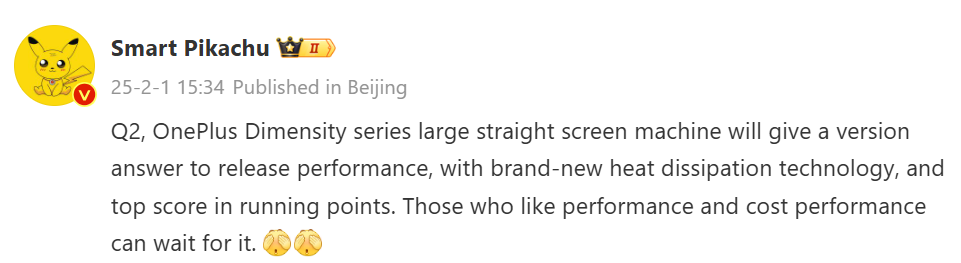
Weibo tipster Smart Pikachu previously suggested that upcoming Ultra model flagships, including the Oppo Find X8 Ultra, Xiaomi 15 Ultra, Samsung Galaxy S25 Ultra, and Vivo X200 Ultra, will likely feature Qualcomm’s ultrasonic fingerprint sensors.

In other aspects, the Mate 70 series is expected to retain a similar camera island design but with additional laser sensors, as hinted by smaller cutouts in leaked images of the camera cover.

Additionally, tipster Digital Chat Station claims the Mate 70 series could feature a more energy-efficient chipset paired with a high-density silicon-anode battery and support for variable aperture in the 50MP main camera. Silicon-anode batteries allow devices to maintain a sleek, lightweight form factor while boosting battery capacity. However, increased battery capacity or improved chipset efficiency are speculative at this stage, so readers should approach these claims with caution.

(Source 1, 2)

Oppo Reno 13 series’ November 25 launch date tipped: Here’s what we know so far

In October, Oppo unveiled the Find X8 and Find X8 Pro in China. This month, the brand is expected to take off covers from the Reno 13 lineup. Renowned leaker Digital Chat Station has been consistently leaking details about the Reno 13 Pro. Today, the leaker released a Weibo post to reveal the Reno 13 series’ tentative launch date for the Chinese market.

Oppo Reno 13 series launch date

According to the latest leak, the tentative launch date for the Reno 13 in China is Nov. 25. Oppo is yet to tease the arrival of the Reno 13 series, as the brand is currently focused on promoting the Find X8 series for the upcoming Nov. 11 (Double Eleven) shopping festival in China.

It is likely that the official teasers for the Reno 13 series will be released starting next week. The series is expected to include at least two devices, such as the Reno 13 and Reno 13 Pro.

Oppo Reno 13 Pro specifications (rumored)

Previous Weibo posts released by DCS has revealed that the Reno 13 Pro will flaunt a 6.78-inch OLED 8T LPTO screen with a micro-quad-curved design. It is expected to support a 1.5K resolution of 2780 x 1264 pixels and a 120Hz refresh rate.

The Dimensity 9300 chipset will power the Reno 13 Pro. At present, there is no information about the RAM and storage configurations. It may pack a 5,900mAh battery along with support 80W wireless charging and 50W magnetic wireless charging.

The Reno 13 Pro is expected to run on ColorOS 15-based Android 15 and feature a 50-megapixel front-facing camera. The rear-mounted triple camera setup is expected to comprise a 50-megapixel periscope telephoto camera with 3x optical zoom. It is expected to come with support for underwater photography. 

Some of its other features include a metal middle frame and an IP-rated water-resistant chassis. At present, there is no information about the key specifications of the Reno 13.

OnePlus Pad 2 on sale for Rs 37,999 with a bank discount of Rs 3000

Following massive discounts last festive season on most OnePlus devices and accessories in India, the OnePlus Pad 2 is on sale this month. The OnePlus Pad 2 is now retailing for the lowest price of Rs 40,999 since its launch, and the additional Rs 3000 discount is further reducing the price to Rs 37,999. It is up for grabs on Amazon India.

The OnePlus Pad 2 was launched a couple of months ago and features some high-end specifications, and users can grab it for the lowest price on Amazon India. It is listed for Rs 40,999, and if you have an ICICI Card, then you can get a Rs 3000 additional discount on top. This massive bank discount will drag down the price to Rs 37,999.

Grab OnePlus Pad 2 from Amazon

OnePlus 2 Specifications and Features

OnePlus Pad 2, launched earlier this year, comes with a 12.1-inch IPS LCD featuring a 144 Hz refresh rate and HDR10+. It is powered by Qualcomm Snapdragon 8 Gen 3 SoC and Adreno 750 GPU coupled with 8GB/12GB RAM and 128/256GB Storage. In the camera section, the tablet bundles a 13MP primary sensor, and an 8MP front camera for selfies and video calling.

In the connectivity, OnePlus Pad 2 features WiFi 7, Bluetooth 5.4, NFC, and USB Type-C 3.2. The tablet comes with a 9510 mAh battery coupled with 67W wired charging. It measures 268.7 x 195.1 x 6.5 mm in size and weighs 584 grams.

Please Note: When you buy something using the links in our articles, we may earn a small commission at no cost to you.

Samsung plans to launch its mixed-reality device in 2025

Samsung is gearing up for a grand re-entry into the extended reality (XR) or mixed reality (MR) space, nearly a decade after its successful Gear VR headset paved the way in the VR market.

VR headset

Samsung’s XR Comeback: New Device Expected with Galaxy S25

According to Samsung’s Q3 financial report, a new XR device is likely to be unveiled in 2025. This device will reportedly introduce advanced connectivity within Samsung’s ecosystem, cementing the company’s renewed commitment to XR technology.

This strategic shift comes at a time when the Google Play Store has introduced a category specifically for XR apps, signaling a broader push toward mainstream XR adoption.

Samsung XR headset rumor

The development of Samsung’s new XR device involves a collaboration with Google and Qualcomm. Earlier this year, during the Galaxy S24 series announcement, Samsung unveiled its plans for this collaboration.

The XR device is rumored to be powered by the Snapdragon XR2+ Gen 2 chip and was recently spotted on Geekbench, showing 16GB RAM and a 6-core SoC – ideal for VR applications. Expected to run on Android 14, the headset may incorporate advanced sensors for environmental awareness, potential health tracking, and a micro-OLED display with high pixel density and enhanced brightness for immersive visuals. It may also include a feature similar to the Persona mode found on Apple’s Vision Pro.

Facing competition from Apple and Meta with products like the Apple Vision Pro and Meta Quest series, Samsung is likely to unveil its XR device at the Galaxy Unpacked event in early 2025, alongside the Galaxy S25 series. This timing would allow Samsung to showcase an integrated Galaxy ecosystem, positioning the XR device as a seamless extension for Galaxy users.

With industry trends shifting towards lighter, smartphone-compatible AR glasses, there are also rumors that Samsung might introduce AR glasses instead of a headset designed to work as smartphone companions. This strategy could make Samsung’s XR glasses an essential accessory for Galaxy smartphone users, bringing mixed reality features into everyday life.

As per reports, Samsung also may drop the ‘Galaxy’ branding for its upcoming S25 series, rebranding it as the Samsung S25 lineup. Additionally, the lineup may feature an S25 FE model as a budget-friendly option, potentially marketed as a “Slim” device.

New M4 Macs up for pre-orders; Old Macs discounted

The recently launched Apple M4 MacBooks are finally up for grabs, and there’s a good discount on the predecessors across retailers like Amazon and Best Buy. Apart from newly launched Apple M4 MacBooks, the Cupertino giant also revamped the older Mac models with 16GB RAM in base configuration. This latest addition has made retailers reluctant to get rid of the stock they have for the old configuration.

Apple MaBook Pro 14.2-inch with M4 is up for grabs at the price of $1600 via Amazon US, while the M4 Pro with 24/512GB is priced at $2000. Further, the Apple MacBook Pro 14.2-inch 2024 with M4 Max with 32GB RAM and 1TB storage is retailing for the price of $3200.

The bigger version with the 16.2-inch display is only available with M4 Pro and M4 Max pairing 24GB RAM and 36GB RAM, respectively. To grab these high performance Macs, the user needs to shell out $2500 for the M4 Pro and $3500 for the M4 Max.

With the introduction of a new 16GB variant, the Apple MacBook Air 2022 13.6-inch variant is now retailing at $700 via Amazon US. While the Apple MacBook Air 13.6-inch 2024 model is now retailing for the $250 discount with a $150 coupon. The final price will be $850 at Amazon US.

What upgrades do new Apple M4 Macs bring?

Apple introduced several upgrades along with the new SoCs. There are now three ports on the MacBook Pro 14.2-inch model, and displays are upgraded to 120Hz Liquid Retine XDR. There are new 12MP cameras with Center Stage. Moreover, if you get the M4 based MaxBook, then you will get a Thunderbolt 4, and if you grab the M4 Pro and M4 Max, then it comes with Thunderbolt 5.

Please Note: When you buy something using the links in our articles, we may earn a small commission at no cost to you.

Samsung may reintroduce manual thermal throttling settings in One UI 7

Samsung Galaxy phone users looking for the best gaming experience may be interested in a recent leak about the upcoming One UI 7 update. 

According to Chuvn8888, a reliable source with a history of accurate information on Samsung updates, One UI 7 could introduce a hidden option to disable thermal throttling entirely.

Image: Chuvn8888

Thermal throttling is a safety feature that automatically slows down the processor when the phone’s internal temperature gets too high. This prevents overheating, which can damage components and shorten a device’s lifespan. 

However, it can also lead to performance dips during graphically demanding tasks like gaming.

One UI 7 may have the option to enable/disable thermal throttling

Chuvn8888 claims that the upcoming Samsung skin will have a separate “Disable Thermal Throttling” toggle within the Developer Options menu. The latter typically houses advanced settings not intended for general users, as modifying them can sometimes lead to unintended consequences.

This isn’t Samsung’s first experiment with such a feature. In One UI 6, a similar option was available but required access to the Samsung Device Health Manager Service through a third-party app. 

Samsung later removed this workaround, suggesting some hesitation about letting users bypass thermal throttling safeguards.

Samsung One UI 7 upgrade improvement

The leak suggests One UI 7 might reintroduce this functionality. However, it’s important to remember that Developer Options are intended for advanced users and contain settings that can negatively impact the phone’s stability if not handled carefully.

Furthermore, One UI 7 is still under development, and there’s no guarantee this particular feature will make it into the final release. Even if it does, users should be wary of disabling thermal throttling altogether.

While the allure of maximizing performance is understandable, bypassing the phone’s built-in safeguards could lead to overheating issues. This, in turn, could shorten the device’s lifespan and potentially lead to hardware malfunctions.

(Source)

5 Reasons why Android 15 is better than Android 14

Android 15 features

Android 15 has finally landed, and it’s already rolling out to Google Pixels, with other brands joining the party in the coming weeks. It’s largely similar to Android 14 from the design perspective, but you’ve to explore other areas to see the notable upgrades. Here are five reasons that make Android 15 a must-have upgrade.

1. Low storage, not a problem

Apps store a lot of data on the device itself to offer a snappier experience. While it benefits user experience, the device’s storage can fill up quickly.

Low storage is a problem for many devices with 128GB/256GB as base storage. Many prefer to uninstall the app to free up space. So, when they install it again, the user must sign in again and reconfigure the app.

App archiving in Android 15

With Android 15’s new app archiving feature, you can remove apps while preserving their data for a temporary storage boost. When you reinstall the app, you don’t need to sign in again or reconfigure it.

2. Satellite connectivity support

Satellite connectivity on smartphones, first debuted on the iPhone 14 series, has saved many lives so far (1, 2, 3, 4) and has proven invaluable when Wi-Fi or cellular signals are unavailable. So, having support for it in Android 15 is a big bonus.

Android 15 Satellite Connectivity

Upgrading to Android 15 won’t be enough to use the satellite connectivity, as it also requires capable hardware. Some devices, including the Google Pixel 9 series, can now use this feature to send SMS, MMS, and RCS text messages using the same technology.

3. Hidden space for your secret apps

Users’ privacy is crucial, and it continues to get better with every iteration of the Android OS. The latest Android 15 brings many security features, such as theft detection lock and offline device lock, but one standout feature is Private Space.

Private space in Android 15

The new Private Space allows users to create a secure space with an additional layer of protection. It’s hidden from recent apps, settings, and the rest of the device, thus being the safest place to hide your secret dating or finance apps.

4. Better multitasking

Multitasking gets a lot better with Android 15, especially on larger devices such as foldables and tablets. It allows you to create app pairs for quicker access to your favorite apps in split-screen mode.

To create an app pair, open apps in the split-screen mode, tap the app icons at the top, and choose Save app pair. You’ll see a new shortcut icon on your home screen for this split-screen app pair.

Android 15 also has a foldable-specific addition that allows users to continue using an app on the cover display after closing the primary (inner) screen without unlocking the device.

You can now easily pin or unpin the taskbar on foldables and tablets. Obviously, you have your choices for taskbar apps, making it easier and quicker to switch between frequently used apps.

5. Real-time widget preview

Before Android 15, you had to drag a widget to the home screen to see how it looked. Now, that’s not a two-step process anymore. The latest OS brings real-time widget preview. This means the widget picker section now shows widgets as they would look on the home screen instead of a static resource.

Did you upgrade your device to Android 15? And, what are the features you’re enjoying the most? Share your thoughts in the comments below.

More on Android 15:
1. Android 15: 12 Game-changing features you must try
2. How to prepare your smartphone for Android 15 upgrade
3. These devices won’t get Android 15 update

Redmi K80’s first image surfaces, tipped for November-end launch

Redmi is expected to unveil the Redmi K80 series of smartphones. Reports have suggested that the rear design of the K80 series will differ from its previous generation, the Redmi K70 lineup. Now, a new leak, courtesy of tipster Smart Pikachu, has emerged on Weibo that sheds more information on the design of the K80 series. Additionally, the leak has revealed the launch timeframe for the K80 series.

Redmi K80 design leak

Redmi K80 series leak

The above image shared by Wang Xiaoyan, Vice President of Xiaomi Group and President of Xiaomi China, seemingly showcases an upcoming Redmi K80 series phone enclosed in a protective case. The image reveals a new round camera island that houses three cameras. The design differs significantly from the K70 lineup, which features a rectangular camera module with camera sensors symmetrically arranged in a square shape at the left corner.

Xiaomi’s selfie-focused Civi series, which features a round camera module on the back, appears to have inspired the design of the Redmi K80 series. Since Xiaomi has just launched the Xiaomi 15 series of smartphones in China, it appears that Redmi will take a sabbatical of a few more days before its stars tease the K80 lineup.

The tipster claims that the Redmi K80 series will launch by the end of this month (November). The 3C certification has revealed that the lineup may include three models, such as the Redmi K80e, Redmi K80, and K80 Pro.

These devices are likely to be powered by the Dimensity 8400, the Snapdragon 8 Gen 3, and the Snapdragon 8 Elite chipsets, respectively. The K80e may support 90W fast charging, whereas the K80 and K80 Pro may offer 120W rapid charging.

The leaker also revealed that although the Redmi K80 series adopts a Civi-like design, Xiaomi will not discontinue the Civi lineup. In fact, the brand is already working on a new Civi-branded phone, which could be the Xiaomi Civi 5. Unfortunately, the tipster did not reveal anything else about the device.

(source)

Casio Debuts G-SHOCK & BABY-G Watch Set for Couples with A Rose Inspired design

Casio is introducing a limited-edition set of its G-SHOCK and BABY-G models, designed for couples seeking a meaningful way to celebrate their relationship. Featuring romantic rose motifs, this special pair will be available in Japan starting November 22nd.

Casio G-SHOCK x BABY-G watches

Details That Capture Romance

The GA-110 G-SHOCK and BA-110 BABY-G models showcase a white-rose design. Roses appear on the indicator hand of the G-SHOCK and the hour and minute hands of the BABY-G, with additional rose patterns on the band loops. Each watch displays three roses, representing “I love you,” and a total of six roses across the pair to express “I’m crazy about you.” These details make the set a thoughtful gift for couples.

Thoughtful Packaging

Casio G-SHOCK x BABY-G watches

Casio has extended the romantic theme to the packaging. The inner box displays 11 roses, symbolizing “most beloved” in floral language, while the entire set design incorporates 99 roses, a number commonly associated with eternal love.

Symbolism with a Unique Touch

The watches feature an engraving on the case backs of an angel and devil, representing the attraction of opposites and the balance in relationships.

Combining Functionality with Romance

These limited-edition models retain the durability and features expected from G-SHOCK and BABY-G. The G-SHOCK GA-110 includes shock and magnetic resistance, 200-meter water resistance, and a 1/1000-second stopwatch, while the BABY-G BA-110 offers similar resilience with 100-meter water resistance and multiple daily alarms.

Both watches are equipped with LED lighting, world time covering 29 time zones, countdown timers, and a full auto calendar up to the year 2099, blending functionality with romantic design so wearers can enjoy both style and practicality.

Pricing and Availability

The set is priced at 39,050 yen, or around $256, and will be available first in Japan and selected regions in Asia.

In related news, Casio has launched the limited-edition Casiotron TRN-50ZE-1A to mark the 50th anniversary of the original Casiotron, which was the world’s first digital watch with an automatic calendar, introduced in 1974. This watch showcases a black and gold color scheme, featuring a stainless steel case and band with gold accents.

(Source, via)

Google Play Store hints at new Android device category coming soon

Google is gearing up to expand the reach of its Play Store to include extended reality (XR) headsets, according to recent discoveries in the app store’s code. This move suggests that Google is preparing for a significant expansion into the XR market, potentially with its own hardware or through partnerships with other manufacturers.

Google-Play-Store

Play Store Expands to XR

The latest version of the Play Store app includes a new icon depicting an XR headset and references to “XR headset” in the app listings. This indicates that Google is working on a dedicated section for XR apps, similar to the existing categories for smartphones, tablets, and wearables.

Play Store Expands to XR

While Google has previously experimented with XR through initiatives like Cardboard and Daydream, these efforts were primarily focused on mobile VR experiences. The upcoming XR headset support signals a more serious commitment to the technology and a desire to compete with other major players in the market.

The timing of this development coincides with Google’s ongoing collaborations with Samsung and Qualcomm on a new XR headset. This joint effort aims to create a high-end XR device powered by Android and Qualcomm’s Snapdragon processors. By integrating XR support into the Play Store, Google can ensure a robust ecosystem of apps and content for its upcoming headset.

While the specific details of Google’s XR plans remain unclear, the discovery of these code changes suggests that we may see a significant announcement in the near future. This could involve the launch of Google’s own XR headset, partnerships with other manufacturers, or simply an expansion of the Play Store to support existing XR devices.

Regardless of the exact path forward, Google’s move to embrace XR is a positive sign for the future of the technology. With the support of a major player like Google, XR has the potential to become a mainstream platform for gaming, entertainment, and productivity.

(Source)

G-SHOCK Urban Utility Series Watches Unveiled: Casio’s Eco-Friendly Watch Collection for City Life

Casio is launching the G-SHOCK Urban Utility series, introducing four models that combine durability, functionality, and eco-friendly materials for today’s urban consumer.

G-Shock Urban Utility Series

Models and Design Features

The series includes two main model types: the classic DW-5610UU and the more advanced GA-B2100LUU. Both lines focus on resilience while using environmentally conscious materials. Each model features biomass plastic for the bezel and bands, aligning with Casio’s sustainability goals.

G-Shock Urban Utility Series
Clockwise from top right: GA-B2100LUU-5A, DW-5610UU-3, GA-B2100LUU-8A, DW-5610UU-8

The DW-5610UU, available in green and gray, features a layered bezel design and an inverted LCD display for easier reading in low-light conditions. It also includes a Super Illuminator LED backlight for enhanced visibility.

G-Shock Urban Utility Series

The GA-B2100LUU models, available in beige and gray, feature a two-tone, dual-molded bezel that adds visual depth. They include a carbon-fiber-reinforced case, which provides durability while keeping the watch lightweight.

Tech and Functionality

The Urban Utility series includes practical features for everyday use. Both models have shock-resistant structures and a Carbon Core Guard for added resilience. Water-resistant up to 20 ATM, these watches are suited for both rugged activities and daily wear.

The watches also include Bluetooth connectivity, allowing users to sync with the “CASIO WATCHES” app for automatic time adjustment and other features. Users can access World Time for up to 300 cities, reminders, and a phone finder function. Both models use Tough Solar technology for solar charging, and with the power-saving mode, the watches can run for up to 18 months without solar exposure.

Pricing & availability

The G-SHOCK Urban Utility series will launch in Japan in November 2024. The DW-5610UU models will be priced at 15,400 yen (about $101), and the GA-B2100LUU models will retail at 25,850 yen (approximately $170). Details about their global availability are still under wraps.

In related news, Casio has released the limited-edition Casiotron TRN-50ZE-1A to celebrate 50 years since the original Casiotron, the world’s first digital watch with an automatic calendar, debuted in 1974. The watch features a black and gold color scheme, a stainless steel case and band, with gold accents.

(Source, via)

10 Reasons to Choose the OnePlus 13

The OnePlus 13, launched as OnePlus’s ten-year flagship, brings together a host of features that cater to a variety of user needs. While the moniker of the device does not include “Pro,” the company claims it offers a Pro-grade experience. This claim appears to be validated, as the company managed to sell 100,000 units of the OnePlus 13 in just 30 minutes during the first sale.

The OnePlus 13 competes with recently launched flagship phones in the Chinese market, such as the Vivo X200 Pro, the Oppo Find X8 Pro, the iQOO 13, and the upcoming Realme GT 7 Pro. Here are ten practical reasons, why the OnePlus 13 could be the right choice for you:

Head to GeekWills to get the OnePlus 13 now!

1. Powerful Performance with Snapdragon 8 Elite

The OnePlus 13 is equipped with the all-new 3nm Snapdragon 8 Elite chip that offers a maximum processing speed of 4.32GHz. The inclusion of the new chip allows the phone to achieve a remarkable AnTuTu score of 3.1 million. With up to 24GB of LPDDR5X RAM and 1TB of UFS 4.0 storage, the device ensures quick performance and ample space for all your apps and files. It’s designed to handle multitasking and gaming efficiently.

2. Superior Display Technology

The OnePlus 13 features a second-generation BOE X2 display, the world’s first DisplayMate A++-certified screen. The 6.82-inch display panel incorporates exclusive Sunlight Display Technology for full-brightness DC dimming, along with new Glove Touch Technology that enables usage while wearing gloves. This screen beautifully combines aesthetics with durability, showcasing a micro-quad-curved design along with ultra-ceramic crystal glass protection.

3. Native 120 FPS Gaming Experience

The OnePlus 13 provides a native 120fps gaming experience with zero latency, a unique feature in the industry. It includes an exclusive 120fps + 900p mode for smooth gameplay in high-demand 3D turn-based and open-world games. The self-developed eSports display engine ensures games run at full frame rate from full charge to shut down.

4. Hasselblad Master Photography

The OnePlus 13’s camera system, co-engineered with Hasselblad, includes a 50-megapixel LYT-808 main camera, a 50-megapixel ultra-wide lens, and a 50-megapixel periscope telephoto camera with 3x optical zoom. Features like 4K 60fps Dolby Vision support, Shadowless photography, and Live Photos deliver an enhanced photography experience.

5. Massive 6,000mAh battery with SuperVOOC Fast Charging

The OnePlus 13 is the company’s first smartphone to pack a massive 6,000mAh silicon-carbon battery. The huge battery is paired with 100W wired and 50W wireless SuperVOOC fast charging. With wired charging, the OP13 can reach 100 percent in just 36 minutes with a 99.5% discharge efficiency. For those who don’t know, it is the first OnePlus flagship to support magnetic wireless charging.

6. Advanced Cooling System for Sustained Performance

The second-generation dual vapor-chamber cooling system in the OnePlus 13 helps maintain peak performance. Featuring a 9,925mm² double-layer 2K supercritical graphite and new stacked thermally conductive gel technology, this system manages heat with precision, keeping the device cool during intensive tasks.

7. Enhanced haptics with Bionic Vibration Motor Turbo

The OnePlus 13 includes a bionic vibration motor turbo with handle-level 4D gaming vibration. The N54 magnetic steel motor offers industry-leading vibration volume, frequency width, and start-stop speed. With a 602mm³ motor volume and over 72 types of O-Haptics vibration effects, it provides an immersive tactile experience.

8. IP68 & IP69 dust and Water Resistance

The OnePlus 13 is built to withstand harsh conditions with IP68 and IP69 ratings for dust and water resistance. It remains functional and reliable whether it’s exposed to splashes or submersion, making it a durable choice for various environments.

9. Ultra-Smooth ColorOS 15 Experience

Running on ColorOS 15, the OnePlus 13 offers an ultra-smooth user experience. Features like the Tidal Engine and Aurora Engine provide a fluid interface, 400-meter one-tap file transfer, and long-distance dynamic Bluetooth for sharing with iPhone users. The AI One-Click Question Screen feature, which is similar to Google’s Circle-to-Search, answers your queries promptly.

10. Other Features

The OnePlus 13 is the company’s first phone to feature an ultrasonic fingerprint sensor that ensures fast unlocking, even with wet or greasy fingers. With four microphones and AI call noise reduction, it ensures clear communication. It comes with other exciting features, such as a USB-C (Gen 3.2) port, an alert slider leather or glass back options, and a wide range of magnetic wireless charging-enabled cases.

Global launch rumors

Rumors are rife that the OnePlus may launch the OnePlus Ace 5 with the Snapdragon 8 Gen 3 chip onboard in November or December. This device is likely rebranded as the OnePlus 13R in other markets. As far as global launch is concerned, the OnePlus 13 and 13R are expected to make their global debut in January 2025.   

Visit GeekWills to purchase the OnePlus 13 before its global launch.