Advertisement

Xiaomi 15 Ultra renders show beefy camera module with asymmetrical lens arrangement

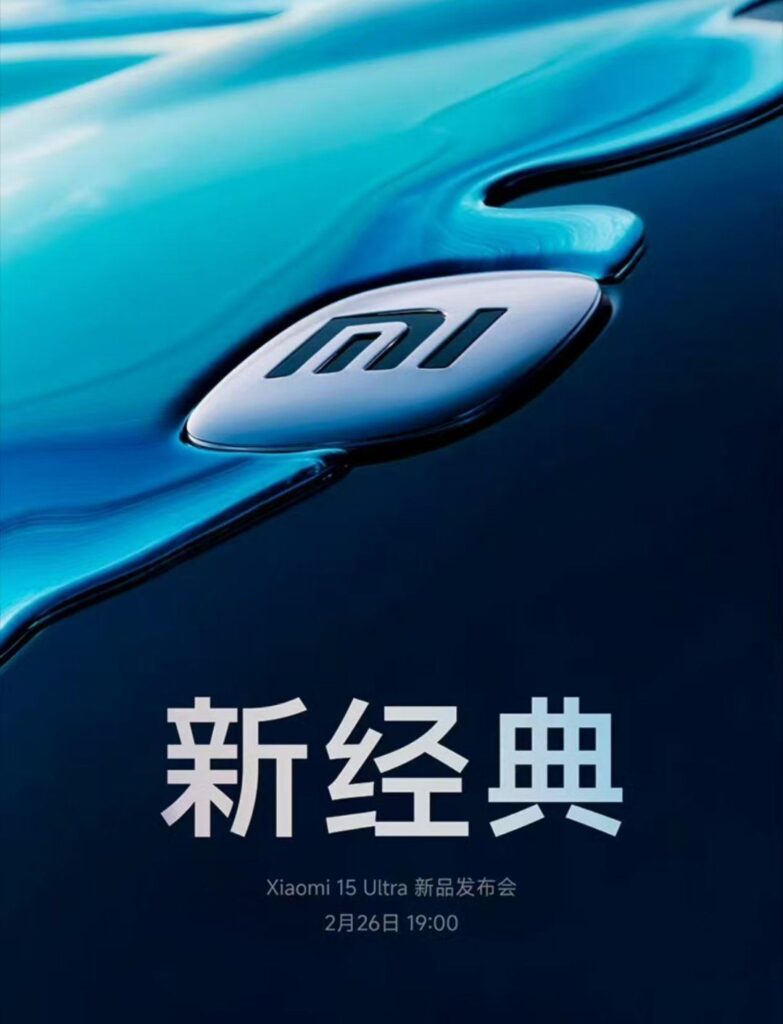
Xiaomi has confirmed that it will launch the Xiaomi 15 series on October 29. The line will be joined by the Ultra model in early 2025. While its details have surfaced gradually, we now get a first look at the phone through renders shared by SmartPrix.

The renders show a large camera module on the back, similar to its predecessor. However, the camera placement within the module stands out for its asymmetrical lens design.

Xiaomi 15 Ultra has a unique camera module

According to the source, the lone top camera will be the highlight this year. It is a 200-megapixel, 4.3x zoom periscope telephoto lens. That’s quite a step up from the 50MP telephoto in the 14 Ultra. The image sensor used here is likely Samsung’s ISOCELL HP9.

Below this, there are three lenses arranged horizontally — a 50-megapixel main sensor, a 50-megapixel ultrawide sensor, and a 50-megapixel 2x telephoto sensor. The front camera is expected to be 32 megapixels.

Xiaomi 15 Ultra renders black

The Xiaomi 15 Ultra is also rumored to feature a 6.7-inch, 120Hz LTPO OLED display with micro-curved edges. The display will also house an ultrasonic in-display fingerprint sensor for convenient and secure unlocking. 

The 15 Ultra is said to come in three material finishes — plain leather, fiberglass, or ceramic, offering a variety of options to suit different preferences and styles.

Under the hood, the phone will likely use the latest Snapdragon 8 Elite chipset for powerful performance. It may also pack a 6,000mAh battery with support for 90W wired and 80W wireless charging. On the software side, it’s expected to run Xiaomi’s HyperOS 2.0, based on Android 15.

We are still missing price details. A price increase is expected for all Snapdragon 8 Elite phones this year. If the soon-to-be-launched Xiaomi 15 and Xiaomi 15 Pro see a price increase, it’s reasonable to expect a similar rise for the Xiaomi 15 Ultra.

(Source)

OnePlus 13 unboxing video; cooling specs revealed

The highly anticipated OnePlus 13 will be launched in China on October 31, featuring the Snapdragon 8 Elite chipset. Ahead of its release, an unboxing video has revealed confirming design elements and key features of the device. OnePlus has also shared a video in the company’s official video revealing the design elements in detail.

Enhanced cooling system for sustained performance

OnePlus has introduced a second-generation Tiangong cooling system in the OnePlus 13, emphasizing its ability to handle heavy workloads. This system includes a new 9925mm² VC heat dissipation plate, a double-layer 2K graphite sheet, and stacked thermally conductive gel technology.

The setup is designed to reduce the SoC temperature by up to 7°C, thanks to precise temperature management via AI and 14 dedicated sensors. These improvements enable the device to maintain consistent performance during intensive tasks, which was demonstrated in a recent Genshin Impact test, where the OnePlus 13 achieved over 60fps on average in a 30-minute session.

Power and performance

The Snapdragon 8 Elite chipset offers significant power efficiency and performance improvements over its predecessor. This SoC features better thermal management, allowing for longer sustained peak performance without throttling. Additionally, the OnePlus 13 is expected to house a large 6,000mAh battery, supporting 100W wired fast charging and 50W magnetic wireless charging, ensuring quick recharges and prolonged usage time​.

Display and camera specs

The OnePlus 13 will sport a 6.82-inch 2K LTPO display, which supports a 120Hz refresh rate and high peak brightness, offering users smooth visuals and vivid colors. On the back, it retains a triple-camera setup, consisting of a 50MP main sensor, a 50MP ultra-wide lens, and a 50MP telephoto camera with 3x optical zoom. Collaborating with Hasselblad, OnePlus is likely to bring advanced imaging features and enhancements, improving overall photography quality.

With its advanced cooling, powerful chipset, and sleek design, the OnePlus 13 is shaping up to be a significant contender in the flagship smartphone market. The official launch on October 31 will reveal more details, especially about its global availability and additional features.

(Source 1, 2)

Xiaomi 15 series and HyperOS 2.0 based on Android 15 finally have an official launch date

Following Qualcomm‘s unveiling of the Snapdragon 8 Elite, Android manufacturers are quickly lining up to launch their most powerful devices. While several brands confirmed phones featuring the chip, all eyes were on Xiaomi, long rumored to be the first to market.

Living up to the speculation, Xiaomi has officially announced the launch of its Xiaomi 15 series on October 29th in China.

However, Xiaomi’s lead may be short-lived. Honor will unveil its Magic 7 series, and iQOO its iQOO 13, on October 30. Similarly, OnePlus will reveal the OnePlus 13 on October 31, and Realme’s GT 7 Pro will debut on November 4 in China. Asus and Nubia have also confirmed upcoming gaming phones powered by the same chip.

We are expecting Xiaomi 15 and 15 Pro

Xiaomi is expected to launch the Xiaomi 15 and 15 Pro smartphones on October 29th. The top-tier model, however, will be the Ultra, which will launch next year. 

Globally, we might only see the Xiaomi 15 and 15 Ultra, as the company only launched their respective predecessors last year.

At the same event, Xiaomi will also introduce HyperOS 2.0, based on Android 15, and unveil the Xiaomi SU7 Ultra.

xiaomi 15 pro 2
Xiaomi 15 Pro render

Leaks suggest the standard Xiaomi 15 will maintain a compact design with a 6.36-inch flat AMOLED display. Its Pro counterpart is expected to boast a larger 6.78-inch curved display with 120Hz and advanced features like Dolby Vision.

Continuing its partnership with Leica, Xiaomi is rumored to equip the 15 Pro with a triple-camera system featuring a 50-megapixel main sensor, a 5x optical zoom telephoto lens, and an ultra-wide sensor. Both models are also expected to see improvements in battery life, with capacities exceeding 5,000mAh and support for fast wired and wireless charging. Durability is expected to be bolstered by an IP68 water and dust resistance rating.

Ulefone Armor Mini 20T Pro and Armor Mini 20 Pro: World’s First 5G Mini Rugged Smartphones

Ulefone Armor Mini 20T Pro and Armor Mini 20 Pro are groundbreaking smartphones, bringing 5G connectivity to the rugged phone market. Designed for users who need a durable yet compact phone, both models boast advanced features while maintaining a tough, portable form factor. Available for pre-order globally on AliExpress, these phones offer professional-grade imaging and robust durability, making them ideal for outdoor enthusiasts, law enforcement professionals, and anyone who needs a phone that can handle harsh environments.

Compact Yet Powerful Display

Both models feature a 4.7-inch HD+ compact display, providing a good balance between portability and screen quality. Despite their rugged design, these phones deliver clear and sharp visuals for everyday tasks, gaming, or streaming videos.

Unmatched Durability

The Armor Mini 20T Pro and Armor Mini 20 Pro are built to last. They can survive extreme conditions with IP68/IP69K and MIL-STD-810H certifications. These phones can withstand drops from up to 2 meters and can be submerged in water up to 2 meters deep for 24 hours without damage, making them perfect for outdoor and professional use.

Specialized Imaging Capabilities

The Armor Mini 20T Pro stands out with its integrated FLIR Lepton 3.5 thermal imaging camera. This professional-grade tool allows users to detect heat signatures, making it invaluable for professionals working in fields like construction, emergency services, or wildlife observation. In contrast, the Armor Mini 20 Pro is equipped with infrared night vision, providing clear visibility in low-light conditions. This feature is handy for law enforcement or outdoor enthusiasts who need to navigate or capture images in the dark.

Long-lasting Battery with Fast Charging

Both models come with a powerful 6200mAh battery, ensuring long-lasting performance even in remote areas. The phones support 33W fast wired charging and 15W wireless charging, allowing for quick and convenient power-ups when needed.

Performance and Storage

Under the hood, the Armor Mini 20T Pro is powered by the MediaTek Dimensity 6300 5G SoC, ensuring smooth multitasking and gaming experiences. With up to 16GB of RAM and 256GB of internal storage (expandable up to 2TB), users have plenty of space for apps, photos, and videos. The Armor Mini 20 Pro, while slightly more affordable at $249.99, offers similar performance, making it a great option for users who don’t need thermal imaging but still want a rugged, high-performing device.

Additional Features

Both models come with a multi-functional LED light array, offering various lighting modes, including emergency warning lights. This can be a life-saving feature in critical situations. A body camera holder is also available, which is particularly useful for law enforcement and security personnel. With 5G connectivity, both phones are perfect for those who need fast, reliable internet for multitasking, gaming, or fieldwork.

Price and Availability

The Ulefone Armor Mini 20T Pro is priced at $329.99, while the Armor Mini 20 Pro is available for $249.99. Both models are now available for global pre-order on AliExpress, making them accessible to customers worldwide who want durable, high-performing 5G smartphones with advanced imaging capabilities.

Ulefone Armor Mini 20T Pro and Armor Mini 20 Pro are pioneering devices in the rugged phone market. Offering either thermal imaging or infrared night vision, along with 5G connectivity and military-grade durability, these phones cater to users who need high performance in challenging environments. Whether you’re a professional working in harsh conditions or someone who simply enjoys the outdoors, these smartphones provide the features you need to stay connected and capture crucial moments.

What to expect from the upcoming OnePlus 13R?

As OnePlus gears up to launch the OnePlus 13, attention is also shifting towards the OnePlus 13R. Following the successful release of the OnePlus 12R, which debuted as a rebranded OnePlus Ace 3, the OnePlus 13R is expected to adopt a similar strategy. With certifications and leaks surfacing, the 13R is anticipated to be the global variant of the rumored OnePlus Ace 5. This article explores the expected features, specifications, and launch timeline of the OnePlus 13R.

OnePlus 12R

1. Design and Build

OnePlus has always focused on providing a sleek, premium look for its ‘R’ series, and the OnePlus 13R is expected to maintain this design philosophy. The device could retain the minimalist and polished appearance seen in the OnePlus 12R, with slight adjustments to enhance ergonomics. It is anticipated to feature a flat display, narrow bezels, flat metal frames, and a slim profile, making it easier to handle while also improving its overall aesthetics.

2. Display

The display on the OnePlus 13R is expected to offer a 1.5K resolution, similar to its predecessor. It’s likely to feature an OLED panel, supplied by BOE, known for vibrant colors, deep blacks, and high brightness levels. While details about the screen size are still under wraps, it could range between 6.7 to 6.8 inches, providing an immersive viewing experience for content consumption and gaming. The phone would also support a high refresh rate, possibly up to 120Hz with LTPO.

3. Performance

The OnePlus 13R is expected to pack a punch in the performance segment. The phone is likely to feature the Qualcomm Snapdragon 8 Gen 3 chipset, making it a significant upgrade from the Snapdragon 8 Gen 2 in the OnePlus 12R.

This would make the 13R one of the few devices in the segment to offer this top-tier processor, promising better performance, enhanced multitasking, and a smoother gaming experience. The chipset could be paired with up to 16GB of LPDDR5X RAM, ensuring efficient operation for resource-intensive apps and games.

4. Cameras

Coming to the optics, the 13R is rumored to feature a primary 50MP Sony IMX9-series sensor along with two additional lenses. The large sensor size of the IMX906 (1/1.56 inches) is expected to offer improved image processing and better low-light performance.
While there’s no info on whether this device will get a telephoto lens or not but its Chinese Pro variant Ace 5 Pro is rumored to feature Samsung JN1 telephoto sensor.

5. Battery and Charging

Battery life has been a key selling point for the OnePlus R series, and the OnePlus 13R is expected to raise the bar with a 6,500mAh battery. This would make it the largest battery ever on a OnePlus smartphone, surpassing the 5,500mAh capacity of the 12R. Additionally, the device is expected to support 100W SuperVOOC fast charging, ensuring rapid recharging times.

6. Software

OnePlus 13R is expected to run on OxygenOS 15, based on Android 15. OxygenOS has always been known for its clean, smooth and bloat-free interface. Users can expect new software features, improved customization options, and better performance optimization in this version.

7. Pricing and Availability

While pricing details haven’t been confirmed yet, the OnePlus 13R is likely to be positioned as an affordable flagship, similar to the OnePlus 12R. It could be priced between $500-$600, making it competitive against other mid-range devices with high-end features. The launch is expected to follow the China release of the OnePlus Ace 5, possibly early next year. The 13R could make its debut in the Indian market first, followed by a broader global launch.

8. Conclusion

The OnePlus 13R appears to be an enticing upgrade, particularly for those seeking flagship-level performance at a reasonable price. With a faster chipset, improved camera setup, larger battery, and refined design, the device could set a new benchmark in the mid-range segment. If the leaks hold true, the OnePlus 13R could offer excellent value, continuing the brand’s legacy of affordable flagships.

Apple MacBook Air M1 retails at the lowest price of Rs 56,990

Apple MacBook Air is again on sale this Diwali season on Amazon India. The MacBook Air M1 currently retails for the effective price of Rs 50,603 with 256GB of storage and 8GB of RAM. It is listed for the cost of Rs ~57000, and with a bank discount of Rs 6386 via the ICICI Card on a 6-month no-cost EMI, the final price is reduced to Rs 50,603.

macbook air m1

It is the lowest price of the Apple MacBook Air M1 in India. The discount seems to be for a limited time, and interested folks should grab it as soon as possible.

MacBook Air M1 Specifications and Features

Apple MacBook Air M1 features a 13.3-inch Retina Display and bundles an Apple M1 chip 8-core CPU. It delivers a performance boost of up to 3.5x over the previous generation, perfect for tasks ranging from professional editing to gaming. Its 8GB unified memory ensures smooth multitasking, while the 13.3-inch Retina display provides vibrant, sharp visuals. With easy setup and an intuitive interface, the MacBook Air is designed for both productivity and creativity out of the box.

The machine boasts Wi-Fi 6, Bluetooth 5.0, and two Thunderbolt/USB 4 ports. At just 2.8 pounds and 0.16–0.63 inches thin, it’s lightweight and portable, ideal for both work and entertainment. Released in November 2020, it comes with a one-year limited warranty.

Please Note: When you buy something using the links in our articles, we may earn a small commission at no cost to you.

Asus ROG Phone 9 Appears in Hands-On Video, Showcasing New Design and Features

Asus has confirmed that its ROG Phone 9 gaming smartphone series will be unveiled on November 19th for the global market. Early leaks have already shown key details about the device.

K-Tai Watch Impress Japan recently shared a report confirming that the ROG Phone 9 will feature Qualcomm’s latest Snapdragon 8 Elite chipset, which is expected to deliver high-performance gaming capabilities. From what we’ve seen so far from the benchmarks of other smartphones using the Snapdragon 8 Elite, we can expect the device to come with a significant leap in performance compared to its predecessor. The device is also said to reduce its power consumption by up to 30% thanks to the new chip.

A hands-on video of the device has also leaked, revealing a more premium build, and hinting at improvements in materials and design over its predecessor. The overall design language will remain similar to the ROG Phone 8. Further details about design changes and additional features are still limited. Earlier, the ROG Phone 9 Pro was spotted on the China Quality Certification Centre (CQC) listing with 65W charging, which is the same as the existing ROG Phone 8 series. While we expect improved specifications, it is also a possibility that Asus could decades to focus on just the gaming part, improving things like the Air triggers and heat management. You can check out the specifications of its predecessor below.

ASUS ROG Phone 8 specs

The ROG Phone 8 is equipped with a 6.78-inch 165Hz LTPO Samsung E6 AMOLED display and runs on the Qualcomm Snapdragon 8 Gen 3 processor, paired with an Adreno 750 GPU. It offers up to 24GB of LPDDR5X RAM and up to 1TB of UFS 4.0 storage.

In terms of cameras, it features a triple rear camera system with a 50MP Sony IMX890 sensor, along with a 32MP front-facing camera for selfies. The phone is powered by a 5,500mAh battery with support for 65W fast charging. Additional gaming-oriented features include responsive AirTrigger buttons, IP68 dust and water resistance, and a high-quality 5-magnet speaker system.

(via)

Logitech expands wireless portfolio with M196 Bluetooth mouse in India

Following the launch of the POP series earlier this month, Logitech today announced the availability of the M196 wireless Bluetooth mouse in India. The M196 joins Logitech’s extensive portfolio of wireless mice as a new budget-friendly option for users seeking a reliable and portable solution.  

Logitech M196 Overview

The M196 connects to Bluetooth-enabled computers using Bluetooth Low Energy technology that offers a wireless range of 10 meters. Users can expect smooth navigation and basic control with 1000 DPI optical tracking.  

Logitech claims the mouse can work on various surfaces, providing flexibility for on-the-go use. The 2D mechanical scroll wheel allows for line-by-line scrolling through documents.  

The M196 is powered by a single AA battery, which Logitech claims can last up to 12 months. The mouse is compact, measuring 60mm in width and weighing only 76 grams despite the battery. 

Sustainability is a key focus for Logitech. The company emphasizes that all its products are certified carbon neutral, and manufactured using renewable energy. The M196 utilizes recycled plastics from old consumer electronics to contribute to a reduced environmental footprint.

Specifications at a Glance:

  • Dimensions: 100 mm (Height) x 60 mm (Width) x 38 mm (Depth)  
  • Weight: 76 grams (with battery)
  • Sensor: Smooth optical tracking, 1000 DPI  
  • Scrolling: Line-by-line, 2D mechanical scroll wheel
  • Battery: Up to 12 months on 1 AA battery (pre-installed)  
  • Connectivity: Bluetooth Low Energy Technology, wireless range up to 10 meters  
  • Sustainability: Graphite plastics – 67% post-consumer recycled material, Off-white and Rose plastics – 66% post-consumer recycled material

Price and Availability

The Logitech M196 Bluetooth mouse is priced at Rs 1,125 (approximately $14) in India and is available in three color options — Graphite, Off-White, and Rose.  You can purchase it in all three colors via Amazon India.

Leaked Pricing Reveals OnePlus 13 Will Cost More Than OnePlus 12

OnePlus is gearing up to launch its new OnePlus 13 flagship smartphone on October 31st in China. The company has gradually been sharing details about the device, and the official design has already been revealed.

Ahead of the launch, the price for the Chinese version has been leaked (via @TechHome100), with the OnePlus 13 expected to cost 4699 Yuan (~$659)—400 Yuan (~$56) more than the OnePlus 12. However, OnePlus is likely to offer launch discounts and promotions to help offset the higher price.

OnePlus 13: What we know so far

So far, it is confirmed that the OnePlus 13 will be powered by the latest Qualcomm Snapdragon 8 Elite processor, paired with up to 24GB of LPDDR5X RAM and up to 1TB of UFS 4.0 storage. This combination is expected to provide strong performance, and the device has already scored 3,094,447 points on the AnTuTu benchmark.

OnePlus 13 design
OnePlus 13 design

To help manage heat, the phone will include the second-generation Tiangong Cooling System Pro, alongside several custom software features like the Tidal Engine, Aurora Engine, E-Sports Independent Graphics Engine, and AI Acceleration Solution to enhance both performance and user experience.

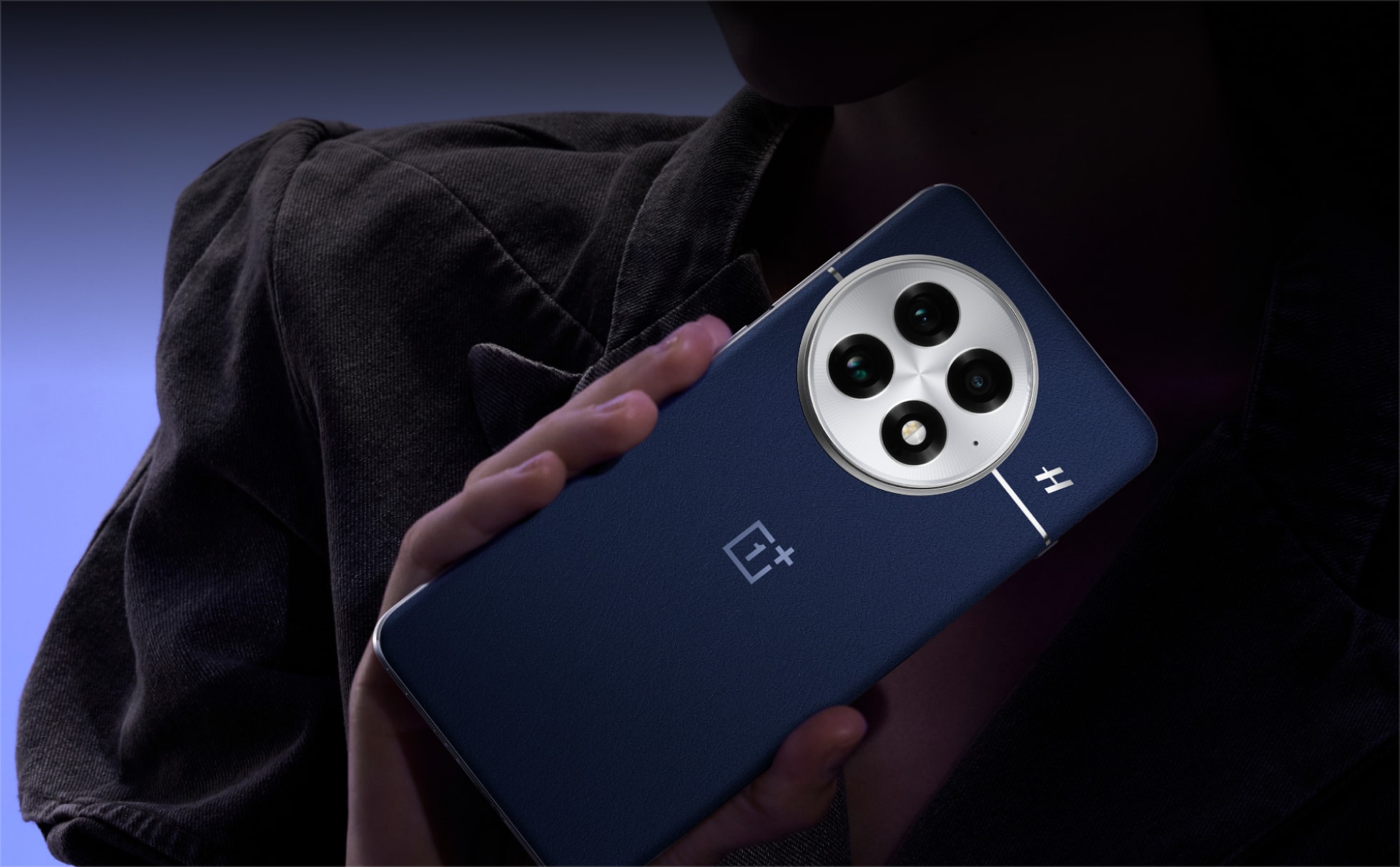
Design-wise, the OnePlus 13 will come in three colors: White Dew Morning Light, Blues Hour, and Obsidian Secret Realm, featuring a sleek, premium build with a curved display.

The camera setup will include a 50MP main sensor as part of a triple-camera system. While details on the other sensors are limited, features like optical image stabilization and night mode are expected.

On the software side, the OnePlus 13 will run ColorOS 15, based on Android 15, while the global variant will debut with OxygenOS 15, which will be announced tomorrow (October 24).

Lastly, the phone will come with a strong battery that supports 100W wired charging and 50W magnetic wireless charging, allowing for fast and convenient charging throughout the day.

iQOO 13 Gains Certification in India and Indonesia, Global Debut Expected Soon

iQOO is getting ready to debut its flagship iQOO 13 smartphone in China. The exact launch date of the device is still under wraps, however, rumors suggest that the device could launch by the end of October or in early November. The device has also recently made an appearance on the Bureau of Indian Standards as well as Indonesia’s SDPPI database (spotted by TheechOutlook), indicating that the brand could also bring the smartphone to the global market soon after the China launch.

This development comes shortly after the device was teased to launch in India by Nipun Marya, CEO of iQOO India. Previous reports suggest that the device could debut in India as soon as December 3, making it one of, if not the first Snapdragon 8 Elite-clad smartphones to launch in the sub-continent.

iQOO 13: what to expect

As per previous reports, the iQOO 13 device is expected to be powered by Qualcomm’s latest Snapdragon 8 Elite chipset. Since past few days, iQOO has also teasing the specs of the iQOO 13 smartphone in China, as per which iQOO 13 device has now been confirmed to equip itself with the Q2 performance chip, feature BOE’s Q10 display, and be backed by a 6150 mAh battery with 120W wired fast charging feature.

iQOO 13

Speaking about its other expected/revealed key specs, the device is expected to feature 16GB LPDDR5x RAM, 1TB UFS 4.0 storage, OriginOS 5(in China), 50MP Sony IMX921 primary camera, 50MP Samsung ISOCELL JN1 ultrawide camera, 50MP Sony IMX826 2x telephoto camera, PD charging, single-point ultrasonic fingerprint scanner, and an IP68-rated dust and water resistant body can be expected. The packaging box of the upcoming device was also shared online recently revealing that this time too we will be seeing the BMW M Motorsport Edition of the iQOO flagship.

(via)

MagicOS 9.0 Rollout Timeline: When Your Honor Device Will Get the Update

Honor has introduced its latest operating system, MagicOS 9.0, based on Android 15, in China. The update focuses on AI-driven tools, enhanced security, cross-device connectivity, and performance improvements. A public beta program will allow users to try the new OS before its full release.

Honor MagicOS 9.0

Public Beta Rollout Timeline

  • November 2024
    Magic V3, Magic Vs 3, Magic V2 series, Magic 6 series, Magic 5 series
  • December 2024
    Magic Vs 2, Magic V Flip, Magic 4 series, Honor 200 series, MagicPad 2 tablet
  • January 2025
    Magic Vs series, Magic V, Honor 100 series, Honor 90 GT, GT Pro tablet
  • February 2025
    Honor 90 series, Honor 80 series
  • March 2025
    Honor X60 series, X50

Key Features of MagicOS 9.0

AI-Powered Tools

  • YOYO Agent: Handles tasks like form-filling, ordering drinks, and managing notifications.
  • Anydoor: Enables quick access to services by circling objects on the screen.

Enhanced Security

  • Smart Capsules: Provide real-time alerts for weather, appointments, and more without disrupting activities.
  • Face-swap Detection: Protects against AI-generated deepfakes during calls or online interactions.

Performance Upgrades

  • Turbo X Engine: Boosts rendering speed by 40% while reducing energy consumption by 11%.
  • Predictive Scheduling Engine: Ensures smoother multitasking.
  • Gaming Performance: Supports gameplay at 119.9 FPS with no lag.

Productivity Tools

  • AI Notes: Transcribes meetings and offers multilingual summaries.
  • AI Document: Facilitates mind mapping, document comparisons, and writing tasks.
  • Magic Photo Editor: Restores old photos, removes unwanted elements, and enhances images with filters.

Fitness and Travel Features

  • AI Fitness Coach: Provides personalized workout plans and real-time adjustments.
  • Travel Assistant: Suggests transport and accommodation based on user preferences.

Personalization Options

  • 20+ lock screen styles with animated and 3D designs.
  • A digital human assistant for lifelike interactions.

Honor has not yet revealed any details regarding the launch of the MagicOS 9.0 in the global market.

(Source)

OnePlus 13 hits over 3 million on AnTuTu, excels in Genshin Impact test with Snapdragon 8 Elite

The OnePlus 13 is set to debut in China on October 31, powered by the Snapdragon 8 Elite chipset. Ahead of the launch, the smartphone has achieved remarkable benchmark results, highlighting its performance potential.

OnePlus-13-real-life-image-2

OnePlus 13 benchmarks:

OnePlus recently announced via Weibo that the OnePlus 13 scored an impressive 3,094,447 points on the AnTuTu benchmark, making it the only Snapdragon 8 Elite device to surpass the 3 million mark. This indicates significant improvements in both CPU and GPU performance, a leap made possible by the chipset’s enhanced architecture. Additionally, the Snapdragon 8 Elite boasts a 3nm process, promising better power efficiency and improved thermal management than its predecessor, the Snapdragon 8 Gen 3​.

In other benchmark results shared by @TECHINFOSOCIALS on X, the OnePlus 13 recorded a Geekbench 6 score of 3,170 for single-core and 9,905 for multi-core performance. Further testing by S. White Review revealed even higher scores, with 3,238 for single-core and 10,125 for multi-core. Graphics performance was equally notable, with GFX Bench’s Aztec tests showing 336 FPS for 1080p Vulkan and 122 FPS for 1440p Vulkan​.

The phone handled Genshin Impact during a 30-minute test

When it comes to gaming, early tests suggest that the OnePlus 13 can handle demanding titles with ease. In a Genshin Impact gameplay test, the phone maintained an average frame rate of 60.25 FPS at 864p for a 30-minute session, reflecting its capability to offer smooth gameplay, even in resource-intensive games.

The Snapdragon 8 Elite is equipped with Oryon CPU cores, a new architecture that offers a substantial boost in power efficiency. While there’s not much real-world test data available regarding the power efficiency yet, rumors suggest that the OnePlus 13 will feature a 5,840 mAh battery (up from 5400 mAh of the OnePlus 12), further supporting sustained high performance and longer screen-on times. This is rumored to be paired with 100W fast charting, the same as last year.

In terms of design, leaks indicate that the OnePlus 13 will continue the brand’s signature design language with a circular camera island. The rear camera setup is rumored to include a 50MP Sony LYT 808 main sensor. More details on the design and camera will be revealed at the launch​.

(Source 1,2)

MagicOS 9.0: HONOR’s Next-Gen OS Boosts AI, Security, and Performance

HONOR has launched MagicOS 9.0, a new operating system based on Android 15, designed to deliver an intelligent and efficient user experience. Developed for the Chinese market, the platform integrates AI to enhance performance, and security, and provide personalized features. A derivative of this operating system will also be rolling out to global users soon.

Honor MagicOS 9.0

AI-Driven improvements

YOYO Agent
YOYO Agent

At the core of MagicOS 9.0 is the improved YOYO Agent, an AI assistant that simplifies interactions and adapts to user habits. YOYO can perform tasks like ordering food, managing notifications, and comparing prices with simple commands, making daily interactions more intuitive and efficient.

HONOR Anydoor

HONOR Anydoor
HONOR Anydoor

The new HONOR Anydoor feature lets users retrieve information or launch actions with simple gestures. By circling an object on the screen, users can quickly access relevant content, reflecting HONOR’s focus on providing faster, more intuitive ways to use technology.

Security and Real-Time Alerts

Face Swap Detection

MagicOS 9.0 emphasizes security with a face-swap detection tool that helps identify fraudulent videos, addressing concerns over deepfakes. The Smart Capsules feature provides real-time updates, such as weather alerts and appointments, without interrupting workflow.

Improved Performance with Turbo X Graphics Engine

The system features the Turbo X graphics engine, boosting rendering speeds by 40% while reducing power consumption by 11%. With the Predictive Scheduling Engine, the system maintains smooth performance, supporting up to 119.9 FPS for a lag-free experience during demanding tasks.

AI Tools for Productivity and Creativity

MagicOS 9.0 offers AI-powered tools like AI Notes, which transcribes meetings and generates summaries, and AI Document, which assists with mind mapping and document comparison. For photography, the AI-enhanced Magic Photo Editor allows users to remove unwanted objects, restore photos, and apply filters with ease.

Fitness and Travel Integration

MagicOS 9.0 includes a fitness coach that creates personalized workout plans and a travel assistant that provides tailored recommendations for transportation and accommodation. Semantic search capabilities also make it easier to find content based on vague descriptions.

Seamless Cross-Device Integration

The system enables synchronization of messages and calls between smartphones and smartwatches and adds cross-device security features, allowing users to lock their phones remotely. It also supports smooth integration with home and automotive environments, making it easy to transition between devices.

Customization and Interaction

MagicOS 9.0 offers personalization options, including over 20 new lock screen styles, and features a digital human assistant that interacts with users in a lifelike way, enhancing the platform’s engagement and customization features.

Strategic Rollout and Future Developments

MagicOS 9.0 will debut with the HONOR Magic 7 series in November 2024, with a broader rollout to other devices expected soon after. HONOR is investing heavily in AI development, committing ¥2 billion to improve the capabilities of its foldable phones and strengthen its application ecosystem, gaming features, and AI service offerings.

(Source)

BenQ EX271U 27-inch 165Hz 4K gaming monitor launched in China

BenQ has officially launched the Mobiuz EX271U, a 27-inch gaming monitor in the Chinese market. It is priced at 4,499 yuan ($631) and is available on JD.com. Let’s check out its key specs.

BenQ Mobiuz EX271U

BenQ Mobiuz EX271U Monitor Specifications

BenQ EX271U features a 27-inch 4K IPS display with a 3840×2160 resolution along with 165Hz refresh rate and 1ms response time for smooth gaming. It features a 10-bit color, a 1200:1 contrast ratio, and 400 nits peak brightness for vivid visuals and clear visibility in bright settings.

The EX271U covers 95% of the DCI-P3 color gamut, providing accurate colors for both gaming and content creation. It uses BenQ’s PixSoul image engine and DisplayHDR 400, which enhances detail and color transitions, particularly in darker scenes. The monitor also includes low blue light technology and is TÜV Rheinland-certified for eye protection, ensuring comfort during extended gaming sessions.

The BenQ EX271U supports eARC functionality, which enables the separation and transmission of audio signals from devices like PS5 or PCs to eARC-compatible sound systems through the HDMI 2.1 interface.

This feature enhances the audio experience by offering home-theater-level sound quality. Additionally, the monitor has a 3.5mm audio jack equipped with an ESS DAC decoder that reduces signal interference, ensuring clearer sound output.

For immersive audio, the EX271U supports up to 7.1 channel lossless audio output, making it a one-stop solution for gamers using headphones, speakers, or home theater systems. This enables seamless audio performance, whether gaming on consoles or PC.

The monitor includes three HDMI 2.1 ports, one DP 1.4 port, and three USB-C ports. One of the USB-C ports provides 65W power delivery, making it convenient for charging compatible devices.

The monitor also offers three USB-A 3.2 ports for connecting peripherals. Its ergonomic stand allows users to adjust the monitor’s tilt, height, and swivel, ensuring comfortable viewing angles. It also comes with the KVM device-sharing feature that allows users to control multiple screens with one set of peripherals, enabling easy switching between platforms.

Xiaomi launches 4-in-1 dual-head USB splitter with USB-C and USB-A ports, 5Gbps speed & more

Xiaomi has launched a new 4-in-1 dual-head USB splitter through its crowdfunding platform, Xiaomi Youpin. The device, which offers versatility for multi-device connectivity, is available at a special crowdfunding price of 45 yuan ($6.31), with the sale starting today.

Xiaomi 4-in-1 Dual-Head Splitter

Xiaomi 4-in-1 Dual-Head Splitter Specifications

The Xiaomi 4-in-1 Dual-Head Splitter features dual-spec USB 3.0 connectors, offering both USB Type-C and USB-A support. With a total data transfer speed of up to 5Gbps, users can achieve rates exceeding 400MB/s.

This makes it suitable for fast data transfers, allowing simultaneous connections of up to four USB devices. The splitter’s dual connectors provide flexibility, accommodating a wider range of devices like laptops, smartphones, tablets, and more.

It supports a variety of operating systems, including Windows, macOS, Android, and Linux. It is hot-swappable, plug-and-play, and easy to use, requiring no additional drivers.

To handle high-capacity devices such as mobile hard drives, the splitter comes with DC power input, providing up to 15W of extra power to connected devices. However, this power input solely boosts the power supply to USB ports and does not support charging for laptops, tablets, or phones.

In terms of safety, the splitter is built with a multi-layer protection design. It has Over-Current Protection (OCP), Over-Voltage Protection (OVP), and surge protection. This ensures the device remains safe in case of abnormal voltage or current spikes.

For enhanced durability and performance, the splitter utilizes tin-plated pure copper cores, which ensure efficient conductivity and stable connections. The body of the splitter is made from ABS material, offering a sleek look and heat resistance during prolonged usage. Additionally, the 9.3mm spacing between the ports makes it convenient to plug and unplug multiple devices simultaneously without interference.

Xiaomi recently introduced two new home appliances: the Mijia Fresh Air Pro Air Conditioner and the Mijia Smart Aroma Diffuser Set. The Mijia Fresh Air Pro features rapid 30-second cooling and efficient -35°C heating capabilities, making it ideal for varying climates. Meanwhile, the Mijia Smart Aroma Diffuser Set, powered by HyperOS, offers up to 50 days of battery life, ensuring a continuous, soothing aroma throughout your space.

Samsung may not use Exynos SoCs until the Galaxy S27

Earlier today, news broke that Samsung will use only Snapdragon 8 Elite in all of its Galaxy S25 models. It seems this decision will continue for another year, as reports suggest the Galaxy S26 series will also rely on Qualcomm’s Snapdragon chips.

Galaxy S26 Might Stick to Snapdragon SoC

According to the tipster Ice Universe, who shared this information on Weibo, Samsung is thinking about exclusively using Snapdragon processors for the Galaxy S26 lineup. This is good news for people who prefer Snapdragon chips because they usually offer strong performance and good power efficiency.

However, Samsung has not given up on its own Exynos processors. Ice Universe also mentioned that Samsung is working on a new Exynos chip, which has the codename ‘Ulysses.’ This chip is planned for use in the Galaxy S27, which is expected to launch in 2027. The new Exynos processor will reportedly be made using Samsung’s second-generation 2nm technology (SF2P), which will be ready by the end of 2026.

Originally, the Galaxy S25 and Galaxy S25+ were supposed to have the 3nm Exynos 2500 chipset, also made by Samsung. In fact, Samsung even mentioned the Exynos 2500 during its earnings call. However, the company faced issues with production, meaning they couldn’t make enough chips. Because of this, Samsung decided to switch all the Galaxy S25 models to the Snapdragon 8 Elite chip instead.

For now, Samsung is focusing on Snapdragon chips, but the company has plans to revive the Exynos brand with its “Project Ulysses.” Samsung hopes that, with this new chip, they can avoid the production problems they faced in the past and rebuild trust in Exynos processors.

Overall, Samsung is working hard to improve its in-house chips while continuing to use the reliable Snapdragon technology in the meantime. We will have to wait and see how things develop, especially with the release of the Galaxy S27 in the coming years.

Exclusive: Nubia Neo 3 surfaced

ZTE is preparing to release its new budget smartphone, the Nubia Neo 3. Recently, Gizmochina spotted this upcoming phone in the IMEI database, showing that ZTE is working hard to compete in the entry-level smartphone market with its Nubia Neo series.

Nubia Neo 3: What We Know

ZTE aims to boost competition in the affordable phone market by introducing the Nubia Neo 3 soon. According to the IMEI listing, the model number for this phone will be “Z2461.” However, the detailed specs of the Nubia Neo 3 have not yet been shared.

There is no official information about when the Nubia Neo 3 will be launched or its full technical specifications. But it’s expected to bring some improvements compared to its predecessor, the Nubia Neo 2.

The Nubia Neo 2 came with a 6.72-inch IPS LCD screen and a 120Hz refresh rate, making it a good choice for smooth scrolling and gaming. It had 8GB of RAM and 256GB of internal storage, which provided decent performance for an entry-level phone. The device was powered by the Unisoc T820 chipset, giving it solid power for daily use.

What to Expect From Nubia Neo 3

Based on these features, the Nubia Neo 3 is expected to offer some upgrades in key areas like performance, design, and maybe even camera quality. While we still have to wait for official details, the Nubia Neo 3 could introduce new features that will make it an attractive option for budget-conscious buyers.

Although there isn’t much detailed information yet, the ZTE Nubia Neo 3 is shaping up to be another strong addition to the low-cost phone market. As more details emerge, we will get a better idea of what this new smartphone will bring to the table. It’s likely to attract attention as a popular choice for those looking for an affordable yet capable smartphone.

Huawei HarmonyOS Next: Complete List of Supported Devices and Update Timeline

Huawei teased the HarmonyOS Next as a massive update earlier this year. The company recently released the public beta for some of its smartphones earlier this week, with its official release following soon after. This is a major platform update, marking the departure from the Android operating system. So here’s a list of supported devices and an update timeline.

Huawei HarmonyOS Next

1. HarmonyOS Next: List of Supported Devices

When the Chinese tech giant first rolled out the public beta update, the first smartphones to get the HarmonyOS Next to update were the Huawei Mate 60 series, Mate X5 series, and the MatePad Pro 13.2-inch series. During the HarmonyOS Next announcement, the company announced that it is bringing the update to 8 new devices. Here’s a list of those models:

Other models expected to get the update includes

As of right now, users that own any of these devices can apply for the beta upgrade through the “My Huawei” application, which is under the “Early Access” category. It is worth noting that Huawei will expand the supported device list in the coming weeks and months to include more devices. The Huawei Nova 13 and Nova 13 Pro just launched with HarmonyOS 4.2, so we can expect it to be one of the first to receive HarmonyOS Next update after this list.

2. When does the HarmonyOS Next Update arrive?

Huawei has only released the public beta of the HarmonyOS Next update. It had originally revealed the major software update back in January, but the launch date of its final build is still unclear. The Pura 70 series, Pocket 2 series, and MatePad Pro 11-inch are already getting the beta update, while other devices like the Mate XT Ultimate Design, Nova Flip, and MatePad Air will receive updates by early 2025.

3. HarmonyOS Next: What makes it special?

Huawei is marketing the HarmonyOS Next as the “Pure HarmonyOS”. This makes more sense since HarmonyOS is finally moving away from Android. It is being built independently, with an emphasis on native features and security. So the changes are more than skin deep as HarmonyOS Next now uses the self developed operating system that relies solely on the HarmonyOS kernel.

The next gen software is getting improved visuals and fluidity, using immersive lighting, gravity based animation, and central axis symmetry. Its UI will include dynamic wallpapers and seamless theme integration like its Android 15 counterpart. Privacy has also been a big focus, promising stricter permission management to prevent unauthorized access. There are also performance improvements and AI integration. The platform supports more than 15,000 native Harmony apps along with meta services across 18 industries.

Exclusive: Nubia Focus 2 Ultra 5G is on the way

ZTE is preparing to release a new budget smartphone, the Nubia Focus 2 Ultra 5G. This phone has been spotted in the IMEI database by Gizmochina, hinting that ZTE is working hard to bring this model to the market soon. After the release of the Nubia Focus 5G a few months ago, the company is now aiming to make its mark with the Nubia Focus 2 Ultra 5G.

The Nubia Focus 2 Ultra 5G coming

ZTE is trying to strengthen its presence in the affordable smartphone category. The upcoming Nubia Focus 2 Ultra 5G has already appeared in the IMEI database, where it was listed with the model number “Z2463N.” While the full specifications of this new phone are still unknown, ZTE is likely planning to improve on the previous Nubia Focus model.

The exact launch date and details about the phone’s features are not available yet. However, many expect the Nubia Focus 2 Ultra 5G to be slightly more advanced than the Nubia Focus 5G, which was released earlier. In fact, there were already some leaks about a Nubia Focus 2 5G, and now it looks like this new model will come with even better specifications.

A look at the Nubia Focus 5G

To give some context, the earlier Nubia Focus 5G featured a 6.56-inch 120Hz IPS LCD screen, 12GB of RAM, and 256GB of storage. It ran on the Unisoc T760 chipset, making it a strong competitor in the budget segment. Fans are now eager to see what improvements the Nubia Focus 2 Ultra 5G will bring.

What to expect from the Nubia Focus 2 Ultra 5G

Although the launch date has not been confirmed, more information about the Nubia Focus 2 Ultra 5G is expected to come out soon. This new smartphone is likely to attract a lot of attention in the entry-level market, and many people are excited to see how it compares to other phones in the same price range.

Exclusive: Vivo Y19e revealed, arriving soon

Vivo continues to win the appreciation of users with its products in every segment. The Chinese technology giant aims to heat up the competition, especially in the lower segment with its new model Vivo Y19e. We detected the Vivo Y19e in the IMEI database.

Vivo Y19e

The Vivo Y19e spotted in the IMEI database appears with the model number V2431. We expect the Vivo Y19e to have similar specs to the recently announced Vivo Y19s. Vivo Y19s comes with a 6.68-inch HD+ resolution display, 90Hz refresh rate, and 1000 nits brightness. The device is powered by the Unisoc T612 chipset, with 6GB of RAM and 128GB of internal storage. In addition, storage capacity can be expanded with memory card support up to 1TB.

On the camera side, Vivo Y19s is equipped with a 50MP main camera and a 2MP depth perception camera, while there is a 5MP selfie camera on the front. The device’s 5500mAh capacity battery promises long usage times with 15W fast charging support. Vivo Y19s comes out of the box with the Android 14-based FuntouchOS 14 interface.

About durability, Y19s draws attention with MIL-STD-810H Military Standards Certificate. The device, which also offers IPX4 water resistance and IPX6 dust resistance, performs robustly in harsh conditions. The fingerprint reader integrated into the power key increases security. The LED illumination notification light on the back cover enhances functionality. The device is expected to offer a durability and performance-oriented experience.

Vivo Y19e seems to be an attractive option especially for users looking for a lower segment smartphone. The device is expected to strengthen Vivo’s position in the lower mid-segment market and could be launched in late 2024.