Sony‘s soundbars get a refresh alongside their new TVs, boasting a new naming scheme and innovative features. Let’s have a look at what the company is looking to offer.
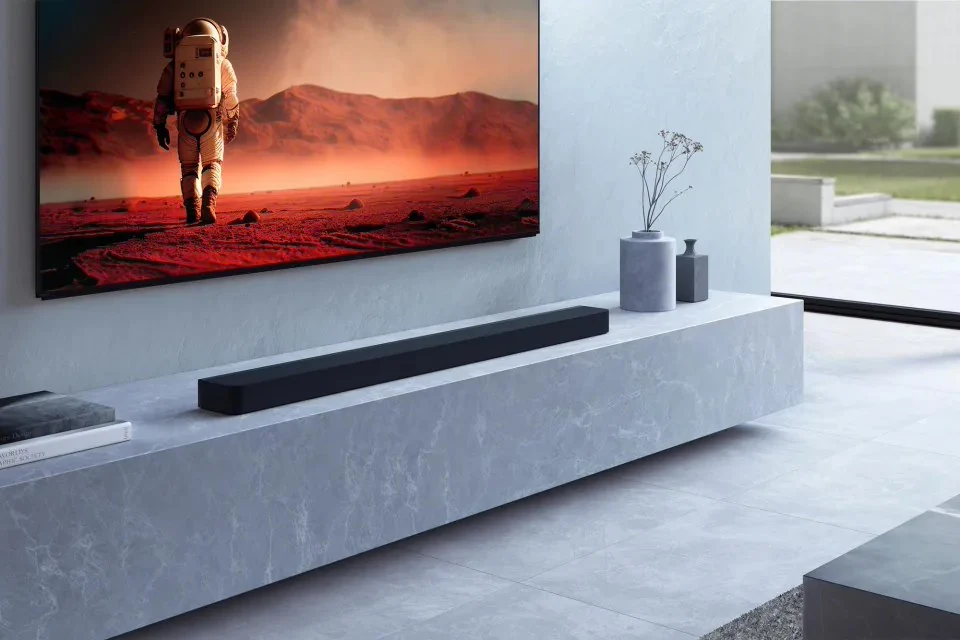
The Bravia Theater Bar 9 is the flagship soundbar from the company
The Bravia Theater Bar 9 takes the crown as Sony’s premium soundbar. Despite 13 speakers, it’s 36% smaller than its predecessor. It delivers Dolby Atmos, DTS:X, IMAX Enhanced audio, and virtual surround sound. Priced at $1,399 USD (same as its predecessor).
For a slightly smaller option, the Bravia Theater Bar 8 packs 11 speakers for immersive audio. It features Dolby Atmos, DTS:X, IMAX Enhanced support, and offers a balance between size and power. Pricing yet to be announced.
For the ultimate home theater experience, Sony introduces the Bravia Theater Quad. This successor to the HT-A9 features four wireless speakers with upward-firing drivers for a total of 16 speakers. It offers Dolby Atmos, DTS:X, VRR, ALLM compatibility, and connects via a wireless control box. While a subwoofer is not included, it can be paired with Sony’s subwoofers. Expect a price tag above the HT-A9’s launch price of $1,799 USD.
For private listening, the Bravia Theater U neckband speakers offer a comfortable solution. These U-shaped speakers boast a 12-hour battery life with fast charging and can connect to two devices simultaneously. It supports Dolby Atmos with Sony’s latest TVs and offers 360° spatial sound. The Bravia U is priced at $299.99 USD and weighs only 268 grams.
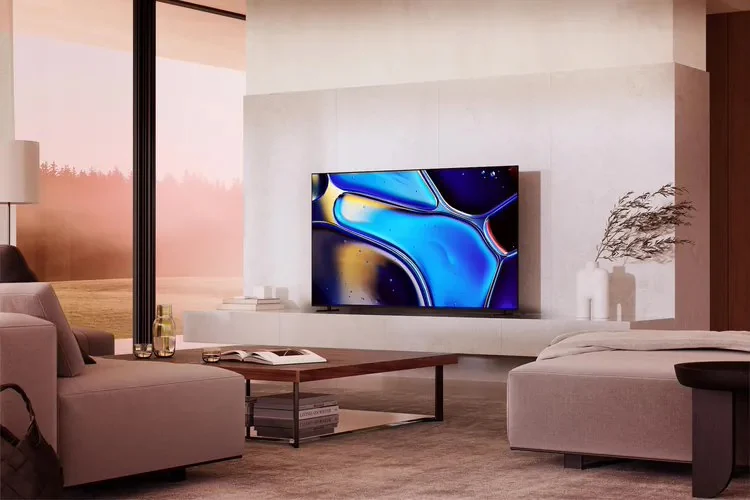
Sony has introduced its 2024 television lineup, featuring a renewed focus on mini-LED technology alongside OLED and traditional LED options. Here’s a breakdown of the new Bravia models:
The Bravia 3 is the cheapest option in the lineup, starting at $599
The Bravia 9 takes the crown as Sony’s new mini-LED flagship. This TV boasts a significant leap forward in brightness (50% improvement over the previous X95L) thanks to a new 22-bit mini-LED backlight unit with 325% more partitions. Sony claims this new backlight delivers both exceptional brightness and “OLED-level black” for outstanding contrast. The Bravia 9 is available in 65-inch, 75-inch, and 85-inch sizes, ranging from $3,299 to $5,499 USD.
The Bravia 9 supports Dolby Vision, features studio calibration modes from Netflix, Sony Pictures, and Prime Video (automatically optimizing picture settings for Prime Video content), and incorporates a light sensor for automatic brightness adjustments. Gamers will appreciate the inclusion of 4K 120Hz refresh rate, VRR (variable refresh rate), and ALLM (auto low latency mode), along with features inherited from the 2023 models like the game menu and “auto-tone” for PS5 compatibility. However, the Bravia 9 only offers two HDMI 2.1 ports.
For sound, the Bravia 9 utilizes a 2.2.2 speaker system with Acoustic Multi Audio+ technology, including new beam tweeters for enhanced sound directivity and spaciousness. Additional audio features include Voice Zoom 3 for dialogue clarity, Acoustic Center Sync for integrating the TV as a center speaker with compatible Sony soundbars, Dolby Atmos support, and IMAX Enhanced certification.
The Bravia 8 occupies the mid-range niche and comes in 55-inch, 65-inch, and 77-inch sizes, priced from $1,999 to $3,899 USD. This OLED TV utilizes a W-OLED panel (not QD-OLED) that is thinner and narrower than the previous A80L model. The Bravia 8 offers a 10% brightness increase compared to the A80L, putting it on par with the new LG C4 OLED TV. It shares many features with the Bravia 9, including image calibration modes, Dolby Vision and Atmos support, two HDMI 2.1 ports, 4K 120Hz refresh rate, VRR, and gaming features.
The Bravia 7 serves as the entry point for Sony’s mini-LED offerings. Considered the successor to the X90L, the Bravia 7 boasts a significant brightness improvement (790% brighter than the X90L) and comes in various sizes from 55 inches to 85 inches, ranging from $1,899 to $3,499 USD. The Bravia 7 adopts a similar design to the Bravia 9, featuring a four-way stand, Dolby Vision and Atmos/DTS:X support, Prime Video calibration mode, Voice Zoom 3, gaming features (4K 120Hz, VRR, ALLM, game menu), and more. While it shares many features with the Bravia 9, the Bravia 7 offers a lower peak brightness and fewer backlight partitions.
The Bravia 3 caters to budget-conscious consumers seeking a basic television. This direct-LED TV comes in a wide range of sizes (43 inches to 85 inches), priced from $599 to $1,799 USD. Despite its entry-level positioning, the Bravia 3 supports Dolby Vision and Atmos and includes the image calibration modes found on higher-end models, including the new Prime Video mode. For gaming, the Bravia 3 offers a 60Hz refresh rate and lacks VRR support, but it still includes features like the game menu and ALLM to enhance the PS5 experience.
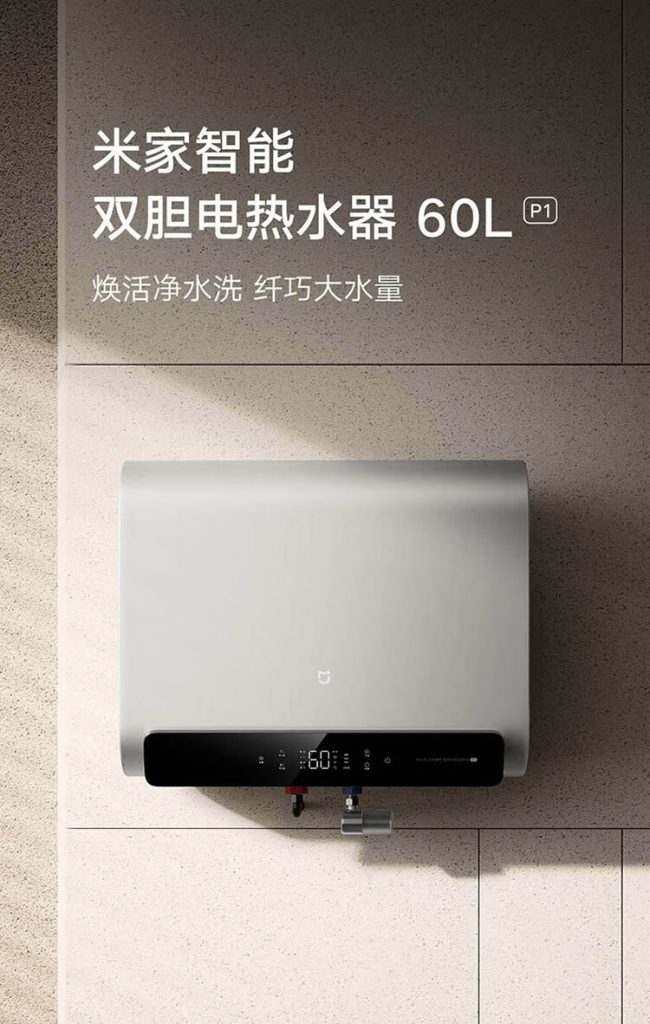
Xiaomi has unveiled its latest Mijia Smart 60L Dual-Tank Electric Water Heater P1 (geyser) in the Chinese market, boasting clean water technology, rapid heating, and smart functionalities. Priced at 1999 yuan ($276) following a pre-sale price of 2299 yuan ($318), the P1 aims to provide a comfortable and safe bathing experience for families.
Xiaomi Mijia 60L Dual-Tank Water Heater P1 Specifications:
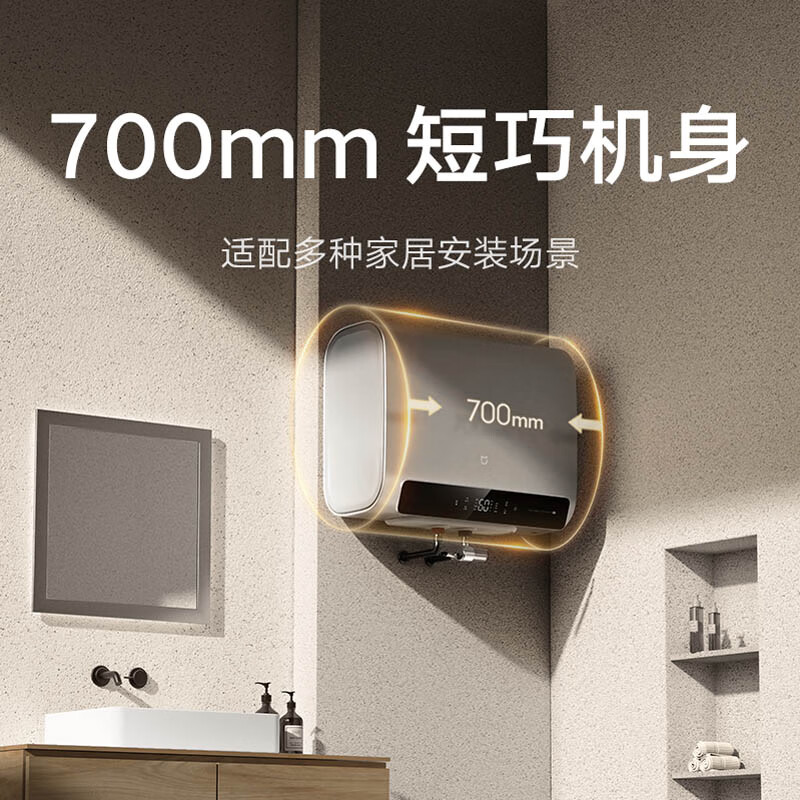
The Mijia P1 boasts a slim design with a width of just 700mm, making it suitable for even small bathrooms. The stylish digital display provides clear information on functions and temperature.
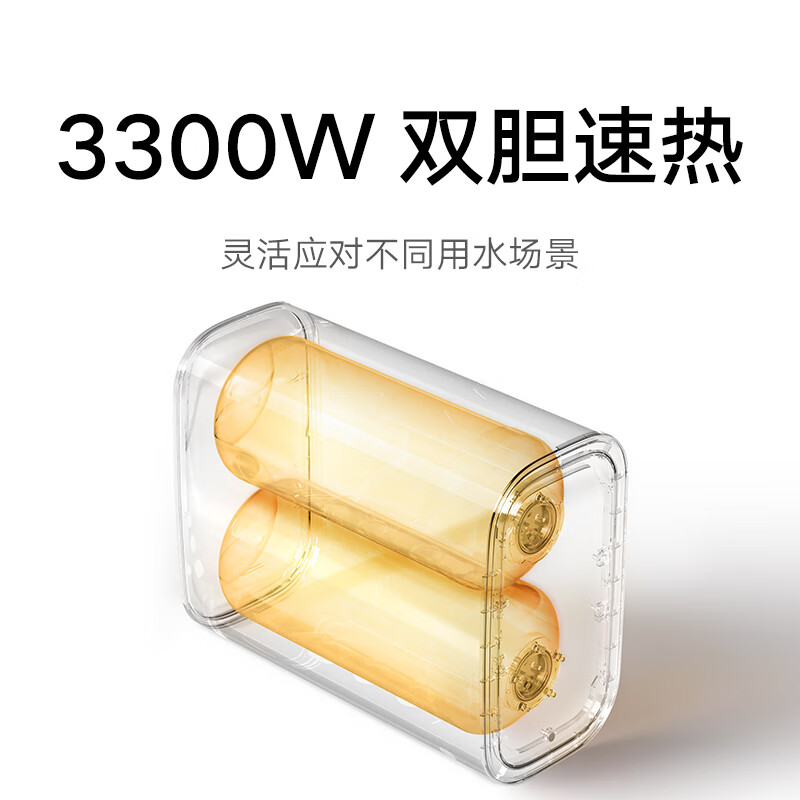
The P1 packs a punch with dual-tank separation and 3300W of heating power. This allows for rapid heating, with the option to switch between single and dual tanks depending on your needs. The water heater boasts an impressive 720L water capacity, which translates to roughly 144 minutes of continuous hot water. This ensures there’s enough hot water for the whole family to shower comfortably.
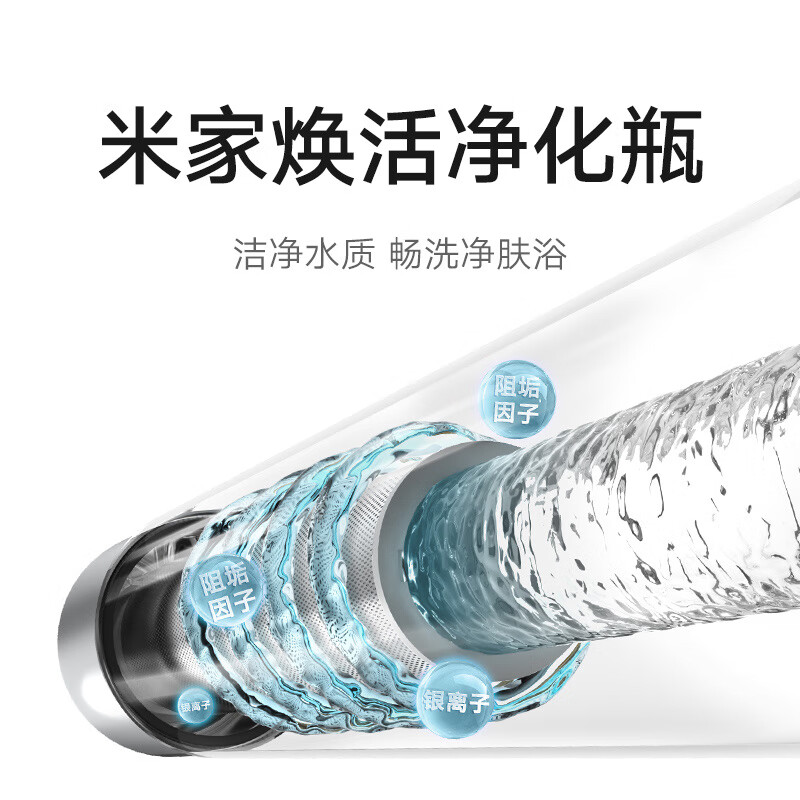
The Mijia P1 boasts a unique Mijia rejuvenating and purifying bottle. This claims to release scale inhibitors actively, significantly reducing limescale buildup and keeping the water clean without needing frequent tank cleaning. Additionally, the purifying bottle boasts a high antibacterial rate of 99.9%, ensuring a healthy and refreshing bathing experience.
Xiaomi has prioritized energy efficiency in the P1. The water heater boasts an 80% hot water output rate, exceeding national first-level energy efficiency standards. This translates to lower electricity bills and reduced environmental impact.
Durability is another focus. The P1 features a high-quality Mijia long-lasting electric resistance magnesium rod, designed to be maintenance-free for the life of the product. This eliminates the need for replacements, saving you money and hassle in the long run.
The Mijia P1 features HyperOS and integrates seamlessly with Xiaomi’s smart home ecosystem. Users can control the water heater remotely through the Mijia app, schedule pre-heating, and even set peak electricity consumption modes to optimize energy use.
The P1 features a nine-layer safety protection system, including extended anti-electric walls, power-off protection, dry-burning protection, and over-temperature protection. This comprehensive approach ensures a safe and worry-free bathing experience.
Xiaomi offers a 5-year warranty on the entire machine and an 8-year warranty on inner tank leakage replacement, providing peace of mind to customers.
If you’ve decided to buy a new smartphone, you’ve probably noticed that making a choice can be overwhelming. There are hundreds of models from dozens of brands, and often with only minor differences between them.
One key difference you might encounter is the SoC. For example, two similarly priced phones from the same brand might use different processors, one from MediaTek and the other from Qualcomm.
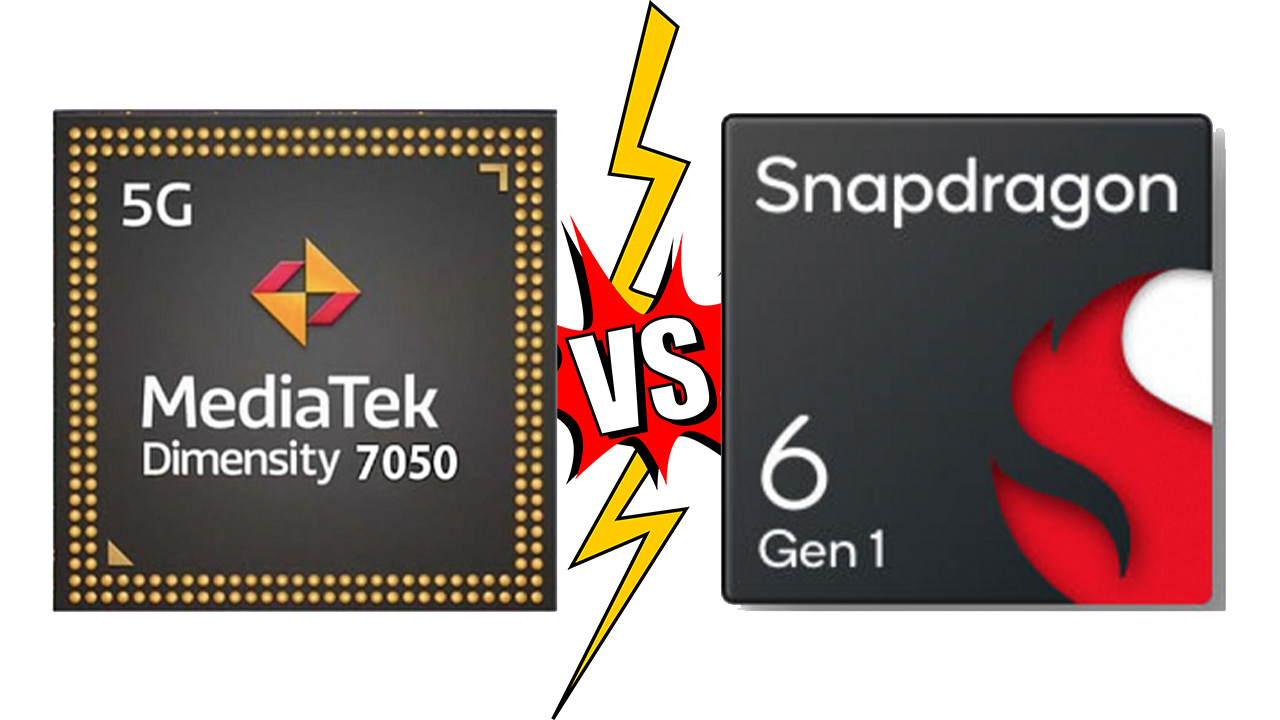
To help you narrow down the options, we’ve decided to compare two popular processors: MediaTek Dimensity 7050 vs Qualcomm Snapdragon 6 Gen 1. Here are the details.
1. MediaTek Dimensity 7050 vs Qualcomm Snapdragon 6 Gen 1 Differences and Specifications
When comparing the MediaTek Dimensity 7050 and Qualcomm Snapdragon 6 Gen 1, we find two similar processors with key distinctions. The Dimensity 7050 is built on a 5nm process, while the Snapdragon 6 Gen 1 uses a more power-efficient 4nm process.
However, MediaTek offers advantages in other areas. It supports up to 16 GB of LPDDR4x RAM compared to Snapdragon’s 12 GB limit. Additionally, the Dimensity 7050 boasts a higher 144Hz screen refresh rate, exceeding the Snapdragon’s 120Hz.
Both offer smooth experiences for everyday tasks and moderate gaming. But the Snapdragon 6 Gen 1 might have a slight edge in very demanding games.
Supports up to 200MP single camera or dual 26MP + 16MP
Spectra Triple 14-bit ISP, supports up to 108MP
Video Features
4K video recording @ 30fps
4K video recording @ 30fps
2. MediaTek Dimensity 7050 vs Qualcomm Snapdragon 6 Gen 1 Benchmark Performance
When comparing the MediaTek Dimensity 7050 and the Qualcomm Snapdragon 6 Gen 1, benchmark tests offer valuable insights. Firstly, Geekbench 5 suggests a slight edge for the Snapdragon 6 Gen 1, with AnTuTu also favoring Qualcomm. However, it’s crucial to remember that synthetic benchmarks don’t always reflect real-world performance. These results can vary depending on the specific phone in which the processor is used.
Geekbench 5 (Approximate):
Dimensity 7050
Single-Core: Around 800-950
Multi-core: Around 2300-2500
Snapdragon 6 Gen 1
Single-Core: Around 900-1000
Multi-Core: Around 2800-3000
AnTuTu v9 (Approximate):
Dimensity 7050: Around 350,000 – 400,000
Snapdragon 6 Gen 1: Around 400,000 – 450,000
3. Smartphones using MediaTek Dimensity 7050 and Qualcomm Snapdragon 6 Gen 1 chips
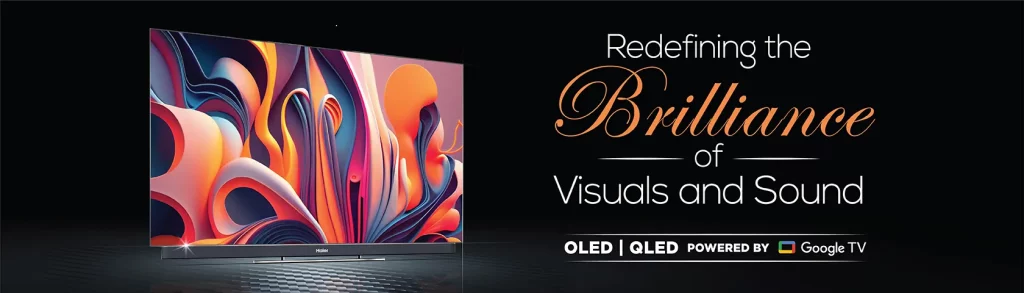
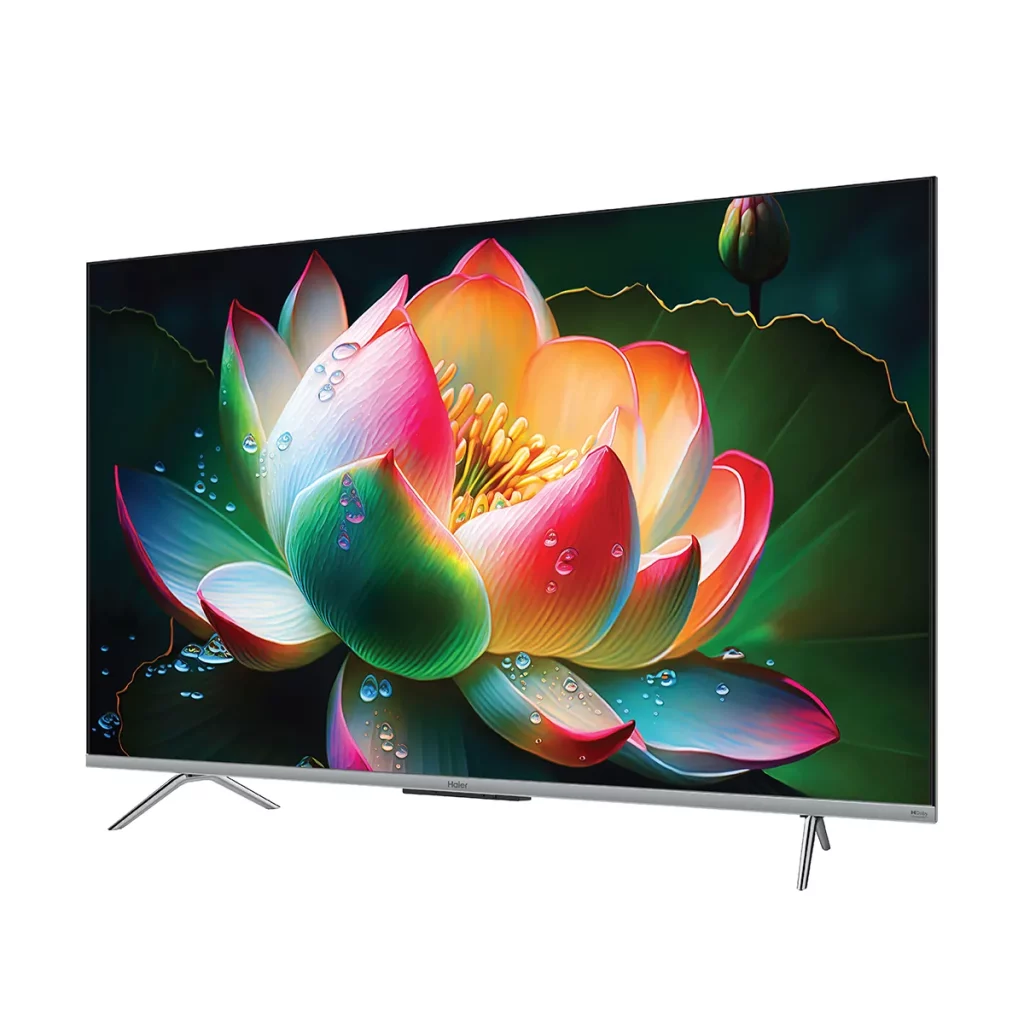
Haier Appliances has launched its latest television lineup, the Smart QLED Series S800QT, in India. This new series, available in sizes 75″, 65″, 55″, and 43″, combines sleek design with advanced technology to offer an enhanced viewing experience.
The series offers a 4K QLED display equipped with micro-dimming technology and Dolby Vision Atmos. One of the key features in the S800QT series is the Dual Line Gate (DLG), which ensures smooth motion reproduction and reduces motion blur in fast-paced scenes. The TVs can adjust refresh rates up to 120Hz and have low latency, making them an ideal partner for modern-day gaming consoles.
You can expect smooth operation as the TV has 2GB RAM and 32GB storage. The TV also comes with MEMC technology, which creates smoother motion in videos by inserting calculated frames between the originals. The Variable Refresh rate and DLG 120Hz feature aim to deliver smooth and detailed visuals.
Another notable feature is hands-free voice control, allowing users to manage settings, switch channels, and search for content with simple voice commands using “OK Google”. The series also offers seamless integration with Google, providing access to numerous apps and streaming services.
For audio 20W Stereo Speaker with Dolby Atmos tuning. The series supports Chromecast and connectivity options like Bluetooth and Wi-Fi.
Pricing & availability
Priced starting at Rs. 38,990, the Haier S800QT QLED Series is now available across various channels.
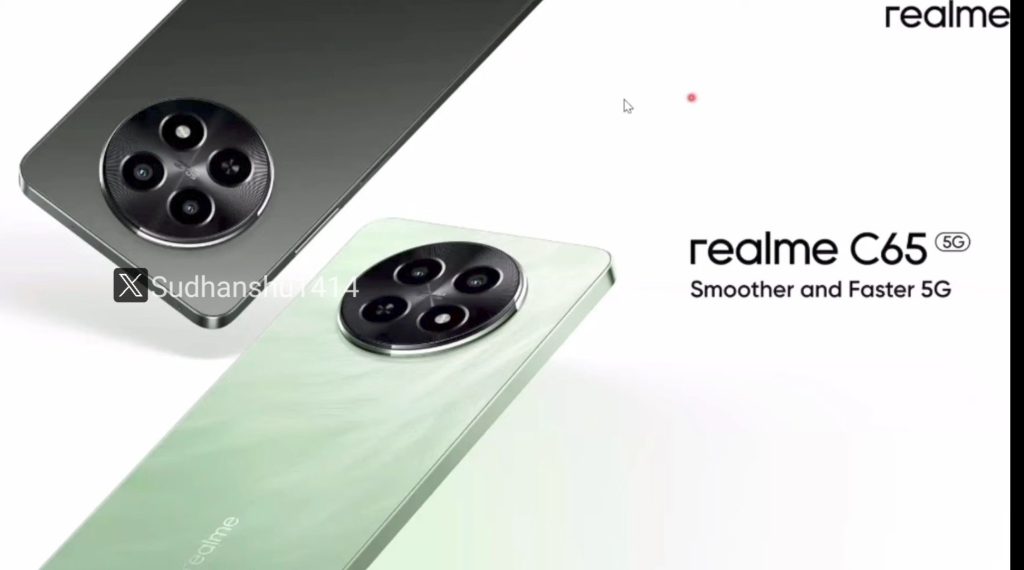
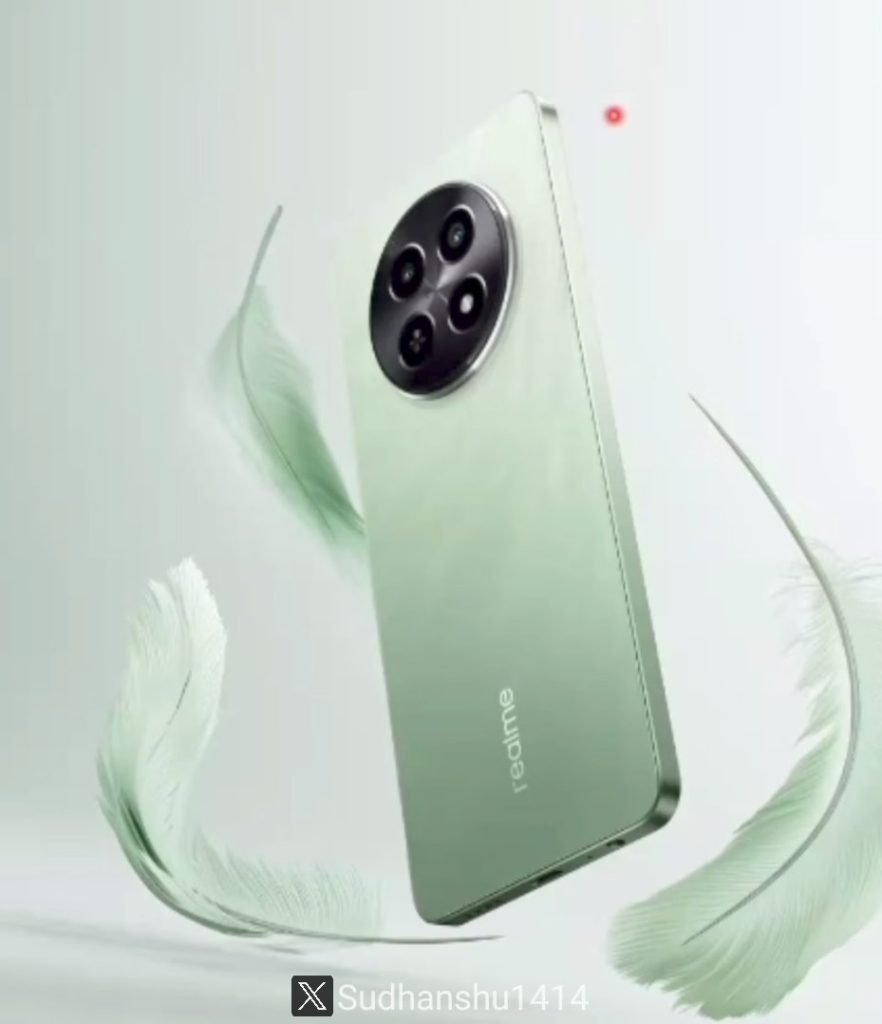
Realme is gearing up to launch the C65 5G in India, and thanks to leakster Sudhanshu Ambhore, we’ve gotten a glimpse of its specs and design ahead of the official reveal. The C65 5G appears to be a budget-friendly phone focused on delivering a smooth user experience without breaking the bank.
Realme C65 5G Specifications (Leaked)
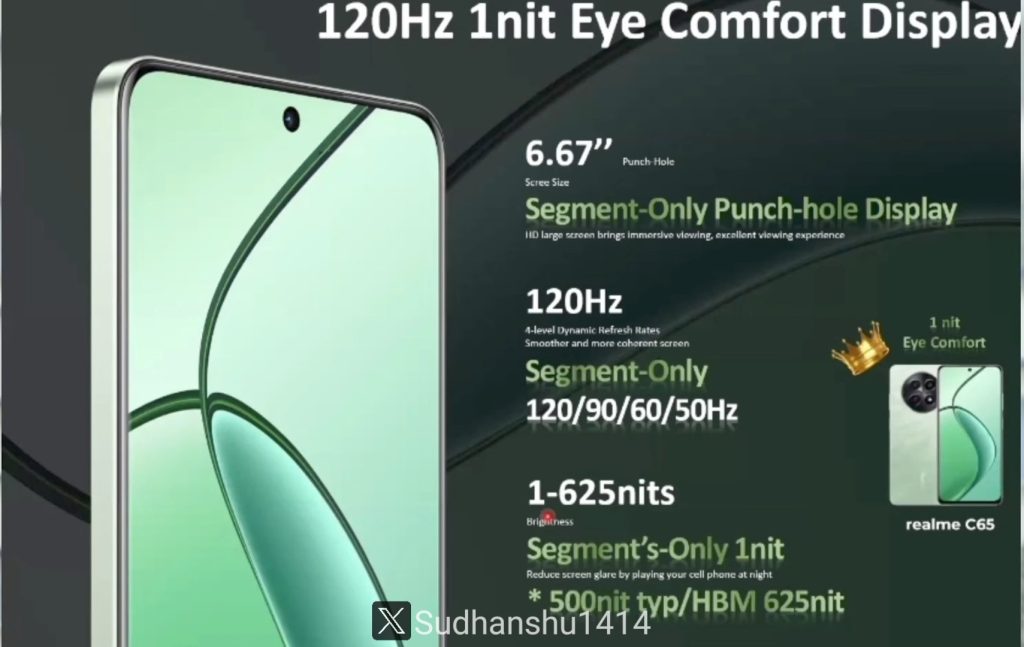
The star of the show here seems to be the display. Realme C65 5G boasts a 6.67-inch LCD panel with a 120Hz refresh rate and a punch-hole for the front camera. Realme is touting this as a segment-first feature, indicating the C65 5G might be one of the most affordable phones to offer a 120Hz display.
Further enhancing the viewing experience, the display offers a peak brightness of 625 nits, making it usable outdoors. To reduce eye strain during nighttime use, the display can go as low as 1 nit. This feature, again highlighted as segment-only, should provide a more comfortable reading experience in low-light environments.
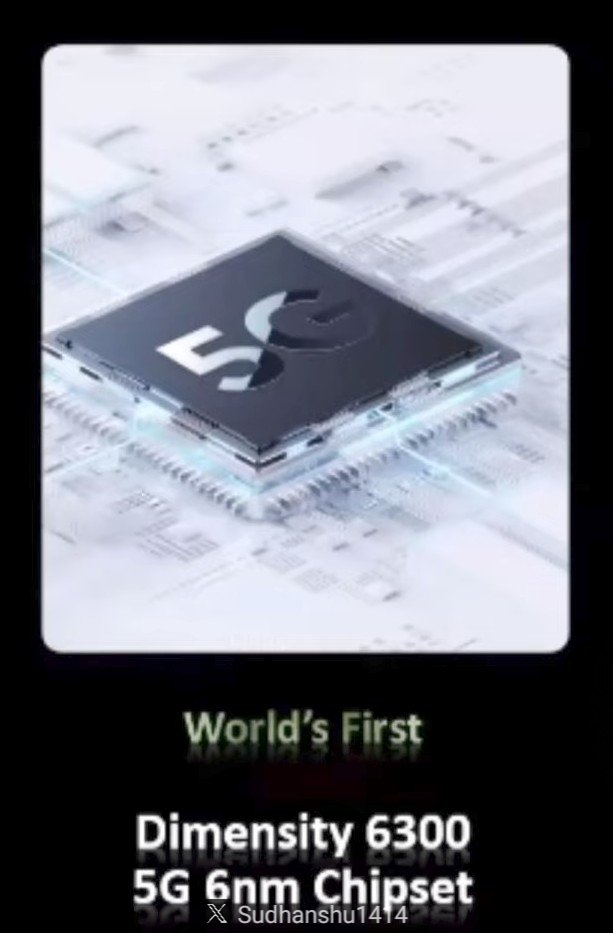
The leak mentions an unnamed MediaTek Dimensity 6300 processor built on a 6nm process will power the device. If true, this would make the C65 5G the first phone to launch with this chip.
Storage options are said to include configurations with 4GB of RAM and either 64GB or 128GB of storage, with a higher-end option offering 6GB of RAM and 128GB of storage. The phone is also expected to support expandable storage via a microSD card slot with a capacity of up to 2TB.
The camera department seems fairly basic. The rear setup consists of a 50MP main sensor and a secondary lens, though its specifications remain unknown. The front-facing camera for selfies and video calls comes in at 8MP.
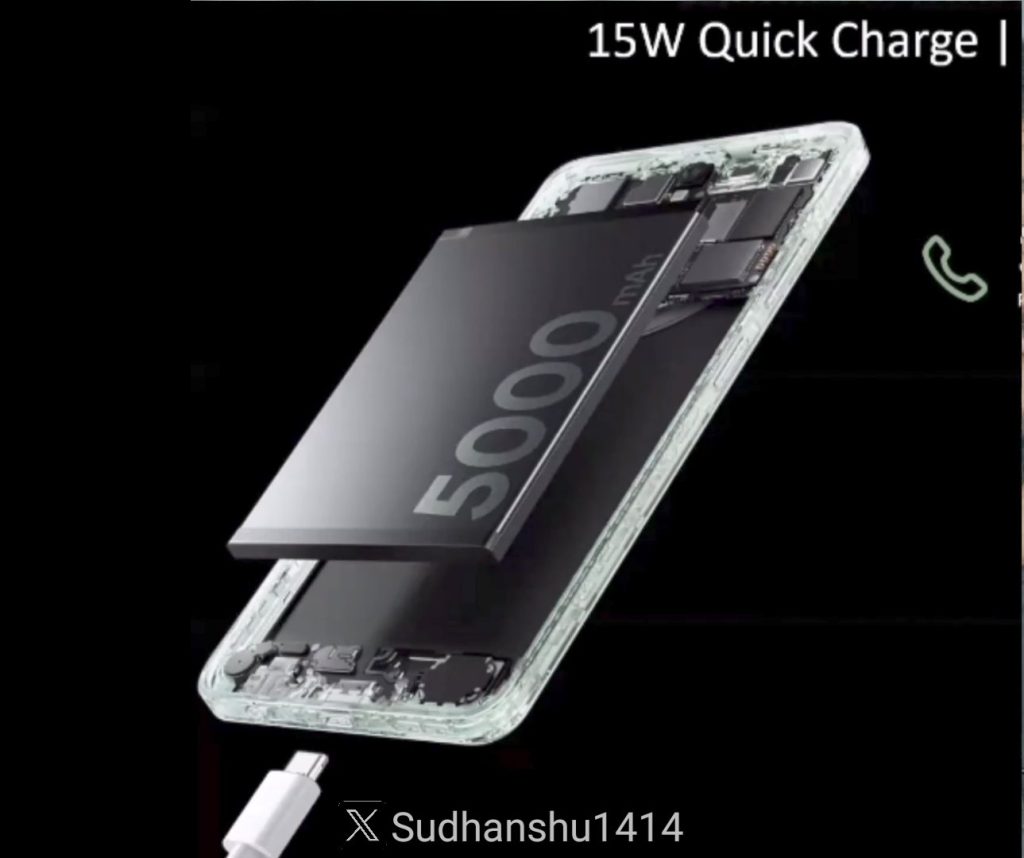
The battery capacity is listed at 5000mAh with 15W fast charging, which is a typical capacity for budget smartphones and should offer good day-to-day battery life.
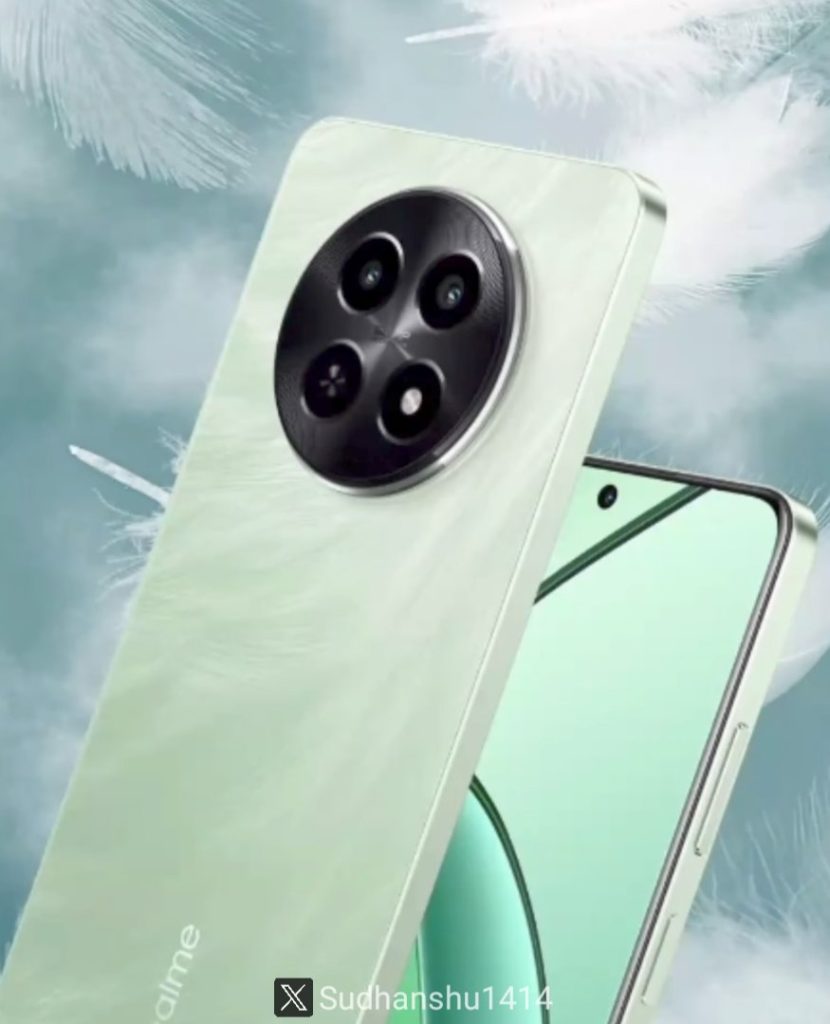
The design of the C65 5G emphasizes thinness and lightness. The leak claims a remarkably slim 7.89mm profile and a weight of just 190 grams. Additionally, the phone is said to have a side-mounted fingerprint sensor and an IP54 rating for dust and water resistance.
The pricing is expected to be under ₹10,000 in India. With an official launch date yet to be revealed, we await further information from Realme to solidify these specifications.
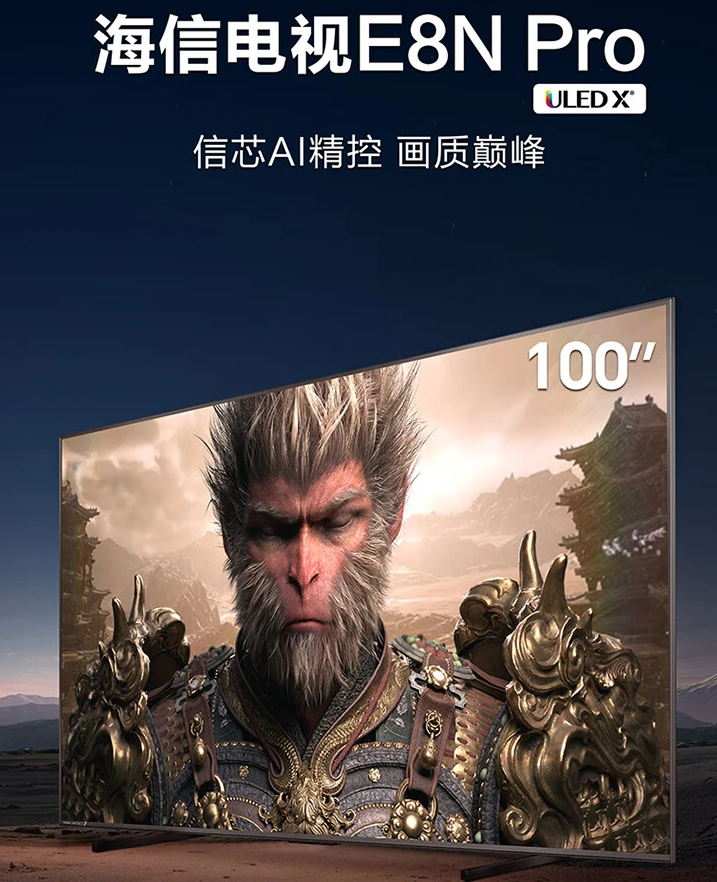
Hisense E8N Pro series Mini LED TV is now on the shelves starting from 7,099 Yuan(~$980). The TV is available for four different sizes – 65″, 75″, 85″, and 100″. Let’s take a look at what the lineup has to offer.
A 4K Mini LED panel and a bunch of AI features
This Mini LED TV lineup boasts the “Xinxin AI image quality chip Pro” that reportedly recalculates the light and shadow to make the image look more realistic. The chip supports HDR rendering and a number of AI-based features such as object recognition, depth of field enhancement, noise reduction from images, MEMC (a technology that improves the smoothness of content by inserting frames between two frames of video footage) motion enhancement, dynamic super resolution (improves the clarity of the image) and some more.
The 100″ TV boasts a 4K (3840 × 2160) ULED display that offers a refresh rate of 144 Hz. The panel comes with 5000 nits peak brightness, which is brighter than most of the $1000+ flagship phones. It also offers a 95% DCI-P3 color gamut rating and 7600Hz high-frequency PWM dimming. This TV is compatible with three major game consoles and also supports Dolby Vision, Dolby Atmos, and HDR 10+.
Speaking of audio, this TV offers 2.1.2 surround sound with 9 speakers in total that include a 25W subwoofer. It also supports multi-channel spatial sound field technology and the Hi-sound Pro Teana engine.
Additionally, this TV also offers support for Dolby Games, GAME MEMC, and FreeSync Premium. It equips dual HDMI 2.1 ports. This TV comes with a 4GB memory and 128GB storage. It is approximately 2235 mm long, 1316mm high, and weighs 73.5kg (including the stand) and 71.3kg (excluding the stand). It consumes a maximum of 580W power.
Tech news leak source @h0x0d has posted a rendering of Lenovo‘s upcoming Yoga Slim 7 14 2024 Snapdragon version laptop. While details and specifications are still unknown, the image offers some insights into the potential design.
The new design has no heat dissipation vents on the sides, as shown in images
The image reveals a 14.5-inch display with a clean design absent of visible heat dissipation vents on the sides. This suggests a possible passive cooling system, a feature becoming more common with ARM-based processors like the QualcommSnapdragon processors. The laptop also appears to incorporate three Type-C ports.
This leak comes on the heels of Qualcomm’s recent announcement of the Snapdragon X Elite and Snapdragon X Plus processors. The Snapdragon X Elite reportedly achieved a multi-core score of 15,610 points on GeekBench 6.2, surpassing Apple’s M3 chip (12,154 points) by a significant margin (28.4%).
For perspective, previous iterations of Lenovo’s Yoga Slim 7 Pro series were available in both Intel (Yoga Slim 7i Pro) and AMD (Yoga Slim 7 Pro) versions. These laptops offered a variety of display options, including a top-of-the-line 14-inch 2.8K OLED screen with a 120Hz refresh rate. More affordable options included a 90Hz refresh rate 2.8K OLED display and a 60Hz refresh rate 2.2K LCD display. The starting price for these laptops was 999 euros (approximately $1,165 USD).
It remains to be seen how the upcoming Yoga Slim 7 14 2024 Snapdragon version will compare in terms of specifications, features, and pricing. However, the lack of visible cooling vents and the alignment with Qualcomm’s latest processor launch suggest a potential shift towards a powerful and efficient ARM-based design.
Hisense has unveiled the 27G7K-PRO monitor, touted as the official monitor for the upcoming game “Black Myth: Wukong.” This feature-packed monitor carries a price tag of 3,699 yuan (approximately $510 USD).
The monitor has HDR1000 support for better contrast and brightness
The 27G7K-PRO features a 27-inch Fast IPS panel with ULED MiniLED technology and QD quantum dot technology. This combination of technologies delivers exceptional image quality, rich colors, and deep blacks. The monitor boasts a resolution of 4K (3840 x 2160), a high refresh rate of 160Hz for smooth visuals, and support for HDR1000 to enhance contrast and brightness. Additionally, the monitor offers a quick 1ms response time, a high contrast ratio of 1 million:1, and covers 98% of the DCI-P3 color gamut, ensuring a vibrant and accurate viewing experience.
The 27G7K-PRO incorporates features that cater to gamers. It supports AMD FreeSync Premium technology to eliminate screen tearing and stuttering for a seamless gaming experience. The monitor also includes TÜV Rheinland eye protection certification to help reduce eye strain during extended gaming sessions.
The 27G7K-PRO monitor features a stylish ergonomic stand and a built-in dynamic light ring that adds a touch of ambiance. For connectivity, the monitor offers a variety of ports, including HDMI, DP 1.4, USB, and Type-C. The Type-C port allows for a 90W reverse power supply, providing convenient charging for compatible laptops or devices. The Hisense 27G7K-PRO monitor definitely appears to be a compelling option for gamers and creative professionals.
Menteebot, a new product by Mentee Robotics, takes AI technology to a whole new level with a human-sized robot designed for in-home or commercial use. This “personalized AI-based robot” boasts advanced AI algorithms, natural language processing, and software that facilitates “advanced training techniques.” Menteebot can walk, run, and even turn sideways, all with a level of balance and control comparable to a human. The manufacturer assures that the robot can adjust its gait for tasks like lifting heavy objects, which it can handle effortlessly due to its large size. Unlike some humanoid robots, Menteebot lacks a head, giving it a less imposing presence.
The robot can hold conversations and respond in natural language
Menteebot distinguishes itself from other humanoid robots through its advanced AI capabilities. It can hold conversations and respond to commands delivered in natural language. Furthermore, users can train the robot to perform new tasks through a unique method. Imagine a simulated version of Menteebot completing a task digitally over and over again until it’s mastered. Once the training is complete, the robot should then be able to perform the task in the real world, for instance, pouring the milk.
Menteebot appears to be quite agile, with videos showcasing its ability to run and perform a variety of movements. Its arms and hands boast a full range of motion with sufficient precision for delicate tasks, as demonstrated in a video where Menteebot carefully hands a piece of dishware to a person.
While Menteebot won’t be available until 2025, and the initial promotional materials are likely to be more optimistic than reality, Menteebot is still an impressive feat of engineering. The exact price point remains unknown. Menteebot will come in two variants: a residential model for household chores and a commercial model designed for manual labor applications.
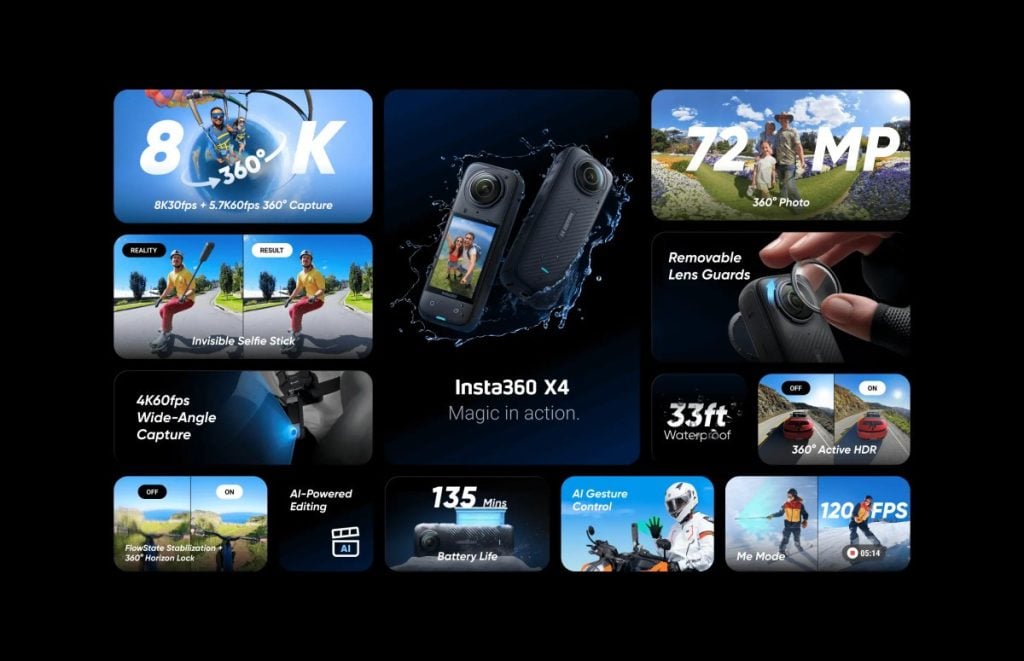
Insta360, the brand that makes action cameras and editing software has introduced a new 360-degree camera. The Insta360 X4 arrives as the successor to the X3. It comes with several upgrades compared to the previous model. This makes it an ideal device for those who are outdoorsy and adventurous. The latest action camera goes up against the ones offered by GoPro and DJI Osmo. Read on to know what the Insta360 X4 offers out of the box.
Insta360 X4 specifications and features
The Insta360 X4 looks kinda like a feature phone with a tall aspect ratio. It has removable lens guards to prevent permanent scratches. A standard version is bundled with the package and there is also a premium version that offer durability, scratch resistance, and is designed to preserve image quality. The action camera is waterproof up to 10 meters and with the invisible dive case it can go down to 50 meters.
The Insta360 X4 features a 2.5-inch touchscreen that is shielded by Gorilla Glass. It supports gesture control that can capture hands-free by giving a sign. There’s also voice control 2.0 that will perform the action by giving a voice command.
Coming to the main aspect, the Insta360 X4 has a single 360-degree lens system of 72MP. It is capable of recording 360-degree videos at 8K at 30 fps. There’s also support for 5.7K at 60 fps. For 360-degree slow-motion videos, the resolution maxes out at 4K at 100 fps. Slow-motion videos can also be shot at 5.7K 120 fps and 3k 240 fps. Ultra-wide angle with a 170-degree field of view is now supported in 4K at 30 fps. The resolution for timelapse videos is also boosted to 11K.
The Insta360 X4 packs a host of other features including an invisible selfie stick that eliminates the selfie stick from the footage, a 360-degree active HDR, a Me Mode that focuses on you, flow state stabilization, wind noise reduction, and 360-degree horizon lock, There’s also AI-loaded features for editing and while recording footage. The Insta360 X4 is backed by an upgraded 2,290mAh battery unit compared to its predecessor.
The Insta360 X4 carries a price tag of $500 in the US and $560 in Europe. It can be purchased starting today from the company’s online store and Amazon.
Xiaomi and Samsung are two of the biggest smartphone manufacturers. Their devices boast powerful hardware, but how does their software compare with each other? Although HyperOS and One UI are based on Android, they differ greatly in terms of customization, design, and AI features.
In this HyperOS vs One UI article, we’ll look at the major differences between the two popular custom skins.
HyperOS is the latest brainchild from Xiaomi, and it has been released after years of work. It has a lot of differences from MIUI, which you can read in this HyperOS vs MIUI post. We’ll compare it with the latest version of Samsung’s custom skin – One UI 6.1.
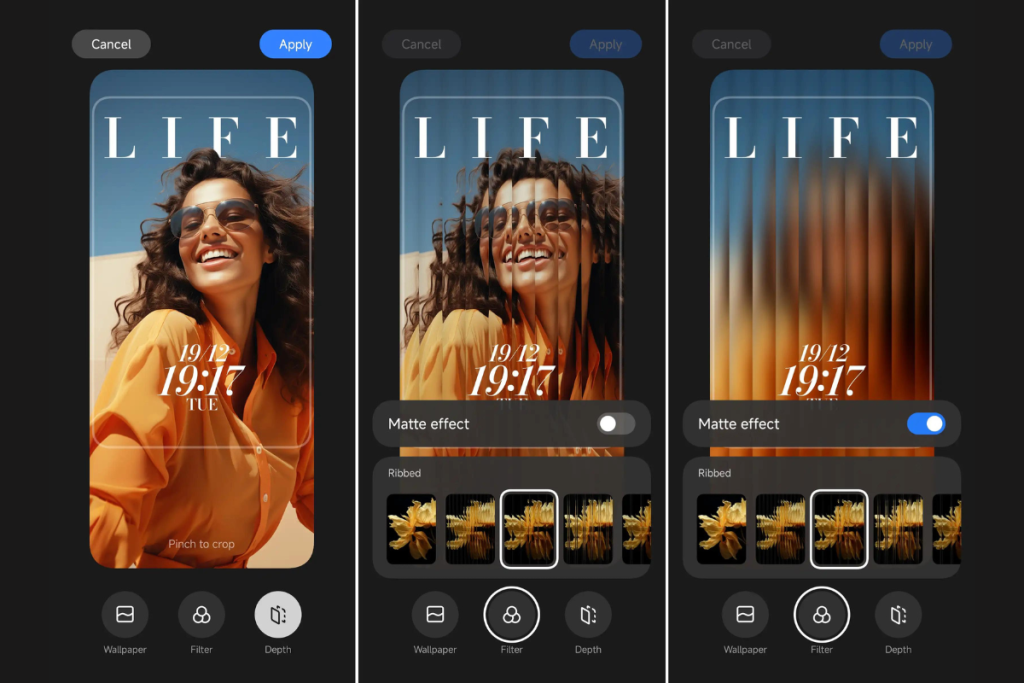
You see the lock screen countless times every single day. So, let’s begin with it. Both HyperOS and One UI 6.1 offer plenty of lock screen options; however, HyperOS has lots of lock screen layouts to choose from. It also gives you the option to add depth effects.
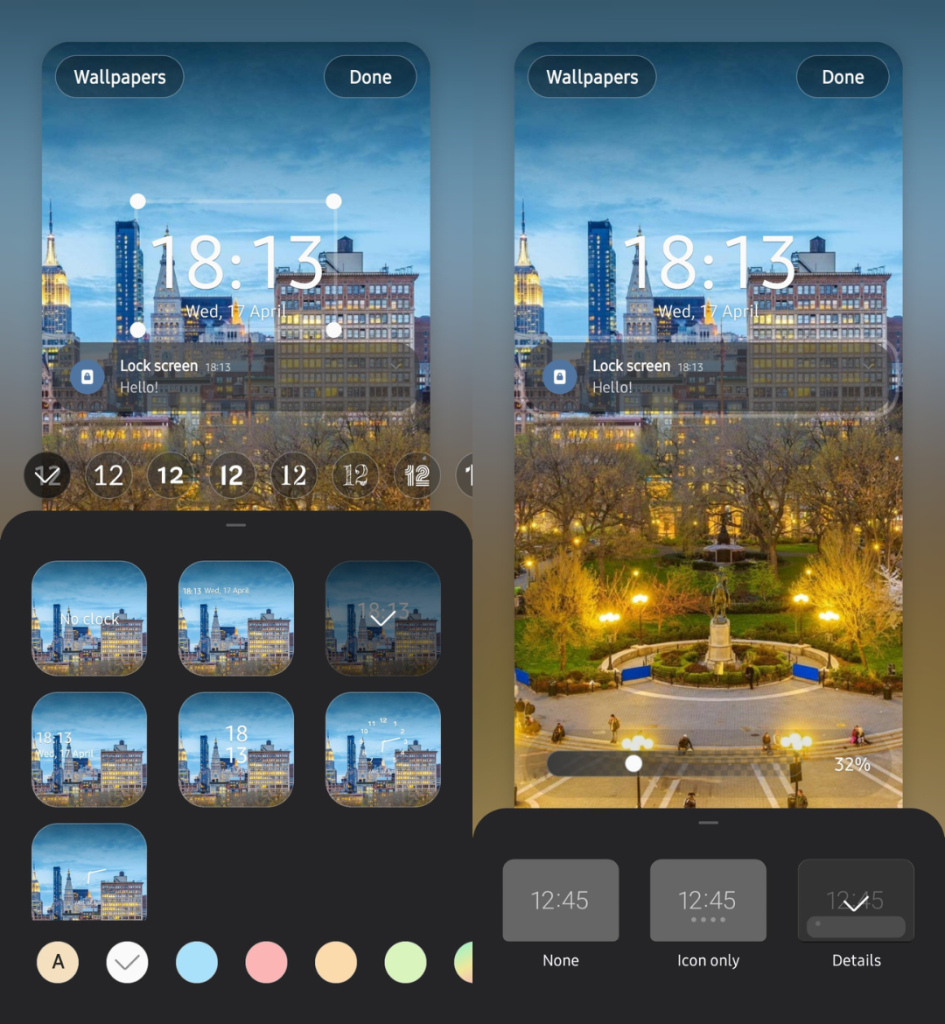
One UI 6.1, on the other hand, lets you add multiple widgets to the lock screen. It also allows showing a wallpaper on the Always on Display (AOD) screen. However, as I write this post, this feature is only limited to the Galaxy S24 series.
One of the things I really like about HyperOS is that the AOD to lock screen animation is way better than in One UI 6.1.
2. Home Screen
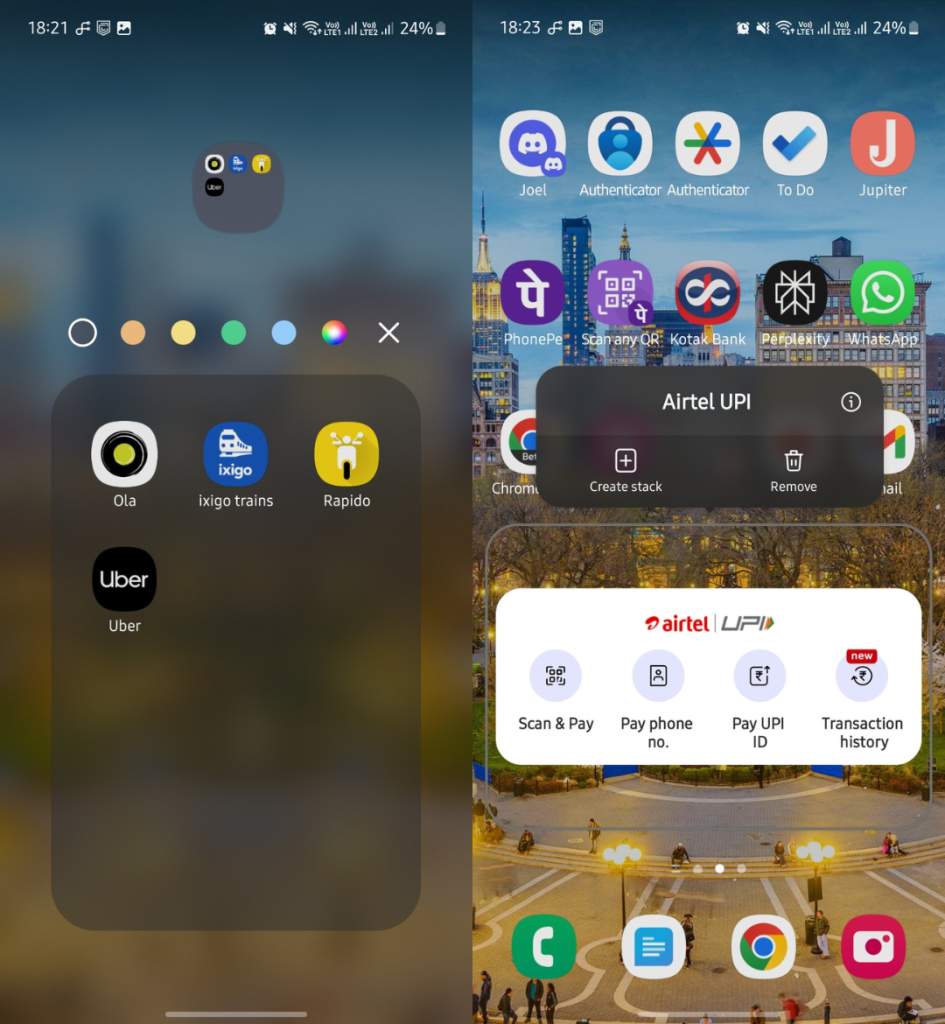
One UI 6.1 gives you more home screen widgets than HyperOS, giving you more options to customise your home screen. You can even stack multiple widgets for easier access and to save space for more icons and widgets. This feature is also present in iPhones.
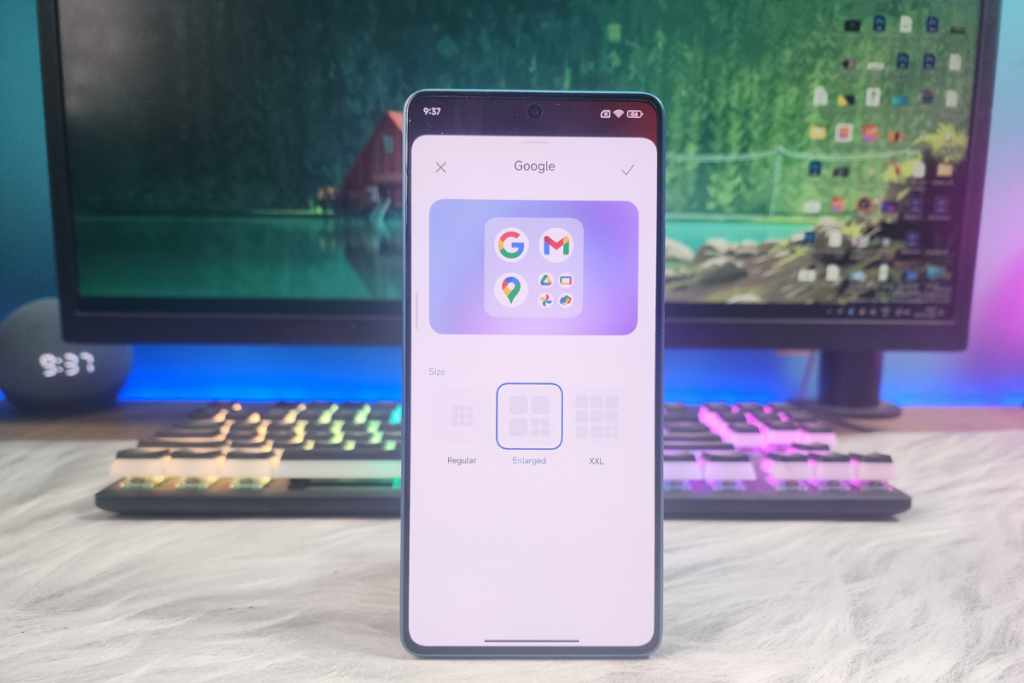
HyperOS has super folders, which give you many ways to sort apps in folders. This feature can be beneficial if you have a lot of apps on the home screen. One UI 6.1 doesn’t have it but allows you to change the background colour of app folders to identify them quickly.
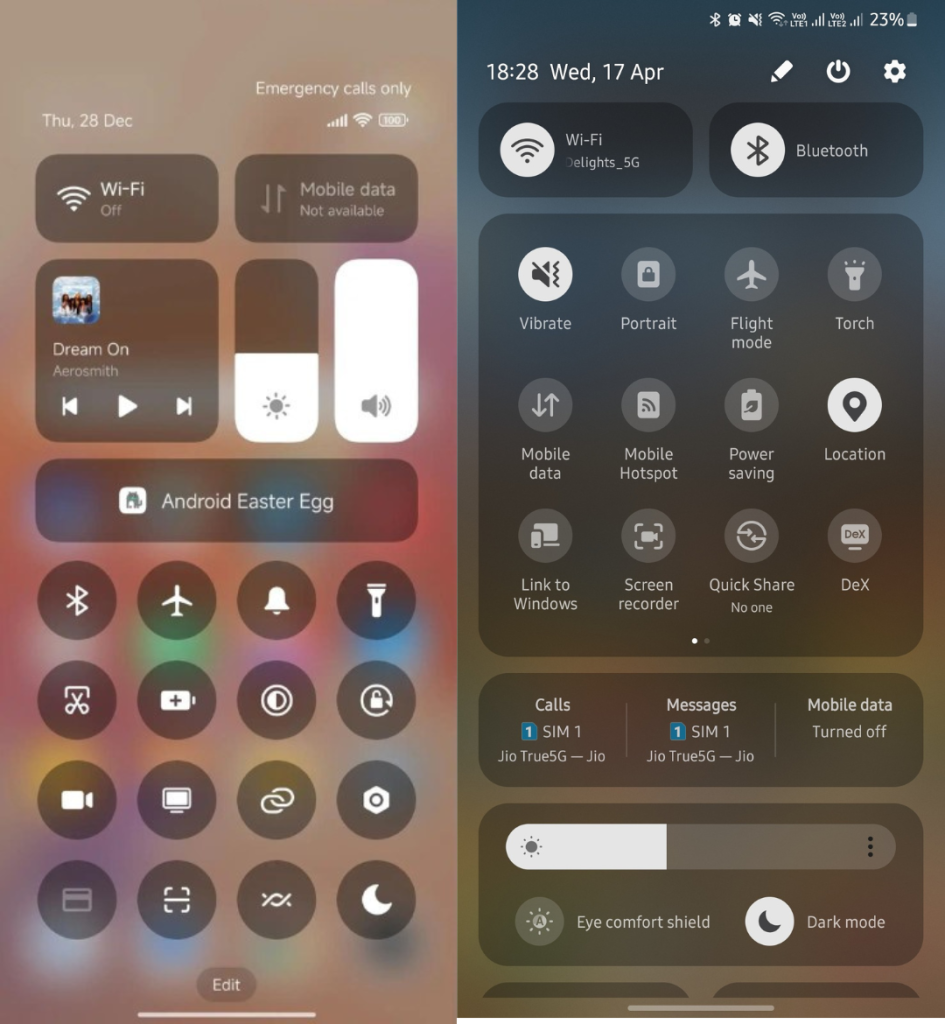
HyperOS has an iOS-inspired control center with big toggles for Wi-Fi and mobile data at the top. The brightness and volume sliders are also very big to be able to identify them quickly. By default, app labels are hidden, which could make it challenging to identify which icon does what unless you’re used to it, though an option exists within settings to make them visible.
Control Center – HyperOS (left), One UI (right)
One UI 6.1 splits the quick panel (control center) into multiple areas. There are two large shortcuts at the top and then a section housing most shortcuts. Below that is a small section dedicated to SIM selection for calls, messages, and mobile data.
While both HyperOS and One UI 6.1 allow rearranging shortcuts in the control center, the former reveals all shortcuts on a single scrollable page, and the latter needs to swipe right or left.
4. Customisation
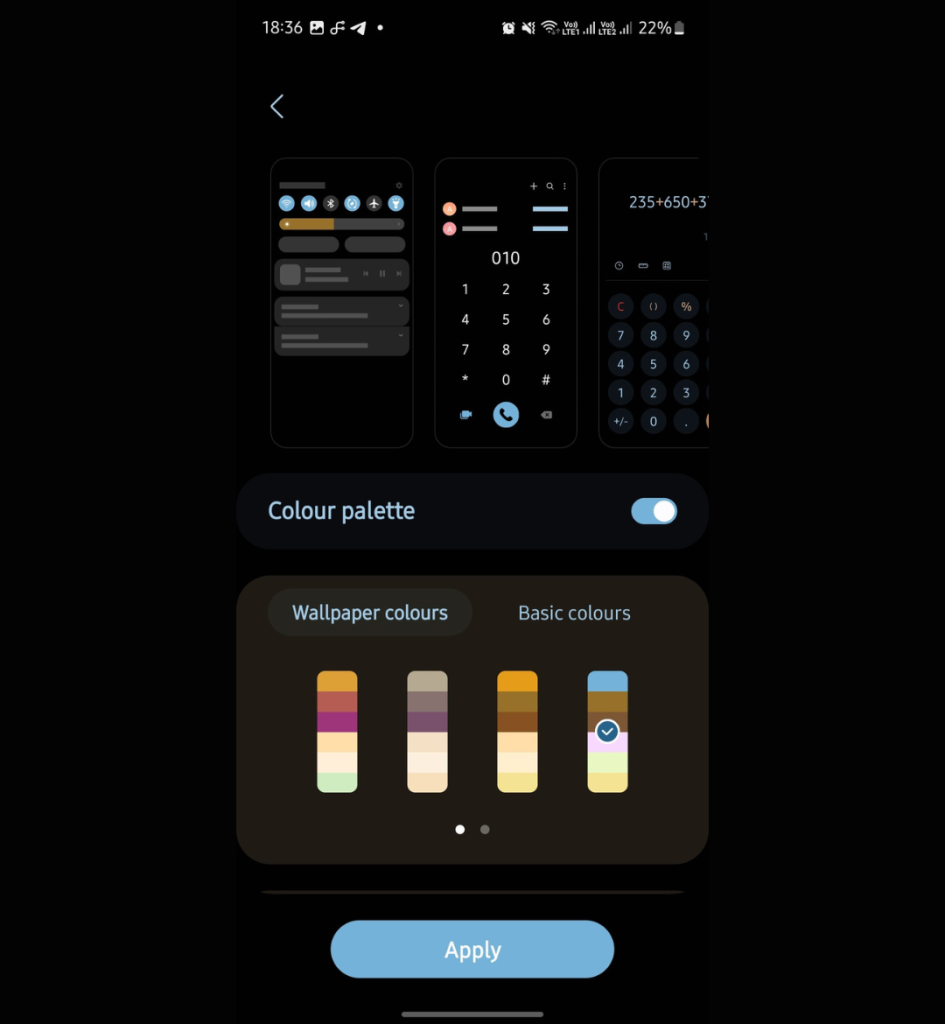
One UI 6.1 offers several advantages over HyperOS in terms of customisation. Firstly, there’s a colour palette option, which sort of refreshes the whole experience by changing the colour scheme. You wouldn’t find this option in HyperOS.
Colour Palette in One UI
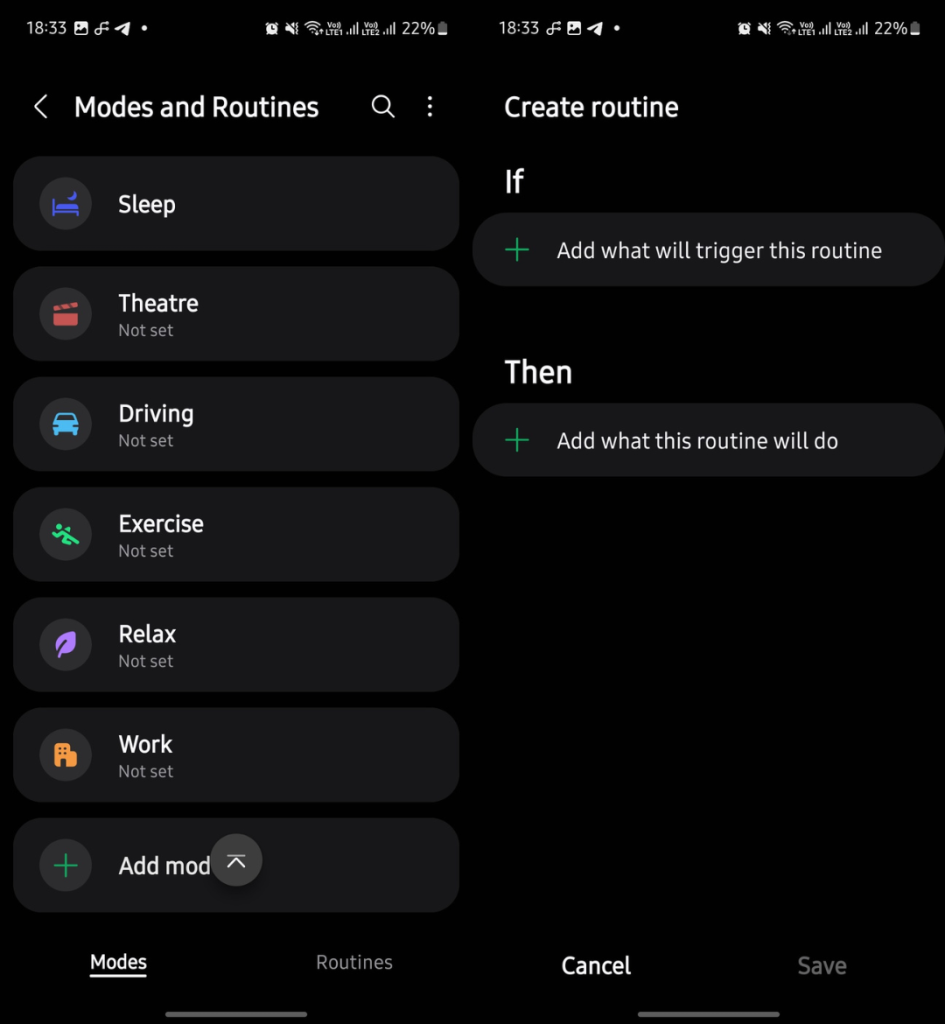
You have more AOD and home screen customisations, as we mentioned earlier. One of the things that I love about One UI 6.1 is its “Modes and Routines” feature. You can use it to enable/disable selected features at a specific time or place. One of my useful routines enables DND and AOD when I reach my workplace.
Both HyperOS and One UI 6.1 give a snappy experience. However, HyperOS has a slight edge over One UI, though the difference is minimal.
6. AI Features
This is where One UI 6.1 leaves other Android custom skins in the dust, including HyperOS. It offers plenty of AI features, some of which might save you a lot of time. Except for some AI editing within the Gallery app, none of these AI features are found in HyperOS.
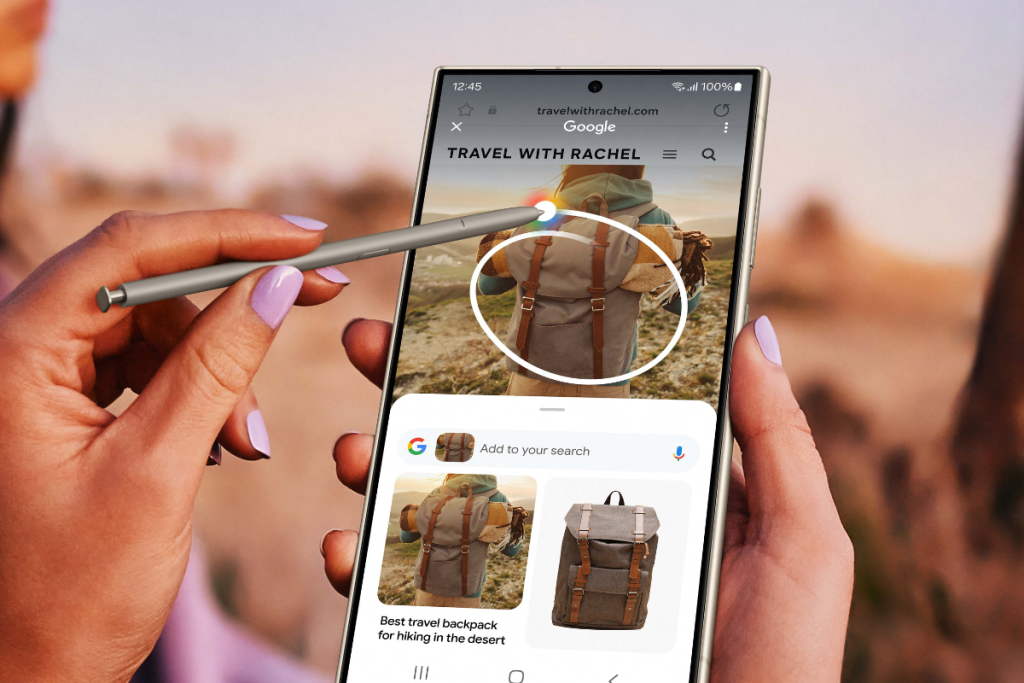
– Circle to Search
You can search for anything showing on your screen without opening another app. Just press and hold the home button or navigation bar and circle anything on your screen. HyperOS doesn’t offer this feature or anything similar.
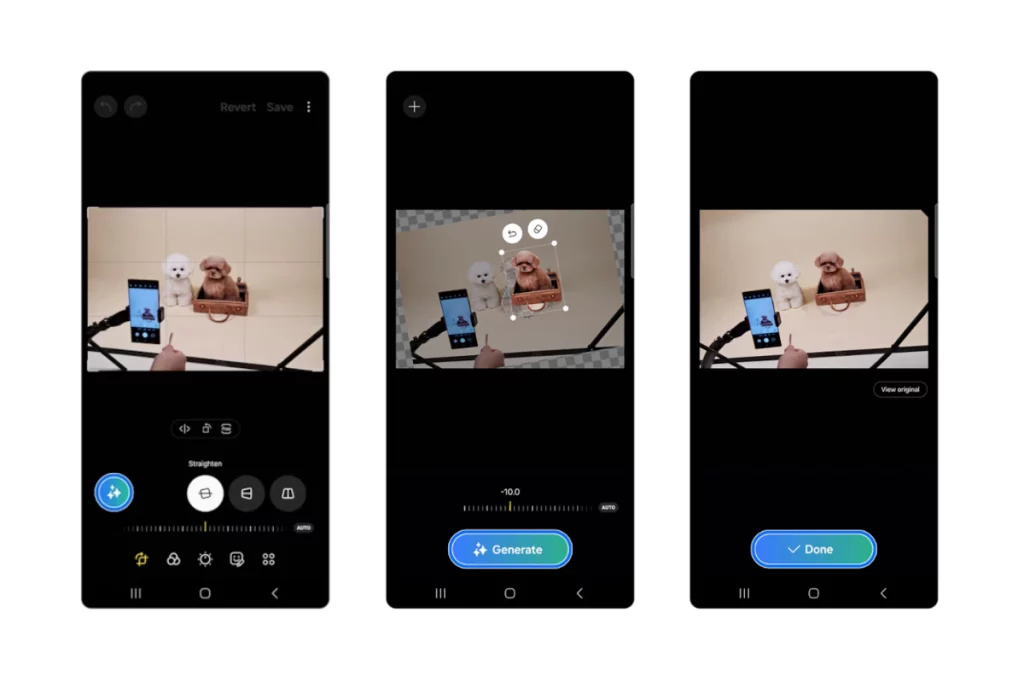
The Gallery app in One UI 6.1 gets AI smartness to help you move, remove, or resize the people and objects in photos. It will automatically generate background to fill in any missing portions. The custom skin also gives automatic editing suggestions.
HyperOS is not completely out of the picture here, as it also offers generative fill and the ability to cut out a subject from an image for background removal or save it as a sticker. Both HyperOS and One UI 6.1 let you change the image background.
One excellent addition to One UI 6.1 is the ability to see any videos in slow-mo just by holding on to it. You can even change the speed and save the video.
– Live Translate
One UI 6.1 features real-time translation during phone calls. It’s a handy feature for communicating with people from around the world.
Real-Time Call Translation in One UI
You can choose the language you and the other person will listen to. The best part is that the other person doesn’t need a Samsung phone.
– AI Wallpaper
One UI 6.1 gives you the ability to generate wallpapers. Although it’s a great option to generate wallpapers based on your needs, there is a limited set of keywords to choose from.
– Browser Assist
Browser Assist in One UI 6.1 can quickly summarise and translate webpages. Using this feature, you can quickly understand the content without having to read through the entire article. You can also translate a webpage into the language of your choice.
– Note Assist
The Notes app in One UI 6.1 also gets AI smartness with the ability to auto format notes, translate language, summarise text, and correct grammatical mistakes. These AI features are helpful and can save you a lot of time if you take a lot of notes.
One UI 6.1 – Notes
– Interpreter
The interpreter feature in One UI 6.1 helps you talk with someone face to face who doesn’t understand your language. Select your language and the other person’s language and start the conversation.
YouTubers do a lot of podcasts and interviews where the interpreter can play a crucial role.
7. Dynamic Notch
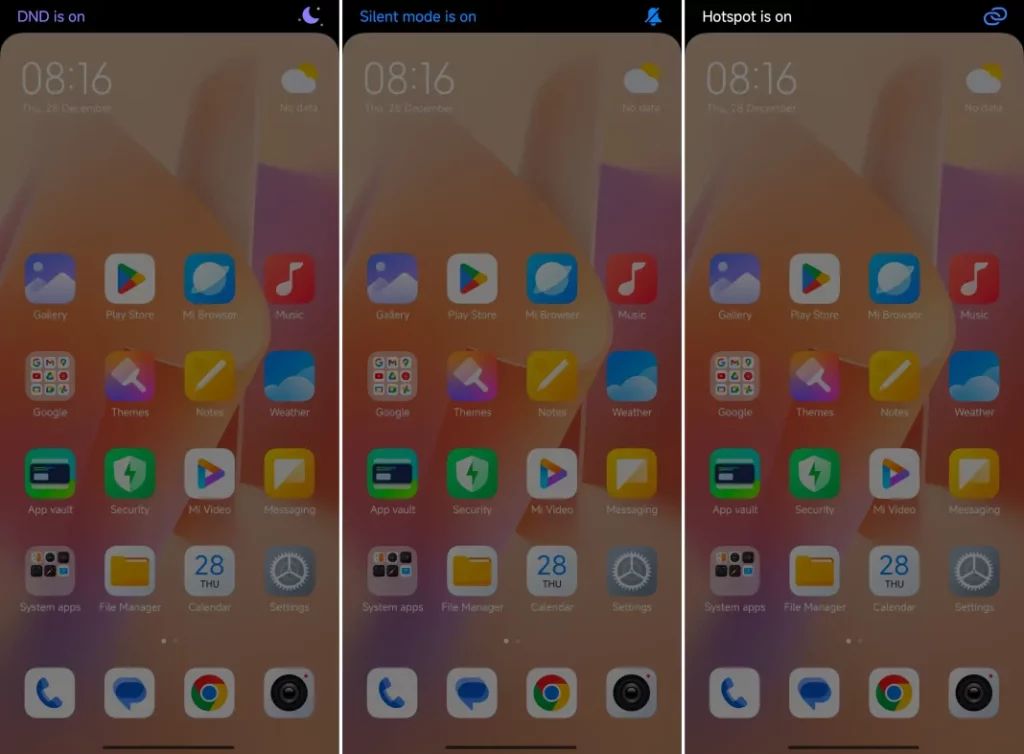
Similar to Apple’s Dynamic Island, HyperOS-powered smartphones have a dynamic notch feature, which works when you connect the charger, turn on Battery Saver, enable Do Not Disturb (DND), switch to silent mode, and turn on the hotspot.
The dynamic notch in HyperOS only works with a few actions, but it’s a cool visual element to have, which One UI lacks.
HyperOS or One UI: Which Is Better?
Both HyperOS and One UI are great, but picking one of them really depends on your needs and priorities. HyperOS gives you a minimalist experience with better lock screen customizations and integration with Xiaomi products. One UI 6.1, on the other hand, offers more customisations, widgets, and AI features. Last but not least, Samsung phones with One UI 6.1 better integrate with Windows.
Make a list of your priorities and features you want, and then choose between HyperOS and One UI. Let me know if you need more help by dropping your queries in the comments below.
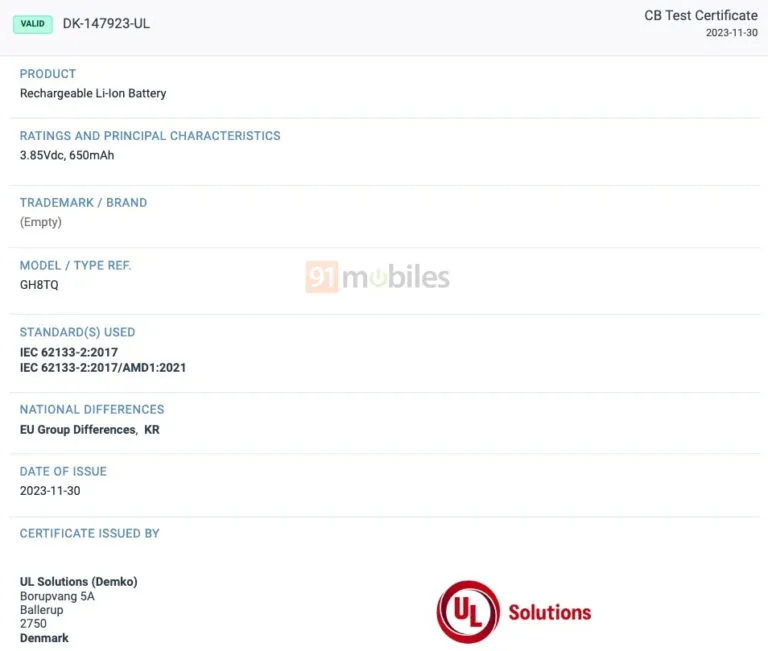
Previously we had reported that Google is working on the successor to the Pixel Buds Pro that was released way back in 2022. The search giant follows a two-year release cycle for TWS earphones making the Buds Pro 2 due for this year. Now, the Pixel Buds Pro 2 have been spotted on the UL Demko and Safety Korea certification websites. Both regulatory filings reveal key information about the audio device.
Google Pixel Buds Pro 2 snags two certifications
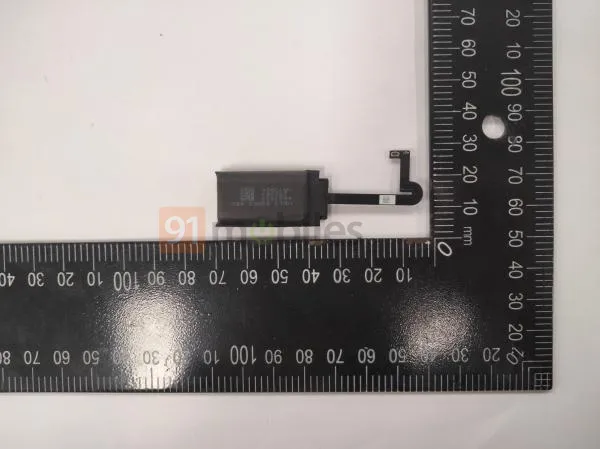
The charging case of the Google Pixel Buds Pro 2 is listed on the UL Demko and Safety Korea certifications with the model number GH8tQ. The former reveals that the case has a Li-ion battery capacity of 650mAh. This is an incremental upgrade from the 620mAh on the Pixel Buds Pro. Google rated 31 hours of playback with ANC disabled on the TWS earphone so we should expect a few more hours on the upcoming offering.
Meanwhile, the Safety Korea regulatory filing has a live image of the charging case battery unit. It also mentions Chongqing VDL Electronics as the contract manufacturer which is a China-based company. The certifications do not reveal any additional details of the Pixel Buds Pro 2.
Google’s annual I/O Developer conference is taking place next month. The original Pixel Buds Pro debuted at the same event in May. But it remains to be seen if the Pixel Buds Pro 2 debuted at the same event or later in October alongside the flagship Pixel smartphones. We can also expect the Pixel Watch 3 to tag alongside the Buds Pro 2.
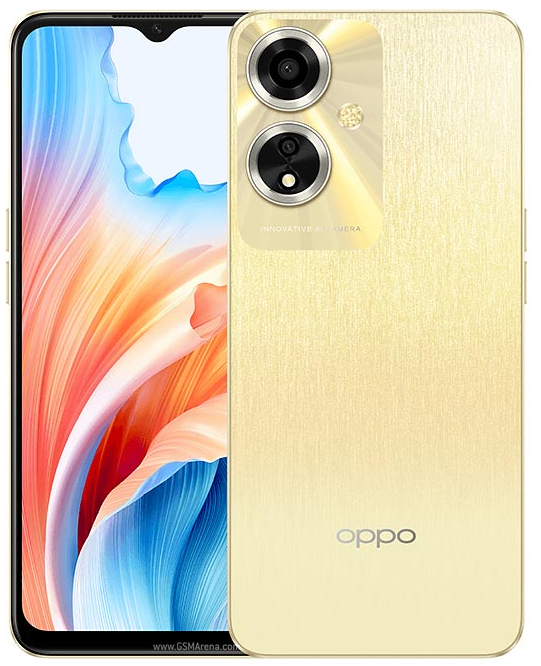
The Oppo A60 has appeared on the Google Play Console database revealing its chipset, memory and screen information, and some other key details. So let’s take a look.
Oppo A60 rendering from Google Play Console
The Google Play Console database reveals the model number of the chipset to be QTI SM6225, which is the Snapdragon 680 4G chipset. Additionally, the platform also reveals that the phone will come with 8GB RAM. The device will be running on ColorOS 14 based on Android 14.
The Snapdragon 680 chip equips a (4+4) core cluster with 4 Cortex A73 cores clocked at 2.4GHz, and 4 Cortex A53 cores clocked at 1.9GHz. For graphics, this chipset includes the Adreno 610 GPU.
The page also shows that the Oppo A60 will house a 720p screen further highlighting that it is an entry-level device. Speaking of the front design, the rendering provided shows a thicker bezel as compared to its predecessor, the Oppo A59. Although, it replaces the water-drop notch of its predecessor with a hole-punch style front camera. According to Camera FV-5 listing, it could be a 8MP selfie camera, which accompanies the 50MP main camera on the back.
Oppo A60 rendering Oppo A59
Notably, the Oppo A59 offered offered a 5G chipset, the Dimensity 6020 (7nm). This phone also offered a 720p IPS LCD display with a 90Hz refresh rate which measured at 6.56-inch. This phone packed a 5000 mAh battery and 30W charging support. It also offered an IP54 dust and water-resistant rating.
The Oppo A60 has already appeared on multiple other certification platforms including Thailand’s NBTC, Indonesia’s SDPPI and TKDN, and the UAE’s TDRA. Although they didn’t reveal much about the phone except for the model name and number, they indicated that the phone would be released soon. The Camera FV-5 platform reveals that it may arrive with a 50-megapixel primary camera and an 8-megapixel front-facing camera.
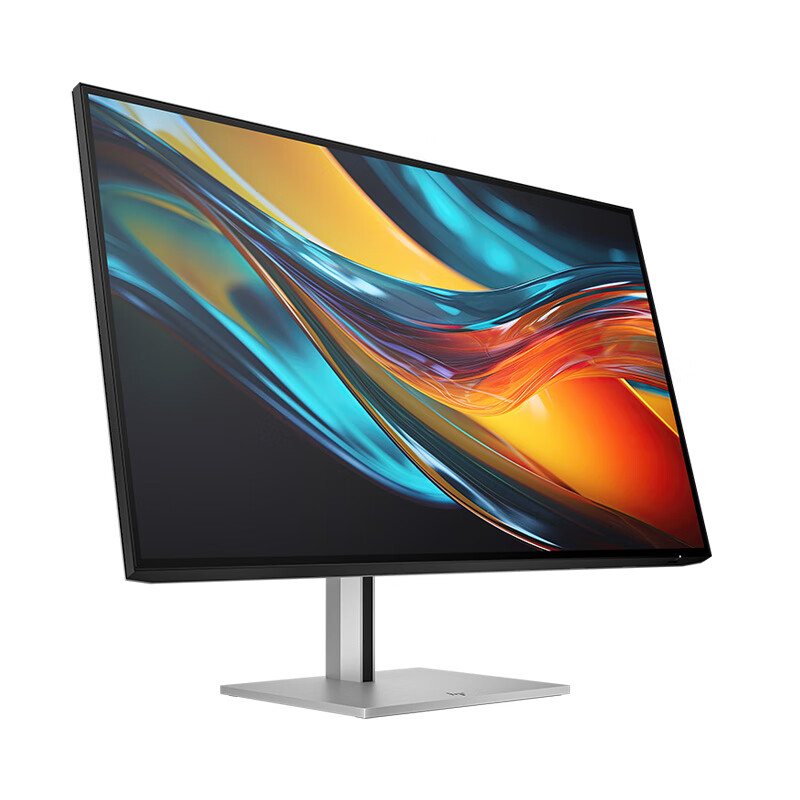
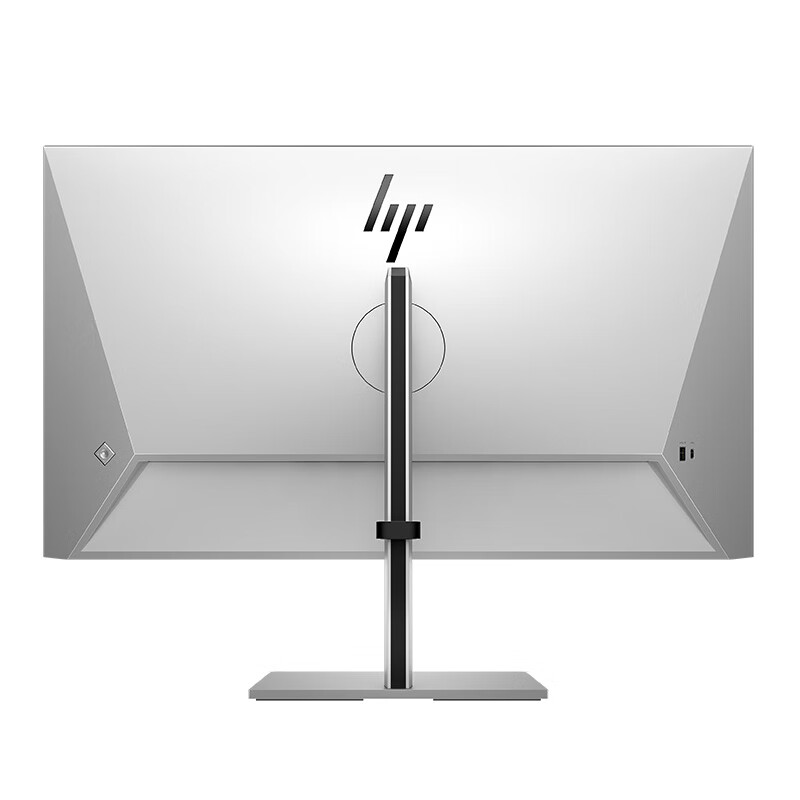
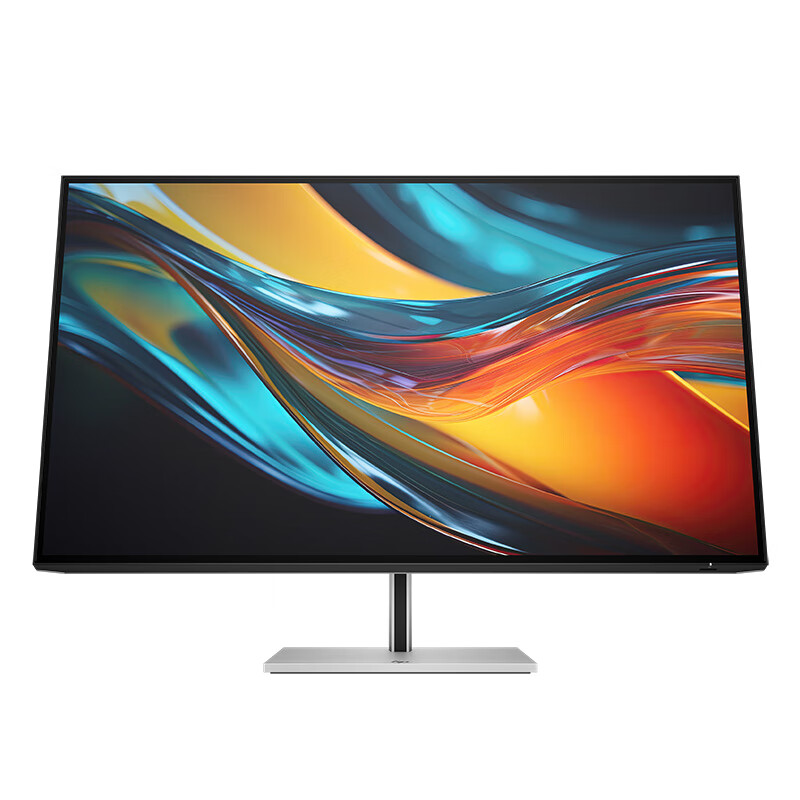
HP has launched a new monitor called the HP Series 7 Pro 31.5-inch 4K Thunderbolt 4 Monitor-732pk in the Chinese market. The monitor is priced at 6999 Yuan (roughly $967) and boasts a number of features that make it well-suited for creative professionals and business users alike.
HP Series 7 Pro 4K Thunderbolt 4 Monitor – 732pk Specifications:
The monitor features a 31.5-inch IPS Black panel with a 4K resolution (3840 x 2160 pixels) and a 16:9 aspect ratio. It offers a brightness of 400 nits, a response time of 5ms gray-to-gray with overdrive mode, a pixel density of 140 pixels per inch (ppi), and a color bit depth of 10-bit (8-bit + Frame Rate Control).
The monitor is certified with VESA DisplayHDR 400 and offers a 98% Display P3 color gamut and 100% sRGB color, ensuring accurate and vivid colors. The viewing experience is further enhanced by the monitor’s wide 178-degree horizontal and vertical viewing angles, ensuring clarity and consistency no matter where you sit. It also features factory color calibration with a Delta E of less than 2 for over 400 colors, which means that the colors you see on the screen will be very close to the actual colors.
The monitor is made of 85% post-consumer recycled materials and 5% ocean plastic, with a 90% recyclable aluminum stand and 100% recyclable packaging. It is also certified with TCO, EPEAT registration, and ENERGY STAR certification.
In terms of connectivity, the monitor features a Thunderbolt 4 port that can be used to connect a second 4K monitor or to provide up to 100W of power to a laptop. Additionally, the monitor has a variety of other ports, including USB-C, USB-B, USB-A 3.2, HDMI 2.0, DP 1.4, and RJ-45.
The monitor comes with a built-in KVM switch, which allows users to control two different computers with a single keyboard and mouse. This can be useful for people who need to switch between a work computer and a personal computer, or for creative professionals who use multiple computers for different tasks.
The monitor features a 4-sided micro-border design. It offers extensive ergonomic adjustments including tilt, height adjustment, left-right rotation, and vertical rotation, providing users with customizable viewing angles. Additionally, it is compatible with VESA mounts with a 100mm x 100mm interface for easy installation on various setups.
The Vivo T3x finally went official in India earlier today (17th April 2024). This model arrives nearly a month after the company announced the Vivo T3 in the region. The two smartphones are a part of the same lineup and have similar names but feature some notable differences like specs and pricing. So here’s everything you need to know.
The Vivo T3 and T3x features similarly sized displays. The former has a 6.67-inch screen that offers a Full HD+ resolution, a 120Hz refresh rate, and 1800 nits of peak brightness, while the latter has a taller 6.72-inch display that also features Full HD+ resolution, a 120Hz refresh rate, and up to 1000 nits of peak brightness.
However, a major difference is the panel itself, with the T3 offering an AMOLED screen and the T3 featuring an LCD panel. With the T3x being a slightly more affordable device, it is no surprise that there are some areas where the brand saved on cost.
2. Processors: Snapdragon & Dimensity
The processor in the two devices is another major difference. The Vivo T3x comes equipped with the Qualcomm Snapdragon 6 Gen 1 SoC, while the Vivo T3 model features the MediaTek Dimensity 7200 SoC. Storage configuration on the two phones differ as well. The T3 tops out at 8GB of RAM and up to 256GB of internal storage. On the other hand, the T3x only offers up to 8GB of RAM and 128GB of storage.
3. Battery: One outclasses the other
The size of a smartphone’s battery helps determine its battery life. The Vivo T3 with its 5,000mAh battery pack is a great offering, with this capacity also becoming the standard in the current market. However, the T3x shakes this up with a massive 6,000mAh battery, which makes it a notable contender in the segment it is sold in. Although, both models support the same 44W wired fast charging.
4. Design & Pricing
Vivo T3
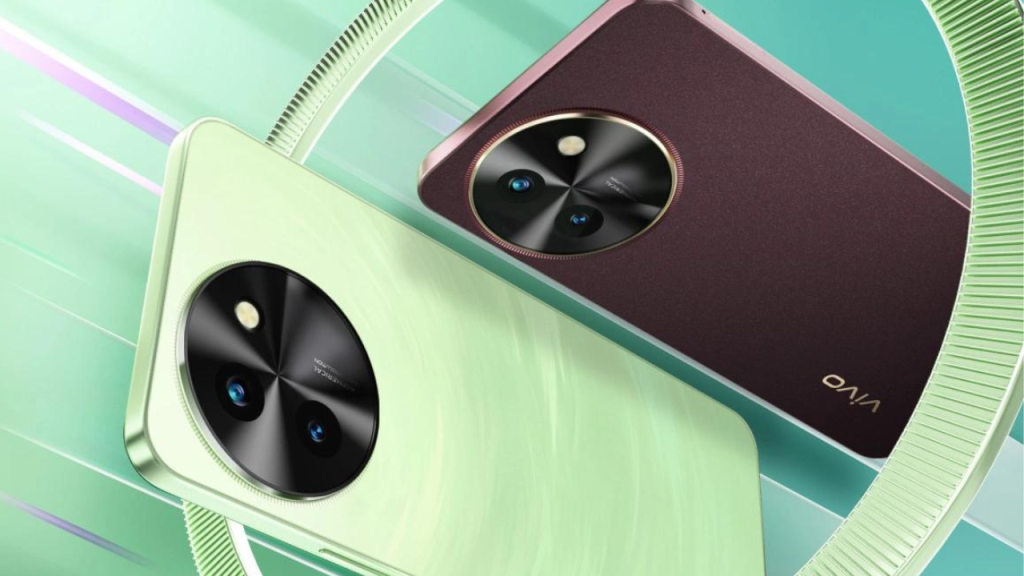
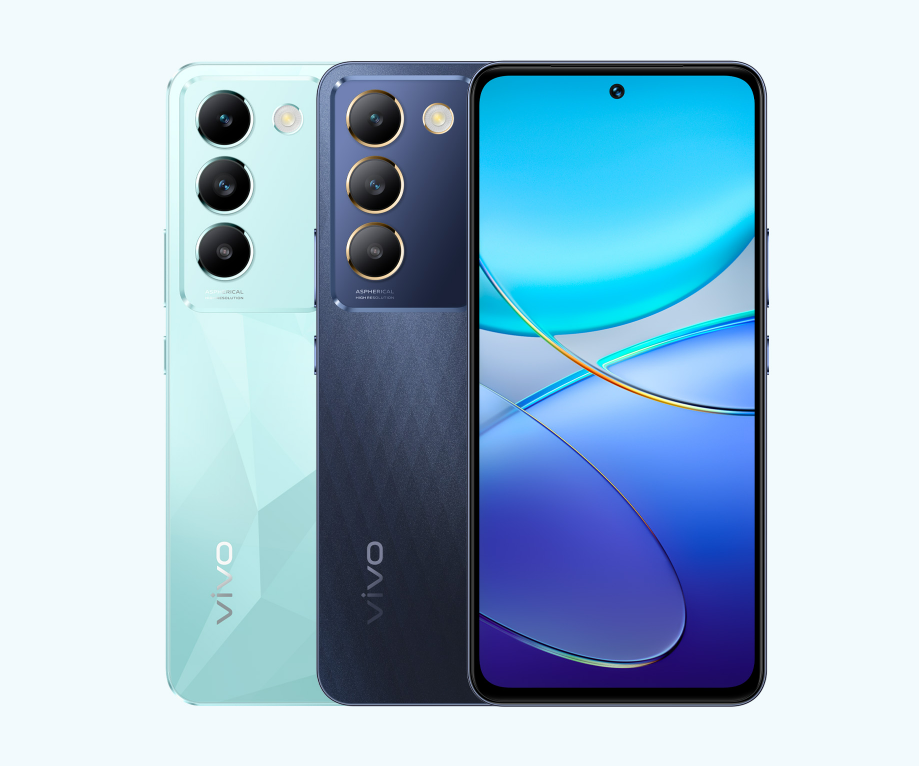
Vivo’s T3 series appears identical from the front, with rounded corners, minimal bezels, and a center aligned punch hole cutout. But the rear has them look completely unlike each other. The newly launched Vivo T3x features a circular camera module that houses the dual camera sensors and LED flash on the large camera island. Meanwhile, the T3 features vertically stacked sensors on a rectangular module. Vivo’s T3 and T3x arrive with an IP rating for protection as well. But the Vivo T3 offers an IP64 rating, and the T3x comes with a lower IP54 rating.
Lastly, there’s the pricing of the two models. The Vivo T3 launched in India for a starting price tag of 19,999 INR, going up to 21,999 INR for the higher storage capacity. Vivo’s latest T3x model was launched to fill the segment right below the T3 and arrives with a more affordable 13,499 INR starting price tag. It is also worth noting that the first sale of the T3x will kick off on 24th April 2024.
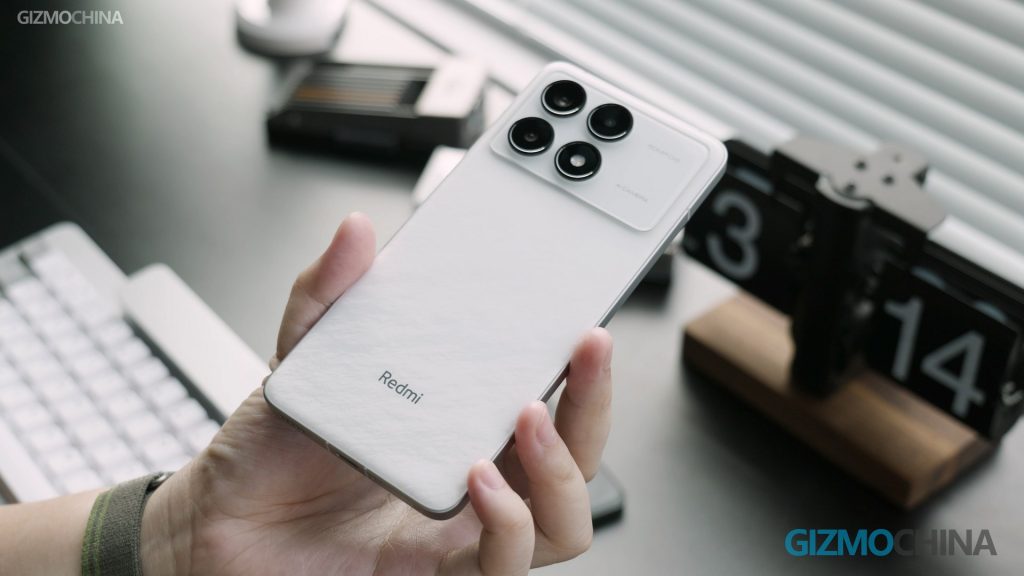
The next big release from Redmi is expected to be Redmi K70 Ultra. This product is expected to debut in the second half of the year like its predecessors.
However, there’s a chance of it going official early. Because the current-gen Redmi K70 family was released a month earlier than its forerunners.
Generally, the Redmi K Ultra models have differed from vanilla and Pro variants. These phones not only feature a different set of specs but also a distinct design as well.
The same is anticipated for the upcoming Redmi K70 Ultra. Let’s check out how it will differ from the Redmi K70 Pro based on the information available so far.
The Redmi K70 Ultra is tipped to feature a 1.5K OLED display. This panel will likely offer a 120Hz refresh rate though it is not revealed yet.
This means the screen on the ultra model will be less sharper than the one on the pro variant. For the unaware, the Redmi K70 Pro arrives with a QHD+ 120Hz OLED display.
Anyways, we expect Redmi K70 Ultra’s panel to support a high peak brightness level and Dolby Vision like all non-budget Xiaomi group smartphones.
2. Different Chip But Comparable
The Redmi K70 Ultra is said to house a MediaTek Dimensity 9300 Plus chipset. As of writing this article, there’s not a single phone on the market using this chip. The Vivo X100s series is rumored to be the first to utilize it.
Since the SoC is basically an overclocked version of the regular Dimensity 9300, there may not be a huge difference in performance. So we can expect the chipset to perform similar to the Qualcomm Snapdragon 8 Gen 3 mobile platform present inside the Redmi K70 Pro.
As for memory, the Redmi K70 Ultra will arrive with up to 24GB RAM and 1TB storage as the Redmi K70 Pro.
3. Downgraded Cameras
The Redmi K70 Ultra is tipped to sport a 50MP primary camera. This main sensor is said to be accompanied by an ultrawide unit and a macro snapper. There’s no info on the two secondary sensors and the front camera.
Either way, this camera setup will be downgraded compared to the one found on the Redmi K70 Pro. Because the pro variant has a proper three-lens system featuring wide, ultrawide, and telephoto lenses.
The Redmi K70 Pro comes with a 50MP primary sensor, a 50MP 2x telephoto shooter, a 12MP ultrawide unit, and a 16MP selfie camera.
4. Larger Battery
The Redmi K70 Ultra is expected to draw energy from a 5,500mAh battery. It is also said to carry support for 120W wired charging to fill up this battery in no time.
For comparison, the Redmi K70 Pro has a smaller 5,000mAh battery but charges at the same rate.
5. Global Availability
Historically, Redmi K Ultra phones have been released outside mainland China as Xiaomi T series devices with some differences. The same is expected for the Redmi K70 Ultra.
Xiaomi 14T Pro could be its international name. It is rumored to have a Leica-tuned camera system. So the global variant could be better than the Chinese.
On the other hand, the Redmi K70 Pro will remain exclusive to China.
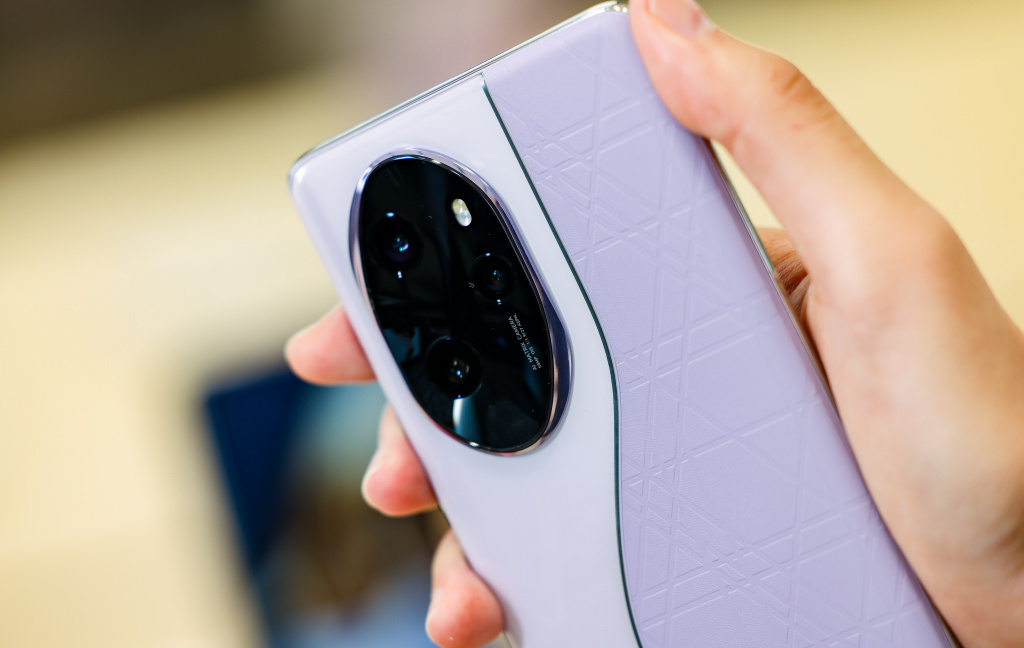
A new Honor smartphone model could be launching in the global market soon. The Honor 200 Lite has just been spotted in a new certification listing, which hints at its imminent release. So here’s everything we know about this device.
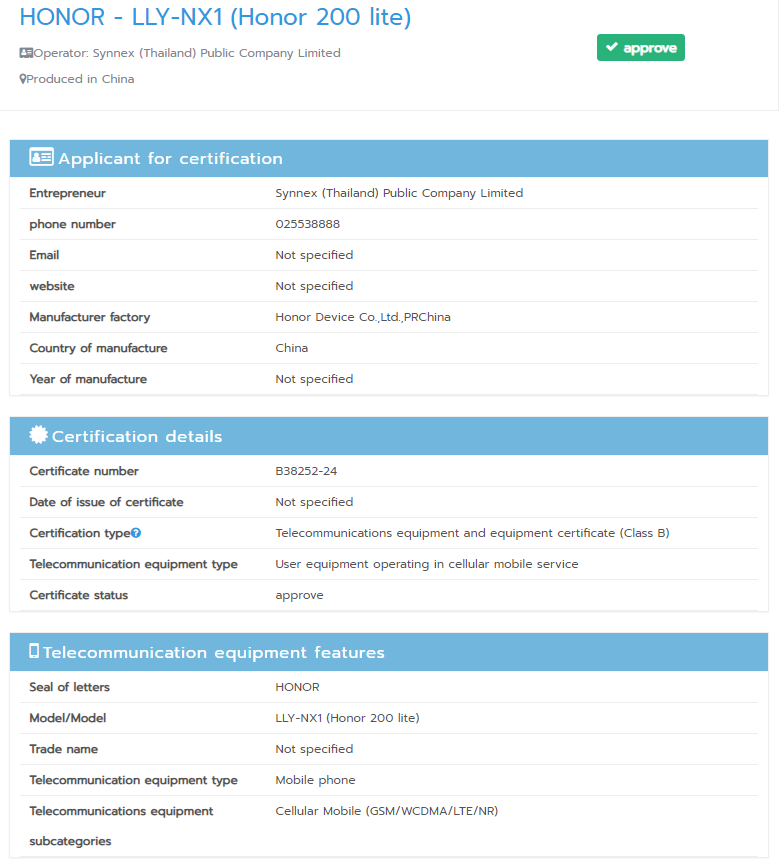
Honor 200 Lite visits Thailand’s NBTC
Honor 100 Pro
The Chinese brand’s upcoming Honor 200 Lite was first spotted last month in UAE’s TDRA certification, carrying the model number LLY-NX1. This hinted that the Honor 200 series is also in the works and that a Lite model could be the first device of this lineup. Now, another sighting has hinted that the global release of this device might be close. The Honor 200 Lite surfaced on Thailand’s NBTC platform with the same model number.
This sighting revealed that the device will support 5G networking. As the name suggests, the Honor 200 Lite might be a successor to the Honor 100 series that launched back in November 2023. It is worth noting that the Honor X50i+ was also released in China a couple of months ago with the LLY-AN00 model number. So there’s a chance that the Honor 200 Lite could be a rebranded version of this smartphone.
If this is true, then we can expect the upcoming Honor 200 Lite to sport a tall 6.7-inch AMOLED display that offers Full HD+ resolution and a 90Hz refresh rate. Under the hood, the Honor X50i+ is equipped with the Dimensity 6080 SoC. A 4,500mAh battery pack powers this device, which supports 35W fast charging. For photography, the device features a 108-megapixel dual camera setup, while the front houses an 8-megapixel selfie shooter. This is all the information we have at the moment, so stay tuned for more updates.
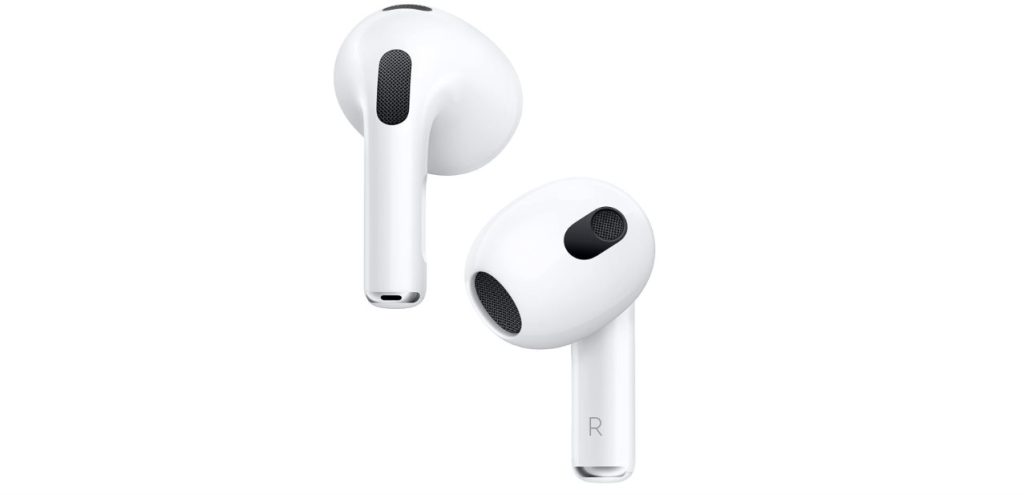
Some interesting deals are available on Apple AirPods, making interested buyers grab them at a reduced price. Precisely, the Apple ApirPods (2nd Gen) are now available for $89, Apple AirPods (3rd Gen) are available for $162, and the Apple AirPods Pro (2nd Gen) are retailing for $189.
There is around a 31% discount on the 2nd-gen (Apple AirPods), a 24% discount on the 2nd-gen (Apple AirPods Pro), and around 4% off on the 3rd-gen (Apple AirPods).
Apple AirPods (2nd Gen)
Apple introduced the AirPods (2nd-Gen) in 2029 with some new features. It debuted with Bluetooth 5.0 and features an H1 chip. It offers stable wireless connections and makes pairing and switching between devices faster than its predecessor. It offers an improved battery life of up to 5 hours of listening time with a single charge.
Apple AirPods (3rd-Gen)
Launched in 2021, the 3rd generation of Apple AirPods brings support for spatial audio and offers up to 6- hours of battery life. It offers IPX4 protection from sweat and water. It also supports adaptive EQ, which automatically shifts the settings based on the shape of your ears.
Apple AirPods Pro (2nd-Gen)
A premium headset features a USB Type-C charging case with Magsafe support. It offers IP54 protection, and brings lossless audio support with Apple Vision Pro. The new hardware and software reduce the altency to ultra-low levels. However, other features remain the same.
Just a week ago, there was a similar discount on the Apple AirPods 2, when it was selling for $89. Apart from the Apple AirPods, there have been major discounts on the MacBook Air M2. With the MacBook M3 in demand, the Cupertino giant and other third-party retailers are offering a handsome discount on the MacBook M2 to clear the stocks.
Further, there have been murmurs about the upcoming affordable AirPods, which could be released later this year. To match the demand for upcoming Apple AirPods, and especially AirPods 4, Apple has already increased the production targets for the new AirPods.
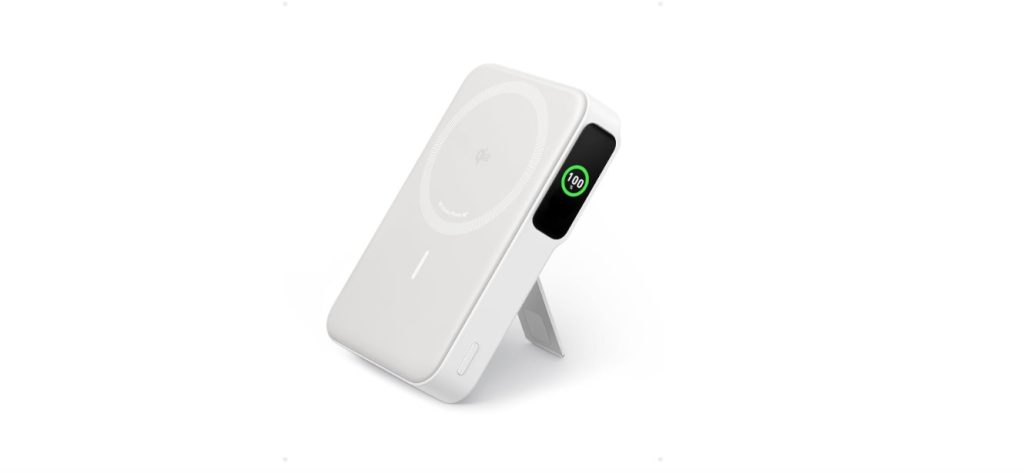
Anker, a globally acclaimed accessory manufacturer, is offering a worth considering 57% discount on its Power banks. Including the Anker magGo Power bank, deals are running on other power banks and chargers.
There are several MagSafe and QC 3.0 compatible power banks available at discounts. Particularly, the Anker 10000 mAh Qi2 MagGo Power Bank is available for the reduced price of $67.50. It is at a 25% discount from the usual retail price of $90.
Further, the Anker’s Prime 27,650 mAh Power Bank is now available for $164.50, instead of the $235. It constitutes a total 30% discount on the Power Bank. The Prime Power Bank offers 100W Charing with USB-A, and up to 140W with USB-C. USB-C ports and a USB-A port deliver up to 250W power.
Anker 552 USB-C Hub is also on sale for the price of $30, with a 57 percent discount. it usually retails for the price of $70 in even days. Such deals are now available on Amazon, and the user can avail discounts without any coupon or any extra effort.
Interested folks can head over to Amazon for more interesting deals on Anker Accessories. There are exclusive discounts available for a limited time.
We use cookies on our website to give you the most relevant experience by remembering your preferences and repeat visits. By clicking “Accept”, you consent to the use of ALL the cookies.
This website uses cookies to improve your experience while you navigate through the website. Out of these, the cookies that are categorized as necessary are stored on your browser as they are essential for the working of basic functionalities of the website. We also use third-party cookies that help us analyze and understand how you use this website. These cookies will be stored in your browser only with your consent. You also have the option to opt-out of these cookies. But opting out of some of these cookies may affect your browsing experience.
Necessary cookies are absolutely essential for the website to function properly. This category only includes cookies that ensures basic functionalities and security features of the website. These cookies do not store any personal information.
Any cookies that may not be particularly necessary for the website to function and is used specifically to collect user personal data via analytics, ads, other embedded contents are termed as non-necessary cookies. It is mandatory to procure user consent prior to running these cookies on your website.