Xiaomi recently launched the Bluetooth Speaker Mini in its domestic market. While the brand has not made any official announcements regarding its availability in the global market, interested customers can now import the speaker to their doorstep for a reasonable price.
The Bluetooth Speaker mini can now be imported at $59.99, which includes shipping and import taxes.
Xiaomi Bluetooth Speaker mini specs:
It’s equipped with two loudspeaker drivers for a full frequency range and a passive radiator to deliver 360° sound. Although the output power is only 3 watts, users have the option to connect two speakers together for improved stereo sound and wider coverage. The speaker features a 2000 mAh battery, capable of up to 11 hours of playtime, with a recharge time of 2 hours.
Measuring 150 x 100 x 100 mm and weighing about 350 grams, this compact speaker also includes customizable RGB lighting and supports NFC and the latest Bluetooth 5.3 for easy connectivity. It’s built to be durable outdoors with IP67 certification, providing protection against dust and water splashes.
In related news, Xiaomi has officially unveiled the Sound Outdoor and Sound Pocket speakers in the global market featuring up to 30 watts of audio output and IP67 certification.
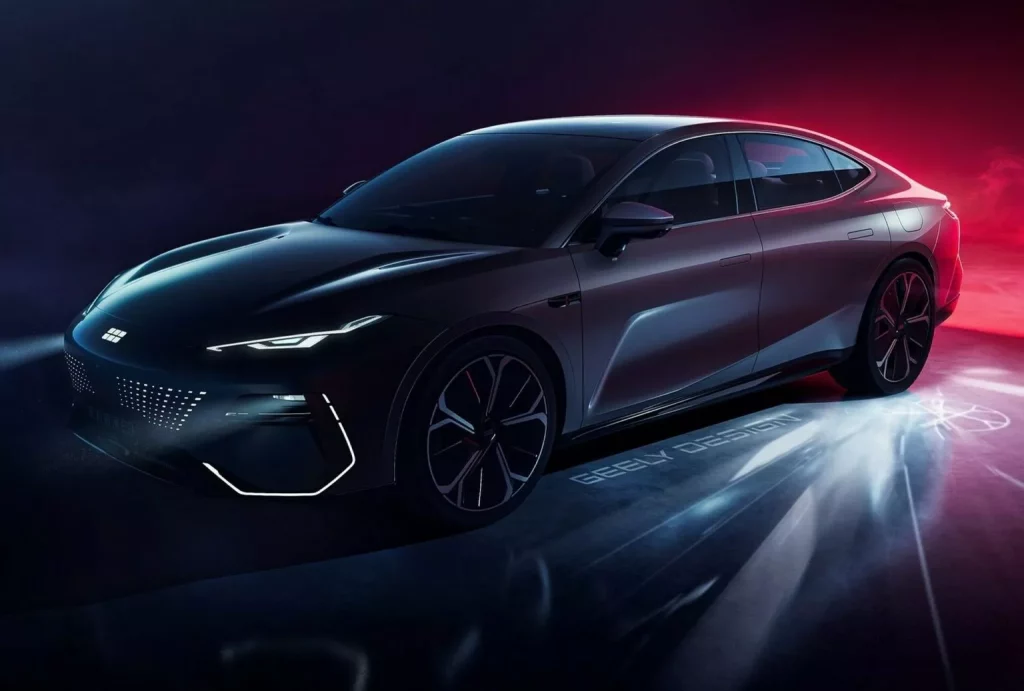
Geely has unveiled the Dragon Edition of their Galaxy E8 electric car. This new edition adds three new color options to the existing lineup: Xizi Blue, Smoke Gray, and Daybreak Black. It also introduces a more affordable entry-level model at 165,800 yuan, which excludes some features like heat pump air conditioning found in previous base models.
The 2WD version starts at 165,800 yuan, where the 4WD version starts at 215,800 yuan
The Dragon Edition comes in two variants: a 550km two-wheel drive version and a 620km four-wheel drive version. The two-wheel drive version starts at a budget-friendly 165,800 yuan, making it 10,000 yuan cheaper than the original entry-level model. For those seeking more power and range, the four-wheel drive version starts at 215,800 yuan.
Geely also offers a wider range of Galaxy E8 models beyond the Dragon Edition, catering to different needs and budgets. Here’s a breakdown of the pricing:
The most affordable option is the 550km two-wheel drive Longteng version (Dragon Edition) starting at 165,800 yuan.
Stepping up slightly in price is the 550km two-wheel drive PRO version at 175,800 yuan.
Those looking for more features can opt for the 550km two-wheel drive MAX version for 185,800 yuan.
For longer range needs, the 665km Starship voyage version comes in at 198,800 yuan.
If advanced driver-assistance features are desired, the 665km Starship smart driving version can be had for 218,800 yuan.
The 620km four-wheel drive Longteng version (Dragon Edition) sits in the middle range at 215,800 yuan.
The top-of-the-line option remains the 620km Starship performance version, priced at 228,800 yuan.
Originally launched in January, the Geely Galaxy E8 offered a choice of 6 body colors and 2 interior color options. It features a distinctive front fascia with “Ripples of Light” grille and a spacious interior with the world’s first 45-inch 8K unbounded large screen. Powered by the QualcommSnapdragon 8295 chip, the Galaxy E8 boasts an intelligent cockpit system and is the first car to come with an exclusive companion drone with two-way satellite communication.
In terms of performance, the Galaxy E8 offers three powertrain options: a 400V+200kW single motor, an 800V+200kW single motor, and an 800V+475kW dual motor option. Battery packs come in either 62kWh or 76kWh capacities, providing a cruising range of 550km, 665km, or 620km depending on the configuration. The top-of-the-line four-wheel drive variant boasts a top speed of 210 km/h and can accelerate from 0 to 100 km/h in just 3.49 seconds.
The Denza Z9GT has been officially revealed by the Chinese Ministry of Industry and Information Technology. This new luxury sedan features a low-riding “safari shape” and a family-style front fascia. The gold paint finish seen in the declared model hints at a variety of color options to come. Unlike some competitors, the Denza Z9GT features a through-type taillight design, opting instead for slender split taillights for a distinct look.
The car has a top speed of 240 kilometres per hour
Dimensionally, the Denza Z9GT measures 5180mm in length, 1990mm wide and 1500mm (or 1480mm) tall. It boasts a wheelbase of 3125mm and can achieve a top speed of 240 kilometers per hour.
The Denza Z9GT comes standard with a panoramic sunroof and an electric rear wing. Optional features include side skirts, roof lidar, front lidar (available with or without a front lidar configuration), carbon fiber decorative parts, streaming media exterior mirrors, and air suspension.
Powering the Denza Z9GT is a trio of motors: a front-mounted AC asynchronous motor and two permanent magnet synchronous motors mounted at the rear. Each motor delivers a peak power output of 230kW, 240kW, and 240kW respectively.
Lenovo has announced the upcoming availability of the ThinkBook 16+ 2024 Core Ultra 9 laptop, expected to launch later this month. This powerful machine boasts a 16-core 22-thread Core Ultra 9 185H processor, 32GB of RAM, and a 1TB PCIe 4.0 SSD for smooth multitasking and demanding applications. Users will have a choice between integrated graphics or an optional RTX4060 discrete graphics card for enhanced performance in areas like video editing and gaming.
Users can pick between integrated graphics and RTX4060 graphics
The ThinkBook 16+ 2024 features a stunning 3.2K 165Hz IPS display with a maximum brightness of 430 nits. The display covers 100% of both the sRGB and P3 color gamuts, ensuring exceptional color accuracy for creative work. Additionally, it supports color gamut switching, Dolby Vision, and is X-Rite factory color calibrated with an average Delta E of less than 1 for true-to-life visuals. To further protect your eyes, the display is TÜV Rheinland low blue light certified.
For connectivity, the ThinkBook 16+ 2024 offers a variety of ports: on the left side you’ll find a USB-A 3.2 Gen 2 port, two Thunderbolt 4 ports, and a 3.5mm headset jack. The right side provides two USB-A 3.2 Gen 1 ports, while the rear houses an HDMI 2.1 port and a DC power input.
Realme announced the P1 (first impressions) smartphone earlier today in India. It is a budget offering in the price segment of Rs 15,000 to Rs 20,000.
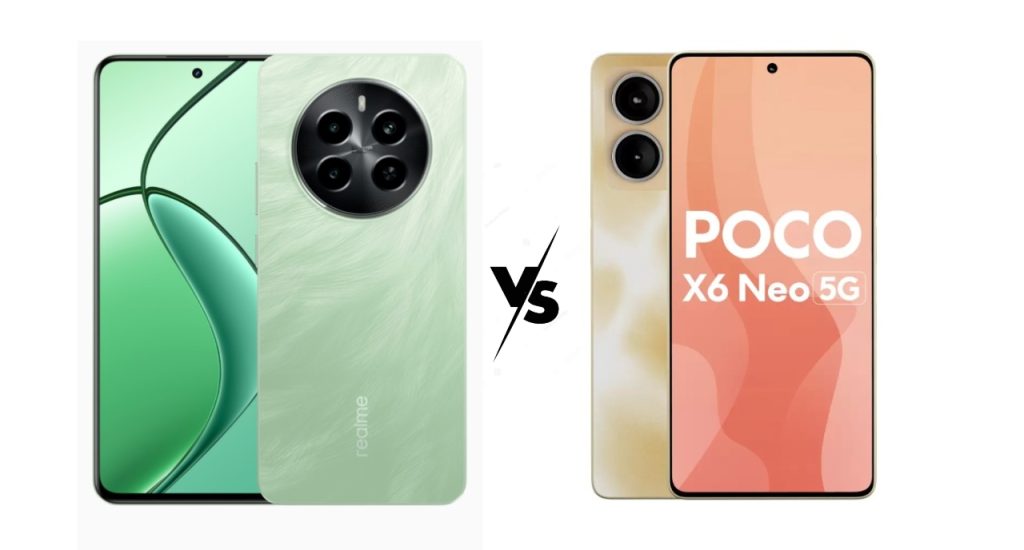
There are plenty of other smartphones in the same bracket, including the Redmi Note 13 5G, iQOO Z9 5G, Tecno POVA 6 Pro, and more. However, the Poco X6 Neo comes as the closest competitor to the Realme P1.
We have compared both phones below which should help you make a buying decision.
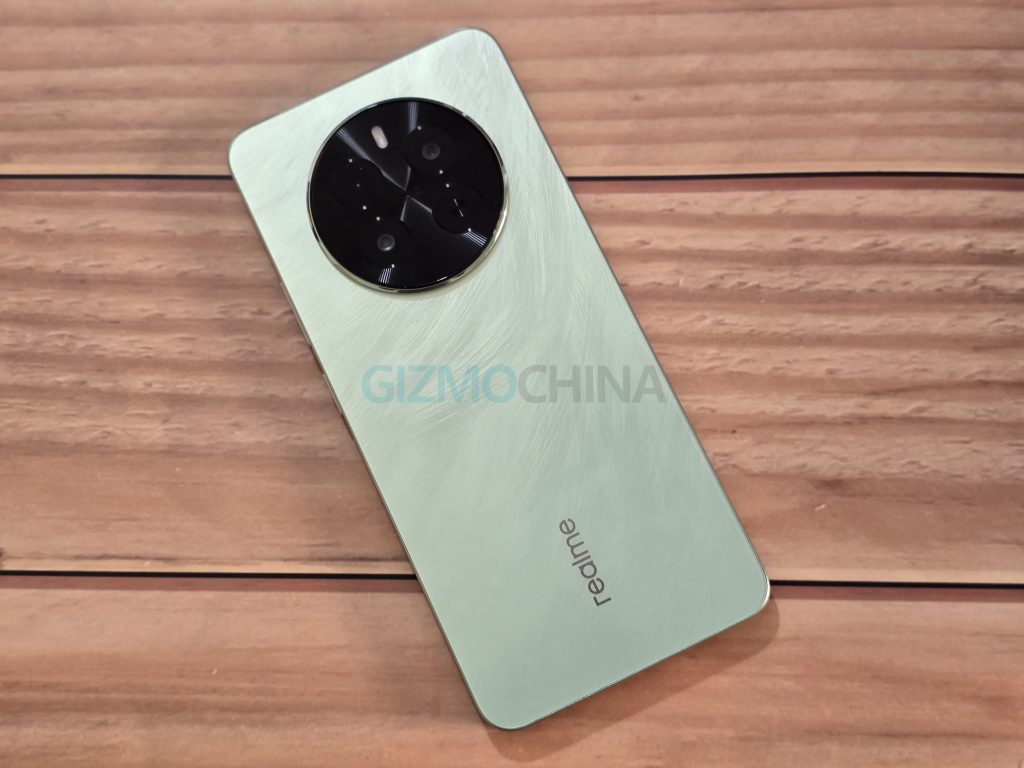
Among the two phones, the Realme P1 looks more stylish as it has a textured pattern on the back panel along with a circular camera module. Meanwhile, the Poco X6 Neo has an elongated rectangular island on the rear.
Both phones have a flat frame with the X6 Neo featuring a side-mounted fingerprint scanner embedded in the power button compared to an in-screen fingerprint sensor on P1.
In terms of display, the Realme P1 and Poco X6 Neo feature a 6.67-inch AMOLED panel with FHD+ resolution and a 120Hz refresh rate. The former offers 2,000 nits peak brightness whereas the latter maxes out at 1,000 nits.
Additionally, the Realme P1 supports Rainwater Smart Touch technology that makes the device usable in wet conditions.
2. Cameras
Both the Realme P1 and Poco X6 Neo have dual rear cameras.
The former has a 50MP main sensor and a 2MP monochrome (black & white) lens. On the other hand, the latter features a 108 MP primary camera with 3x in-sensor zoom support coupled with a 2MP depth unit.
Both phones have a 16MP selfie snapper.
3. Hardware and Software
The Realme P1 houses a Dimensity 7050 processor coupled with up to 8GB RAM and 256GB storage under the hood. The Poco X6 Neo is powered by a Dimensity 6080 chipset with up to 12GB RAM and 256GB storage.
The duo has a VC cooling system for heat dissipation. Both devices are also backed by an identical 5,000mAh battery unit. However, the P1 supports faster 45W charging compared to 33W on the X6 Neo.
Software-wise, the P1 ships with the latest Android 14 whereas the X6 Neo runs on Android 13.
4. Pricing and Conclusion
The Realme P1 6GB + 128GB variant costs Rs 15,999 whereas the 8GB + 256GB option is priced at Rs 18,999. Meanwhile, the Poco X6 Neo retails at Rs 15,999 and Rs 17,999 for the 8GB + 128GB and 12GB + 256GB configurations.
Overall, the Realme P1 is the better device. It has good looks, display specs, a powerful processor, the latest OS, and faster charging. It only underscores in terms of RAM and storage space compared to the Poco X6 Neo.
HMD Global, the company behind Nokia-branded smartphones, unveiled a concept called Fusion at MWC2024.
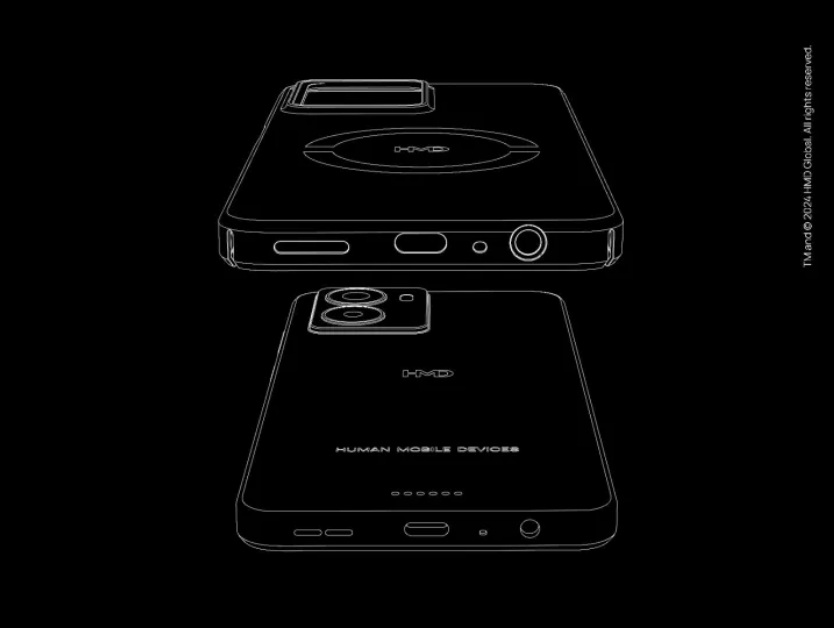
Details have been scarce, but Fusion appears to be a return to the modular phone concept, with a base unit and attachable “smart outfits” that expand the phone’s functionality.
The idea isn’t entirely new. Motorola’s Moto Mods offered a similar approach back in 2016, and the concept stretches back even further to Jolla’s phone in 2014. While these attempts haven’t gained significant traction, HMD hopes for a different outcome.
HMD has released a development toolkit and renderings showcasing potential accessories designs, but their concrete details remain limited.
However, HMD is now hyping things up via social media posts in Australia, Benelux, and France. The company shared a graphic of a smartphone with add-ons in it.
The text on the bottom left shows a “Coming Soon” tagline hinting that the company may soon debut its first Fusion phones in these regions.
Only time will tell if HMD can overcome the challenges that plagued previous modular phone attempts. Key questions remain: Will there be enough compelling smart outfits to justify the Fusion system? Can HMD ensure a smooth user experience with the modular design?
HMD Fusion is not new but an interesting concept, however, its future hinges on addressing past failures of modular phones. With a well-designed base phone, a robust developer community, and practical smart outfits, Fusion could revolutionize phone customization.
However, without careful planning and execution, it risks becoming another forgotten footnote in smartphone history.
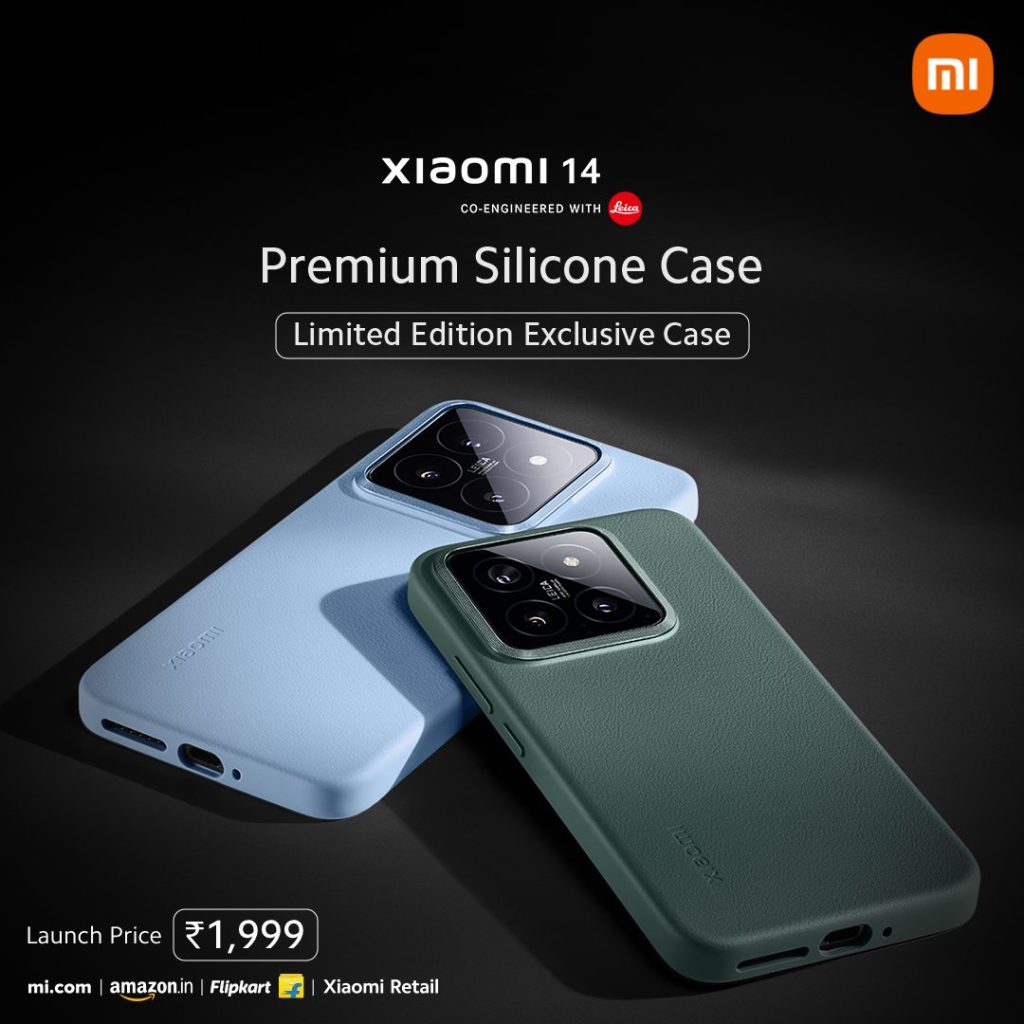
Xiaomi has released a new set of silicone cases for Xiaomi 14 users in India. These limited edition cases are up for grabs in Olive Green and Sky Blue. They’re made from silicone, which feels soft and smooth, making your phone easy and comfortable to hold.
The cases look pretty with a leather-like texture on the outside. They’re designed to protect the whole phone, especially the bottom edge. The camera area has a special elevated pattern that helps keep it safe from scratches, while the inside of the case has a soft layer to look after the back of your phone.
These cases are selling for Rs. 1,999 on Mi.com, Amazon.in, Flipkart, and on the Xiaomi stores. Since they’re a limited edition, if you want one, it might be a good idea to get it soon.
In related news, the Xiaomi 14 Civi, which is essentially the rebranded version of the Xiaomi Civi 4 Pro (review), is anticipated to be released in the Indian market soon. It has recently received TUV certification for its flicker-free and low-blue light display, suggesting it may appear on additional certification databases before the brand officially announces its launch date.
Xiaomi has announced the date of Smarter Living 2024 in India. It is set to take place next week. The upcoming event happens every year in April and sees the launch of IoT devices. The brand is teasing the event as ‘prepare to level up your lifestyle’. The main poster of the Smarter Living 2024 confirms four devices that will debut. Additionally, it also hints at more products.
Xiaomi Smarter Living 2024 announced: what to expect
The Xiaomi Smarter Living 2024 launch event is scheduled for April 23. The poster confirms that Xiaomi will launch a new TWS earphone, a tablet, a vacuum cleaner, and a hair dryer. The microsite of the upcoming event is also live on the company’s official website. The names of the devices have not been mentioned yet and the images have been blurred out. However, cranking the display brightness gives us a glimpse at what to expect.
We expect the tablet to be the Redmi Pad SE that launched in global markets last September. It would be the second offering in the Xiaomi sub-brand’s tablet portfolio. The device has an 11-inch 90Hz display, a Snapdragon 680 processor, and an 8,000mAh battery unit. Next up could be the Redmi Buds 5 Pro. The upcoming TWS earphone is seen with the same design as the Buds 5 that was released in February in the country. As the name suggests, the Pro is the more premium model among the two.
The other two devices set to launch at Smarter Living 2024 are the Robot Vacuum Mop and a Hair Dryer.
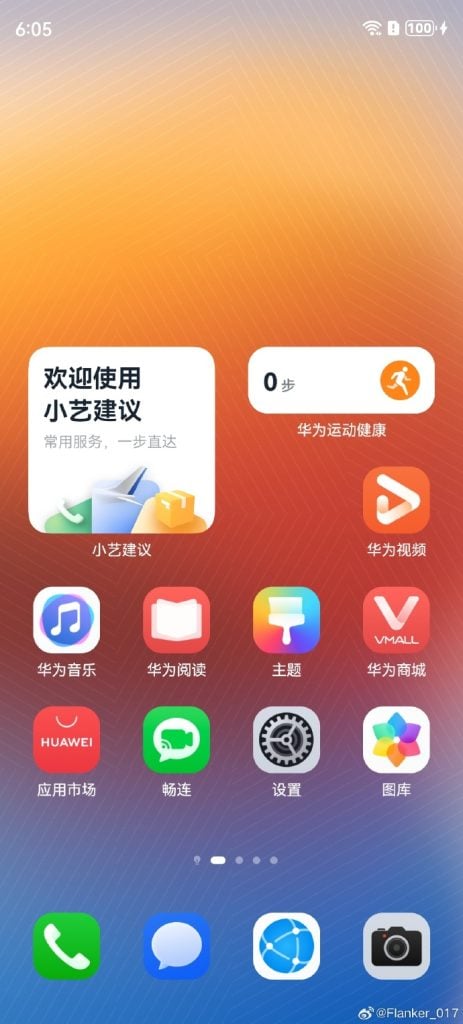
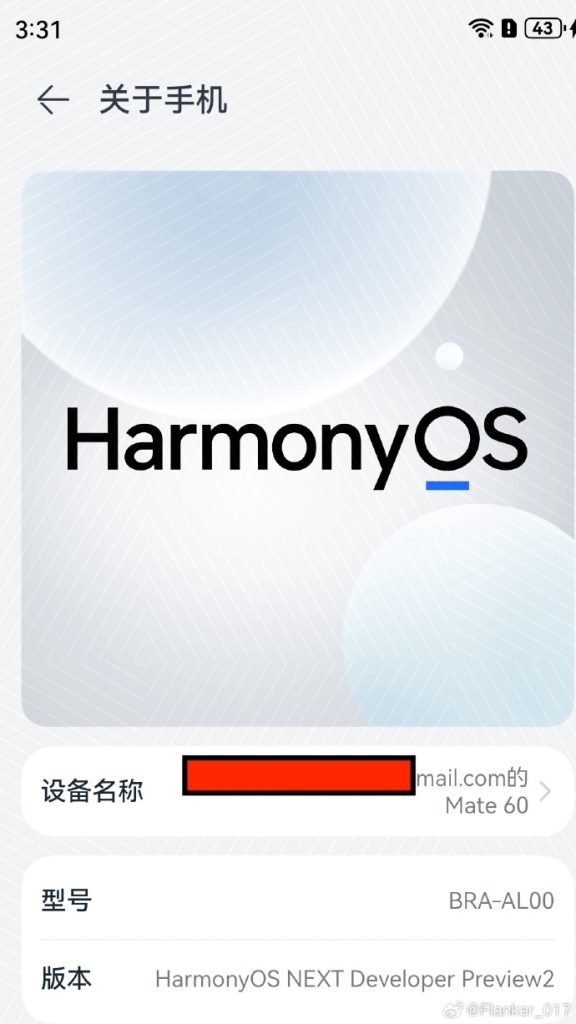
Huawei‘s homegrown operating system, HarmonyOS, is getting closer to a full public release. Today, blogger @Flanker_017 on Weibo shared images revealing the user interface of HarmonyOS NEXT running on a real device (Mate 60).
The commercial version is expected to arrive in Q4
The images showcase a new design for the OS, but also a significant change under the hood – native Android apps are no longer supported. This could be a potential hurdle for users who rely on a mix of Android and HarmonyOS apps. The blogger highlights the concern for apps that store a lot of local data, like messaging apps and note-taking tools. Without a clear solution to migrate or access this data, users might face a frustrating experience even if they can download the apps again.
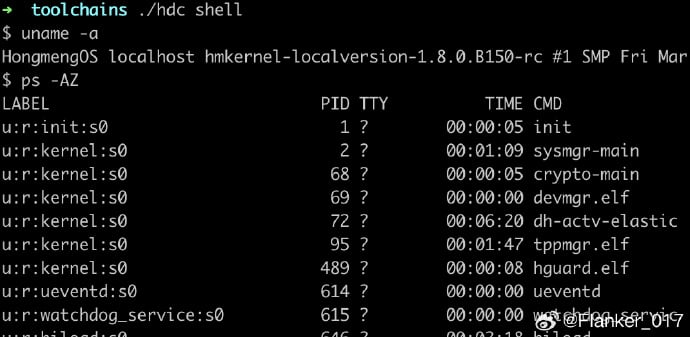
Additionally, the blogger said that the kernel is indeed a new microkernel. A Linux compatibility module has been integrated to facilitate Linux syscalls. This news comes after Huawei’s HarmonyOS Eco Thousand Sails Sailing Ceremony in January, where they announced the developer preview program for HarmonyOS NEXT Milky Way Edition. The developer Beta program is expected to launch in Q2 (April-June) of this year, with the commercial version arriving in Q4 (October-December).
Given the timeline, there’s still time for Huawei to address user experience concerns like app compatibility and data migration. With a complete overhaul of the app ecosystem on the horizon, it will be interesting to see how Huawei bridges the gap for users accustomed to the familiar Android app landscape.
Huawei is also actively courting app developers, offering financial incentives and training programs. The company aims to have over 5,000 apps available on HarmonyOS, covering the most popular categories like social media, finance, and gaming.
The success of Huawei’s Mate 60 series, powered by a domestic Kirin processor and the latest HarmonyOS, has bolstered confidence in the new OS. The Mate 60 series reportedly sold close to 1.5 million units in its launch month, showcasing strong consumer interest.
Huawei is strategically targeting China’s vast smartphone market. The company estimates that HarmonyOS achieved a critical 16% market share in China by Q4 2023, attracting a significant developer base. HarmonyOS now boasts nearly 4% of the global market share, putting it on track to compete with Apple’s 23%.
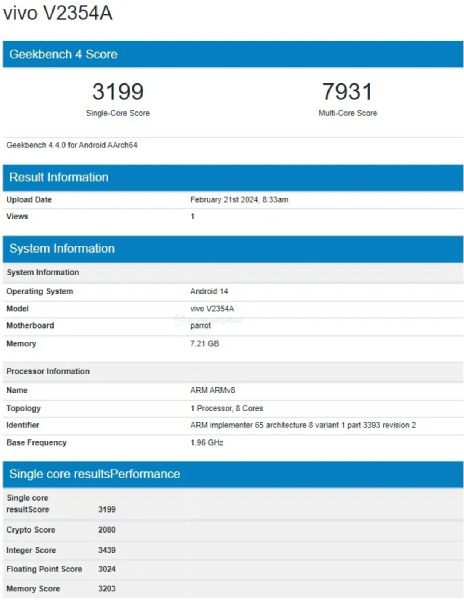
Vivo introduced the Y200 smartphone in October of last year. It seems they’re now gearing up to release a new model, the Vivo Y200i. The smartphone, carrying a model number V2354A, has appeared on China Telecom’s website, revealing everything from its design and specifications to its price.
Vivo Y200i Specifications
So the Y200i features a large 6.72-inch display with a resolution of 2408 x 1080 pixels. While the exact display technology isn’t confirmed, it’s likely an LCD panel considering the price point. The phone measures 165.70 x 76.00 x 7.99mm and weighs 199 grams, suggesting a comfortable size for everyday use.
Powering the smartphone is a Snapdragon 4 Gen 2 chip, a step up from the 4 Gen 1 on the Y200. Memory-wise, there are three configurations to choose from: 8GB RAM with 256GB storage, 12GB RAM with 256GB storage, and a top-of-the-line 12GB RAM with 512GB storage.
On the back, the Y200i sports a dual-camera system with a primary sensor of 50 megapixels. The secondary sensor resolution comes in at 2 megapixels, likely intended for depth shots. On the front, an 8-megapixel camera handles selfies and video calls.
Keeping the lights on is a 6000mAh battery and the phone supports USB-C port for charging.
In terms of connectivity, the Y200i offers standard options like Bluetooth and Wi-Fi. It also includes a 3.5mm headphone jack for wired audio and supports GPS and Beidou navigation systems.
Vivo Y200i Geekbench and 3C Listing
Alongside its appearance on Telecom’s site, the smartphone has also surfaced on Geekbench and 3C certification site.
The phone with its Snapdragon 4 Gen 2 processor scored 3,199 points in the single-core round and 7,931 in the multi-core tests. Whereas, the 3C confirms the missing detail that the Vivo Y200i will have 44W fast charging support.
Pricing and Availability
The Vivo Y200i’s listing reveals a starting price of ¥1799 (approximately $248) for the 8GB RAM + 256GB storage version. The 12GB RAM variants with 256GB and 512GB storage are priced at ¥1899 (around $262) and ¥1999 (roughly $275) respectively.
While an official launch date hasn’t been announced, the China Telecom listing suggests the phone’s availability might be imminent.
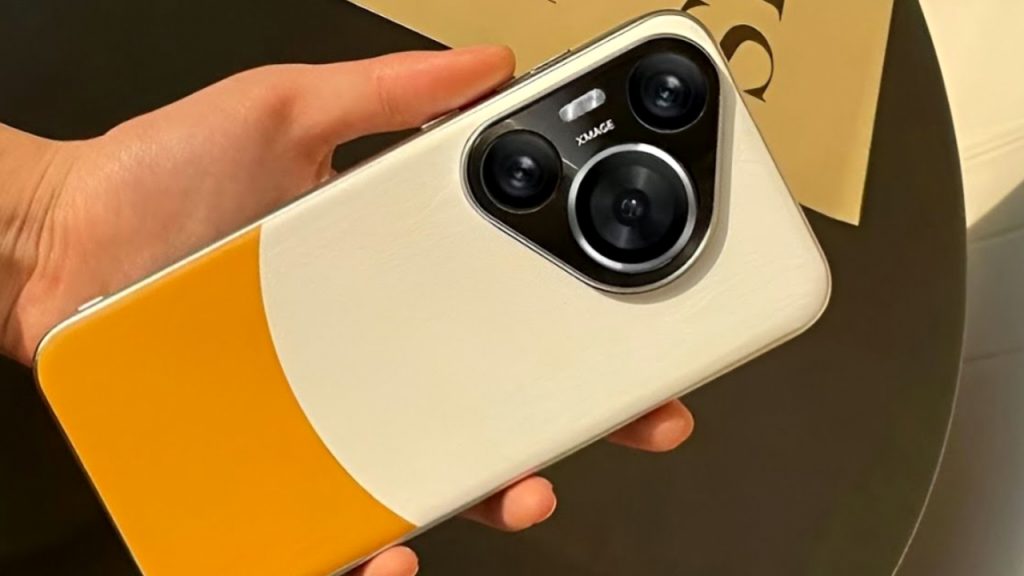
Huawei previously delayed the launch of its P70 series. Today the company officially confirmed a rebranding of the flagship P series to “Pura”. So the upcoming flagships will be called the Huawei Pura 70 series. But when will it arrive?
Huawei Pura 70
Pura 70 series is expected to arrive before the end of April
Well, according to reports, a number of Huawei-authorized experience stores in Beijing have informed that the Pura 70 series may arrive before the end of April. A sales staff at a Huawei-authorized experience store in Beijing has revealed that the Huawei Pura 70 series will possibly hit the shelves on April 18.
Reportedly, blind ordering events have been initiated in the home country, where users can submit their phone numbers to the sales staff and they will be informed as soon as the phones become available to the stores. However, it does not guarantee that they will definitely get the phone. It depends on the number of units that will be available and the order of reservations. According to a sales staff, more than 100 people have already opted for this reservation.
While the officials couldn’t reveal much about the upcoming series, these speculations are reportedly based on official information.
And looking at rumors, it seems that there will be four versions in the Pura 70 series – the Pura 70, Pura 70 Pro, Pura 70 Pro+, and the Pura 70 Ultra. The leak from Digital Chat Station informs about the color options, storage, and memory configurations of the Pura 70 series.
The official video released today to introduce the new branding also hints at a triangular camera module for the new phones, a design element that has been rumored since the series was known as the Huawei P70.
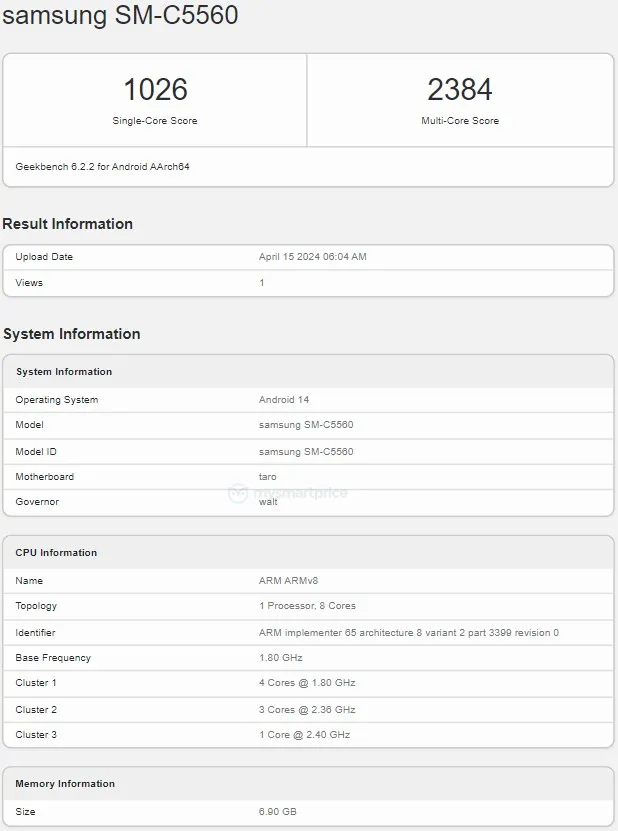
A couple of weeks back, it was revealed through a Google Play Console listing that Samsung is planning to bring back the Galaxy C series with the upcoming Galaxy C55 smartphone. Now, this device has emerged on Geekbench revealing some key details along with its performance numbers.
The Galaxy C55 5G (model number SM-C5560) recorded scores of 1,026 in single-core tests and 2,384 in multicore tests on Geekbench (via MySmartPrice). It is powered by the Snapdragon 7 Gen 1 chipset, clocked at 2.40 GHz, and comes equipped with 8GB of RAM and an Adreno 644 GPU. The Geekbench listing does not reveal any further details, however, we already know some other specifications thanks to previous reports.
Samsung Galaxy A55 5G
The Galaxy C55 5G is expected to feature a 6.67-inch OLED screen with an FHD+ resolution of 1080 x 2400 pixels and 450 ppi pixel density. Camera-wise, it is expected to feature a triple rear camera setup, including a 50MP primary sensor, complemented by a 5,000mAh battery supporting 25W fast charging. As for the operating system, the device will more than likely debut with an Android 14-based One UI 6.0/6.1.
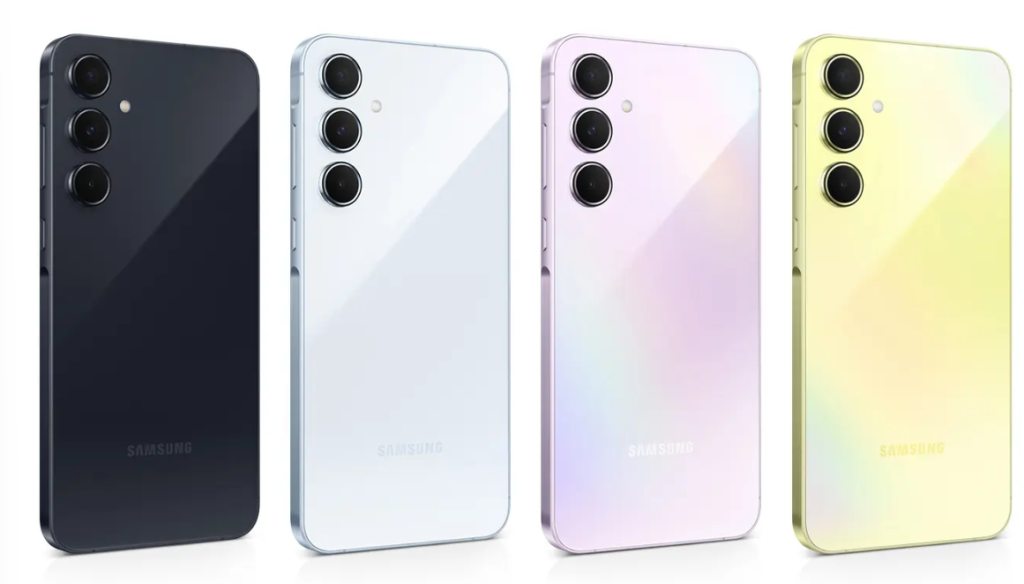
The phone likely won’t see a global launch as it is intended for the Chinese market. In related news, Samsung has recently dropped the prices of its recently launched Galaxy A55 and Galaxy A35 smartphones in the EU, making them more attractive for buyers looking for a mid-range device.
A new POCO F series smartphone is expected to launch soon. The device in question is the POCO F6 Pro, which recently surfaced in a major certification platform, and revealed some details regarding the upcoming device. So here’s everything you need to know about the POCO F6 Pro.
POCO F6 Pro visits FCC
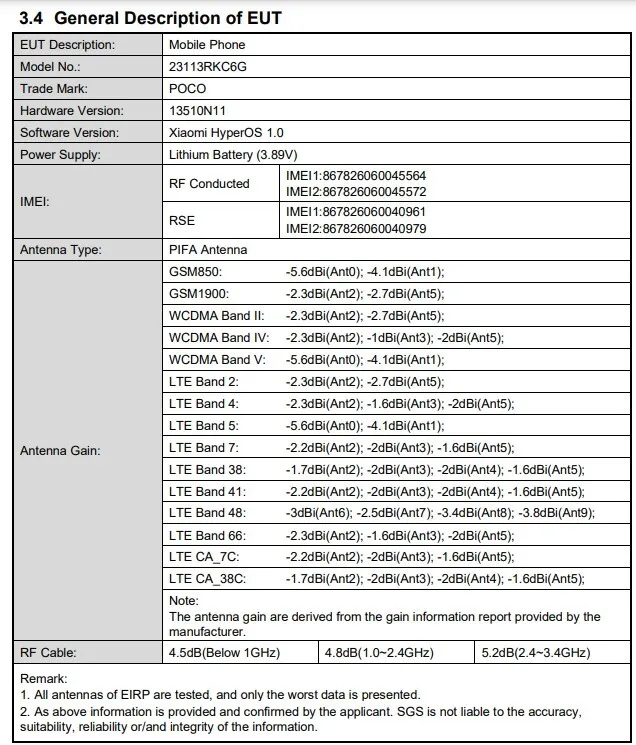
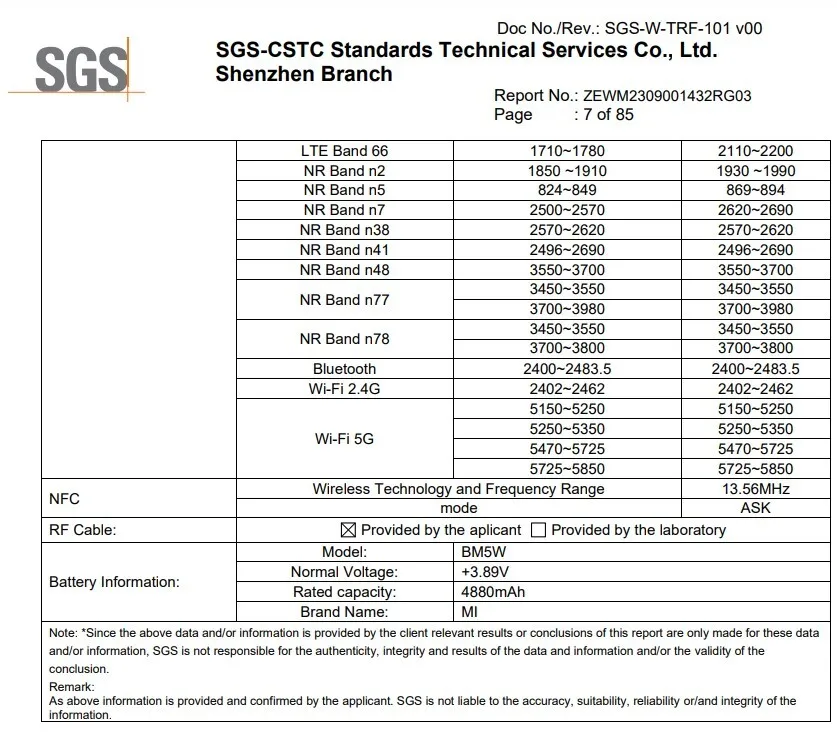
Just recently, the POCO F6 Pro was spotted on the NBTC platform, carrying the 23113RKC6G model number. Now, the same smartphone has surfaced on the FCC certification as well. The latest sighting revealed that the device will run on the Android 14 OS based HyperOS 1.0 custom skin out of the box. This listing also confirmed that the POCO F6 Pro will be powered by a 4,880mAh battery pack, which will likely be rated as 5,000mAh.
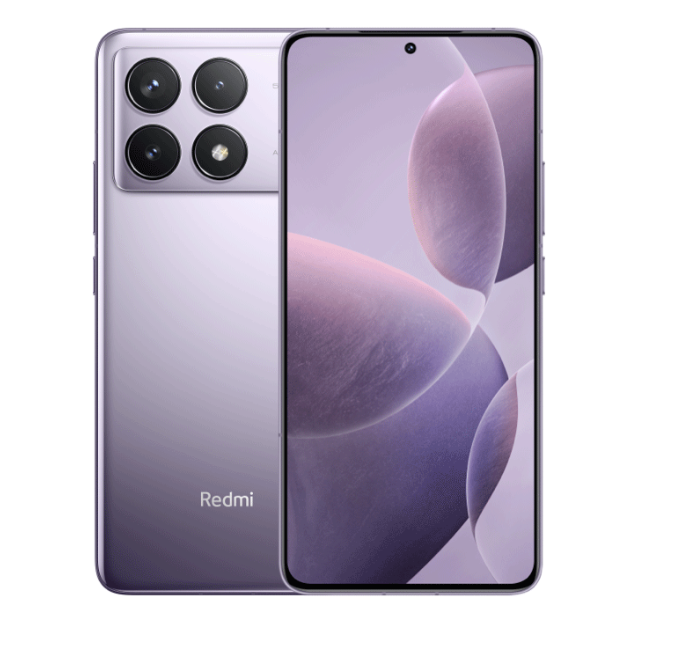
The certification confirmed that the device will support 2.4GHz and 5GHz WiFi networks as well. Interestingly, the 23113RKC6G model number appears to be quite similar to the 23113RKC6C model number of the Redmi K70. To recall, the Redmi K70 was announced in China back in November 2023. This means that the POCO F6 Pro is basically a rebranded Redmi K70 for the global market. Unfortunately, finer details regarding the POCO F6 Pro like its specs and features are still at large.
But since it might be rebadged Redmi K70, we can expect it to sport a 120Hz OLED display with 2K resolution, 4000 nits of peak brightness, and Dolby Vision. Under the hood, it may be equipped with the Snapdragon 8 Gen 2 SoC that is paired with up to 16GB of RAM. A large 5,000mAh battery pack powers this device, which arrives with a Surge G1 battery management chipset and supports 120W wired fast charging. For photography, it packs a 50-megapixel triple camera setup on the rear, while the front houses a 16-megapixel selfie shooter.
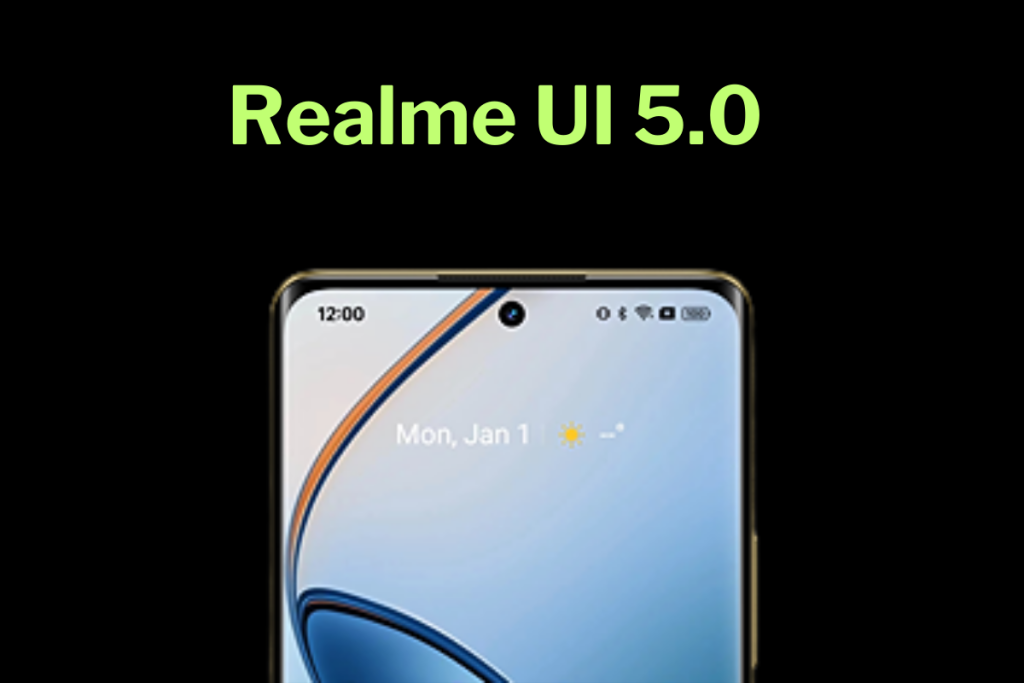
Realme keeps refining its software – Realme UI – to provide users with the best experience and latest features. Realme UI 5.0 is their latest offering, which the company claims to be their “most powerful UI experience ever”. The newest software brings some cool features and upgrades that make us eager to test it as quickly as possible.
Realme has not been aggressive with its software rollout speed, and the same is also true for Realme UI 5.0. However, the company is gradually rolling out the update to more and more devices as the days go by. In this post, I’ll reveal the list of devices that have already received the stable Android 14-based Realme UI 5.0 update. You’ll also learn about the rollout schedule and the top features in Realme UI 5.0 that you shouldn’t miss.
These Realme Devices Have Received Realme UI 5.0 (Android 14) Update in India
Realme 11 Pro+ 5G
Realme 11 Pro 5G
Realme 11 5G
Realme 10 Pro+ 5G
Realme 10 Pro 5G
Realme 9 Pro+ 5G
Realme 9 Pro 5G
Realme 9i 5G
Realme GT 2 Pro
Realme GT Neo 3
Realme GT Neo 3 150W
Realme Narzo 60 Pro 5G
Realme Narzo 60 5G
Realme Narzo 60x 5G
Realme Narzo 50 Pro 5G
Realme Narzo N55
Realme 10 Pro+ 5G
Realme 10 Pro 5G
Realme C67 5G
Realme C55
So far, these Realme smartphones have been upgraded to the Android 14-based Realme UI 5.0 in India.
If you are still waiting for this major upgrade, you may want to check if your device is eligible for this and the rollout schedule below.
Realme UI 5.0 Eligible Devices and Rollout Roadmap
These Realme devices are officially confirmed to receive the Realme UI 5.0 update:
Realme GT 2 Pro
Realme GT Neo 3
Realme GT Neo 3 150W
Realme 11 Pro 5G
Realme 11 Pro+ 5G
Realme Narzo 60 5G
Realme Narzo 60 Pro 5G
Realme GT Neo 3T
Realme C55
Realme 10 Pro 5G
Realme 10 Pro+ 5G Realme Narzo N55
Realme 11 5G
Realme 11x 5G
Realme 9i 5G
Realme 9 Pro 5G
Realme 9 Pro+ 5G
Realme GT 2
Realme GT 5G
Realme Narzo 60x 5G
Realme Narzo 50 5G
Realme Narzo 50 Pro 5G
Realme 10
Realme 9
Realme C53
Realme C51
Realme Narzo N53
If you do not have any of these devices, you are unlikely to get the Realme UI 5.0 update.
If you have one of these devices and are still waiting for the next major update, here’s the official Realme UI 5.0 early access rollout roadmap you may want to look at:
[Sep 2023]
Realme GT 2 Pro
[Oct 2023]
Realme GT Neo 3
Realme GT Neo 3 150W
[Nov 2023]
Realme 11 Pro 5G
Realme 11 Pro+ 5G
Realme Narzo 60 5G
Realme Narzo 60 Pro 5G
Realme GT Neo 3T
[Dec 2023]
Realme C55
Realme 10 Pro 5G
Realme 10 Pro+ 5G Realme Narzo N55
[Q1 2024]
Realme 11 5G
Realme 11x 5G
Realme 9i 5G
Realme 9 Pro 5G
Realme 9 Pro+ 5G
Realme GT 2
Realme GT 5G
Realme Narzo 60x 5G
Realme Narzo 50 5G
Realme Narzo 50 Pro 5G
[Q2 2024]
Realme 10
Realme 9
Realme C53
Realme C51
Realme Narzo N53
[Note: This is the official roadmap of Realme UI 5.0 early access program, not of the stable release. The early access program allows users to try the latest build via beta releases before it rolls out to the public. These beta builds may contain bugs and errors.]
While there’s no set duration for the early access program, it typically stays live for a couple of weeks. During this period, the company gets user feedback and tries to resolve issues and bugs reported by them. The company might release a few beta builds to ensure that the final build doesn’t contain critical bugs or errors.
Best Realme UI 5.0 Features You Shouldn’t Miss
1. File Dock
File Dock is an excellent addition to Realme UI 5.0, making it easy to copy and paste frequently used images, videos, audio files, and notes. With this new feature, you can copy your favourite photos to File Dock and send them to your favourite contacts on WhatsApp and Instagram in seconds.
To enable File Dock, go to Settings > Special features > Smart sidebar > File Dock, and toggle on File Dock.
To use this feature, tap and hold an image or video in the Gallery app and drag it to File Dock. Now, open the app where you want to send it. Then, open the Smart sidebar, select File Dock, and drag the image/video. Once you’re used to it, the whole thing only takes a few seconds.
2. Gallery
The Gallery in Realme UI 5.0 gets better with AI smartness. You can now hold onto a subject in an image to cut it out and paste it into another image. This feature is helpful in background removal.
You can also remove something in an image, and then the Gallery app will use generative fill to fill the area that works well most of the time. To use this feature, open an image in Gallery, tap Edit, and Erase. Now, erase an object in the image and see the magic.
3. Dynamic Island
Ever since Apple introduced Dynamic Island, Android manufacturers have tried to bring their own version of this feature to their phones, but to be honest, none of them have implemented it better than Apple.
Realme also joins the party, and as expected, this feature only works with a few apps, including Clock and screen recording. Hopefully, Dynamic Island on Realme will support more apps in the near future.
4. Interval Shooting
Photogenic people will appreciate this move from Realme. This new “Interval Shooting” feature in the Camera app lets you choose the number of shots to take at every specified interval.
For example, if you select 5 shots at 5-second intervals, the device will take a shot every 5 seconds until 5 shots are done.
Which Realme phone do you own, and have you received the Realme UI 5.0 update? Do let us know in the comments below.
Earlier today in a surprising move, Yu Chengdong (Richard Yu), the CEO of the Consumer BG at Huawei Technologies announced that the company is replacing its long-running P series of smartphones with a new series called Pura. The first phone in the new series will be the Pura 70. Huawei says they have been planning this renaming for at least five years, having applied for trademarks for “Pura” and “HUAWEI Pura” in 2019.
The P series was first launched in 2012 with the P1 and has a history of 12 years. Aesthetics and imaging have always been major features of the P series. According to the company, the Pura series will continue to focus in terms of imaging and aesthetics.
There has been intense discussion among netizens about how to pronounce “Pura.” According to reports, “Pura” means pure or beautiful in Spanish, pronounced as “piu rua.” Some netizens have directly given the new series a minimalist name, “beautiful,” which matches both the pronunciation and the meaning of “Pura”.
2. Pura 70 Lineup (Expected)
While details from Huawei themselves remain scarce, reliable leaks suggest the first iteration of the Pura series will have four smartphones:
Huawei Pura 70
Huawei Pura 70 Pro
Huawei Pura 70 Pro+
Huawei Pura 70 Ultra
The Ultra version is speculated to be the successor to the P series’ Art Edition, boasting the same configuration as the Pro+ model but with an enhanced design. The Pro and Pro+ models are expected to have key differences in battery life and camera capabilities.
3. Early Speculations on Memory, Colors, and Design
Tipster Digital Chat Station has shed some light on the potential configurations and color options for the upcoming Pura smartphones. Here’s a breakdown of what we know so far:
Pura 70: 12GB RAM + 512GB storage, available in Ice Crystal Blue, Feather Black, Snowy White, and Sakura Rose Red.
Pura 70 Pro: 12GB RAM with either 512GB or 1TB storage, offered in Snowy White, Roland Purple, and Feather Black.
Pura 70 Pro+: 16GB RAM with either 512GB or 1TB storage, with color options including Light Woven Silver, String White, and Phantom Black. The leaks also mention a special “Deluxe Edition” but with no specifics on its design or features.
Pura 70 Ultra: 16GB RAM with 1TB storage, available in Ceramic White and Ceramic Black finishes.
Based on Huawei’s official announcement video, the Pura 70 series is likely to feature a distinct triangular camera island on the rear, housing a triple-camera setup with a “one large, two small” camera configuration alongside an LED flash.
4. The Pura 70 Series Nears Launch
With offline stores reportedly completing distribution of the Pura 70 series, the official launch seems imminent. Speculations suggest a release no later than the end of April. Huawei has not provided an official confirmation of the launch date yet.
Rumors suggest the Pura 70 series might be part of the “Pioneer Program,” similar to the Huawei Mate 60 series. This program allows early adopters to reserve their preferred models before the official launch.
Considering Huawei’s usual launch time slots of 10:08 AM, 12:08 PM, and 6:08 PM, users can stay tuned to the Huawei Mall during these times for potential purchase options.
5. What to Expect from the Pura 70 Series
While concrete details are yet to be revealed by Huawei, here’s a compilation of the rumors and expectations surrounding the Pura 70 series:
Powerful Performance: The Pura 70 series is expected to be powered by Huawei’s self-developed Kirin 9000 series chip, ensuring top-notch performance.
5G Connectivity: The series is likely to support 5G networks along with satellite communication technology.
High-Density Battery and Wireless Charging: Long battery life and convenient wireless charging capabilities are anticipated.
Advanced Camera System: The triangular camera island hints at a promising camera system, possibly featuring a 50MP ultra-large main camera, a periscope telephoto lens, and potentially even satellite communication technology.
6. A New Chapter for Huawei
With a new name signifying purity and beauty, Huawei is setting the stage for a renewed focus on design and cutting-edge technology. While details remain under wraps, the leaks and rumors paint a picture of a powerful and innovative smartphone series.
With the official launch expected soon, the wait to see what the Pura 70 series truly offers won’t be much longer.
Realme has just unveiled a couple of new products in India. The brand’s latest announcements include the new Realme P1 series of smartphones (here’s our first impression) and the Realme Pad 2 Wi-Fi variant. Apart from these two devices, the Realme Buds T110 was also launched in the region, which is a pair of budget truly wireless earbuds. So here are all the details like its specs, pricing, and launch offers.
Realme Buds T110 Specs
The Realme Buds T110 has been released in the region with 10mm dynamic drivers. It also offers AI ENC, which is artificial intelligence-powered environmental noise cancellation for a clearer calling experience. A notable feature is the dedicated gaming mode that powers the latency down to just 88ms, which is perfect for mobile gamers.
The company’s latest hearables also arrive with Bluetooth 5.4 connectivity and promise to offer up to 7 hours of battery life on a single full charge. When paired with the charging case, the audio playback is bumped up to 38 hours. These feature a lightweight design, with each earbud weighing just 4 grams. These feature a dual tone color scheme, with an in-ear and stem design as well.
Realme Buds T110 Pricing, Offers, & Availability
Realme has announced that the new Buds T110 for a budget price tag of just 1,499 INR (roughly 18 US Dollars). It will go on sale via the brand’s official website and Flipkart, with the first sale set to kick off on 19th April 2024. The company is offering a flat 200 INR discount as well, which brings down the price to just 1,299 INR (roughly 16 US Dollars).
Xiaomi is rumored to be working on a new smartphone series called the Xiaomi 14T. The lineup might include two phones — a regular Xiaomi 14T and a more powerful Pro version, the Xiaomi 14T Pro.
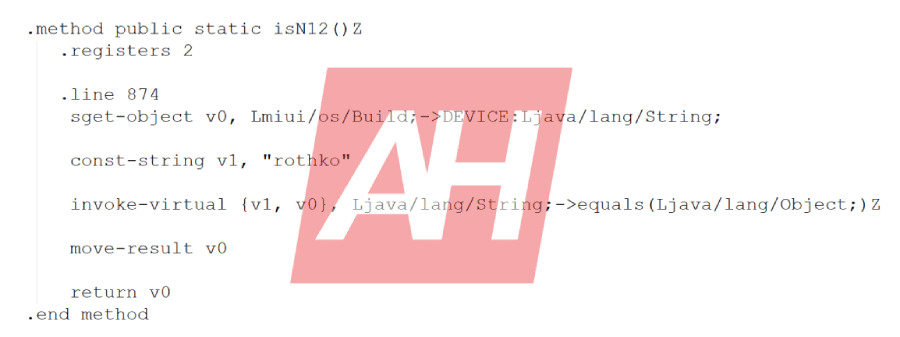
Interesting details about these devices were recently found in Xiaomi’s HyperOS code, as spotted by Android Headlines. Apparently, the Xiaomi 14T Pro might be a slightly upgraded version of the rumored Redmi K70 Ultra.
While both phones share a code name (“rothko”) and model number (“N12”), hinting at similar features, the report suggests the Xiaomi 14T Pro will have some improvements over the Redmi K70 Ultra.
The smartphone is said to have features like wireless charging and a telephoto camera with Leica lenses, which will allegedly be missing from the Redmi K70 Ultra.
Moreover, the Xiaomi 14T Pro will likely be powered by the Dimensity 9300 processor. The phone is expected to launch globally with model numbers “2407FPN8EG” and “2407FPN8ER,” with availability in various regions. However, a launch in India appears unlikely, as per the report.
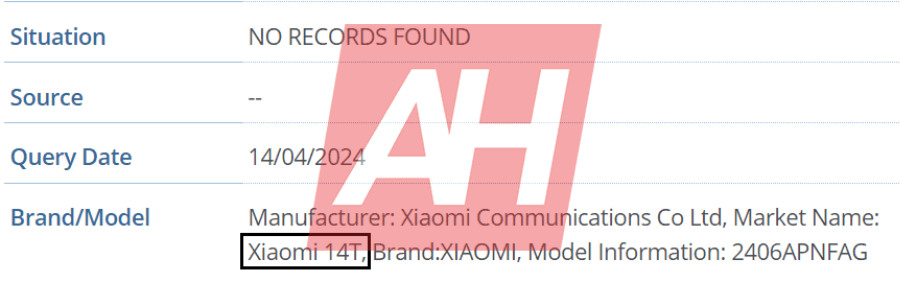
The standard Xiaomi 14T is reportedly codenamed “degas,” will also be available globally with model numbers “2406APNFAG” and “XIG06.” Similar to the Pro variant, it is expected to miss the Indian market.
While details about the processor remain unconfirmed, speculations suggest it might retain Dimensity 8200 Ultra from its predecessor, the Xiaomi 13T.
The Xiaomi T series typically differentiates the standard and Pro models with the processor. Both the 13T and 13T Pro shared similar cameras and battery capacities. The trend is follow suit with the 14T series.
The Redmi K70 Ultra is expected to launch in China in August. Therefore, it’s likely that the global launch of the Xiaomi 14T series will follow in September.
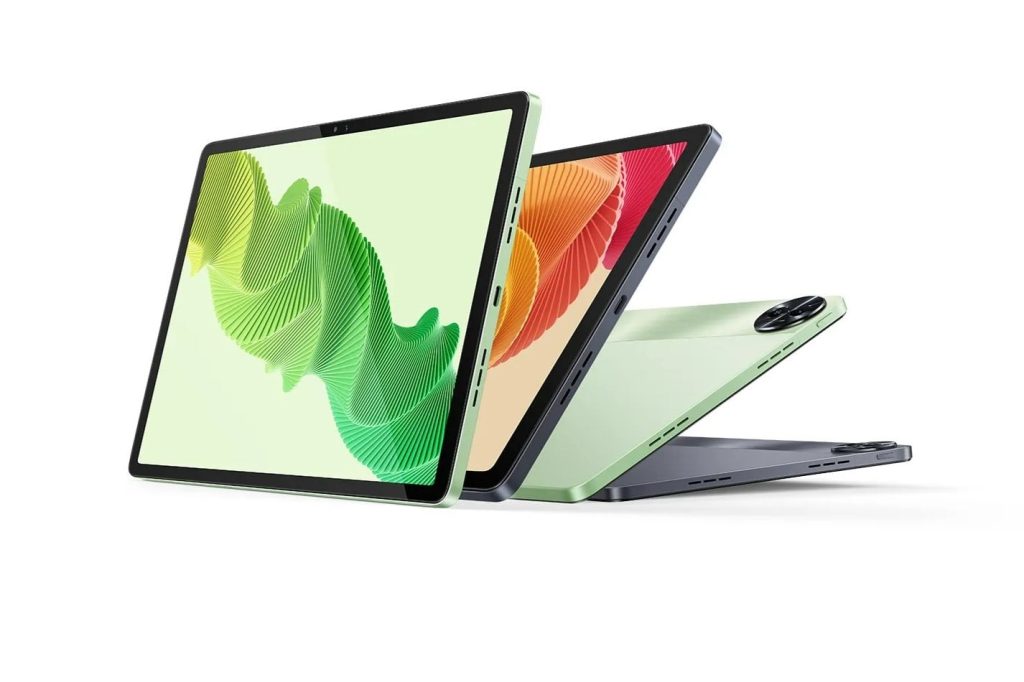
Realme just unveiled the Realme P1 series of smartphones in India with some impressive specs and an affordable price tag (check out our first impressions by clicking here). But these devices weren’t the only announcement as the company also released the Realme Pad 2 Wi-Fi only variant as well. So let’s check it out.
Realme Pad 2 Wi-Fi Pricing, Offers, & Availability
To recall, the Chinese brand launched the original Realme Pad 2 back in July 2023 with a starting price tag of 19,999 INR. Now, the Wi-Fi variant of this tablet has been announced for the Indian market. This device is listed for a lone 6GB + 128GB storage configuration and has an official price tag of 17,999 INR (roughly 216 US Dollars).
As a part of an introductory offer, the company is bringing a special limited time deal that lowers its price down to just 15,999 INR (roughly 192 US Dollars). In other words, users are getting an instant 2,000 INR discount. The Realme Pad 2 Wi-Fi will officially go on sale starting from April 19 via the brand’s official website and Flipkart.
Realme Pad 2 Wi-Fi Specs
Under the hood, the Realme Pad 2 Wi-Fi only is equipped with the MediaTek Helio G99 SoC. A massive 8,360mAh battery pack powers this device, which supports 33W wired fast charging. On the front, the tablet sports a tall 11.52-inch TFT LCD panel that offers 2K resolution and a 120Hz refresh rate. For photography, the tablet features an 8-megapixel camera on the back, while the front houses a 5-megapixel selfie shooter. This device runs on the Android 13 OS based Realme UI 4.0 custom skin out of the box. Other notable features include Wi-Fi 5, Bluetooth 5.2, and a USB Type-C port.
Realme P1 5G and the Realme P1 Pro 5G have gone official in India today. These are Realme’s first P-series smartphones designed to offer performance-oriented devices within the mid-range category in the country. The Realme P1 5G, which carries a sub-Rs 15,000 price tag, has several key selling points, such as a 120Hz AMOLED display, a big battery with 45W fast charging, a 50-megapixel dual camera system, the latest version of Android 14, ample storage of up to 256 GB, dual speakers, and a few more. Here’s a look at my first impressions of the Realme P1 5G.
Realme P1 5G design
Realme P1 5G
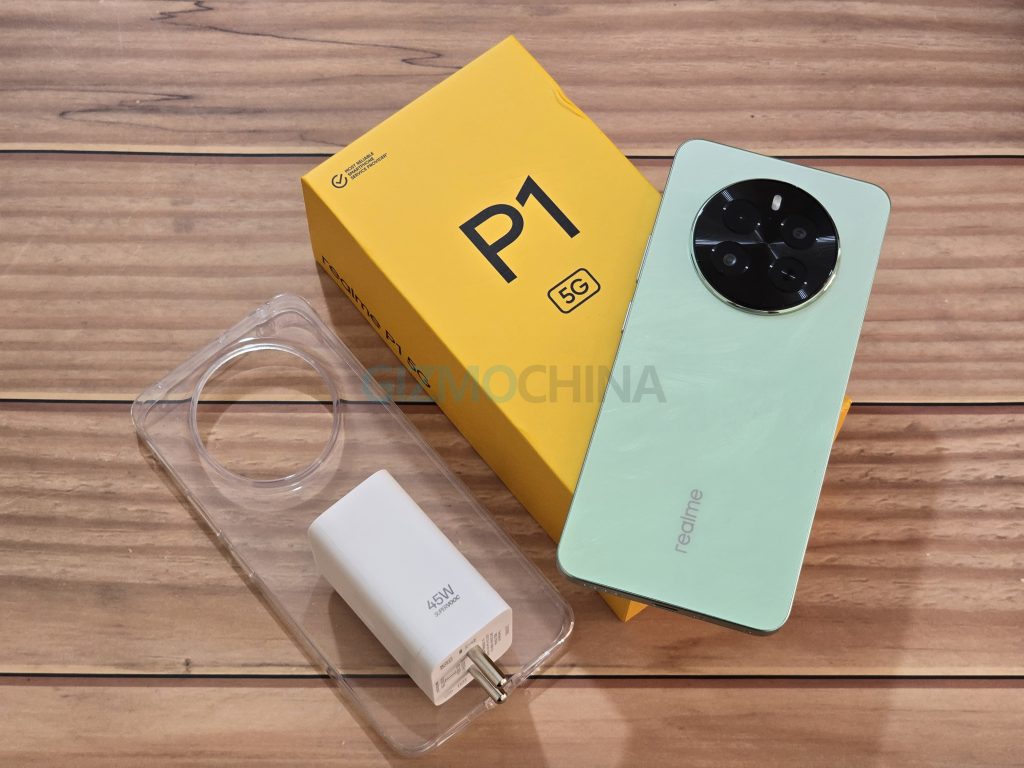
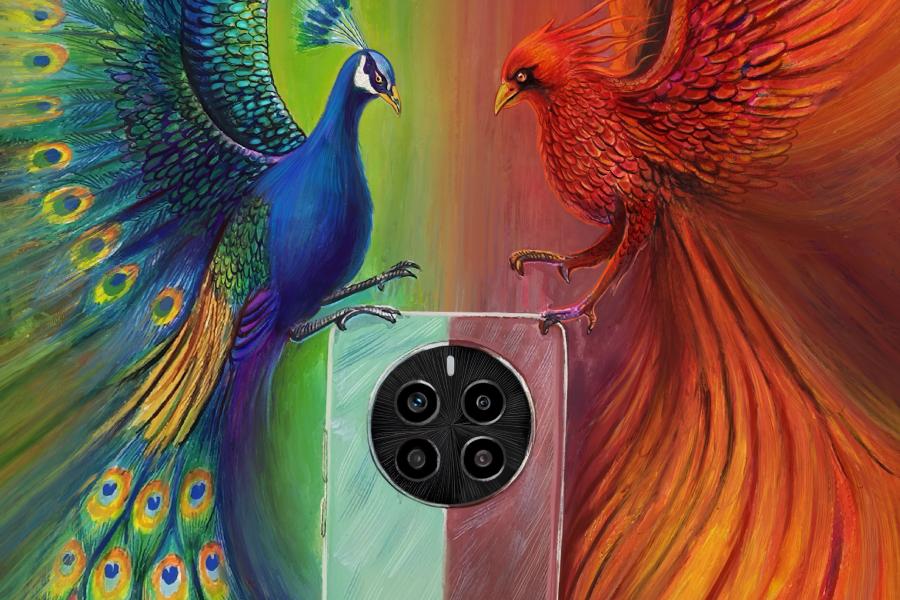
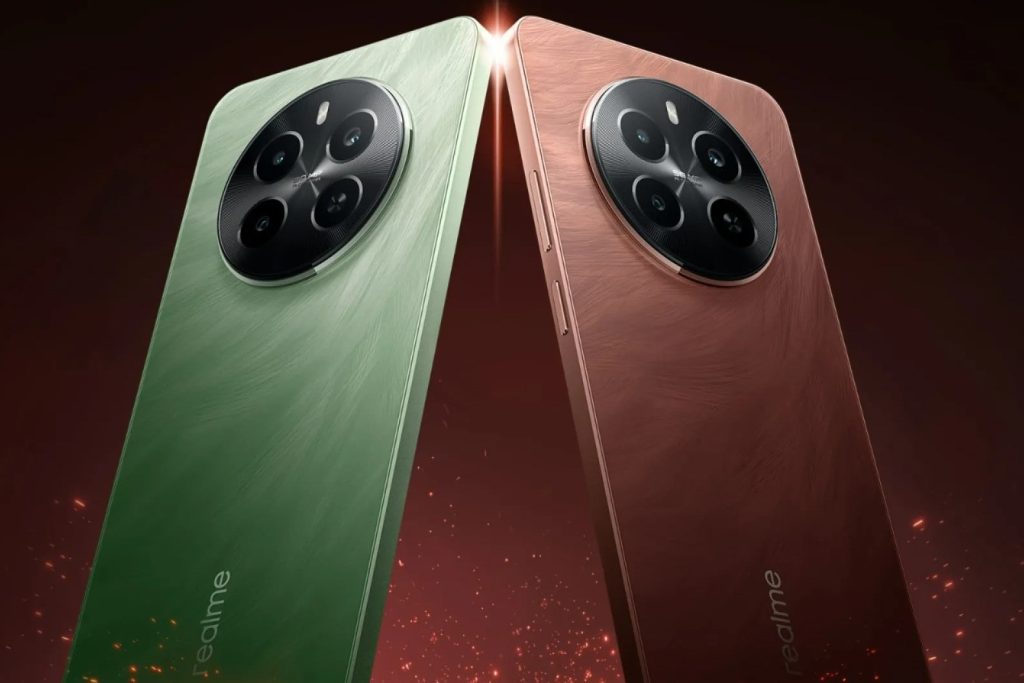
The Realme P1 5G’s retail box includes the following items: a handset, a 45W charger, a USB-A to USB-C data cable, a SIM ejector PIN, a Safety Guide, a Quick Guide, and a protective case. The phone comes in two shades, Peacock Green and Phoenix Red. As you can see, I received the green edition of the device for review.
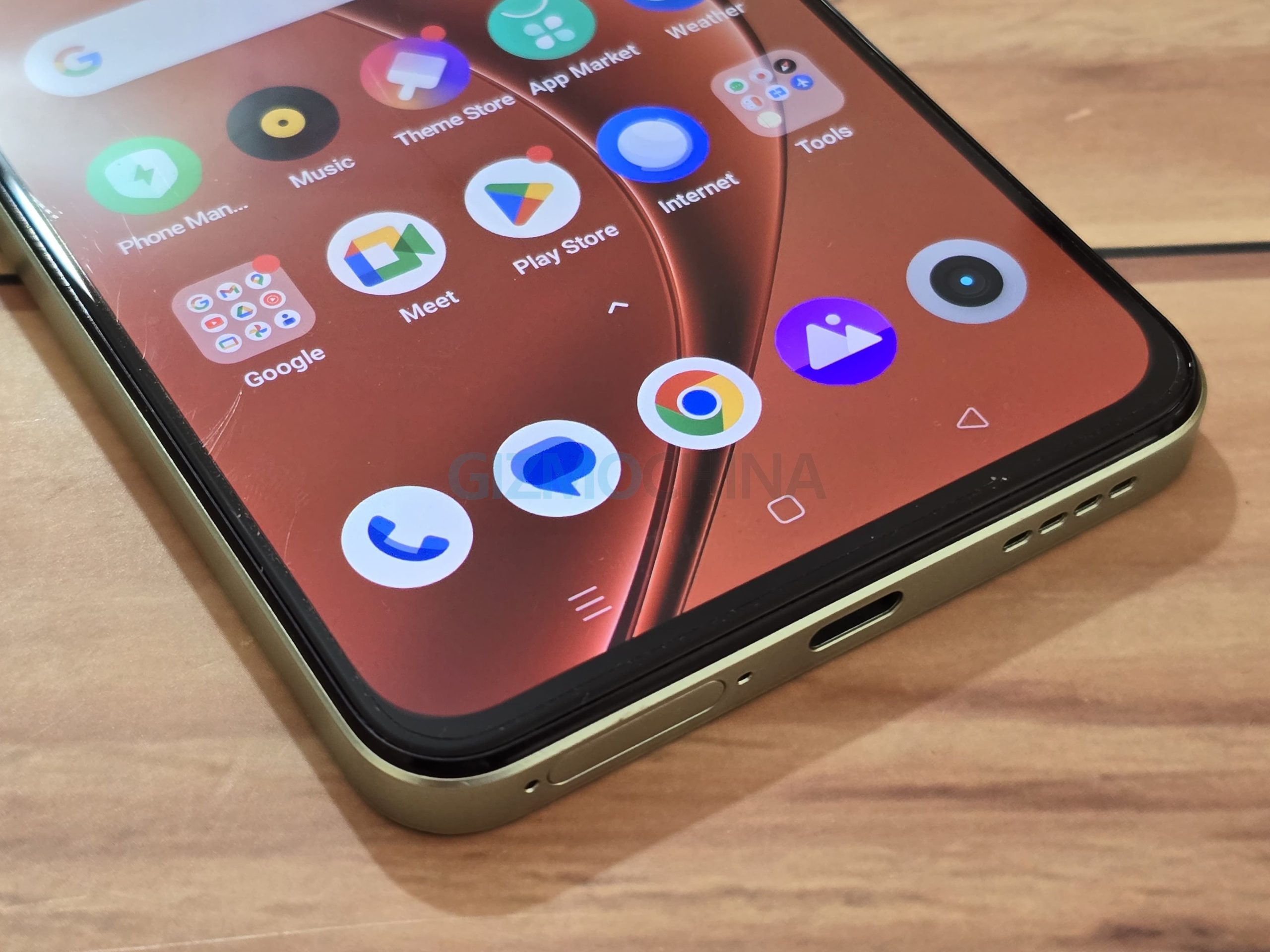
Starting from the top, the Realme P1 5G features a 3.5mm audio jack, a speaker hole, and a microphone. The phone’s top bezel houses the earpiece, which also functions as a speaker. On the bottom edge, there is a SIM slot, a microphone, a USB-C port, and a speaker. Its right edge has a volume rocker and a power key, whereas its left edge is barren.
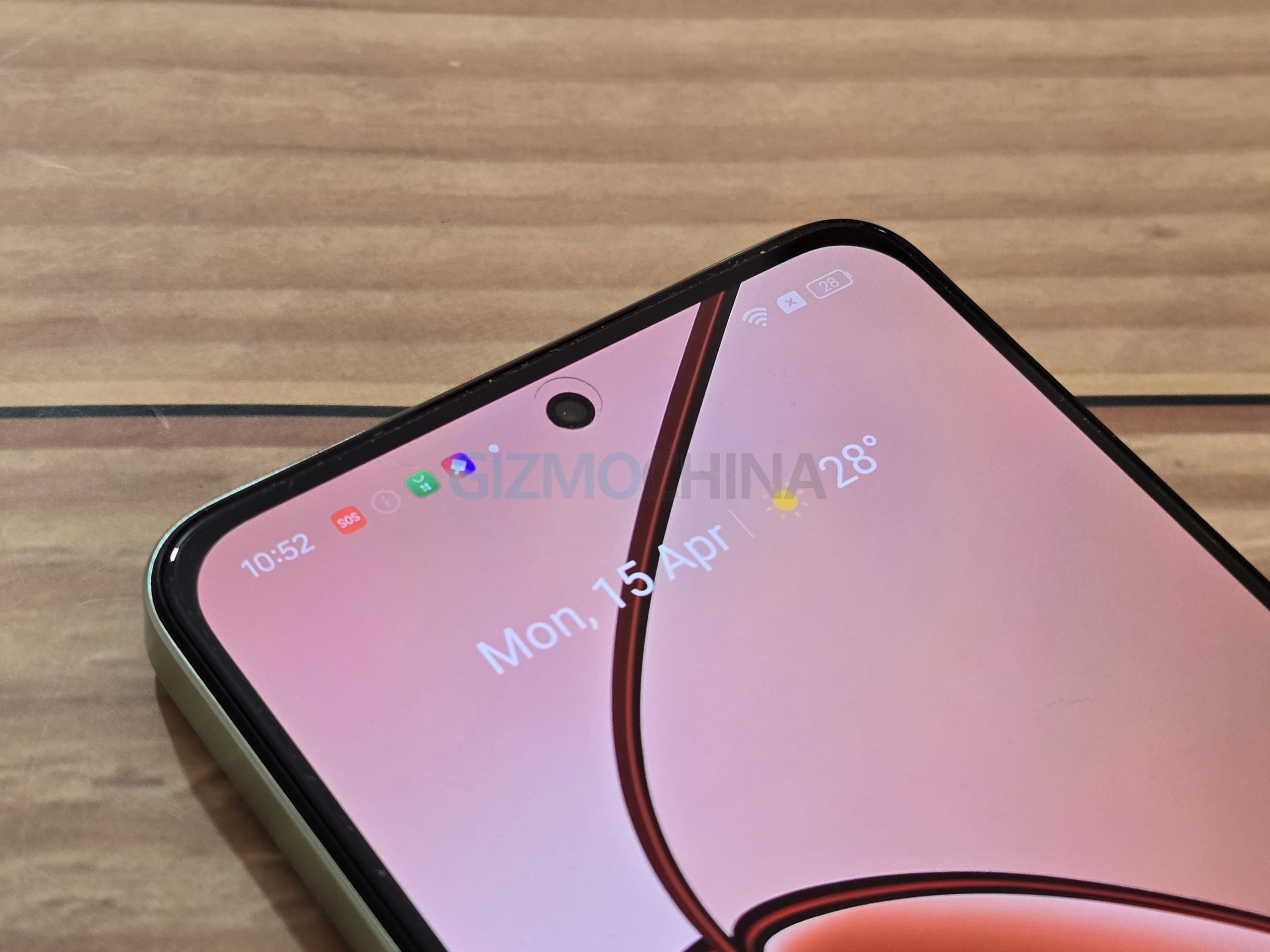
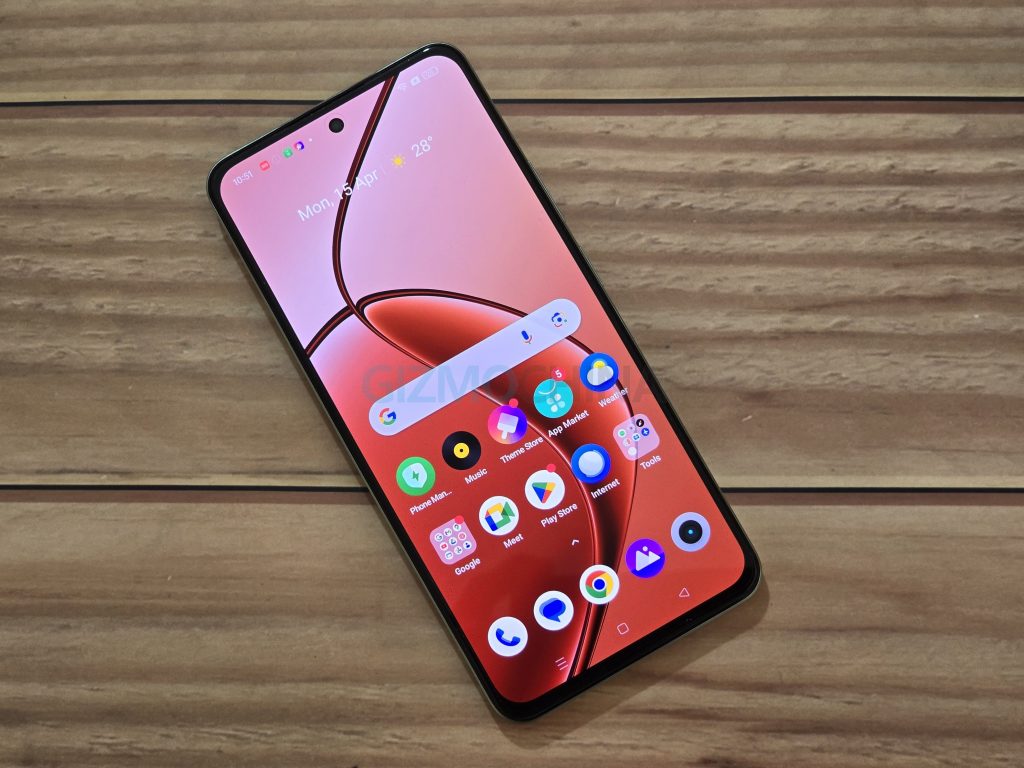
The AMOLED display on the front comes integrated with a fingerprint scanner. The side bezels are thin, but the bottom bezel is a bit thick, as can be seen in the above images. It measures 7.97mm in thickness and weighs only 188 grams. In addition, the device offers IP54-rated dust and water resistance.
Realme P1 5G
Realme P1 5GRealme P1 5G
I haven’t seen the red variant yet, but what I can conclude about the green variant with a gradient feathery design on the back is that it is truly attractive for a phone priced under Rs 15,000. Also, it does not leave any fingerprint marks.
Realme P1 5G specifications and features
The 6.67-inch AMOLED display of the Realme P1 5G is the immediate star of the show. It supports a 120Hz refresh rate, a 100 percent DCI-P3 color gamut, and a maximum brightness of 2,000 nits. It is the first phone in its segment to support rainwater smart touch, making the screen usable with wet fingers. The dual speakers produce equally balanced output and are quite loud and clear. In addition, the device comes with support for Hi-Res Audio.
Realme P1 5G
Under the hood, the Realme P1 5G features the Dimensity 7050 chip. Realme has previously used the same chip to power the Realme Narzo 70 Pro 5G, Realme 12+ 5G, Realme 11 Pro series, and Narzo 60 Pro. It is good to see that the brand is offering UFS 3.1 on a mid-range device. The phone ships with up to 8 GB of LPDDR4x RAM and up to 256 GB of built-in storage. In addition, the device offers up to 8 GB of virtual RAM.
The Realme P1 5G seems to be the only phone in its price segment to feature a big 6K VC cooling unit comprising a 4356.52mm2 stainless-steel vapor chamber and a 10231mm2 graphite sheet for heat dissipation. I have spent less time gaming on the device. From my usage, I didn’t encounter any abnormal heating and it seems to be good enough for casual gaming.
Realme P1 5G
The Realme P1 5G arrives with the Realme UI 5-based Android 14. As expected, the brand is offering two years of Android OS upgrades and three years of security updates. It appears Realme aims to offer a 45W charger on its mid-range phones with 5,000mAh battery. The Realme 12x 5G, which debuted recently, came with a 5,000mAh battery and a 45W SuperVOOC charger. The same combination is available on the Realme P1 5G. According to the brand, the phone can go from 0 percent to 50 percent in just 28 minutes.
On the front, the Realme P1 5G has a 16-megapixel camera, and it has a 50-megapixel (main) + 2-megapixel (mono) dual-camera system on the back. The device offers a plethora of photography modes, such as Night Mode, Street Mode, Photograph Mode, Portrait Mode, Professional Mode, Panorama Mode, Long Exposure Photo, Text Scanner, Super Group Portrait, and Tilt Shift. Additionally, it includes various video recording modes, such as Dual-View Video, Film Mode, Tilt Shift, Slow Motion, Timelapse, and Video Mode.
Realme P1 5G has arrived in India in two options, such as:
8GB RAM + 256GB storage: Rs 15,999 (~$190)
8GB RAM + 256GB storage: Rs 18,999 (~$230)
Colors: Peacock Green and Phoenix Red
Early bird sale: 6pm to 8pm today (April 15) via Flipkart and Realme India’s website
Offer: Those who partake in the early bird sale can benefit from up to Rs 2,000 off via ICICI, HDFC, and SBI cards.
Final Thoughts:
Apart from decent performance, the Realme P1 5G offers a lot more, such as a 120Hz AMOLED display with rainwater smart touch support, an in-screen fingerprint scanner, a decent heat dissipation unit, UFS 3.1 storage, 45W fast charging support, and the latest Android version inside a Rs 15,000-priced phone. Now, I have my reservations about cameras on phones of this budget, so I’ll be putting those to the test in the coming weeks. But initially, the Realme P1 5G seems well-positioned to take a spot amongst the best mid-range phones you can currently get.
Disclaimer: All of the opinions in this Realme P1 5G first impressions post are mine and based on my own experiences. There has been no editorial input from Realme.
Realme has officially unveiled its highly anticipated P1 series of smartphones in India. The lineup consists of the Realme P1 and the Realme P1 Pro that offer top notch specs and features despite having a budget price tag. So here’s everything you need to know about these devices.
Realme P1 & P1 Pro: Design & Display
The brand has announced the new devices with an attractive design. These models have an ultra slim body that is paired with a lightweight design. The Realme P1 measures just 7.91mm in thickness and weighs 188 grams, while the Realme P1 Pro weighs 184 grams and measures 8.35mm in thickness. The latest smartphones feature a design inspired by “Bird Culture”, showcasing a lustrous design that gleams in the sunlight. It comes with the Micro-Crystal Sparrow Feature Texture and a large circular 3D LDI texture design on both phones.
For protection, the base model comes with an IP54 rating against water and dust resistance, while the Pro variant features a higher IP65 resistance rating. On the front, the Realme P1 sports a 6.67-inch flat AMOLED display that offers a 120Hz refresh rate, Full HD+ resolution, 100 percent P3 color gamut, 240Hz touch sampling rate, and 2000 nits of peak brightness. Meanwhile, the Realme P1 Pro sports a taller 6.7-inch curved AMOLED panel that offers a 120Hz refresh rate, 240Hz touch sampling rate, 950 nits of maximum brightness, and Full HD+ resolution. The lineup supports the brand’s Rainwater Smart Touch feature as well.
Specs & Camera
Under the hood, the base model is equipped with the MediaTek Dimensity 7050 SoC which is paired up to 8GB of RAM and up to 256GB of internal storage. On the other hand, the Pro variant comes with the Qualcomm Snapdragon 6 Gen 1 chipset that is also paired with the same storage configuration. Both models are powered by a 5,000mAh battery pack, which supports 45W wired fast charging. A vapor chamber heat dissipation system on the Realme P1 and a 3D VC cooling system on the Realme P1 Pro cools the hardware.
The devices run on the Android 14 OS based Realme UI 5.0 custom skin out of the box. Other notable features include Wi-Fi 6, 5G, USB-C port, Bluetooth 5.2, a 3.5mm headphone jack (only on the Realme P1), an in-display fingerprint scanner, Hi-Res dual speakers, and virtual RAM expansion of up to 8GB.
The Realme P1 features a 50-megapixel Samsung JN1 camera and a 2-megapixel B&W sensor on the rear, while the front houses a 16-megapixel selfie shooter. Realme’s P1 Pro has a 50-megapixel Sony LYT-600 camera that supports OIS (Optical Image Stabilization) along with an 8-megapixel ultra wide angle lens. For selfies and video calls, it offers a 16-megapixel selfie shooter.
Pricing, Offers, & Availability
Realme has announced the P1 series for color options that include Peacock Green and Phoenix Red for the base version and Phoenix Red and Parrot Blue for the Pro model. So here is the pricing:
Realme P1
6GB + 128GB – 15,999 INR (roughly 192 US Dollars)
8GB + 256GB – 18,999 INR (roughly 228 US Dollars)
Realme P1 Pro
8GB + 128GB – 21,999 INR (roughly 264 US Dollars)
8GB + 256GB – 22,999 INR (roughly 275 US Dollars)
Early bird sales of the Realme P1 kicks off today (15th April 2024) between 6 PM and 8 PM IST. Buyers can get an instant 1,000 INR discount on the 6GB variant, while the 8GB version gets a 2,000 INR discount via the brand’s official website and Flipkart. First sale of the Realme P1 Pro is set to go live on 30th April 2024 at 12 PM IST. Customers will get a 2,000 INR discount with HDFC, SBI, and ICICI cards on Realme’s website and Flipkart.
We use cookies on our website to give you the most relevant experience by remembering your preferences and repeat visits. By clicking “Accept”, you consent to the use of ALL the cookies.
This website uses cookies to improve your experience while you navigate through the website. Out of these, the cookies that are categorized as necessary are stored on your browser as they are essential for the working of basic functionalities of the website. We also use third-party cookies that help us analyze and understand how you use this website. These cookies will be stored in your browser only with your consent. You also have the option to opt-out of these cookies. But opting out of some of these cookies may affect your browsing experience.
Necessary cookies are absolutely essential for the website to function properly. This category only includes cookies that ensures basic functionalities and security features of the website. These cookies do not store any personal information.
Any cookies that may not be particularly necessary for the website to function and is used specifically to collect user personal data via analytics, ads, other embedded contents are termed as non-necessary cookies. It is mandatory to procure user consent prior to running these cookies on your website.