After the recent launch of the Oppo Reno 12 series in the Chinese market, the brand has now confirmed that the series will also be launching globally in the coming weeks. While specifications of the global model of these devices have not been confirmed, reports have claimed that the Reno 12 5G and the Reno 12 Pro 5G will both feature the recently announced Dimensity 7300 SoC.
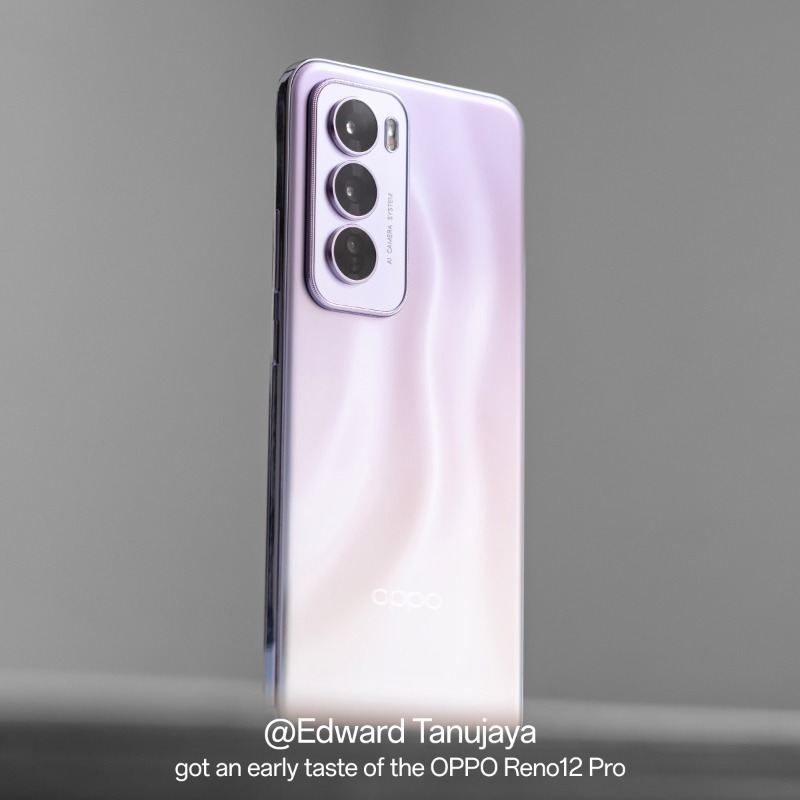
OPPO Reno 12 series
In addition to that, tipster Paras Guglani has revealed the color options, storage configuration, and pricing details of the global Reno 12 series smartphones. As per a tweet shared on X by Guglani, the Oppo Reno 12 5G global model will come in Black Brown and Astro Silver, while the Reno 12 Pro 5G will be available in Nebula Silver and Nebula Black colors. The Reno 12 will be available with 12GB RAM and 256GB storage, whereas the Pro model will come with 12GB RAM and up to 512GB storage.
OPPO Reno 12 ProOPPO Reno 12 Pro
Coming to the pricing, the tweet claims that the Reno 12 5G will cost €457.83 in the Eurozone, while the Reno 12 Pro 5G will cost €549.40.
Taking a look at the reports so far, the global Reno 12 series smartphones are rumored to feature the new Dimensity 7300 SoC, which is the successor of the Dimensity 7050 chipset. It provides a 20% bump in performance with around 20% reduced power consumption.
As for the camera specifications, we are skeptical about the leaked details. The report claims that the Reno 12 Pro will feature a 50 MP LYT-600 primary camera, while the Reno 12 5G global model will come with a 50 MP + 8 MP + 2 MP camera setup which will not include a telephoto camera. Considering that the Reno 11 5G global model includes a 32 MP telephoto camera, it is highly unlikely that the brand will release its successor with inferior camera hardware.
The 2024 Guangdong-Hong Kong-Macao Greater Bay Area International Auto Show was opened in South China’s Shenzhen on June 1-9. Gizmochina went there for a visit. If you want to know more about Chinese electric cars, read until the end to see all of them!
BYD
First up, let’s see what BYD has in its lineup. If you know BYD, you know they have many cars ranging from high-end ones to more price-friendly ones, also buses for commercial use. So this time, there are the Yangwang U8, U9 at one big booth, these two are truly luxurious, not just about the appearance, the power and components inside are also beastly. One thing that’s also very unique about it is that, there is a DJI drone kit made just for the U8, the drone can do everything automatically, once you set it all up on the screen in the car. The U9 as an electric supercar, has a lot of tricks in its sleeves. Some simple facts about it, there are four motors built-in, and the suspension has a special structure that allows the car to respond to potholes really quickly, almost like it can jump over them really fast. And the sensors on top of the front glass will smartly monitor the road ahead, to make sure the suspensions are ready for a quick move. So this is a supercar that is not just built for tracks, but also daily driving.
Now moving up to these more conventional sedans or SUVs. Just several days ago, many people did range tests on the new BYD Qin L-DMi, they all topped the EV range test by finishing at around 2500KM/1500Miles, with one full charge and full tank of gasoline, of course the speed was not that high, but still it’s a record. I think nobody can resist a car with such a range and low cost, isn’t it? Unfortunately, we didn’t manage to take a shoot on that one, but we did take some photos of these two, the Dolphin and Seal. These two are actually the star models overseas, they have been running on the roads in many countries already, such as Asian countries like Thailand, many EU countries, Pacific islands, and South American countries, you should definitely check them out later.
BYD also has a sub-brand called Fangchengbao, it is a brand that focuses on off-roading cars, and there is one called Fangchegnbao 5. As you can see, the appearance and build are all for outdoor driving, if you are interested, you can check out more details about it.
AITO ft. HUAWEI
The HarmonyOS from HUAWEI has been running on many car brands, AITO is the most famous one. The CEO of HUAWEI has shown his face in every AITO car release event, which really means that HUAWEI and AITO are in a very tight relationship. Several months ago, the AITO M9 was released, as a large SUV made for all types of use, it has achieved a sales record of 80k since. So what’s under the hood is the tech behind it, such as the HUAWEI ADS, HUAWEI SOUND, HUAWEI Intelligent Cabin, etc. Some other cars like the M7 and M5 are smaller cars, but basically not that different.
Anyway, unlike Apple which just abandoned the car project, HUAWEI has a more serious approach to the car business, they are quite dedicated to it, and they are moving fast. AITO is the perfect example, and more and more brands are on the way to doing so.
IM
Another brand named IM is also here. For the cars themselves, there are sedan and small SUV, such as the L6 and L7, the LS6 and LS7. The design language is quite unified, with soft lines and more vibrant colors. I think the cars will be more attractive to female users, you can also leave your opinions here.
NIO
NIO is one of the brands that started global sales early, they have gained a good reputation, and also achieved a good sales record in the EU. If you get up on the website, you will see that there are many languages to choose from, which means something. Personally, I think the cars all have really nice aesthetics, we are talking about the ET and ES series. They are all made with the signature front and back of the car, the lights. And there is one special thing about NIO, it is the only car brand that has a swapabble battery built-in, which means they can have infinite range, if there is enough battery station to support that of course, and they are making it happen right now. Funny story, the CEO has tried to have XIAOMI make cars with swappable batteries.
ZEEKR & GEELY
Now ZEEKR is a very interesting brand, it is a sub-brand of GEELY, and you may know that GEELY is the company that purchased VOLVO many years ago. As you might have guessed it, as a brand that is positioned to have an excellent driving experience, ZEEKR has the best chassis originating from VOLVO. The ZEEKR 007 as the best performer from this brand, is a real track beast, it ranked second as an EV on a famous Chinese track, just behind the ZEEKR 001. Speaking of ZEEKR 001, I have been in one, it was a speed demon, and it really scared the lunch out of me.
Although the driving experience is the highlight, and people always compare the ZEEKR 001 to the XIAOMI SU7, because they are positioned almost the same. BUT the operation system, I mean the smart features and stuff, it is not the best, but they are working on it though, we will see.
And for GEELY, it is a car company with a long history, their cars I would say are not that high-end, but reliability and affordability are still its tags, and VOLVO’s tech helped a lot, let’s just put it that way.
Li AUTO
As a car brand created by a middle-aged aged, who worked in the car media industry man, it carries that gene in the cars. The L7 8 9 are all made for a whole family, they are not made with harsh lines, and color choices are safe also. But the interior is just splendid, yes that’s the word for them, you have excellent screens and speakers, big screens, sofa-like seats, and a fridge. Funny, right? And that’s how the Chinese see them. These models are also selling globally, you can check them out later. There were a lot of car influencers driving these cars to Thailand, Alaska, and some really remote places in China, so they have been through the most serious tests, certainly very reliable and comfortable.
The new one, MEGA, has received a lot of comments, good and bad, since its debut. It is shaped like a bullet train if you can tell, and it is also a very good choice for traveling or business use.
Hyper & AION
A few days ago, we posted a short video sharing our thoughts on Hyper recruiting former Tesla Supercharger team members, it is a really smart move and they are moving quickly. As you can see, the cars in its lineup are more flashy, and can be very attractive to many people. So if they make it to land in the USA and EU successfully, it will be about the cars and the supercharging stations.
So behind this brand, is AION as its mother company. AION is more of a brand that makes commercial use cars, we see a lot of the cars running on the road as taxis. The cars are not the best-looking ones, but they have excellent room inside, and a really good range packed.
Other Brands
It’s a pity that XIAOMI is not here this time, but I mean they have only one car so far, and the heat is still there, they don’t need to make a presence here. But Leijun did show up on the first day, joining hands with the CEO of HUAWEI, quite a harmonious picture, isn’t it?
You may also want to see some traditional car brands, right? So Volkswagen, BUICK, Mercedes-Benz, showed up with some old models, and some new EVs. And to be honest, they are far less interesting than other innovative electric cars.
And there are actually many brands that are selling cars globally, and we wouldn’t be able to show all of them here. Also with so many people around every car during the show, we can’t get in them to show you every detail, sorry about that.
While rumors about the upcoming Redmi K80 series are gaining momentum recently, the company has yet to launch a device in the K70 series called the Redmi K70 Ultra. It seems the launch might be approaching since we have spotted the phone in the GSMA’s IMEI database.
The listing confirms the phone bearing the model number 2407FRK8EC is Redmi K70 Ultra. The “C” at the end of the model number suggests that it’s a Chinese variant, and like its predecessor, Redmi might not launch this phone globally.
Redmi K70 Ultra IMEI Database
Instead, we expect it to debut as a rebranded Xiaomi 14T Pro, which also recently appeared in the IMEI database. As usual, the IMEI listing doesn’t reveal any specs. Fortunately, there have been leaks revealing its specs. Here’s what we know so far:
The phone is rumored to be powered by the MediaTek Dimensity 9300+ chipset and a 5500mAh battery. According to 3C, it will support 120W wired fast charging. Memory options are expected to include up to 24GB of LPDDR5X RAM and 1TB of UFS 4.0 storage.
The K70 Ultra is also rumored to have a premium build with metallic frames and a glass back. The rear is likely to feature a 50-megapixel primary camera, an ultra-wide-angle lens, and a macro shooter.
The front will house a 1.5K OLED screen that may be paired with a dedicated dual-core display chip. Additionally, the K70 Ultra is expected to offer dust and water resistance for protection against accidental damage or environmental factors.
As for the launch, rumors so far suggest that Redmi may launch the K70 Ultra this month or in July. We are waiting for Xiaomi to make an official announcement regarding the Redmi K70 Ultra soon.
These days, smartphone brands focus on highlighting their devices’ AI-driven features. Realme recently confirmed that the Realme GT 6, which is scheduled to launch on June 20, will have some AI features, such as AI Smart Loop, AI Smart Removal, and AI Night Vision. The Poco F6, which debuted last month with the same Snapdragon 8s Gen 3 chip as the GT 6, is no slouch when it comes to offering AI-driven features. Here is a look at the different AI features available on the F6 for enhancing the gaming and photography experience.
Poco F6 and its AI-driven features
Poco F6
The Poco F6 is Poco’s first phone to support AI Gesture Control, which offers a hands-free entertainment experience. This feature allows users to control content without touching the screen, using air gestures to navigate apps like Netflix. Upcoming OTA updates promise to expand the functionality further.
Poco F6’s Wildboost 3.0 mode leverages AI to enhance gaming sessions. It assists in reducing lag and optimizing graphics. The device’s AI network and connectivity enhancements optimize network performance by reducing latency, speeding up downloads, and ensuring quick recovery from network disruptions. These improvements are crucial for maintaining a smooth online experience, even while gaming.
For photography enthusiasts, the AI Image Expansion feature seamlessly expands the background of images, improving composition and framing without requiring extensive manual editing. AI Eraser Pro is onboard, which further enhances photo editing by detecting and erasing unwanted elements from images, filling in gaps with matching background details. The AI Bokeh feature brings a professional touch to portrait photography, creating a pleasing background blur that highlights the subject. It can also apply this effect to existing images in the gallery.
The Poco F6 is also equipped with the AI Noise Cancellation feature. As expected, it filters out ambient noise, ensuring clear voice calls, recordings, and media playback. This feature is particularly useful in noisy environments, making conversations and media consumption more enjoyable. Readers can visit this post to learn more about the specifications, features, variants, and price of the F6.
We’ve been hearing rumors about a new addition to Samsung’s foldable line, but the name—whether it will be Galaxy Z Fold 6 Slim or Ultra— is still unclear. A usually reliable leaker Ice Universe seems to have shed some light on the matter.
The tipster revealed on Weibo that Samsung is working on a Galaxy Z Fold 6 Slim and not an “Ultra” variant. The Weibo post simply translates to “It’s not called Ultra because it’s not Ultra, it’s just thin.” This suggests the Fold 6 Slim won’t boast upgraded specs compared to the standard Fold 6. Instead, it appears to be a thinner version focused solely on portability.
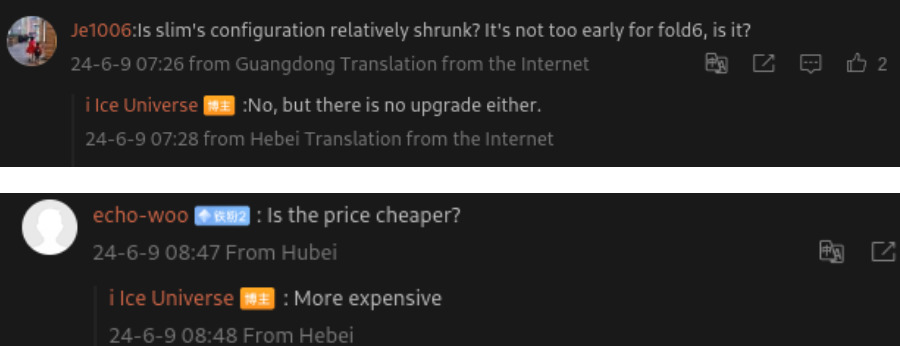
Ice Universe corroborated this while responding to a user’s comment about the Slim’s configuration. The tipster clarified that there won’t be a downgrade, but there won’t be any upgrades either.
The trade-off for a slimmer design appears to be S Pen support. Ice Universe confirmed while replying to another user’s comment that Fold 6 Slim won’t work with the S Pen. Apparently, Samsung is making the foldable thinner by ditching the digitizer needed for pen input, which means no S Pen for this model.
Perhaps most surprisingly, even without any upgrades or the S Pen support, Ice Universe suggest the Fold 6 Slim will be priced higher than the standard Fold 6.
Samsung has yet to officially confirm the Galaxy Z Fold 6 or Flip 6, but these devices are likely to be launched at the Unpacked event rumored for July 10.
According to a previous report, the Fold 6 Slim will not be part of this launch event. Instead, Samsung is planning to launch the slimmer Z Fold 6 alongside the Galaxy S25 series in early 2025. The rumored Galaxy Z Fold 6 FE and Z Flip 6 FE are also in the working that will target a more affordable foldable market.
Last month, Oppo unveiled the Reno 12 and 12 Pro, equipped with the Dimensity 8250 and Dimensity 9200+ chipsets, respectively. The brand recently confirmed that it will unveil the Reno 12 series globally later this month. Finally, the brand has released the first teasers of the Reno 12 lineup for the global market. Here is a look at the design of the next-generation Reno phones.
Oppo Reno 12 series teased
OPPO Reno 12 series
Oppo Europe and Global’s X handles have begun to tease the Reno 12 series. The official community platform is running a contest to choose a product ambassador for the Reno 12 series. The brand is accepting applications until June 30. This suggests that the global launch is likely on this date or sometime after this date. However, since the brand has not officially confirmed the launch date, it is advisable to wait for the official announcement.
To recall, the Reno 11 and 11 Pro were announced at the beginning of this year. Both came equipped with a front curved-edge display. The back panel of both phones featured a vertical pill-shaped camera module that housed three cameras and an LED flash. Although the front design of the Reno 12 series remains undisclosed, its rear camera module appears less prominent than those of previous generations. In fact, it looks a bit similar to the camera module of the Reno 6 series, which debuted back in July 2021.
Shown above are some of the official images of the Reno 12 Pro. The Reno 12 Pro features a rectangular camera module that houses three cameras and an LED flash. The official images also indicate that the 12 Pro will come with dual speakers and an IR blaster. It appears that the brand will offer some AI-driven features, such as AI Portrait and AI LinkBoost, on the Reno 12 lineup.
Oppo is yet to disclose the key specifications of the Reno 12 and 12 Pro. Reports suggest that both phones could feature the recently announced Dimensity 7300 chipset. Hopefully, the company will reveal more details about the Reno 12 duo later this week.
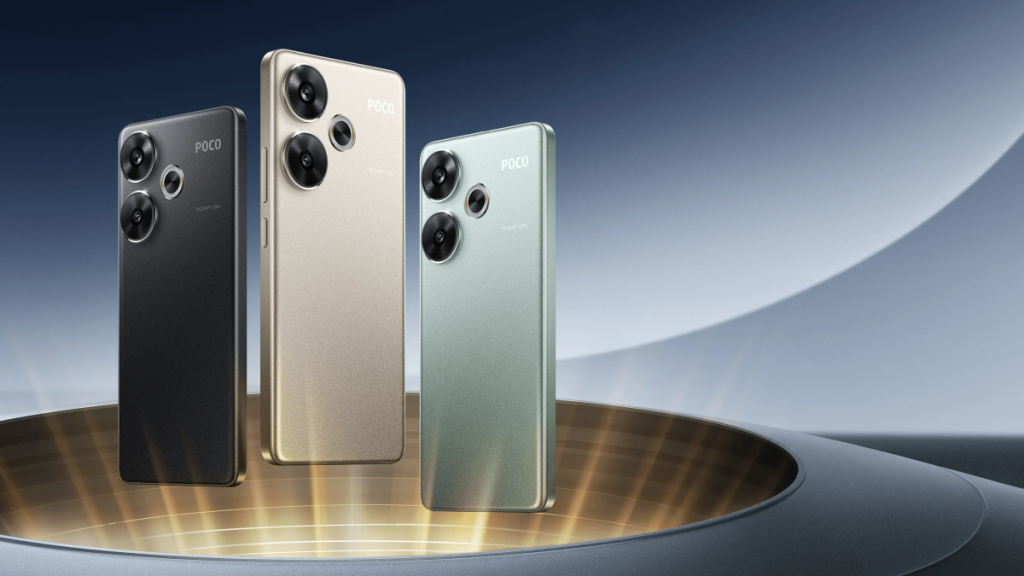
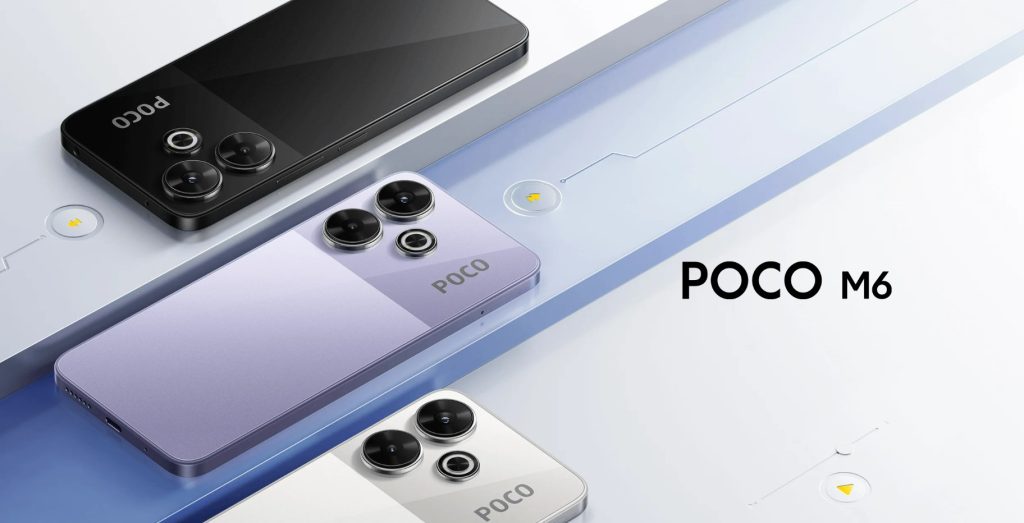
Poco has silently listed the M6 on its global website, revealing all its specifications and features. In addition, the brand recently released an X post to confirm the prices of the Poco M6’s two variants. Here is a look at what’s packed inside the M6.
Poco M6 specifications and features
Poco M6
Starting from the front, the Poco M6 features a 6.79-inch IPS LCD panel that offers an FHD+ resolution, a 20.5:9 aspect ratio, up to 550 nits of brightness, and DC dimming. The display punch-hole houses a 13-megapixel camera for selfies and video calls.
The Poco M6 has a premium look thanks to its glass back. The rear panel houses a 108-megapixel main camera and a 2-megapixel macro camera. The device runs Android 14, with a layer of HyperOS on top.
Under the hood, the Poco M6 has the Helio G91 Ultra chipset, up to 8 GB of LPDDR4x RAM, and up to 256 GB of eMMC 5.1 storage. It packs a 5,030mAh battery with 33W fast charging. For more storage, the device has a hybrid SIM slot for adding a microSD card.
Poco M6
The Poco M6 features a side-facing fingerprint sensor for security. The device offers other features, such as dual SIM, 4G VoLTE, Wi-Fi, Bluetooth 5.4, NFC, a 3.5mm audio jack, and a USB-C. Lastly, the device measures 168.6 x 76.28 x 8.3mm and weighs 205 grams. This device is nothing but a rebranded version of the Redmi 13 4G, which debuted in the previous week.
Poco M6 price
The Poco M6 comes in two options, such as 6 GB RAM + 128 GB storage and 8 GB RAM + 256 GB storage. The prices for these variants are $129 and $149, respectively. It comes in three shades, such as Black, Silver, and Purple.
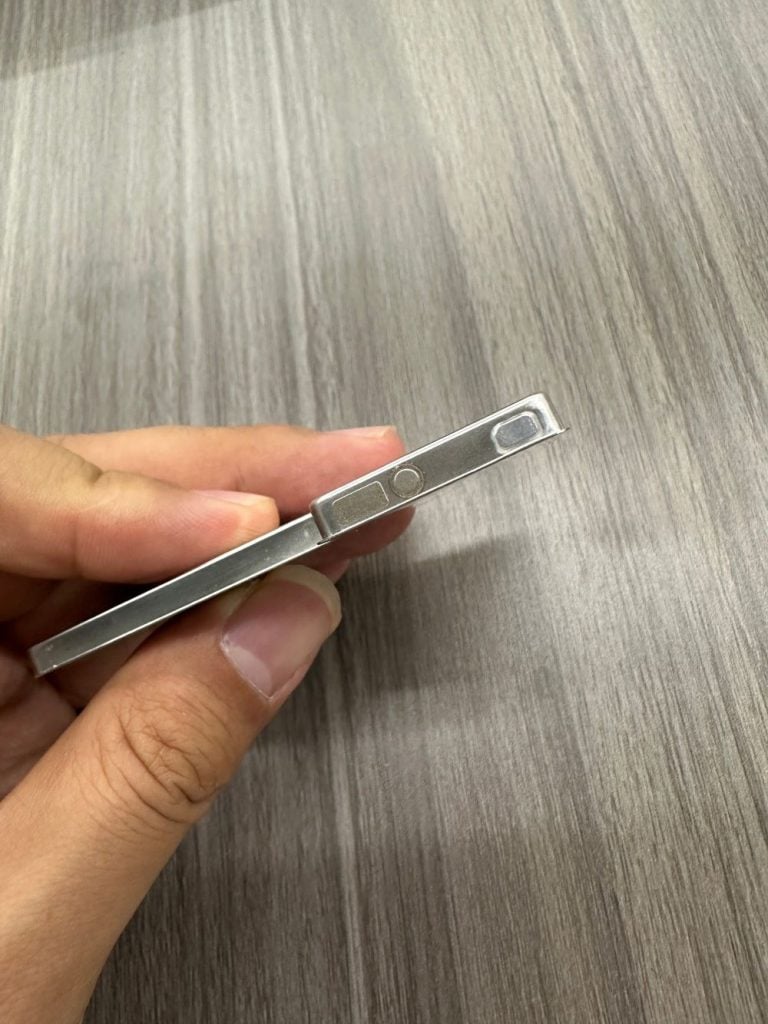
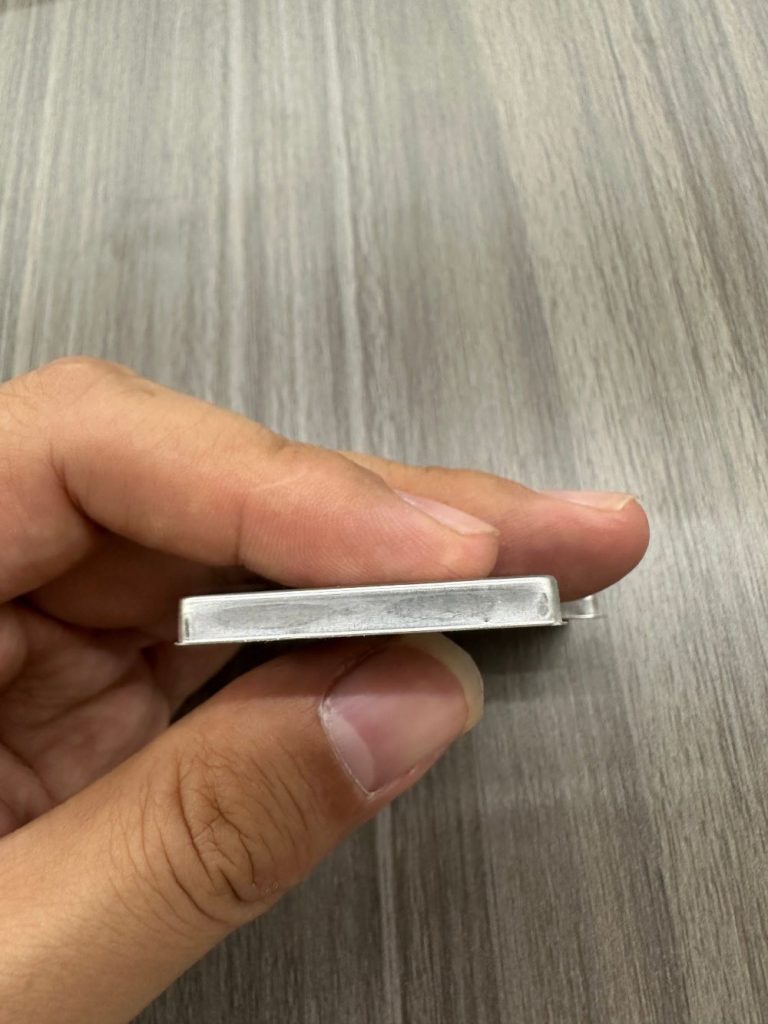
Tipster Majin Bu on X has shared some images of the iPhone 16‘s battery pack. Surprisingly, the battery comes with a metal casing instead of the soft foil packaging. Although initially it seems like dummy units, upon a closer inspection it appears to be an actual battery, with an extra metal casing on top of the plastic foil packaging.
The metal casing will reportedly improve the heat dissipation
The battery pack retains the familiar shape but packs a higher 3,597mAh capacity as compared to the iPhone 15’s 3349 mAh. The battery capacity is engraved on the metal surface.
While the exact reason behind Apple going back to the hard casing design is unknown, reports mention that it could be aimed at dissipating the heat from the battery quickly. The iPhone 15 series indeed suffered from overheating after the launch. While for most people the issue has also been solved with subsequent software updates, a further improvement in heat dissipation is expected with this change in the battery.
Inside the metal casing could be a different battery tech
The iPhone 13 Pro Max and 14 Pro Max weigh a staggering 240 grams, which is heavier than the book-style foldable Honor Magic V2 (231g). Last year Apple replaced the stainless steel middle frame with titanium. As a result, the iPhone 15 Pro Max became 19g lighter than its predecessor.
The extra metal casing for the battery will make the iPhone 16 heavier as compared to the 171g iPhone 15. The higher battery capacity should also add some weight to the device.
In addition to that, the use of a metal casing also takes up a significant portion of precious internal space, which was also one of the biggest reasons behind smartphone makers switching to the much thinner plastic foil packaging. The soft packaging is also safer as it allows the gas (if it forms due to an accident) to expand and easily exit the battery pack without risking the user’s life.
That being said, there could be a new battery tech inside that requires a hard casing but might not have a similar risk of explosion. It may also offer a higher energy density as otherwise, the phone will have to become thicker to house the 3597mAh metal-encased battery. For example, the vivo X Fold3 Pro houses a 5700mAh battery (the biggest battery in a foldable). The battery packs a relatively new Silicon carbide (Si/C) composite material.
If you’re looking to grab some security cameras for varied purposes, you should grab the Blink Mini Camera. The famous cameras are now retailing at a discount price of $30. It is over 40 percent cheaper compared to the usual retail price of $50.
Interested buyers can also grab the single piece with a 33% discount and the triple pack with a relative discount. However, Blink Mini is not the latest iteration, but it is capable of recording video at 1080p with WiFi connectivity. It can even alert users directly with motion detection, thanks to its ability to capture infrared signals.
The cameras support two-way audio, which can be quite useful in some scenarios. Further, the compatibility with Alexa makes the Blink cameras easily accessible across smart devices. However, the inserted buyers will get an Amazon Prime subscription with a free 30-day trial.
Moreover, Interested users can customize motion detection and set motion zones for instant alerts. To easily manage the cameras, there’s a dedicated Blink app that lets you watch, listen, and communicate. It can also be used as an indoor plug-in chime for Blink Video Doorbell.
Users can grab the Blink Mini in black and white color options.
Meizu 21 (our review) has received the Flyme 10.5.5.1A stable version. The update adds a couple of generative AI features including text generation and object removal. So let’s take a look.
The additions and improvements are as follows:
Aicy Voice:
Enables image generation from text description. You can describe your imagination in text and the phone will offer images based on that. This is no doubt a fast and easy way to bring your imagination to reality.
Object removal:
You can easily remove unwanted objects from an image by circling around it. AI will recognize the object, remove that, and generate what the contents in the area could look like. To use the feature you can go to Image Editing > AI Tools > Remove in the gallery app.
Bug fixes:
Fixed an issue where the media controls in the Control Center would not respond when clicked after resizing the display
The issue related to activating TalkBack is now fixed
Fixed the issue of being unable to use TikTok occasionally
Fixed the issue where the camera’s front camera would crash when activating gesture photography
Fixed the issue where contacts and call logs were not displayed when entering the phone
Fixed the issue related to sharing images using Aicy screen recognition, where previously an error message ‘failed to obtain resources’ used to appear.
Fixed an issue in Calendar
The issue related to changing the wallpaper has also been fixed
The Meizu 20 Pro has also received the generative AI-based object eraser feature with the Flyme 10.5.5.1A update. However it didn’t get the ability to generate images based on text prompts. In addition to that, it also received some bug fixes.
Apple‘s annual Worldwide Developers Conference (WWDC) is a hotbed for rumors about upcoming software updates, and this year, Siri, Apple’s digital assistant, has been at the center of attention. A fresh leak from Apple Insider, reportedly from sources close to Apple’s AI projects, offers the clearest look yet at Siri’s upcoming features for various iPhone apps.
The leak suggests Apple has been focusing majorly on improving Siri’s ability to understand natural language commands. Apparently, the tech giant has been training Siri with intentionally vague user requests, such as “I want to make a blog” or “I’m feeling nostalgic right now.”
The aim is to move Siri beyond needing specific syntax for tasks. Ideally, users won’t have to use precise commands like “turn on the coffee machine,” but can instead say something more natural like, “Hey Siri, I want some coffee.”
The leak also details Siri’s integration with no less than 18 built-in iPhone apps. Here are some of the most noteworthy highlights:
Camera: Siri will be able to respond to the user’s voice commands for camera control. Users can switch between video and photo modes, start a shutter timer, and toggle between front and rear cameras using voice commands.
Mail: For the Mail app, Apple is borrowing a page from Gmail by using machine learning to automatically classify emails. Moreover, Siri will handle tasks like composing, sending, and scheduling emails, marking emails as junk, setting reminders, summarizing emails, and creating “smart replies.”
Photos: Apple might also introduce a suite of photo editing features powered by generative AI. The list of feature sets might be similar to those available on Pixel phones like the ability to remove unwanted objects from photos and fill in the gaps using generative AI, searching for specific photos based on people or animals in them, and applying AI-powered filters.
Safari: Siri integration in Safari could offer webpage summaries, similar to the functionality offered by Google’s Gemini on Android. Additionally, users can expect voice commands for creating new tab groups and opening private tabs.
Voice Memos: Siri will enable completely hands-free voice memo recording. Users can instruct Siri to create a new recording, begin speaking, stop the recording, assign a specific name, and even move it to a designated folder – all through voice commands.
Apple Insider’sreport spills the beans on nearly everything Siri will bring in upgrades, so it’s worth a read if you want the full details.
Regarding the launch, Apple leak specialist Mark Gurman notes that not all these features will be available immediately. While some might be announced at WWDC, their actual release could be spread out until 2025 through software updates.
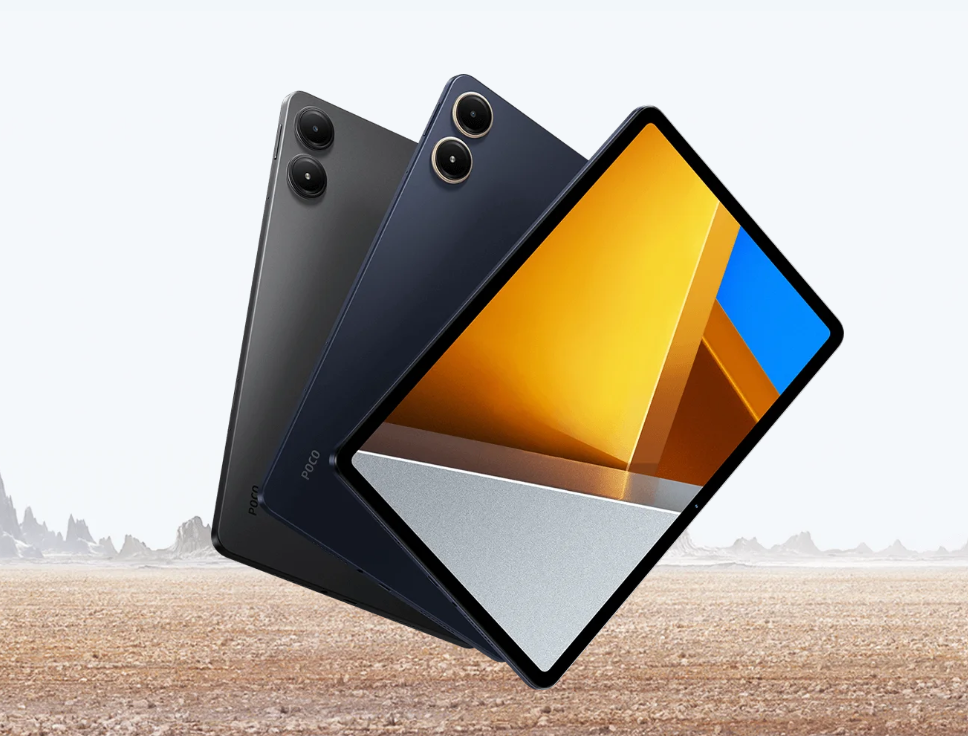
POCO recently launched its first tablet in the global market called the POCO Pad. This mid-range tablet is marketed as a multimedia and productivity-focused device as it comes with a high-resolution display in the 16:10 aspect ratio. Currently, Poco offers a Wi-Fi-only model of the tablet, however, it looks like a 5G model might be on its way to India.
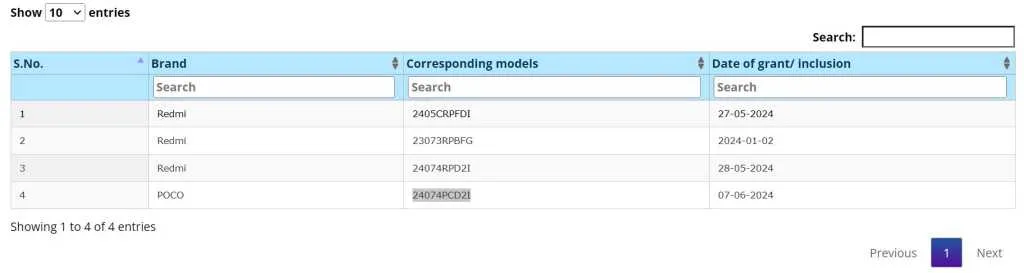
The Poco Pad 5G with model number 24074PCD2I has been spotted on the Bureau of Indian Standards certification website. This seems to be the POCO Pad 5G connectivity variant, as its model number closely resembles that of the Redmi Pad Pro 5G. For reference, the Redmi Pad Pro 5G, which recently launched in China has the model number 24074RPD2I. Other than the added 5G connectivity, we expect the remaining specifications to be the same as the Wi-Fi-only Poco Pad.
Poco Pad 5G expected specs:
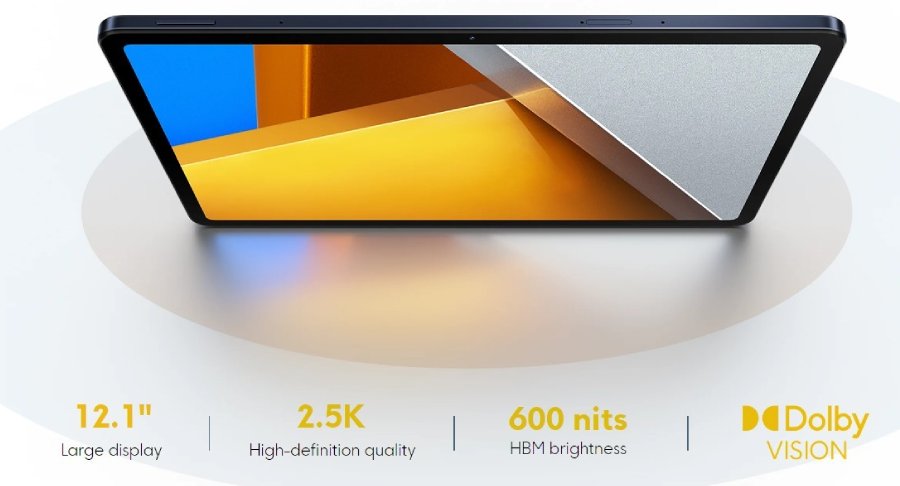
The Poco Pad 5G will likely come with a 12.1-inch 120 Hz LCD display, offering a 2.5K resolution with a 16:10 aspect ratio and 600 nits of peak brightness. The tablet will offer DC dimming to reduce the strain on your eyes when you are using the tablet at lower brightness levels. The tablet will be certified with Dolby Atmos and Dolby Vision support for enhanced video streaming.
Under the hood, the tablet will be powered by the Snapdragon 7s Gen 2 SoC, paired with up to 8 GB of RAM and 256 GB storage. Like the Wi-Fi-only model, the 5G variant is also expected to feature a microSD card slot that supports up to 1.5TB storage expansion.
For optics, we can expect an 8 MP sensor on both the front and back sides of the tablet. The battery onboard is expected to be of 10,000mAh capacity paired with 33W fast charging. And last but not least, it will likely come with an Android 14-based HyperOS operating system out of the box.
The previous repair policy for Pixel devices stated that Pixel devices with unauthorized parts should not be sent to Google for repair. If someone does so, he/she won’t get the device back. So ignoring the repair policy could be a big mistake for users. The policy had been there since mid-2023.
The previous repair policy mentioned:
Unauthorized Parts: You will not send in a Device containing non-Google-authorized parts – if You do, Your Device will not be returned to you.
Recently, this repair policy (which states that Google may not return a device with non-Google authorized parts) has come to light thanks to right-to-repair activist Louis Rossman. Google responded in a statement to Android Authority that they will update the repair policy.
Now Google has updated its repair policy stating that if Google decides not to return the device (with unauthorized parts) due to health and safety reasons, it will at least contact the user and take steps to resolve the matter.
The updated policy for unauthorized parts reads:
Unauthorized Parts: If You send a Device containing non-Google-authorized parts for repair, in certain situations (e.g., safety), the Service Provider may not be able to repair Your Device. Service Provider will return Your Device except when health or safety requirements prevent us from doing so. If the Service Provider can’t return Your Device, Google will work with You on the next steps.
The updated repair policy states that the service provider may or may not repair the device. This means that Google may in deed repair a device and return it (a shift from the previous policy) if they consider the use of the unauthorized part safe. If the device is considered unsafe to repair or use, they “will work with You on next steps.”
As you can see, the updated policy is kept open-ended and it can still take some time for Google to work with you to be able to return the device without risking your health and safety. You will either get it back fixed, or just as it was, or work with Google on the next steps.
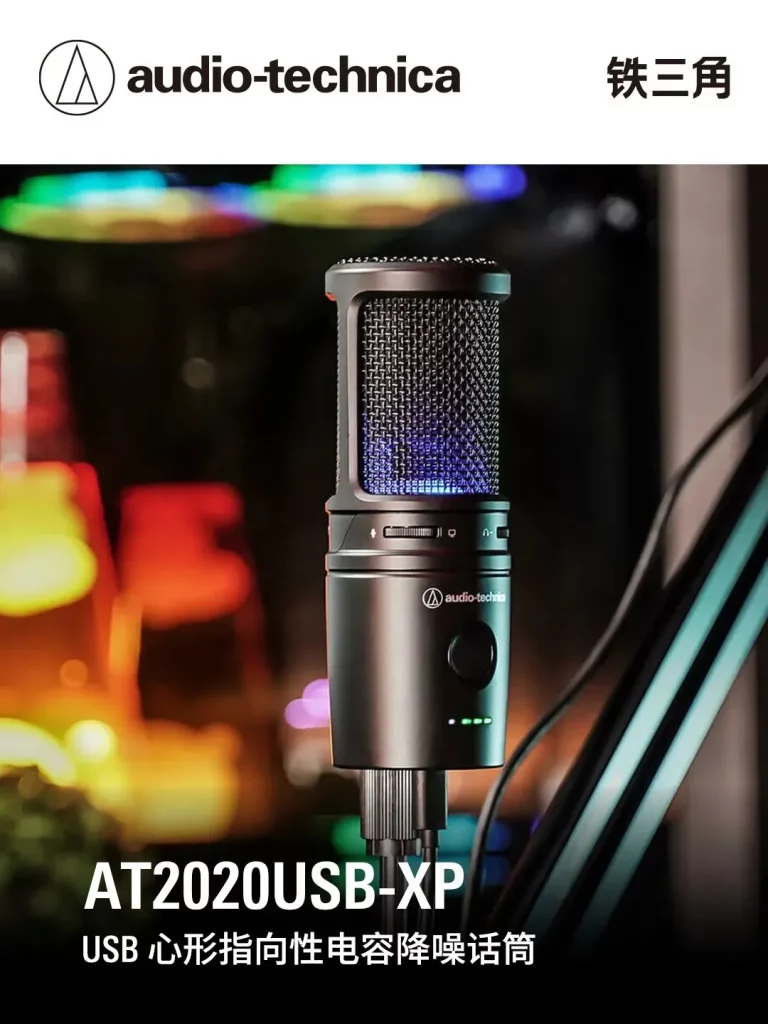
Audio-Technica has introduced a new condenser microphone, the AT2020USB-XP, designed for content creators, streamers, and musicians. It features a cardioid directional pickup pattern to focus on the sound source in front of the microphone, ideal for recording vocals, voiceovers, and instruments.
The microphone has an auto gain control feature for handling fluctuating audio levels
The AT2020USB-XP integrates digital noise reduction technology that can be adjusted using a button on the base of the microphone. This helps reduce unwanted background noise from air conditioners and PC fans, ensuring cleaner audio recordings. The microphone also boasts an automatic gain control (AGC) function. When enabled, it automatically adjusts the microphone’s output level to maintain a consistent signal strength, especially beneficial for situations with fluctuating audio levels. The AGC function works in conjunction with an 80Hz high-pass filter to eliminate low-frequency noise without affecting the quality of your voice recordings.
Keep in mind that noise reduction and AGC functionalities are only available at specific sampling rates: 44.1kHz and 48kHz for noise reduction, and 44.1kHz, 48kHz, 88.2kHz, or 96kHz for AGC.
The AT2020USB-XP offers versatile connection options. It utilizes a USB Type-C connector and includes a USB Type-C to Type-A cable for compatibility with various devices. Additionally, a USB conversion adapter is included for added convenience.
The microphone boasts a built-in high-output headphone amplifier, allowing you to directly monitor your audio with headphones at a maximum sampling rate of 24-bit/192kHz. This ensures you can hear exactly what you’re recording in real-time.
A pop filter is included to minimize plosive sounds, like p’s and b’s, that can create unwanted pops in your recordings. The microphone also comes with a microphone stand for desktop placement. For added control and ease of use, the AT2020USB-XP features a touch sensor that allows you to mute the microphone with a tap. The status is indicated by a built-in LED light: blue for recording and red for mute.
ViewSonic has launched a new monitor overseas targeted towards FPS gamers and fast-paced action: the XG2536. This 24-inch display boasts a high refresh rate of 280Hz combined with a 1080p resolution, offering smooth visuals for competitive gaming. While the official launch date remains unknown, the price is set at US$290 (around RMB 2,104).
The monitor also has 2 2W speakers for basic audio needs
The XG2536 features a 1920 x 1080 resolution IPS panel with a 280Hz refresh rate, ensuring a tear-free and responsive gaming experience. It delivers a respectable brightness of 300 nits, a 1000:1 static contrast ratio, and a 5ms response time. Additionally, the monitor offers good color reproduction with 8-bit color depth and covers 99% of the sRGB and 98% of the NTSC color gamuts.
For ergonomics, the stand provides a wide range of adjustments including tilt, rotation, horizontal and vertical movement, and pitch. The monitor is also equipped with two 2W speakers for basic audio needs and an ambient light on the back for a touch of atmosphere. Connectivity options include two HDMI 2.0 ports, one DisplayPort 1.4, a USB-C 3.2 port with 65W Power Delivery for charging laptops, and a standard 3.5mm headphone jack.
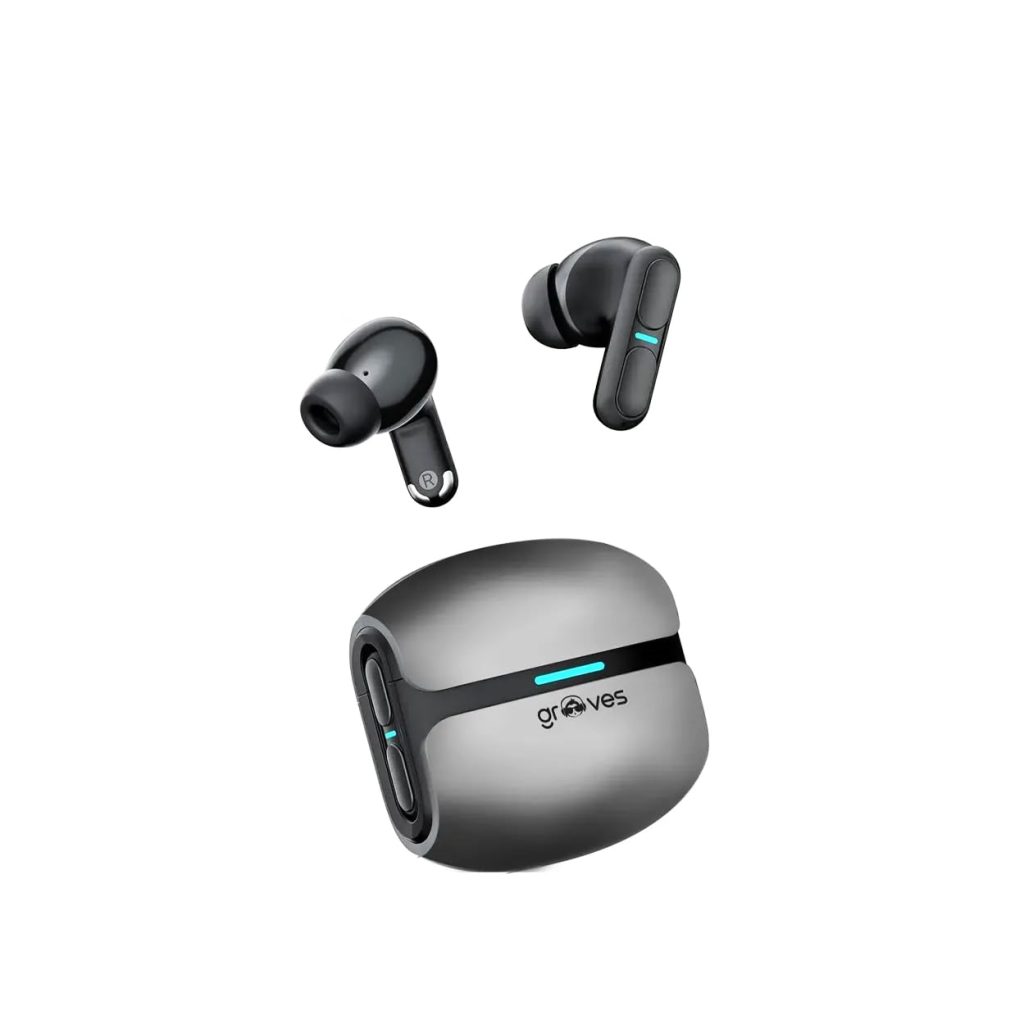
Grooves has unveiled a new pair of TWS earbuds called the Grooves Theta earbuds. These earbuds are targeted toward gamers and feature RGB lights and a super low latency mode.
Grooves Theta earbuds specs:
The Grooves Theta gaming TWS earbuds come with 10 mm custom composite diaphragm drivers tuned by Langsdom Audio Wireless to produce rich sound. The earbuds feature a Blurtrum chipset and use Bluetooth 5.3 for connectivity. This allows the earbuds to offer a super low latency mode of 45 ms which is necessary for gaming and watching videos without any audio lag. The earbuds also have support for AAC and SBC audio codecs.
Although it does not feature active noise cancellation (ANC), the brand has included an AI called noise reduction, which comes in handy to provide clear, disturbance-free audio through your mic while making calls or playing multiplayer games.
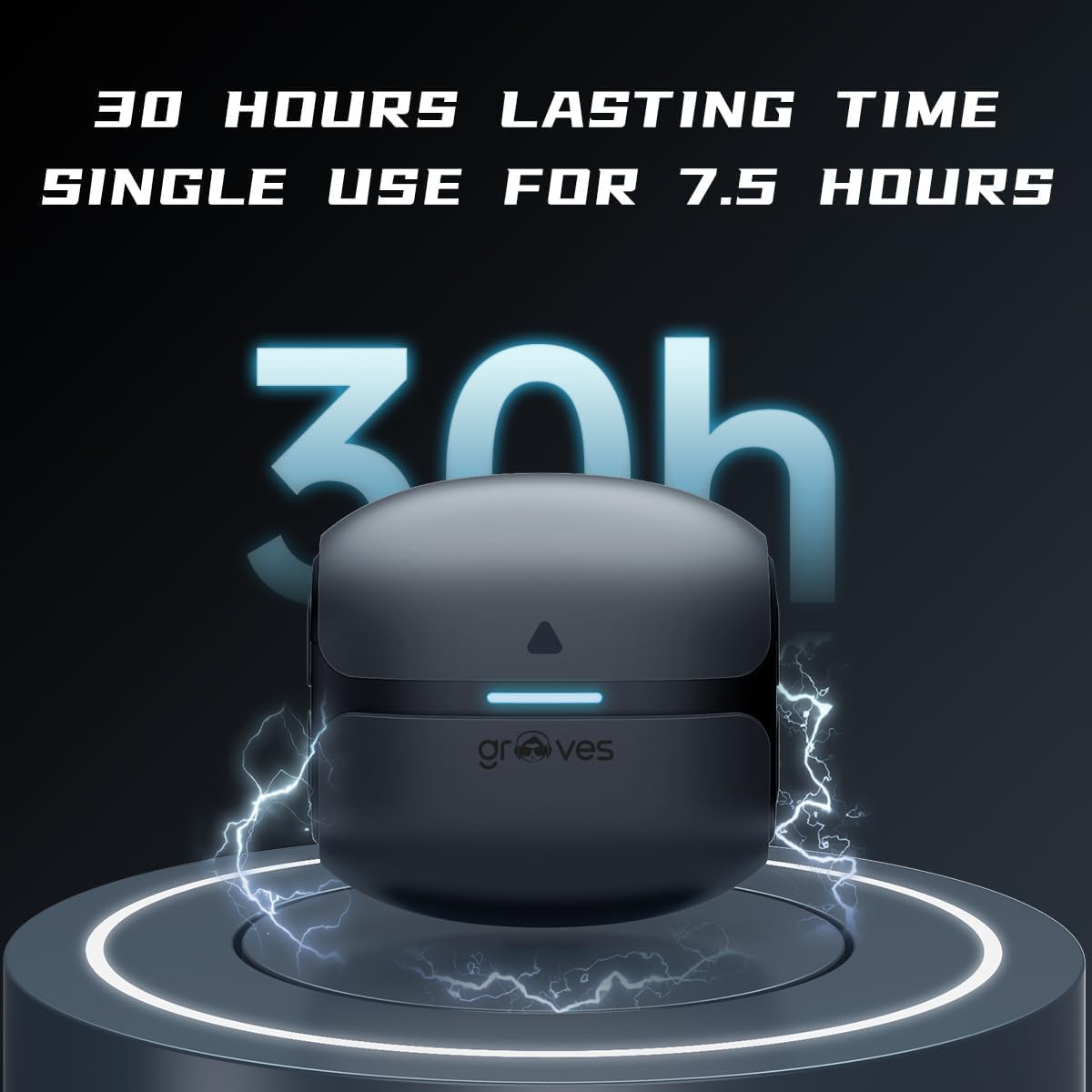
These earbuds offer touch controls for managing audio levels, responding to calls, and switching tracks. As for the battery, the earbuds offer 30 hours of audio playback on a single charge. They come with a USB-C port for charging, and a full charge takes 90 minutes. Lastly, the earbuds come with IPX5 water and sweat resistance, making them the perfect workout partner.
Pricing & availability
The Grooves Theta gaming TWS, available in Black and White, is priced at ₹1,999. These earbuds can be purchased on Amazon.in, Flipkart, Tata Cliq, JioMart, and Moglix.
In related news, Grooves also launched the Alpha Gaming TWS earbuds a couple of weeks back which also feature an attractive RGB design, 13mm dynamic drivers, dual-label ENC chip, and Active Noise Cancellation. These earbuds also come with the same ₹1,999 price tag.
Poco, a sub-brand of Xiaomi, is gearing up to launch the Poco M6 Plus 5G in India. This smartphone is expected to be a budget-friendly option powered by the new Qualcomm Snapdragon 4 Gen 2 processor. Leaks suggest it will be a rebranded version of the Redmi Note 13R, which recently launched in China. Here’s a closer look at what you can expect from the Poco M6 Plus 5G.
The phone is expected to flaunt a 6.79-inch Full HD+ (1080 x 2460 pixels) LCD display with a 120Hz refresh rate. This high refresh rate promises a smoother user experience. The display will likely feature a center punch-hole design for the front-facing camera.
2. Performance
The Poco M6 Plus 5G is rumored to be equipped with the Qualcomm Snapdragon 4 Gen 2 processor. This chipset is designed to provide balanced performance, suitable for everyday tasks and light gaming. It will likely be paired with 6GB or 8GB of RAM and offer up to 512GB of storage, ensuring smooth multitasking and ample space for your files.
3. Camera
This is where the Poco M6 Plus 5G deviates from expectations. Leaks suggest a significant upgrade compared to the Redmi Note 13R. While the Redmi Note 13R features a 50MP primary camera, the Poco M6 Plus 5G is rumored to boast a whopping 108MP main sensor. This sensor is expected to be accompanied by a 13MP secondary ultra-wide sensor. For selfies and video calls, the device is expected to feature an 8MP lens.
If these leaks are true, the Poco M6 Plus 5G could be a great option for budget-conscious users who prioritize camera quality. A 108MP sensor promises high-resolution photos with greater detail, especially in well-lit conditions.
4. Software
The Poco M6 Plus 5G is expected to run on Android 14 with Xiaomi’s custom skin, HyperOS. This UI offers a variety of features and customization options for a personalized user experience. You can expect regular updates from Xiaomi to ensure the phone stays secure and up-to-date.
5. Battery and Charging
The Poco M6 Plus 5G is likely to pack a 5030mAh battery, similar to the Redmi Note 13R. This capacity should provide a full day’s worth of usage on a single charge for most users. The phone is also expected to support 33W fast charging.
6. Design and Build
According to a leak from the Google Play Console, the device appears to closely resemble the Redmi Note 13R, particularly from the front. Although there are no official details regarding the back panel’s design, it is likely to mirror the Redmi Note 13R, assuming it’s a rebrand. The Redmi Note 13R sports a glass back with a wave-textured finish and includes a side-mounted fingerprint scanner for security.
7. Price and Availability
The Poco M6 Plus 5G is expected to launch in India soon. The exact launch date remains unconfirmed, but leaks suggest it could arrive sometime this month. Pricing details are also unknown, but considering the Redmi Note 13R’s pricing in China (starting around $193), we can expect the Poco M6 Plus 5G to be a budget-friendly smartphone.
8. Conclusion
The Poco M6 Plus 5G appears to be a promising option for budget-conscious smartphone users in India. The phone offers a good processor, a smooth display, and a long-lasting battery. The surprise camera upgrade with a rumored 108MP sensor makes it even more appealing.
However, it’s important to note that these are based on leaks and rumors. We’ll have to wait for the official launch to confirm the exact specifications, pricing, and availability of the Poco M6 Plus 5G.
Renowned camera brand Nikon is rumored to be planning to unveil its latest model under the Z6 lineup. It is the Nikon Z6 III which comes with significant improvements over its predecessor, the Nikon Z6 II. The new full-frame camera is slated for release in June according to the rumor. It will support 4K ProRes RAW video and also 6K, while the maximum frame rate is 120 fps. The new autofocus setup of the model is hyped to be at par with the flagship Z9.
The Nikon Z6 II has been an exciting and functional camera for professionals and other users since it was released in 2020. It is a mid-range full-frame mirrorless camera that has now berthed a new iteration. The rumors relating to the upcoming Nikon Z6 III emanated from New Camera and Nikon Rumors. The upgrades available in the new model will further enhance the appeal of the camera for both photo and video engagements. The Z6 III reportedly retains the same 24.5MP BSI CMOS sensor as its predecessor but it comes with dual Expeed 7 processors. This allows for higher-resolution videos and frame rates.
The leaks indicate that the Z6 III is capable of capturing 6K videos in 12-bit NRAW format but the frame rate under this scenario was not specified. In contrast, the Z6 II is limited to 4K @ 60fps. Full HD video capability remains the same in the new model, at 240fps in 8-bit with a crop. The autofocus system in the Z6 III is also very impressive, comparable with some of the Nikon flagship models, the Z8 and Z9. The Z6 III also comes with a better cooling system and greater ergonomics. Pricing confirmation of the Nikon Z6 III and other optics will be established at its launch.
Samsung fans hoping for a camera upgrade with the upcoming Galaxy Z Fold 6 might be disappointed. A leak from a usually reliable source Ice Universe suggests the Fold 6’s cameras will be identical to the Fold 5 which is identical to the Fold 4.
The leak states that “all camera specifications, including front camera, rear camera, UPC [Under Panel Camera] and aperture value, are exactly the same, and there is no change.”
Seeing that many people still don't know the camera specifications of Galaxy Z Fold6.I'll emphasize it once, All its camera specifications, including front camera, rear camera, UPC and aperture value, are exactly the same, and there is no change. Exactly like Fold4 and Fold5.
This means the Fold 6 will feature the same 50MP main sensor with an f/1.8 aperture, a 10MP telephoto lens with an f/2.4 aperture and 3x optical zoom, and a 12MP ultrawide lens with an f/2.2 aperture and a 123-degree field of view. The main and telephoto lenses will likely continue to include optical image stabilization (OIS).
Samsung’s pace of innovation in its foldable phones has been sluggish in recent years, while Chinese brands like Vivo and Oppo have been consistently pushing boundaries.
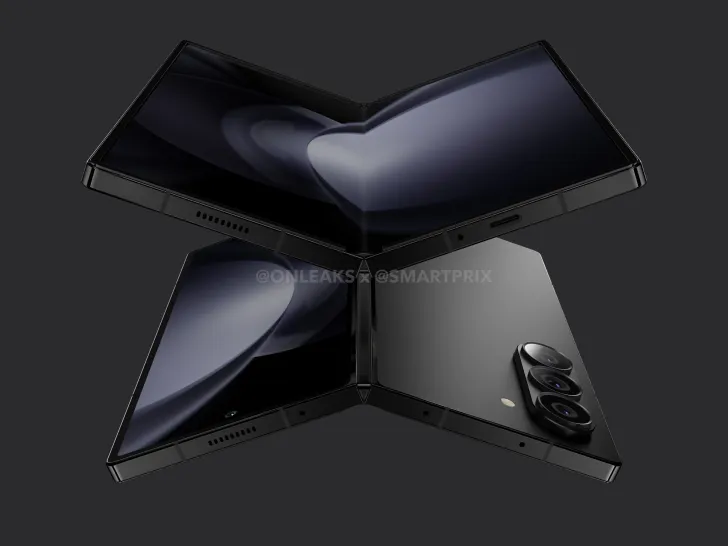
Samsung Galaxy Z Fold 6 CAD render by SmartPrix / OnLeaks
For instance, Vivo’s latest X Fold 3 Pro foldable claims the title of the world’s lightest foldable phone, weighing just 236 grams, despite housing a substantial 5700mAh battery — larger than some well-known bar phones like the iPhone 15 Pro Max. Additionally, the X Fold 3 Pro has an impressive camera setup making it probably the best foldable camera phone.
On the other hand, Samsung has been keeping the upgrade list pretty minimal, only bringing the expected generational upgrades such as a new processor.
This year, though, there might be a notable change in the Fold 6’s design. Samsung is reportedly planning to provide a wider cover screen to make it feel more like a conventional phone when closed. Apart from this, leaks so far suggest no major change or upgrade in the upcoming foldable.
Qualcomm secretly unveiled the Snapdragon 6s Gen 3 5G chipset for mid-range devices. The chipset is built on a 6nm process node.
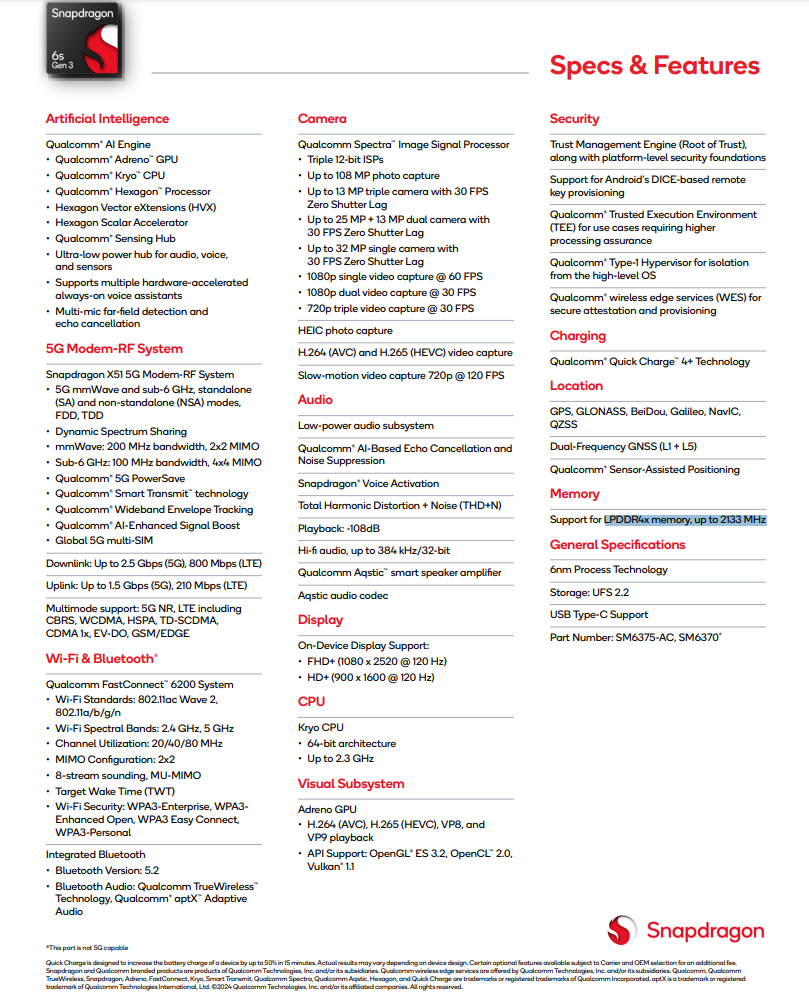
Snapdragon 6s Gen 3 specs and features
This is an octa-core chipset with a (2+6) core cluster that achieves a maximum clock speed of 2.3GHz. It equips undisclosed Qualcomm Kryo CPU cores. The Adreno GPU is also undisclosed, which supports H.264 (AVC), H.265 (HEVC), VP8, and VP9 playback. According to a benchmark listing, it could be the Adreno 619, the same GPU that powers the Snapdragon 695.
It supports FHD+ (1080 x 2520) display output at 120Hz.
Speaking of the camera system, smartphone makers can offer 108MP photo capture, a 32MP single camera, a 25MP + 13MP dual-camera system, or a 13MP triple camera system. This chipset supports 1080p video capture at 60 fps and 720p slow motion video capture at up to 120 fps. However, it depends on the smartphone maker how they will utilize the resource.
For image processing the chipset equips Qualcomm Spectra triple ISP (Snapdragon 6 Gen 1 offers the same).
The chipset supports Hi-fi audio, up to 384 kHz/32-bit, and an AI-based echo cantillation and noise cancellation.
For cellular connectivity, it equips the Snapdragon X51 5G Modem-RF System that offers 2.5Gbps maximum download speed. It supports mmWave, 5G NR, LTE support for CBRS, HSPA, sub-6 GHz, TDD, WCDMA, FDD, SA (standalone), NSA (non-standalone), TD-SCDMA, 5G mmWave, CDMA 1x, EV-DO, GSM/EDGE.
Speaking of WiFi and Bluetooth, you get WiFi 4, WiFi 5, and Bluetooth 5.2 support with Qualcomm FastConnect 6200 System. The chipset also supports Qualcomm’s proprietary TrueWireless technology for improved experience with compatible Bluetooth earphones and other devices.
Snapdragon 6s Gen 3 supports LPDDR4x memory (up to 2133 MHz) UFS 2.2 storage, and Quick Charge 4+ technology for fast charging.
A rebranded Snapdragon 695?
As Android Authority pointed out, this new chipset could be a rebranded version of the Snapdragon 695 5G.
The chipset comes with two part numbers – SM6375-AC and SM6370. According to the documentation, the latter one is not 5G capable. The company didn’t mention any other difference between the two parts. It means that the latter one (4G) also equips the same 5G Snapdragon X51 modem.
Citing this Android Authority speculated that the new Snapdragon 6s Gen 3 could be just a rebranded version of the Snapdragon 695 chipset, where the 4G version has the 5G modem disabled. For context, the Snapdragon 695 chipset was launched back in 2021.
We use cookies on our website to give you the most relevant experience by remembering your preferences and repeat visits. By clicking “Accept”, you consent to the use of ALL the cookies.
This website uses cookies to improve your experience while you navigate through the website. Out of these, the cookies that are categorized as necessary are stored on your browser as they are essential for the working of basic functionalities of the website. We also use third-party cookies that help us analyze and understand how you use this website. These cookies will be stored in your browser only with your consent. You also have the option to opt-out of these cookies. But opting out of some of these cookies may affect your browsing experience.
Necessary cookies are absolutely essential for the website to function properly. This category only includes cookies that ensures basic functionalities and security features of the website. These cookies do not store any personal information.
Any cookies that may not be particularly necessary for the website to function and is used specifically to collect user personal data via analytics, ads, other embedded contents are termed as non-necessary cookies. It is mandatory to procure user consent prior to running these cookies on your website.