Advertisement

World’s first 5.5G smartphone with satellite communication officially on sale for first time

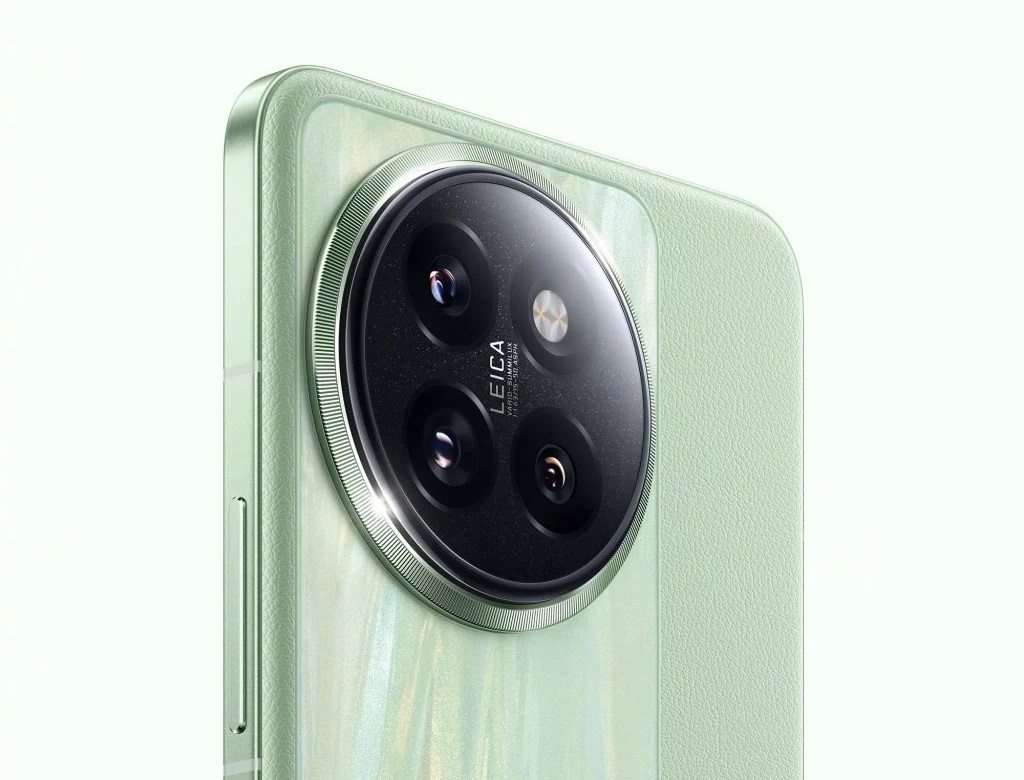
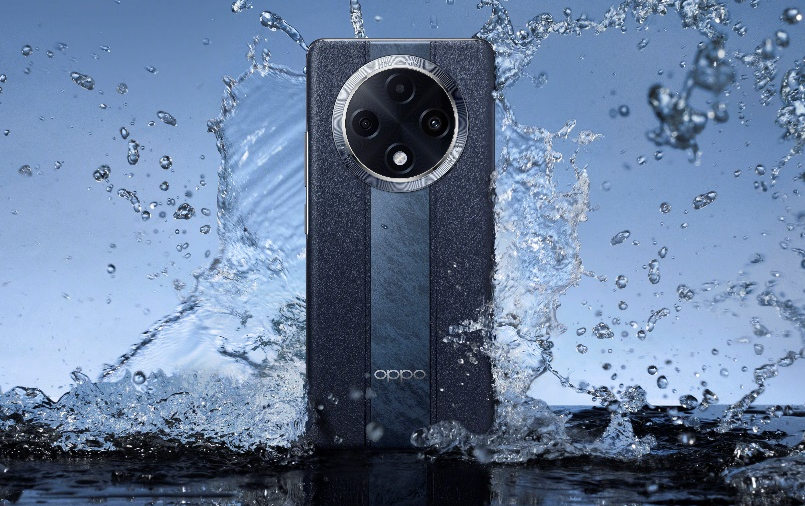
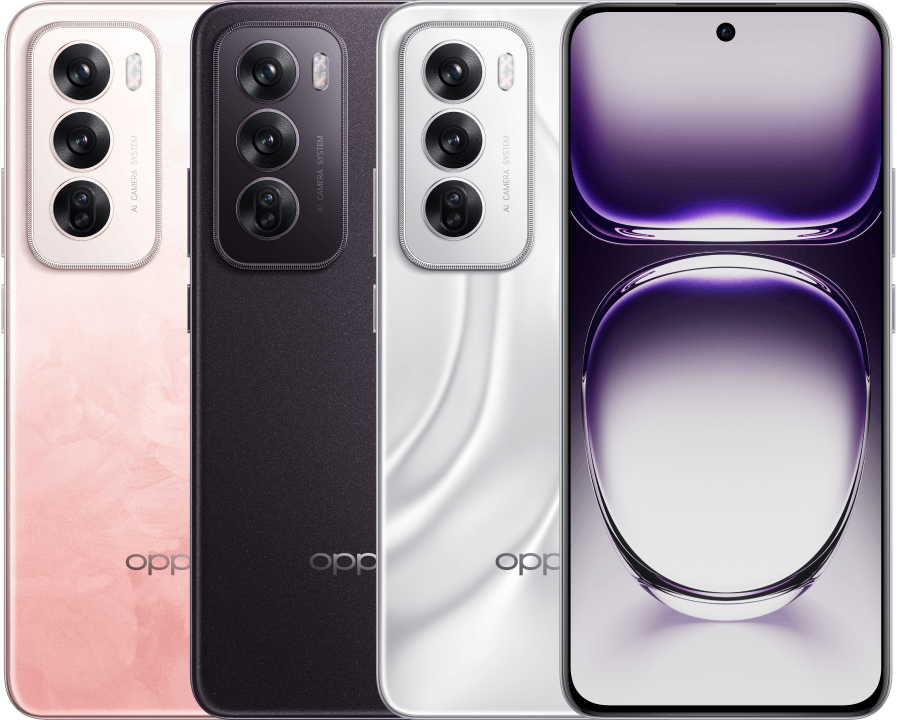
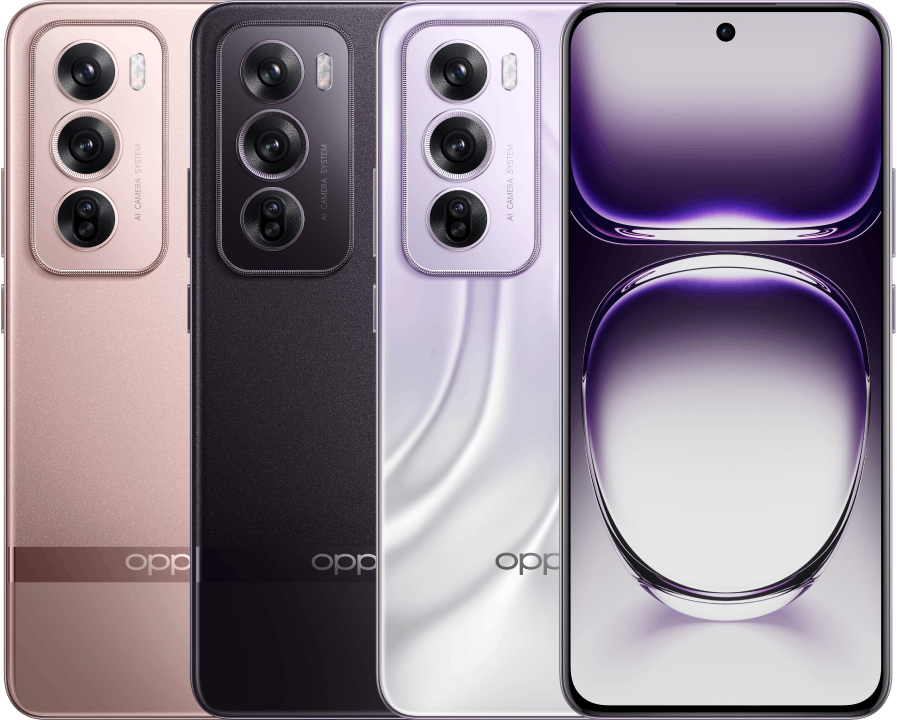
As planned, Oppo has officially commenced sales of its Find X7 Ultra Satellite Edition in mainland China. The smartphone which was unveiled just a few days ago lets users connect with satellites for calls and messages. Additionally, it’s also the world’s first smartphone to support 5.5G network connectivity. Let’s walk through its details here. 

Price and Availability

Consumers in China can purchase the Oppo Find X7 Ultra Satellite Edition starting today for 7,499 yuan (approximately $1036). This model features a single configuration with 16GB of RAM and a substantial 1TB of storage. The phone is available through Oppo’s official online store and comes in three colors: Ocean Blue, Sepia Brown, and Tailored Black.

Specifications

The Satellite Edition’s primary upgrade is its satellite connectivity, which lets users make calls and send text even when there’s no connectivity available. This ensures users stay connected even in areas where cellular networks aren’t reliable.

Additionally, the Find X7 series is the world’s first smartphone to support 5.5G (5G-Advanced) technology. 5.5G promises substantial network improvements over traditional 5G, such as significantly faster speeds and reduced latency. It all translates to faster download speed, smoother streaming when watching your favorite content, and a more responsive gaming experience. 

Beyond these connectivity features, the Satellite Communication Edition shares its core design and specifications with the standard model.

This includes a 6.82-inch AMOLED curved display with a 3168×1440 resolution and supports an adaptive refresh rate of 1 to 120Hz for smooth visuals.

Under the hood lies the powerful Snapdragon 8 Gen 3 processor, along with LPDDR5X RAM and UFS 4.0 storage. A 5000mAh battery powers the device which supports 100W wired fast charging.

The Oppo Find X7 Ultra Satellite Edition continues to impress with its versatile camera array.  It features a 50MP wide-angle camera with a large 1-inch sensor and f/1.8 aperture for excellent low-light performance.

Moreover, you get two telephoto lenses: a 50MP lens with 65mm focal length and f/2.6 aperture, along with a  50MP super telephoto sporting a 135mm focal length and f/4.3 aperture for incredible zoom capabilities. This makes the Find X7 Ultra the first smartphone in the world with a dual telephoto lens. 

Then there’s a 50MP ultra-wide-angle camera with an f/2.0 aperture. Finally, you get a 32MP camera for selfies and video calls.

Related:

Nubia Flip 5G’s launch date finally confirmed, here’s what to expect

Nubia Flip 5G, an affordable foldable phone with a flip-style design, was showcased at the MWC 2024 tech exhibition in February of this year. The company did not confirm its launch date or price at that time. Today, the brand released an official poster to confirm that it will officially unveil the Nubia Flip 5G on April 9 in China.

Nubia Flip 5G launch date

The Nubia Flip 5G, which bears the NX724j model number in China, has been certified by Chinese certification platforms in the past few weeks. These certifications have revealed that it will be a rebranded version of the ZTE Libero Flip, which debuted with a price tag of 63,000 JPY (~$415) in Japan in February. The Nubia Flip 5G will likely be a rebranded version of the Libero Flip.

Nubia Flip 5G specifications (rumored)

The Nubia Flip 5G is expected to feature a 6.9-inch AMOLED foldable screen that offers 1180 x 2790 pixels of resolution. On the outside, the device has a 1.43-inch circular AMOLED screen, which supports 466 x 466 pixels of resolution.

Under the hood, the Nubia Flip 5G has the Snapdragon 7 Gen 1 chipset. The TENAA certification of the device reveals that it may ship with 8 GB / 12 GB of RAM and 256 GB / 512 GB of internal storage. The device is expected to have a 4310mAh battery with 33W fast charging support. For security, it has a side-facing fingerprint sensor.

The Nubia Flip 5G has a 16-megapixel camera on the front, and its back panel has a 50-megapixel primary camera and a 2-megapixel depth sensor. The Flip 5G is expected to arrive with an IP42-rated chassis. It will have a thickness of 7.3mm and weigh 214 grams.

RELATED:

Poco announces HyperOS rollout plan for Q2 2024: Is your device on the list?

Poco India has recently announced its plan to release the HyperOS update for a selection of Poco devices within the second quarter of 2024. This comes after the initial launch of the HyperOS user interface in India back in February of this year.

Poco HyperOS Update

HyperOS Update Eligible Poco Devices

Poco phones confirmed to receive the HyperOS update within Q2 include:

  • Poco F4
  • Poco M4 Pro
  • Poco C65
  • Poco M6
  • Poco X6 Neo

These models join several others that have already received the update:

  • Poco C55
  • Poco M5
  • Poco X5
  • Poco X5 Pro
  • Poco X6 Pro
  • Poco F5
  • Poco X6
  • Poco M4 5G
  • Poco M6 Pro

One notable in the Q2 rollout plan is the Poco X6 Neo 5G. The mid-ranger, launched in March 2024, surprisingly came with Android 13-based MIUI 14.  

The HyperOS update will undoubtedly further elevate the user experience on the device, which boasts a MediaTek Dimensity 6080 processor, a vibrant 120Hz AMOLED display, and a capable 108-megapixel camera system.

If you own one of these devices but haven’t received the update notification, we suggest you go to Settings>About Phone and select ‘System updates’.

Xiaomi introduced HyperOS in India earlier this year as a refined successor to its well-known MIUI interface. HyperOS aims to deliver a smoother, more streamlined user experience with a focus on performance optimization and convenient features. 

We have a dedicated story on what’s HyperOS and how it’s different from MIUI (HyperOS vs MIUI), so please check it out for more details. 

In recent news, Xiaomi also announced its rollout plan for HyperOS on several Xiaomi and Redmi devices for the second quarter of 2024. Surprisingly, the list includes the Mi 10, which was launched back in 2020.

Related:

Nothing Phone 3 tipped to feature latest Snapdragon 8-series chip, first teaser seemingly out

Brand Nothing recently released a teaser of the upcoming Nothing Ear (3) TWS earbuds. It appears that this is not the only product in the works. According to a report by 91mobiles Hindi, the company is now working on the Phone 3 equipped with a new Snapdragon 8-series chipset. Continue reading ahead to learn the first details of the Phone 3.

Nothing Phone 3 chipset revealed (rumored)

Nothing Phone 2 white

The publication has learnt from industry sources that the Nothing Phone 3 will be equipped with the Snapdragon 8s Gen 3 chipset. This chip was first seen powering the Xiaomi Civi 4 Pro, which made its debut last month in China.

The Snapdragon 8s Gen 3 is speculated to power a couple of other smartphones in China, such as the Redmi Turbo 3, the Realme GT Neo 6, and the iQOO Z9 Turbo. It is unclear whether these iQOO and Realme phones will be released in the global market. What’s known is that the Redmi Turbo 3 will be rebranded as the Poco F6 in markets outside of China.

Hence, it seems that the Nothing Phone 3 will face competition from the Poco F6 in the global market. Unfortunately, the first leak about the Phone 3 only reveals its chipset and has no information about its other specs.

However, according to the report, the Nothing Phone 3 will cost between Rs 40,000 (~$480) and Rs 45,000 (~$540) in India. Shown above is a recent teaser from the brand featuring a frog. To recall, the teasers for Phone 1 and Phone 2 included a pear and an octopus, respectively. It is likely that the Phone 3’s teasers may feature a frog. As far as the launch is concerned, the Phone 3 may break cover in July.

RELATED:

(source)

AnTuTu Top 10 Flagship Killers March 2024: OnePlus Ace 3V dethrones the Redmi K70E

At the end of every month, the popular smartphone performance benchmarking platform AnTuTu publishes its list of top-performing devices for that month. In this article, we will be taking a look at the best devices in the flagship-killer category for March 2024.

OnePlus Ace 3V

This previous month, the OnePlus Ace 3V has taken the top spot dethroning the Dimensity 8300 Ultra-clad Redmi K70E, which had dominated the flagship killer rankings since its release in November 2023. The Redmi K70E now sits at the number 2 spot with 1,391,125 points, while the OnePlus Ace 3V with 1,466,728 points has a comfortable 75,063 point lead over it.

AnTuTu Benchmark Top Flagship Killer Smartphones March 2024

AnTuTu Benchmark Top Flagship Killer Smartphones March 2024
  1. OnePlus Ace 3V (Snapdragon 7+ Gen 3, 16GB+512GB) – 1466728
  2. Redmi K70E (Dimensity 8300-Ultra, 16GB+1TB) – 1391125
  3. realme GT Neo 5 SE (Snapdragon 7+ Gen 2, 16GB+1TB) – 1156867
  4. Redmi Note 12 Turbo (Snapdragon 7+ Gen 2, 16GB+1TB) – 1141660
  5. OPPO Reno11 5G (Dimensity 8200, 12GB+512GB) – 1001672
  6. iQOO Neo7 SE (Dimensity 8200, 12GB+512GB) – 968672
  7. iQOO Z8 (Dimensity 8200, 12GB+512GB) – 966356
  8. Redmi Note 12T Pro (Dimensity 8200-Ultra, 12GB+512GB) – 891887
  9. OnePlus Ace Racing Edition (Dimensity 8100-Max, 12GB+256GB) – 883261
  10. Honor 100 (Snapdragon 7 Gen 3, 16GB+512GB) – 836504

The OnePlus Ace 3V comes with the new Snapdragon 7+ Gen 3 chip which has the same CPU architecture as the flagship Snapdragon 8 Gen 3. Qualcomm claimed that this new processor offers 15 percent better CPU and 45 percent better GPU performance, which is apparent if we look at the third-place Realme GT Neo 5 SE (1,156,867), which uses the Snapdragon 7+ Gen 2 chip. In the CPU and GPU test results, the Ace 3V scored 374,329 points and 490,115 points respectively, compared to 333,948 and 339,934 points scored by the Realme GT Neo 5 SE.

Honor 100 - Glass Black
Honor 100

Continuing down the list, we find the Redmi Note 12 Turbo and the OPPO Reno 11 5G rounding out the top 5, followed by the iQOO Neo 7 SE, iQOO Z8, Redmi Note 12T Pro, and the OnePlus Ace Racing Edition occupying the 6th through 9th positions. At number 10, we have an interesting addition with the Honor 100, featuring a Snapdragon 7 Gen 3 chipset. With a respectable score of 836,504 points, it rounds up AnTuTu’s top 10 flagship killer smartphones list for March 2024.

RELATED:

Realme GT Neo 6 SE front design revealed, here’s the first look

Realme is expected to announce the Realme GT Neo 6 SE smartphone this month in China. In the past few days, the company has been revealing details of the phone’s display. However, it did not reveal the design of the device. Today, it rolled out the below shown poster through its Weibo to give the first look at its front design.

Realme GT Neo 6 SE front design

Realme GT Neo 6 SE front image

In the above image, the Realme GT Neo 6 SE is positioned in the middle. On either side are smartphones from a similar price range, though their names have not been disclosed. Comparatively, the GT Neo 6 SE showcases slimmer bezels on all four sides.

The company has confirmed a slightly curved screen design for the GT Neo 6 SE, ensuring an impressive screen-to-body ratio. According to reports, it features a 6.78-inch BOE 8T LTPO panel that offers a 1.5K resolution of 2780 x 1264 pixels and a 120Hz refresh rate. The screen is officially confirmed to offer a peak brightness of 6,000 nits.

Under the hood, the device is expected to feature the Snapdragon 7+ Gen 3 chipset, up to 16 GB of LPDDR5x RAM, and up to 1 TB of UFS 4.0 storage. It is likely to pack a 5,500mAh battery with 100W fast charging support.

The above image, which was leaked on Weibo last week, revealed the rear design of the GT Neo 6 SE. Its dual-camera setup is likely to feature an OIS-enabled Sony camera on the front. The device is likely to run on Realme UI 5-based Android 14.

The GT Neo 6 SE is likely to launch in China next week. It is speculated that the device will be rebranded as the Realme GT 6 in the global market.

RELATED:

Acer Unveils Pricing of Predator Blade Neo Gaming Laptop, Features RTX 4060 GPU, Starts at 8499 Yuan (~$1175)

The Acer Predator Blade Neo gaming laptop is hitting JD.com on April 8th. The company has revealed the price points for the two variants of the laptop that will be on the shelves soon. This series is pretty capable, thanks to a latest Core Ultra processor and an RTX 4060 graphics card. Those interested can choose from two options:

  • Ultra 5 125H / RTX 4060 / 16GB / 1TB for 8499 yuan
  • Ultra 7 155H / RTX 4060 / 16GB / 1TB for 8999 yuan (around $1250 USD)

The Predator Neo AI features, with up to 686 TOPS of local AI computing power.

Launched overseas late last year, the Predator Neo (called Predator Triton Neo 16 elsewhere) is known for its thin and light design. At just 18.82mm thick and 2.05kg, it’s easy to take with you wherever you game. The laptop also looks sharp with an aluminum alloy body.

Inside, you’ll find a powerful combo of a Core Ultra processor and an RTX 4060 graphics card, plus 16GB of memory for smooth performance. The Predator Neo even has special AI features, with up to 686 TOPS of local AI computing power. This lets it do cool things like reduce background noise in your voice chat.

Acer Predator Blade Neo

The star of the show is the 16-inch display. This 2.5K resolution screen has a super-fast 240Hz refresh rate for super smooth visuals, perfect for intense games. The colors are great too, with 100% DCI-P3 color coverage and Calman color correction. Gamers will also love that the display works with G-SYNC technology for a competitive edge.

Keeping the laptop cool is a fancy new cooling system with special fans, liquid metal heat conduction, and heat pipes. Acer doesn’t say exactly how much heat it can handle. The Predator Neo also comes with a decent 76Wh battery, a powerful 230W charger to keep it going, and a Killer AX1675i wireless network card for lag-free online gaming. Acer throws in a 3-year warranty with on-site service and a 1-year global warranty for peace of mind.

RELATED:

(Via)

Tongue Gestures? Microsoft’s Future Products may Redefine Gesture Control (Or Not)

Forget about hand gestures, Microsoft has its tongue out at Apple! This isn’t the last pun you’ll read in this article. It’s been a while since Apple unveiled the Vision Pro, running on the VisionOS. Now, VisionOS boasts impressive in-air hand controls, but Microsoft’s patent is proposing a whole new input method – tongue gestures.

With machine learning, the intertial sensor would learn to pick up tongue movements

Yes, you read that right. Microsoft’s patent depicts a future where you control your computer or applications using your tongue. This futuristic patent, reported by Patently Apple, could even be used for typing on a virtual keyboard. The patent acknowledges limitations of current hands-free methods like voice recognition and eye tracking. Their solution? Capitalizing on the precision of the user’s tongue.

The patent details how an inertial sensor would pick up tongue movements, which would then be interpreted by the system. Machine learning would play a role too, with the system being trained to recognize specific tongue gestures. One example describes a user interacting with a virtual keyboard. By scanning letters with their eyes, gaze tracking would identify the intended letter and highlight it. A specific tongue gesture, like a tap on the upper teeth, would then enter that letter. Another gesture, like a tap on the left cheek, could be used for backspacing.

2-Microsoft-patent-Tongue-Gestures-for-hmd

This technology is still in the patent stage, but it exhibits into how big companies like Microsoft are spending huge amounts of money on their R&D divisions to shape the future of human-computer interaction. It might seem strange now, but who knows? Maybe future generations will be tongue-tied to their devices in a whole new way (sorry).

RELATED:

(Via)

Samsung Confirms that Bixby Assistant is Getting Smarter with Generative AI, Doesn’t Say When

If you’re one of the rare people who use Bixby, there’s good news for you. Samsung is giving its virtual assistant a solid boost! The company is looking to incorporate generative AI, which is basically what makes chatbots way more interesting these days. Dall-E is one such instance of a generative AI that works with ChatGPT to generate images and other content.

The Samsung ecosystem needs Bixby to be smarter to compete with other assistants

Imagine asking your phone to write a poem or describe a funny cat video, and Bixby could whip something up using this new AI. Bixby hasn’t been as powerful as some other assistants, but Samsung wants to change that. They see Bixby as a way to control all your Samsung devices, from phones to appliances, so making it smarter is a big deal. For the Samsung ecosystem to really flourish, they need to make sure Bixby is up to par with these other more capable AI-chatbots.

Bixby

Samsung has assigned its assistant to extra keys on its smartphones in the past, so one thing is for sure, the company loves Bixby. Plus, Bixby being Samsung’s exclusive assistant would promote healthy competition amongst Google Assistant and Siri, other two giants on the smartphone assistant scene. The company stated, and we quote, “has to work out an interface that supports the Samsung products in their ecosystem”.

RELATED:

(Via)

Nokia’s Legacy Continues with New Budget-Friendly Phones from HMD Global

The legendary phone manufacturer Nokia, which once dominated the market, continues to thrive under the HMD Global umbrella. The company is actively expanding its lineup with new models. Prices have been revealed for the latest releases, including the Nokia 110, Nokia 225 4G, HMD Pulse Pro, and HMD T21 Rugged. Here are the details…

HMD Global Unveils Prices for New Nokia and HMD Phones

HMD Global honors the Nokia legacy while pursuing its own smartphone vision by offering a diverse product lineup. This includes both nostalgic revivals like the Nokia 110 4G and smartphone models like the HMD Pulse+ Business Edition. The newly announced pricing underscores this approach with remarkably affordable options. Prices range from a budget-conscious $45 to a still budget friendly $200, demonstrating the company’s continued commitment to serving price-sensitive consumers.

DeviceDKKEUR (€)USD ($)
Nokia 110 4G (2024)301.2540.3944.65
Nokia 225 4G431.2557.8263.78
Nokia 235 4G466.2562.5168.96
Nokia 3210 4G558.7574.9182.62
HMD Pulse Pro, 6 + 128 GB1203.75161.38177.97
HMD Pulse+ Business Edition, 6 + 128 GB1336.25179.15197.50
HMD Dual Port Wall Charger282.5037.8741.81
HMD T21 Rugged Grip581.2577.9385.97
XCEED Cover Keyboard Nordic BT Nokia HMD T2155574.4182.05

So, what does Nokia, under the umbrella of HMD Global, offer at these prices? If we take a look at the HMD Pulse Pro model, we can see that the phone derives its power from Qualcomm’s Snapdragon 4 Gen 1 processor. The screen size is 6.56 inches, featuring an IPS LCD display and a 90Hz refresh rate. Additionally, 6GB of RAM and 128GB of storage space are included in this model. Although the Snapdragon 4 Gen 1 may not be a particularly powerful processor, it’s fair to say that it offers quite competitive features for $178.

RELATED

Xiaomi MIX Flip’s camera and other details leaked

Xiaomi is working on its new foldable smartphone, the MIX Flip. GSMChina had already prepared an expected render of the device and we knew more or less what kind of smartphone we could expect. Now the Android Headlines team is revealing the MIX Flip’s camera sensors, but it doesn’t end there. At the same time, details such as the screen resolution of the device are also leaked.

MIX Flip features revealed

Xiaomi’s foldable smartphone has been expected since last year. However, last year’s MIX Flip model was probably abandoned. The Chinese brand was found to have started developing its new foldable model in October. In October, the model numbers that appeared are “2405CPX3DG / 2405CPX3DC“. The “2405” at the beginning of the model numbers represents May 2024. The MIX Flip is expected to be officially unveiled between May and June. Before the device is unveiled, some details have already started to leak.

MIX Flip will feature a dual camera setup on the back. The main camera is a 50MP Light Hunter 800, and we’ve already seen this camera sensor on the Redmi K70 Pro. The 2nd camera is a 60MP Omnivision OV60A. It has 2X optical zoom zoom capability. In addition, you will be able to use the cameras on the back as front cameras. Because there is a small screen just below the camera.

The MIX Flip has the codename “ruyi” and has been spotted in Mi Code. Xiaomi continues to work on the MIX Flip. The screenshot above confirms the presence of the small screen on the back of the device. Information obtained by Android Headlines is not limited to this alone. MIX Flip’s screen resolution has also been revealed.

The MIX Flip is expected to have a 1.5K screen resolution. The Xiaomi 14 Pro and Redmi K70 Pro have a 2K resolution. Therefore, the density value is set to “560”. But the MIX Flip appears to be set to “520”, which is less than 560. This is proof that the screen resolution is less than 2K. It should be released with an expected screen resolution of 1.5K.

Related:

Limited Time Offer: Kindle Paperwhite Discounted by $20 on Amazon!

Technology continues to transform how we live and interact with the world. For example, bulky libraries and film collections in our homes have been replaced by digital archives. We can now store thousands of books within a few GB of space. However, while smartphones offer portability for reading, their small screens can be a drawback. Luckily, devices like the Kindle Paperwhite offer a dedicated, comfortable reading experience. Here are the details…

Kindle Paperwhite $20 Off Sale on Amazon

If you’re considering to buy an e-reader, Amazon’s Kindle models are likely on your list. And the Paperwhite is one of the most popular e-readers, and it’s currently available with a $20 discount. So, why should you buy a Kindle Paperwhite? The answer lies in its excellent features. For example the e-ink technology provides a reading experience similar to paper, and its high-resolution screen ensures a comfortable reading experience in any light.

Amazon Kindle

Additionally, the Kindle Paperwhite’s long-lasting battery means you can enjoy weeks of reading on a single charge, making it a great choice for those with a busy travel schedule. Other features of the product are as follows:

  • Display: 6.8-inch glare-free E-ink display (300 ppi) with adjustable warm light
  • Waterproofing: IPX8 rated for protection against spills and splashes
  • Storage: 8 GB 16 GB
  • Battery: Lasts weeks on a single charge
  • Connectivity: Wi-Fi
  • Dimensions & Weight: 6.9″ x 4.9″ x 0.32″ (174 mm x 125 mm x 8.1 mm) (205 g)

It’s worth noting that this is a limited campaign, and the $20 discount could expire at any moment.

RELATED

Skyworth’s new affordable gaming monitor features 23.8-inch AH-IPS 1080p 100Hz panel

Skyworth has unveiled a new gaming monitor in the Chinese market, the F24B23F PRO, aiming to provide a budget-friendly option for gamers seeking a 1080p 100Hz refresh rate experience.

Skyworth F24B23F Pro

Skyworth F24B23F Pro Specifications:

The F24B23F PRO boasts a 23.8-inch AH-IPS panel with a 1920×1080 resolution. According to Skyworth, the monitor utilizes LG original modules, promising better performance in terms of brightness and color accuracy. It also covers 100% of the sRGB color gamut and supports 8-bit color depth ensuring vibrant visuals for both work and play.

For gamers, the panel features a 100Hz refresh rate, which delivers smoother gameplay compared to traditional 60Hz monitors. This can be especially beneficial in fast-paced titles where every millisecond counts.

Skyworth F24B23F Pro

In terms of design, the F24B23F PRO features a slim profile and supports tilt adjustments for comfortable viewing positions. The monitor accommodates a VESA size of 100x100mm for mounting, allowing for versatile placement and installation options in different spaces. The product’s weight is efficiently managed, with a gross weight of 3.7kg and a net weight of 2.9kg, making it relatively easy to handle and set up.

The monitor is equipped with HDMI 1.4 and VGA ports for connectivity, compatible with various devices like PCs and gaming consoles. The monitor also addresses health considerations with its software-based low blue light technology and DC dimming feature, aimed at reducing eye strain during prolonged use. This is particularly beneficial for users who spend extended periods in front of the screen, providing a more comfortable viewing experience by mitigating harmful blue light and eliminating screen flicker.

The Skyworth F24B23F PRO is now up for sale on JD.com, with an introductory price of 499 yuan (around $69). Earlier today, Skyworth’s A4E affordable 4K TVs with 120Hz also went on sale in China.

RELATED:

China’s drone industry soars to new heights, with more than 1.26 million registered UAVs

The drone industry in China has reached unprecedented levels, mirroring the rapid growth of the country’s low-altitude economy. By the end of 2023, the number of Unmanned Aerial Vehicles (UAVs) in China exceeded a staggering 1.26 million, marking a remarkable 32 percent year-on-year increase. These drones collectively logged over 23 million flight hours, underlining their integral role in various sectors, from agriculture to entertainment.

The Ministry of Industry and Information Technology underscores the significance of the general aviation industry, positioning it as a cornerstone of China’s low-altitude economy. Support measures, including innovation initiatives and technology upgrades, are underway to foster a new development model tailored to Chinese characteristics.

Furthermore, China’s prowess in drone manufacturing is unparalleled, with the capability to produce nearly every type of drone. This manufacturing strength fuels the rapid growth of the industry, enabling diverse applications across sectors.

In response to the exponential growth, China has established 17 civil unmanned aviation test zones and three test bases, spanning cities, islands, and other application areas. These initiatives aim to advance drone technology and applications, further propelling China’s dominance in the global drone market.

The government’s emphasis on developing new growth engines, particularly in the low-altitude economy, underscores the strategic importance of the drone industry. Forecasts predict sustained rapid growth, with expectations of further segmentation of drone types and expanded usage across industries.

China says it is committed to global security as it has stringent regulations on drone exports. Measures have been implemented to prevent civilian drones from being repurposed for military use, addressing concerns raised by Western countries regarding military drone capabilities.

Meanwhile, China’s military drone capabilities continue to advance, with significant progress demonstrated in surveillance and attack UAVs. Also, the strategic importance of drone warfare is recognized by the government, driving investments in military modernization efforts.

Overall, China’s drone industry’s exponential growth signals not only economic prosperity but also strategic advancements in technology and security. As the nation continues to lead in drone innovation and deployment, its influence in shaping the global drone landscape remains undeniable.

Related:

(via)

Redmi Note 13 Pro+ Mystic Silver is up for sale in Hong Kong

Redmi Note 13 Pro+ has been available for purchase for quite some time, and Xiaomi recently expanded its color range by introducing a new option: Mystic Silver. While this sleek color variant was already accessible in select regions, it has now hit the shelves in Hong Kong as well.

Hong Kong finally gets Mystic Silver Redmi Note 13 Pro+

We can say that the Redmi Note 13 Pro+ is quite a powerful model among midrange devices. With its MediaTek Dimensity 7200 Ultra chipset and 5000 mAh battery, it’s powerful enough for many tasks, and it also comes with a unique design and multiple color options.

The phone was originally launched in Midnight Black, Moonlight White, and Aurora Purple colors and now Xiaomi offers the new Mystic Silver, characterized by its sleek, shiny gray finish and tiny icon at the back.

Although the Redmi Note 13 Pro+ comes in various RAM and storage configurations, the Mystic Silver variant is exclusively available in the 12GB+512GB option, priced at 2999 HKD (approximately 383 USD) in Hong Kong.

Notably, while the Mystic Silver variant is accessible beyond Hong Kong however, keep in mind that this color is a limited edition, so it may not be restocked once supplies run out.

(Source)

Related:

Xiaomi SU7 EV sparks frenzy with 3 AM test drives and overwhelming demand

Xiaomi’s latest venture into the automotive industry with the launch of its SU7 electric vehicle has taken China by storm. The fervor surrounding this release has reached unprecedented levels, fueled by reports of enthusiasts queuing up until the early hours of the morning for test drives.

Since its debut on March 28, the Xiaomi SU7 has become the talk of the town, dominating conversations on social media platforms and drawing crowds of eager customers to Xiaomi Auto dealerships across the nation. What sets this frenzy apart, however, is the remarkable dedication shown by enthusiasts who have been willing to wait until 3 AM just to experience the thrill of test-driving Xiaomi’s EV.

The allure of the SU7 lies not only in its cutting-edge technology and impressive performance but also in the promise of a greener and more sustainable future. Equipped with dual motors generating a staggering 495 kW (663 hp) and powered by a high-capacity 101 kWh Qilin battery from CATL, the SU7 boasts an impressive 800 km CLTC range, setting a new standard for electric vehicles.

The sheer demand for the SU7 has taken Xiaomi by surprise, with the company reporting a staggering 88,898 orders within just 24 hours of its launch. Despite efforts to meet this overwhelming demand, Xiaomi has found itself grappling with logistical challenges, including complaints regarding pre-order cancellations and non-refundable deposits.

However, amidst these challenges, Xiaomi has remained steadfast in its commitment to delivering a premium experience to its customers. To sweeten the deal for early adopters, Xiaomi has introduced pre-order incentives, offering free upgrades valued at 34,000 yuan (approximately $4,700) for those who place orders before April 30th.

As production ramps up at Xiaomi’s new Beijing plant in partnership with BAIC, the company is poised to make a significant impact in the electric vehicle market, with plans to produce around 100,000 cars in 2024. Despite the SU7 BEV being completely sold out for 2024, Xiaomi continues to work tirelessly to fulfill deliveries, with the Standard and Max versions set to commence deliveries by the end of April, followed by the Pro edition by the end of May.

Related:

(via)

iQOO Pad 2 Pro Will Have 12GB RAM, Dimensity 9300 SoC As Per Google Play Console Listing

iQOO is working on launching the successor to the iQOO Pad in China. The device has already bagged 3C certification revealing its charging details. Now, the iQOO Pad 2 Pro’s moniker has been confirmed as it has been spotted on the Google Play Console certification website. The listing also reveals its key specifications. 

iQOO Pad 2 Pro surfaces on Google Play Console

The iQOO Pad 2 Pro carries a model number PA2473 on the Google Play Console certification website. As per the render in the listing, the display on the tablet is surrounded by symmetrical bezels. The power and volume rocker buttons are located on the right side as per the landscape orientation of the device. 

The iQOO Pad 2 Pro will have a display resolution of 2,064 x 3,096 pixels and a screen density of 400 dpi. The certification listing reveals that the iQOO Pad 2 Pro will be equipped with a processor codenamed MT8796. The configuration comprises four Cortex-A72 cores at 2GHz, three Cortex-X4 cores ticking at 2.8GHz, and a prime Cortex-X4 clocked at 3.2GHz. This suggests that it could be the Dimensity 9300. The recently launched Vivo Pad 3 Pro in China is also powered by the same SoC. As per Google Play Console, the iQOO Pad 2 Pro will pack 12GB RAM and there could be other variants too. The tablet will ship with Android 14 OS. 

The Google Play Console listing does not reveal any additional details. As per 3C certification, the iQOO Pad 2 Pro will support up to 66W fast charging. The first-generation iQOO Pad was a tweaked version of the Vivo Pad 2, hence the Pad 2 Pro could also be slightly different from the Vivo Pad 3 Pro. 

Related:

Via

MiniLED TVs are getting more and more popular than OLED; will surpass in market share for the first time in 2024

Market research agency Luotu Technology shared their findings at the UBI research conference held in Seoul, South Korea. The agency predicts that the MiniLED TV shipment this year will surpass the OLED TV shipment for the first time this year.

Credit: TCL

According to the research data, this year’s shipments of MiniLED TVs will be 6.8 million units, which is 0.4 million higher than the predicted OLED TV shipment for 2024. Notably, MiniLED TV shipments are catching up with OLED in the last few years.

Researcher Melissa Wang noted that OLED TV shipments decreased by 20.6% year-on-year in 2023, while MiniLED shipments saw a growth of 24.7% year-on-year for the same period. The shipment figures for OLED and MiniLED TVs last year were 5.48 AND 4.25 million units respectively.

YearMiniLED TV shipment (million)OLED TV shipment (million)
20212.36.5
20223.46.9
20234.255.48
20246.8 6.4
202510.27.1
202616.47.6
202721.68.1
202825.58.5
MiniLED TV shipments growing at a much faster pace than OLED

As you can see from the data, MiniLED TVs are expected to get more and more popular. While OLED TV shipments are also expected to grow, MiniLED TV shipments are predicted to grow exponentially and achieve a figure more than three times bigger than its competitor.

Currently, the MiniLED TV market is led by Samsung Electronics, TCL, and Hisense, While the OLED TV market is led by LG, Samsung, and Sony. The Elec notes that TV shipments from Samsung Electronics (which contributes to both of the technologies) will play a crucial role in shaping the future market share. MiniLED TVs such as the TCL C12H series or the Terrace TV from Samsung Electronics can offer higher contrast and improved brightness, thanks to their smaller diodes.

Related:

(via)

High demand for Xiaomi’s SU7 Electric Car leads to 7 month long delivery time

Xiaomi’s first Electric vehicle the SU7 sedan has ignited unprecedented consumer interest. With pre-orders surpassing 88,898 within the initial 24-hour window, it’s evident that Xiaomi has struck a chord with prospective buyers. However, the surge in demand has led to an unexpected challenge, an extended delivery waiting period.

Prospective buyers eager to own Xiaomi’s SU7 are now confronted with the reality of lengthy delivery periods, stretching up to seven months in some cases. The allure of Xiaomi’s sleek design and advanced features is undeniable, but the wait for delivery is testing the patience of even the most enthusiastic customers.

source: Xiaomi SU7

For the standard SU7 model, priced at 215,900 yuan ($29,870), delivery times are estimated between 18 to 21 weeks. Similarly, the SU7 Pro and the AWD SU7 Max models are facing comparable waiting periods, with deliveries expected within the same timeframe. The anticipation surrounding Xiaomi’s limited-edition “Founder’s Edition” further exacerbates the situation, as the initial batch of 5,000 units sold out instantaneously, leaving many hopeful buyers anxiously awaiting news of a second release.

The prolonged delivery timelines come as a surprise to many, especially considering the swift pre-order uptake and Xiaomi’s reputation for efficient production and distribution in other product categories. Nevertheless, the sheer volume of orders has presented logistical challenges that Xiaomi must navigate to meet consumer expectations.

Despite the delays, Xiaomi remains optimistic about the SU7’s prospects in the competitive EV market. The vehicle’s impressive specifications, including a range of up to 830 kilometers (516 miles) for the Pro variant, position it as a formidable contender against established players. Moreover, Xiaomi’s CEO, Lei Jun, has outlined ambitious plans for the company’s future in the automotive industry, signaling a long-term commitment to innovation and growth.

As consumers eagerly await the arrival of their SU7 sedans, Xiaomi faces the dual challenge of managing expectations and maintaining momentum in a rapidly evolving market. While the extended delivery times may test the patience of eager buyers, they also underscore the undeniable appeal of Xiaomi’s entry into the EV arena. In the coming months, all eyes will be on Xiaomi as it navigates this critical phase of its automotive journey, balancing supply chain efficiency with the growing demand for its groundbreaking electric sedan.

Related:

(via)

Razer Viper V3 Pro Edition Leaked Renders Surface Online, Mouse Lacks DPI Switch Button

As per a report, leaked renders point to a new addition to the Razer Viper 3 lineup – the Viper V3 Pro Edition gaming mouse. Boasting an ultralight design (weighing in at 53g for most colors and 54g for the white version), the Pro Edition appears very similar to its predecessor, the Viper V3 Express Edition. The most noticeable difference is the missing DPI switching button on the top of the Pro Edition mouse. The underside also features a large pad design. The Viper lineup is one of the newer series Razer has been working with, and this release points towards Razer continually bringing upgrades to the Viper lineup gaming mice.

The device was first leaked on Amazon France, where the company posted the mouse details

According to a redditor u/xRebeckahx, the Viper V3 Pro Edition is already available for pre-order in some regions for €179.95 (roughly ¥1407), with an expected shipping date of April 17th. It is slightly on the heftier side, but what specs are you actually getting for that price?

Razer

Based on previous leaks, here’s what you can expect from the Pro Edition’s specs:

  • An incredibly lightweight design for maximum agility (between 53g and 54g).
  • The Razer Focus Pro Gen-2 sensor with a high 35,000 DPI for precise control.
  • Third-generation Razer optical micro-switches for super-fast clicks.
  • A built-in Razer HyperPolling 8000Hz receiver to minimize latency.
  • An impressive battery life that can last up to 100 hours.
r/MouseReview - Razer Viper V3 Pro leaked (on Amazon France)

While there’s no official launch date yet, leaked information suggests the Razer Viper V3 Pro Edition could be available very soon. A link to the original reddit post is available here.

RELATED:

(Via)