Apple is rumoured to launch the AirPods 4 later this year. Bloomberg’s Mark Gurman who is usually accurate with his coverage now reveals more information on the next-generation TWS earphones. Previously, he had reported that the Cupertino-based tech giant will introduce two new AirPods 4 models. Read on to know all the details.
AirPods 4 production and other details tipped
Gurman says that the mass production of the AirPods 4 will begin in May via partners GoerTek and LuxShare Precision. They will likely arrive alongside the iPhone 16 series in September or maybe a month later in October. The Cupertino-based tech giant aims to make between 20 to 25 million units of the next-generation TWS earphones. The production estimates are also more than the previous models.
Apple is expected to introduce the AirPods 4 in two models. They are said to be codenamed B768E and B768M. The former is referred to as ‘entry’ whereas the latter could mean ‘mid-tier’. The arrival of those TWS will lead to the discontinuation of the second and third-generation AirPods. This means that the AirPods lineup will include the entry-level and mid-tier AirPods 4, AirPods Pro (2nd Gen), and AirPods Max.
As per a past report, the AirPods 4 is expected to feature a new design, improved fit, USB-C, and more. The mid-tier model will reportedly have ANC and Find My tracking feature that is found on the AirPods Pro.
Gurman also says that the AirPods Pro refresh is not coming until next year. The current-generation offering is expected to gain hearing aid mode in the upcoming iOS 18.
The Honor Band 9 is now official. It succeeds the Honor Band 7 that was unveiled at the end of 2022.
The company’s latest fitness tracker was announced at the Honor Magic 6 Ultimate launch event in China. The brand also announced the Honor Magic 6 RSR Porsche Design at this conference.
The wearable is also listed on the brand’s global website. However, the company has only revealed pricing and availability details for its home country.
Honor Band 9 Specifications
The Honor Band 9 sports a rectangular AMOLED display like its predecessor Honor Band 7. However, the screen is not only larger but is also sharper, smoother, and curved.
The 1.57-inch panel offers a resolution of 402 x 256 pixels, 302 PPI, and a 60Hz refresh rate. For comparison, the older model’s display measures 1.47-inch in size and comes with a resolution of 364 x 198 pixels.
Anyways, the body remains plastic with a metal-like finish on the sides. The product also retains water resistance up to 5ATM.
The fitness tracker uses Bluetooth 5.3 to connect with smartphones running Android 9.0 or higher. It is also compatible with iPhones running iOS 11 or later. The device pairs via Honor Health app.
Just like other smart wearables on the market, the Honor Band 9 arrives with several health functions. It supports 96 sports modes, sleep tracking, heart rate measurement, blood oxygen level monitoring, stress level tracking, and more.
The device also comes with other useful features, such as music playback control, call alerts, app notifications, weather, alarm, and more. Last but not least, the product is rated to last for up to 14 days on full charge.
Honor Band 9 Price
The Honor Band 9 is priced at ¥249 (~$35) in China. It arrives in Black, Purple, and Blue color options.
Smartphones are steadily becoming more expensive. Just a few years back, a top-of-the-line phone costing $800 would have been seen as a luxury. Today, that price tag seems almost reasonable. This shift can be attributed largely to the increasing performance capabilities of these devices, which come at a higher cost.
For example, the latest Snapdragon 8 Gen 3 processor, found in many flagship Android phones, is estimated to be priced around $200. This represents a 25% increase compared to the previous generation’s Snapdragon 8 Gen 2. Unsurprisingly, this hike in processor pricing translates directly to higher phone prices for consumers.
In response, phone manufacturers are faced with a few options. They can choose a less powerful and more affordable processor from Qualcomm, switch to a competitor like MediaTek, or develop their own processors. The latter option, while attractive from a cost-saving perspective, is highly technical and currently limited to only a handful of companies globally.
Samsung, despite being one such company with in-house processor capabilities (Exynos), seems to be increasingly reliant on Qualcomm. However, there are positive signs: the Korean tech giant reportedly aims to utilize Exynos chips in more phones in the future, potentially helping to manage production costs.
Samsung Plans Increased Reliance on Exynos Chips for Cost Savings
While Samsung often uses its own processors in entry-level and mid-range phones, it collaborates with Qualcomm for flagship chipsets to stay competitive. For example the Galaxy S23 series only used Snapdragon processors worldwide. However, Exynos returned for select regions in the Galaxy S24 series, and reports suggest this strategy is here to stay.
According to the reports, Samsung will increase the use of Exynos chipsets in Galaxy devices starting from 2024. The company’s main goal is to reduce costs and decrease its dependency on external sources. However, Samsung is aware of the performance and power efficiency issues with Exynos processors and is making investments to address them. If successful, the company suggests it may exclusively use Exynos chipsets for the Galaxy S25 series, though it’s still too early to definitively state this.
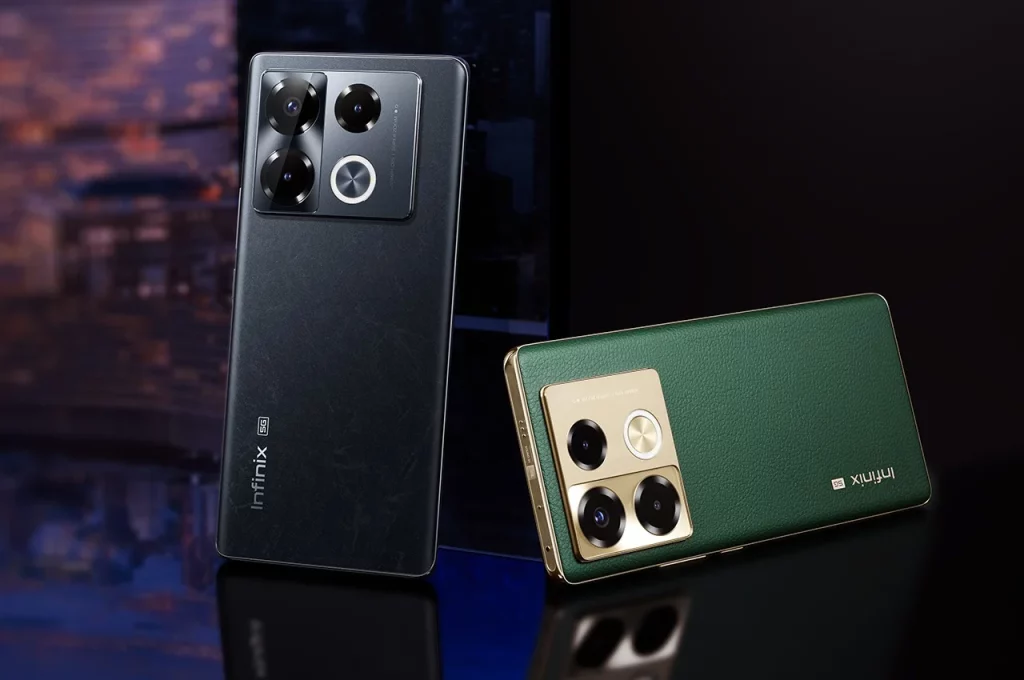
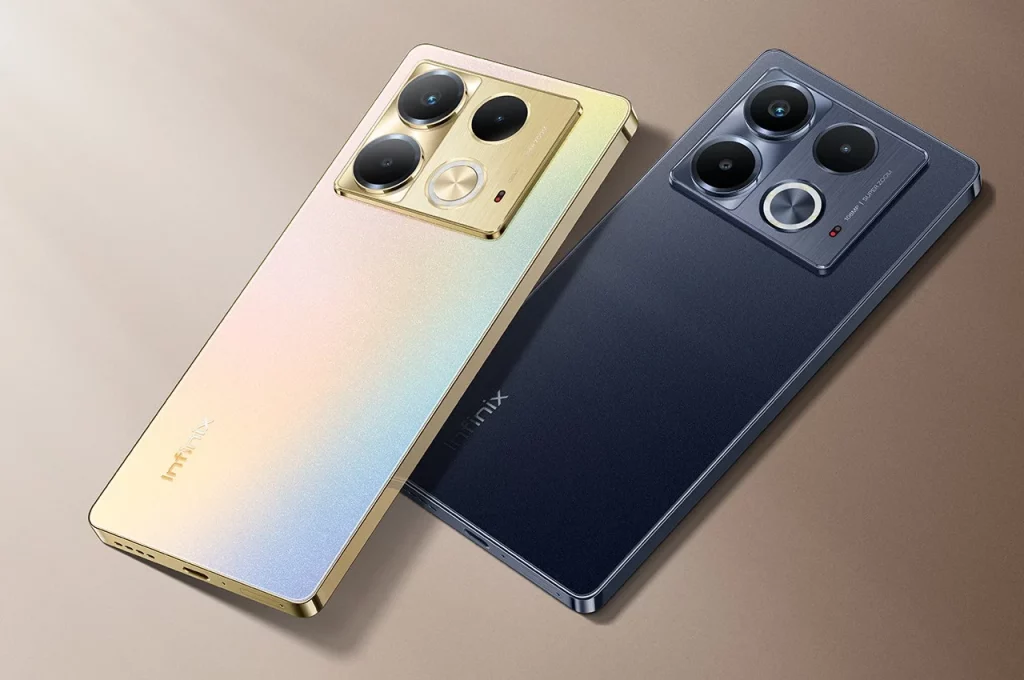
Infinix launched four Note 40 series smartphones today. These include the Note 40 and Note 40 Pro 4G, Note 40 Pro 5G and Note 40 Pro+ 5G variants. The 5G variants pack more premium specifications compared to the 4G models in the lineup. The Note 40 Pro 5G and Pro+ 5G are nearly identical to each other apart from a few minor differences. The later is the more premium offering among the two devices. Read on to know more below.
Infinix Note 40 Pro 5G and Note 40 Pro+ 5G specifications and features
Much like the 4G variants, the Infinix Note 40 Pro 5G and Pro+ 5G have a 3D curved AMOLED display measuring 6.78 inches. They bear an FHD+ resolution, 1,300 nits peak brightness, and a 120Hz refresh rate. Both phones have an in-screen fingerprint scanner. The display is shielded by Corning Gorilla Glass.
The Infinix Note 40 Pro 5G and Pro+ 5G flaunt a slim profile. There is a rectangular camera module on the back panel. The ‘Active Halo’ AI lightning changes based on various functions like incoming calls, notifications, and more. The smartphones are equipped with stereo speakers with sound by JBL.
In the imaging department, the triple camera setup on the Infinix Note 40 Pro 5G and Pro+ 5G comprises of an OIS-enabled 108MP primary camera, a 2MP macro lens, and a 2MP depth unit. Both phones are capable of recording 2K videos. There is a 32MP front-facing selfie snapper.
Internally, the Infinix Note 40 Pro 5G and 40 Pro+ 5G house a Dimensity 7020 processor. The former packs 8GB whereas the latter has 12GB RAM. Both have 256GB internal storage expandable via a microSD card slot. The Note 40 Pro duo are also equipped with brand’s self-developed Cheetah X1 chipset. The Pro+ 5G is powered by a 4,600mAh battery unit with support for 100W charging. Meanwhile, the Pro 5G is backed by a larger 5,000mAh cell but with support for 45W charging speed. Both phones also feature 20W wireless charging.
The Infinix Note 40 Pro + carries a starting price tag of $309. On the other hand, the Note 40 Pro 5G starts at $289 for the base configurations. The prices will vary depending on the market region. The phones will be available globally starting March 19. They are offered in Vintage Green, Obsidian Black, and Titan Gold colourways.
Infinix Note 40 series has been launched today in Malaysia. The lineup comprises of four devices including the standard, pro, pro 5G, and pro+ 5G variants. The standard and pro models arrive as the successor to the Note 30 and Note 30 Pro from 2022. All devices in the latest Note 40 series feature the same design with a Halo AI lightning effect. In this post, read on to know the details of the Note 40 4G phones.
Infinix Note 40 and Note 40 Pro specifications and features
The Infinix Note 40 and Note 40 Pro 4G sport a 6.78-inch AMOLED display bearing an FHD+ resolution, 1,300 nits peak brightness, and a 120Hz refresh rate. The former has a flat screen whereas the latter features curved edges. The devices are equipped with an in-display fingerprint scanner.
Design-wise, the Infinix Note 40 duo have a flat frame. There is a square camera module on the back panel housing three sensors and an ‘Active Halo’ LED. The light display changes depending on incoming calls, notifications, charging indicator, and more.
On the optics front, the standard variant’s triple rear camera setup comprises a 108MP main sensor, a 2MP secondary unit, and an AI lens. The Note 40 Pro also has the same primary sensor but with support for OIS. In addition to a 2MP secondary camera, there is also a 2MP lens. Both phones have a 32MP selfie snapper upfront.
Under the hood, the Infinix Note 40 and 40 Pro 4G are equipped with a Helio G99 Ultimate processor. Both phones pack 8GB RAM with virtual technology up to 16GB and 256GB onboard storage, The devices are also backed by a 5,000mAh battery unit with the standard variant supporting 45W charging speed and the pro model maxing out at 70W. They also support 20W wireless charging.
The Infinix Note 40 starts at $199 whereas the Note 40 Pro 4G starts at $259 for the base configurations. The prices will vary depending on the market region. The phones will be available globally starting March 19.
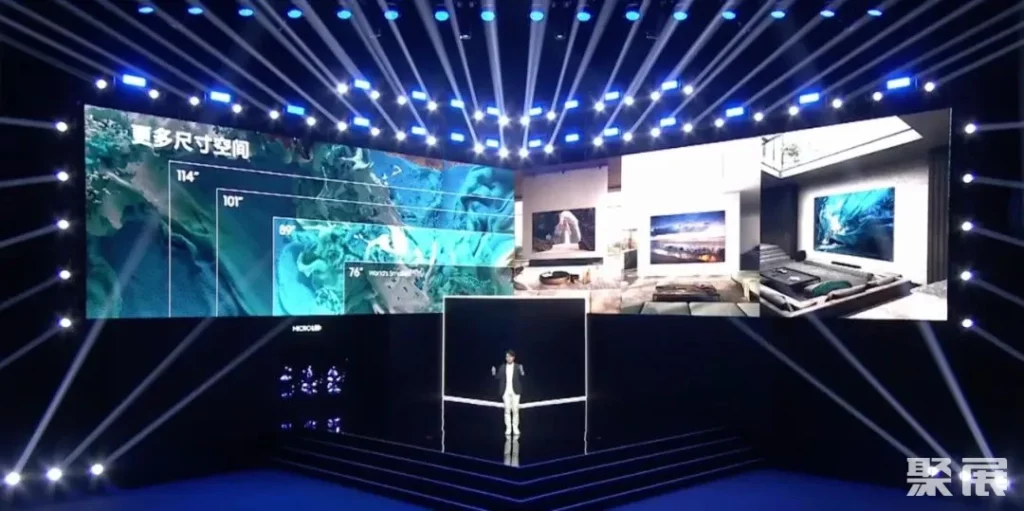
Yesterday, Samsung launched its 2024 lineup of Micro LED, Neo QLED, and OLED TVs at its home appliances product launch conference in China. Like numerous recent launch conferences from Samsung and other giants, this particular one was also focused on AI. Samsung’s 2024 Micro LED lineup comes with four different size options – 76/89/101/114 inches, where this year’s new additions are the 76-inch and 114-inch ones.
Great Micro LED panels paired with AI-based enhancements
The panels of this year’s TV lineup are reportedly made of sapphire and inorganic self-luminous pixels and come with a “Micro contrast technology” that eliminates the blurry boundaries to enhance the sharpness. The lineup also offers “Micro color” with 65,536 levels of control precision.
In addition to that, the TVs come with OTS Pro audio and video tracking technology. With support for built-in 6.2.2 channel with Dolby Atmos, it creates a “3D full surround sound” effect. It also offers a “Q Symphony” function which claims to enable the TV and sound bars to achieve a coordinated sound. Samsung is using the “NQ8 AI Gen 3” processor to perform the upscaling and other AI-based enhancements.
Notably, Samsung is aiming to start an “AI Screen Era” with these new products with features like 8K AI Upscaling Pro, AI Motion Enhancer, and more. In the launch event, the company shared its vision of bringing a more intuitive and convenient device experience than ever before.
Choi Seung-sik, the President of Samsung Electronics Greater China talked about the integration of AI into its connected technologies. “Samsung is integrating AI into our connected technologies, from Galaxy AI in mobile devices, to disruptive display technologies, to smart home improved through smart home appliances,”
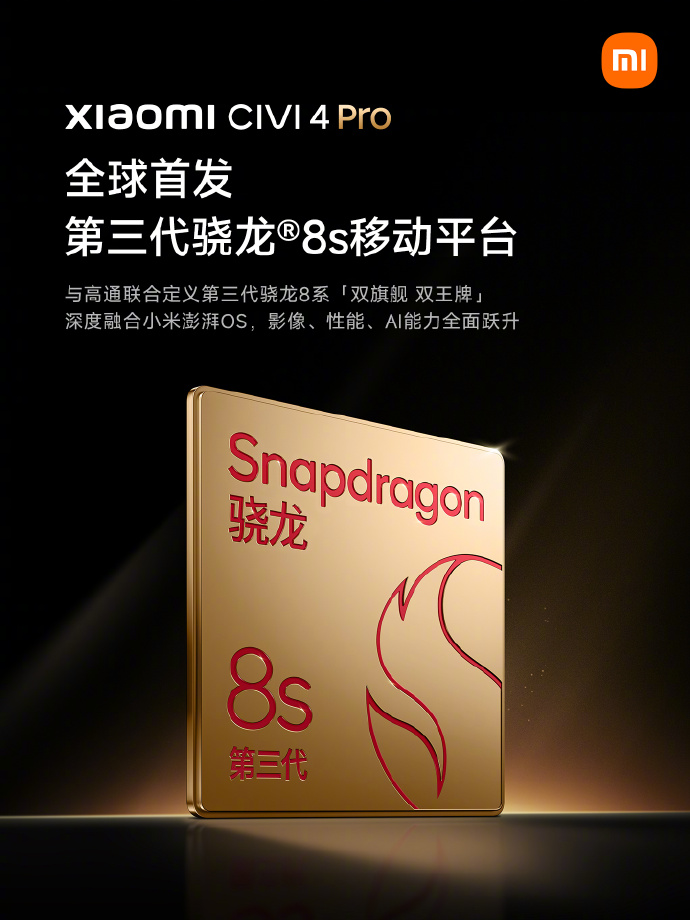
Xiaomi is expected to be working on the new Civi 4 model, which might be launching soon. The device was recently spotted in major certifications in China, but now, an official teaser has confirmed the chipset that will power the Xiaomi Civi 4 Pro.
Xiaomi Civi 4 Pro Chipset
The Chinese tech giant shared a new teaser that confirmed the chipset that powers the Civi 4 Pro. So far, we have seen certification sightings of the Civi 4, but there was no word on a Civi 4 Pro. To recall, the Xiaomi Civi 4 surfaced on the 3C and MIIT databases in China. The 3C platform confirmed that the device supports 67W wired fast charging. Looking at the latest teaser, the company has revealed that the Civi 4 Pro will be equipped with Qualcomm’s newly unveiled Snapdragon 8s Gen 3 SoC.
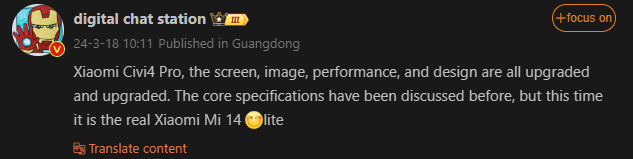
The upcoming smartphone will even run on the HyperOS custom skin and the brand promises to offer improved performance, camera, and AI functionalities. This smartphone was also spotted on a leak from Digital Chat Station. Reportedly, the Civi 4 Pro will feature upgrades in screen, photography, performance, and even design. The known tipster further added that the device will be launched in the global market as the Xiaomi 14 Lite.
Unfortunately, this is all the information we have at the moment. Xiaomi will likely share more details regarding the upcoming device soon, so stay tuned for more as we will be providing updates when we get to know more about the Civi 4 Pro.
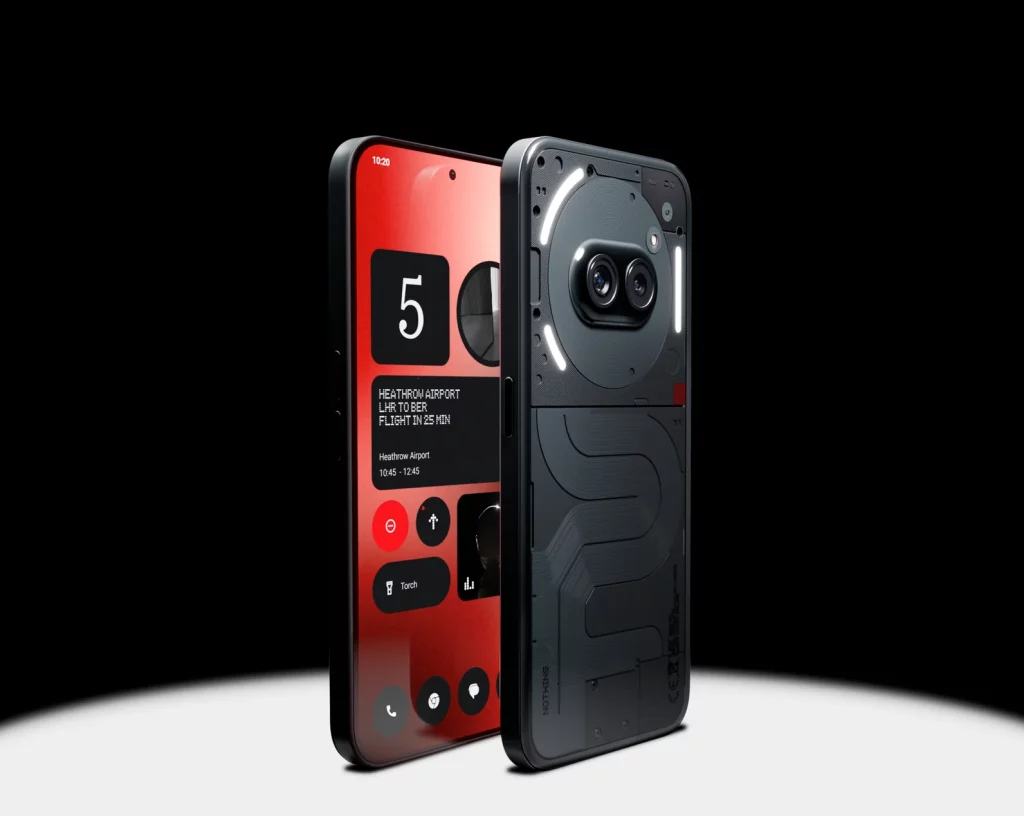
The Nothing Phone (2a) was launched earlier this month and received its first update last week to fix some bugs and polish the overall user experience. That being said, a lot of issues were still left after the initial update. So, Nothing has now released another significant software update, named Nothing OS 2.5.4, focused on solving these issues. This update is quite small in size at 77.92MB but fixes multiple issues.
Key updates include improvements in the camera’s capabilities, such as improved color accuracy, saturation, and optimized brightness in Ultra HDR photos. Users will notice better portrait mode effects and consistency between the main and ultra-wide cameras, contributing to an elevated photography experience.
The update also boosts the phone’s overall performance, especially for gamers with optimizations for popular games, and smoother animations when launching or exiting apps. The Recorder widget, too, benefits from enhanced animations.
In terms of bug fixes, the update addresses a range of issues, including flickering when launching apps from the lock screen, abnormal display of wallpapers, incorrect display of Wi-Fi or cellular data in Quick Settings, and a black screen during incoming calls under certain conditions.
Nothing Phone (2a) owners are advised to download and install this latest update by going to Settings > System > System update.
Xiaomi‘s Mijia Air Circulation Fan hit the shelves in China, following a successful crowdfunding campaign on its Youpin platform. The fan is priced at 329 yuan (approximately $46) and is now available on Chinese e-commerce platforms like JD.com.
Xiaomi Mijia Air Circulation Fan Specifications:
Coming to the specs, the Mijia fan adopts a compact design and boasts a dual-use design, functioning seamlessly as both a desktop and floor fan. The smart fan boasts a powerful DC frequency conversion motor generating a wind volume of 1500 cubic meters per hour (m³/h). This translates to impressive air circulation, reaching distances of up to 13 meters. Xiaomi claims the fan can achieve “whole-house circulation in just 2 minutes,” effectively tackling stagnant air for a more comfortable living environment.
The fan offers individual preferences with a wide range of adjustability options. It comes with automatic horizontal oscillation of 120 degrees, ensuring broader coverage, and manual vertical adjustment up to 105 degrees for optimal cooling throughout the room. Additionally, it can be personalized with 100 adjustable wind speeds via the DC frequency conversion motor.
The Mijia Air Circulation Fan uses step-less frequency conversion technology which achieves a noise level as low as 27.2 decibels (dB) in direct blowing mode at the lowest speed. It ensures a peaceful environment for sleep or relaxation.
The fan is also designed with energy efficiency in mind. The DC frequency conversion motor boasts a power consumption as low as 1.92 watts in non-oscillation direct blowing mode. Xiaomi estimates the electricity cost for the entire summer to be around 0.83 yuan, making it a budget-friendly option.
The fan integrates seamlessly with Xiaomi’s smart home ecosystem. Remote control and timer switch functionality can be controlled through the Mijia App. Additionally, it supports Xiaoai Assistant voice control which allows effortless control over the fan.
The fan also comes with Xiaomi HyperOS Connect, enabling smart linkage with other compatible smart home devices. For instance, the fan can automatically turn on or off based on temperature readings from sensors or adjust its operation based on the cooling mode of a connected air conditioner.
The fan also features a detachable mesh cover for easy cleaning and a low-voltage power supply for added safety. It also comes with a child lock function that provides security to families with young children.
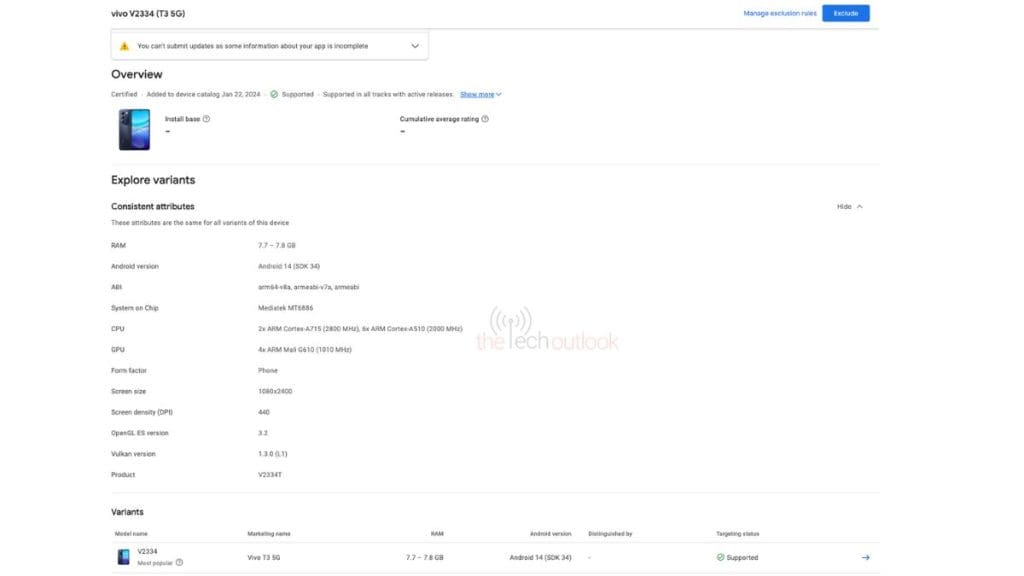
Vivo is set to unveil the Vivo T3 5G model in the Indian market soon. But ahead of the official announcement, the device was spotted on the Google Play Console certification, which revealed some of its key specs. So here are all the details.
Vivo T3 surfaces on Google Play Console
The Chinese smartphone brand’s upcoming Vivo T3 was spotted on the Google Play Console with the V2334 model number. This listing also revealed some of the key specs of the smartphone. The Vivo T3 visited the database with the MediaTek Dimensity 7200 SoC, which is paired with 8GB of RAM. The device runs on the Android 14 OS based FuntouchOS 14 custom skin out of the box.
This Google Play Console certification even lists some of the display specifications of the new device. The Vivo T3 will sport a Full HD+ display that has a 2400 x 1080 resolution and a 440 PPI pixel density. We can see an image of the handset as well, which offers us a glimpse of its rear and front design. We can see a punch hole cutout display that is surrounded by noticeable bezels on all four sides. Meanwhile, the rear features a vertically stacked triple camera setup with an LED flash module.
To recall, the Vivo T3 is set to be announced in India on March 21. This model is rumored to sport a tall 6.67-inch AMOLED screen that has a 120Hz refresh rate, Full HD+ resolution, and 1,800 nits of peak brightness. The primary sensor on the rear is a 50-megapixel Sony IMX882 camera. This main camera is paired with a 2-megapixel bokeh lens, while the front features a 16-megapixel selfie shooter. So stay tuned for more, as we will be covering the launch event later this week.
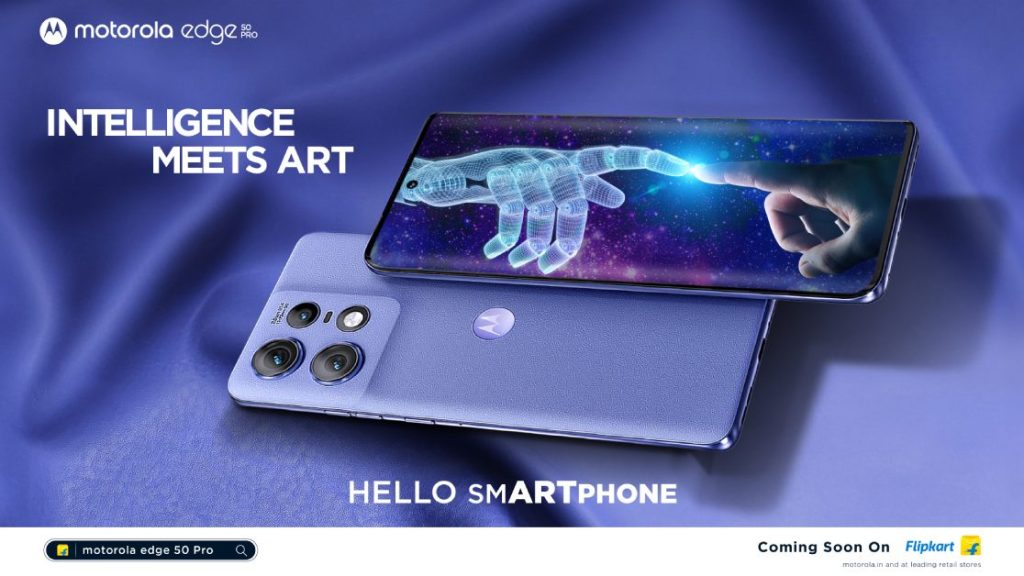
Motorola has been hinting at an upcoming smartphone launch in India, and today the company officially confirmed it will be the Motorola Edge 50 Pro.
The company shared this news via Twitter while also revealing the phone’s design. However, the exact launch date is still to be announced. According to tipster Abhishek Yadav, Motorola will likely reveal the smartphone in India on April 3rd.
Motorola previously teased that their upcoming smartphone would feature a Snapdragon 7 Gen 3 processor. This might be for the rumored Edge 50 Fusion rather than the Edge 50 Pro.
The Edge 40 Pro, its predecessor, featured the flagship Snapdragon 8 Gen 2 chip. If Motorola follows this pattern, we expect the Edge 50 Pro to be powered by the Snapdragon 8 Gen 3.
Motorola Edge 50 Pro Specifications (Rumored)
That’s all the official information shared by the brand for now. However, rumors suggest that the smartphone will feature a tall 6.7-inch curved AMOLED display with a 165Hz refresh rate.
It will have a triple camera setup on the rear consisting of a 50-megapixel primary sensor, an ultra-wide-angle lens, and a telephoto shooter with 6x optical zoom. The main camera will also support OIS (Optical Image Stabilization) and laser autofocus.
Moreover, the device is said to pack a 4500mAh battery with support for 125W fast charging and 50W wireless charging. It’s expected to come in Black, White, and Purple color options. The latter will have a faux leather finish.
Apart from this, we do not have other information about the Motorola Edge 50 Pro for now. We’ll continue to keep you updated if any new detail comes in.
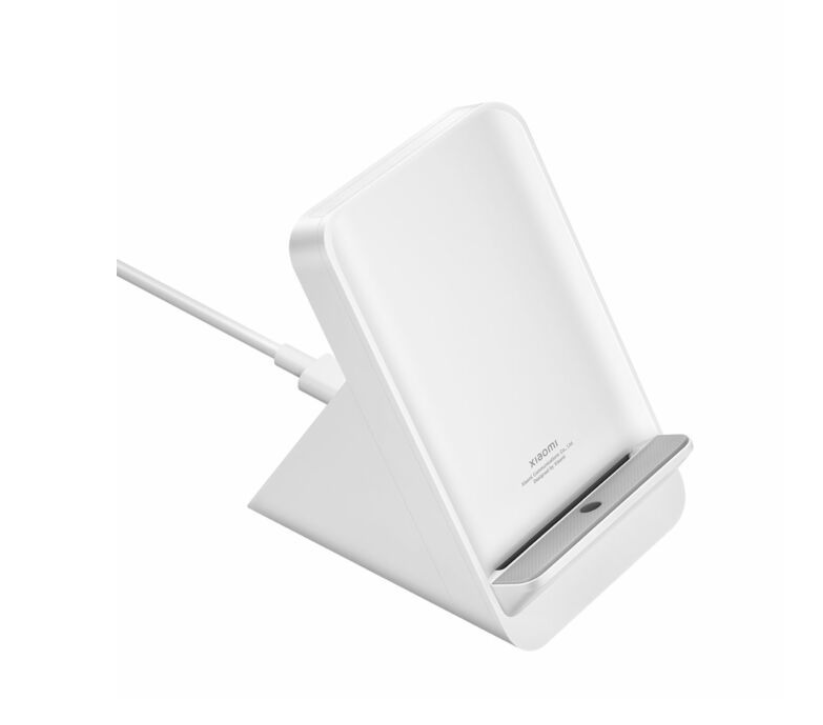
Xiaomi 80W Lift-Type Wireless Charging Stand Kit is the ultimate solution for hassle-free charging at lightning speed. Designed to meet the demands of modern smartphone users, this innovative charging stand offers a plethora of features that elevate your charging experience to new heights.
You can now grab the Xiaomi 80W Lift-Type Wireless Charging Stand Kit at an unbeatable discounted price of $99.90 only at GeekWills. Originally priced at $119.99, you save a whopping $20 on this state-of-the-art charging solution.
With its super-fast 80W charging speed, the Xiaomi Mi 80W Wireless Charging Stand ensures your device gets juiced up in no time. Whether you’re using a Xiaomi Mi 14 Ultra, Xiaomi Mi 14 Pro, or any other Qi-compatible device, rest assured that this charger has got you covered.
Versatility is key with the double coil design, allowing you to charge your phone both vertically and horizontally. Whether you’re watching videos in landscape mode or scrolling through your feed in portrait mode, the Mi Wireless Charging Stand keeps your device powered up without sacrificing comfort or convenience.
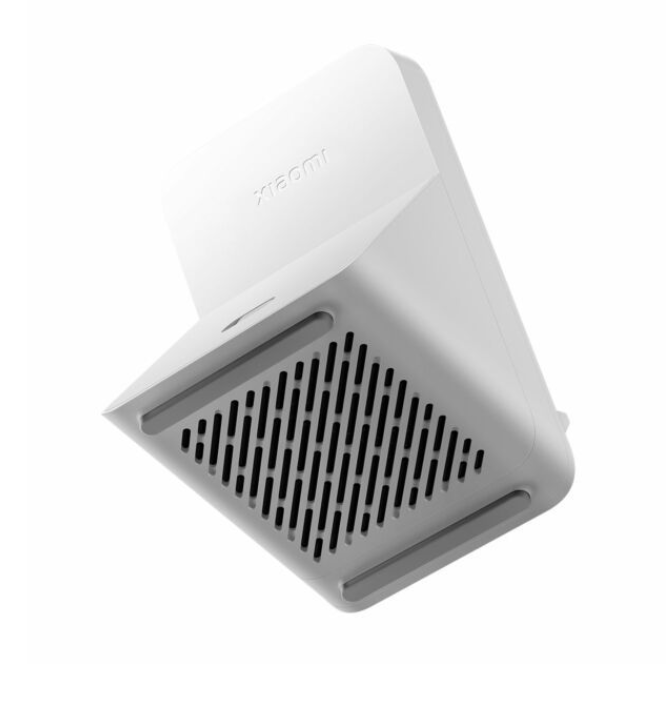
Say goodbye to overheating woes with the integrated cooling system. The curved air duct efficiently dissipates heat, ensuring optimal performance even during extended charging sessions. Plus, the ultra-quiet built-in fan keeps things cool without creating unnecessary noise.
Safety is paramount, and the Xiaomi Mi 80W Wireless Charging Stand takes it seriously. With advanced protection features including overvoltage, overcurrent, overtemperature, under-voltage, foreign object detection, and electrostatic protection, you can charge with peace of mind knowing your device is safeguarded against potential risks.
Designed for simplicity and ease of use, the charging stand comes complete with a 120W charger, a 6A cable, and easy-to-follow instructions. Simply plug it in, place your device on the stand, and let the fast-charging technology do the rest.
Xiaomi 80W Lift-Type Wireless Charging Stand Kit is the perfect blend of speed, versatility, and safety. Whether you’re at home, in the office, or on the go, this charging stand ensures you stay powered up and ready for whatever the day brings.
Fresh off the launch of K7 Max, Keychron has now released another product, the Q0 Max, a numeric keypad. But wait, it’s not just any ordinary number pad. It’s also designed to streamline your workflow with customizable macros and intuitive controls. So let’s get into the details here.
Keychron Q0 Max Specifications
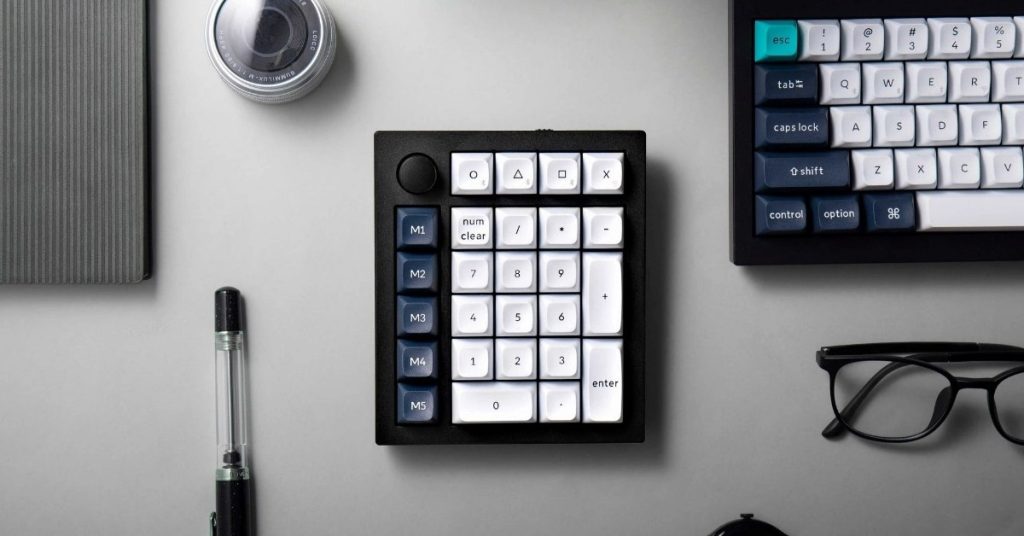
The Q0 Max builds upon the success of the Q0 Plus, sporting an expanded layout. That is, in addition to a standard numeric keypad, you also get five dedicated macro keys on the left side and a convenient rotary knob.
Additionally, there are four shortcuts on the top which offer quick access to frequently used functions. The keys are hot-swappable so you can personalize your typing feel, while there are also south-facing RGB lights to create a vibrant workspace.
Like most Keychron keyboards, the Q0 Max supports QMK/VIA customization. That means you can remap keys and program those nine macro keys to execute your desired tasks with a single press.
Keychron has also upgraded the pre-installed switches of the finished Q0 Max with the Gateron Jupiter series, renowned for their impressive 80-million-keypress lifespan.
You can choose from the tactile Jupiter Tea Shaft, the smooth Jupiter Red Shaft, or the satisfying Jupiter Banana Shaft according to your preferences. Last but not least, Keychron is offering the keyboard in sleek carbon black or crisp shell white shade.
Pricing and Availability
As for the price, the barebone kit, ideal for those who want to choose their own switches and keycaps, costs just $109. If you’d prefer a complete package, the finished version comes with switches and PBT keycaps for a mere $119. You can purchase it from the company’s official site.
Recent rumors have hinted that Meta is working on a more affordable VR headset (virtual reality) that is believed to be called the Meta Quest 3 Lite. But now, a fresh leak has revealed that the Quest 3 Lite could be called the Meta Quest 3s.
Meta Quest 3s Leak
The leak arrives from Redditor u/LuffySanKira (Via @Lunayian) who shared the images of what appear to be screenshots of a Meta User Research Zoom meeting. These images offer us a look at the graphics of the upcoming affordable VR headset. The Zoom meeting showcases the Meta Quest 3s alongside the Meta Quest 3. Some specifications of the Meta Quest 3s have also been revealed in these screenshots that further suggest that it is the rumored Meta Quest 3 Lite.
For those unaware, the Quest 3 Lite is expected to be a cut down version of the Quest 3, which will arrive with a cheaper price tag. The Quest 3s seen in this leak features a 1920 x 1832 resolution with 20 PPD (Pixels Per Degree) and 256GB of internal storage. This is lower than the Quest 3’s 2208 x 2064 resolution with 25.5 PPD and 512GB of internal storage.
We also get a look at the Meta Quest 3s right next to the base Quest 3. It appears to be slightly smaller in terms of overall size. Although, the main difference between the two is the key sensors on the front. While the Quest 3 has three oval cutouts for the sensors, the Quest 3s has six cutouts (three on either side) stacked together. Unfortunately, the leak cannot be verified at the moment, so stick around for more updates.
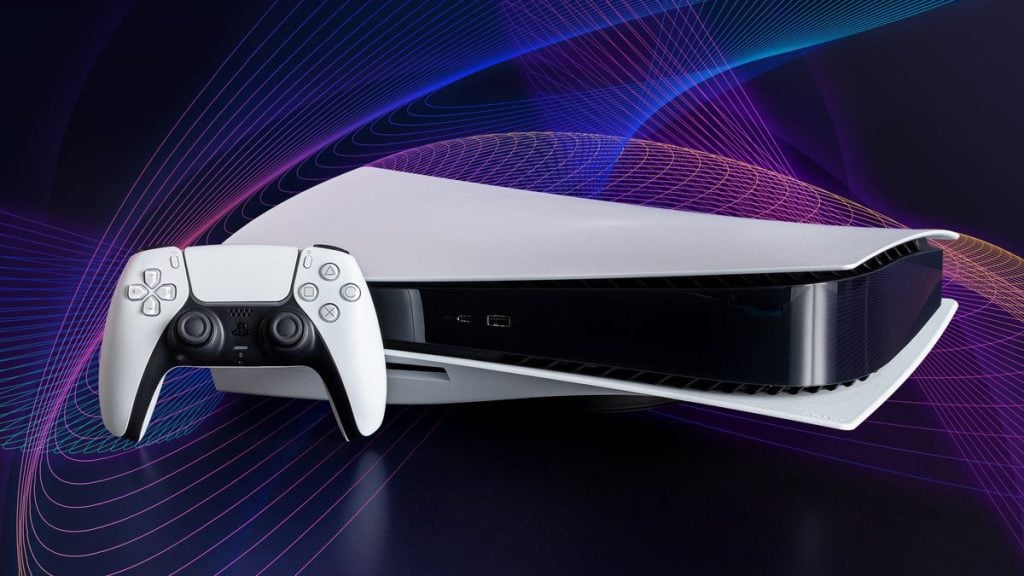
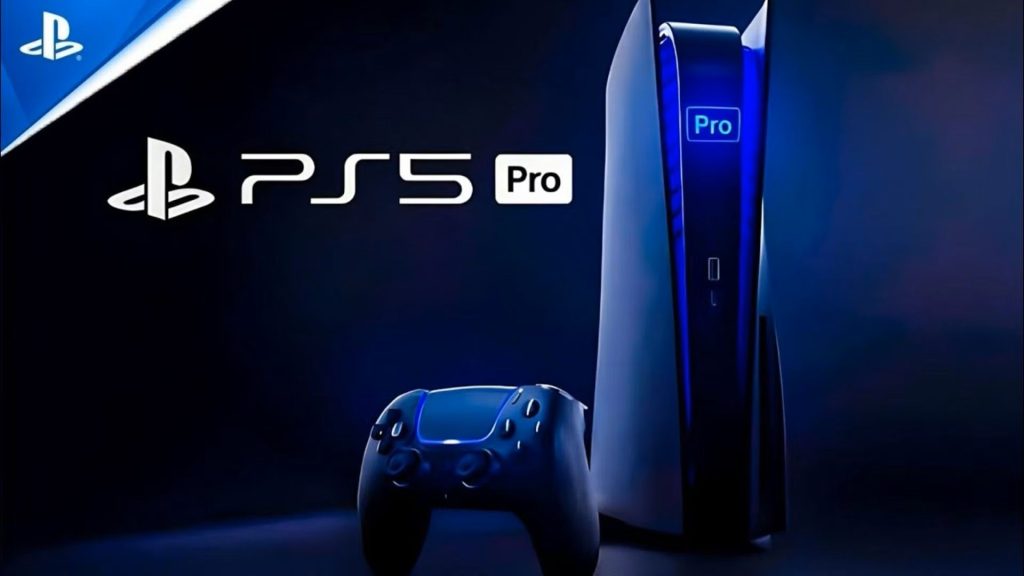
Rumors of Sony’s upcoming console, the PlayStation 5 Pro, have been circulating for some time now. While details about it were scarce, a recent report by Insider Gaming has shed light on the possible specifications of the gaming console.
If the leaked specifications are to be believed, the PS 5 Pro’s CPU will remain identical to the standard PS5. However, the Pro model is said to introduce a new ‘High CPU Frequency Mode.’
This mode will reportedly push the CPU’s clock speed to 3.85GHz — a 10% increase over the standard console. But it may downclock the GPU’s performance by around 1.5%.
Moreover, the PS5 Pro is rumored to have a 28% bandwidth increase. This means it will have a 576 GB/s speed compared to the standard edition’s 448 GB/s.
Higher memory bandwidth allows for faster data transfer between the system memory and the GPU, which can lead to improved graphical fidelity, faster rendering, and overall better performance in games.
Speaking of which, the PS5 Pro’s leaked GPU details reveal a dramatic upswing in performance. We’re talking about a potential 45% leap in rendering power, 2-3x (even 4x in some cases) faster ray tracing performance and an impressive 33.5 teraflops of single-precision compute.
All this is in addition to specialized hardware for ray tracing acceleration. It all translates to a console aiming for smooth 4K experiences and a future-proofed 8K vision.
Along with this, the PS5 Pro is considered to have better audio technology. The Audio Compute Voice (ACV) reportedly runs at a higher clock speed, resulting in a 35% performance gain for the Audio Compute Module (ACM) library.
With these details emerging, we can expect an official announcement for the console pretty soon. We will keep you posted about it if any new information comes in.
Sony has been focusing on its Xperia 1, 10, and 5 series phones since 2019, releasing a new version of each series every year. Currently, we are expecting the Xperia 1 VI (pronounced as Xperia 1 Mark 6) and the Xperia 10 VI somewhere around May. However, a recent leak suggests that the Xperia 5 VI won’t come out as Sony is discontinuing the Xperia 5 series. Sony launched the two last iterations of the Xperia 5 series in September, a couple of months after the release of the Xperia 1 and Xperia 10 series devices. So there’s still time for the company to rethink the decision.
Sony probably wants to focus on the Xperia 1 series
Tipster Zacbucks noted “Xperia 5 series, R.I.P 2024” in one of his recent Weibo posts. However, he didn’t provide any reason behind this claim.
The predecessor Xperia 5 V was released in Europe in September last year. But this phone wasn’t available in the US. The company said it “will not [be] carrying the Xperia 5 V in the North American market this year. We want to focus on our flagship Xperia 1 V.” So, is Sony further reserving its resources and attention to the Xperia 1 series? Well, only time will tell if they decide to discontinue the Xperia 5 series altogether.
Here’s a list of Xperia 1, 5, and 10 series devices the company has released so far.
Xperia 1 – 2019, February 25
Xperia 1 ii – 2020, February 24
Xperia 1 iii – 2021, April 14
Xperia 1 iv – 2022, May 11
Xperia 1 v – 2023, May 11
Xperia 1 vi – (upcoming)
Xperia 5 – 2019, September 05
Xperia 5 ii – 2020, September 17
Xperia 5 iii – 2021, April 14
Xperia 5 iv – 2022, September 01
Xperia 5 v – 2023, September 01
Xperia 5 vi – DISCONTINUED (Rumored)
Xperia 10 – 2019, February 25
Xperia 10 Plus – 2019, February 25
Xperia 10 ii – 2020, February 24
Xperia 10 iii – 2021, April 14
Xperia 10 iv – 2022, May 11
Xperia 10 v – 2023, May 11
Xperia 10 vi – (upcoming)
Speaking of the Xperia 1 series, there are also rumors about a significant design change to the upcoming Xperia 1 VI. The predecessors of the Xperia 1 series came with a distinctive 6.5-inch 4K display (1644 x 3840) with a tall 21:9 aspect ratio. With a more conventional design and a shift to a 19.5:9 aspect ratio along with a downgraded 2K panel, the Xperia 1 VI may aim to appeal to a broader audience beyond Sony’s professional camera users, potentially reducing costs in the process.
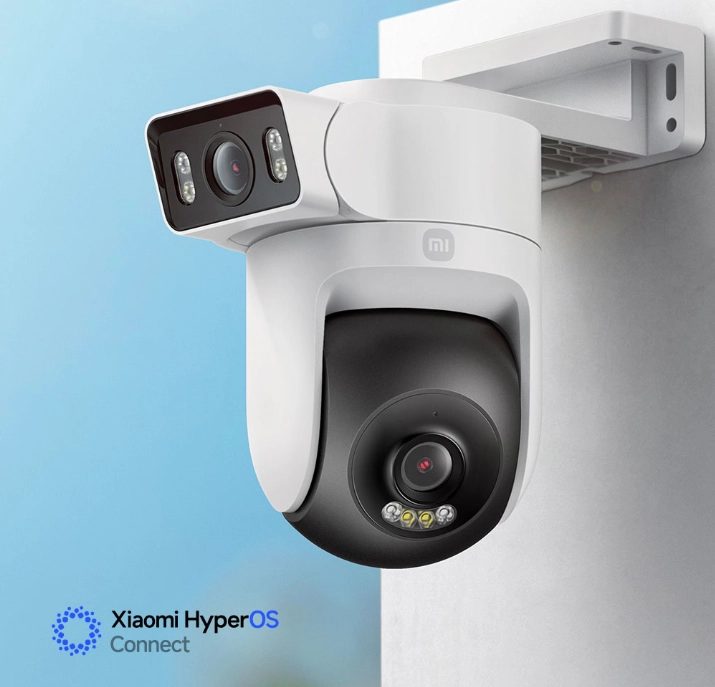
Xiaomi has just announced a new version of the Xiaomi Outdoor Camera CW500 in its home market in China. The company has launched this new security camera on its Xiaomi Youpin platform for crowdfunding, which is set to kick off soon. So here’s everything you need to know.
Xiaomi Outdoor Camera CW500
The Chinese tech giant recently announced the Xiaomi Smart Camera C500 Pro in Europe, a smart home product for security. The brand first announced the Outdoor Camera CW500 in China back in February 2024. Now, the dual-camera version of this device has been released. Its twin image sensors are aligned at different angles, which basically expands the total field of view of the security camera. The new product consists of a fixed and mobile gimbal dual lens configuration. This is also compatible with the Xiaomi HyperOS and can be controlled via the MIJIA app.
The two cameras on the CW500 model are 4 megapixel sensors that have an f/1.6 aperture and can record at 2.5K resolution for improved quality. Each of these cameras also features two white lamps and two infrared night vision sensors. The company’s smart security camera can even detect and recognize human figures at night, witt the fill lights automatically turning on to take a colorful picture. Since it’s built for outdoor use, it has an IP66 water and dust resistance rating as well.
The MIJIA app can share alarms and alerts with the users. These cameras can even record a video and send it to you via a 2.4GHz+5GHz dual-band Wi-Fi 6 connection. You can even connect the Xiaomi Outdoor Camera CW500 to your Xiaomi tablets, TVs, and smartphones to get a remote view. The crowdfunding of the device will be live between March 20 and March 27 for a price tag of 329 Yuan (roughly 46 US Dollars).
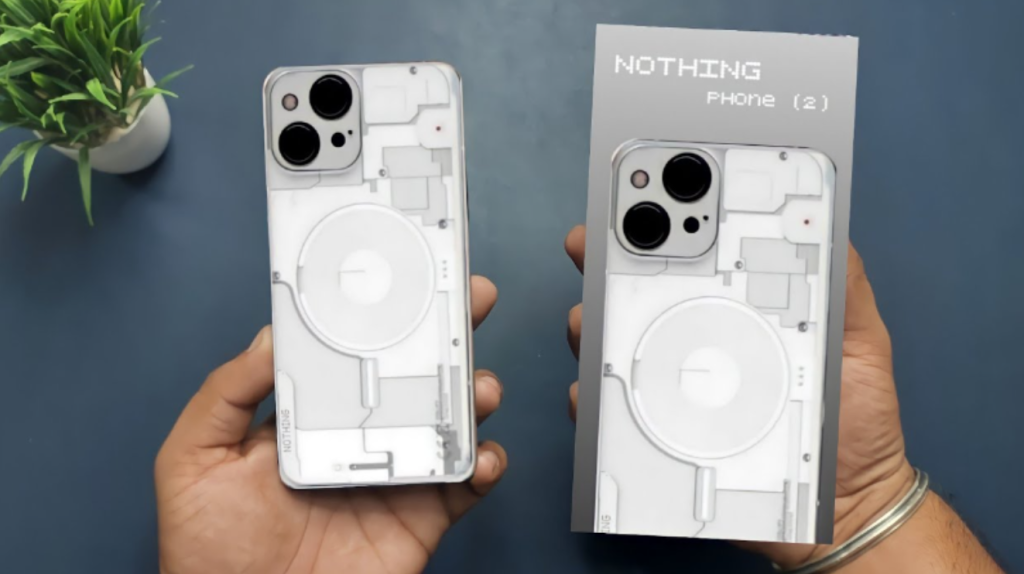
In the tech industry, where giants like Samsung and Apple reign supreme, it’s easy to overlook the exciting innovations coming from other companies. However, the Nothing Phone 2 is changing that narrative. Launched globally in 2023, this device has grabbed the interest of tech enthusiasts everywhere.
As you discover the impressive features of the Nothing Phone 2, you might consider switching from your current device to this advanced option. However, moving from your old smartphone to the sleek Nothing Phone 2 requires one essential step: transferring your data smoothly.
In this article, let’s learn how to transfer important data from your old smartphone to the Nothing Phone 2. Whether it’s treasured photos, crucial contacts, or essential documents, we’ll walk you through the process, ensuring a seamless transition to your new device.
Exploring the Features of Nothing Phone 2:
The Nothing Phone 2 has stirred up the smartphone market with its array of advanced features, garnering significant attention and praise from tech enthusiasts worldwide. Let’s delve into the specifics of what makes this device stand out:
Design: Despite its substantial size, weighing in at a mere 201 grams, the Nothing Phone 2 boasts a surprisingly manageable feel. Its bulkiness doesn’t detract from its usability, making it comfortable to hold and use. The design is both sleek and sturdy, featuring an aluminum chassis along the sides and a glass back. Notably, the inclusion of subtle lights across the smartphone’s structure adds a touch of sophistication and uniqueness.
Structure: The build quality of the Nothing Phone 2 is undeniably impressive, justifying its price tag. The combination of aluminum and glass not only enhances its aesthetic appeal but also ensures durability. The attention to detail in crafting this device is evident, with every aspect of its structure exuding premium quality.
Camera Quality: One of the standout features of the Nothing Phone 2 is its exceptional camera capabilities. This smartphone is equipped with a pair of 50-megapixel lenses and delivers stunning photographs. The inclusion of both optical and electronic stabilization ensures sharp, blur-free images and videos. Additionally, the wide-angle functionality expands the creative possibilities for capturing memorable moments with clarity and precision.
Cost-Effective Pricing: Despite its high-end features and premium build, the Nothing Phone 2 comes with a price tag of $599. This competitive pricing sets it apart from other flagship smartphones, offering consumers exceptional value for money. With comparable features to its pricier counterparts, the Nothing Phone 2 provides a cost-effective alternative without compromising on quality or performance.
How to Transfer Data from Your Old Smartphone to the Nothing Phone 2 ?:
Transferring data from your old smartphone to the cutting-edge Nothing Phone 2 has never been easier, thanks to Wondershare MobileTrans. This powerful phone transfer tool is equipped with state-of-the-art algorithms and user-friendly design principles, making it the go-to choice for seamless data migration in 2024. With support for over 6000 devices running on both Android and iOS, MobileTrans ensures compatibility and reliability.
Key Features:
Wide Device Compatibility: MobileTrans is compatible with over 6000 devices running on both Android and iOS platforms, ensuring seamless data transfer regardless of your device.
Advanced Algorithms and UI/UX Design: Developed with advanced algorithms and user-friendly design principles, MobileTrans offers a robust and intuitive user experience, making data transfer simple and efficient.
Blazing-Fast Transfer Speeds: Enjoy lightning-fast transfer speeds when moving data from your old smartphone to the Nothing Phone 2, thanks to MobileTrans’ optimized performance.
Cross-Platform Transfers: Transfer data not only between Android devices but also between Android and iOS devices effortlessly, eliminating compatibility concerns.
Encrypted Data Transfer: Rest assured that your data remains secure during the transfer, as MobileTrans encrypts data from one device to another, protecting your sensitive information.
Comprehensive Data Transfer: Transfer various data types, including photos, videos, contacts, notes, reminders, and calendars, ensuring that all your important information makes it to your new device intact.
WhatsApp Transfer and Recovery: Seamlessly move and merge WhatsApp data between devices, including the ability to recover deleted WhatsApp data from Android devices, ensuring continuity of communication.
Music Playlist Transfer: Transfer music playlists between streaming platforms like YouTube, Spotify, and Apple Music, saving you time and effort when setting up your new device.
Backup and Restore: Create complete backups of your Android or iPhone device with MobileTrans, including specific backups for social media apps like WhatsApp. It also supports restoring iTunes backups to your new device, ensuring data continuity.
With these comprehensive features, Wondershare MobileTrans simplifies the process of transferring data to your Nothing Phone 2, providing a seamless and secure experience for users.
Step-by-Step Guide: Transitioning to the Nothing Phone 2:
The Nothing Phone 2 is revolutionizing the smartphone landscape with its array of cutting-edge features, setting new standards for user experience. But when it’s time to transition from your old device to this innovative newcomer, how exactly do you transfer your data? Let’s break down the process step by step.
Step 1: Choose the Phone Transfer Tool
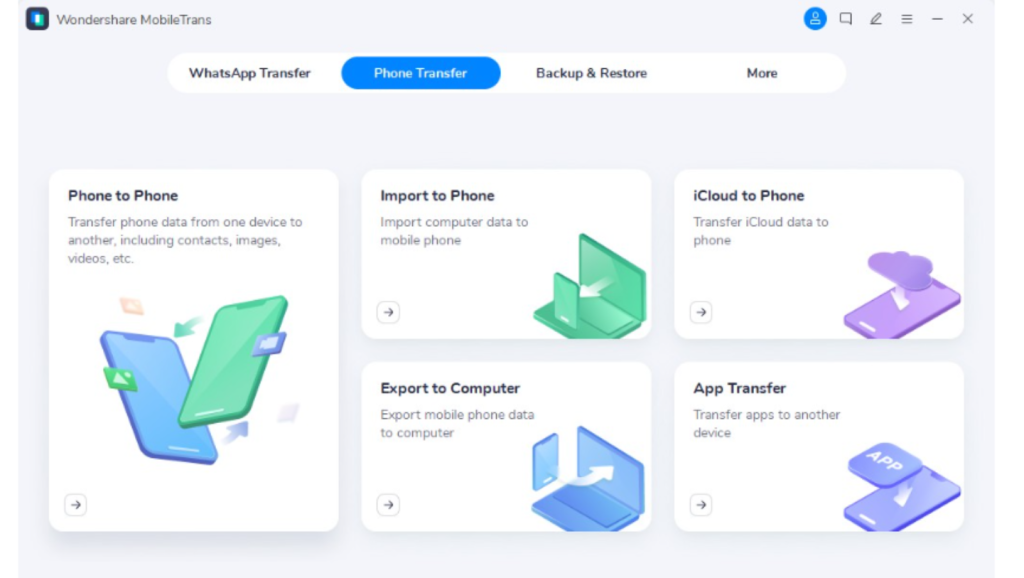
Navigate to the “Phone Transfer” module within Wondershare MobileTrans and select the “Phone to Phone” option. Connect both your old smartphone and the Nothing Phone 2 to your device using appropriate cables.
Step 2: Transfer Data to Nothing Phone 2
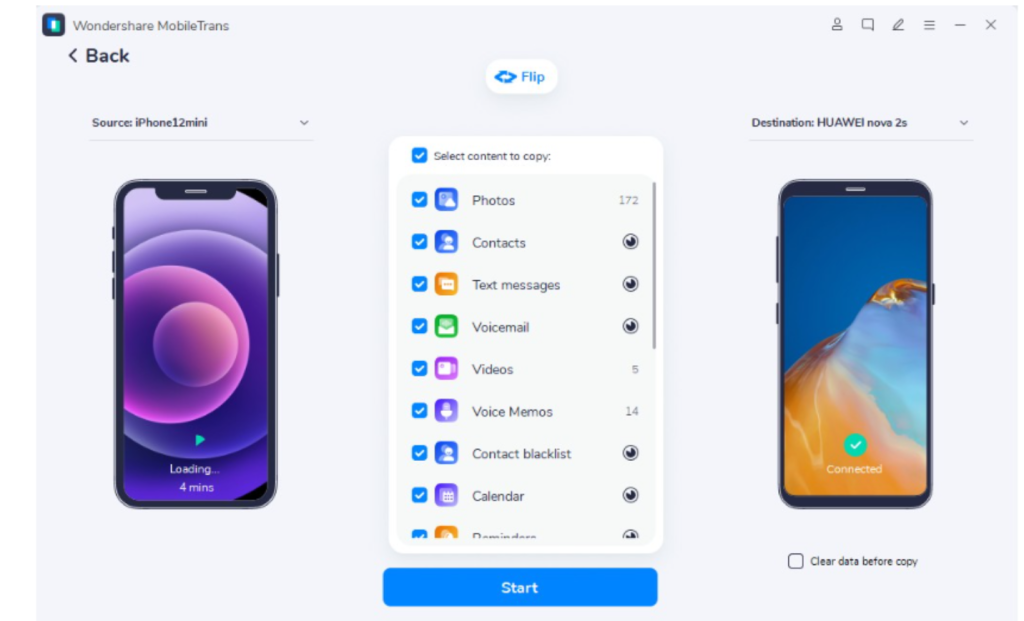
Once connected, MobileTrans will display all the data available for transfer from your old smartphone. Select the desired data types you wish to move to the Nothing Phone 2 and click the “Transfer” button to initiate the transfer process. If the devices are not in the correct positions, utilize the “Flip” feature to adjust.
With the introduction of the Nothing Phone 2, backed by its impressive features and capabilities, transitioning from your old smartphone has never been smoother. Armed with Wondershare MobileTrans, the process of transferring your valuable data becomes a breeze, ensuring that your transition to the Nothing Phone 2 is seamless and hassle-free.
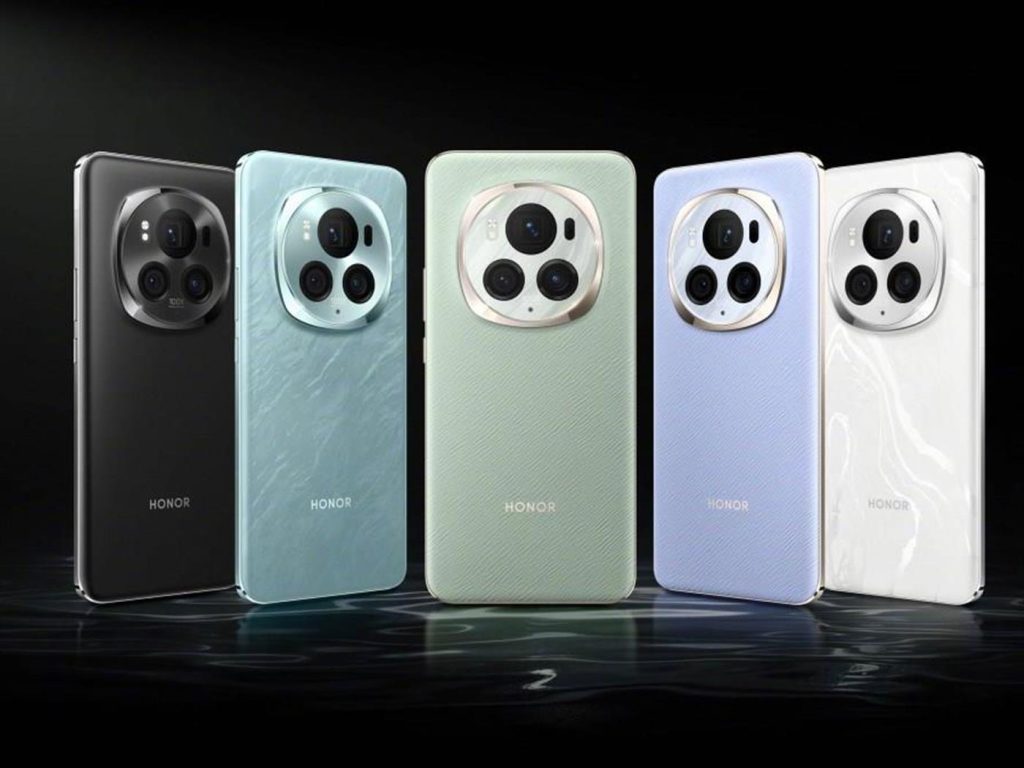
Honor is gearing up to release two new flagship smartphones in the Chinese market later today (18th March 2024). But ahead of its release, the Magic 6 Ultimate had its entire specifications leaked online. Now, another major leak has revealed the price for the Magic 6 Ultimate and the Magic 6 RSR Porsche Design. So here are all the details.
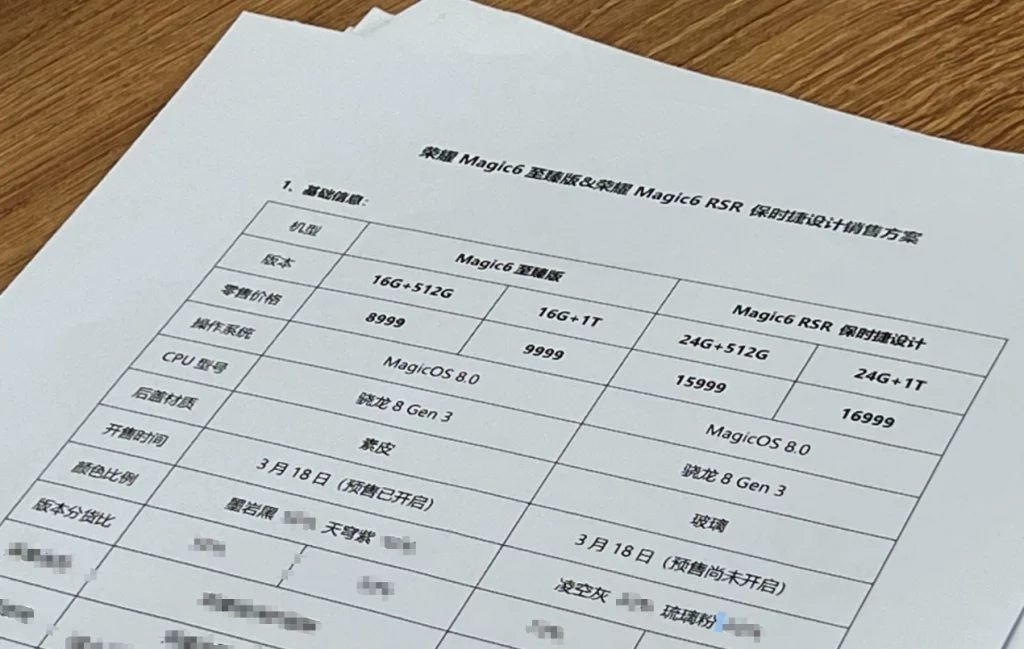
For those unaware, the Chinese smartphone brand is set to unveil the two devices at its spring flagship product launch event today. But according to multiple bloggers on Weibo, the price list of the Magic 6 Ultimate and Magic 6 RSR Porsche models and their storage options have been leaked. So let’s have a look:
It is worth noting that early price leaks aren’t uncommon just before a major release. So the final pricing could differ during the actual announcement. To recall, the upcoming Magic 6 series phones will be equipped with the Snapdragon 8 Gen 3 SoC and sport a tall 6.8-inch LTPO OLED Display that offers Full HD+ resolution and a 120Hz refresh rate. Both devices are expected to be powered by a large 5,600mAh battery pack that could support 80W wired fast charging and 66W wireless fast charging.
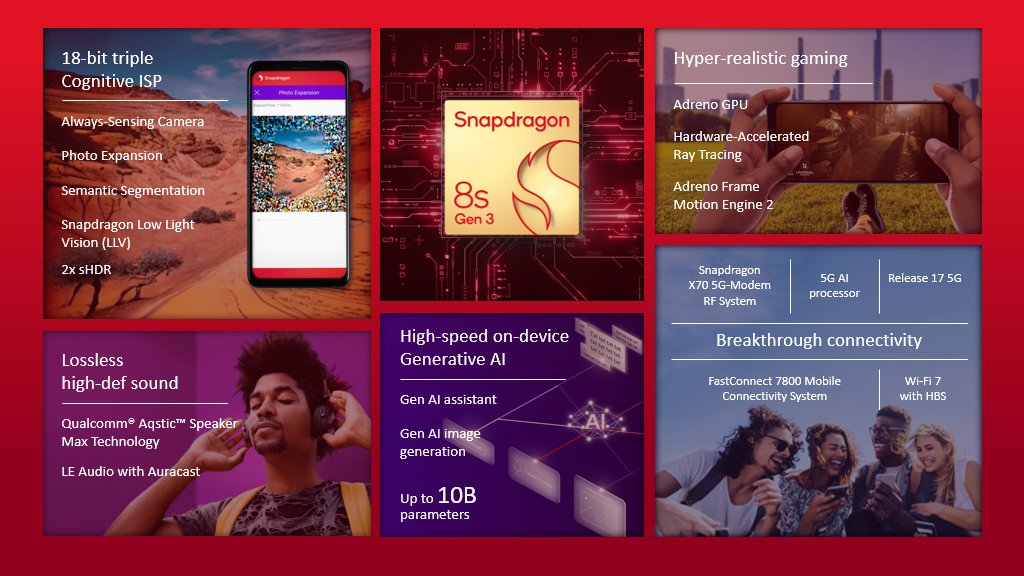
Qualcomm recently hosted a press event, debuting the new Snapdragon 8s Gen 3 SoCs. This new chip is essentially a slightly cut-down version of the Snapdragon 8 Gen 3 flagship chip.
The new Snapdragon 8s Gen 3 continues to offer hardware-accelerated ray tracing, a feature that made its debut on the Snapdragon 8 Gen 3. This feature helps in the complex calculations needed for ray tracing, which can create more realistic lighting, shadows, and reflections in games and other applications. The Adreno Frame Motion Engine 2.0, which was also introduced on the Snapdragon 8 Gen 3, is also onboard the new chip. This technology can potentially double the frame rate of games from 60fps to 120fps by generating additional frames between the ones rendered by the game itself.
On the CPU side, it features a Cortex-X4 prime core, four Cortex A720 cores, and three Cortex-A520 cores with 3.0GHz, 2.8GHz, and 2.0GHz clock speeds, respectively. The SoC is compatible with up to 24GB LPDDR5x RAM, clocked at 4,200MHz.
The processor includes an 18-bit triple cognitive ISP feature for handling image and video processing tasks. It offers features like an always-on camera, photo enhancement, semantic segmentation, Snapdragon low light vision (LLV), and 2x sHDR (Super High Dynamic Range) capability. It is capable of supporting 4K HDR video recording @ 60FPS and 1080p video recording at up to 240FPS.
For connectivity, it will offer the FastConnect 7800 Mobile Connectivity System and Wi-Fi 7 with HBS (High Bandwidth Spectrum), along with a Snapdragon X70 5G-Modem RF System, 5G AI processor, and it mentions Release 17 5G, which is the latest upgrade to 5G. bringing better performance and wider range.
On-device generative AI will also be a key aspect of this chip, offering AI image generation and up to 10 billion parameters support, which is honestly a bit overkill for a low-power device like a smartphone.
Qualcomm has stated that global OEMs and brands, including HONOR, iQOO, realme, Redmi, and Xiaomi, will be adopting the Snapdragon 8s Gen 3 platform. The first device launch is expected in March.
We use cookies on our website to give you the most relevant experience by remembering your preferences and repeat visits. By clicking “Accept”, you consent to the use of ALL the cookies.
This website uses cookies to improve your experience while you navigate through the website. Out of these, the cookies that are categorized as necessary are stored on your browser as they are essential for the working of basic functionalities of the website. We also use third-party cookies that help us analyze and understand how you use this website. These cookies will be stored in your browser only with your consent. You also have the option to opt-out of these cookies. But opting out of some of these cookies may affect your browsing experience.
Necessary cookies are absolutely essential for the website to function properly. This category only includes cookies that ensures basic functionalities and security features of the website. These cookies do not store any personal information.
Any cookies that may not be particularly necessary for the website to function and is used specifically to collect user personal data via analytics, ads, other embedded contents are termed as non-necessary cookies. It is mandatory to procure user consent prior to running these cookies on your website.