These might be slightly testing times for iPhone users. A recent update seems to have thrown a wrench into the overall typing experience. Several users have reported a malfunctioning autocorrect feature after upgrading to iOS 17.4. Even with autocorrect enabled in settings, the functionality appears to be haywire, leaving users to battle their typos solo.
This issue is seemingly affecting only older iPhone models
While the exact cause remains under investigation, initial reports suggest this issue primarily plagues older iPhone models. The specific models and total number of affected devices haven’t been pinpointed yet.
IT Home cited reliable tech source MacRumors, stating that Apple is already on the case. The company is prepping the release of iOS/iPadOS 17.4.1 update within the next few days. This update, sporting version number 21E235, promises to be the savior of the autocorrect issues, and will restore smooth, error-free typing.
In the meantime, if you’re one of the unfortunate users experiencing this autocorrect glitch, there are a few workarounds you can try. One option is to restart your iPhone – a simple fix that can often resolve minor software hiccups. Additionally, you can try toggling the autocorrect setting on and off again in your keyboard settings. While these might not be permanent solutions, they could offer temporary relief until the official update arrives.
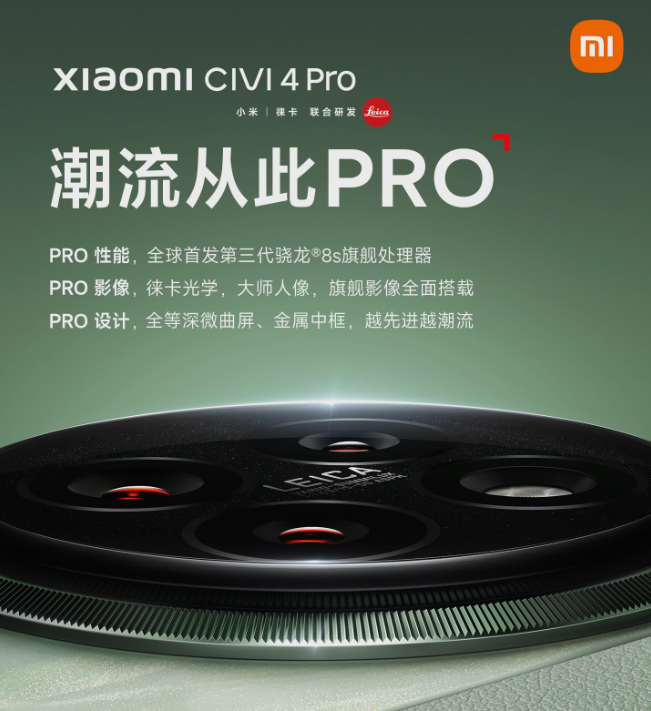
Xiaomi is making another ripple in the smartphone sector with the Civi 4 Pro, the first phone to boast the world’s first Snapdragon 8s Gen 3 processor. This powerful chip, combined with deep integration with Xiaomi’s The Paper OS, promises a significant leap in performance, imaging, and AI capabilities.
Pre-orders will receive a free Xiaomi 5000mAh lipstick-version power bank
The Civi 4 Pro is already available for pre-order on JD.com ahead of its official release on March 21st at 2:00 PM PST. Pre-orders come with a free Xiaomi 5000mAh lipstick-version power bank.
Under the hood, the Civi 4 Pro packs a punch with the Snapdragon 8s Gen 3 processor, manufactured using TSMC’s 4nm process technology. This processor inherits the architecture of the Snapdragon 8 Gen 3, featuring a super core clocked at 3.0GHz, accompanied by 4 performance cores reaching up to 2.8GHz and 3 efficiency cores at 2.0GHz.
Building on the success of the Civi 3, the Civi 4 Pro likely maintains a similar stunning display – a 6.55-inch 2400×1080 OLED screen with a smooth 120Hz refresh rate, a responsive 240Hz touch sampling rate, and impressive brightness. The Civi 3 offered 12-bit color depth and high-frequency PWM dimming for comfortable viewing, features likely carried over to the new model.
While details on the Civi 4 Pro’s camera and other features are yet to be revealed, Xiaomi’s focus on imaging resulted in significant improvements in the Civi 3: 35% faster portrait shooting, 57% faster night scene capture, 153% faster HDR processing, and a remarkable 235% improvement in continuous shooting speed. The Civi 3 also packed a 4500mAh lithium cobalt oxide battery with support for 67W fast charging. While we wait for more details on the camera and other features, the Civi 4 Pro is shaping up to be a powerful contender in the smartphone market.
China‘s high-speed railway network keeps gaining momentum with the completion of a record-breaking undersea tunnel. The Zhanjiang Bay Undersea Tunnel, a key section of the Guangzhou-Zhanjiang High-speed Railway, marks a significant milestone in the country’s infrastructure development.
7551 meters of the tunnel was carved by a single tunnel-boring machine
Capping off 33 months of construction, the tunnel boasts an impressive length of 9,640 meters, with a staggering 7,551 meters carved by a single tunnel boring machine (TBM) named “Yongxing.” This feat makes it the longest single-headed undersea high-speed railway shield tunnel in China, showcasing the nation’s remarkable engineering expertise.
The importance of this single-headed approach lies in its efficiency and safety, particularly when dealing with complex geological conditions. Traditional methods involving TBMs excavating from both sides and meeting in the middle were deemed unsuitable for the Zhanjiang Bay project.
Imagine this behemoth burrowing as deep as 50 meters underwater, withstanding immense pressure equivalent to 5.2 kilograms on a fingernail-sized area. No wonder the team at China Railway’s 14th Bureau Group had to tailor the machine specifically for these challenging conditions!
But why a tunnel and not a bridge? The answer is multi-fold. The tunnel protects the scenic Zhanjiang Bay skyline and minimizes environmental impact on marine life. Additionally, a bridge could obstruct the passage of large vessels and be vulnerable to typhoons, a frequent occurrence in the area. A subsea tunnel bypasses these concerns, ensuring smooth and safe high-speed rail operations even during harsh weather.
This critical tunnel paves the way for the completion of the entire 401-kilometer Guangzhou-Zhanjiang High-speed Railway by the end of 2025. With a designed speed of 350 kilometers per hour, this railway line is a vital addition to China’s high-speed network. Once operational, travel time between Guangzhou and Zhanjiang will be slashed from over 2.5 hours to a mere 90 minutes. This project is sure to fuel high-quality development throughout the region.
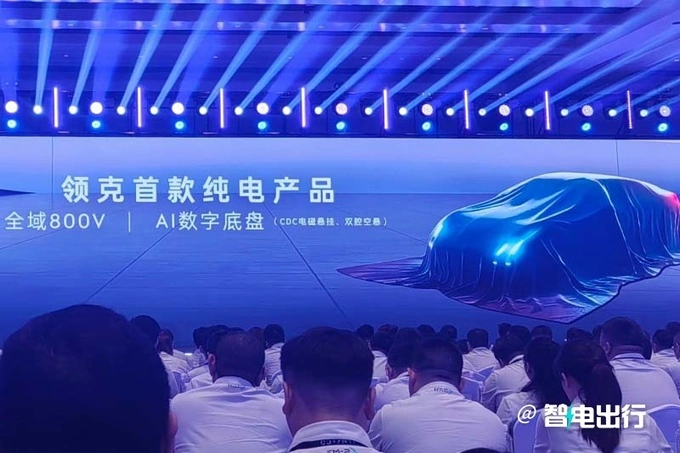
Lynk & Co is revving up for the launch of their first pure electric sedan, the ZERO. This highly anticipated vehicle is set to debut at the European Design Center in April, positioned as a game-changer in the medium-to-large high-performance electric sports sedan market.
The car will feature the E05 self-developed car computer chip, boasting superior processing power
The ZERO borrows the impressive 800V platform from its close cousin, the Jikrypton 001. This shared technology hints at the ZERO’s potential for exceptional performance. Expected to launch mid-year, the ZERO is estimated to carry a price tag between 200,000 and 300,000 yuan (approximately $30,100 – $45,150 USD).
With a design language reminiscent of the Lynk & Co 07 EM-P, the ZERO boasts a fastback silhouette. Prepare to be impressed by its size – estimates suggest a length exceeding 5 meters (16.4 feet), a width of roughly 2 meters (6.6 feet), and a substantial wheelbase of around 3 meters (9.8 feet).
Lynk & Co isn’t holding back on features. The ZERO is rumored to be equipped with cutting-edge technology like:
Wheel-side electric drive and rear-wheel steering, enabling impressive maneuvers like tank U-turns and crab mode.
Advanced suspension systems featuring CDC electromagnetic suspension, dual-chamber air suspension, and an “AI digital chassis.”
Cutting-edge global 800V technology.
The latest E05 self-developed car computer chip, boasting superior processing power compared to the Qualcomm 8295.
A high-end intelligent driving solution complete with lidar technology.
Spy photos released earlier hint at a sleek design with frameless doors, narrow-frame rearview mirrors, and an active rear spoiler. The ZERO appears poised to be a looker as well as a performer.
The Lynk & Co ZERO is shaping up to be a force to be reckoned with in the electric vehicle market. With its impressive performance potential, high-tech features, and stylish design, the ZERO is definitely a car to watch out for when it debuts in April.
Tesla CEO Elon Musk may have sent electric car fans into a frenzy with new details about the highly anticipated next-generation Roadster. This isn’t your average sports car; Musk himself claims it “cannot be regarded as a car (not even really a car)”. The Roadster prototype, first unveiled in 2017, has been shrouded in mystery due to production delays. However, Musk assures us the wait is nearing its end. A new prototype is set to be revealed later this year, with official mass production targeted for 2025.
The car might achieve insanely high speeds in under a minute
The excitement surrounding the Roadster is because of its newly-hyped performance, achieved through a unique collaboration with SpaceX. Musk promises “some applications of rocket technology” that will push the boundaries of acceleration. The car might even achieve a mind-blowing 0-60 mph in under a mere second, potentially making it the fastest mass-produced car ever.
But here’s where things get interesting. When pressed about flying, Musk playfully responded with a “maybe,” hinting at the possibility of a vehicle that is something entirely different? He talked about the car that possibly combines Tesla and SpaceX technologies, not sure exactly what. I guess we will have to find out. While traditional wings are out of the picture, the Roadster will embrace a new control method. Imagine a “wire-controlled Yoke steering wheel,” similar to what pilots use in airplanes. This innovative steering system, already seen in Tesla’s Cybertruck, adds another layer to the Roadster’s futuristic persona. Now, it’s time to see if Musk’s company delivers on his words.
Xiaomi is getting ready to launch its MIX Flip soon. New details are coming out every day, and it’s catching a lot of attention. There are some corrections to be made about what we previously thought. First, the MIX FOLD 4 won’t be sold worldwide, only in China. But Xiaomi has a surprise planned for May. The MIX Flip, on the other hand, will be available globally.
The first MIX Flip was developed by Xiaomi in 2021 but was stopped. Now, Xiaomi is working on a new one, and it’s expected to be announced officially in May. At first, some people thought it was the MIX FOLD 4, but after looking closely, it’s clear it’s a different model.
MIX Flip Leaked Features
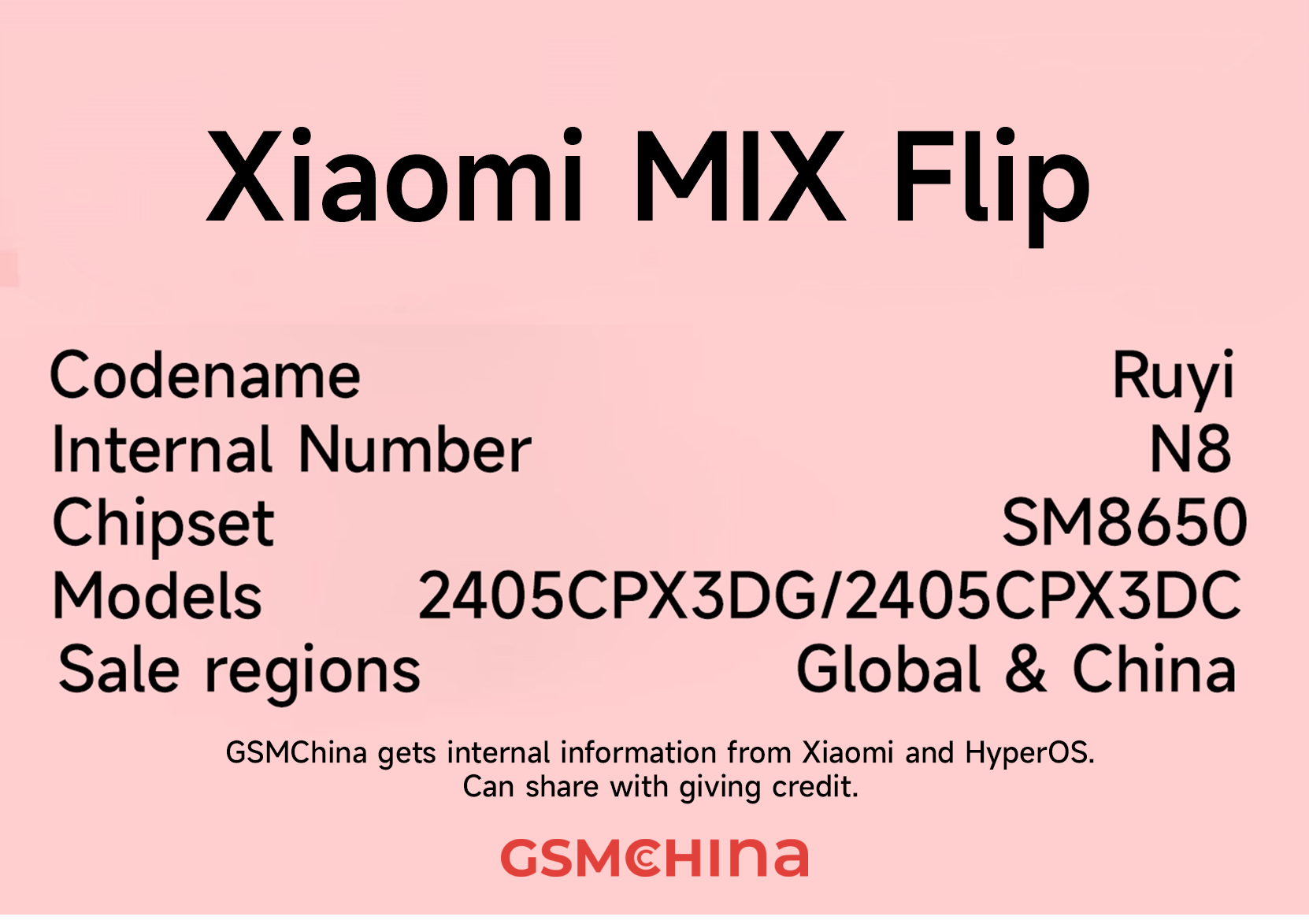
Some details about the MIX Flip have been leaked. It’s going to have model numbers “2405CPX3DG / 2405CPX3DC” and the codename “ruyi.” It’s also known internally as “N8.” Xiaomi usually assigns the number “8” to MIX series devices. The last one was the MIX 4, which had cool features like an under-display camera, but it was only sold in China.
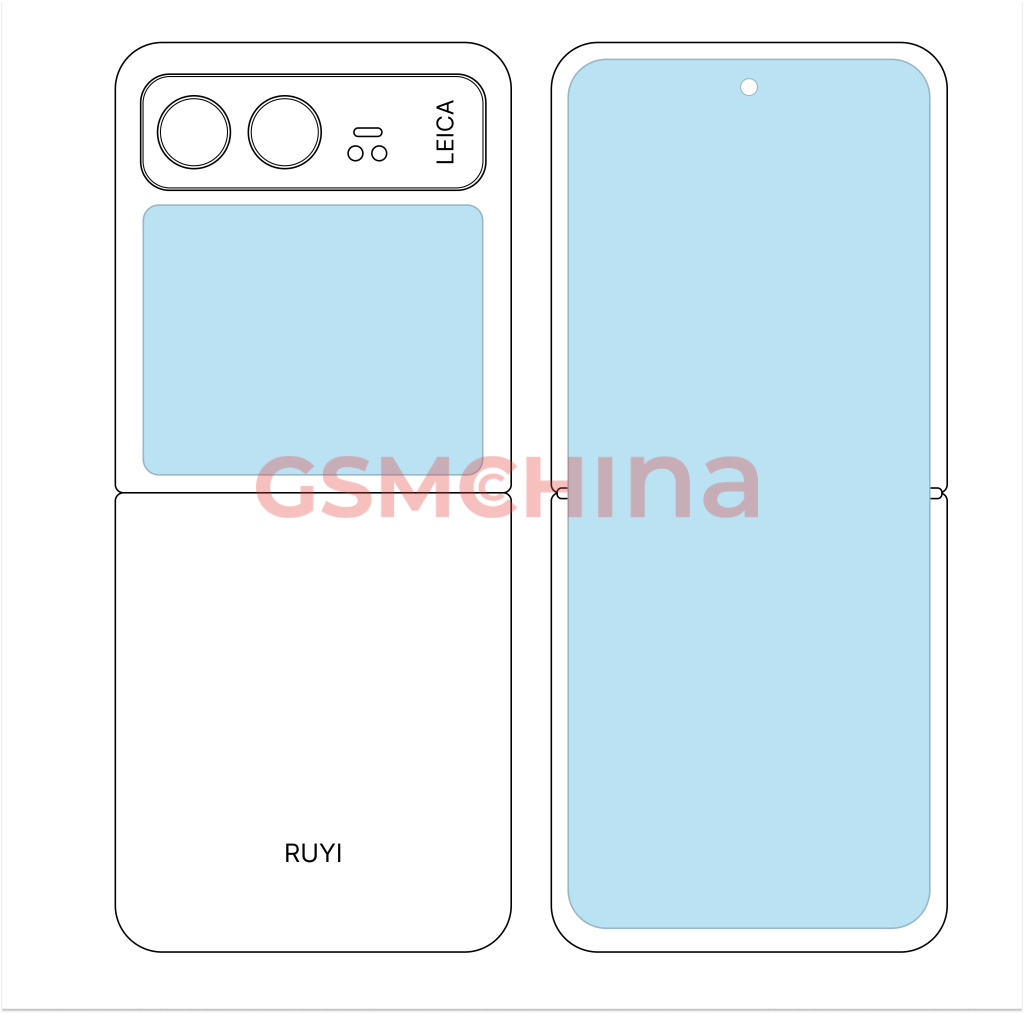
The new MIX Flip will have the Snapdragon 8 Gen 3 processor and a dual-camera setup on the back. There’s a small screen below the cameras. We’ve seen a speculative image of what it might look like, but it’s not official.
MIX Flip Render Image
The MIX Flip will be available in many countries, including Turkey, but not in India. Xiaomi is planning a big launch event in May, and people are excited to see what new features the MIX Flip will bring.
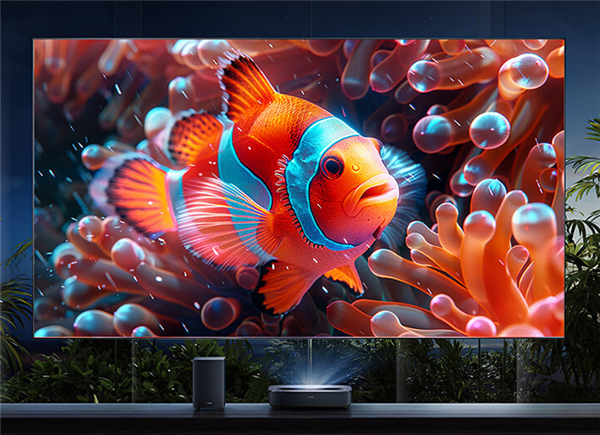
Hisense has launched the Starlight S1 laser TV in China. The new Hisense Starlight S1 laser TV has a 100-inch 4K ultra-high-definition display with an ultra-thin design. The new Hisense laser TV has a folding frame design and can be easily installed in homes and other enclosures without breaking windows or doors.
Features
The Hisense Starlight S1 TV uses an impressive and modern display technology that delivers softer light and achieves a viewing distance of 35 inches longer than traditional LCD TVs. Viewers can also enjoy the stunning visual effects of the TV at close range to deliver a truly immersive experience. The Starlight S1 laser TV offers healthy eye protection, true colors, low-carbon and energy-saving, and the absence of harmful blue light emission. The TV also offers low reflection and zero glare, with an anti-light rate of 83%.
The Hisense Starlight S1 supports DCI-P3 wide color gamut coverage of 99% and has obtained IMAX Enhanced certification. It delivers DMD microsecond level dimming and AI adaptive noise reduction. The TV automatically adjusts the eye-comfortable brightness and the user can open up art in the special area for a mural transformation, if needed.
The TV supports immersive surround sound, a 90W full-scenario sound field, and support for Dolby Atmos and DTS sound effects. The TV’s subwoofer has a peak power output of 60W while the two front speakers output 15W each. There are two HDMI interfaces on the Starlight S1 laser TV, as well as an RJ45 network port, two USB ports, and an optical fiber port.
Pricing & Availability
The new Hisense laser TV is equipped with 3GB/ 128GB of memory/ storage space and is compatible with WiFi 6. It also supports NFC one-touch cast and large-screen multi-person calls, among other functions. The Hisense Starlight S1 laser TV with a 100-inch foldable display is available from retail platforms in China including JD.com for 19,999 yuan ($2,779). There are no global availability details yet for the new Hisense product.
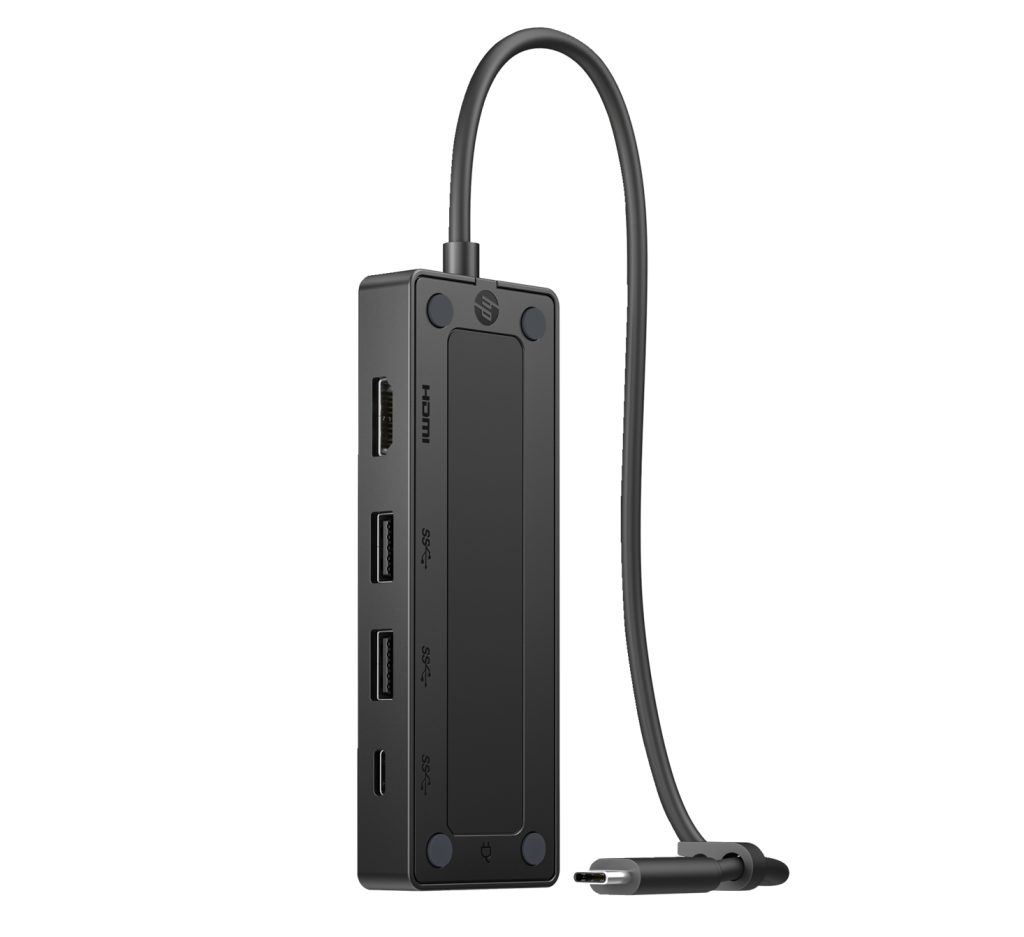
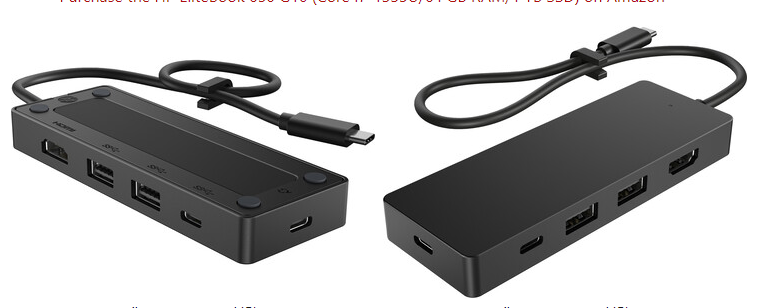
The HP USB-C Travel Hub G3 has been officially unveiled. The new HP travel accessory has five ports and weighs just 63.5g with dimensions of 116 x 42 x 14mm. The third-generation HP USB-C Travel Hub G3 dock is a competitor to the Lenovo USB-C Slim Travel Dock released in February during the Mobile World Congress.
The new HP Travel Hub dock comes with a lower price tag than the Lenovo USB-C Slim Travel Dock although it omits the MicroSD and SD card slots present in the Lenovo product. There are two USB Type-C ports on the gadget with individual outputs of 10Gbps. There are also two USB Type-A ports both rated at 10Gbps, in addition to a single full-sized HDMI port capable of delivering up to 4K output with 60Hz refresh rate. The travel hub dock can recharge a connected device at up to 65W with several Power Delivery (PD) profiles supported. Power supply to the HP USB-C Travel Hub G3 is via a 90W outlet which is sold separately. The supported PD profiles are 20V/ 3.25A, 5V/ 1A, 9V/ 1.33A, 10V/ 3A, 12V/ 3.33A, 15V/ 3A, and 15V/ 3.67A.
Pricing
The new HP USB-C Travel Hub G3 dock is lightweight and sufficiently compact. It is offered at a significantly lower price than the Lenovo USB-C Slim Travel Dock at a retail price of $69.99. In comparison, the Lenovo Slim Travel Dock is priced at about $90. More details about the third-generation HP USB-C Travel Hub G3, including availability information can be obtained from the HP website.
Sony is undoubtedly the most successful console manufacturer of all time. The company, which made its mark on the eighth generation with the PS4, continues to break sales records with the PS5 while also working on the PlayStation 5 Pro. However, it wouldn’t be accurate to say that every move of the Japanese gaming giant is successful.
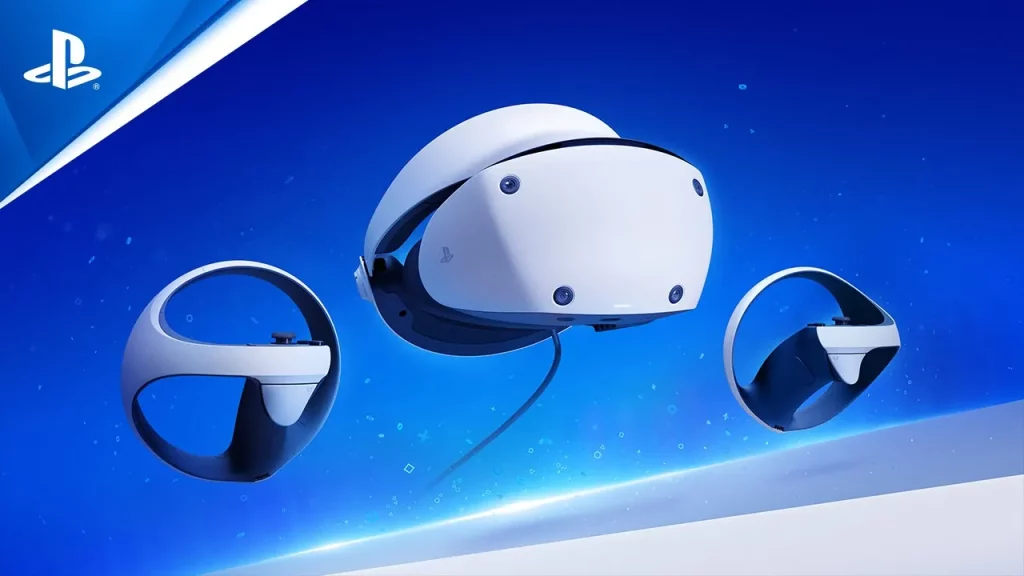
For example, despite continuing for two generations, it has yet to achieve the desired success in the VR headset market. In fact, this situation is on the verge of becoming a major crisis, with Sony hitting pause on PS VR2 production as unsold inventory piles up. Here are the details…
Sony Temporarily Halts PS VR2 Production
Although virtual reality has been in the spotlight lately with the Apple Vision Pro, it’s not a new technology for Sony. The company released its first headset as a PS4 accessory back in 2016. While sales weren’t groundbreaking, it showed promise, prompting PlayStation to continue development. This culminated in the February release of the PS VR2, priced at $549.99.
Despite its high price, the headset enjoyed significant initial sales, selling 600 thousand units in the first six weeks. However, this momentum has since slowed. Recent sales figures have prompted Sony to make a significant decision: a temporary halt in PlayStation VR2 production. This doesn’t necessarily spell doom for the headset.
Once current stock is sold, Sony will likely shift to a more measured production approach. However, given these developments, expecting a surge of high-budget, VR-specific games from Sony or other developers seems less likely. On a brighter note, Sony might consider a strategic price cut to clear out inventory.
A price drop to, say, $349.99 from $549.99 could significantly boost the product’s appeal, potentially reigniting interest from both Sony and developers for those AAA VR titles. It’s important to remember that, besides the confirmed production pause, the rest remains speculation. As always, official statements from Sony hold the most weight.
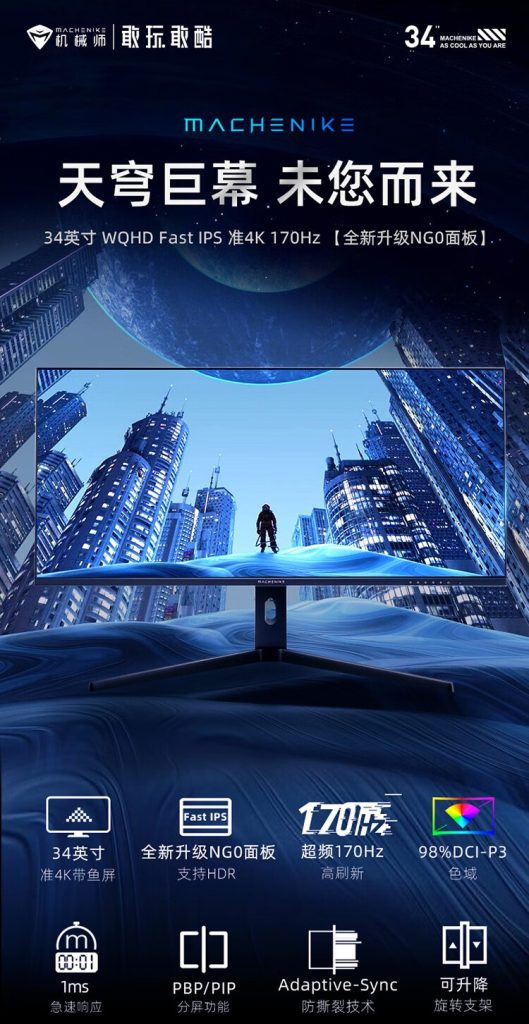
Machenike has unveiled a new 34-inch curved gaming monitor, the MK34QGSN2 in the Chinese market. The monitor is priced at 2069 yuan ($288) and is now available on JD.com. Let’s check out the key specs.
Machenike MK34QGSN2 Specifications:
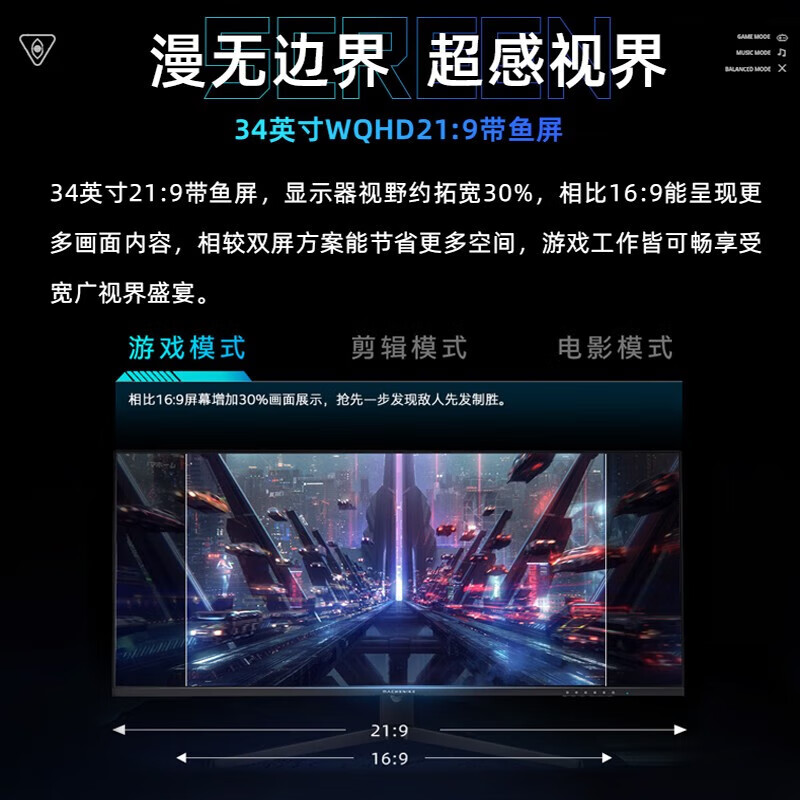
The MK34QGSN2 features a 3440 x 1440 resolution, marketed as “nearly 4K” by Machenike. While technically not 4K, the high resolution offers sharp visuals on the widescreen display. The monitor features a 21:9 aspect ratio, offering about 30% more screen area than traditional 16:9 monitors, making it an excellent choice for both gaming and multitasking.
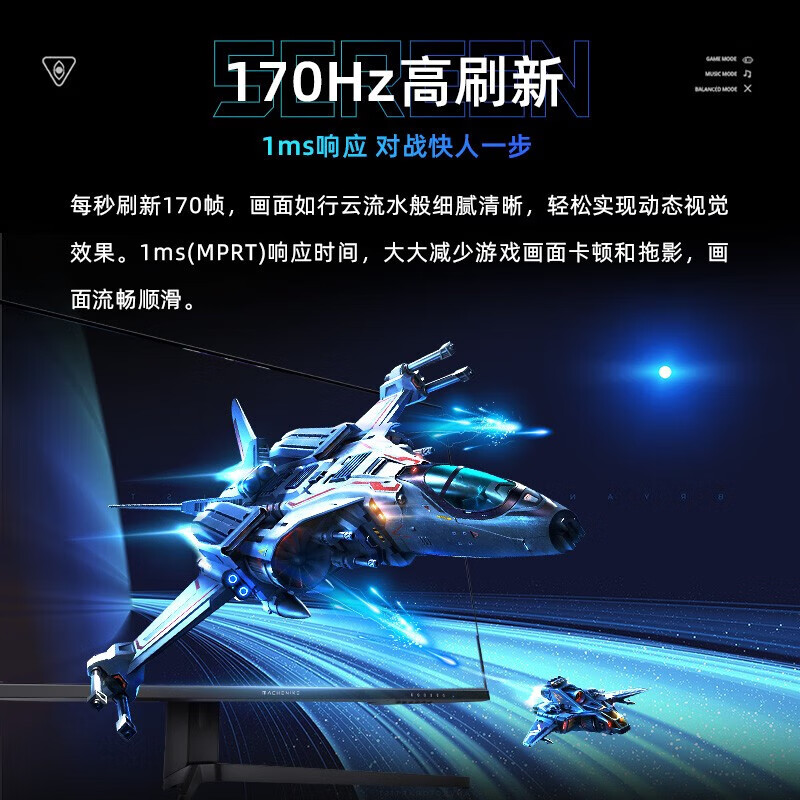
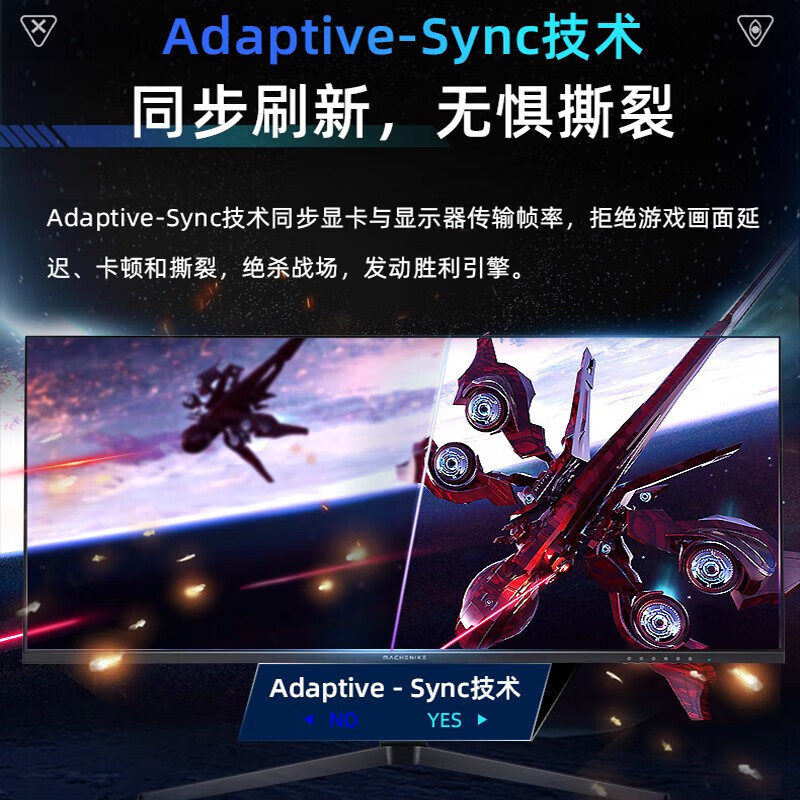
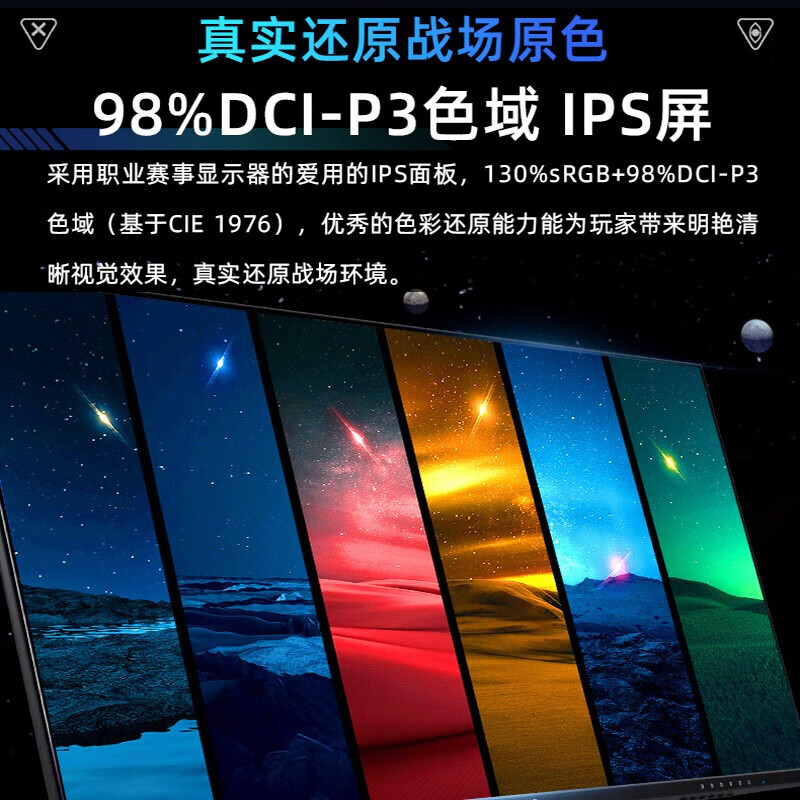
It also supports a 170Hz refresh rate which translates to smoother visuals, especially beneficial in fast-paced games where split-second reactions are crucial. Machenike utilizes a Fast IPS NGO panel with a 1ms response time that minimizes ghosting and blurring during motion. The panel covers 98% of the DCI-P3 color gamut and HDR support ensuring vibrant and accurate colors. Additionally, the gaming monitor comes equipped with Adaptive-Sync technology, ensuring synchronization between the monitor’s refresh rate and the graphics card’s output to eliminate screen tearing and stuttering.
The MK34QGSN2 features an adjustable stand that allows for height adjustment, rotation, and tilt, providing a comfortable viewing angle for extended use. In terms of connectivity, the monitor offers 2 HDMI ports, 1 DP port, 1 USB-B port, and 3 USB-A ports, although the version of these ports is not specified.
It also includes a USB-HUB function with 3 USB expansion interfaces and supports Type-C interface video input for easy screen mirroring from laptops, phones, and other devices.
The monitor features Picture-by-Picture (PBP) and Picture-in-Picture (PIP) modes, enabling the connection of two computers to the monitor and simultaneous content display in a split-screen setup. This functionality is particularly useful for multitasking or monitoring secondary applications while focusing on the main task.
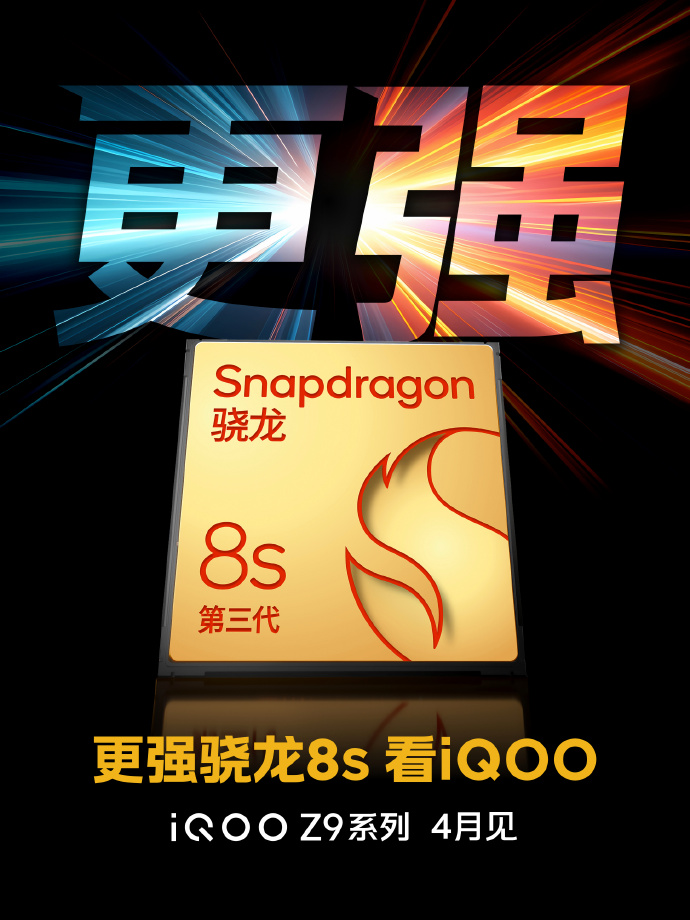
iQOO has officially announced the upcoming launch of their Z9 series in April, with the iQOO Z9 Turbo leading the lineup. The company confirms that the series will feature the newly announced Qualcomm Snapdragon 8s Gen 3 processor.
The Snapdragon 8s Gen 3 processor, unveiled by Qualcomm today, promises powerful performance, positioning itself just below the current Gen 3. In terms of configuration, the CPU consists of a Cortex-X4 prime core, four Cortex A720 cores, and three Cortex-A520 cores. It supports up to 24GB LPDDR5x RAM and offers advanced image and video processing capabilities with an 18-bit triple cognitive ISP.
iQOO Z9 Series Details (Leaked)
As per reports, iQOO plans to introduce two more smartphones in the Z9 series i.e. iQOO Z9 which has already launched in India, and iQOO Z9x alongside the iQOO Z9 Turbo. These upcoming devices are anticipated to be equipped with different chipsets, potentially including the Snapdragon 7 Gen 3 and Snapdragon 6 Gen 1. The Indian variant of Z9 features a Dimensity 7200 chipset.
Reliable tipster Digital Chat Station first hinted at the Z9 Turbo’s existence and also leaked a bunch of key specs. As per leaks, the Turbo will feature a 6.78-inch 1.5K OLED display with a 144Hz refresh rate, 2800×1260 resolution, and 2160Hz PWM dimming. The device is also expected to ditch the plastic build and come with improved build quality and materials.
The Z9 series has gone through CQC and CMIIT certifications recently which also reveals some more key specs. As per certifications, the Turbo model is expected to feature an 80W charger, capable of supporting up to 11V 7.3A fast charging. Speaking of battery life, the phone is rumored to pack a massive 6,000mAh battery.
iQOO Z9 Turbo is also expected to sport a dual-camera setup with a 50-megapixel main sensor, while details regarding the secondary sensor have not yet been leaked.
Additionally, whispers suggest the phone might boast up to 16GB of LPDDR5x RAM, 1TB of UFS 4.0 storage, and a short-focus in-display fingerprint sensor. In terms of software, the device is rumored to run on OriginOS 4.0, based on the latest Android 14.
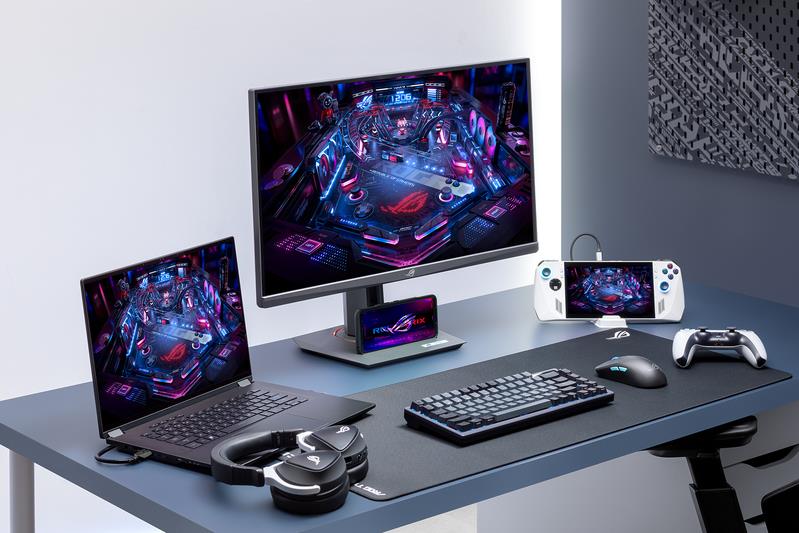
Asus has unveiled its latest gaming monitor called the ROG Strix XG27UCS. This 27-inch monitor features a 4K IPS display that provides vivid images thanks to covering 95% of the DCI-P3 color gamut. It also has a high refresh rate of 160 Hz, along with support for ELMB Sync and G-Sync technologies, ensuring smooth gameplay without screen tearing.
The monitor has an IPS panel that comes with DisplayHDR 400 certification, meaning it can perform well with High Dynamic Range content. With Variable Overdrive 2.0, the monitor can adjust its settings automatically to keep visuals sharp, even at fluctuating frame rates.
For gamers, Asus’s GamePlus is a feature included on the monitor that provides a built-in crosshair. This new monitor improves upon it by using AI to optimize the on-screen crosshair for better accuracy. The Dynamic Shadow Boost feature helps lighten dark areas in games without affecting the brighter parts too much.
Asus has redesigned the monitor stand to take up less space and included a groove for placing a phone, offering easy access to the monitor’s USB-C port. This port, along with HDMI 2.0 and DisplayPort 1.4 connections, and a headphone jack, provide various connectivity options.
Pricing & availability
The ROG Strix XG27UCS is priced at at $449. The monitor’s market availability date hasn’t been announced yet.
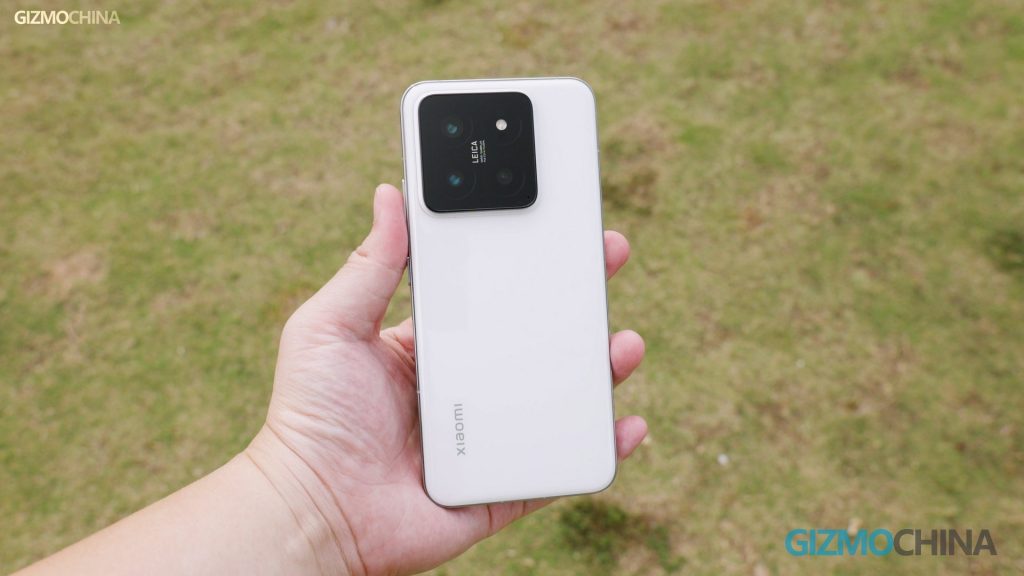
Xiaomi switched to a 6.36-inch display for Xiaomi 13 from a smaller 6.28-inch panel on Xiaomi 12. Its successor Xiaomi 14 retains the same-sized screen but with varying specs.
According to a reliable source, the company will continue to use a same-sized panel for its next-gen Xiaomi 15.
As per Digital Chat Station, the upcoming Xiaomi 15 will be built around a 6.36-inch flat display. Unfortunately, the tipster does not say anything else about this screen.
Since the panels on the last two phones have different specs despite measuring the same, it is possible the display on the next-gen handset could be different. Early leaks point out that the panel on the forthcoming smartphone will be paired with a single-point ultrasonic fingerprint solution from Goodix.
For the unaware, the display on the current-gen Xiaomi 14 has a resolution of 2670 x 1200 pixels (1.5K) as compared to FHD+ (1080 x 2400 pixels) resolution on Xiaomi 13. Thus, the screen on the newer model is sharper with 460 PPI as opposed to 414 PPI on the older device.
The latest handset’s screen also uses LTPO tech (1-120Hz) and can reach a local peak brightness level of 3000 nits. Whereas the older phone’s panel can only hit 1900 nits of local peak brightness level.
Anyways, both displays can play Dolby Vision content, however, they are protected by different glasses. Xiaomi 14 uses Corning Gorilla Glass Victus, while Xiaomi 13 is fitted with Gorilla Glass 5.
The Xiaomi 15 is expected to enter mass production in September. Hence, we look forward to learning more about the device in the coming months.
As of now, it is said that the device will be powered by a Qualcomm Snapdragon 8 Gen 4 chip. It is also tipped to house a larger battery than its predecessor.
The upcoming Samsung Galaxy Watch 7 has been the subject of speculation lately. The new Galaxy Watch 7 series is now tipped to feature the Exynos W940 processor on one of the variants which could translate to significant improvement in its speed and battery performance. The upcoming Samsung wearable has seen a flurry of insights ahead of its expected launch this summer.
The Exynos W940 processor of the Galaxy Watch 7 series is about 50% more efficient and 30% faster than the previous model, according to tipster @TheGalox. Apart from the chipset upgrade, the Galaxy Watch 7 will reportedly come in a square shape – a first for a Samsung wearable. The square-shaped idea is being considered enthusiastically in-house.
The inclusion of a major hardware upgrade of the Samsung Galaxy Watch 7 is a major highlight, as things move more slowly in wearable technology. There was no change in processor between the Galaxy Watch 1 and 3, as well as between the Galaxy Watch 4 and 5. The respective chipsets for the two sets of Samsung Galaxy smartwatches were the Exynos 9110 and Exynos W920.
Both the speed and efficiency improvements for the Samsung Galaxy Watch 7 are significant. While the original Galaxy Watch had a 4-day battery life, subsequent models declined from that benchmark but the Galaxy Watch 7 could move up in this regard. There are several smart wearables in the market including the OnePlus Watch 2 that deliver up to 100 hours of battery life.
The Samsung Galaxy Watch 7 could be available in three versions, according to tipster @kro-roe. The models are the traditional Classic and Pro versions, in addition to a new version that could represent the square model being considered. Samsung has for the last few years, introduced the new Galaxy Watch series in August alongside new foldable smartphones, the Galaxy Z Fold and Z Flip. Therefore, the Samsung Galaxy Z Fold 6 and Samsung Galaxy Z Flip 6 are expected to debut in the summer as well.
Back in December, OnePlus delivered the final major update for the OnePlus 2T, updating it to Android 14-based OxygenOS 14. That being said, the security updates and software support for the device is expected to continue for another year.
The latest update, OxygenOS 14.0.0.501, incorporates the March 2024 security patch, fixes a pestering bug, and also improves the overall performance of the device. You can check the complete changelog below.
OnePlus Nord 2T CPH2401_14.0.0.501(EX01) update changelog:
System
Improves system stability and performance.
Fixes an issue that might cause some apps to crash.
Integrates the March 2024 Android security patch to enhance system security.
Communication
Improves the stability of mobile network connections.
The rollout of this update will be in phases, meaning some users might have to wait a few days before it becomes available on their devices. Moreover, users can check for the update manually by heading to Settings > About > Software Update > Check for Update.
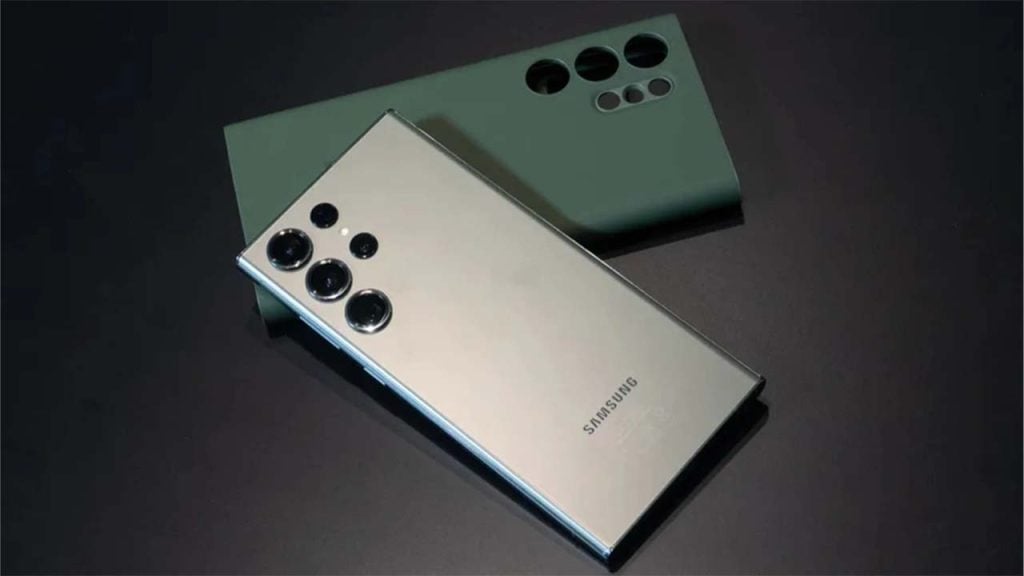
Samsung launched the Galaxy S24 Ultra back in January, and since then it has received a few updates polishing its user experience. That being said, one issue, where the camera is capturing dark photos under specific circumstances has managed to slip through the cracks.
Samsung has acknowledged the issue and has assured the Galaxy S24 Ultra users that it is working on a fix. The majority of Galaxy S24 Ultra owners will likely not encounter this issue, as it requires specific adjustments to reproduce. That being said, it happens when users lock the auto exposure between 1.6-1.9x and 4.6-9.9x zoom in the camera app and then take a picture.
In related news, Samsung’s Galaxy S24 series has sparked a significant sales rebound, with an 8% global sales increase over last year. Notably, sales in Europe surged by 28%, and in the US by 14%. The Galaxy S24 Ultra is leading the pack, accounting for over half of the series’ sales.
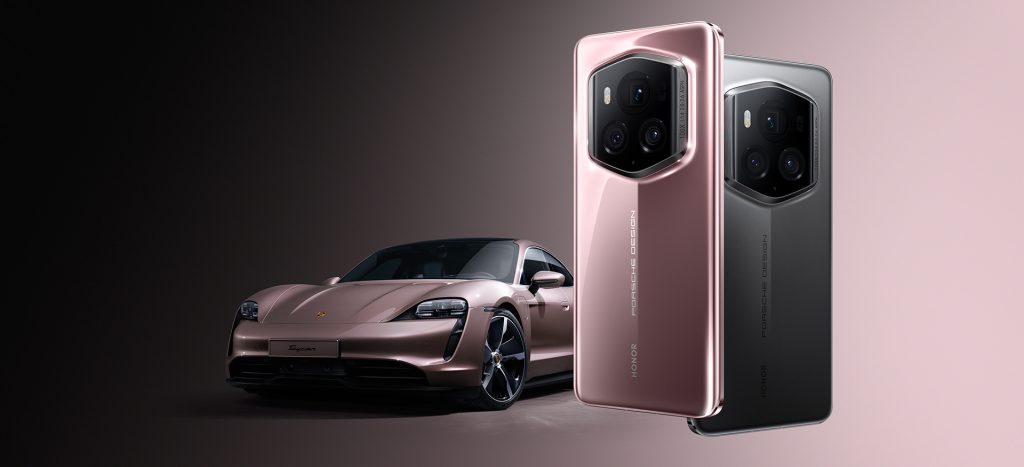
As expected Honor has unveiled its latest flagship smartphone, the Honor Magic 6 RSR Porsche Design alongside Magic 6 Ultimate, MagicBook Pro 16 series, and Band 9 at a new product launch event in China. This highly anticipated phone boasts a luxurious design crafted in collaboration with Porsche.
Honor Magic 6 RSR Porsche Design Specifications:
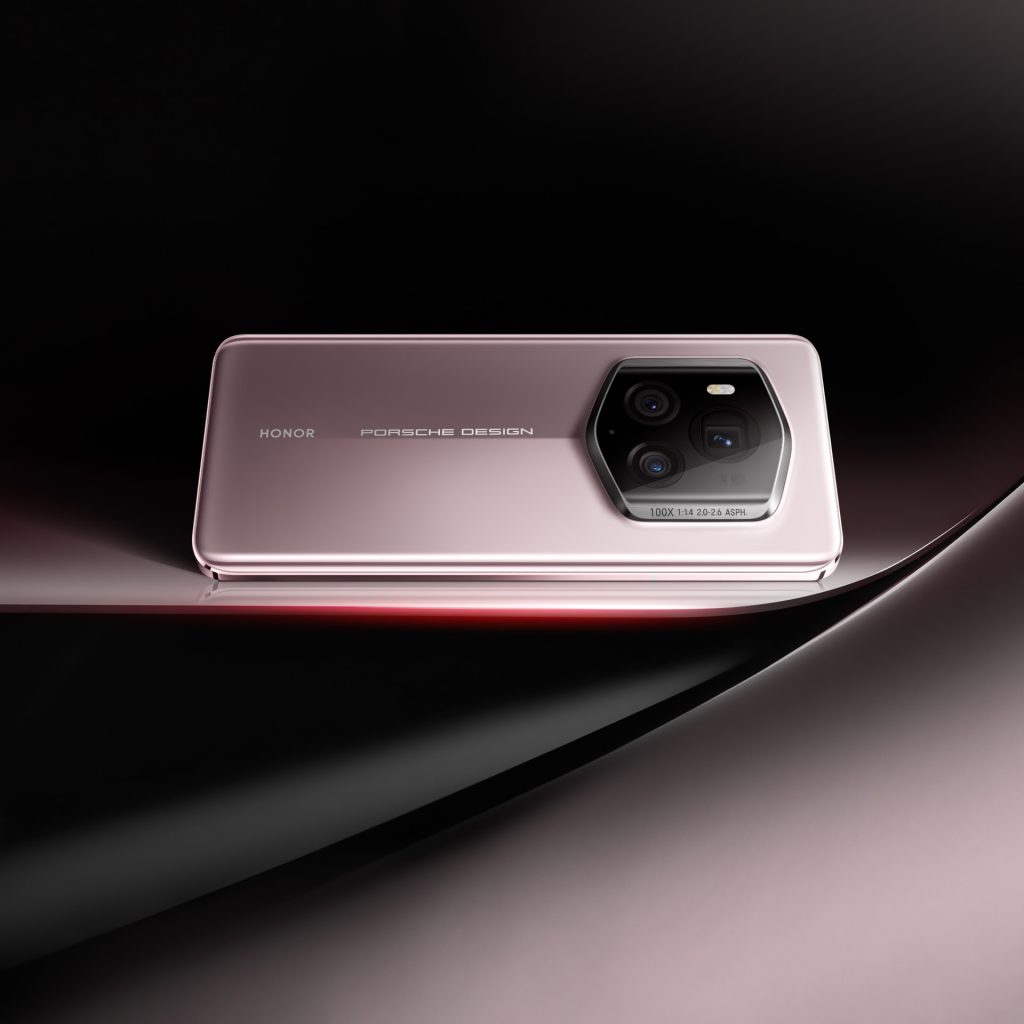
Most specs of this smartphone are very similar to the Honor Magic 6 Ultimate. It primarily differs in design. In terms of design, the smartphone boasts design elements inspired by the Porsche Taycan. The rear cover and metal frame draw from the “front vertical styling aesthetics” of the car, while the rear camera module mimics the hexagonal structure of Porsche, replicating its original color and texture.
In terms of display, Magic 6 RSR Porsche Design features a 6.80-inch OLED screen with an aspect ratio of 19.69:9 and a resolution of FHD+ (1280×2800 pixels). It boasts True 1.07 billion colors with DCI-P3 wide color gamut support and is equipped with Honor Oasis Eye Protection Screen technology, including eye protection features such as 4320Hz PWM dimming, eye protection mode, natural light-like eye protection, and sleep aid display.
The display also supports HDR for both images and videos, with a peak brightness of 5000 nits for HDR content and 1800 nits globally. Additionally, it incorporates LTPO 1-120Hz Adaptive Refresh Rate technology, providing smooth performance while conserving battery life. The device comes with a quad-curved display and is protected by Honor Diamond Giant Rhino Glass.
The device is powered by Qualcomm’s latest Snapdragon 8 3 SoC along with Adreno 750 GPU. Out of the box, the phone runs on MagicOS 8.0, based on Android 14. In terms of storage, the device offers 24GB of RAM and 1TB of internal storage.
Honor Magic 6 RSR Porsche Design boasts a triple rear camera setup featuring a 50MP wide-angle camera with OIS, a 180MP periscope telephoto camera with OIS, and a 50MP ultra-wide-angle camera.
The primary camera features an Ultra Dynamic Variable Eagle Eye H9800 sensor. It incorporates industry-first LOFIC technology and a large 1/1.3-inch photosensitive component. The camera offers an intelligent variable aperture ranging from f/1.4 to f/2.0 and includes OIS optical image stabilization for enhanced image quality and stability. It supports video recording up to 4K 60 FPS and slow-motion video at 1080P with frame rates of 120/240 FPS.
The rear camera system supports up to 100x digital zoom, video stabilization across different lenses, video beautification, and stereo recording. Additionally, it offers movie mode with HDR and Magic-Log features, time-lapse photography up to 4K resolution, and high-resolution photo capture supporting up to 16384×12288 pixels.
On the front, the device features a 50MP wide-angle camera paired with a 3D depth camera, capable of recording videos at up to 4K resolution with various features including EIS video stabilization, video beautification, and multi-camera recording.
In terms of battery, the phone sports a 5600mAh battery, supporting fast charging with 80W Honor SuperCharge technology. It also supports wireless charging with 66W Honor Wireless SuperCharge capability and reverse wireless charging. The device includes a smart charging mode for optimized battery management.
It offers enhanced sound effects with DTS:X Ultra Sound Effects and stereo speakers. The phone is rated IP68 for dust and water resistance and features a USB Type-C interface.
Pricing and Availability
Honor Magic6 RSR Porsche Design comes in two colors: Agate Gray and Frozen Berry Pink. The device is priced at 9999 yuan ($1,389) and will start pre-sale at 21:08 tonight, followed by an official sale beginning at 10:08 on March 22. It will be available in a single configuration featuring 24GB of RAM and 1TB of storage.
Generative AI has progressed rapidly in the last two years. We’re now seeing it being integrated in consumer tech gadgets like smartphones and laptops. Major companies like Google, Microsoft, and Samsung are already riding this wave. This has put Apple far behind in the race. The Cupertino-based tech giant is already working on its AI plans. However, it has now taken a twist if the latest development is anything to go by.
Surprise! Google’s Gemini could power iPhone’s AI features
Bloomberg reports that Apple is in active negotiations with Google to bake its Gemini AI engines into iPhones. Additionally, the company has also held talks with OpenAI’s ChatGPT. The latest development signals that Apple’s own AI model development is not up to mark and can’t compete with others. The company’s employees have been testing an in-house chatbot called Apple GPT and there is also a large language model codenamed Ajax. Gurman states that “Apple’s AI technology remains inferior to tools from Google and other rivals”.
Tim Cook had previously revealed at an earnings call that the company has a big opportunity in the GenAI space. However, with the company lagging behind, a partnership with another company to license their AI model on the iPhone seems more practical. The Cupertino-based tech giant recently acquired DarwinAI.
As for Google, a partnership with Apple for Gemini AI would be a game-changer considering the controversies in recent months. Although the branding and implementation of the AI model in Apple’s devices remain unclear, we can expect features like image generation, writing essays, and other tasks that can be performed through an external provider or cloud. A deal with Apple would also expand Gemini AI’s reach since iPhones have over two billion user base in the market.
If a deal between Apple and Google indeed materializes, it could shake up the AI industry. Bloomberg says that the partnership won’t be announced anytime before the annual WWDC in June.
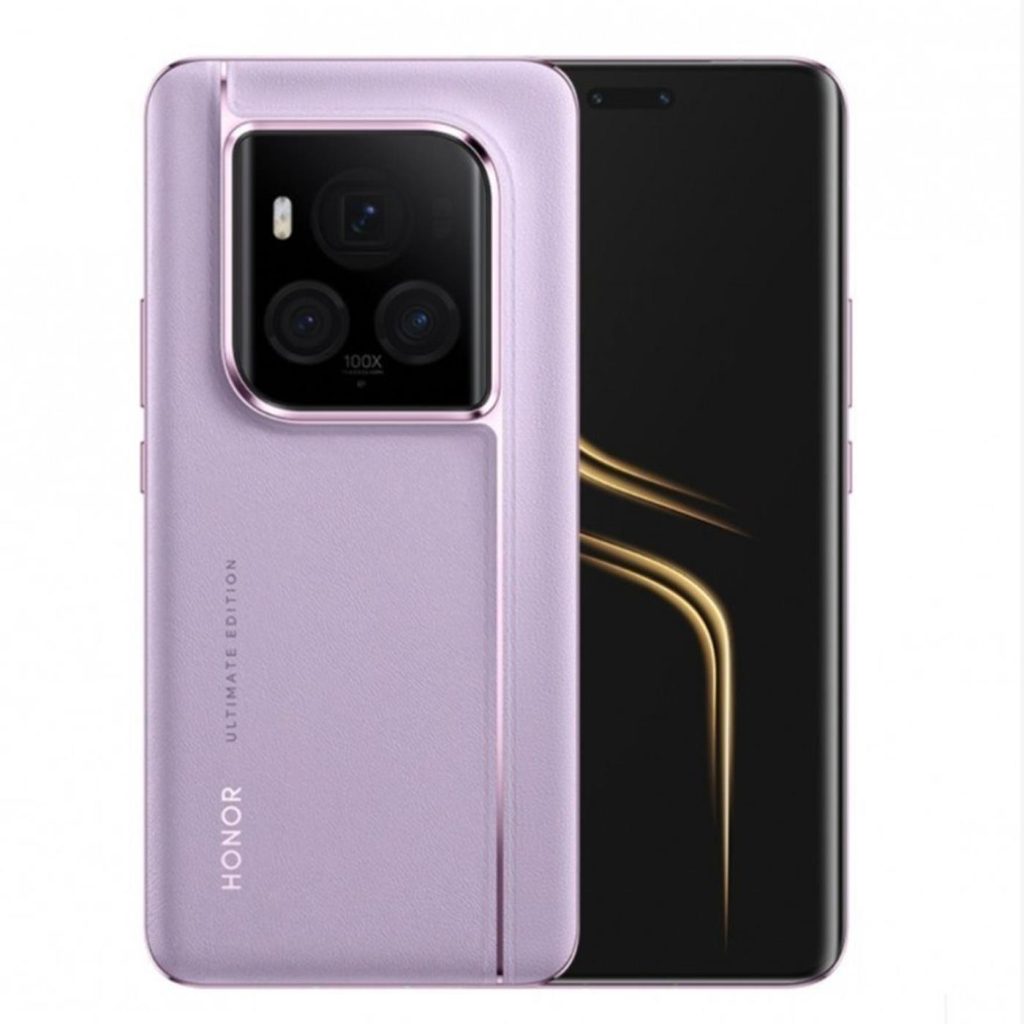
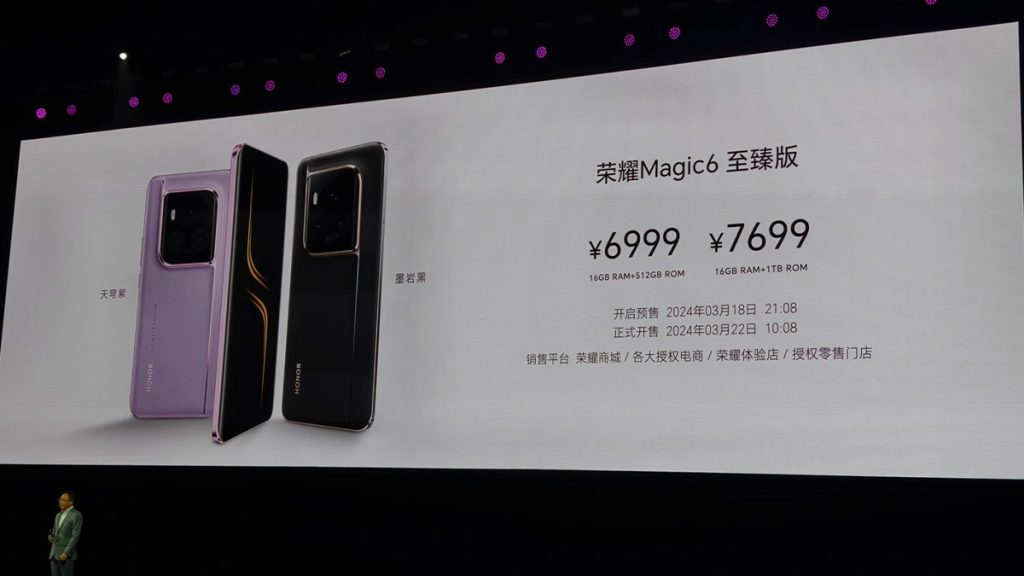
Honor continues to expand its product family. Today, the company hosted an event in China where it unveiled its latest technological advancements. The star of the event, alongside products like the Honor Band 9, was undoubtedly the Honor Magic 6 Ultimate. Even with technical specifications leaking just hours beforehand, the phone still managed to impress technology enthusiasts. Here are the features and price of the Honor Magic 6 Ultimate Edition. Here are the details…
Honor Magic 6 Ultimate EditionSpecs
The Honor Magic 6 Ultimate Edition is powered by Qualcomm’s Snapdragon 8 Gen 3 processor. This powerful SoC is paired with 16 GB of RAM and 512 GB/1 TB of storage, matching the configuration seen in rivals like the Galaxy S24 Ultra. And as for the display, the leaks were indeed accurate. The device features a large 6.8-inch screen with a resolution of 2800×1280 and boasts a 120Hz LTPO OLED panel.
When it comes to camera features, the Magic 6 Ultimate Edition truly delivers. The phone features a revolutionary “super dynamic eagle eye camera” that rivals the quality of single-lens reflex (SLR) cameras. This groundbreaking system utilizes the industry’s first super dynamic eagle eye main camera – the H9800 (Howell OV50K). The H9800 boasts a large 1/1.3″ sensor, a wide 15EV dynamic range, a versatile F1.4-2.0 variable aperture, and optical image stabilization (OIS).
The Magic 6 Ultimate Edition goes beyond traditional smartphone cameras with its 1200-point laser radar array focusing system and advanced mobile phone imaging system derived from autonomous driving technology. This combination allows for SLR-grade, full-directional motion capture, letting you effortlessly capture high-speed action. Additionally, the LOFIC image sensor ensures the phone effortlessly handles high-dynamic-range photo and video scenes, producing stunning results even in complex lighting conditions.
The phone, which is 8.9mm thick and weighs 227g, boasts a large 5600mAh battery supporting both 80W wired and 66W wireless charging. It also features IP68 water and dust resistance certification, and adds the unique capability of dual-directional satellite communication – a standout feature of the Honor Magic 6 Ultimate Edition. With sleek design lines, the phone is available in two eye-catching colors: black and purple.
Price & Availability
As of today, the Honor Magic 6 Ultimate Edition, which is now available for pre-order, will be released on March 22nd. Here are the prices:
Lenovo announced today that the Moto X50 Ultra will be the first to equip the Snapdragon 8s Gen 3 chip and will also have a focus on AI. Notably, this phone will launch as Motorola Edge 50 Pro globally on April 3rd.
Key specs & features:
The rebranded version of the Moto X50 Ultra, or the Motorola Edge 50 Pro appears as “Launching Soon” on Flipkart revealing its key specifications and features.
Apart from the Snapdragon 8s Gen 3 chip, this phone boasts a 6.7-inch, 1.5K, 144Hz pOLED panel that lets you experience a “full range of real world colors” validated by Pantone, a global color language that helps specify, express, a regulate colors. The panel supports 2000 nits peak brightness, supports HDR10+, comes with a 100% DCI-P3 color gamut rating, and “SGS Eye Protection”.
Looking at the back, you’ll see a 50MP AI-powered “Pro-Grade Camera” which is also validated by Pantone. It suggests true-to-life images and videos in terms of colors. Additionally, this phone offers features like AI-adaptive stabilization, auto-focus tracking, an AI photo enhancement engine, a tilt mode, etc.
Previous rumors hint at a 4500 mAh battery and a 125W wired and 50W wireless charging support. The global version of the phone comes in three different color options – Black, Purple, and Silver. We were previously expecting the phone to come with the Snapdragon 8 Gen 3 chip as the predecessor, the Motorola Edge 40 Pro, came equipped with the Snapdragon 8 Gen 2. However, official information about the Moto X50 Ultra confirms the adoption of the just released Snapdragon 8s Gen 3 chip rather than the one from the 2024 flagships.
We use cookies on our website to give you the most relevant experience by remembering your preferences and repeat visits. By clicking “Accept”, you consent to the use of ALL the cookies.
This website uses cookies to improve your experience while you navigate through the website. Out of these, the cookies that are categorized as necessary are stored on your browser as they are essential for the working of basic functionalities of the website. We also use third-party cookies that help us analyze and understand how you use this website. These cookies will be stored in your browser only with your consent. You also have the option to opt-out of these cookies. But opting out of some of these cookies may affect your browsing experience.
Necessary cookies are absolutely essential for the website to function properly. This category only includes cookies that ensures basic functionalities and security features of the website. These cookies do not store any personal information.
Any cookies that may not be particularly necessary for the website to function and is used specifically to collect user personal data via analytics, ads, other embedded contents are termed as non-necessary cookies. It is mandatory to procure user consent prior to running these cookies on your website.