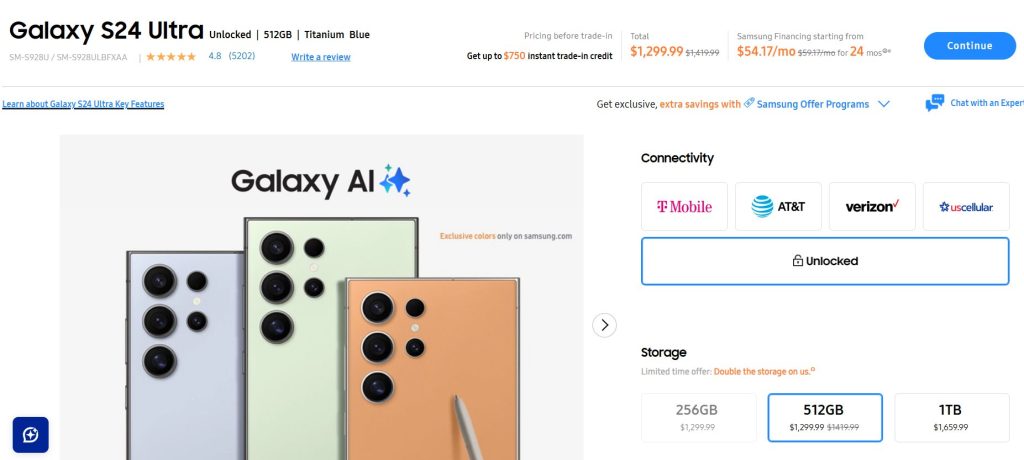
Samsung is offering discounts on its whole brochure of electronic appliances, and the deals become even sweeter in the consumer electronic section. Samsung is offering a $870 discount if you grab Galaxy S24 Ultra with a qualified Trade-In. There’s even a free upgrade to the 512GB storage variant along with other discounts.
Discount Details for Galaxy S24 Ultra Deals
If we evaluate the discount slice by slice, then there’s a maximum $750 discount on the instant trade-in for certain smartphones. Further, the free memory upgrade equates to $120 if we compare the 256GB variant price and the 512GB variant price.
The discount is applicable only for a few days and will end within the next week. The user can opt for any color or storage variant to unlock the trade-in discount. Precisely, the $750 trade-in discount is applicable for the Galaxy S23 Ultra, and the old devices will fetch around $650 or $550.
Samsung Galaxy S24 Ultra seems a full package of high-end specifications and futuristic features. The smartphone bundles a 6.8-inch dynamic LTPO AMOLED display, a 120Hz refresh rate, 2600 nits of brightness, and 1440 x 3120 pixels of resolution. It is well protected with Corning Gorilla Armor. It is coupled with the Snapdragon 8 Gen 3 SoC and the Adreno 750.
Samsung Galaxy S24 Ultra Specifications
Further, it features 256GB, 512GB, and 1TB of UFS 4.0 storage and 12GB of RAM. There’s a triple rear camera with a 200 MP primary sensor, a 10 MP telephoto lens, a 50 MP periscope telephoto lens, and a 12 MP ultrawide sensor. In terms of connectivity, the smartphone features Bluetooth 5.3, WiFi 7, GPS, NFC, and USB Type-C 3.2. A 5000 mAh battery with support for 45W wired, 15W wireless, and 4.5W reverse wireless.
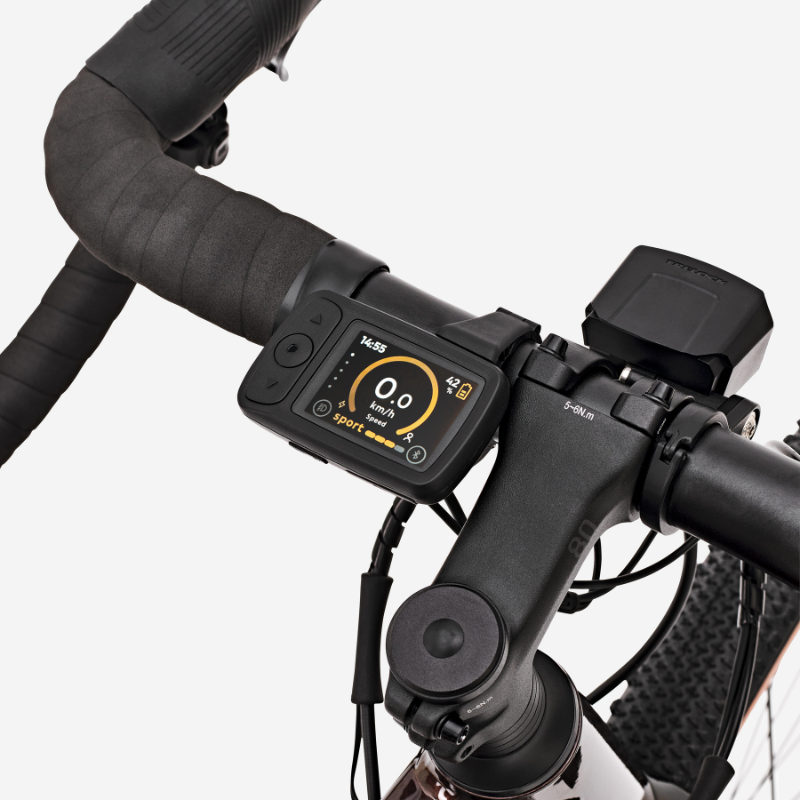
Decathlon has released the Van Rysel E-GRVL AF MD electric bicycle in Europe. The Decathlon Van Rysel E-GRVL AF MD is an e-gravel bike that was announced earlier this year. It comes with a powerful mid-mounted Brose Drive T Mag motor and a 500Wh battery. The model has now gone on sale in Europe.
Decathlon says that the Van Rysel E-GRVL AF MD is the brand’s most efficient electric gravel bike so far. Its mid-mounted 250W Brose Drive T Mag motor delivers a maximum torque of 70Nm. There are four modes to choose from while riding the e-bike and it also comes with handlebar controls.
The bike’s 500Wh battery delivers an assistance range of 150km and can be further extended with the optional range extender. The versatility of the new e-gravel bike is underpinned by its DT Swiss HG 1800 Spline wheels with Michelin Power Gravel 700 x 47 tires and an SRAM Apex 12-speed groupset.
The Decathlon Van Rysel E-GRVL AF MD has front and rear lights, a color TFT display, and Bluetooth connectivity. You can view ride data using the Decathlon Ride app on your smartphone while connected to the e-bike via Bluetooth. The bike will be available in seven frame sizes but only the smaller four sizes (XS to L) are currently available.
Pricing & Availability
The Decathlon Van Rysel E-GRVL AF MD e-bike is available in France, Italy, the Netherlands, Spain, and the UK. It is priced in the UK at 3,499.99 ($), 3,549 ($) in the Netherlands, and 3,499.99 in France, Italy and Spain. Apart from the UK (where it is currently out of stock), the Van Rysel E-GRVL AF MD electric gravel bike is available in other countries earlier specified.
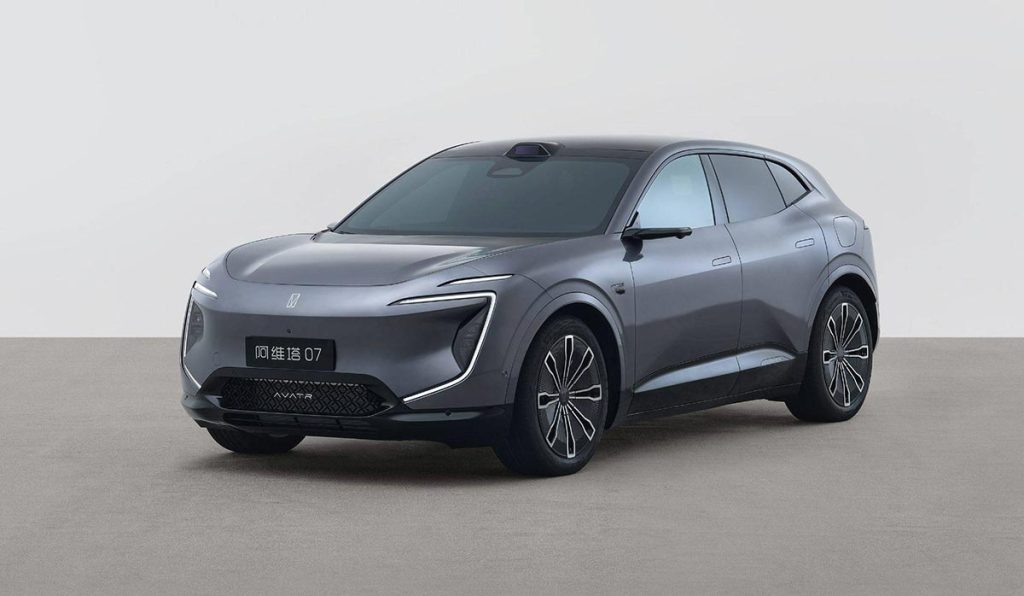
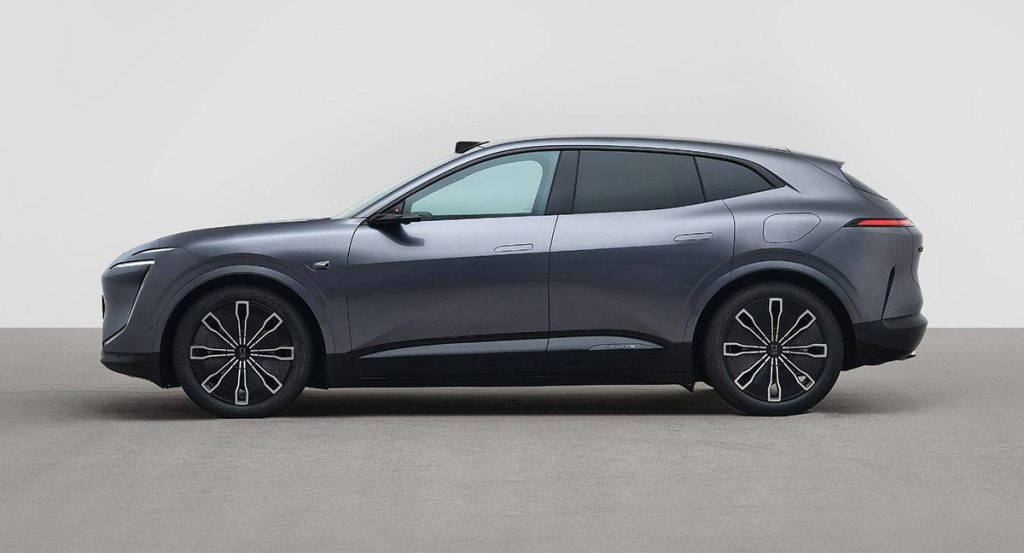
Chinese electric vehicle brand Avatr has announced a new model from its stables. It is the Avatr 07 SUV and it will be available as either an extended-range electric vehicle (EREV) or a battery electric vehicle (BEV). The Avatr 07 is the third model from the company after the Avatr 11 SUV and Avatr 12 sedan.
Features
Avatr Technology is backed by Changan Automobile, CATL, and Huawei. The new model highlights Avatr’s ambition to compete in the EREV market. Both BEV and EREV variants of the Avatar 07 will be available. It is the first Avatr model to support both EREV and BEV considerations. The extension to EREV underpins the challenges of BEVs and the practicality of incorporating fuel tanks to expand the demand space for the model. The BEV market especially in China was the target of most EV startups in the country. The EREV delivers the extended range that could be gotten from a fuel-efficient vehicle in addition to having the driving experience of a BEV.
Avatr debuted in the EV segment in 2022 with the launch of the Avatr11 in August of 2022 while deliveries began in December 2022. The Avatr 12 was launched in November 2023 while deliveries commenced in December 2023. Avatr manufactured over 5,200 vehicles in April 2024. The production numbers for March 2024 were not released but the April 2024 figure was more than double of the February 2024 production.
The Avatr 07 will be released in rear-wheel drive and four-wheel drive options. The new Avatr SUV has dimensions of 4,825 x 1,980 x 1,620 mm and a wheelbase of 2,940 mm. The Avatry 07 will be based on Huawei’s next-generation LiDAR and CATL’s latest supercharging batteries. Previously, the Avatr 07 was rumored to be released to the market in Q3, 2024. Avatr has not provided any price information for the new model but this is expected to be in the range of 250,000 yuan ($34,605) to 350,000 ($48,446).
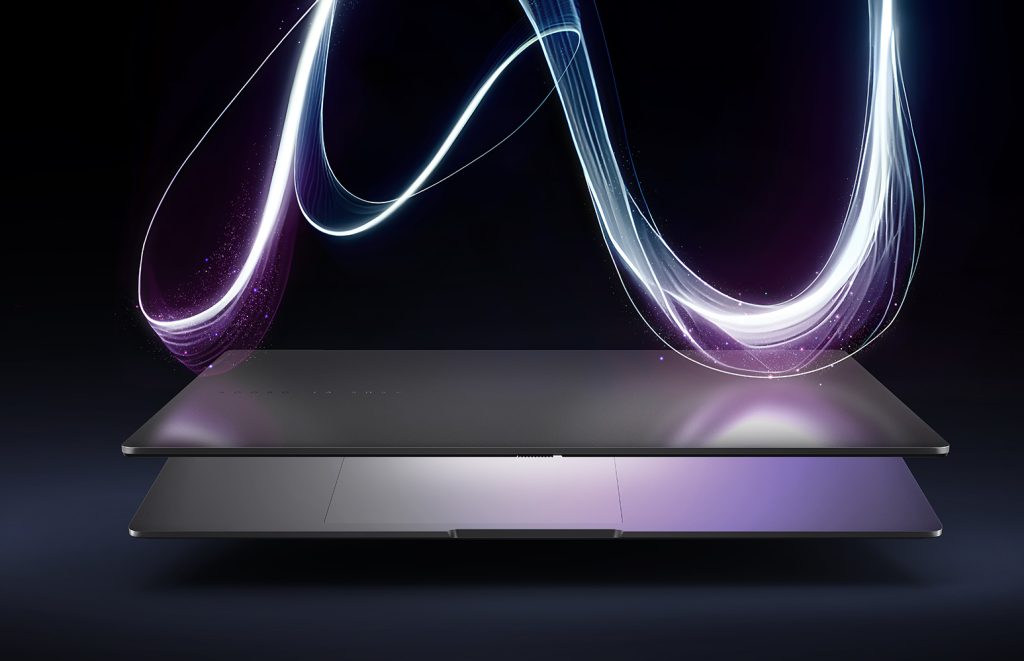
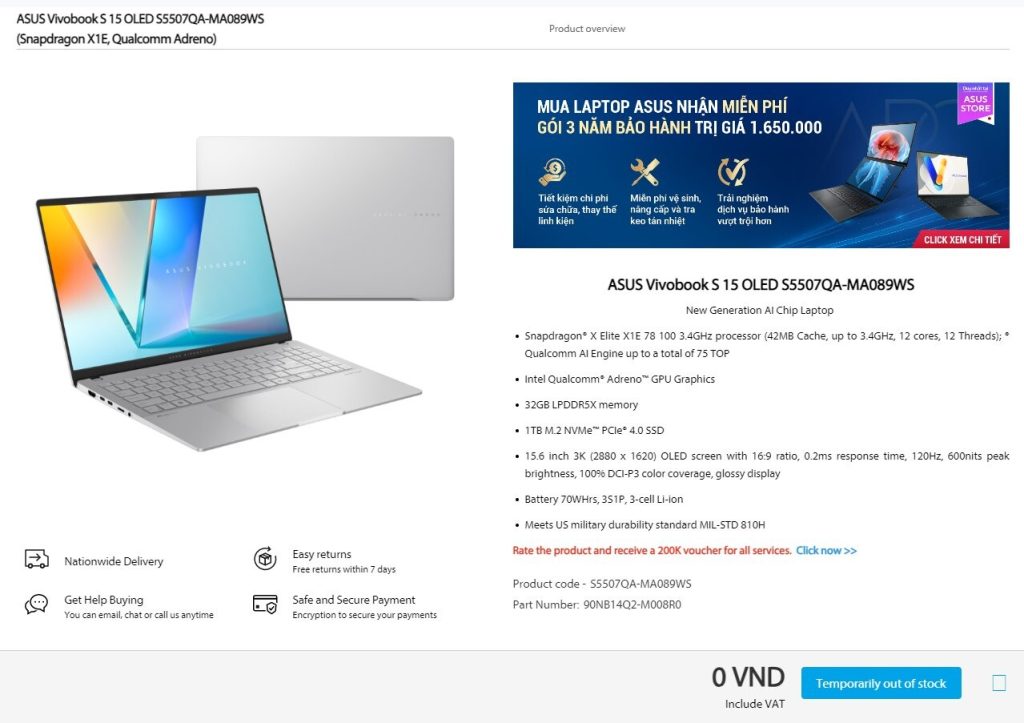
The ASUS Vivobook S 15 OLED laptop is scheduled for an official launch on May 20. The new Vivobook S 15 OLED has been revealed as the brand’s first Snapdragon X- powered laptop. The model will feature the Qualcomm Snapdragon X Elite and also debut the Snapdragon X Plus chipset, according to tipster Roland Quandt. Quandt has revealed a retailer listing that highlighted the Snapdragon X direction for the laptop.
ASUS says the upcoming ASUS Vivobook S 15 OLED is a new version of the Vivobook S 15 OLED that was released with AMD processors earlier this month. The tipster, Quandt provided screenshots of the product listing by ASUS Vietnam and several retailers in Europe. However, it is stated that the listing which was ahead of schedule, has since been taken down. All the listings seemingly confirmed that the new Vivobook S 15 OLED has the model number: S5507QA and additional suffixes represented the chipset variant.
The Snapdragon X Elite version of the laptop comes with 32GB of LPDDR5X RAM, 1TB of storage, and a 70Wh battery. The laptop has a 15.6-inch across OLED display with a resolution of 2,880 x 1,620 pixels (2.8K). It has a display refresh rate of 120Hz and is being offered as significantly more expensive than the AMD version of the laptop. The Snapdragon X1 Plus version of the ASUS Vivobook S 15 OLED is equipped with 16GB of RAM and 512GB of storage. The ASUS Vietnam listing of the laptop says that the X1 Plus version relies on the unreleased Snapdragon X1P-21-100, rumored to be weaker than the X1P-64-100 earlier announced by Qualcomm.
The pricing details and full release information about the ASUS Vivobook S 15 OLED with Snapdragon X Elite/ X Plus processors are not yet out. As the May 20 release date draws closer, much of the optics about the new laptop will be provided by ASUS.
Microsoft has announced a significant relocation offer for its AI employees based in China. The tech giant is giving these workers the choice to move to overseas locations such as the United States, Australia, and Ireland. This decision impacts around 700 to 800 employees, mainly those working on machine learning within the Azure cloud computing team. A small number of these employees may also get opportunities for international rotations.
Employees have until June 7 to decide whether to relocate or stay with the China team in their current roles. This move comes as Microsoft halts new hiring in China, affecting its offices in Beijing, Shanghai, and Suzhou. Despite these changes, Microsoft assures it remains committed to its operations in China and other global markets.
This relocation offer reflects broader geopolitical issues, especially the escalating US-China tech war. AI technology has become a critical point of contention. The Biden administration is considering new restrictions on exporting proprietary AI models to China, adding to existing limits on Chinese firms’ access to advanced semiconductors and chip-making tools. Microsoft continues to navigate these tensions while pursuing business for its AI services in mainland China and Hong Kong.
Last year, Microsoft relocated some top AI researchers from China to a new lab in Vancouver, Canada. This lab is part of a global initiative to integrate talent from various countries, including China. The current relocation offer is seen as a strategic response to the ongoing trade and tech disputes between the US and China.
The US has recently increased tariffs on several Chinese imports, including electric vehicles and semiconductors, which has further strained relations. China has promised to take measures to protect its interests in response to these actions. Meanwhile, Microsoft’s long-term engagement in China, dating back to 1992, underscores its dedication to maintaining a presence in the region despite these challenges.
As the tech industry adapts to geopolitical shifts, companies like Microsoft are making strategic decisions to ensure their operations and talent pools remain robust. The relocation offer to China-based AI employees is a part of these efforts, reflecting the complex interplay of global business and international relations.
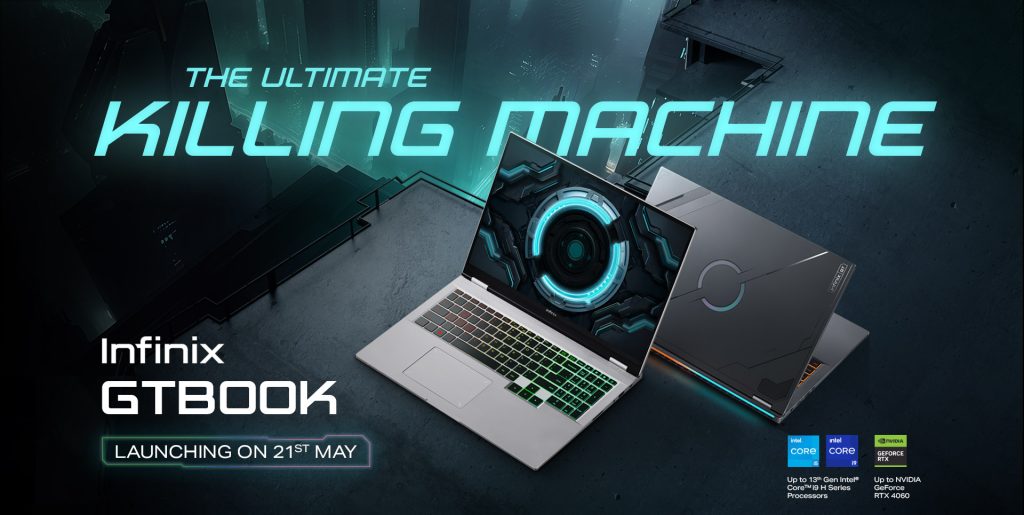
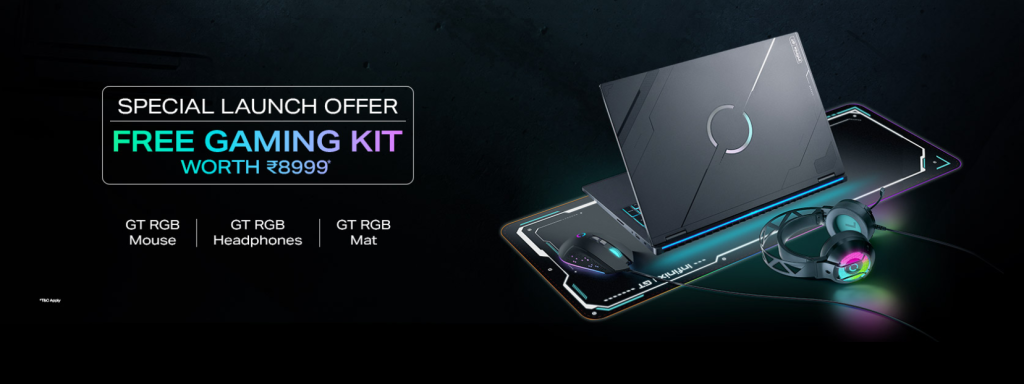
On May 21, Infinix will introduce the GT 20 Pro smartphone to the Indian market. Alongside the smartphone, the brand is also set to launch the Infinix GT Book, its first gaming laptop. The specifications and features of this upcoming laptop have already been disclosed, and Infinix has now confirmed its price point.
As per an official press release by the brand, the Infinix GT Book will be priced under ₹65,000. That being said, the brand has not confirmed which configuration of the laptop will be priced below ₹65,000.
Previously, we have reported that the Infinix GT Book will come with three processor options: Intel Core i5-12450H, Core i5-13420H, and Core i9-13900H. These processors will be paired up with an RTX 3050, RTX 4050, and RTX 4060 GPU. Additionally, the laptop will come with 32 GB of LPDDR5X RAM and 1 TB PCIe 4.0 SSD storage.
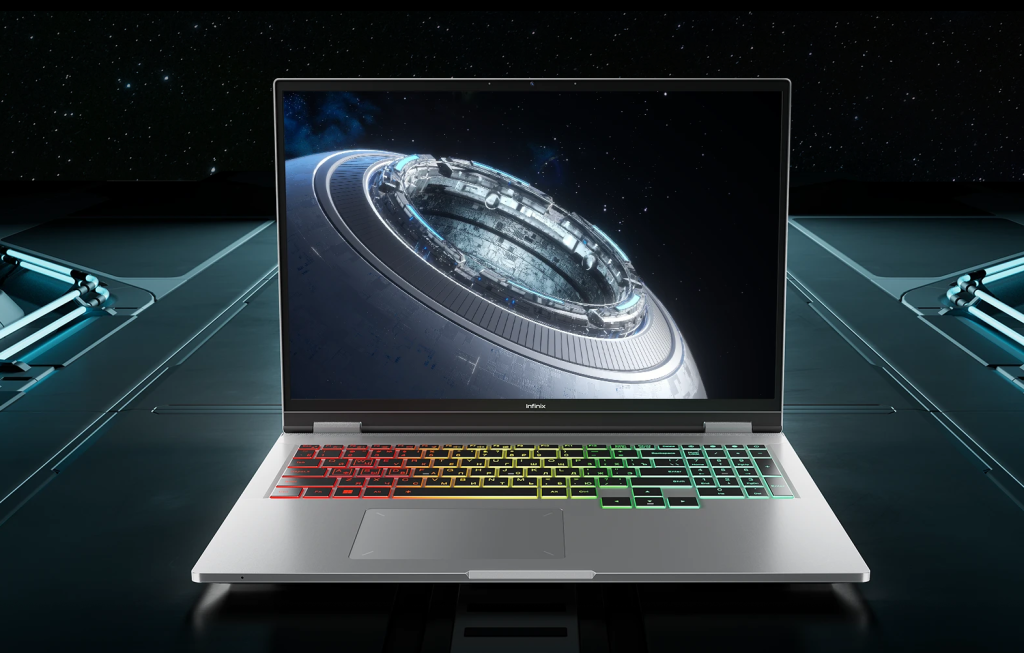
It will feature a 16-inch display with a Full HD IPS panel. It will have 120Hz refresh rate, full coverage of the sRGB color gamut, and a peak brightness of 300 nits. Despite the beefy specifications, the laptop will be relatively lightweight, weighing just under 2KGs.
Design-wise, the laptop will feature a metal body with a mecha design that’s clad with RGB lights. It also has multiple USB ports, HDMI, an SD card reader, and an audio jack. The laptop will offer a 1080p webcam, Wi-Fi 6E, and a 72Wh battery.
Additionally, the brand has also revealed that early buyers will get an RGB mouse, RGB headphones, and an RGB mat for free. The brand estimates the value of these peripherals at ₹8999.
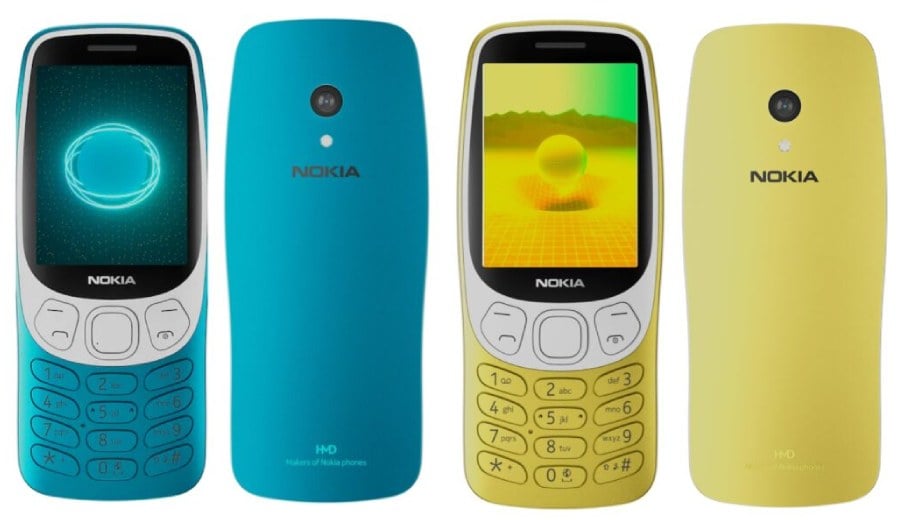
The Nokia 3210 (2024) 4G was announced last week in China. The model went on sale for the first time a few days back and was completely sold out within a short period. The new feature phone was a replica of the original model released several years back and was to celebrate the 25th anniversary of the release of the Nokia 3210 feature phone. The appearance of the new model perfectly captures the original model. However, it comes with greater functionality than the original feature phone.
The Nokia 3210 4G supports Alipay mobile payment and was priced at 379 yuan ($53). All three color options of the phone were sold out due to its iconic status as one of the earliest mobile phones that was affordable and durable. It was released in black, blue, and gold colors but these are all out of stock presently. Nokia, via its official Weibo handle, stated that all major warehouses are currently out of stock and the factory is in full production, with sales resuming on May 31.
Nokia is recommending another feature phone just released to consumers – the Nokia 220 4G. It is a cheaper model than the 3210 4G and adopts a relatively tough and square design. The Nokia 220 4G is equipped with a 2.8-inch screen and large fonts for a clear display. The Nokia 220 4G has a 1,450mAh battery and an upgraded Type-C interface, for greater flexibility and utility. The feature phone is capable of achieving loud volume and supports QR code payment. It has a built-in Nano SIM card slot with support for some Chinese networks. It is also compatible with Radio and Television 4G. Dual SIM cards and dual 4G online are supported simultaneously.
The Nokia 3210 4G is priced at 379 yuan ($53) while the Nokia 220 4G retails at 299 yuan ($41). While the 3210 model is currently out of stock, customers can easily get the Nokia 220 4G from retail platforms including JD.com.
US-based Kingland Systems, specializing in data management and regulatory compliance for financial services, insurance, and agriculture, has announced the closure of its subsidiary office in China. The decision, which came as a shock to the local workforce, will result in the termination of all 151 employees.
Employees were informed of the closure on Wednesday. The company has committed to providing the legally required severance pay plus an additional month’s salary. Despite the abrupt announcement, Kingland Systems has not offered any explanation for the closure and has not provided any immediate comment.
This move comes in the wake of increasingly challenging economic conditions in China, coupled with rising geopolitical tensions. New regulations, such as stricter data-security laws and an anti-espionage law, have made operating in China more difficult for foreign businesses.
The economic outlook in China has been bleak, with foreign direct investment (FDI) seeing a significant decline. In the first quarter of this year, FDI dropped by 26% compared to the same period last year, amounting to 301 billion yuan (US$41.6 billion). These factors have led many foreign firms to either exit the Chinese market or consider reducing their presence since the COVID-19 pandemic.
Data from Qichacha, a corporate data provider, indicates a growing trend of foreign companies reevaluating their business strategies in China due to these pressures.
The closure of Kingland systems reflects broader concerns among foreign businesses about the viability of continuing operations in China under current conditions.
HP has recently unveiled the 2024 version of Star Book Pro 13 and Star Book Pro 16 laptops. The laptops are now on sale in Chinese. Unlike the 16″ model which is based on Intel’s Core Ultra chips, the smaller 13.3″ model is based on AMD’s second-generation AI PC processor. To learn more about the 16″ model, click here.
HP Star Book Pro 13 2024 key specifications:
The laptop is powered by the AMD Ryzen R7-8840HS processor fabricated on TSMC’s 4nm process node and also utilizes the integrated Radeon 780M graphics. It adopts advanced 4nm process technology, “Zen 4” architecture, and RDNA3 graphics architecture.
This is paired with 16GB LPDDR5X dual-channel memory that goes up to 6400MHz. You get the option between 512GB or 1TB PCle 4.0 NVMe SSD (the pricing of different storage and memory configurations is listed below). According to the company, the system offers improved video encoding and file compression performance.
All of this is enriched with AMD’s Ryzen Al which can power different AI-based features in applications. The NPU of Ryzen 7-8840HS has a total computing power of 16TOPS, which is 60% higher than the previous generation.
The machine offers a magnesium-aluminum alloy body and weighs only 1020g. Upon opening up the lid, you will be looking at a 2.5K (2560 x 1600) display with a 16:10 aspect ratio and a 90% overall screen-to-body ratio.
The panel goes up to 400 units in peak brightness, which makes this usable in outdoor lighting conditions. Speaking of color accuracy, it supports 100% sRGB color gamut rating. The display comes with a AG anti-glare finish.
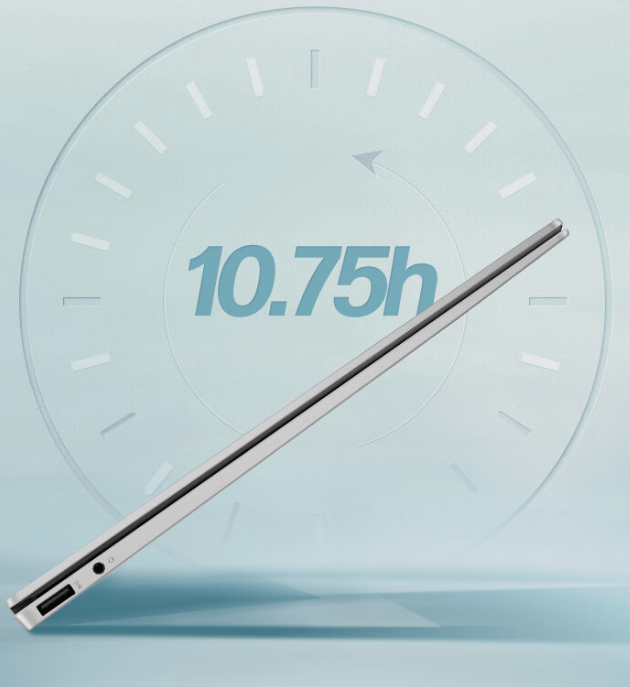
according to the company’s lab tests, this lightweight laptop offers 10.75h battery life. The machine comes with a 100W PD fast-charging power adapter.
Ports:
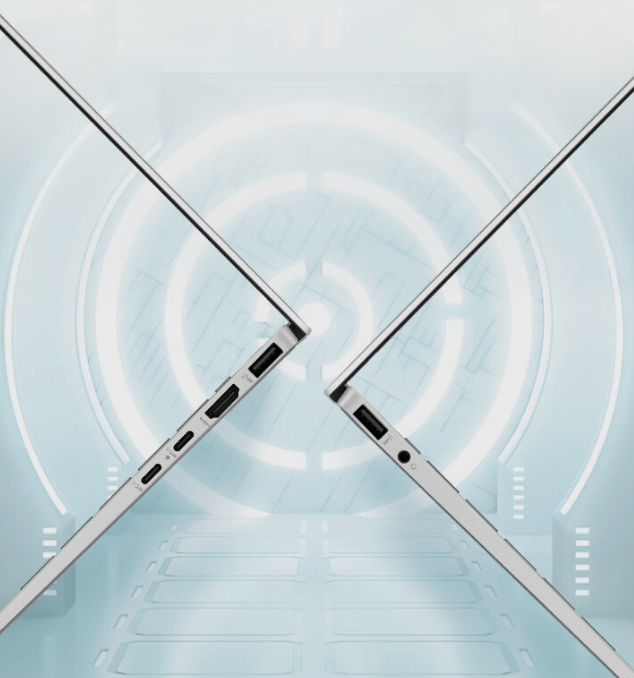
2 x Type-C (full-featured)
3.5mm headphone jack
1 x USB-A 10Gbps
1 x USB-A 5Gbps
HDMI2.1 (TMDS)
It also supports Wi-Fi 6E and Bluetooth for wireless connectivity.
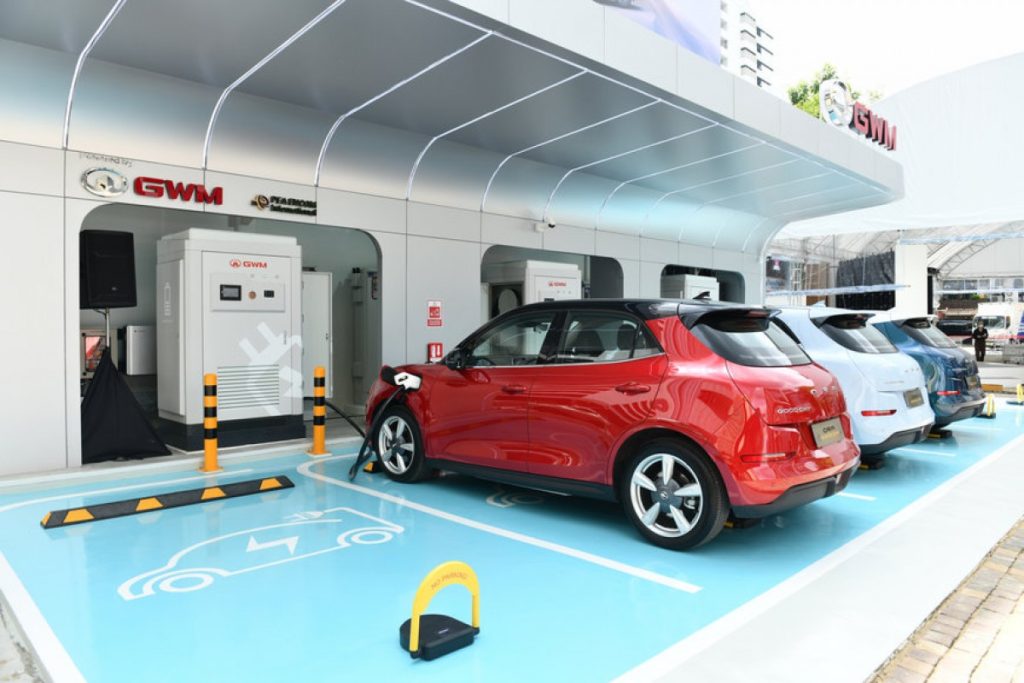
Great Wall Motors (GWM) has announced a significant breakthrough in its development of solid-state battery and ultra-fast charging technologies. The Chinese automotive giant says it has successfully produced solid-state pouch cells, which is the final in the development of solid-state batteries. It will now focus on scaling up the model as a commercial product for large-scale manufacturing.
Solid-state batteries, unlike current lithium-ion batteries, use a solid material in place of the liquid electrolyte in lithium-ion batteries. This means that solid-state batteries have significantly higher energy densities and faster charging than lithium batteries.
Overheating is a serious safety concern for EVs and solid-state batteries offer better stability in this regard. They are less prone to overheating and possible fires which are recurrent issues with lithium-ion batteries. These batteries expectedly have greater reliability within a broader temperature range including in cold weather conditions. GMW says it is exploring diverse battery chemistries in addition to its solid-state efforts.
GMW is also making significant inroads in ramping up charging speeds through its development of ultra-fast charging technology. The GMW 4C supercharging battery cell is estimated to add up to 311 miles (500 km) in range with just 10 minutes of charging. This has great positive implications on long-distance EV travel, as it virtually eliminates the time penalty.
GMW is also developing a 6C cell that will further cut the charging time. It is expected that the GMW solid-state battery and ultra-fast charging products will soon be released. These technologies could debut on the Tank 800 SUV by the end of 2024. The GMW Lightning Cat sedan will also be refreshed later this year and it could incorporate the latest GMW battery tech.
Microsoft has announced its upcoming Xbox Games Showcase event for June 10th, promising exciting reveals alongside a mysterious “Direct” presentation. Rumors suggest the event might be centered around the upcoming Call of Duty sequel.
Microsoft is completely overhauling its game sales strategy
This news comes on the heels of previous announcements from Microsoft. Xbox President Sarah Bond confirmed the launch of a mobile Xbox game app store in July, with all first-party games, including the next Call of Duty title, launching day-one on Game Pass. This aligns with reports from The Wall Street Journal, suggesting a major overhaul of Microsoft’s game sales strategy. The plan reportedly involves including the next Call of Duty in Game Pass, potentially marking the biggest shift in Microsoft’s gaming division since its Activision Blizzard acquisition. Industry insiders believe this move strengthens the Game Pass subscription service.
The Verge previously reported discussions about adding the upcoming Call of Duty (rumored to be a new Black Ops title set during the Gulf War) to Game Pass. This potential change might be accompanied by a Game Pass price increase.
Microsoft’s strategy faces some skepticism. The concept of “content cannibalization” raises concerns, particularly regarding new first-party games readily available on Game Pass launch day. While Xbox executives believe Game Pass boosts sales by increasing accessibility, some publishers remain unconvinced. Unlike Microsoft, Sony, its console rival, doesn’t offer its exclusive titles directly through its subscription service.
The upcoming Xbox Showcase and the rumored changes to Game Pass suggest a significant focus on Microsoft’s subscription service. Whether this translates to a major industry shift or simply strengthens Microsoft’s existing strategy remains to be seen.
TP-Link has unveiled its latest router, the BE7200, boasting support for the cutting-edge Wi-Fi 7 standard. This translates to blazing-fast theoretical speeds, a significant upgrade over previous generations. The BE7200 packs a punch in wired connectivity as well. Equipped with five 2.5G network ports, it caters to devices demanding high bandwidth, such as NAS drives, AR/VR consoles, and 8K video streaming. These ports can even be combined for a combined speed of up to 5Gbps.
TP-Link integrates MLO Multi-Link technology and 4K QAM high-order modulation
For enhanced performance, TP-Link has integrated MLO multi-link technology and 4K QAM high-order modulation into the BE7200. This translates to a noticeable boost in data transmission density and peak rate.
Stability is another focus for the BE7200. TP-LINK claims the router benefits from MRU and Preamble puncture technology, enabling more flexible scheduling and up to 6 times better anti-interference performance.
Gamers will appreciate the built-in game accelerators. The BE7200 includes free trials for various services like Leishen, Youbangbang, Qiyou, and NetEase UU. These services aim to optimize your gaming experience by reducing lag and improving overall network performance.
Setting up a mesh network system for wider Wi-Fi coverage throughout your home is a breeze with the BE7200. The “Easy Extension” function allows you to seamlessly connect multiple BE7200 routers with a single click. The TP-LINK BE7200 router is available for purchase at a starting price of 599 yuan (approximately $90 USD).
Previously, we covered the launch of the Xiaomi Mijia 8Kg Drum Washing Machine earlier this month. There was no global availability for the washing machine at the time, however, the company has confirmed that the washing machine will be on sale today for 699 Yuan ($96).
The machine boasts one-button quick start and a “long press” button
The Mijia boasts one-button quick start and a “long press for smart wash” function, eliminating the need for complex control panels. Additionally, intelligent fuzzy weighing automatically adjusts water levels based on the laundry load, saving water and electricity.
Xiaomi claims the Mijia breaks away from traditional washing methods by employing a two-in-one rinse and dewatering process. This means water inflow, rinsing, and drainage happen simultaneously, effectively removing foam and detergent residue for a cleaner wash.
For hygiene purposes, the Mijia boasts a mite removal rate exceeding 99.6%. It also features a powerful cylinder cleaning function that utilizes high-pressure water jets to spray both the inner and outer drum walls, reducing bacterial growth and keeping your washer fresh.
With an 8kg capacity, the Mijia can handle a sizeable load, accommodating 36 shirts, 3 floor-to-ceiling curtains, 10 pairs of jeans, or 3 four-piece bed sets in a single wash. Users can choose from 10 washing modes and 8 water level adjustments to match the specific needs of their laundry. An additional convenience feature is the 24-hour smart reservation function, allowing you to schedule wash cycles in advance for added convenience.
Apple unveiled the latest generation iPad Pro (2024) earlier this month. The 11-inch and 13-inch models are touted to be the thinnest Apple devices ever made. This raised speculations about the iPad Pro’s durability given the thinnest tag. Even years later today, nobody has forgotten the iPhone 6’s bendgate. At the launch event, the Cupertino-based tech giant explicitly said that the tablet isn’t any less durable than its predecessor. Apple’s tablets haven’t come out unscathed in durability tests. The first-generation iPad Pro, M1-powered model, and even the 10th-generation iPad snapped into half.
Those interested in purchasing the iPad Pro (2024) but sceptical over its durability can now breathe a sigh of relief. Things are very different on the latest generation. The tablet has undergone popular YouTuber JerryRigEverything’s intense durability test.
iPad Pro (2024) somehow survives bend test despite being the thinnest Apple device
If you watch JerryRigEverthing’s durability tests, you might be familiar with the various parts. We will get straight to the most important part first. In the bend test, Zack first tries to bend the 13-inch iPad Pro (2024) from the back. There is a slight flex but no significant damage. However, bending it from the front side shows the glass screen separating from the frame around the camera module area. A lot of force during bending is clearly visible in the test.
Zack says that this is some black magic of structural integrity. Apple has added a central brace on the iPad Pro that provides enough structure to avoid getting snapped during horizontal bending. Unfortunately, things go south when the YouTuber bends the device vertically. The tablet breaks at the charging port which becomes the main structural weakness of the device. The screen also gets cracked. Zack adds that the iPad Pro would have survived if Apple had added another vertical support just like the horizontal one.
Another YouTuber AppleTrack also experiences the same bend test result as JerryRigEverything. Regardless, the iPad Pro (2024) has improved durability compared to previous generations. It won’t get a permanent bend with everyday normal usage unless an extreme force is applied.
Now coming to the other parts of the durability tests, the Tandem OLED display on the iPad Pro (2024) gets scratched at level 6 with deeper grooves at level 7. The tablet has an aluminium chassis. Both the frame and back panel get scratched in the scrape test. The 13-inch screen does not suffer any dead pixels even after coming in contact for more than 60 seconds.
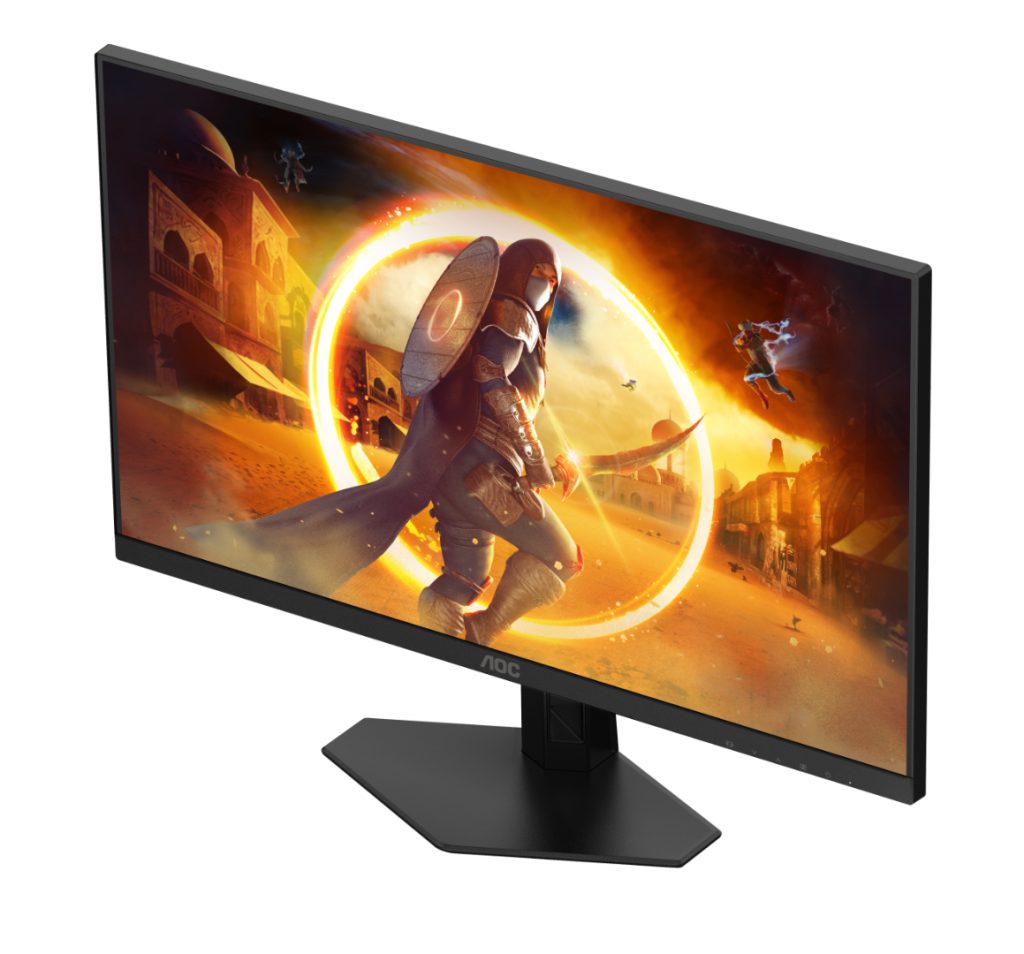
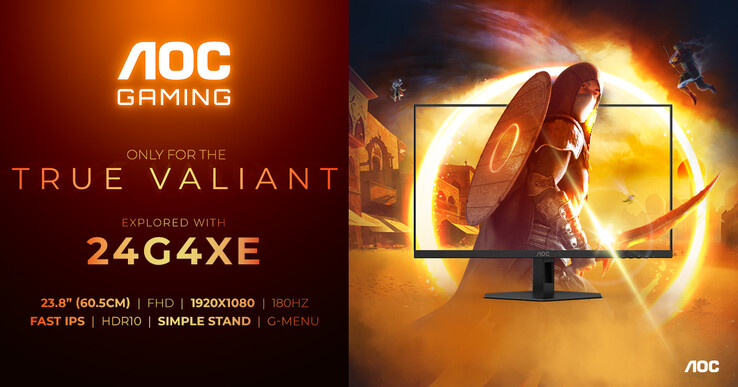
AOC has unveiled the AGON GAMING 24G4XE gaming monitor in the United Kingdom and EU markets. The new model comes with an affordable price tag and is one of the cheapest in the G4 gaming monitor series. It however comes with some decent features and functionality including a 180Hz display refresh rate.
Apart from the AOC AGON GAMING 24G4XE, there is the larger AGON GAMING 27G4XE monitor. The 24G4XE is an iteration of the previous model which is the 24G4X, released earlier this year. It is equipped with a fast IPS panel which measures 23.8 inches across. The monitor has a resolution of 1,920 x 1,080 pixels (1080p) in addition to its 180Hz refresh rate. It has a GtG response time of 1 ms, 300 nits of peak brightness, and a static contrast ratio of 1000:1.
The AOC AGON GAMING 24G4XE comes in a different stand from its predecessor. AOC says the new monitor has a no-frills stand design which means it can be tilted, but pivot, swivel, and height adjustments may not be possible. The AGON GAMING 24G4XE supports Adaptive Sync and NVIDIA G-SYNC technologies. Connectivity options for the monitor are DisplayPort 1.4 (x1) and HDMI 2.0 (x2) ports.
Pricing & Availability
The AOC AGON GAMING 24G4XE comes with a slightly cheaper price tag than its predecessor. It is priced at £139.99 ($178) in the UK and €179 ($195) in the Eurozone. The package includes a 100 x 100 mm VESA mount for using an external stand. The new AOC AGON GAMING 24G4XE gaming monitor will be available for buyers by the end of May 2024. There are no global availability details yet for the new AGON GAMING 24G4XE monitor at this time.
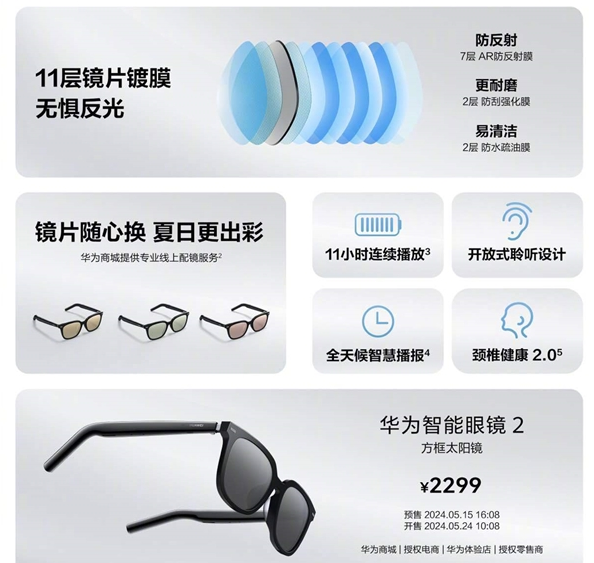
The Huawei Eyewear 2- Square-frame sunglasses have been unveiled in China. Pre-sale of the smart accessory has begun ahead of its official launch on May 24th.
Features
The Huawei Smart Glasses 2 square-frame sunglasses retain the pioneering aesthetic concept of the Huawei smart glasses lineup, the latest being the Eyewear 2 launched in September 2023. The frames are made of high-density plates and come in an oversized design style. The lines are smooth and neat, and provide balance for the facial contours, to deliver a radiant veneer of the wearer’s face.
The new Huawei smart glasses 2 uses UV400 protective lenses to effectively block ultraviolet rays from entering the eyes. The lenses have a deep black luster, which adds a strong decorative attribute to the wearer. It can be easily used outdoors when commuting or during a street photography session. The Huawei Smart Glasses 2 Square Sunglasses can connect to Huawei’s smart ecosystem and connect through smart audio.
The smart glasses utilize Huawei’s HarmonyOS 4 operating system and can automatically connect with Harmony devices such as mobile phones and tablets. Audio from multiple devices can be seamlessly transferred to the smart glasses. For example, when a call suddenly comes and the mobile phone is not around, you can tap the temples to connect the phone to a smooth call or double-click the temples to communicate with the Xiaomi Voice Assistant. There are many sensors on both sides of the temples of the Huawei Smart Glasses 2 Square Sunglasses. The touch area is 23 mm long, and there is a sliding area that is about 35 mm, hence there is no problem in blind operation during the process.
Pricing & Availability
The Huawei Smart Glasses 2 Square Sunglasses will officially go on sale in China on May 24 at a launch price of 2,299 yuan ($319). There are no indications yet whether the gadget will be subsequently available in overseas markets.
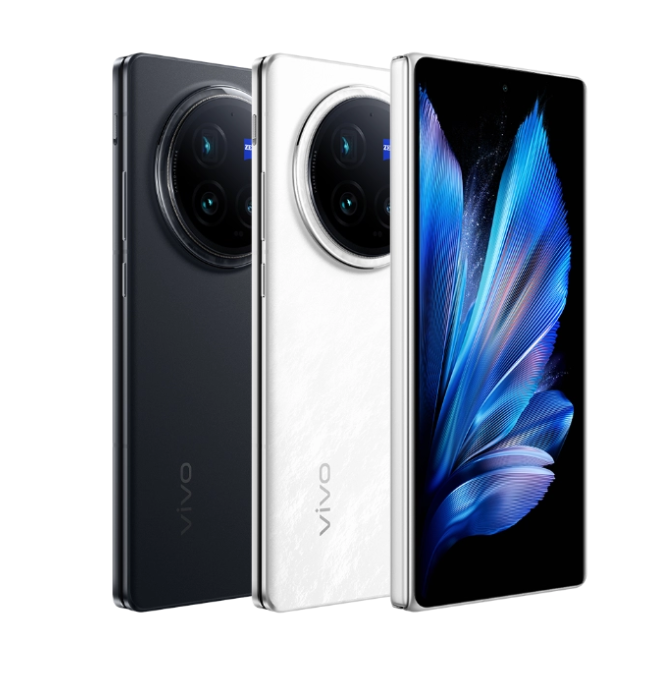
A recent report revealed that Vivo is expected to launch its first foldable phone in India next month. The Vivo X Fold 3 Pro has already bagged various certifications hinting at its global release in the near future. The device debuted in China in March this year. The Vivo X Fold 3 Pro’s arrival will pit it against the Samsung Galaxy Z Fold 5 and OnePlus Open. Now, ahead of the launch, HTTech has shared key details about the upcoming offering’s chipset, battery and AI features.
Vivo X Fold 3 Pro key details leaked
Citing key sources familiar with the matter, HTTech reports that the Vivo X Fold 3 Pro will be backed by a 5,700mAh battery unit with support for 100W wired and 50W wireless charging. It will be powered by a Snapdragon 8 Gen 3 processor under the hood. The publication reveals that the Vivo X Fold 3 Pro will come with various AI features like note-taking and transcriptions to help increase productivity.
Meanwhile, as per another report, the Vivo X Fold 3 Pro will have a ZEISS-branded camera along with the brand’s V3 imaging chipset. The camera configuration on the Indian variant is said to be the same as the Chinese counterpart. Hence, we can expect two 50MP sensors and a 64MP periscope lens.
The aforementioned leaked details suggest that the Vivo X Fold 3 Pro Indian variant will not be any different than the one available in China. A Geekbench listing of the foldable phone revealed a 16GB RAM variant and Android 14 OS.
The Vivo X Fold 3 Pro has a 6.5-inch external display whereas the internal screen measures 8.03-inches. Both have an AMOLED panel, a 120Hz LTPO refresh rate, 4,500 nits peak brightness, and an ultrasonic fingerprint scanner. The X Fold 3 Pro starts at CNY 9,999 (~$1,385) in China.
itel has just unveiled a new smartwatch model in the Indian market. The new model is the itel Unicorn, which features a unique 2-in-1 pendant smartwatch design. The new wearable also comes with a premium look despite its budget price tag. So here are all the details.
itel Unicorn Pendant Smartwatch Specs
The itel Unicorn sports a 1.43-inch AMOLED panel that offers 500 nits of peak brightness and Always-on display. This screen supports over 200 watch faces with a DIY Watch face studio. On a single full charge, the Unicorn can last for up to 7 days or 15 days on standby. Just 30 minutes of charging can offer up to 80 percent charge. The device arrives with a metallic design that adds a premium feel.
The itel Unicorn smartwatch comes with an IP68 water and dust resistance rating. It comes with support for AI voice assistants as well. The smartwatch features various health-related features like female cycle tracking, stress monitoring, heart rate mapping, SpO2 blood oxygen tracking, as well as water intake and sedimentary reminders. One of highlighting aspects regarding this smartwatch is undoubtedly the 2-in-1 pendant design that allows you to wear the smartwatch on your wrist or pendant via a free chain.
Pricing & Colors
The itel Unicorn Pendant smartwatch will go on sale for a 2,899 INR price tag (roughly 35 US Dollars). This model will go on sale in two color options, namely Dark Chrome and Champagne Gold. It will be available for purchase in India via Amazon.
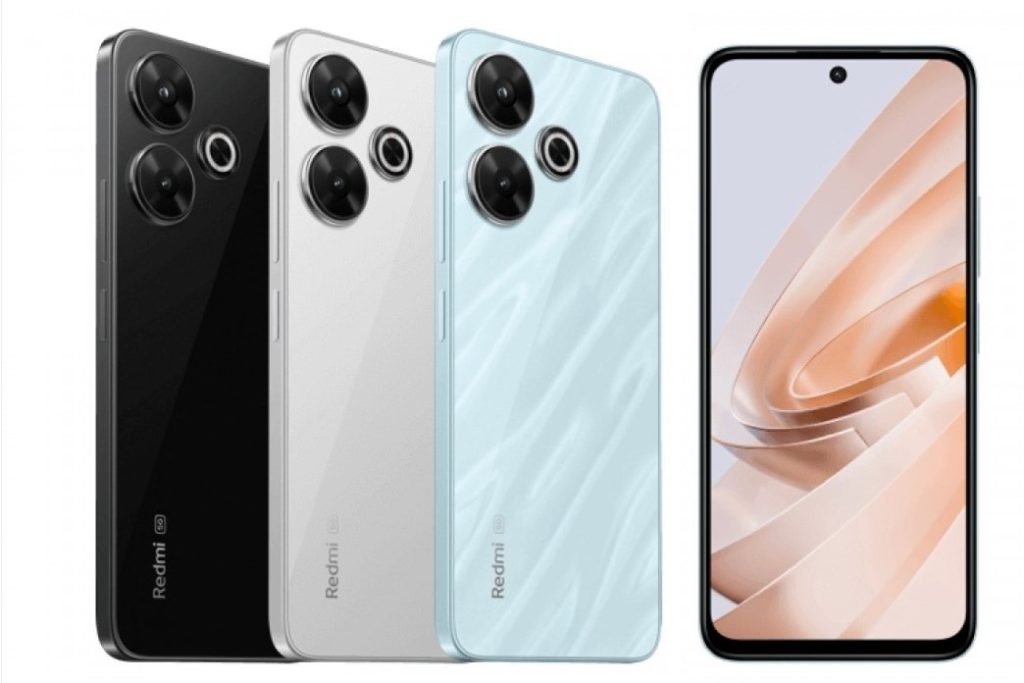
The Redmi Note 13 series in China has four models namely, the Standard, Pro, Pro Plus, and the R-Pro. Now, the Xiaomi sub-brand has quietly introduced a new model in the lineup. The Redmi Note 13R is a toned-down variant of the Note 13R Pro. It arrives as the successor to last year’s Note 12R but only with a few differences. Read on to know what the device offers out of the box.
Redmi Note 13R specifications and features
The Redmi Note 13R retains the same 6.79-inch LCD display bearing an FHD+ resolution and 550 nits peak brightness. However, the refresh rate gets upgraded to 120Hz from 90Hz and it is adaptive. The phone has a side-mounted fingerprint scanner embedded in the power button.
The optics on the Redmi Note 13R are the same as its predecessor. There is a 50MP main sensor coupled with a 2MP macro lens. There is an 8MP front-facing selfie camera compared to 5MP on the Note 12R.
The Redmi Note 13R has the same Snapdragon 4 Gen 2 processor. It packs up to 12GB RAM and 512GB storage. The Note 12R maxes out at 8GB + 256GB. The smartphone draws its power from a slightly larger 5,030mAh battery unit with support for 33W faster charging. Software-wise, it ships with HyperOS-based Android 14 OS out of the box.
The Redmi Note 13R is offered in Silver, Midnight Black, and Ice Crystal Blue colours. It starts at CNY 1,399 yuan (~$193) for the base 6GB + 128GB variant. The top-end 12GB + 512GB configuration carries a price tag of CNY 2,199 (~$USD 304).
As soon as the Google I/O 2024 event kicked off on May 14, smartphone companies began announcing the availability of the Android 15 beta for select premium smartphones. This allows users to get an early taste of the new operating system (OS) without having to wait for months for the stable release.
Google released multiple Android developer preview builds for Android 15 in February and March and then Beta 1 in April. As always, Google Pixel devices are the first to get these new builds, followed by other brands. The Android 15 beta has been available to eligible Google Pixels since April; hence, we haven’t included them in this post.
Check the list below to see if you’re lucky enough to get an early look at the Android 15 via the beta program.
Android 15 Beta Is Available for These Devices
Nothing Phone (2a)
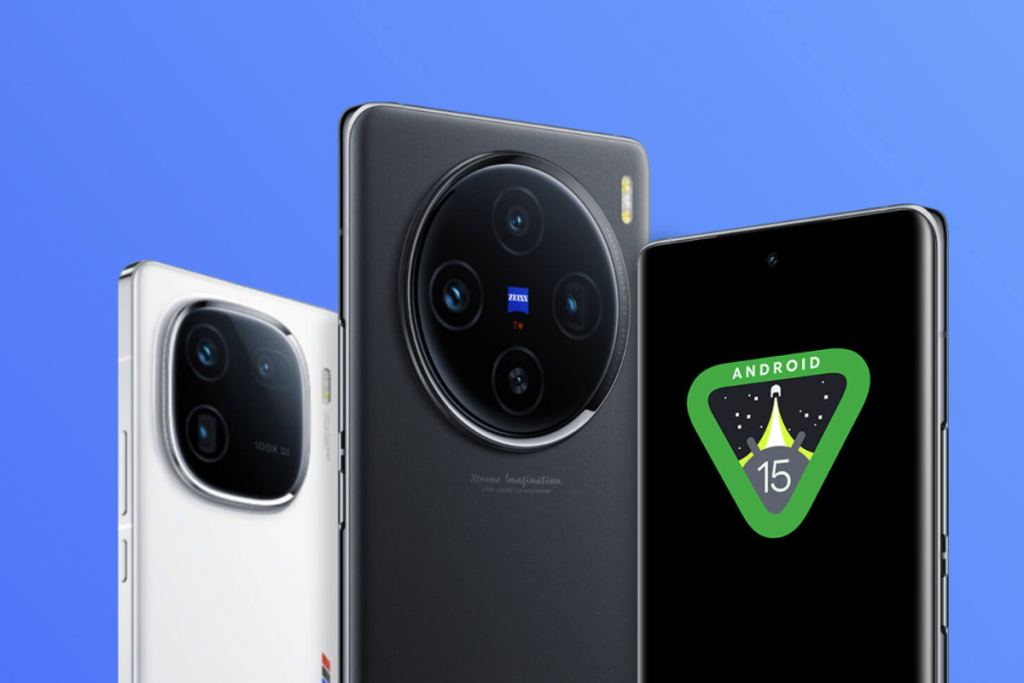
Vivo X100
iQOO 12
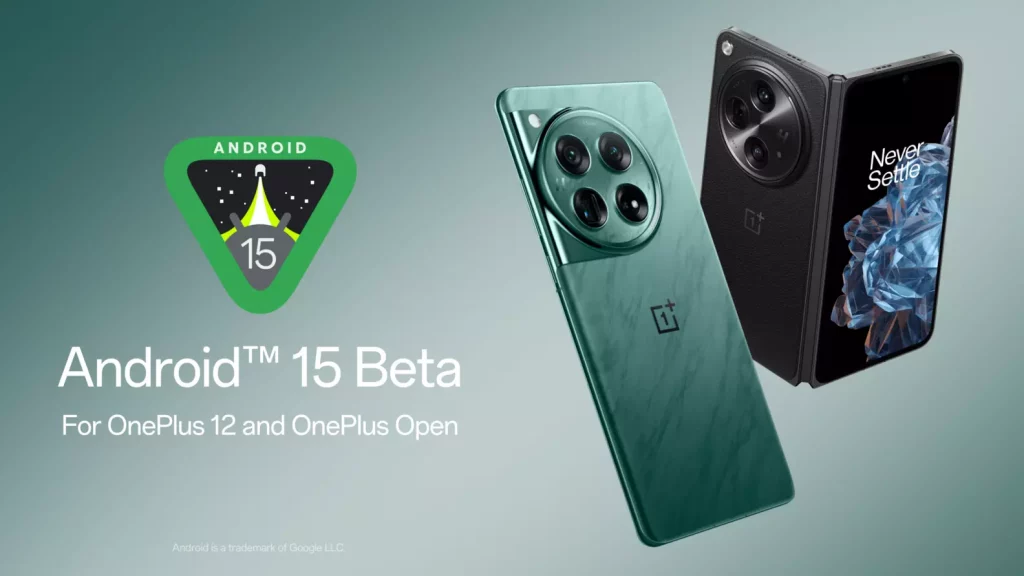
OnePlus 12
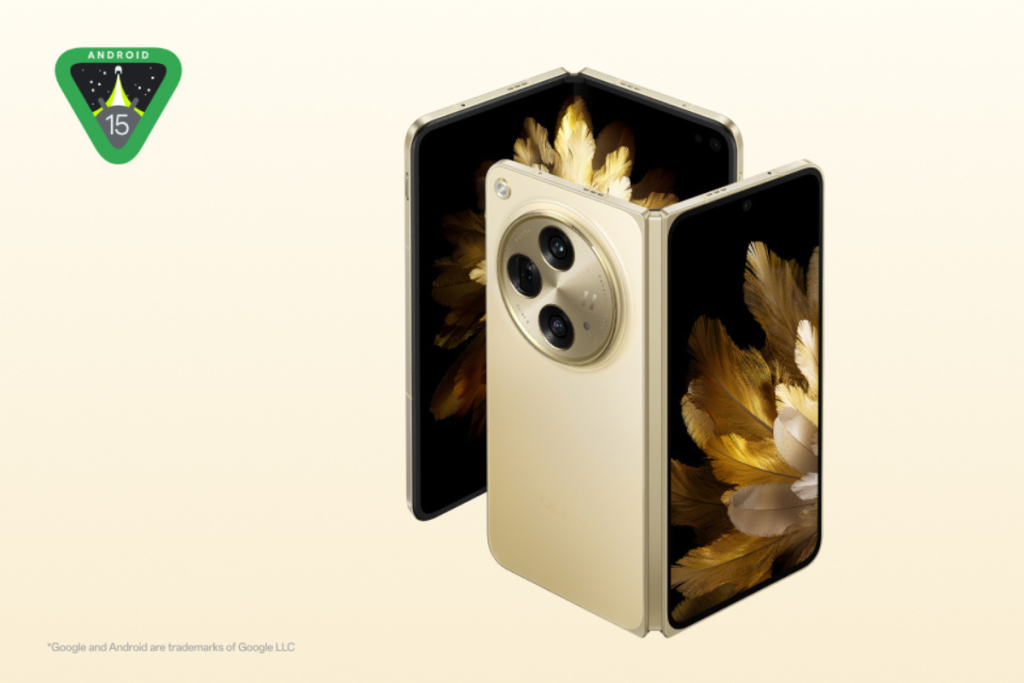
OnePlus Open
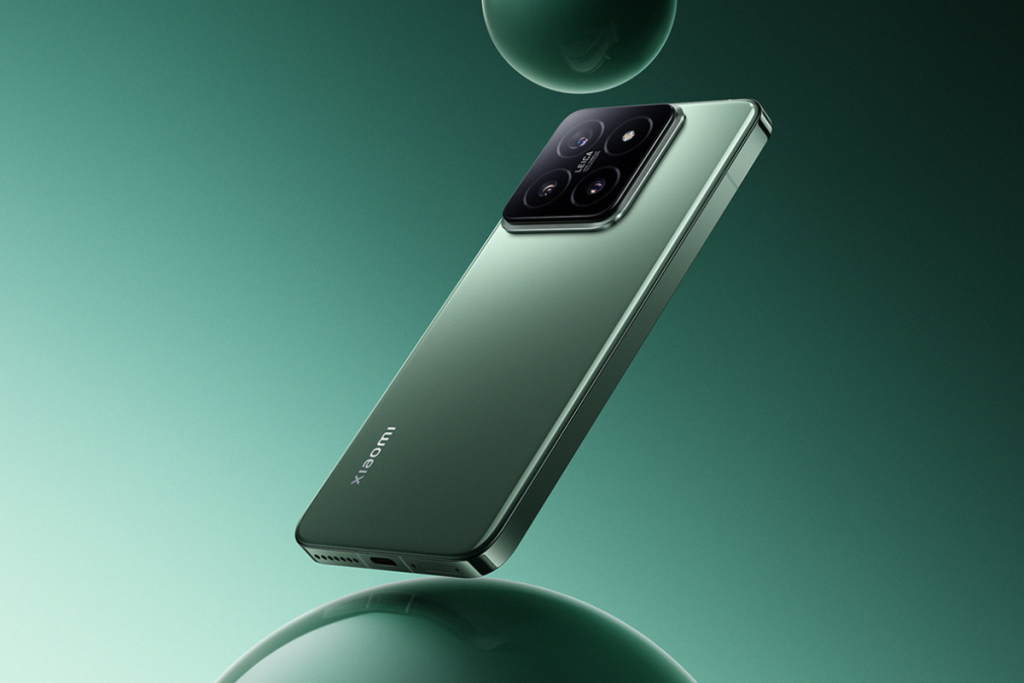
Xiaomi 14
Xiaomi 13T Pro
Xiaomi Pad 6S Pro 12.4
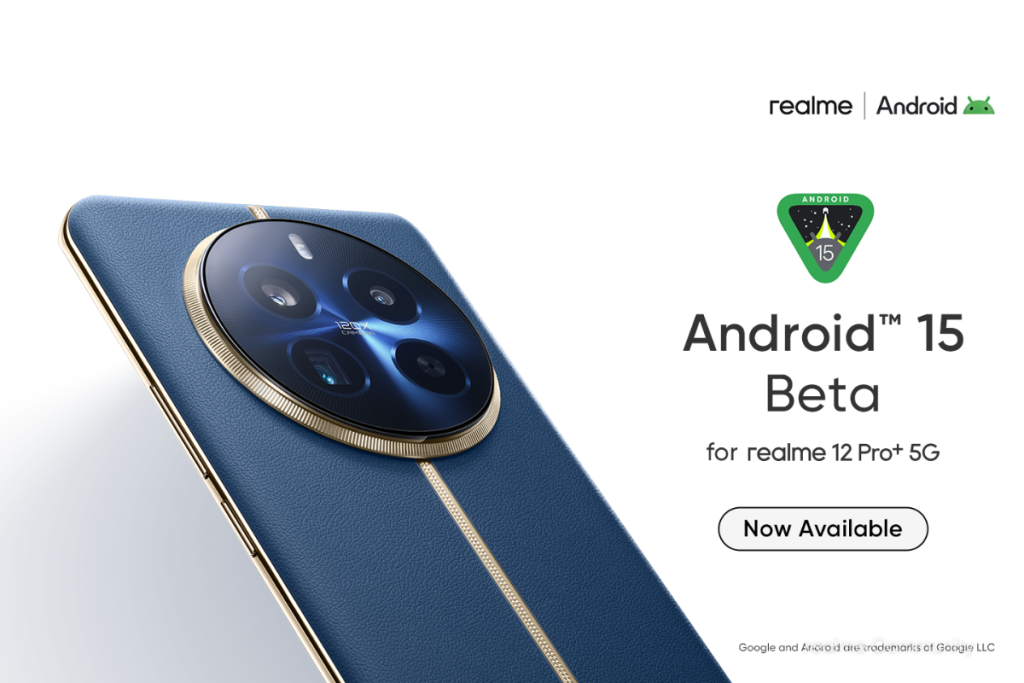
Realme 12 Pro+ 5G
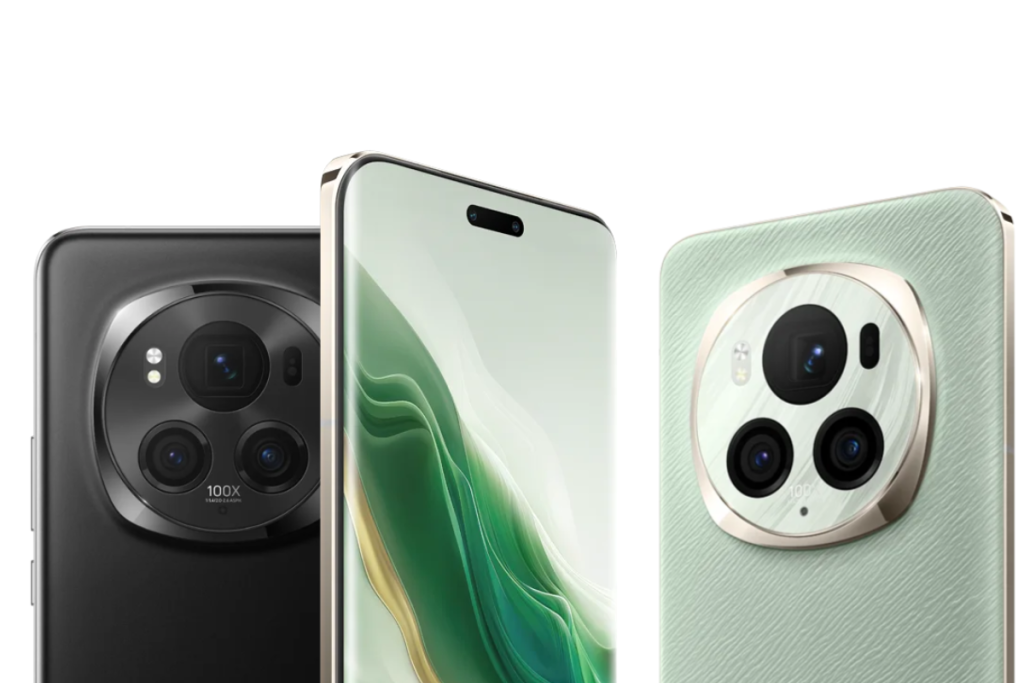
Honor Magic V2
Honor Magic 6 Pro
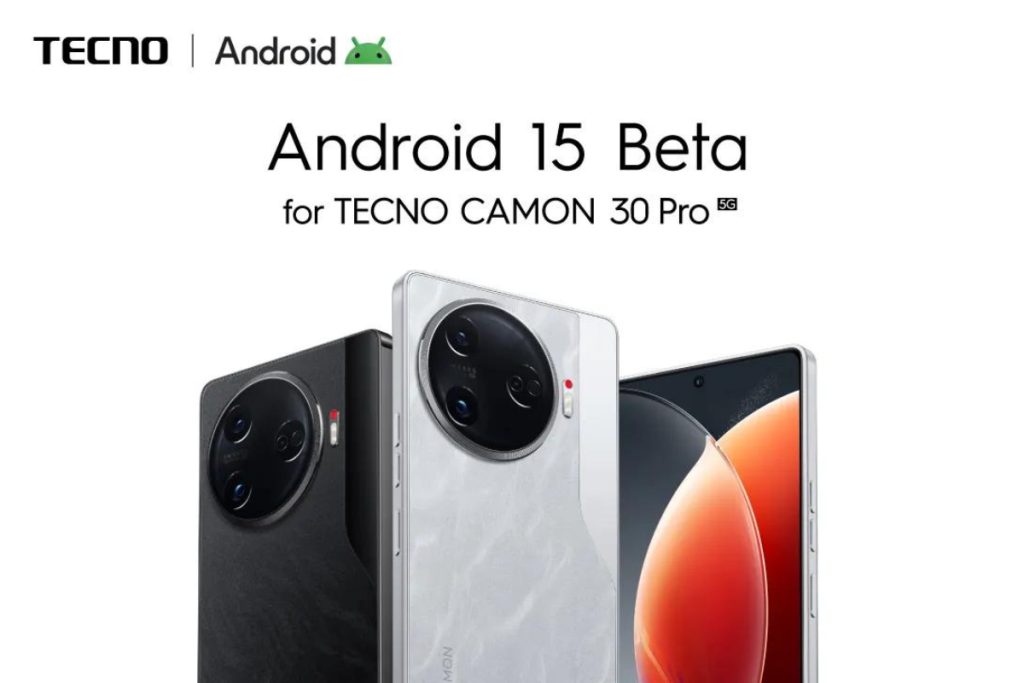
Tecno Camon 30 Pro 5G
Oppo Find N3
Oppo Find X7
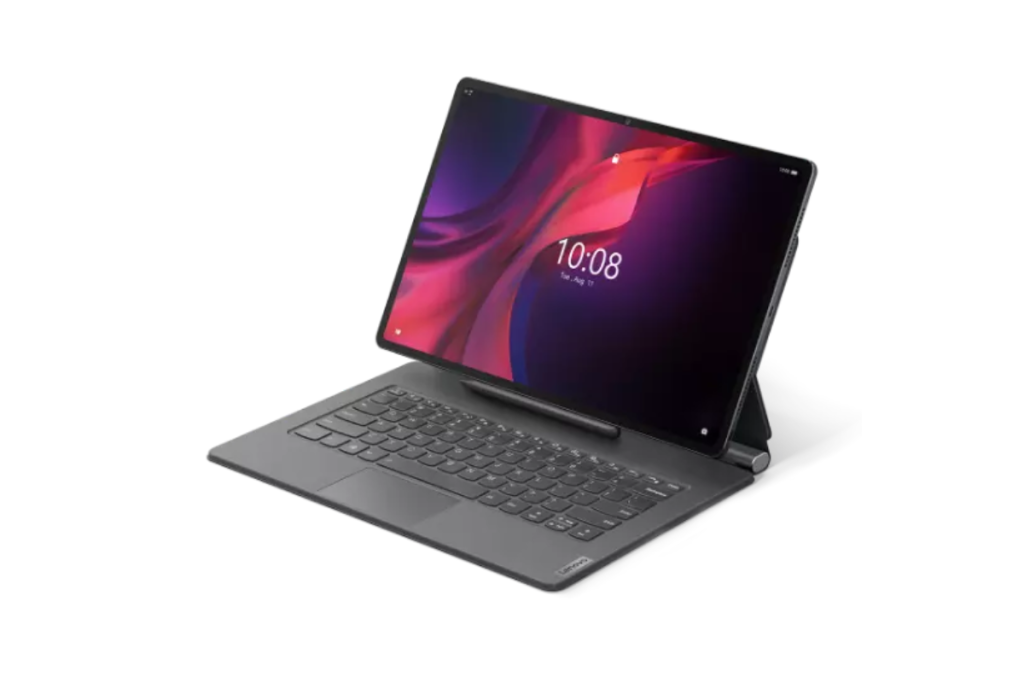
Lenovo Tab Extreme
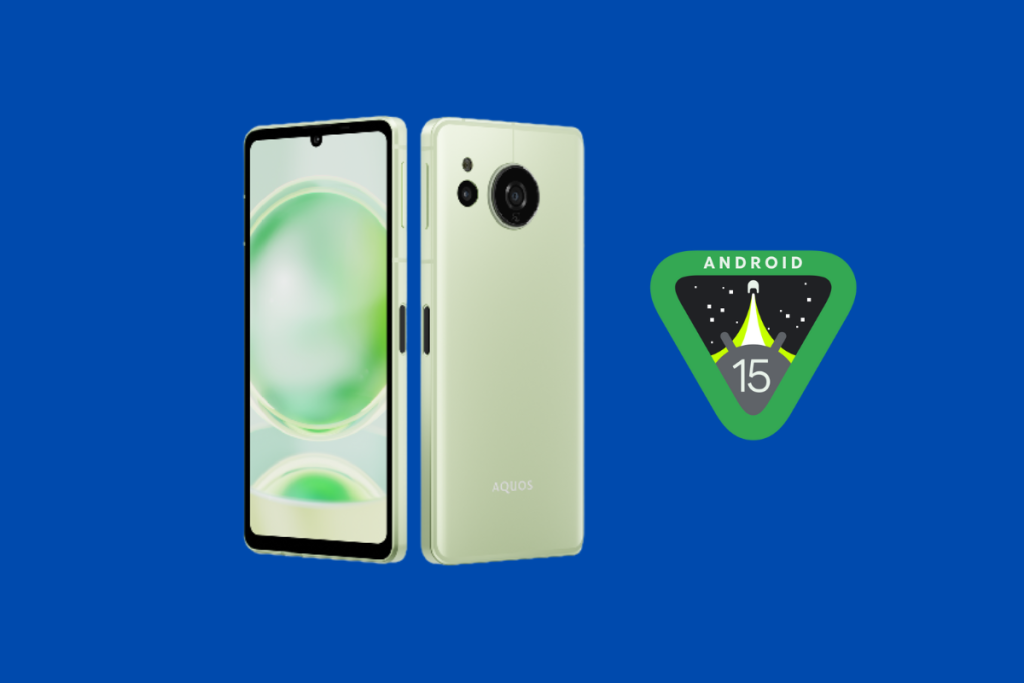
SHARP AQUOS sense8
Disclaimer: Android 15 beta builds are for developers and advanced users, as they might have missing features, bugs, and non-working features. We are not responsible if anything wrong goes with your device. Also, remember to back up your important data to avoid any data loss.
Nothing was one of the very first brands to announce Android 15 beta for its Phone (2a). The Android 15 developer preview is available for the device that brings Glyph SDK support, new Wallpaper, and Nothing boot animation.
Known issues:
Fingerprints can’t be registered
Face unlocked unavailable
No pre-installed Nothing X/Weather/Launcher/Recorder/Widgets
Follow these steps to upgrade to Android 15 Developer Preview:
Go to Settings > About phone > Software info and confirm that your system has been updated to the latest version (Nothing OS 2.5.5a).
If your Nothing phone has older software, go to Settings > System > System update to update to the latest version.
Create a folder named “ota” in your phone’s internal storage.
Copy the beta update package to the “ota” folder.
Open your phone’s dialer and enter this code: *#*#682#*#*. It will open the local update too.
Select the upgrade package you copied from the drop-down list.
If the upgrade package isn’t included in the drop-down list, tap RELOAD to update the list. If it still doesn’t show up, tap Browse and choose the upgrade package.
If the device shows a “Verify metadata file status” error, it means the upgrade package is wrong. Make sure you’ve downloaded the correct one. Delete the existing one before downloading it again.
Tap the Directly apply OTA from selection button and click OK to install the upgrade package.
[Warning: Do not close the app until the process is completed.]
Tap Confirm to upgrade to the Android 15 beta. It will reboot your device.
If you want to roll back to the previous version, download the roll-back package (download link) and follow the same steps.
Vivo X100 and iQOO 12
Vivo has also announced Android 15 Beta for the Vivo X100 and iQOO 12. Interested users can now download and upgrade to Android 15 Beta 1 by following the instructions listed below.
Android 15 Beta is currently available for Vivo X100 users in India, Taiwan, Malaysia, Thailand, Hong Kong, and Kazakhstan. It’s also available for iQOO 12 users in India, Thailand, Indonesia, and Malaysia.
Before you rush to install the Android 15 beta on your Vivo or iQOO device, read these known issues first:
Known issues (Vivo X100)
Notification content is cropped in the notification tray.
The fingerprint sensor indicator (white) overlaps with an unlocking icon (also white).
Compatibility issues with certain third-party apps.
Certain features in Settings cannot be used.
Abnormal UI display on certain interfaces.
Known issues (iQOO 12)
If the camera crashes after the upgrade, try rebooting to restore it.
Compatibility issues with certain third-party apps.
Certain features in Settings cannot be used.
NFC is temporarily not supported.
Abnormal UI display on certain interfaces.
Android 15 beta download links:
Vivo X100 (Taiwan, Malaysia, Thailand, Hong Kong, Kazakhstan): Download
Steps to install Android 15 beta on Vivo and iQOO devices:
Connect your phone to your PC and switch the USB settings to Transfer Files.
Copy the downloaded upgrade package to the root directory of your phone.
On your phone, go to Settings > System update > Local update and tap on the upgrade package file to begin the installation.
Wait for the process to complete.
You might need to reboot your phone to apply the changes.
To uninstall the Android 15 beta and go back to the stable Android 14 build, download the required roll-back firmware using the links given below and install by following the same steps:
Roll-back package:
Vivo X100 (Taiwan, Malaysia, Thailand, Hong Kong, Kazakhstan): Download
OnePlus 12 and Open Open users can now upgrade to Android 15 Beta 1 to get an early taste of the new OS before the stable release.
Known issues (OnePlus 12)
There are some compatibility issues with the Bluetooth connection.
In certain scenarios, Wi-Fi may not be able to connect to the printer
The Smart Lock function cannot be used.
Some camera functions display abnormally in certain scenarios.
In some scenarios, the Multi-Screen Connect function is abnormal when connecting with PC or PAD.
Some third-party applications have compatibility issues such as crashes
Stability issues in specific scenarios.
Personal hotspot may not work after modifying the security settings.
The Auto Pixlate function fails during the screenshot preview.
After taking a photo, the photo does not show the ProXDR button.
Known issues (OnePlus Open)
There are some compatibility issues with the Bluetooth connection.
Some camera functions display abnormally under certain scenes.
In some scenarios, the Multi-Screen Connect function is abnormal when connecting with a PC or PAD.
Some third-party applications have compatibility issues such as crashes
There are stability issues in specific scenarios.
The split screen function of the main screen is abnormal in some scenarios.
After taking a photo, the photo does not show the ProXDR button.
Personal hotspot may not work after modifying the security settings.
The Auto Pixlate function fails during the screenshot preview.
Long-pressing the main body of a picture in Photos cannot trigger the smart select and cutout function.
Creating the System Cloner and open, when input the main system password, it will crash to the desktop and the multitask button and home button of are unavailable.
The size of the drop-down status bar quick switch is abnormal after the screen resolution is switched between Standard and High. You can switch to the original resolution to restore it. (Method:Settings > Display & brightness > Screen Resolution > Standard or High)
Requirements:
Battery level should be above 30% and a minimum of 4GB unoccupied storage space.
OnePlus 12 must be running the software version 14.0.0.610 or older. Devices with the newer version need to be downgraded first. To do that, install a rollback page (link given below).
OnePlus Open must be running the software version 14.0.0.702 or older. Devices with the newer version above need to be downgraded first. To do that, install a rollback page (link given below).
Carrier version devices (TMO/VZW) are not compatible with Android 15 Beta 1.
Steps to upgrade to Android 15 beta (EU & IN only):
Download the correct ROM upgrade package.
Copy the upgrade package to the phone’s internal storage.
Go to Settings > About device > Version > tap 7 times on the build number and enter the password to enable the developer mode. Skip this step if the developer mode is already enabled.
Go to Settings > About device > Up to date > and click the button in the top-right corner.
Choose Local install and tap the correct installation package.
Extract the package and Upgrade.
Click Restart once the upgrade is successful.
Steps to upgrade to Android 15 beta (NA only):
Download the correct ROM upgrade package.
Copy the upgrade package to the phone’s internal storage.
Copy the upgrade package to your phone’s internal storage.
Connect your Xiaomi device to a PC via a USB cable.
Go to Settings > About phone > System update, tap the three dots in the top-right corner, and click Choose update package.
Select the upgrade package and click OK.
Wait for the upgrade to finish. Once done, your device should reboot automatically to apply the changes.
If you want to go back to Android 14 for any reason, download the correct fastboot ROM file and install it using the same steps. You can use a third-party website such as XiaomiFirmwareUpdater to download the ROM.
Realme 12 Pro+ 5G
Realme 12 Pro+ 5G is the company’s first phone to get the Android 15 Beta. If you can’t hold your patience until the stable release, follow the steps mentioned below to install the beta build.
Before that, take a quick look at the known issues:
All user data will be erased during the upgrade.
Some system functions are not available.
Part of the interface display may look less than desirable.
Some applications may not work properly or be fully functional.
The system may have some stability issues.
[Important: Make sure your Realme 12 Pro+ 5G is updated to the required version (RMX3840_14.0.0.902(EX01)) to be eligible for the Android 15 Developer Preview.]
Steps to install Android 15 beta on Realme devices:
Copy the downloaded firmware to the phone storage.
Turn on the developer mode.
Go to Settings > Software Update > tap the settings icon in the upper-right corner, manually select the installation package, and click Install.
After the installation finishes, the device will restart automatically to the new OS.
If you ever want to switch back to Android 14, download the rollback package (download link) and install it by following the same steps.
HONOR Magic V2 and HONOR Magic 6 Pro
Android 15 Beta 1 is available for HONOR Magic V2 and Magic 6 Pro. If you have any of these devices, install the beta and explore the goodness of the new OS.
Known issues:
HDR effect probability failure for images within the gallery.
Low probability of phone restart in some scenarios.
Camera crash issue in some scenarios.
Mobile screen mirroring is not available.
In dual card mode, the dial only displays Card 1, you can try Settings > Mobile network > SIM management > Default calling SIM and select Not set.
Parallel space and Magic Portal are not available.
Required firmware version:
HONOR Magic 6 Pro: BVL-N49 8.0.0.148(C431E4R2P2) , 8.0.0.152(C636E2R2P2) or higher.
HONOR Magic V2: VER-N49 8.0.0.105(C431E2R2P2), 8.0.0.105(C636E2R2P2) or higher.
Go to Settings > About phone > tap 7 times on the build number to enable the developer mode.
Go back to the Settings homepage, navigate to System & updates > Developer options, and enable USB debugging.
Connect your Honor device to your PC via a USB cable.
Unzip the upgrade package on your PC and run the script “python dsu_tool_for_win.py” to install the beta package.
Tap Restart after the installation is finished.
You can easily return to the previous system by tapping Rollback. If the option disappears, you can execute the “adb shell gsi_tool disable” command and then reboot directly to return to the previous system.
Tecno Camon 30 Pro 5G
Tecno Camon 30 Pro 5G is the company’s first phone to receive the Android 15 beta update.
After downloading the upgrade package, follow this official setup guide to get Android 15 Beta on your Techno phone.
If you want to revert to Android 14, download the rollback package (download link) and follow the same installation steps mentioned in the setup guide.
Oppo Find N3 and Find X7
Android 15 Beta 1 is available for Oppo Find N3 in Singapore and Indonesia and for Oppo Find X7 in China.
Known issues:
There are some compatibility issues with the Bluetooth connection.
Some camera functions display abnormally under certain scenes.
In some scenarios, the Multi-Screen Connect function is abnormal when connecting with PC or PAD.
Some third-party applications have compatibility issues such as crashes
There are stability issues in specific scenarios.
The split screen function of the main screen is abnormal in some scenarios.
After taking a photo, the photo does not show the ProXDR button.
Personal hotspot may not be open after modifying the security settings.
The automatic mosaic coding function fails during screenshot preview.
Long pressing the main body of a picture in Photos cannot trigger the Smart Image Matting function.
Creating the System Cloner and open, when input the main system password, it will crash to the desktop and the multitask button and home button of are unavailable.
Lenovo has announced the Android 15 Developer Preview program for the Lenovo Tab Extreme. Keep reading to get the download link and required steps.
[Important: The Android 15 beta is available to the Wi-Fi version of Lenovo Tab Extreme purchased outside of China mainland. Flashing the firmware on a wrong device can cause damage.]
Known issues:
Face Unlock is not supported.
TOF sensor-related function is removed.
Stylus key function is not supported but basic function works.
Touchpad functions with two fingers are not supported.
Touchpad swipe up/down/left/right with 3 or 4 fingers are not supported.
Miracast function is not supported.
Bluetooth headphones do not work properly when playing audio.
It does not respond normally when pressing the power button while inserting the charging cable in the powered-off state.
Screen output via cable (extended screen) can be supported when <force desktop mode> is turned on in developer menu.
VPN is not tested and may not work properly.
WIDI is not supported.
Video play may face audio issue.
Settings may display abnormal sometimes, re-selecting or cleaning recent apps can make it work properly.
Go to Settings > About phone and make sure the build number is “02.00.00” or newer.
If your device has an older software version, go to Settings > System > System update and install the latest update.
Launch the Join Developer Preview Program app.
Check the Terms of Privacy Policy box and click Register.
Tap three dots in the upper-right corner and select Load.
Tap on Beta1 Android 15 to download and install it.
After the installation is complete, tap Restart on the notification.
If you want to revert to Android 14, tap Restart on the notification. The software will return to Android 14. To completely remove Android 14 Developer Preview software from your device, tap Discard on the notification and then select Not Register in the Join Developer Preview Program app.
Which Android device do you have, and what are your expectations from Android 15? Do let us know your thoughts in the comments below.
We use cookies on our website to give you the most relevant experience by remembering your preferences and repeat visits. By clicking “Accept”, you consent to the use of ALL the cookies.
This website uses cookies to improve your experience while you navigate through the website. Out of these, the cookies that are categorized as necessary are stored on your browser as they are essential for the working of basic functionalities of the website. We also use third-party cookies that help us analyze and understand how you use this website. These cookies will be stored in your browser only with your consent. You also have the option to opt-out of these cookies. But opting out of some of these cookies may affect your browsing experience.
Necessary cookies are absolutely essential for the website to function properly. This category only includes cookies that ensures basic functionalities and security features of the website. These cookies do not store any personal information.
Any cookies that may not be particularly necessary for the website to function and is used specifically to collect user personal data via analytics, ads, other embedded contents are termed as non-necessary cookies. It is mandatory to procure user consent prior to running these cookies on your website.