Advertisement

Nubia Neo 2 5G gaming smartphone with shoulder triggers & $199 price tag unveiled at MWC 2024

At MWC 2024, ZTE introduced a bunch of new devices including the Nubia Pad 3D II, the Nubia Music phone, and the Nubia Flip 5G clamshell smartphone. Other than these devices, the brand has also unveiled the standout Nubia Neo 2 5G, aimed at gamers looking for high-quality features without breaking the bank.

Nubia Neo 2 5G

Nubia Neo 2 5G smartphone specs:

The Neo 2 5G sports a 6.72-inch 2400 X 1080p screen with a 120 Hz refresh rate, offering clear and smooth visuals. And for sound, it has stereo speakers and DTS:X Ultra audio.

Nubia Neo 2 5G

The device is built for long gaming sessions, featuring a large 6,000 mAh battery and 33W fast charging. It also introduces dual gaming shoulder triggers for better control, customizable to fit any player’s needs.

Nubia Neo 2 5G

Although the exact CPU hasn’t been revealed, the phone will be powered by a 2.7GHz processor. Storage-wise, the Nubia Neo 2 5G offers up to 256 GB and includes a unique ’20 GB dynamic RAM’ feature for improved performance. Despite these features, ZTE plans to sell the phone starting at $199, significantly lower than many competitors, making it an attractive option for gamers on a budget.

The brand has yet to reveal some features like the display type, processor, and camera details. We can expect these details to be revealed in the coming months. If we look at its predecessor, the Nubia Neo 5G, it features a Full HD+ ISP LCD panel and a Unisoc T820 SoC. It has two cameras on the back, a main 50-megapixel sensor, and an auxiliary 2-megapixel sensor. As for the front camera, the Neo 5G launched with an 8-megapixel sensor.

RELATED:

HP Envy x360 2024 laptops with the latest Intel & AMD CPUs unveiled

HP‘s updated Envy x360 14-inch laptop is set to hit the shelves with new models featuring the latest Intel and AMD processors.

HP Envy x360 14

HP Envy X360 specs:

The Envy x360 laptops offer two AMD-powered models as well as two Intel-powered models. The AMD camp has higher TDP models like the Ryzen 5 8640HS and Ryzen 7 8840HS, offering more cores. On the other hand, Intel’s Core Ultra 5 125U and Core Ultra 7 155U models may not pack as much punch, but they bring the Thunderbolt 4 port – a feature missing in AMD’s lineup.

For graphics, AMD has the Radeon 700M integrated graphics onboard, potentially outshining Intel’s Meteor Lake chips. Both models boast a 14-inch touchscreen display, supporting up to 2880 x 1800 pixels OLED panel for Intel and 1920 x 1200 IPS pixels for AMD, focusing on battery life.

You have the flexibility to choose configurations with up to 32GB of LPDDR5-6400 RAM and 2TB of storage, complemented by a 5MP IR webcam. Connectivity remains largely consistent, offering 2x USB-A 3.2 Gen 2 (one with charging capability), HDMI 2.1 video output, and an audio jack. The Intel variants include one additional USB-C 3.2 Gen 2 alongside the Thunderbolt 4 port, while AMD provides two USB-C 3.2 Gen 2 ports.

Both the Intel and AMD versions provide options for Wi-Fi 7 + BT 5.4 and Wi-Fi 6E + BT 5.3. Equipped with a 59 Wh battery and supporting 65W USB-C charging, the laptops weigh in at 3.1 lbs (1.4 kg) with a slim 0.7-inch (1.7 cm) profile.

Pricing & availability

Prices start at $960 for Intel and a slightly more affordable $950 for AMD. Both models hit the shelves in March 2024.

RELATED:

(Source)

Xiaomi Pad 6S Pro, Redmi Book Pro 16 2024 use display panels from Tianma

Last week, Xiaomi took wraps off its latest flagship tablet Xiaomi Pad 6S Pro in China as well as global markets. This product was also accompanied by Redmi Book Pro 16 2024 in the company’s home country.

Both these devices feature LCD screens. And their panels are supplied by a common manufacturer.

Xiaomi Pad 6S Pro

The displays used on the Xiaomi Pad 6S Pro and Redmi Book Pro 16 2024 come from Tianma Microelectronics. The Chinese display maker is the sole supplier of screens for these products.

The specs of these displays are different from one another.

The panel on the Xiaomi Pad 6S Pro measures 12.4 inches diagonally in size with a 3:2 aspect ratio. It offers a resolution of 3048 x 2032 pixels, 294 PPI, 1400:1 contrast ratio, and 10-bit color depth (up to 12-bit software-based).

The screen supports up to a 144Hz refresh rate, a 360Hz touch sampling rate, a 240Hz stylus touch sampling rate, and 900 nits peak brightness level. It covers 100% of the DCI-P3 color gamut and plays various HDR videos, such as HDR10, HDR Vivid, and Dolby Vision.

The DC dimming-supported display is protected by Corning Gorilla Glass 5. It is TÜV Rheinland-certified for low blue light, rhythm-friendly, and flicker-free.

On the other hand, the Redmi Book Pro 16 2024 sports a 16-inch display with a 16:10 aspect ratio. This panel comes with a resolution of 3072 x 1920 pixels, a 165Hz refresh rate, and 500 nits brightness level.

The screen supports DC Dimming and Dolby Vision. It covers 100% of sRGB and DCI-P3 color gamuts.

The panel is DisplayHDR 400-certified and TÜV Rheinland-certified for low blue light as well as flicker-free.

RELATED:

Lenovo GeekPro 2024 compact gaming PC with Intel i7-14700F CPU & RTX 4060 Ti GPU now available in China

Lenovo has introduced the GeekPro Gaming Desktop 2024 model, a new addition to their lineup of gaming machines which recently saw the launch of the Legion Blade 9000K & 7000K desktop PCs. The main difference besides the specifications between the Legion machines and the GeekPro is that the latter is quite compact, with just a 17-liter chassis.

Lenovo GeekPro 2024 gaming desktop

The desktop comes equipped with a selection of Intel’s latest CPUs, including the i7-14700F and the i5-14400F, to cater to a range of gaming preferences and budgets.

The GeekPro includes an NVIDIA RTX 4060 Ti graphics card, which is a decent mid-range card and should not face any modern AAA titles at high settings at 1080p. With options for up to 32GB DDR5 RAM, multitasking and game responsiveness are smooth, and the 1TB PCIe 4.0 NVMe SSD provides ample storage with quick data access speeds.

Lenovo GeekPro 2024 specs

Energy efficiency is a key aspect of the GeekPro, with a 500W power supply that’s 80 PLUS Platinum certified, reducing electricity consumption and noise. On the software front, it comes preloaded with Windows 11. Additionally, Lenovo backs the GeekPro with a 5-year warranty.

Pricing & availability

The Lenovo GeekPro Gaming Desktop is now available in China, with several configurations:

  • i7-14700F / RTX 4060 Ti / 32GB DDR5 / 1TB SSD / Wi-Fi 6 at ¥8399 ($1,167)
  • i7-14700F / RTX 4060 Ti / 16GB DDR5 / 1TB SSD / Wi-Fi 6 at ¥8199 ($1,139)
  • i7-14700F / RTX 4060 Ti / 16GB DDR5 / 1TB SSD / Wi-Fi 6 at ¥7899 ($1,097)
  • i5-14400F / RTX 4060 Ti / 16GB DDR5 / 1TB SSD / Wi-Fi 6 at ¥6499 ($903)
  • i5-14400F / RTX 4060 Ti / 16GB DDR5 / 1TB SSD / Wi-Fi 6 at ¥6099 ($847)

While the brand has not made any announcements for a global launch date or pricing, the GeekPro 2024 model could come to markets outside of China later this year under the Lenovo LOQ Tower branding.

RELATED:

Nothing Phone 2a Renders Showcase Familiar But Unique Design

Nothing continues to expand its product family. So far, the company has introduced two different phones and two headphone models. The next model from the company is once again an affordable Android phone, the Nothing Phone 2a. We have previously discussed the phone’s camera features and AnTuTu score. Now, the company has shared the official render images of the Nothing Phone 2a. Here are the details…

Nothing Phone 2(a) Official Render
The shared official image sheds light on the design of the Nothing Phone 2a. According to this, the phone has a back design that can be considered transparent, similar to the company’s other products, and features lights. Screws and rubber cables can be easily seen, just like in other models. This design is particularly appealing to technology enthusiasts. Additionally, on the back, we can see that two cameras are positioned.

The company emphasized the release date once again with the statement “Get ready for the full reveal on 5 March 2024.” So, what will be the features of the Nothing Phone 2a? Although not 100% confirmed, we have some idea about certain features. According to rumors, the device will come with a 6.7-inch FHD+ OLED screen with a 90Hz refresh rate.

It is expected to be powered by either MediaTek Dimensity 7200 or Qualcomm Snapdragon 7 Gen 1, although it’s difficult to determine which one is accurate due to conflicting claims. Additionally, it is expected to have 6GB/8GB RAM and 128GB/256GB storage options. On the camera front, there are claims that it will feature a 50MP main camera, an 8MP ultra-wide-angle camera, and a 16MP selfie camera. It is expected to be accompanied by a 4500mAh battery with 33W fast charging.

The price is considered to be a strong point for the Nothing Phone 2a, with an expected range of $300-350. However, we’ll have to wait until March 5th to be sure about the accuracy of all this information.

RELATED:

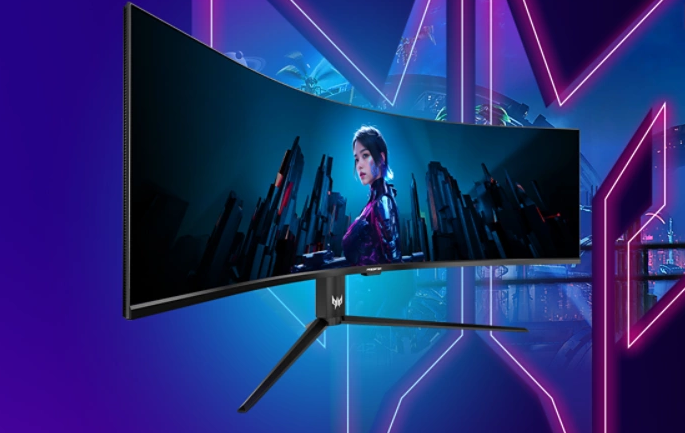
Acer launches Predator XB323QU M3 2K 180Hz gaming monitor for 1999 Yuan ($278)
Acer has launched a new gaming monitor, the Predator XB323QU M3 in the Chinese market. This monitor is designed for gamers who demand smooth, tear-free visuals and fast response times. The monitor is priced at 1999 yuan ($278) and is now available on JD.com. Let’s check out the key specs.

Acer Predator XB323QU M3

Acer Predator XB323QU M3 Specifications:

The gaming monitor features a 31.5-inch display with a 2K (2560 x 1440) resolution and a high refresh rate of 180Hz. For users relying on HDMI, the refresh rate drops to 144Hz, still offering a significant upgrade over standard 60Hz displays. It utilizes a Fast IPS panel, offering a typical contrast ratio of 1000:1 and 250 nits brightness, 1ms GtG response time, and 8-bit color depth.

It covers 95% of the DCI-P3 color gamut and Delta E<1, ensuring professional-grade color fidelity and a wide color spectrum for vibrant visuals. Additionally, the monitor supports HDR 10, further enhancing the dynamic range for superior clarity in both bright and dark scenes.

For users concerned about eye health, the XB323QU boasts TUV Rheinland Eyesafe 2.0 certification, which reduces harmful blue light emissions without compromising color accuracy. This helps to prevent eye strain and fatigue during extended gaming sessions.

The monitor‘s design is both functional and stylish, with an ergonomic stand offering tilt, height, and swivel adjustments to ensure optimal comfort over long usage periods. The monitor also comes with a sleek metallic finish and practical cable management.

In terms of connectivity, the XB323QU features 2 HDMI 2.0 ports, 1 DP 1.2 port, and a 3.5mm headphone jack. This lets users connect various devices, including gaming consoles, PCs, and headphones. The monitor also has built-in 2W speakers, eliminating the need for external speakers for basic audio needs.

The Predator XB323QU supports AMD FreeSync Premium technology, synchronizing the monitor’s refresh rate with the graphics card’s frame rate, minimizing screen tearing and stuttering for a smoother gaming experience. Acer also offers a 3-year warranty with on-site service for the monitor, providing peace of mind in case of any hardware issues.

RELATED:

BYD’s Denza D9 Minivan Makes a Grand European Debut at Geneva Motor Show

As the Geneva Motor Show opens its doors, it’s clear that the event is missing many global auto giants this time around. Yet, it’s the perfect stage for Denza, a brand born from a collaboration between China‘s BYD and Germany’s Mercedes, to make its European entry with the D9 minivan. Since its creation in 2010, Denza has evolved, with Mercedes scaling down its stake to 10% in 2021. This move hasn’t dimmed Denza’s ambition, as evidenced by the launch of the D9, a model that promises to redefine luxury in the minivan segment.

The D9 was previously launched in China in 2022, and it’s been a hit since.

The D9 isn’t a newcomer to the automotive scene, having already made waves in China since 2022. European consumers can look forward to a vehicle that doesn’t skimp on luxury or versatility, available as either a plug-in hybrid or a full electric vehicle (EV). Its design, featuring a boxy silhouette and large sliding doors, maximizes interior space without sacrificing style. The interior is where the D9 truly shines, boasting leather finishes, adjustable seating with luxury features like ventilation and massage, and innovative tech for both driver and passengers.

BYD Denza D9

Denza’s strategy is clear: offer a luxurious alternative to the typical SUV without compromising on space or comfort. The D9’s specifications, while still under wraps in Europe, hint at impressive performance and range, especially in its electric variant. With options for both front-wheel and all-wheel drive, the D9 is as versatile as it is luxurious.

While the Geneva Motor Show also sees the introduction of the electric N7 SUV, Denza’s focus on the D9 highlights its commitment to offering high-end, eco-friendly family vehicles. With plans to enter the European market by year’s end, Denza is poised to challenge traditional luxury carmakers, but only time will tell if the company’s challenge stands the test of time, and well, competition.

RELATED:

(VIA)

Sony to Lay Off 900 Employees from its PlayStation Division

Sony‘s PlayStation division is facing a challenging period, as the company announced a significant reduction of its workforce by about 8 percent, translating to around 900 employees. This move affects various globally renowned PlayStation studios, such as Insomniac Games, Naughty Dog, Guerrilla Games, and Firesprite, marking a major shift in Sony’s operational strategy.

The layoff will affect multiple PlayStation studios, such as Insomniac Games.

The decision comes at a time when the gaming and tech industries are navigating through turbulent waters, with numerous companies undergoing similar downsizing efforts. Sony’s initiative reflects a broader trend of restructuring within the sector, aimed at maintaining competitiveness and ensuring long-term sustainability.

Playstation

PlayStation chief Jim Ryan expressed the difficulty of the decision, emphasizing the global impact on the company’s employees, including those in pivotal development studios. The closure of its London Studio, known for PlayStation VR games, alongside cutbacks in other key areas, showcases a strategic realignment focusing on future growth areas such as PC and mobile gaming platforms.

The restructuring follows a disappointing performance in PS5 sales targets, which saw Sony’s stock price take a significant hit. Despite these challenges, the company is looking to expand its horizons by investing in social, online experiences and diversifying its game availability beyond traditional consoles.

This move is not isolated within the industry. Recent layoffs at other major firms like Microsoft, Unity, and Discord highlight a period of adjustment and recalibration for many in the gaming world. Sony’s efforts to streamline its operations and focus on core strengths aim to adapt to the changing dynamics of game development and distribution.

RELATED:

(VIA)

Anker’s New Launch, the Soundcore Motion Boom 2 Speaker can Float Alongside You

Anker‘s latest addition to its audio lineup, the Soundcore Motion Boom 2, is a portable speaker designed to pack a punch with its enhanced bass. Apparently, this gadget doesn’t just play your tracks; it brings them to life with a robust 60 watts of power driven through its dynamic tweeters and a powerful subwoofer.

60 Watts of power ensures a long playback time, and it also doubles down as a power bank

But what sets the Motion Boom 2 apart is not just its ability to deliver loud music. It’s also crafted for the adventurous ones out there. Imagine this: you’re at the beach or lounging by the pool, your tunes creating the perfect vibe, and your speaker isn’t just sitting safely away from the water—it’s floating beside you, thanks to its confirmed IPX7 waterproof rating. Yes, the Motion Boom 2 can float, making it the perfect companion for any water-bound escapades.

Anker Soundcore Speaker

Battery life won’t be a concern either, it seems. With up to 17 hours of playtime, this speaker goes the distance. It’s reliable enough to not only provide a day’s worth of soundtracks but also to serve as a power bank for your devices. That’s right, a speaker that can recharge your phone or tablet while it serenades you.

Starting 11th March 2024, the Soundcore Motion Boom 2 is up for grabs at €129.99 (~$141). But if you’re quick to pre-order, there’s a treat in store. Anker is offering the soundcore Sport X10 earbuds absolutely free as part of a limited launch bonus.

RELATED:

(VIA)

Nubia Flip 5G, a super cheap foldable phone debuts at MWC 2024

At the Mobile World Congress 2024 (MWC) in Barcelona, ZTE‘s Nubia unveiled its first foray into the world of foldable phones: the Nubia Flip 5G. Let’s check out the specifications of this smartphone.

Nubia Flip 5G

Nubia Flip 5G Specifications:

Nubia Flip 5G boasts a spacious 6.9-inch FHD+ AMOLED foldable display with a smooth 120Hz refresh rate. When folded, a convenient circular 1.43-inch outer AMOLED screen with a resolution of 466×466 pixels allows quick access to notifications and basic functions without unfolding the phone. According to the company, the device boasts a dual-rail suspended hinge which is capable of enduring more than 200,000 openings.

Under the hood, the Nubia Flip 5G features the Qualcomm Snapdragon 7 Gen 1 SoC with Adreno 644 GPU, offering decent performance for everyday tasks and multitasking. While it might not be the top-of-the-line processor, it helps maintain a cost-effective approach. The phone comes with 6GB of RAM and 128GB of UFS 3.1 storage, ensuring smooth operation and fast data transfer speeds. Out of the box, it runs on Android 13.

Nubia Flip 5G

The camera department features a 50MP main sensor accompanied by a 2MP depth sensor for portrait shots. The 16MP front-facing camera caters to video calls and selfies. The device also includes a side-mounted fingerprint sensor.

Despite its compact design, the Nubia Flip 5G does not compromise on connectivity, supporting 5G SA/NSA, Dual 4G VoLTE, Wi-Fi 6, Bluetooth 5.3, USB Type-C, and NFC. It is equipped with a 4310mAh battery, supporting 33W fast charging that can fully recharge the phone in approximately 73 minutes.

Nubia Flip 5G

Pricing and Availability

Nubia Flip 5G comes in Black and Gold color options and carries a starting price of $599. This positions it as one of the most affordable flip phones currently available, making it an attractive option for consumers looking to experience the foldable form factor without breaking the bank. Nubia is yet to announce a launch date or market availability for its product, but it’s anticipated that these details will be revealed in due course. For more high-profile tech launches visit our full MWC 2024 coverage.

RELATED:

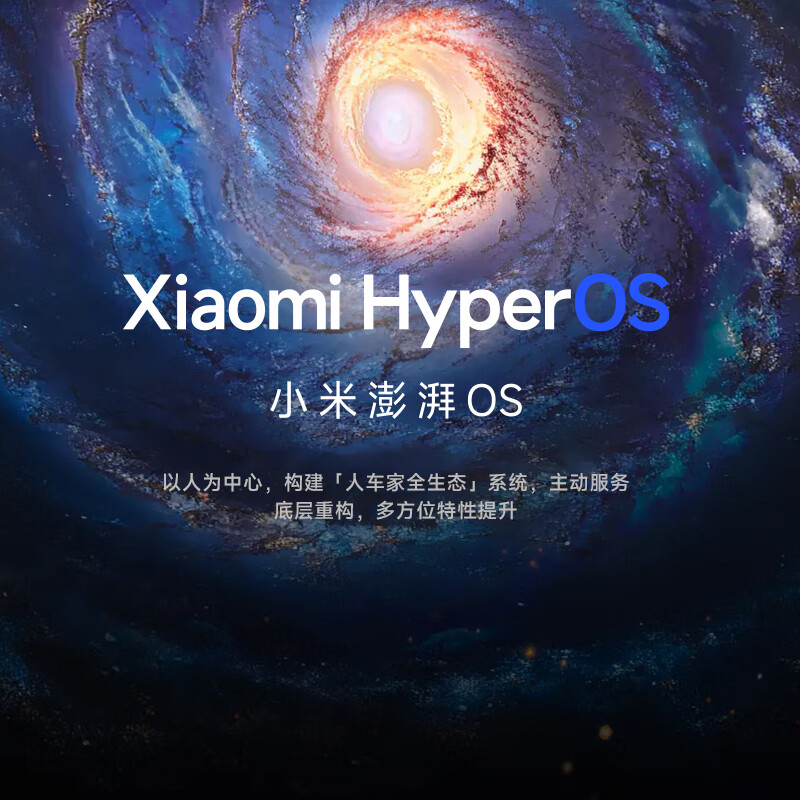
India Welcomes Xiaomi HyperOS! A New Era for Xiaomi Devices

Xiaomi continues to expand and improve its product family. In this direction, the company recently announced that it will bid farewell to the long-standing MIUI and continue its journey with HyperOS. Many devices with this new Android-based UI have already been released to the market. Now, the much-anticipated day has finally arrived. Xiaomi India has revealed the launch date of HyperOS in India. Here are the details…

Xiaomi HyperOS Launches in India on February 29th

According to a post on Xiaomi India’s official Twitter account, HyperOS is set to launch on February 29th at 12 noon. The company also shared a note stating, “Humans are the core of our technology. #XiaomiHyperOS is designed and tailored to connect personal devices, cars, and smart home products in a smart ecosystem.”

In this context, we can assume that soon the phones in the region will also start receiving HyperOS updates. However, it’s worth noting that the company may not offer this new UI to every model. So, what are the differences between HyperOS and MIUI?

  • Modern and Refreshed Look: HyperOS aims to enhance the user experience by offering a modern and refreshed appearance. The interface redesigns the control center and notification panel, giving many applications an iOS-style look.
  • More Efficient Performance: Compared to MIUI, HyperOS operates more efficiently, providing a longer battery life. Additionally, it offers a smoother user experience by managing system resources more effectively.
  • Device-to-Device Synchronization: HyperOS facilitates seamless connectivity between smartphones, smartwatches, and home appliances, making device-to-device synchronization easy.
  • Enhanced Privacy and Security: HyperOS safeguards users’ personal information with advanced privacy and security features.

RELATED:

MWC 2024: TECNO Camon 30 Premier 5G Showcased

MWC 2024 is in full swing till February 29 in Barcelona, Spain. A host of brands have already announced their products including some innovative ones. Tecno also revealed the Pocket Go (hands-on) handheld console and POVA 6 Pro. The company showcased the Camon 30 Premier 5G smartphone. It will arrive as the successor to the Camon 20 Premier 5G.  

Tecno Camon 30 Premier 5G shown at MWC 2024

The Tecno Camon 30 Premier 5G has a flat frame and the back panel seems to have a faux leather-texture with a folder icon design. The device sports a circular protruding module housing three cameras including a 50MP Sony IMX890 sensor and a 70mm portrait periscope lens. It offers up to 60x hybrid zoom. The smartphone will have a 50MP front-facing selfie snapper with eye-tracking technology. 

Tecno says that the Camon 30 Premier 5G will be the first phone to feature its PolarAce Imaging system. It is powered by the Sony Imaging Chip CXD5622GG and packs various AI imaging advancements. The smartphone is said to offer the industry’s first 4K 30fps HDR video recording. 

The Tecno Camon 30 Premier 5G has a center-aligned punch-hole display bearing a 1.5K resolution. It features an LTPO screen with 1 billion colors and a 1,400 nits peak brightness. Internally, the Tecno Camon 30 Premier 5G is confirmed to be powered by a MediaTek Dimensity 8200 Ultra processor. This will be paired with the Sony Imaging chip.

Tecno did not reveal the rest of the details of the Camon 30 Premier 5G. The smartphone is slated to release in the second quarter of this year which means we can expect it during the April to June period. 

Related:

TECNO Pocket Go Hands on: 200-inch Gaming Experience in your Pocket

Day one at MWC 2024 Barcelona was exciting, as we got to go hands on with a lot of beautiful and innovative gadgets. The devices that are exhibited at the event, show us what to expect in the coming months in terms of technological innovation. Among the various booths we got to visit, we found something really interesting at TECNO’s 2024 MWC booth.

No, I am not talking about the TECNO Dynamic 1— the robot dog. I agree that the robot looked innovative (much like the Xiaomi robot dog), but there was another interesting device, tucked in the corner of the booth. This was a portable gaming controller with an AR headset.

Obviously, I had to go and try it out to see what the fuss was about.

Before I talk about my hands on experience, let me give you some background on the product.

What is the TECNO Pocket Go?

The TECNO Pocket Go is a handheld gaming device set featuring a controller that houses powerful gaming hardware and companion AR glasses that act as the display. It is lightweight and easy to carry around. In fact, TECNO claims it is the world’s first gaming set that combines a Windows handheld with AR glasses. To put it simply, TECNO has added the hardware of a gaming handheld into a controller style device, which is then connected to the AR glasses.

With the two devices combined, you can practically start gaming from anywhere you want. Be it a simple bean bag, your sofa, or even a subway station (of course, not recommended)!

If you missed it, we have covered the specs of the TECNO Pocket Go in our launch article. Read that if you are interesting in the specifications.

Let’s take a closer look at each of the two parts of the Pocket Go, to better understand how they work together.

Pocket Go Controller

The Pocket Go handheld is slightly heavier device than a regular controller. Like any other handheld, it contains all the hardware for running a full-fledged PC. But TECNO claims it is 50% smaller and 30% lighter than standard gaming handhelds, with a form factor, similar to a smartphone. Presumably, the lack of an integrated display contributes to this ergonomic advantage.

TECNO reveals the hardware inside is the newest game CPU with eight cores, sixteen threads, and turbo speeds of up to 5.1 GHz. A PC-Level Large Cooling Fan and three copper lines further help the Pocket Windows Handheld get rid of heat effectively, which leads to its amazing performance of up to 35W. With a 50Wh battery that can be replaced, gamers can enjoy a long battery life that lets them play games without stopping.

While I was at the booth, I could see the staff members quickly swap the batteries on board to continue the gaming experience for the attendees. Unfortunately, I still don’t know how long each battery lasts with regular gameplay.

Pocket Go Vision AR Glasses

The companion to this handheld is the AR Pocket Vision headset.

The 0.71-inch Micro-OLED screen on Pocket Go’s AR Pocket Vision headset makes it feel like you are watching a 215-inch TV from six meters away when you wear it. The small device gives players a wide view and a quality viewing experience that feels like being in a movie theater. The headset also has diopter settings that can be changed up to 600° to accommodate users with different visual needs. So you can remove your prescription glasses and adjust the screen in each eye for the perfect viewing experience.

TECNO Pocket Go Hands on Experience

Enough about the specs, let’s talk about the experience now.

Tecno Pocket Go handheld gaming experience

The TECNO Pocket Go handheld is comfortable to hold and has enough width to get a really good hands on feel. While I am not a gamer, my colleagues from our Chinese review team, Paco and Will, who are avid gamers, tried out the device, and approves the design. The buttons and the joystick were comfortable to navigate the gameplay, and the experience felt quite intuitive.

While the handheld device is the real brain of the Pocket Go, what really drives the gameplay experience is the Pocket AR Vision headset. It would only be slightly bigger than your traditional glasses, and come in an all black, stylish finish. TECNO staff added that in the future, you would have the option to completely cover the glasses to block out the surroundings for an even better gaming experience.

In the demo, I could play Cyberpunk 2077, and the gameplay as well as the sound experience felt immersive. It took me a while to adjust to the large screen, possibly due to the adjustments I had to make to the screens for my prescription numbers. However, within a few seconds, my eyes got used to the large screen. So in less than a minute, I was invested in the game, which had good quality visuals and smooth graphics rendering.

Check out our hands on video below.

TECNO Pocket Go: Final Thoughts

I can see how such portable AR gaming headsets could gain popularity in the coming months. Its like carrying a 200-inch screen for your gameplay, right in your pocket. Now, you see why this is called the TECNO Pocket Go!

While TECNO is marketing this as a gaming handheld AR headset, the practical applications of such a device are endless. You have enough power in the handheld to make it a portable workstation as well, something that you might have already seen in the Apple Vision headset. With the right accessories, I am expecting a lot of different applications for such a device.

For more MWC coverage, check out our MWC 2024 hub here or visit our YouTube channel.

Google plans to integrate Gemini into Android phones by 2025

Google has outlined its plans to directly integrate its advanced AI language models, known as Gemini, into Android smartphones starting in 2025. This move builds upon the earlier introduction of Gemini Nano, a smaller version of the AI model that still requires internet access. 

By embedding the more powerful models directly on devices, users wouldn’t need constant connectivity for certain AI-driven features which will improve both user experience and privacy.

Google Gemini

Google’s Gemini Ultra is a powerful model boasting 1.56 trillion parameters. This puts it on par with OpenAI’s GPT-4 in terms of language understanding and generation capabilities. Integrating Gemini Ultra could introduce a range of new features and functionalities for Android users.

The smartphone market has been experiencing a slowdown in sales. Industry observers are looking towards the potential of AI to bring innovation and reinvigorate consumer interest – a possible “AI supercycle”.  

Analysts, however, express caution as current advancements might not be compelling enough to drive widespread upgrades from existing devices.

Despite the mixed outlook, Google, along with other tech companies, is investing significantly in AI-powered chatbots and virtual assistants. The rebranding of Google’s Bard app to Gemini is one such example. 

This investment is in line with CEO Sundar Pichai’s vision of a unified AI agent capable of seamlessly assisting users across the Google ecosystem.

The integration of advanced AI models into Android phones in 2025 is a potential shift towards a more intelligent and personalized mobile experience. How far-reaching this shift will be remains to be seen.

Related:

Realme 12 Pro series is 40% cheaper in China compared to India

The Realme 12 Pro series made its debut in China today. These phones were first unveiled in India at the end of last month.

As expected, the handsets are priced lower than in India. But what’s more interesting is that they are more affordable than their predecessors.

Realme 12 Pro
Realme 12 Pro (Review)

The Realme 12 Pro starts at ¥1,599 (~$220) in China. Whereas, the Realme 11 Pro was introduced at ¥1,699 (~$235). That’s a price drop of ¥100 (~$15). The base variant of both phones offers 8GB RAM and 256GB storage.

On the other hand, the Realme 11 Pro Plus was launched at ¥2,099 (~$290) for the base 12GB + 256GB memory configuration. Whereas the base model of the Reame 12 Pro Plus is way more affordable at ¥1,699 (~$235) since it comes with 8GB RAM. Even the 12GB RAM version is ¥100 (~$15) cheaper at ¥1,999 (~$275).

For comparison, the 8GB + 256GB variant of Realme 12 Pro retails at ₹26,999 (~$325) in India. While the 8GB + 256GB version of Realme 12 Pro Plus costs ₹31,999 (~$385)

This makes the Pro and the Pro Plus cheaper in China by approximately 30% and 40%, respectively.

Realme 12 Pro Series Pricing in India and China

DeviceVariantIndia PriceChina Price
8GB + 128GB₹25,999 (~$315)N/A
Realme 12 Pro8GB + 256GB₹26,999 (~$325)¥1,599 (~$220)
12GB + 256GBN/A¥1,799 (~$250)
8GB + 128GB₹29,999 (~$360)N/A
REalme 12 Pro Plus8GB + 256GB₹31,999 (~$385)¥1,699 (~$235)
12GB + 256GB₹33,999 (~$410)¥1,899 (~$265)
12GB + 512GBN/A¥2,099 (~$290)

RELATED:

Qualcomm Snapdragon 7+ Gen 3 key specs leaked

Qualcomm is gearing up to launch the Snapdragon 7+ Gen 3 processor, offering a significant performance leap over its predecessor. Renowned tech leaker Digital Chat Station revealed key details about the upcoming chip, including its impressive clock speeds and architecture.

Qualcomm Snapdragon 7+ Gen 3 DCS specs leak

Snapdragon 7+ Gen 3 Specifications (Leaked)

According to the leak, the upcoming chip, codenamed SM7675, will boast a Cortex-X4 prime core clocked at a staggering 2.9GHz. This frequency bump from the previously reported 2.8GHz signifies Qualcomm’s intent to push the boundaries of the mid-range segment.

This impressive clock speed matches the prime core of the flagship Snapdragon 8 Gen 3, suggesting the 7+ Gen 3 could offer performance close to high-end processors. This is further bolstered by the chip’s architecture, which reportedly mirrors the Snapdragon 8 Gen 3, featuring a “1+4+3” core configuration. The four A720 middle cores are expected to run at 2.6GHz, while the three A520 efficient cores are likely clocked at 1.9GHz. In terms of GPU, it will feature Adreno 732 GPU, promising enhanced graphics performance.

Qualcomm Snapdragon 7 Plus Gen 3

This leak aligns with previous information about the OnePlus Ace 3V. Earlier rumors suggested this phone would pack the SM7675 chip, hinting at its potential to be the first device to showcase the power of the Snapdragon 7+ Gen 3. The Ace 3V is also expected to boast a flat OLED 1.5K 8T LTPO display with a 120Hz refresh rate, 16GB of RAM, a 5500mAh battery, and support for 100W fast charging, making it a well-rounded contender in the mid-range market.

Qualcomm unveiled the Snapdragon 7 Gen 3 processor last year, but it fell short in terms of power compared to its predecessor, the Snapdragon 7+ Gen 2. The latter utilized a “1+3+4” architecture, including a high-performance ARM Cortex-X2 core (up to 2.91 GHz), three mid-range ARM Cortex-A710 cores (up to 2.49 GHz), and four efficient ARM Cortex-A510 cores (up to 1.8 GHz).

The leak further suggests that the SM7675 might not be the only chip based on this architecture. Rumors point towards another chip, codenamed SM8635, potentially being a different frequency version of the SM7675. This aligns with previous statements from Ice Universe, a prominent tech leaker, who claimed that Qualcomm would release these chips in March 2024. Both chips, codenamed “Cliffs” internally at Qualcomm, are said to inherit the architecture of the Snapdragon 8 Gen 3, offering a wider range of options for manufacturers.

RELATED:

Apple’s FineWoven Case Looks Brown Like A Rotten Banana Says WSJ Columnist

Apple announced FineWoven cases for its iPhone 15 series in September last year. As per the company, it features a new luxurious material to replace leather in its products. This move won Apple the PETA Company of the Year award. However, shortly after launch, the FineWoven cases received a lot of flak. The latest one comes from Wall Street Journal columnist Joanna Stern who shared her experience after five months of use. 

Apple’s FineWoven case turns like a rotten banana


Joanna says that there are multiple issues with the FineWoven case on her iPhone 15 Pro Max. The edges on the case are peeling, the fabric is scratched like an old CD, and the case becomes brown like a rotten banana. The case almost looks like a piece of junk. Joanna jokes about the CDC showing up at her house to declare it a biomedical concern. 

FinWoven cases have been criticized a lot with The Verge labeling them as terrible and complaining about scratches in the fabric. Buyers who purchased the case gave it one or two stars giving the same reason as Stern. 

Apple had claimed that the FineWoven material was an elegant and durable new textile. It was said to be made from 68 percent post-consumer recycled content. The official support document provides advice for cleaning the FinWoven case material with laundry detergent and water. However, Stern says that it’s still scratched and peeling. Additionally, the document also says that the material may look different and show wear over time as the fibers get compressed with normal use. Some scratches may diminish over time.

Related:

Honor Unveils AI-Powered Vision for the Future of Smart Devices at MWC

The MWC 2024, held in Barcelona, is continuing at full speed on its second day. Honor, along with dozens of different companies from around the world, showcased its latest products and services at the event. In fact, the company’s CEO, George Zhao, took the stage for a panel discussion titled “Putting Humans First in AI Development: Key Considerations for Creating AI for Smart Devices.” Zhao discussed the company’s future vision centered around artificial intelligence and 6G. Here are the details…

Honor Illuminates the Future of AI in Smart Devices at MWC

According to George Zhao, Honor’s AI strategy focuses on providing solutions that prioritize users’ needs and simplify their daily lives. The first step in this direction is “Platform-Level AI.” The company aims to deliver a consistent and intuitive AI experience across all its devices by integrating artificial intelligence into the MagicOS operating system. This approach allows AI to predict and offer proactive suggestions based on users’ needs and intentions.

One of the other important topics emphasized by Zhao is sectoral collaboration. The CEO of Honor stated that they aim to pioneer an open ecosystem to promote AI innovation and are open to collaborating with other leading companies in the industry. Zhao said, “By promoting open collaboration, we are creating artificial intelligence experiences on devices for the benefit of consumers.”

Honor and GSMA have also published a technical review titled “6G Terminal Vision” summarizing the future of 6G at MWC. This document addresses not only the exciting opportunities presented by 6G and artificial intelligence but also the complex challenges involved. Nine possible scenarios, five key research directions, and four typical capabilities are detailed. The vision aims to create a human-centric smart world, and Honor invites industry partners to collaborate in realizing this vision.

RELATED:

Realme 12 5G surfaces on Geekbench with Dimensity 6100+ SoC

Realme has already introduced two devices in the Realme 12 series, with another one, the Realme 12+ 5G, set to launch on March 6. Additionally, there’s news about another device, the Realme 12, which has recently appeared on the Geekbench platform.

The smartphone was spotted on a benchmarking platform carrying model number RMX3999. The Geekbench 6 listing for the Realme 12 5G suggests it will likely run on a MediaTek Dimensity 6100+ processor.

The processor has an octa-core configuration with two high-performance cores clocked at 2.20GHz and six efficiency cores running at 2.0GHz. These specifications, along with an integrated Mali G57 GPU, match those of the MediaTek Dimensity 6100+ chipset.

Moreover, the phone will come equipped with 8GB of RAM and the latest Android 14 operating system. Benchmark scores show the device achieved 738 points in the single-core test and 1935 points in the multi-core test.

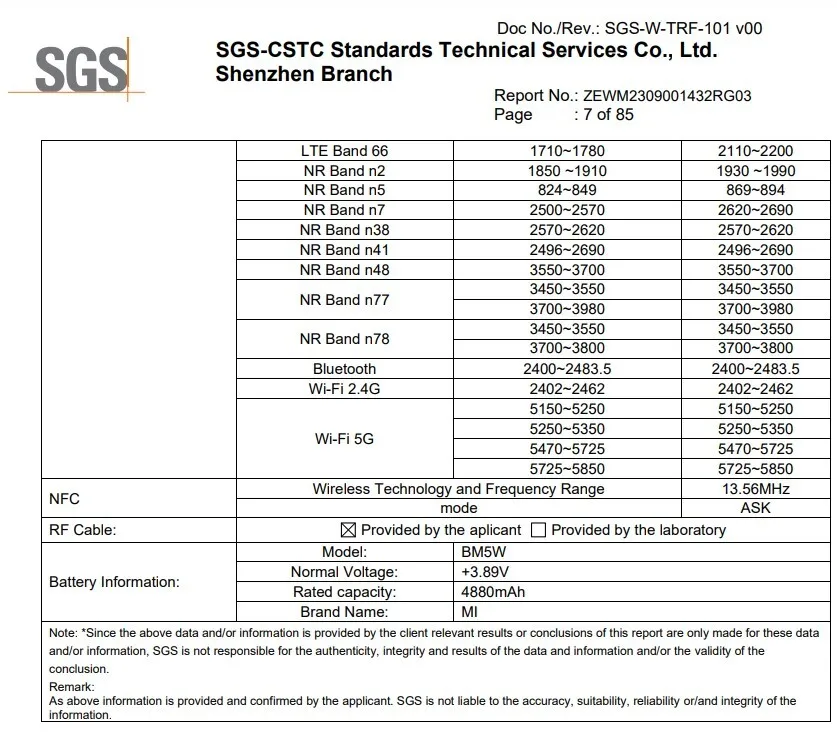
The Realme 12 5G has previously been certified by Malaysia’s SIRIM, confirming its marketing name. A TUV certification suggests a 4880mAh battery, while its appearance on the US FCC website indicates features like 5G, 4G LTE, dual-band Wi-Fi, Bluetooth, and NFC connectivity.

Additionally, leaks suggest the Realme 12 5G will feature a 6.72-inch IPS LCD screen, supporting FHD+ resolution and a 120Hz refresh rate for clear and fluid visual performance. For security, the phone is said to have a side-mounted fingerprint sensor.

Earlier today, the Realme 12 5G also cleared India’s Bureau of Indian Standards (BIS) certification. So an India launch is highly likely in the coming days. The device could tag along with the Realme 12+ 5G during the March 6 launch.

Related:

Redmi Note 13 Pro vs Redmi Note 13 Pro Plus: Specs Comparison

redmi note 13 pro vs redmi note 13 pro plus

redmi note 13 pro: September 21 2023

redmi note 13 pro plus: September 21 2023

SPECS TABLE

FeaturesRedmi Note 13 ProRedmi Note 13 Pro Plus
Price$389$459
Display6.67-inch AMOLED screen6.67-inch AMOLED screen.
Refresh rate1 – 120Hz adaptive1 – 120Hz adaptive
Rear cameras200MP main (f/1.7), 8MP ultrawide (f/2.2), 2MP macro (f/2.4)200MP main (f/1.7), 8MP ultrawide (f/2.2), 2MP macro (f/2.4).
Front camera16MP (f/2.4)16MP (f/2.4)
ChipsetSnapdragon 7s Gen 1Mediatek Dimensity 7200
RAM8GB, 12GB, 16GB8GB, 12GB, 16GB
Storage128GB, 256GB, 512GB128GB, 256GB, 512GB
Battery5,100 mAh5,000 mAh
Charging67W wired120W wired
Water/dust resistanceIP54IP68
Size161.2 x 74.2 x 8 mm (6.35 x 2.92 x 0.31 in)161.4 x 74.2 x 8.9 mm (6.35 x 2.92 x 0.35 in)
Weight187 grams (6.6 ounces)199g (7.02 ounces)
ColoursMidnight Black, Aurora Purple (Coral Purple), Ocean Teal, Arctic WhiteMidnight Black (Fushion Black), Moonlight White (Fushion White), Aurora Purple, Fushion Purple, Camo Green

After the launch of the Redmi Note 13 Pro devices last year, users around the world started taking an interest in the devices in this series.  Users had the opportunity to go for the Pro variant or the Pro Plus variant, which brings more to the table. But how much does this Pro Plus variant bring, and is this enough reason to ditch the Pro variant?

If you are one of those asking these questions, then this article is specifically for you. Here we’ll put both devices in Redmi’s 13 Pro series up against each other, comparing their specs and features to find out which entry is the better pick. At the end of this article, you’ll be able to make a smart choice on which of these devices will be the best pick for your needs.

Redmi Note 13 Pro vs Redmi Note 13 Pro Plus: Price

Redmi Note 13 Pro: All storage variants available retail start at 389

Redmi Note 13 Pro Plus: All storage variants available retail start at $459

Redmi Note 13 Pro 5G (Arctic White, 8GB RAM, 128GB Storage)
Redmi Note 13 Pro+ 5G (Fusion Black, 12GB RAM, 256GB Storage)
Redmi Note 13 Pro 5G (Arctic White, 8GB RAM, 128GB Storage)
Redmi Note 13 Pro+ 5G (Fusion Black, 12GB RAM, 256GB Storage)
₹ 24,192
₹ 32,218
Redmi Note 13 Pro 5G (Arctic White, 8GB RAM, 128GB Storage)
₹ 24,192
Redmi Note 13 Pro+ 5G (Fusion Black, 12GB RAM, 256GB Storage)
₹ 32,218

Please Note: When you buy something using the links in our articles, we may earn a small commission at no cost to you.

redmi note 13 pro vs redmi note 13 pro plus: Design and colours

redmi note 13 pro:

This affordable device comes with a camera cutout that features four cutouts each holding a camera sensor or a flash. Xiaomi uses a flat side design in place of the more rounded sides on this device to make it a bit more grippy for most users. Up front, this device features almost even bezels all around it to give users a better user experience.

The volume rocker and power sit on the right side of the device leaving the left side free of any buttons. On the rear, this device features a glass back (Midnight Black, Aurora Purple (Coral Purple), Ocean Teal, Arctic White) which is good to look at but might create some problems for those using their devices without protective pouches. Overall this is a good-looking device and might get a few heads turning while using it throughout the day.

redmi note 13 pro plus:

Regardless of it being similar to the 13 Pro, this device comes with some notable differences. Unlike its sibling, this device doesn’t feature four cutouts on its rear as it sits the three camera sensors in a large cutout. The flash however sits at the top left-hand side of the rear panel.

Unlike the 13 Pro, this device doesn’t feature flat edges as its edges are more rounded on the back and on the front. Yes, this device comes with an impressive curved screen; the only flat sides on this device are on the top and the bottom. It also features some impressive color options that buyers can pick from like Midnight Black (Fushion Black), Moonlight White (Fushion White), Aurora Purple, Fushion Purple, and Camo Green.

Major differences:

  • A more impressive design on the 13 Pro+.
  • Curved screen display on the 13 Pro+.
  • The 13 Pro comes with a more boxy rear camera cutout.

redmi note 13 pro vs redmi note 13 pro plus: Display

Redmi note 13 pro:

This device features a flat-screen display with slim bezels on three sides and a slightly thicker bezel on the chin. The display here is a 6.67-inch AMOLED panel, and it also comes with Corning Gorilla Glass Victus protection. Gamers and other power users will also benefit from the 120Hz refresh rate that this device features. Users will also benefit from the under-display fingerprint sensor that this device comes with for advanced security protection.

redmi note 13 pro plus:

This device comes with a more impressive curved screen display panel, which is more appealing to look at. It still uses a 6.67-inch AMOLED panel, but unlike the 13 Pro, this entry curves at its ends. The resolution on this display is 1.5K, which is great for content consumption as well as gaming as it also supports a 120Hz refresh rate. Under the display also sits the fingerprint scanner on this device.

Major differences:

  • The 13 Pro Plus comes with a curved screen.

redmi note 13 pro vs redmi note 13 pro plus: Cameras

redmi note 13 pro and redmi note 13 pro plus:

Same camera configuration on both models.

Major differences:

  • Different rear camera setups.

redmi note 13 pro vs redmi note 13 pro plus: Performance

redmi note 13 pro:

When it comes to performance this device relies on the Snapdragon 7s Gen 1 processor. Joining this processor is up to 16GB worth of RAM capacity with 8GB and 12GB RAM capacities as options. Storage maxes out at 512GB which is exclusive to the 12GB and the 16GB RAM options.

redmi note 13 pro plus:

Under the hood of this device is the MediaTek Dimensity 7200 Ultra processor. For its memory capacity, this device will rely on its optional 8GB, 12GB, or 16GB RAM capacities with up to 512GB worth of storage. Unlike on the 13 Pro, the 512GB storage option is not exclusive to the 12GB and 16GB RAM options as buyers of the 8GB option can also get 512GB storage.

Major upgrades & differences:

  • More storage options on the 13 Pro Plus 8GB RAM option.
  • More power on the 13 Pro Plus.

redmi note 13 pro vs redmi note 13 pro plus: Software

redmi note 13 pro and redmi note 13 pro plus:

Both devices run on Android 13 and the MIUI 14 software for customization with 3 years of OS upgrade.

Major differences:

  • Nil.

Redmi Note 13 Pro vs Redmi Note 13 Pro Plus: Battery life and charging

redmi note 13 pro and redmi note 13 pro plus:

The 13 Pro comes with a 5100mAh battery capacity and supports 67W fast charging while the 13 Pro Plus comes with a 5000mAh battery and charging speed of 120W. Both devices don’t offer wireless charging.

Major differences: 

  • Faster charging on the 13 Pro Plus.
  • Slightly bigger battery on the 13 Pro.

Redmi note 13 pro vs Redmi note 13 pro plus: Final Verdict

Among these two devices, it’s clear that the Redmi 13 Pro Plus will be a better pick for most users. It features a better processor, a curved screen, faster charging, and better protection with its IP68 rating. The Redmi 13 Pro also has its good sides as it is more affordable, and features an impressive design for those that don’t like curved screens. So if you’re going for a more affordable device the 13 Pro is the way to go but if you’re looking for all-round performance on a budget then the 13 Pro Plus is the way to go.