Foldable phone technology continues its rapid evolution, with Samsung at the forefront. The Korean manufacturer’s Galaxy Z Flip and Fold series remain hugely popular. However, the original Galaxy Z Flip will no longer receive software updates as Samsung pushes forward with innovation. Here are the details…
Galaxy Z Flip Software Support Ends as Samsung Prioritizes Newer Models
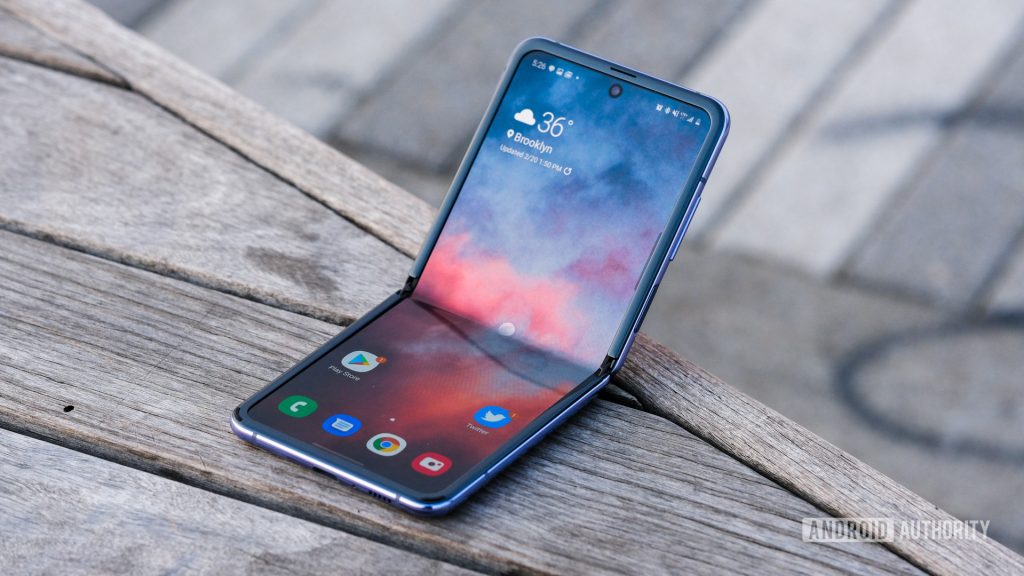
Samsung has discontinued software support for its original LTE Galaxy Z Flip model. This means the company’s first foldable phone will no longer receive new Android versions or regular security patches. However, Samsung may release one final security update before support ends completely.
The Galaxy Z Flip 5G, released six months later, will continue to receive security updates at a longer interval. It’s important to note that Samsung hasn’t provided the same level of long-term support to the Galaxy Z Flip as other flagship phones released in 2020. For example, the Galaxy S20 series will receive updates in its fifth year, likely due to the lower sales figures of Samsung’s early foldable models.
Teclast continues to expand its product lineup. In fact, Teclast has just launched the affordable P30T tablet in China. Right now, tablets are a primary market for the company and they’re not afraid to afraid to take root. Teclast’s next product caters to those who prefer smaller devices – the upcoming 8.7-inch Mini Tablet M50 Mini will be launched soon. Here are the details…
Teclast M50 Mini Offers Octa-Core Power in a Compact Size
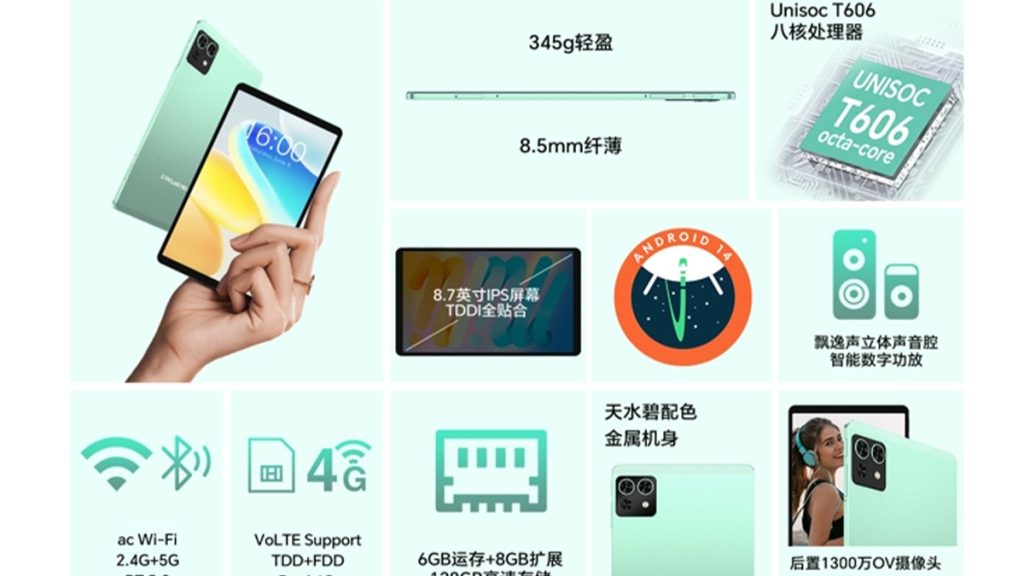
Teclast announces the upcoming M50 Mini, an 8-inch mini tablet with an 8.7-inch IPS screen. This compact metal-bodied device weighs only 345g (125mm wide) and is powered by the UNISOC T606 octa-core processor. It features a 5000mAh battery (Type-C charging), 6GB + 128GB storage (expandable RAM to 8GB), and a 13MP rear + 5MP front camera.
The M50 Mini supports dual-band Wi-Fi, Bluetooth 5.0, and dual-mode 4G networks (TDD/FDD) with VoLTE and dual SIM standby. Pricing is yet to be announced. All features are as follows
Display: 8.7-inch IPS screen
Dimensions: 125mm width
Weight: 345g
Processor: UNISOC T606 octa-core (12nm)
CPU Cores: 2x A75 cores + 6x A55 cores
Battery: 5000mAh
Charging: Type-C
Network: Dual-mode 4G (TDD/FDD)
SIM: Dual SIM dual standby
Voice over LTE (VoLTE) support
Memory: 6GB RAM
Storage: 128GB (expandable up to 8GB)
Rear Camera: 13MP
Front Camera: 5MP
Connectivity: Dual-band Wi-Fi, Bluetooth 5.0
Unfortunately, the exact release date and price of the tablet remain uncertain as of the time this article was written. However, we will inform you as soon as any new details about the Teclast M50 Mini tablet emerge.
Huawei continues to expand its range of smartphones. The company’s next release is the much-awaited P70 series. This upcoming series will include the Huawei P70, P70 Pro, and P70 Art models. We’ve already heard a lot about these phones, including recent Geekbench benchmarks showing a new, faster Kirin chip. Now, we have new information about the top model in the series, the P70 Art. Parts of the Huawei P70 Art’s back camera have been leaked. Here are the details…
Huawei P70 Art Camera Module Leaked, Confirms Unique Design
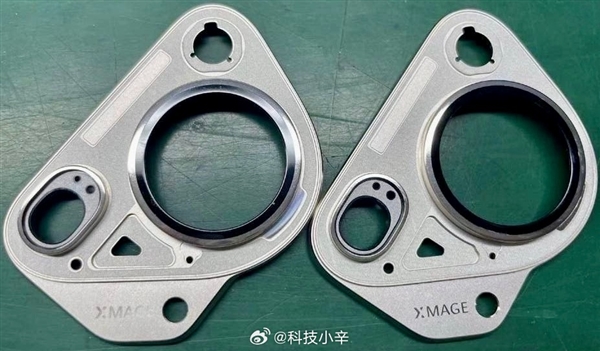
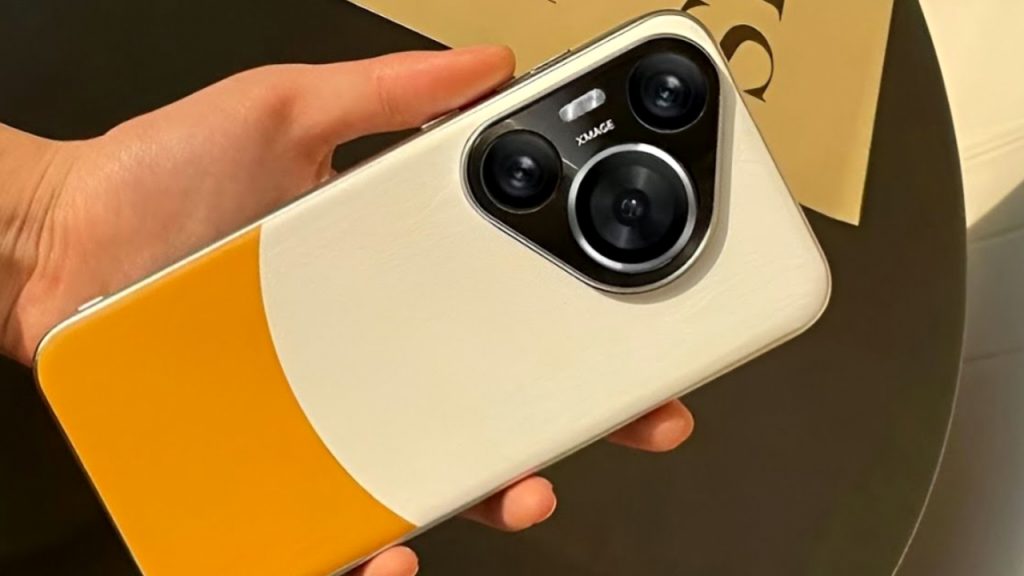
A leakster has recently disclosed the Huawei P70 Art’s camera module components, confirming the rumored back panel design. The design is even more distinctive than the previous generation’s “Island”, featuring an irregular shape that ensures unmatched industry recognition. The triple camera setup maintains the triangular layout seen in the standard and Pro versions.
The Huawei P70 Art promises exceptional camera capabilities with its large aperture and Sony IMX989 1-inch sensor – the largest ever on a Huawei device. Its variable aperture technology intelligently adjusts for ideal image quality in various lighting conditions. Additionally, the P70 Art will introduce a new satellite communication solution, allowing users to communicate from anywhere on Earth, even in remote areas with no traditional signal.
The entire Huawei P70 series will likely feature a 1.5K curved screen and the Kirin 9000S 5G processor. Expect a potential surprise launch later this month. While there are exciting developments regarding the upcoming series, there are also concerning rumors. A recent claim suggests the launch event has been canceled, potentially delaying the series’ release. We must remain patient as we await official confirmation.
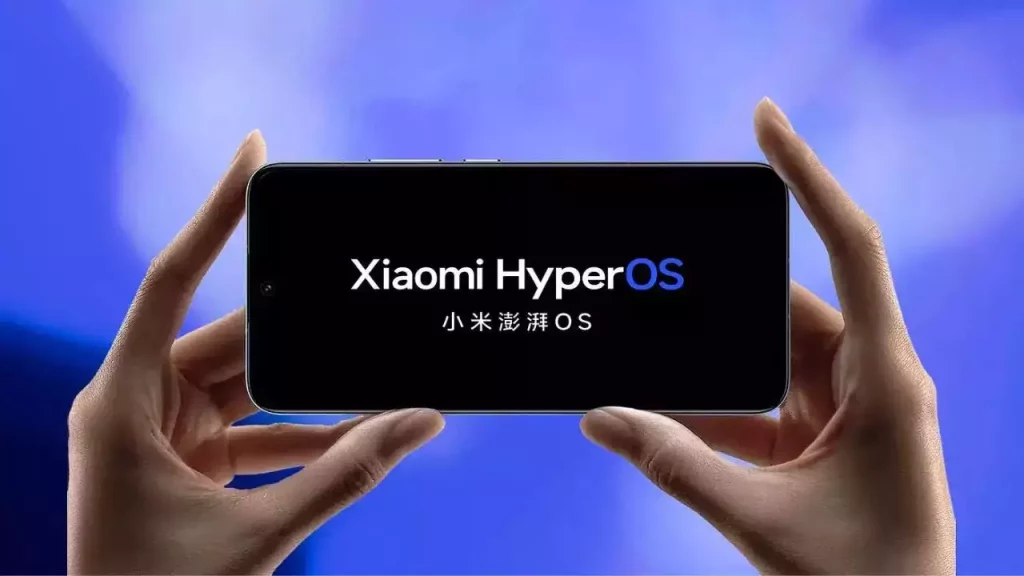
Xiaomi has confirmed that Mi 10 and Mi 11 series smartphones are slated to receive the HyperOS update in mid-April. This information comes directly from Zhang Guoquan, Director of Xiaomi’s Software Department, who responded to user inquiries on Weibo.
However, the HyperOS update for the Mi 10 and Mi 11 series might not include Android 14, as HyperOS for older phones is built upon Android 13. Additionally, various tipsters have indicated that the Redmi K50 Gaming Edition has entered internal testing with HyperOS version 1.0.2.0.ULJCNXM.
Xiaomi’s HyperOS is a fresh take on the company’s mobile operating system. Released in December 2023, it combines the Android Open Source Project (AOSP) with Xiaomi’s own VelaOS, resulting in a completely rewritten underlying architecture. This new system signifies Xiaomi’s effort to unify the software experience across their various product lines, merging MIUI, Vela, Mina, and even their in-car OS under one roof.
The rollout of HyperOS has been staggered across different Xiaomi devices. The first batch included factory-installed phones like the Xiaomi 14 series and Redmi K70 series, with later updates for the Xiaomi 13 series, Redmi K60 series, and Xiaomi Pad range.
The second batch, which is ongoing from January to June 2024, encompasses a wide variety of Xiaomi and Redmi phones and tablets. This includes high-end flagships like the Xiaomi 12S series and MIX Fold phones, along with popular mid-range options like the Redmi K50 and Redmi Note series. Users of the Mi 10 series (including the Mi 10S, Mi 10 Pro, and Mi 10 Supreme Memorial Edition) can finally look forward to joining the HyperOS party in mid-April, alongside the Mi 11 series.
With the update schedule extending until June, there are still many Xiaomi devices waiting in line for their HyperOS upgrade. This includes the Redmi K60E, various Redmi Note 11 and 12 models, and the Redmi Pad series. If you’re a Xiaomi user, keep an eye out for official announcements regarding the HyperOS update for your specific device. Also, you can also check HyperOS update availability for all your Xiaomi, Poco devices from our dedicated story.
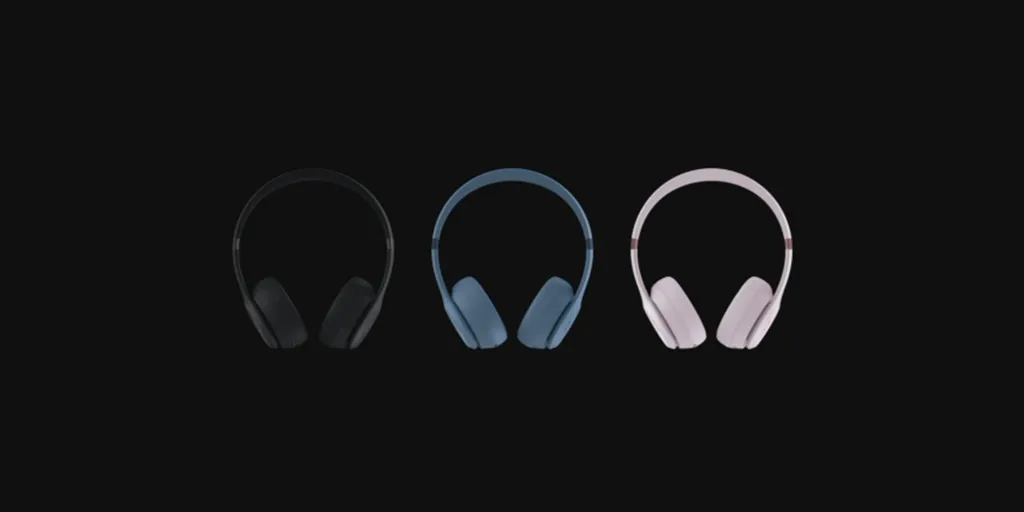
Almost 8 years ago, Beats launched its popular Solo3 on-ear headphones which are still in demand to this day, although with a discounted price. Now, a new leak from 9to5Mac has revealed that Apple is finally getting ready to launch its successor, called the Beats Solo4.
Image via 9To5Mac
The report has revealed that the Beats Solo4 will come with many upgrades over its predecessor. First and foremost, the battery life is getting bumped up by 10 hours, which means that the Solo4 will offer a total battery life of 50 hours. It will feature Fast Fuel recharging that will give users up to 5 hours of wireless playback with just 10 minutes of charging. That being said, perhaps the most interesting upgrade is the inclusion of a USB-C port for charging.
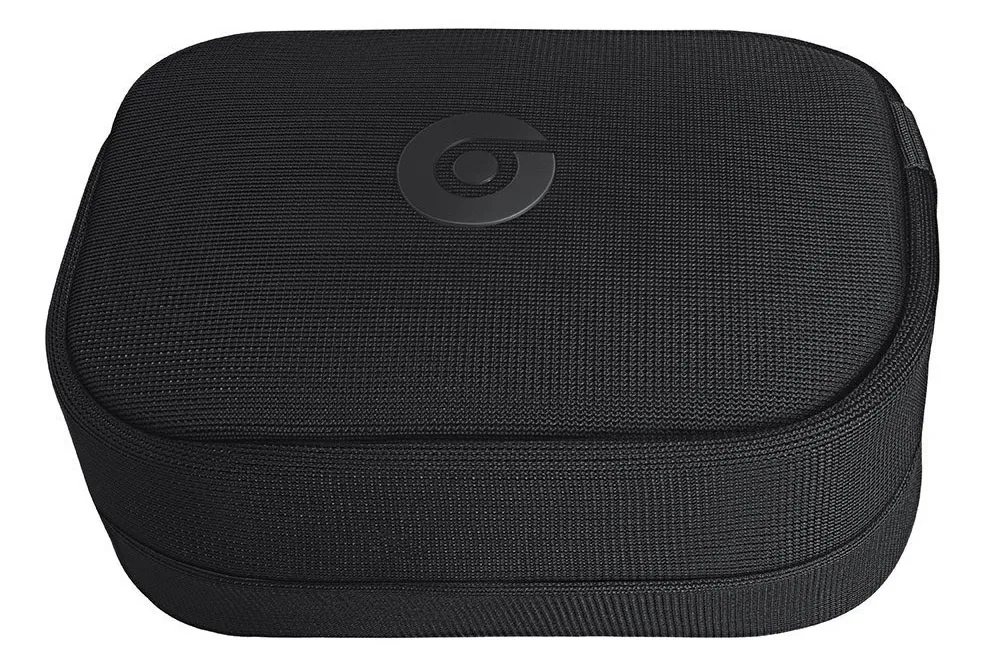
Beats Solo4 case image via 9to5Mac
The headphones will come with 40mm drivers offering a substantial boost to the overall sound quality. The Solo4 will also support dynamic 3D sound with head tracking, although this feature is optimized for use with Apple devices. However, Apple has ensured Android compatibility through Google Fast Pair, with some limitations in features like device tracking, which remains exclusive to Apple users.
It will use Bluetooth 5.3 for connectivity, while also offering a 3.5 mm headphone jack offering lossless audio. Additionally, call quality is also said to improve thanks to beam-forming mics that use voice-targeting algorithms for clarity.
The Solo4 is also designed to be more comfortable, with lighter materials and softer ear pads. To be exact, these headphones are said to weigh 217 grams. Plus, they fold up, making them easy to carry around. Despite all these updates, the price will stay the same as the Solo3 at $199.99 in the US. he Solo4 is expected to make its debut on May 2.
Today on April 3, Xiaomi Auto commenced the delivery of its highly anticipated electric car, the SU7. The first batch of this sedan was handed over to eager owners at the Xiaomi Automobile Factory in Yizhuang, Beijing. The company plans to sell just 5000 units globally in the initial batch.
The delivery ceremony, graced by Xiaomi’s founder and CEO Lei Jun, was extremely personal and moving as Lei Jun himself opened the doors of each SU7 for its proud new owner. Adding to the memorable experience, Lei Jun took commemorative photos with each recipient, which captured the hearts of netizens on Chinese social media sites like Weibo.
source: weibo
The SU7 Founder Edition was released as a token of gratitude to loyal supporters who are also called “rice fans,”. The EV boasts exclusive features such as limited metal wordmarks, numbered nameplates, and special gift boxes containing certificates and a Lei Jun-signed Bluetooth key. It also comes with upgrades including Nappa leather, 25 speakers, and a car fridge, which promises luxury and innovation in equal measure. The highlight of SU7 is its competitive pricing ranging from 215,900 to 299,900 yuan ($29,900 to $41,500)
With over 100,000 firm orders received and 40,000 locked orders, the demand for the SU7 highlights the anticipation surrounding Xiaomi’s entry into the automotive industry. The delivery ceremony not only marked a milestone for Xiaomi Auto but also showcased the company’s dedication and personalized service approach, as CEO Lei Jun personally interacted with each car owner.
Xiaomi Auto has planned ambitious growth prospects including an annual production capacity of 150,000 units. With deliveries starting at the factory and extending to Xiaomi stores across 28 cities in China, the SU7 is poised to make a significant impact in the electric vehicle market.
If you’re an iPhone user considering getting a new smartwatch and have ruled out the Apple Watch due to its high price, we have exciting news for you! The second-generation Apple Watch SE, which normally sells for $249, is currently 24 percent off. As part of Amazon’s Spring Sale campaign, you can get this product for just $189. Here are the details…
Slash 24% Off the Apple Watch SE – Now Just $189
Amazon’s Spring Campaign has launched! Bringing big savings on many products. Smartwatches are included in these deals, with irresistible discounts on various models. One standout is the second-generation Apple Watch SE (40mm), now only $189 instead of its regular $249 price. All you have to do to get this product at an affordable price is to click here.
Apple Watch SE 2
In 2022 Apple introduced the second-generation Watch SE alongside the iPhone 14 series. This model stands out for its affordable price while offering performance similar to the Series 8 and 9. Its features include a bright LTPO OLED screen with a resolution of 324×394 pixels, capable of reaching 1000 nits brightness. This ensures comfortable viewing of notifications and control of your phone, even in direct sunlight.
The Apple Watch SE comes with 32 GB of memory and is available in GPS or GPS + Cellular options. However, the discounted model we’re discussing here is only the GPS version, meaning it cannot be used independently with a cellular plan. Water resistant up to 50 meters, the smartwatch offers a battery life of up to 18 hours on a single charge. You can explore all the features of the device below:
Huawei’s plans for the P70series launch have become shrouded in mystery following the reported cancellation of a press conference. Industry insiders suggest the phones could skip the traditional launch event altogether and join a “Pioneer Program” instead, potentially going on sale as early as today.
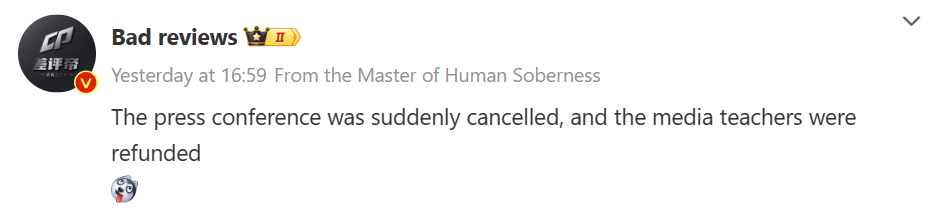
This news comes after Weibo tipster Bad Review Emperor sparked speculation by posting, “The press conference was suddenly canceled, and tickets were refunded to the media? What happened?” on social media.
There are also reports that authorized Huawei stores have begun accepting blind orders for the P70 series. While the official release timing remains unclear, this suggests the phones could be available very soon.
Leaks regarding the P70 series paint a picture of powerful hardware and innovative features. The recent Geekbench listings suggest that the Kirin 9000S chipset is expected to power the devices, with potentially different clock speeds for standard and high-end models. Both variations might boast stunning displays – a roughly 6.58-inch or 6.8-inch 2.5D 1.5K LTPO panel with a captivating quad-curved design.
On the camera front, rumors point towards either the OV50H or IMX989 sensor, both featuring a physical variable aperture. A 50MP ultra-wide-angle lens and a 50MP 4x periscope telephoto lens could round out the impressive camera system. The devices are also expected to feature new satellite communication technology and a fresh exterior design.
This wouldn’t be the first time Huawei opted for an unconventional launch strategy. Last year’s Mate 60 Pro saw a quiet online release without a press conference. The possibility of a similar surprise launch for the P70 series hangs in the air. Leak also suggests Huawei may launch 10 more products alongside the P70 series.
Xiaomi’s new Redmi 13 phone is on its way. It’s been tested by the FCC and people are excited for it. The Redmi 12 series sold really well, so there’s a lot of anticipation for the Redmi 13. Android Headlines has some exclusive info about what the Redmi 13 will be like. Are you curious about how it compares to the Redmi 12?
Redmi 13
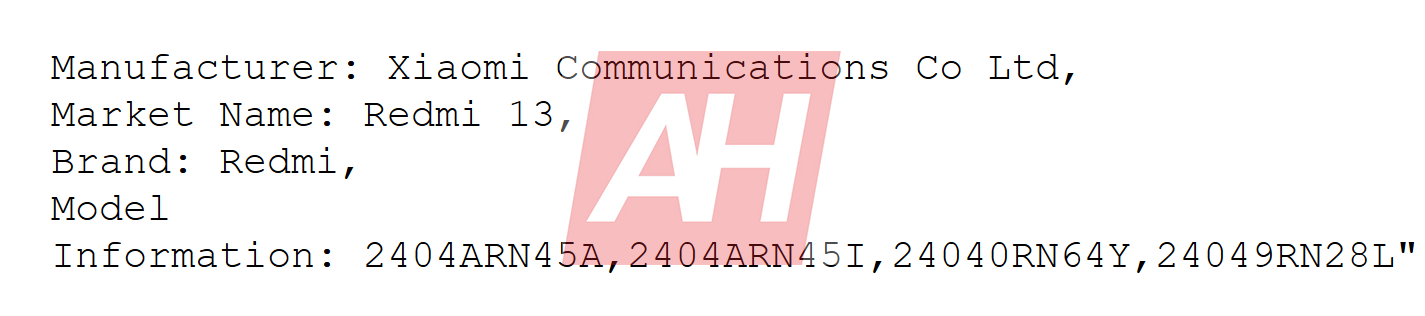
The Redmi 13 is Xiaomi’s new affordable phone. People were hoping for some improvements, like a better chip and camera, but it seems the Redmi 13 will be pretty similar to the Redmi 12. It’s confirmed to have a MediaTek Helio G88 chip. This info comes from Xiaomi’s HyperOS, so it’s reliable.
processor leak
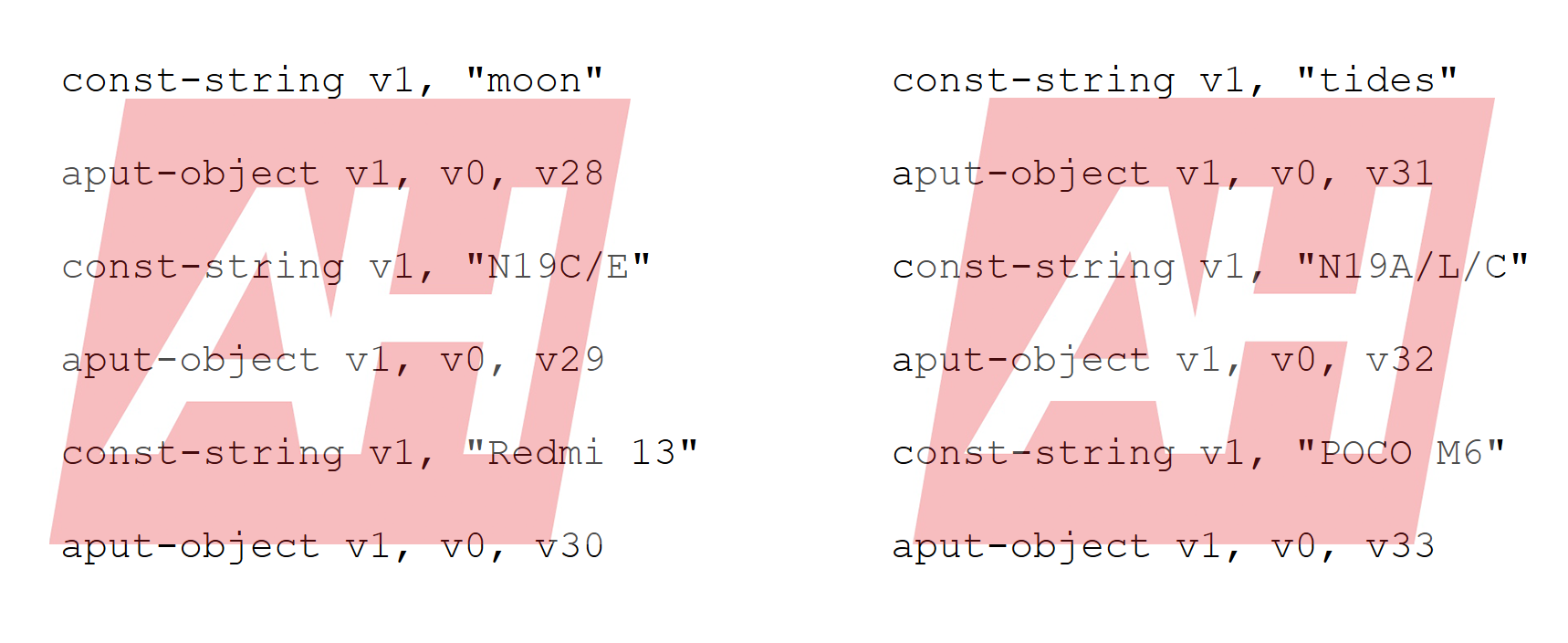
Internally, it’s called “moon” with model numbers “N19A/C/E/L.” The Redmi 12 had the model number “M19A,” so they’re following a pattern. The Redmi 13 will be sold globally and in India.
model numbersRedmi 13 / POCO M6
The model numbers like “2404ARN45A” and “2404ARN45I” tell us where the phone will be sold. Some versions will have NFC, while others won’t. For example, “24040RN64Y” is for the global market with NFC, while “2404ARN45A” is without NFC. The “2404ARN45I” is for India, and “24049RN28L” is for Latin America.
Xiaomi is also releasing the POCO M6, which is basically the same as the Redmi 13. It’s confirmed by Xiaomi’s HyperOS. The POCO M6 will be available globally and in India. Both phones will run the same software and have minor differences, like design changes.
The Redmi 13 will give a similar experience to the Redmi 12. It’ll come with Android 14-based HyperOS 1.0. We don’t know the exact release date yet.
The giant TCL Thunderbird 85-inch Crane 6 Pro 2024 MiniLED TV is now available for pre-order, offering a high-end home theater experience. The TV boasts an 85-inch 4K VA panel with an 800-zone MiniLED backlight, delivering excellent brightness (1500 nits) and contrast for sharp visuals. Additionally, the 95% DCI-P3 color gamut ensures accurate color reproduction.
The TV is powered by the Mediatek MT9653 processor with 4GB of memory, and supports 144Hz 4K
For immersive audio, the Crane 6 Pro 2024 features a “five-unit 2.1 cinema-level audio” system with a total power output of 50 watts. A dedicated 20-watt rear subwoofer provides deep bass for a well-rounded soundscape. Gamers and streamers will appreciate the TV’s performance. The MediaTek MT9653 processor with 4GB of memory offers smooth performance for various content, including games. Storage capacity comes in at 64GB.
Connectivity options include dual HDMI 2.1 FRL interfaces with 48Gbps bandwidth, allowing users to connect the latest gaming consoles and leverage features like 4K resolution at 144Hz refresh rate with VRR for tear-free visuals, or 4K resolution at 120Hz with MEMC for smoother motion handling. A dedicated 24P movie mode caters to movie enthusiasts seeking an authentic cinematic experience.
The TV also supports Wi-Fi 6 for fast and stable internet connections and Bluetooth 5.2 for connecting wireless headphones or speakers.
The Thunderbird 85-inch Crane 6 Pro 2024 MiniLED TV is currently available for deposit pre-order on JD.com at a placeholder price of 7,499 yuan (around $1036 USD). The final launch price and official release date are yet to be announced. Stay tuned for future coverage from Gizmochina!
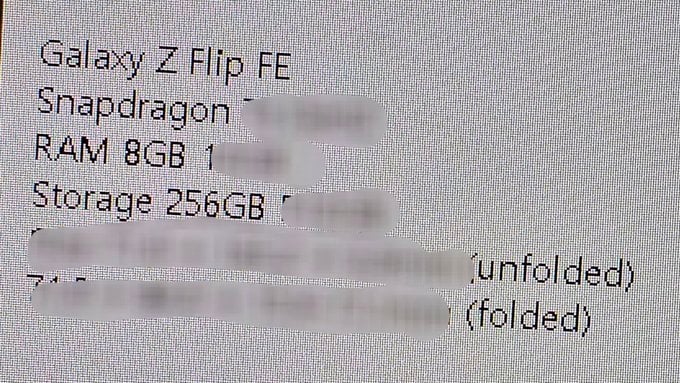
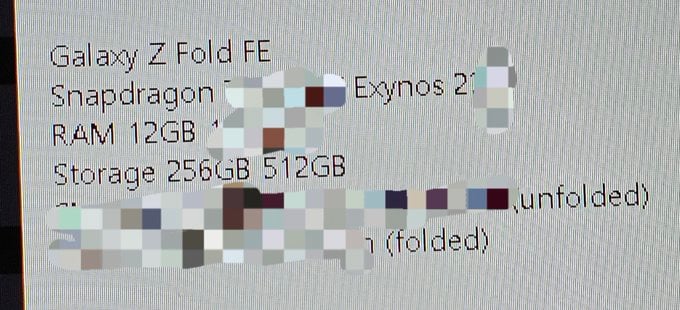
Interesting rumors are surfacing on X, (formerly Twitter) about Samsung potentially developing cheaper foldable phones. These phones, dubbed the “Galaxy Z Fold FE” and “Galaxy Z Flip FE,” would fall under Samsung’s Fan Edition brand, known for offering more affordable versions of existing devices. For example, the Galaxy S21 FE.
The leaked screenshot has an Exynos CPU starting with 2, which raises skepticism
However, some skepticism is advised here. The source of these leaks isn’t exactly known for perfect accuracy, and the details themselves raise some questions. For example, the leaked screenshot for the Z Fold FE mentions an unknown Exynos processor starting with “2” – either a nonexistent Exynos 2300 chip or an outdated leak. Additionally, some insiders suggest only one of these foldable FEs might actually see the light of day, but which one remains unclear.
So, while these screenshots are far from confirmation, they’re not entirely out of the blue. Whispers about Samsung venturing into Fan Edition foldables have been around before. It’s best to take this information with a grain of salt – we can’t be certain and wouldn’t recommend getting your hopes up just yet.
Samsung’s next Unpacked event, expected in early July, might shed more light on their foldable phone plans. As the event approaches, we can expect more leaks and rumors, hopefully with better accuracy. Stay tuned for future updates and coverage from Gizmochina.
Xiaomi is boosting employee morale with a special discount program for their new electric car, the SU7. From March 28th to June 30th, 2024, regular Xiaomi staff can enjoy significantly reduced interest rates on car loans. The annualized rate dips as low as 1.6%, compared to the standard 3.0% offered to external customers. Additionally, employees can put down as little as 15% and stretch out the loan for up to 60 months. To snag this perk, employees simply need to order their SU7 through the Xiaomi Auto App and wait for a delivery expert to contact them regarding the financing application. There, they can select the exclusive “Employee 1.6%” plan and submit their application.
The employees can buy the car with annual interest rates as low as 1.6%
While Xiaomi employees get the sweetest deal, the company isn’t leaving regular customers out in the cold. Standard financing options are also available for external users purchasing any SU7 model before June 30th, 2024. These plans offer down payments ranging from 15% to 50% with corresponding loan terms of 12 to 60 months, all at a fixed annualized interest rate of 2.5%.
The Xiaomi SU7 seems to be a hit, generating significant interest with over 100,000 orders placed and over 40,000 locked in. It appears Xiaomi’s entry into the electric car market is off to a promising start. However, if the car has to be successful, it has to keep doing big numbers for a while, so we’ll see how the SU7 fares in the Chinese Market. Read more about the car variants and other features here.
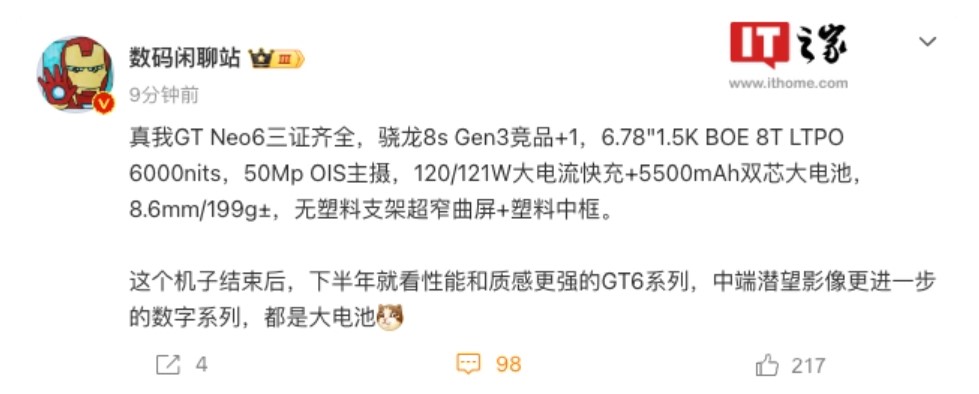
Realme has already revealed some key specifications of the GT Neo 6 SE smartphone. It is expected to launch later this month. The brand is also reportedly working on the successor to the Realme GT Neo 5 that debuted in February last year. Reliable tipster Digital Chat Station has shared information of the Realme GT Neo 6. However, the post on Weibo has now been deleted.
Realme GT Neo 6 key specifications tipped
As per DCS, the Realme GT Neo 6 will reportedly be equipped with a Snapdragon 8s Gen 3 processor under the hood. The chipset was announced last month as a slightly toned-down version of the Snapdragon 8 Gen 3. A 5,500mAh battery unit is said to keep the phone running. It will support 121W fast charging.
The Realme GT Neo 6 is tipped to feature a plastic middle frame. Dimension-wise, it will likely measure 8.66m thick and weigh 199 grams. On the optics front, the tipster adds that the smartphone will have a 50MP main camera with support for OIS for shake-free images and videos.
The Realme GT Neo 6 is also rumoured to have the same 8T LTPO display panel measuring 6.78 inches. bearing a 1.5K resolution, and a 6,000 nits peak brightness as the Neo 6 SE.
Furthermore, DCS reveals that after the release of the Neo 6 phones, Realme will announce the GT 6 series with stronger performance and quality in the second half of the year.
OnePlus has become the latest brand to join the AI bandwagon. It has announced the rollout of a feature called AI Eraser for its smartphones. More AI-based features are also said to be in the works and arrive sometime later this year. Google and Samsung have been the only OEMs to offer generative AI capabilities on their flagship Pixel and Galaxy phones. Meanwhile, Apple is reportedly set to load GenAI into the upcoming iOS 18 in June.
OnePlus announces AI Eraser for its smartphones
As the name suggests AI Eraser is a straightforward feature that will remove unwanted elements from photos easily. This is similar to Google’s Magic Eraser which was first introduced on the Pixel 6 series back in 2021. Samsung also offers a similar feature with the Galaxy AI suite on the Galaxy S24 series and other compatible devices.
OnePlus says that its AI Eraser is based on its own large language model. The company demonstrates how the feature will work. It will appear within the OnePlus Photos gallery app. Users have to open the photo they want to edit and select the unwanted parts like people, trash or any other imperfections in the picture they want to erase. AI will then do its job by analyzing the selected area and intelligently replacing it to seamlessly blend with the original scene.
OnePlus also revealed the availability of the AI Eraser. It will be rolled out starting this month in a phased manner on the OnePlus 12 (review), OnePlus 12R, OnePlus 11, OnePlus Open, and OnePlus Nord CE 4. It remains to be seen how the feature will be delivered whether via an OxygenOS update or update to the OnePlus Photos app.
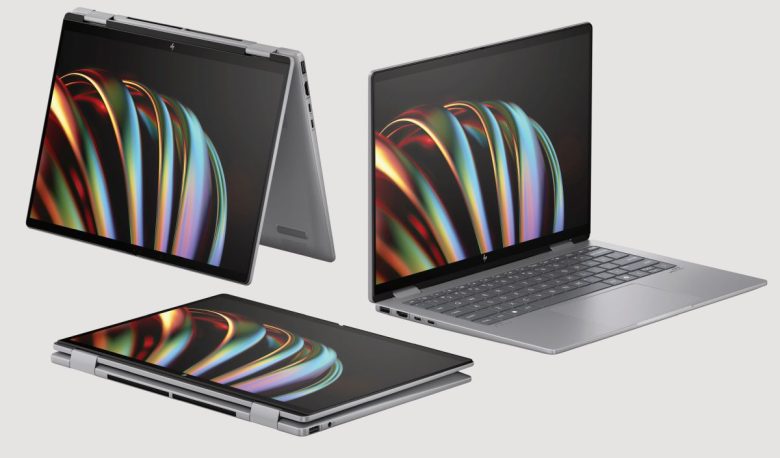
HP has launched the Envy x360 14 laptop in India, following the global launch which took place around the end of February. The laptop features a full aluminum chassis and a 360-degree hinge, meaning that it can function like a traditional laptop as well as a tablet and everything in between.
The laptop features a 14-inch 2.8K OLED touchscreen with a variable refresh rate of 48 – 120Hz. It has IMAX certification and thin bezels with a screen-to-body ratio of 89.5%.
Under the hood, the laptop comes with a choice between an Intel Core Ultra 7 155U or AMD Ryzen 7 8840HS processor. Both variants include a Neural Processing Unit (NPU) for AI-intensive workloads. The laptop also has a dedicated Microsoft Copilot button, which integrates generative AI capabilities.
For video calls, the laptop comes with a 5MP IR webcam as well as AI-enhanced collaboration tools, including Windows Studio effects and Presence Sensing technology. The IR webcam also provides face ID unlocking for security, and it also has a manual shutter for privacy.
Both versions come with 2x USB-A 3.2 Gen 2 ports (one supports charging), HDMI 2.1 video output, and an audio jack. The Intel variants have an extra USB-C 3.2 Gen 2 port in addition to the Thunderbolt 4 port, while the AMD versions offer two USB-C 3.2 Gen 2 ports.
Both Intel and AMD models offer options for Wi-Fi 7 + BT 5.4 and Wi-Fi 6E + BT 5.3. The Envy x360 14 promises up to 14.75 hours of battery life with 65W USB-C charging.
Pricing & availability
The HP Envy x360 14 can be purchased at HP World Stores and online, in Meteor Silver and Atmospheric Blue color options. The pricing will vary depending on the configuration, however, the base model will start from Rs. 99,999.
The Motorola Moto G (2023) smartphone model has just gone on discount. There is a notable price drop for last year’s mid-range device, which makes it an amazing deal. So here’s everything you need to know regarding the lower pricing and specs.
Motorola Moto G (2023) Discount
To recall, the Moto G (2023) was first unveiled back in 2023 for a 250 US Dollars price tag. But now, it is listed on Amazon for just 150 US Dollars. This is a straight 100 US Dollar discount or about a 40 percent off. At this price range, the Moto G 5G is a sweet deal for those looking for a mid-range handset. You can click here to check out this
For those unaware, the Moto G sports a 6.5-inch display that offers that offers a 120Hz refresh rate and HD+ resolution. Under the hood, it is equipped with the Snapdragon 480+ 5G processor that is paired with 4GB of RAM and 128GB of internal storage. You can further expand storage by up to 1TB via a microSD card slot. The rear packs a 48MP primary camera along with a 2MP macro sensor.
Meanwhile, the front houses an 8MP selfie camera. Both the rear and front-facing cameras can record 1080p videos at 30 fps. A large 5,000mAh battery pack powers this device, which supports 15W wired fast charging. Other notable feaatures include stereo speakers with Dolby Atmos support, a 3.5mm headphone jack, and USB Type-C port.
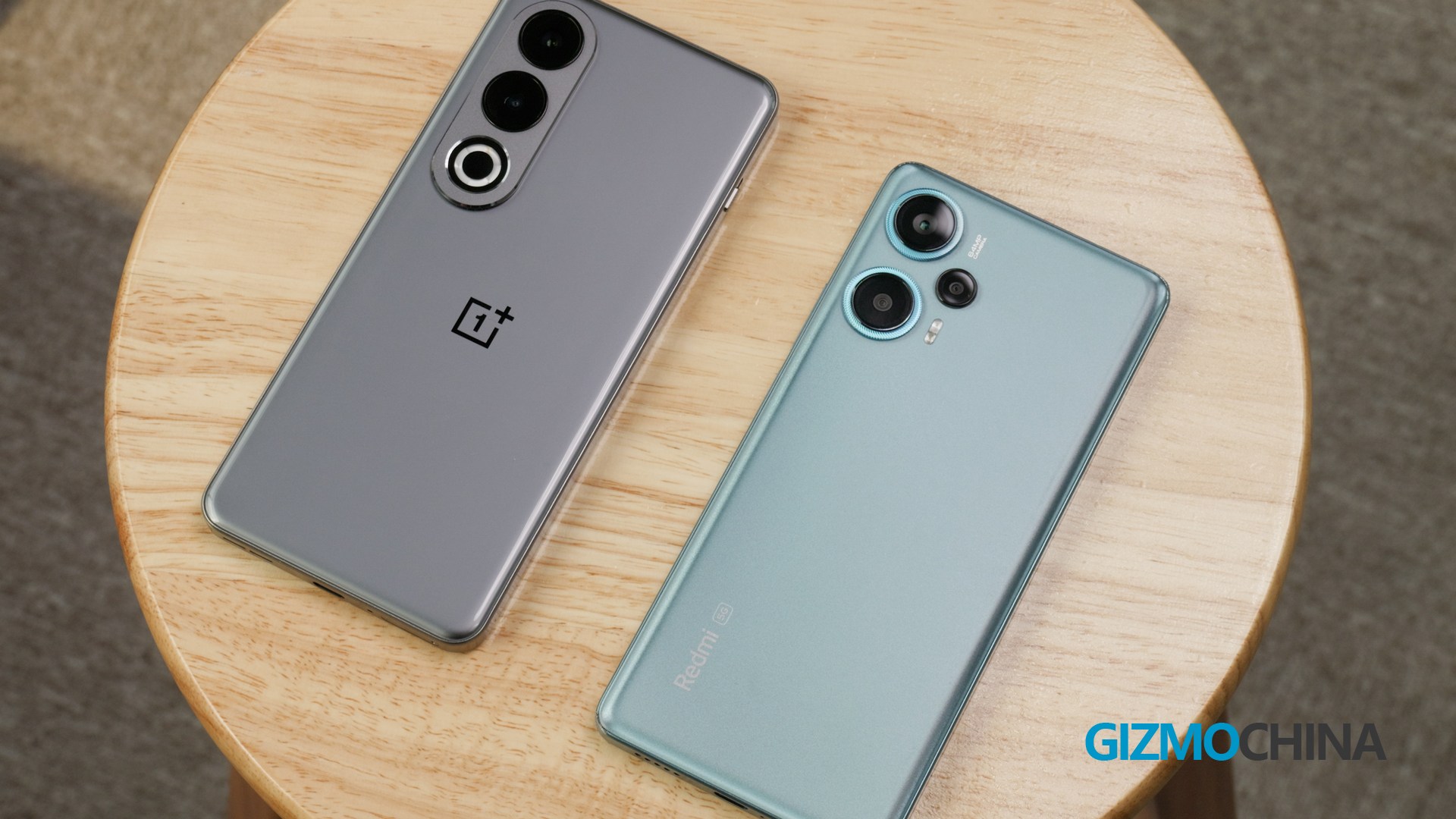
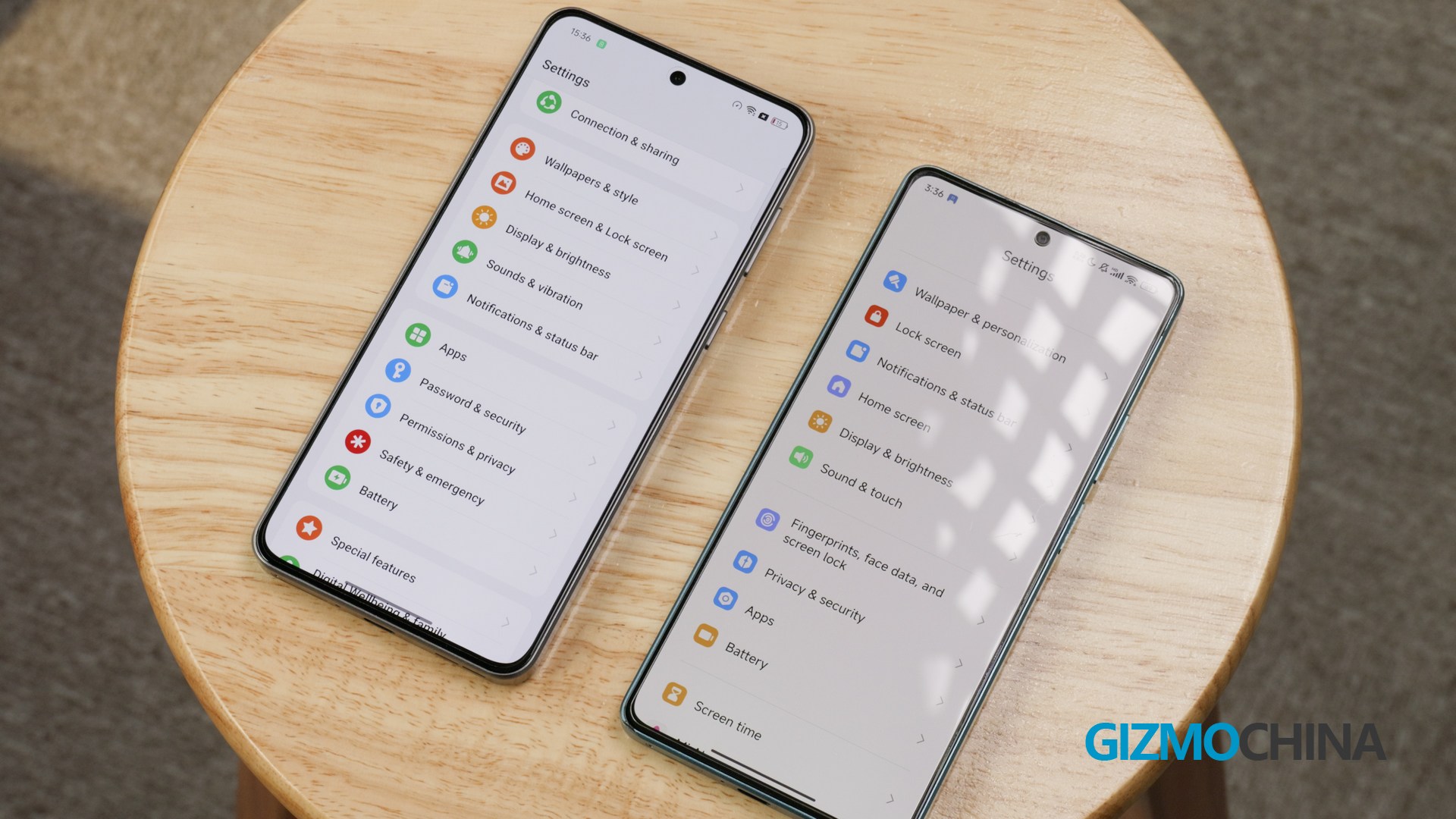
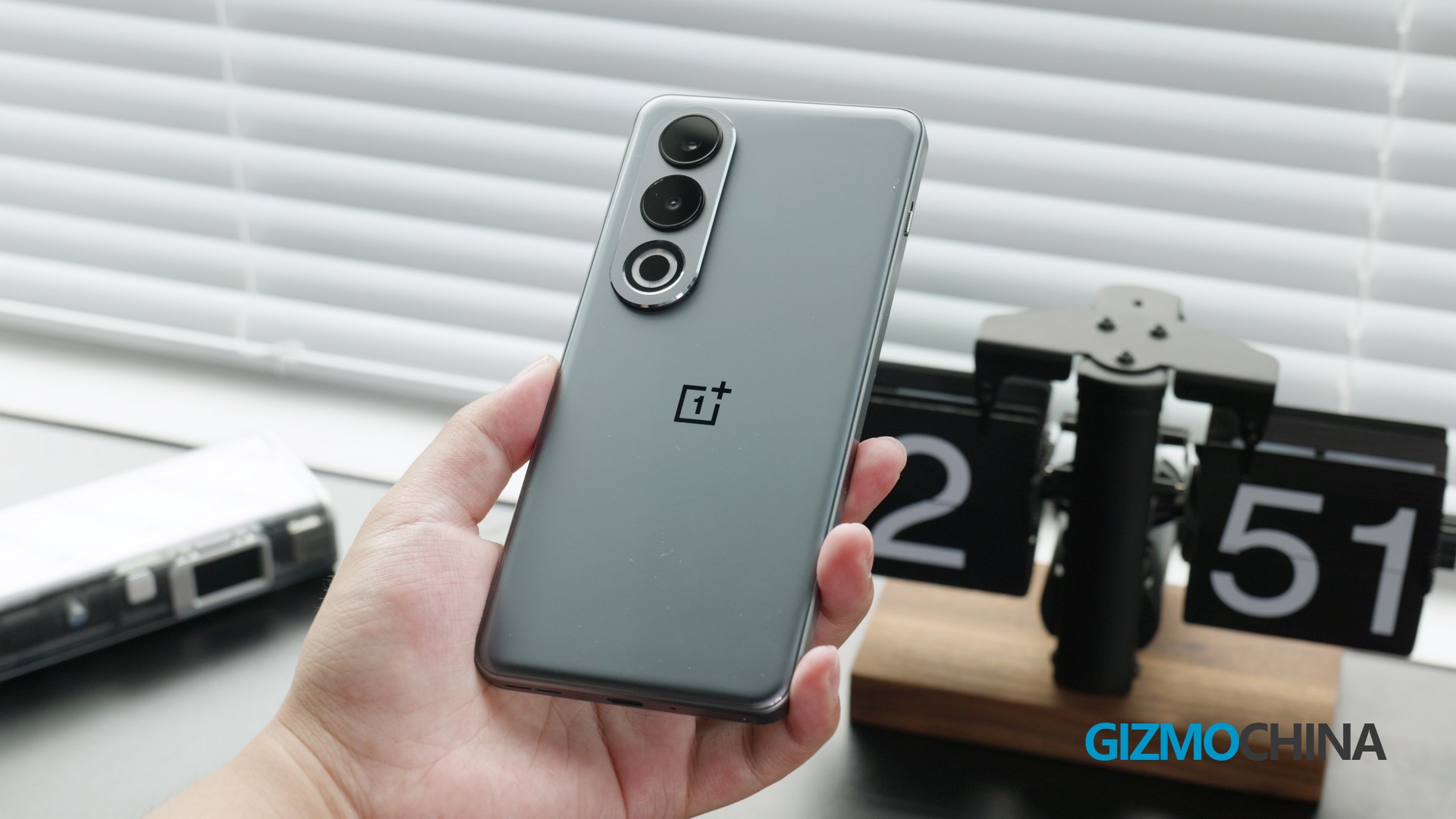
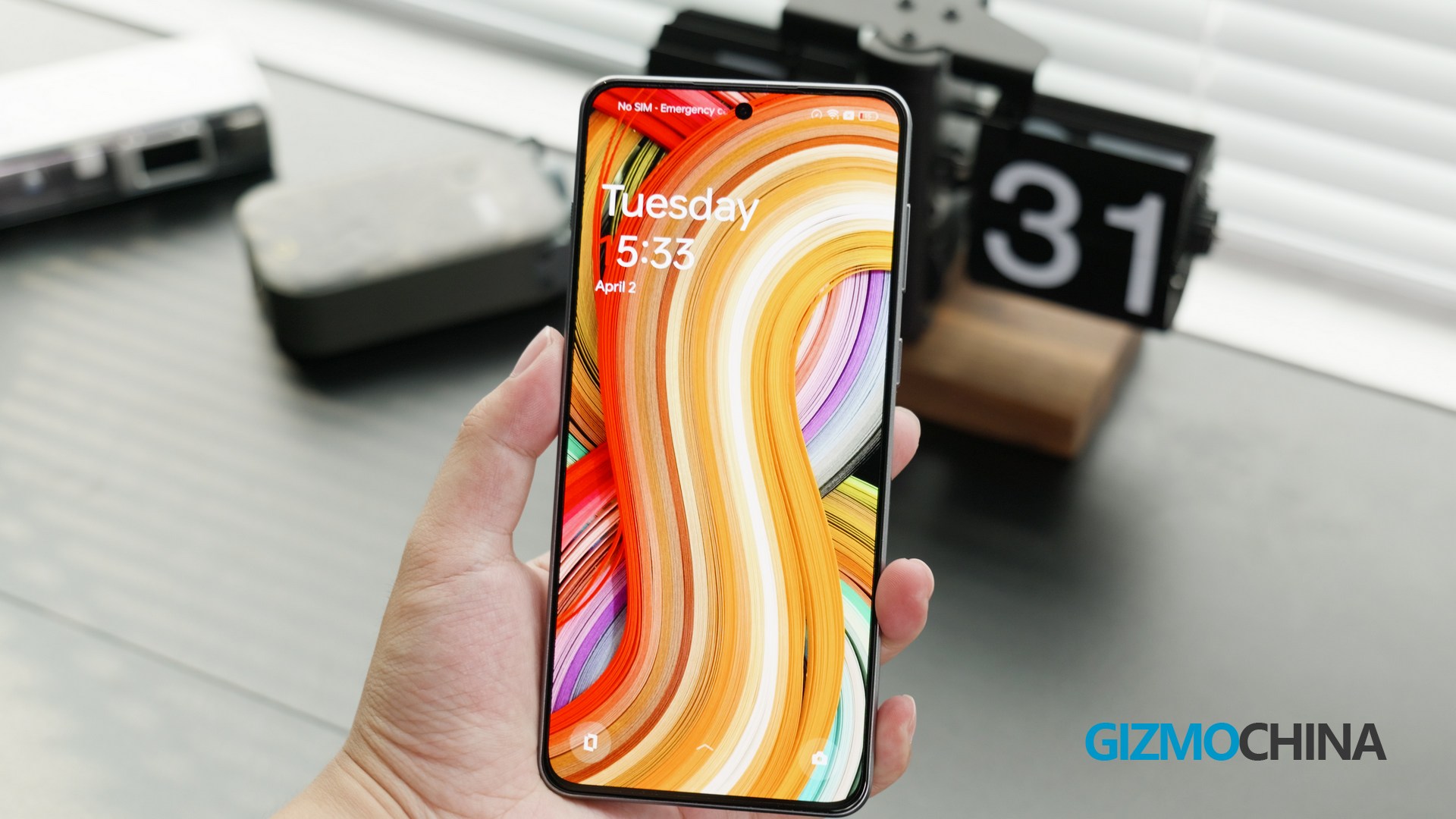
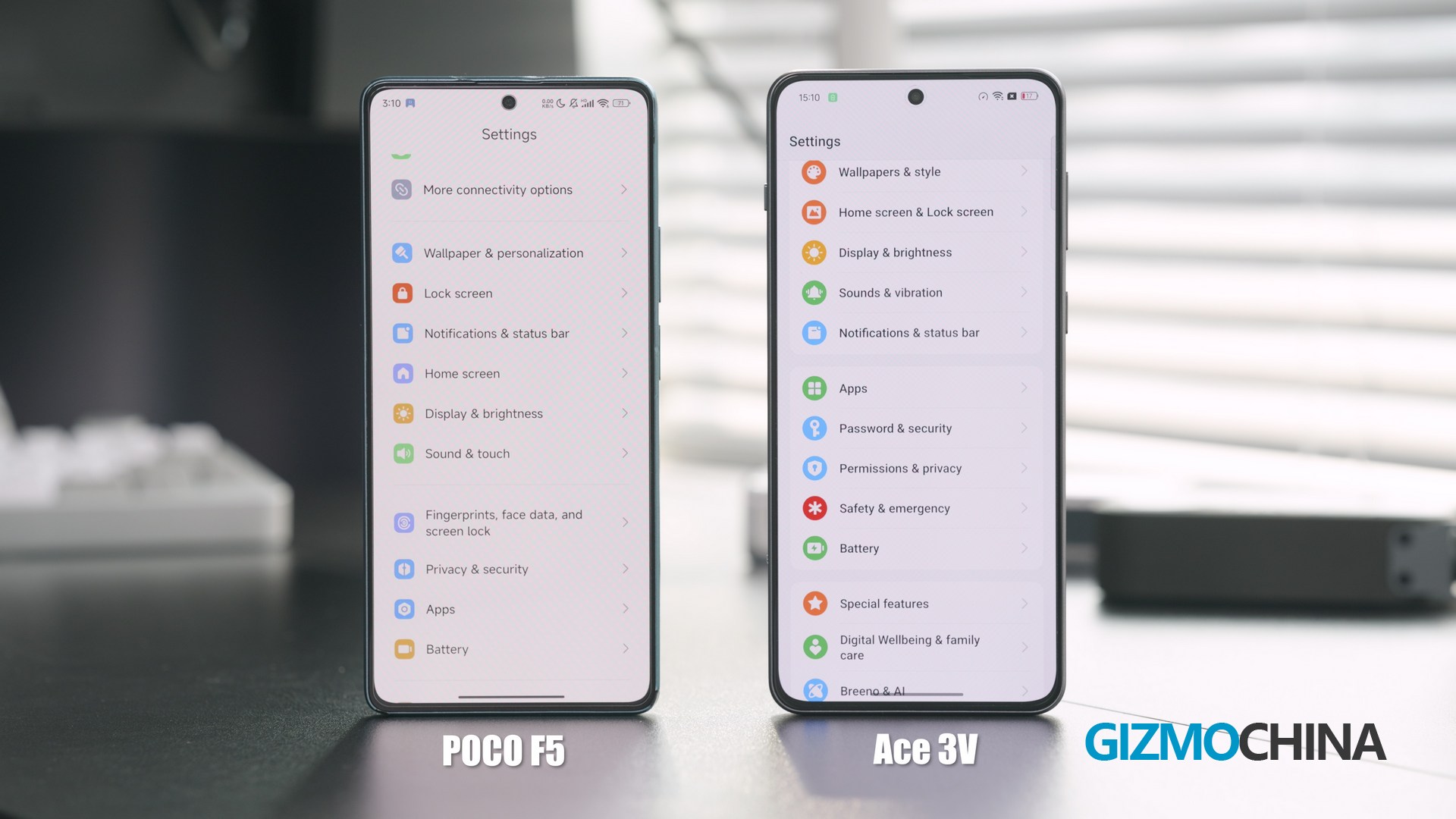
Today I got my hands on the latest mid-range phone from OnePlus – the OnePlus POCO F5…Sorry, it’s the OnePlus Ace 3V! When I first got the phone, I really thought that this phone was just like the POCO f5, with a similar design, the same flat screen, the similar plastic frame, and the same excellent Snapdragon 7+ series chip. Even their prices are close to each other.
After spending some time with this phone, I’m willing to call it a fully upgraded POCO F5.By the way, If you want to buy this latest Ace 3V, you can check it out on GeekWills:
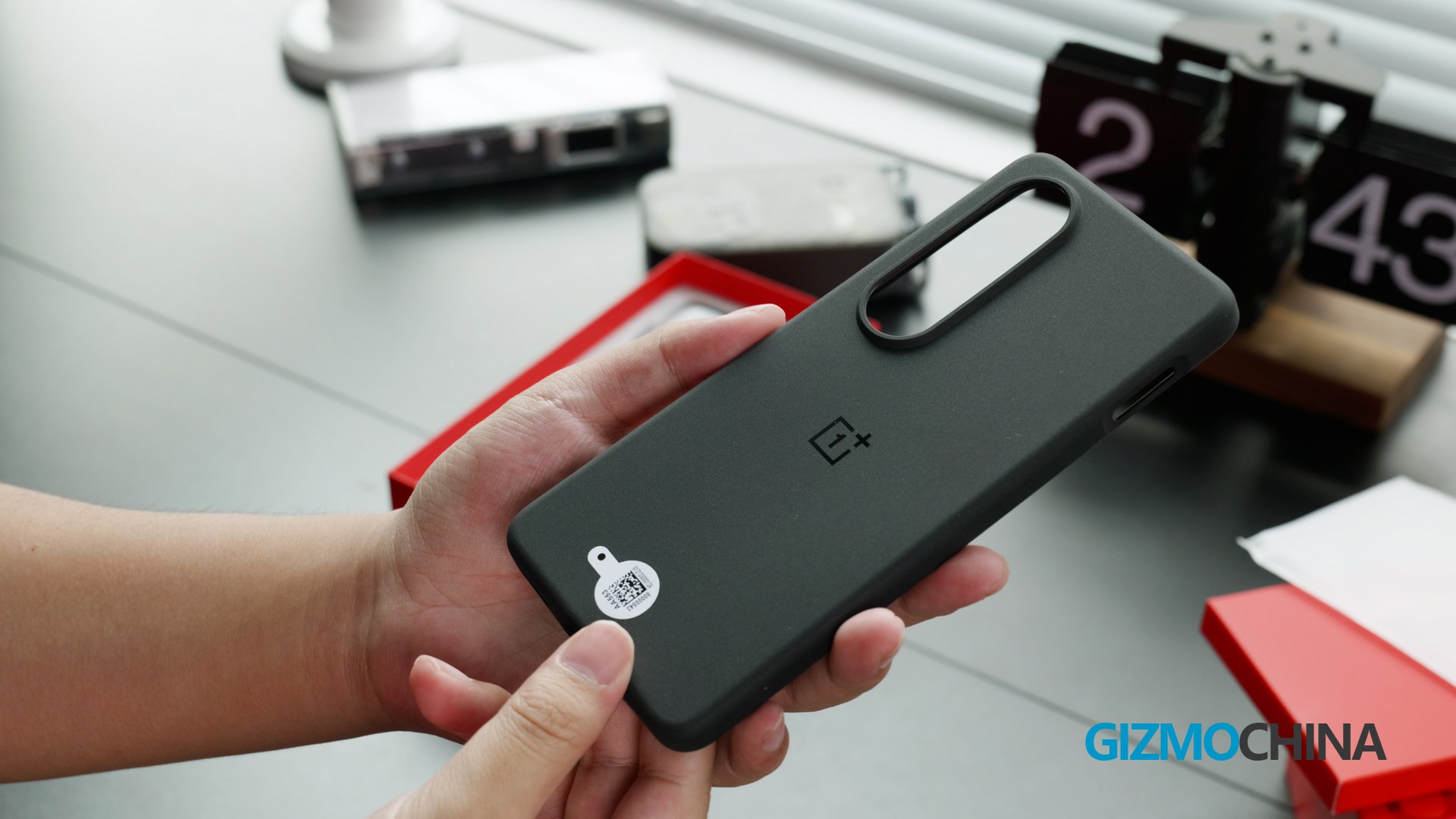
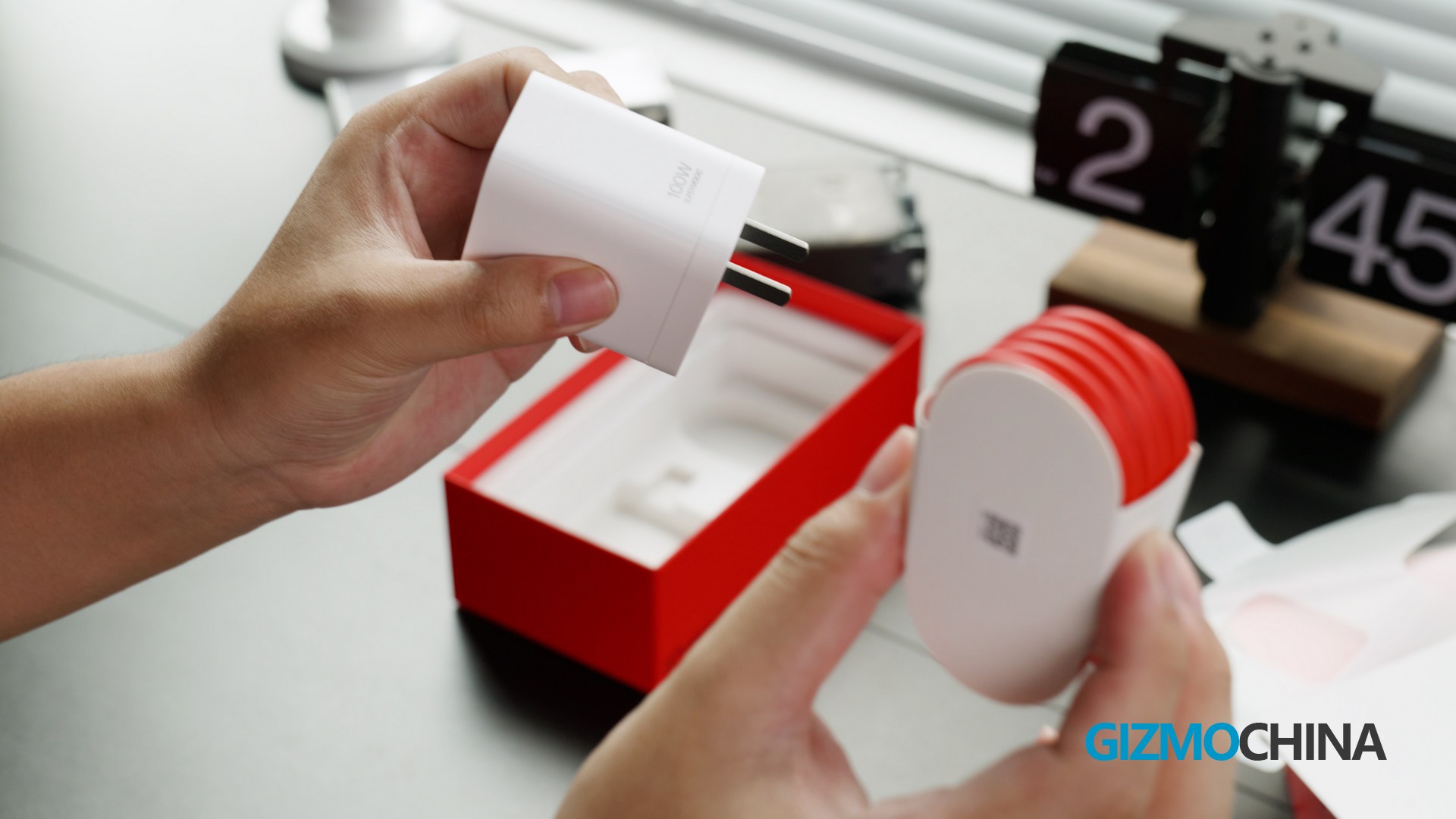
The OnePlus Ace 3V is packed in the iconic red color box, and when you open the package, there’s a black case, a 100W charger, and A to C charging cable, and of course the phone.
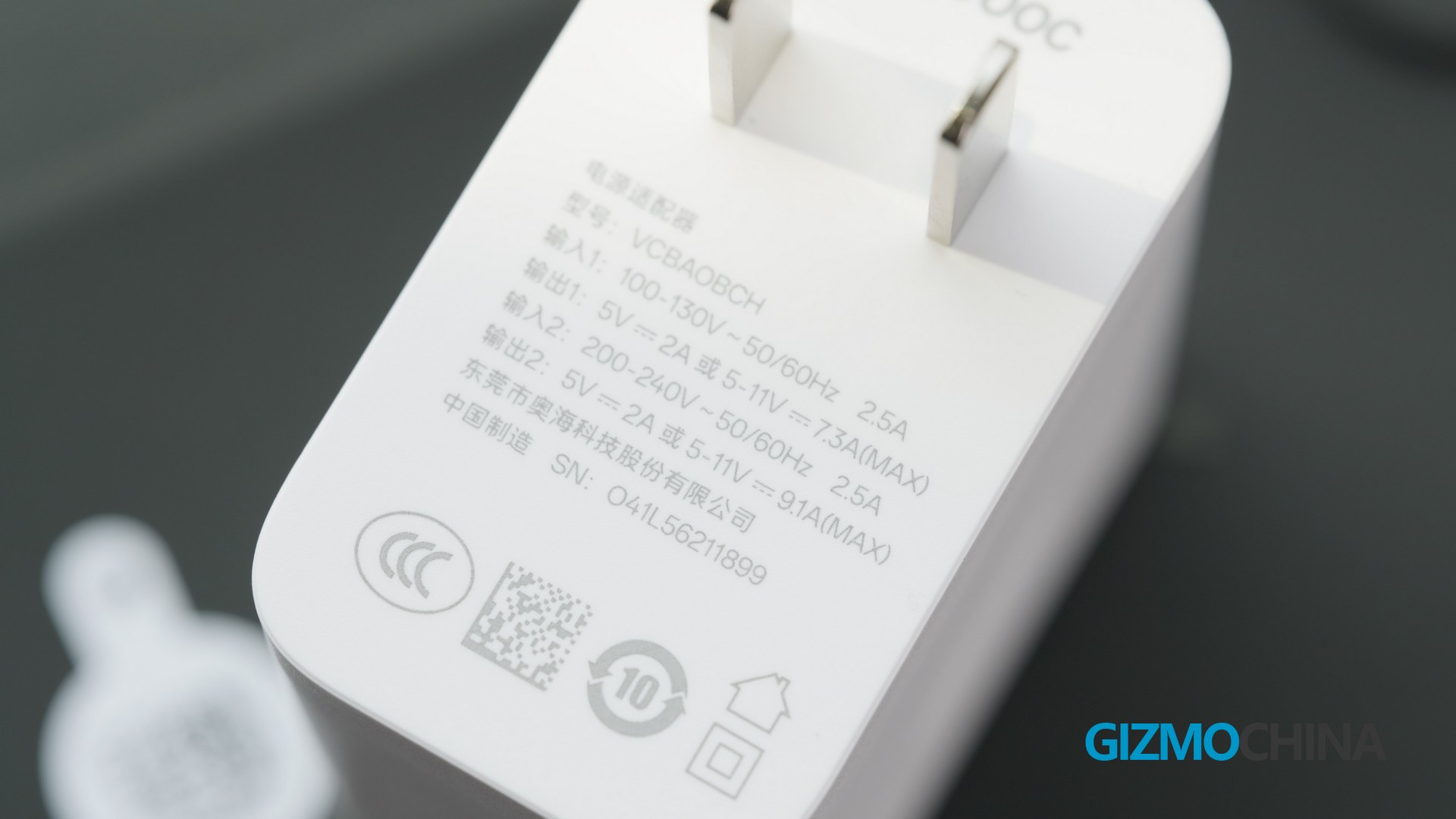
However, it is worth noting that the maximum output power is not the same at different voltage inputs, the maximum output power can only be reached at 200-240V.
Design
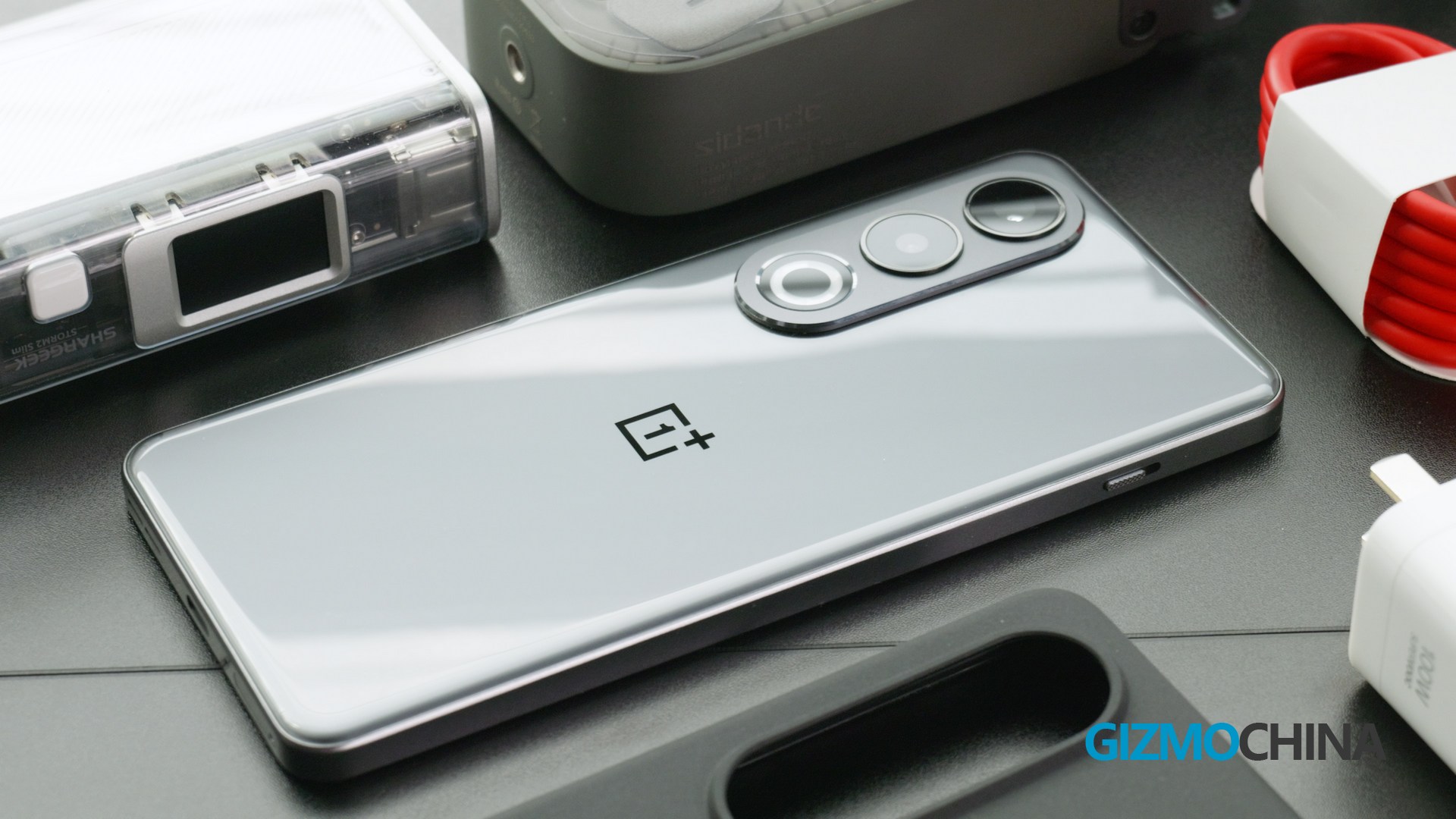
Back to the phone, The Ace 3V only comes in two colors, purple and grey. I got the grey version and as you can see it’s a very solid grey.
The Ace 3V is made with a glass back cover, comparing it to the POCO F5, I must say that Oneplus has done a better job when it comes to texture, and in the same way as Redmi, the Ace 3V also uses a plastic frame.
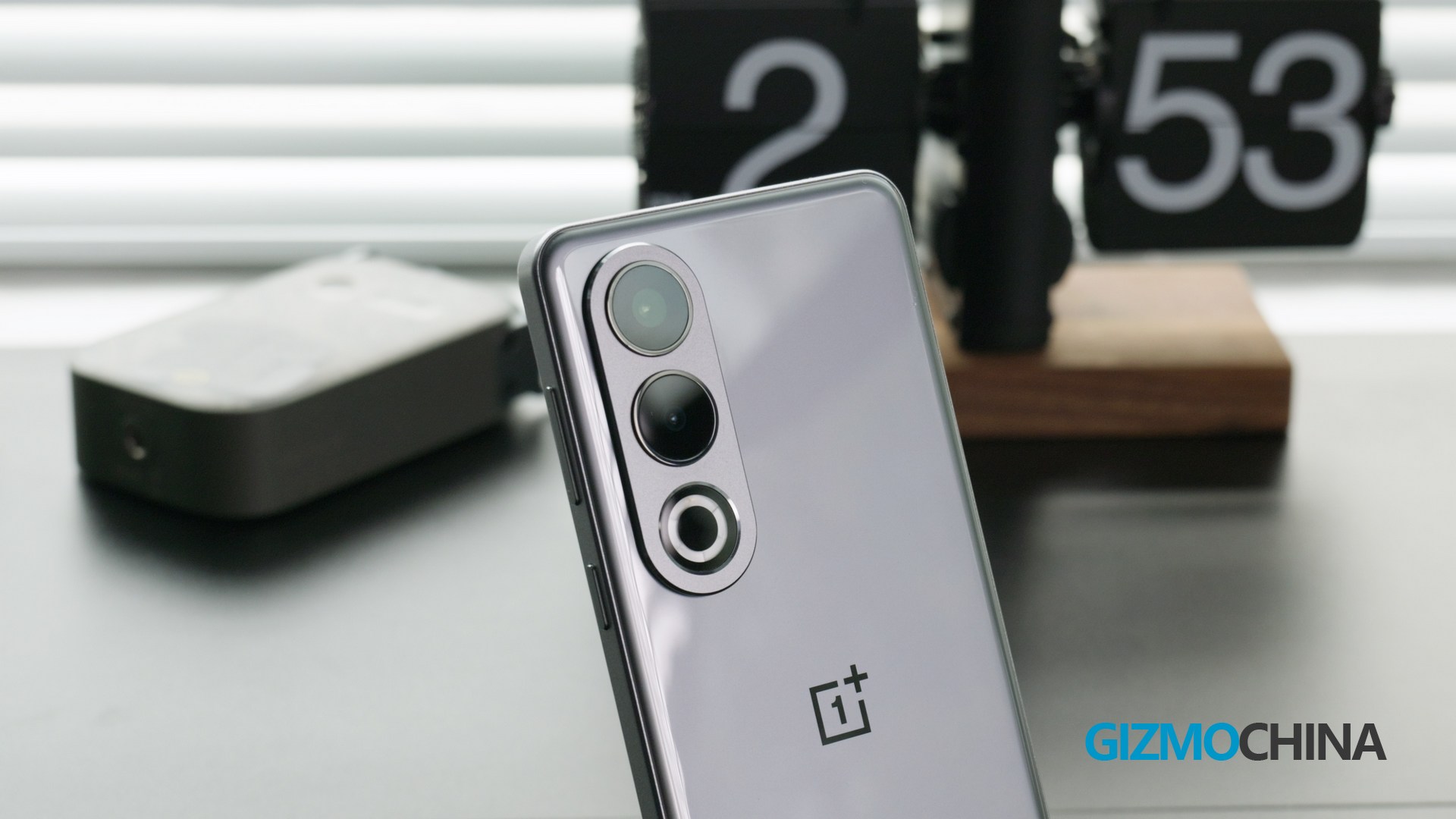
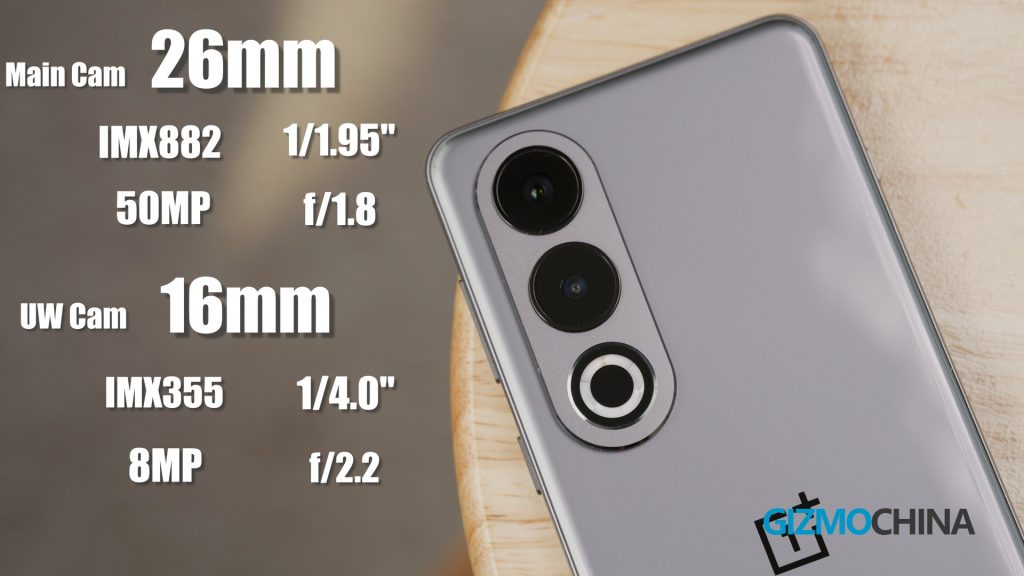
The biggest change on the exterior is of course the camera, it has a 26mm main camera and a 16mm ultrawide camera.
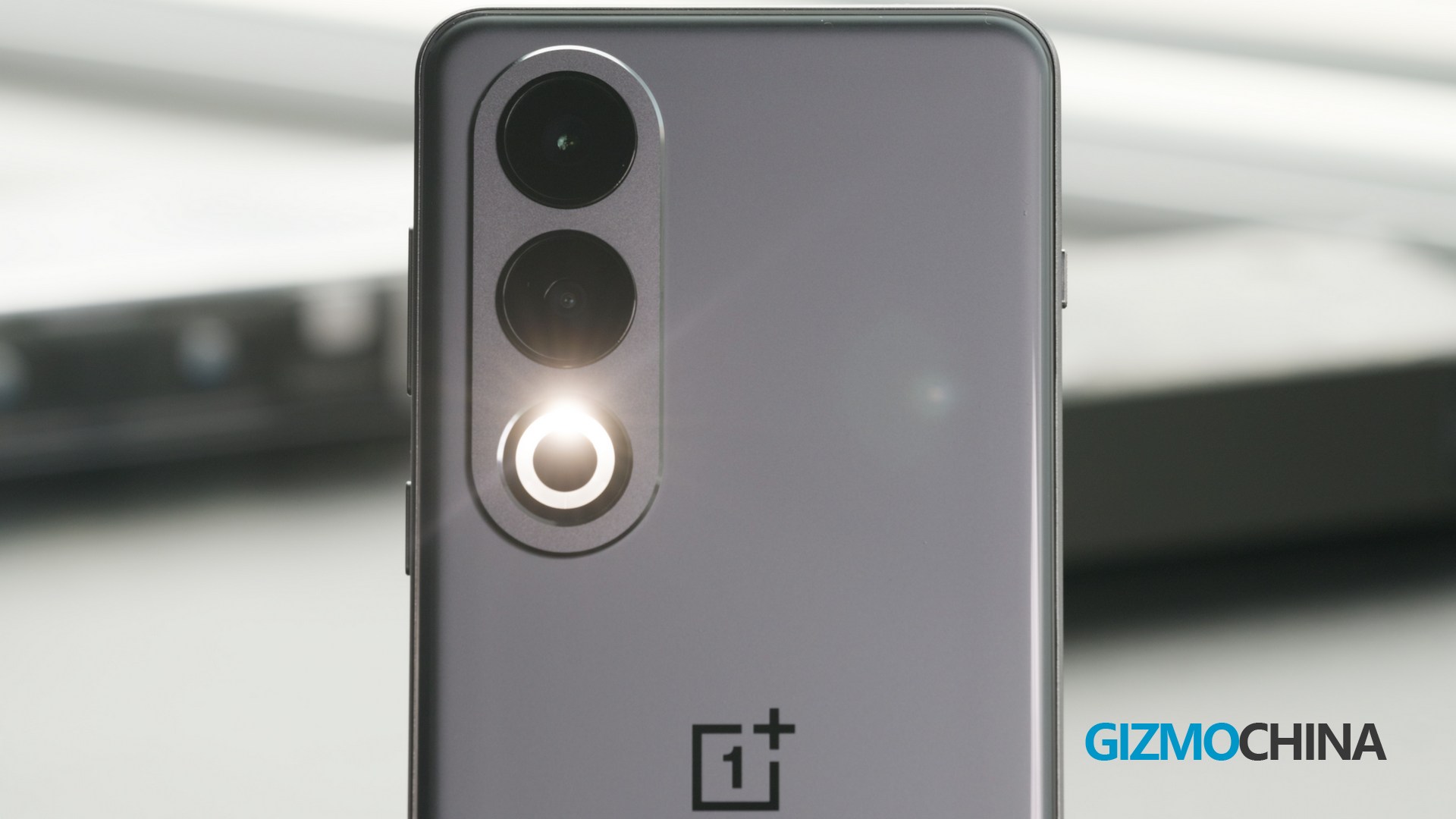
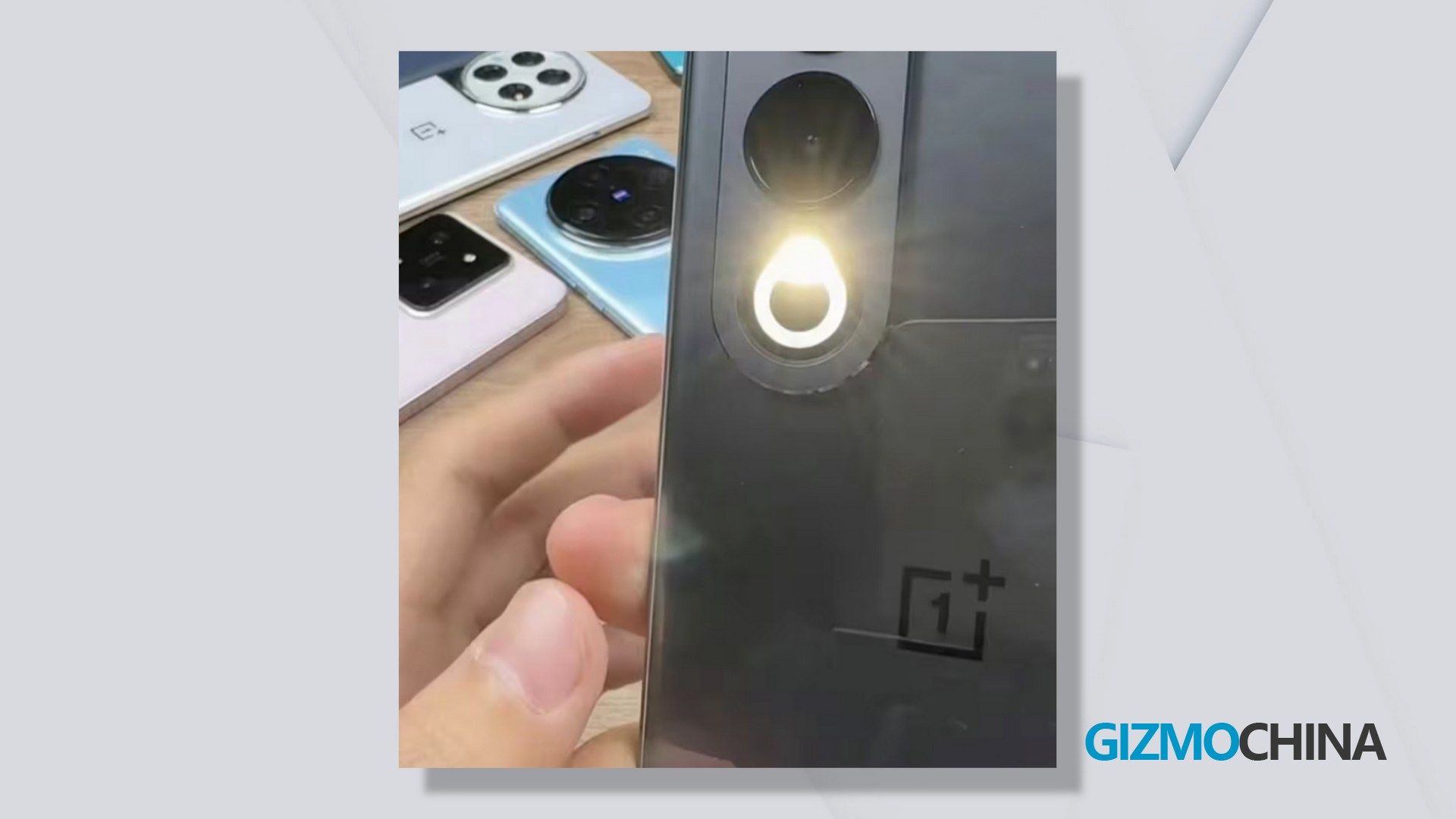
and it also comes with the world’s only “diamond ring” flash.
yes we call it that way, because this circle right here is designed like a ring flash, but there is only one single LED bead there, SO it looks like a diamond ring.
I bet Beyonce will like this phone a lot, because”If you liked it, then you should have put a ring on it”.
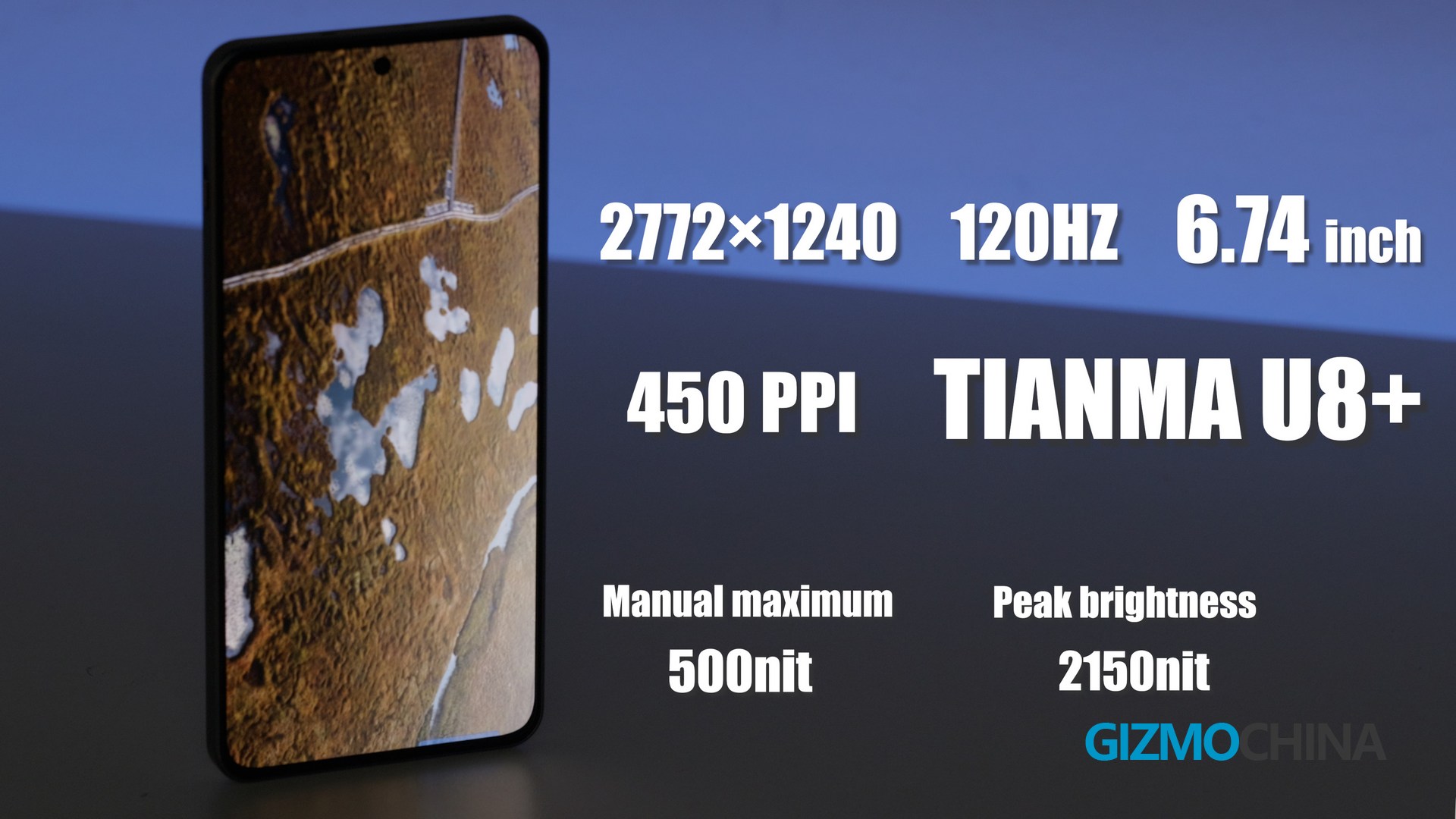
The Ace 3V has a 6.74 inches straight screen and pretty small bezels.
when compare it to the Redmi Note12 Tubro, it looks that they are very close.
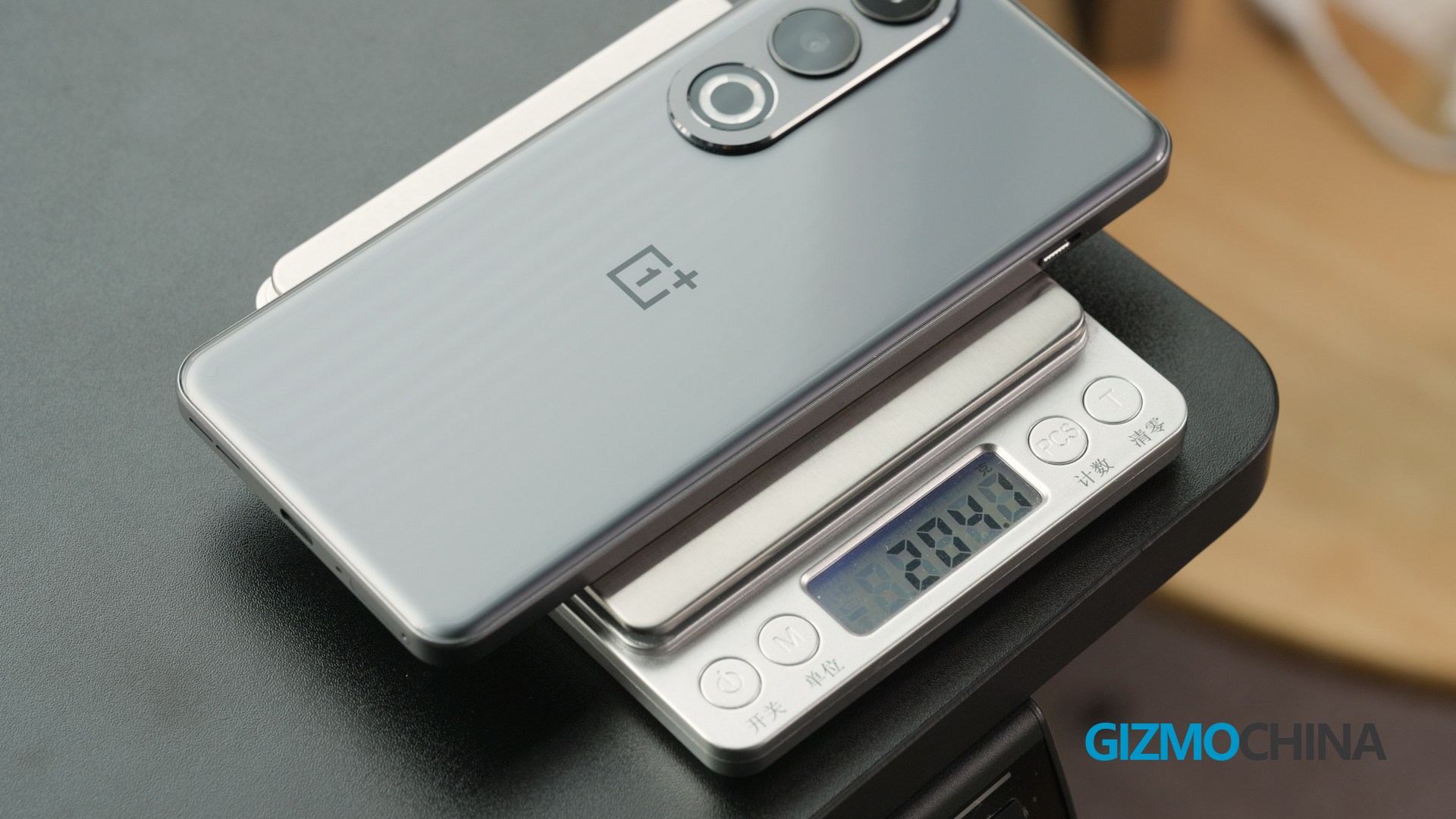
In terms of weight, the phone weighs 204g and with the curved glass back on the back, it feels pretty good in the hand.
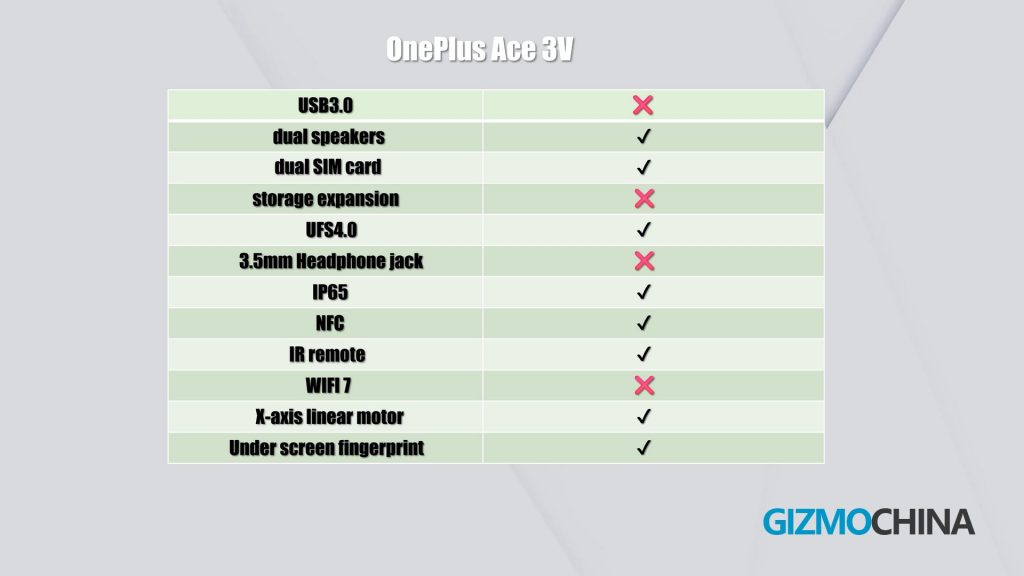
In terms of other configurations that we all care about, I have created a table, you can pause and take a closer look at them.
So overall I think the Ace 3V is unimpressive in design, it’s just a very mid-range like phone.
Performance
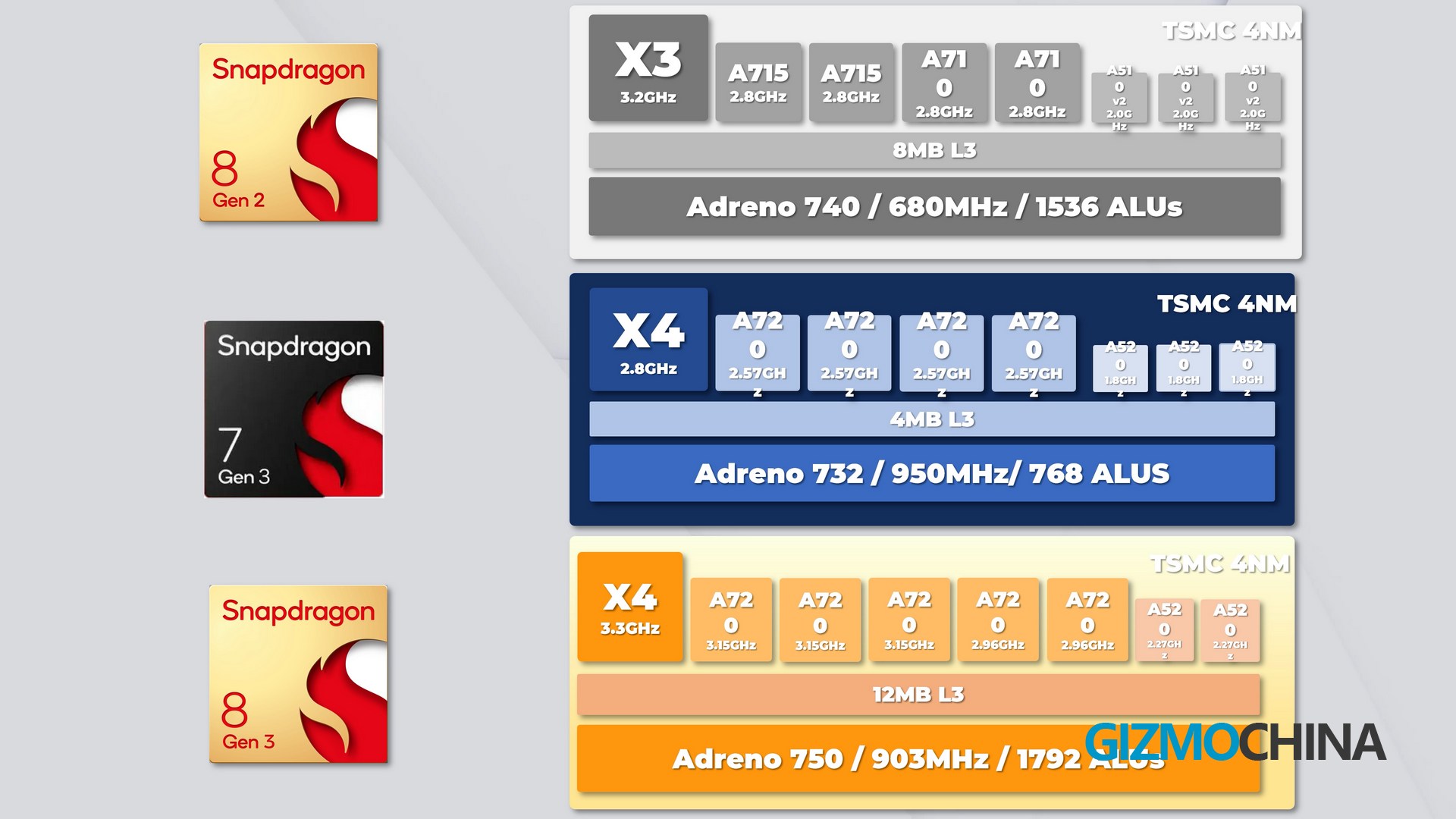
Unlike the boring look, the performance is outstanding at this price point, it uses a powerful combination of 7+ Gen3 LPDDR5X and UFS4.0, compared to the Redmi Note12 Tubro, the Ace 3V is stronger both in soc and IO performance.
First of all, about this SOC, it not only inherits the excellent CPU cores of 8 Gen3, but also has a similar core quantity as 8 Gen2. The only problem is that the 7+gen3 has a big downgrade in L3 cache to just 4MB.
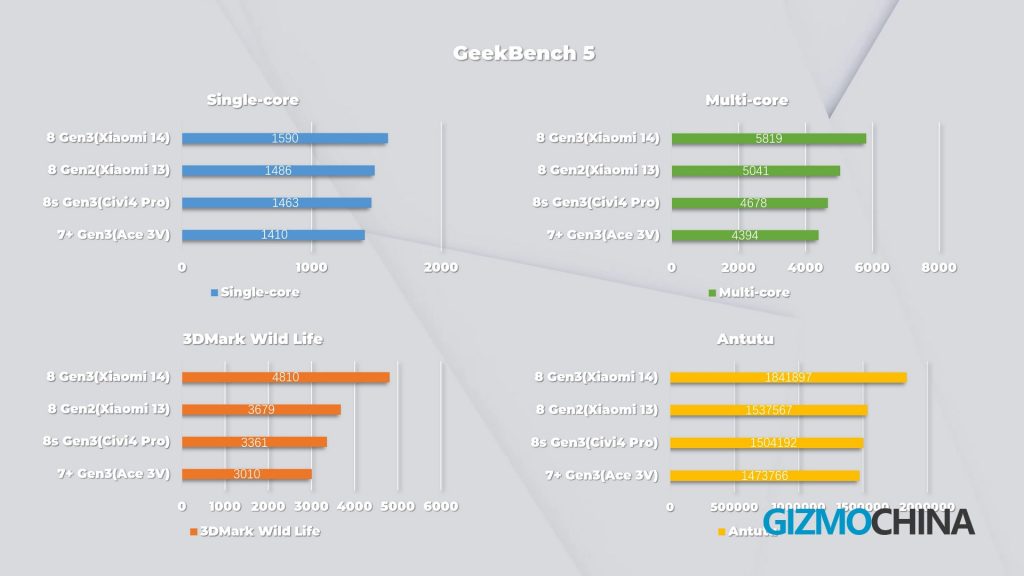
We did some testing as well and you can see that the 7+Gen3 is very close to the 8s Gen3, but both are slightly weaker than the 8 Gen2. Overall, this is a very powerful flagship level mid-range chip.
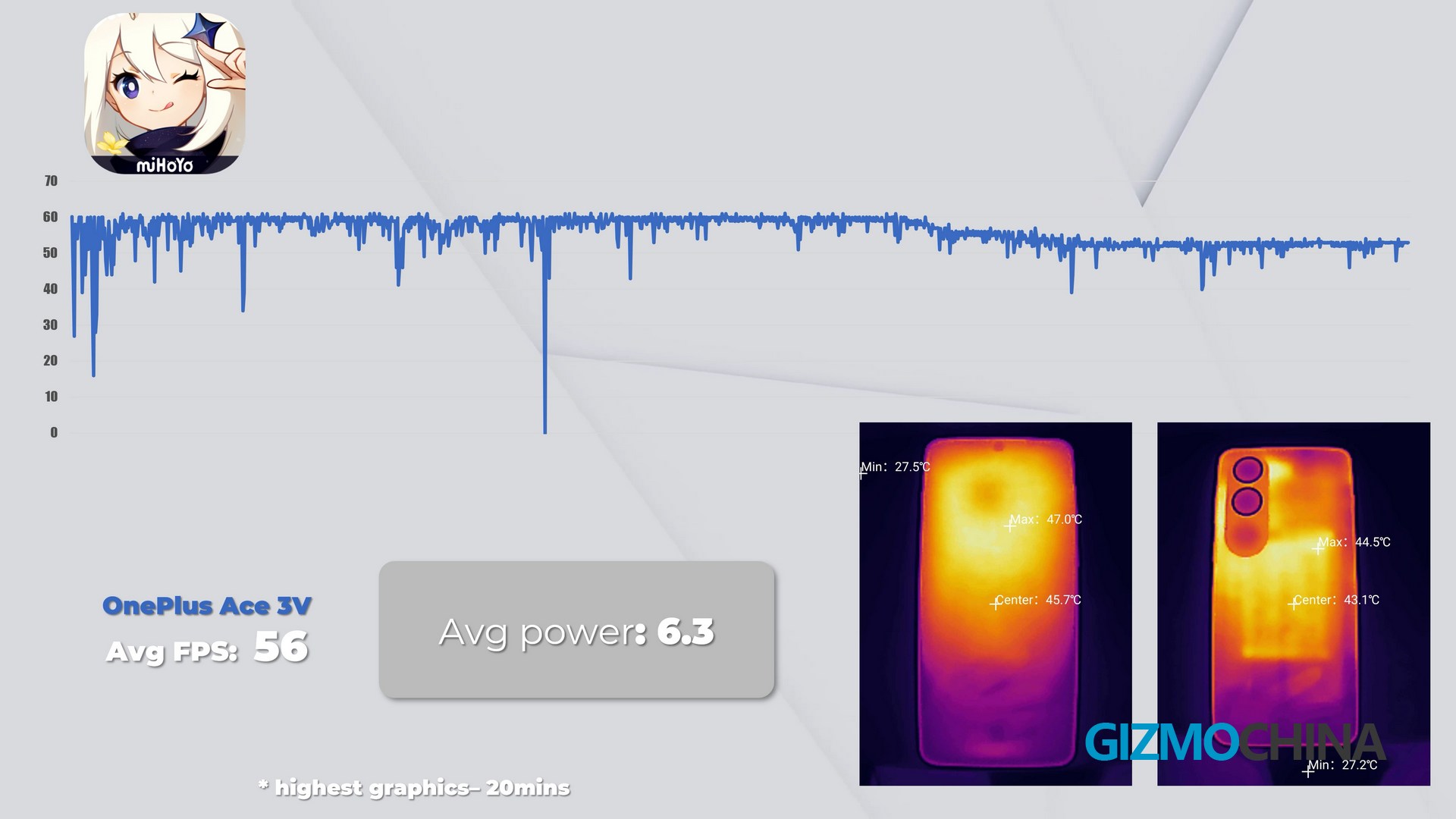
In the gaming test, I chose to test in the underwater area where the performance pressure is high, we set it to the highest graphics.
the average frame rate in 20 minutes was 56fps, very good performance. My only complaint compared to some phones with 8 Gen 2, the power consumption of the Ace 3V will be slightly higher.
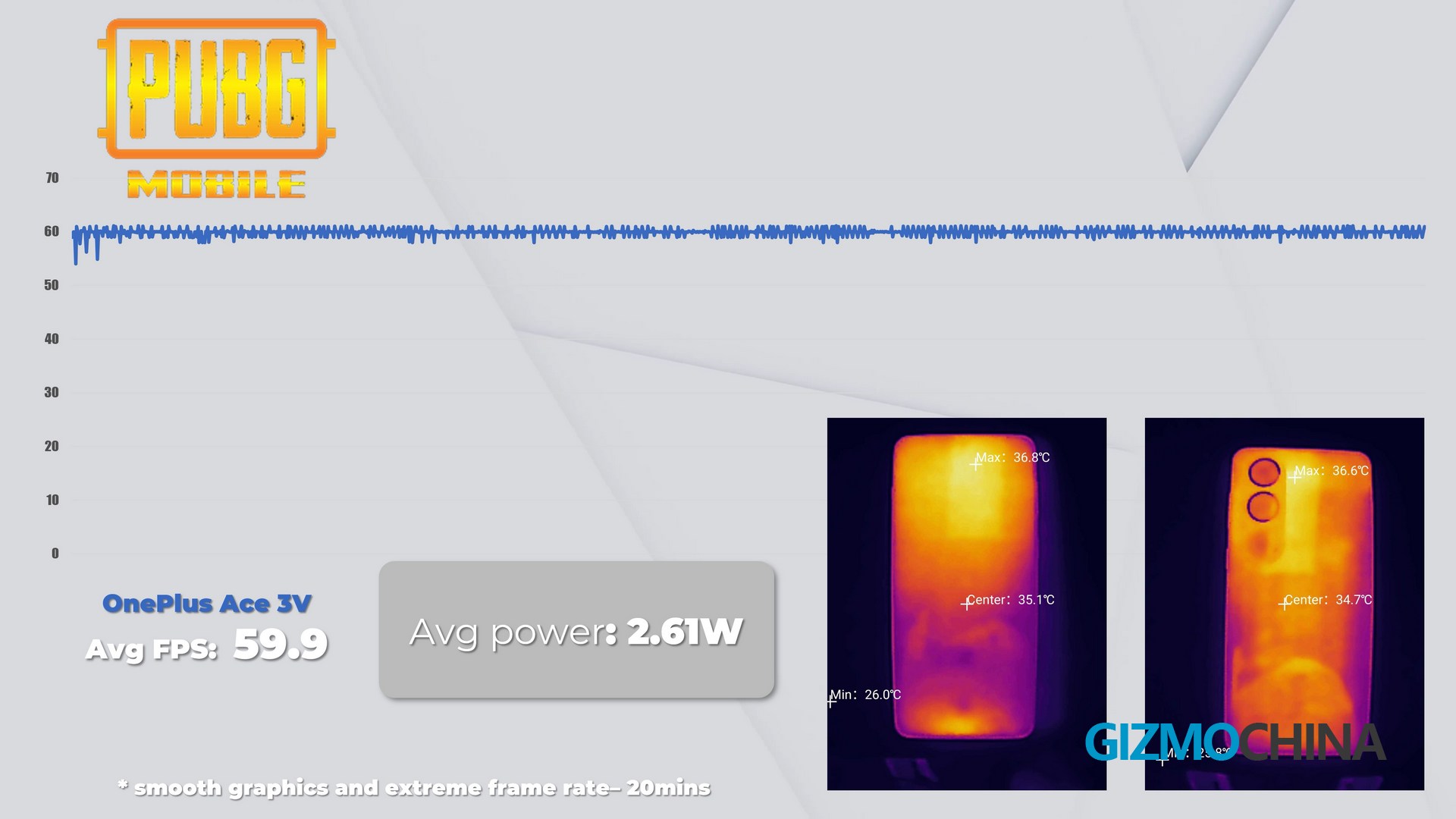
In PUBG mobile, the chip shows excellent power consumption control, after setting to smooth graphics and extreme frame rate, it only needs 2.61W, and can run the game very smoothly. This is a very strong performance at low loads.
Overall the Ace 3V is a good gaming phone, the straight screen delivers a good gaming experience and the 7+ Gen3 chip is good enough for most games. However, like the 8s Gen3, too much cache downgrades results in high power consumption for both chips under high loads. Overall, these are still very good chips.
Screen
The Ace 3V uses a straight 6.74inches screen and the resolution is sharp enough at 1.5k. My only complaint about the screen is that the manual brightness is somewhat conservative at only 500nit.
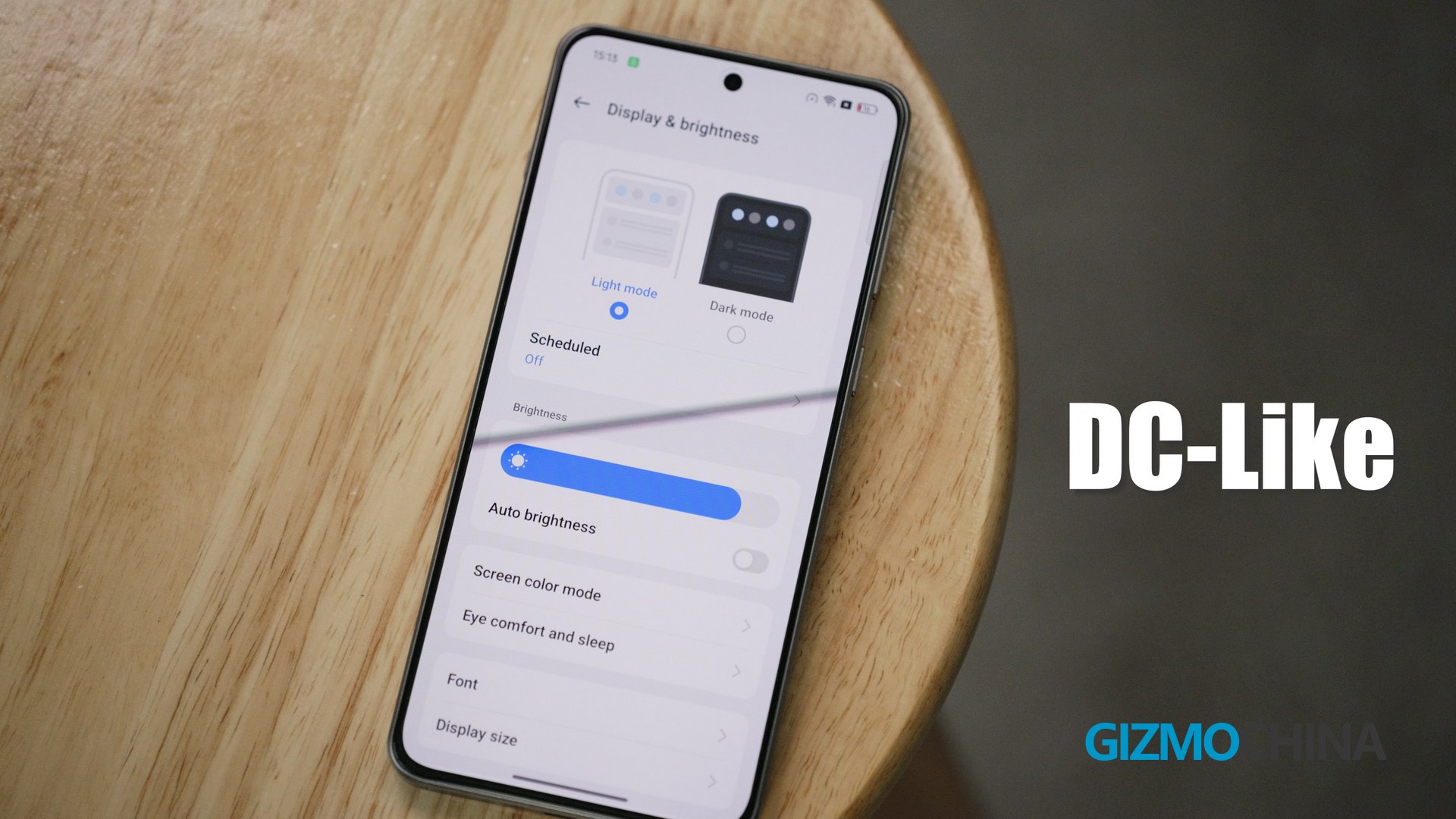
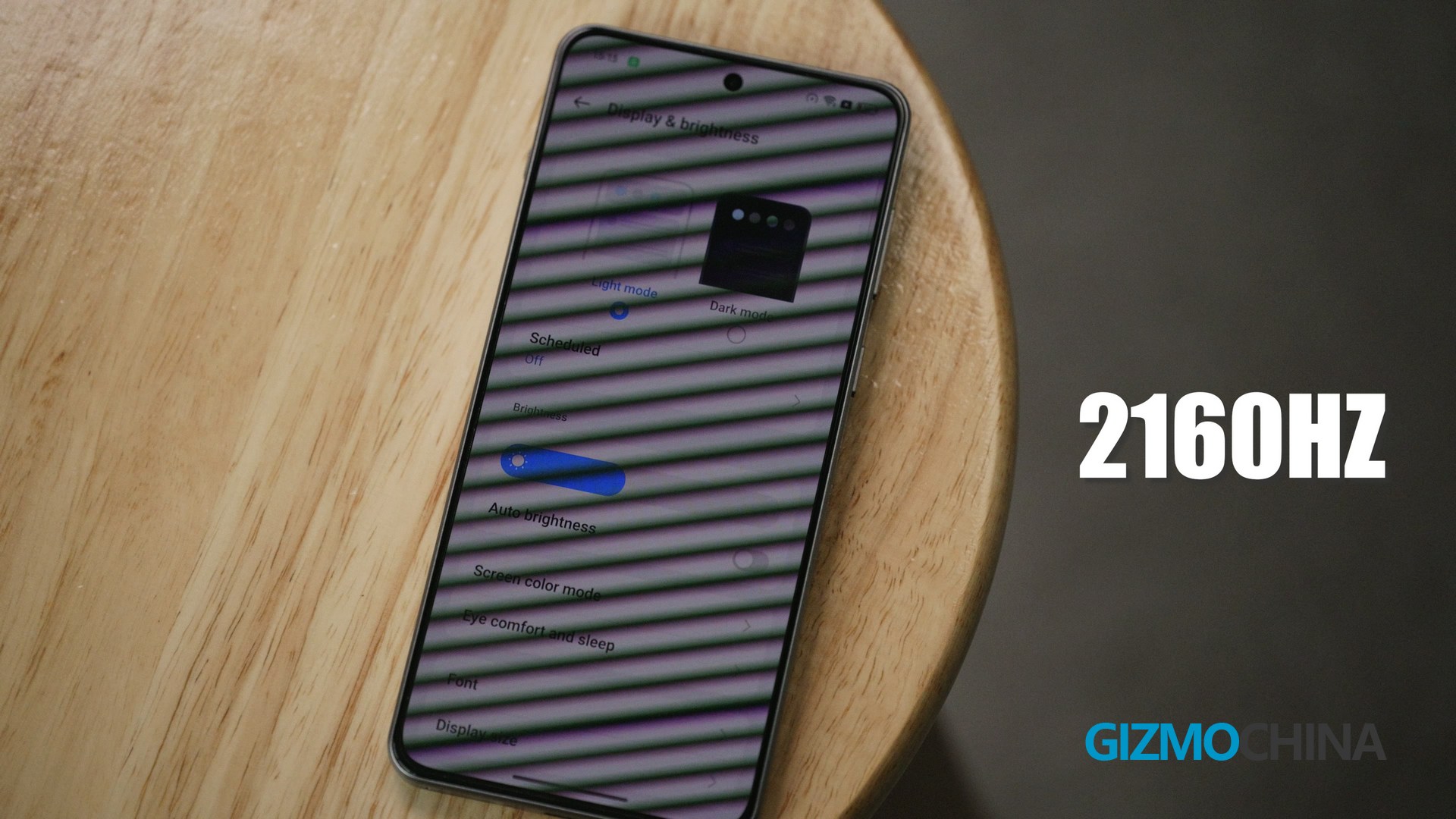
In terms of dimming.DC like dimming at High brightness, 2160HZ PWM dimming at low brightness, this is a good strategy.
Camera
The Ace 3V has a 26mm main camera and a 16mm ultrawide camera, I wouldn’t expect too much from the cameras, as far as camera hardware goes.
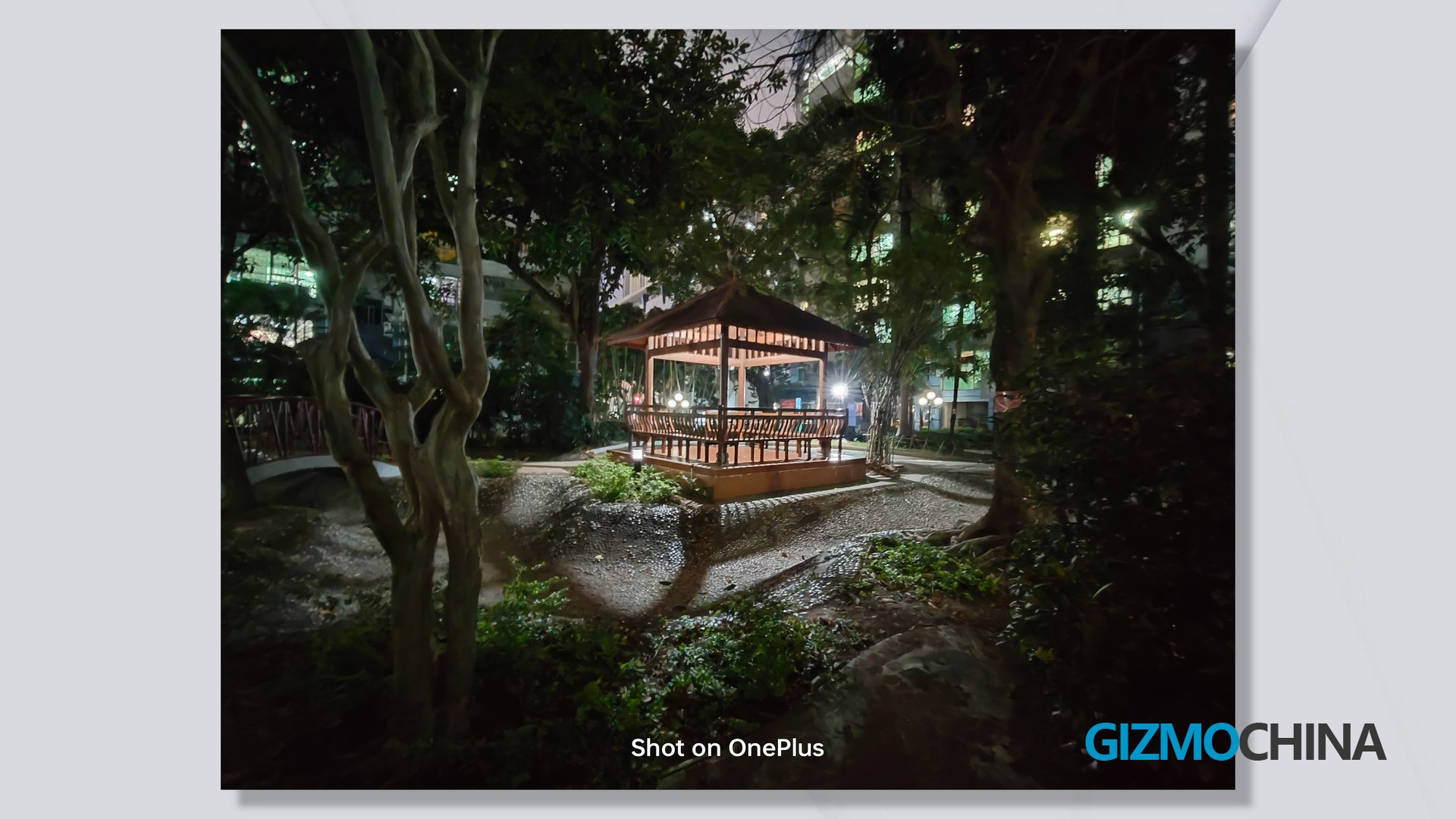
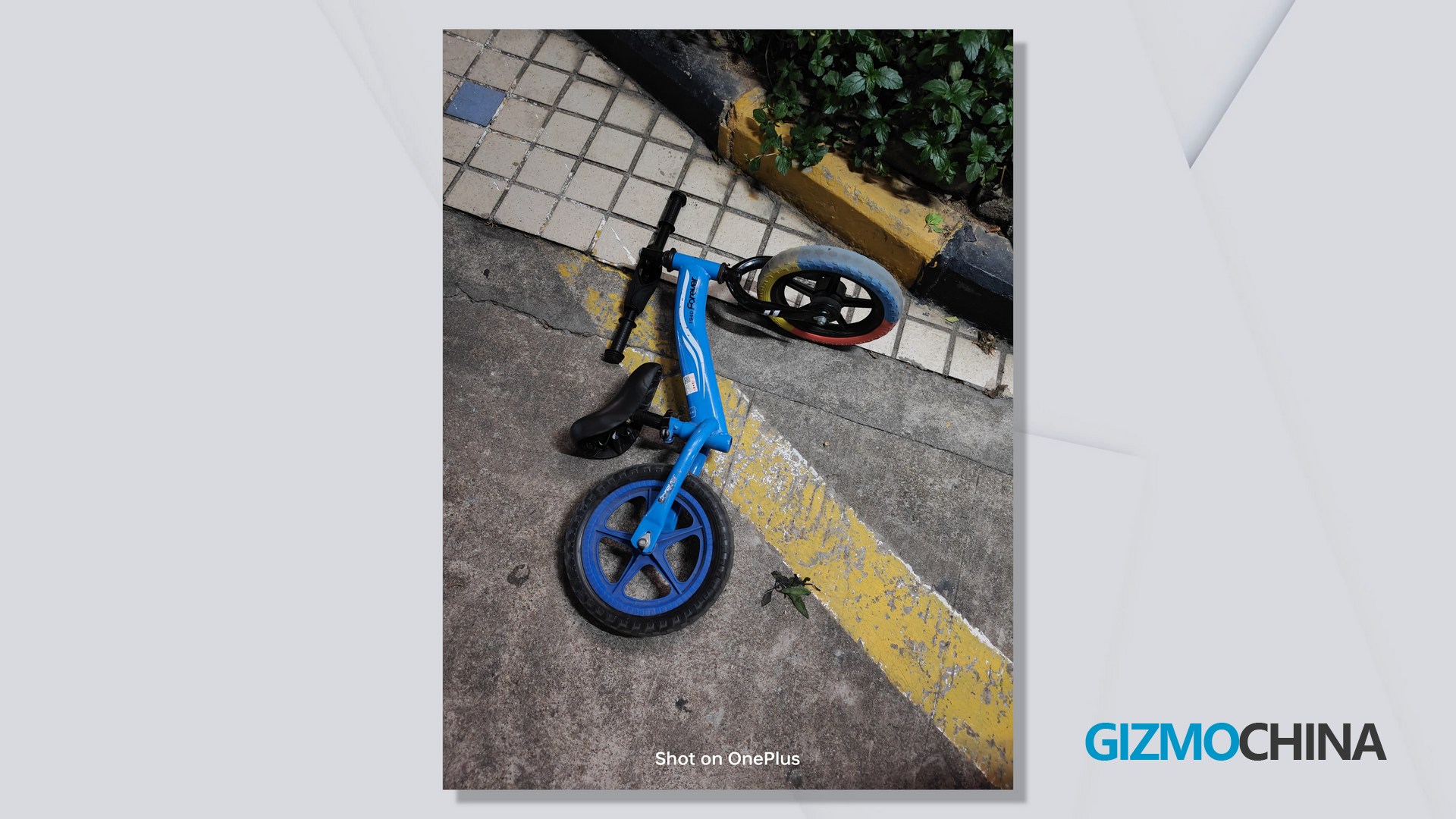
Of course I did take some sample shots, you can take a closer look.
Overall, the main camera performs quite well. It’s good enough for everyday shooting.
Battery & Charging
The battery capacity is 5500mAh, and also keeps the weight at 204g, which will definitely satisfy most people in daily use.
The 100W charging performance is also very good, and it only takes 30 minutes to fully charge this 5500mAh battery. There is no doubt that Battery&Charging is the strength of Ace 3V.
Conclusion
In my opinion, the OnePlus Ace 3V is a nice phone with good value for money: It has a powerful chip, a nice screen, and excellent Battery&Charging solution. as I said at the beginning, you can take the Ace 3V as a completely upgraded version of the Poco F5. Considering this point, you should get a good experience with this phone.
By the way, If you want to buy this latest Ace 3V, you can check out Geekwill.com
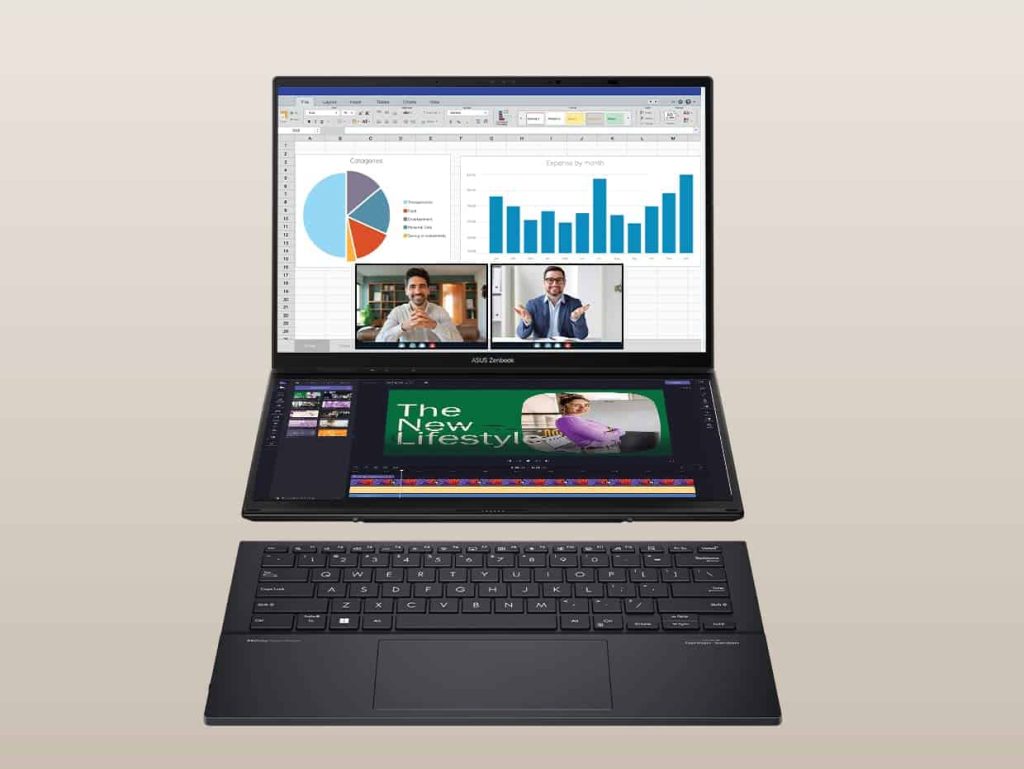
ASUS ZenBook Duo is currently listed on Amazon India. The dual display laptop was recently unveiled during the CES 2024 event, and now, it’s officially going on pre-orders in the market. Early buyers can avail benefits worth over 20,000 INR, so here’s everything you need to know.
ASUS ZenBook Duo Pre-Orders
Heading to Amazon India, the ASUS ZenBook Duo is listed for pre-orders, which will go live from 9th April to 15th April 2024. For those pre-ordering this high-end laptop, the brand is offering benefits worth up to 20,389 INR for just 1 INR. This includes an ASUS ProArt Mouse MD300 as well as 2 years of additional warranty and 3 years of accidental damage protection. You can claim this by redeeming the Zenbook Duo (UX8406) pre-order.
After pre-ordering this laptop, you can get an exclusive coupon code on your registered email ID. This can be redeemed via the ASUS Promo India website for just 1 INR within 15 days of buying the laptop. To recall, the company launched the ZenBook Duo arrives with Dual FHD+ ASUS Lumina OLED displays.
This includes a 1920 x 1200 resolution screen that supports a 60Hz refresh rate along with an optional 2880 x 1800 resolution and 120Hz refresh rate panel. Under the hood, the notebook is equipped with the Intel Core Ultra 9 processor that is paired with built-in Intel ARc graphics. The laptop offers touchscreen and stylus support. There is even a detachable full size keyboard as well.
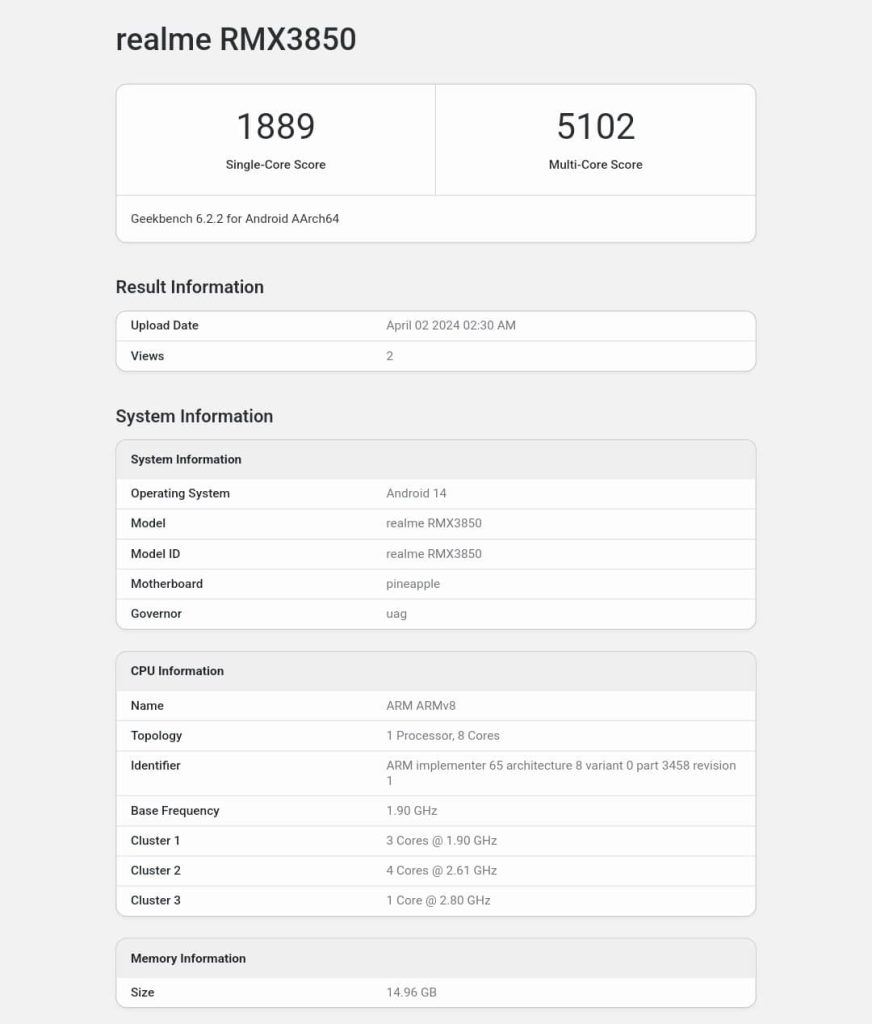
Realme has started teasing key details of the GT Neo 6 SE smartphone in China. We have already got an official look at the upcoming offering along with some display specifications. It is set to debut in the country later this month, although the exact launch date remains unknown at this point. Now, the smartphone has surfaced on the Geekbench benchmarking platform revealing its performance scores and hardware details.
Realme GT Neo 6 SE appears on Geekbench
The Realme GT Neo 6 SE carries the model number RMX 3850 on the Geekbench benchmarking platform. It is listed with a motherboard codenamed pineapple and it comprises three cores clocked at 1.9GHz, four cores at 2.61GHz, and a primary core at 2.8GHz. The chipset powering the device is the Snapdragon 7+ Gen 3 is already confirmed. It was announced a few weeks ago. As per the benchmarking database, the smartphone will pack a whooping 16GB RAM and we can expect more options at launch. It will ship with pre-installed Android 14 OS out of the box.
The Realme GT Neo 6 SE scores 1,889 and 5,102 points in the Geekbench’s single-core and multi-core tests results respectively. The benchmarking listing does not reveal any additional details of the smartphone.
A front design of the smartphone revealed that the Realme GT Neo 6 SE will have very thin, almost negligible bezels surrounding the display. It will have slightly curved edges and is confirmed to feature a BOE 8T LTPO panel with 6,000 nits peak brightness and 1.5K resolution. Meanwhile, the device is confirmed to be available in the Silver Knight color option. There are two protruding camera rings placed under the rectangular finish on the top panel.
Apple‘s iPhones could be in for a major overhaul if the European Union (EU) gets its way. The bloc is pushing Apple to further comply with the Digital Markets Act (DMA), a regulation that fosters a more open and competitive app ecosystem.
EU Demands Uninstallable Photos App, Raising Security Concerns
At the heart of the dispute is Apple’s Photos app. According to a report by Daring Fireball’s John Gruber, EC Executive Vice President Margrethe Vestager highlighted that Apple should enable users to uninstall any app, including system-level ones like Photos.
This requirement has sparked debate as the Photos app is deeply integrated with iOS, granting access control to other apps and functioning as the camera roll. It also interacts with iCloud for storage and sharing.
Vestager believes Apple should allow third-party apps to act as the system image library. However, experts like Gruber point out the complexity of such a change, potentially requiring a significant iOS overhaul.
Apple has made some changes to comply with DMA, such as offering alternative app store options. However, the European Commission (EC) feels this isn’t enough. They are particularly concerned about Apple’s “anti-steering” measures and fees associated with alternate app stores.
While Vestager’s comments mention the Photos app specifically, it’s unclear if the EC will enforce this strictly. Some argue that the ability to uninstall Photos might be more trouble than it’s worth, potentially leading to accidental data loss.
The EU has also expressed dissatisfaction with Apple’s current browser choice screen, implemented to comply with DMA. Vestager suggests it doesn’t provide users with a fully informed decision. This could be due to the randomized list showing only the top 11 downloaded browsers alongside Safari.
The back-and-forth between the EU and Apple regarding DMA compliance is likely to continue. While the EU pushes for a more open ecosystem, concerns remain about the potential impact on user experience and data security.
We use cookies on our website to give you the most relevant experience by remembering your preferences and repeat visits. By clicking “Accept”, you consent to the use of ALL the cookies.
This website uses cookies to improve your experience while you navigate through the website. Out of these, the cookies that are categorized as necessary are stored on your browser as they are essential for the working of basic functionalities of the website. We also use third-party cookies that help us analyze and understand how you use this website. These cookies will be stored in your browser only with your consent. You also have the option to opt-out of these cookies. But opting out of some of these cookies may affect your browsing experience.
Necessary cookies are absolutely essential for the website to function properly. This category only includes cookies that ensures basic functionalities and security features of the website. These cookies do not store any personal information.
Any cookies that may not be particularly necessary for the website to function and is used specifically to collect user personal data via analytics, ads, other embedded contents are termed as non-necessary cookies. It is mandatory to procure user consent prior to running these cookies on your website.