Vivo is set to unveil the Vivo T3 5G model in the Indian market soon. But ahead of the official announcement, the device was spotted on the Google Play Console certification, which revealed some of its key specs. So here are all the details.
Vivo T3 surfaces on Google Play Console
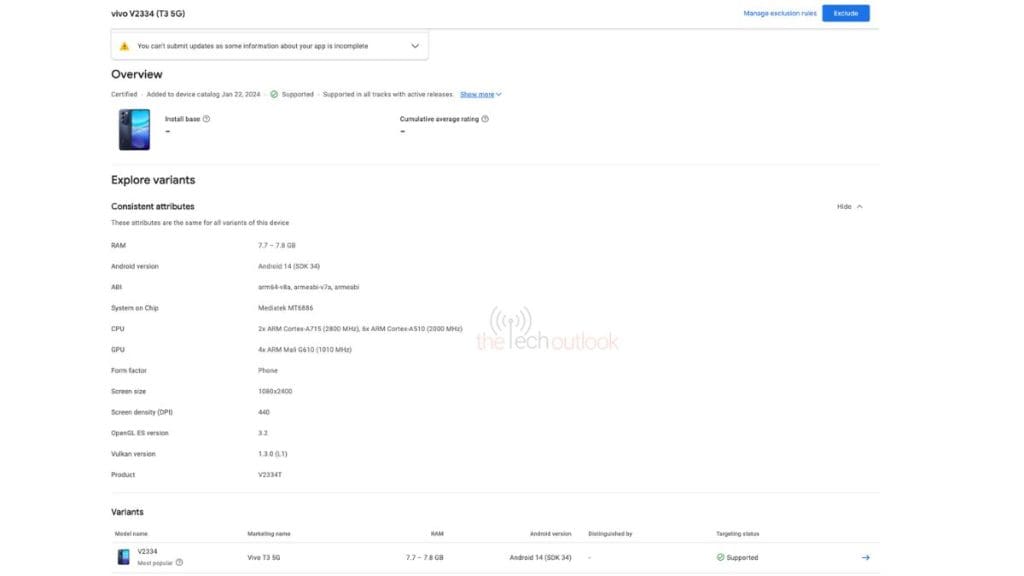
The Chinese smartphone brand’s upcoming Vivo T3 was spotted on the Google Play Console with the V2334 model number. This listing also revealed some of the key specs of the smartphone. The Vivo T3 visited the database with the MediaTek Dimensity 7200 SoC, which is paired with 8GB of RAM. The device runs on the Android 14 OS based FuntouchOS 14 custom skin out of the box.
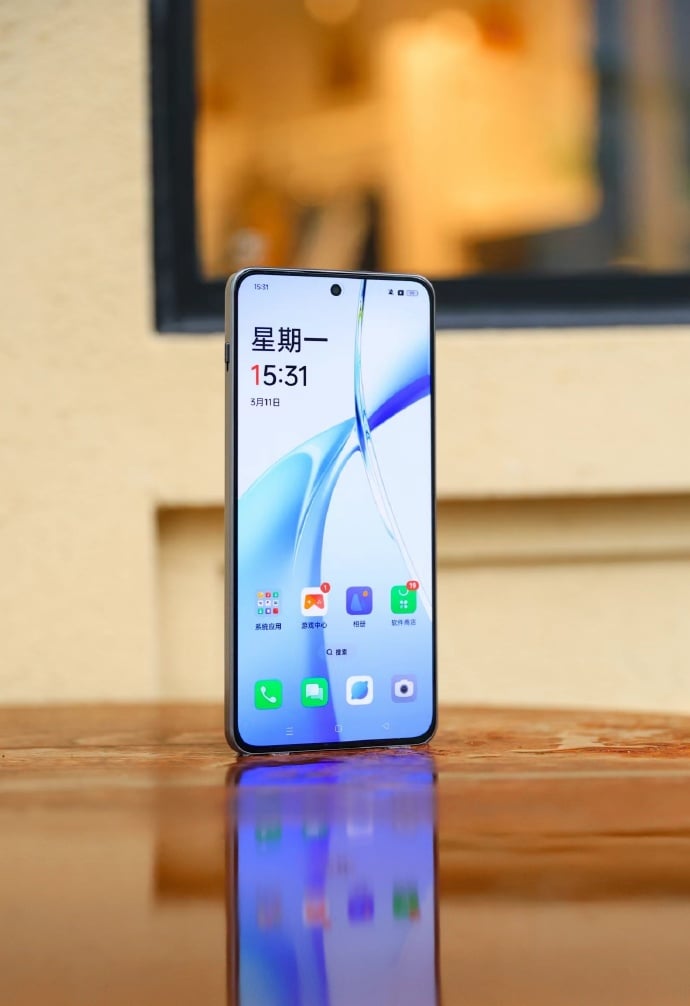
This Google Play Console certification even lists some of the display specifications of the new device. The Vivo T3 will sport a Full HD+ display that has a 2400 x 1080 resolution and a 440 PPI pixel density. We can see an image of the handset as well, which offers us a glimpse of its rear and front design. We can see a punch hole cutout display that is surrounded by noticeable bezels on all four sides. Meanwhile, the rear features a vertically stacked triple camera setup with an LED flash module.
To recall, the Vivo T3 is set to be announced in India on March 21. This model is rumored to sport a tall 6.67-inch AMOLED screen that has a 120Hz refresh rate, Full HD+ resolution, and 1,800 nits of peak brightness. The primary sensor on the rear is a 50-megapixel Sony IMX882 camera. This main camera is paired with a 2-megapixel bokeh lens, while the front features a 16-megapixel selfie shooter. So stay tuned for more, as we will be covering the launch event later this week.
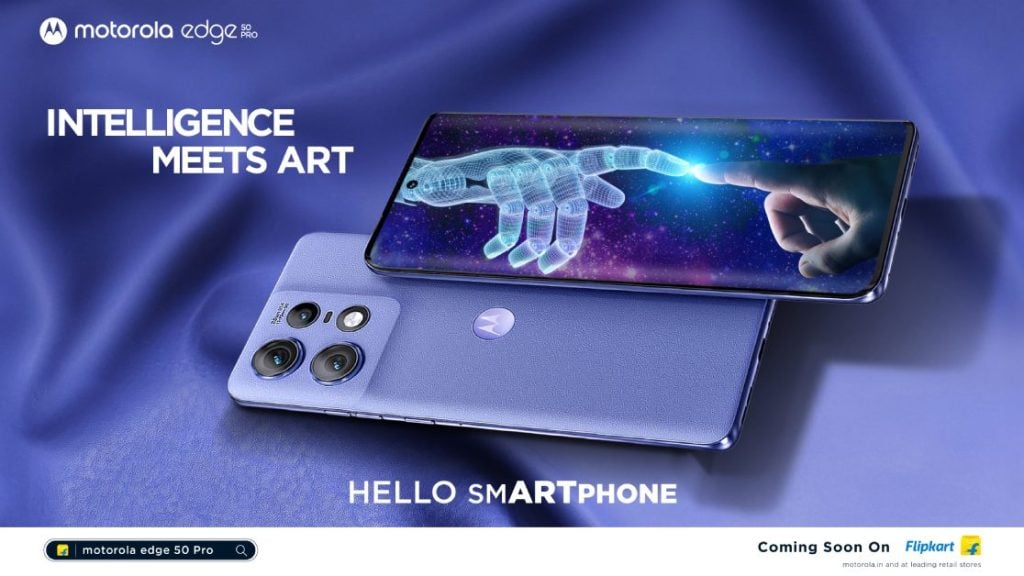
Motorola has been hinting at an upcoming smartphone launch in India, and today the company officially confirmed it will be the Motorola Edge 50 Pro.
The company shared this news via Twitter while also revealing the phone’s design. However, the exact launch date is still to be announced. According to tipster Abhishek Yadav, Motorola will likely reveal the smartphone in India on April 3rd.
Motorola previously teased that their upcoming smartphone would feature a Snapdragon 7 Gen 3 processor. This might be for the rumored Edge 50 Fusion rather than the Edge 50 Pro.
The Edge 40 Pro, its predecessor, featured the flagship Snapdragon 8 Gen 2 chip. If Motorola follows this pattern, we expect the Edge 50 Pro to be powered by the Snapdragon 8 Gen 3.
Motorola Edge 50 Pro Specifications (Rumored)
That’s all the official information shared by the brand for now. However, rumors suggest that the smartphone will feature a tall 6.7-inch curved AMOLED display with a 165Hz refresh rate.
It will have a triple camera setup on the rear consisting of a 50-megapixel primary sensor, an ultra-wide-angle lens, and a telephoto shooter with 6x optical zoom. The main camera will also support OIS (Optical Image Stabilization) and laser autofocus.
Moreover, the device is said to pack a 4500mAh battery with support for 125W fast charging and 50W wireless charging. It’s expected to come in Black, White, and Purple color options. The latter will have a faux leather finish.
Apart from this, we do not have other information about the Motorola Edge 50 Pro for now. We’ll continue to keep you updated if any new detail comes in.
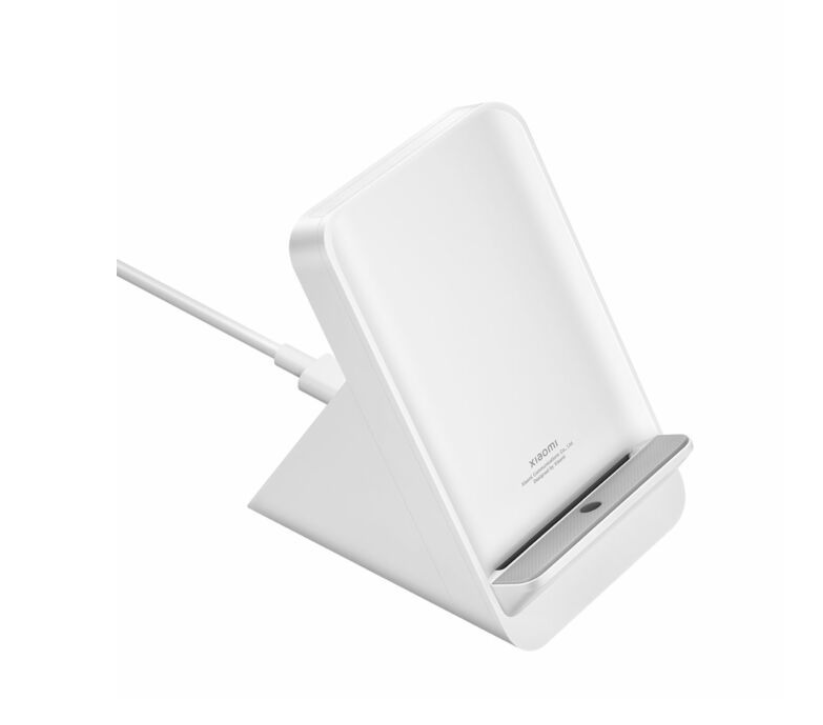
Xiaomi 80W Lift-Type Wireless Charging Stand Kit is the ultimate solution for hassle-free charging at lightning speed. Designed to meet the demands of modern smartphone users, this innovative charging stand offers a plethora of features that elevate your charging experience to new heights.
You can now grab the Xiaomi 80W Lift-Type Wireless Charging Stand Kit at an unbeatable discounted price of $99.90 only at GeekWills. Originally priced at $119.99, you save a whopping $20 on this state-of-the-art charging solution.
With its super-fast 80W charging speed, the Xiaomi Mi 80W Wireless Charging Stand ensures your device gets juiced up in no time. Whether you’re using a Xiaomi Mi 14 Ultra, Xiaomi Mi 14 Pro, or any other Qi-compatible device, rest assured that this charger has got you covered.
Versatility is key with the double coil design, allowing you to charge your phone both vertically and horizontally. Whether you’re watching videos in landscape mode or scrolling through your feed in portrait mode, the Mi Wireless Charging Stand keeps your device powered up without sacrificing comfort or convenience.
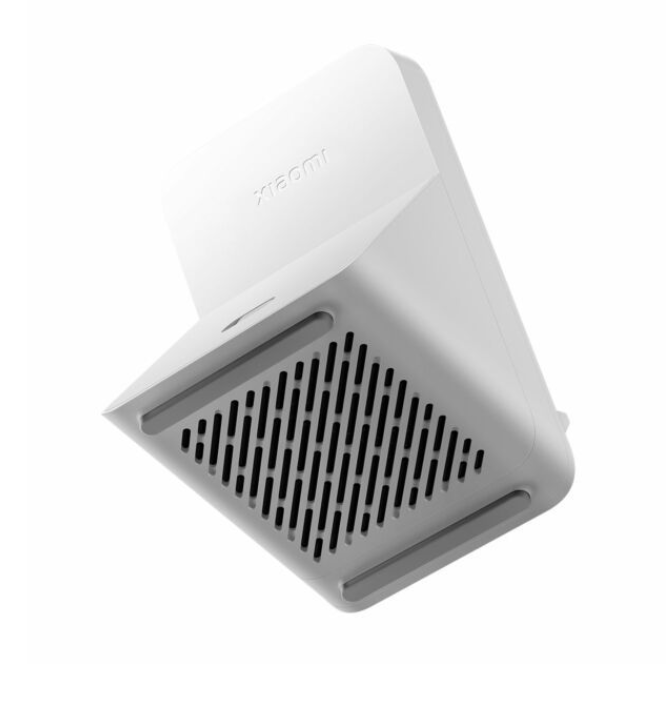
Say goodbye to overheating woes with the integrated cooling system. The curved air duct efficiently dissipates heat, ensuring optimal performance even during extended charging sessions. Plus, the ultra-quiet built-in fan keeps things cool without creating unnecessary noise.
Safety is paramount, and the Xiaomi Mi 80W Wireless Charging Stand takes it seriously. With advanced protection features including overvoltage, overcurrent, overtemperature, under-voltage, foreign object detection, and electrostatic protection, you can charge with peace of mind knowing your device is safeguarded against potential risks.
Designed for simplicity and ease of use, the charging stand comes complete with a 120W charger, a 6A cable, and easy-to-follow instructions. Simply plug it in, place your device on the stand, and let the fast-charging technology do the rest.
Xiaomi 80W Lift-Type Wireless Charging Stand Kit is the perfect blend of speed, versatility, and safety. Whether you’re at home, in the office, or on the go, this charging stand ensures you stay powered up and ready for whatever the day brings.
Fresh off the launch of K7 Max, Keychron has now released another product, the Q0 Max, a numeric keypad. But wait, it’s not just any ordinary number pad. It’s also designed to streamline your workflow with customizable macros and intuitive controls. So let’s get into the details here.
Keychron Q0 Max Specifications
The Q0 Max builds upon the success of the Q0 Plus, sporting an expanded layout. That is, in addition to a standard numeric keypad, you also get five dedicated macro keys on the left side and a convenient rotary knob.
Additionally, there are four shortcuts on the top which offer quick access to frequently used functions. The keys are hot-swappable so you can personalize your typing feel, while there are also south-facing RGB lights to create a vibrant workspace.
Like most Keychron keyboards, the Q0 Max supports QMK/VIA customization. That means you can remap keys and program those nine macro keys to execute your desired tasks with a single press.
Keychron has also upgraded the pre-installed switches of the finished Q0 Max with the Gateron Jupiter series, renowned for their impressive 80-million-keypress lifespan.
You can choose from the tactile Jupiter Tea Shaft, the smooth Jupiter Red Shaft, or the satisfying Jupiter Banana Shaft according to your preferences. Last but not least, Keychron is offering the keyboard in sleek carbon black or crisp shell white shade.
Pricing and Availability
As for the price, the barebone kit, ideal for those who want to choose their own switches and keycaps, costs just $109. If you’d prefer a complete package, the finished version comes with switches and PBT keycaps for a mere $119. You can purchase it from the company’s official site.
Recent rumors have hinted that Meta is working on a more affordable VR headset (virtual reality) that is believed to be called the Meta Quest 3 Lite. But now, a fresh leak has revealed that the Quest 3 Lite could be called the Meta Quest 3s.
Meta Quest 3s Leak
The leak arrives from Redditor u/LuffySanKira (Via @Lunayian) who shared the images of what appear to be screenshots of a Meta User Research Zoom meeting. These images offer us a look at the graphics of the upcoming affordable VR headset. The Zoom meeting showcases the Meta Quest 3s alongside the Meta Quest 3. Some specifications of the Meta Quest 3s have also been revealed in these screenshots that further suggest that it is the rumored Meta Quest 3 Lite.
For those unaware, the Quest 3 Lite is expected to be a cut down version of the Quest 3, which will arrive with a cheaper price tag. The Quest 3s seen in this leak features a 1920 x 1832 resolution with 20 PPD (Pixels Per Degree) and 256GB of internal storage. This is lower than the Quest 3’s 2208 x 2064 resolution with 25.5 PPD and 512GB of internal storage.
We also get a look at the Meta Quest 3s right next to the base Quest 3. It appears to be slightly smaller in terms of overall size. Although, the main difference between the two is the key sensors on the front. While the Quest 3 has three oval cutouts for the sensors, the Quest 3s has six cutouts (three on either side) stacked together. Unfortunately, the leak cannot be verified at the moment, so stick around for more updates.
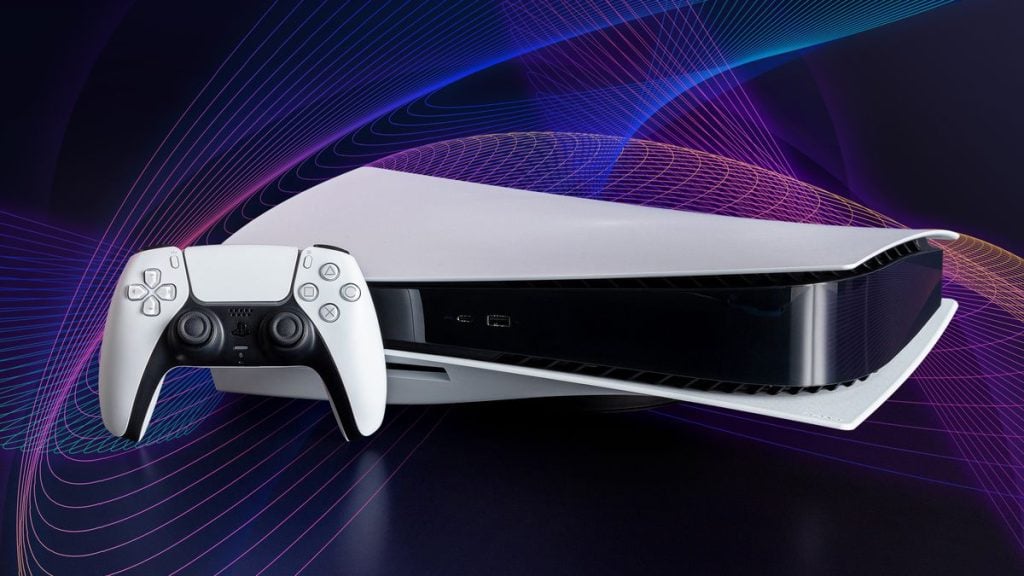
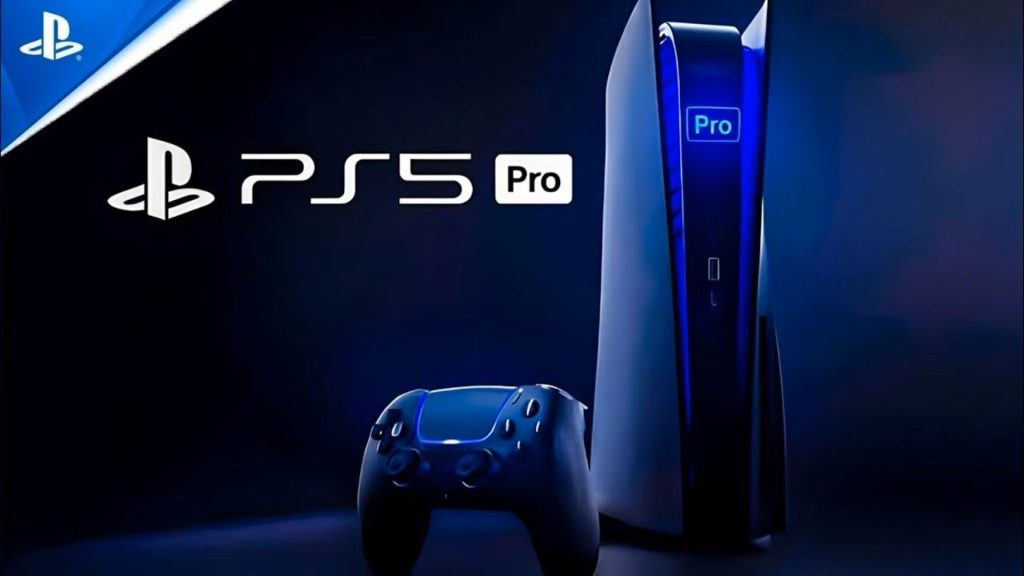
Rumors of Sony’s upcoming console, the PlayStation 5 Pro, have been circulating for some time now. While details about it were scarce, a recent report by Insider Gaming has shed light on the possible specifications of the gaming console.
If the leaked specifications are to be believed, the PS 5 Pro’s CPU will remain identical to the standard PS5. However, the Pro model is said to introduce a new ‘High CPU Frequency Mode.’
This mode will reportedly push the CPU’s clock speed to 3.85GHz — a 10% increase over the standard console. But it may downclock the GPU’s performance by around 1.5%.
Moreover, the PS5 Pro is rumored to have a 28% bandwidth increase. This means it will have a 576 GB/s speed compared to the standard edition’s 448 GB/s.
Higher memory bandwidth allows for faster data transfer between the system memory and the GPU, which can lead to improved graphical fidelity, faster rendering, and overall better performance in games.
Speaking of which, the PS5 Pro’s leaked GPU details reveal a dramatic upswing in performance. We’re talking about a potential 45% leap in rendering power, 2-3x (even 4x in some cases) faster ray tracing performance and an impressive 33.5 teraflops of single-precision compute.
All this is in addition to specialized hardware for ray tracing acceleration. It all translates to a console aiming for smooth 4K experiences and a future-proofed 8K vision.
Along with this, the PS5 Pro is considered to have better audio technology. The Audio Compute Voice (ACV) reportedly runs at a higher clock speed, resulting in a 35% performance gain for the Audio Compute Module (ACM) library.
With these details emerging, we can expect an official announcement for the console pretty soon. We will keep you posted about it if any new information comes in.
Sony has been focusing on its Xperia 1, 10, and 5 series phones since 2019, releasing a new version of each series every year. Currently, we are expecting the Xperia 1 VI (pronounced as Xperia 1 Mark 6) and the Xperia 10 VI somewhere around May. However, a recent leak suggests that the Xperia 5 VI won’t come out as Sony is discontinuing the Xperia 5 series. Sony launched the two last iterations of the Xperia 5 series in September, a couple of months after the release of the Xperia 1 and Xperia 10 series devices. So there’s still time for the company to rethink the decision.
Sony probably wants to focus on the Xperia 1 series
Tipster Zacbucks noted “Xperia 5 series, R.I.P 2024” in one of his recent Weibo posts. However, he didn’t provide any reason behind this claim.
The predecessor Xperia 5 V was released in Europe in September last year. But this phone wasn’t available in the US. The company said it “will not [be] carrying the Xperia 5 V in the North American market this year. We want to focus on our flagship Xperia 1 V.” So, is Sony further reserving its resources and attention to the Xperia 1 series? Well, only time will tell if they decide to discontinue the Xperia 5 series altogether.
Here’s a list of Xperia 1, 5, and 10 series devices the company has released so far.
Xperia 1 – 2019, February 25
Xperia 1 ii – 2020, February 24
Xperia 1 iii – 2021, April 14
Xperia 1 iv – 2022, May 11
Xperia 1 v – 2023, May 11
Xperia 1 vi – (upcoming)
Xperia 5 – 2019, September 05
Xperia 5 ii – 2020, September 17
Xperia 5 iii – 2021, April 14
Xperia 5 iv – 2022, September 01
Xperia 5 v – 2023, September 01
Xperia 5 vi – DISCONTINUED (Rumored)
Xperia 10 – 2019, February 25
Xperia 10 Plus – 2019, February 25
Xperia 10 ii – 2020, February 24
Xperia 10 iii – 2021, April 14
Xperia 10 iv – 2022, May 11
Xperia 10 v – 2023, May 11
Xperia 10 vi – (upcoming)
Speaking of the Xperia 1 series, there are also rumors about a significant design change to the upcoming Xperia 1 VI. The predecessors of the Xperia 1 series came with a distinctive 6.5-inch 4K display (1644 x 3840) with a tall 21:9 aspect ratio. With a more conventional design and a shift to a 19.5:9 aspect ratio along with a downgraded 2K panel, the Xperia 1 VI may aim to appeal to a broader audience beyond Sony’s professional camera users, potentially reducing costs in the process.
Xiaomi has just announced a new version of the Xiaomi Outdoor Camera CW500 in its home market in China. The company has launched this new security camera on its Xiaomi Youpin platform for crowdfunding, which is set to kick off soon. So here’s everything you need to know.
Xiaomi Outdoor Camera CW500
The Chinese tech giant recently announced the Xiaomi Smart Camera C500 Pro in Europe, a smart home product for security. The brand first announced the Outdoor Camera CW500 in China back in February 2024. Now, the dual-camera version of this device has been released. Its twin image sensors are aligned at different angles, which basically expands the total field of view of the security camera. The new product consists of a fixed and mobile gimbal dual lens configuration. This is also compatible with the Xiaomi HyperOS and can be controlled via the MIJIA app.
The two cameras on the CW500 model are 4 megapixel sensors that have an f/1.6 aperture and can record at 2.5K resolution for improved quality. Each of these cameras also features two white lamps and two infrared night vision sensors. The company’s smart security camera can even detect and recognize human figures at night, witt the fill lights automatically turning on to take a colorful picture. Since it’s built for outdoor use, it has an IP66 water and dust resistance rating as well.
The MIJIA app can share alarms and alerts with the users. These cameras can even record a video and send it to you via a 2.4GHz+5GHz dual-band Wi-Fi 6 connection. You can even connect the Xiaomi Outdoor Camera CW500 to your Xiaomi tablets, TVs, and smartphones to get a remote view. The crowdfunding of the device will be live between March 20 and March 27 for a price tag of 329 Yuan (roughly 46 US Dollars).
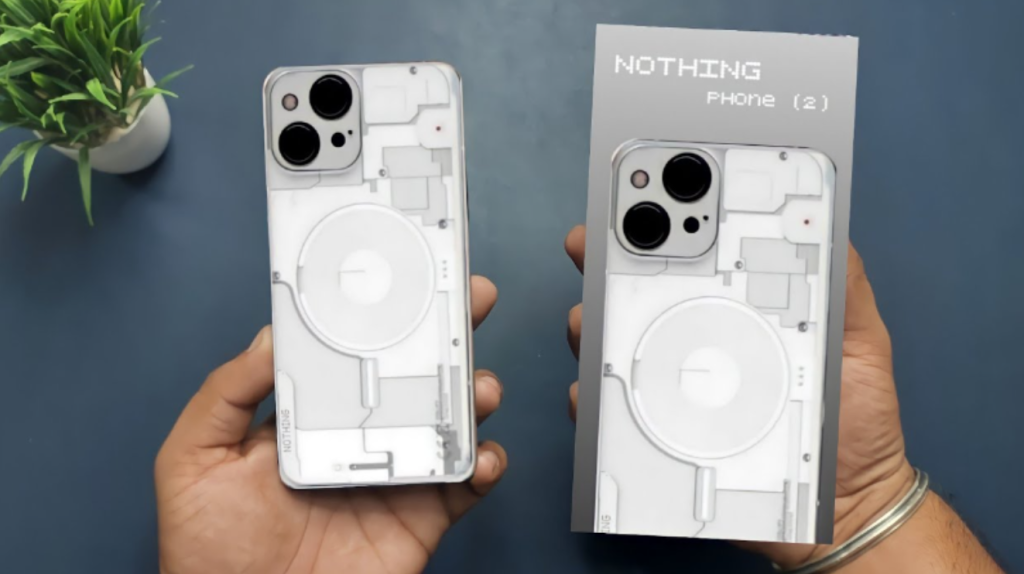
In the tech industry, where giants like Samsung and Apple reign supreme, it’s easy to overlook the exciting innovations coming from other companies. However, the Nothing Phone 2 is changing that narrative. Launched globally in 2023, this device has grabbed the interest of tech enthusiasts everywhere.
As you discover the impressive features of the Nothing Phone 2, you might consider switching from your current device to this advanced option. However, moving from your old smartphone to the sleek Nothing Phone 2 requires one essential step: transferring your data smoothly.
In this article, let’s learn how to transfer important data from your old smartphone to the Nothing Phone 2. Whether it’s treasured photos, crucial contacts, or essential documents, we’ll walk you through the process, ensuring a seamless transition to your new device.
Exploring the Features of Nothing Phone 2:
The Nothing Phone 2 has stirred up the smartphone market with its array of advanced features, garnering significant attention and praise from tech enthusiasts worldwide. Let’s delve into the specifics of what makes this device stand out:
Design: Despite its substantial size, weighing in at a mere 201 grams, the Nothing Phone 2 boasts a surprisingly manageable feel. Its bulkiness doesn’t detract from its usability, making it comfortable to hold and use. The design is both sleek and sturdy, featuring an aluminum chassis along the sides and a glass back. Notably, the inclusion of subtle lights across the smartphone’s structure adds a touch of sophistication and uniqueness.
Structure: The build quality of the Nothing Phone 2 is undeniably impressive, justifying its price tag. The combination of aluminum and glass not only enhances its aesthetic appeal but also ensures durability. The attention to detail in crafting this device is evident, with every aspect of its structure exuding premium quality.
Camera Quality: One of the standout features of the Nothing Phone 2 is its exceptional camera capabilities. This smartphone is equipped with a pair of 50-megapixel lenses and delivers stunning photographs. The inclusion of both optical and electronic stabilization ensures sharp, blur-free images and videos. Additionally, the wide-angle functionality expands the creative possibilities for capturing memorable moments with clarity and precision.
Cost-Effective Pricing: Despite its high-end features and premium build, the Nothing Phone 2 comes with a price tag of $599. This competitive pricing sets it apart from other flagship smartphones, offering consumers exceptional value for money. With comparable features to its pricier counterparts, the Nothing Phone 2 provides a cost-effective alternative without compromising on quality or performance.
How to Transfer Data from Your Old Smartphone to the Nothing Phone 2 ?:
Transferring data from your old smartphone to the cutting-edge Nothing Phone 2 has never been easier, thanks to Wondershare MobileTrans. This powerful phone transfer tool is equipped with state-of-the-art algorithms and user-friendly design principles, making it the go-to choice for seamless data migration in 2024. With support for over 6000 devices running on both Android and iOS, MobileTrans ensures compatibility and reliability.
Key Features:
Wide Device Compatibility: MobileTrans is compatible with over 6000 devices running on both Android and iOS platforms, ensuring seamless data transfer regardless of your device.
Advanced Algorithms and UI/UX Design: Developed with advanced algorithms and user-friendly design principles, MobileTrans offers a robust and intuitive user experience, making data transfer simple and efficient.
Blazing-Fast Transfer Speeds: Enjoy lightning-fast transfer speeds when moving data from your old smartphone to the Nothing Phone 2, thanks to MobileTrans’ optimized performance.
Cross-Platform Transfers: Transfer data not only between Android devices but also between Android and iOS devices effortlessly, eliminating compatibility concerns.
Encrypted Data Transfer: Rest assured that your data remains secure during the transfer, as MobileTrans encrypts data from one device to another, protecting your sensitive information.
Comprehensive Data Transfer: Transfer various data types, including photos, videos, contacts, notes, reminders, and calendars, ensuring that all your important information makes it to your new device intact.
WhatsApp Transfer and Recovery: Seamlessly move and merge WhatsApp data between devices, including the ability to recover deleted WhatsApp data from Android devices, ensuring continuity of communication.
Music Playlist Transfer: Transfer music playlists between streaming platforms like YouTube, Spotify, and Apple Music, saving you time and effort when setting up your new device.
Backup and Restore: Create complete backups of your Android or iPhone device with MobileTrans, including specific backups for social media apps like WhatsApp. It also supports restoring iTunes backups to your new device, ensuring data continuity.
With these comprehensive features, Wondershare MobileTrans simplifies the process of transferring data to your Nothing Phone 2, providing a seamless and secure experience for users.
Step-by-Step Guide: Transitioning to the Nothing Phone 2:
The Nothing Phone 2 is revolutionizing the smartphone landscape with its array of cutting-edge features, setting new standards for user experience. But when it’s time to transition from your old device to this innovative newcomer, how exactly do you transfer your data? Let’s break down the process step by step.
Step 1: Choose the Phone Transfer Tool
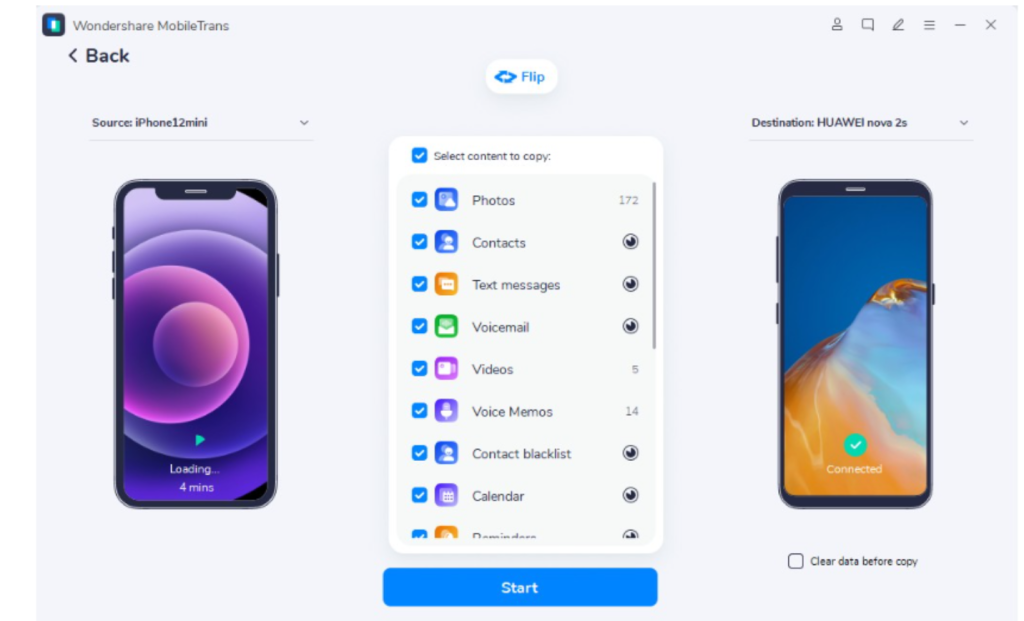
Navigate to the “Phone Transfer” module within Wondershare MobileTrans and select the “Phone to Phone” option. Connect both your old smartphone and the Nothing Phone 2 to your device using appropriate cables.
Step 2: Transfer Data to Nothing Phone 2
Once connected, MobileTrans will display all the data available for transfer from your old smartphone. Select the desired data types you wish to move to the Nothing Phone 2 and click the “Transfer” button to initiate the transfer process. If the devices are not in the correct positions, utilize the “Flip” feature to adjust.
With the introduction of the Nothing Phone 2, backed by its impressive features and capabilities, transitioning from your old smartphone has never been smoother. Armed with Wondershare MobileTrans, the process of transferring your valuable data becomes a breeze, ensuring that your transition to the Nothing Phone 2 is seamless and hassle-free.
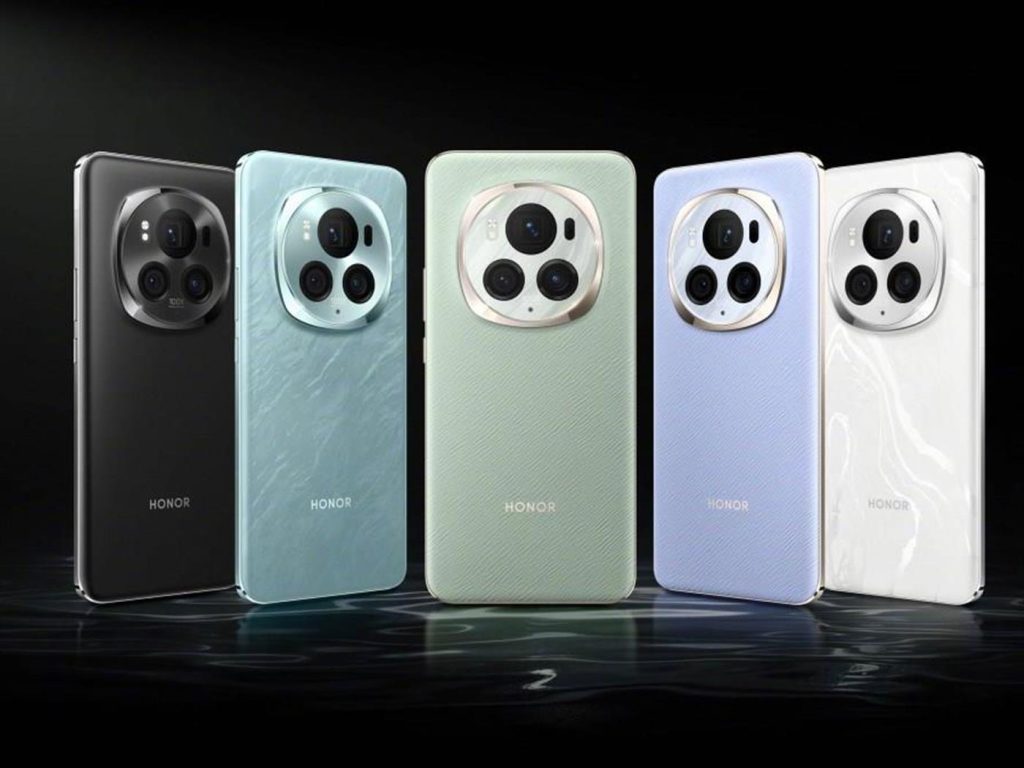
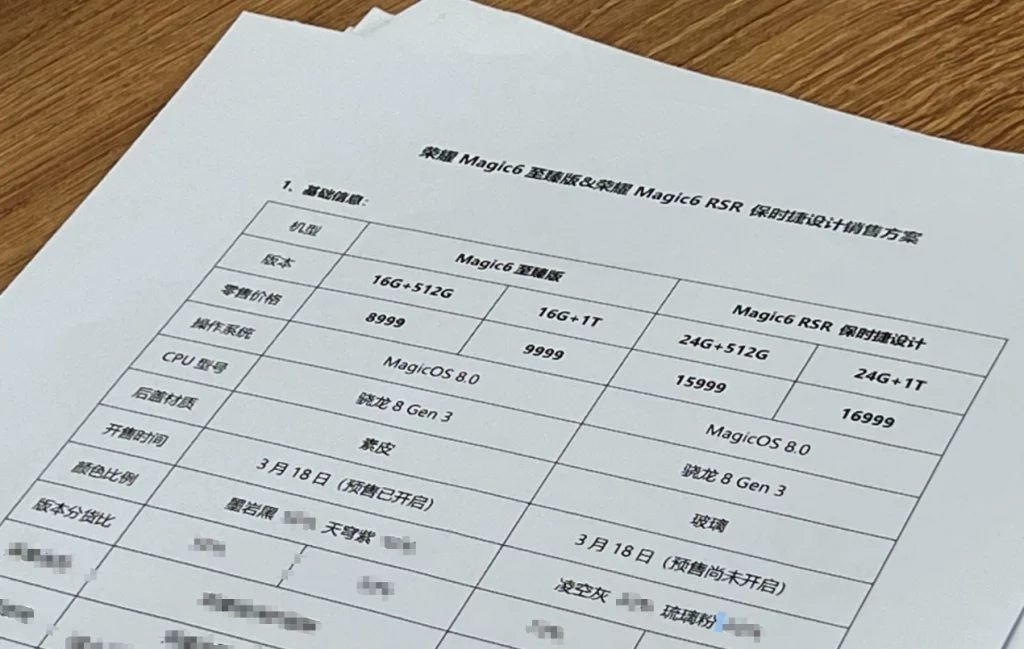
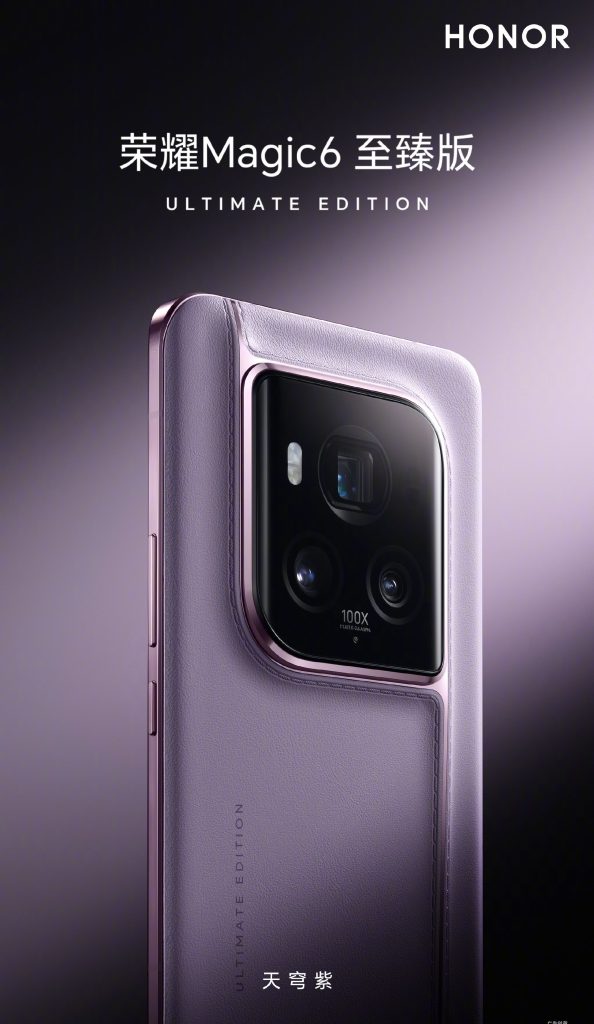
Honor is gearing up to release two new flagship smartphones in the Chinese market later today (18th March 2024). But ahead of its release, the Magic 6 Ultimate had its entire specifications leaked online. Now, another major leak has revealed the price for the Magic 6 Ultimate and the Magic 6 RSR Porsche Design. So here are all the details.
For those unaware, the Chinese smartphone brand is set to unveil the two devices at its spring flagship product launch event today. But according to multiple bloggers on Weibo, the price list of the Magic 6 Ultimate and Magic 6 RSR Porsche models and their storage options have been leaked. So let’s have a look:
It is worth noting that early price leaks aren’t uncommon just before a major release. So the final pricing could differ during the actual announcement. To recall, the upcoming Magic 6 series phones will be equipped with the Snapdragon 8 Gen 3 SoC and sport a tall 6.8-inch LTPO OLED Display that offers Full HD+ resolution and a 120Hz refresh rate. Both devices are expected to be powered by a large 5,600mAh battery pack that could support 80W wired fast charging and 66W wireless fast charging.
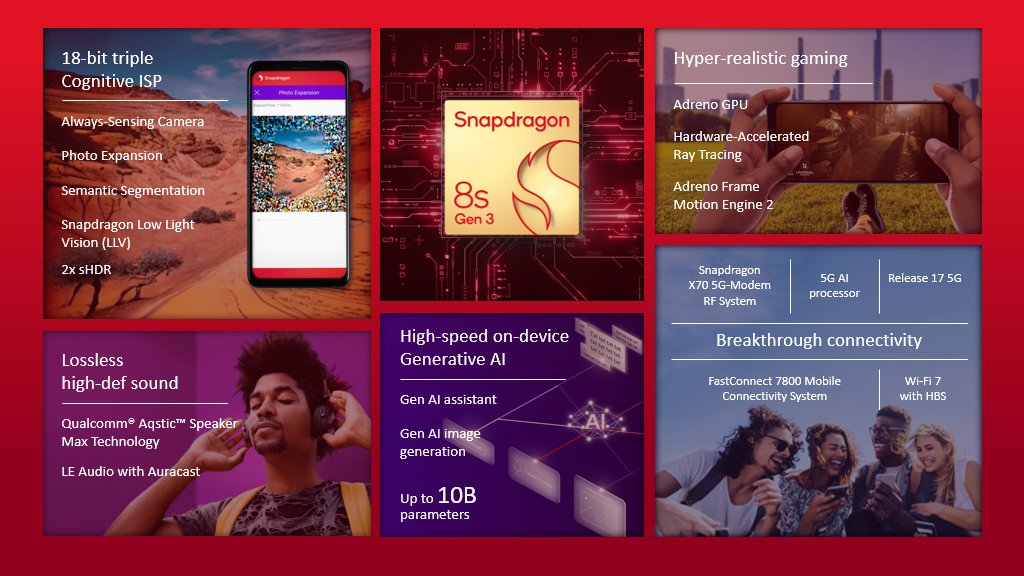
Qualcomm recently hosted a press event, debuting the new Snapdragon 8s Gen 3 SoCs. This new chip is essentially a slightly cut-down version of the Snapdragon 8 Gen 3 flagship chip.
The new Snapdragon 8s Gen 3 continues to offer hardware-accelerated ray tracing, a feature that made its debut on the Snapdragon 8 Gen 3. This feature helps in the complex calculations needed for ray tracing, which can create more realistic lighting, shadows, and reflections in games and other applications. The Adreno Frame Motion Engine 2.0, which was also introduced on the Snapdragon 8 Gen 3, is also onboard the new chip. This technology can potentially double the frame rate of games from 60fps to 120fps by generating additional frames between the ones rendered by the game itself.
On the CPU side, it features a Cortex-X4 prime core, four Cortex A720 cores, and three Cortex-A520 cores with 3.0GHz, 2.8GHz, and 2.0GHz clock speeds, respectively. The SoC is compatible with up to 24GB LPDDR5x RAM, clocked at 4,200MHz.
The processor includes an 18-bit triple cognitive ISP feature for handling image and video processing tasks. It offers features like an always-on camera, photo enhancement, semantic segmentation, Snapdragon low light vision (LLV), and 2x sHDR (Super High Dynamic Range) capability. It is capable of supporting 4K HDR video recording @ 60FPS and 1080p video recording at up to 240FPS.
For connectivity, it will offer the FastConnect 7800 Mobile Connectivity System and Wi-Fi 7 with HBS (High Bandwidth Spectrum), along with a Snapdragon X70 5G-Modem RF System, 5G AI processor, and it mentions Release 17 5G, which is the latest upgrade to 5G. bringing better performance and wider range.
On-device generative AI will also be a key aspect of this chip, offering AI image generation and up to 10 billion parameters support, which is honestly a bit overkill for a low-power device like a smartphone.
Qualcomm has stated that global OEMs and brands, including HONOR, iQOO, realme, Redmi, and Xiaomi, will be adopting the Snapdragon 8s Gen 3 platform. The first device launch is expected in March.
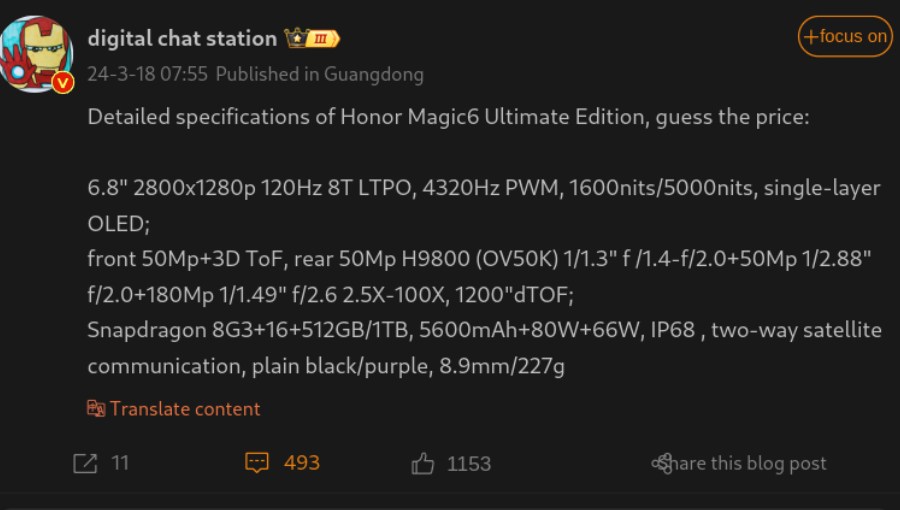
Honor is set to launch the Magic 6 Ultimate smartphone in China today. Ahead of the official release, specifications for the device have been leaked online by the well-known tipster Digital Chat Station. Let’s look into it.
Honor Magic 6 Ultimate Specifications
So the Honor Magic 6 Ultimate is rumored to sport a large 6.8-inch 8T LTPO OLED display with a resolution of 2800 x 1280 pixels. The display will have a 120Hz refresh rate and 4320Hz PWM dimming for reduced eye strain.
Additionally, the tipster suggests the phone could reach impressive peak brightness levels, potentially hitting 1600 nits in standard use and up to 5000 nits for HDR content.
On the camera front, the leak suggests a 50MP sensor paired with a 3D ToF sensor for selfies. The rear camera setup could be particularly impressive. It is said to include a 50MP main sensor (OmniVision OV50K) with a large 1/1.3-inch sensor size and variable aperture (f/1.4-f/2.0).
This will be accompanied by a 50MP secondary sensor, and a powerful 180MP telephoto sensor with 2.5X to 100X zoom capabilities. The tip also suggests that the camera system is expected to use a 1200″ dTOF (Direct Time-of-Flight) sensor.
Moreover, the Honor Magic 6 Ultimate is likely to be powered by the Qualcomm Snapdragon 8 Gen 3 processor, coupled with up to 16GB of RAM. Storage options are said to include 512GB and 1TB variants.
A 5600mAh battery is rumored, alongside 80W wired charging and 66W wireless charging. The device is also expected to offer IP68 dust and water resistance and two-way satellite communication for emergency use.
In terms of design, the leak mentions plain black and purple color options. The device is said to measure 8.9mm in thickness and weigh 227g.
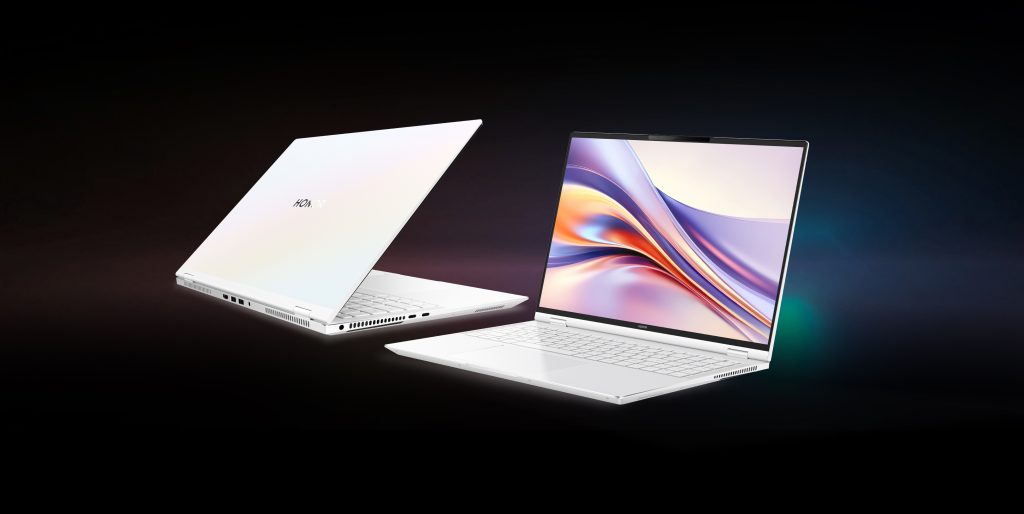
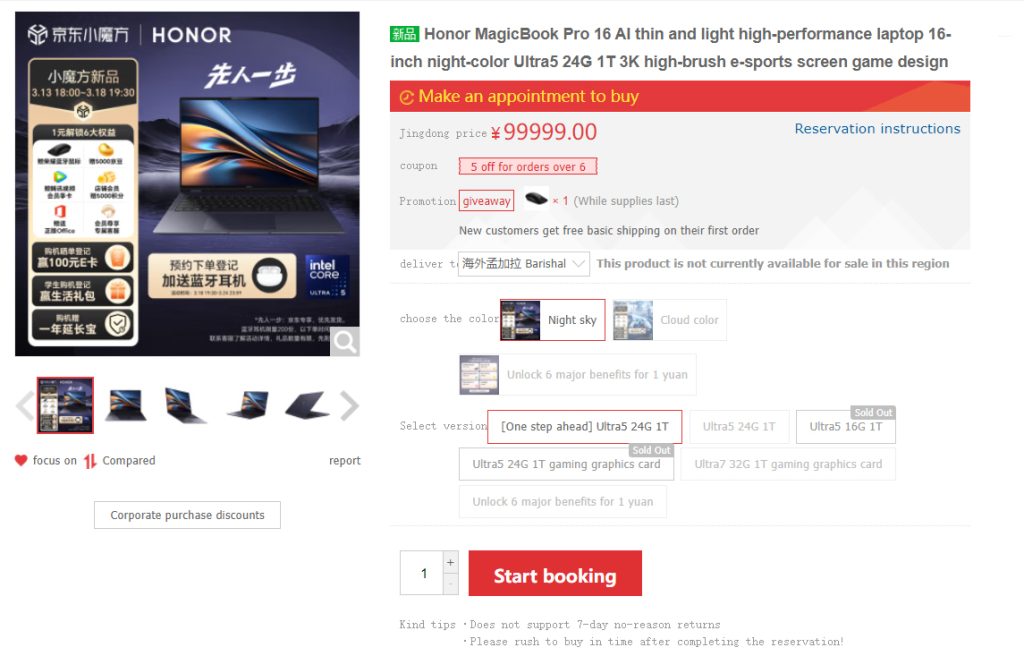
Last month at MWC 2024, Honor unveiled its MagicBook Pro 16 AI-powered laptop featuring Intel’s new Core Ultra processors. It has now debuted in China, standing out as the first laptop to use a non-standard non-binary RAM capacity of 24GB (LPDDR5X-6400).
This new non-binary capacity, along with 12GB and 48GB is expected to become more prevalent for laptops in the coming days, providing customers with a relatively affordable option to get a higher memory variant, rather than just doubling the capacity.
The 24GB RAM configuration is currently available for pre-reservation with the Intel Core Ultra 5 125H chip. At MWC, the brand revealed that the laptop also has a higher-end configuration powered by a Core Ultra 7 155H and an Nvidia RTX 4060 GPU.
The laptop offers a 16-inch 3072 x 1920 resolution display with up to 165Hz refresh rate, 16:10 aspect ratio, 100% coverage of the sRGB and DCI-P3 color spaces, and a peak brightness of 500 nits. The laptop caps out at 32GB of RAM and 1TB of storage, so it likely won’t have a 48GB RAM variant. Other than that, it has a large 75Wh battery, a fingerprint reader, a 3.5 mm jack, an HDMI, a Thunderbolt 4, and a USB 3.2 Gen 2 Type-C.
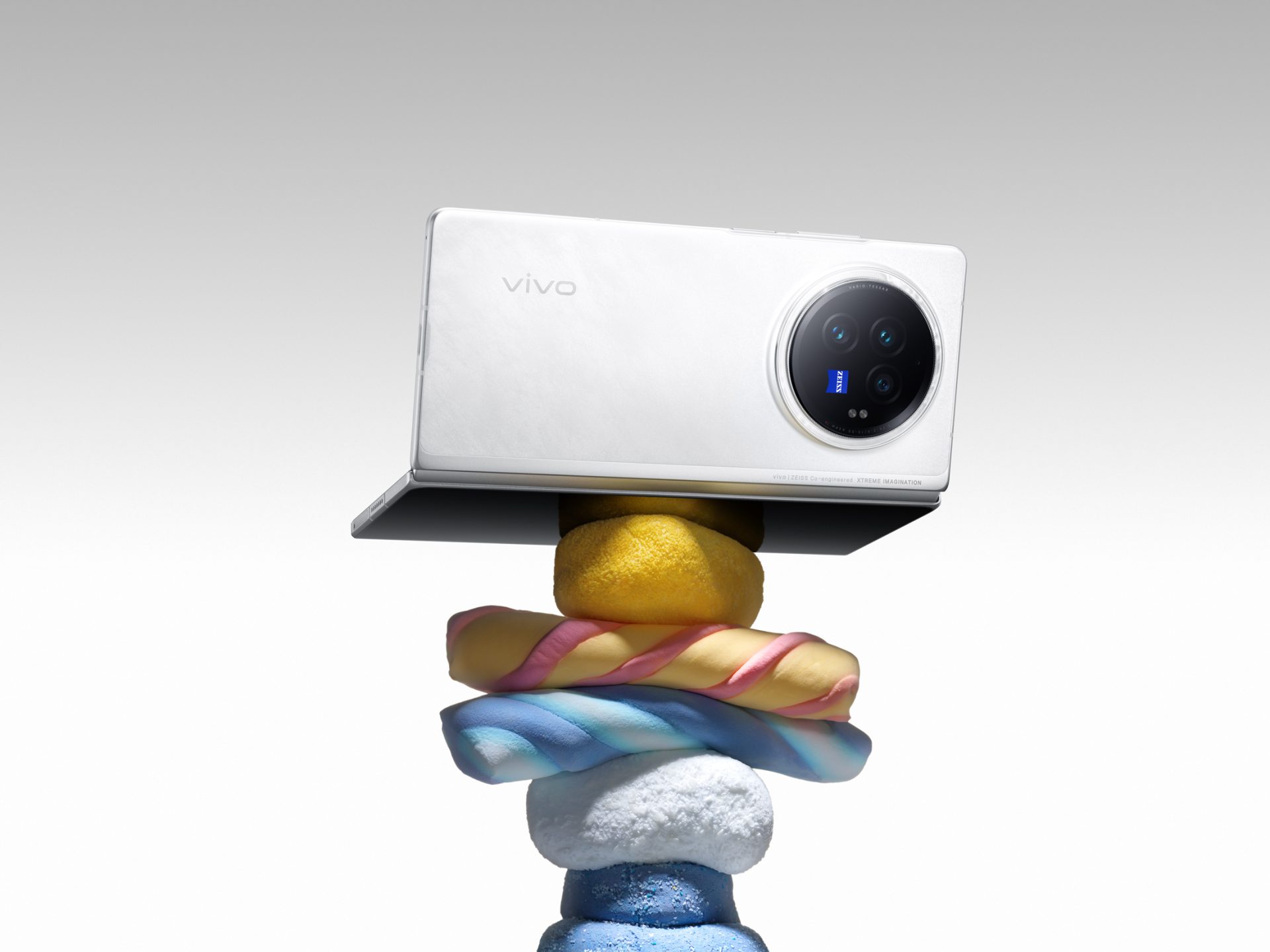
Vivo is gearing up to launch its X Fold 3 series and we finally have a launch date to look forward to. The company today confirmed that the new X Fold 3 line foldable phones will launch in China on March 26.
A lot has been revealed about the devices in the past few days. Just last week, a leak revealed the official marketing material of the smartphone, giving us a sneak peek at most of the features.
It reveals that the upcoming foldables feature an ultra-thin body with a lightweight design. In fact, when unfolded, it’s said that both the X Fold 3 and X Fold 3 Pro will be thinner than the 2015 Vivo X5 Max, which is currently the world’s thinnest phone at 5.1mm.
Moreover, the X Fold3 Pro will be the first foldable phone to come with the Snapdragon 8 Gen 3 chipset, while the X Fold 3 is expected to feature the Snapdragon 8 Gen 2. Both phones have also appeared on AnTuTu and Geekbench benchmarking platforms, respectively.
The X Fold 3 series will also feature impressive screens, including an 8.03-inch Samsung E7 AMOLED main screen with 2K resolution, 3,000 nits peak brightness, and an ultrasonic fingerprint scanner. The inner screen will measure 6.5 inches and will also have an ultrasonic scanner.
In terms of cameras, both the X Fold3 and 3 Pro will have a 50MP main shooter, a 50MP ultrawide lens, and a 64MP periscope module, all equipped with OIS. They will also come with Vivo’s in-house V3 imaging chip.
On the software side, the phones will run on OriginOS 4 based on Android 14, while the battery capacity will be 5,500 mAh, supporting 120W wired and 50W wireless charging.
The Vivo X Fold 3 is rumored to be priced at around CNY 7,999 ($1,113), while the X Fold 3 Pro may cost CNY 9,999 ($1,391) for the base variant.
Vivo officially unveiled two exciting new products yesterday, products that were previously been spotted on certification websites and leaks – the Pad 3 Pro tablet and TWS 4 earphones. The Pad 3 Pro is labelled as a productivity powerhouse, equipped with the Dimensity 9300 processor and a gorgeous 13-inch, 3.1K eye-protecting display with a smooth 144Hz refresh rate. Vivo claims to have optimized the OriginOS 4 tablet system for the Pad 3 Pro, with the Blue Heart large model at its core. A massive 11500mAh battery is designed to keep it going for quite some time, while an 8-speaker panoramic acoustic system will ensure rich audio.
For those who crave productivity on the go, the Pad 3 Pro offers a suite of features including voice recognition and text transcription, atomic note management, communication sharing, a built-in vivo office suite, and multi-device interconnection. Additionally, Lanxin Xiao V’s “text and picture complement each other and mind map” functionality helps unlock creativity. In the single-core and multi-core tests of Geekbench, the Pad 3 Pro scored 2223 and 7547 points, respectively.
The TWS 4 earphones are a pretty solid release on their own, considering they sport the first-ever ceramic tungsten acoustic diaphragm, promising exceptional sound quality. Active noise cancellation goes up to 55db and is further enhanced by AI for improved vocal clarity, better ambient sound transmission, and superior wind noise resistance. The Hi-Fi version boasts the cutting-edge third-generation Qualcomm S3 audio platform, perfect for gamers with its 44ms low latency. These feather-light earphones (4.8 grams per bud) offer a remarkable battery life of 45 hours, with 11 hours of continuous listening on a single charge. Those are quite impressive numbers on paper.
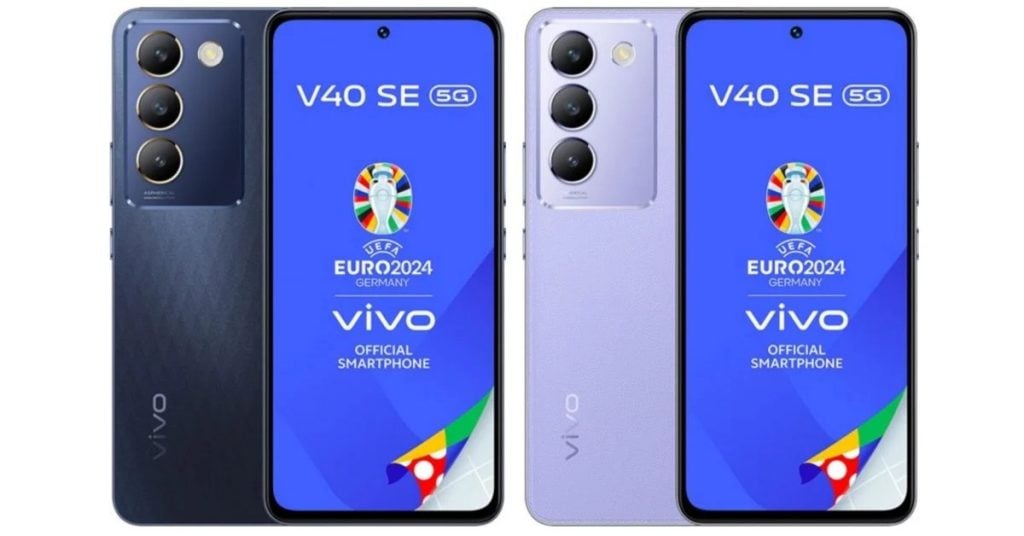
Vivo V30 series smartphones made its global debut not long ago. However, there’s already news floating about the upcoming V40 series. The Vivo V40 SE, for instance, has been seen in certifications like Bluetooth SIG and GCF. Now, a leak by Appauls has revealed the smartphone’s renders and specifications.
Vivo V40 SE Renders and Specifications
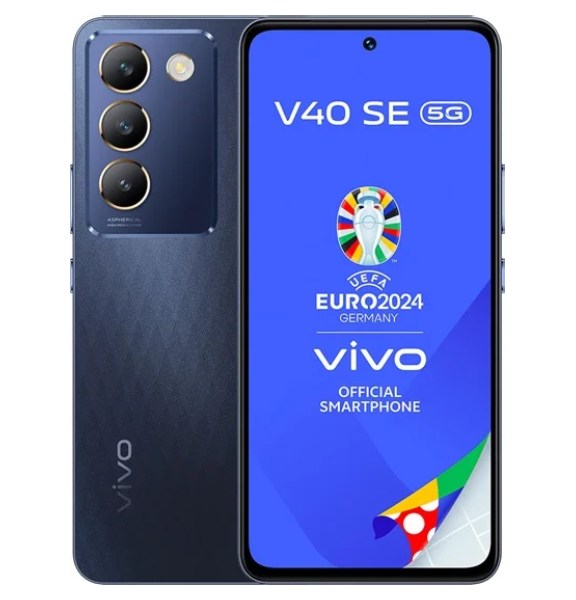
The leaked renders show the phone’s design much different from the V30 series. But it’s surprisingly similar to the recently launched Vivo Y200e 5G. Particularly, the V40 SE’s blue color option looks strikingly alike, and it may also come in a light purple shade.
Not only the design, but the phone’s specifications also don’t seem to differ much from the Y200e. The Vivo V40 SE is rumored to be powered by the Snapdragon 4 Gen 2 chip, the same as the Y200e, along with LPDDR4X RAM and UFS 2.2 ROM.
On the front, it’s said to feature a 6.67″ AMOLED display offering FHD+ (2400×1080 pixels) resolution and a 120Hz refresh rate.
Camera-wise, the phone may debut with a rear setup consisting of a 50MP main lens, an 8MP ultra-wide-angle lens, and a 2MP lens for portrait or macro shots. The front will likely have a 16MP selfie camera. It will also include an in-display optical fingerprint sensor for security.
Moreover, the phone is rumored to pack a 5000mAh battery with 44W fast charging support, and possibly an IP54 protection rating. Other rumored features of the device include MicroSD for storage expansion up to 1TB, Dual SIM support, Wi-Fi 5GHz, Bluetooth 5.0, USB-C 2.0, and GPS.
All the rumored specifications of the Vivo V40 SE seem quite similar to those of the Vivo Y200e. So it appears like a re-branded device.
Price and Launch (Expected)
As for the price, the report suggests that the V40 SE’s 8/256GB configuration will be priced within the EUR 250 – EUR 300 range.
While the phone’s official launch date remains under wraps, it has a UEFA Euro 2024 wallpaper with Vivo as the official smartphone brand. The Champions League will start on June 14th, so we can expect Vivo V40 SE’s launch around that time.
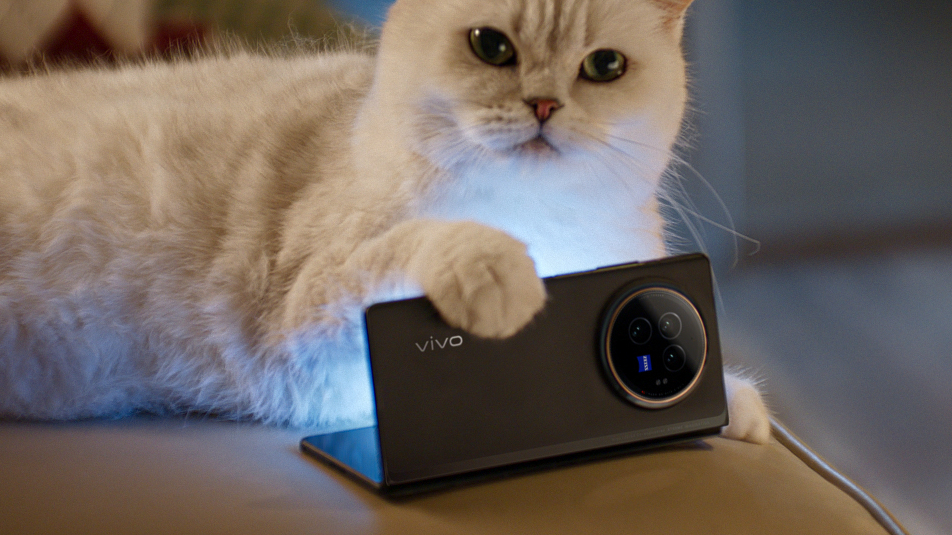
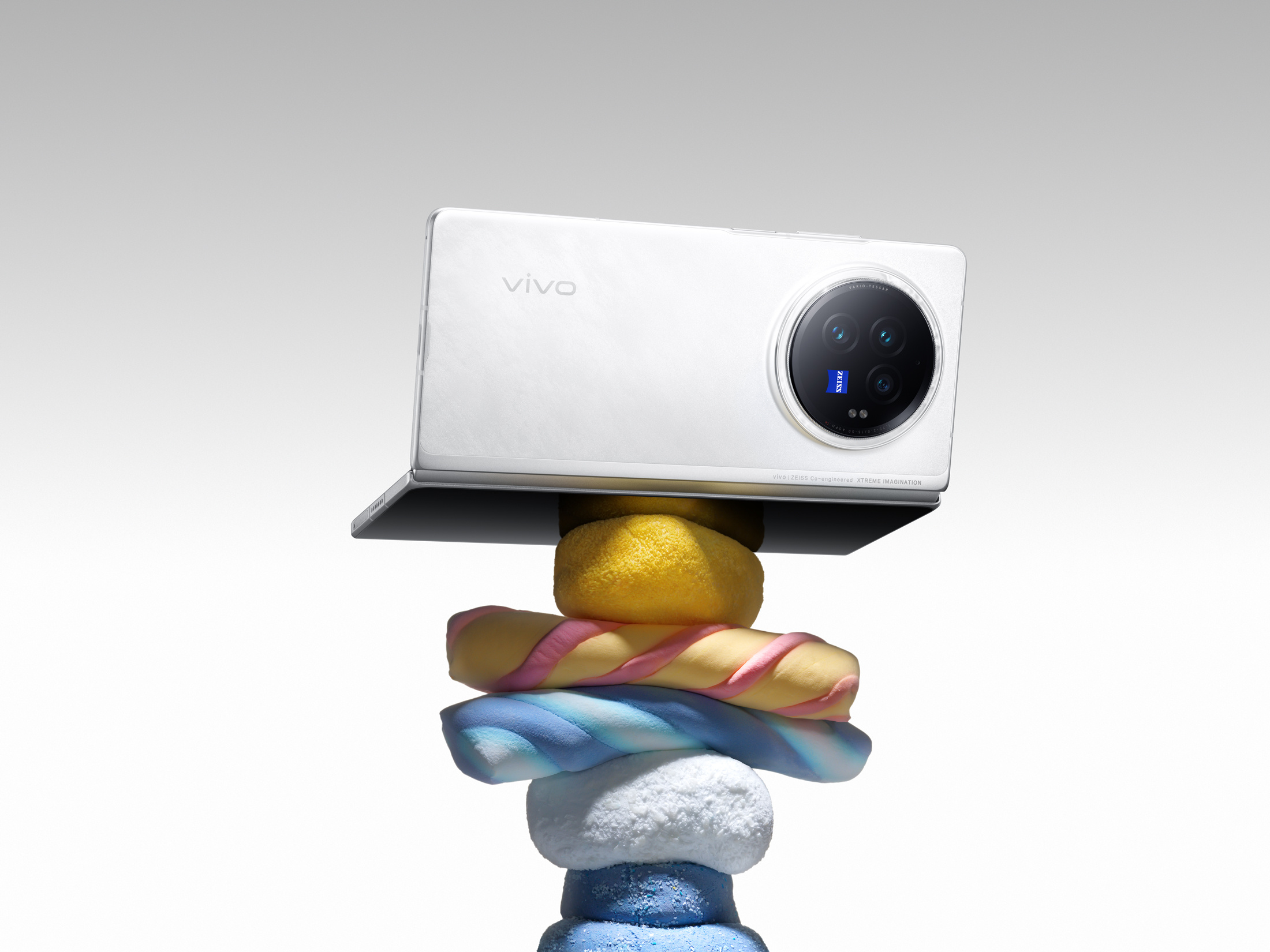
Vivo plans to launch the Vivo X Fold 3 series smartphones soon. Currently, we know that the lineup will include a vanilla X Fold 3 and an X Fold 3 Pro model. A recent press leak revealed the camera details of the X Fold 3 Pro model, and now, Jia Jingdong, Vivo’s Vice President, has shared more details about the X Fold 3 series, while also revealing what the X Fold 3 Pro looks like.
In a post on Weibo, Jia Jingdong has claimed that the X Fold 3 series will be the “thinnest and lightest” flagship foldable device yet. The foldables will also be quite powerful, featuring a Snapdragon 8 Gen 3 chipset under the hood.
Along with the camera samples of the Vivo X Fold 3 Pro, he has also shared three product images of what appears to be the X Fold 3 Pro.
Additionally, Jia has revealed that the AnTuTu score of the device exceeds 2.17 million. It features a large 8.03-inch Samsung E7 screen and it inherits the superior imaging capabilities of the vivo X100 series, equipped with Zeiss T* lenses, a 50 million pixel primary camera, and Vivo’s V3 imaging chip.
The foldable is also quite tough thanks to the “Armor Feather” body structure, designed specifically for foldables, earning it the world’s first foldable SGS five-star anti-drop certification, along with IPX8 water resistance.
The phones will have a “Blue Ocean” battery system onboard to tackle the issue of battery life, promising long-lasting performance even under extreme conditions. Last, but not least, Vivo’s “Blue Heart” AI model will be integrated into these upcoming foldable. The brand is yet to reveal the exact launch date among many other key details, so stay tuned for more.
Steam is a popular digital video game distribution platform developed by Valve Corporation. It allows users to purchase, download, manage, and play video games. It also provides online features such as matchmaking, achievements, and community features. It’s been around for quite a while now, but new records are being made on the platform every single year. The platform has witnessed a surge in online activity, breaking its record for peak concurrent players for three consecutive weeks.
For three straight weeks, Steam had its highest concurrent players ever
March 2nd: 34,298,950 concurrent users
March 10th: 35,385,530 concurrent users (previous record)
March 18th:New Record! 36,354,393 concurrent users
Given below are the top 10 games played during the last 24 hours.
Counter Strike started gaining popularity after the second iteration of the game launched, running on the Source 2 Engine. The rest of the list also highlights some changes compared to the previous day (March 11th). Previously popular titles like “Phantom Parlu” and “Last Era” dropped out of the top 10, with “Phantom Parlu” falling to 11th place (138,585 players) and “Last Era” reaching a peak of 119,642 players in the last 24 hours.
You might have to add this news to the list of news you weren’t expecting to read today. LinkedIn is adding a surprising twist to its platform – games. The professional networking giant, which is typically known for helping make career connections and sharing advice, is trying to add puzzles to its platform as a method of boosting user engagement. Kind of crazy, right?
Adding games to LinkedIn will be a controversial move, only time will tell
Inspired by the viral success of Wordle and other brainteasers on the web, LinkedIn is developing its own puzzle games titled “Queens,” “Inference,” and “Crossclimb.” These casual games aim to “unlock a bit of fun, deepen relationships, and spark conversations” among users, according to a LinkedIn spokesperson.
While there’s no official launch date yet, the concept involves integrating these puzzles within the LinkedIn experience. One interesting possibility being explored is to organize player scores by workplace, potentially creating a light-hearted competition between companies. This move might seem unexpected, but it might be deeper than that. Non-gaming platforms are increasingly recognizing the power of casual games to boost user engagement.
LinkedIn’s potential entry into gaming tells us how companies are trying their best to enhance the user experience and keep people engaged. Past attempts include online education features, a news operation, and incorporating video tools to attract creators and influencers. Will this work? Will LinkedIn’s puzzle games be a hit? Only time will tell.
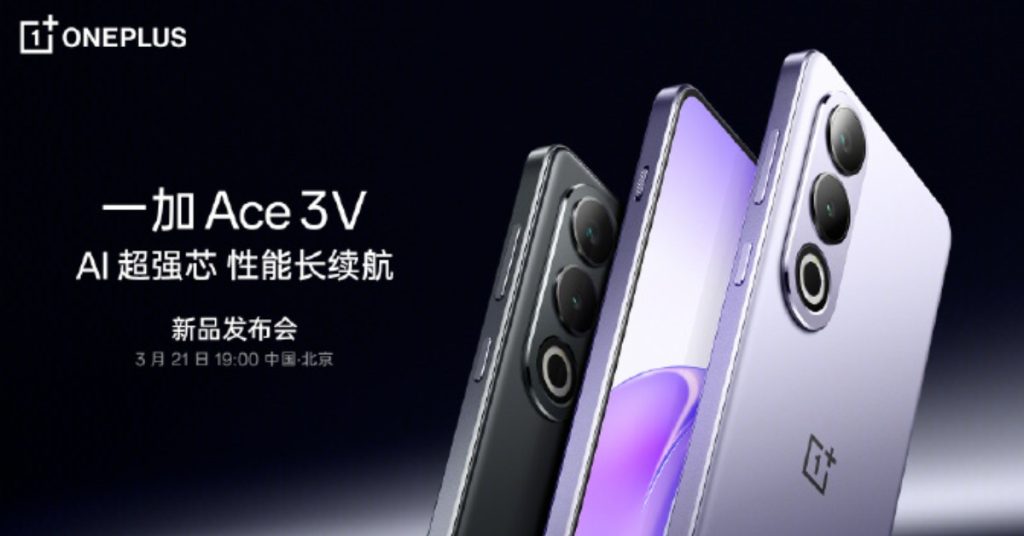
OnePlus has been giving sneak peeks of the Ace 3V’s features through various teasers over the last few days. Now, they’ve officially confirmed the launch date for the smartphone in China, which is set for March 21 – this Thursday.
In terms of design, the phone looks quite different from its predecessor. It has a vertical camera stack in a single isle, and compared to Ace 2V, the camera rings are smaller. You’ll also find an alert slider on the left side, and the phone will be available in violet, black, and likely a white color variant.
OnePlus Ace 3V Specifications (Rumored)
Apart from these details, OnePlus hasn’t officially confirmed much else about the device. However, the phone is rumored to feature an OLED panel offering 1.5K resolution and 120Hz refresh rate.
As for photography, the phone is said to have a 50-megapixel (Sony IMX890, OIS) + 8-megapixel (ultra-wide) + 2-megapixel (macro) triple camera system on the back, and a 16-megapixel selfie camera.
Moreover, the phone’s battery life is expected to be better than that of the OnePlus 12. So far rumors reveal a 5,500 mAh battery capacity, which is 100 mAh more than the 12’s. And the device is likely to get 100W charging support.
You can expect the phone to boot on OxygenOS 14 based on Android 14. Lastly, rumors suggest that the OnePlus Ace 3V may be launched globally as the OnePlus Nord CE 4, which is slated to debut in India on April 1st.
We use cookies on our website to give you the most relevant experience by remembering your preferences and repeat visits. By clicking “Accept”, you consent to the use of ALL the cookies.
This website uses cookies to improve your experience while you navigate through the website. Out of these, the cookies that are categorized as necessary are stored on your browser as they are essential for the working of basic functionalities of the website. We also use third-party cookies that help us analyze and understand how you use this website. These cookies will be stored in your browser only with your consent. You also have the option to opt-out of these cookies. But opting out of some of these cookies may affect your browsing experience.
Necessary cookies are absolutely essential for the website to function properly. This category only includes cookies that ensures basic functionalities and security features of the website. These cookies do not store any personal information.
Any cookies that may not be particularly necessary for the website to function and is used specifically to collect user personal data via analytics, ads, other embedded contents are termed as non-necessary cookies. It is mandatory to procure user consent prior to running these cookies on your website.